The Underground Railroad in Westerville, Ohio (updated with new ending story)
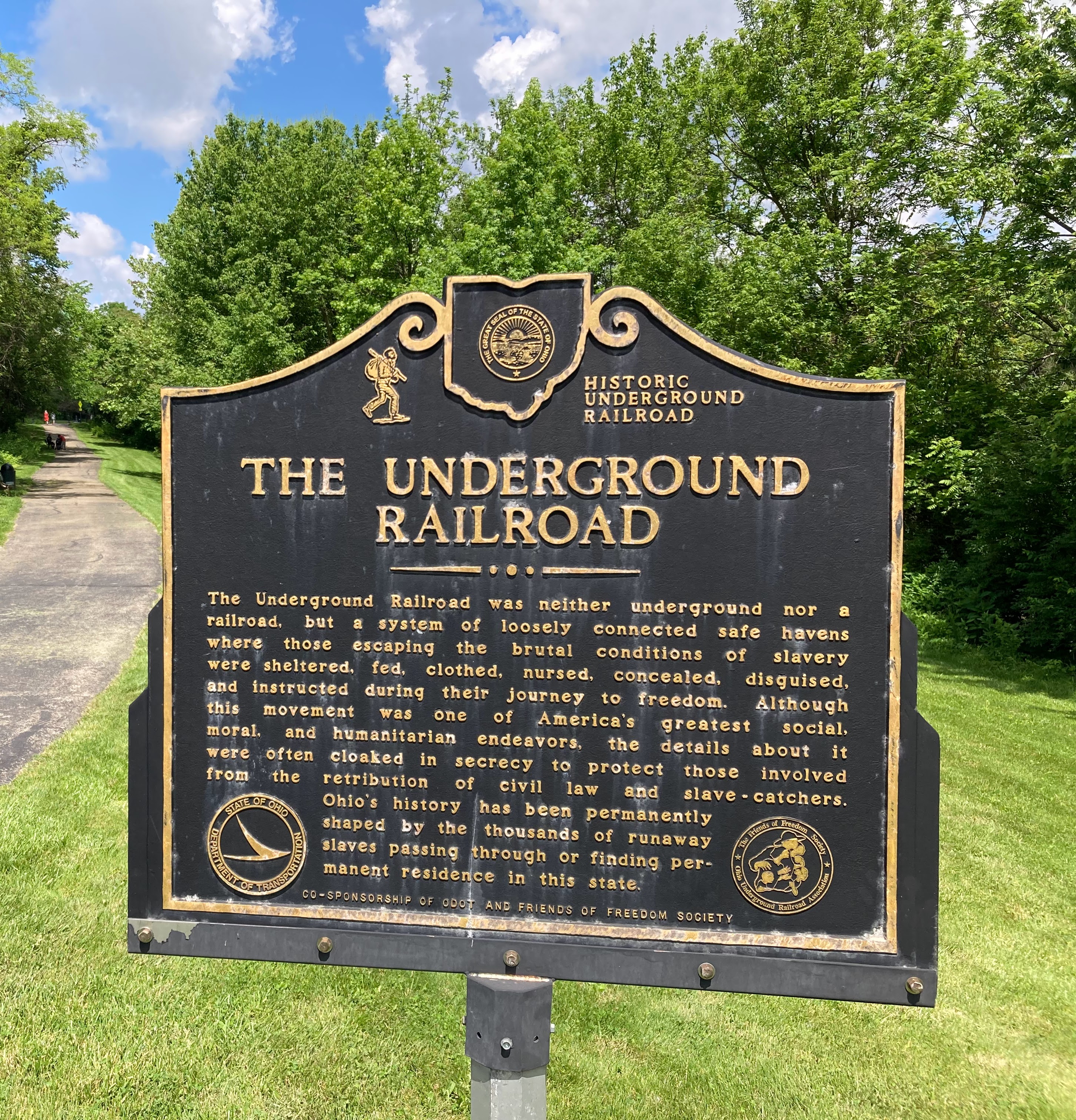
This marker giving a brief definition of the Underground Railroad is located on East William Street in Delaware. The same marker has been placed in other trail locations in Ohio.
PLEASE NOTE: The blog contains quite a few pictures so give it several minutes to download. They download haphazardly.
Today’s Ohio tourism slogan “Ohio Is the Heart of It All” is a good way to describe the state’s role in the 1850’s/60’s escape to freedom. It was a hotbed of Underground Railroad activity…and that includes Westerville.
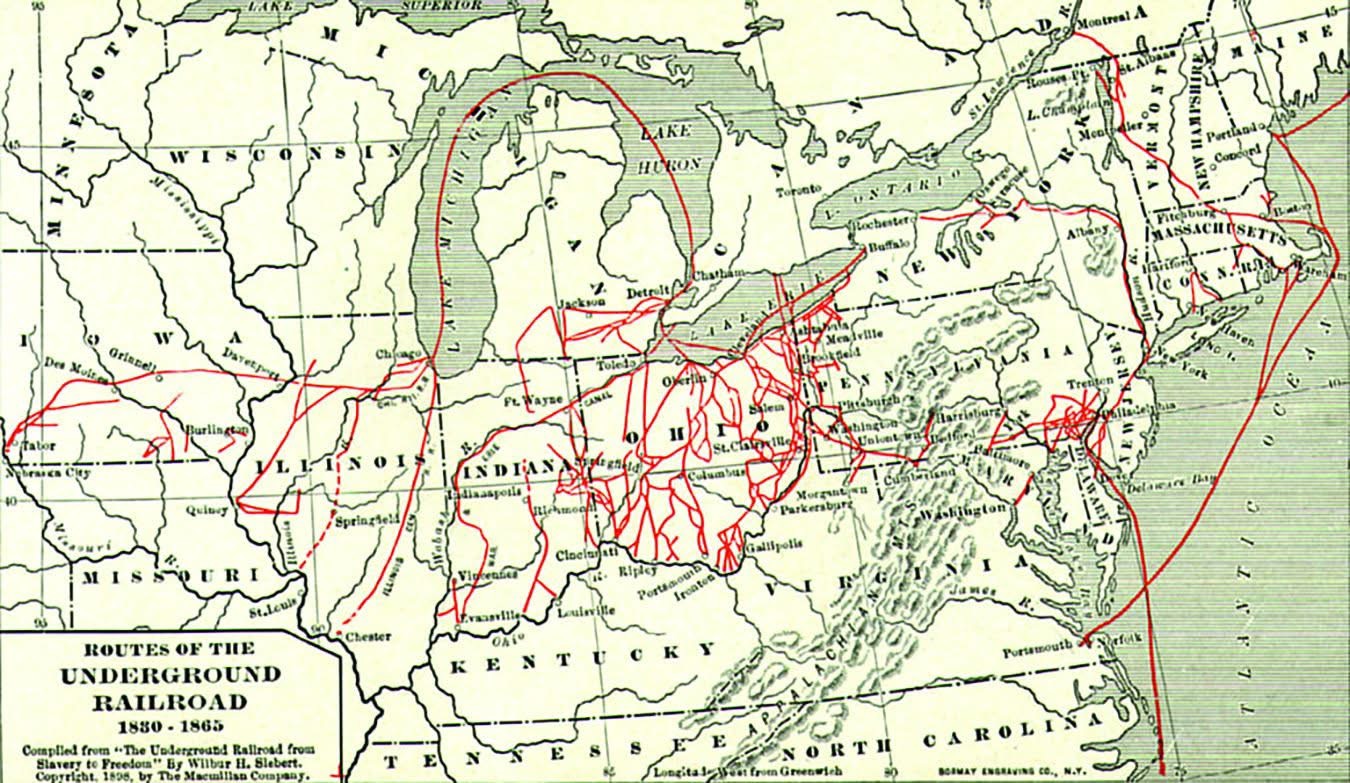
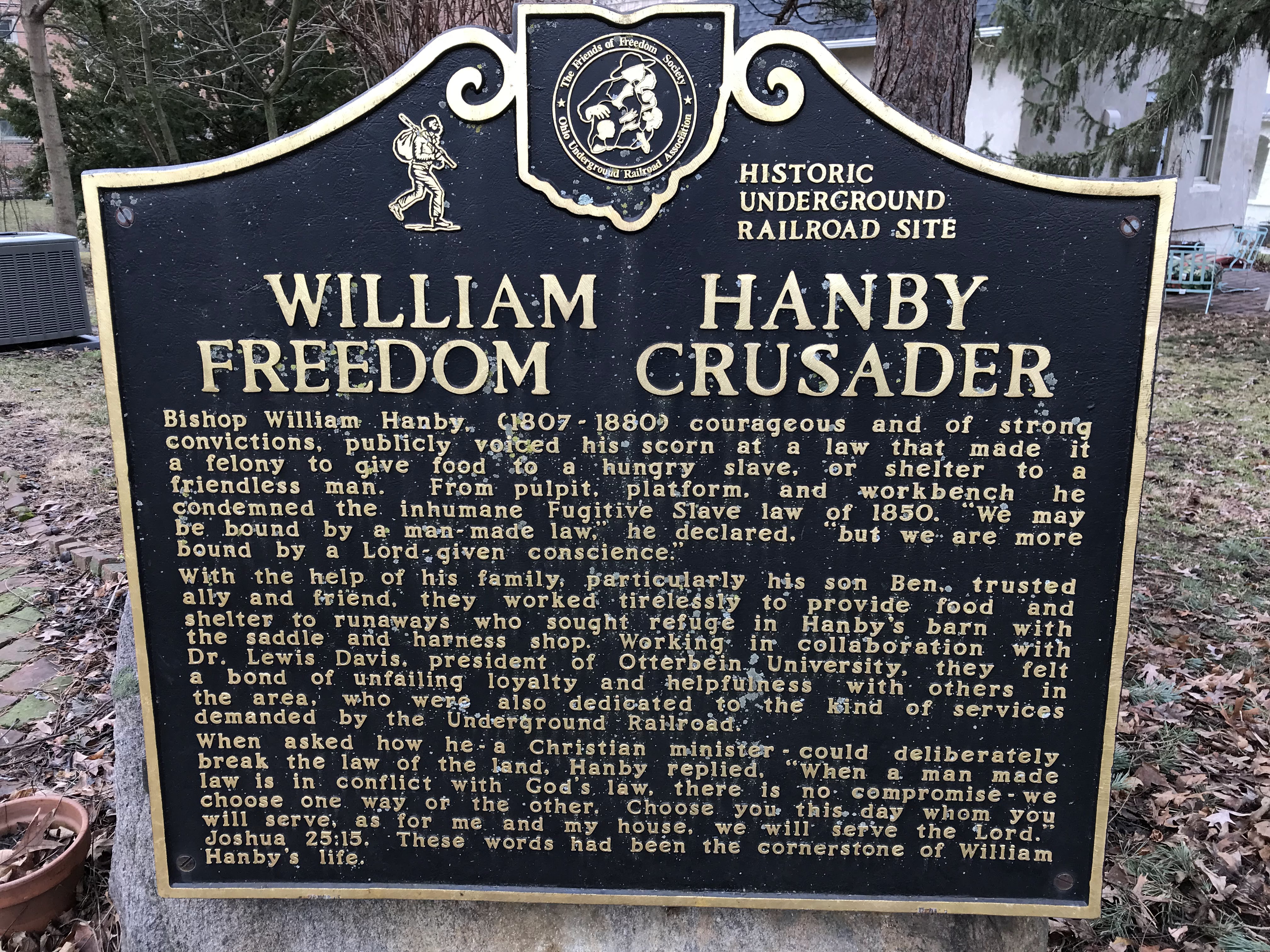
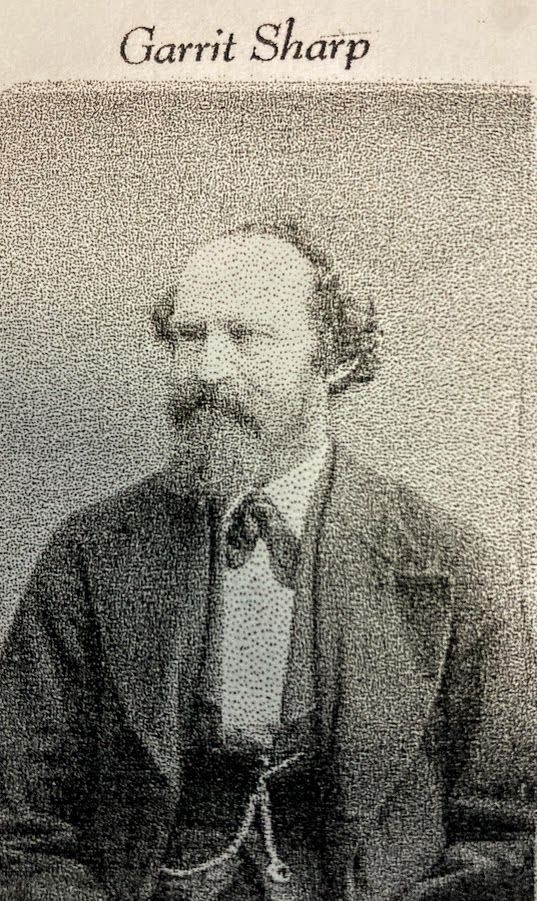
Slaves passing through Westerville followed Alum Creek into Delaware and Big Walnut Creek into Sunbury. They traveled alone and many came from the plantations of Kentucky, Maryland, and Virginia. Among entry points were Cincinnati, Marietta, Portsmouth, and Ripley. “Stations” were about 12-15 miles apart as that is a distance that could be achieved at night. Those assisting escapees here were Thomas Alexander, Lewis Davis, William Hanby and his son Benjamin, Garrit Sharp and his sons, and George Stoner.
The Fugitive Slave Act of 1850 made it a criminal offense to assist slaves. Thus, records of abolitionists who helped move slaves north through Ohio do not exist. What is known are the stories from descendants of abolitionists and witnesses that have been gathered by historians. Most of the information in this blog is from the Wilbur H. Siebert Underground Railroad Collection of the Ohio History Connection.
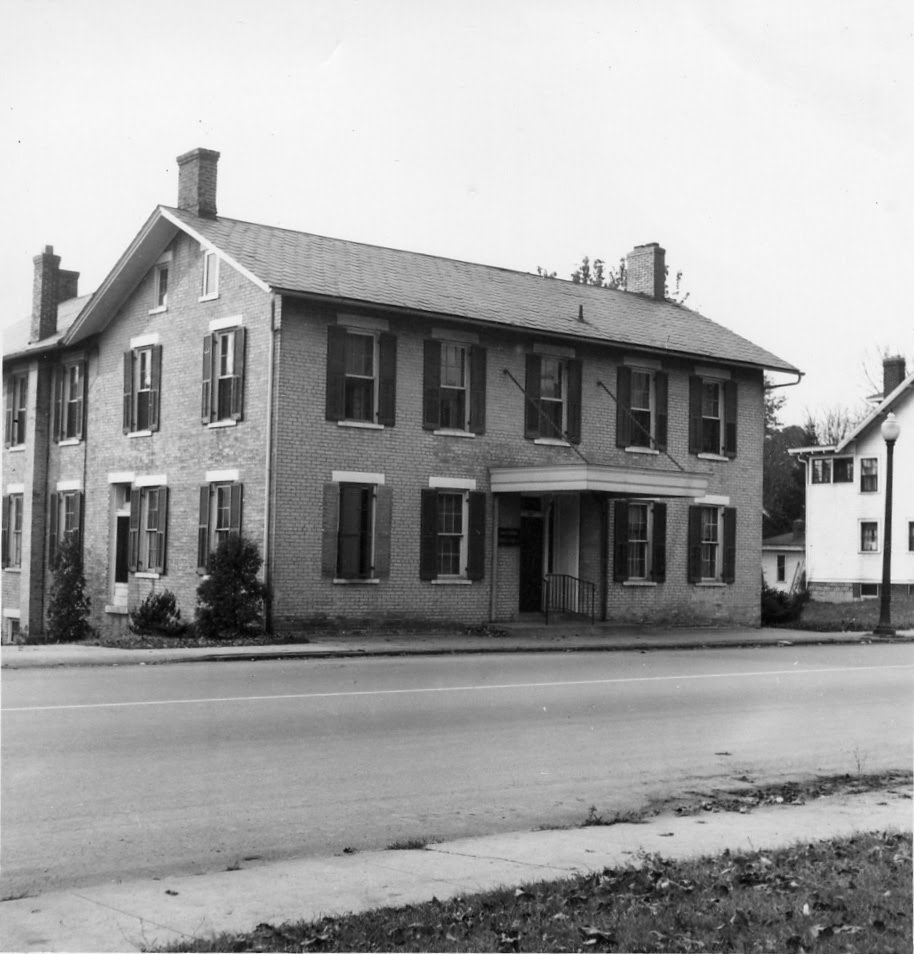
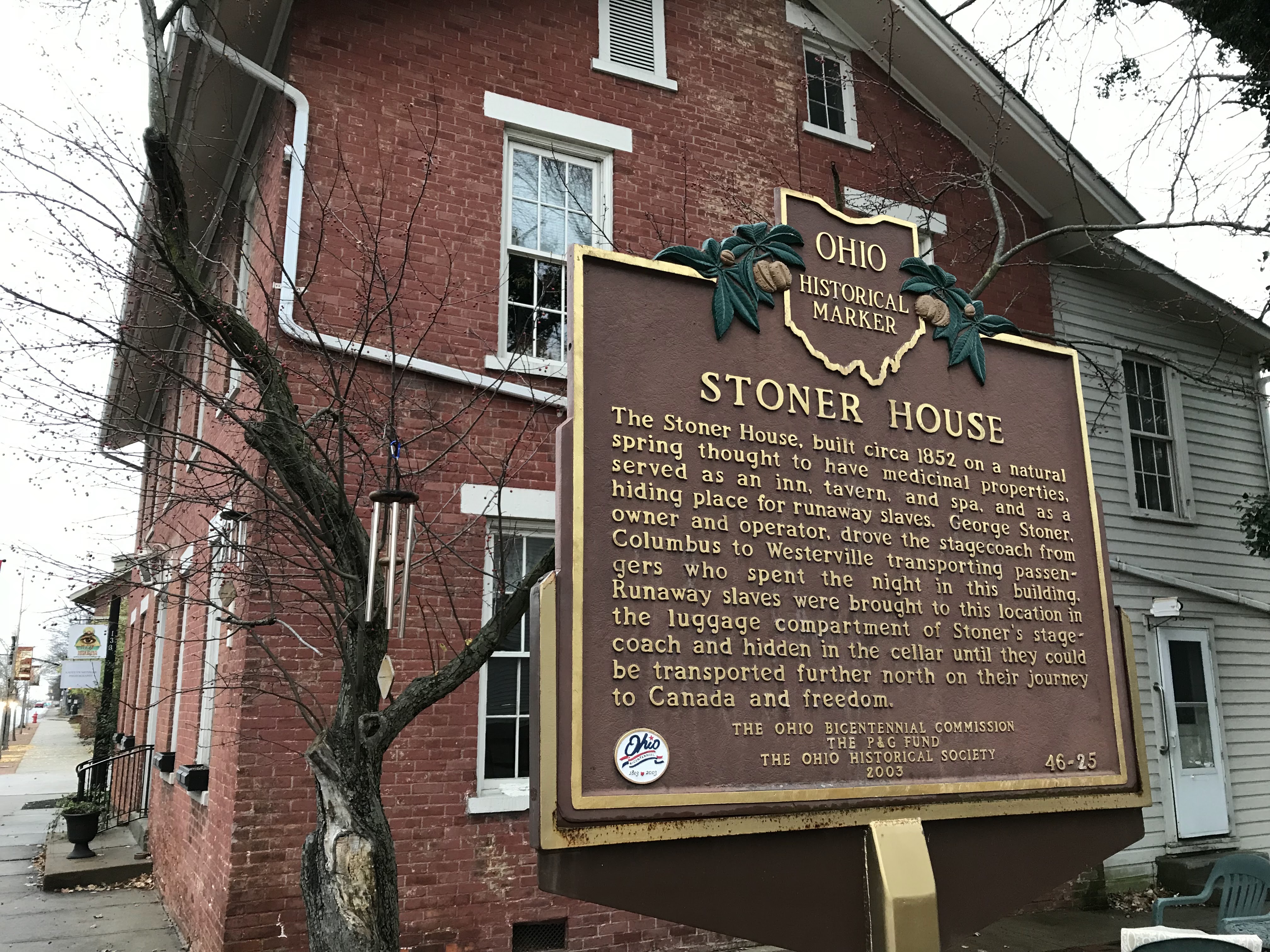
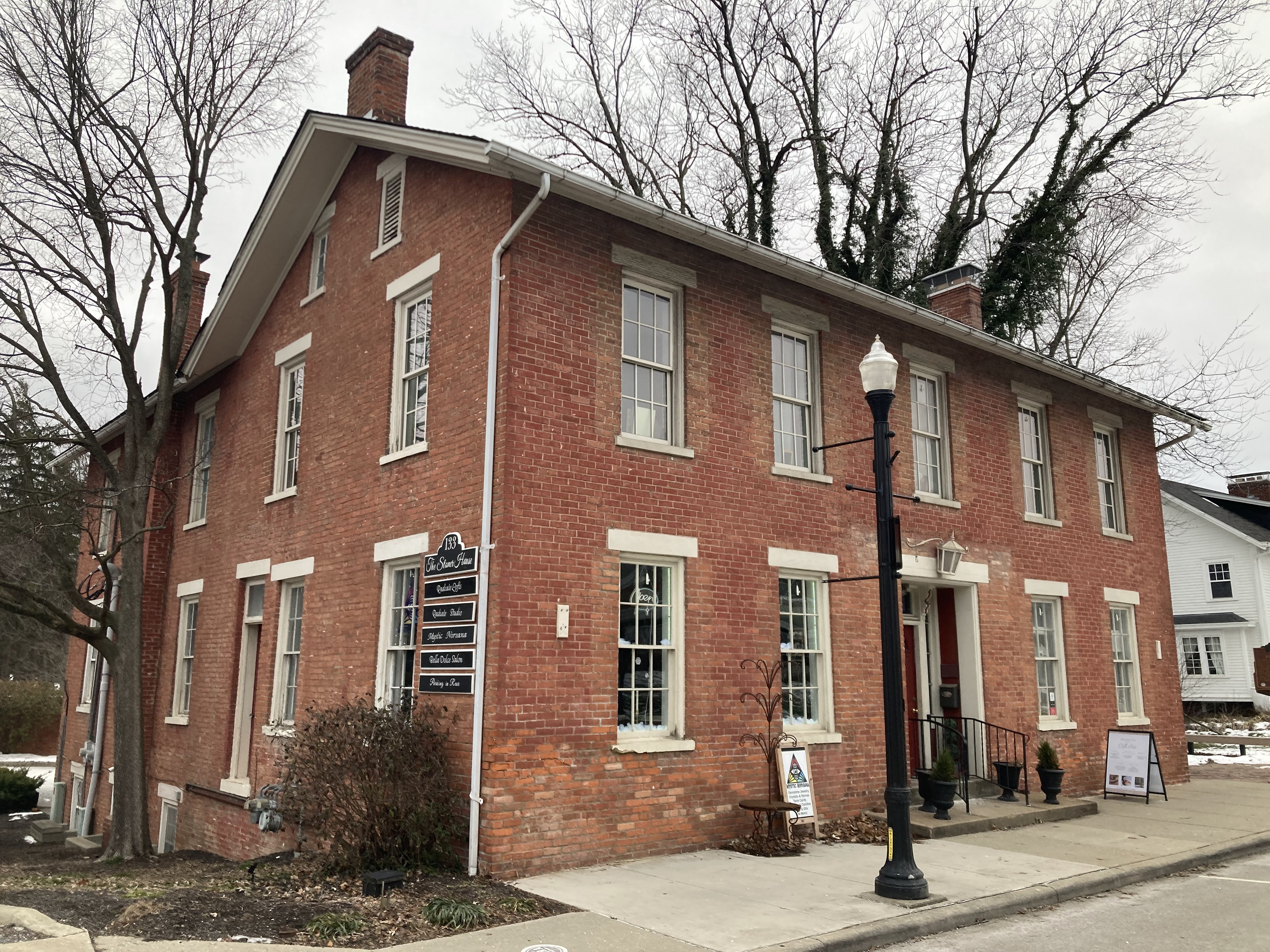
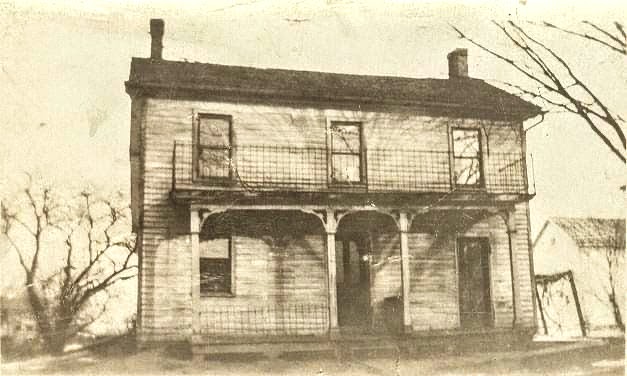
Ohio was the primary route of escape from slavery.George Stoner’s inn, as it appeared in 1948, located at 133 South State Street. Built circa 1852. Photo credit: Westerville History Museum.
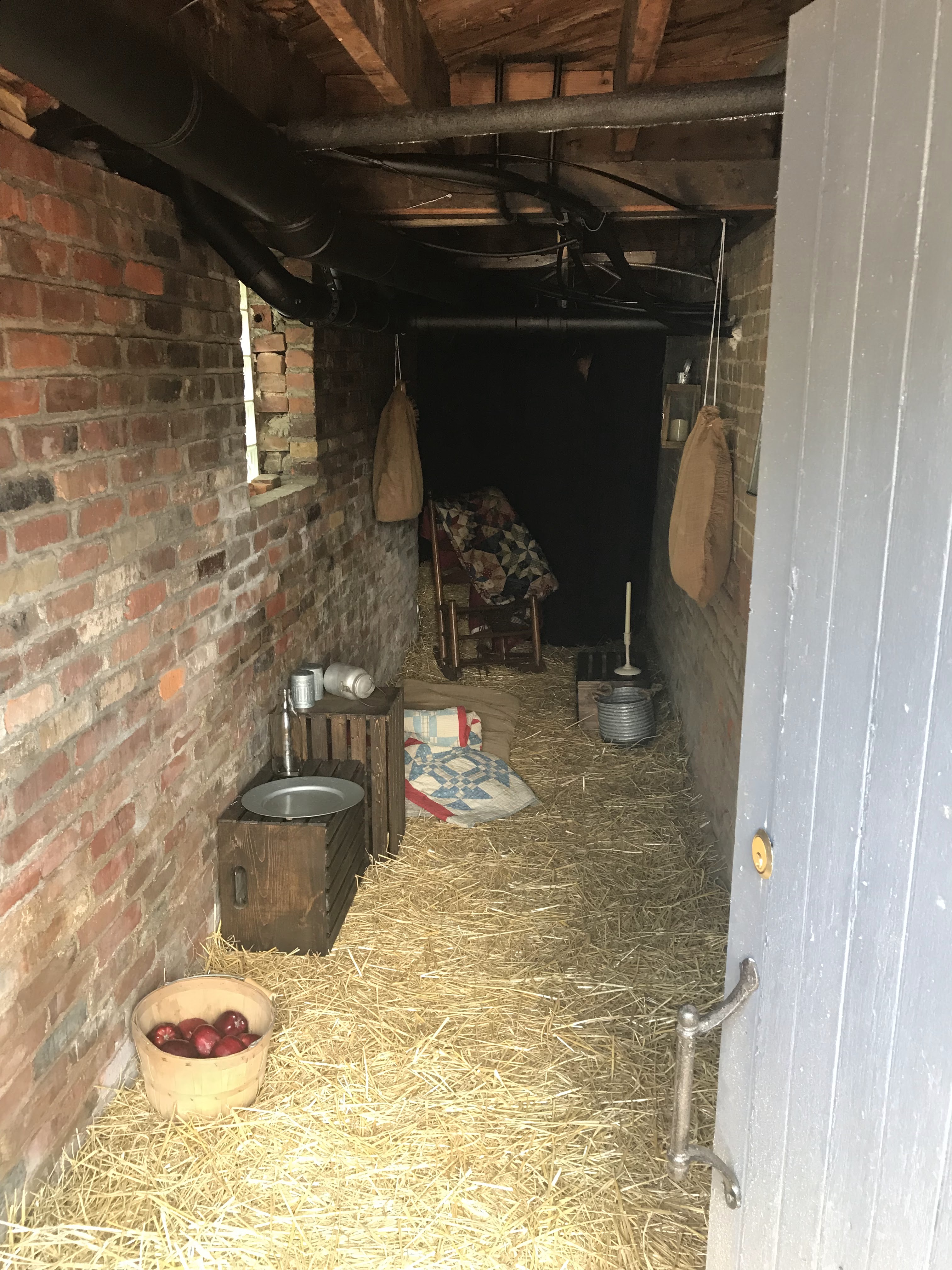
Escaping slaves were hidden in this basement space furnished as it may have appeared at the time.
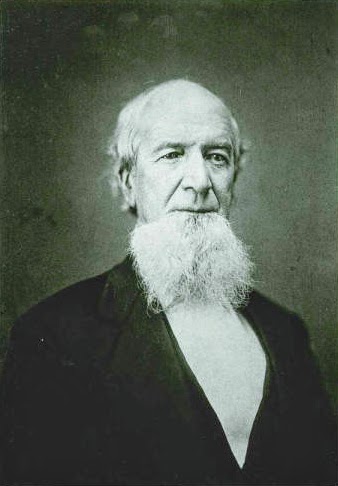
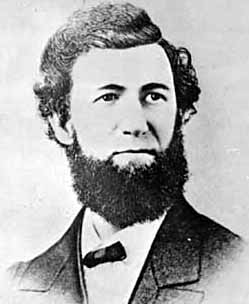
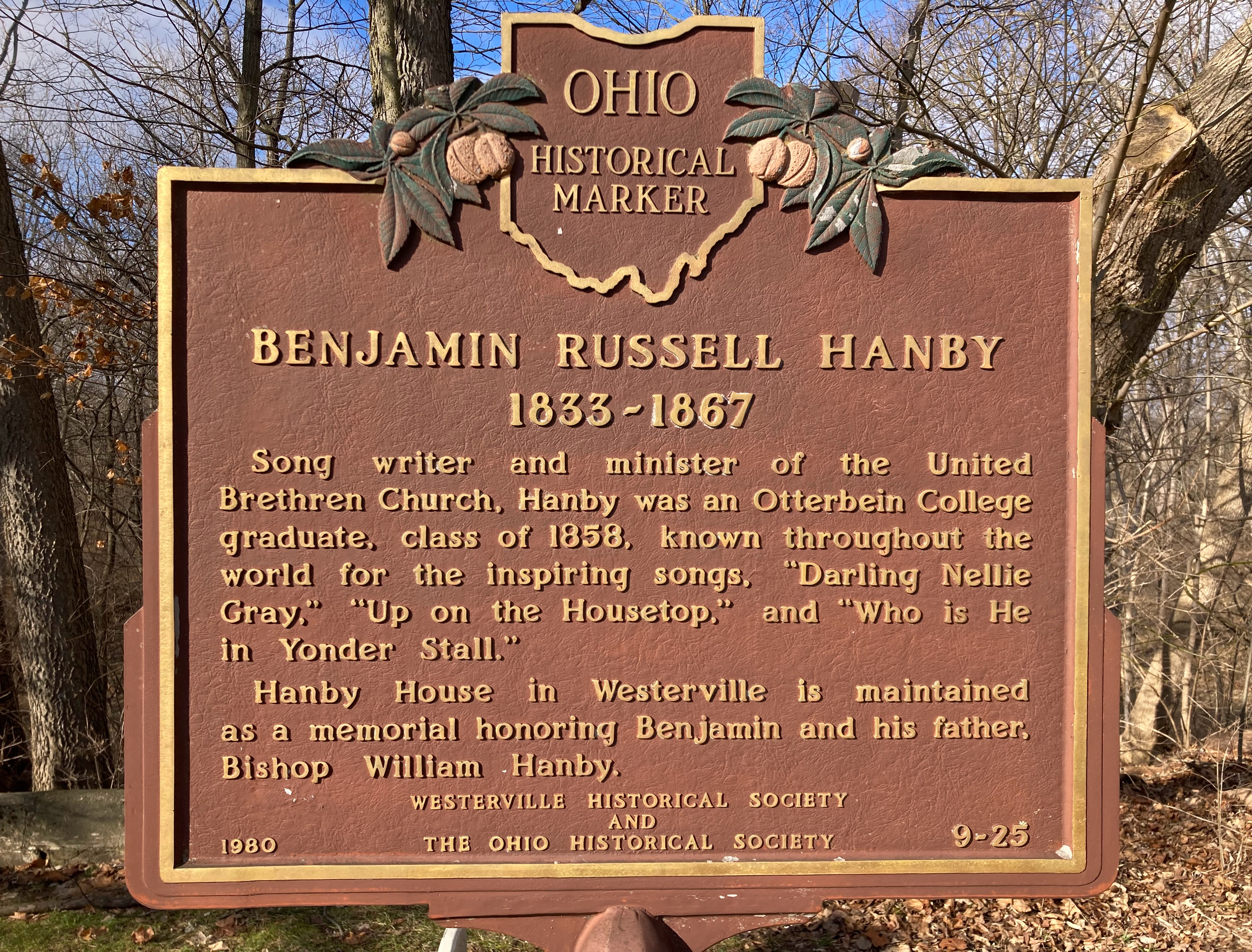
The Stoner House was later acquired for office space by the Anti-Saloon Leagueheadquartered in Westerville and birthplace of the Prohibition Amendment.The Stoner House, privately owned, is occupied by several businesses today.Reverend William and Ann Hanby House. Built 1853. Originally located on the southeast corner of South Grove and West Main Streets. Escaping slaves were hidden in Hanby’s saddle/harness shop to the right of the house as shown above. Son Benjamin guarded the building and facilitated the night escape to the next station. Photo credit: Westerville History Museum.Reverend William Hanby on the left and Benjamin Hanby on the right. Photo credit: Otterbein University Archives.Reverend Lewis and Rebecca Davis house, northeast corner of West College Avenue and South Grove Street. Construction year unknown, but appears on an 1856 map of Westerville. Escaping slaves were hidden among cornstalks hanging from the rafters to dry their ears of corn. Photo credit: 1903 yearbook Sibyl, Otterbein University Archives.
Photo credit: Reverend Henry Garst’s History of Otterbein University published in 1907…the first history written of Otterbein.
Henry Garst, mentioned in the caption of the above picture, was a boarder in the Davis home during his student years at Otterbein(Class of 1861). He witnessed the following one evening with an escaping slave hosted in the Davis home: “He was in a state of great alarm, declaring he had seen a handbill posted near Westerville giving a description of him and offering a reward of five hundred dollars for his capture and return to his master. He was weary and hungry and yet it was not thought prudent for him to tarry long on account of the danger of capture. He tarried until dinner was prepared and then he sat down to eat, trembling from head to foot. Tremulous clatter of his knife and fork upon the plate before him, occasioned by his fright, can never be forgotten. After partaking of his hasty meal and receiving other aid, he was directed to a station beyond Westerville in the country.”
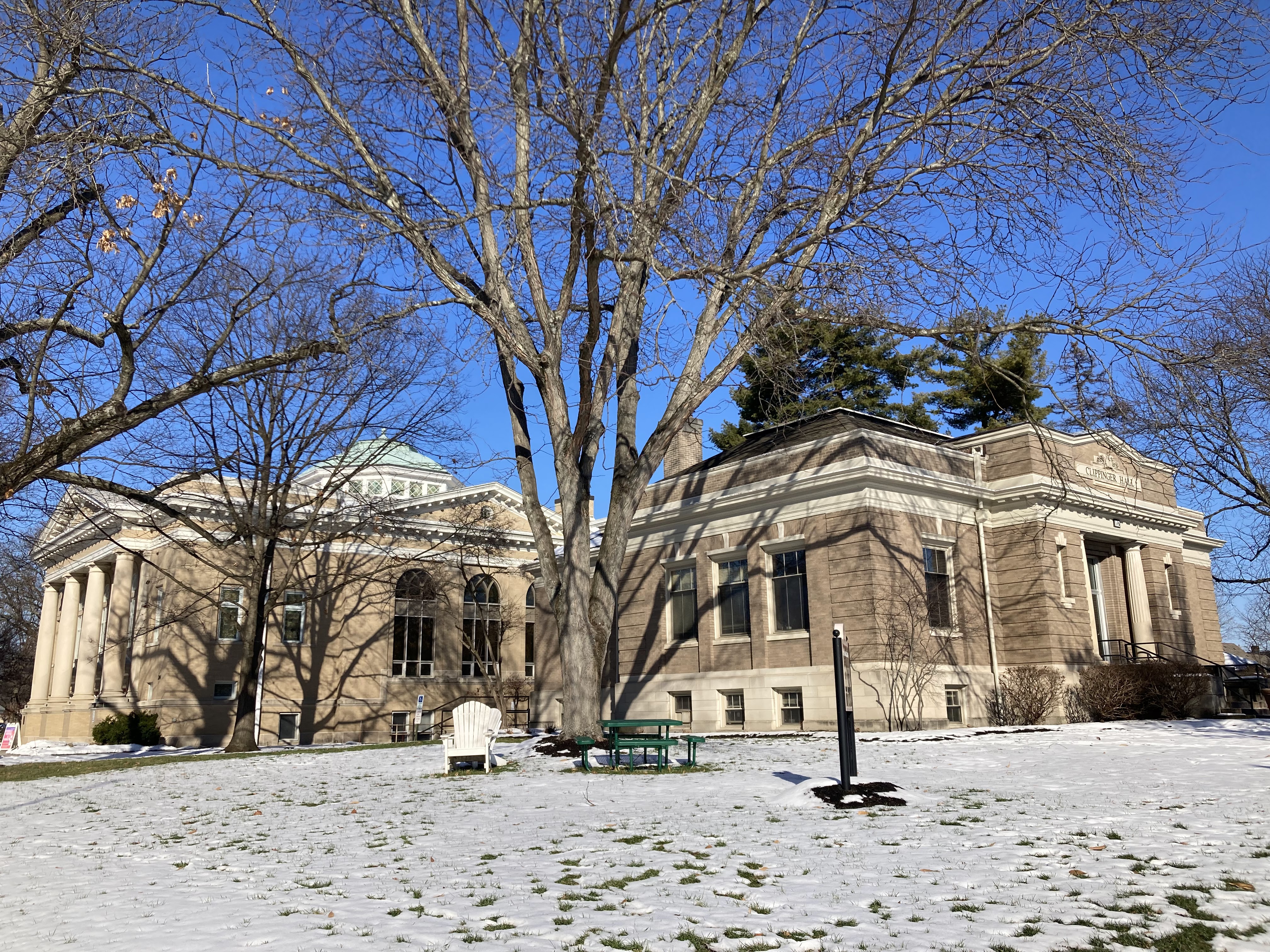
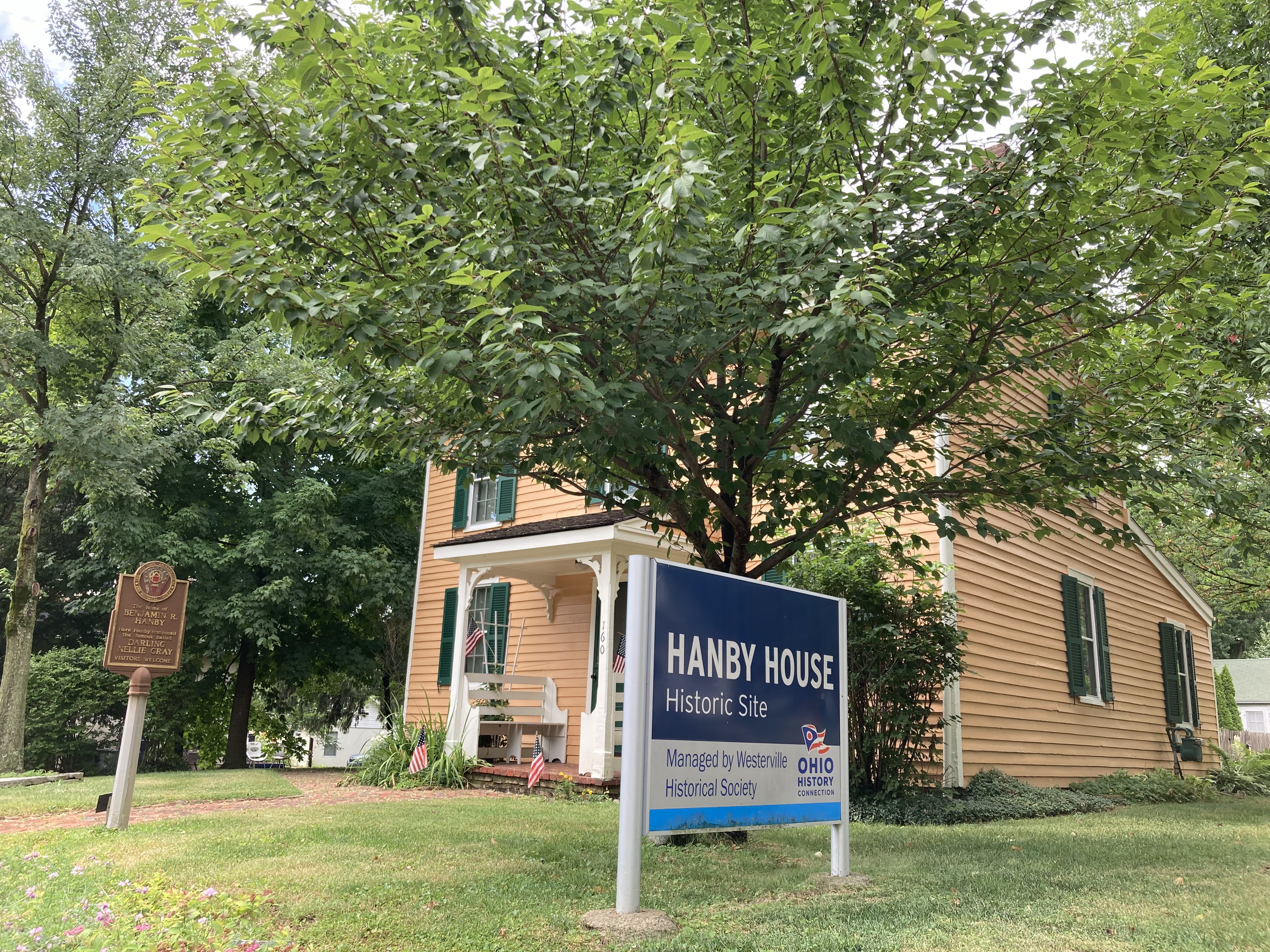
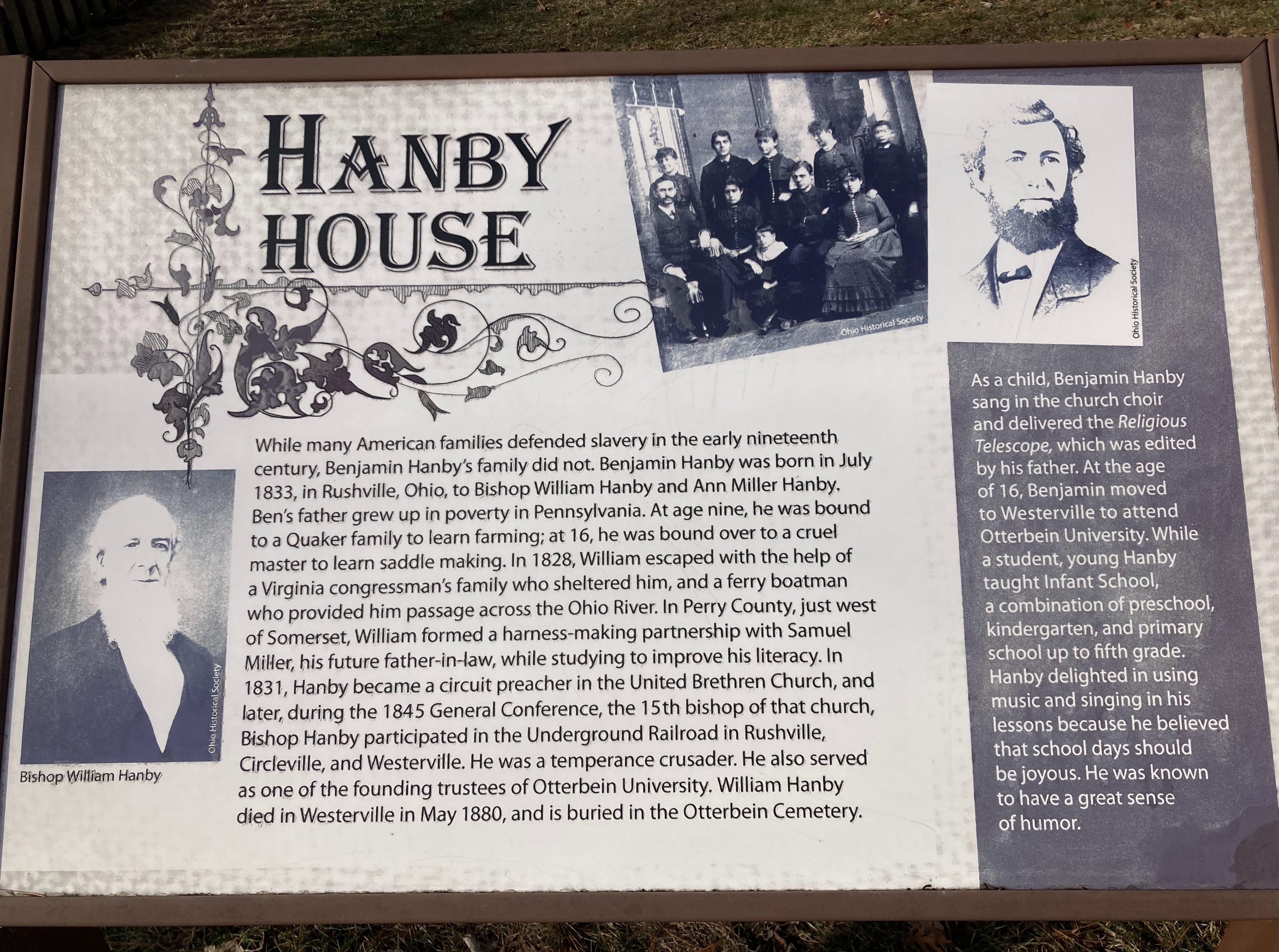
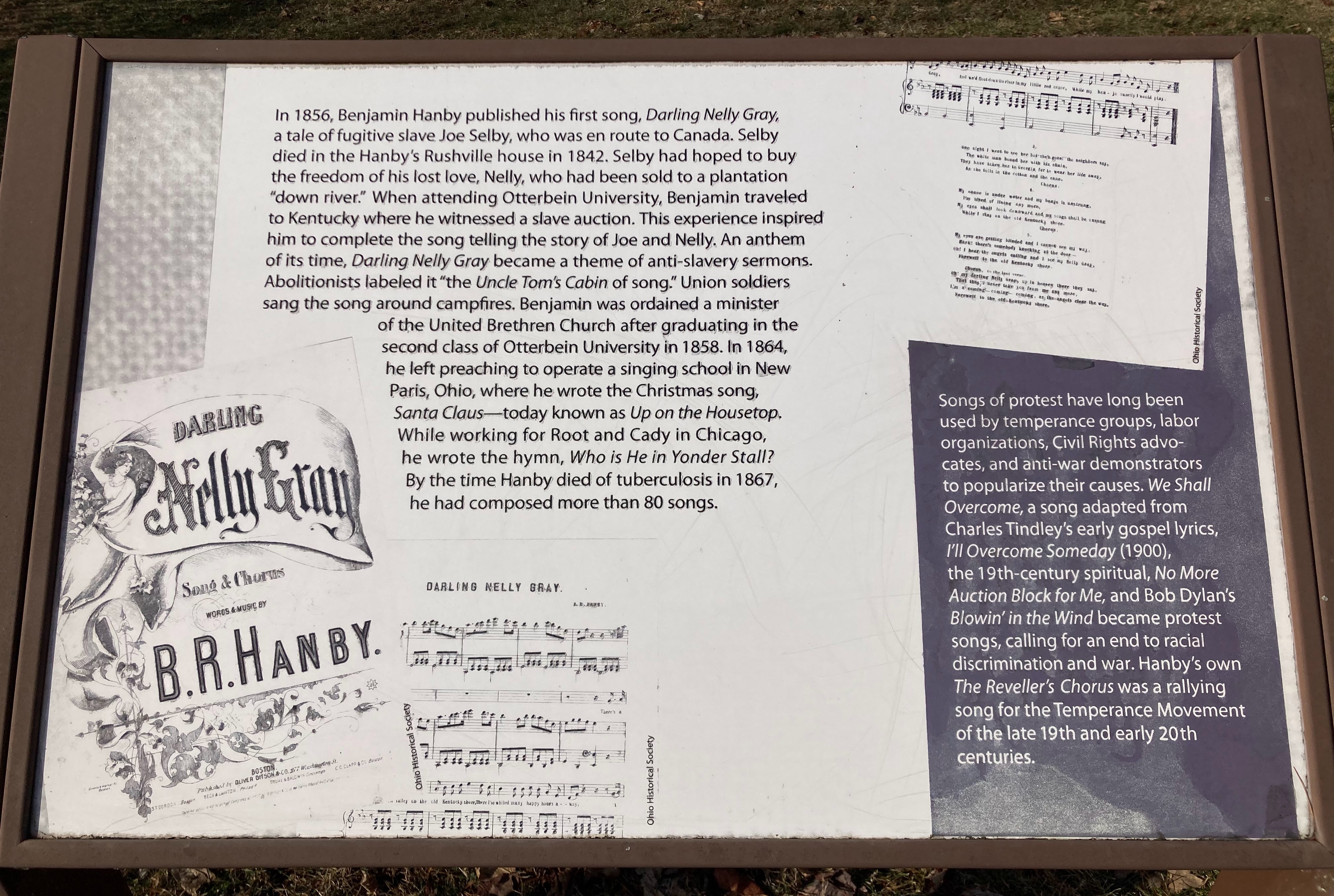
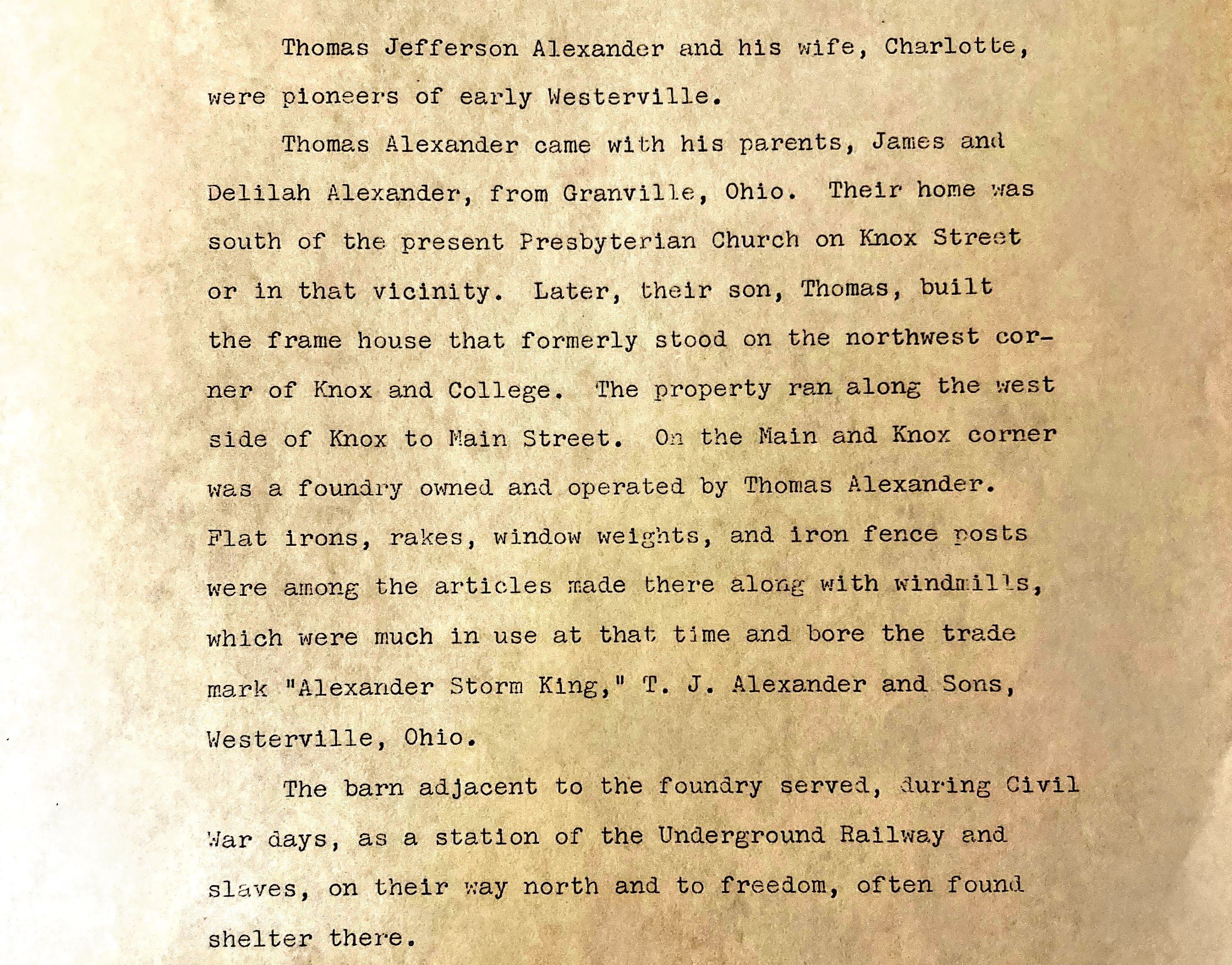
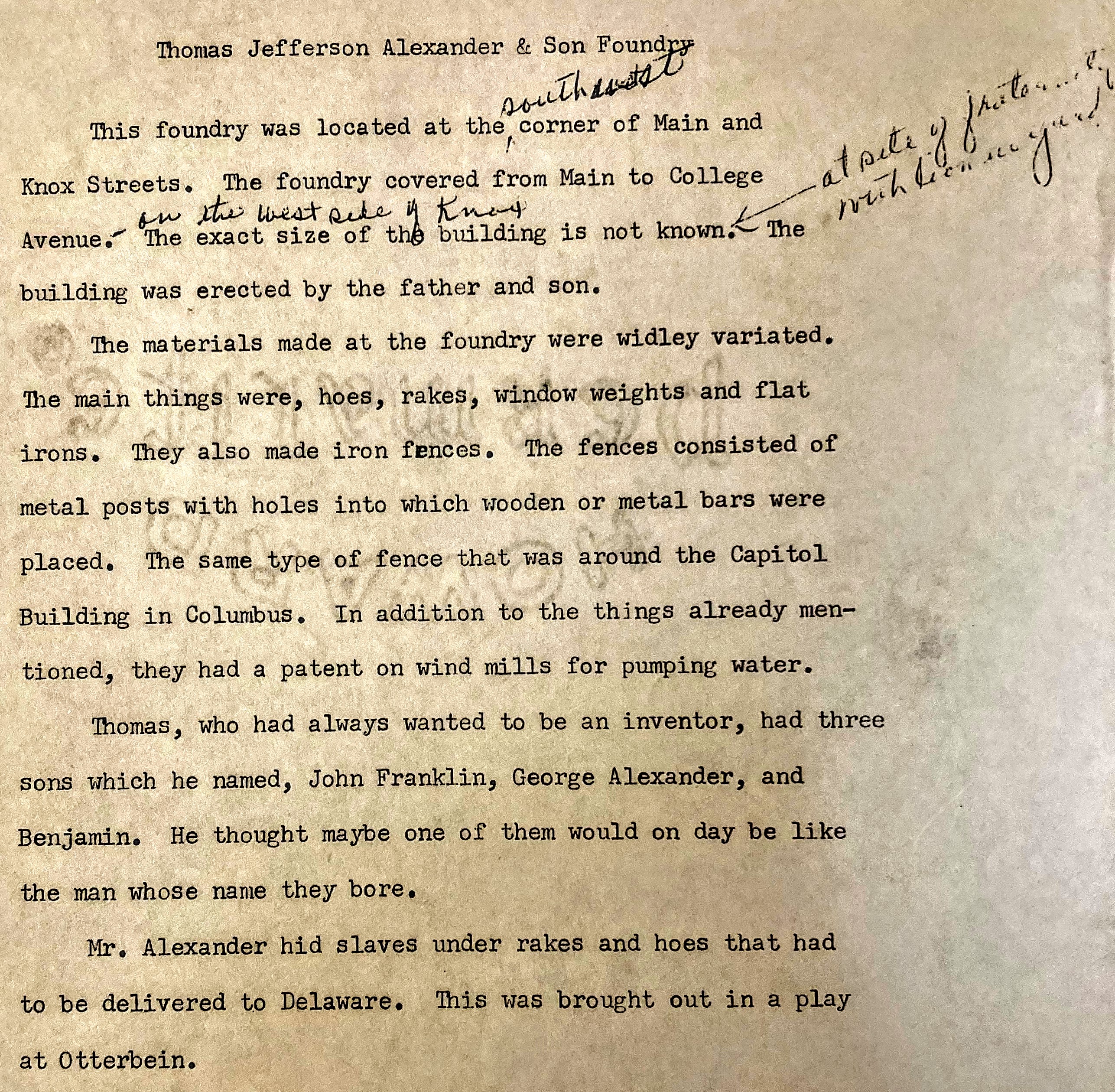
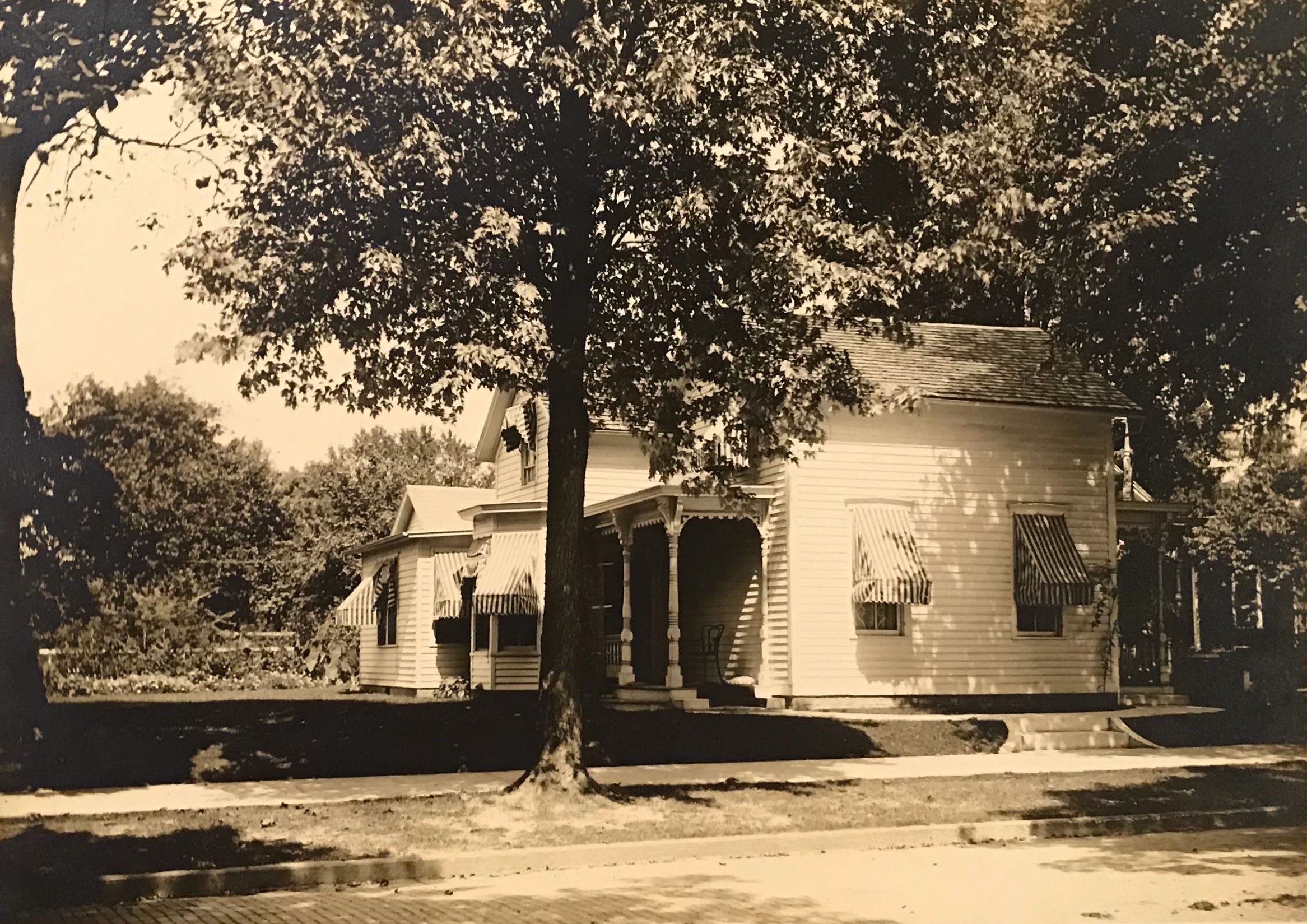
Left above: The Hanby house/barn stood where Church of the Master United Methodist stands today. Right above: The Davis house stood where Otterbein University’s former Carnegie Library/now Office of Admission stands today.A later owner of the Hanby house was Squire Fouse, a former slave who moved north to Westerville after the Civil War. The house was moved to West Home Street to make way for the construction of First United Brethren Church (now Church of the Master United Methodist). It was moved again to 160 West Main Street where it stands today and is listed on the National Register of Historic Places.. William Fouse, son of Squire and Martha who became a well-known Kentucky educator, was the first Black graduate of Westerville High School and Otterbein University. Fouse Elementary School is named in his honor.This marker and the two panels below are located in the backyard of Hanby House.More about Nelly Gray at the close of this blog…and it’s a suprising more!!Thomas and Charlotte Alexander house. 48 West College Avenue. Construction year unknown, but appears on an 1856 map of Westerville.An escaping slave would be hidden in Alexander’s rake foundry behind the house as shown above. Later, the slave would be put in a wagon, covered with rakes and other garden implements, and concealed as merchandise to the next stop. Photo credit: Westerville History Museum.The historical reflections above and the one below are from E. Zoe Horlocker, granddaughter of Thomas and Charlotte Alexander. Photo credit: Westerville History Museum.
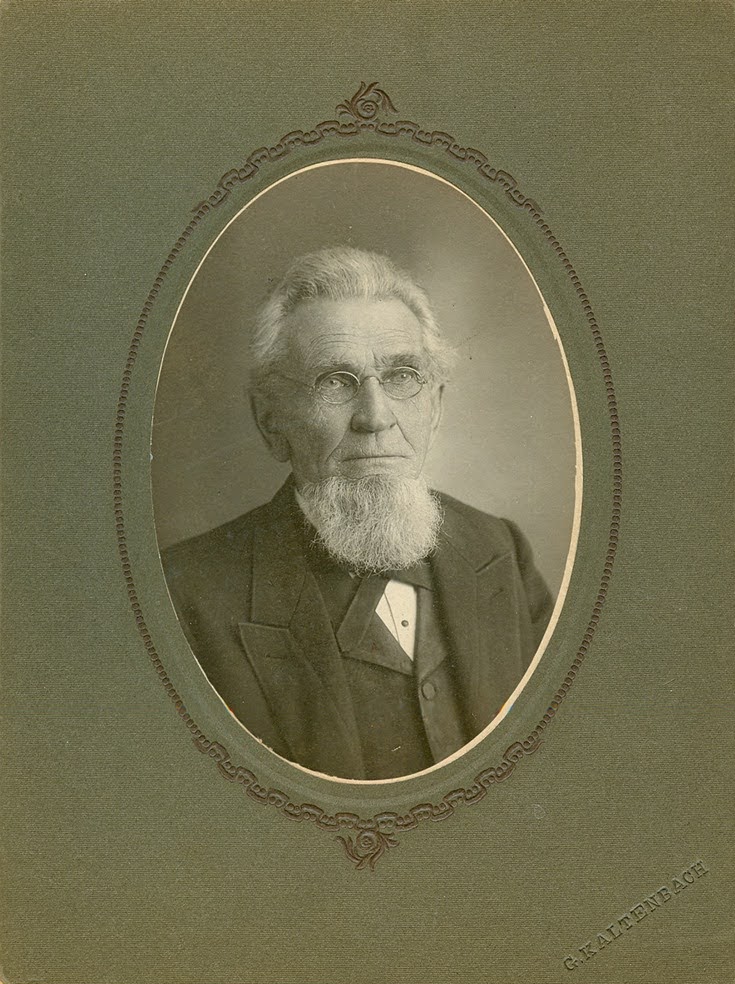
Thomas Alexander who was also mayor of Westerville and a founder of Blendon Masonic #339. Photo credit: Westerville History Museum.
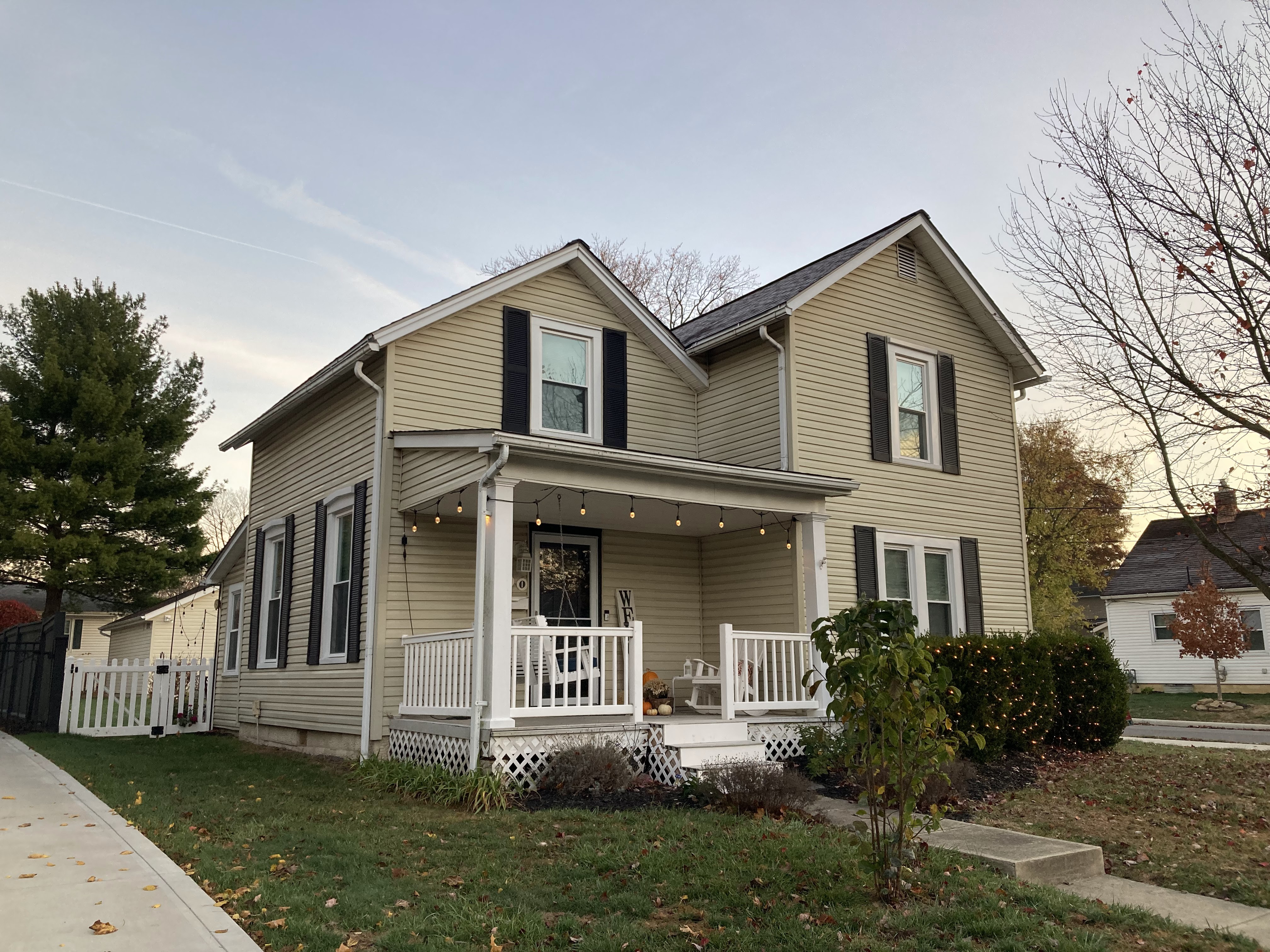
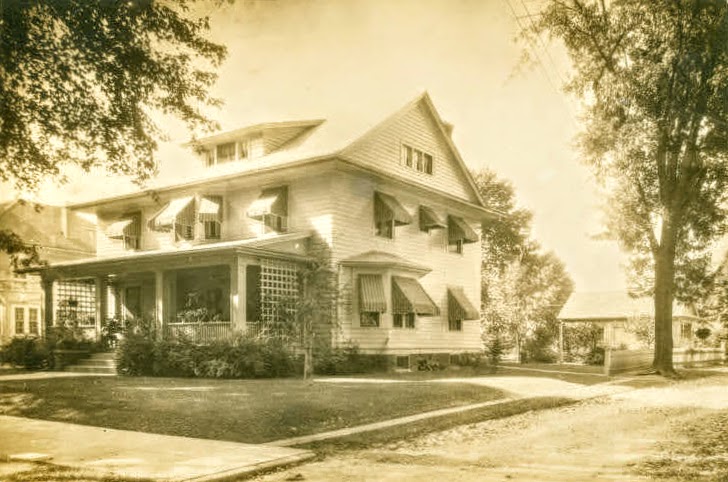
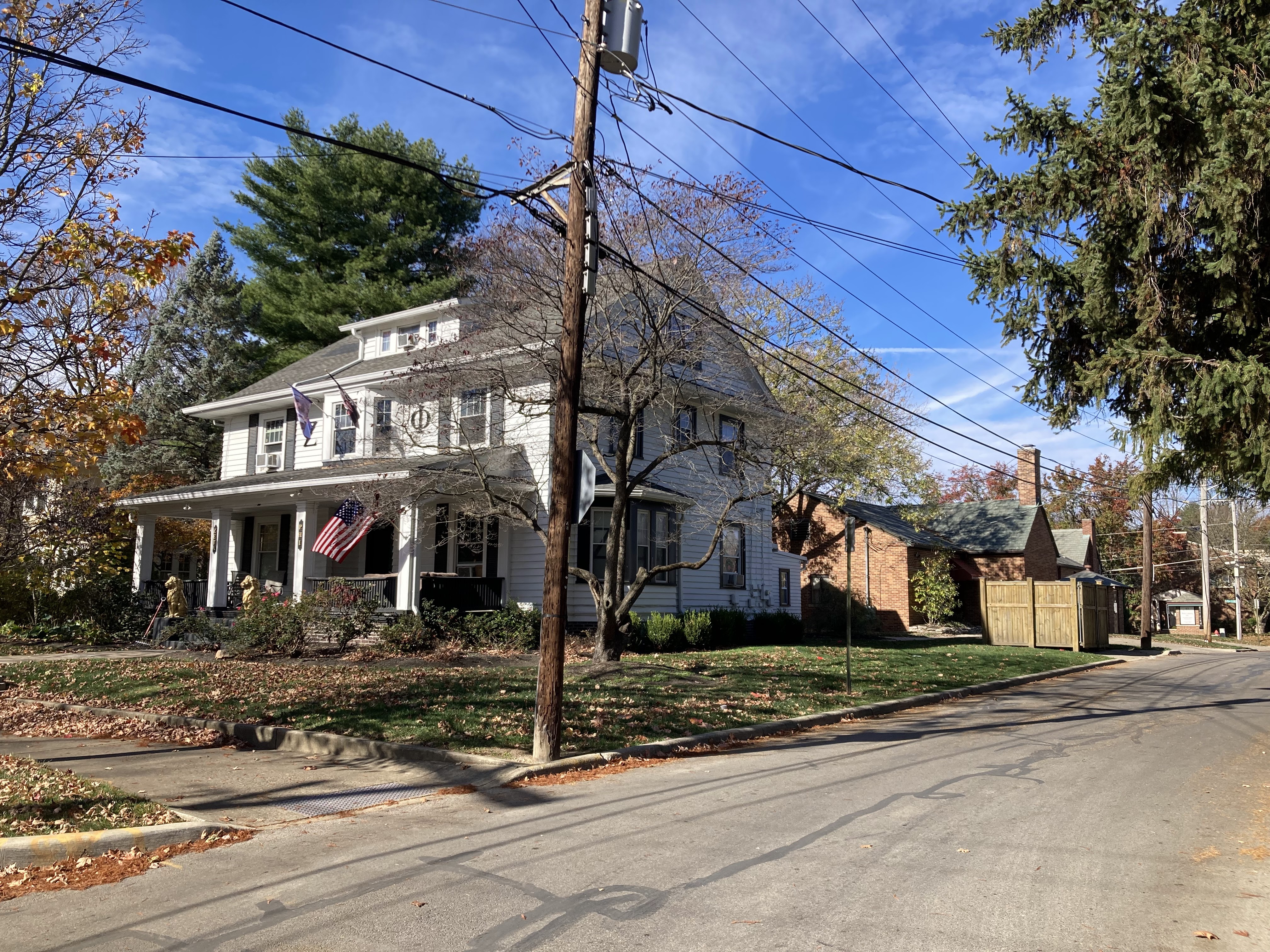
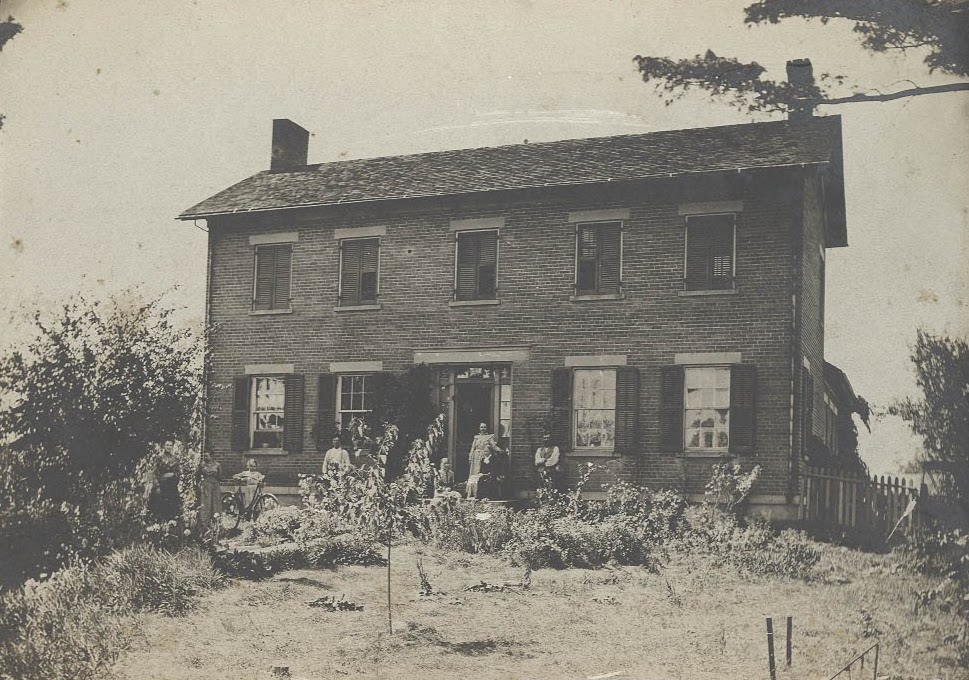
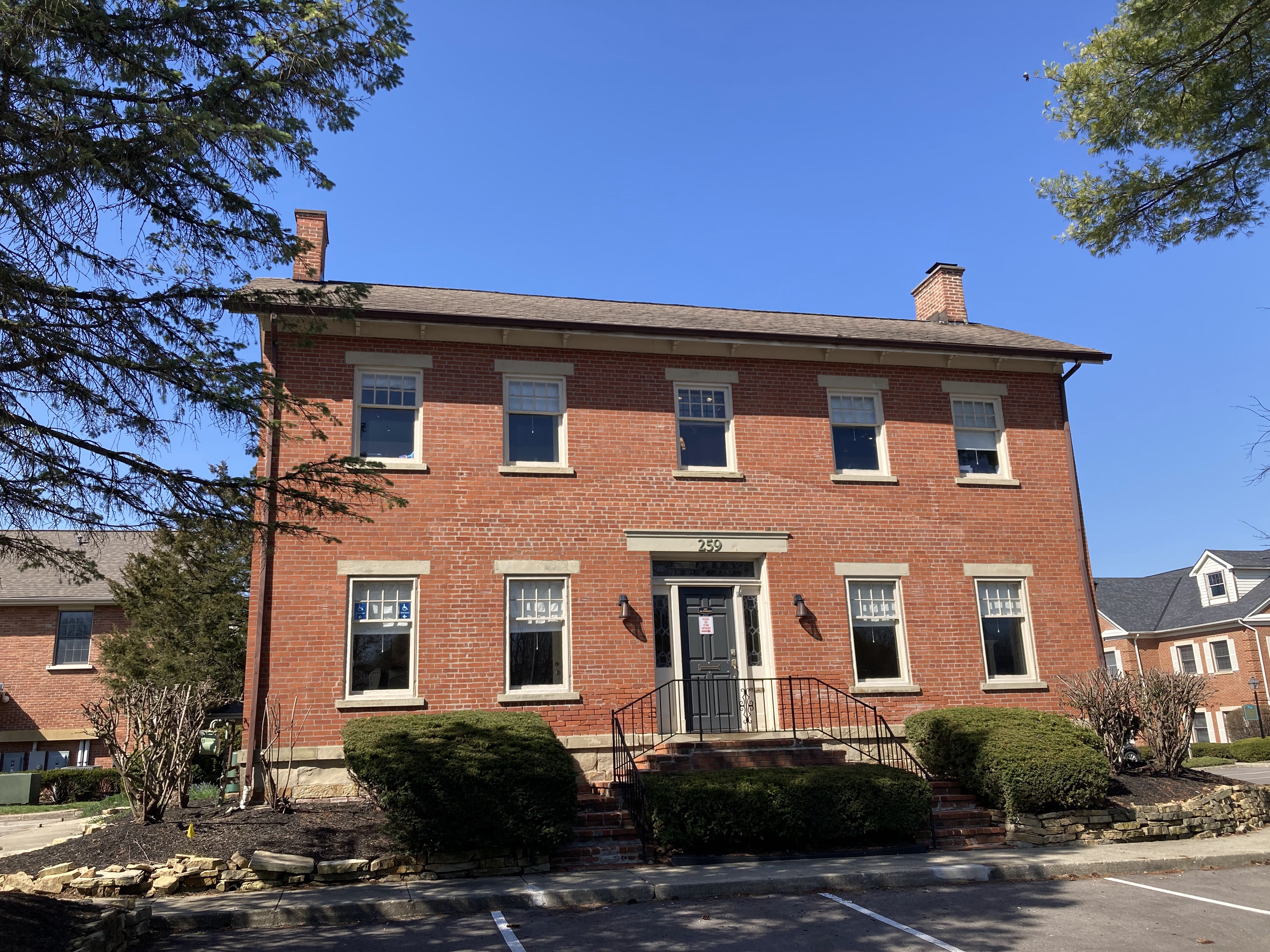
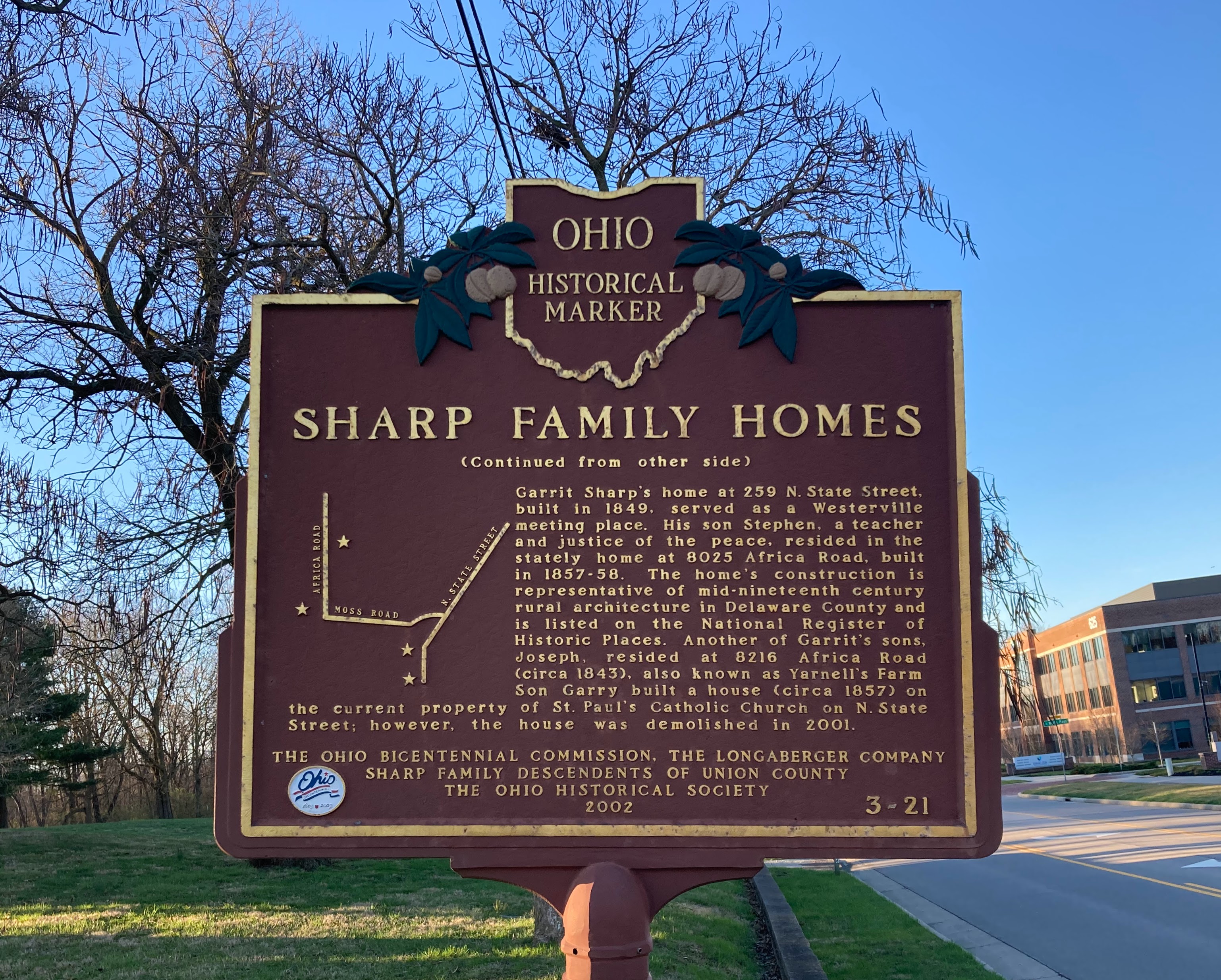
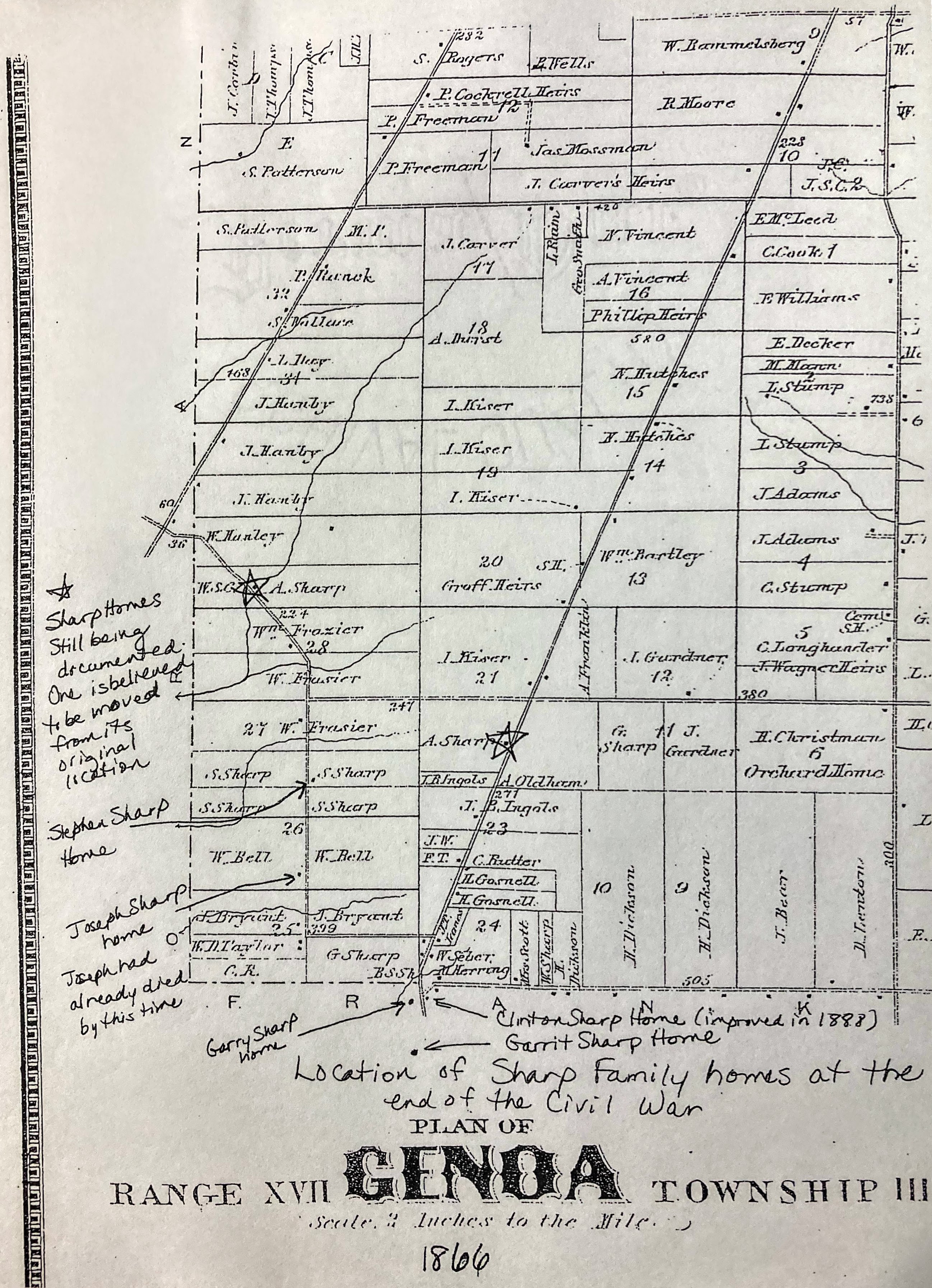
The house was expanded when daughter Inez and her husband George relocated here from Fostoria. This picture is a view from another another angle. After Thomas and Charlotte passed away, the house was moved to Logan Avenue in 1914. Photo credit: Westerville History Museum.Here is the Alexander house, reconfigured, as it stands today at 60 Logan Avenue. Meals for escaping slaves would have been prepared in it.George and Inez Crouse built this house on the same 48 West College Avenue lot.While this is not Underground Railroad history-related, here’s to Inez Alexander Crouse and 103 years old!! Photo credit: Otterbein University Archives.Today the house is owned and occupied by Zeta Phi Fraternity of Otterbein University.Thomas Alexander’s rake factory was located where the building above stands today.Garrit and Anna Sharp house. 259 NorthState Street. Built circa early 1840’s.Garrit and his sons (whose houses follow below) were Underground Railroad “conductors”, or guides who moved escaping slaves from place to place. In a document dated 7/21/1892, Joseph Gardner made this statement when talking about his father Ozem who had a station in Worthington: “They often brought fugitive slaves across to Blendon from the State road to throw hunters off the track. When they brought them from Bull’s to father’s it was by the State road. Blendon is now Westerville. They took them to Sharp’s. Garret Sharp was the old man and he had six or seven sons all abolitionists.”
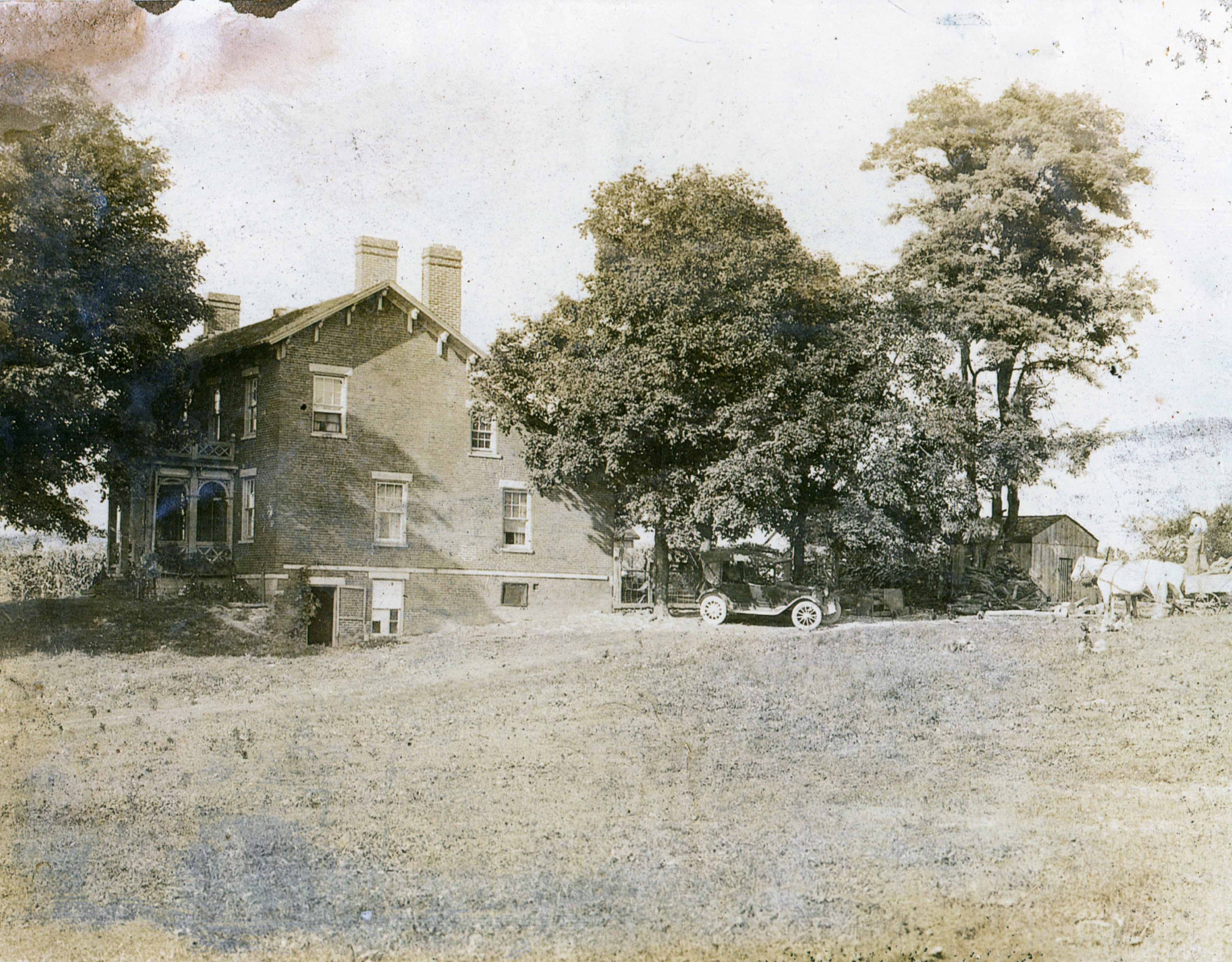
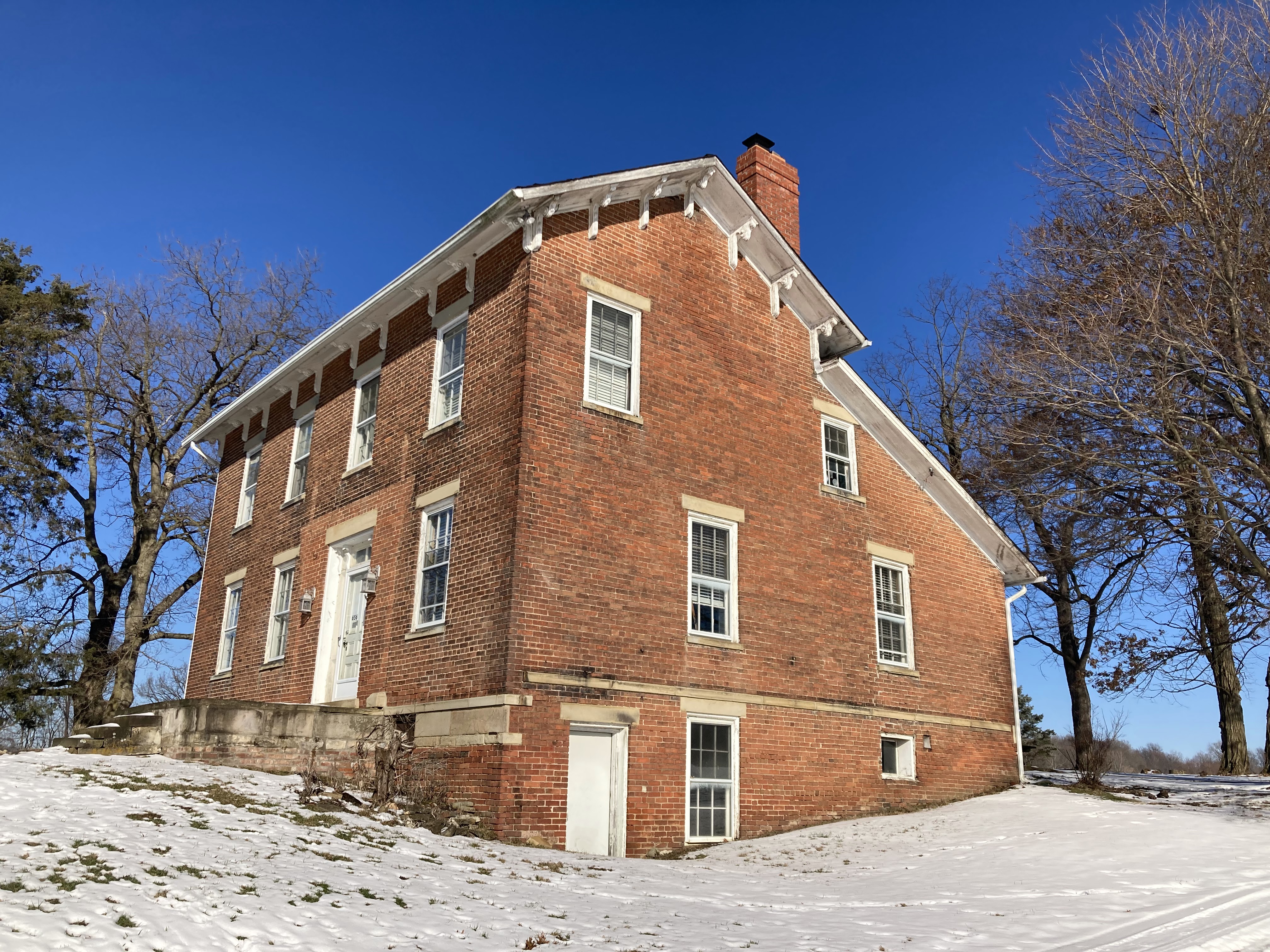
Today the house is an office building. Listed on the National Register of Historic Places.This two-sided marker stands in front of the Stephen, Sr. and Hester Sharp house pictured two frames below.Stephen, Sr. and Hester Sharp house. 656 Africa Road (previously numbered 8025). Built 1859.
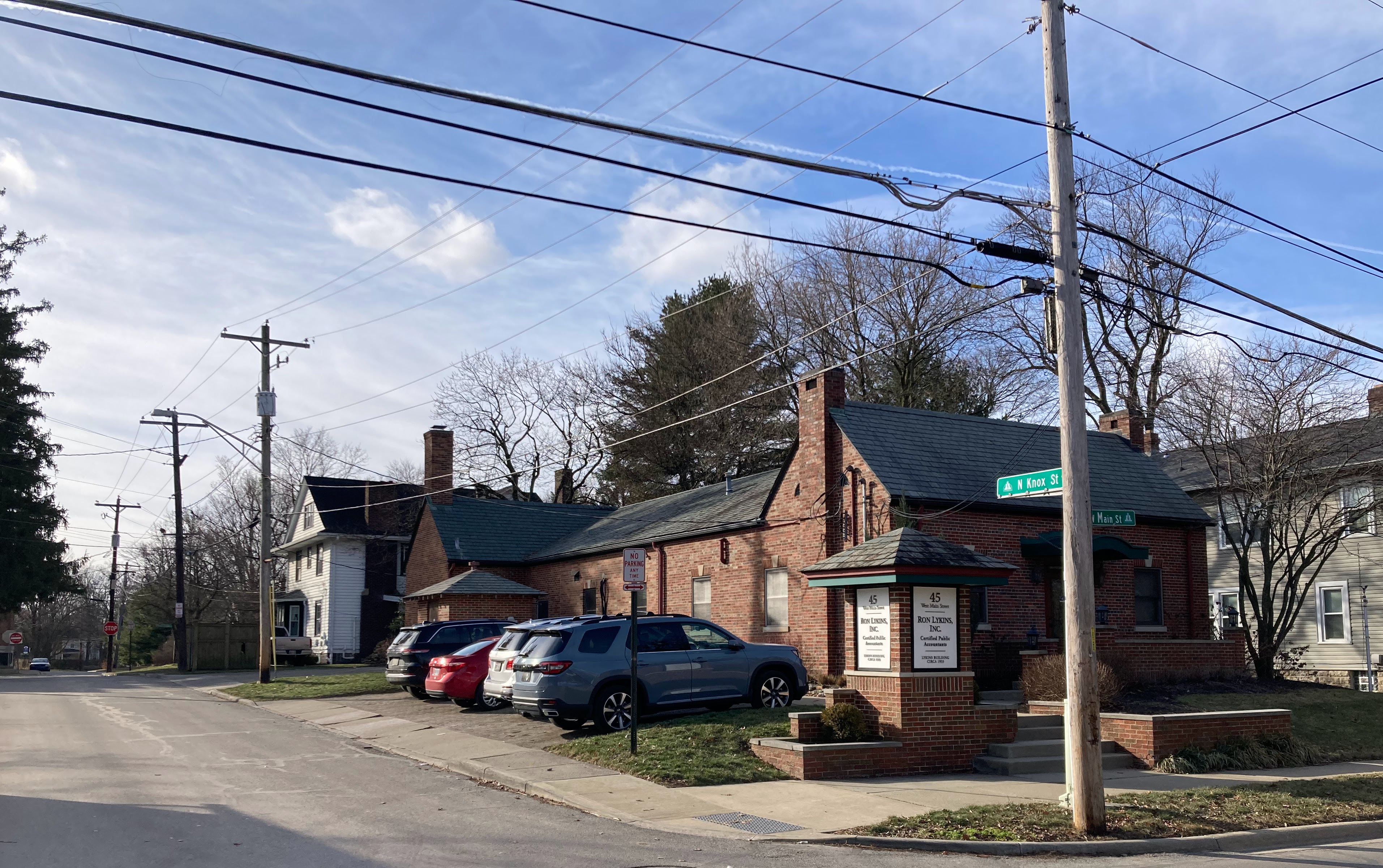
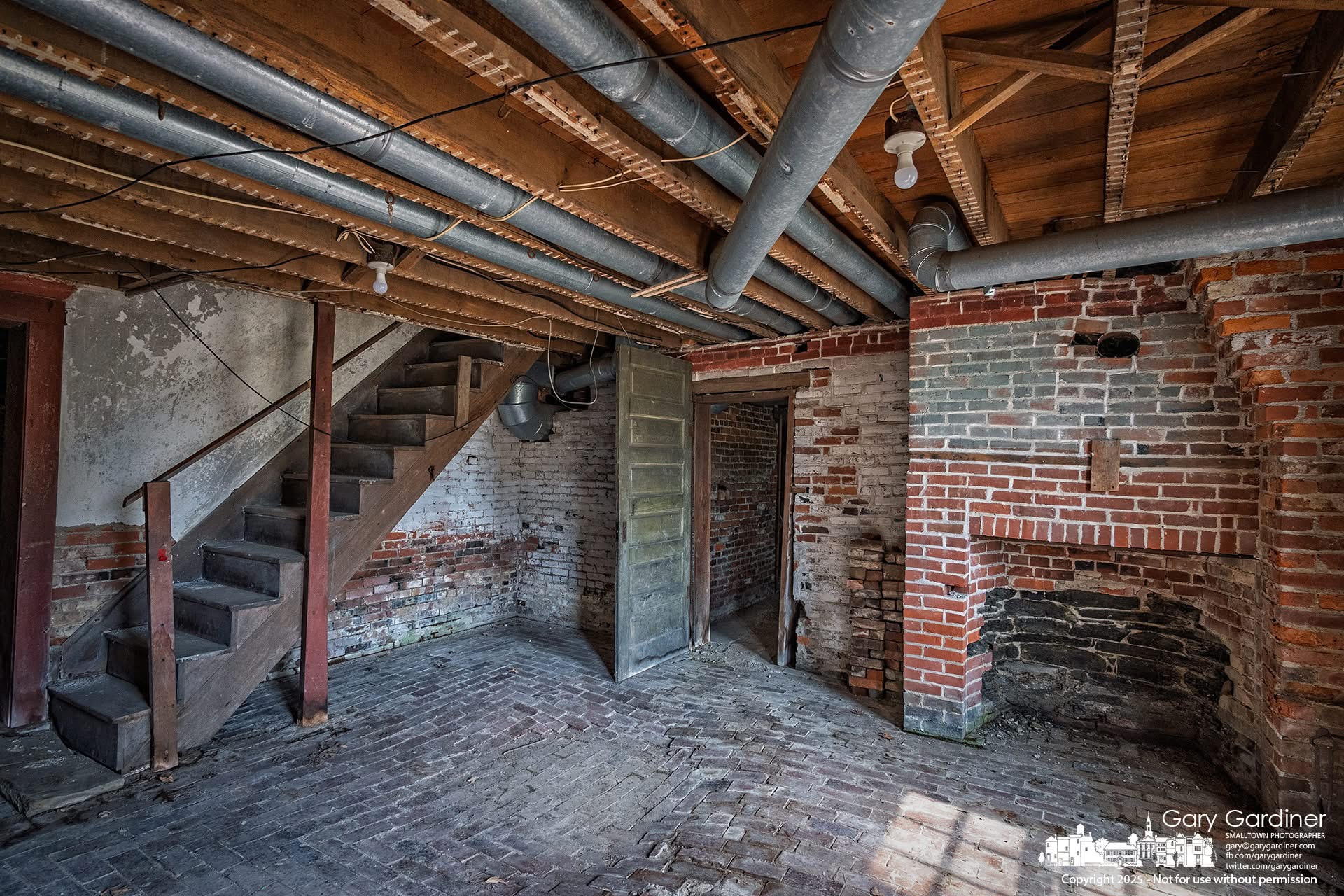
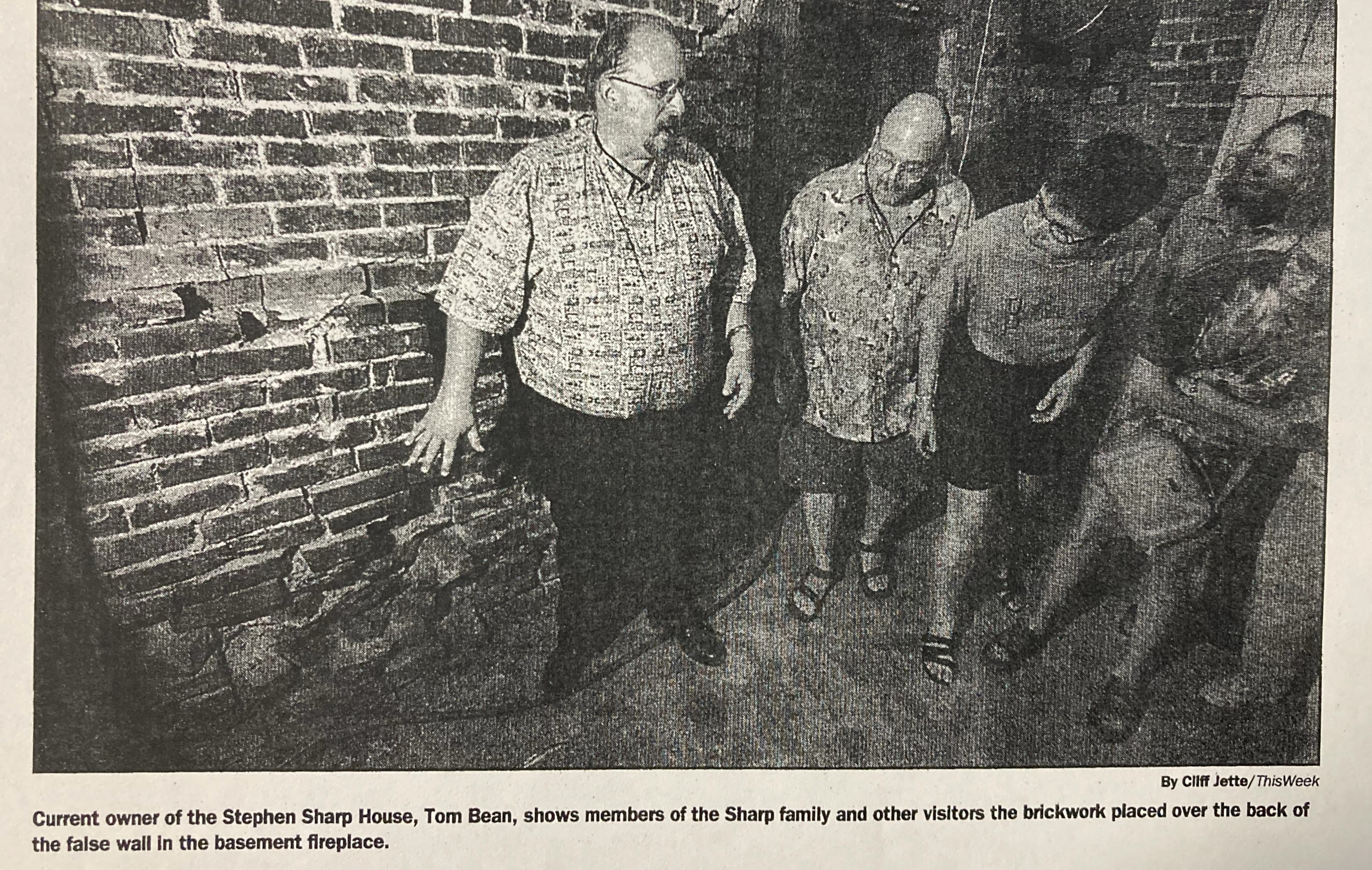
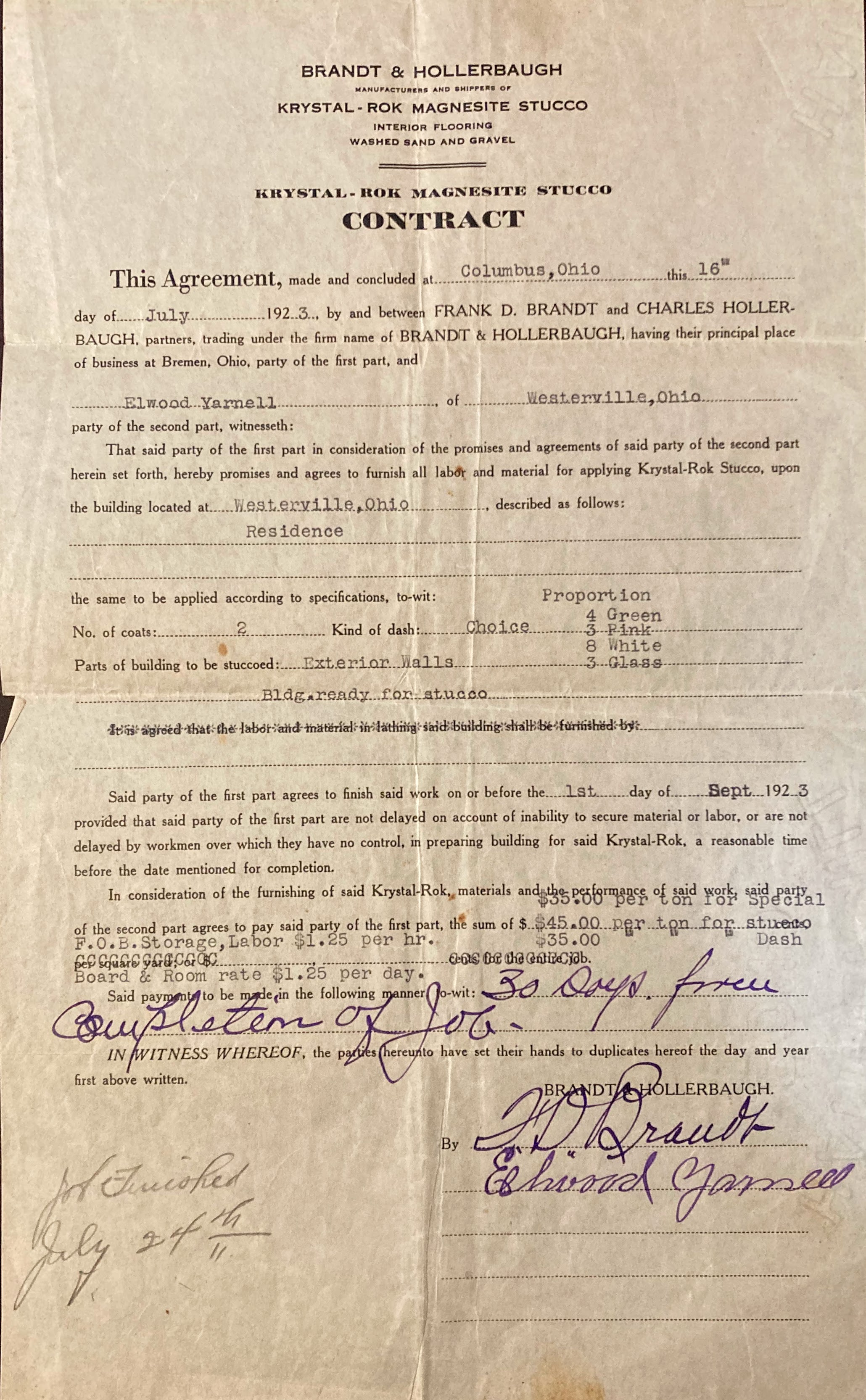
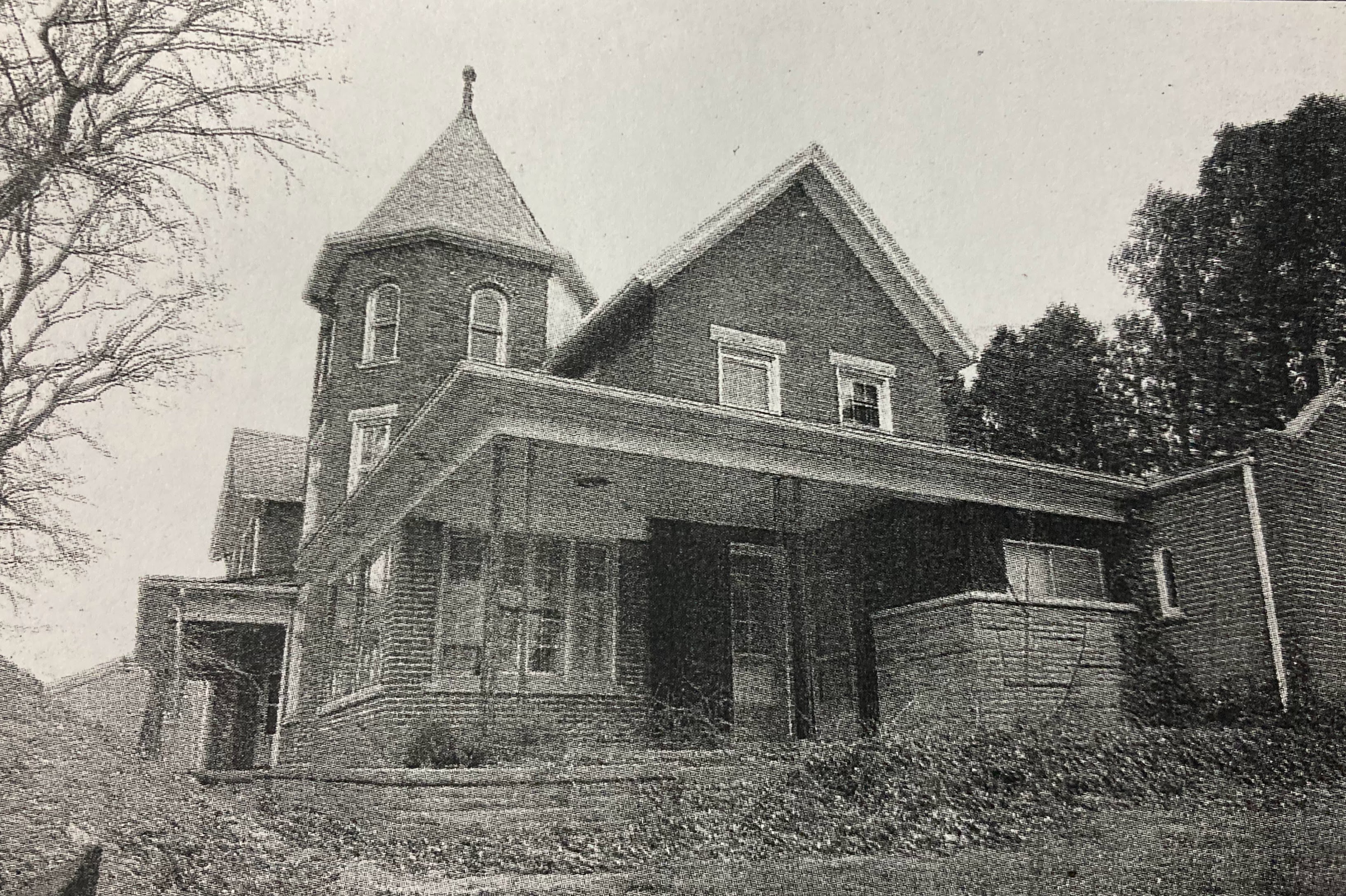
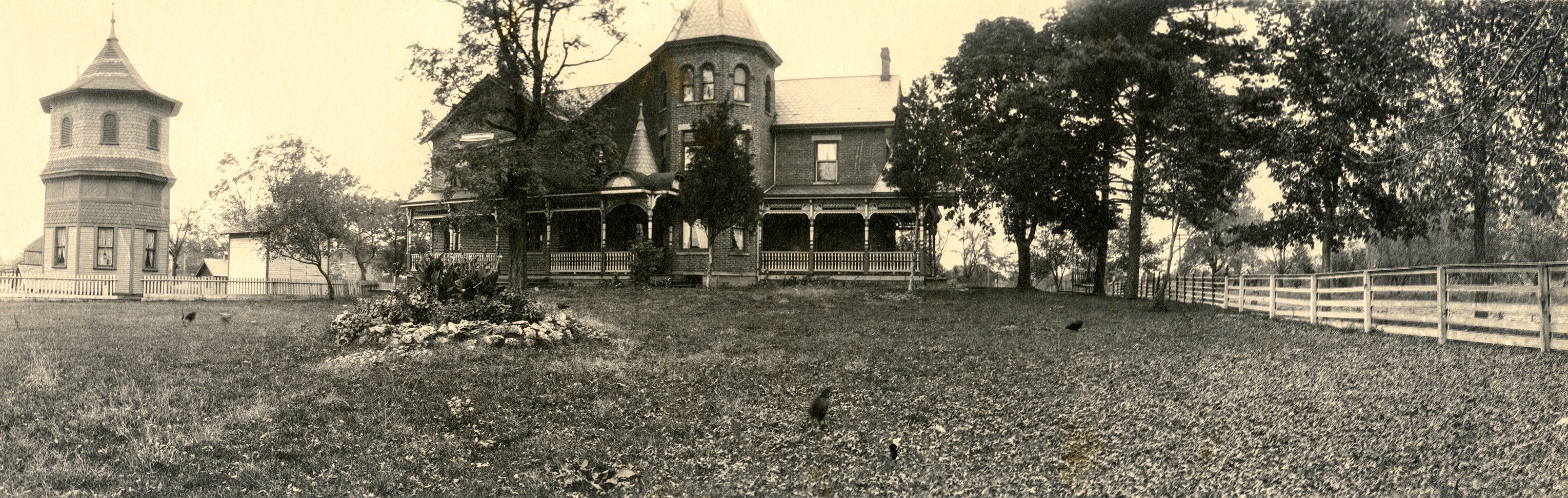
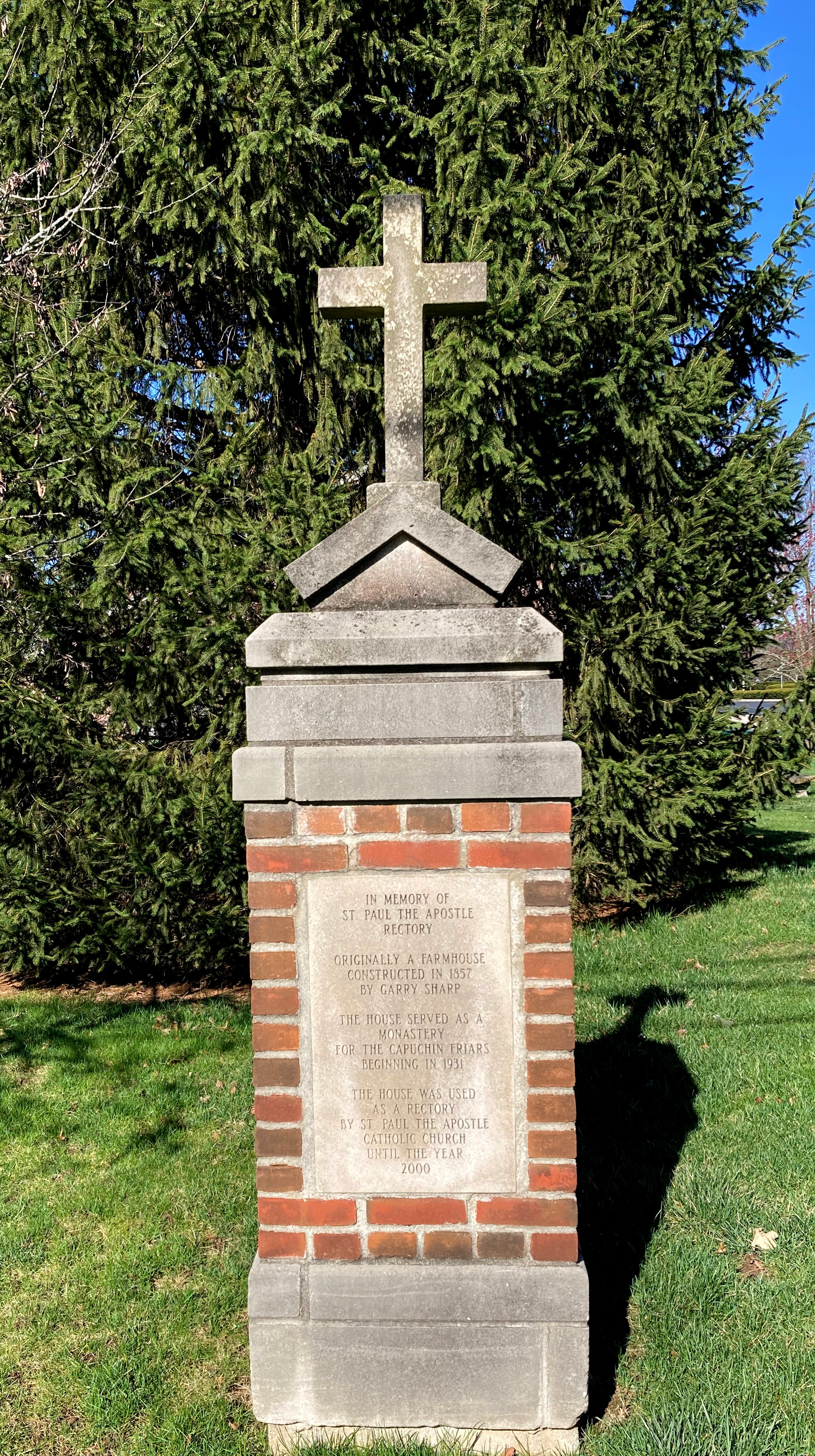
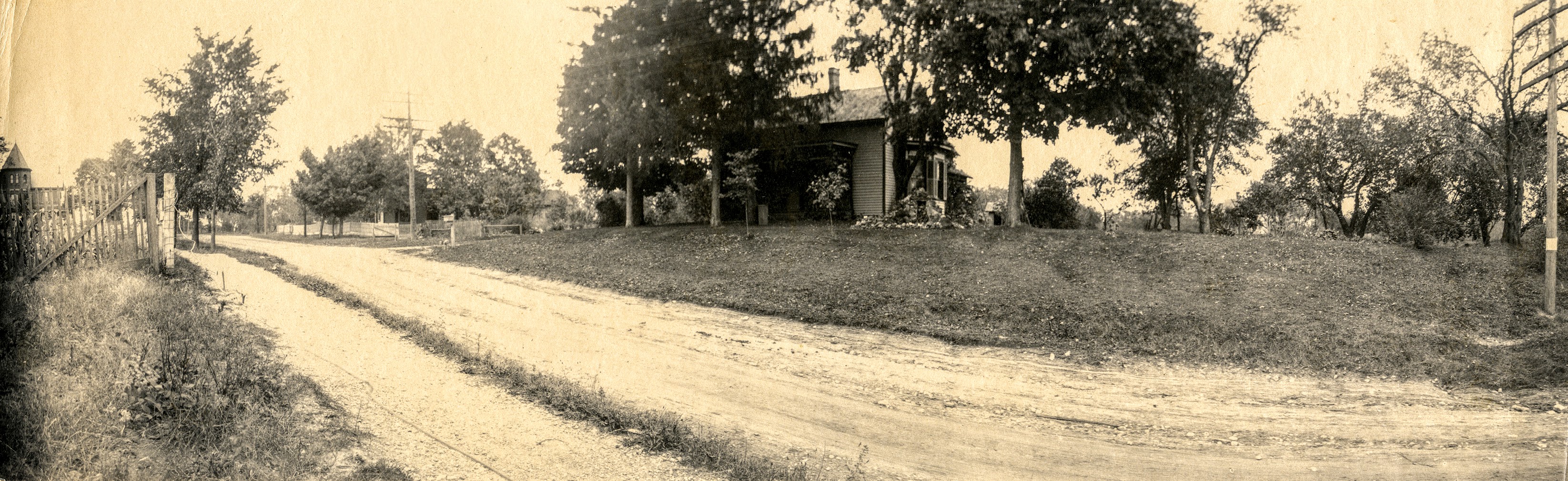
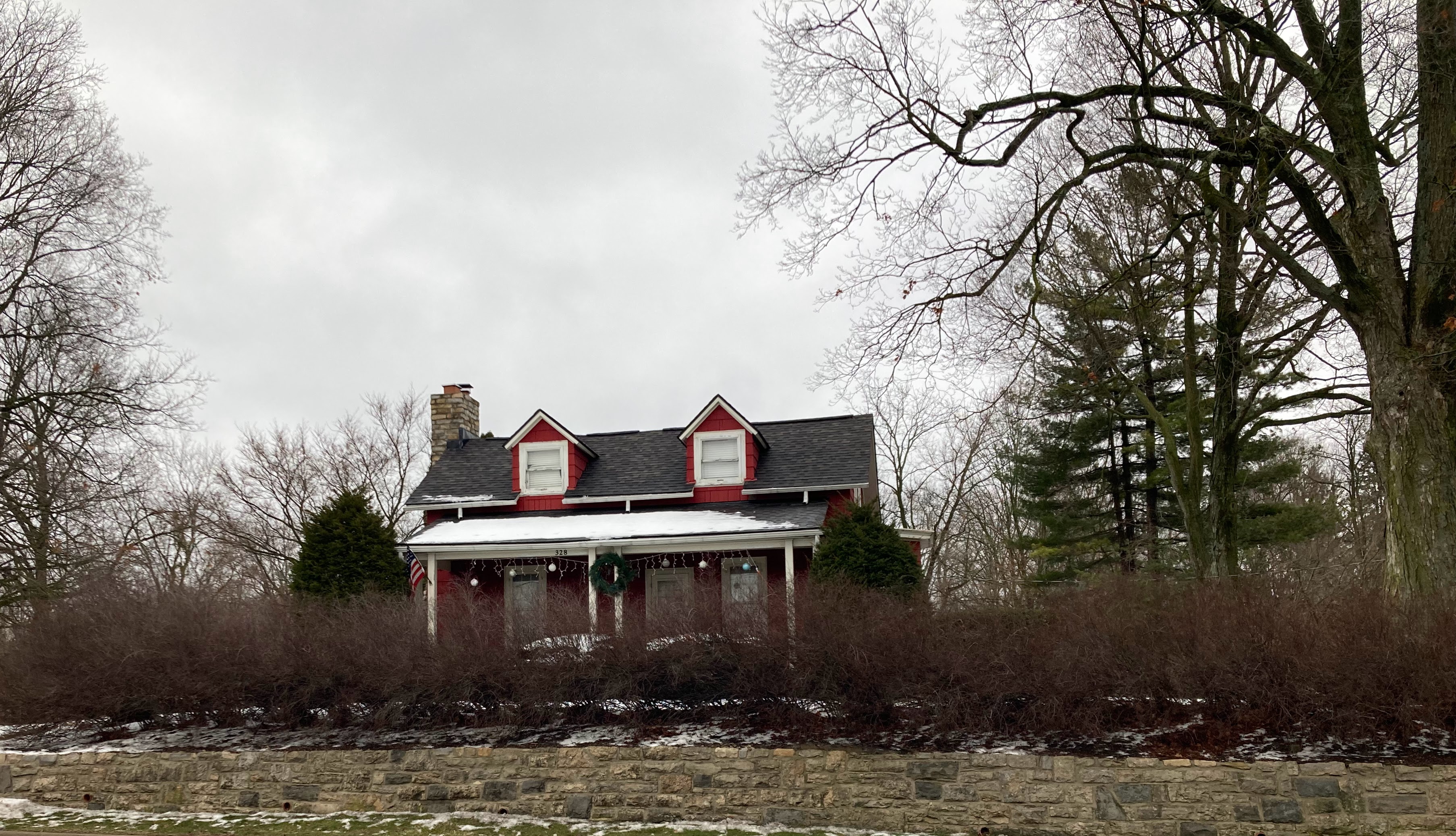
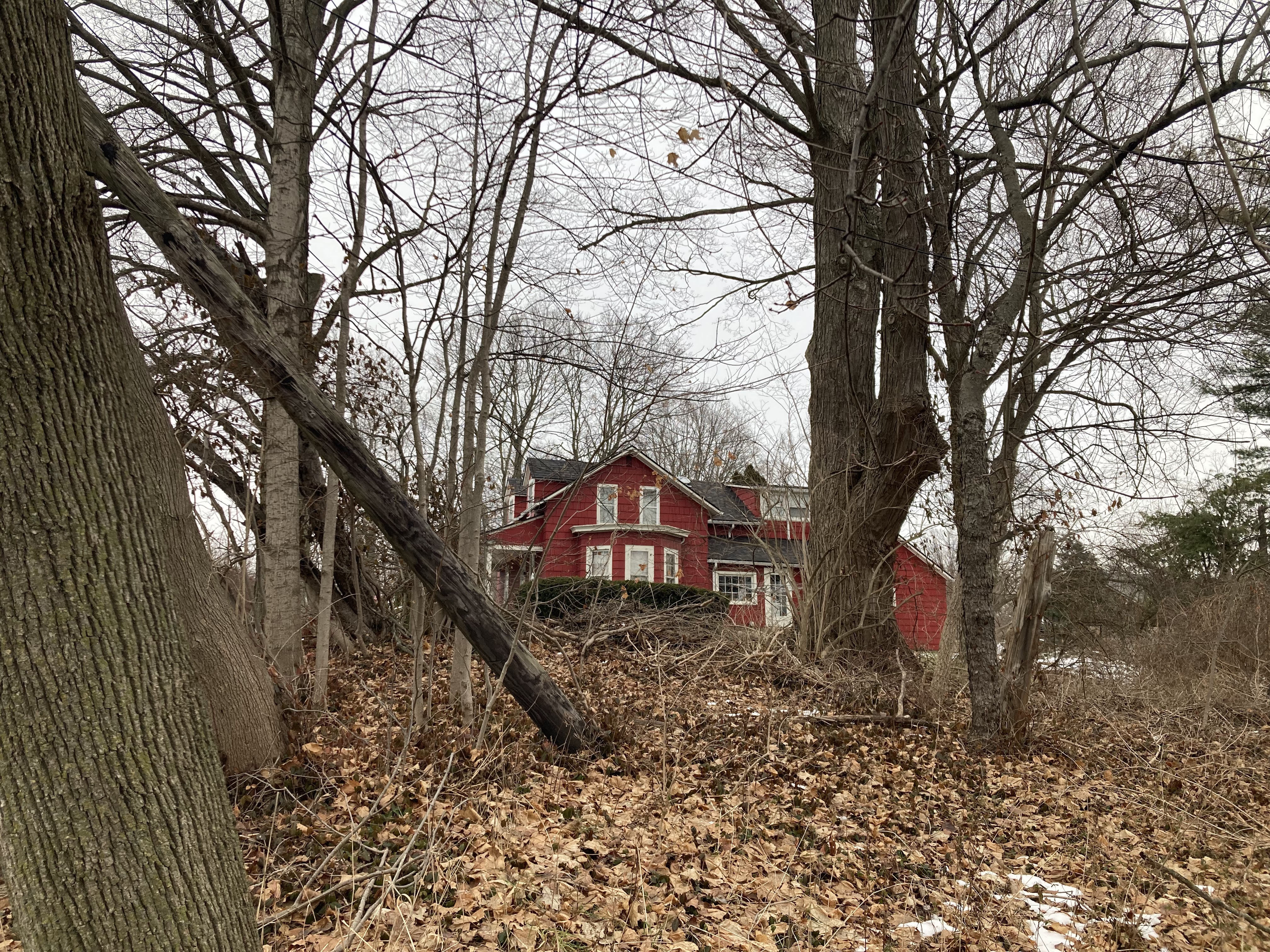
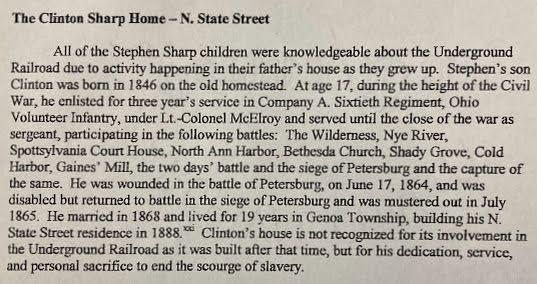
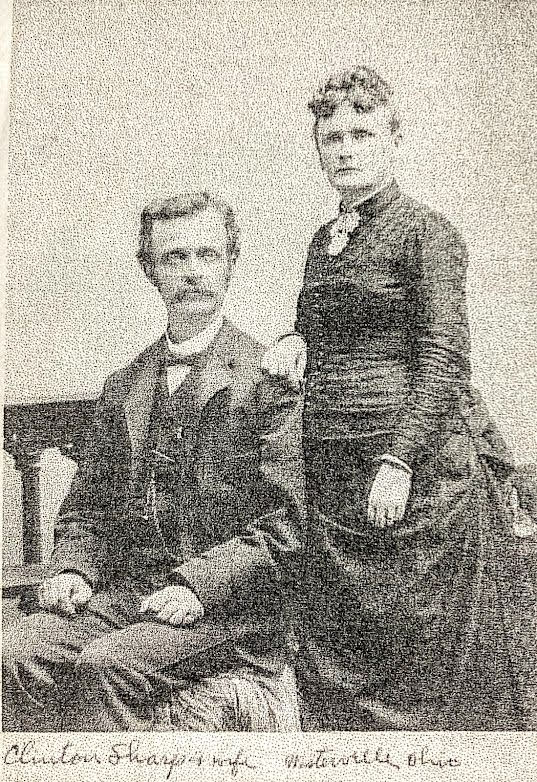
Vacant at present. Owned by the City of Westerville. Will be repurposed…hopefully for public use. Listed on the National Register of Historic Places.Photo credit: Gary Gardiner.Tom Bean was a prior owner of the house. It may have been a stop on the Underground Railroad.Joseph and Sophene Sharp house. 495 Africa Road (previously numbered 8016). Built 1843. Wish a picture of it existed before the brick exterior was covered over by stucco, a trend of the early 1900’s. The basement has a fireplace similar to one shown by Tom Bean so it may have been a stop as well.Stucco was in 1923. Photo credit: Westerville History Museum.The small barn on the left may date to 1843. If this property ever comes on the market, it would be great to see all of this restored as a museum.The metal pole barn above housed the popular Yarnell’s farm market in the not-too-distant past.Garry and Nancy Sharp house. 313 North State Street. Built circa 1857. Razed. St. Paul Catholic Church stands here today. A later owner, Garry Meeker, made major additions to the house including the turret. Meeker’s remodel appears below. The above remodel, actually a remuddle of Meeker’s remodel, came later. Meeker was the driving force in establishing the interurban line from Columbus to Westerville…and drove the celebratory first interurban here in 1895.Photo credit: Otterbein University Archives.This marks the spot of the Sharp house.Clinton and Martha Sharp house. 328 North State Street. Built 1888. Not part of the Underground Railroad, but part of the Sharp family of homes. Clinton was a Civil War Veteran as indicated below. Photo credit: Otterbein University Archives.The house is a private residence today.
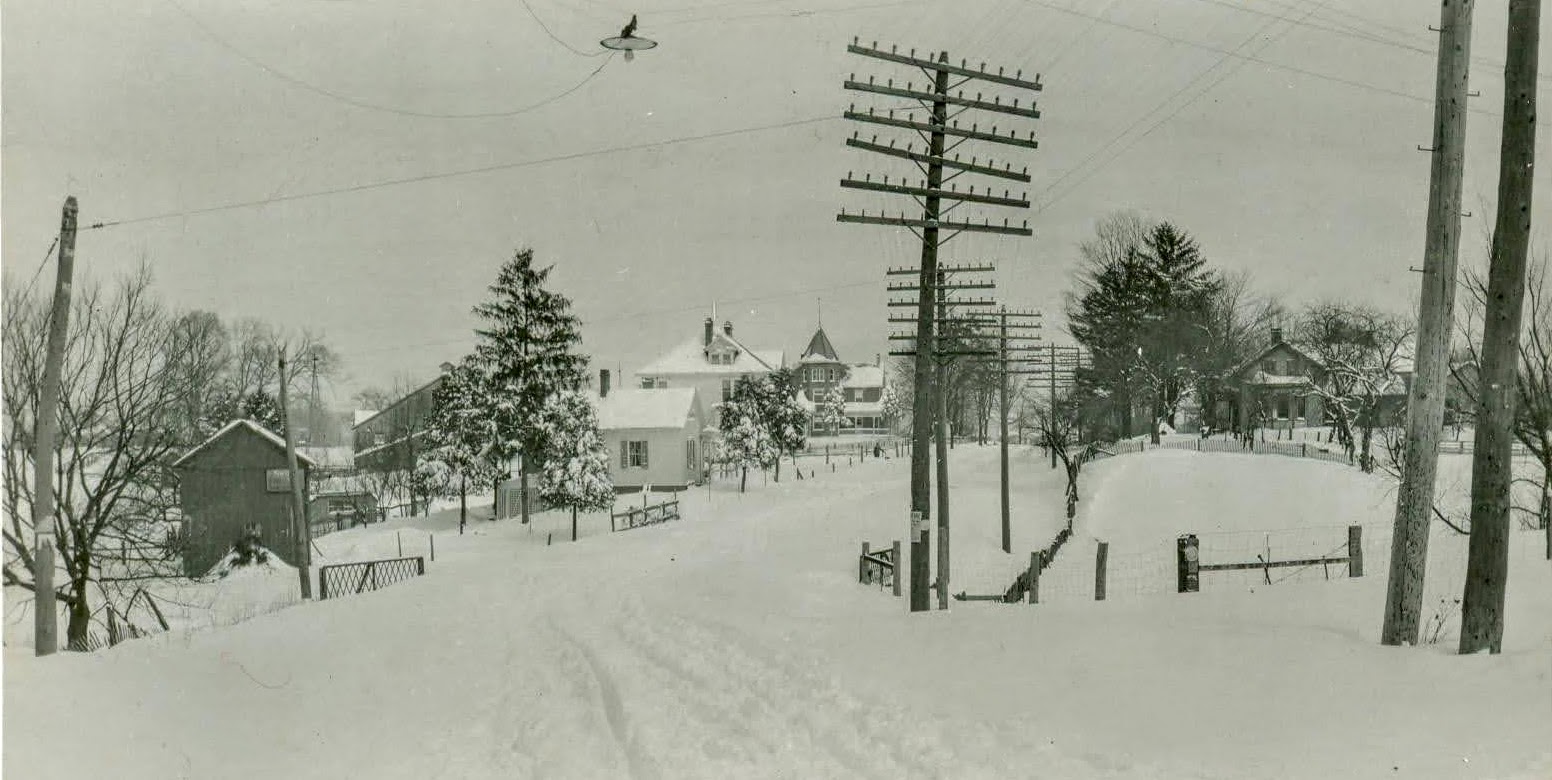
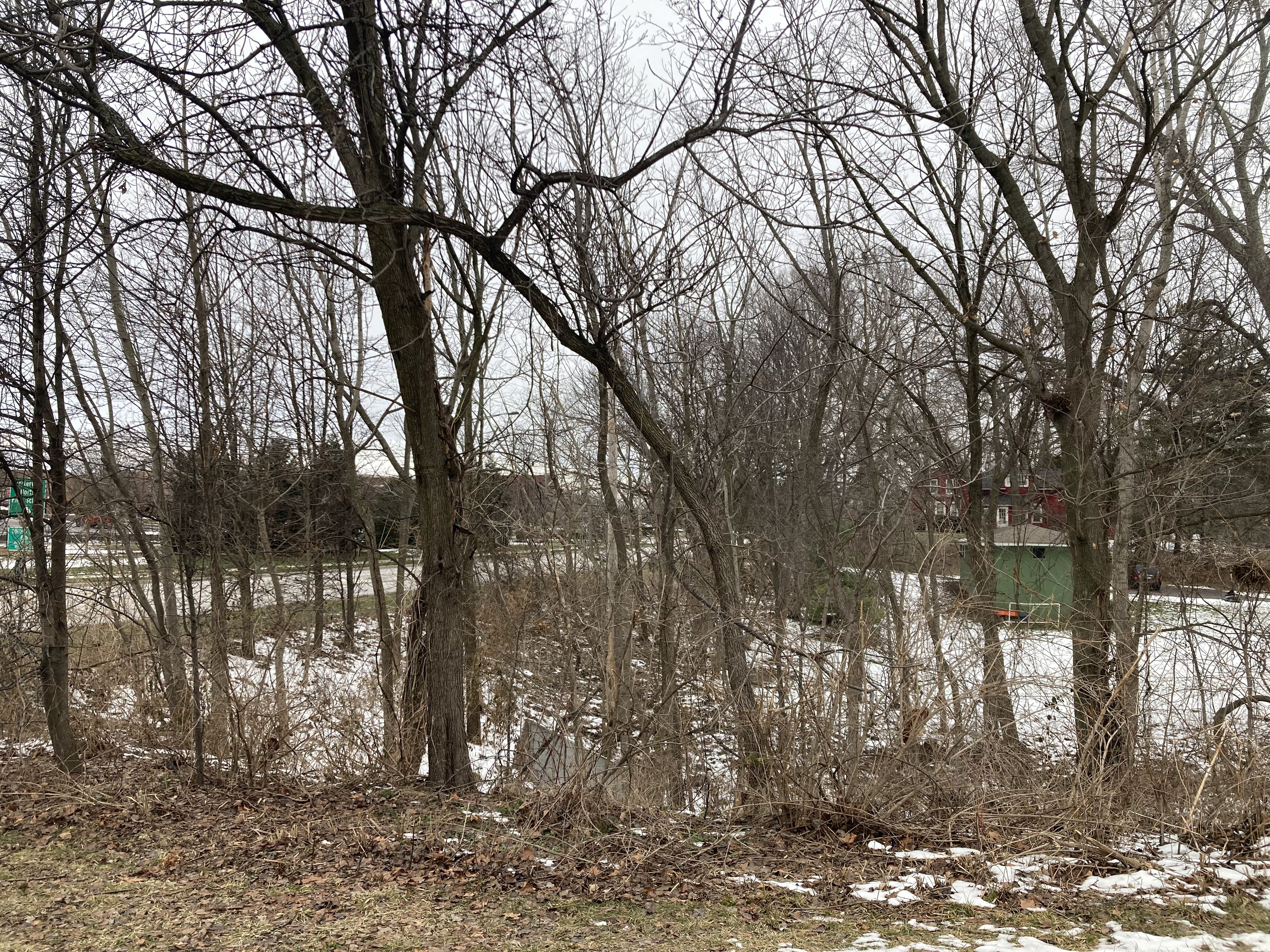
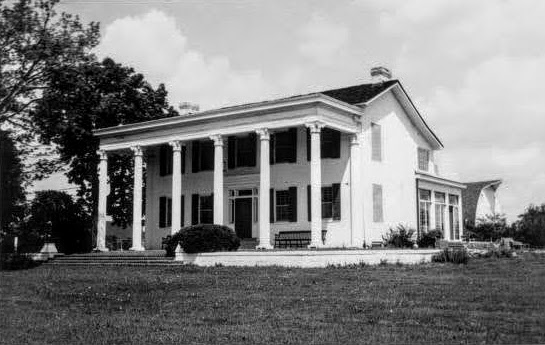
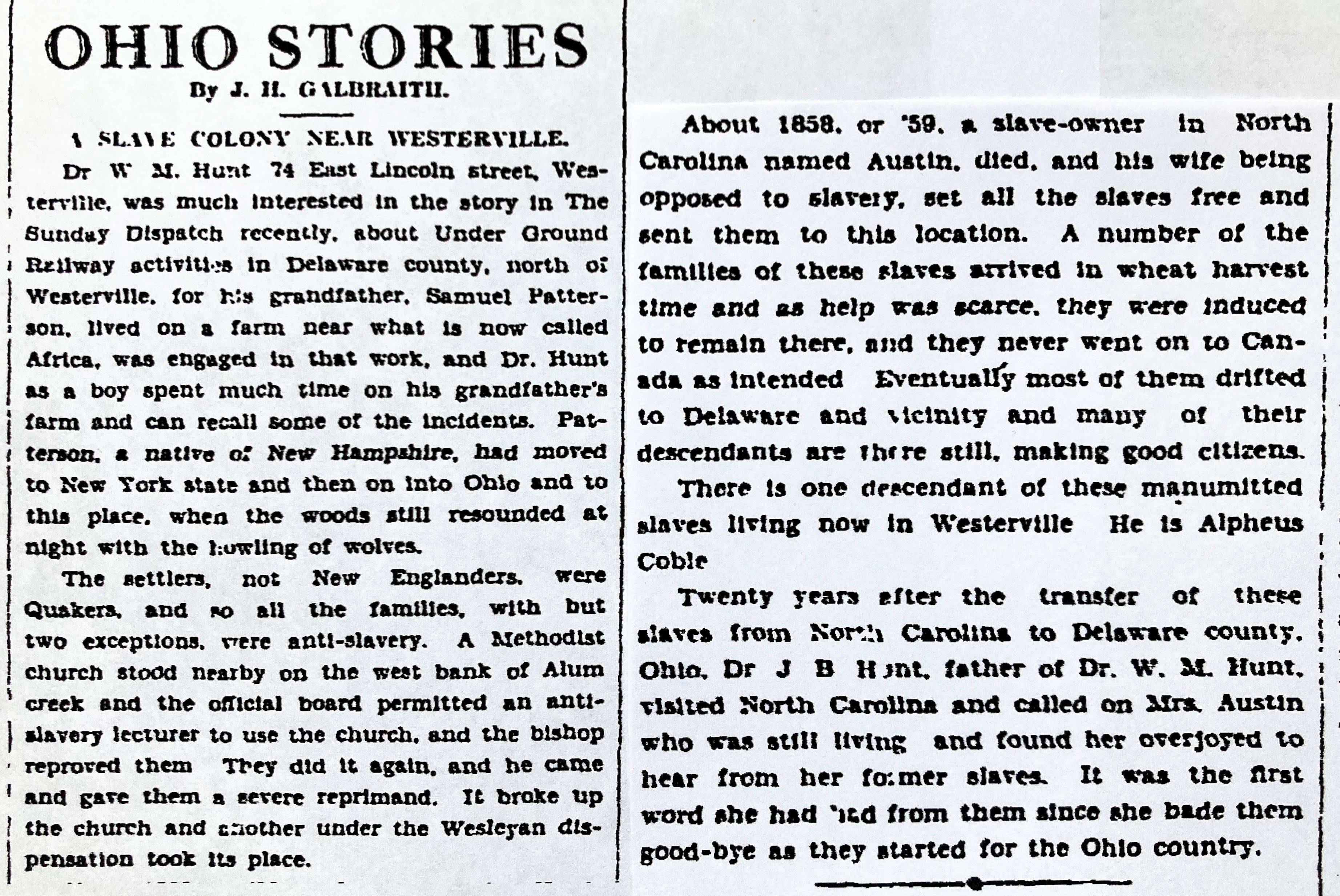
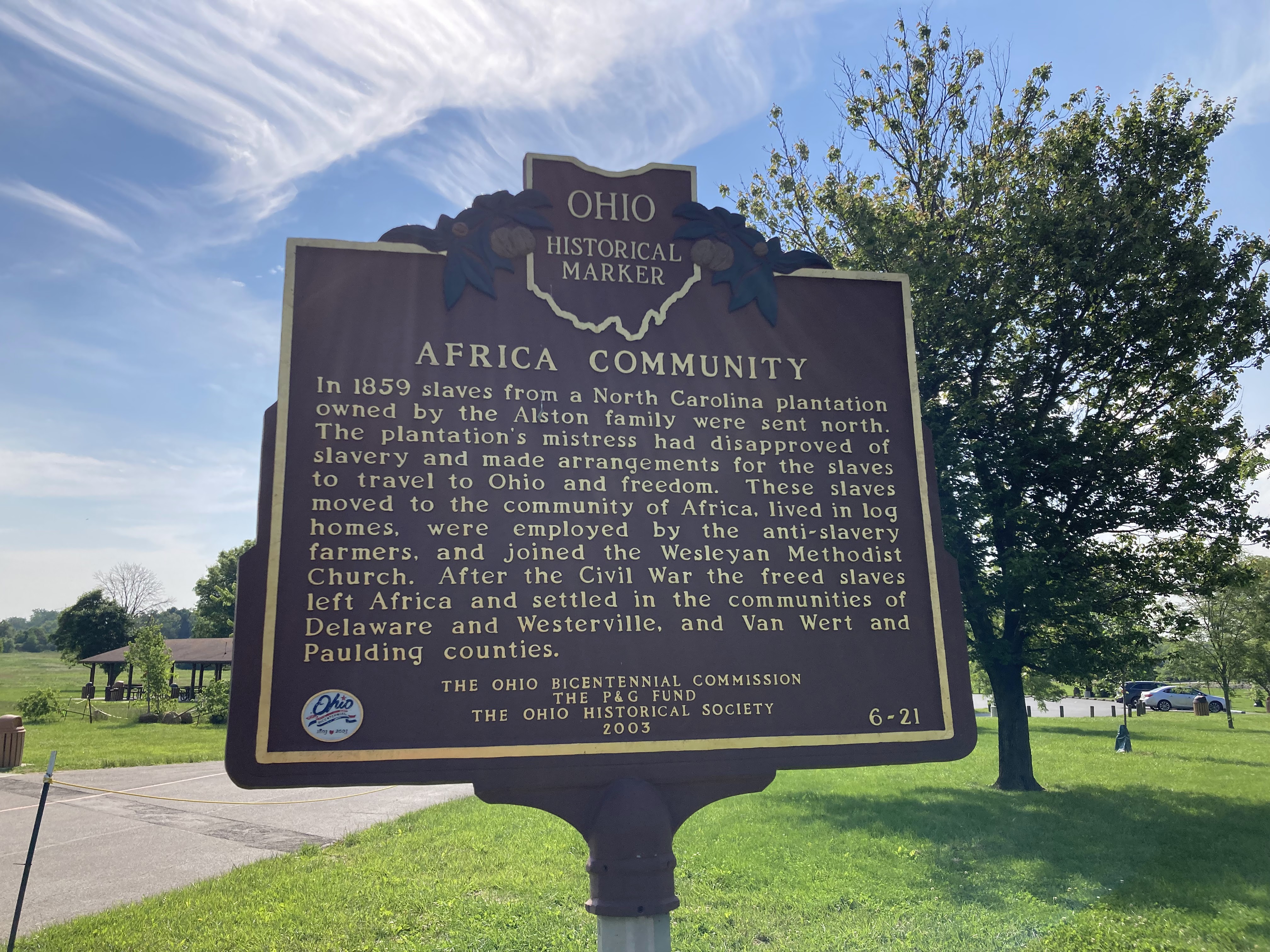
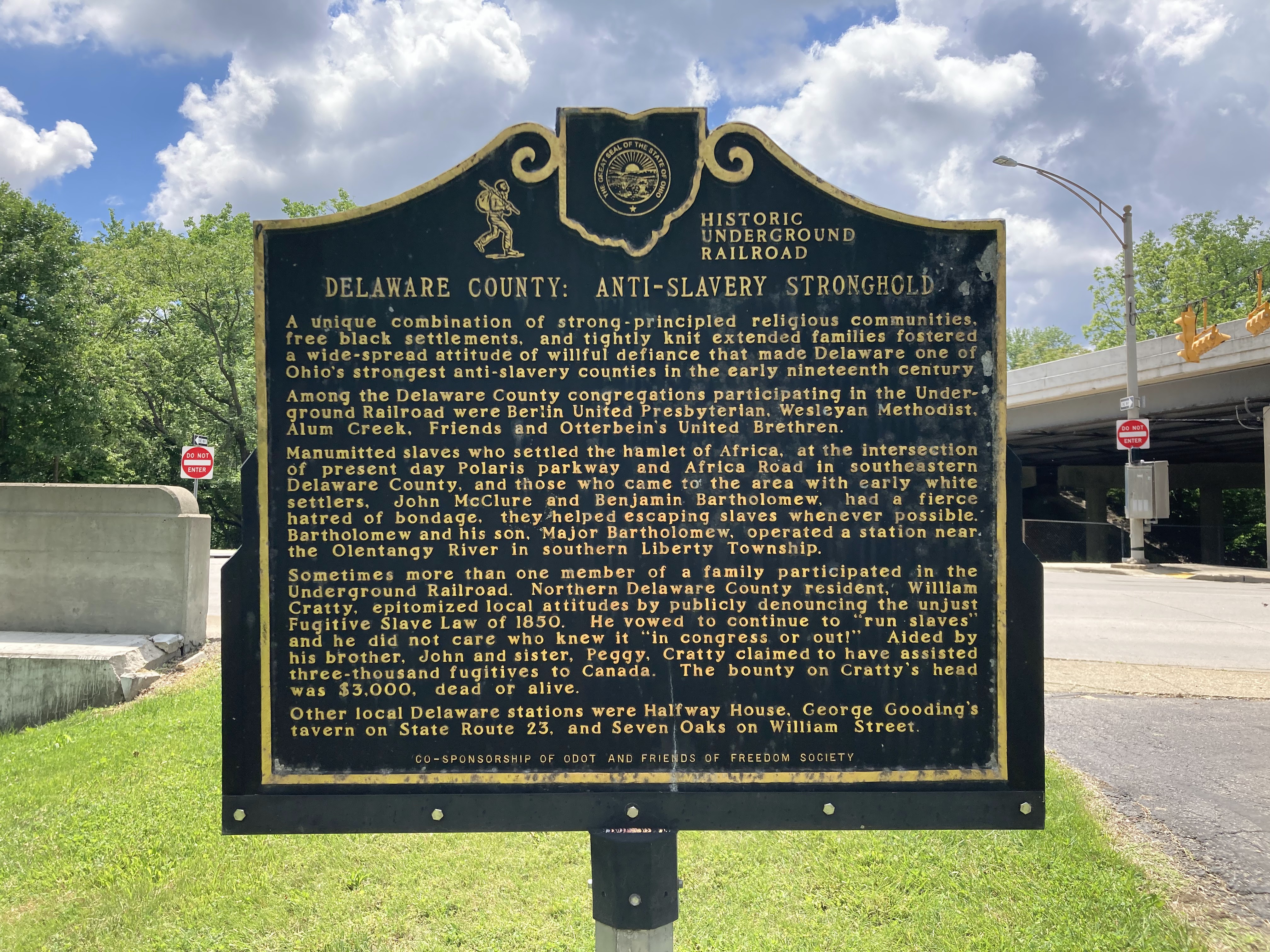
Garry and Nancy Sharp house on the left at the top. Clinton and Martha Sharp house on the right. Looking north from the corner of North State Street and Old County Line Road. Photo credit: Westerville History Museum.Same view today. Saint Paul Catholic Church campus, though not visible, on the left. Clinton and Martha Sharp house on the right as viewed through the trees.Photo credit: Westerville History Museum.Samuel and Hannah Patterson house, 3 miles north of Westerville on Africa Road in Orange Township. Built 1841. This was the next “station” after Westerville on the route through Delaware County into Morrow County and beyond. Slaves were hidden in any of three large barns. Picture is circa 1965 from the archives of the Ohio History Connection. Located across the street From Enos & Co Cafe which is at 6576 Africa Road. The Patterson house today, a private residence, which fronts Africa Road and is directly across the street from Enos & Co Cafe. The address is 4470 Katherine’s Way, a street that is part of a housing development built on the former Patterson farm. The red brick exterior was painted white many years ago.The Columbus Dispatch 3/11/1928. Dr. William Milo Hunt was the grandson of Samuel and Hannah Patterson and was born in their house in 1855. He is interred at Northlawn Memory Gardens in Westerville. The Hunt house still stands at 74 East Lincoln Street.This two-sided marker, above and below, is located at Alum Creek Reservoir which consumed most of Africa and is 4 miles north of Westerville. Africa Cemetery was relocated to 5201 South Old State Road.This marker is located on East William Street in Delaware. “Otterbein’s United Brethren” is mentioned in the second paragraph.
George and Elizabeth Stoner are interred at Otterbein Cemetery, corner of West Walnut and South Knox Streets, Westerville.
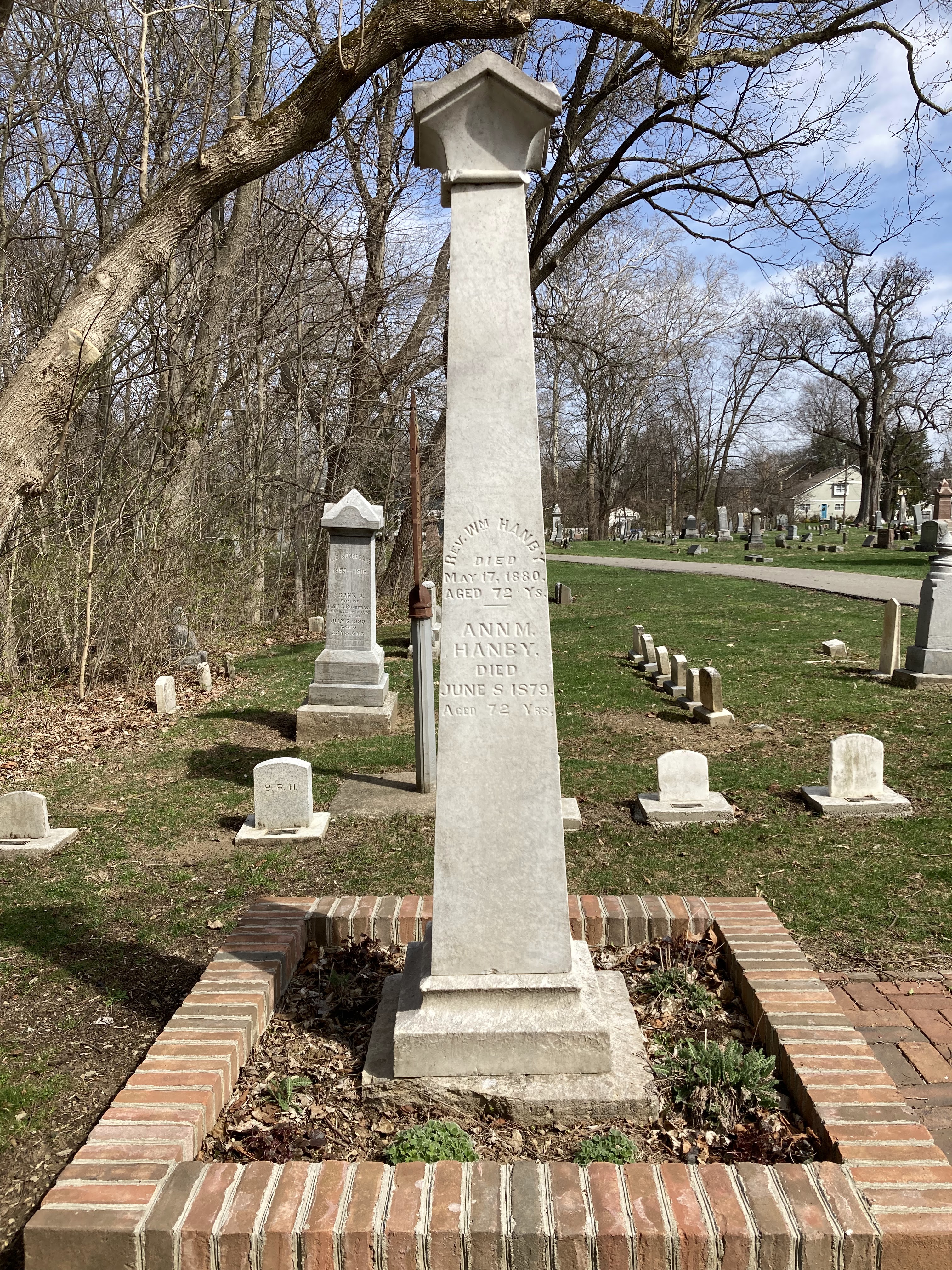
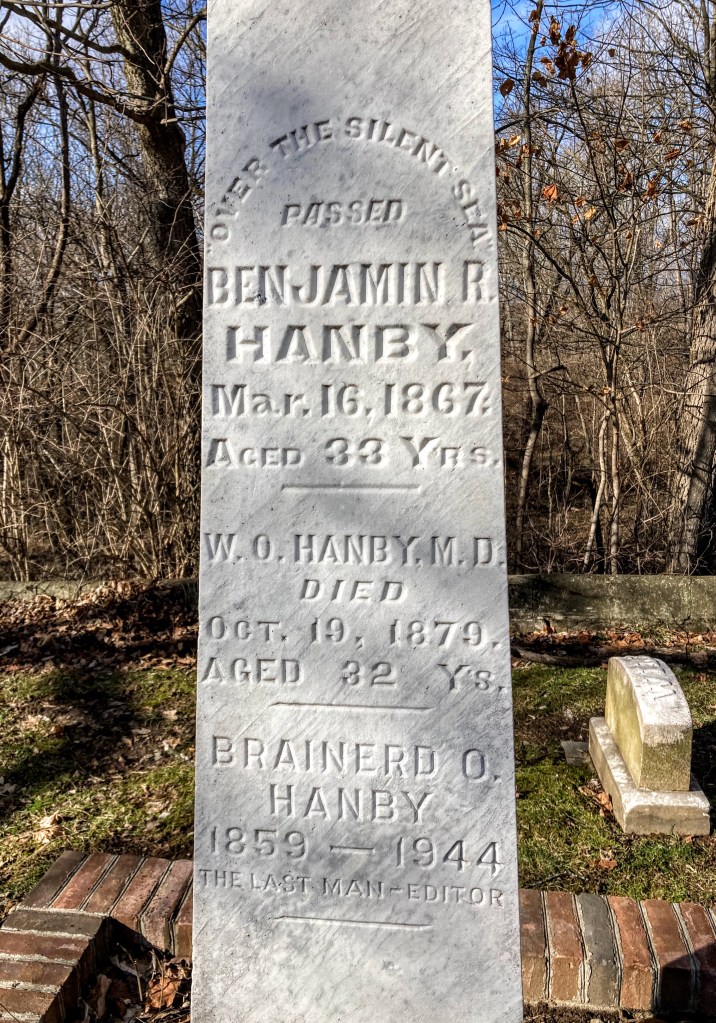
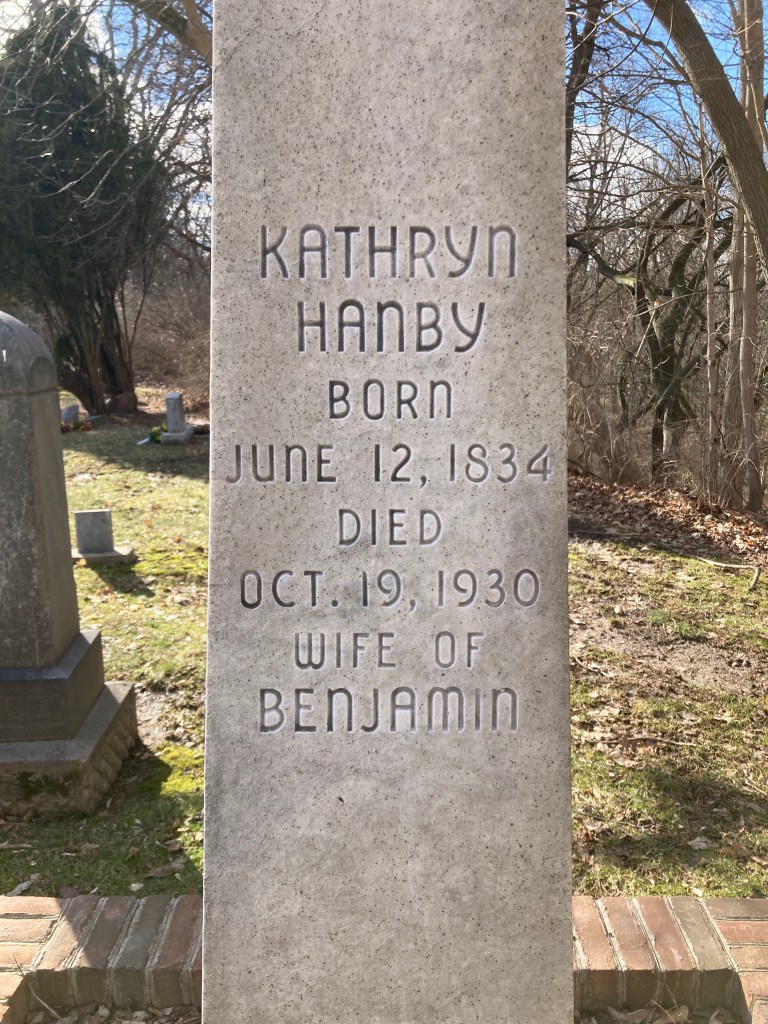
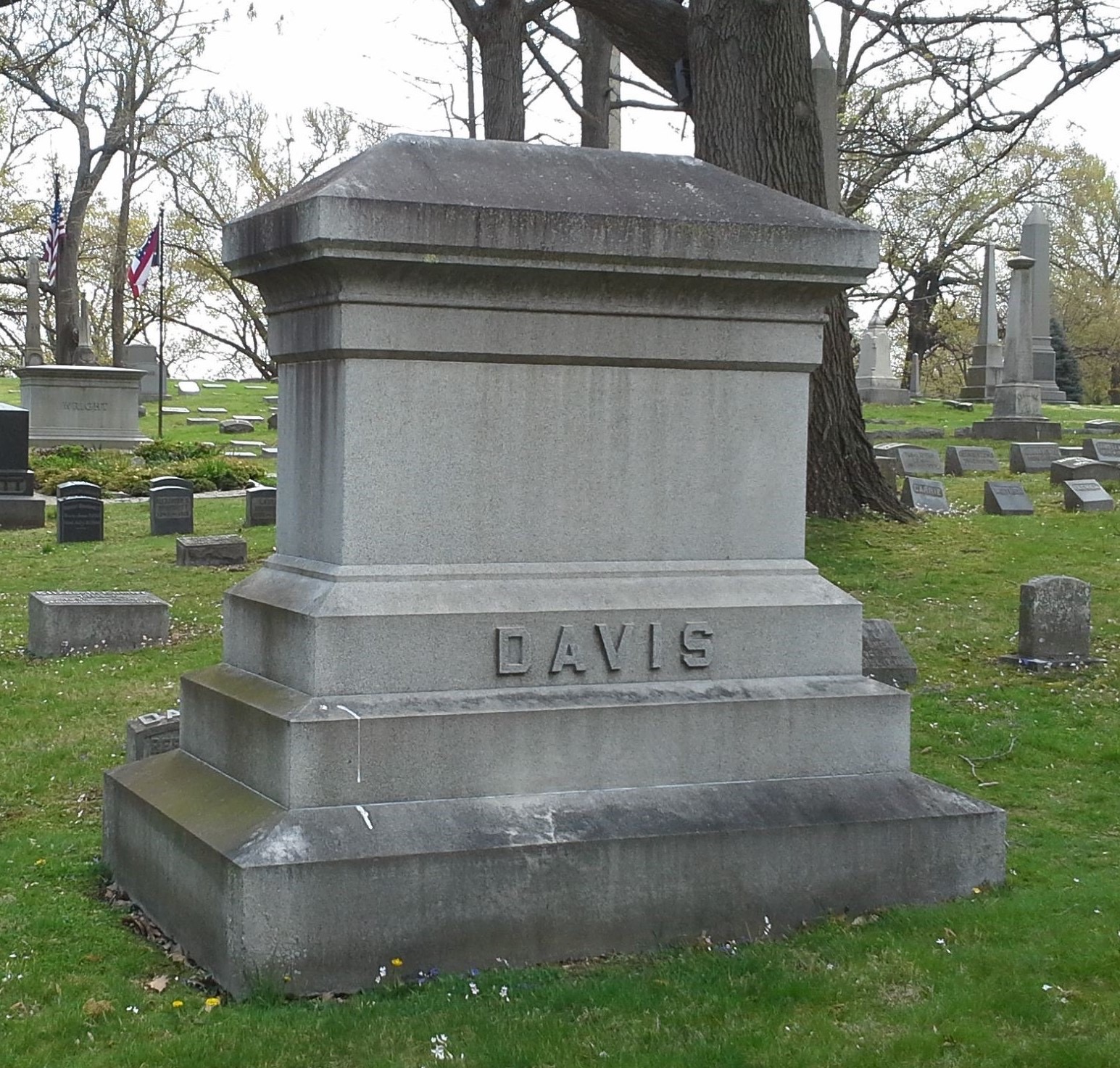
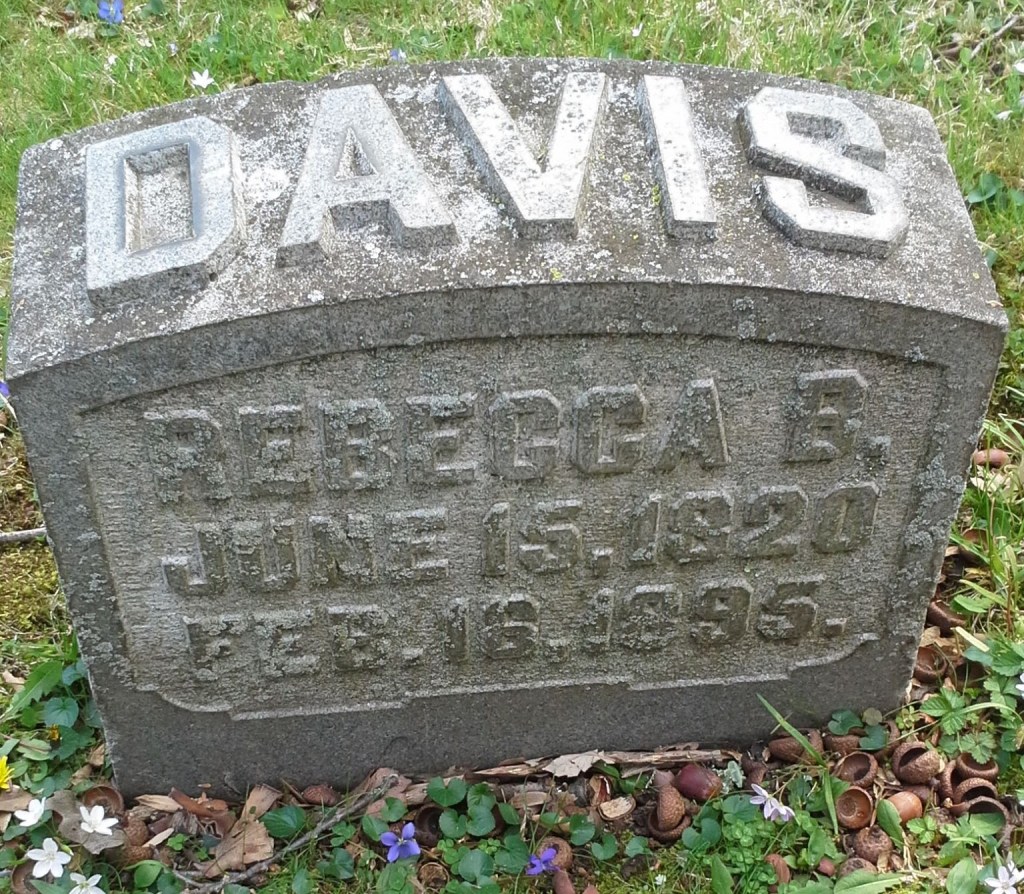
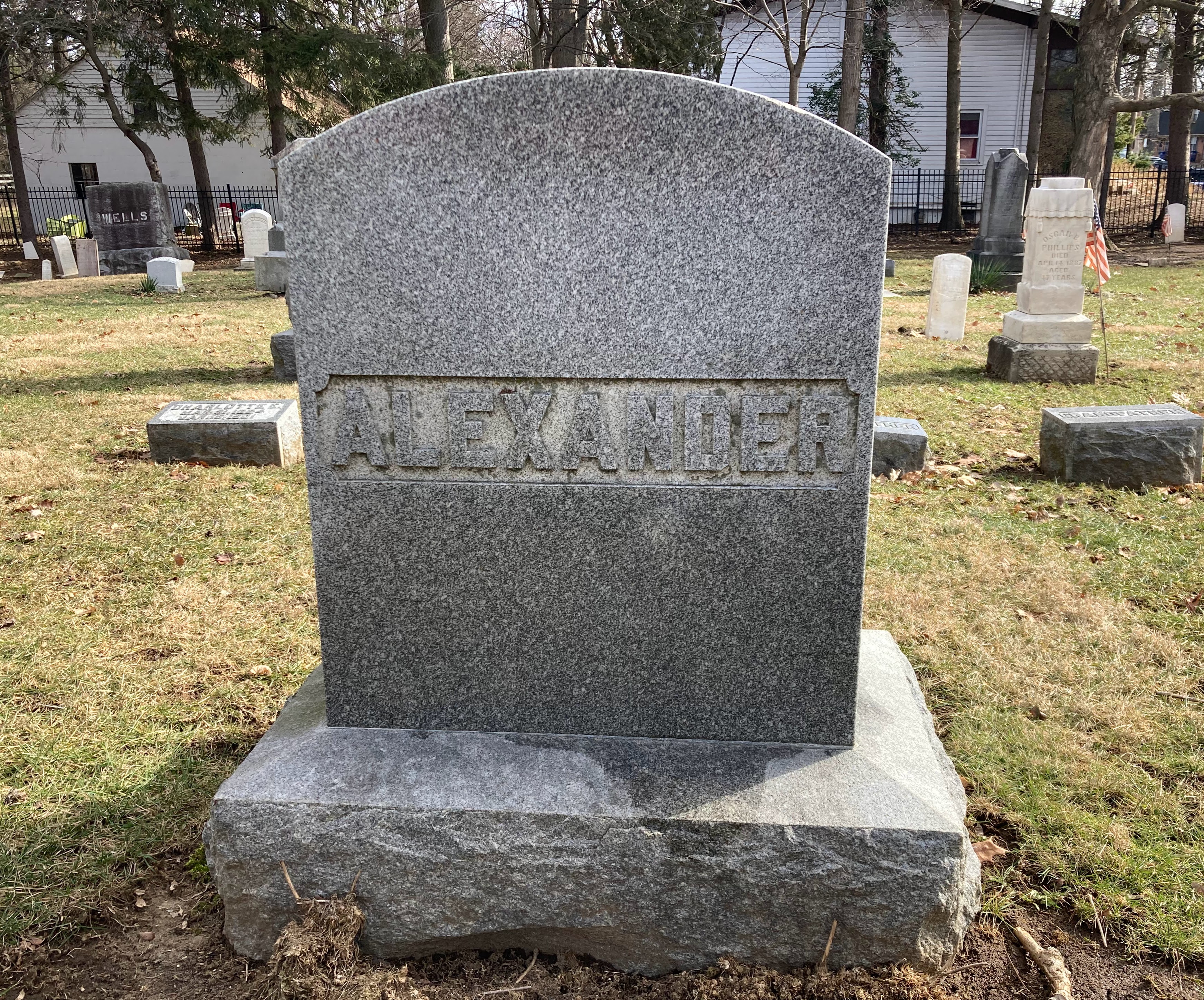
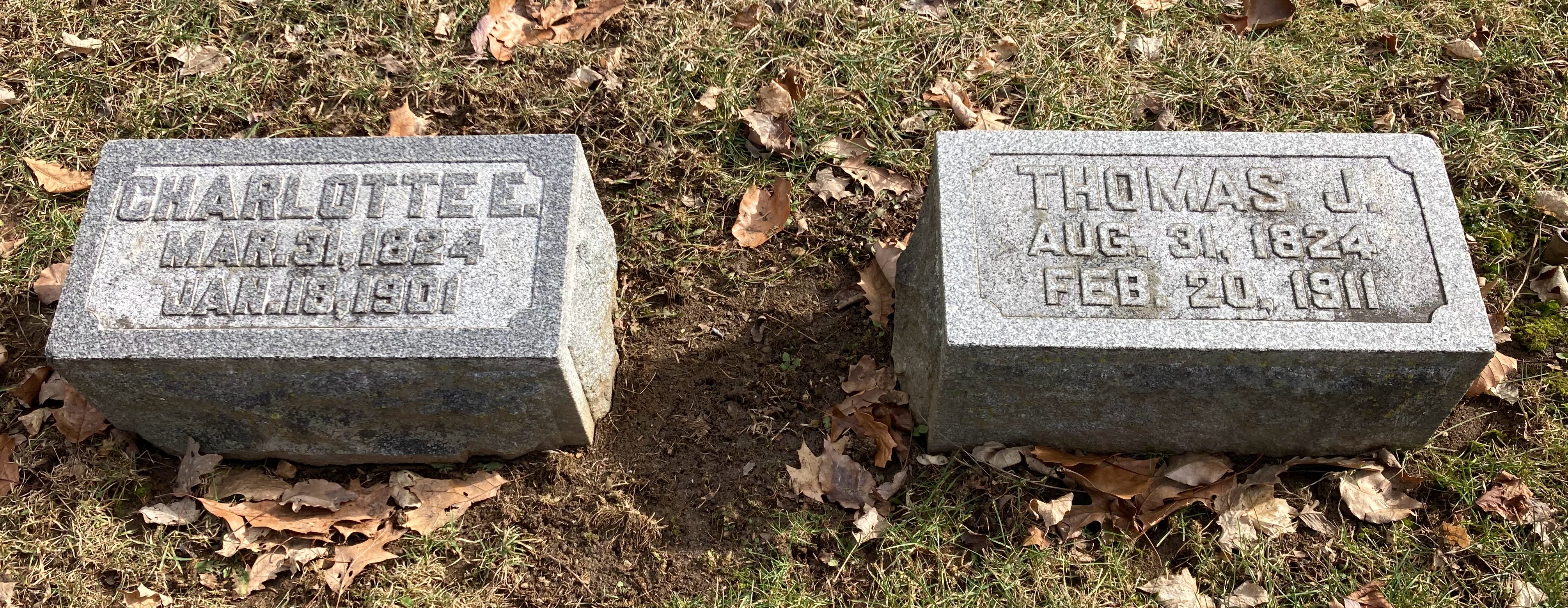
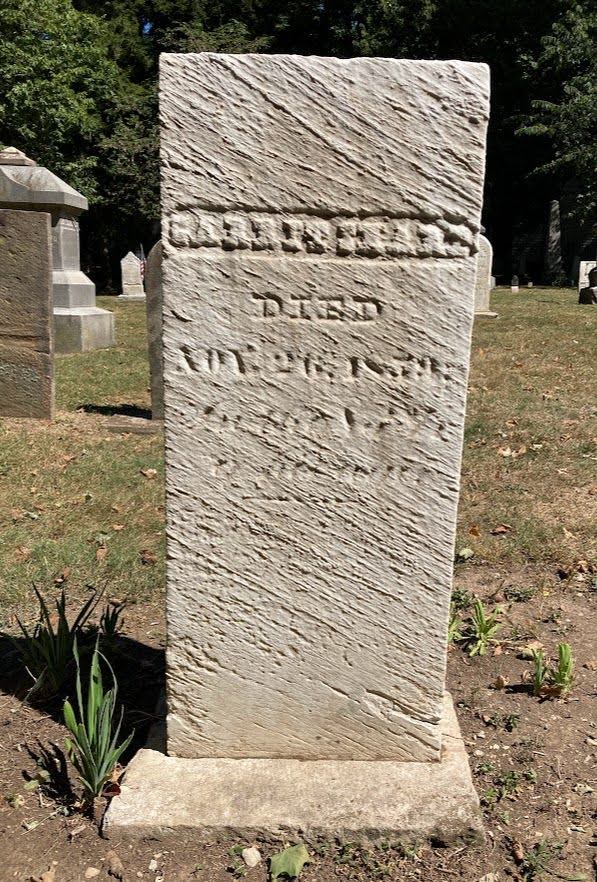
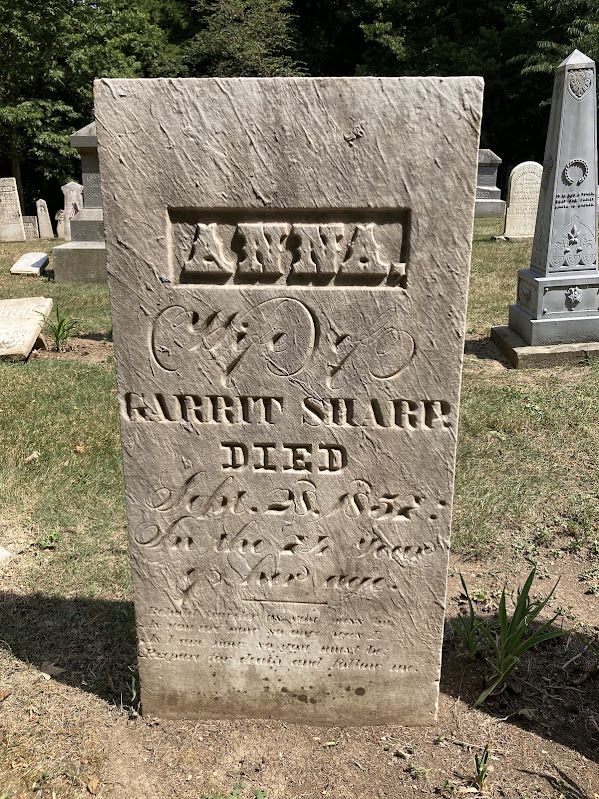
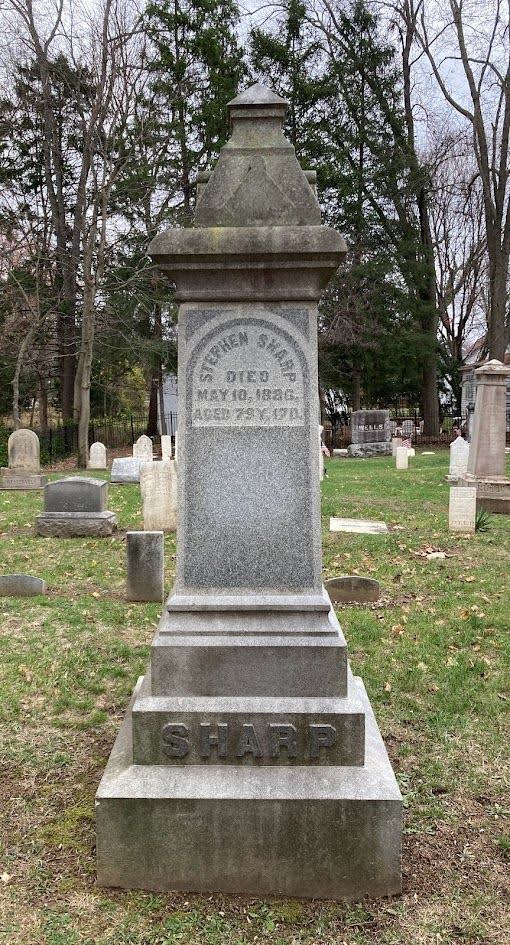
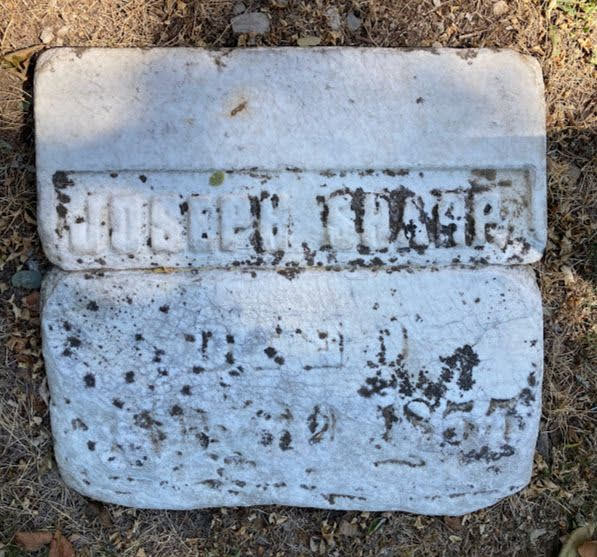
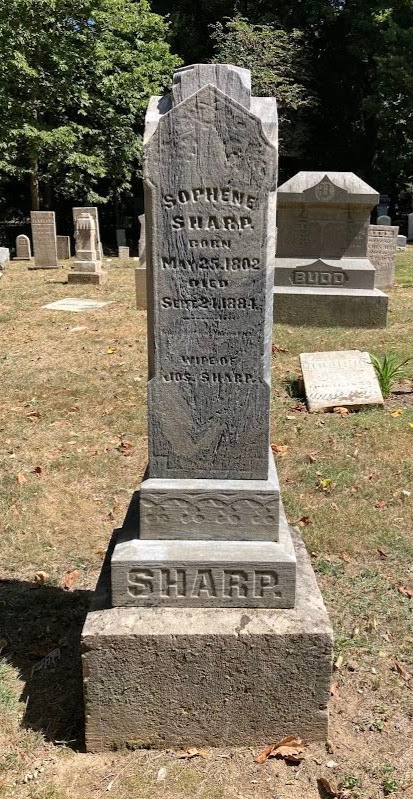
Bishop William and Ann Hanby are interred at Otterbein Cemetery.Reverend Lewis and Rebecca Davis are interred at Woodland Cemetery and Arboretum in Dayton.Thomas and Charlotte Alexander are interred at Olde Methodist Cemetery. It’s located at 66 West Lincoln Street adjacent to several residence halls at the back of the Otterbein University campus. The cemetery has been awarded an Ohio Historical Marker which will be erected and dedicated by Church of the Messiah United Methodist in the latter part of 2025.Garrit and Anna Sharp are interred at Olde Methodist Cemetery.Stephen and Hester Sharp are interred at Olde Methodist Cemetery.Joseph and Sophene Sharp are interred at Olde Methodist Cemetery. The gravestone of Joseph is missing the bottom portion and consequently lies flat on the ground now.
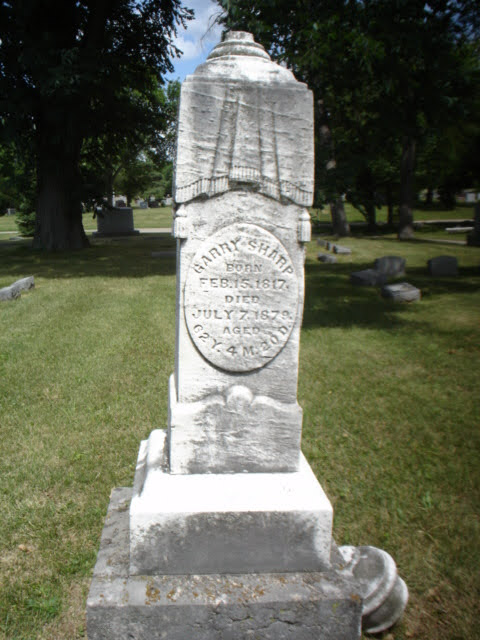
Garry and Nancy Sharp are interred at Green Lawn Cemetery in Columbus (picture to be obtained of Nancy’s side of the gravestone).
Could it be??? …the “surprising more“ about Nelly Gray previously mentioned in a Hanby picture caption…
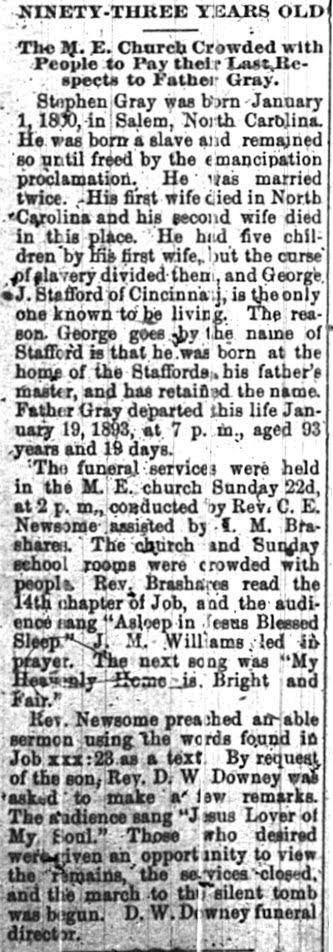
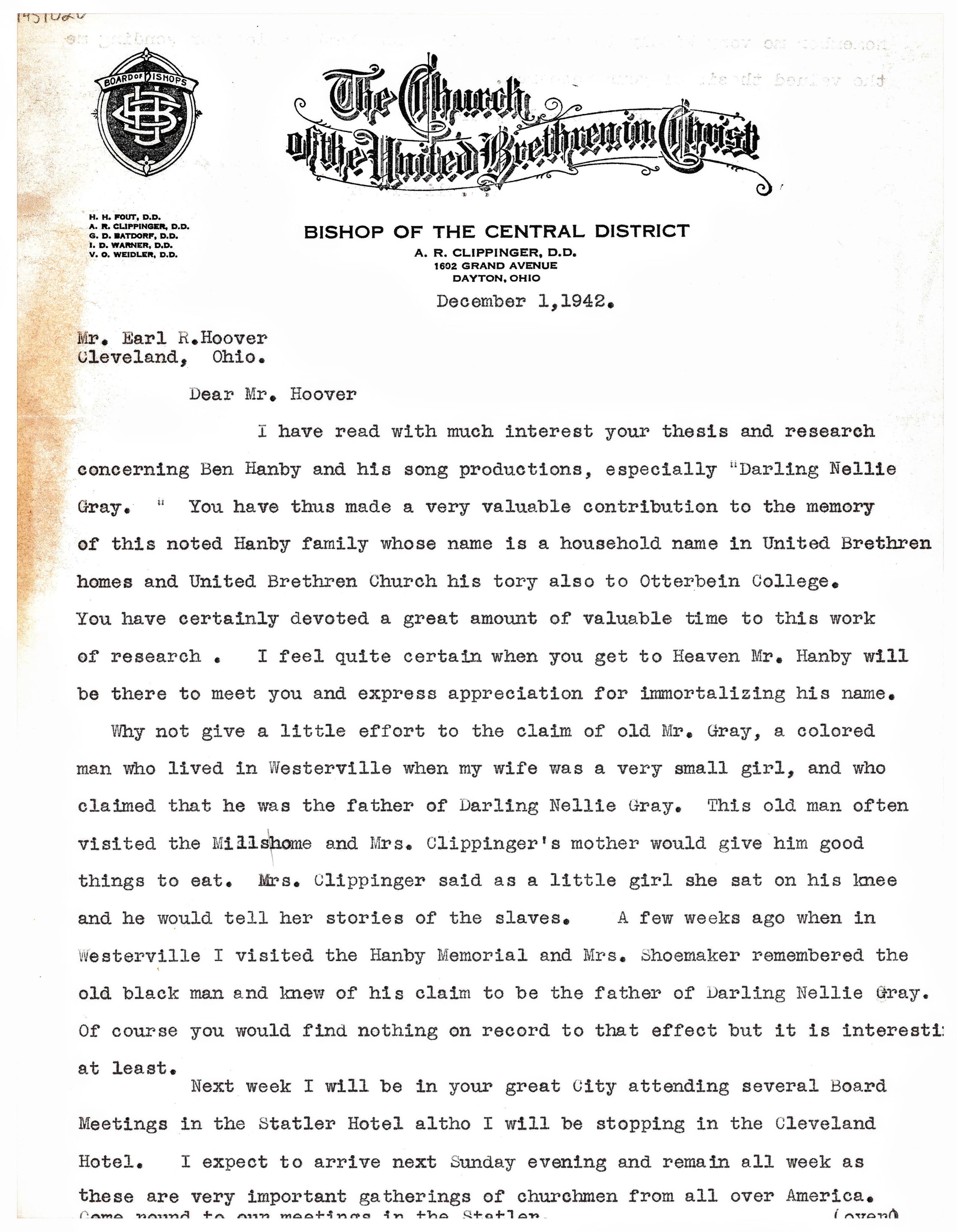
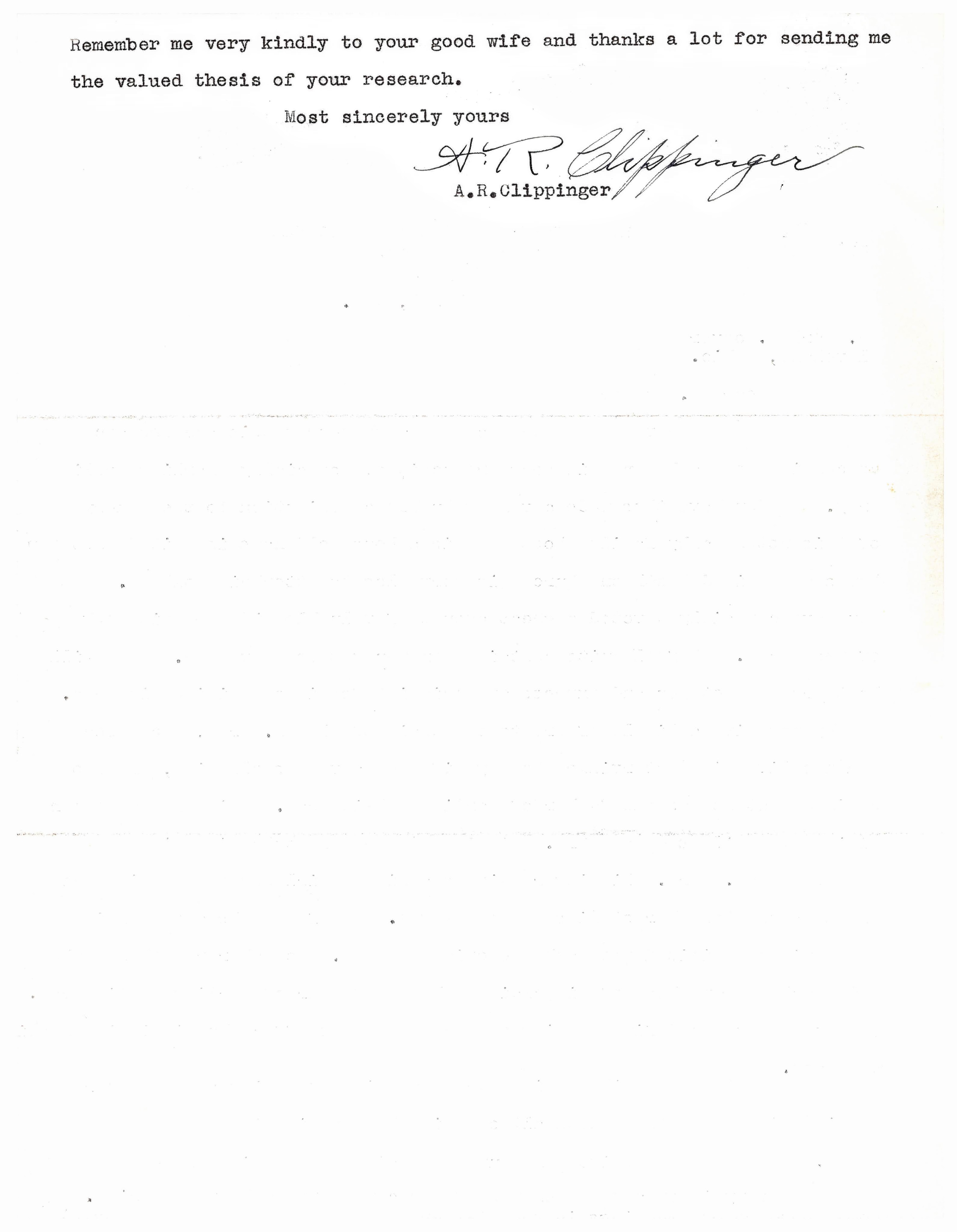
Stephen Gray, freed from slavery by the Emancipation Proclamation, made his way from North Carolina to Westerville with his second wife Cloa. Little is known about him. He was a farm laborer here per the U.S. Census of 1870 and 1880 and a founder of the African Methodist Episcopal Church here (no longer standing). Two articles about his passing appeared in the Westerville Public Opinion. But what is stunning is a letter written by Bishop Arthur R. Clippinger of the Church of the United Brethren in Christ. In that letter, Bishop Clippinger supports Stephen Gray’s claim that he was the father of Nelly who was the subject of the famous anti-slavery ballad Darling Nelly Gray. Per the letter, the little girl to whom stories of slavery were told by Gray was Ellen (Mills) Clippinger, the Bishop’s wife. Her mother, Mary (Keister) Mills, gave Gray “good things to eat.”
The possible 5x great-grandson of Stephen Gray contacted Westerville historians Jim and Pam Allen who built a Gray family tree on Ancestry.com, but the Stephen-Nelly connection remains unconfirmed.
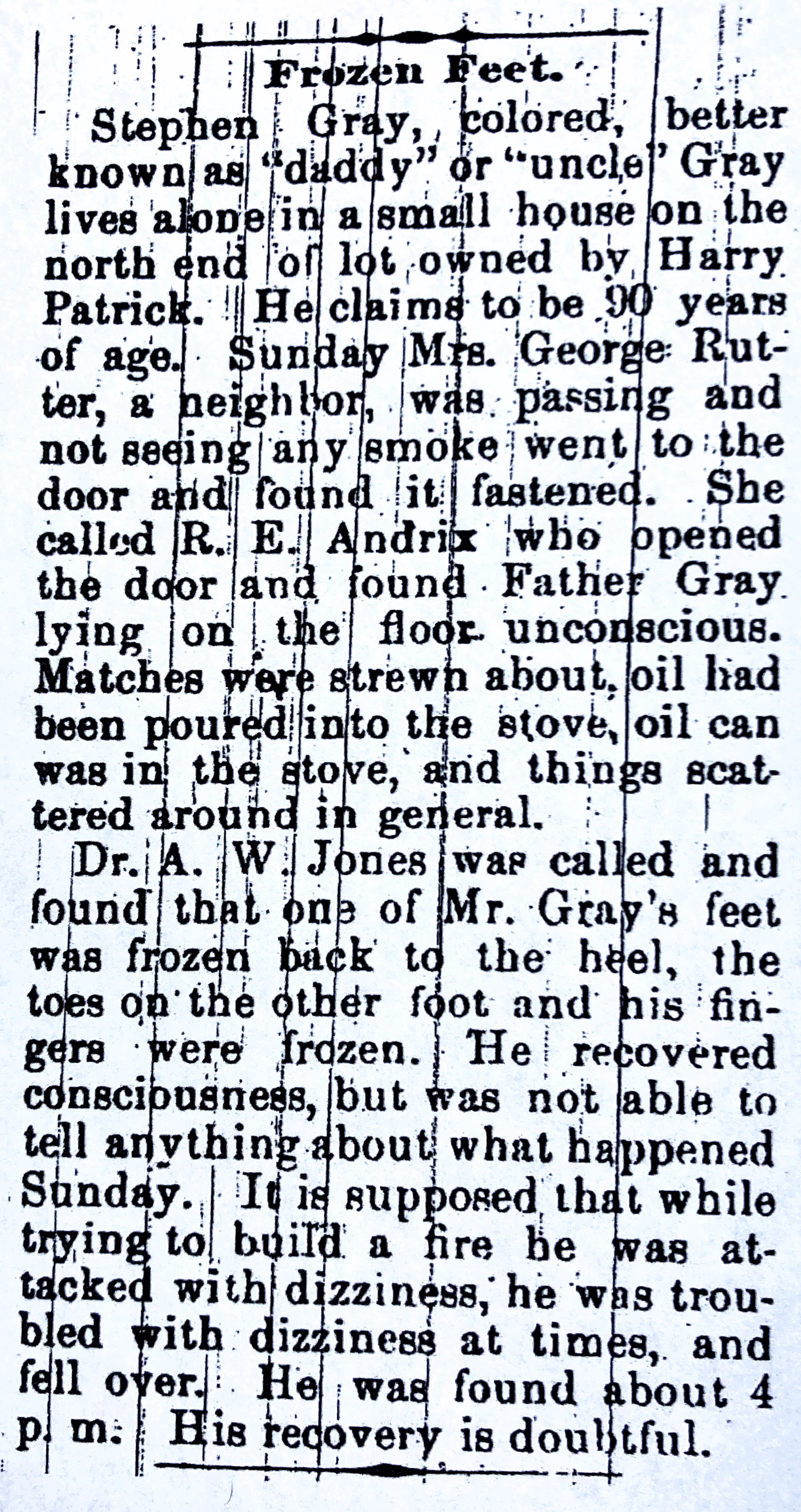
Harry Patrick’s lot has been located and appears a few pictures below. The people referenced here have been identified. They are: Angeline Rutter (interment Otterbein Cemetery), Rufus Edward Andrix (interment Fancher Cemetery which is east of Hoover Reservoir), and Dr. Absalom Winfred Jones (interment Otterbein Cemetery. Public Opinion 1/15/1893.
Public Opinion 1/26/1893.
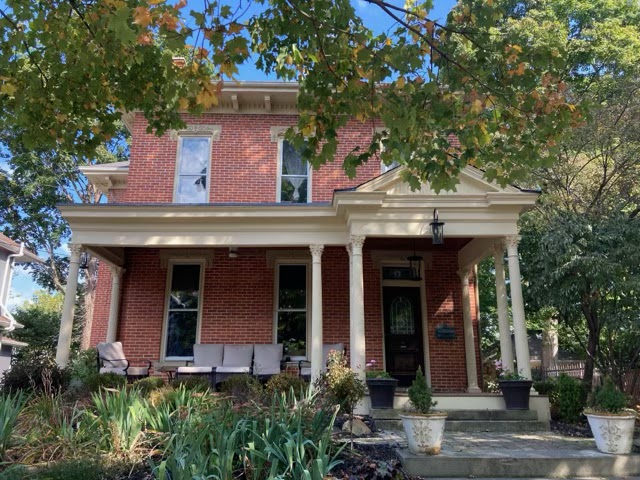
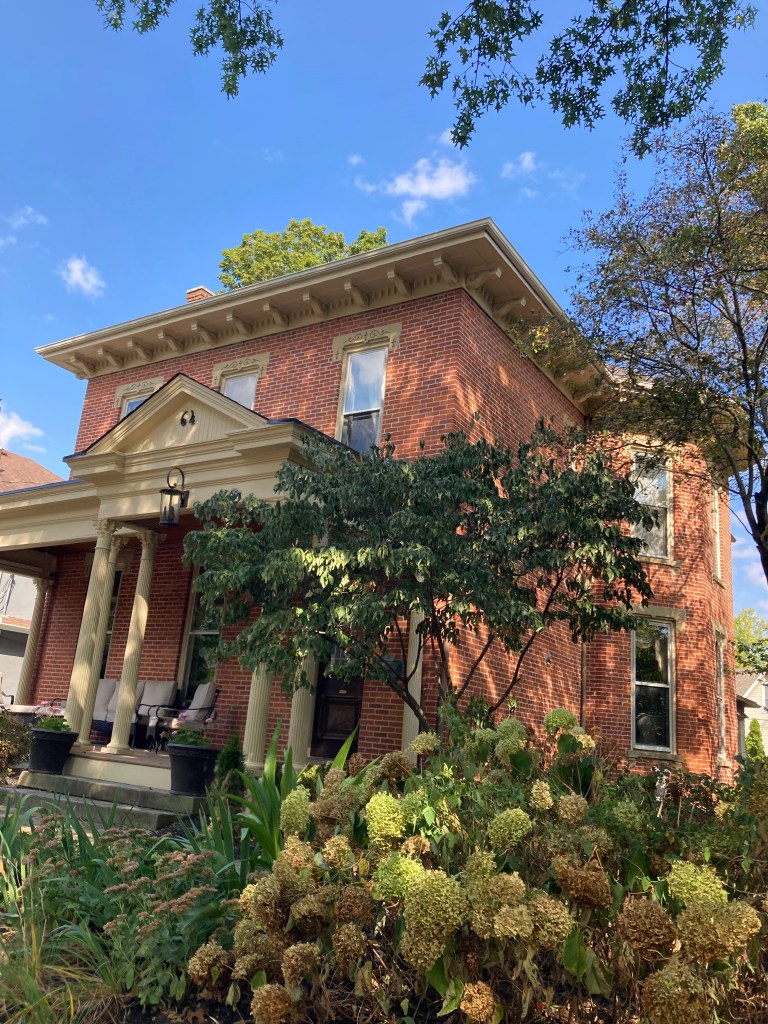
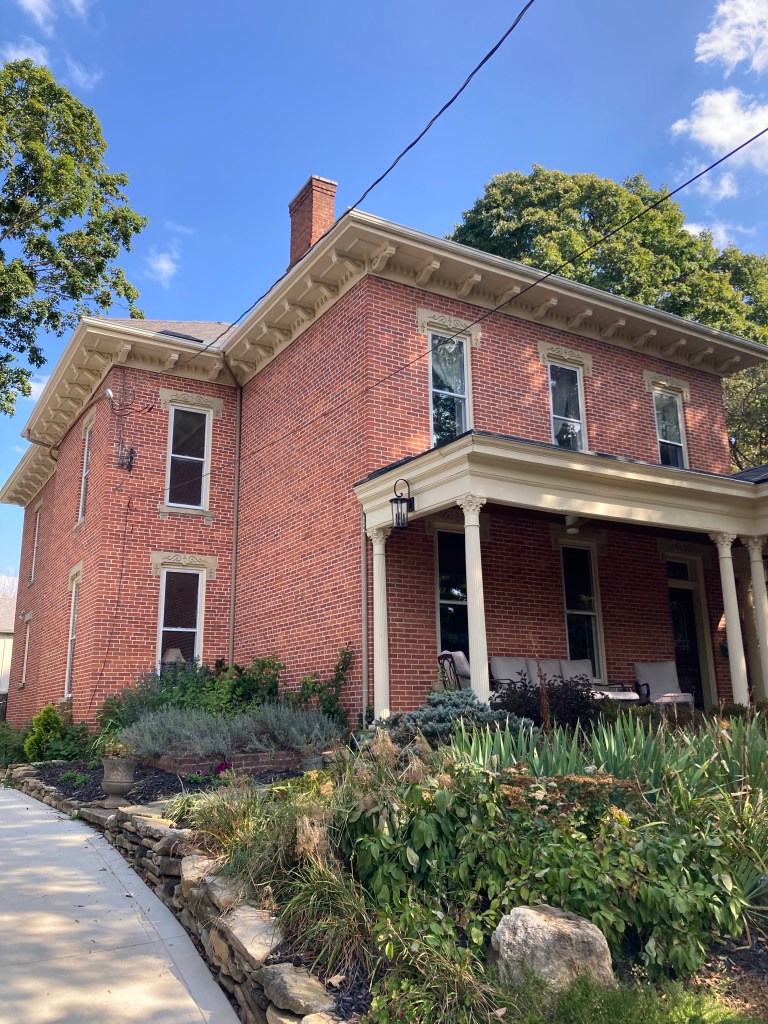
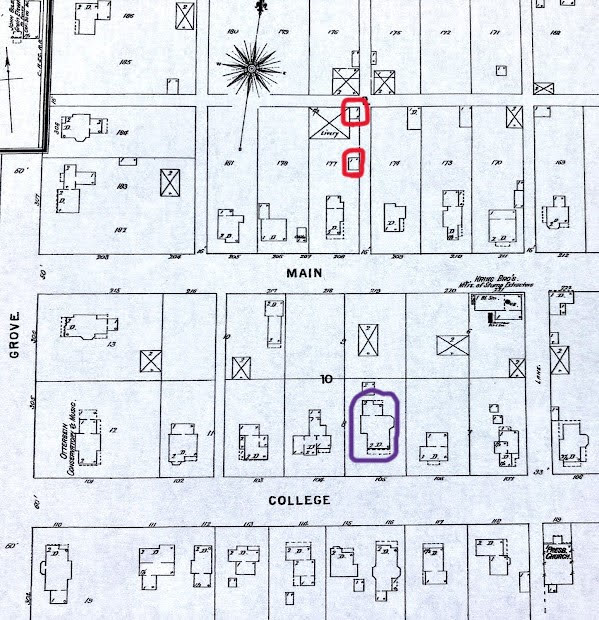
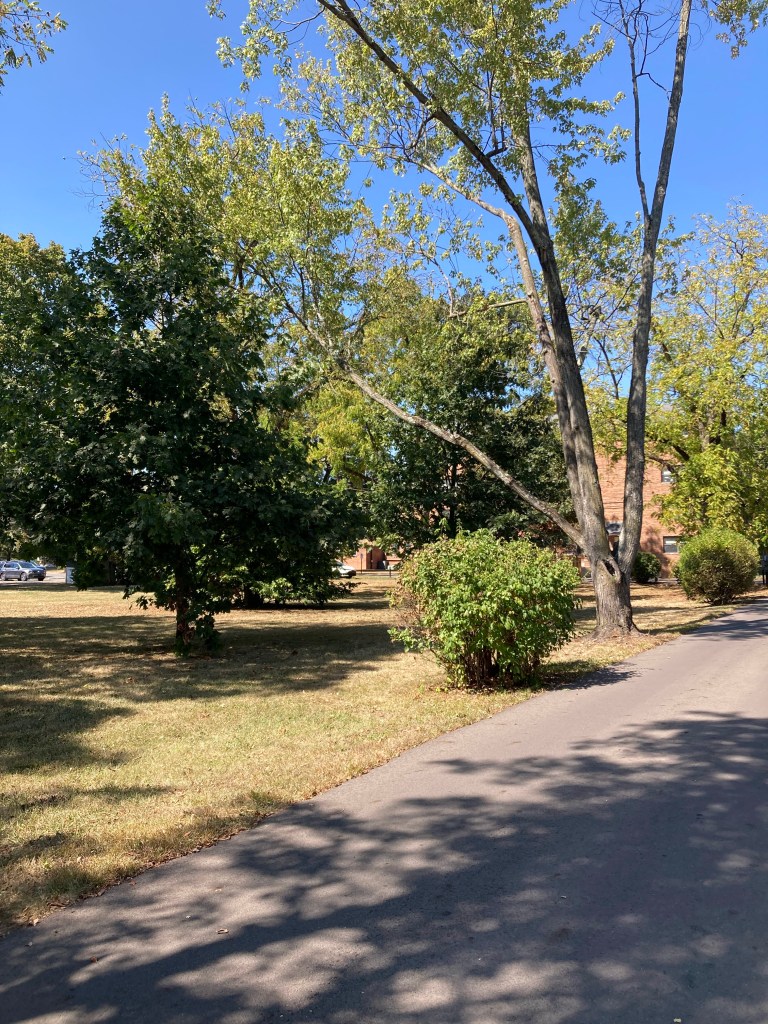
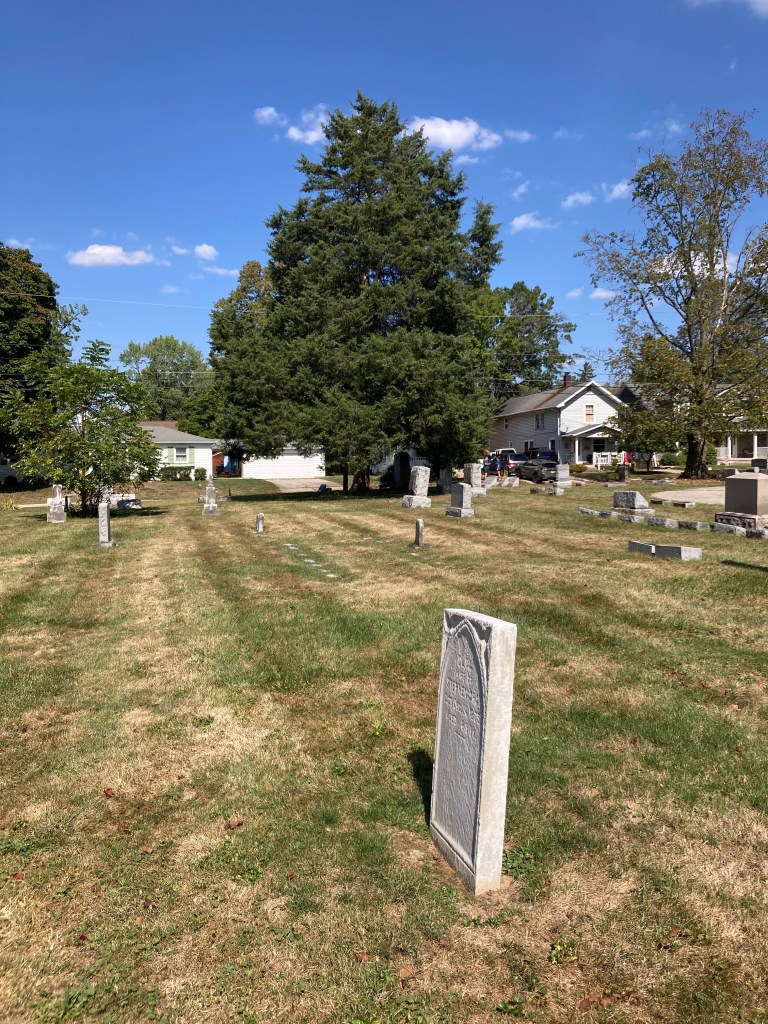
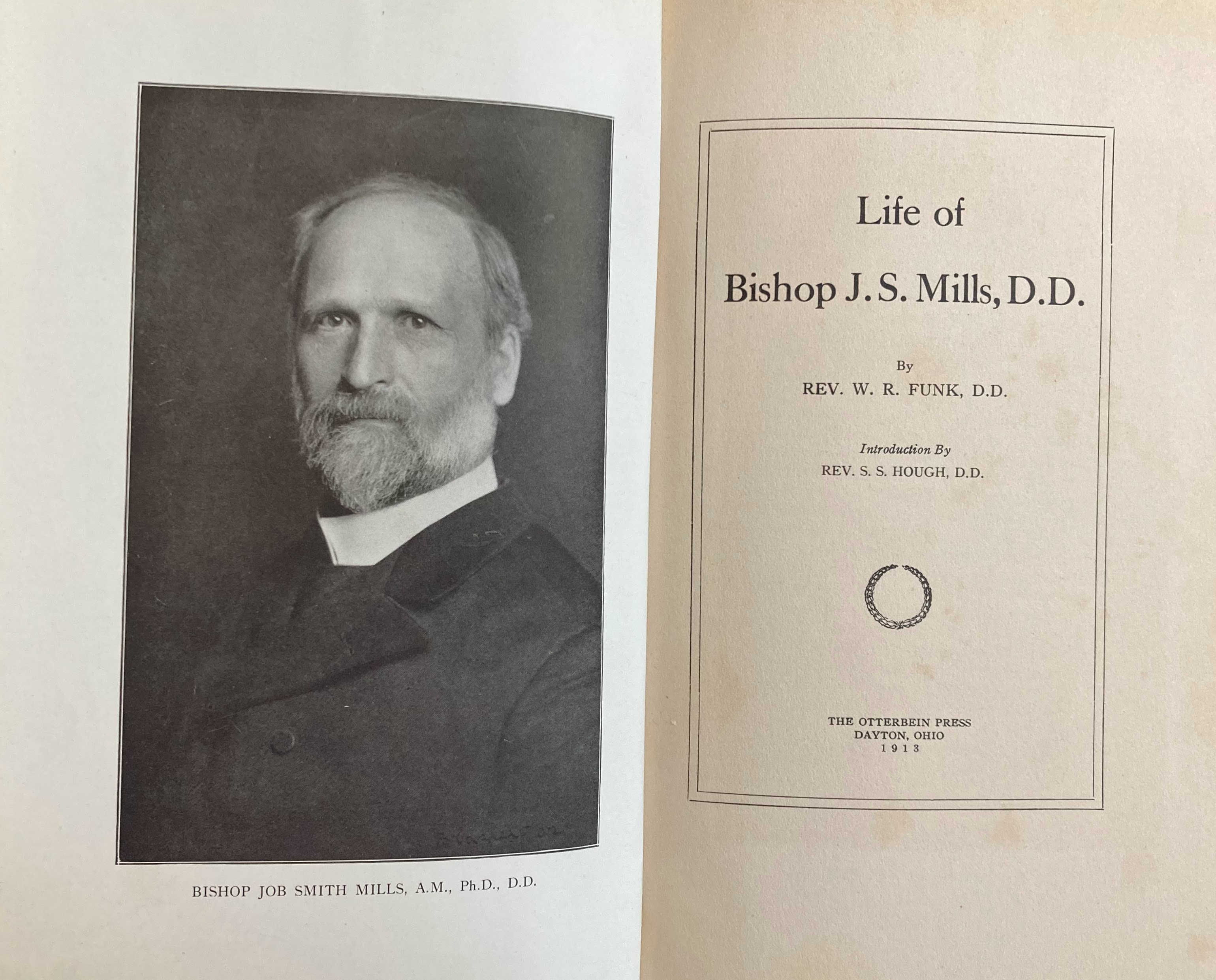
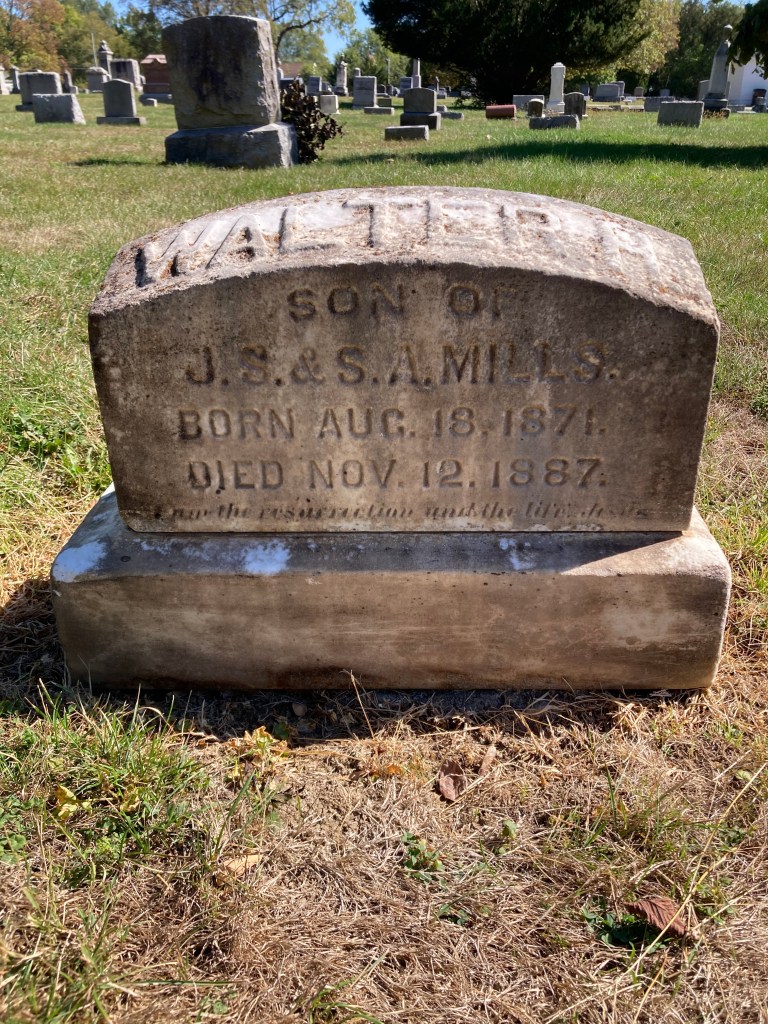
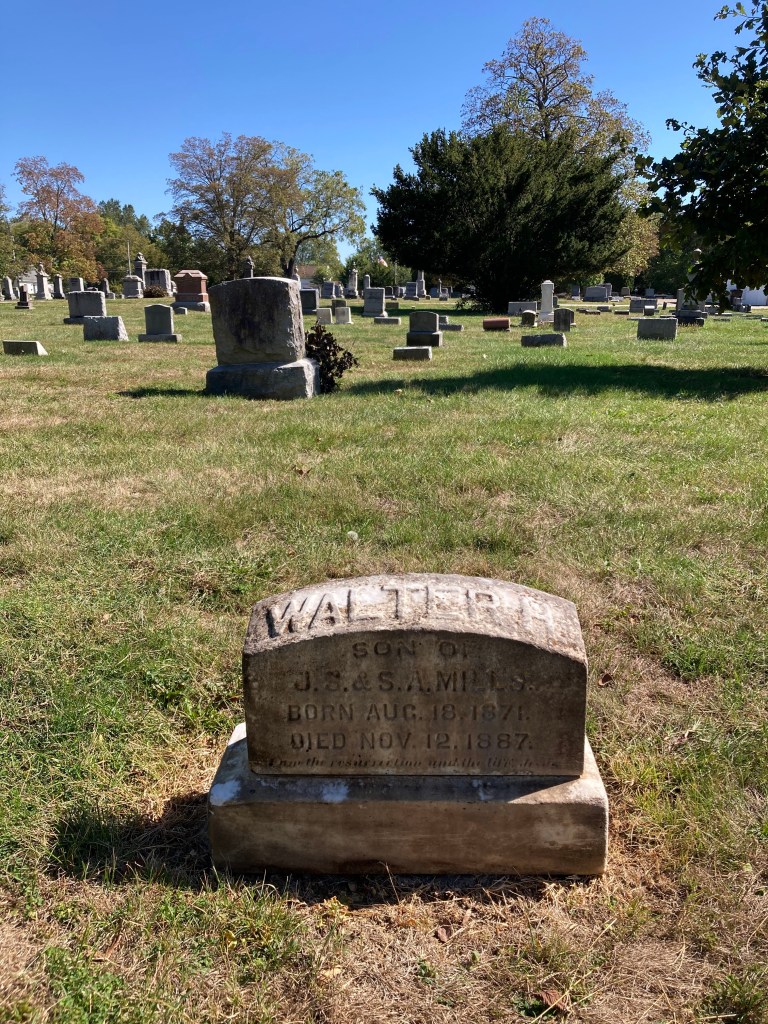
Bishop Arthur R. Clippinger was the brother of Dr. Walter G. Clippinger, Otterbein’s longest serving president (1909-1939).The Honorable Judge Earl R. Hoover, to whom the letter was written, was a Hanby historian and an Otterbein graduate, Class of 1926. Photo credit: archives at the Westerville History Museum. This is the home of Bishop J.S. (Job Smith) and Mary Keister Mills (Otterbein Class of 1878) which they built in 1881 at 64 West College Avenue. Daughter Ellen (later the wife of Bishop Clippinger) was born in 1882 so Stephen Gray’s slave stories told to her would have been in this housewhich still stands today.Stephen Gray would have lived in one of the two outbuildings circled in red located behind the house of Charles Henry “Harry” Patrick at 60 West Main Street.The house circled in purple is the Mills house.60 West Main Street no longer stands. It’s the vacant lot pictured on the left that sits behind Otterbein’s Hanby Hall which is the brick building at the back. Across the street and just down a ways is Church of the Master UM.Cloa Gray, step mother of Nelly, is interred at Otterbein Cemetery. Stephen’s obituary did not indicate a burial location. It would have been this cemetery and probably by Cloa who passed before he did.Bishop J.S Mills served the Church of the United Brethren in Christ in a number of capacities. He was pastor of the U.B. Church at Otterbein from 1874-80 and again from 1885-87.Rev. William Ross Funk, Otterbein Class of 1885, wrote a biography, pictured above, of Bishop Mills’ life.Walter H. Mills was the son of Bishop J.S. and first wife Sarah Ann who died when Walter was just 3 years of age. Walter died of diphtheria at age 16 with burial at Otterbein Cemetery. The Mills family left Westerville not long thereafter as the Bishop had accepted a new appointment by the Church.
1/28/2025. Updated 10/1/2025 with the Stephen Gray history. donfoster73@gmail.com





















 Histories and Mysteries