Uptown Westerville history: “craze” brings National Roque Tourney to 32 West Home Street in 1934.
PLEASE NOTE: The blog contains quite a few pictures so give it several minutes to download. They download haphazardly.
BLOG UPDATE!!! After this blog was published, a friend lent me a local history book of which I’d never heard: Westerville In The American Tradition. It was written in 1940 by the Works Progress Administration. Page 87 jumped out: “In 1911, the National Staple Post Company was organized to make concrete posts.” I immediately thought to myself…I need to go ask the Westerville History Museum if there is a file folder on this company. There was, and the pictures interspersed throughout are the result!! All are marked NEW DISCOVERY. The narrative immediately following this paragraph is the original blog narrative and remains the same. So if you’ve visited this blog before, you might want to skip reading it and head to the pictures that follow.
This effort didn’t begin with the intent of becoming a blog. The intent was to discover if 32 West Home Street in Westerville was designed by the prominent Columbus architectural firm of Yost & Packard.It was built in 1898 for Russell and Nellie Bennett. The Bennetts moved to Westerville in 1892 from Delaware County. Russell had taught school in Croton and then in Sunbury where he became superintendent.
I’ve been researching the designs of Joseph Warren Yost and Frank Lucius Packard for several years and have been publishing the results as blogs. Their Westerville portfolio is impressive, but only one house is among those designs. I think there are more houses to discover. I chose the Bennett house to investigate since it’s just down the street from that one house: 98 West Home Street. Designed for Otterbein University Professor William Johnston Zuck, it was built in 1897. When Otterbein constructed its Campus Center in 1964, the Zuck house was razed for parking. It’s unique history is the subject of a blog as well and is linked below…3rd link).
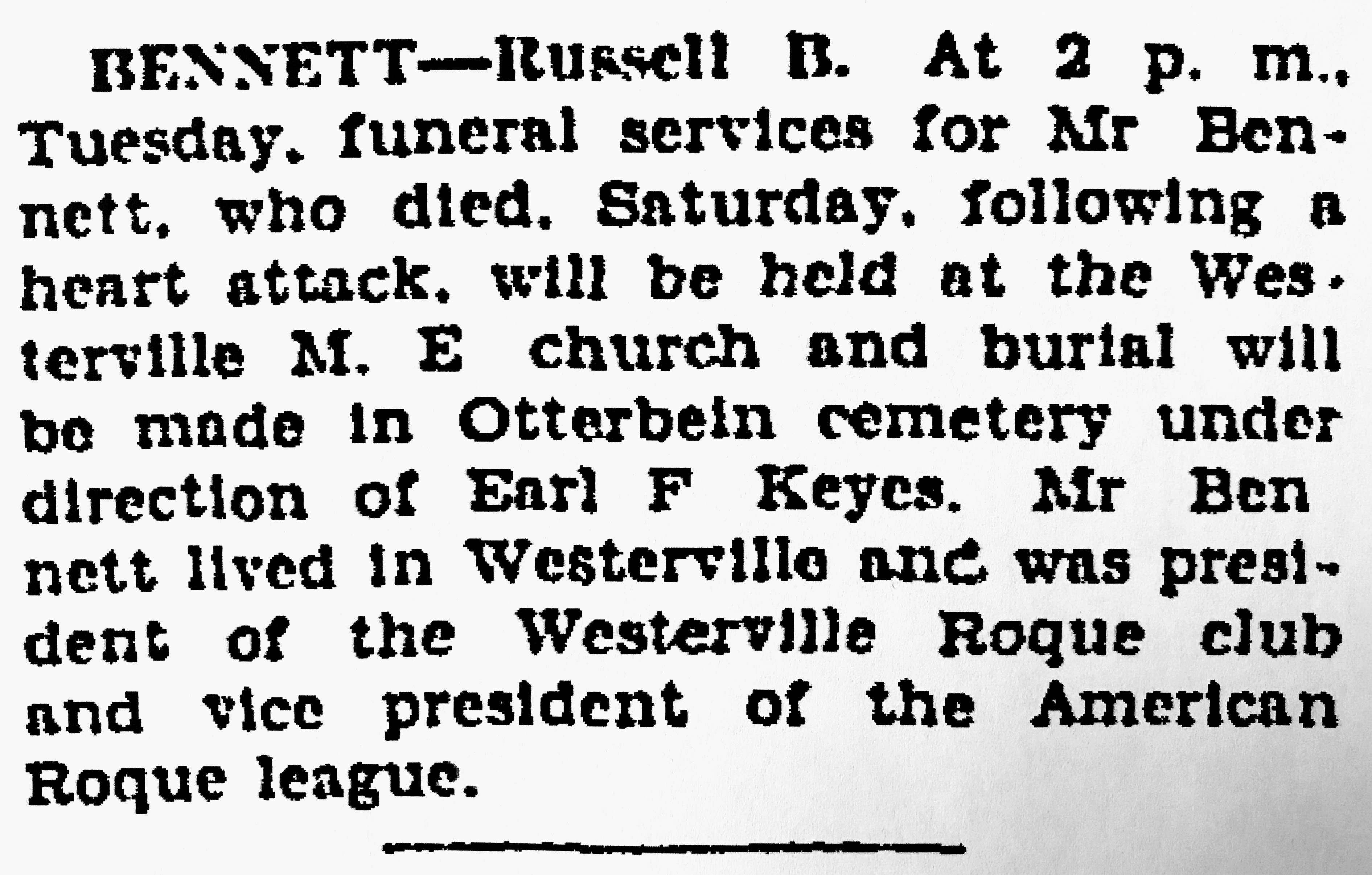
Discovering the architect of an old house is often a matter of luck. Old cornerstones of public buildings, churches, schools, etc. sometimes show the name of the builder; they seldom show the name of the architect. Houses are just as frustrating. When no documentation exists, the genealogy of an owner may lead to a descendent with construction knowledge. Fortunately the archives at the Westerville History Museum have Russell and Nellie Bennett family history including Russell’s obituary. One surprising sentence in that obituary changed the architect search to much more:“Mr. Bennett lived in Westerville and was president of the Westerville Roque Club and vice president of the American Roque League.” Whoa! What is “roque”?…and whatever it is, how unusual for a resident of a village of only 3,000 to achieve VP status of a national organization.
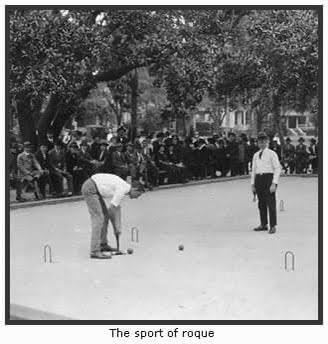
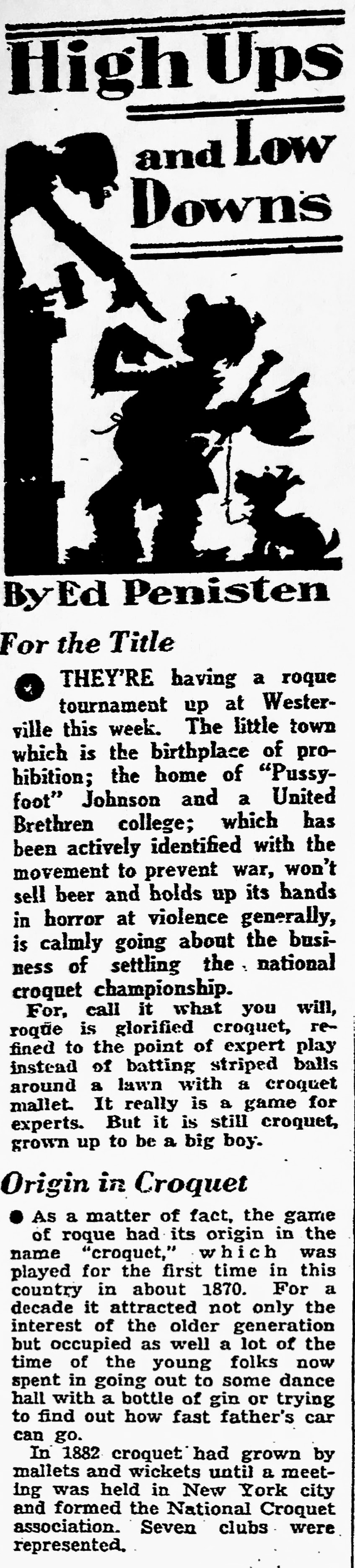
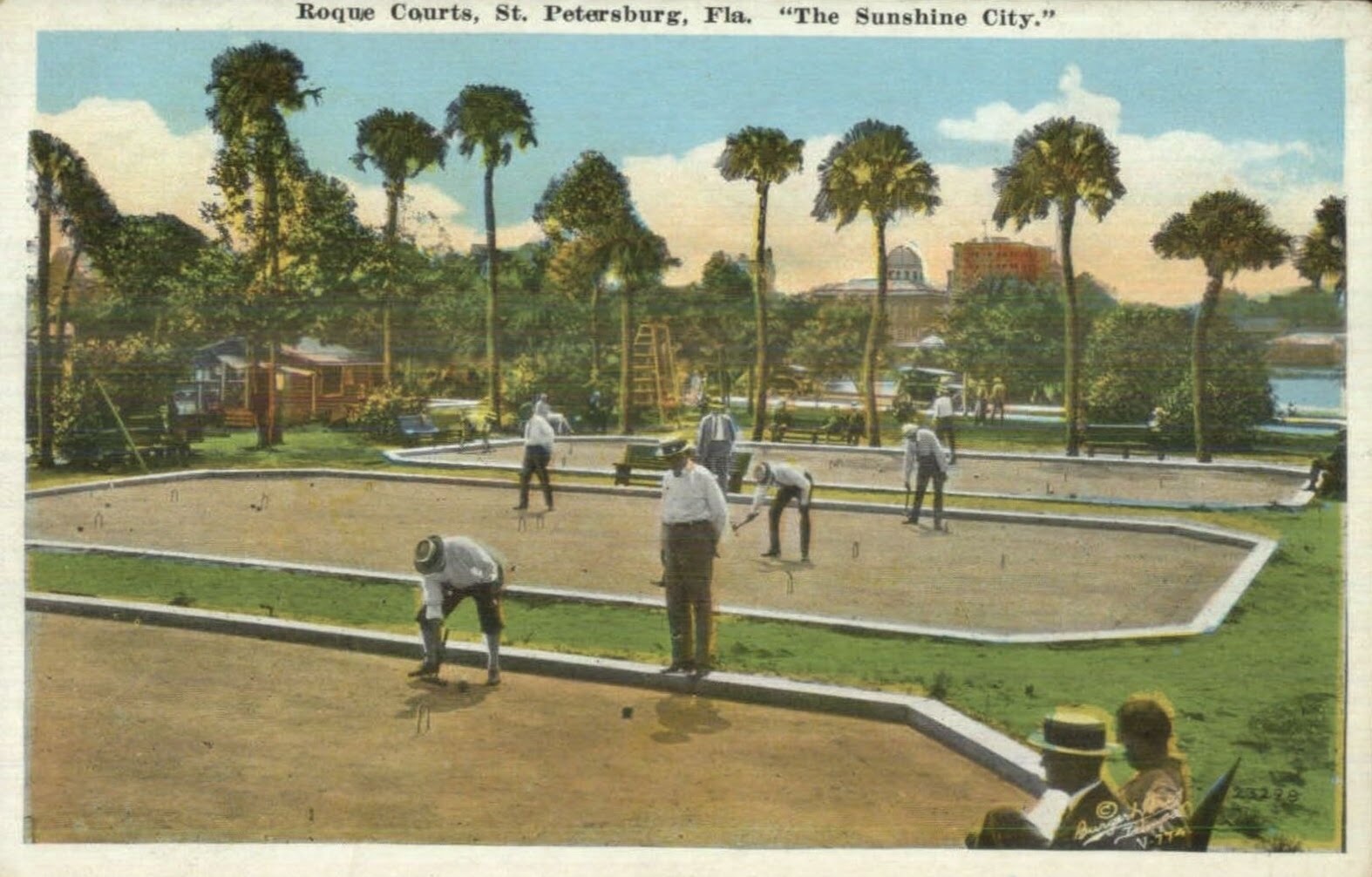
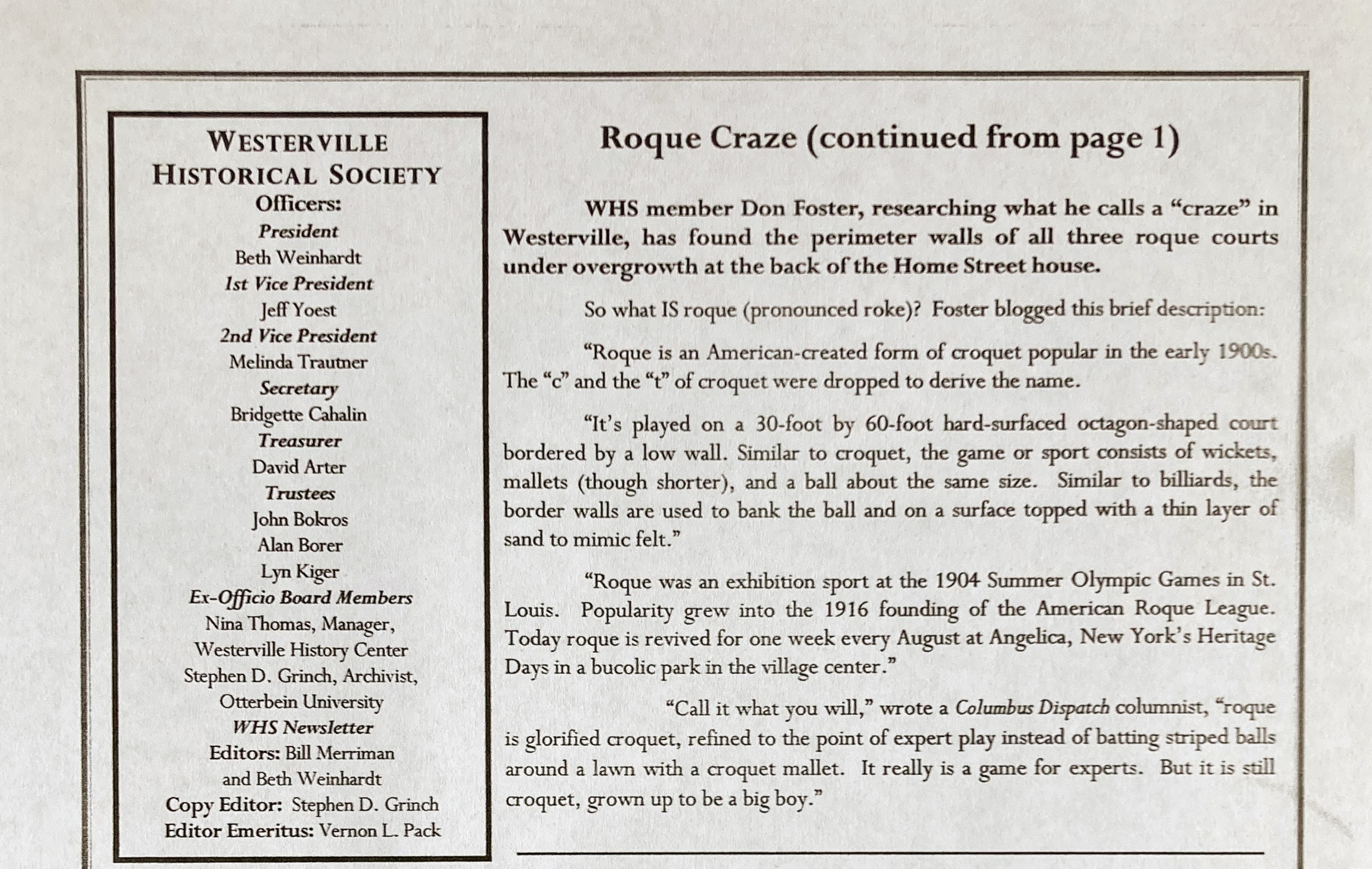
So what IS roque (pronounced roke)? Here’s a brief description compiled from various websites. Roque is an American-created form of croquet popular in the early 1900’s. The “c” and the “t” of croquet were dropped to derive the name. It’s played on a 30ft X 60ft hard-surfaced octagon-shaped court bordered by a low wall. Similar to croquet, the game or sport consists of wickets, mallets (though shorter), and a ball about the same size. Similar to billiards, the border walls are used to bank the ball and on a surface topped with a thin layer of sand to mimic felt. Roque was an exhibition sport at the 1904 Summer Olympic Games in St. Louis. Popularity grew into the 1916 founding of the American Roque League of which Westerville’s Russell Bigelow Bennett served as Vice President for an unidentified period. Today roque is revived for one week every August at Angelica, New York’s Heritage Days “in a bucolic park in the village center.” Sounds like Brigadoon. There is also a web reference to a roque court in Clinton, Illinois, restored to playing condition and is included among the pictures that follow here. Further down in this blog is a humorous description of roque (written in 1939) as well as a humorous critique of residents of Westerville (written in 1934).
Where do Russell Bennett and Westerville fit into roque history? A search of microfilmed issues of the Westerville Public Opinion and digitized issues of The Columbus Dispatch yielded plenty: construction of courts behind the Bennett house, Bennett’s passing while playing on those courts with a neighbor in the winter of 1927, state tournaments held on those courts in 1931 and 1932, and the crown jewel as this blog’s title proclaims: site of the 1934 national roque tournament!! A search for more led to the Bennetts’ great granddaughter Debbie Pinney Warren who emailed this: “I grew up playing in the backyard as we lived at 36 West Home Street until I was in upper elementary and of course we visited my grandparents often until my grandpa sold the house after my grandmother’s passing when I was a senior in high school. I remember asking my grandmother what the concrete pads were for and she explained about the game of roque. But I cannot find any mention of architects nor are there any pictures nor memorabilia that have survived the decades. My great grandpa Bennett died before my dad was born so he has no personal recollection.”
No pictures of Russell and Nellie Bennett have been found. There are no pictures of the 32 West Home Street roque courts in action other than a grainy one shown below that was in the newspaper. Although there is brief mention of the roque courts and the tourneys in local history sources as well as an old fire insurance map showing the footprints of the house and roque courts, nothing else exists. So the search for more turned to descendants, if any, of Archie Gammill who was on the court with Russell Bennett that fatal day in December 1927.
Success! Old census records, the Franklin County Auditor website, and an obituary led to discovery of the Archie and Hattie Gammill house at 15 West Plum Street, Westerville. Contact with current owners William and Mary Jane Hitt resulted in a picture of the Gammill family (shown later in this blog) seated in front of their house. Westerville resident Carole Brohard, who gifted that photo to the Hitts, had this to say in an email: “I remember going through the home of my great grandparents Archie and Hallie at 15 West Plum Street on a tour a few years ago to bring back memories. It has changed somewhat. I remember the beautiful glass pieces that were in the stucco. Kids used to pick the glass out as far as they could reach. The house sparkled! I cannot be certain, but I believe possibly the house at 85 West Plum Street may have been built by Archie also. I, of course, do not remember Archie, but remember Hallie well. I have been to their gravesites in Sunbury and know exactly where they are.” Archie did indeed build 85 West Plum before building 15 West Plum in 1922 (on the site of the town’s first skating pond per Nineteenth Century Westerville).
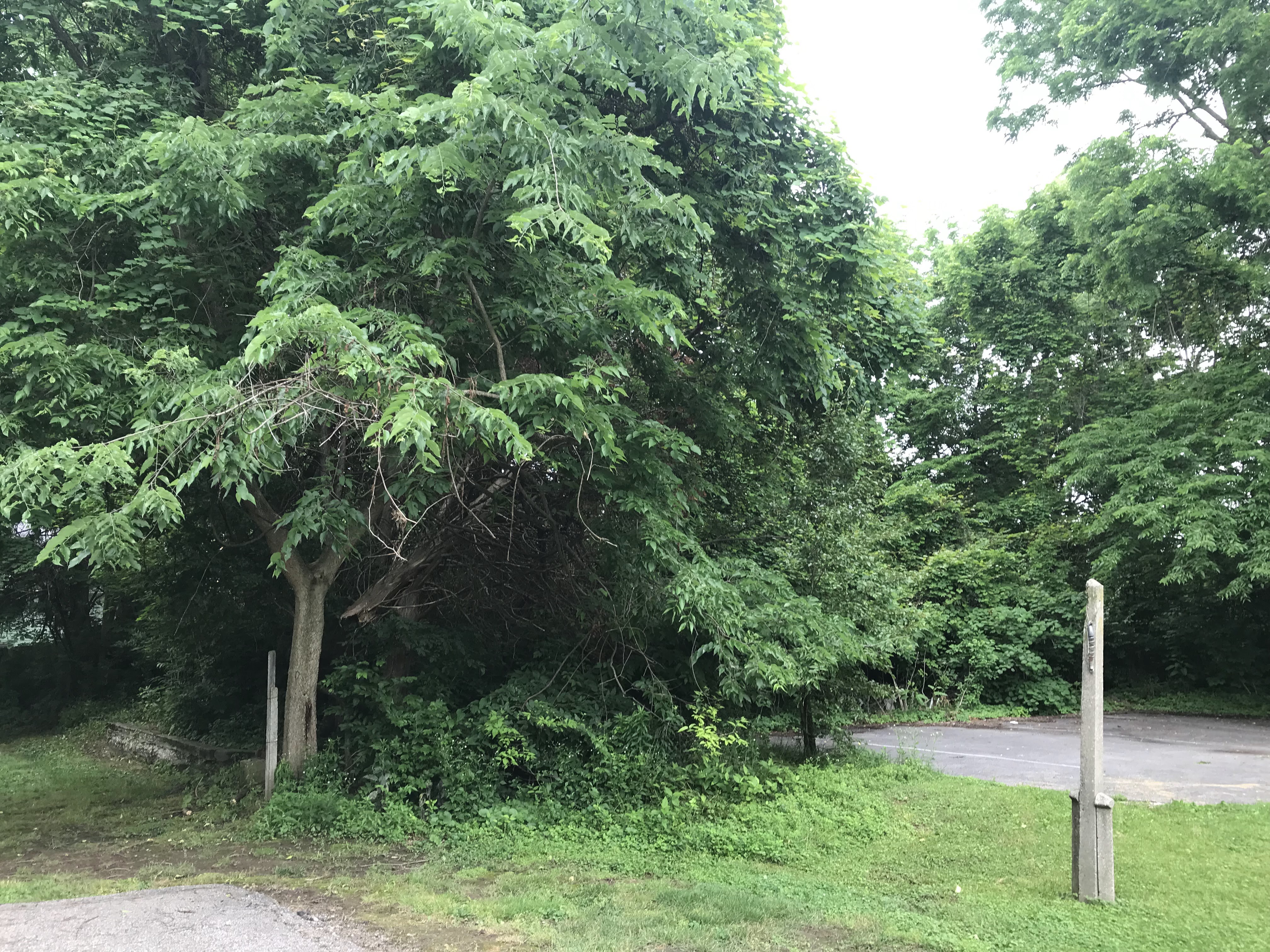
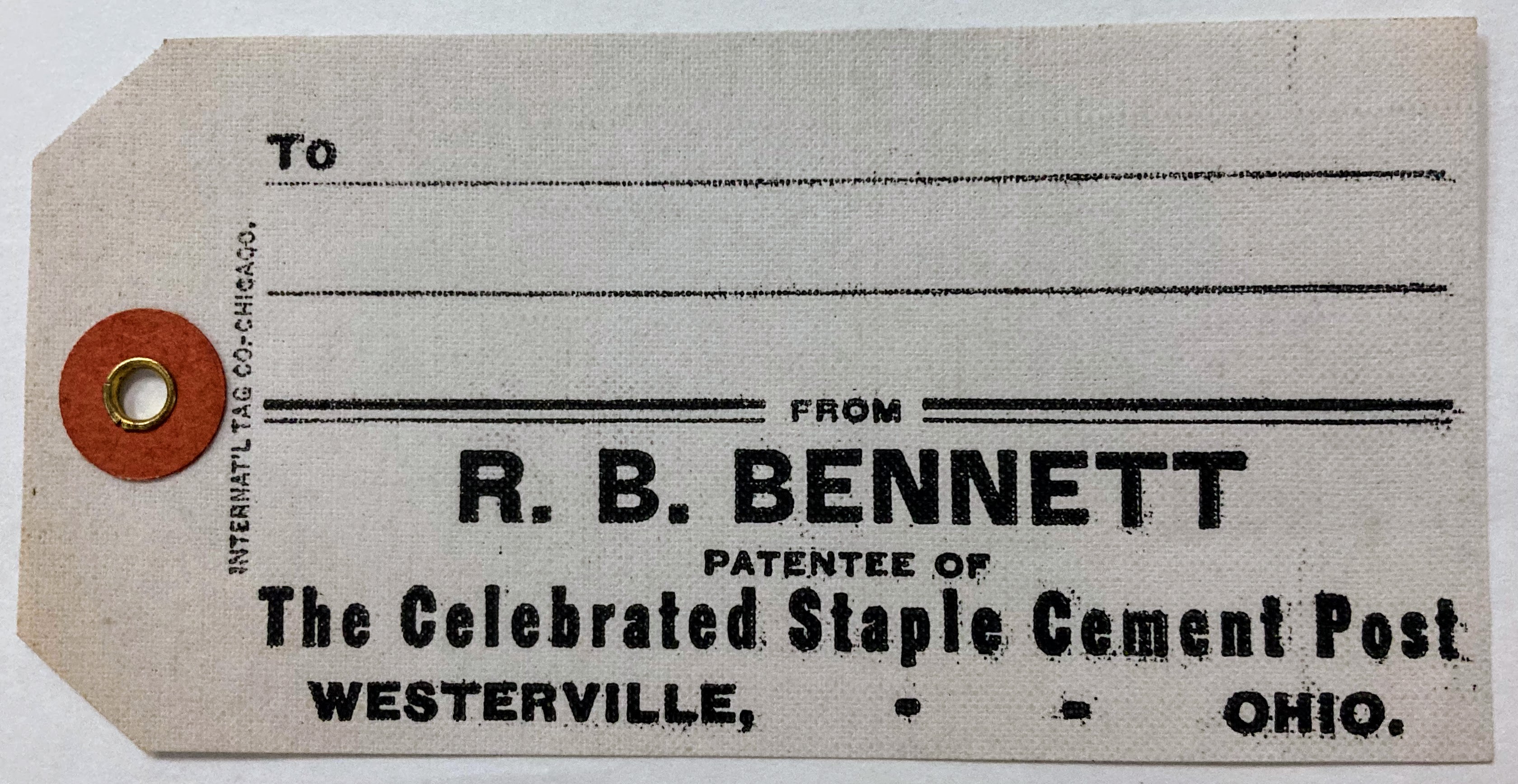
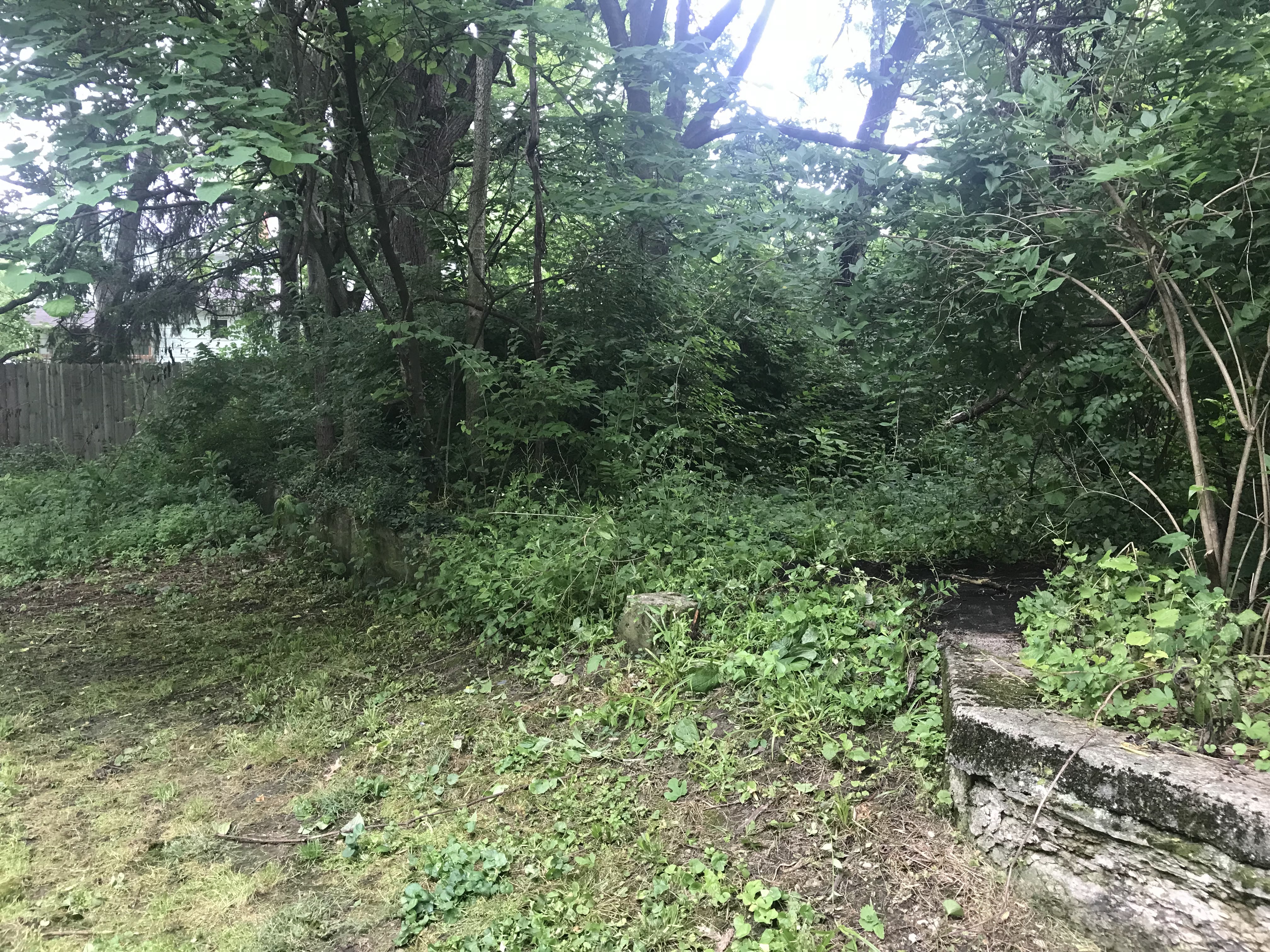
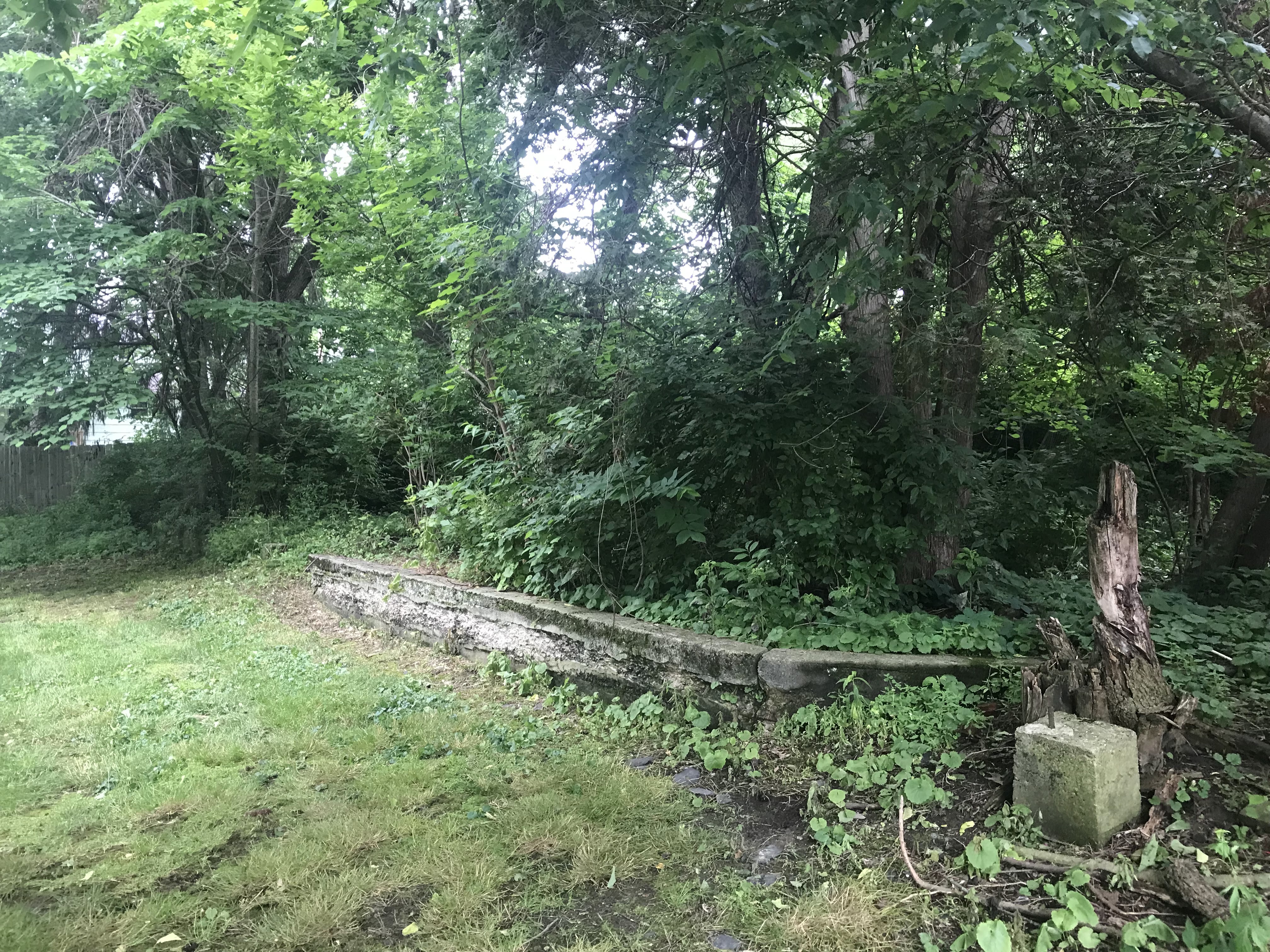
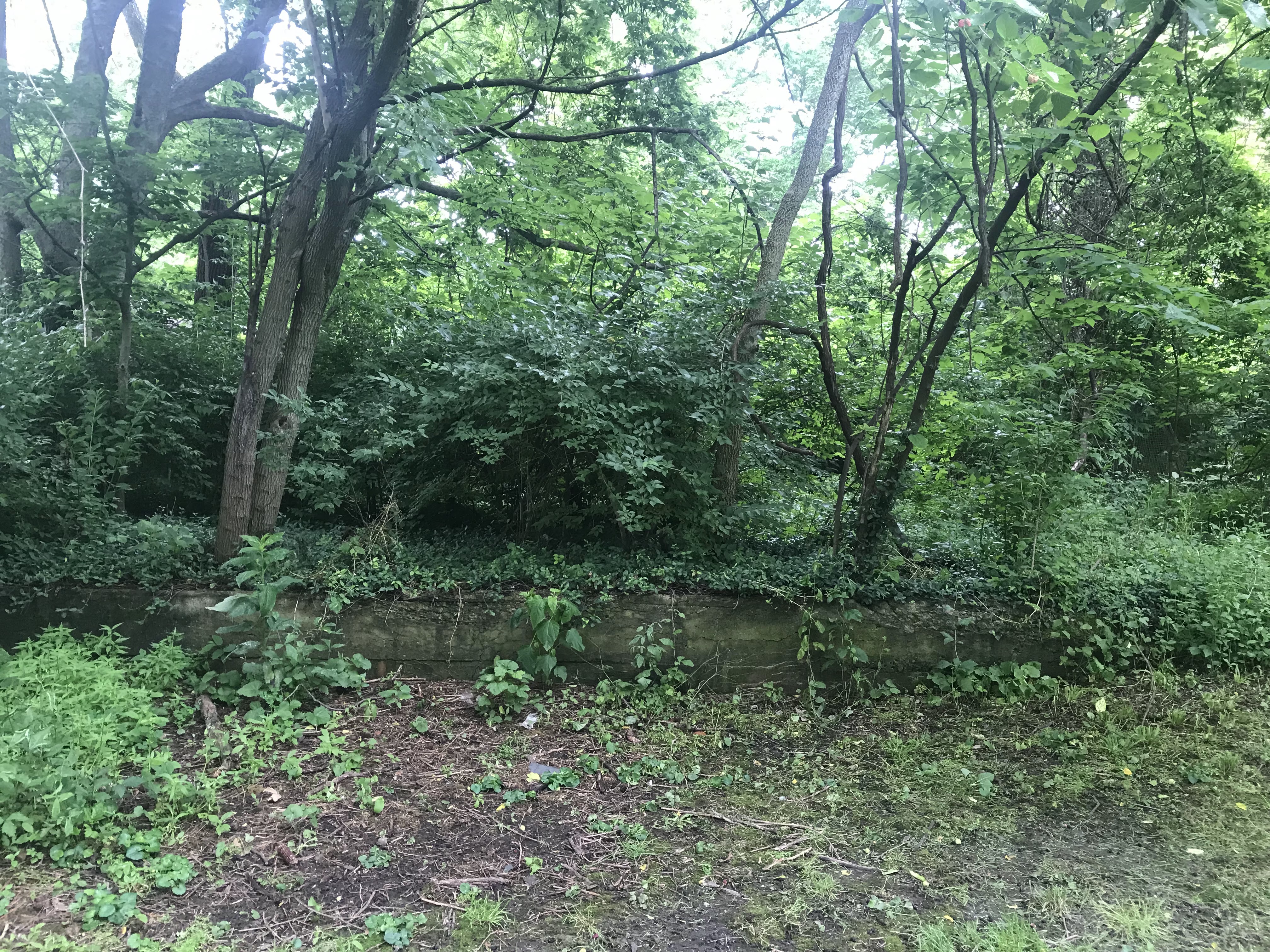
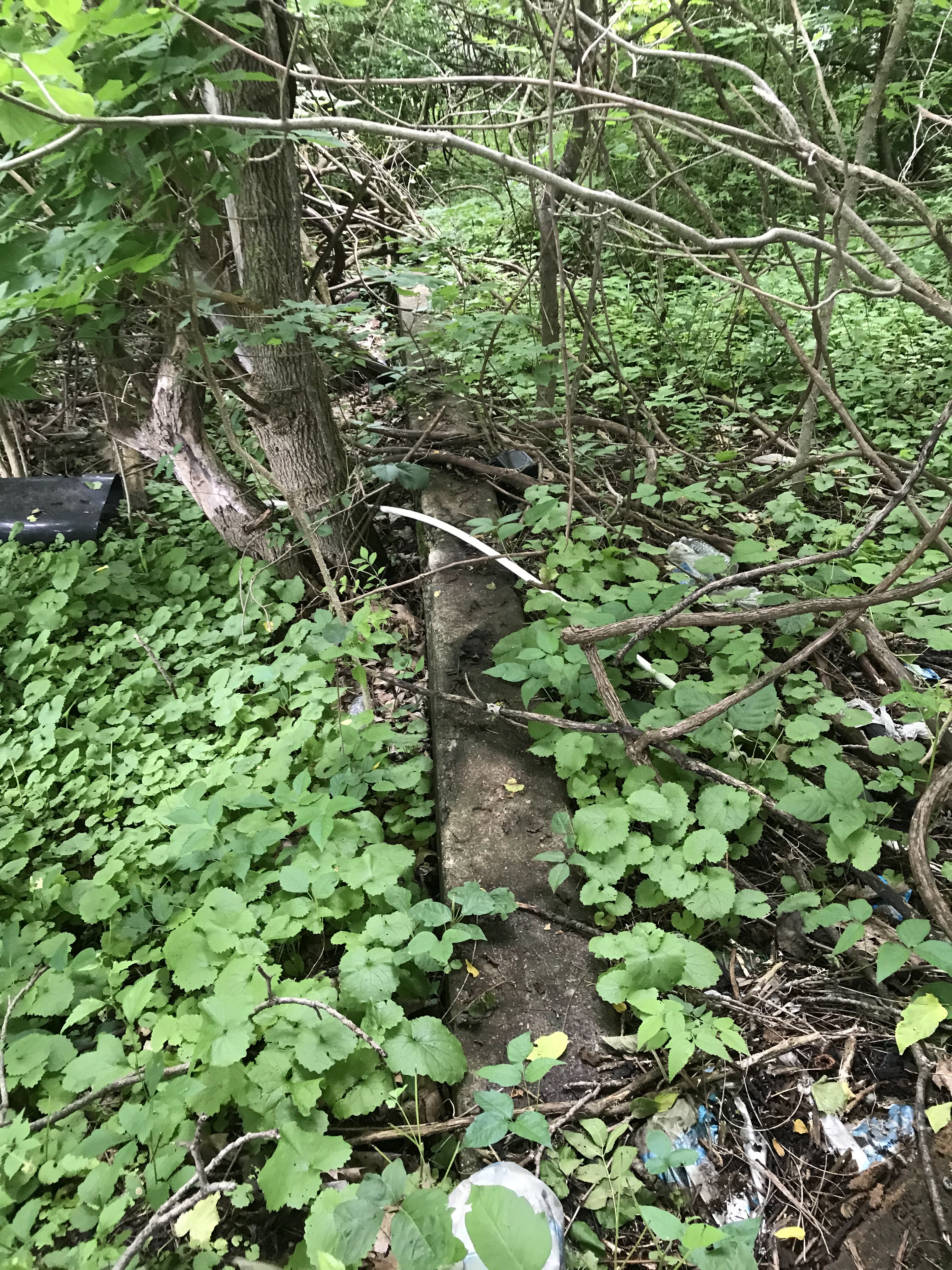
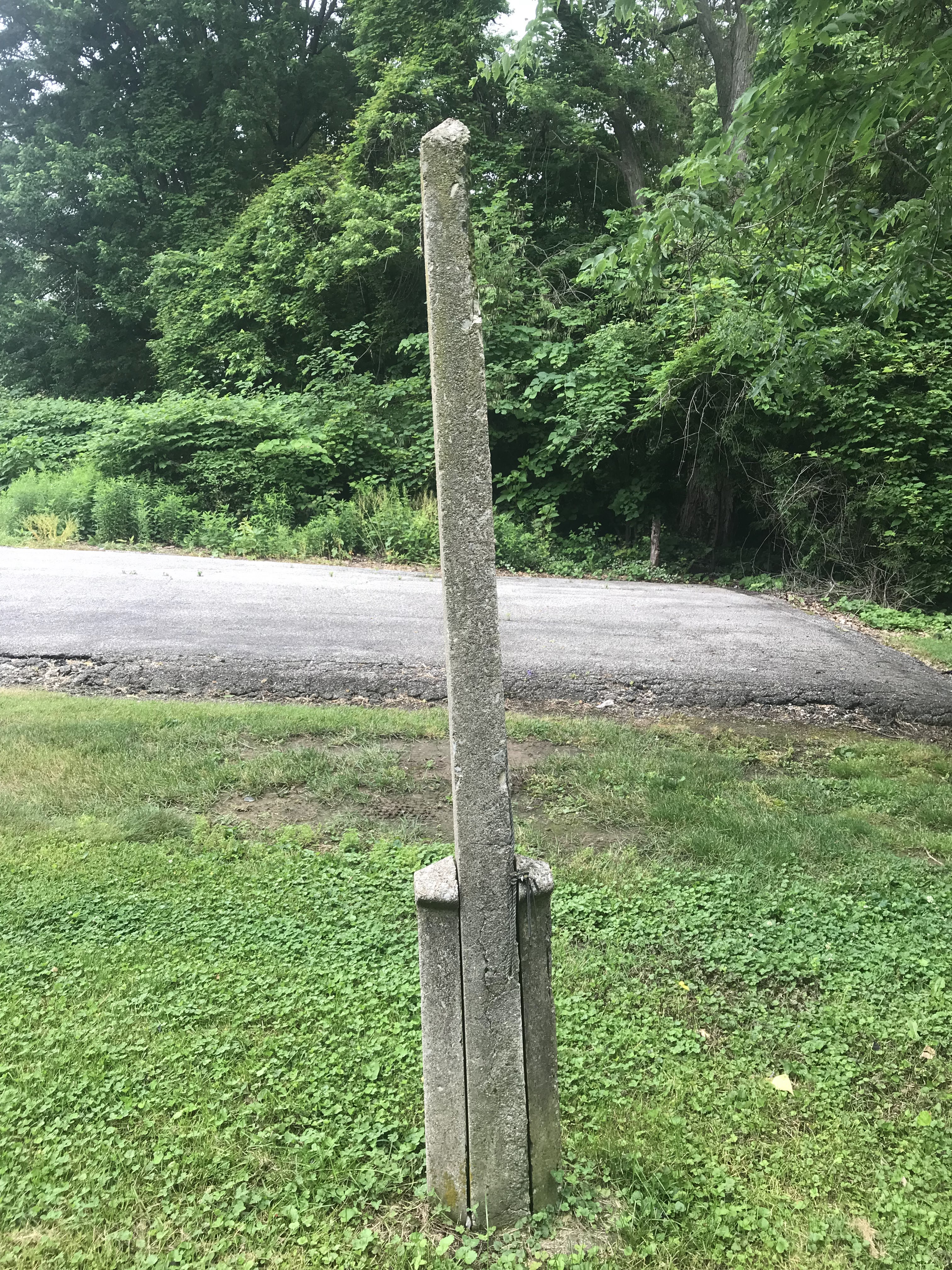
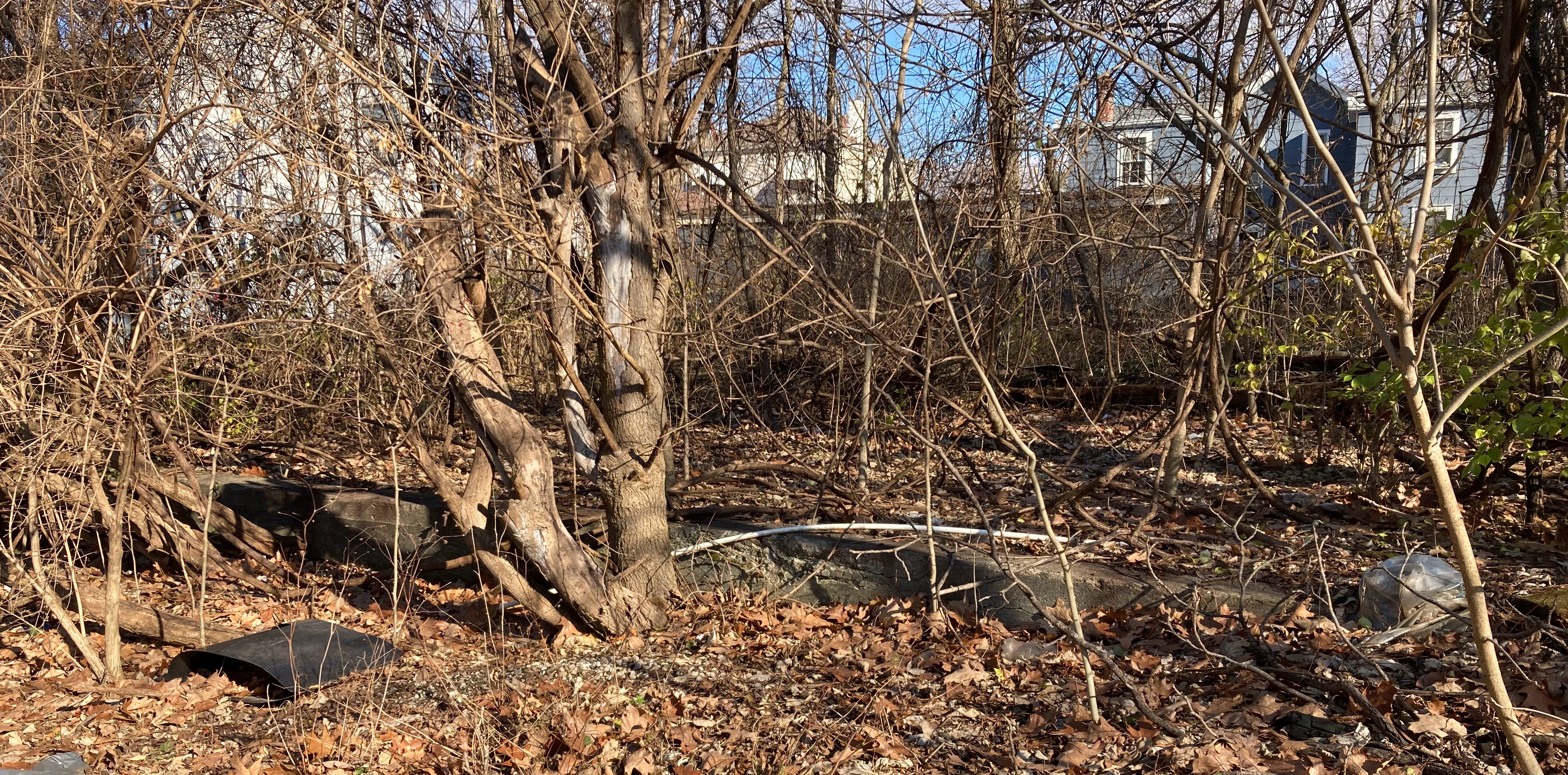
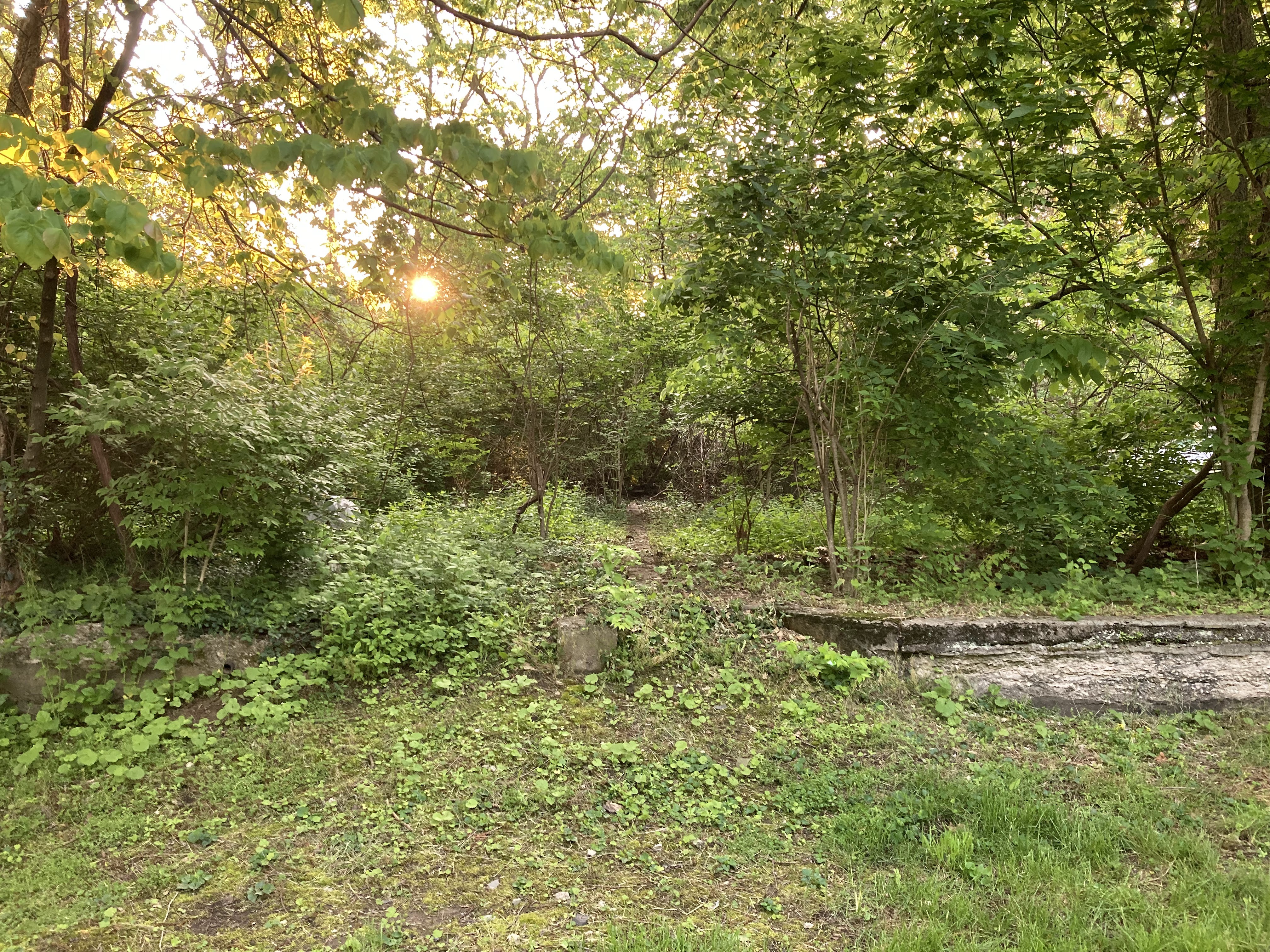
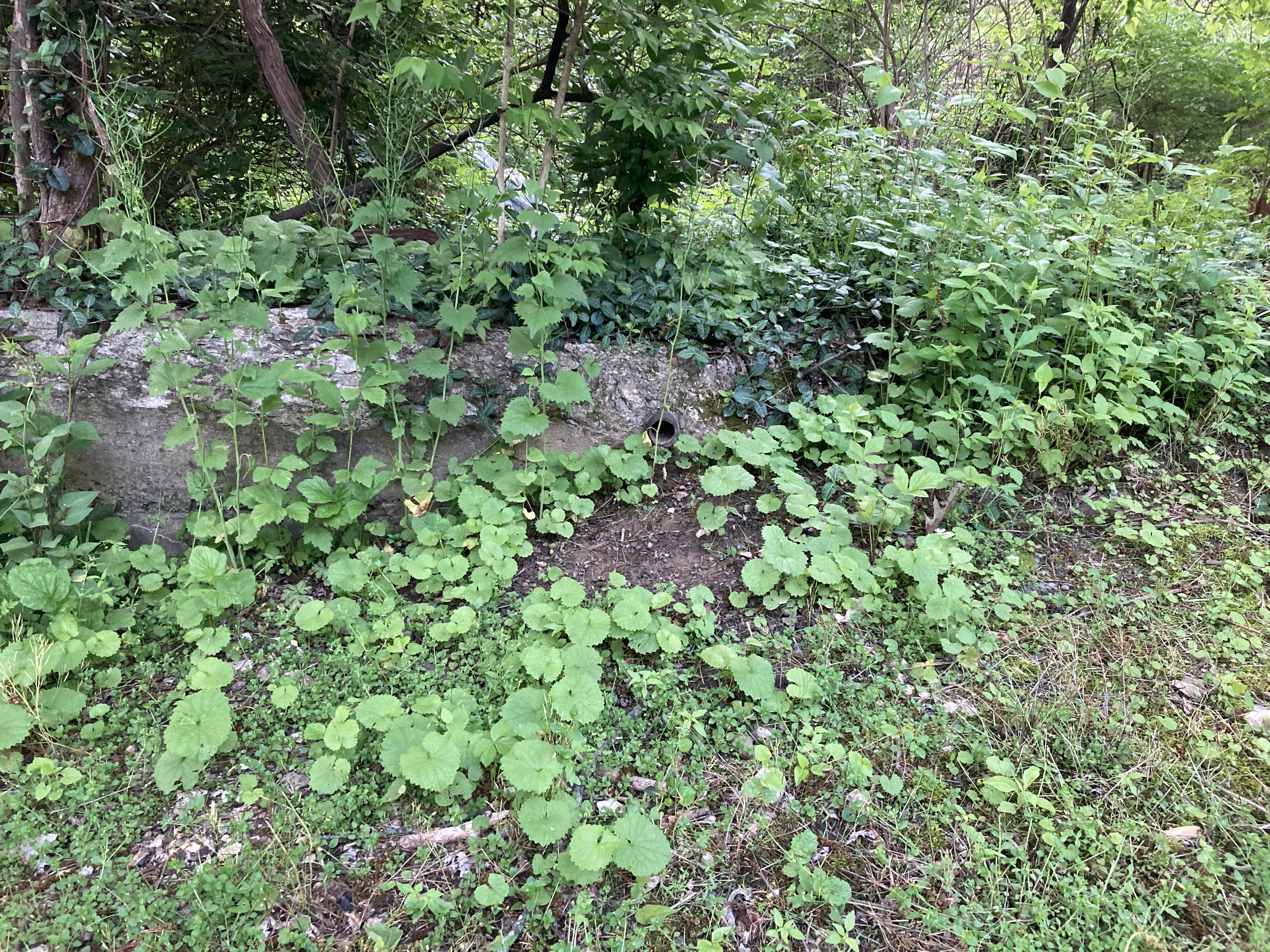
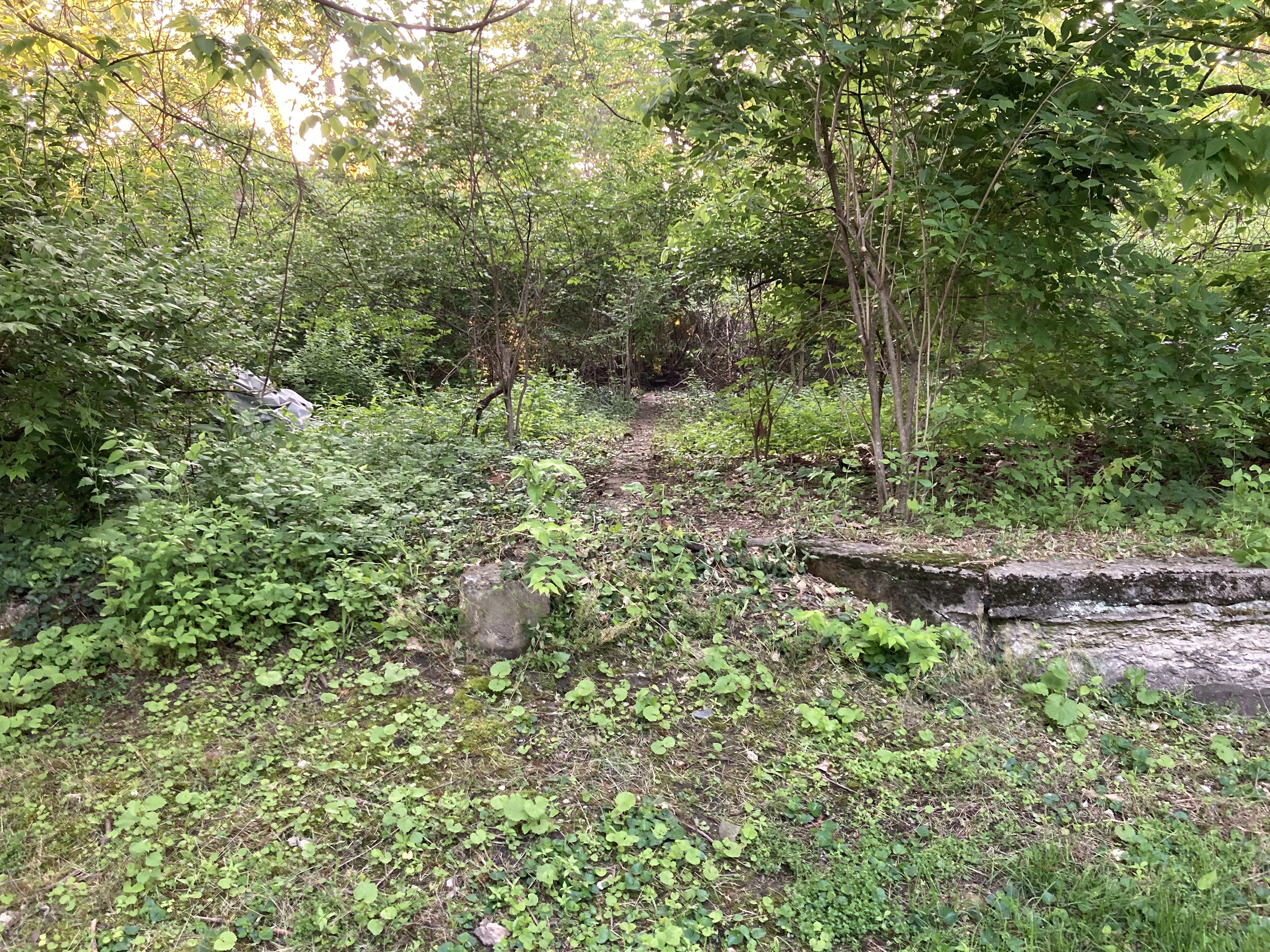
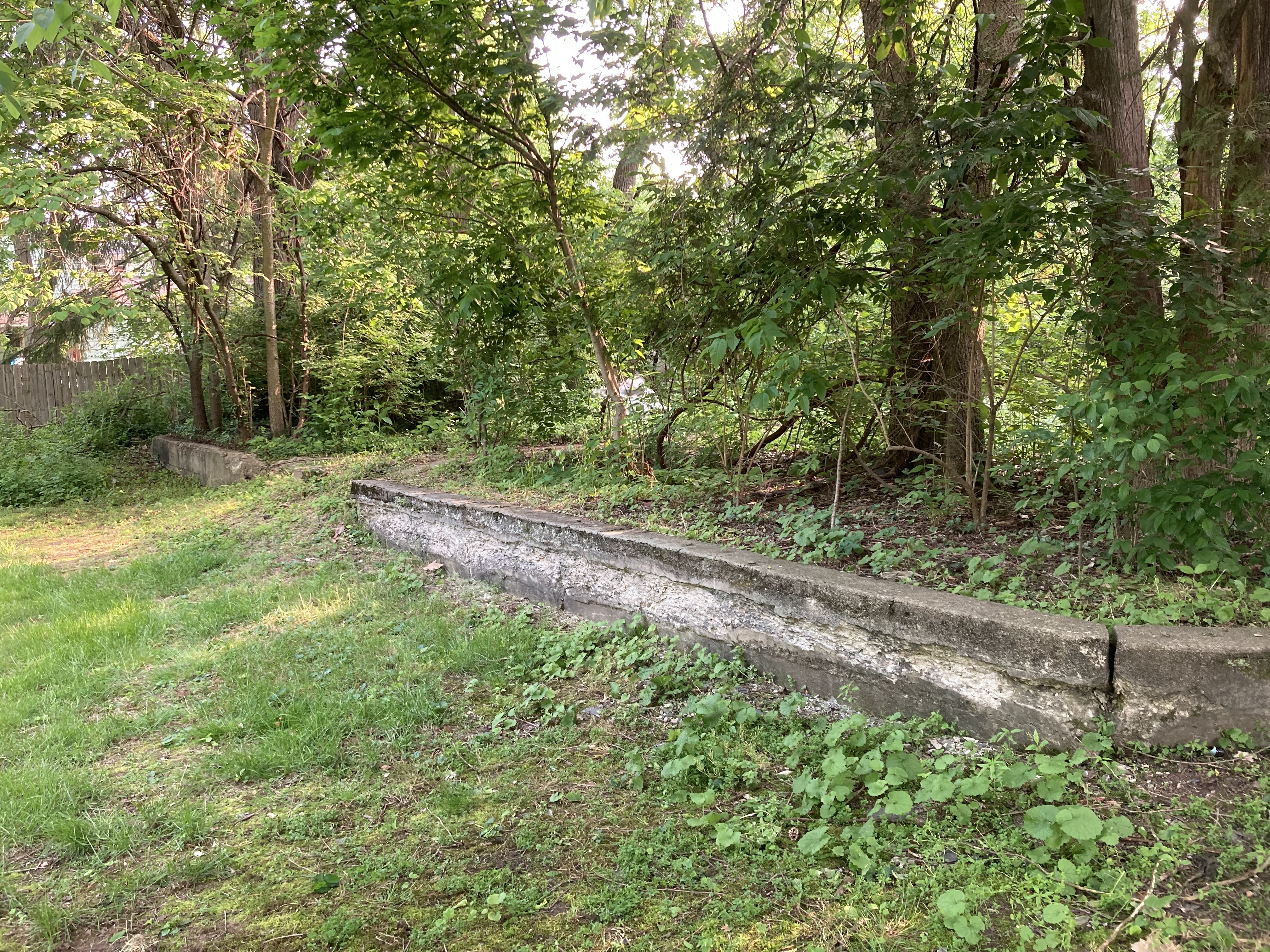
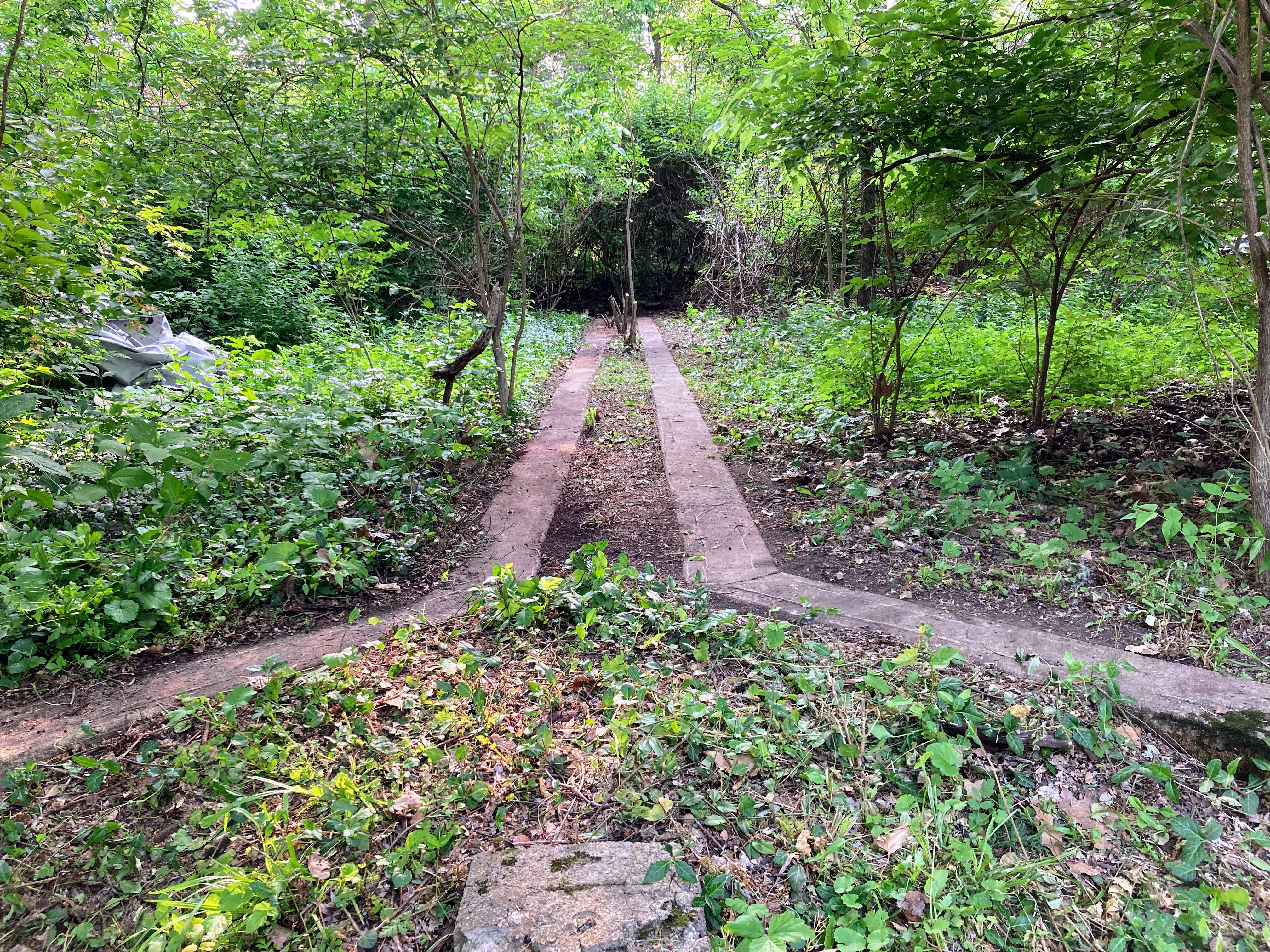
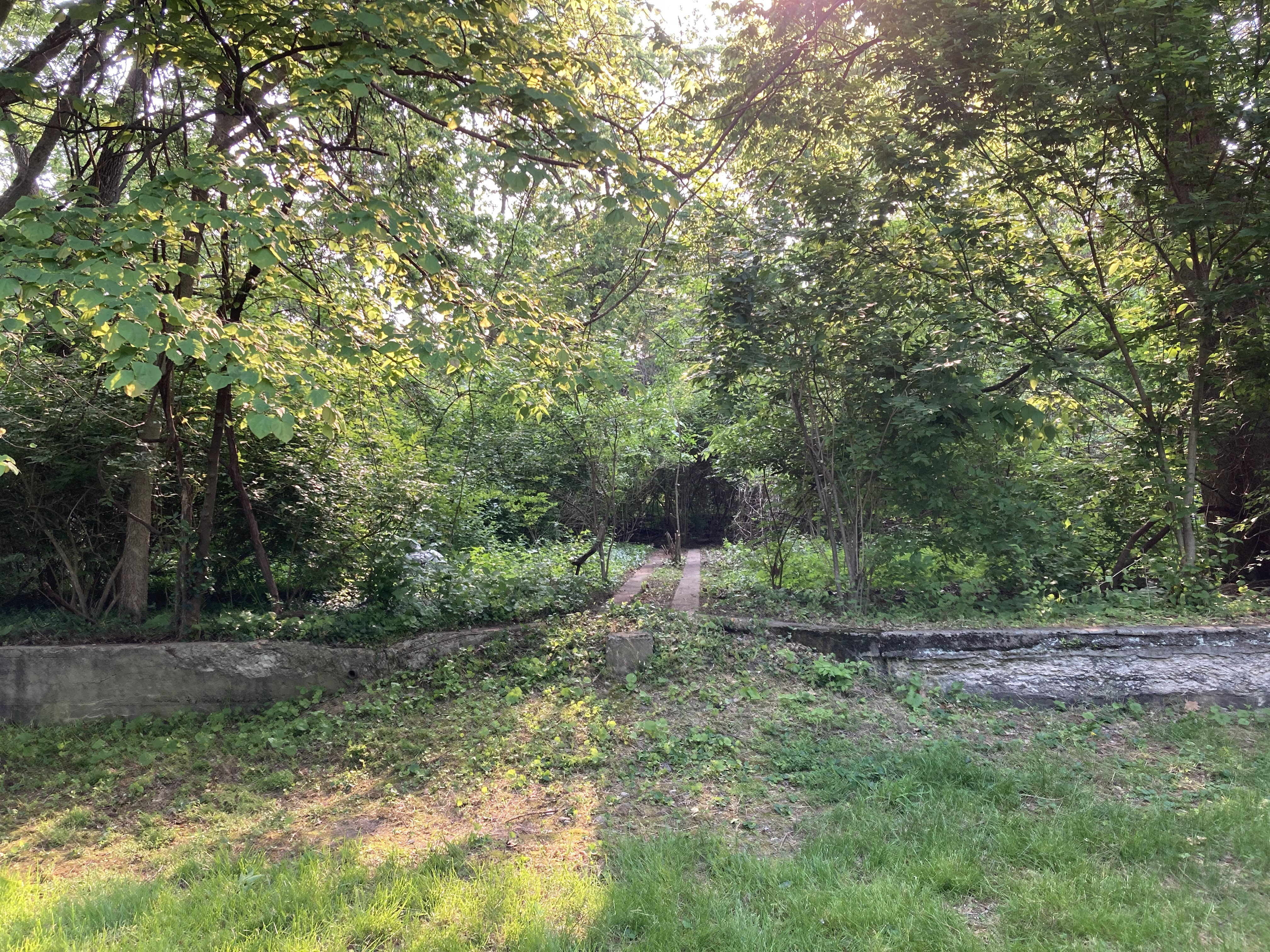
A stunner! The perimeter walls of all three roque courts still exist beneath the overgrowth at the back of 32 West Home Street!!! These are likely the only original unrestored roque courts that remain in the United States. AND…are the two random posts near these courts examples of the cement fence posts for which Russell Bennett had a U.S. patent???
Conclusion The identity as to who designed 32 West Home Street remains unknown, but Yost & Packard are a good bet.
Yost & Packard already had several Westerville designs on their resume by the time the Bennetts’ 32 West Home Street house was built in 1898. They were a known architectural firm. A blog describing the Y&P Westerville legacy is linked below.
One of the Y&P designs, the Professor Zuck house built in 1897, was in the same West Home Street block as the Bennett house. Zuck could have recommended his architect to Bennett.
Russell Bennett was a former teacher and superintendent of nearby Sunbury schools. Eva Lena Elliott and her sister Carrie Bell Elliott were enrolled in Sunbury schools, and Bennett would likely have known them and as well as their parents. Eva married architect Frank Packard. Coincidentally, the childhood home of the Elliott family is owned today by a graduate of Westerville High School.
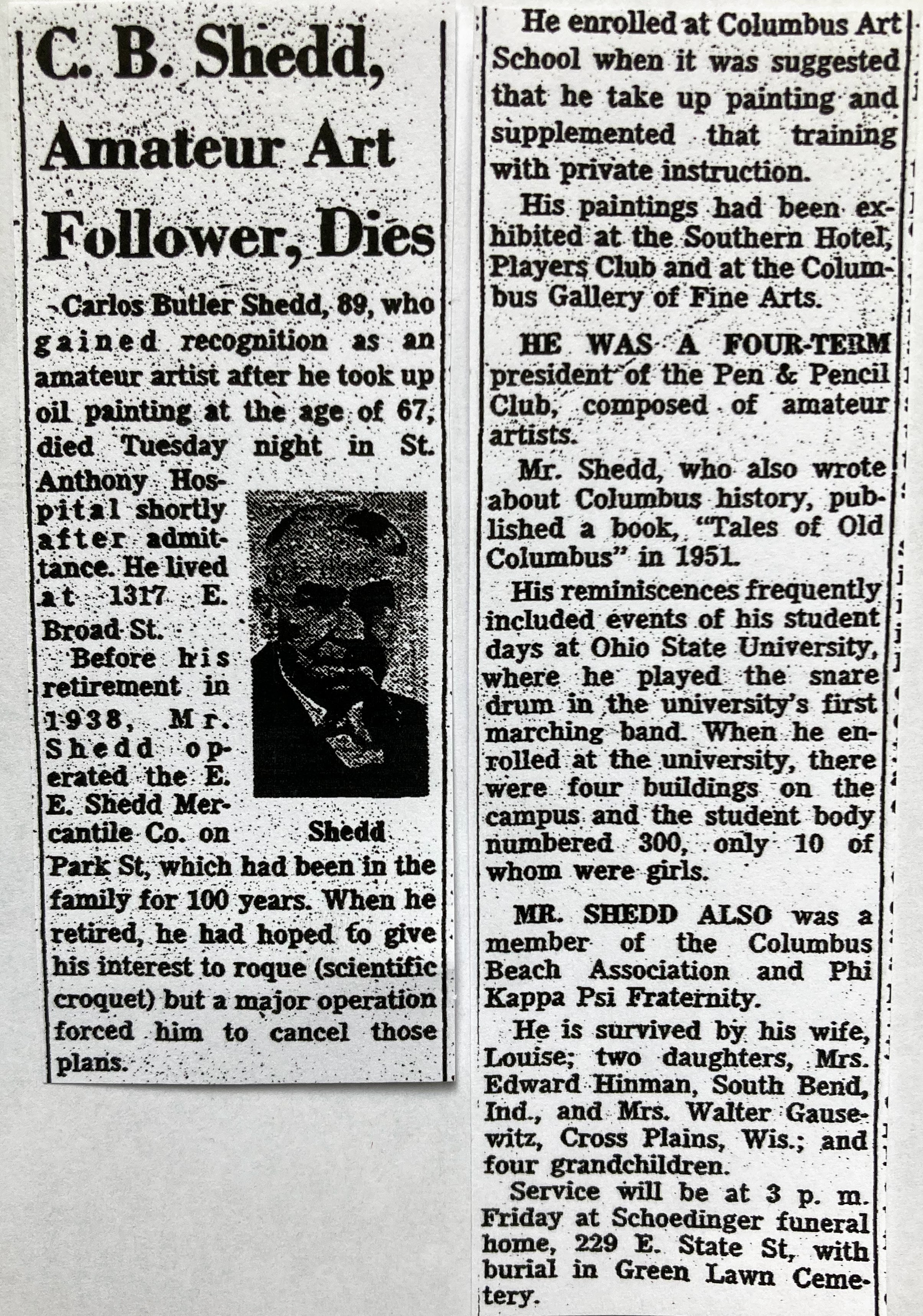
Carlos Shedd was a promoter of roque in Columbus at the same time Russell Bennett was promoting roque in Westerville. Shedd participated in Westerville tourneys, and it’s likely Bennett did the same in Columbus. Frank Packard designed the house of Carlos’ brother Frederick (shown further down in the blog). Yost & Packard designed three houses on Hamilton Avenue in Columbus, the same street on which Carlos lived. One of those three designs was for the honorary treasurer of the Anti-Saloon League which was based in Westerville. It seems logical that architects Yost & Packard might have come up in conversations between Carlos and Russell.
I would like to thank the following individuals for their assistance in contributing to this blog: Carole Brohard, Westerville; Kaysie Harrington, Lakeside Heritage Society; Mary Jane Hitt, Westerville; Jeff Kasson, Westerville; Lauren Lehnert Bailey, owner of the Bennett house; Bobbi Perryman, Vespasian Warner Public Library District, Clinton, IL; Jack Roegner, The American Roque and Croquet Association; Katy Kaslow and Jim Seitz, Westerville History Museum; Adam Swindell, Otterbein University student residing at 32 West Home Street; Debbie Pinney Warren. I would like to thank Scott and Lauren Bailey, who acquired ownership of this property in 2022, for allowing Dave Lehman, Jeff Yoest and me to uncover some of this historic site in June of 2023.
Published 12/26/2021 by Don Foster. donfoster73@gmail.com
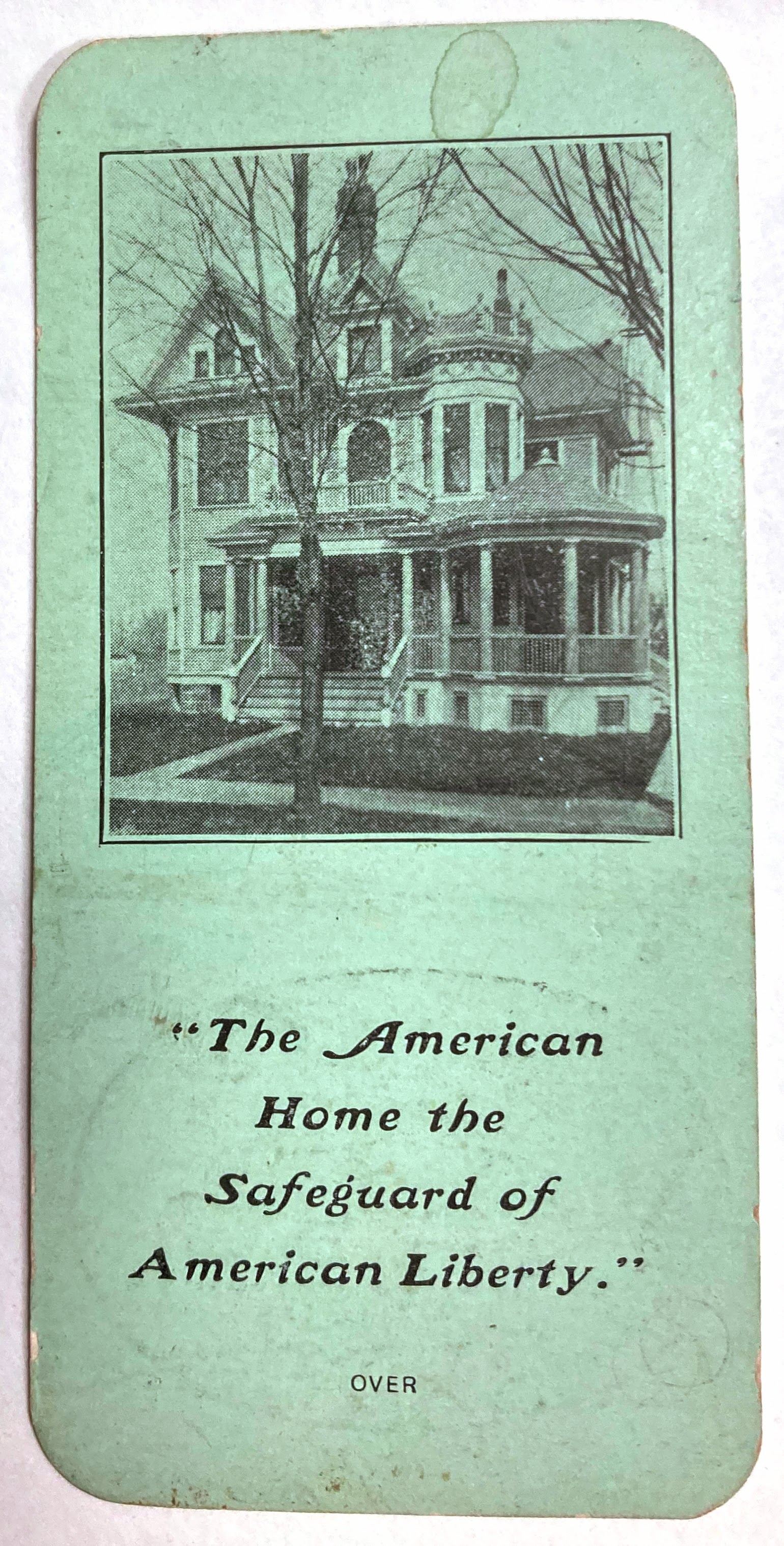
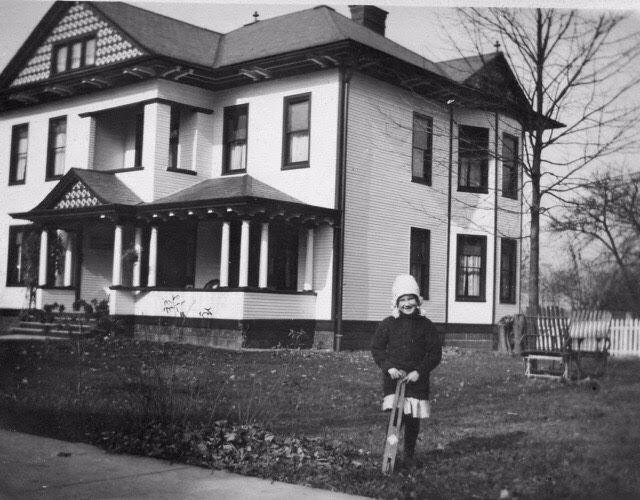
The Russell and Nellie Bennett residence, 32 West Home Street. Built in 1898. Architect unknown, but clues support the possibility of Yost & Packard.NEW DISCOVERY: The current lack of a second story window above the front porch was puzzling to me. That mystery is now solved! That and more were not replaced after the 1912 fire pictured below. Russell Bennett’s business card in the Museum file revealed the original design of the house as well as his picture.NEW DISCOVERY: Business card. Photo credit: Westerville History Museum.
Fire damage of $3000 in 1912 is equivalent to $80-85,000 today. Westerville Public Opinion 6/12/1912.The Bennett residence is the second house behind this brick house at the corner of North State and West Home Streets (Church of the Messiah United Methodist is on the left).98 West Home Street, above, was designed by Yost & Packard for Otterbein University Professor William Johnston Zuck. It was built in 1897 in the same block as the Bennett house which was built the next year. Razed and now the east parking lot of Otterbein’s Campus Center. The Zuck house is the subject of its own blog linked at the end of the narrative above)…and includes the autobiography of the young lady in the picture. Photo credit: Westerville History Museum.The initial search to possibly discover the architect of the Bennett house began with Russell’s obituary. The last sentence above was an immediate sidetrack. What is roque…and a VP from a town of just 2500 residents??The Columbus Dispatch 12/19/1927.
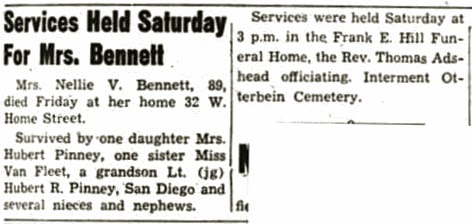
Westerville Public Opinion 12/22/1927. Note in the obituary that Russell Bennett died while playing roque with A.D. (Archie) Gammill.
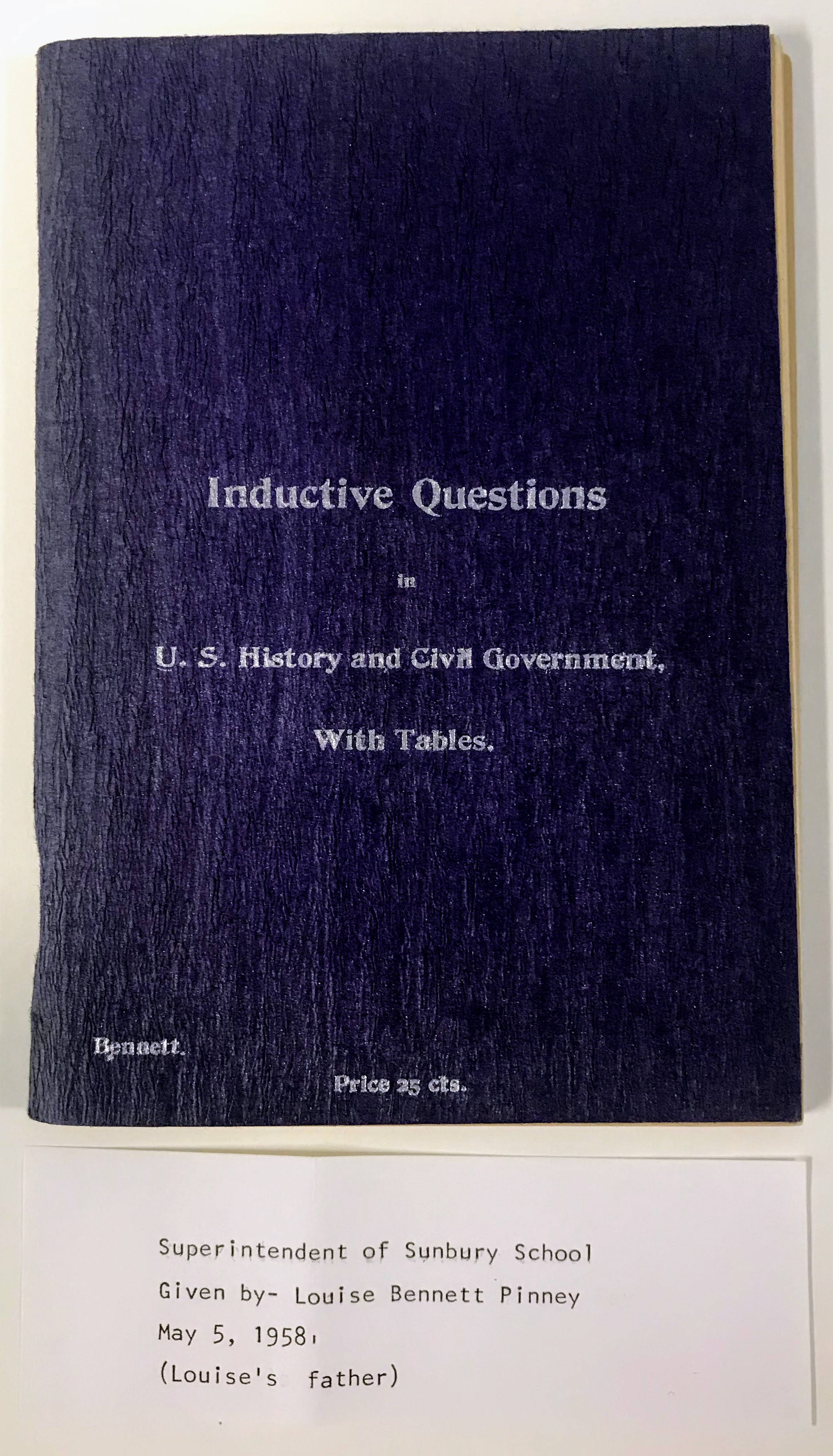
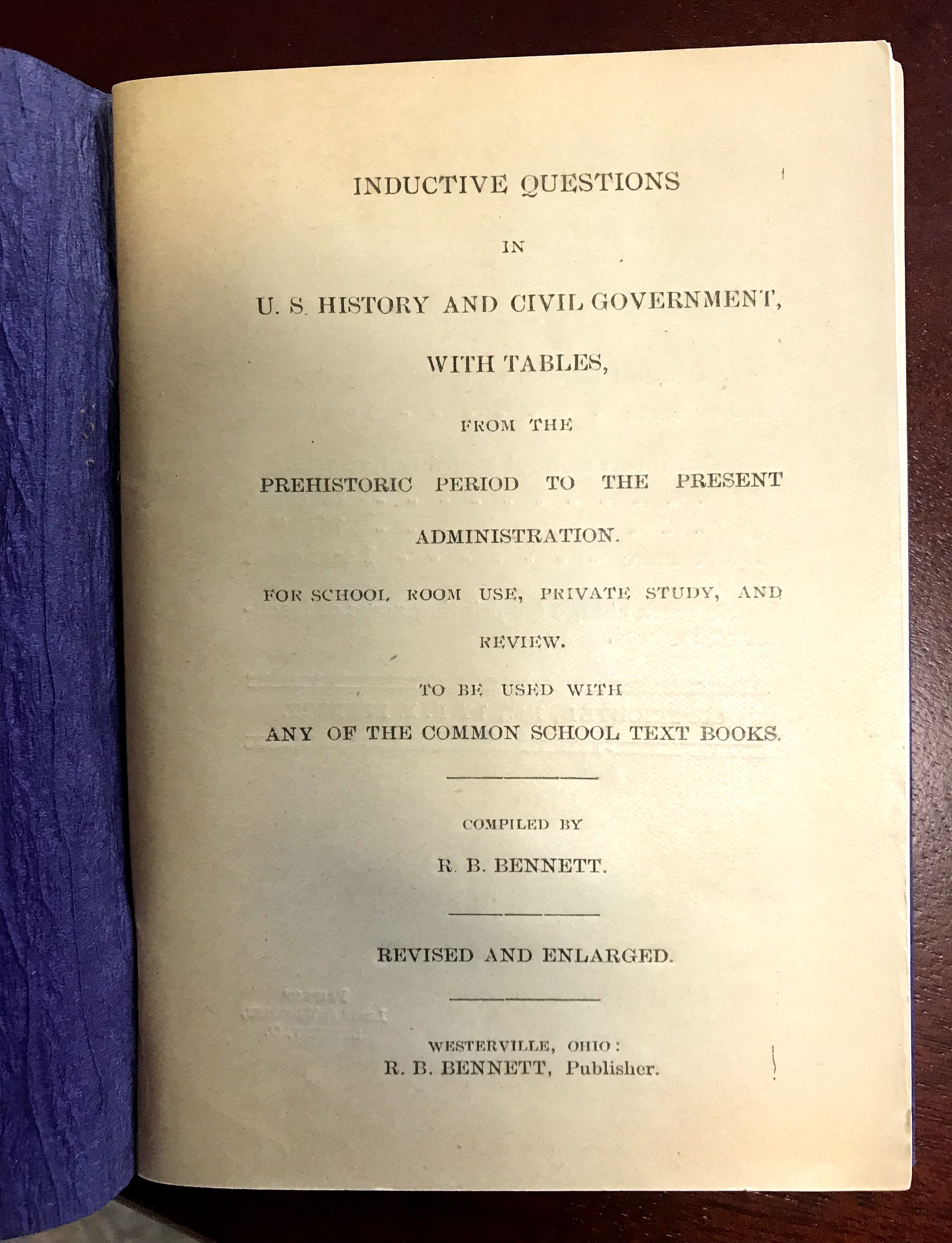
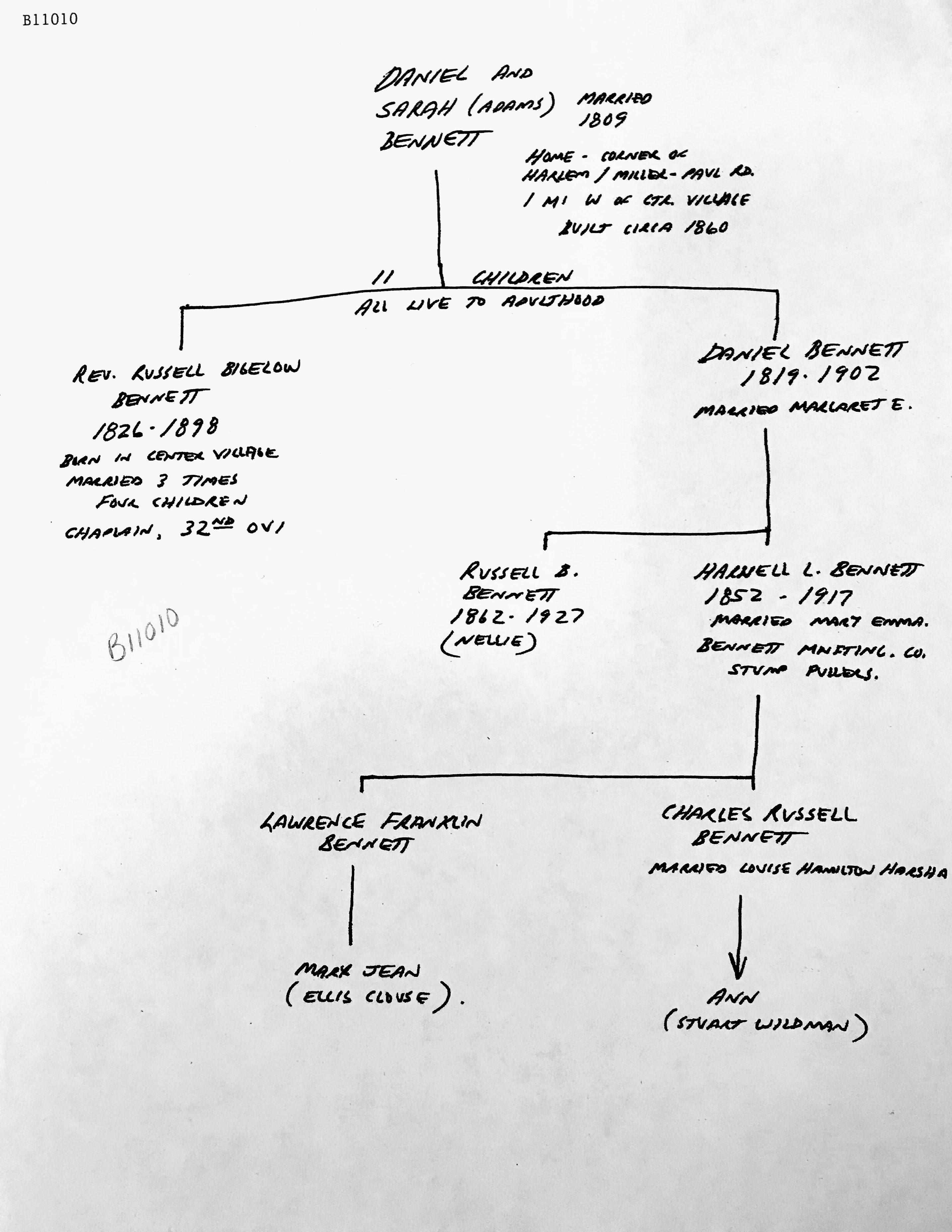
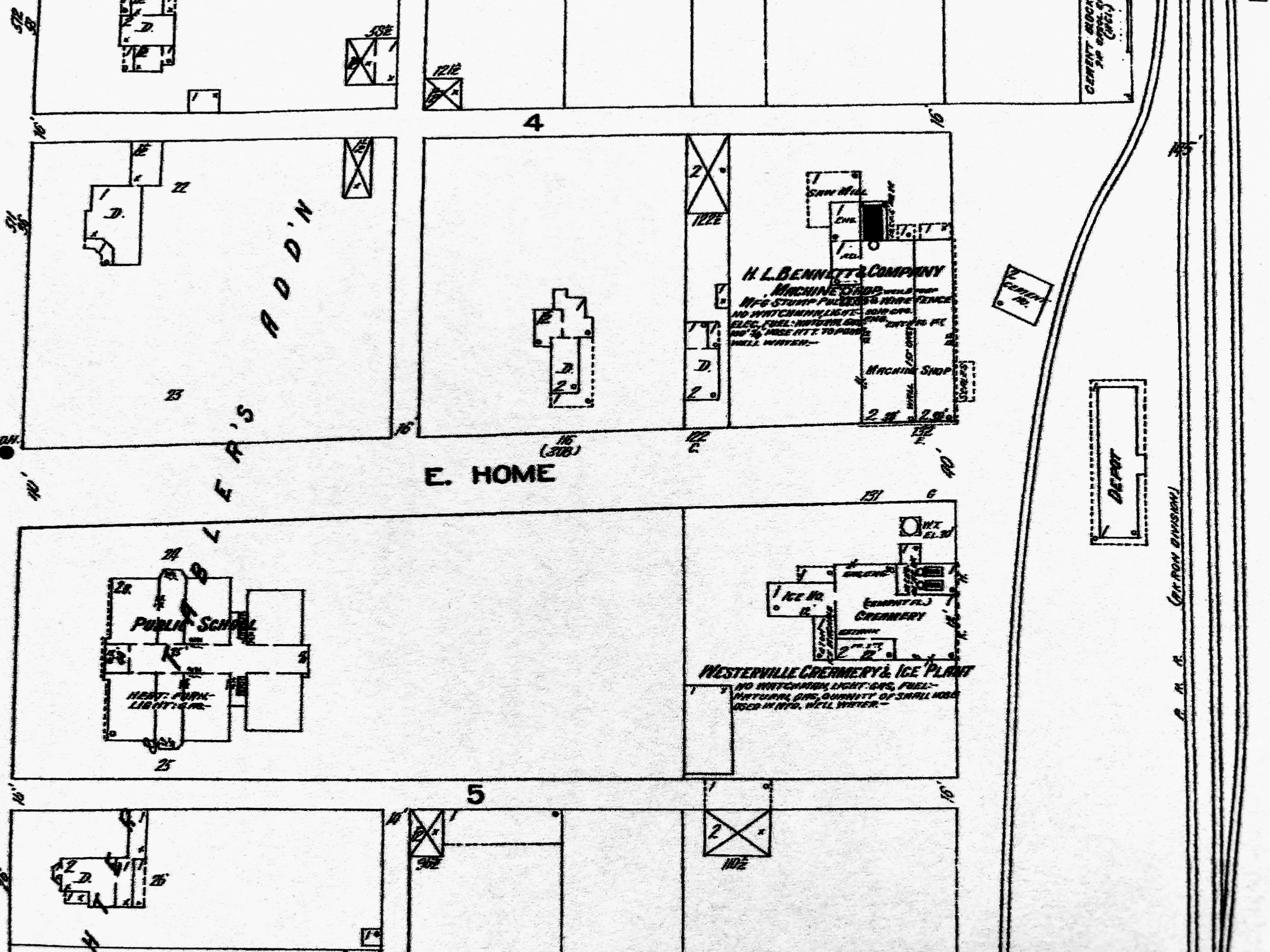
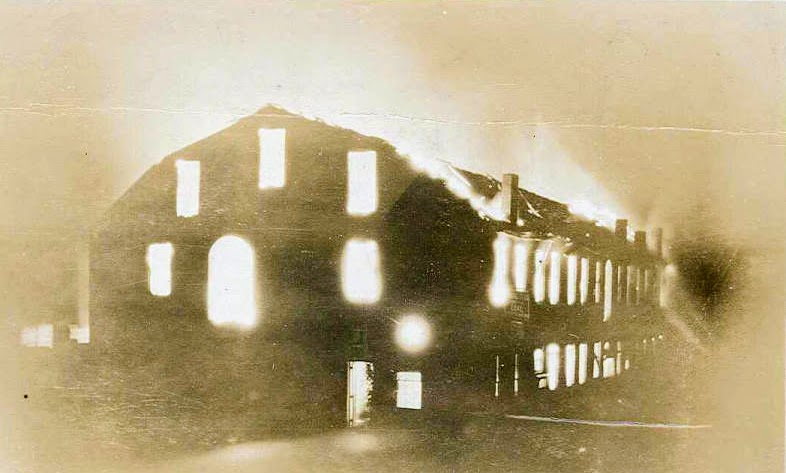
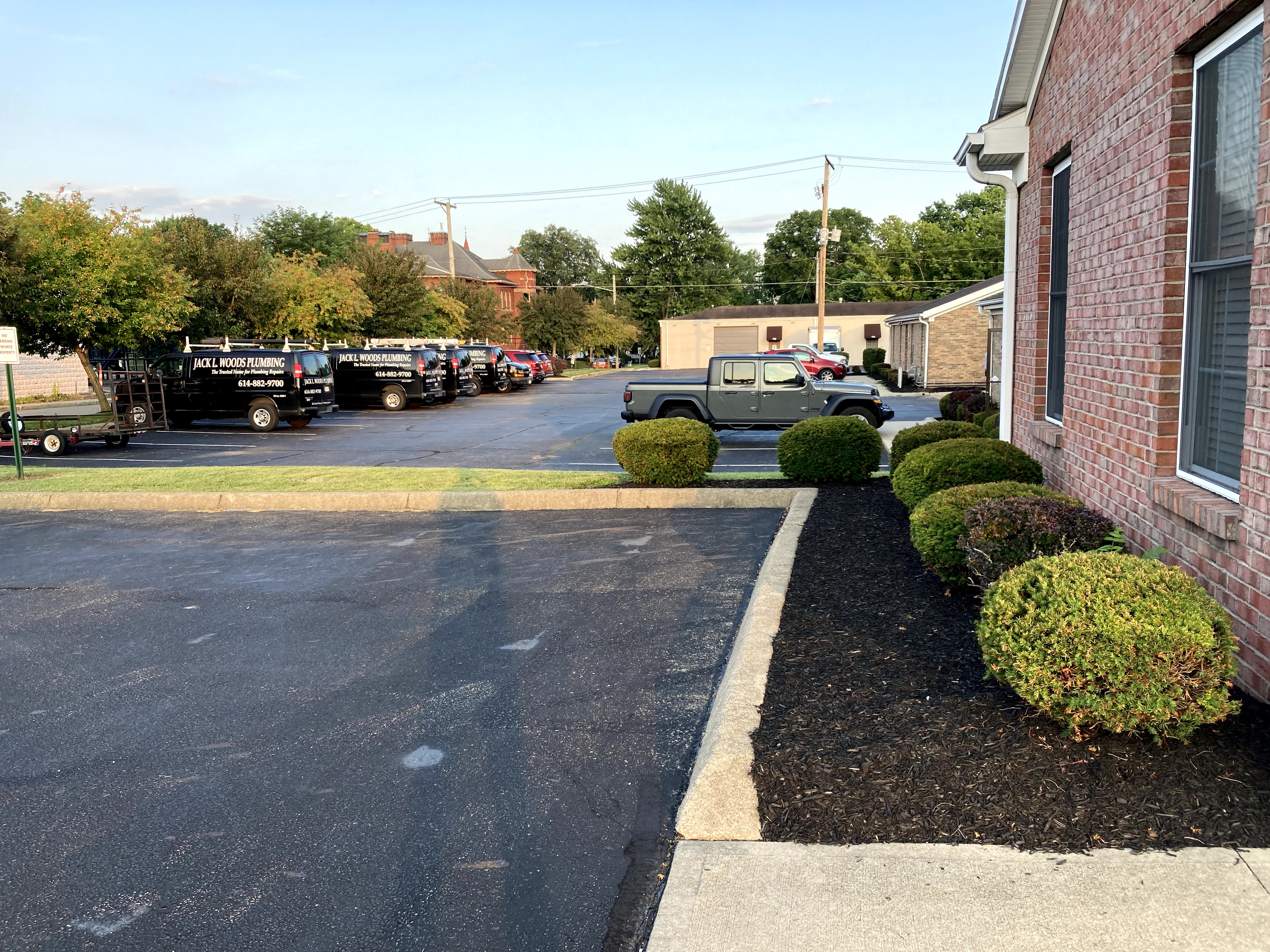
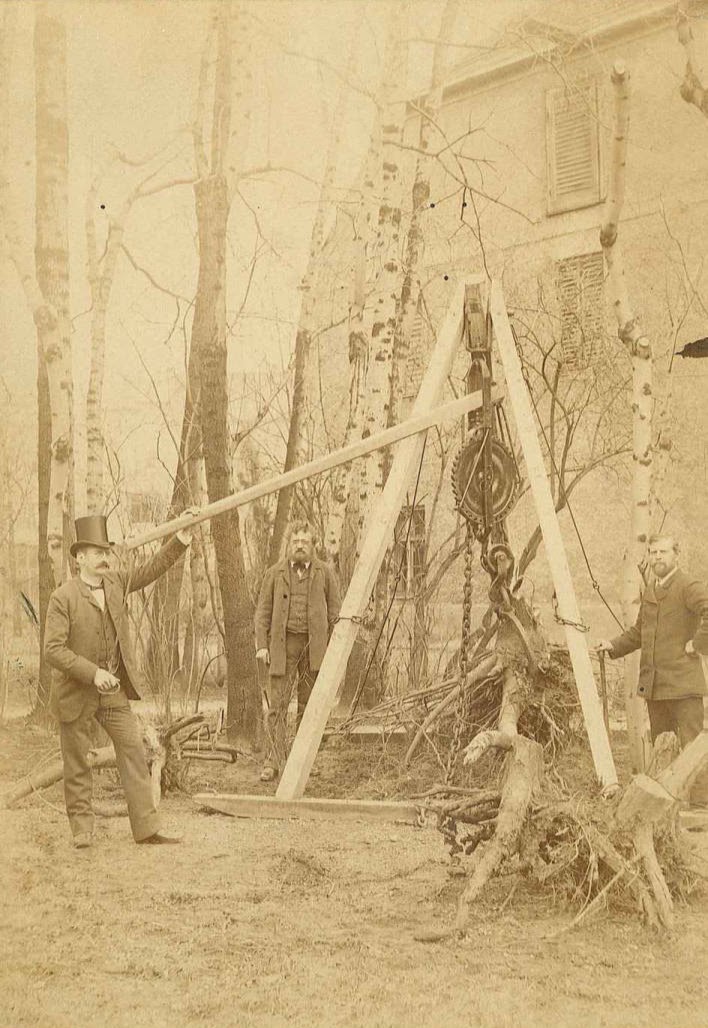
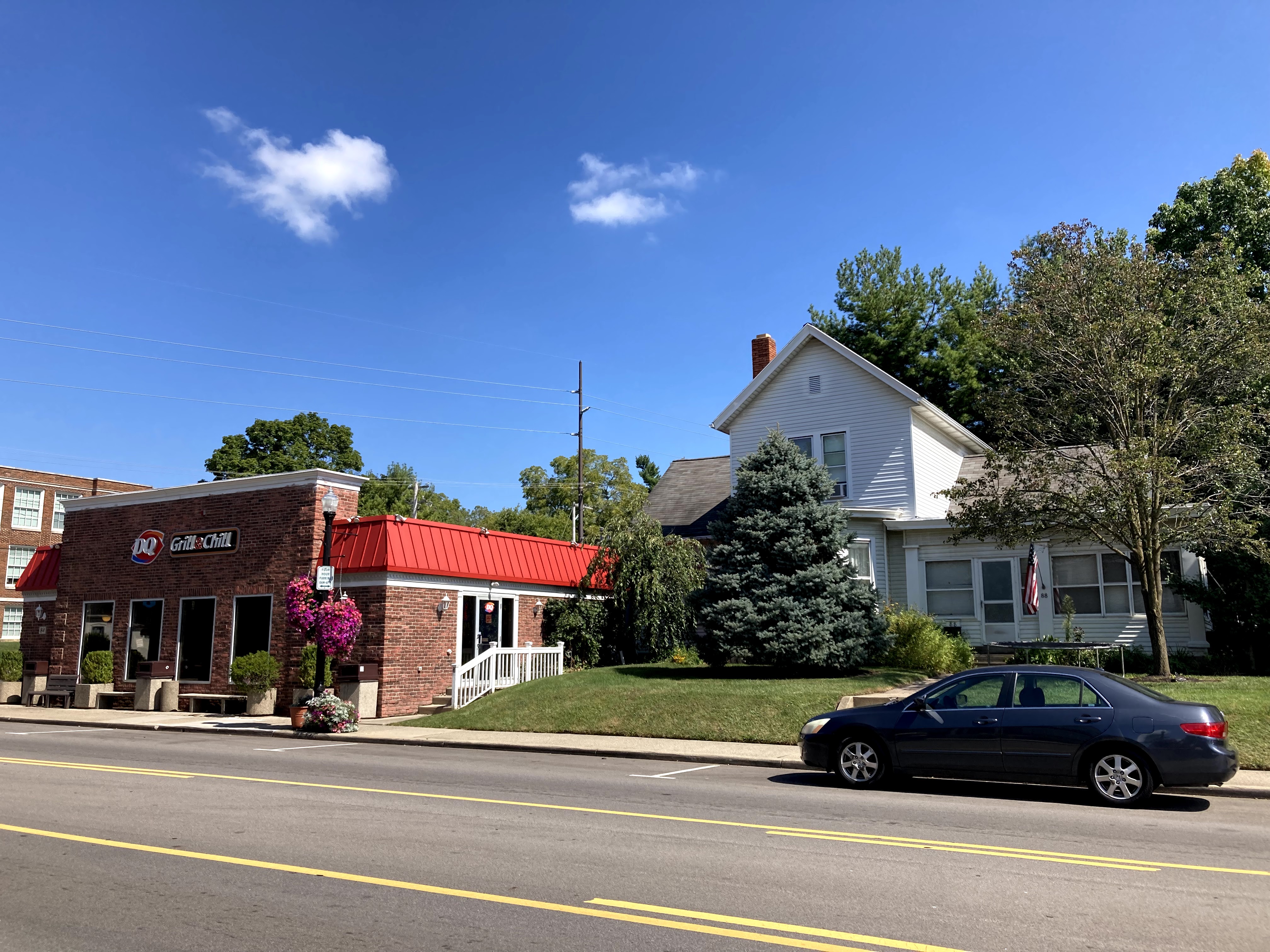
A search of “roque” in the digitized Columbus Dispatch led to this article of 5/18/1924and others…and a fun temporary sidetracking from continuing the search for clues that Yost & Packard may have designed the Bennett house. It remains unknown as to whether the other two roque courts were ever enclosed.This text was written by Russell Bennett while he was superintendent of Sunbury Schools. The text and the family tree below are from the files of the Westerville History Museum. It appears likely that Bennett was with Sunbury Schools at the same time Eva Lena Elliott (who became Mrs. Frank Packard in 1892) and her sister Carrie Bell Elliott were attending school there.Family tree of RussellB. Bennett (in the middle). His brother, Harwell L. Bennett (middle right), owned H.L. Bennett & Company (below) which made tree stump pullers that were sold all over the United States.Photo credit: Westerville History Museum.The Bennett factory was located where East Home Street met the railroad tracks just a bit east of Vine Street (now Emerson) School. Both structures are shown above on a Sanborn Fire Insurance map of the day as well as shown below in this classroom picture.Photo credit: Westerville History Museum.The Bennett factory was destroyed by fire in 1929. Photo credit: Westerville History Museum.Today the railroad tracks have been replaced by the Erie-to-Ohio bike trail, and the Bennett factory has been replaced by an office building and Jack L. Woods Plumbing. Vine Street (Emerson) School is in the background of the picture.A stump puller, one of the products manufactured by Harwell Bennett’s company. This provides the lead-in to another piece of forgotten Westerville history as described in the next two pictures.Photo credit: Westerville History Museum.Built in 1870 and now owned by the neighboring Dairy Queen, 88 South State Street above was the residence of William and Amanda Clark. Clark was superintendent of the Franklin County Fair which moved to the present day site of and became the Ohio State Fair (now the Ohio Expo Center). Clark oversaw construction of the new fairgrounds including clearing the area of trees…the stumps of which were removed with Westerville-made Bennett stump pullers!!
Westerville Public Opinion 3/21/1918. The Clark house is significant to Westerville.
As Clark’s obituary above mentions, many Fairgrounds buildings were constructed during his superintendancy. The contractor was Westerville’s William Oscar Rowe who, in 1883, built the house shown below at 30 East College Avenue in Uptown Westerville.
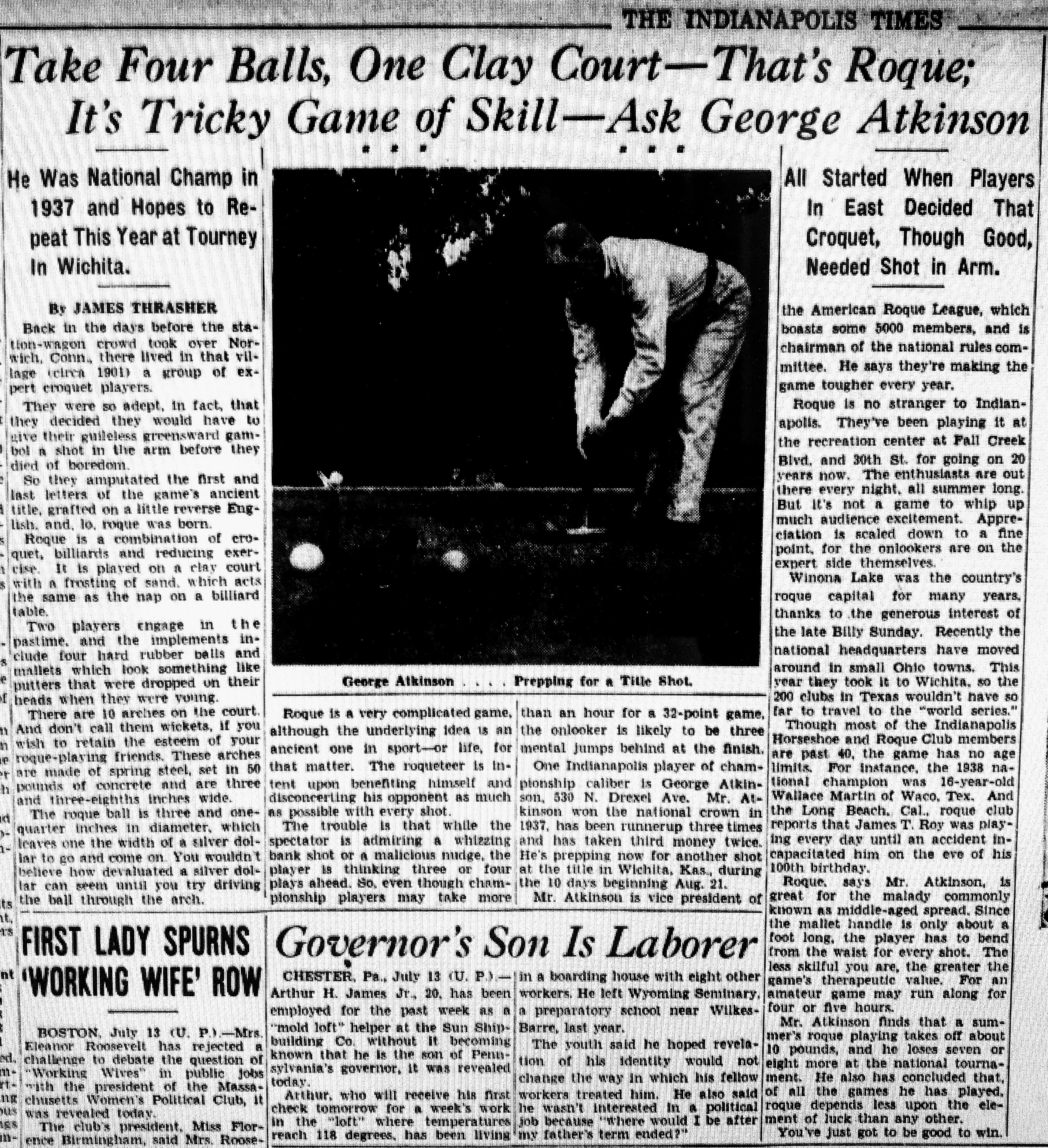
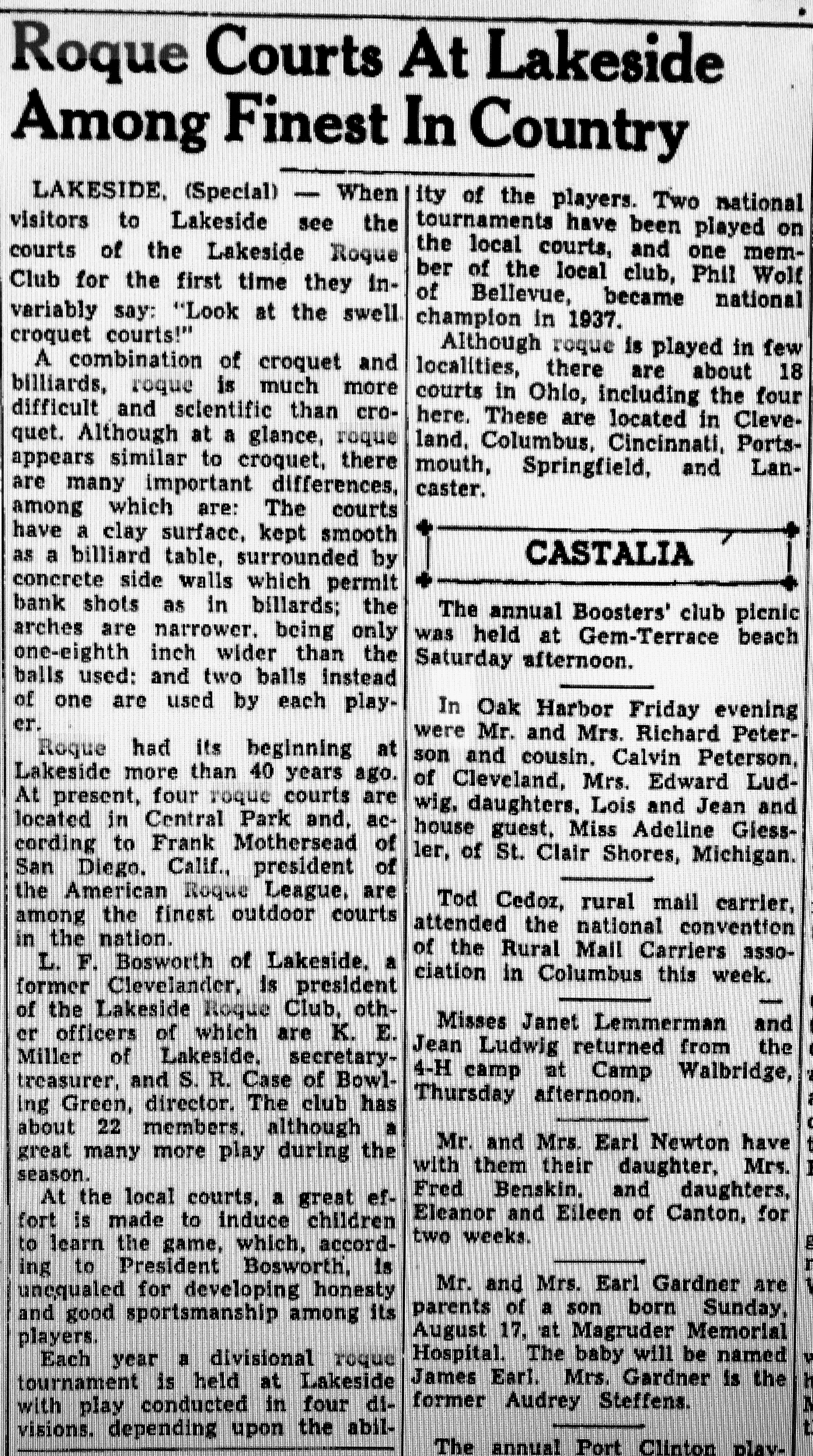
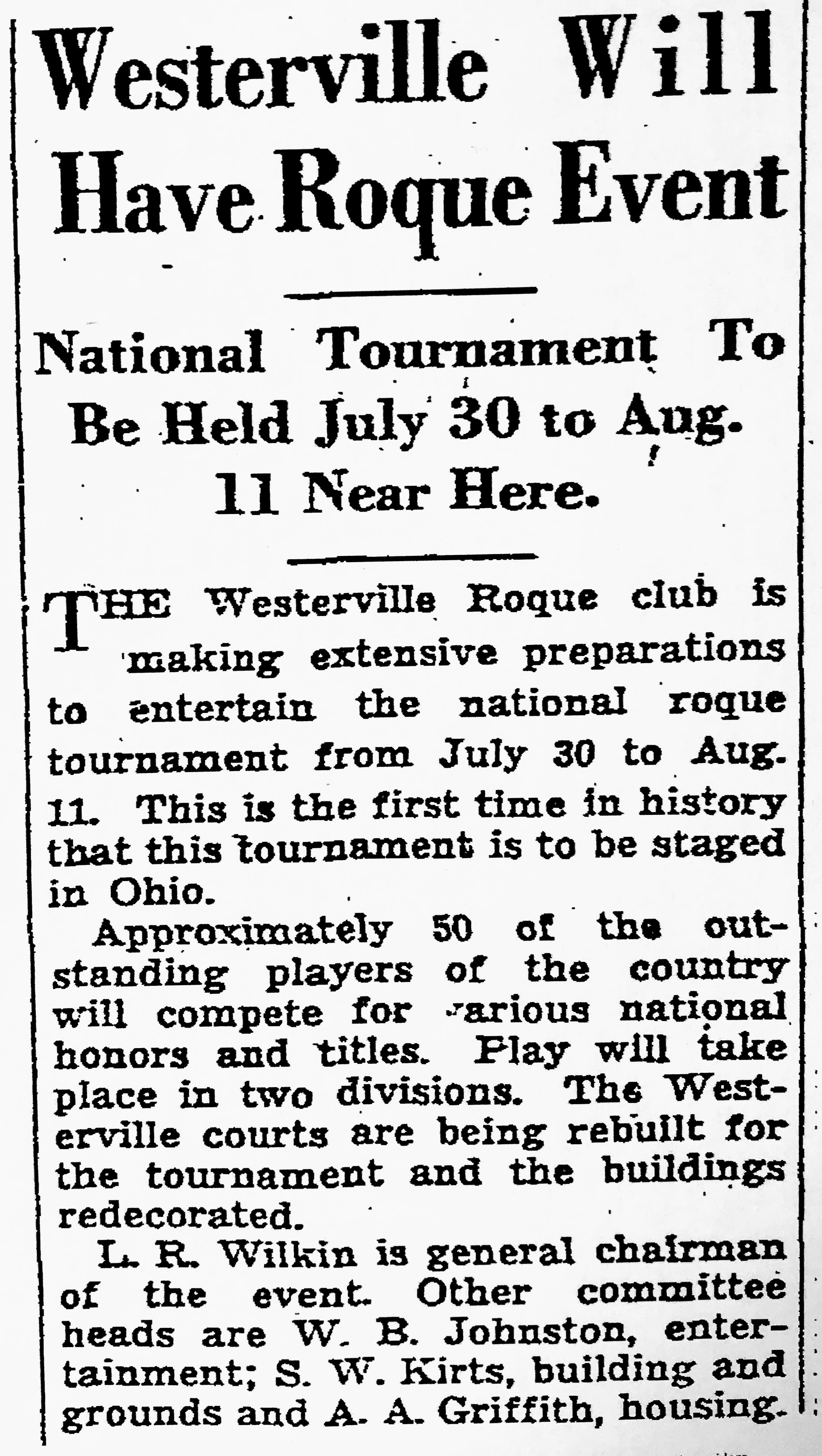
OK, veered from the main subject a bit. Now back on track. The 8/13/1939 article above from The Indianapolis Times is blurry, but it’s a humorous explanation of roque…and thus worth the difficulty of the read. 🙂Sandusky Register Star-News 8/25/1941. No mention of the Westerville courts so perhaps they were history by 1941. Lakeside, Ohio, hosted many tournaments.The Lakeside Heritage Society has a display of roque artifacts. Photo credit above: Jeff Kasson, Delaware, a longtime Lakeside Chautauqua summer visitor. Photo credit, four pictures below: Lakeside Heritage Society.A roque court in Clinton, Illinois, has been restored though it is not used.The Public Opinion of 7/26/1934 announces that the national tourney will be held in Ohio for the first time…and in Westerville. “The local courts, already considered among the finest in Ohio, are being put into condition for the tournament.”
The Columbus Dispatch 7/13/1934.
The Columbus Dispatch 8/3/1934…and poking fun at the Westerville community.
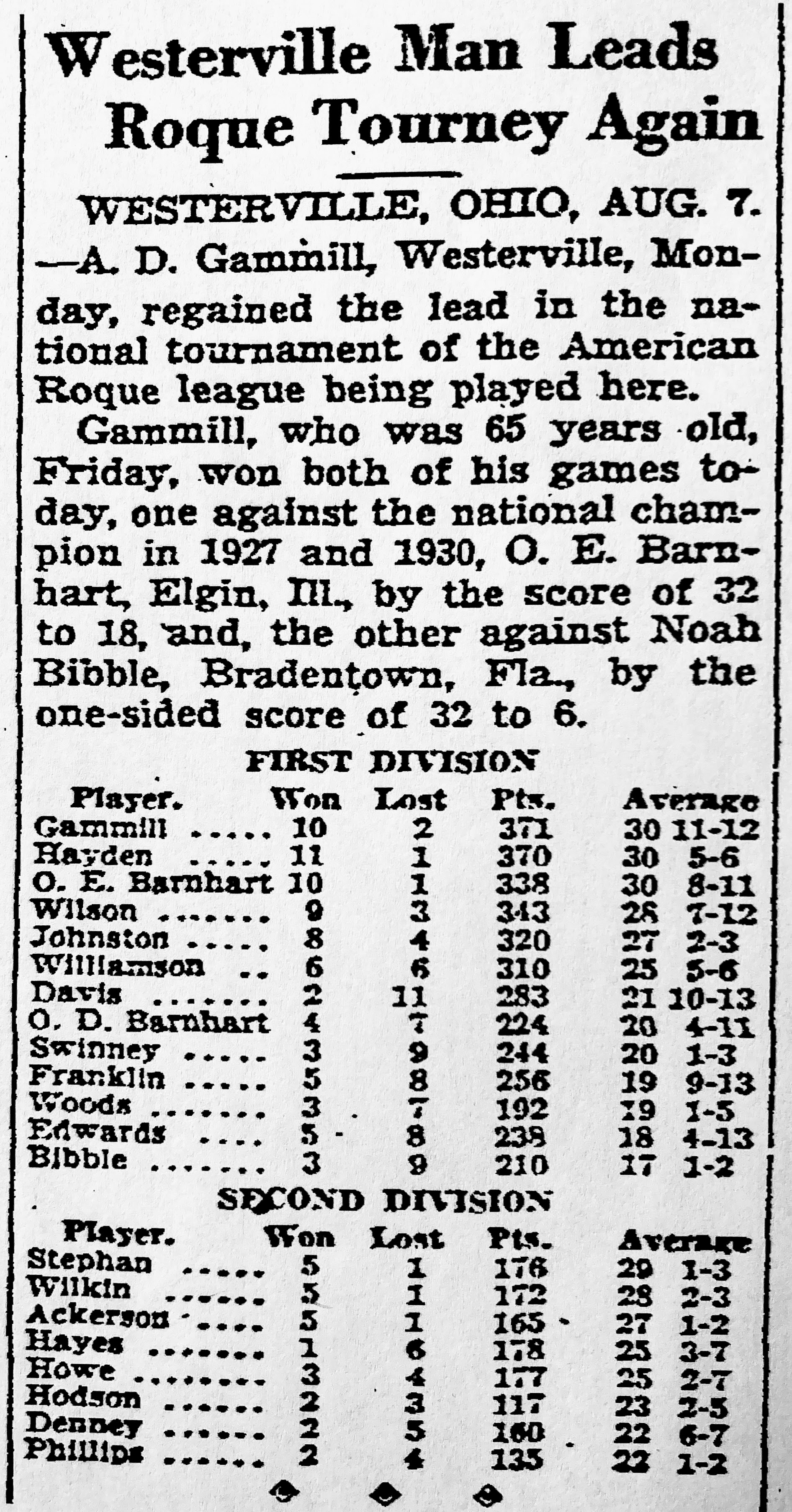
The Columbus Dispatch 8/7/1934. Archie Gammill of 15 West Plum Street in the lead!
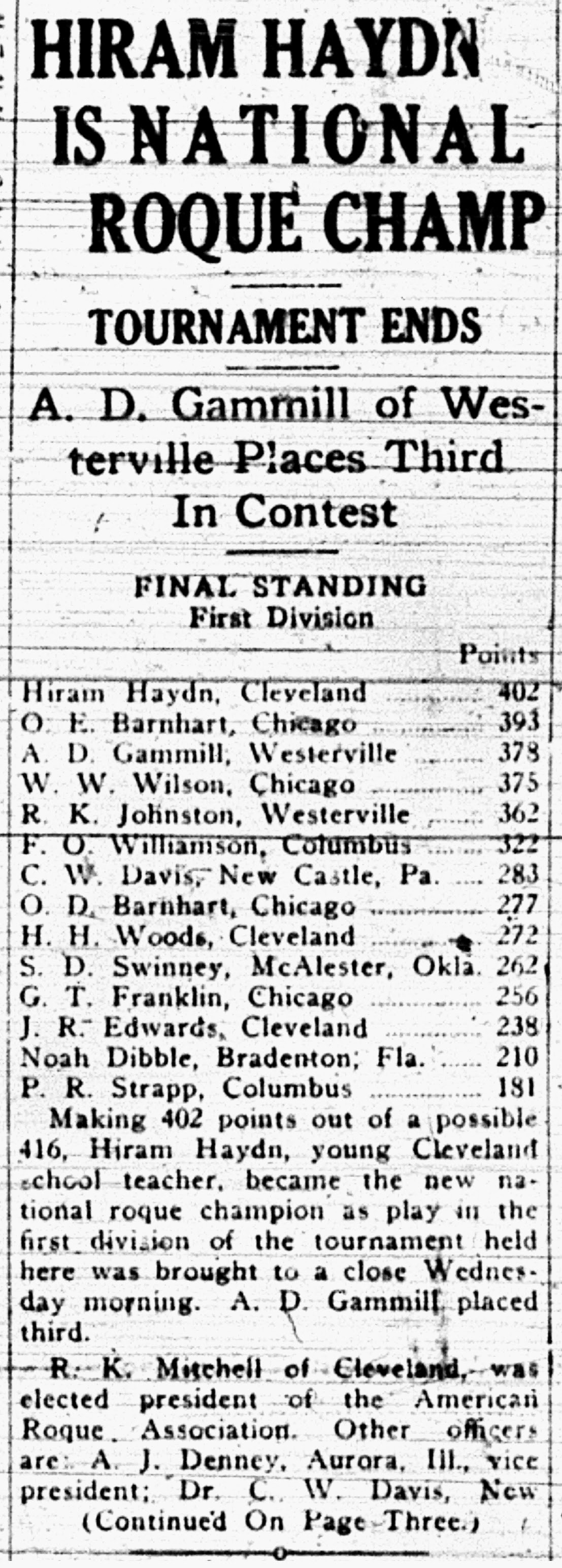
The Columbus Dispatch 8/9/1934.
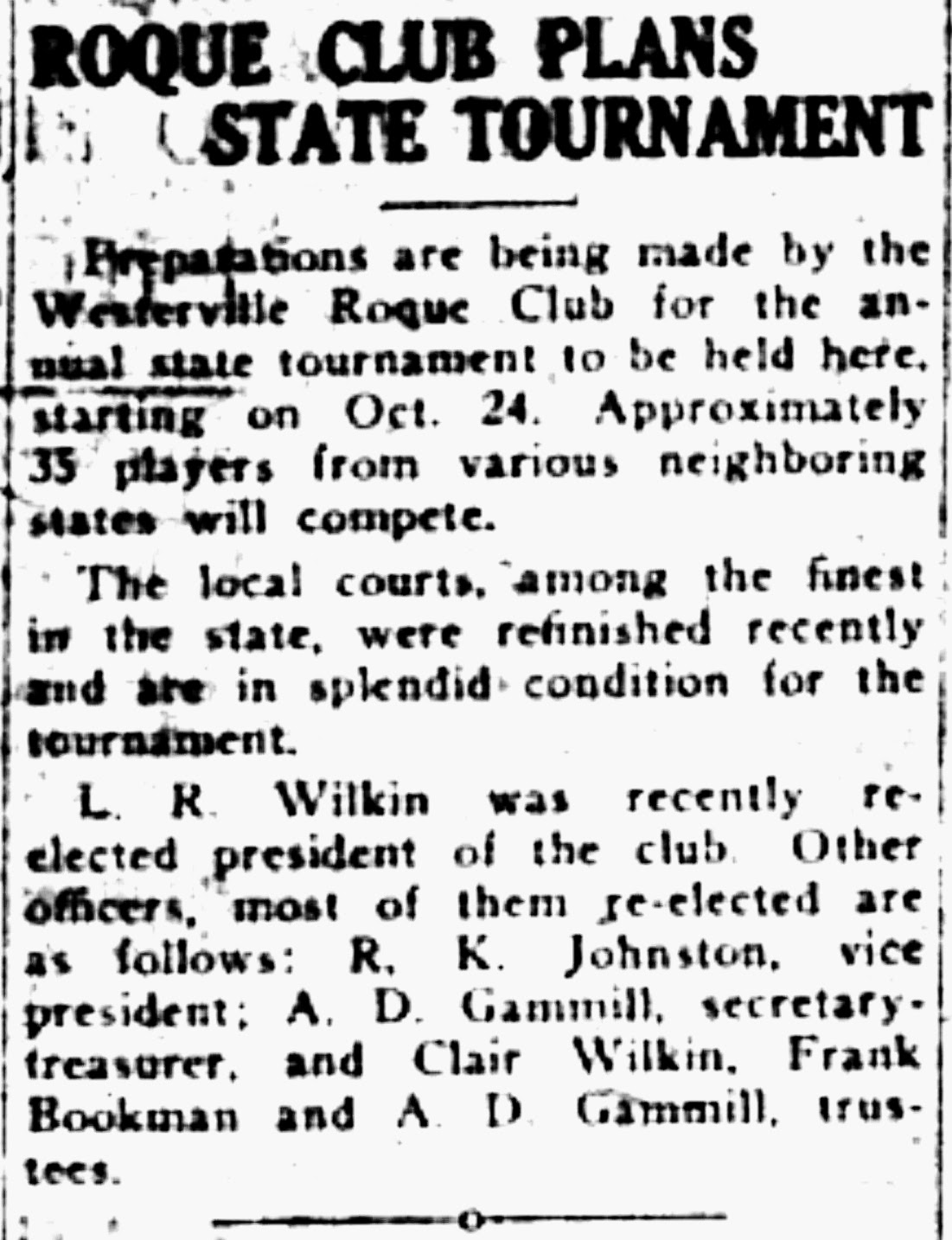
Public Opinion 10/15/1931. Westerville hosted large tournaments in 1931 and 1932 as well (above and below).
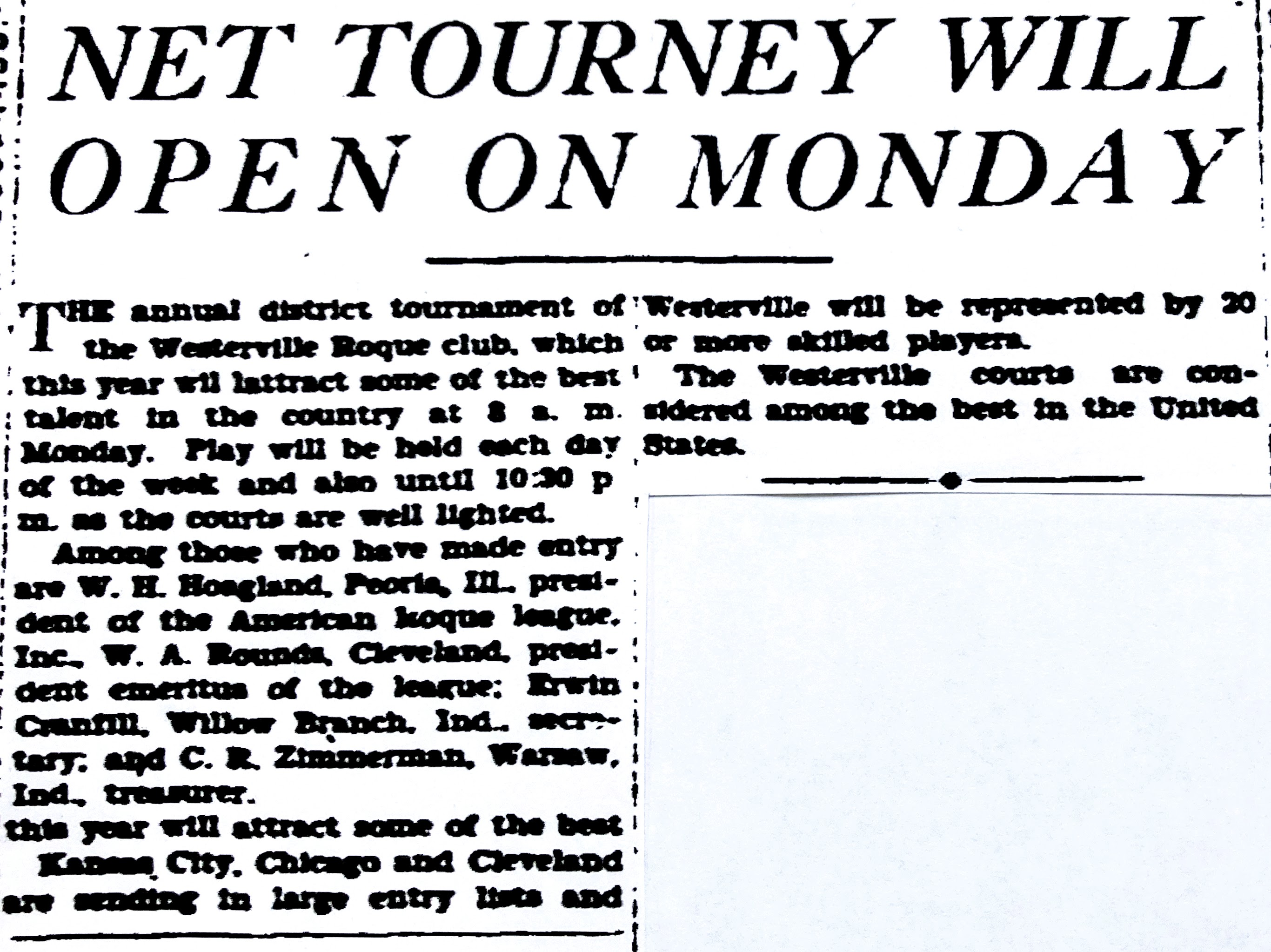
Public Opinion 10/20/1932
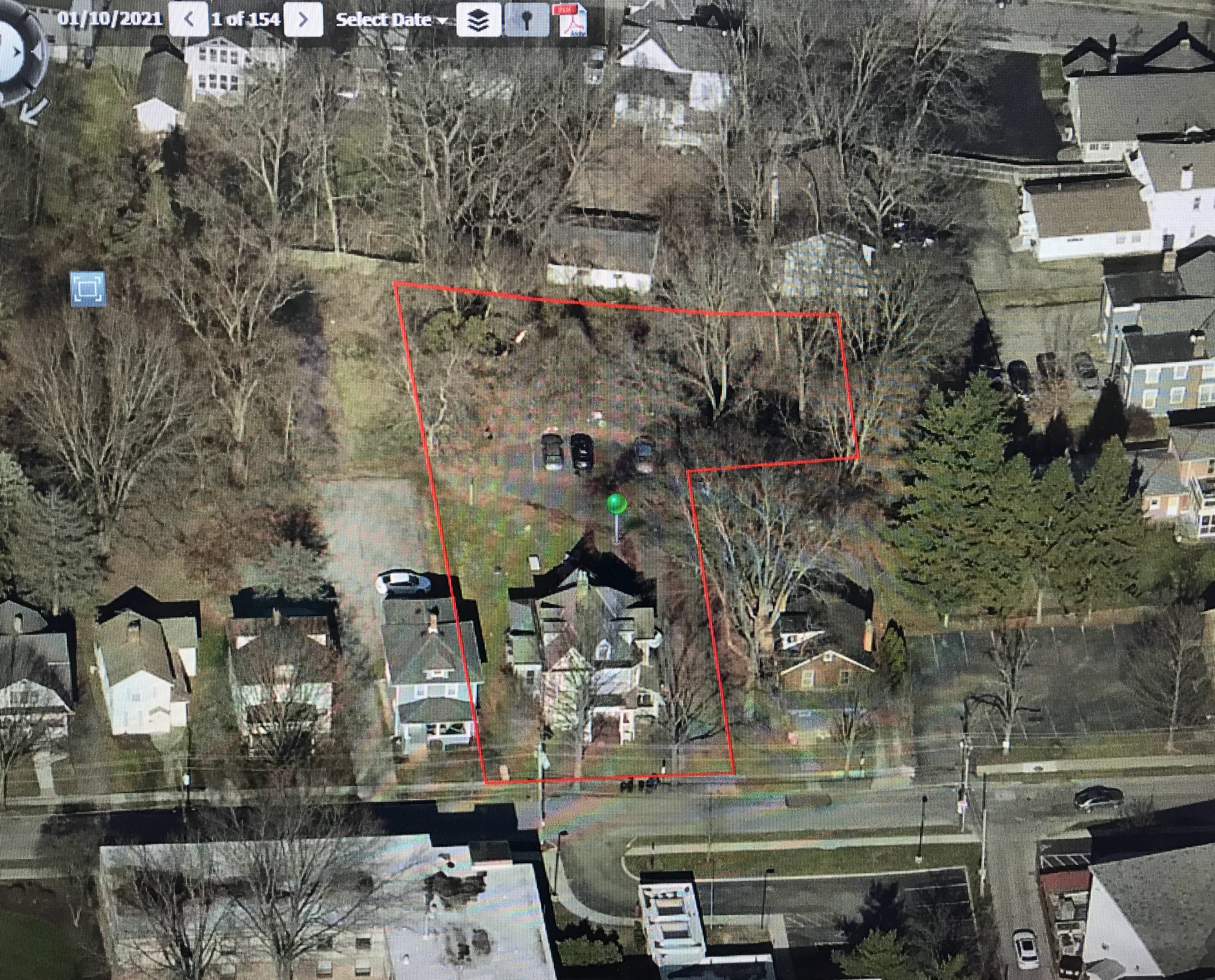
This Public Opinion picture of the 1931 tournament is significant to Westerville’s roque history as it shows that at least one of the three courts was enclosed. The contestant in the bottom left picture is Archie Gammill.Note the last sentence in this article. The Columbus Dispatch 10/21/1928.Sanborn Fire Insurance map of 1933 showing the footprints below of the house at 32 West Home Street and the roque courts behind it. If only one of the three was covered, it’s probably the rectangle footprint above the footprint labeled “Roque Courts.”The pictures above and below are current. The courts lie beneath the overgrowth beyond where the vehicles are parked.
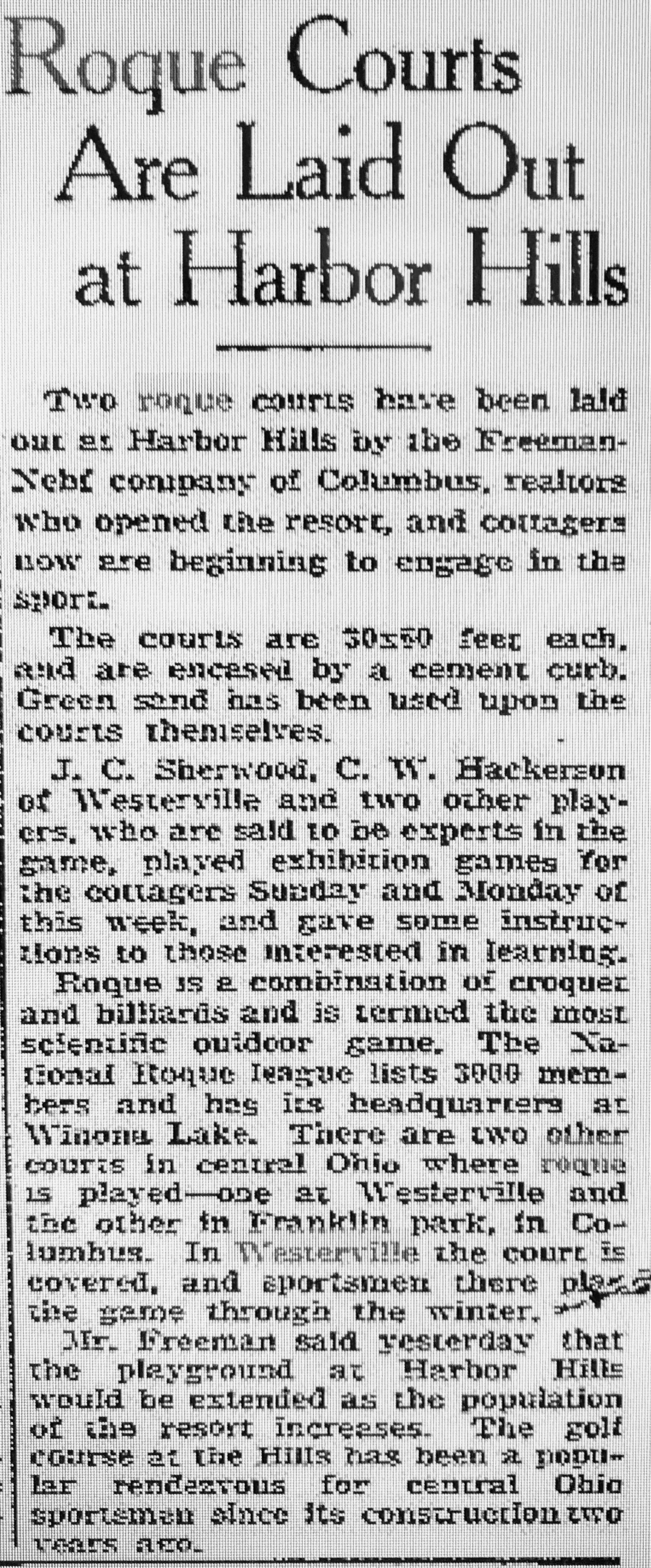
Note in this article from the Newark Advocate of 9/8/1927 that “In Westerville the court is covered.” At least one of the three was covered. Bennett died on the court while playing roque with Archie Gammill in December of 1927.
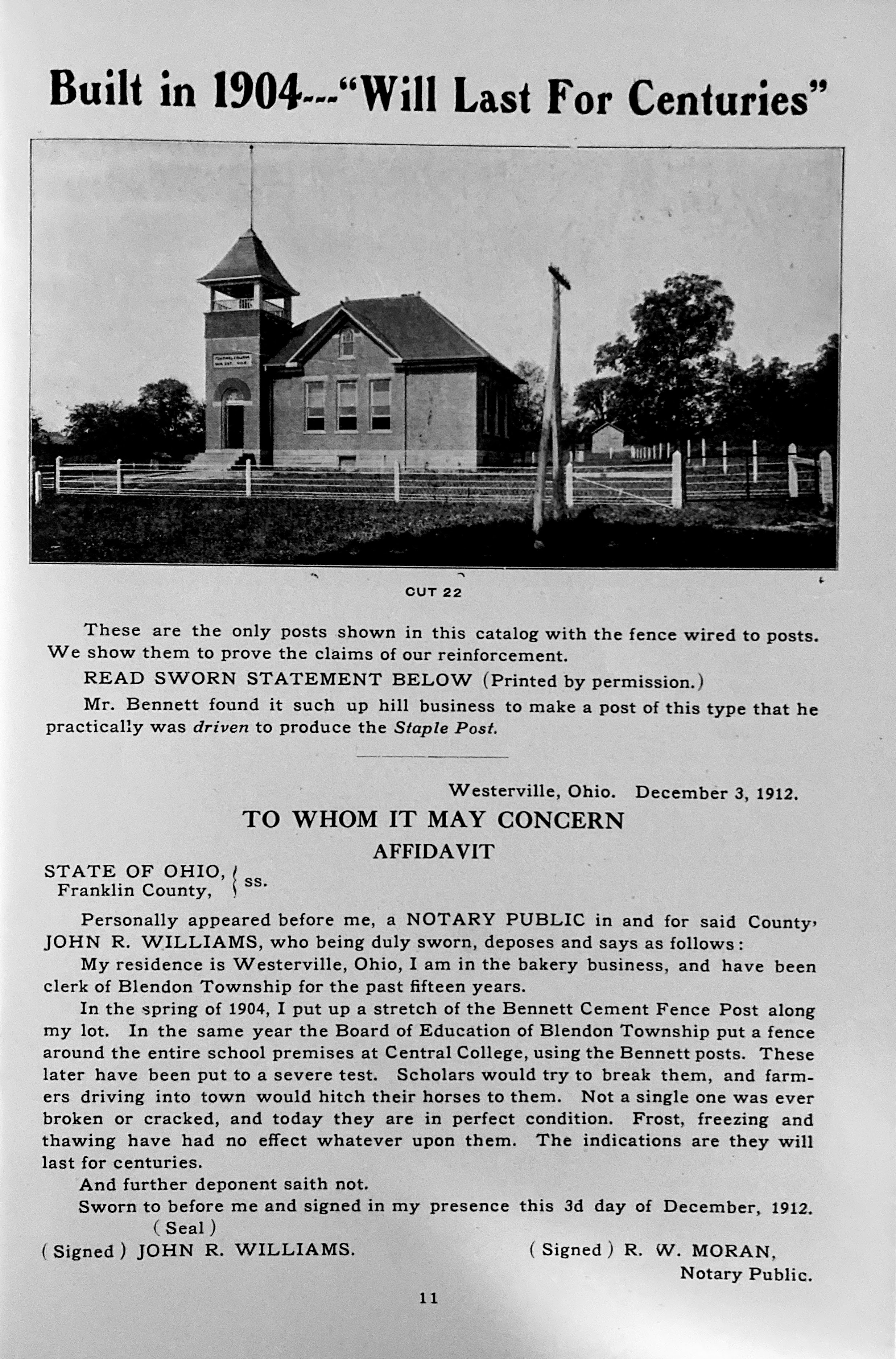
Perhaps the cement post on the right and the one on the left by the tree were used to hang a banner. Amazing that these posts are still there. Even more amazing is that Russell Bennett had a U.S. patent on a process for making cement fence posts(and one for cement burial vaults). Are these sample posts???NEW DISCOVERY: The cement post mystery is solved!! The post on the right in the backyard is likely a manufacturer’s sample. This is the cover and inside front page of Russell Bennett’s company catalog from the file at the Westerville History Museum.This catalog page displays Bennett’s cement fence posts installed at the school in Central College just outside Westerville.
NEW DISCOVERY. Photo credit: Westerville History Museum.
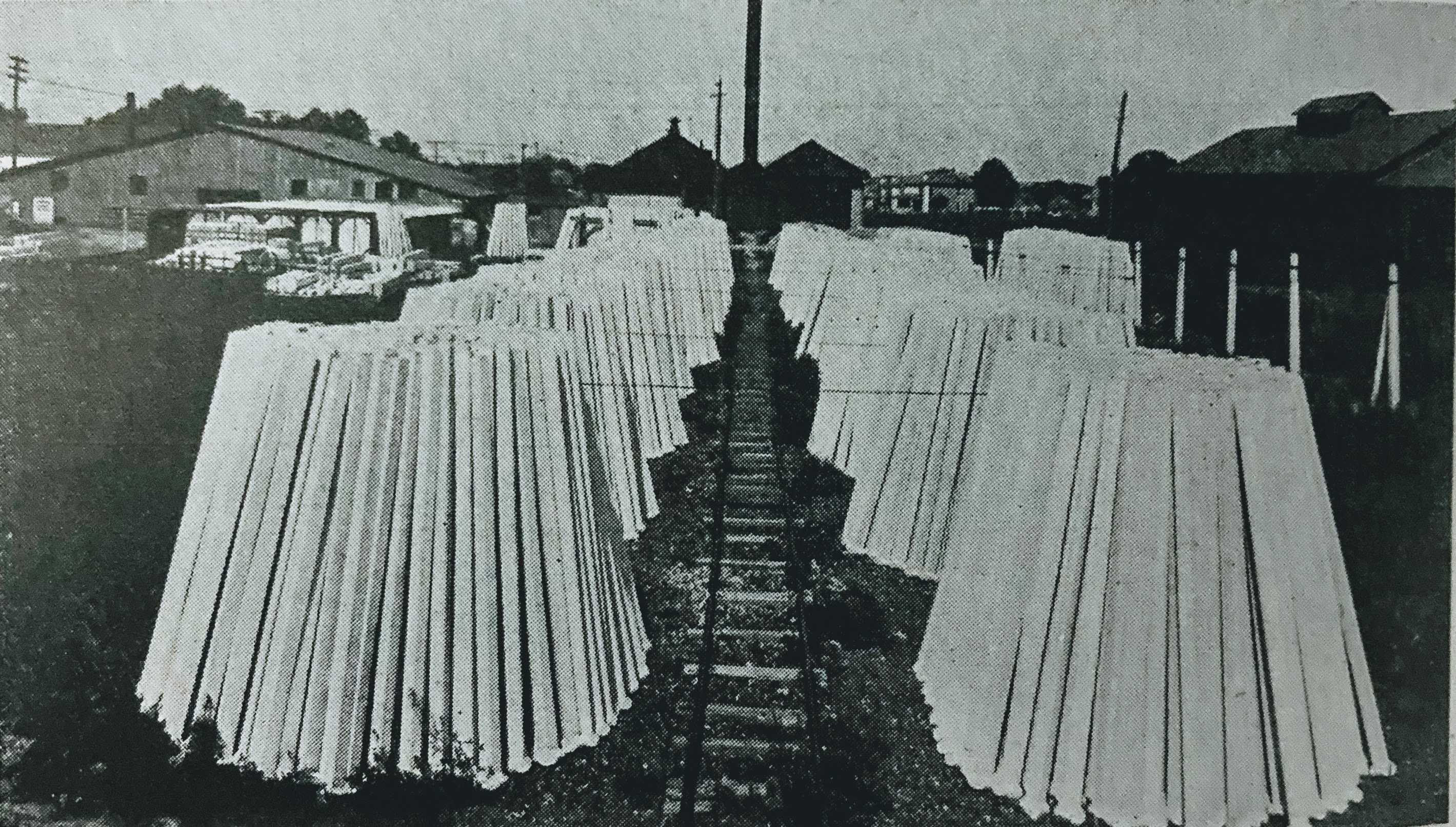
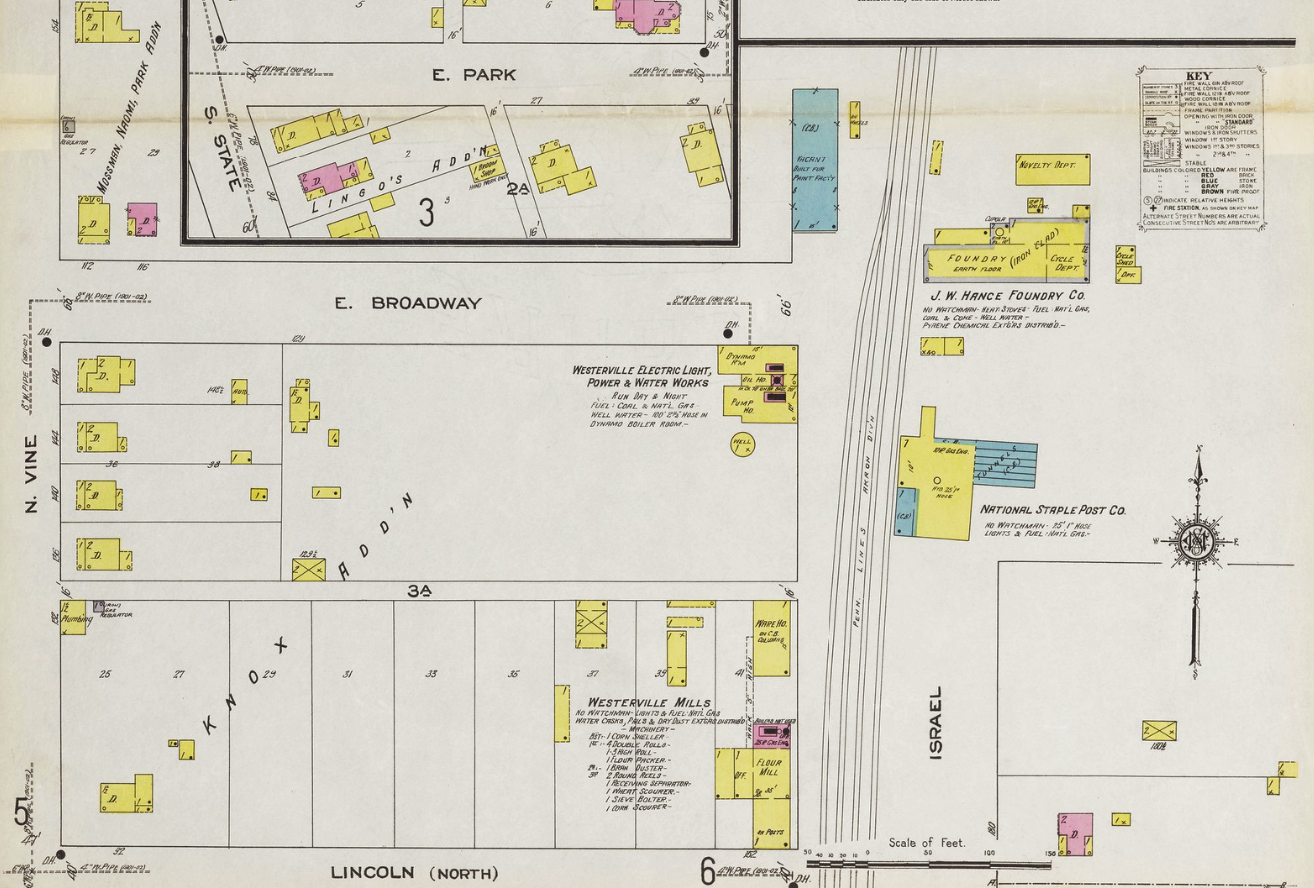
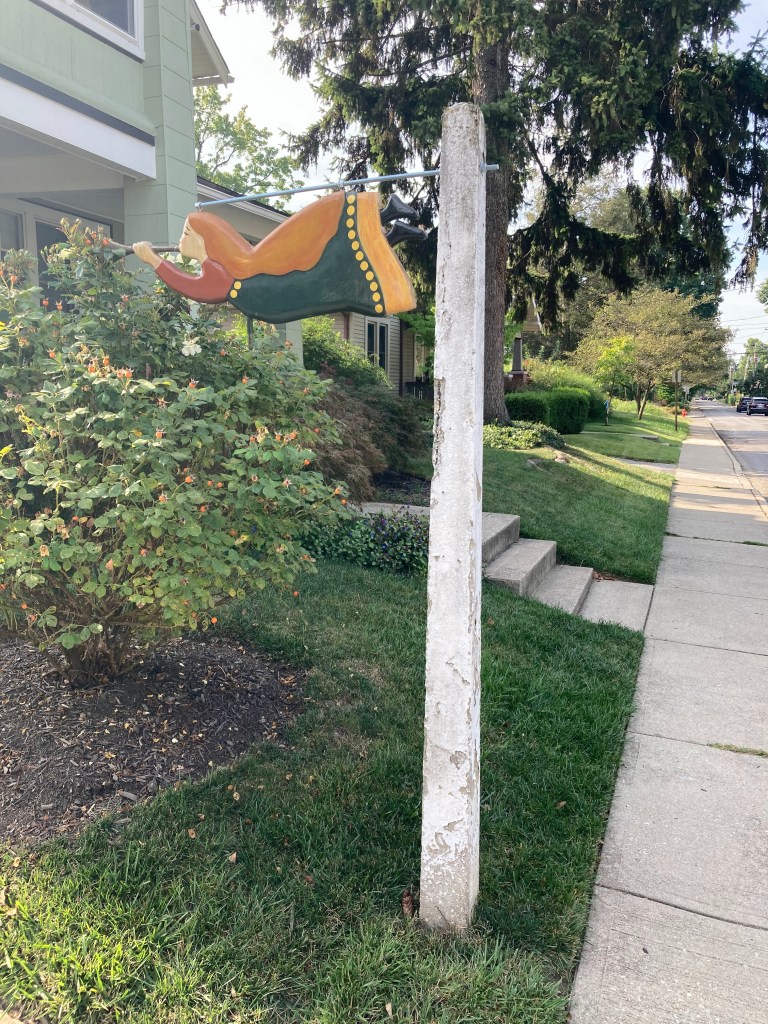
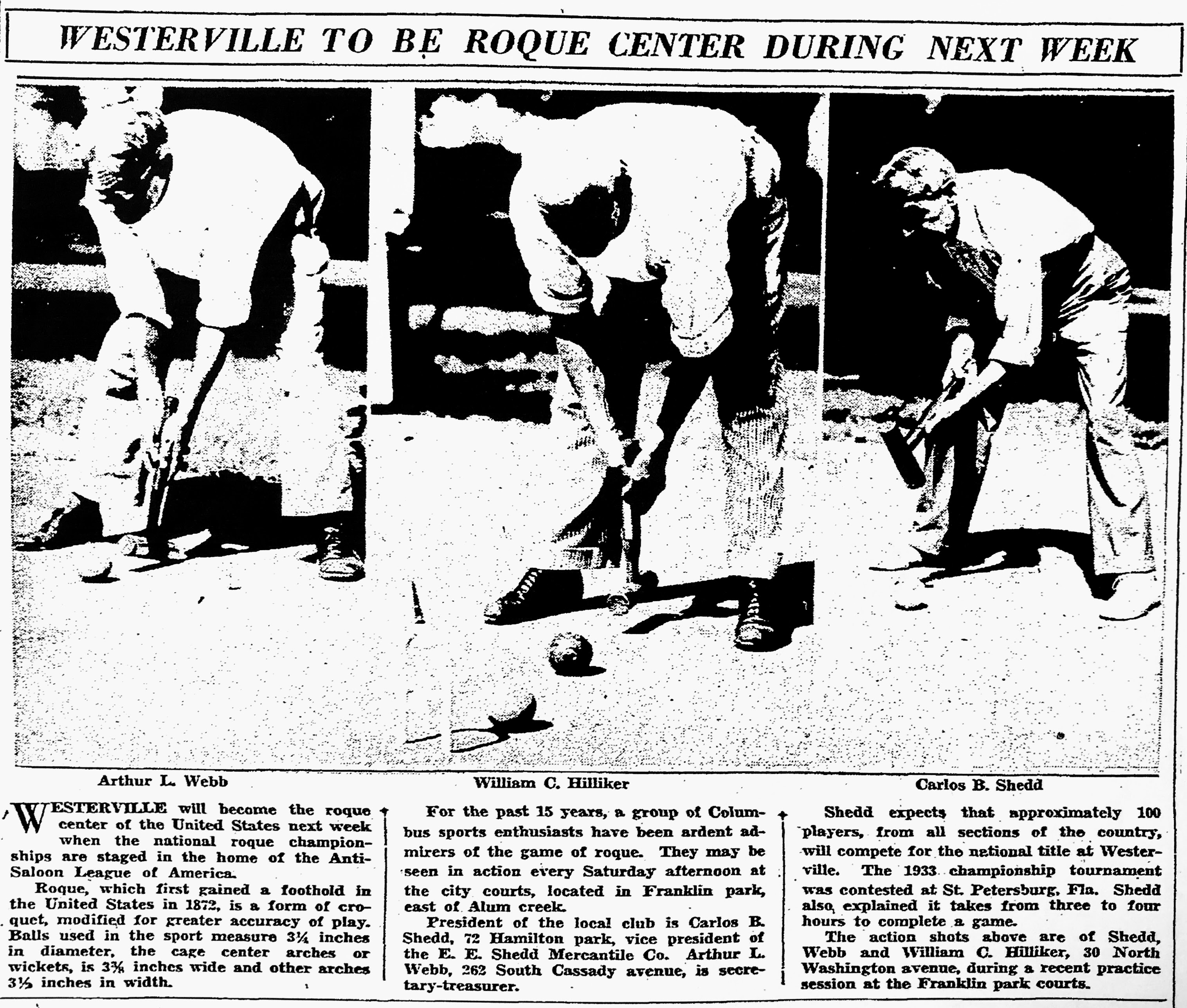
NEW DISCOVERY: Bennett’s manufacturing plant shown in the catalog. The location is two blocks east of Uptown Westerville. Razed. The railroad tracks have been replaced by a bike path.This old Sanborn Fire Insurance mapshows the footprint of Bennett’s National Staple Post manufacturing plant…left of the compass.The Columbus Dispatch 10/22/1919.AMAZING NEW DISCOVERY: An original concrete fence post, still standing, next to the alley that led back to the manufacturing plant. This is on the property of a North Vine Street house located between East Lincoln Street and East Broadway Avenue.An end wall above one of the two side-by-side Bennett courts that run east to west.An angled wall above similar to that shown below in the postcard.A bit hard to make out, but there is a wall above and below mostly covered up.This is likely the concrete base of the roque court that was covered. The houses behind it face North State Street.The Columbus Dispatch 7/27/1934. When I first saw the name Carlos Shedd in the picture above and in the article below, I recognized it. Frederick Shedd was on my list of Yost & Packard house designs in the Columbus area. Turns out he and Carlos were brothers and were president and vice-president respectively of E.E. Shedd Mercantile Company, Columbus. Carlos and Russell Bennett obviously would have known each other…and thus a clue to perhaps the Bennett house having been a Y&P design.
An article in The Columbus Dispatch of 6/4/1926by Carlos Shedd. Three houses on his street at 32, 50 and 91 Hamilton Avenue were Y&P designs.
The Columbus Dispatch 6/6/1956.
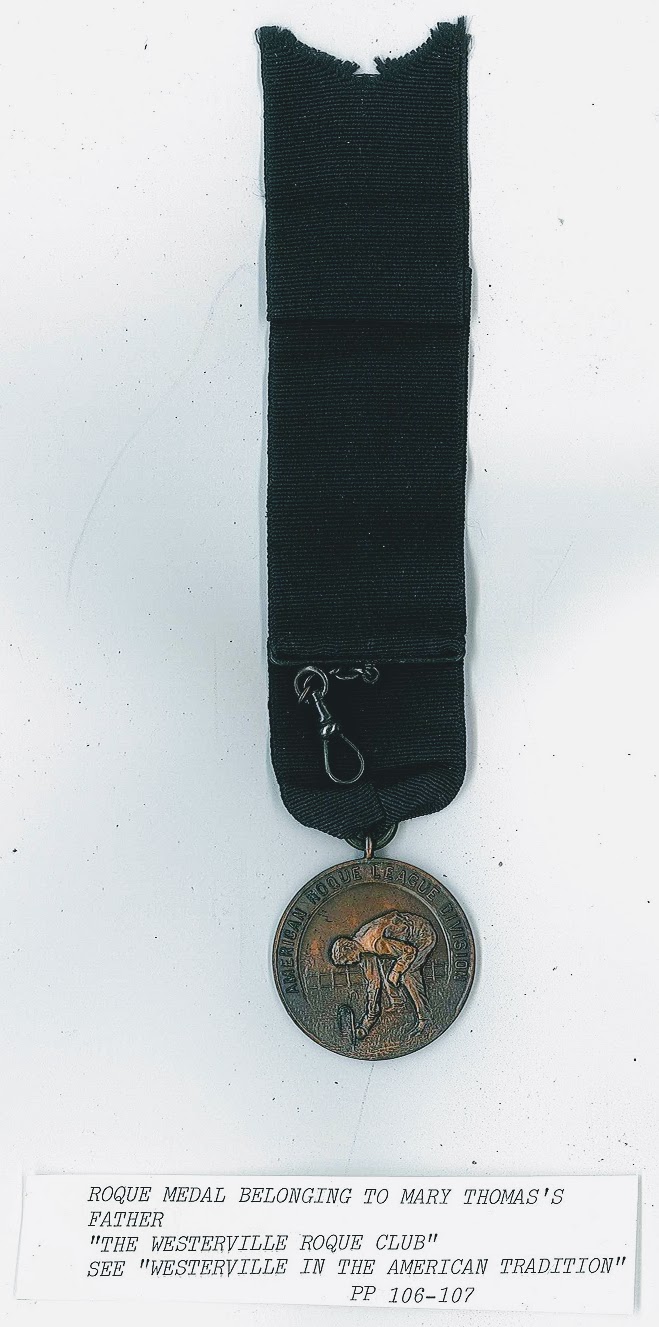
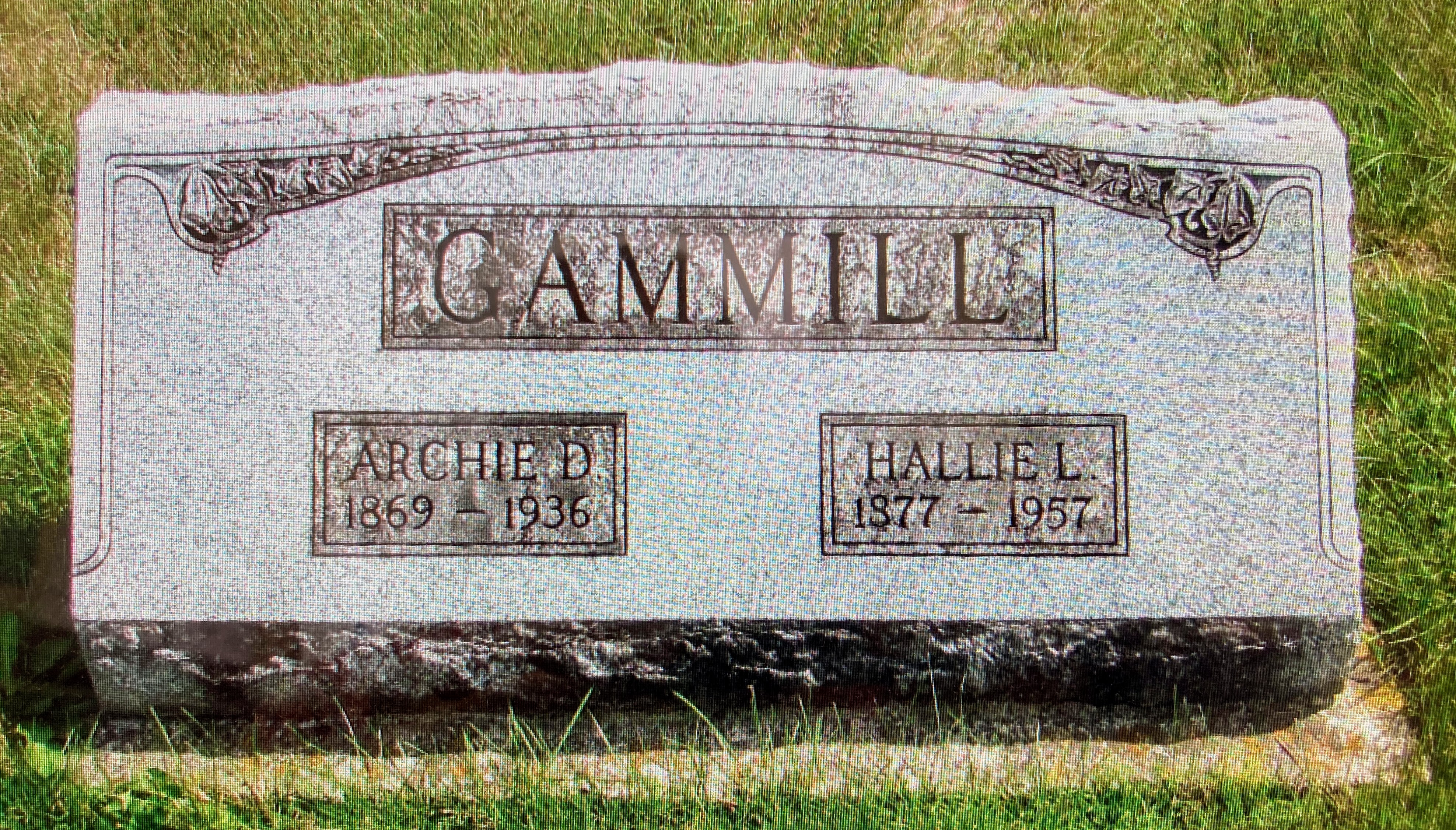
Designed by Yost & Packard for the brother of Carlos Shedd.The Columbus Dispatch 6/8/1905. Below, the Frederick Farley and Agnes Jeffrey Shedd residence at 1444 East Broad Street in Columbus as it appears today. The house is included in my blog Architects Joseph Yost and Frank Packard in Ohio: Columbus Homes L-Z.Circling back to the Yost & Packard-designed house shown previously… Professor Zuck’s house near the Bennett house was later owned by Frederick and Emma B. Thomas. That’s their daughter Mary above, and the roque medal her father won on the courts down the street. This is the only artifact known to exist (archives of the Westerville History Center).Archie and Hallie Wilcox Gammill built their home in 1922 at 15 West Plum Street, Westerville. Located across from the Northstar Cafe parking area, this is how it appears today.Archie and Hallie Gammill, first row center. Photo credit: Carole Brohard, great granddaughter of the Gammills; Mary Jane Hitt, current owner of the Gammill house.
Westerville Public Opinion 5/21/1936. Note the mention of roque in the above obituary. A longer obituary had this to say about his 37 year association with Smith Agricultural Chemical Company: “His kindness and sense of fairness, together with his geniality, made him an ideal manager of men. He not only won the loyalty and confidence of the men he employed, but their love as well.”
Memorial Park, Sunbury.Otterbein Cemetery, Westerville.
Westerville Public Opinion 4/22/1954.
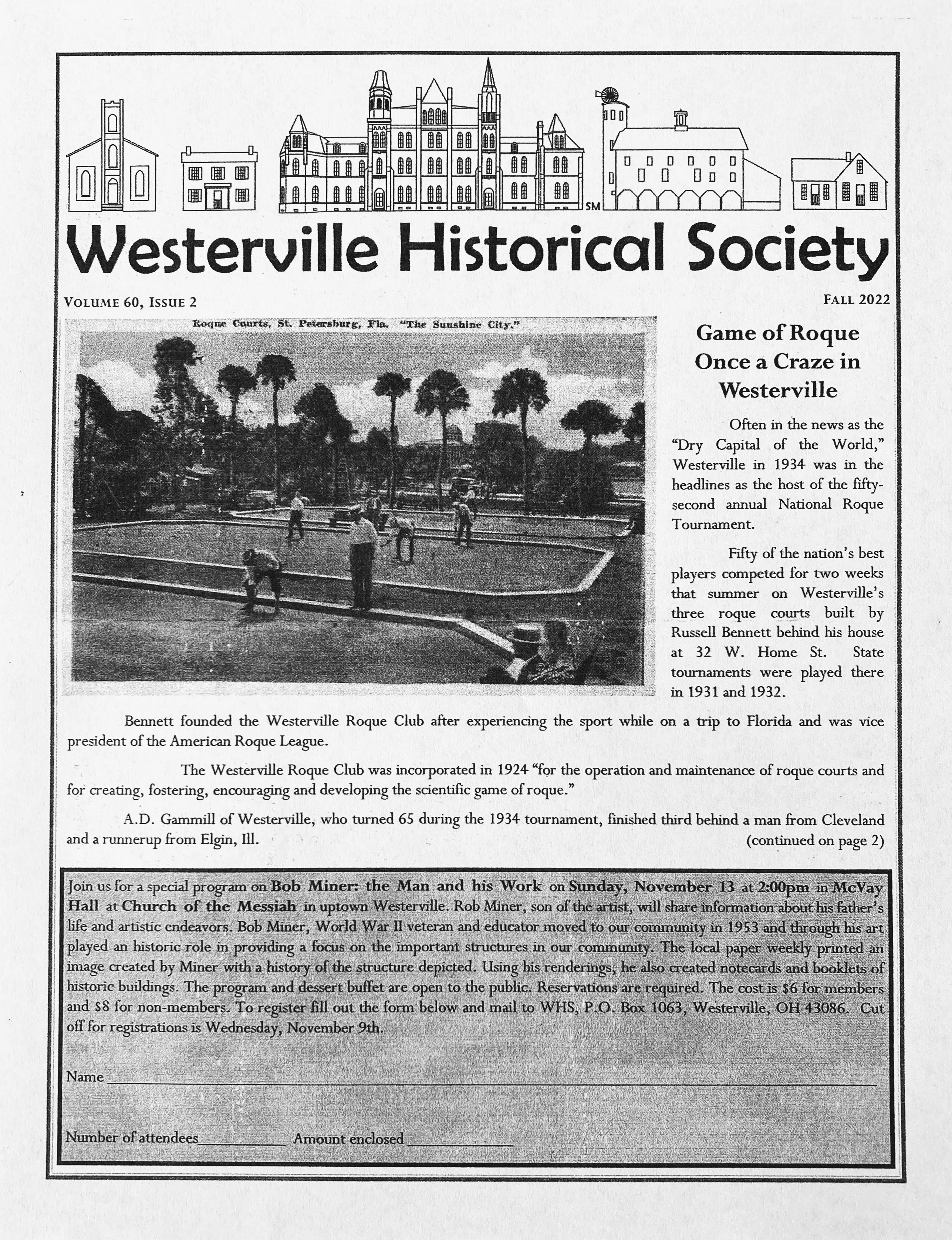
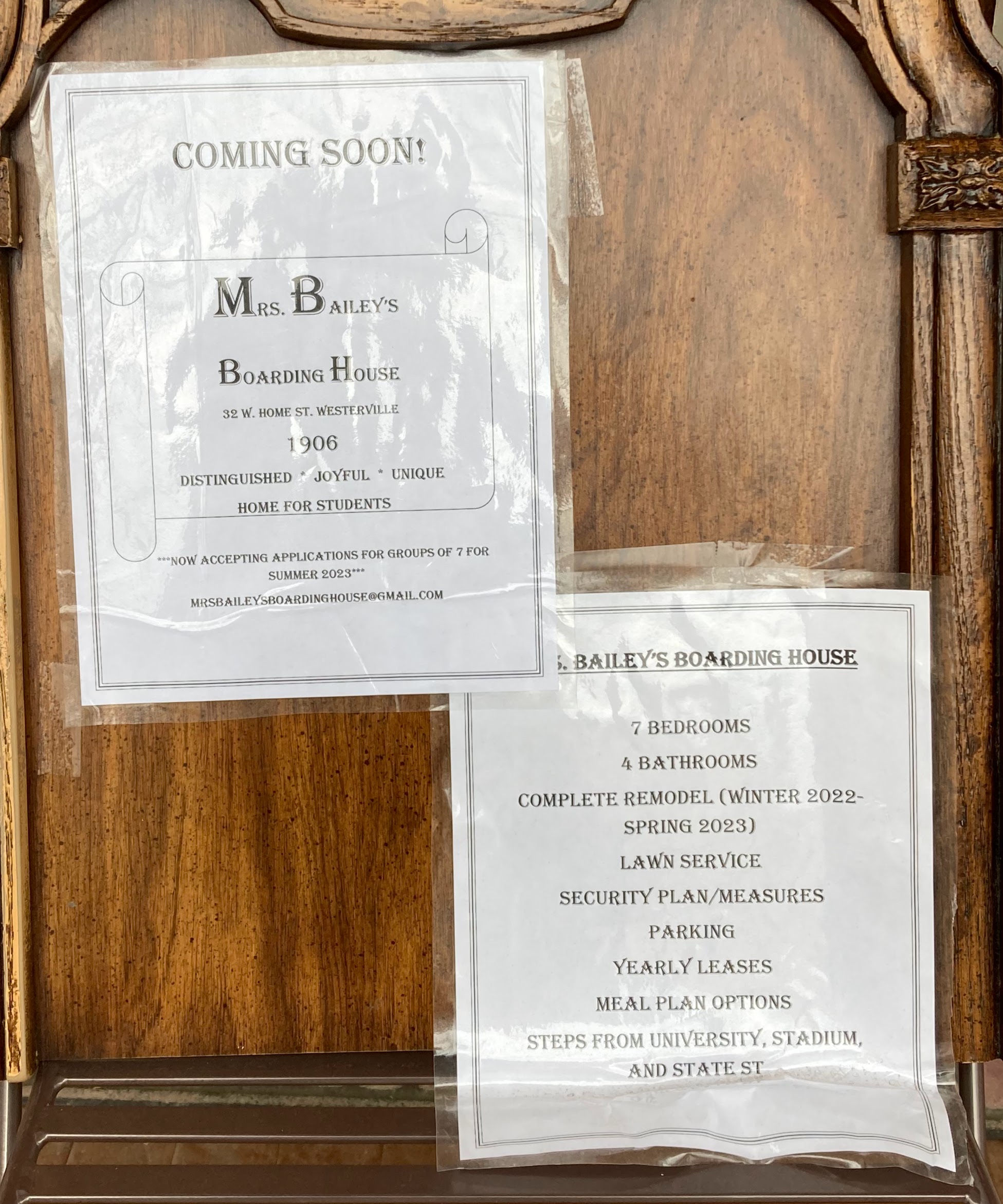
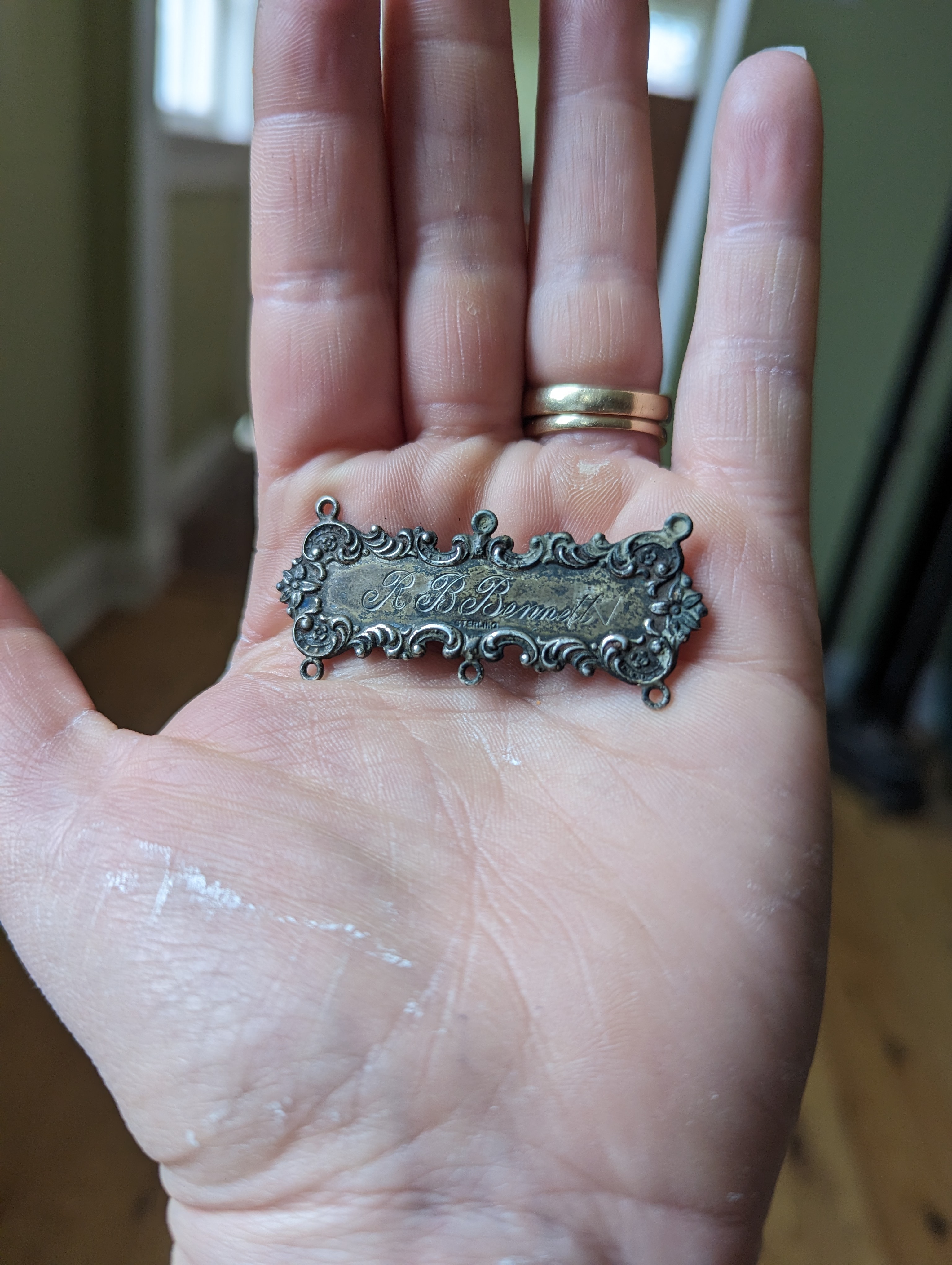
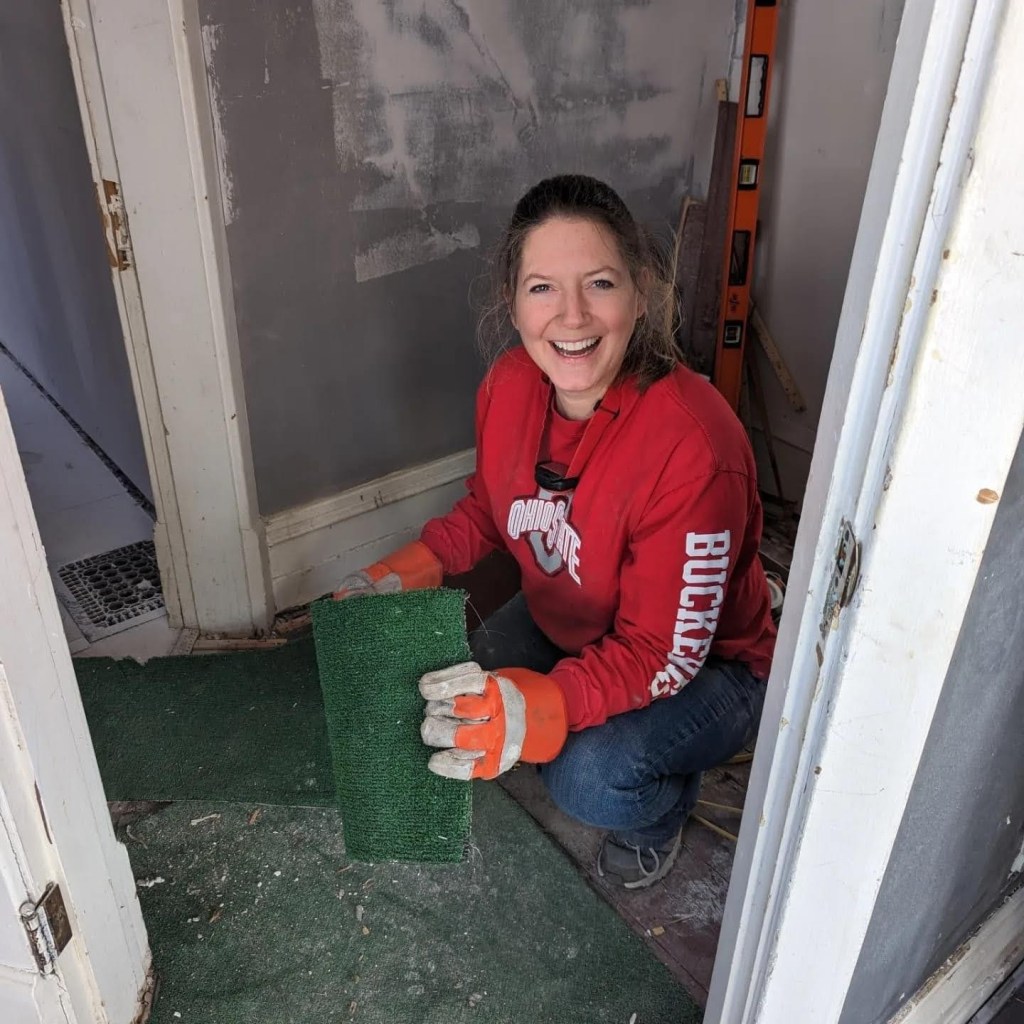
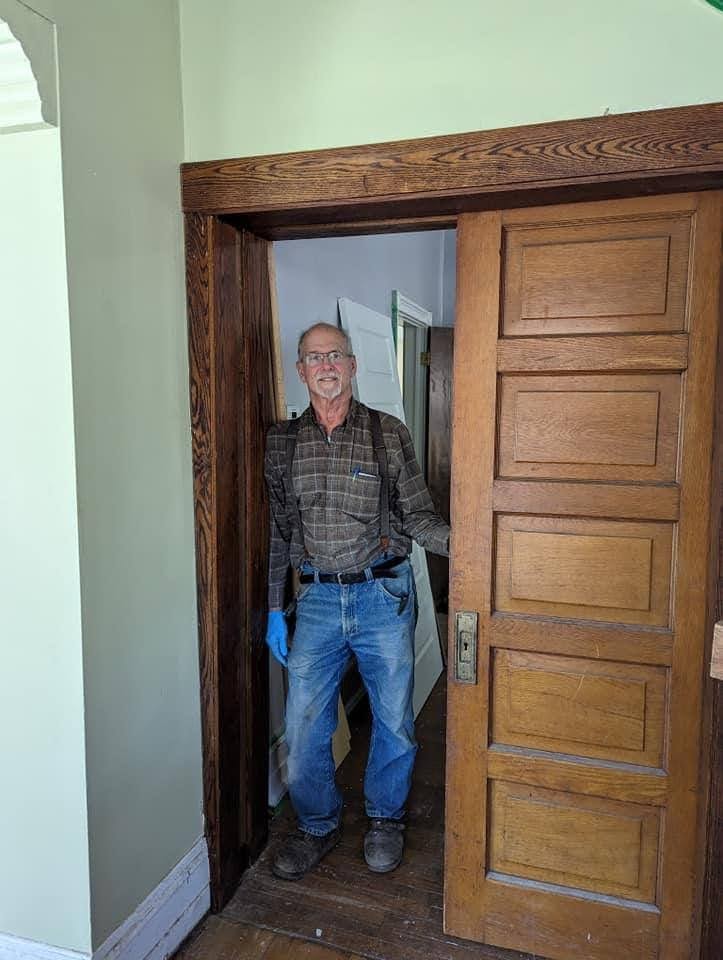
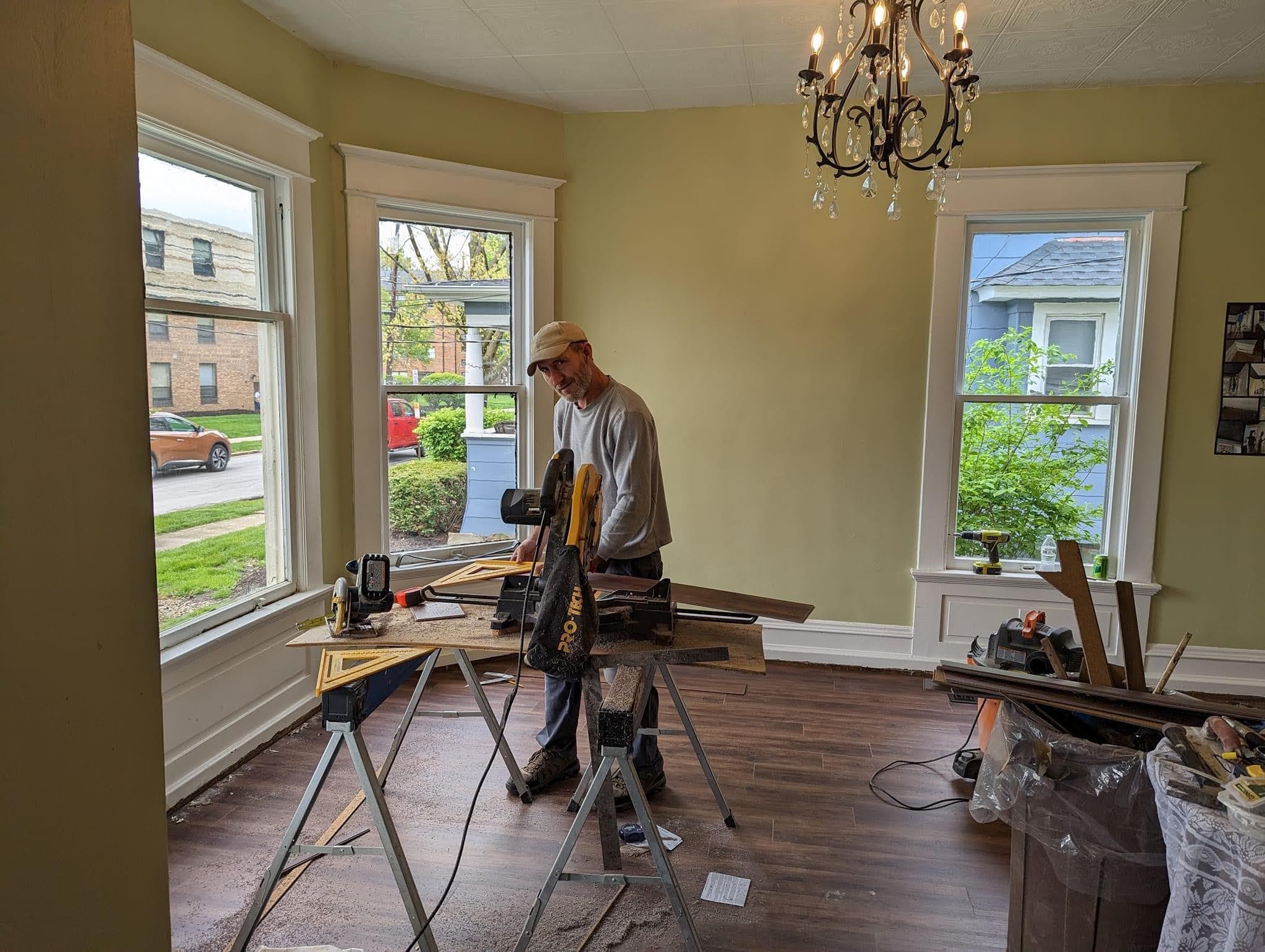
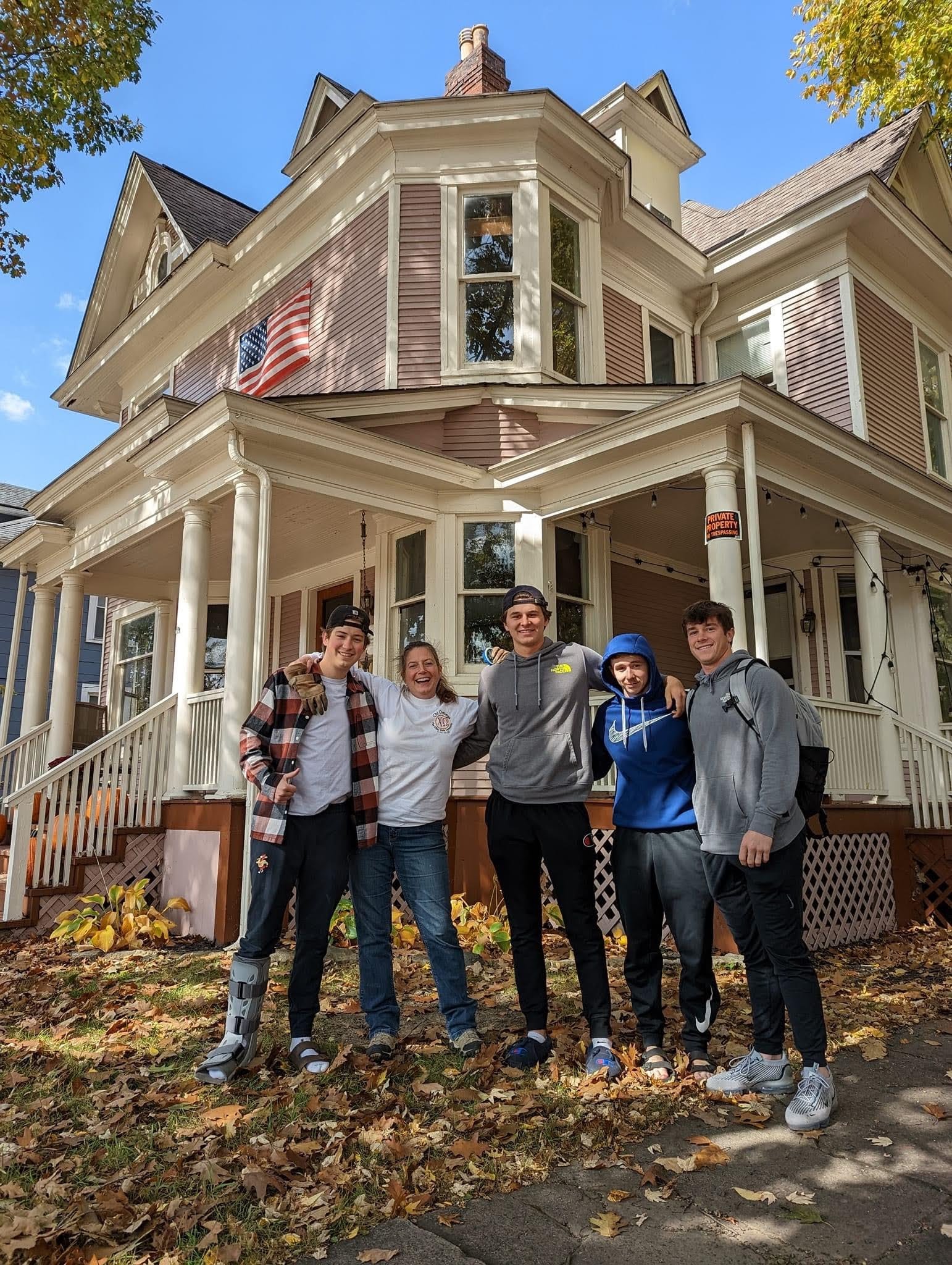
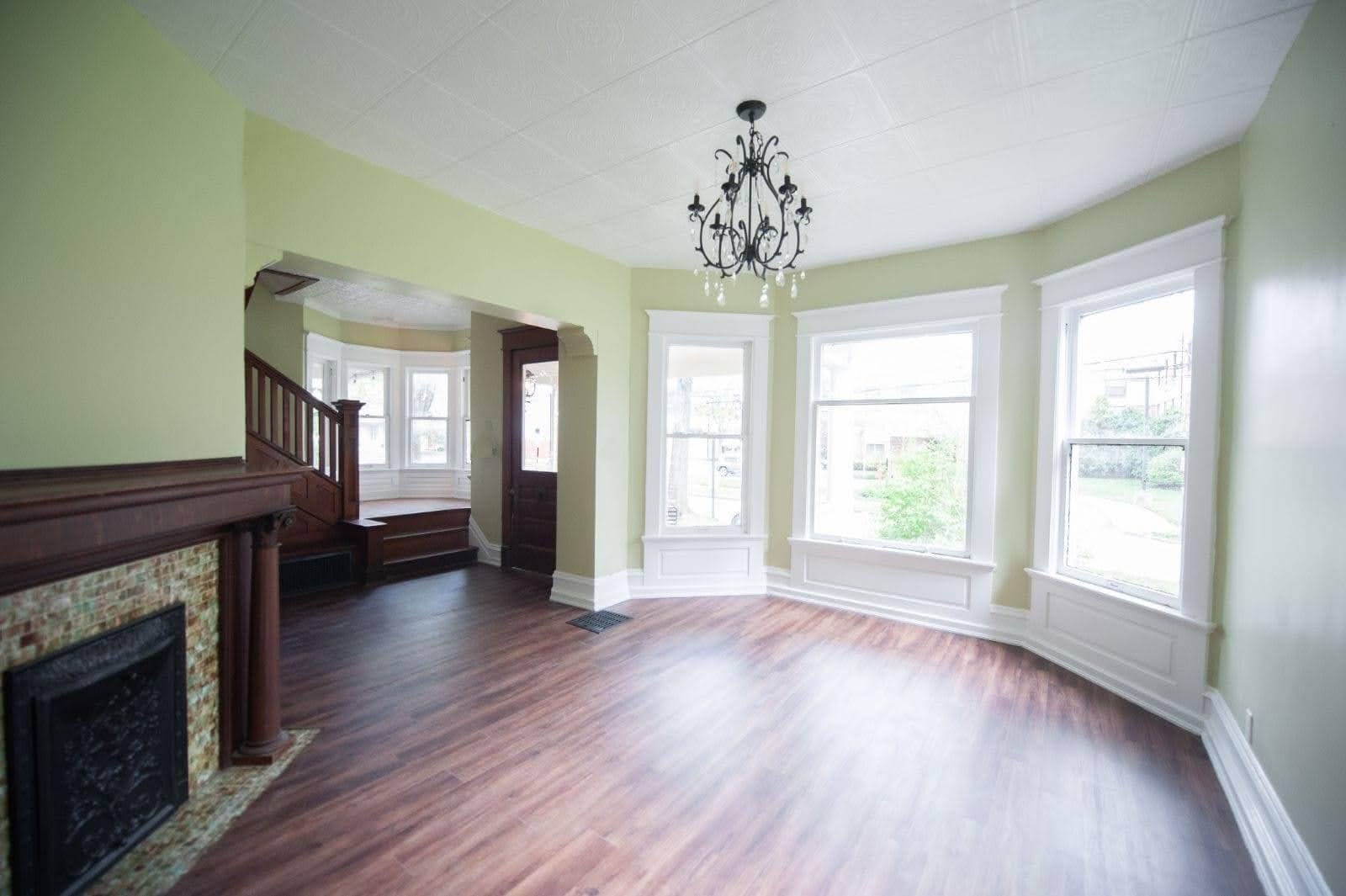
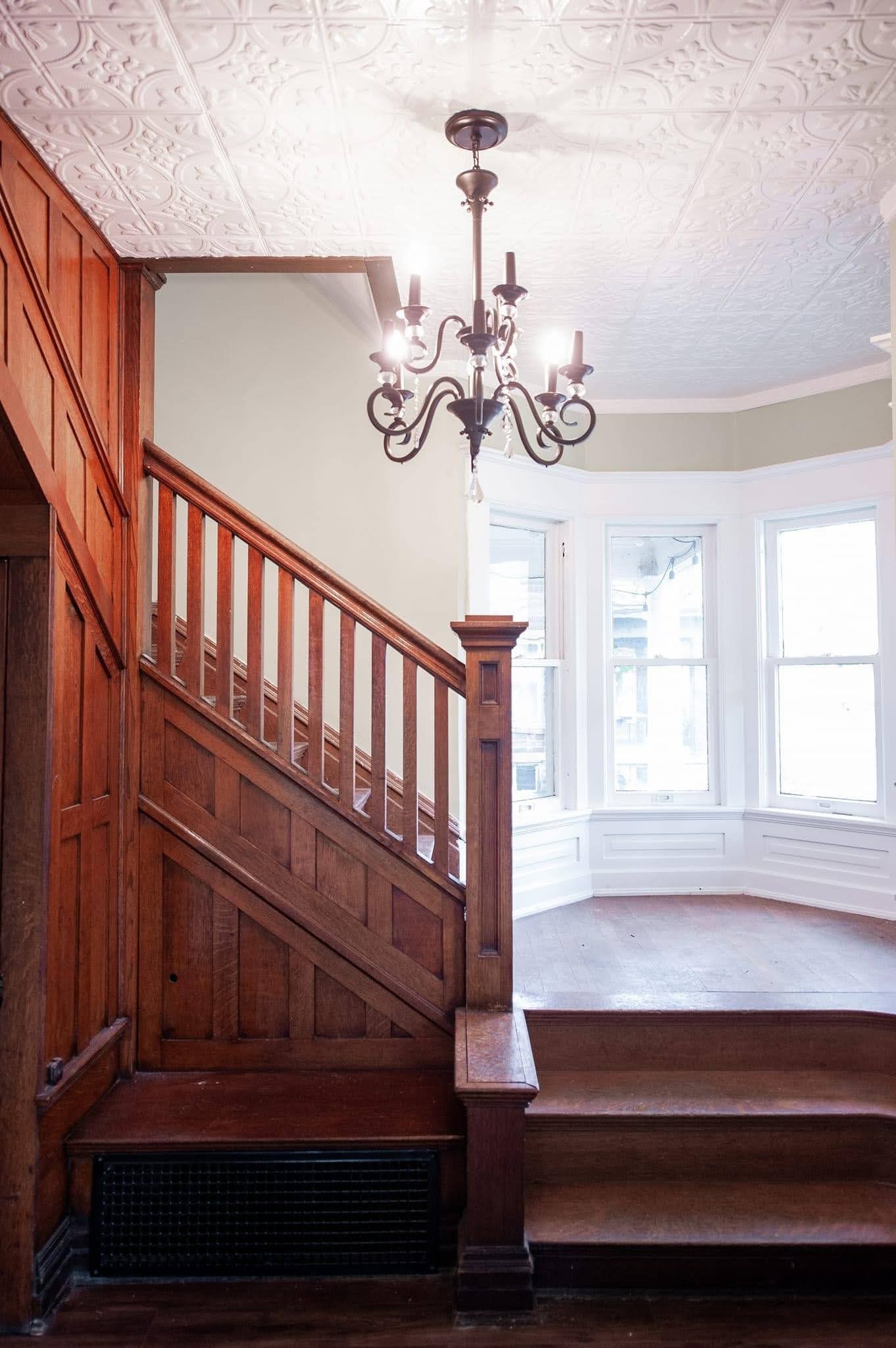
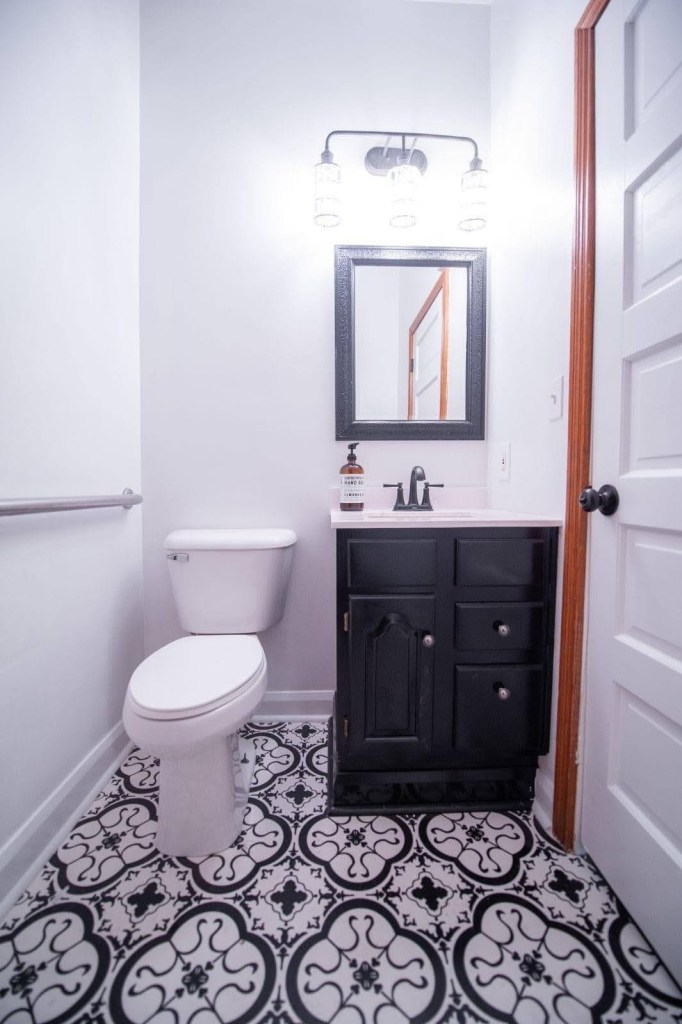
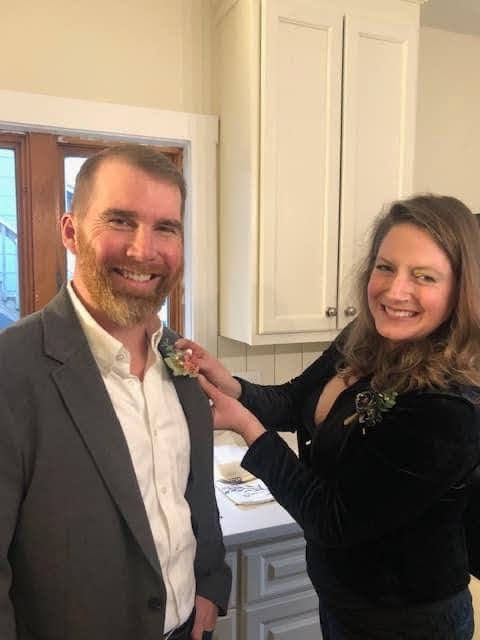
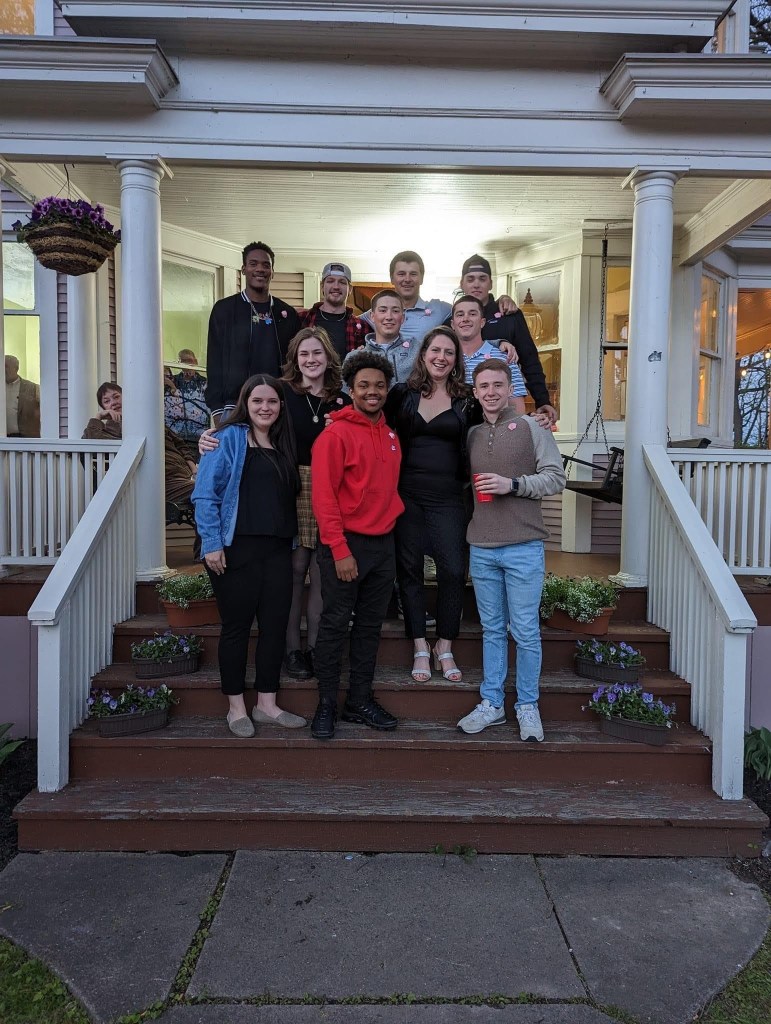
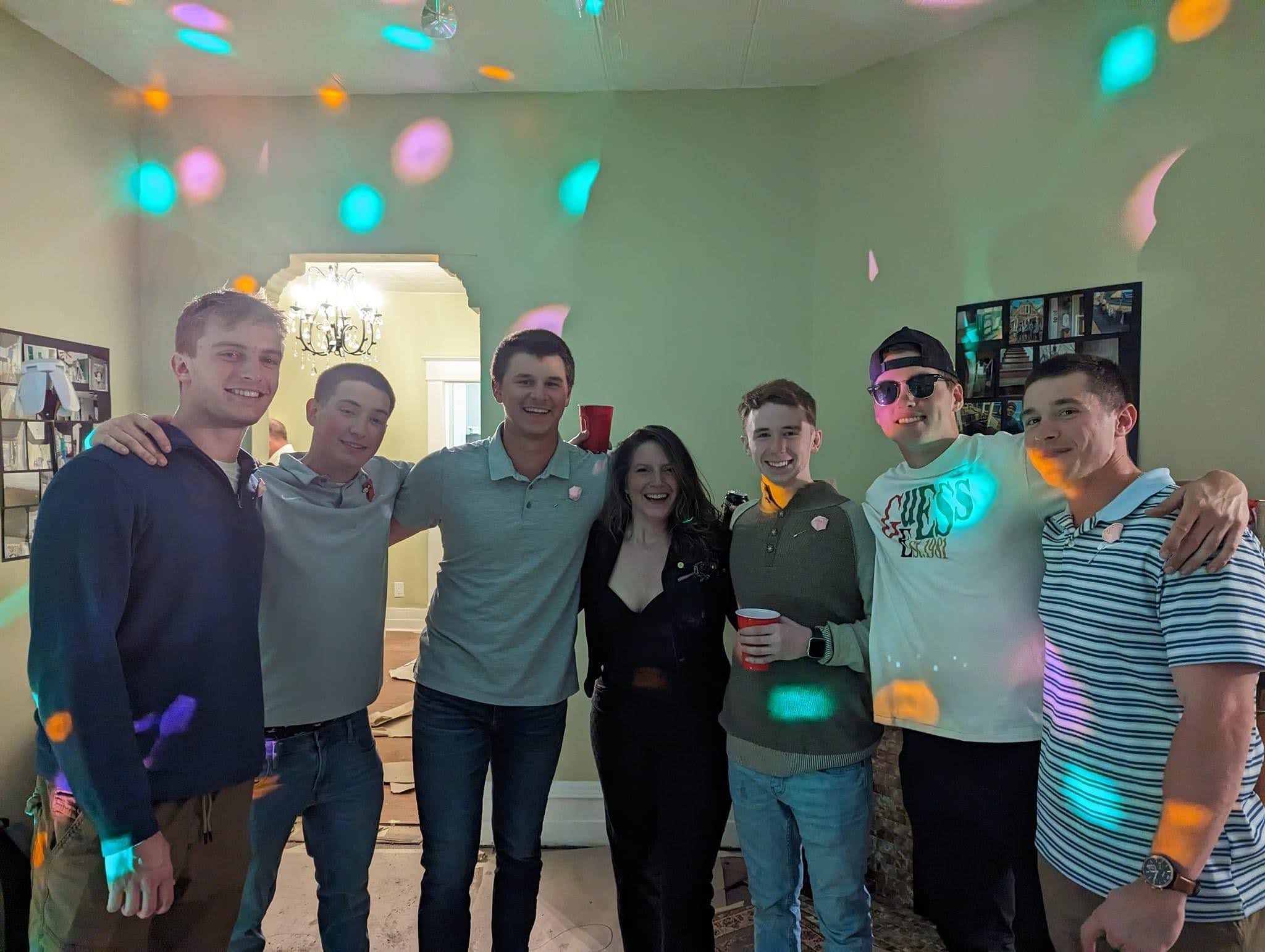
The roque courts were featured in the Fall 2022 newsletter of the Westerville Historical Society.The house has a new owner and has been repurposed.Found in a wall by the new owner Lauren Bailey during renovation!! Perhaps this “RB Bennett” Sterling silver nameplate was on the front door at one time. Photo credit: the above picture and those that follow here showing the renovation work and the celebration of it: Lauren, the Mrs. Bailey of Mrs. Bailey’s Boarding House.Interior renovation gets underway, 2022/23. Lauren and her father, Ed Lehnert,above. Robert “Clay” Chambers below.A chunk of the work was done by neighboring Otterbein University student athletes. Here are just four of a much larger crew.Uneven flooring was a problem. An even bigger challege was the improperly repaired structural damage caused by the fire of 1912.And the results of lots of work…May 2023: Phase 1, interior renovation, is complete. Time to celebrate with hosts Scott and Lauren Bailey. Some of the work crew move in the next day for the 2023/24 academic year at Otterbein.And shortly thereafter, three olde Otterbein chums start uncovering the roque courts. Dave Lehman, OU ’70; Jeff Yoest, OU ’77; me, OU ’73.Progress.More progress.West end of one court on the right; west end of a second court down there on the left.The sides of two courts. The third court is down at the end and runsin the opposite direction.The best three old guys can do. The third court, the one that likely had some kind of winter cover, is buried under a combination of soil and gravel. Too tough an undertaking. But we know the courts are there…and likely the only unrestored roque courts remaining in Amerca!!!
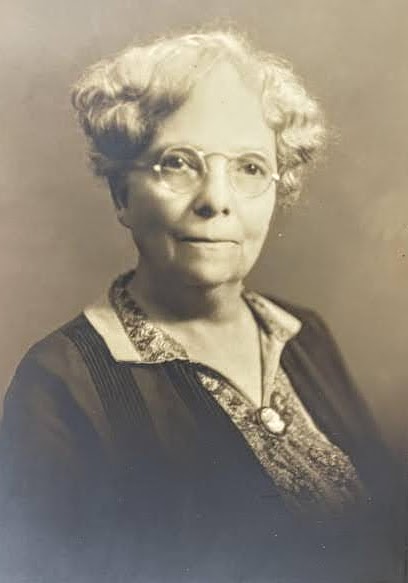
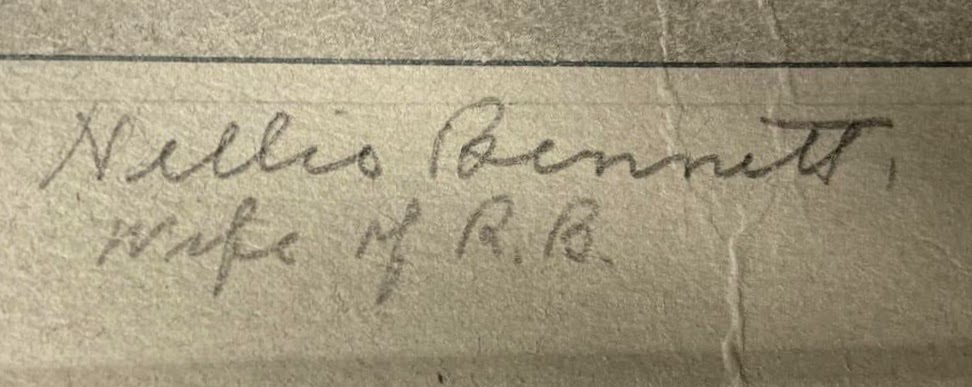
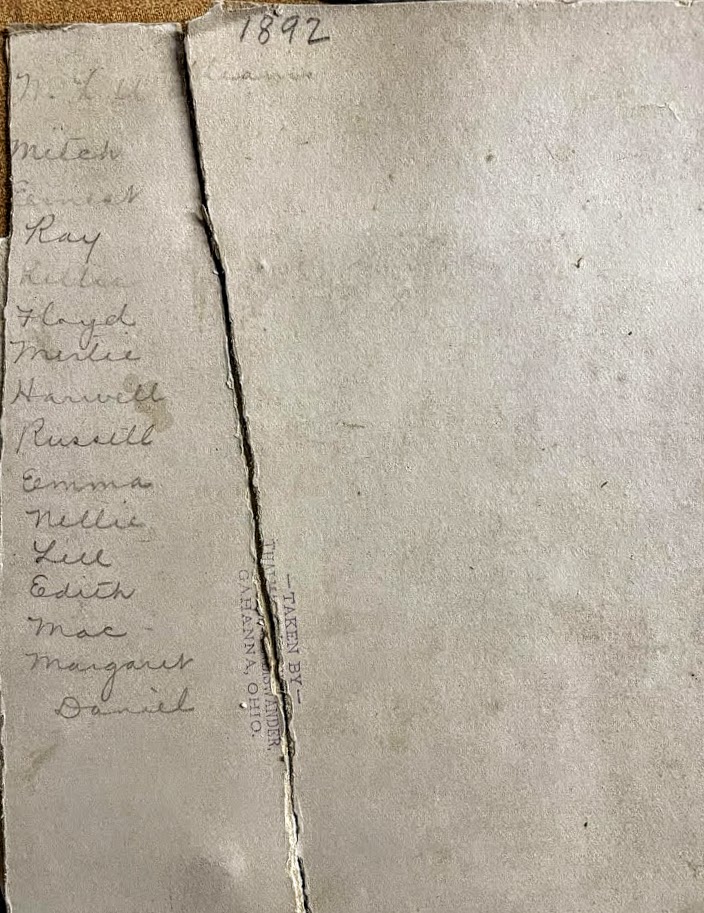
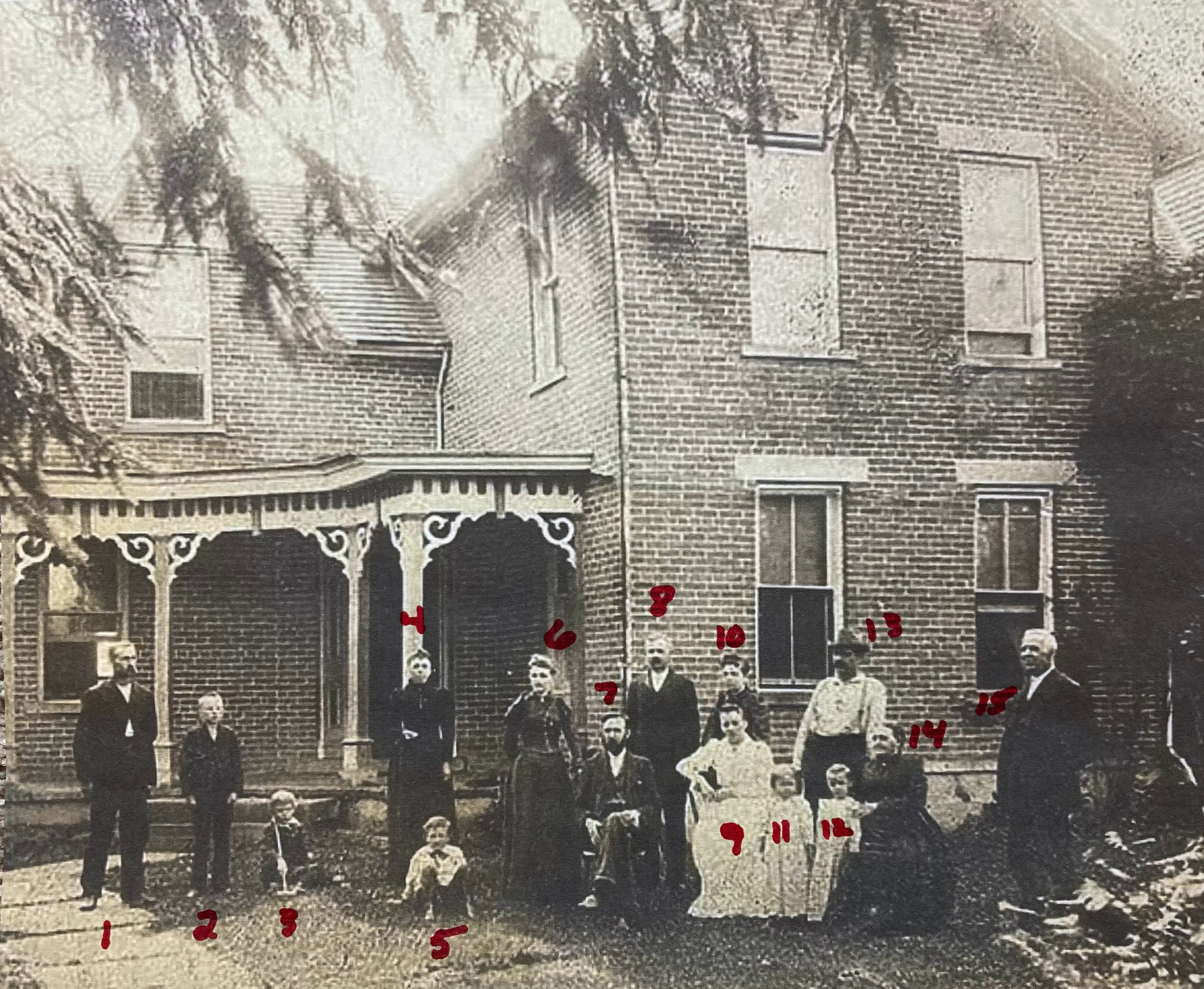
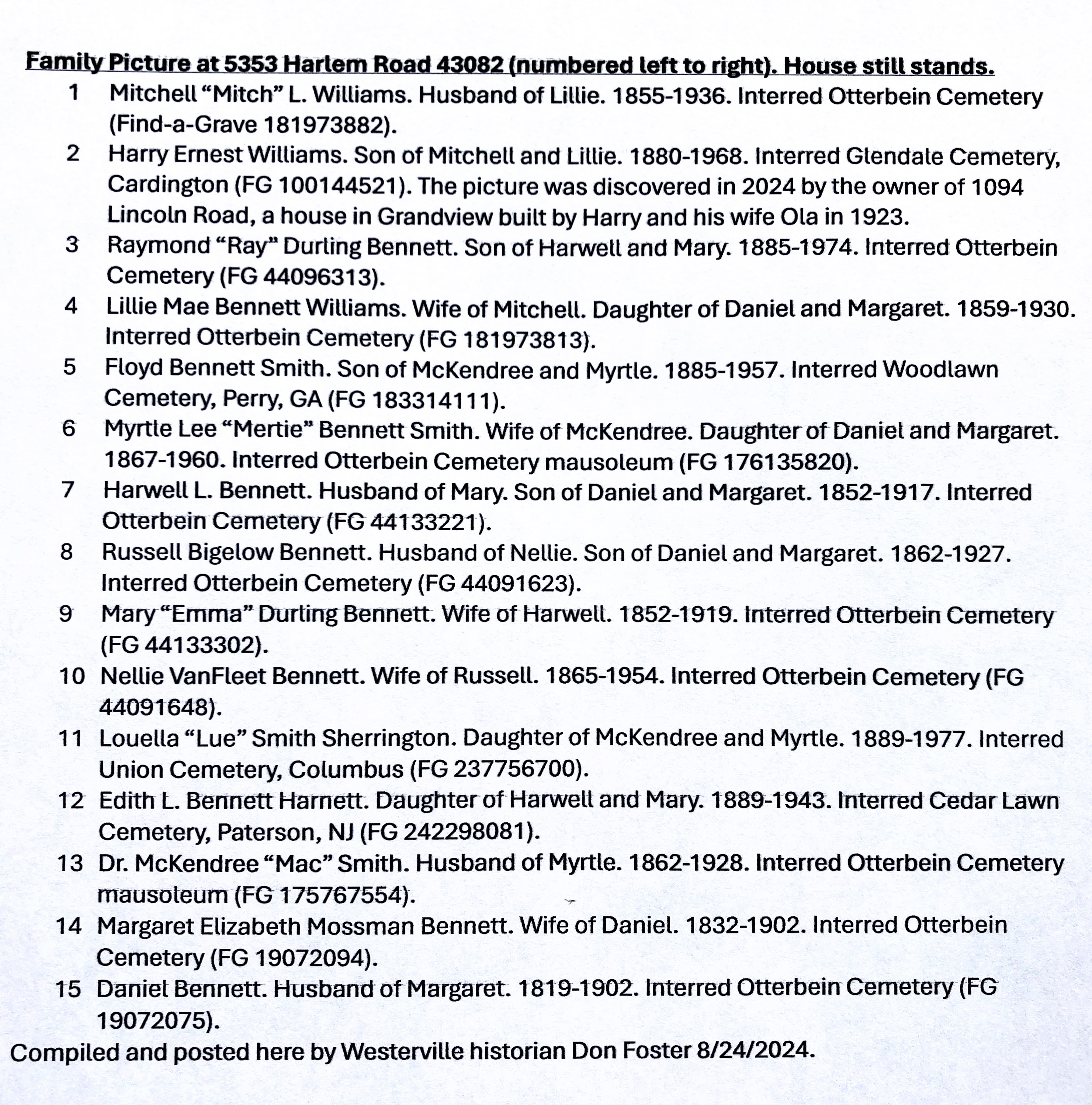
ANOTHER NEW DISCOVERY: In the summer of 2024, I received an email from a former Bexley resident now living in Georgia asking if I knew the people in the following set of pictures. They had been posted on Reddit (a social media site with which I am not familiar) by the owner of 1094 Lincoln Road in Grandview who found them in a crawl space there. He commented that he knew it was a long shot, but hoped someone would know these people and want the pictures. There were first names on the back of family picture of 15 members and “Nellie Bennett, wife of R.B.” The Bexley resident Googled Russell and Nellie Bennett. Up popped this blog. From a variety of sources, all 15 people in the picture have been identified. The March 27, 1936, obituary of Mitchell L. Williams “of 1094 Lincoln Rd” solved the mystery as to how this cache of pictures ended up in a crawl space in a house in Grandview. The pictures have been shared with a very appreciative Bennett descendant in West Viriginia and will be donated to the Westerville History Museum.
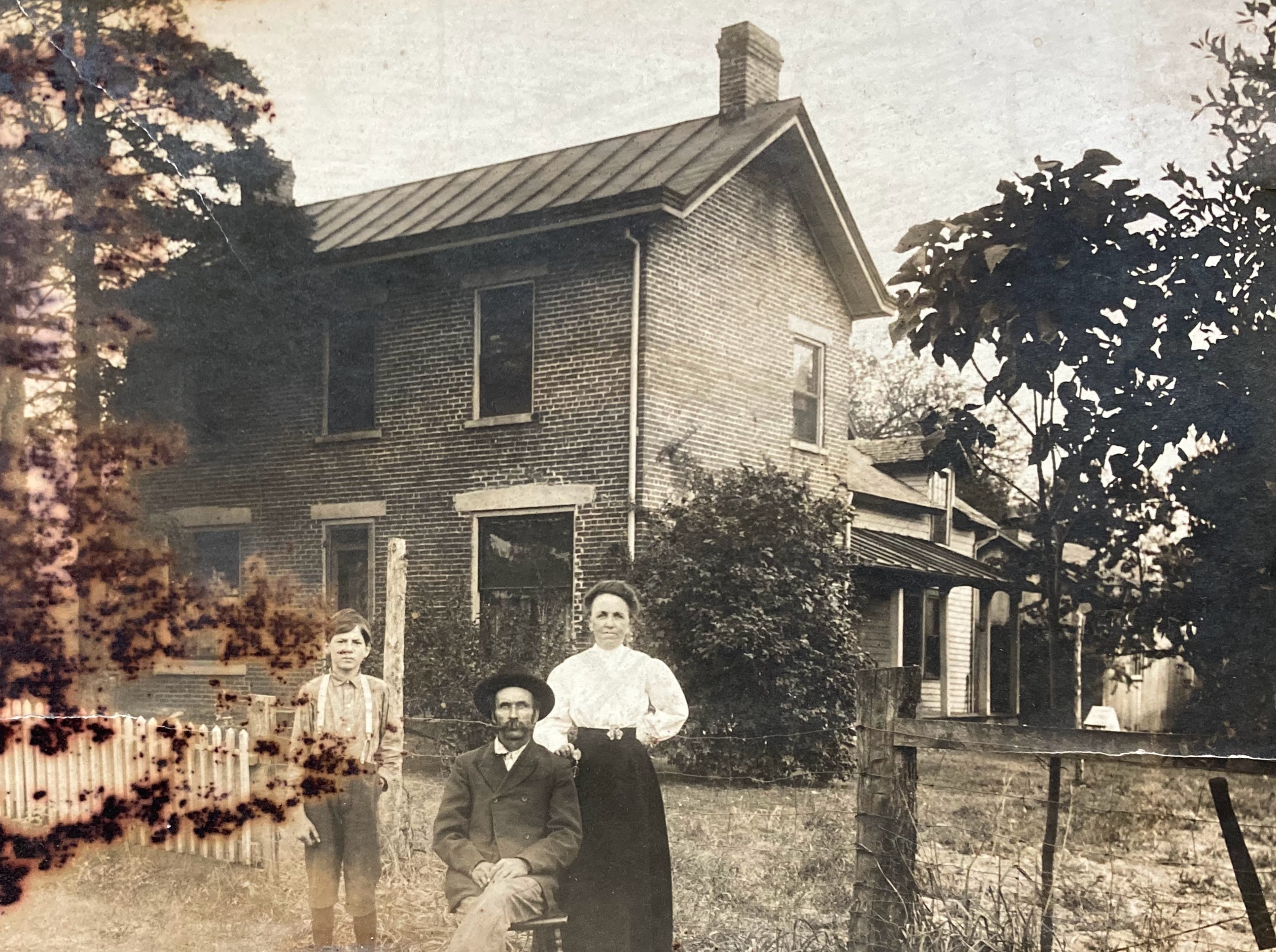
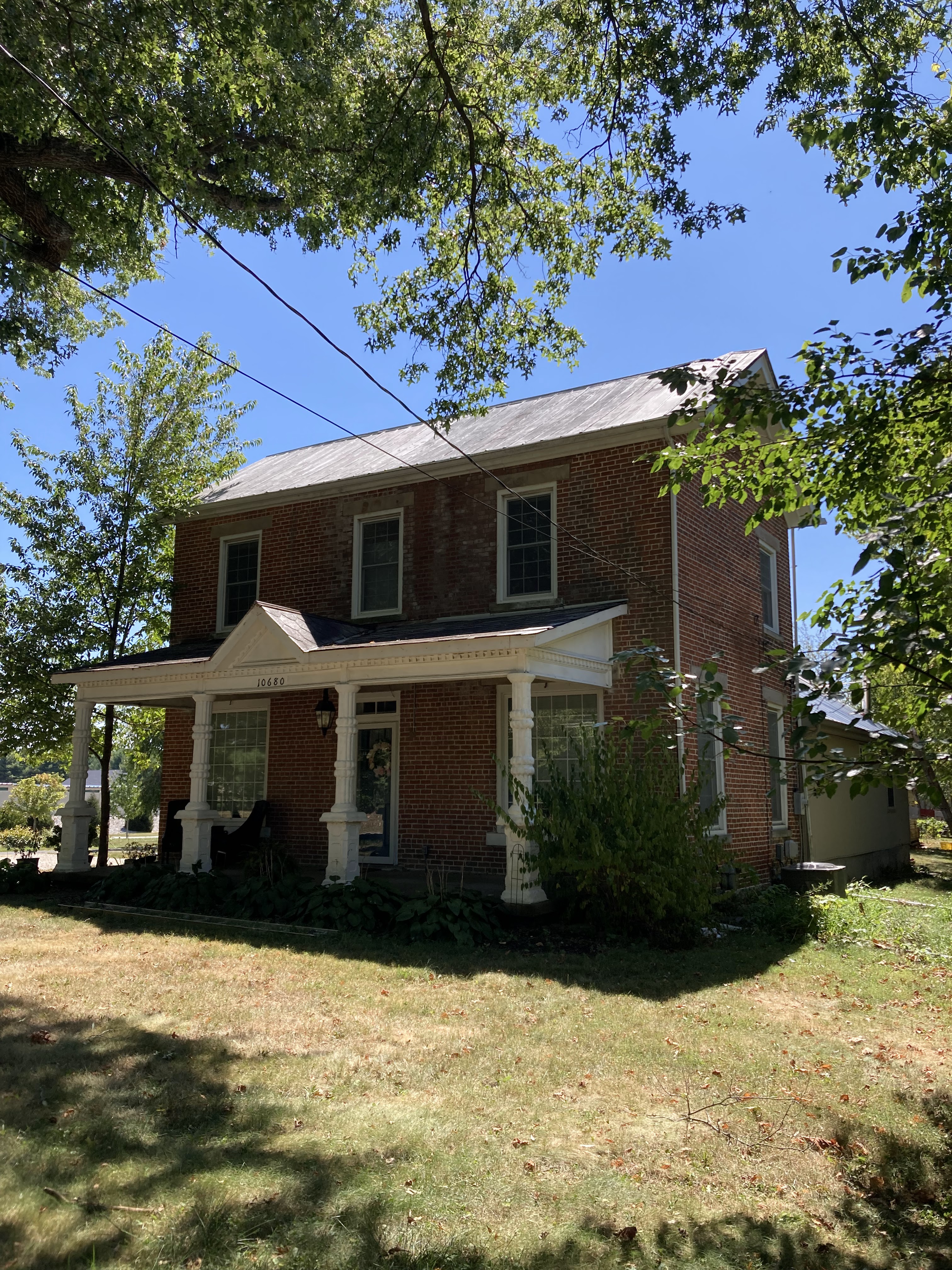
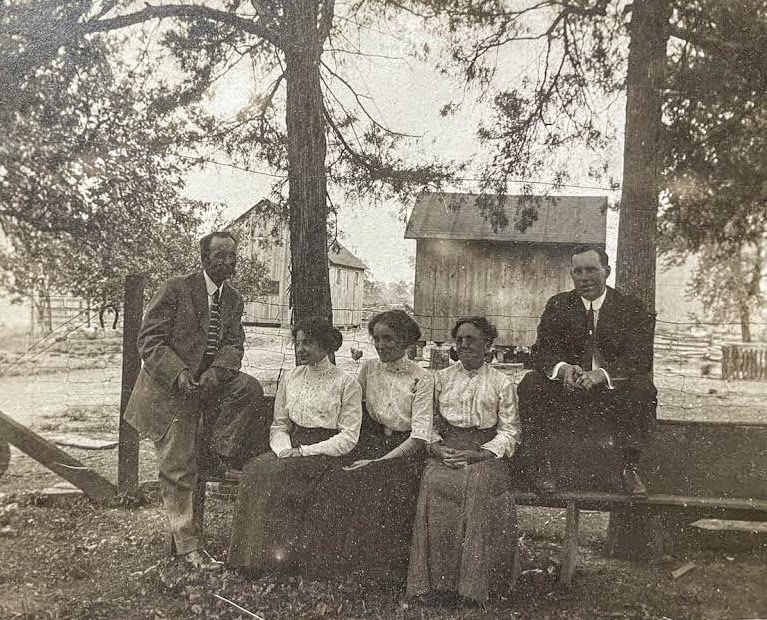
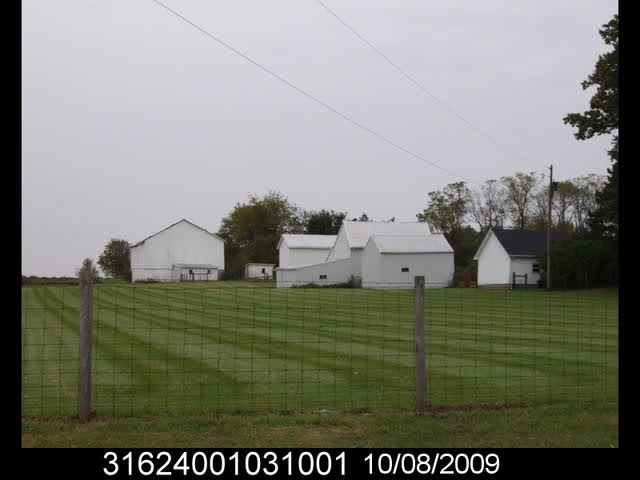
5353 Harlem Road, Harlem Township of Delaware County. Daniel, Jr. and Margaret Bennett family pcitured in 1892. The house was likely built by the Bennetts based on a deed transfer of 10 acres from Daniel’s parents in 1861.5353 still stands today and is located at the SE corner of Harlem and Center Village Roads.10680 Fancher Road, Harlem Township. Lillie Bennett Williams (daughter of Daniel and Margaret), husband Mitchell and son Harry pictured circa 1895. This land was acquired by Mitchell’s parents in 1837, and they probably built the house.10680 still stands today and is located at the SE corner of Fancher and Harlem Roads.Young Harry Williams now a grown man on the left, likely his wife Ola, cousin Edith Bennett Harnett now a grown woman, and likely Edith’s husband James. The picture looks like it was taken at 12775 Center Village Road at the farm Daniel Bennett Jr’s brother, Rev. Russell Bigelow Bennett who shares the same first and middle names as the Russell who is the subject of this blog. The picture on the right is from the website of the Delaware County Auditor.Nellie Bennett on the left and Lillie Bennett Williams on the right.
Thanks for enlightening the folks of Westerville on the subject of Roque. Who ever heard of this sport? Before your research, I had only known about croquet. Thanks for your continued research on Westerville history!





































 Histories and Mysteries
Thanks for enlightening the folks of Westerville on the subject of Roque. Who ever heard of this sport? Before your research, I had only known about croquet. Thanks for your continued research on Westerville history!
Sent from my iPad
>
LikeLike