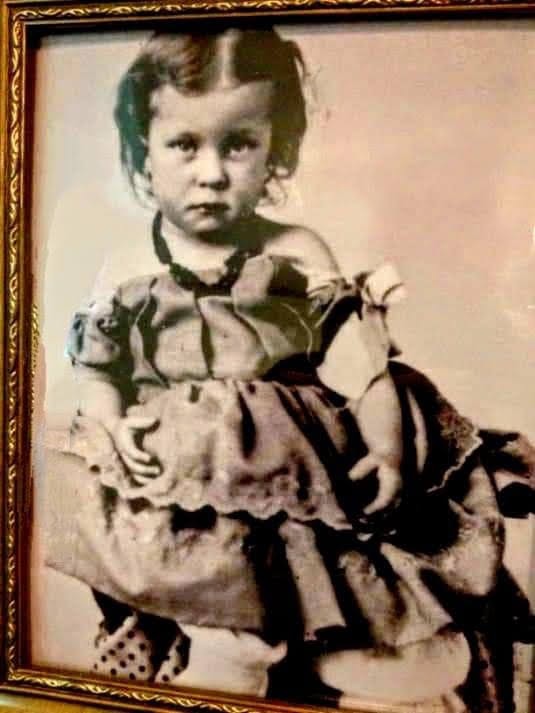
Carrie Harkness Flagler
PLEASE NOTE: The blog contains quite a few pictures so give it several minutes to download. They download haphazardly.
Search Google for the history of the Standard Oil Company, founded in Ohio, and the name often first mentioned (sometimes solely) is John D. Rockefeller. But he was not the only founder of this oil giant that quickly monopolized the industry in the United States. There were four more: John’s brother William, Samuel Andrews, Henry M. Flagler, and Stephen V. Harkness.
Of the five Standard Oil founders, biographers have focused on John Rockefeller and Henry Flagler. This blog is about Henry who later was to Florida what Brigham Young was to Utah, but whose early years in Ohio have received little mention.
At the encouragement of his half-brother Daniel “Dan” Morrison Harkness, Henry Morrison Flagler left his native upstate New York in 1844 at age 14 having completed an 8th grade education, considered good in that era. He made his way via the Erie Canal and Lake Erie to join Dan in running a general store in Republic (Seneca County), Ohio. That business, Chapman & Harkness Company, was a branch of a main store in nearby Bellevue owned by Dr. Lamon Harkness (brother of Dan’s father David) and Lamon’s brother-in-law Frederick Chapman. While Dan later transferred to the Bellevue operation, Henry stayed behind in Republic until moving to Bellevue in 1849 at age 19. This building, which also served as Henry’s residence, no longer stands as it was destroyed in a major block-long fire in 1869.
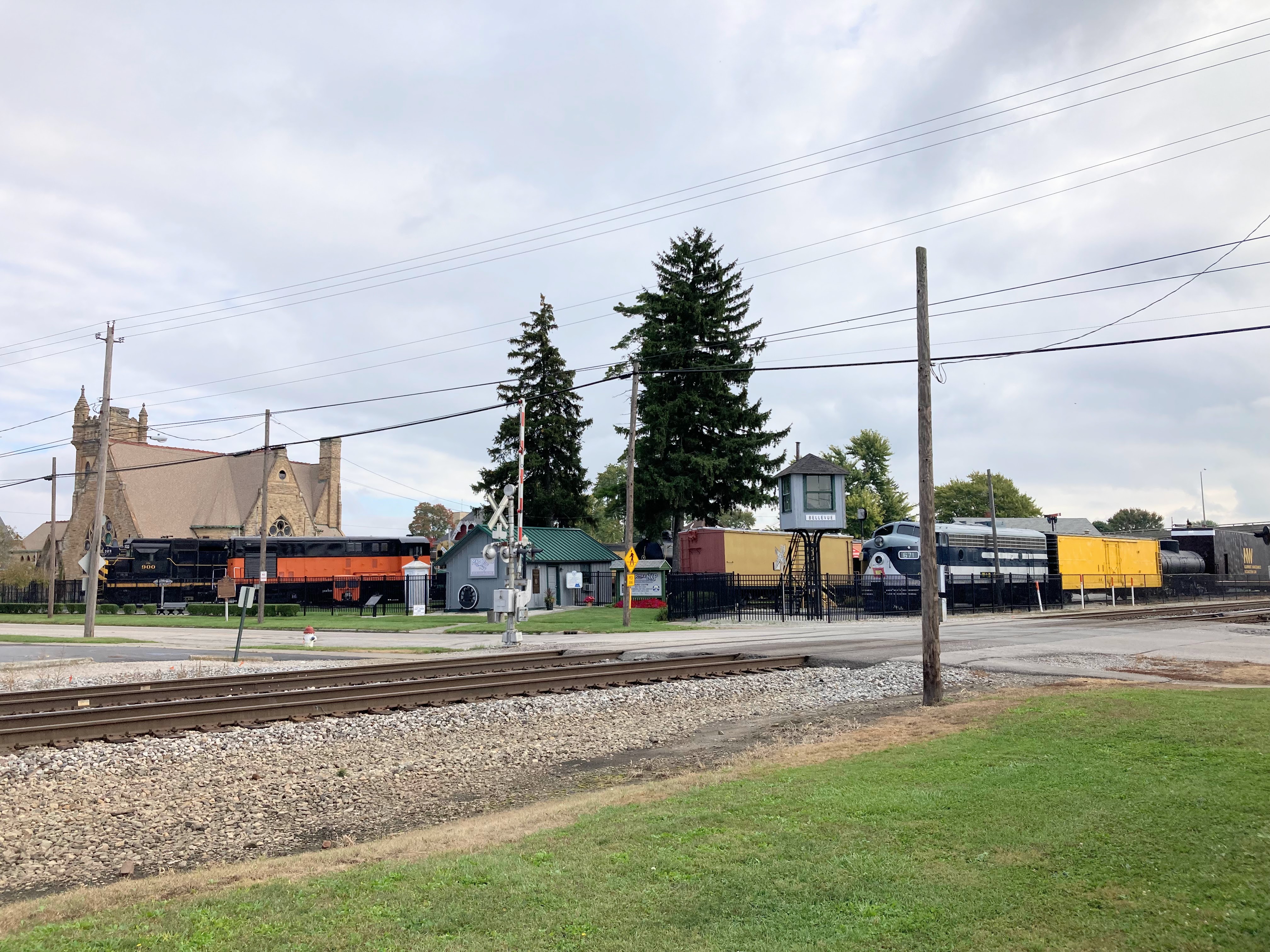
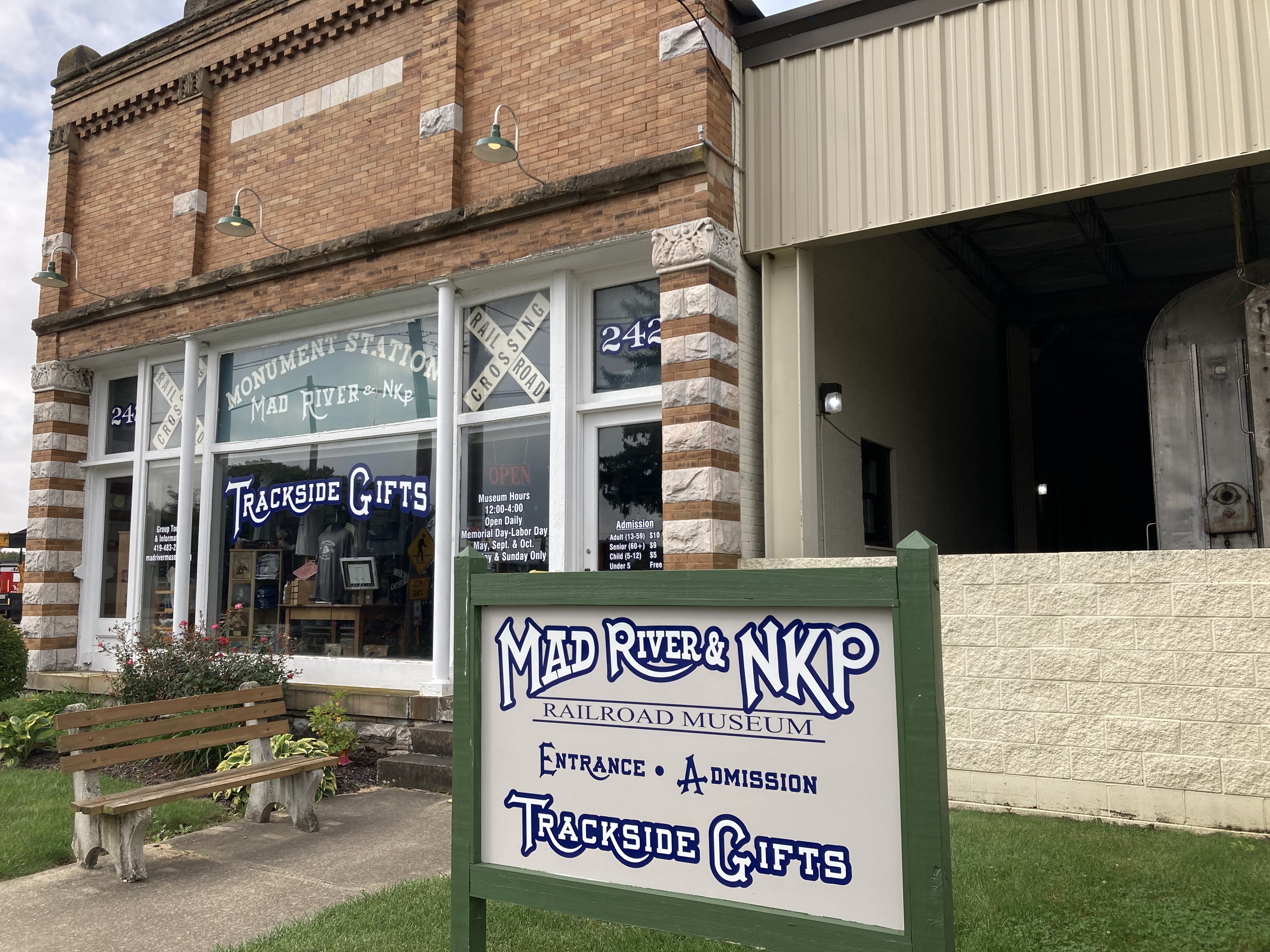
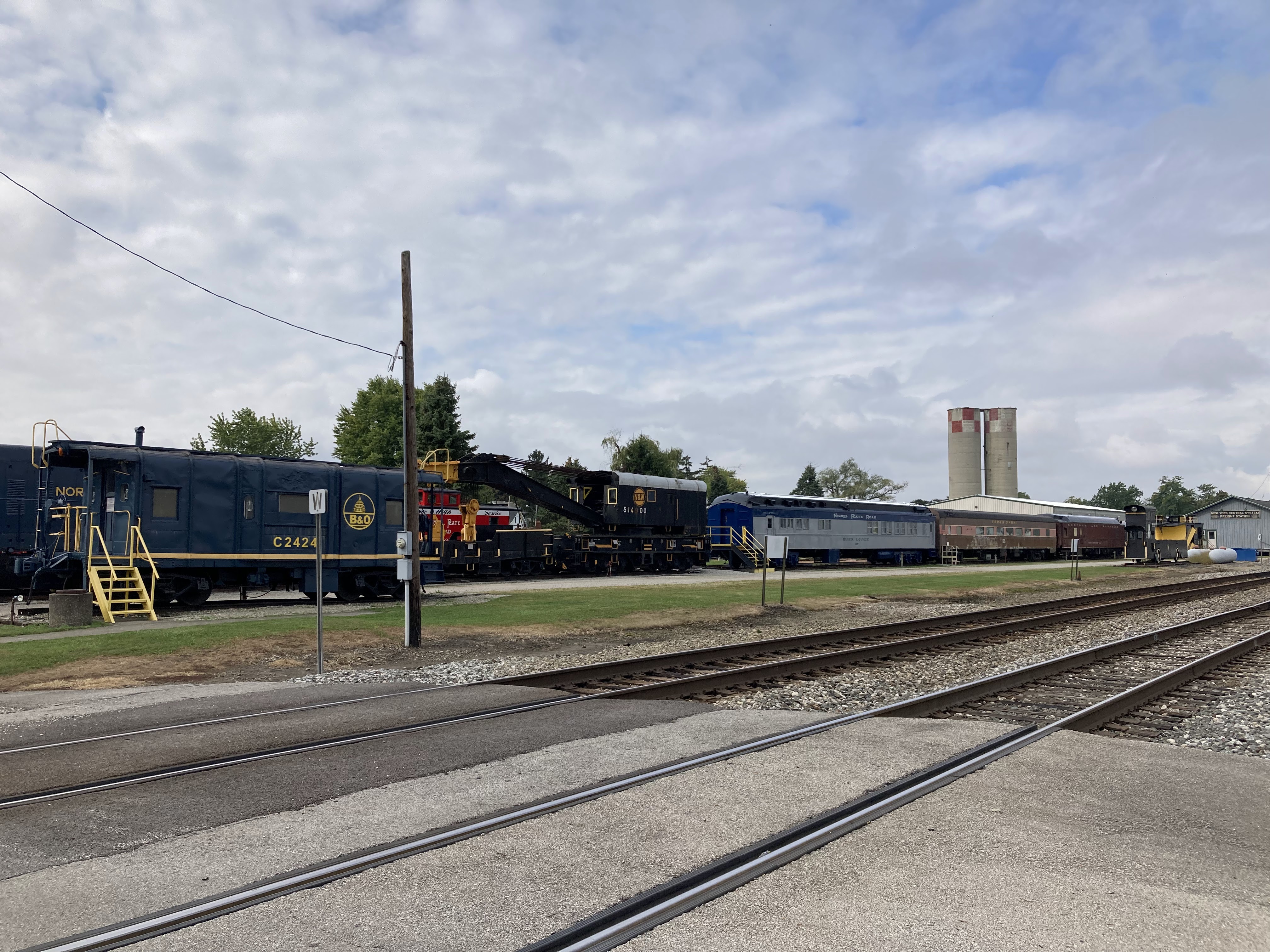
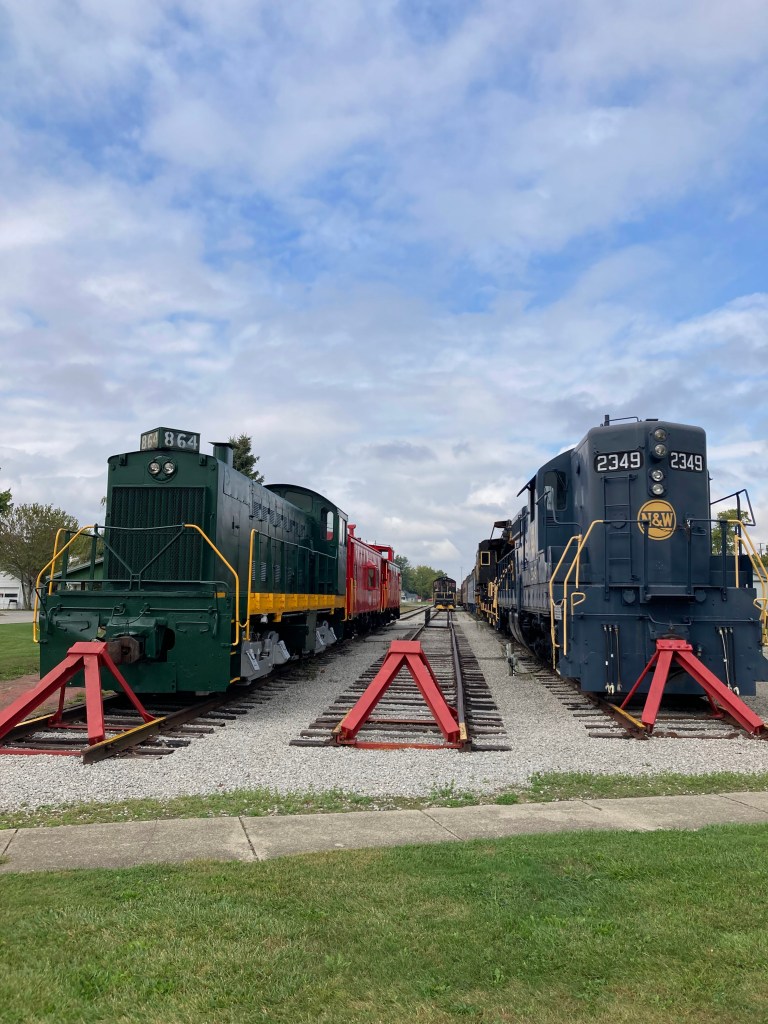
Lamon, Dan, and Henry purchased the Frederick Chapman interest and formed Harkness & Company dealing in the wholesale grain and distillery business. Prior to that, Lamon and Frederick had donated land to bring the Mad River Railroad through Bellevue in 1838 so that the town would grow. Indeed it did as the Toledo, Nowalk & Cleveland Railroad followed in 1852, the Nickel Plate, Wheeling & Lake Erie in 1882, and the Columbus, Sandusky & Hocking in 1891.
With the arrival of the Toledo, Norwalk & Cleveland Railroad, Harkness & Company built a large distillery. The grain was used to make liquor, but large quantities of grain were also shipped to Cleveland. On the receiving end was John D. Rockefeller, a commissioned grain agent, who handled the shipments. From this, a friendship developed between Rockefeller and Henry Flagler. Huge profits for all resulted.
Henry Flagler married Mary Harkness, the daughter of Lamon. They resided with Henry’s parents, Isaac and Elizabeth Flagler, who had moved to Bellevue in 1850 upon Isaac retiring from pastoring a church in Toledo. By 1858, Henry had two daughters (Jennie born in 1855; Carrie born in 1858), a newly built large home (known as the “gingerbread house” due to its fancy trim), and wealth.
Salt had been discovered in abundance in Saginaw, Michigan, and was in demand to preserve food for the troops fighting the Civil War. Henry Flagler saw an opportunity and moved the family there in 1862. Little Carrie, however, had passed away at age 3 having lived her entire short life in the Gingerbread house. Flagler and York Salt Company did not do well. The salt boom ended when the war ended. The fortune accumulated from the grain business was lost, and the Flagler family returned to Bellevue in 1865. Lamon and Dan Harkness paid off Henry’s debts, and Henry returned to dealing in grain.
A year later in 1866, the Flaglers left Bellevue for good (after living there for 17 years less the short time in Saginaw) and moved to Cleveland where Henry became a commissioned grain agent. Reverend Isaac and Elizabeth Flagler remained in Bellevue with Carrie who had been interred at Bellevue Cemetery. As previously mentioned, John D. Rockefeller was living in Cleveland as a commissioned grain agent. Both families became neighbors living in mansions on Euclid Avenue, aka Millionaires’ Row (neither stands today).
John D. switched from grain to oil and joined Samuel Andrews, a chemist and inventor in oil refining methods, in a small refining business. Wanting to expand, he approached Henry Flagler in 1867 about obtaining financing from the Harknesses…and Henry responded by arranging a meeting in Bellevue. While Dan Harkness and Lamon Harkness became investors, Stephen Vandenburg Harkness invested at partnership level with insistence that Henry be made a partner as well. The company Rockefeller, Andrews and Flagler became a reality in a small building in Bellevue. Passed down through the years via word of mouth is the specific location: 101 West Main Street which still stands today. Three years later on January 10, 1870, the name was changed to Standard Oil Company headquartered in Cleveland. Soon it had almost complete control of the oil industry in the United States. Years later, a reporter asked Rockefeller if Standard Oil was the result of his thinking. The response “No sir, I wish I’d the brains to think of it. It was Henry Flagler.”
The Harkness-Flagler families need a bit of sorting out. Stephen was the son of Dr. David Harkness, brother of Dr. Lamon Harkness (there were three other brothers; all came to Ohio from New York state). Stephen’s mother died when he was age 2 and his father then married Elizabeth Caldwell Morrison, a widow. Born to David and Elizabeth was Dan Harkness making Stephen and Dan half-brothers. When David died, Elizabeth married a third time…to Reverend Isaac Flagler. Born to them was Henry making him a half-brother to Dan. Henry and Dan were also brothers-in-law as Henry was married to Lamon’s daughter Mary, and Dan was married to Lamon’s other daughter Isabella (Dan’s 1st cousin). Stephen and Henry were thus not related, but very close just the same.
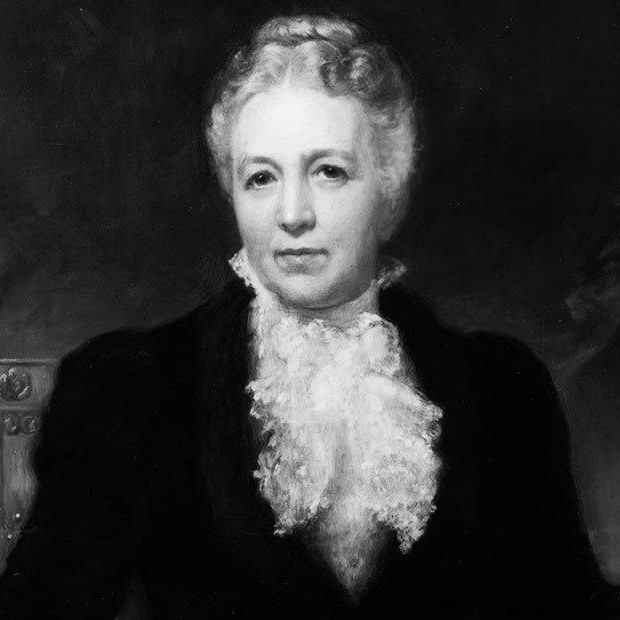
Dan encouraged Stephen to come to Ohio in 1839 and work for Uncle Lamon just as Dan encouraged Henry to make the move in 1844. Stephen married, his wife passed away (interred at Bellevue Cemetery), and he moved to nearby Monroeville in 1858. There, he dealt in livestock, but made his fortune in a distillery business that produced wine and liquor. By 1866, he had sold his business, moved to Cleveland, and went into real estate. Stephen was a financer of the Cleveland Arcade which was one of the first enclosed shopping malls in the United States. Built in 1890, it’s a restored gem today. His second wife Anna, one of the wealthiest women in the world, and son Edward gave over $3 billion to various causes and organizations.
Standard Oil began shifting its headquarters to New York City. Henry and Mary Flagler moved there in 1877; the company completed its move there in 1885. Mary’s health declined and her physician recommended a warmer climate in the winter months. Florida was the choice, but by 1881 Mary succumbed to her illness and was buried in Manhattan. Henry, who remarried, saw opportunity in the wild uninhabited east coast of Florida and switched focus from oil to opening the area to development and recreation.
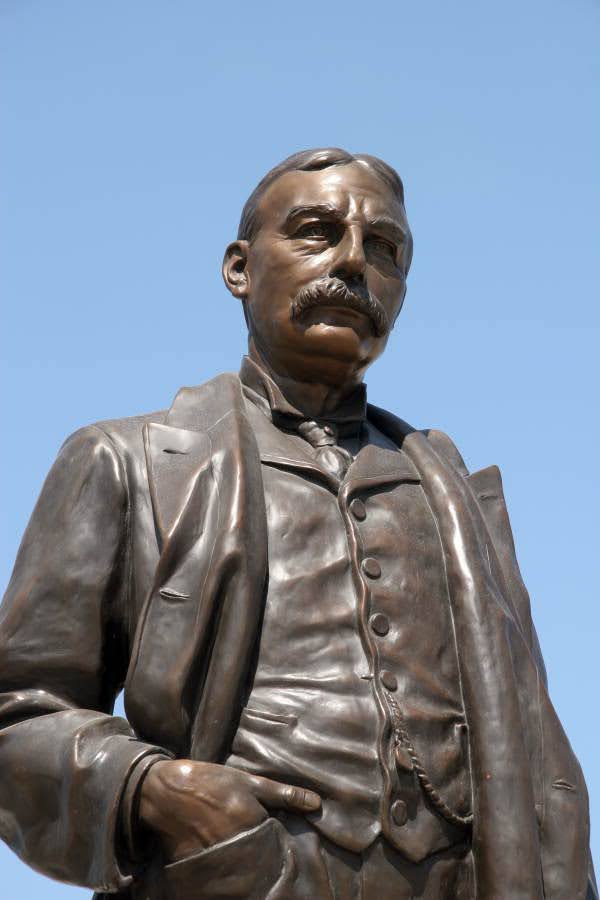
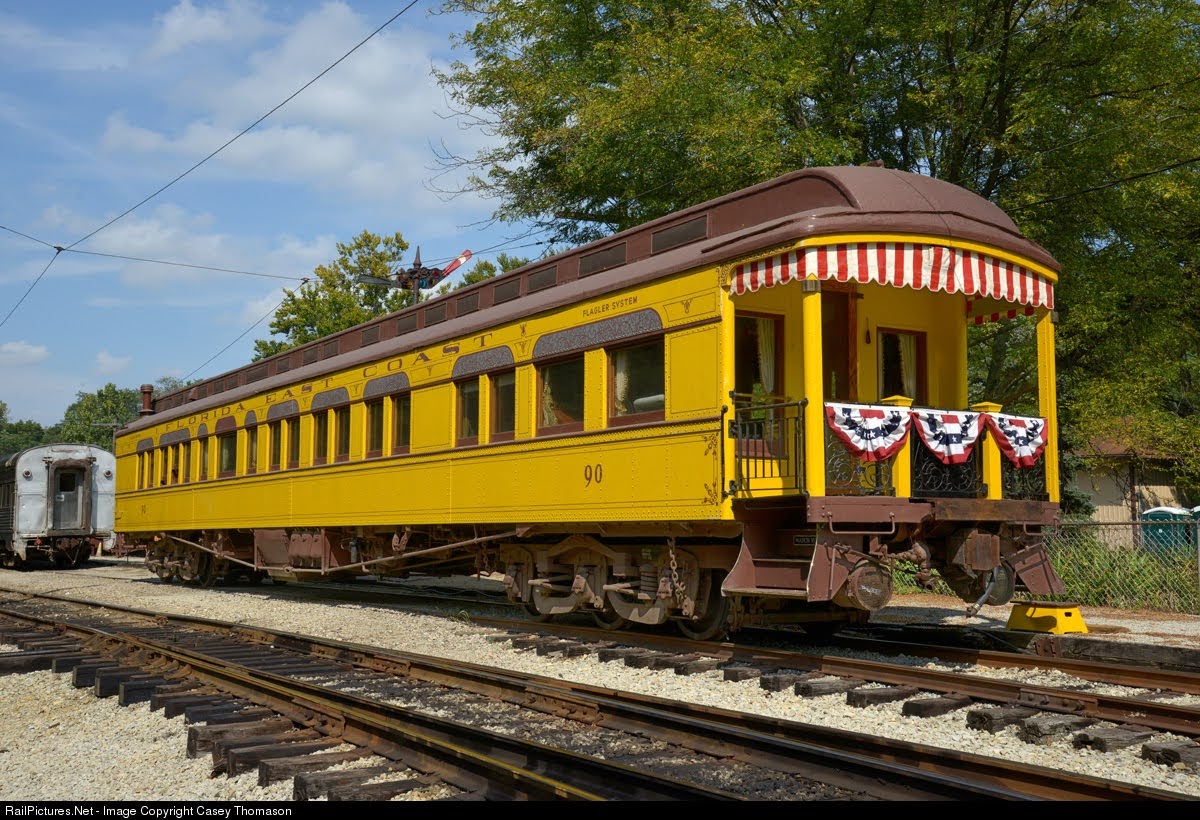
Flagler gradually built the Florida East Coast Railroad down the entire length of the state, all with his own money. The islands of Key West had been inaccessible by land. The railroad was constructed over 150 miles of open ocean to connect them. Flagler built a string of resort hotels, and the cities of Palm Beach and Miami were founded when the railroad reached those areas. Publicly modest, he declined having the latter city named Flagler, Florida. The impact of all this was summed up by a magazine writer quoted in Bellevue historian Bill Oddo’s Stories of Old Bellevue: “for four months of the year, practically two-thirds of the country’s population has shivered with cold throughout our inhospitable northern latitudes, finding relief therefrom only by fleeing to southern Europe or the Pacific coast. Now they are seeking Florida resorts instead and spending their money at home.”
Oddo also quoted this from the Baltimore Evening Sun: “Mr. Flagler was a very rich man when he began his work in Florida. He could have been the richest man in the world if he cared to confine his work to money-making, but he had preferred to carry out his scheme of operation in Florida in which his energy and money has been centered to so large an extent because he believed in this way he could do more good for humanity than in anything else he could undertake, as he was opening up limitless opportunities for profitable work to thousands of people settling along the whole East Coast, as well as furnishing resting places and playgrounds for thousands who annually flock to that section in search of health and pleasure. There is no reason to doubt this is truth. Mr. Flagler was one of the most useful men of his generation.”
Herny Morrison Flagler died at age 83 from injuries suffered in a fall at his Florida home in 1913. His last visit to Bellevue was October 29, 1903, at age 73. He arrived by train with his nephew, William L. “Will” Harkness, son of Dan who died in 1896. (Will’s wife Edith would later help finance the founding of Time magazine.) Per Bill Oddo’s Stories of Old Bellevue, the local newspaper reported: “Mr. Flagler and Mr. Harkness took a carriage and visited the graves of their respective parents who are buried in the Bellevue Cemetery. They then took a ride around town and Henry greeted old time citizens as cordially as he did when he was a poor country merchant some forty years ago.”
Did Henry Flagler ever return to Bellevue between the moves to Cleveland/then New York/then Florida? By age 66, he had lost those family members closest to him: his mother in 1861, Julia Harkness in 1870, his father in 1876, Lamon Harkness in 1880, Dan Harkness in 1896, and Stephen Harkness had moved to Monroeville very early in his career. He likely was in town at the time each of his parents died and were interred at Bellevue Cemetery. He may have been in town for the funerals of Julia, Lamon and Dan…and their interment at Bellevue Cemetery. One historical source said he and Dan were very close to their Uncle Lamon and were often at his house. But the 1903 trip to Bellevue at age 73, one in widespread public view, had a sad side to it that would have included reflection at young Carrie’s headstone.
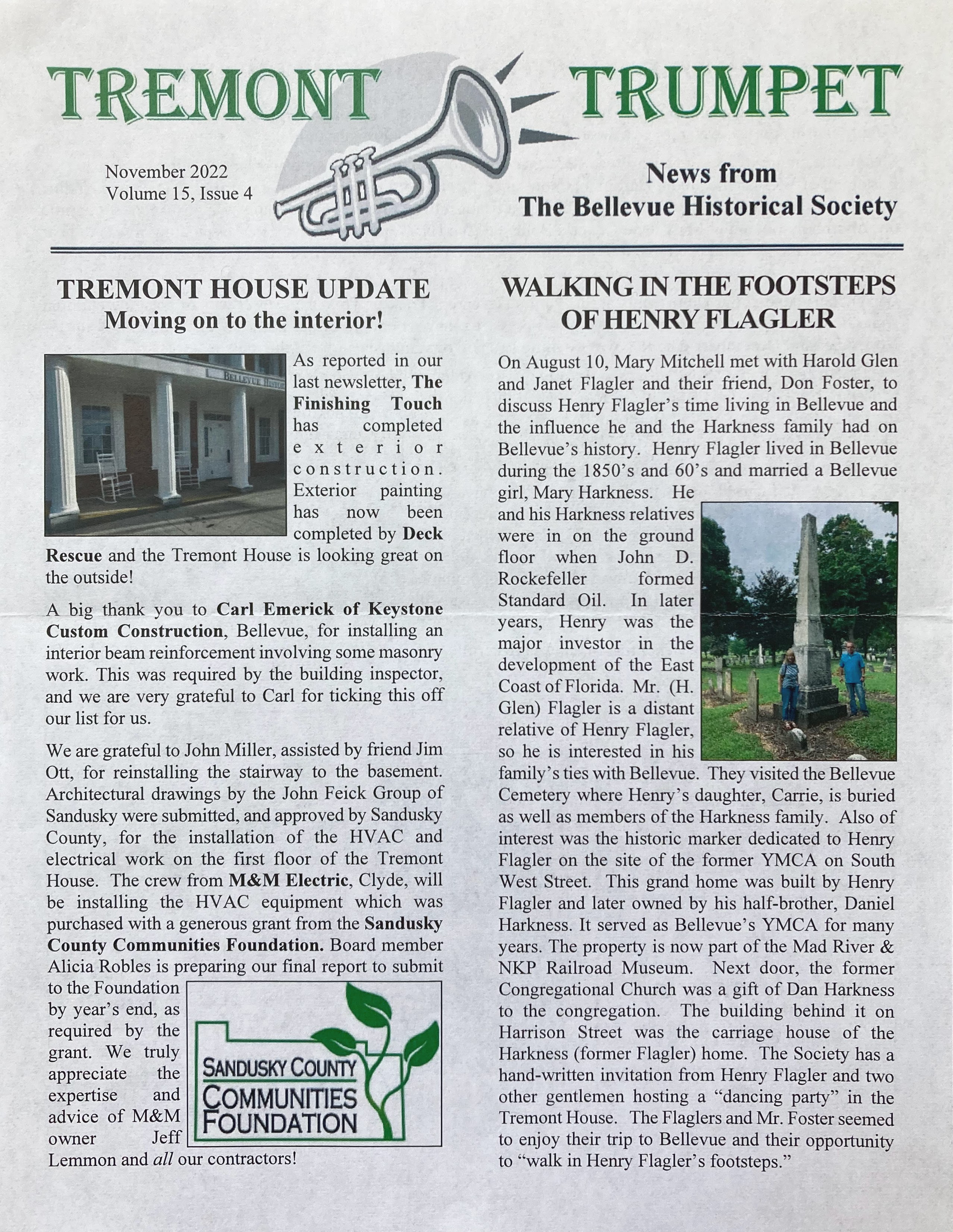
My neighbor Harold Flagler (a descendant), his wife Janet and I made a trip to Bellevue to walk in the footsteps of Henry Flagler and to experience the town’s Flagler/Harkness trail. Mary Mitchell of the Bellevue Historical Society met with us and was kind enough to publish an article about our visit in the BHS newsletter, Tremont Trumpet.
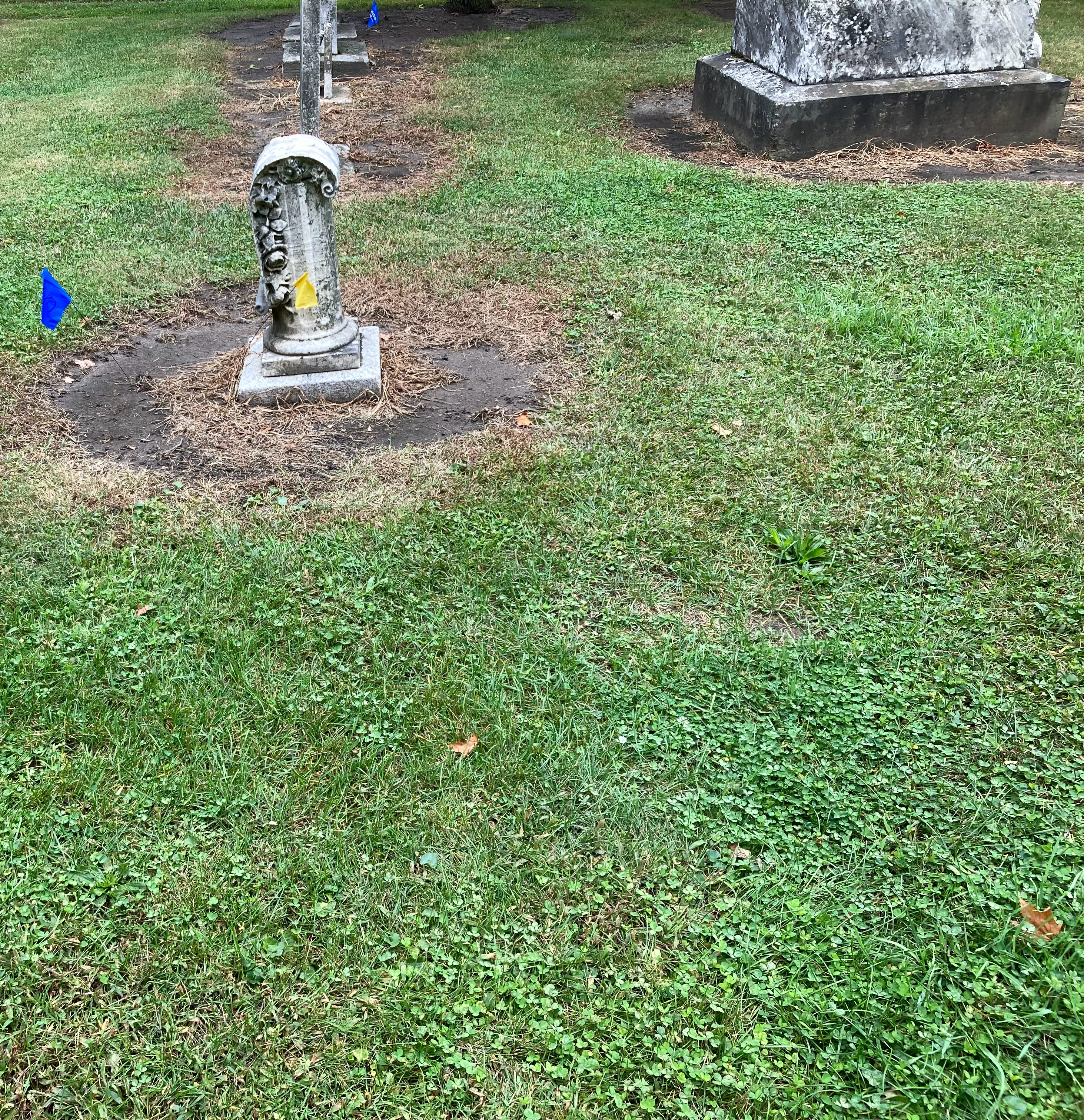
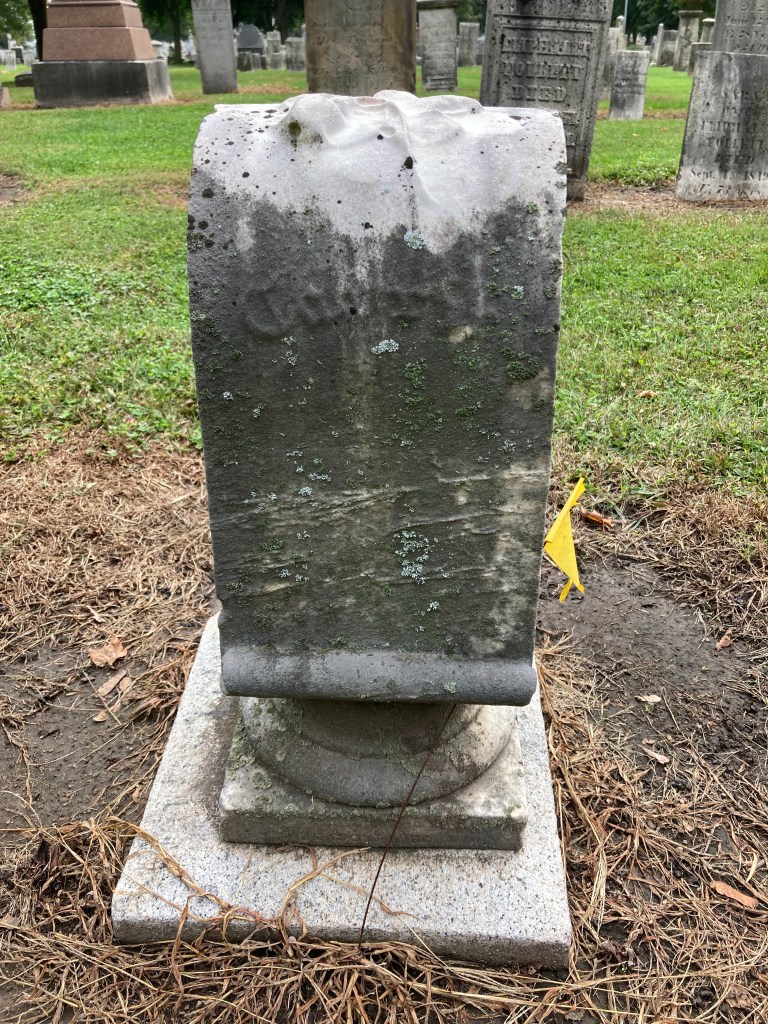
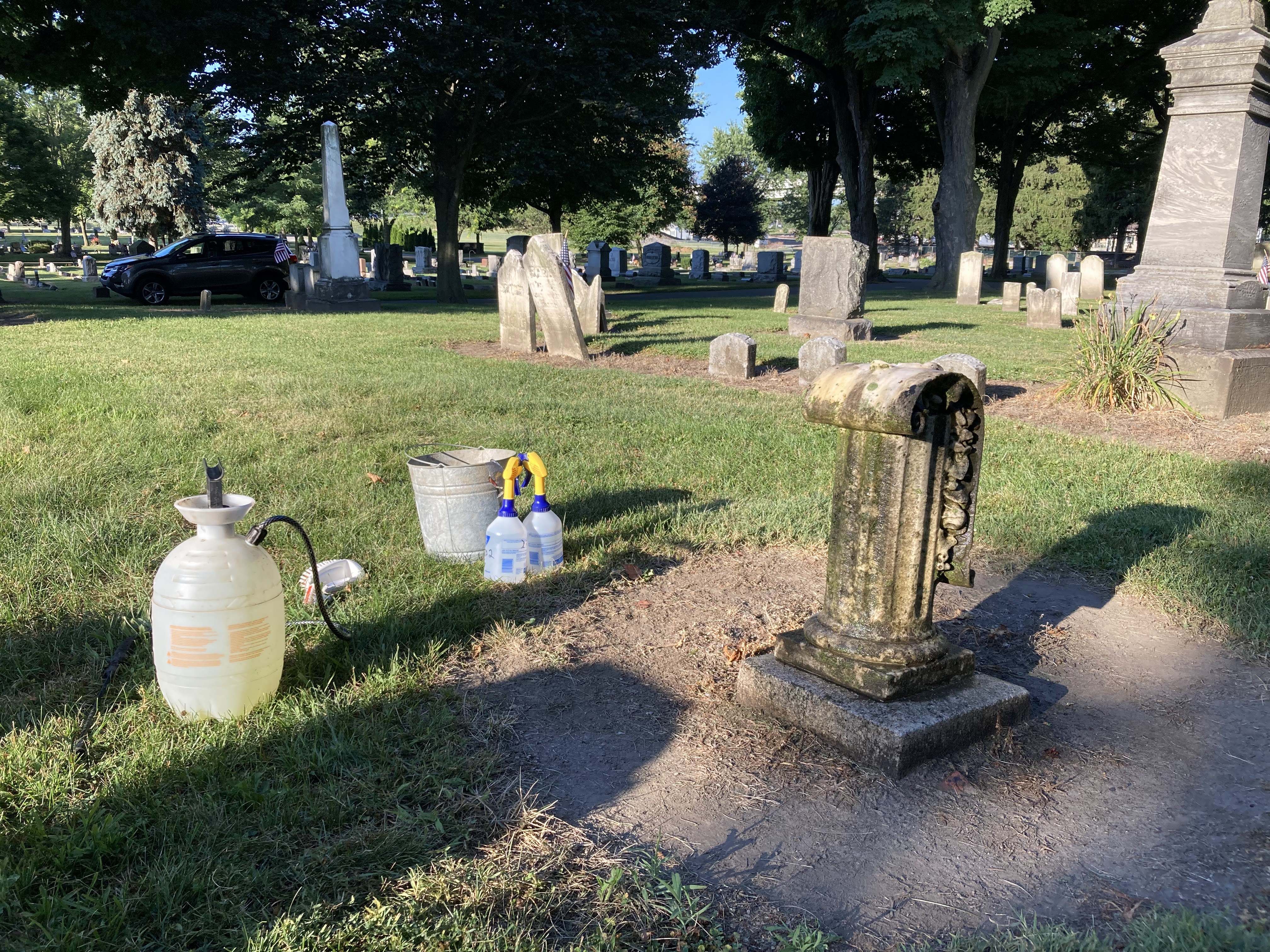
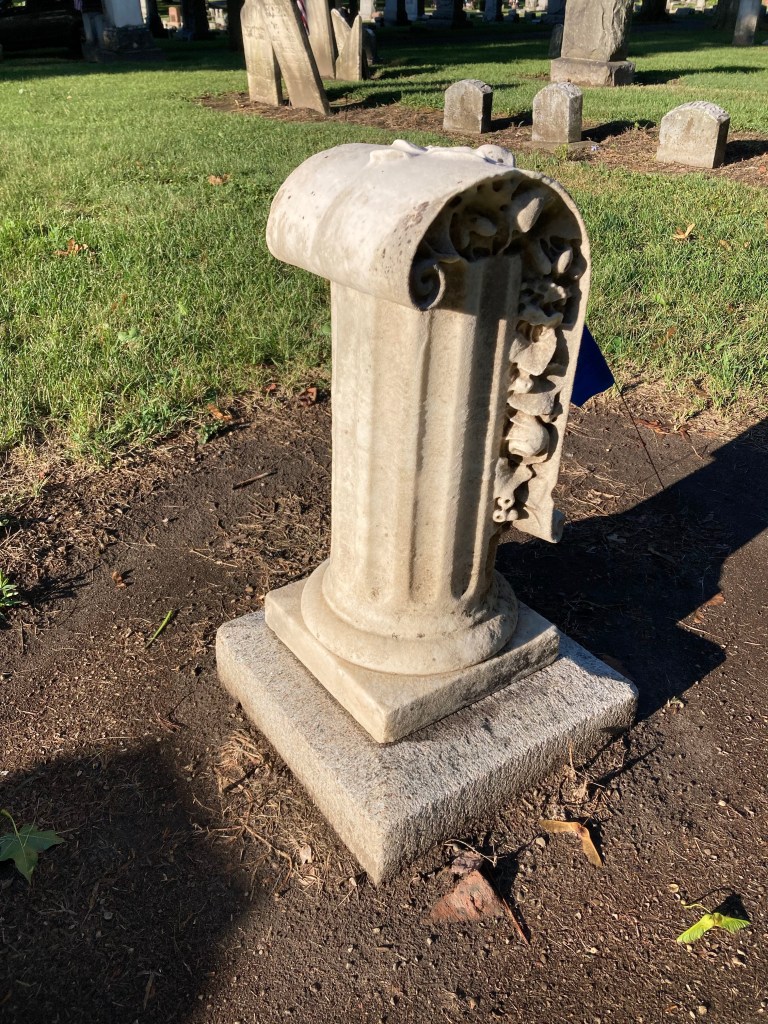
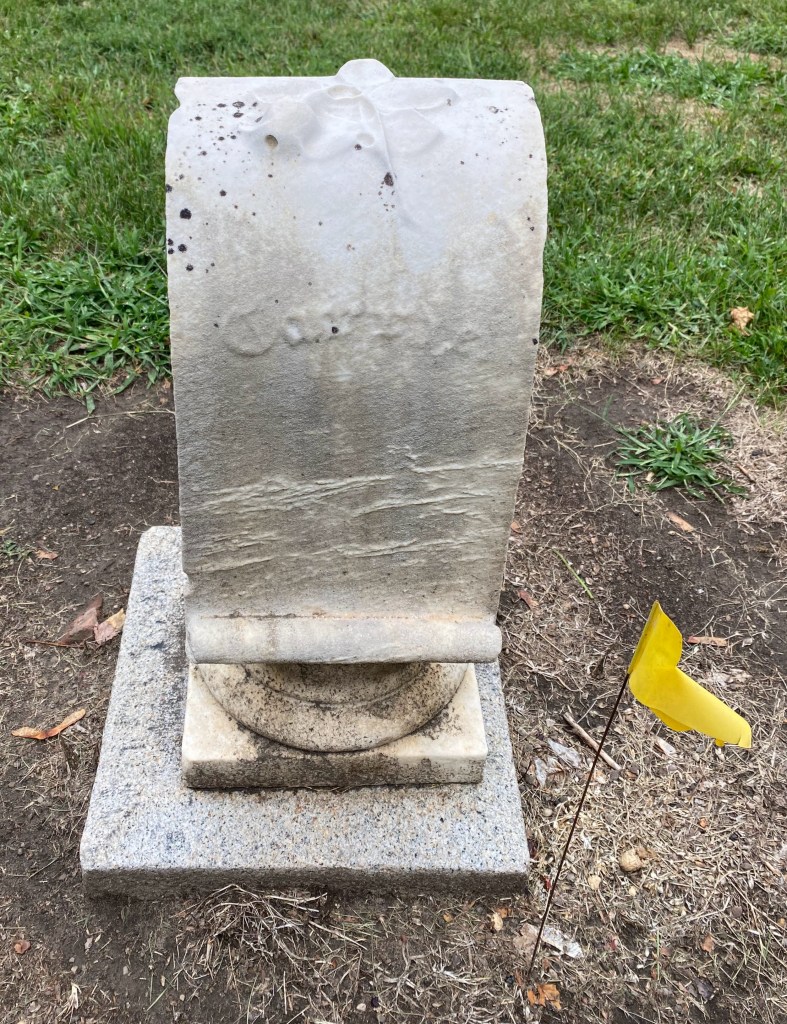
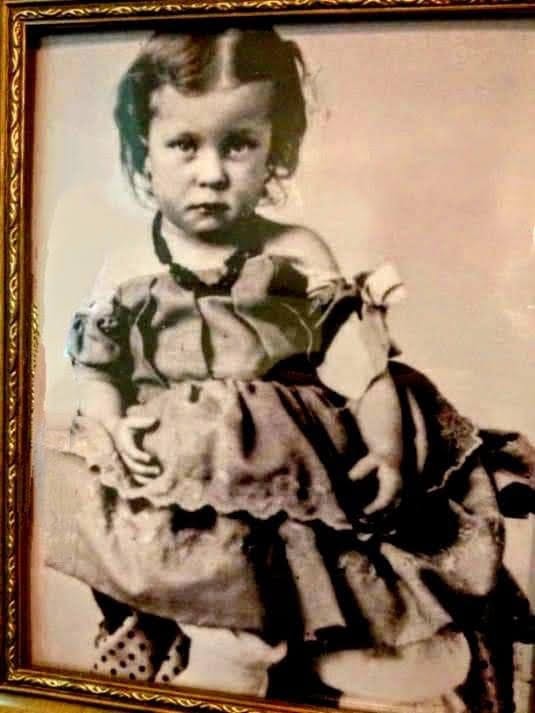
The main motivator of the trip was to visit the gravesite of Carrie Harkness Flagler, second-born child of Henry and Mary Flagler, who died in 1861 as previously mentioned. Jennie Louise Flagler Benedict, the first-born, died in 1889 of complications from giving birth to a daughter who lived only few hours. Henry built Memorial Presbyterian Church/Flagler Mausoleum in St. Augustine in her memory. Jennie, the baby and Mary were entombed there (Henry would follow in 1913). Why was Carrie left behind in Ohio? She lived her 3 short years in Bellevue and was buried in the same plot as both her maternal and paternal grandparents (although that arrangement would change in 1976). It’s highly likely her father thought this is where Carrie belongs. The Bellevue trail, from start to finish, is pictured below.
I would like to thank the following individuals for their assistance in contributing to this blog: Jolene DuBray, Flagler College; Harold and Janet Flagler, Westerville; Kayleigh Howald, Flagler Museum; Mary Mitchell, Bellevue Historical Society; Bob Sutherland, Bellevue Cemetery; Rebecca Yingling, Columbus.
Published November 2023 – donfoster73@gmail.com


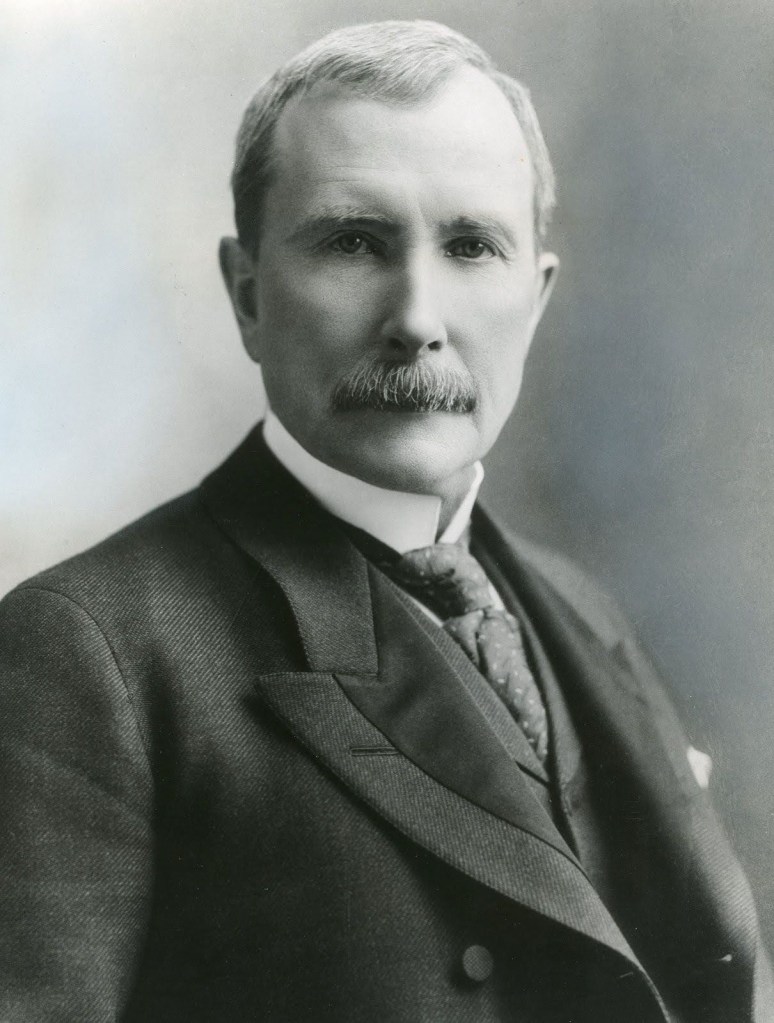
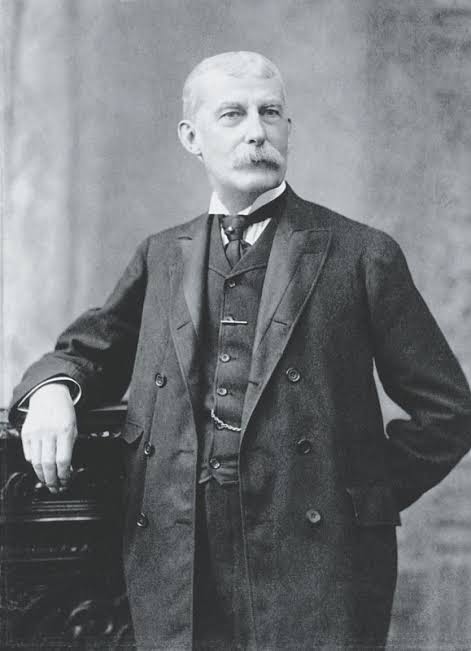


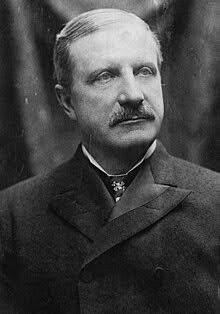
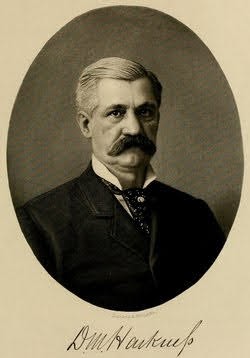
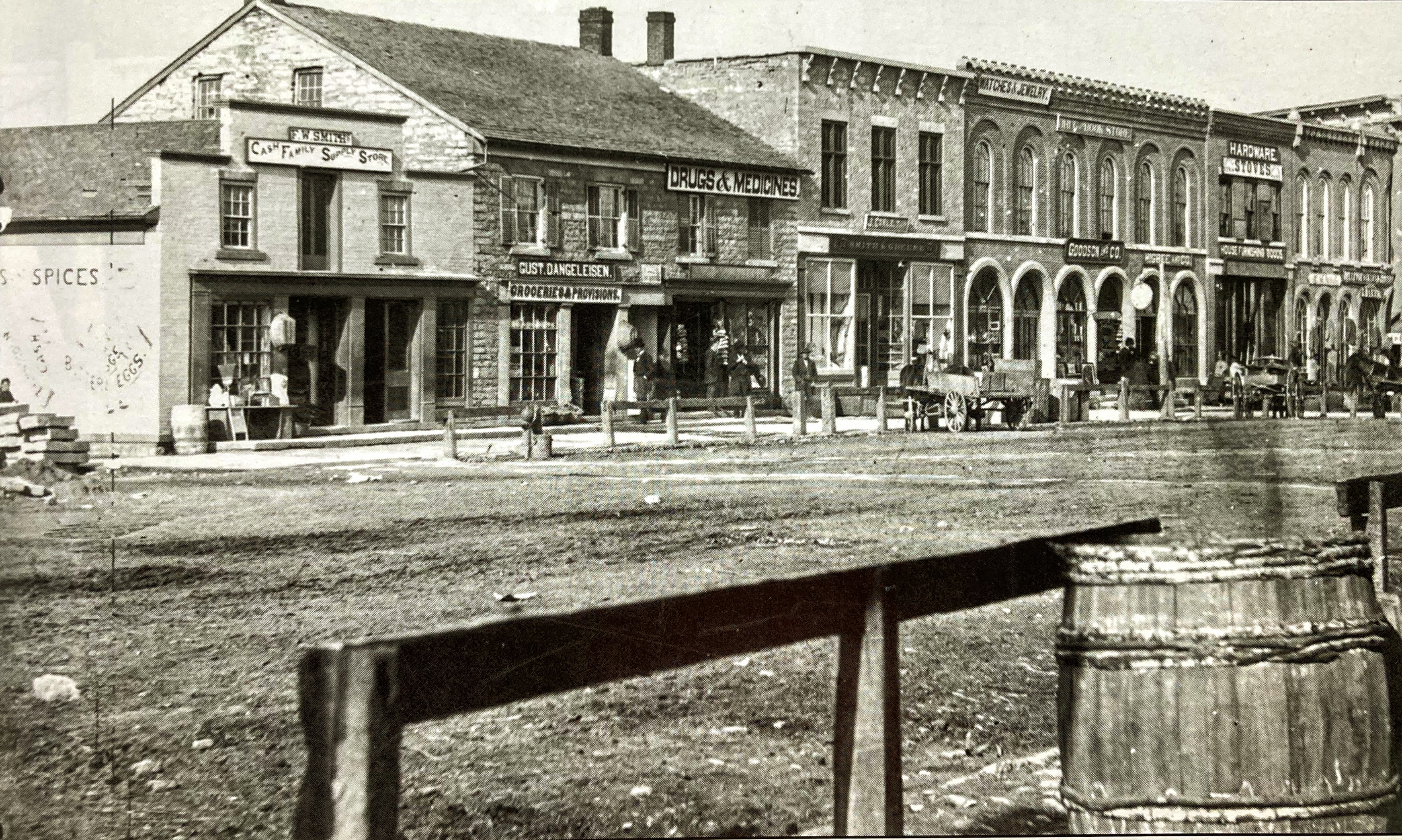


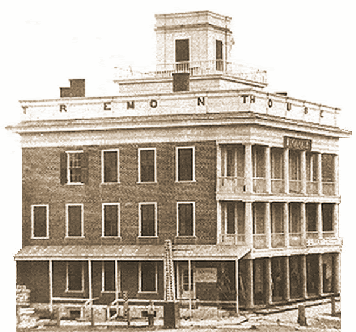

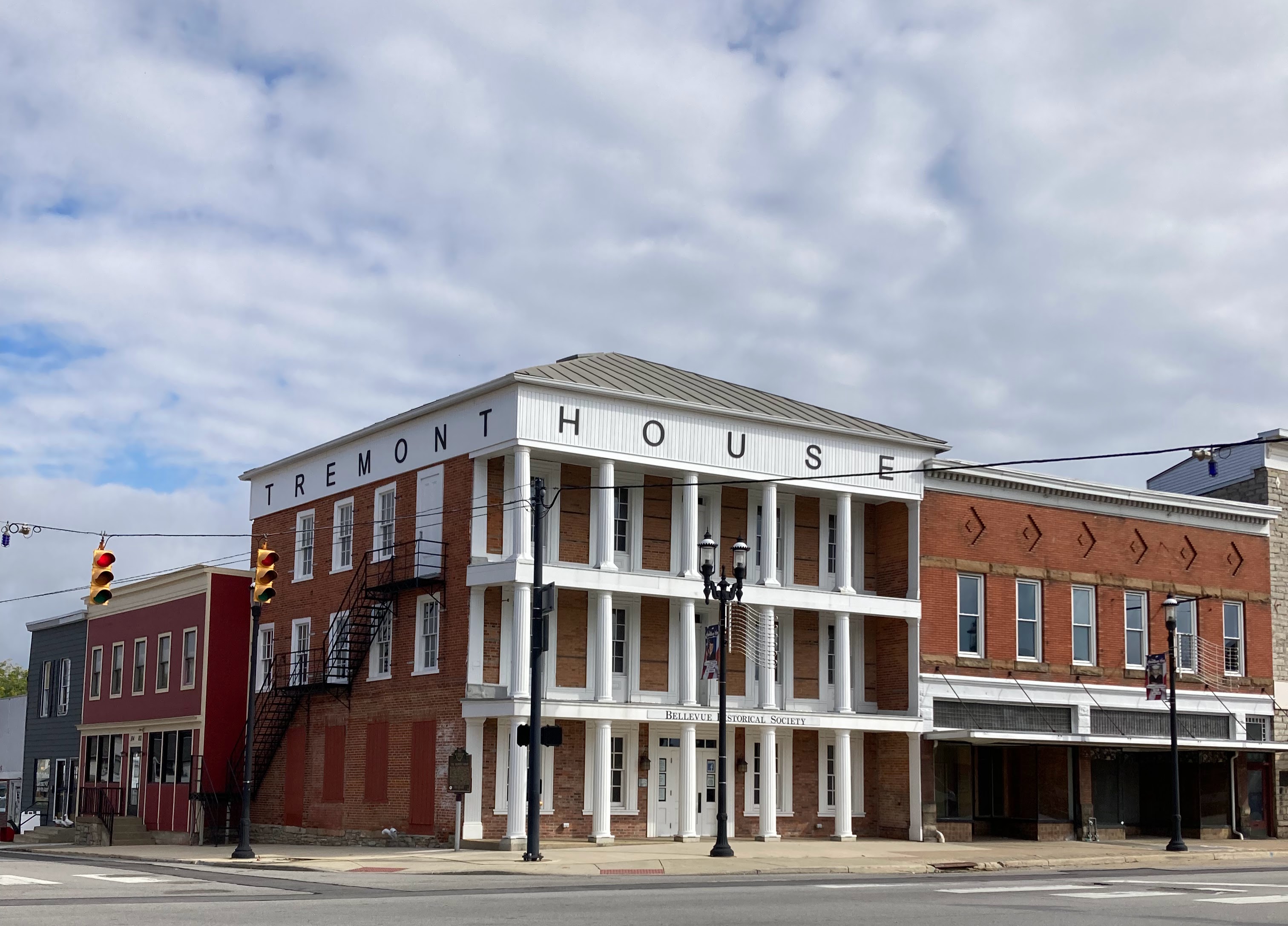


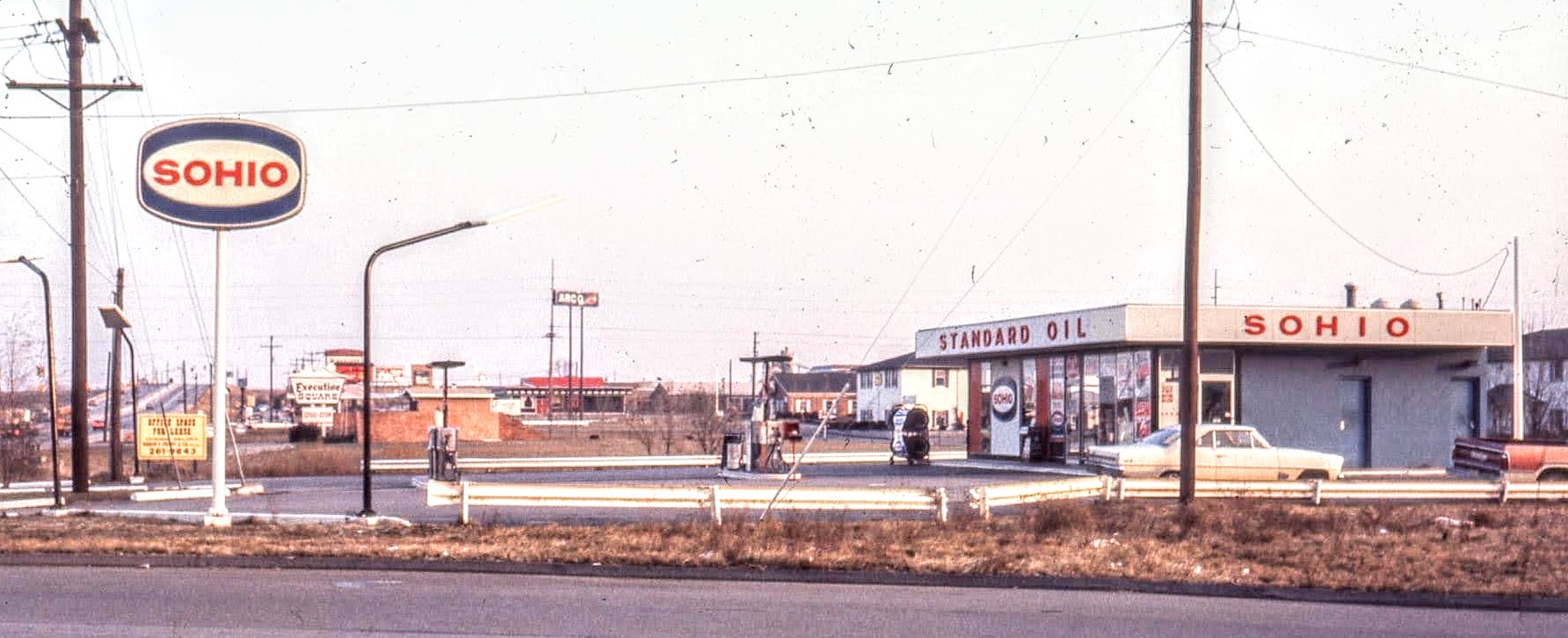
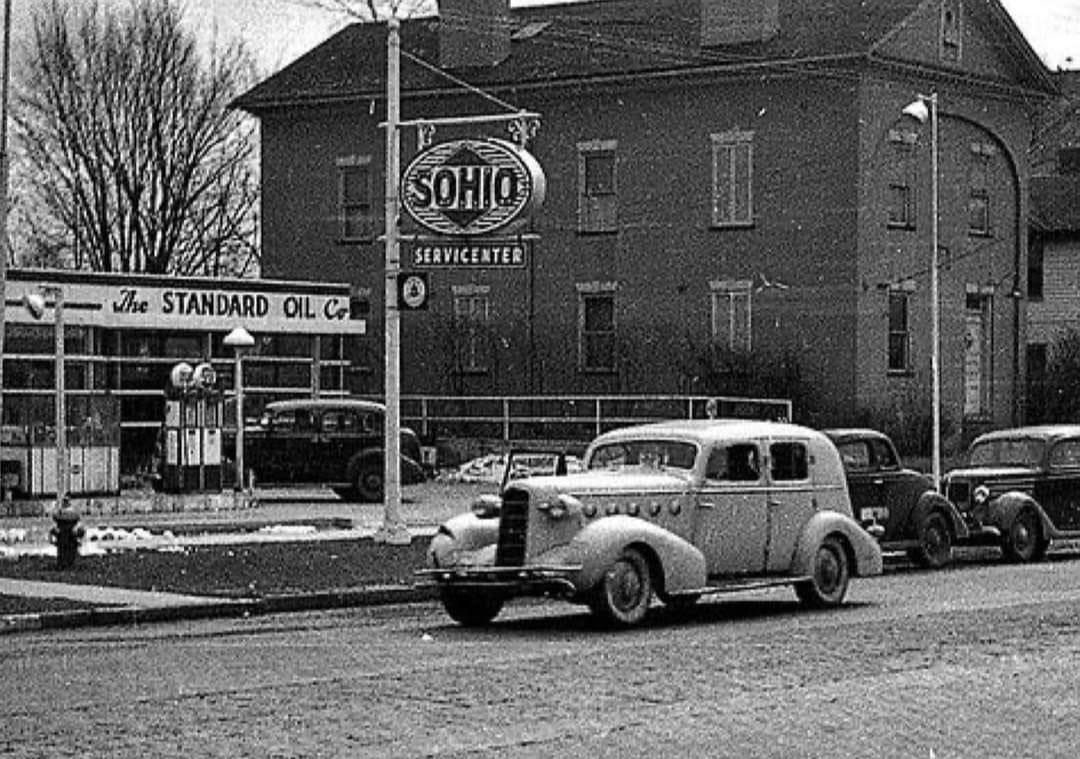


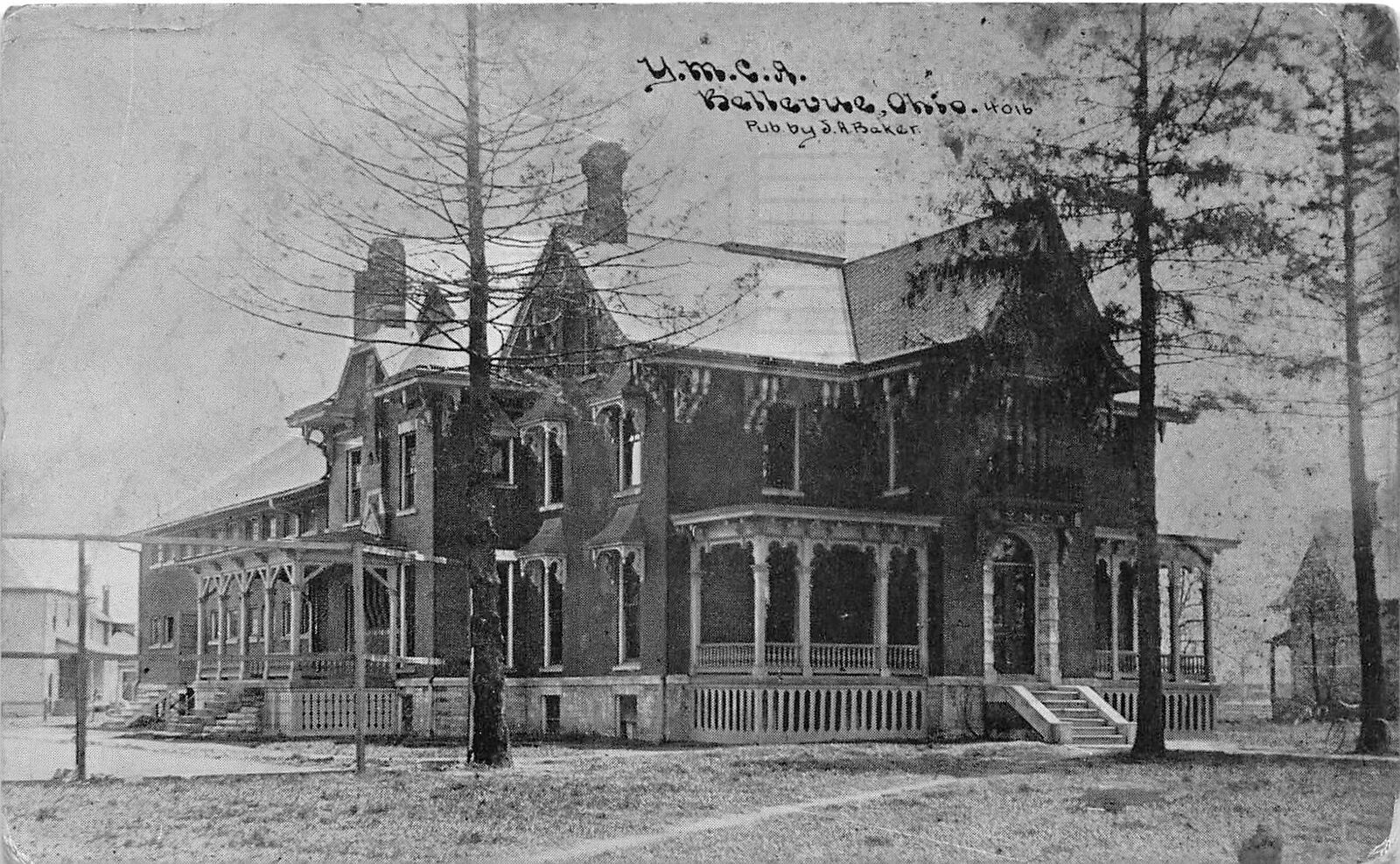
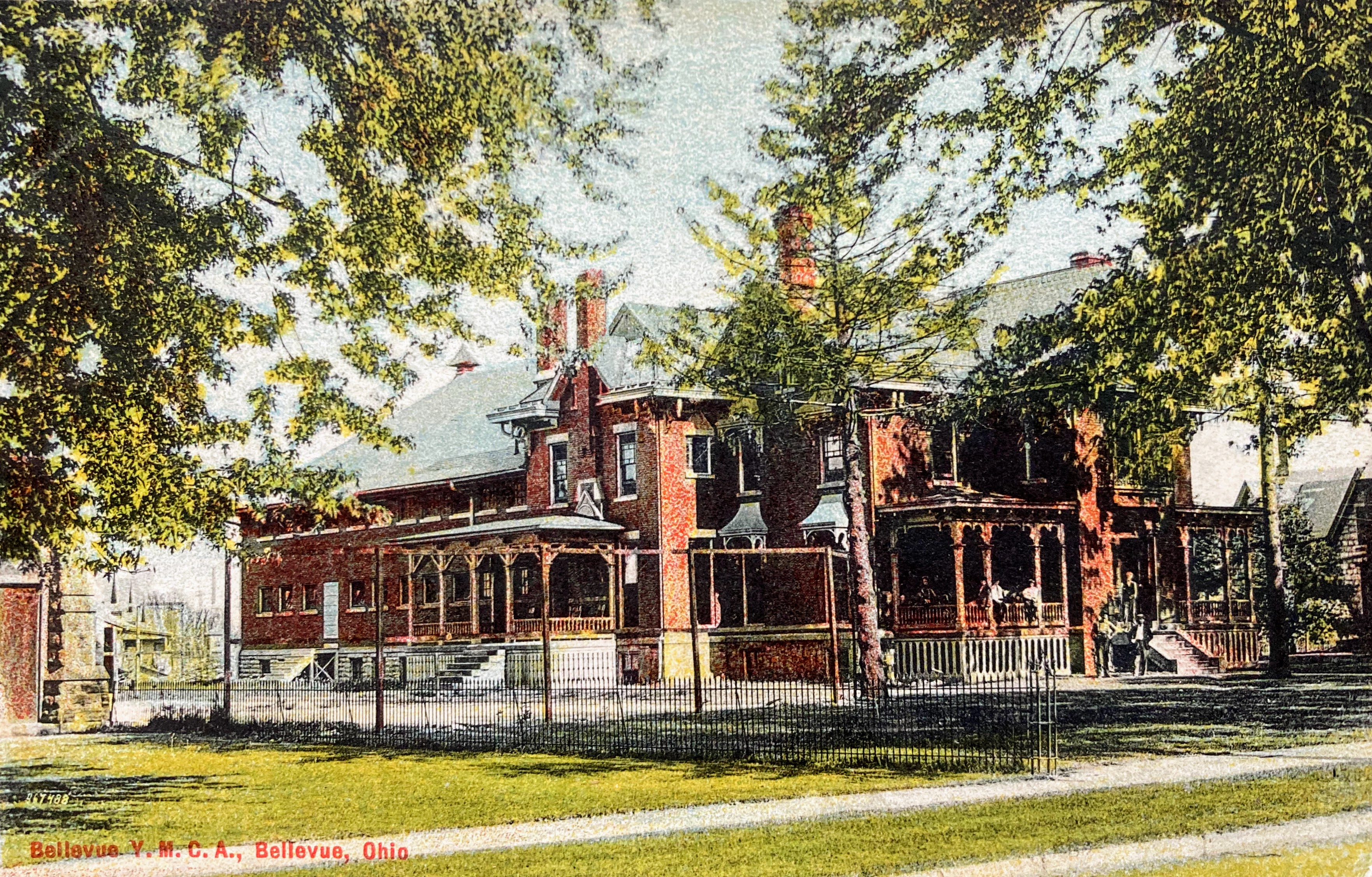

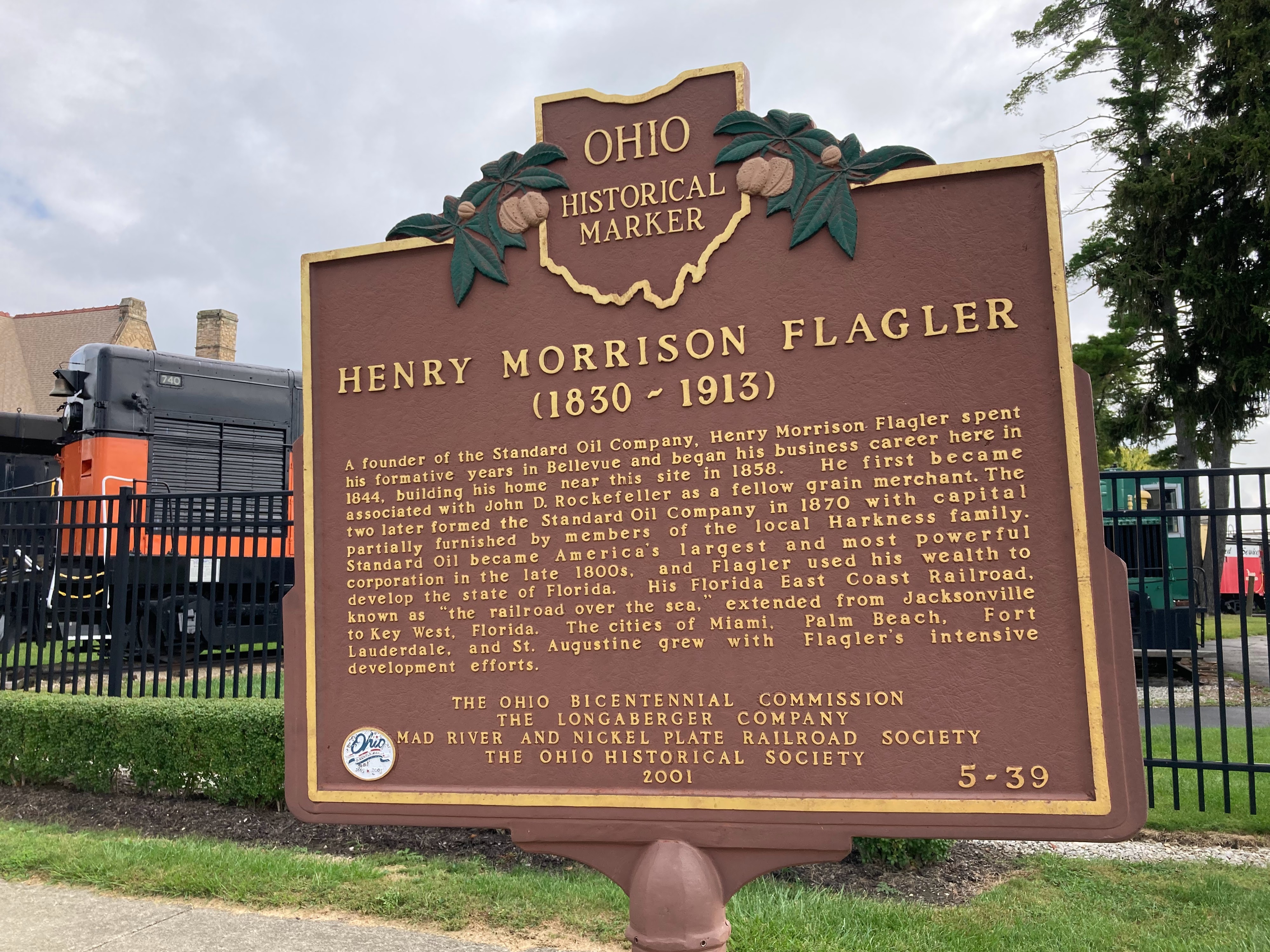


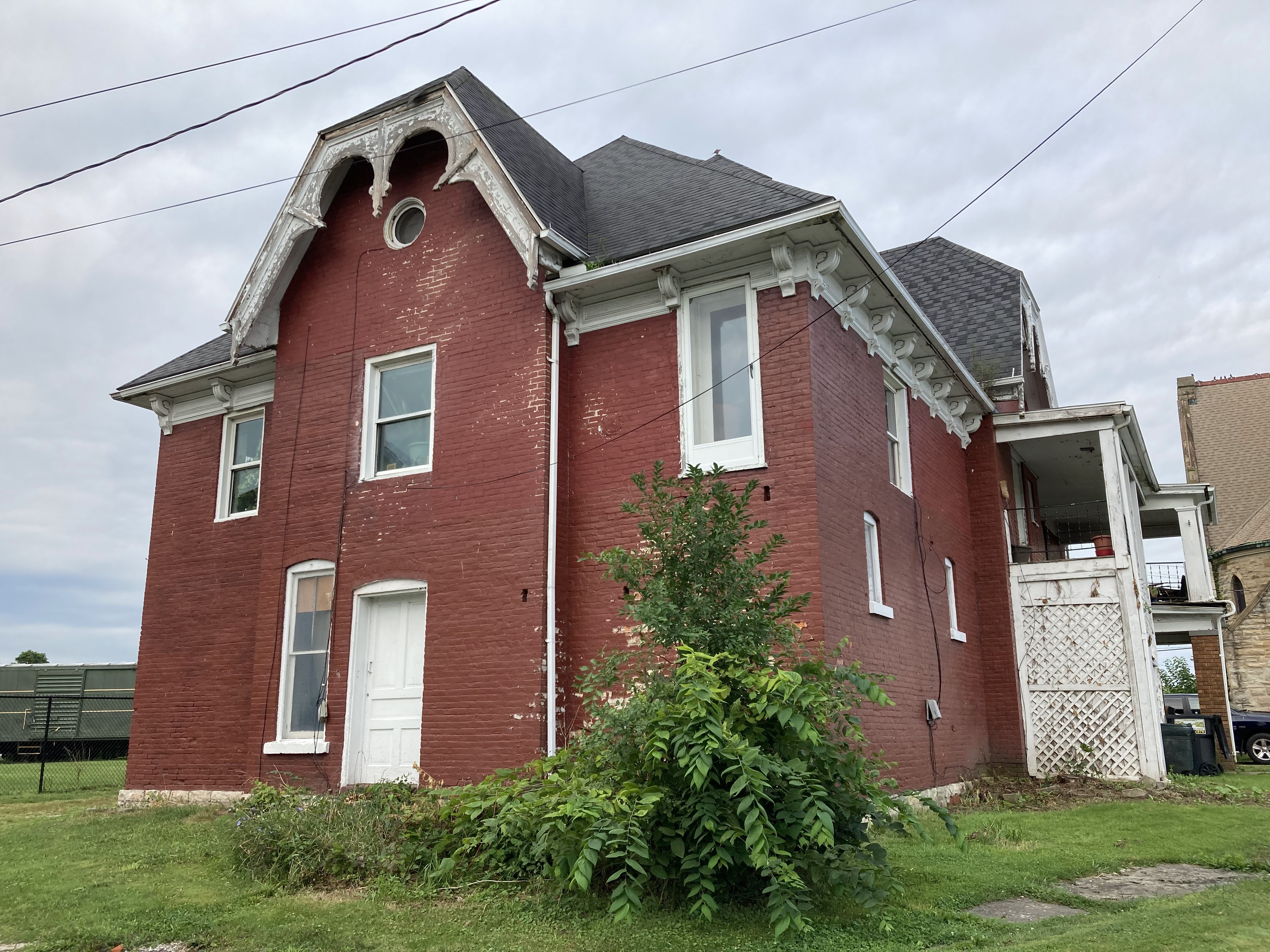
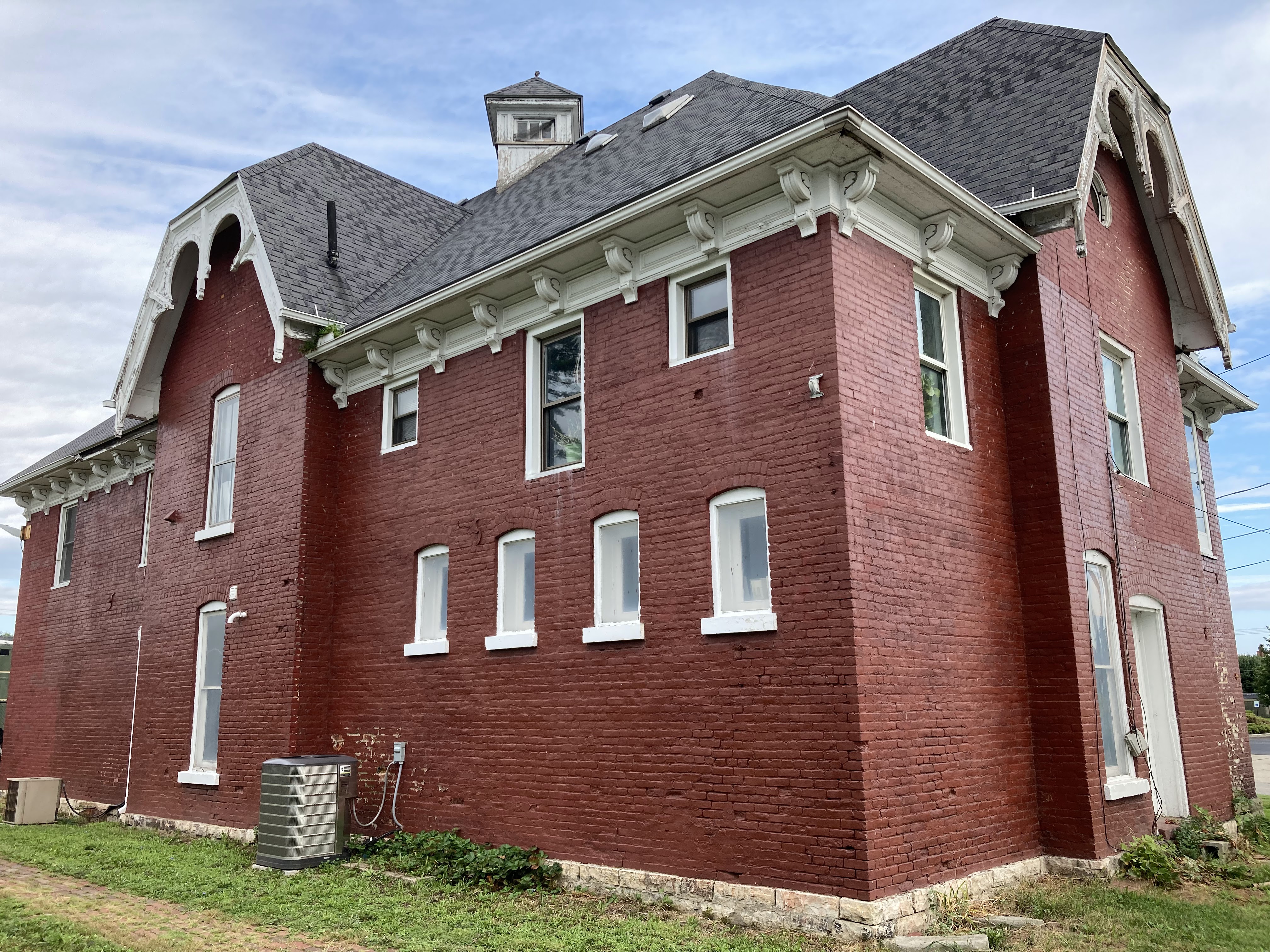


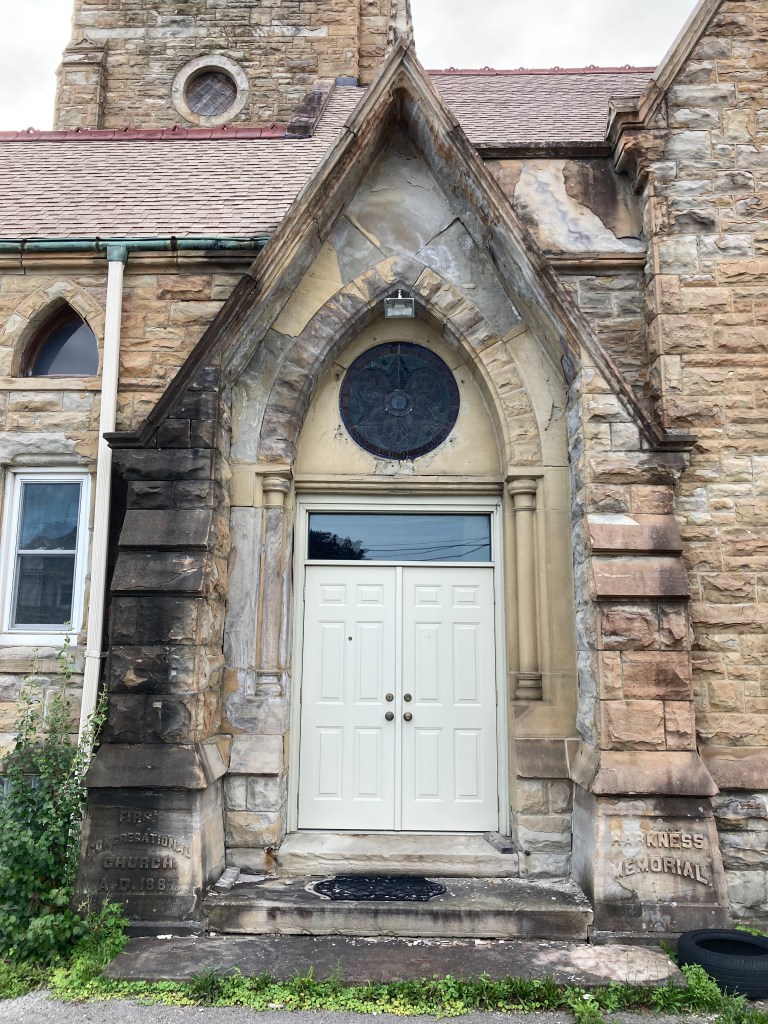
Photo credit: Bellevue Historical Society.









Philanthropy of Anna Richardson Harkness (widow of Stephen) and son Edward.

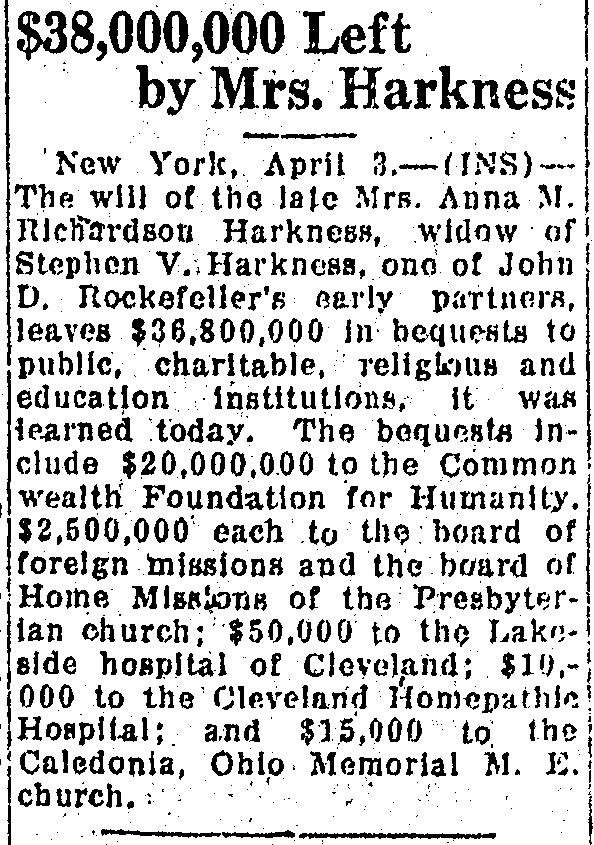
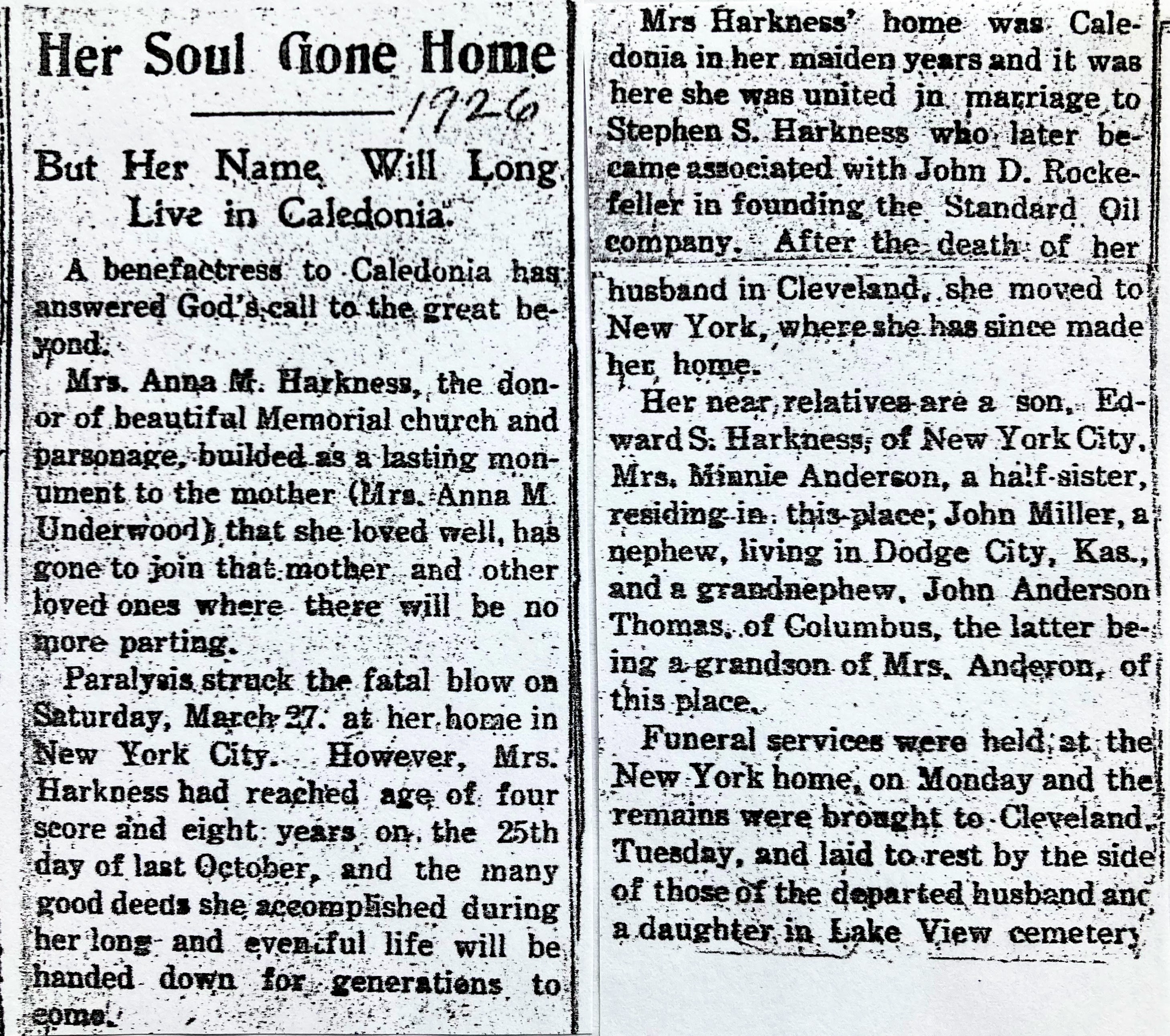
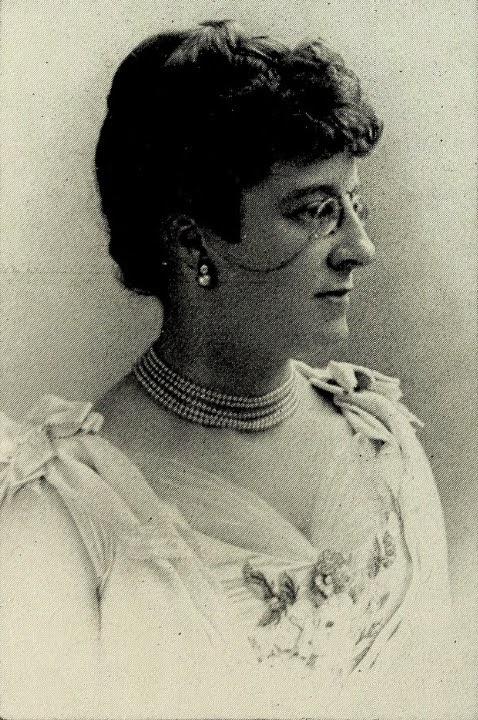
Photo credit left: Find-a-Grave. Photo credit right: Steubenville Herald-Star 4/3/1926.




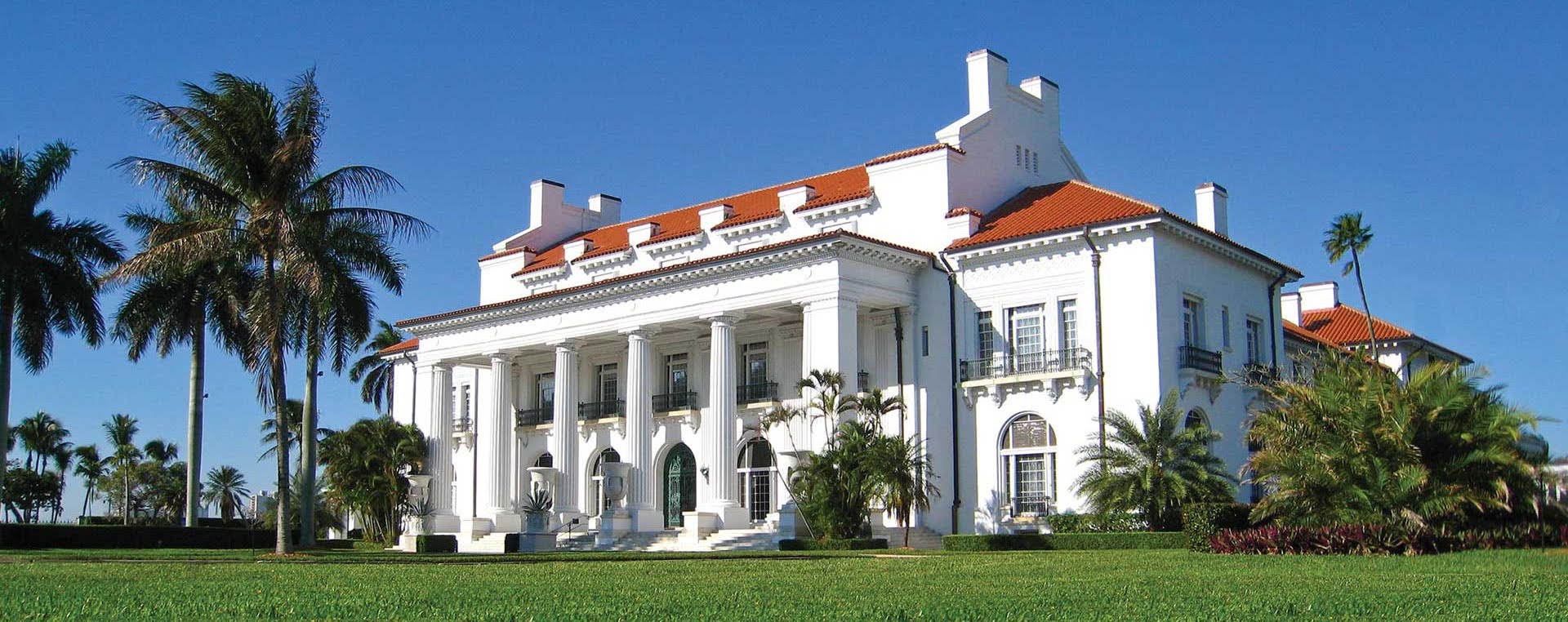
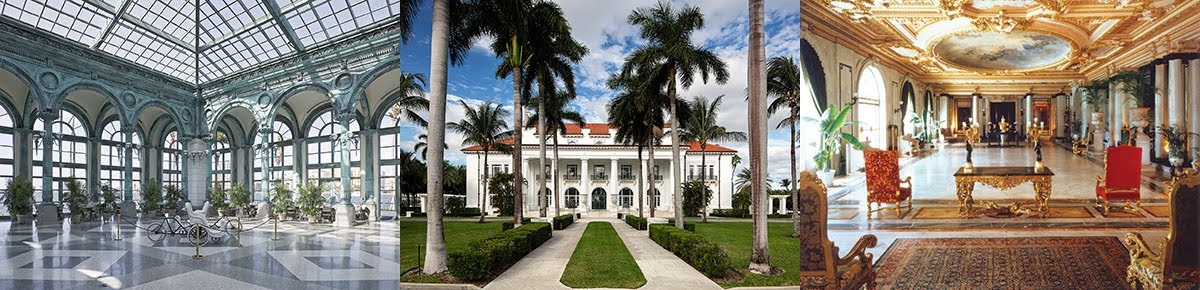
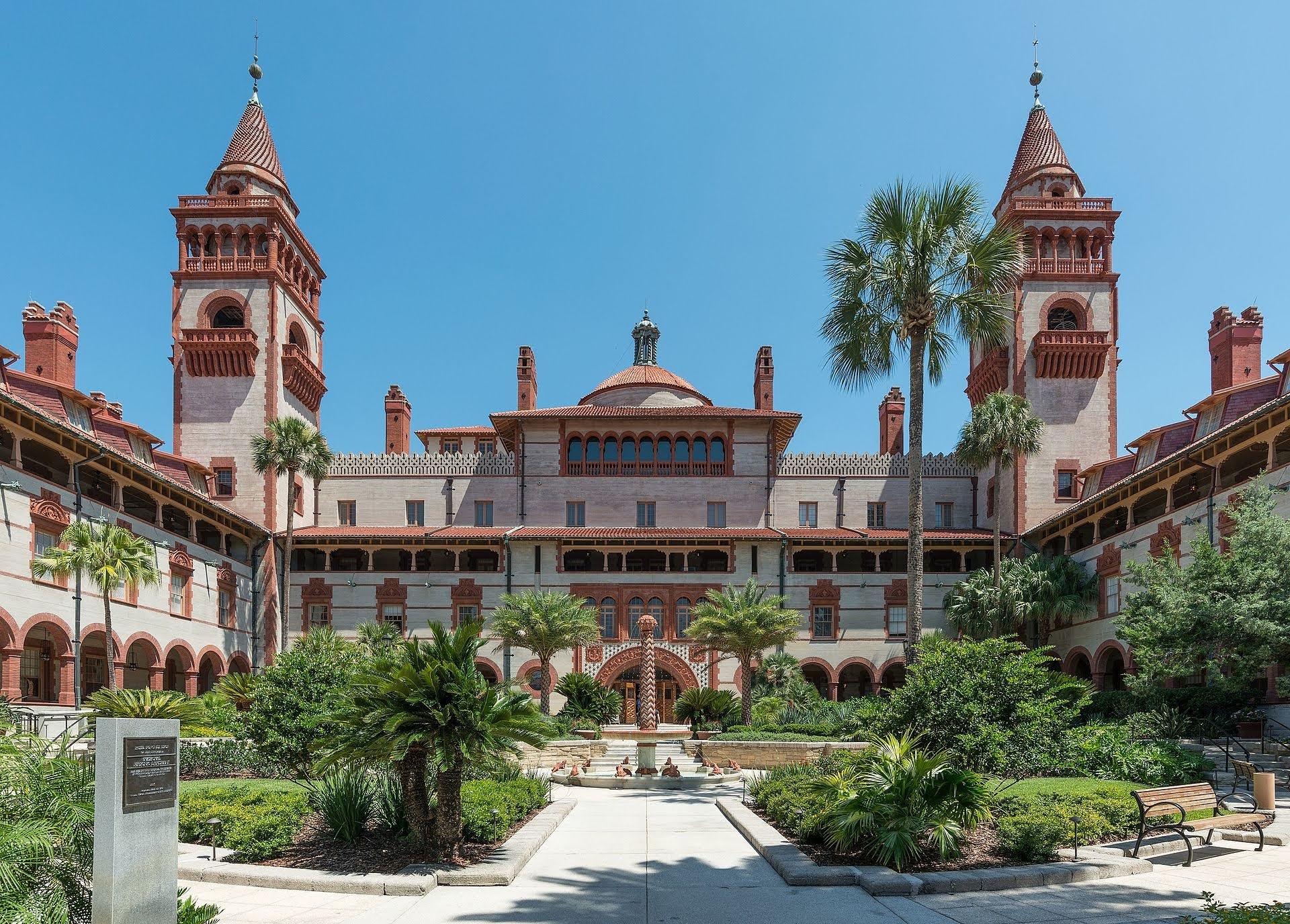
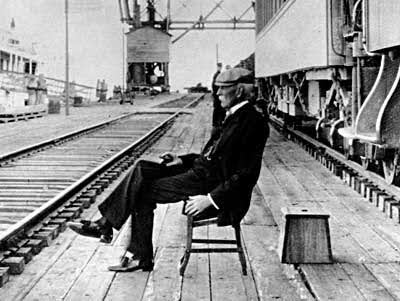
Flagler in Florida.








Gravesites.

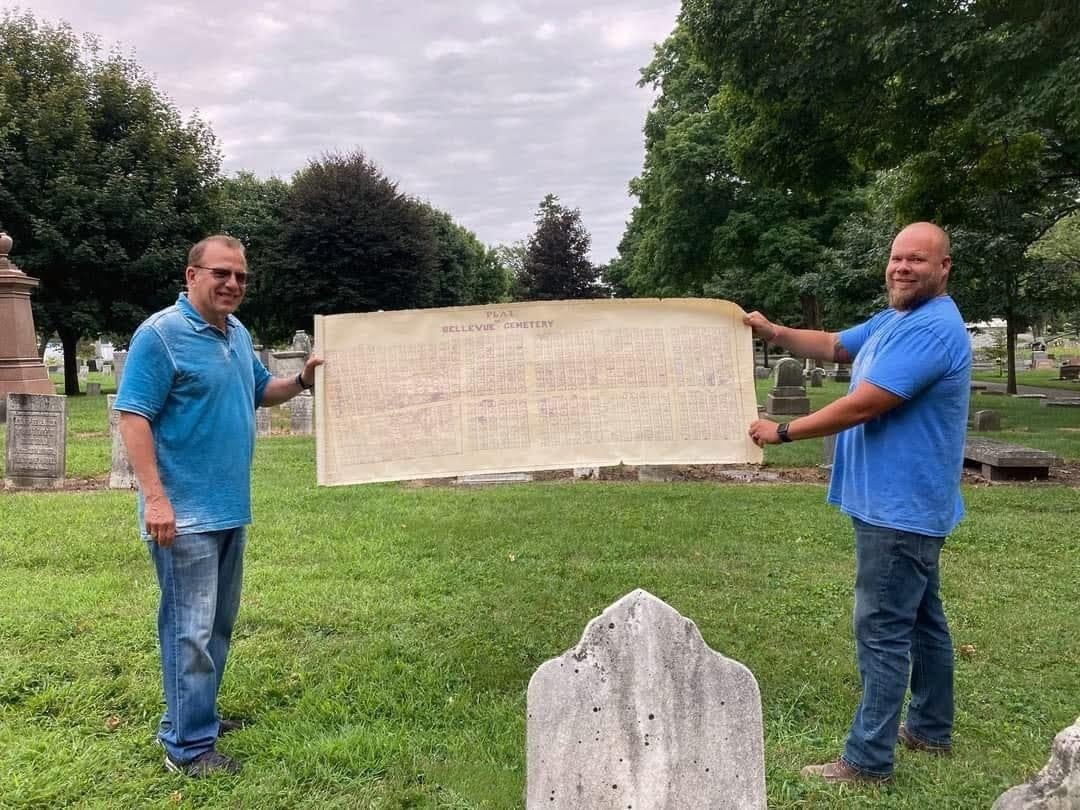
The old plot map in the archives of the cemetery.


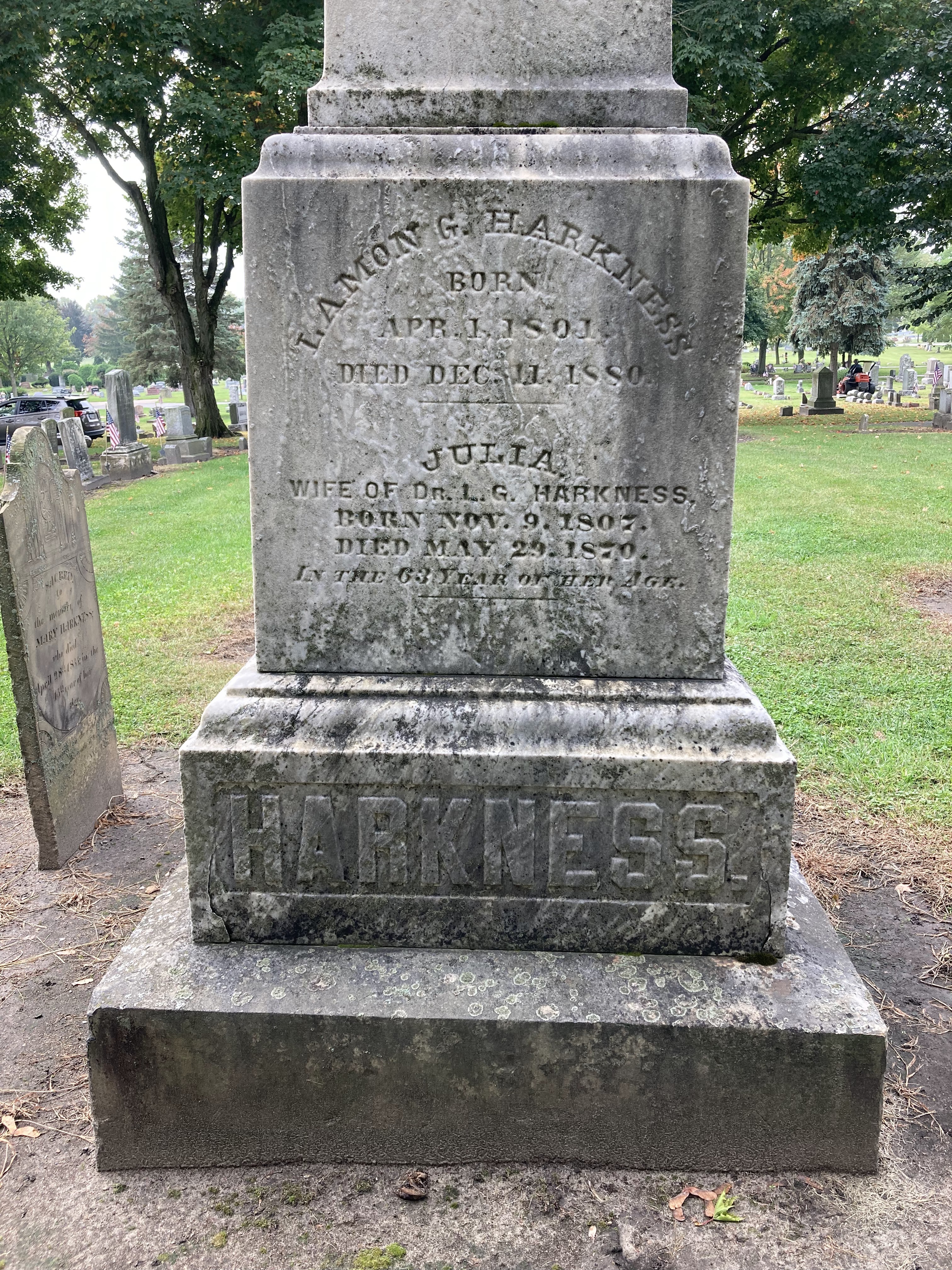


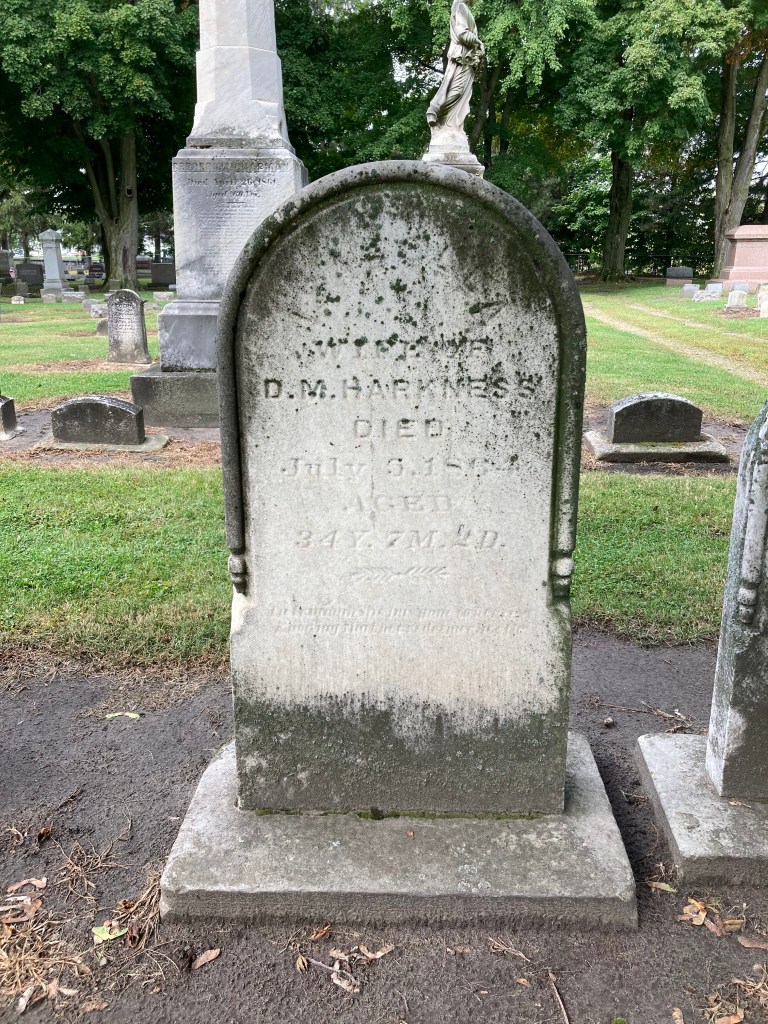
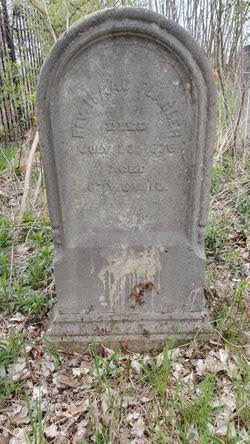
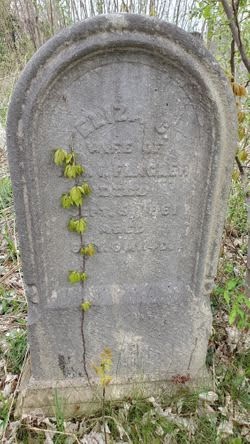
Elizabeth “Eliza” Caldwell Morrison Harkness Flagler 4/19/1801 – 9/5/1861.


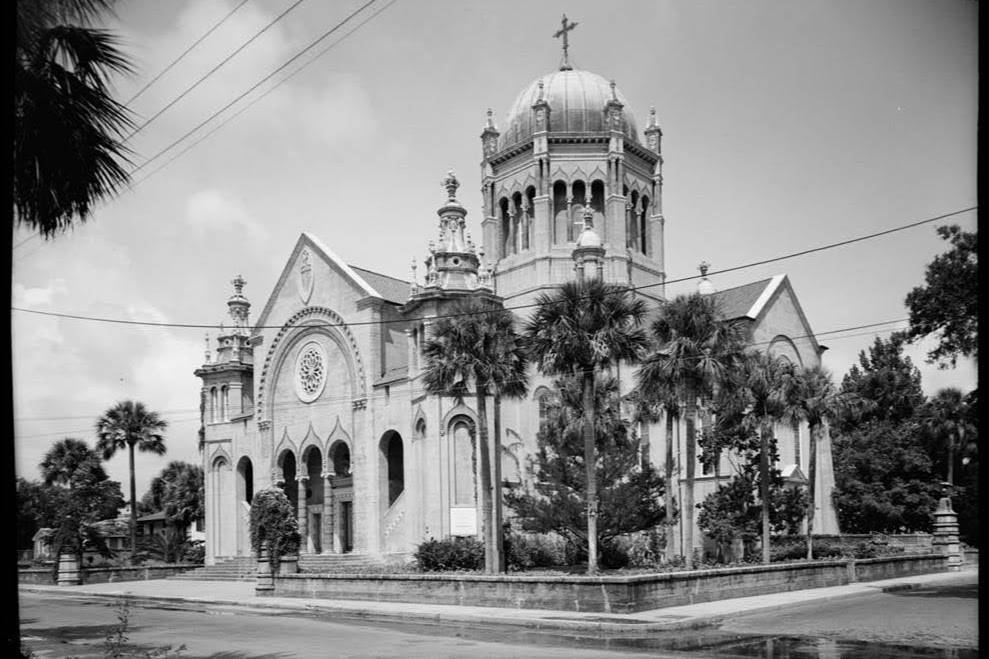
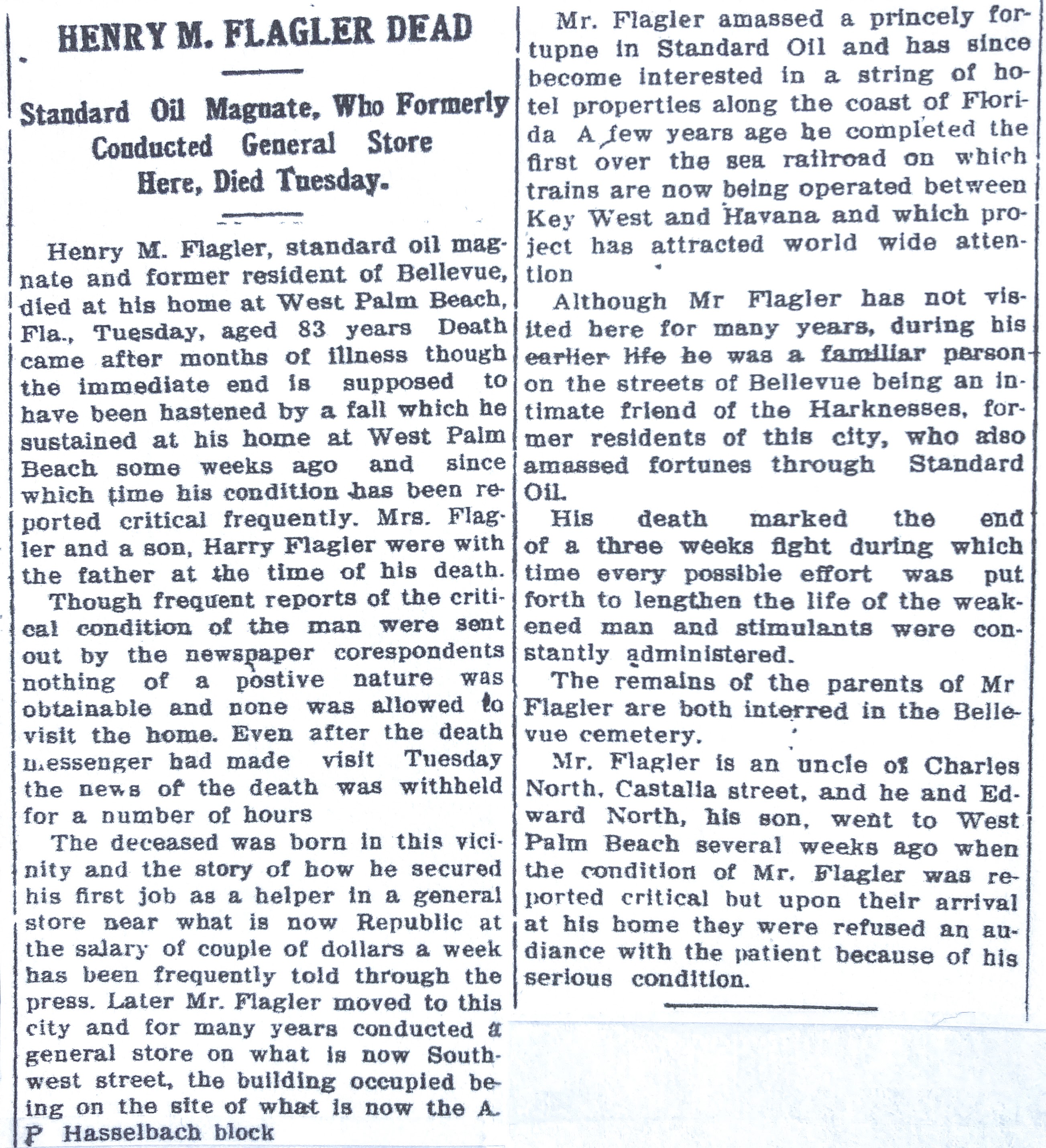
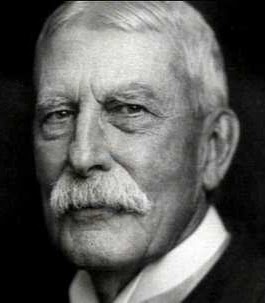






If I were a rich man 🎶🎵
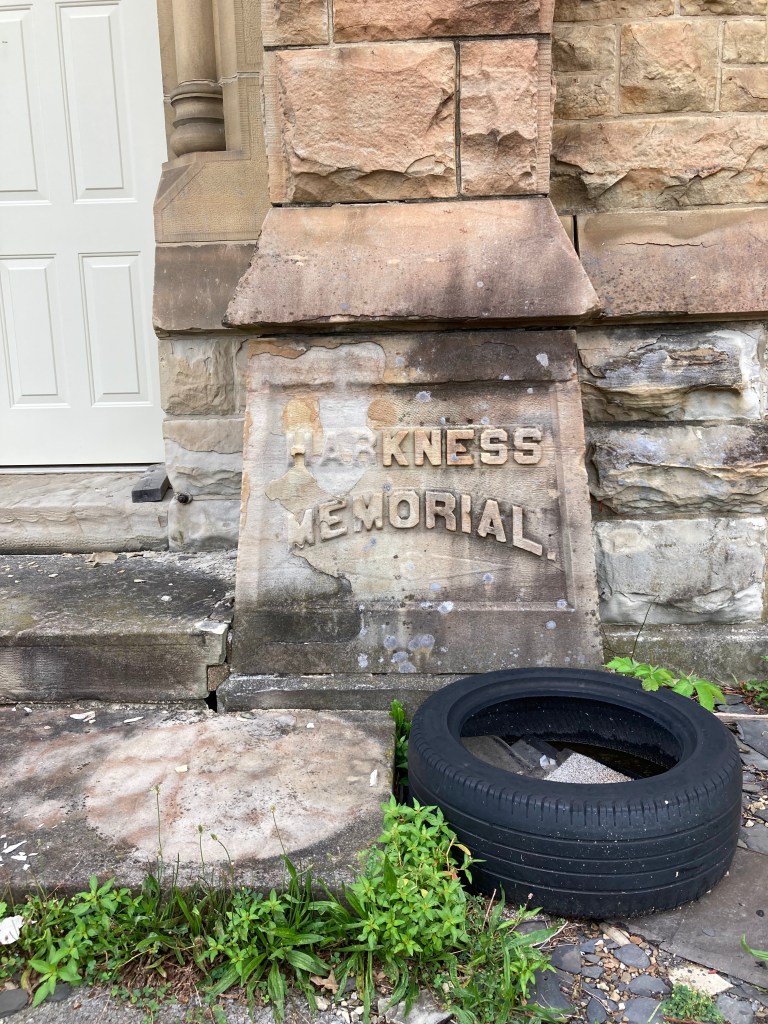
- Acquire, restore and repurpose (event center?) Harkness Memorial First Congregational Church.
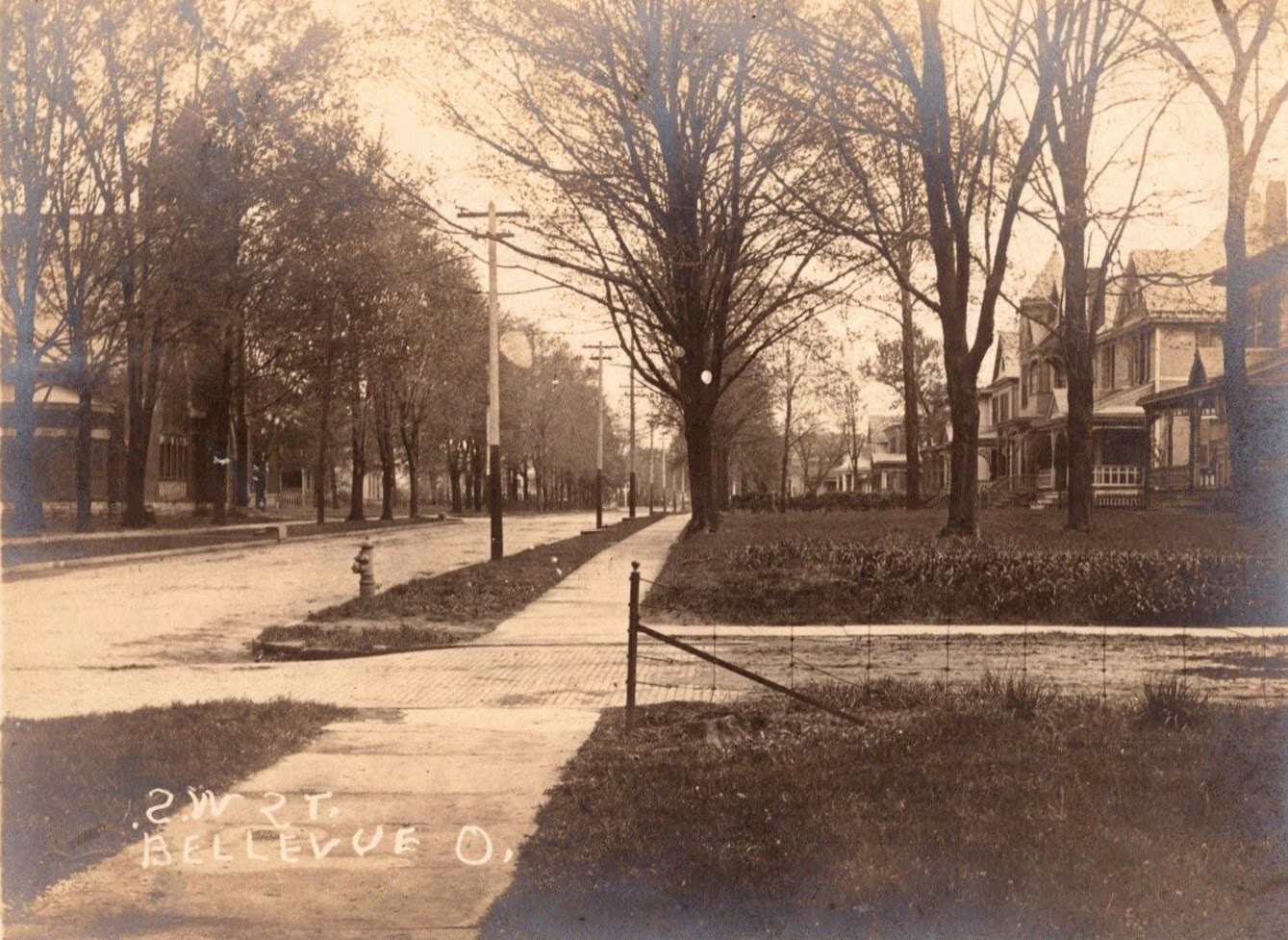
- Acquire, restore and repurpose the carriage house built by Dan and Isabella Harkness after they purchased the “gingerbread house” built by Henry and Mary Flagler.
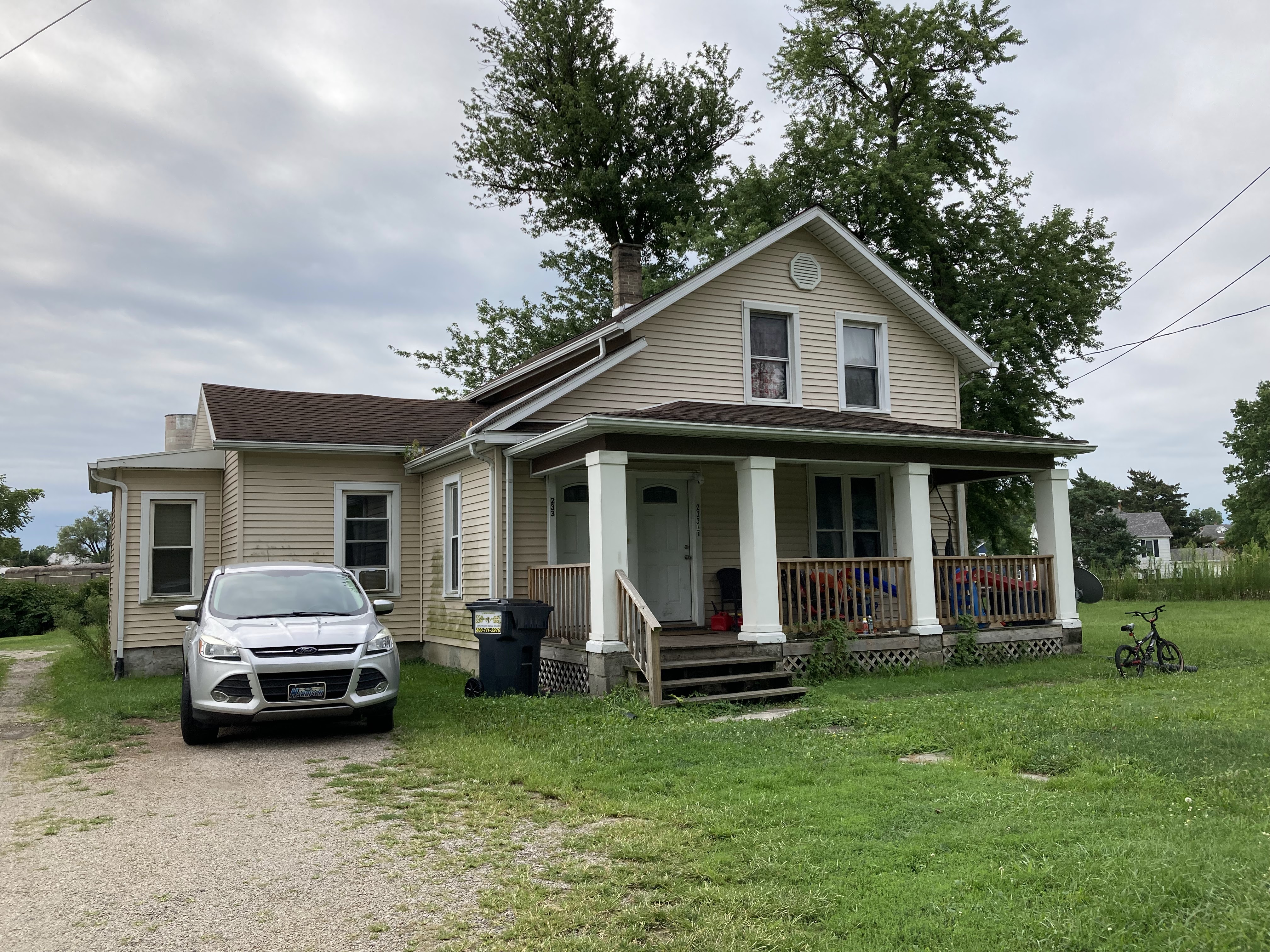
- Brainstorm a future status of 233 Kilbourne Street, the home of Isaac Flagler and his wife Elizabeth, mother of Henry Flagler and Dan Harkness.
- Move the graves of Isaac and Elizabeth Flagler from what looks like an abandoned Flagler Cemetery in New York back to beside Carrie’s grave.
- Install a plaque at the base of Carrie’s headstone identifying her birth/death dates and parents’ names. This may happen. AND IT DID ON 9/12/2025!!!
- Attach a plaque to the front exterior of 101 West Main Street indicating this is likely the birthplace of the Standard Oil Company.

11/20/2023 donfoster73@gmail.com

 Histories and Mysteries
Don Foster did an exceptional job with this blog. The historical research he performed, including visiting Bellevue, Ohio, multiple times was the foundation for this informative blog.
Henry Flagler is best known as the man who developed the east coast of Florida in the latter half of the 1800s. I have read numerous biographies of Henry Flagler and most of them devote no more than a few pages to his earlier life in Ohio. Yet, Henry Flagler lived in Ohio for over three decades, beginning when he arrived in the town of Republic at age 14 in 1844. Although he lived in Republic, Bellevue, and Cleveland, the majority of his life in Ohio was spent in Bellevue. The numerous Bellevue photographs in Don Foster’s blog bring this Ohio history to life. His blog contains more detailed, documented, information about Henry Flagler’s life in Ohio than I found in any biography I read about him. It is a treasure trove of information about Henry Flagler’s earlier years, including his connections to the prominent Harkness family in Bellevue. In fact, it was Stephen Harkness who first funded the partnership of Rockefeller, Andrews and Flagler, which later became Standard Oil. In my opinion, anyone interested in Henry Flagler should visit Bellevue, Ohio, and the Bellevue Historical Society, and use the information in Don Foster’s blog to visit places of interest relative to the Flagler and Harkness families. It is truly fascinating history.
I am happy that someone finally researched Henry Flagler’s life in Ohio and documented this for people who may be interested in it and for future generations. This is a relatively unknown part of Ohio history. I have encouraged Don Foster to write a book specifically about this portion of Henry Flagler’s life, as no one has done so to date. Kudos to Don Foster for writing this most interesting blog!
LikeLike