PLEASE NOTE: The blog contains quite a few pictures so give it several minutes to download. They download haphazardly.
Where Roush Hall stands today, once stood the Christian Association Building. This was a student-led effort to raise funds for a facility that would house athletic, religious and social meeting space. Construction began in June 1892 and occupation was in December 1893. The building was not dedicated until three years later the when final installment on a loan had been met. It was the first college YMCA and YWCA in Ohio. Other campuses followed Otterbein’s lead. Referred to as “the Sosh”, its architect was a young Frank Lucius Packard whose statewide portfolio would become prolific and nationally recognized.
When Alumni Gymnasium was built in 1929, the Sosh became less used. The opening of the Rike Physical Education Recreation Center in 1974 ended its use entirely. Demolition was in 1975.
Thanks to Stephen Grinch, Otterbein University Archivist, for providing access to the historical material that follows here in picture…and completes the story of this attractive Gilded Age building.
Published December 2025
The prominent Columbus architectural firm Yost & Packard, as noted at the upper left and near bottom right, was selected to design the building. Photo credit above and below: November 1892 issue of the Otterbein Aegis, Otterbein Digital Commons.
This is the earliest known picture of Otterbein. It’s on a canvas type material. The Sosh building was built near where the smaller structure stands on the left. Photo credit: Otterbein Archives.The designs of these two nationally known architects were prolific during America’s Gilded Age. Their work stretches across 74 of Ohio’s 88 counties, and their bios are summarized on the web’s Wikipedia. I have been researching their work since 2018 and published a quite few Yost & Packard blogs with more planned.
Based on this article, it looks like this was a Frank Packard design. That makes sense as he previously, in 1891, designed the remodel of the Philomathean Room in Towers Hall.
Philomathean Room after the spring 1891 remodel. The windows, entry doors, woodwork and ceiling have been preserved and remain to this day. Edgar L. Weinland, Class of 1891, was president of the Philomathean Literary Society at that time. Only 4 years separated these two men in age, and it’s likely they became lifelong friends. Weinland was chair of the building committee for the Packard-designed Carnegie Library built in 1908 that now houses the Otterbein Office of Admission. Packard later designed Weinland’s cottage-style house south of the O.S.U. campus. Edgar was City Attorney for Columbus. Weinland Park, a neighborhood in the Short North, is named in his honor. Photo credit: Otterbein Archives.Yost & Packard donated to the fund-raising campaign for the building (8 lines up from the bottom right above). Their gift and that of David L. Rike, both at $250 each, were the largest received. Photo credit: January 1893 issue of the Otterbein Aegis, Otterbein Digital Commons.One of Frank Packard’s best known Columbus designs is “the circus house” at 755 Dennison Avenue across from Goodale Park in the Short North. It was built in 1895 for Peter and Mary Sells. Today’s look is minus the dormers and other architectural features.
Sells Brothers Circus was based in Columbus. Later it became Ringling Brothers Circus.
Frank Packard’s two other Otterbein designs are the Professor William and Jessie Zuck house of 1897 (now the east parking lot of the Campus Center)and the Carnegie Library of 1908 (now houses the Office of Admission).Carnegie Library in the background. Thought this was an interesting and fun picture to add to the blog. Photo credit: Otterbein Archives.The Rike gift of $250 appears at the end of the above column entitled Christian Association Notes.Photo credit: February 1893 issue of the Otterbein Aegis, Otterbein Digital Commons.David L. Rike was the founder of Dayton’s premier department store. Married to Salome Kumler, he was later joined in the business by Salome’s brother Samuel. Both of these men were ardent supporters of Otterbein.The Rike-Kumler Department Store was commonly referred to as Rike’s.A new downtown store was constructed in 1911. Photo credit above and below: Facebook page of History of the Daytonians.David’s son Frederick, Otterbein Class of 1888, took the helm when his father retired. Both men served terms as Chair of the Otterbein Board of Trustees.
Many Kumlers attended Otterbein.
Photo credit: Westerville Public Opinion of 6/2/1892.
Construction is completed…fall 1893.
While ground was broken in June 1892, the building was not dedicated until 3 years later in June 1895 when a construction loan was fully paid. Photo credit: Otterbein University Archives.
Photo credit: Otterbein Archives.
An opposite corner neighbor to the Sosh building at South Grove and West Park Streets was the home of Purley and Lillie Baker (at left). Note the greenhouse to the right of the Baker house. Purley was General Superintendent of the Anti-Saloon League of America based in Westerville. The property originally consisted of 11 acres including a greenhouse pictured to the right of the house. The Bakers sold vegetable plants and also had a milk house to run a dairy service. The Baker property was known as “Greendale.” Later, it was the first location of the Westerville Public Library. Today it’s Otterbein’s “Howard House” and is part of Temperance Row Historic District listed on the National Register of Historic Places. Pi Kappa Phi “County Club” Fraternity can be seen in the background at leftand the greenhouse at right.Circa 1970.Bird’s-eye view 1975.…and from the 1950’s. Photo credit: Westerville History Museum.Photo credit: above and three interior pictures below from the Otterbein yearbook Sibyl, Otterbein Digital Commons.
Photo credit: Otterbein Archives.
E. (Edith) Luella Fouts was the first “physical director” as referenced in the Rules above. Luella’s actual title was Director of Physical Culture. Photo credit: Otterbein University Archives.Pictured at top left is Luella with her Otterbein graduating class of 1889. Photo credit: Otterbein Archives.
Photo credit: Public Opinion 9/13/1900.
After Luella’s passing at age 53, Frank later married Vida Shauck. The Clements were major Otterbein benefactors. Clements Hall and the Clements Recreation Center are named for them. They are interred at Otterbein Cemetery.Photo credit: Dayton Daily News 6/14/1920.
Luella’s father Samuel was a postmaster of Westerville. They are interred at Otterbein Cemetery.Basketball (based at the Sosh) was the first women’s sport at Otterbein and the first season was 1903. Photo credit: 1903 yearbook Sibyl, Otterbein Digital Commons.1893 football team (based at the Sosh 0. Among victories…defeated Ohio State 22-16. Also defeated Ohio State in 1891 and 1895. Note Mgr. Barnard (Ernest) on the left and Barnard (Laurence) second from left in the top row. Photo credit: December 1893 issue of the Otterbein Aegis, Otterbein Digital Commons.
Ernest Sargent Barnard, Class of 1895.He became well known and well respected in the United States. President of the American League in baseball at his unexpected death in 1931.
The Zanesville Signal 3/28/1931.
Laurance Barnard, Class of 1894 and brother of Ernest. Had quite a reputation as a collegiate football player. Photo credit: history book Otterbein College: Affirming Out Past/Shaping Our Future.
Fresh out of college, Laurence was employed by the architectural firm that designed the Sosh building. He married, moved to New Rochelle, New York, (contiguous to New York City) and established an architectural practice there. Photo credit: The Columbus Dispatch 9/22/1894.
Westerville was the first community to be connected to an interurban line from Columbus. That was in 1895. The large interurban car barn, power station and depot in downtown Columbus are of the same architecture as Westerville’s interurban car barn above. It still stands at North State Street and Old County Line Road. My guess is Laurence designed it.Intercollegiate football was initially played behind Towers Hall. The Sosh building is on the right.Photo credit: Otterbein Archives.Physical Director Fouts may have dealt with ornery fellas like this at the Sosh. 🙂 This is a postcard that I think was taken in the block where Church of the Master UM and Clippinger Hall stand.50th Anniversary. Above picture on the right enlarged below. Photo credit: Otterbein Digital Commons.
Photo credit: Otterbein Archives.
Photo credit: Public Opinion 8/21/1975.
Reflection from a blog of Otterbein Professor Dr. David Deever:
My grandmother, Myrtle Miller Stoner, was the president of the college YWCA at the time the building was to be built, and as such was one of several to break ground. The building was built to house the college YMCA and YWCA organizations; hence the name “Association Building.” It was financed in large measure with student contributions.
The “Sosh Building” was the scene of many campus activities over the years. It housed the Women’s Physical Education department until the Rike Center was built. At the same time (since Dean VanSant was a P.E. teacher) it was home to the office of Dean of Women. For many years the band practiced there. Many organizations met in its lounge. Especially, for many years, commencements ended with the graduates assembling on its steps, singing the Love Song, listening to taps being played (with echo), and then finally tossing their caps into the air.
Dr. David and Sara (Elberfeld) Deever, center, at their 1961 commencment. Photo credit: Sara Deever.This memorial is in stairway on the south side of Roush Hall leading to the second floor.There are 2 of these windows in storage. It looks like both came from the front entry. The one pictured above is in the attic of Towers Hall. It would be nice to see these mounted in Roush Hall as well.
October 1923.
Sosh architect Frank Packard died of a stroke at age 57 on October 26, 1923. The Public Opinion of November 1 reported the following:
“Noted Architect Did Work in Westerville. The death of Frank L. Packard, noted architect of Columbus, recalls to many Westerville people the fact that he was the architect of the Vine Street school building. Mr. Packard was also developing the Otterbein College building program. He was well known by many Westerville people.”
Here is a link to the architectural work (not just limited to Otterbein) of Yost & Packard in Westerville.
PLEASE NOTE: The blog contains quite a few pictures so give it several minutes to download. They download haphazardly.
On September 20 of 1862, President Lincoln read to his Cabinet the final draft of his Emancipation Proclamation. It declared that effective January 1 of 1863 enslaved people in those states rebellious to the Union were forever free. At almost that very minute, a daughter was born to William and Mary Coggeshall of Springfield where William was owner/editor of the Springfield Republic newspaper. Secretary of the U.S. Treasury/former Ohio Governor Salmon P. Chase telegraphed Lincoln’s news to William who had served as secretary for Chase when he was governing Ohio. William, a staunch supporter of Lincoln, had a name in mind for the newborn to honor this occasion. He decided to withhold it until the Confederate capital of Richmond fell. When that happened two and a half years later in 1865…Emancipation Proclamation Coggeshall became official. As later stated by E.P. herself, “In those two-and-a-half years that I was nameless, what did the family call me? “Baby” and “Girlie.” Mama called me “Girlie” even into adulthood. Then, after I was christened Emancipation Proclamation they called me “Prockie.” So did everyone else, for the rest of my life.”
The Coggeshalls moved to Columbus in 1865 when William became editor of the Ohio State Journal (The Columbus Dispatch later succeeded it). He died of tuberculosis in Ecuador in 1867 a year and one day after being appointed U.S. Minister to that country. William’s decision to take the appointment was based on hope that the environment there might be a cure for the TB from which he was suffering. Mary and daughters Hattie and Prockie remained in Columbus after his death.
In 1877 the widowed Mary was appointed postmistress of Westerville. Hattie and Prockie attended the preparatory school at Otterbein University for one year with Prockie continuing through her sophomore year.
The 1880 U.S. Census listed Prockie and Hattie as assistants to their mother at the post office. In that capacity Prockie became connected to “Maxtown” as revealed further down in this blog. She was known in Westerville for her soprano singing voice. The unexpected death of Otterbein professor William Zuzerne Todd in August of 1887 led to her replacing him as vocal music instructor. At the close of the academic year in 1888, Prockie married Thomas Addison Busbey of South Vienna (Clark County), Ohio.
The newlyweds resided in Chicago for twenty years. Addison was a journalist/newspaper editor in that city. Prockie sang professionally with the Theodore Thomas Orchestra which was later renamed the Chicago Symphony Orchestra. A son, Ralph, was born in 1890.
The Busbeys returned to Ohio and South Vienna in 1908. Addison had an insurance business, served four terms as South Vienna mayor and then became a State Senator. Ralph became a journalist/newspaper editor like his father. Prockie was in demand as a singer. “Everywhere I performed, whether at banquets, receptions, state functions, patriotic meetings or political rallies, I aroused great patriotic response because of my name, the diplomatic role my Father had, and because I ended my concerts with “The National Jubilee Song.”
The Prockie quotations in the first and last paragraphs are from Civil War Heroines, The Coggeshall Ladies. The National Jubilee Song was associated with the Civil War which would explain the reference to Civil War Heroines.
10/18/2025 donfoster73@gmail.com
The man who saved Lincoln.
William Turner Coggeshall served as secretary to Ohio governors Salmon Chase and William Dennison. He also served a term as State Librarian.
The train taking President-elect Lincoln to Washington for his inauguration made a stop in Columbus. Governor Dennison appointed Coggeshall to escort Lincoln to the statehouse. From there, Coggeshall served as a bodyguard and rode with Lincoln the rest of way. Many years later, Mrs. Coggeshall wrote that at a stop in Harrisburg, Pennsylvania, “they heard a hissing sound and discovered a hand grenade just ready to explode. As Mr. Lincoln reached the door, Mr. Coggeshall grasped the shell and hurled it through the open window where it had been dropped into the car. As it struck beyond the tracks and exploded, no one was hurt. He sprang into the car where the President awaited him. They took a seat together and with a bound the car leaped forward. Neither spoke for some minutes. Then the President leaned forward and said ‘Did I not tell you I should go safely if you went with me.’”
William’s daughter Bessie, age 15, accompanied her father to Ecuador to serve as his secretary. She remained in Ecuador after he died and basically assumed his position. She longed to return home. On the night before the journey to Ohio was to begin, she developed yellow fever and died there. Years later her mother wrote “Died in the line of duty for her country at the age of 16. She was spunky, she was independent, she was a brilliant writer, she was a lady, had elegant manners and was mature beyond her years. Of how many teenagers can this be said”?
Widowed Mary, Hattie and Prockie move to Westerville.
Mary’s appointment initially caused an uproar. She became very will liked in the village. The Columbus Dispatch 8/23/1877.
A deed to a house located on this lot was transferred from Isaac and Prudence Kingsley to Mary Coggeshall on 12/31/1879. The footprint of a house appears here on an 1866 map of Westerville. It was razed in 1927 by later owners Frederick and Emma Thomas to build the house pictured.Another view of 80 West College Avenue. Towers Hall on the Otterbein University campus is in the background.
Prockie and Hattie enrolled in the Preparatory school at Otterbein.
The Summit County Beacon (Akron) 8/18/1875.
“We will call it Maxtown.”
This is a page from the history of Genoa Township shown below. “Proxy” is not quite accurate.This is NOT the intoxcated mail carrier. 🙂 In 1941, Judge Emmett Melville Wickham, Sr (born in 1859) wrote his reflections of growing up in the area of Maxwell’s Corners. Judge Wickhan is interred at Oak Grove Cemetery in Delaware. Photo credit, left: Find-a-Grave. Photo credit, right: Ohio History Connection.Map is 1866. Note “MAXWELL PO” in bold print in the lower right-hand corner. The Maxwell post office existed from 1850-1871. It’s replacement, the Maxtown post office, existed from 1883-1901.This is also from Judge Wickham’s history.Another map showing Maxwell in Genoa Township.Today the area once referred to as Maxwell’s Corners is in the vicinity of this building…plus extending beyond it and now beneath Hoover Reservoir.
Prockie attended Otterbein through her sophomore year of 1880/81. The page below is from The Otterbein Record of 12/1881 pictured above. Photo credit: Otterbein Digital Commons.
This humorous letter of 9/7/1884 from the Cincinnati post office to the Westerville post office reads: “Dear Madam: How in the world did your Assistant come to have such a name as was given her? Were names scarce when she was born? The wife of a P.M. in Pickaway County was named Adelaide Victoria, but Emancipation Proclamation takes the cake. Yours Truly, The U.S. Mail.” Photo credit: Westerville History Museum.
From Westerville to Chicago in 1888. To South Vienna, Ohio, in 1908.
Public Opinion (Westerville) 6/29/1888.
Photo credit above and below: the book Civil War Heroines, The Coggeshall Ladies. In this book, Prockie joked “Of course, my name is on Ralph’s birth certificate, all 40 letters of it–Emancipation Proclamation Coggeshall Busbey. It always made Ralph chuckle–and many other people, too.” Of her son’s middle name, she wrote “The Coggeshall was so that he would always know his heritage was from a famous diplomat, journalist and lecturer, my Father, Colonel William Turner Coggeshall.”
The Busbeys relocated to Thomas’ hometown of South Vienna (Clark County), Ohio, in 1908. They moved in with Prockie’s mother for whom they had purchased “a modest house” (per Prockie) on East Main Street. This is how it appears today and likely different from what it looked like in 1908.
“The White Prevails at Funeral”
Springfield Daily News 10/1/1913.
Prockie’s passing was published in many newspapers across the U.S. due to her unique name. The Morning Oregonian (Portland) 10/2/1913.
Springfield Daily News 10/5/1913.Note in the above article that Mrs. Thomas Holmes of Westerville (pictured here) attended the funeral. Mrs. Holmes often entertained in her home. It’s likely Prockie sang at these events. The Holmes built a hotel in Uptown Westerville which today houses Expresso Air Coffee, Uptown Pharmacy and various offices on the upper two floors. The Holmes’ North State Street house stands across from St. Paul Catholic Church. The purpose of adding these two pictures is to help emphasize that this vacant house is important to Westerville history and should not be torn down. It’s status is unknown.
Hotel Holmes.
Prockie’s funeral was held here. The building no longer stands.Springfield News-Sun 5/18/1958. Photo credit: Clark County Historical Society at the Heritage Center, Springfield.
Hattie was listed as assistant to her mother in the 1880 U.S. Census. She must have moved back to Columbus sometime between then and her 1883 passing. The Columbus Dispatch 8/28/1883.
Mary outlived her 8 siblings, her husband and her 7 children. William, Mary and 6 of the 7 children are interred in the same plot at Green Lawn Cemetery in Columbus. Public Opinion 1/21/1915.Written in 1992. The author was second cousin to Prockie’s son, Ralph.Emancipation Proclamation “Prockie.” The photo on the book cover, enlarged. Enhanced by a Facebook photo restoration site.
PLEASE NOTE: The blog contains quite a few pictures so give it several minutes to download. They download haphazardly.
This blog showcases the known designs of Columbus architects Joseph Warren Yost & Frank Lucius Packard in Ashland, Erie, Holmes, Huron, Knox, Richland and Wayne Counties of Ohio. These two architects were in partnership during the years 1892-1899; each practiced separately before and after this period of time.
The history of these structures has not been studied. The blog’s purpose is to generate local appreciation of these treasures, inspire research/promotion of them, and save/value those that remain. The Yost & Packard firm, nationally recognized, would likely be considered one of Ohio’s most significant.
A few comments…
Notable to me are three school buildings of frame construction and rather uncommon design.
A Presbyterian church of pink sandstone construction is included here. It’s among several designed by Packard that appear in a blog previously published. A link to it is provided.
Perhaps readers of this blog will be able to produce pictures of the designs that could not be located.
Thank you to the following individuals for their assistance in contributing to this blog: Sara Fisher, Ashland County Historical Society; David R. Greer, Knox County Agricultural Museum; Denise D. Monbarren, College of Wooster Special Collections.
Ashland County
Ashland: Samaritan Hospital. 1025 Center Street. Built 1912. Designed by Packard to give the appearance of a palatial home. Razed.Ashland: Jesse Lewis and Mary Aditha Swineford Clark residence. 622 Center Street. Built 1917/18. Designed by Packard. The Clarks funded the construction of Samaritan Hospital. Mr. Clark was president of Hess and Clark, Inc.Photo credit above and below: Ashland County Historical Society.Circa 1950. Photo credit: Historic Ashland County by Betty Plank.Ashland Times-Gazette 5/2/1987.Today, Good Shepherd Nursing Home.
Erie County
Castalia (of Margaretta Township): high school. 305 South Washington Street. Built 1922/23. Designed by Packard. Sandusky Register 4/5/1923.
Still occupied and expanded. There are plans to replace the complex…meaning this Packard design is, sadly, threatened.Margaretta Township grade school (bottom picture). Bardshar Road. Built 1923. Designed by Packard. Razed. Sandusky Star Journal 4/5/1923.Sandusky: Carnegie Library. 114 West Adams Street. Built 1901. Designed by D’Oench & Yost. (Yost had relocated his practice to New York City by 1901.) The interior has been modernized, but the exterior remains a stunner. Listed on the National Register of Historic Places.Today, still the library.Sandusky: Ninth Ward School, also known as Monroe School. 328 East Monroe Street. Built 1895/6. Designed by Yost & Packard. Listed on the National Register of Historic Places.Photo credit: Yost & Packard’s promotional publication Portfolio of Archtectural Realities.Today, Monroe Preparatory Academy.Sandusky: Nurses’ Cottage at the Ohio Soldiers’ and Sailors’ Home. Route 250 at DeWitt Avenue. Built 1910. Designed by Packard. Razed.
Holmes County
Holmes County: expect the unexpected on the back roads.Glenmont: public school. SW corner Glenmont & Monroe Streets. Built 1901. Designed by Packard.Razed.Photo credit (and also the 3 below): Holmes County District Public Library.The Packard-designed building was razed and replaced by this new build in 1920 (not designed by Packard).Today the 1920 building is no longer used as a school. Students in the Glenmont area attend schools in the West Holmes Local School District.Millersburg: Holmes County Courthouse. 1 East Jackson Street. Built 1884-86. Designed by Yost.Listed on the National Register of Historic Places. Photo credit: Yost & Packard’s promotional publication Portfolio of Archtectural Realities.The courthouse under construction. Photo credit above and below: Holmes County District Public Library.
Today.Photo credit: Facebook.The courthouse shares the block with the old county jail which now houses government offices.Millersburg: City Hall. NE corner of East Jackson and North Monroe Streets. Built 1887. Designed by Yost. Razed.The Holmes County Farmer 3/31/1887.City Hall included an opera house.
Millersburg: High school, on the left. 430 East Jackson Street. Built 1913/14. Designed by Packard. The old high school on the right (not a Packard design), built in 1866, was later razed.Photo credit: Holmes County District Public Library.
The Holmes County Farmer 9/10/1914.
Today. Connected to a much larger building that sits in front of the Packard design.Based on the picture on the right, perhaps the east side of the building was the main entrance. Photo credit: Holmes County District Public Library.The Packard design is part of this much larger structure today.
Huron County
Norwalk: Norwalk Public Library. 46 West Main Street. Built 1905. Designed by Packard.Still in use as a library today.One of nine Carnegie libraries designed by Packard…and all have survived the wrecking ball. See the blog The Ohio Carnegie Libraries of Architect Frank Packardlinked at the end.
Knox County
Greer (previously Greersville): public school. Built 1896. Designed by Yost & Packard. Razed.
Mt. Vernon Democratic Banner 6/4/1896.
The school was located on the same road as the house at the back of this picture. See the map below, far left.Photo credit: David R. Greer, Knox County Agricultural Museum.Jackson Township School in Noble County. Rt 339 between Crooked Tree and Dungannon. Yost had several early 1880’s designs in Caldwell of Noble County including the public school. Perhaps this is his, too…it resembles the Greer school as compared below. Photo credit: SouthEast Ohio Pictures on Facebook.Martinsburg: public school. Built 1904. Designed by Packard.Hope to find a map to pinpoint the location. Packard was identified as the architect in The American School Board Journal of 1904, volume 29.Razed.Mount Vernon: Fourth Ward School. 401 West Chestnut Street. Built 1892. Designed by Yost & Packard. Razed.Mount Vernon: First Ward School. 714 East Vine Street. Built 1907. Designed by Packard. Still in use with a large addition on one side. Today it is called East Elementary School.Mount Vernon: Knox County Mutual Insurance Company. 108 East High Street. Built between 1892 and 1897 per Sanborn Fire Insurance maps. Designed by Yost & Packard. Razed. On the lookout for a clearer picture. Photo credit above and below: Public Library of Mount Vernon & Knox County.Mount Vernon: Frank Letts and Millicent Greer Beam residence. 121 East High Street. Built 1901. Designed by Packard. Now houses Ariel Foundation. Millicent’s brother, Robert Matthew Greer, was Secretary/Treasurer of the Knox County Mutual Insurance Company shown in the previous set of pictures. It’s likely Millicent and Robert were related to the Greersof Greersville previously pictured.Photo credit above and below: Public Library of Mount Vernon & Knox County.Note the Beam house on the left.Photo credit: Public Library of Mount Vernon & Knox County.
“Mr. Beam began his business career as a clerk in a hardware store in Mount Vernon. In 1880, he engaged in the crockery and wallpaper business here, which he continued until 1901. In 1895, he became interested in the independent telephone business and organized and was involved in many of the early telephone companies of Ohio. He served as president/general manager of several of them. He was one of a group who organized the Mount Vernon Country Club and served as a member of the Board of Directors for many years. He was a former president of the Mount Vernon Chamber of Commerce and always took a great interest in that organization, as well as many other civic affairs. Mr. Beam also served on the Board of Education. (Source: Mound View Cemetery Self-Guided Walking Tour doc.)” Narrative and picture from Find-a-Grave.
Mount Vernon: Ohio State Tuberculosis Sanitorium Administration Building and Dining Hall. 1250 Vernonview Drive. Built 1908/09. Designed by Packard.
The Columbus Dispatch 10/28/1906.
Photo credit above and below: A Century of Service 1909-2009. The Ohio State Sanitorium. Mount Vernon State Hospital. Mount Vernon Institute. Mount Vernon Developmental Center.
The Packard-designed powerhouse and laundry at the sanatorium. Built 1908/09.Today, missing the stack and appears no longer in use.
Per The Columbus Dispatch of September 1910, bids were sought for the construction of “Farm Barns and Stables” at the sanatorium, designed by Packard. Hoping to locate an actual picture.
SPECULATION: Did Packard design the ladies’ cottages for the sanitorium?SPECULATION: Did Packard design the men’s cottage for the sanitorium?Today.Autum view of today from the buildingabove.Mount Vernon: Cleveland, Akron & Columbus depot. 501 South Main Street. Built 1905. Designed by Packard. Listed on the National Register of Historic Places.Today the former depot houses the Knox County Convention & Visitors Bureau.
Mount Vernon: Powerhouse for the Mt. Vernon Railway and Light Company. South Norton Street. The company was acquired by Nils Kachelmacher of Logan (OH) in 1910 when it was on the verge of bankruptcy. The powerhouse, designed by Packard, may have been an addition to an existing structure or may have been separate. Whether it was ever built is unknown. The streetcar line folded circa 1915.
Photo credit: Knox County Historical Society.Mt Vernon Democratc Banner 8/9/1910.Nils Kachelmacher died at age 56 from pneumonia post a surgery performed by Dr. Mayo of the famed Mayo Clinic. From his estate, he funded Kachelmacher Park in Logan where the above marker was placed.He also established a trust which funds a medical facility in Logan for the research and treatment of varicose veins from which he long suffered.Photo credit: website ohgen.net/ohathens/coal.Mount Vernon: First Presbyterian Church. 106 North Gay Street. Built 1858. Photo credit above and below: Forward in Faithfulness: A History of the First Presbyterian Church of Mount Vernon, Ohio from 1808-2008.Mt. Vernon Democratic Banner 12/17/1912.Redesigned by Packard in 1911. This picture and those below are present day.1911 addition of Sunday school classrooms and social acitivity space designed by Packard.
Richland County
Mansfield: James Purdy Business Block. 22-28 South Main Street. Built 1895. Designed by Yost & Packard. Razed. Photo credit above and below: Mansfield/Richland County Public Library.Reception Room/Ladies ParlorBallroomShelby: First Presbyterian Church. 24 North Gamble Street. Built 1901. Designed by Packard.Today. Packard also designed Presbyterian churches made in Barnesville, Dayton, and Upper Sandusky made of the same pink sandstone (quarried in Mansfield) as Shelby. All still stand and are active Presbyterian congregations except for Dayton which is vacant. A link to these sandstone churches is provided at the end of this blog.Shelby: Methodist Episcopal Church.1 South Gamble Street.The original structure was built in 1883, but Packard designed the addition to the left of the bell tower which was constructed in 1901/02.Today, First United Methodist Church.Shelby: Central High School addition (probably at the rear). East Main Street at High School Avenue. Built 1901. Designed by Packard. Razed.
Wayne County
Dalton: high school. South Church Street. Built 1892. Designed by Yost & Packard. Razed.Orrville: Maple Street School. 215 Maple Street. Built 1913. Designed by Packard. Razed.
Orrville: Millersburg., Wooster & Orrville Telephone Company. Built 1912. Designed by Packard. Unable to find the location. Hoping someone in Orrville will know plus have a picture.
The Columbus Dispatch 9/19/1910.
Note the name Frank Beam whose Mount Vernon house Packard designed that is shown earlier in this blog. Perhaps he influenced the hire of Packard as architect of the Orrville telephone building. The Courier-Crescent (Orrville) 5/17/1921.
Saw this on Ebay.The company changed its name to The Central Ohio Telephone Corporation in 1928. The Courier-Crescent 8/1/1932.Wooster: City Hall (and opera house). 236 East Liberty Street. Built 1887. Designed by Yost. Razed.The Holmes County Farmer 3/31/1887.The Holmes County Farmer 12/8/1887.Wooster: addition of laboratories at each end of “Old Main” at the College of Wooster. Addition in 1892. Designed by Yost. Destroyed by fire in 1901. Photo credit:College of Wooster Special Collections.
Below are links to the other pink sandstone Presbyterian churches and Carnegie libraries designed by Frank Packard.
This marker giving a brief definition of the Underground Railroad is located on East William Street in Delaware. The same marker has been placed in other trail locations in Ohio.
PLEASE NOTE: The blog contains quite a few pictures so give it several minutes to download. They download haphazardly.
Today’s Ohio tourism slogan “Ohio Is the Heart of It All” is a good way to describe the state’s role in the 1850’s/60’s escape to freedom. It was a hotbed of Underground Railroad activity…and that includes Westerville.
Slaves passing through Westerville followed Alum Creek into Delaware and Big Walnut Creek into Sunbury. They traveled alone and many came from the plantations of Kentucky, Maryland, and Virginia. Among entry points were Cincinnati, Marietta, Portsmouth, and Ripley. “Stations” were about 12-15 miles apart as that is a distance that could be achieved at night. Those assisting escapees here were Thomas Alexander, Lewis Davis, William Hanby and his son Benjamin, Garrit Sharp and his sons, and George Stoner.
The Fugitive Slave Act of 1850 made it a criminal offense to assist slaves. Thus, records of abolitionists who helped move slaves north through Ohio do not exist. What is known are the stories from descendants of abolitionists and witnesses that have been gathered by historians. Most of the information in this blog is from the Wilbur H. Siebert Underground Railroad Collection of the Ohio History Connection.
Ohio was the primary route of escape from slavery.
Alum Creek from Coumbus through Westerville into Morrow County was one such Ohio route.
George Stoner’s inn, as it appeared in 1948, located at 133 South State Street. Built circa 1852. Photo credit: Westerville History Museum.
Escaping slaves were hidden in this basement space furnished as it may have appeared at the time.
The Stoner House was later acquired for office space by the Anti-Saloon Leagueheadquartered in Westerville and birthplace of the Prohibition Amendment.The Stoner House, privately owned, is occupied by several businesses today.Reverend William and Ann Hanby House. Built 1853. Originally located on the southeast corner of South Grove and West Main Streets. Escaping slaves were hidden in Hanby’s saddle/harness shop to the right of the house as shown above. Son Benjamin guarded the building and facilitated the night escape to the next station. Photo credit: Westerville History Museum.Reverend William Hanby on the left and Benjamin Hanby on the right. Photo credit: Otterbein University Archives.Reverend Lewis and Rebecca Davis house, northeast corner of West College Avenue and South Grove Street. Construction year unknown, but appears on an 1856 map of Westerville. Escaping slaves were hidden among cornstalks hanging from the rafters to dry their ears of corn. Photo credit: 1903 yearbook Sibyl, Otterbein University Archives.
Photo credit: Reverend Henry Garst’s History of Otterbein University published in 1907…the first history written of Otterbein.
Henry Garst, mentioned in the caption of the above picture, was a boarder in the Davis home during his student years at Otterbein(Class of 1861). He witnessed the following one evening with an escaping slave hosted in the Davis home: “He was in a state of great alarm, declaring he had seen a handbill posted near Westerville giving a description of him and offering a reward of five hundred dollars for his capture and return to his master. He was weary and hungry and yet it was not thought prudent for him to tarry long on account of the danger of capture. He tarried until dinner was prepared and then he sat down to eat, trembling from head to foot. Tremulous clatter of his knife and fork upon the plate before him, occasioned by his fright, can never be forgotten. After partaking of his hasty meal and receiving other aid, he was directed to a station beyond Westerville in the country.”
Left above: The Hanby house/barn stood where Church of the Master United Methodist stands today. Right above: The Davis house stood where Otterbein University’s former Carnegie Library/now Office of Admission stands today.A later owner of the Hanby house was Squire Fouse, a former slave who moved north to Westerville after the Civil War. The house was moved to West Home Street to make way for the construction of First United Brethren Church (now Church of the Master United Methodist). It was moved again to 160 West Main Street where it stands today and is listed on the National Register of Historic Places.. William Fouse, son of Squire and Martha who became a well-known Kentucky educator, was the first Black graduate of Westerville High School and Otterbein University. Fouse Elementary School is named in his honor.This marker and the two panels below are located in the backyard of Hanby House.More about Nelly Gray at the close of this blog…and it’s a suprising more!!Thomas and Charlotte Alexander house. 48 West College Avenue. Construction year unknown, but appears on an 1856 map of Westerville.An escaping slave would be hidden in Alexander’s rake foundry behind the house as shown above. Later, the slave would be put in a wagon, covered with rakes and other garden implements, and concealed as merchandise to the next stop. Photo credit: Westerville History Museum.The historical reflections above and the one below are from E. Zoe Horlocker, granddaughter of Thomas and Charlotte Alexander. Photo credit: Westerville History Museum.
Thomas Alexander who was also mayor of Westerville and a founder of Blendon Masonic #339. Photo credit: Westerville History Museum.
The house was expanded when daughter Inez and her husband George relocated here from Fostoria. This picture is a view from another another angle. After Thomas and Charlotte passed away, the house was moved to Logan Avenue in 1914. Photo credit: Westerville History Museum.Here is the Alexander house, reconfigured, as it stands today at 60 Logan Avenue. Meals for escaping slaves would have been prepared in it.George and Inez Crouse built this house on the same 48 West College Avenue lot.While this is not Underground Railroad history-related, here’s to Inez Alexander Crouse and 103 years old!! Photo credit: Otterbein University Archives.Today the house is owned and occupied by Zeta Phi Fraternity of Otterbein University.Thomas Alexander’s rake factory was located where the building above stands today.Garrit and Anna Sharp house. 259 NorthState Street. Built circa early 1840’s.Garrit and his sons (whose houses follow below) were Underground Railroad “conductors”, or guides who moved escaping slaves from place to place. In a document dated 7/21/1892, Joseph Gardner made this statement when talking about his father Ozem who had a station in Worthington: “They often brought fugitive slaves across to Blendon from the State road to throw hunters off the track. When they brought them from Bull’s to father’s it was by the State road. Blendon is now Westerville. They took them to Sharp’s. Garret Sharp was the old man and he had six or seven sons all abolitionists.”
Today the house is an office building. Listed on the National Register of Historic Places.This two-sided marker stands in front of the Stephen, Sr. and Hester Sharp house pictured two frames below.Stephen, Sr. and Hester Sharp house. 656 Africa Road (previously numbered 8025). Built 1859.
Vacant at present. Owned by the City of Westerville. Will be repurposed…hopefully for public use. Listed on the National Register of Historic Places.Photo credit: Gary Gardiner.Tom Bean was a prior owner of the house. It may have been a stop on the Underground Railroad.Joseph and Sophene Sharp house. 495 Africa Road (previously numbered 8016). Built 1843. Wish a picture of it existed before the brick exterior was covered over by stucco, a trend of the early 1900’s. The basement has a fireplace similar to one shown by Tom Bean so it may have been a stop as well.Stucco was in 1923. Photo credit: Westerville History Museum.The small barn on the left may date to 1843. If this property ever comes on the market, it would be great to see all of this restored as a museum.The metal pole barn above housed the popular Yarnell’s farm market in the not-too-distant past.Garry and Nancy Sharp house. 313 North State Street. Built circa 1857. Razed. St. Paul Catholic Church stands here today. A later owner, Garry Meeker, made major additions to the house including the turret. Meeker’s remodel appears below. The above remodel, actually a remuddle of Meeker’s remodel, came later. Meeker was the driving force in establishing the interurban line from Columbus to Westerville…and drove the celebratory first interurban here in 1895.Photo credit: Otterbein University Archives.This marks the spot of the Sharp house.Clinton and Martha Sharp house. 328 North State Street. Built 1888. Not part of the Underground Railroad, but part of the Sharp family of homes. Clinton was a Civil War Veteran as indicated below. Photo credit: Otterbein University Archives.The house is a private residence today.
Garry and Nancy Sharp house on the left at the top. Clinton and Martha Sharp house on the right. Looking north from the corner of North State Street and Old County Line Road. Photo credit: Westerville History Museum.Same view today. Saint Paul Catholic Church campus, though not visible, on the left. Clinton and Martha Sharp house on the right as viewed through the trees.Photo credit: Westerville History Museum.Samuel and Hannah Patterson house, 3 miles north of Westerville on Africa Road in Orange Township. Built 1841. This was the next “station” after Westerville on the route through Delaware County into Morrow County and beyond. Slaves were hidden in any of three large barns. Picture is circa 1965 from the archives of the Ohio History Connection. Located across the street From Enos & Co Cafe which is at 6576 Africa Road. The Patterson house today, a private residence, which fronts Africa Road and is directly across the street from Enos & Co Cafe. The address is 4470 Katherine’s Way, a street that is part of a housing development built on the former Patterson farm. The red brick exterior was painted white many years ago.The Columbus Dispatch 3/11/1928. Dr. William Milo Hunt was the grandson of Samuel and Hannah Patterson and was born in their house in 1855. He is interred at Northlawn Memory Gardens in Westerville. The Hunt house still stands at 74 East Lincoln Street.This two-sided marker, above and below, is located at Alum Creek Reservoir which consumed most of Africa and is 4 miles north of Westerville. Africa Cemetery was relocated to 5201 South Old State Road.This marker is located on East William Street in Delaware. “Otterbein’s United Brethren” is mentioned in the second paragraph.
George and Elizabeth Stoner are interred at Otterbein Cemetery, corner of West Walnut and South Knox Streets, Westerville.
Bishop William and Ann Hanby are interred at Otterbein Cemetery.Reverend Lewis and Rebecca Davis are interred at Woodland Cemetery and Arboretum in Dayton.Thomas and Charlotte Alexander are interred at Olde Methodist Cemetery. It’s located at 66 West Lincoln Street adjacent to several residence halls at the back of the Otterbein University campus. The cemetery has been awarded an Ohio Historical Marker which will be erected and dedicated by Church of the Messiah United Methodist in the latter part of 2025.Garrit and Anna Sharp are interred at Olde Methodist Cemetery.Stephen and Hester Sharp are interred at Olde Methodist Cemetery.Joseph and Sophene Sharp are interred at Olde Methodist Cemetery. The gravestone of Joseph is missing the bottom portion and consequently lies flat on the ground now.
Garry and Nancy Sharp are interred at Green Lawn Cemetery in Columbus (picture to be obtained of Nancy’s side of the gravestone).
Could it be??? …the “surprising more“ about Nelly Gray previously mentioned in a Hanby picture caption…
Stephen Gray, freed from slavery by the Emancipation Proclamation, made his way from North Carolina to Westerville with his second wife Cloa. Little is known about him. He was a farm laborer here per the U.S. Census of 1870 and 1880 and a founder of the African Methodist Episcopal Church here (no longer standing). Two articles about his passing appeared in the Westerville Public Opinion. But what is stunning is a letter written by Bishop Arthur R. Clippinger of the Church of the United Brethren in Christ. In that letter, Bishop Clippinger supports Stephen Gray’s claim that he was the father of Nelly who was the subject of the famous anti-slavery ballad Darling Nelly Gray. Per the letter, the little girl to whom stories of slavery were told by Gray was Ellen (Mills) Clippinger, the Bishop’s wife. Her mother, Mary (Keister) Mills, gave Gray “good things to eat.”
The possible 5x great-grandson of Stephen Gray contacted Westerville historians Jim and Pam Allen who built a Gray family tree on Ancestry.com, but the Stephen-Nelly connection remains unconfirmed.
Harry Patrick’s lot has been located and appears a few pictures below. The people referenced here have been identified. They are: Angeline Rutter (interment Otterbein Cemetery), Rufus Edward Andrix (interment Fancher Cemetery which is east of Hoover Reservoir), and Dr. Absalom Winfred Jones (interment Otterbein Cemetery. Public Opinion 1/15/1893.
Public Opinion 1/26/1893.
Bishop Arthur R. Clippinger was the brother of Dr. Walter G. Clippinger, Otterbein’s longest serving president (1909-1939).The Honorable Judge Earl R. Hoover, to whom the letter was written, was a Hanby historian and an Otterbein graduate, Class of 1926. Photo credit: archives at the Westerville History Museum. This is the home of Bishop J.S. (Job Smith) and Mary Keister Mills (Otterbein Class of 1878) which they built in 1881 at 64 West College Avenue. Daughter Ellen (later the wife of Bishop Clippinger) was born in 1882 so Stephen Gray’s slave stories told to her would have been in this housewhich still stands today.Stephen Gray would have lived in one of the two outbuildings circled in red located behind the house of Charles Henry “Harry” Patrick at 60 West Main Street.The house circled in purple is the Mills house.60 West Main Street no longer stands. It’s the vacant lot pictured on the left that sits behind Otterbein’s Hanby Hall which is the brick building at the back. Across the street and just down a ways is Church of the Master UM.Cloa Gray, step mother of Nelly, is interred at Otterbein Cemetery. Stephen’s obituary did not indicate a burial location. It would have been this cemetery and probably by Cloa who passed before he did.Bishop J.S Mills served the Church of the United Brethren in Christ in a number of capacities. He was pastor of the U.B. Church at Otterbein from 1874-80 and again from 1885-87.Rev. William Ross Funk, Otterbein Class of 1885, wrote a biography, pictured above, of Bishop Mills’ life.Walter H. Mills was the son of Bishop J.S. and first wife Sarah Ann who died when Walter was just 3 years of age. Walter died of diphtheria at age 16 with burial at Otterbein Cemetery. The Mills family left Westerville not long thereafter as the Bishop had accepted a new appointment by the Church.
1/28/2025. Updated 10/1/2025 with the Stephen Gray history. donfoster73@gmail.com
PLEASE NOTE: The blog contains quite a few pictures so give it several minutes to download. They download haphazardly.
“But who was Weinland?”, the title of this blog, is an easy find. Enter Weinland in the search field of Wikipedia on Google, scroll down to See also, and then click Weinland Park. Just who was Edgar L. Weinland? Based on the short one paragraph description provided, not even this “free online encyclopia” knows much about Edgar.
Despite having graduated from Otterbein University plus working there for 31 years, I had never heard of Edgar Lynn Weinland. Nor was I aware of a Columbus city park, neighborhood and school named Weinland. But while doing post-retirement volunteer scanning of historical material for Otterbein’s Digital Commons, I kept seeing the name. And so a search began.
Upon completing his program of study at Otterbein in 1891, Edgar Weinland attended law school at Ohio State University and was a member of its very first graduating class. Just who he was and what he accomplished over his lifetime are best described by the images that follow concluding with a biography written by his daughter. But briefly: he taught law classes at Franklin University and OSU, was later hired as Assistant Solicitor (attorney) of the City of Columbus, then promoted to Solicitor, and then became Special Council to the Attorney General of Ohio working well past retirement age into his late 80’s.
My blogging began several years ago with a focus on two separate areas: (1) local history and (2) the designs of the Columbus architectural firm Yost & Packard. While scrolling through microfilmed copies of the Westerville Public Opinion newspaper, I found an article about Frank Packard having designed a remodel of a room in Otterbein’s Towers Hall for the Philomathean Literary Society. Back then, literary societies were the norm at colleges and universities. These were the forerunner to what became fraternities and sororities. A young Packard was just beginning his career and Weinland, as Philomathean president, would have directed the project (the University let the societies fund and make their own decisions as to how to furnish their rooms). Later, Packard designed the Columbus home of Edgar and Grace Weinland. He also designed Otterbein’s Carnegie Library, the construction of which was overseen by Weinland. The association of these two men provided the perfect opportunity to combine my two interests into one and the same blog.
Why was a park named after Edgar Weinland? That was never stated in The Columbus Dispatch nor in any other research. It could be due to publicity generated by the displacement of a few disgruntled residents living in condemned housing located in what was to become the park. Due to the history uncovered, Weinland seems to have been quietly effective—civic-minded–humble…these may well be the more likely reasons.
Thank you to Stephen Grinch (Otterbein University Archivist) and William C. Hill, Jr. (great-grandson of Edgar and Grace) for their contributions to this blog.
Westerville Roots
Westerville: 63 West College Avenue. Built in 1878 by Jacob and Ella Weinlandwhere they raised their children Edgarand Mary.While not very visible in this postcard picture, Towers Hall on the Otterbein University campus sits at the end of West College Avenue. The Weinland home is the first house on the left. Today. The front porch was probably removed many years ago. A painter’s nightmare.A young Edgar. Photo credit: William C. Hill, Jr.Otterbein University student. Photo credit: Otterbein University Archives.Otterbein sophomore classmates. Photo credit: Otterbein University Archives.
Public Service Chronology
Edgar Lynn Weinland
Assistant Attorney, City of Columbus. The Columbus Dispatch 12/1/1905.
Promoted to Attorney, City of Columbus. Photo credit: Columbus Metropolitan Library.
The Columbus Dispatch 4/18/1910 and 11/11/1913.The Columbus Dispatch 11/11/1912.
The teachers at Weinland Park Elementary School might find this interesting. The Columbus Dispatch 11/25/1911.
The Columbus Dispatch 4/4/1917.
The Columbus Dispatch 12/10/1924.
Awarded honorary degree of Doctor of Laws by alma mater Otterbein University. The Columbus Dispatch 6/12 and 6/16/1936.
The Columbus Dispatch 5/4/1941.
Assistant Attorney General, State of Ohio. The Columbus Dispatch 6/20/1942.
Photo credit: Otterbein Digital Commons.
The Columbus Dispatch 10/31/1954.
The Columbus Dispatch 9/23/1956.
Connection to Architect Frank L. Packard
Photo credit: Columbus Metropolitan Library.
Packard died unexpectedly at age 57 in 1923. This is part of his obituary that appeared in The Columbus Dispatch 10/26/1923. Like Edgar Weinland, he was civic-minded.
Photo credit: Otterbein University Archives.
The 1891 Packard-designed remodel of the Philomathean Literary Society’s room in Towers Hall at Otterbein. Stain-glassed windows with wood trim, stain-glassed entry with wood trim, decorative ceiling with wood trim.Photo credit: Otterbein University Archives.Today. Towers Hall is listed on the National Register of Historic Places.The Weinlands moved to Columbus in 1896. In 1903, they moved into this cottage-style house at 428 West Sixth Avenue south of the OSU campus. Designed for them by Packard.Photo credit: Grandview Heights/Marble Cliff Historical Society.Designed by Packard and built in 1907. An original blueprint in the Otterbein University Archives.Weinland was Chairman of the Building Committee. Photo credit: Otterbein University Archives.Renamed Clippinger Hall and today houses the Office of Admission. Listed on the National Register of Historic Places.
Edgar’s sister, Mary, who was University Librarian for twenty years. Photo credit: Otterbein University Archives.
Westerville Public Opinion 4/16/1959.
Community service by Packard and Weinland. The Columbus Dispatch 10/31/1912 and 7/29/1920.
The Columbus Dispatch 5/21/1919.
Return to Hometown Roots
The 1942 move back to Westerville, 170 West Home Street adjacent to the Otterbein campus. Still working for the Ohio Attorney General at age 72 and commuting to downtown Columbus via bus. Photo credit: William C. Hill, Jr.The house today.1/26/2024Westerville Public Opinion 12/18/1941.The Columbus Dispatch 1/27/1901. Per We Too Built Columbus, Podrida “focuses on the accomplishments ofwomen in Columbus from 1797 to 1936. It profiles women’s work in philanthopic organizations, social services, the arts and politics.” Published in 1936, the book is in the archives of the Columbus Metropolitan Library.
Westerville Public Opinion 12/31/1942. Edgar wrote this to his children: “When a man has been married to a fine woman like your mother for 47 years, he is not suited for bachelorhood.”
Edgar and Bertie. Photo credit: William C. Hill, Jr.
The stadium, just steps from the Weinland house on West Home Street, was dedicated 10/16/1948. Photo credit: William C. Hill, Jr.
The Columbus Dispatch 8/17/1959.
The Columbus Dispatch 8/18/1959.
The Columbus Dispatch 8/31/1961.
Otterbein Cemetery, Westerville. The gravestones in front of the Weinland monument are Edgar’s first wife, his son, and his parents.The gravestones of Edgar, his second wife and his sister are behind the monument.
Permanent Recognition
Edgar would likely be pleased to see a fellow Otterbein alum, park neighbor Kristen Foster ’13, modeling this sign. 🙂 The park is located at 1280 Summit Street.The Columbus Dispatch 11/12/1952.The school is adjacent to the park.Fifth and Indianola Avenues.Weinland Park neighborhood boundaries. The park is the open rectangle between Sixth and Seventh Avenues with the footprint of the elementary school above it.
Brief biography of Edgar L. Weinland
Written in 1966 by daughter Ellen Weinland Heath for The Spirit of Otterbein, brief biographiesof accomplished alumni. Photo credit: Otterbein Digital Commons.
Photo credit: Otterbein University Archives.
The park would be a fitting place to honor and remember Edgar Lynn Weinland with an Ohio Historical Marker.Perhaps neighbors, elementary school children, etc, can make it happen.
PLEASE NOTE: The blog contains quite a few pictures so give it several minutes to download. They download haphazardly.
This blog showcases the known designs of Columbus architect Frank Lucius Packard in Butler, Greene, Montgomery, Preble and Warren Counties of Ohio. Packard’s career spanned the years 1889-1923 during which he achieved a national reputation.
The history of the structures has not been studied. The blog’s purpose is to generate local appreciation of these treasures, inspire research/promotion of them, and save/value those that remain.
A couple comments regarding this blog:
From 1892-1899, Packard was in a partnership with Joseph Warren Yost. Yost had two designs in this five-county area, and they are included here.
I managed to weave in a bit of personal family history. 😊
Thank you to the following individuals for their assistance in contributing to this blog: Kathryn Carnegis, Cedarville University Digital Commons; Don Clark, Ohio Soldiers’ and Sailors’ Orphans’ Home Museum; Joey Hansted, Little Miami History Connection; Jacqueline Johnson, Miami University Archives; Nancy Madden, Cedarville Community Library; Erica Spilger, Greene County Public Library.
Butler County
Hamilton: Hamilton High School.Sixth and Dayton Streets. Built 1915. Razed.Middletown: First Presbyterian Church. 71 South Main Street. Built 1892 and dedicated January 1893. Designed by Yost & Packard. Joseph Warren Yost and Frank Packard were in business together from 1892-1899. The church may actually have been designed by Yost prior to the partnership. Photo credit: Y&P’s Portfolio of Architectural Realities. Razed.Middletown: Hotel Manchester. 1027 Manchester Avenue. Built 1922.Dayton Daily News 10/22/1922.Today.Listed on the National Register of Historic Places. Vacant. Ugh.Oxford: Alumni Library at Miami University. 201 East Spring Street. Built 1910. A Carnegie library. The Columbus Dispatch 5/8/1910. Two Packard designs side-by-side: the libary and Bishop Hall next to it.Today this building houses the Department of Architecture and Interior Design.Oxford: Bishop Hall (women’s dormintory) at Miami University, above and below. 300 East Spring Street. Buillt 1912.Bishop Hall today.Oxford: chemistry classroom and laboratory building at Miami University. Built 1914. Photo credit: Resencio yearbook of 1915.Packard also designed a 1918 addition to this building. Razed.The Republican-News (Hamilton) 6/10/1915.Oxford: Normal College building. Built 1909. 201 East Spring Street. The general contractor of Normal College (housing the teacher education program) was Henry Karg of Westerville, Ohio. Prior to discovering this was a Karg project, I had published a blog on his Ohio career starting with several of his Otterbein University projects in Westerville. His son Rollin attended Otterbein as a freshman and was a member of the football team as pictured above. He then transferred to Miami…and likely, at his very young age, oversaw the construction of his father’s project. They later were in business together. Growth in the teacher education program led to Packard’s designing a second building of similar design built in 1915. The original structure became known as the South Pavilion when the new structure opened with the name North Pavilion (also pictured below).Two Packard designs: Bishop Hall and Normal College.In 1916, a Packard-designed Central Pavilion was constructed that connected the North and South Pavilions. The Normal College, or Teachers’ College, was later renamed McGuffey Hall, a name retained to this day.A bit of family history: McGuffey Hall included a grade/high school of about 400 students that was a teaching laboratory experience for students enrolled in Miami’s teacher education program. My mom and three of her siblings all graduated from William Holmes McGuffey High School. My mom’s sister Mary had this to say: “A wonderful school and where students in the College of Education came to observe the teaching and students. Every classroom had chairs around the back of the room so students from the College of Education would come and sit and observe. We, as students, paid no attention.” In 1954, the laboratory school was consolidated into the Oxford City School system.Here’s my mom, Roberta “Bertie” Kersting, pictured in the 1945 Miami yearbook. When she finished high school, she continued as a Miami student in that same building earning a degree in early childhood education.My mom’s two brothers, Dick (#79) and Edwin “Ted” Kersting (#71), were members of the William Holmes McGuffey High School football team. It was coached by Wilbur “Weeb” Eubank, pictured here next to Ted, who would later coach the Baltimore Colts and then the New York Jets.The Green Devils completed the 1936 season undefeated and unscored upon.Oxford: Wells Hall (women’s dormitory) at Miami University. 301 East Spring Street. Built 1922-23.Hamilton Evening Journal 12/13/1922 (left). The Hamilton Daily News 10/26/1923 (right).
The Hamilton Daily News 11/1/1923.
Commencement 1915. Wells Hall in the background.Today.Oxford: Delta Kappa Epsilon Fraternity at Miami University. High Street. Built 1914. Razed. Photo credit: Miami University archives.Oxford: Alumnae Hallat Western College for Women. Built 1891-92. Designed by Joseph Warren Yost, later partners with Frank Packard of the Columbus architectural firm Yost & Packard.The building on the left still stands, but Yost’s Alumnae Hall on the right has been razed.This is what remains. I should have packed a wisk broom.
Greene County
Cedarville: Cedarville High School. Built 1916-17. North Main Street. Photo credit: Razed.Photo credit: The Harold Strobridge Image Collection of Cedarville University.Razed.Wilberforce: Bundy Hall at Wilberforce University. Built 1917. Lost to the April 1974 tornado that struck the Xenia area. Photo credit: Ohio History Connection.April 1974 tornado. Photo credit: Columbus Metropolitan Library.Wilberforce: Kezia Emory Hall (women’s dormitory) at Wilberforce University. Built 1913. One of only two campus buildings that survived the tornado. Listed on the National Register of Historic Places. Photo credit: Ohio History Connection.Today.Wilberforce: Mitchell Hall at Wilberforce University. Built 1912. Lost to the tornado. Photo credit: Ohio History Connection.The Carnegie Library also survived the tornado and is listed on the National Register of Historic Places (not a Packard design).Xenia: power plant, Ohio Soldiers’ and Sailors’ Orphans’ Home. Photo credit. Ohio Soldiers’ and Sailors’ Orphans’ Home Museum. Razed.Photo credit: Ohio Soldiers’ and Sailors’ Orphans’ Home Museum.Xenia Daily Gazette 8/21/1908. Photo credit: Ohio Soldiers’ and Sailors’ Orphans’ Home Museum.
The power house whistle announced the beginning of the day. Time to rise.
The power plant outlived its life, but the Orphans’ Home campus is repurposed and in use today.Museum honoring the past…and its well worth a vist.
Montgomery County
Dayton: National Theatre. South Main Street. Built 1904. Later became the RKO Strand. Destroyed by fire in 1943. Photo credit above and below: Facebook page History Of The Daytonians.
The Dayton Herald 4/4/1903.
The Dayton Herald 10/16/1905.Dayton: Forest Avenue Presbyterian Church. Built 1901-02. Vacant.The church is built of pink sandstone. Packard designed 3 more pink sandstone Presbyterian churches in Ohio: Barnesville, Shelby, and Upper Sandusky. They ae featured in a separate blog on my website. The sandstone for all of these was likely quarried in Mansfield.The Dayton Herald 10/11/1902.When in Dayton, this is a must-see. Amerca’s Packard Museum at 420 South Ludlow Street. Houses an outstanding collection of Packard automobiles and auto-related artifacts. Packard the architect was not related to the Packards of the automobile manufacturing industry, and he did not design the above building. The cherry-red automobile on the left was owned by singer Perry Como.Miamisburg: Carnegie Library. 400 Central Avenue. Built 1909. Packard designed 8 other Carnegie libraries in Ohio.These are featured in a separate on my website.While the building is vacant today, the Miamisburg Historical Society hopes to repurpose it as a Veterans’ museum and nominate it for inclusion on the National Register of Historic Places.Miamisburg: First Methodist Episcopal Church. 40 South Fifth Street. Built 1902.Occupied today by The Journey Community Church.
Miamisburg: Miamisburg High School. 533 East Linden Avenue. Built 1921. Razed.Dayton Daily News 4/15/1921.A local landmark: Miamisburg Mound State Memorial. 900 Mound Road. Great view of the area!!
Preble County
New Paris: Grade/high school. 115 North Spring Street. Built 1915. Designed by Packard. Based on the heavy equipment sitting in the parking lot, looked like it was awaiting demolition.Ben Hanby lived in New Paris after graduating from Otterbein University in Westerville. His residence above has obviously changed over the years. Among his other compositions was Who Is He In Yonder Stall (could be considered a Christmas hymn) and Darling Nellie Gray, an anti-slavery ballad very popular at the time of the Civil War. His father William was a founder of Otterbein. The Hanby property adjacent to the campus was a stop on the Underground Railroad. It’s now a state historic site. Ben guarded the property at night while attending Otterbein.Ceramic music boxes that play Up On The Housetop. Made (although no longer) by a local resident.
Warren County
Morrow: grade/high school. 101 Miranda Street. Built 1913. Today, Morrow is part of the Little Miami School District. The building has been repurposed and houses the Morrow Arts Center.Morrow High School Class of 1921. Photo credit: Little Miami History Connection.Today.
The December 5, 1935, edition of the Westerville Public Opinion newspaper reported “The business section of the village has taken on a holiday appearance with the erection of the Christmas decorations. A noteworthy addition this year is a huge star electrically lighted and hanging high over the street at the corner of State and Main. The star was made by George Alexander. Stores are now displaying their holiday merchandise and Christmas shopping will get under way in earnest in a few days. Shop at home is a slogan to bear in mind.”
Today the Star is “hanging high over the street” at the intersection of State and Home, one block further north. Attaching a cable to the aging brick and timber frame of the Weyant Block (built 1883) and the Hotel Holmes (built 1889) had become a gamble versus a strong wind. While the history of the old location was bid farewell, its replacement has its own historical significance…noted in picture below.
Did George Alexander make the Star? Not so per a Facebook post of a couple years ago. Alexander was a tinner and operated a tinsmith business in a small building at the rear of his 43 East College Avenue house. Employed by him was Henry Alford, another tinner, who lived a block away. According to Barbara Alford Eastman, a 1959 graduate of Westerville High School, her father Henry made the Star. A neighbor of Henry, who still resides in the neighborhood, agrees. In the barn behind his house at 47 East Home Street, Alford also made two small stars and one a bit larger. One small star has survived as has the template for the larger one.
Who is correct? Perhaps the Public Opinion reporter should have more clearly stated that the Star was made in George Alexander’s tin shop. Perhaps George Alexander should have more clearly stated one of my employees made the Star. Or perhaps both men worked on it…Henry built the framework and George electrified it. Enjoy the Star. :)
Published December 2023. Revised December 2025. Don Foster donfoster73@gmail.com
State & Main Streets above and below, the original location of the Westerville Star.
Soft brick of the Weyant Block (Old Bag of Nails Pub).
Relocated to State & Home Streets, north end of Uptown.The history of the State & Home Streets intersection follows below.80 North State Street. King’s Sunoco built circa 1935. There were 4 gas stations in the Uptown area: Sunoco, Pure Oil, Standard Oil, and Shell. This is the only survivor. Photo credit: Westerville History Museum.Same gas station, but with an addition and reconfigured. No longer sells gas. Now Joe’s Service. Photo credit: Dave Grandominico, current owner and Joe’s son.
History plaque placed on the front of the building.
74 North State Street. Culver Art & Frame built in 1913. Today houses Birdie Books. Culver is still in business and located in Lewis Center.Photo credit: Westerville History Museum.
History plaque placed on the front of the building.
Beeney Pure Oil. NE corner, State & Home. Now Church of the Messiah parking lot. Photo credit: Westerville History Museum.
Photo of Ivan Ryland Beeney, Jr. provided by daughter Sandra Beeney Bumgarner.
Photo credit: Westerville History Museum.85 North State Street. Residence of Henry and Sarah Cheever “Sally” Dyxon and likely built circa 1875-1880. The Dyxons had 9 children. Mr. Dyxon owned H. Dyxon Drugs located, in 1872, at 34 North State Street (most recently housed Stone and Sparrow Apparel; future occupant is Little Sparrows Boutique). Pictured above are the second occupants of the house, the family of Dr. George and Isabel Scott. Dr. Scott was a member of the Otterbein faculty from 1870-1931 including serving a term as president of the University. Mrs. Scott taught art at Otterbein from 1893-1912. Photo credit: Westerville History Museum.85 North State Street today.77 North State Street. Residence of Frederick and Ella Brewer Scofield and likely built circa 1880-1885. The Scofields had 2 children. Mr. Scofield opened Scofield’s Dry Goods in 1880 located at 31 North State Street (today occupied by Stone and Sparrow Apparel). Initially his son Lovett worked there. The obituary of Mrs. Scofield, who ran the store after her husband passed away, stated that she “had the distinction of being with the group who rode into town on the first train to arrive here in 1873 when she was 16.”
Public Opinion 4/13/1903. The house was likely built by Fred and his first wife Martha who passed away in 1886. Fred remarried Ella Brewer in 1889. Her father George may have been the original contractor.
Ella Scofield Harnett, seated in the middle. After Fred passed away in 1906, she remarried. She died in the house in 1946 after having lived there for 57 years. Photo credit: Westerville History Museum.51 North State Street. This building, built in 1887, was razed and replaced by the current Church of the Messiah, United Methodist.An educational wing was later added to the 1887 church.
Westerville Public Opinion 10/11/1923.
The stuccoed church. Photo credit: Westerville History Museum.
History plaque placed by the south front entry to Church of the Messiah.
George Alexander, tinner and also a musician. Photo credit: Westerville History Museum.
The home of George and Myrtle Alexander, 43 East College Avenue. The tinsmith business was located in one of the two green buildings (not sure which) that were moved together years later and attached. The Westerville Star was made here. This is how the property looks today.
Westerville Public Opinion 3/2/1938.
Henry Alford and his family in the lawn of theirhome. Photo credit: grandson Dana Alford.The home of Henry and Margaret Alford, 47 East Home Street. Two small stars and a larger one were made in the barn. Photo credit: grandson Dana Alford.
Henry later worked for Kilgore. Westerville Public Opinion 5/23/1985.
47 East Home Street, and barn, today.
The electric lights of the Star were refurbished by the City of Westerville’s Service Department. Dana Alford, grandson of Henry, and his cousin Julie Doup check out the task. Photo credit: Dana Alford.The star Dana is holding was displayed in the window of the Cinda Lou shop during Christmas season 2023. Photo credit: Dana Alford.
Ending a bit off the subject of the Star…but still Christmas. Public Opinion 12/23/1900.
Public Opinion. All three of these locations still stand: Moses’ is Deja Vu Resale Boutique, Markley’s is Graeter’s Ice Cream, and Bookman’s most recently housed Abbey Rose Boutique in the Hotel Holmes. A new venture is to occupy the Abbey Rose space sometime in 2026.
The inspiration of the blog!!!. Carrie Harkness Flagler
PLEASE NOTE: The blog contains quite a few pictures so give it several minutes to download. They download haphazardly.
Search Google for the history of the Standard Oil Company, founded in Ohio, and the name often first mentioned (sometimes solely) is John D. Rockefeller. But he was not the only founder of this oil giant that quickly monopolized the industry in the United States. There were four more: John’s brother William, Samuel Andrews, Henry M. Flagler, and Stephen V. Harkness.
Of the five Standard Oil founders, biographers have focused on John Rockefeller and Henry Flagler. This blog is about Henry who later was to Florida what Brigham Young was to Utah, but whose early years in Ohio have received little mention.
At the encouragement of his half-brother Daniel “Dan” Morrison Harkness, Henry Morrison Flagler left his native upstate New York in 1844 at age 14 having completed an 8th grade education, considered good in that era. He made his way via the Erie Canal and Lake Erie to join Dan in running a general store in Republic (Seneca County), Ohio. That business, Chapman & Harkness Company, was a branch of a main store in nearby Bellevue owned by Dr. Lamon Harkness (brother of Dan’s father David) and Lamon’s brother-in-law Frederick Chapman. While Dan later transferred to the Bellevue operation, Henry stayed behind in Republic until moving to Bellevue in 1849 at age 19. This building, which also served as Henry’s residence, no longer stands as it was destroyed in a major block-long fire in 1869.
Lamon, Dan, and Henry purchased the Frederick Chapman interest and formed Harkness & Company dealing in the wholesale grain and distillery business. Prior to that, Lamon and Frederick had donated land to bring the Mad River Railroad through Bellevue in 1838 so that the town would grow. Indeed it did as the Toledo, Nowalk & Cleveland Railroad followed in 1852, the Nickel Plate, Wheeling & Lake Erie in 1882, and the Columbus, Sandusky & Hocking in 1891.
With the arrival of the Toledo, Norwalk & Cleveland Railroad, Harkness & Company built a large distillery. The grain was used to make liquor, but large quantities of grain were also shipped to Cleveland. On the receiving end was John D. Rockefeller, a commissioned grain agent, who handled the shipments. From this, a friendship developed between Rockefeller and Henry Flagler. Huge profits for all resulted.
Henry Flagler married Mary Harkness, the daughter of Lamon. They resided with Henry’s parents, Isaac and Elizabeth Flagler, who had moved to Bellevue in 1850 upon Isaac retiring from pastoring a church in Toledo. By 1858, Henry had two daughters (Jennie born in 1855; Carrie born in 1858), a newly built large home (known as the “gingerbread house” due to its fancy trim), and wealth.
Salt had been discovered in abundance in Saginaw, Michigan, and was in demand to preserve food for the troops fighting the Civil War. Henry Flagler saw an opportunity and moved the family there in 1862. Little Carrie, however, had passed away at age 3 having lived her entire short life in the Gingerbread house. Flagler and York Salt Company did not do well. The salt boom ended when the war ended. The fortune accumulated from the grain business was lost, and the Flagler family returned to Bellevue in 1865. Lamon and Dan Harkness paid off Henry’s debts, and Henry returned to dealing in grain.
A year later in 1866, the Flaglers left Bellevue for good (after living there for 17 years less the short time in Saginaw) and moved to Cleveland where Henry became a commissioned grain agent. Reverend Isaac and Elizabeth Flagler remained in Bellevue with Carrie who had been interred at Bellevue Cemetery. As previously mentioned, John D. Rockefeller was living in Cleveland as a commissioned grain agent. Both families became neighbors living in mansions on Euclid Avenue, aka Millionaires’ Row (neither stands today).
John D. switched from grain to oil and joined Samuel Andrews, a chemist and inventor in oil refining methods, in a small refining business. Wanting to expand, he approached Henry Flagler in 1867 about obtaining financing from the Harknesses…and Henry responded by arranging a meeting in Bellevue. While Dan Harkness and Lamon Harkness became investors, Stephen Vandenburg Harkness invested at partnership level with insistence that Henry be made a partner as well. The company Rockefeller, Andrews and Flagler became a reality in a small building in Bellevue. Passed down through the years via word of mouth is the specific location: 101 West Main Street which still stands today. Three years later on January 10, 1870, the name was changed to Standard Oil Company headquartered in Cleveland. Soon it had almost complete control of the oil industry in the United States. Years later, a reporter asked Rockefeller if Standard Oil was the result of his thinking. The response “No sir, I wish I’d the brains to think of it. It was Henry Flagler.”
The Harkness-Flagler families need a bit of sorting out. Stephen was the son of Dr. David Harkness, brother of Dr. Lamon Harkness (there were three other brothers; all came to Ohio from New York state). Stephen’s mother died when he was age 2 and his father then married Elizabeth Caldwell Morrison, a widow. Born to David and Elizabeth was Dan Harkness making Stephen and Dan half-brothers. When David died, Elizabeth married a third time…to Reverend Isaac Flagler. Born to them was Henry making him a half-brother to Dan. Henry and Dan were also brothers-in-law as Henry was married to Lamon’s daughter Mary, and Dan was married to Lamon’s other daughter Isabella (Dan’s 1st cousin). Stephen and Henry were thus not related, but very close just the same.
Dan encouraged Stephen to come to Ohio in 1839 and work for Uncle Lamon just as Dan encouraged Henry to make the move in 1844. Stephen married, his wife passed away (interred at Bellevue Cemetery), and he moved to nearby Monroeville in 1858. There, he dealt in livestock, but made his fortune in a distillery business that produced wine and liquor. By 1866, he had sold his business, moved to Cleveland, and went into real estate. Stephen was a financer of the Cleveland Arcade which was one of the first enclosed shopping malls in the United States. Built in 1890, it’s a restored gem today. His second wife Anna, one of the wealthiest women in the world, and son Edward gave over $3 billion to various causes and organizations.
Standard Oil began shifting its headquarters to New York City. Henry and Mary Flagler moved there in 1877; the company completed its move there in 1885. Mary’s health declined and her physician recommended a warmer climate in the winter months. Florida was the choice, but by 1881 Mary succumbed to her illness and was buried in Manhattan. Henry, who remarried, saw opportunity in the wild uninhabited east coast of Florida and switched focus from oil to opening the area to development and recreation.
Flagler gradually built the Florida East Coast Railroad down the entire length of the state, all with his own money. The islands of Key West had been inaccessible by land. The railroad was constructed over 150 miles of open ocean to connect them. Flagler built a string of resort hotels, and the cities of Palm Beach and Miami were founded when the railroad reached those areas. Publicly modest, he declined having the latter city named Flagler, Florida. The impact of all this was summed up by a magazine writer quoted in Bellevue historian Bill Oddo’s Stories of Old Bellevue: “for four months of the year, practically two-thirds of the country’s population has shivered with cold throughout our inhospitable northern latitudes, finding relief therefrom only by fleeing to southern Europe or the Pacific coast. Now they are seeking Florida resorts instead and spending their money at home.”
Oddo also quoted this from the Baltimore Evening Sun: “Mr. Flagler was a very rich man when he began his work in Florida. He could have been the richest man in the world if he cared to confine his work to money-making, but he had preferred to carry out his scheme of operation in Florida in which his energy and money has been centered to so large an extent because he believed in this way he could do more good for humanity than in anything else he could undertake, as he was opening up limitless opportunities for profitable work to thousands of people settling along the whole East Coast, as well as furnishing resting places and playgrounds for thousands who annually flock to that section in search of health and pleasure. There is no reason to doubt this is truth. Mr. Flagler was one of the most useful men of his generation.”
Herny Morrison Flagler died at age 83 from injuries suffered in a fall at his Florida home in 1913. His last visit to Bellevue was October 29, 1903, at age 73. He arrived by train with his nephew, William L. “Will” Harkness, son of Dan who died in 1896. (Will’s wife Edith would later help finance the founding of Time magazine.) Per Bill Oddo’s Stories of Old Bellevue, the local newspaper reported: “Mr. Flagler and Mr. Harkness took a carriage and visited the graves of their respective parents who are buried in the Bellevue Cemetery. They then took a ride around town and Henry greeted old time citizens as cordially as he did when he was a poor country merchant some forty years ago.”
Did Henry Flagler ever return to Bellevue between the moves to Cleveland/then New York/then Florida? By age 66, he had lost those family members closest to him: his mother in 1861, Julia Harkness in 1870, his father in 1876, Lamon Harkness in 1880, Dan Harkness in 1896, and Stephen Harkness had moved to Monroeville very early in his career. He likely was in town at the time each of his parents died and were interred at Bellevue Cemetery. He may have been in town for the funerals of Julia, Lamon and Dan…and their interment at Bellevue Cemetery. One historical source said he and Dan were very close to their Uncle Lamon and were often at his house. But the 1903 trip to Bellevue at age 73, one in widespread public view, had a sad side to it that would have included reflection at young Carrie’s headstone.
My neighbor Harold Flagler (a descendant), his wife Janet and I made a trip to Bellevue to walk in the footsteps of Henry Flagler and to experience the town’s Flagler/Harkness trail. Mary Mitchell of the Bellevue Historical Society met with us and was kind enough to publish an article about our visit in the BHS newsletter, Tremont Trumpet.
The main motivator of the trip was to visit the gravesite of Carrie Harkness Flagler, second-born child of Henry and Mary Flagler, who died in 1861 as previously mentioned. Jennie Louise Flagler Benedict, the first-born, died in 1889 of complications from giving birth to a daughter who lived only few hours. Henry built Memorial Presbyterian Church/Flagler Mausoleum in St. Augustine in her memory. Jennie, the baby and Mary were entombed there (Henry would follow in 1913). Why was Carrie left behind in Ohio? She lived her 3 short years in Bellevue and was buried in the same plot as both her maternal and paternal grandparents (although that arrangement would change in 1976). It’s highly likely her father thought this is where Carrie belongs. The Bellevue trail, from start to finish, is pictured below.
I would like to thank the following individuals for their assistance in contributing to this blog: Jolene DuBray, Flagler College; Harold and Janet Flagler, Westerville; Kayleigh Howald, Flagler Museum; Mary Mitchell, Bellevue Historical Society; Bob Sutherland, Bellevue Cemetery; Rebecca Yingling, Columbus.
Published November 2023 – donfoster73@gmail.com
Henry Morrison Flagler (1830-1913)
Henry Flagler, age 14, walked from his home in Hopewell (near “488” at the bottom of the orange circle) to the Erie Canal near Port Gibson at the top of the orange circle. There, he took a freight boat to Buffalo and then a ship via Lake Erie to Sandusky, Ohio. He walked 30 miles from Sandusky to join his half brother Dan Harkness in Republic, a tiny town near Bellevue.
The general store where Henry Flagler worked in Bellevue is said to be either the building on the left above (later razed and replaced) or the one on the far left below (now a parking lot) .The corner building above (101 West Main Street) is said to be the location of the discussion among John D. Rockefeller, the Harknesses and Henry Flagler that led to the founding of Standard Oil Company. The abstract on file with the Sandusky County Recorder shows Stephen Harkness, one of the five founders of Standard Oil, owning this property in the mid 1850’s.Photo credit: Bellevue Historical Society.Photo credit: Bellevue Historical Society.Perhaps a July 4th scene with 101 West Main Street in the background. Photo credit: Bellevue Historical Society.Today: side view above and the front of 101 West Main Street below.An article indicating that Rockefeller-Harkness-Flagler discussion took place at 101 West Main Street. Photo credit: Bellevue Historical Society.The five founders of Standard Oil Company. Above, left to right are John D. Rockefeller, Henry Flagler, and Stephen Harkness. Below, left is Samuel Andrews and middle is William Rockefeller, brother of John. Right is Dan Harkness, an investor and stockholder though not a founder.It is the opinion of the Sandusky County Recorder that the second floor of the building on the left was expanded and reconfigured. This is the 101 West Main Street red brick building previously shown and still standing today. Thus these are one and the same building. Photo credit: Bellevue Historical Society.
The original construction year of 101 West Main Street is circa 1842 as indicated above. Photo credit: Stories of Old Bellevue (Book II, page 30) by Bellevue historican Bill Oddo.
Perhaps this support column on the front exterior of 101 West Main Street is part of a circa 1880 remodel that included the second floor explansion. As indicated below, it was cast by a foundry of the Lehr Brothers (“Lehr B’s”) in nearby Fremont.
The 1867 Rockefeller-Harkness-Flagler meeting was followed by a celebration across the street at the Trement House. Photo credit: Bellevue Historical Society.Today the Tremont House is being restored and will house the Bellevue Historial Society.In Ohio, Standard Oil stations were rebranded Sohio in 1911 when the corporation was required to comply with anti-trust laws and split into multiple companies.Sohio was sold to British Petroleum in 1987 rebranded BP.Saw this posted on Facebook and liked it as an older example. This is North High Street at State Route 161, right in the center of Worthington. Building on the right still stands.Photo credit: visualcapitalist.com.Henry Morrison and Mary Harkness Flagler residence. 243 Southwest Street. Built 1858. It was known as the “gingerbread house” for its fancy trim which is better pictured below. When the Flaglers moved from Bellevue, Dan (Henry’s half-brother) and Isabella Harkness bought the house. Photo credit: Bellevue Historical Society.The house was purchased by the Y.M.C.A. in 1904 and an addition was constructed at the rear. It was razed in 1974.Photo credit: Bellevue Historical Society.Today, the former site of the Flagler-Harkness “gingerbread house” is part of the Mad River & Nickel Plate Railroad Museum.After the Harknesses bought and moved into the former Flagler house, this carriage house and stable was constructed at the rear of the property. The structure also contained the boiler that heated the house. Today it’s a residence abutting the Mad River & NKP Railroad Museum.Harkness Memorial First Congregational Church. 229 Southwest Street. Built in 1887 next to the Flagler-Harkness house and gifted by Dan in honor of his wife Isabella who died in 1864.The church, the carriage house, and the Flagler-Harness house. Photo credit: Bellevue Historical Society.Sanborn Fire Insurance map of 1887showing the proximity of the church, the Flagler-Harkness house (left) and the carriage house (rear).Today the church is empty.The roof/weather must be doing incredibly tragic damage to the interior.Dr. Lamon and Julia Follett Harkness residence. 253 Southwest Street to the right of the Flagler-Harkness house. Father-in-law and mother-in-law of both Henry Flagler and Dan Harkness who married the couple’s daughters.Built 1854 (razed 1972). Lamon and his business partner Frederick Chapman donated the right-of-way as an incentive for the railroad being built through Bellevue. The town grew as a result and became one of the largest rail centers in Ohio. Photo credit: Bellevue Historical Society.This is a real photo postcard scene of Southwest Street. Hard to make out with the trees, but the church is on the left followed by a peek of the Flagler-Harkness house front porch.The Southwest Street scene today: Lamon/Julia Harkness house stood where the small green-roofed museum shed is now, the Flagler-Harkness house stood where the two train engines are now, and the Harness Memorial First Congregational Church at left. It’s fitting that land owned by men whose lives were so deeply connected to railroadinghas been used to memorialize railroading history.Here is an old postcard view of all three structures: the church, the Flagler-Harkness house in the middle, and the Lamon/Julia Harkness house on the right.Reverend Isaac and Elizabeth Caldwell Harkness Flagler residence. 233 Kilbourne Street. Perhaps built around 1850. Per the deed on file at the Sandusky County Recorder’s Office, the property was sold by Elizabeth Rife to Isaac on 4/2/1869. Both Elizabeth and Isaac died in this house (1861 and 1876 respectively). Now a duplexed rental, it has both Flagler and Harkness ties as Elizabeth was mother to both Henry and Dan Harknessand stepmother to Stephen Harkness.The foundation of a house is a great hint as to its age. Here, the old stone base has been covered by a stucco-like material crumbling away. Aluminum siding, the likely addition of the front porch, roofing replacement…these and other changes over the years disguise the age of the house.These are the same tracks that pass by the Flagler house and the Harkness house just a short distance away.Check the web for days/hours. Closed in winter months. This museum is a GEM!!!
Philanthropy of Anna Richardson Harkness (widow of Stephen) and son Edward.
In 1852, Stephen Harkness married Anna Richardson of Caledonia after the passing of his first wife. At that time he was the proprietor of a store in this Marion County, Ohio, town. Anna died in 1926 at her 611 Fifth Avenue apartment in New York City (now the location of the famous Saks Fifth Avenue Department Store). In addition to Anna’s bequests listed above, son Edward continued the distribution of the family’s wealth for the rest of his life. $38,000,000 in 1926 is equivalent to over $600,000,000 today. Photo credit left: Find-a-Grave. Photo credit right: Steubenville Herald-Star 4/3/1926.
The Harknesses left their mark on Yale University as well as many other recipients of their donated wealth. This is Harkness Tower at Yale.
Anna provided the funds to construct Caledonia Memorial United Methodist Church in honor of her mother. Since this blog is mainly about Ohio and we like gifts that honor family, the Caledonia church gets the spotlight! 🙂The santuary at Christmas. Thanks to church member Elaine Uber who drove by while I was outside taking pictues and offered to give me a tour.Steep climb up the bell tower to the top.Anna also provided funding for a parsonage across the street from the church.Photo credit: church member Susan Dice.
Flagler in Florida.
“Whitehall”, Flagler’s Palm Beach estate built in 1902. He died from a fall in this house in 1913.Today the Henry Morrison Flagler Museum.Flagler statue in Key West and my neighbor, descendant Harold Glen Flagler.
Flagler College was founded in 1968. Part of its campus in St. Augustine is housed in a former Flagler hotel, below.
The Ponce de Leon Hotel was built in 1888. Just one of the luxury hotels constructed by Henry Flagler to spur development of untamed eastern Florida. John D. Rockefeller built his winter home across the street from on of Flagler’s hotels. Photo credit: Wikipedia.Flagler’s Florida East Coast Railroad is strictly freight today.…and Miami could have been named Flagler, but Henry turned that down.
Henry Flagler in front of one of his private rail cars.
Flagler Car #90. Monon Connection Museum. Monon, Indiana.
Gravesites.
Newsletter article mentioning the trip to Bellevue.Harold Glen Flagler on the left; Bob Sutherland, Sexton of Bellevue Cemetery, on the right. The old plot map in the archives of the cemetery.Section X, or 10, of the plot map: Flagler, Follett, Harkness.Janet and Harold Flagler beside the Harkness monument.Headstones of the parents and step-mother of Julia Follett Harkness, wife of Lamon.Headstones of Dan Harkness and wife Isabella Harkness Harkness, daughter of Lamon and Julia Harkness. Note the empty space in the foreground…and note the small headstone ahead of it, that of Carrie Harkness Flagler, daughter of Henry and Mary. The graves of Henry’s father and mother (who was also the mother of Dan Harkness) were exhumed and moved to Flagler Cemetery in New York state in 1976.Their relocation, as decided and directed by Henry’s granddaughter Jean Flagler Matthews, is shown below.Reverend Isaac Dennis Flagler 4/22/1789 – 7/23/1876. Elizabeth “Eliza” Caldwell Morrison Harkness Flagler 4/19/1801 – 9/5/1861.Flagler Cemetery, Dutchess County, New York(county seat is Poughkeepsie). Looks abandoned. Granddaughter Jean (who had the graves of Isaac and Elizabeth moved here) and her husband are interred in a cemetery in Rye, New York. This photo is from Find-a-Grave. An interesting article about Jean Flagler Matthews who was the daughter of Harry Flagler, Henry and Mary’s third-born. As hand-written at the top, the yacht was previously owned by Harold George Flagler who was a descendant of Henry. Photo credit: Harold Glen Flagler, son of Harold George Flagler.Ann Caroline “Carrie” Flagler was the half sister of Henry. She is likely the namesake of Henry’s daughter Carrie who was born in 1858. This is the same year Carrie’s “Aunt Carrie” moved to Bellevue with her father Isaac and step-motherElizabeth. She later was caregiver in Cleveland to Henry’s young son Harry before moving to New York City. She lived in the same apartment building as Anna Harkness. “Carrie” is buried in Woodlawn Cemetery (Bronx, NYC), the same plot as Harry and his wife. Photo credit: Find-a-Grave. Unfortunately, the gravestone is damaged. Born 5/14/1826. Died 6/24/1917.And an interesting side note. Harold George Flagler had an 8th grade education and was a sheet metal worker in Chicago. He invented a sheet metal cutting device and then founded Lockformer Company to produce it. That enabled his retiring early, moving to Florida, and opening a motel. Lockformer is still in business. Photo credit: Harold Glen Flagler.Memorial Presbyterian Church, St. Augustine. Built by Henry Flagler in 1889 in memory of his daugther Jennie Louise Flagler Benedict who died of complications from childbirth that same year. Photo credit: Historic American Building Survey.The Bellevue Gazette 5/22/1913.Henry Morrison Flagler 1/2/1830 – 5/20/1913, died in Palm Beach. Wife Mary Harkness Flagler 12/9/1833 – 5/18/1881; died in New York City. Daughter Jennie Louise Flagler Benedict 3/18/1855 – 3/25/1889; died of complications from childbirth.Henry, Mary, Jennie and Jennie’s daughter Margery (in her mother’s arms) are entombed in the Flagler Mausoleum at Memorial Presbyterian Church, St Augustine.(Harry Harkness Flagler, son of Henry and Mary, is interred in a cemetery in New York state.)
Exterior of the mausoleum attached to the church.
Returning to Bellevue Cemetery…and the headstone of Carrie Harkness Flagler. This photograph was taken just after the annual tour of noteable burials which is why the flags.Flagler plots 160 and 161. Plot 160 contains the grave of Carrie. Plot 161 contained the graves of Carrie’s paternal grandparents, Isaac and Elizabeth Flagler, thatwere removed.Carrie Harkness Flagler, age 3, 6/19/1858 – 12/17/1861. A professional cleaning might bring back all letters of her name, barely readable below.BLOG UPDATE!!! A cleaning at the beginning of summer 2024 and a second one at summer’s end…and here are the results.SUPER BLOG UPDATE!!! The morning sun of September 12, 2025 casts a shadow on the just-installed granite plaque placed at Carrie’s gravestone. Thanks to Foos & Foos Funeral Service and the City of Bellevue for handling the installtion. Carrie now has “the notice that she deserves.”Photo credit: Brian Foos. Quote credit: Mary Mitchell, Bellevue Historical Society.
If I were a rich man 🎶🎵
Acquire, restore and repurpose (event center?) Harkness Memorial First Congregational Church.
Acquire, restore and repurpose the carriage house built by Dan and Isabella Harkness after they purchased the “gingerbread house” built by Henry and Mary Flagler.
Brainstorm a future status of 233 Kilbourne Street, the home of Isaac Flagler and his wife Elizabeth, mother of Henry Flagler and Dan Harkness.
Move the graves of Isaac and Elizabeth Flagler from what looks like an abandoned Flagler Cemetery in New York back to beside Carrie’s grave.
Install a plaque at the base of Carrie’s headstone identifying her birth/death dates and parents’ names. This may happen. AND IT DID ON 9/12/2025!!!
Attach a plaque to the front exterior of 101 West Main Street indicating this is likely the birthplace of the Standard Oil Company.
October 2025 issue of the Bellevue Historical Society’s Tremont Trumpet.
PLEASE NOTE: The blog contains quite a few pictures so give it several minutes to download. They download haphazardly.
Joseph Warren Yost was a prominent early Ohio architect who achieved a national reputation. Born in 1847, Warren (as he was called) was one of eleven children born to Joel and Nancy Yost and was raised on a farm bordering the Ohio River just north of Clarington in Monroe County.
In 1864, Warren Yost briefly enrolled in a seminary located at Harlem Springs of Carroll County. (The seminary eventually relocated to Scio in Harrison County and was renamed Scio College. Yost would later design a building for the school.) In 1866, Yost enrolled at Mount Union College in Alliance of Stark County and left in 1868 after his junior year. From there, he established residence in Bellaire of Belmont County. Following a brief period doing carpentry jobs, Yost opened an architecture practice in 1870. He was largely a self-taught architect/engineer, and he quickly established a reputation. Courthouses, schools, children’s homes and jails were among his most significant builds. The 1880’s were the golden age of courthouse construction in Ohio…and all of Warren Yost’s striking designs are still in use in these counties/cities: Belmont (Saint Clairsville), Guernsey (Cambridge), Harrison (Cadiz), Holmes (Millersburg), Miami (Troy) and Perry (New Lexington).
Yost married Anna Trevana Wetherald of Bellaire in 1872. They had four children: Benjamin, Mary Alma, Nancy, and a son who died in infancy. Ten years later, Yost relocated his family and architecture practice to Columbus which was booming. Churches and houses in the downtown and its near east and near north sides were added to his portfolio as well as other structures. Yost gained a national reputation speaking and writing about architecture. He organized the Association of Ohio Architects which today is part of the American Institute of Architects.
In 1892, Yost formed a partnership with Frank Lucius Packard who was just three years out of school and already well established. The firm of Yost & Packard was large, employed many draftsmen, and was prolific in its output. It may be the best known of early Columbus architectural firms. Yost and Packard teamed to add two more still-in-use Ohio county courthouses to Yost’s resume: Wyandot (Upper Sandusky) and Wood (Bowling Green).
In 1900, Warren Yost moved to New York City and teamed with Albert Frederick D’Oench to co-found D’Oench & Yost. (Frank Packard continued to practice architecture until his unexpected passing in 1923). This blog is concentrated on Ohio so Yost’s West Virginia designs during his Bellaire years and his New York designs (large office buildings) are not included here. Though no longer based in Ohio, Yost continued design work here including Edwards Gymnasium (1905) and Sanborn Hall (1909) at Ohio Wesleyan University in Delaware. In 1907, Mount Union awarded him a Masters degree that “was not honorary but conferred from merit” as published in a Mount Union College Bulletin of late 1923. D’Oench passed away from the lingering effects of stroke in 1918. Yost continued the practice, but eventually retired to his daughter’s residence in Avalon, Pennsylvania, where he passed away in November of 1923. Packard died unexpectedly of a stroke the previous month. All three architects have Wikipedia pages.
The primary source of Warren Yost’s designs is the hardbound promotional publication Portfolio of Architectural Realities produced by Yost & Packard circa 1898. It includes designs dating back to the 1870 beginning of Yost’s career and is probably far from inclusive. The Columbus Dispatch has been digitized and some additional designs were found by scouring this source, but a regular real estate news column listing the works in progress by all Columbus architects did not begin appearing in the newspaper until the 1890’s. There are Yost Ohio designs still to be discovered (by luck at this point) from his pre-Columbus years and his Columbus years. Bryden Road just east of downtown Columbus very likely has Yost residential designs…and that street is largely intact and with great architecture (including Yost’s own stunning house).
This blog is divided into two parts: (1) as much history as could be found of Joseph Warren Yost’s life and career prior to the move to Columbus in 1882 and (2) a pictorial of his Ohio designs that still stand. These are designs that were found to be in his name only (no other architect name attached). Historical pictures and other data of the designs are in my other blogs arranged by county.
I would like to thank the following individuals for their assistance in contributing to this blog: Taylor Abbott, Monroe County Treasurer; Susan Adams, Harrison County historian; Steven Flower, 3x great-grandson of Joseph Warren Yost; Myla Ford, Library Assistant, Bellaire Public Library; Trish Caldwell Landsittel, Southeast Ohio historian; Erin Rothenbuehler, Director, Bellaire Public Library; Cathryn Stanley, Curator, Belmont County Heritage Museum; Jim Tarbet, Bellaire historian; Alan Zahorsky, Reference/Instruction Librarian, University of Mount Union.
Published September 2023. Don Foster
Photo credit: 3x great-grandson Steven Flower.
Roots: Clarington, Monroe County, Ohio.
This blog starts with Joseph Warren Yost’s designs in Belmont County where he began his architecture career and in the county of his roots, Monroe.The farm of Joel and Mary Yost and their 11 children was located a few miles north of Clarington in Salem Township. Photo credit: Steven Flower.Warren Yost standing, parents seated in front of him. Seated in the bold plaid dress is Yost’s daughter Mary Alma. His son Benjamin and daughter Nancy are sitting on the ground. The lady behind Nancy is unidentified and thought to perhaps be a nanny.Photo credit: Steven Flower.Yost, likely taken at the farm. Photo credit: Steven Flower.
If Yost were to return to Clarington today, he would still recognize a portion of the village.The same scene today. The gray structure on the left is the same as the one pictured above it (also shown below circled in green). The structure next to it is gone, but the next block on the left is still in tact (shown below circled in purple followed by two current pictures of the structures in that block). The frame structures across the street in the old picture above have been razed and replaced. When State Route 7 was widened to four lanes, the many Clarington structures that lined the Ohio River, such as these above, were razed.State Route 7 paralleling the Ohio River in Monroe County looked like originally.Clarington at its peak long ago.
Clarington was a busy port on the Ohio River and a noted for steamboats built there.
Per Taylor Abbott, Treasurer of Monroe County (and a steamboat historian): “Today, the former Yost farm is part of property that is owned by the State of Ohio and some of it by QUARTO Mining. All of it is permissible and accessible for hiking, albeit, experienced hikers who can handle steep terrain as there are no paths other than those carved out by deer.” Taylor’s Schnauzer Juniper thinking this is as far as I go.
The Clarington Church of Christ was saved from demolition by Taylor and Alexandra Abbott. Built in 1906. Now their home, below.
Career begins. Monroe and Belmont Counties, Ohio.
The Monroe County Courthouse in Woodsfield was destroyed by fire and a replacement was constructed in 1868/69. Note the references at the end of each of these two articles that appeared in the local Spirit of Democracy newspaper at that time. Yost would have been age 21…and thus his career in the building industry began with hands-on carpentry work. Photo credit: Trish Caldwell Landsittel.In 1872, Warren married Anna Trevana Wetherald of Bellaire, Belmont County. Anna was an artist. Perhaps the background of this self-portrait is the farm of Yost’s parents. Photo credit: Steven Flower.Barnesville, Belmont County: City Hall. 132 North Arch Street. Built 1879. Included two bays for fire equipment, jail, and caretaker’s residence. Photo credit: Barnesville’s 200 Years, A Pictorial History.Today the building houses city administrative offices and the police.Barnesville: Public School. Built 1879. Church Street. Razed. Photo credit: Barnesville’s 200 Years, A Pictorial History.
Saint Clairsville Belmont Chronicle 12/12/1878.
Barnesville: The People’s National Bank. 124 East Main Street. Built 1883. Photo credit: Barnesville’s 200 Years, A Pictorial History.Today, UGH to both the front and back.St. Clairsville Belmont Chronicle 3/20/1884. Sounds like more Yost to discover in downtown Barnesville. No clue yet as to where these were…and hope still are.Bellaire, Belmont County: First National Bank. Belmont Street at 32nd Sreet. Built 1880. Banners, flags, etc. are for the Free Fall Days Festival. Photo courtesy of the Bellaire Public Library.St. Clairsville Belmont Chronicle 1/29/1880.George W. Yost, Warren’s brother, was president of the bank.First National Bank on the right. On the left across the street is First Presbyterian Church designed by Yost (more on that later). Photo courtesy of the Bellaire Public Library.Bellaire: Hotel Windsor. Union Street at Central Avenue (renamed 34th Street). Built 1875. Razed. Photo courtesy of the Bellaire Public Library.St. Clairsville Belmont Chronicle 11/19/1874. Water Street is an error.Hotel Windsor facing the Ohio River. Photo courtesy above: Bellaire Public Library; below: Facebook page of My Hometown Bellaire Ohio.Bellaire: I.O.O.F. Lodge #378 (the long building directly above “33rd and Belmont”). Built 1890. First two floors housed businesses, and the lodge occupied the third floor. Photo courtesy of the Bellaire Public Library.The original look compared to the remuddle, second picture below. Ugh. The building on the right is now an empty lot. Photo credit: Facebook page “I Remember Growing Up in Bellaire When……”Photo credit: Facebook page of My Hometown Bellaire Ohio.The former I.O.O.F. building as it looks today, above and below.
Last paragraph identies Yost as architect. St. Clairesville Gazette 5/1/1890.Bellaire: Columbia Theatre and Opera House. 33rd Street between Guernsey and Hamilton Streets. Built 1899. Destroyed by fire. Photo courtesy of the Bellaire Public Library.The Columbus Dispatch 11/18/1899. It’s likely Yost designed the Columbia as one of his last projects before relocating to New York City in 1900. Packard likely saw the project to completion.Bellaire: First Presbyterian Church. Belmont Street between 32nd Street and 33rd Street. Built 1871. This was likely the very first church designed by Yost as his architecture practice had just opened the year before. Razed.Photo courtesy of the Bellaire Public Library.This structure replaced First Presbyterian Church. Photo credit: Facbook page of My Hometown Bellaire Ohio.Bellaire: Second Presbyterian Church. Noble Street at 43rd Street. Built late 1870’s. Razed and replaced by another building (not designed by Yost) that was later occupied by Trinity Episcopal Church. Photo courtesy of the Bellaire Public Library.St. Clairsville Gazette 8/4/1887. First and Second Presbyterian merged at some point, but the frame Noble Street church was not replaced until sometime between 1900-1908 per Sanborn Fire Insurance maps. As mentioned above, the design was not by Yost. Be interesting to see what the “handsome structure”Yost proposed two decades previously looked like.Bellaire: Trinity Episcopal Church (to the right of the school building). Noble Street between 40th and 42nd Streets. Built 1879. Razed. Photo courtesy of the Bellaire Public Library.Two move views, above and below, of Trinity Episcopal Church (frame structure behind the group of children). Photo courtesy of the Bellaire Public Library.
Old sketch of Trinity Episcopal Church. Photo credit: Facebook.
Bellaire: St. John’s Catholic Church and School. Guernsey Street at 37th Street. Built circa 1895. Razed.Photo courtesy of the Bellaire Public Library.Bellaire: Second Ward School (aka Union Street School). Union Street at 26th Street. Built circa late 1870’s. Razed.St. Clairsville Belmont Chronicle 5/11/1876. “The other in South Bellaire” would be the above school.Fourth Ward School (aka Central School). Guernsey Street at 35th Street. Built 1871. This was very likely the first school designed by Yost.Photo credit: My Hometown Bellaire Ohio Facebook page.Photo credit: Jim Tarbet.Bellaire: Fifth Ward School (aka Gravel Hill School). 4490 Noble Street at an alley extension of 45th Street. Built circa late 1870’s. Converted to apartments. Bell tower removed, porch across the front added, etc. Stucco applied long ago over the brick as evidenced below. Hoping a blog reader will have a picture of what the building looked like when it was a school.St. Clairsville Belmont Chronicle 9/12/1878. Perhaps Mr. Faris owned the first phonograph in Bellaire?It was invented in 1877.Bellaire: Albert L. and Rosannah Hilborn Wetherald residence. 4363 Guernsey Street. Built 1875. Albert was superintendant of Laughlin Nail Works. His brother Thomas was the father of Yost’s wife, Anna Wetherald Yost. The house was razed for Route 7 widening.Photo credit: Historic American Buildings Survey.St. Clairsville Belmont Chronicle 11/19/1874.Side view.Bellaire: Joseph Warren and Anna Wetherald Yost residence. 4825 Guernsey Street. Built circa 1880. The house was razed for Route 7 widening.Photo credit: Historic American Buildings Survey.SPECULATION.Bellaire: business block listed in Yost & Packard’s Portfolio of Architectural Realties built for an unnamed owner. 3293 Belmont Street. This striking building is the most likely candidate. Photocourtesy of the Bellaire Public Library.Today. Photo credit: Mindy Cross.Yost’s I.O.O.F. design on the right and the speculated Yost-designed building on the left. Photo credit: Facebook.St. Clairsville: Belmont County Courthouse. 101 West Main Street. Built 1885-88. Photo credit: Yost & Packard’s Portfolio of Architectural Realities.National Register of Historic Places.St. Clairsville: Belmont County Jail. 101 East Main Street. Built 1890. Photo credit: History and Genealogy for the Belmont Co. OH Area Facebook page.Now houses the Belmont County Heritage Museum.
The jail cells in the back are unrestored. Photo credit: History and Genealogy for the Belmont Co. OH Area Facebook page.
Both the courthouse and the jail.A Yost design? St. Clairsville: Hotel Clarendon. 102 East Main Street. Built 1890. Yost & Packard’s Portfolio of Architectural Realties states that its contents are “accepted designs and actual constructions.” Included in that promotional publication is a St. Clairsville hotel by a different name. The Clarendon has to be it…perhaps a last minute name change or a Portfolio error. Photo credit: Google.
Belmont Chronicle 1/1/1891. Photo credit: St. Clairsville Public Library.
There are some similarities between the Hotel Clarendon which opened in 1890 and the Hotel Holmes, a Yost design, which opened in Westerville in 1889.Restored and now apartments.
Belmont Chronicle 2/8/1894.Thomas Clark passed away at age 63 just five years after the unfortunate loss of ownership of his hotel. Perhaps a descendant knows the answer to who designed it.
The photo captures all three buildings: courthouse on the left, the jail next to it, and the hotel across the street.Tacoma (just outside Barnesville): Belmont County Children’s Home. Built 1880. Razed. Photo credit: Barnesville’s 200 Years, A Pictorial History.
St. Clairsville Belmont Chronicle 6/19/1879. Cornerstone laying with Yost, a Mason, in attendance.
Woodsfield, Monroe County: Public School. North Paul Street. Built 1896. Razed.Photo credit: Woodsfield (Ohio) Elementary School Facebook page.Interior of the school. Photo credit: Facebook.Sixth grade class, 1936. Photo credit: Dennis Norris.Woodsfield: Monroe County Jail and Sheriff’s Residence. 108 West Court Street. Built 1878. This is likely the first of several jails designed by Yost. Photo credit: Monroe County, Ohio (Memories) Facebook page.Photo credit: Monroe County Historical Society.Todayhouses Monroe County EMS.
Following is a selection of Yost designs that still stand in Ohio. The pictures are current. Historic pictures and information on many of these structures is published in other blogs.
Caldwell: Noble County Jail and Jailor Residence. 419 West Street. Built 1883. National Register of Historic Places. Today houses the Noble County Historical Society Museum. Cambridge: Guernsey County Courthouse. 801 Wheeling Avenue. Built 1881-83. Photo taken on a very foggy morning.Cambridge: Methodist Episcopal Church. 641 Steubenville Avenue. Built 1885. This photo taken on that same foggy morning.Columbus: Orton Hall, Ohio State University. South Oval. Built 1893. National Register of Historic Places.Columbus: Broad Street Methodist Episcopal Church. 501 West Broad Street. Built 1895.
Columbus: Charles Q. and Bertha Longbon Davis residence. 797 Dennison Avenue. Built 1889.Columbus: Edward A. and Jane Doherty Fitch residence. 1263 Bryden Road (renumbered 1265). Built 1880.Columbus: William Alfred and Della Moore Hardesty residence. 91 Hamilton Park. Built 1885/86. A survivor of I-71 freeway construction that saw East Broad Street mansions razed. This house backs up to the interstate.Joseph Warren and Anna Wetherald Yost residence.1216 Bryden Road. Likely built 1897. Architect Yost moved his practice from Bellaire (Ohio) to Columbus in 1882. Per Columbus city directories, the Yosts resided elsewhere until moving into the Bryden Road house in 1897. Daughter Mary Alma married Charles Morris Johnson in this house in 1898.Delaware: University Hall and Gray Chapel. Ohio Wesleyan University. Built 1893. National Register of Historic Places.Delaware: Asbury Methodist Episcopal Church. 55 West Lincoln Avenue. Built 1890.Delaware: Steeves Block. 57 North Sandusky Street. Built 1890.Hillboro: Highland County Jail and Sheriff’s Residence. Governor Foraker Place. Built 1895.Office space today.Millersburg: Holmes County Courthouse. 1 East Jackson Street. Built 1884-86.
Woodsfield The Spirit of Democracy7/22/1884.
New Lexington: Perry County Courthouse. South Main Street. Built 1886-1888.
New Lexington: Perry County Jail. 110 West Brown Street. Built 1887.The courthouse and jail sit side-by-side.New Lexington: City Hall. South Main Street. Built 1887.Original look of New Lexington City Hall.Newark: Licking County Jail. 46 South Third Street. Built 1899.No longer in use. Open for tours…and the tour is a good one. Check out “Haunted Licking County Jail” on Facebook.Piqua: Plaza Hotel. 116 West High Street. Built 1891.The former hotel now houses the public library.Piqua: Westminster Presbyterian Church. 325 West Ash Street. Built 1890.Piqua: Myron E. and Carrie Young Barber residence.324 West Greene Street. Built 1891.Troy: Miami County Courthouse. 215 West Main Street. Built 1885-1888. National Register of Historic Places.West Union: Wilson Children’s Home. 300 North Wilson Drive. Built 1884. This is the only surviving Yost children’s home design and still serves the children of Adams County. Photo credit: Adams County Children Services.
Pittsburgh Post Gazette 11/26/1923.
Charles Morris and Mary Alma Yost Johnson residence. 731 Orchard Avenue, Avalon, PA. Designed by Yost.
The Columbus Dispatch 11/27/1923.
Mount Union College Bulletin, November 1923.
Interment at Clarington Cemetery, Monroe County, just a few miles from Yost’s boyhood home.The father of Joseph Warren Yost. Photo credit: Steve Flower.The mother of Joseph Warren Yost. Photo credit: Steve Flower.
The last several paragraphs of an article that appeared in The Alliance Review 8/22/1996…and Joseph Warren Yost’s granddaughter gets the final word in this blog and tribute.
PLEASE NOTE: The blog contains quite a few pictures so give it several minutes to download. They download haphazardly.
This blog showcases the still standing (with one exception) house designs of architects Joseph Warren Yost & Frank Lucius Packard in their home territory of Columbus, Ohio. Fortunately, none of the structures appear threatened with demolition. These two architects were in partnership from 1892 to 1899; each practiced separately before and after this period of time. When the partnership ended, Warren Yost (he was called by his middle name) moved his practice to New York City. Frank Packard’s entire career, 1889 to 1923, was in Columbus. Packard did not remove the Yost name from his practice until January 1, 1901.
The blog covers 1882 to 1923. The Yost & Packard firm, nationally recognized, would likely be considered one of Ohio’s most significant.
Published July 1, 2023. donfoster73@gmail.com
Frank A. and Wilhelmina Storey Amos residence. 1461 Summit Street. Built 1906/07. Designed by Packard.
The Columbus Dispatch 10/21/1906. Article is in reference to Packard.
The Columbus Dispatch 6/27/1900. Note Wilhelmina is working at White’s, pictured below. Photo credit: Columbus Metropolitan Library.
Frank Amos, president. The Columbus Dispatch 3/16/1914.
The Columbus Dispatch 5/13/1951. Address is incorrect…should be 1469.
At the time of Frank Amos’ passing per the above obituary, he was living at the IOOF home in Springfield. It was designed by Yost & Packard. Still stands today.
The Columbus Dispatch 1/2/1937.
Charles Walter and Rosa Upfold Baldwin residence. 1227 Neil Avenue. Built 1891. Designed by Y&P, but likely Yost.
The Columbus Dispatch 12/4/1918. An obituary for Rosa could not be found.
Hiram Sherman Sr. and Mary Chandler Bronson residence. 1601 Hawthorne Avenue. Built 1902. Designed by Packard.
Photo credit: Columbus Metropolitan Library.
The Columbus Dispatch 6/26/1916.
The Columbus Dispatch 1/29/1902.
The Columbus Dispatch 1/29/1902.
Sylvio Antonio and Elizabeth Graves Casparis “castle” and residence. 1427 Roxbury Road, Marble Cliff. Built 1908. Assumed to have been designed by Packard per the article below. Photo credit: Grandview Heights/Marble Cliff Historical Society. The property now contains other freestanding residences on a private drive.The Grandview Heights/Marble Cliff Historical Society webpage states that Mr. Casparis “climbed the five-story tower to see his quarry men working.”The Columbus Dispatch 9/15/1907.
Photo credit: Columbus Metropolitan Library.
Casparis Stone Company. Photo credit: Columbus Metropolitan Library.
Dayton Daily News 12/21/1921.An obituary for Elizabeth could not be found.
Chi Phi fraternity house at Ohio State University. 2000 Indianola Avenue. Built 1913. Designed by Packard. Photo credit: 1915 OSU Makio yearbook.
Note Packard’s name. The Columbus Dispatch 5/8/1910.
The Columbus Dispatch 5/9/1920.
A blurry Google search.The house actually faces East 19th Avenue. It replaced a house owned by Professor Charles Albright that likely faced Indianola…and thus the 2000 Indianola Avenue address. No longer a fraternity, but now a student rental and has a large addition as shown above.M. (Michael) Leo and Mae Devlin Corbett residence. 39 Auburn Avenue. Built 1906/07. Designed by Packard.Leo Corbett was Secretary of this business.
Detroit Free Press 9/11/1963. Curious that they died the same day. No other information was found.
Charles Q. and Bertha Longbon Davis residence. 797 Dennison Avenue. Built 1889. Designed by Yost.
The Columbus Dispatch 10/10/1890.
The Columbus Dispatch 5/3/1889.
Photo credit: will add if I ever remember.
Frank Virgil and Adeline Hamilton Davis residence. 2096 Iuka Avenue. Built 1913/14. Designed by Packard.
The Columbus Dispatch 7/11/1950. Frank Davis was a statistician with the Ohio Bureau of Coal Statistics.
The Columbus Dispatch 12/2/1935
Ann Bradford Davis who married Cassius Miles Davis, son of Frank and Adeline. Per her Find-a-Grave memorial page: “Best known for her role of housekeeper Alice Nelson on the 1970s television family situation comedy The Brady Bunch. She rose to television prominence in the 1950s in The Bob Cummings Show where she won two Emmy Awards for Outstanding Supporting Actress in a Comedy Series.”
William and Katherine Woolard Deaver residence. 71 Winner Avenue. Built 1890. Designed by Packard.The Columbus Dispatch 7/4/1890.The addition to the right was likely the result of the later conversion to a sanitorium. Photo credit: Columbus Metropolitan Library. This was on of Packard’s earliest designs.Next door to the Deaver house is the Y&P-designed Walter and Elizabeth Jones Zinn house. Hard to see through the trees, but here is a full view of the Zinn house below.
The Zinn house is featured in the Columbus Homes L-Z blog.
The Columbus Dispatch 6/4/1891.
The Columbus Dispatch 1/16/1922. No other obituary could be located.
The Columbus Dispatch 1/20/1944.
Edward and Mary Dun Denmead residence. 153 Woodland Avenue. Built 1890. Designed by Packard. Razed, but included in the blog since it was one of his earliest houses. Photo credit: Columbus Metropolitan Library. The Columbus Dispatch 7/4/1890.
Edward Denmead. Photo credit: Columbus Metropolitan Library.
The Columbus Dispatch 7/20/1901.
The Columbus Dispatch 3/23/1944.
John Green and Minnie Greene Deshler residence. 2296 East Broad Street, Bexley. Built 1912. Designed by Packard.The Columbus Dispatch 4/15/1919.
The Columbus Dispatch 7/8/1929.
The Columbus Dispatch 7/9/1929.
The Columbus Dispatch 7/8/1929.
John Marshall and Philomena Hudson Doane residence. 1097 Oak Street. Built 1885/86. Designed by Yost.
The Columbus Dispatch 4/12/1898. In addition to the above position, John Doane was city editor of TheOhio State Journal and was the State Librarian.
Photo credit: Columbus Metropolitan Library.
The Columbus Dispatch 5/29/1890.
Edward A. and Jane Doherty Fitch residence. 1263 Bryden Road (renumbered from 1265). Built 1880. Designed by Yost.
The Columbus Dispatch 9/9/1892.
The Columbus Dispatch 9/10/1892.
The Columbus Dispatch 2/10/1913.
Jane Fitch was a Mission president as mentioned in the above obituary.
Charles Otto and Mary Shuflin Frankenberg residence. 871 Neil Avenue. Built 1901. Designed by Packard.Frankenberg Brothers, 479 South Ludlow Street, manufactured boxes and mailing tubes. Photo credit: Columbus Metropolitan Library.
The Columbus Dispatch 5/4/1945. An obituary for Charles could not be found.
Joseph Howard and Wilmetta Stewart Graves residence. 878 Dennison Avenue. Built 1894. Designed by Y&P.
The Columbus Dispatch 9/21/1938.
The Columbus Dispatch 12/13/1955.
Charles Eugene and Mabel Sturgeon Gray residence. 1080 Wyandotte Road, Grandview Heights (previously known as Chester Heights). Built 1902. Designed by Packard. Photo credit: Grandview Heights/Marble Cliff Historical Society.The Columbus Dispatch 9/22/1901.Eugene Gray was a stock broker. Photo credit: Columbus Metropolitan Library.133-139 East Broad Street. Exclusive women’s shop of 35 years owned/operated by Mabel Gray. Photo credit: Columbus Metropolitan Library.Ad from The Columbus Dispatch.The Columbus Dispatch 3/29/1942.
The Columbus Dispatch 7/26/1947.
The Columbus Dispatch 3/24/1958.
The Columbus Dispatch 11/24/1954.
Henry Spencer and Annie Lockey Hallwood residence. 776 Franklin Avenue. Built 1892.Designed by Y&P. Photo credit above and below: Columbus Metropolitan Library.Henry Hallwood’s company made brick street pavers. Photo credit: Columbus Metropolitan Library.
James Burns and Mary Bowman Hanna residence. 1021 East Broad Street. Built 1898/99. Designed by Y&P. A stable was designed by Packard in 1901.Pictue appeared in the 1904 catalog of The C.T. Nelson Company of Columbus, a manufacturer of wood trim/moulding/columns/etc. for the construction industry. Photo credit: Roger Farrell and Susan McEntire.Listed on the National Register of Historic Places.The Columbus Dispatch 10/29/1898, above and below.The Columbus Dispatch 10/29/1898.James Hanna was president of the company. The building at 111 East Long Street was designed by Yost & Packard. Razed. Photo credit: Y&P’s Portfolio of Architectural Realities.
Photo credit: Columbus Metropolitan Library.
The Columbus Dispatch 3/13/1936.
The Columbus Dispatch 11/20/1956.
William Alfred and Della Moore Hardesty residence and barn. 91 Hamilton Park. Built 1885/86. Designed by Yost.Photo credit: Y&P’s Portfolio of Architectural Realities.A fortunate survivor. This house backs up to I-71 , the construction of which resulted in the demolition of East Broad Street mansions.
The Columbus Dispatch 7/27/1880.
304 West Mound Street. Razed. Photo credit: Columbus Metropolitan Library.
The Columbus Dispatch 3/14/1887.
Photo credit: Columbus Metropolitan Library.
The Columbus Dispatch 11/25/1903.
The Columbus Dispatch 9/12/1916. First name is misspelled. Della is correct.
Frederick Jacob and Pauline Beck Heer residence. 551 South Third Street, German Village. Built 1898. Designed by Y&P though not typical of their designs. Frederick’s parents came to the U.S. from Germany.
Photo credit: Columbus Metropolitan Library.
Photo credit: Columbus Metropolitan Library. Y&P designed a business building for Heer, but it’s not confirmed that this is the one they designed.Photo credit: The Columbus Dispatch.
The Columbus Dispatch 1/17/1935.
The Columbus Dispatch 1/17/1935.
The Columbus Dispatch 1/20/1959.
Thomas and Mary Taylor Hibben residence. 1403 Eastwood Avenue. Built 1898. Designed by Yost & Packard.
The Columbus Dispatch 9/16/1904.
The Columbus Dispatch 7/15/1899. Thomas Hibben was treasurer of Bee Manufacturing.
The Columbus Dispatch 11/29/1908.
Mary Taylor Hibben. Photo credit: Columbus Metropolitan Library.
The Columbus Dispatch 1/23/1928.
John James and Eve Koons Hoglen residence. 878 High Street, Worthington. Built 1906. The house was later moved to 153 Franklin Avenue. Designed by Packard.The house was located about where the parking lot is between the two buildings above in the HIgh Street (Rt 23) block just north of the Worthington Public Library, same side of the road.
Per the Sanborn Fire Insurance map of 1929 above, a later use was as a restaurant.
The Worthington News 7/10/1930. Photo credit: Worthington Historical Society. “Cottage” may have been chosen for the name since the architectural style was “cottage” as mentioned in The Columbus Dispatch.
John Hoglen was secretary ofThe Buckeye Fertilizer Company, Columbus.
The Courrier-Journal (Louisville) 4/10/1952.
Michael Sullivant and Matie Lockett Hopkins residence. 72 Miami Avenue. Built 1902. Designed by Packard.Michael Hopkins was General Superintendant of the Columbus Railway, Power & Light Company. Per his obituary below, he was an engineer and wired the first street car in 1890. The company later became the Columbus Centrarl Railway Company as displayed on the car barn above. That and the power plant next to it, located on Cleveland Avenue in downtown Columbus, were designed by Yost & Packard.A close-up of the building with the spire on the far right above is pictured below. It was the ticket office and waiting area and was also designed by Yost & Packard.This building still stands today, but is threatened. Corner of Cleveland and Reynolds Avenues.In 1895, Westerville became the first suburban area connected to Columbus. The street car, or “interuban”, ran to the northern edge of the village. It and the crew were housed overnight in the car barn shown above. That building still stands today as pictured below. It was likely designed by Yost & Packard.
The Columbus Dispatch 11/7/1931.
The Columbus Dispatch 11/11/1973.
Charles Harmon and Martha Urmstat Houseman residence. 41 Wilson Avenue. Built 1892. Designed by Y&P.The former East End Savings Bank (incorporated in 1893) at 1017 Mount Vernon Avenue. Charles Houseman was the manager. Note “Bank” above the pharmacy sign.The Columbus Dispatcn 1/23/1905.
The Columbus Dispatch 2/8/1911.
Frank Lynn and Harriet Ritson Hughes residence. 51 West Second Avenue. Built 1891. Designed by Yost. Photo credit: Y&P’s Portfolio of Architectural Realities.Photo credit: Columbus Metropolitan Library.Frank Hughes was president of this manufacturer of trunks and traveling bags. Photo credit: The Columbus Dispatch 5/2/1910.He was also treasurer of this manufacturer of buggies located at 482 North High Street. Razed. Photo credits: above ad from The Columbus Dispatch 4/30/1901; illustration of the building below from the Columbus Metropolitan Library.
The Columbus Dispatch 6/14/1926.
The Columbus Dispatch 12/1/1933. This is the only obituary that could be found.SPECULATION: At the time of his passing in 1926, Frank and Harriet Hughes were living (since 1917) at the above house located at 1571 Hawthorne Park (1671 is a typo in Frank’s obit). Were they the original owners, and if so, did Yost or Packard design it? Maybe a blog reader will know the answer.Joseph Curtis and Alice Claypoole Hull residence. 332 West Sixth Avenue. Built 1892. Designed by Y&P. Joseph Claypoole was a Bookkeeper with The Deshler Bank. Later relocated to Chicago.The Columbus Dispatch 10/11/1939. Joseph Hull among those listed.Chicago Tribune 2/20/1946.
The Columbus Dispatch 12/3/1930.
Webster Perit and Anna Harlow Huntington residence. 33 North Ohio Avenue. Built 1900. Designed by Packard. The Columbus Dispatch of 3/4/1900 reported that this house was to be built on East Broad Street at Winner Avenue. The Columbus City Directory lists the Websters living at Ohio Avenue. It is assumed the house was built on Ohio instead of Broad.
Webster Huntington. Photo credit: Find-A-Grave. Editor of The Ohio Illustrated Magazine shown below.
The Lexington Herald 2/13/1946.
The Columbus Dispatch 3/24/1905.
Robert Hutchins and Alice Kilbourne Jeffrey residence. 165 North Parkview Avenue, Bexley. Built 1906. Front view on left and rear view on right. Designed by Packard.Photo credit: Columbus Metropolitan Library.Today the mansion is an event venue.
The Columbus Dispatch 2/25/1906.
Photo credit: Columbus Metropolitan Library.
The Columbus Dispatch 11/18/1922.
The Columbus Dispatch 10/23/1961.
Alice Jeffrey was a volunteer with the Red Cross. Photo credit: Columbus Metropolitan Library.
The Columbus Dispatch 11/23/1922.
Flavius Josephus and Mary Karbell Kistler residence and barn. 1138 Bryden Road. Built 1896. Designed by Y&P. Flavius Kistler was an owner of Courtright, Kistler & Co, a wholesale and retail coal business.
Lancaster Eagle-Gazette 3/21/1922.
The Columbus Dispatch 8/19/1919. The Kistler “summer home” was located in Genoa Township of Delaware County on the Westerville-Cheshire Pike.Would love to know where it was, or better yet, is.
The Columbus Dispatch 1/23/1939. Joseph F. is incorrect in Mary’s obituary. Should be F. Joseph.
If you can identify the house pictured below, please contact me. Hopefully it still stands…whereever it is.
Columbus Homes L – Z are in a separate blog. Here is the link to it:
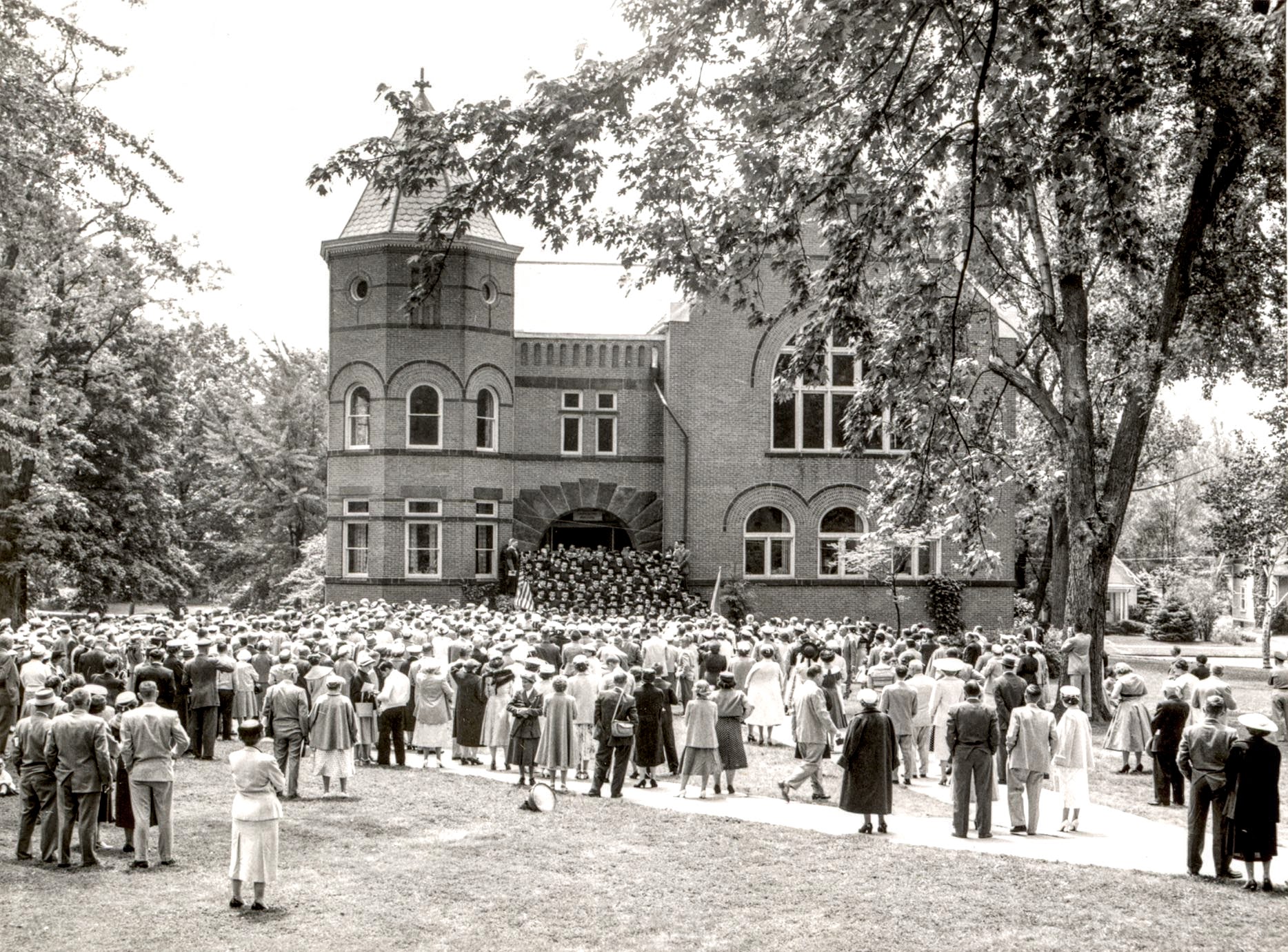
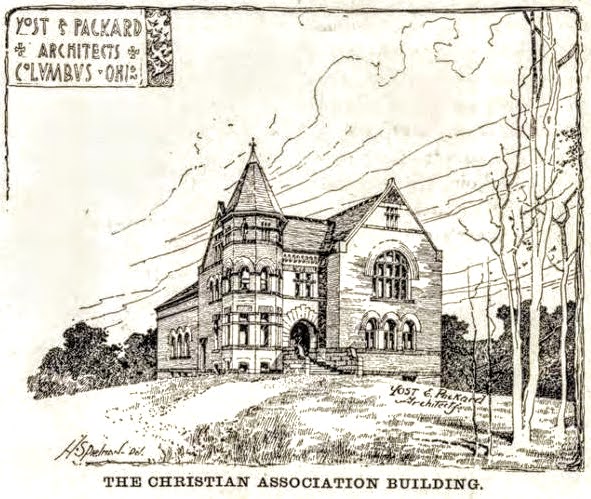
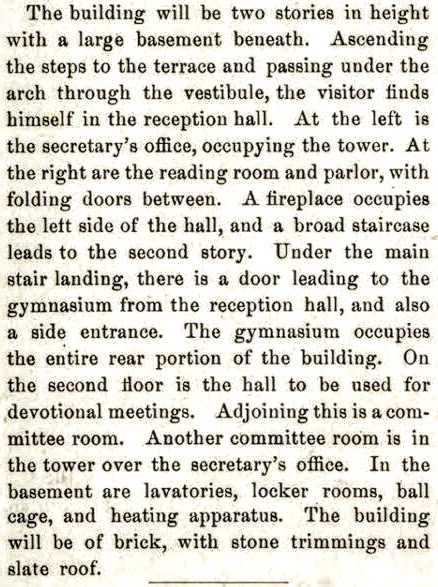

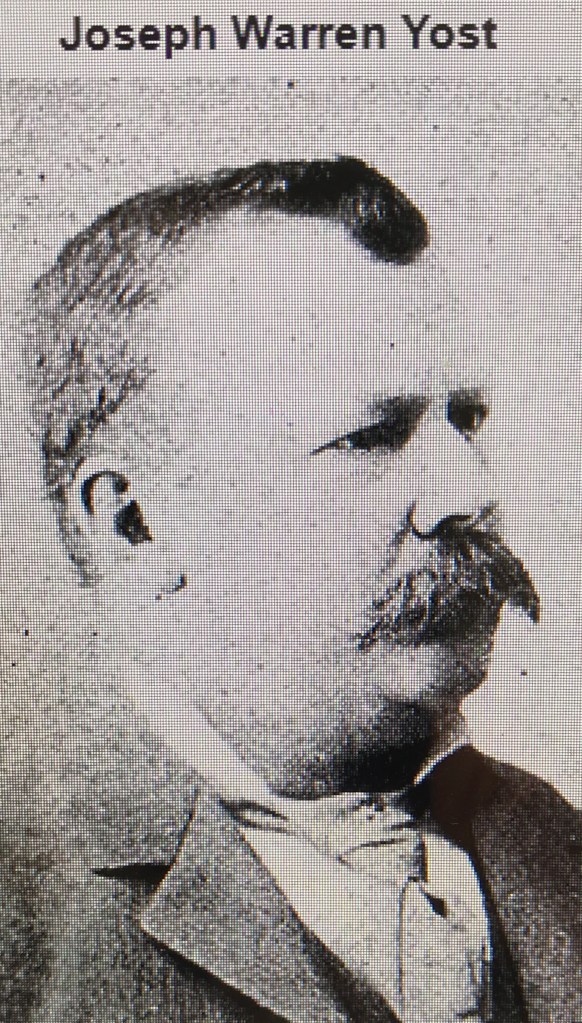
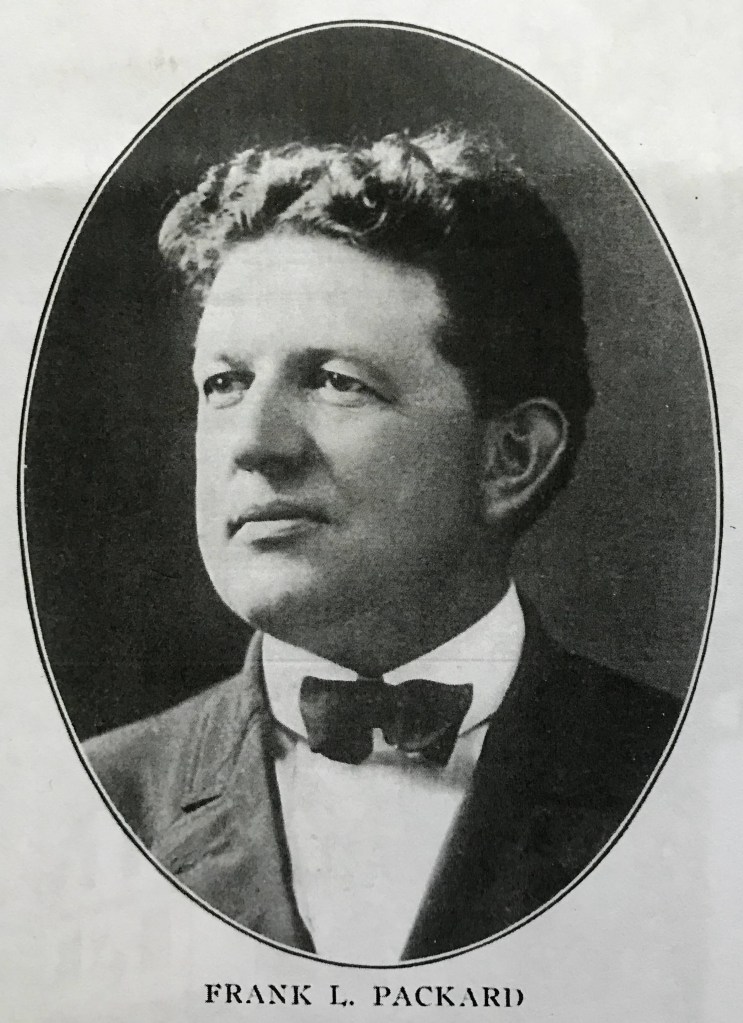


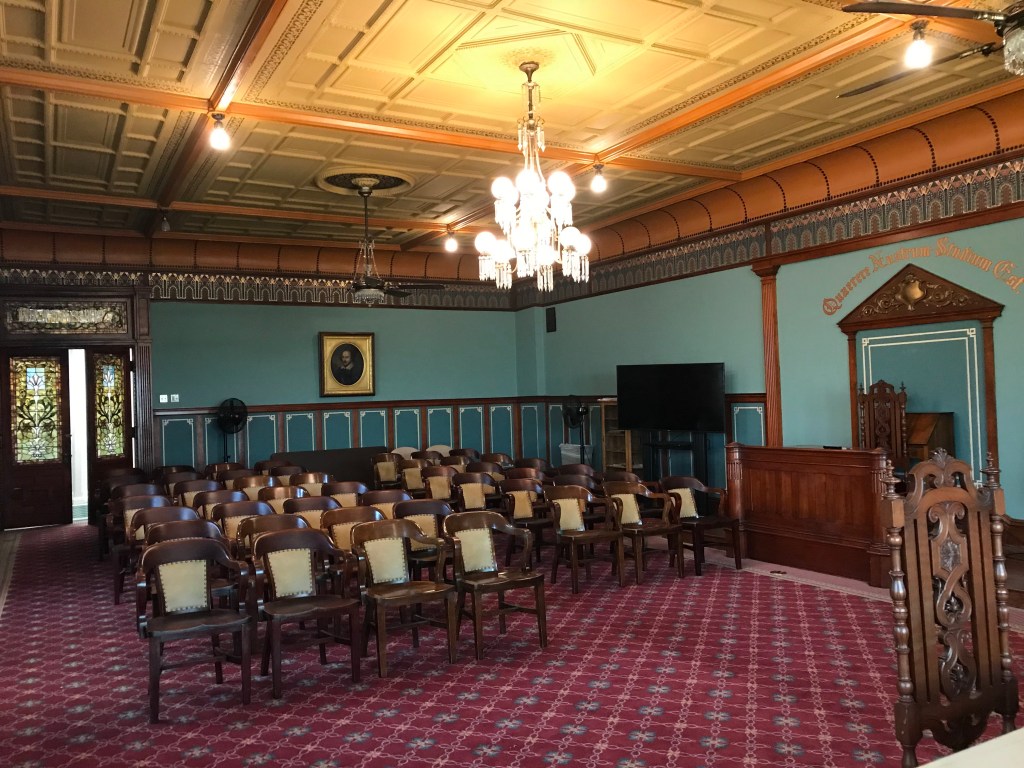
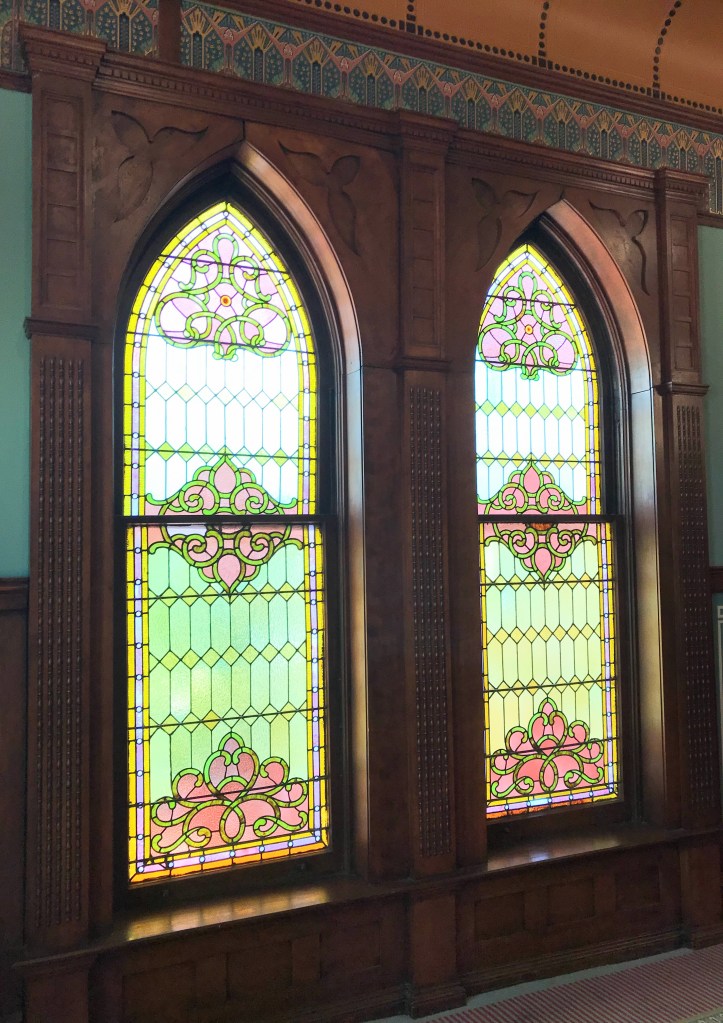
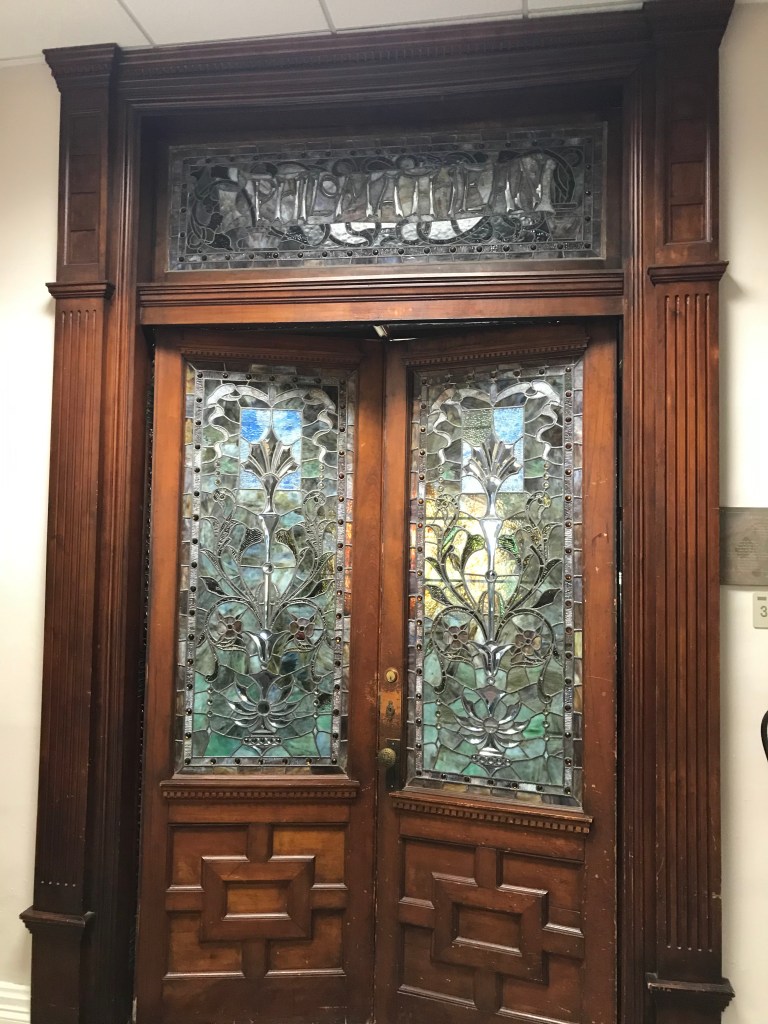
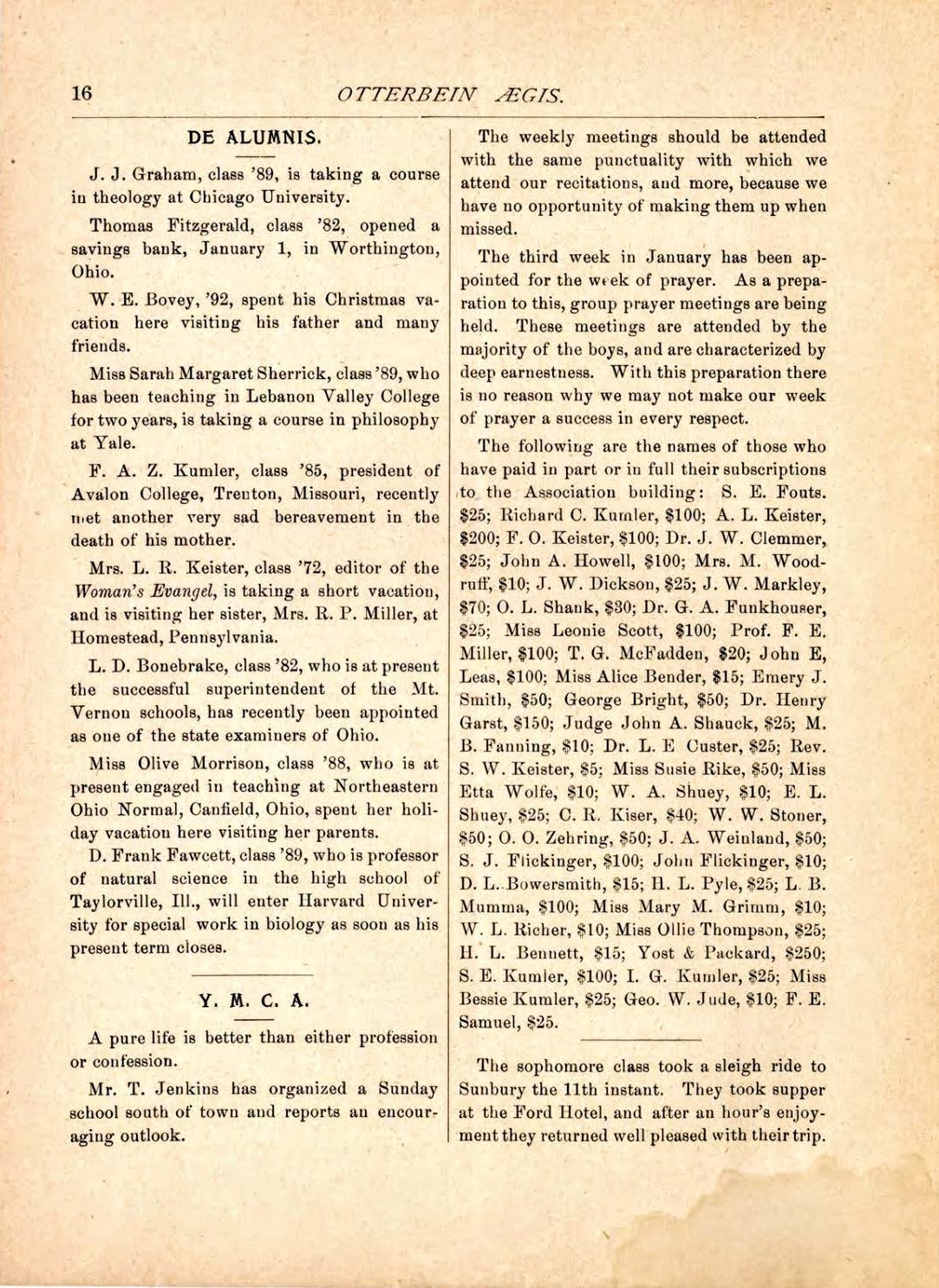
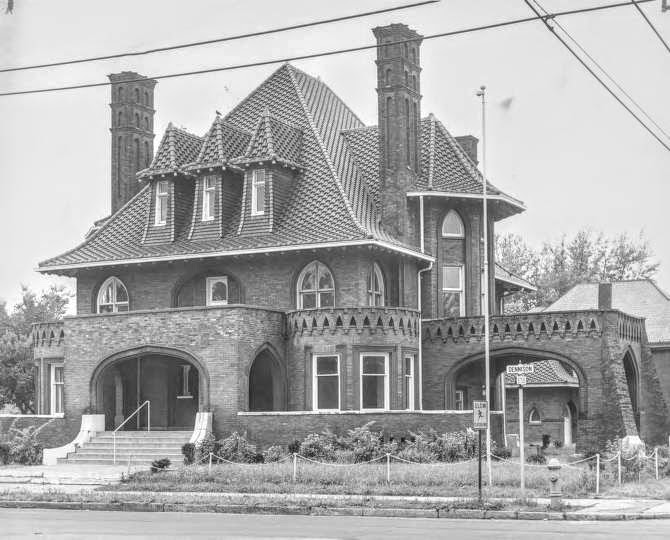


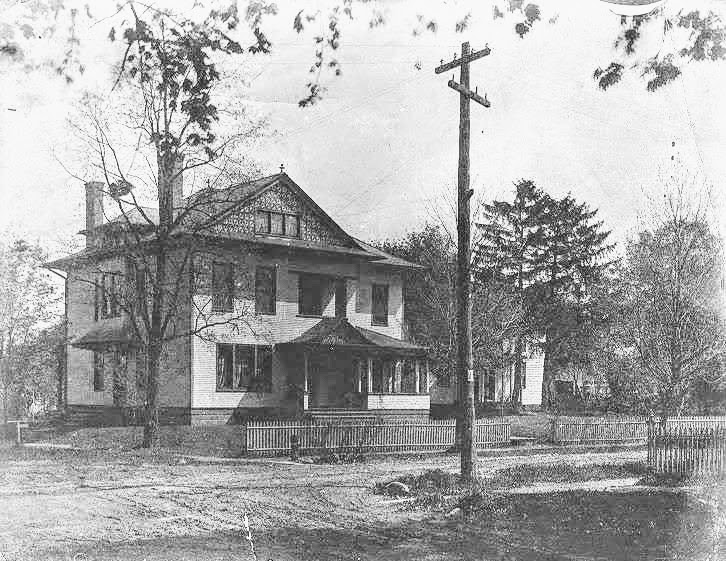
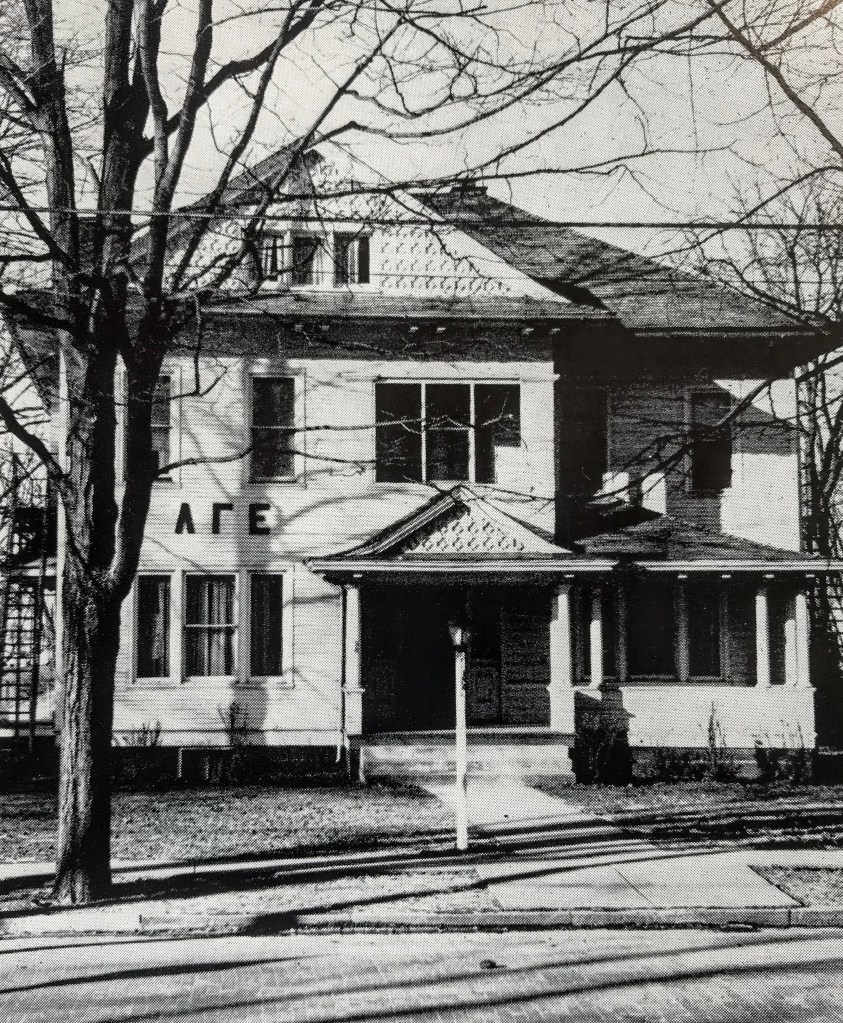
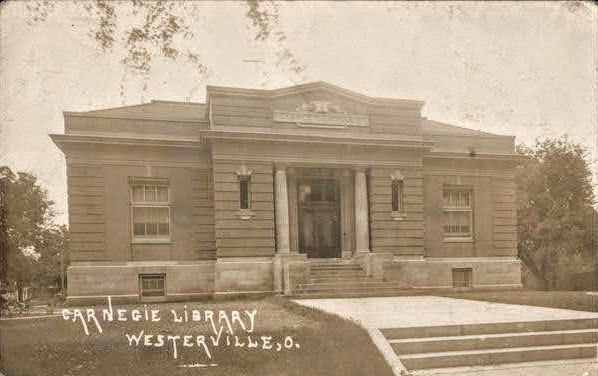
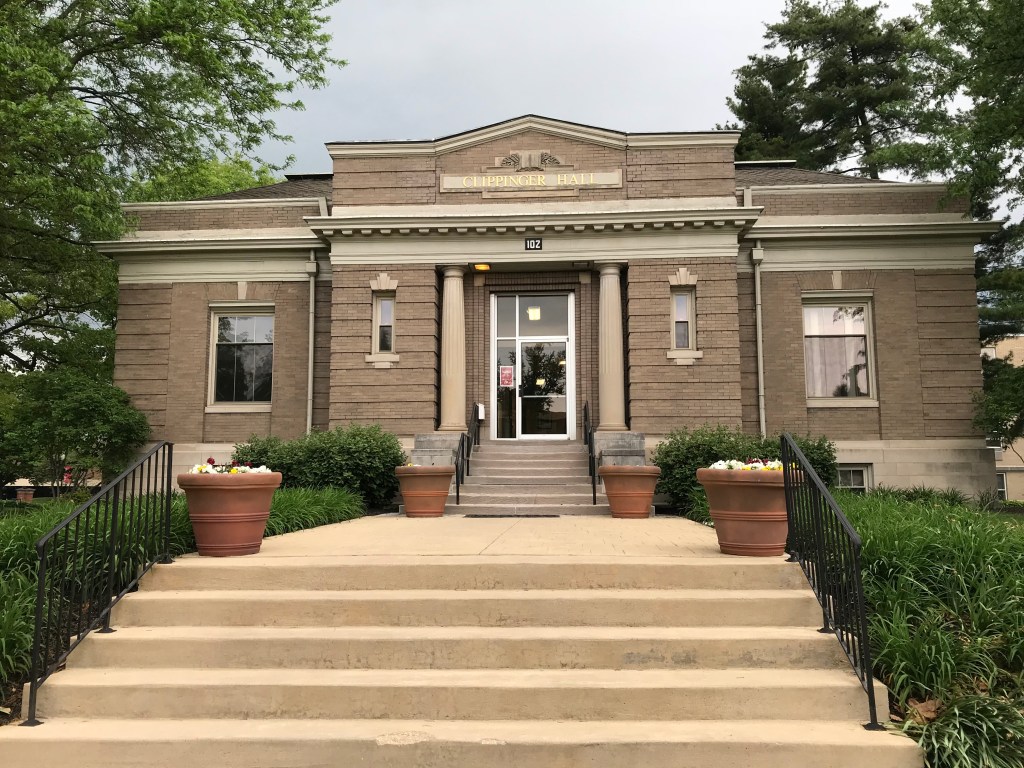
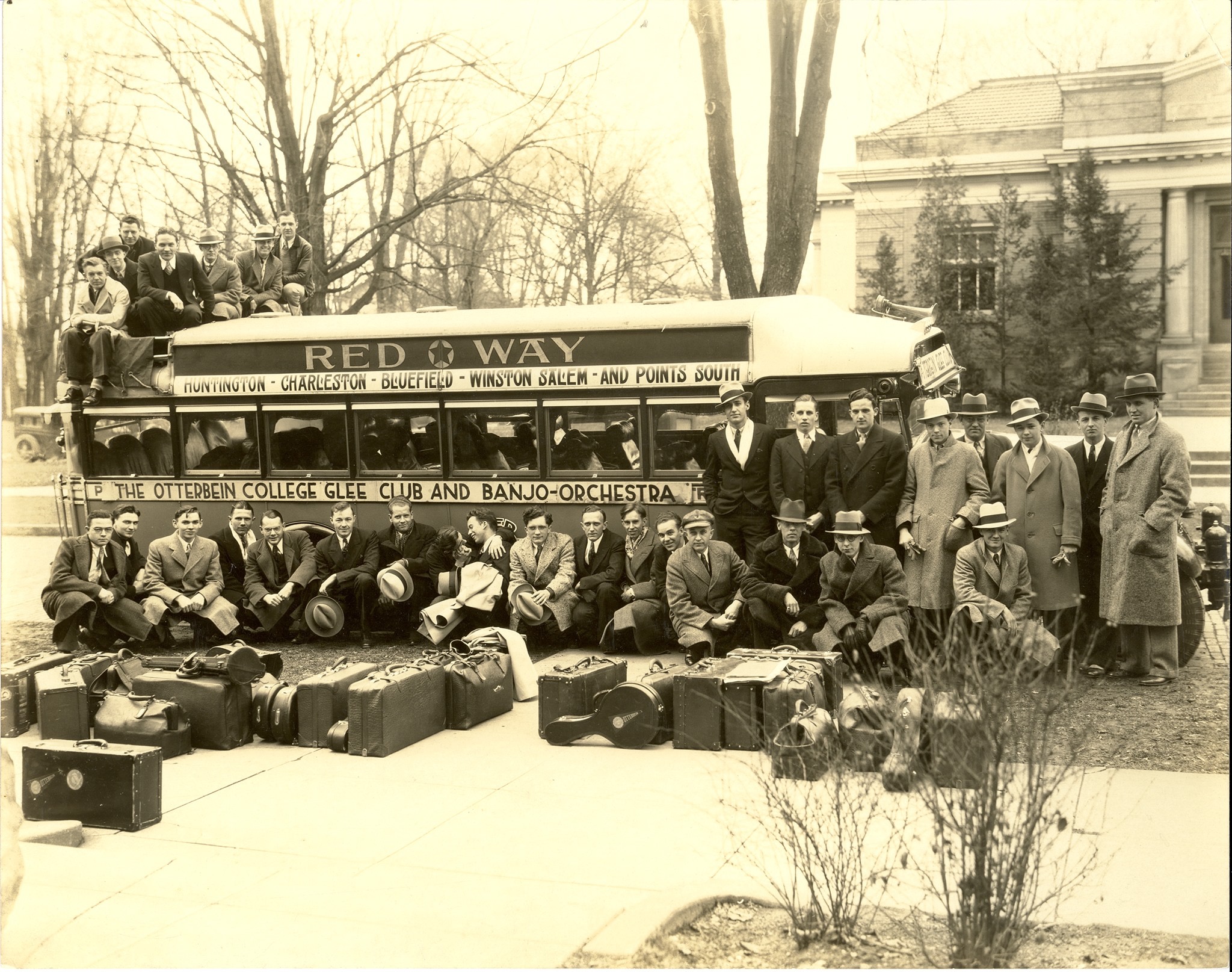
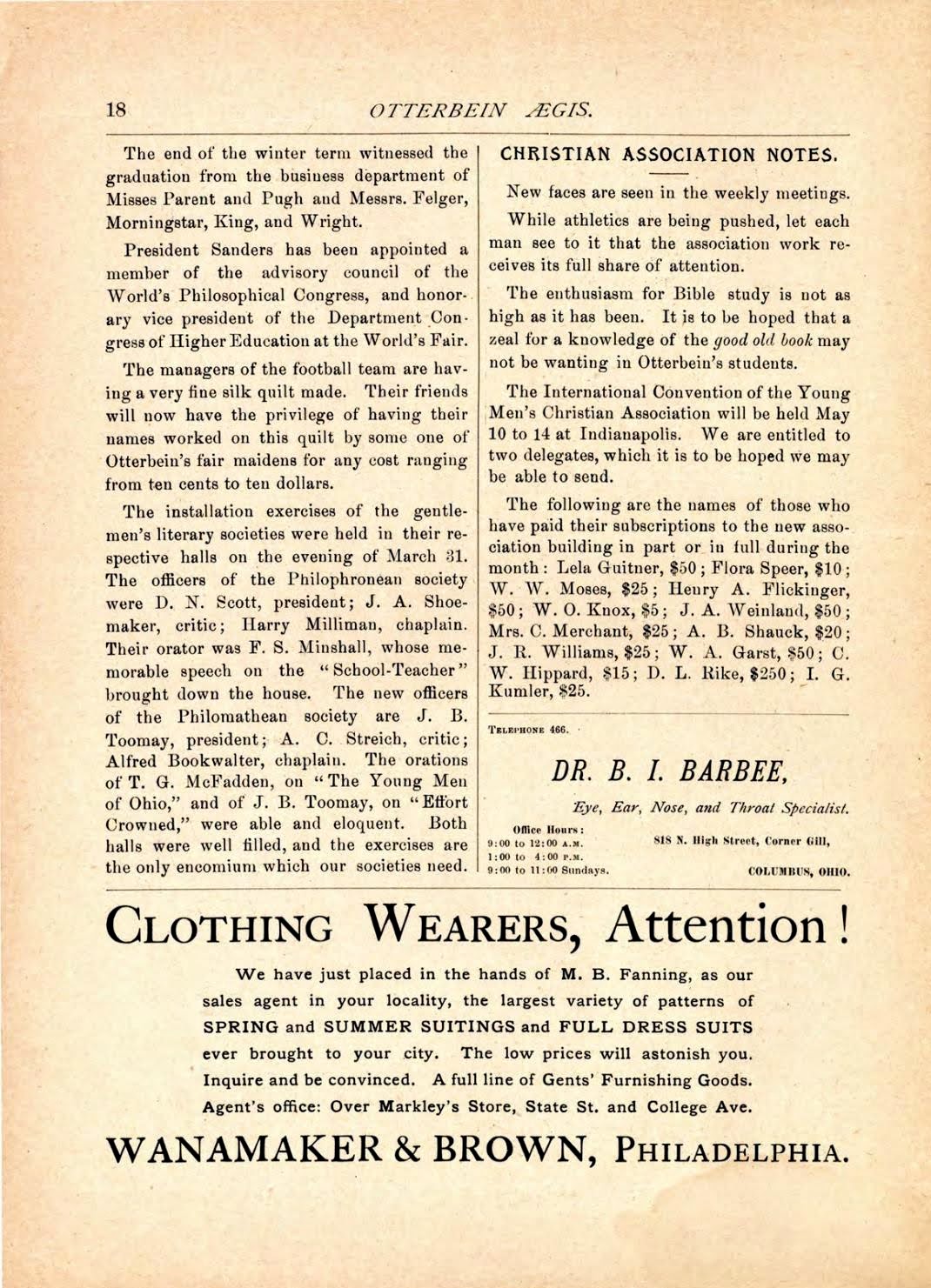


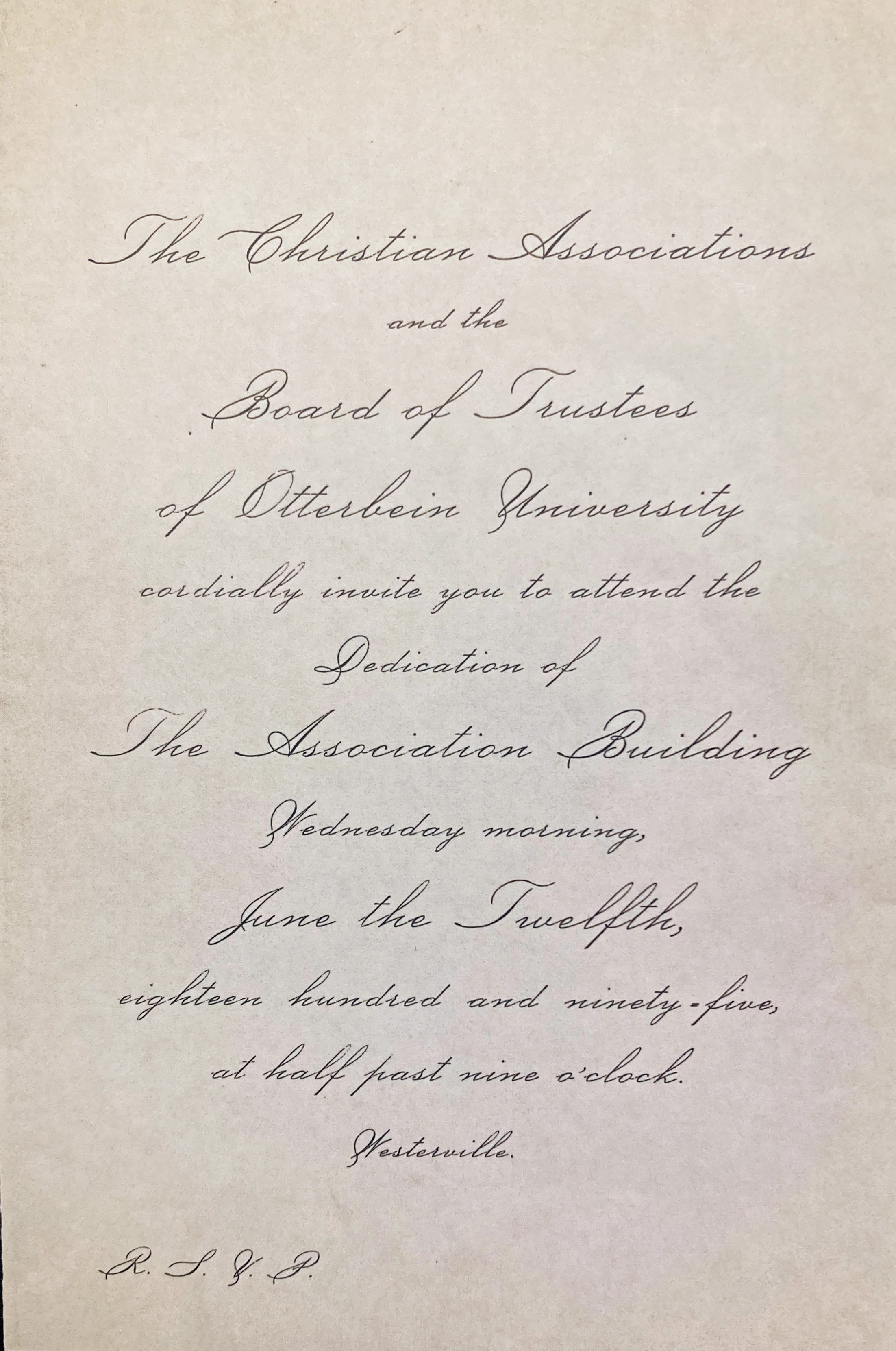


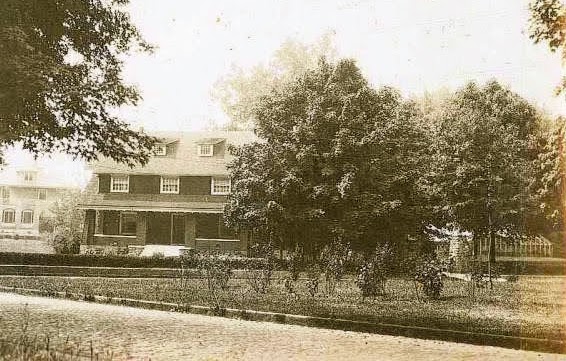

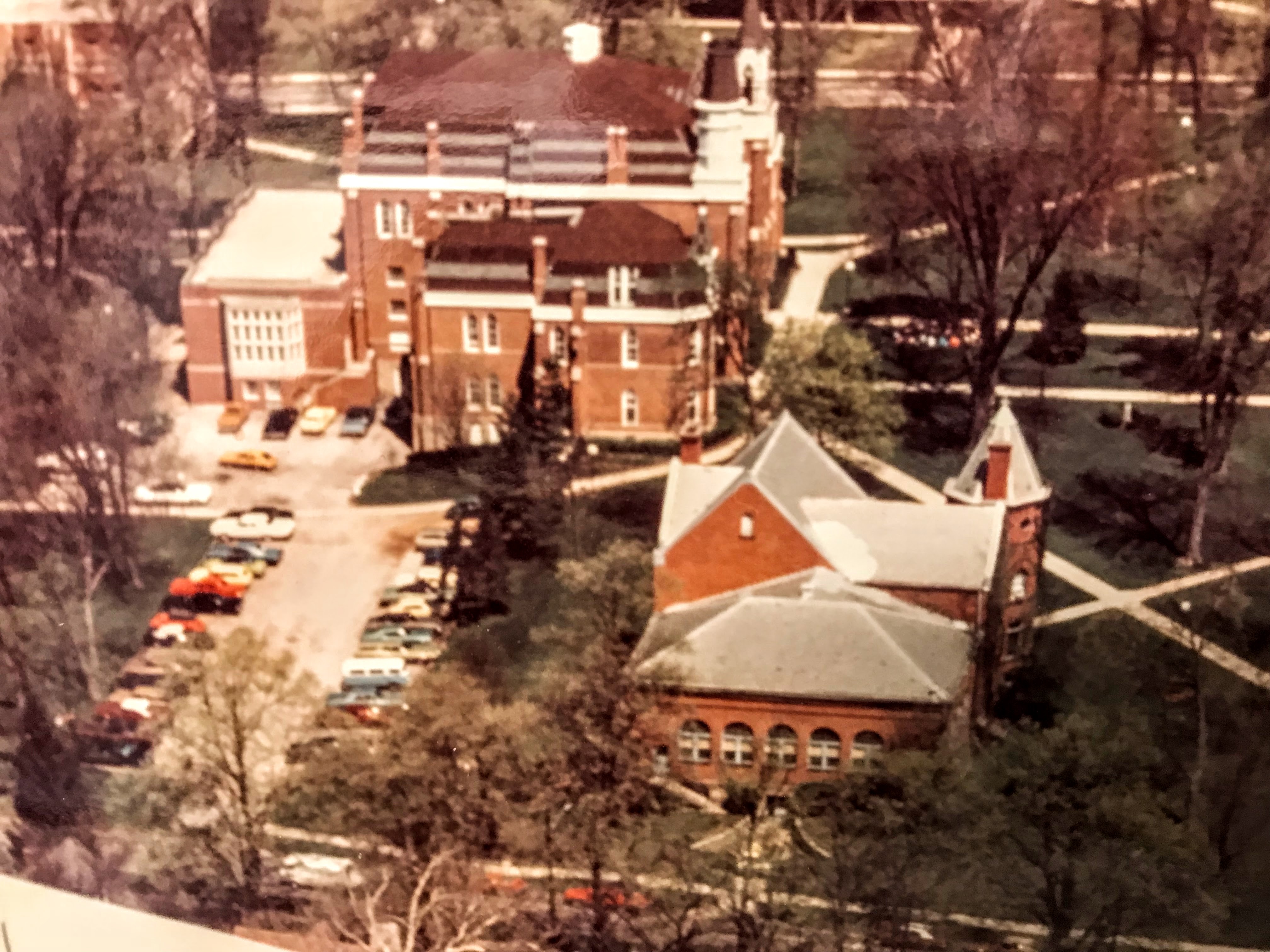
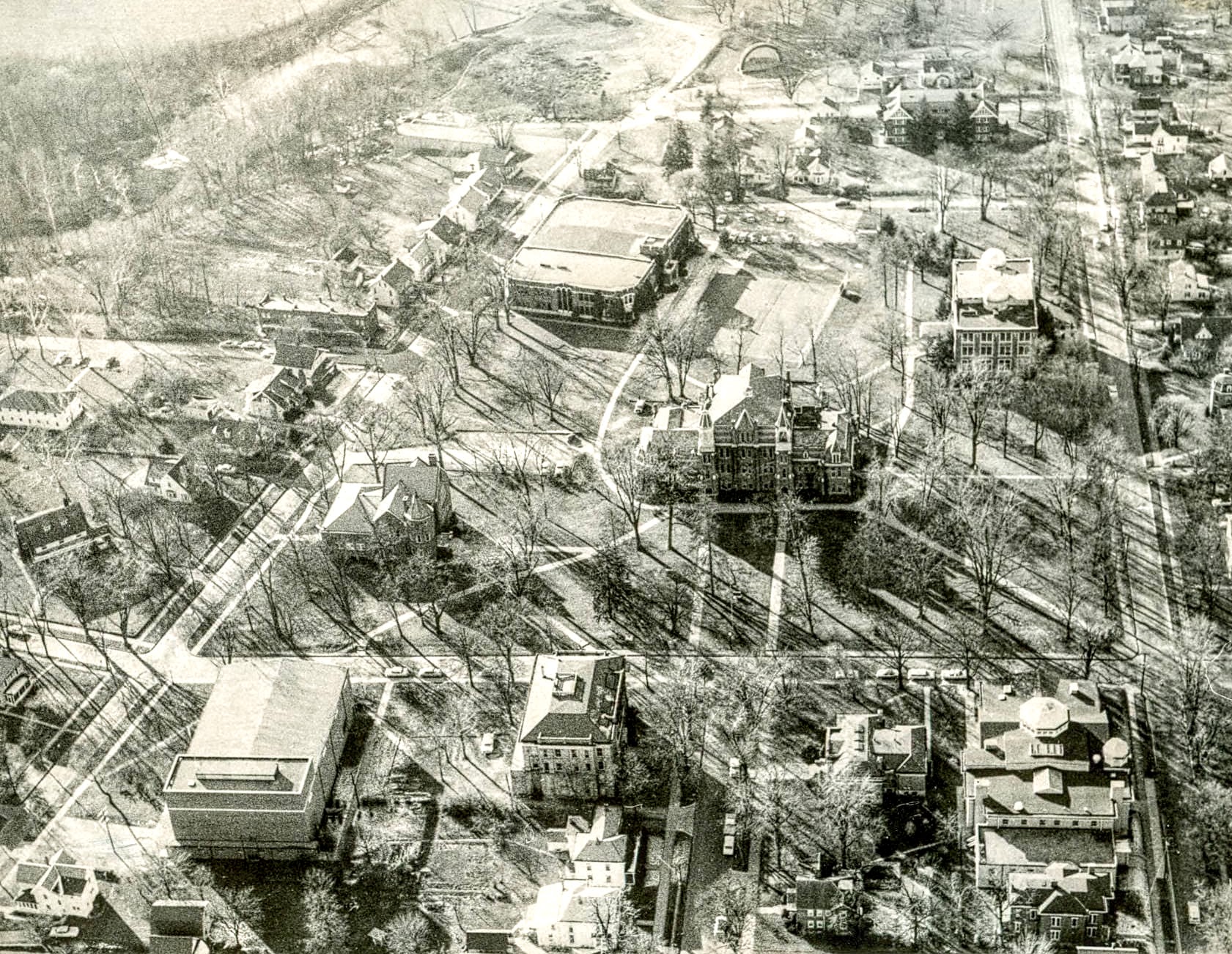
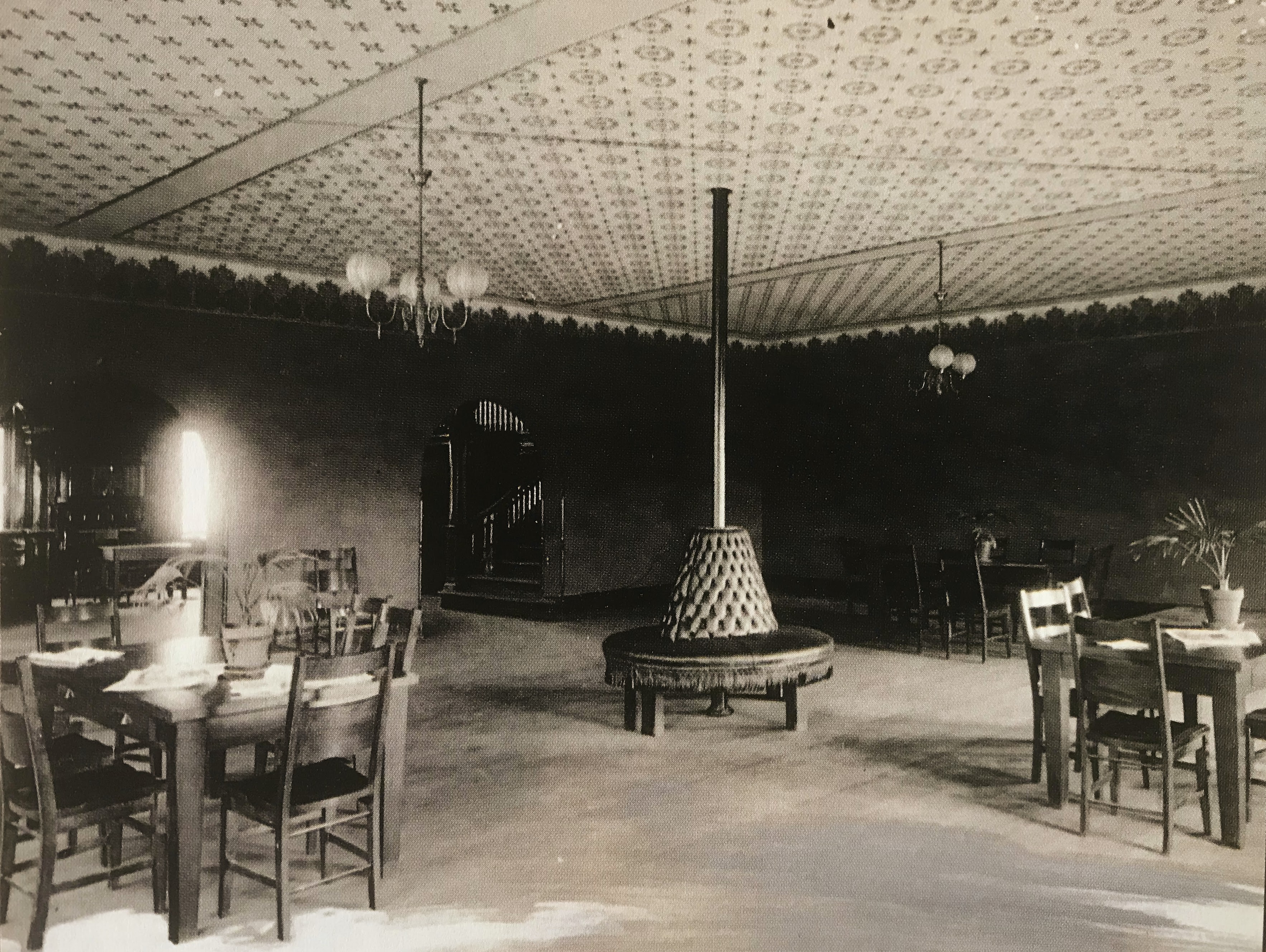


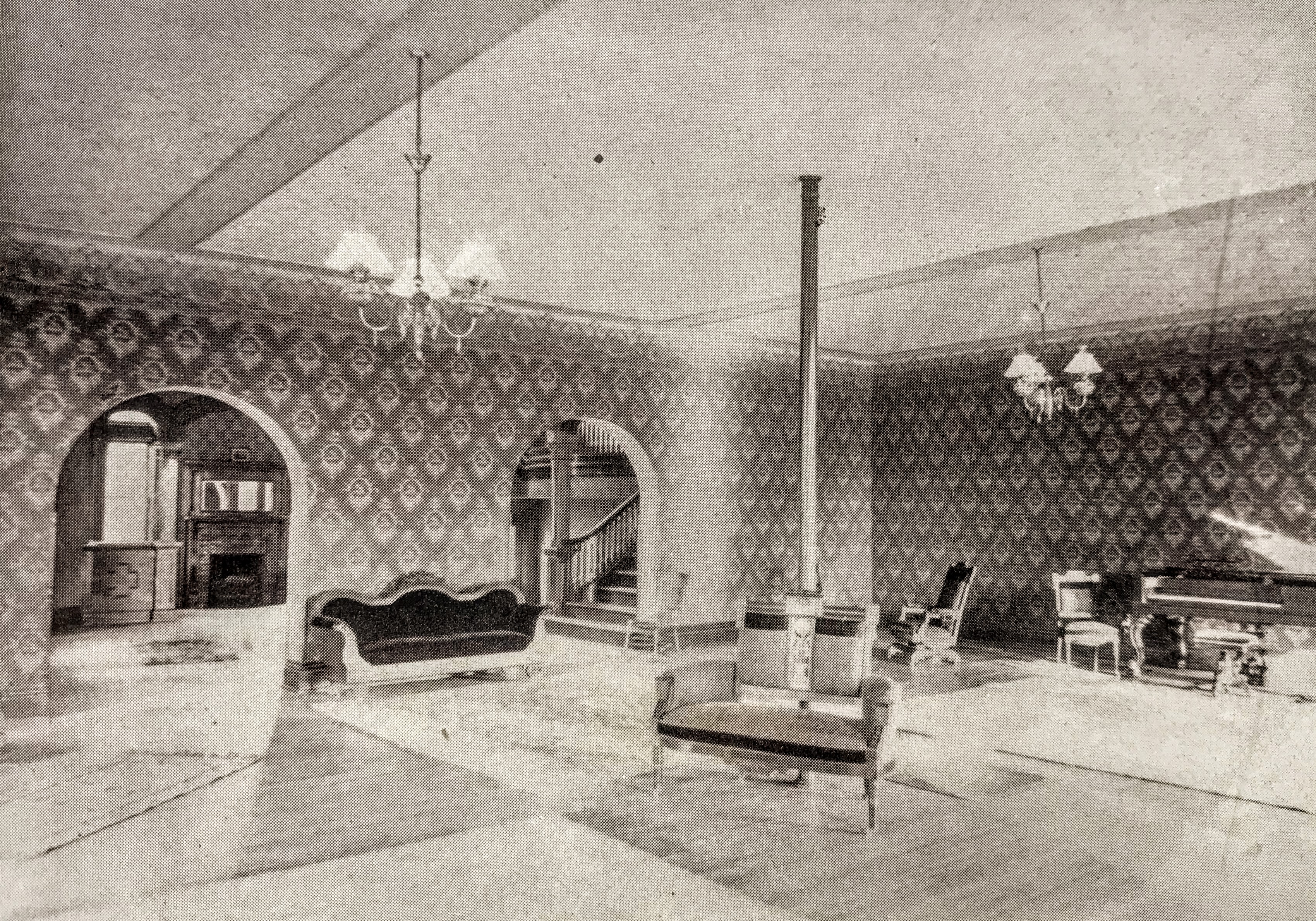
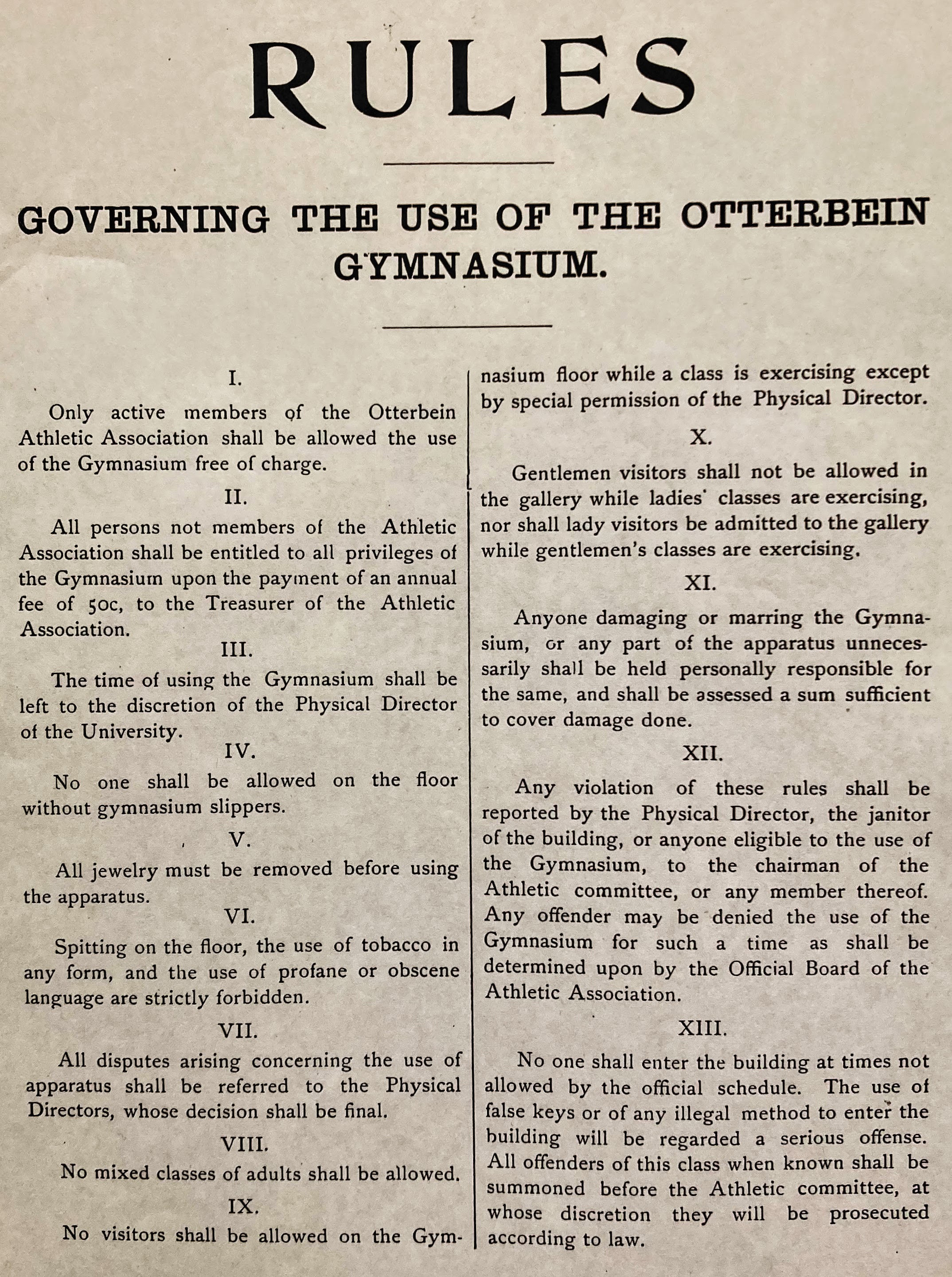
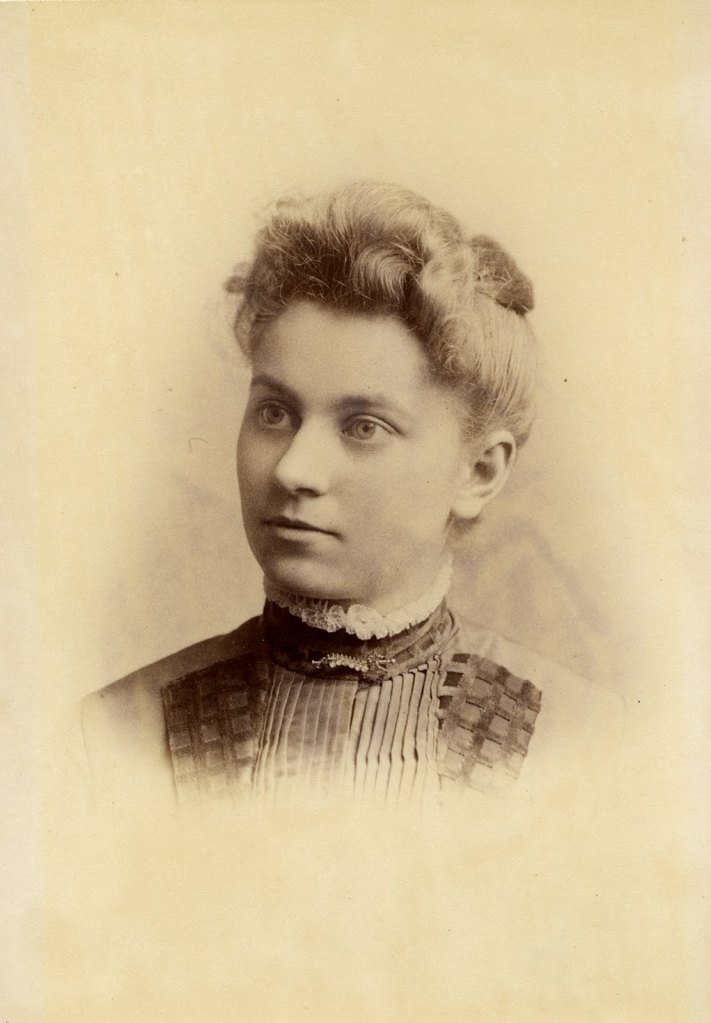
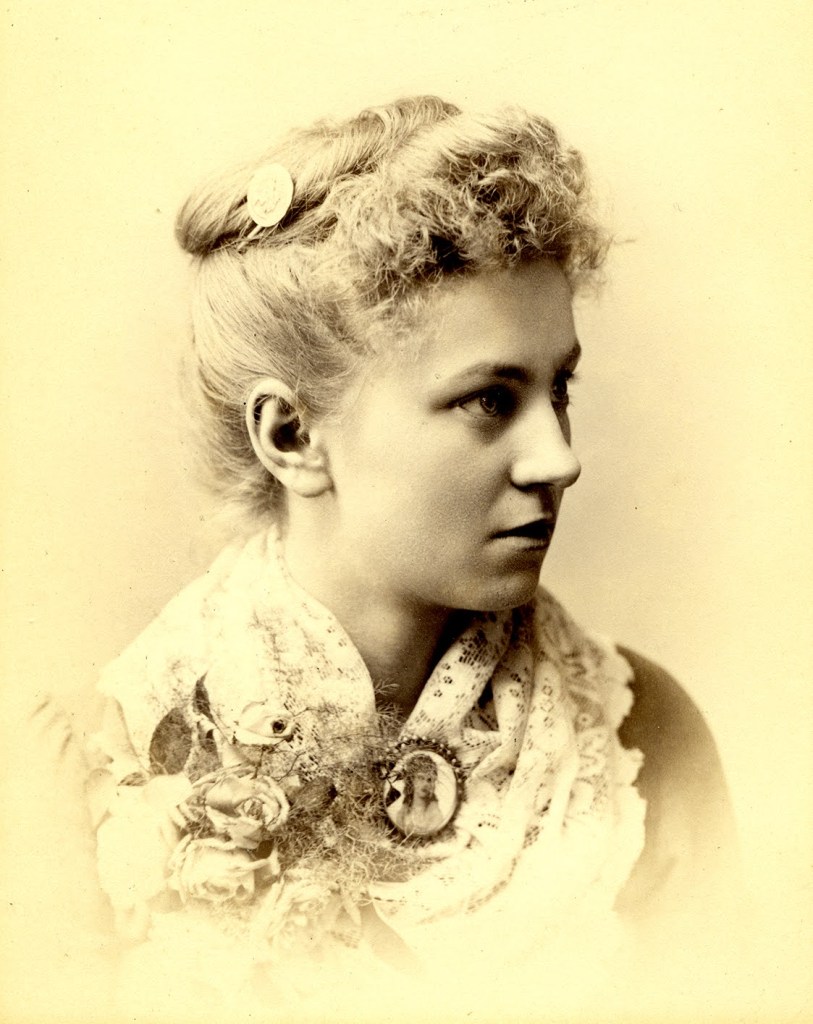
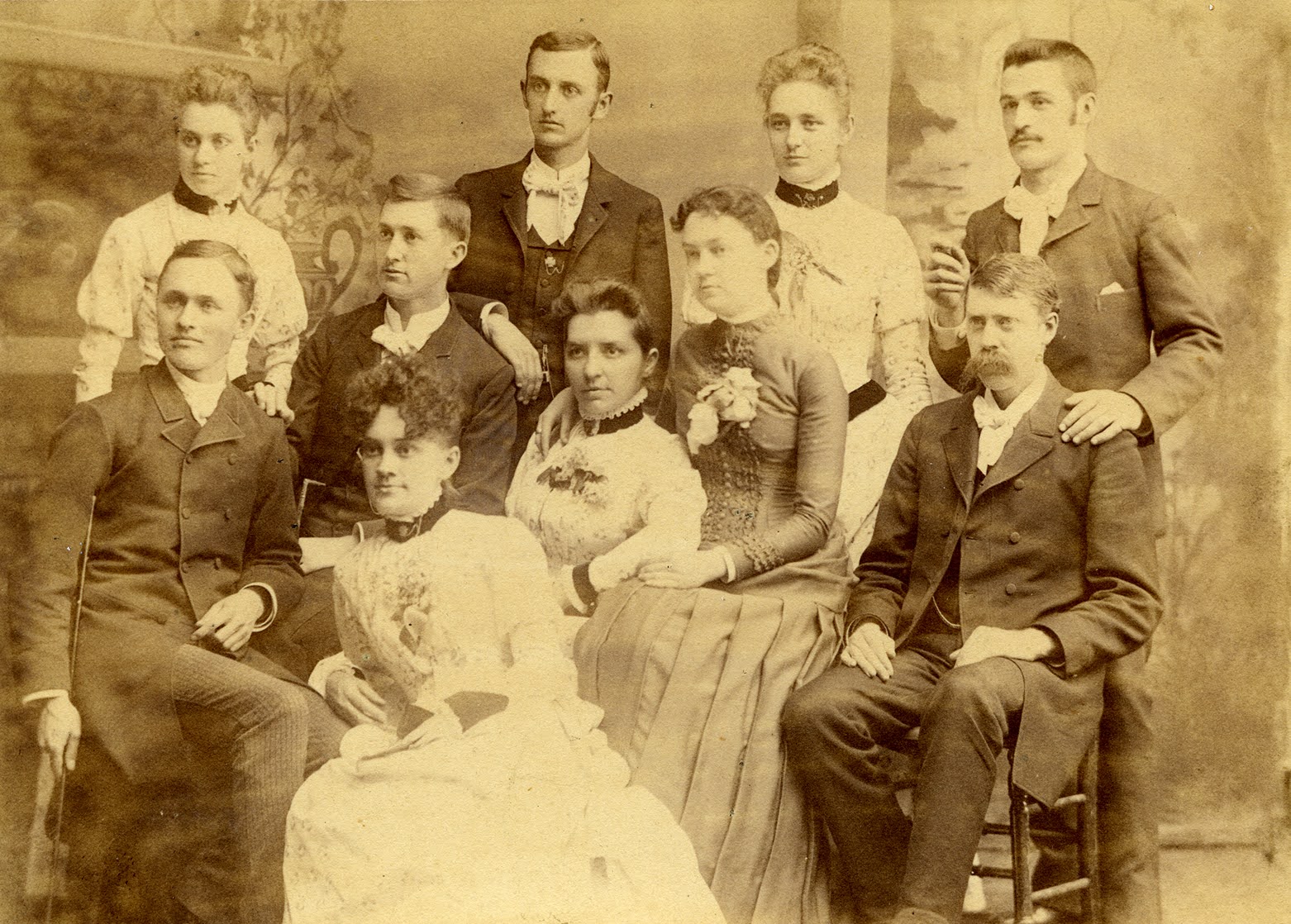
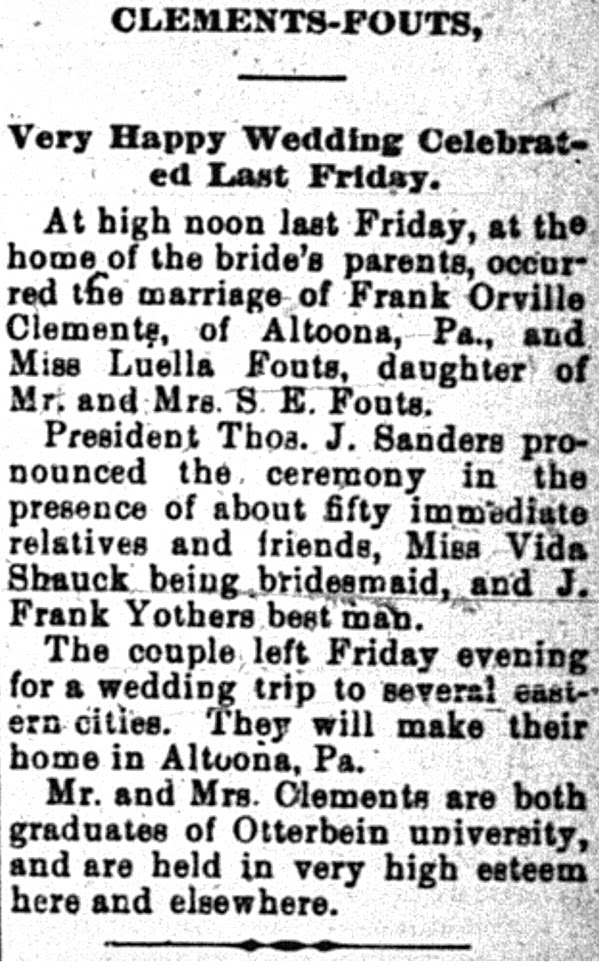
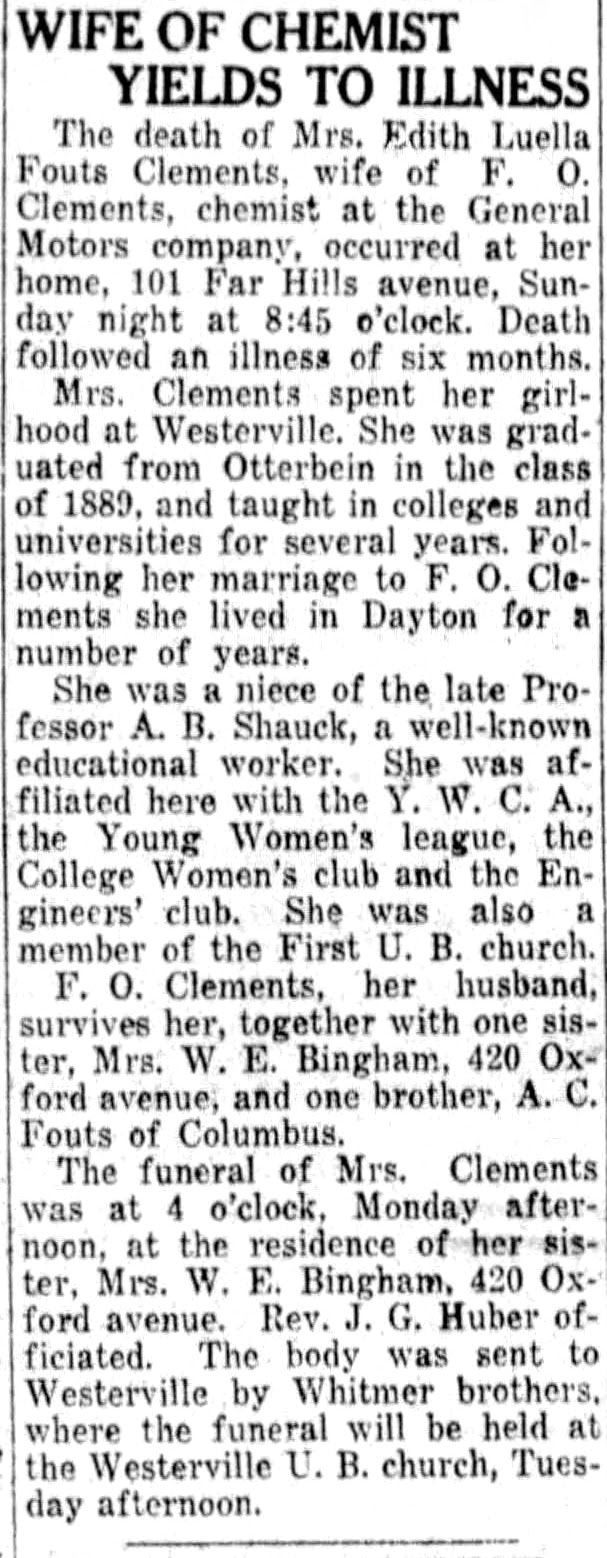
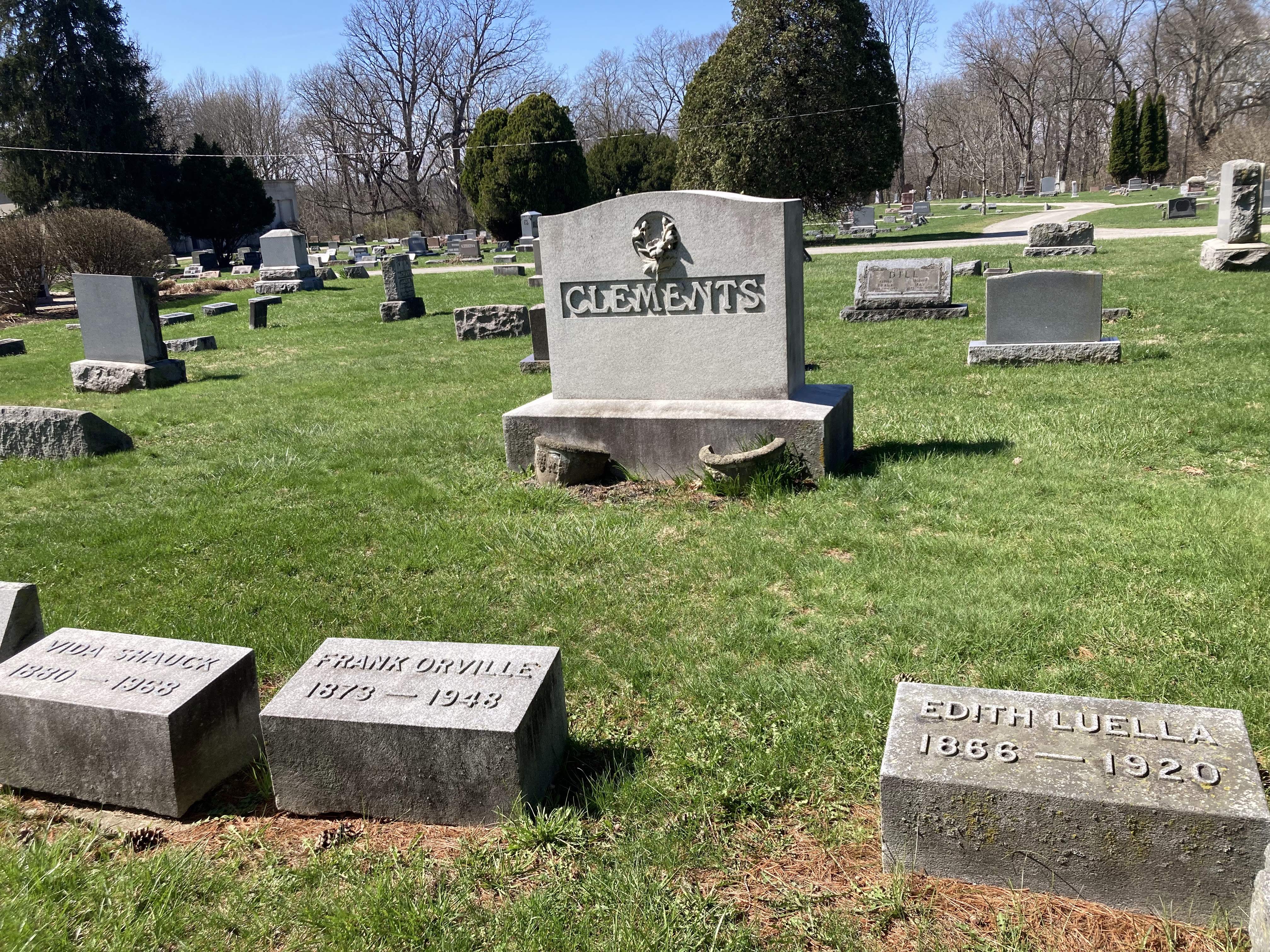

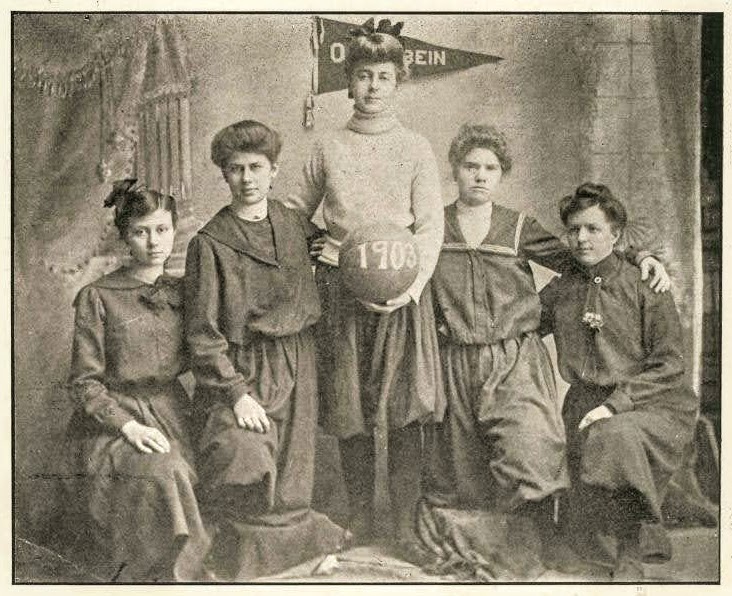
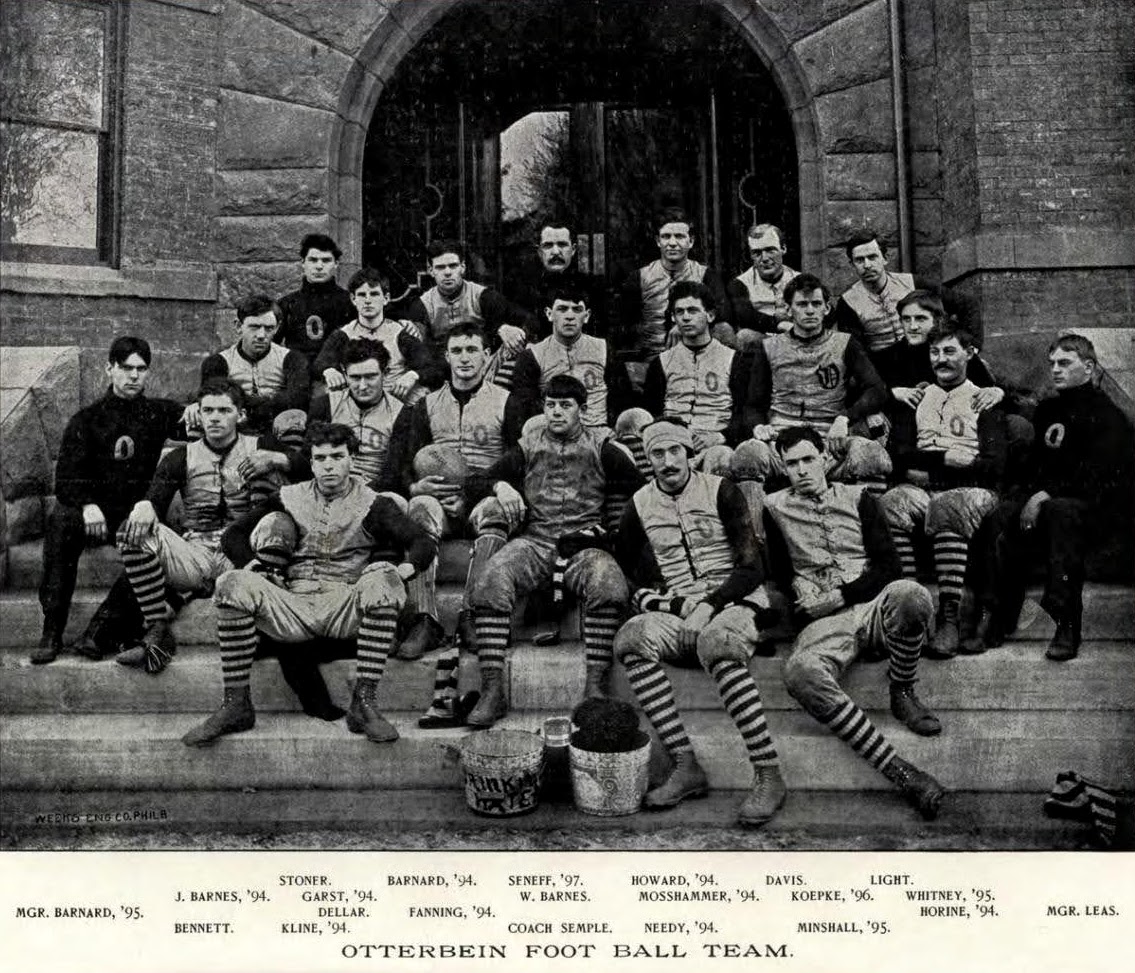
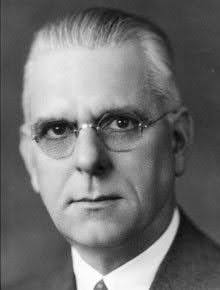
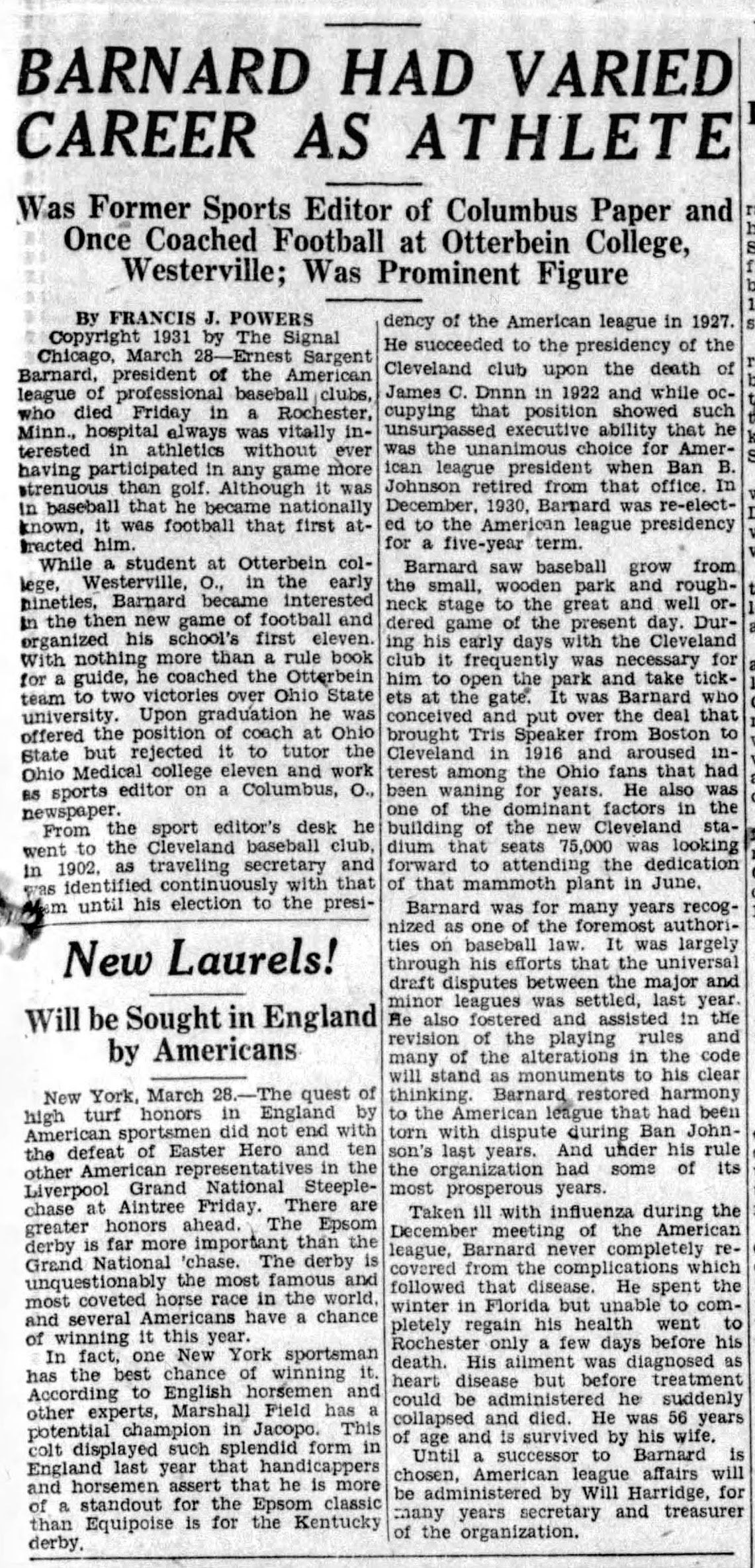


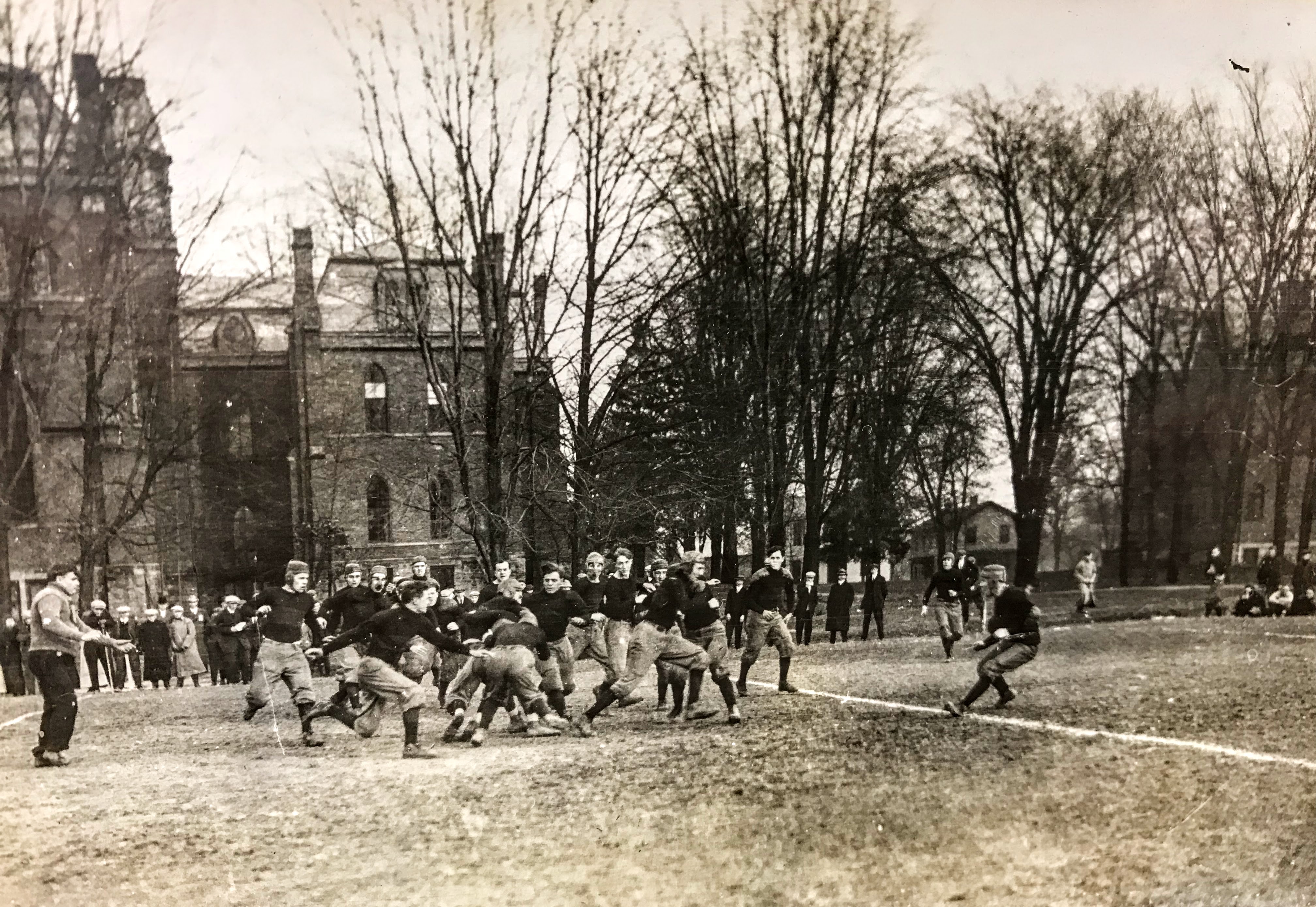

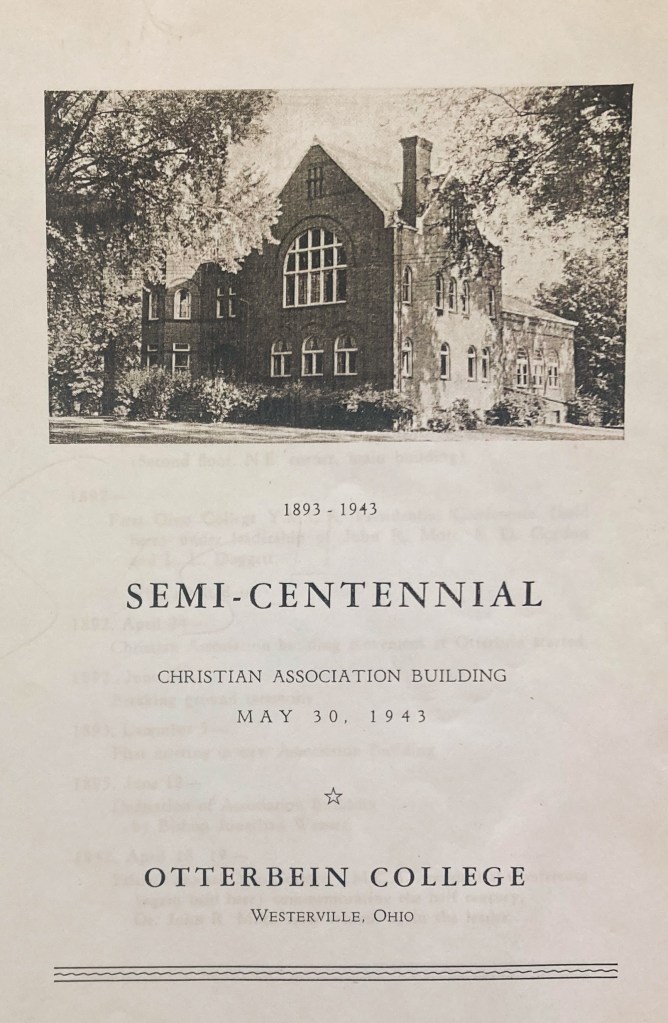

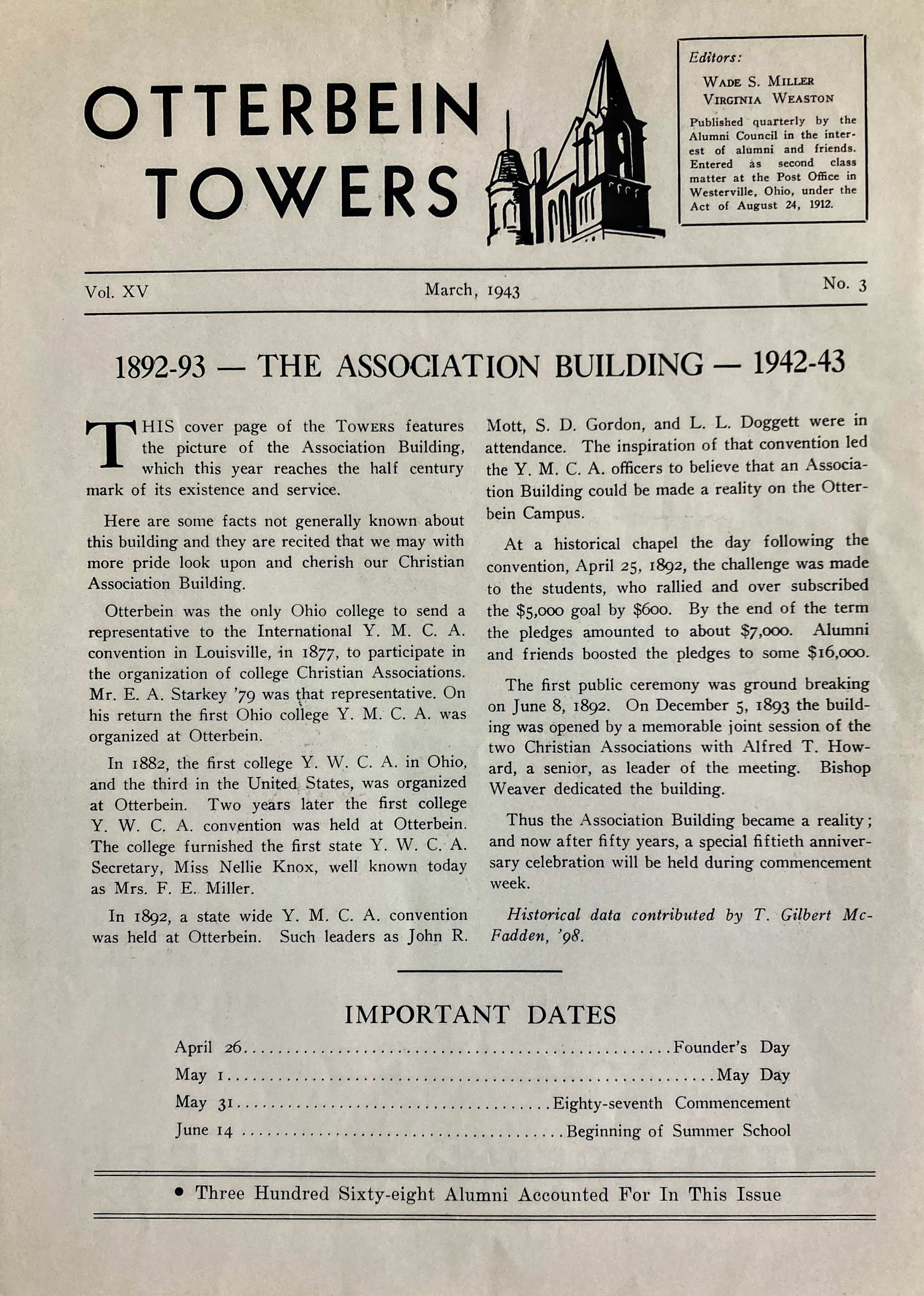


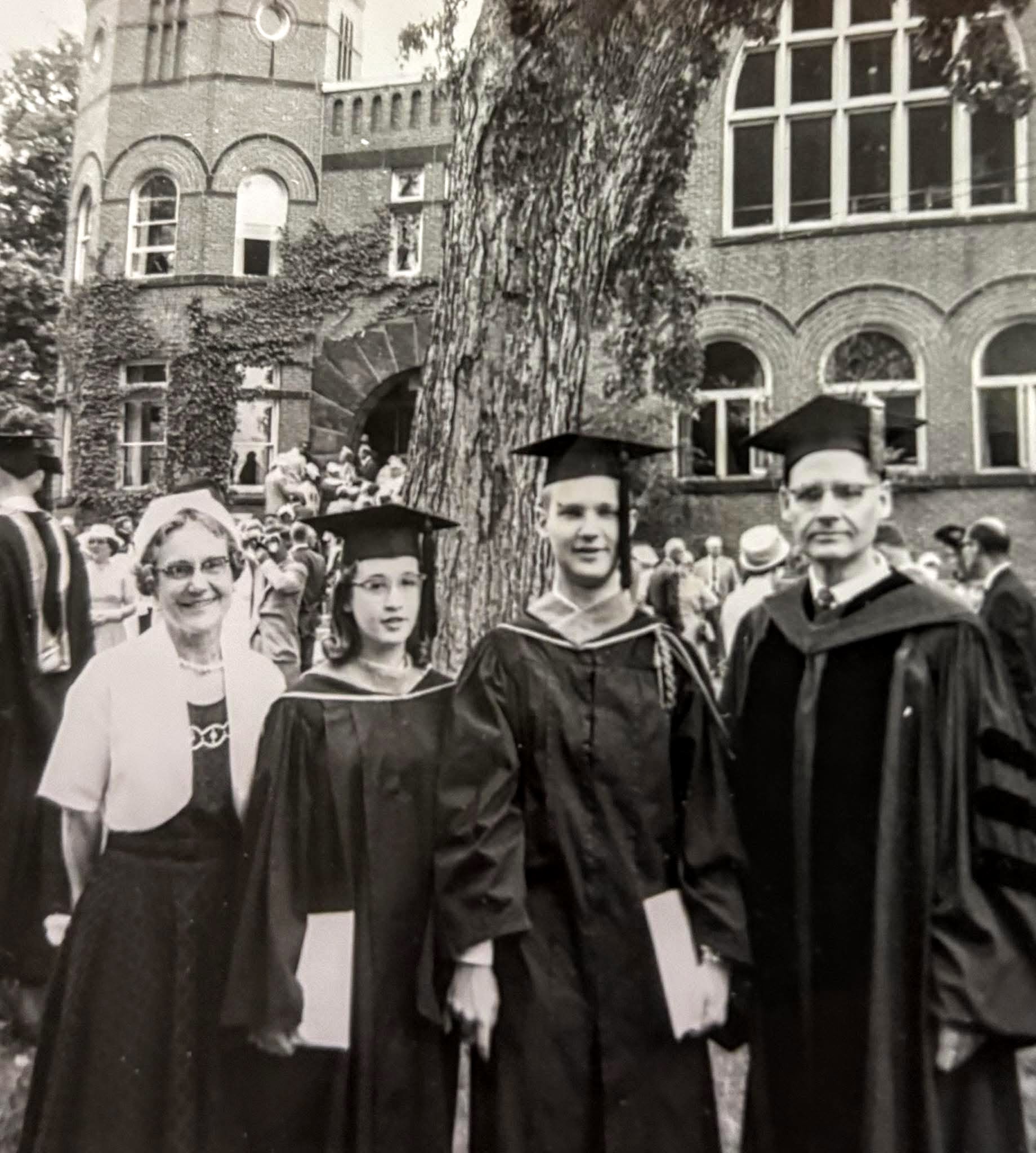


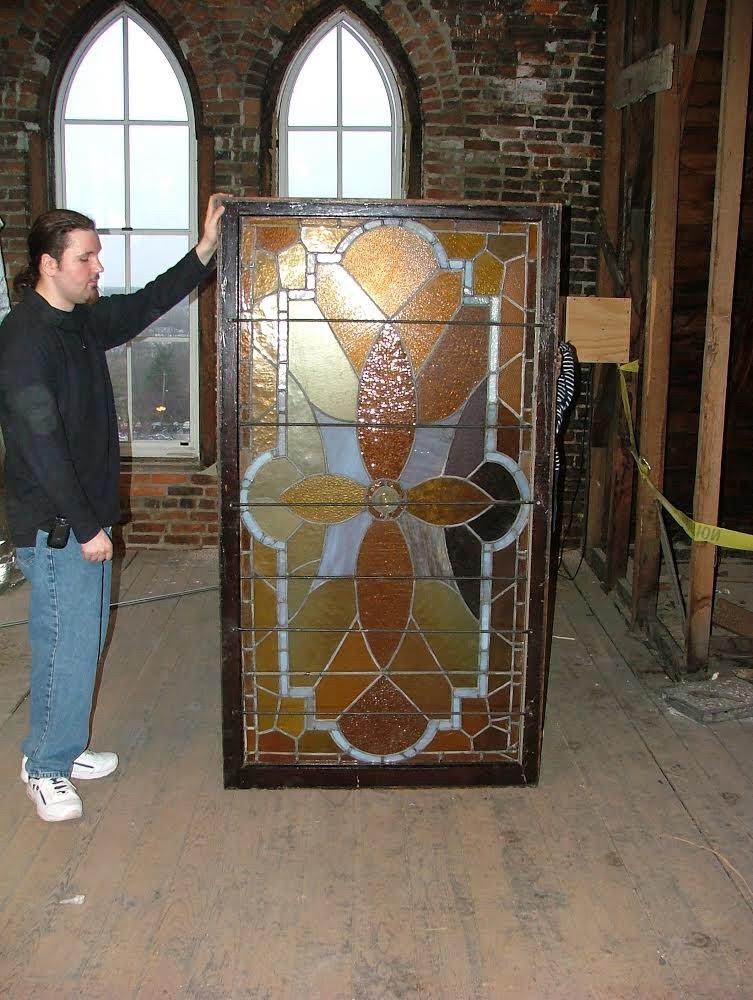
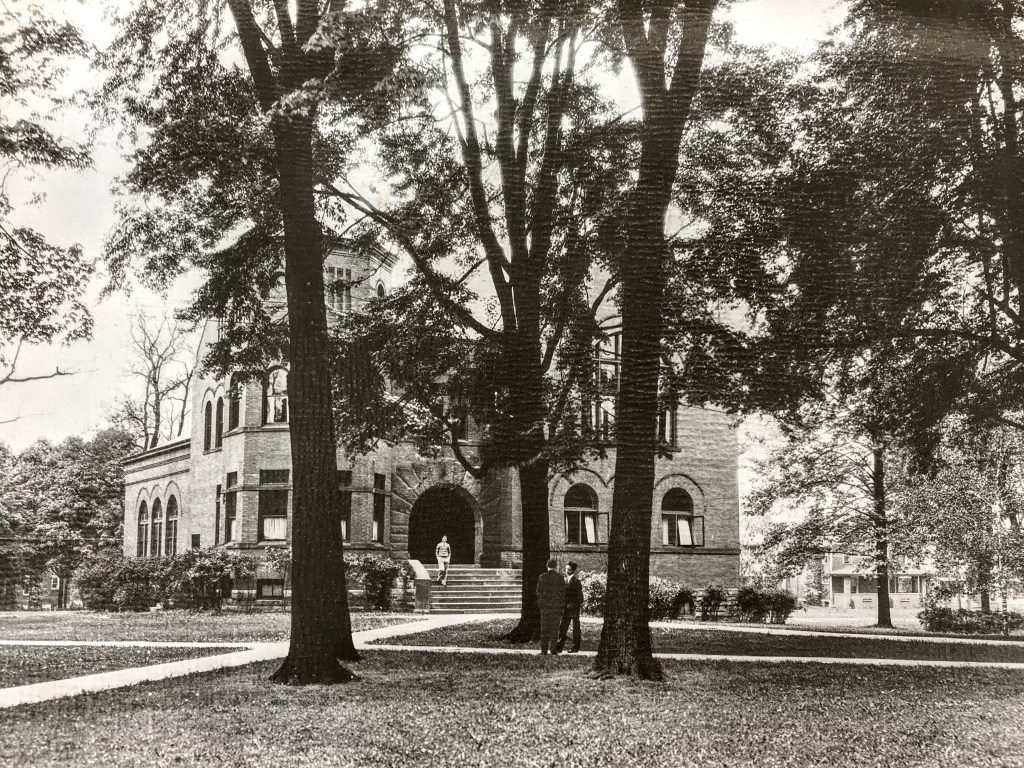

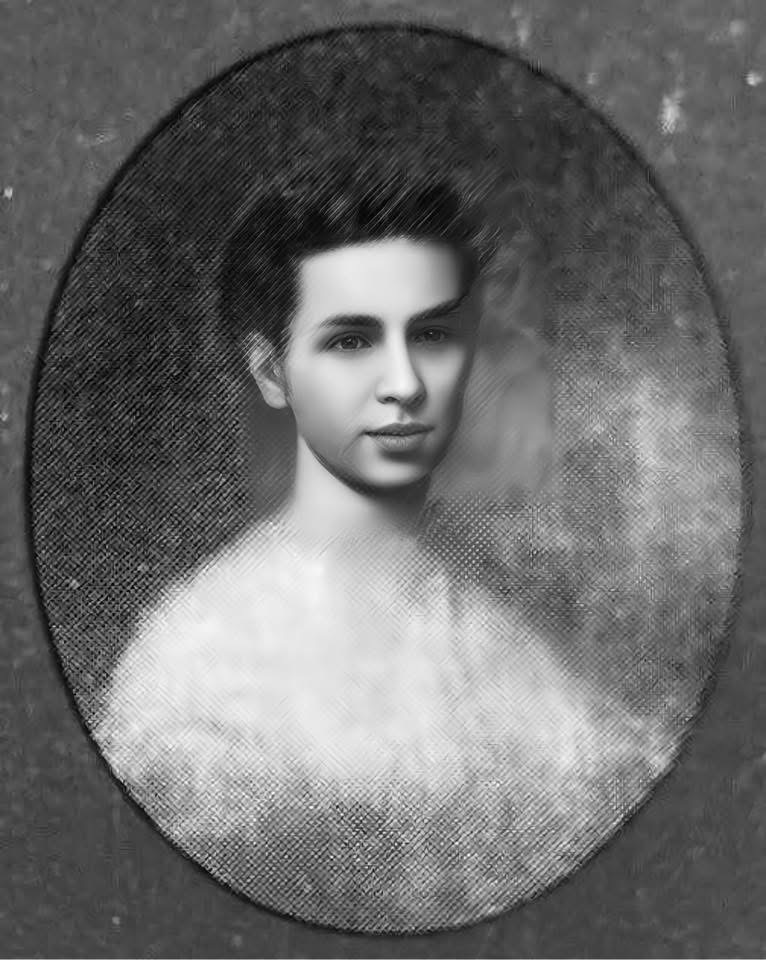
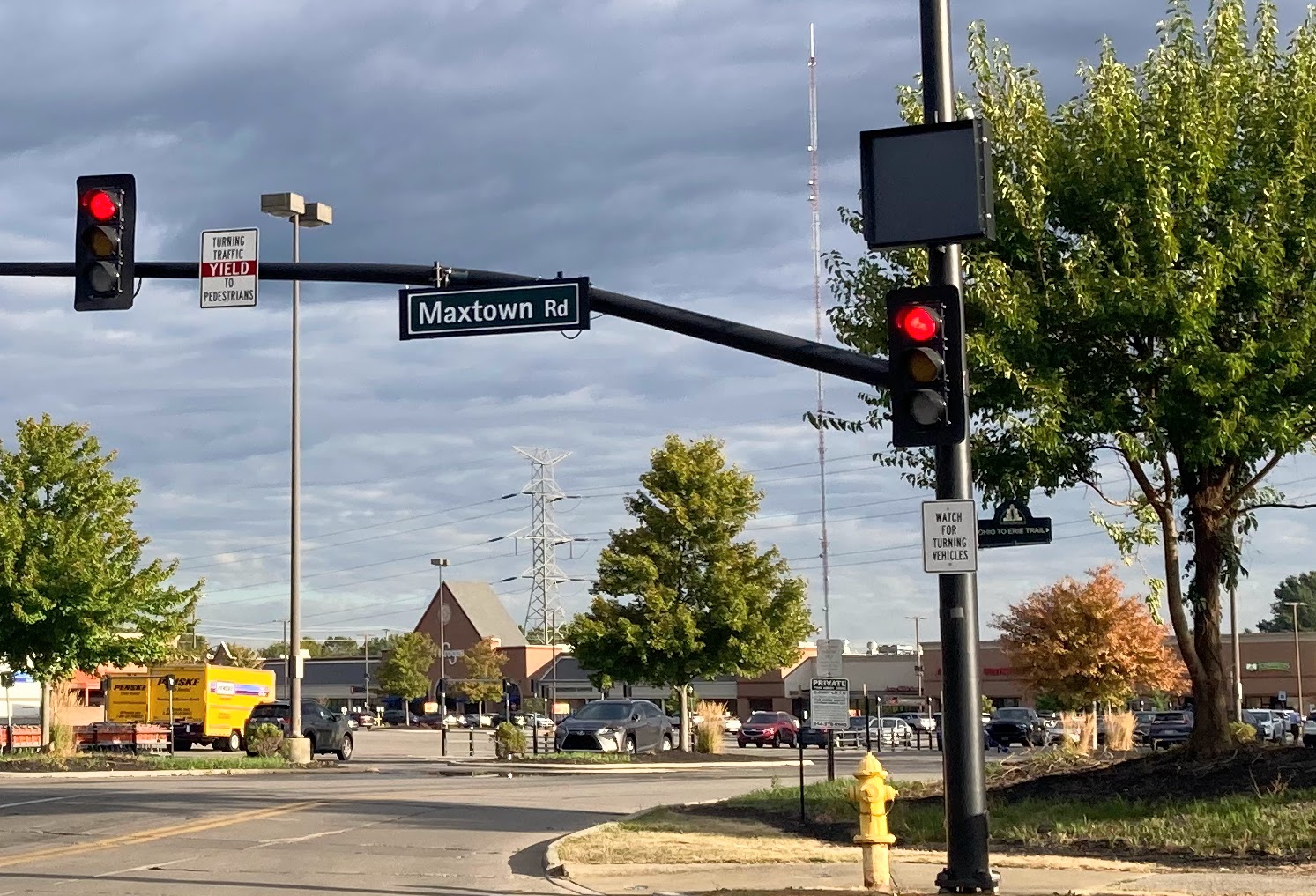
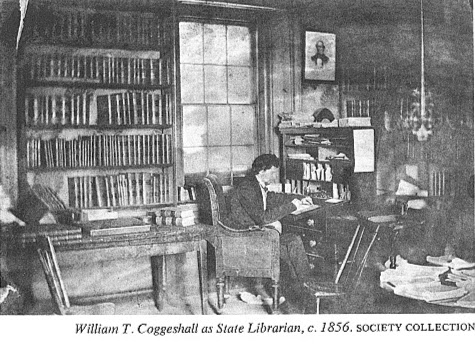
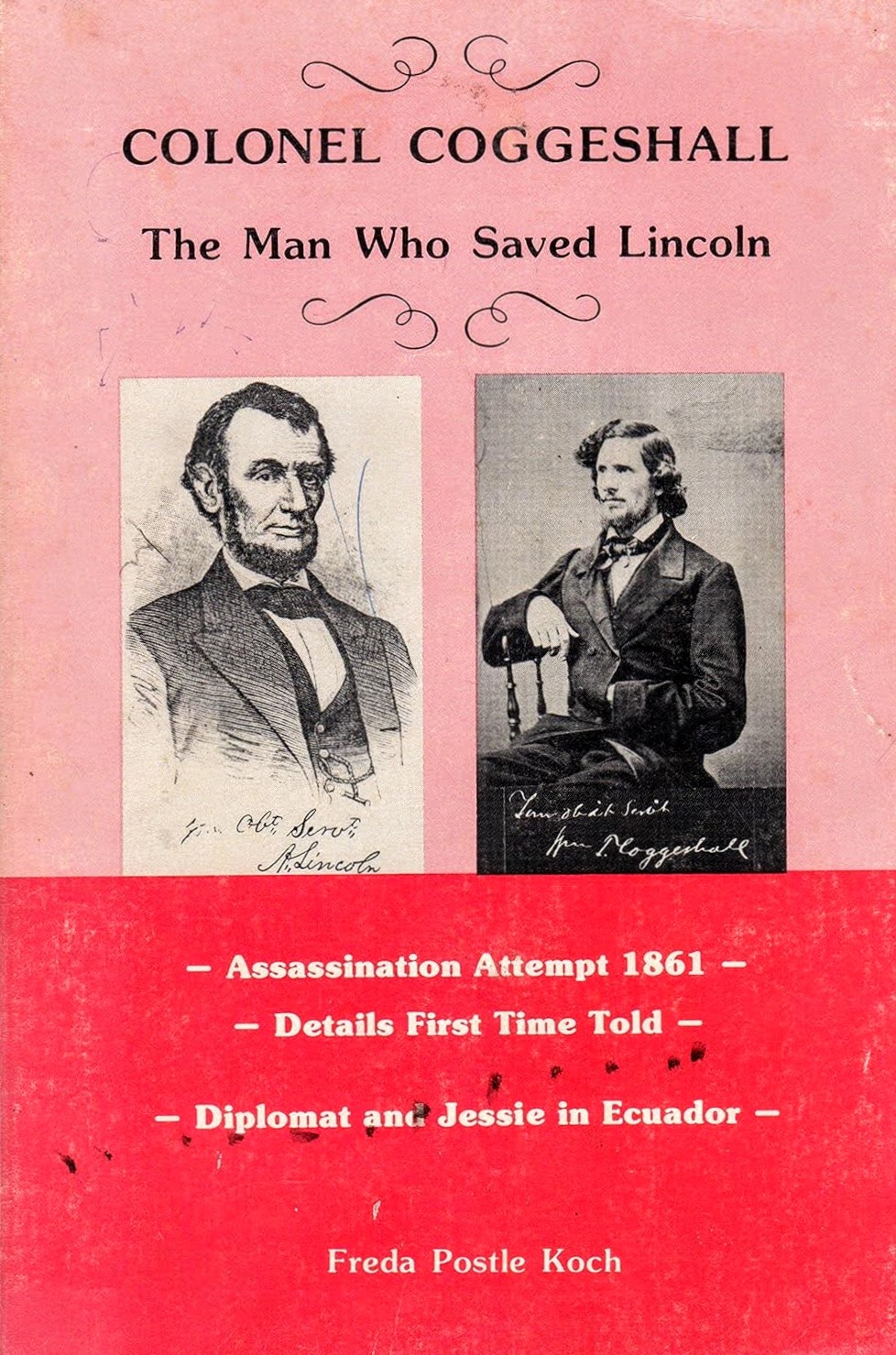
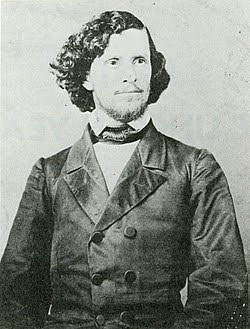
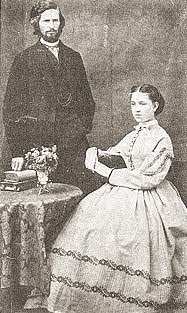
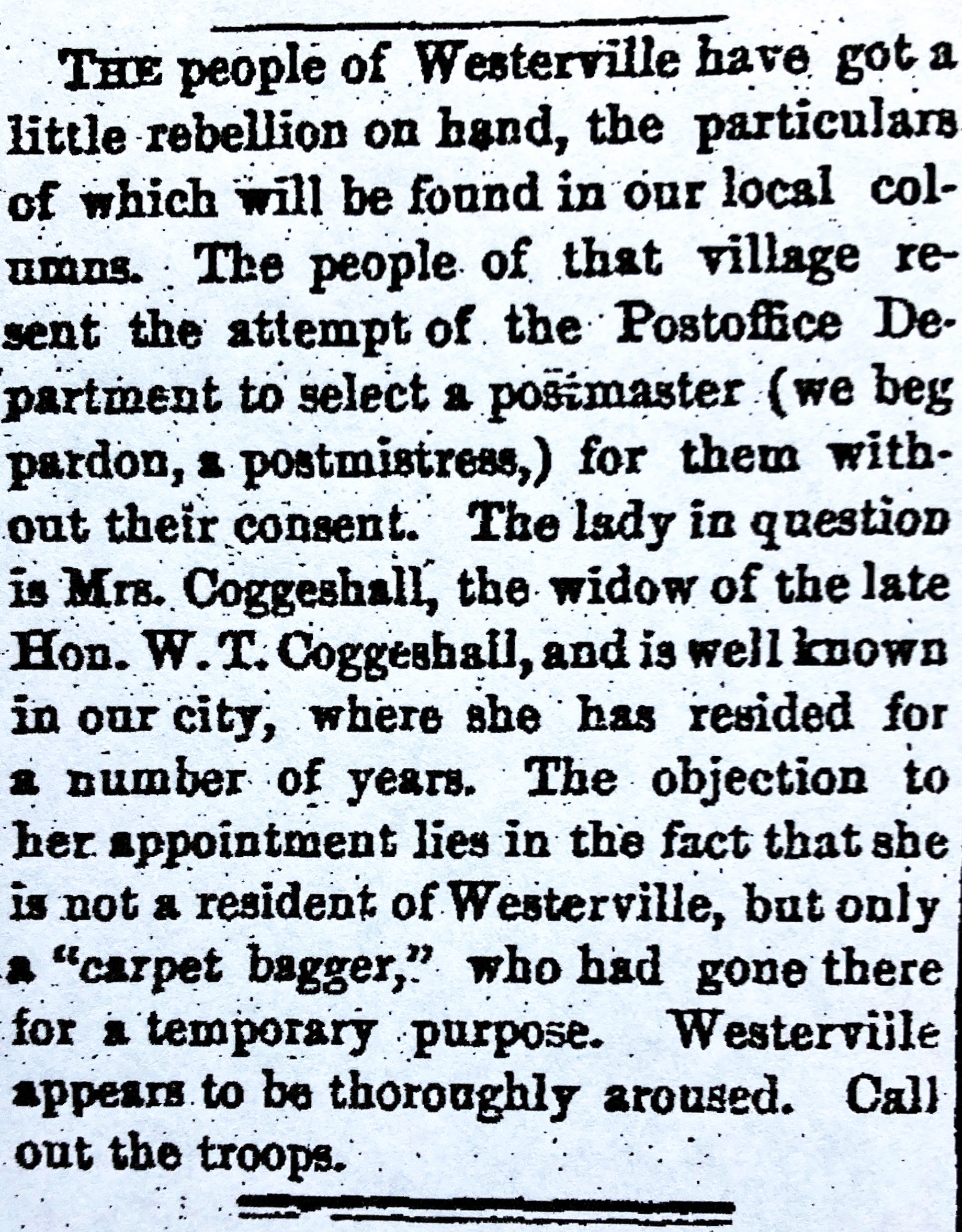
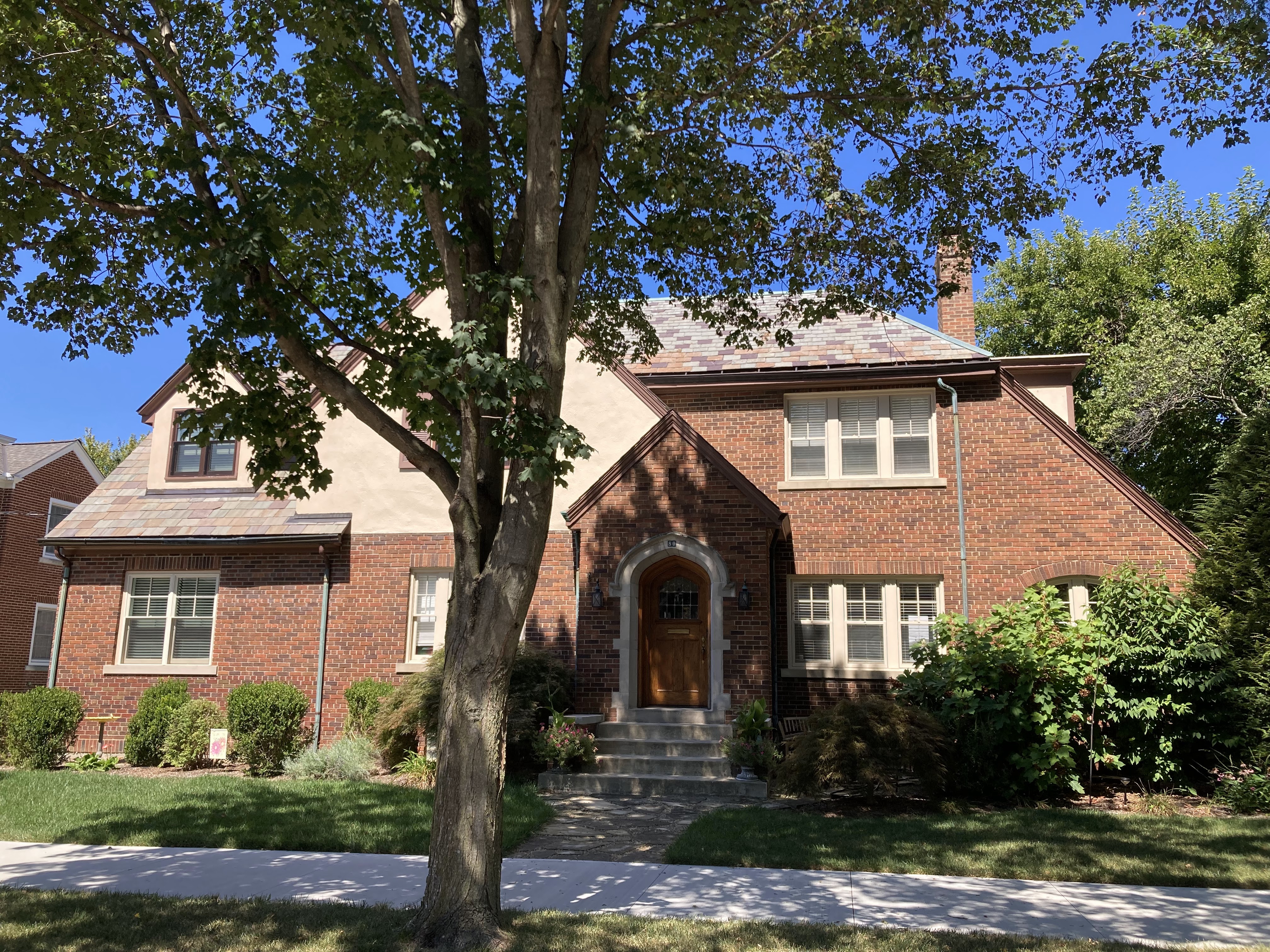

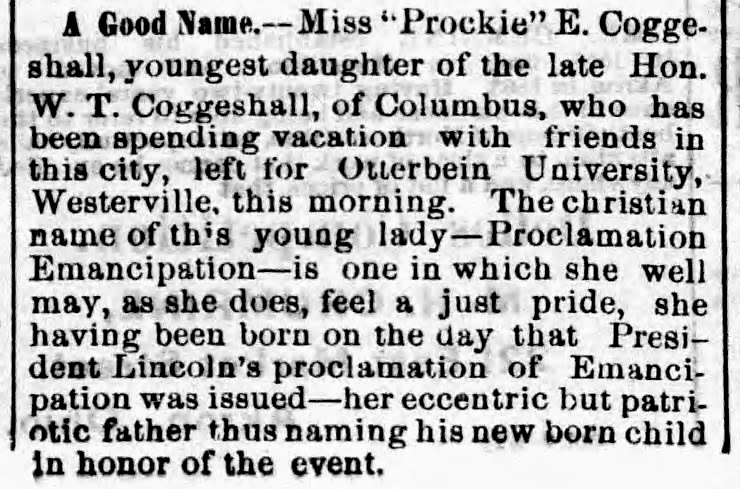
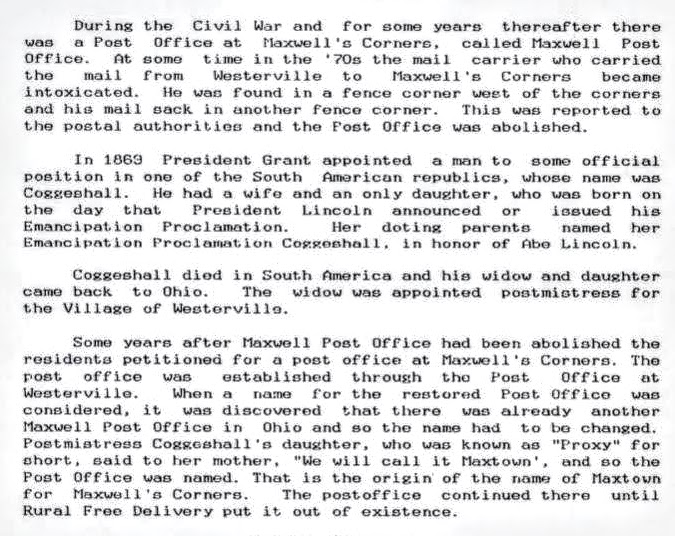
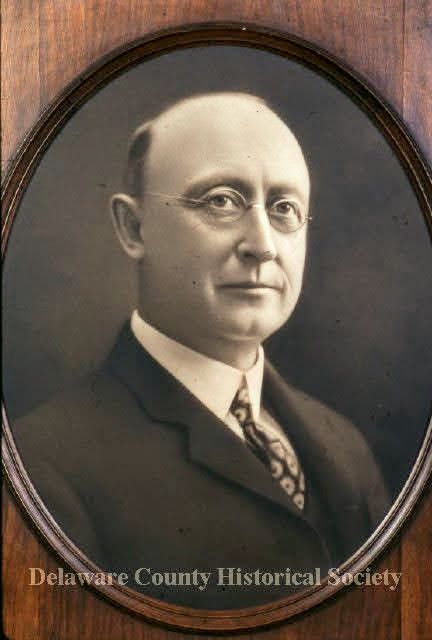
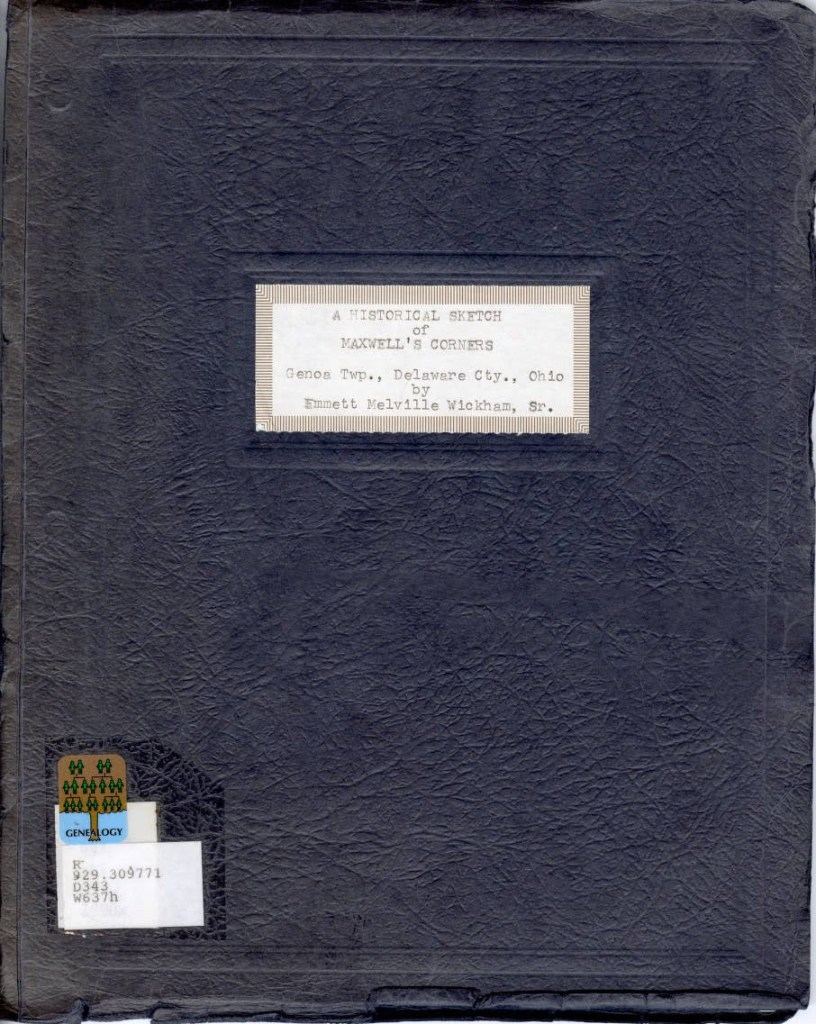
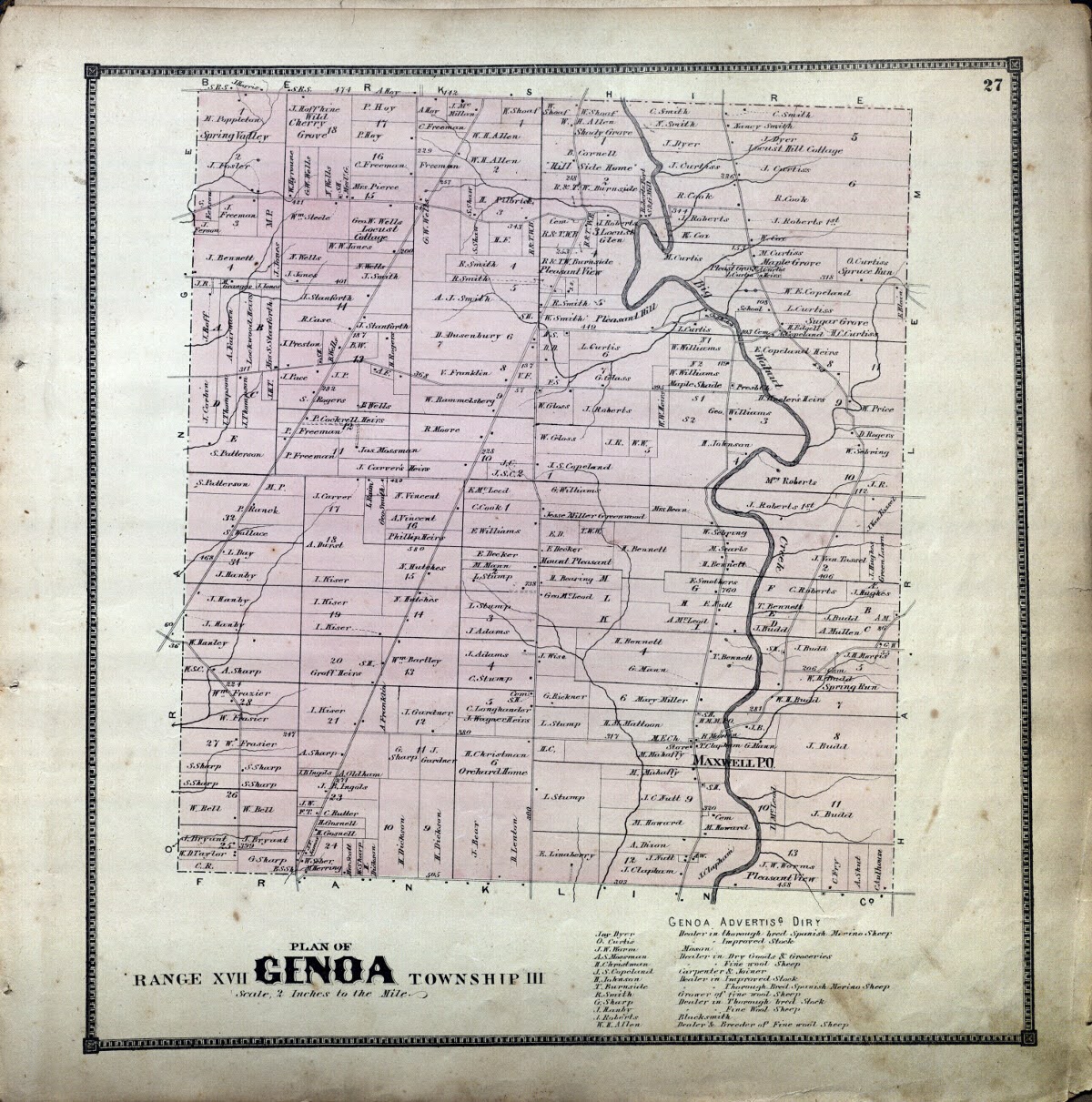

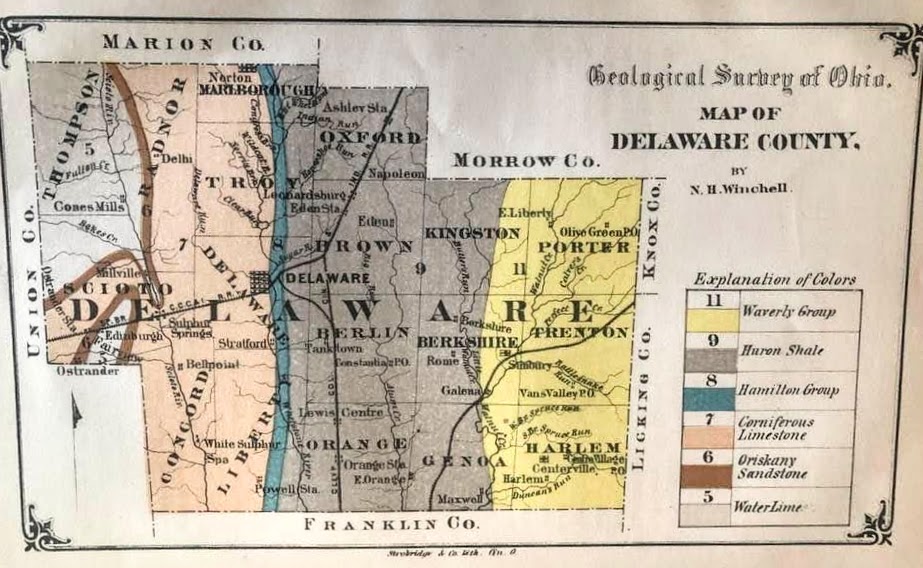
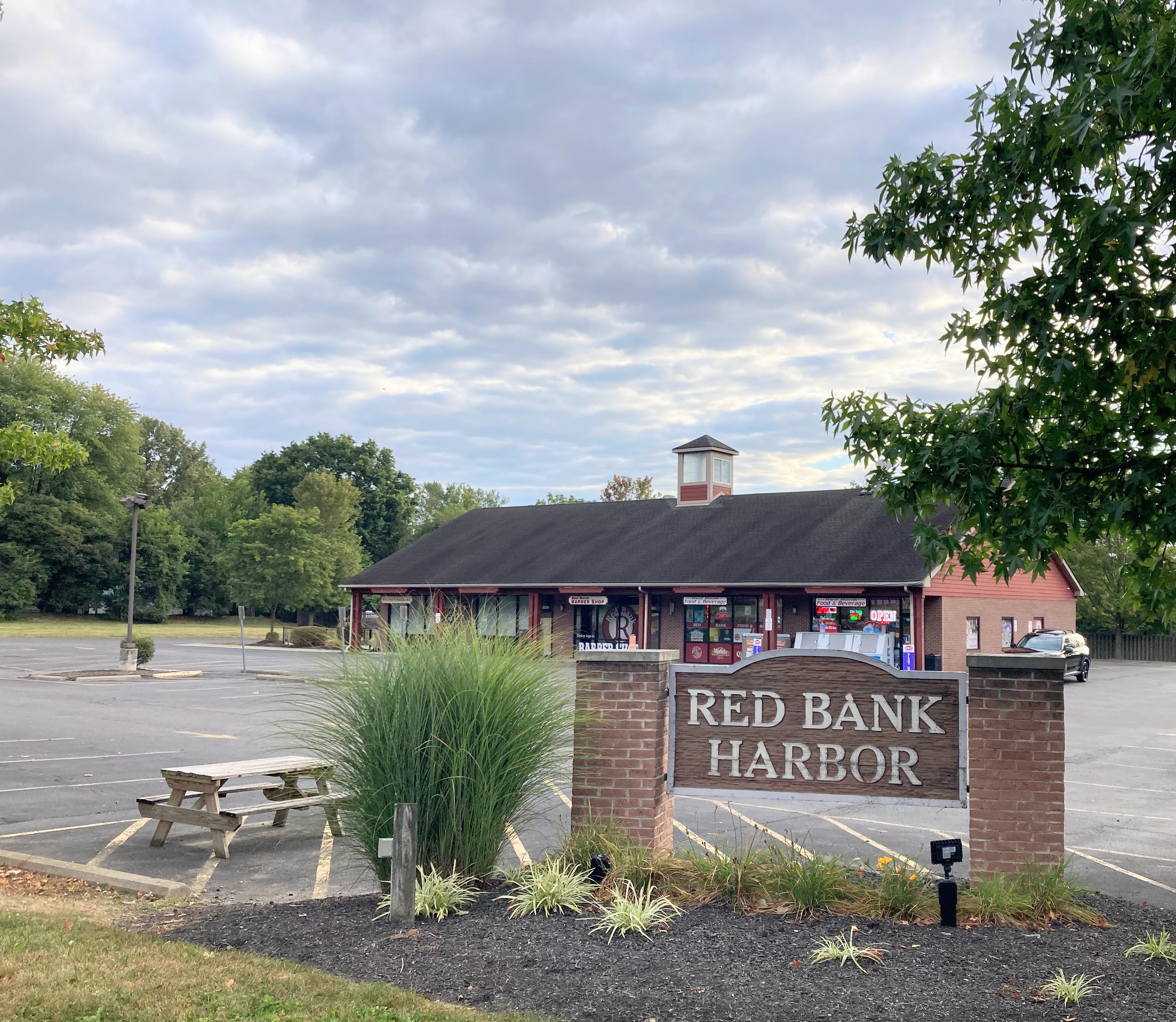
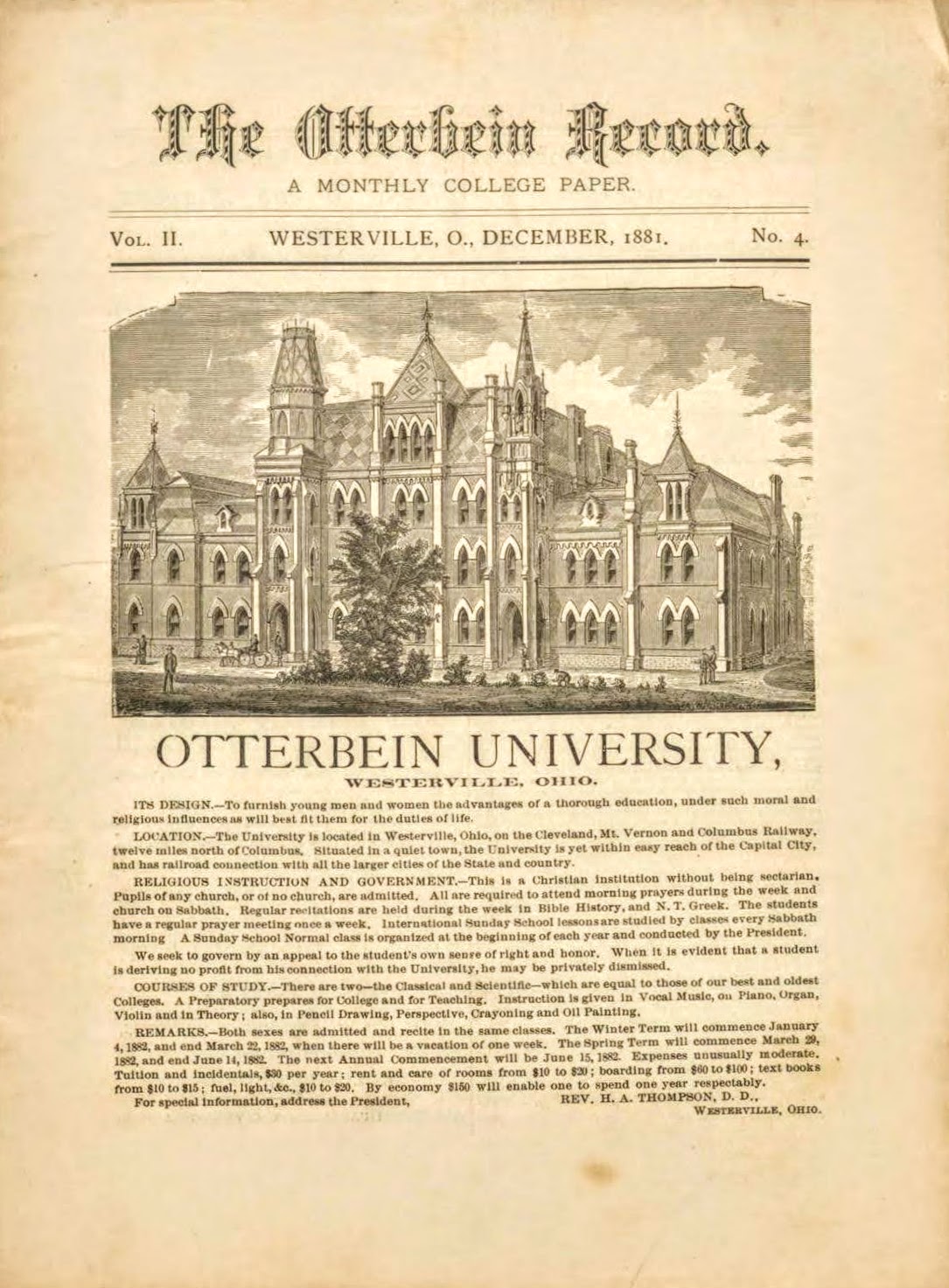
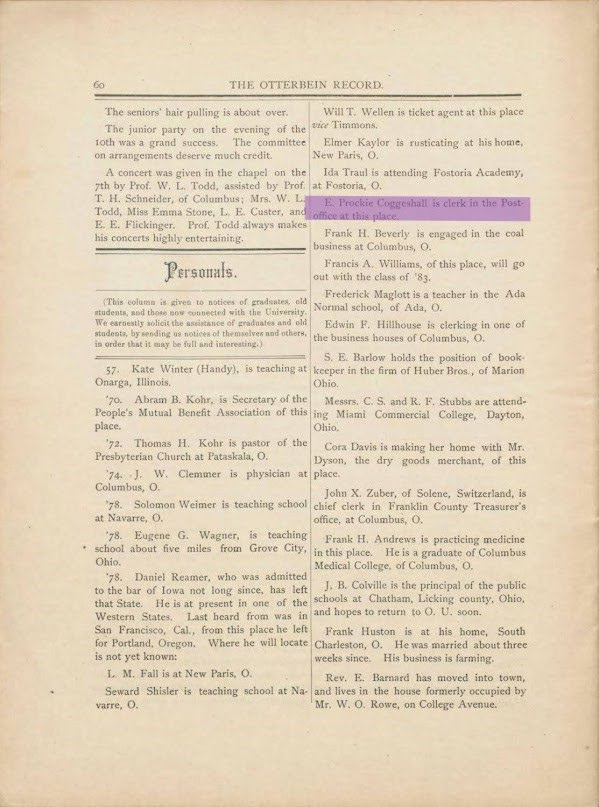
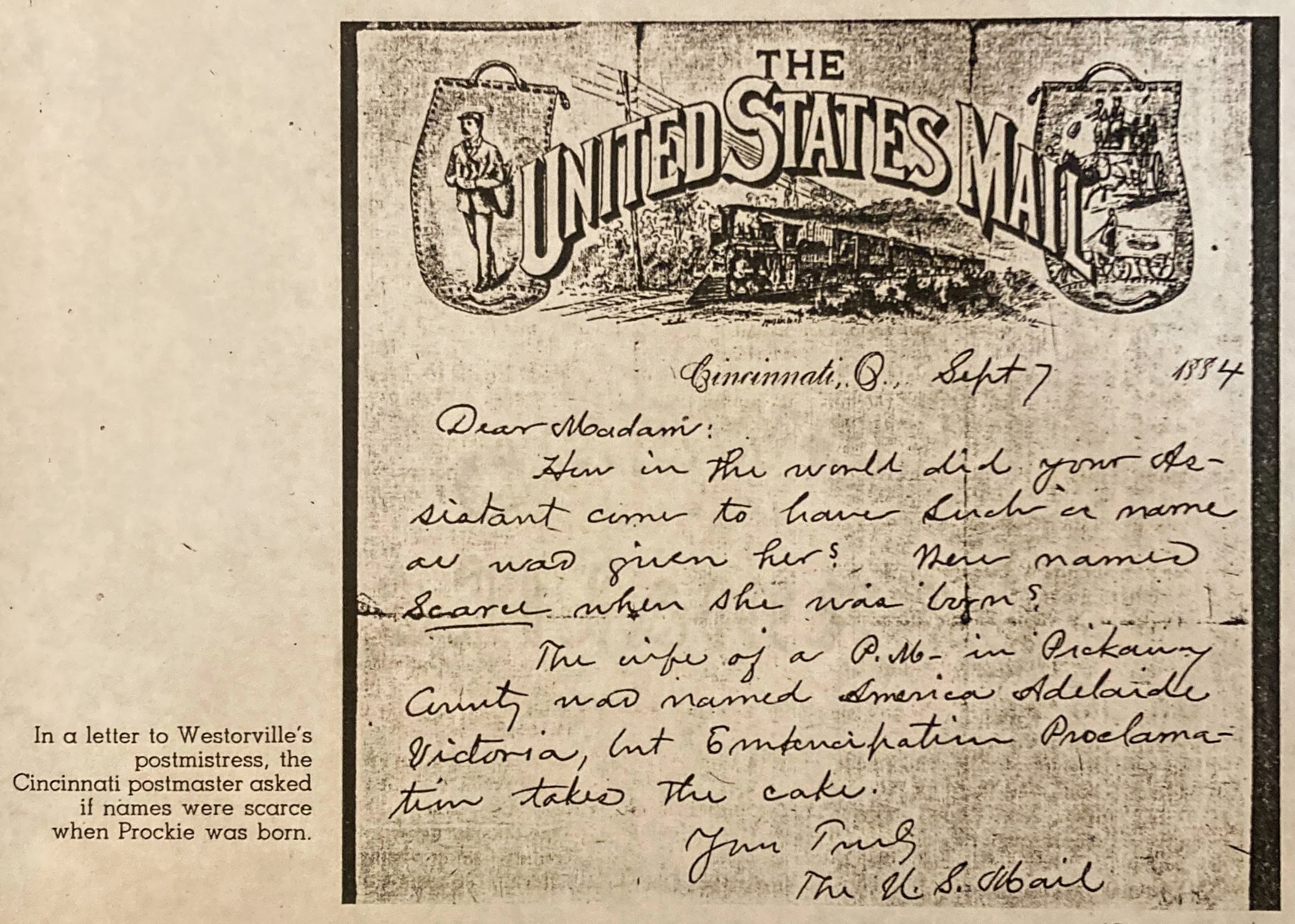
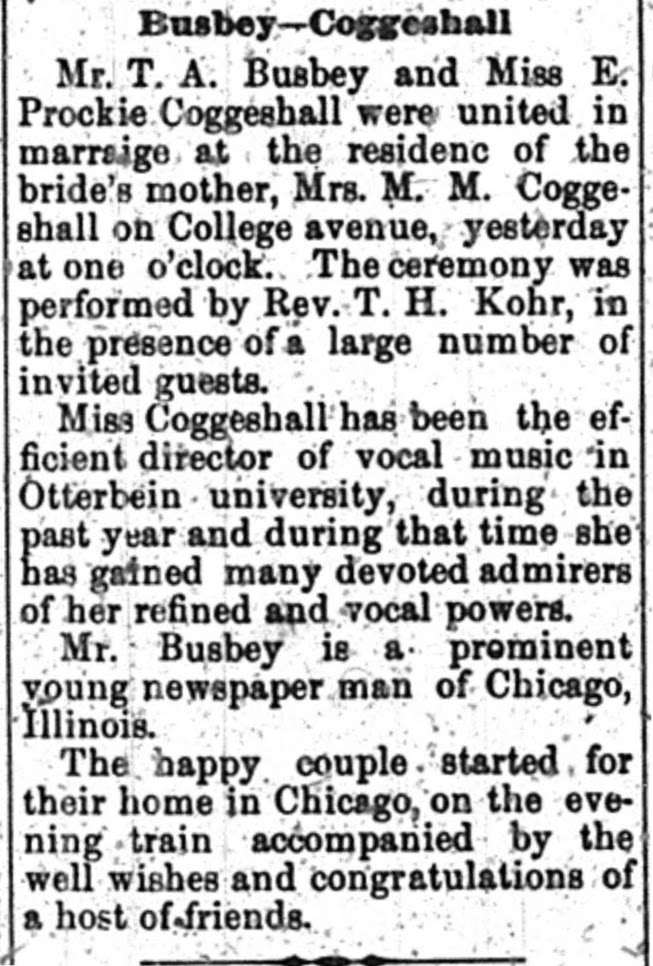
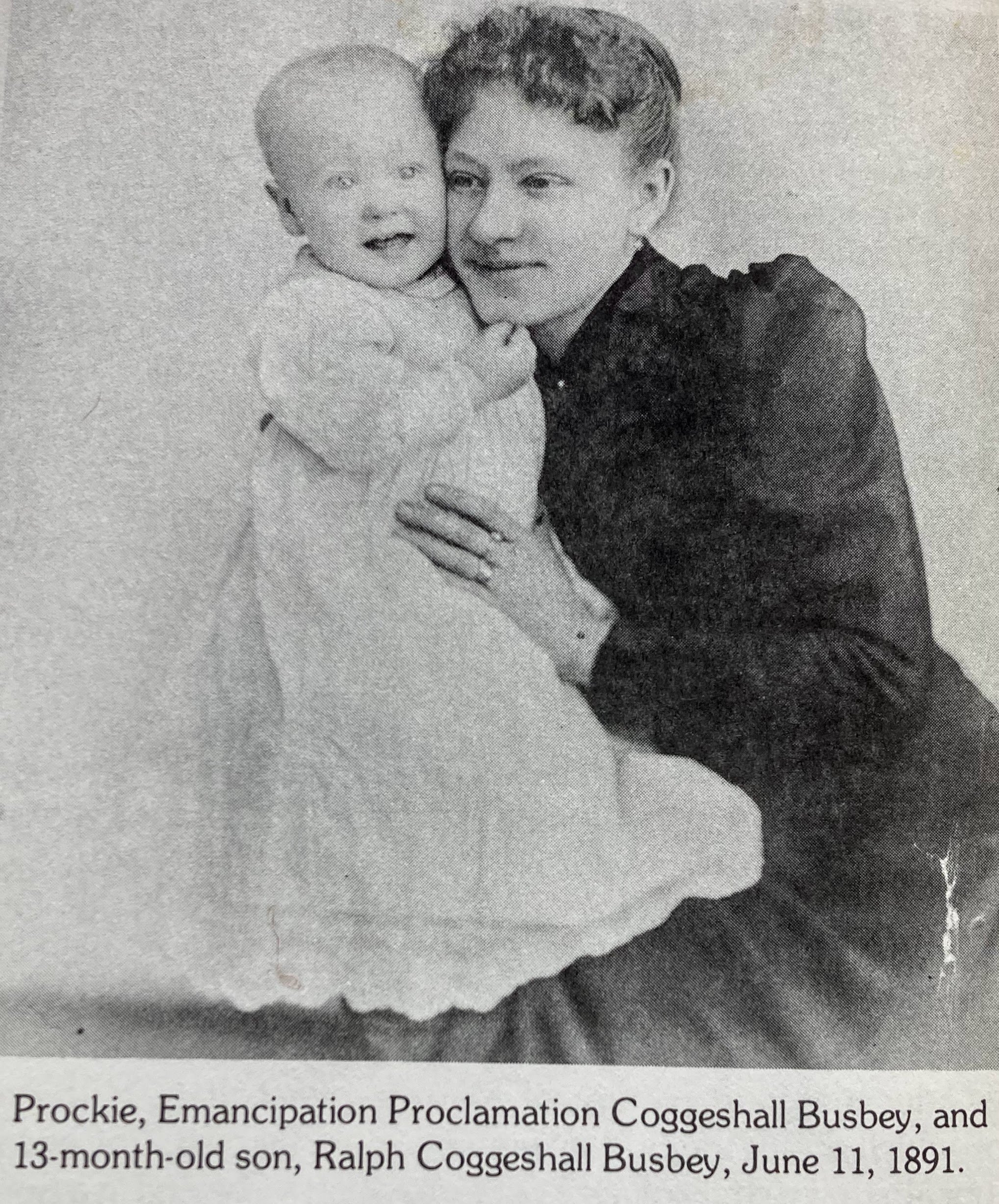
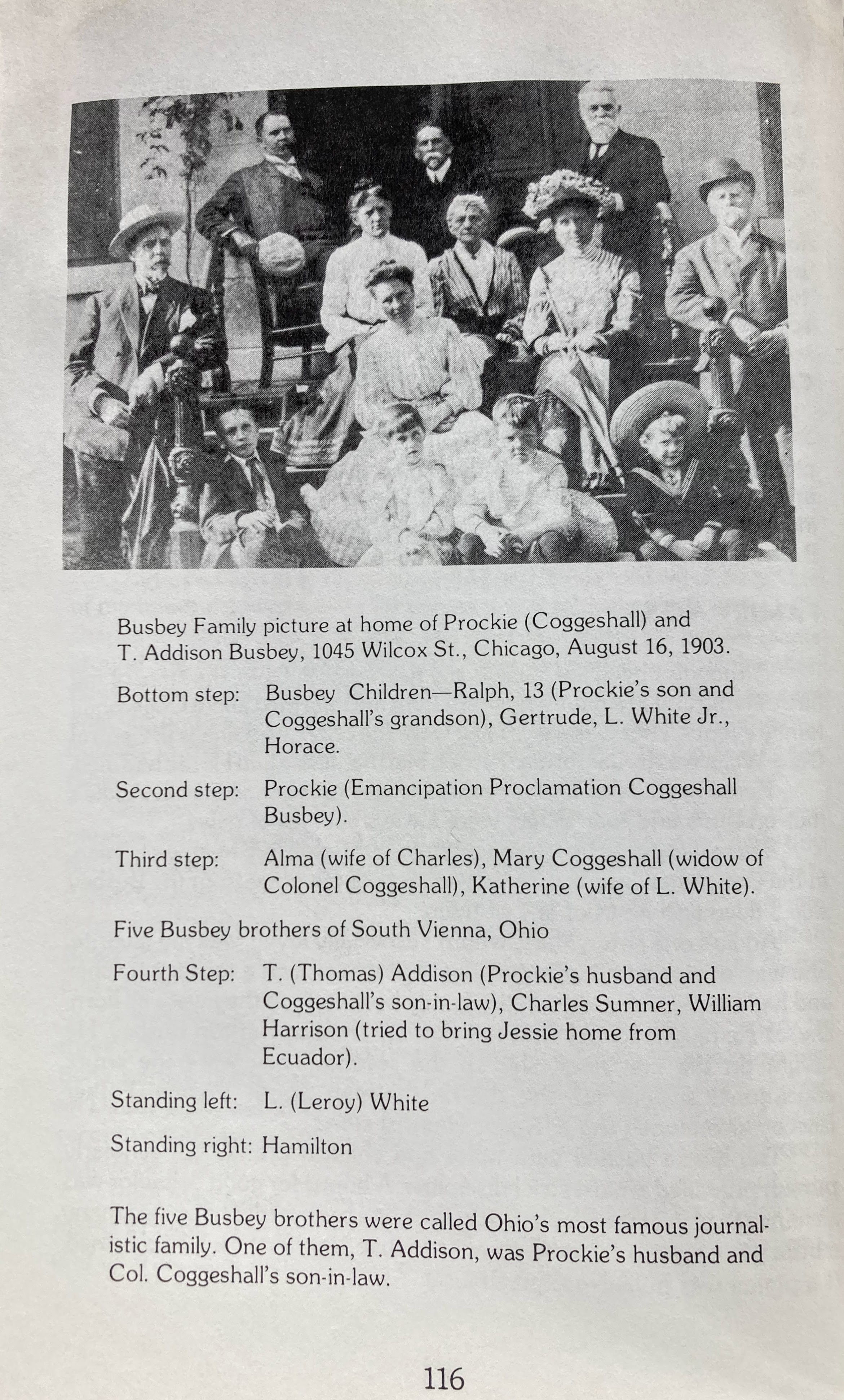
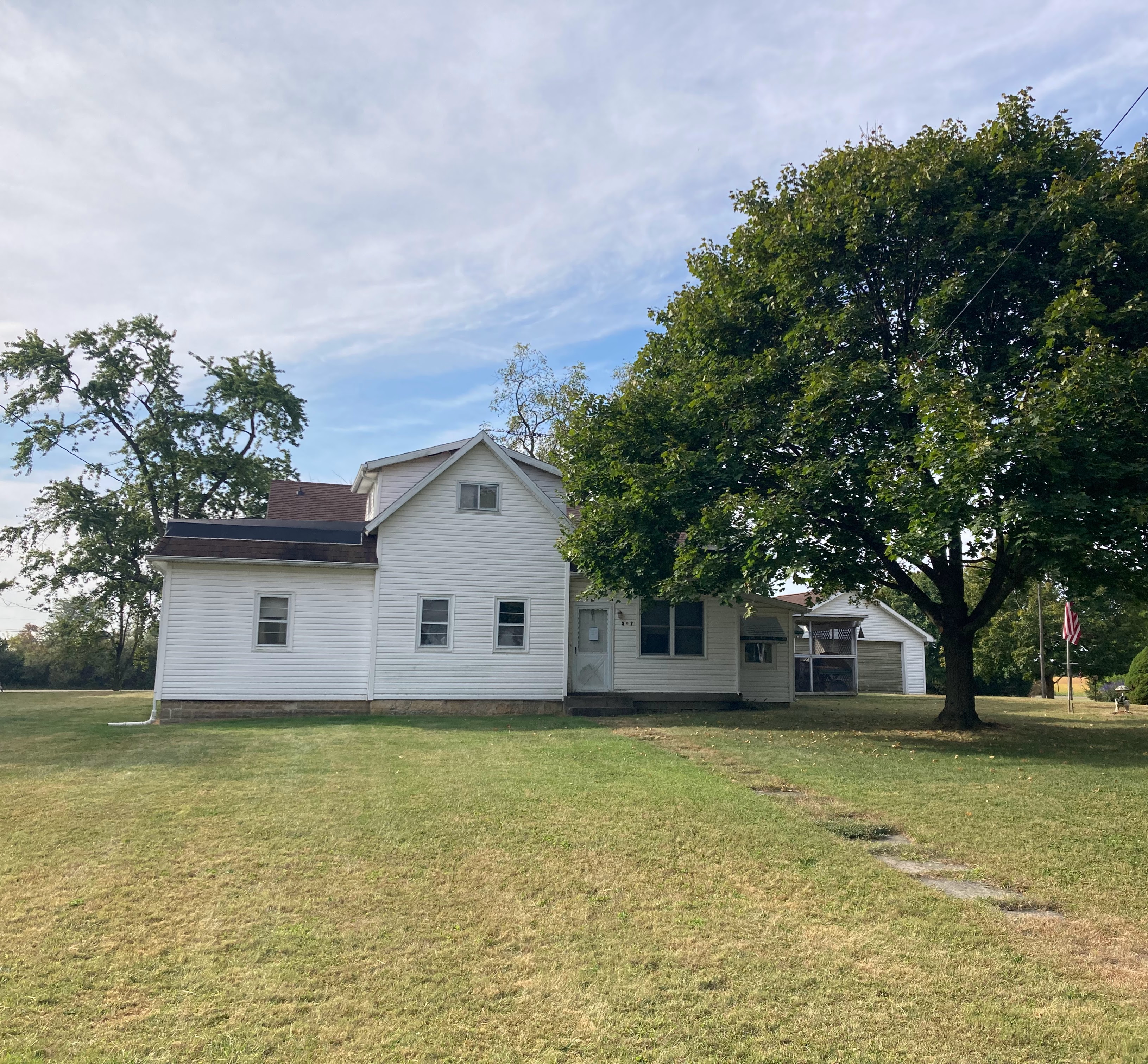
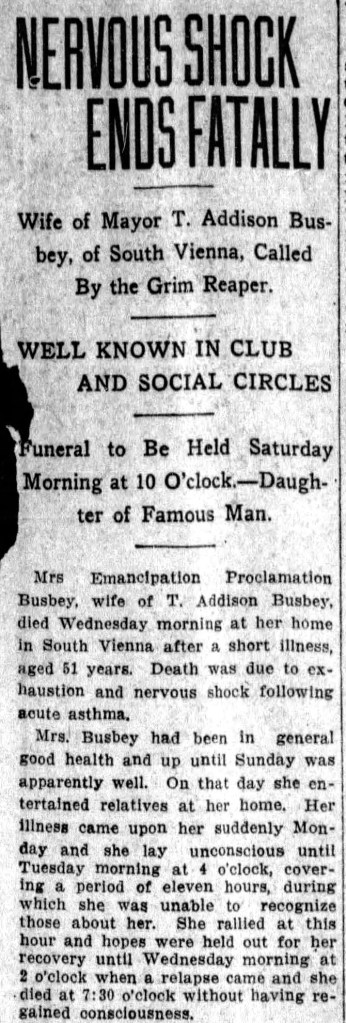

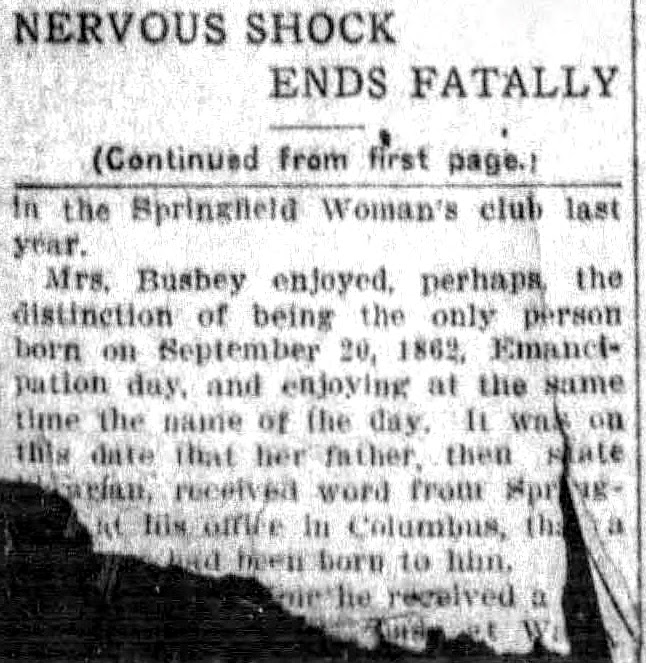
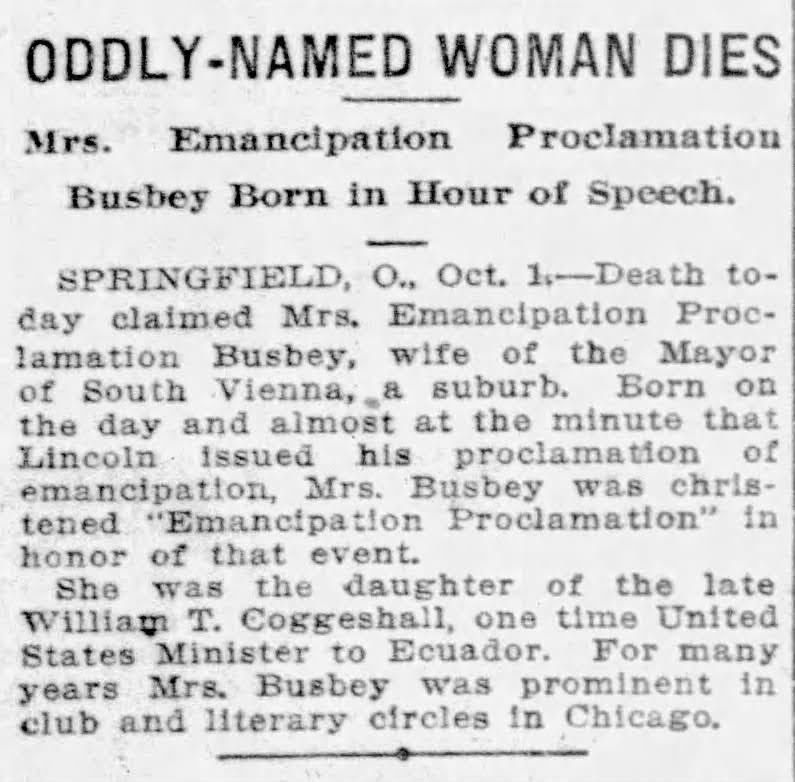
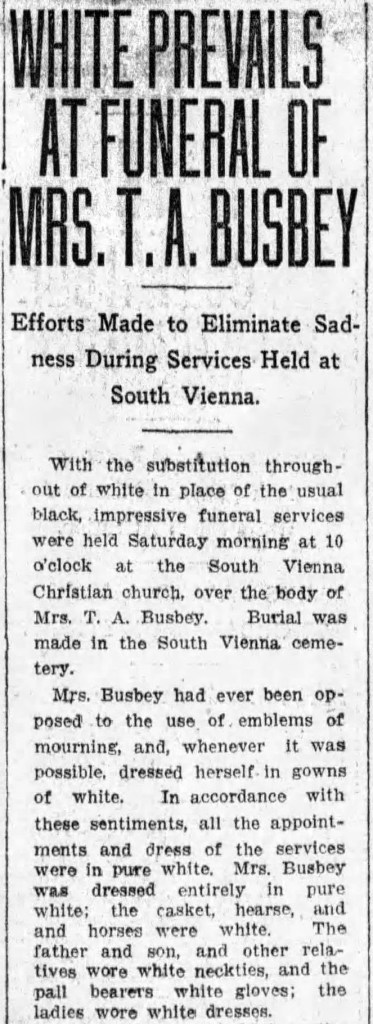
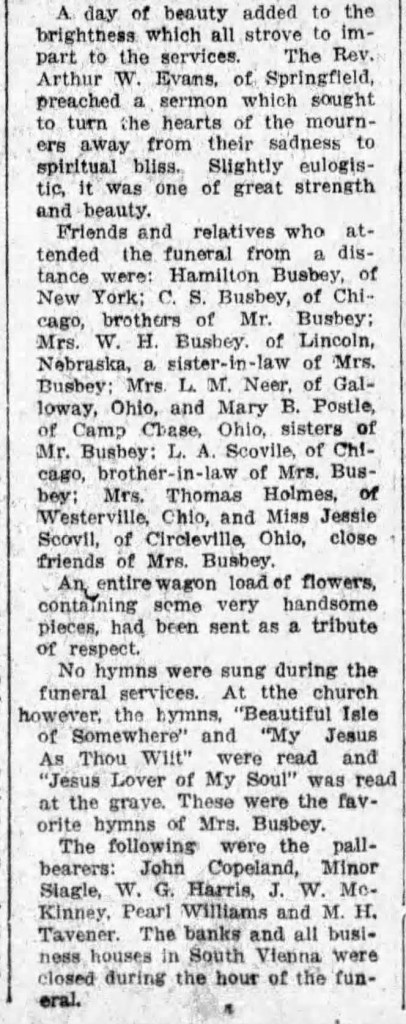


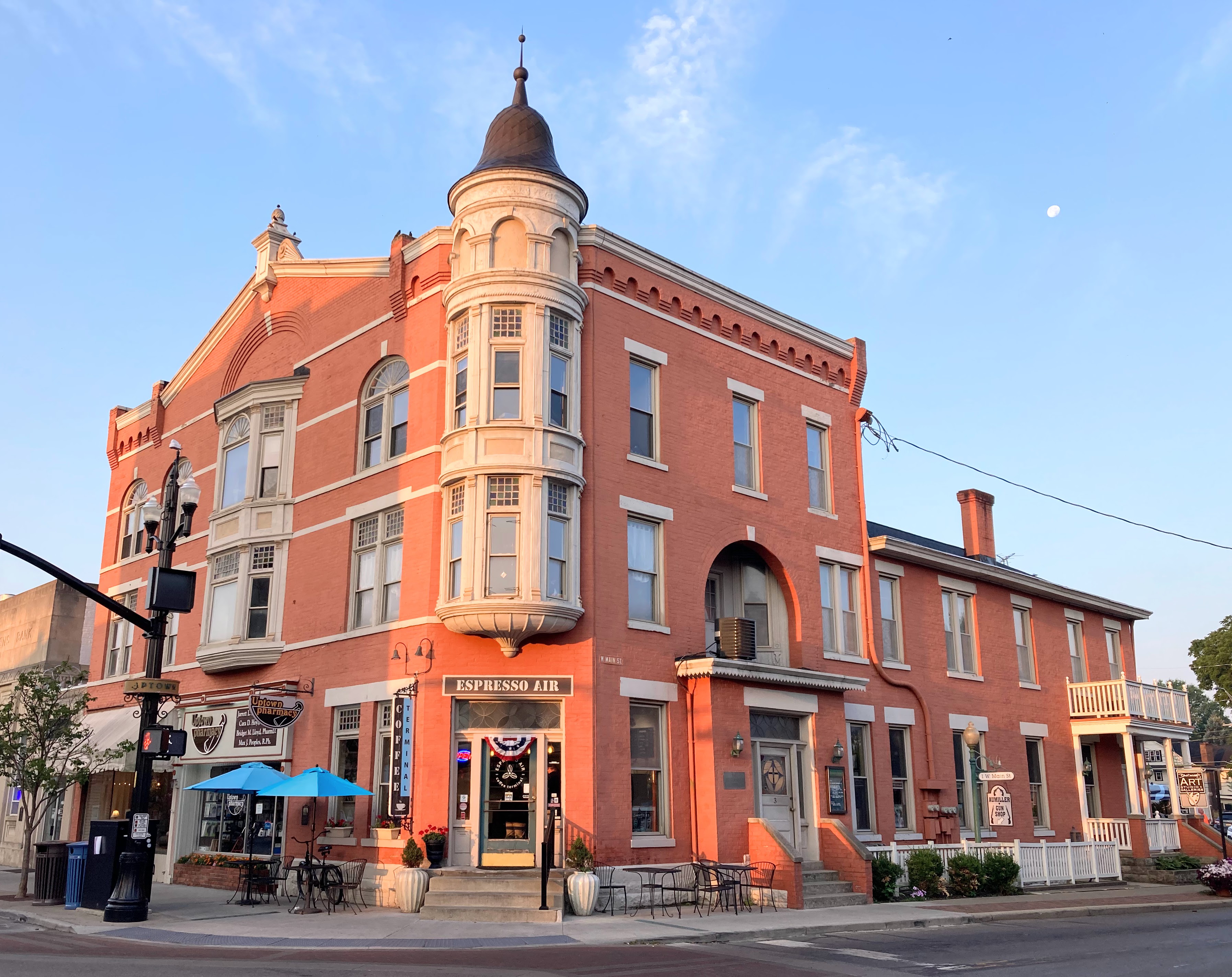
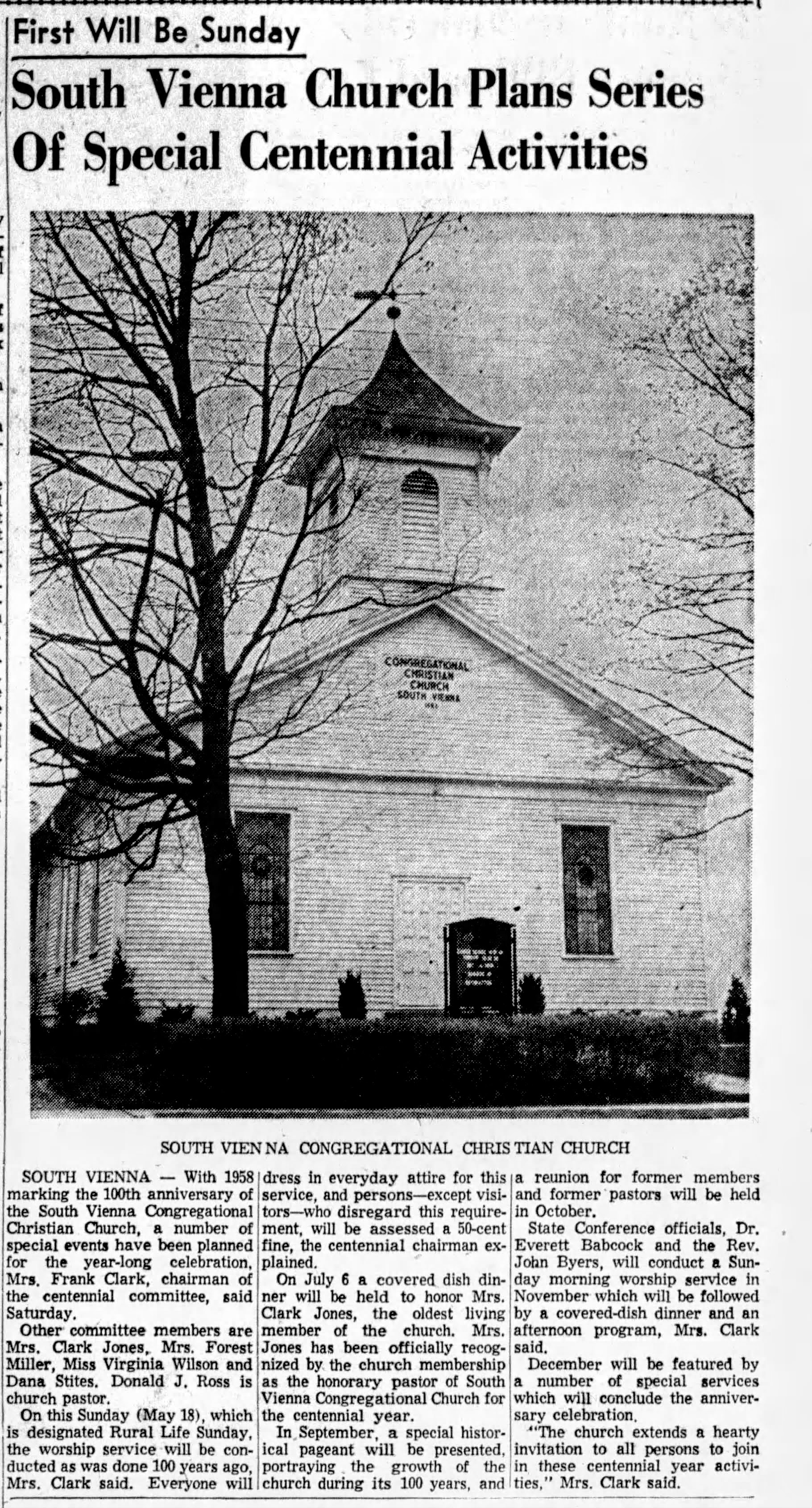
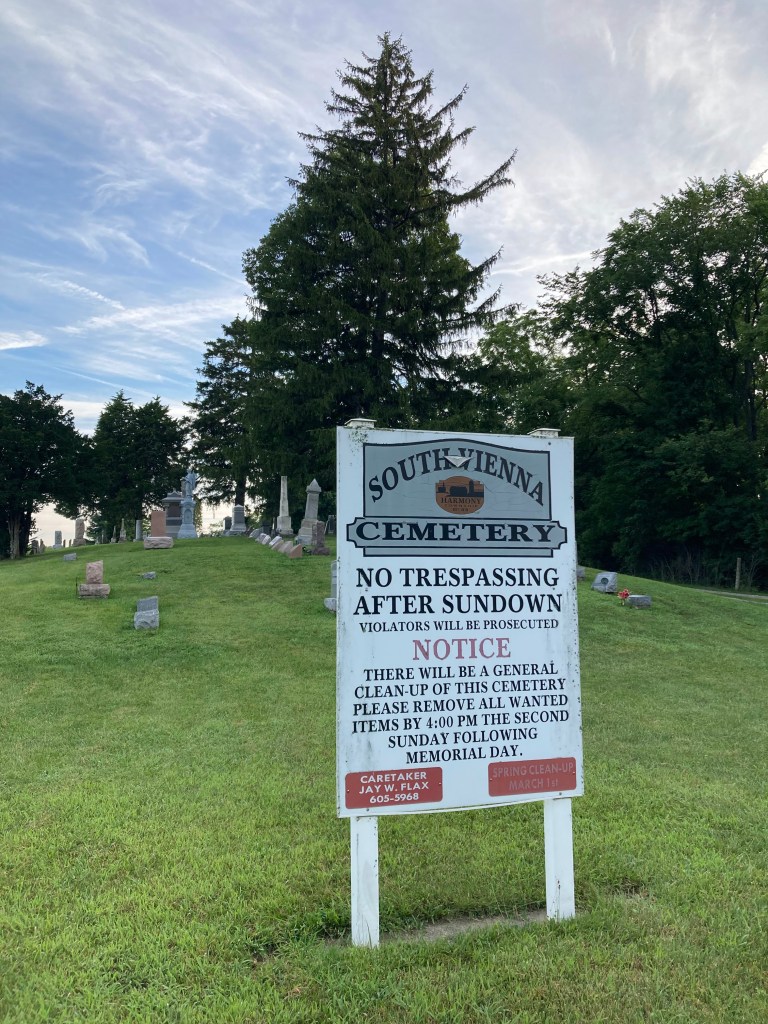
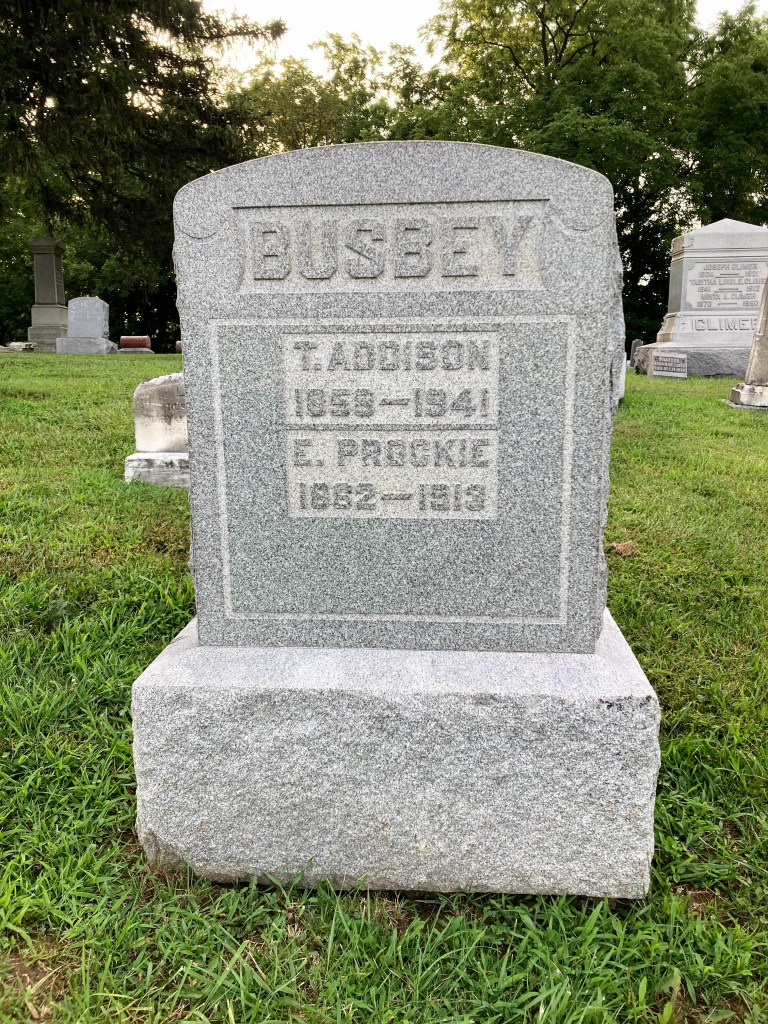
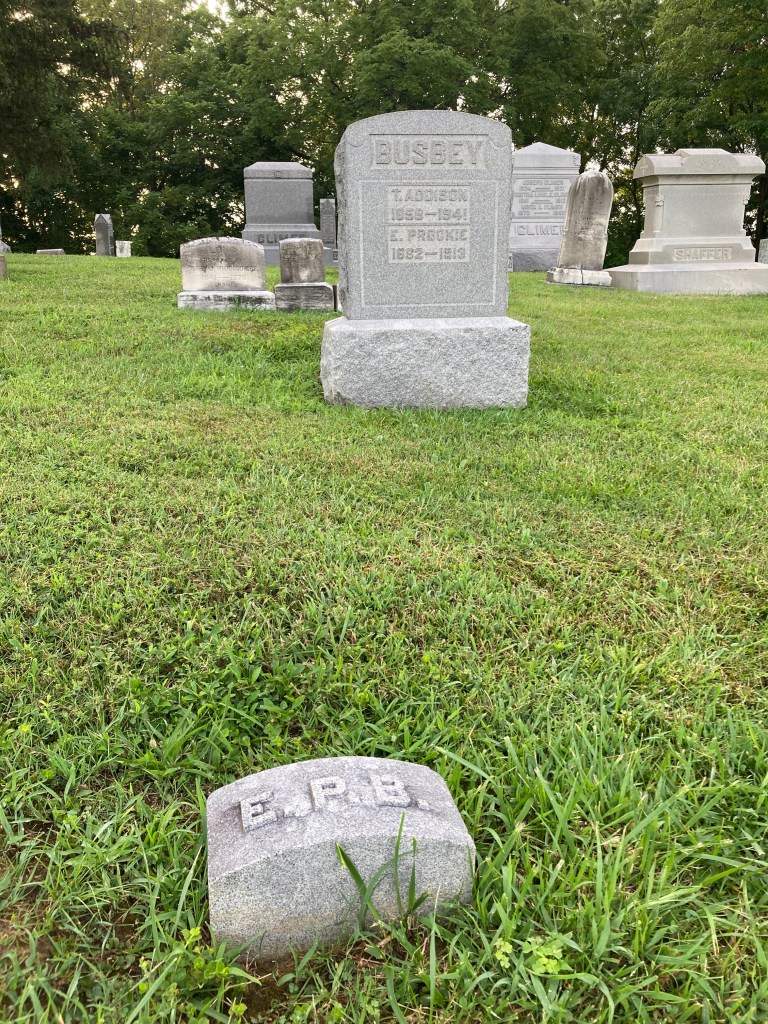
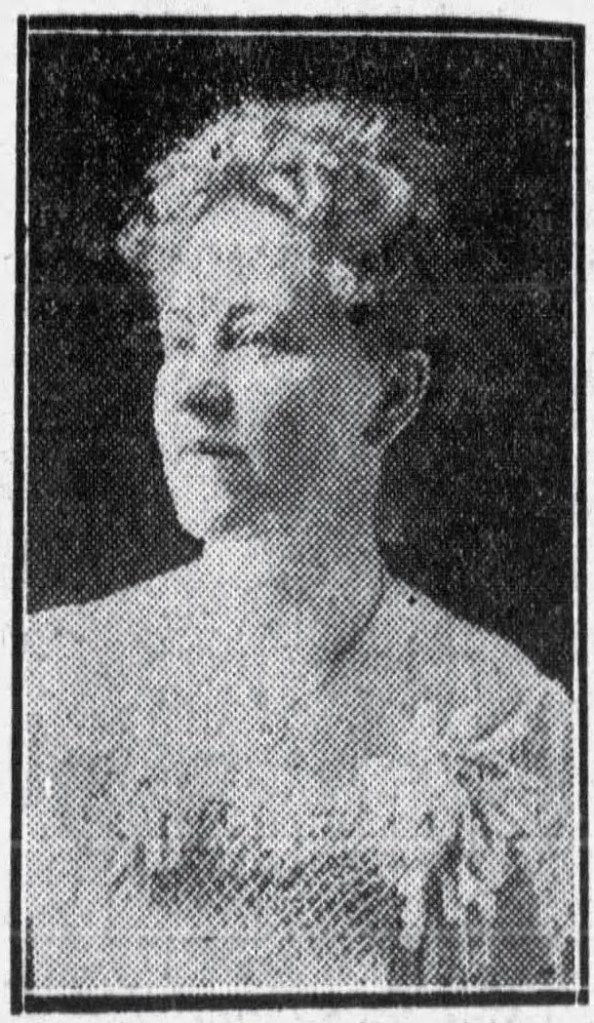
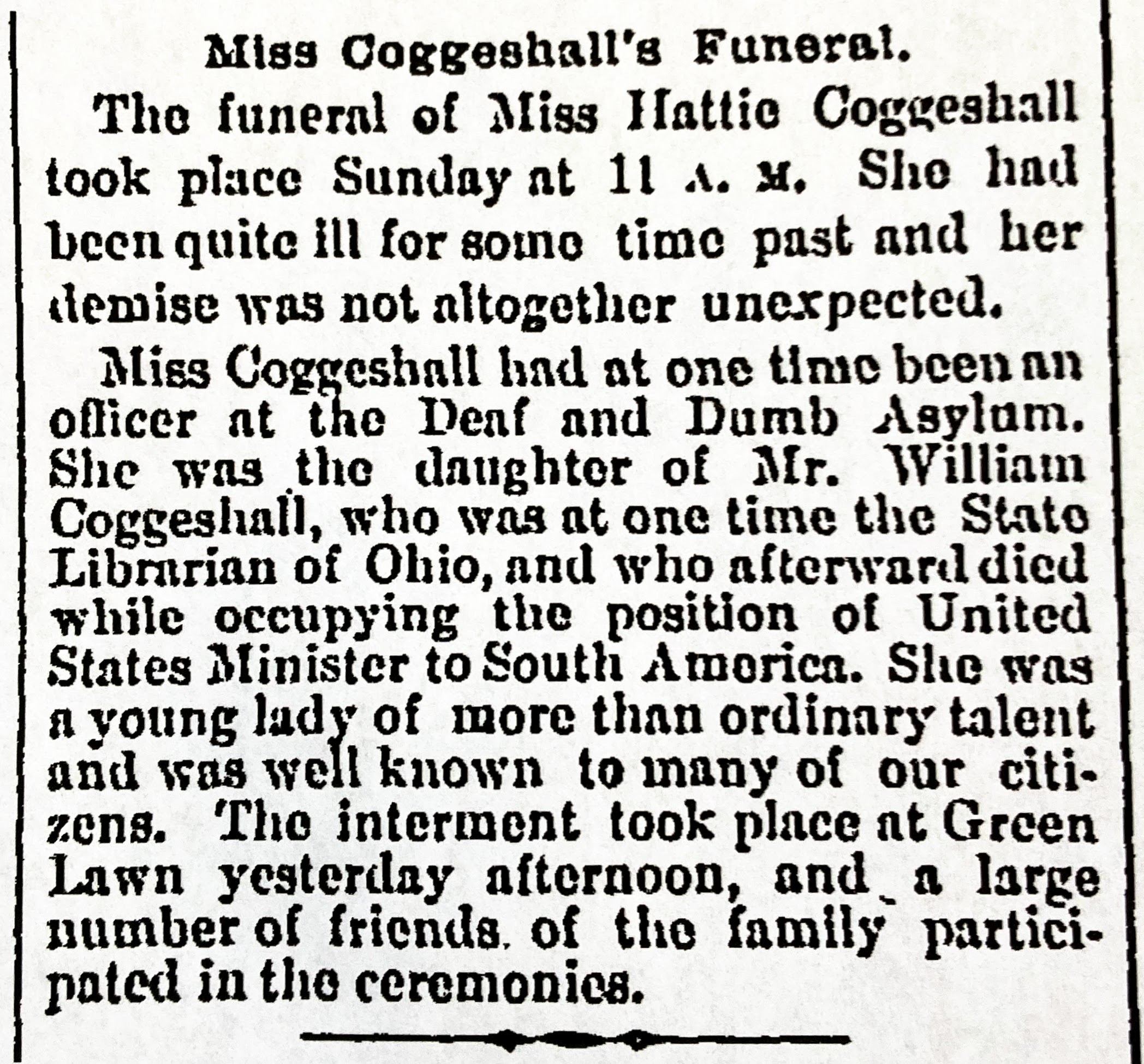
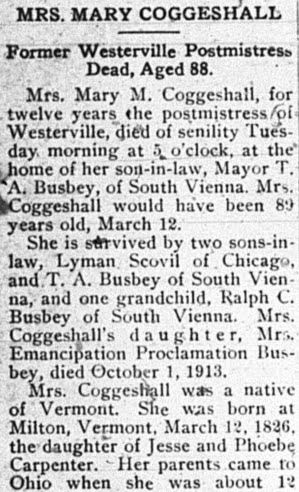
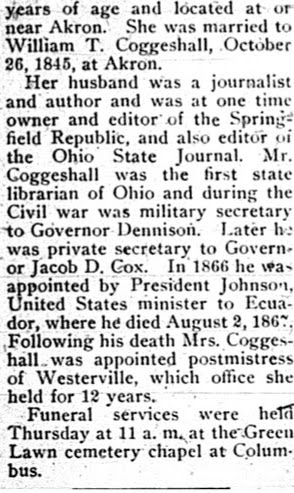
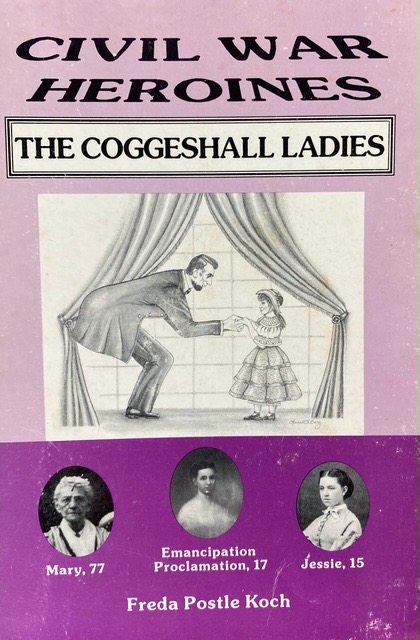
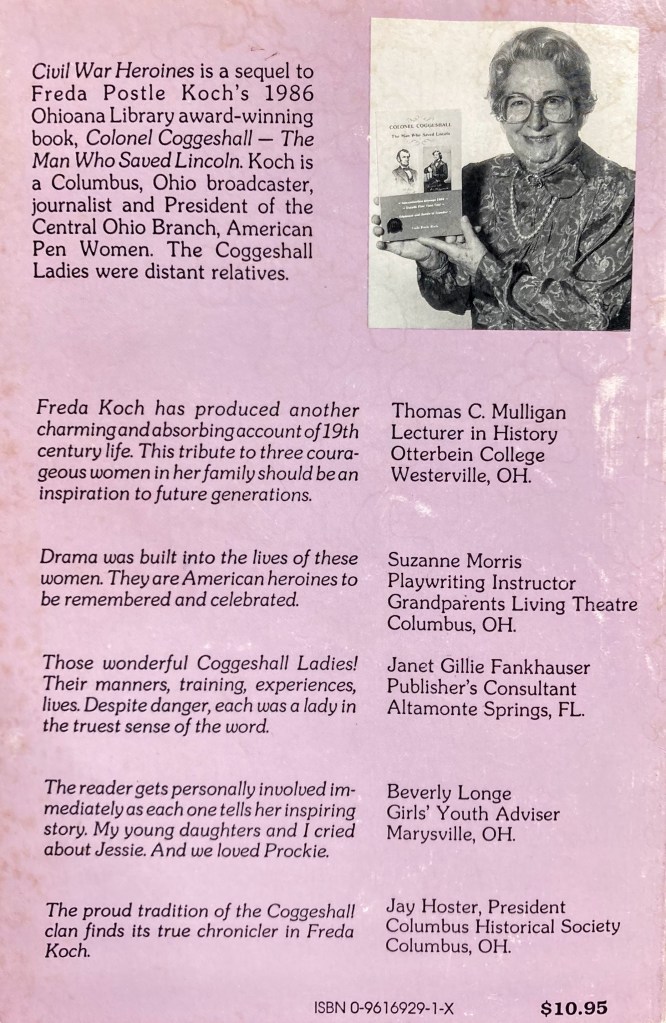
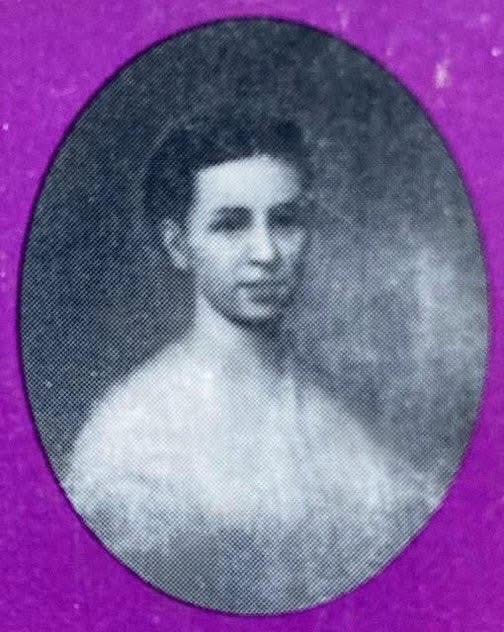
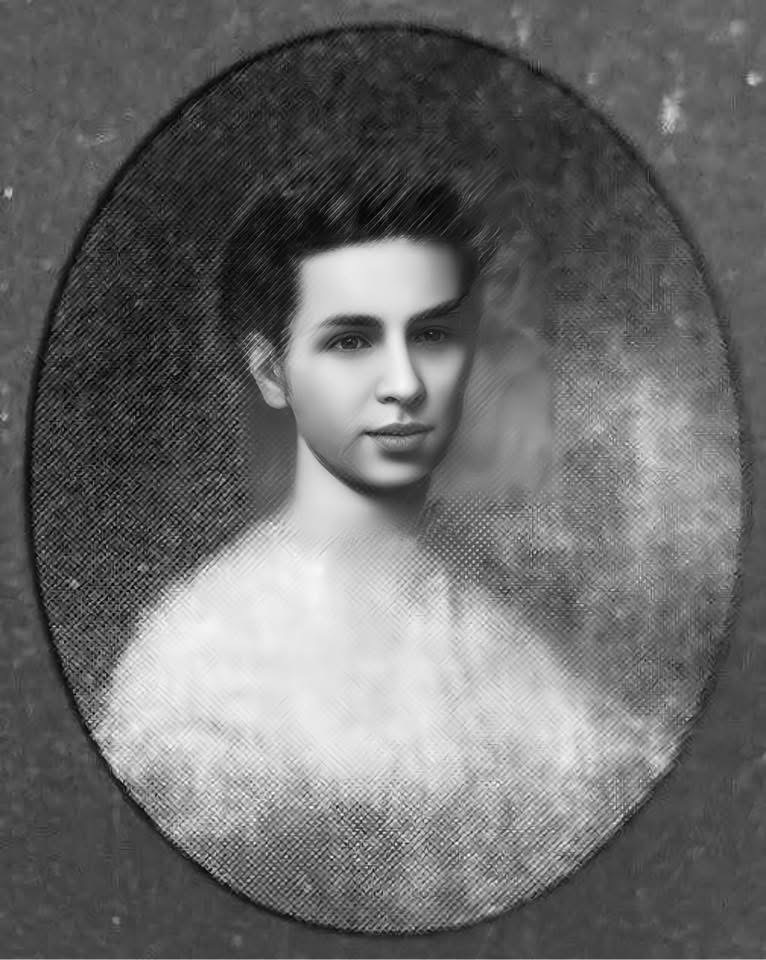

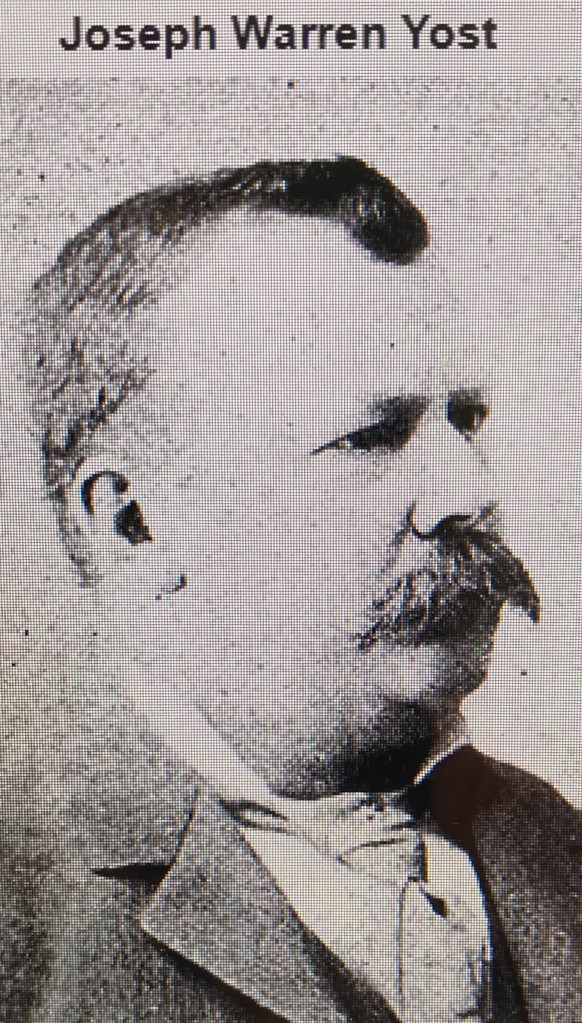
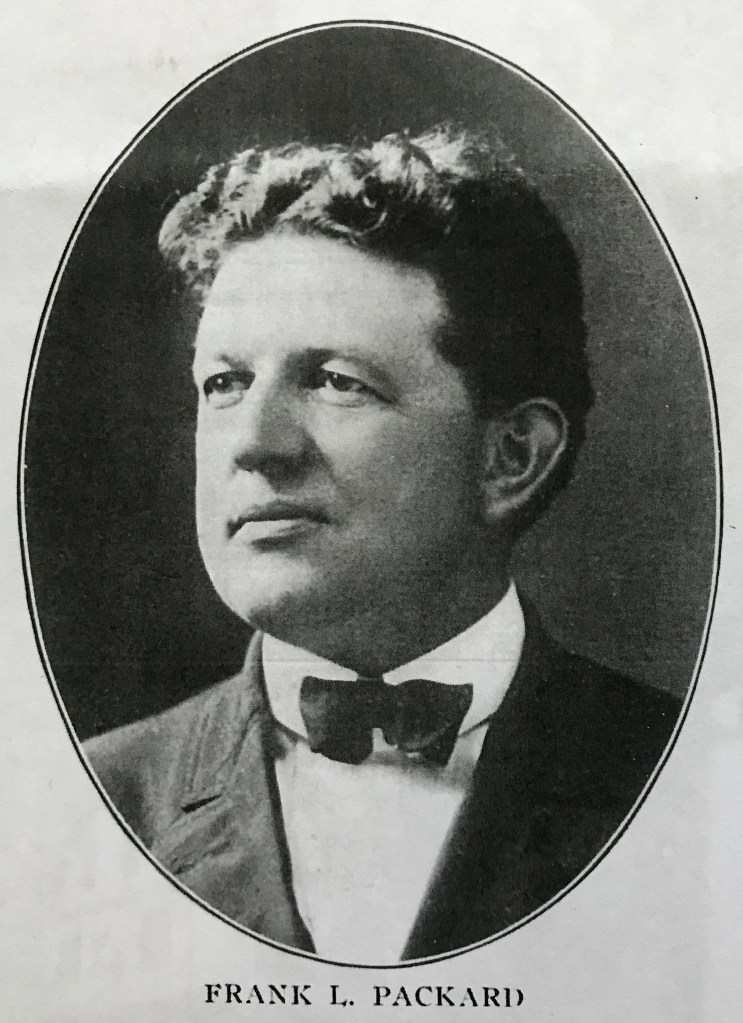
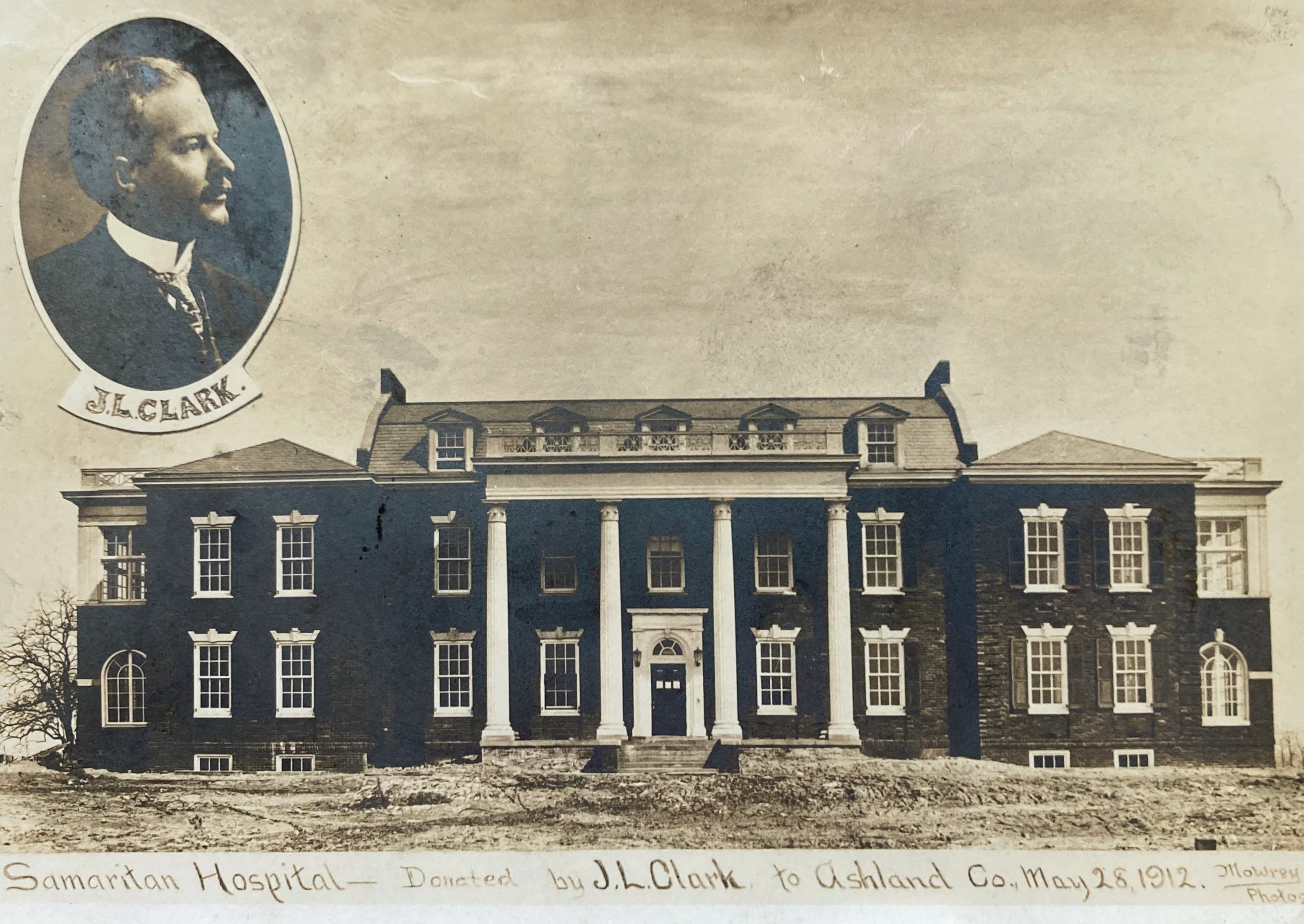

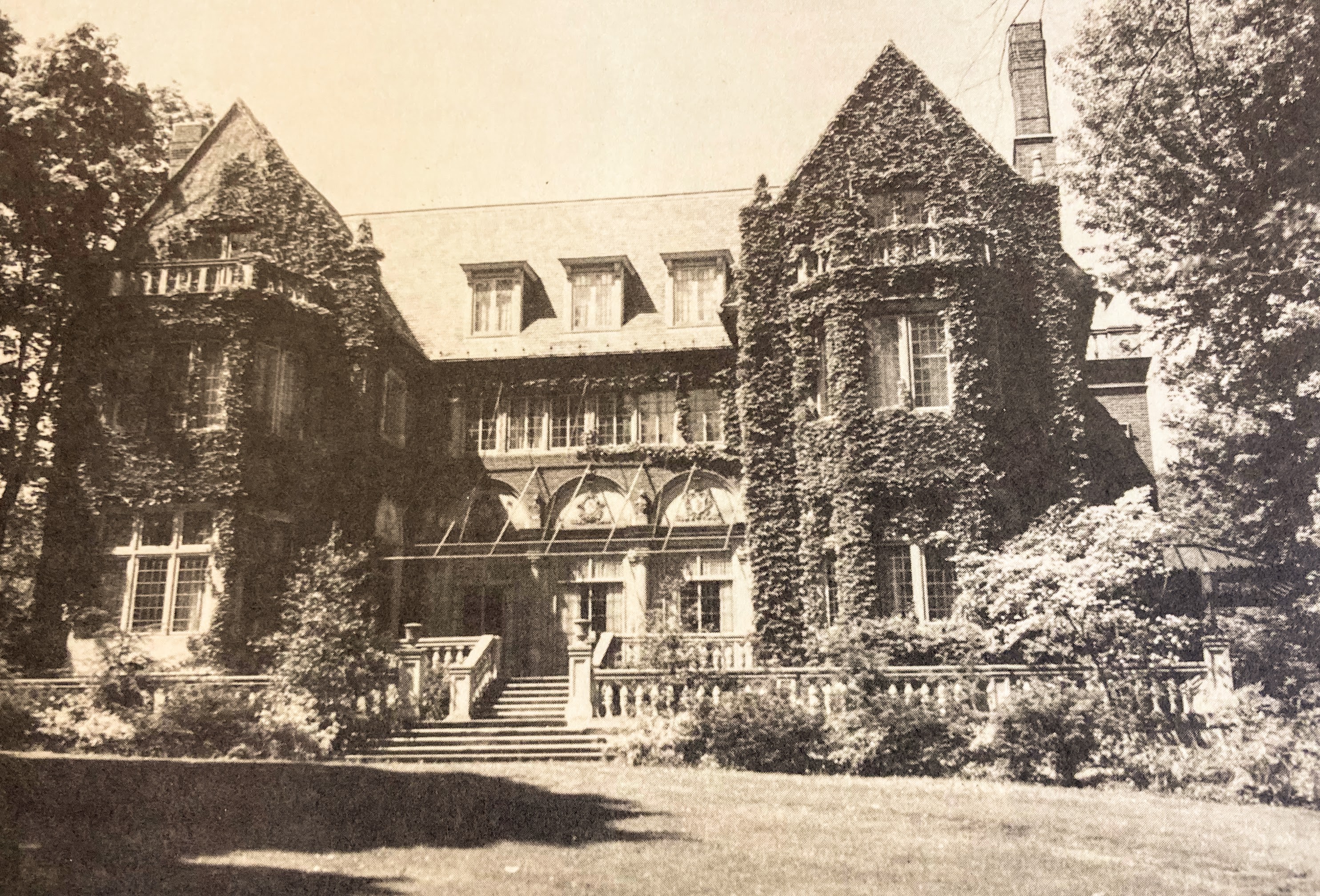

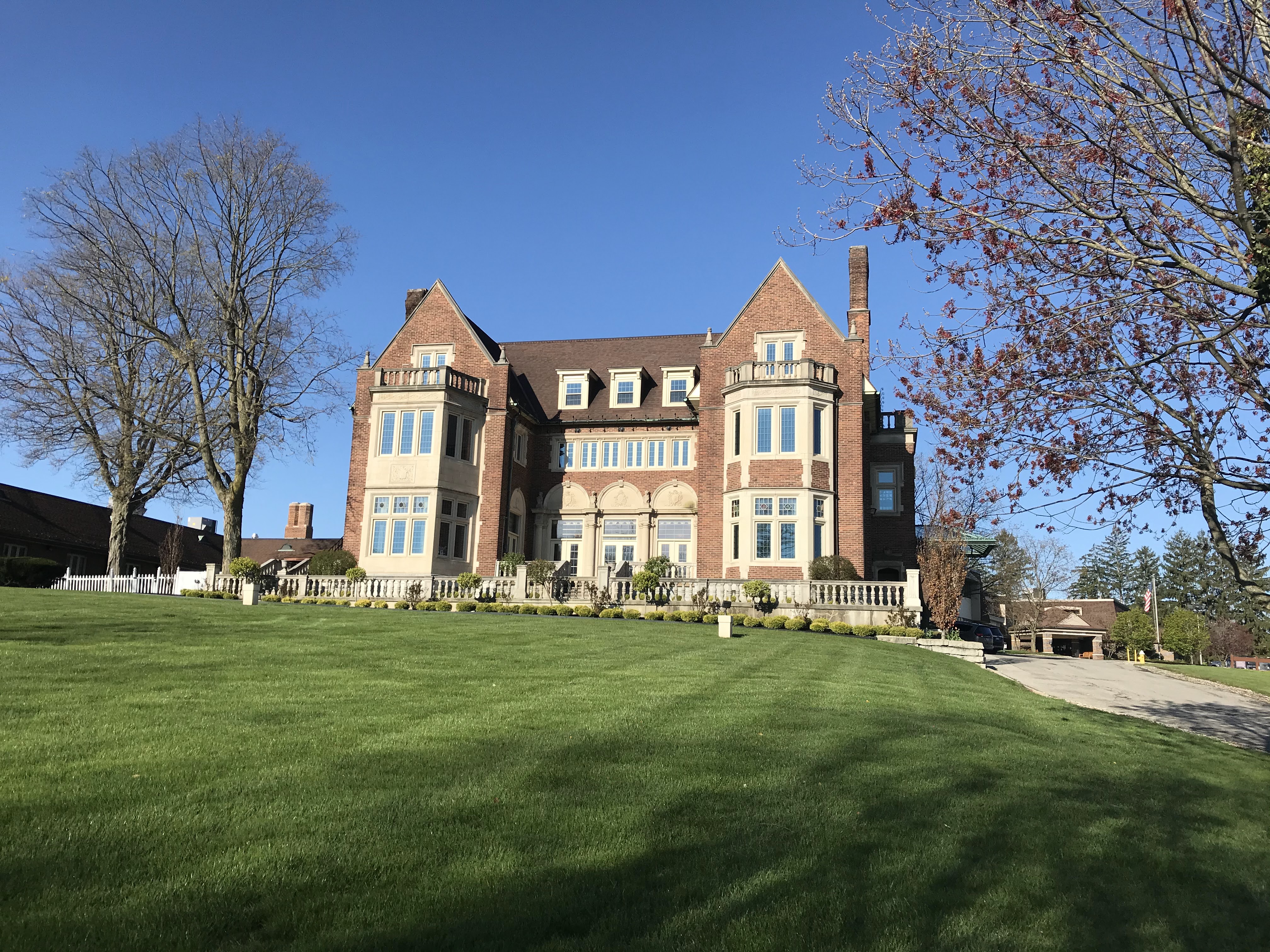
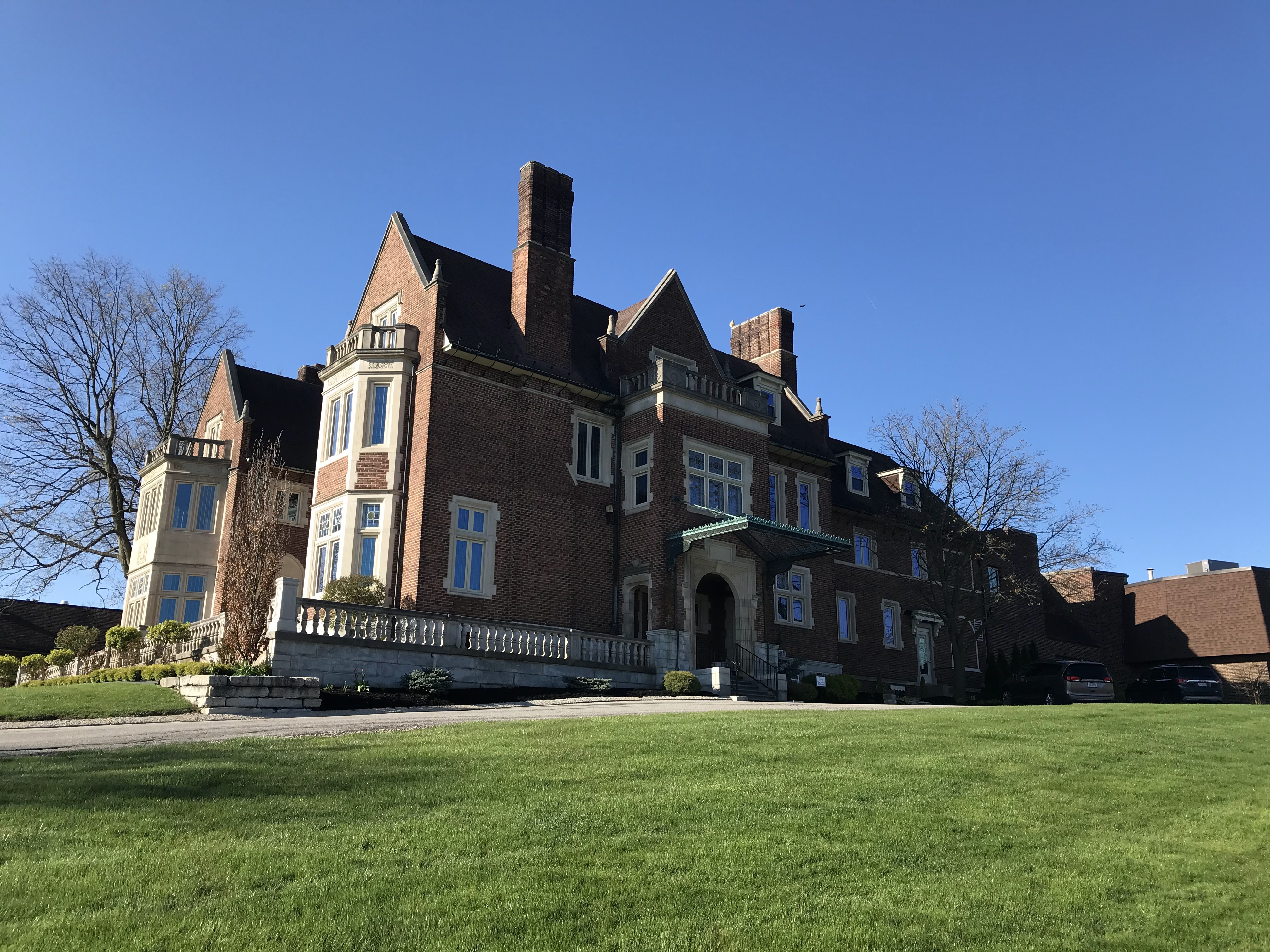
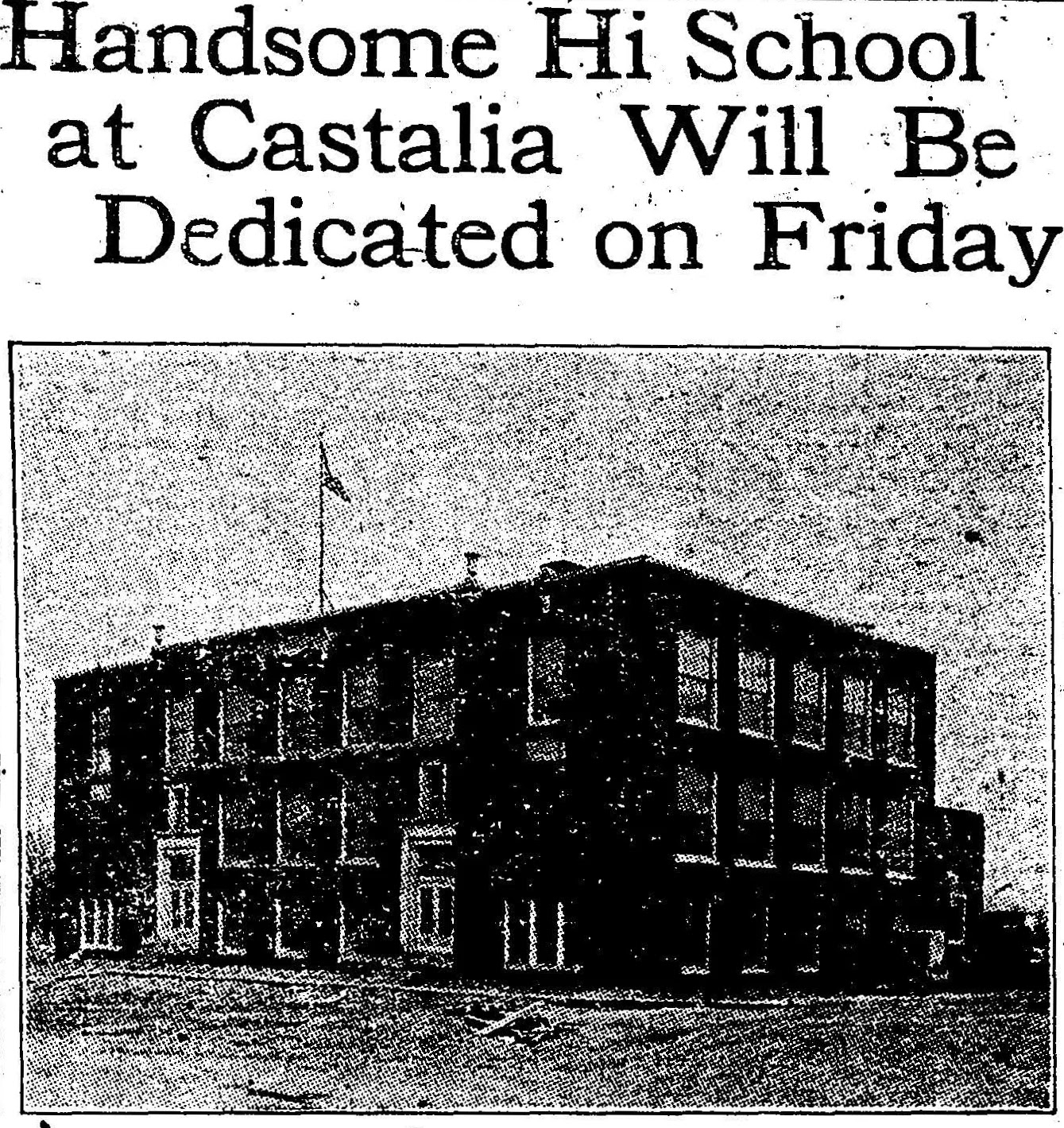
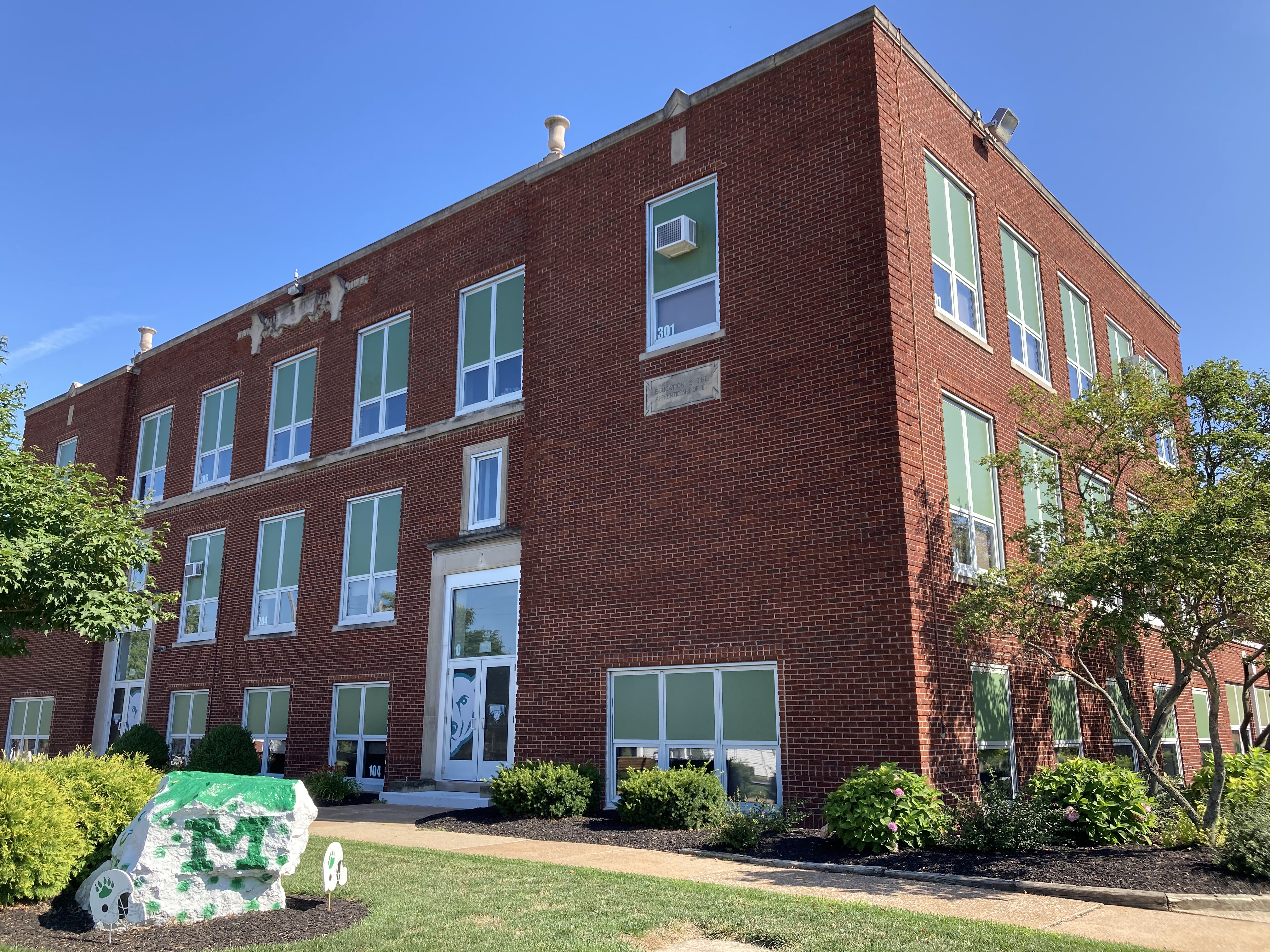
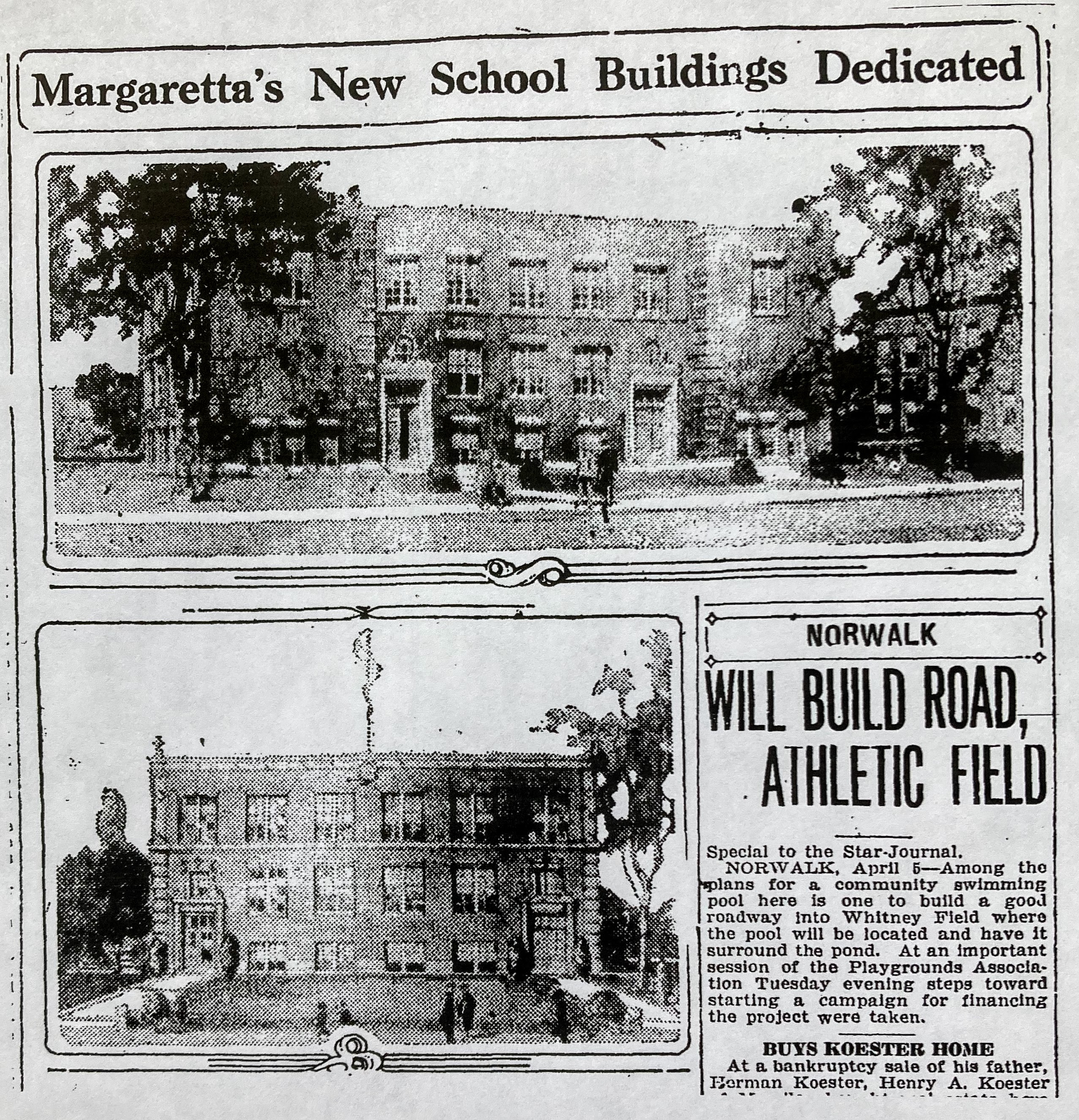
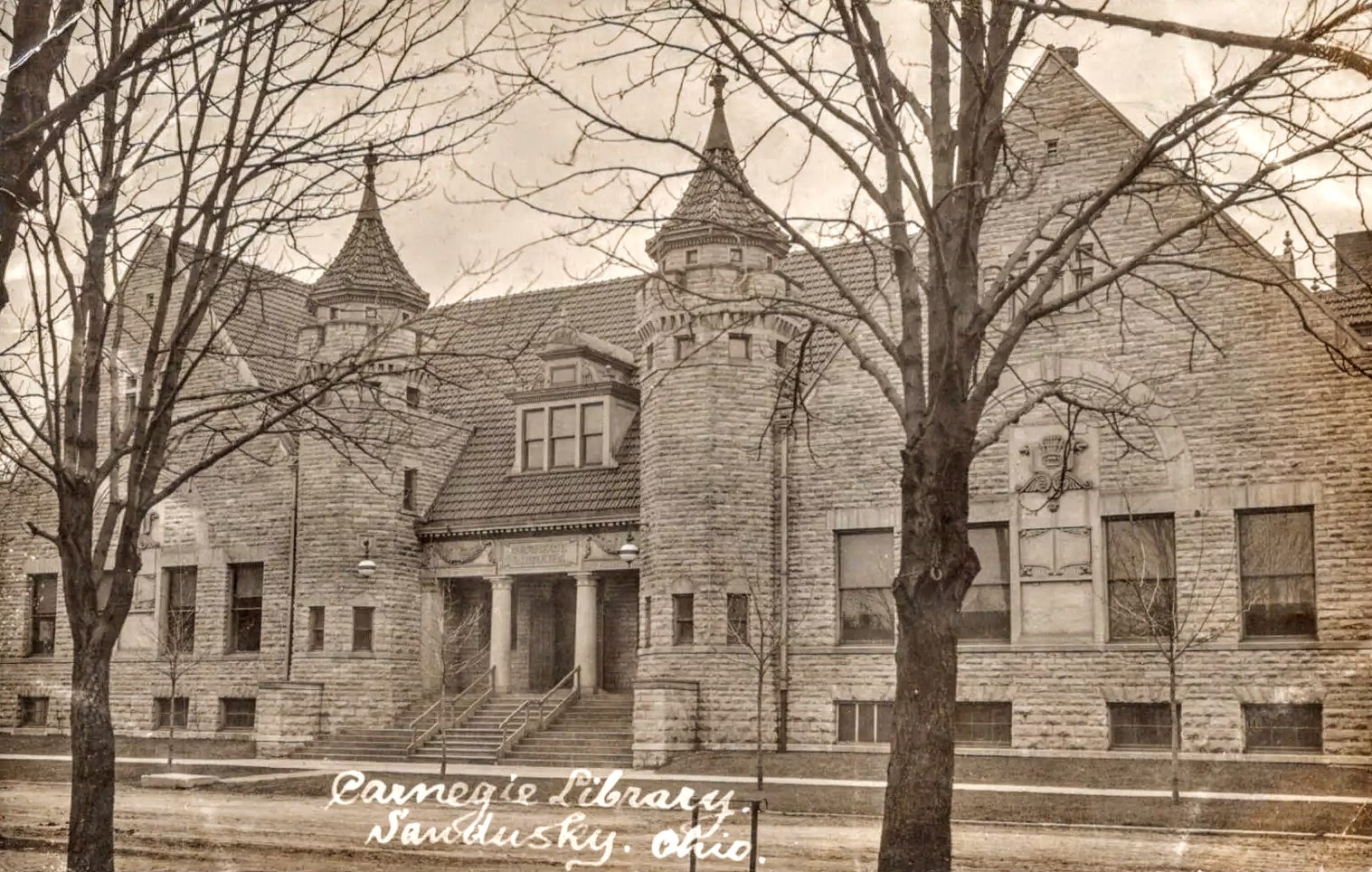
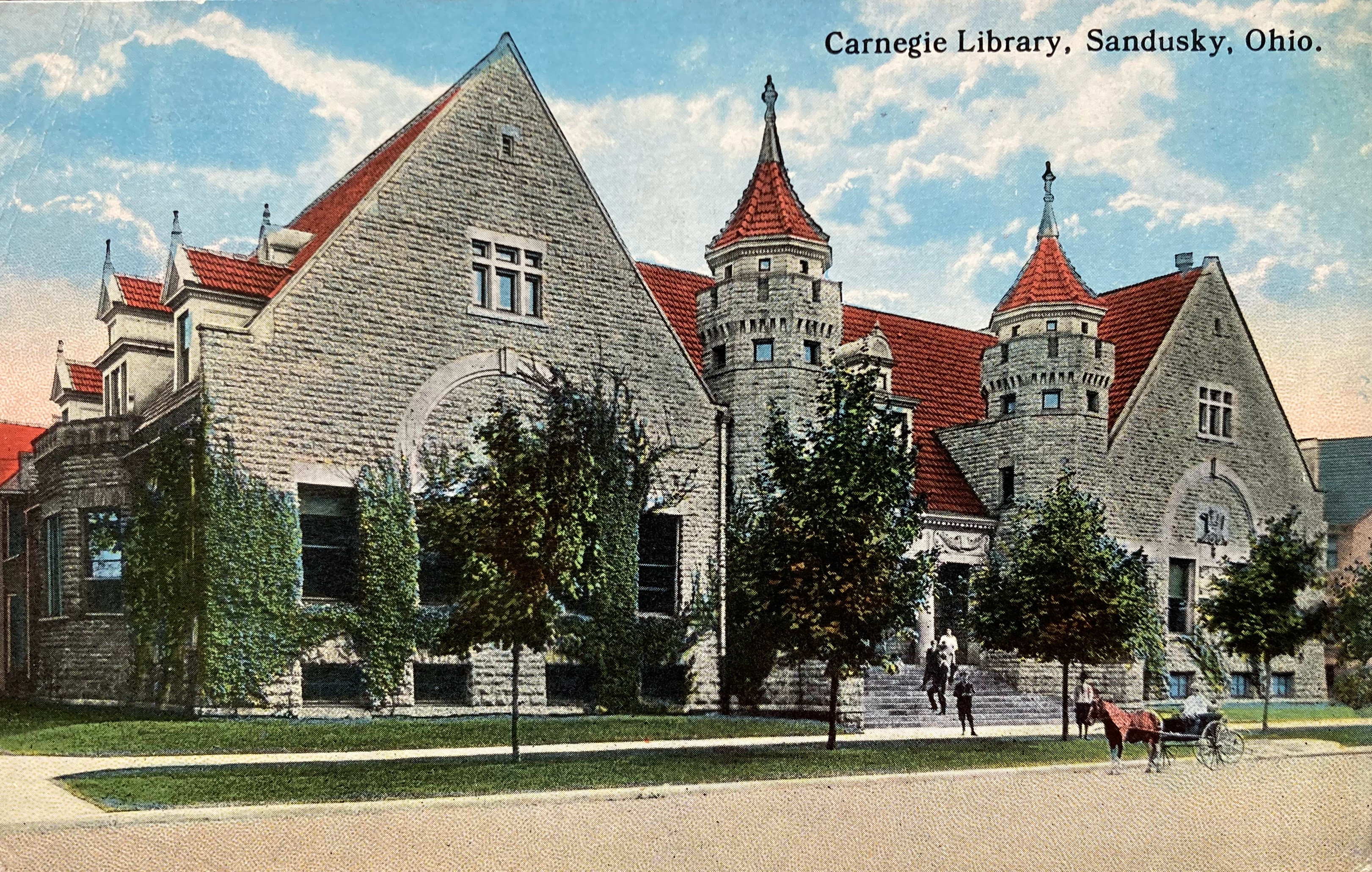
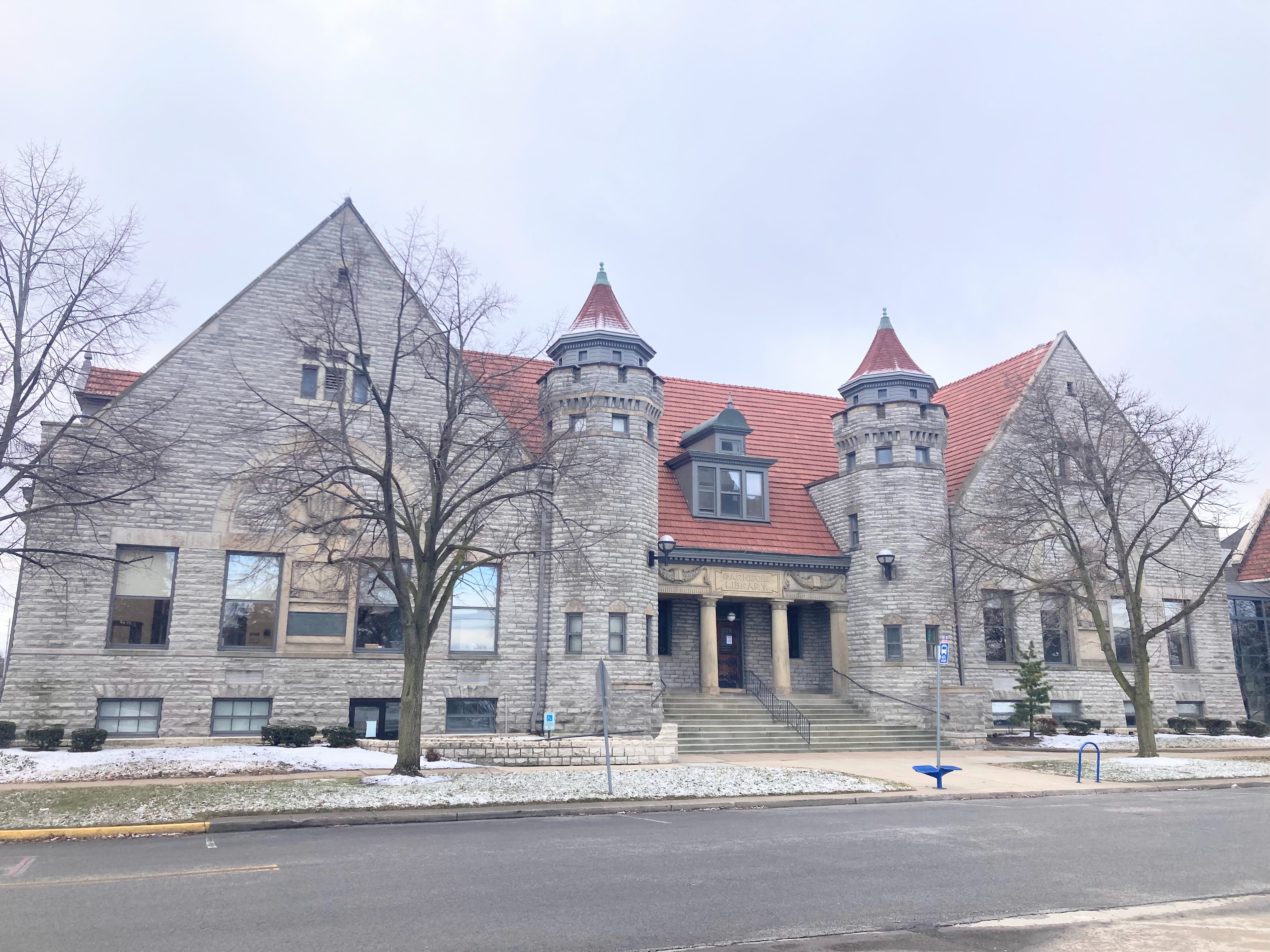
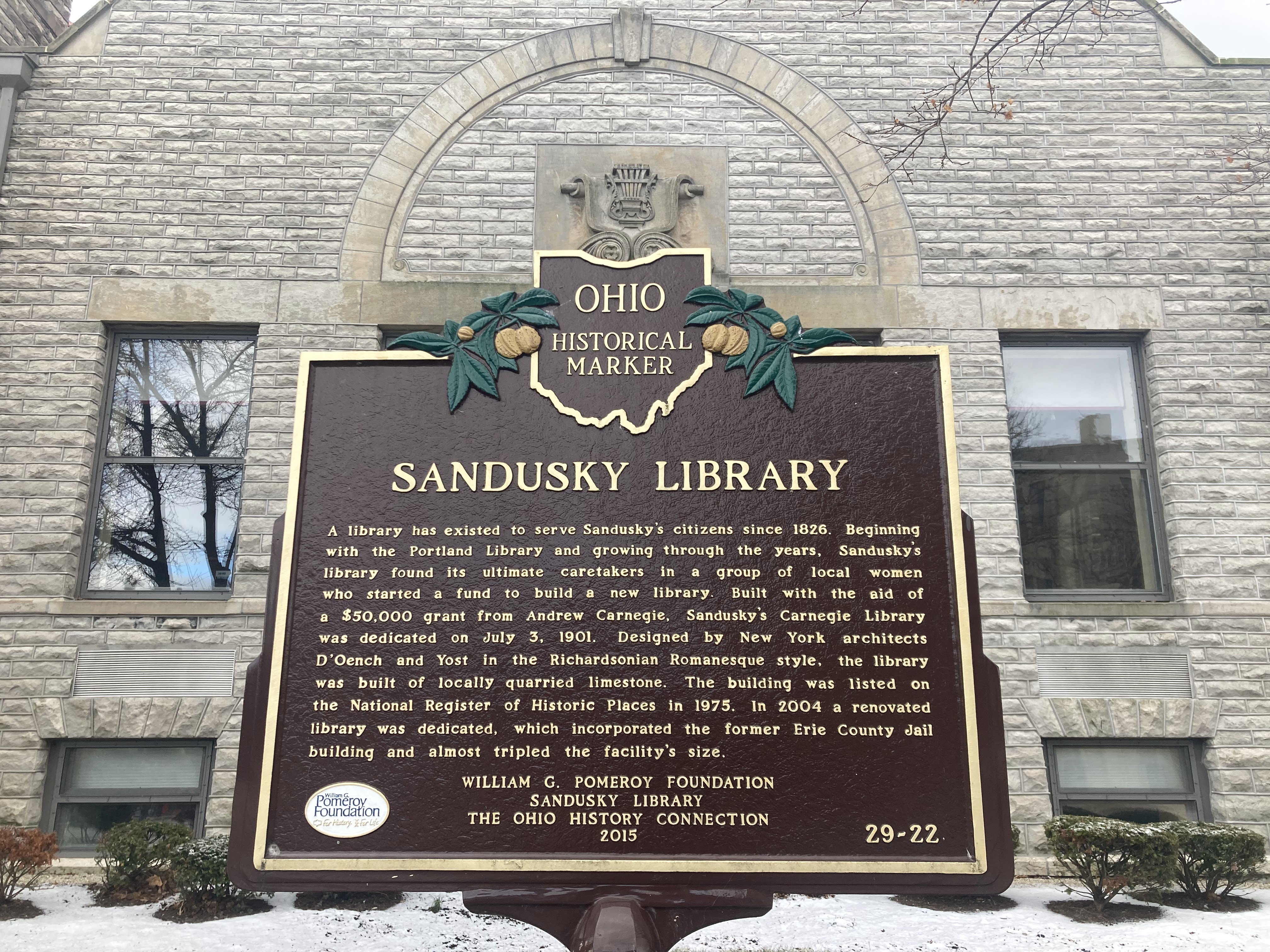

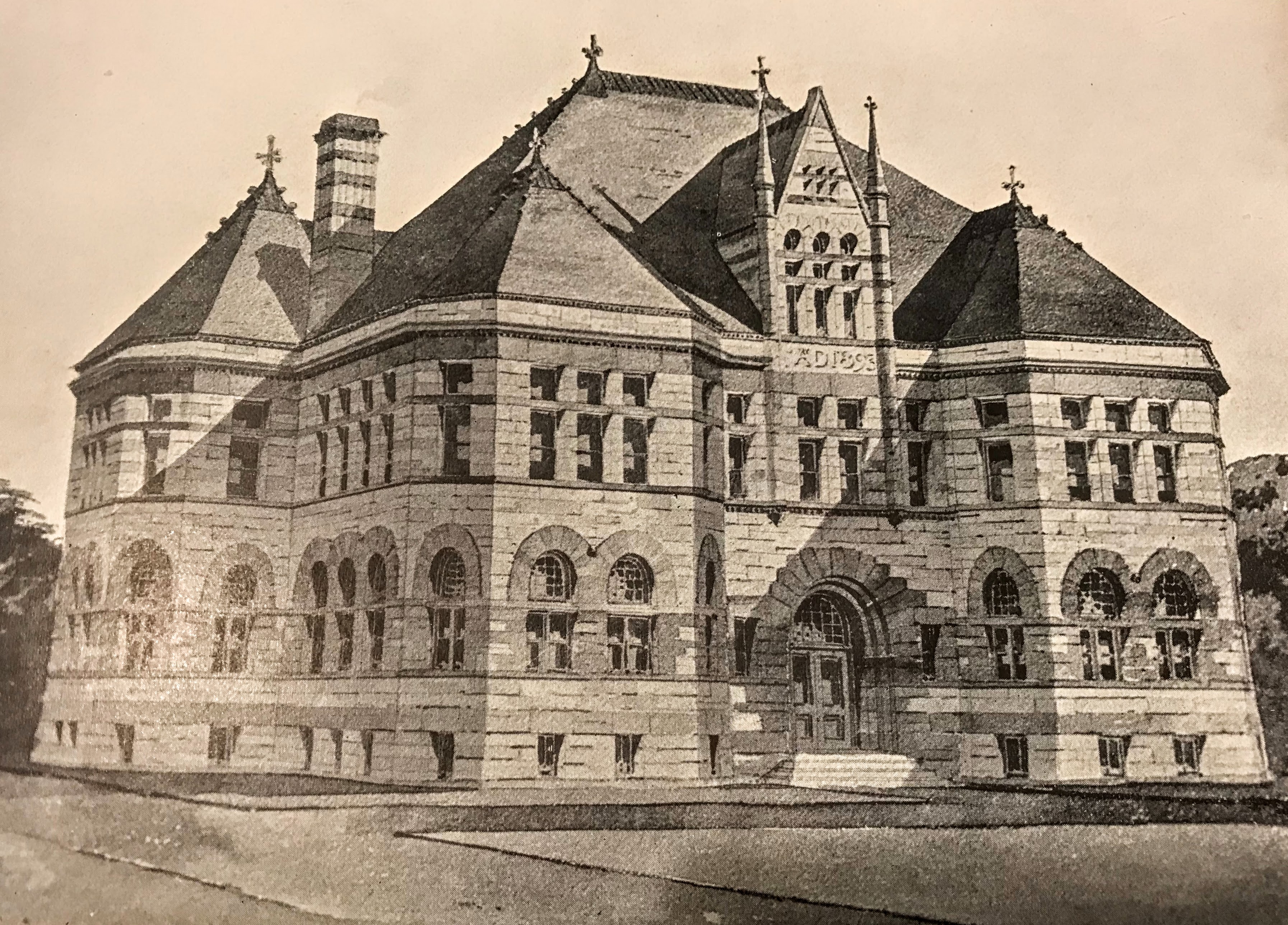
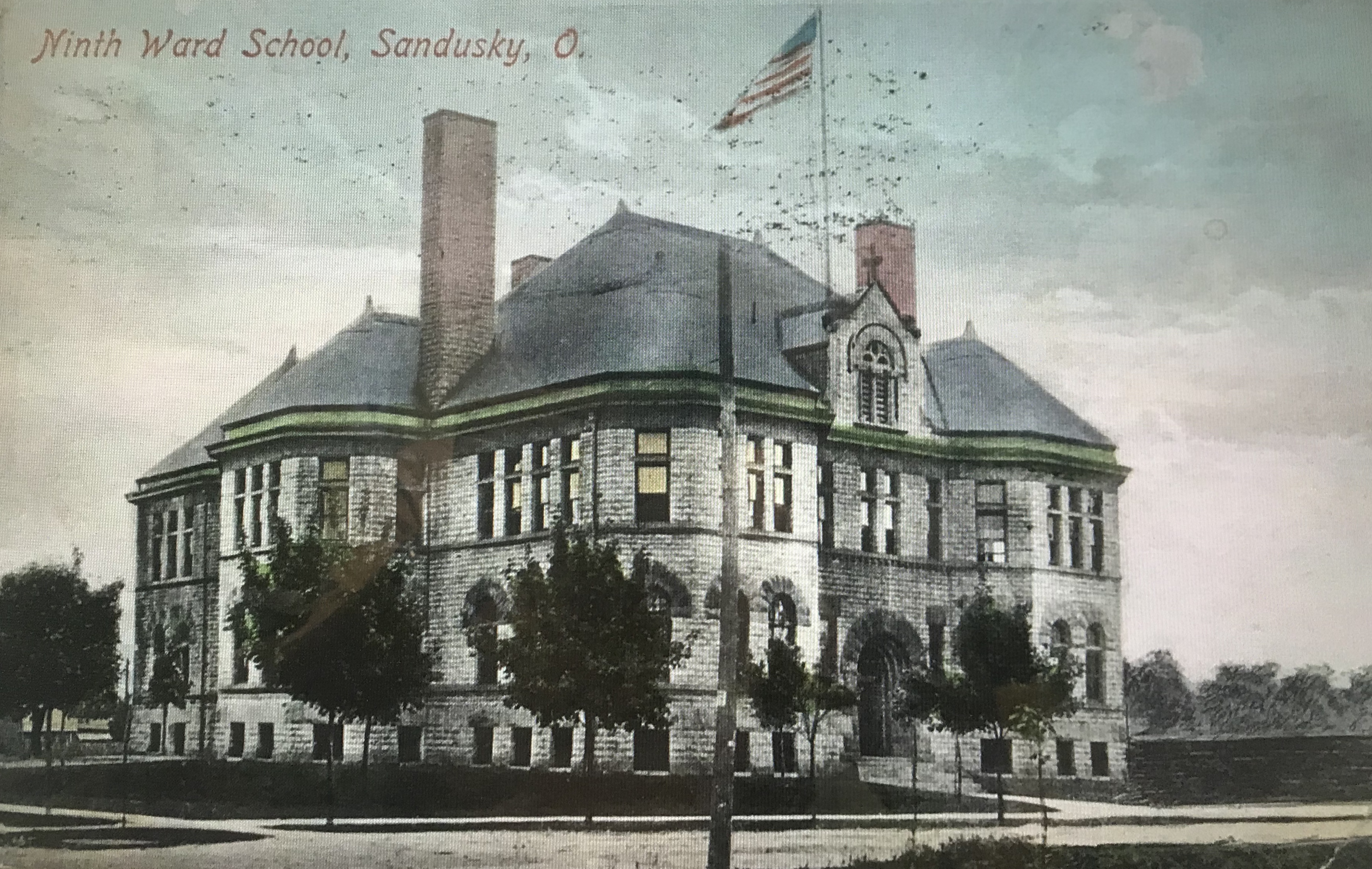
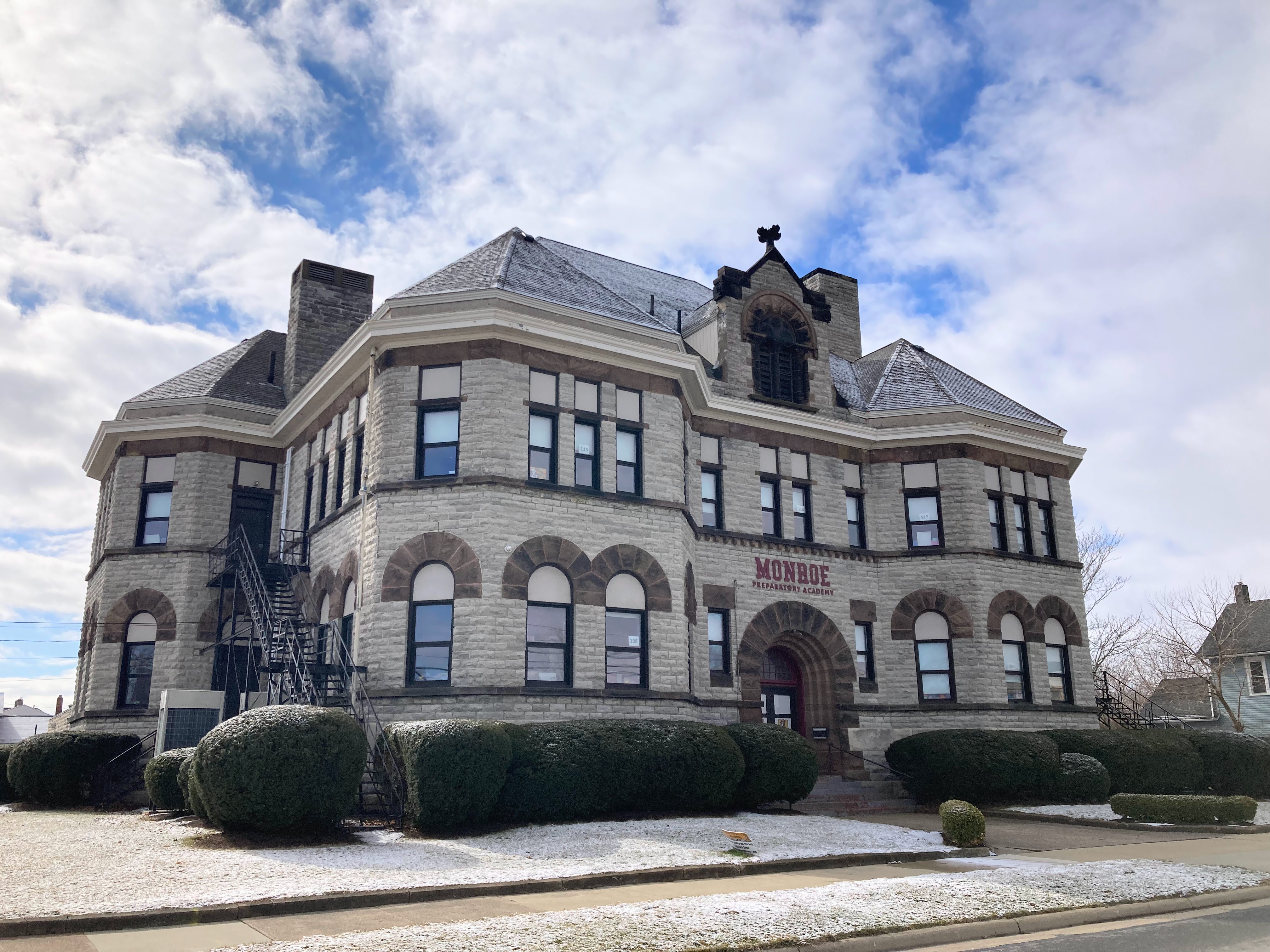
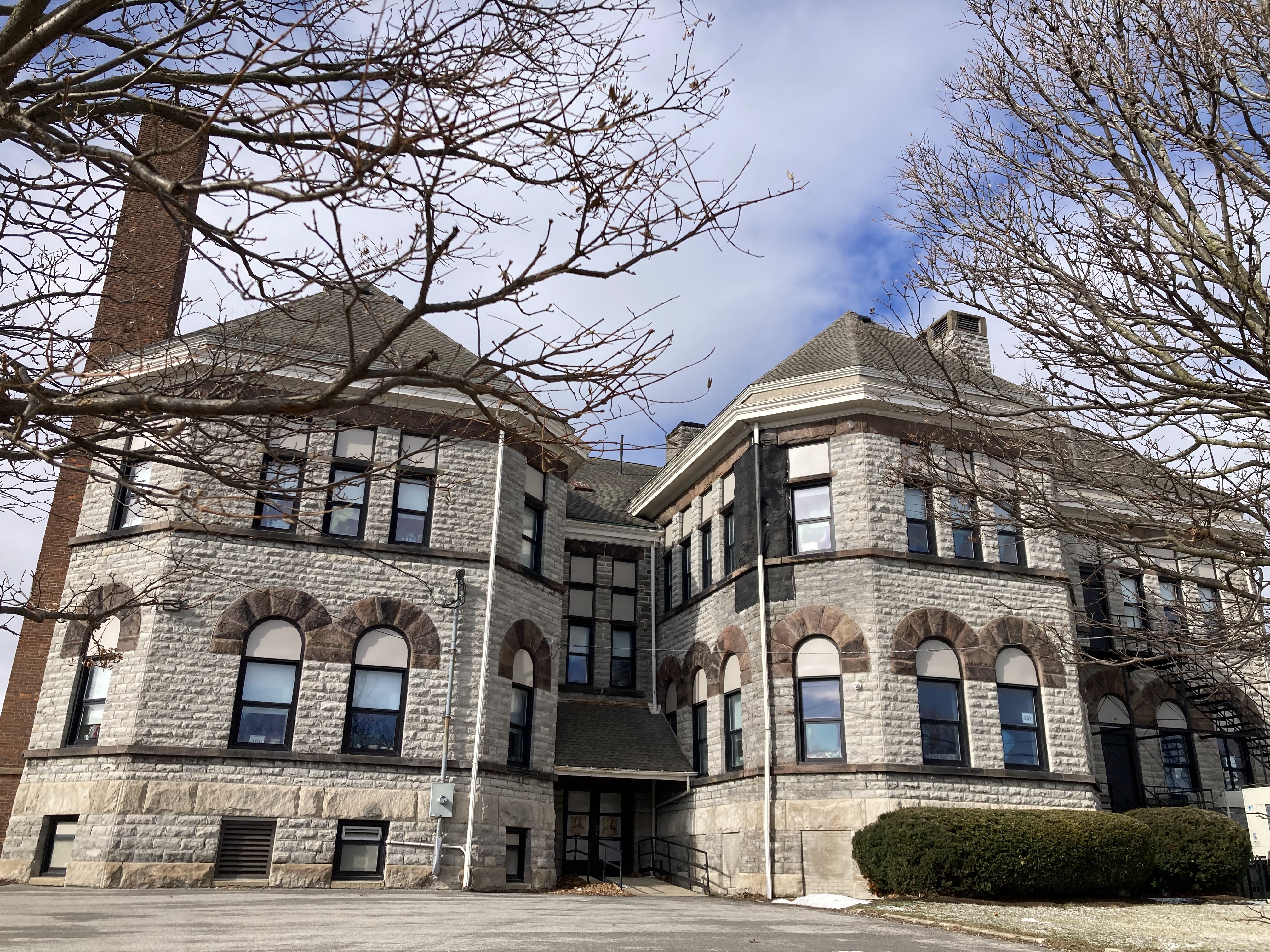

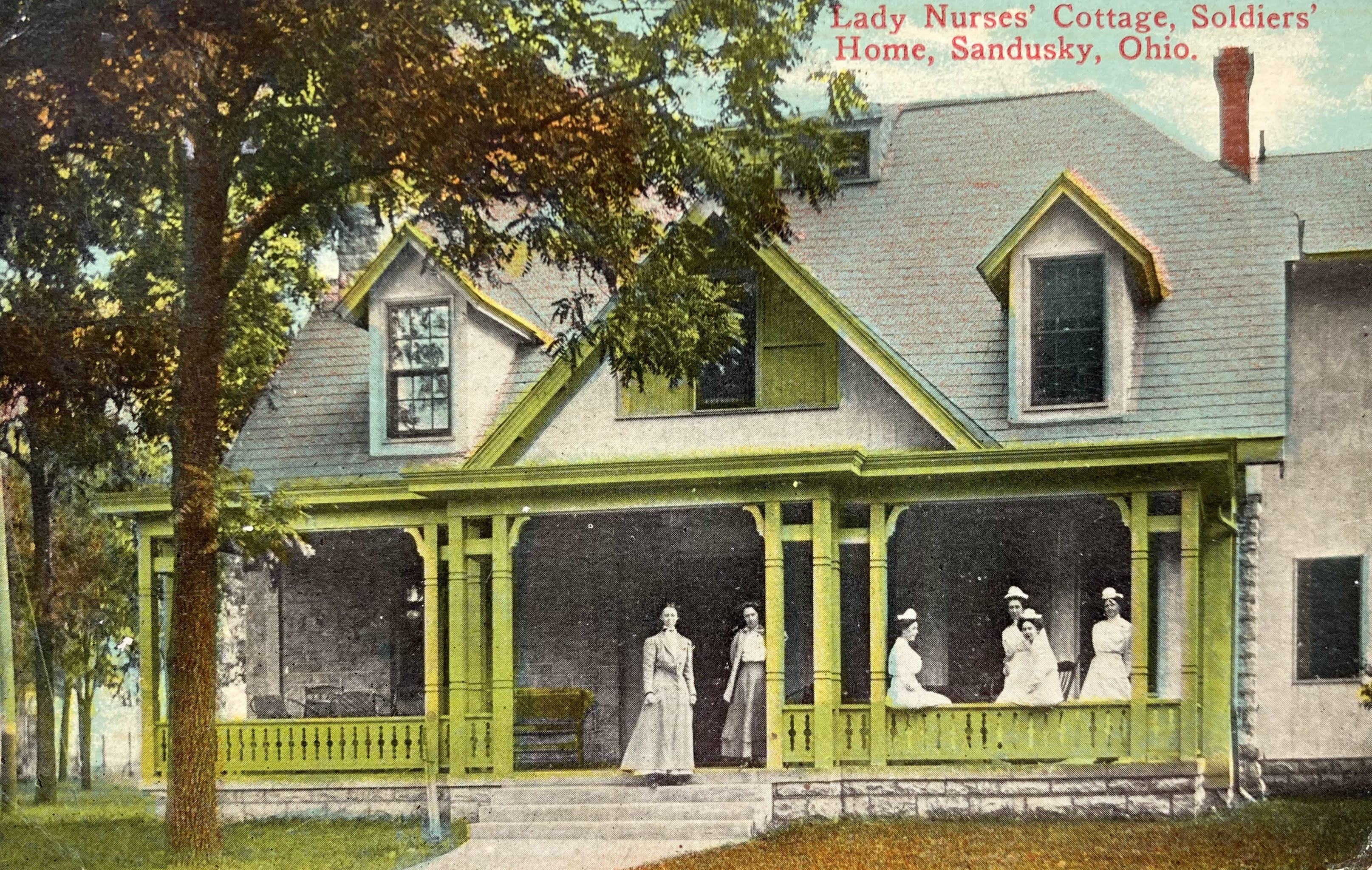
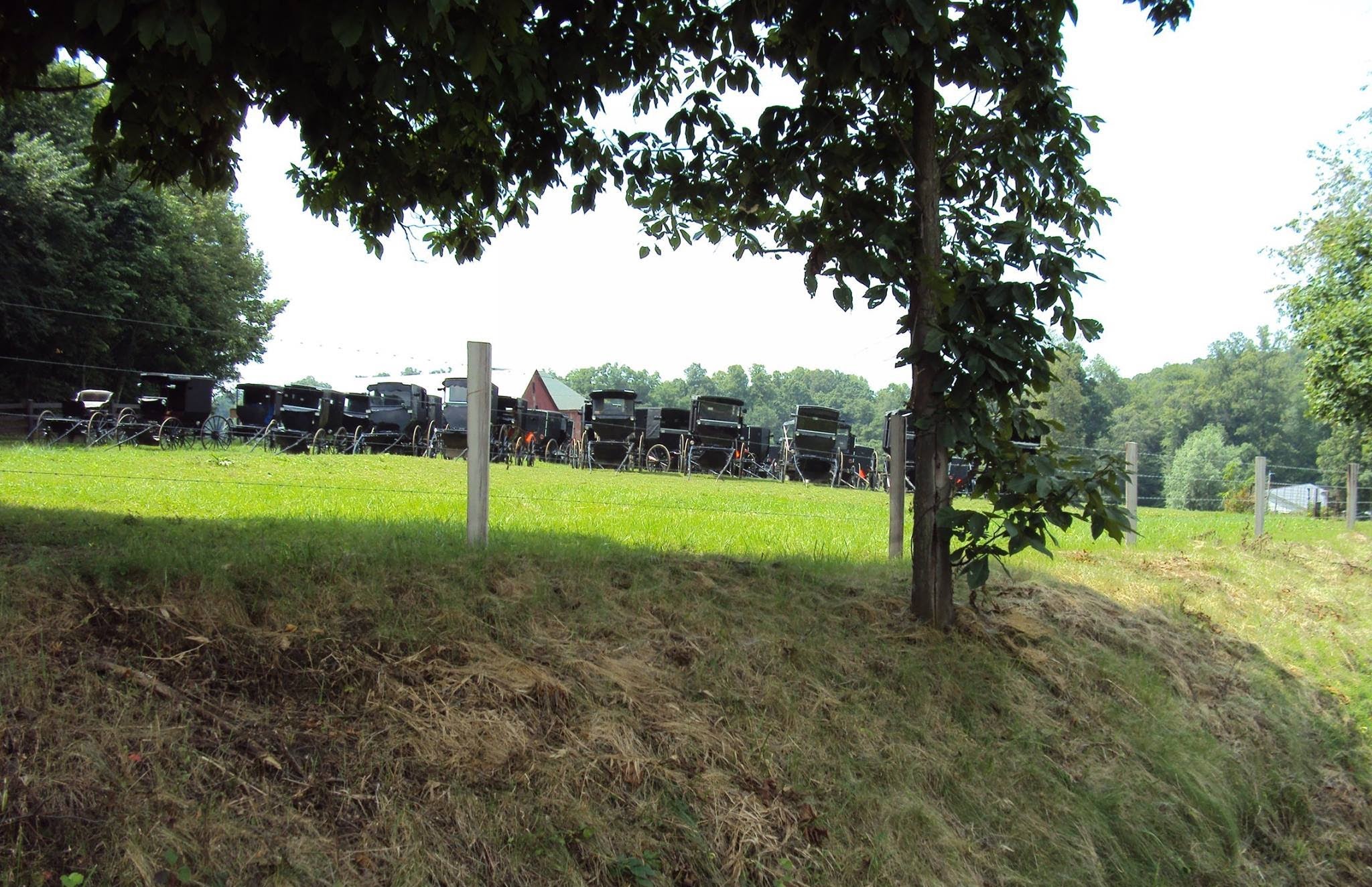
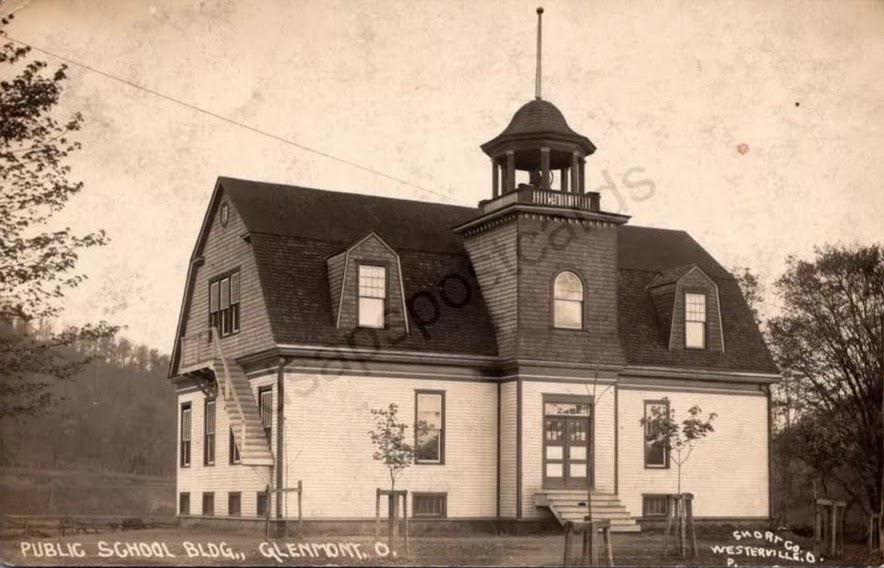
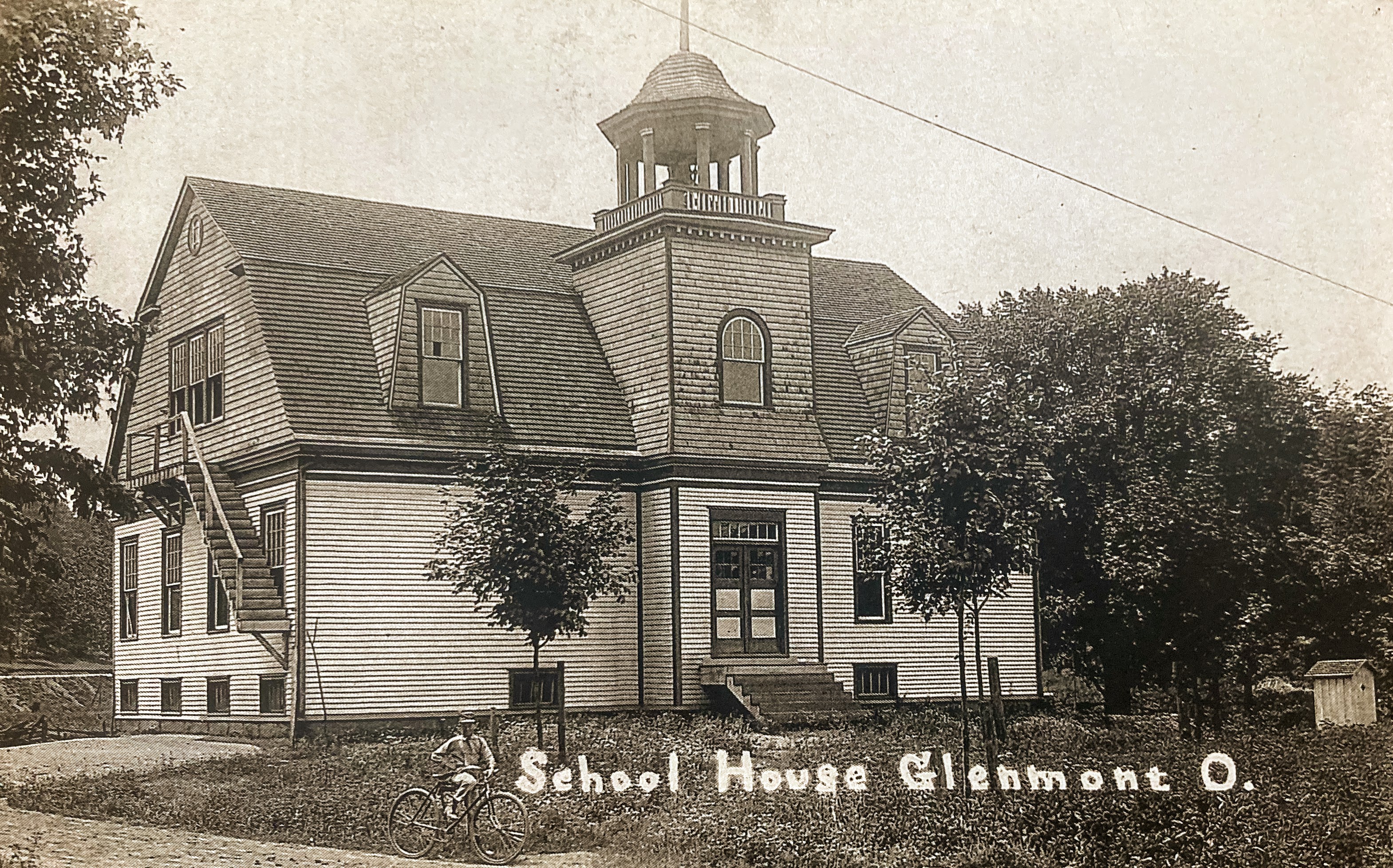

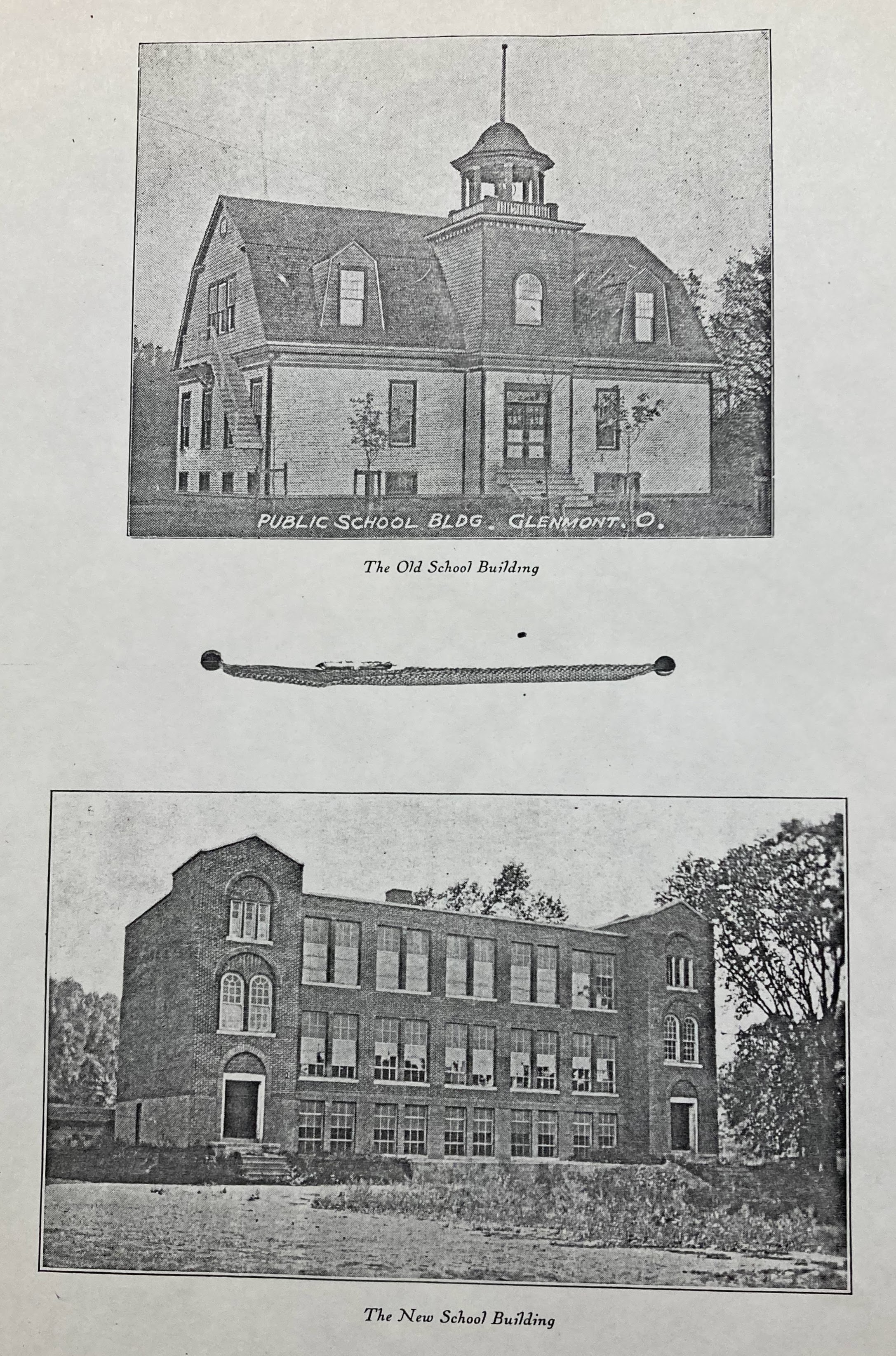
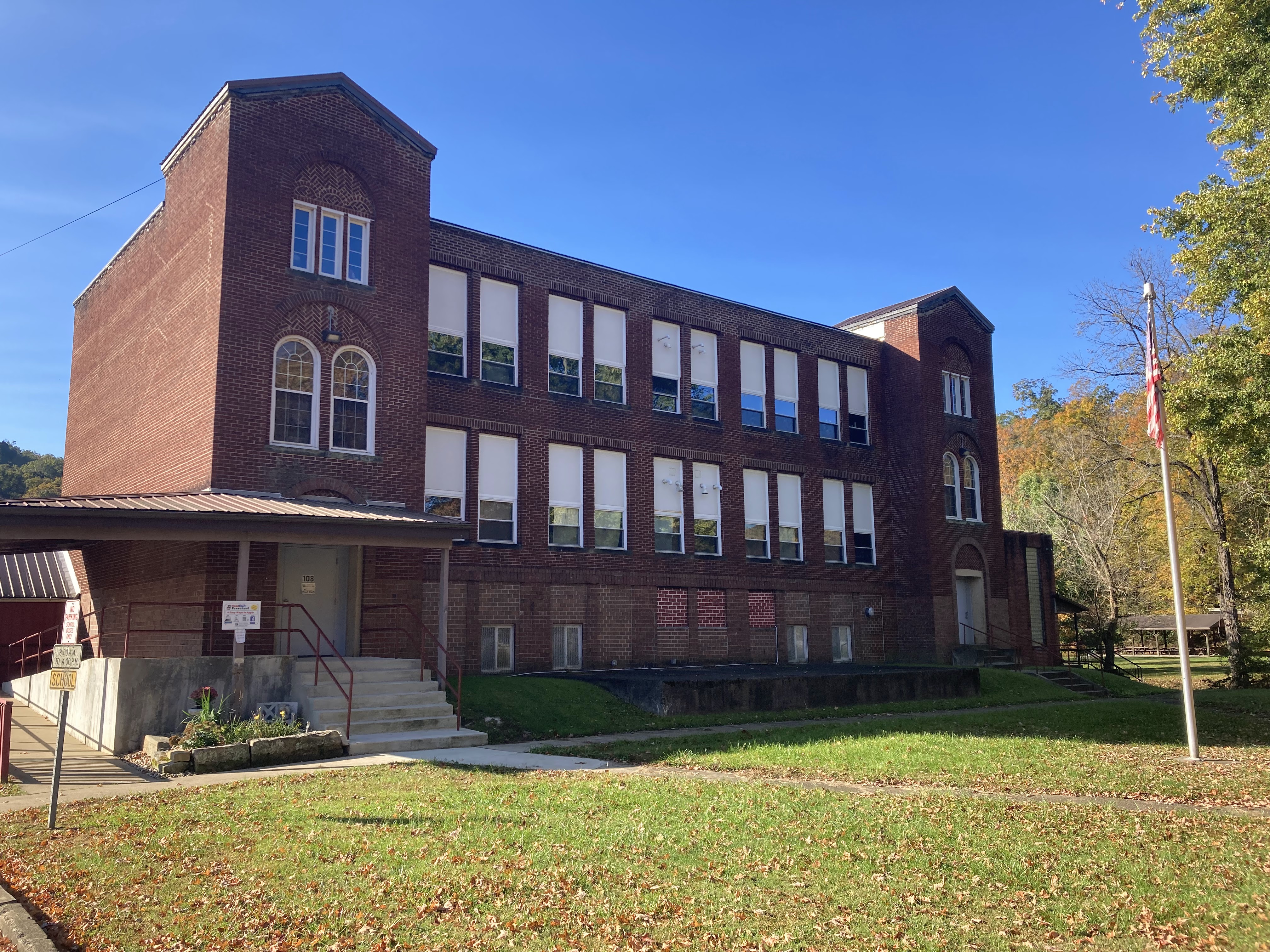
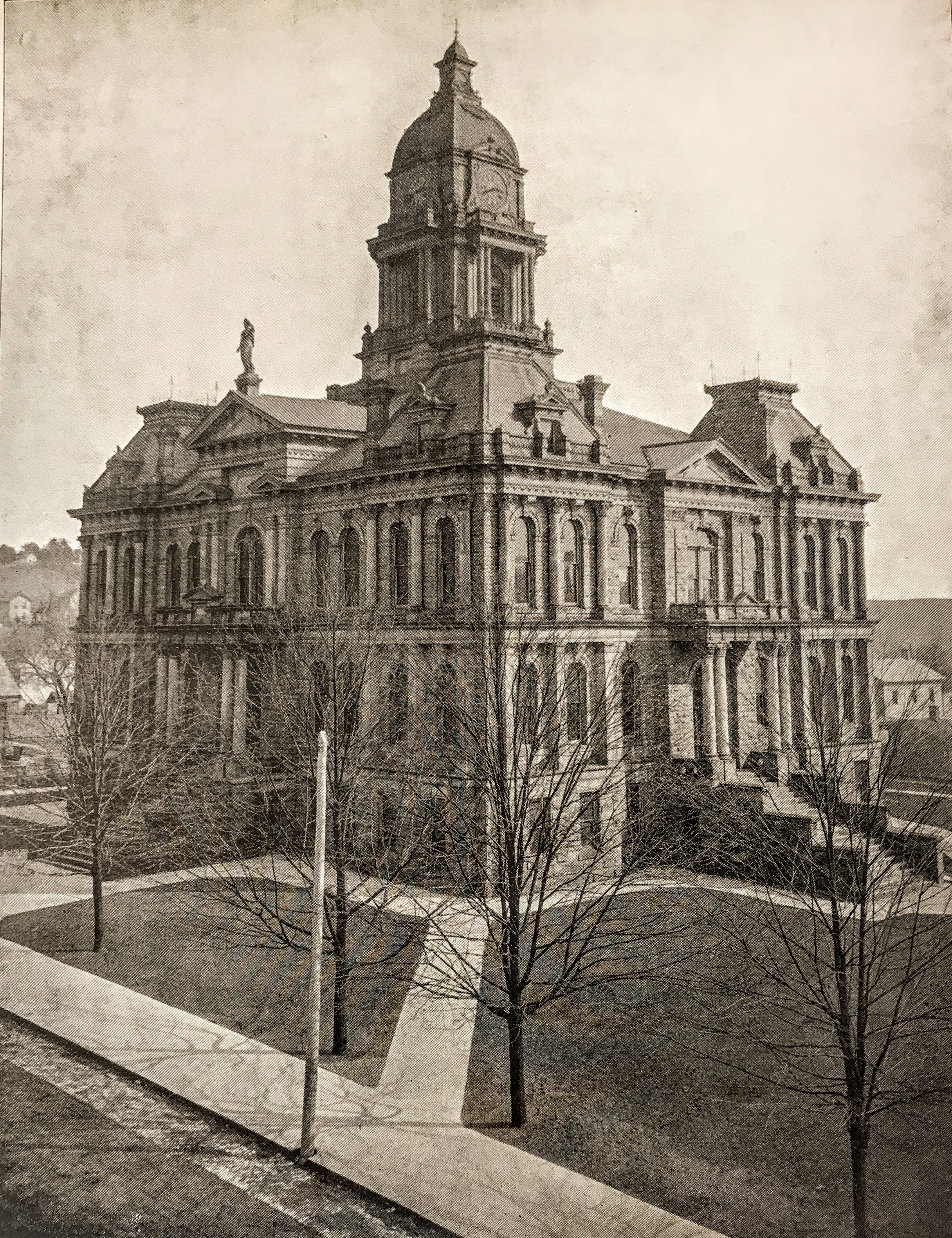

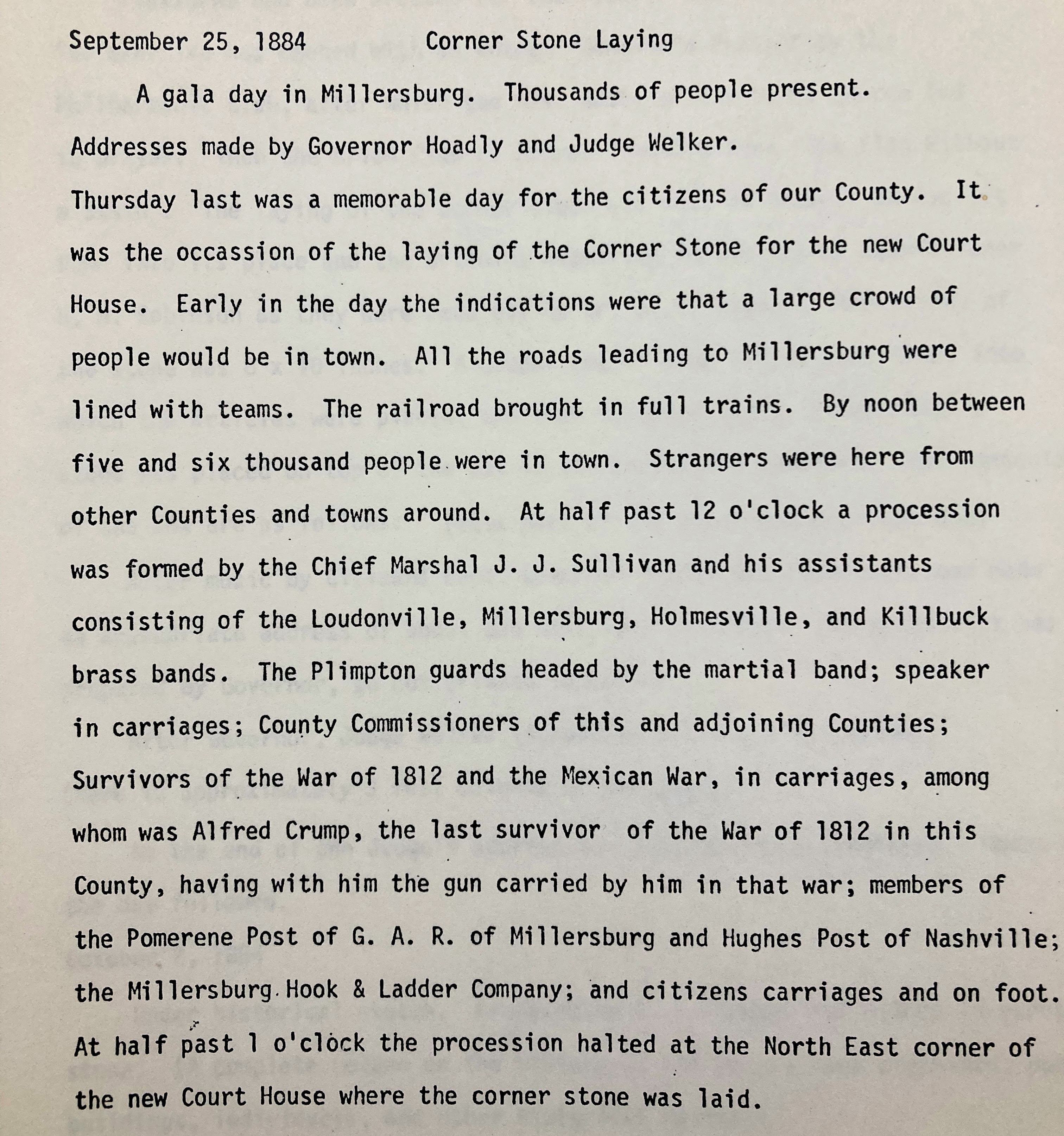
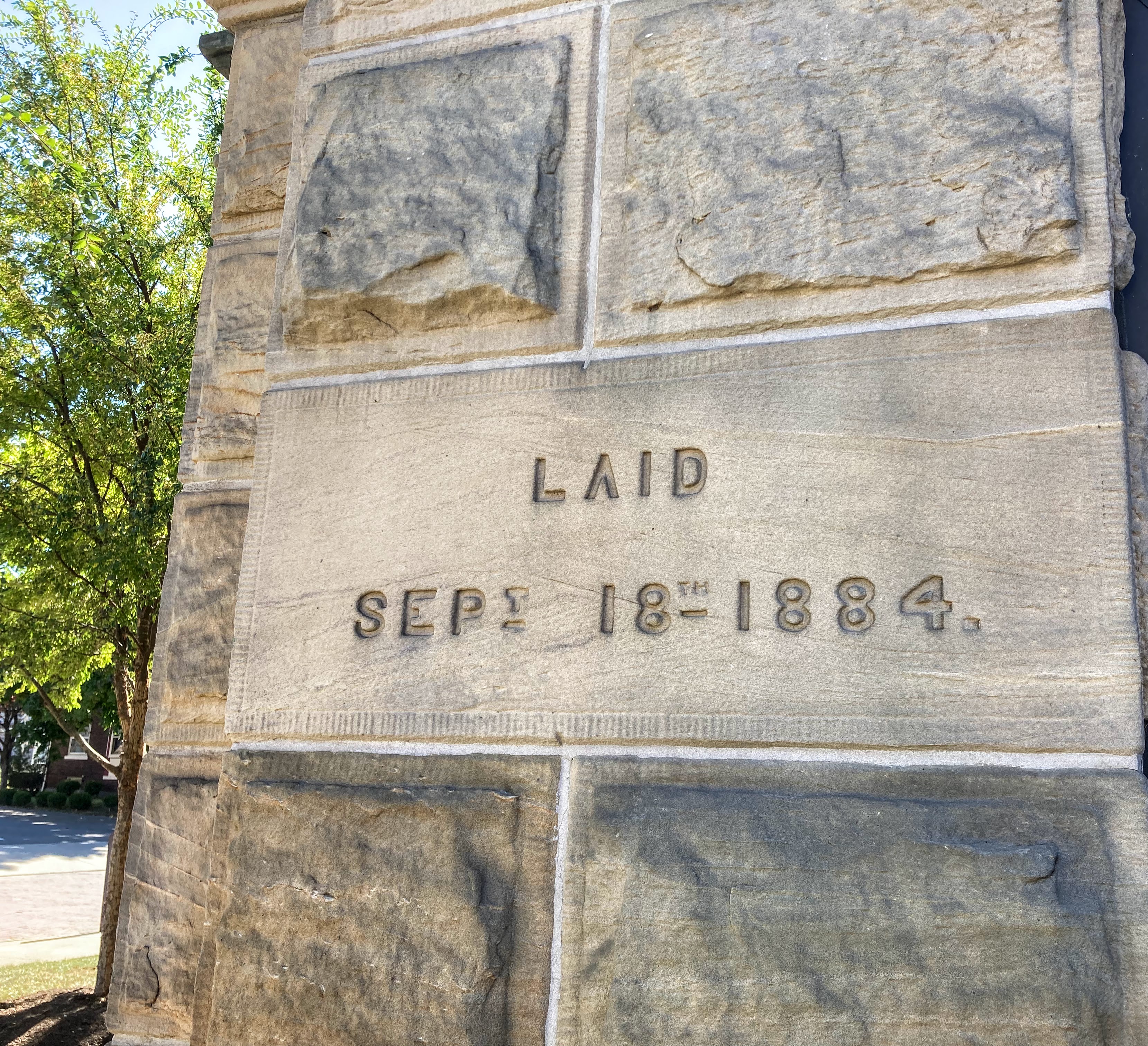
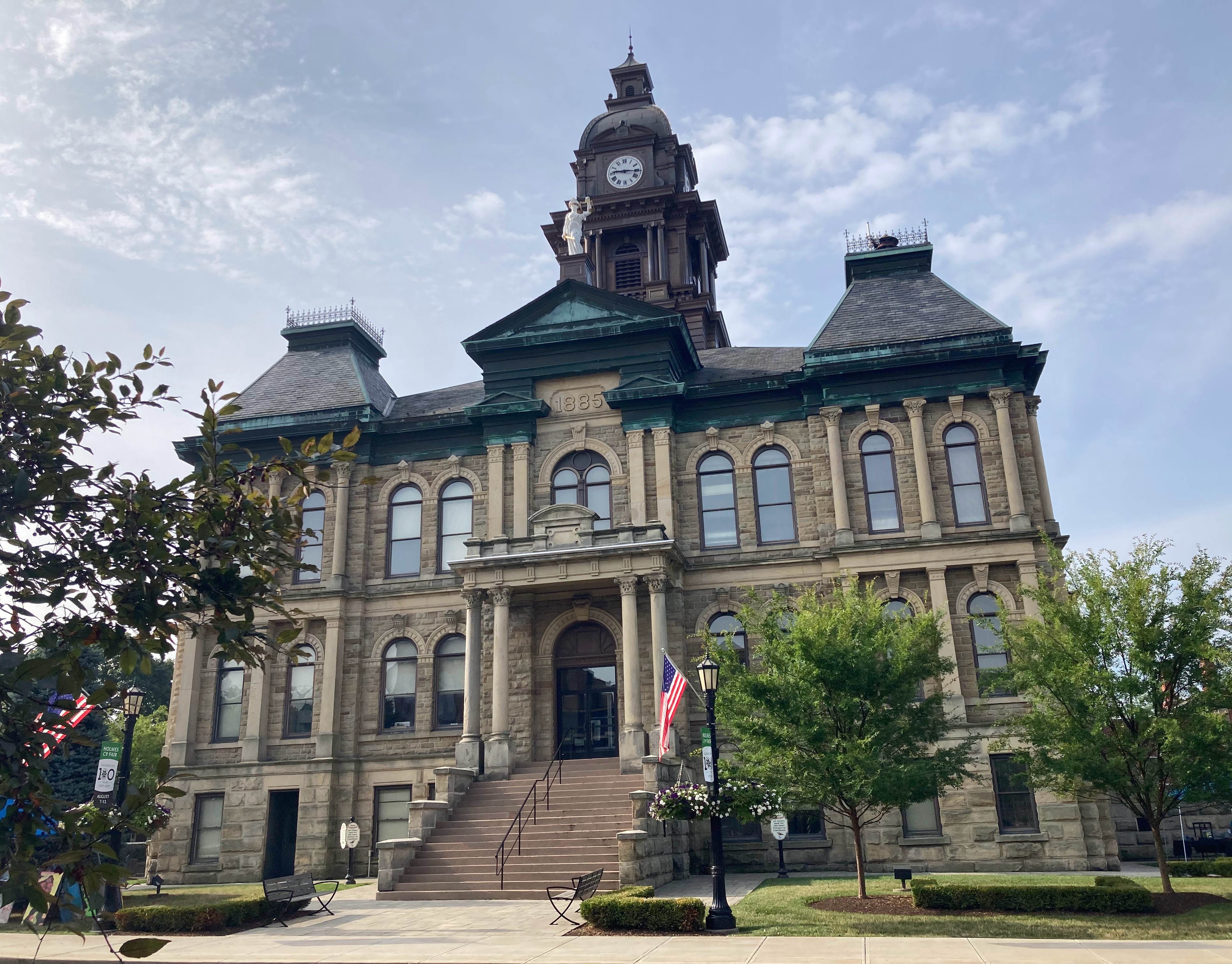
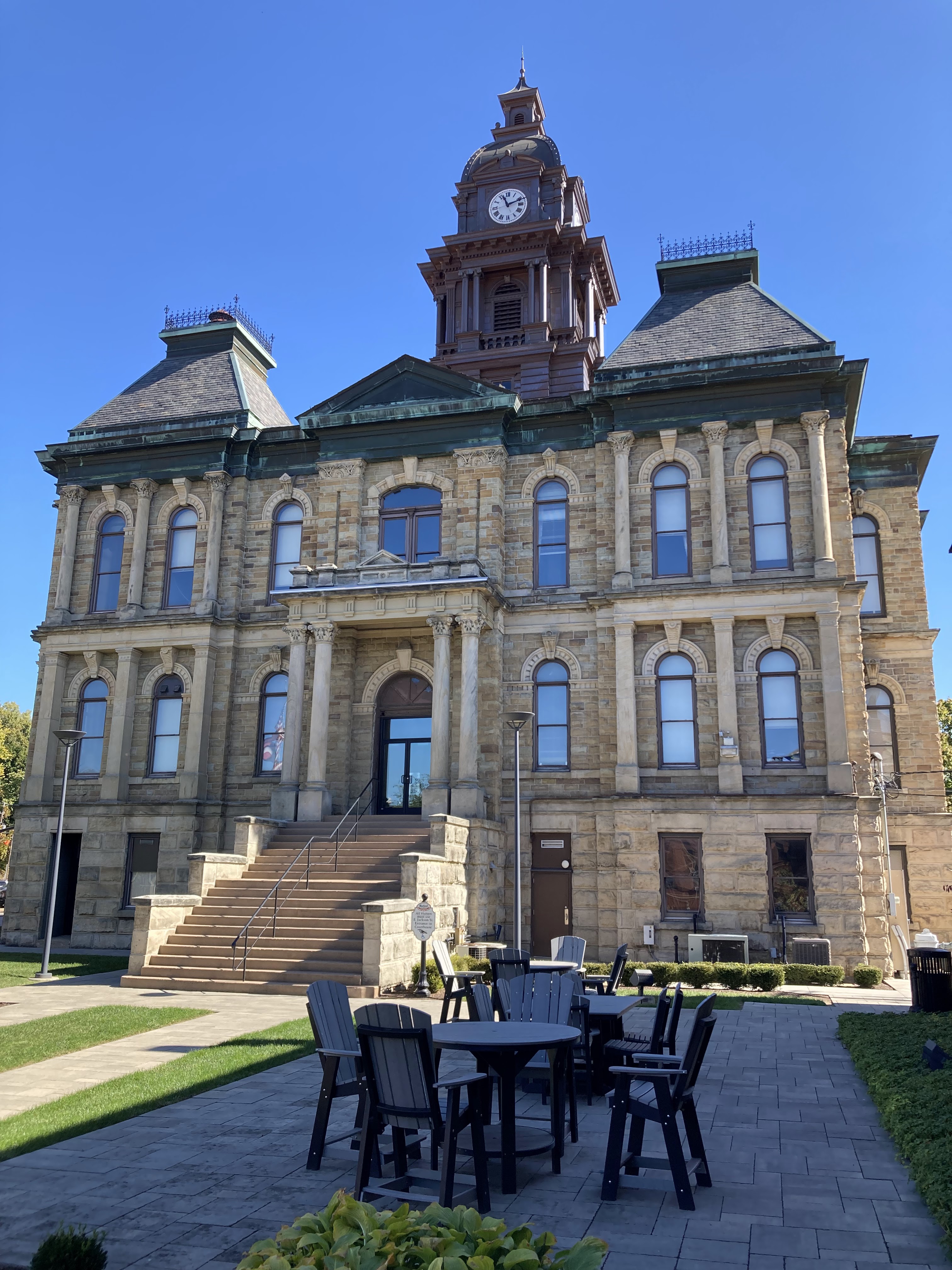
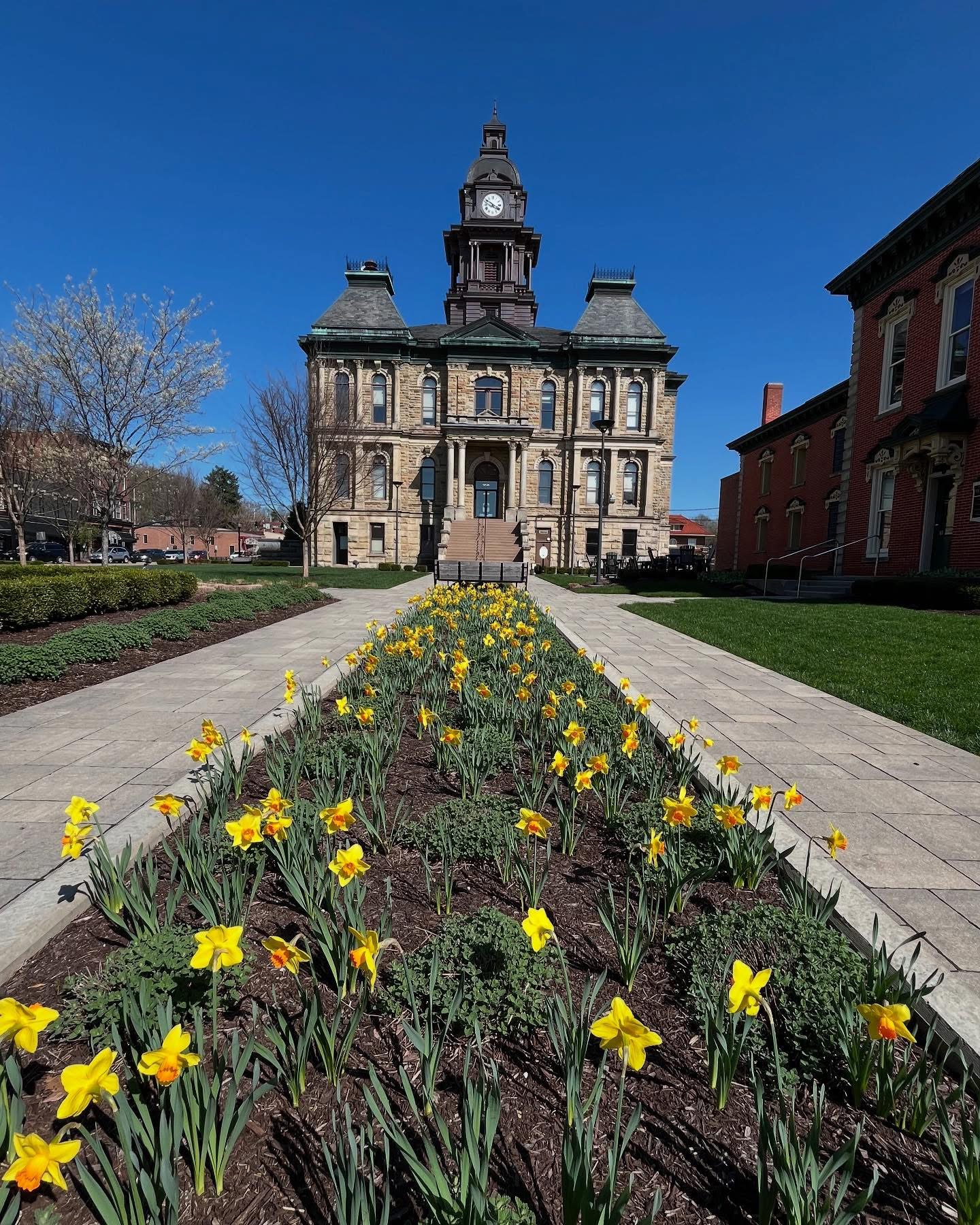
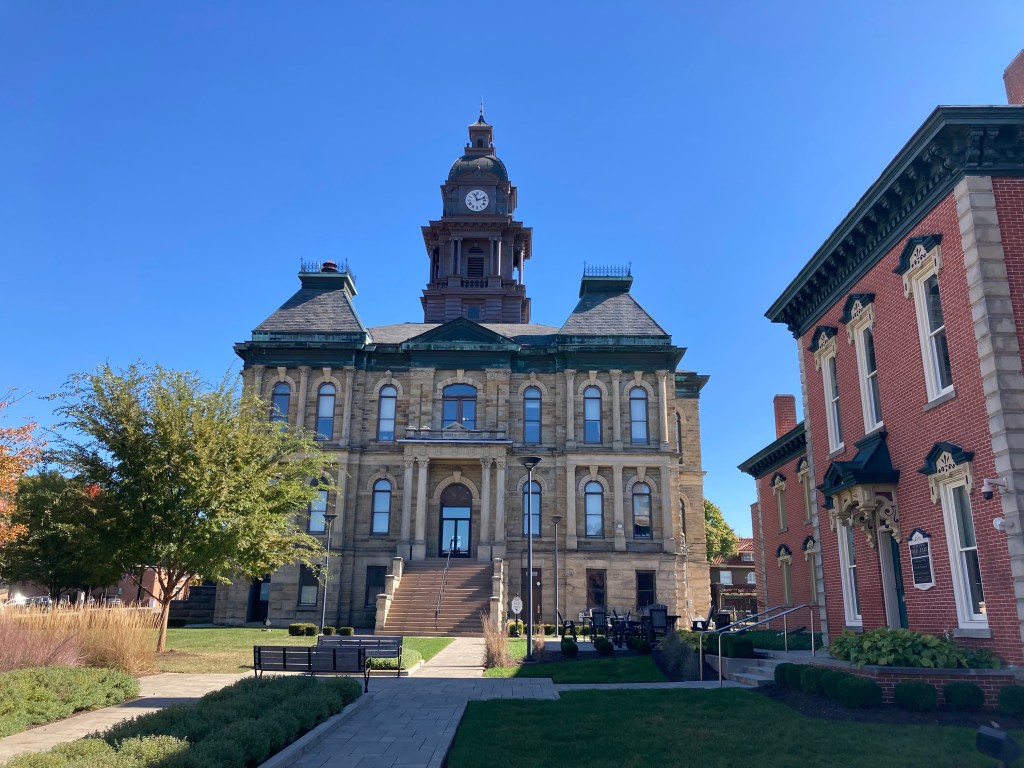
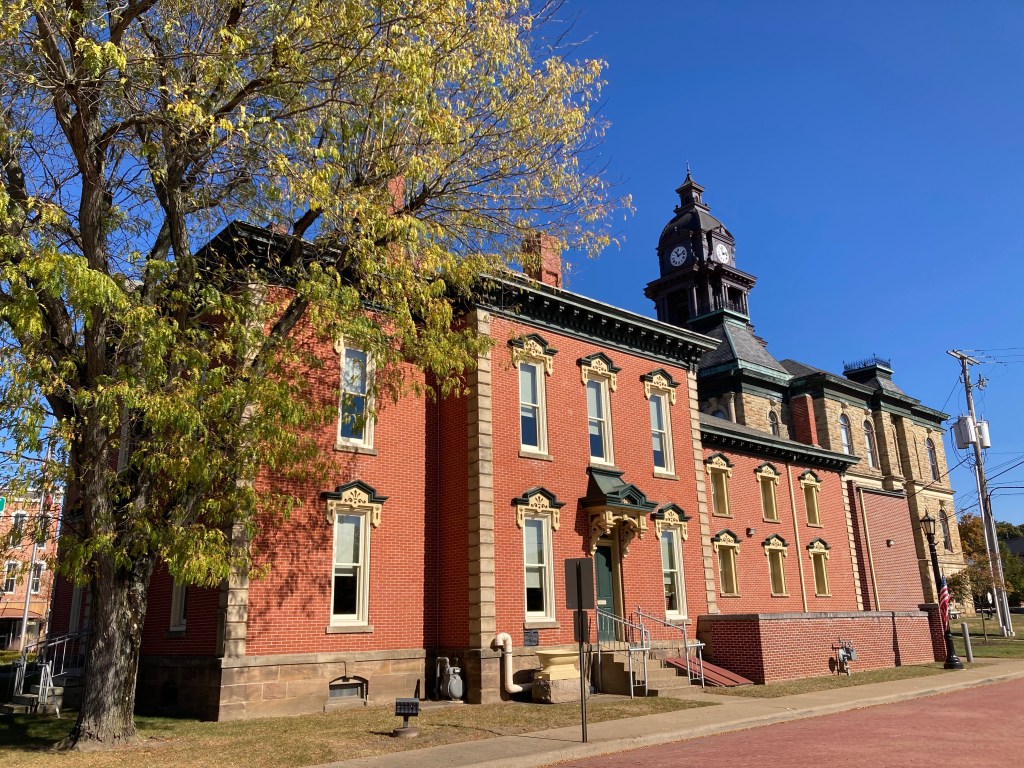
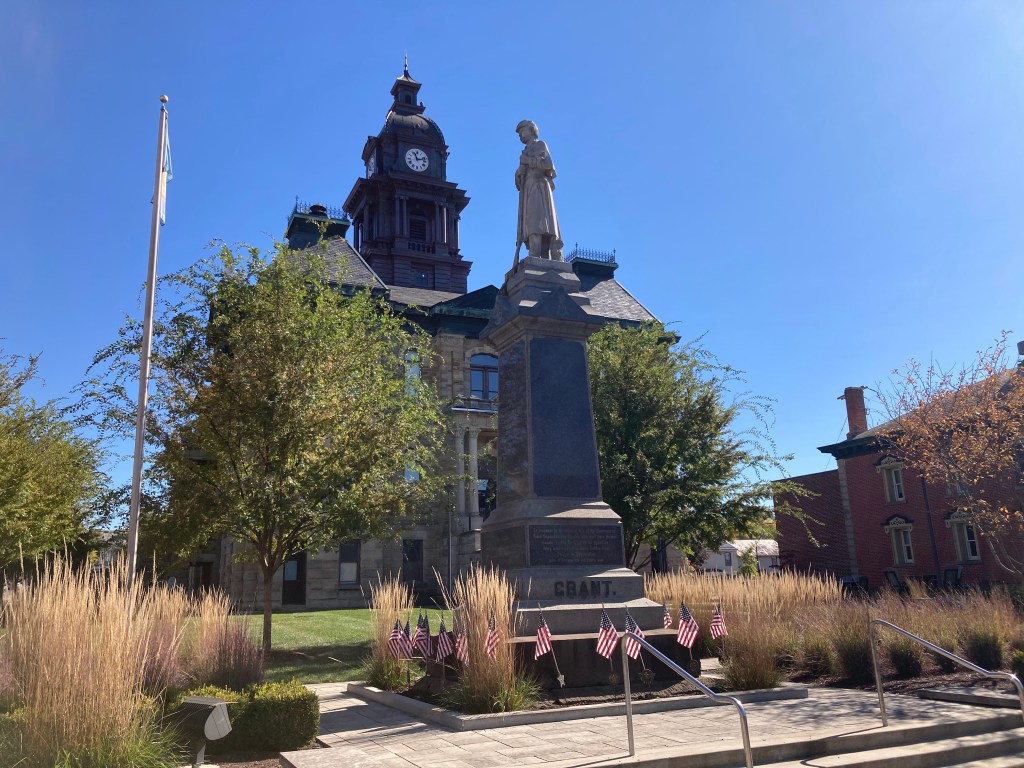
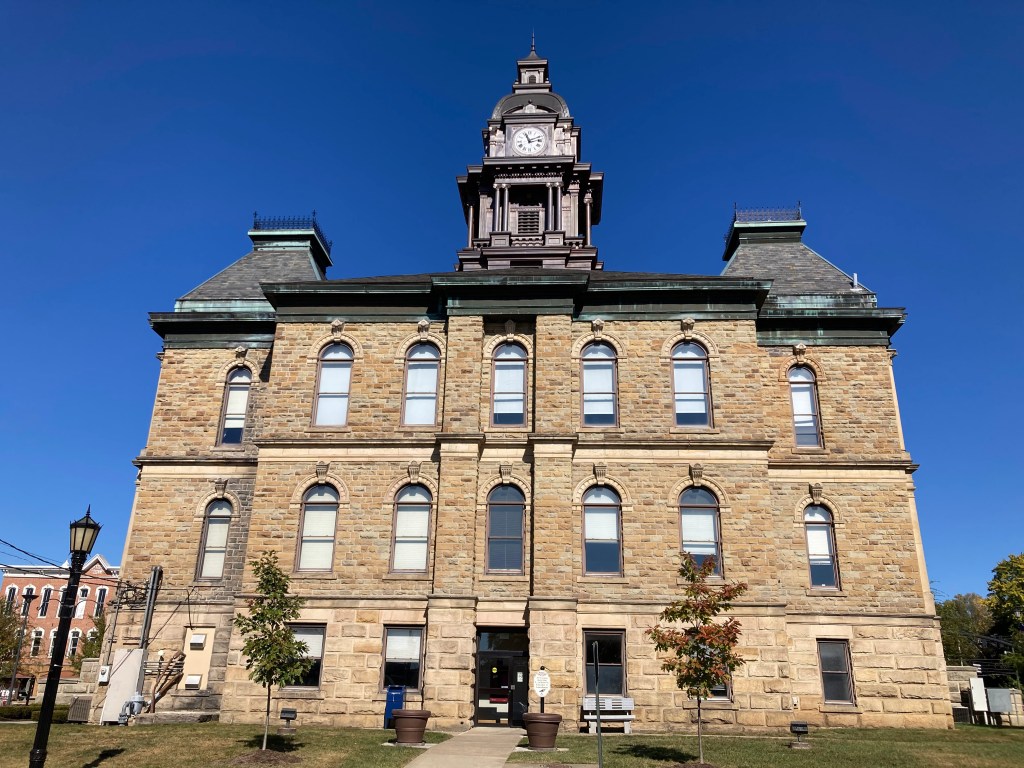
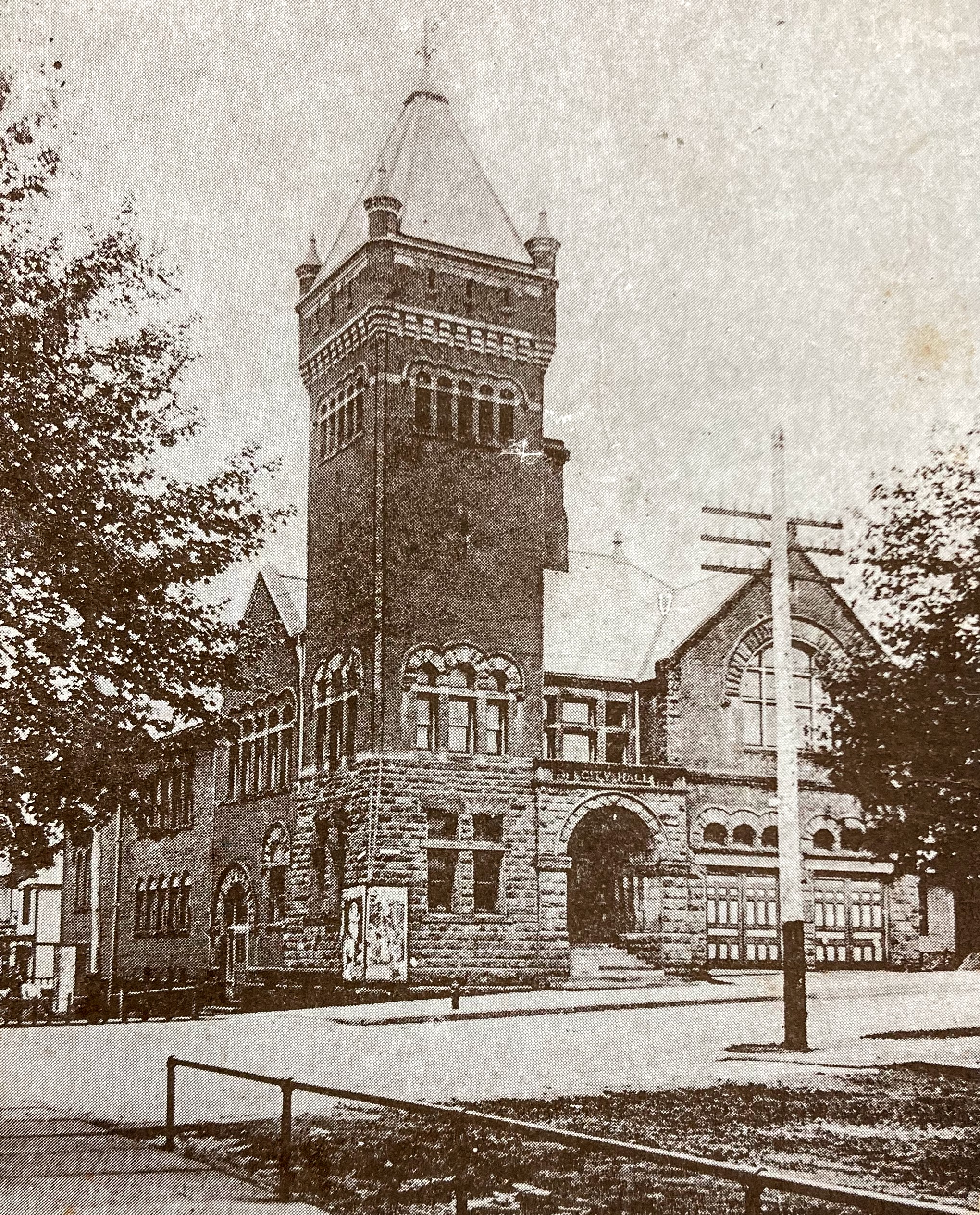
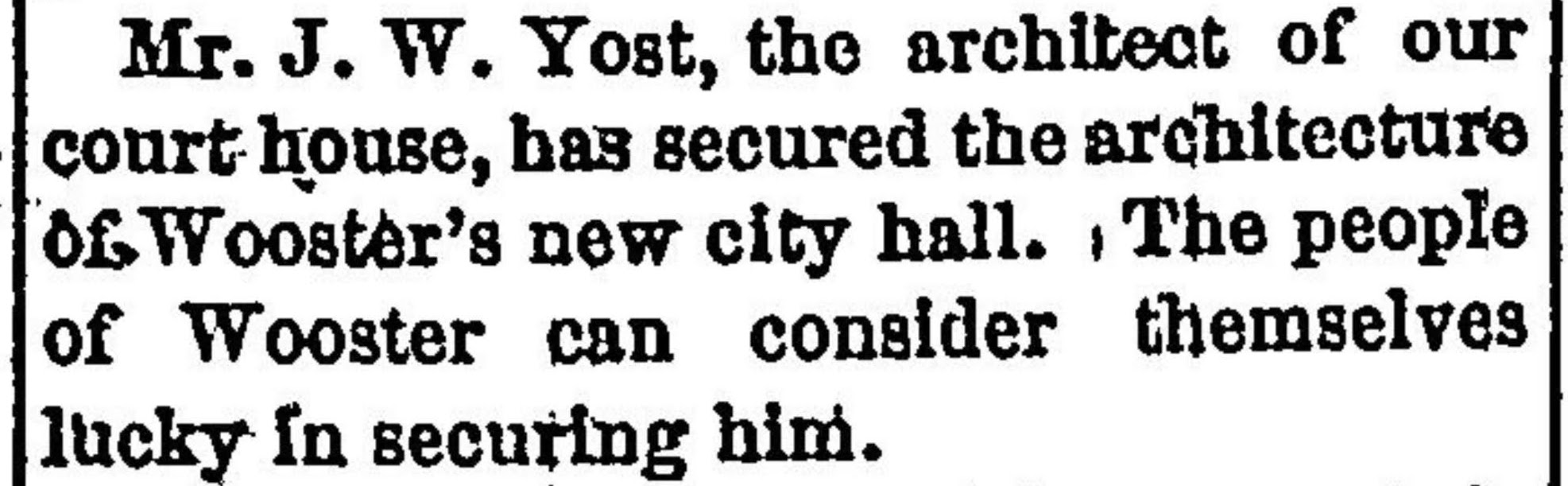
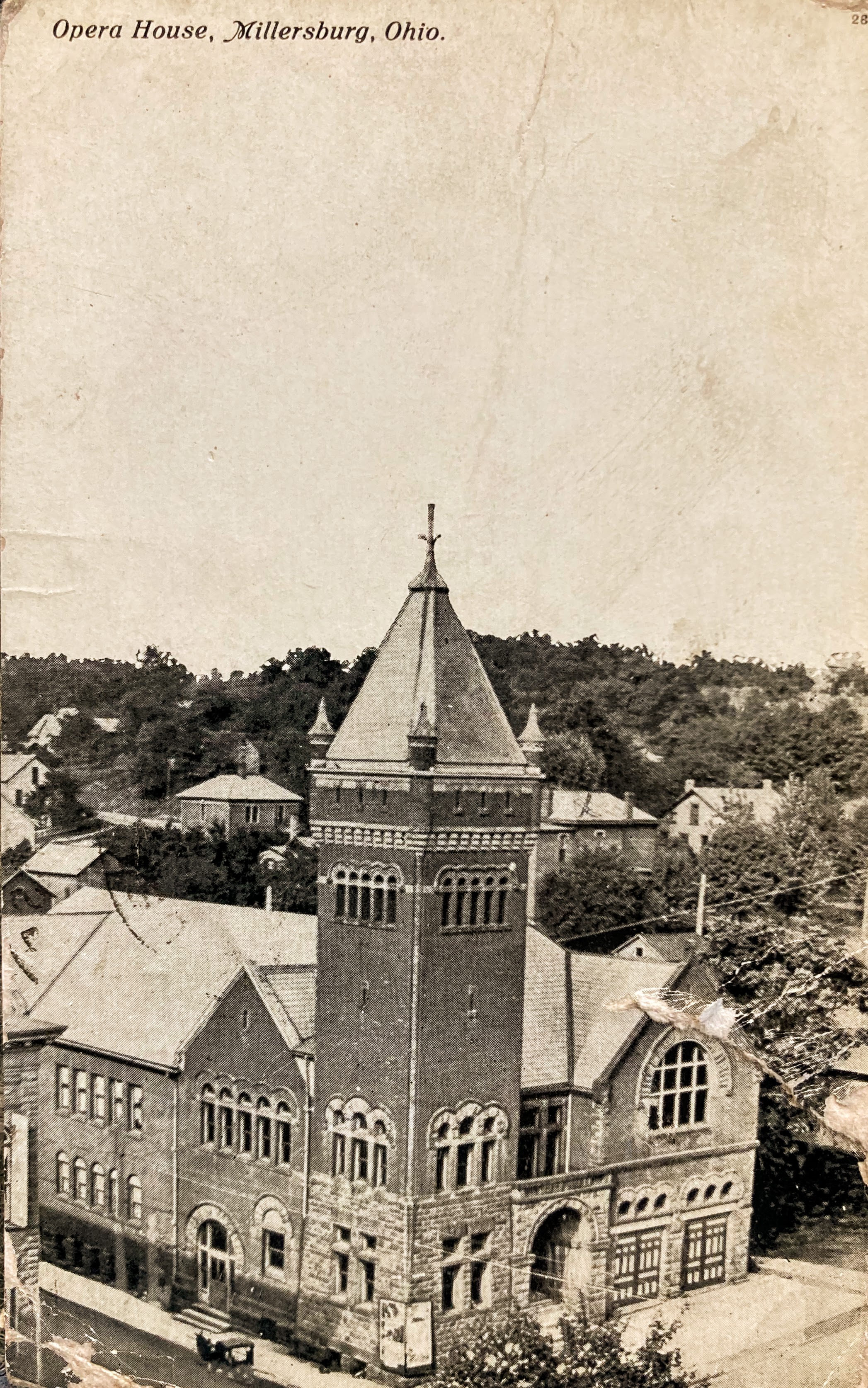
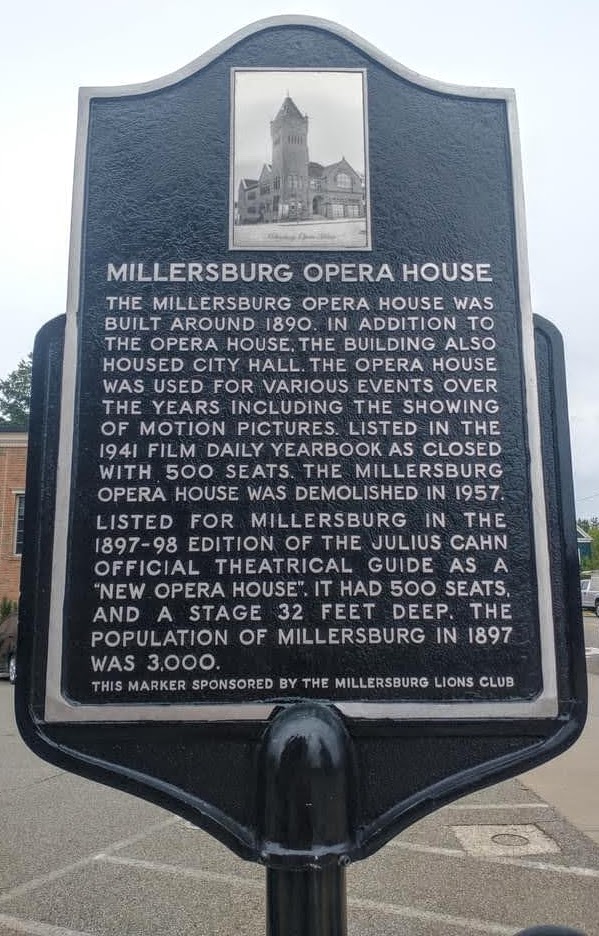
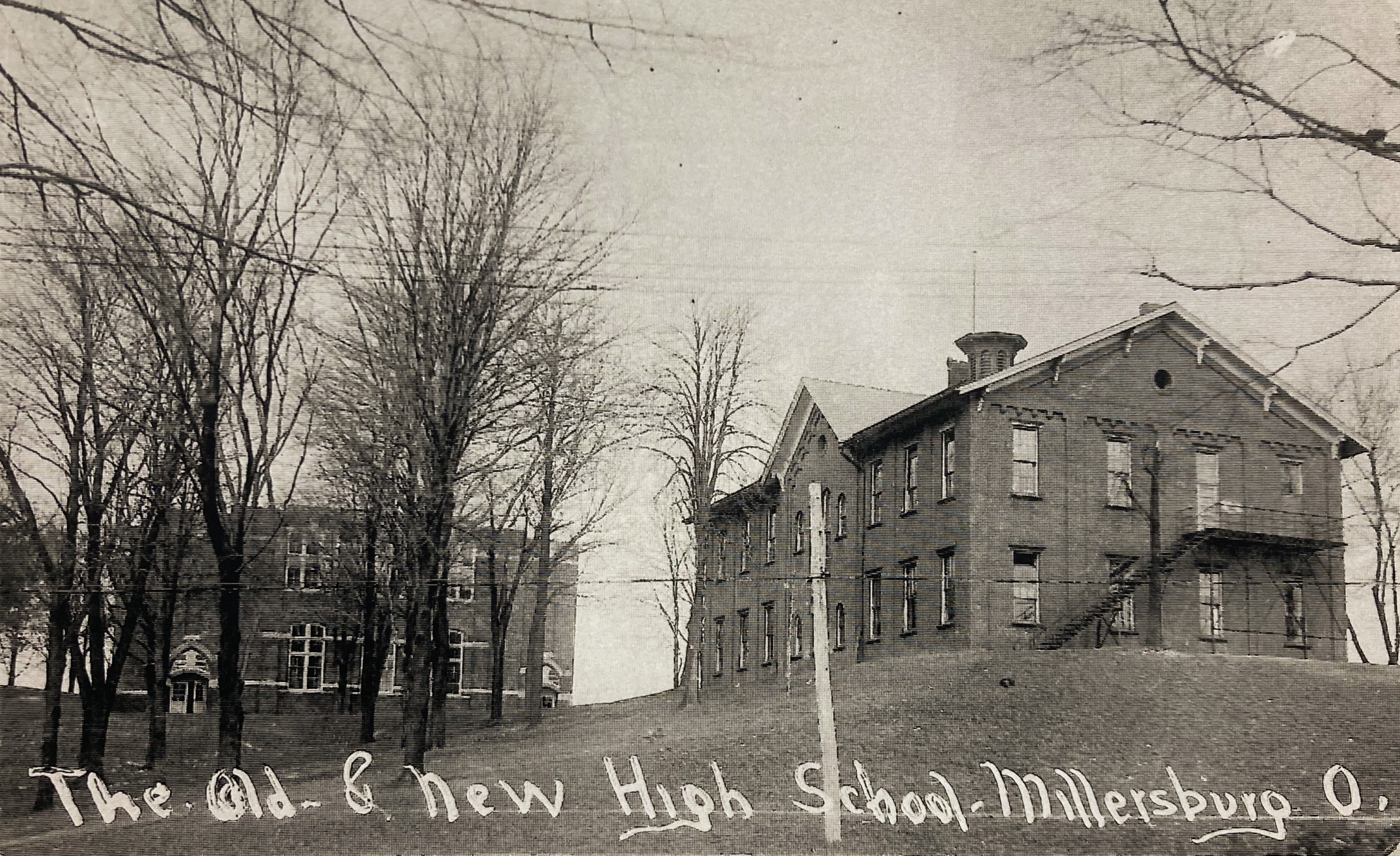
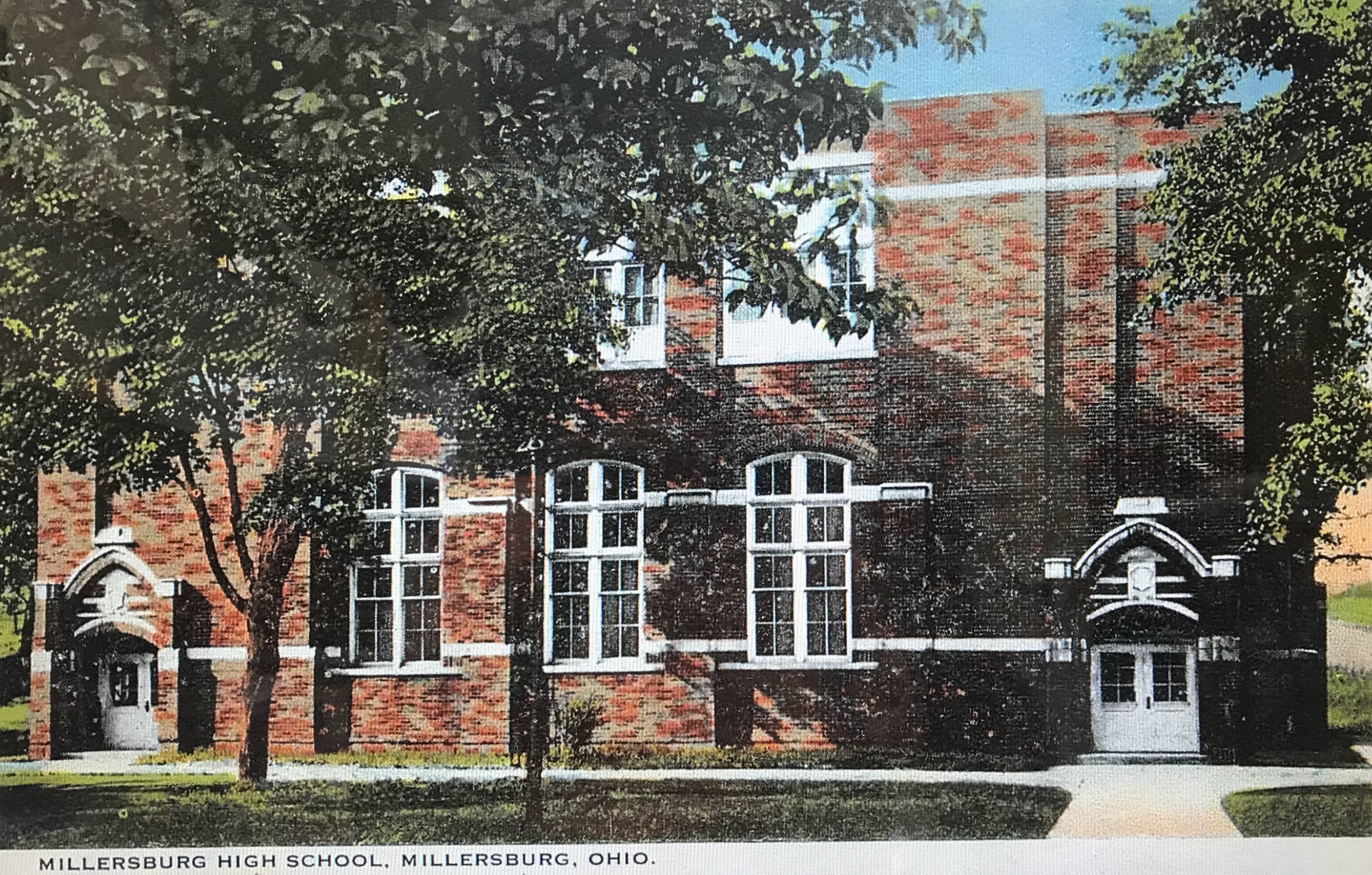

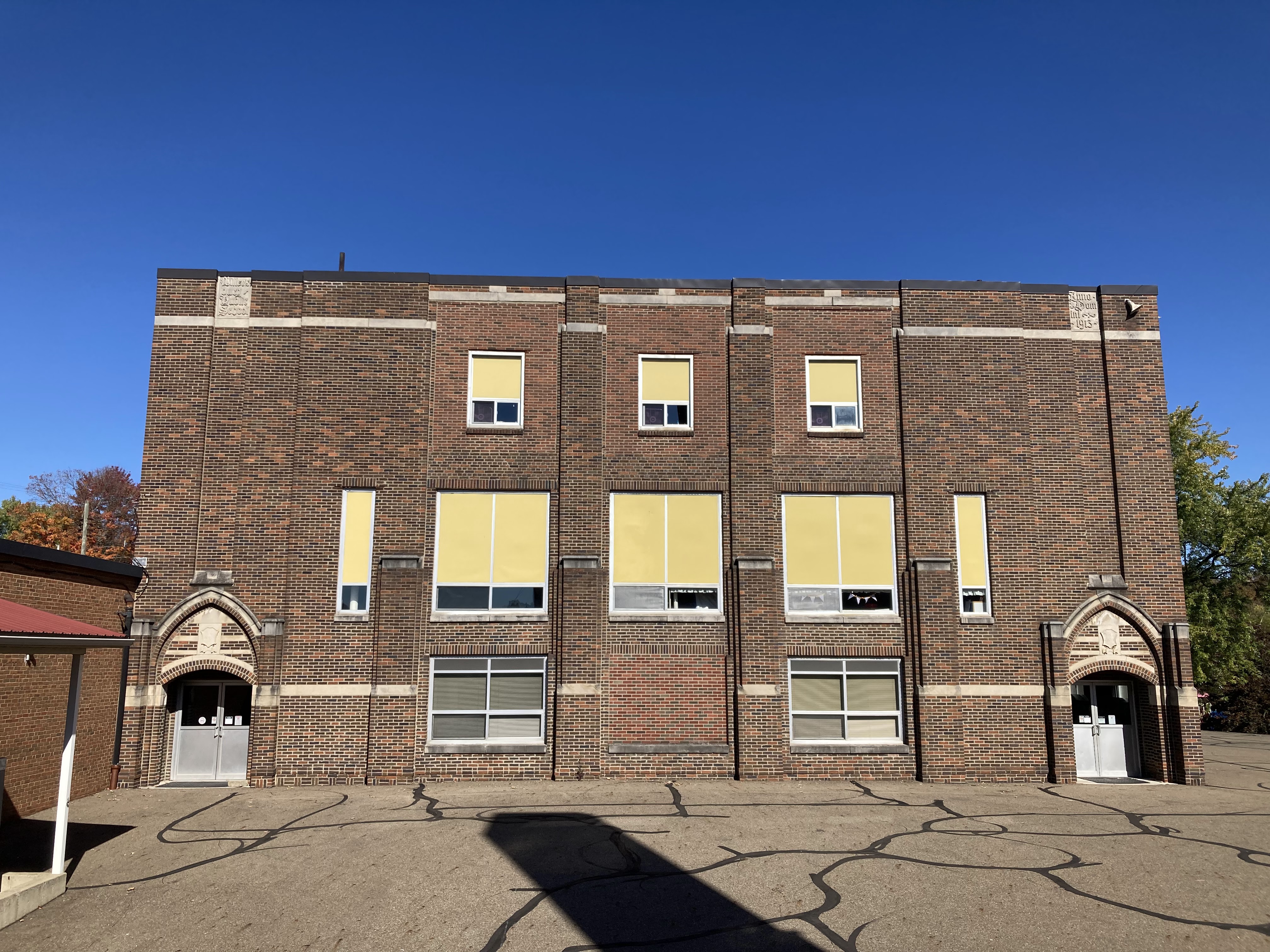
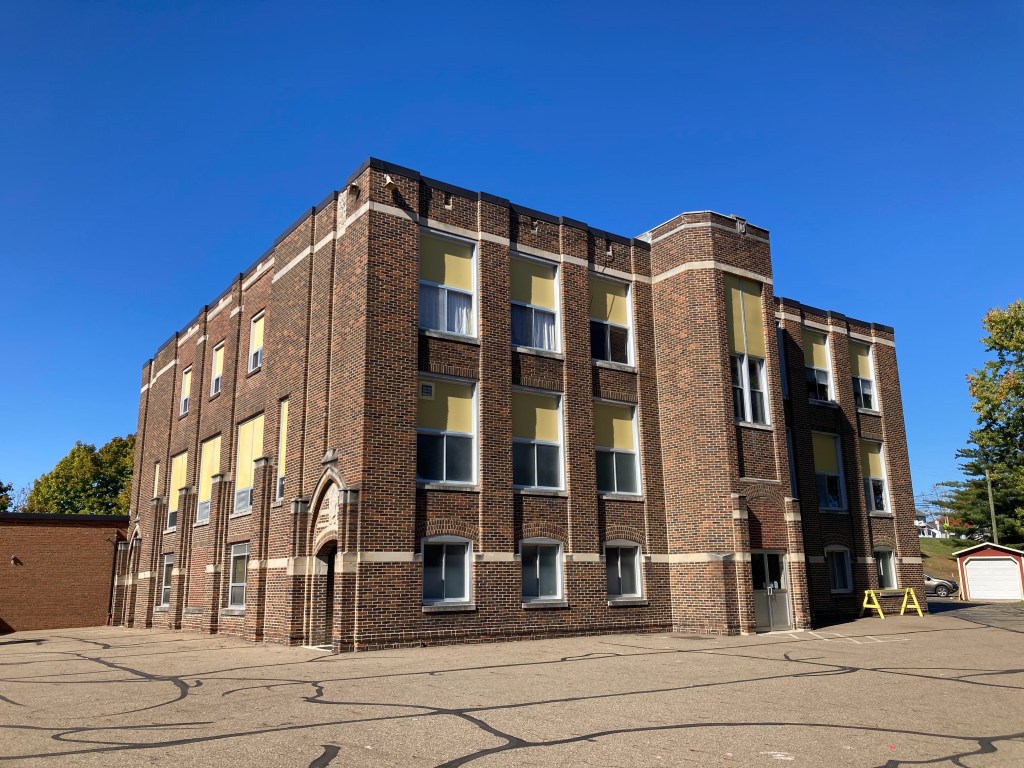
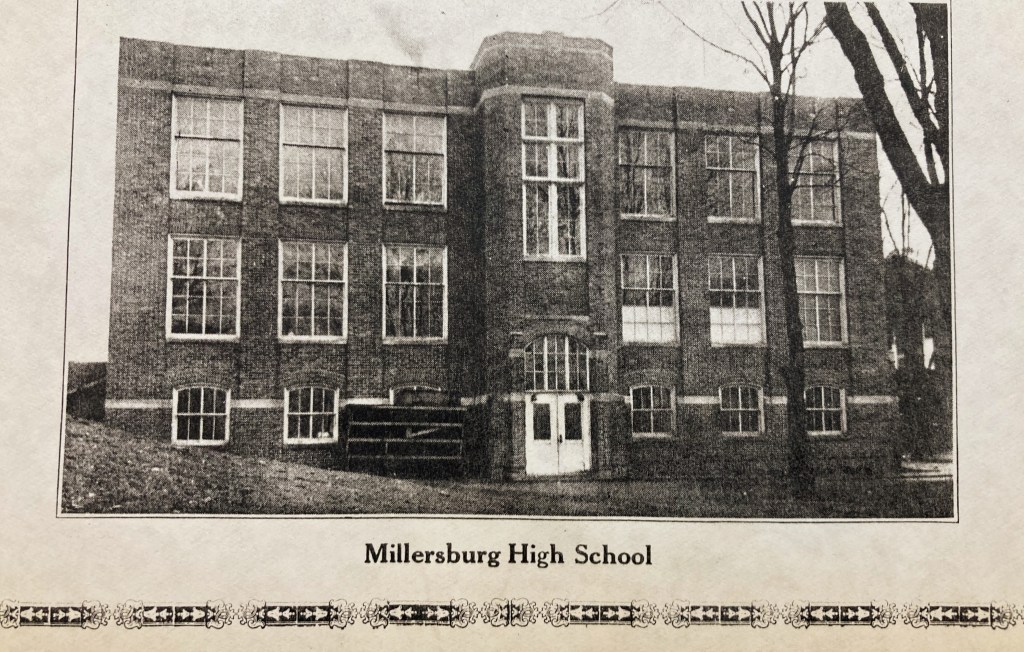

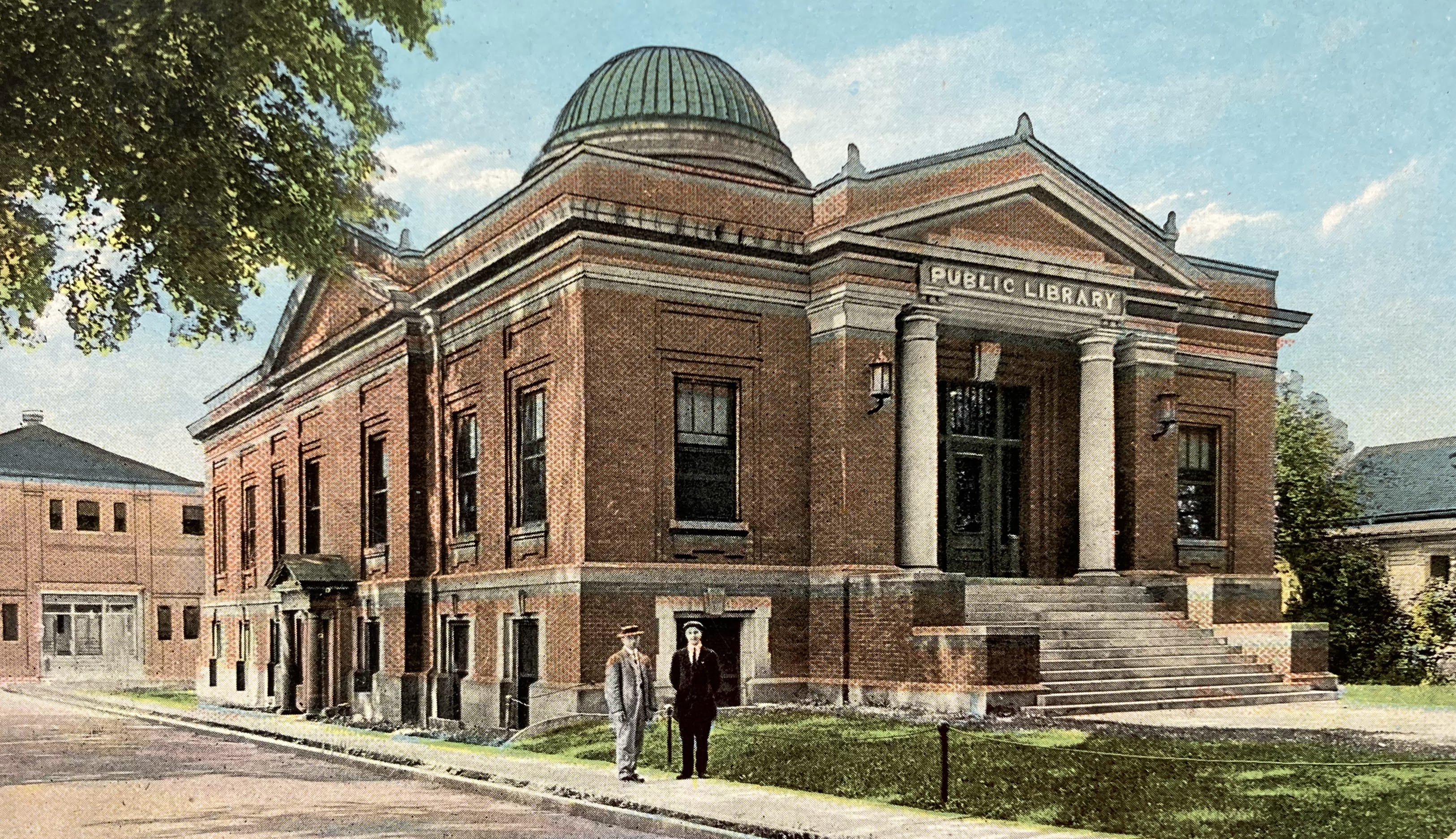
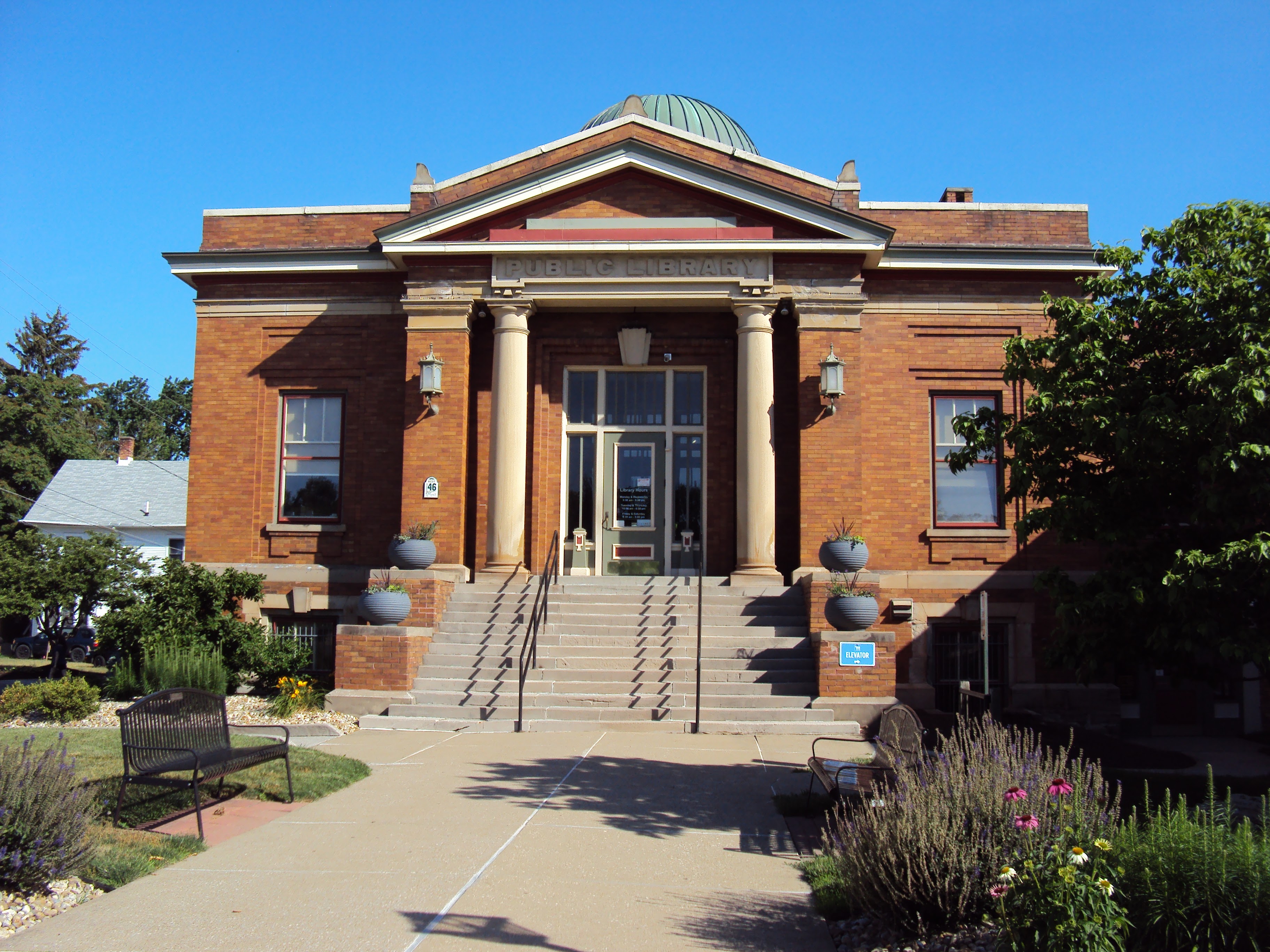

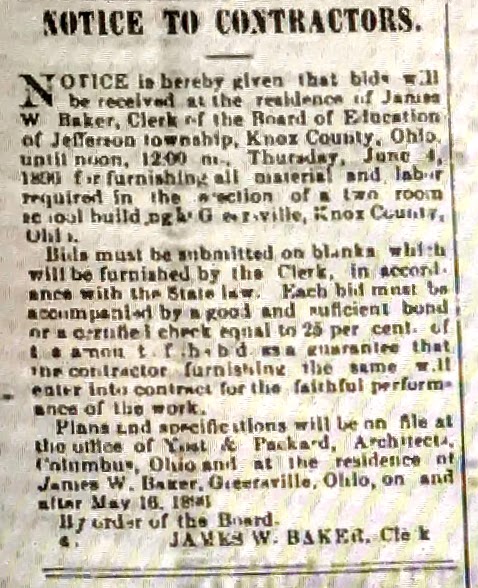
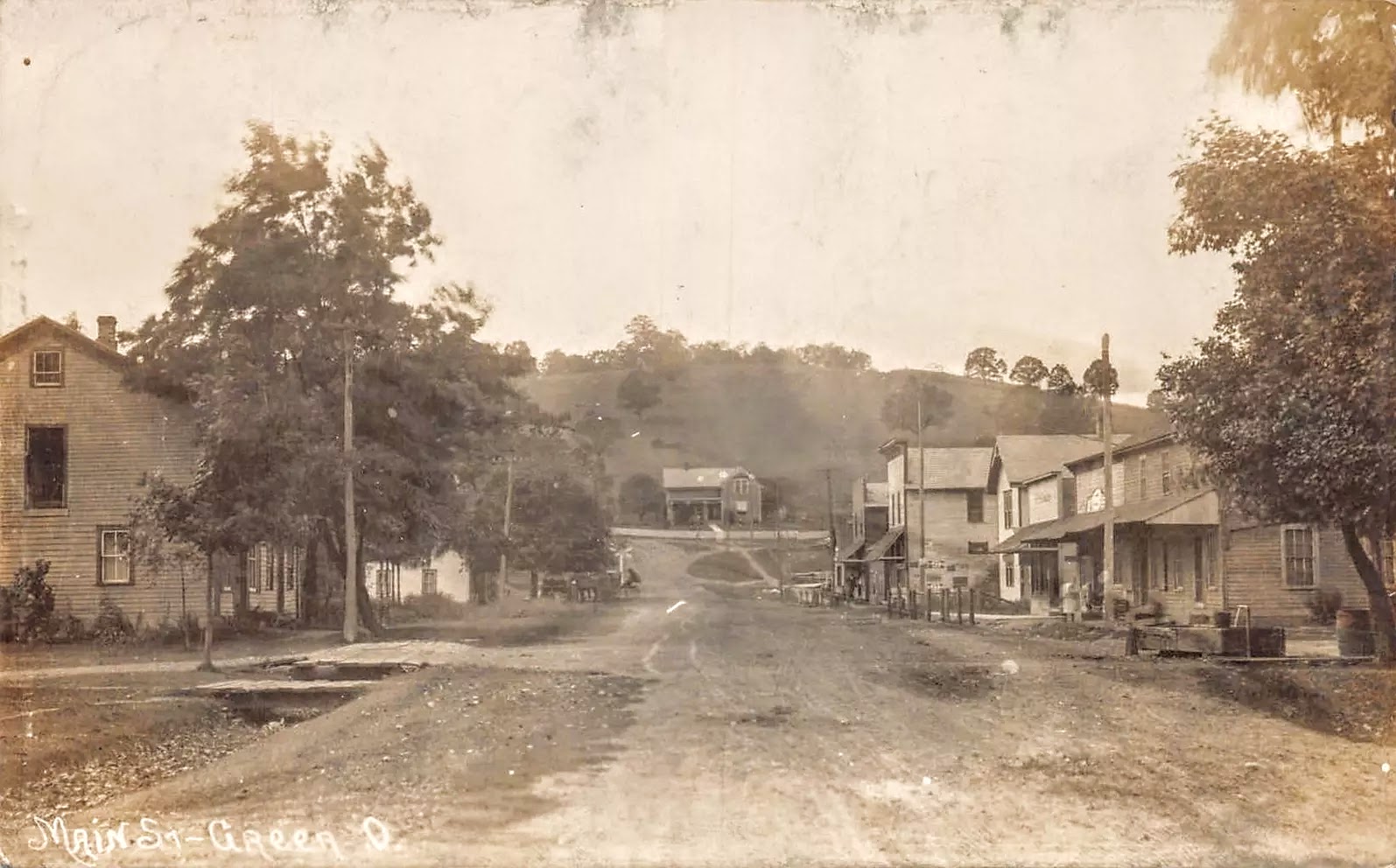
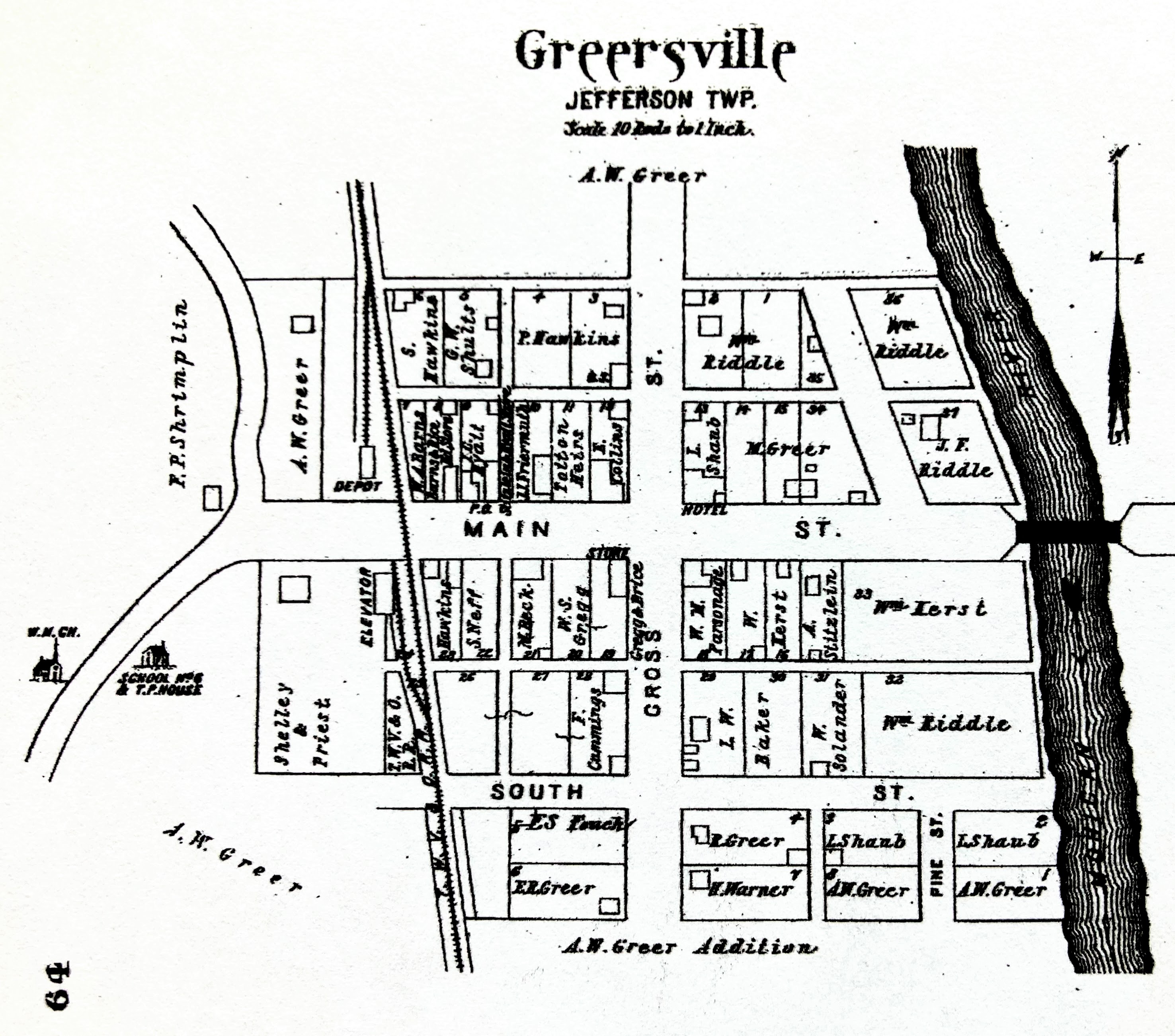
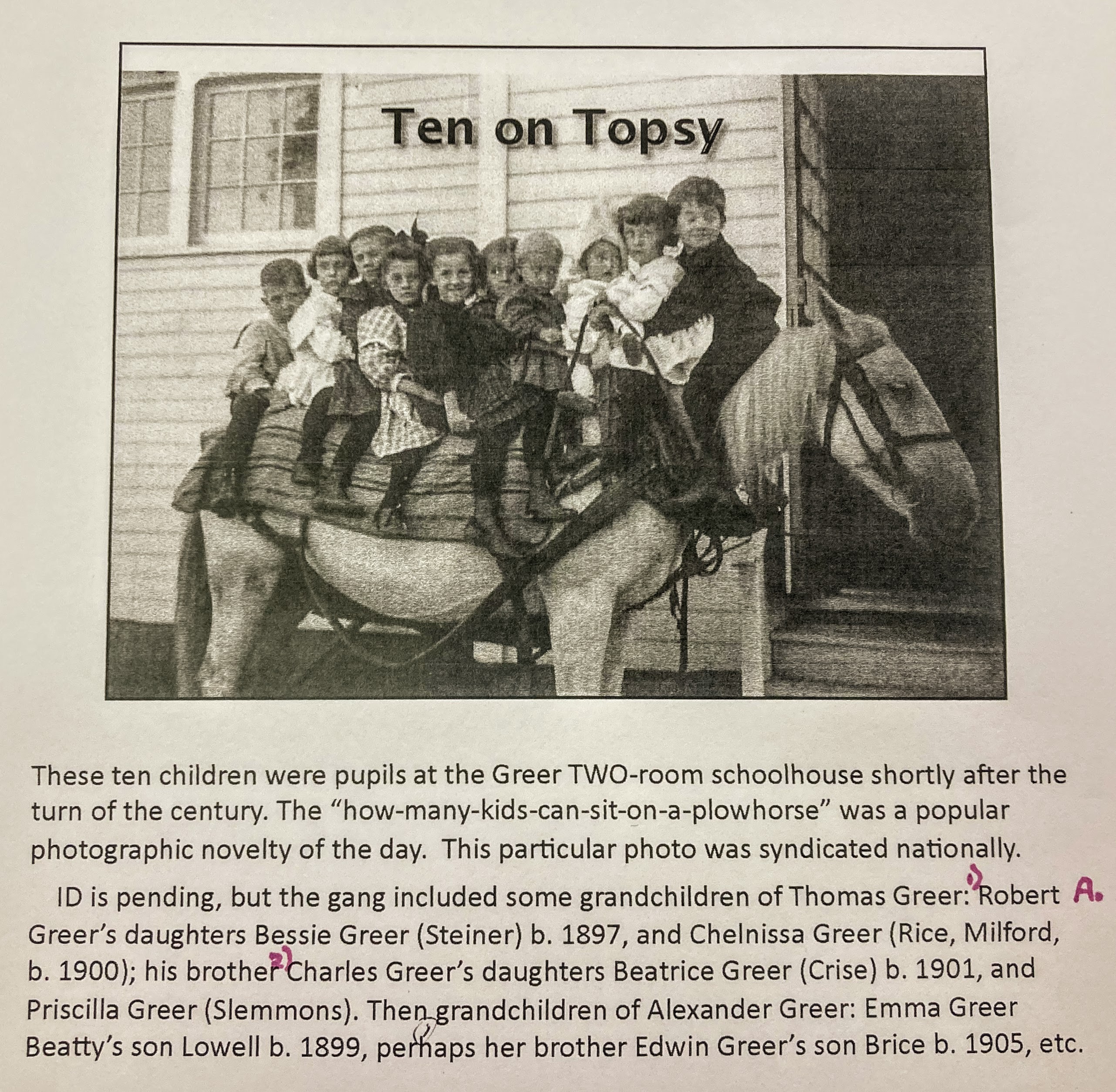
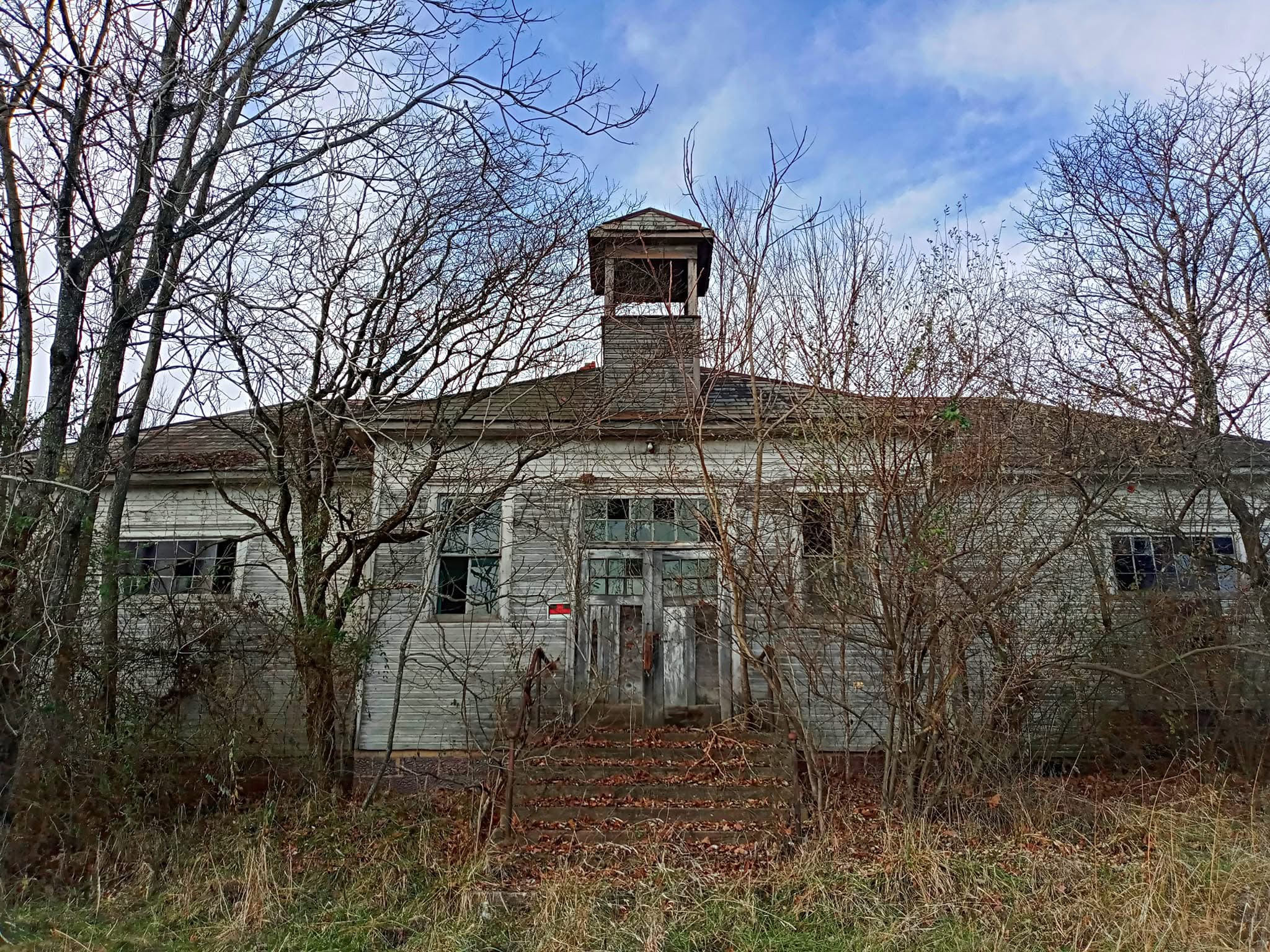
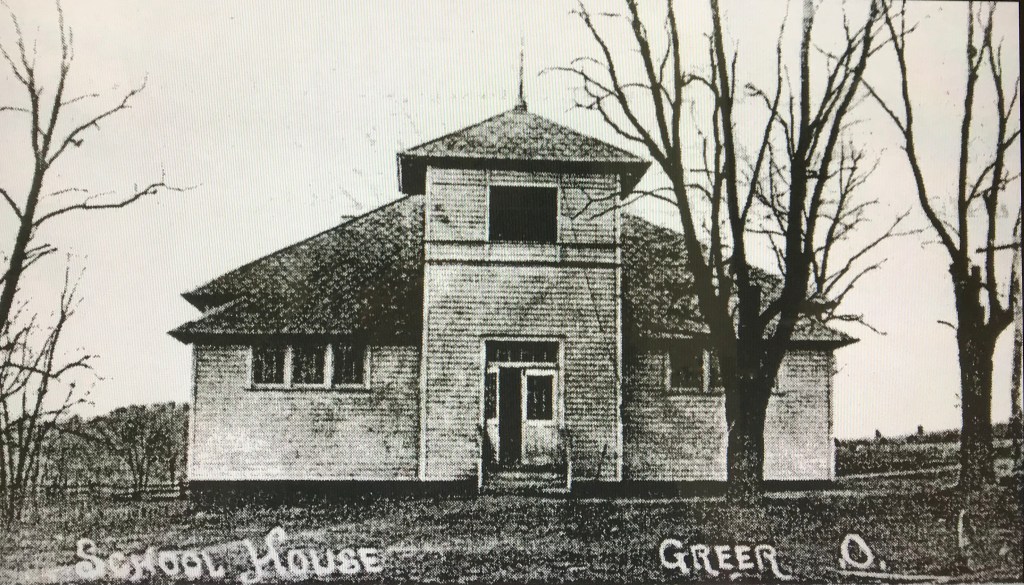
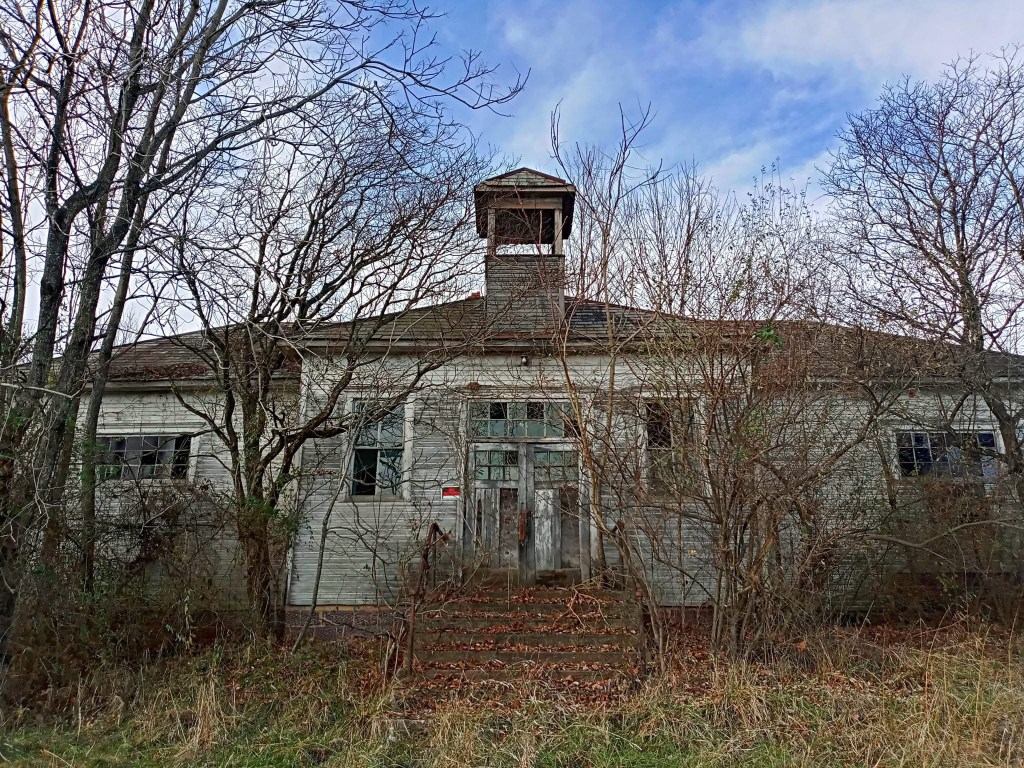
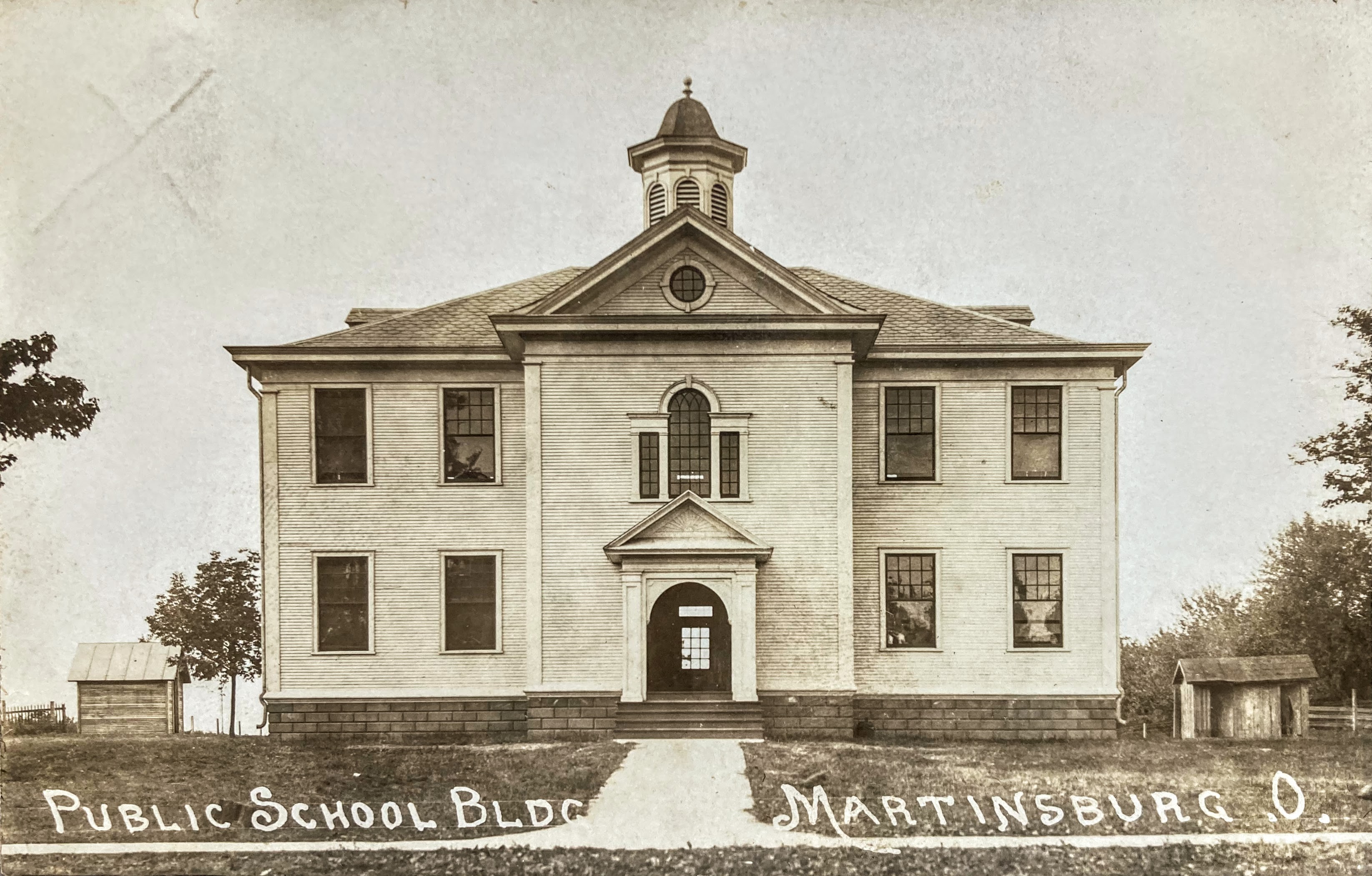
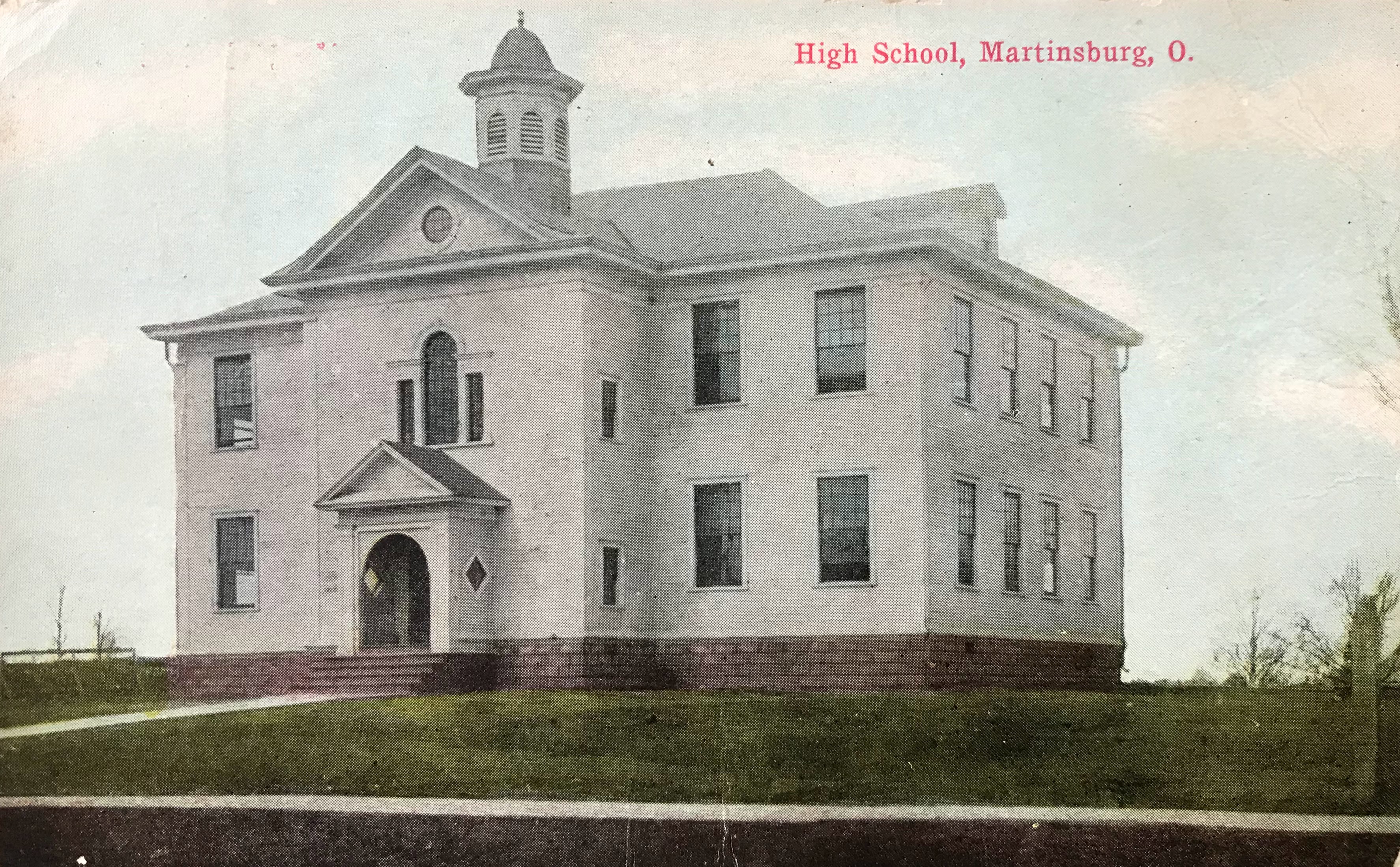
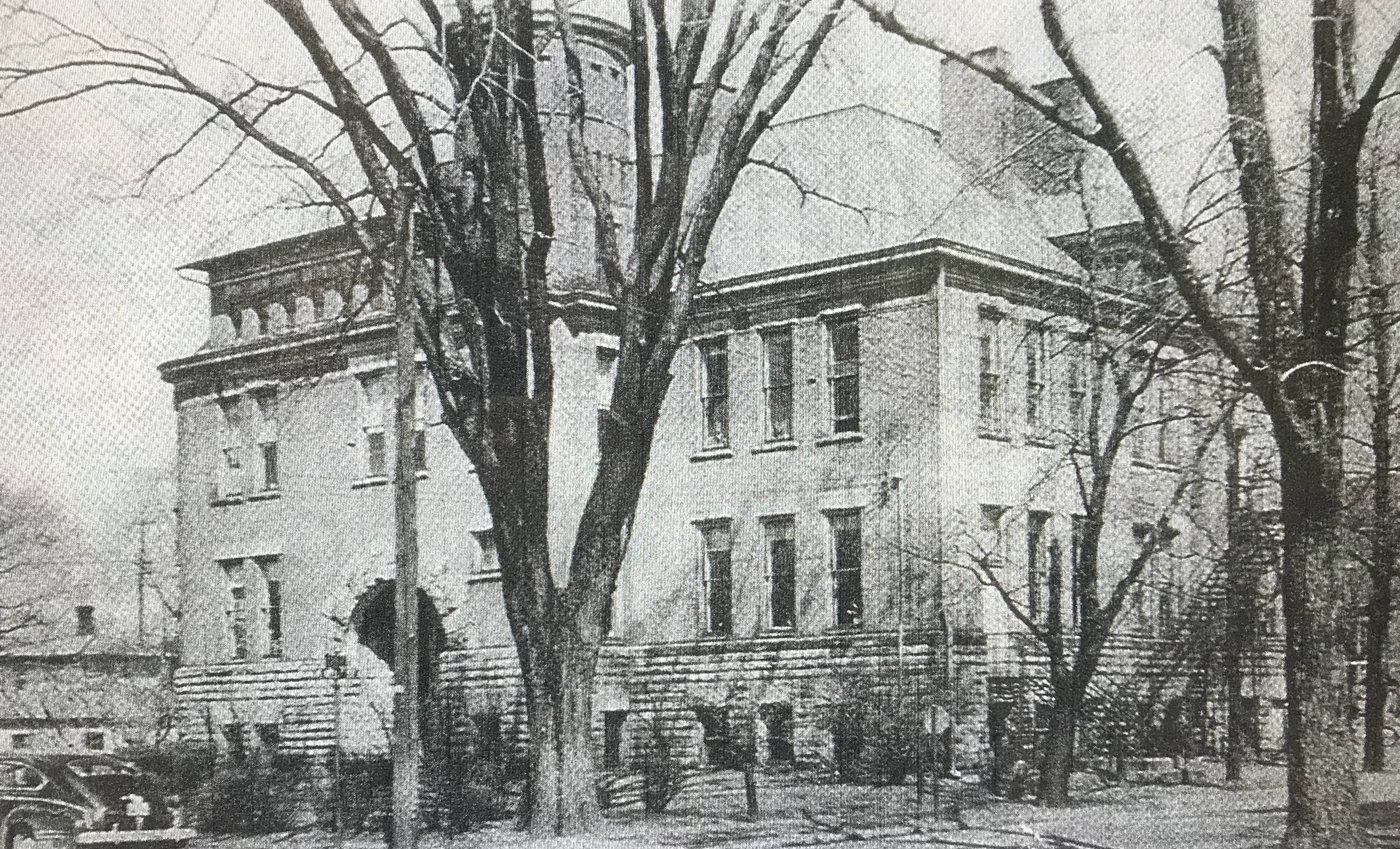
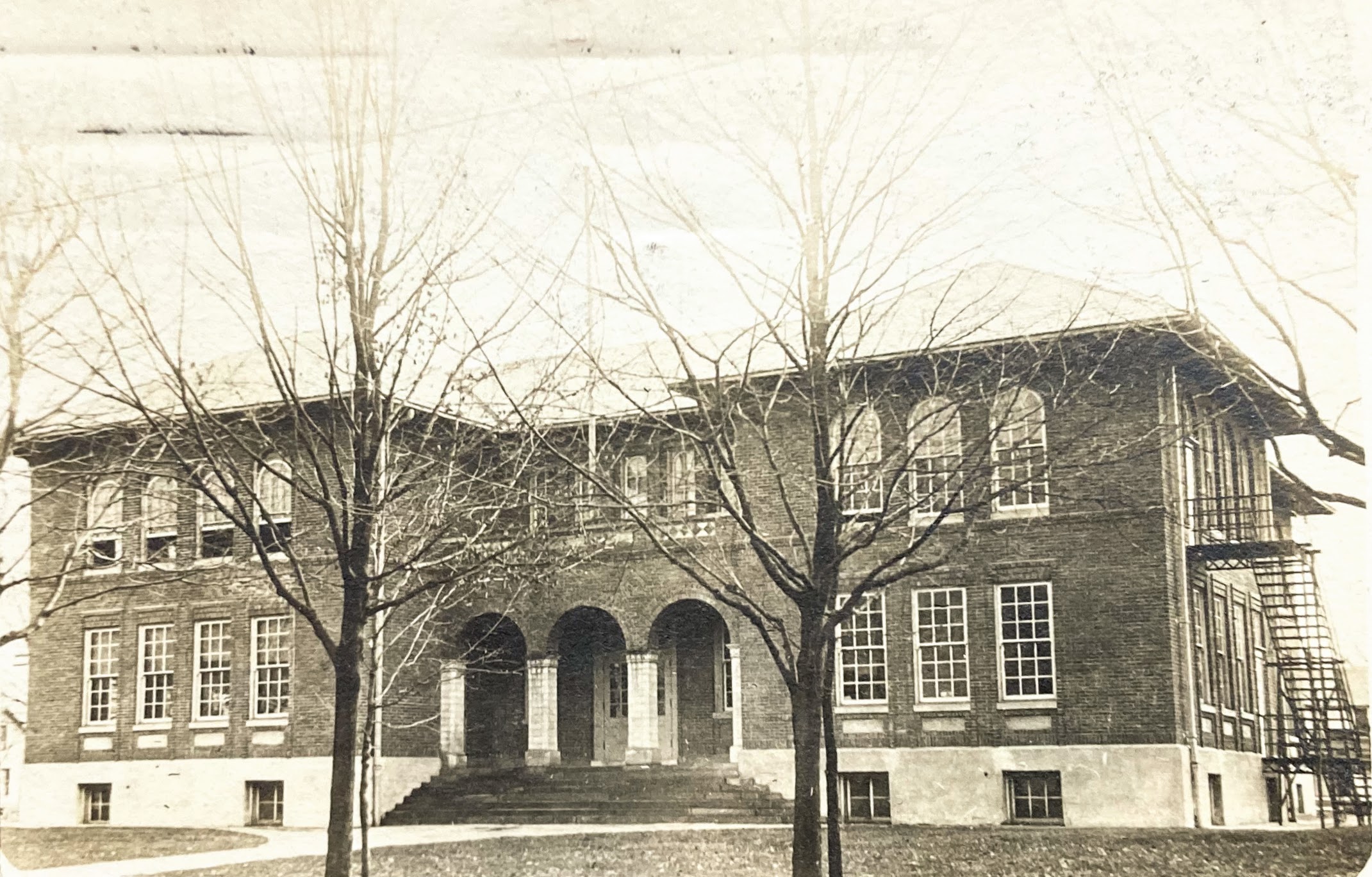
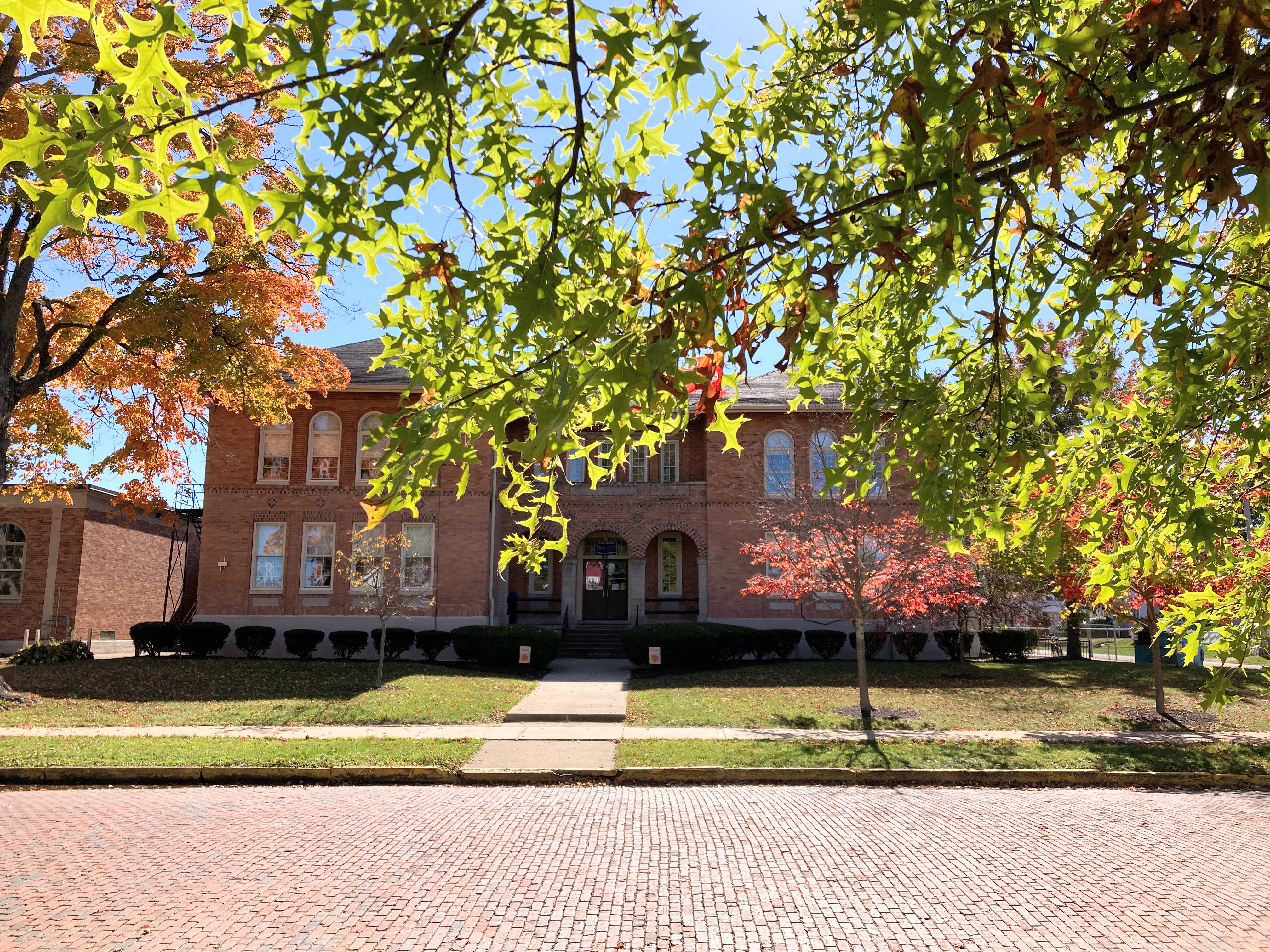
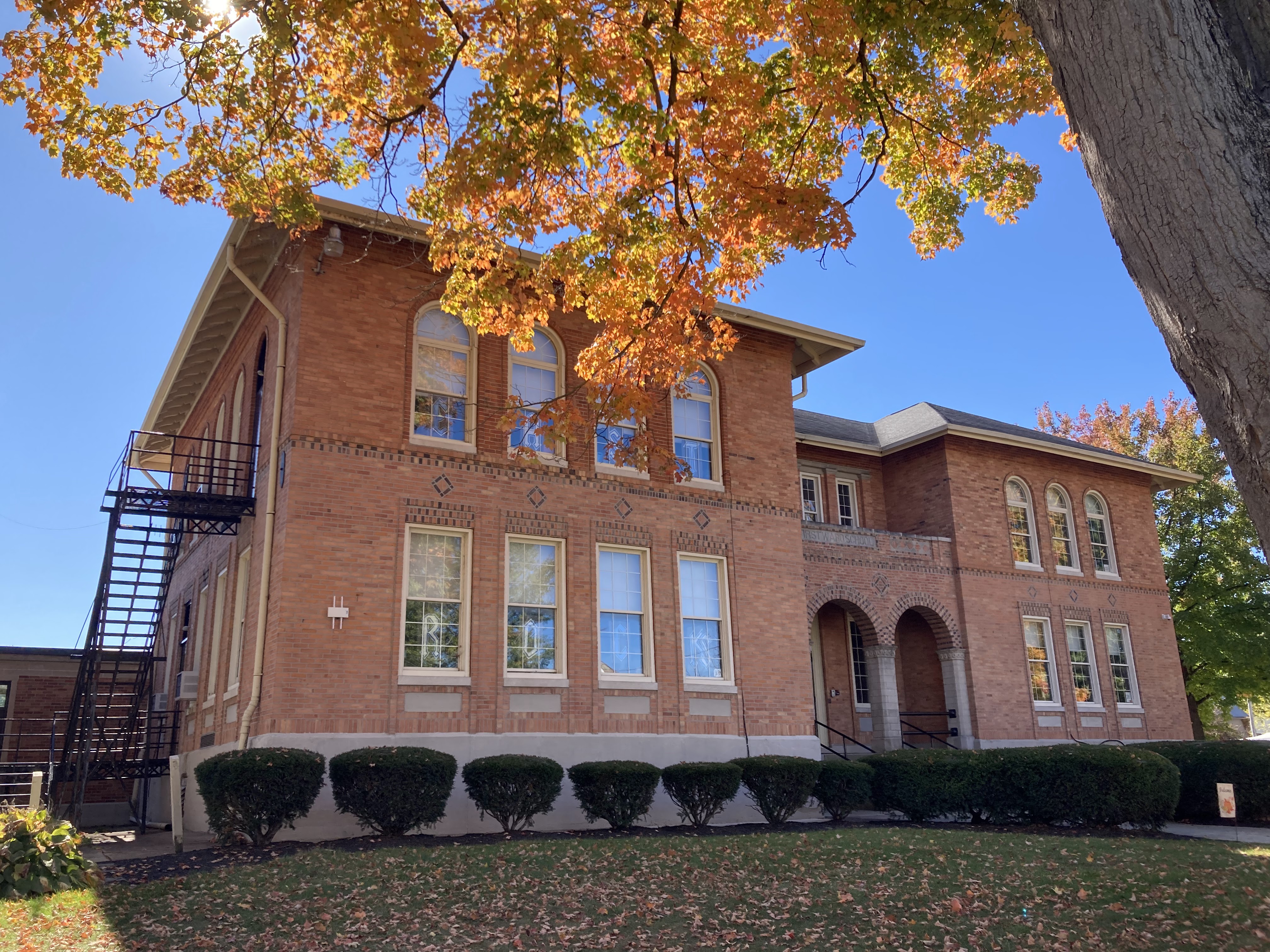
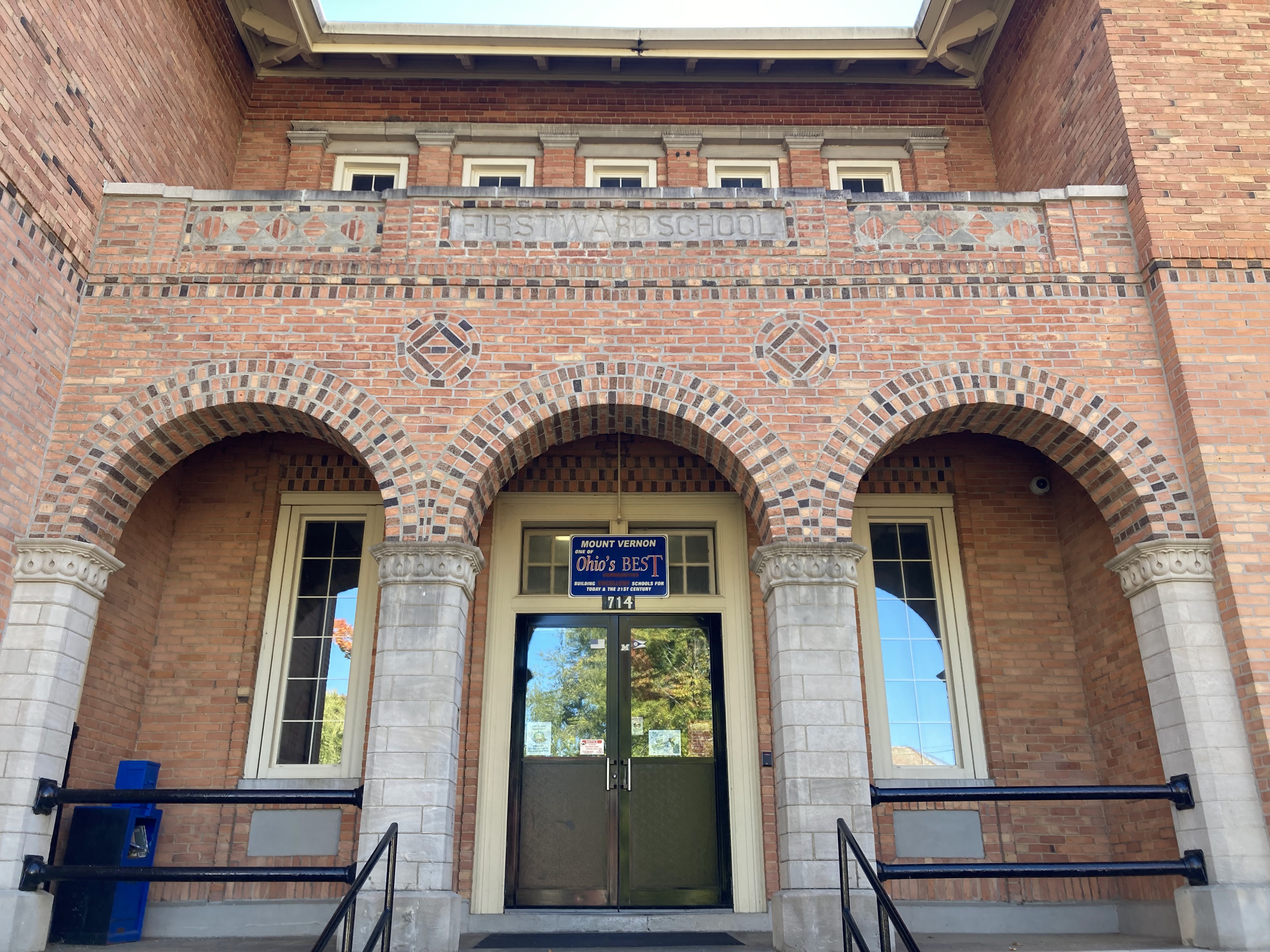
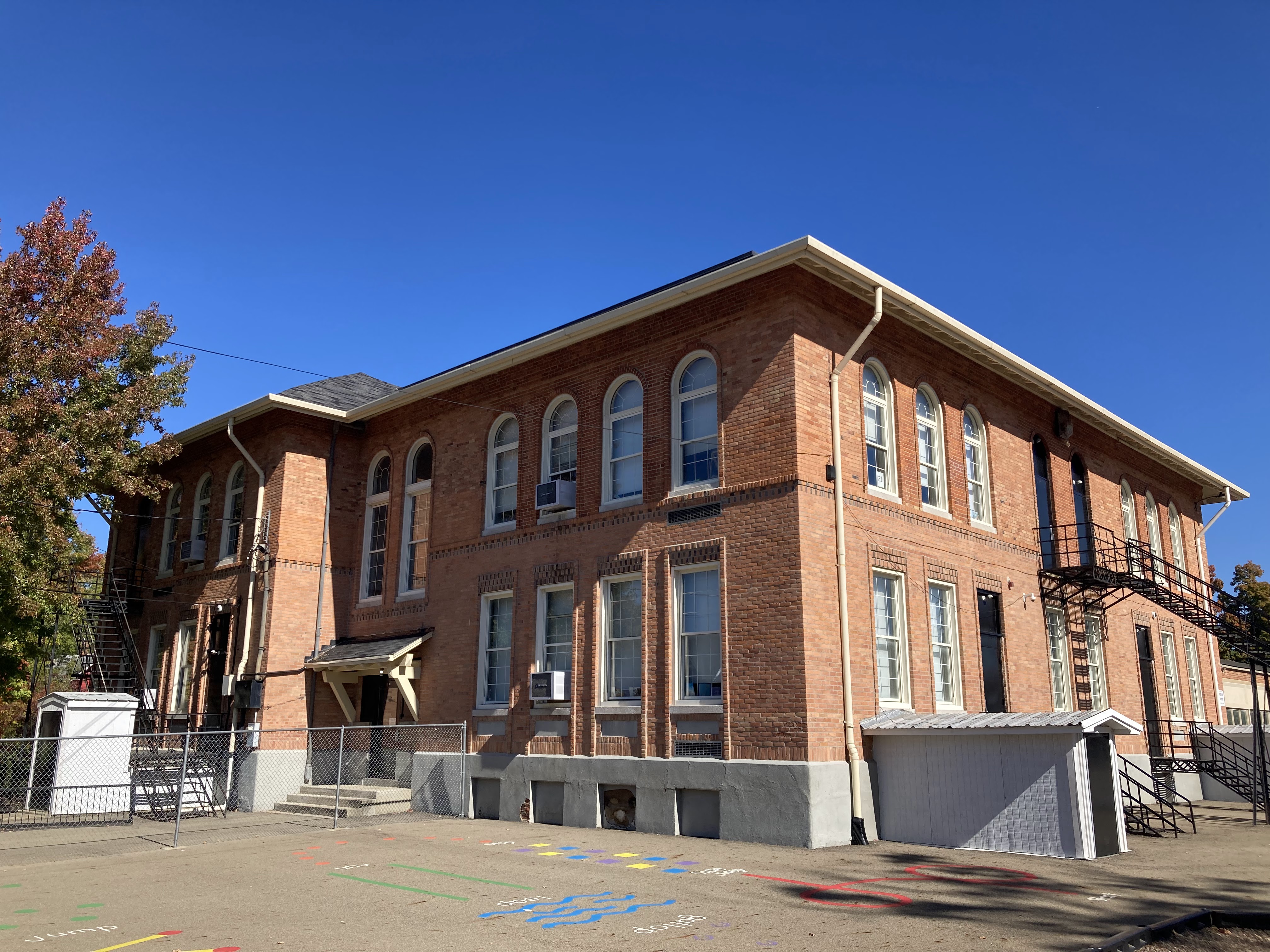
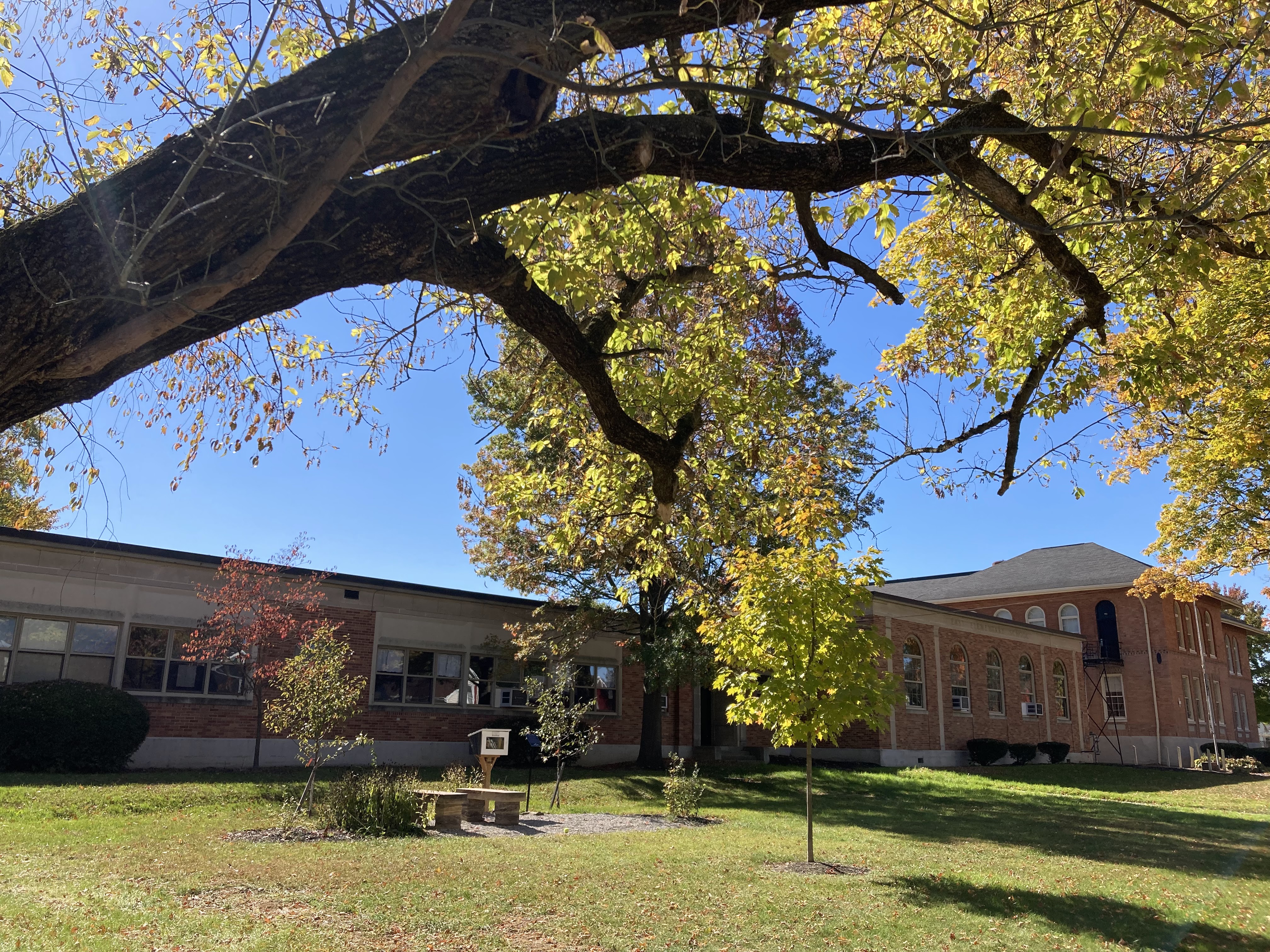
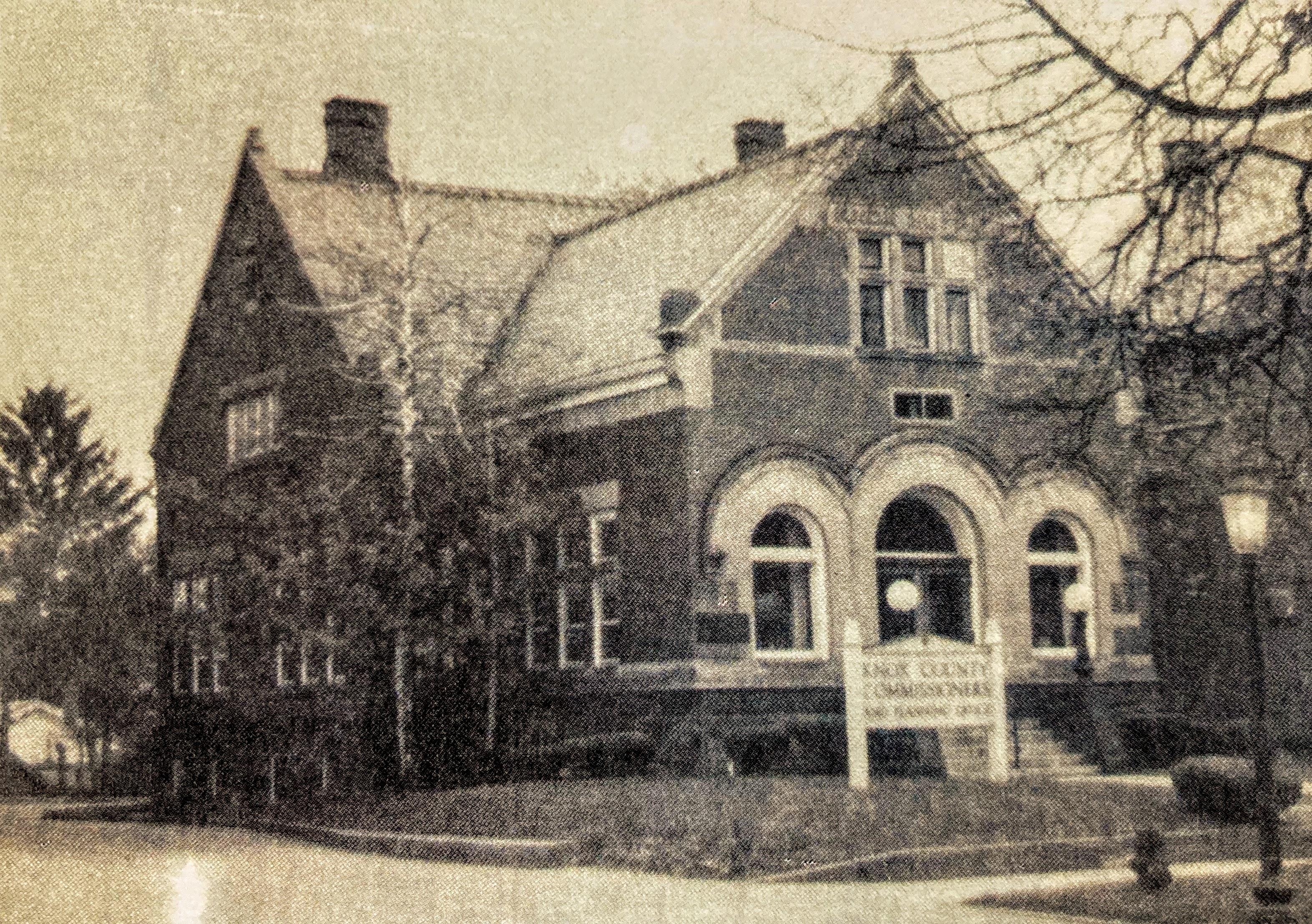
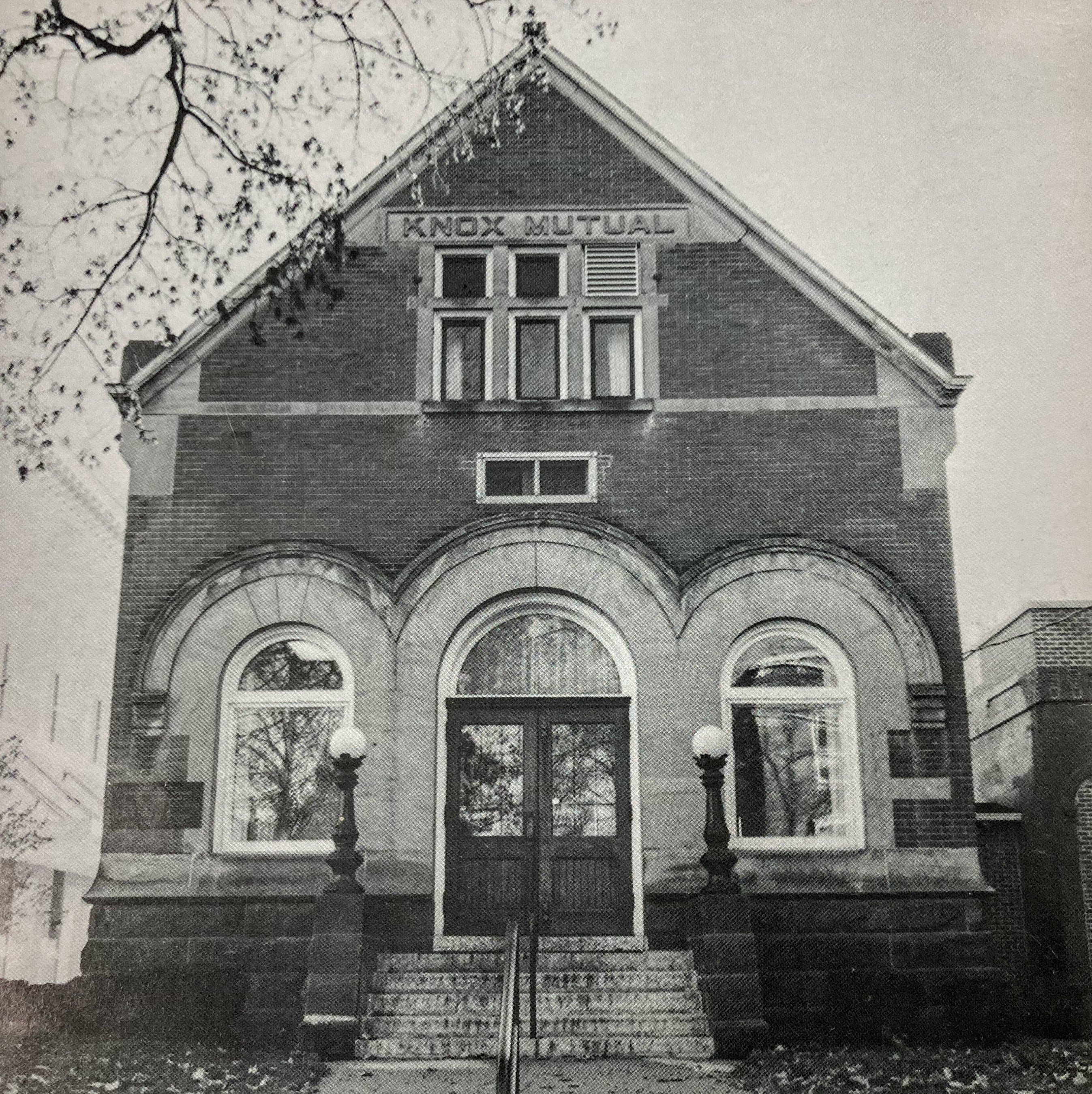
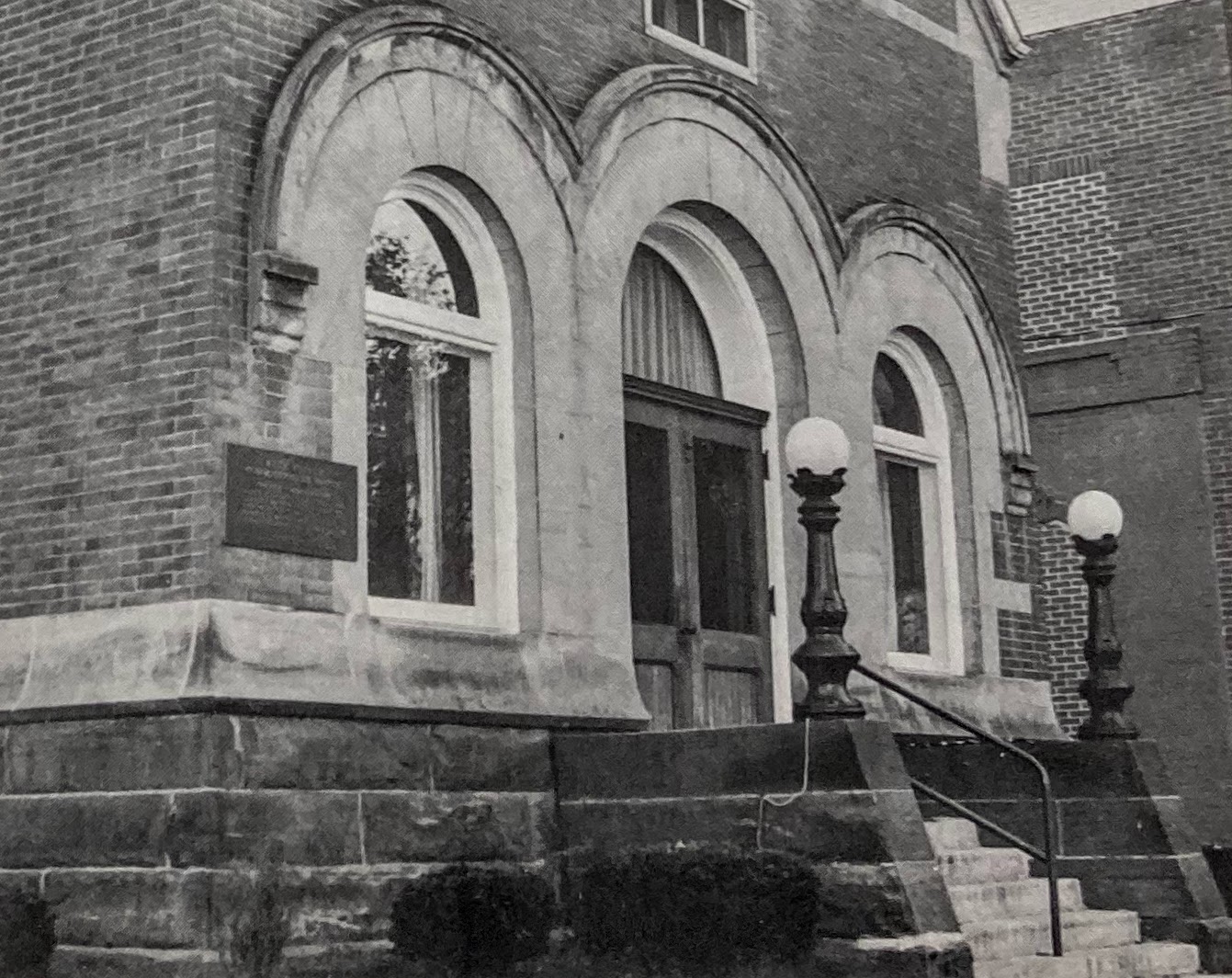
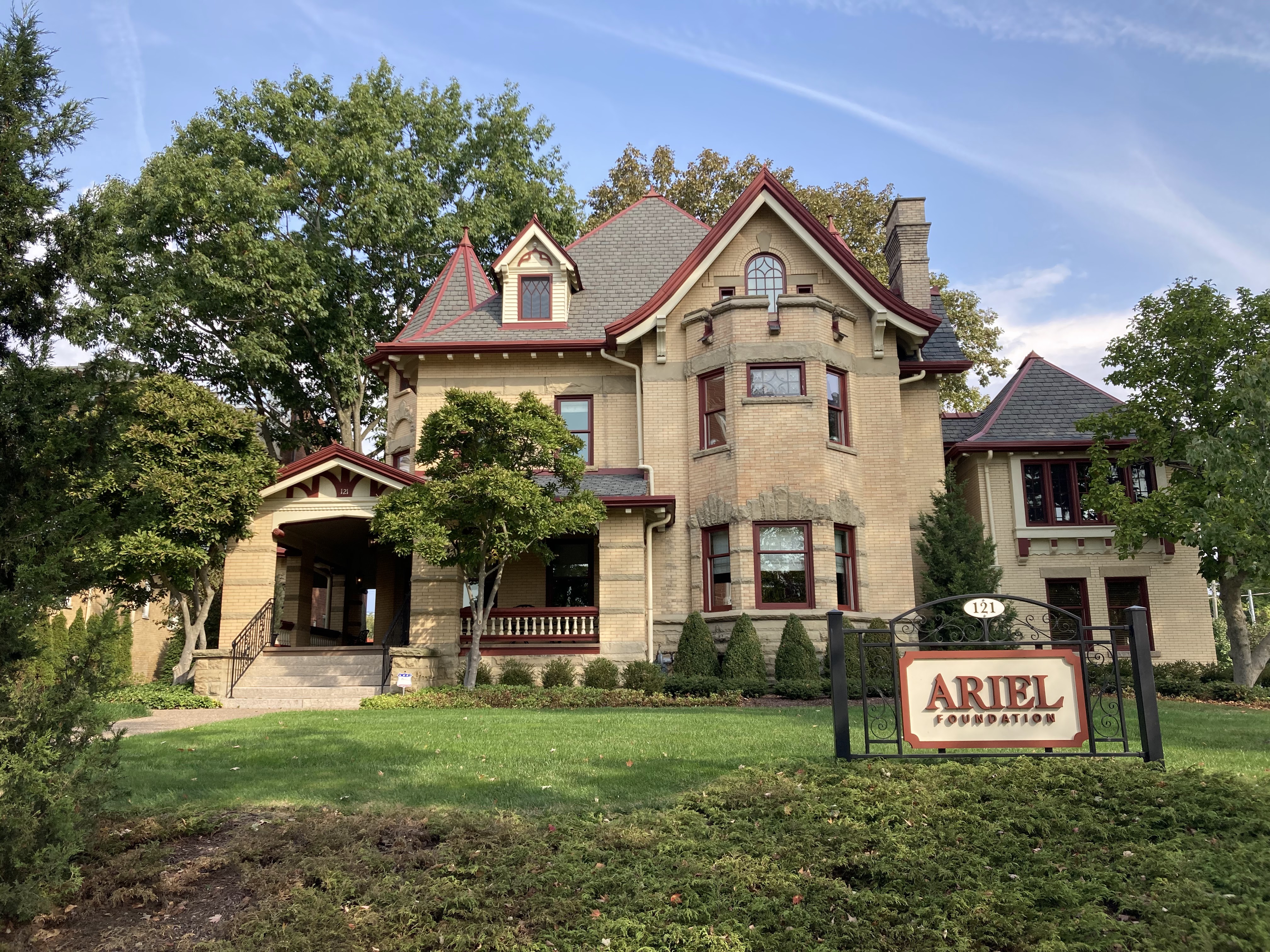
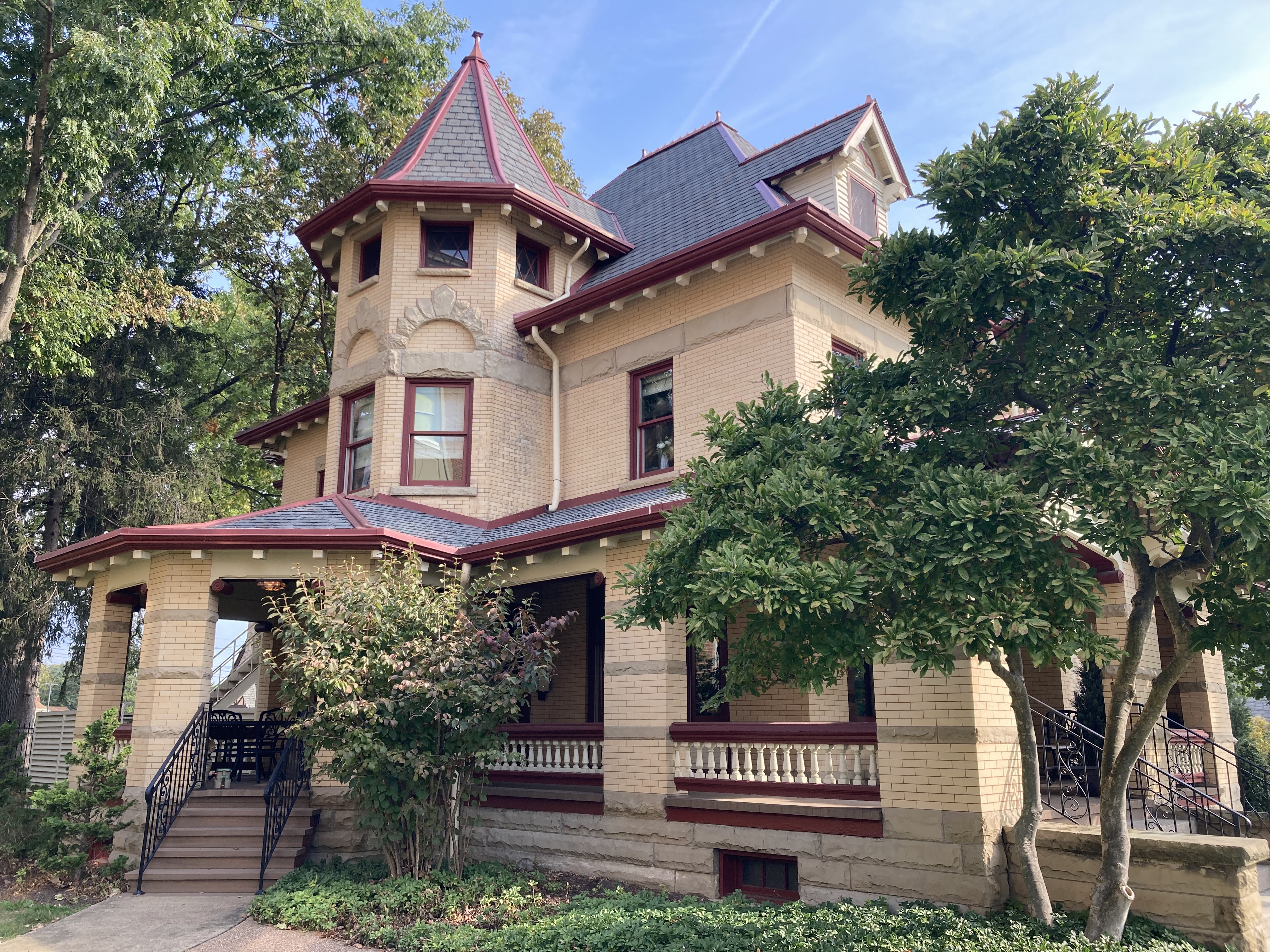
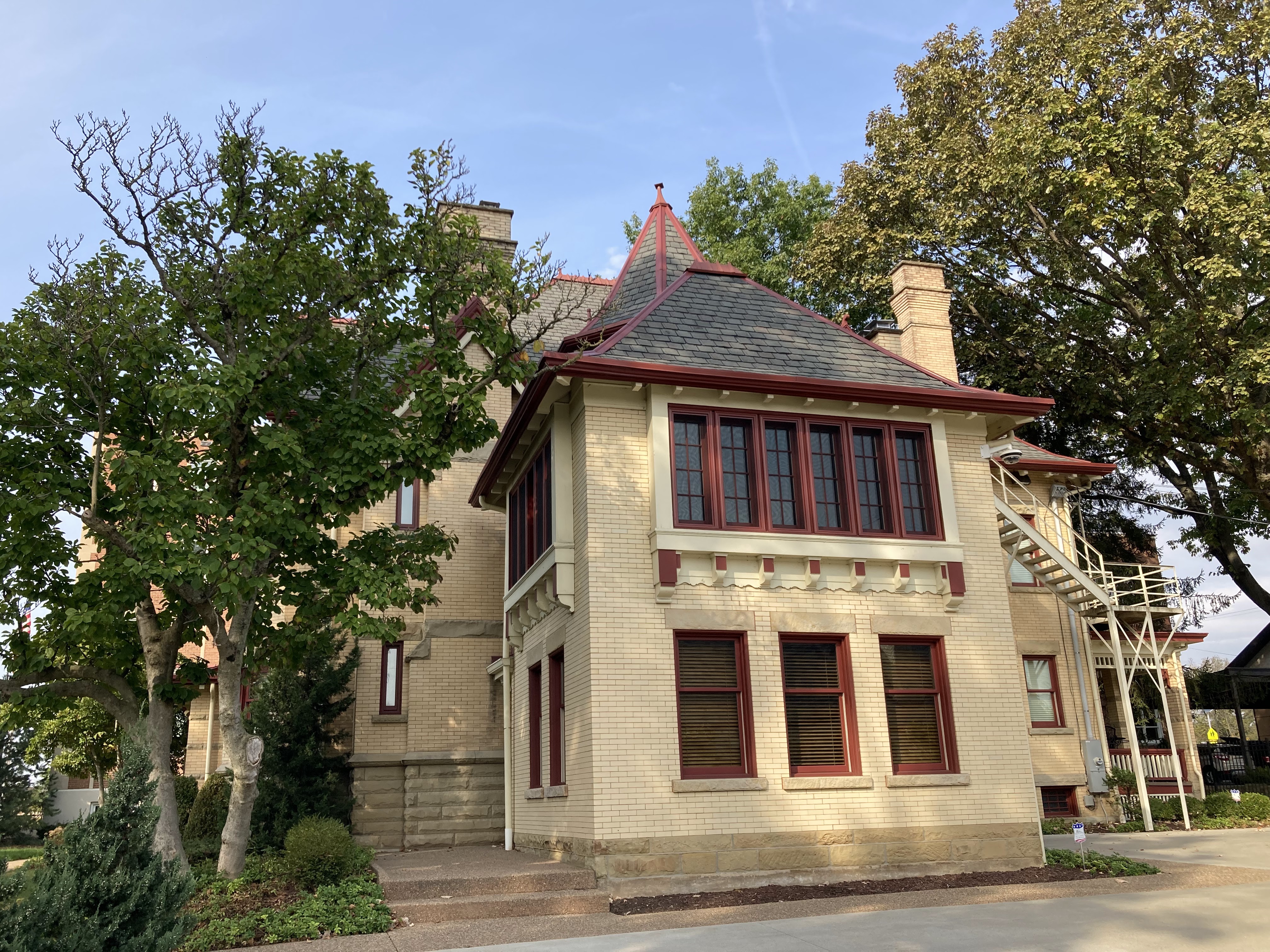
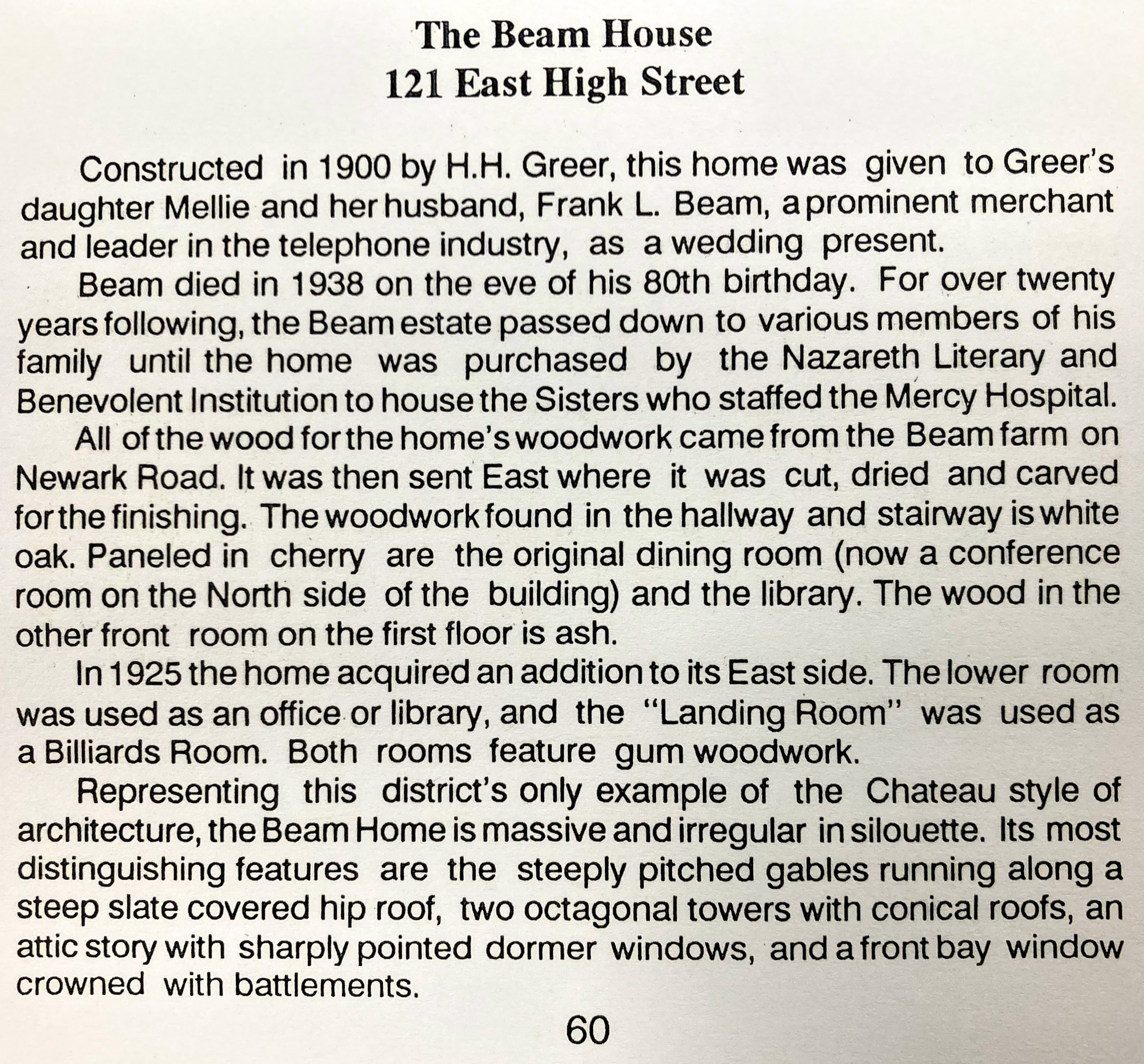
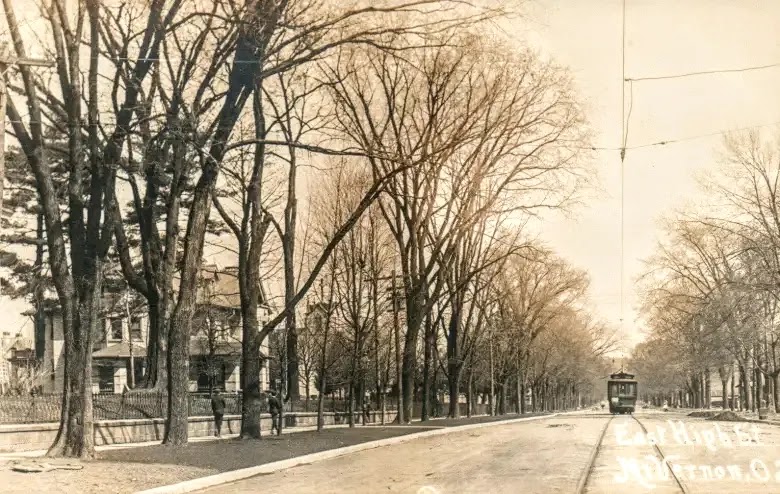
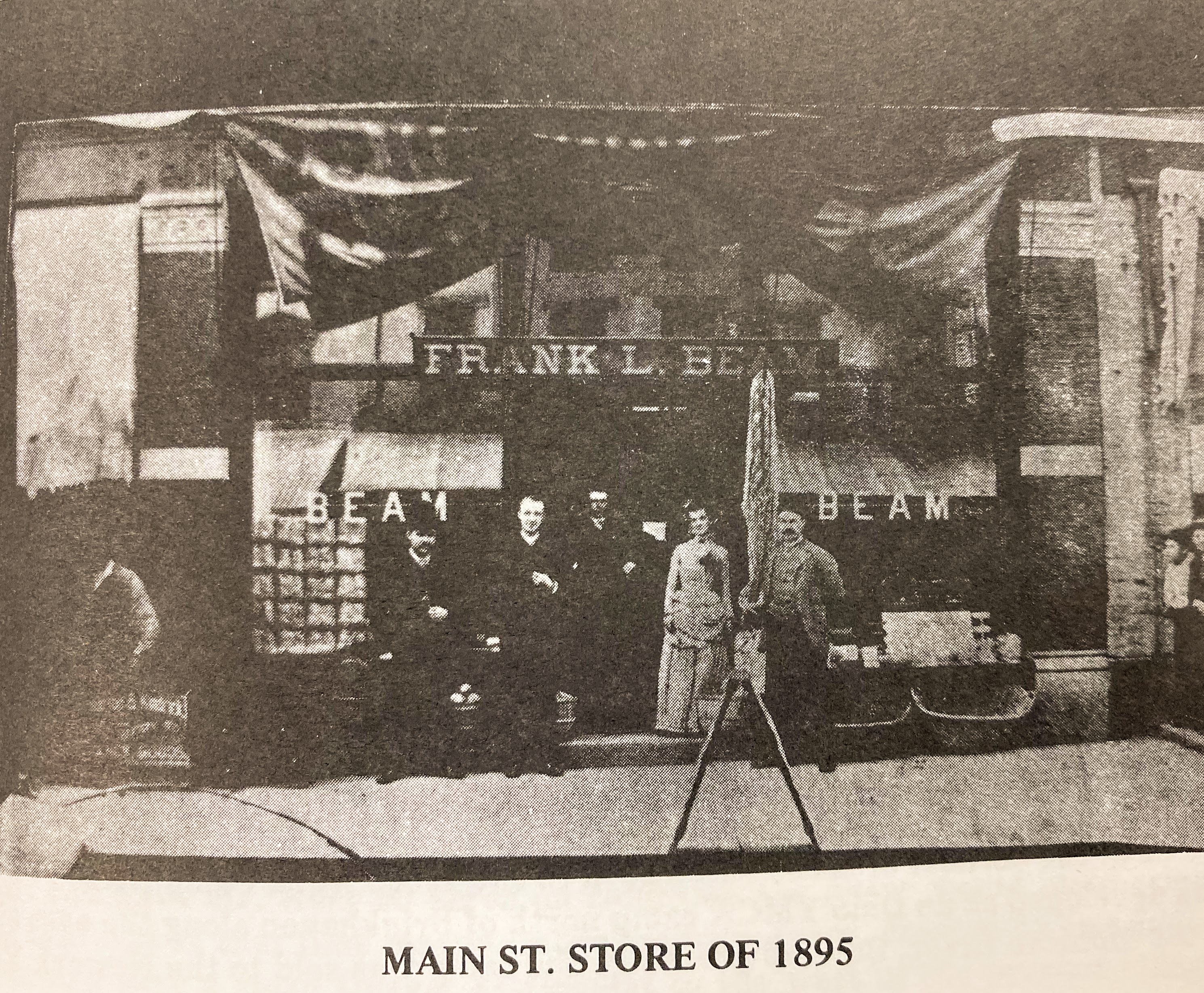
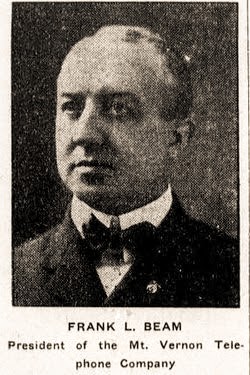
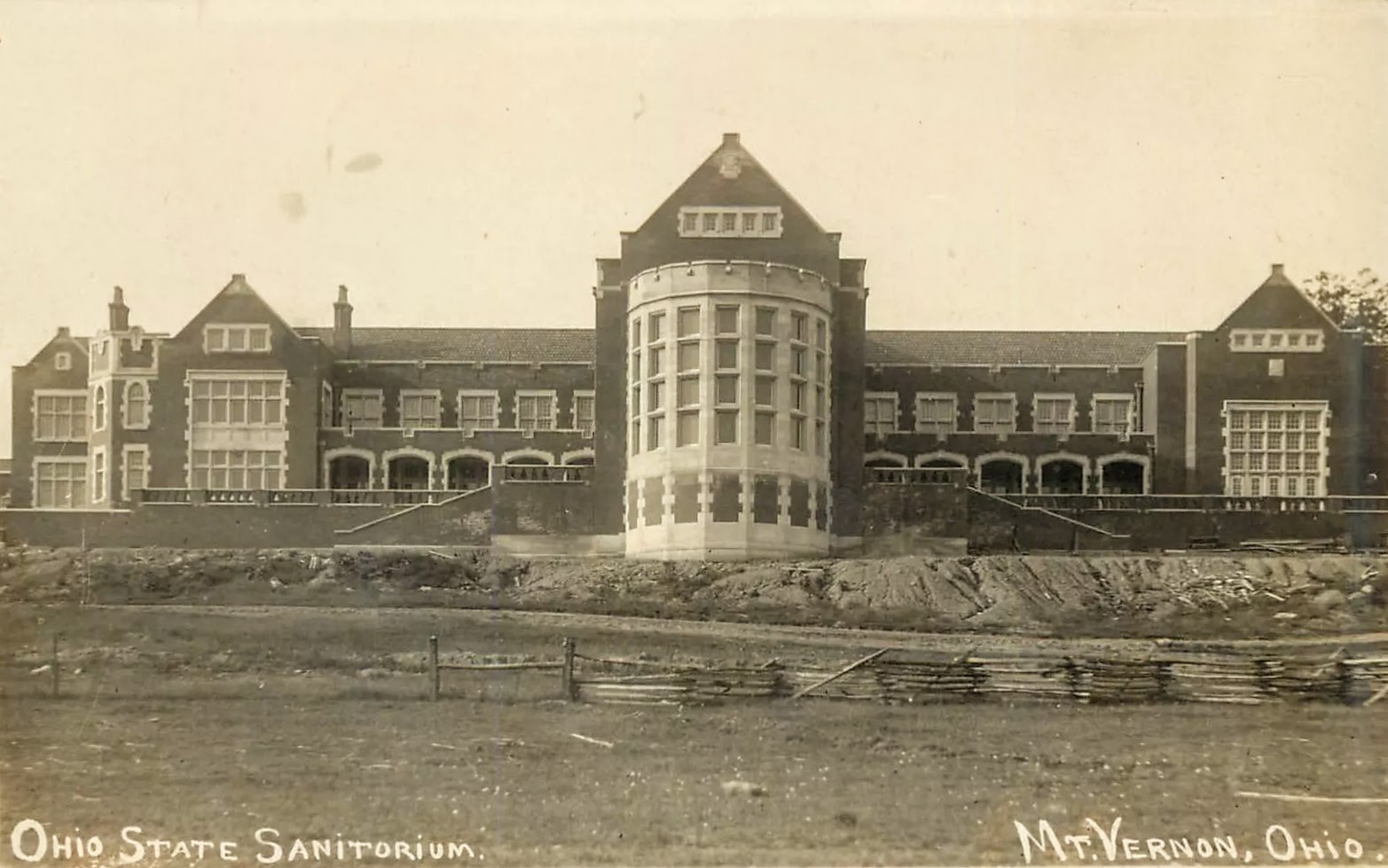
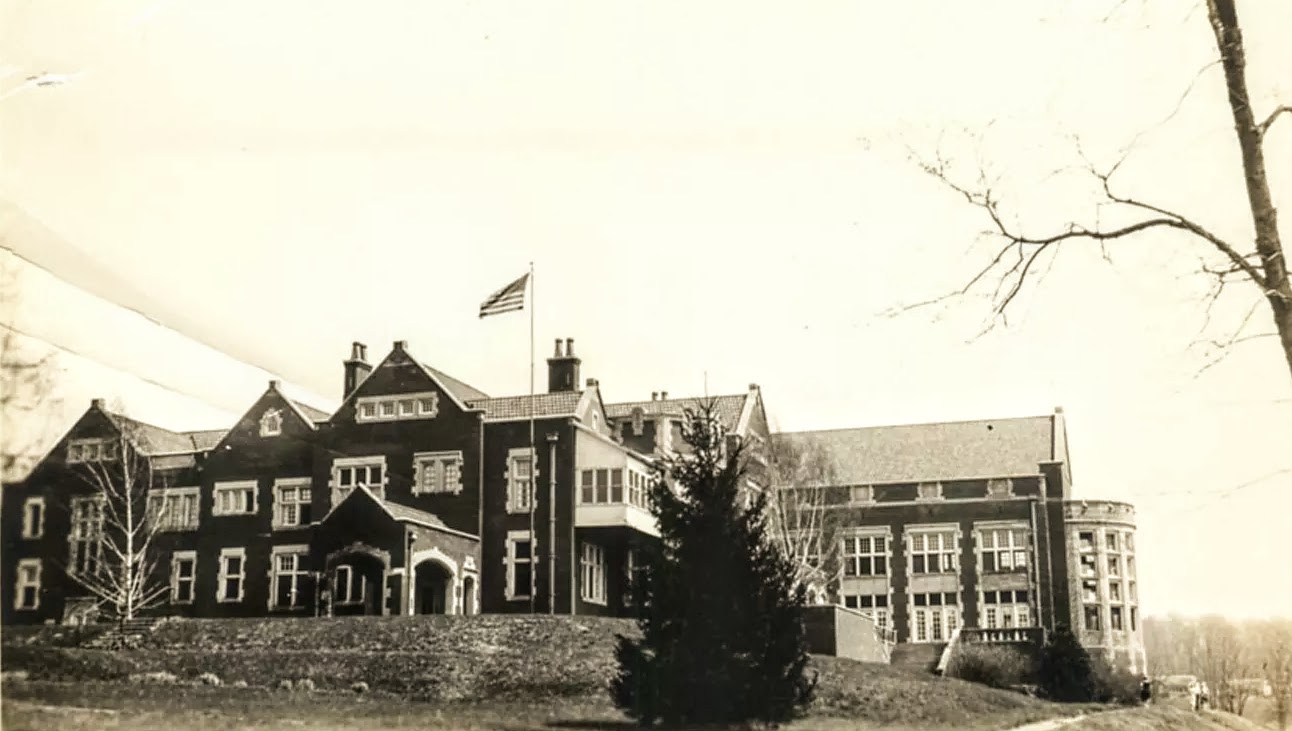
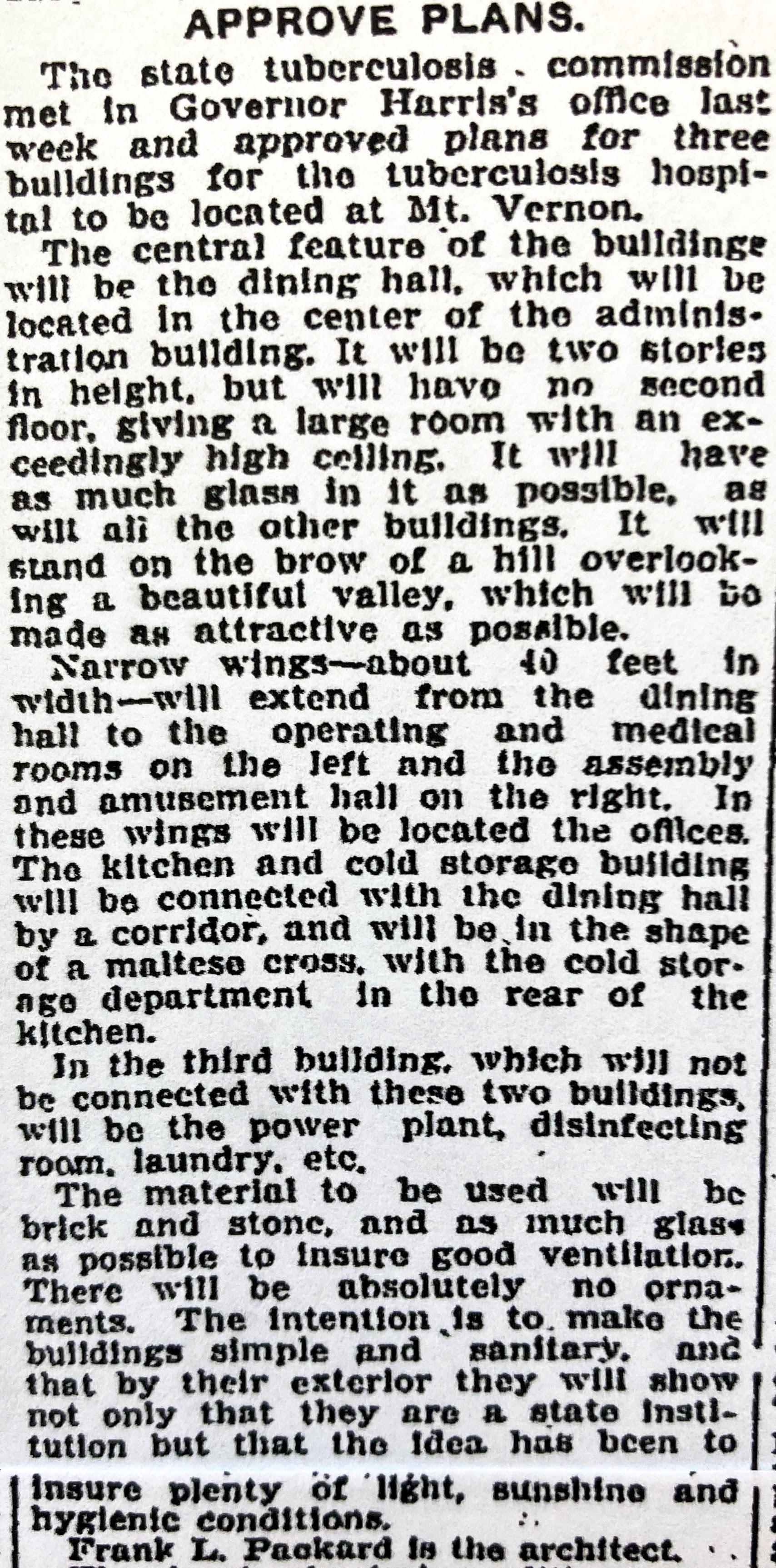
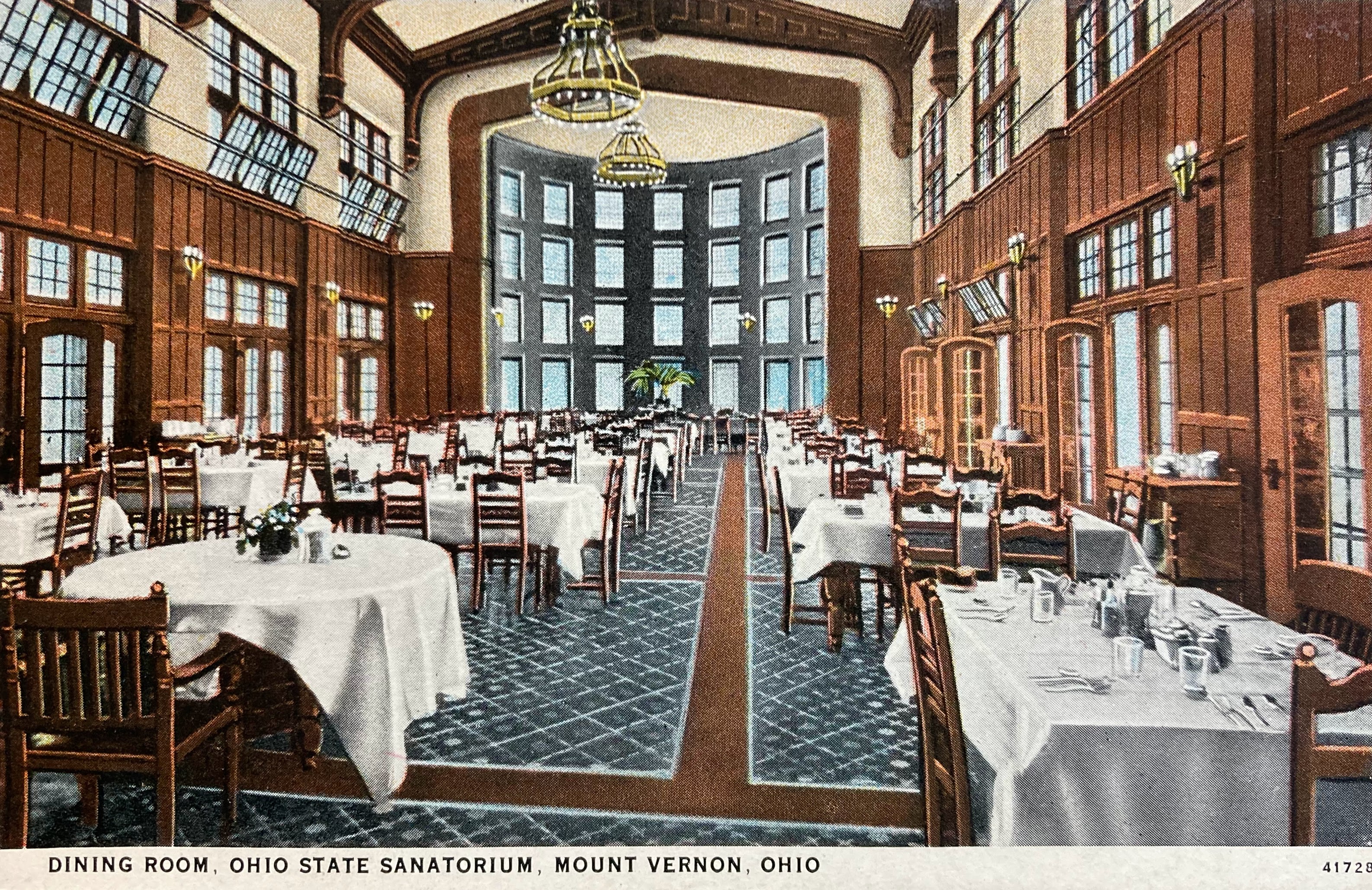
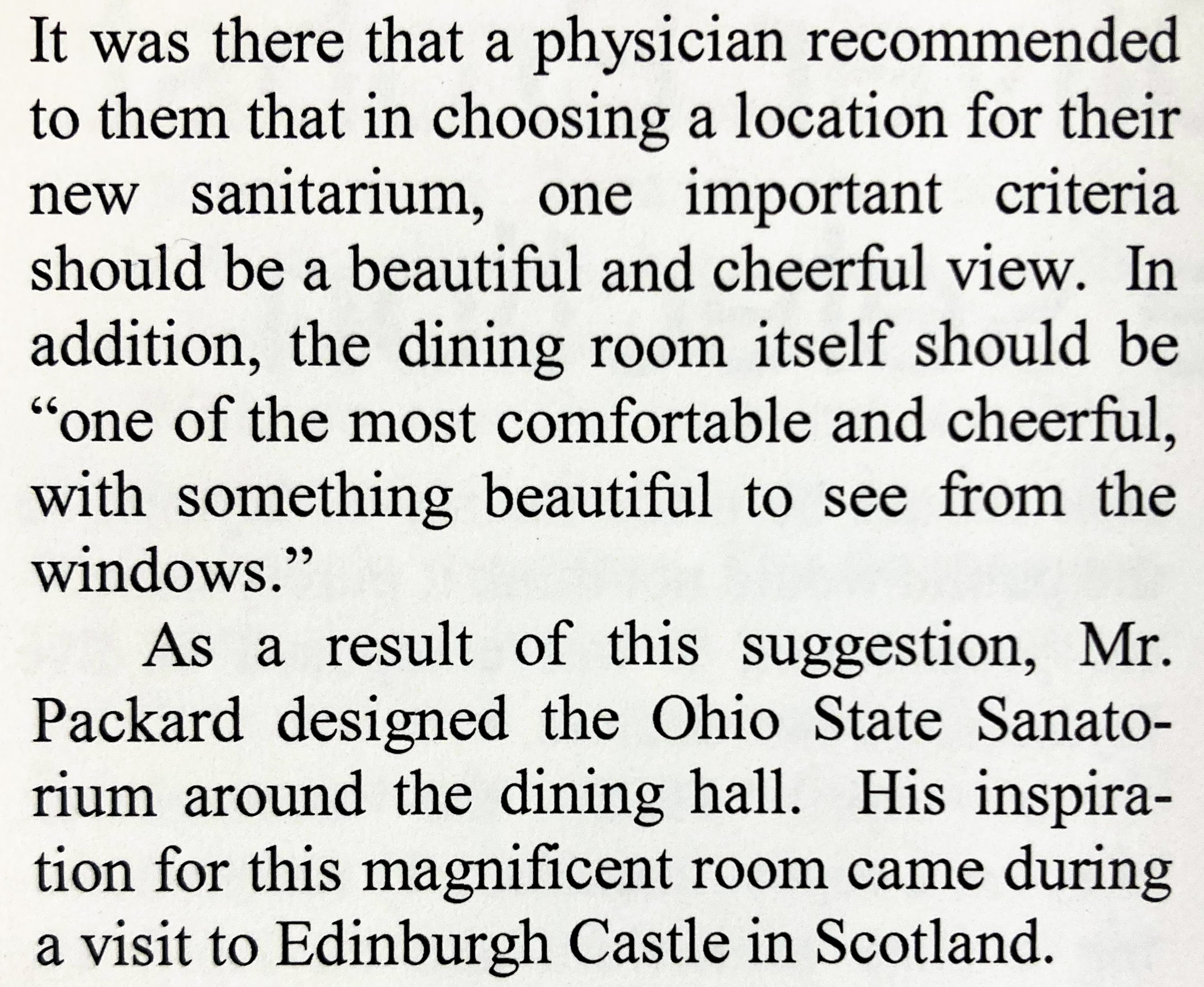
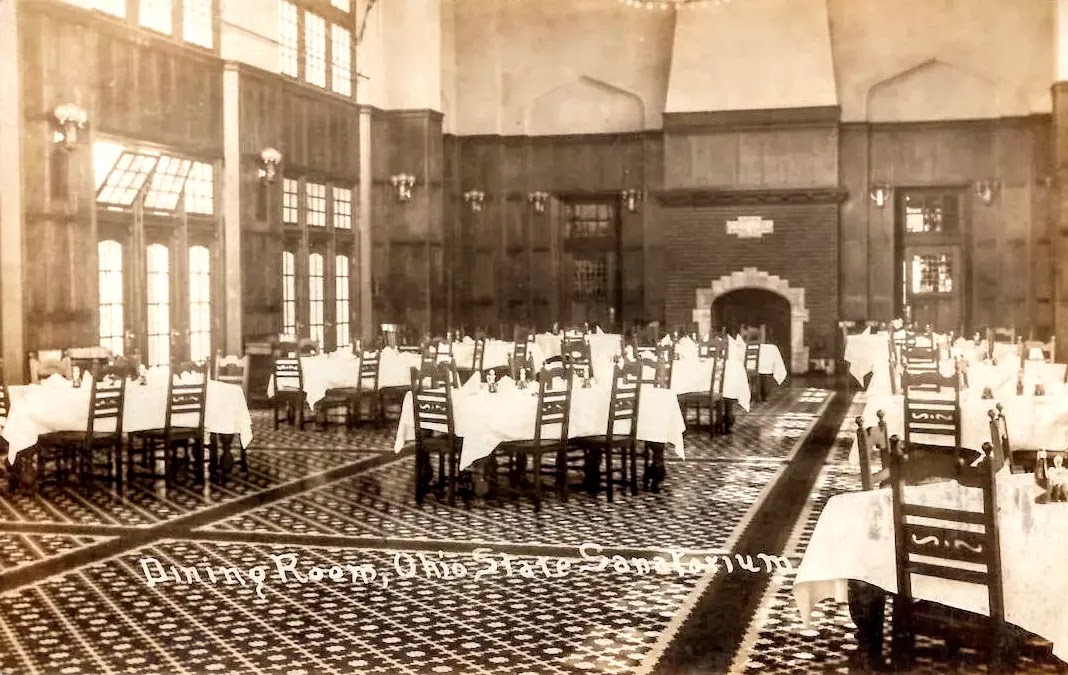
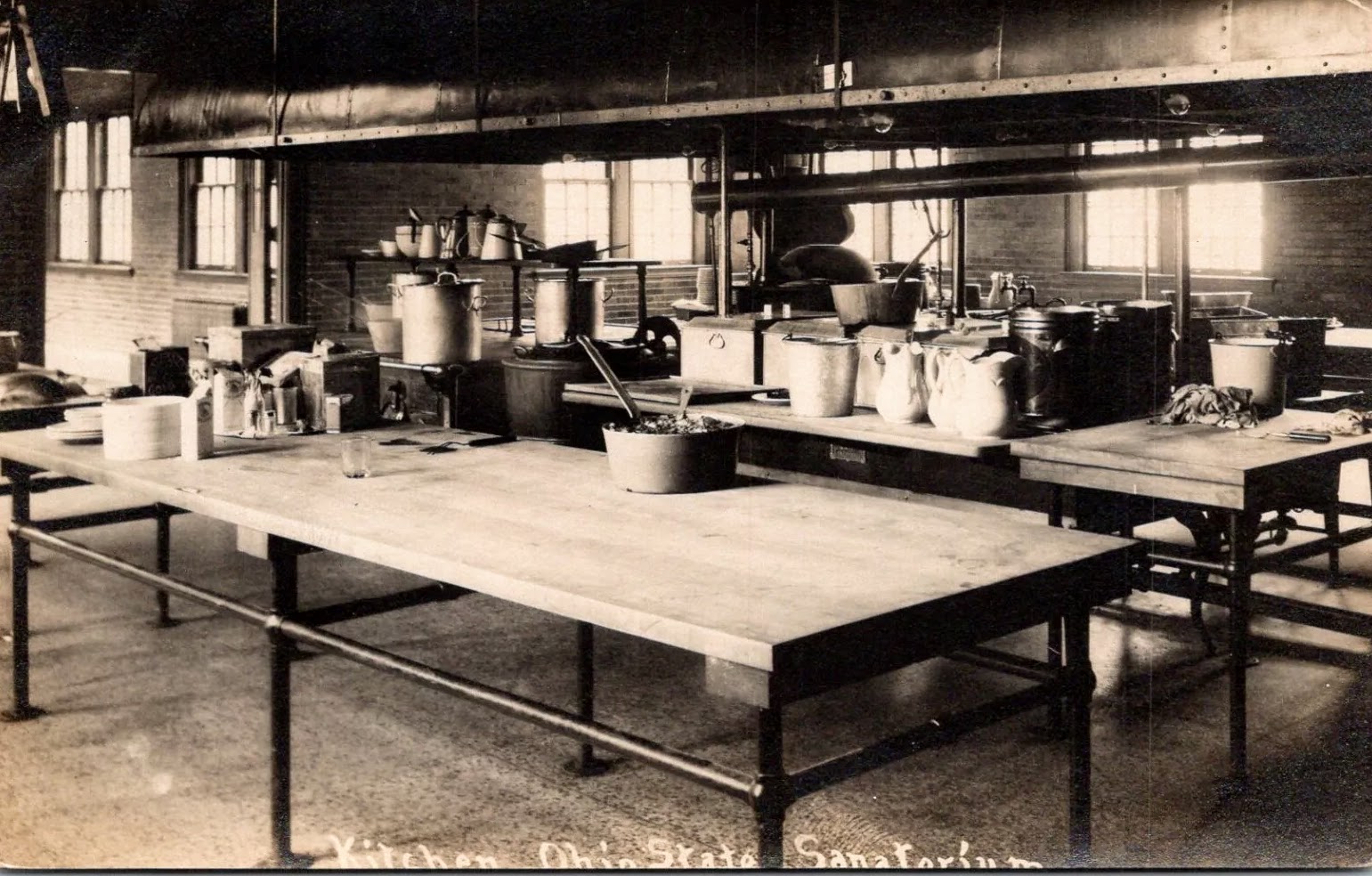
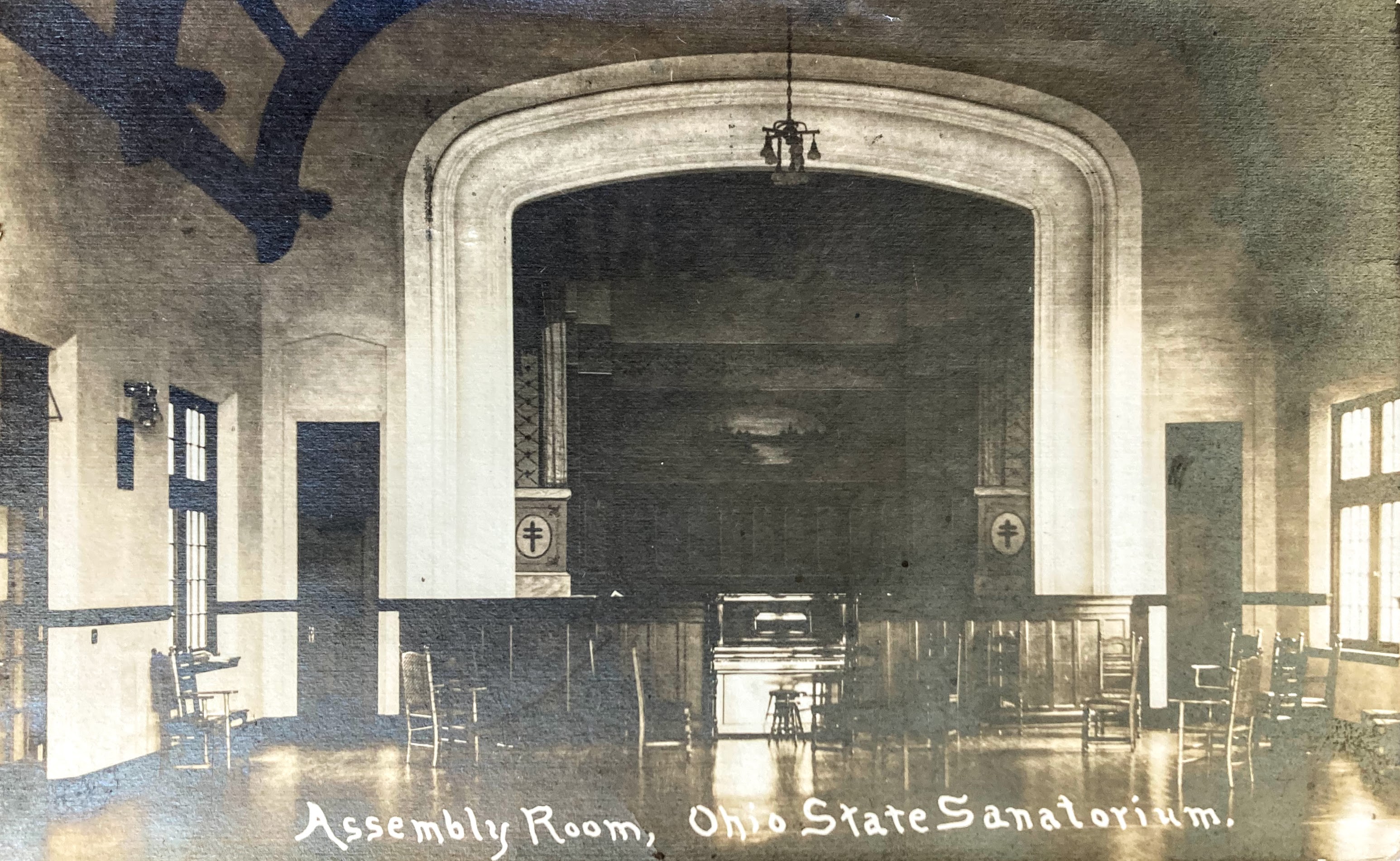

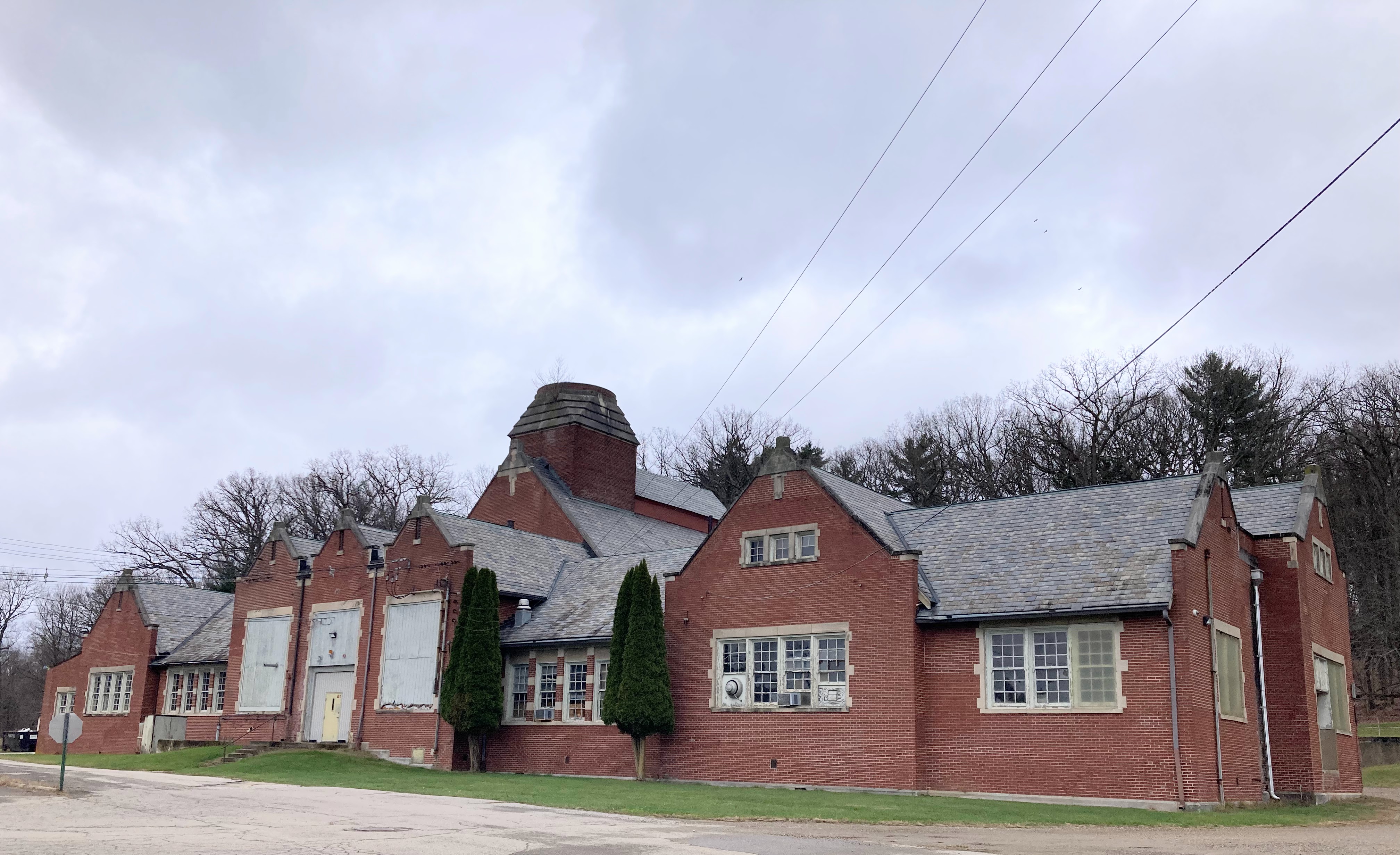

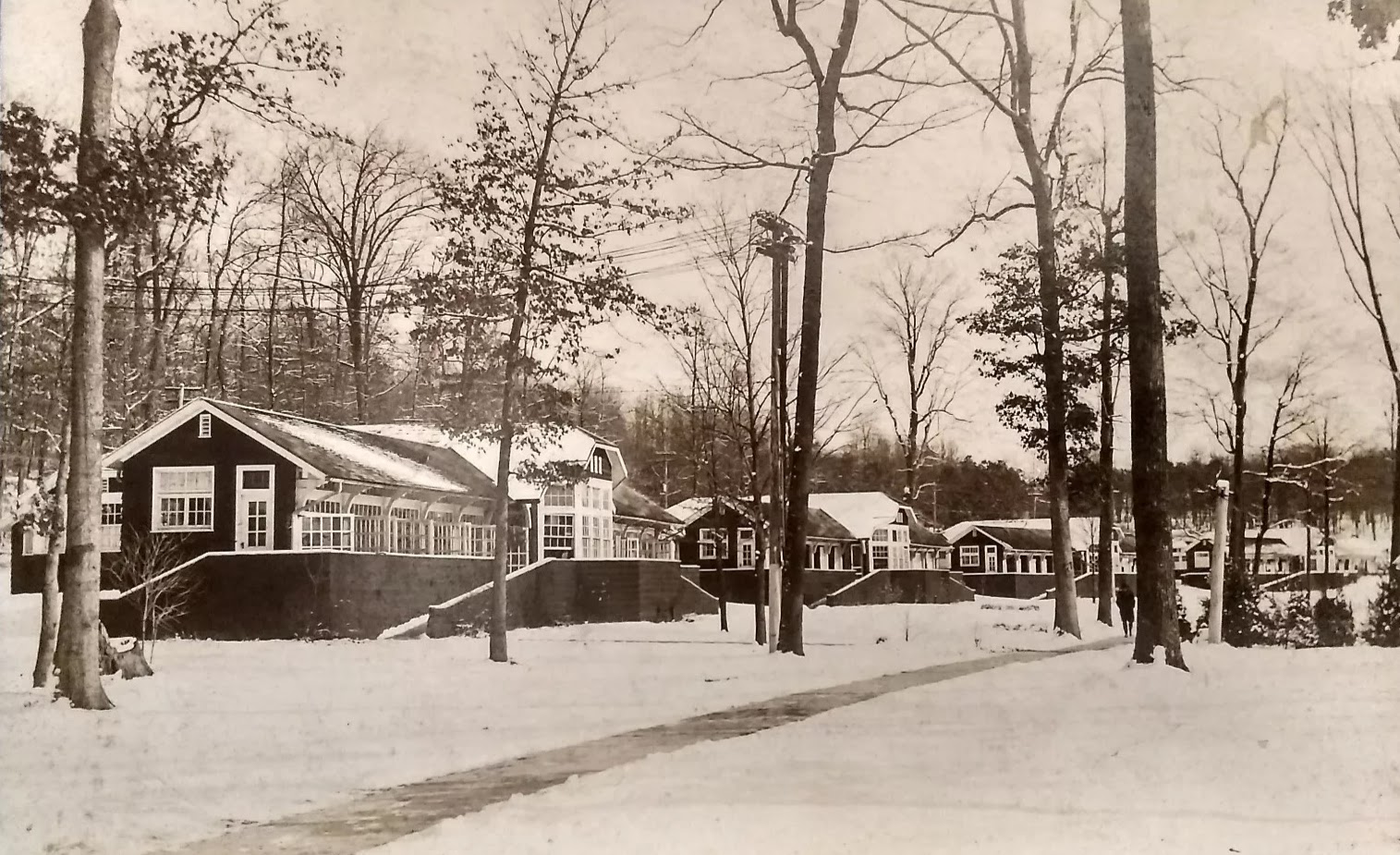
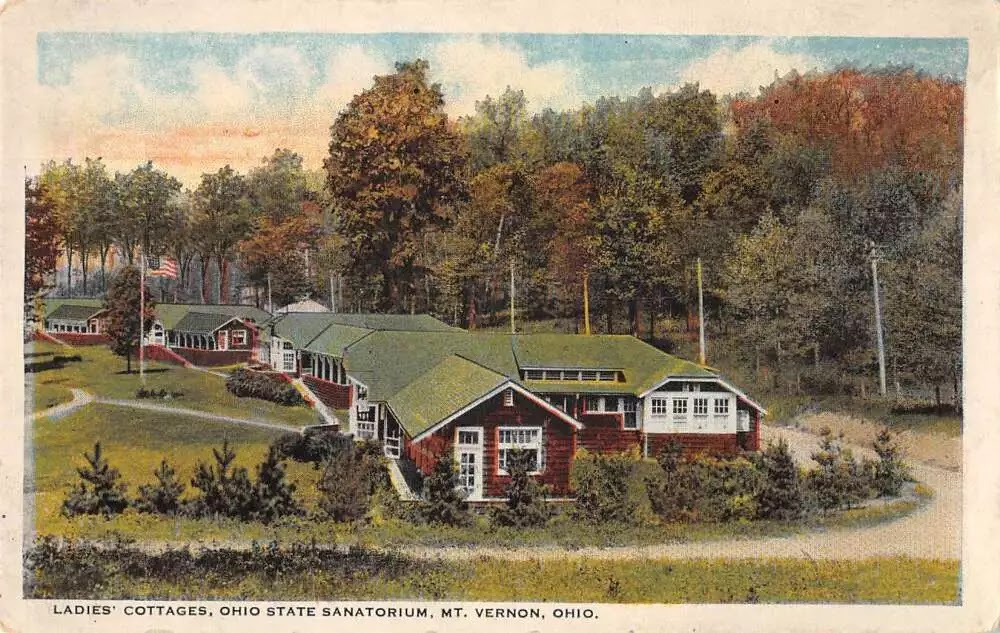
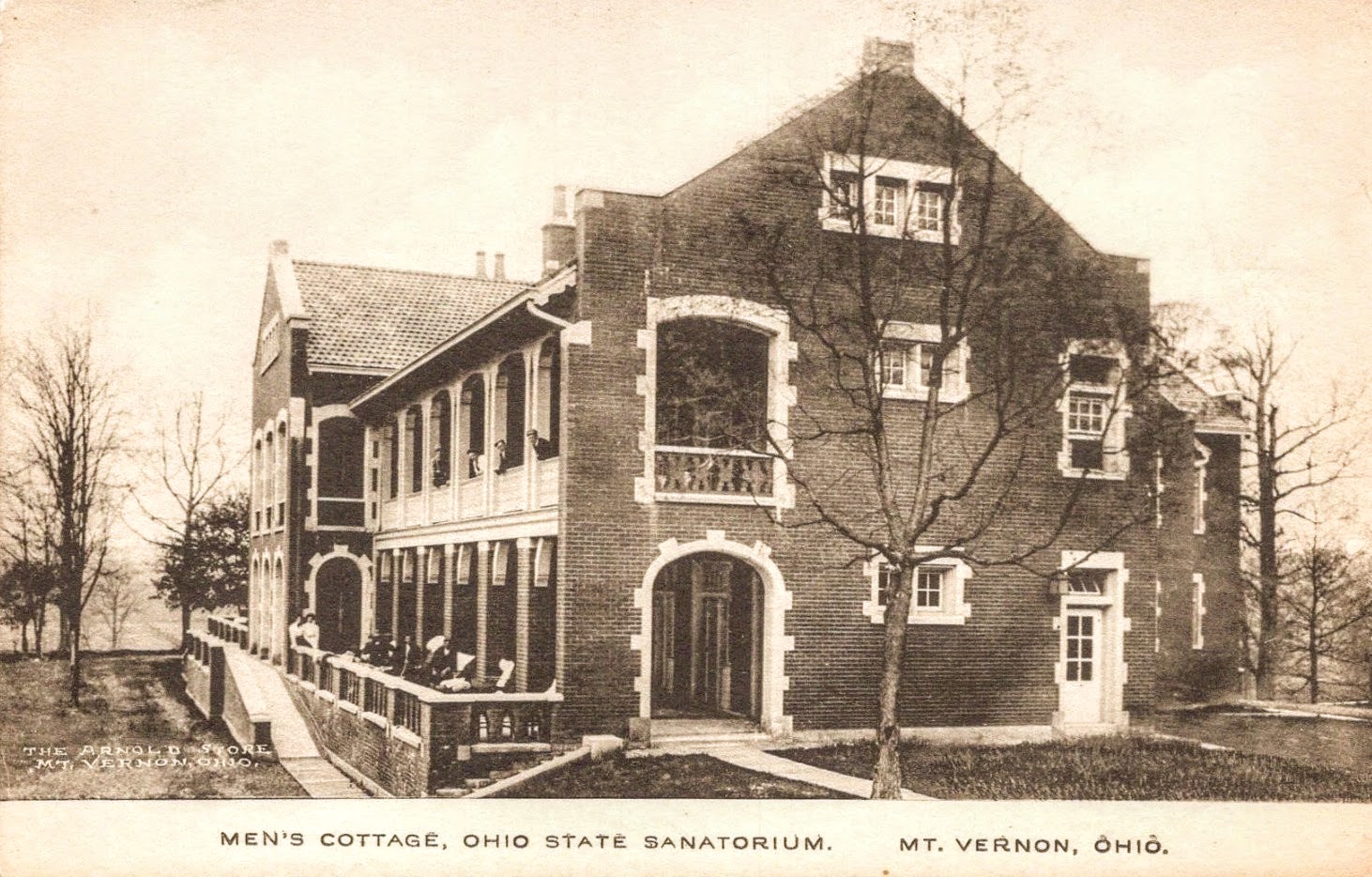

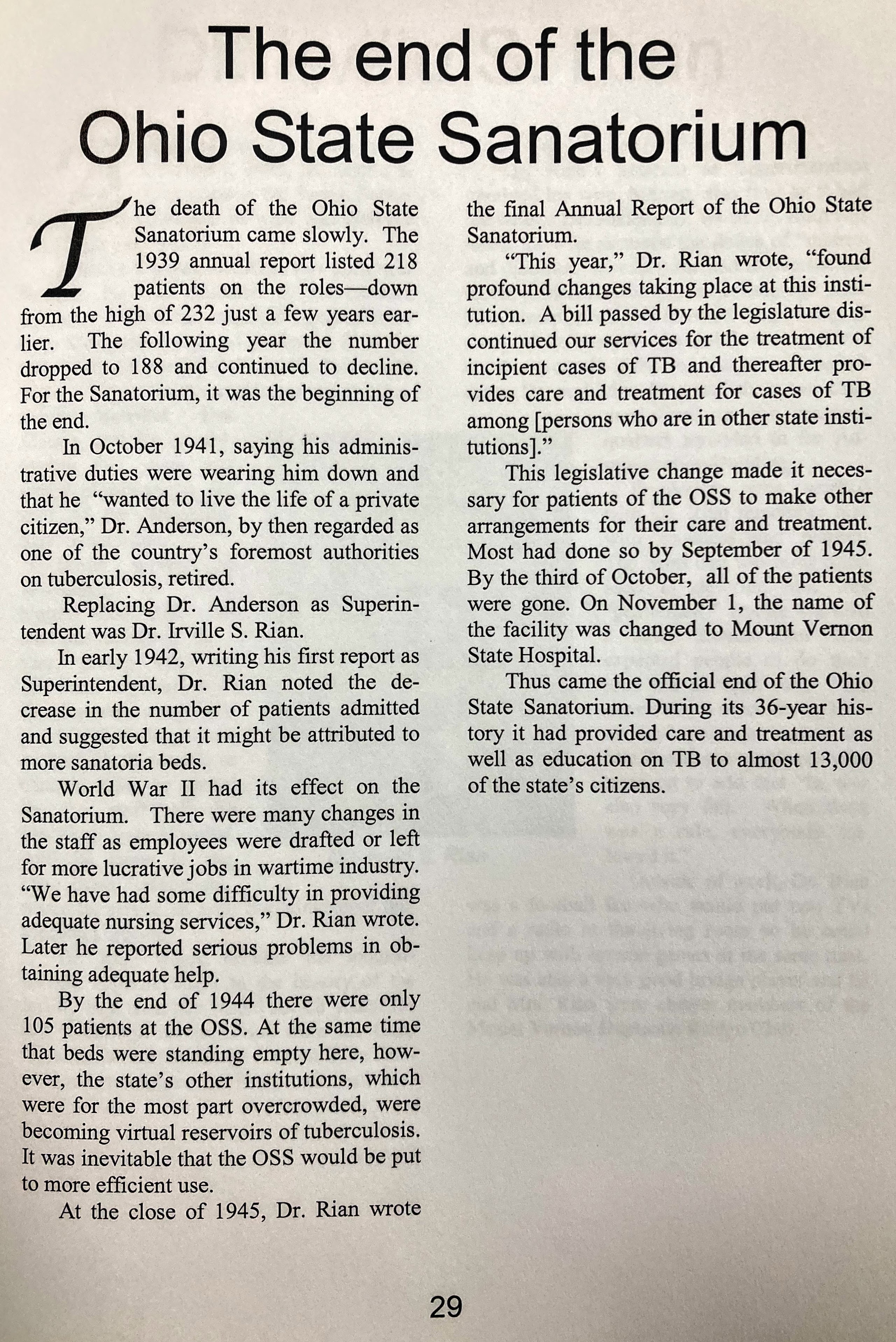
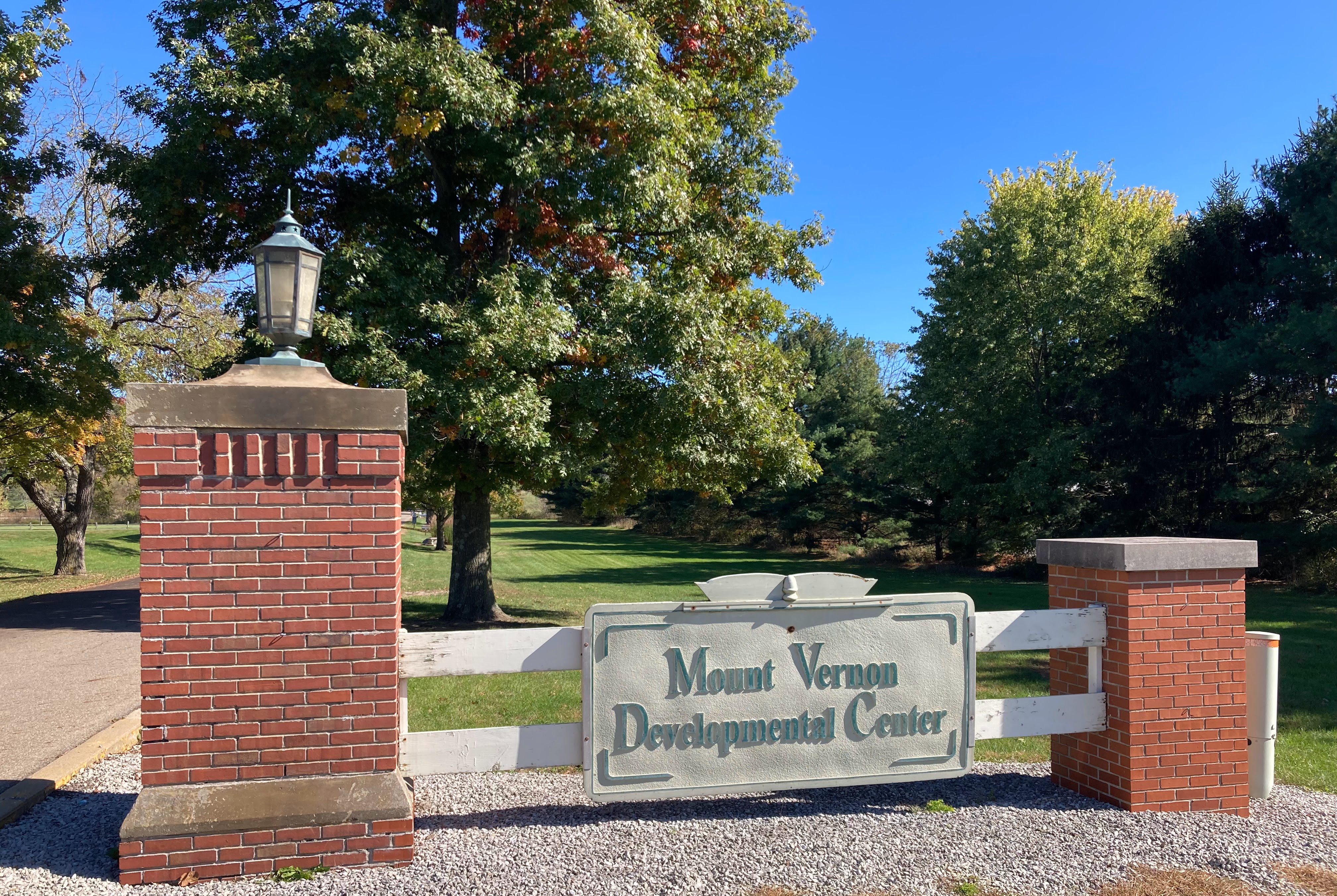


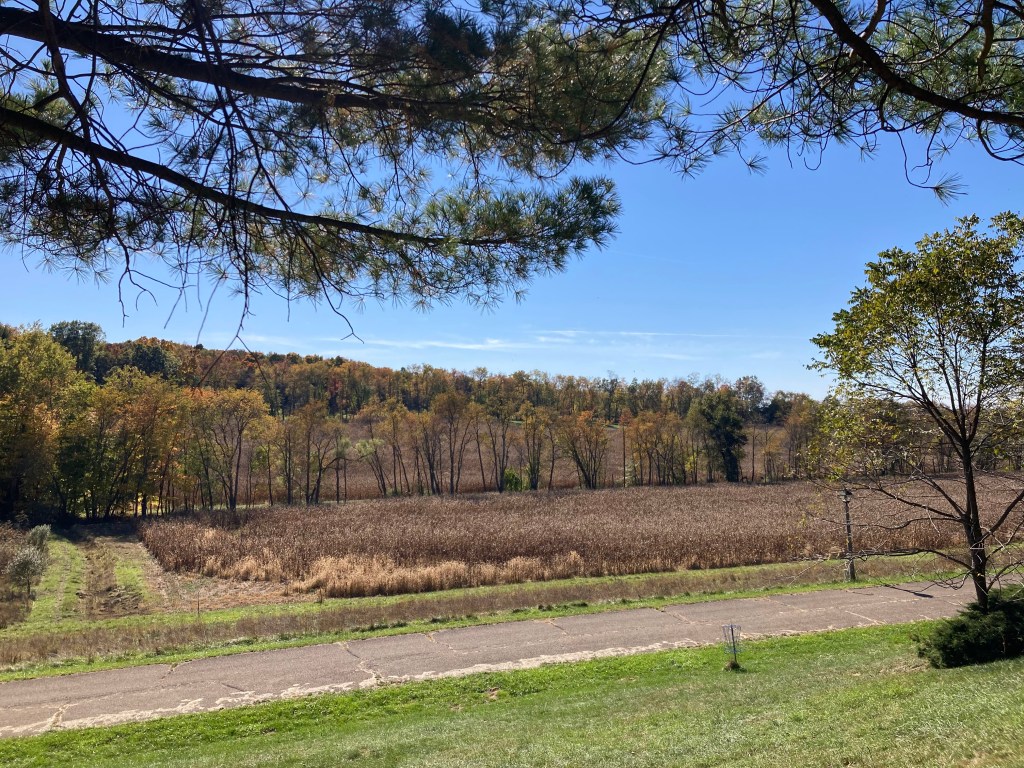
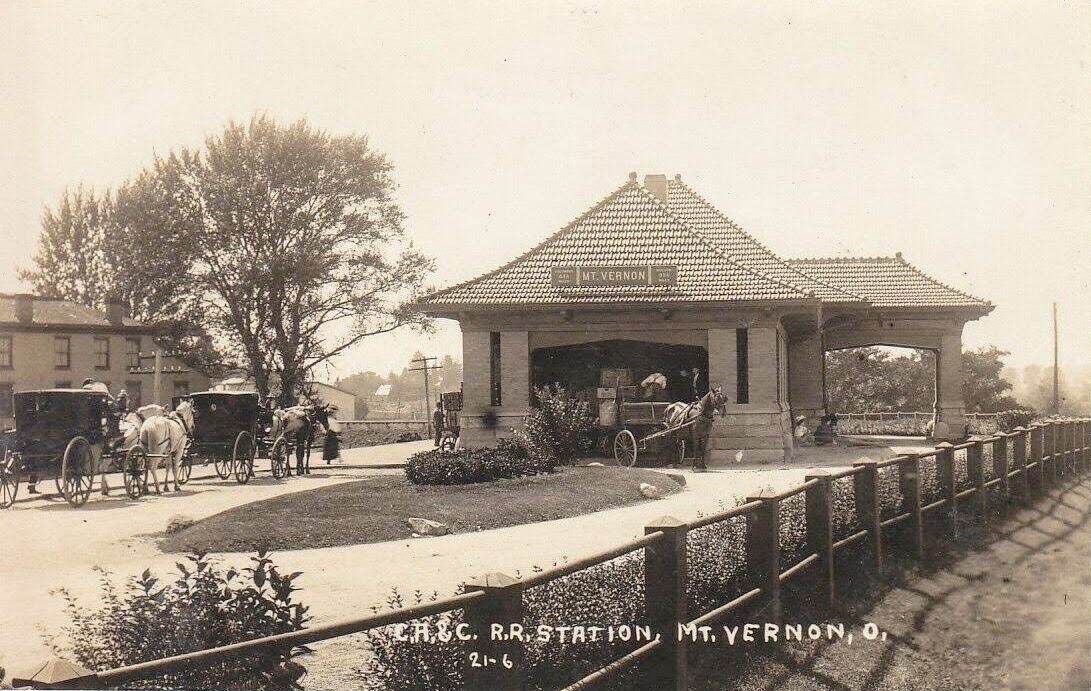

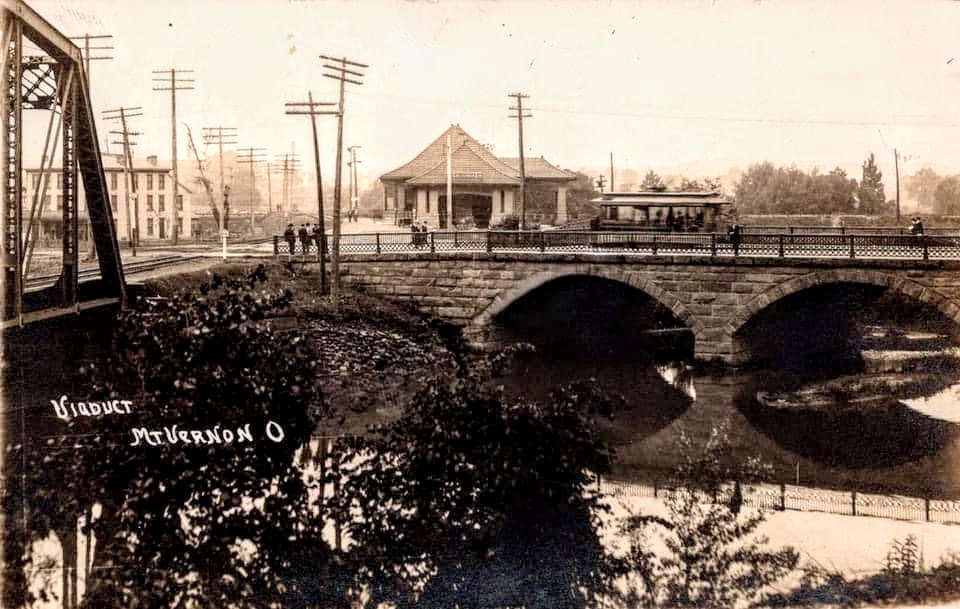
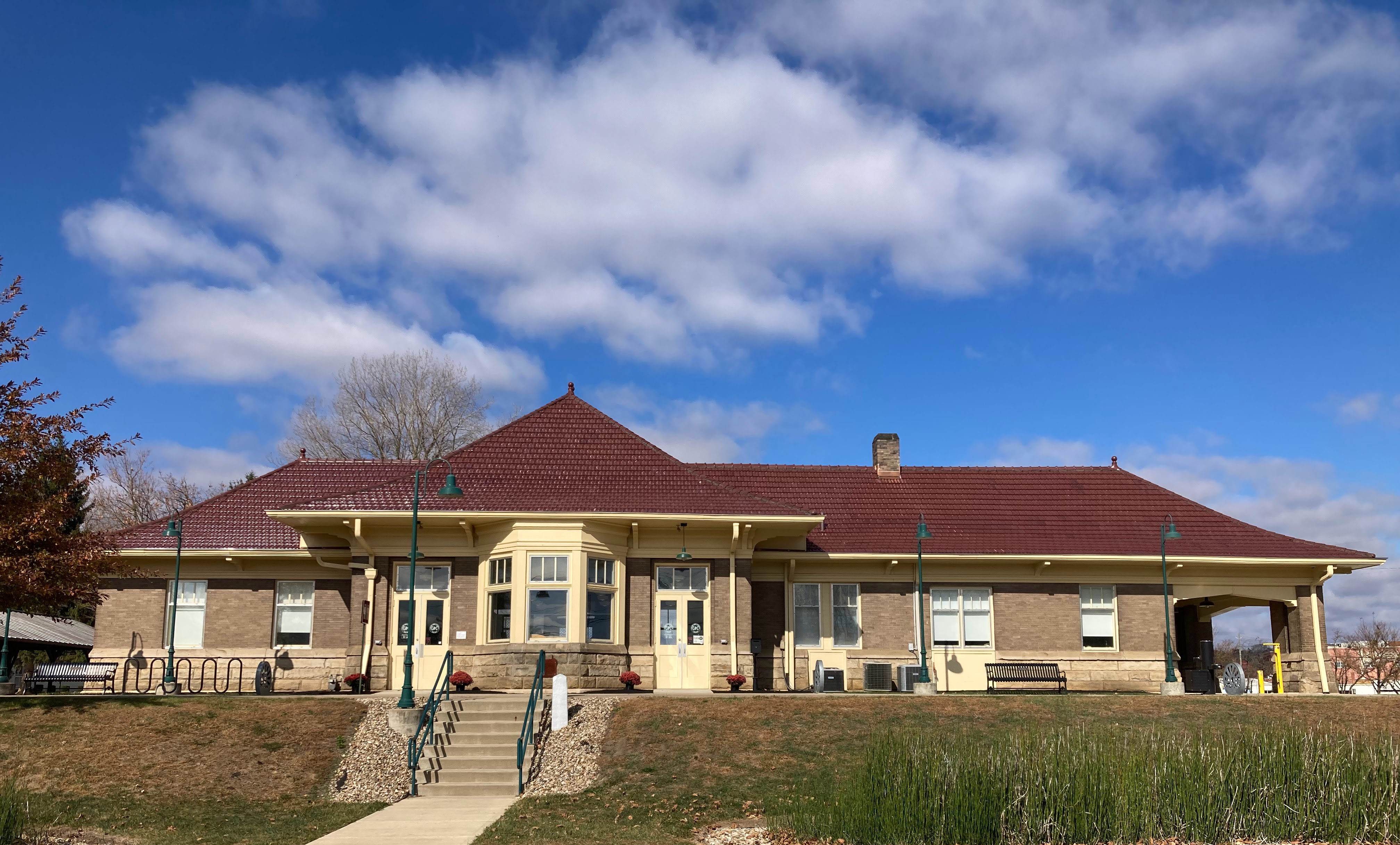

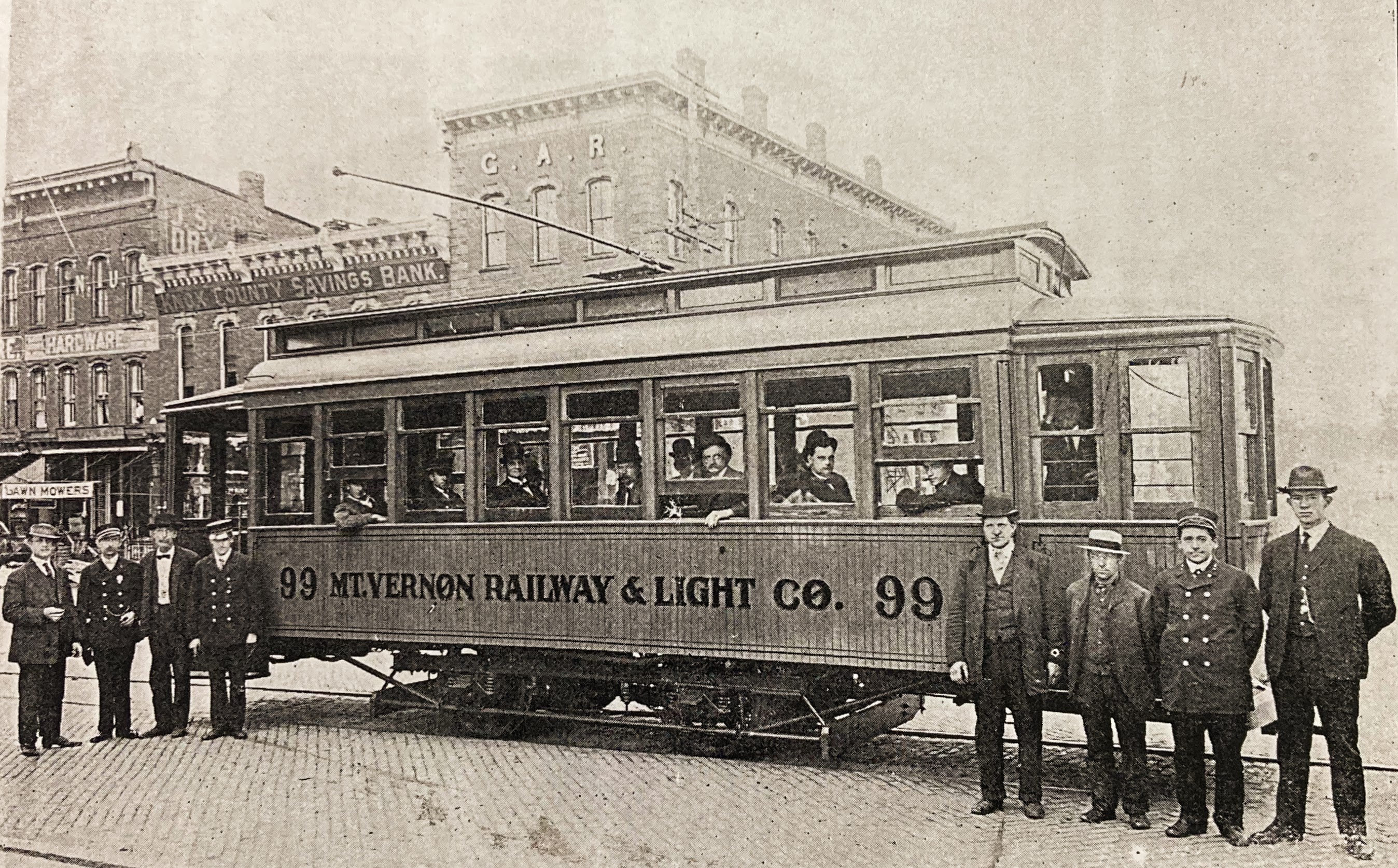
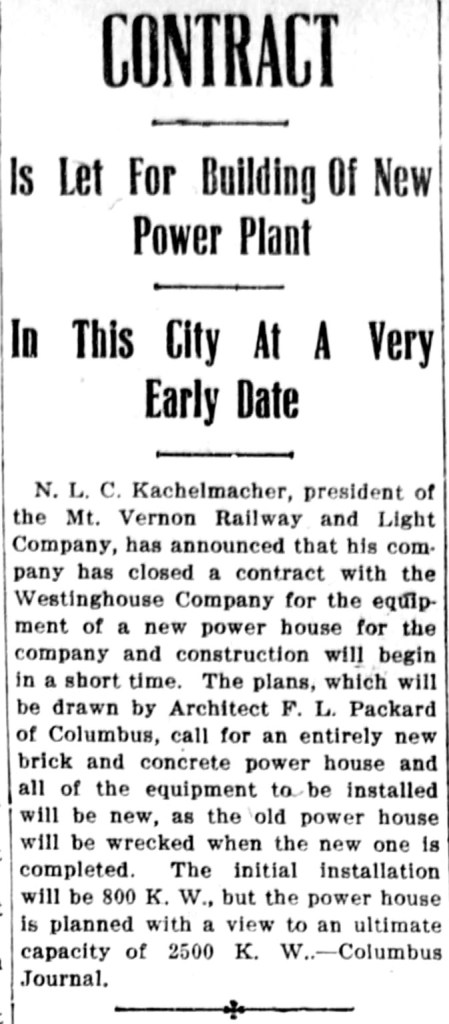
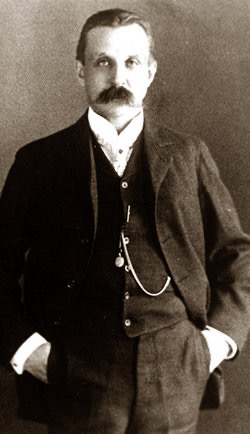
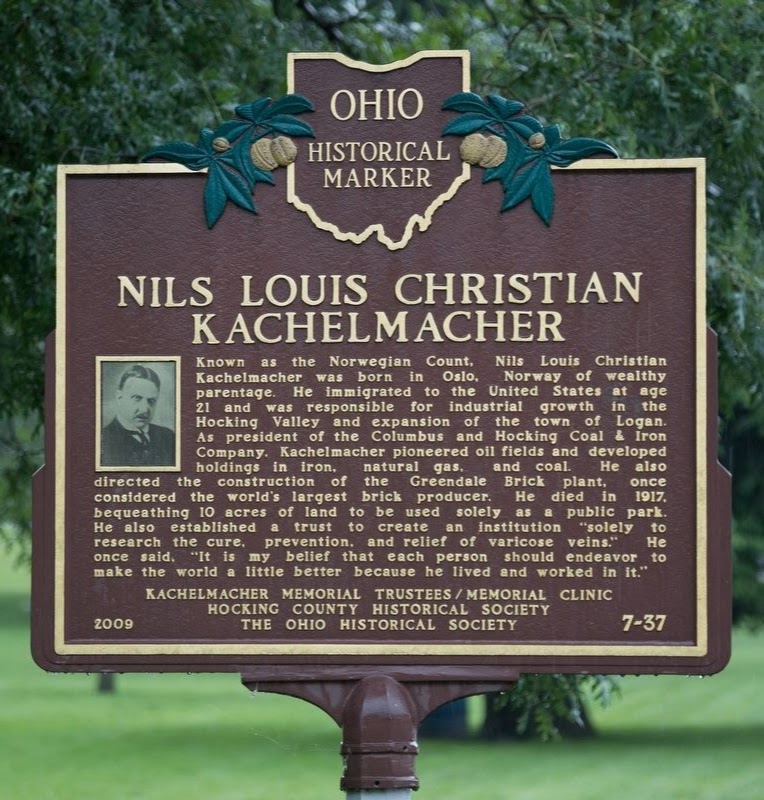

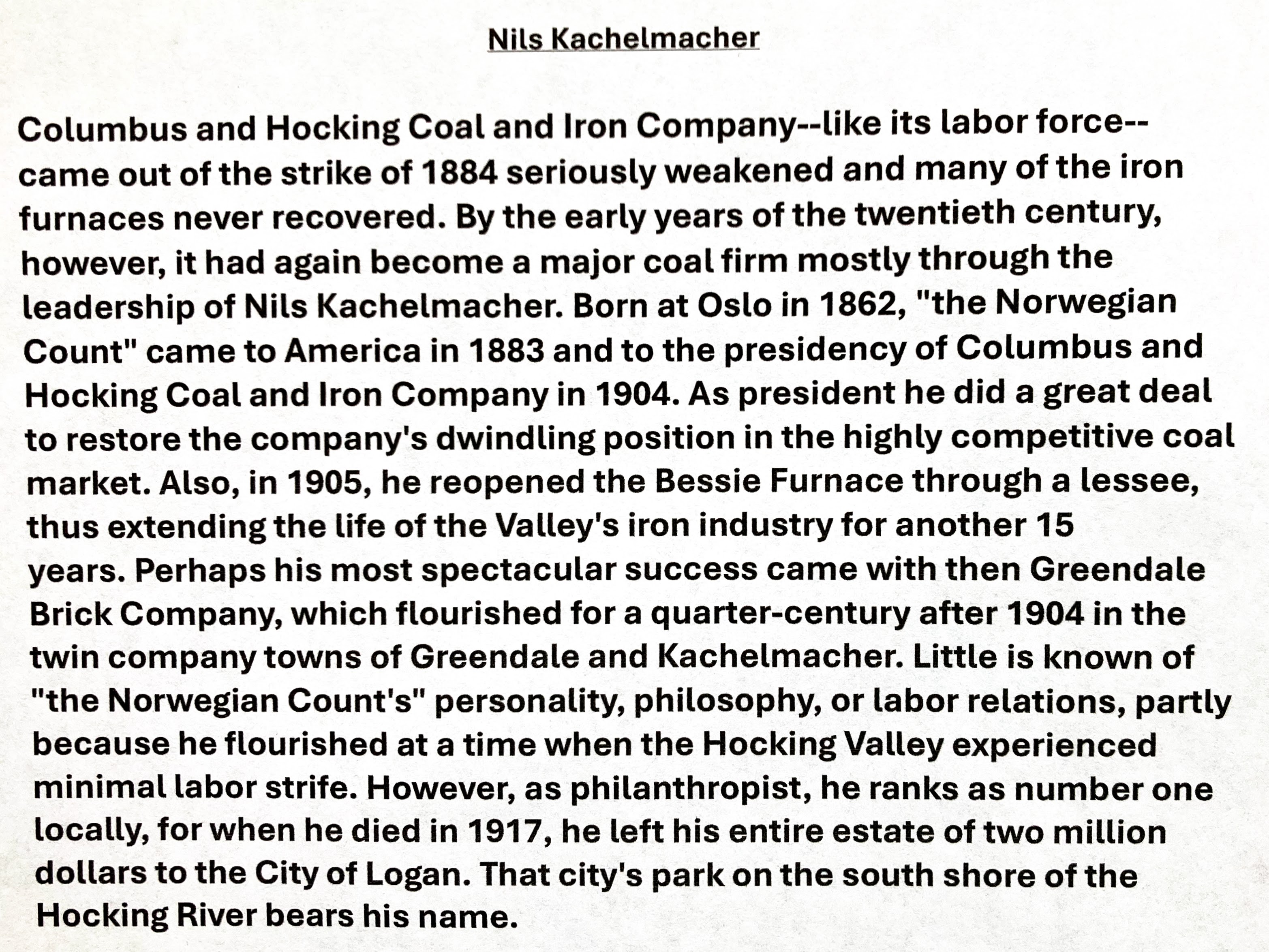
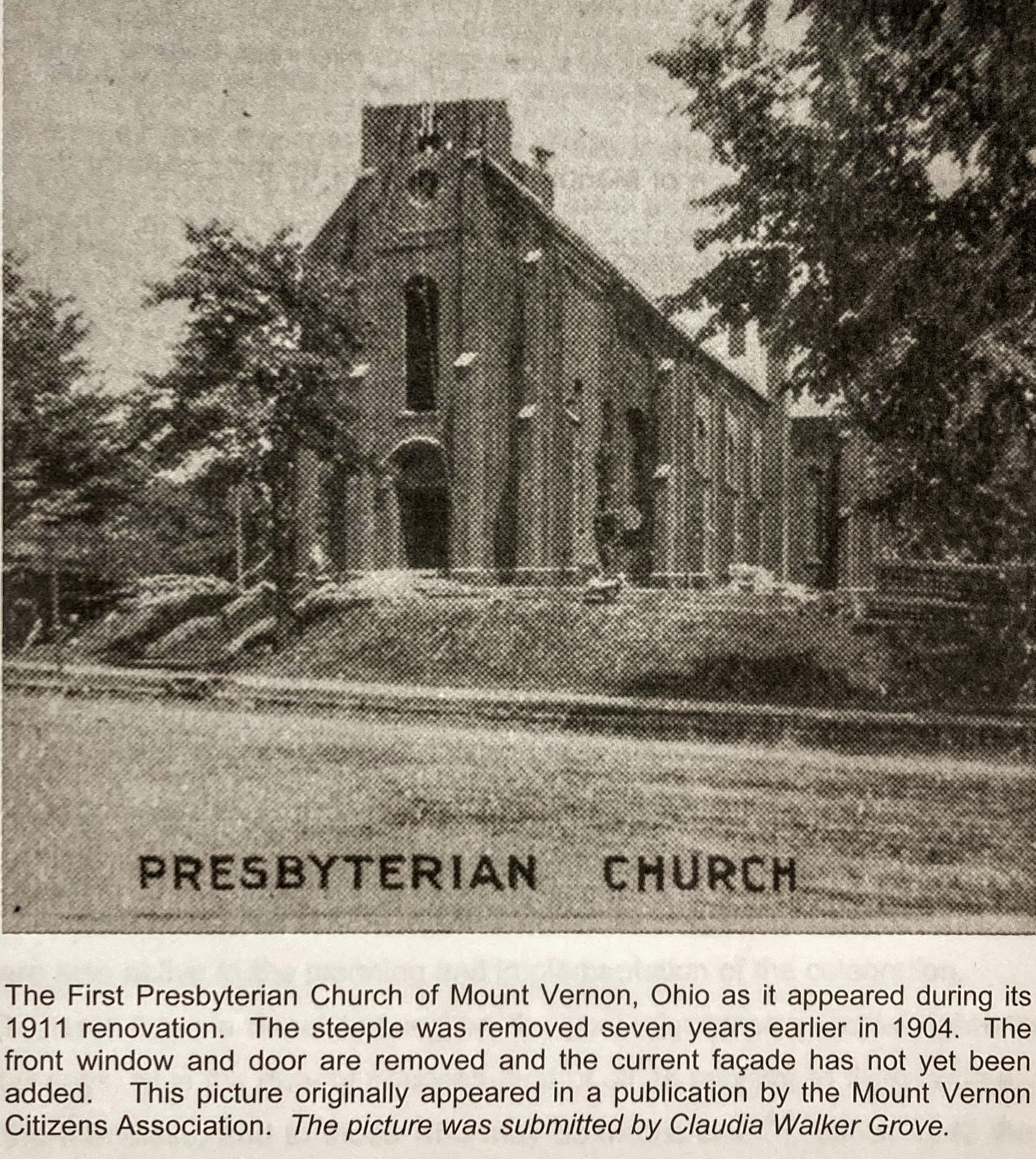
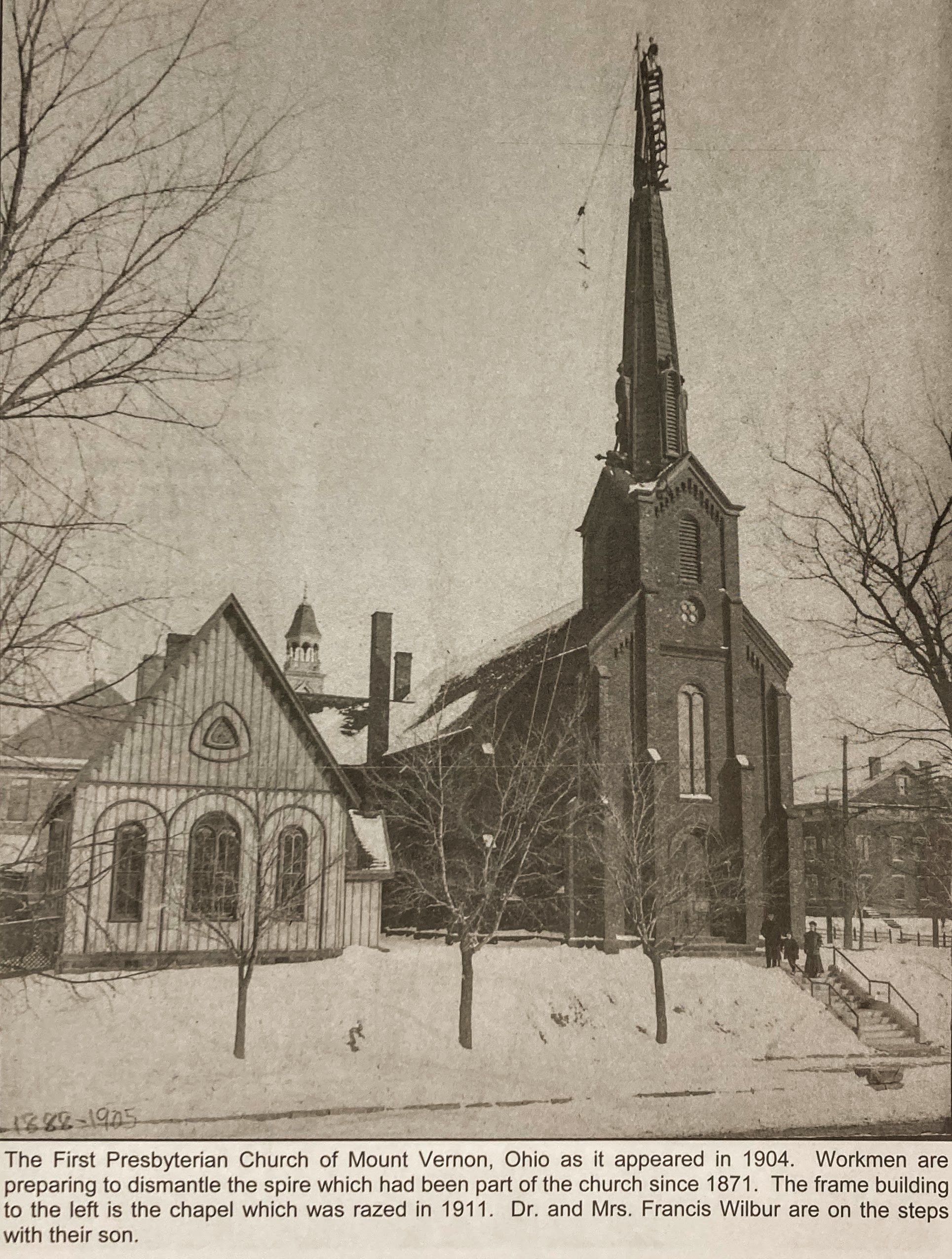
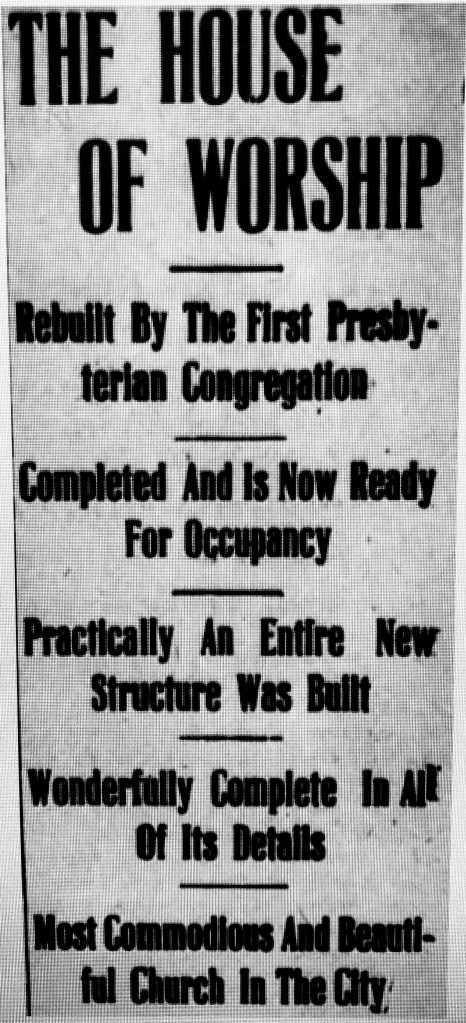
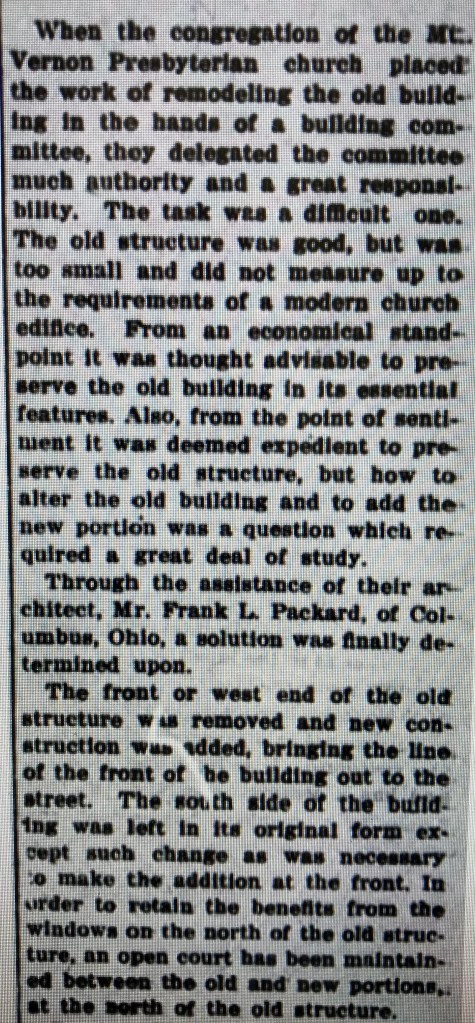
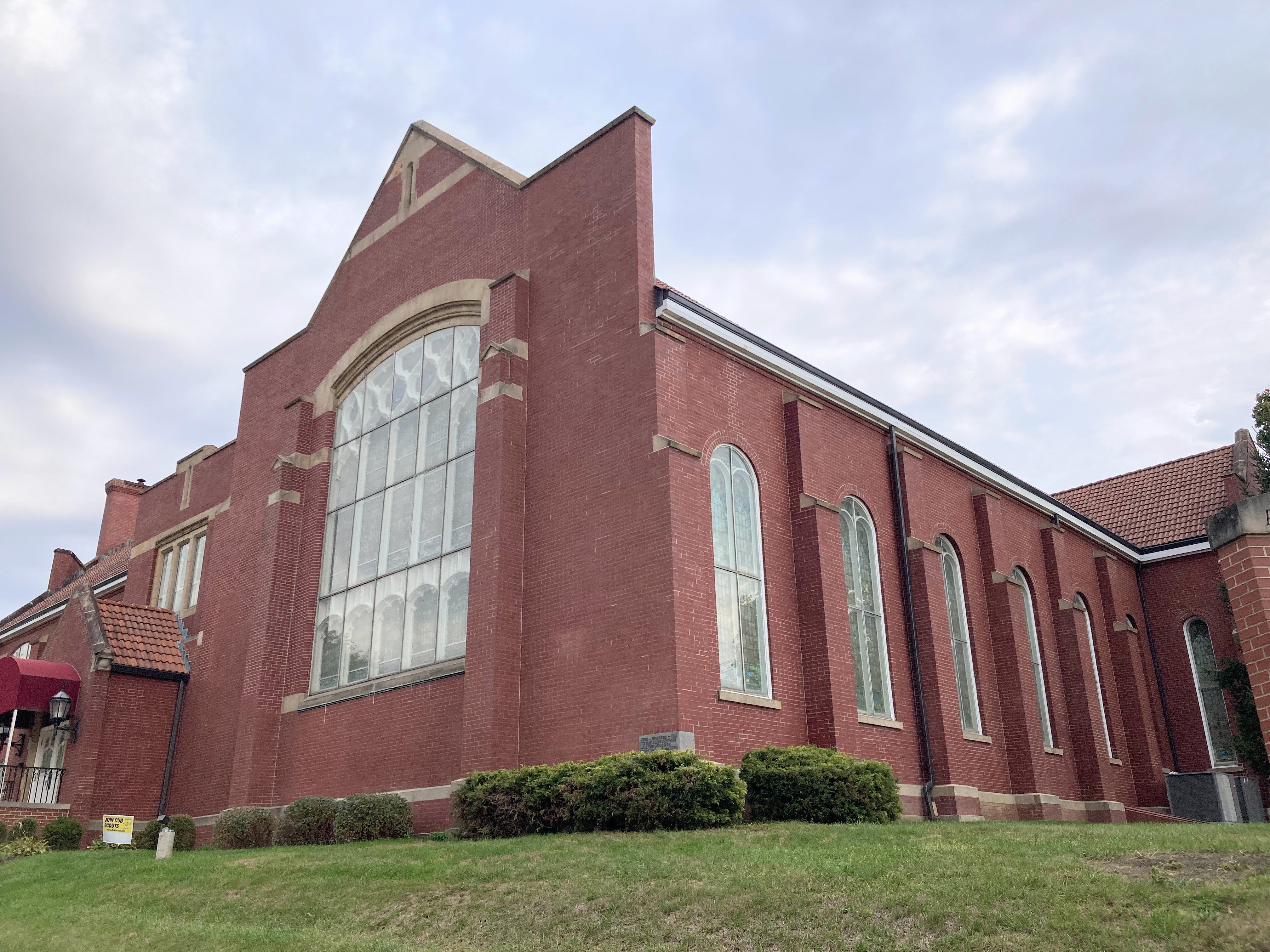
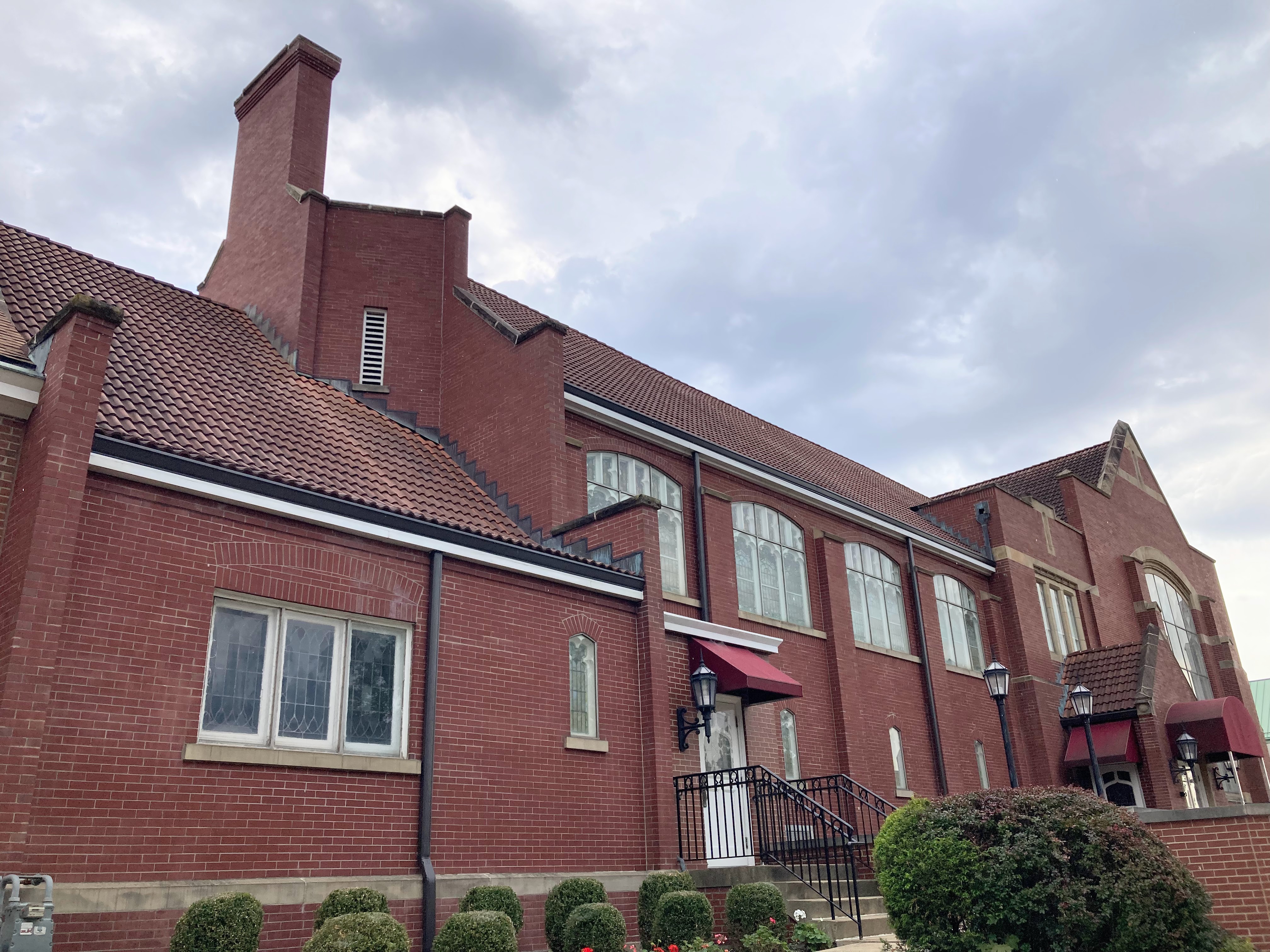
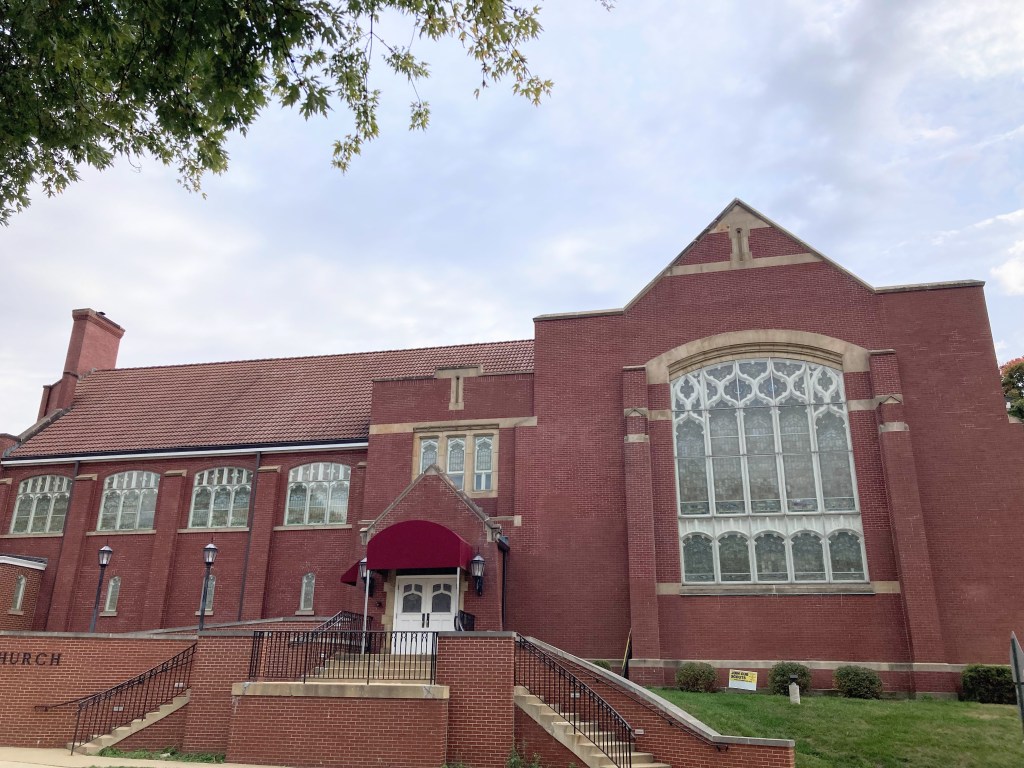

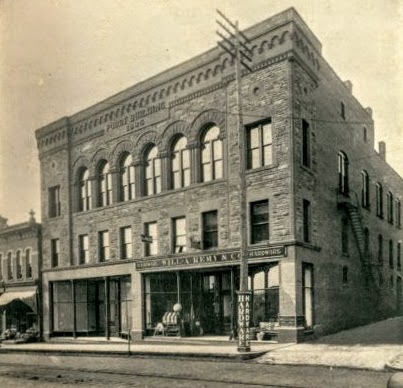
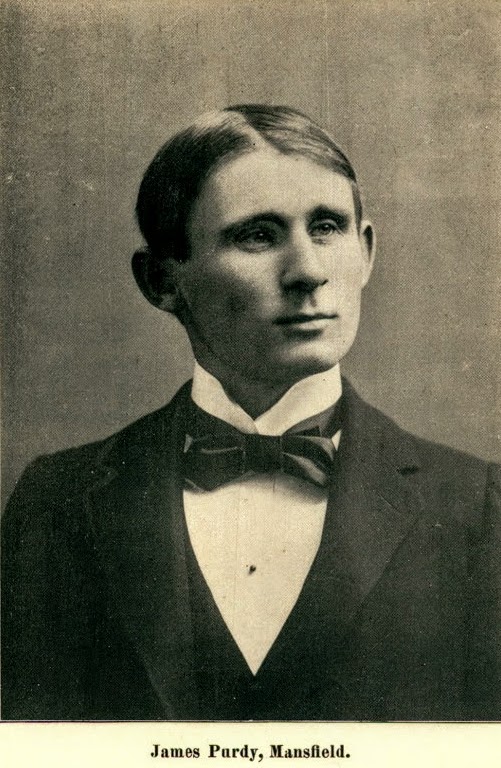
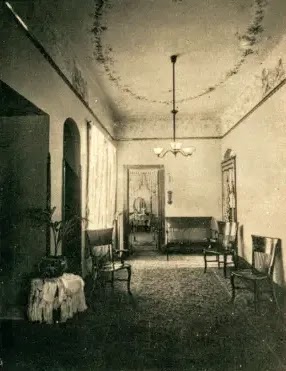

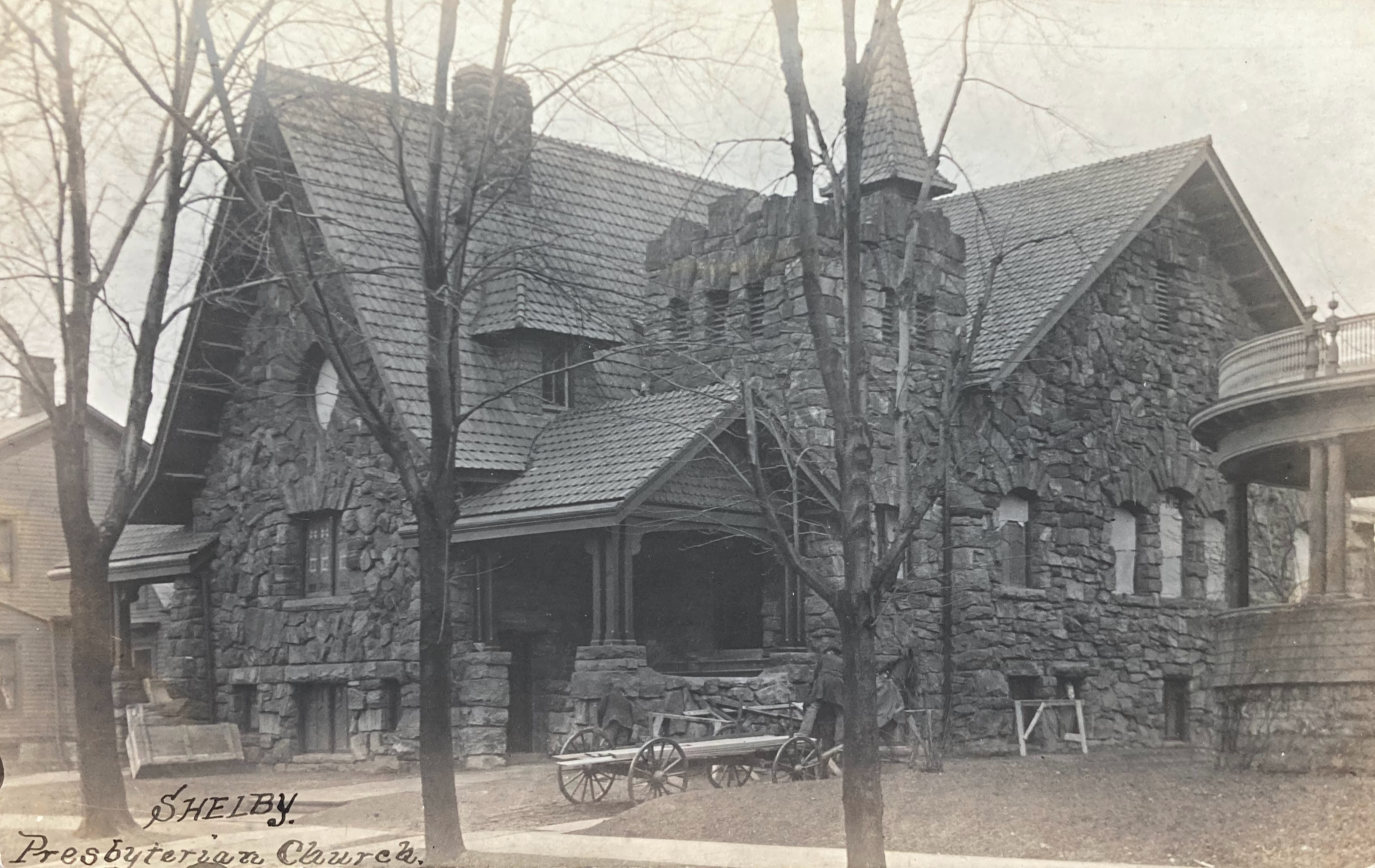
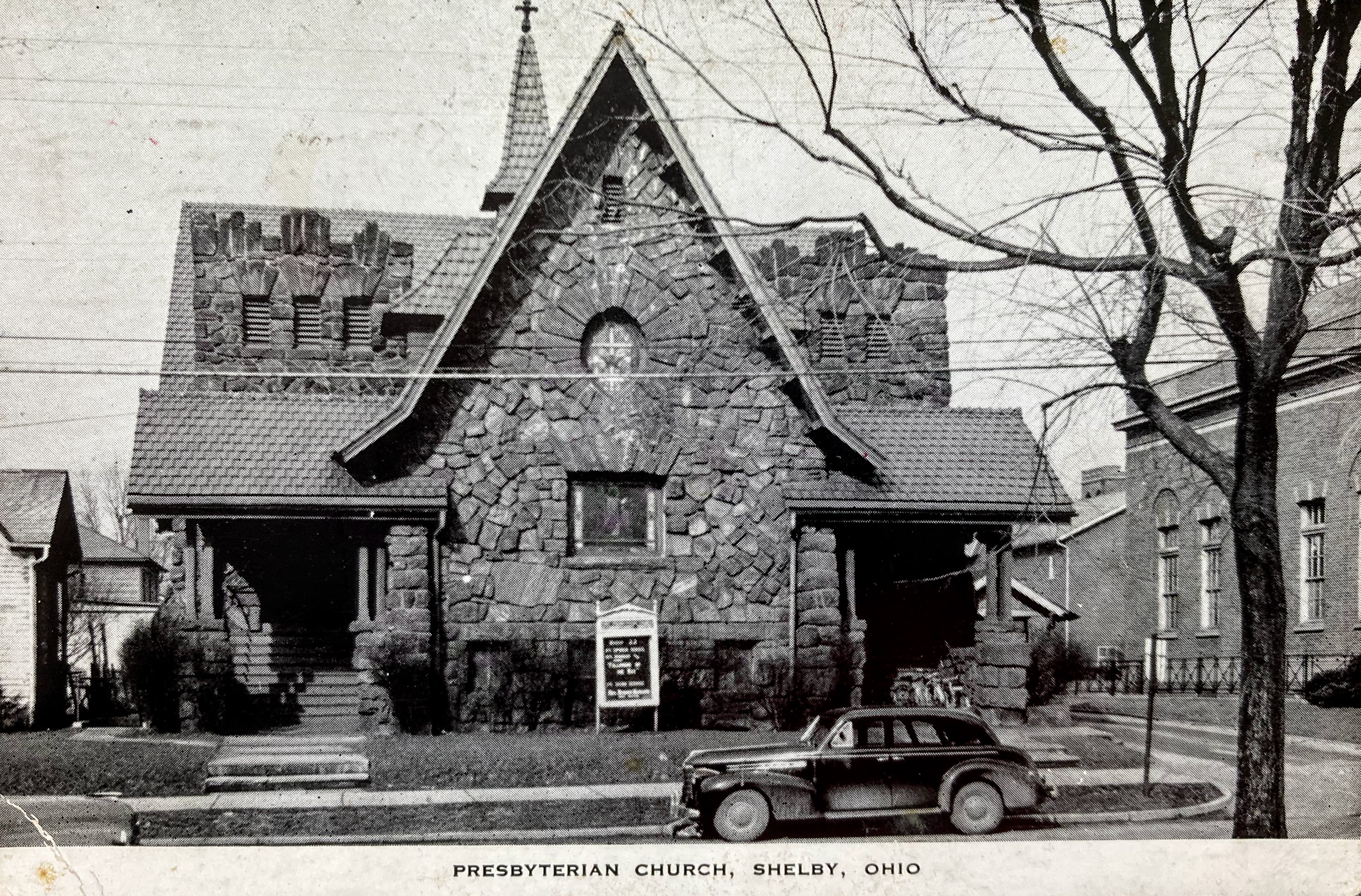


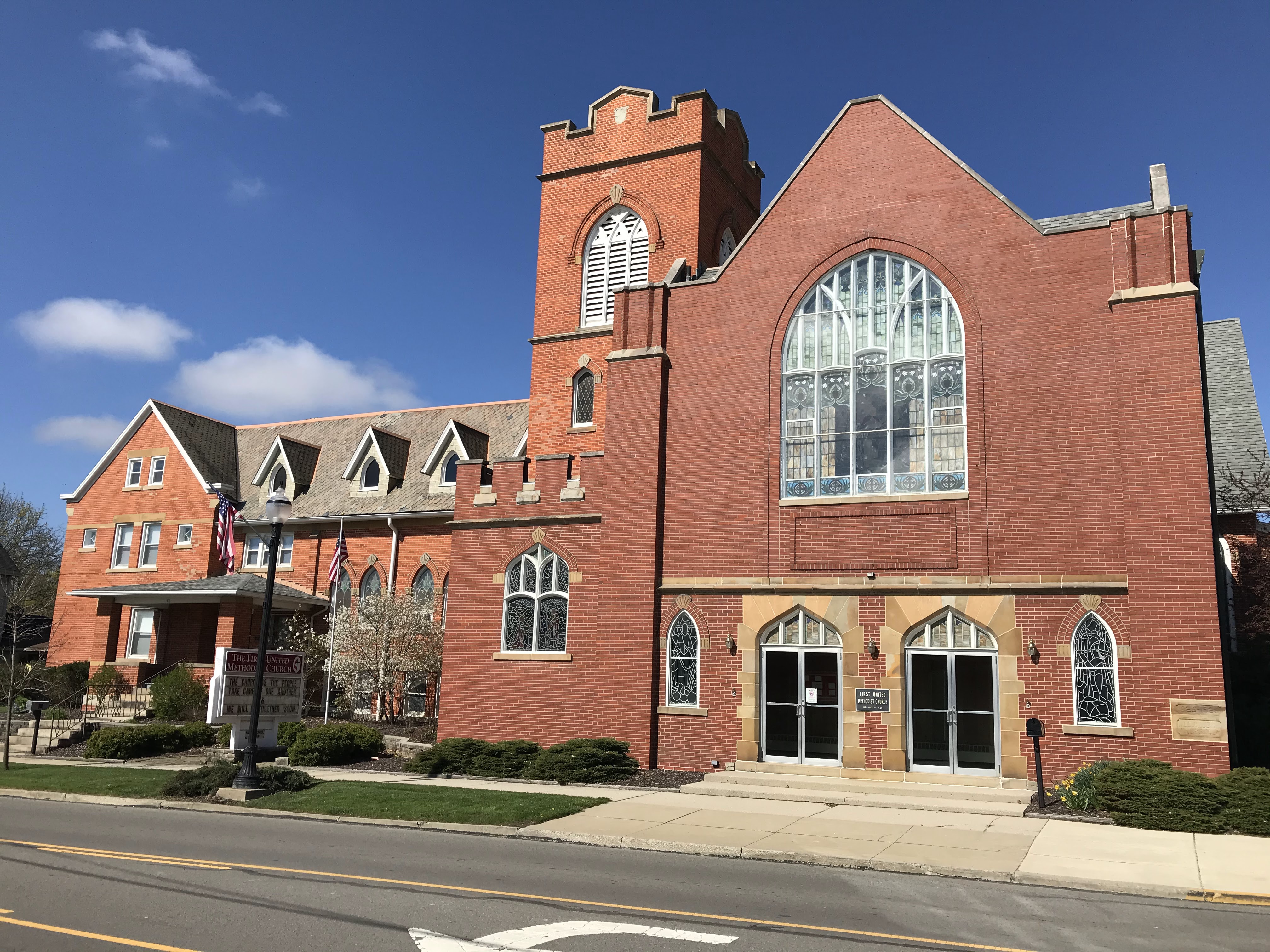

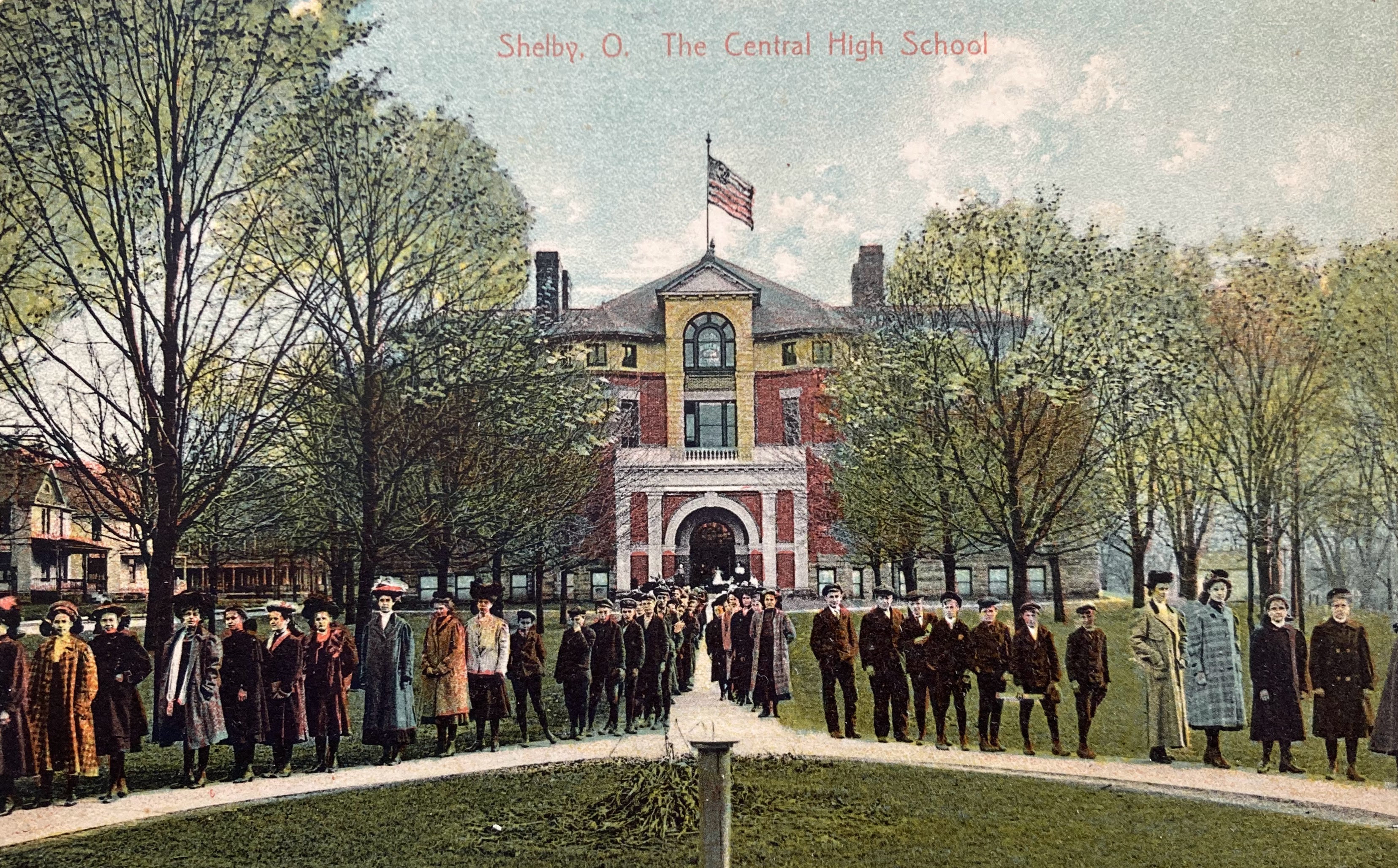
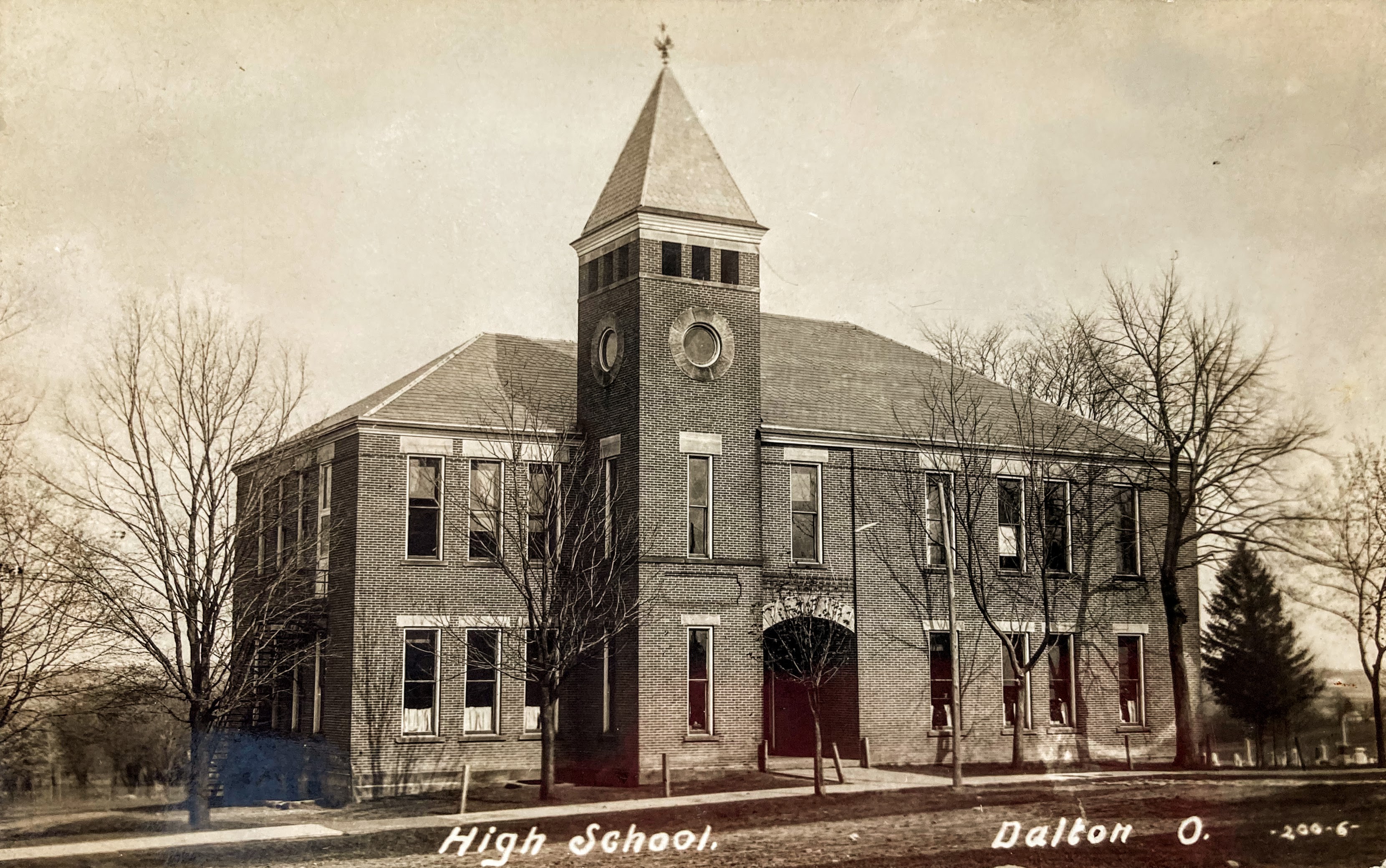
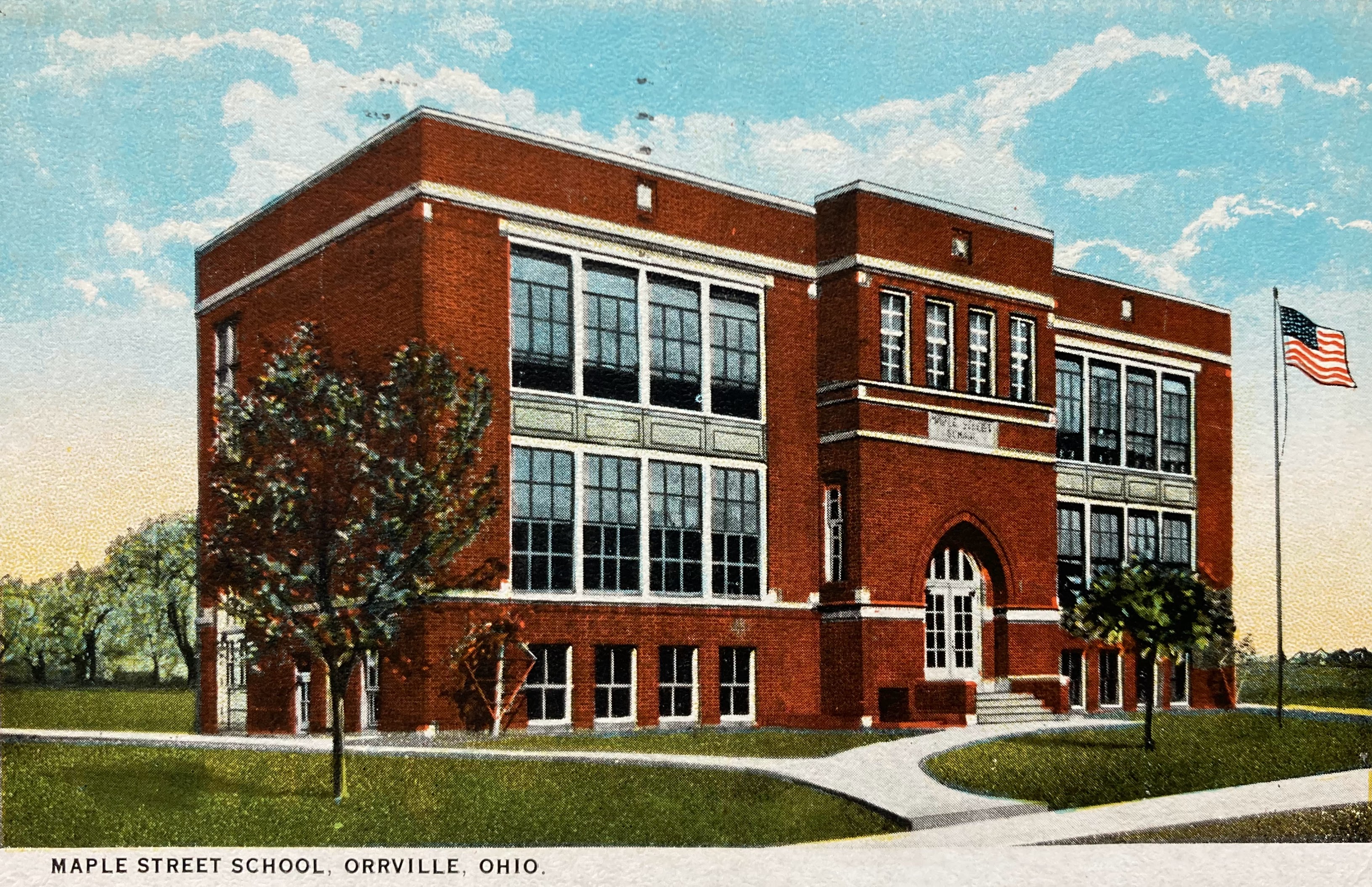

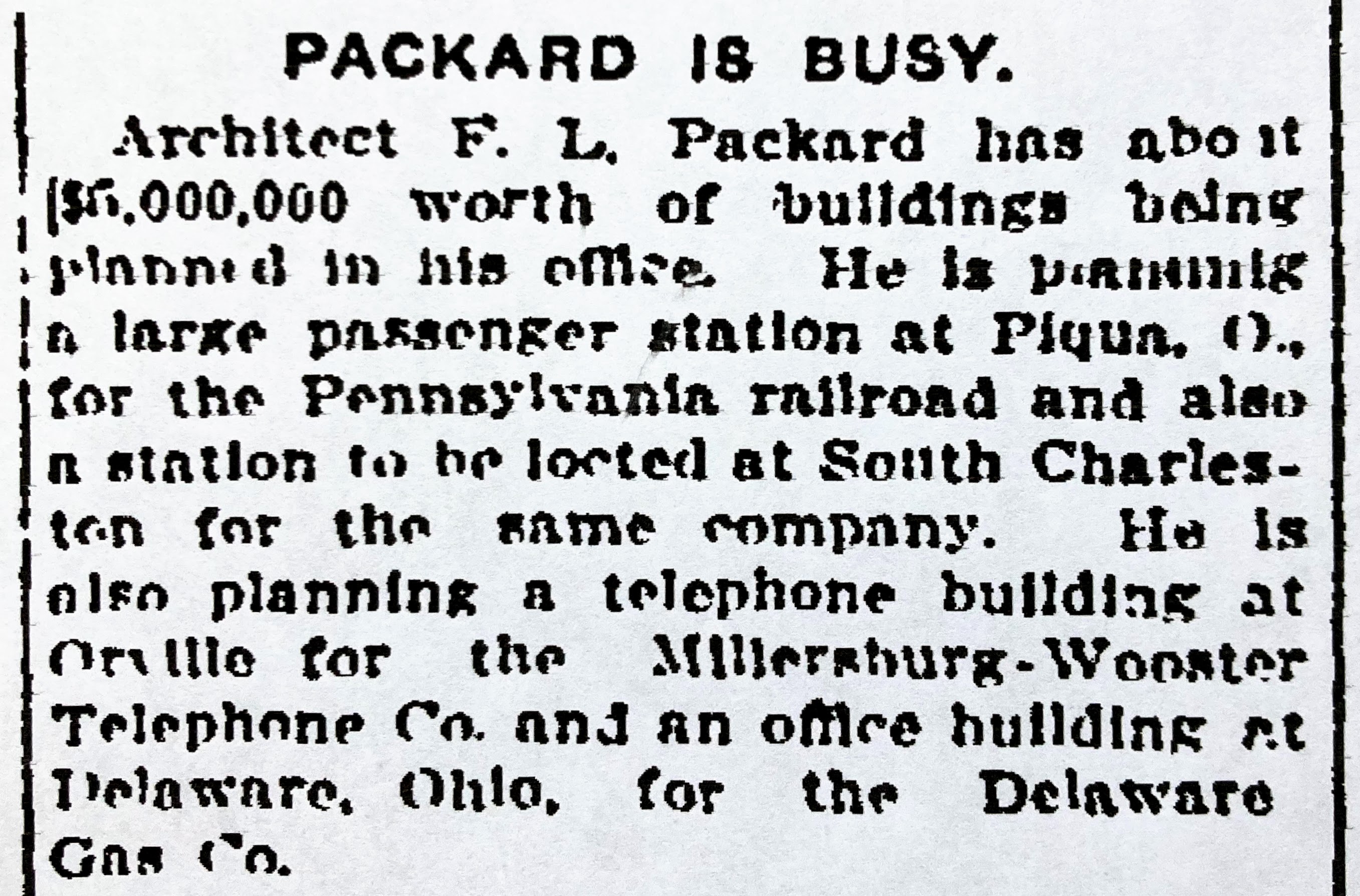
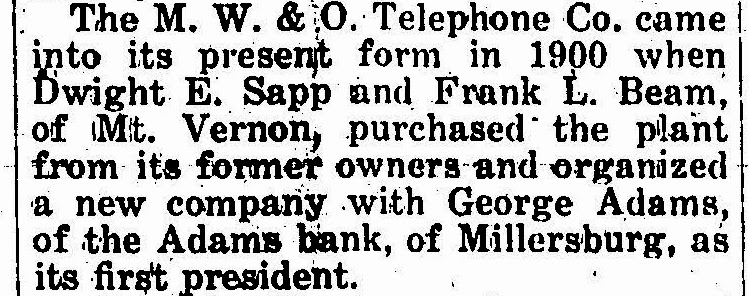
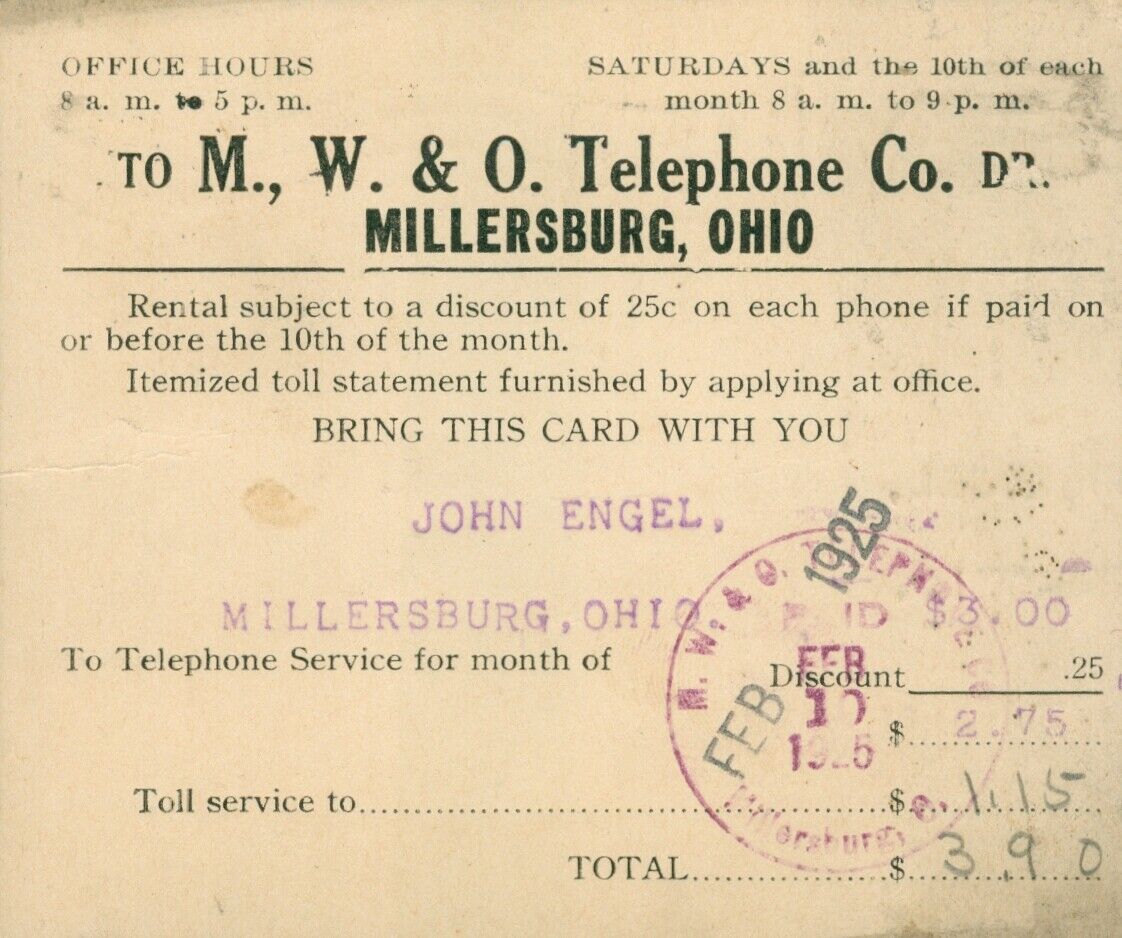
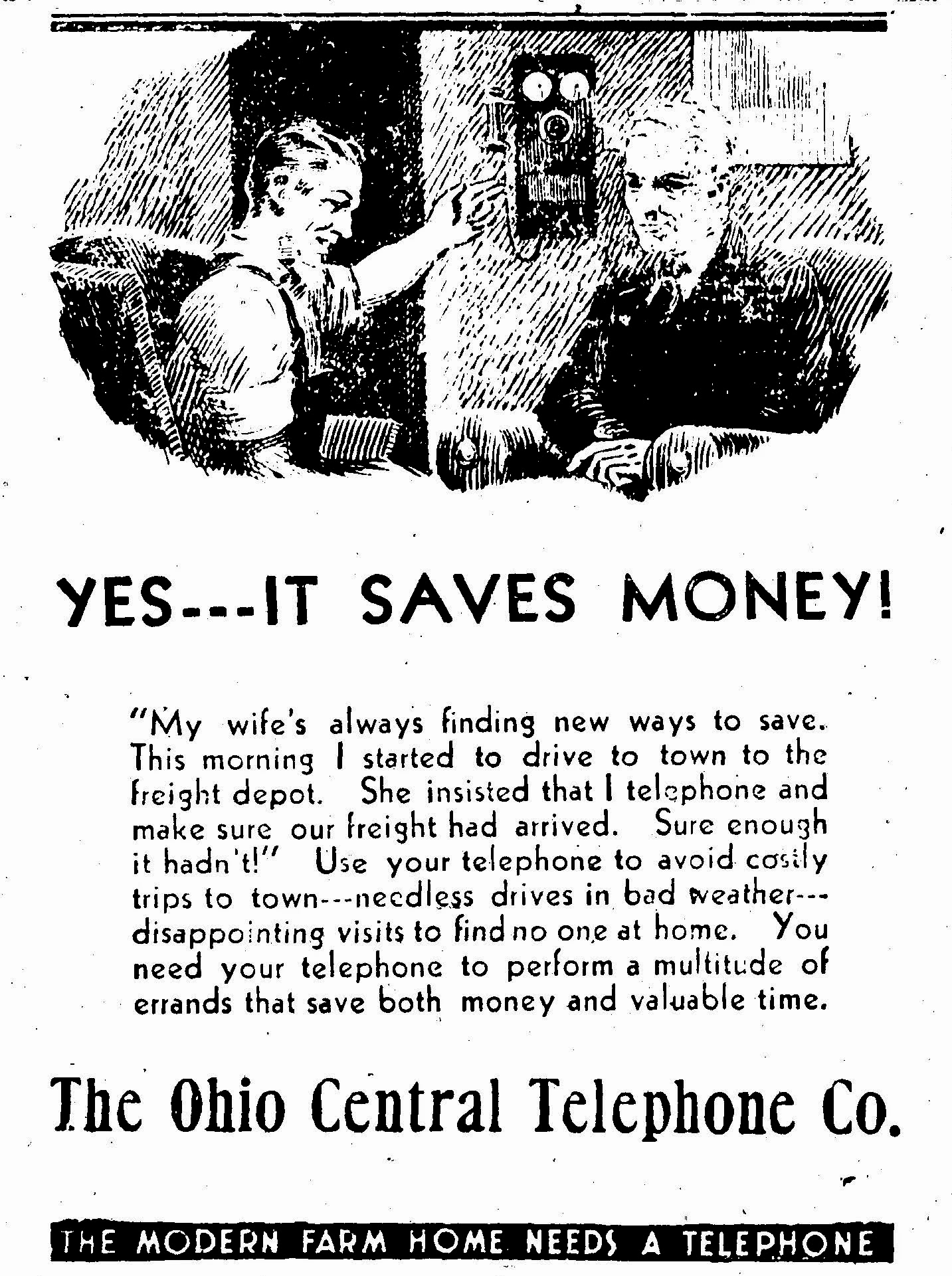
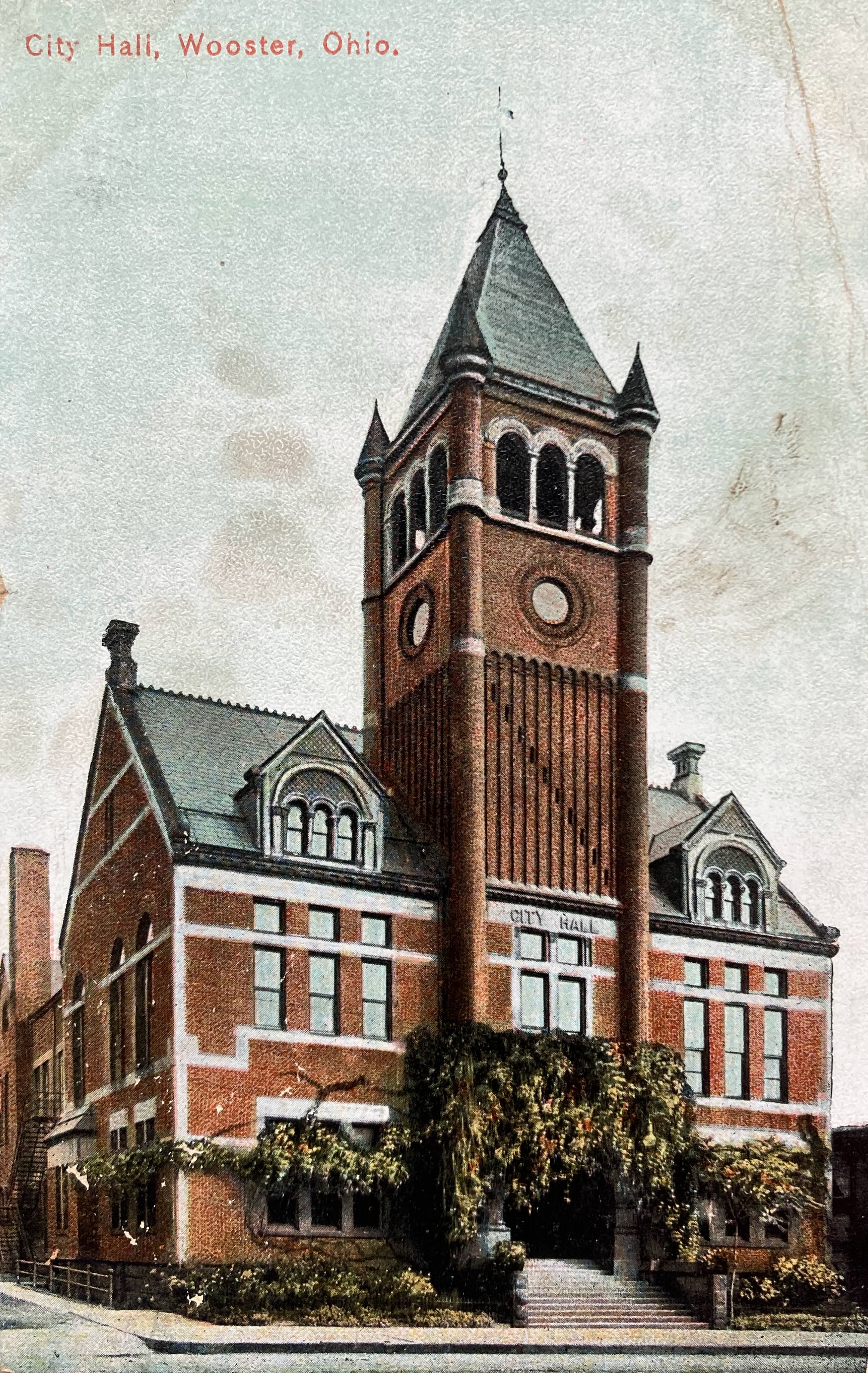
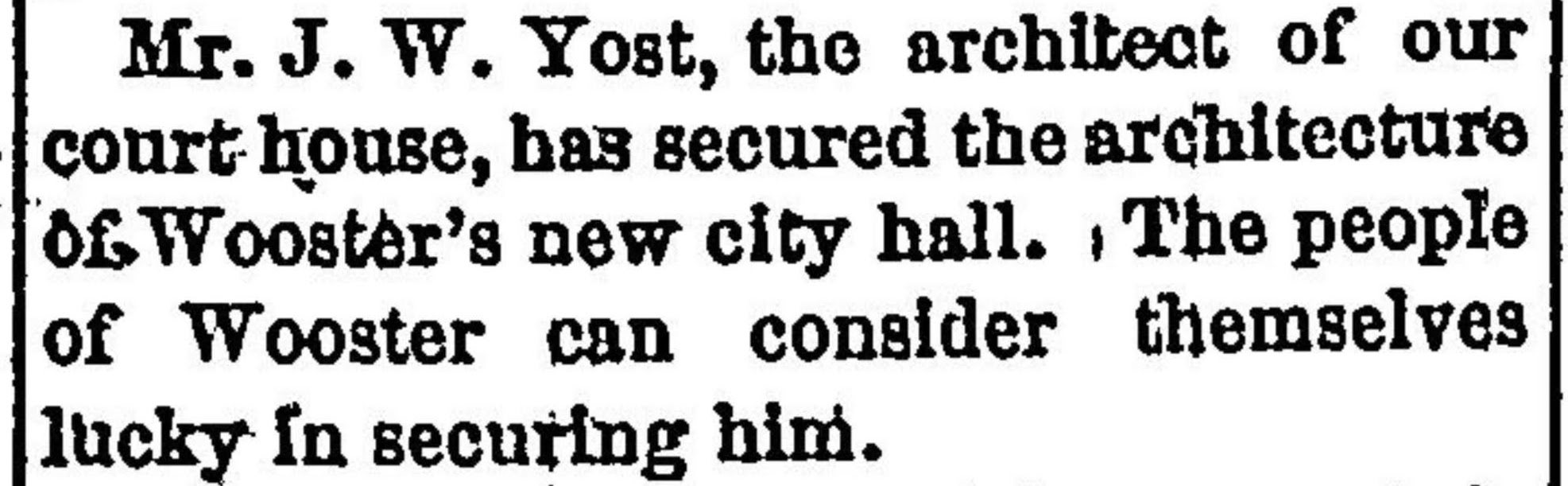
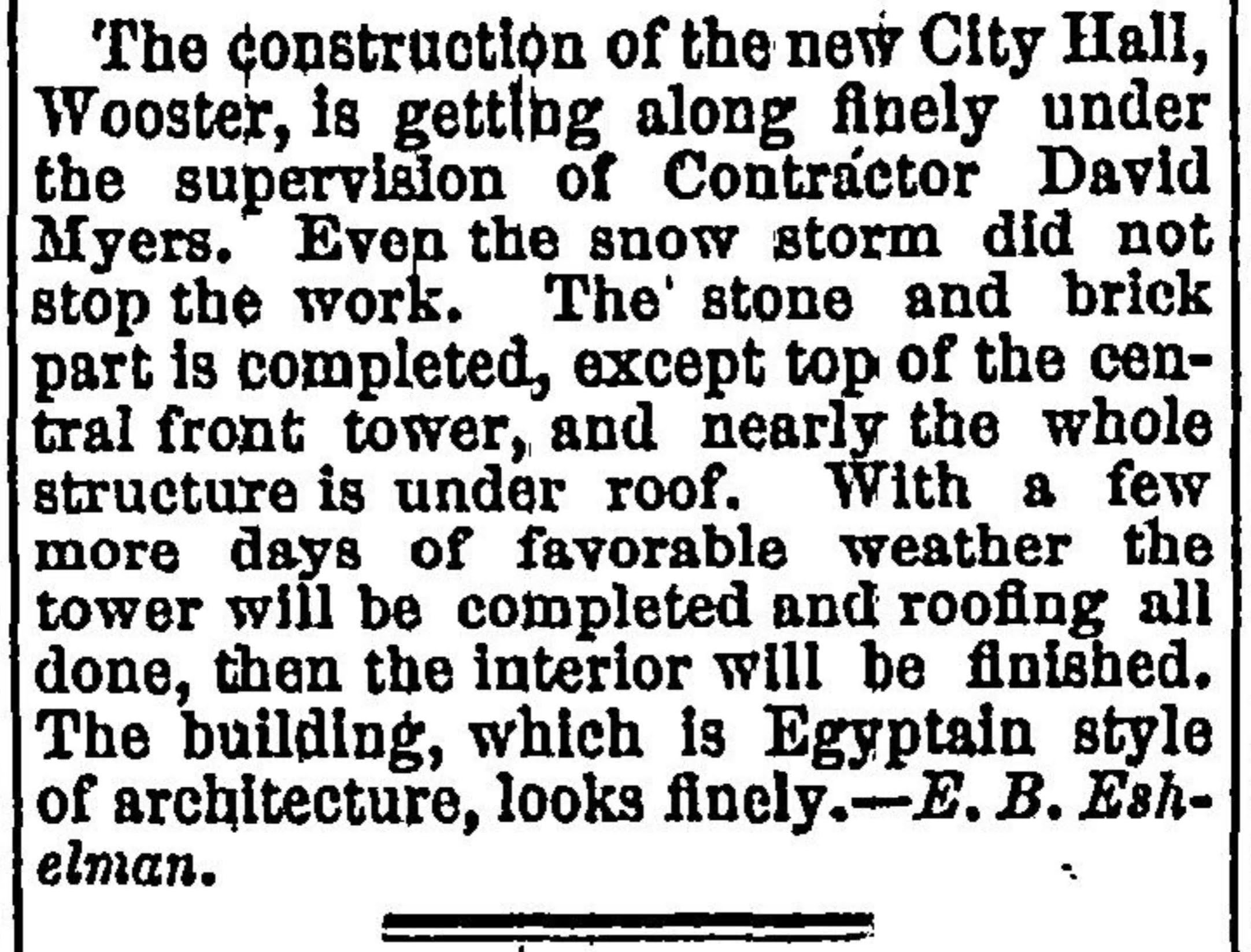
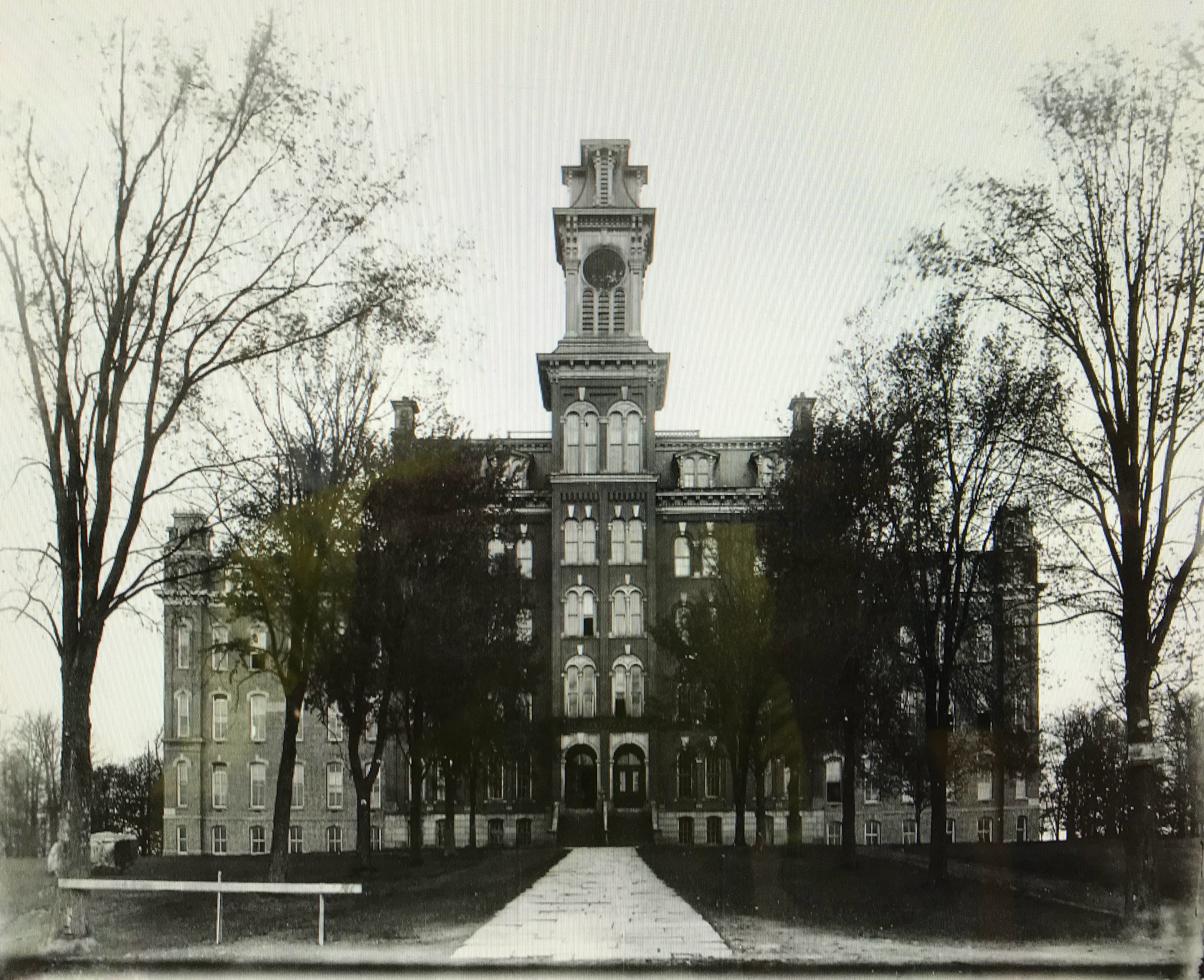

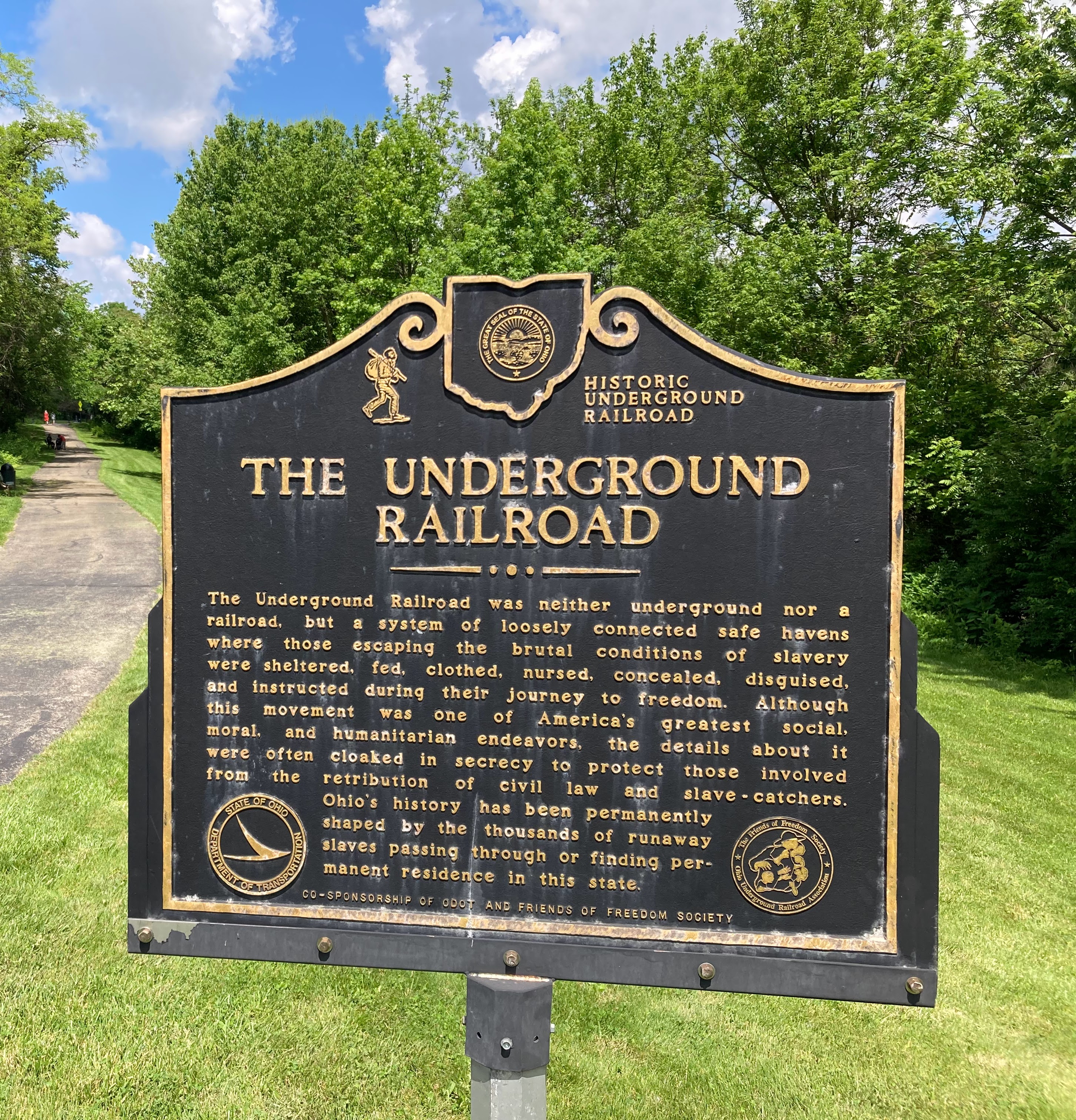
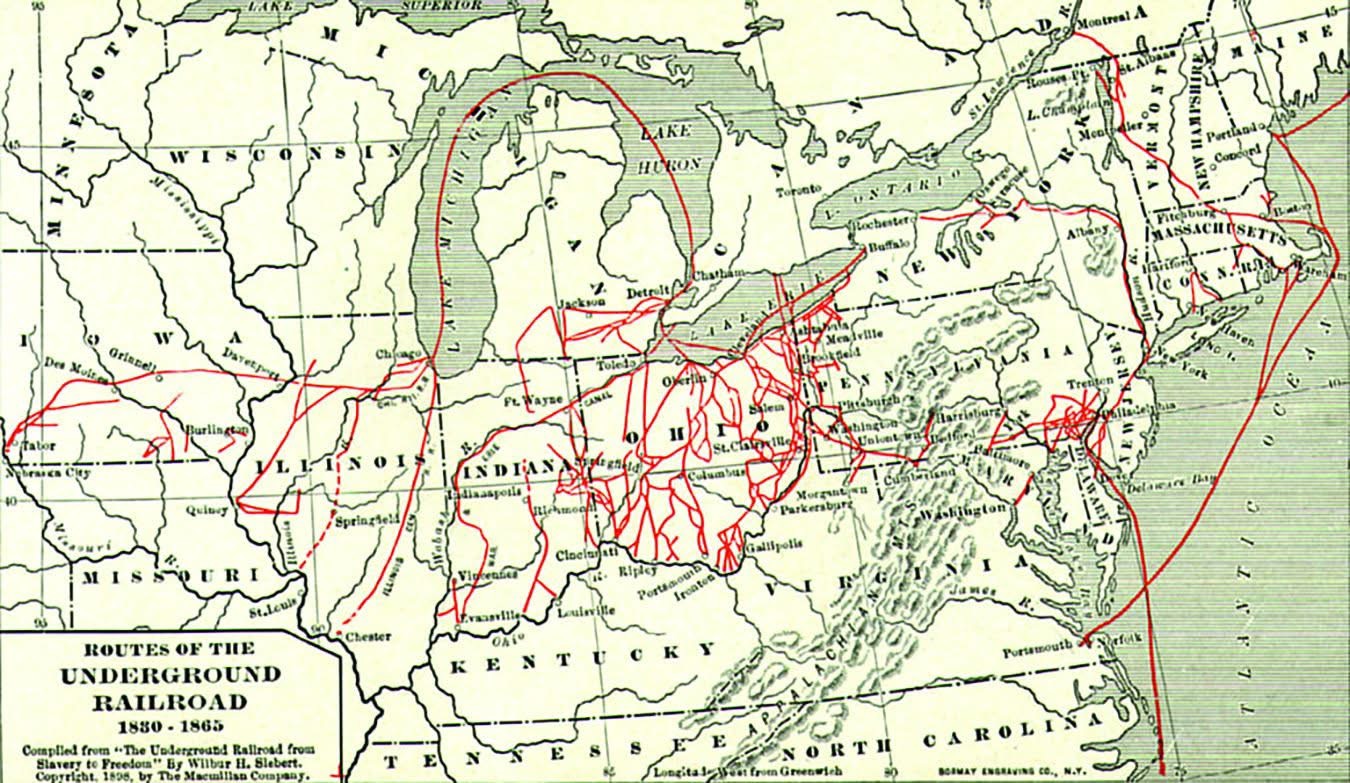
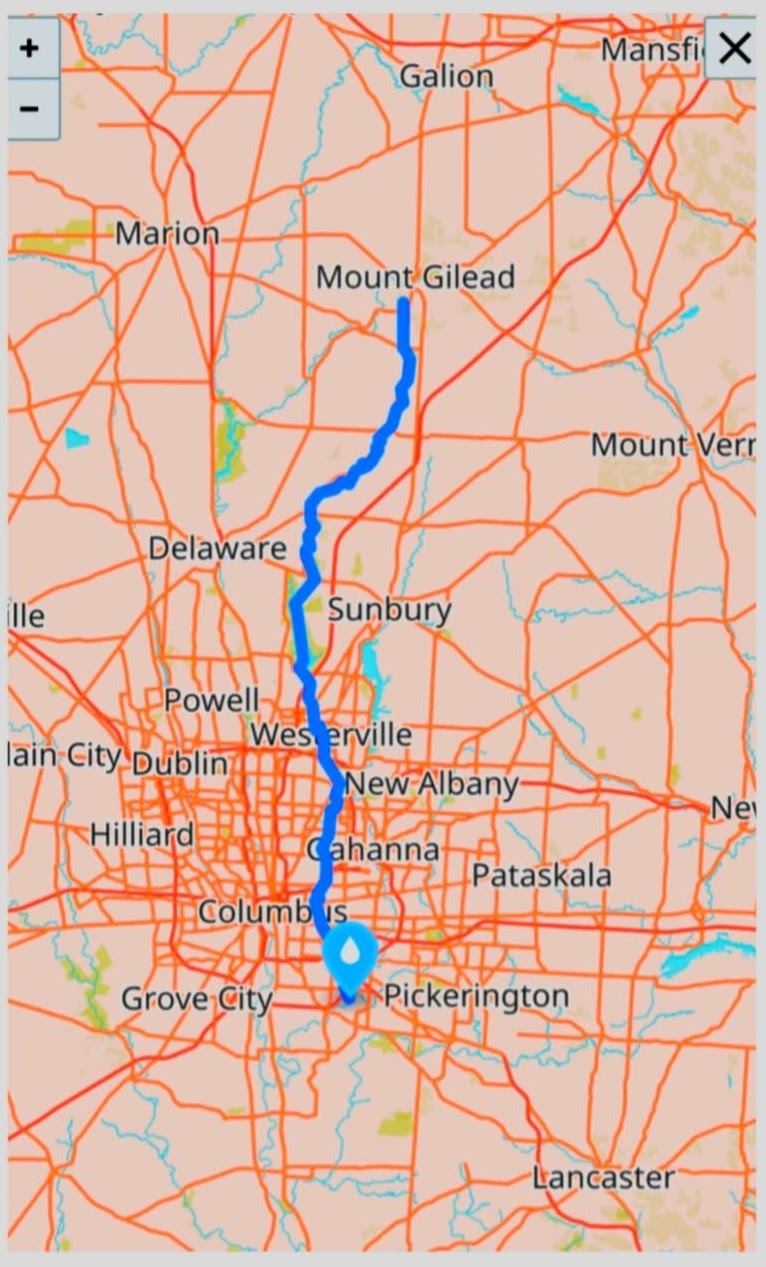
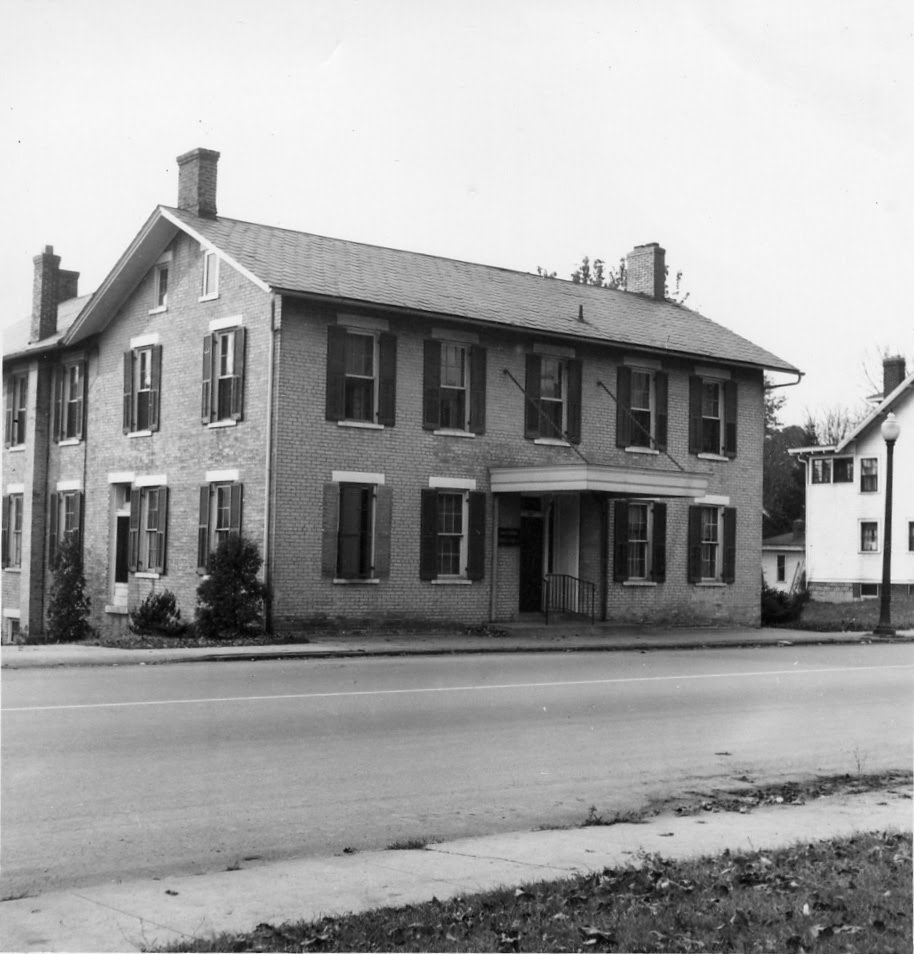
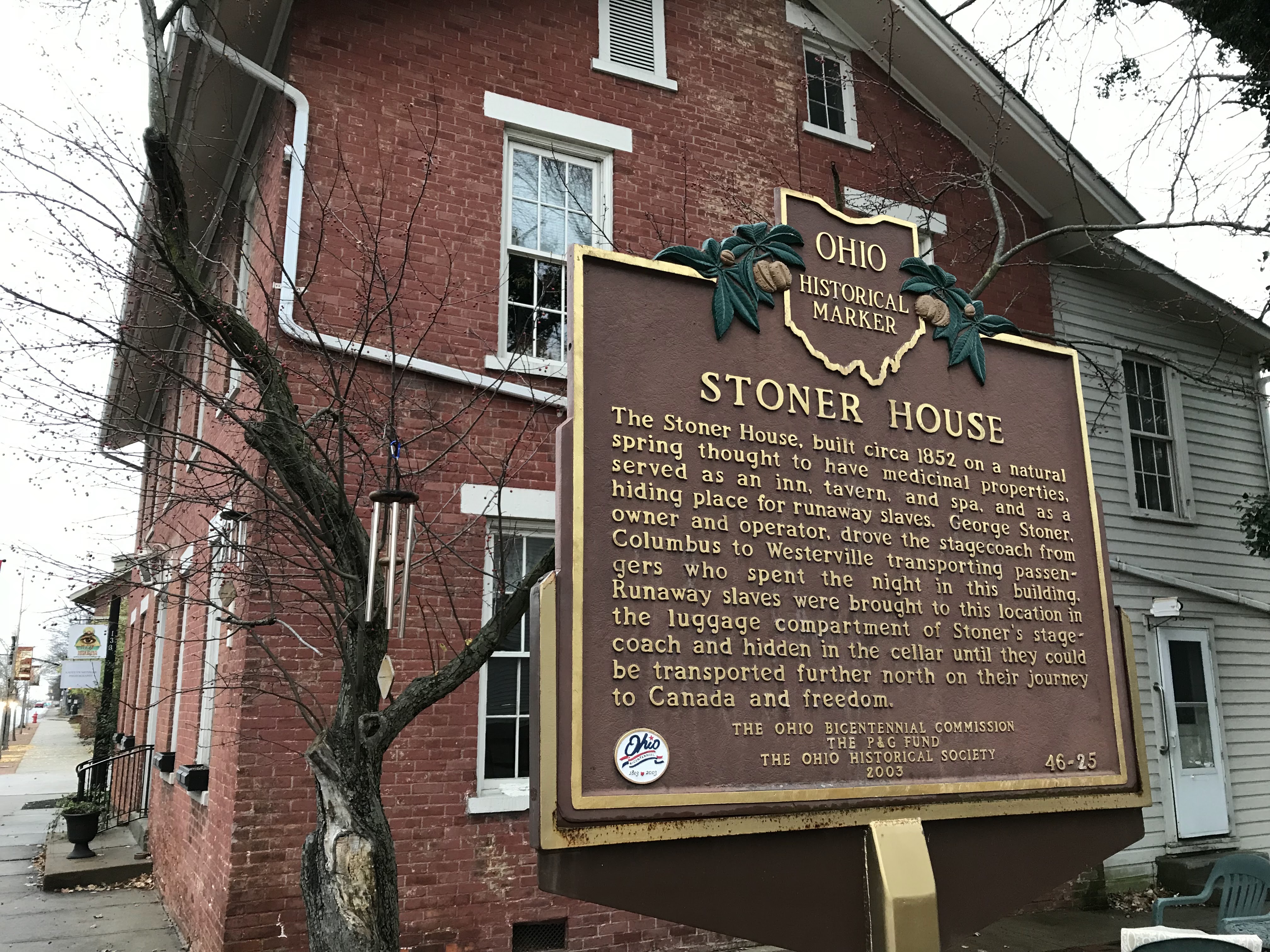
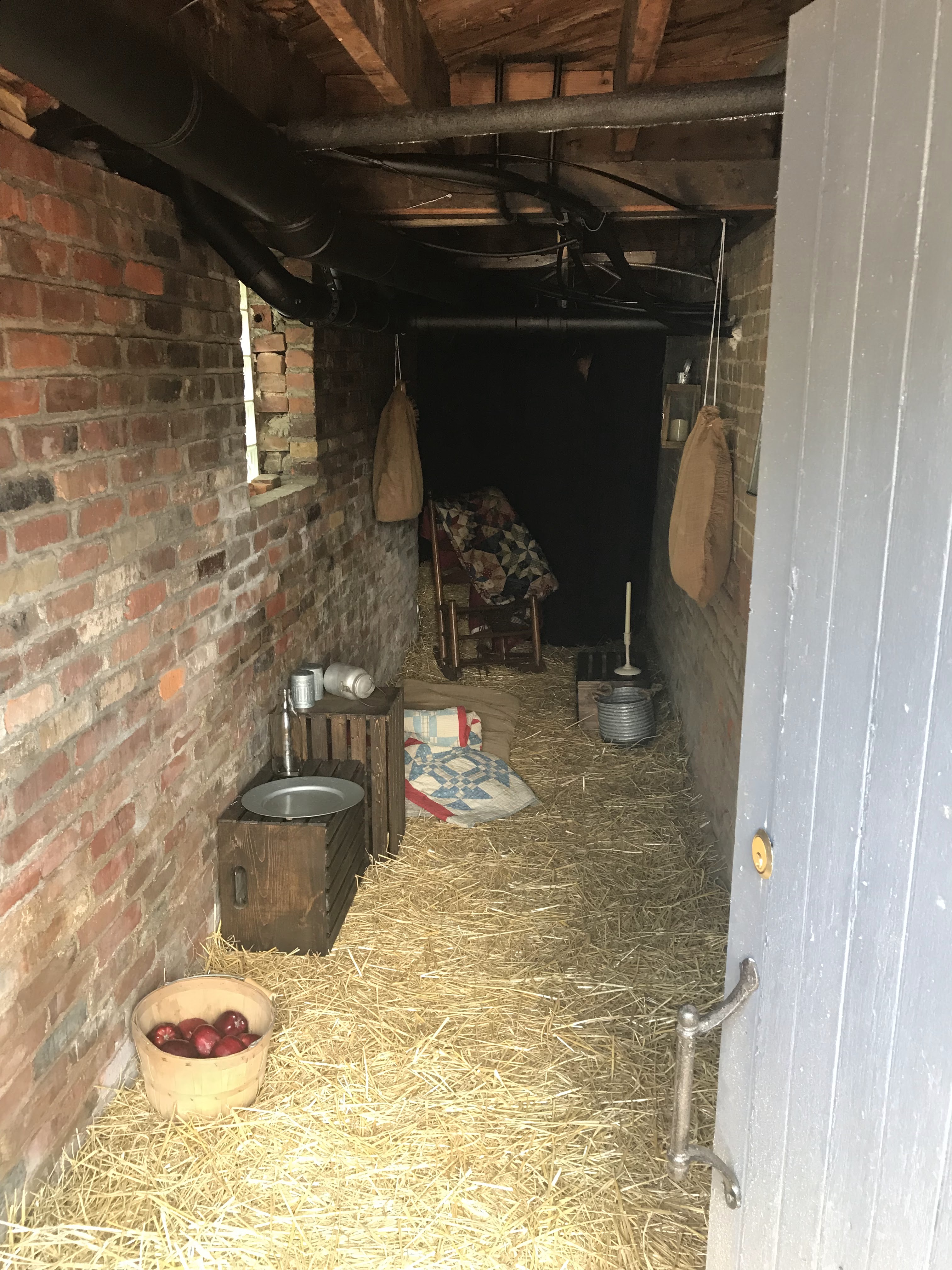

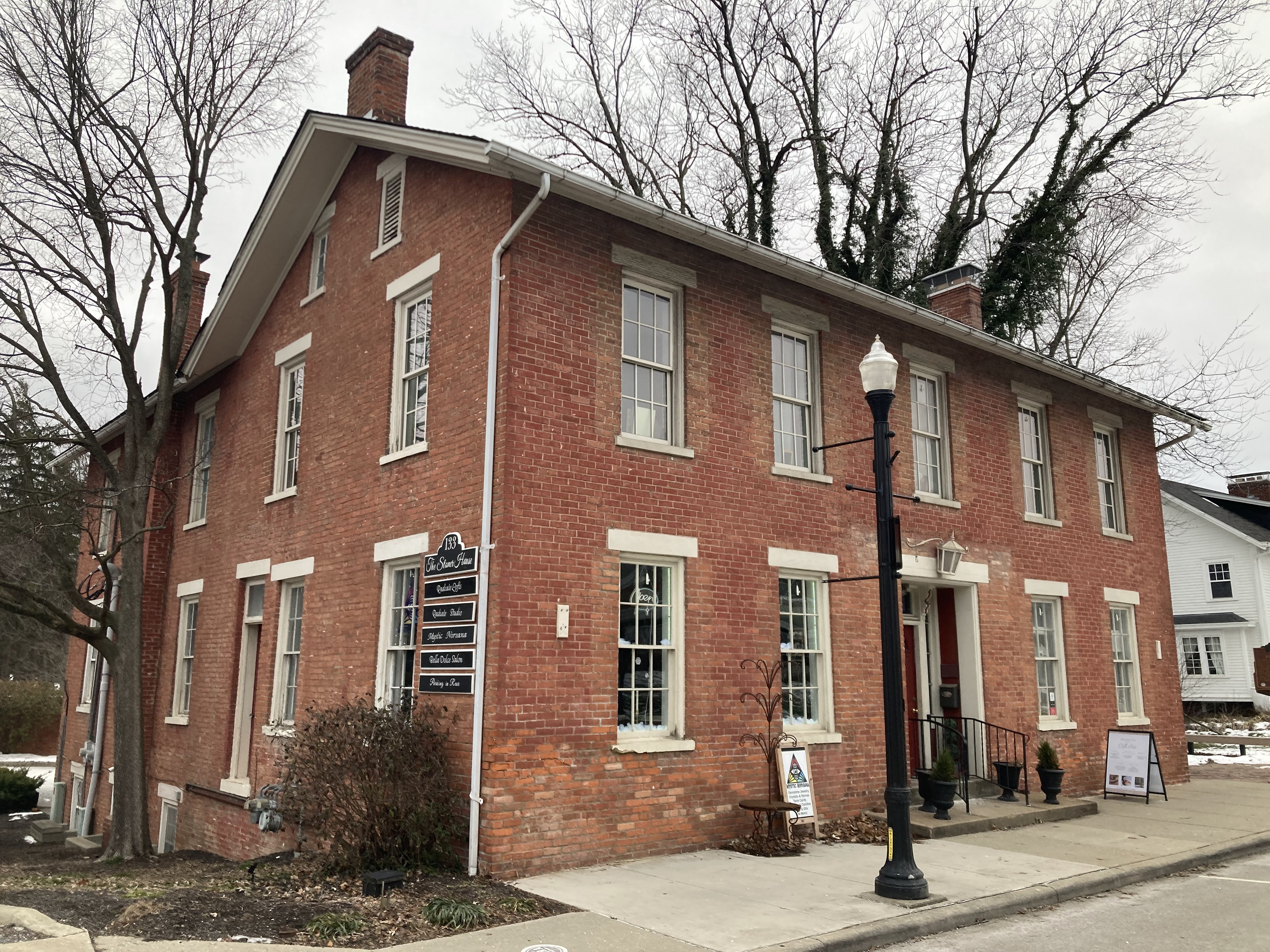
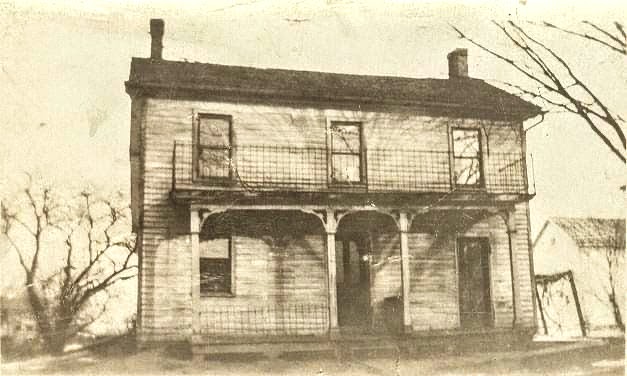
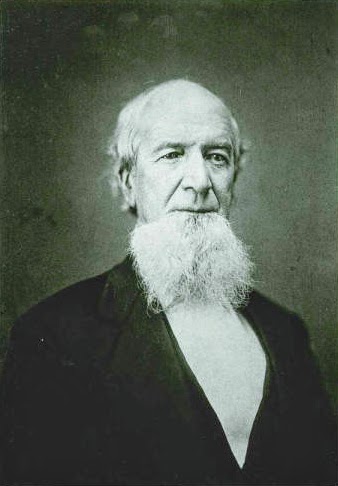
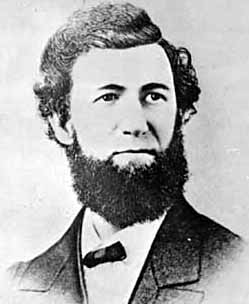


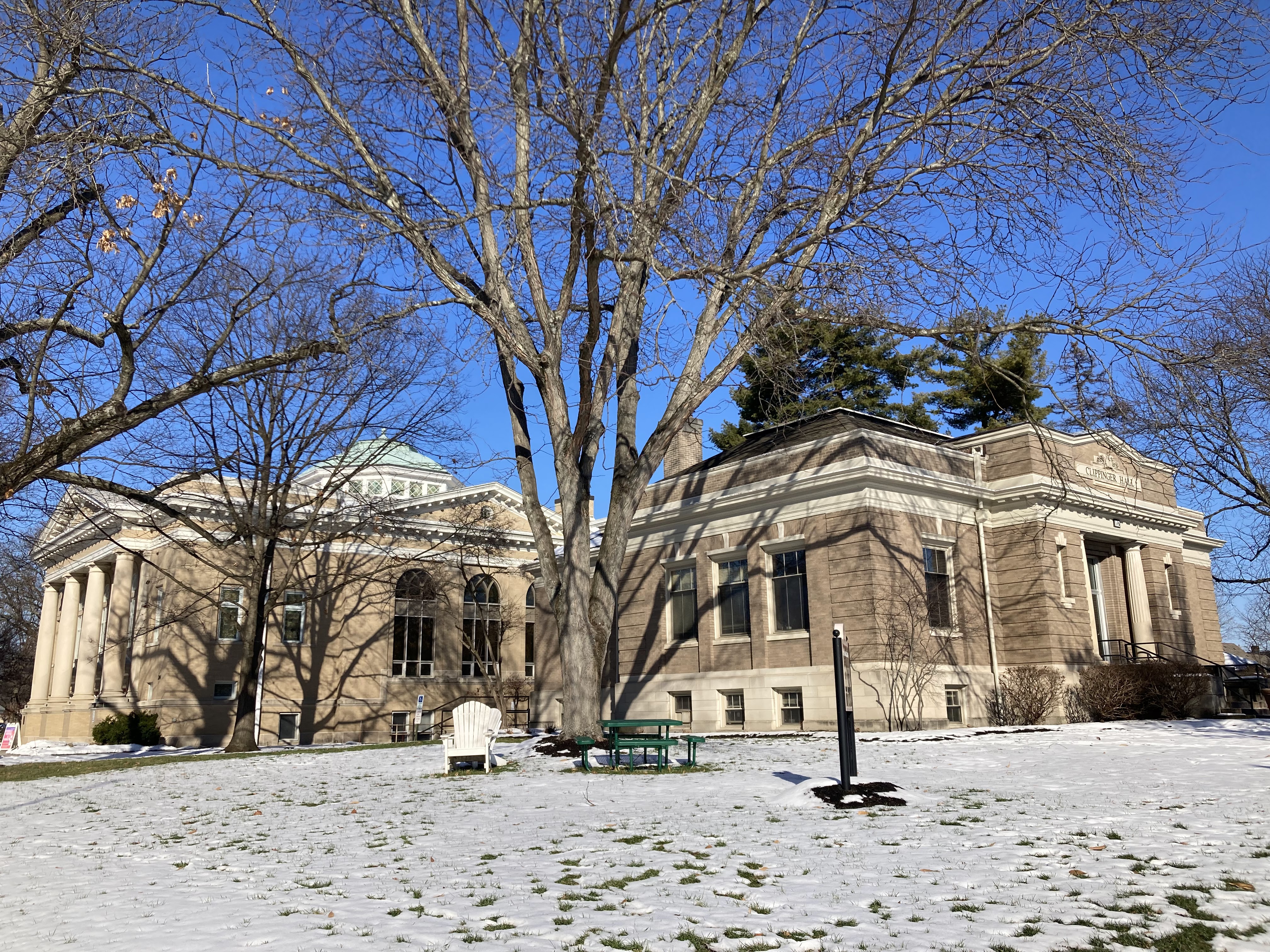
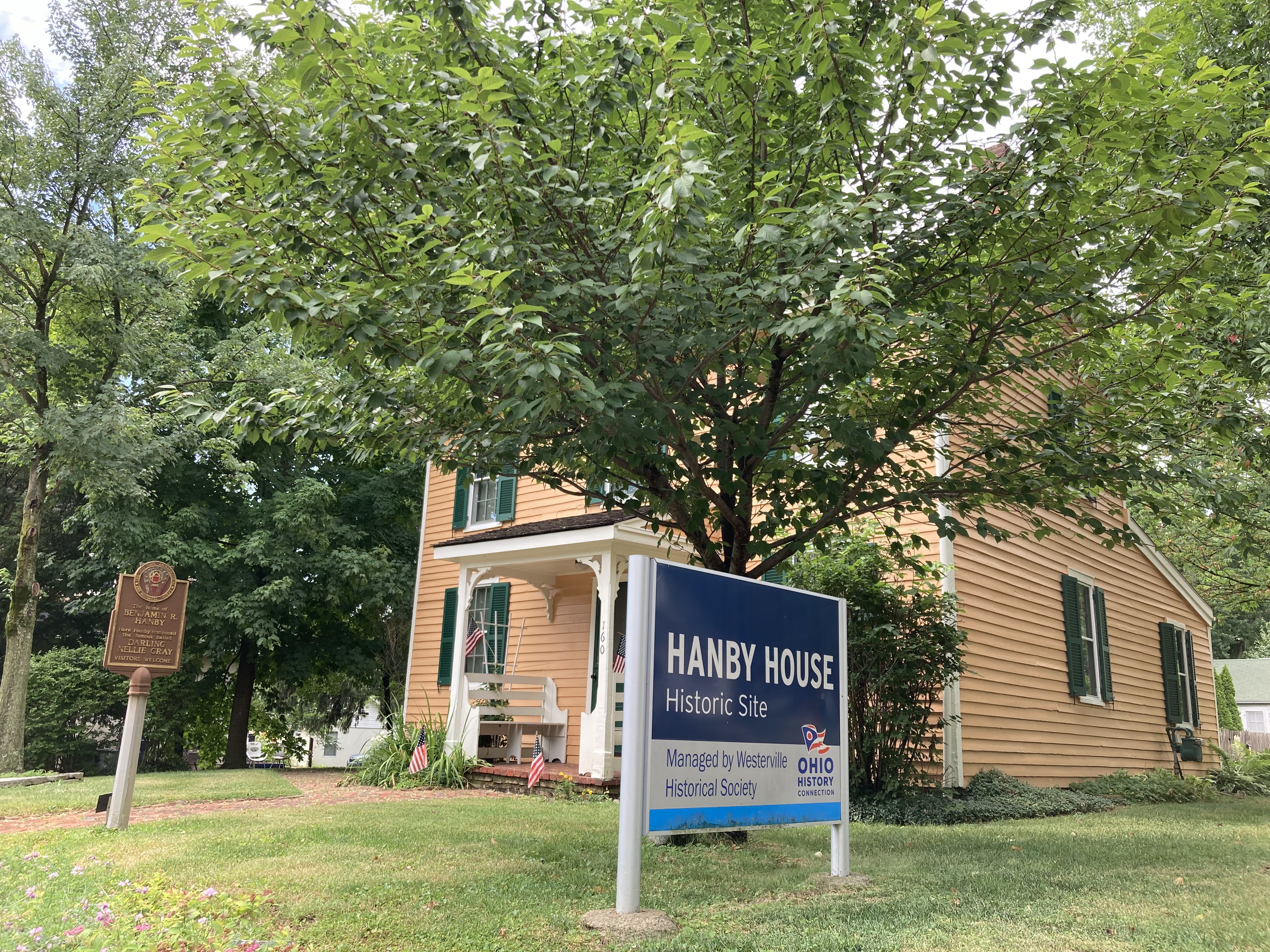
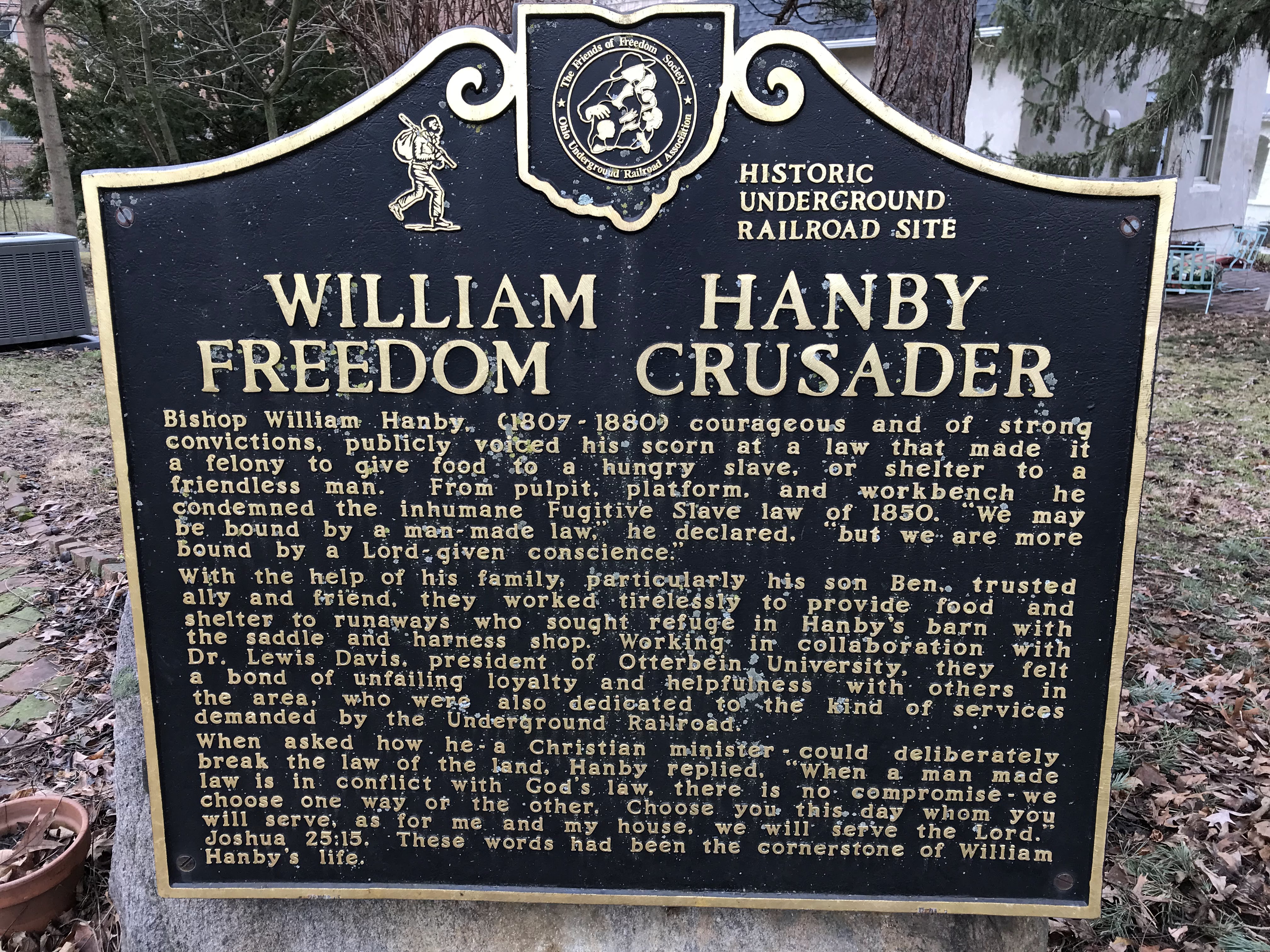
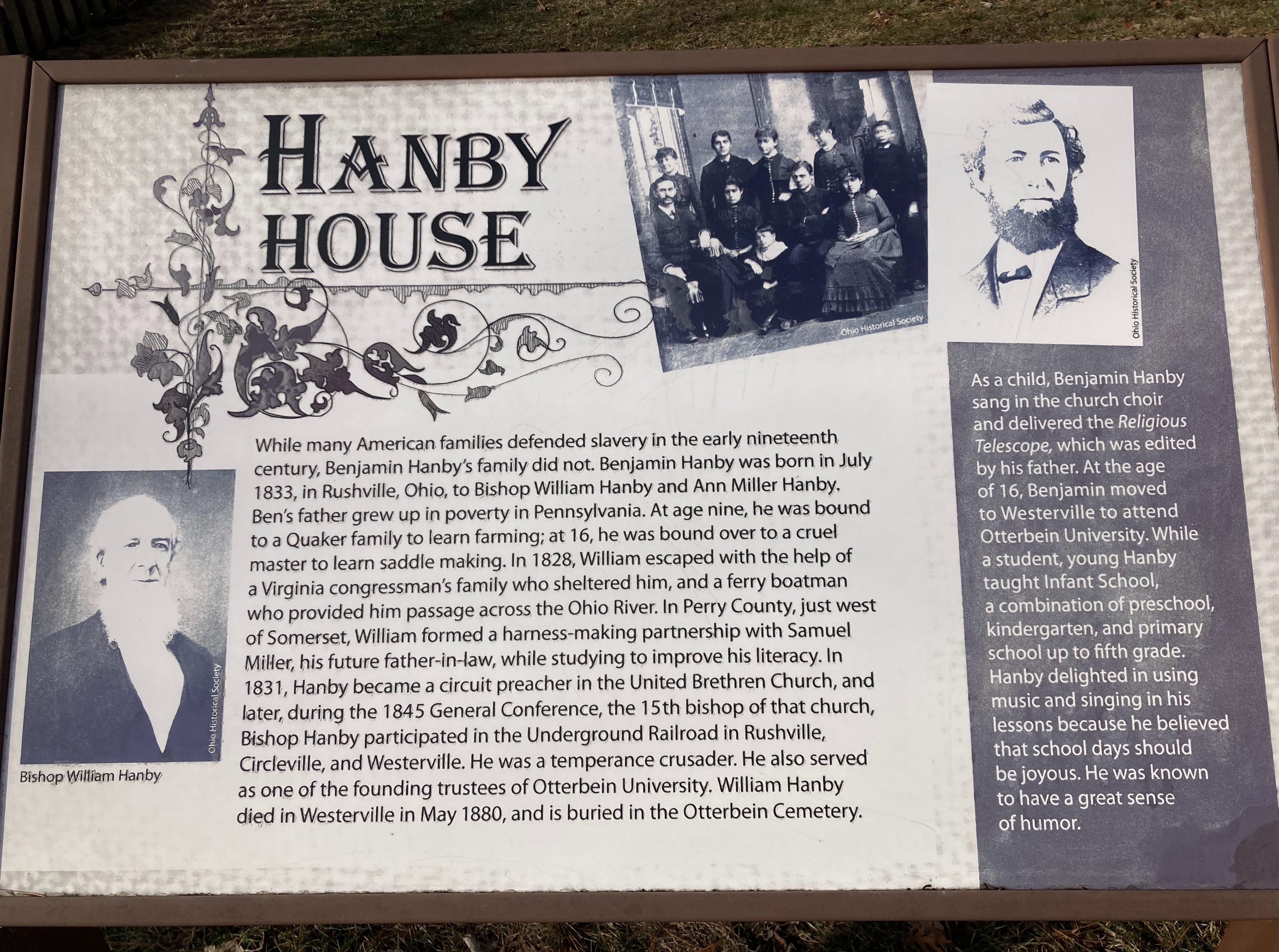
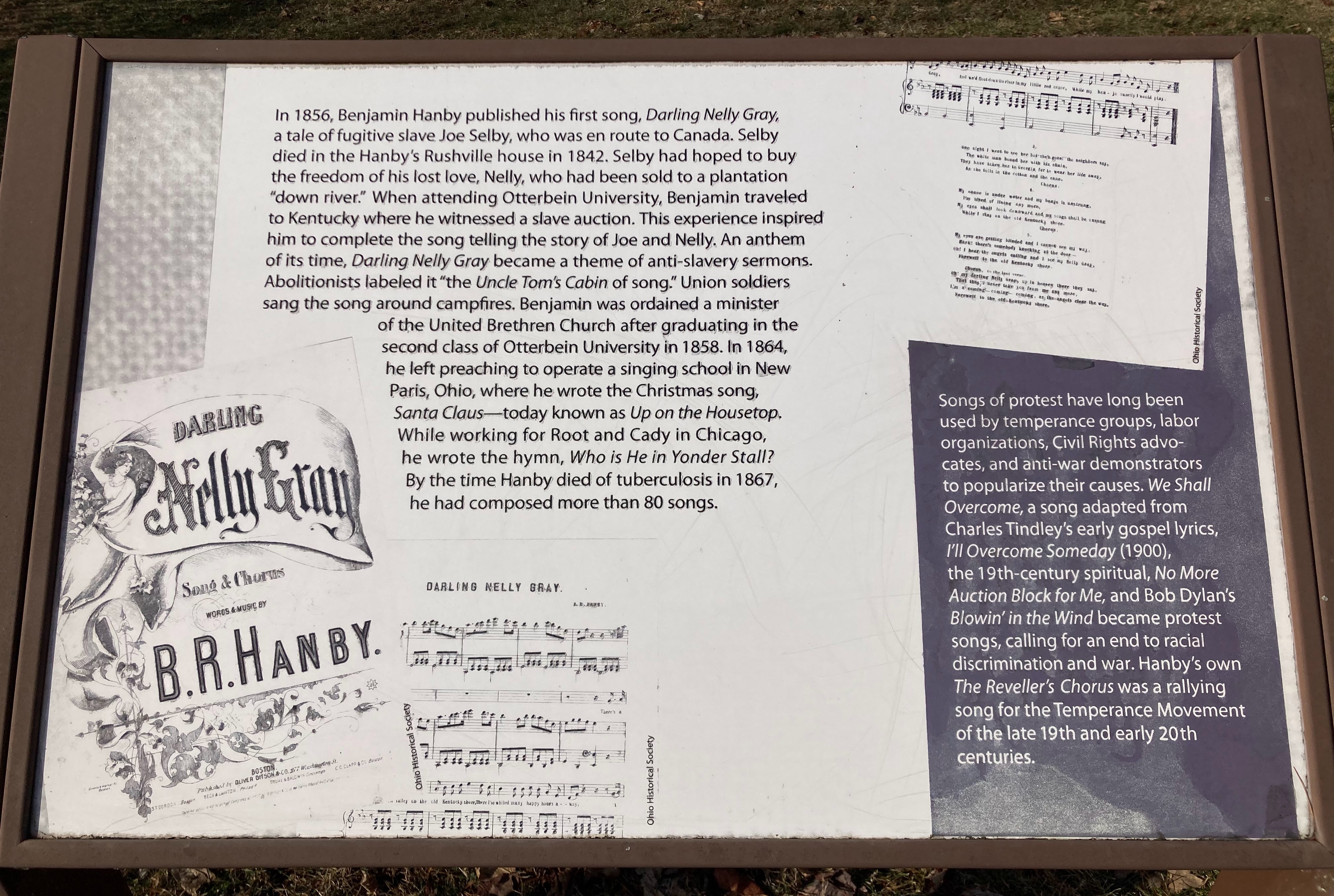

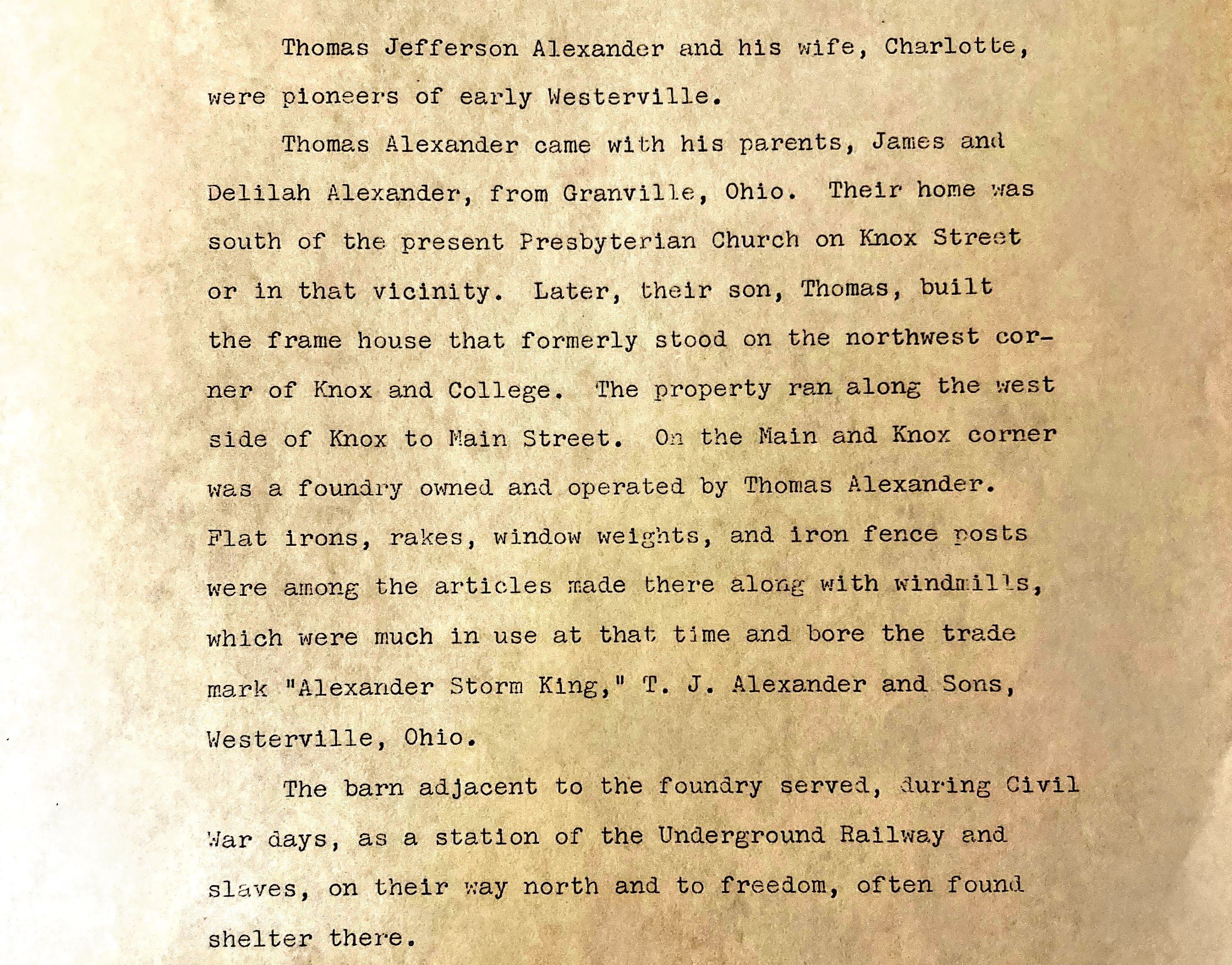
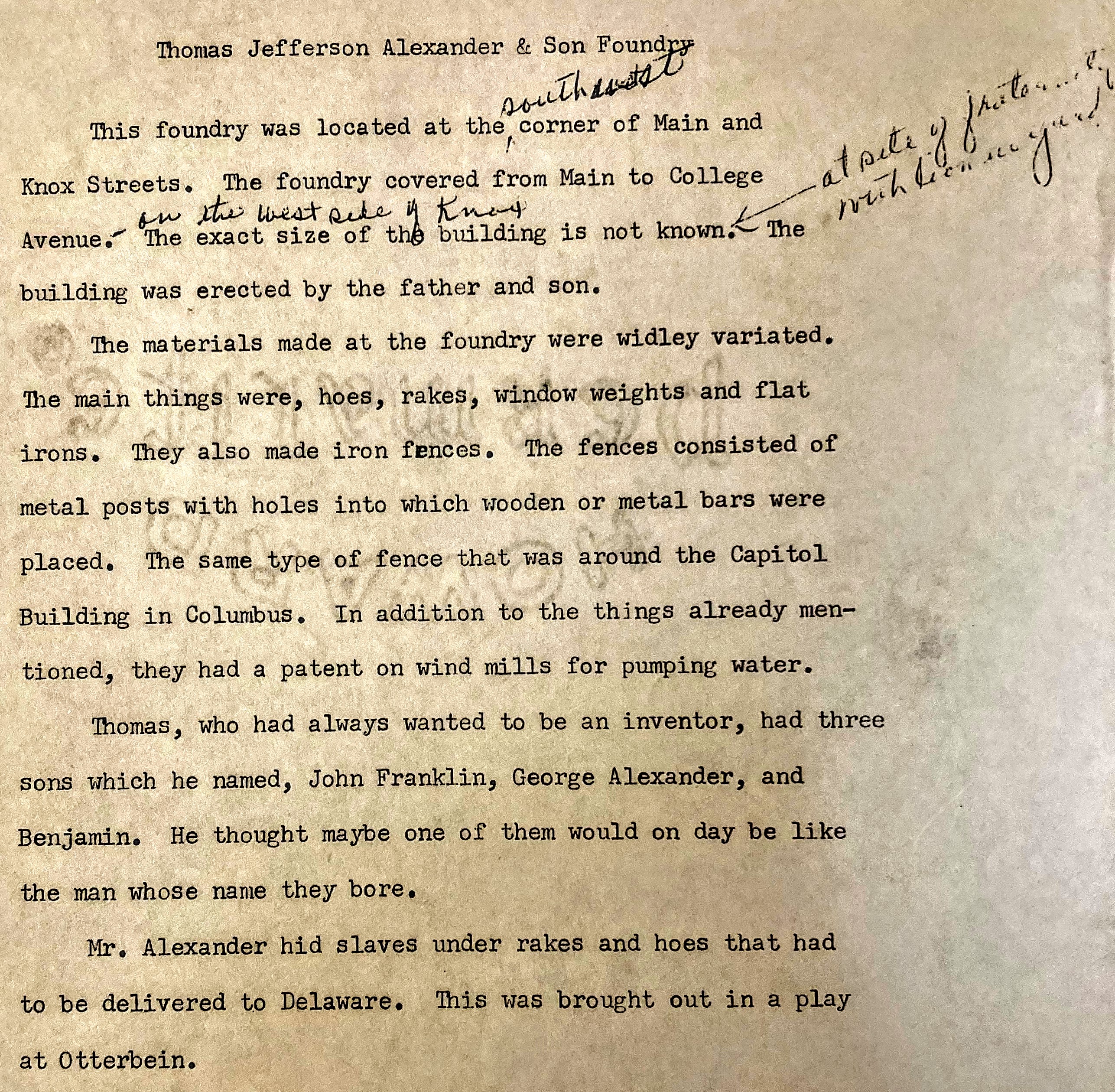
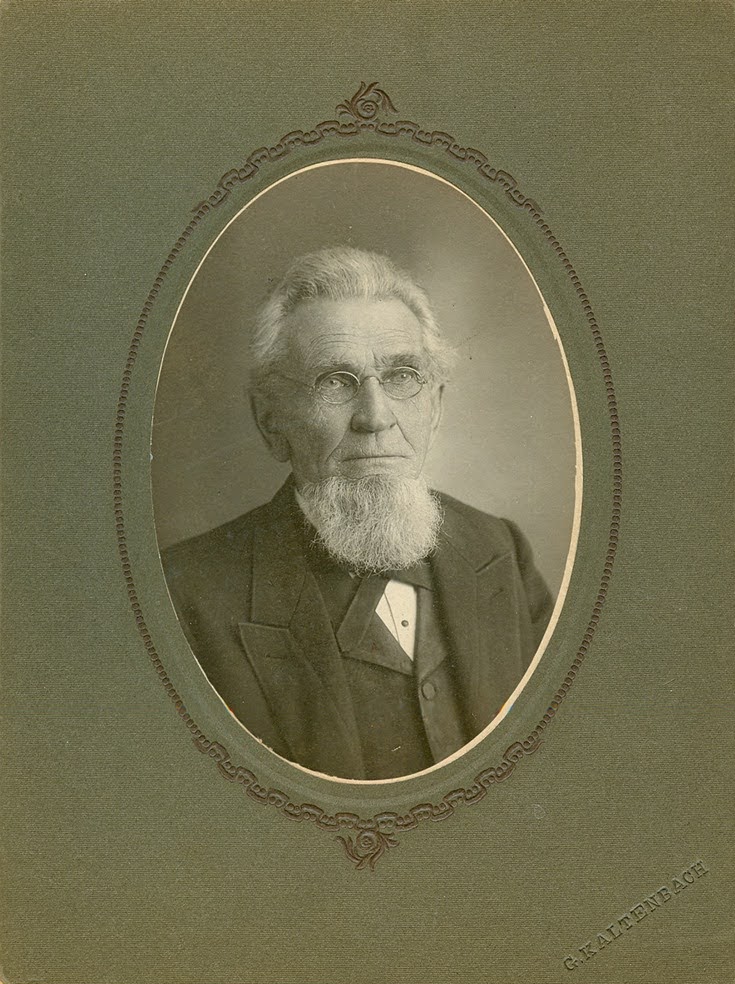
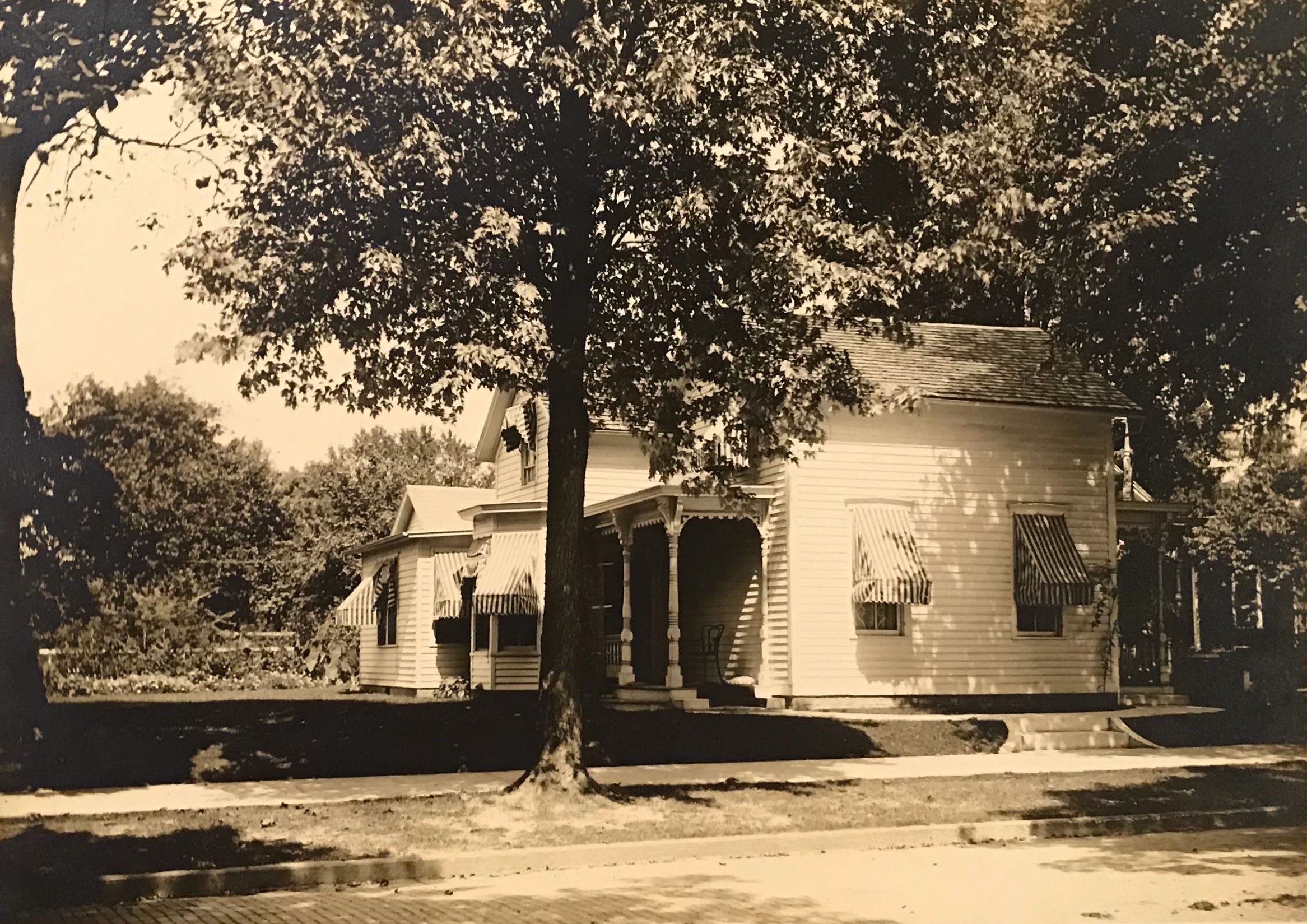
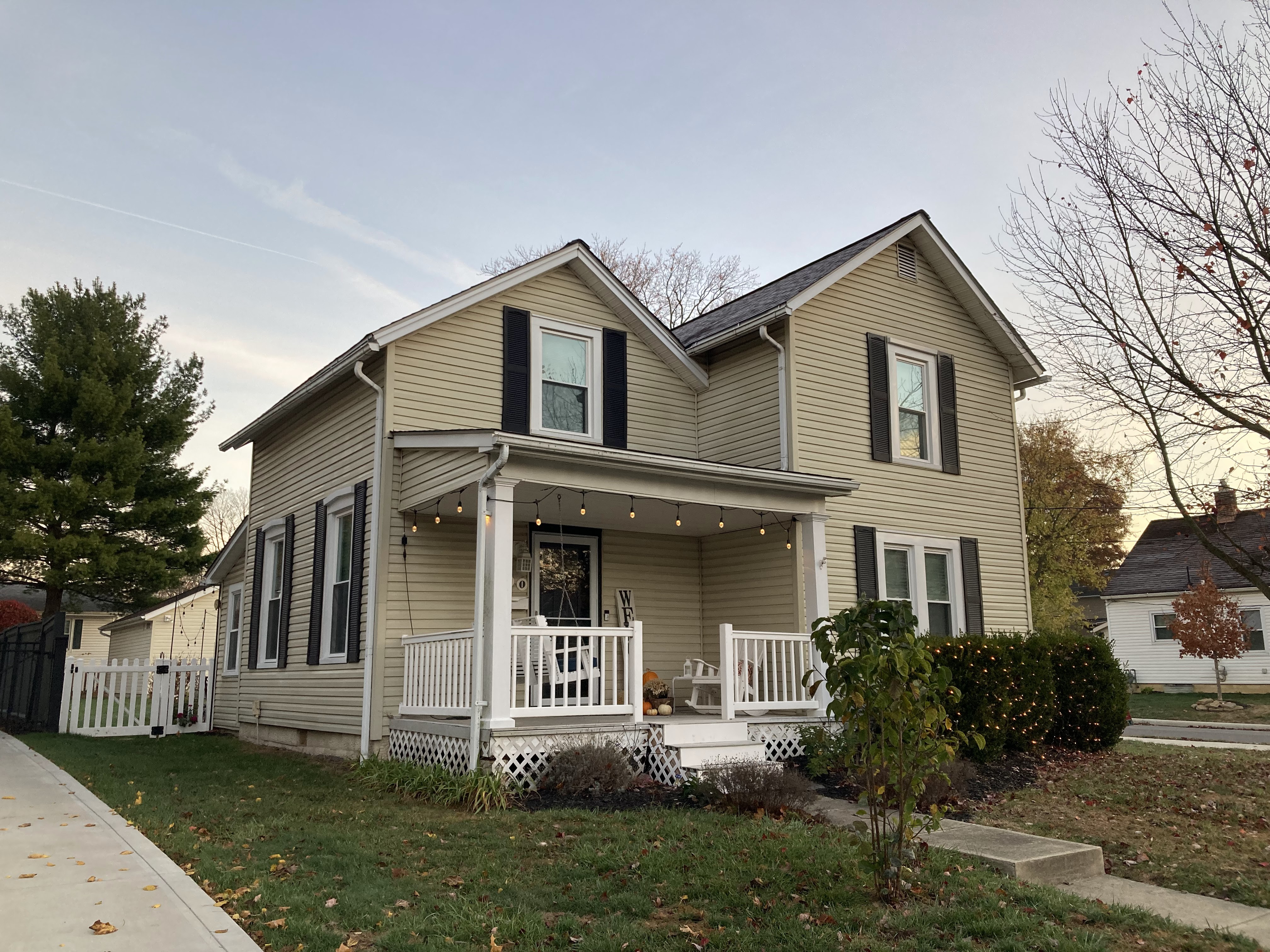
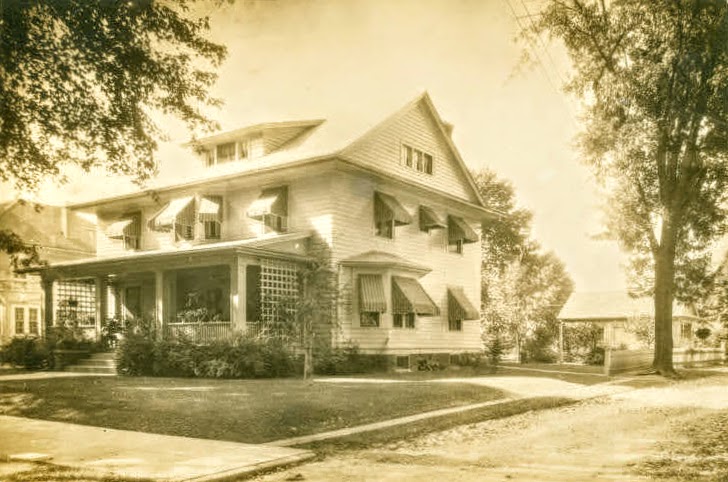

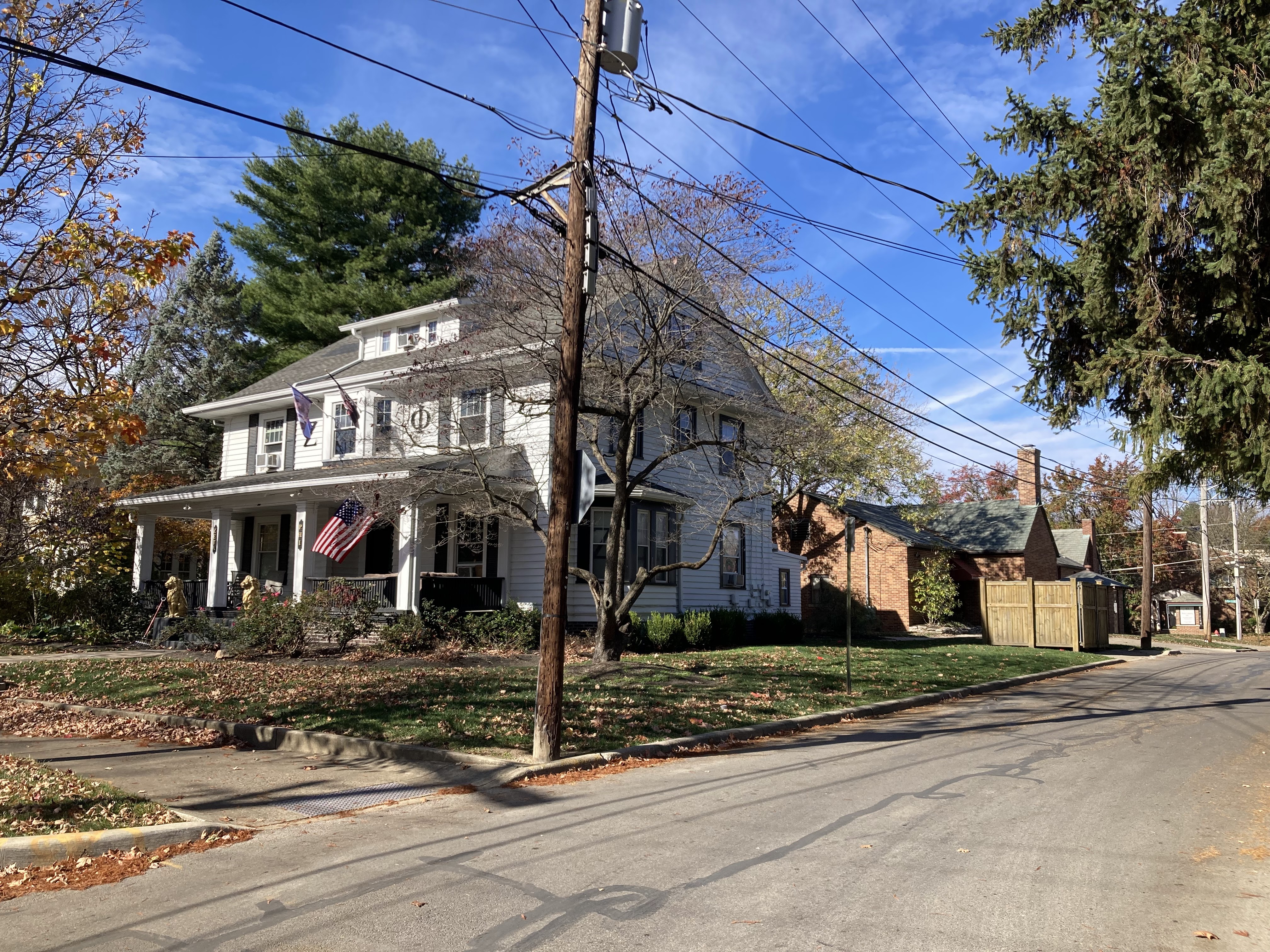
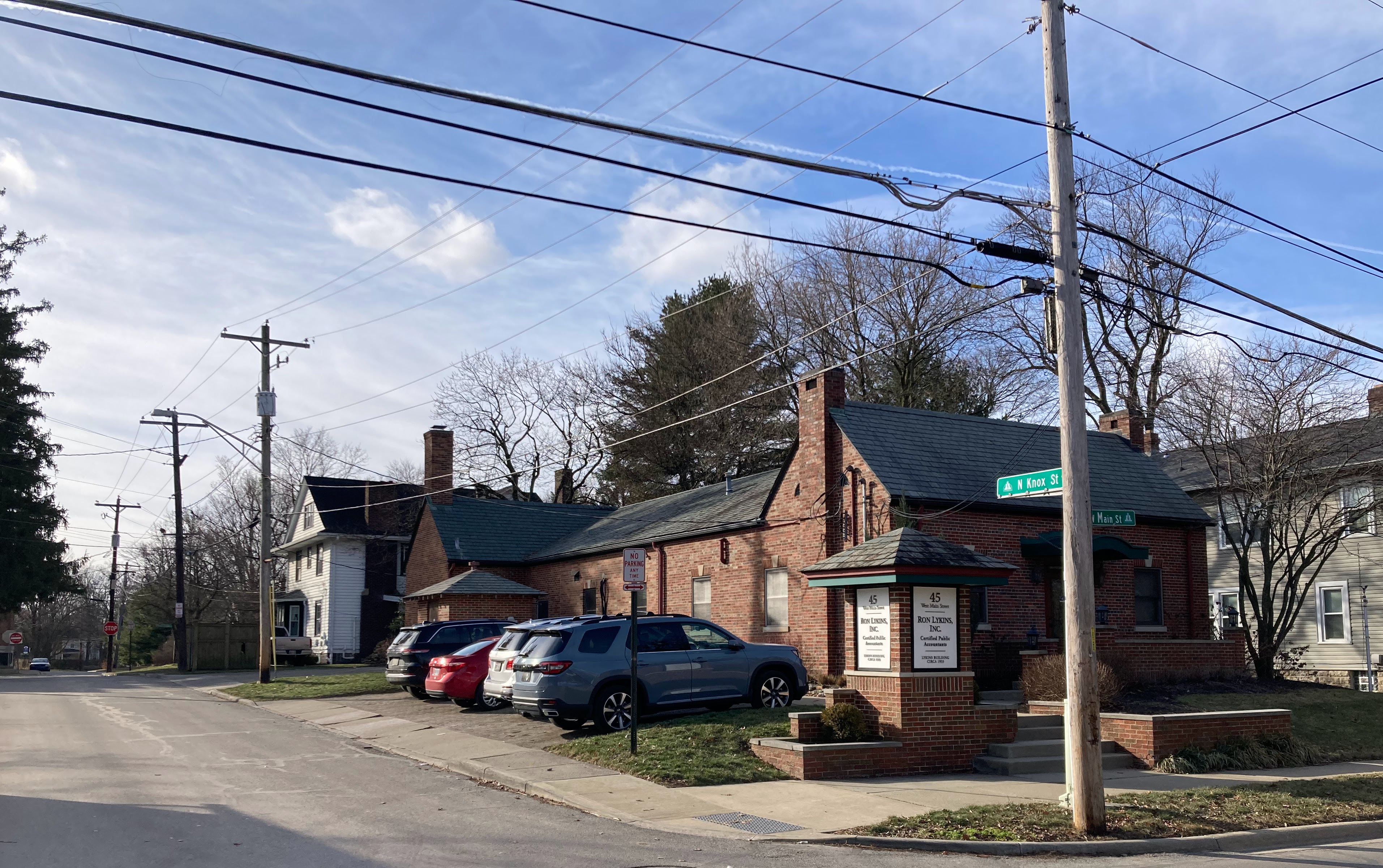
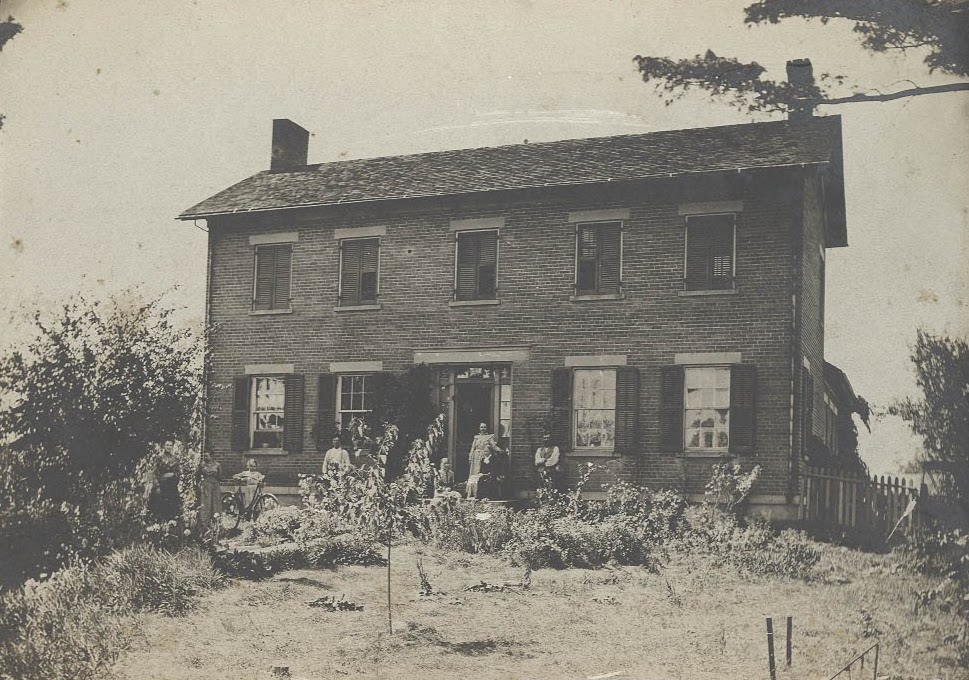
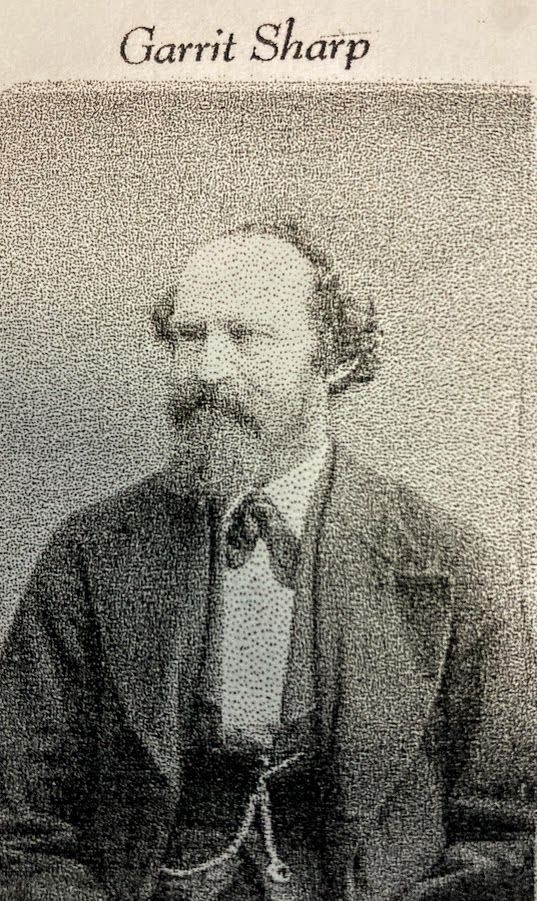
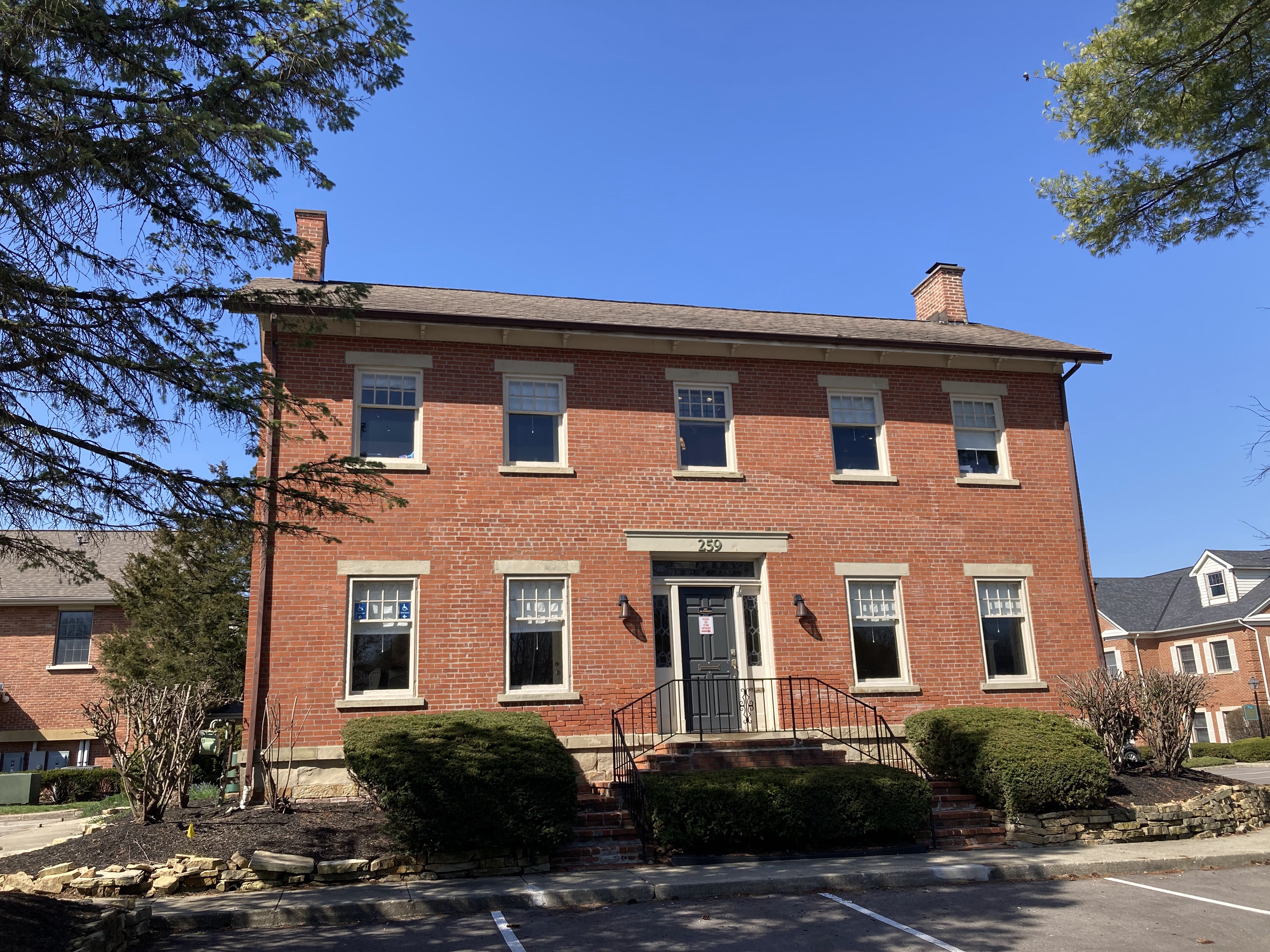

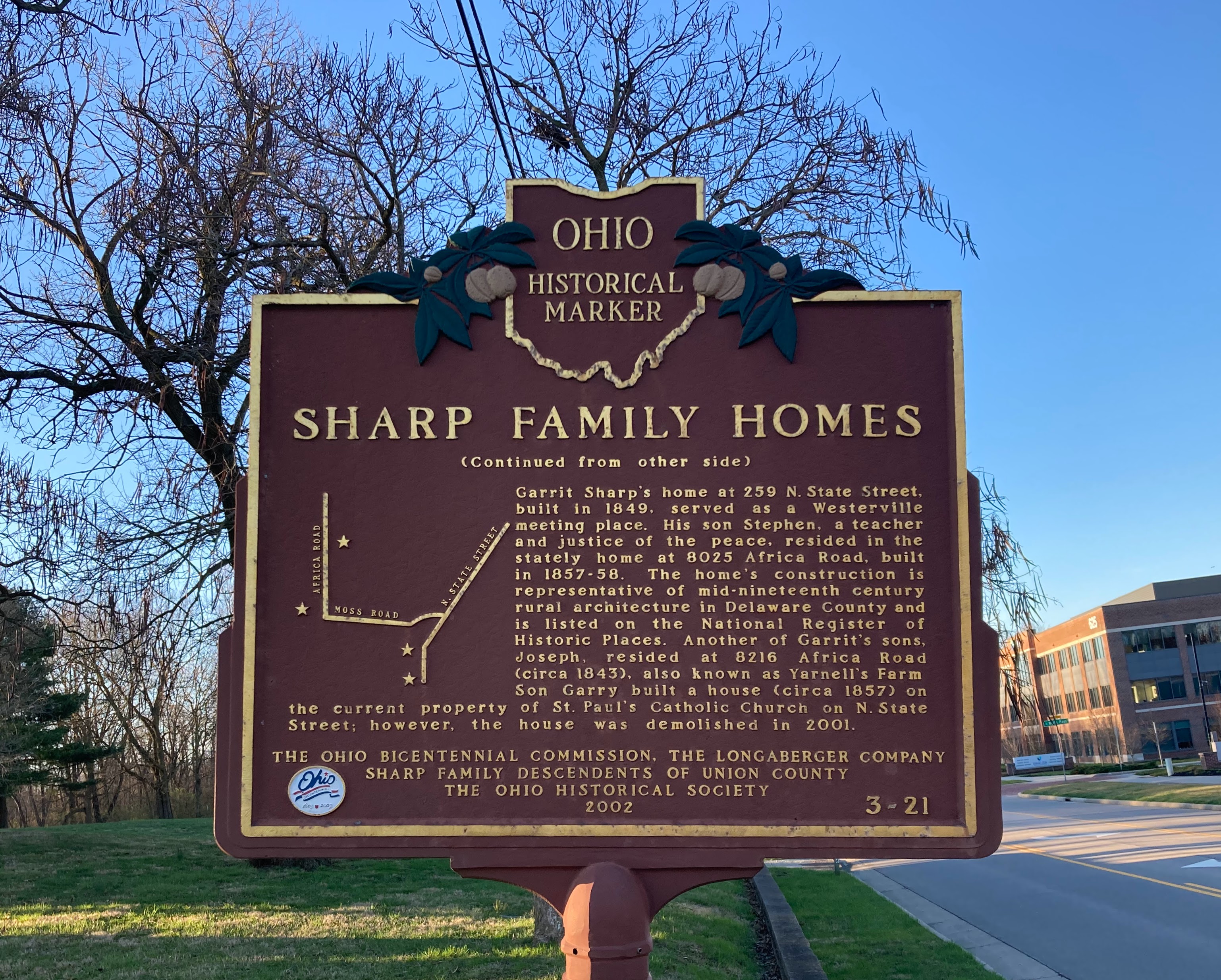
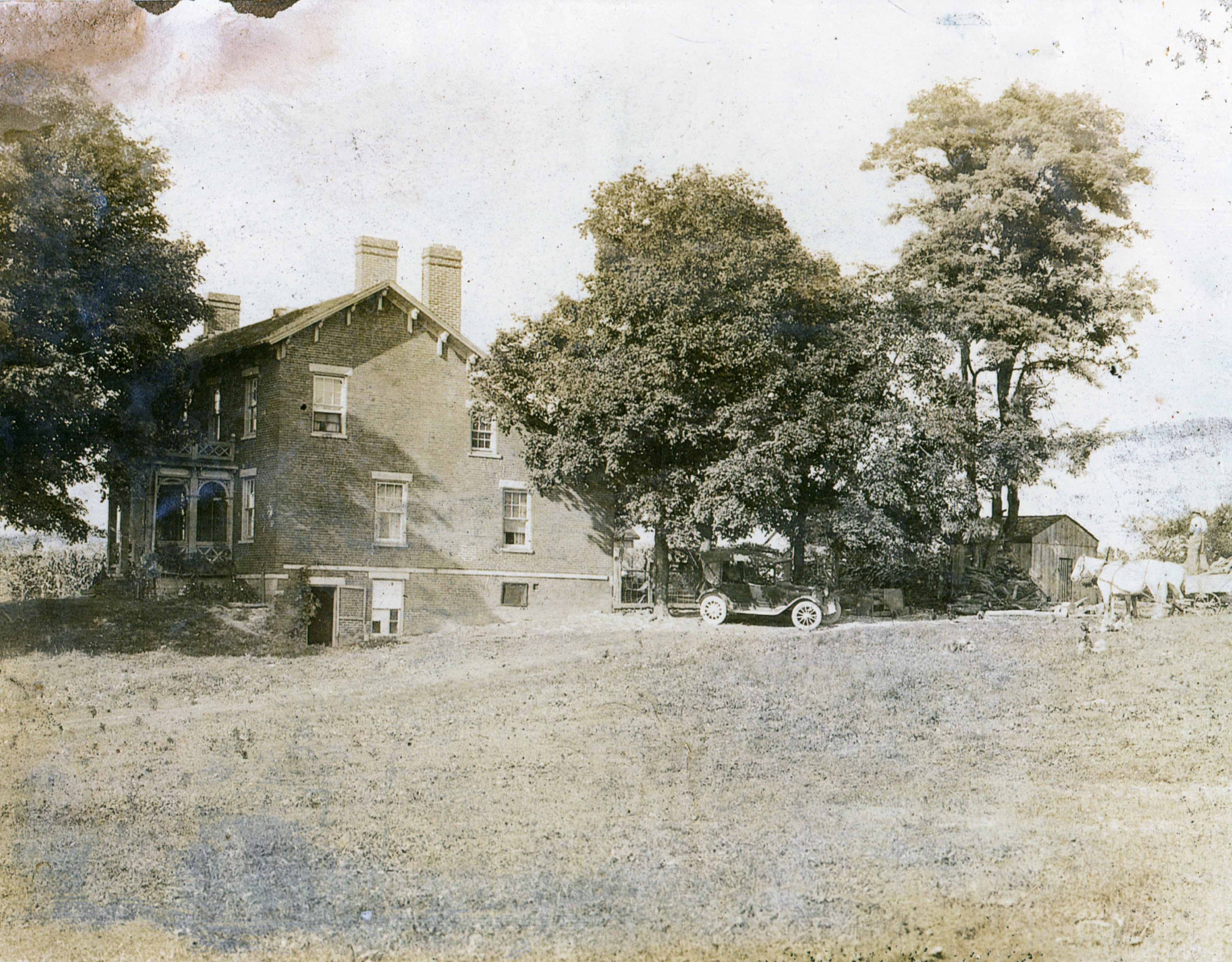
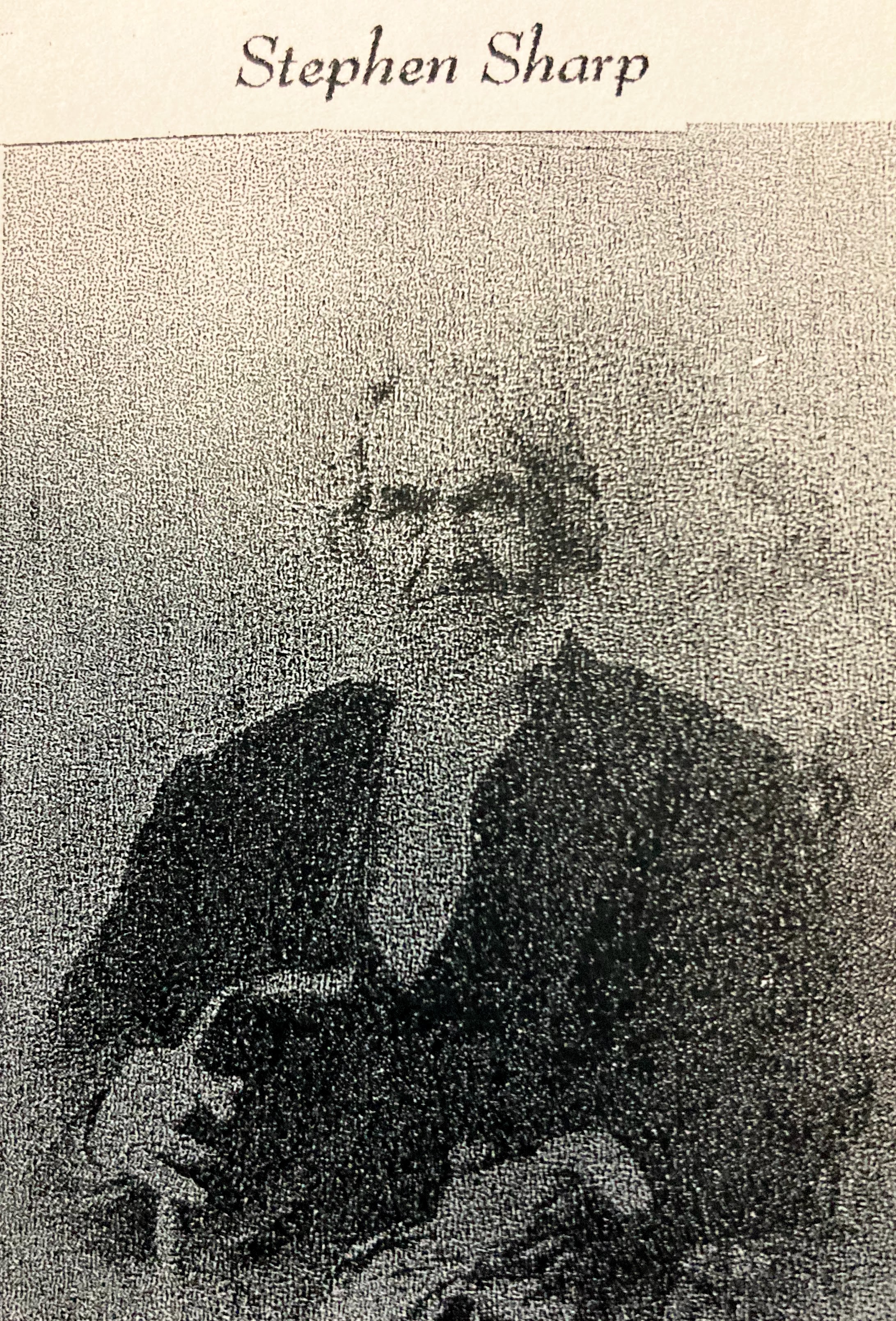
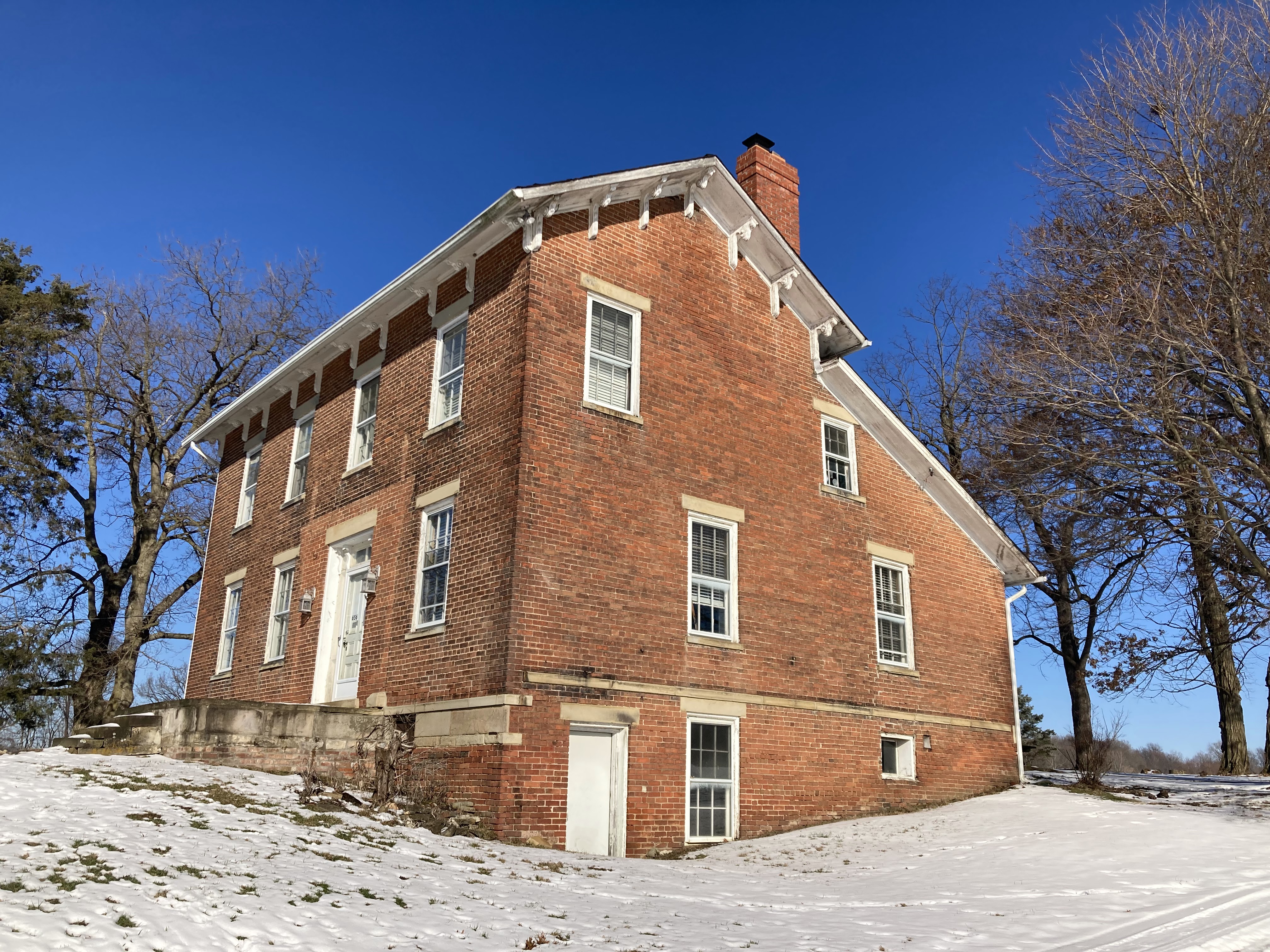


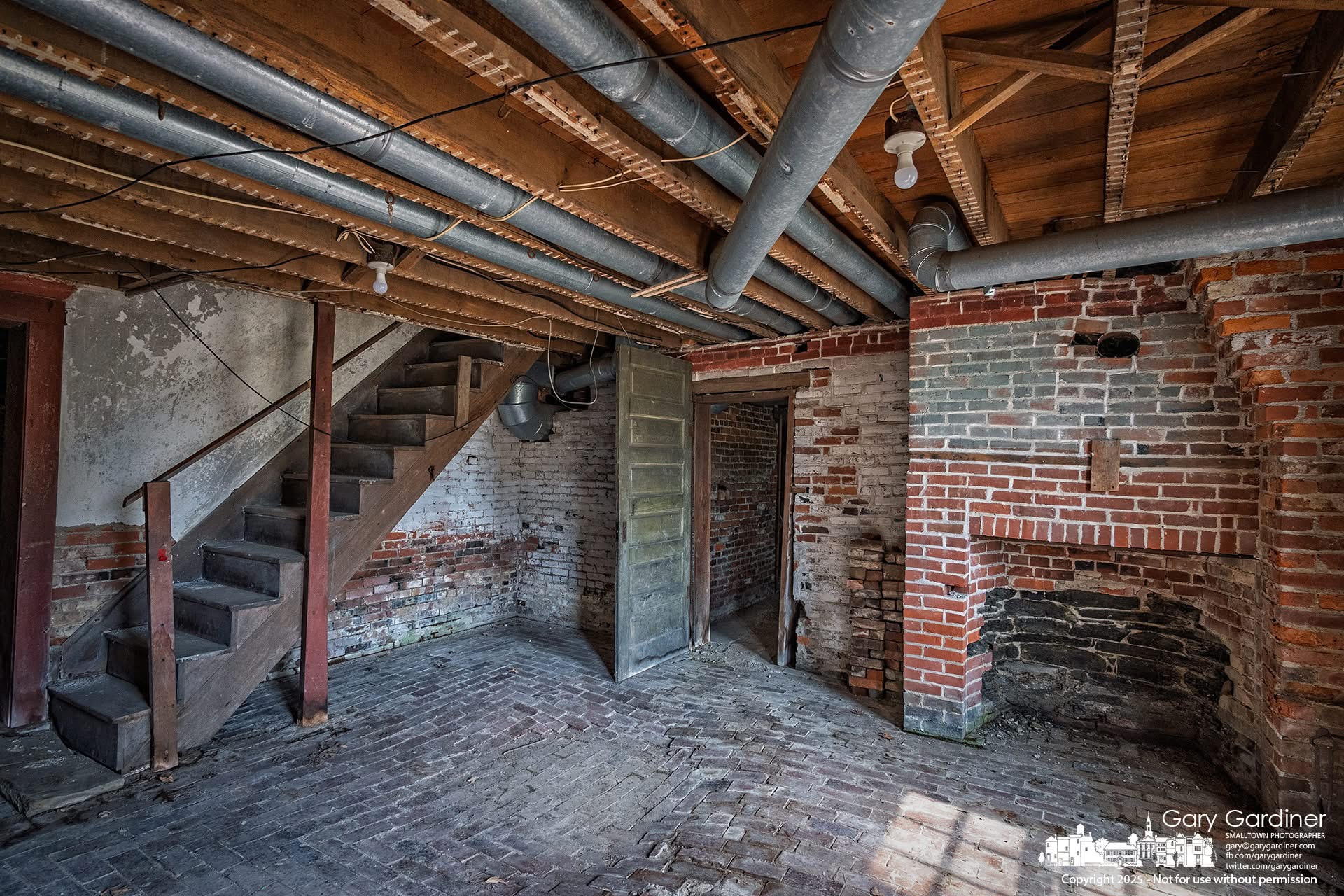
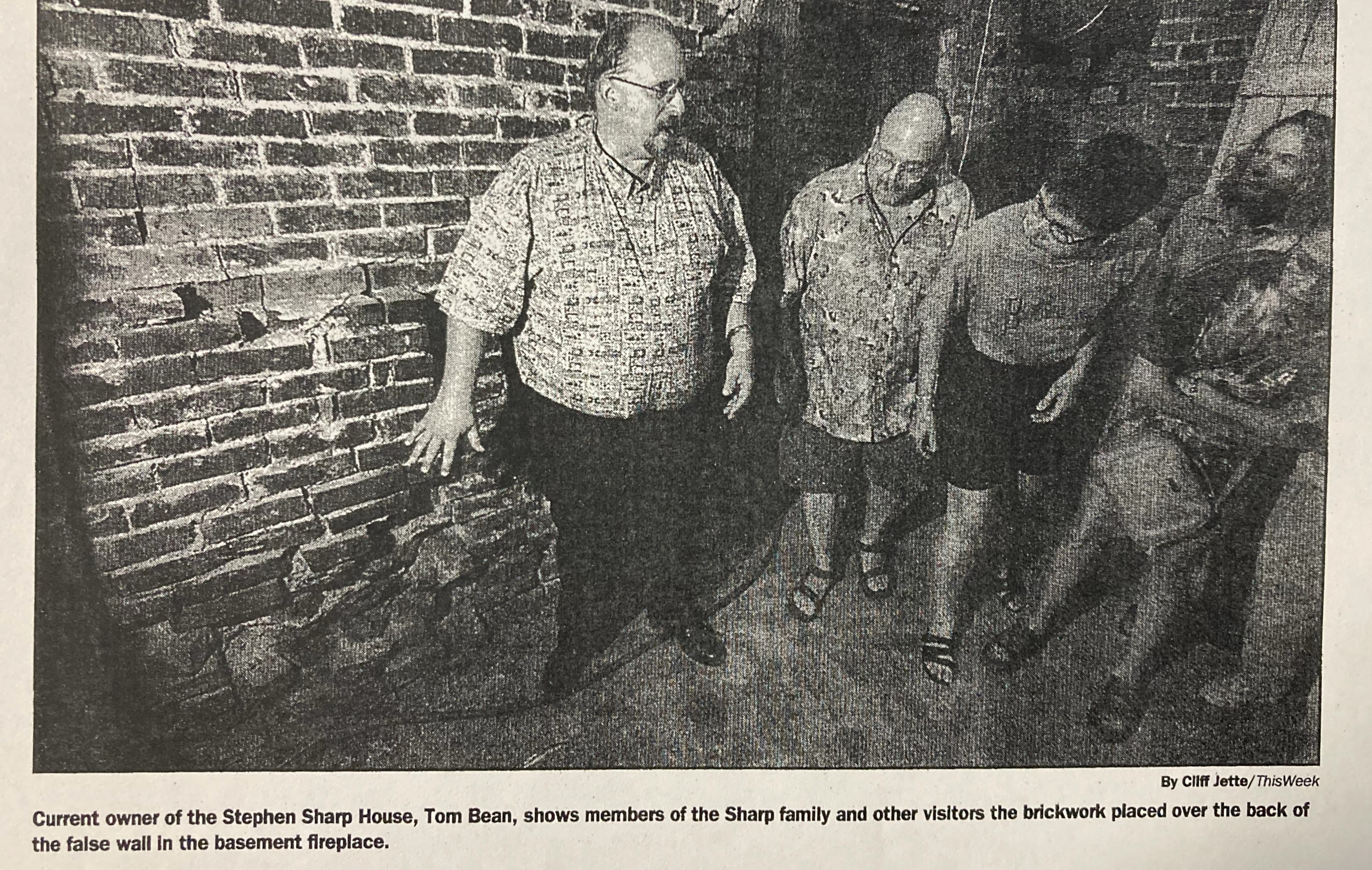

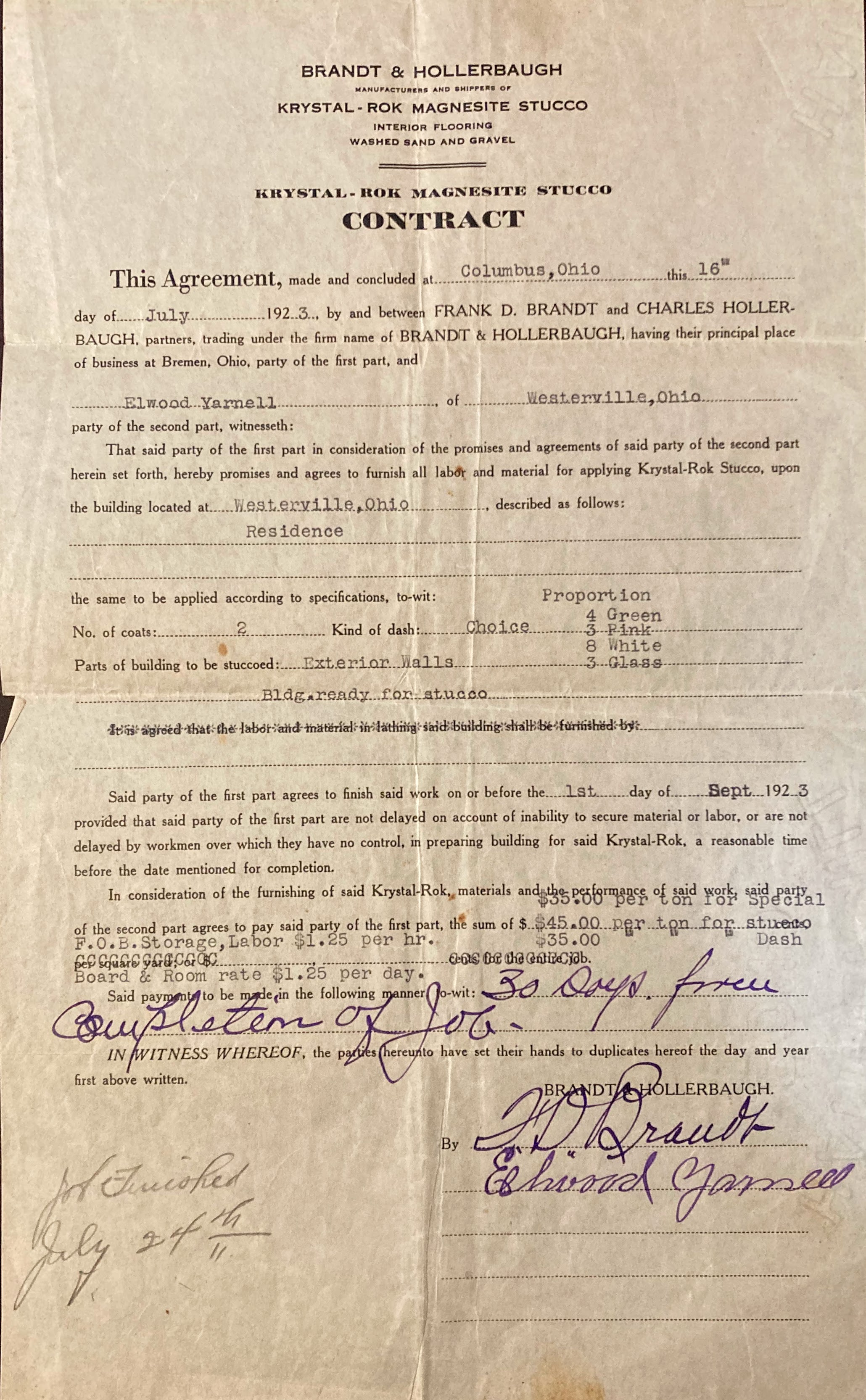
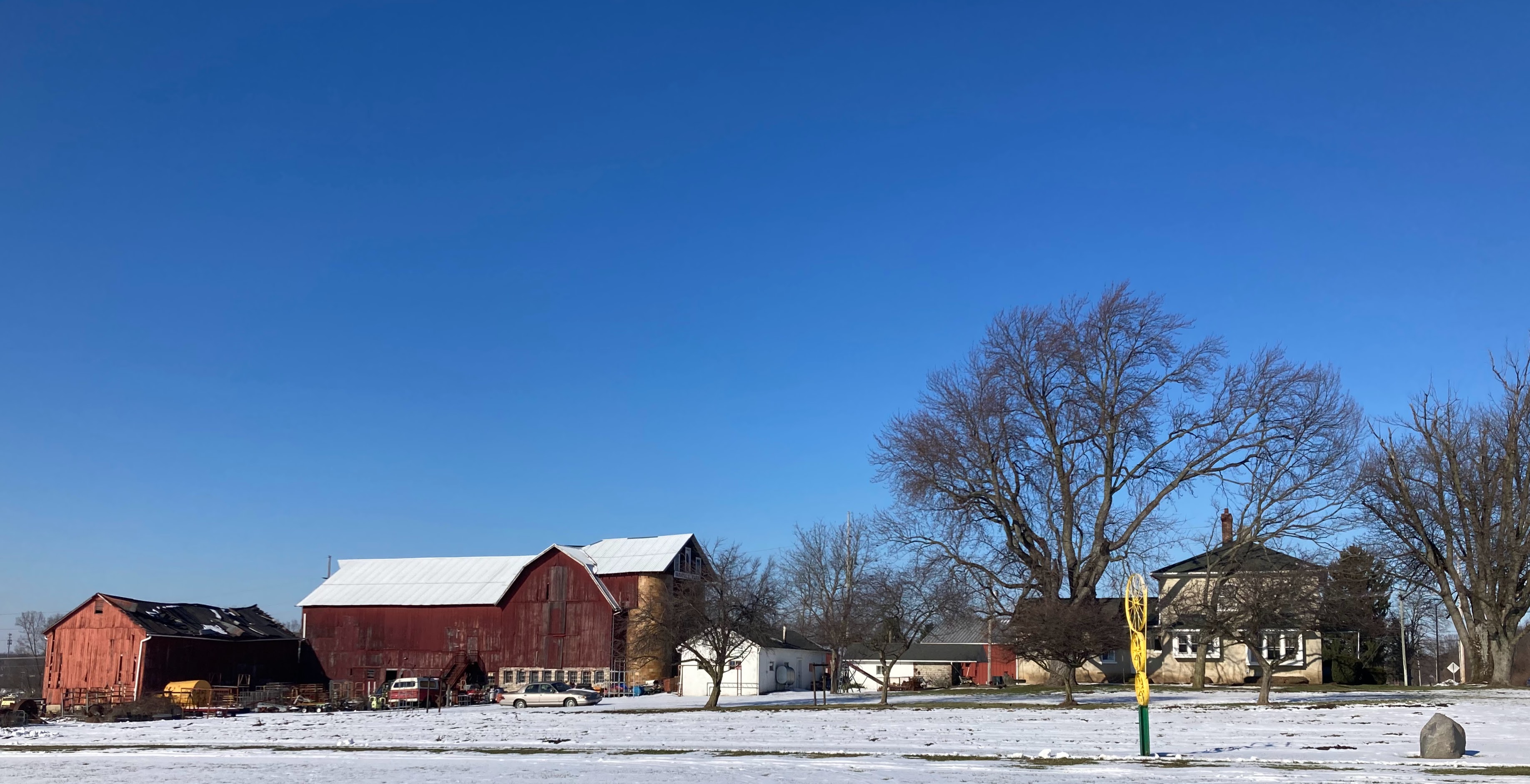

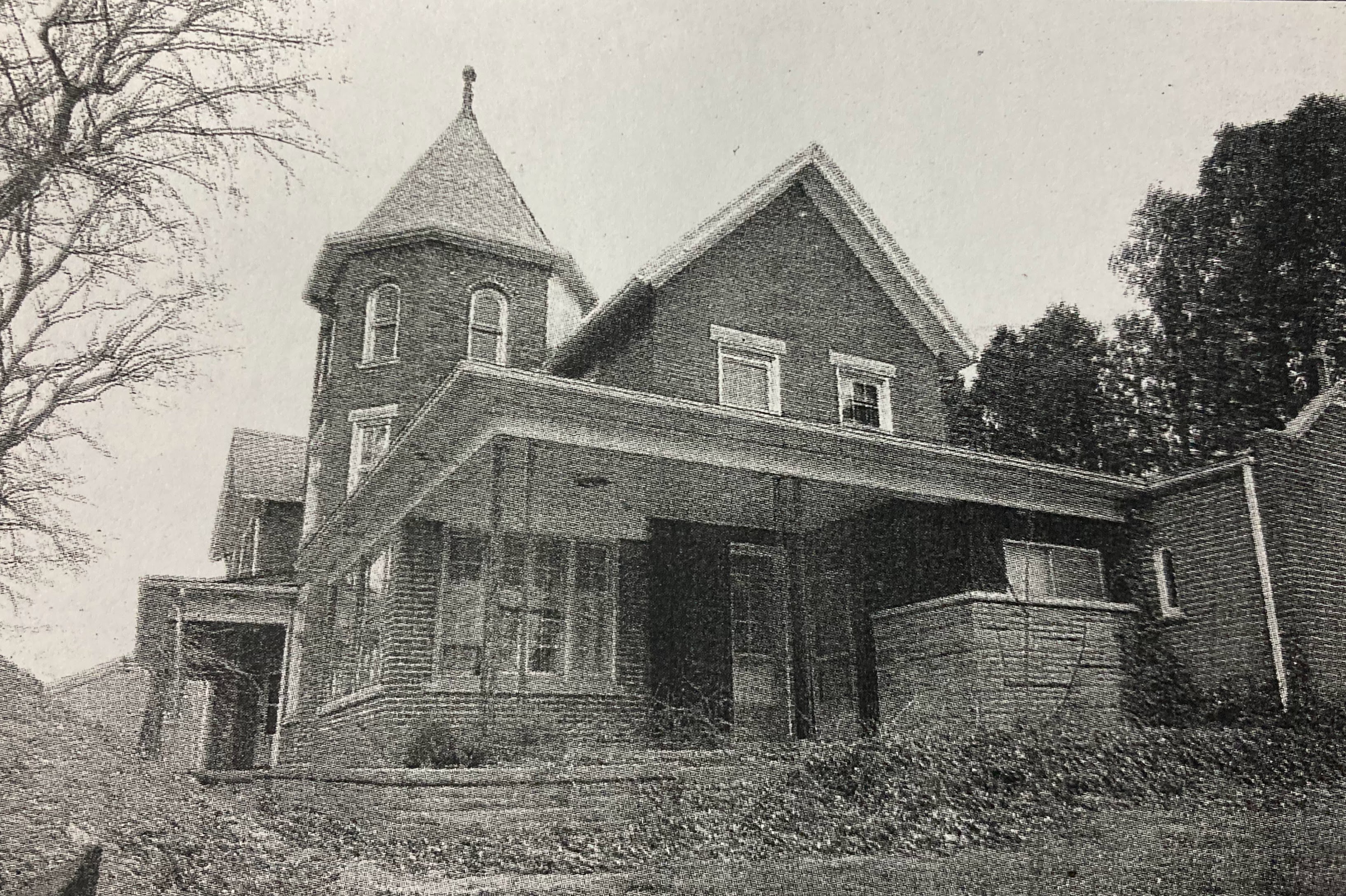
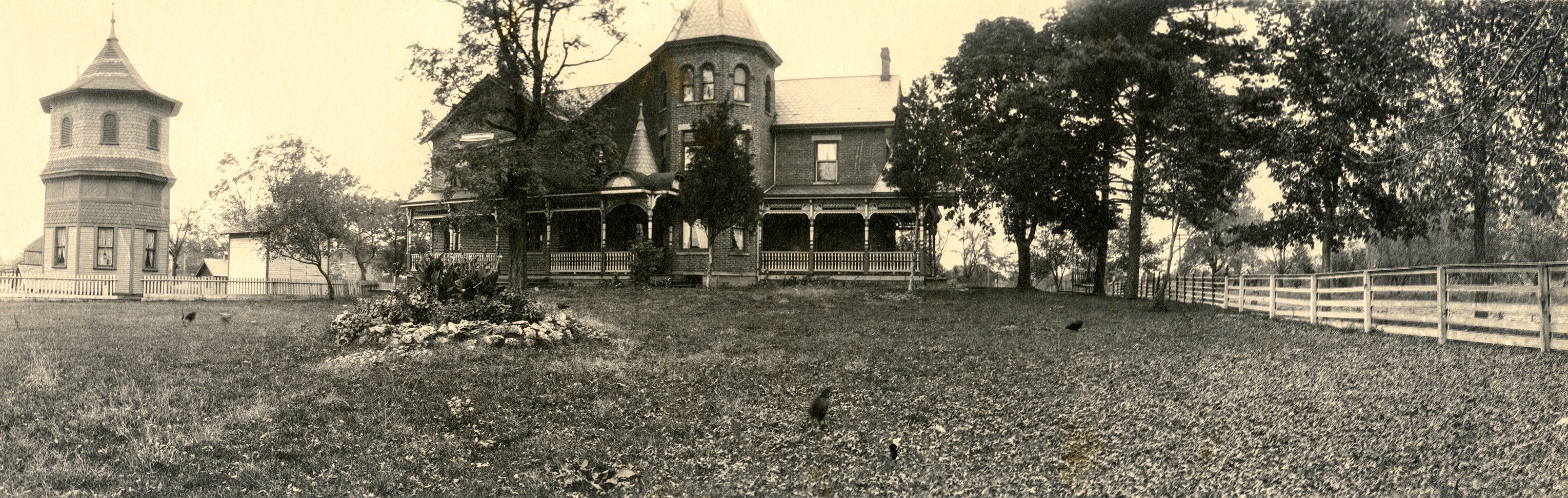
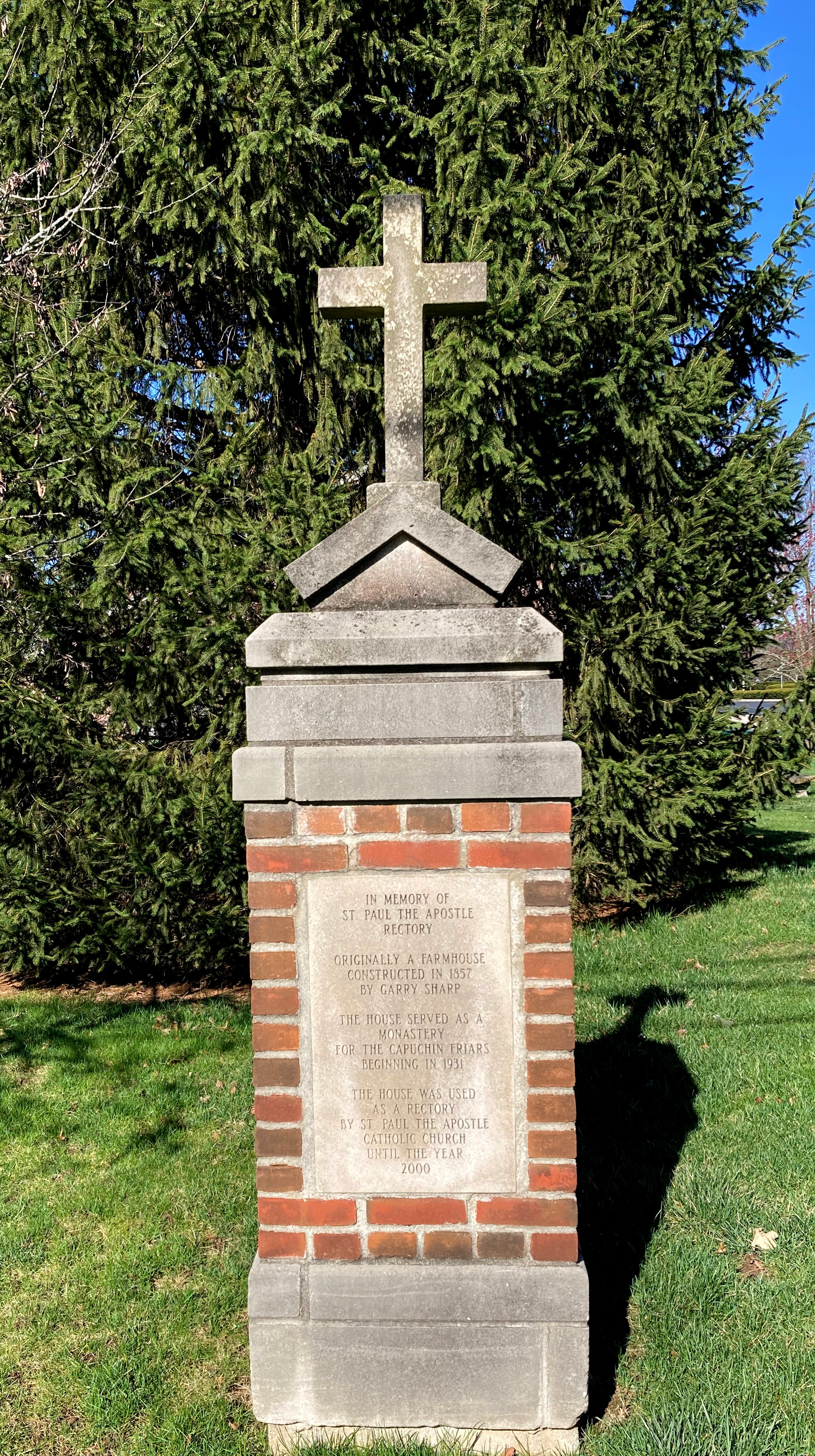
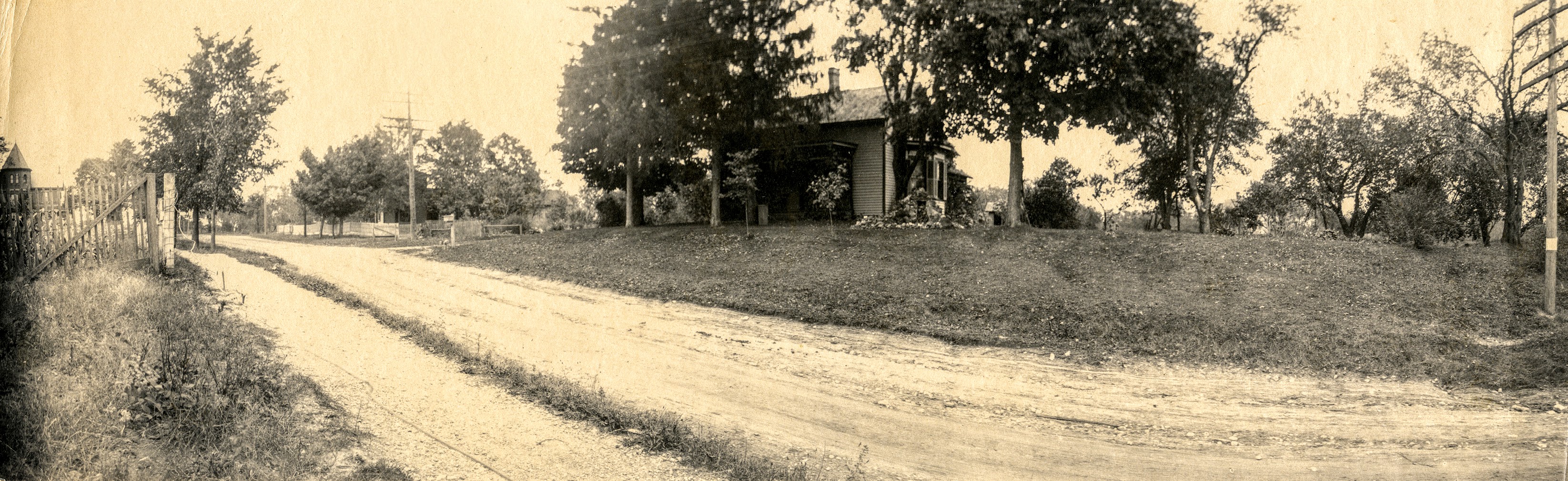
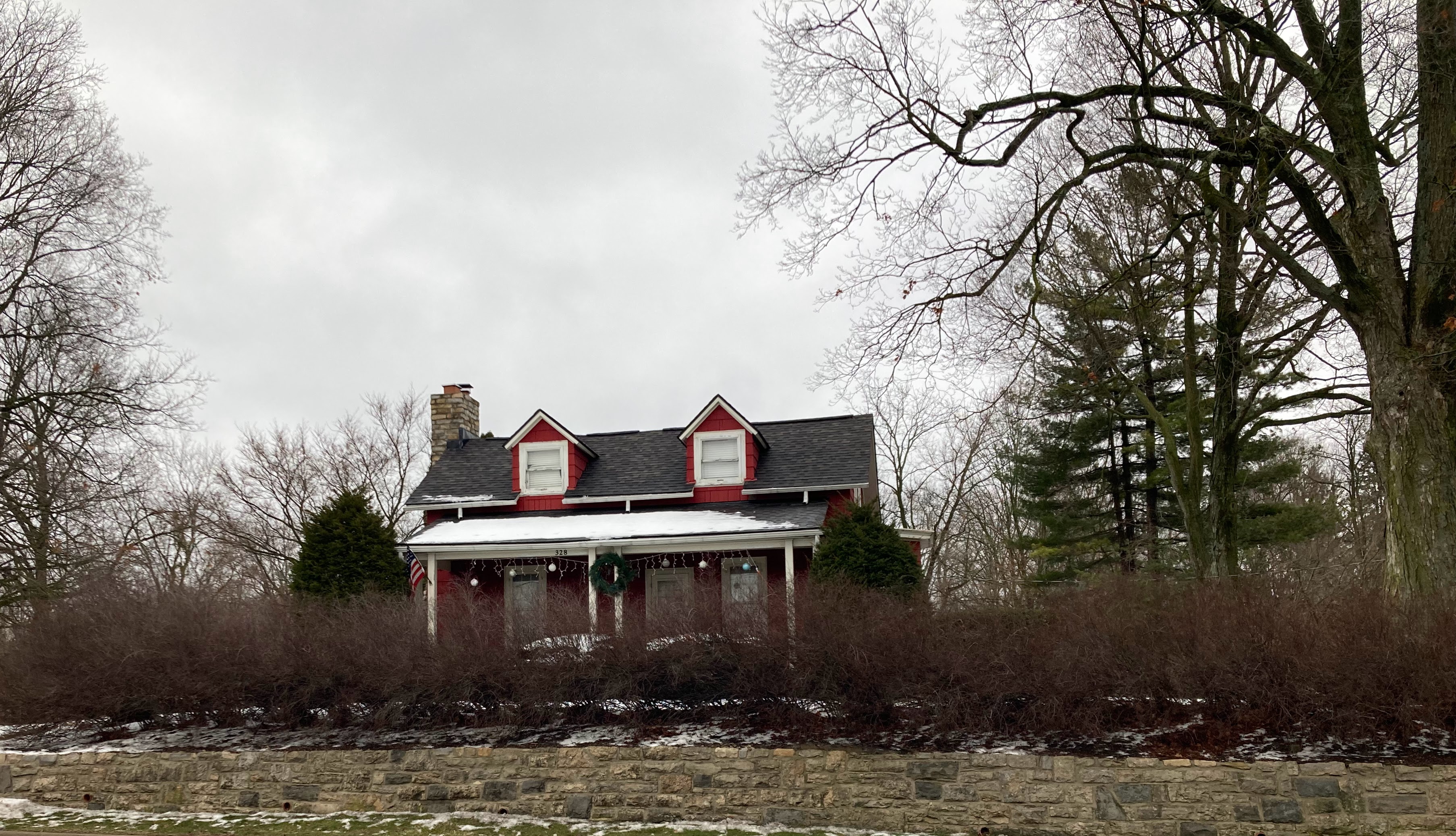
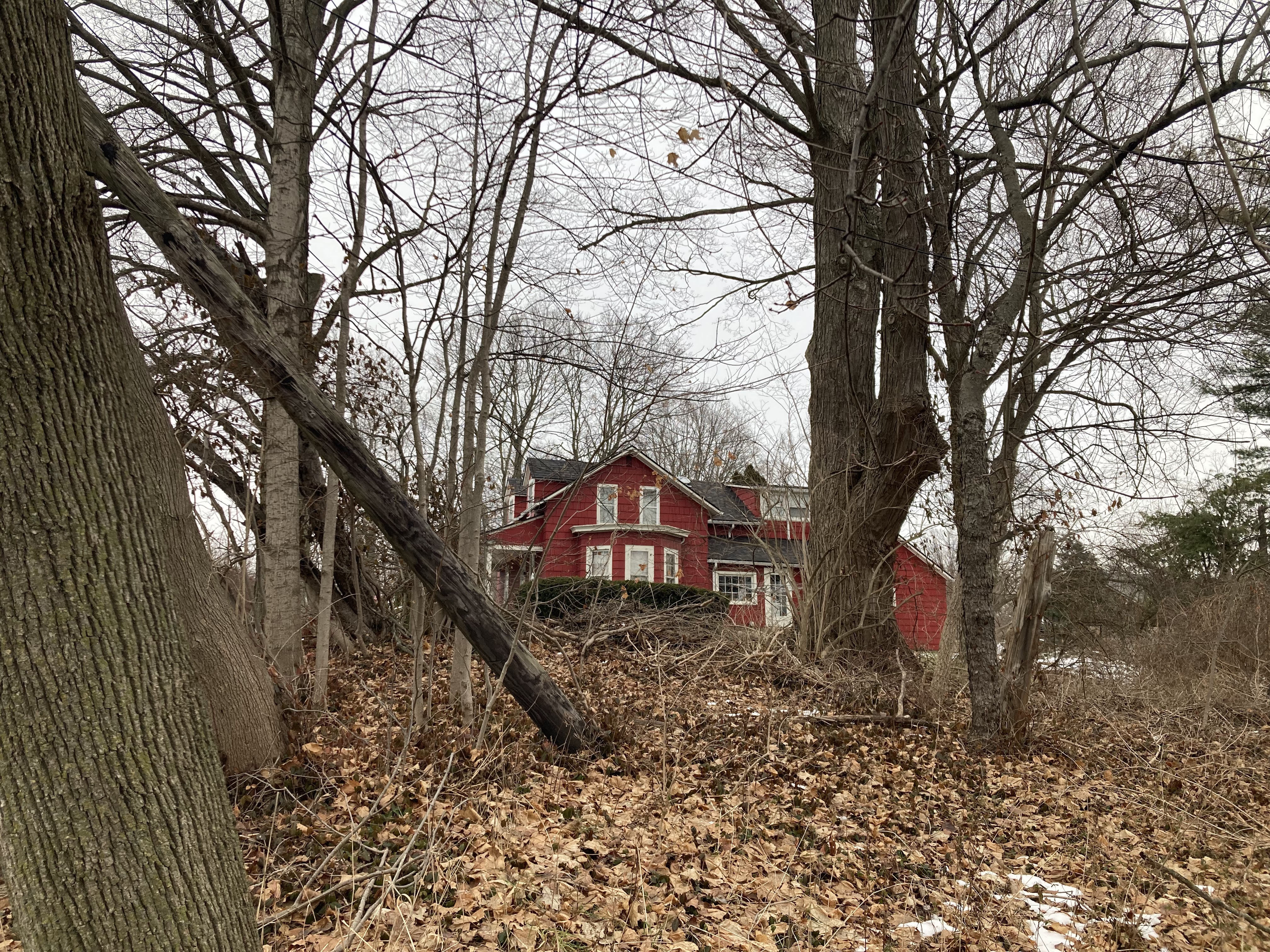
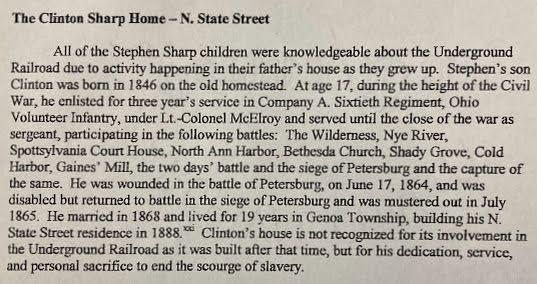
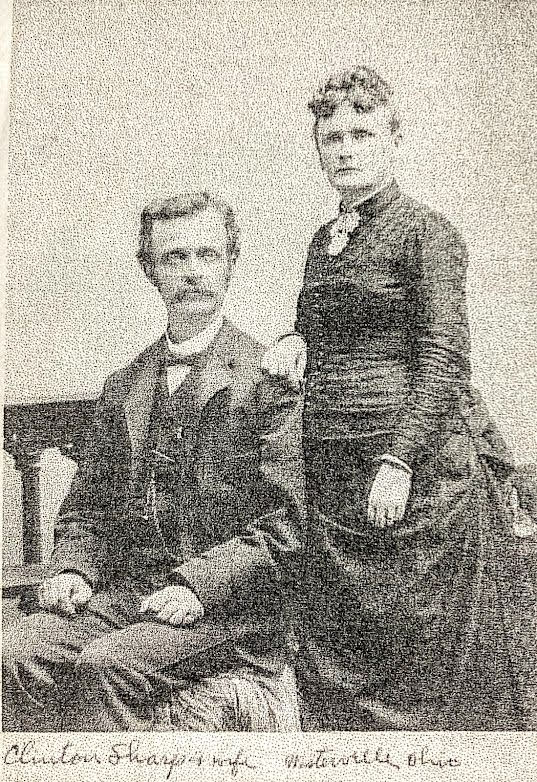
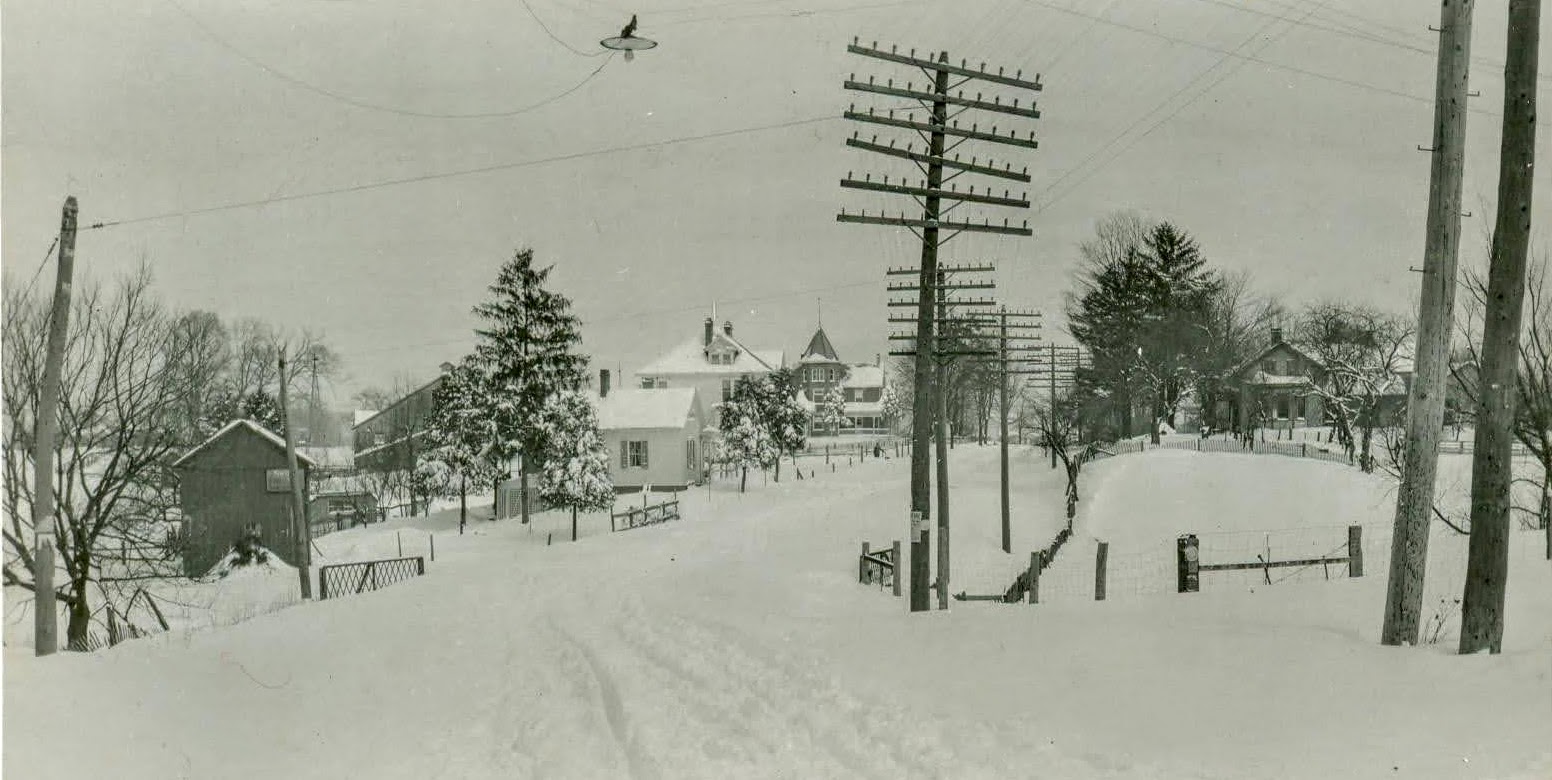
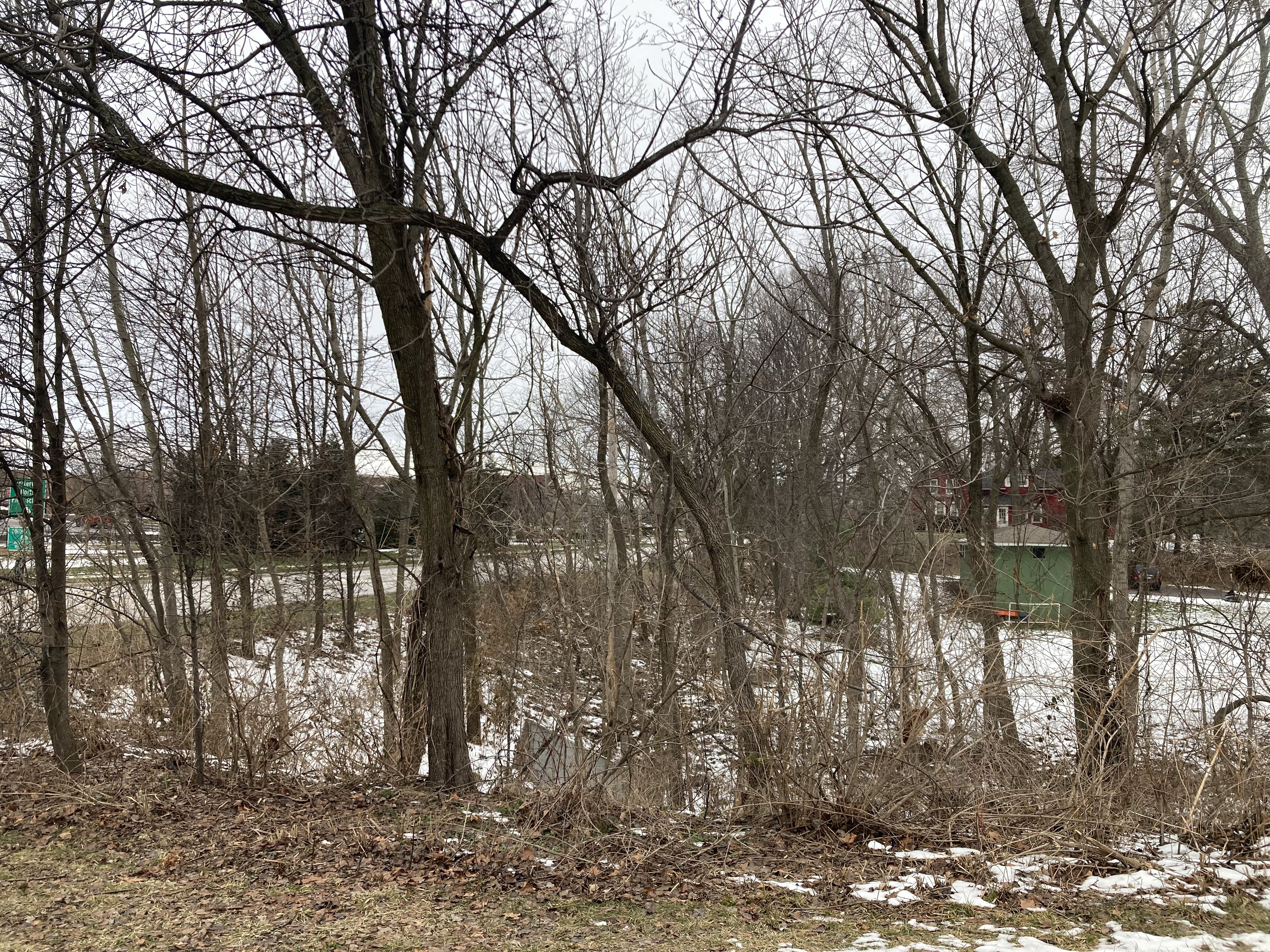
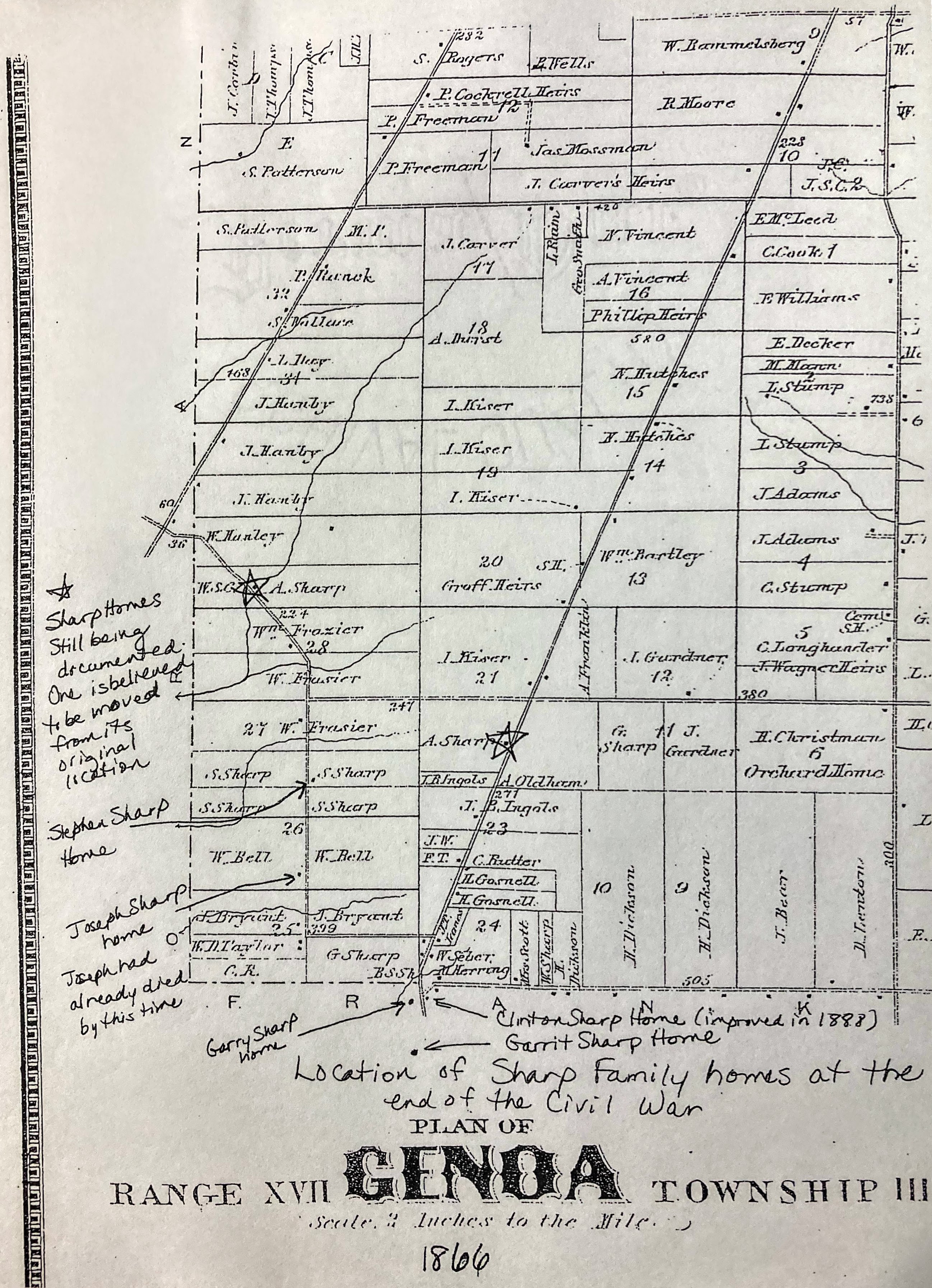
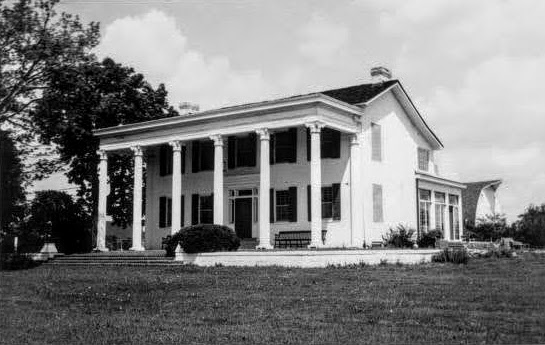

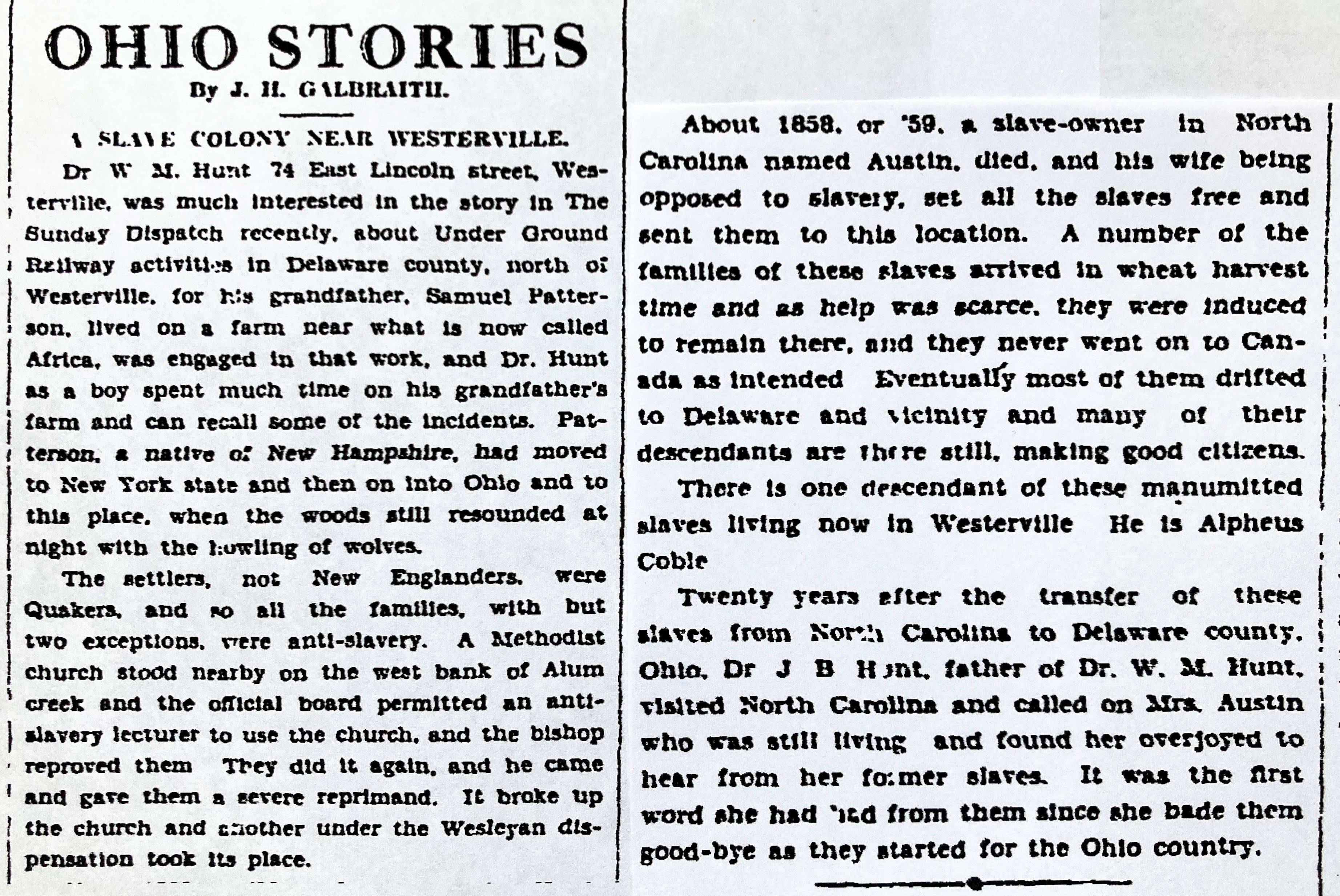

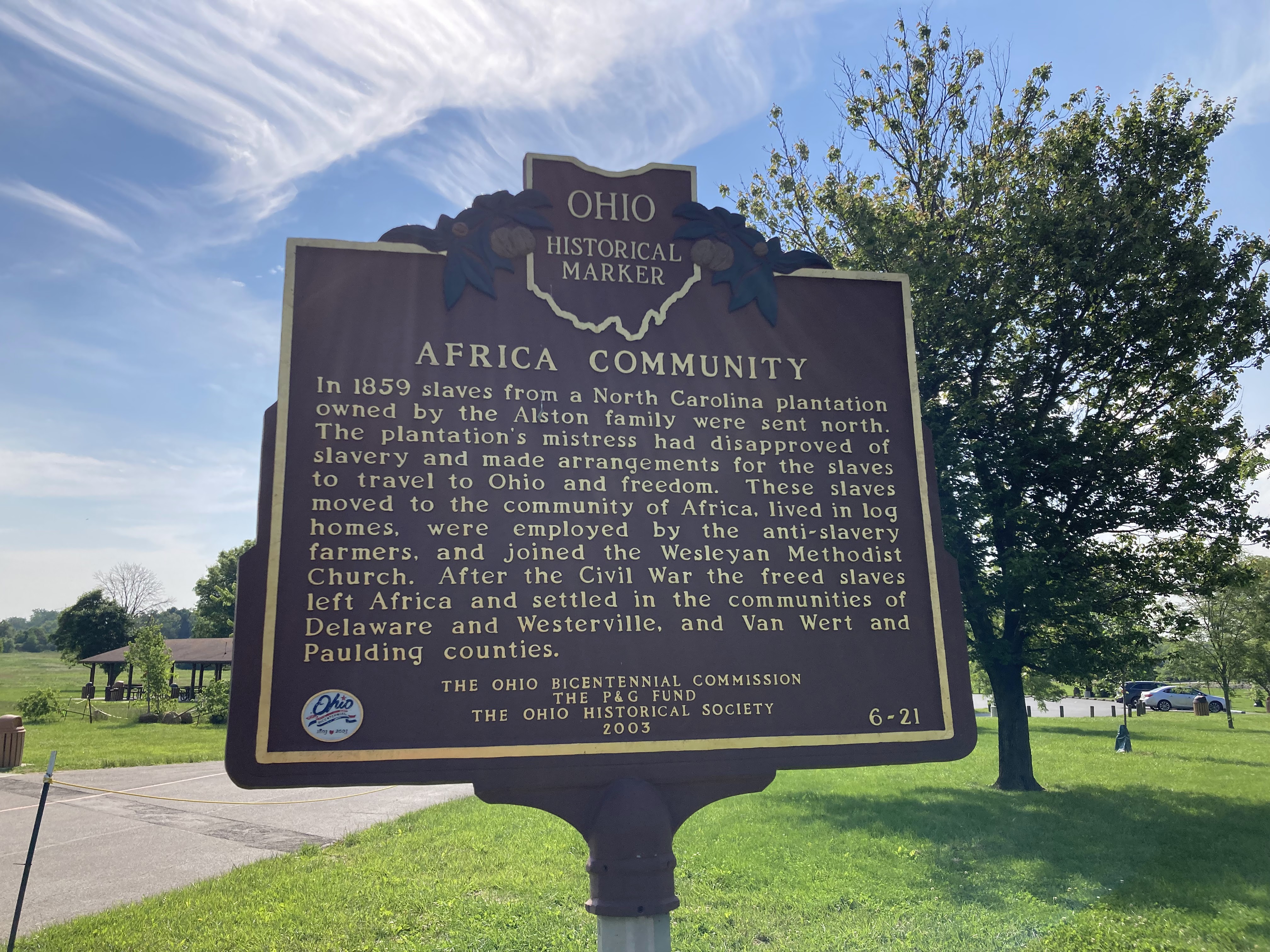
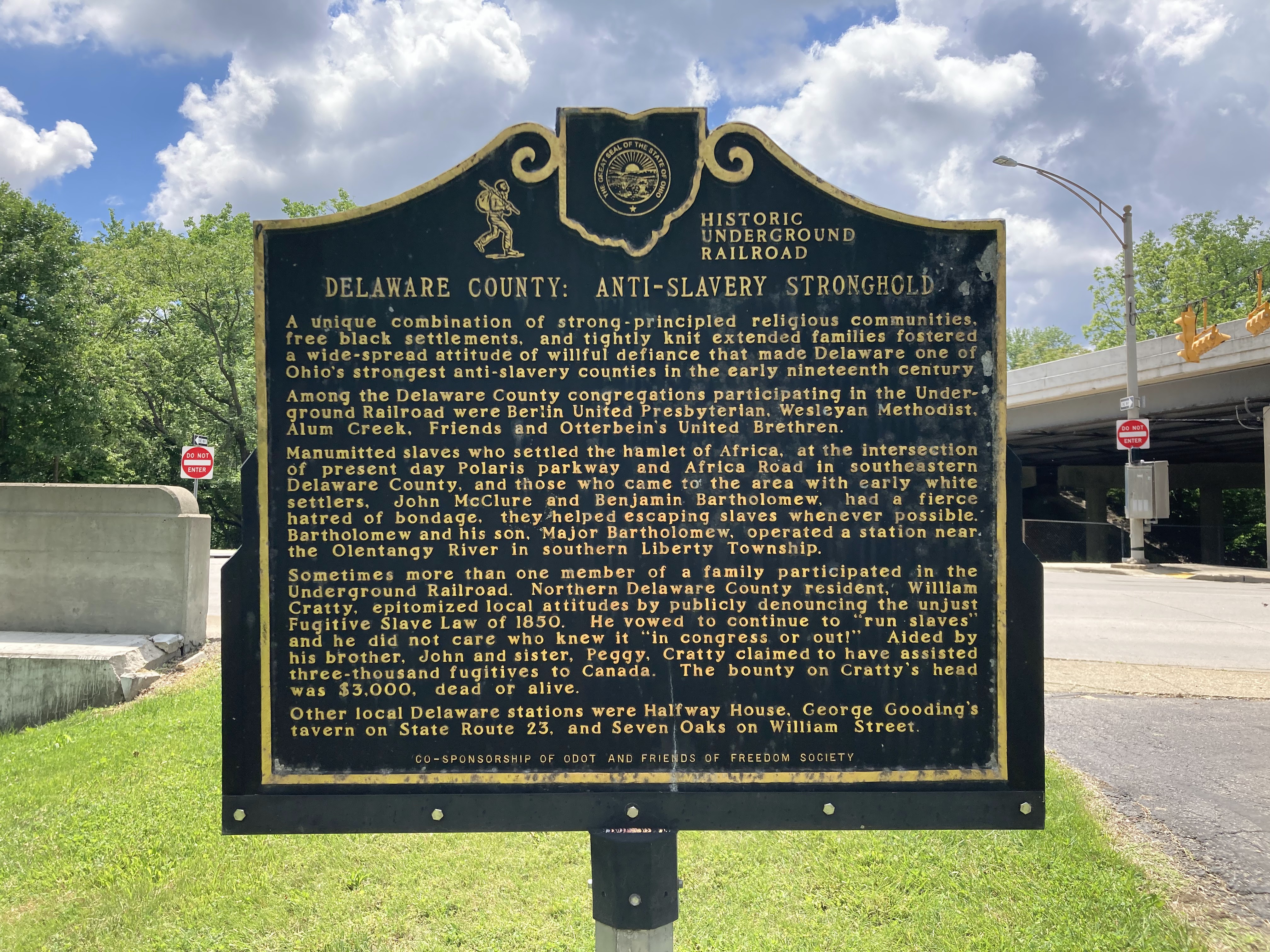

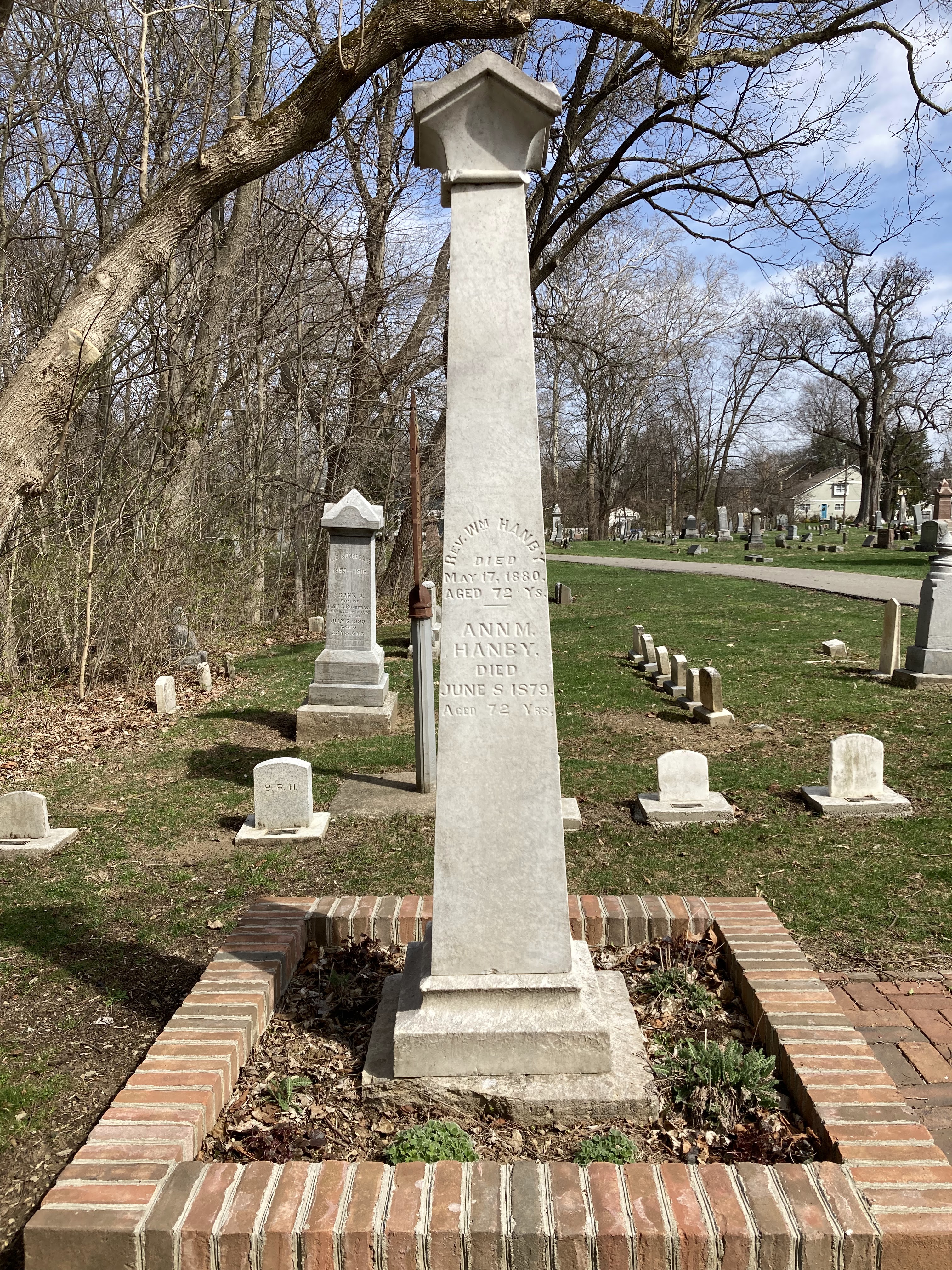

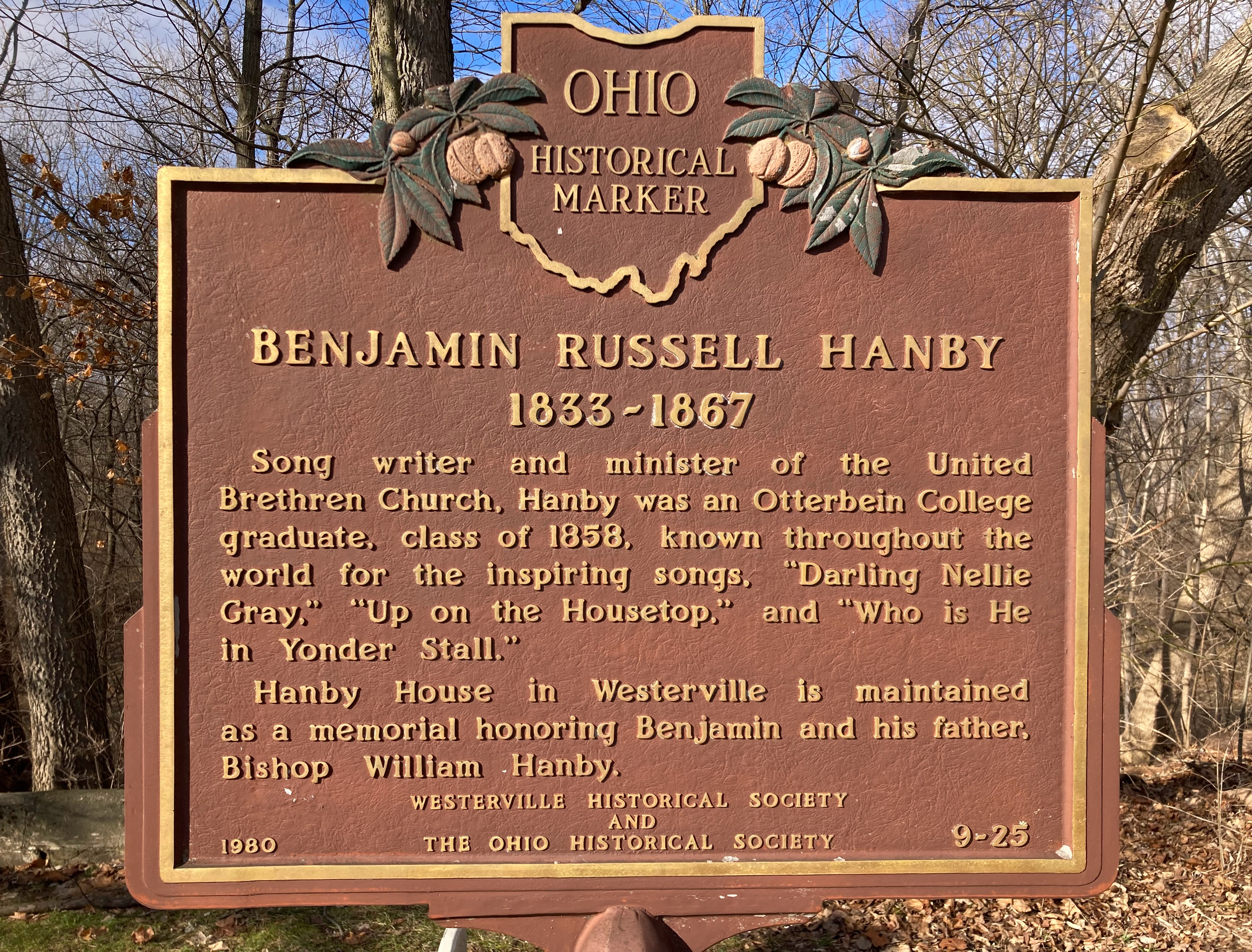
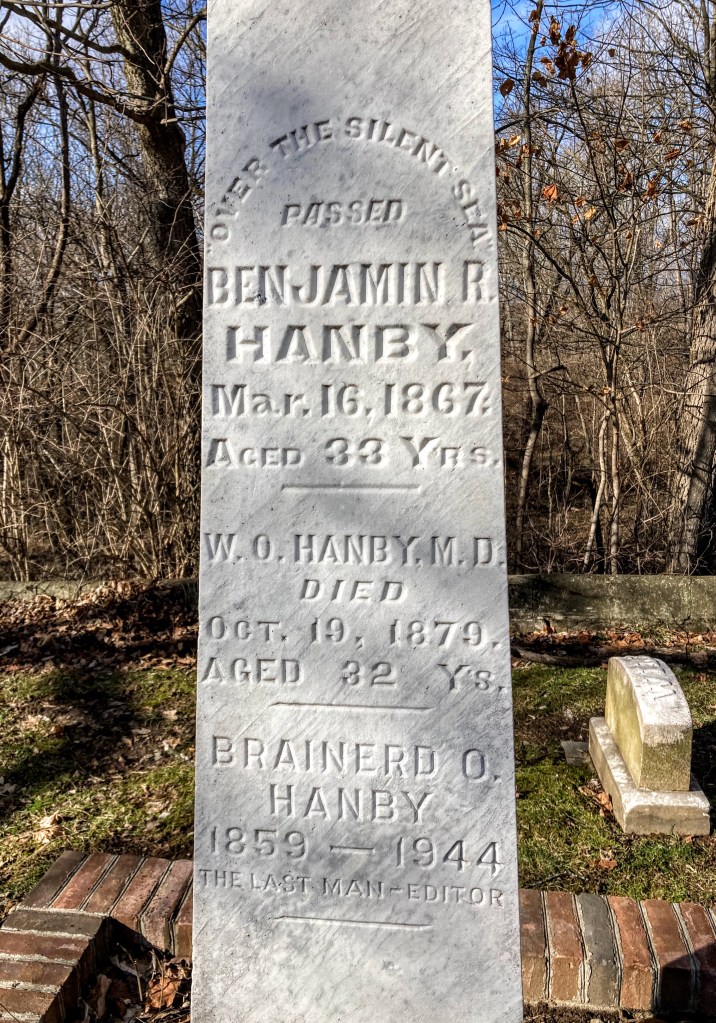
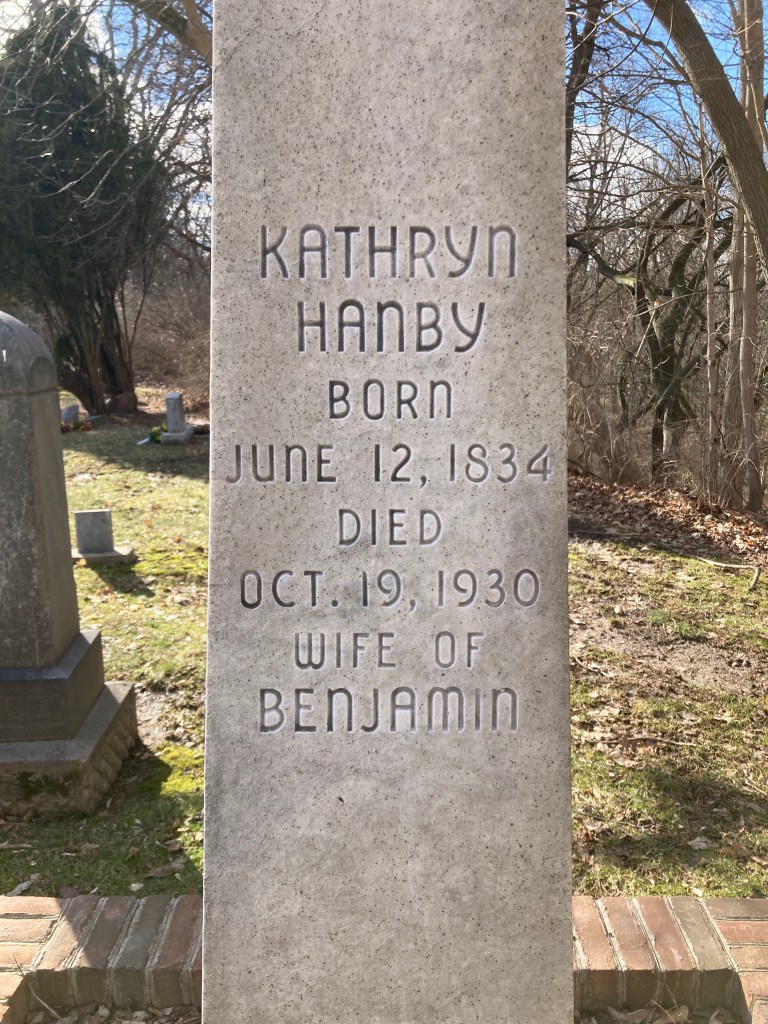
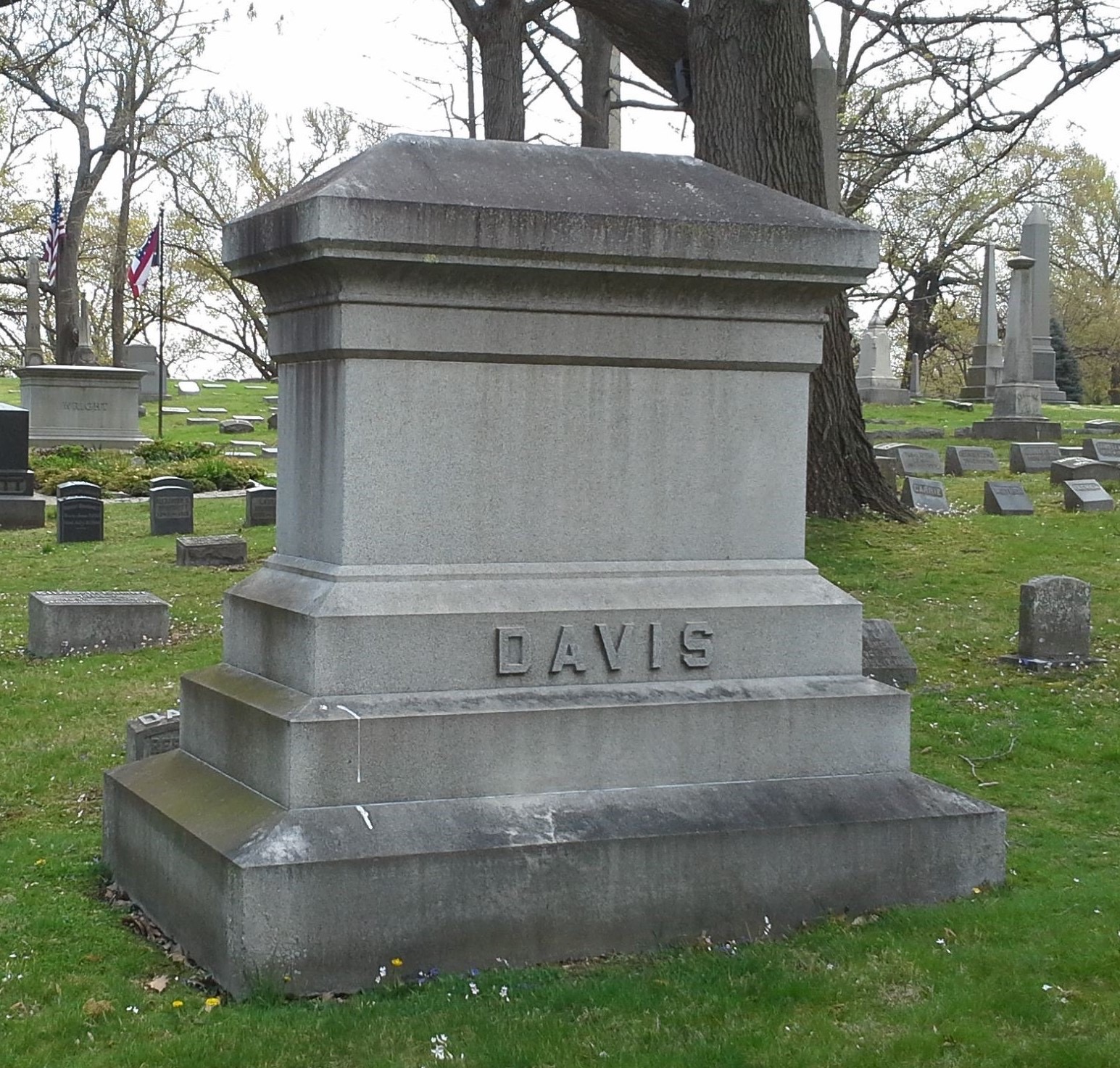
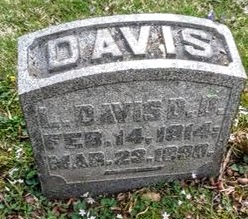
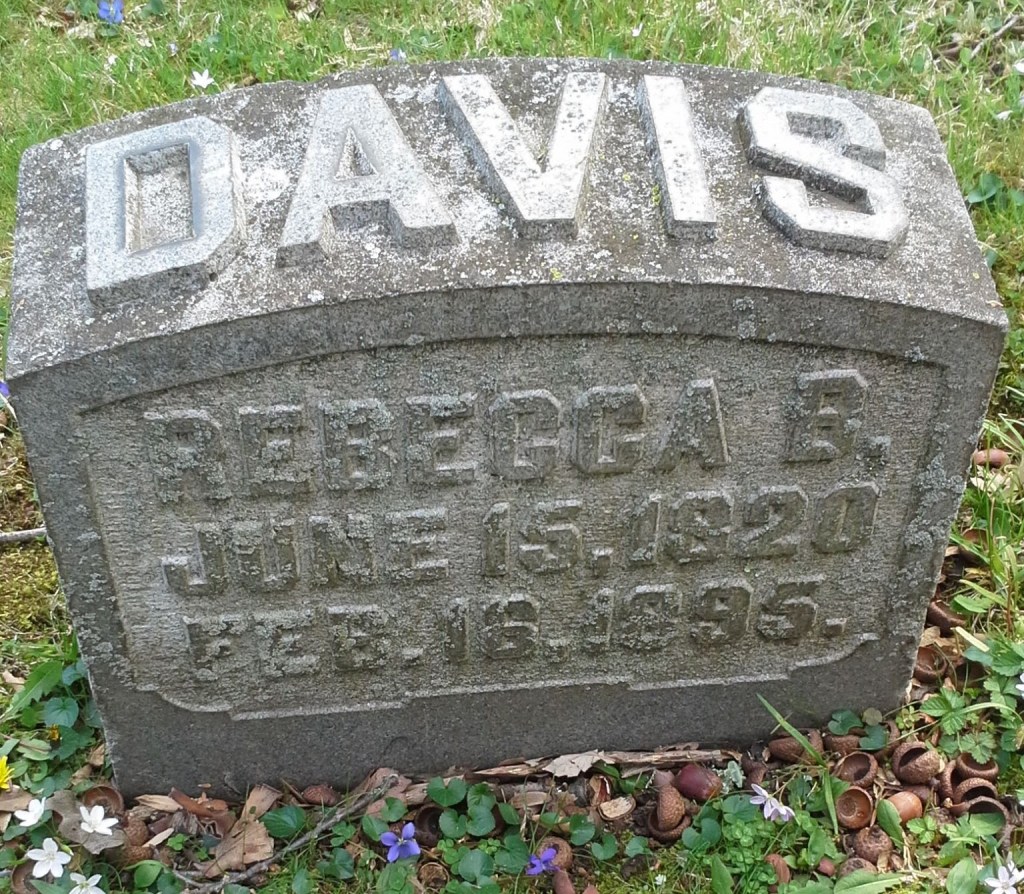
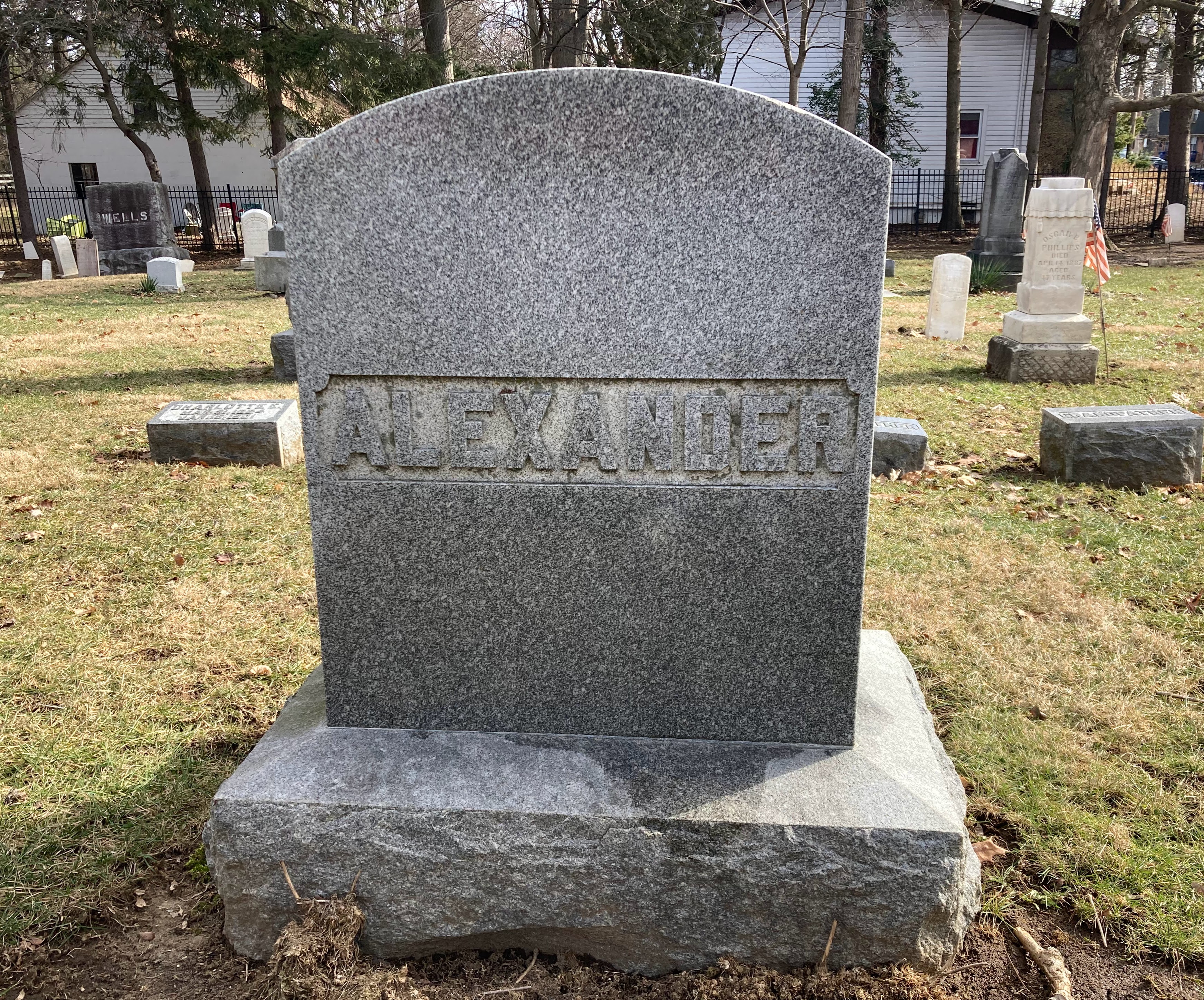
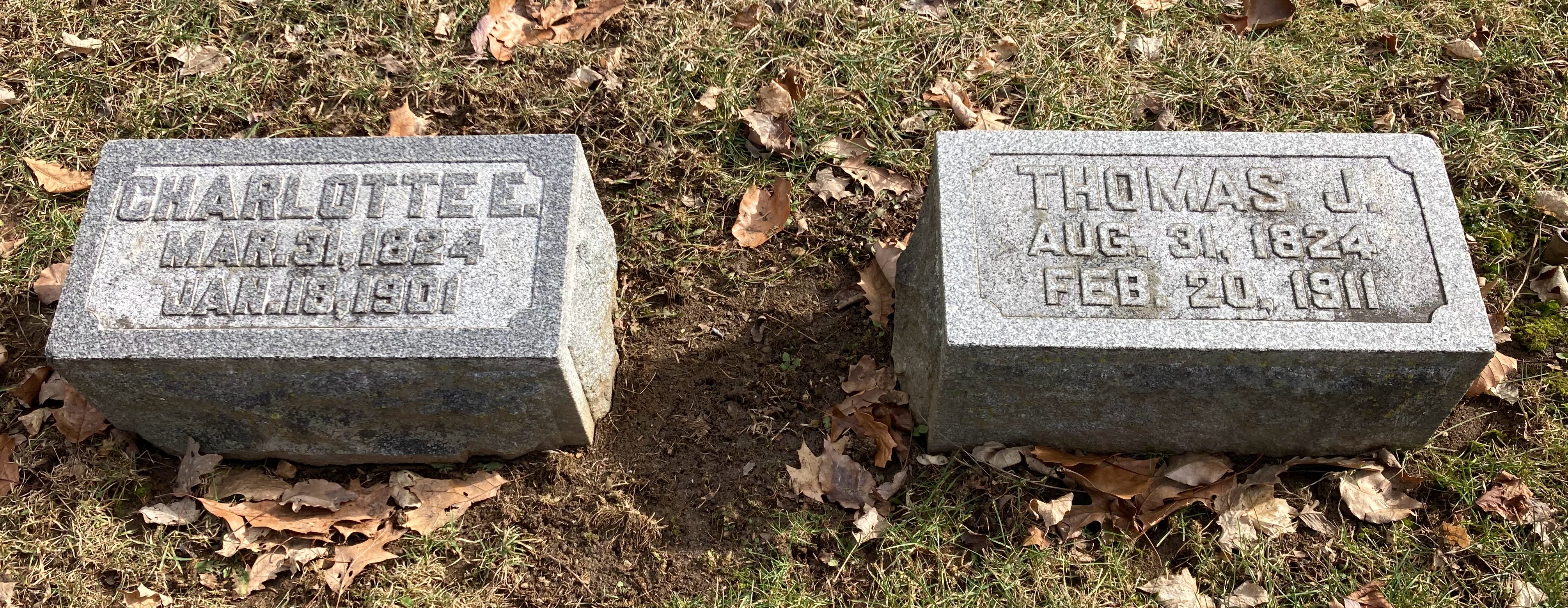
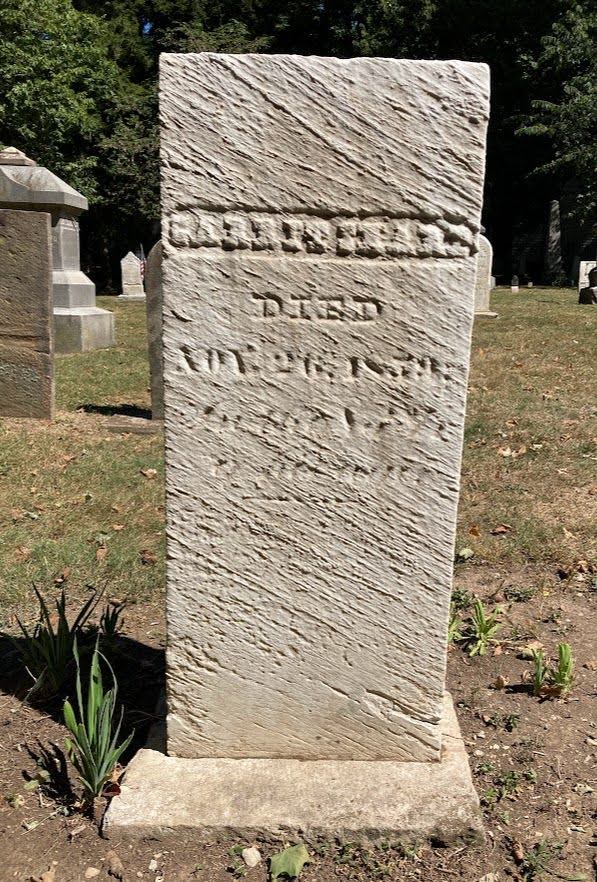
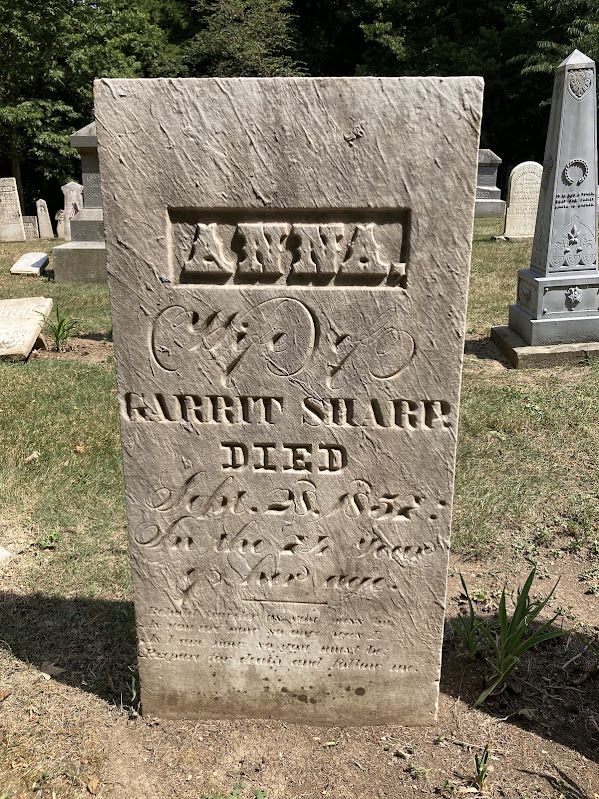
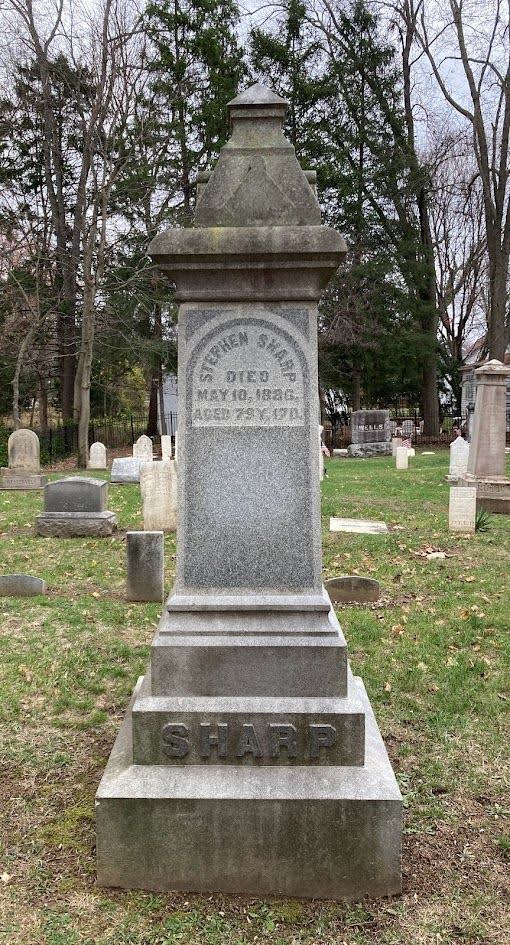


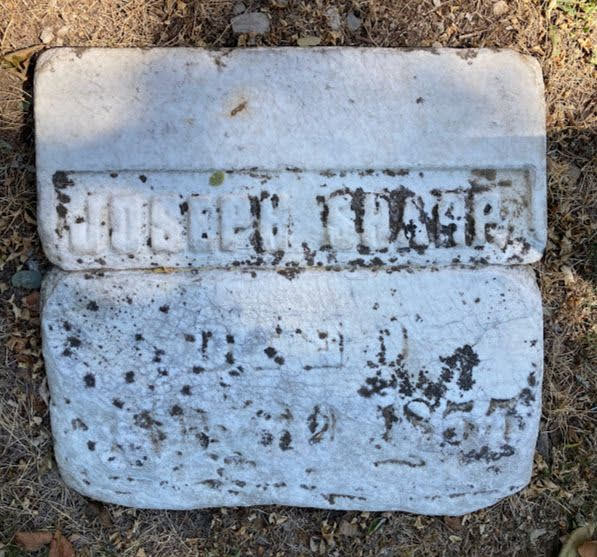
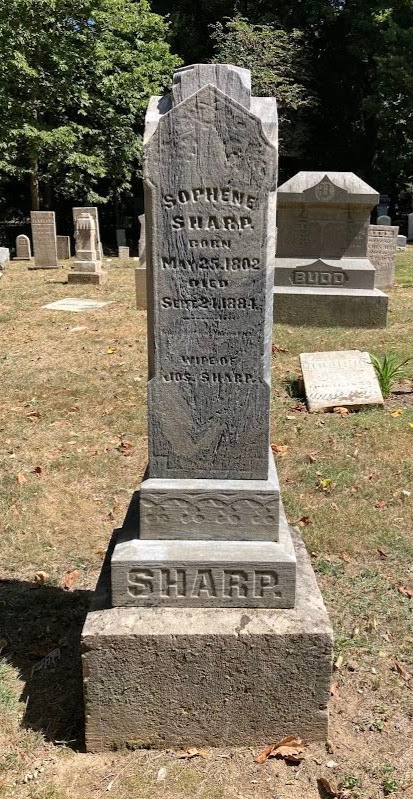
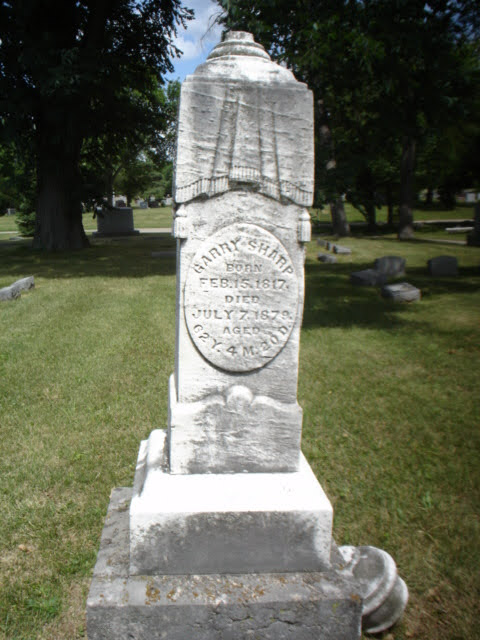

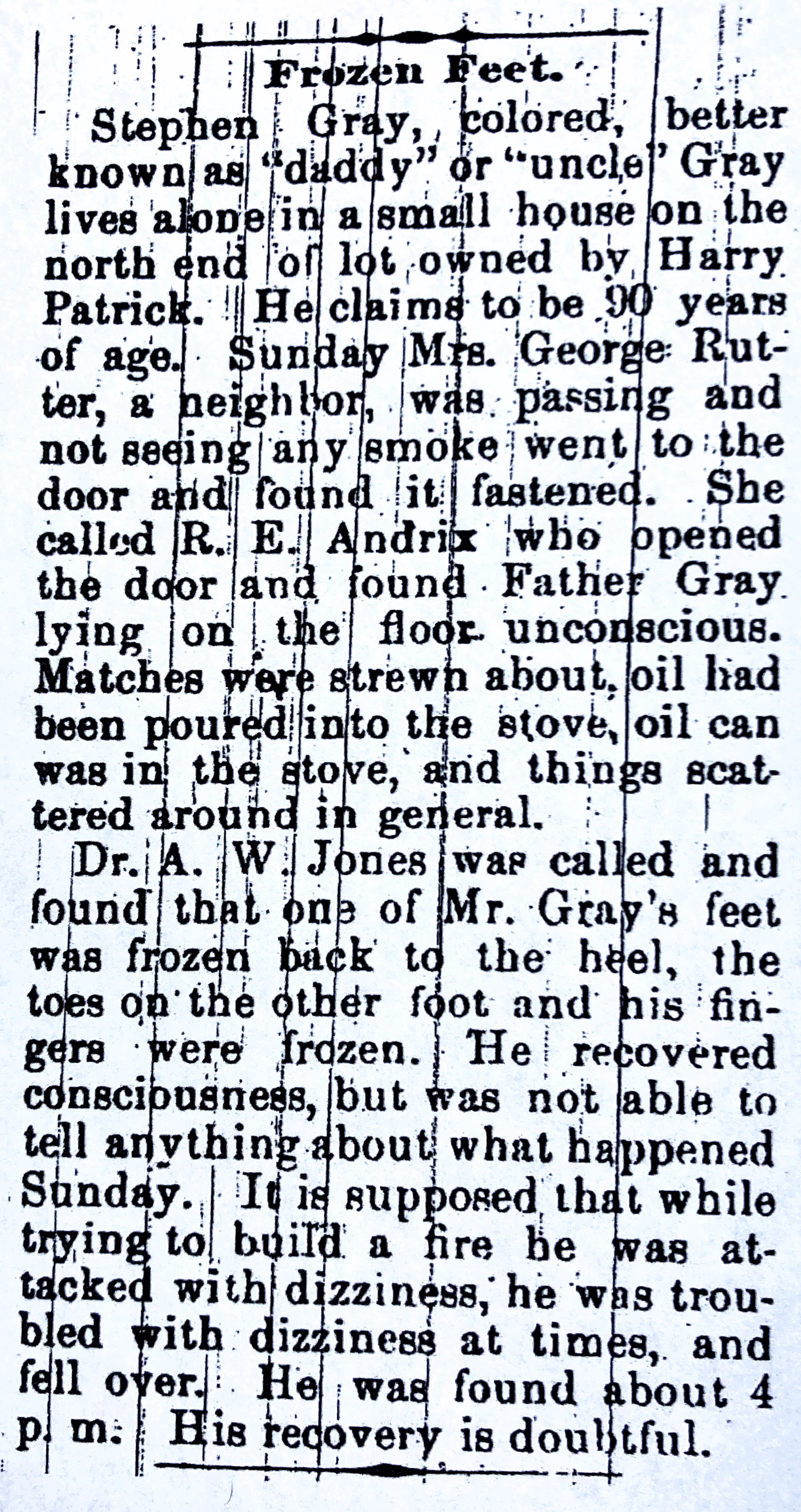
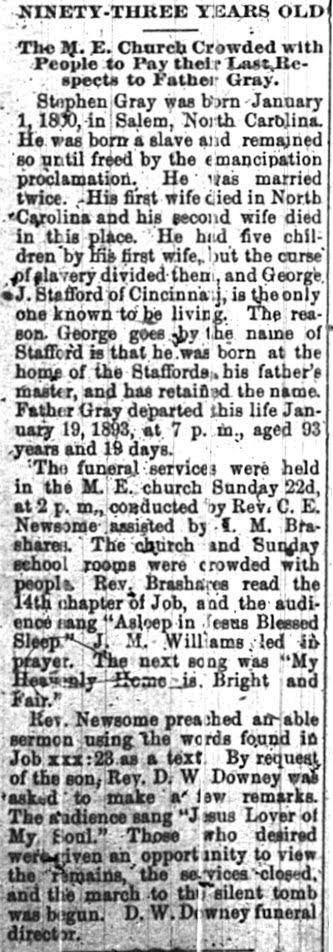
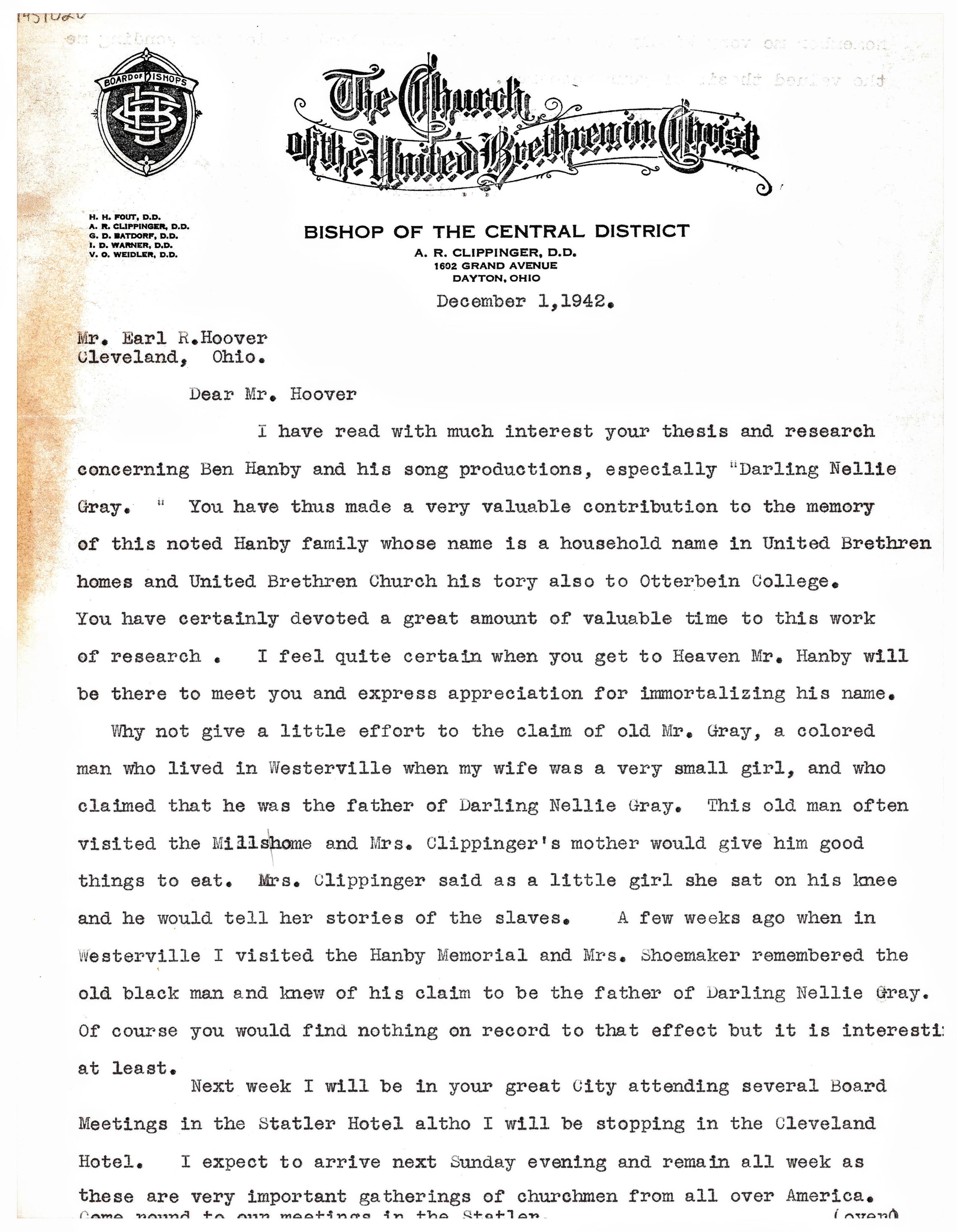
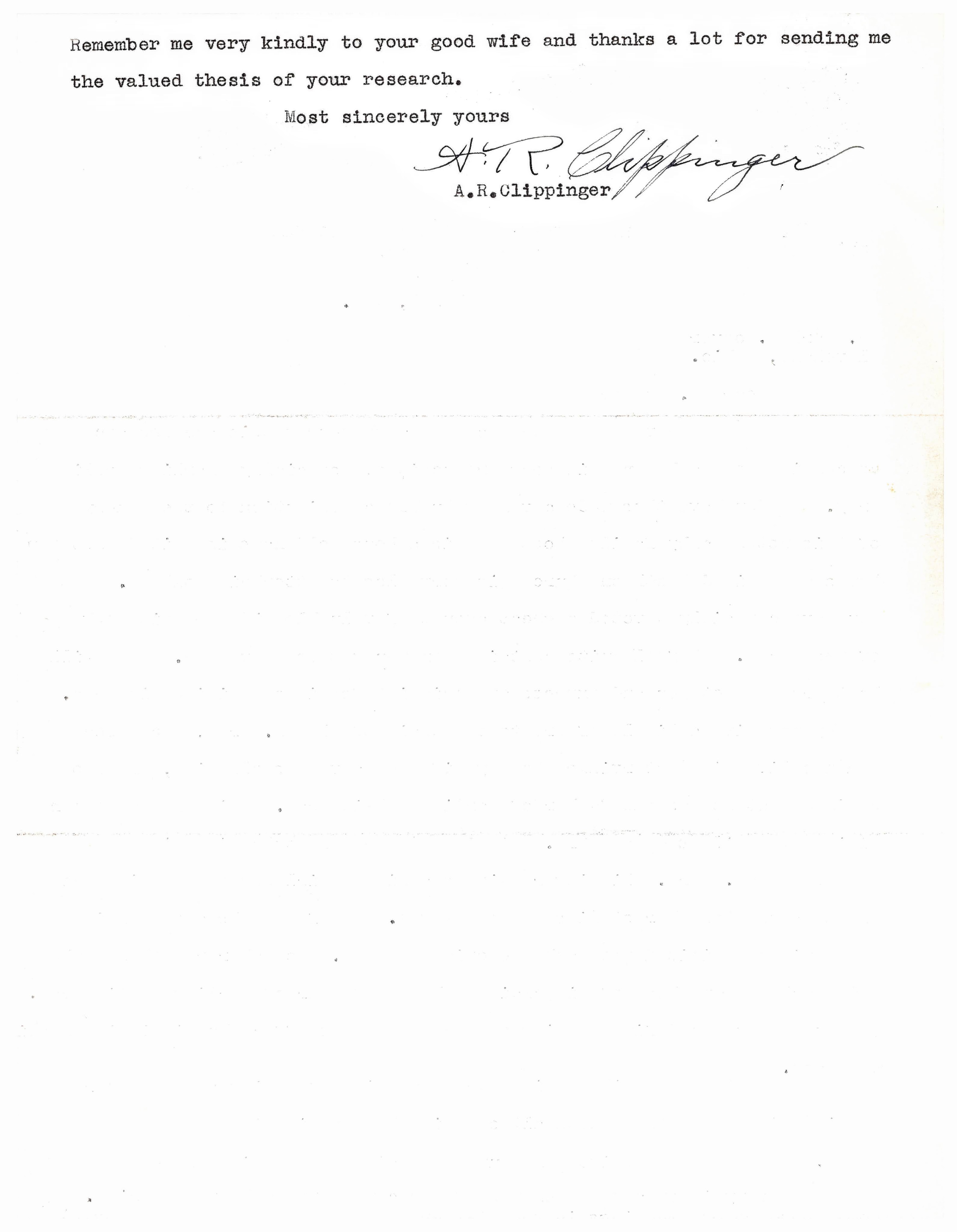
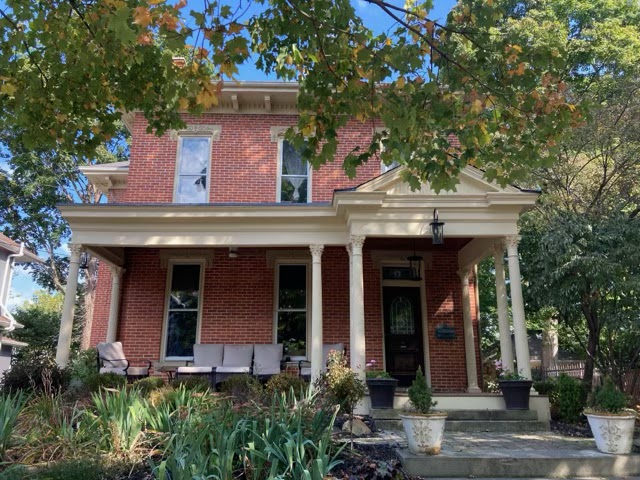
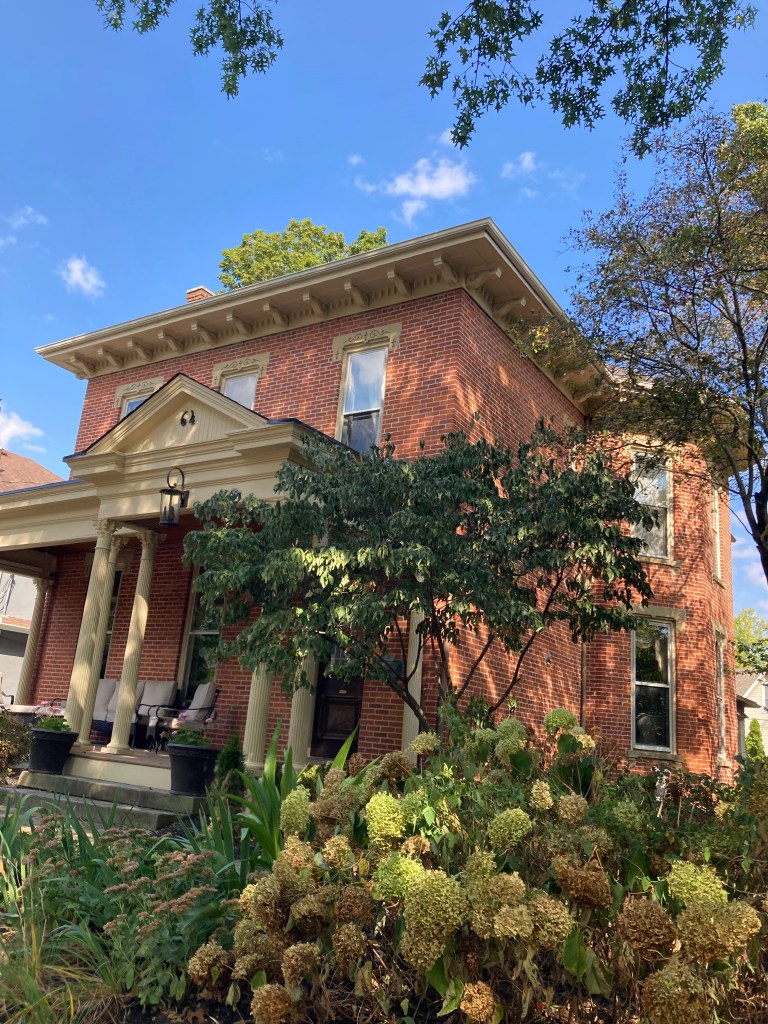
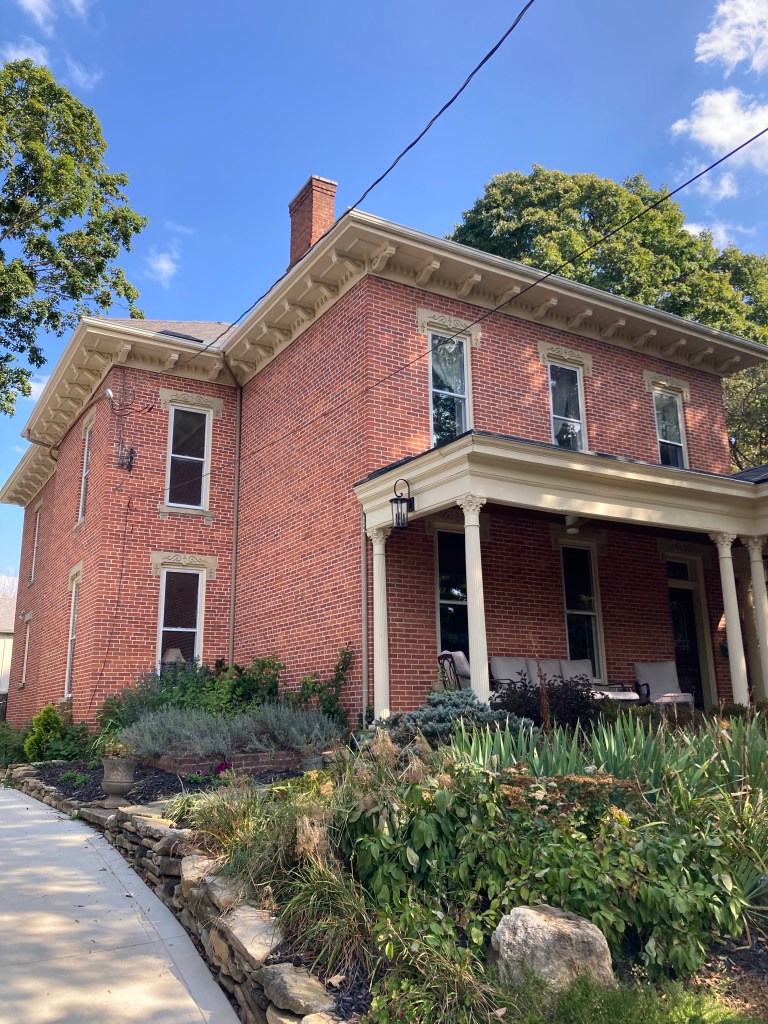
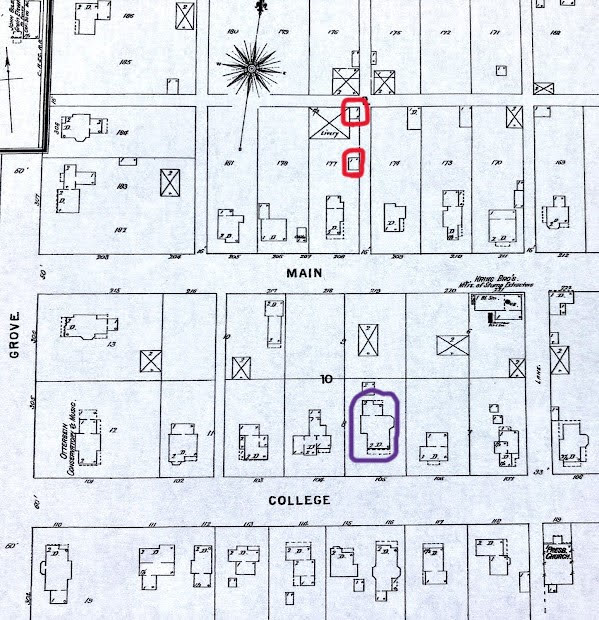
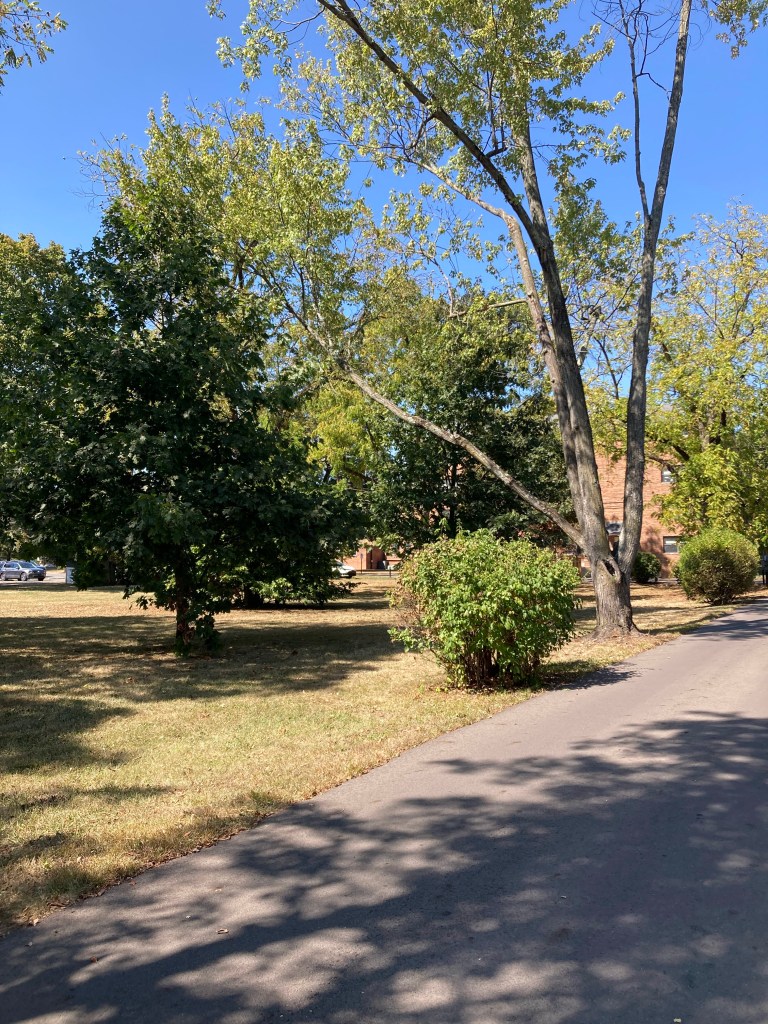


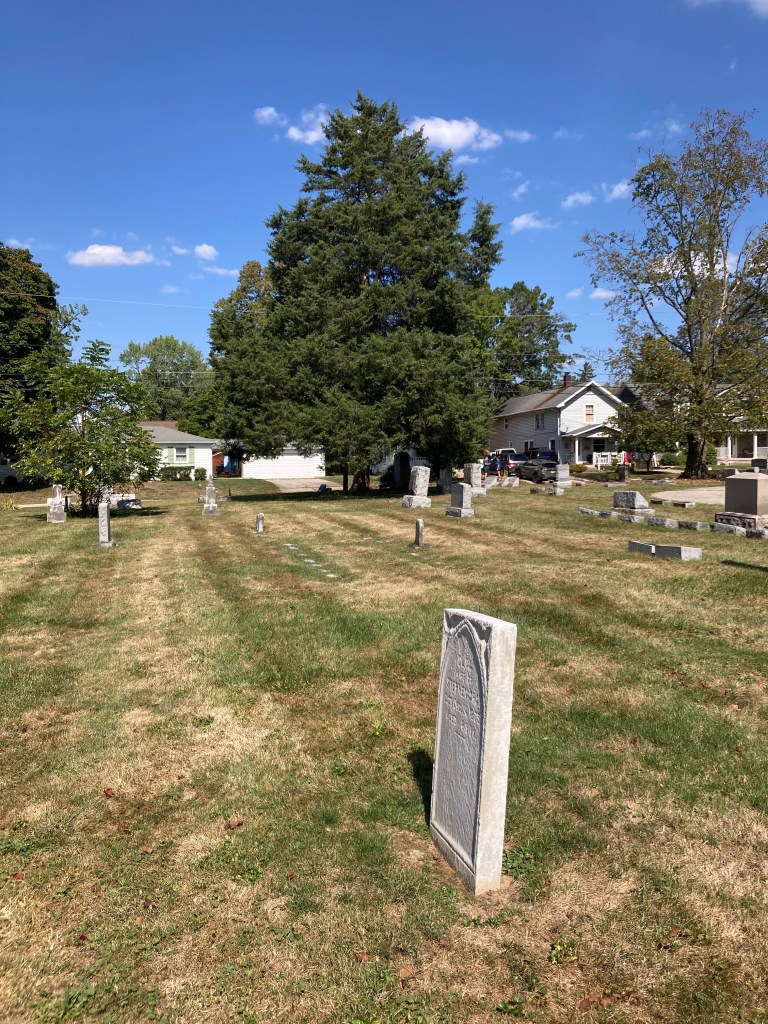
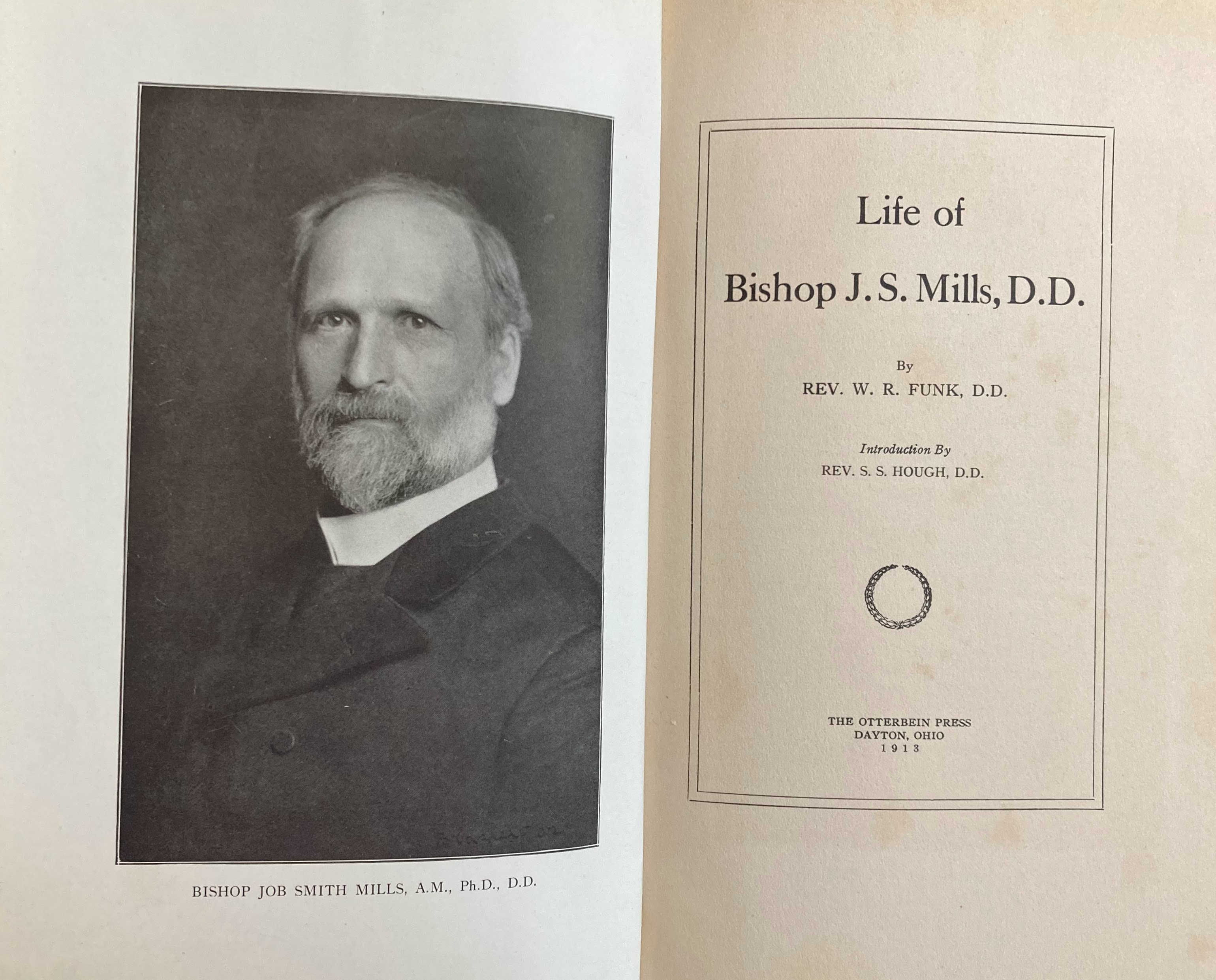
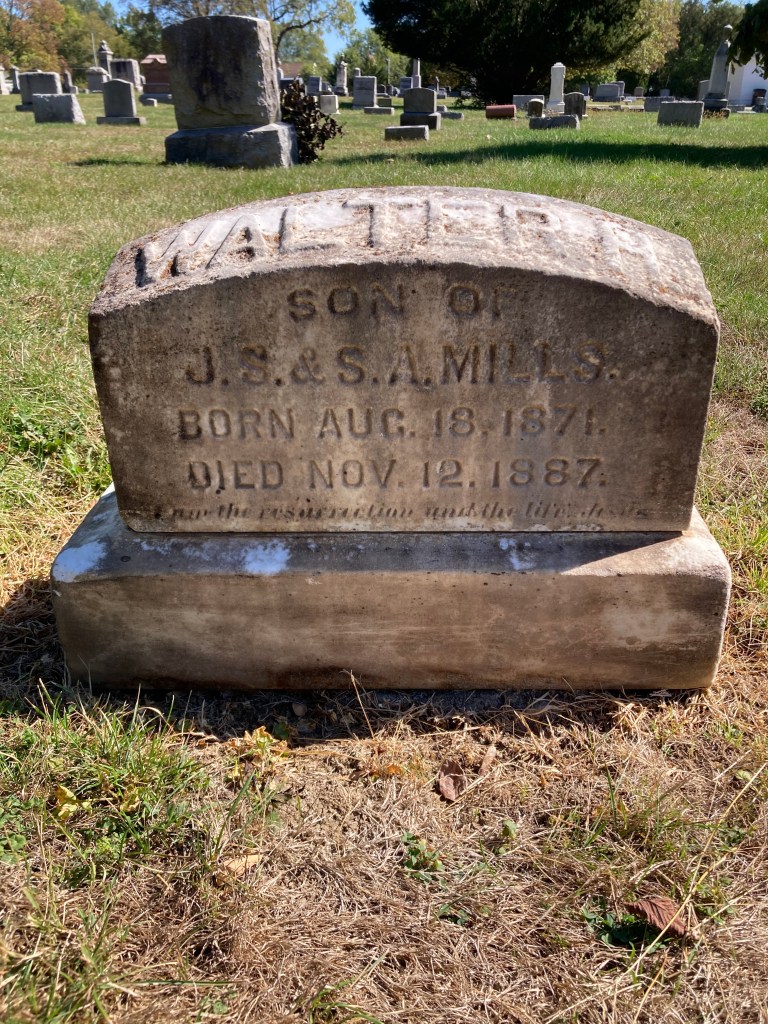
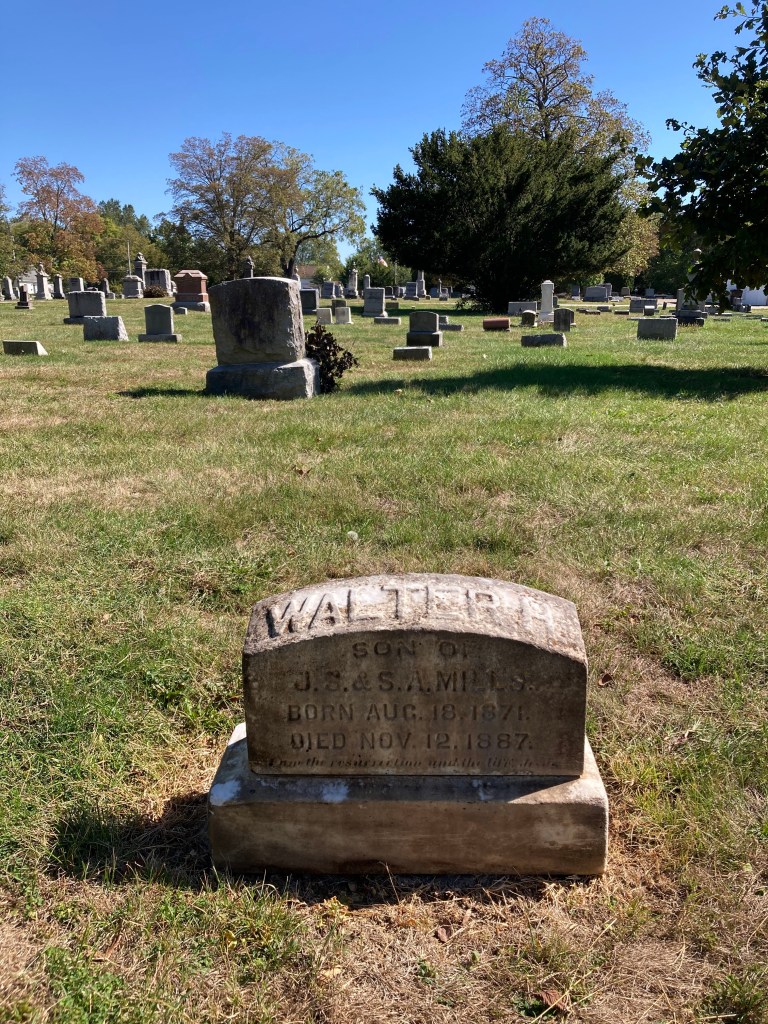


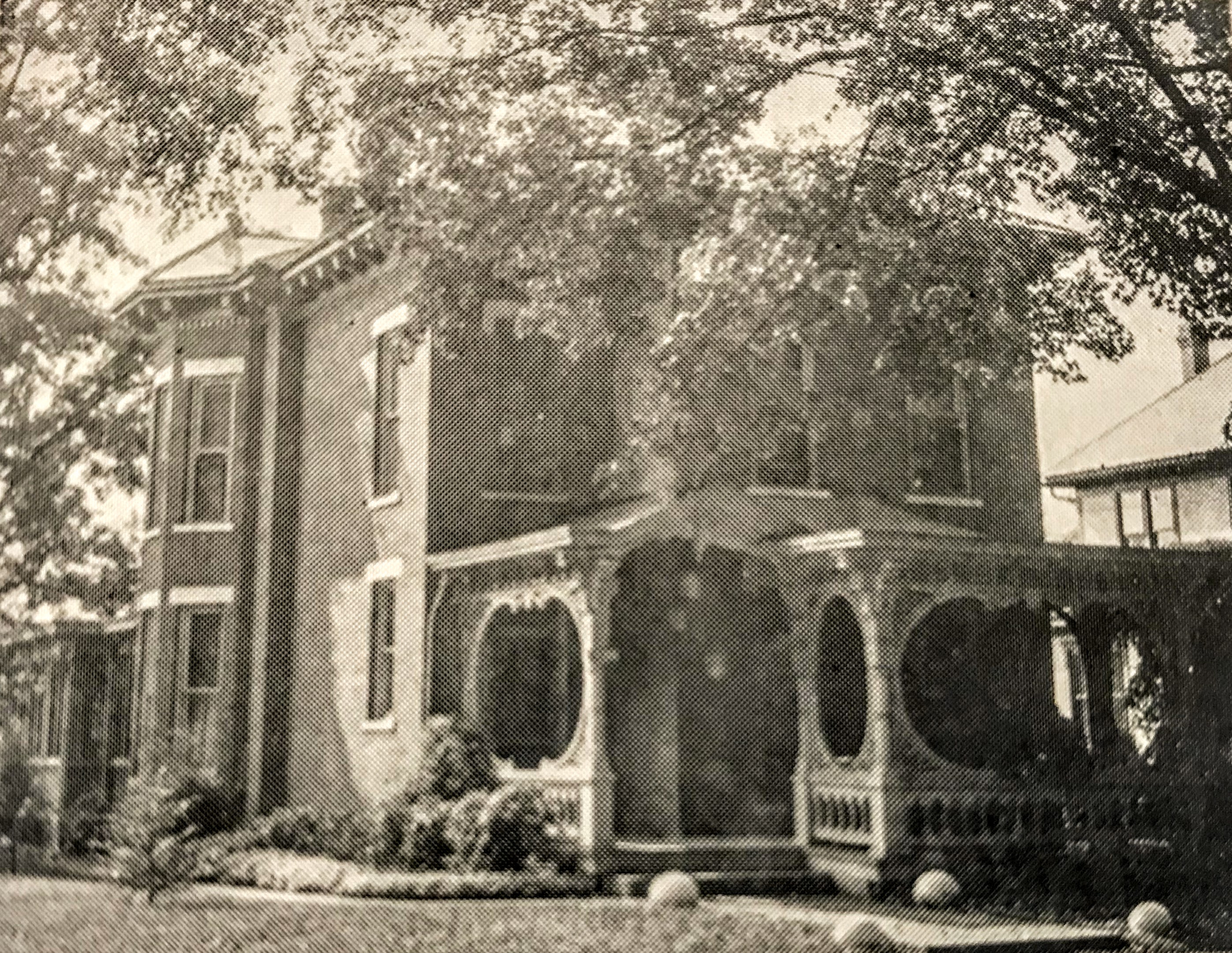

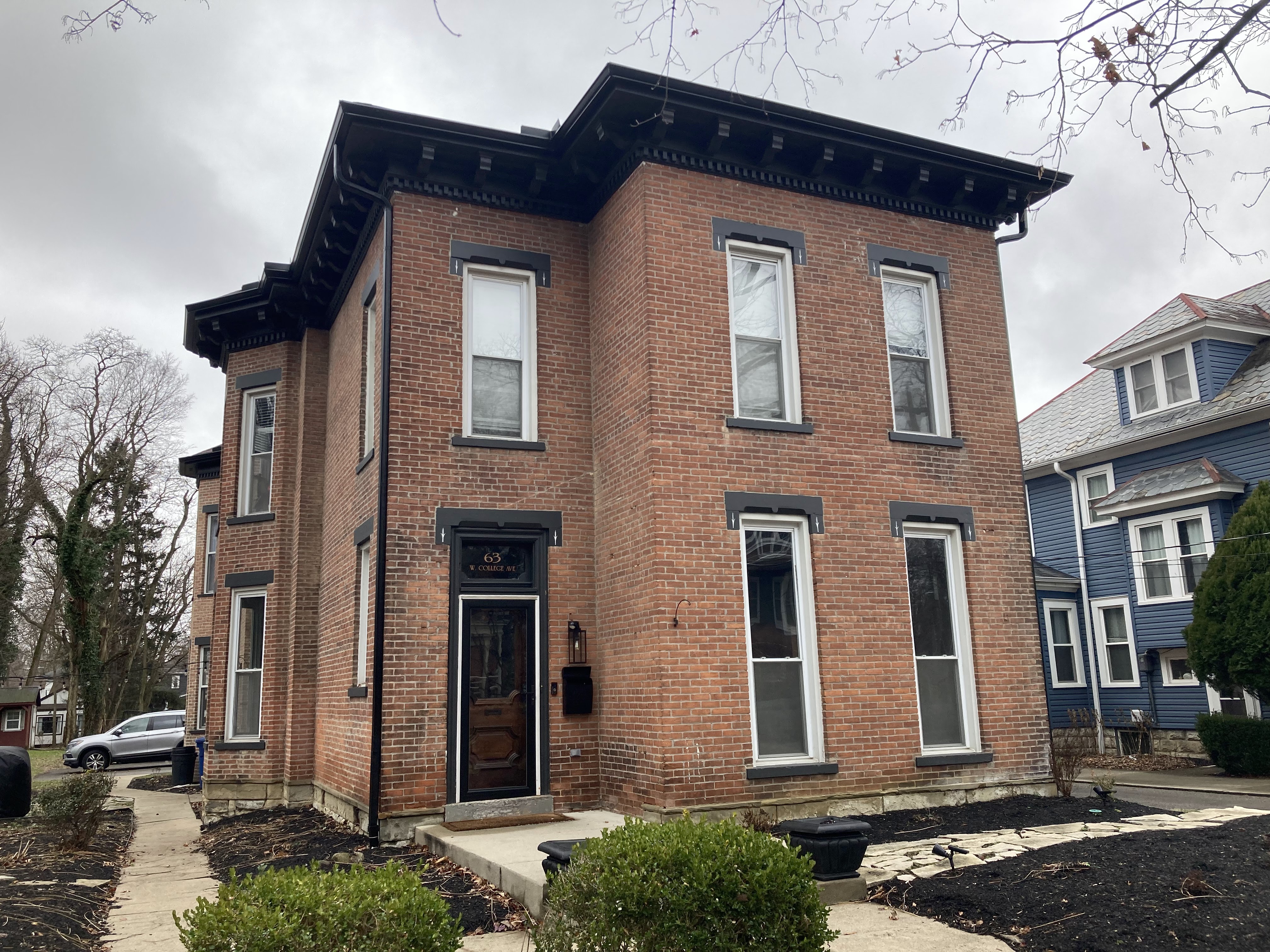
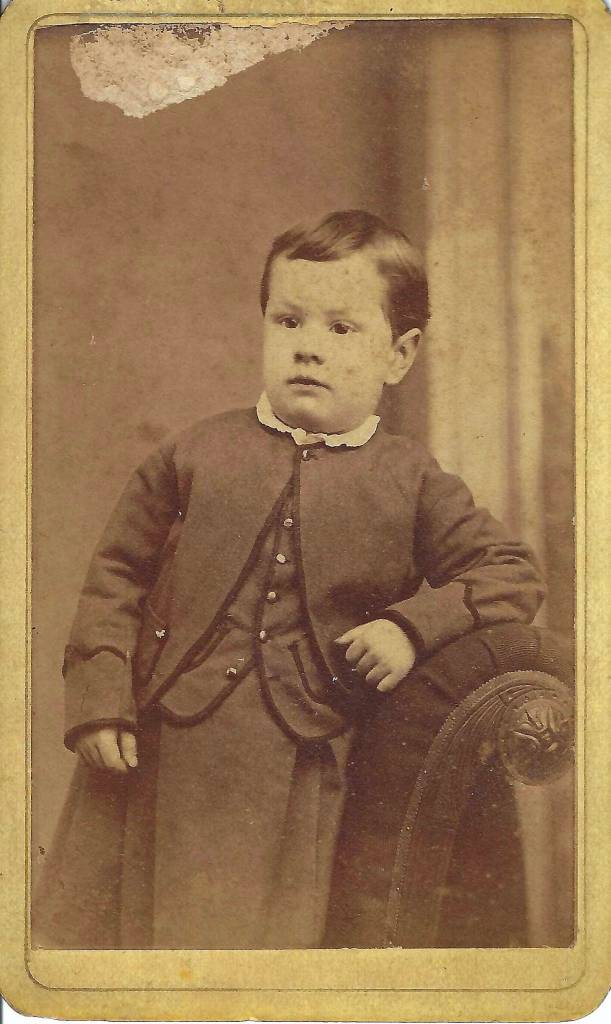
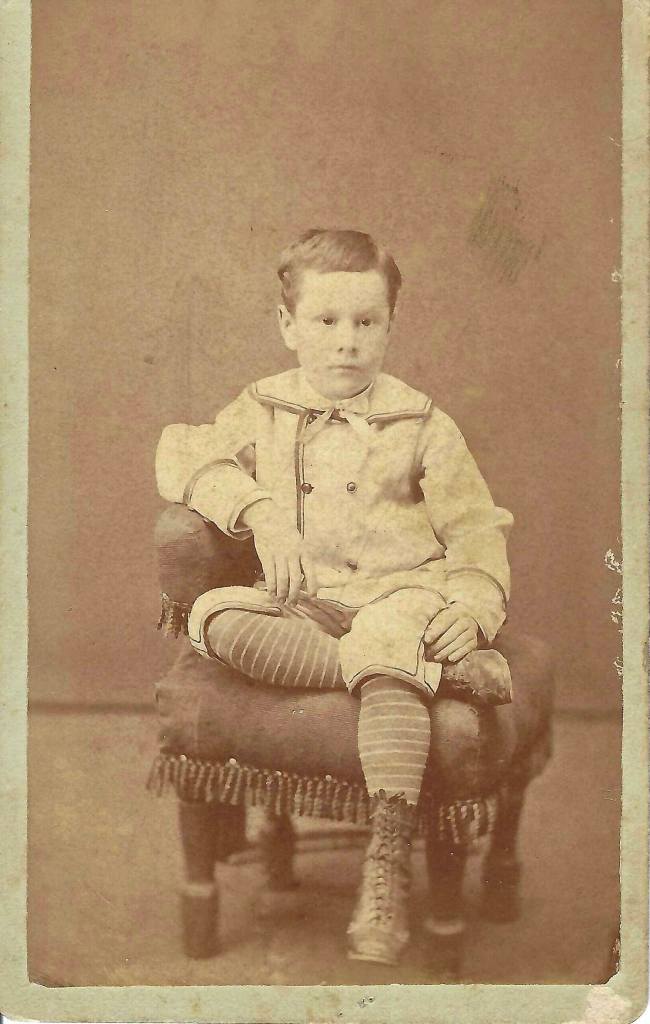
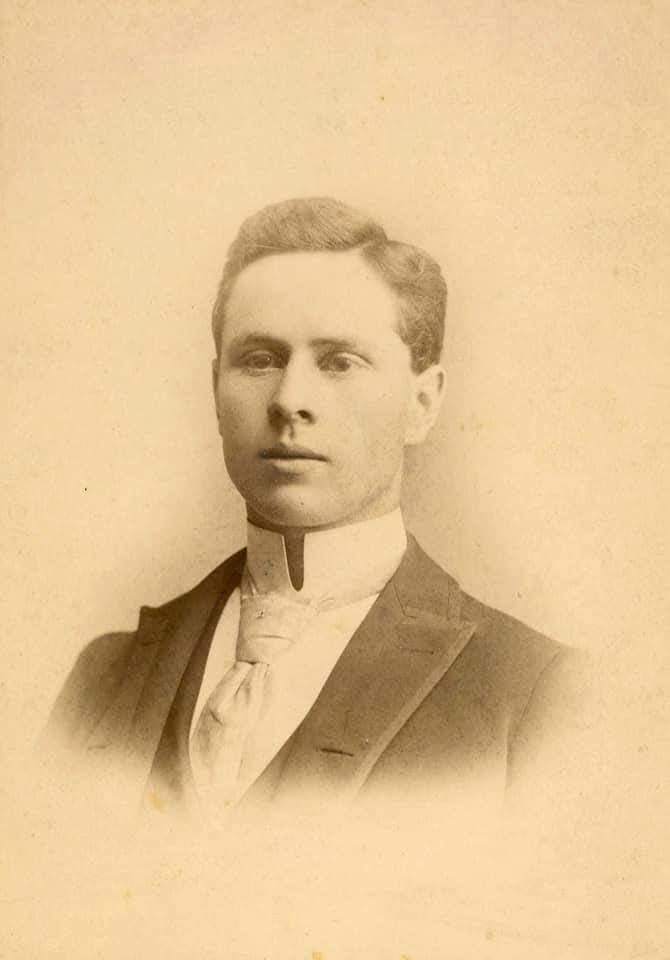
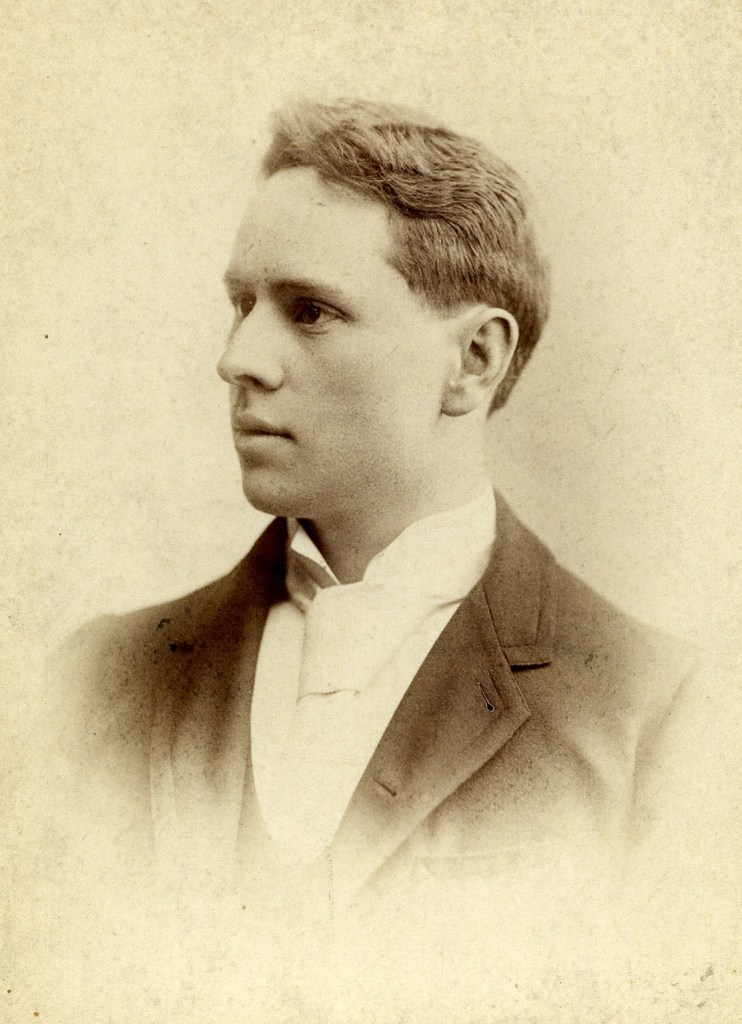
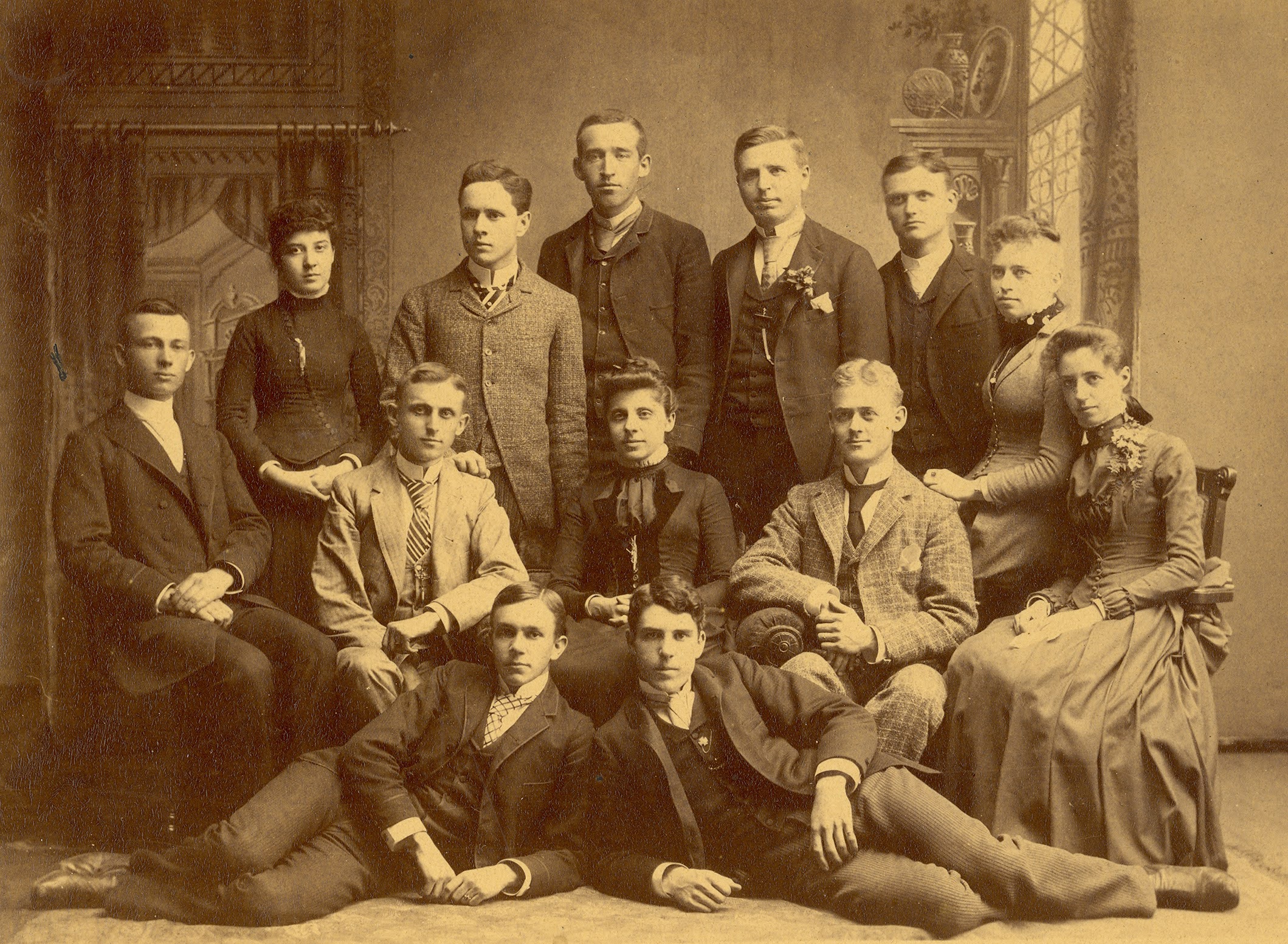
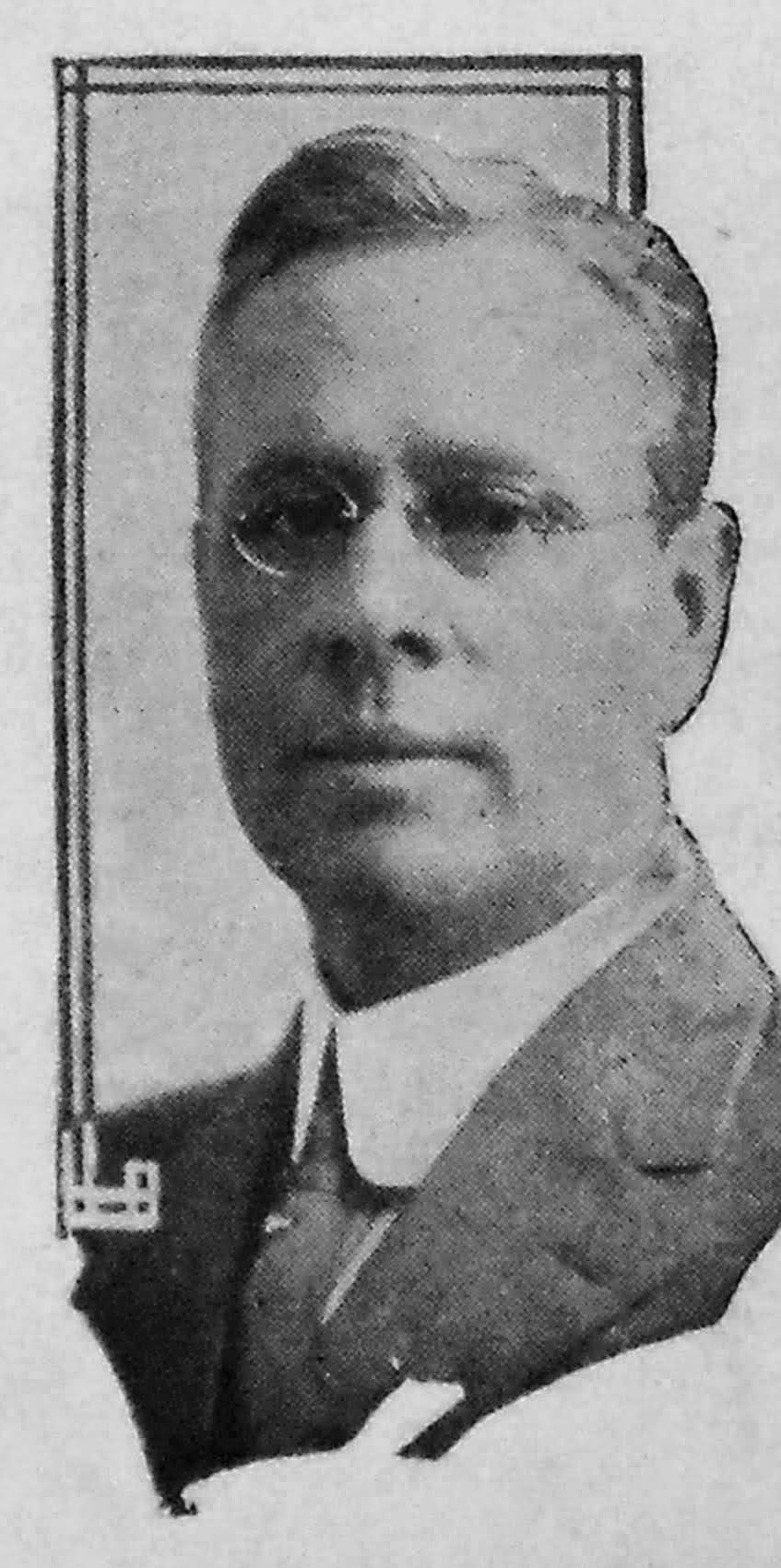
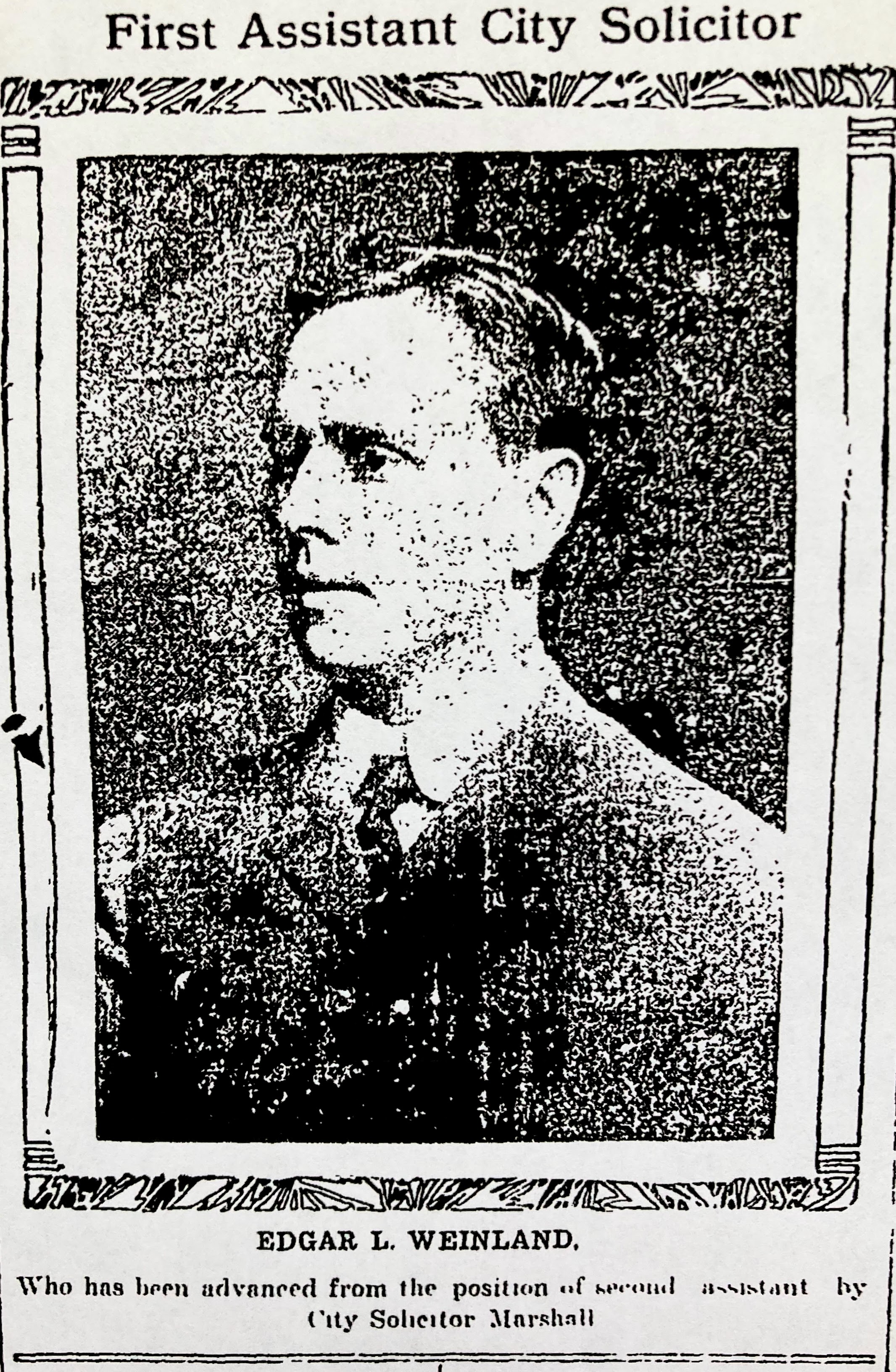

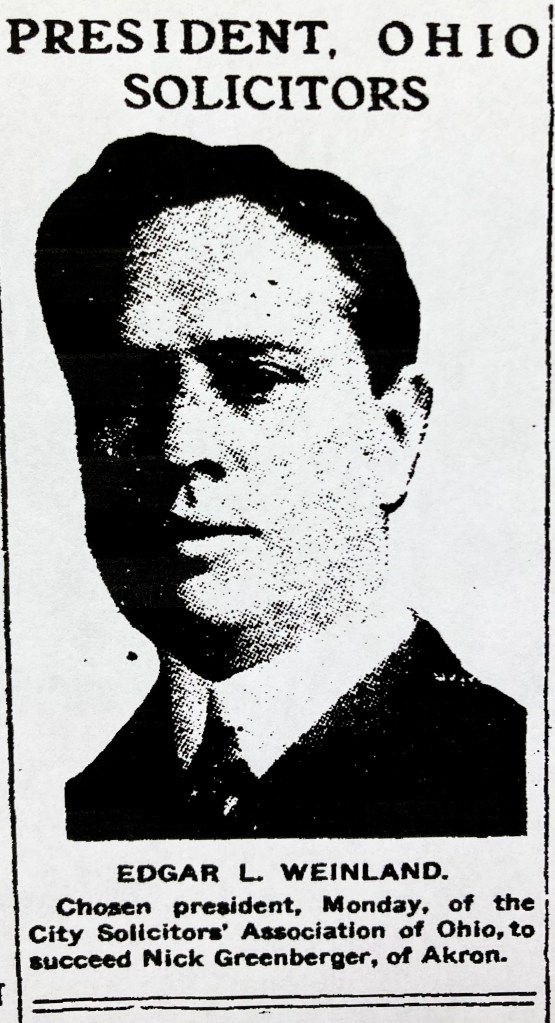
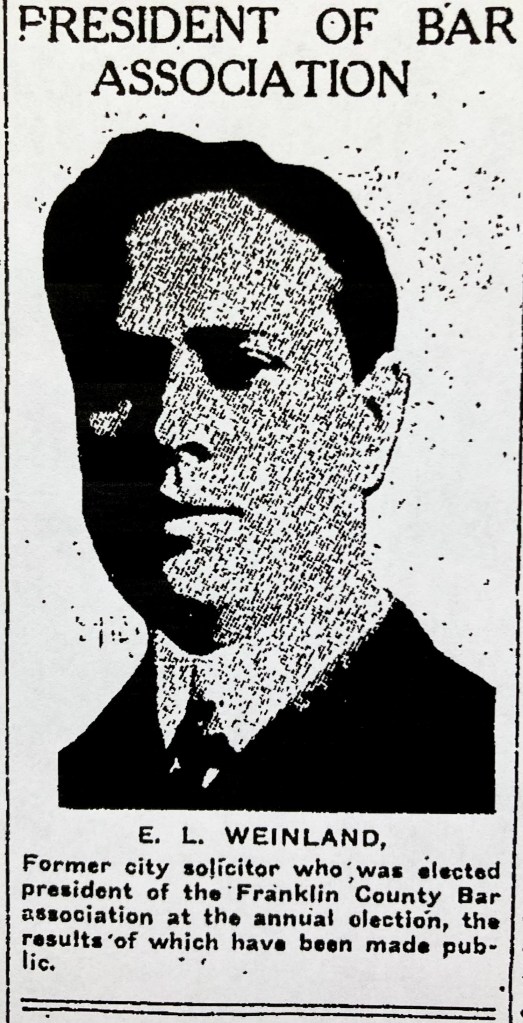
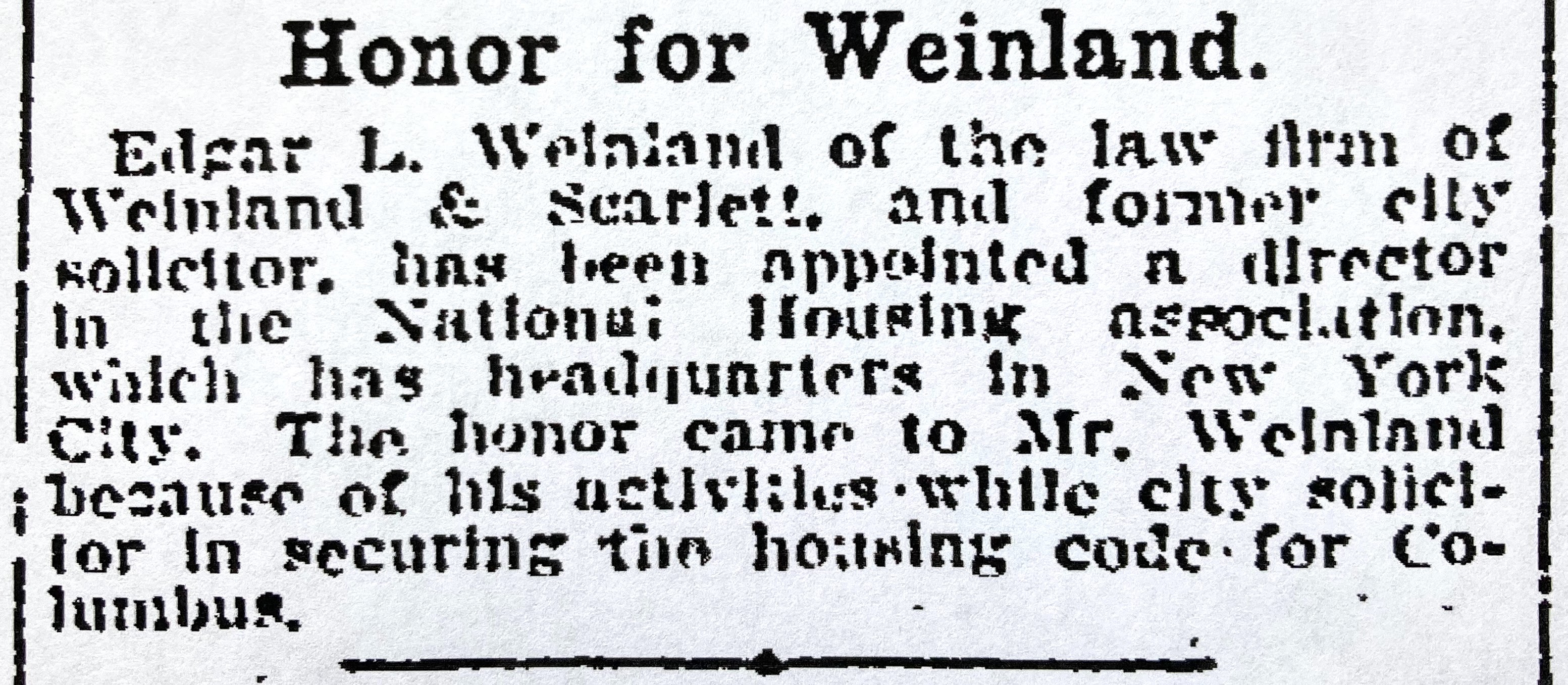
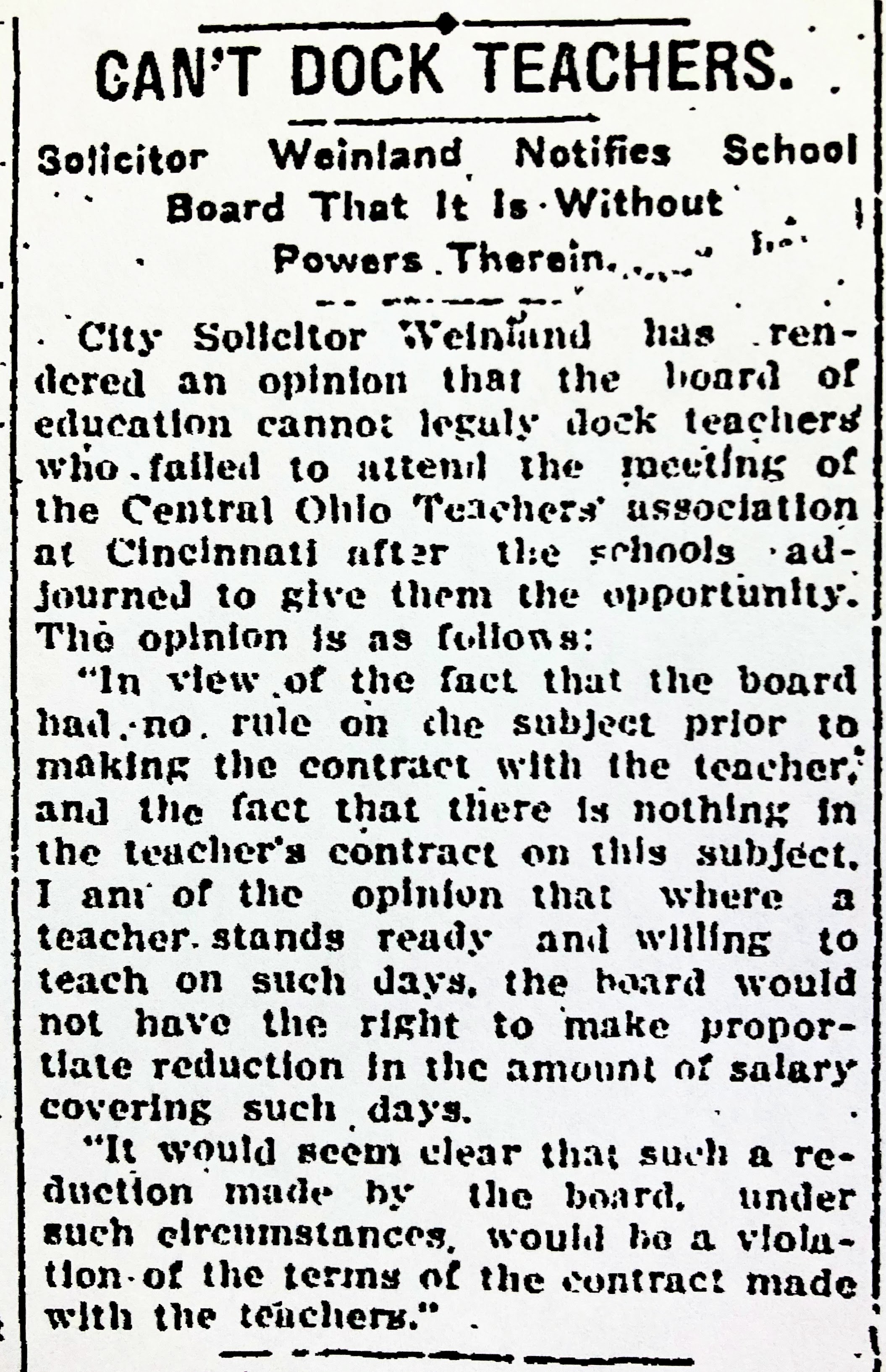
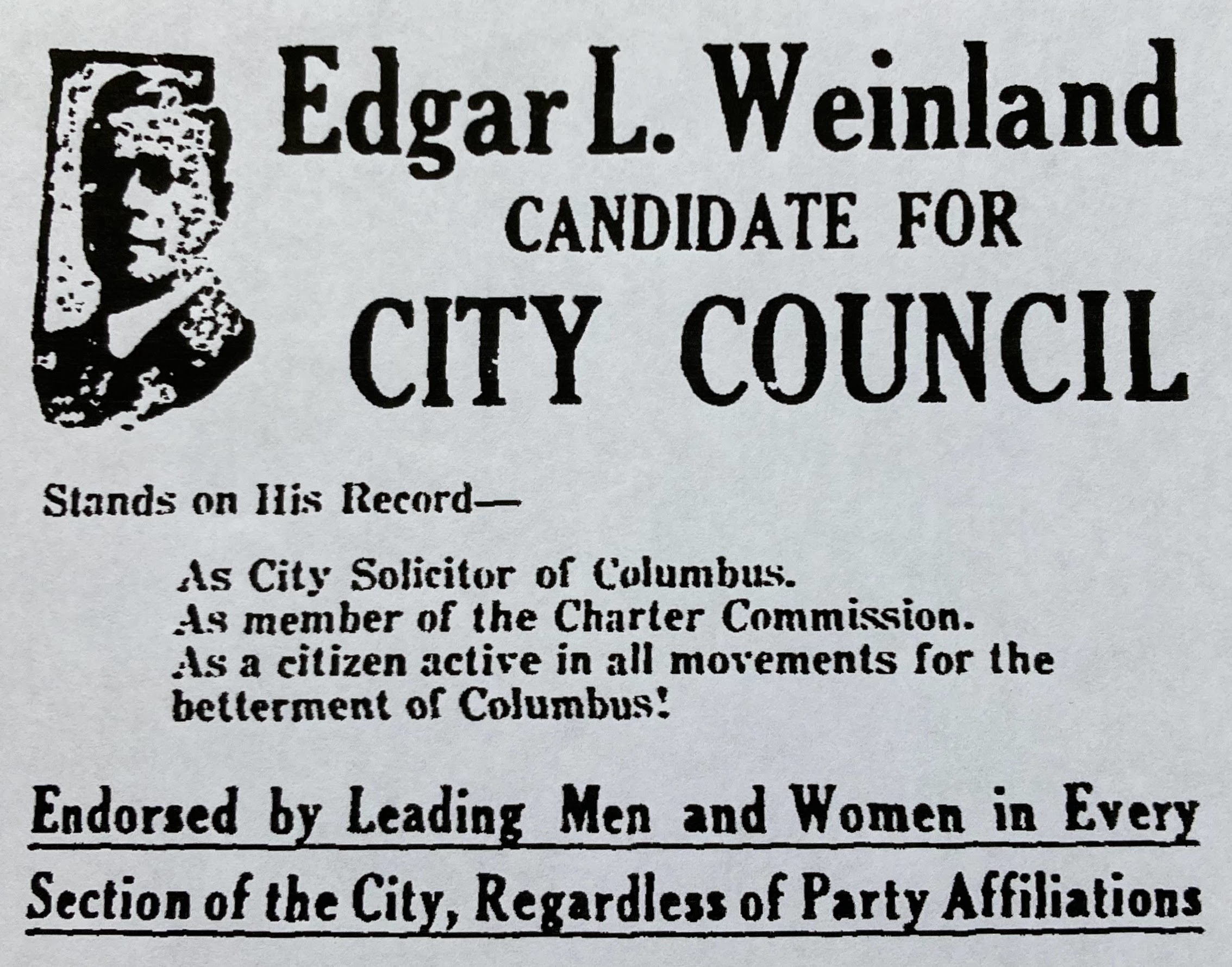

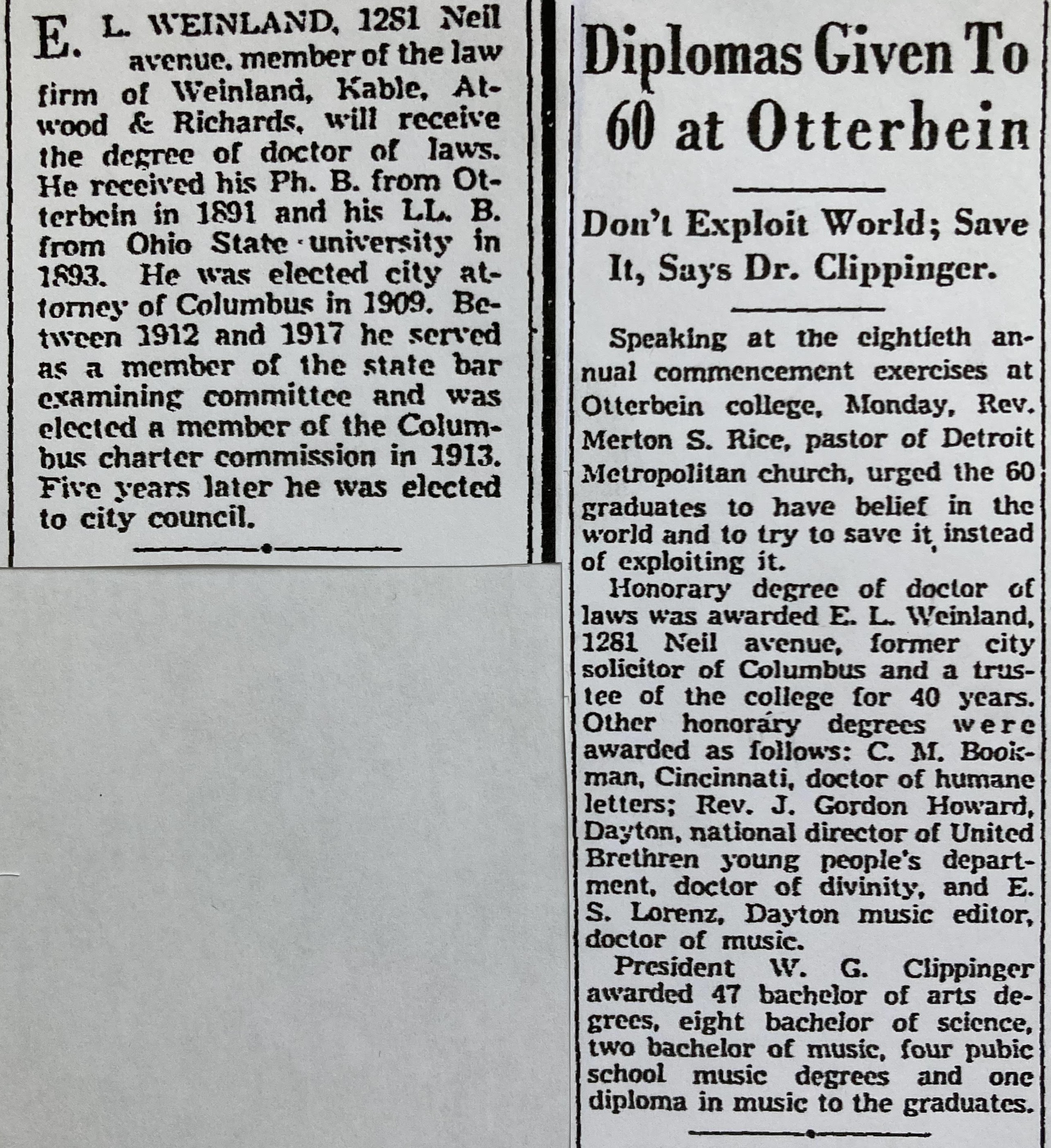
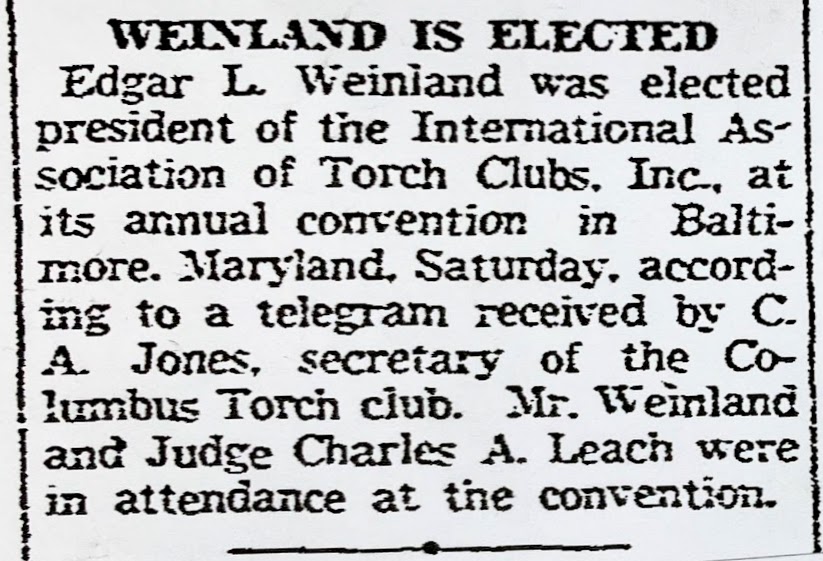
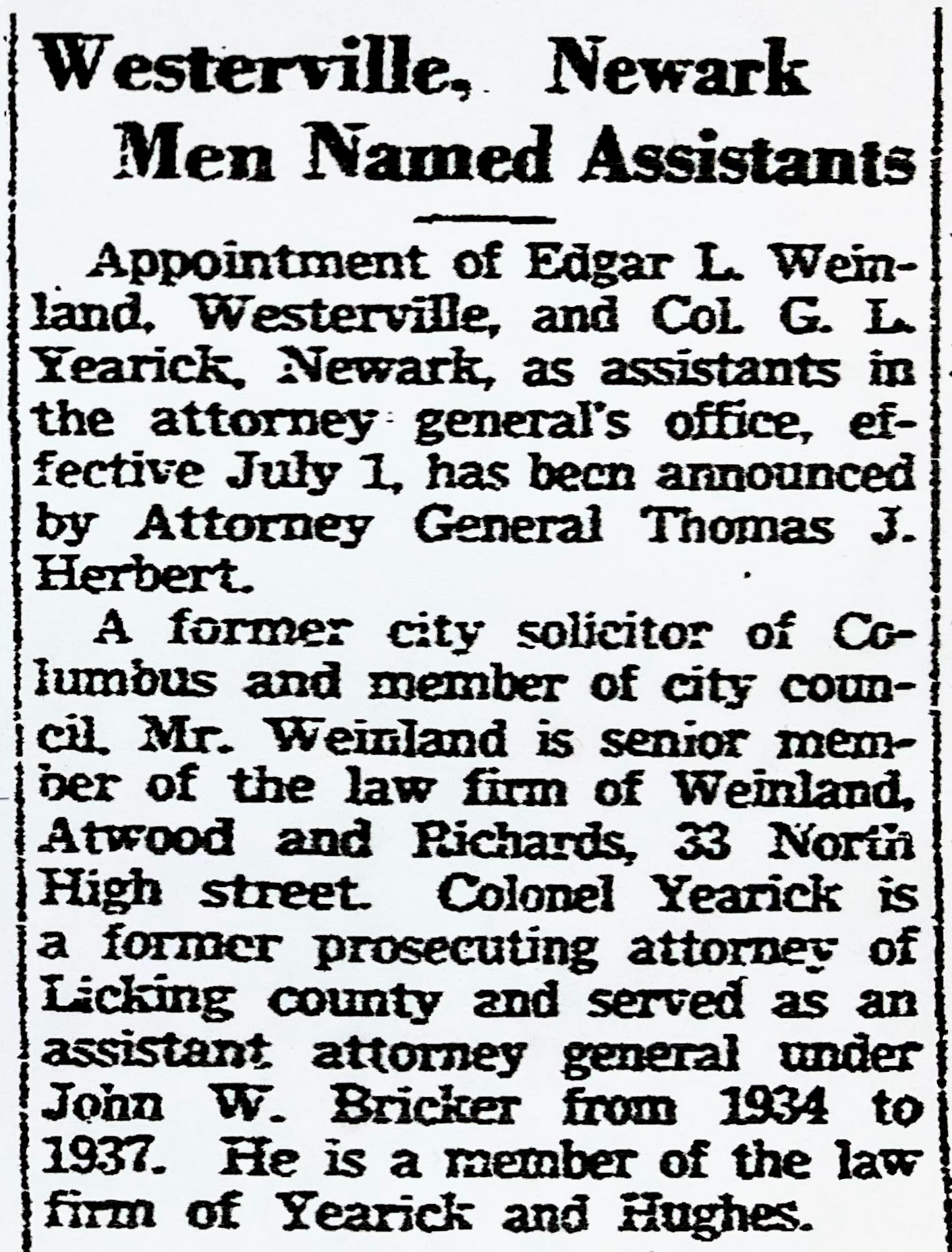
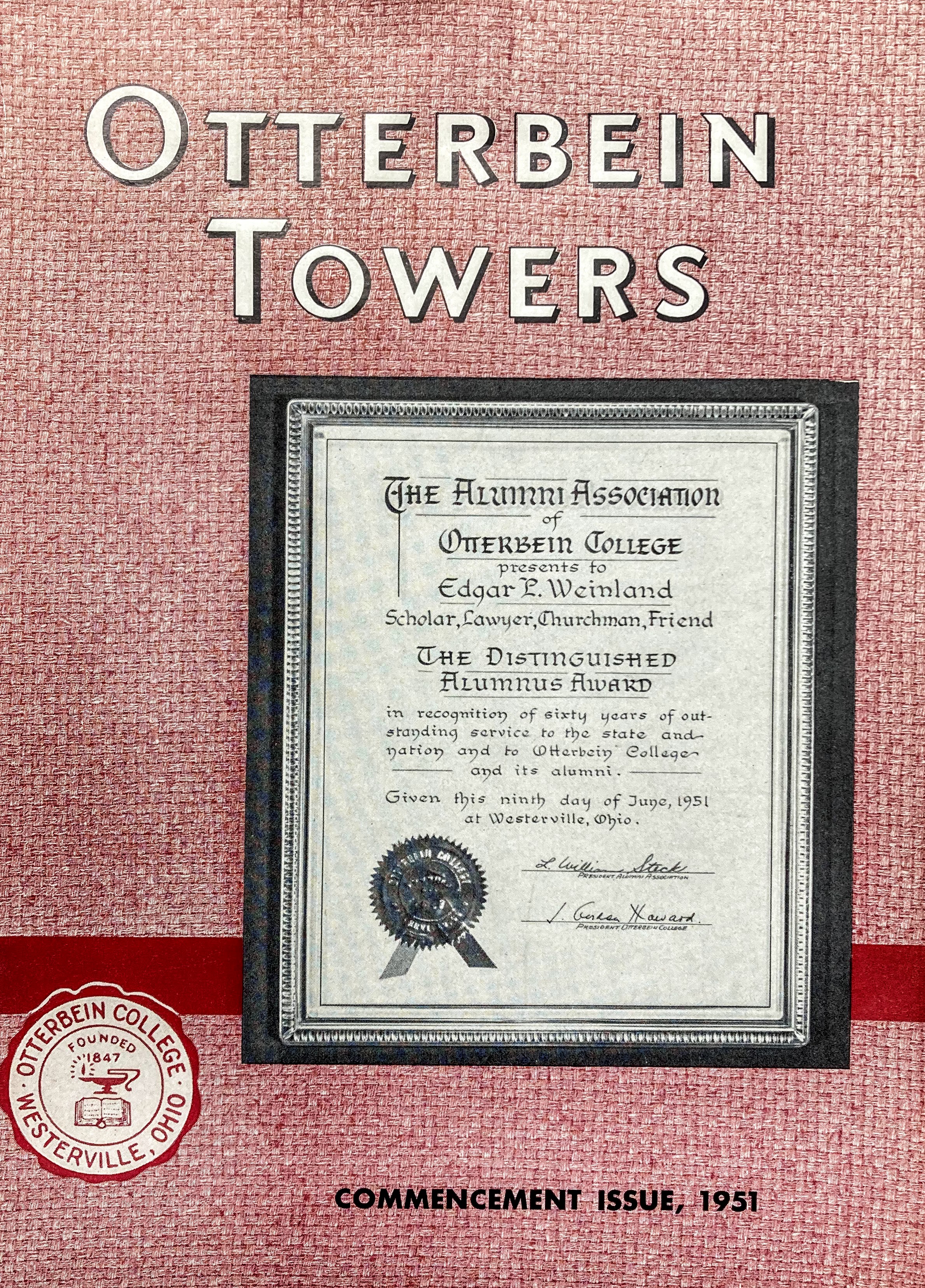
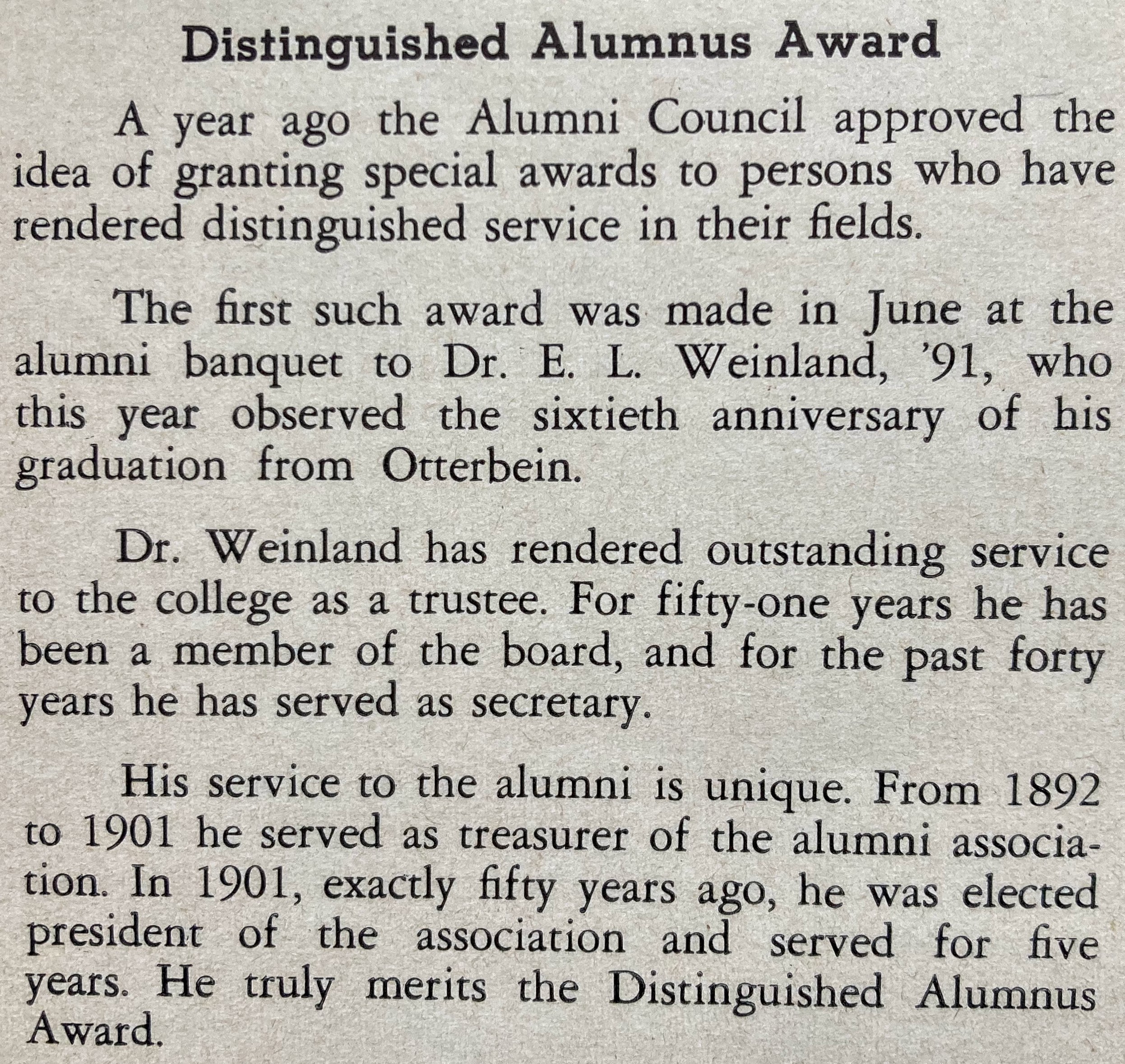
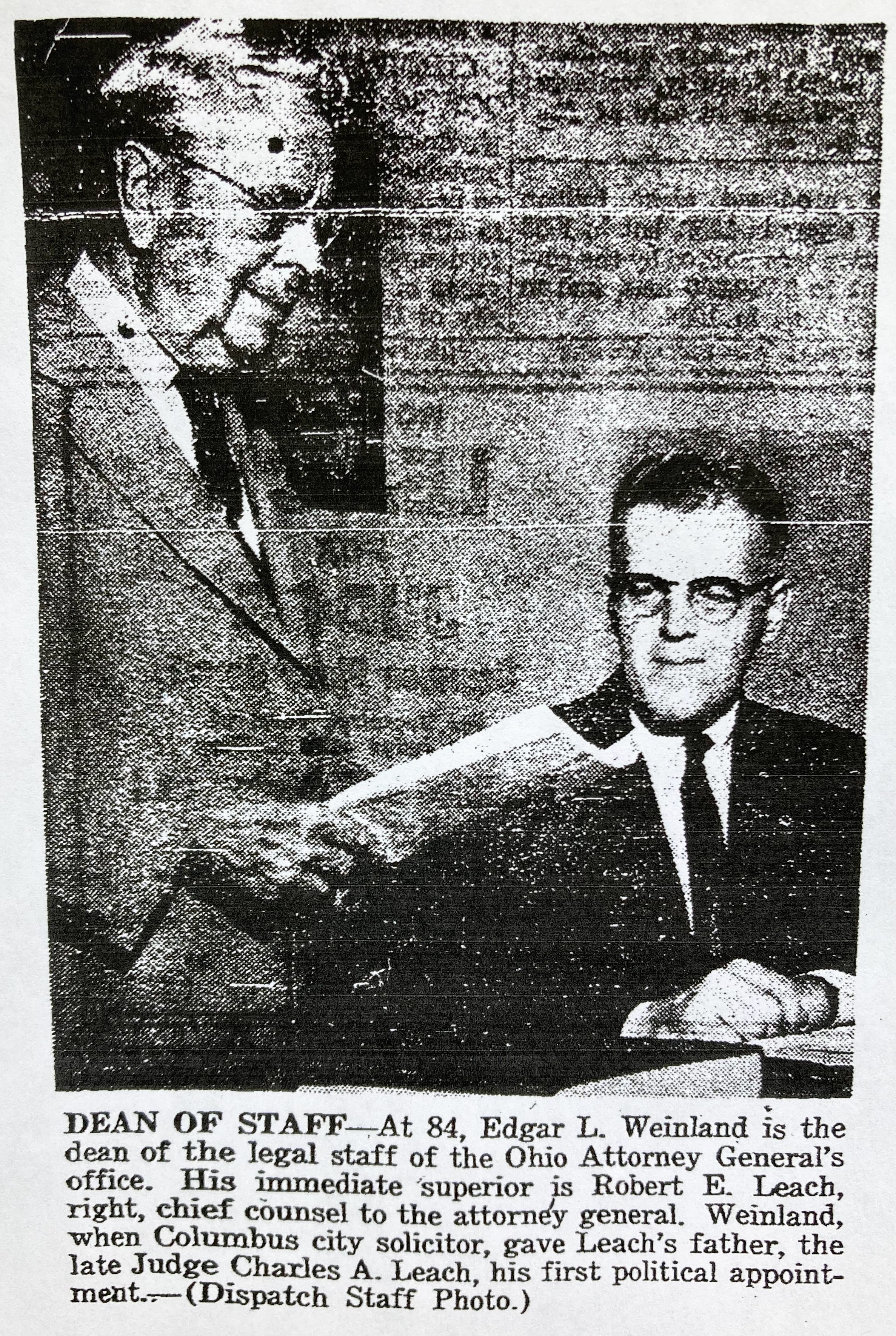
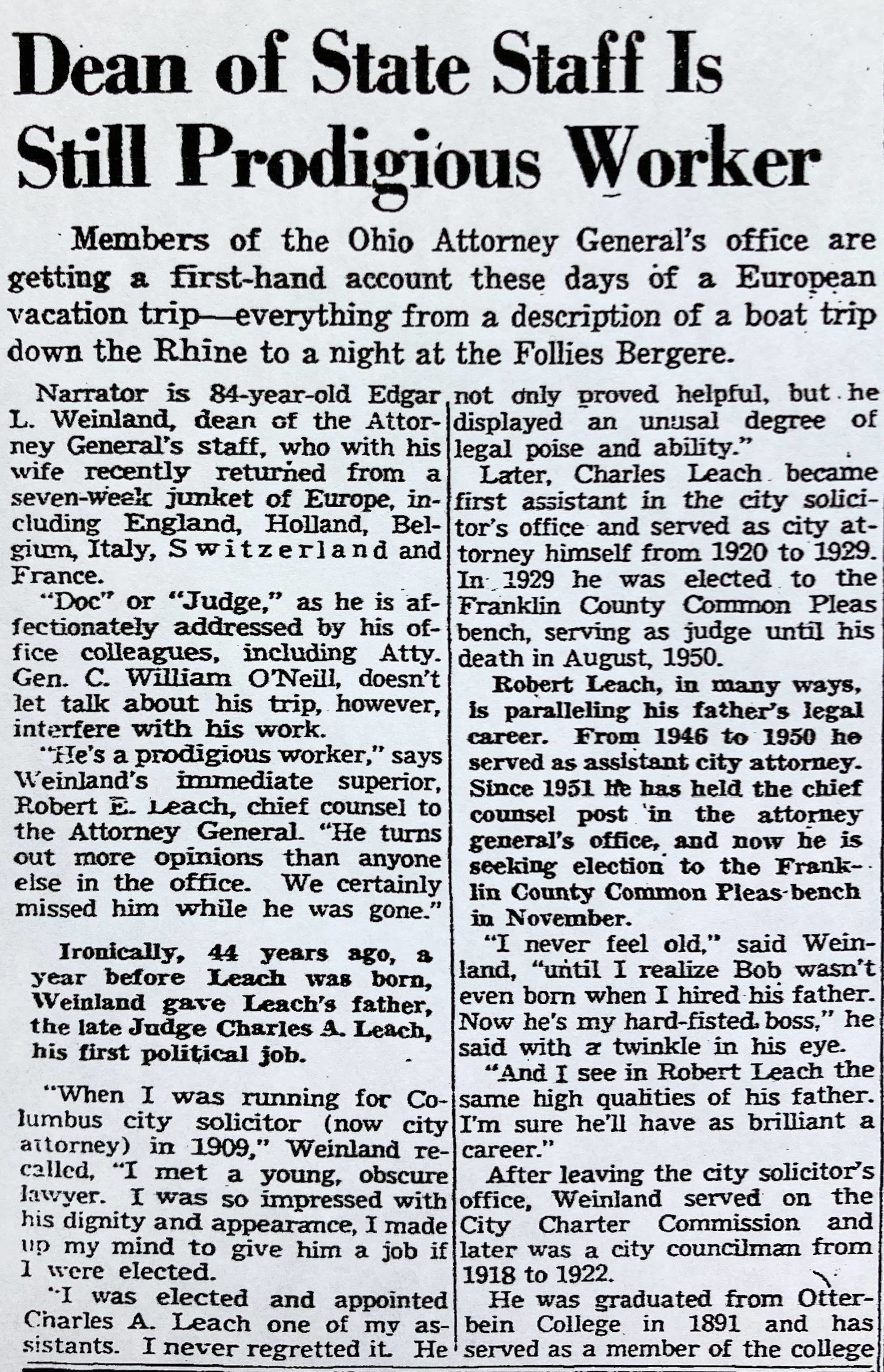
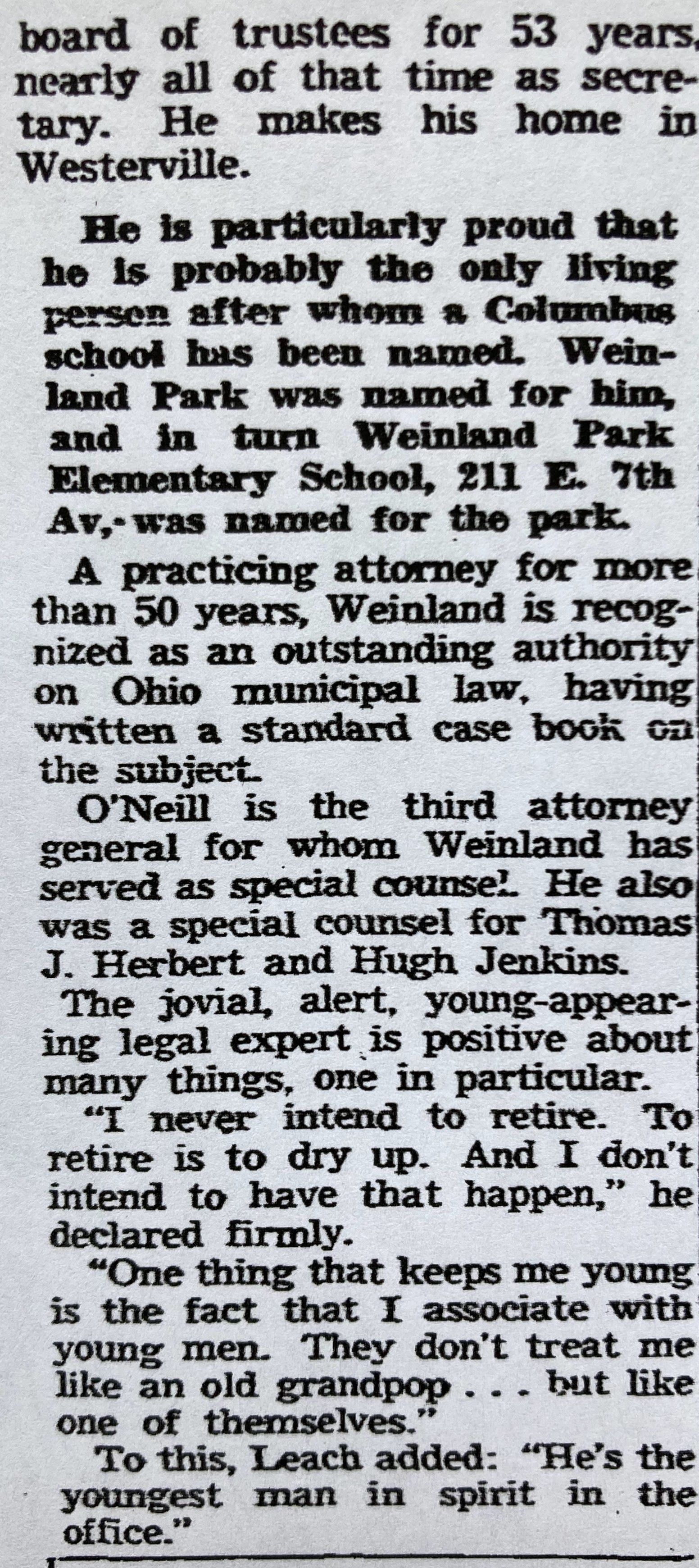
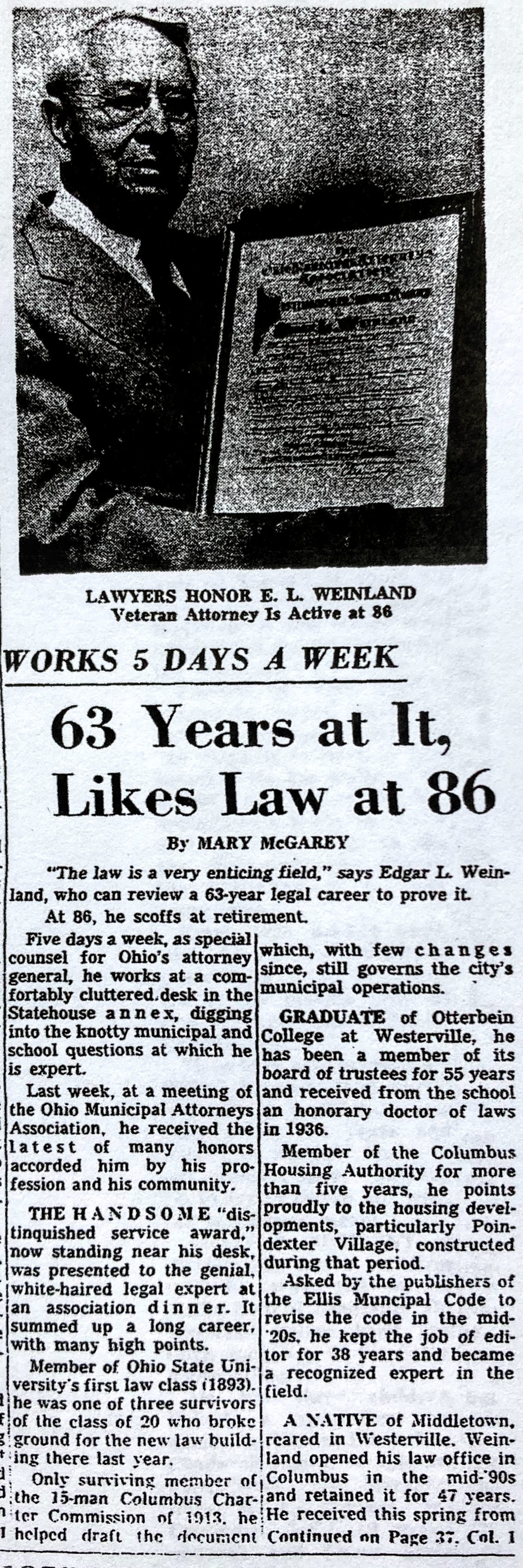
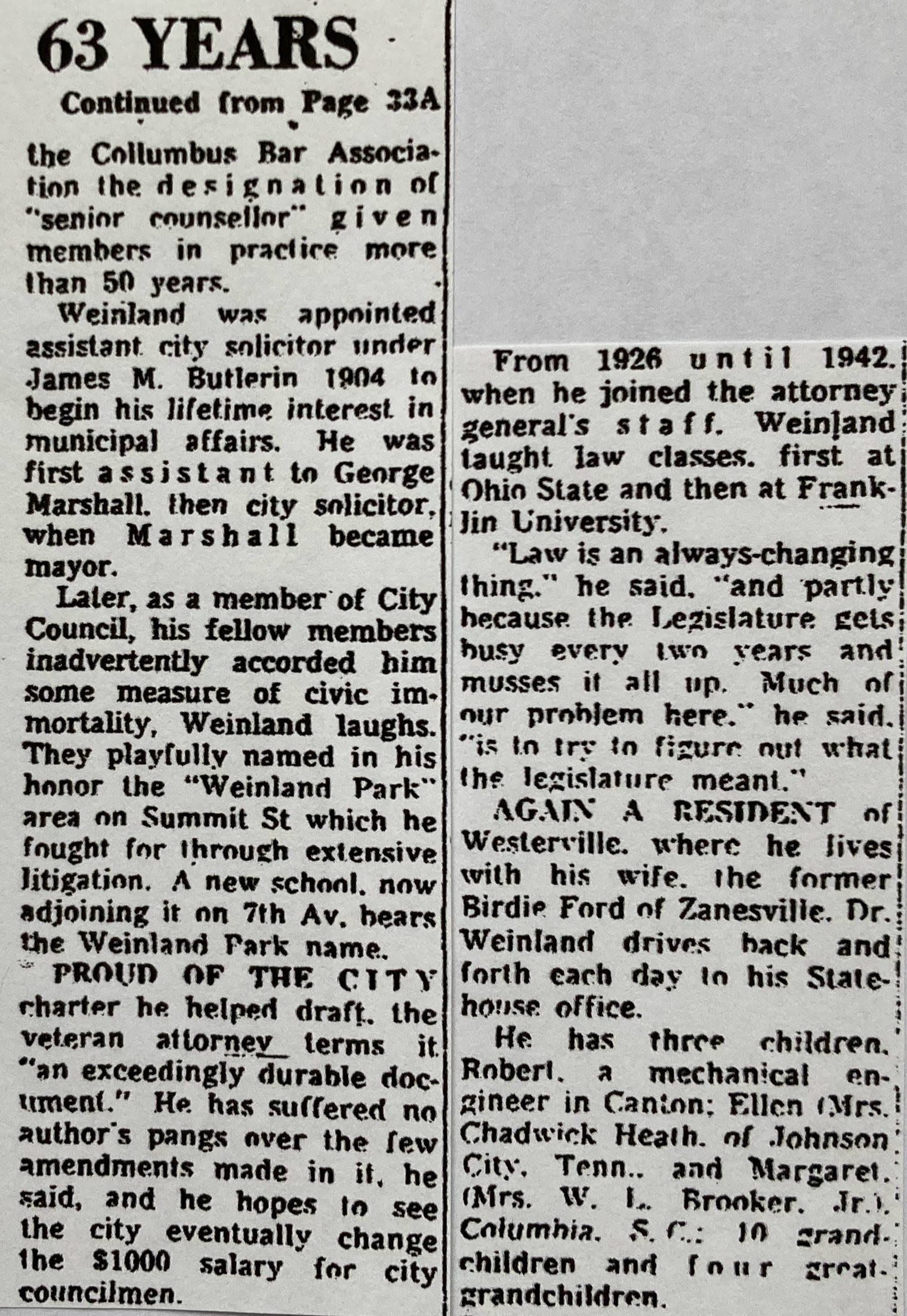
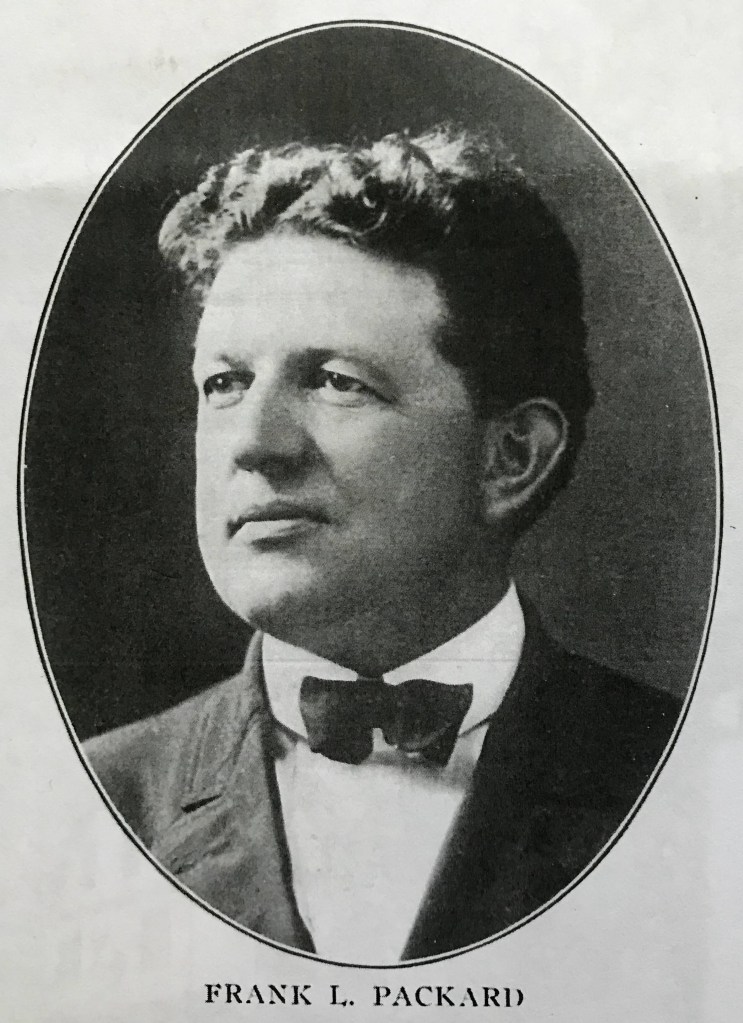
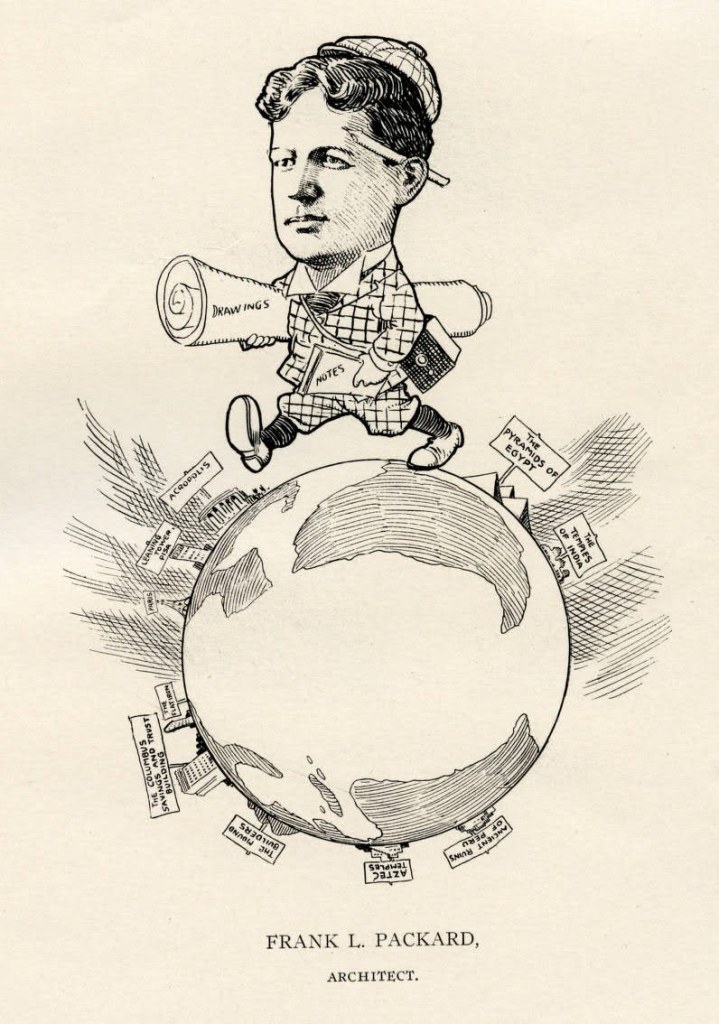
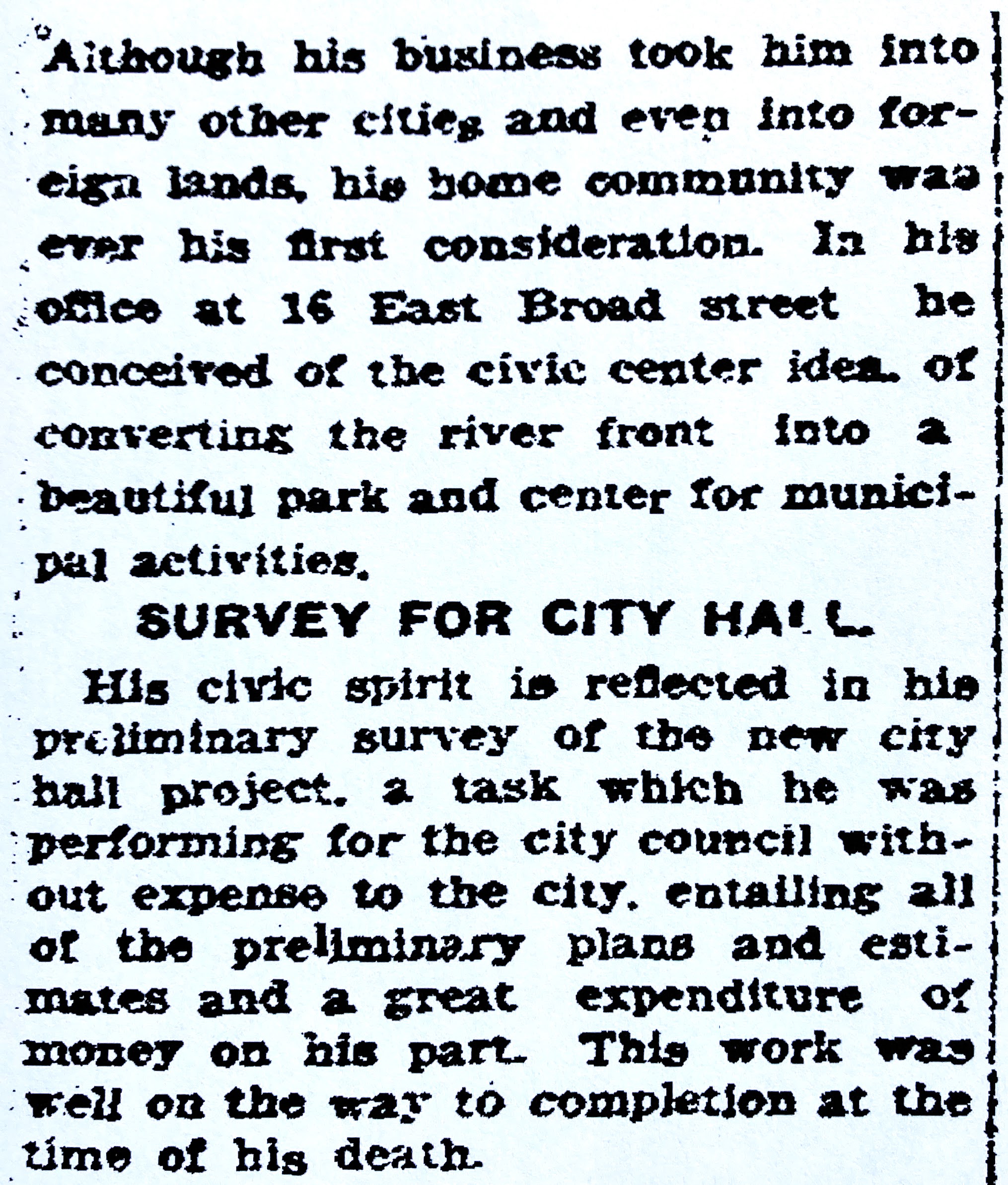
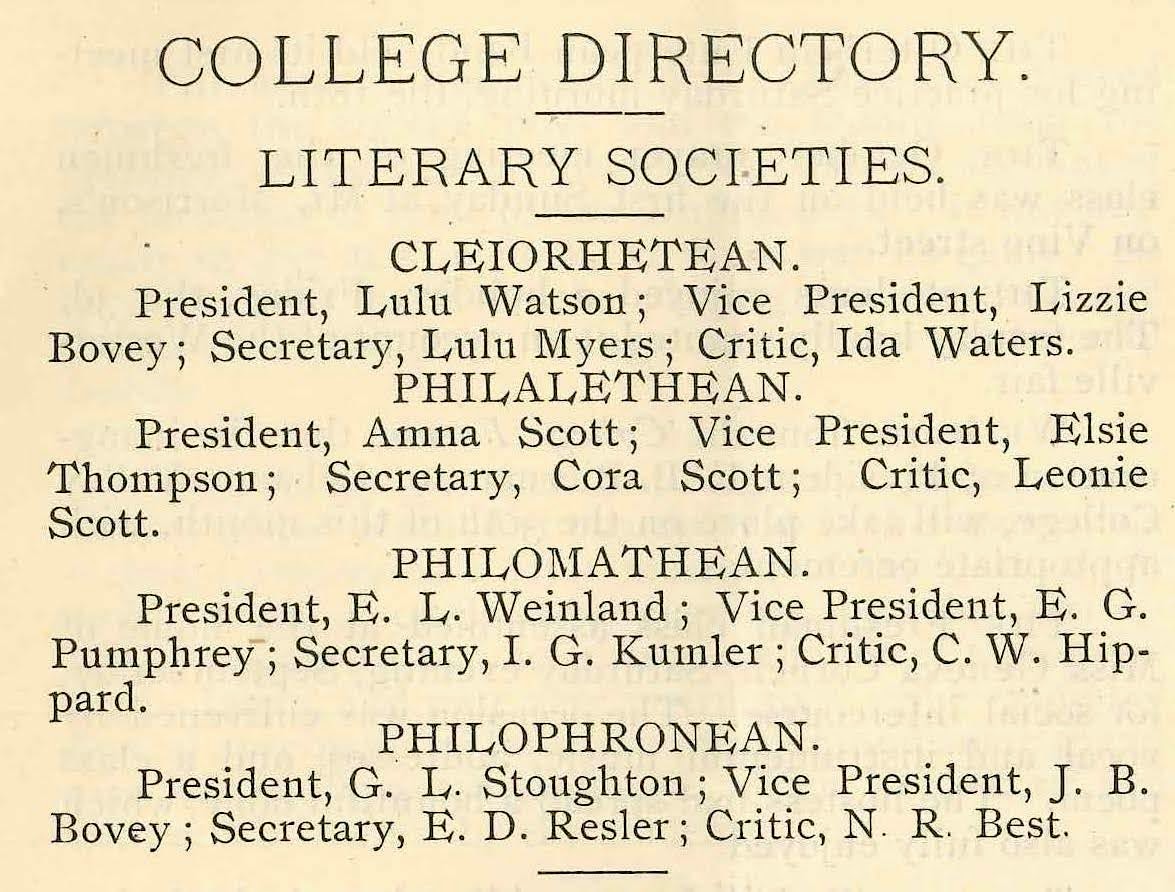
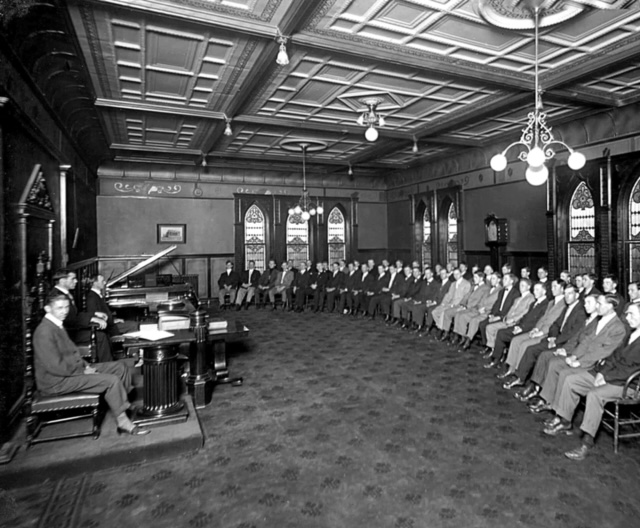
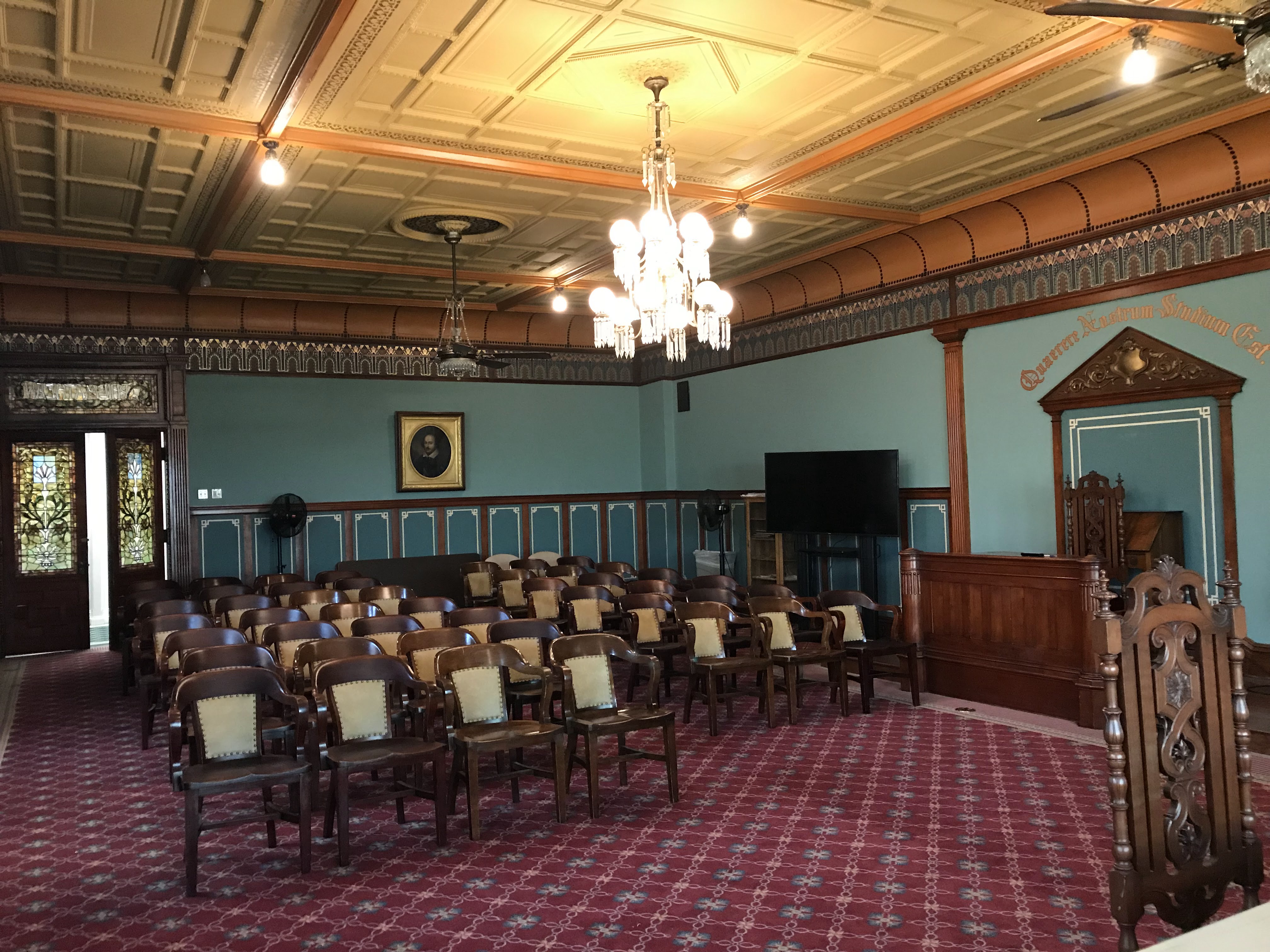
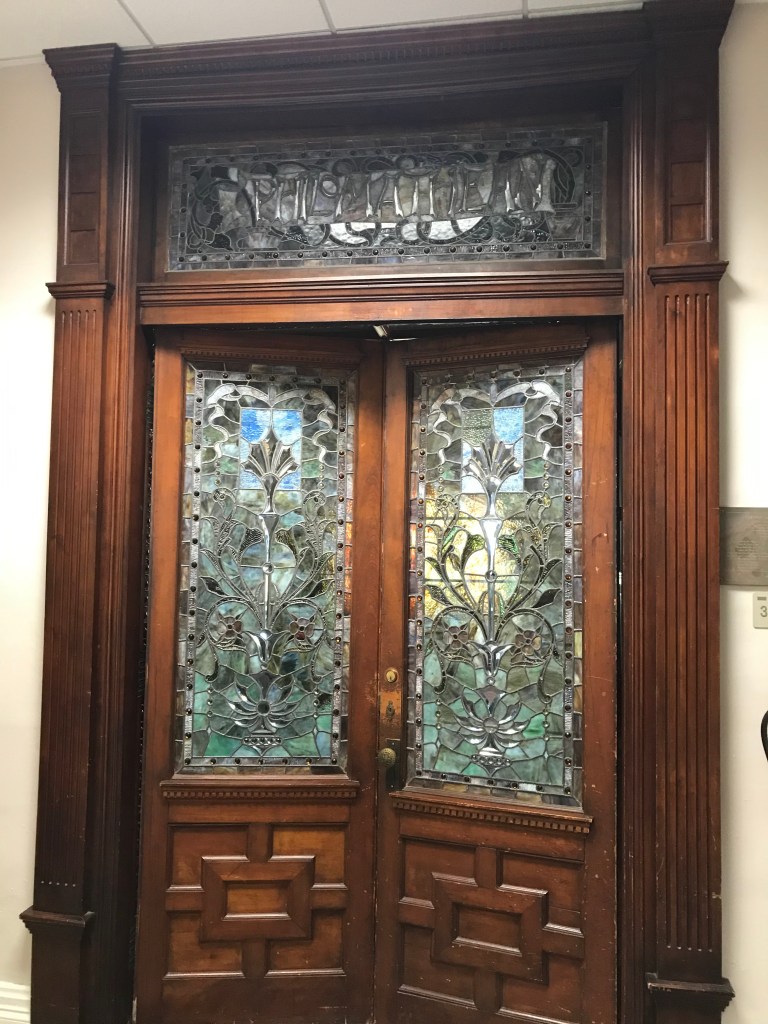
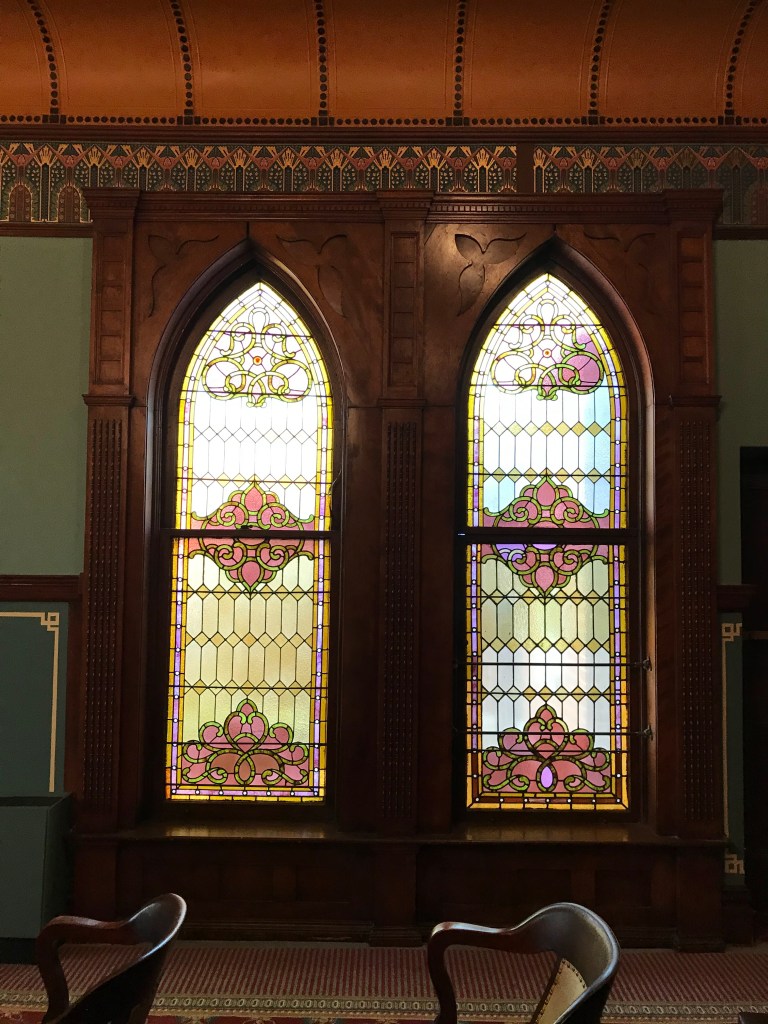
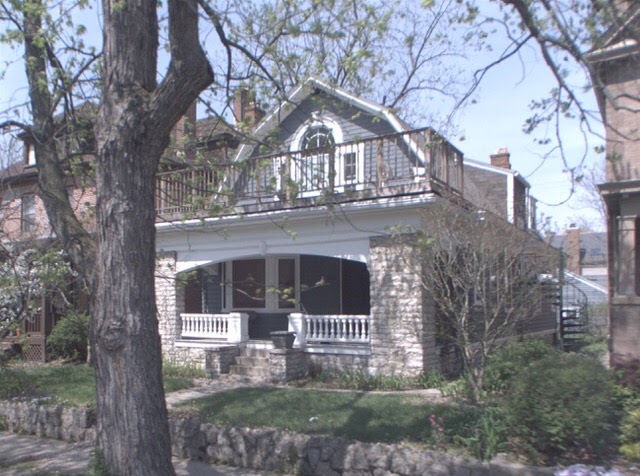
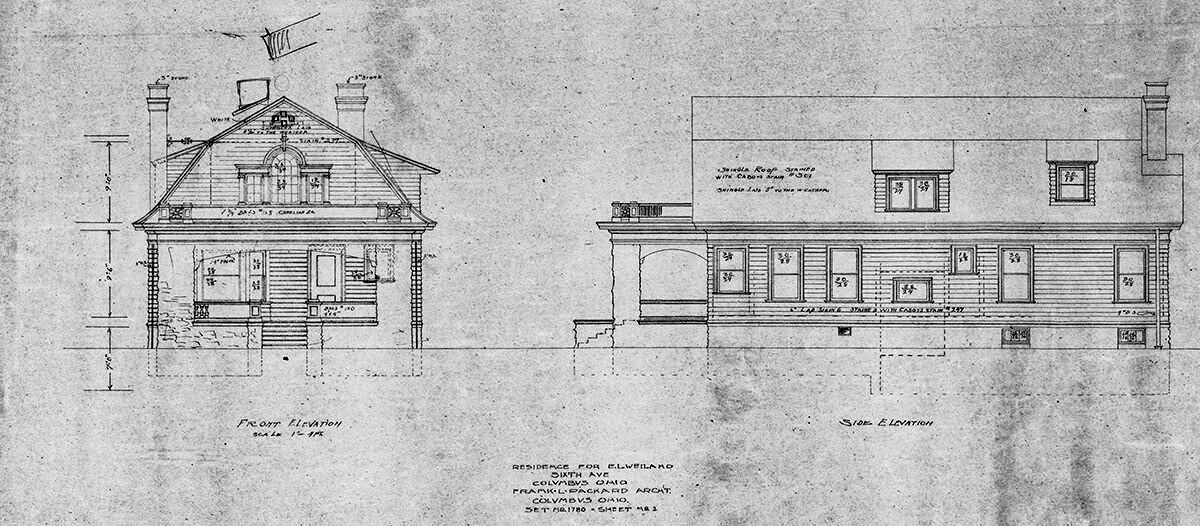
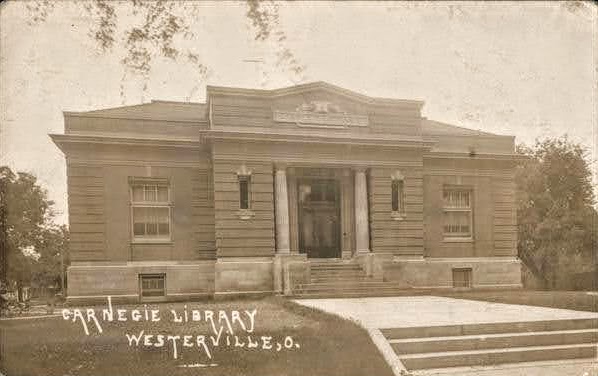
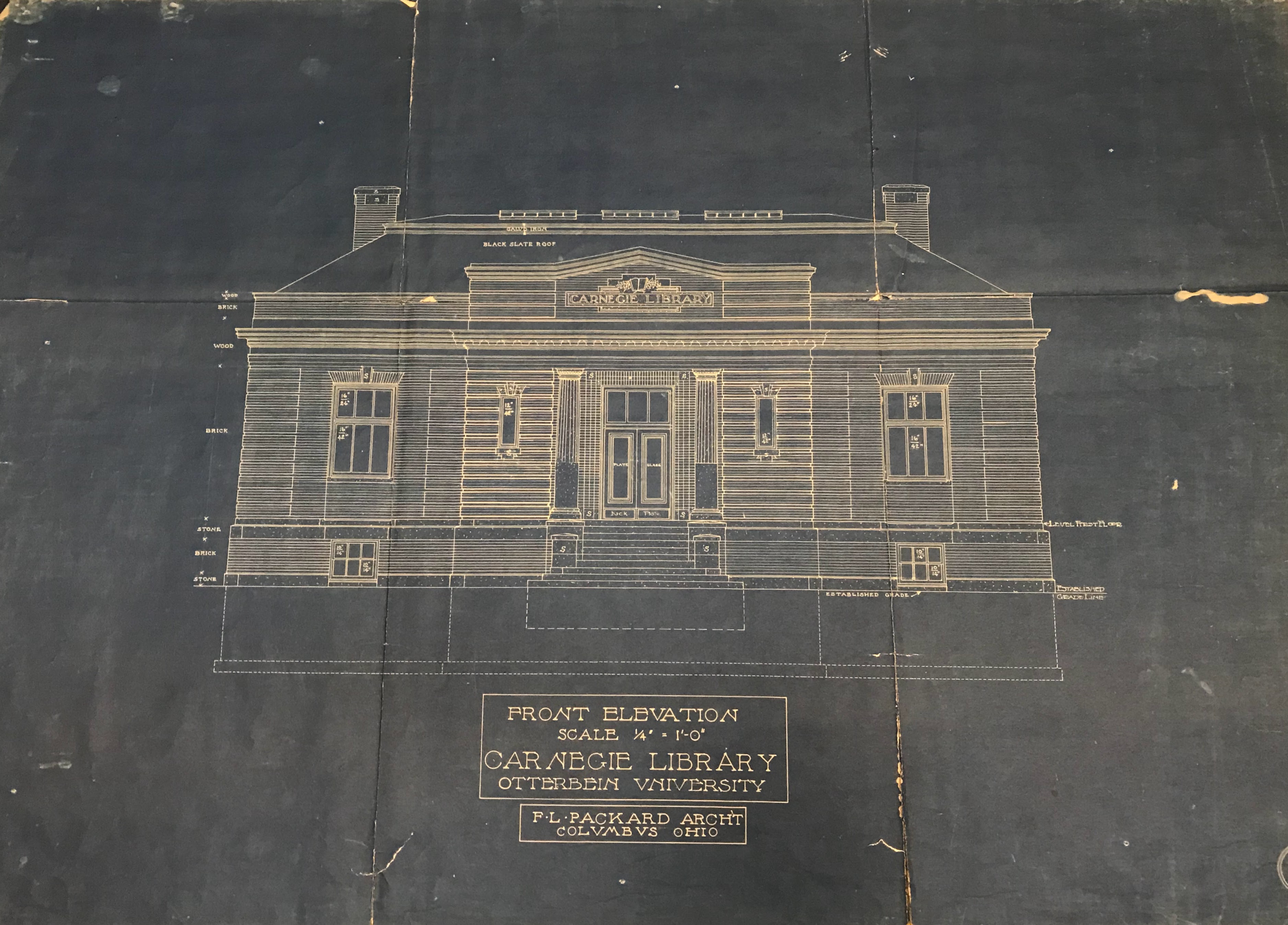
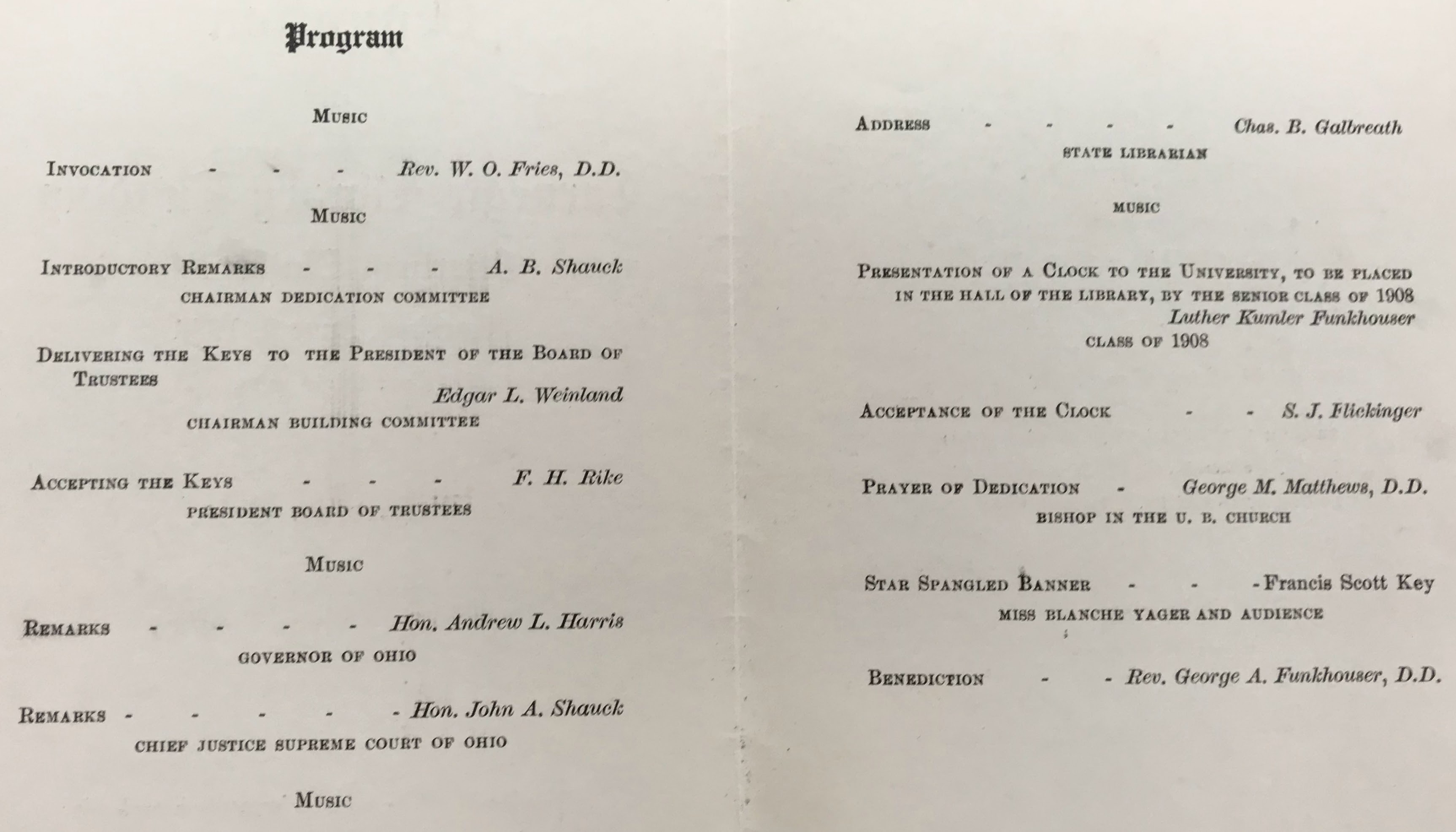
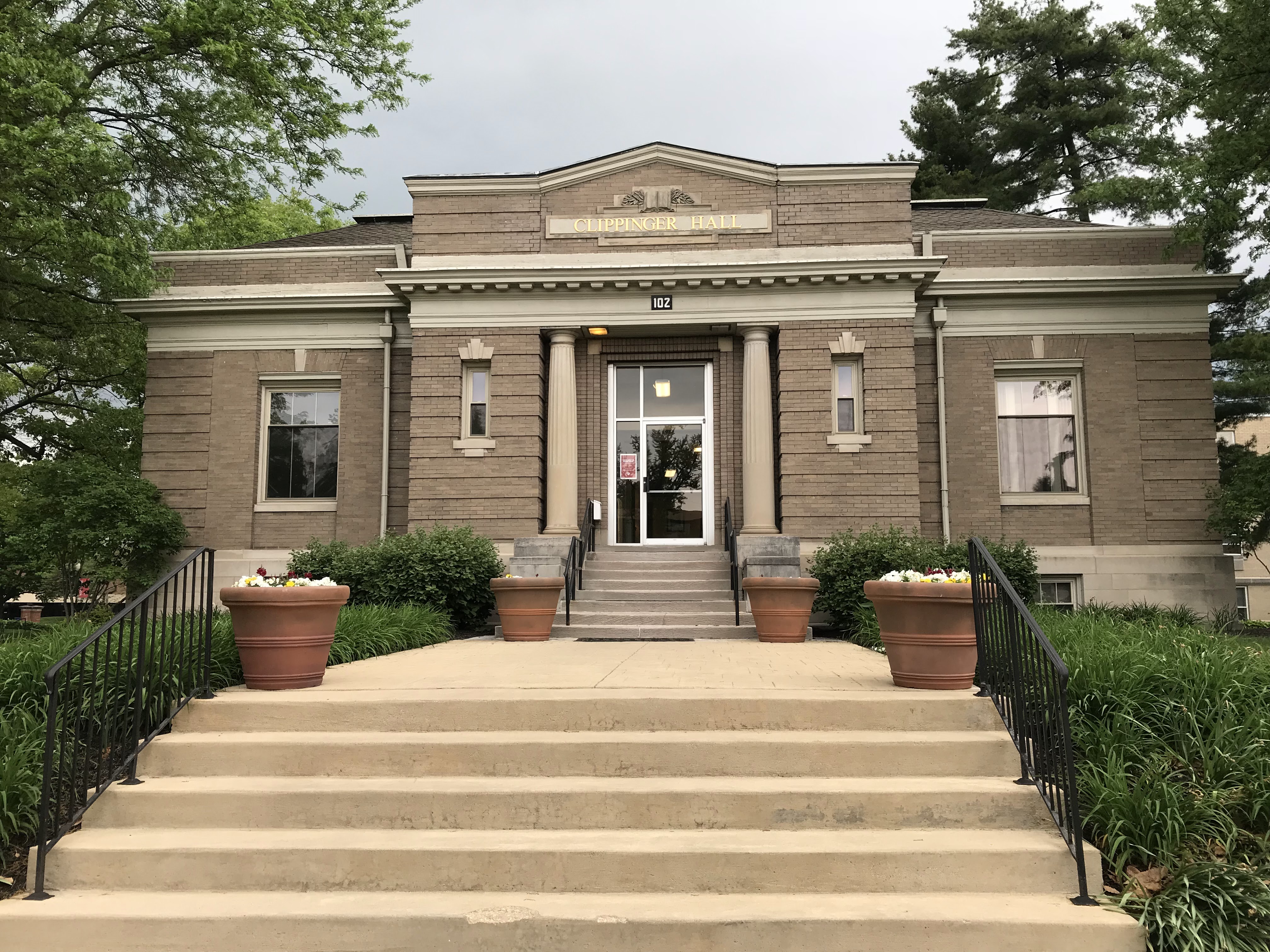
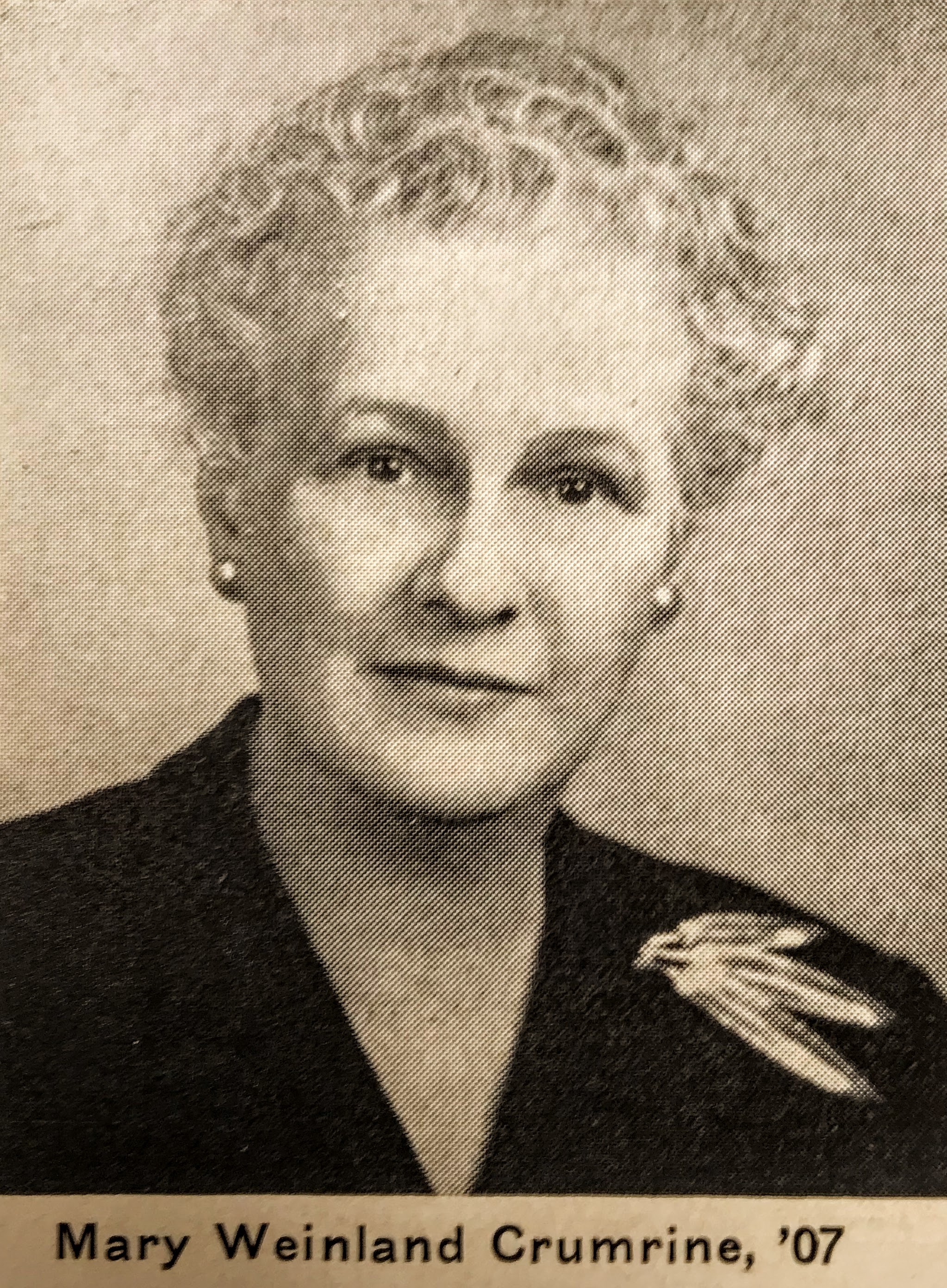
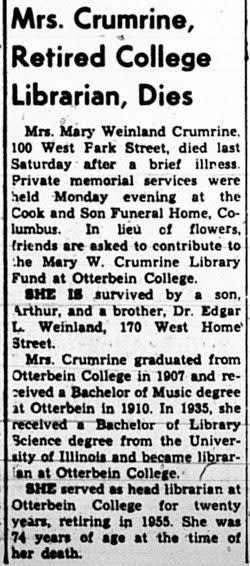
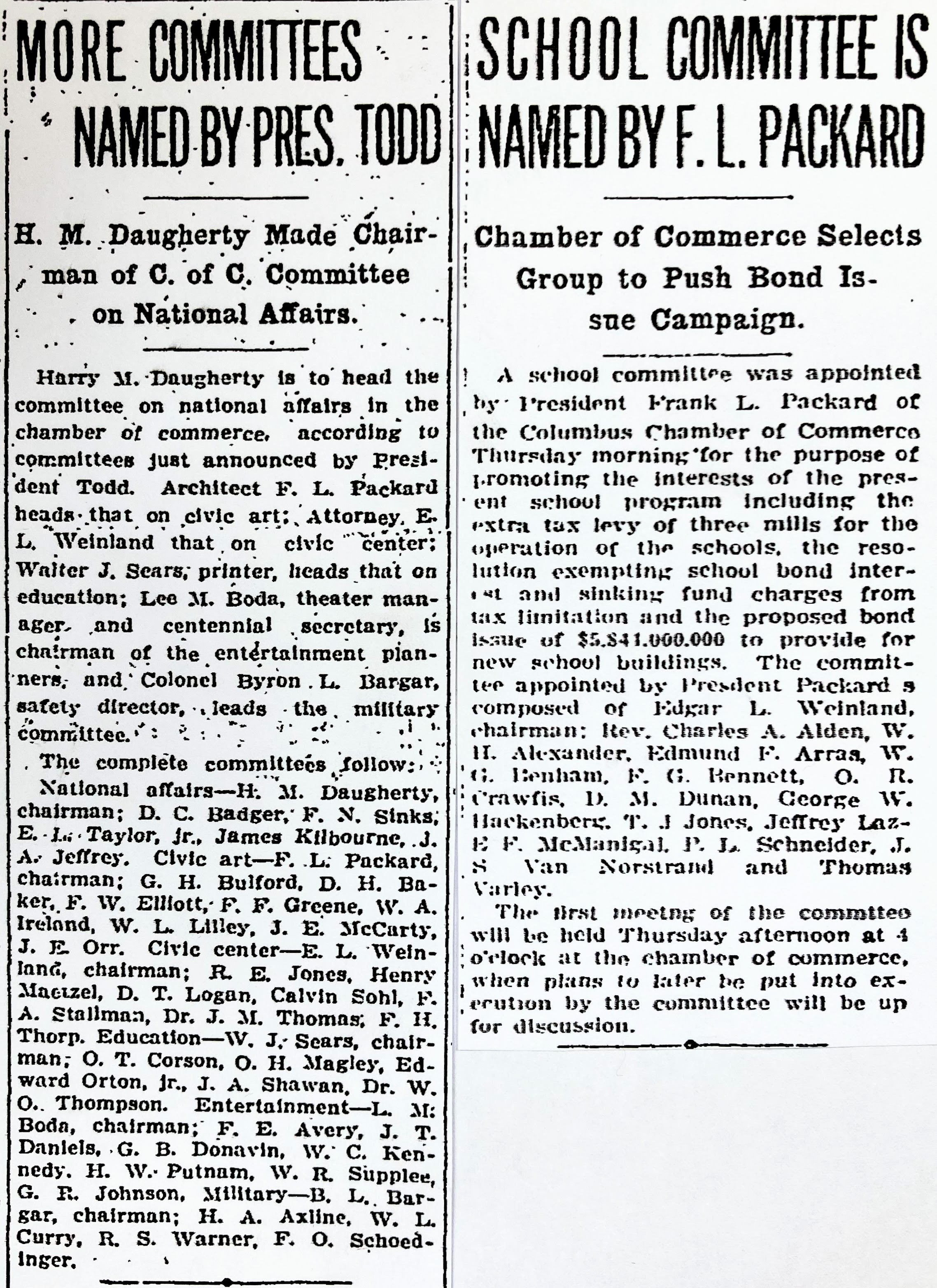
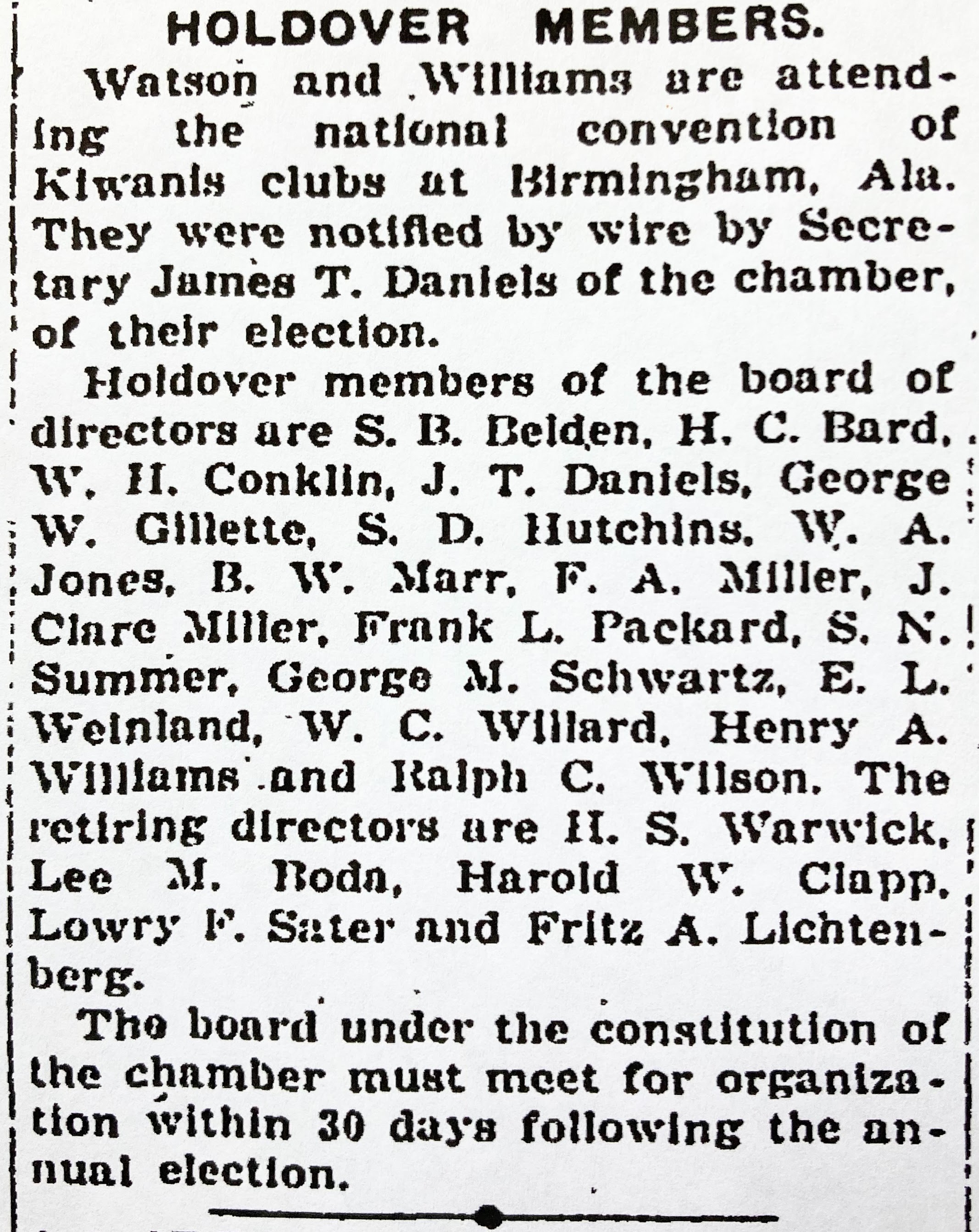
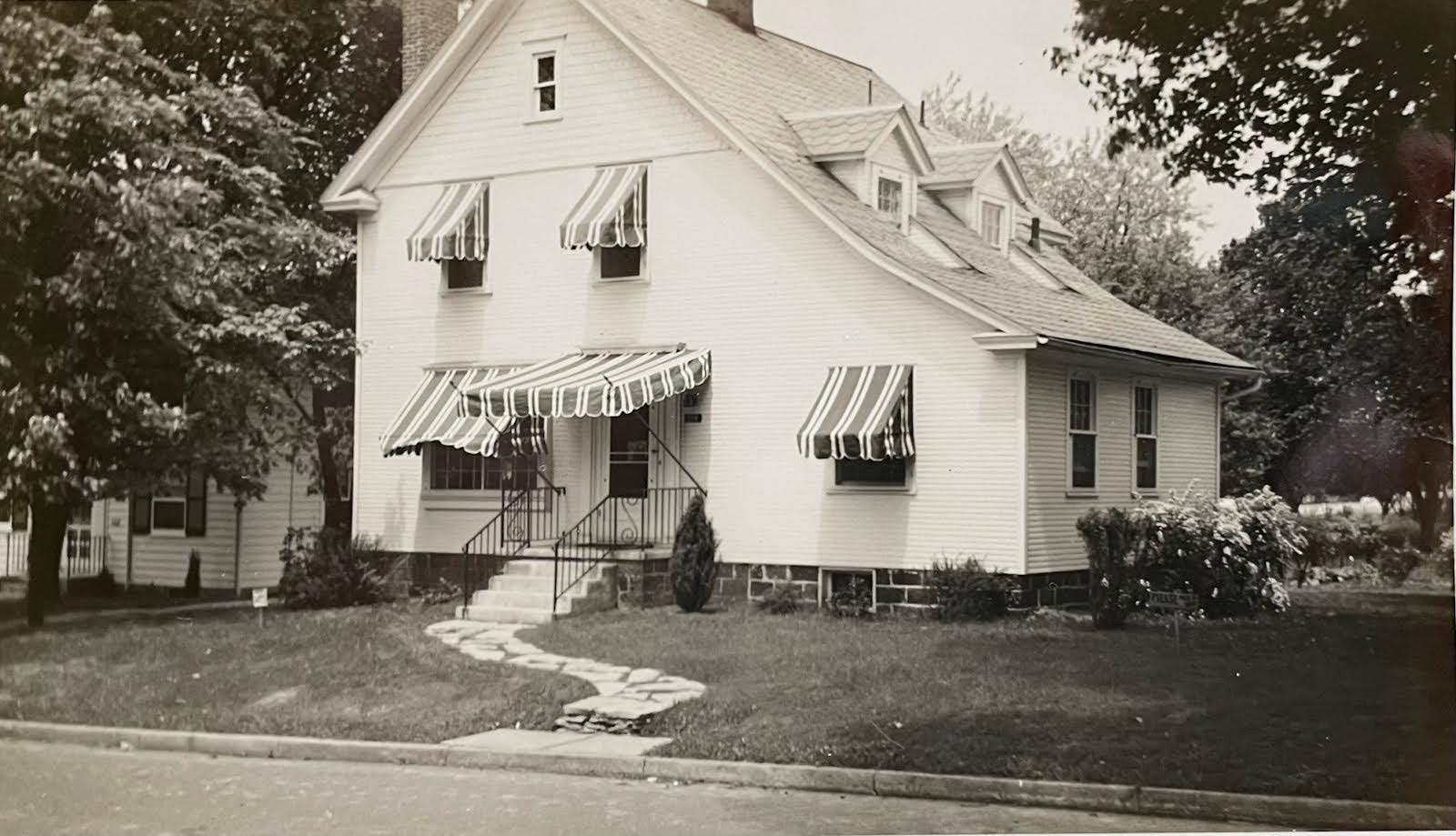
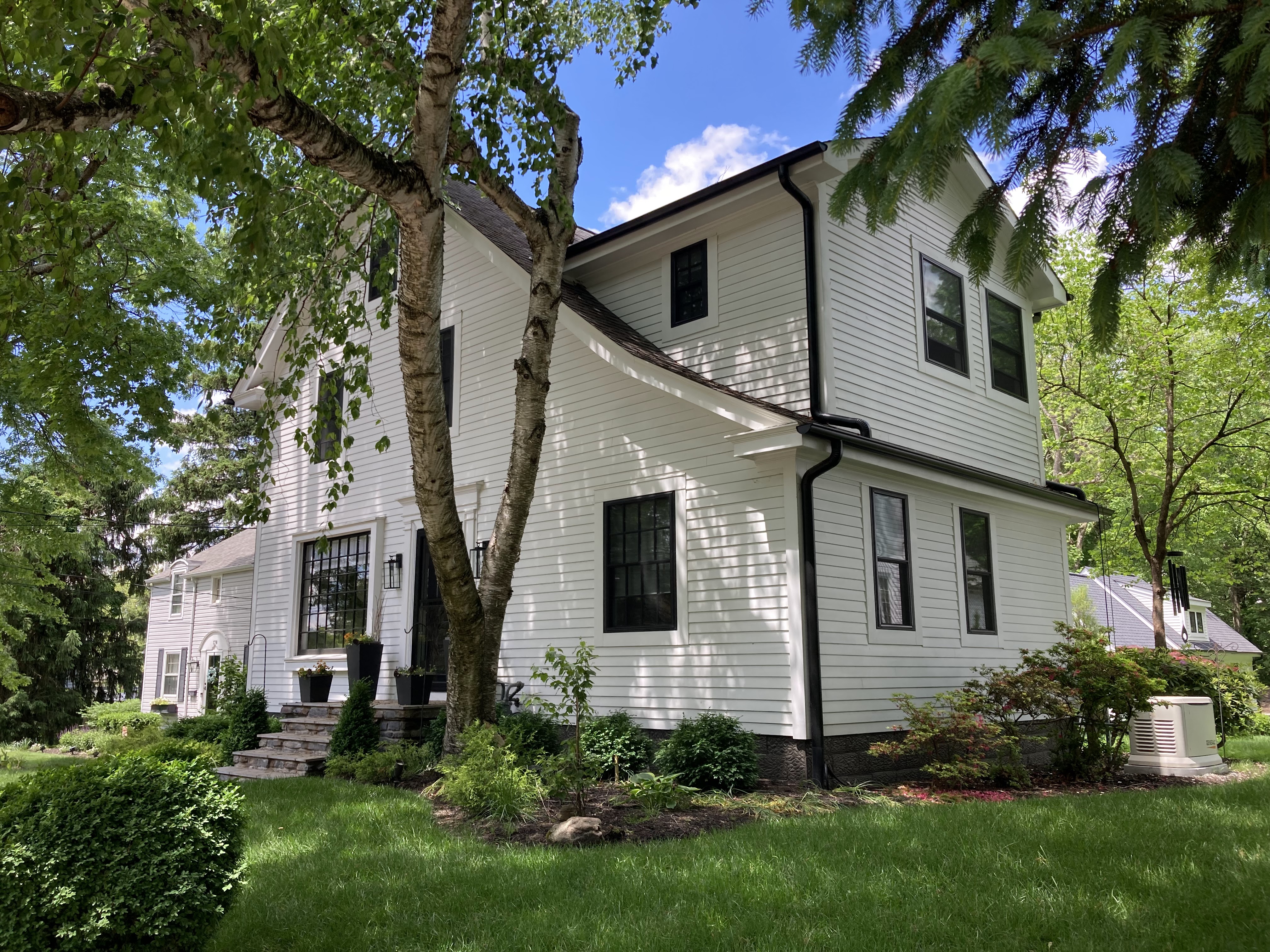
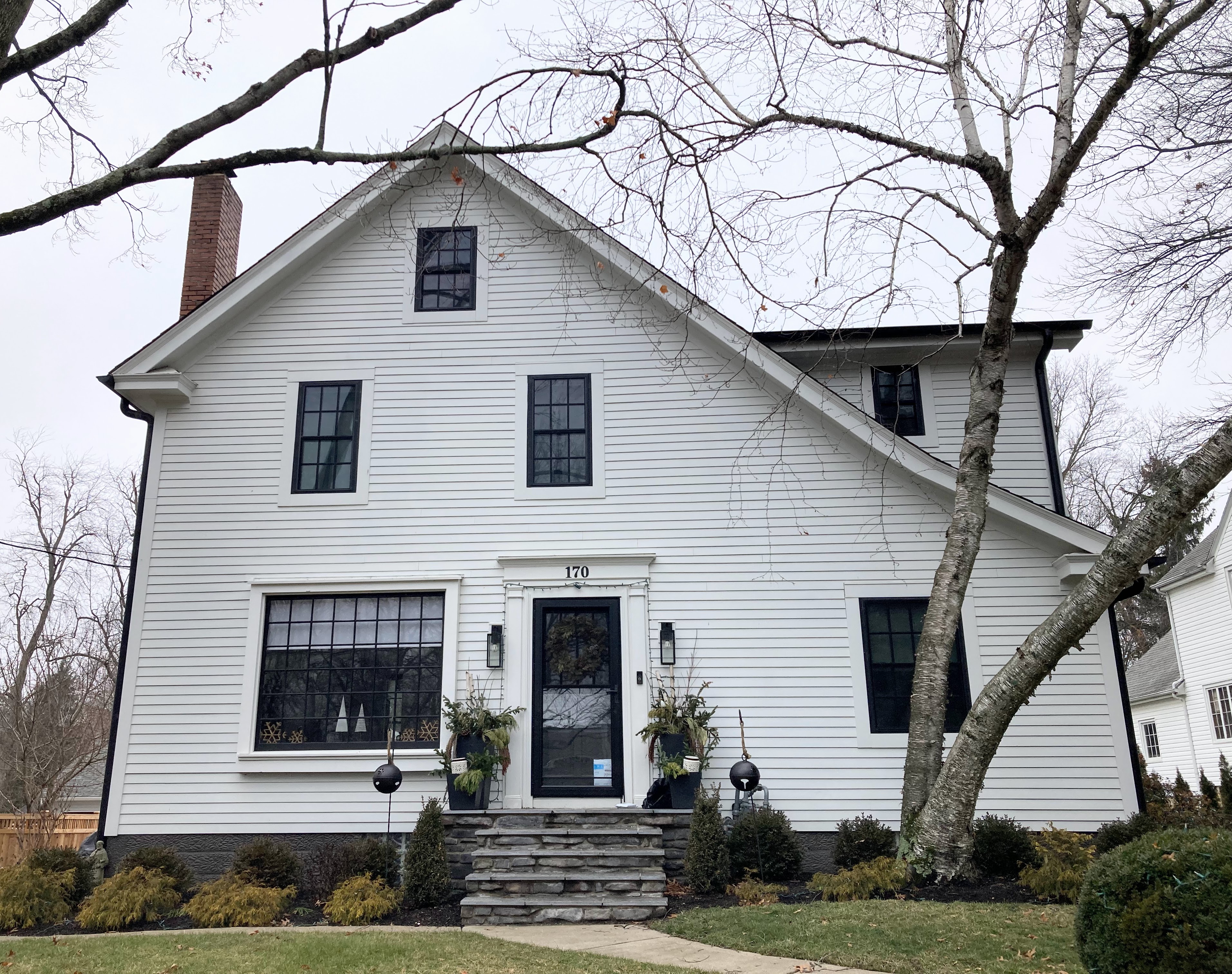
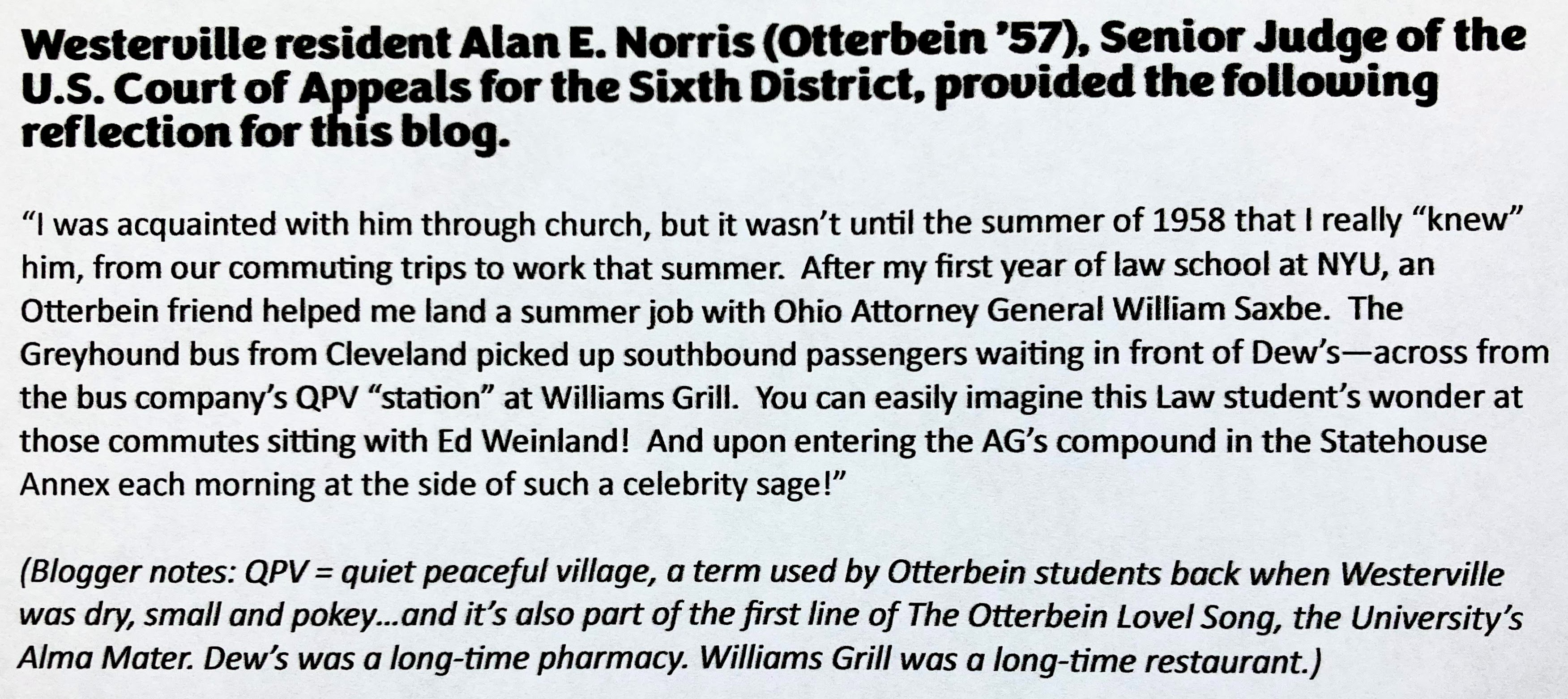
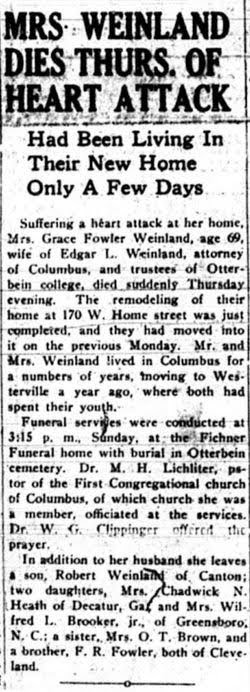
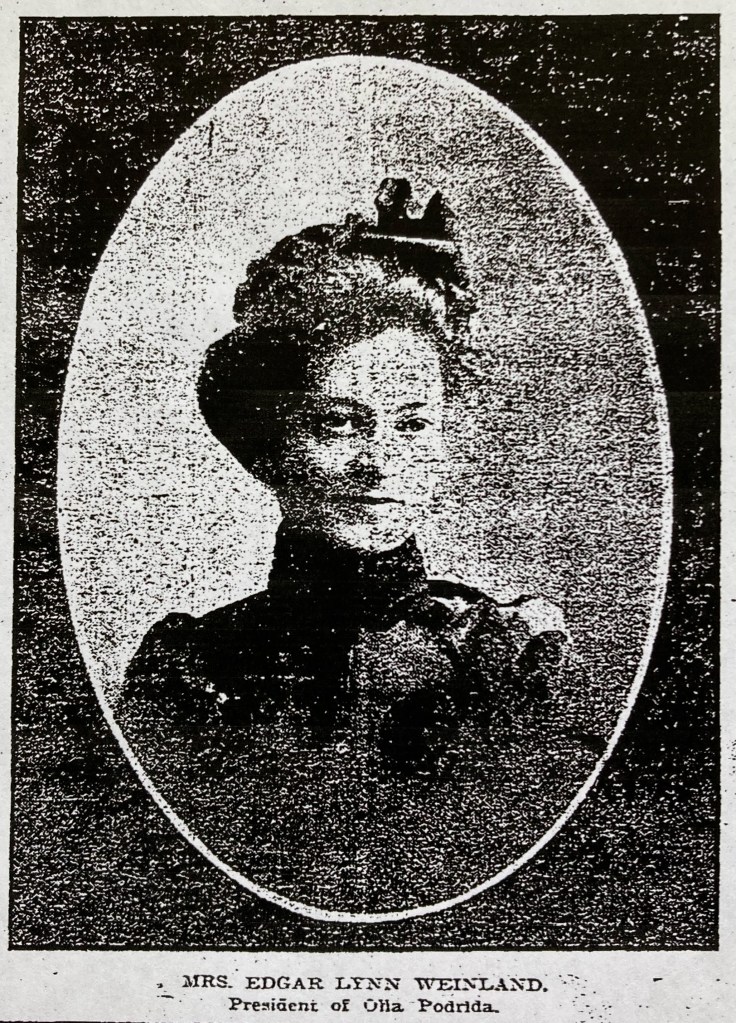
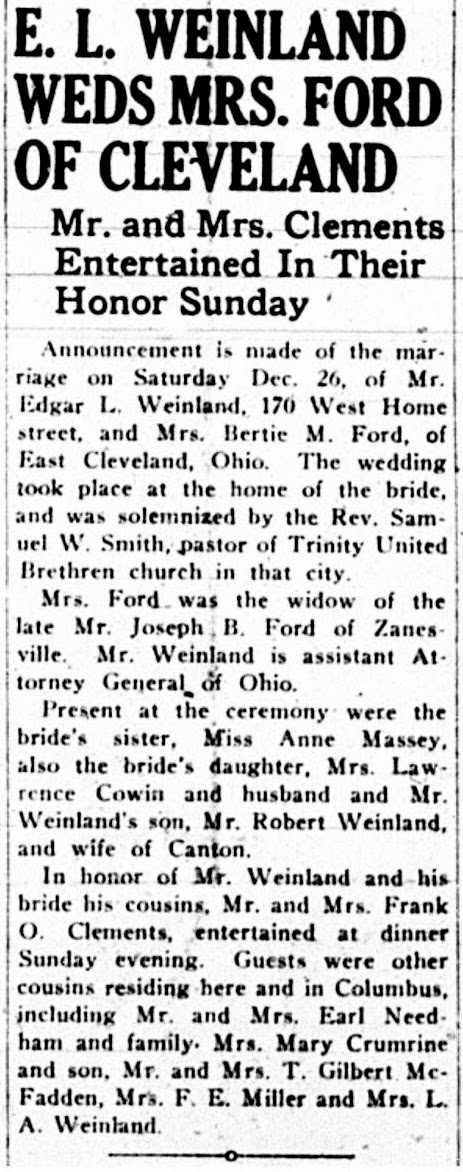
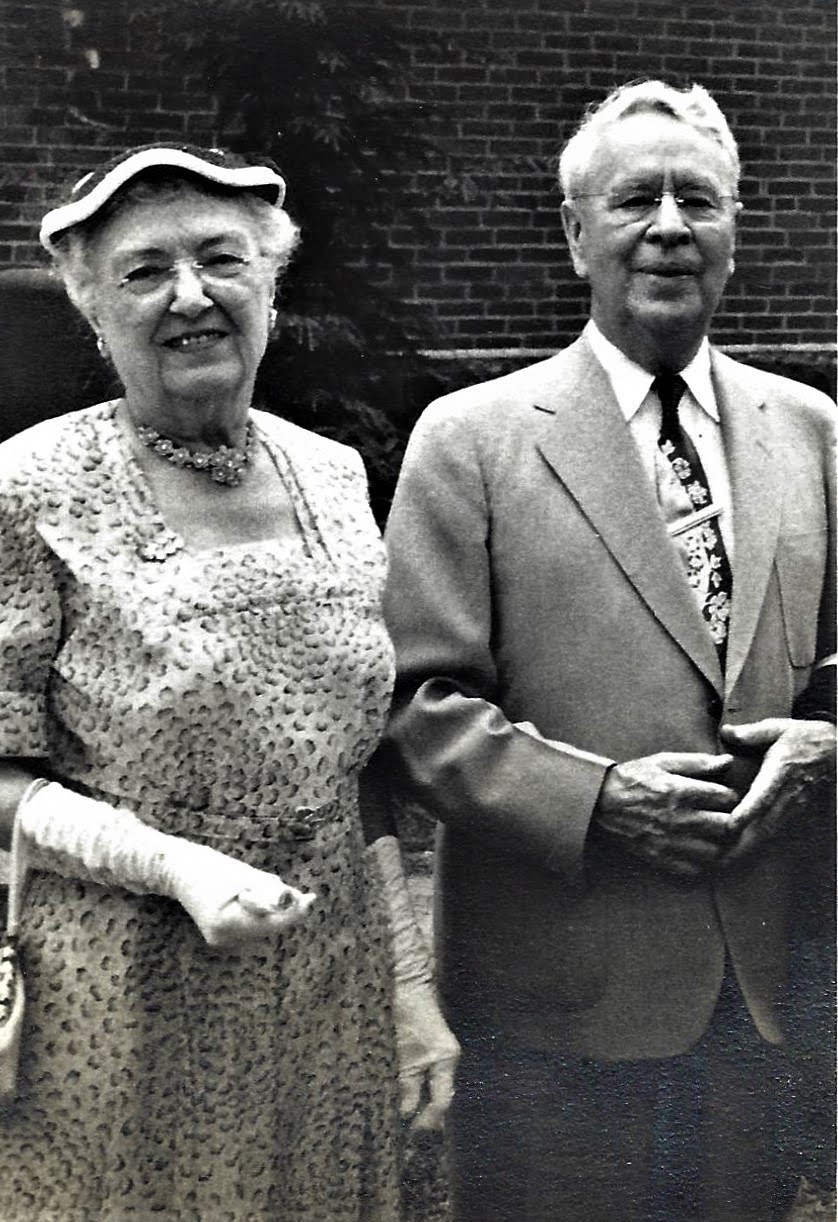
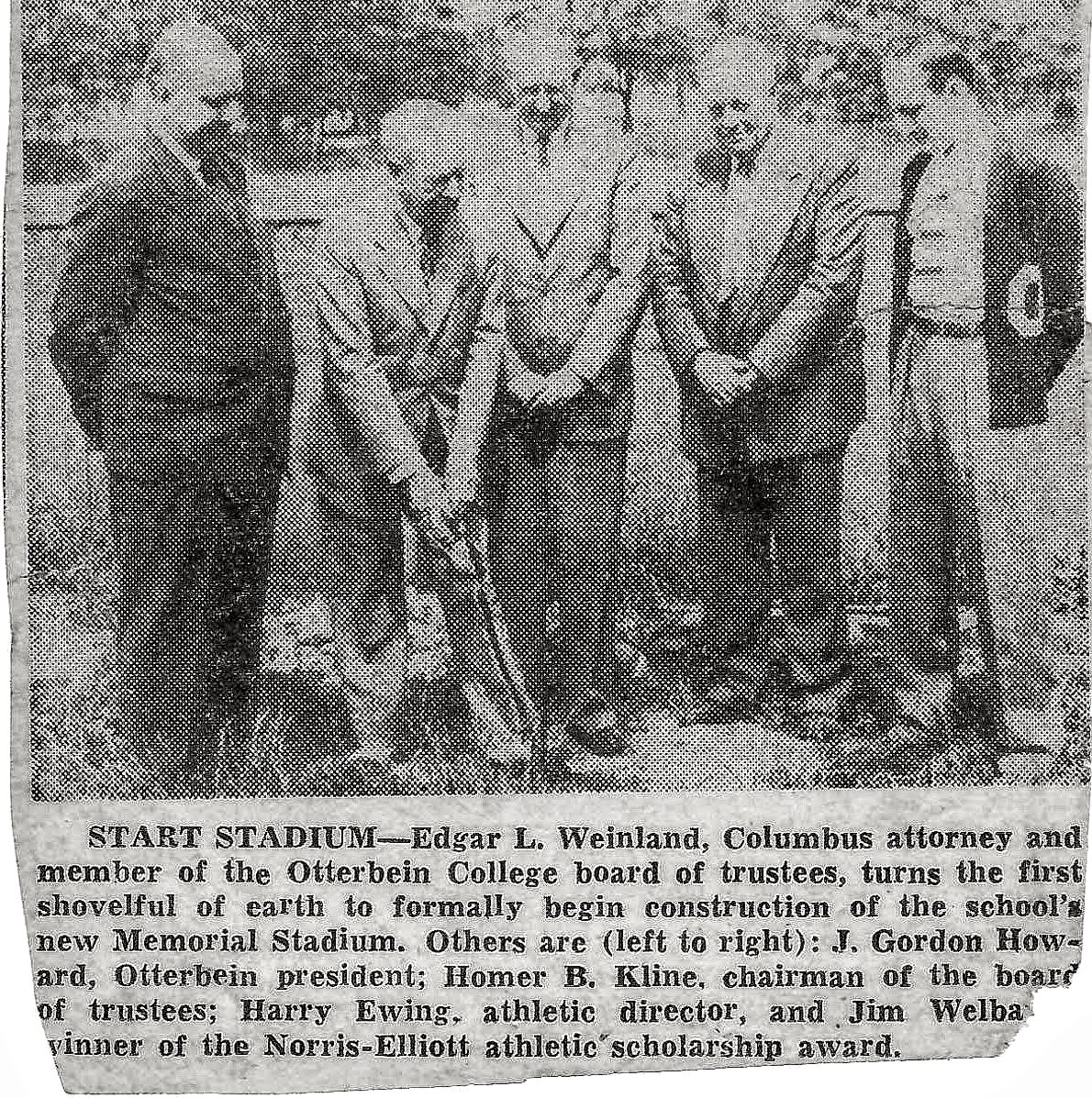
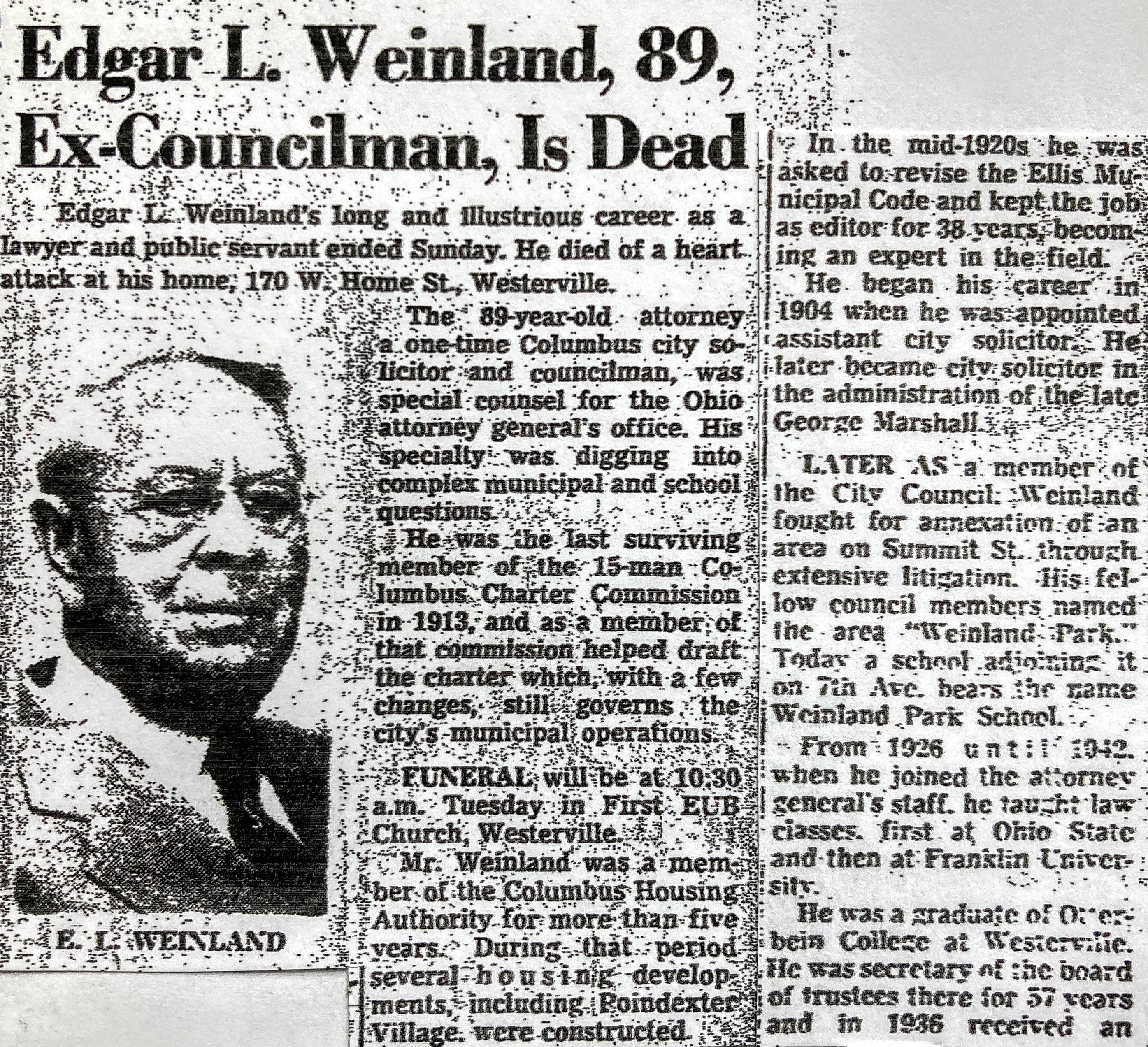
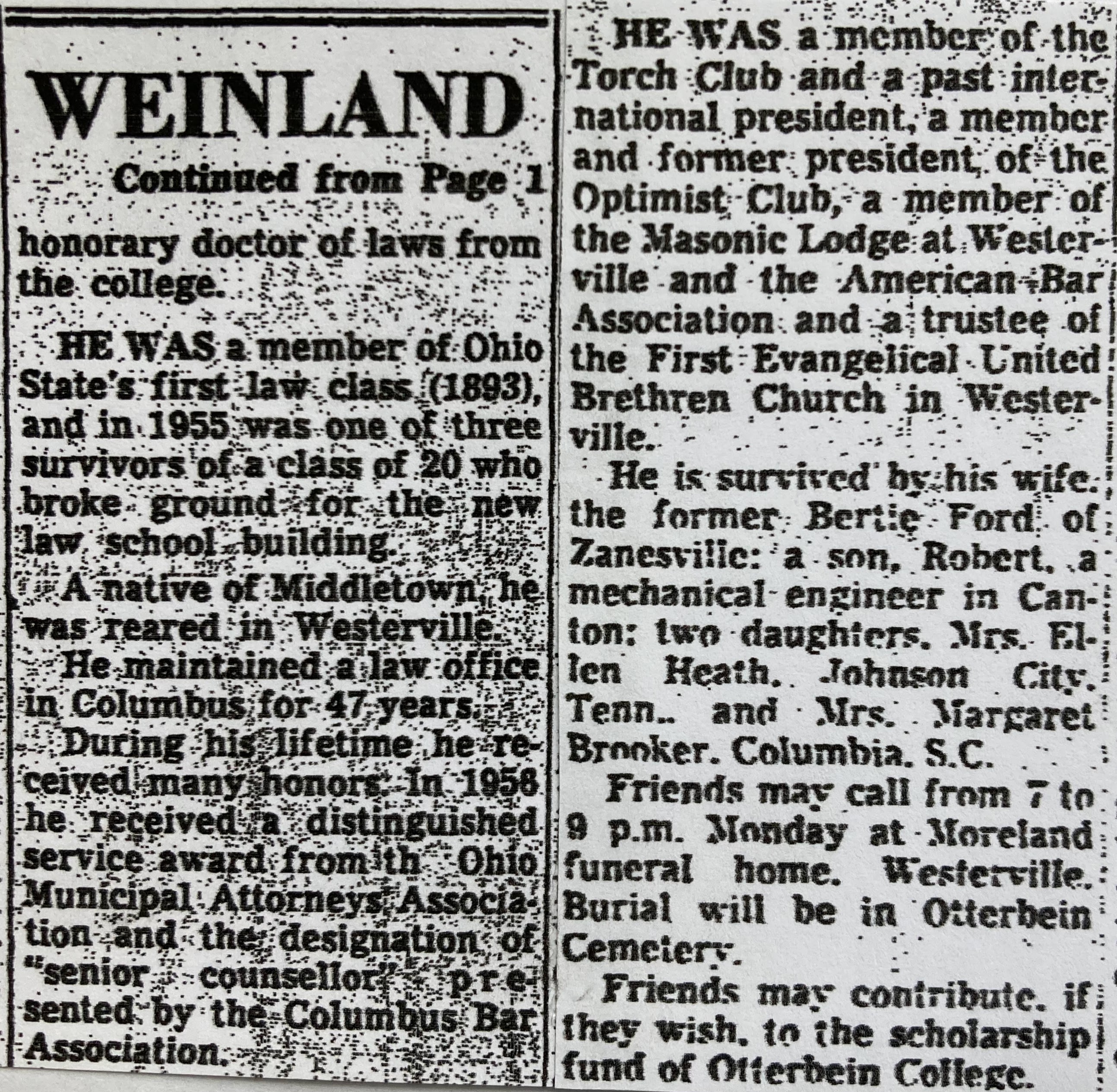
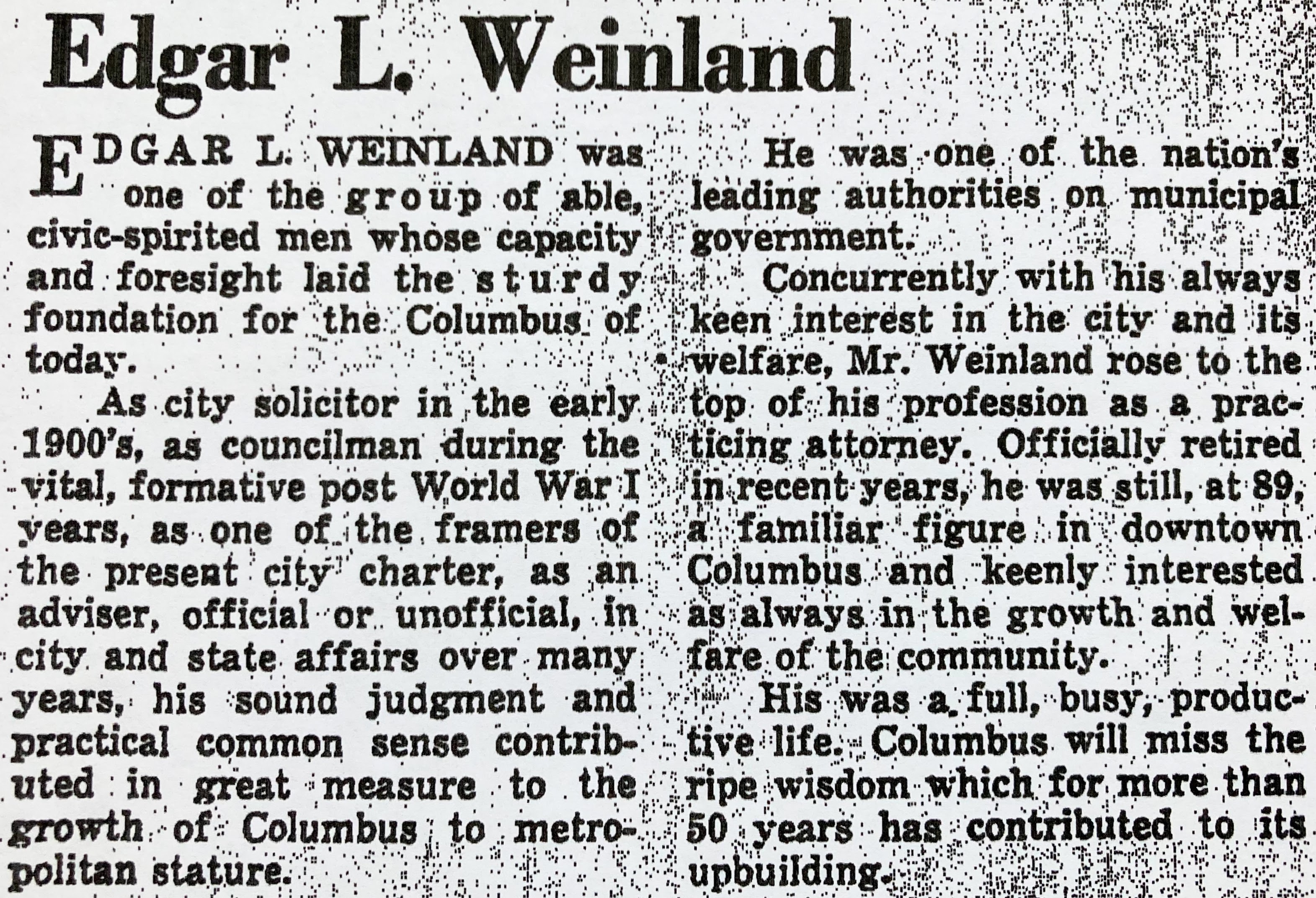
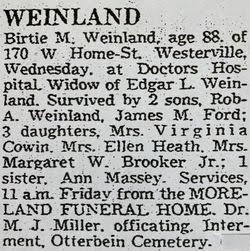
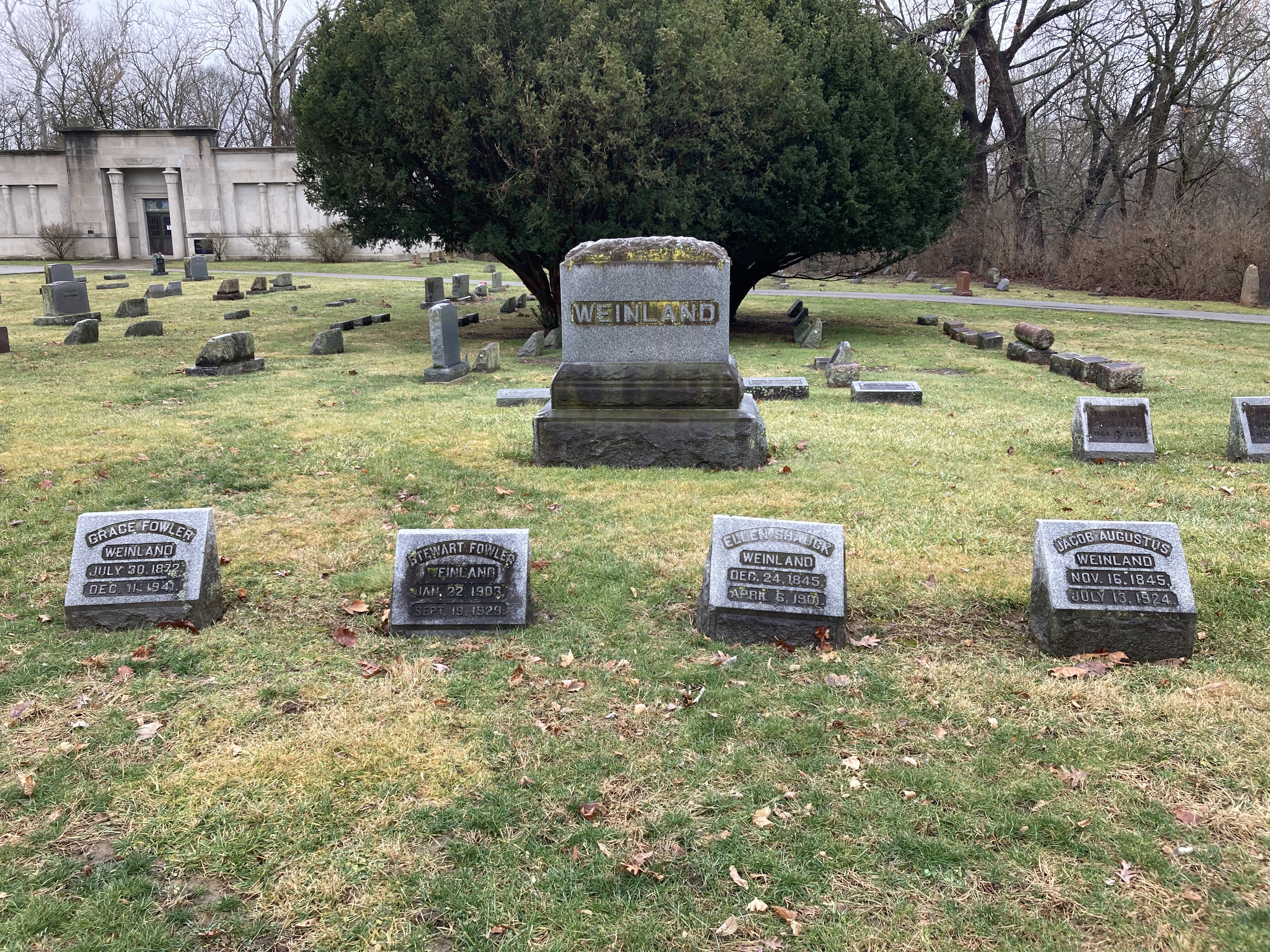
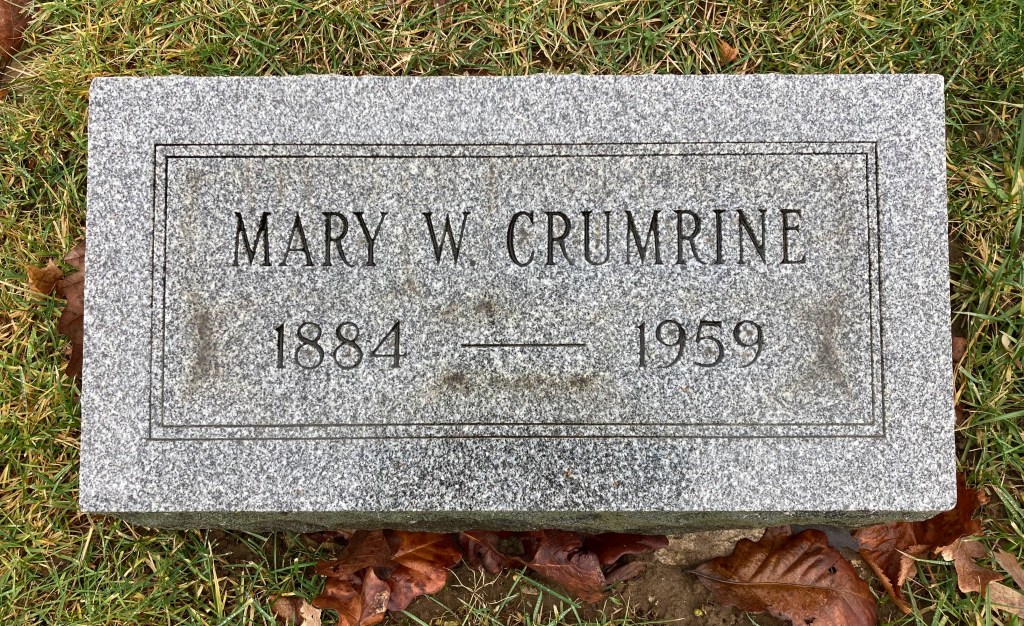
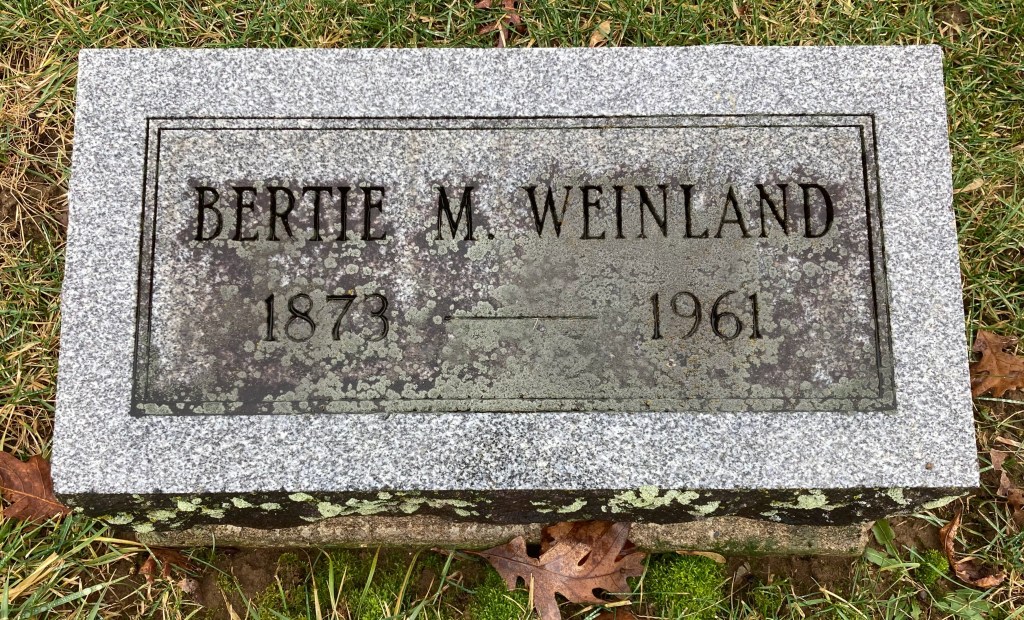
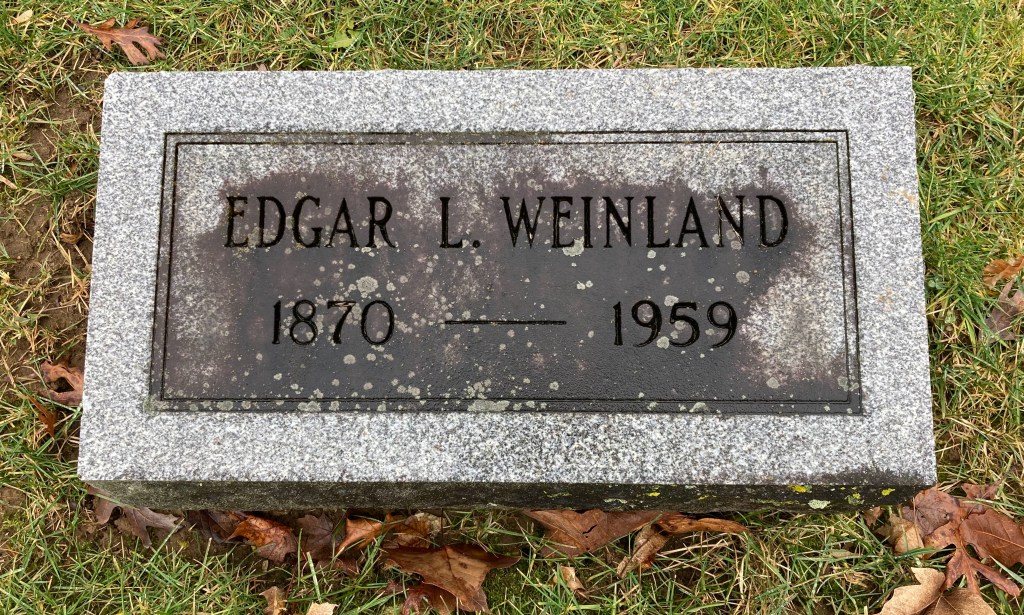
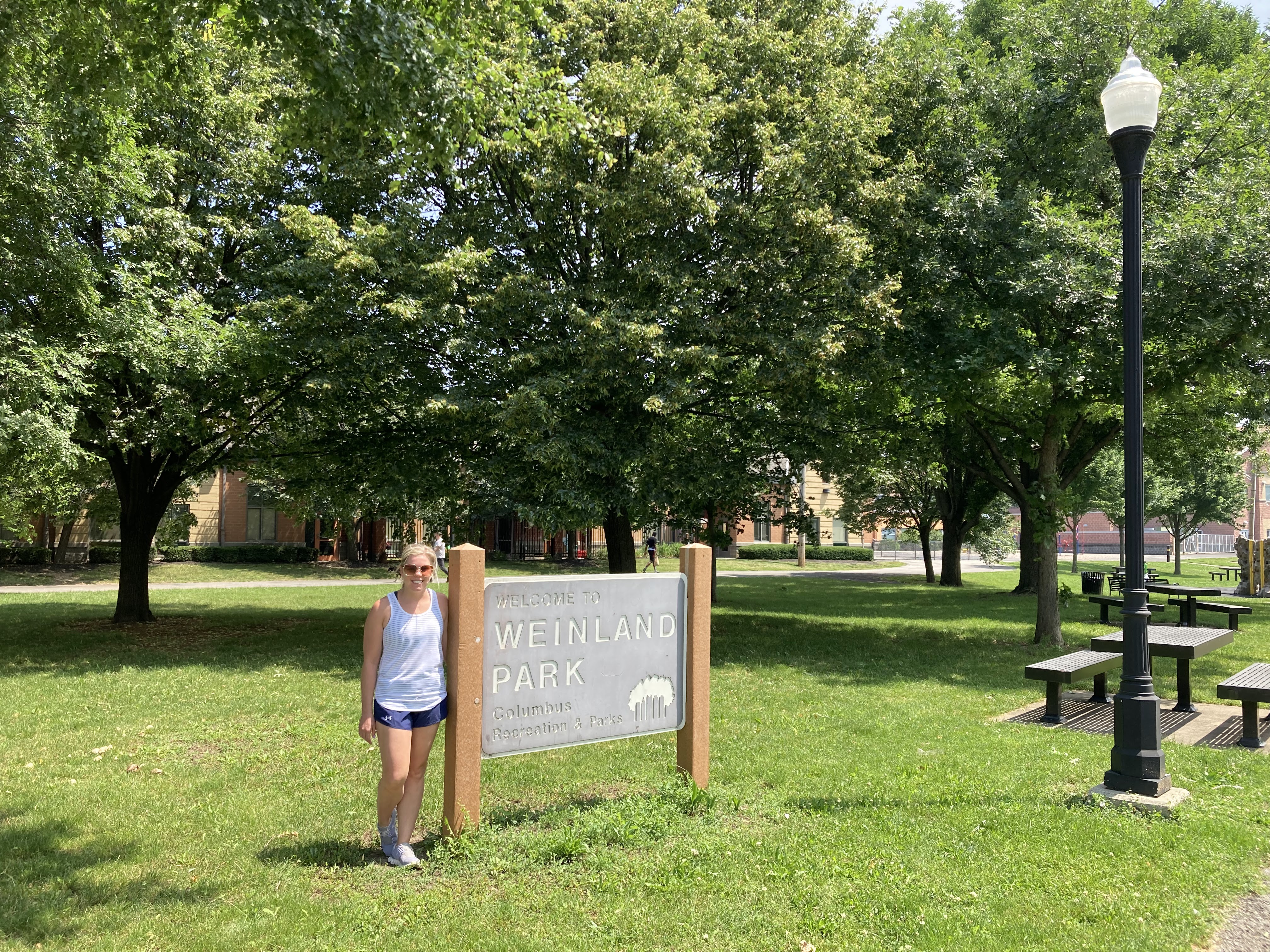
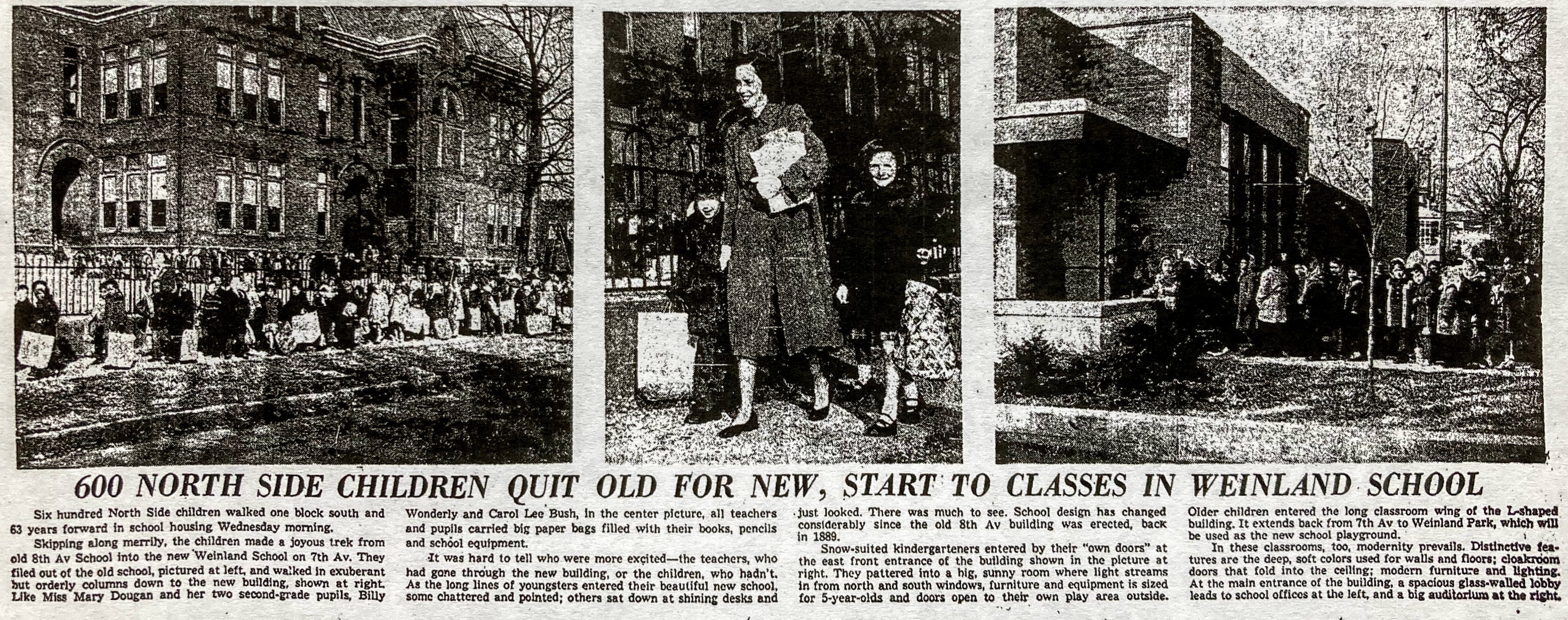
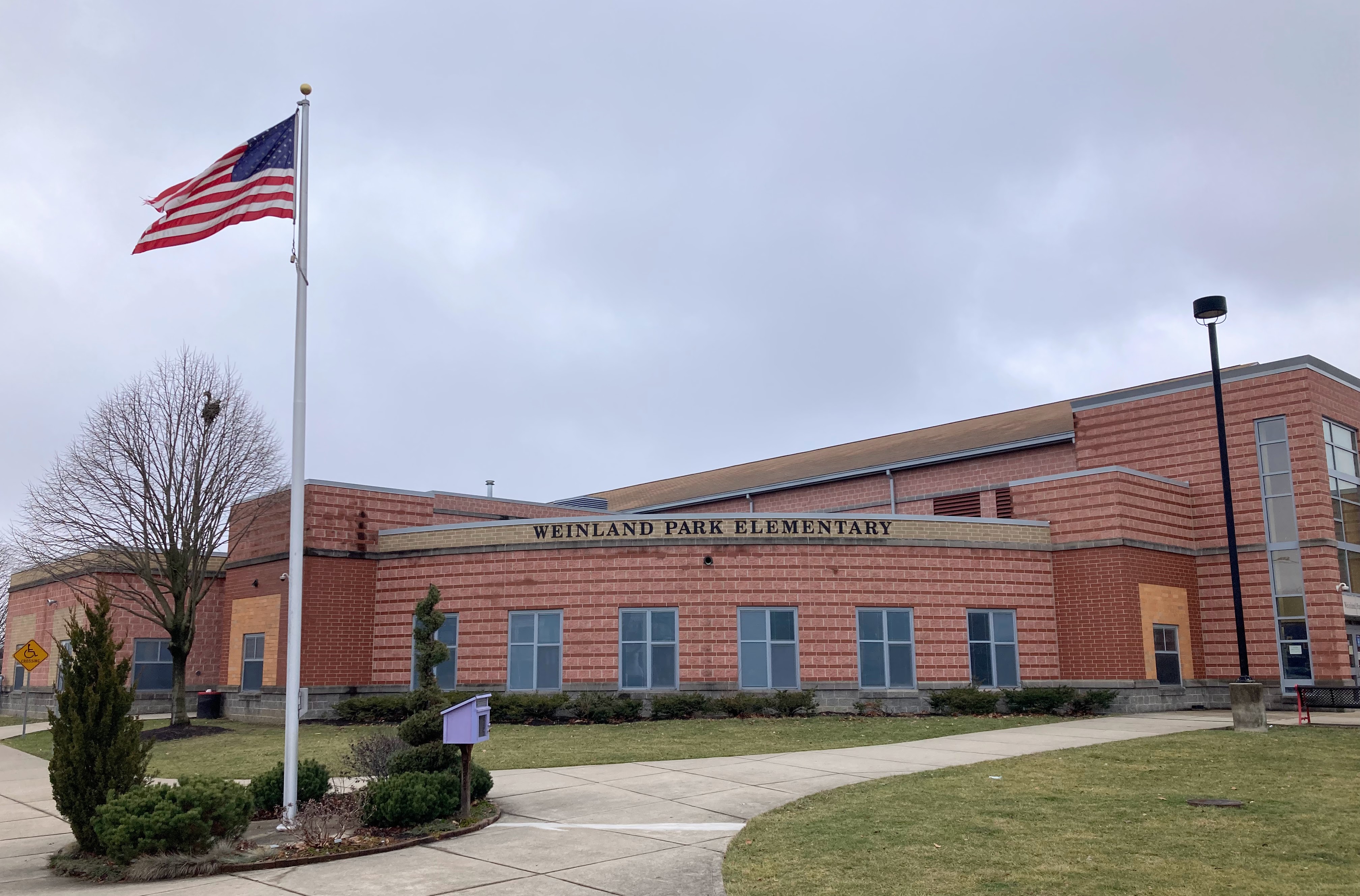
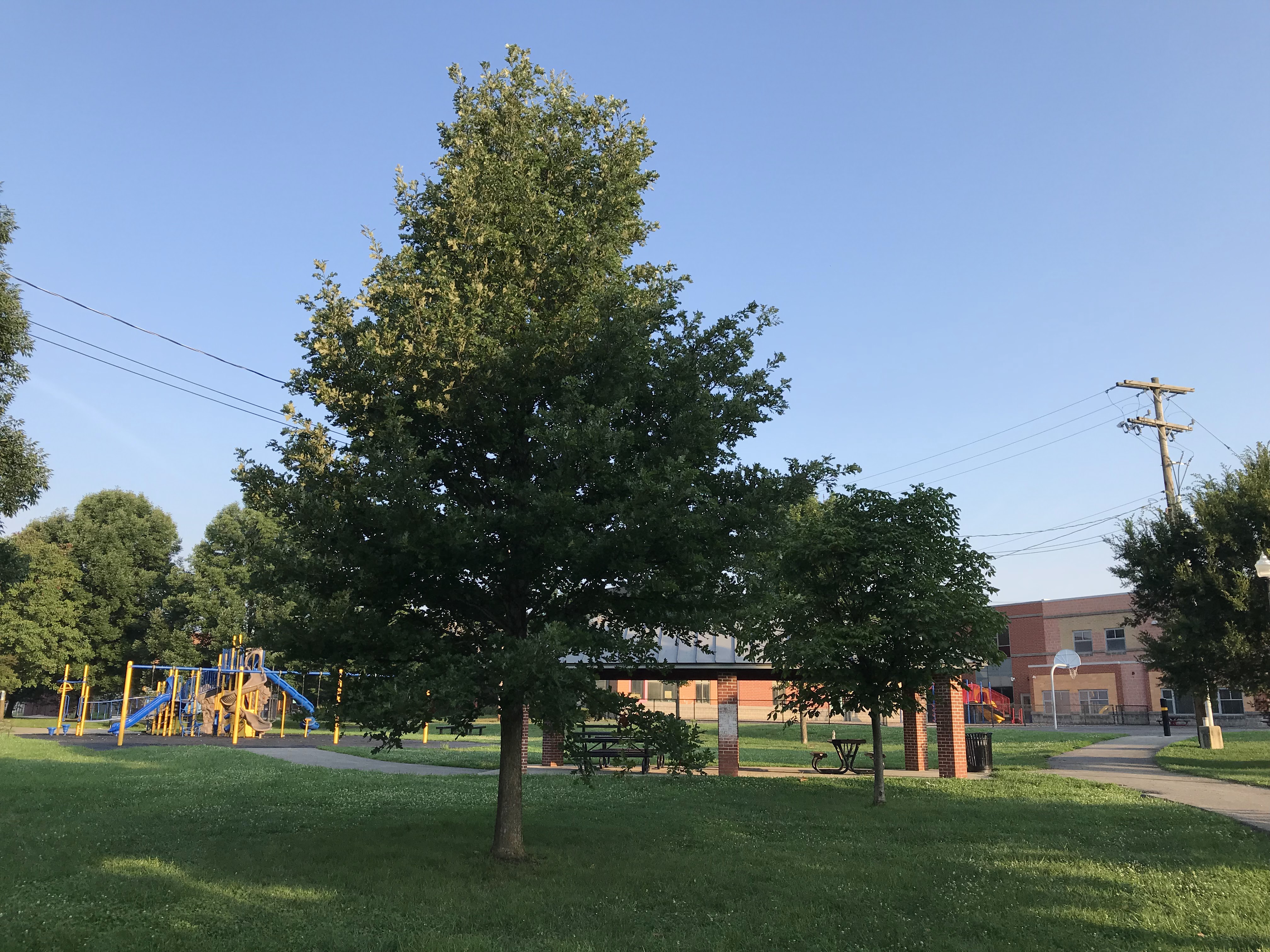
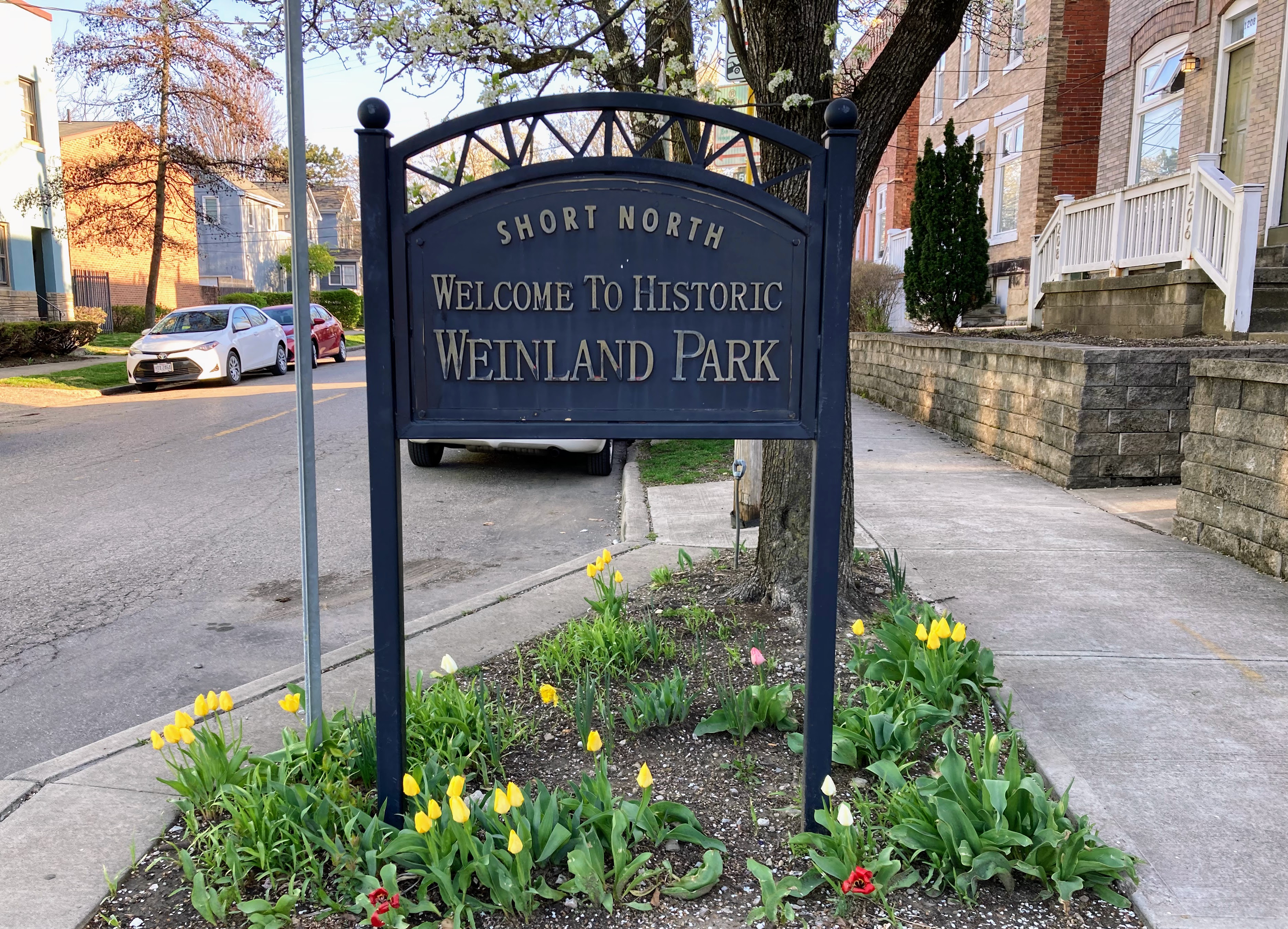
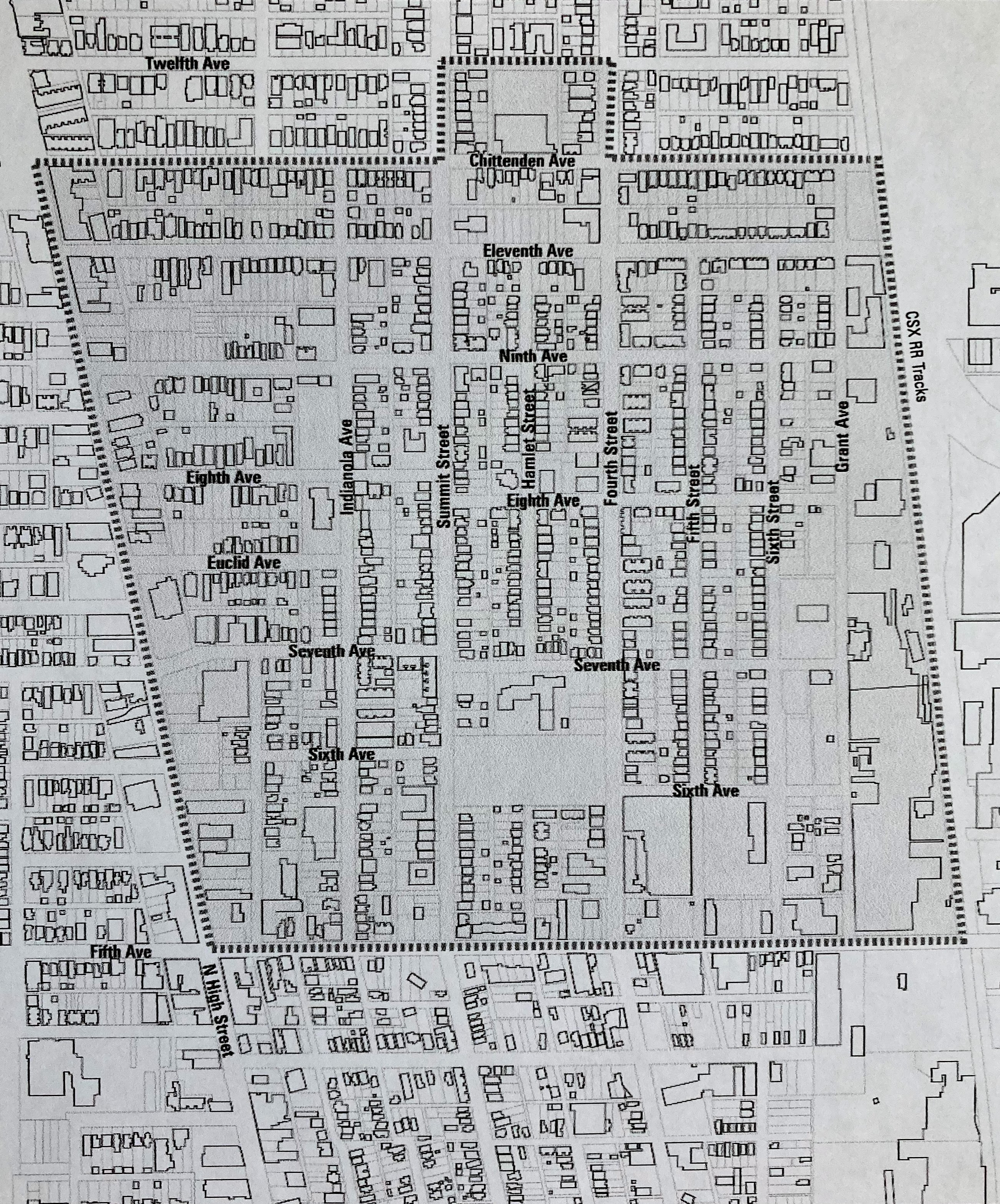
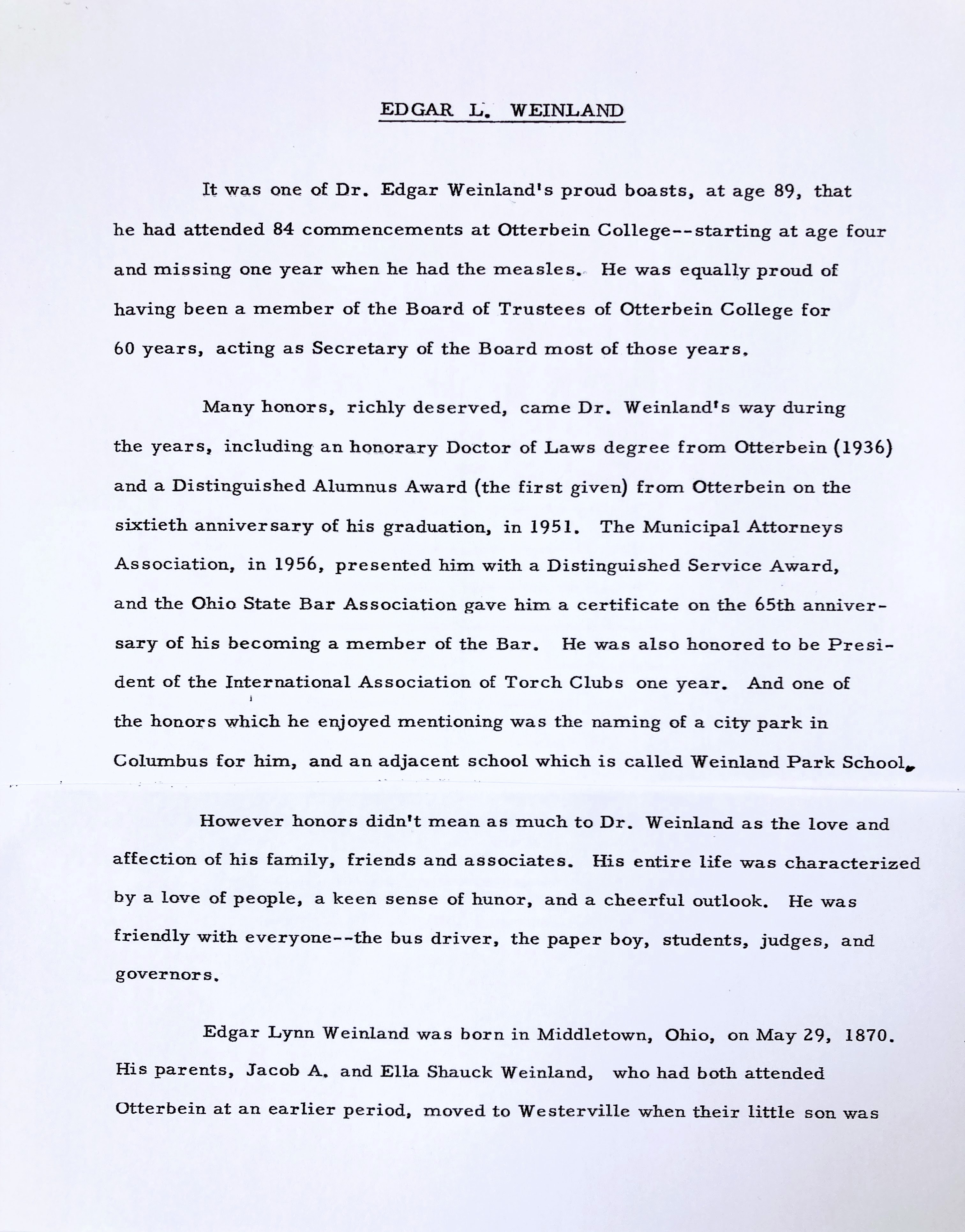
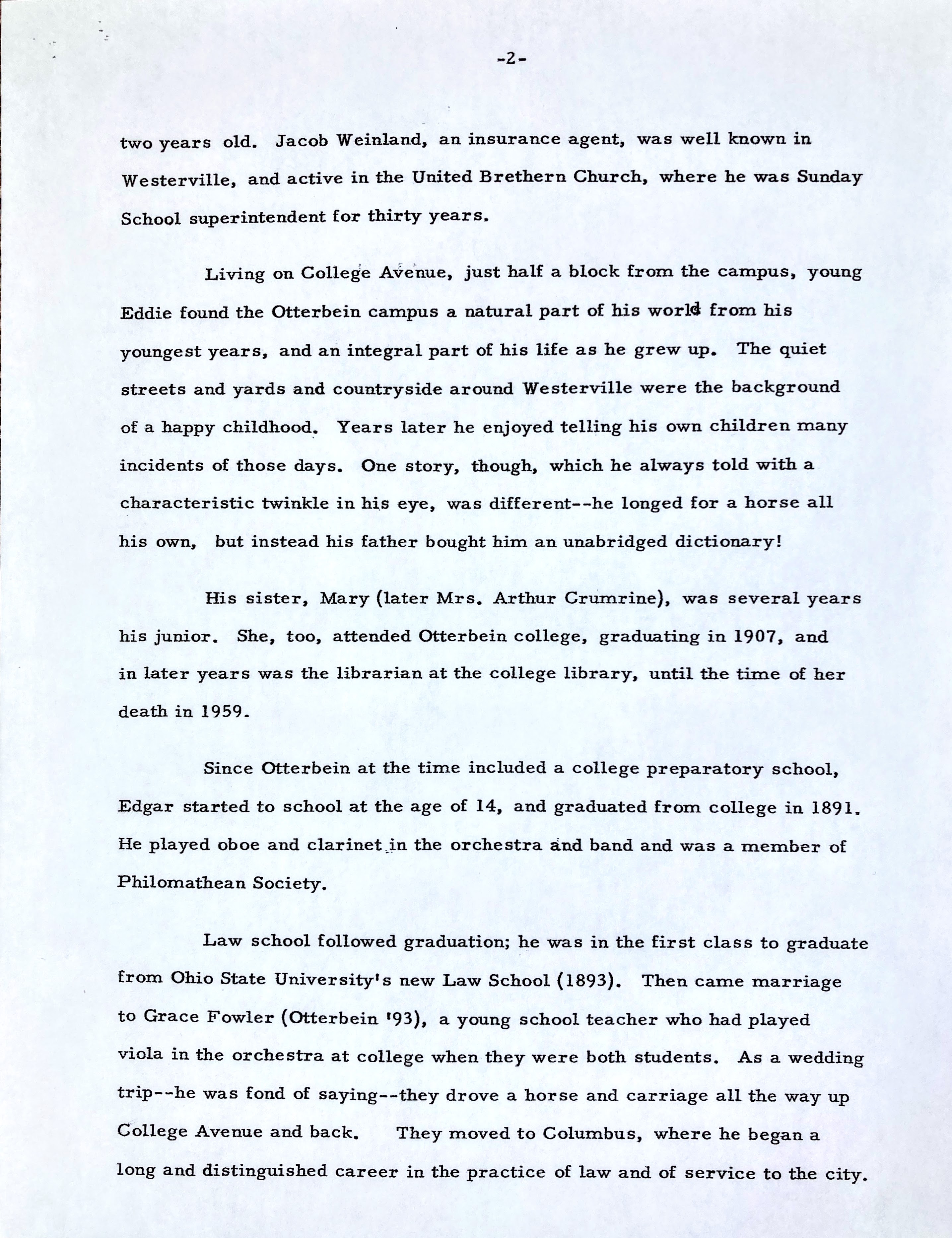
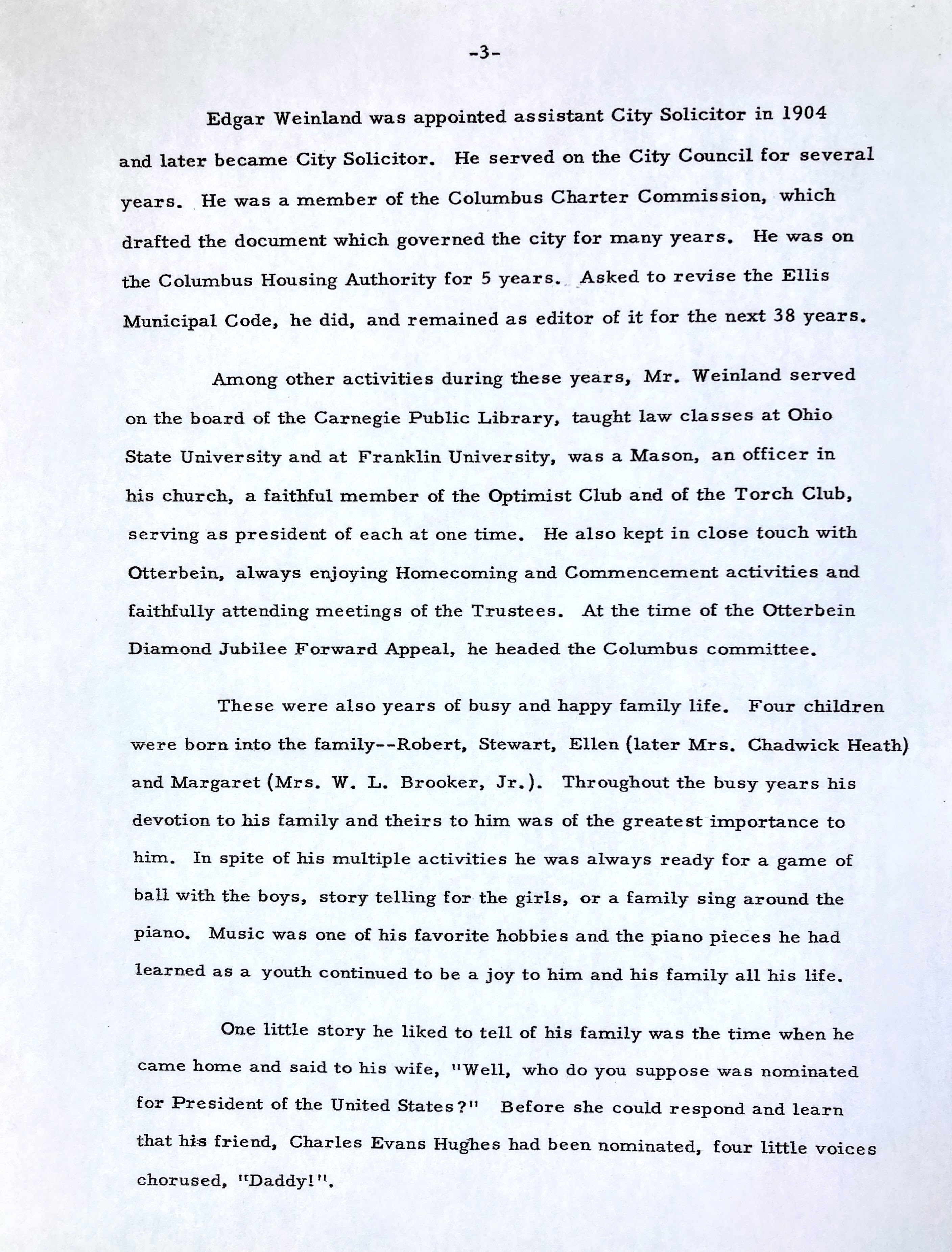
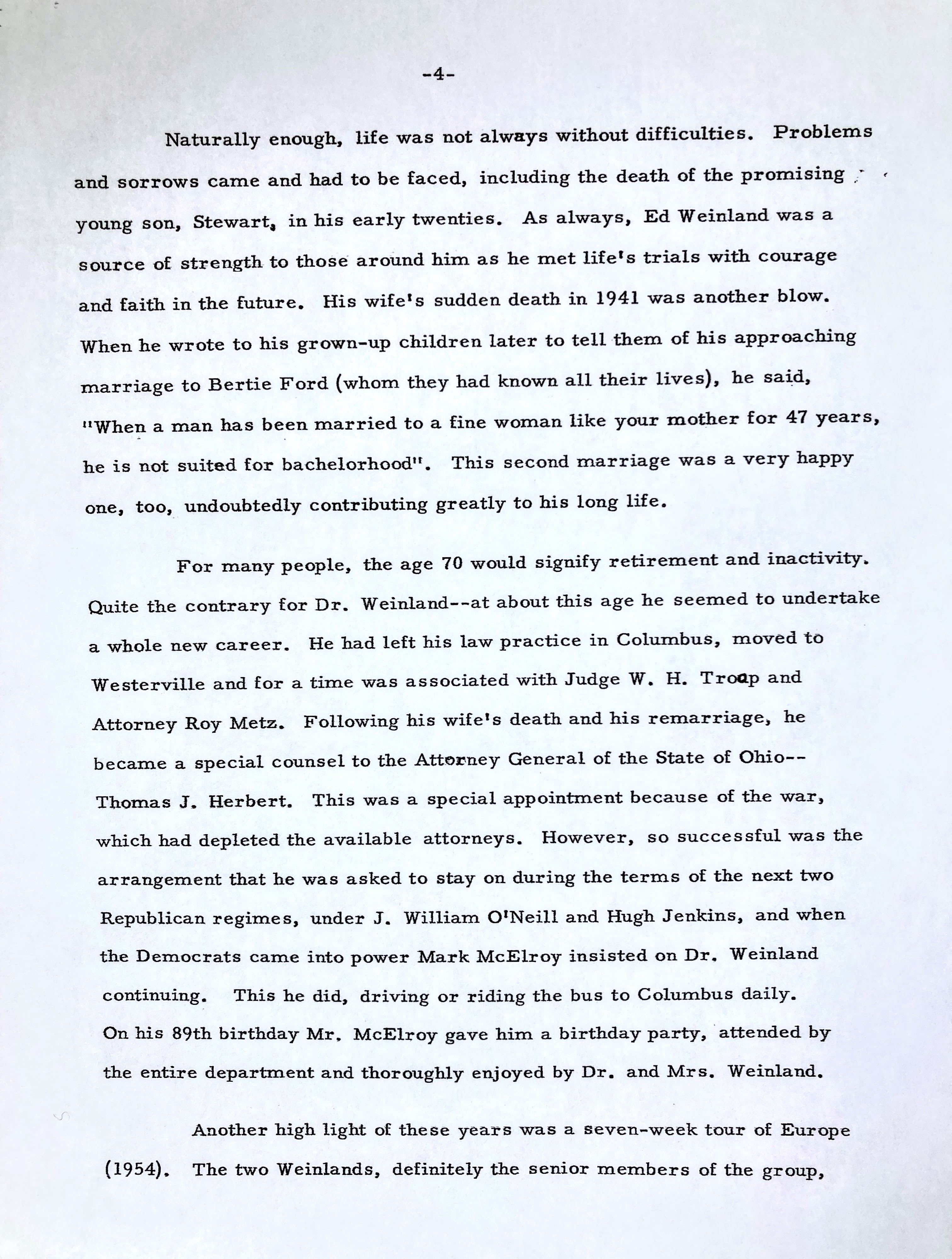
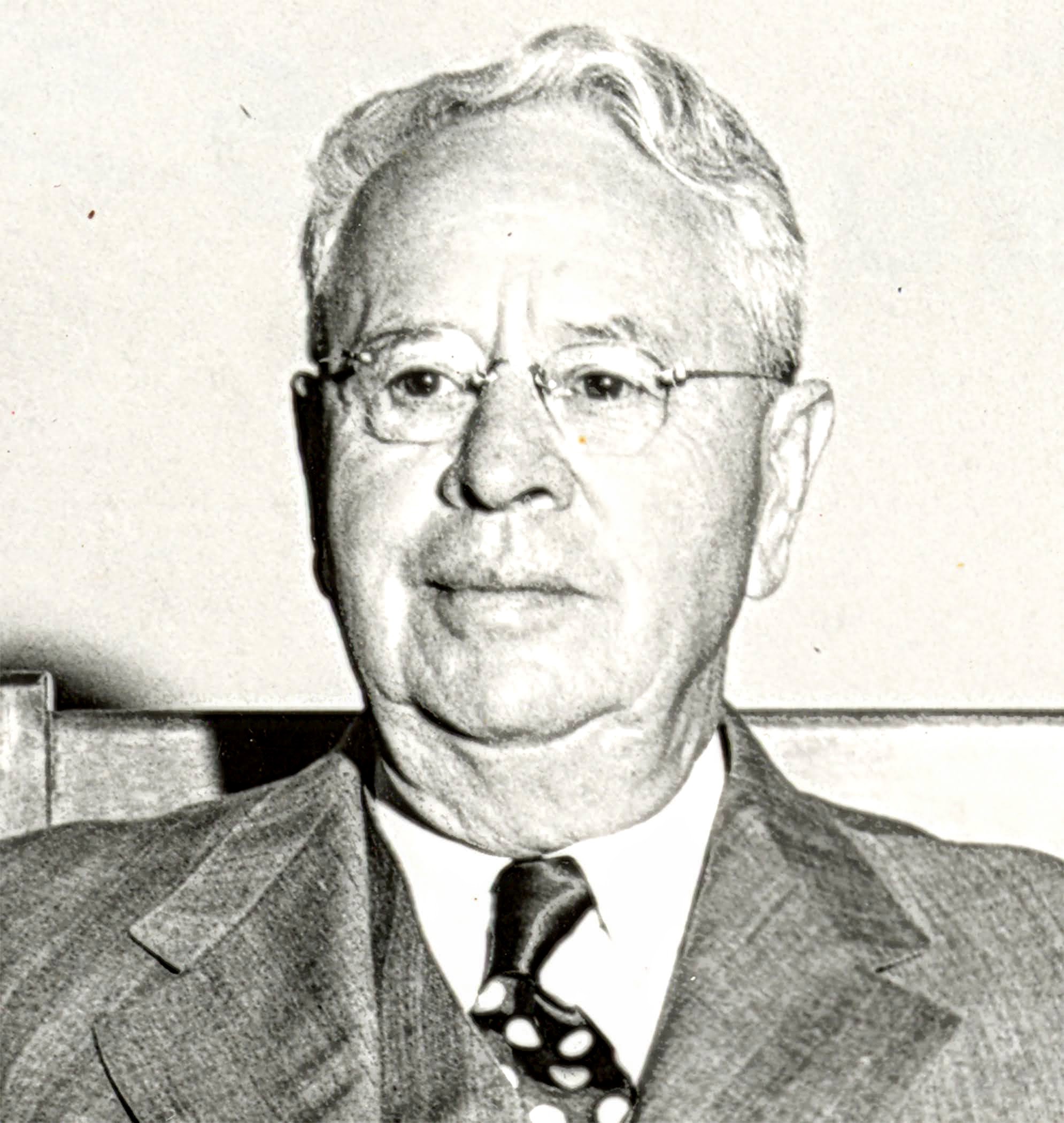
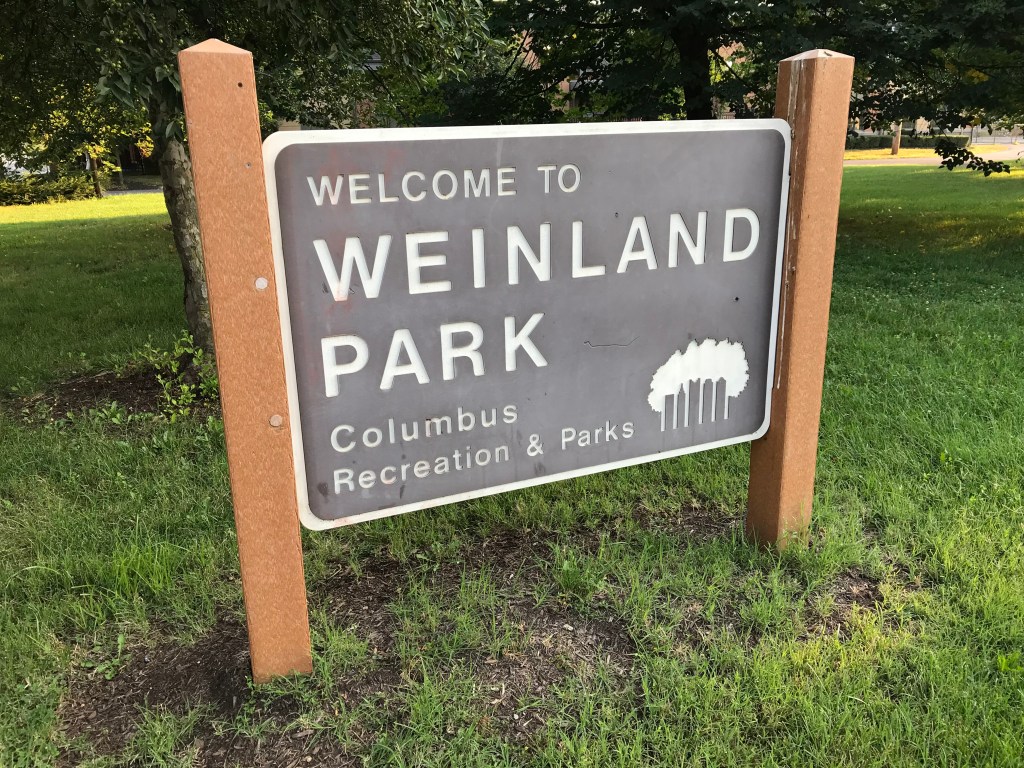


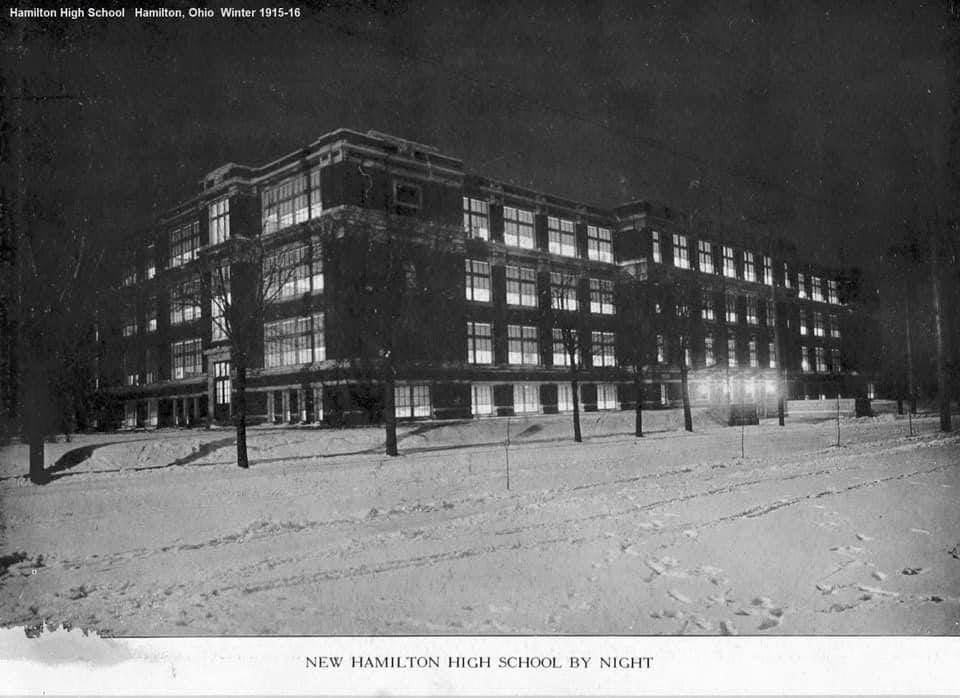
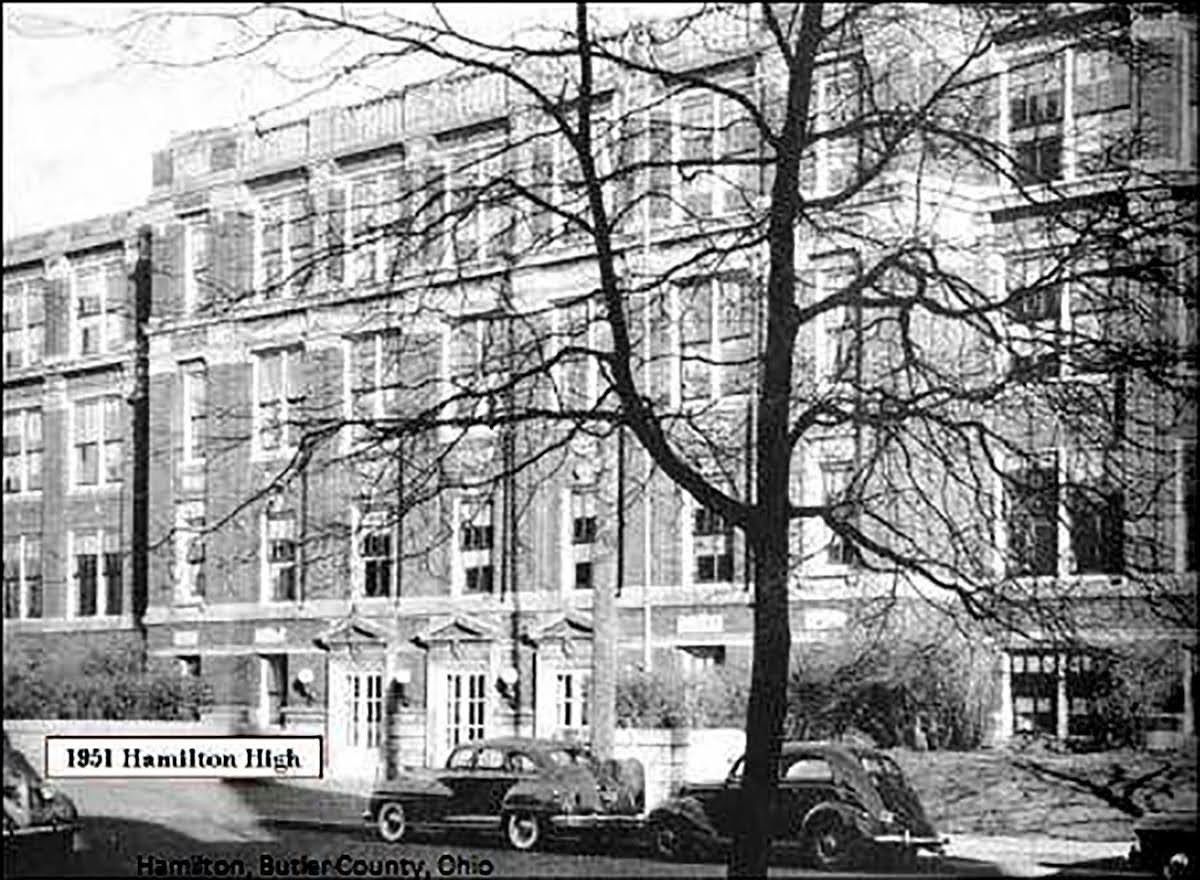


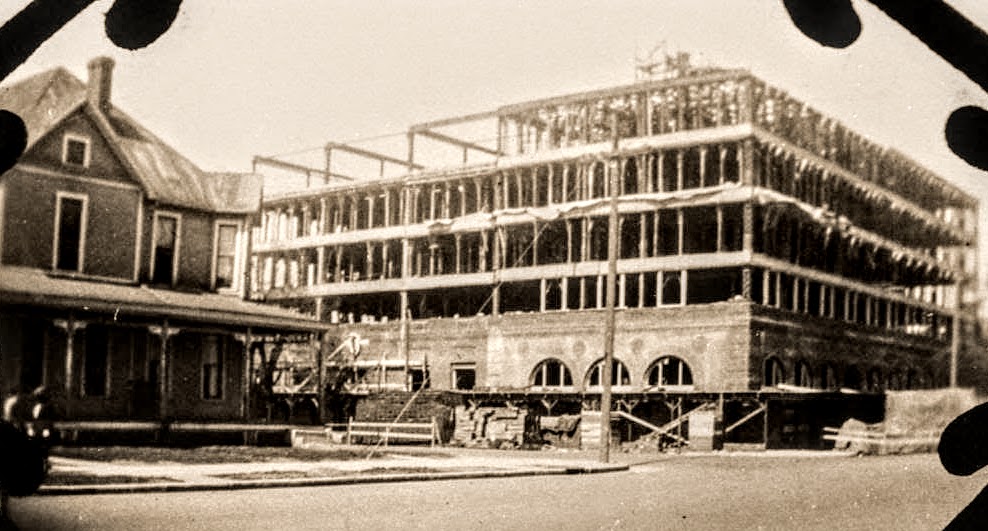

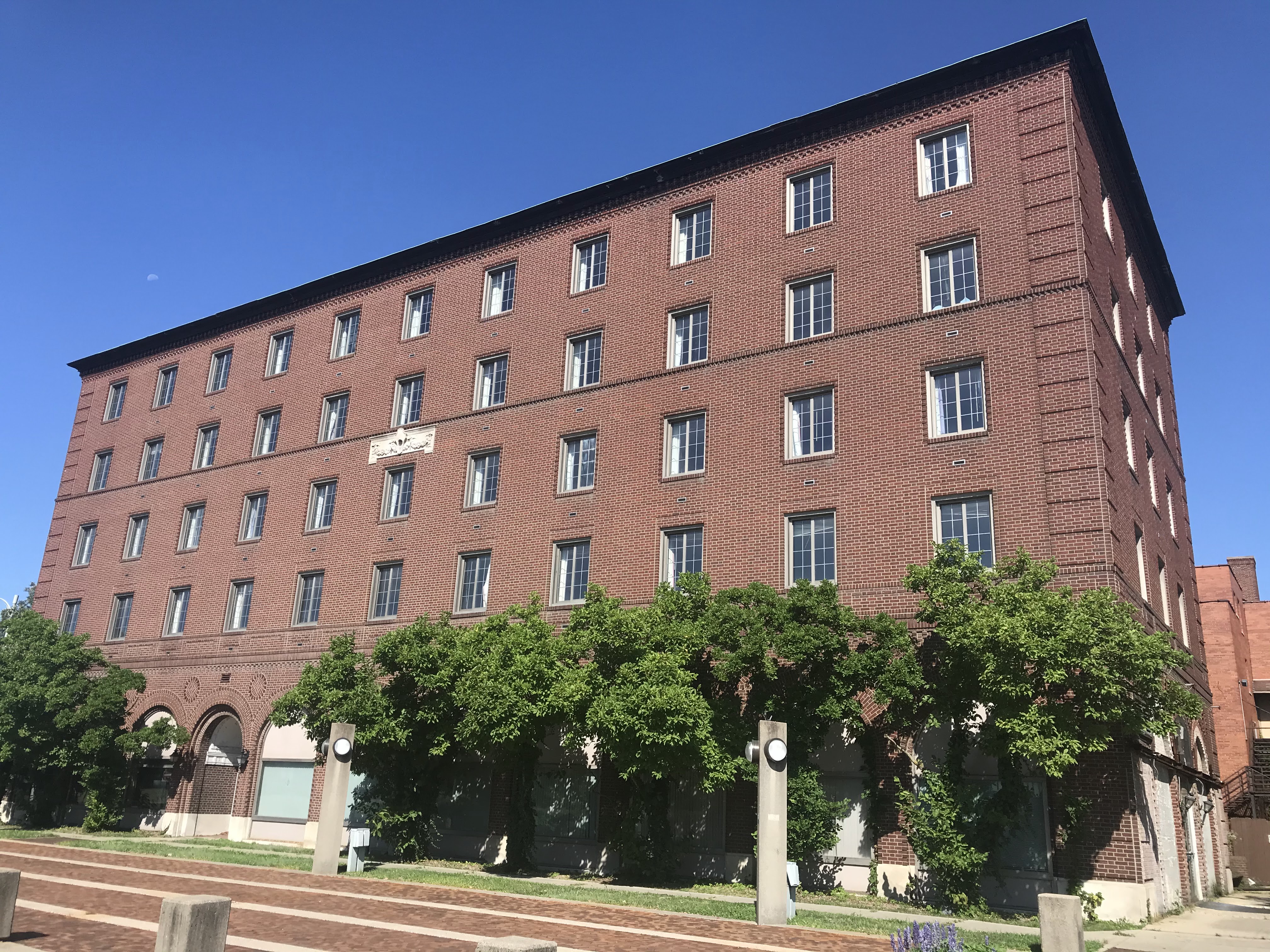


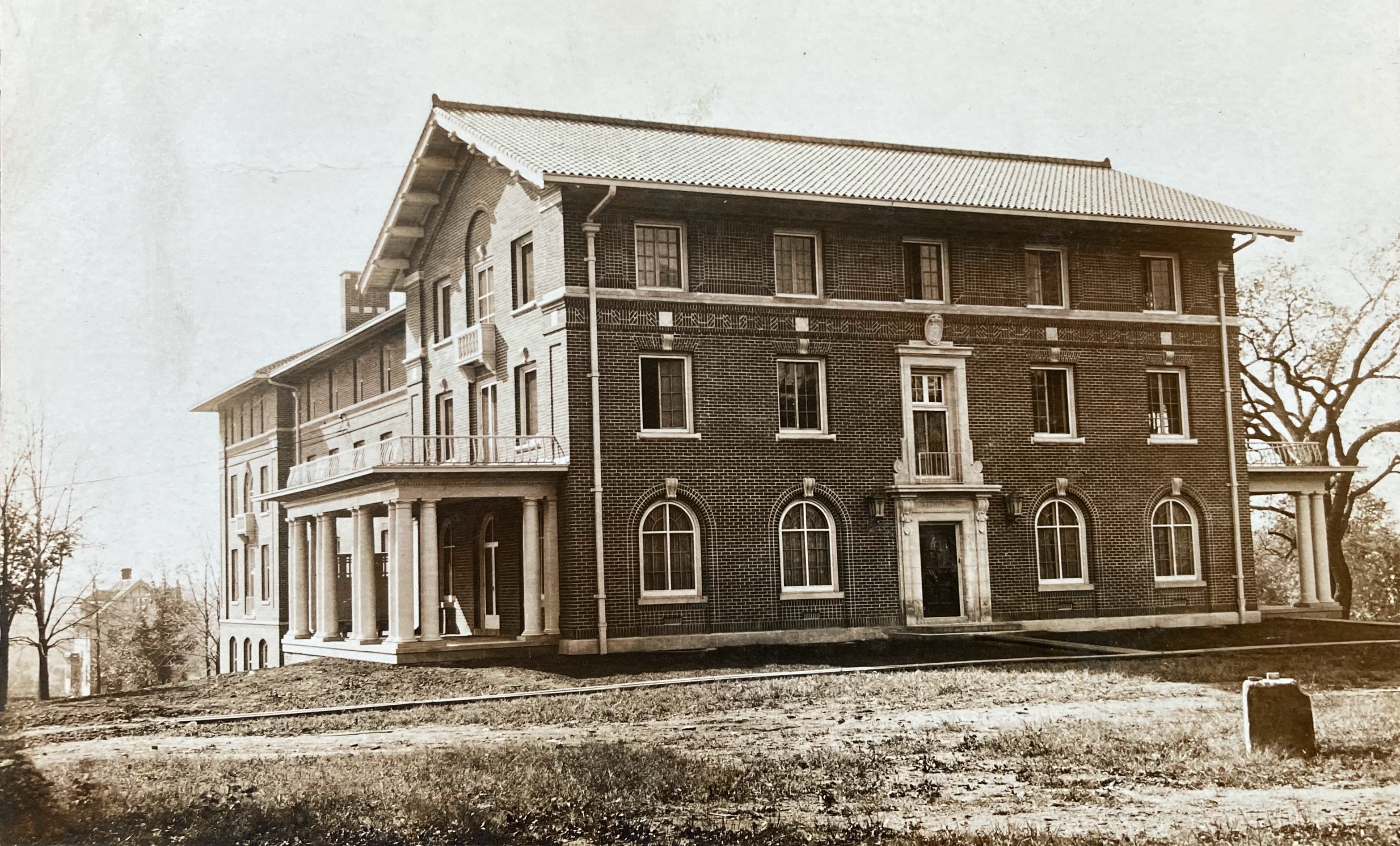

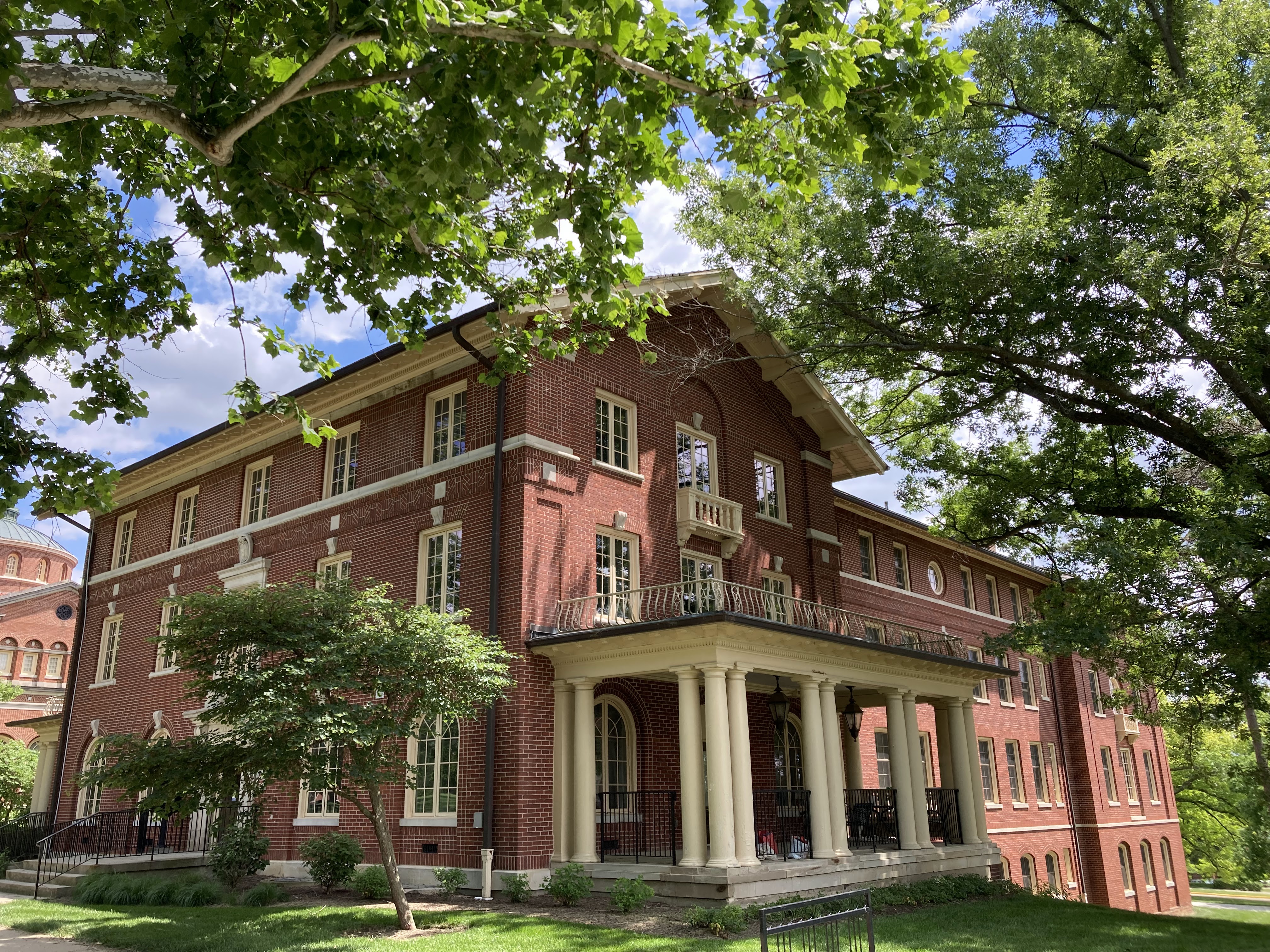
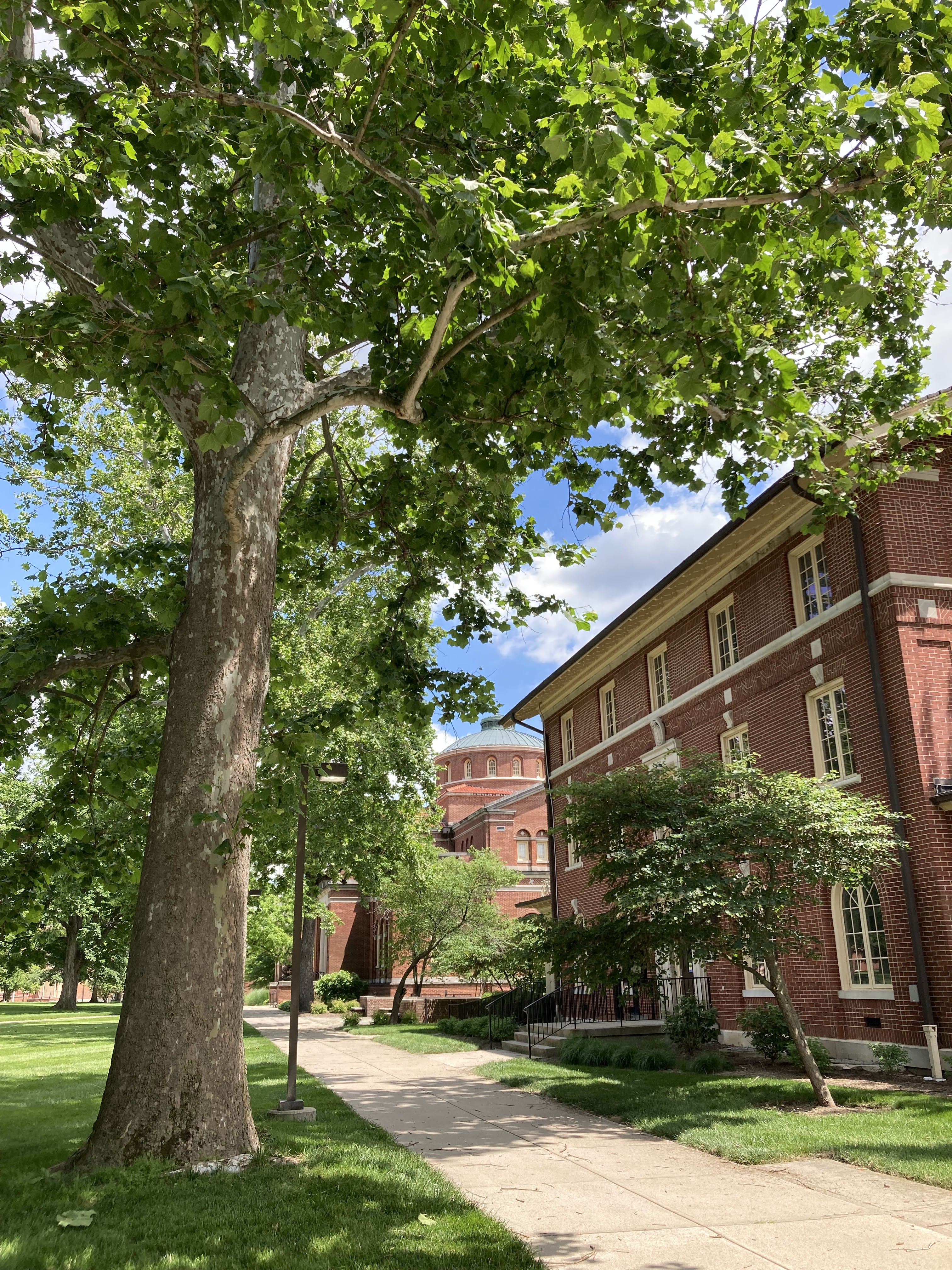
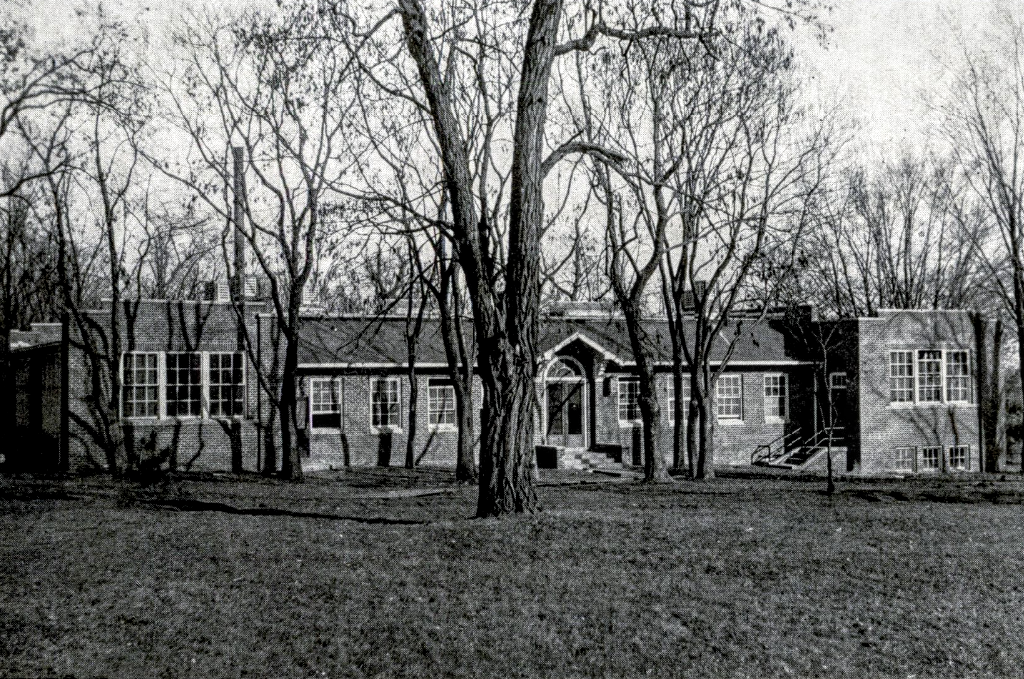

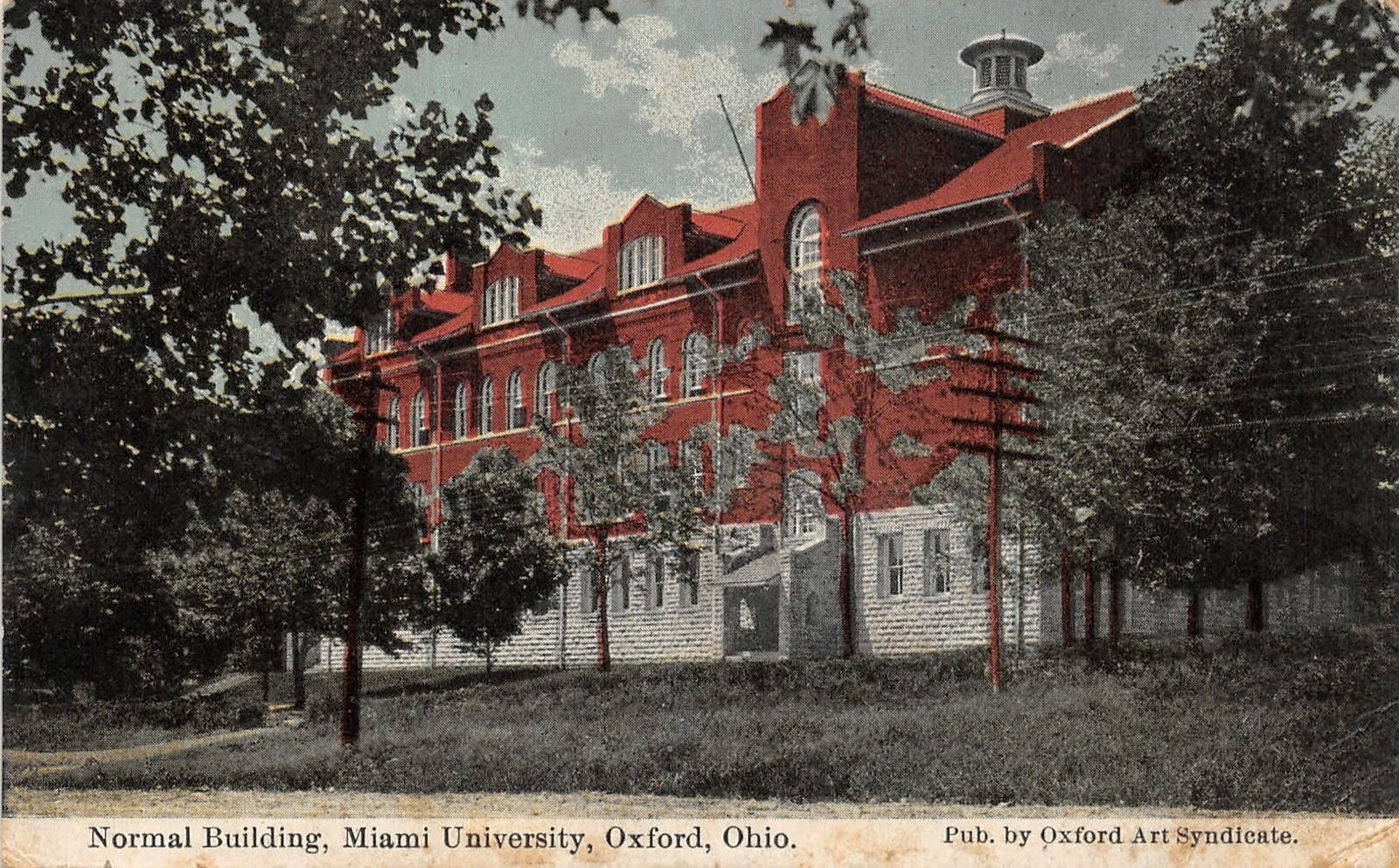
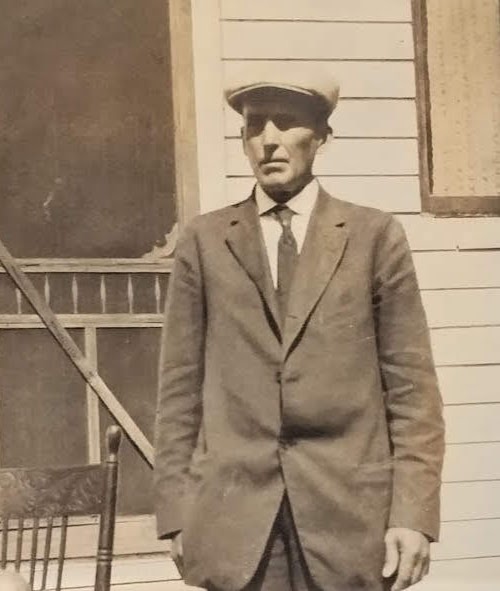

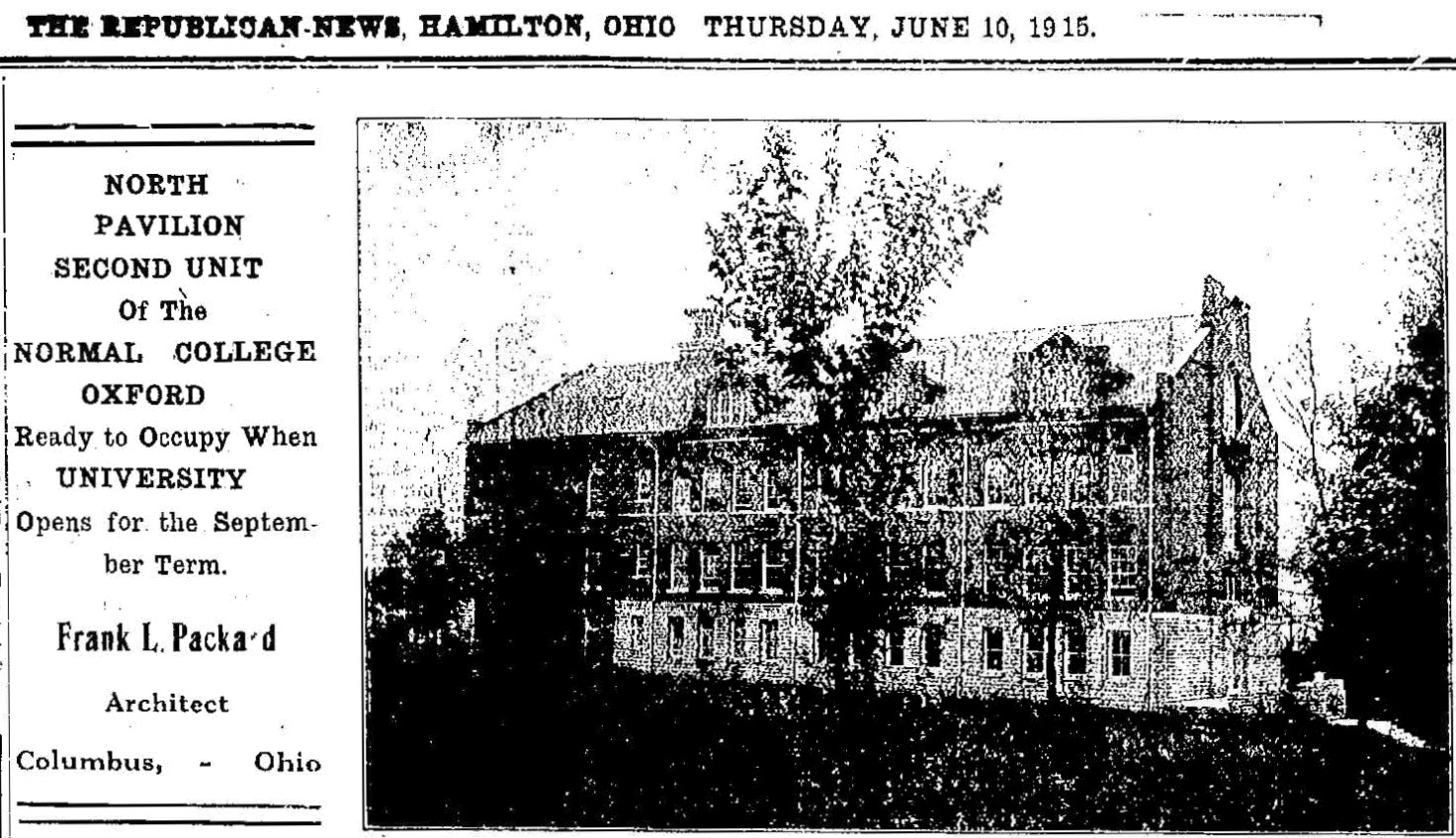


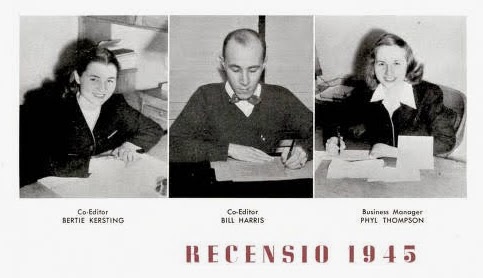


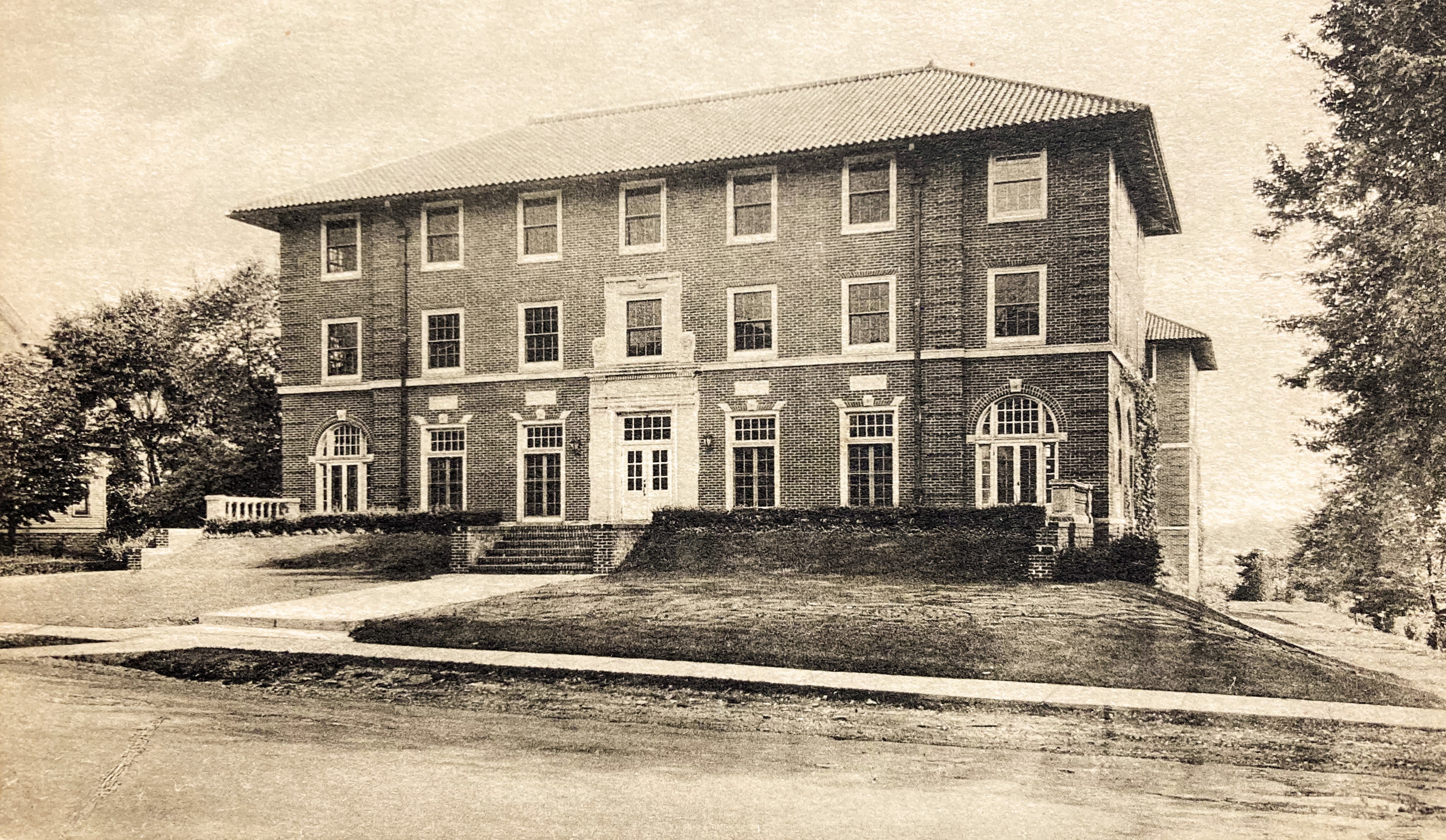
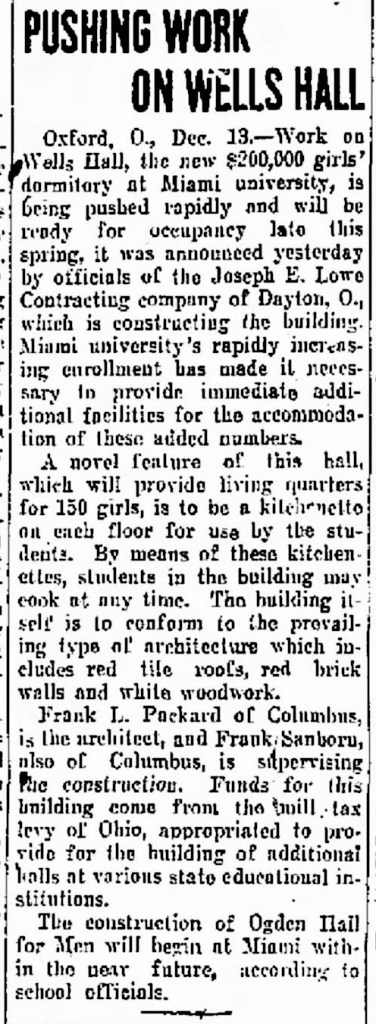

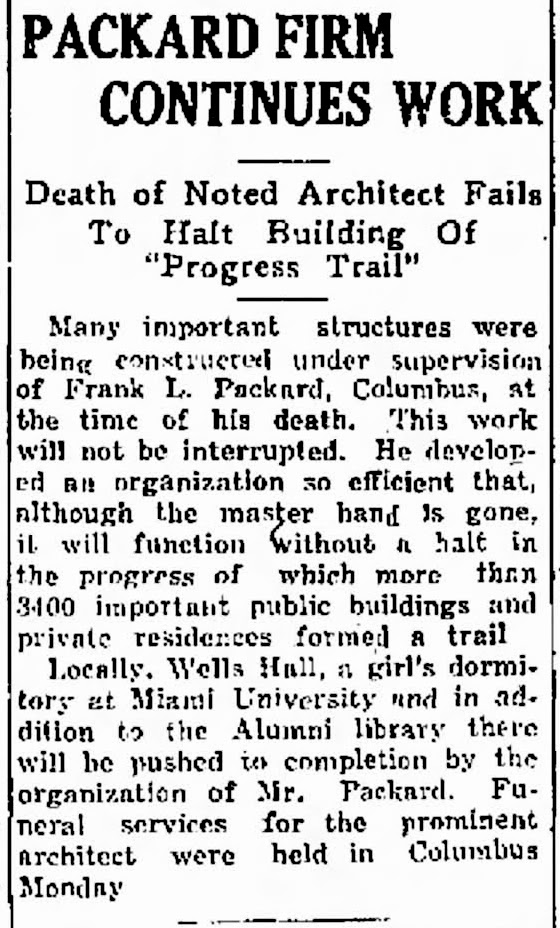


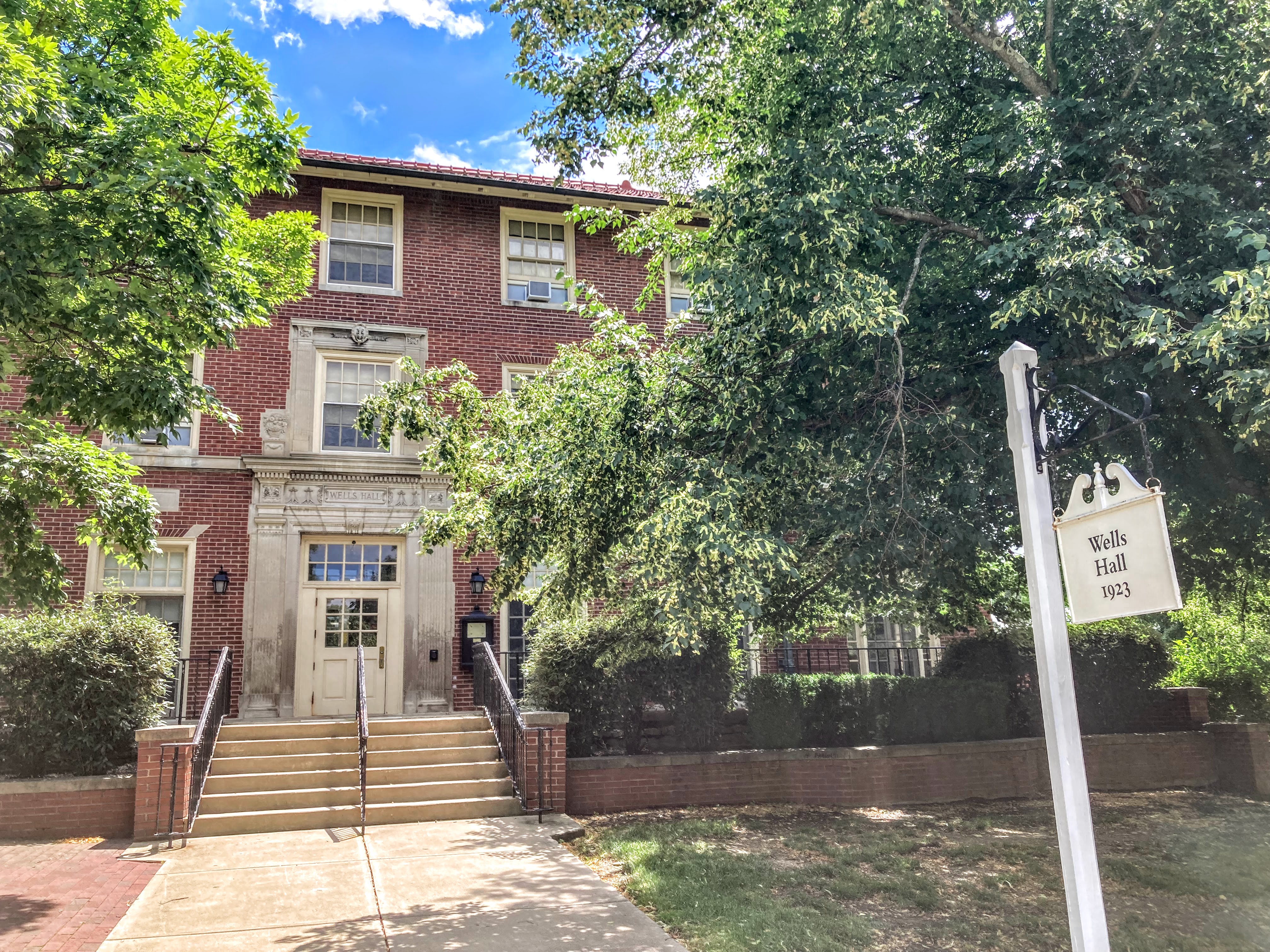
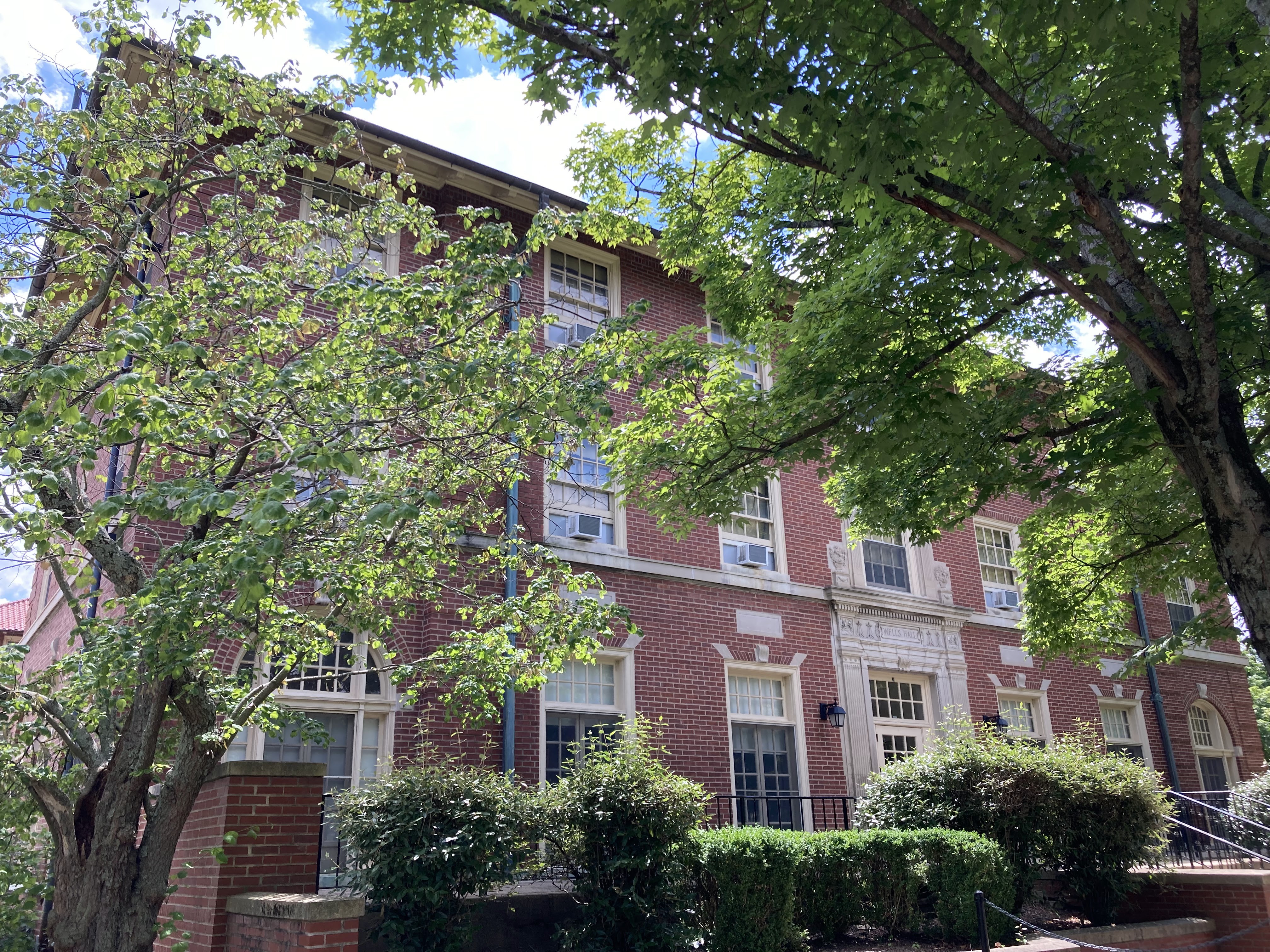


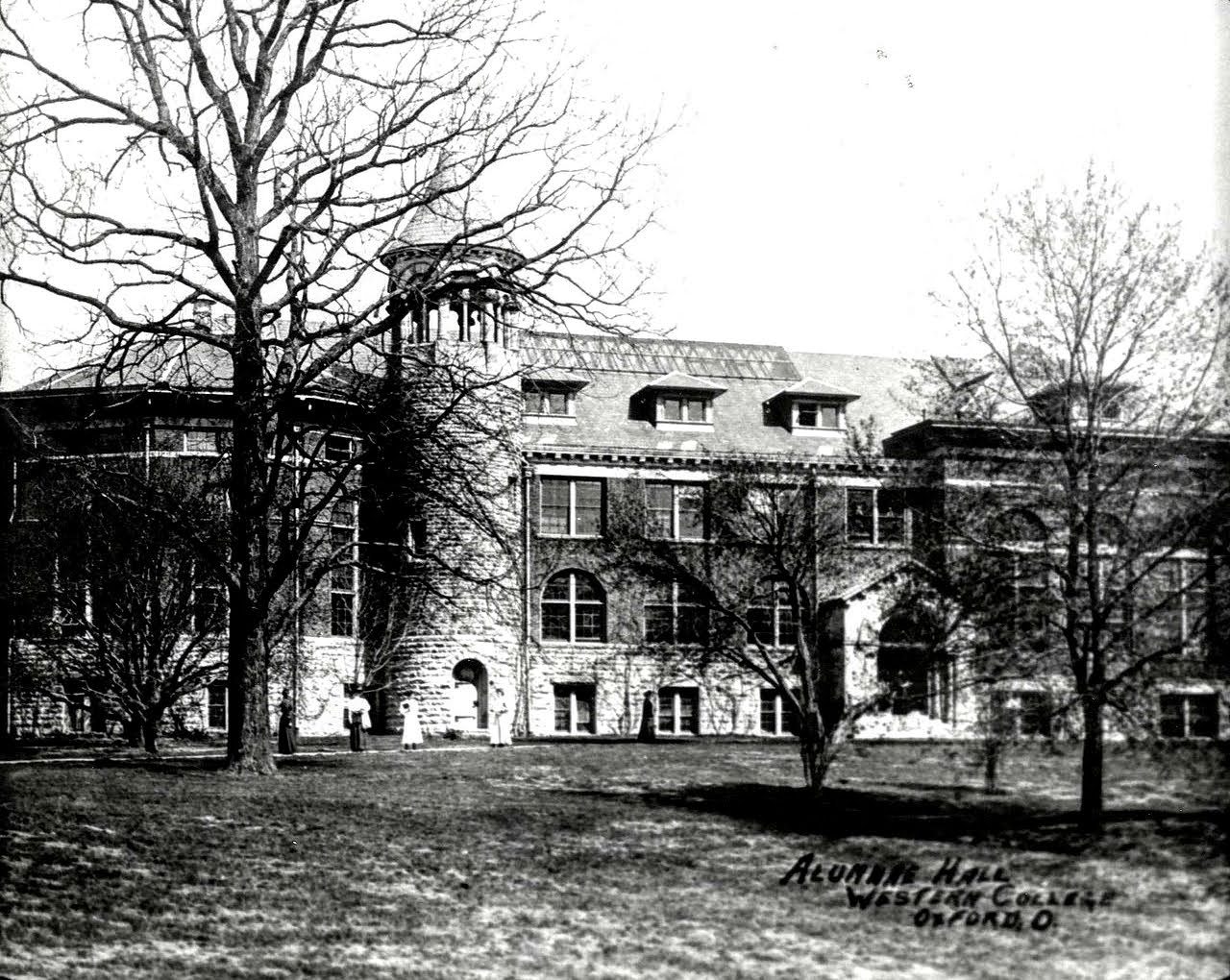

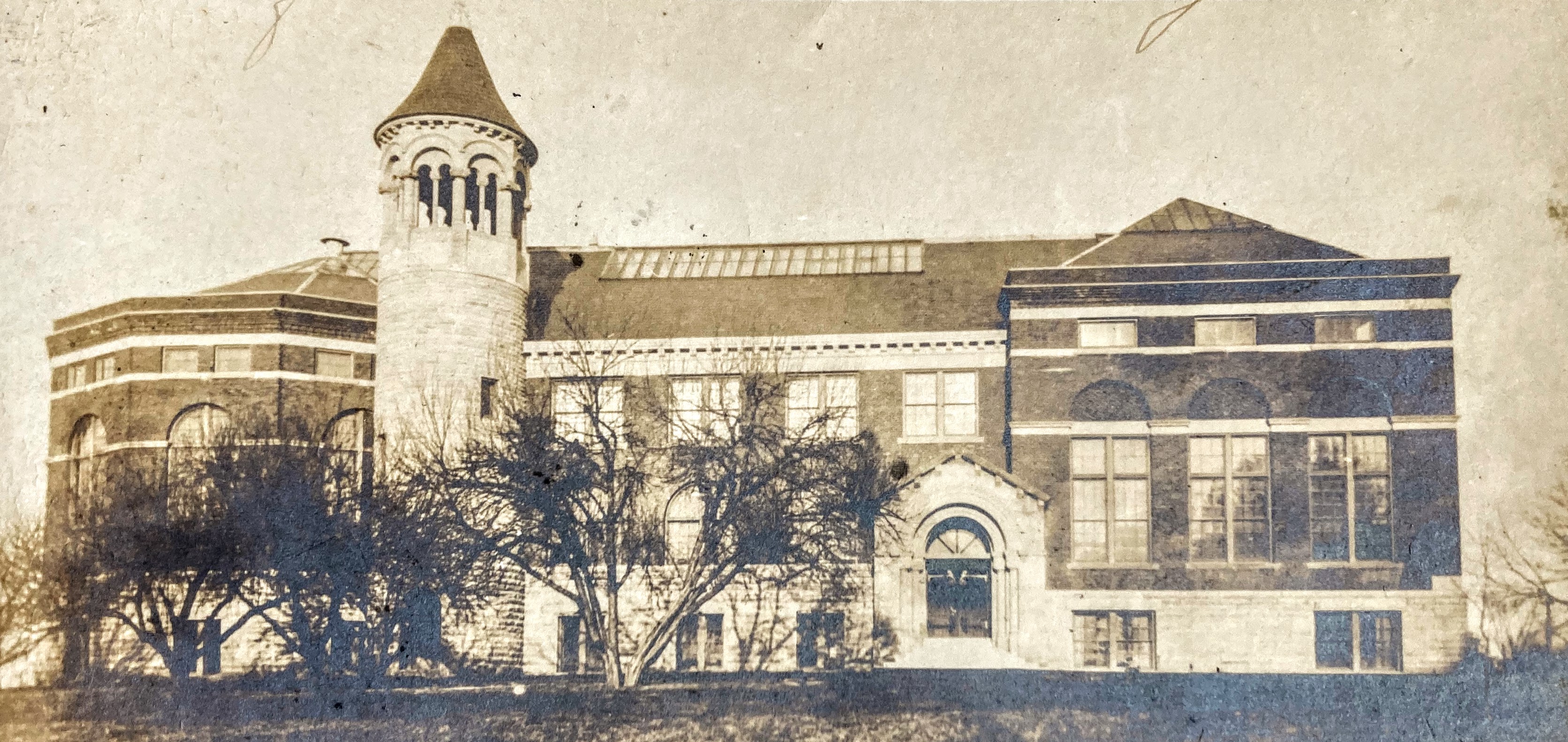

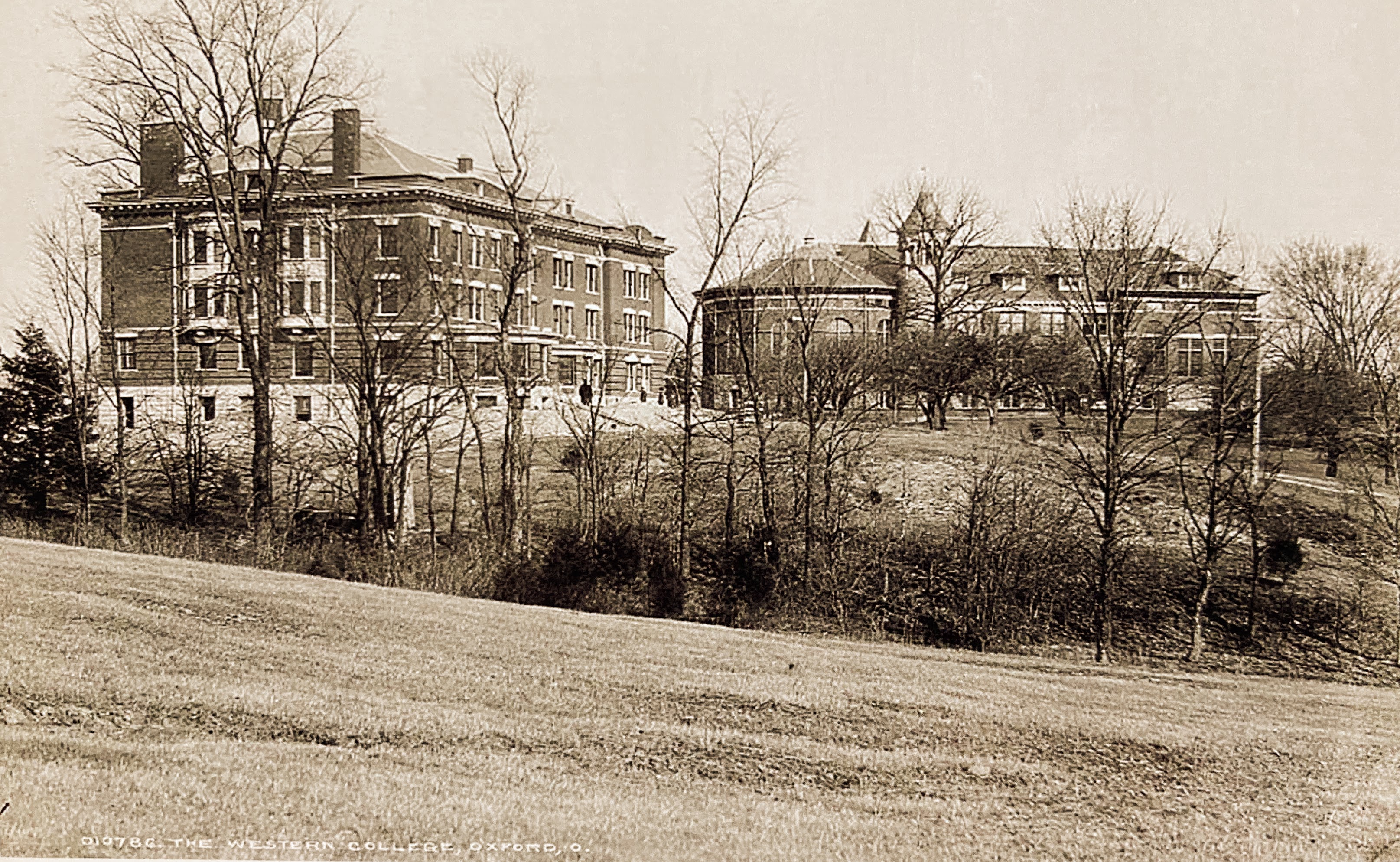


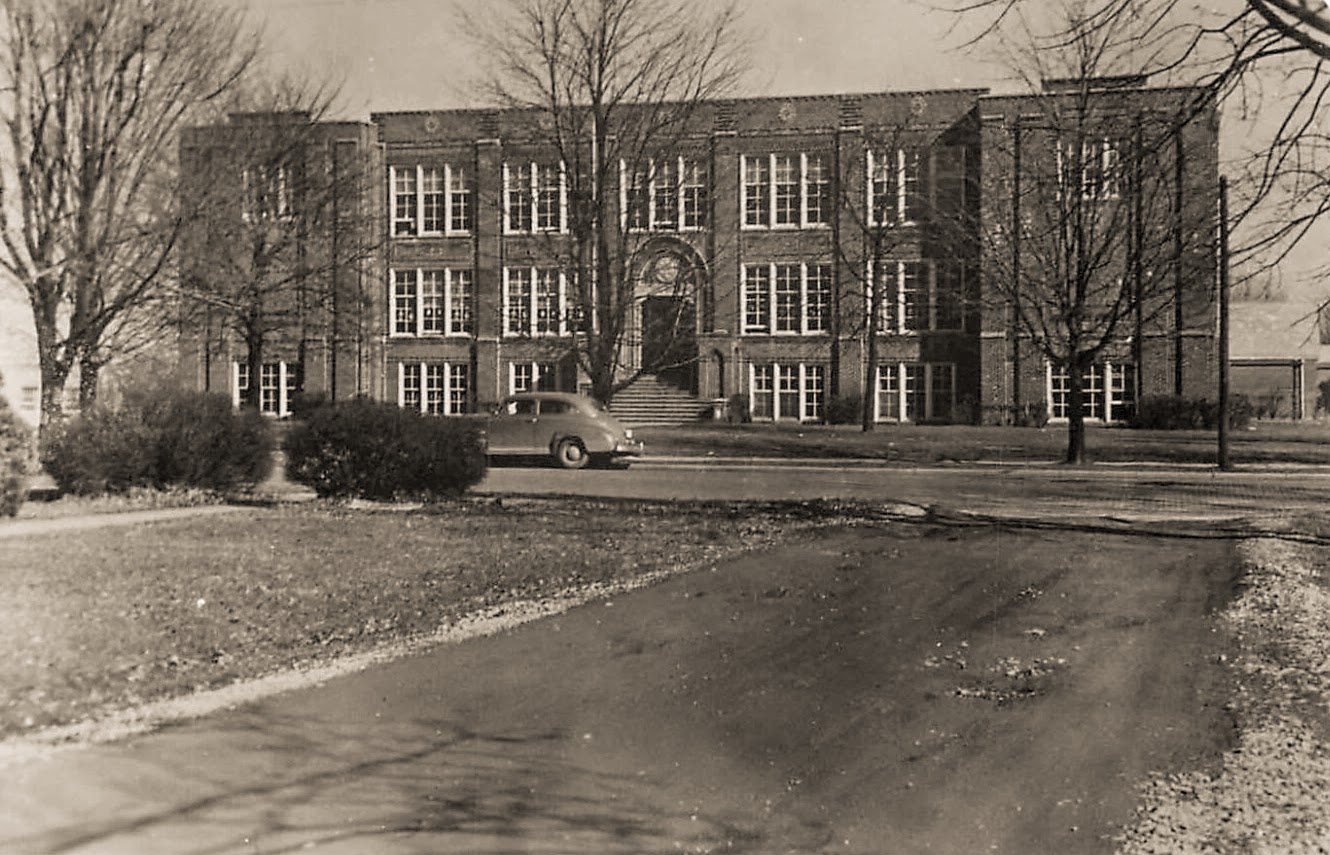
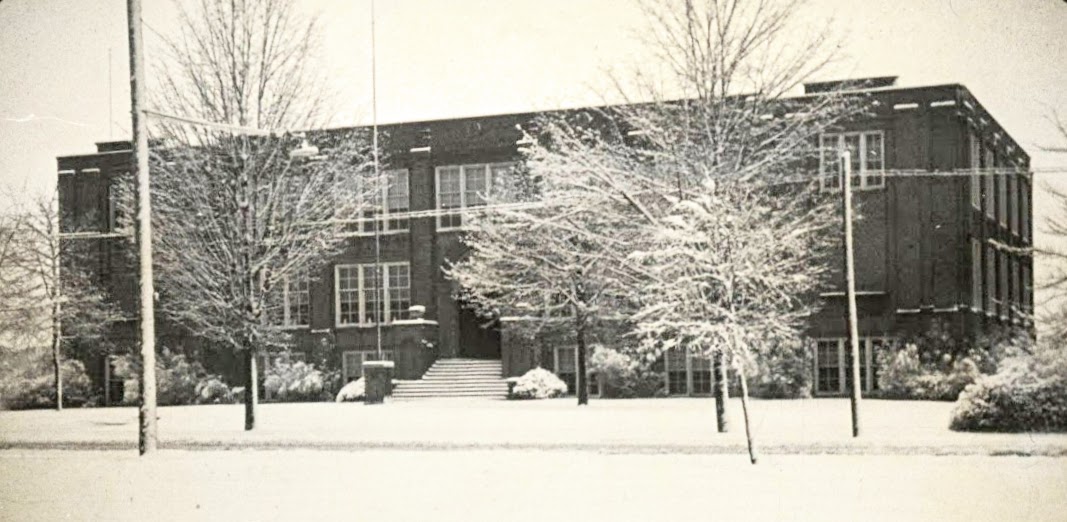


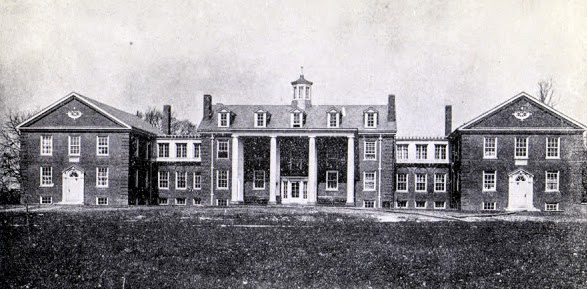
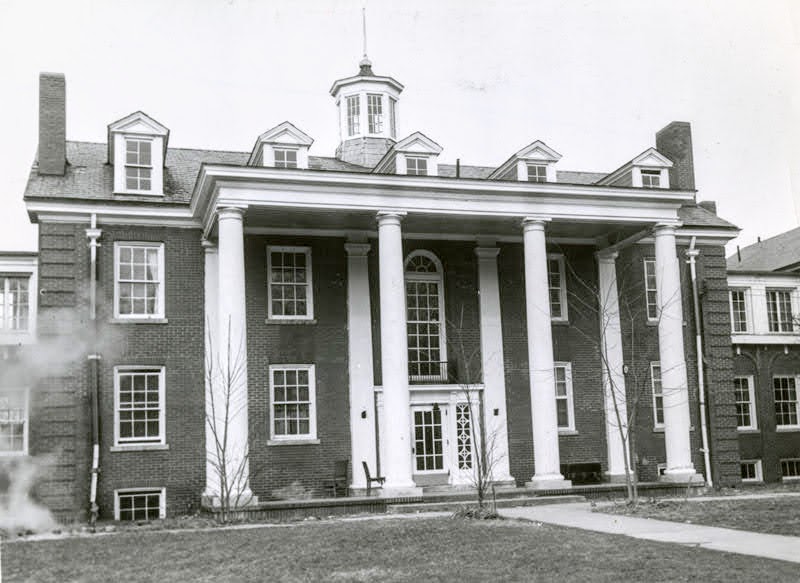
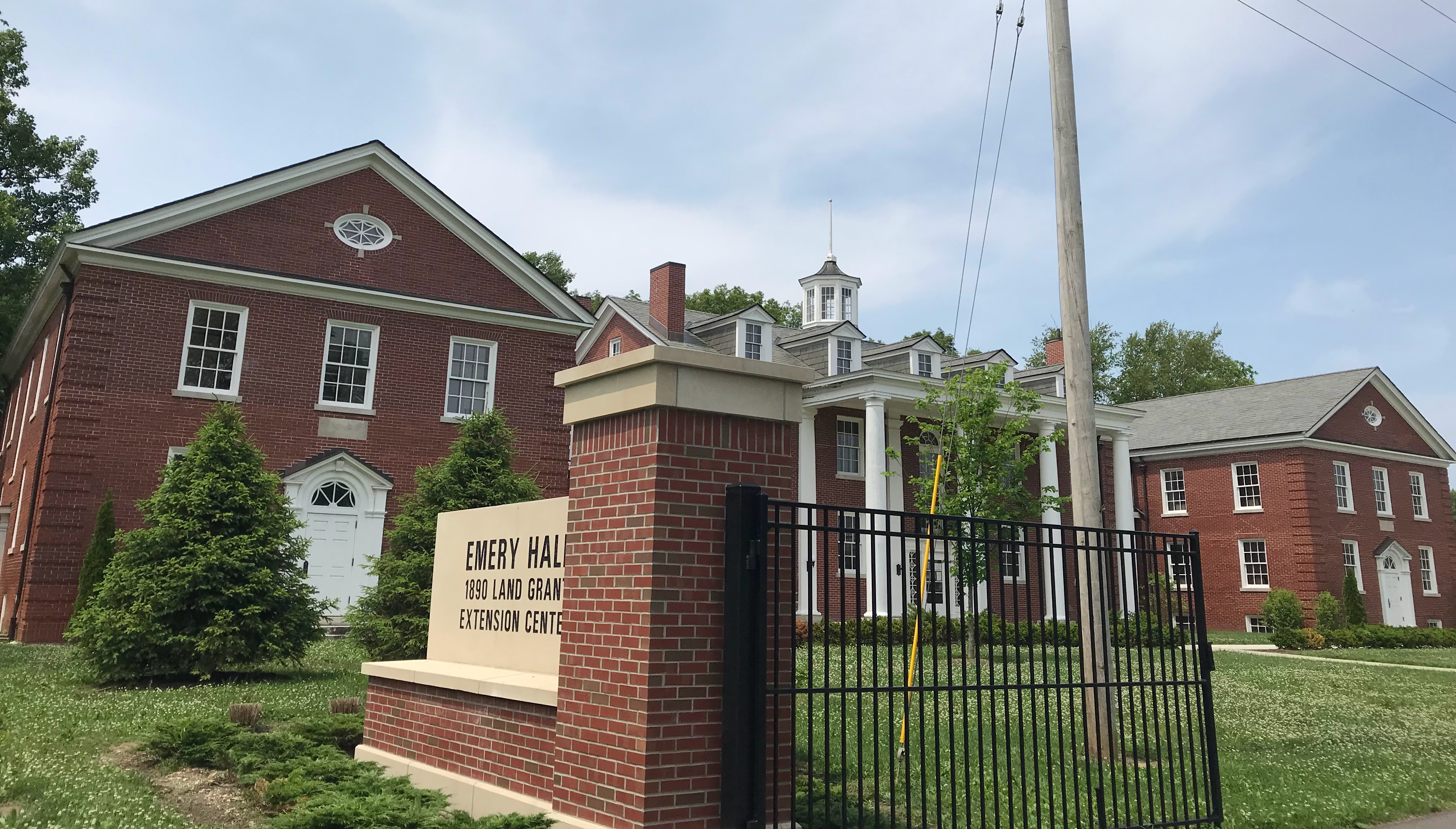


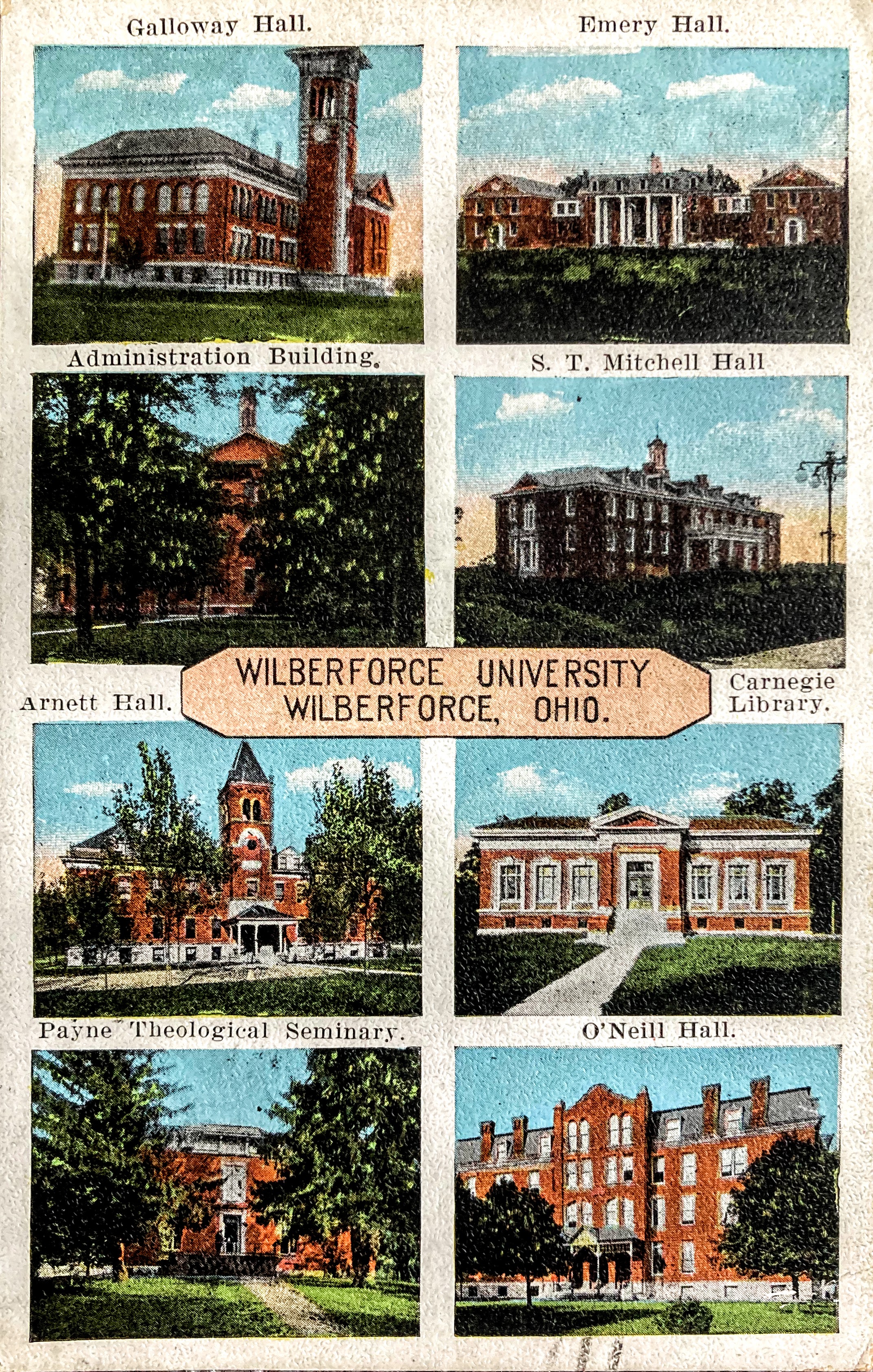
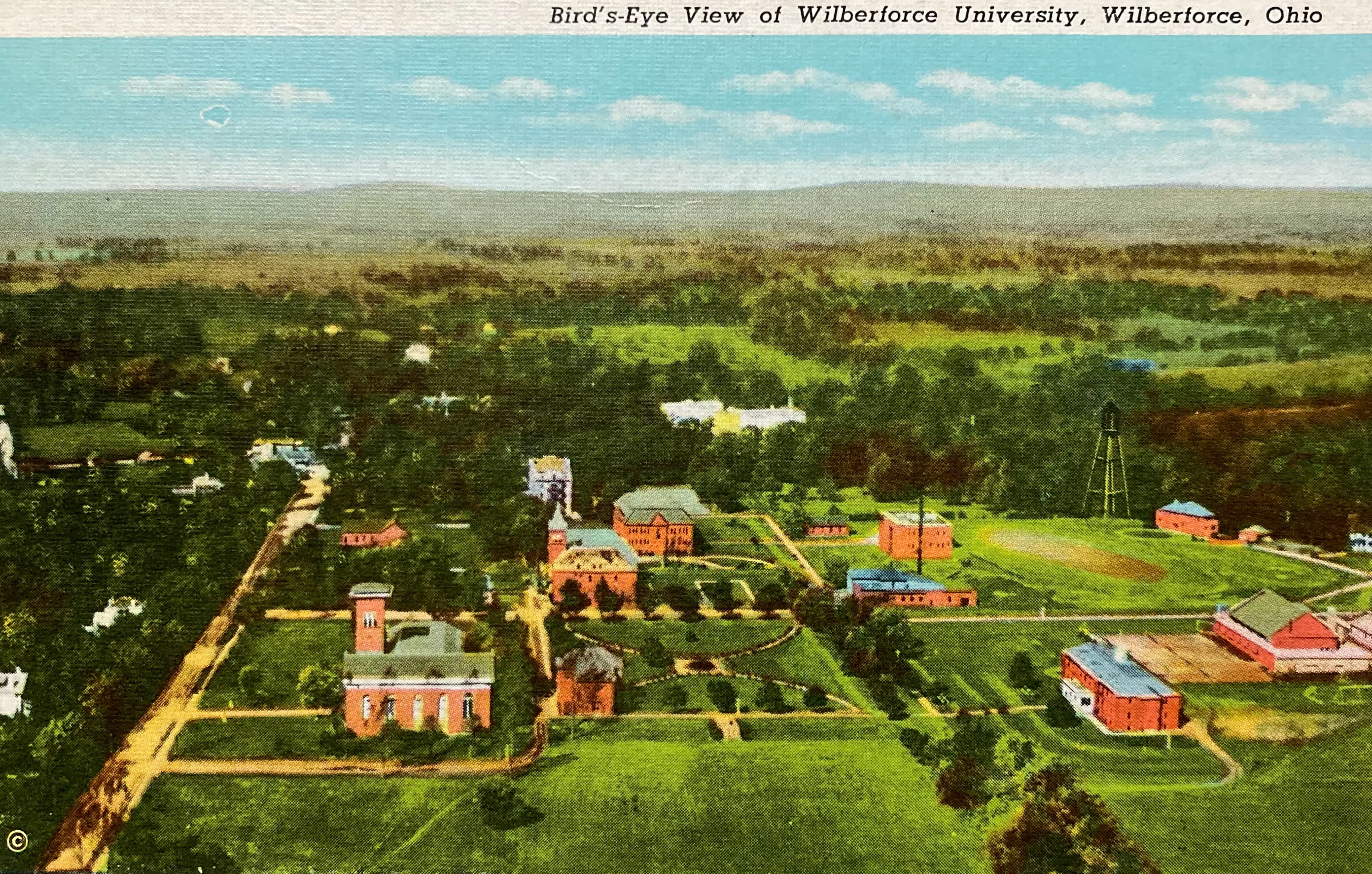
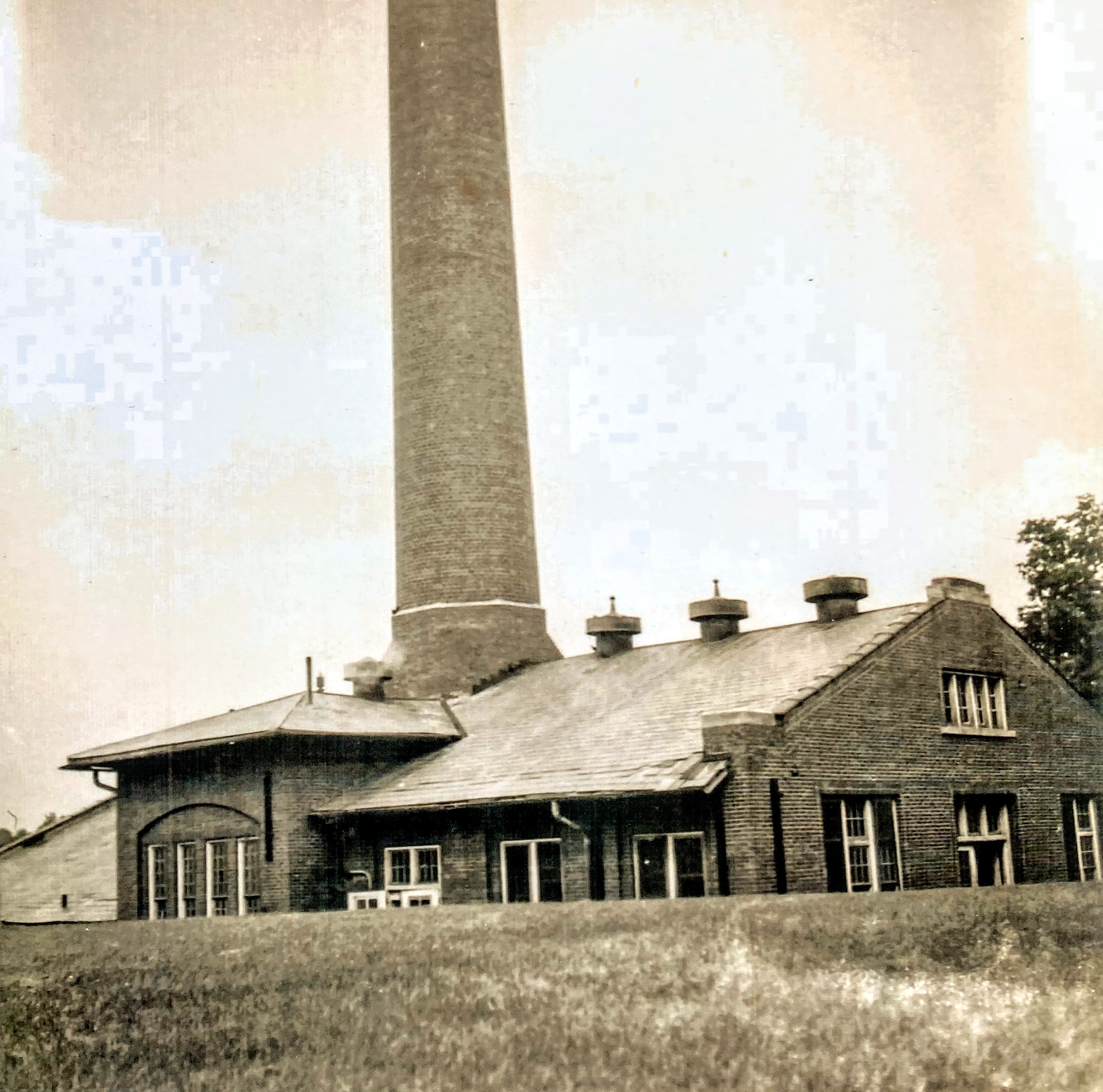


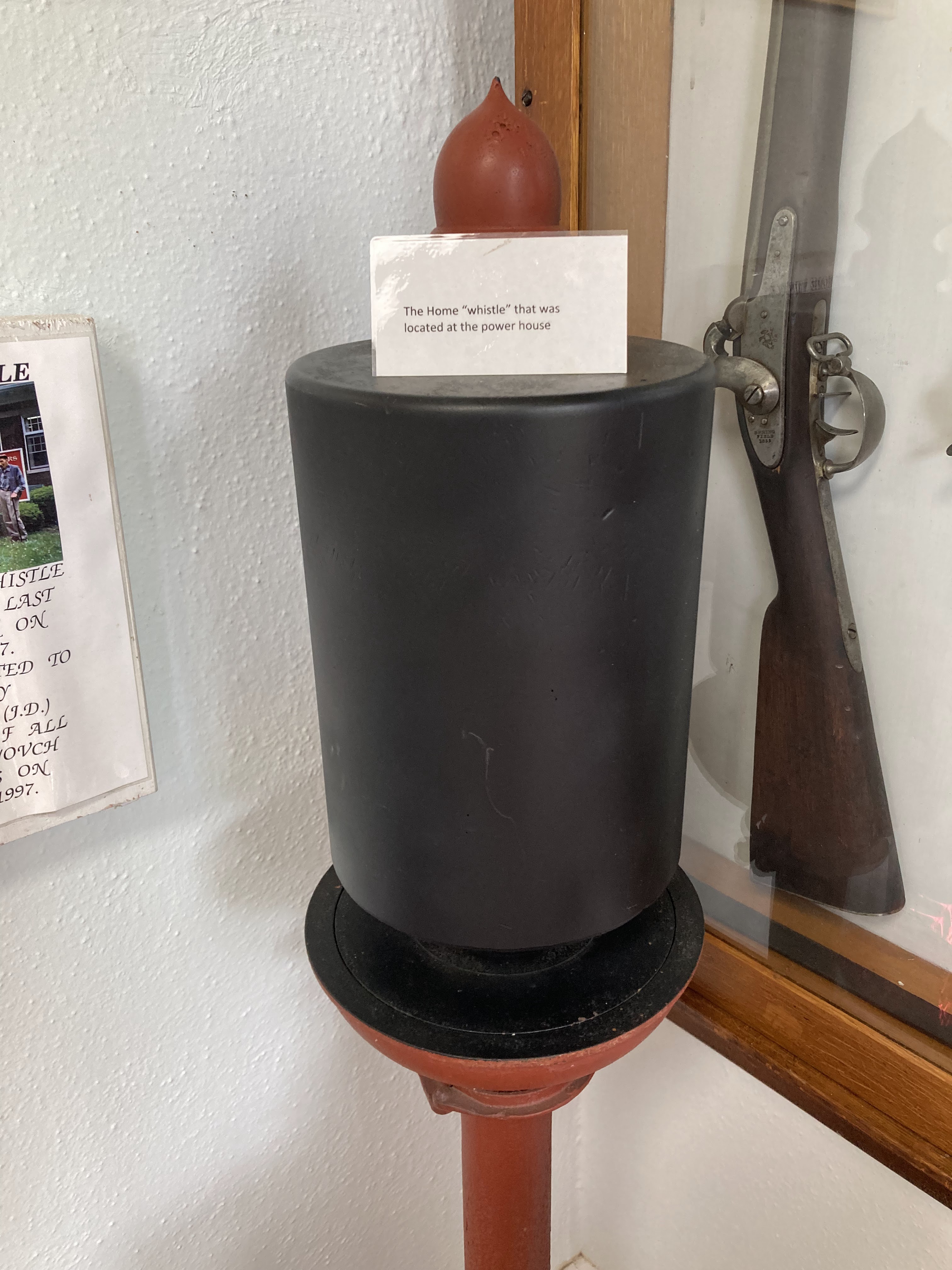




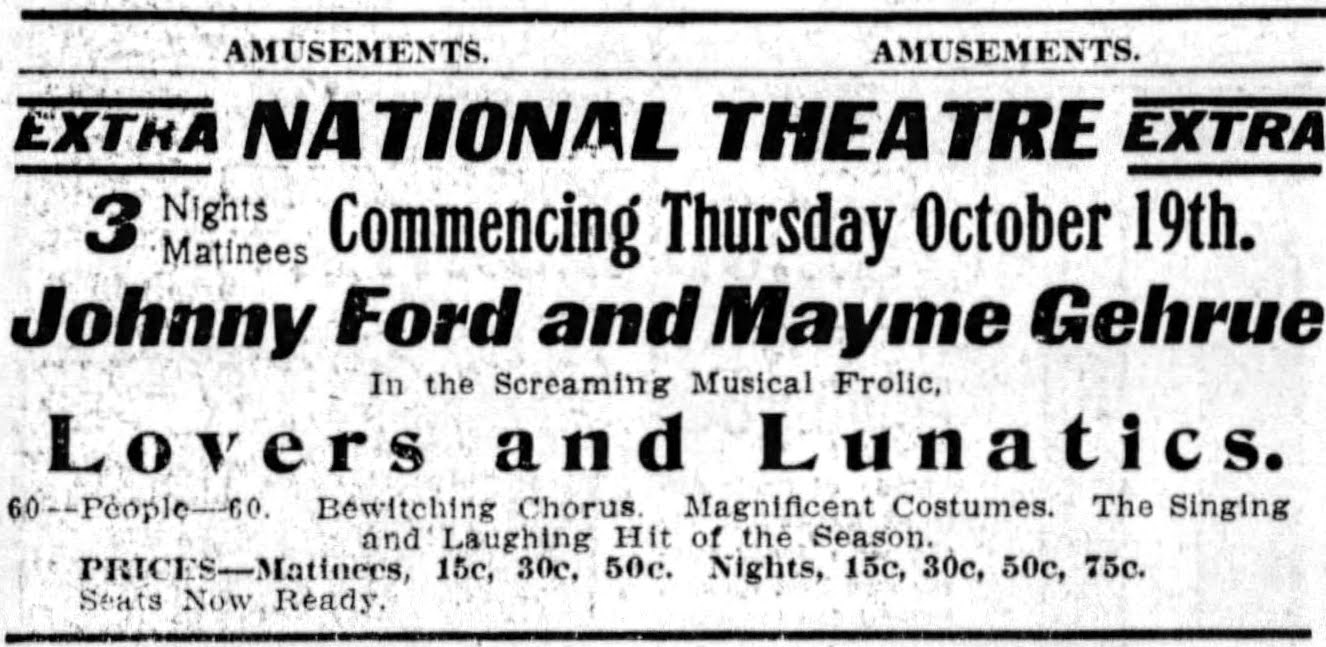
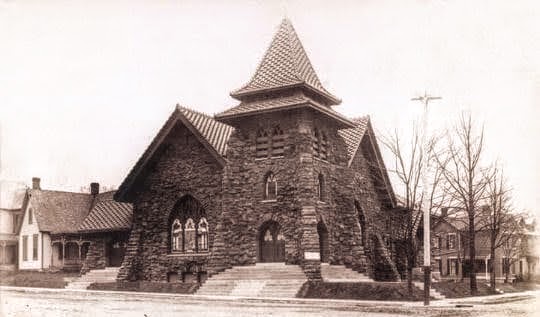
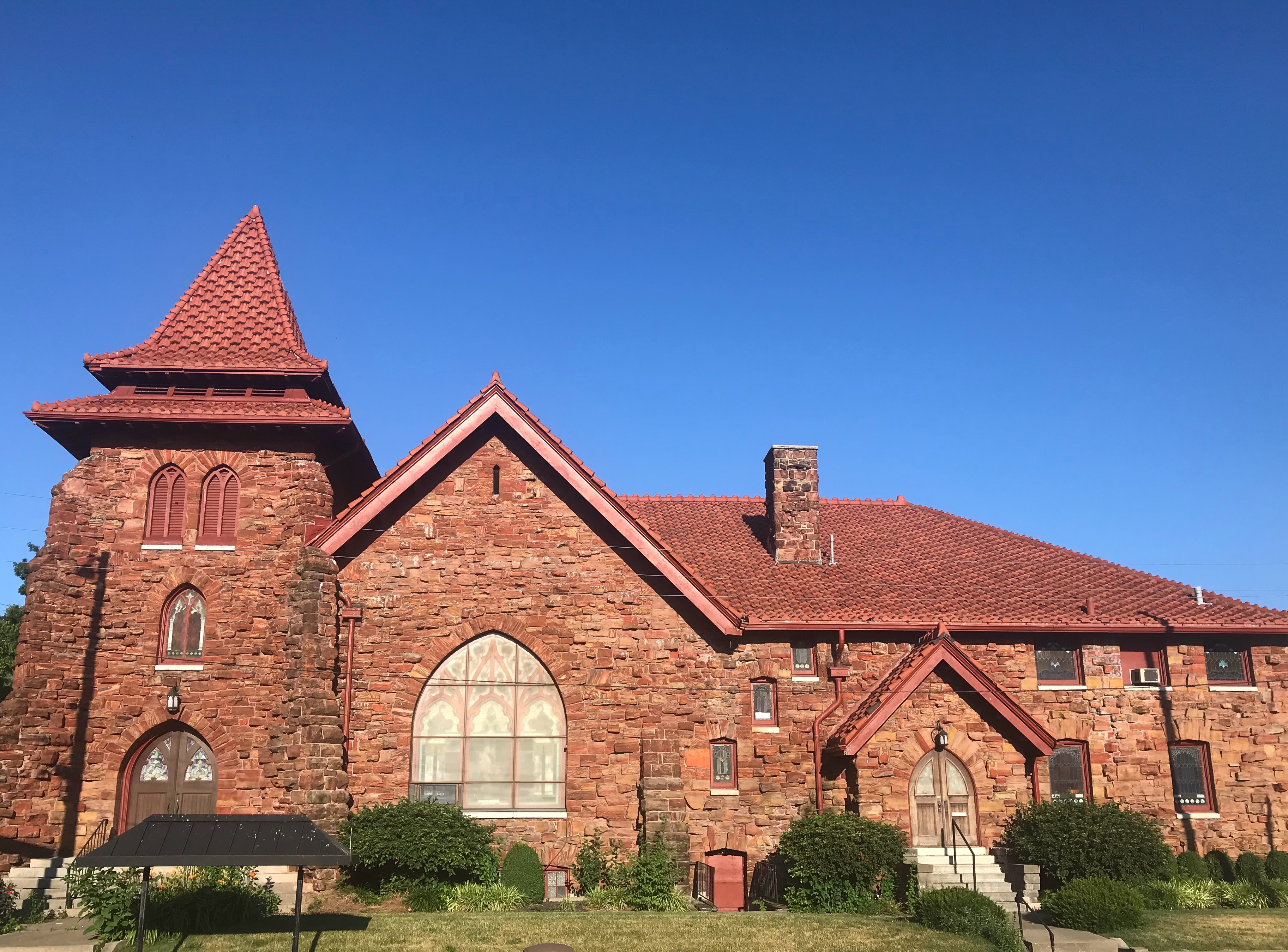
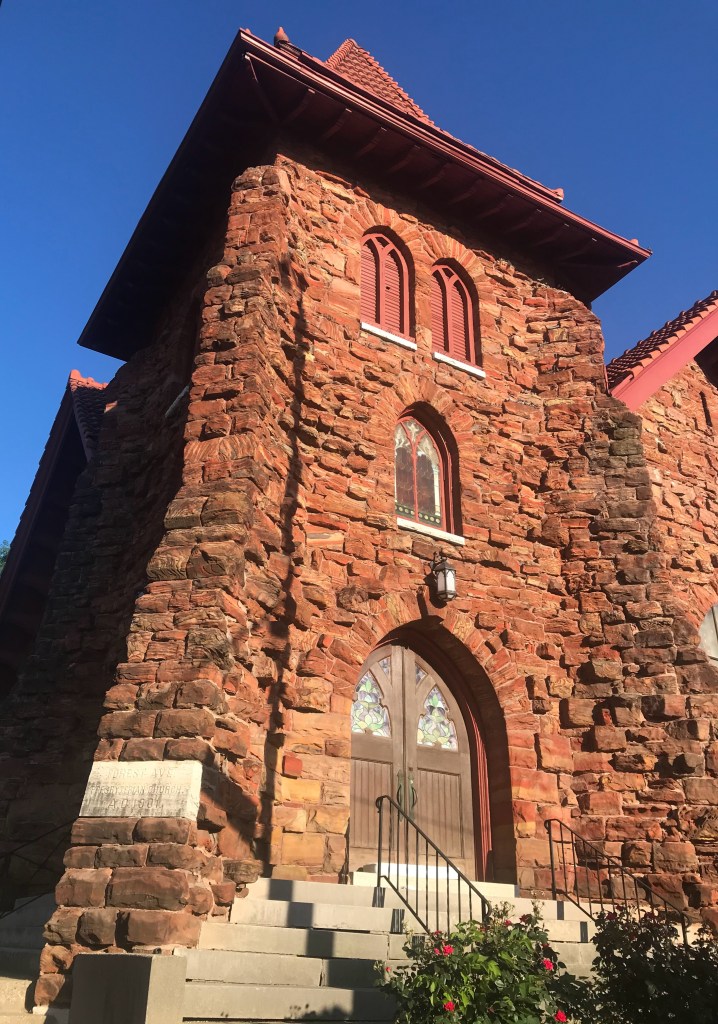


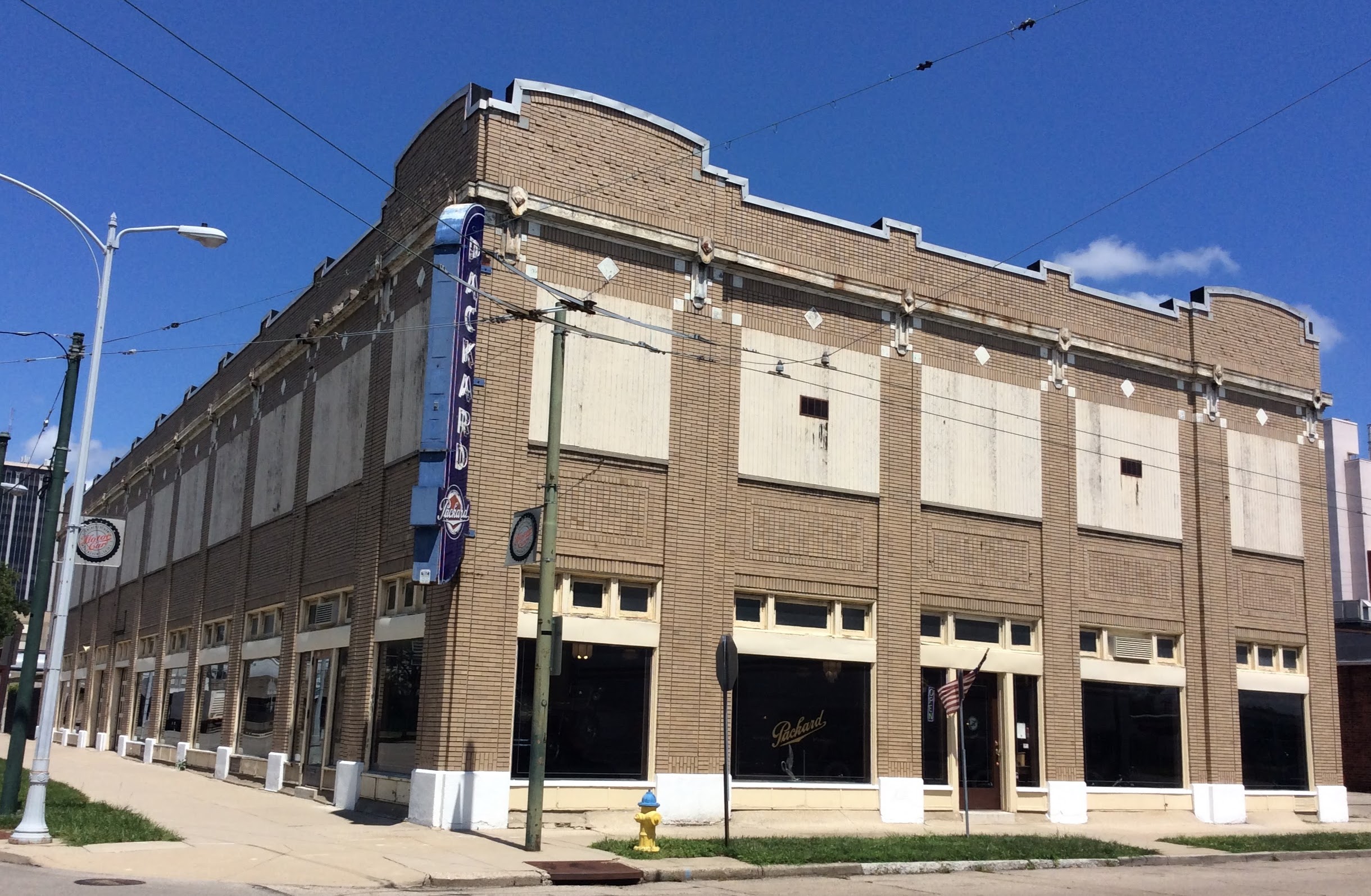
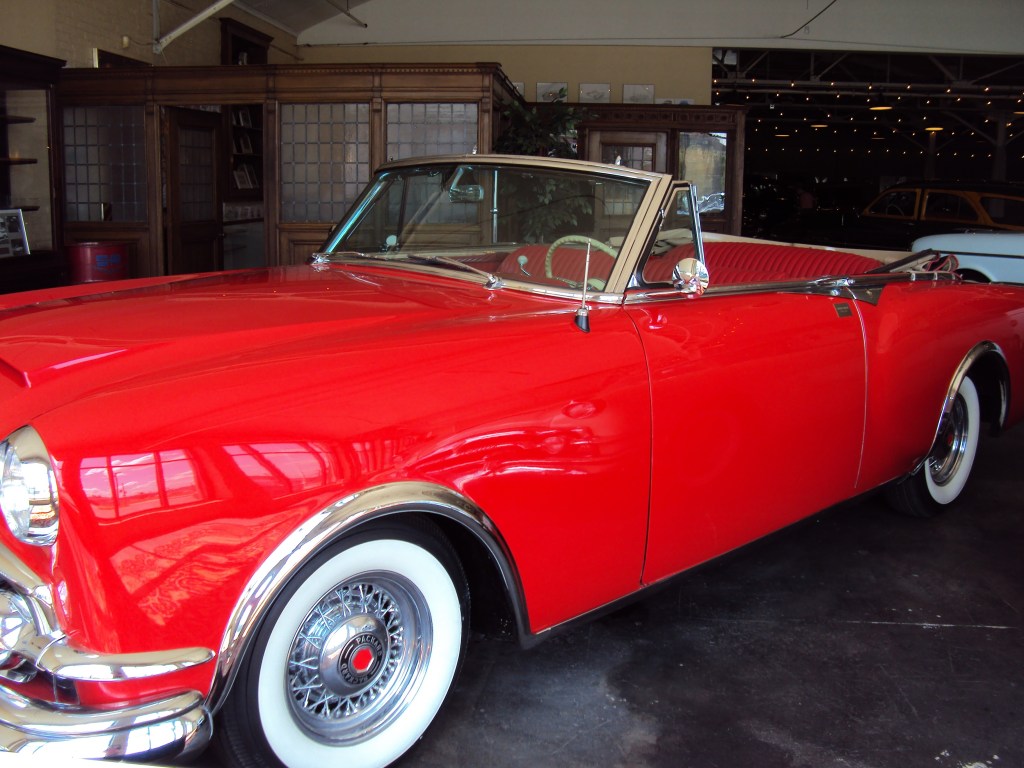
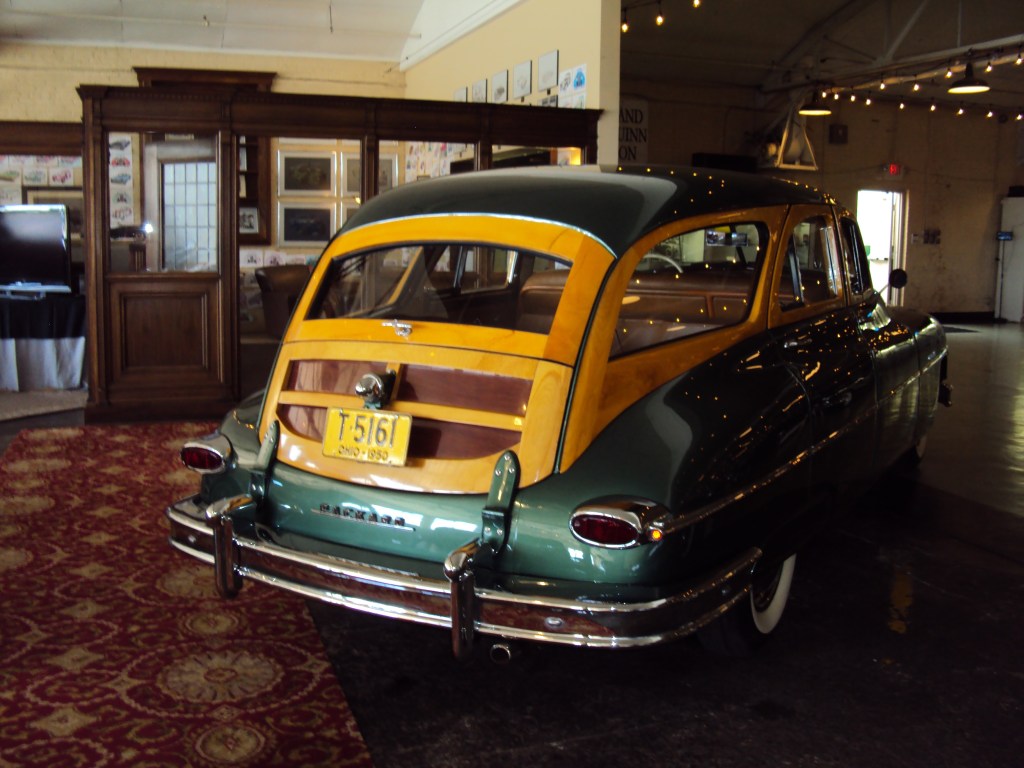

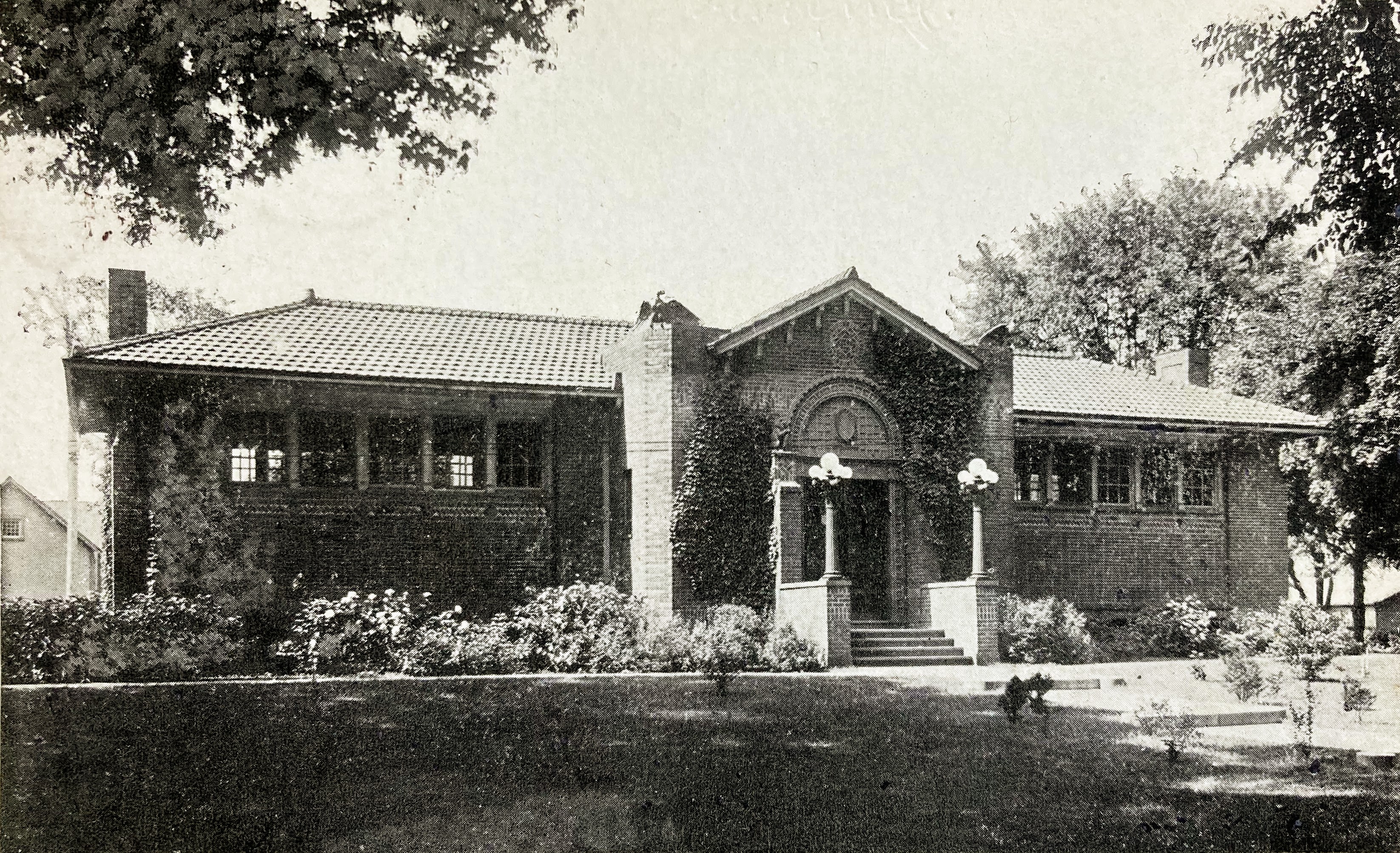
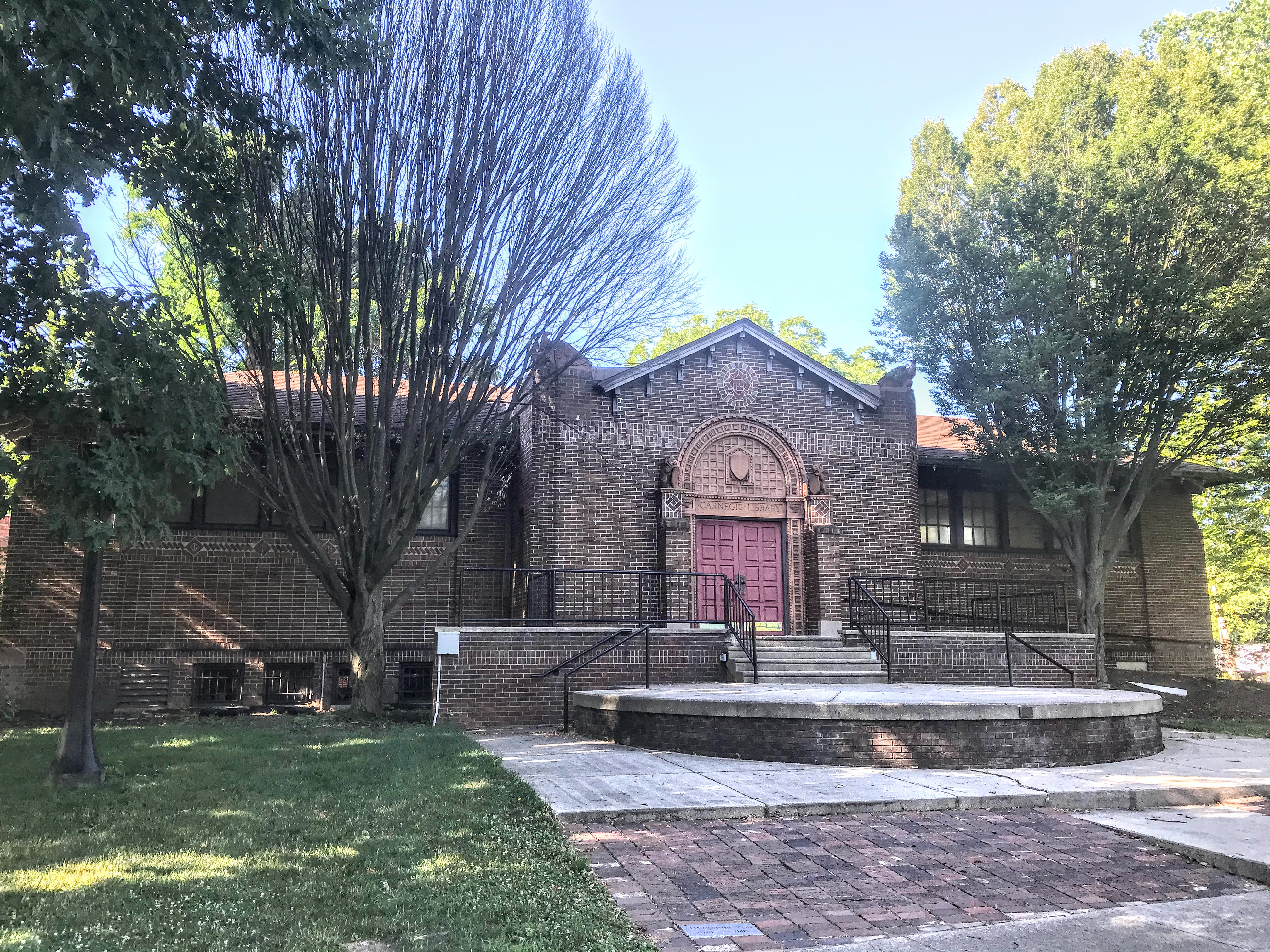

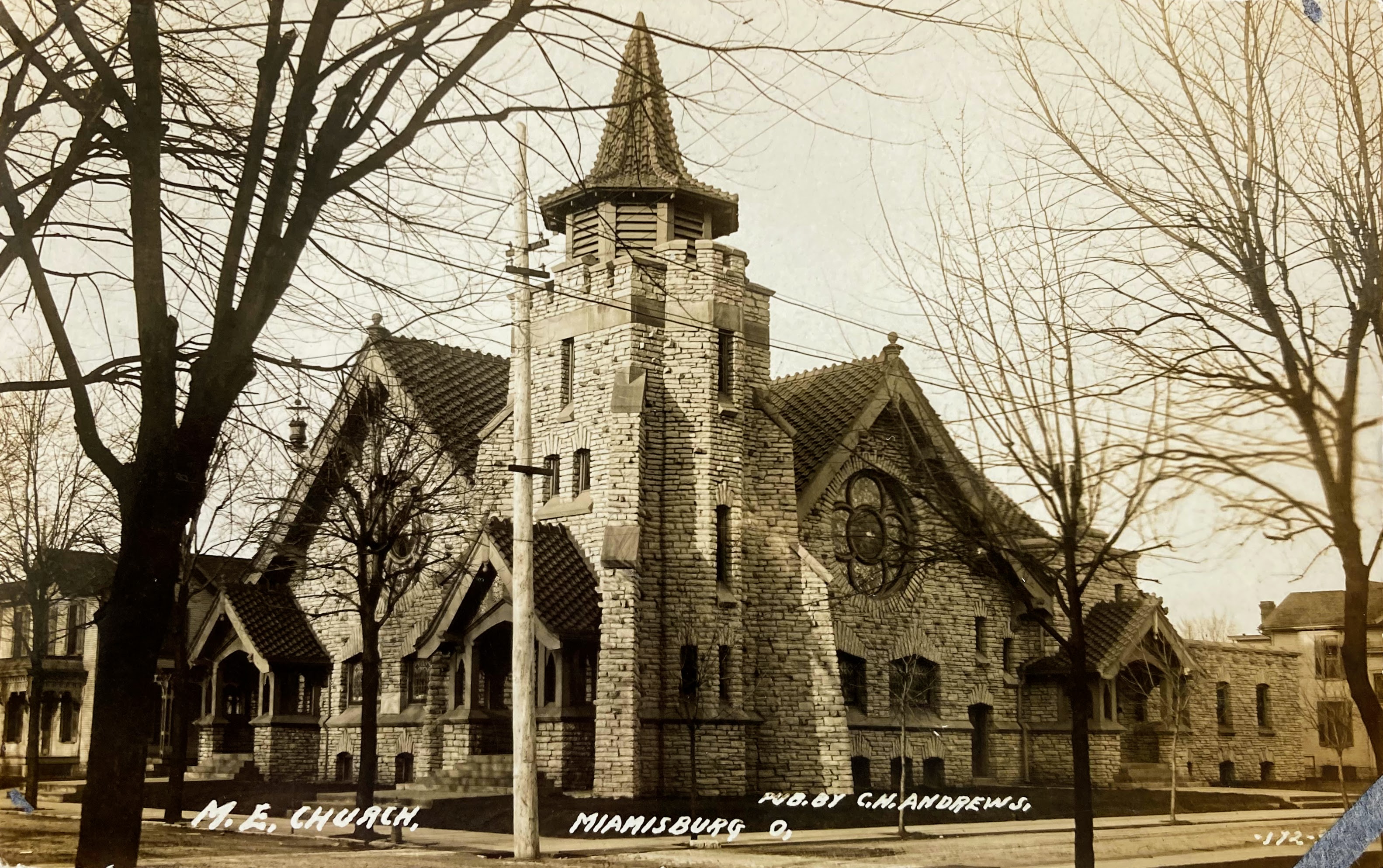

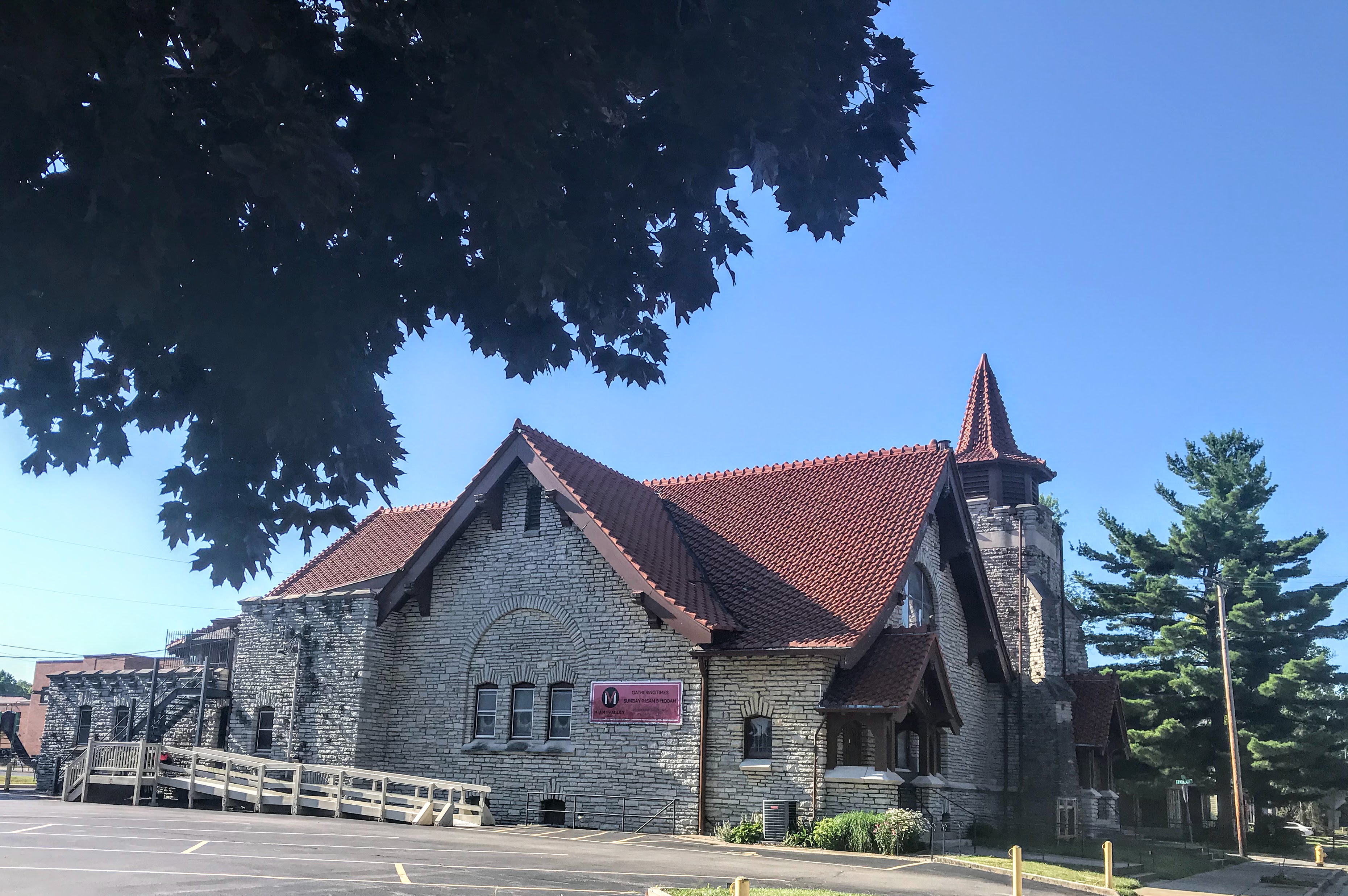


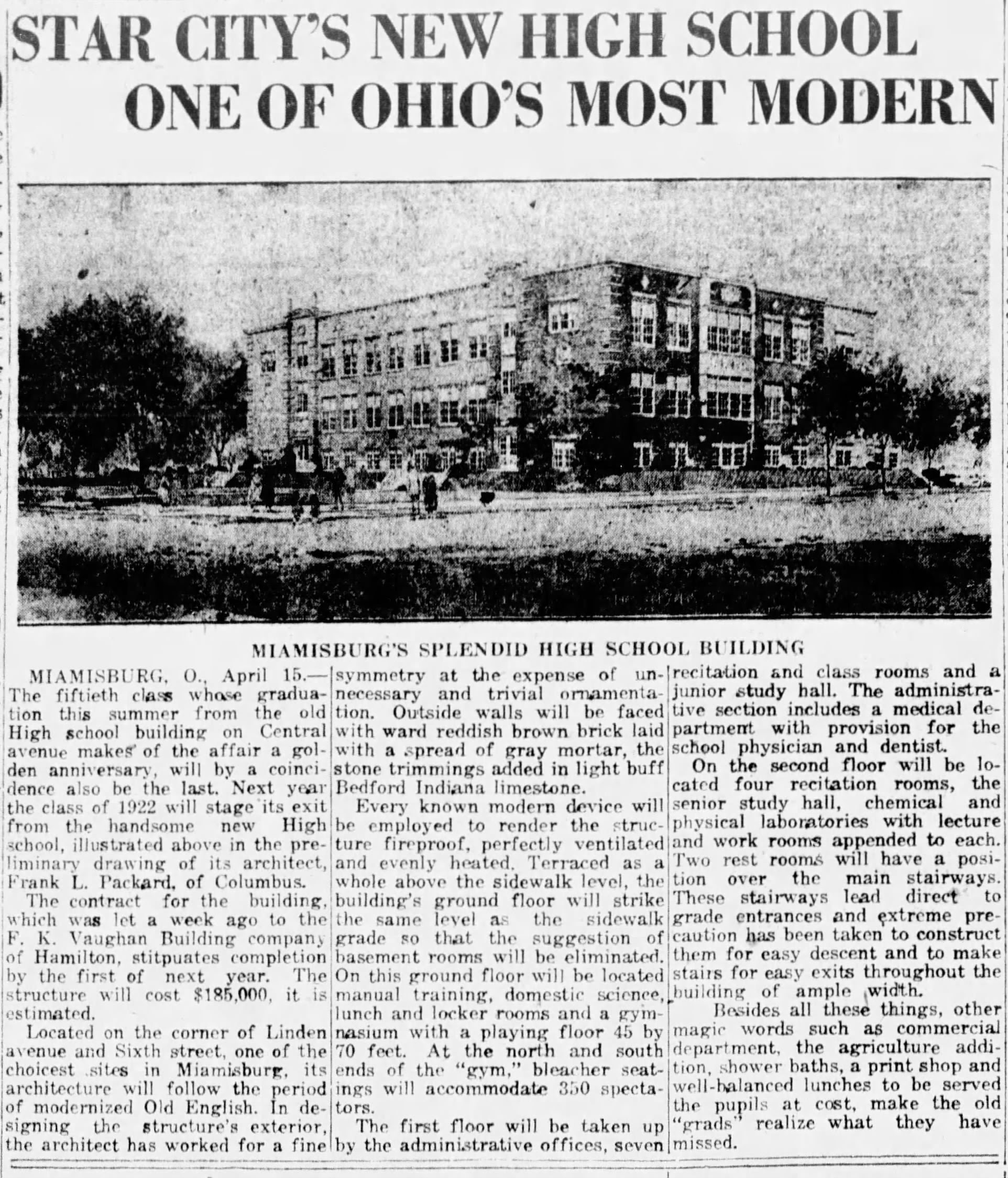


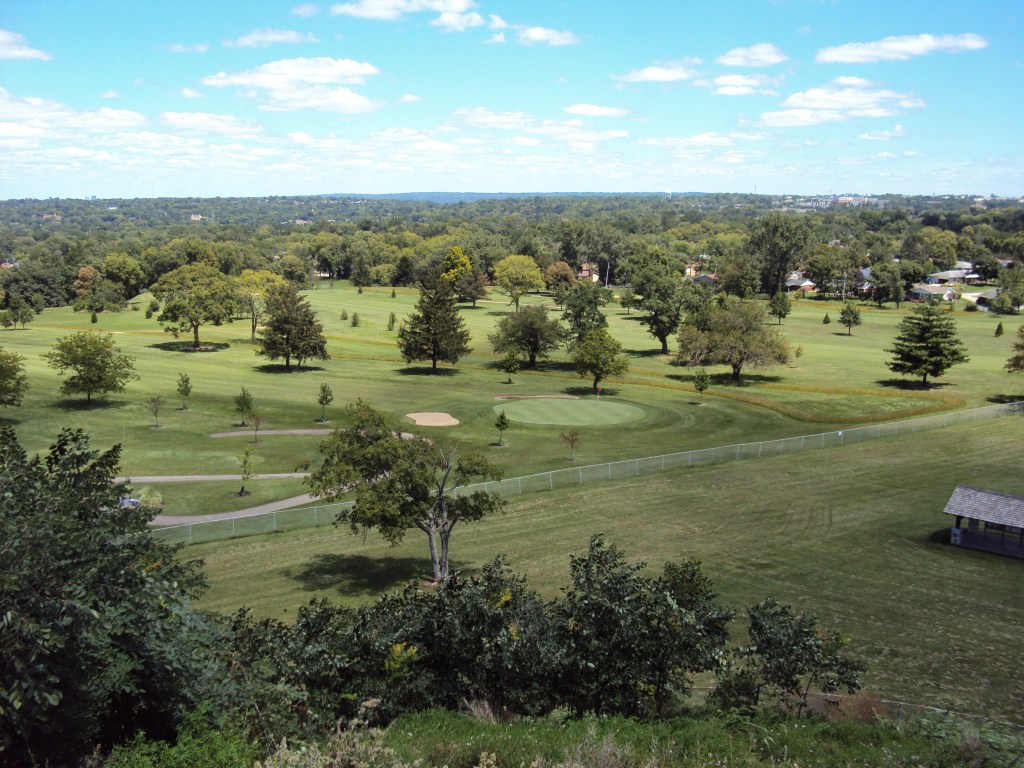
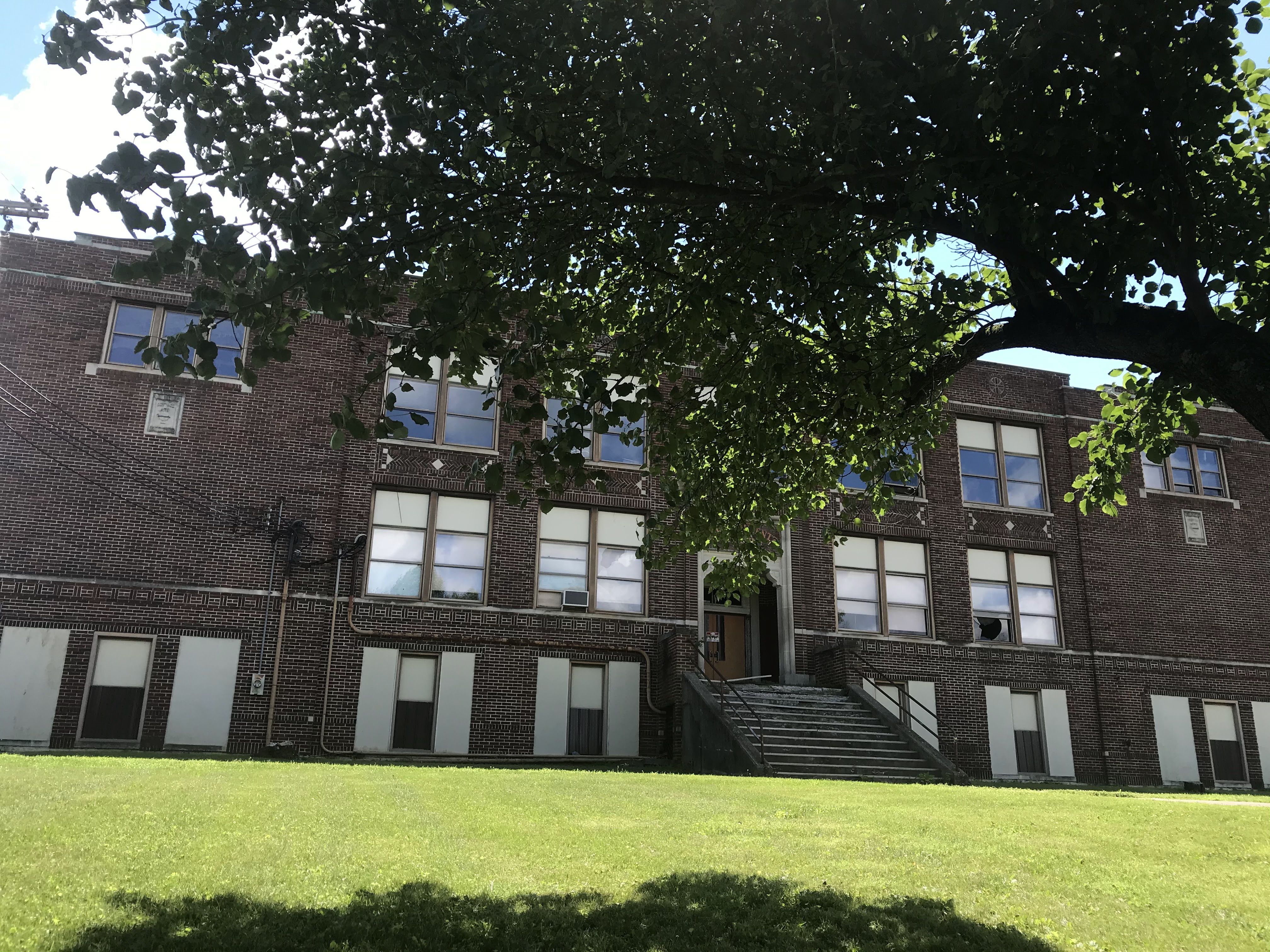
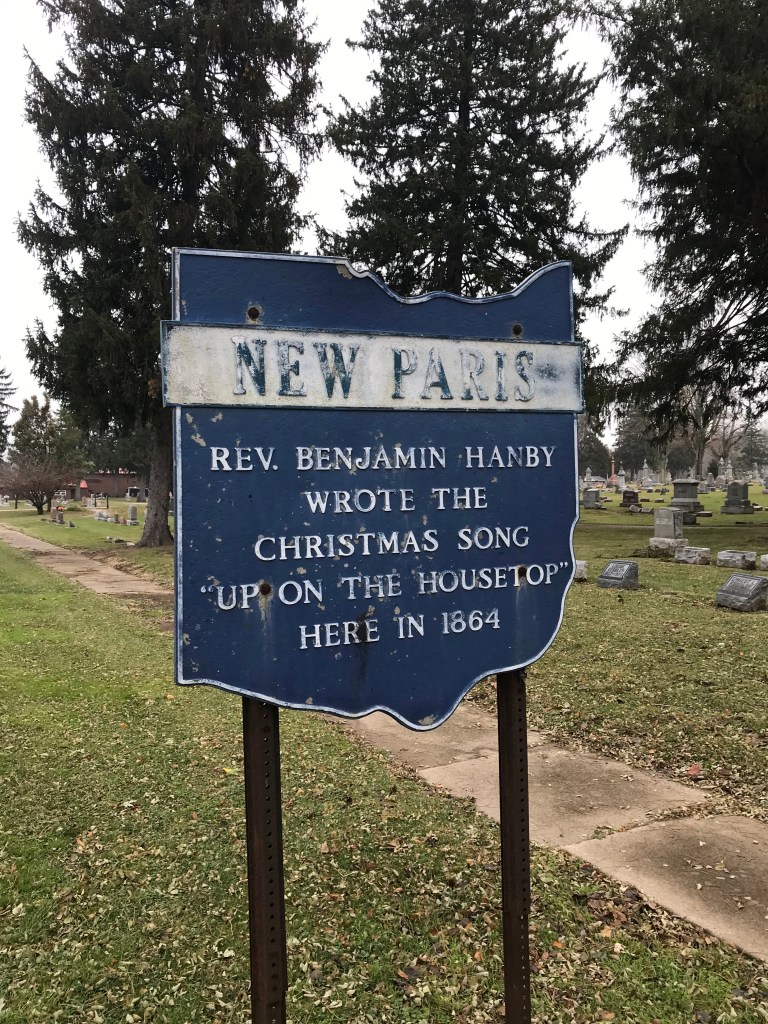

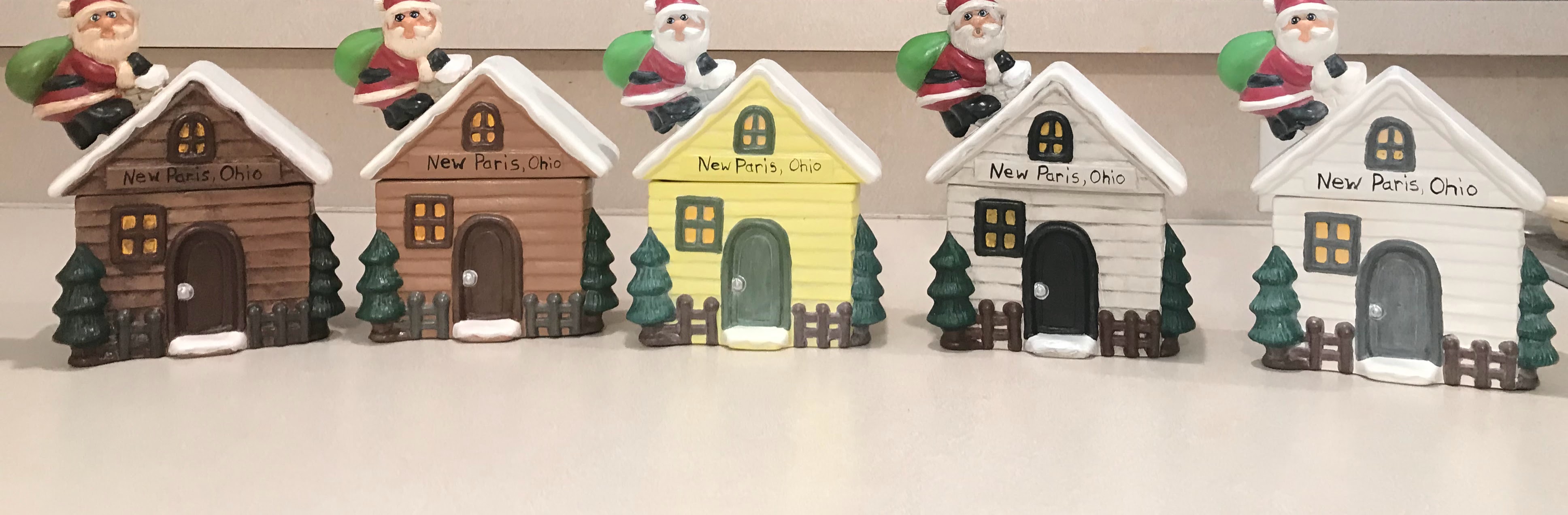
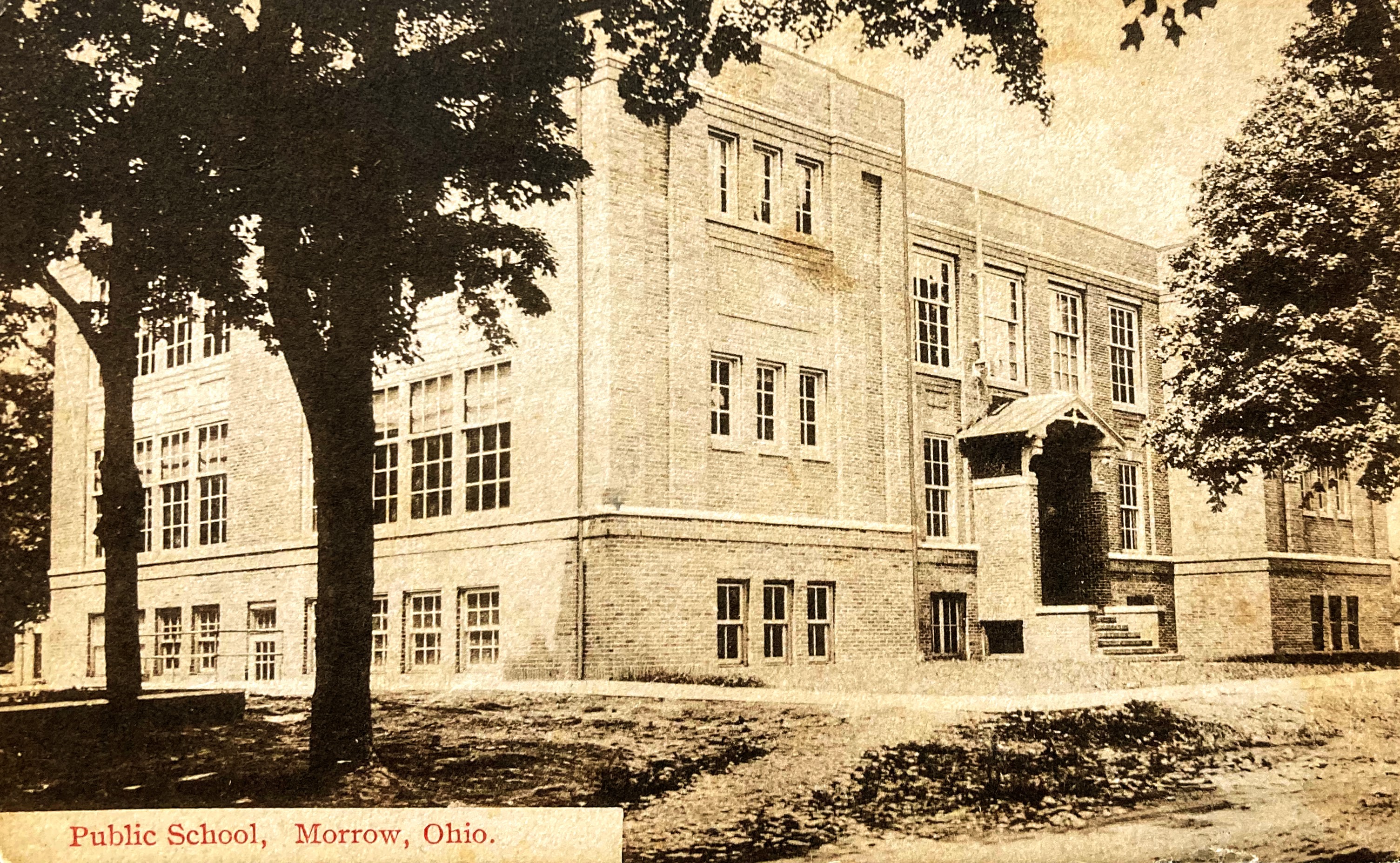
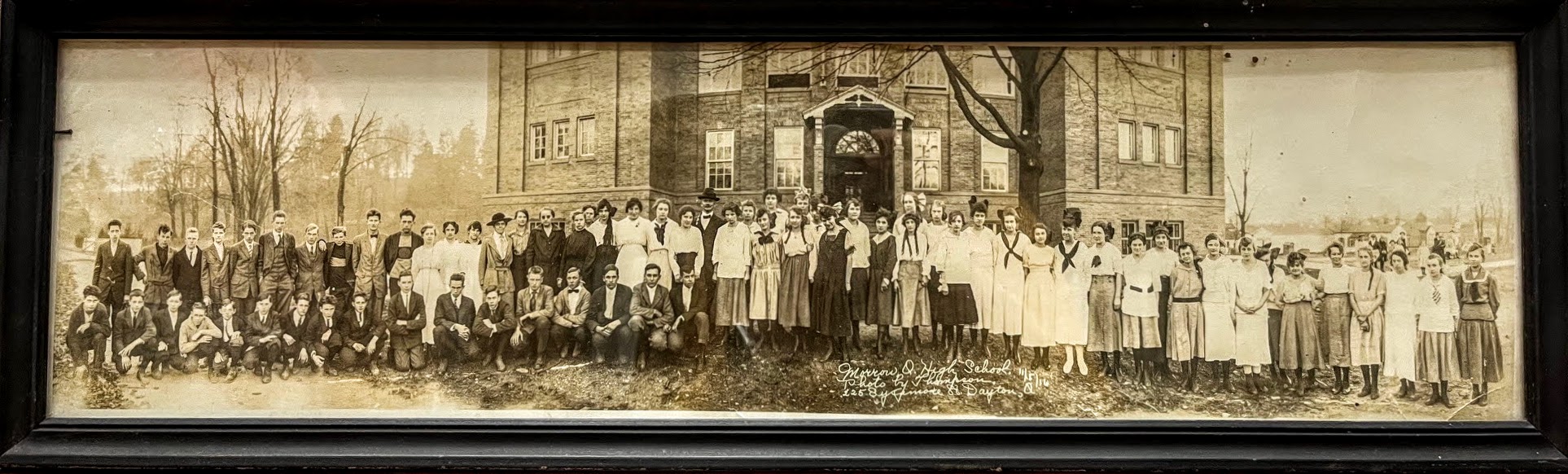
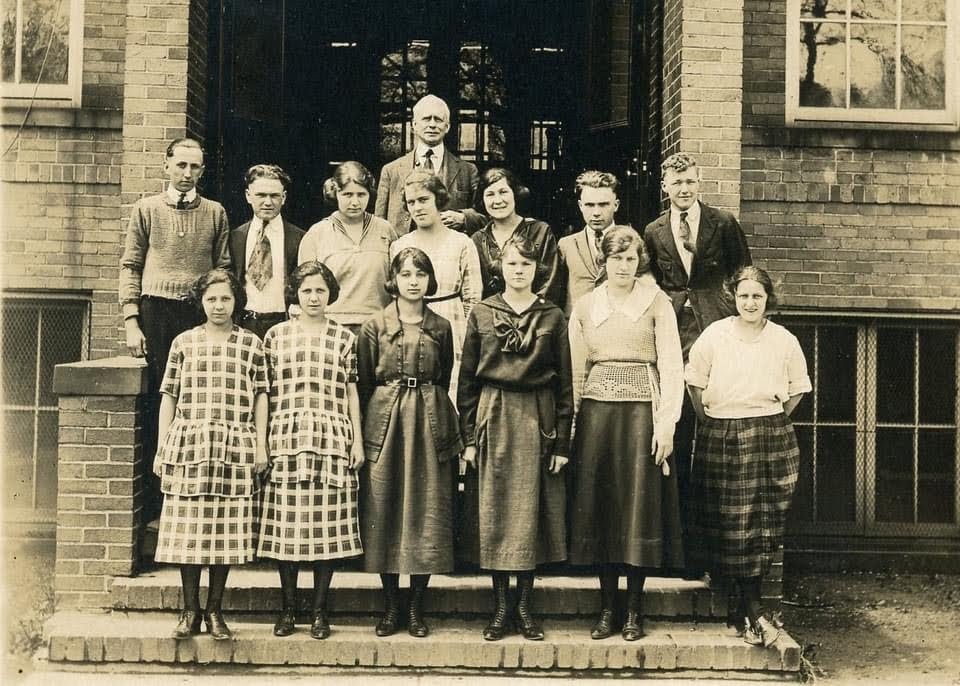
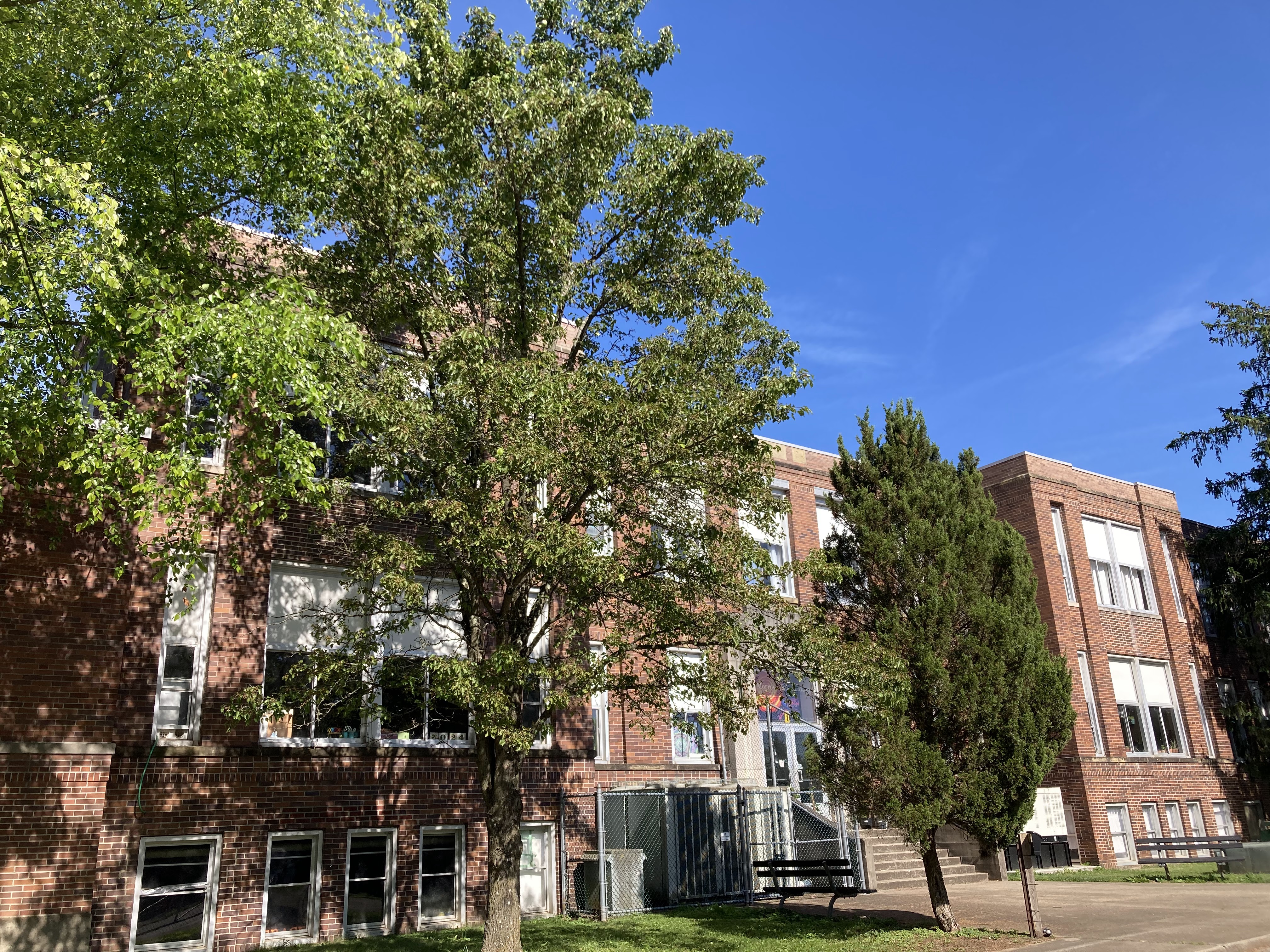

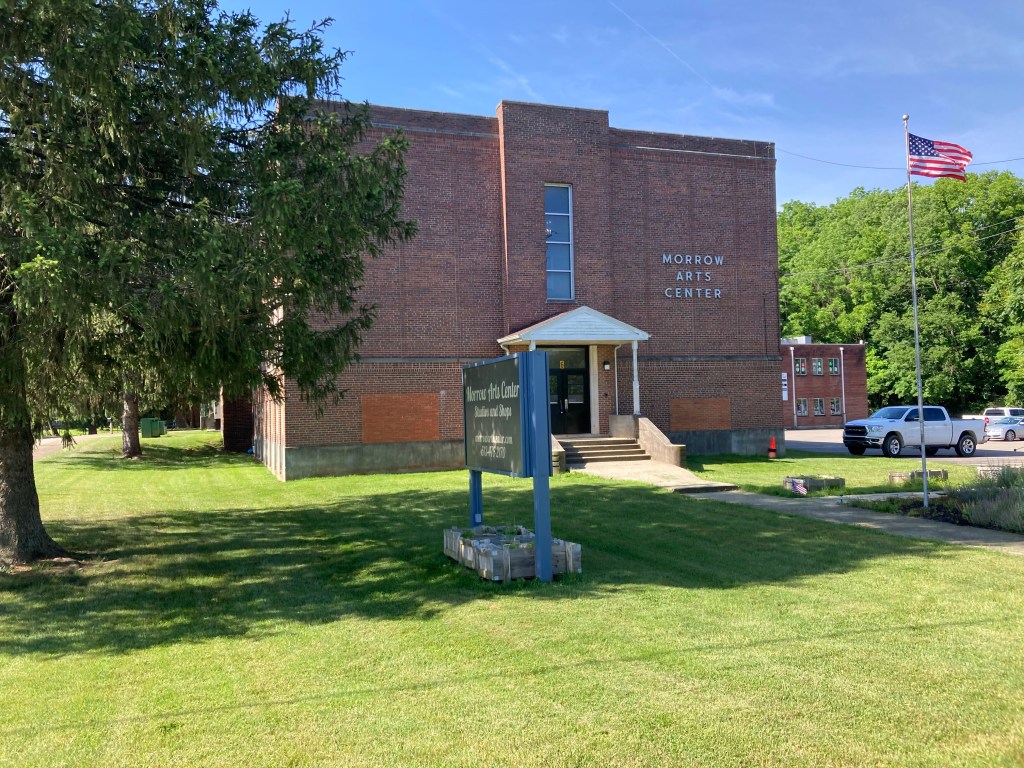
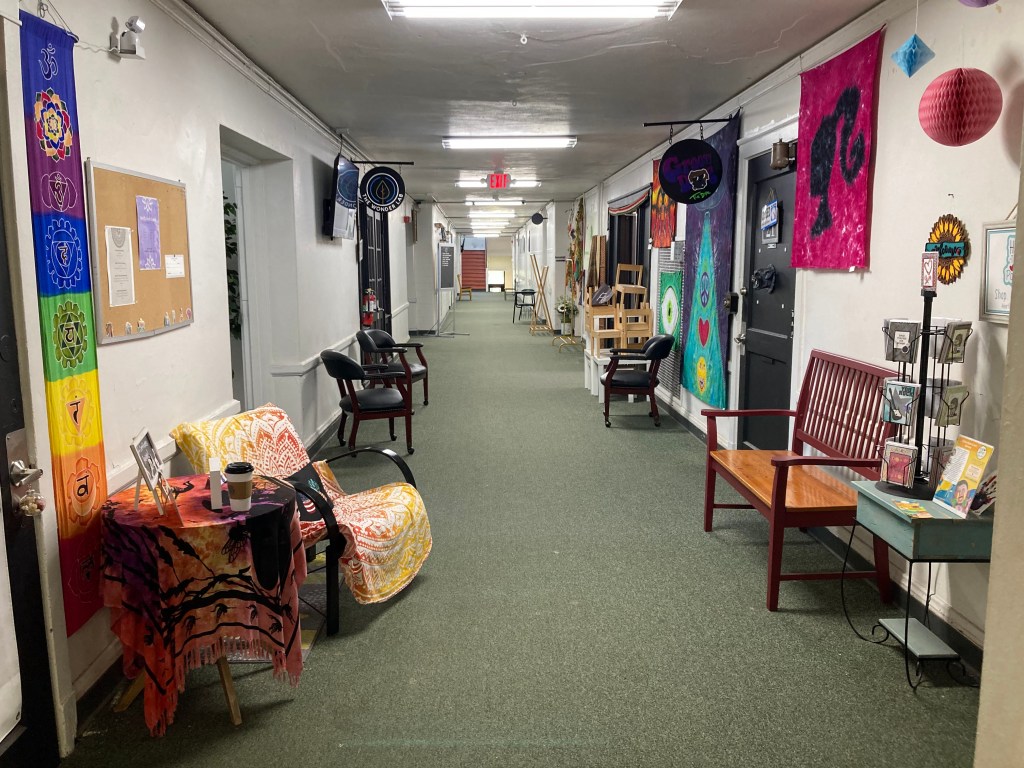
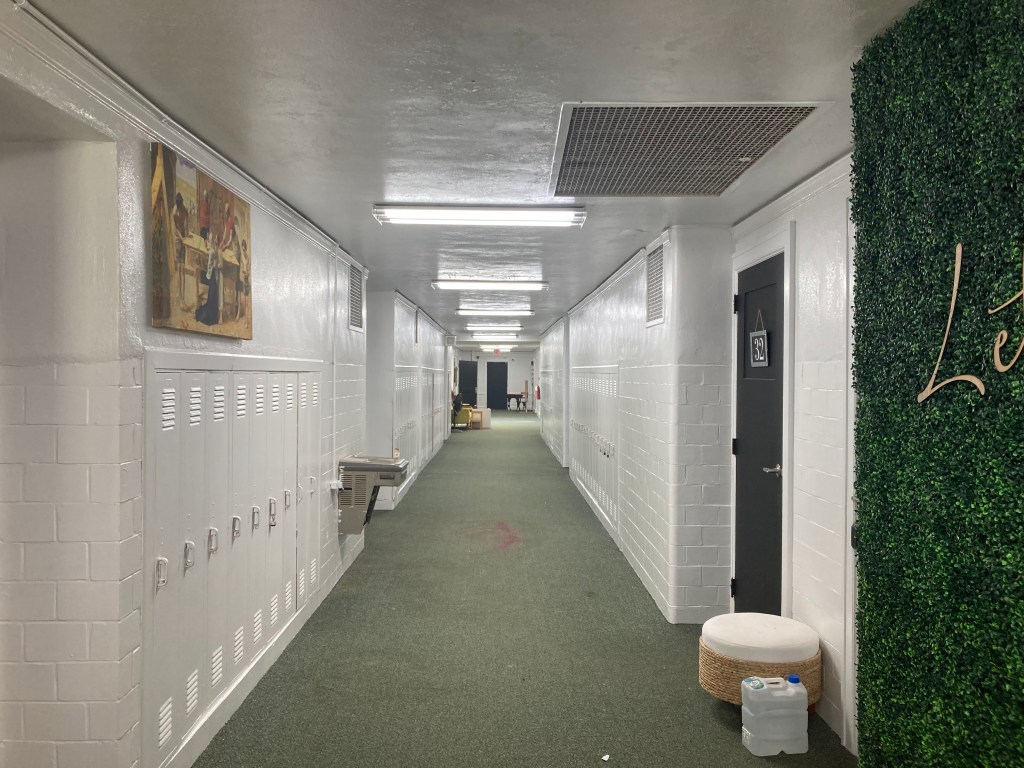
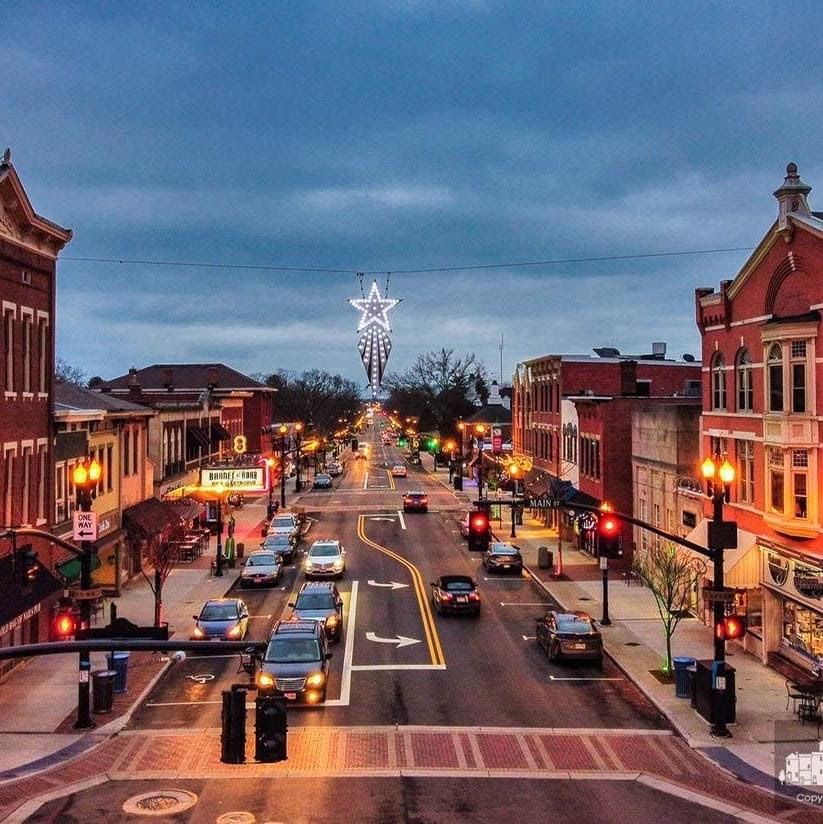
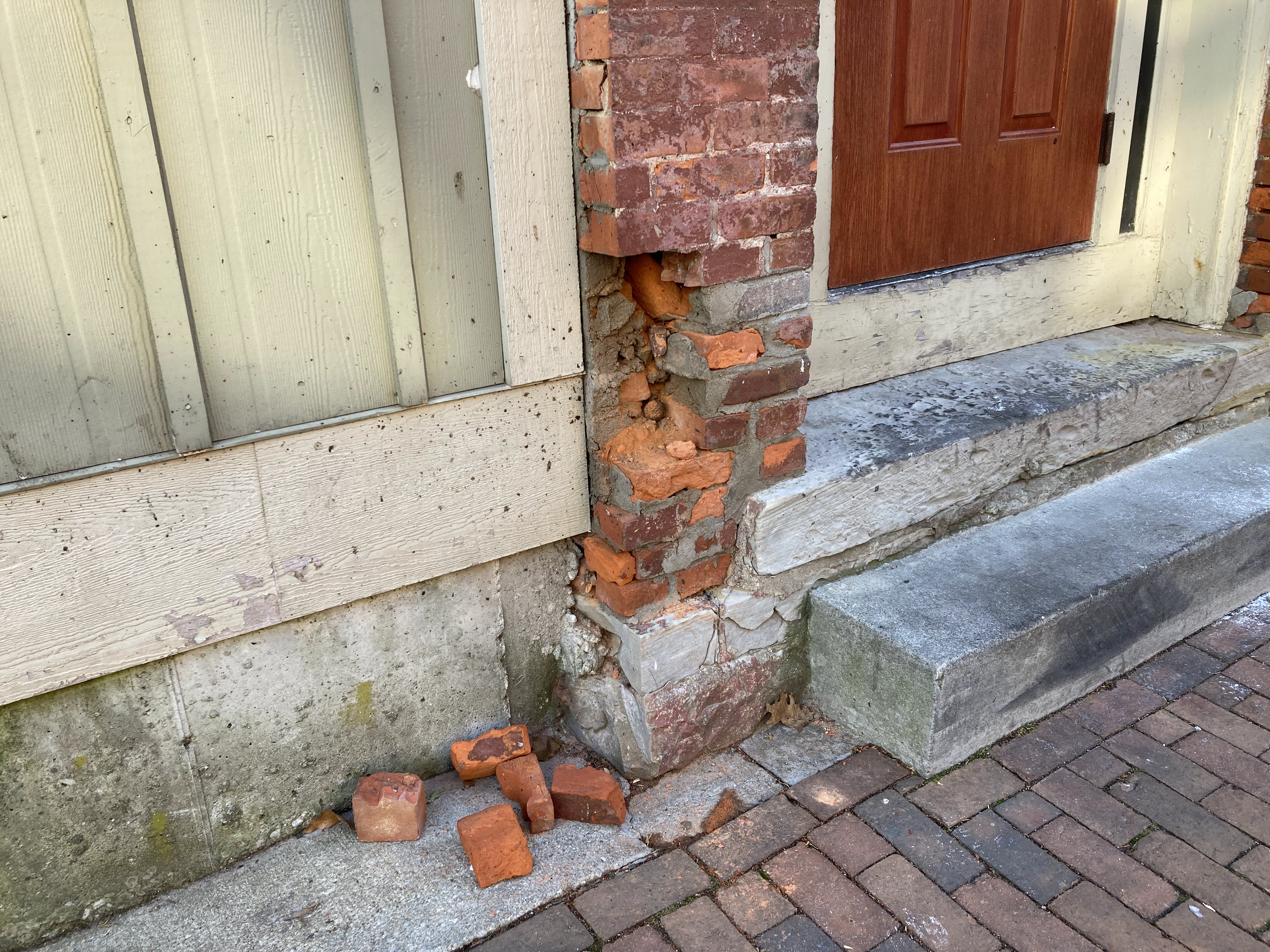
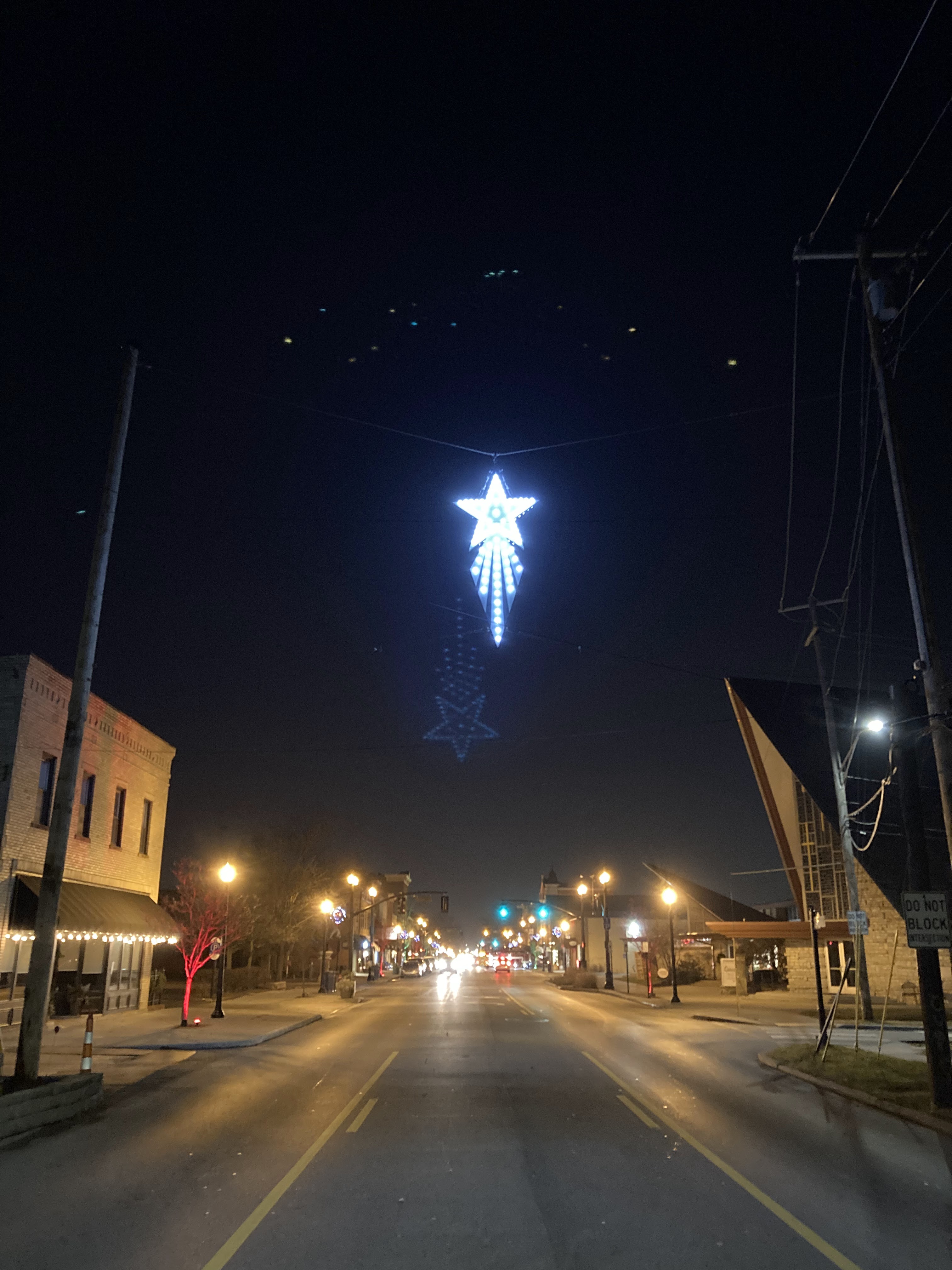
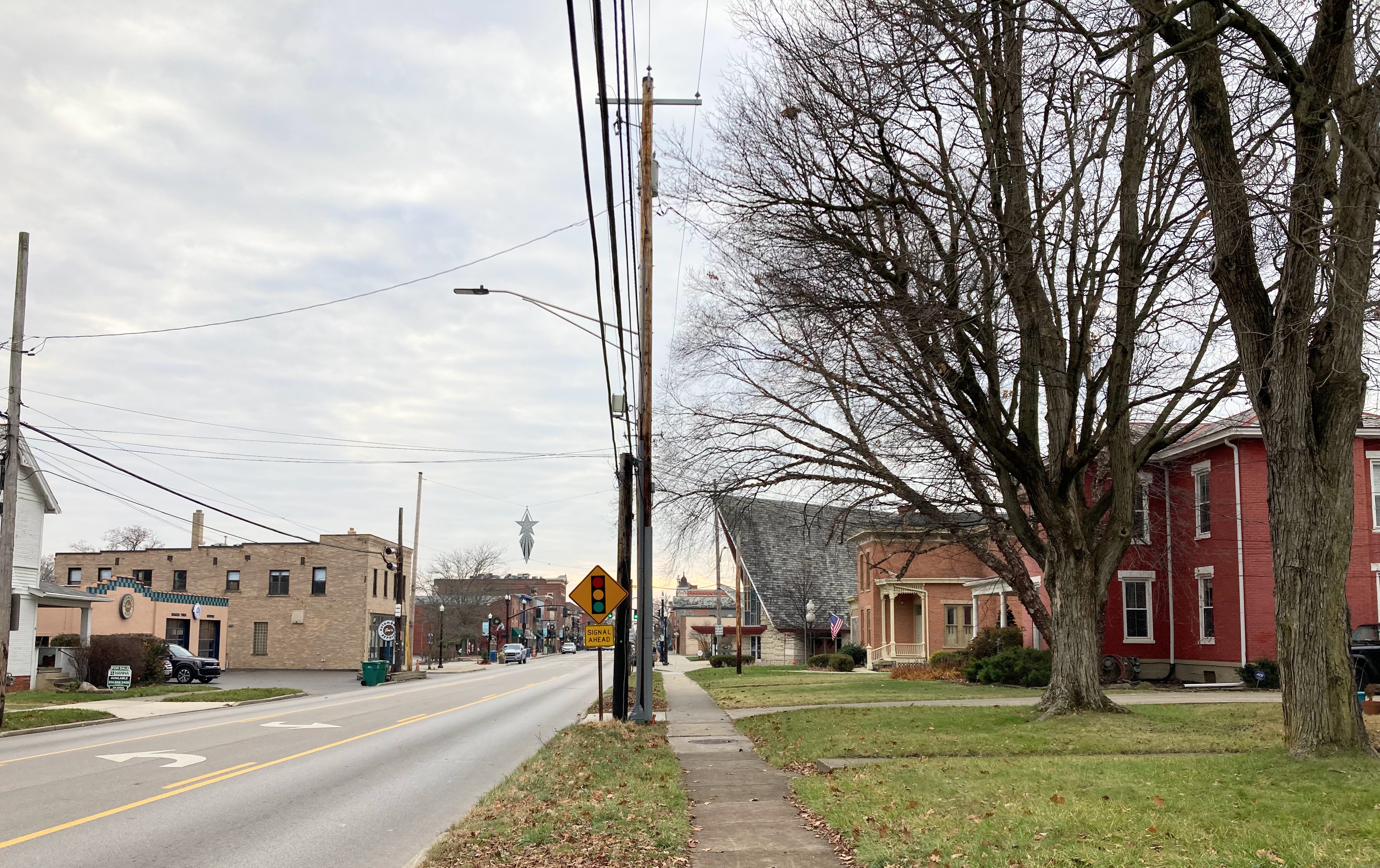
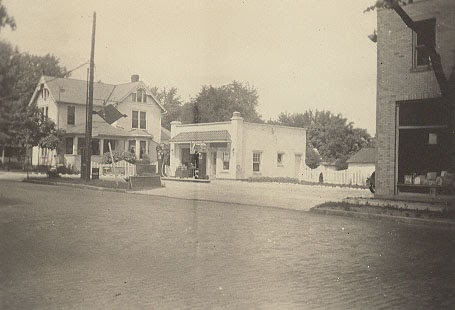
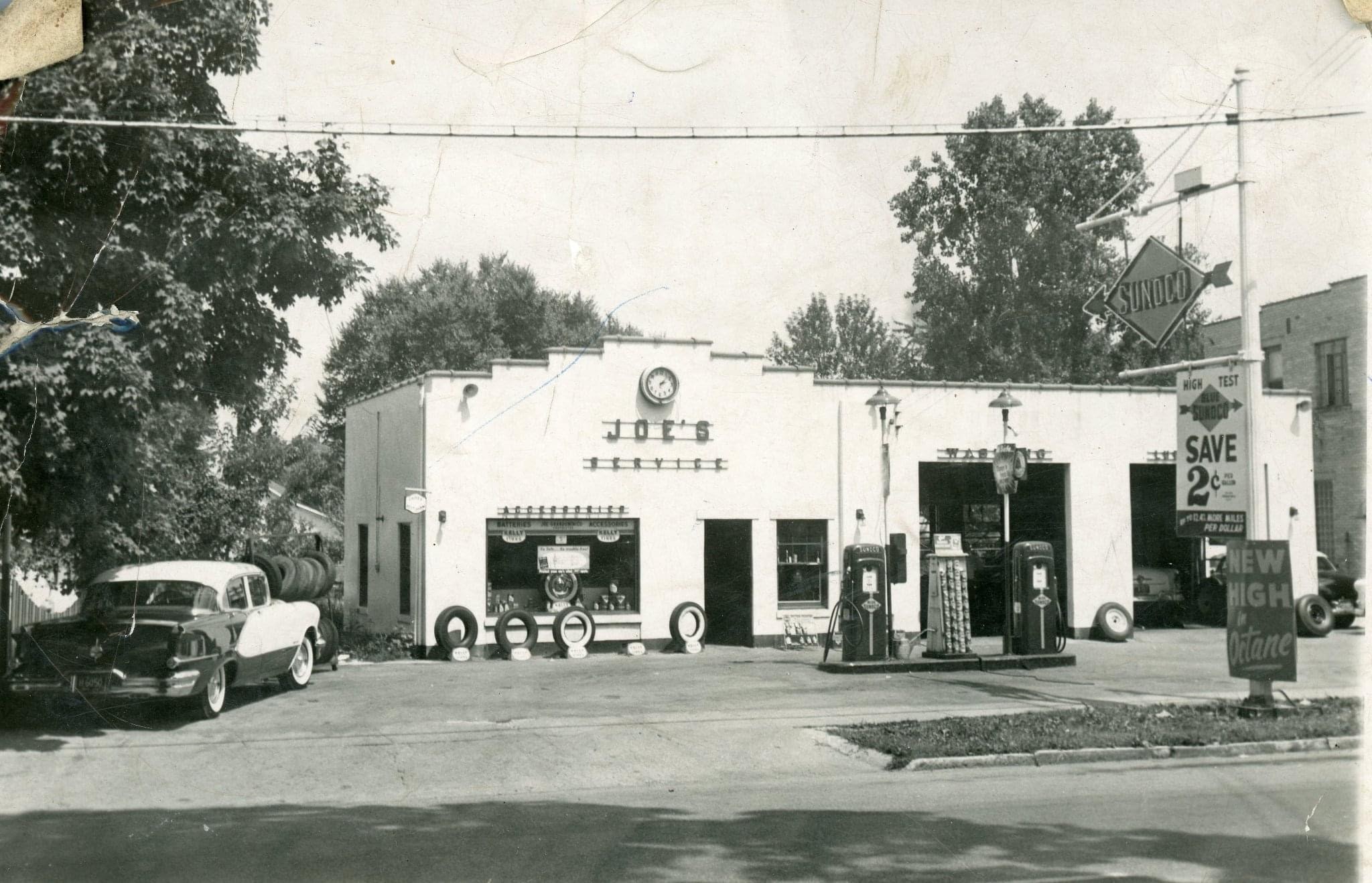
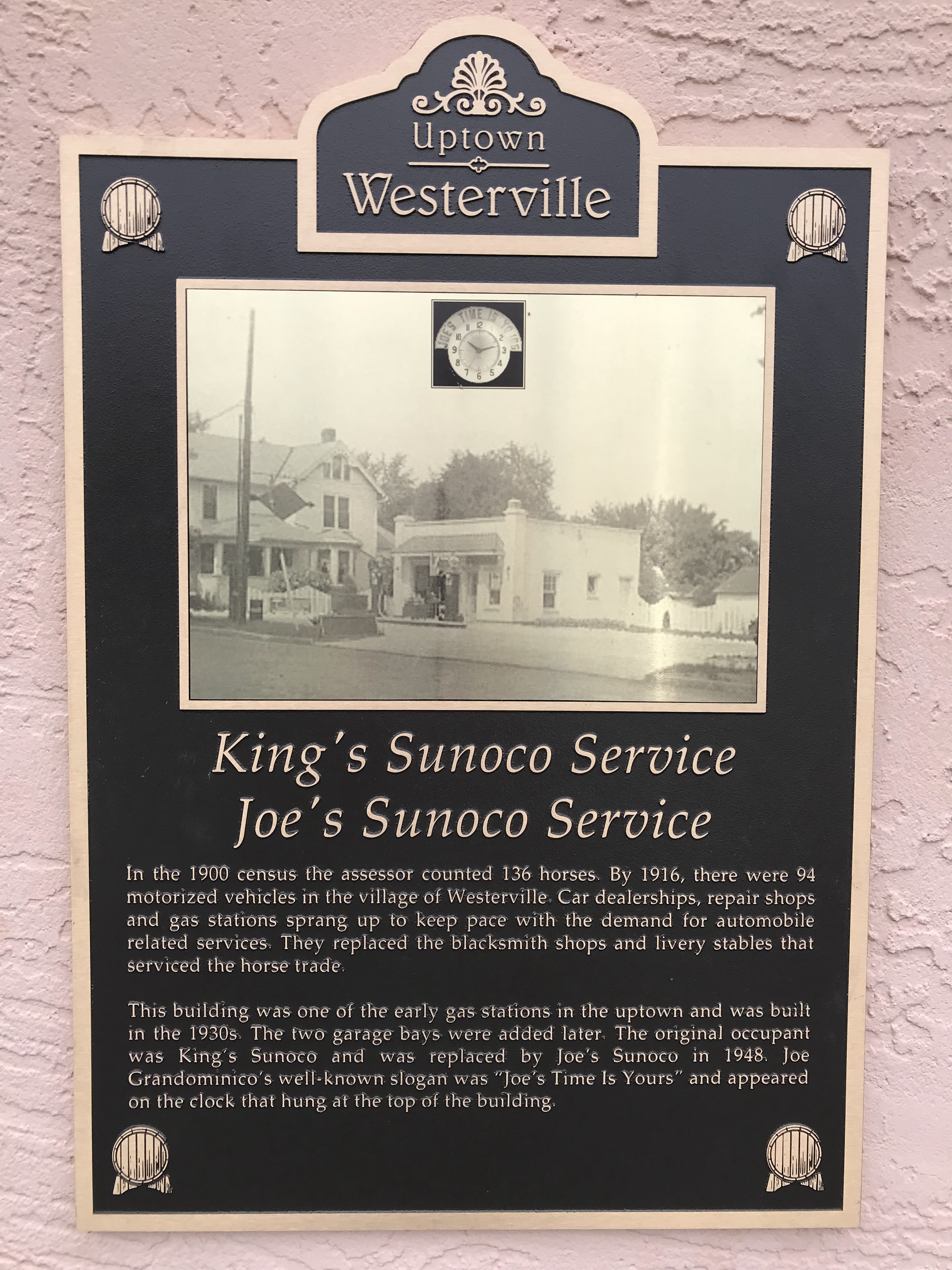
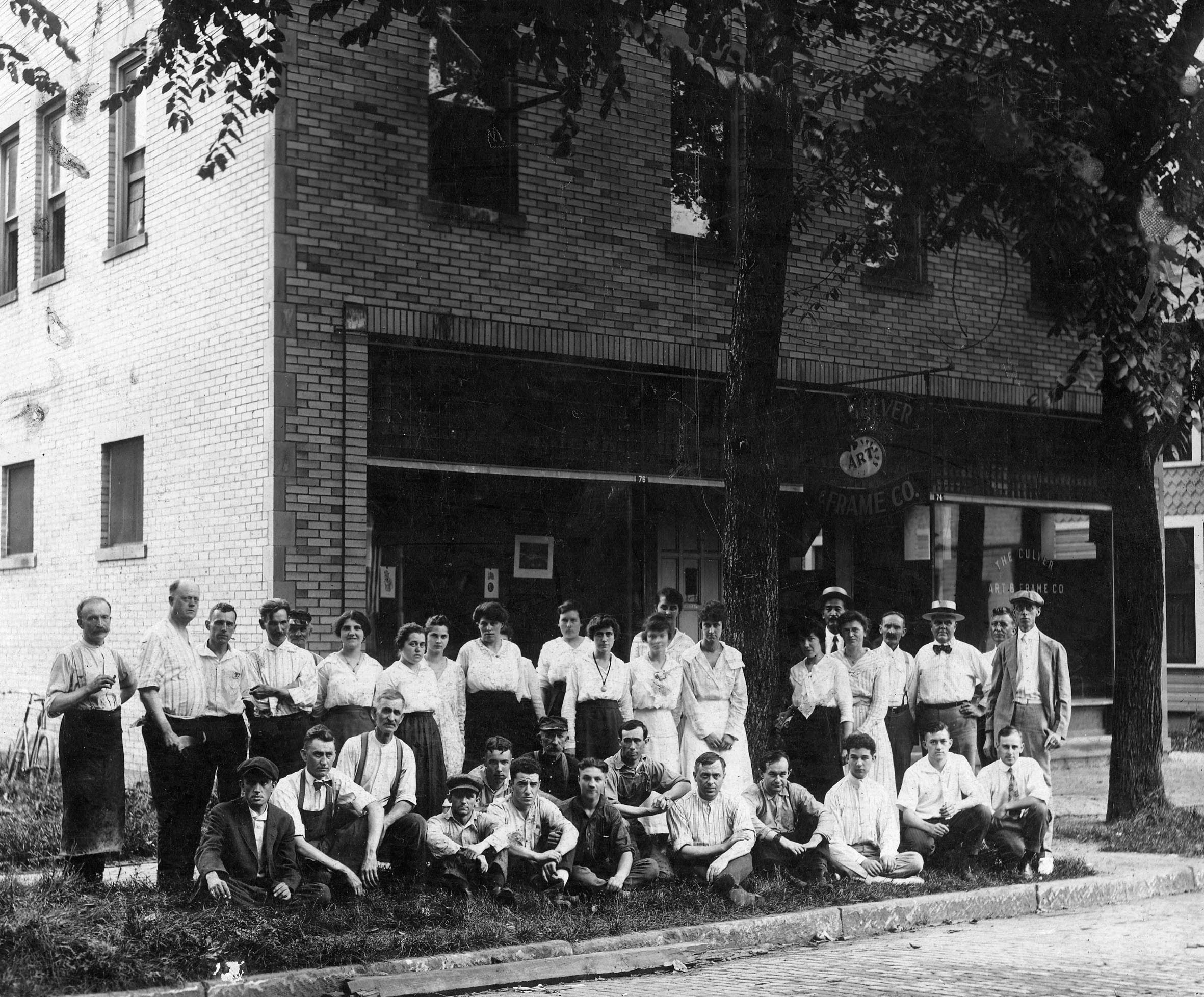
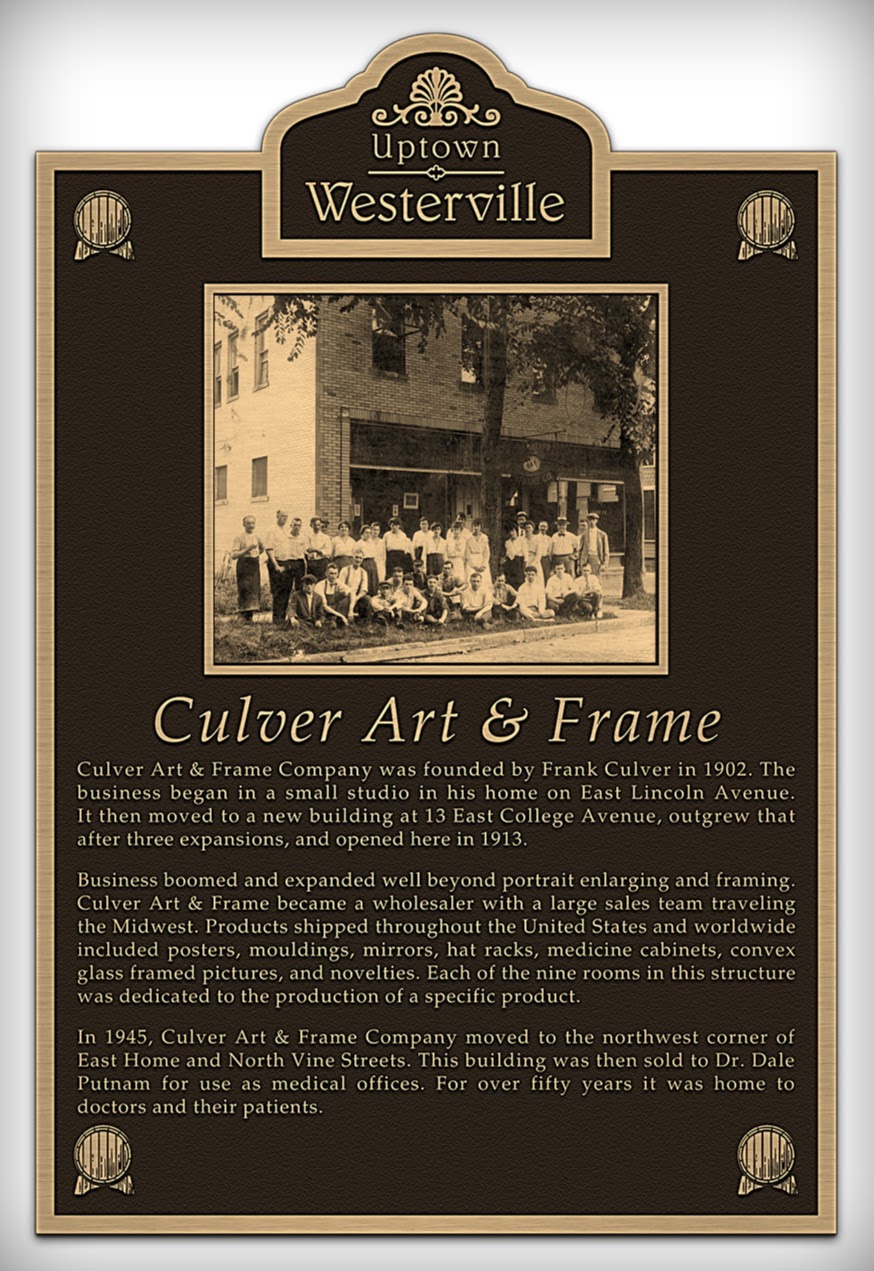

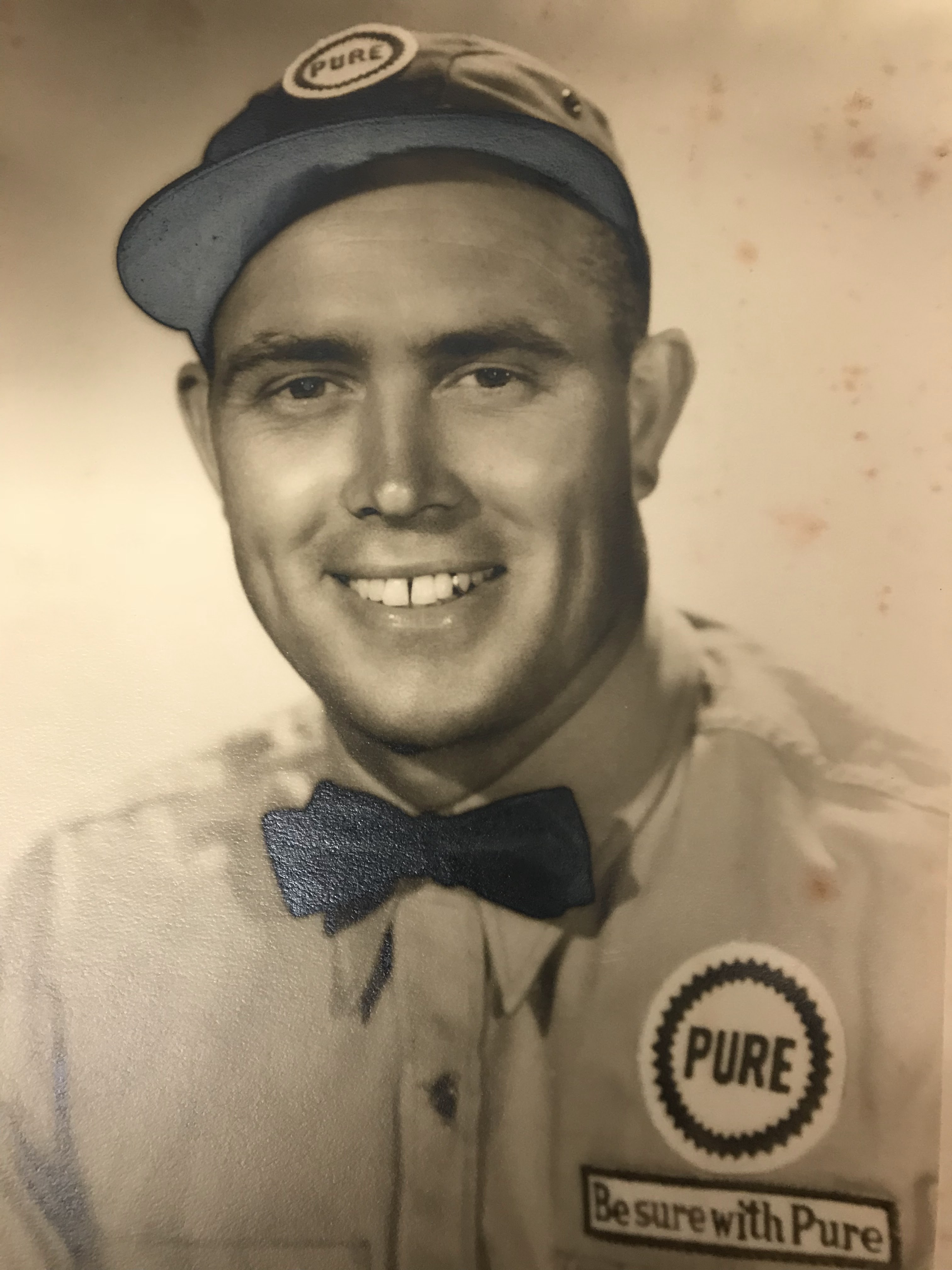
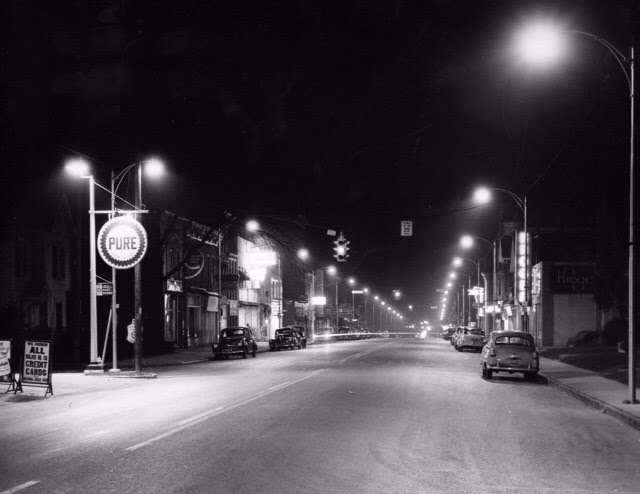
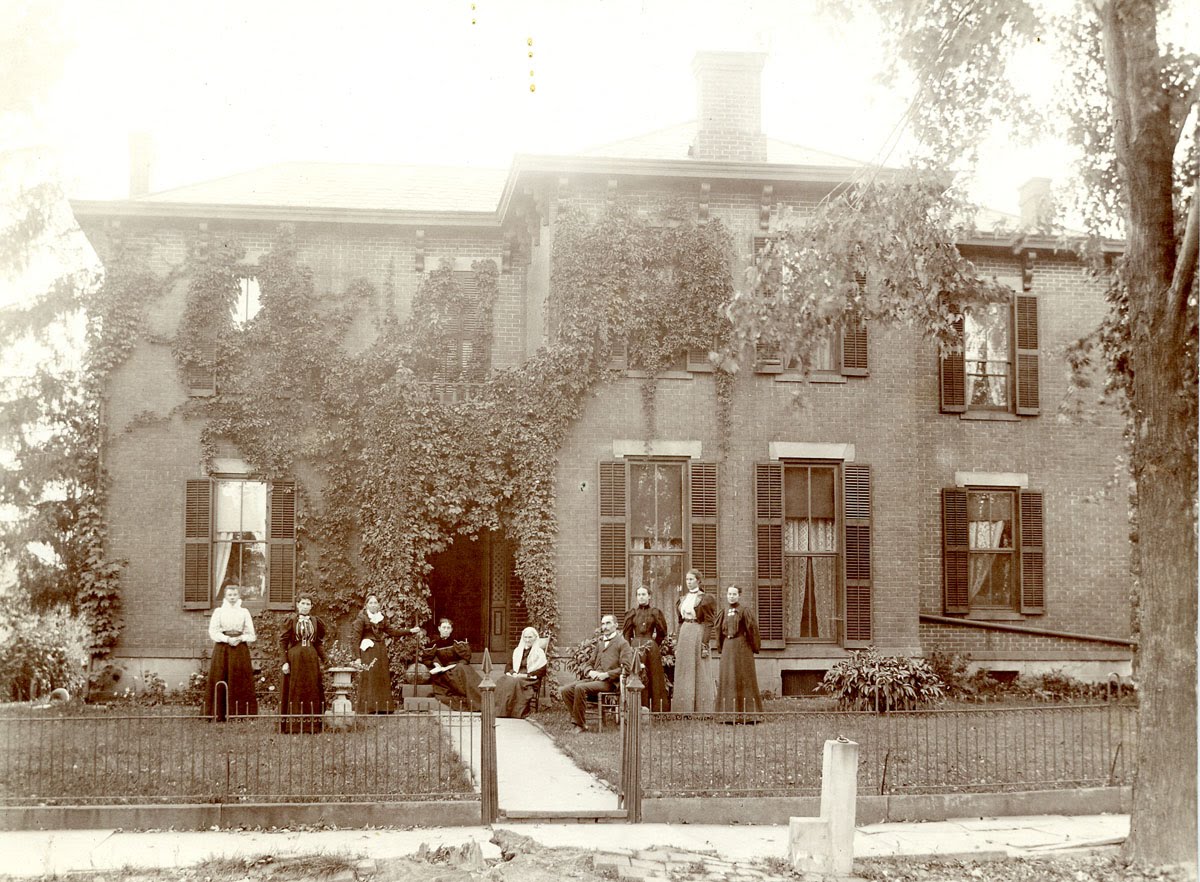
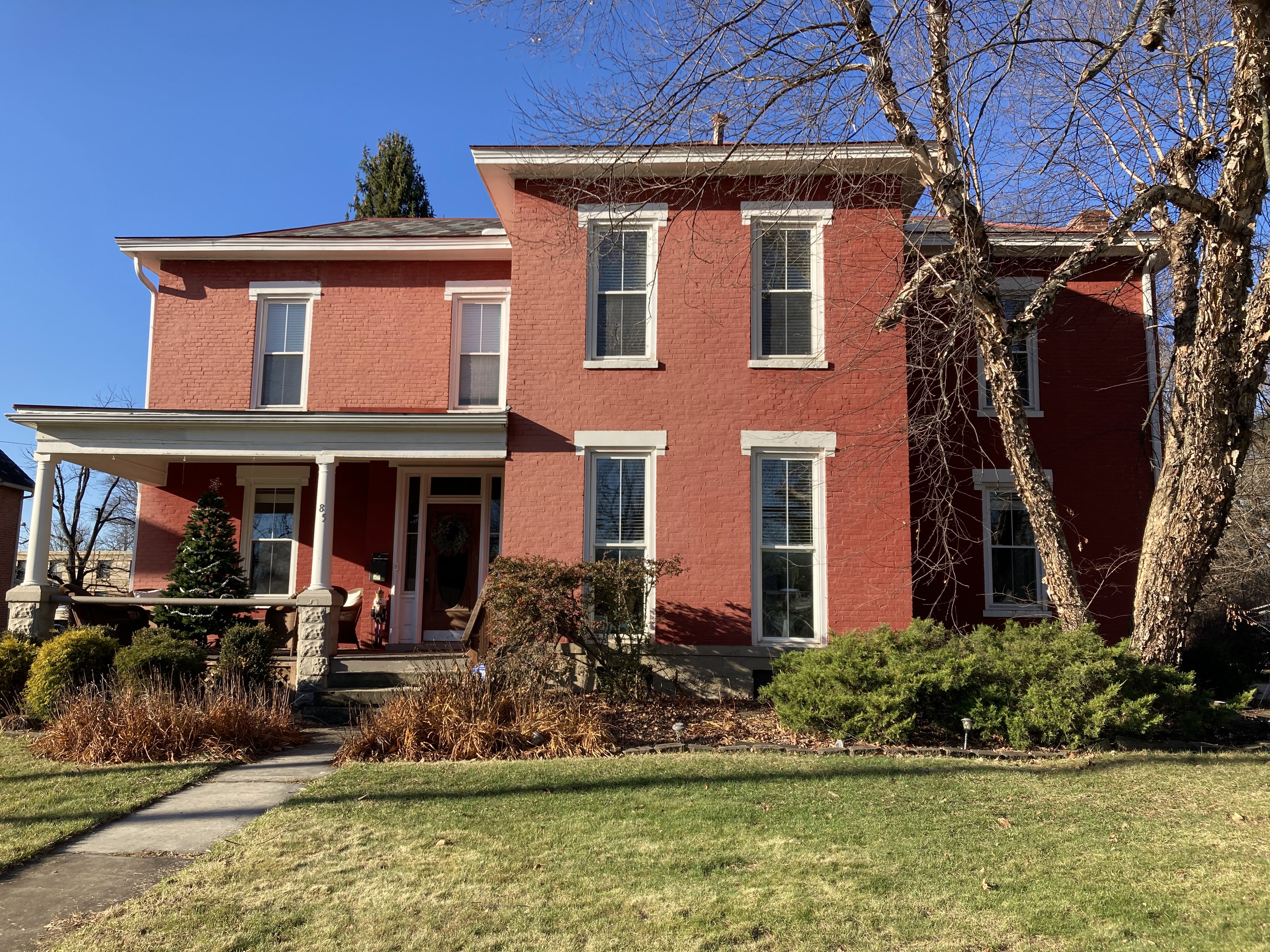
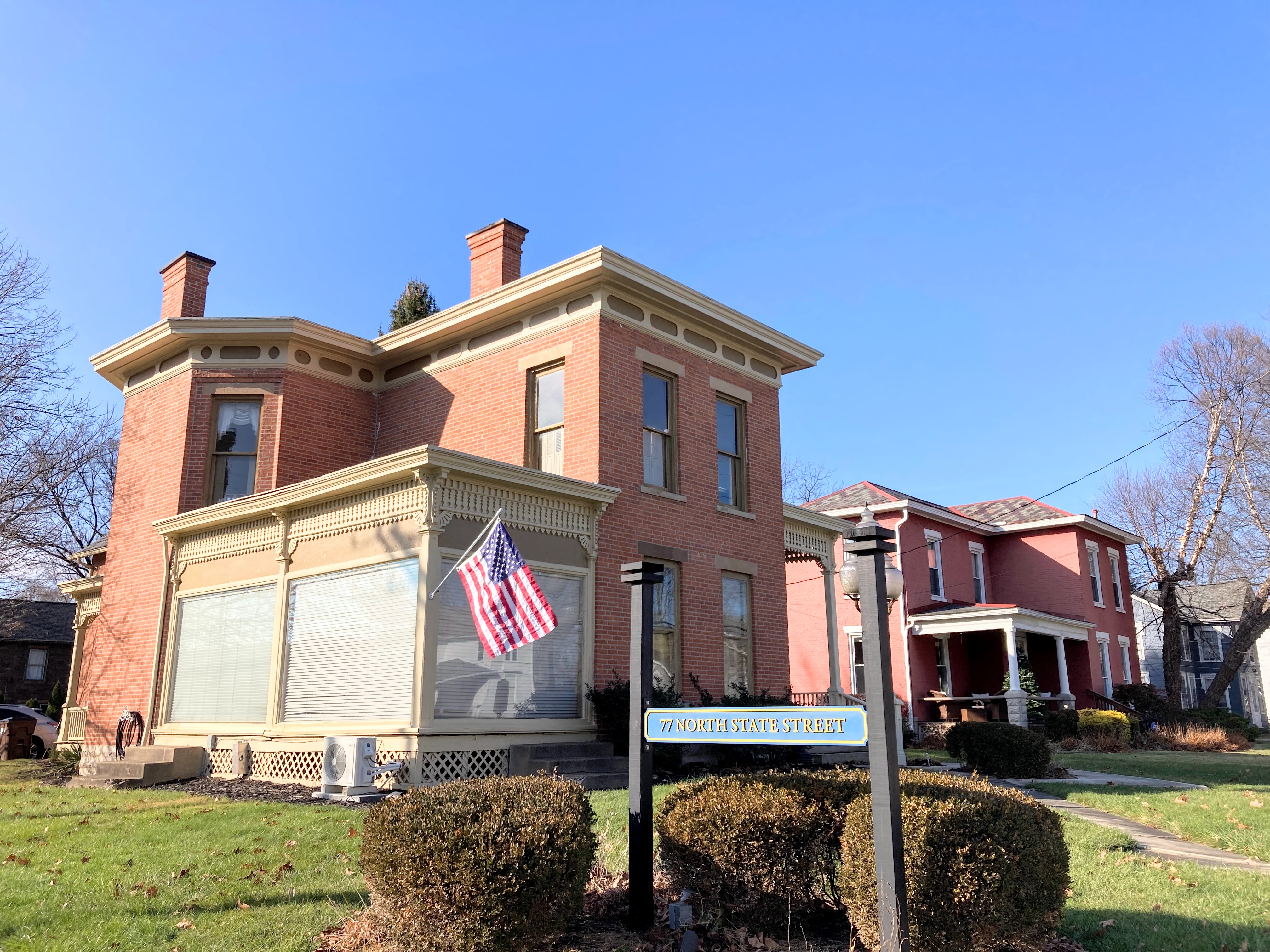
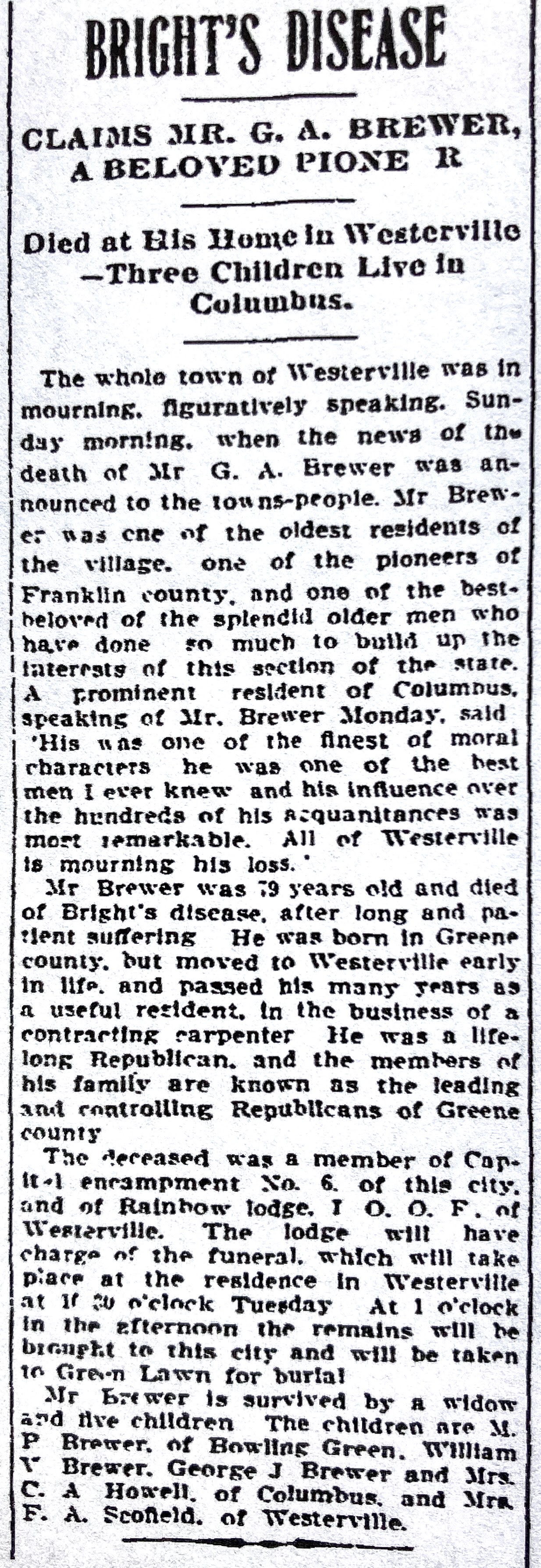
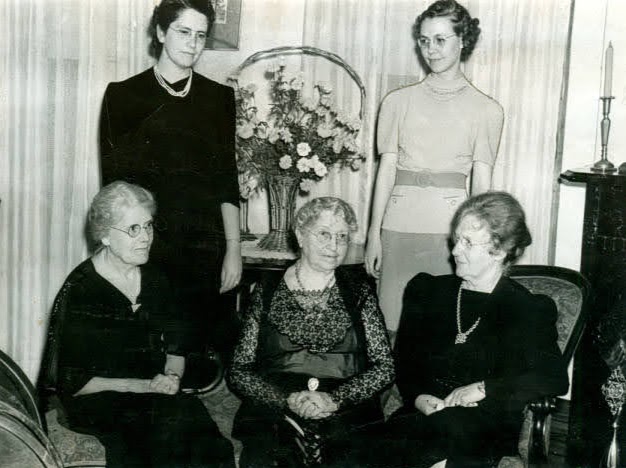
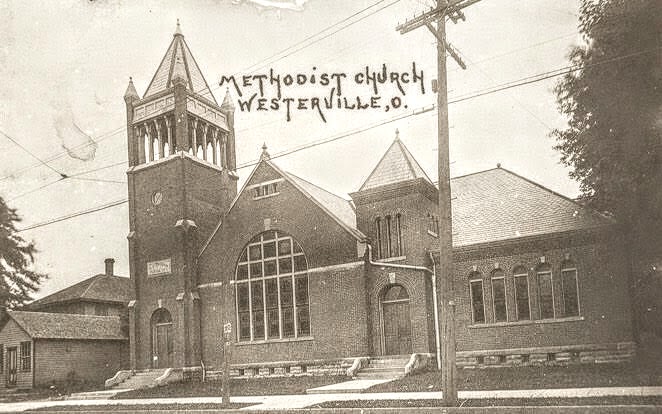
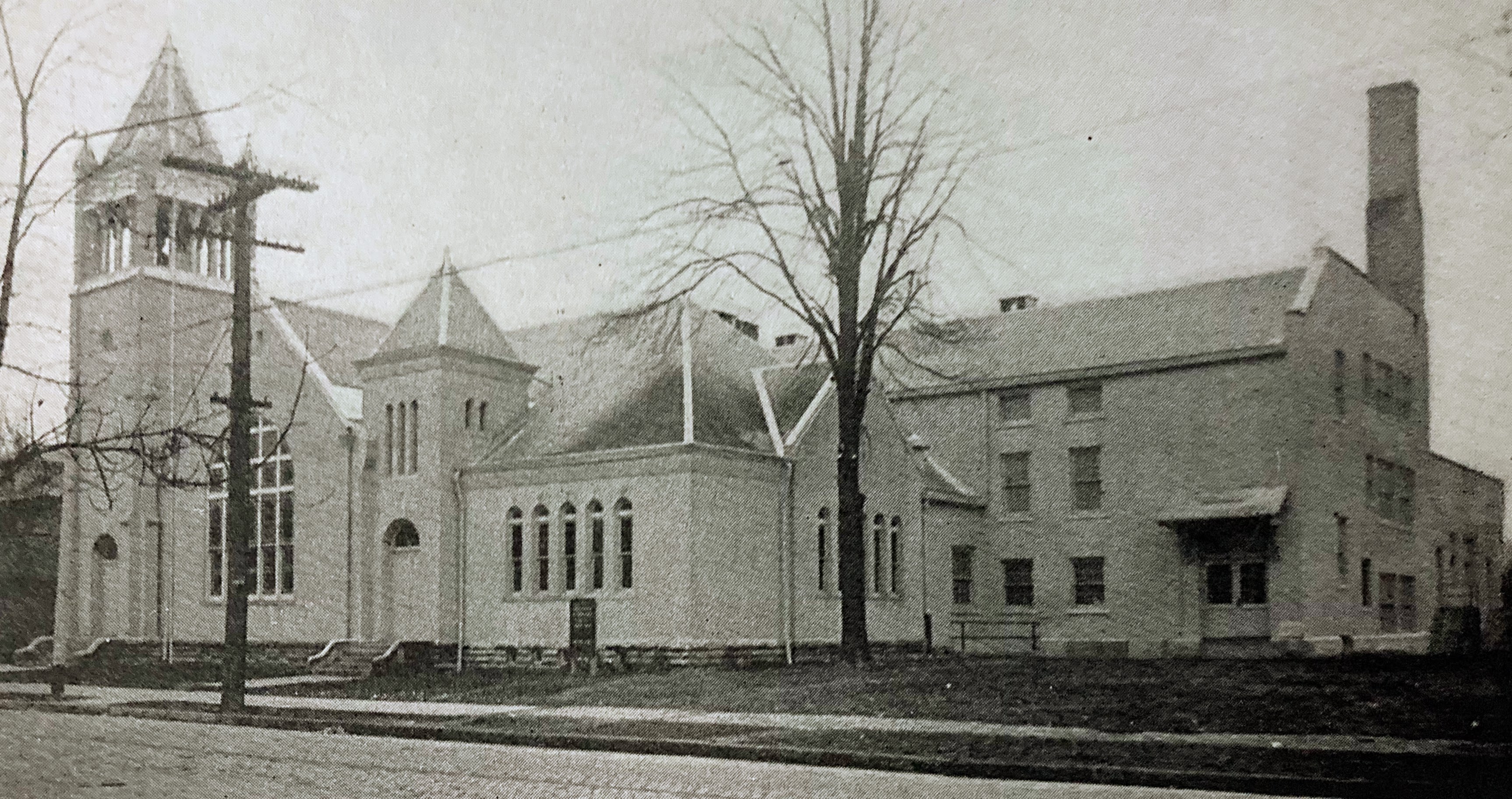
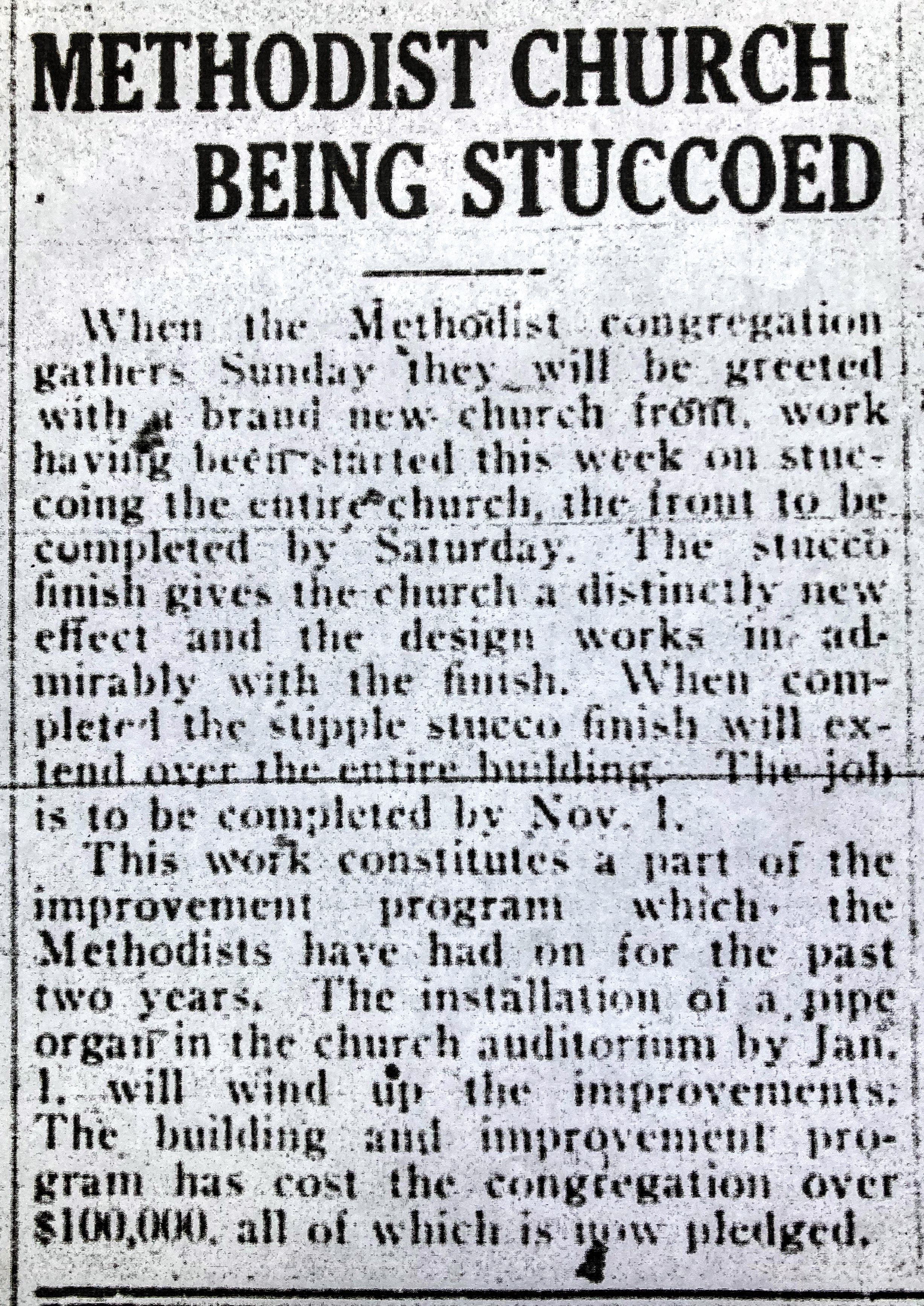
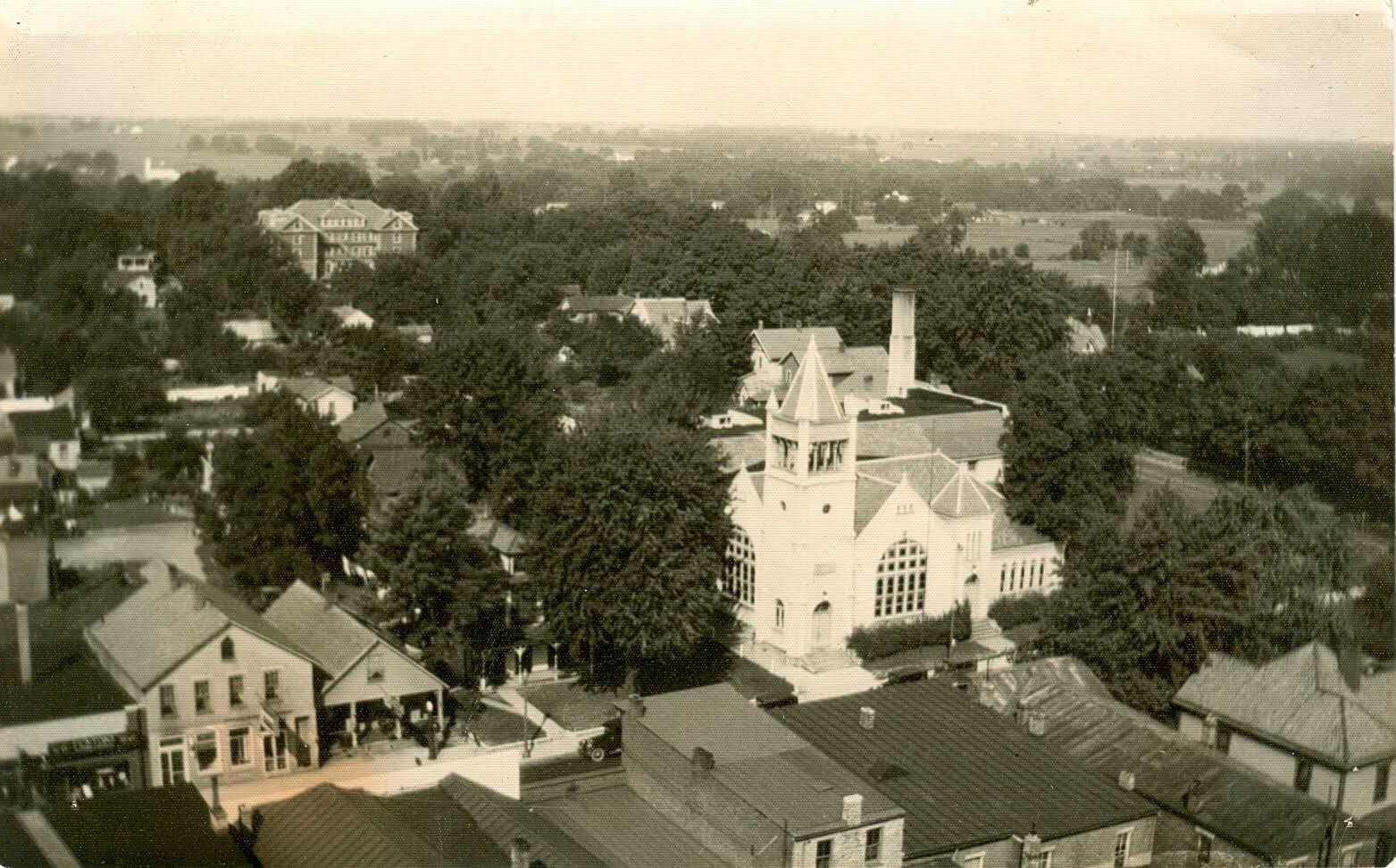
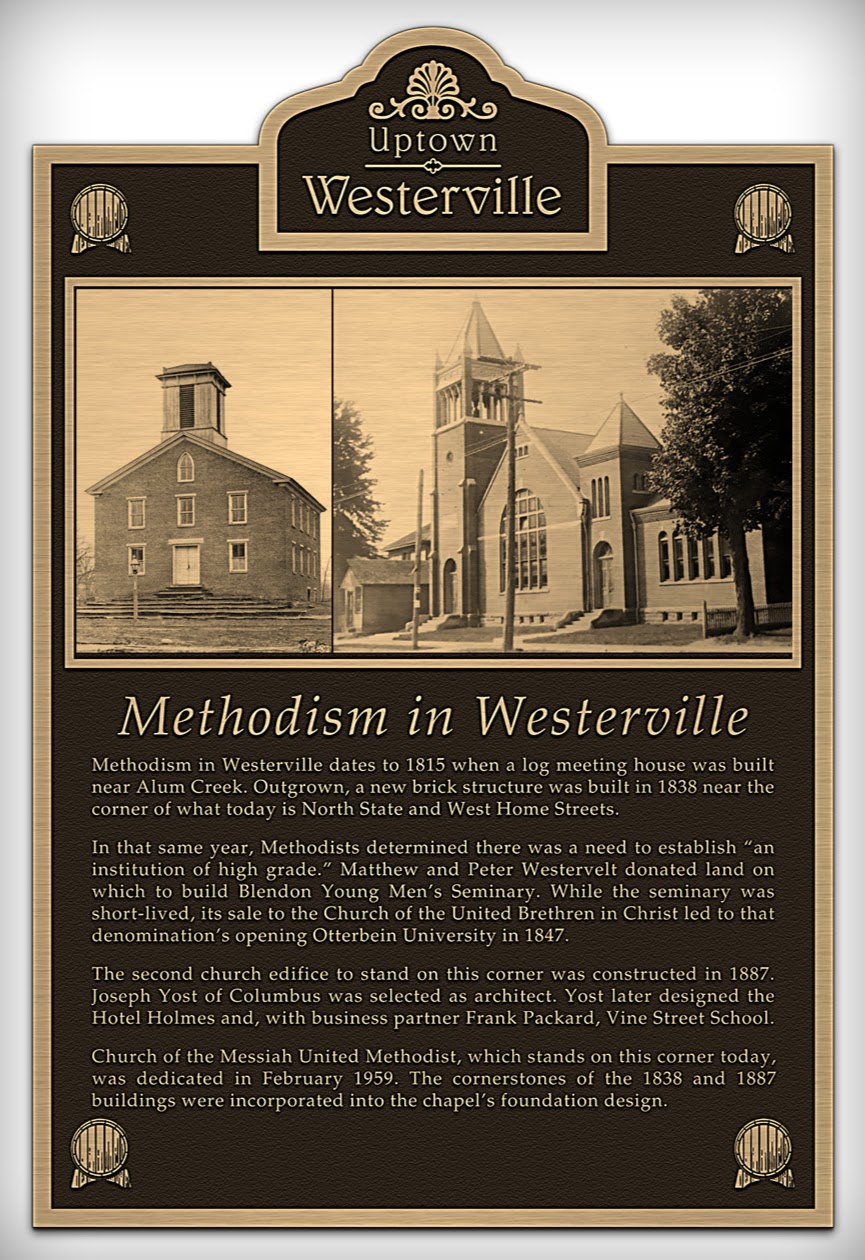
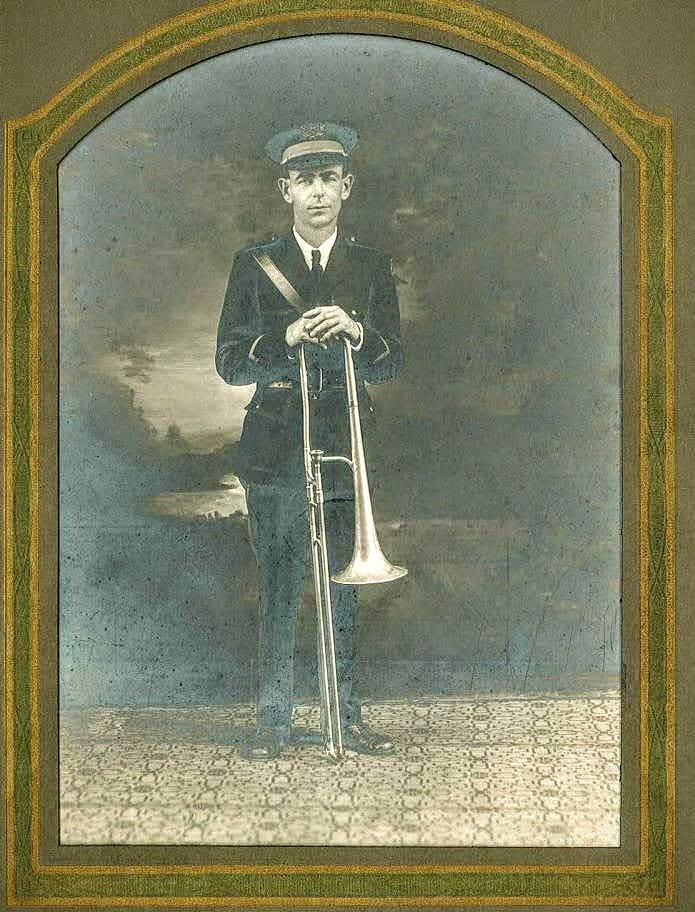
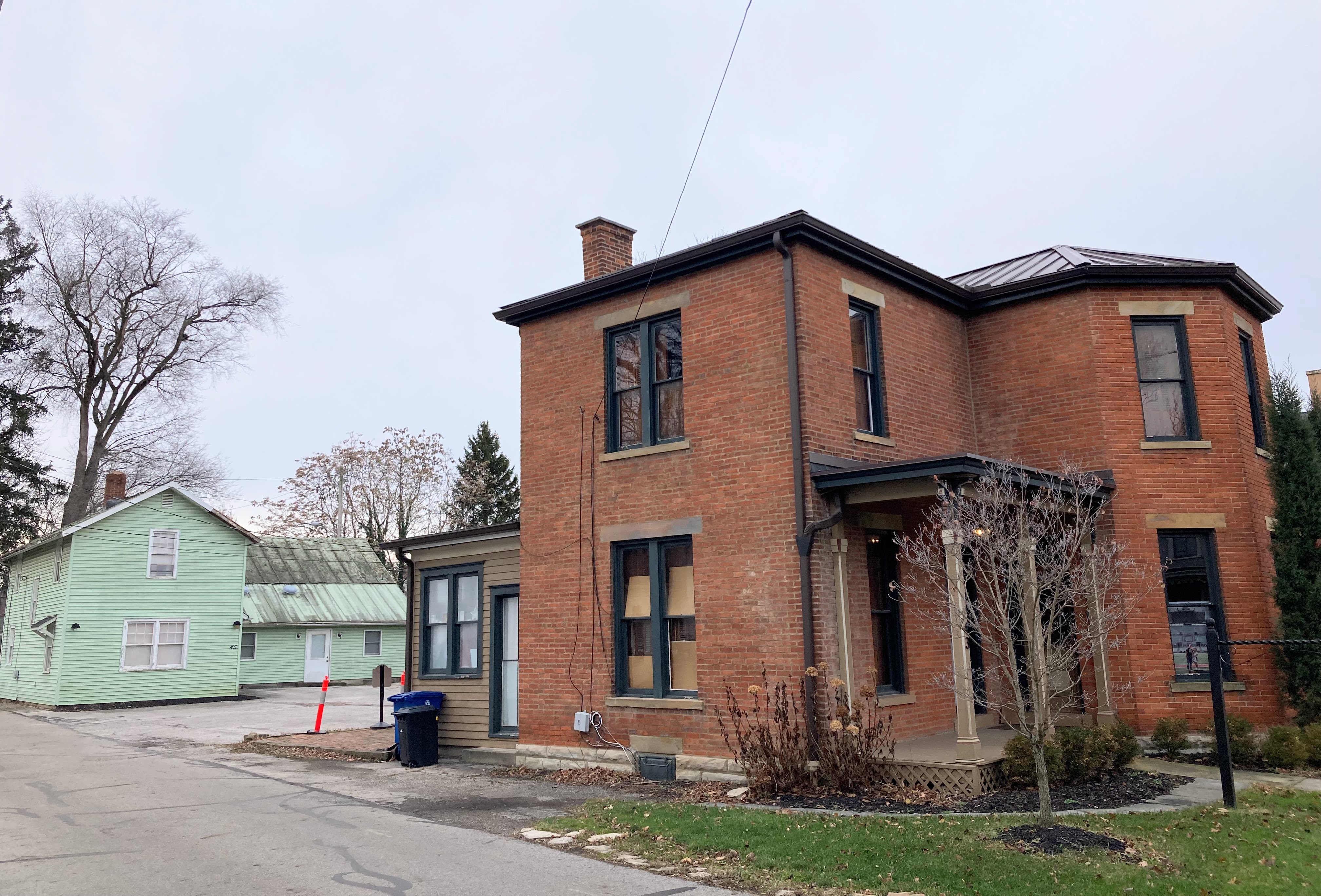
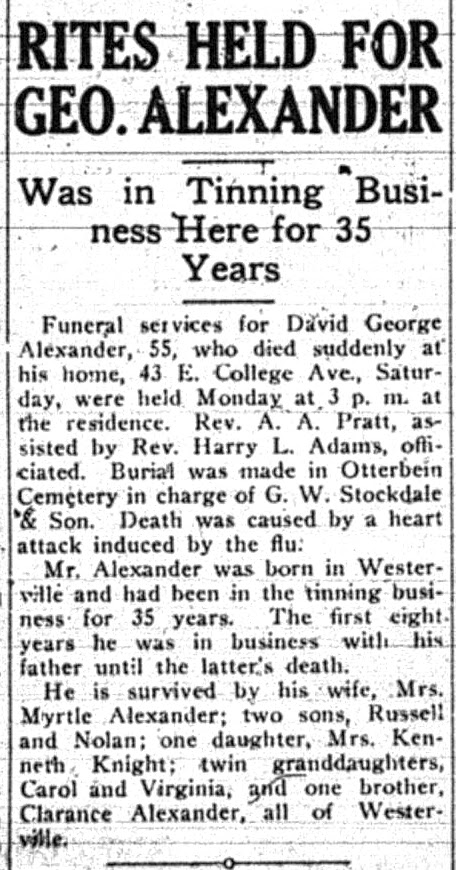
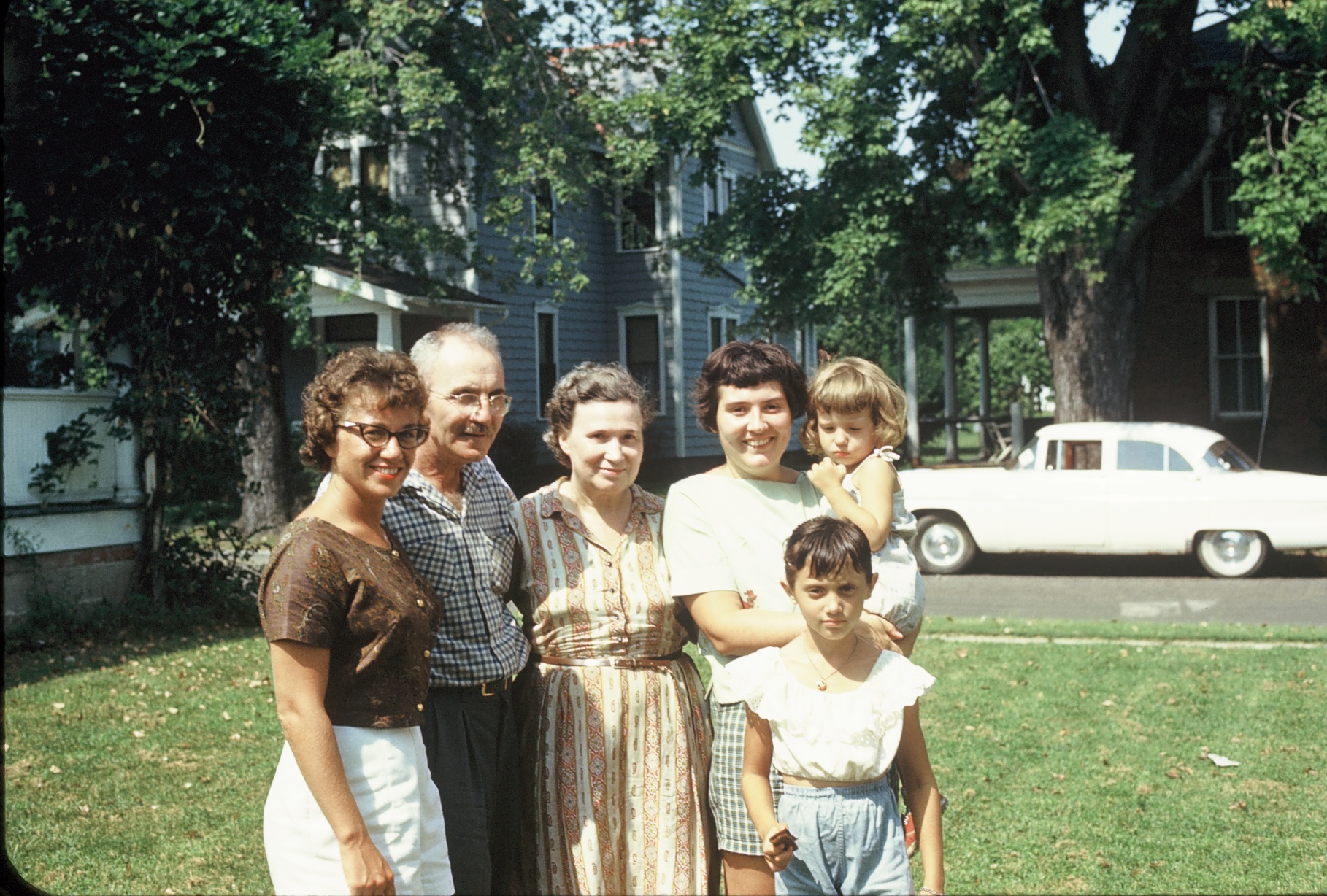
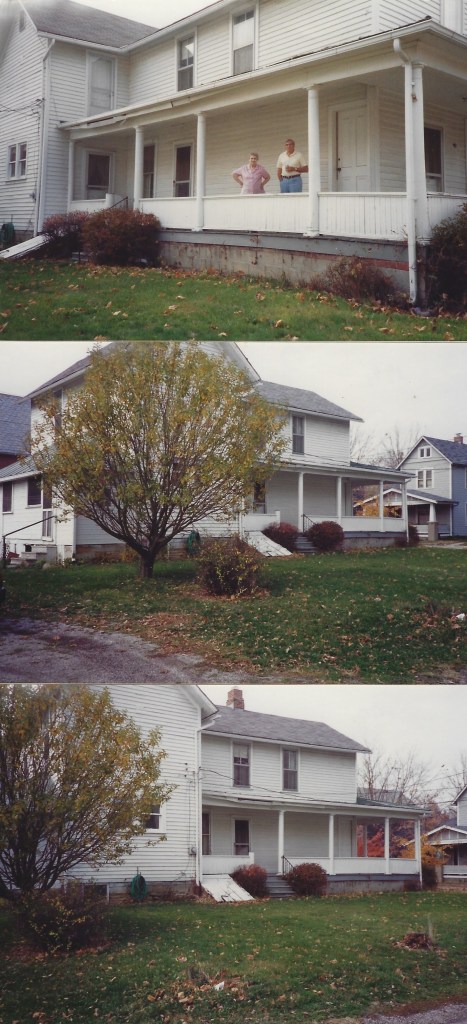
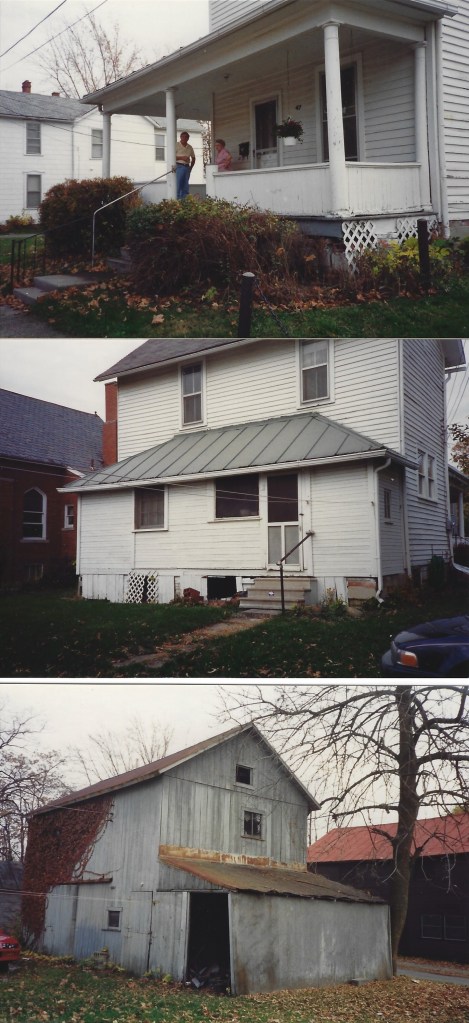
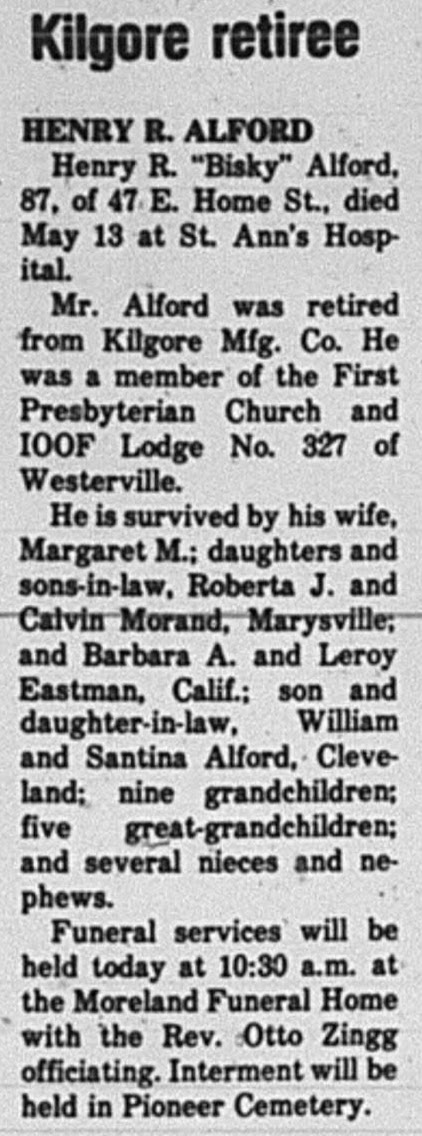
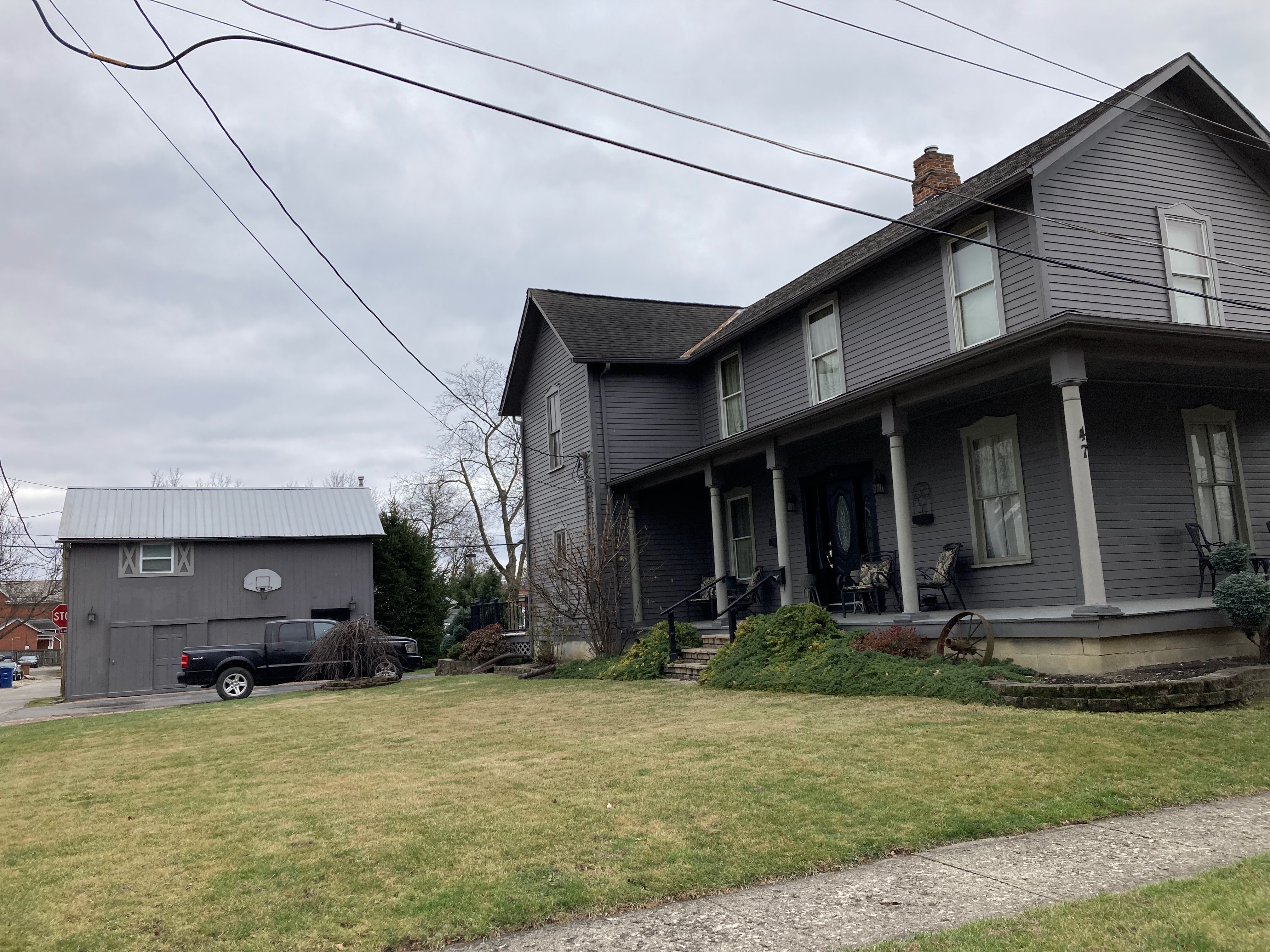
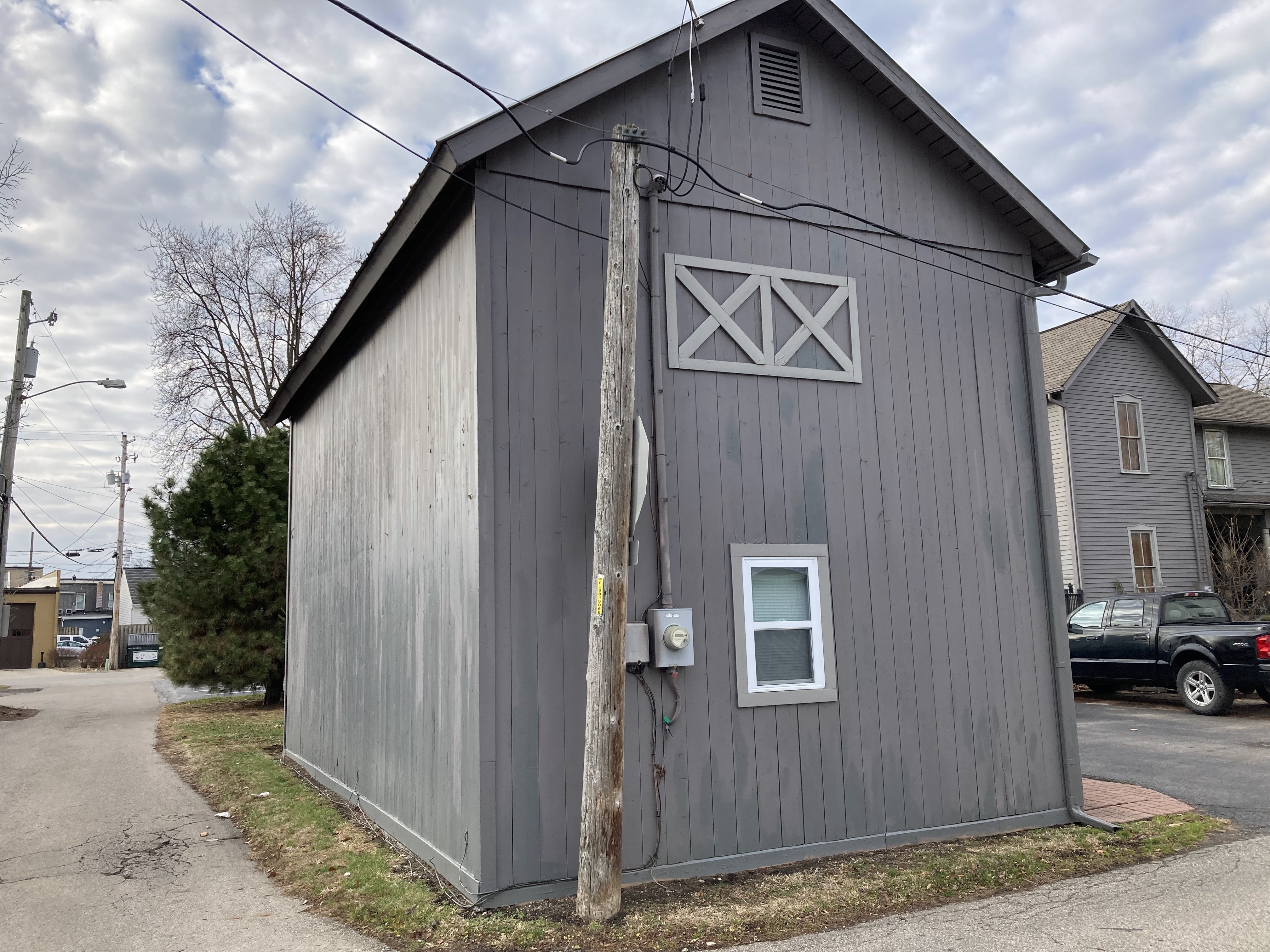

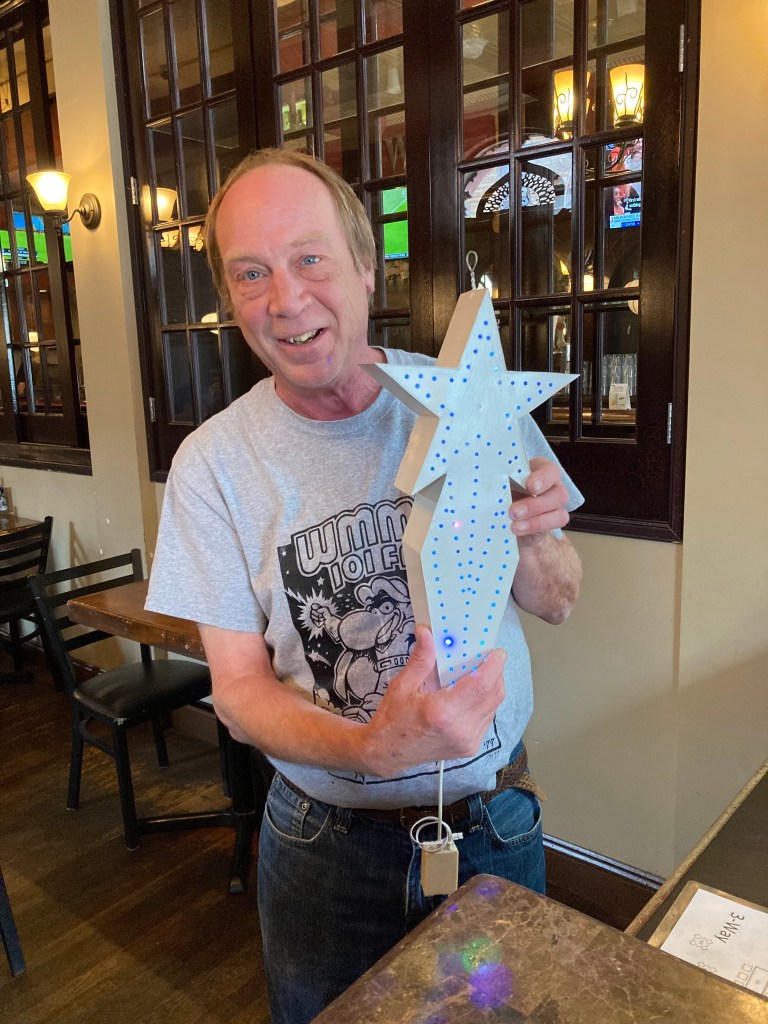
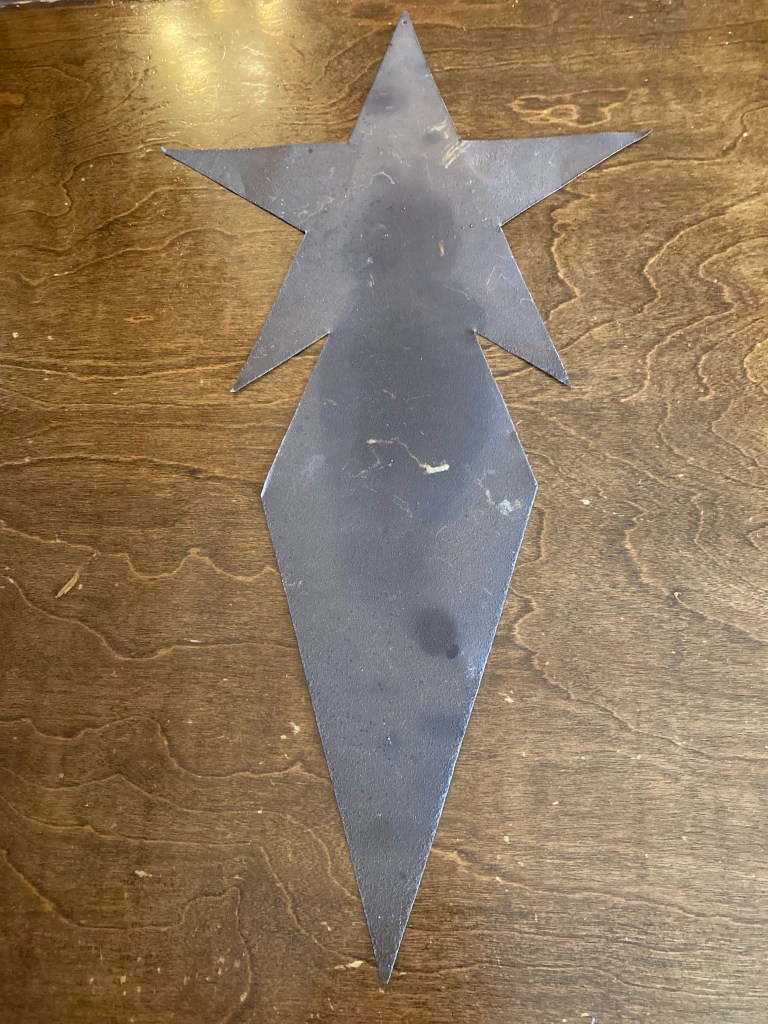
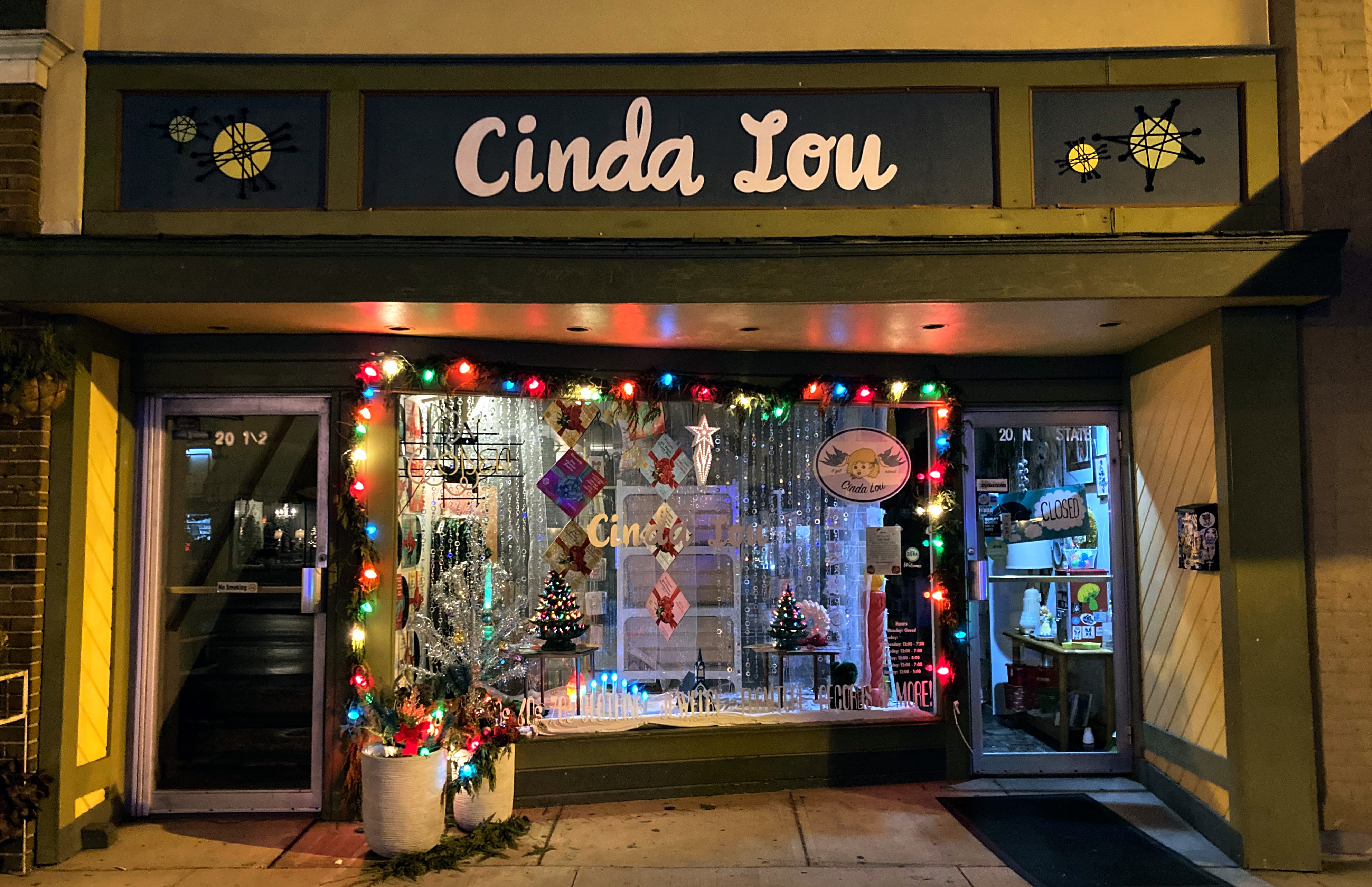
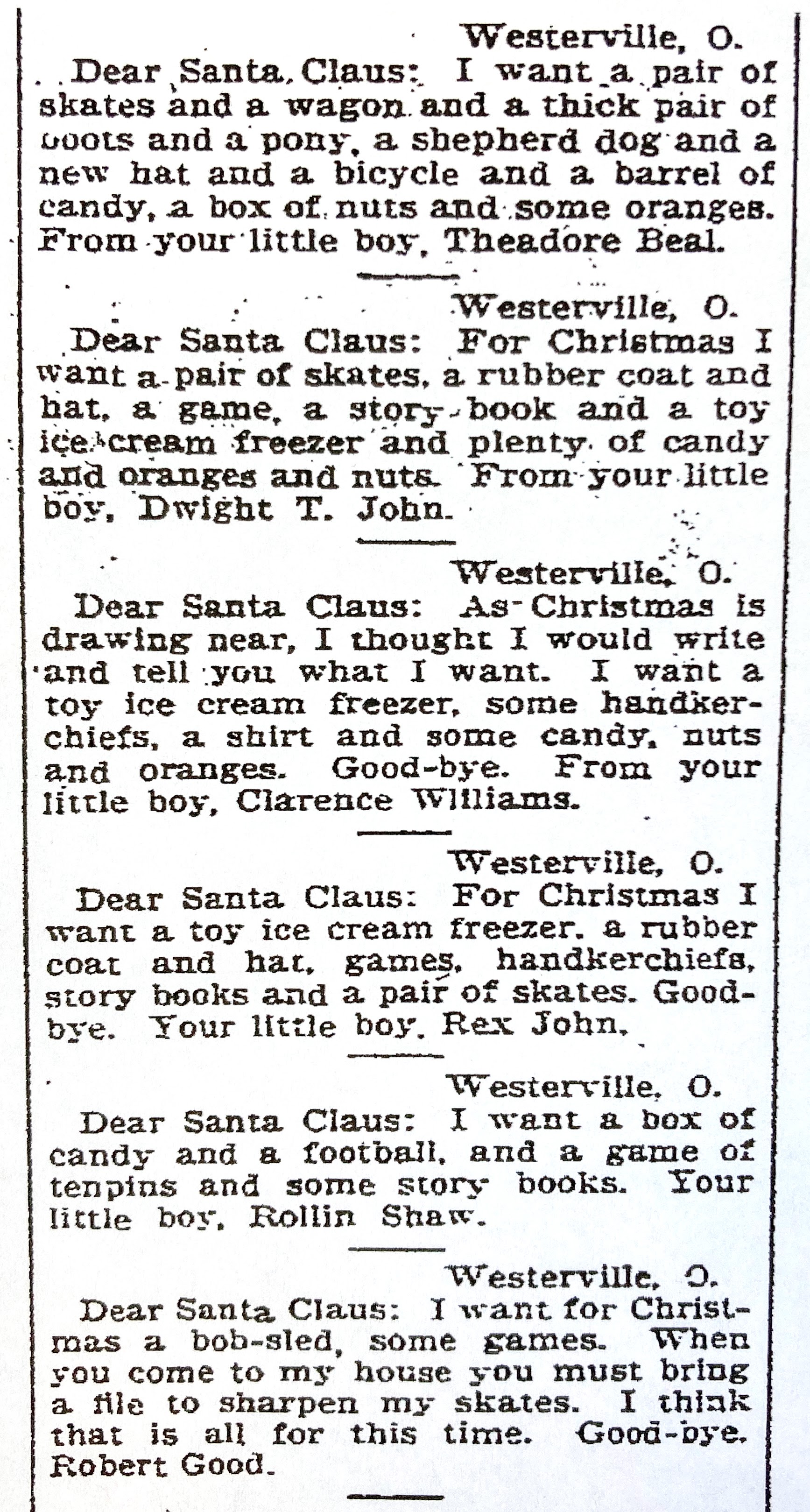
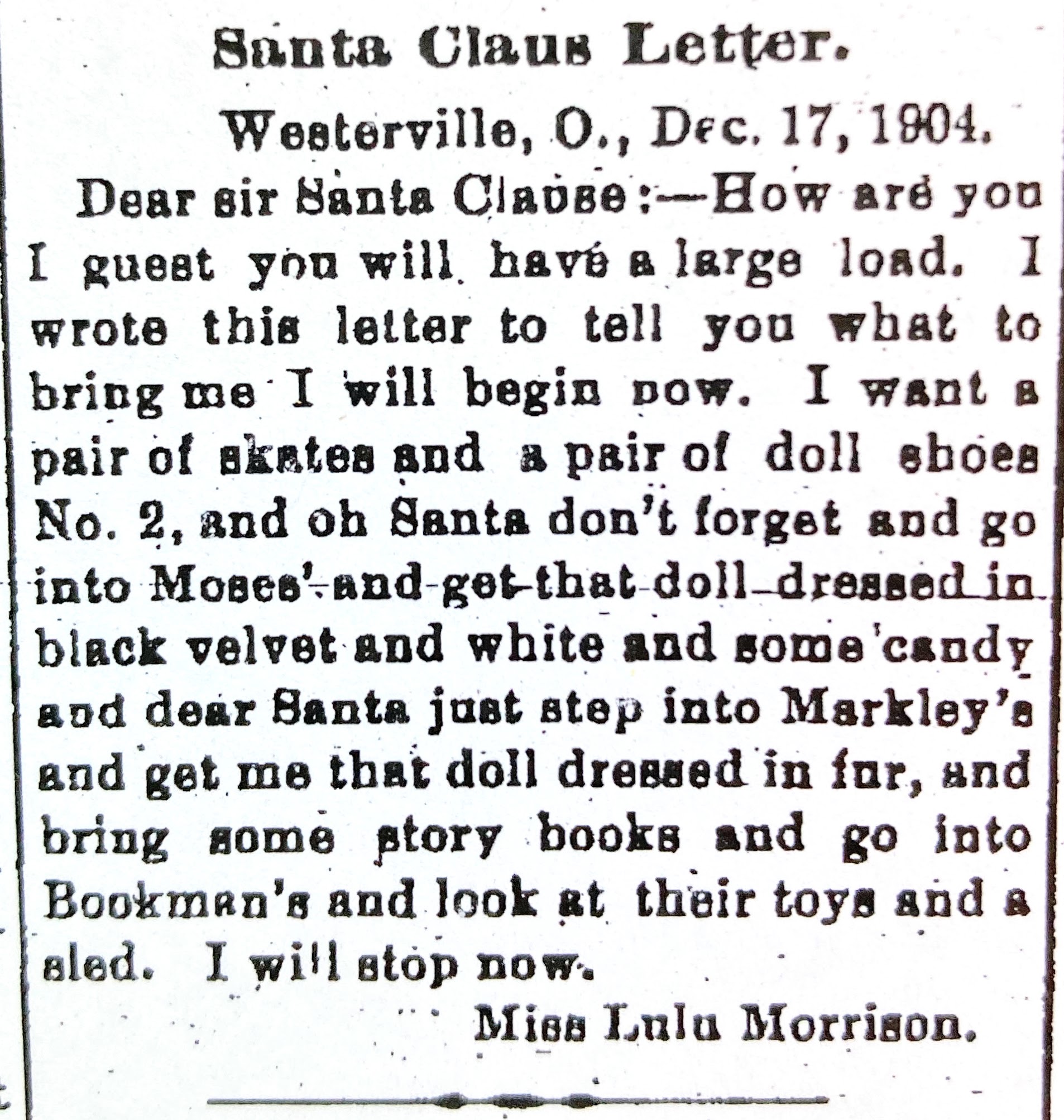

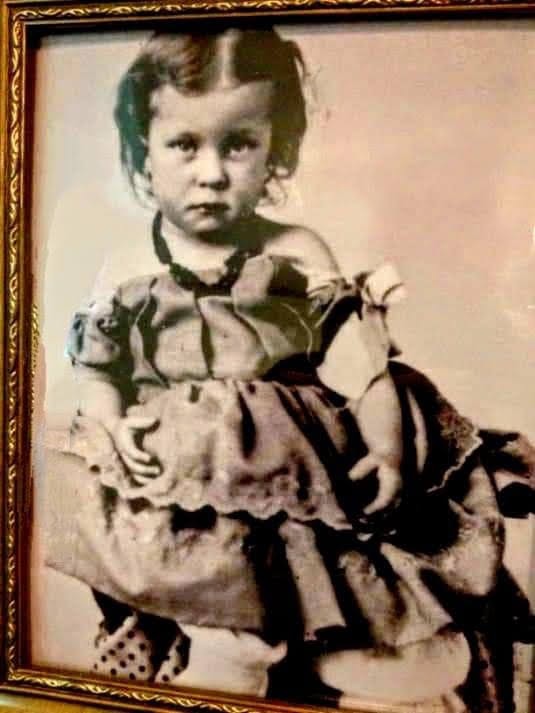


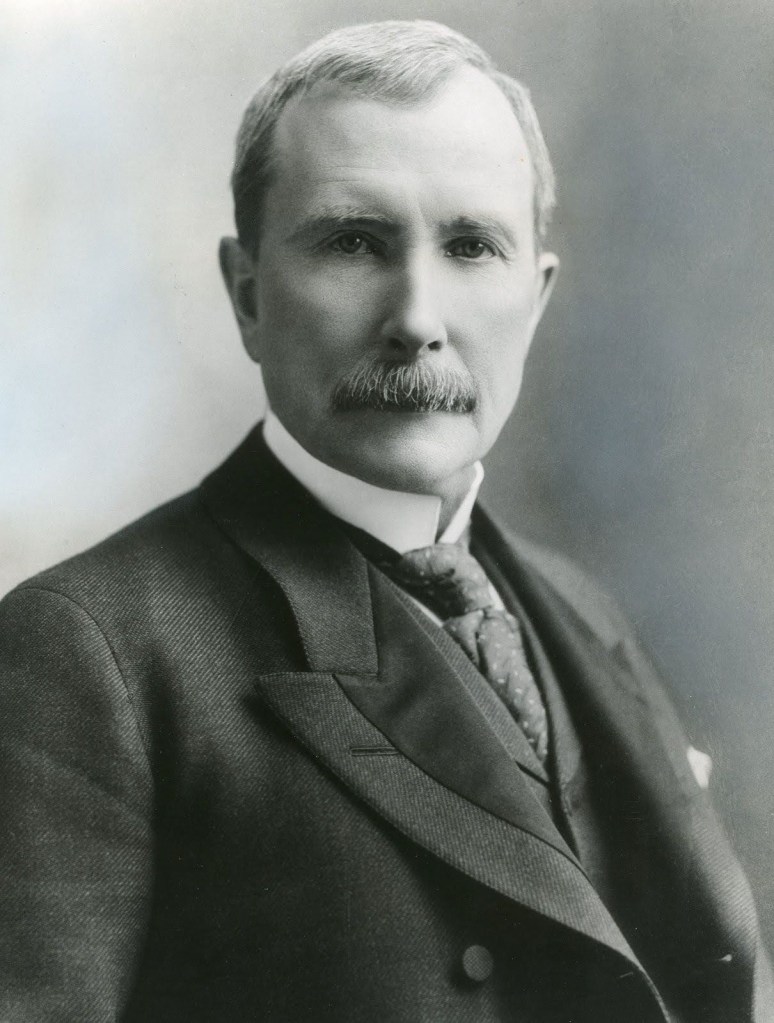
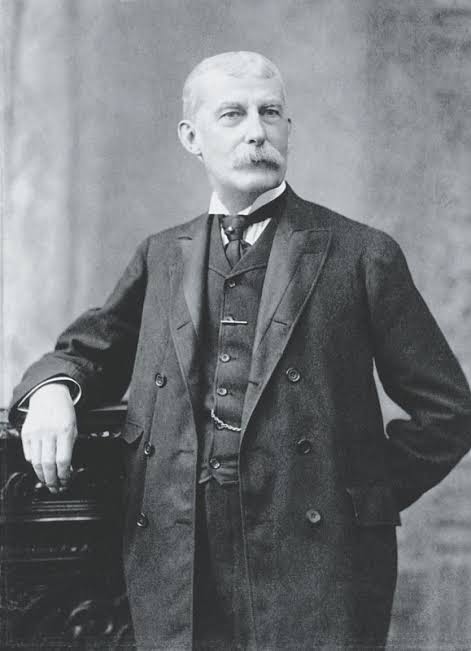


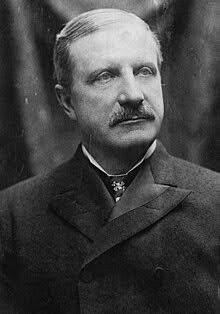
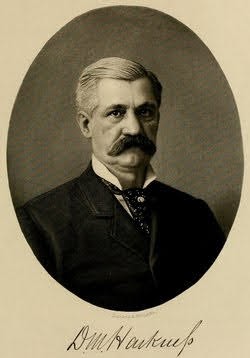
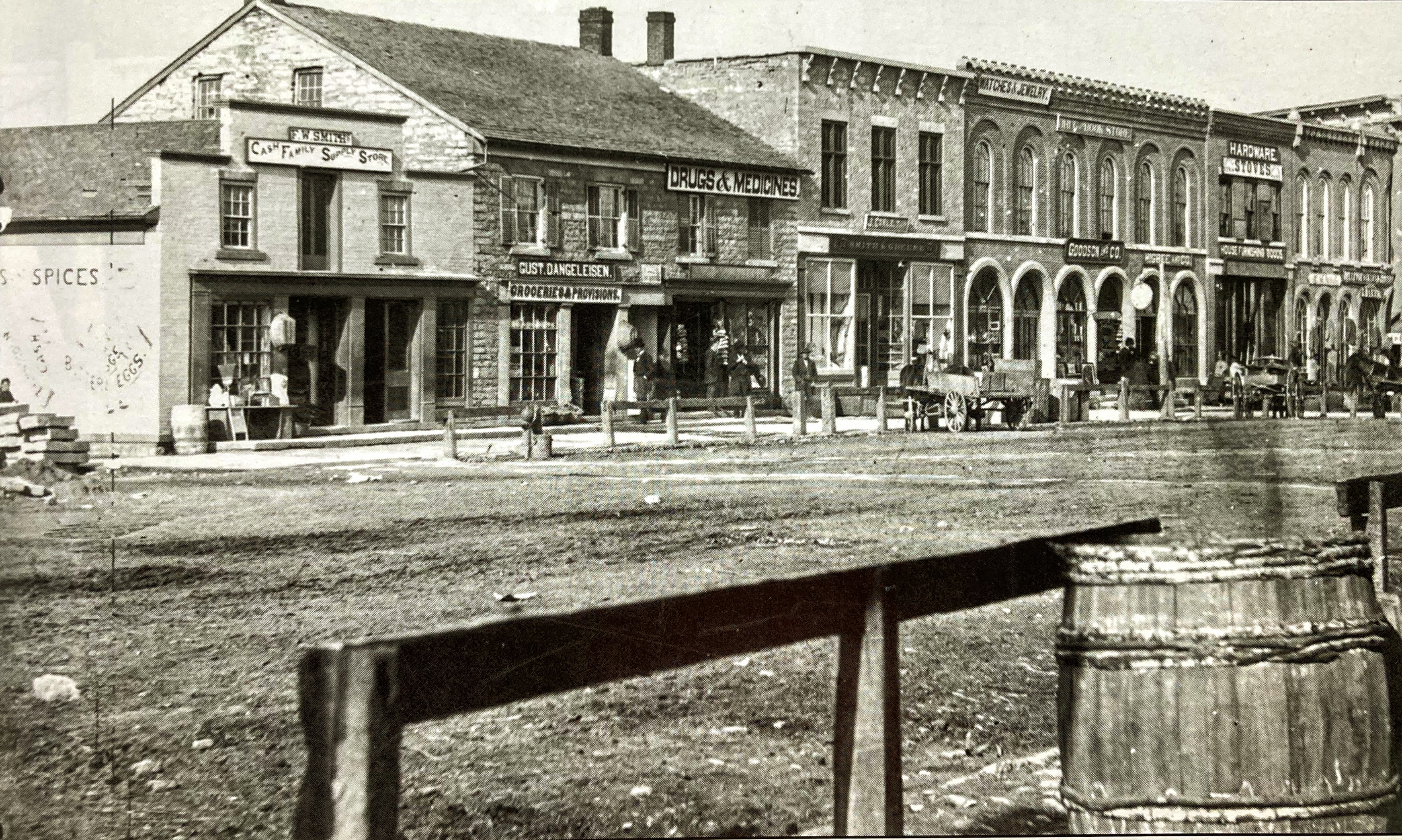


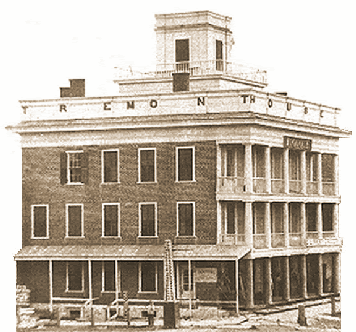

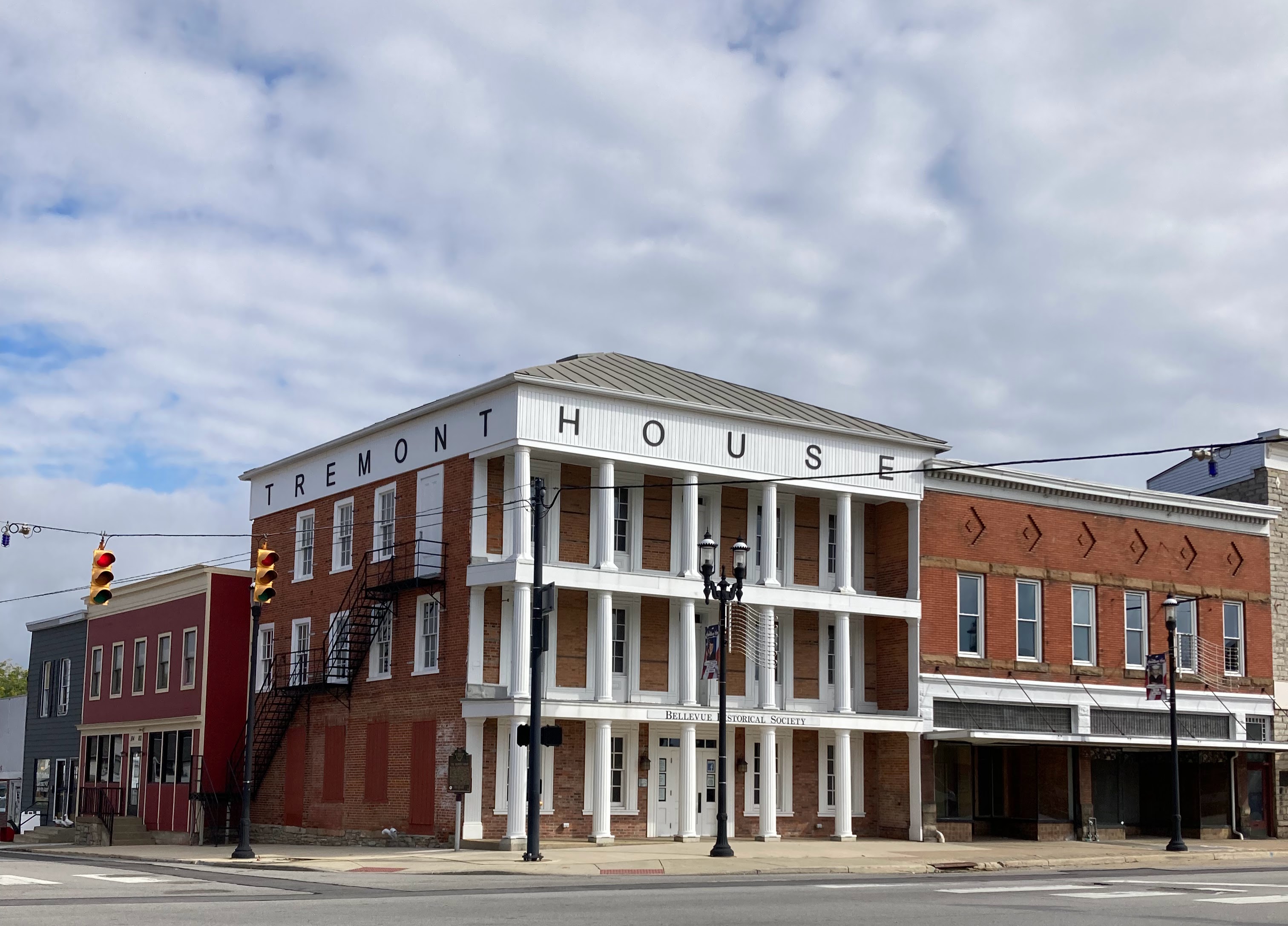


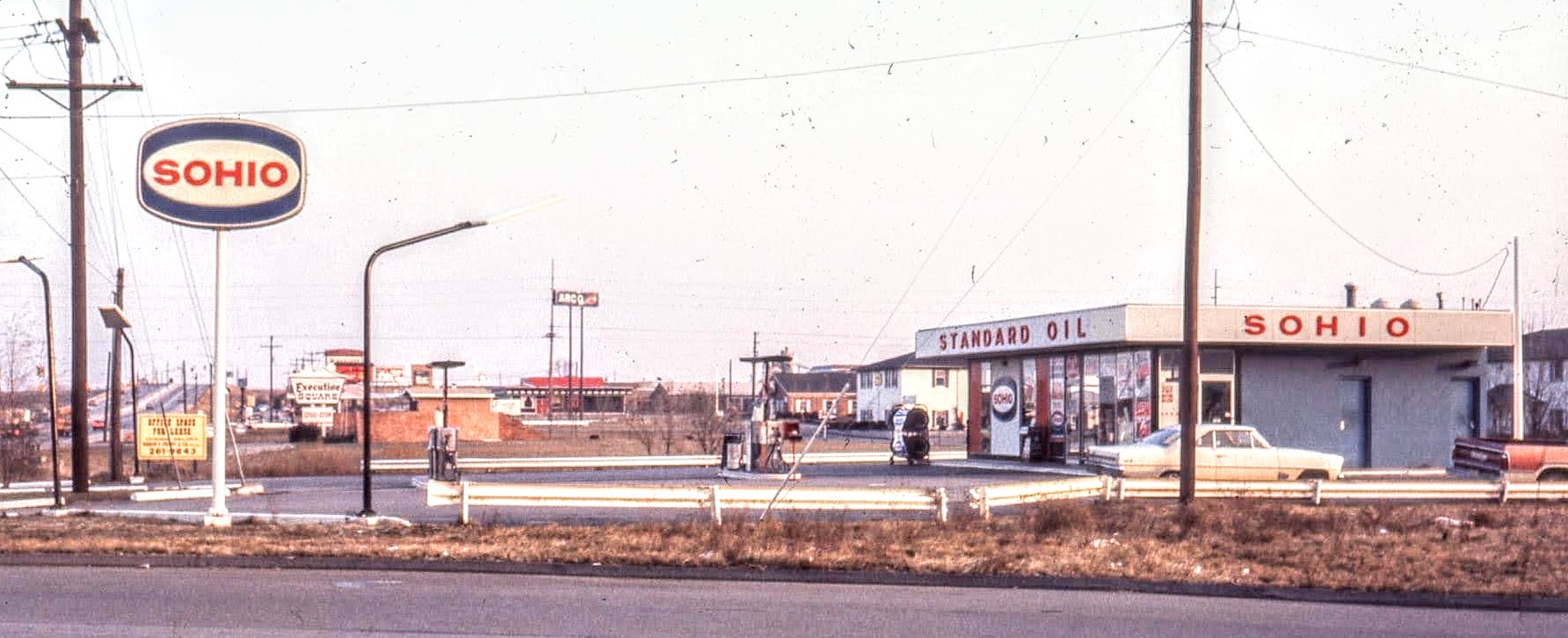
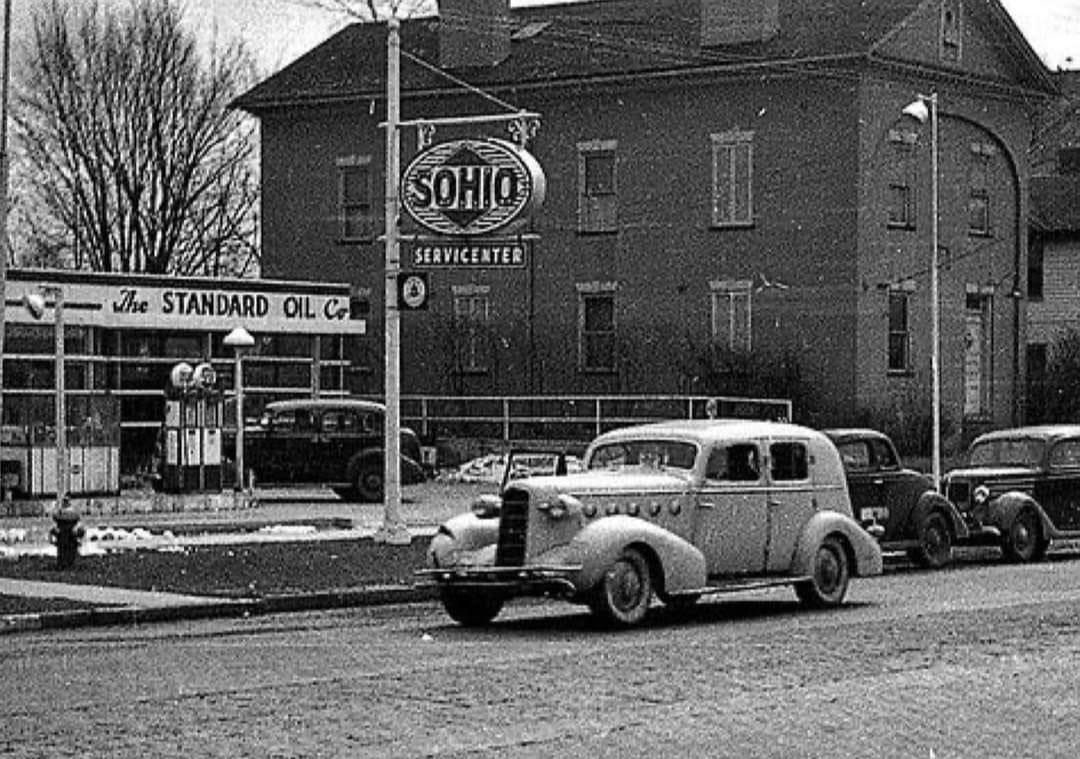


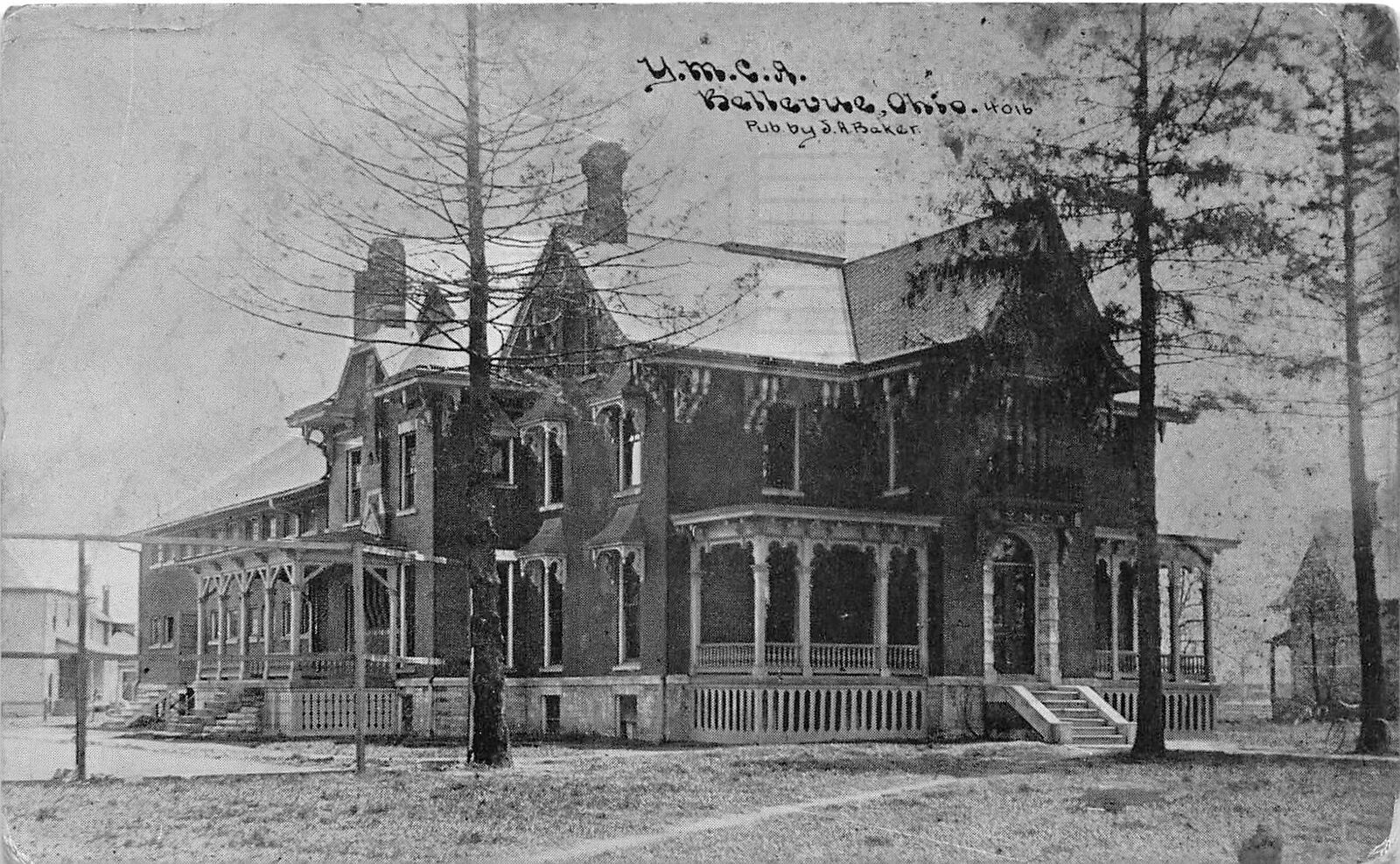
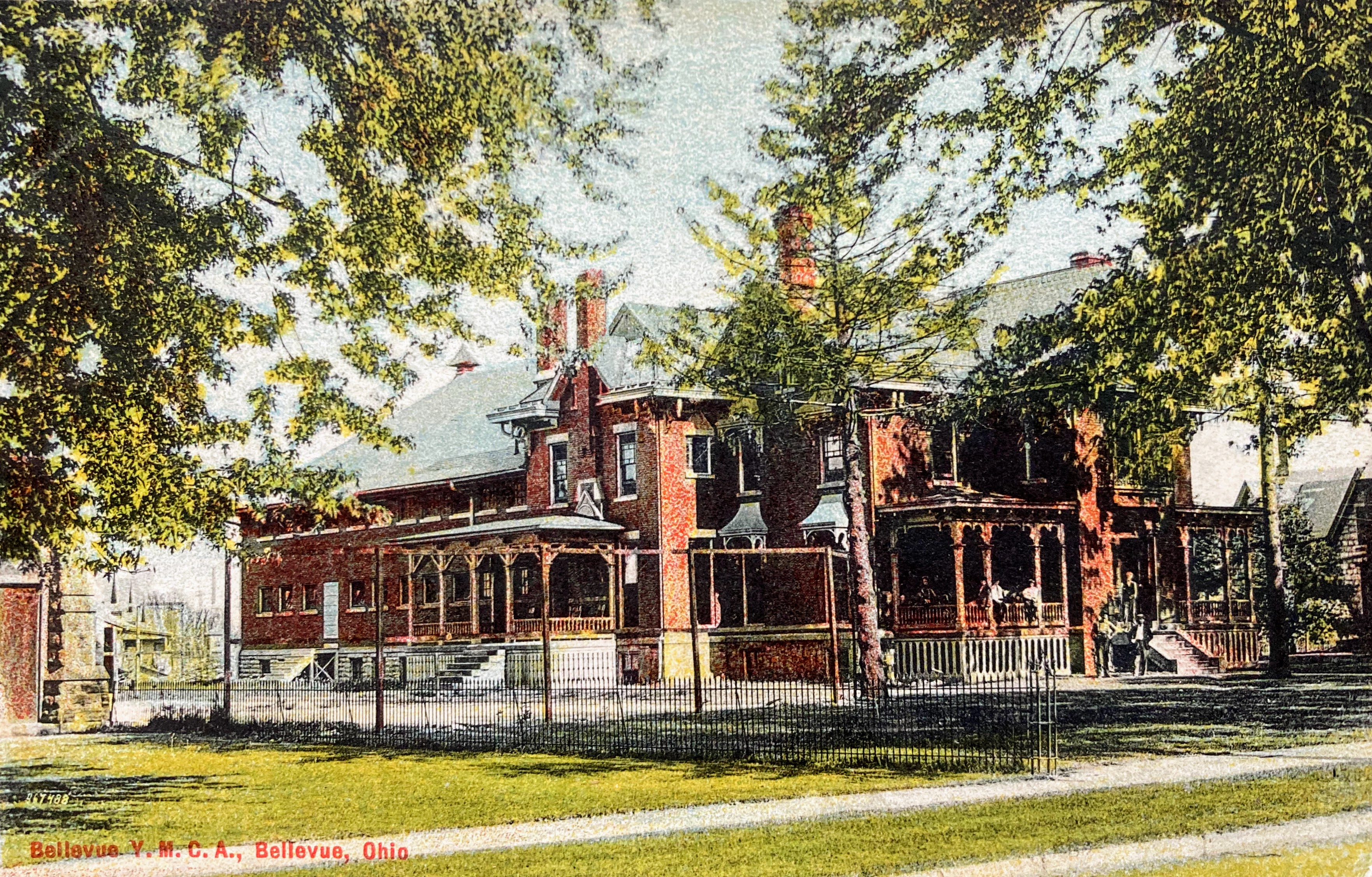

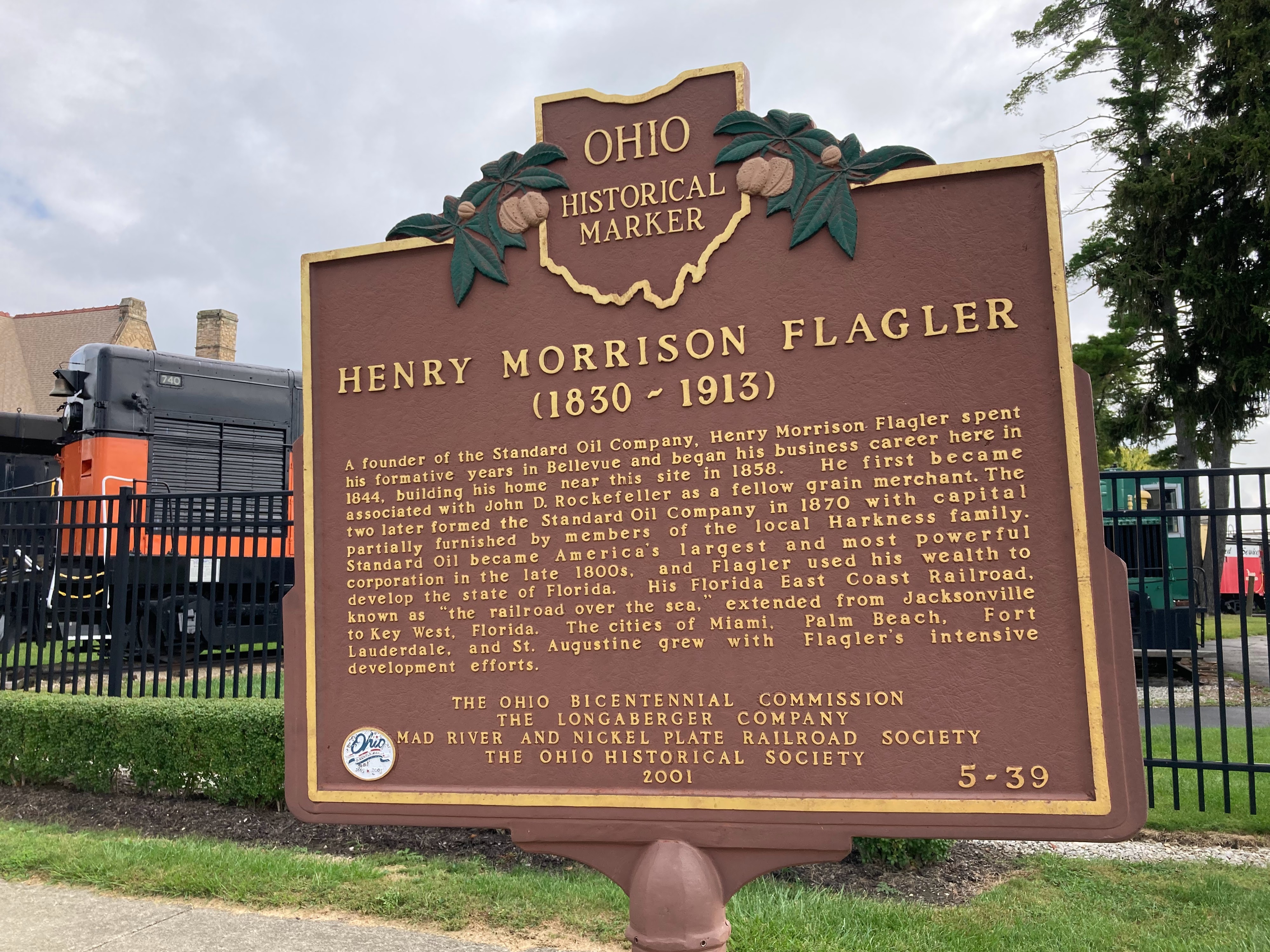


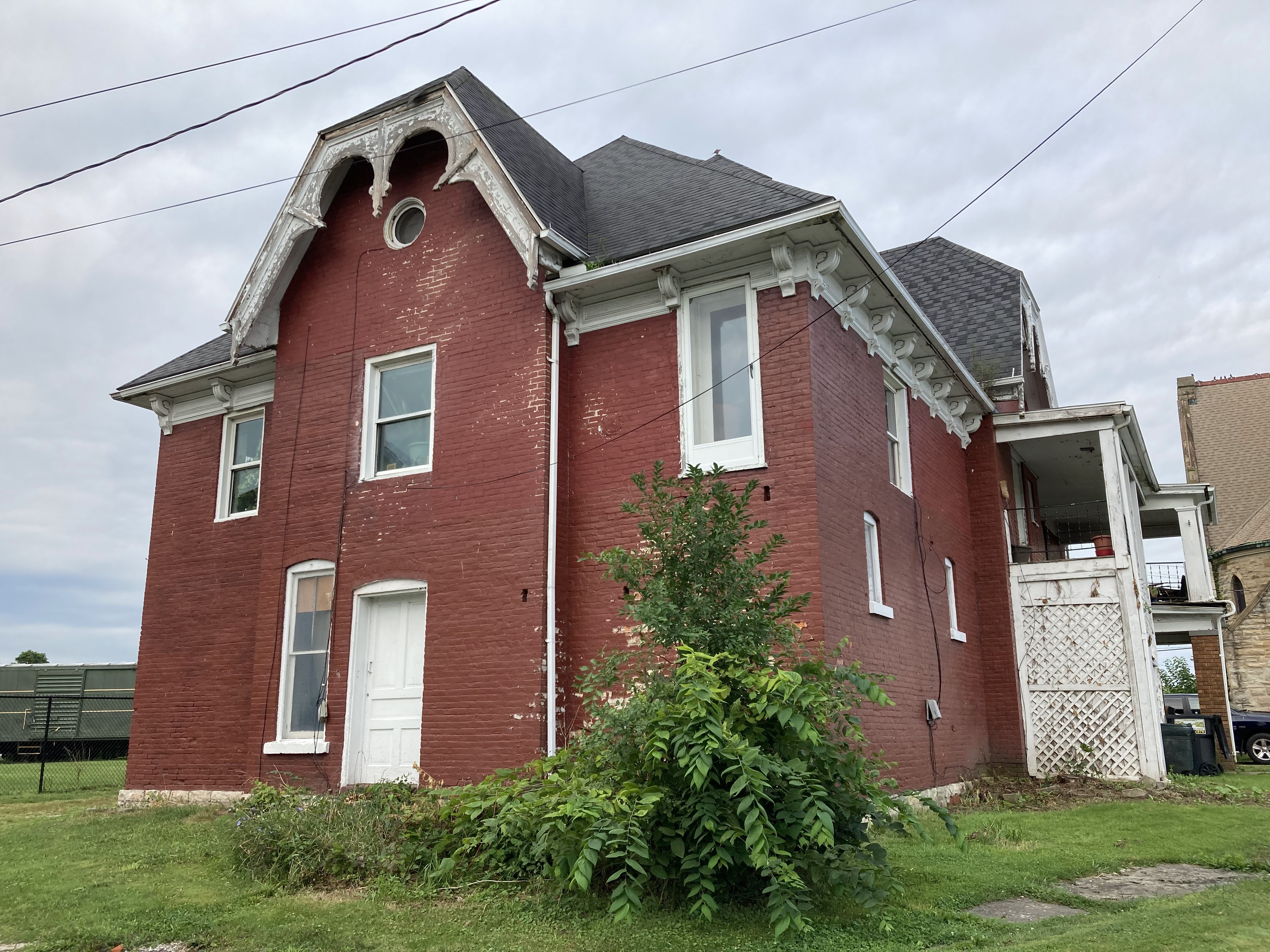
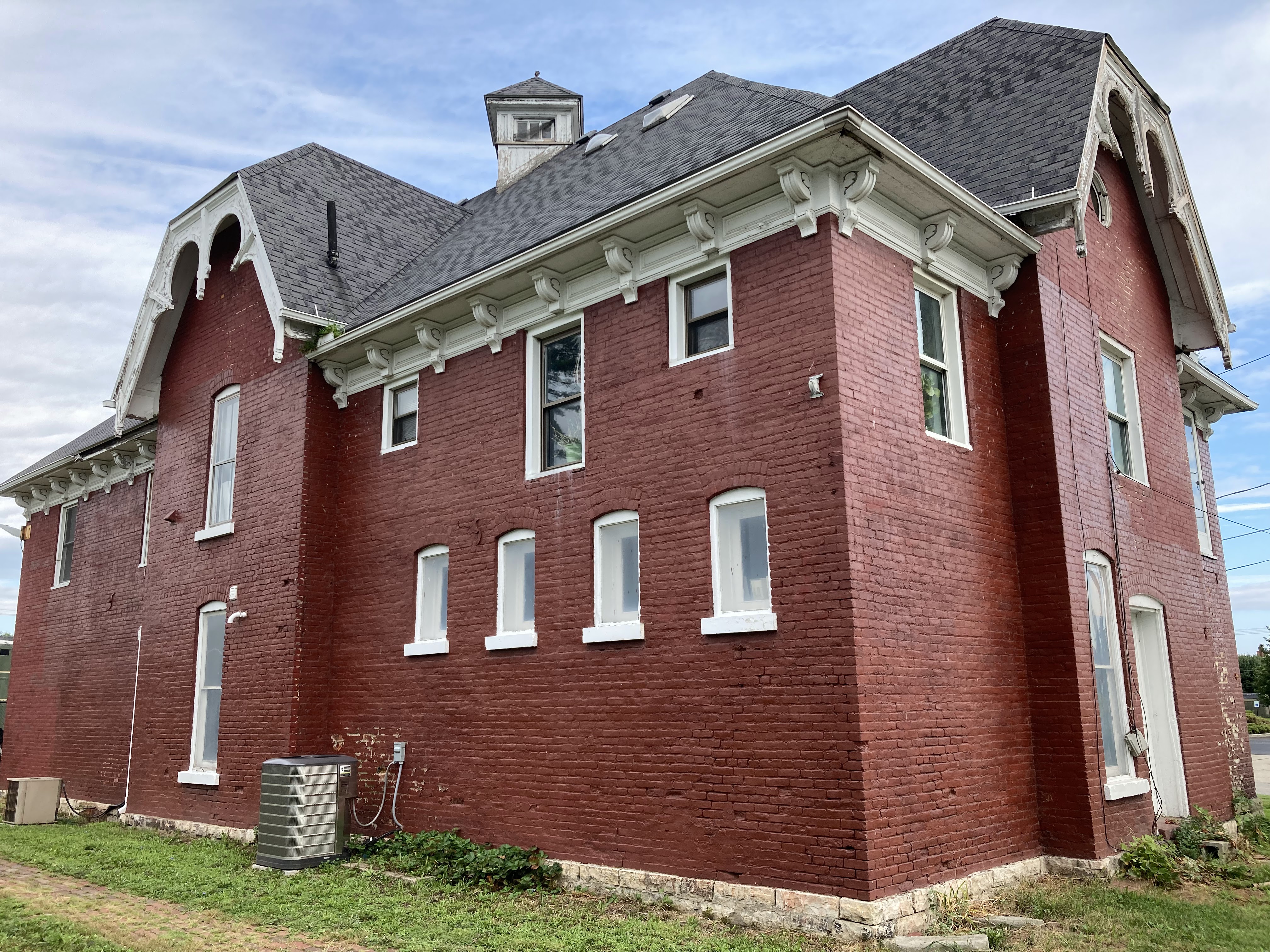


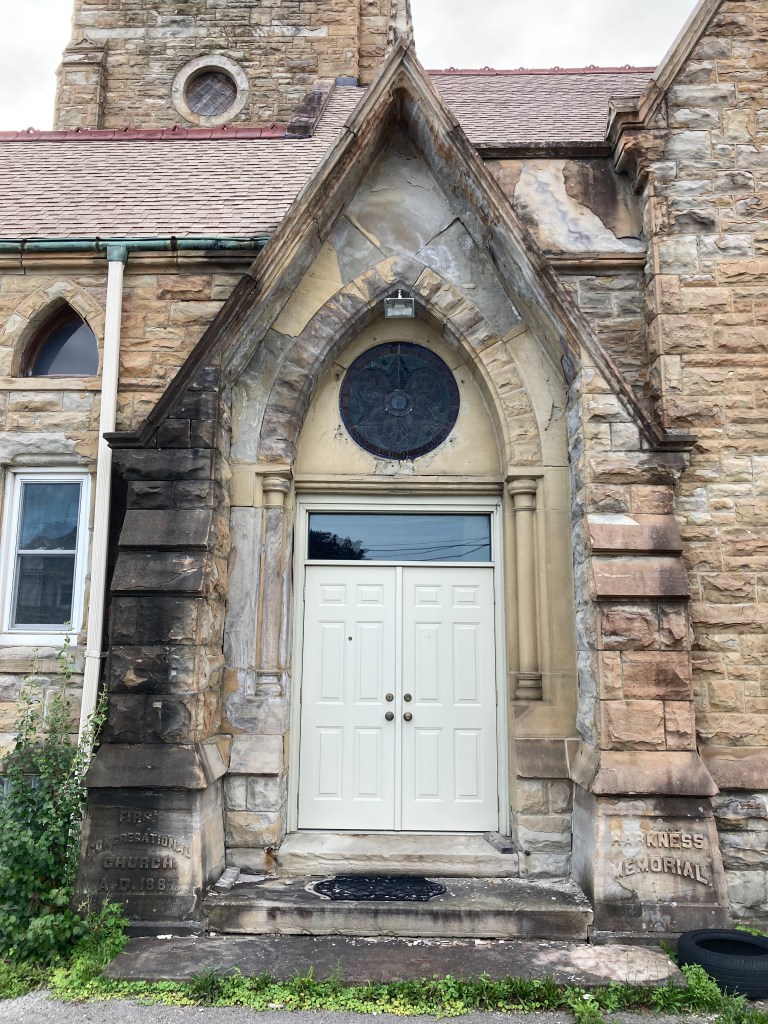

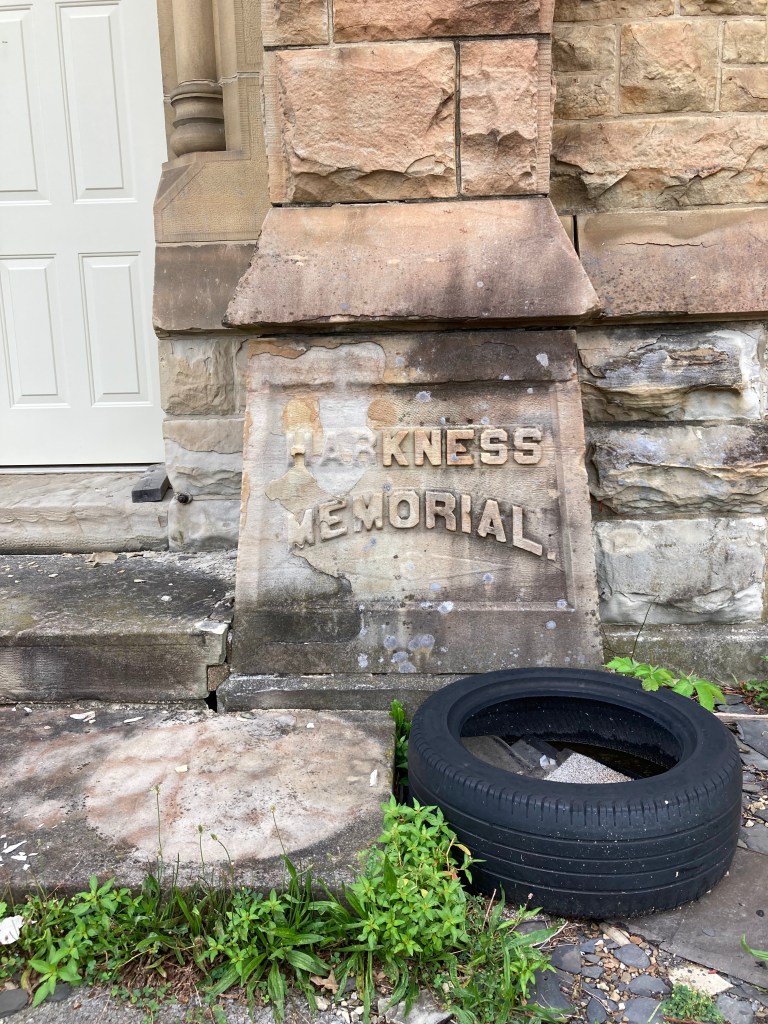


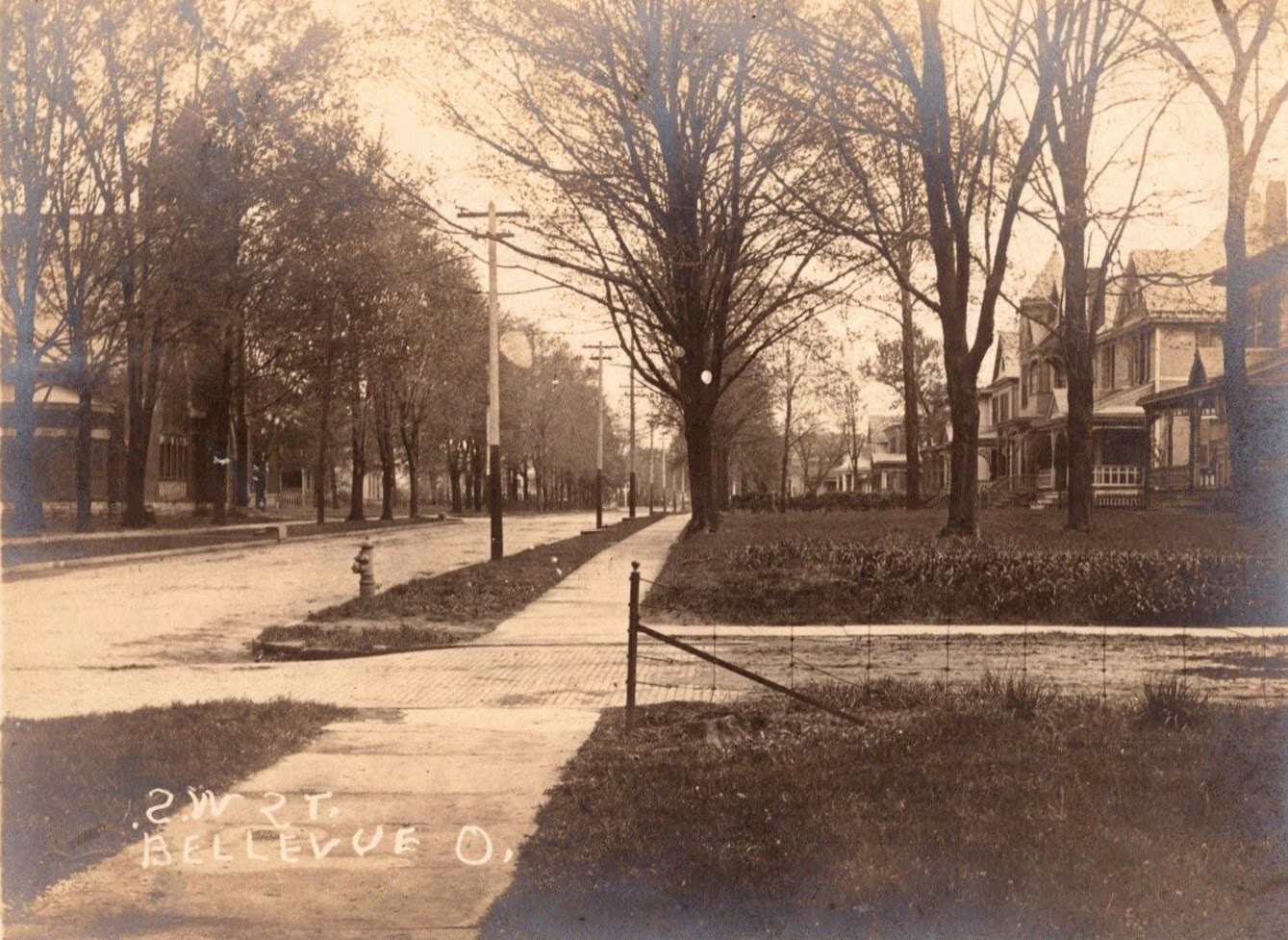
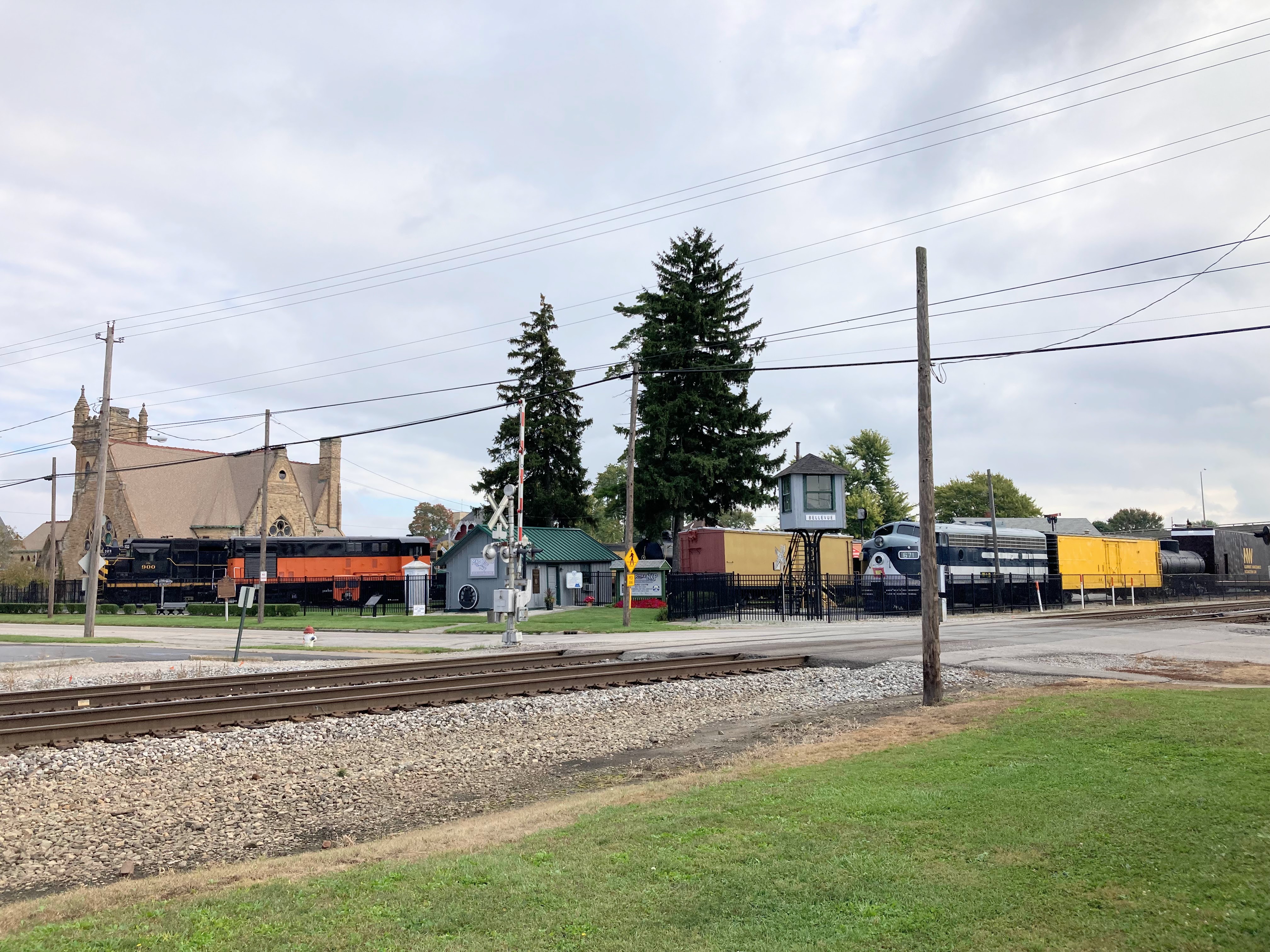


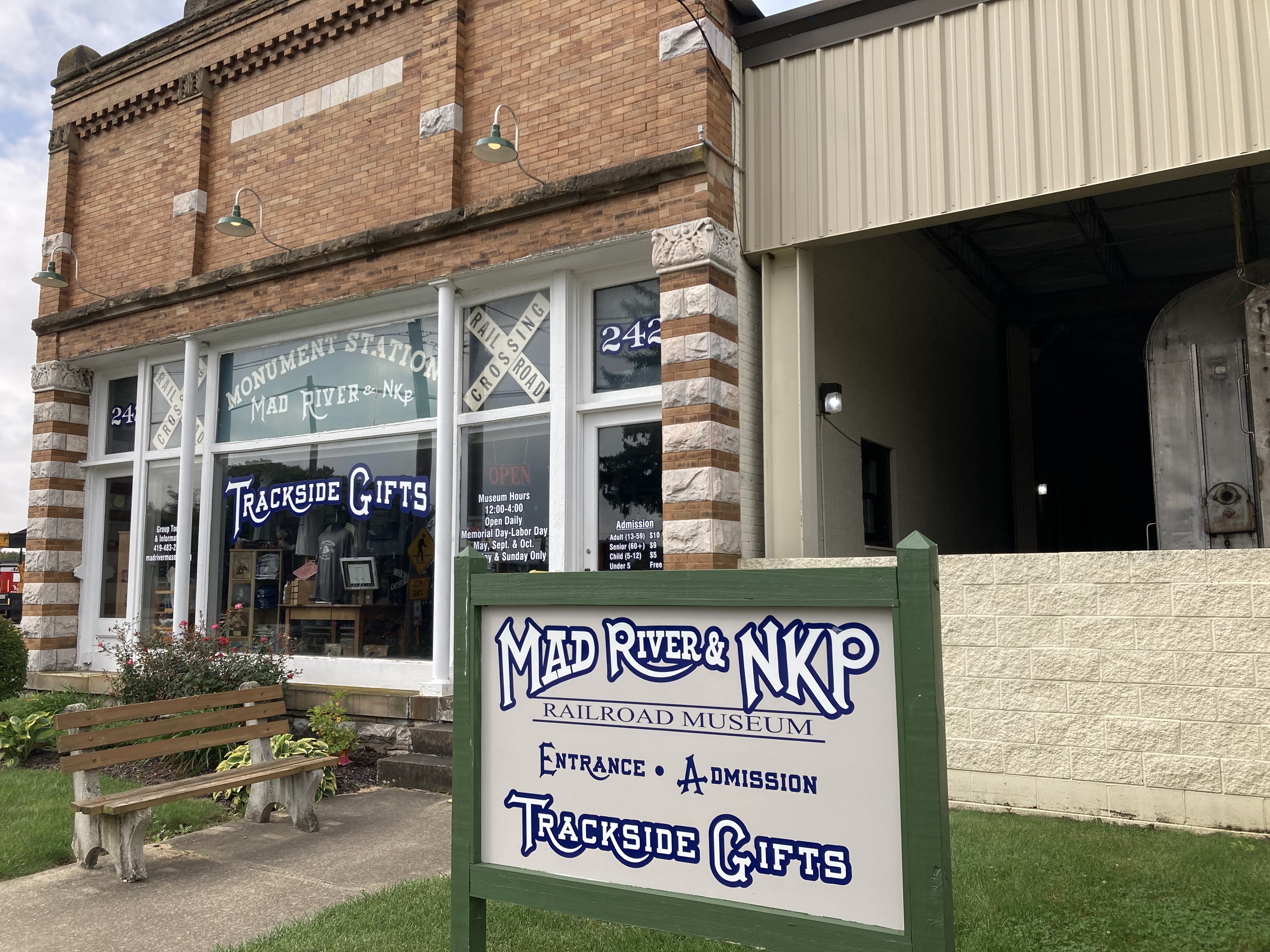
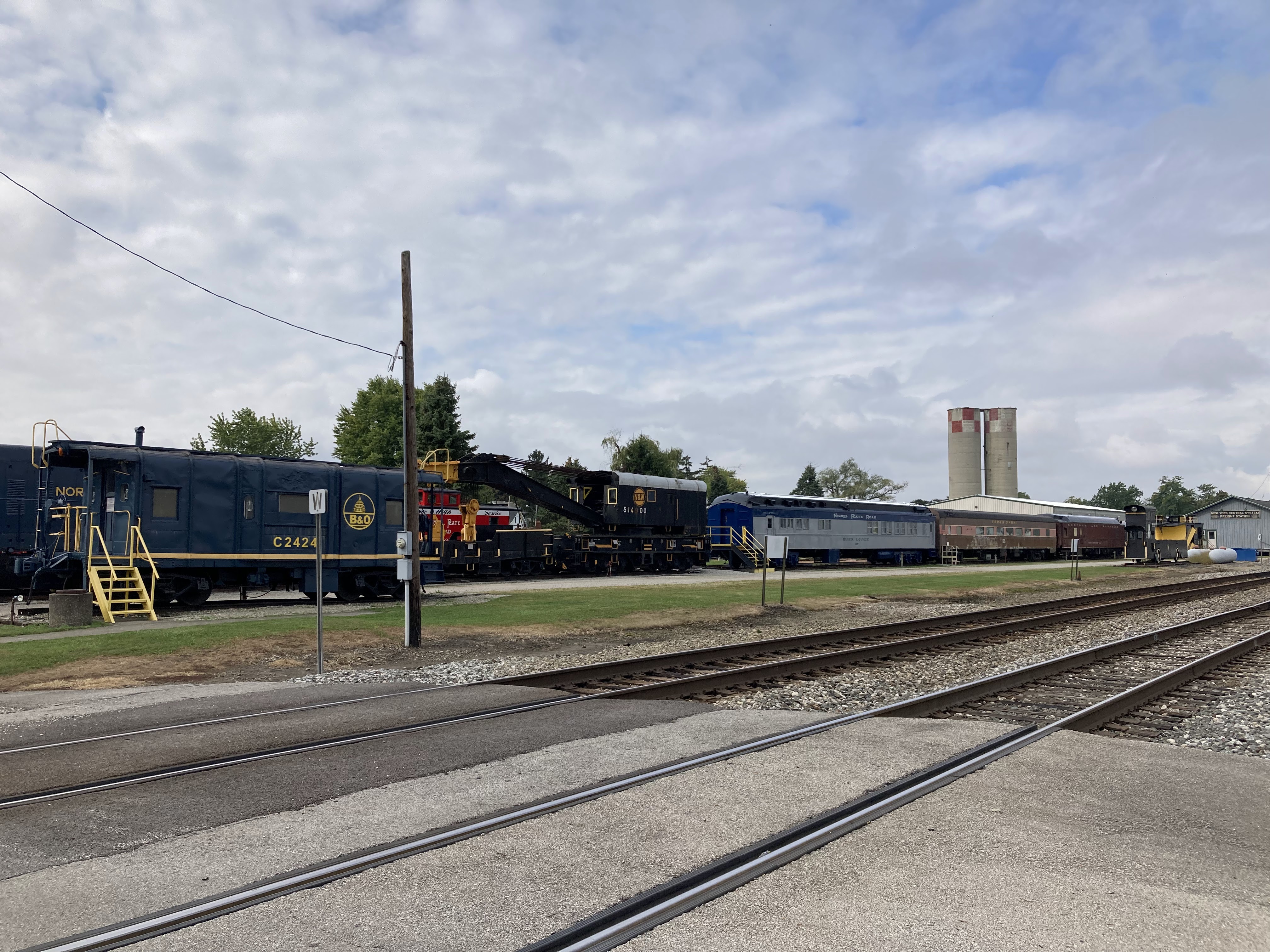


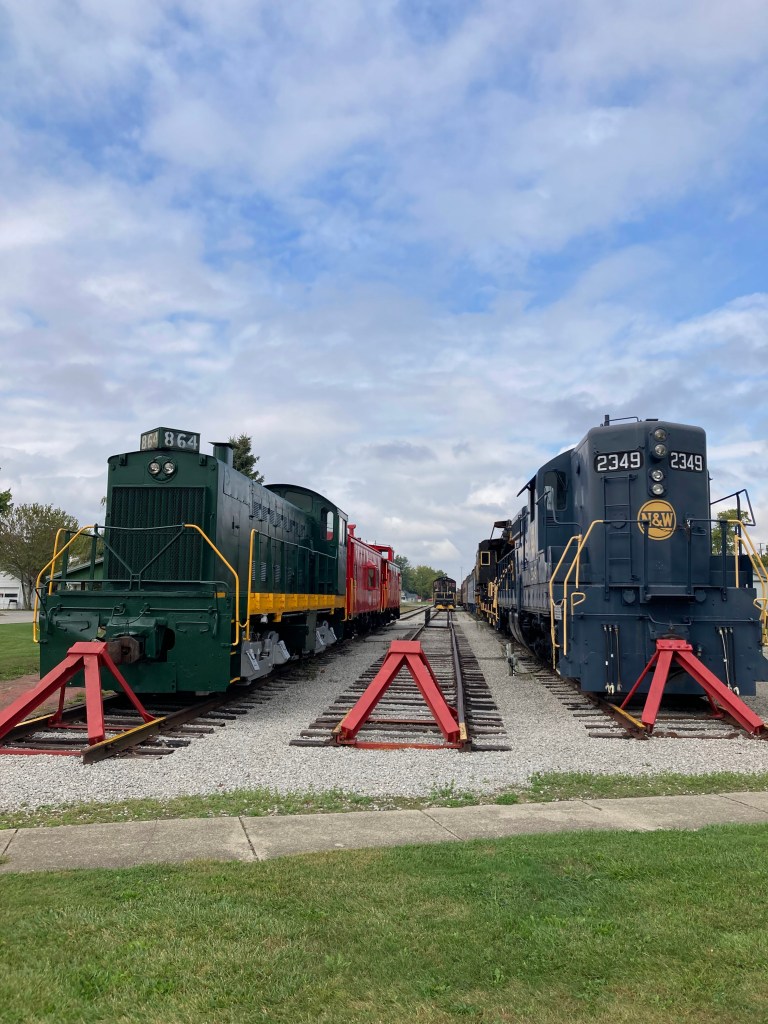
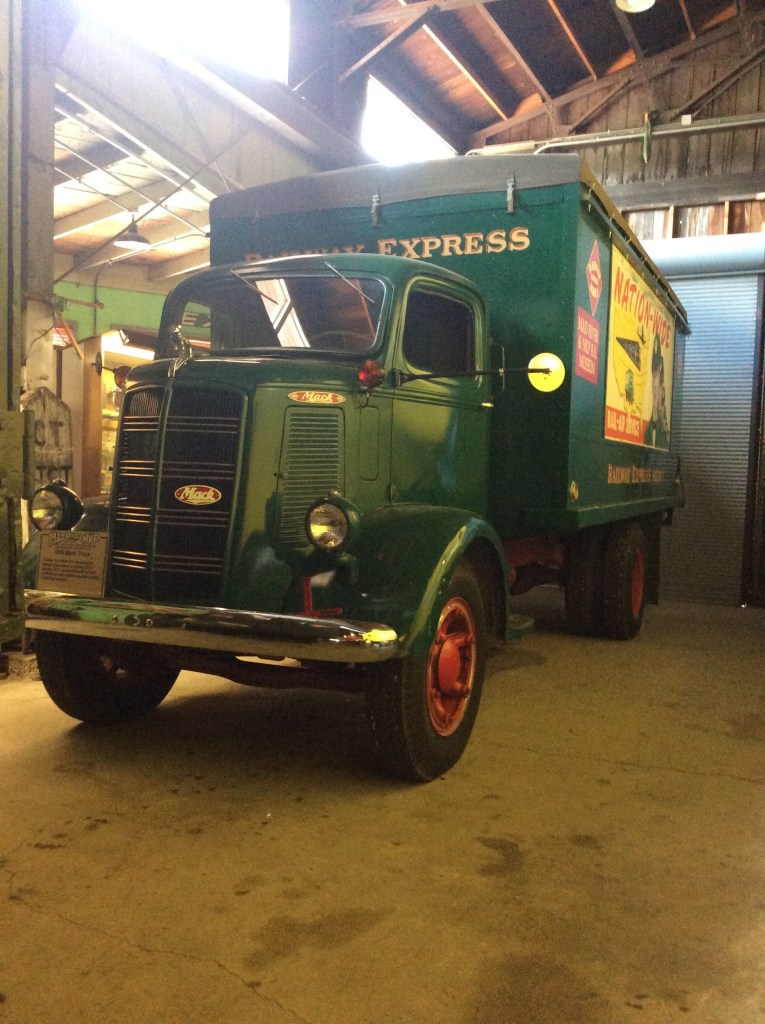

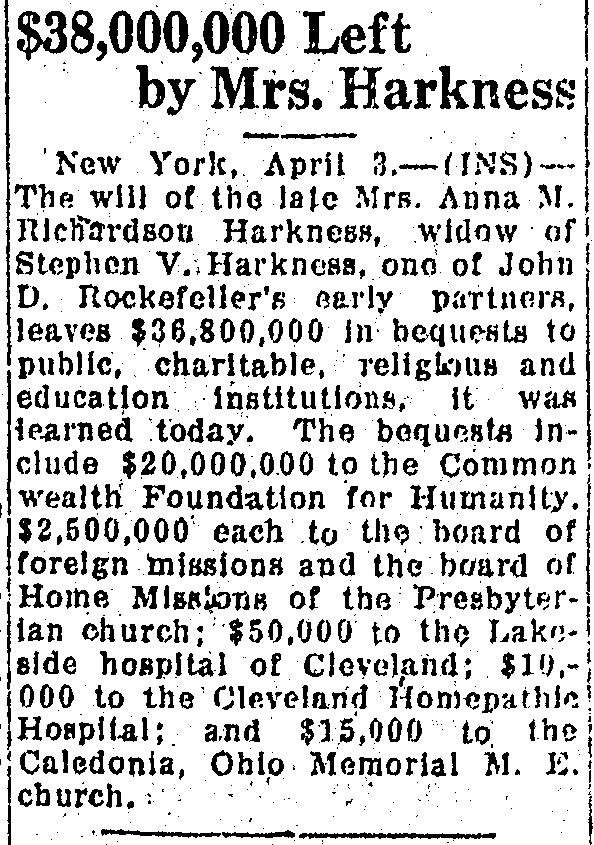
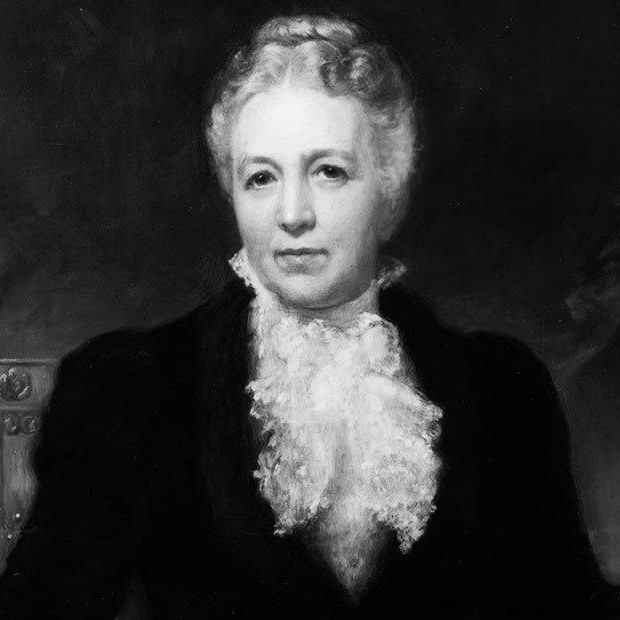

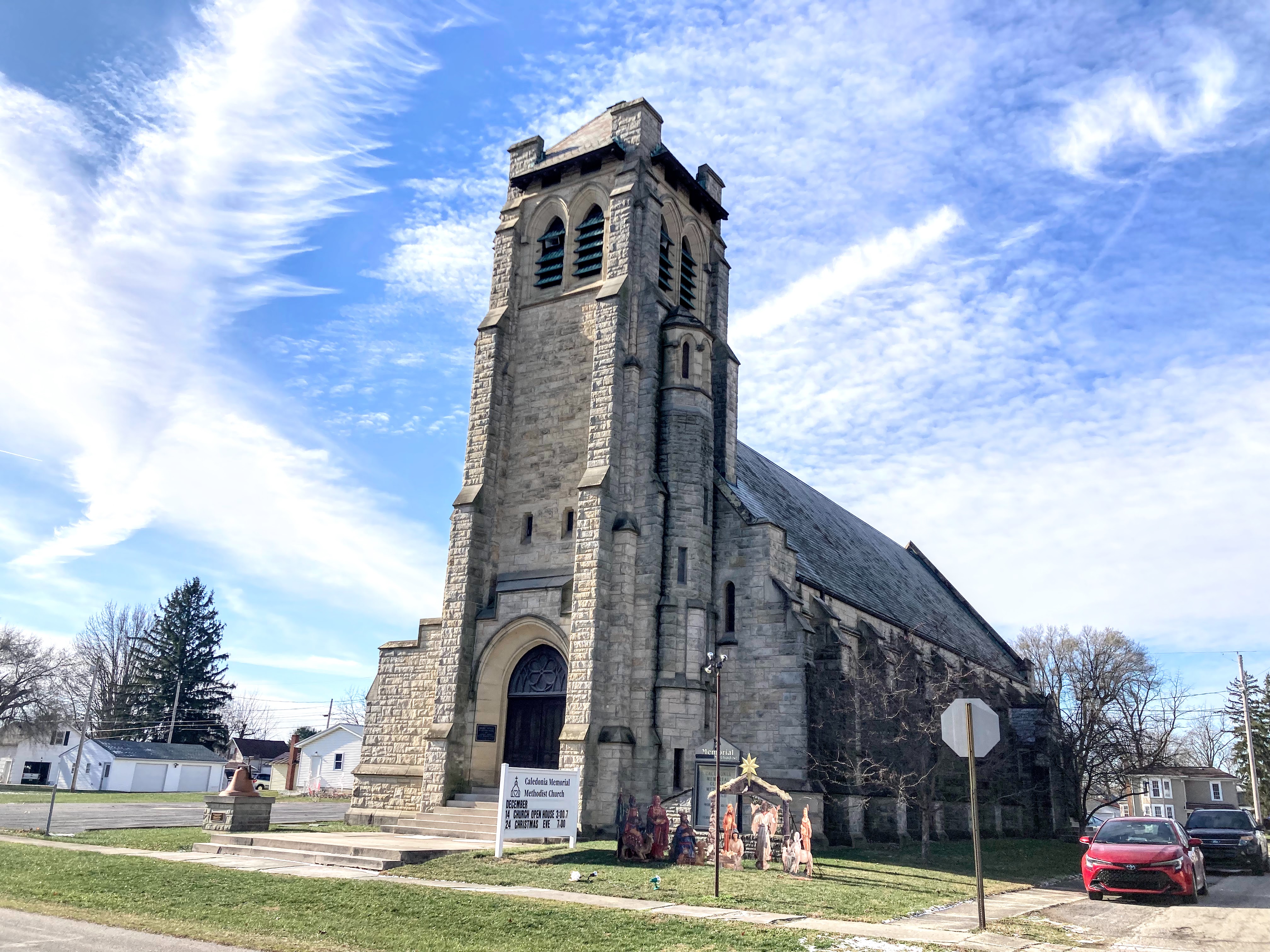

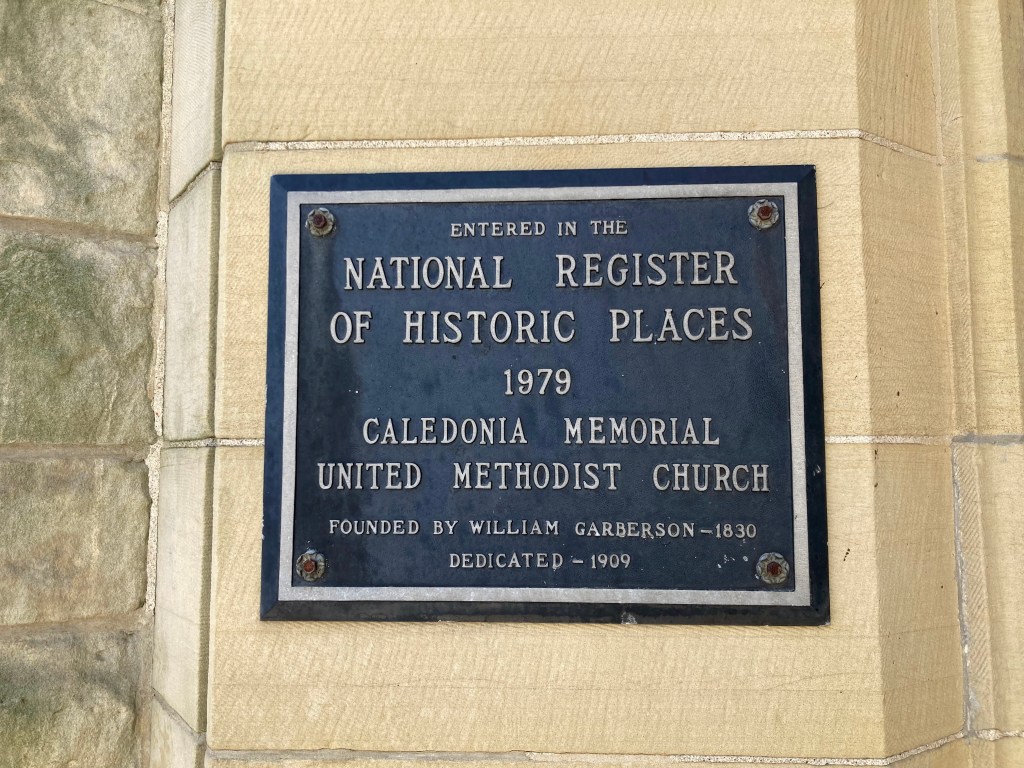


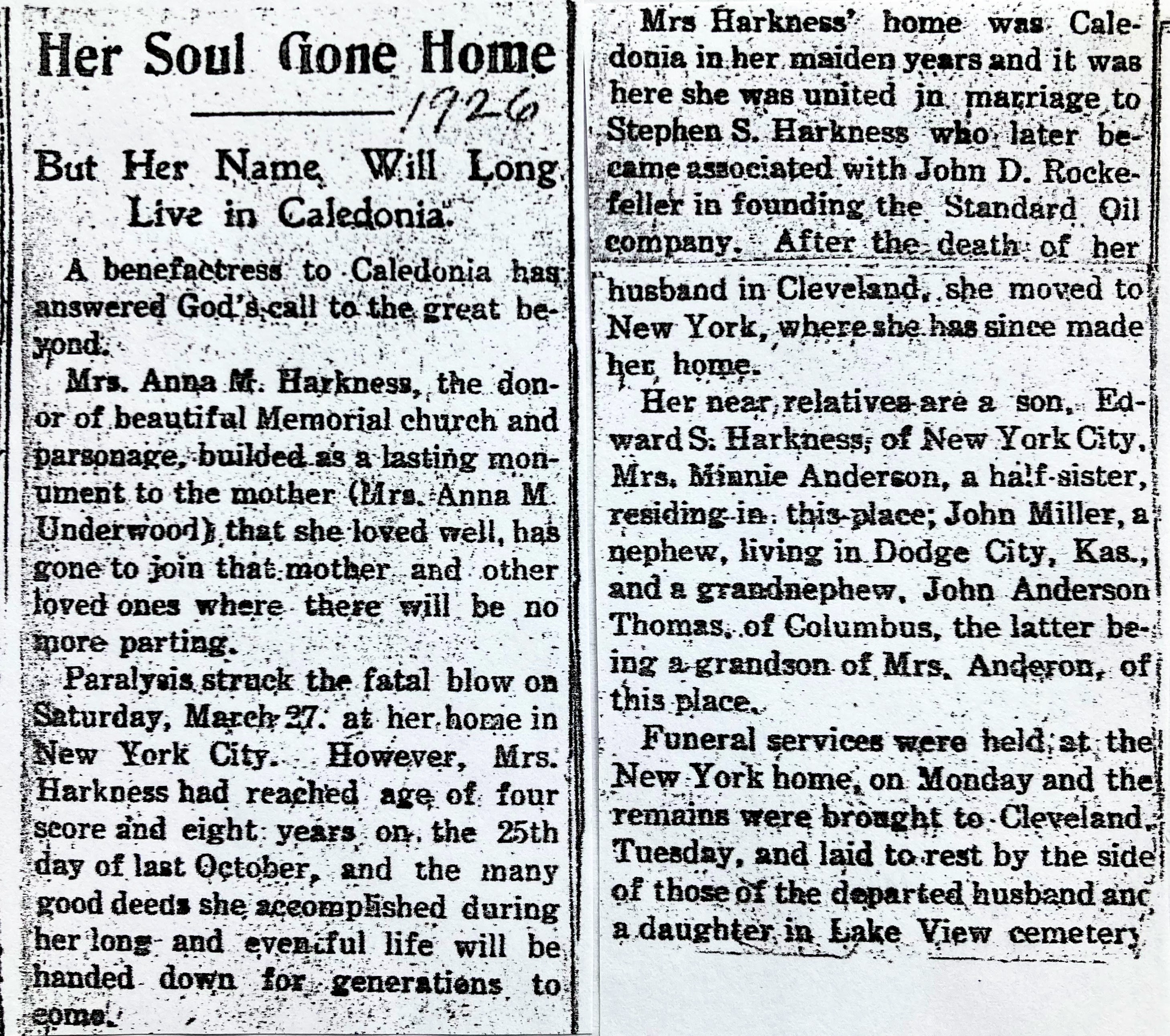

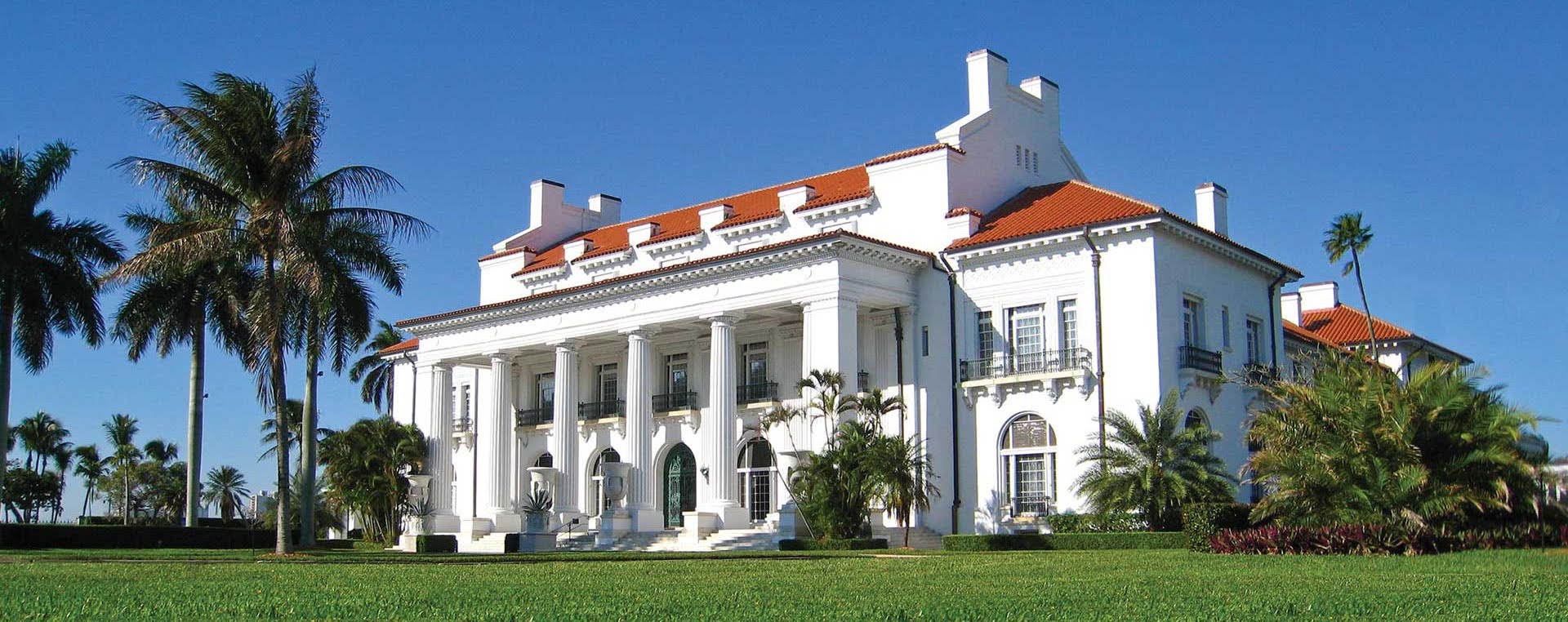

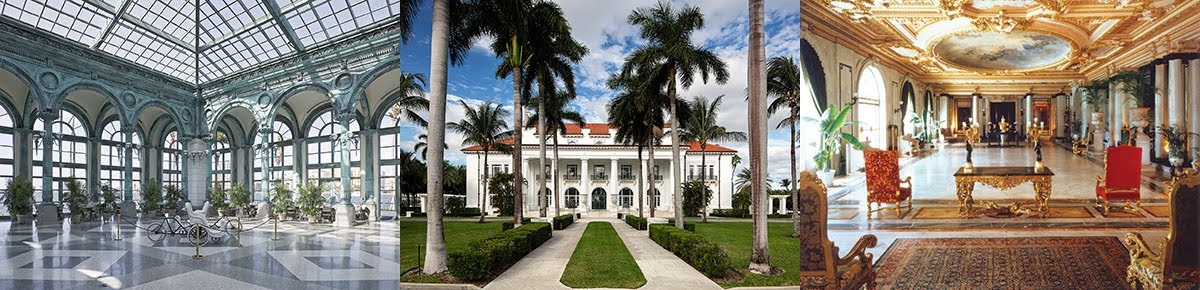


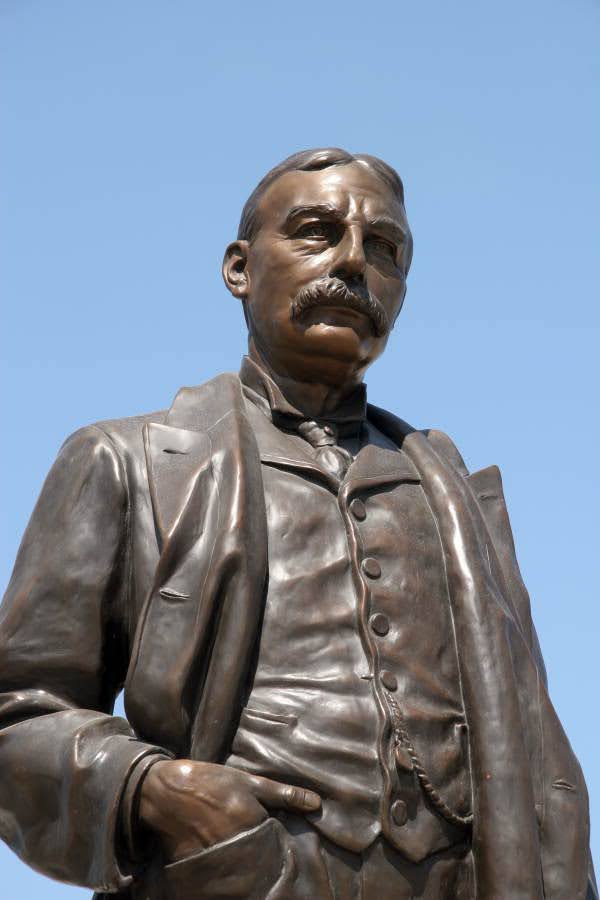

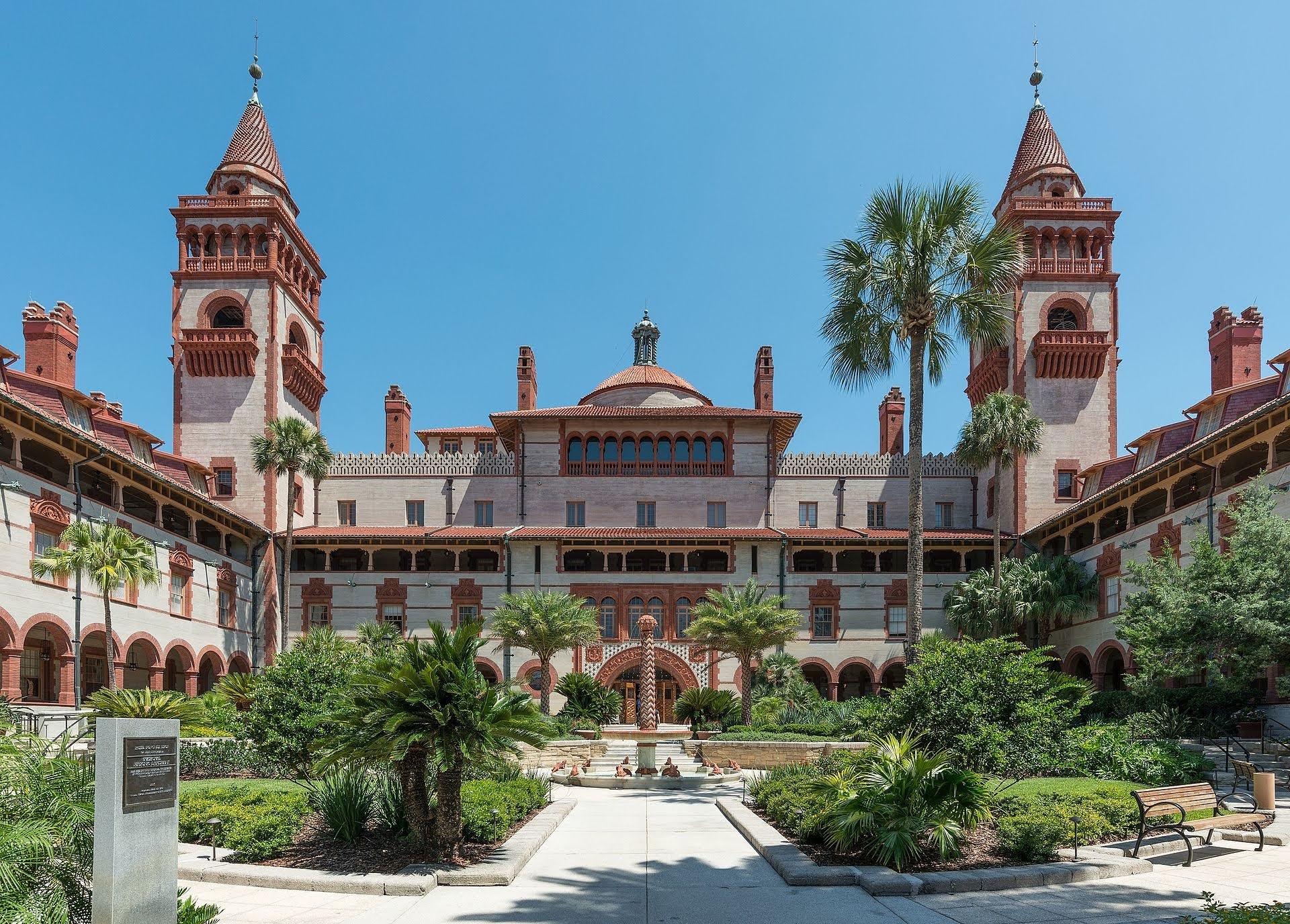



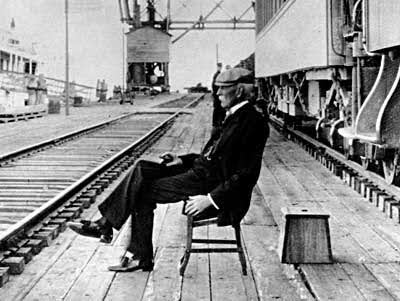
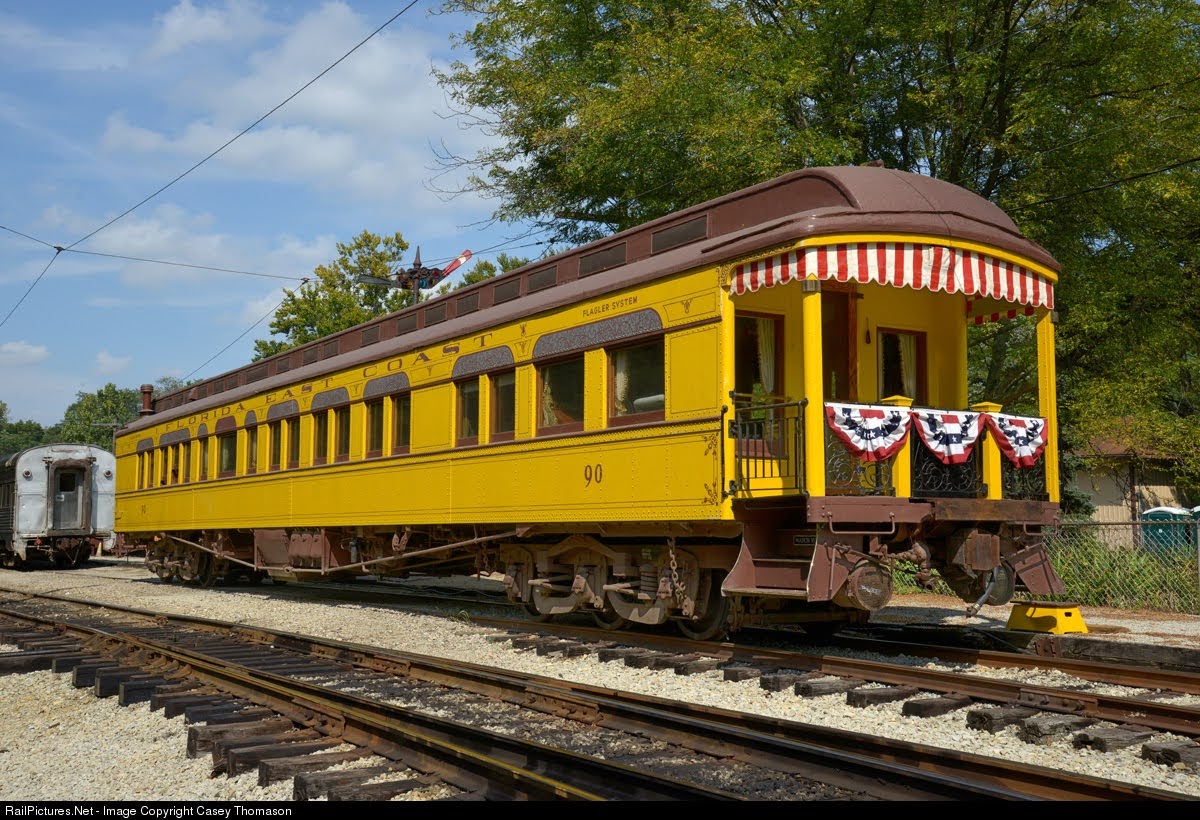
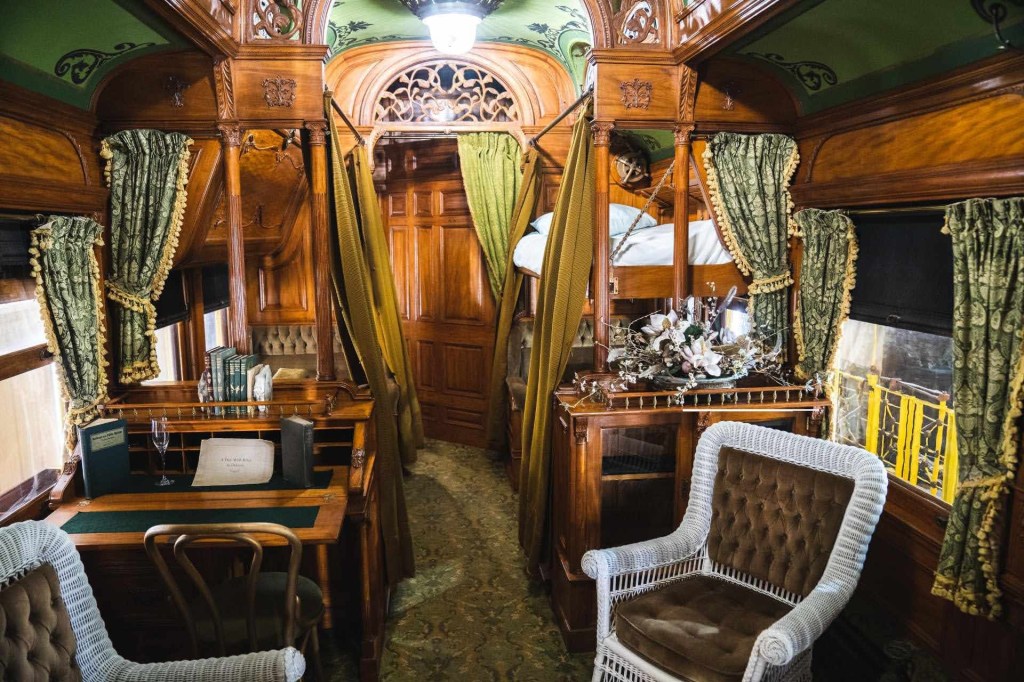
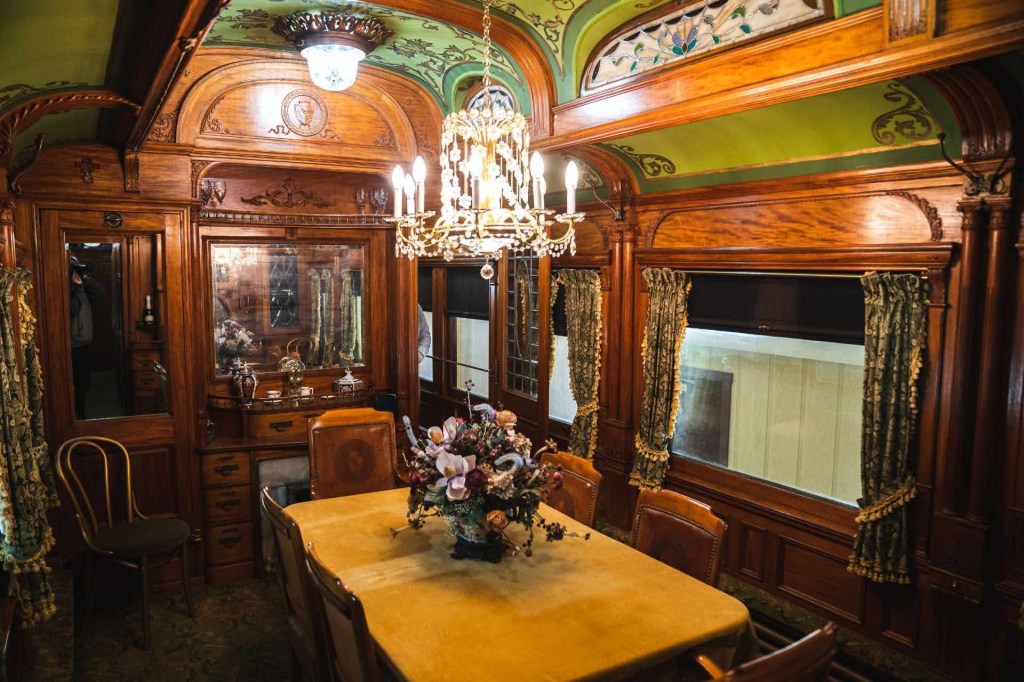
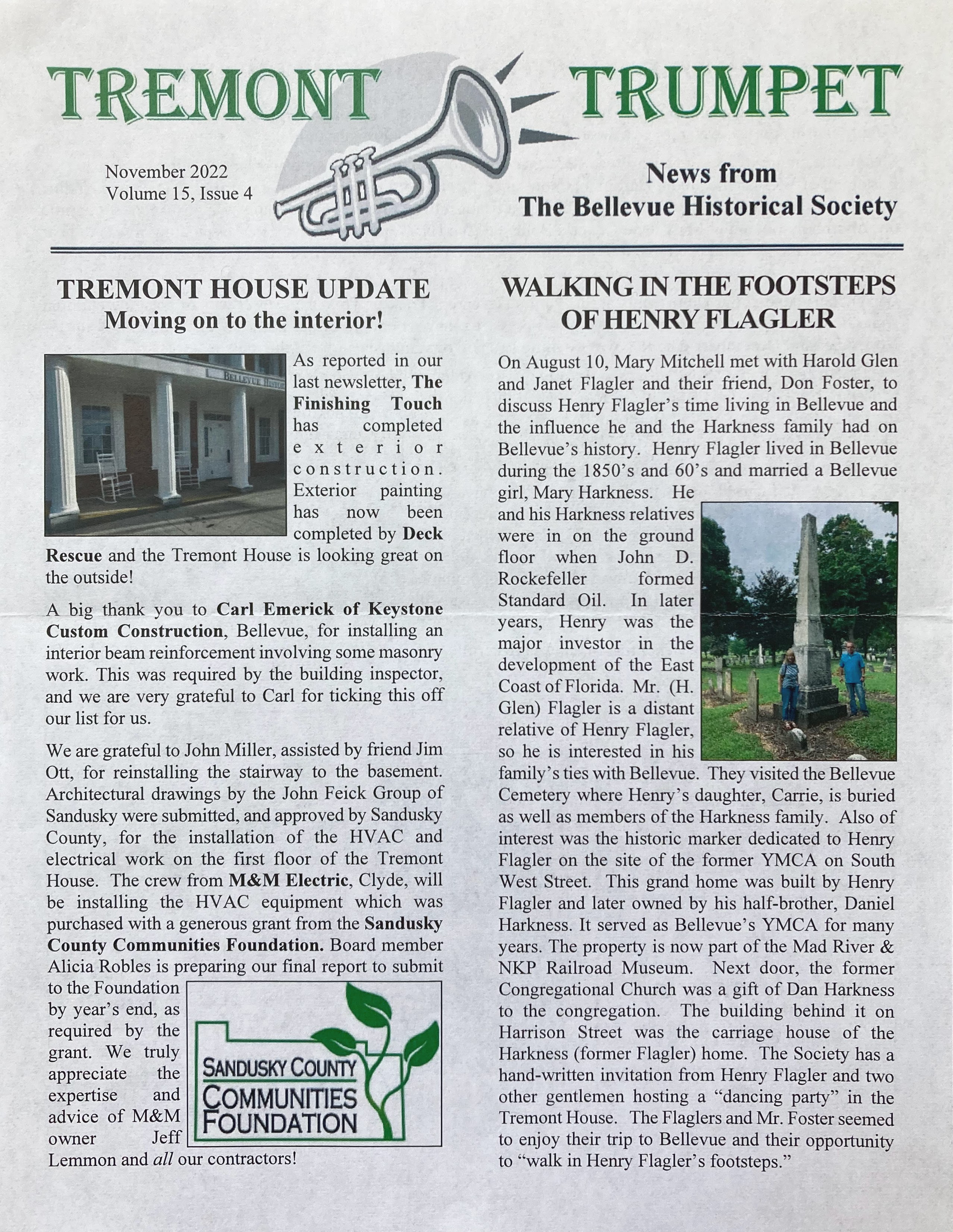

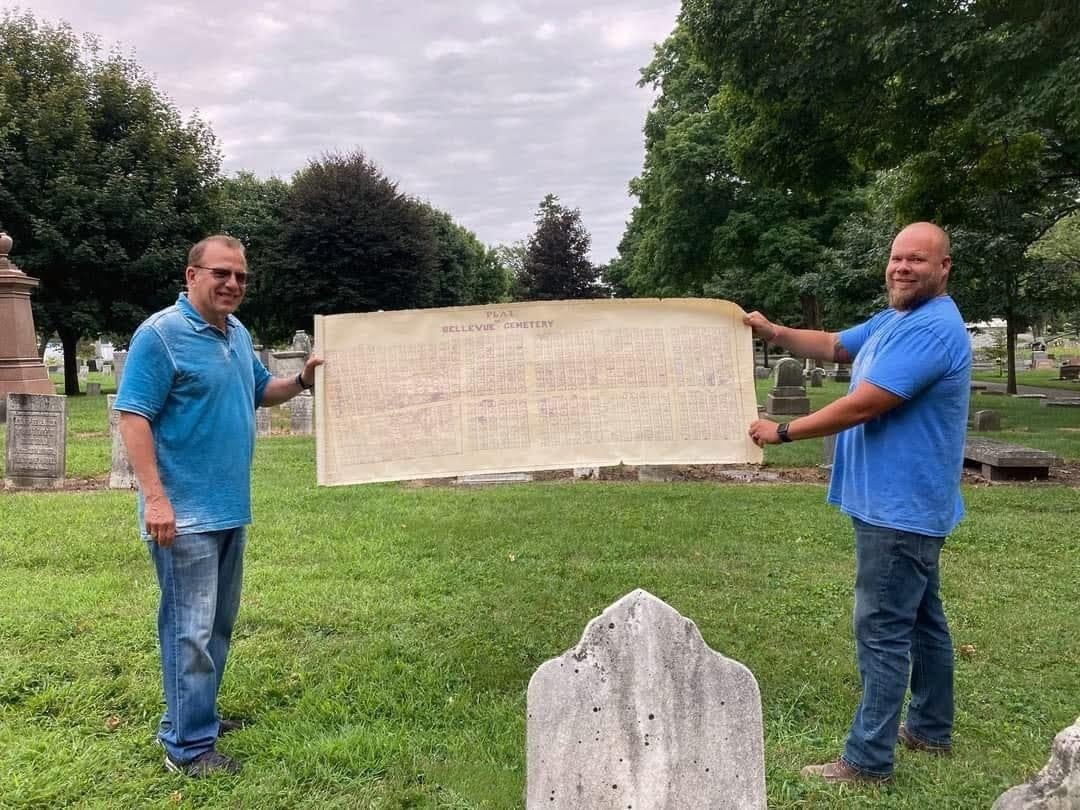


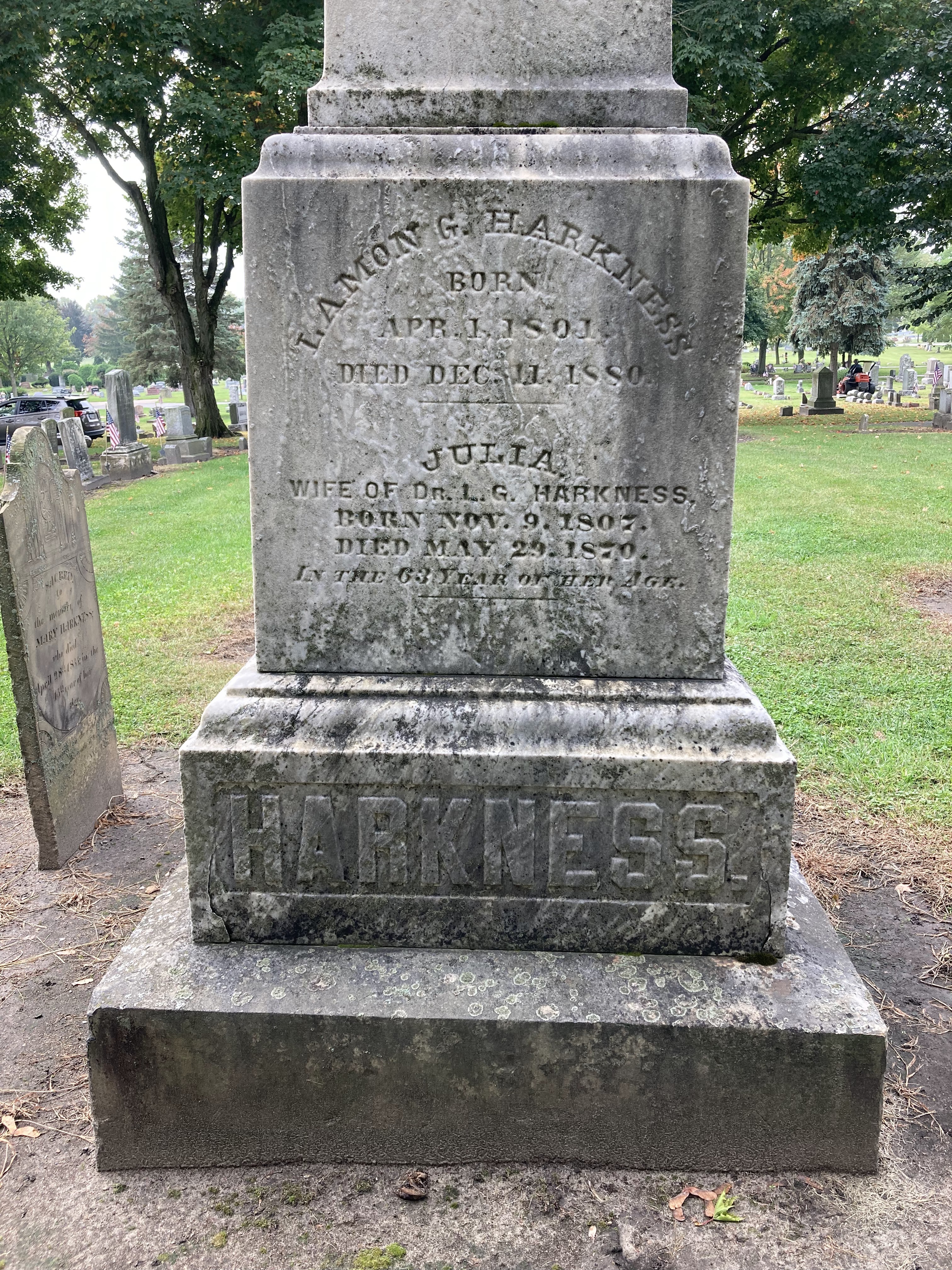


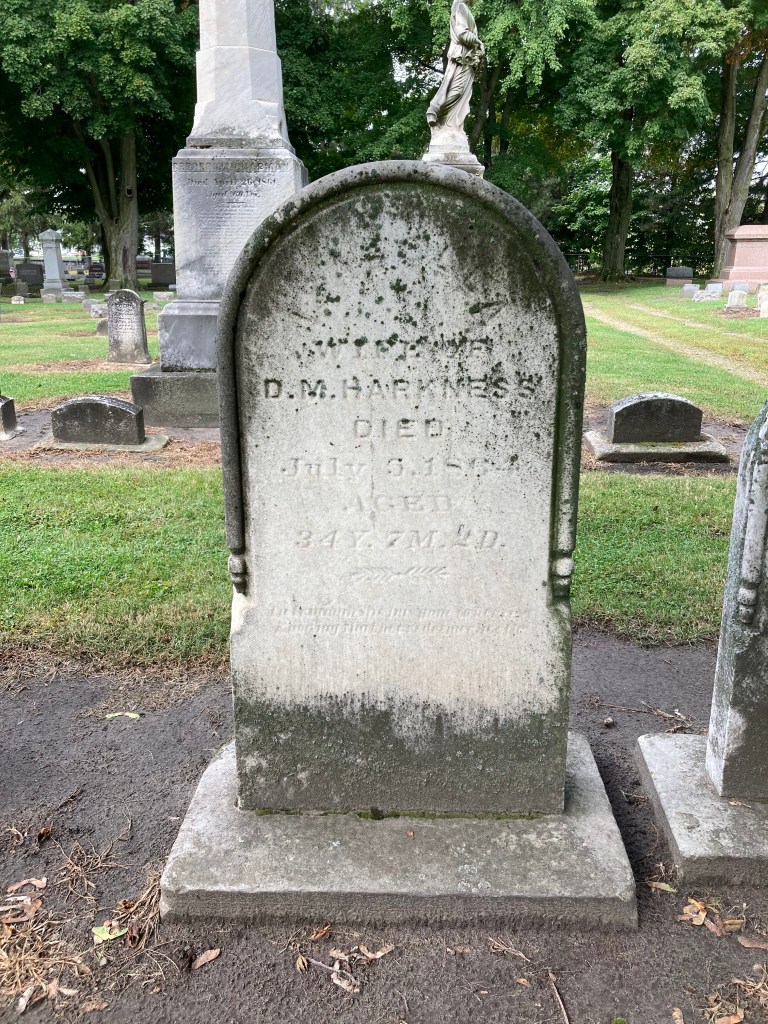
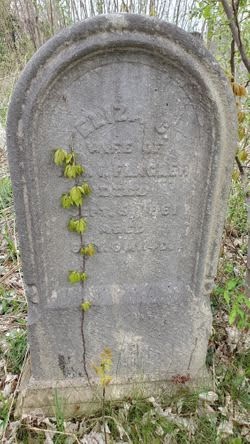


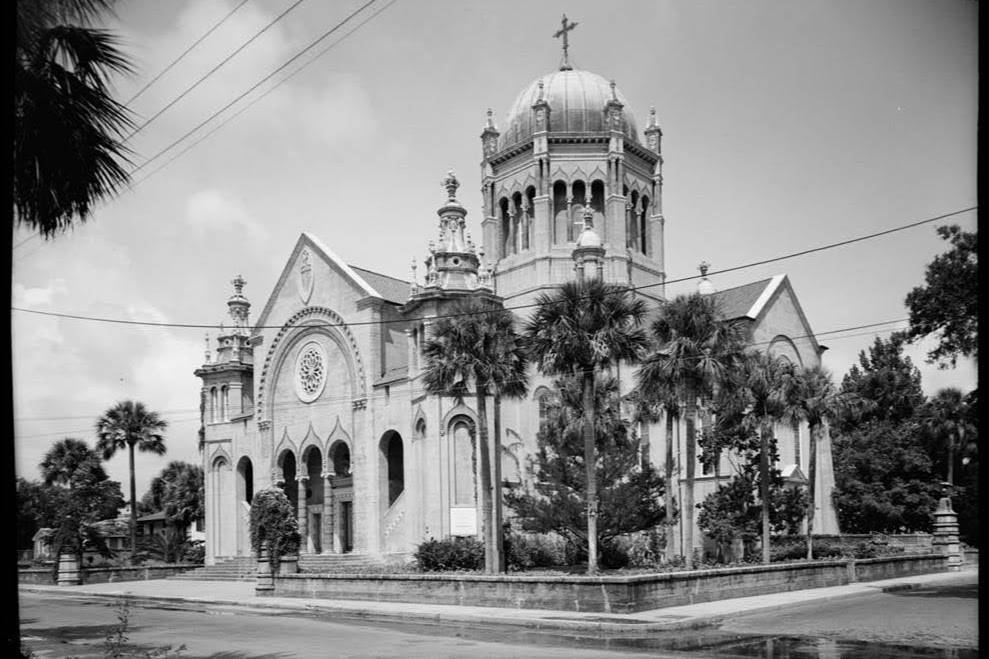
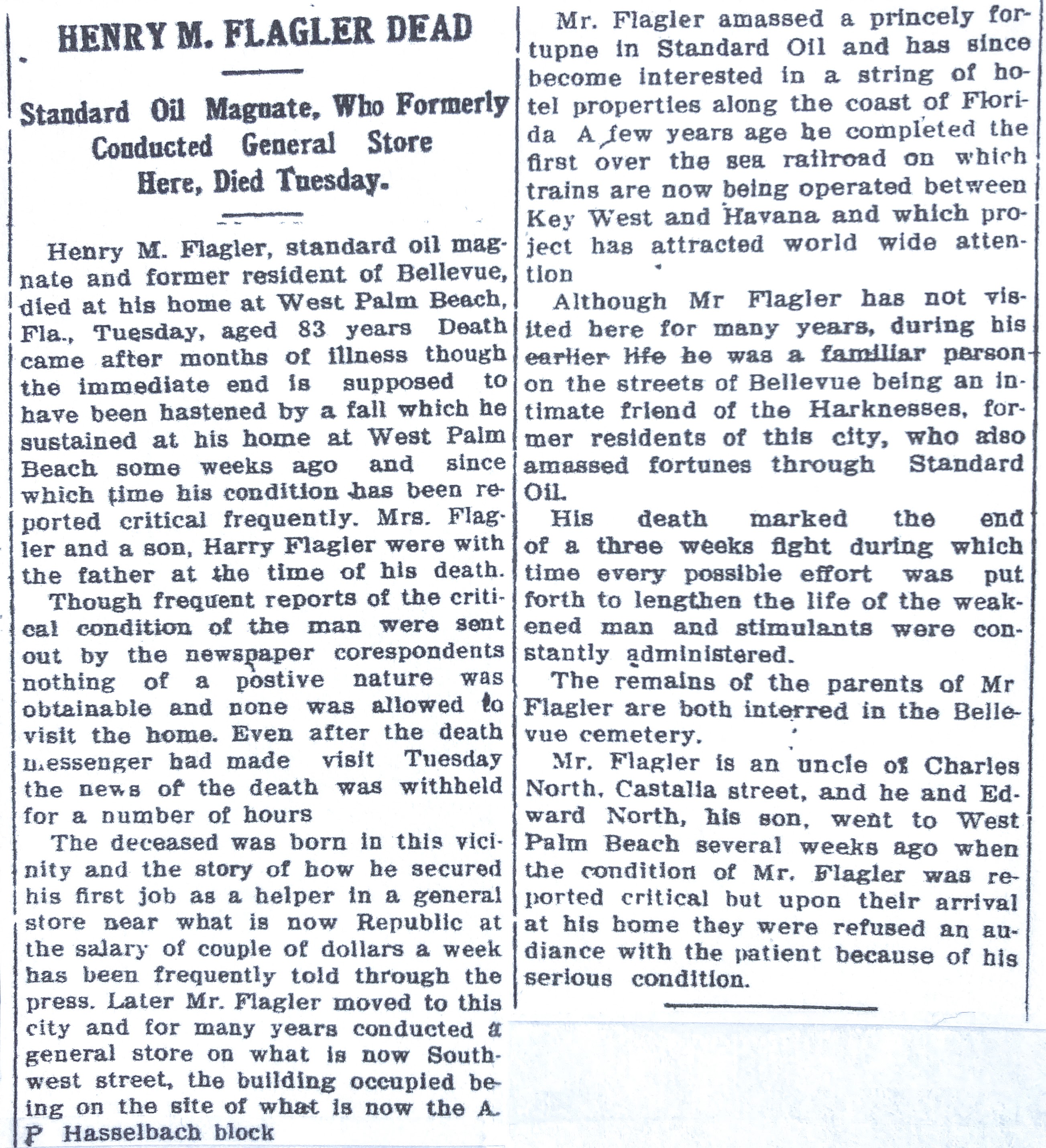
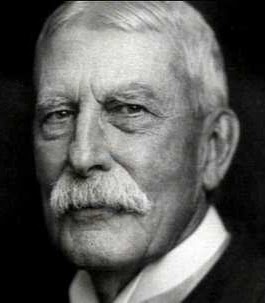

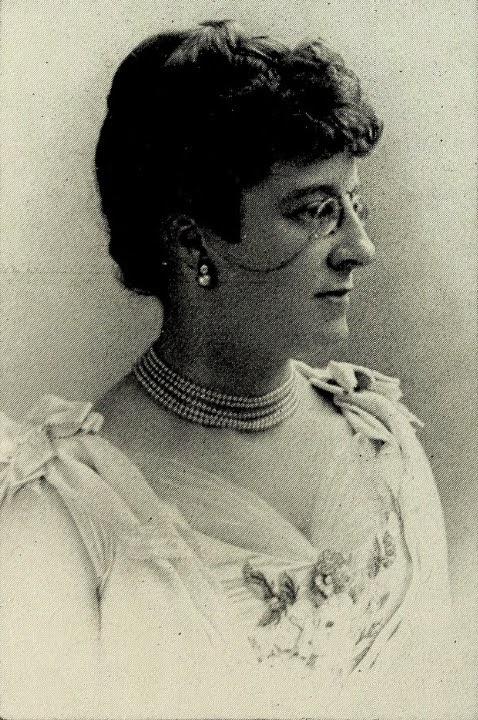


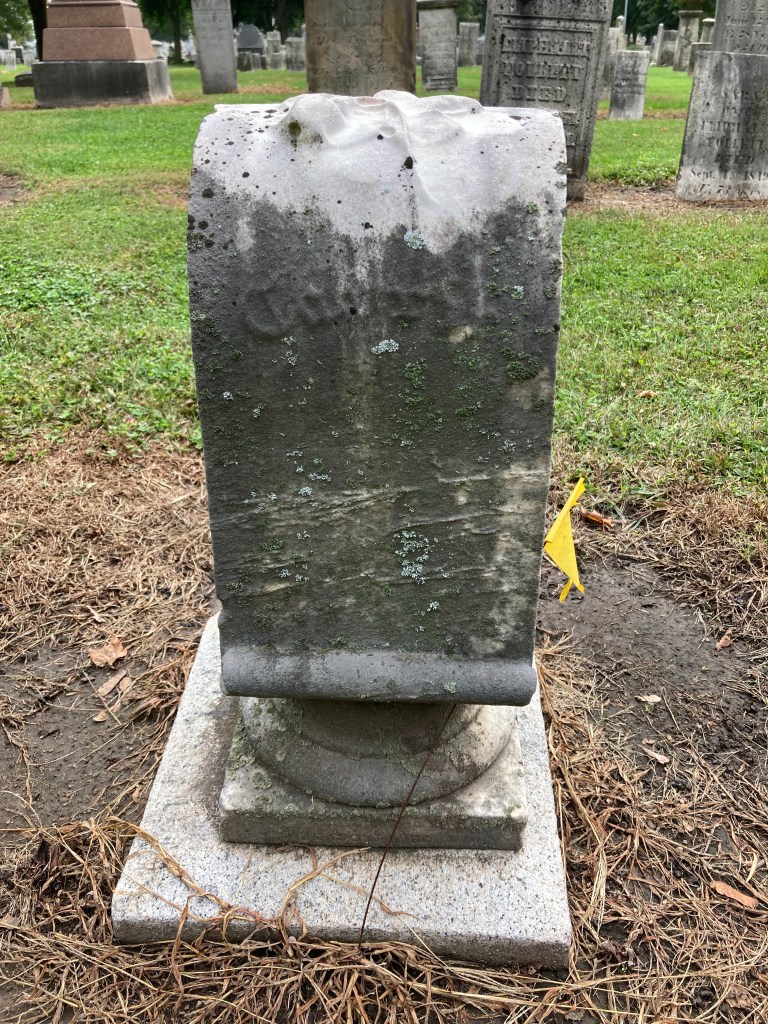


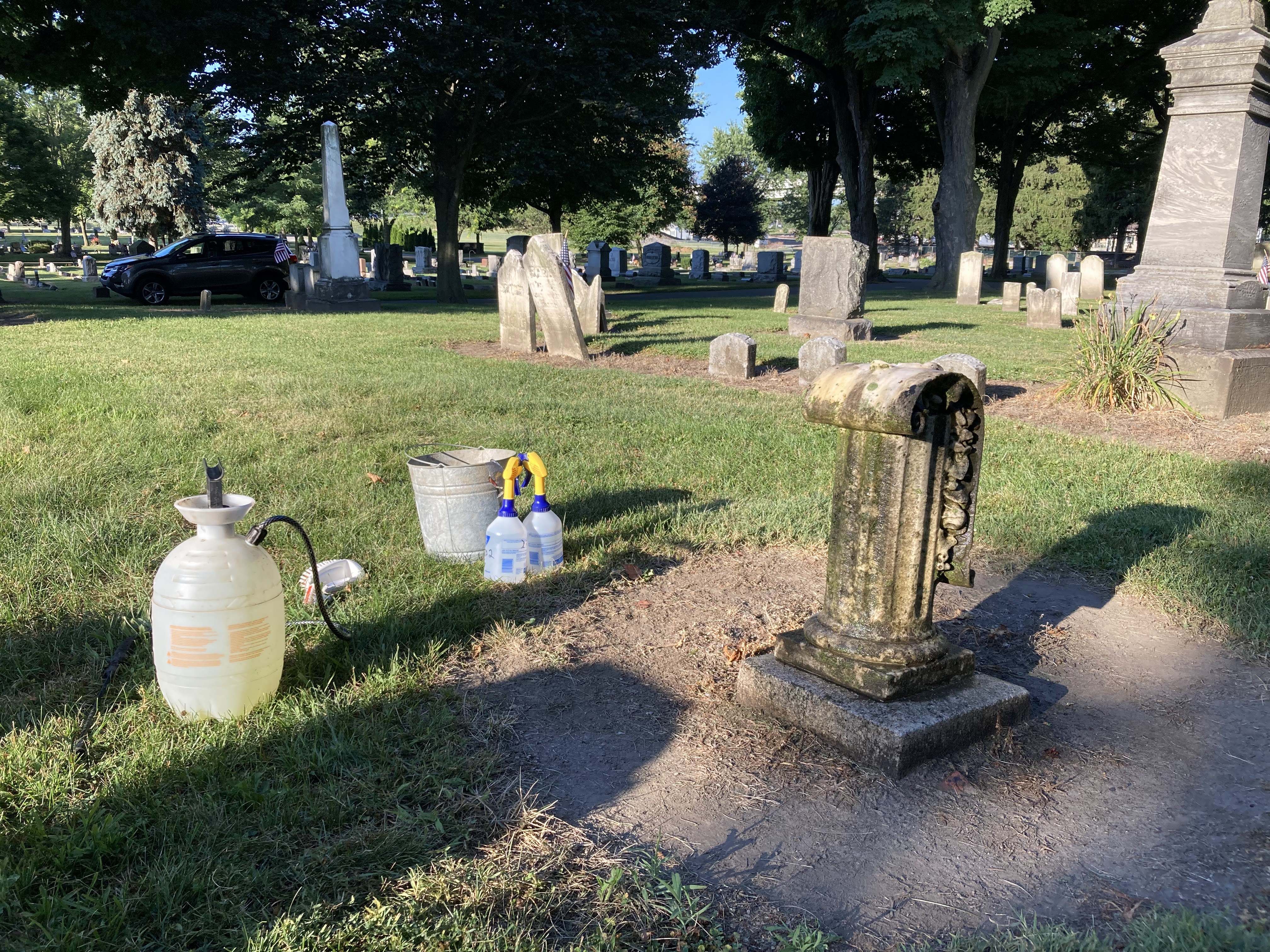
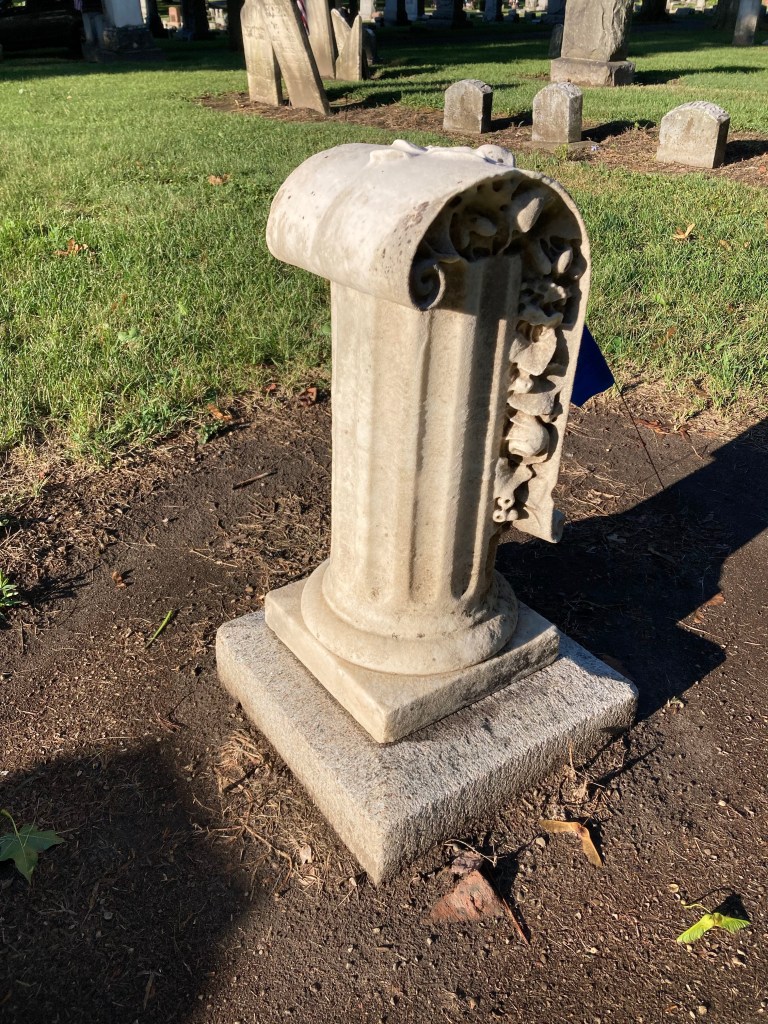
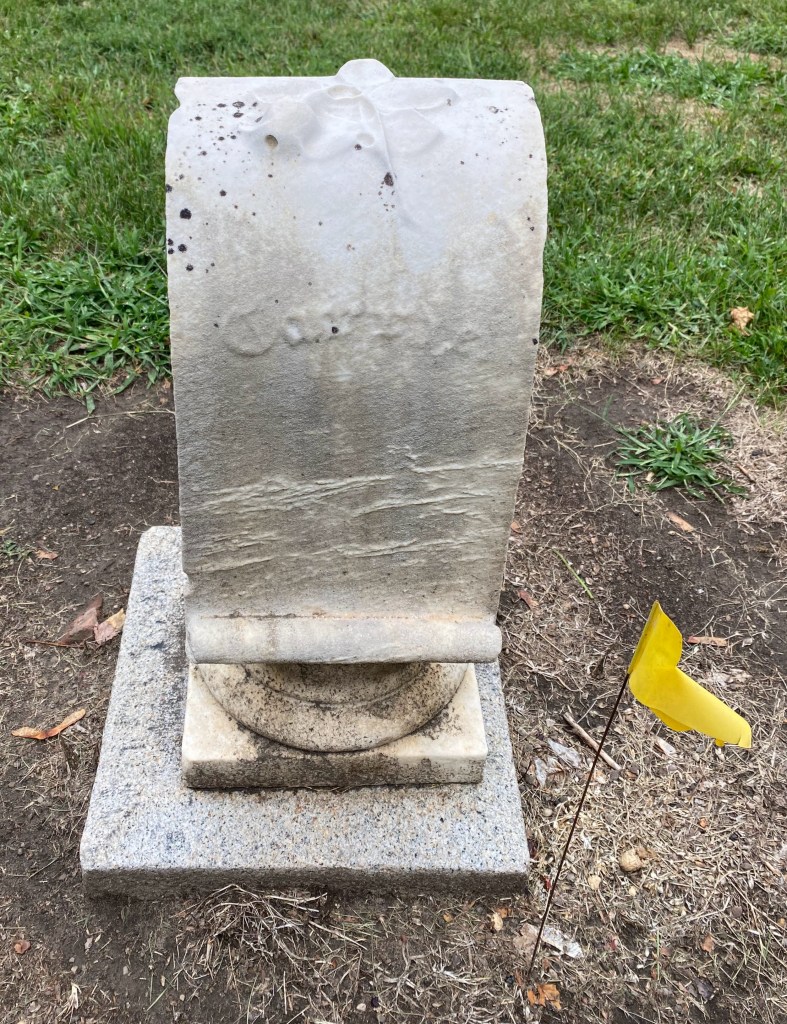

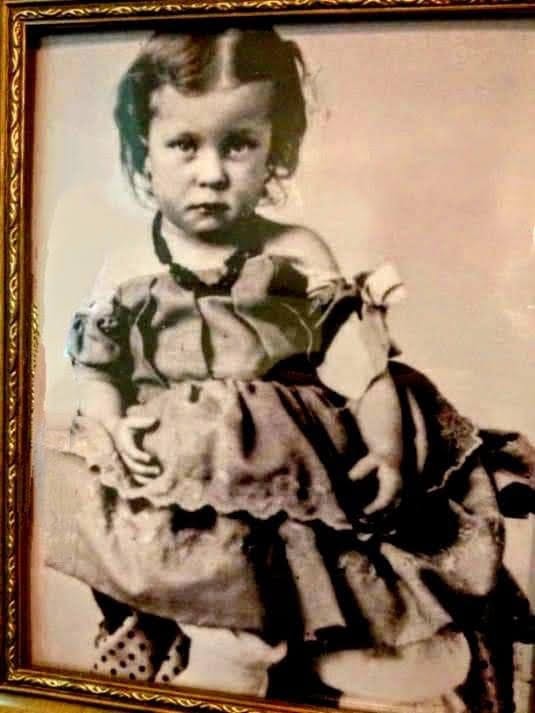
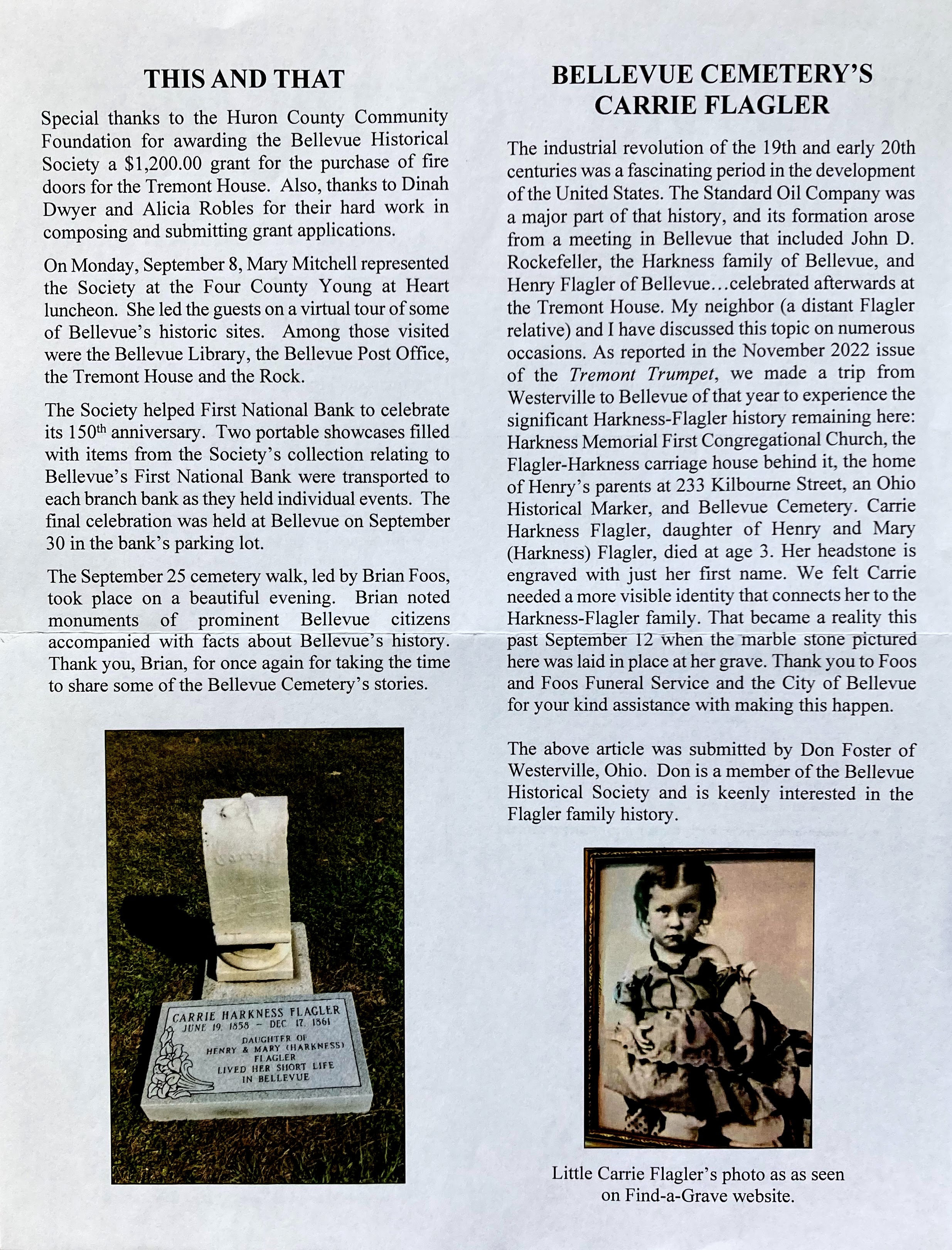

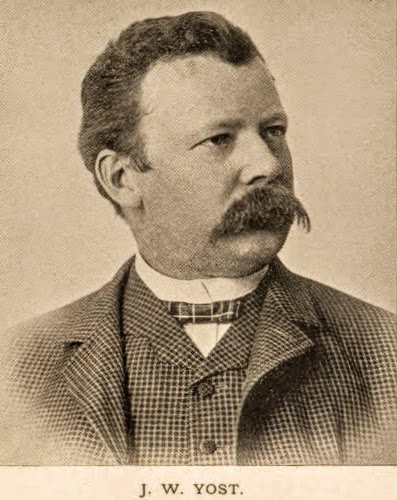
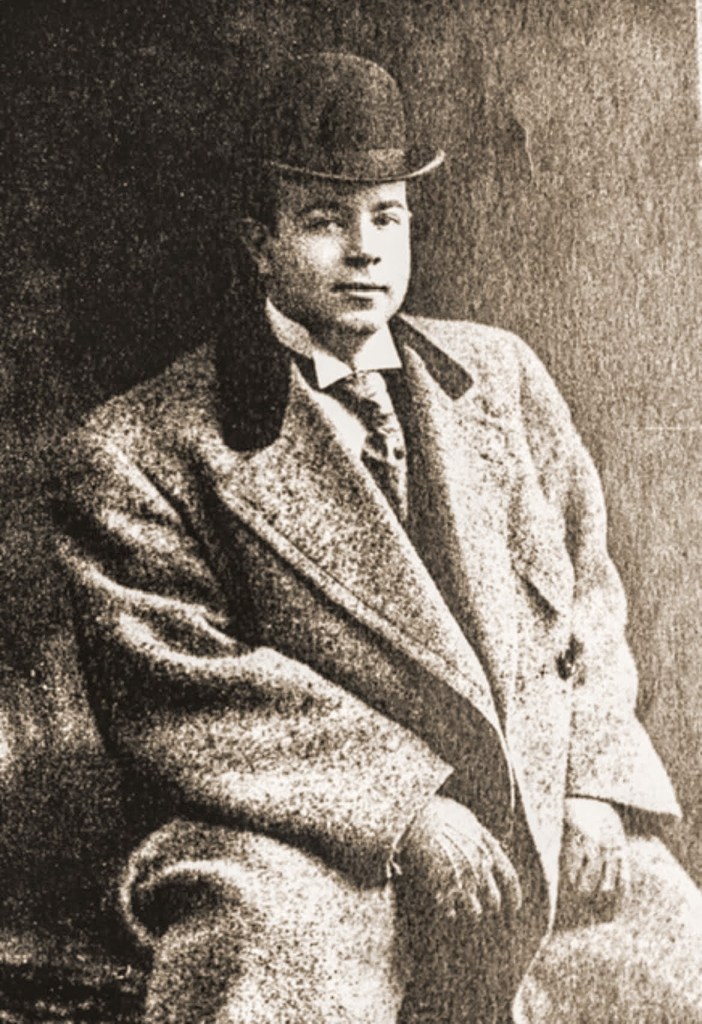
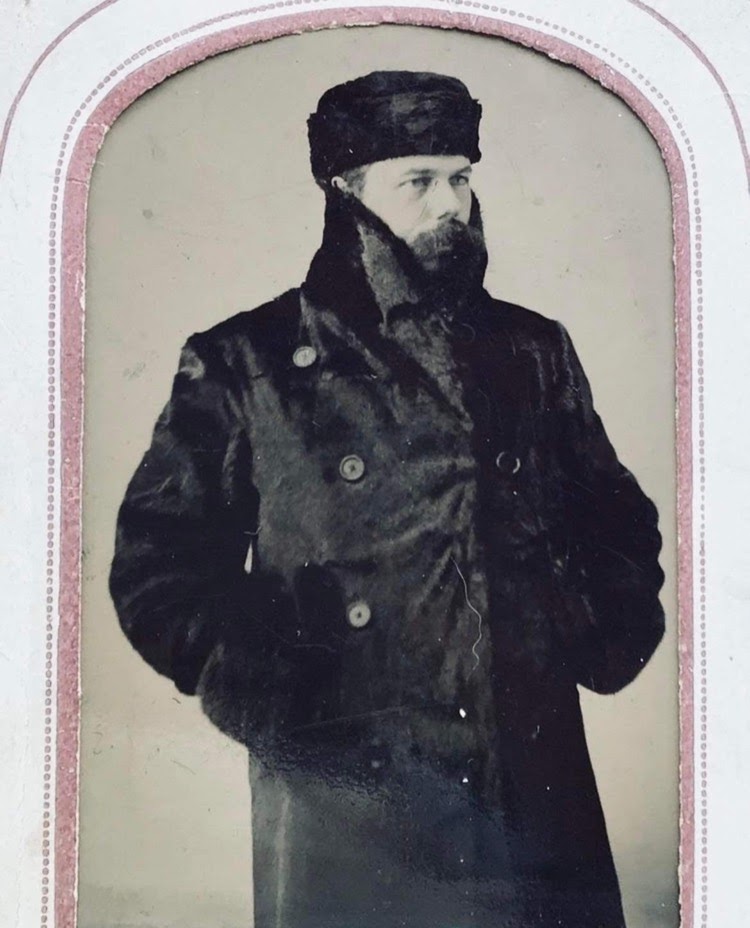

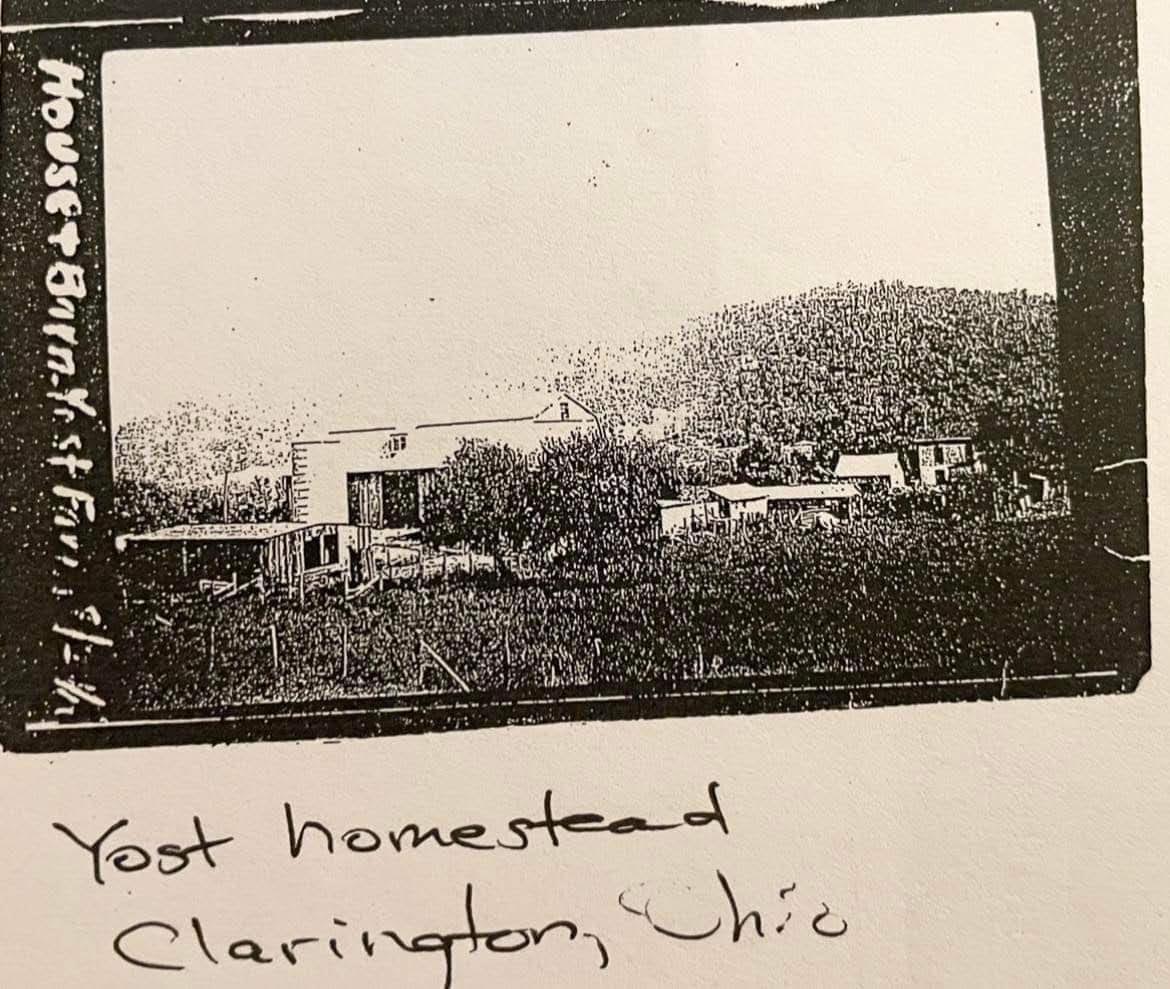
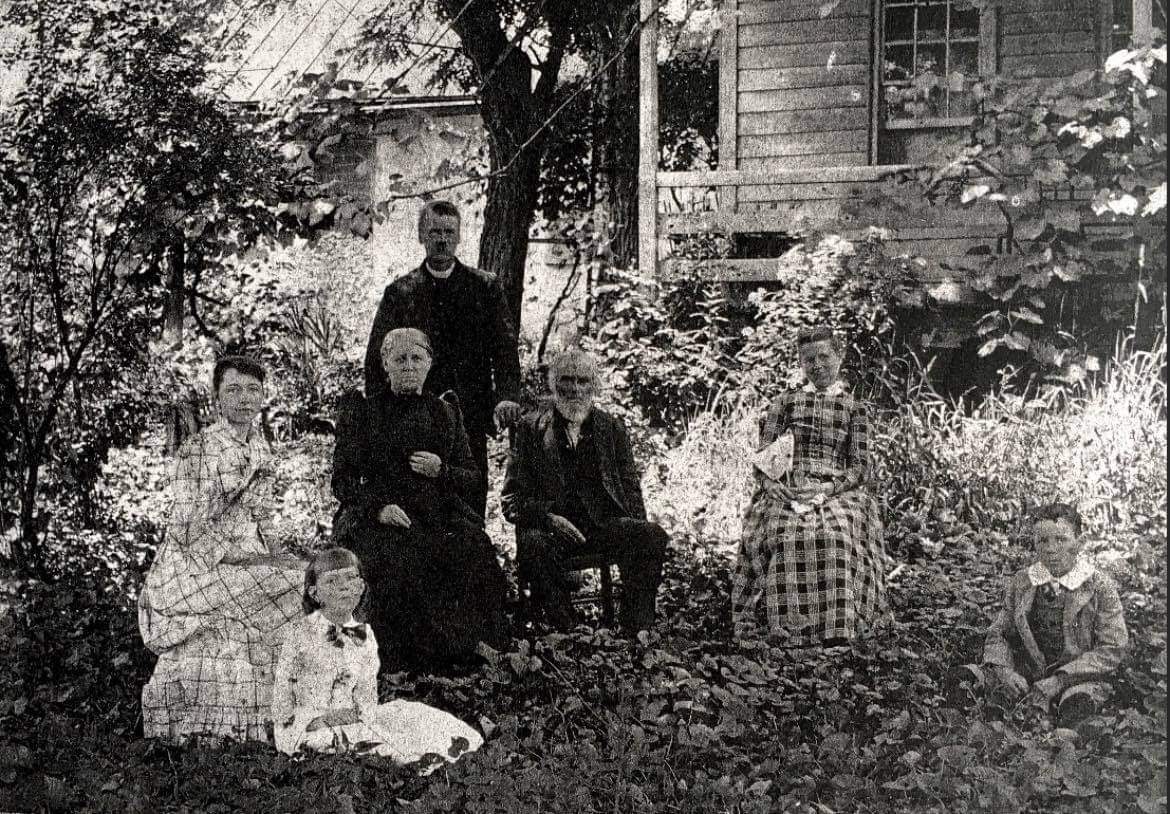


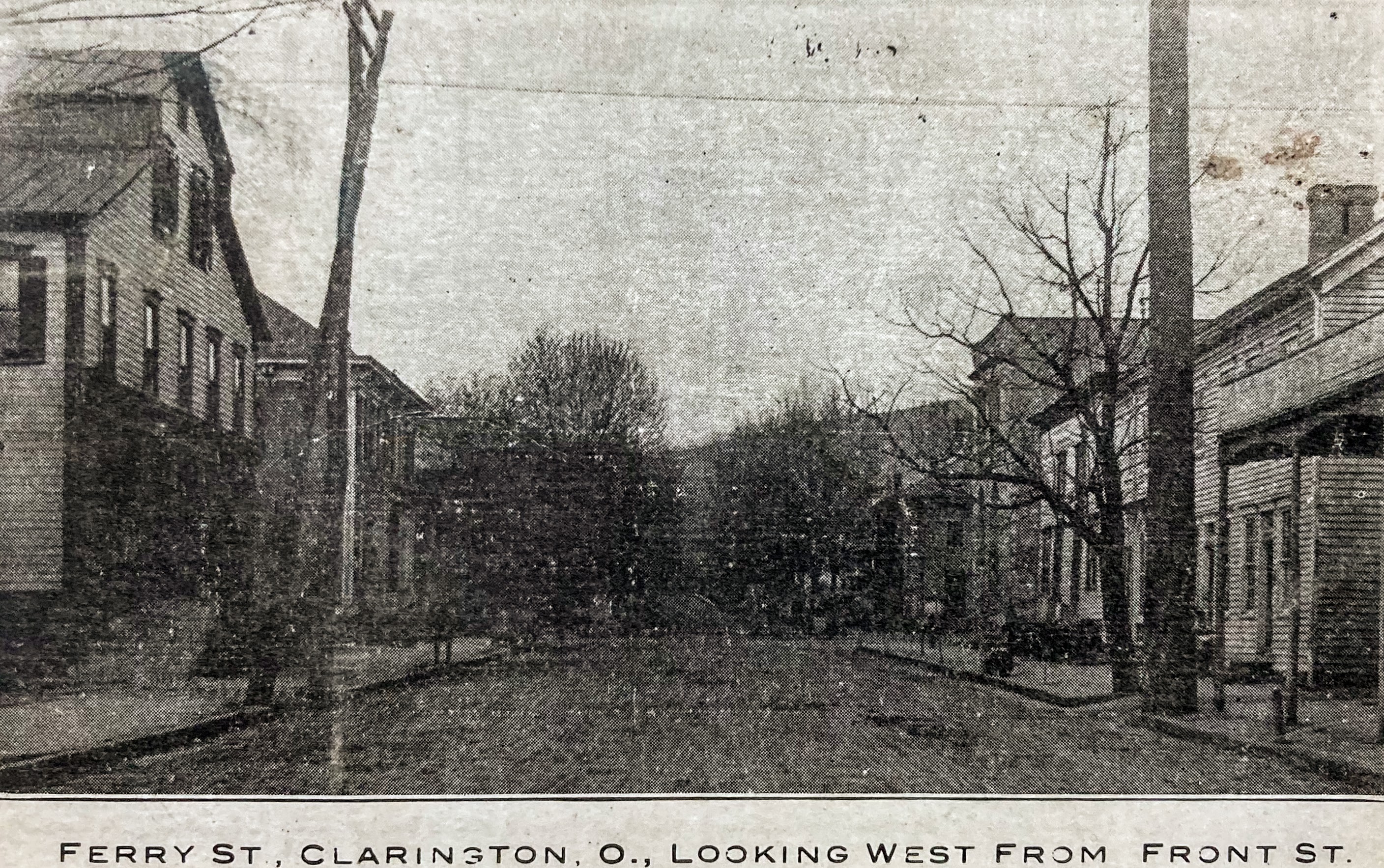
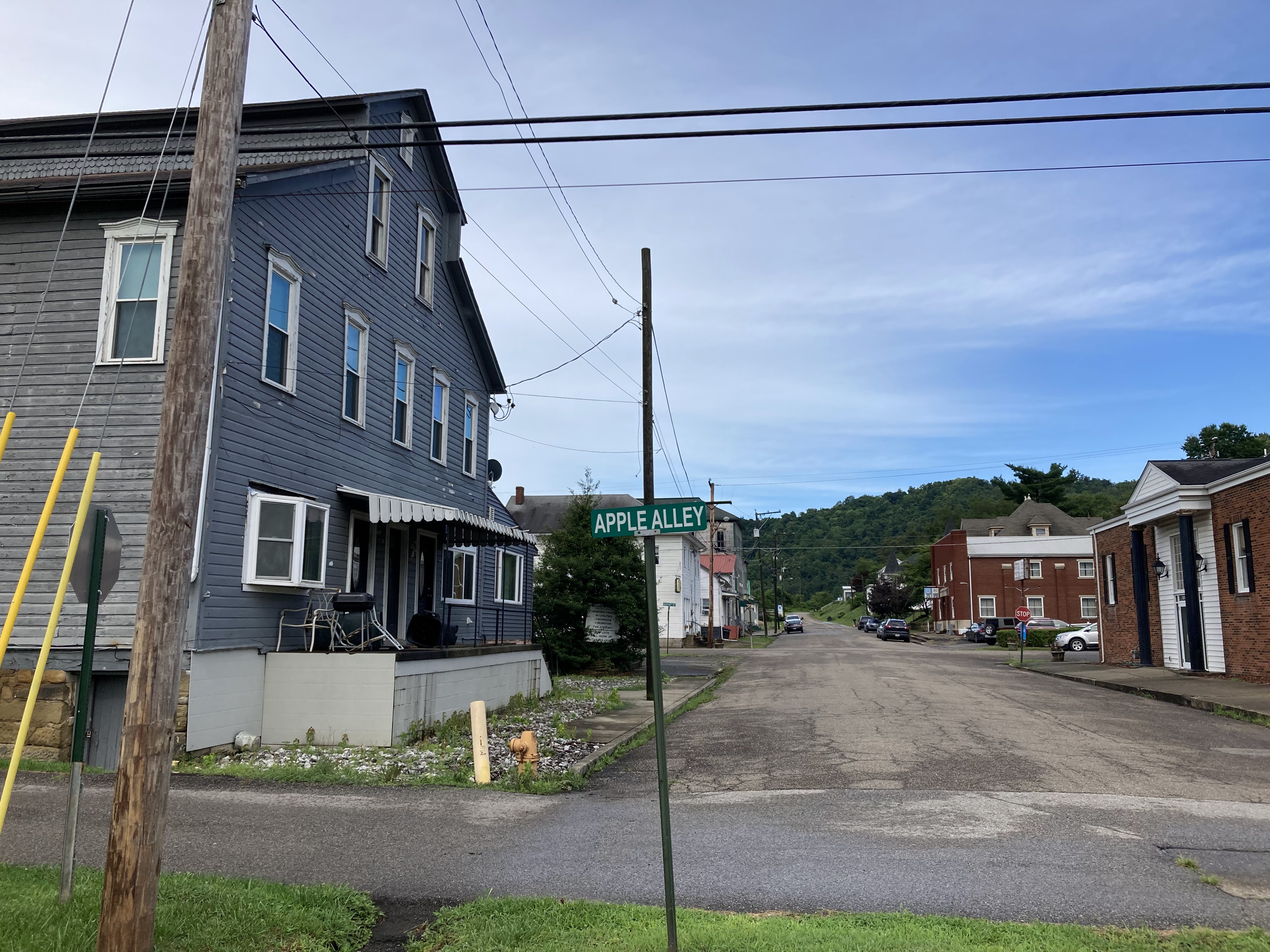
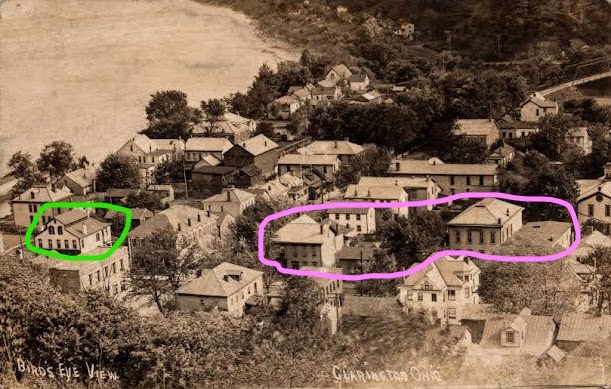

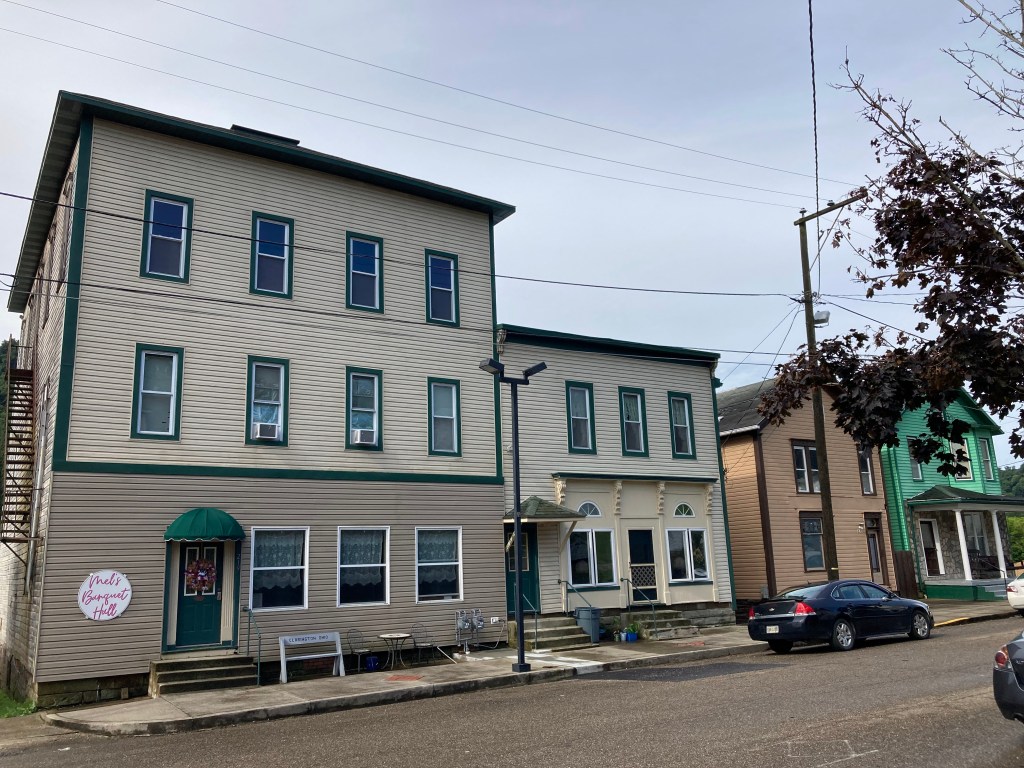


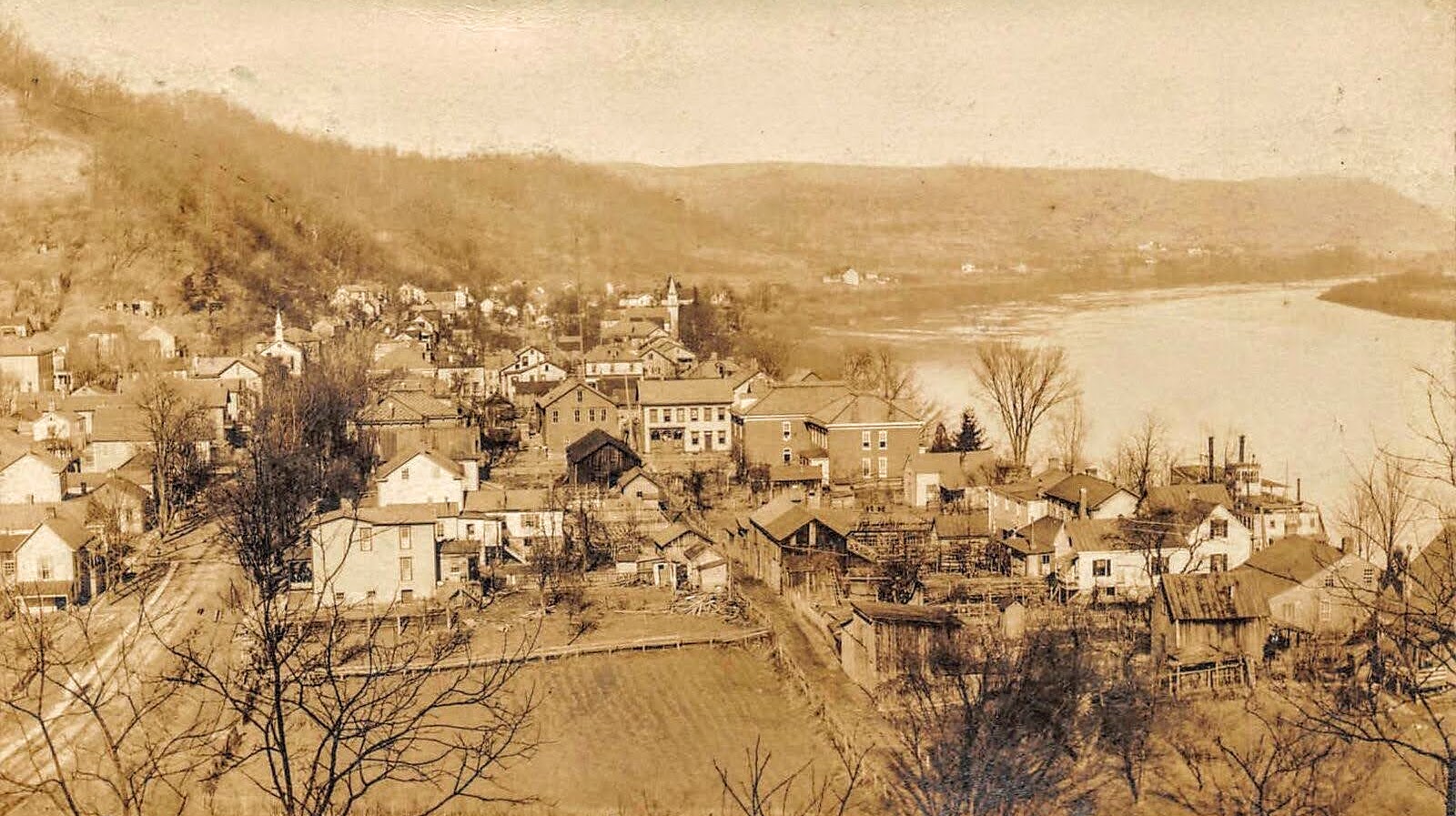
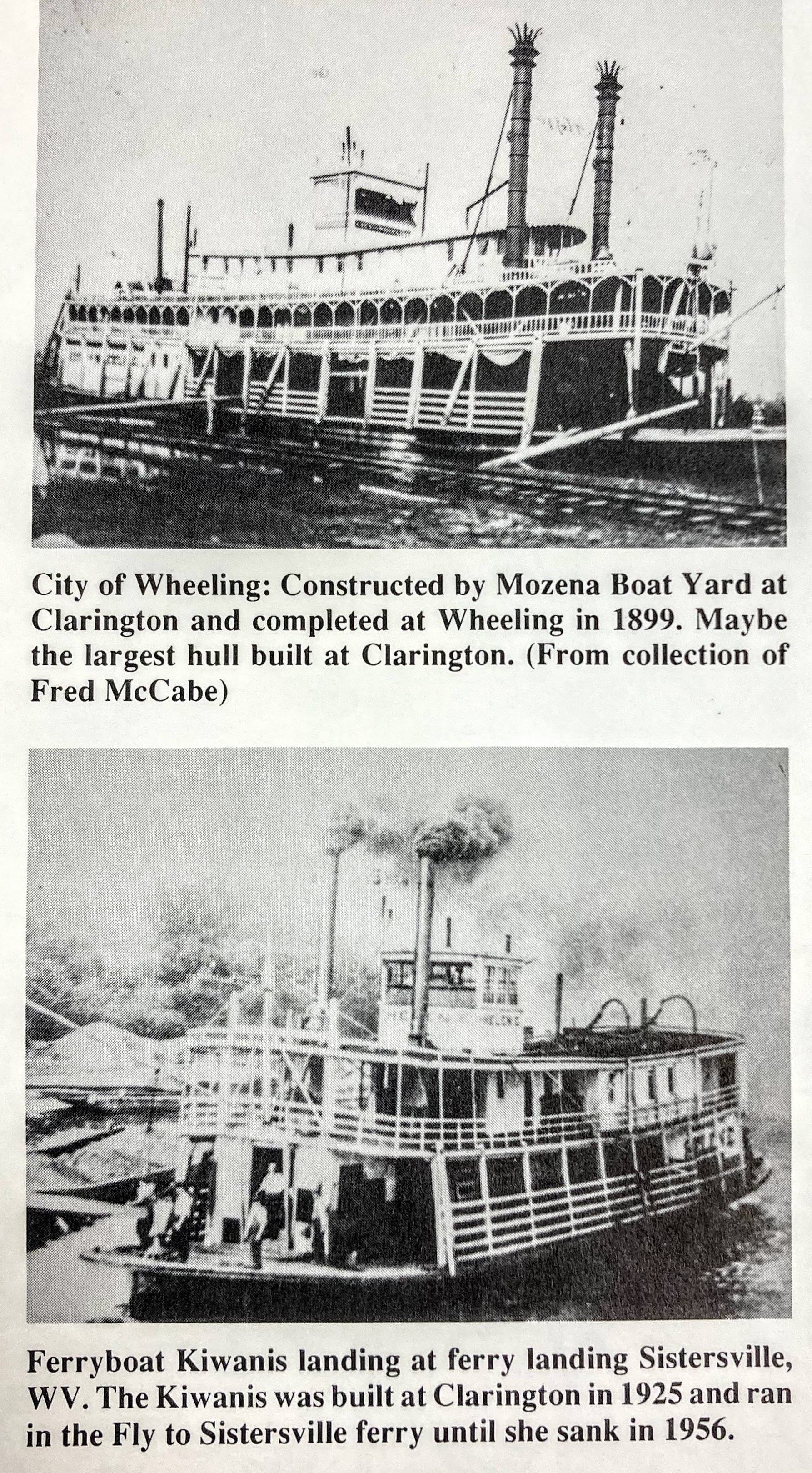

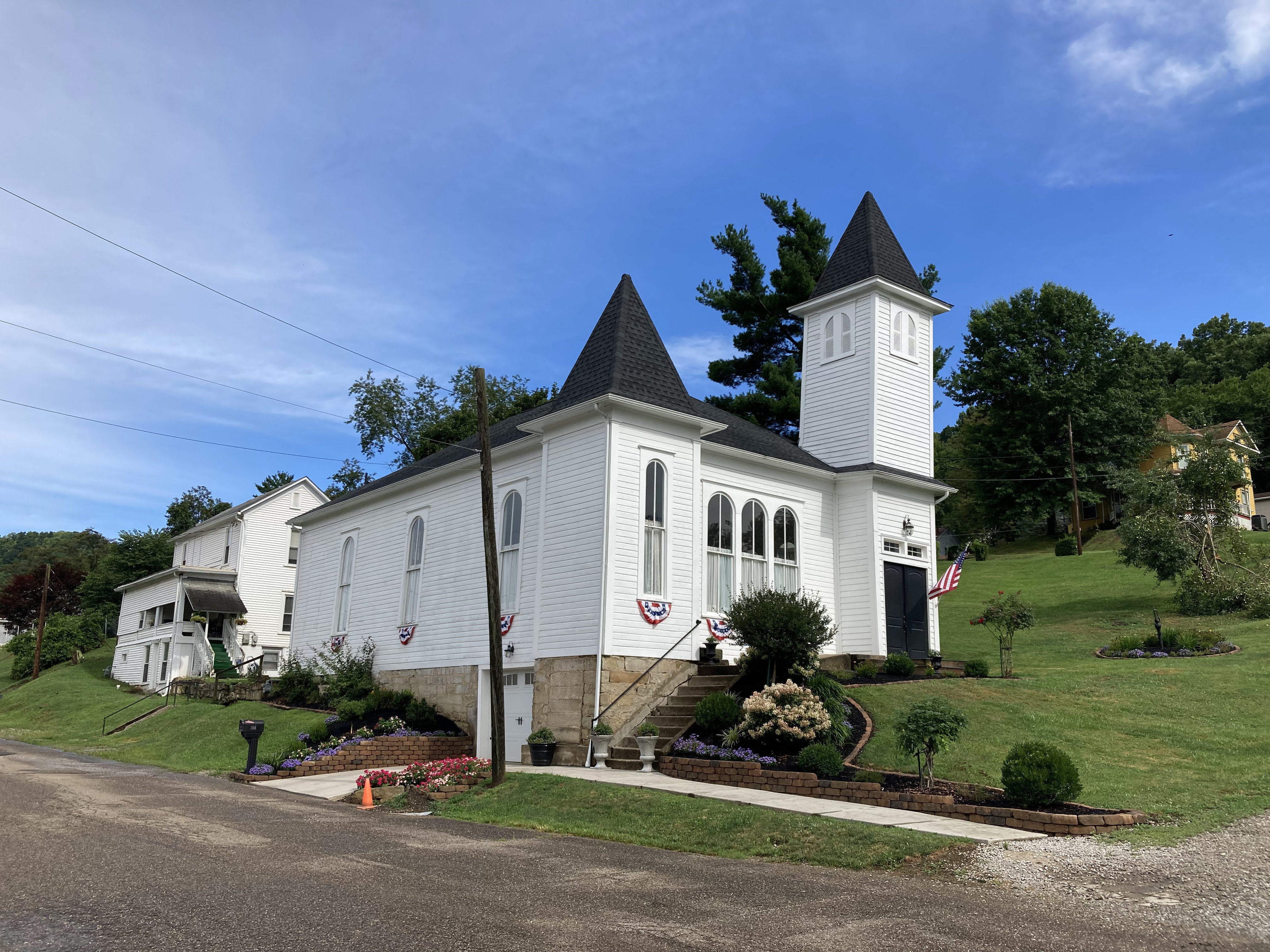
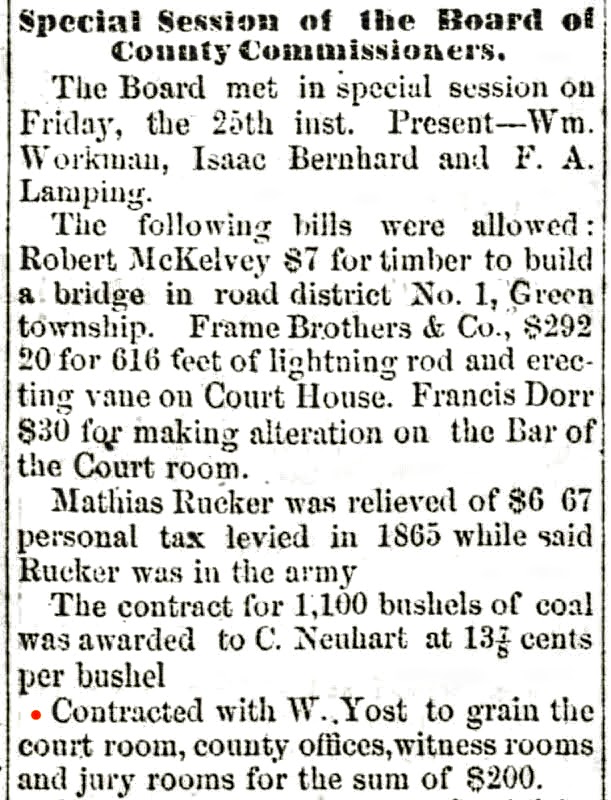
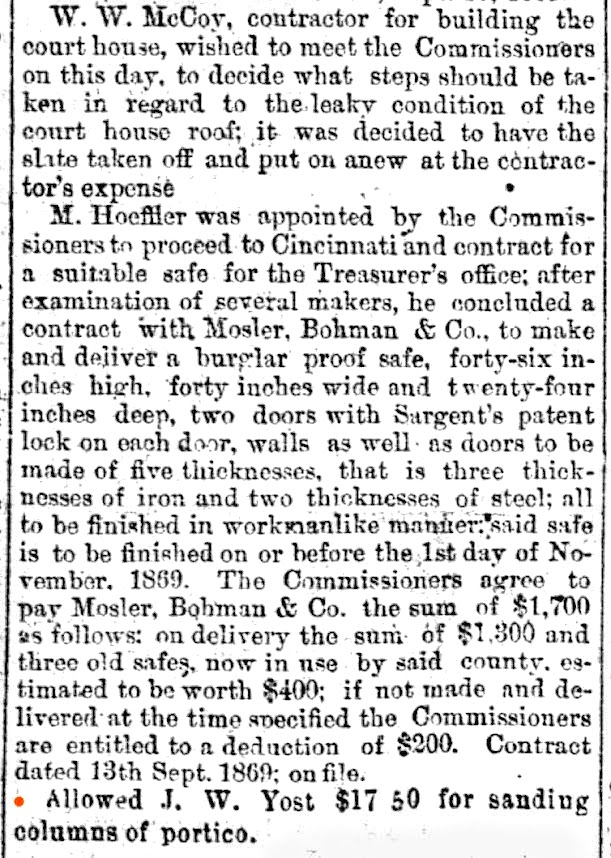

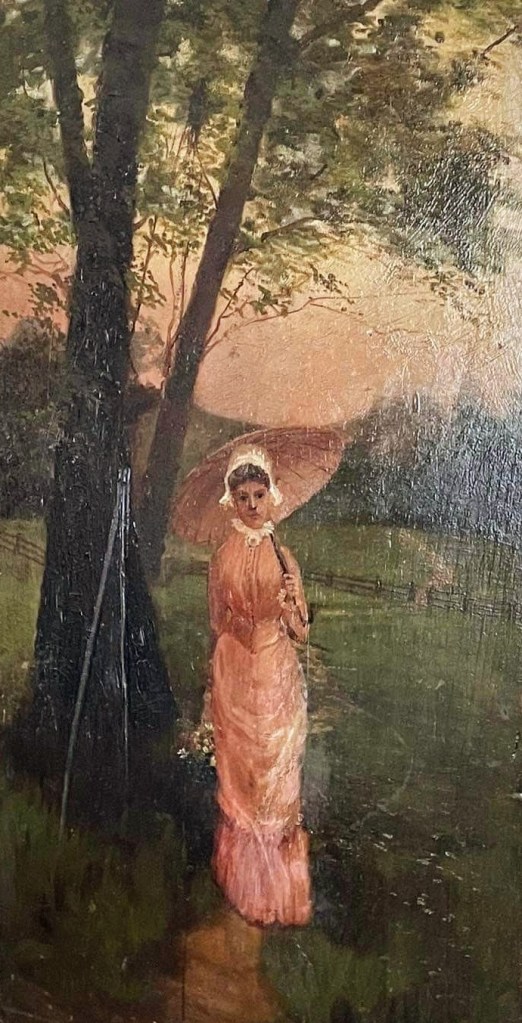

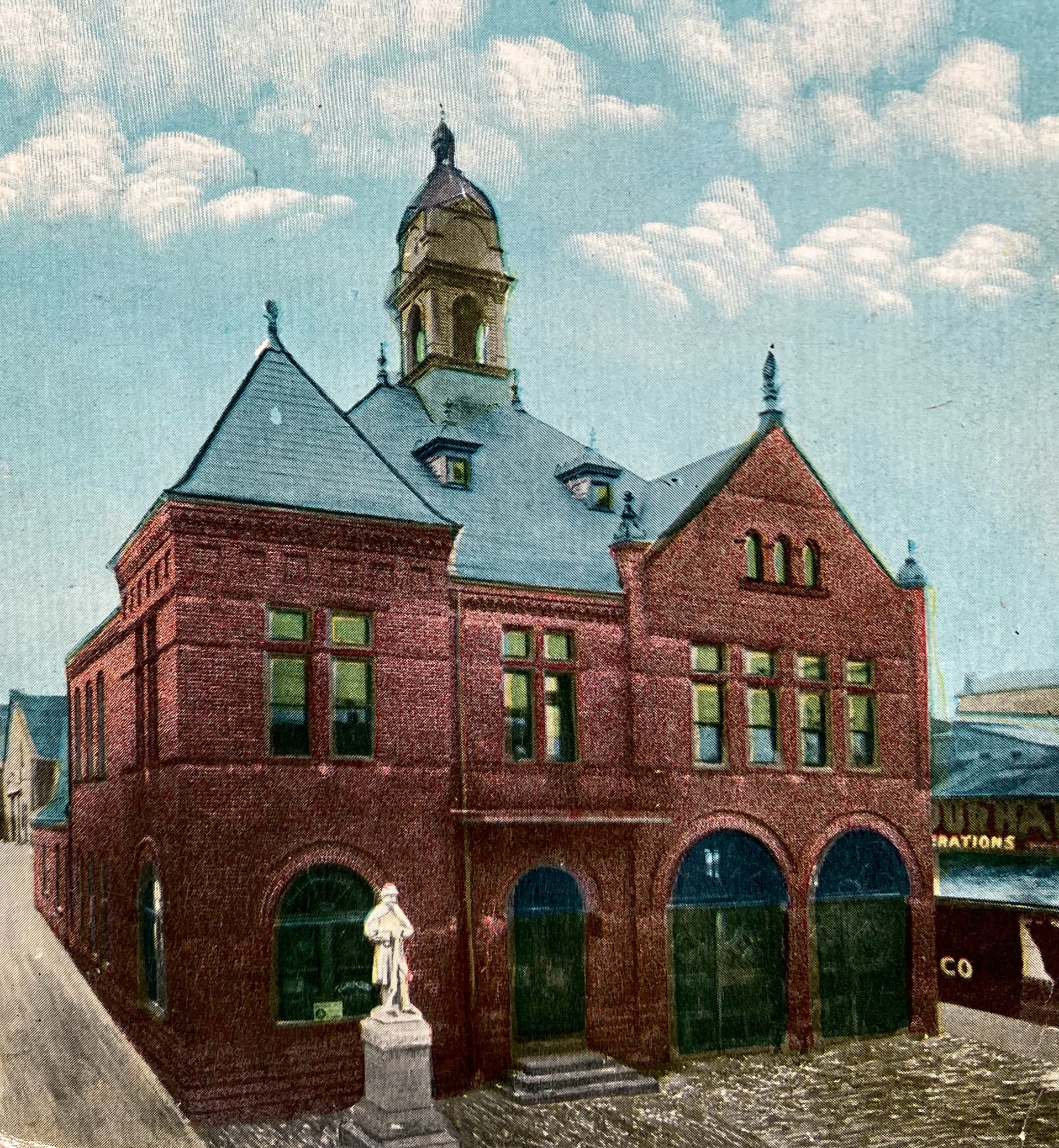


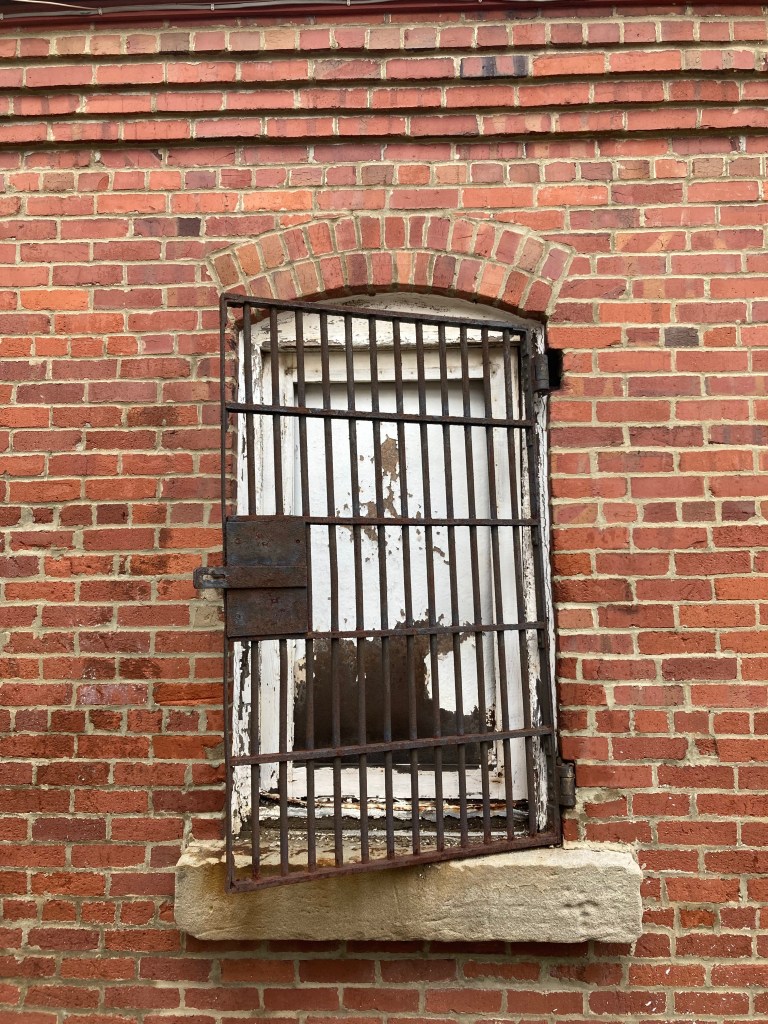


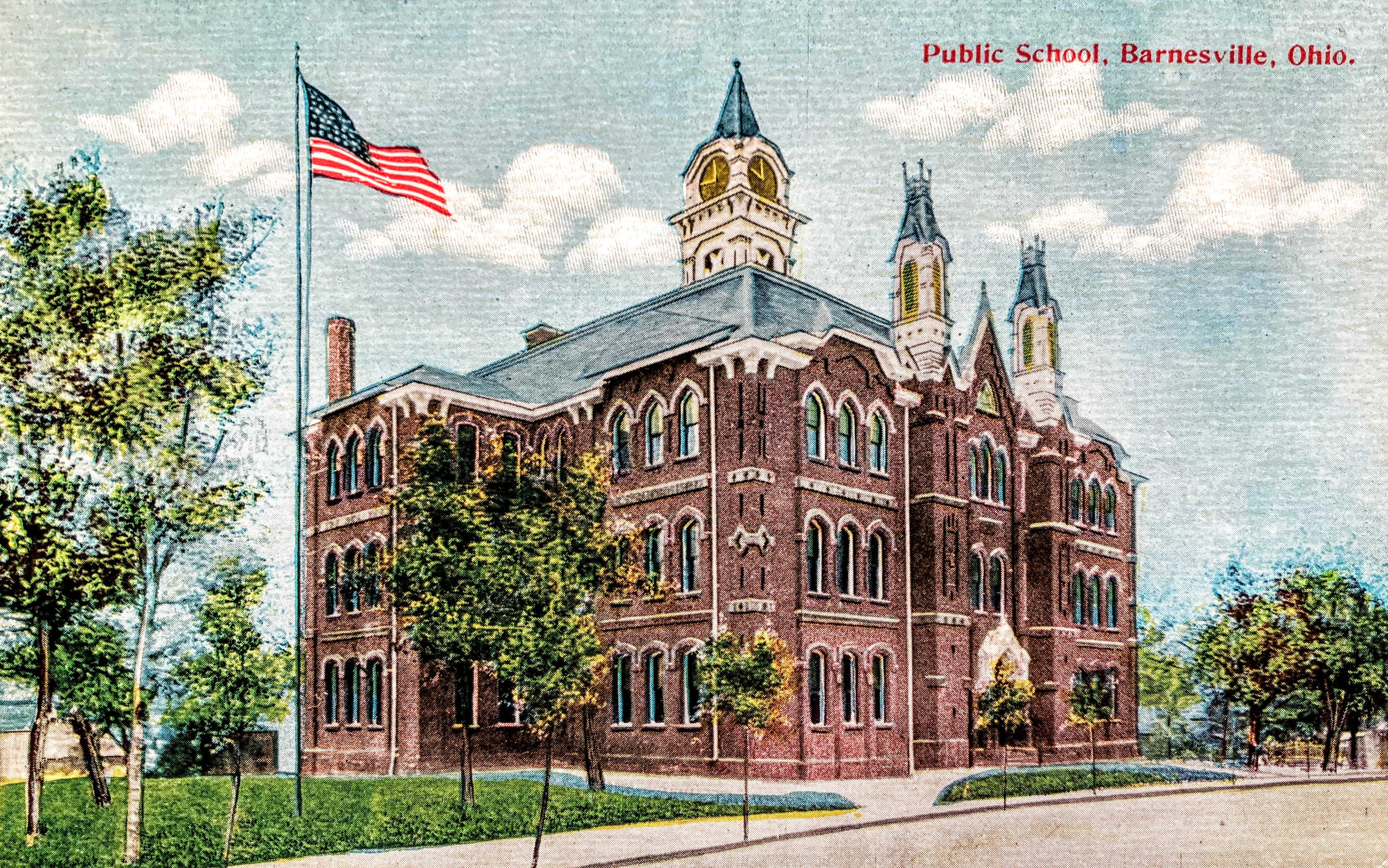
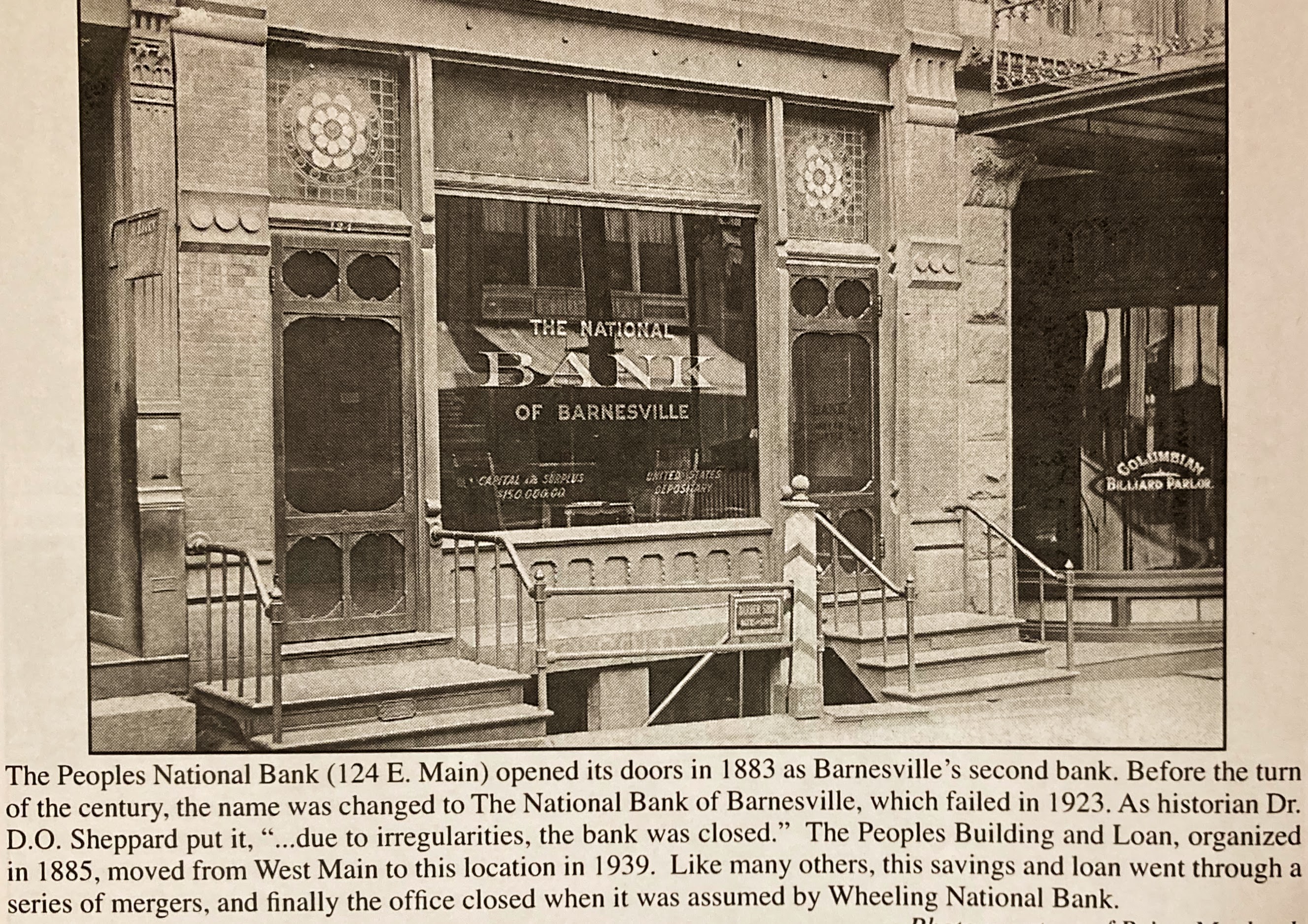


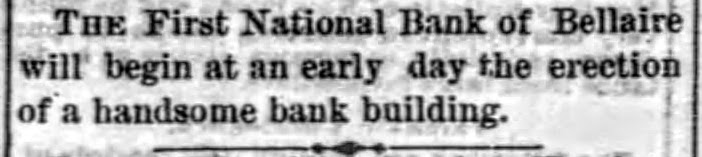
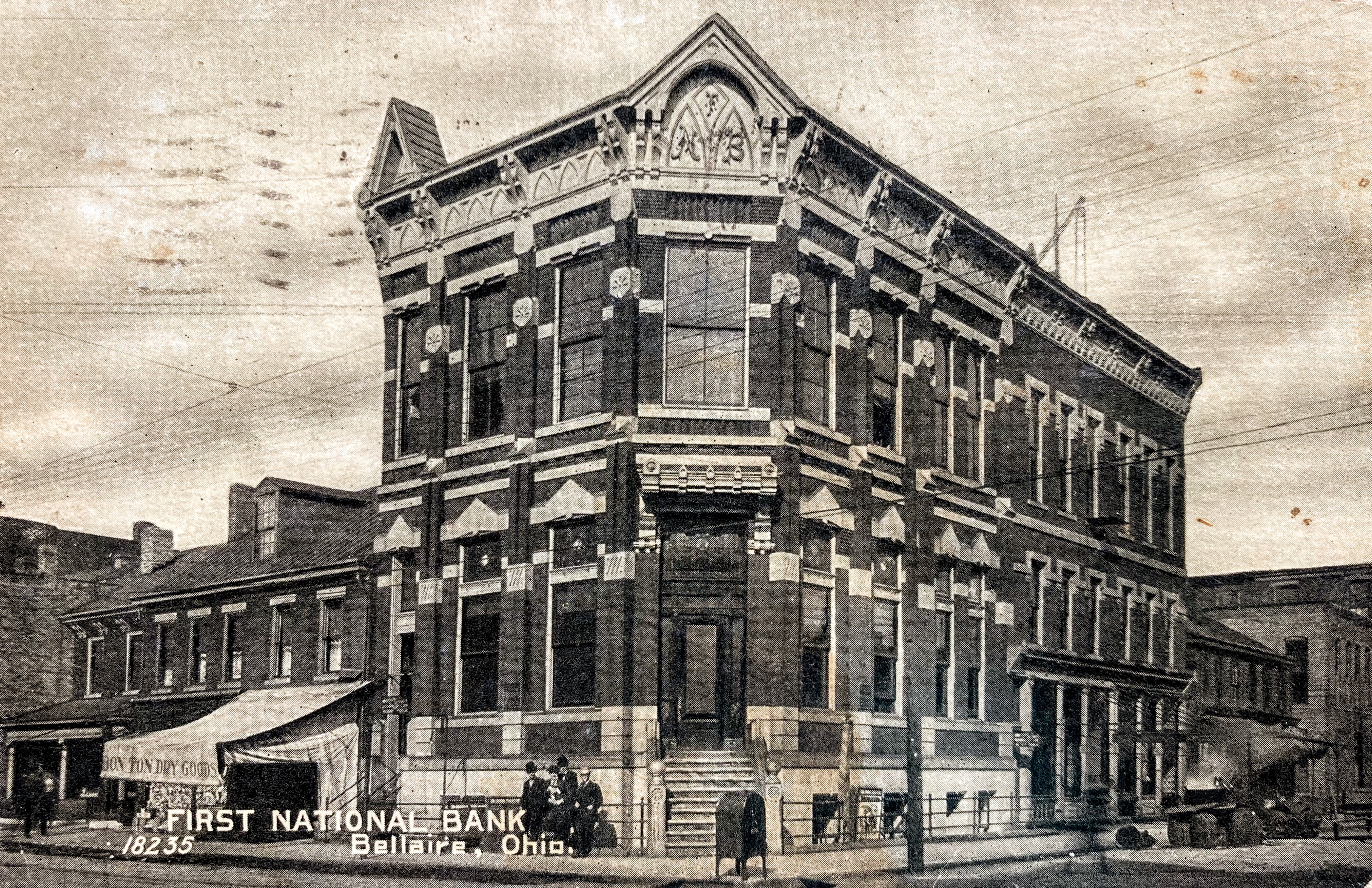

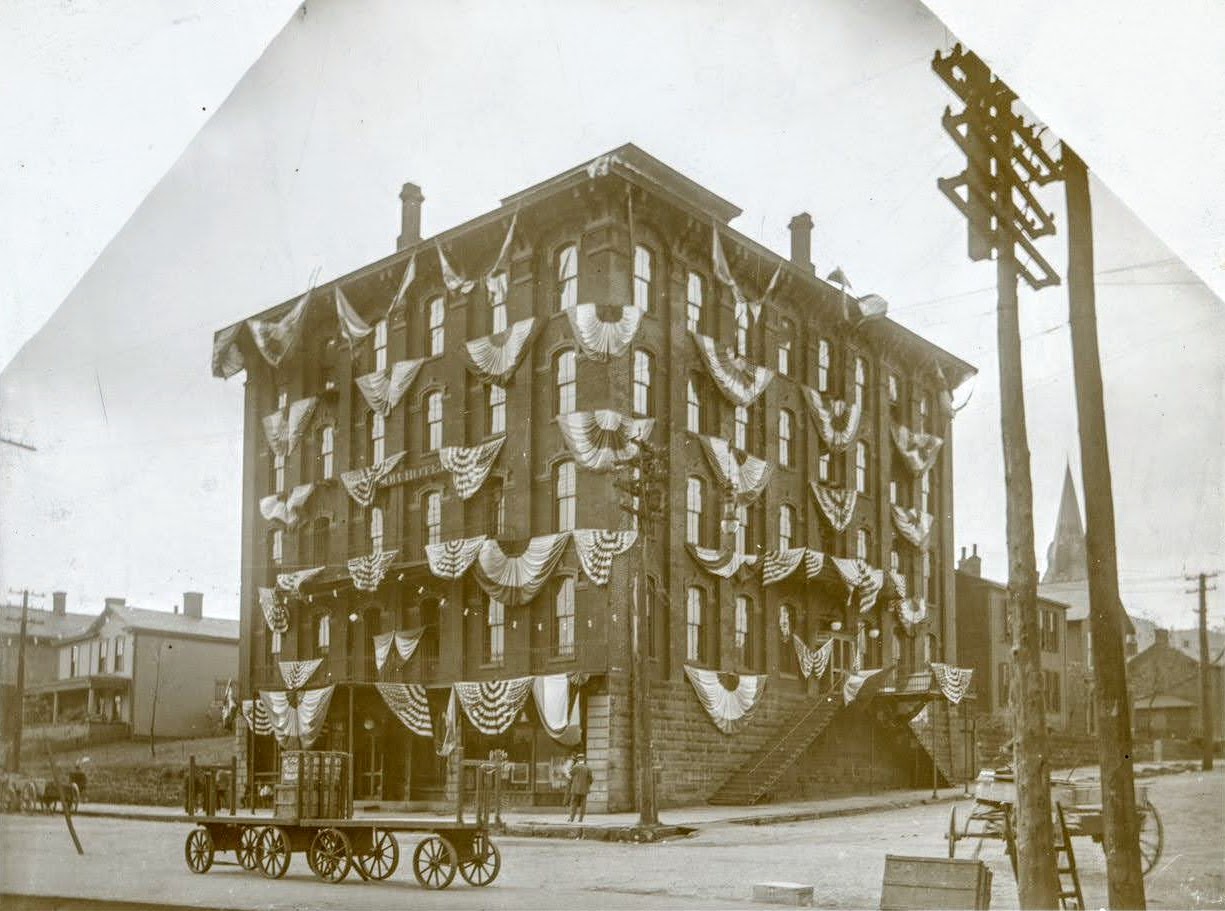


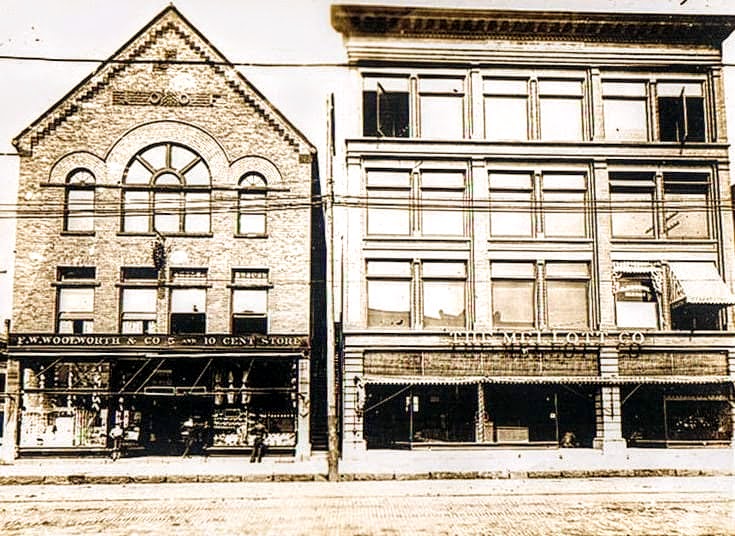


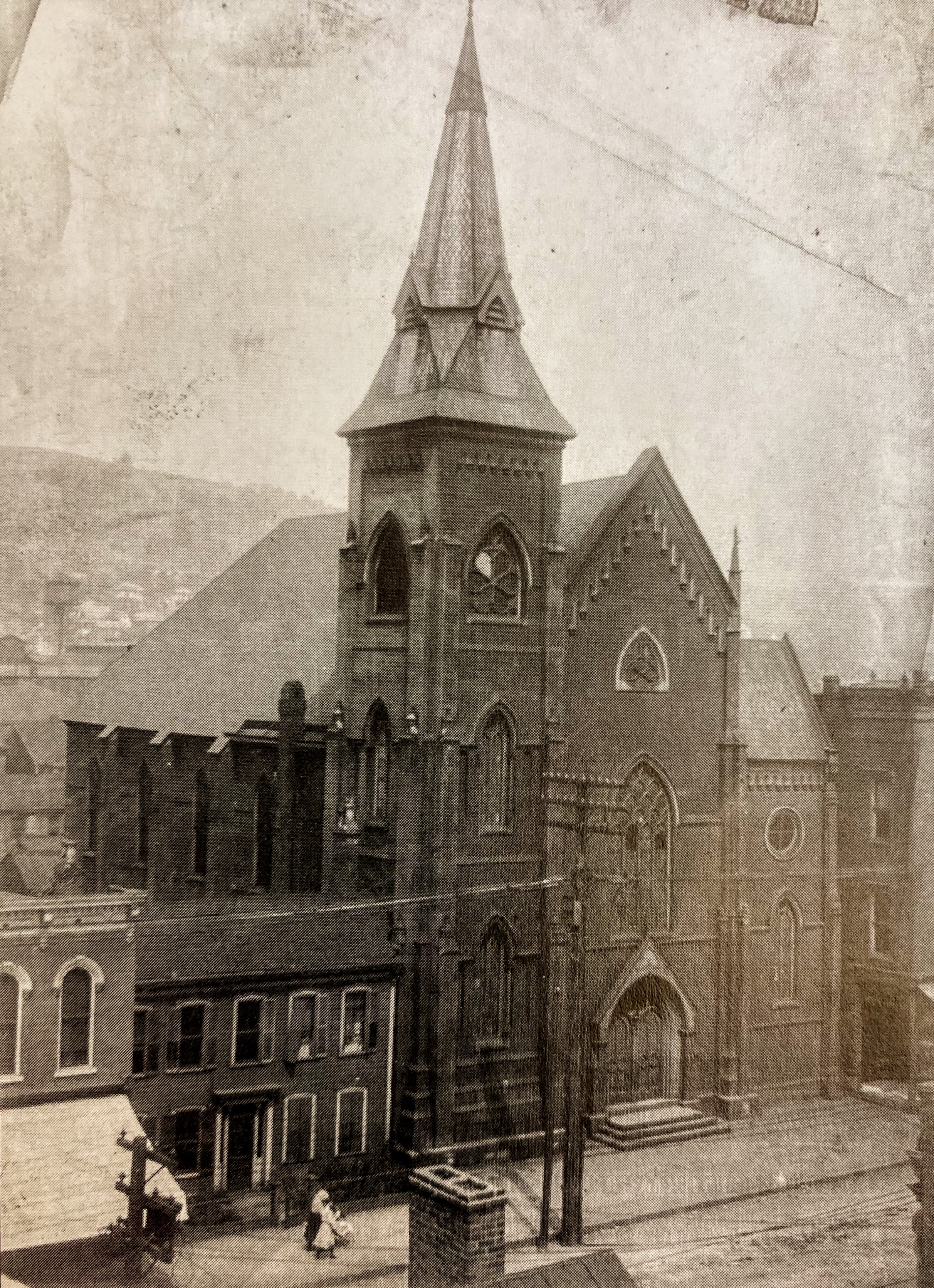


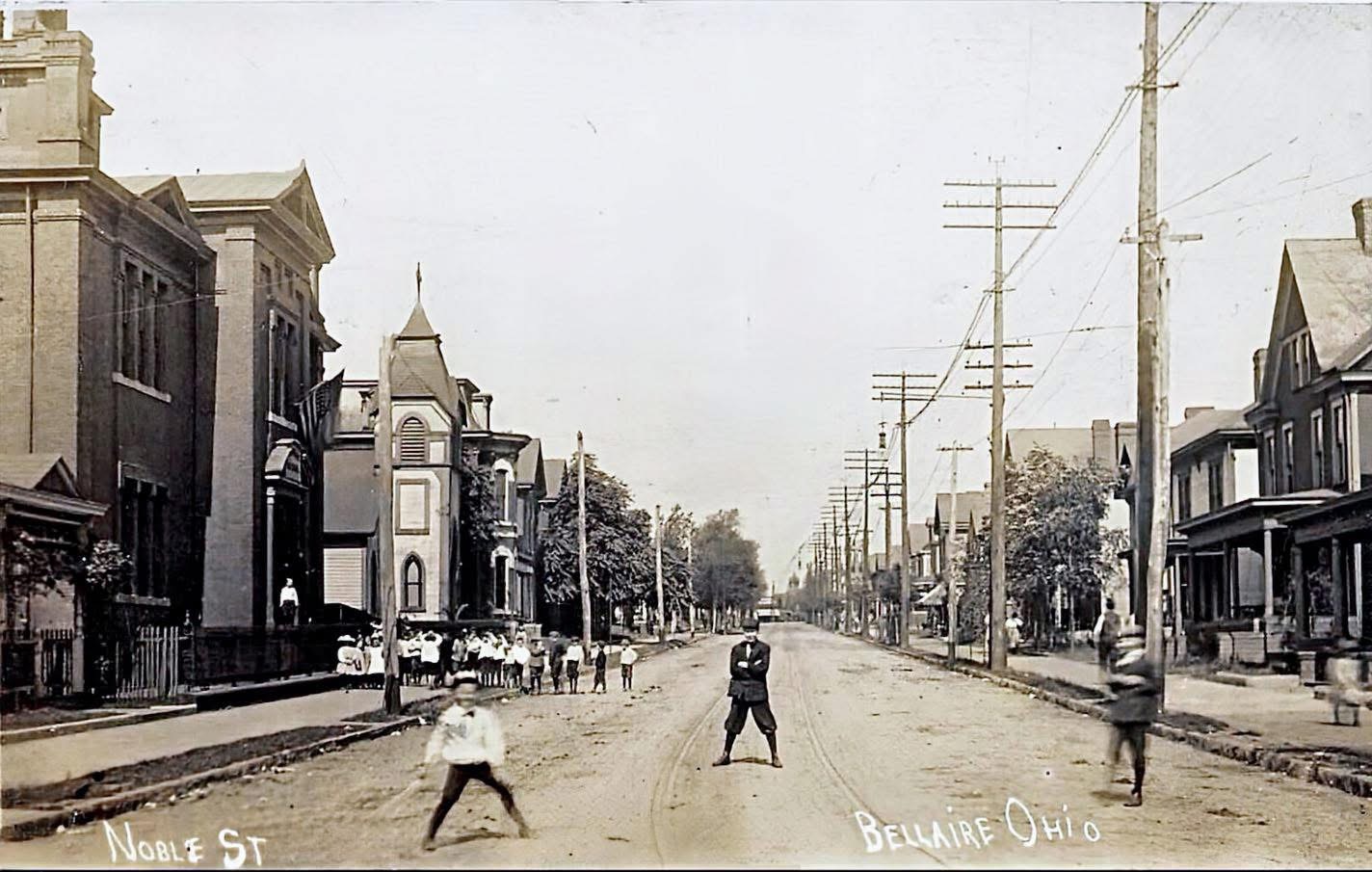


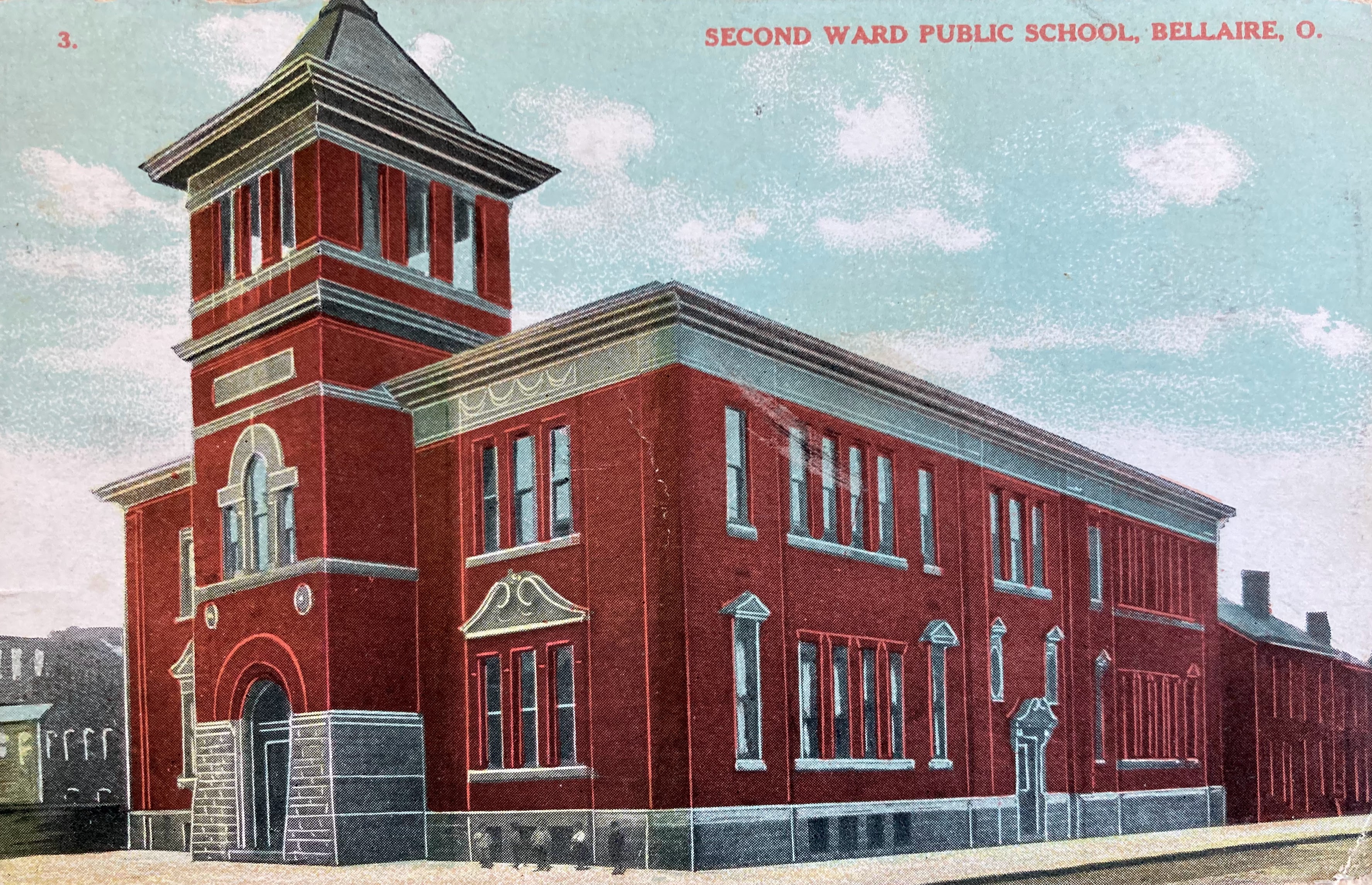

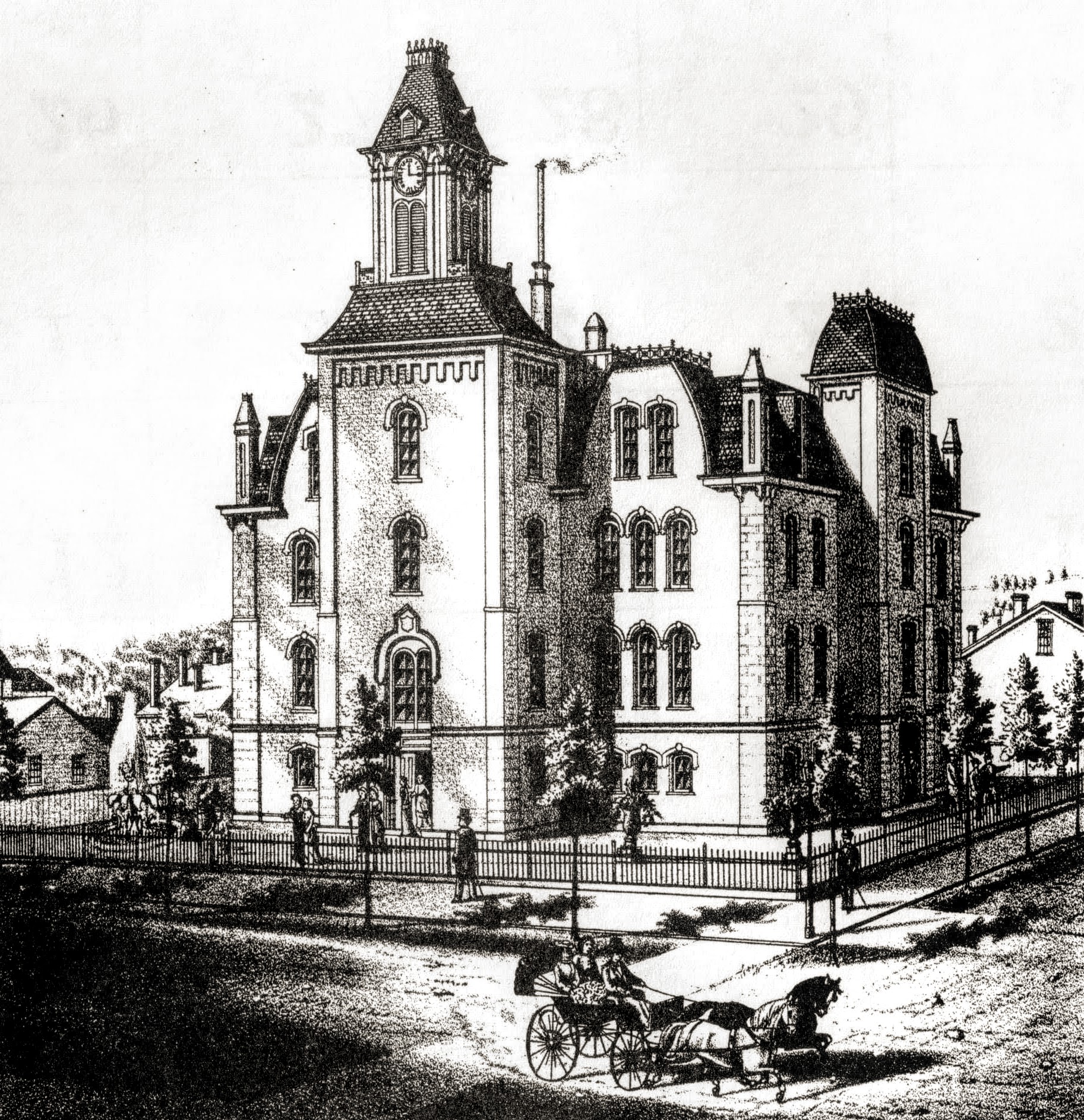



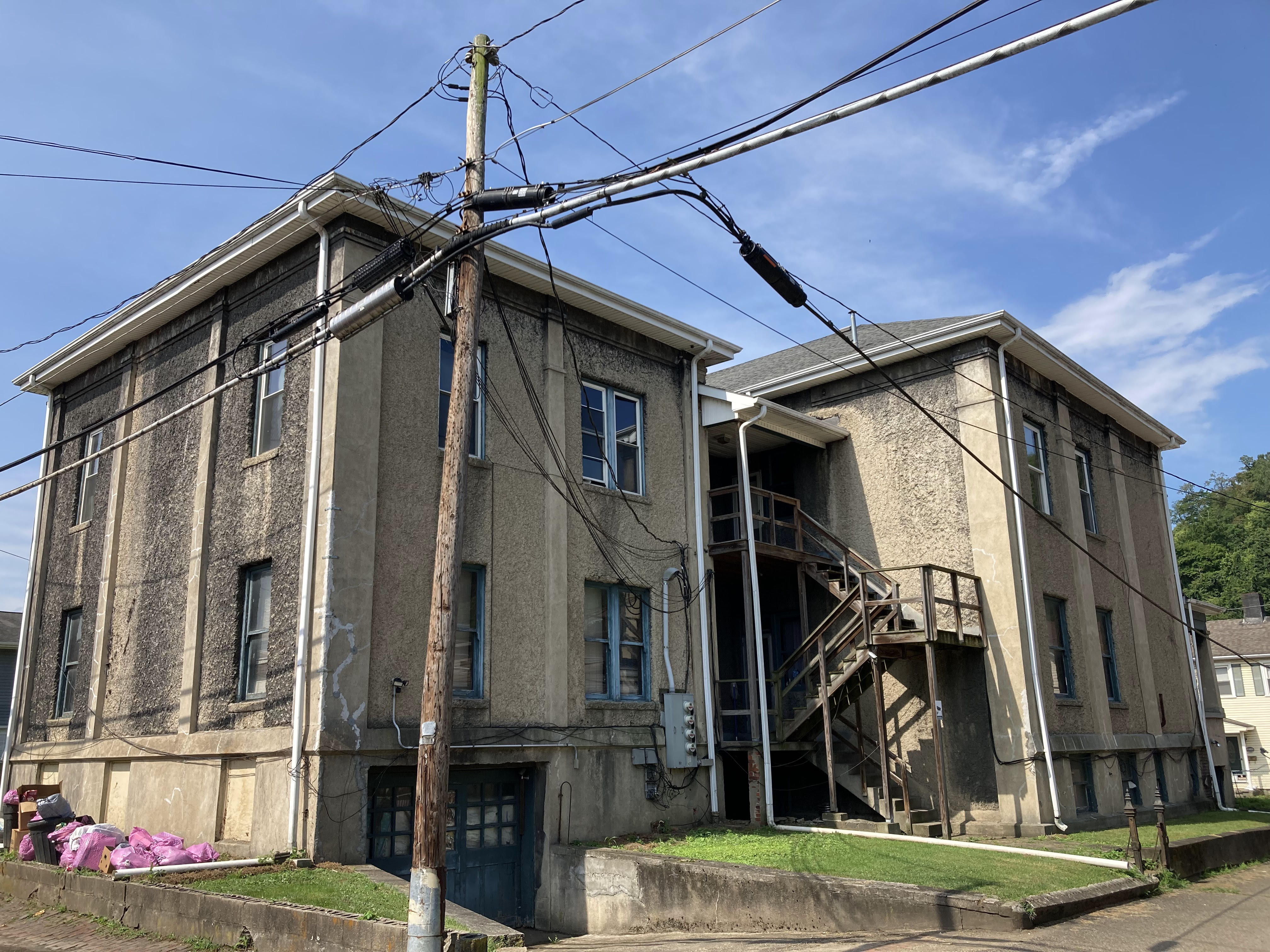


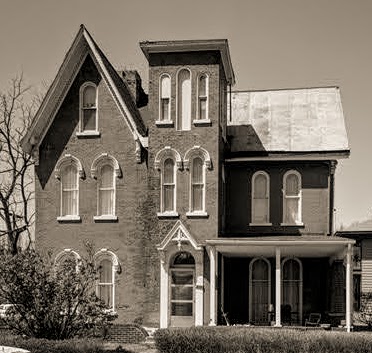
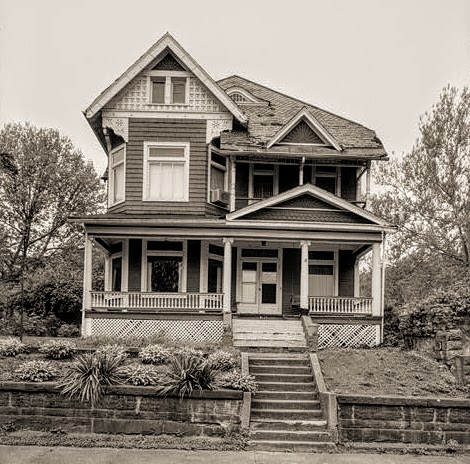


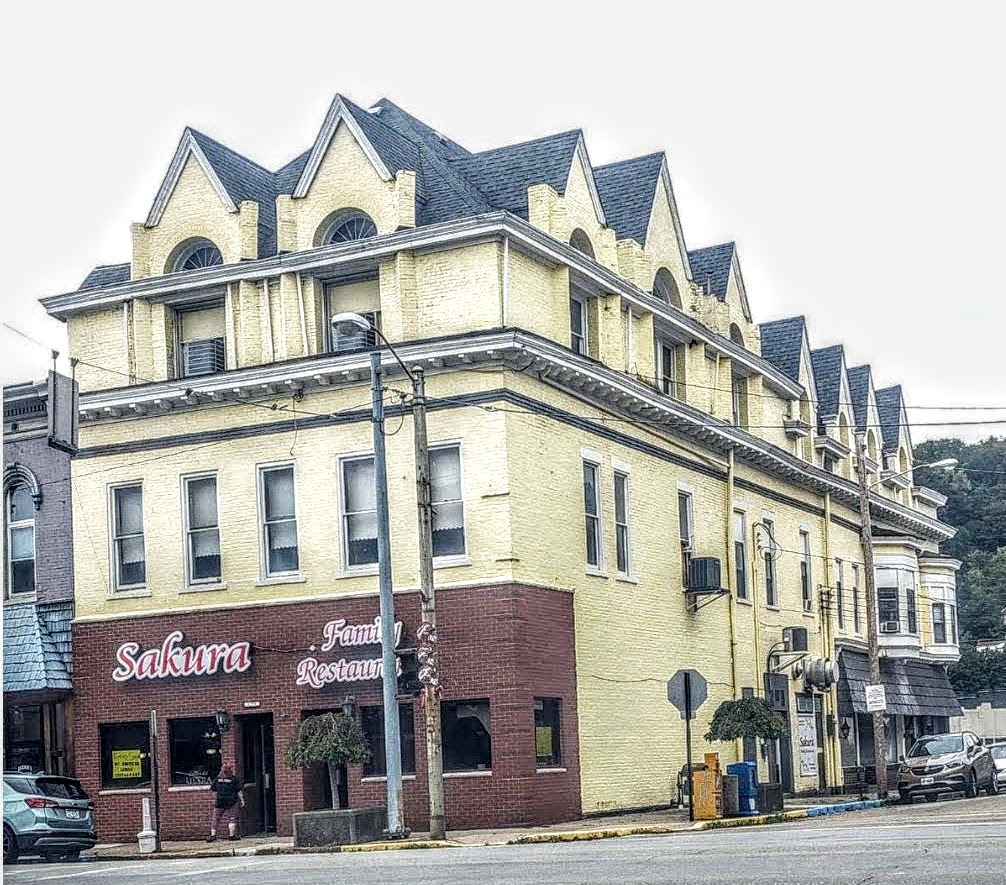

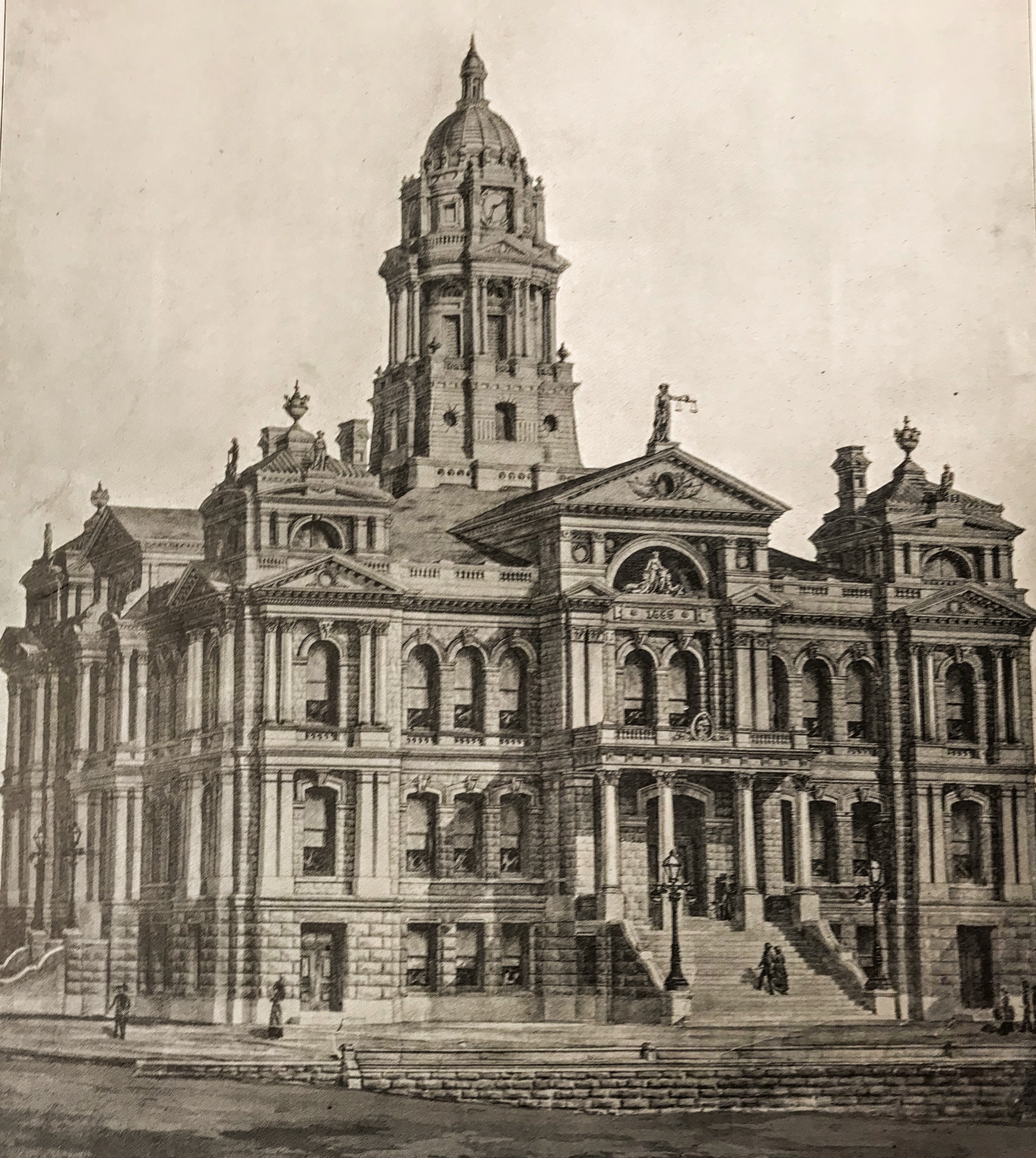

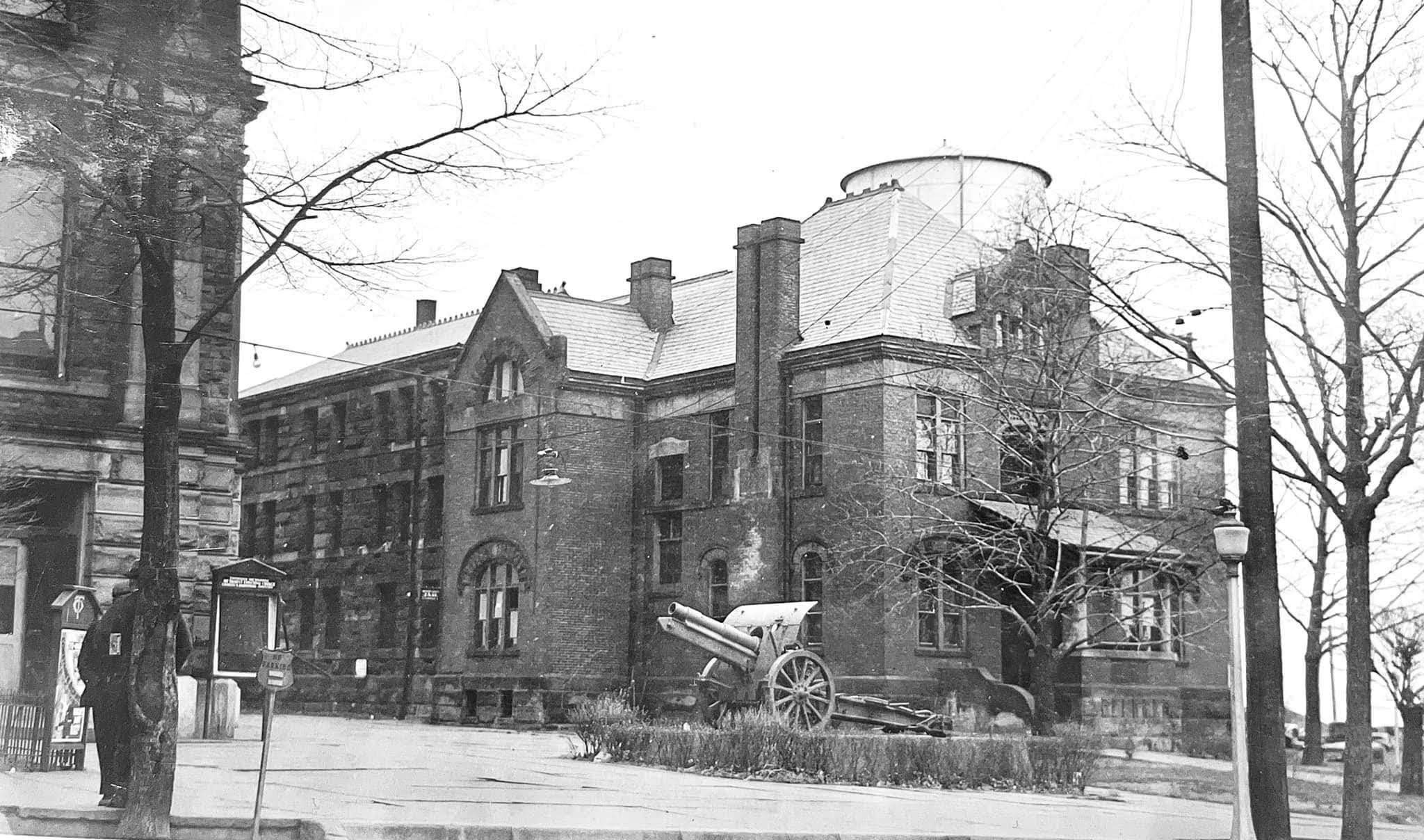

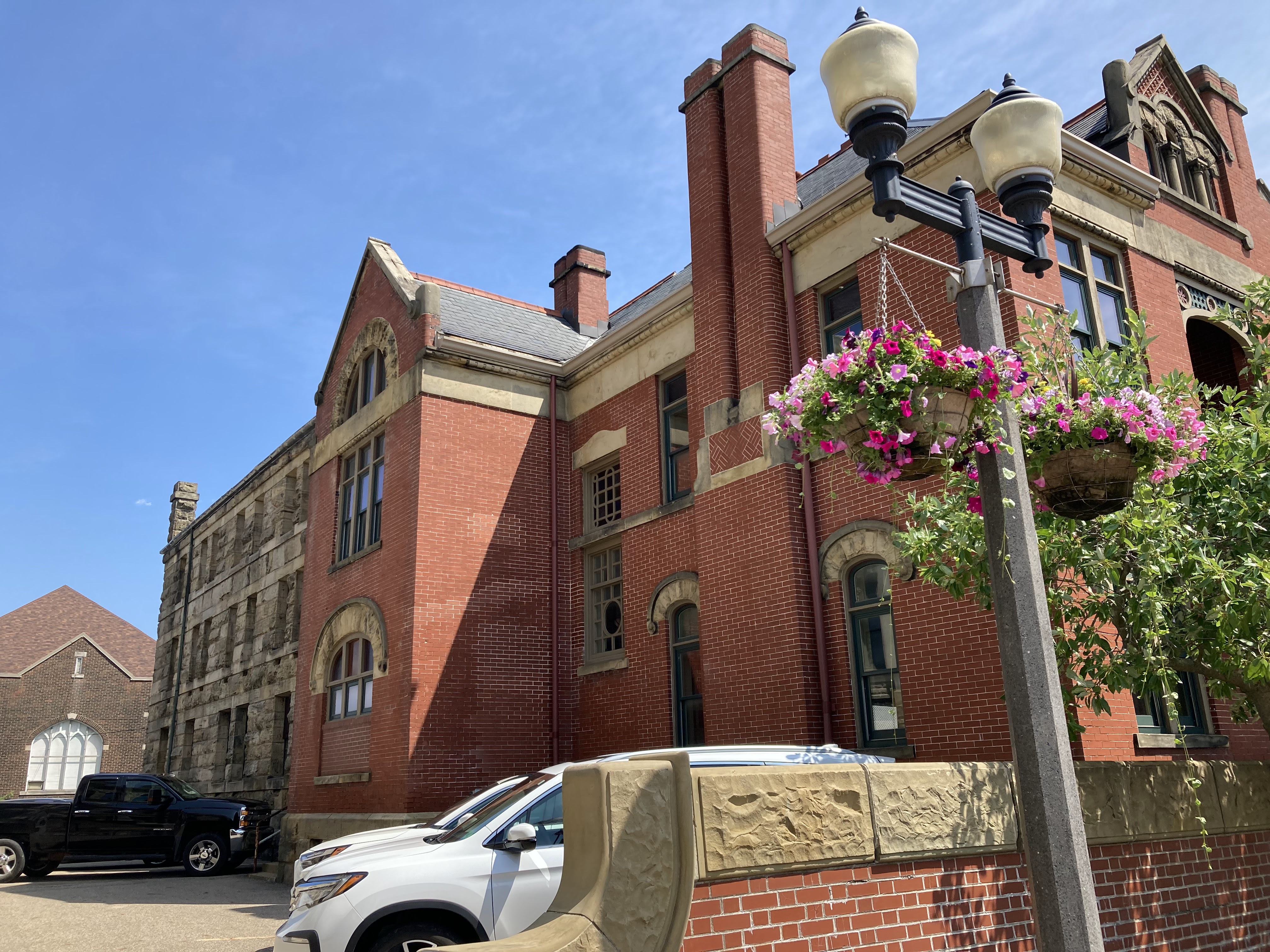

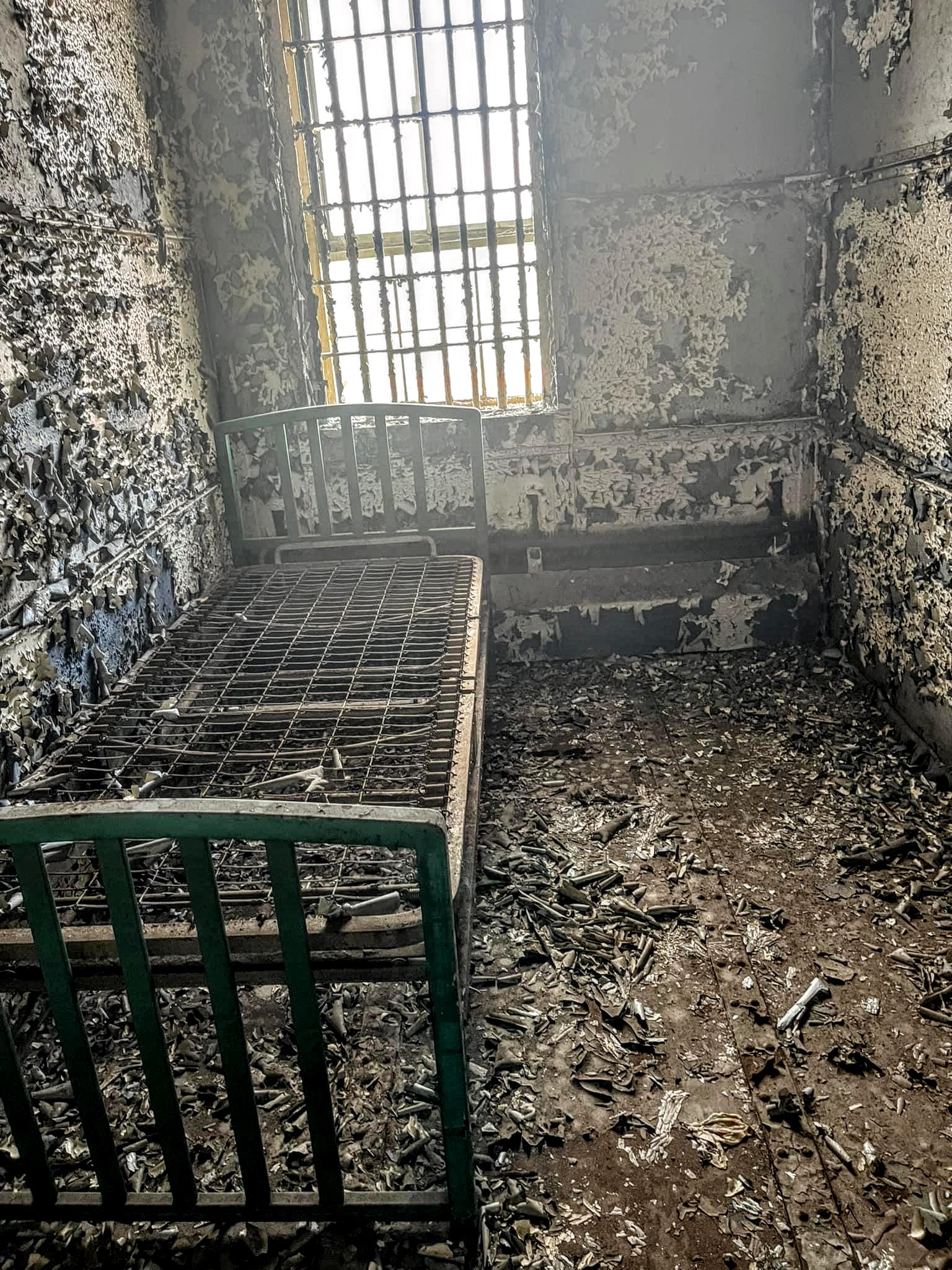
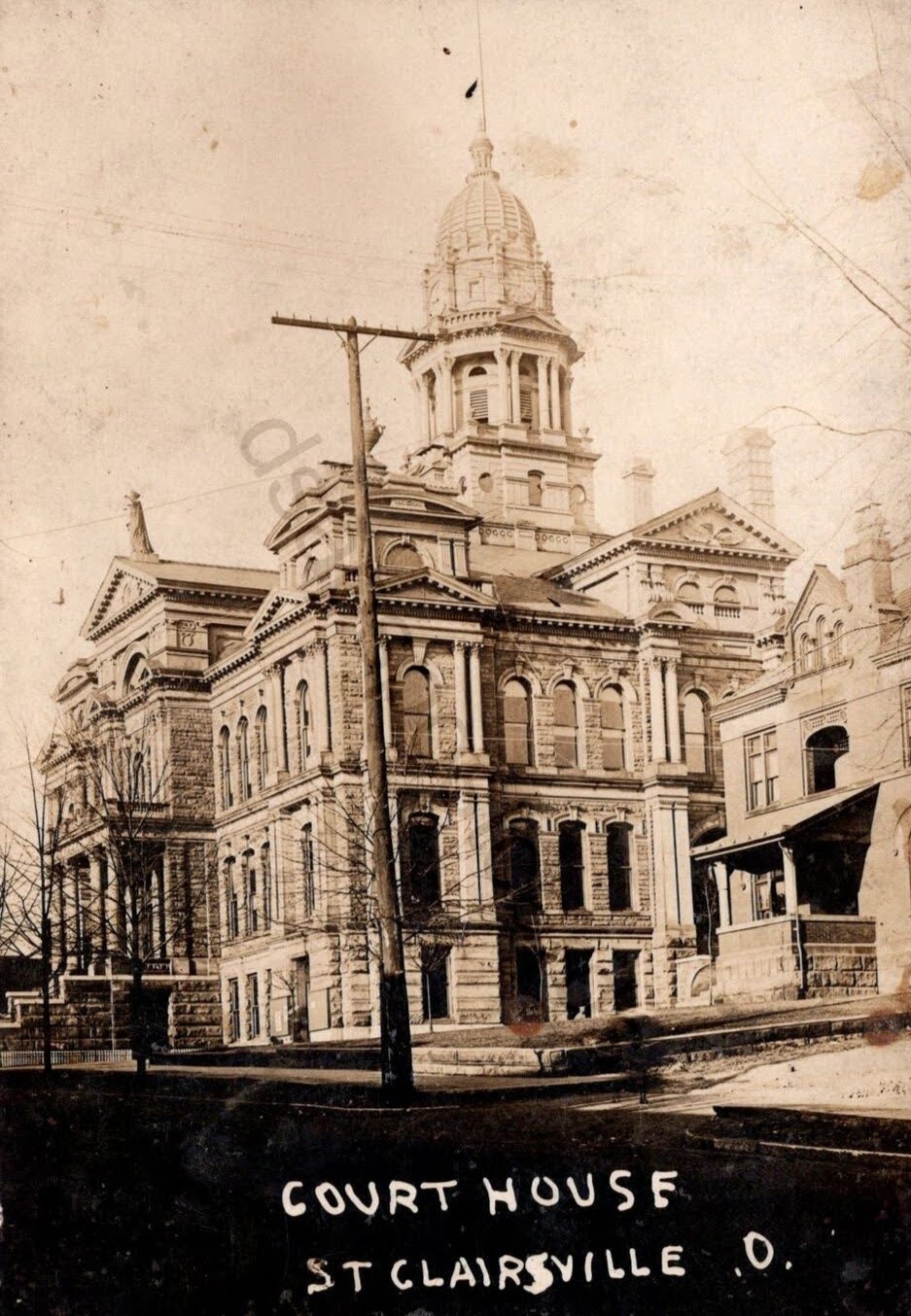


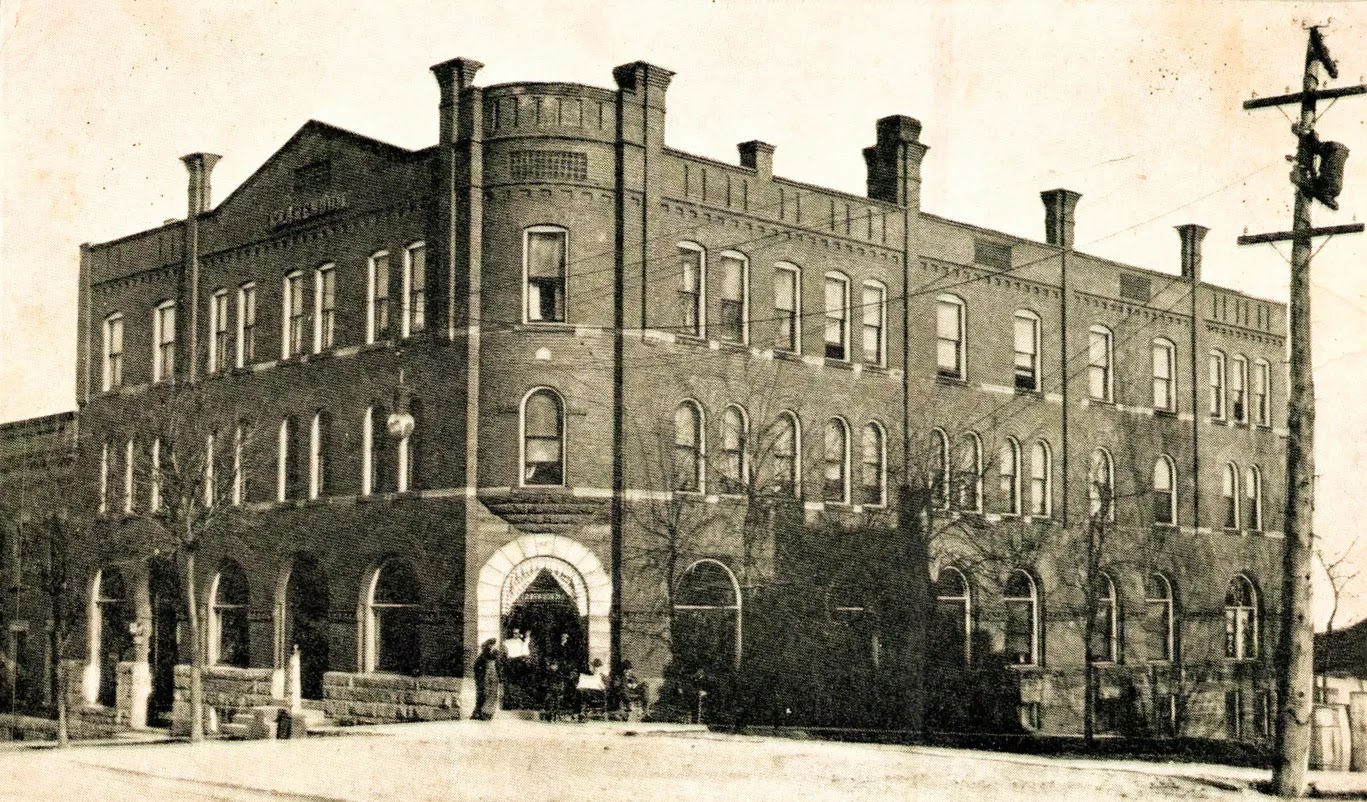
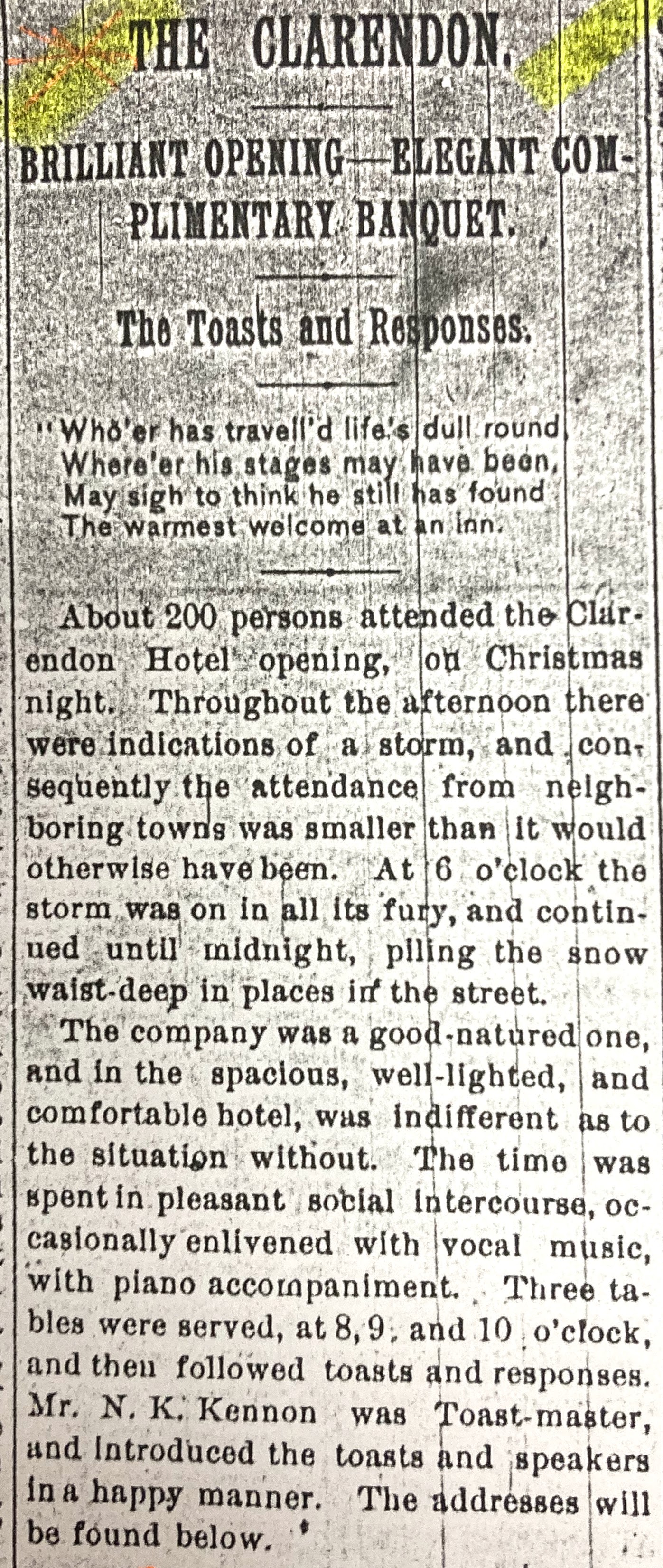

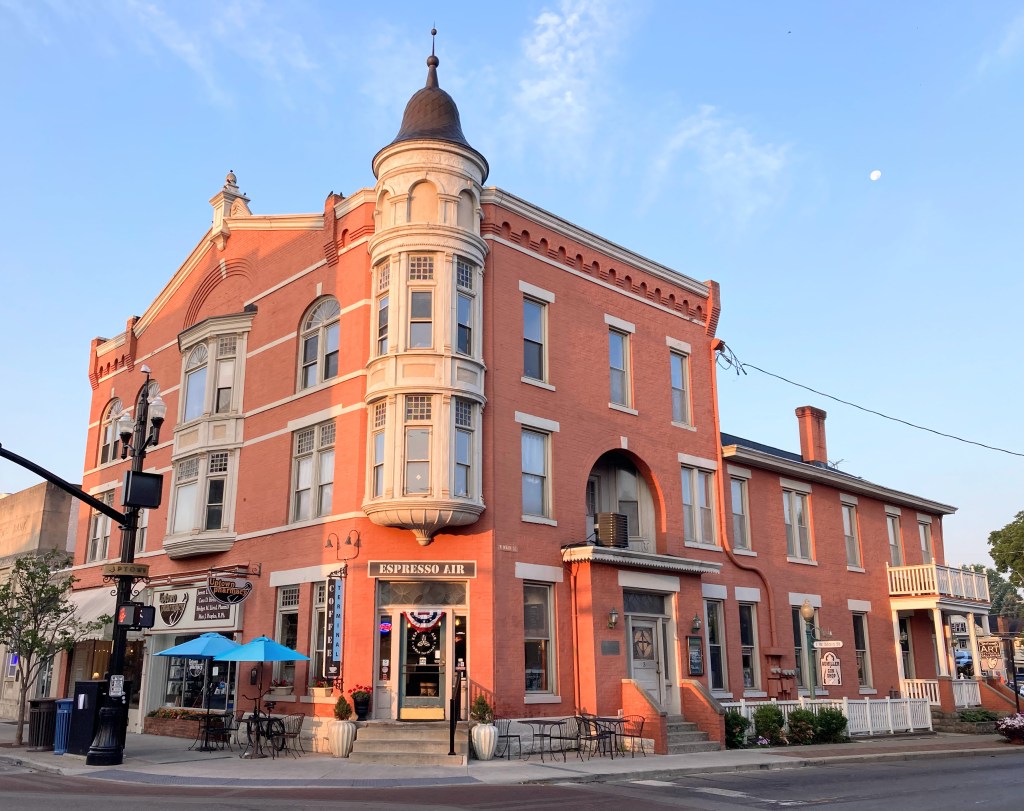


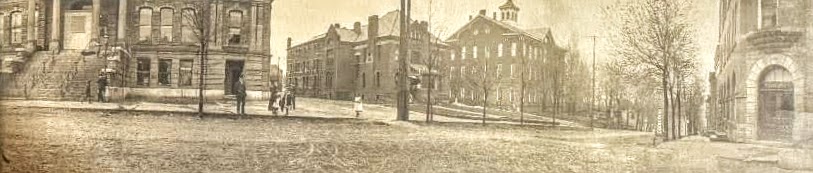


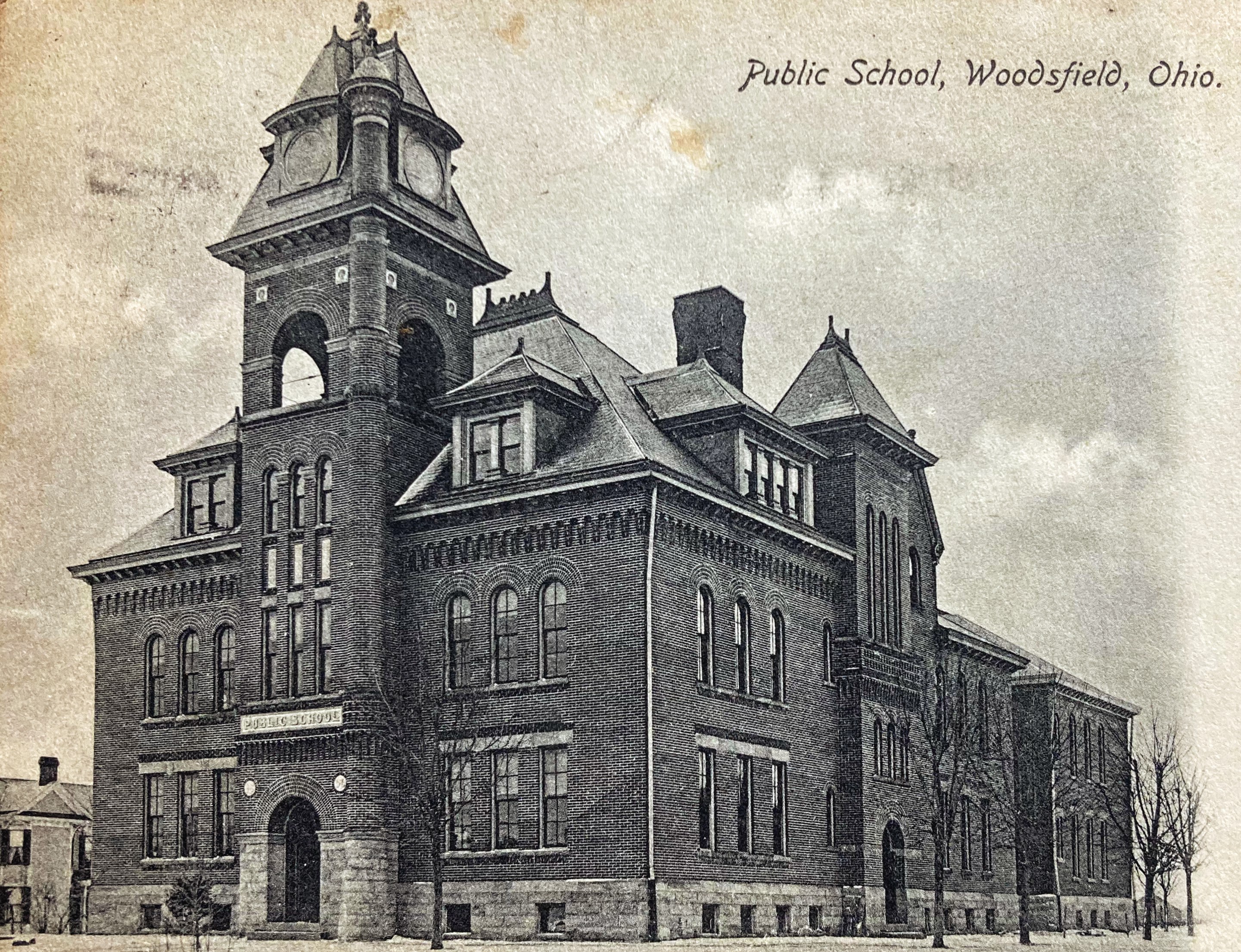


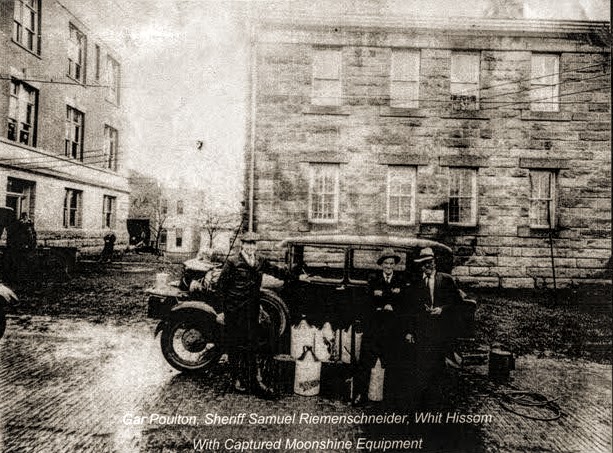

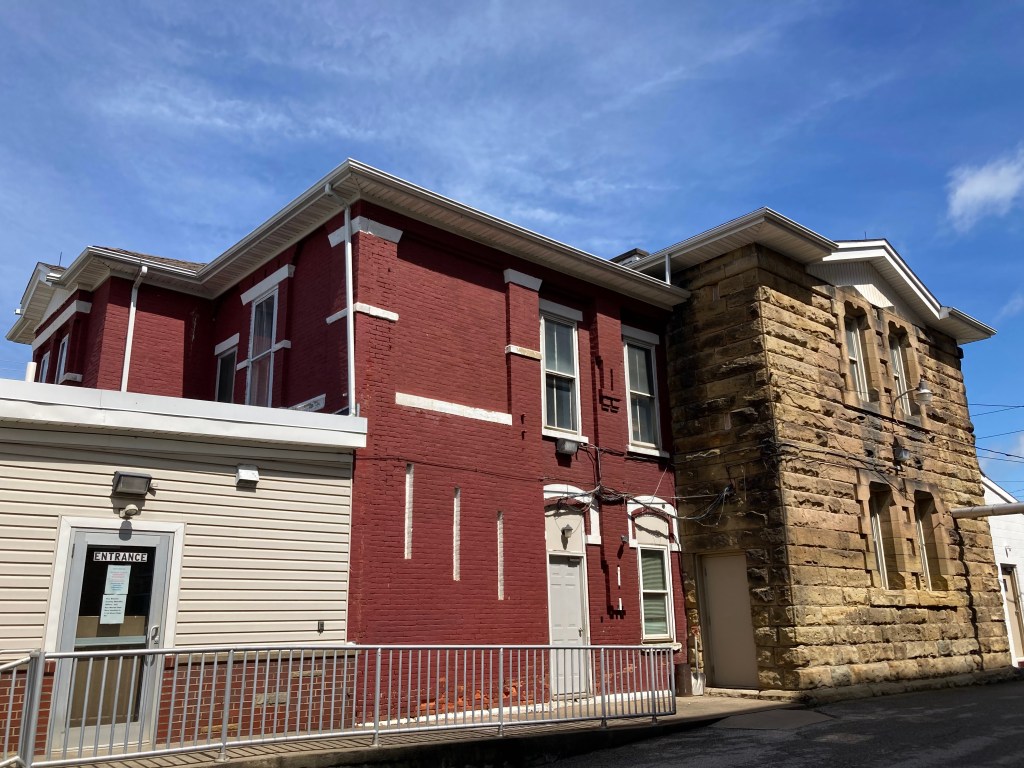
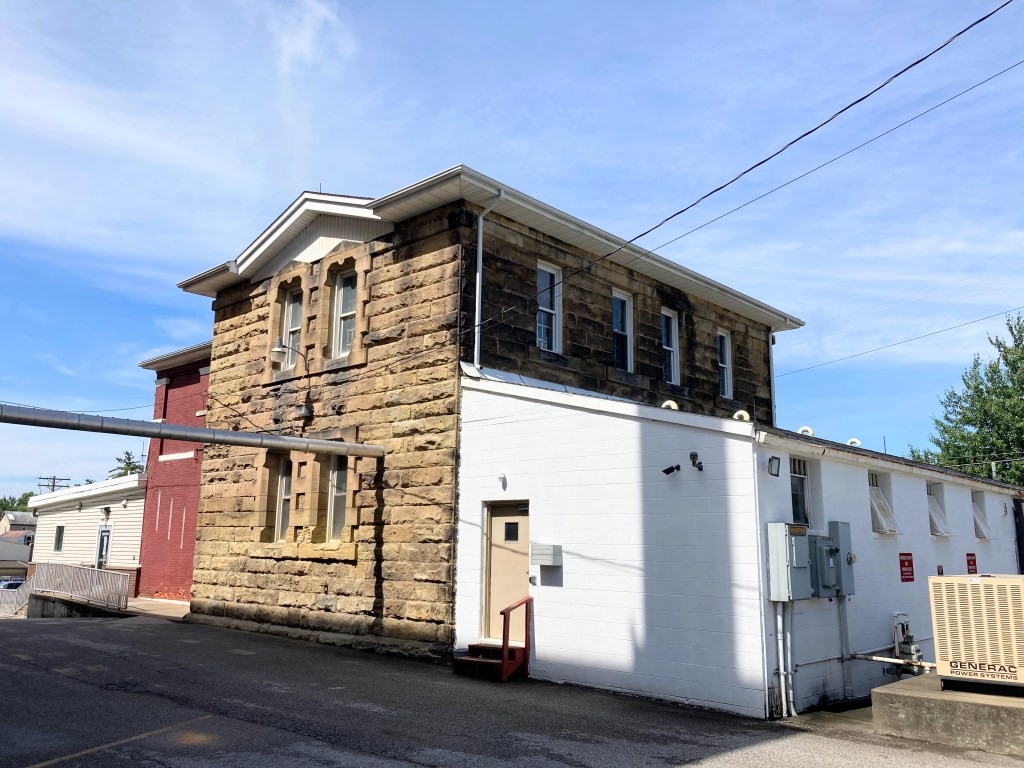
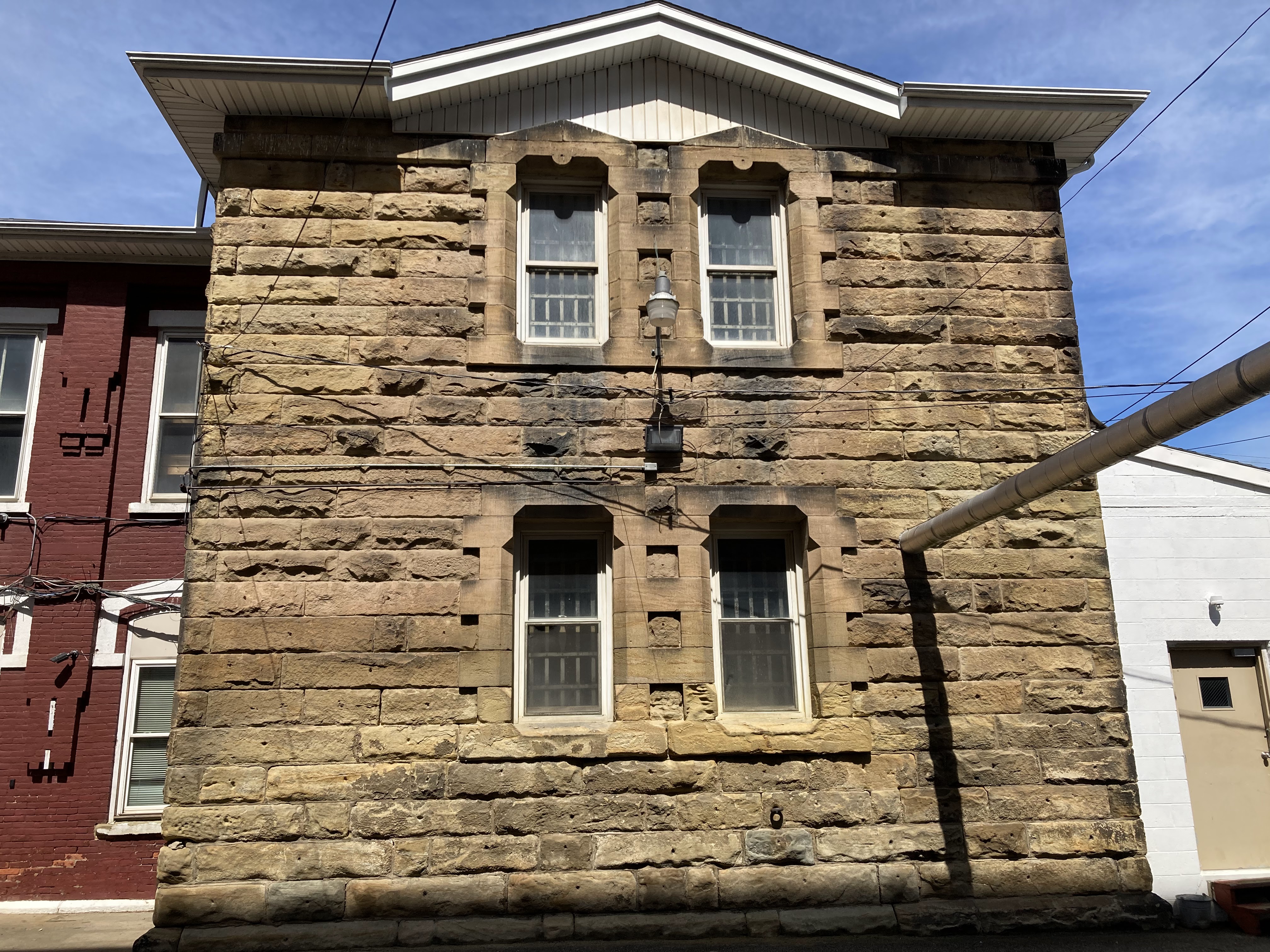

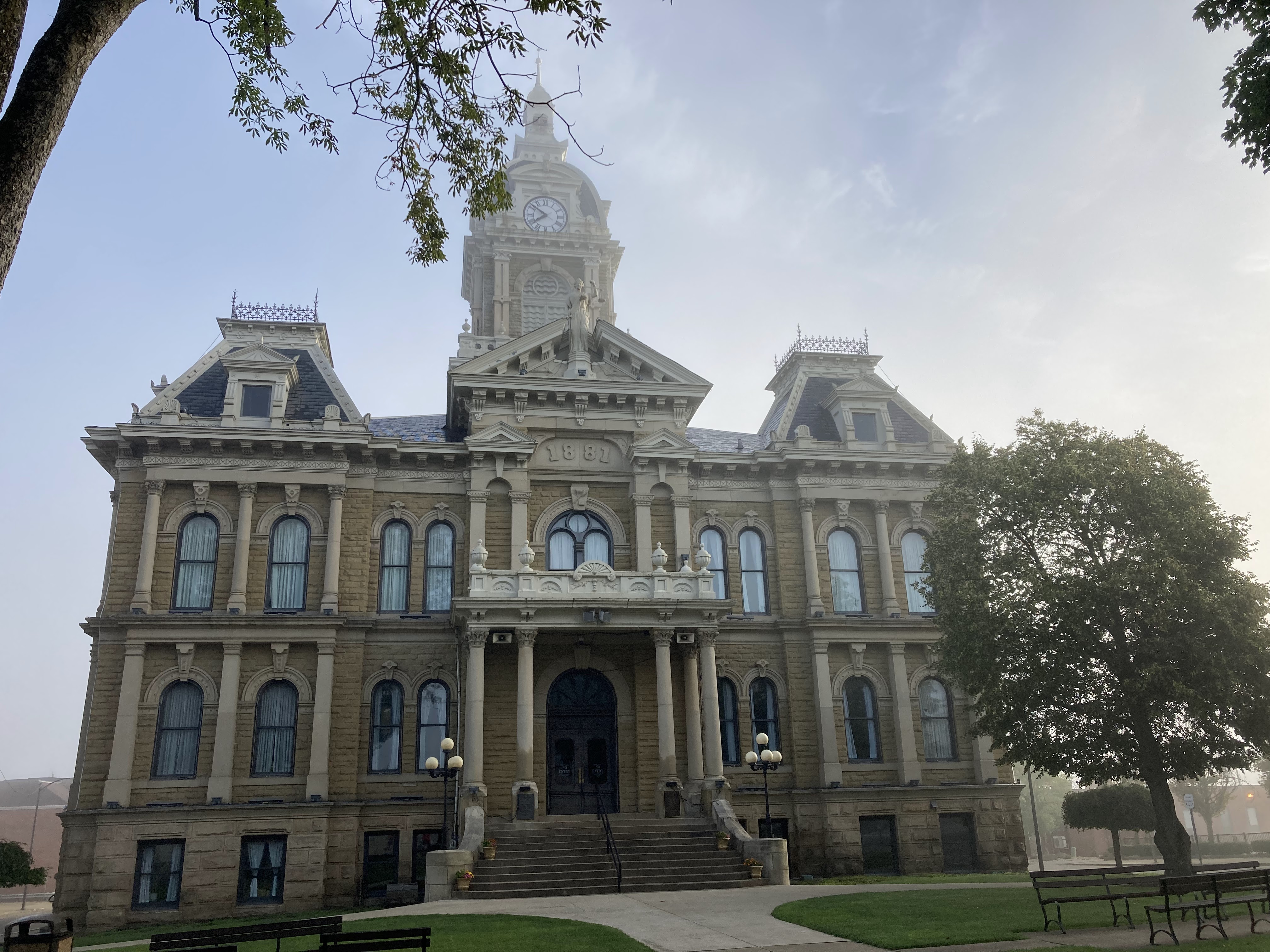

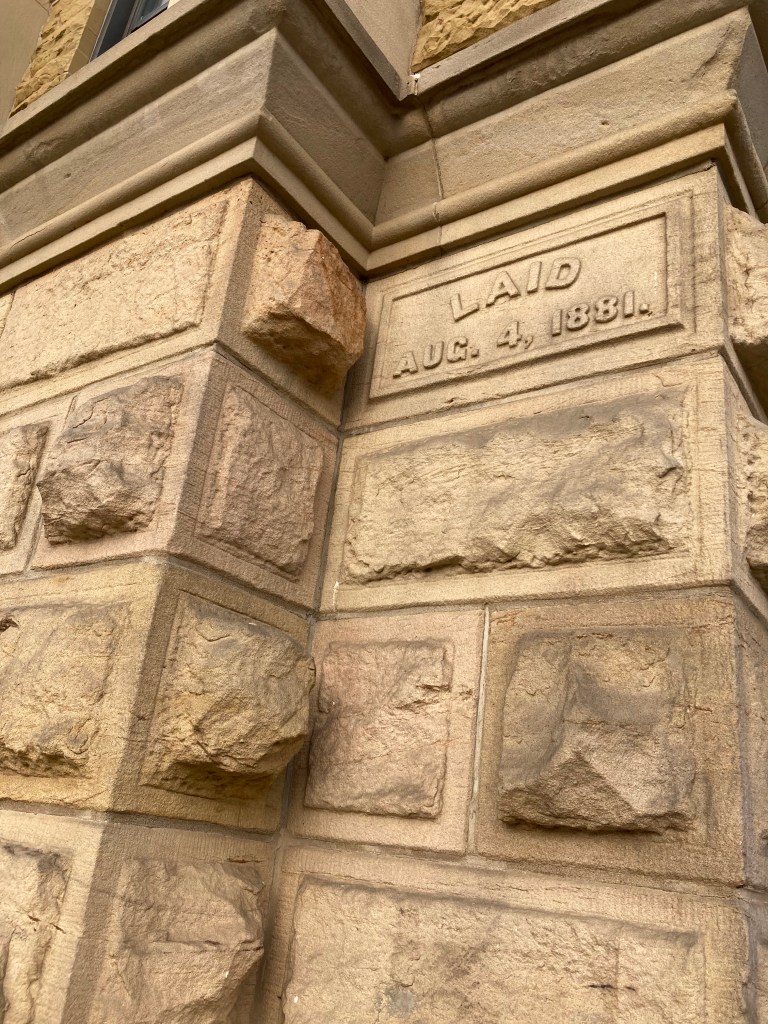
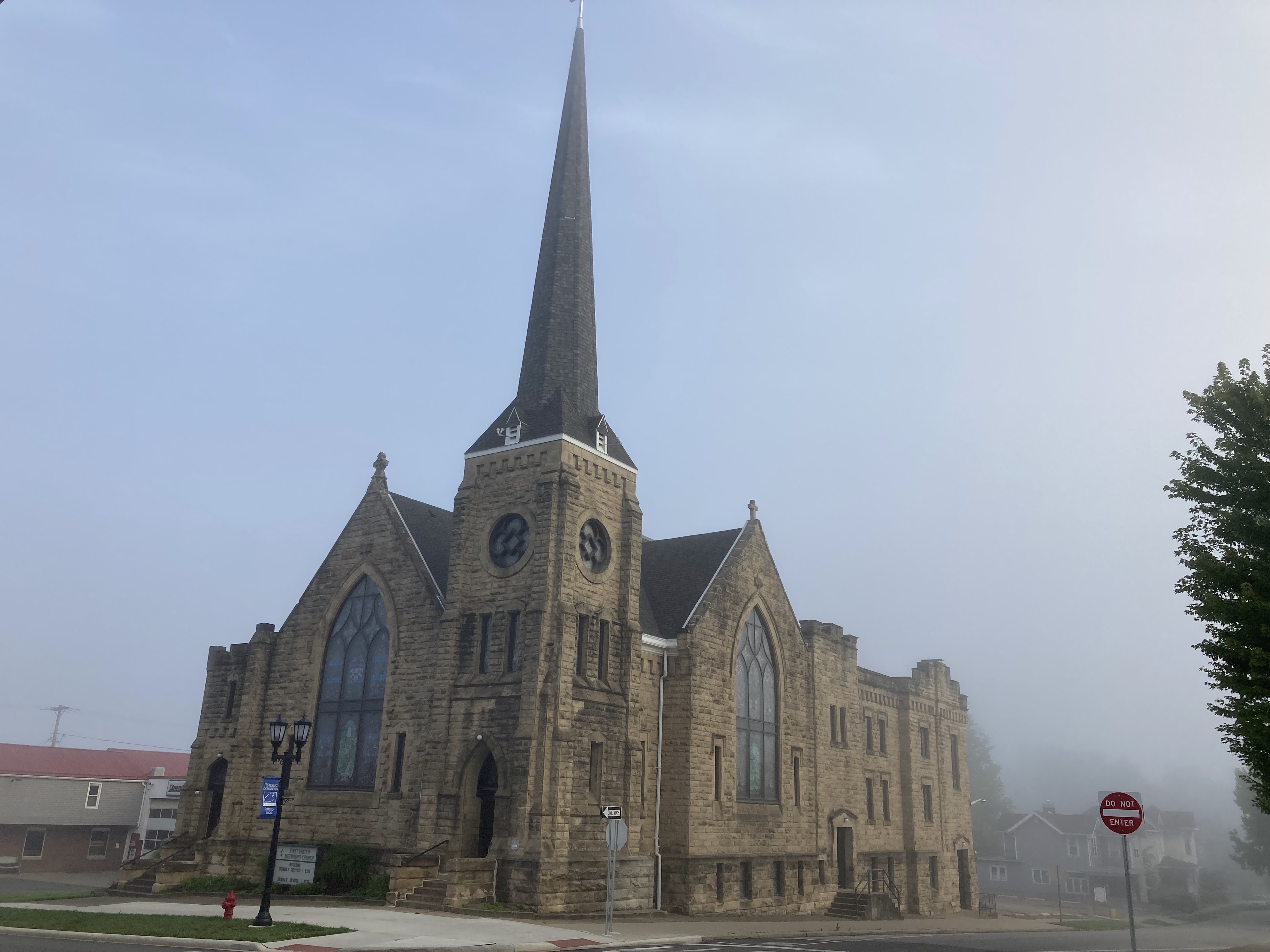

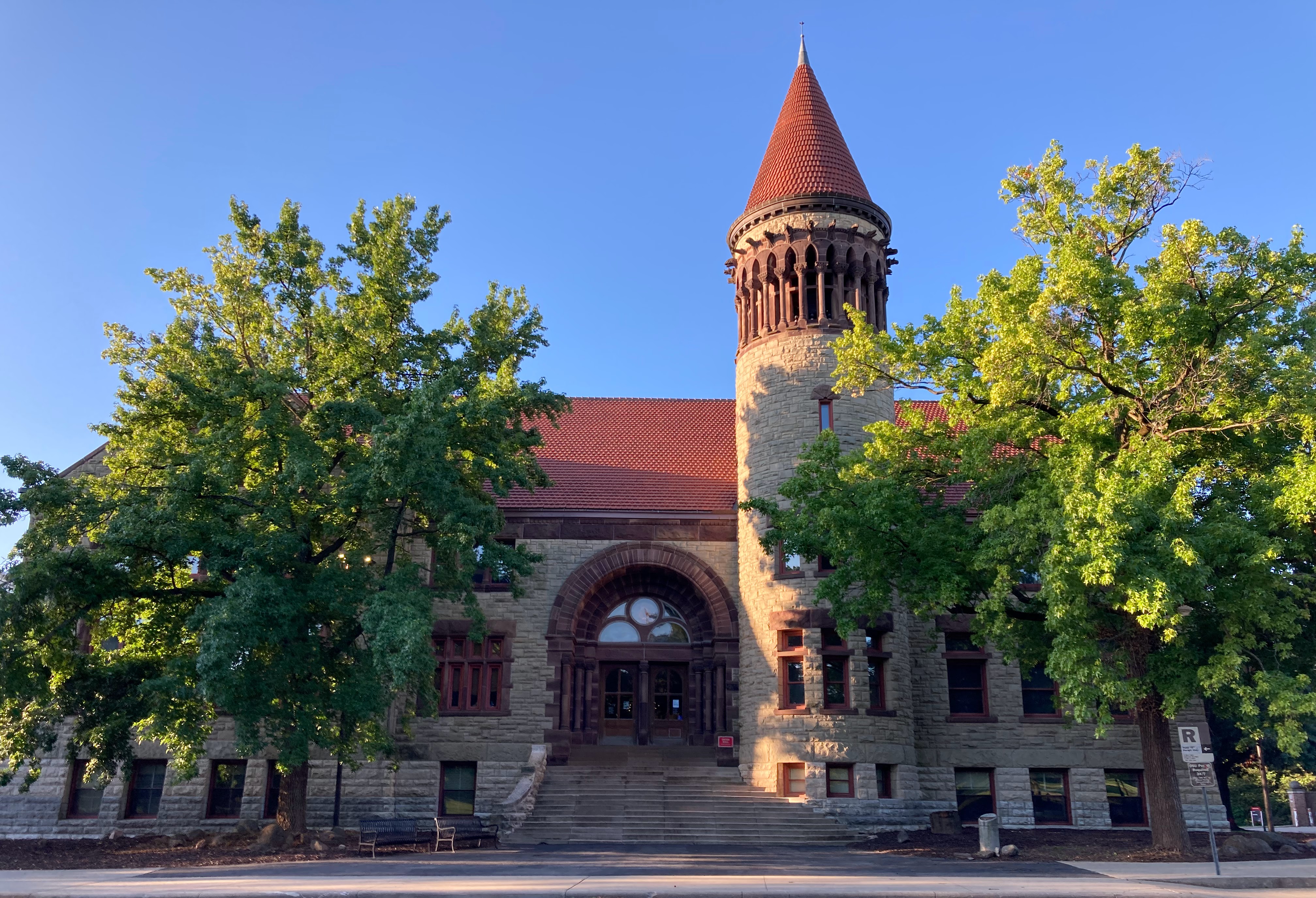
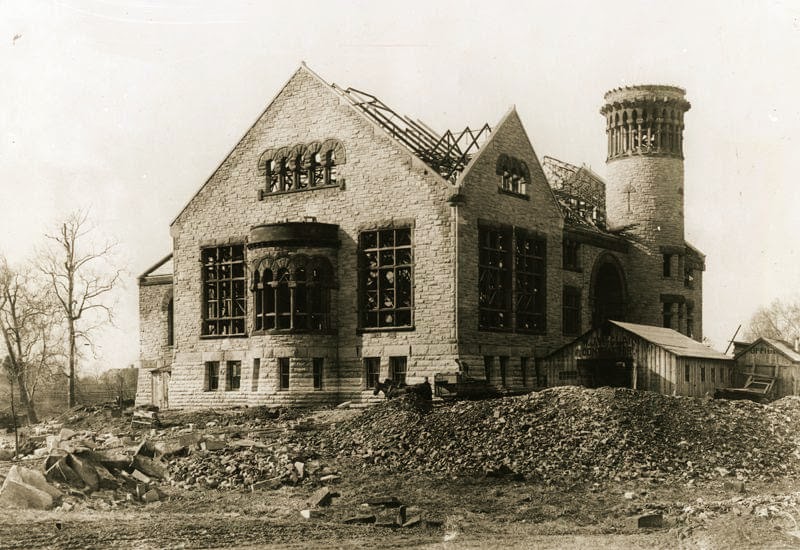

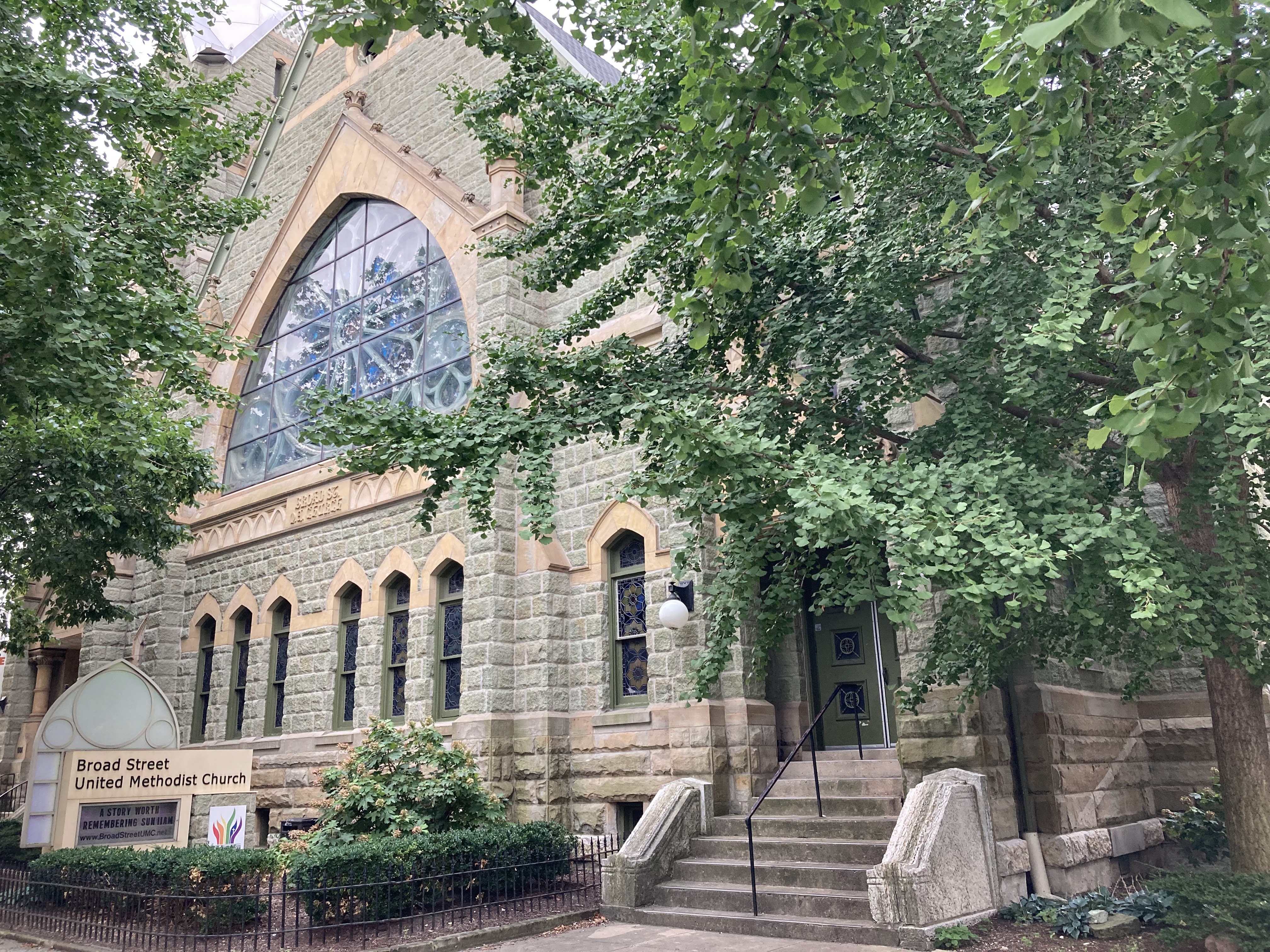


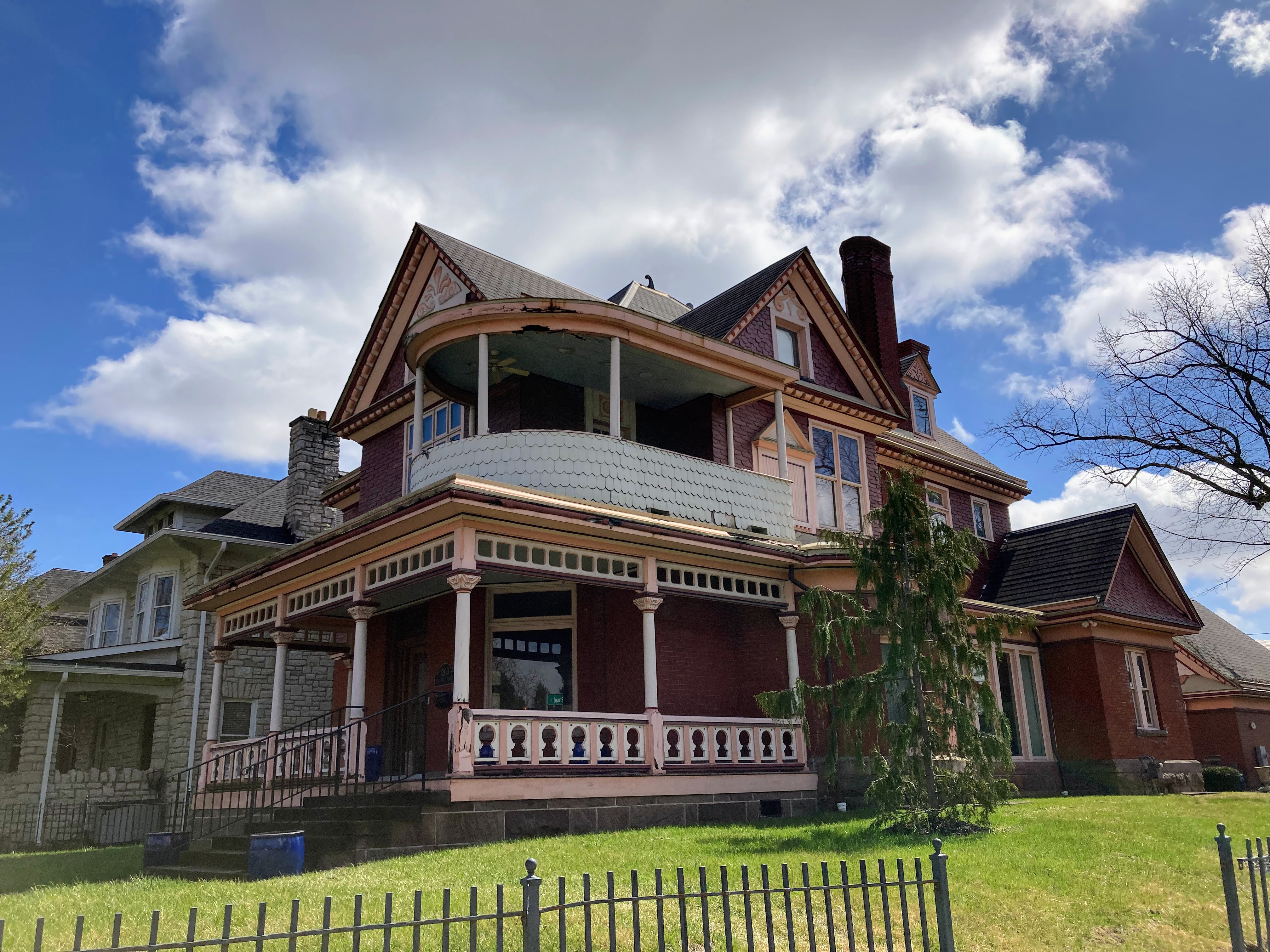


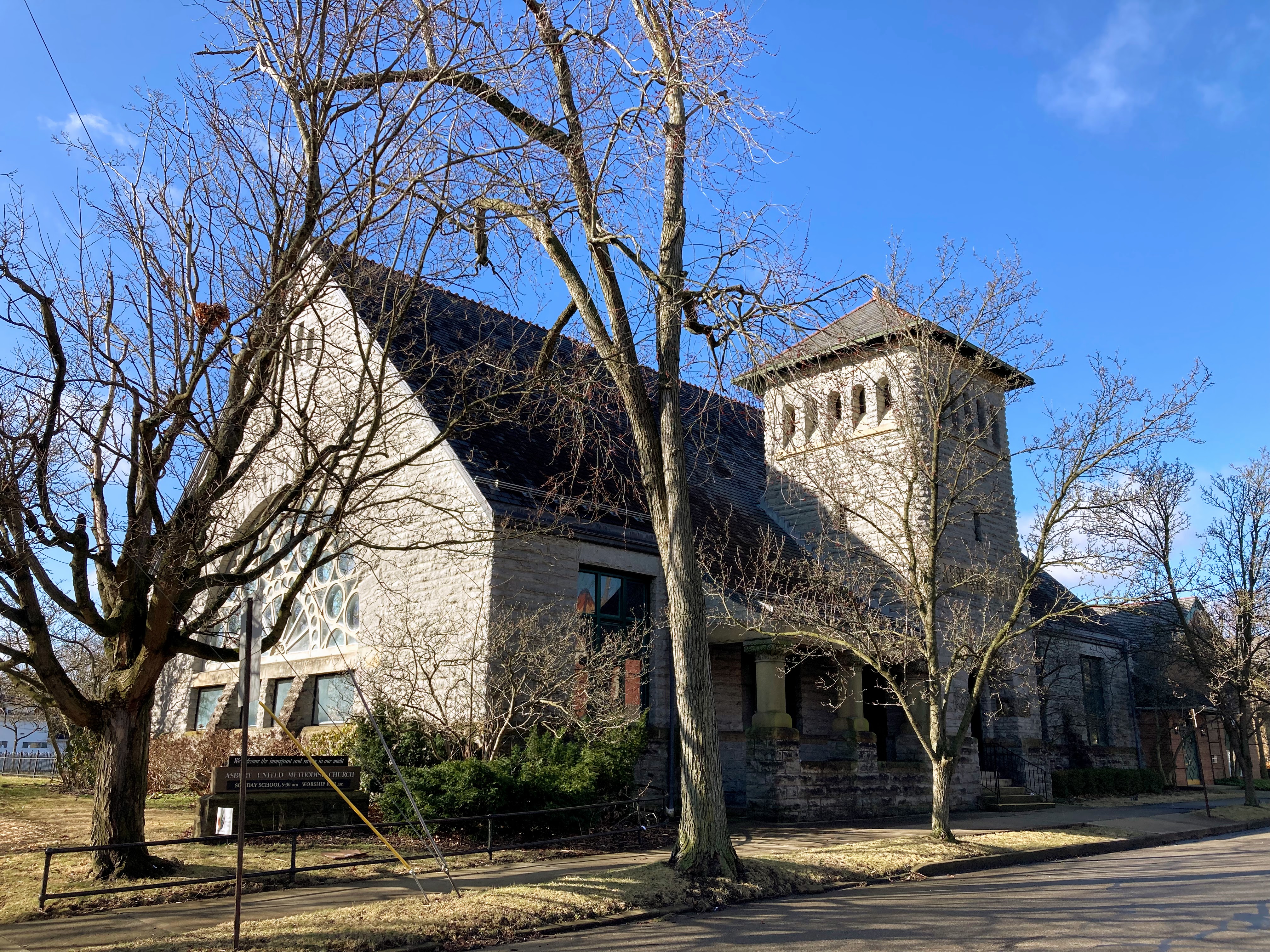
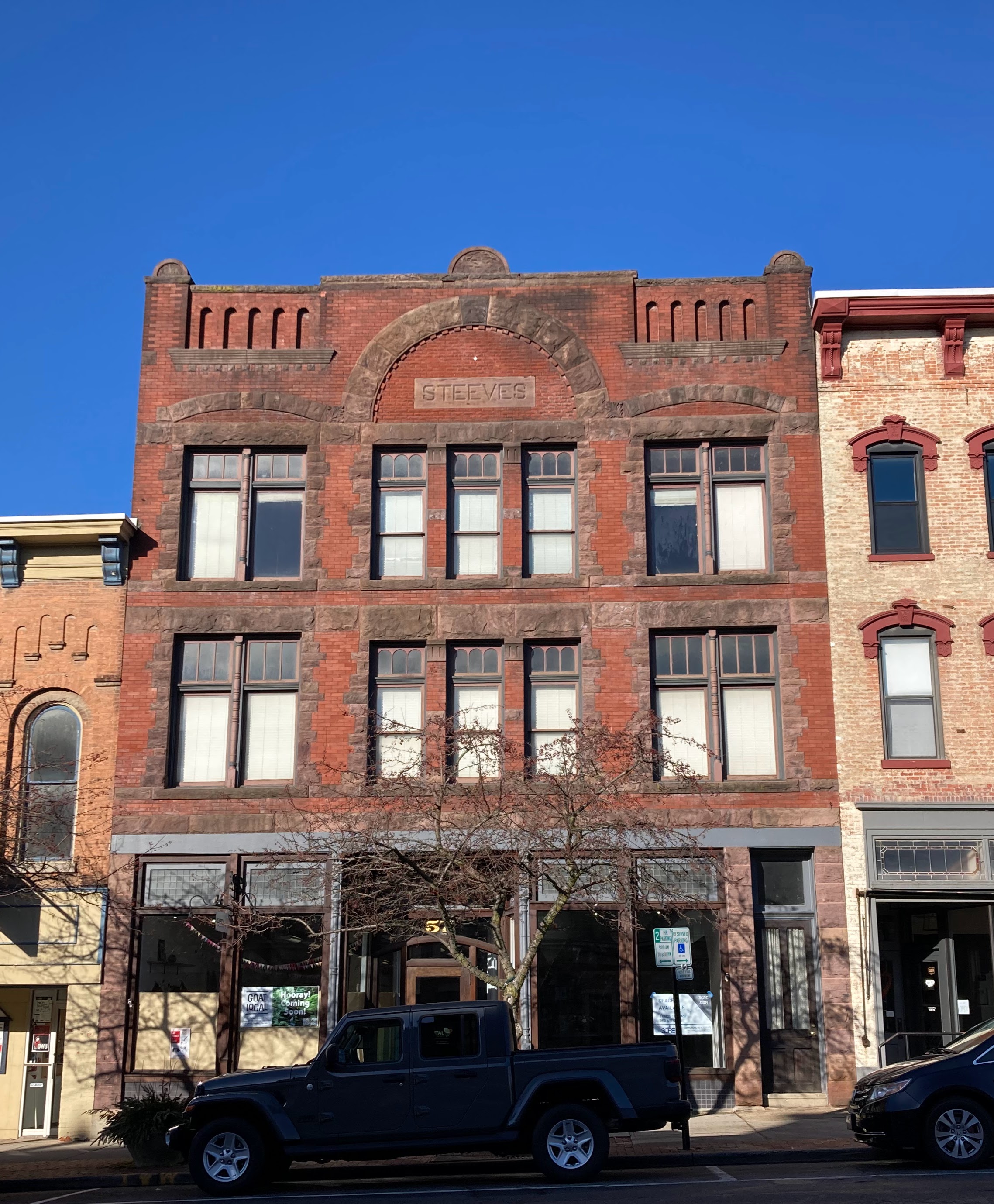
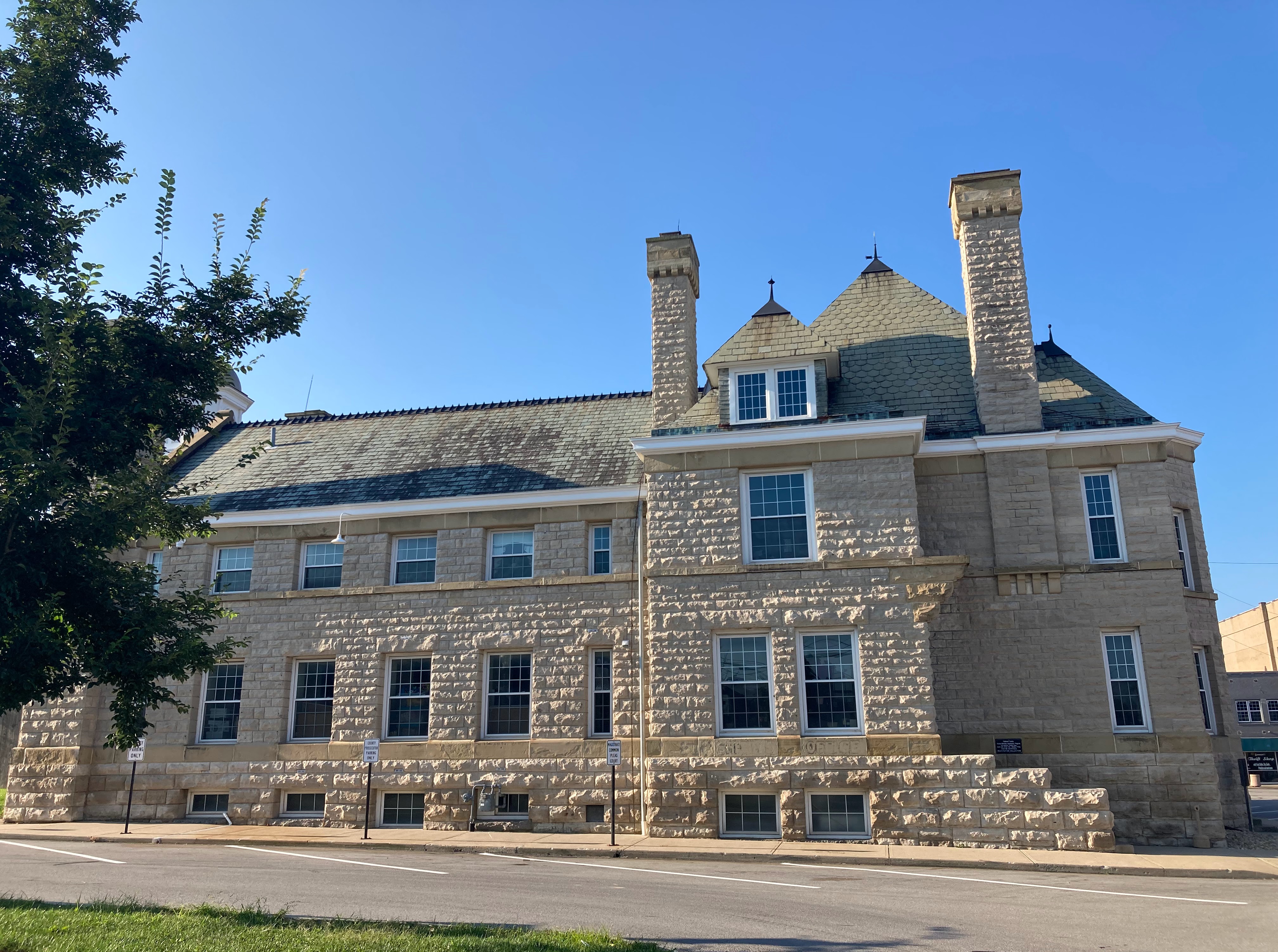
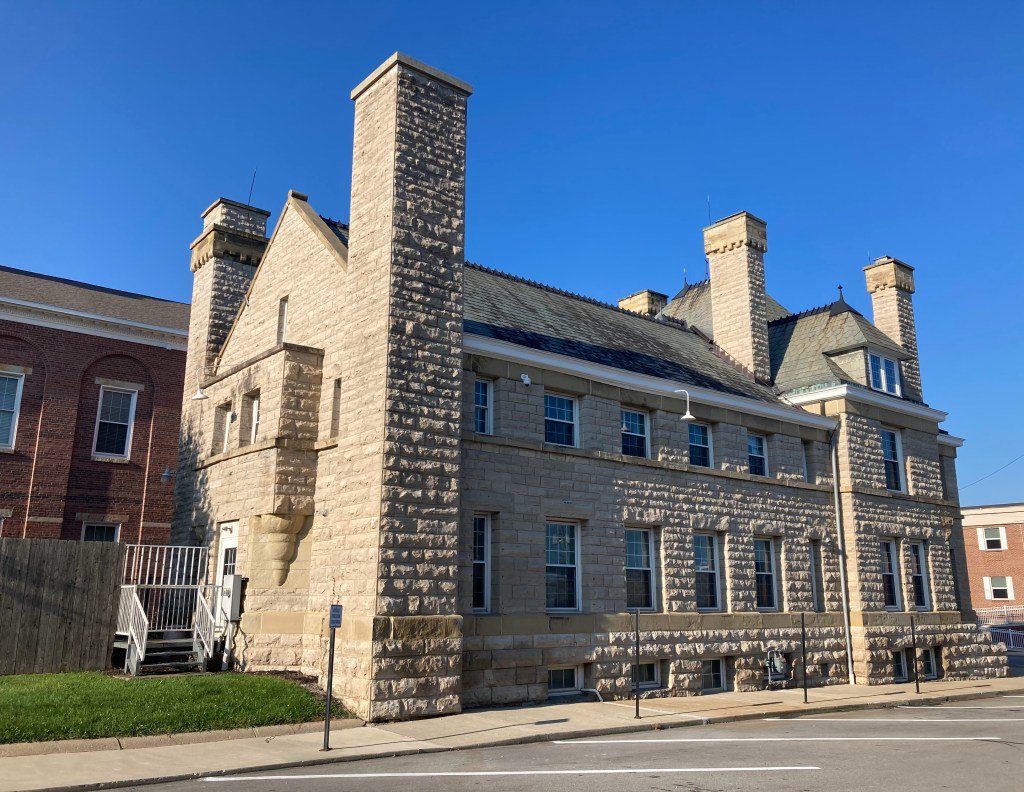
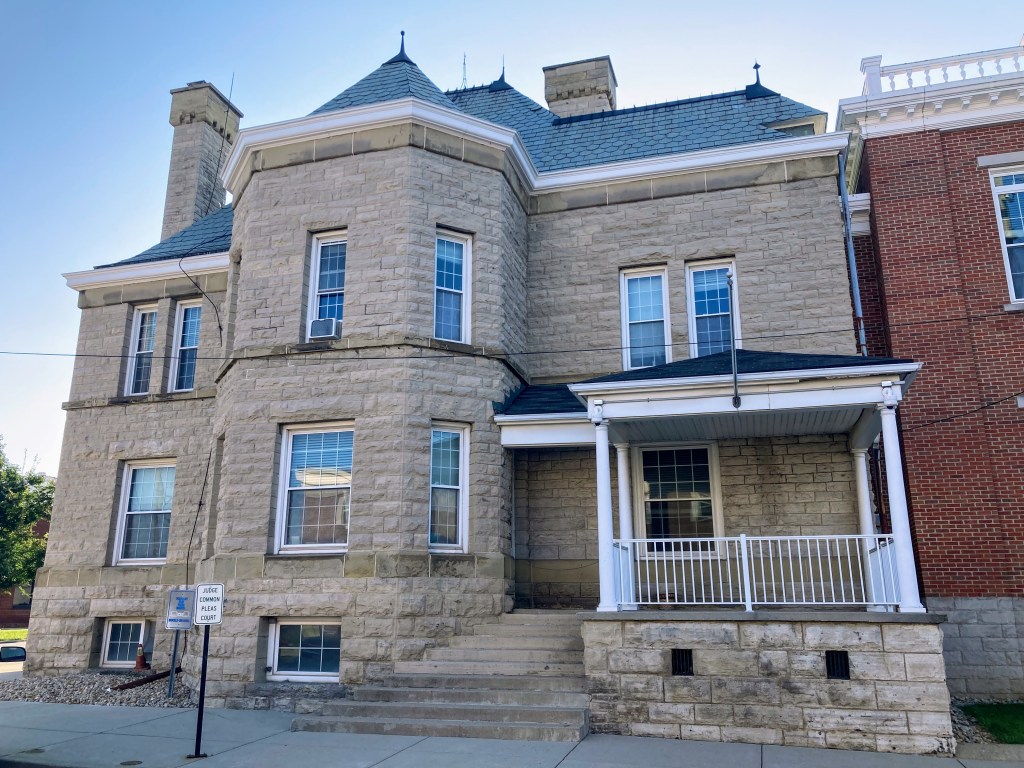

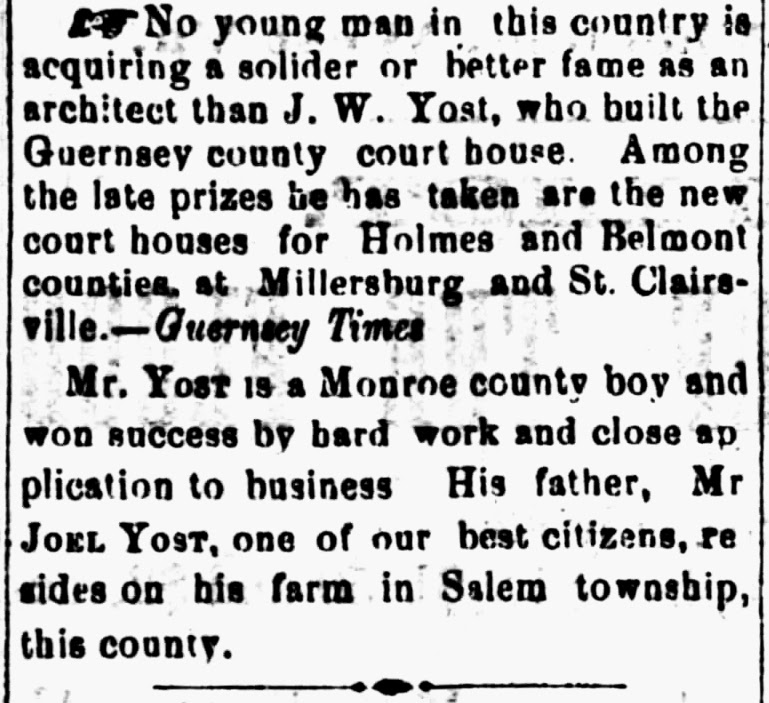
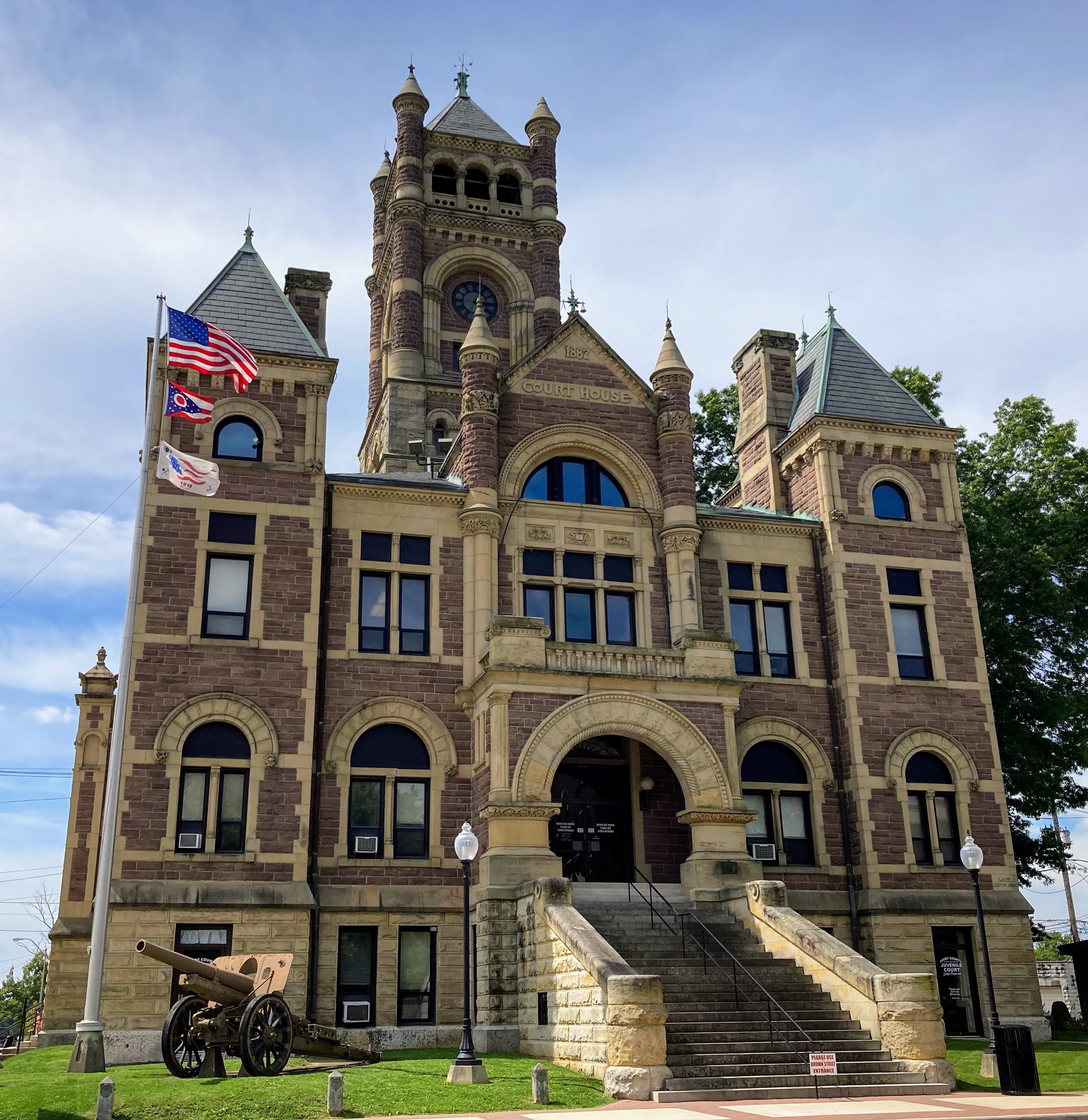
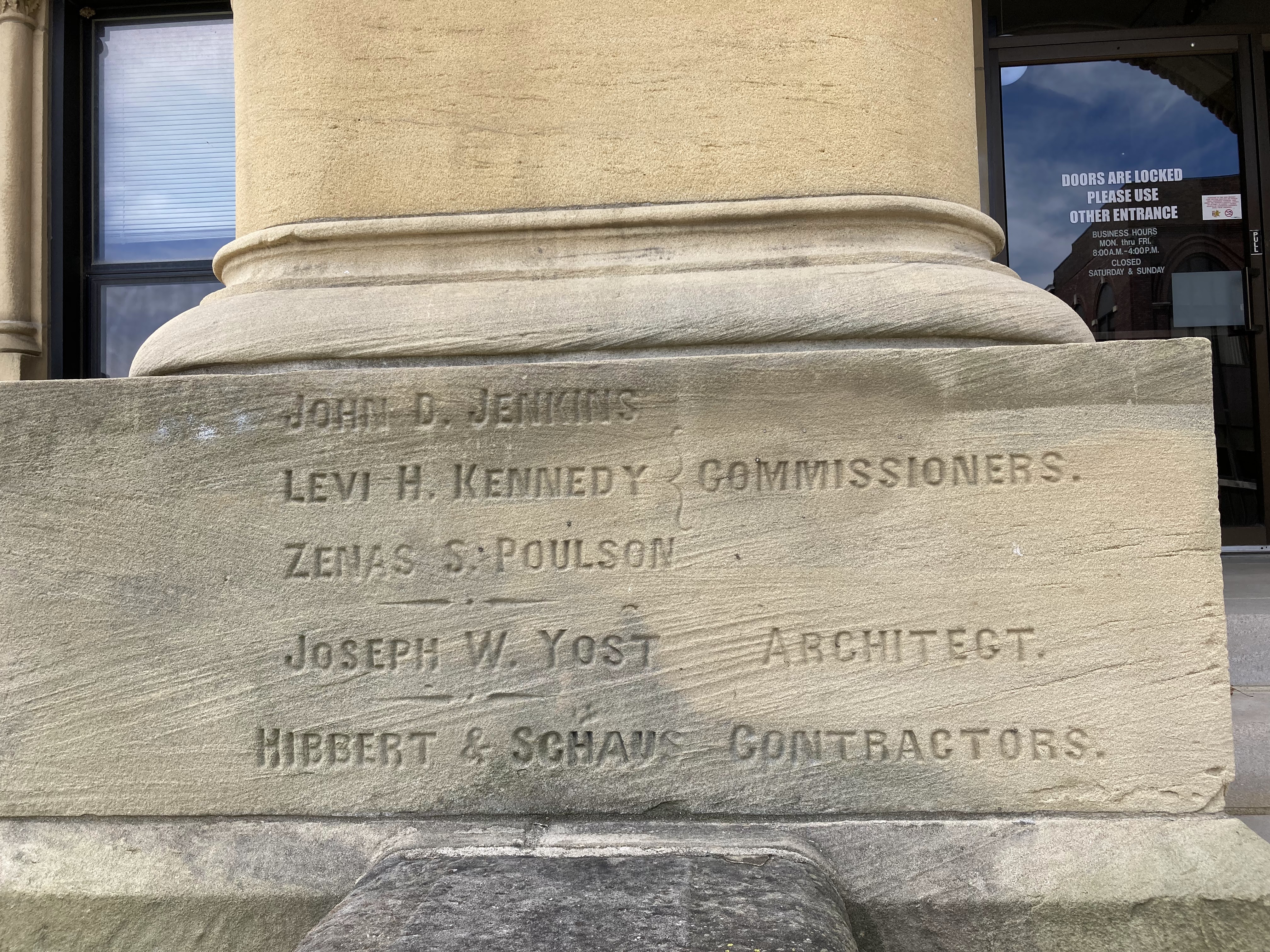

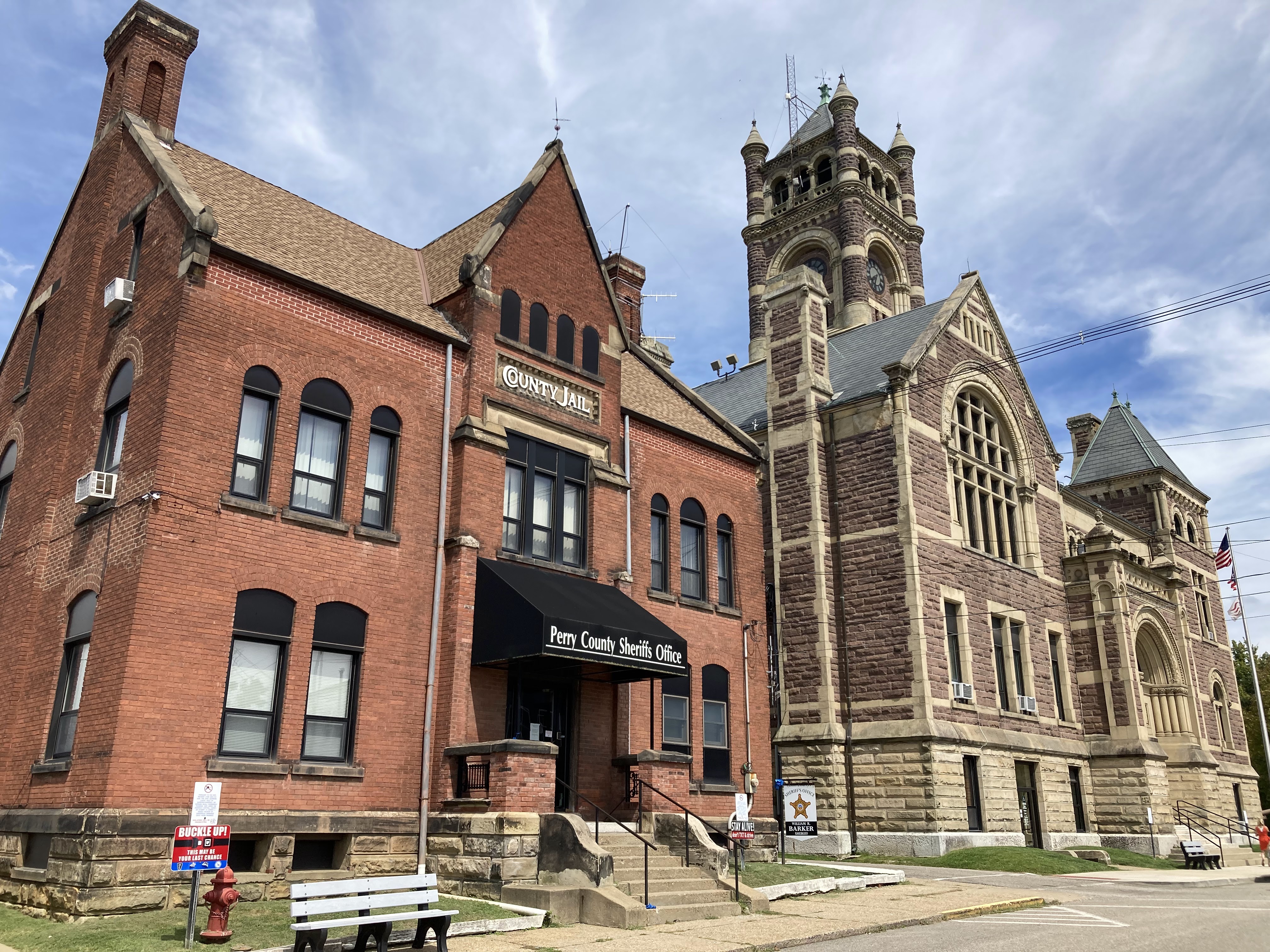

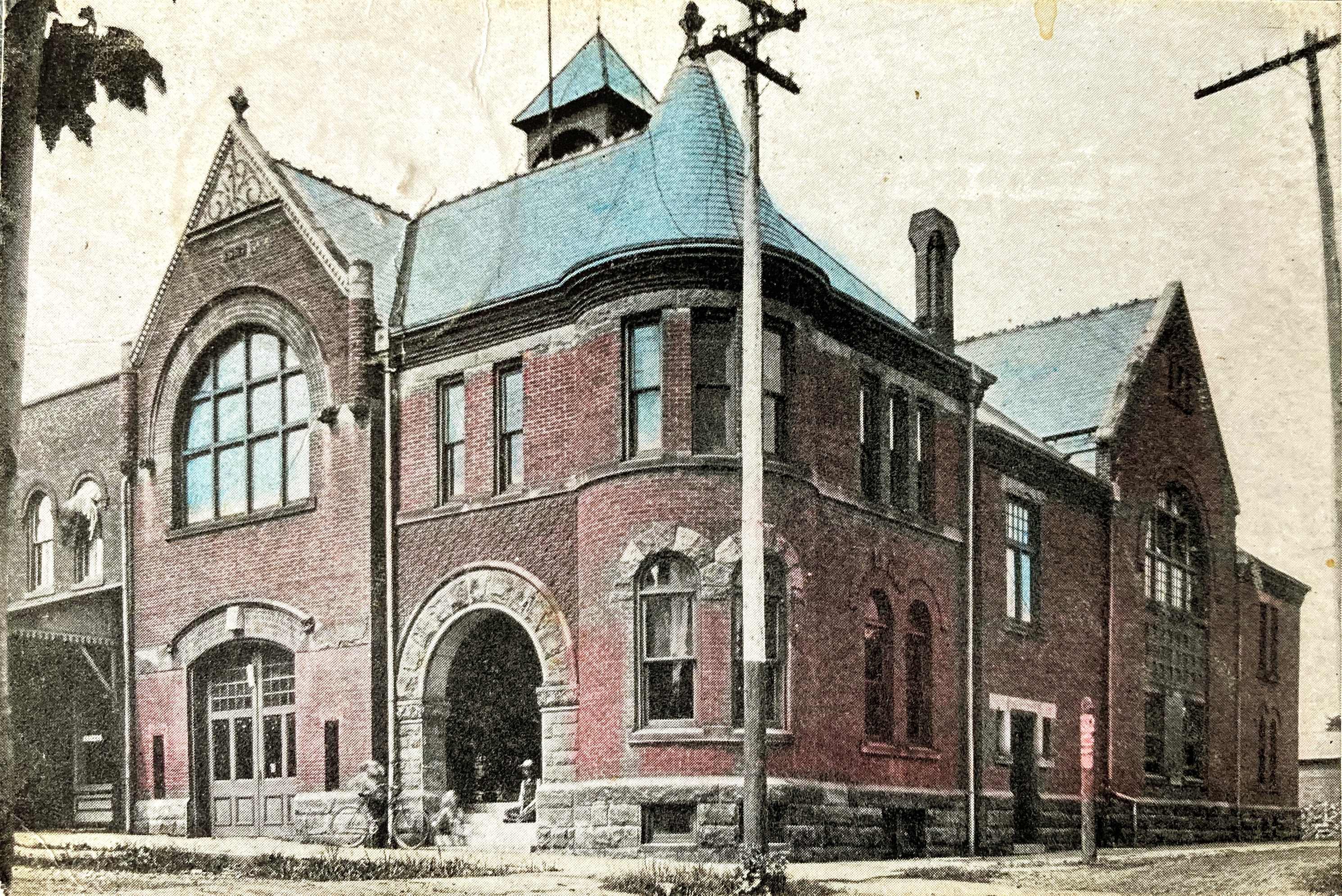
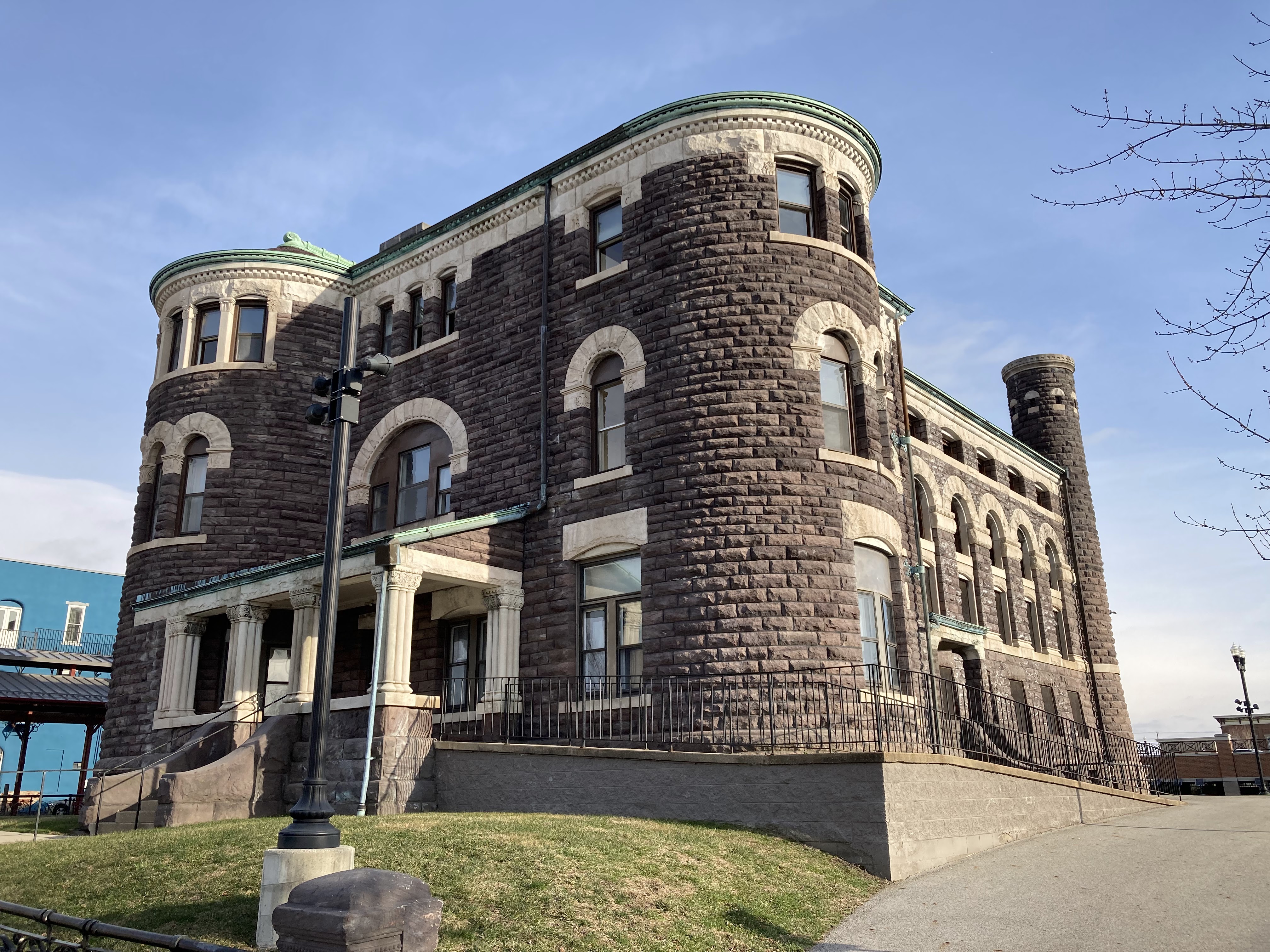

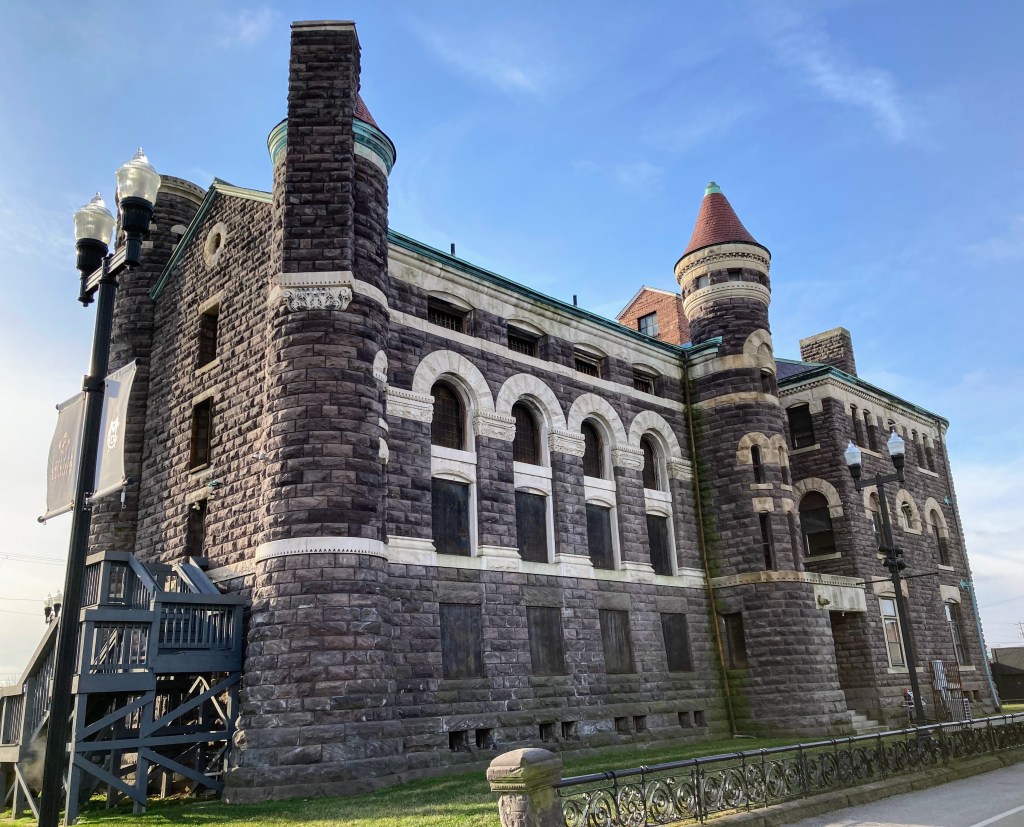
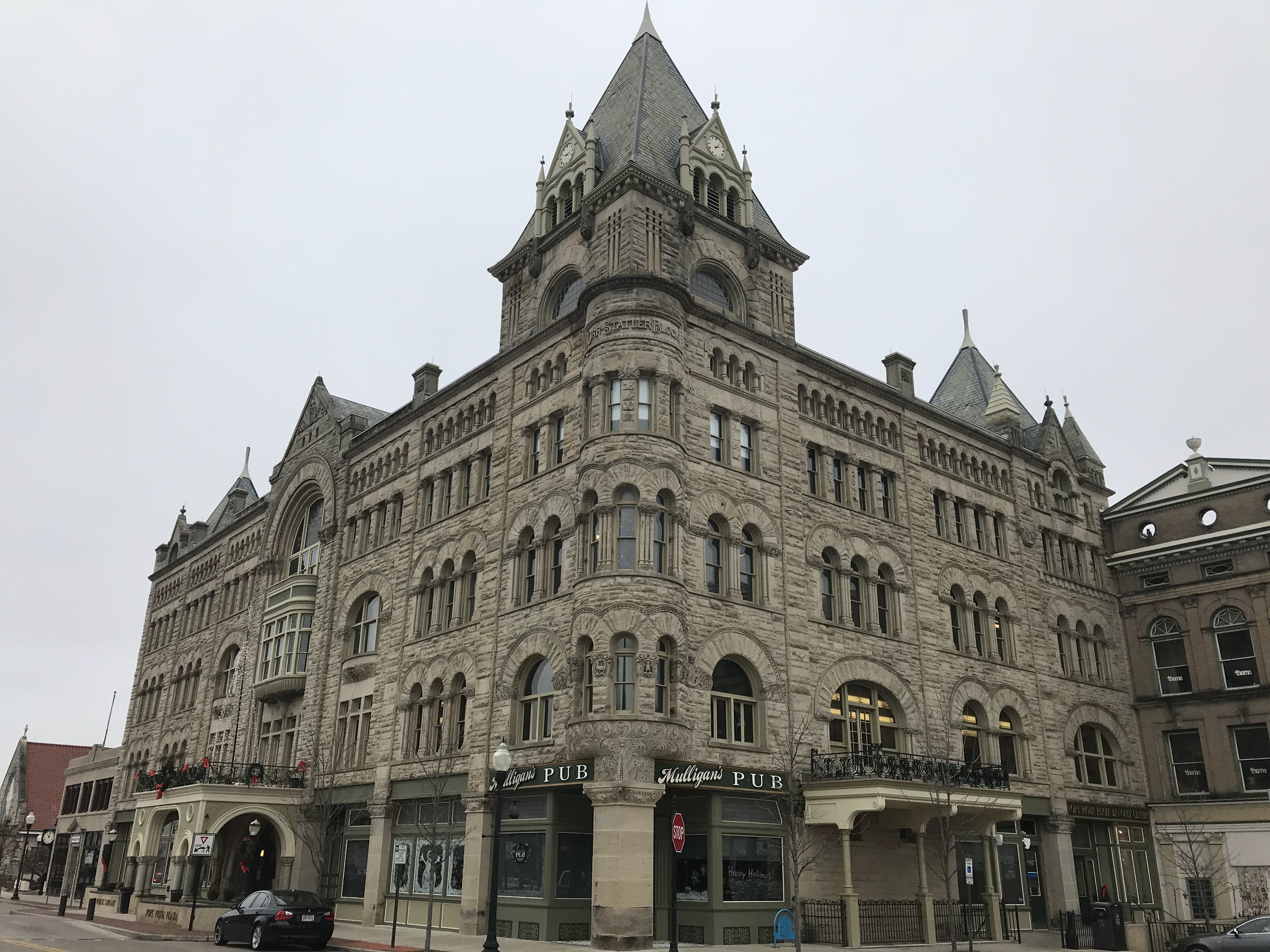
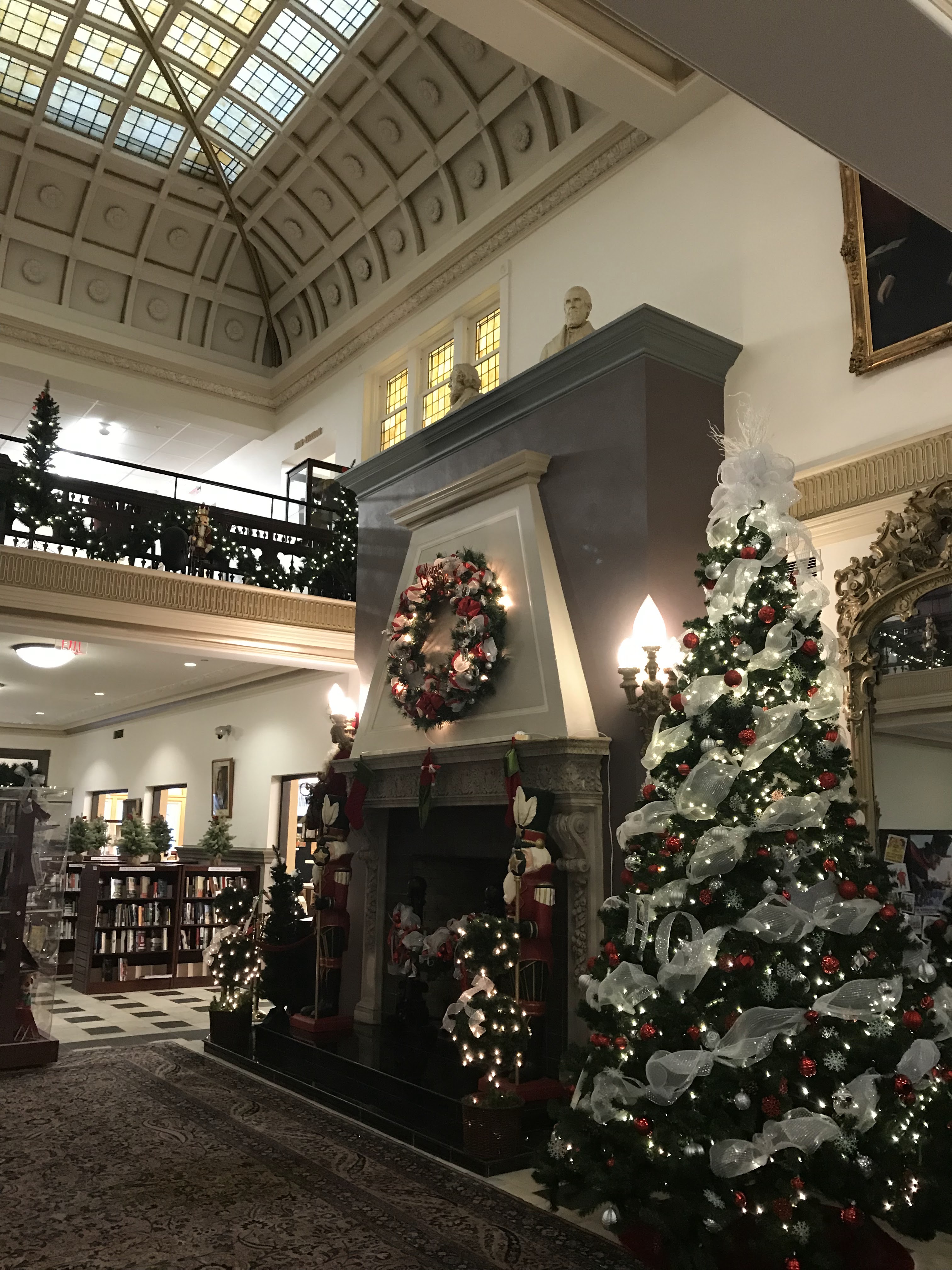
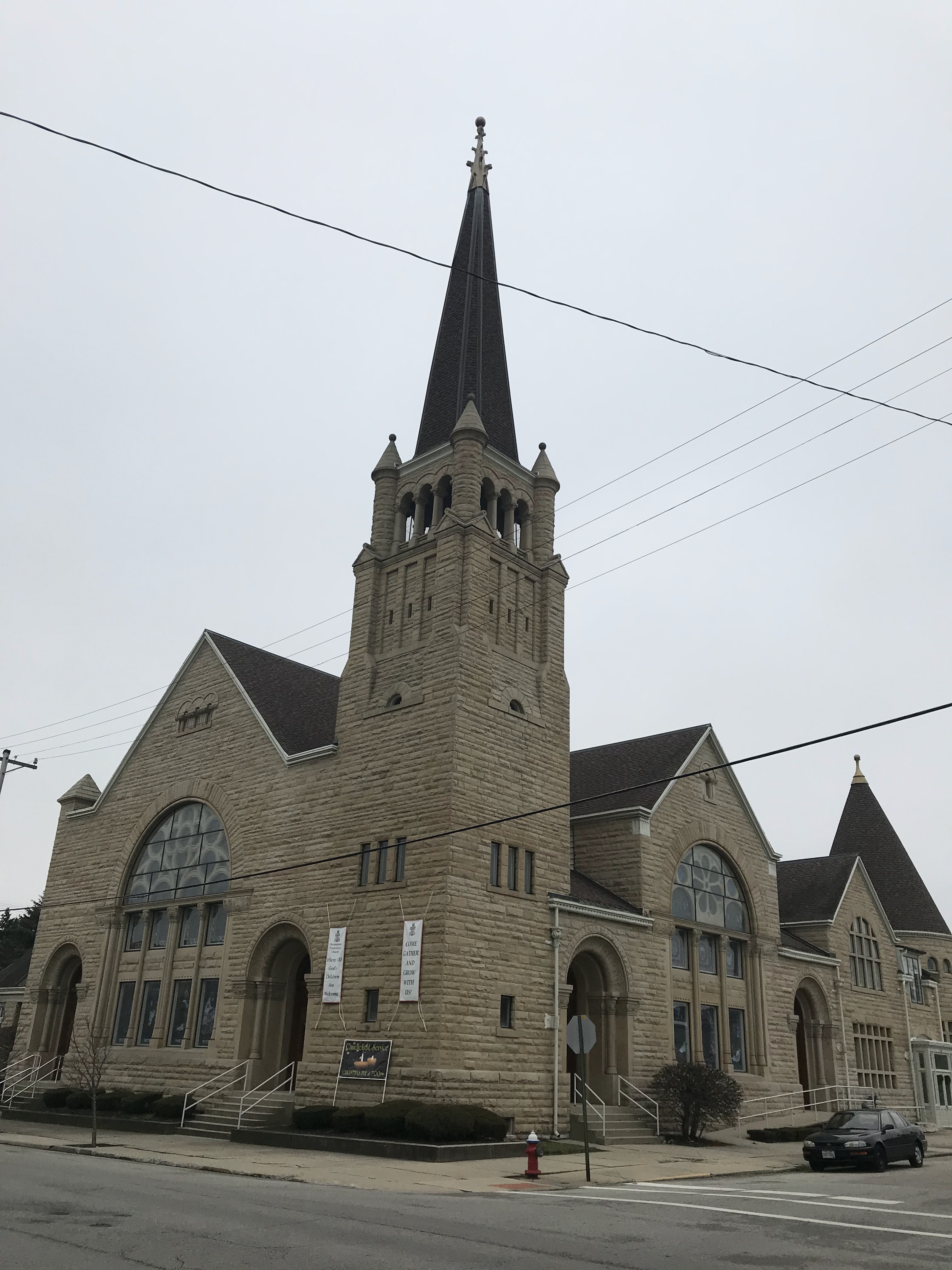

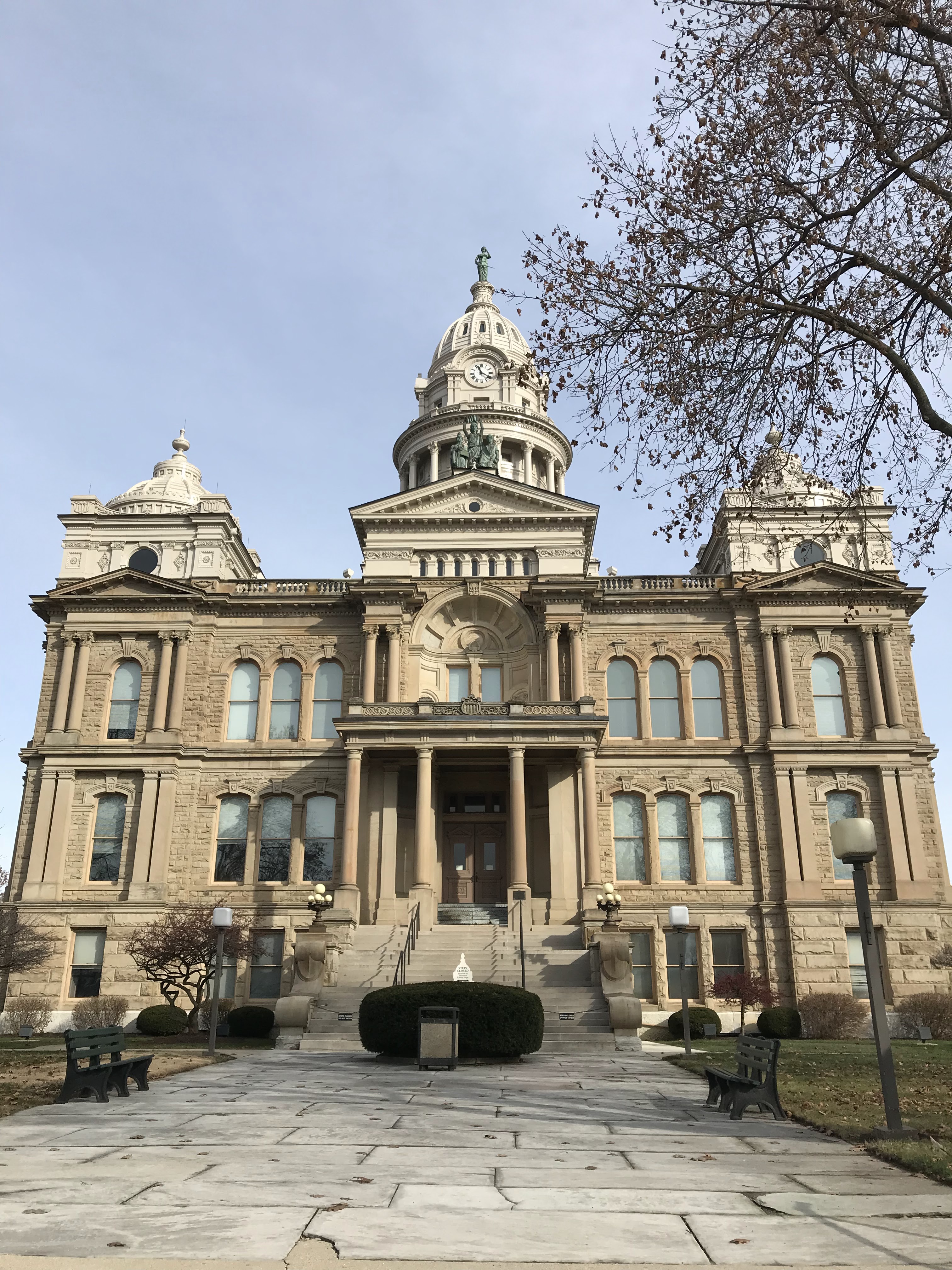
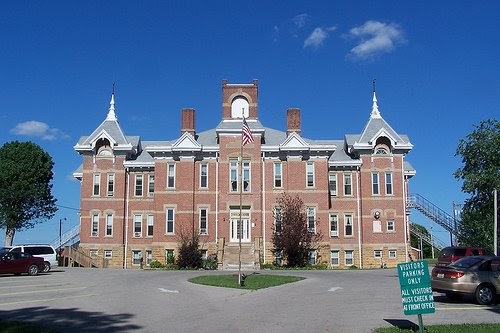
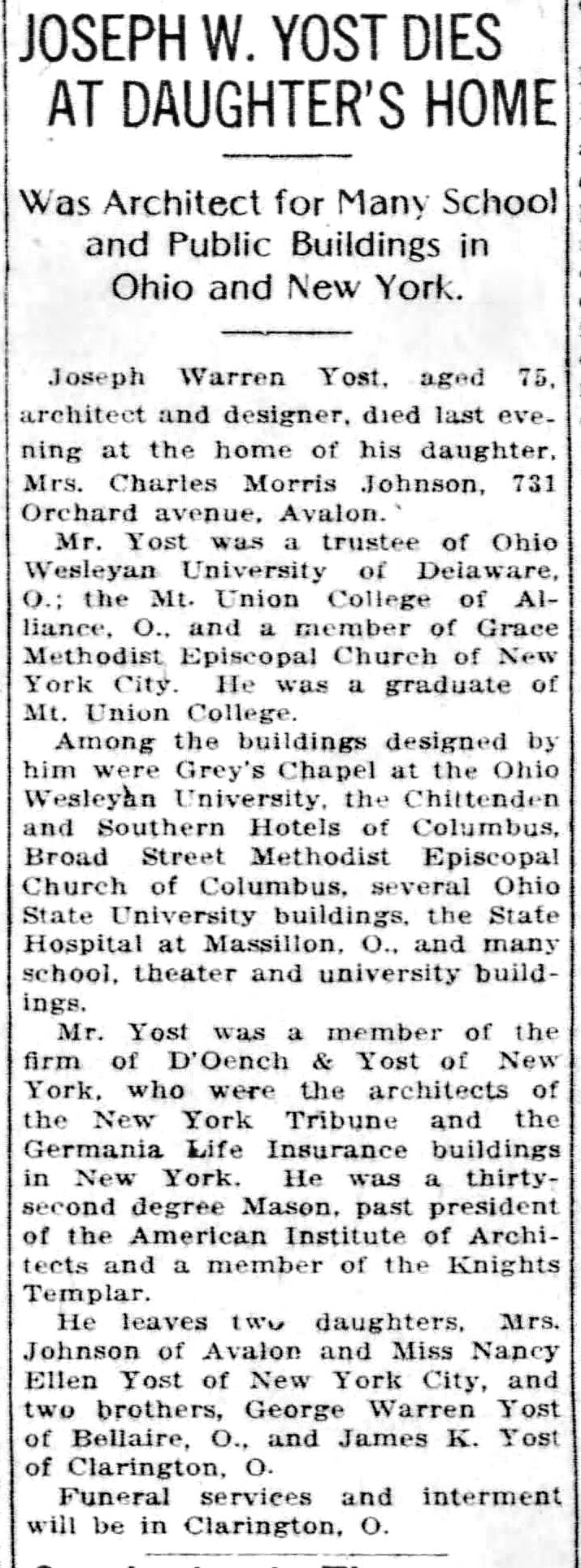


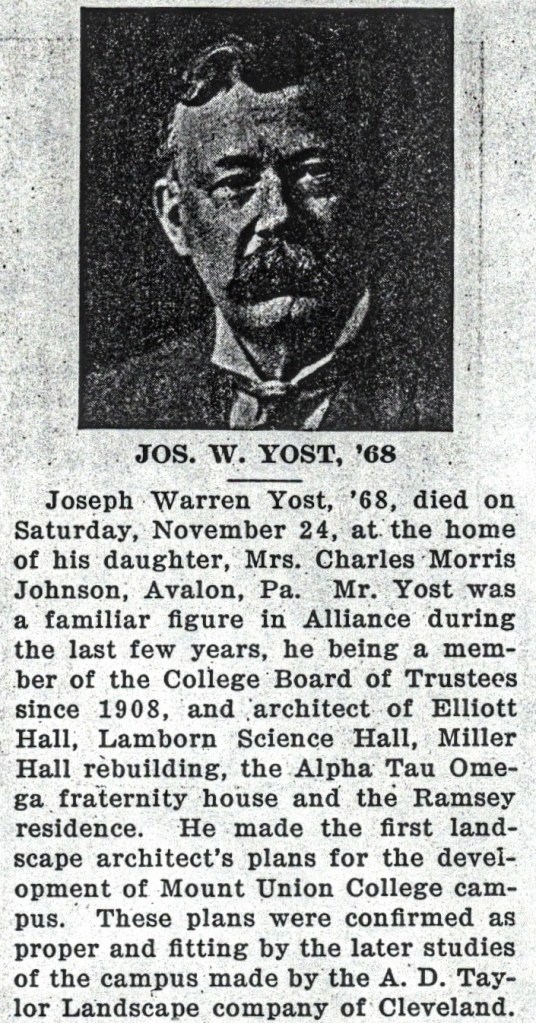



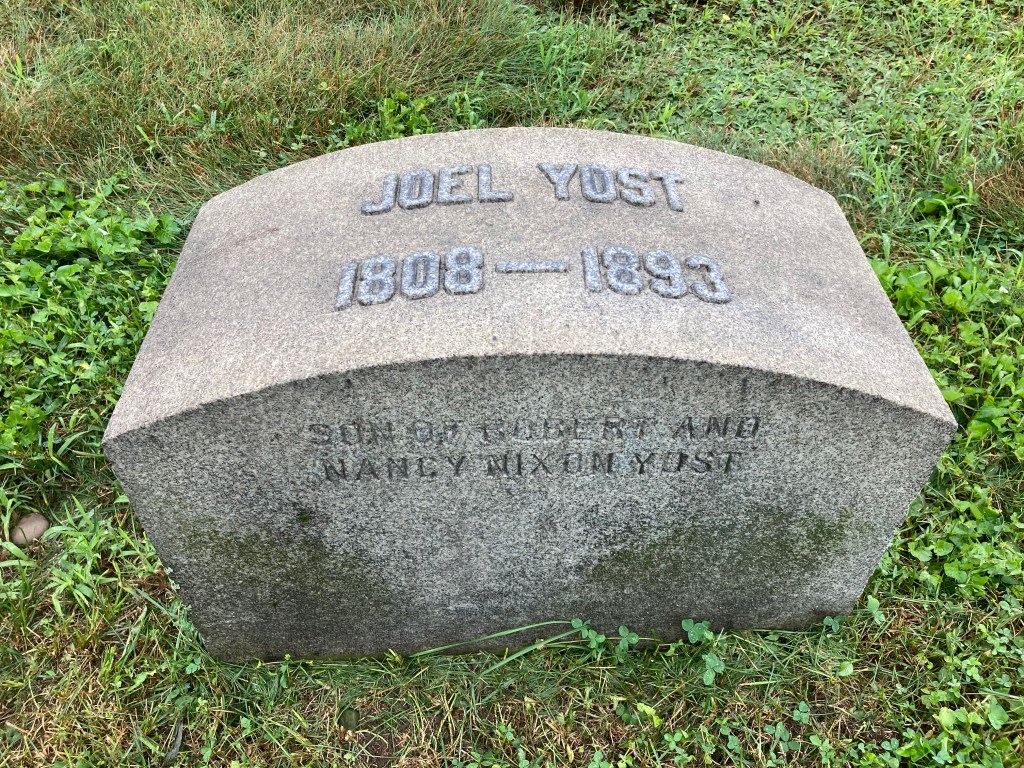



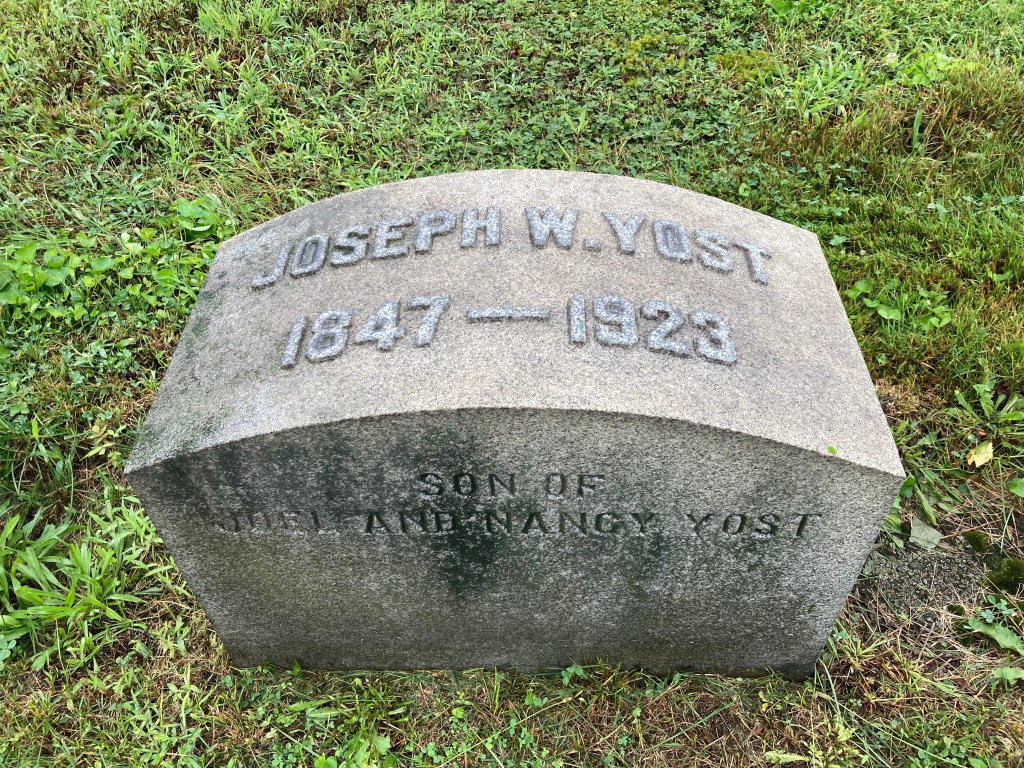


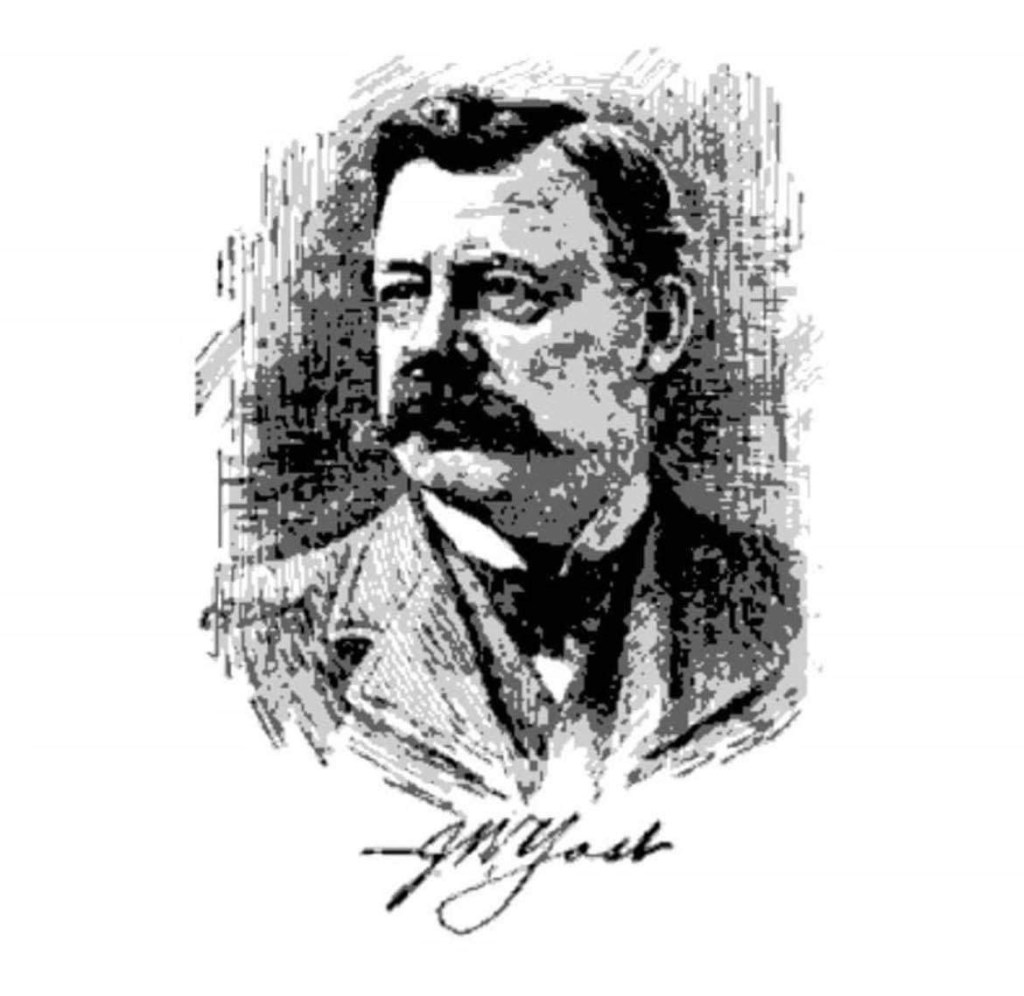

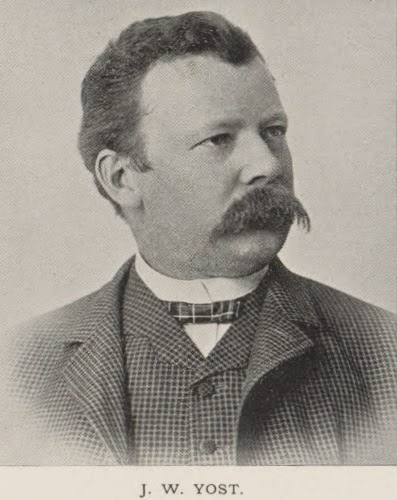
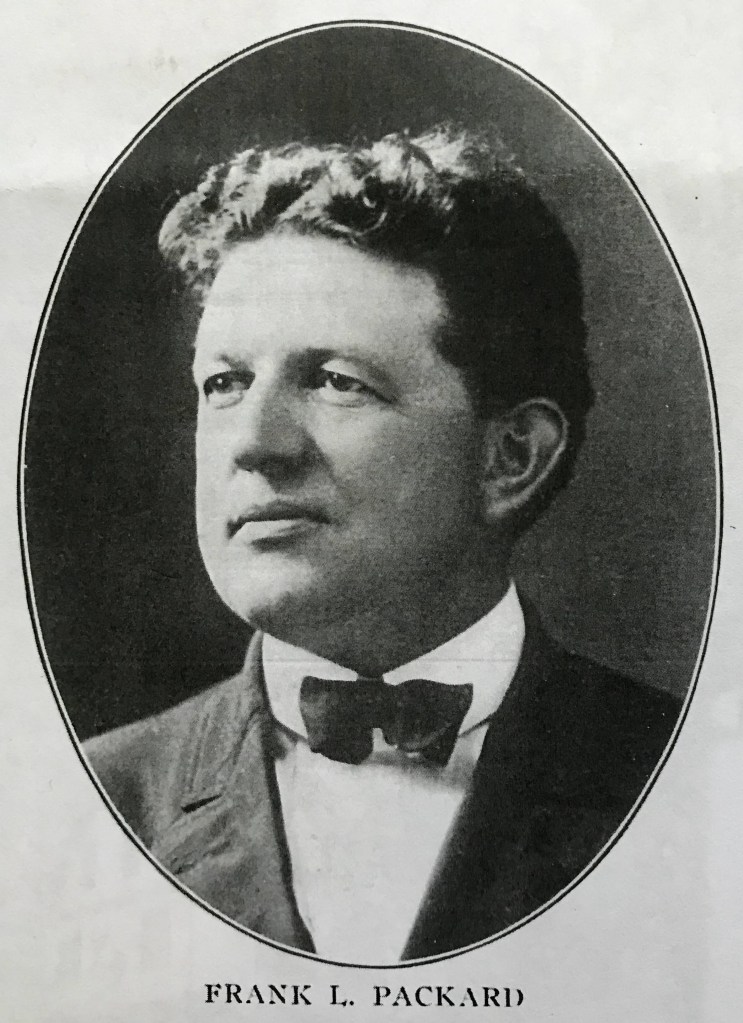
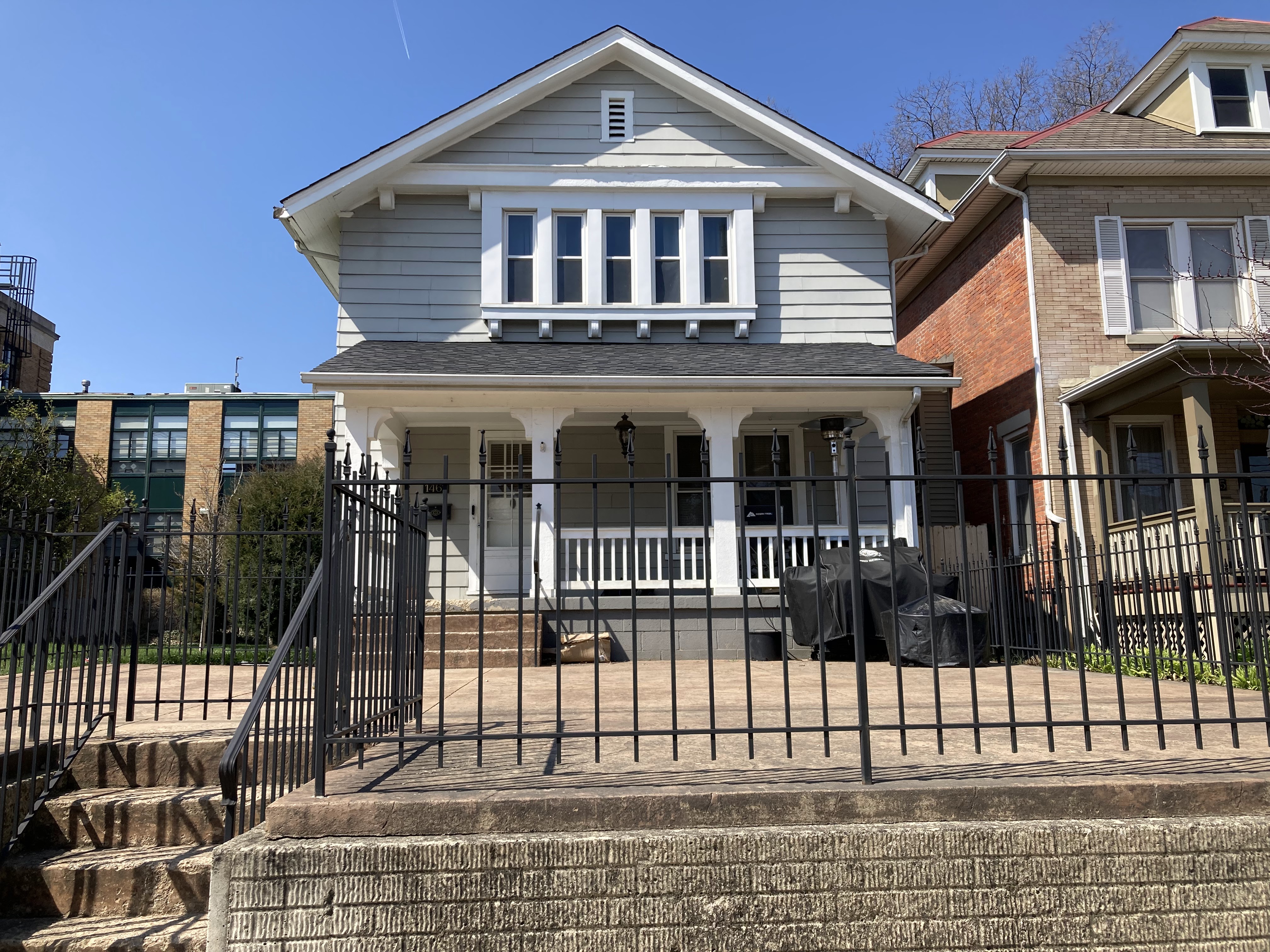
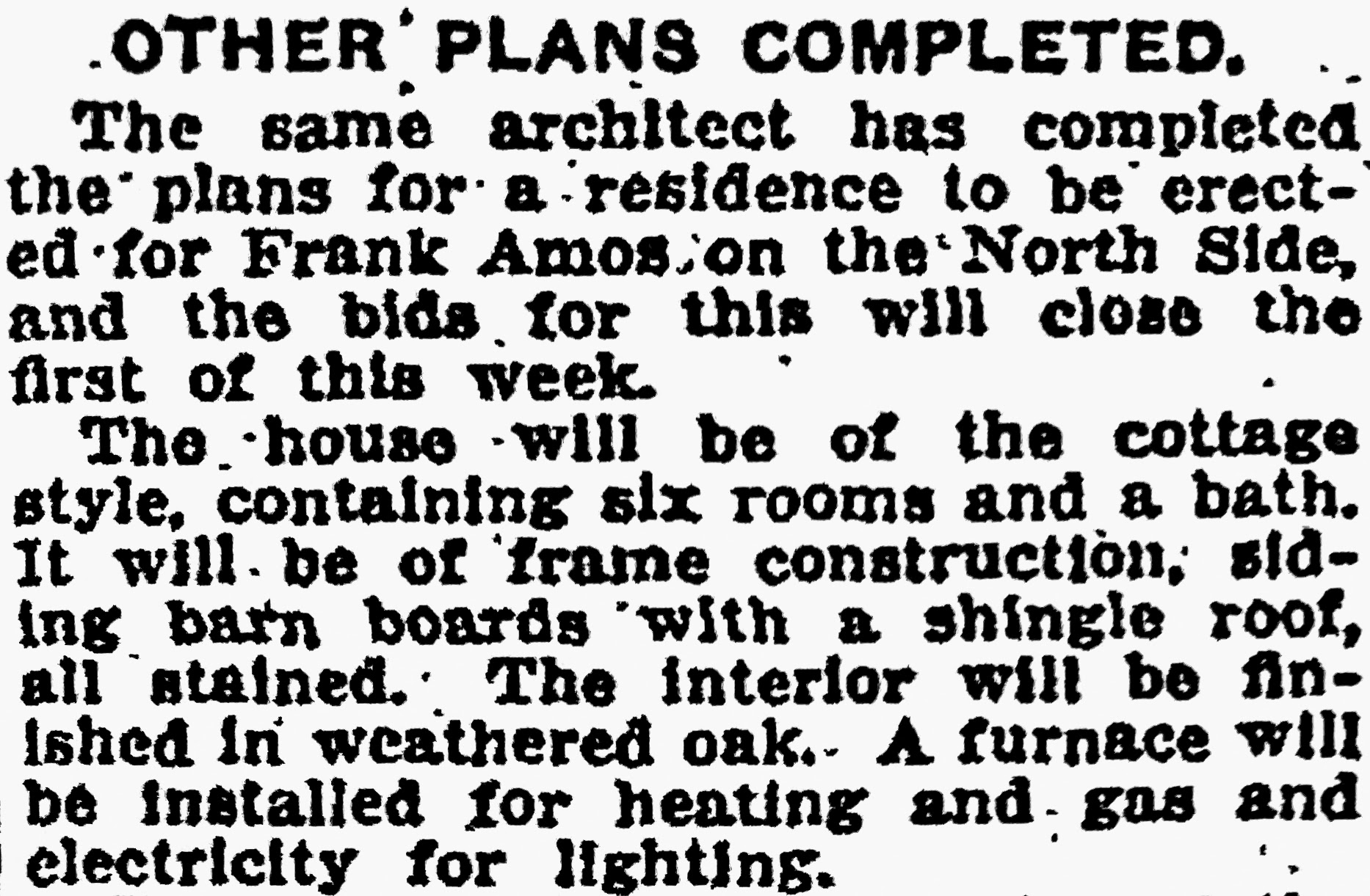

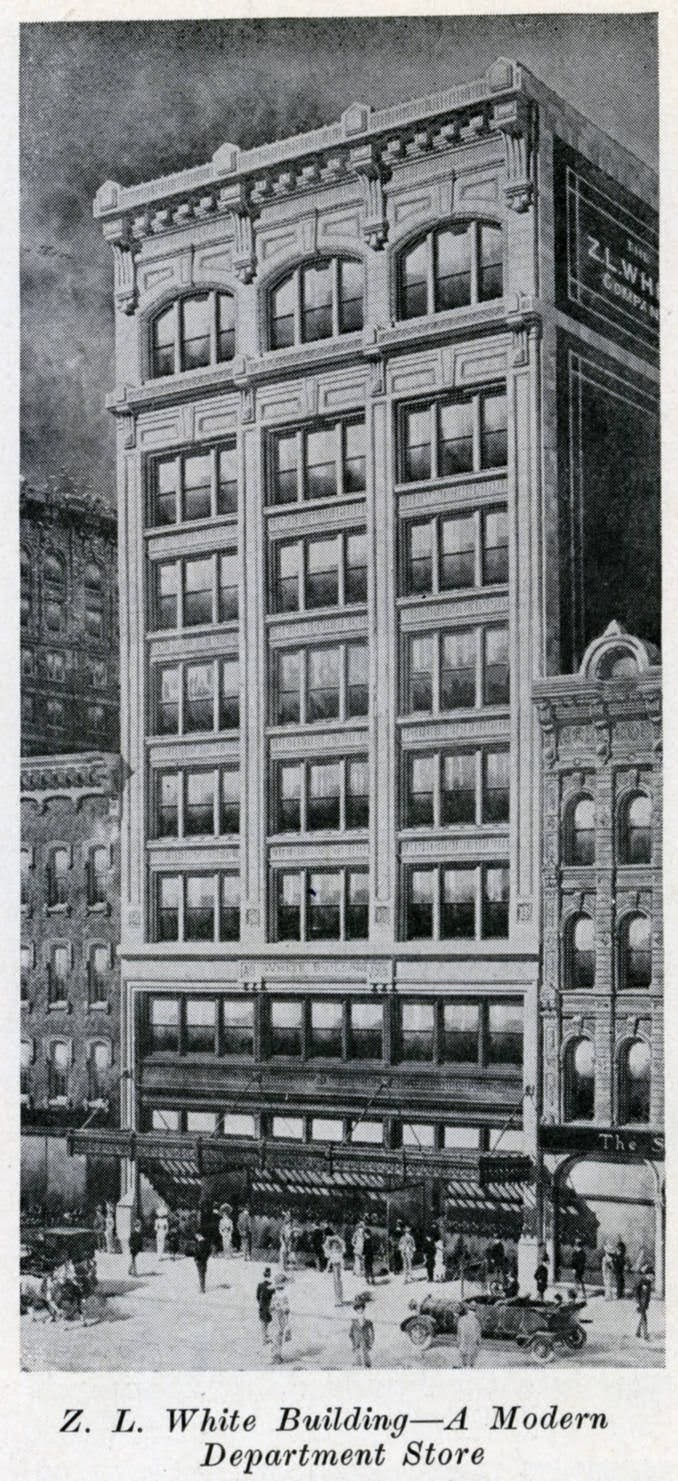
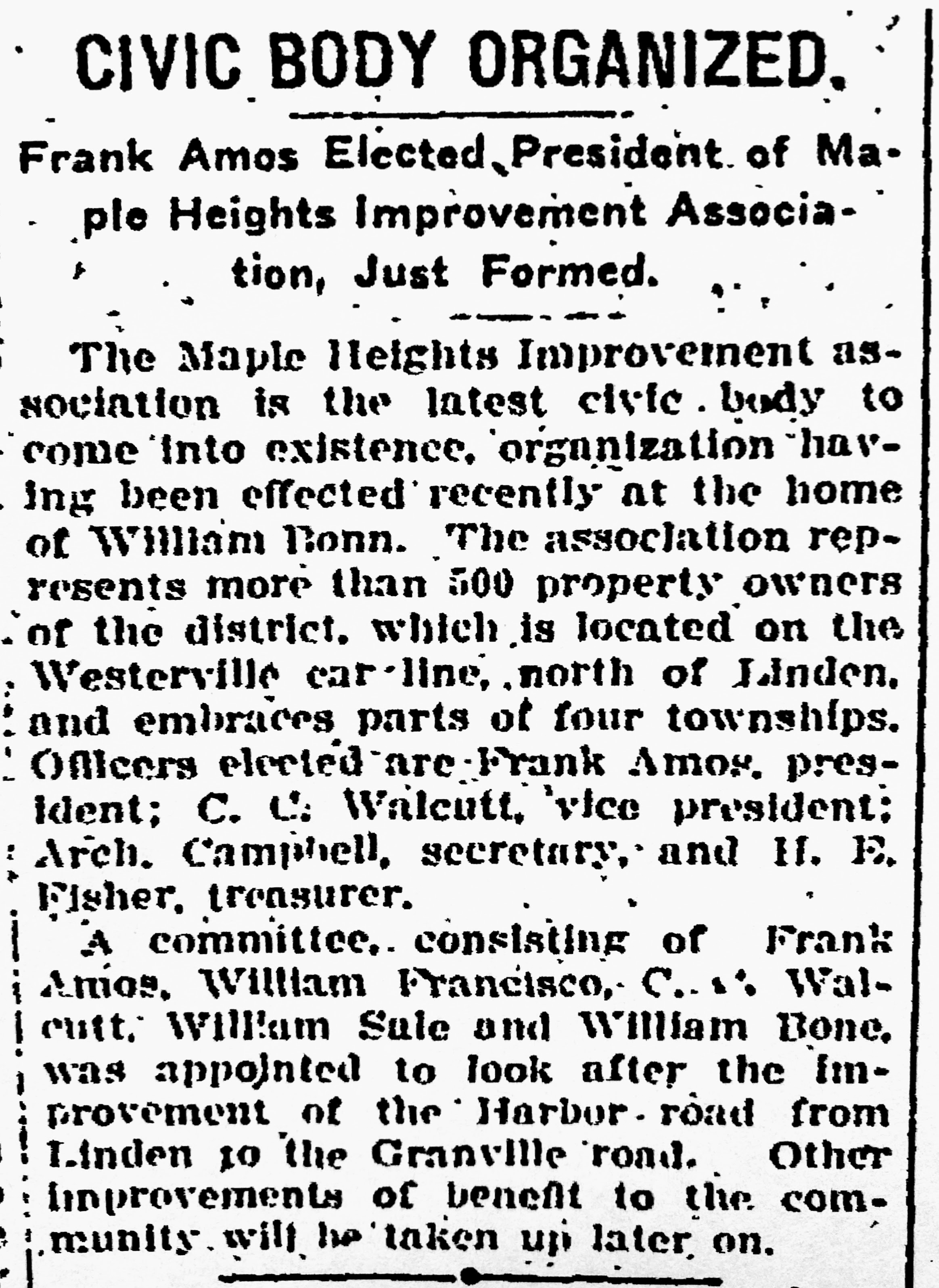

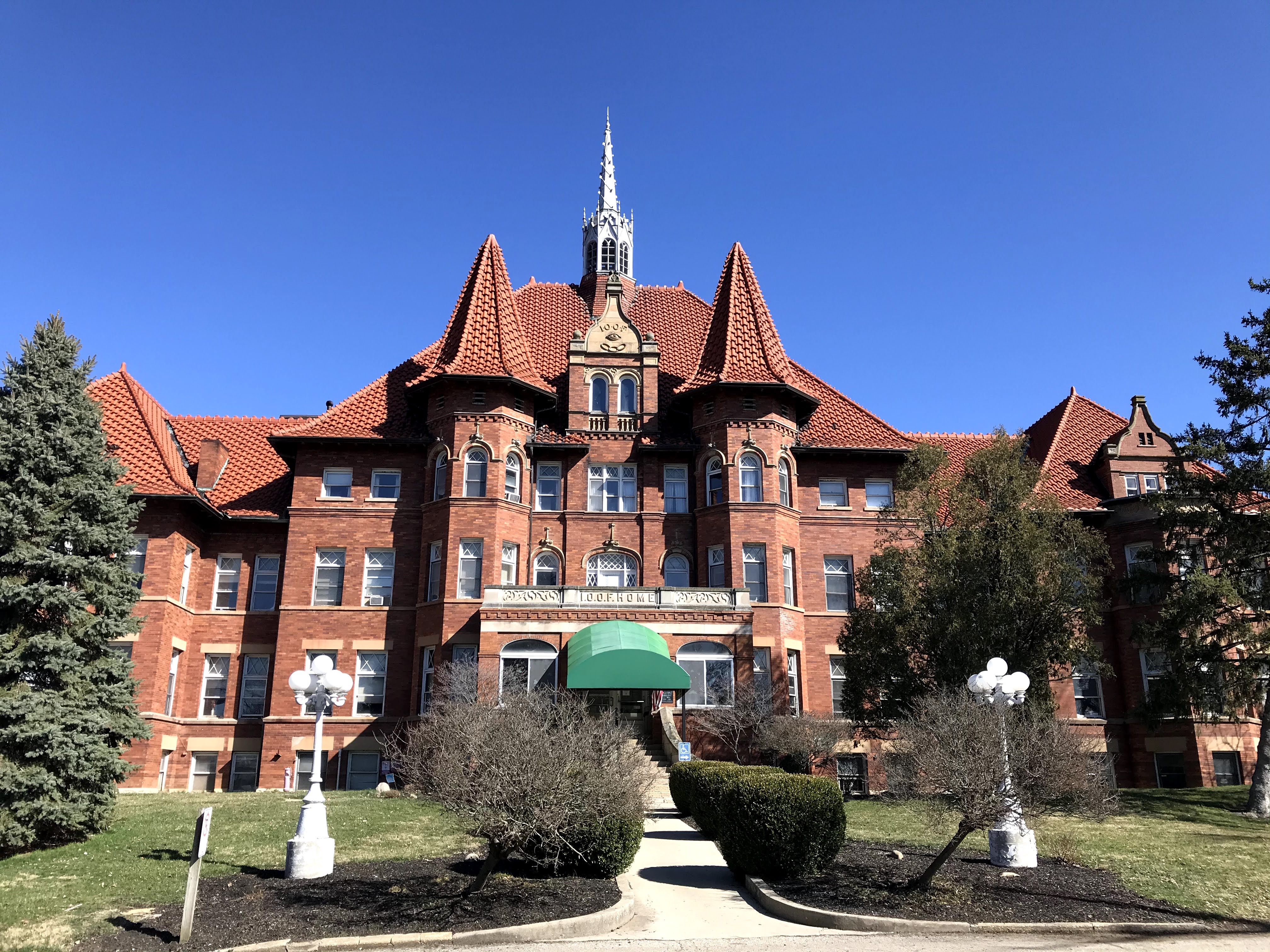


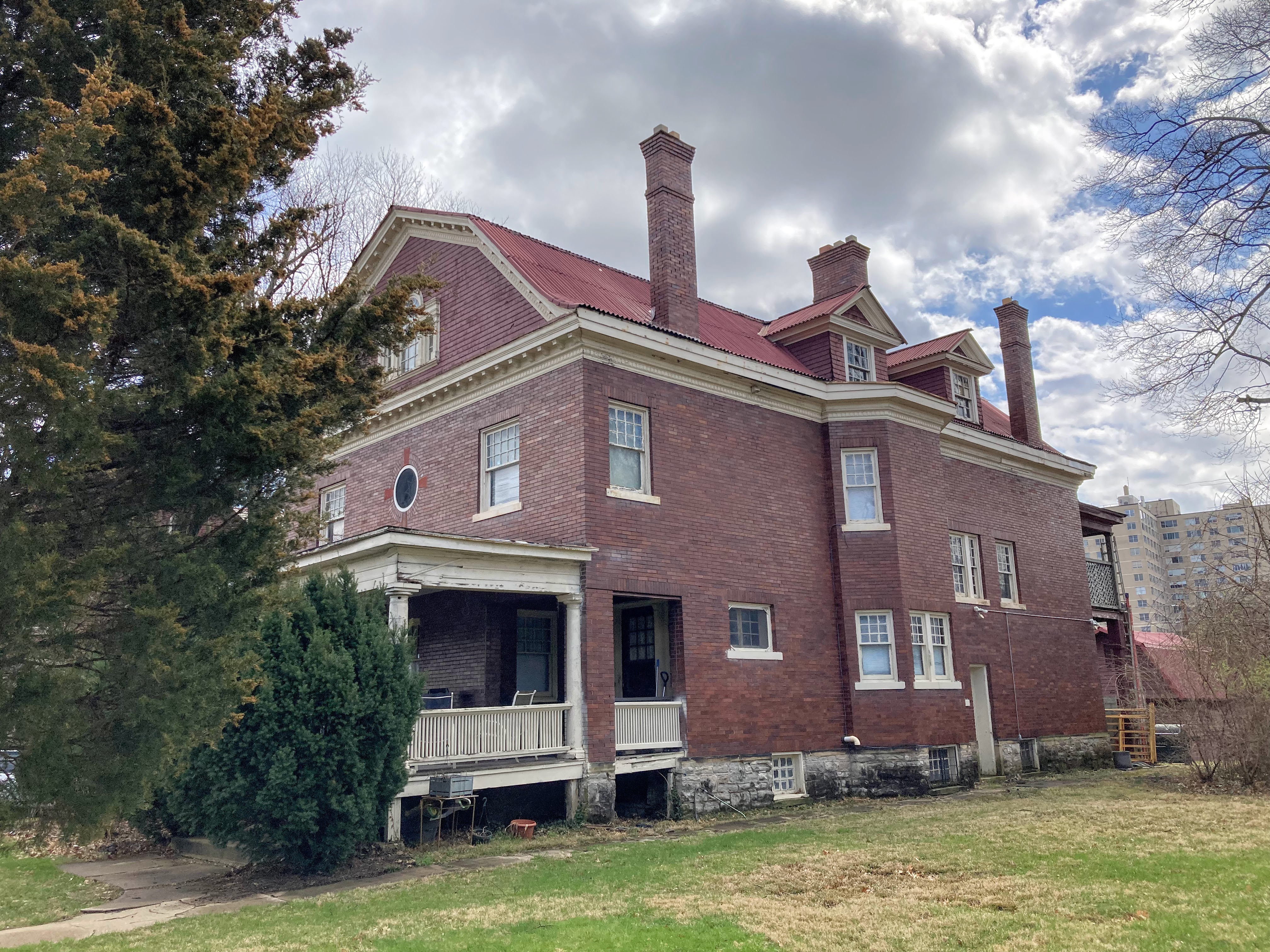
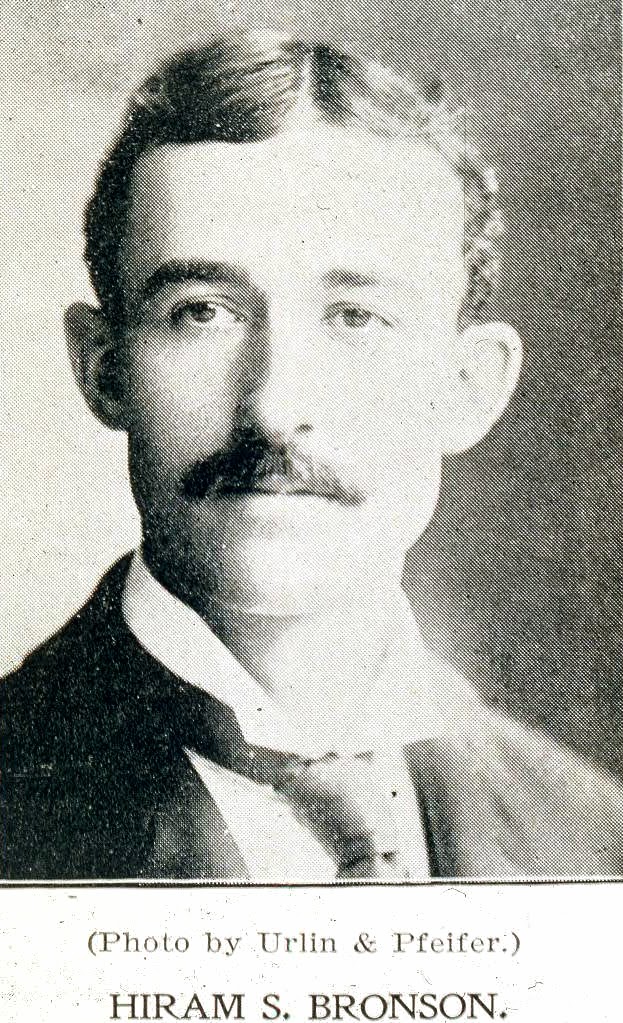

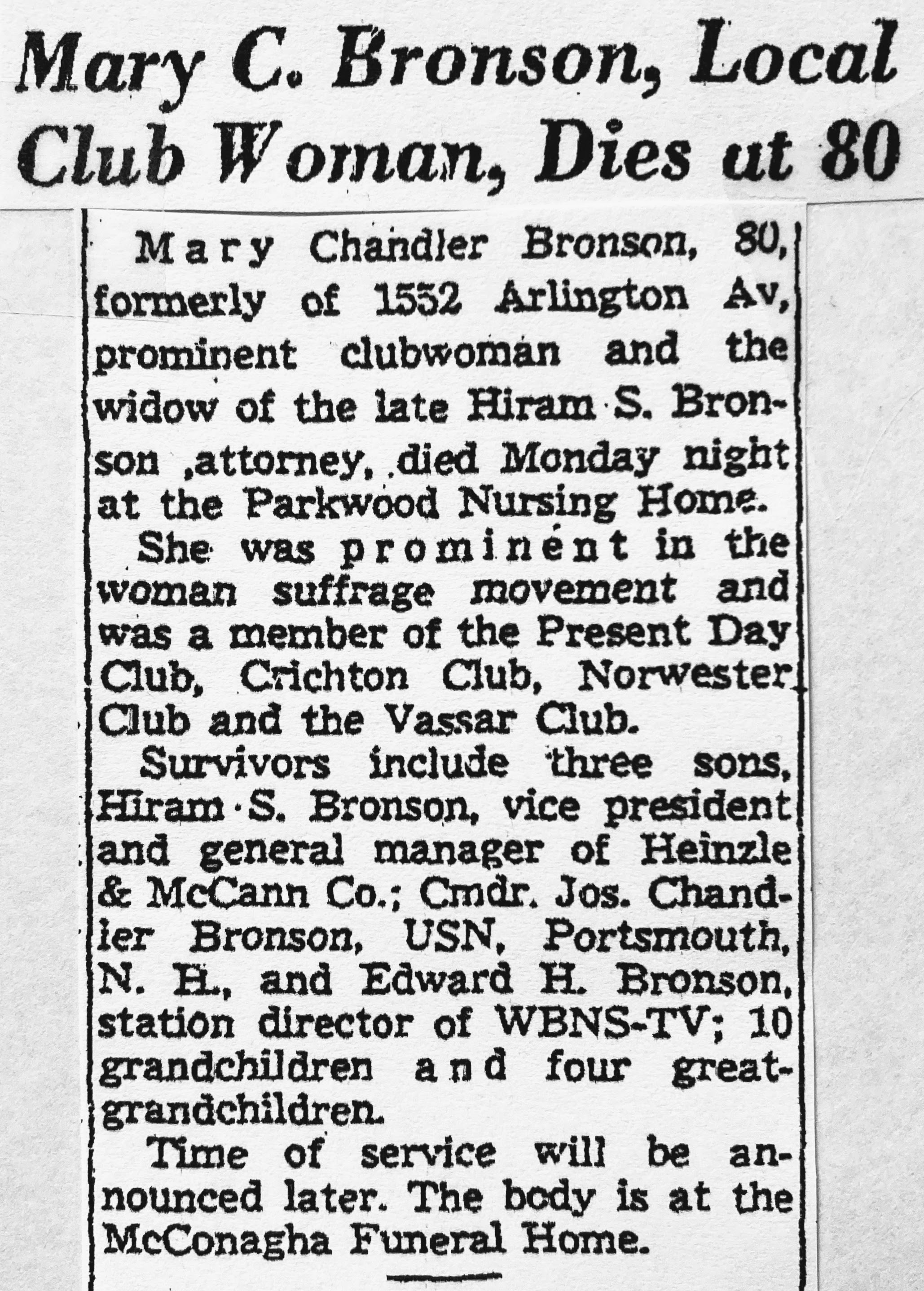
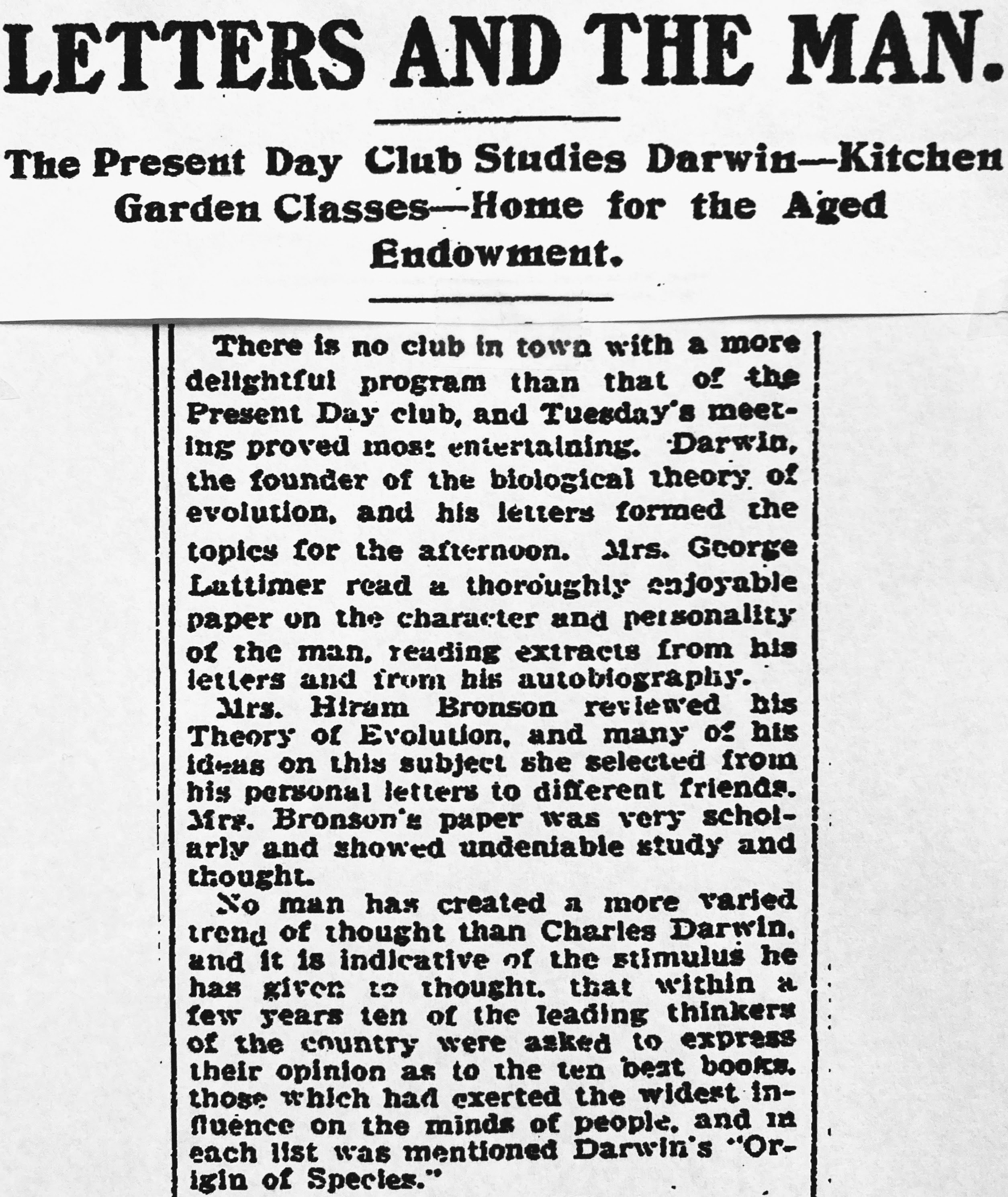


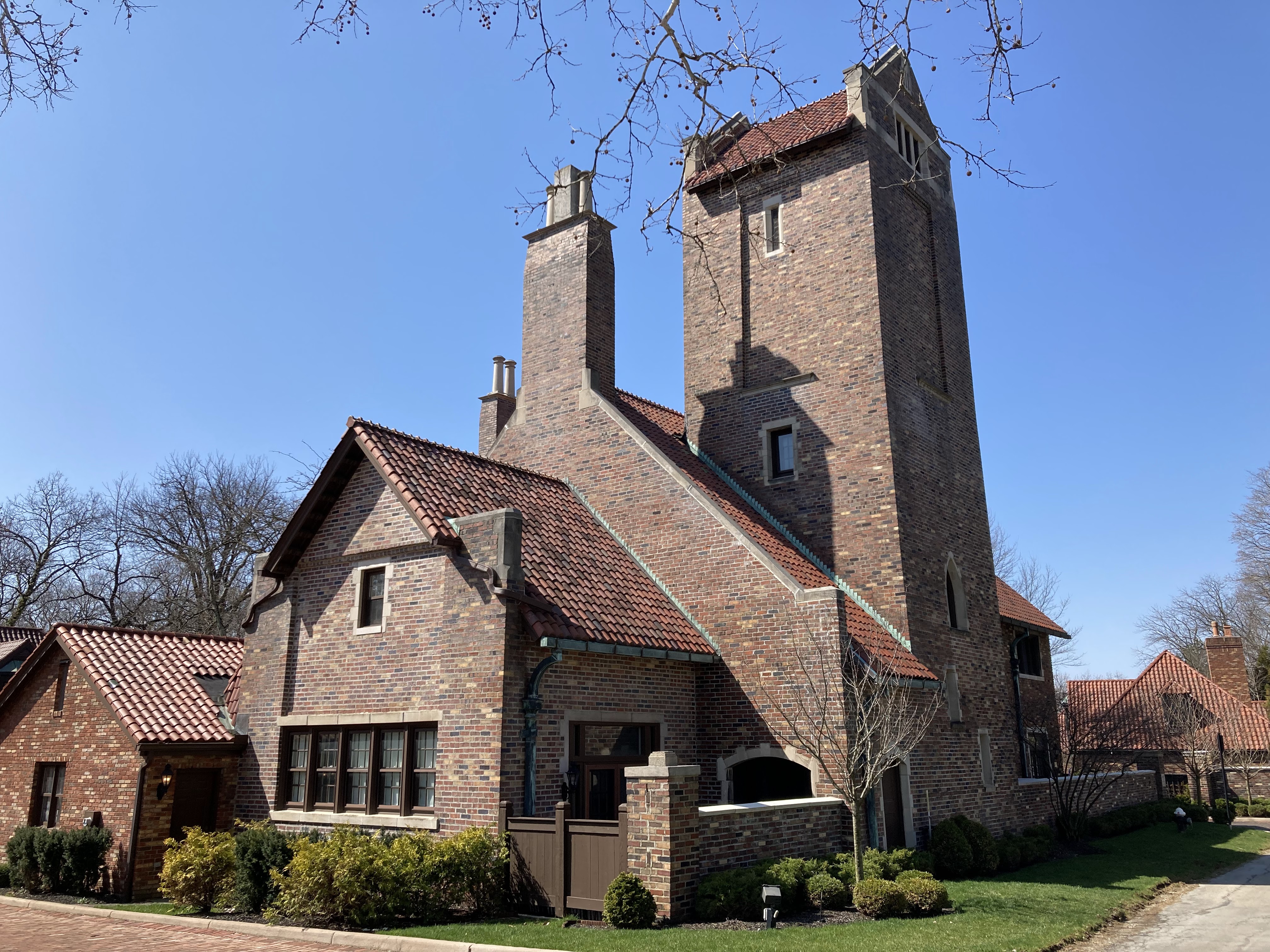

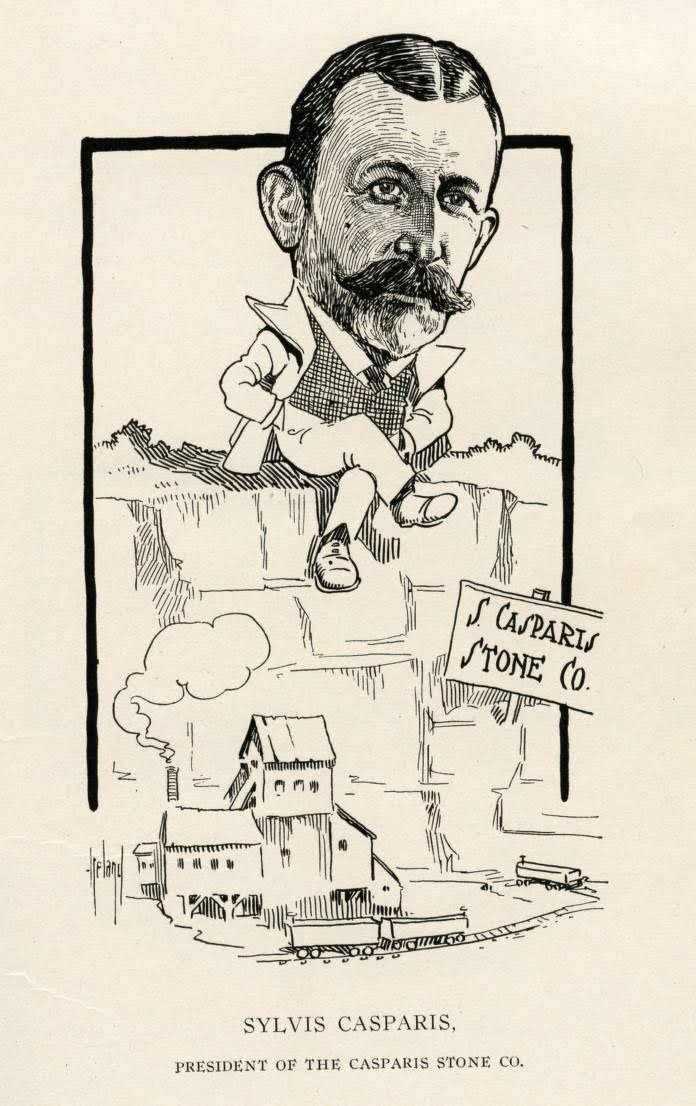

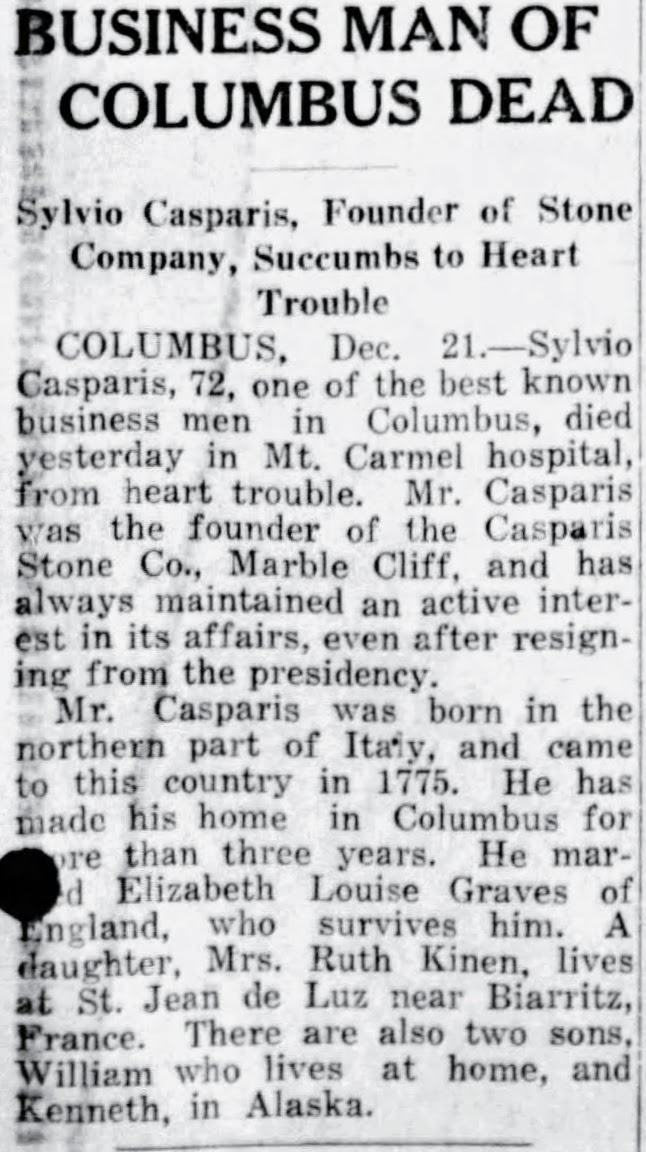
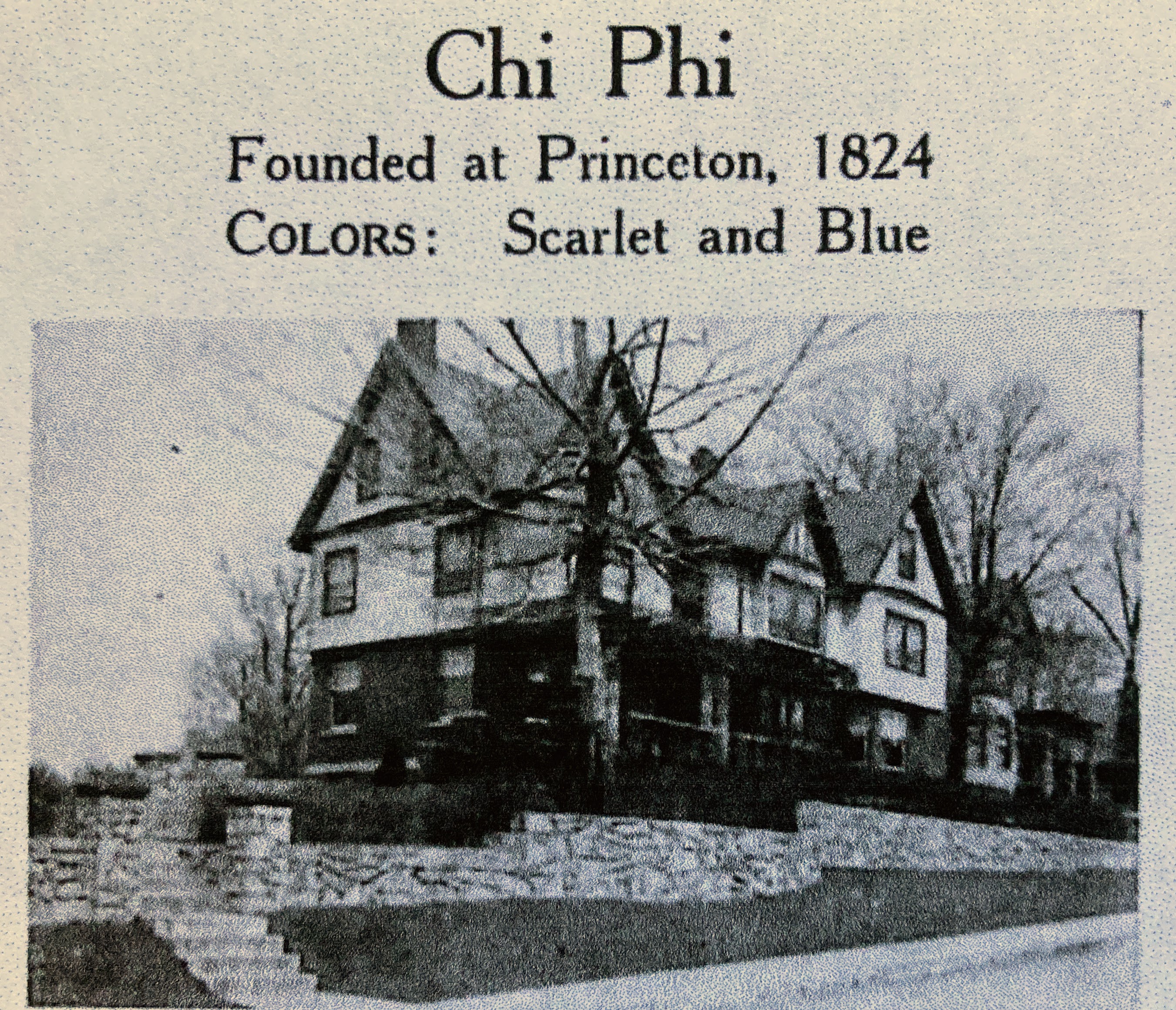
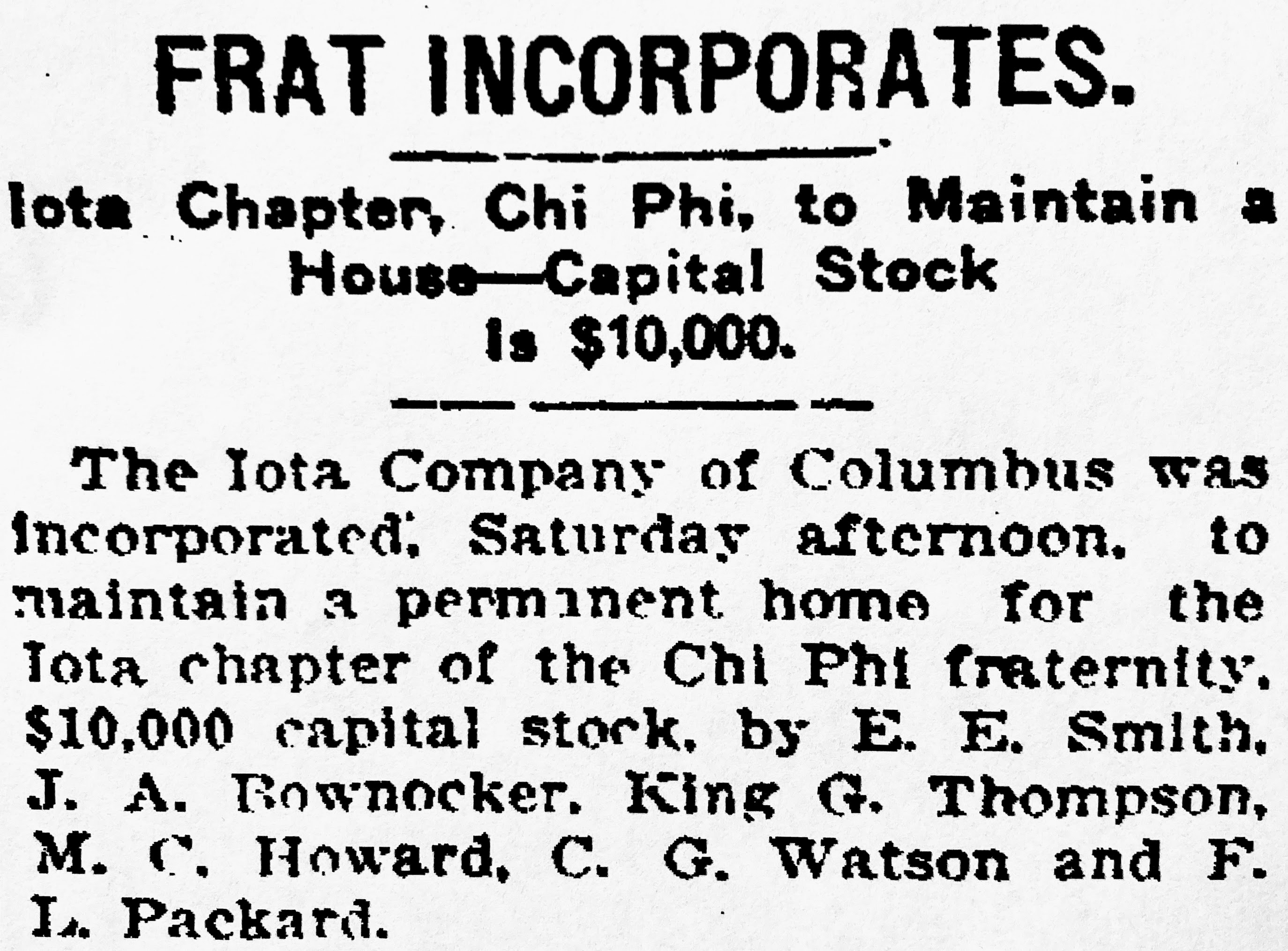
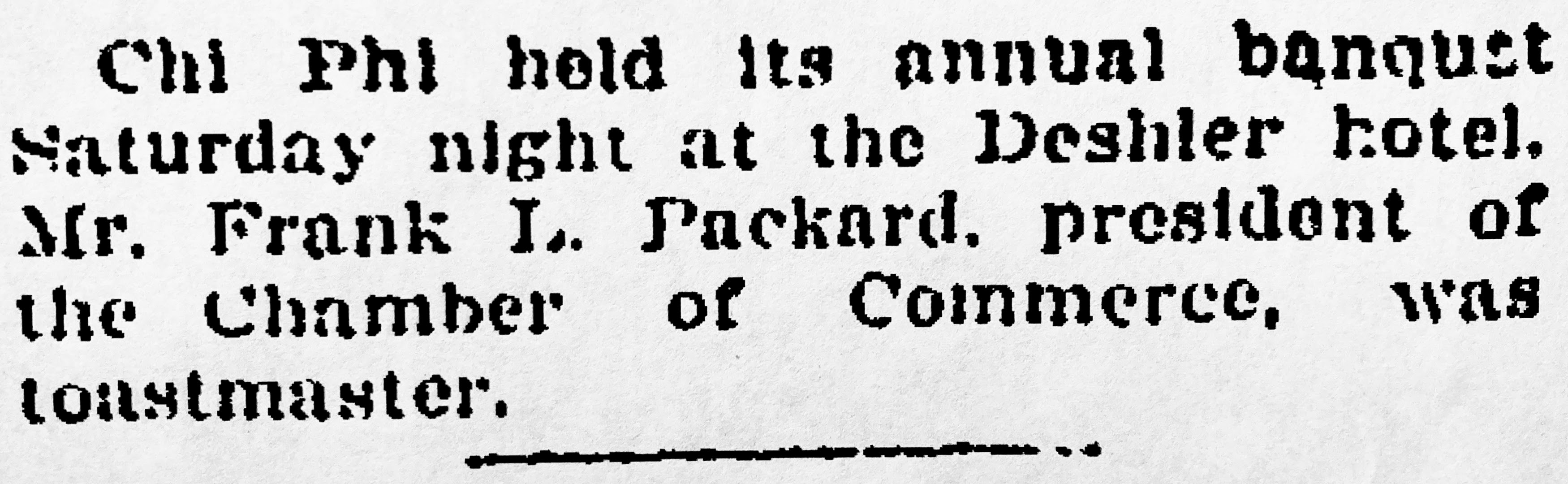




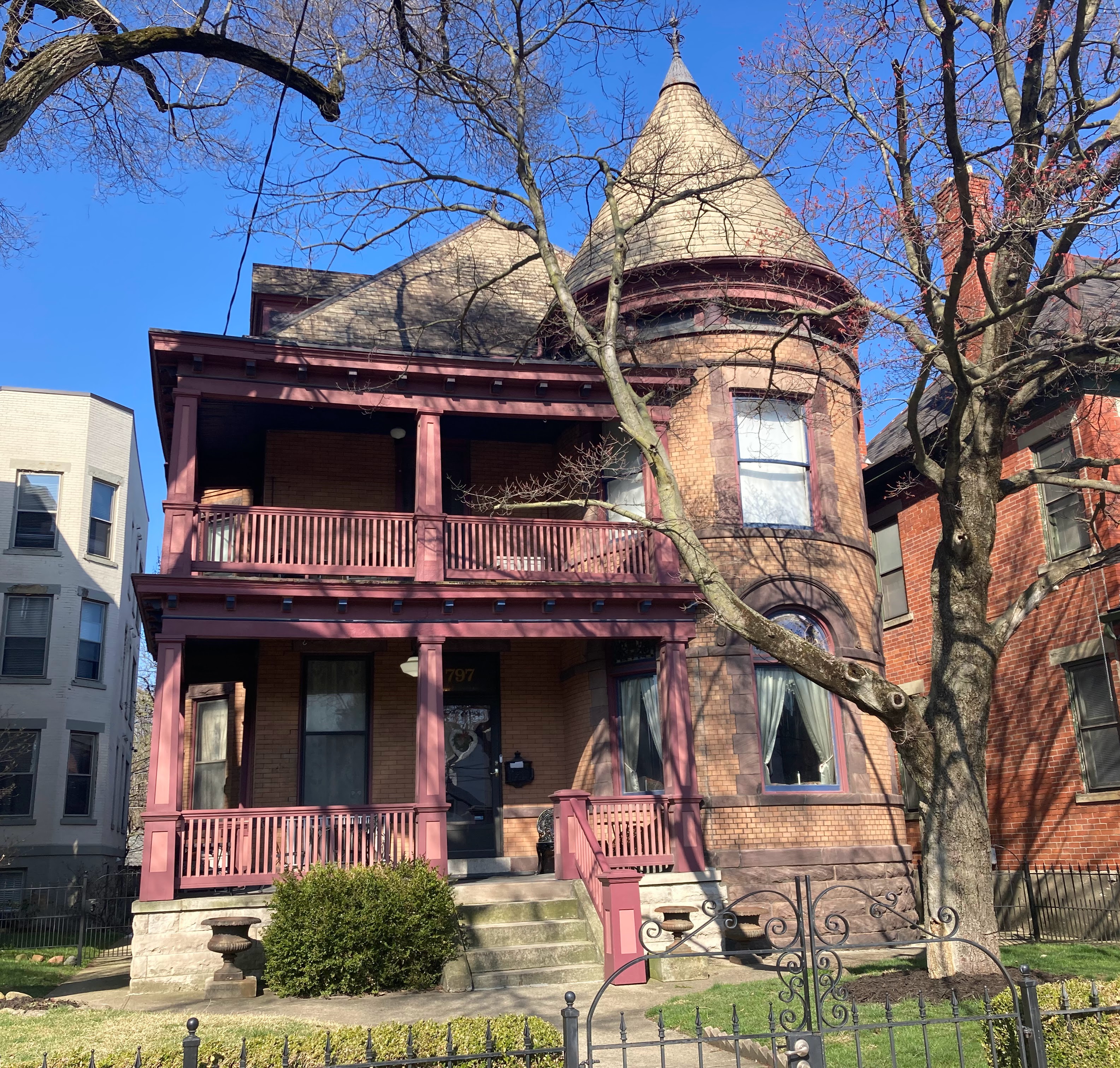

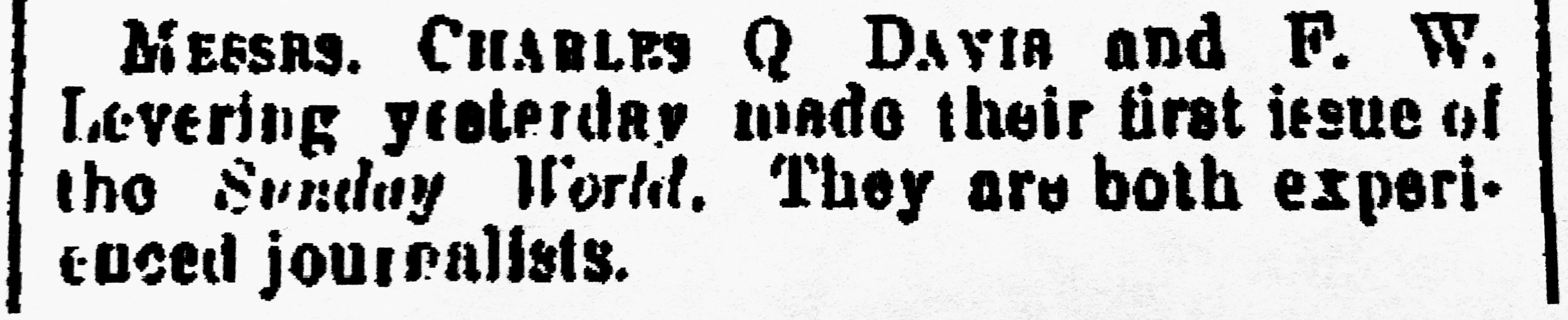


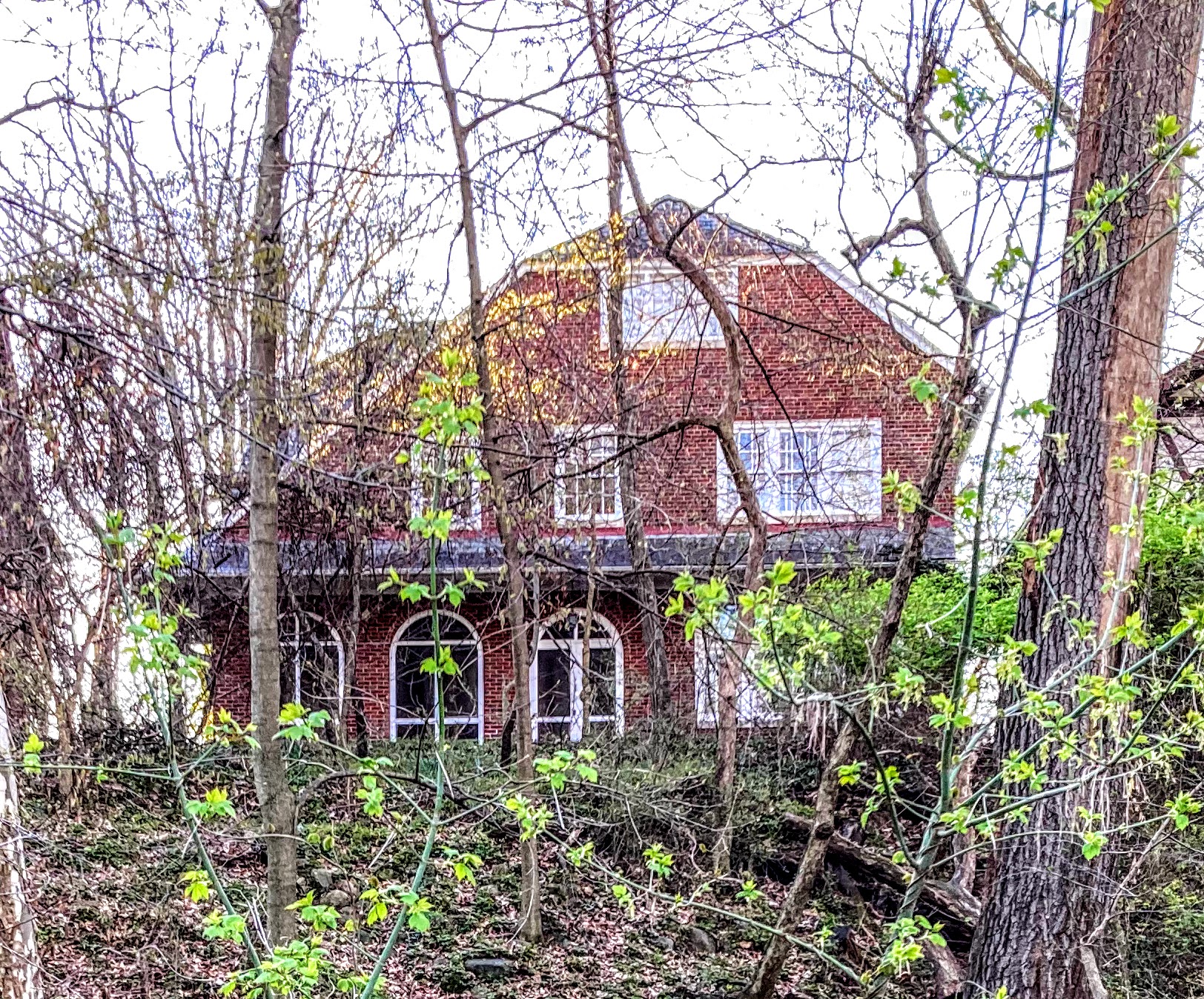



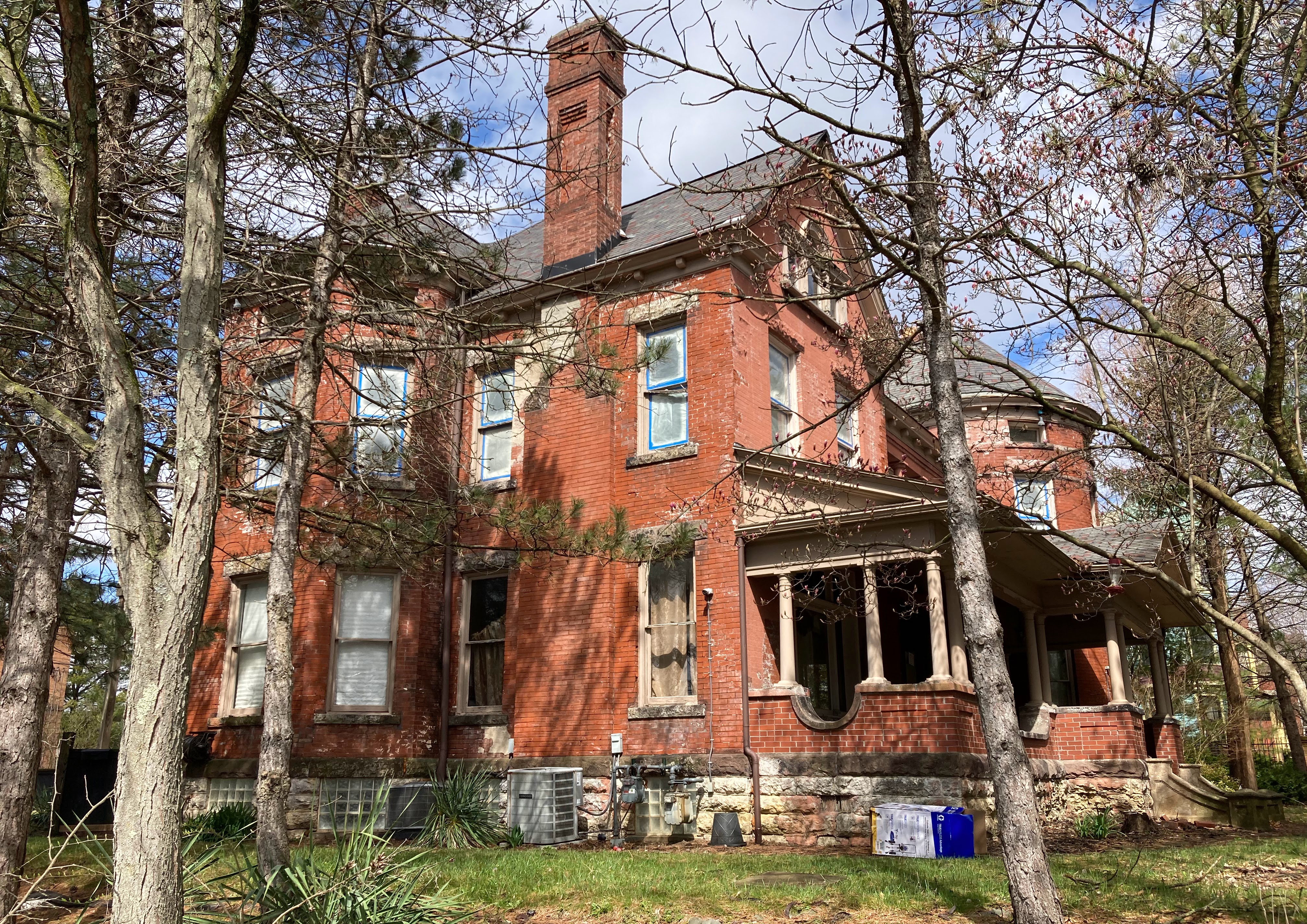
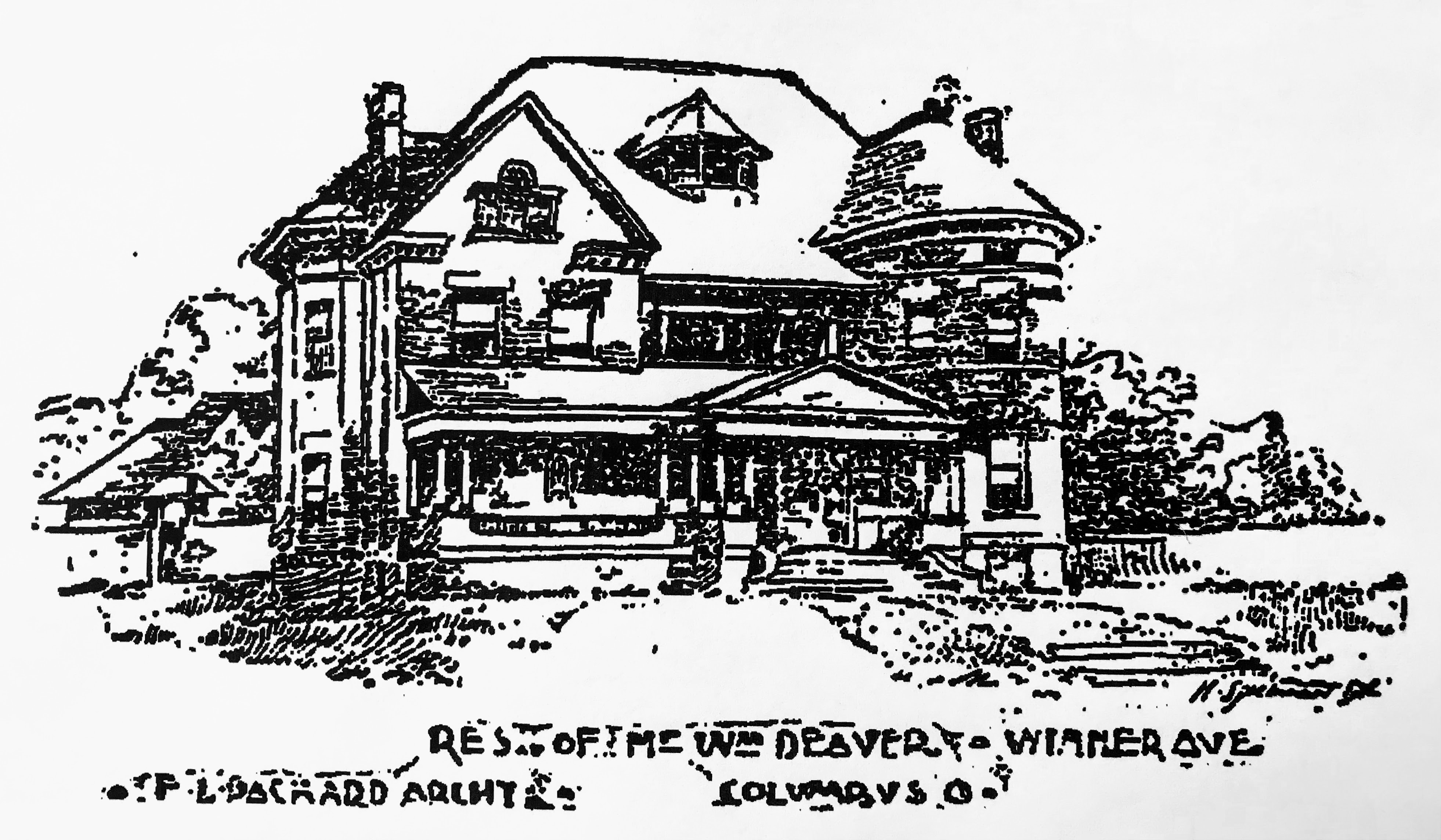


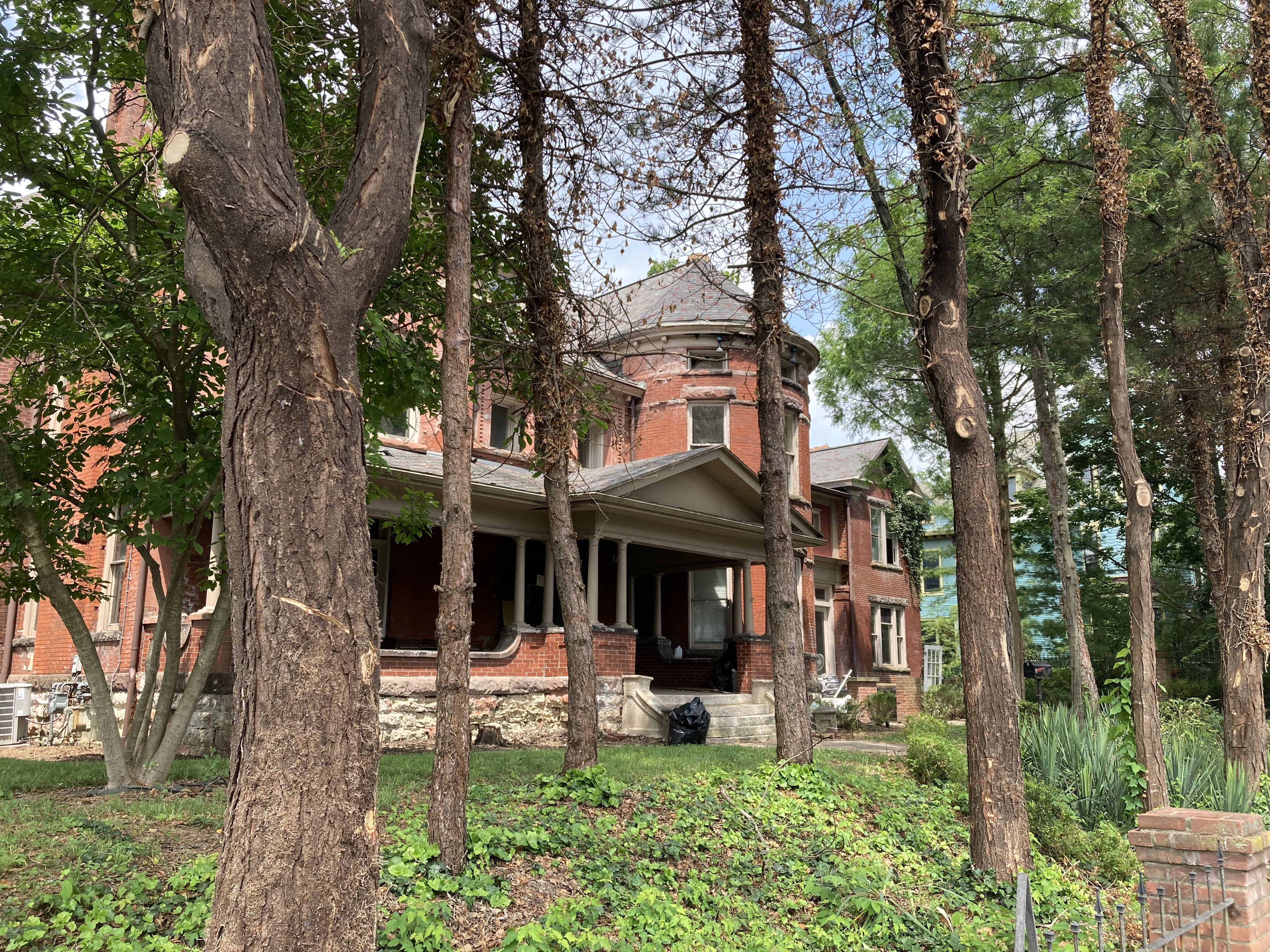
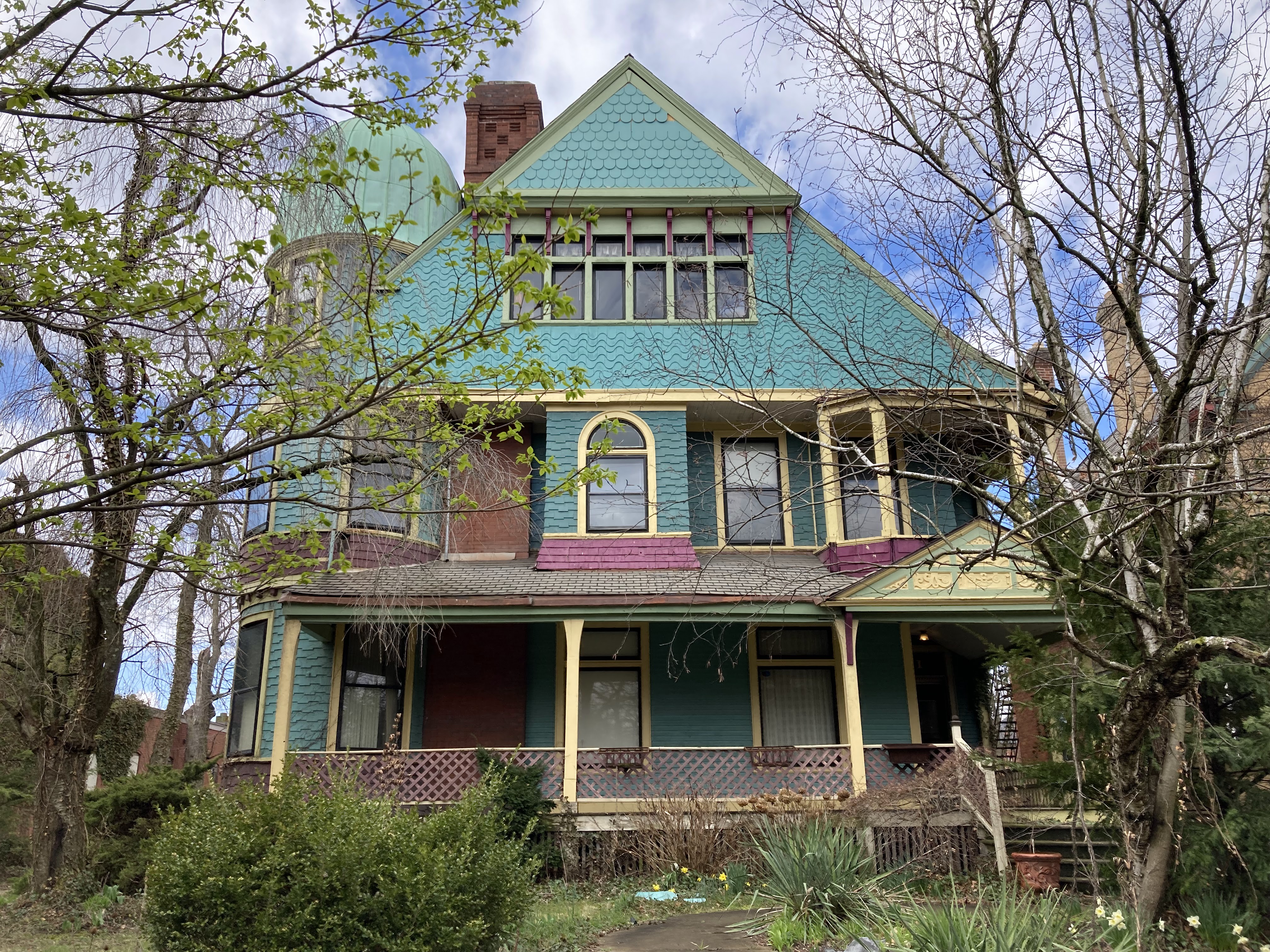


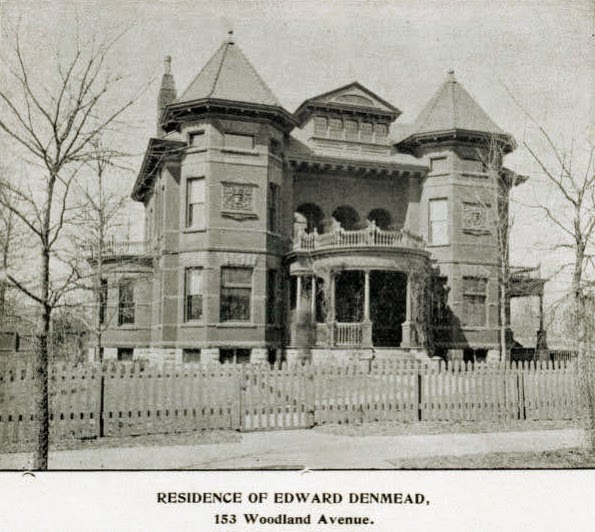

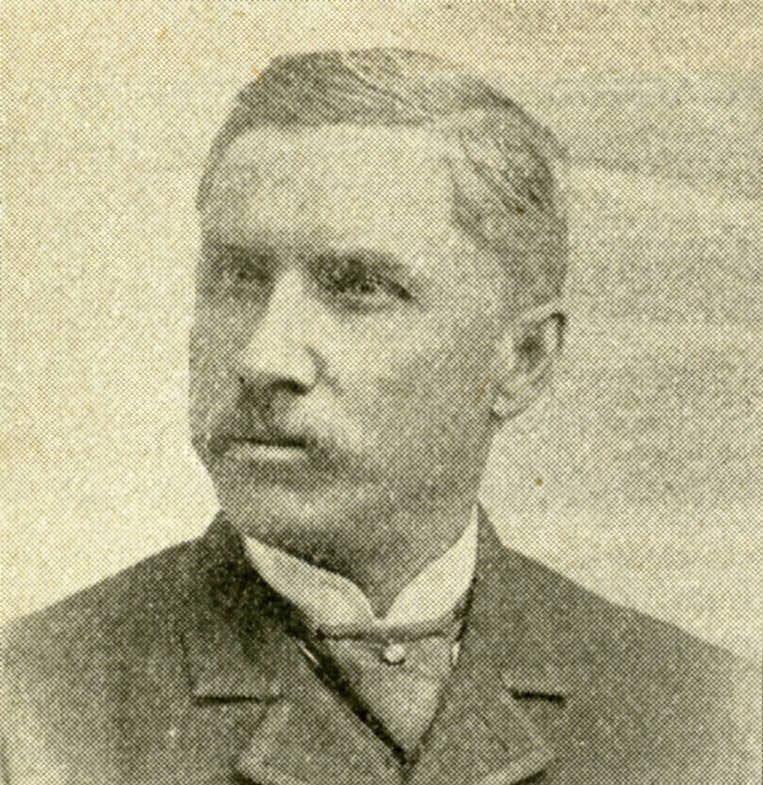
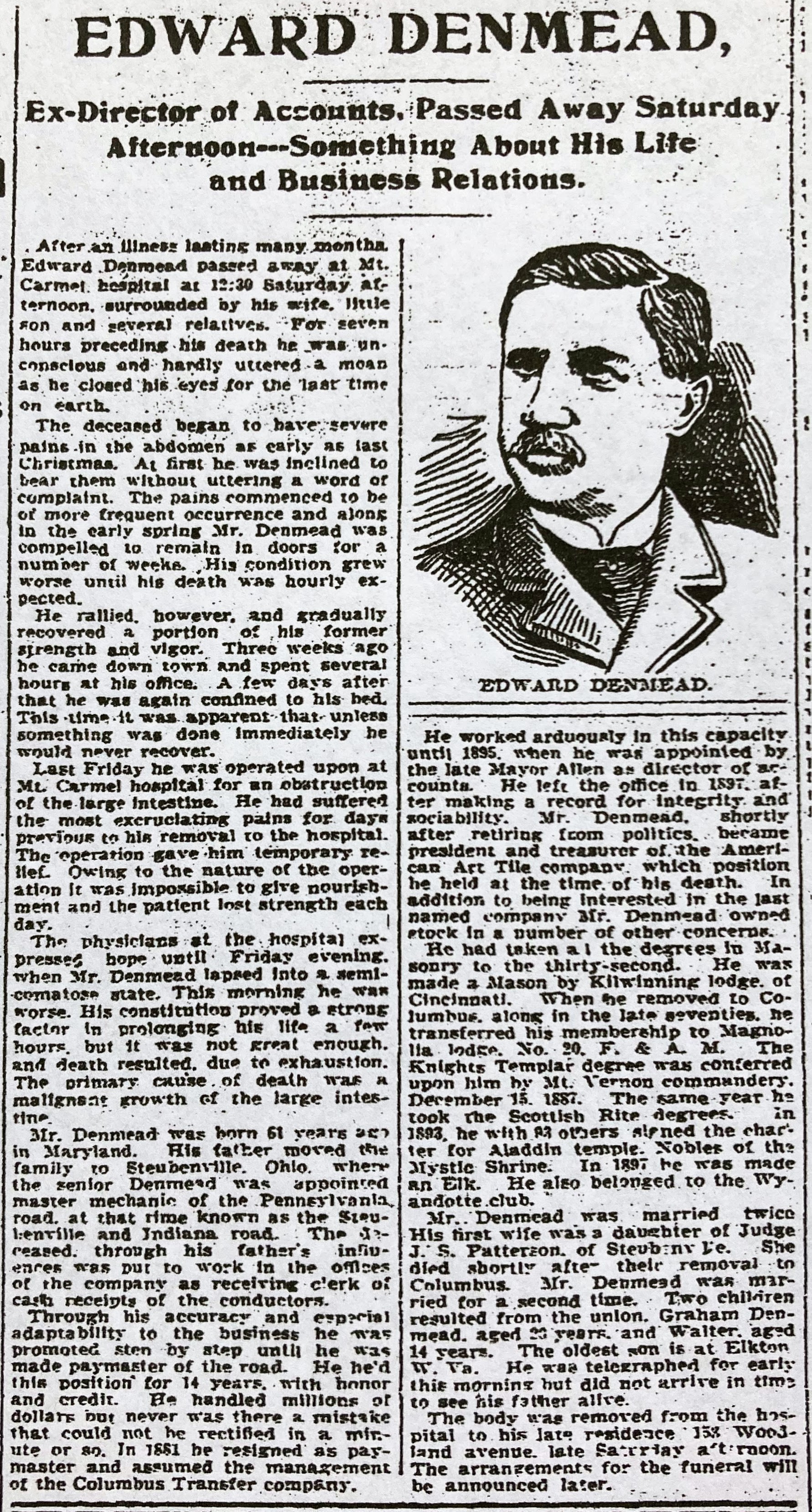




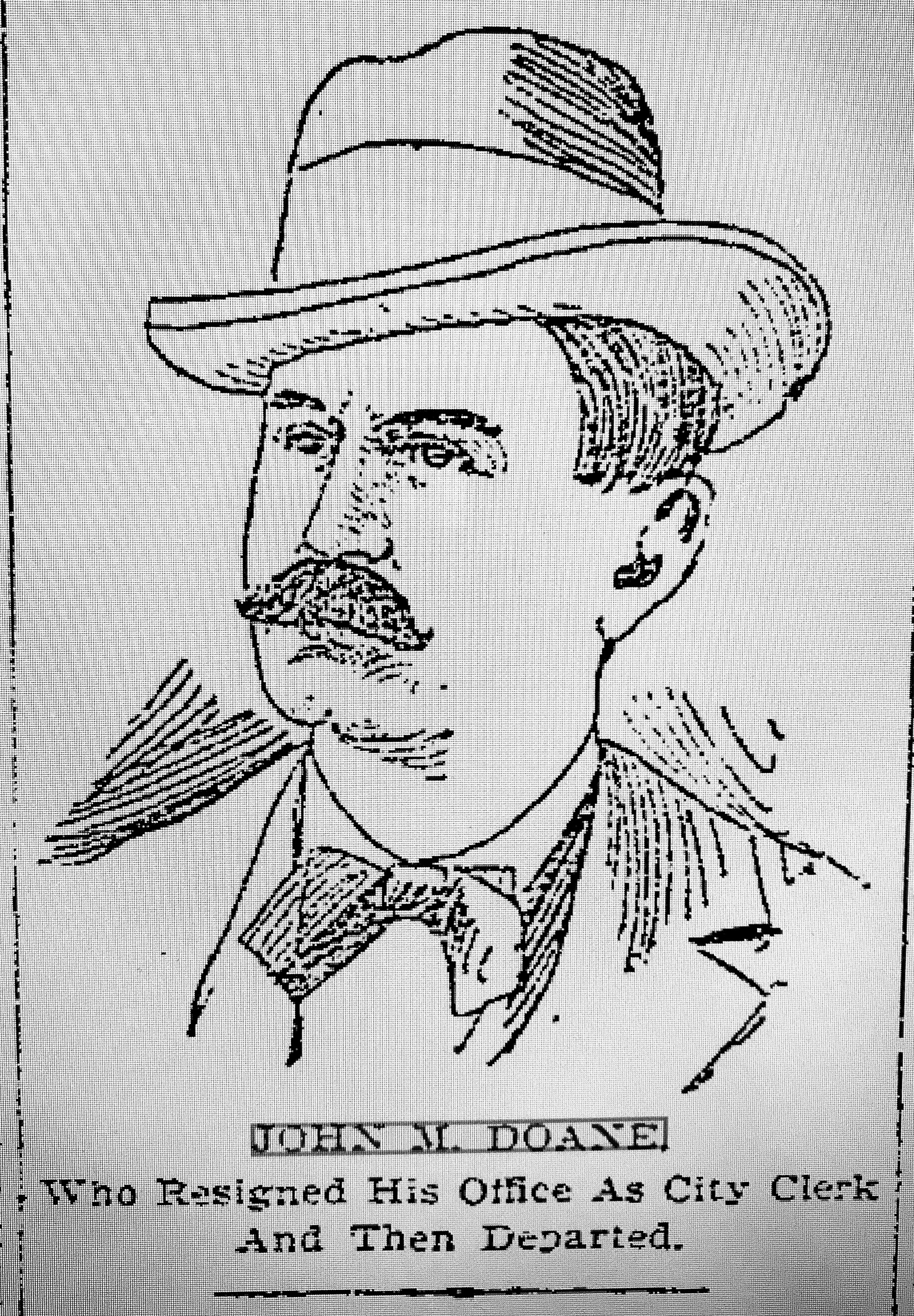

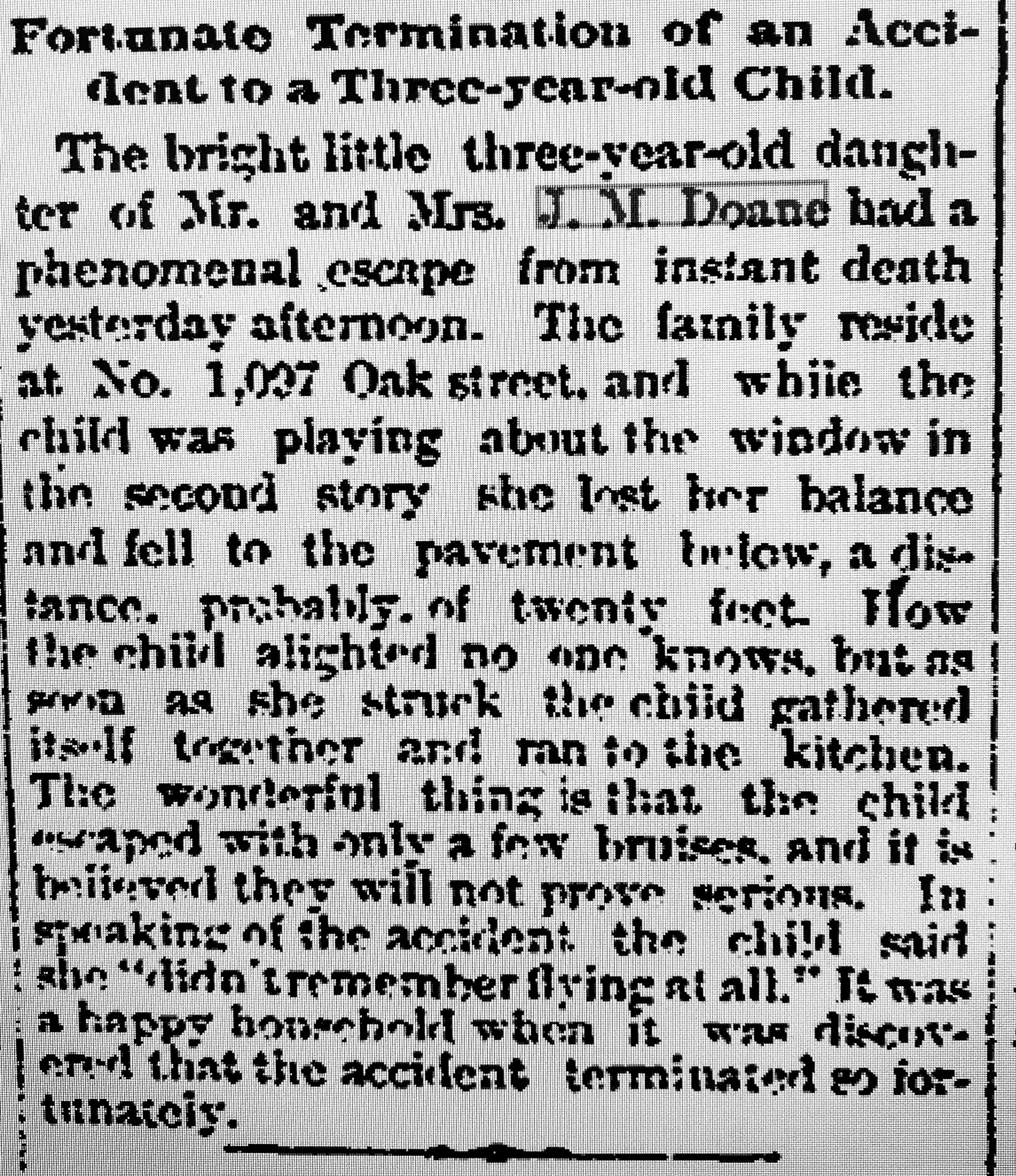
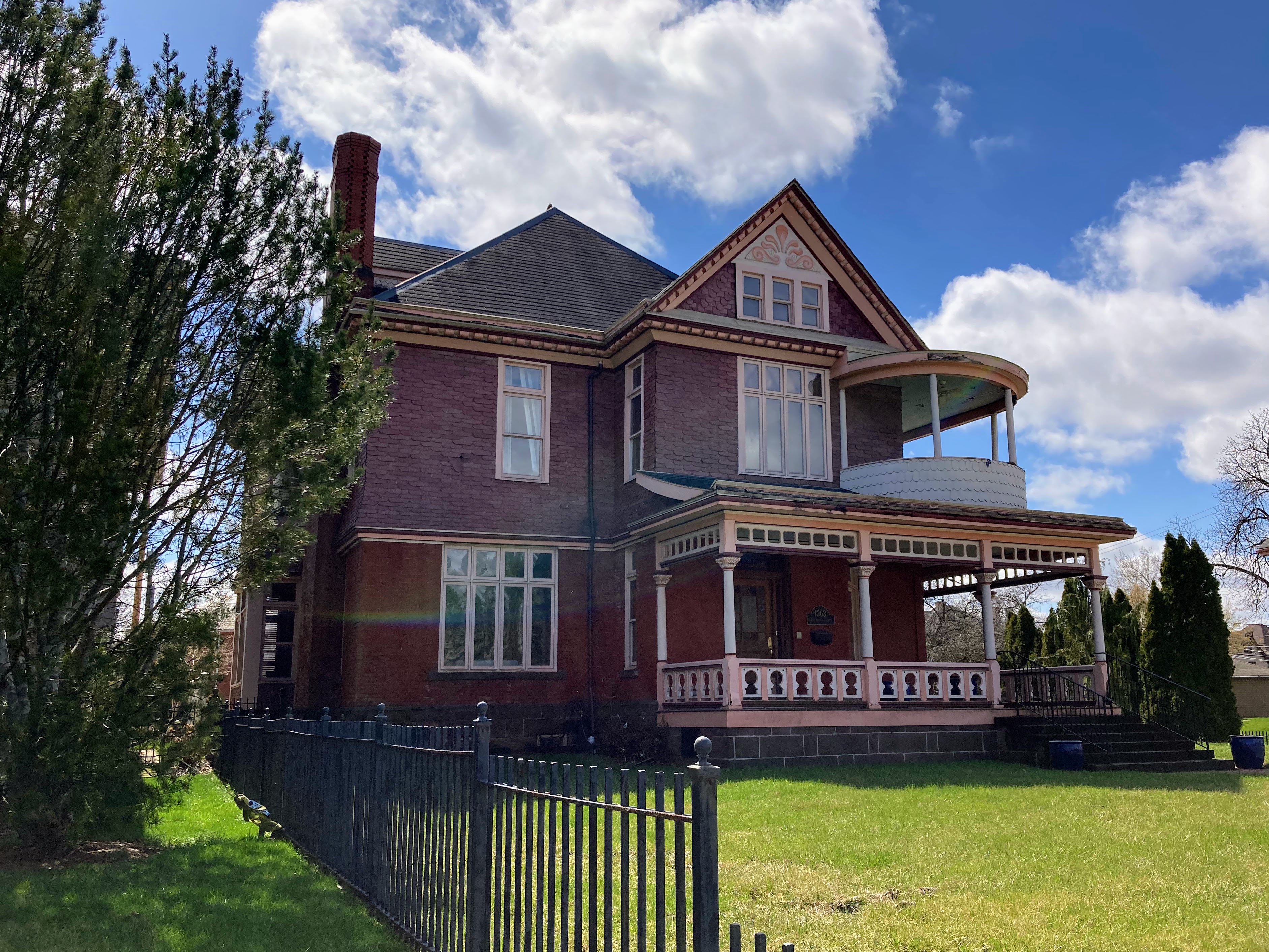
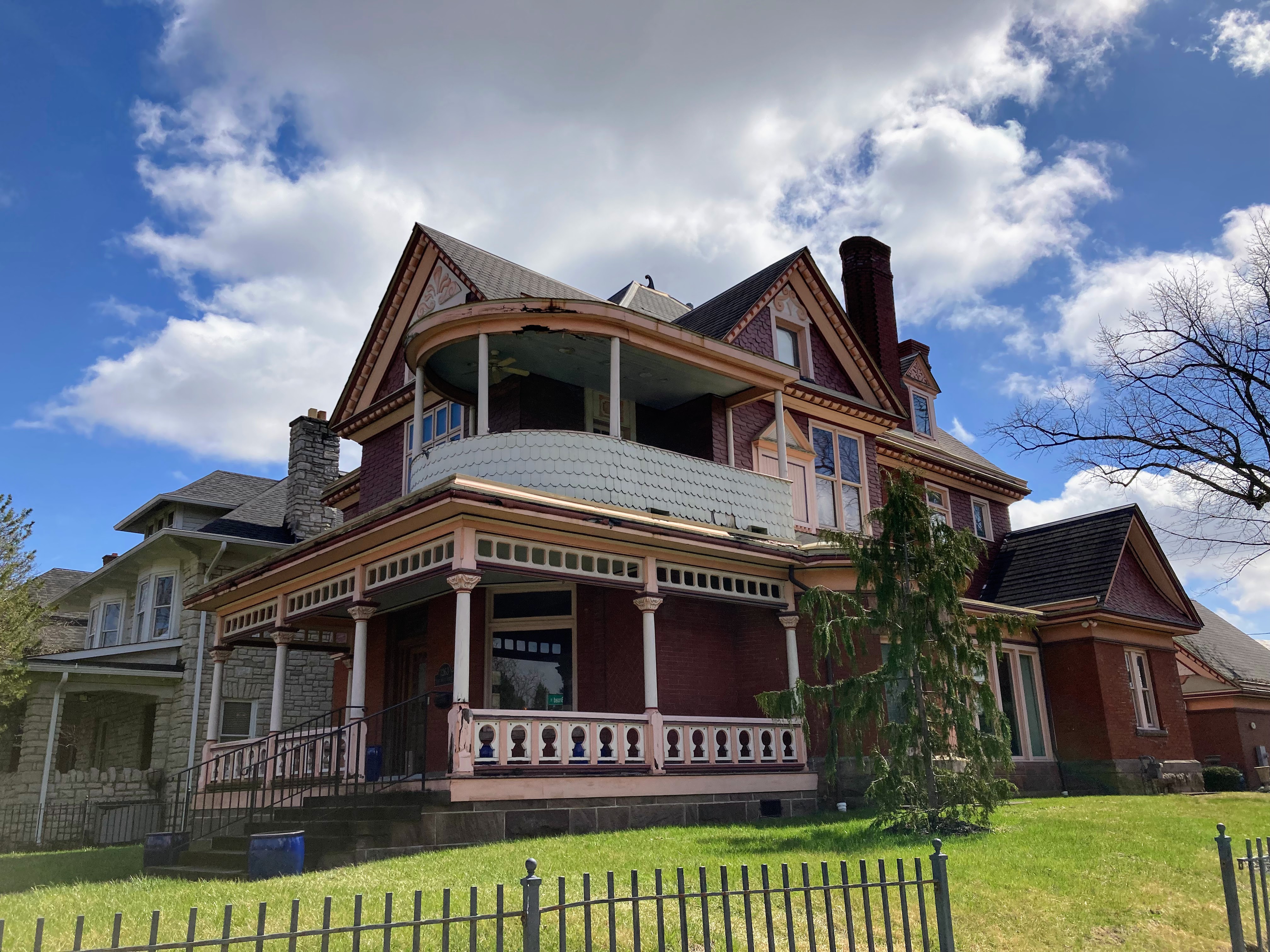

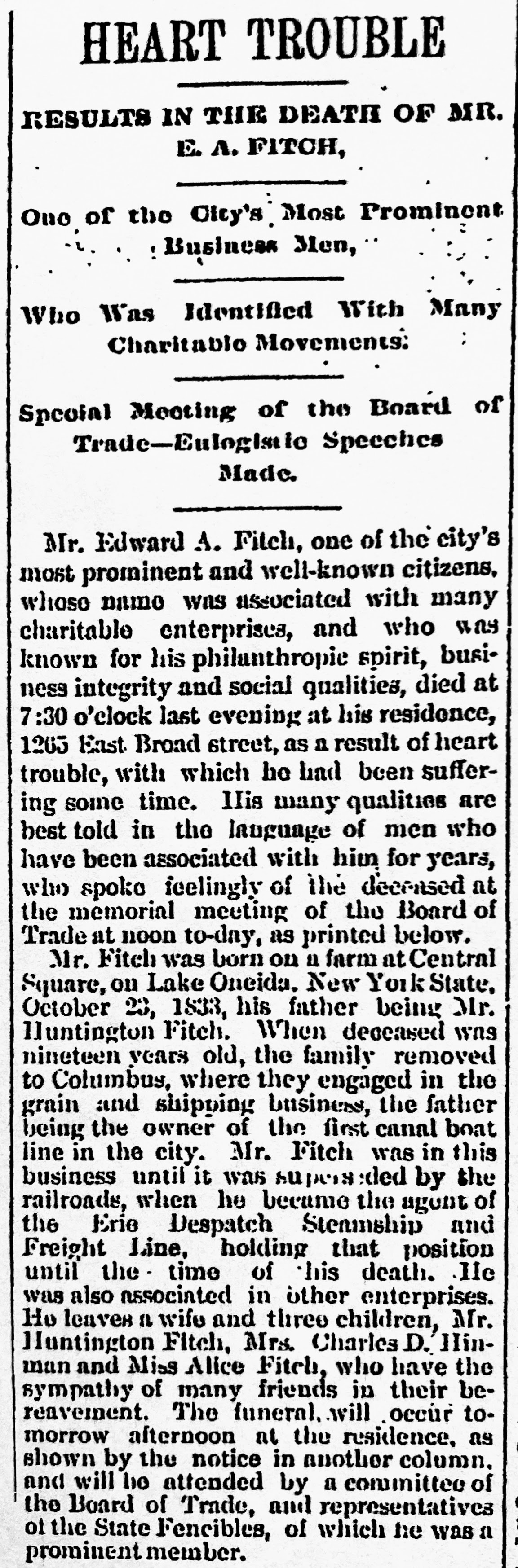


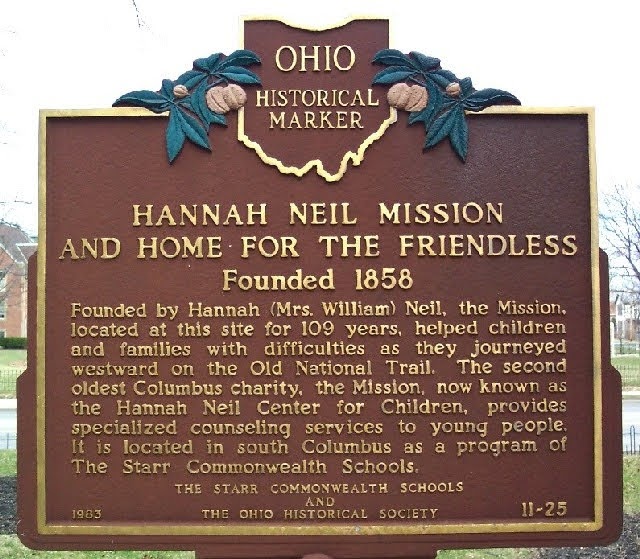
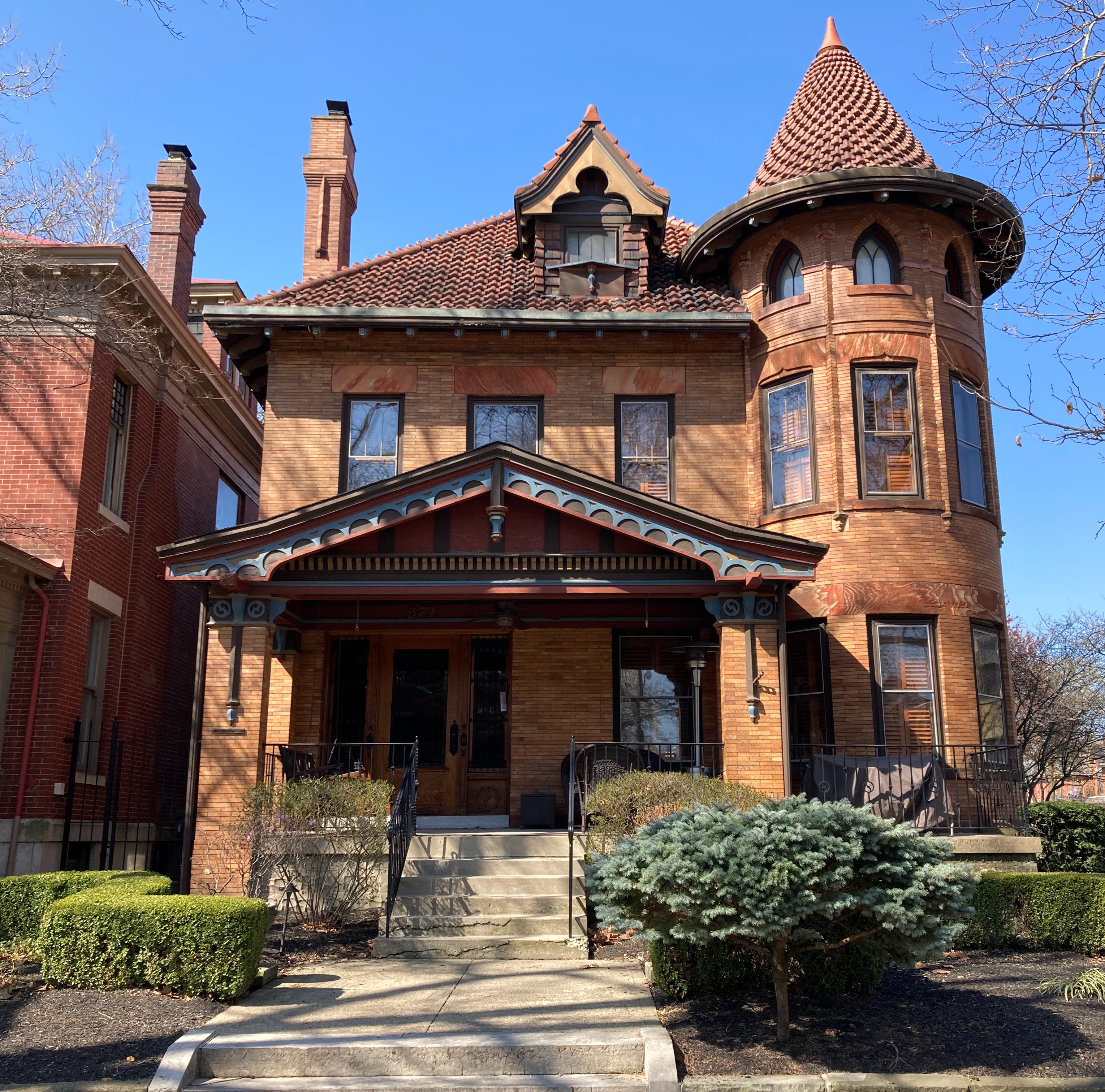
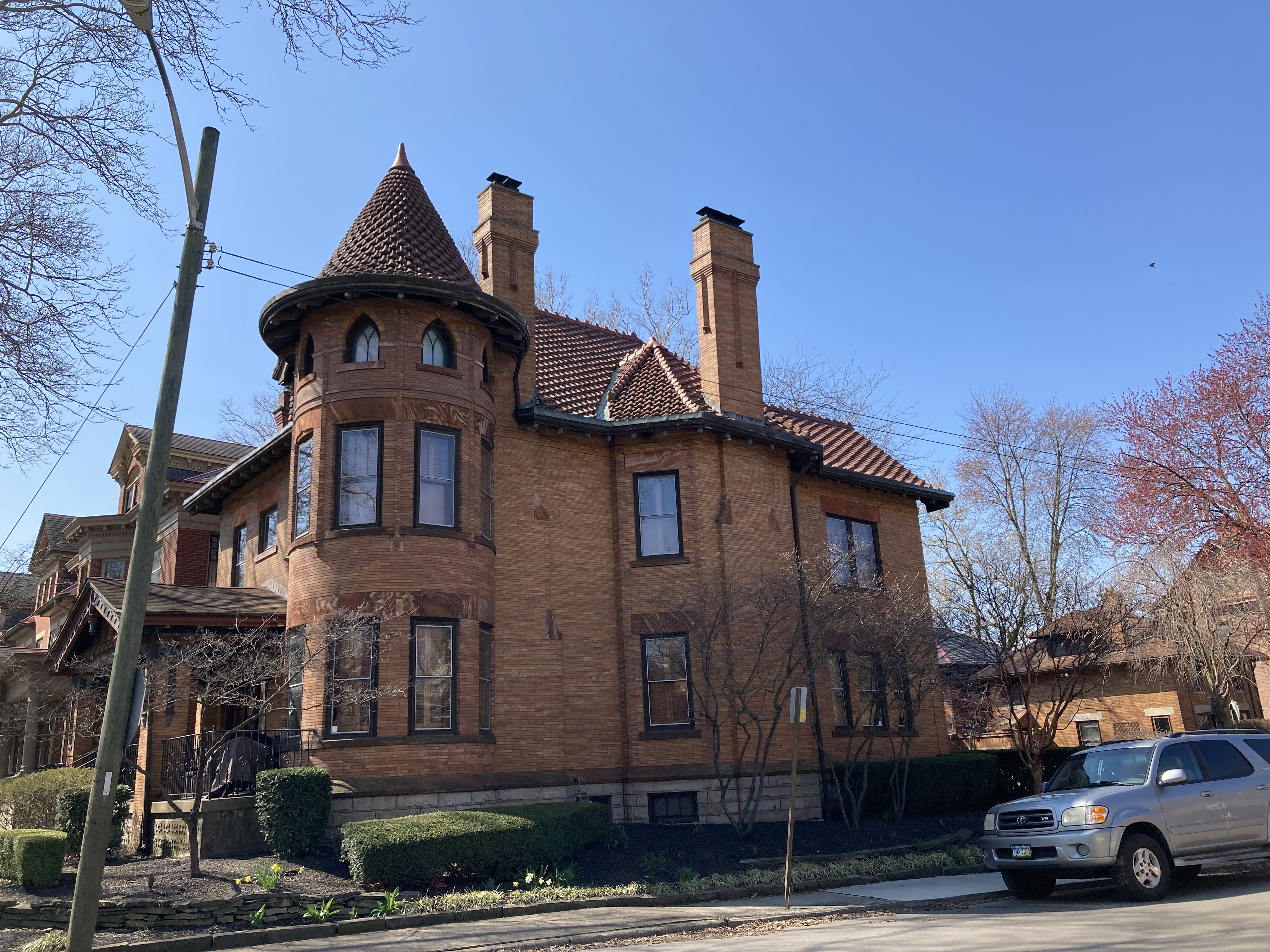

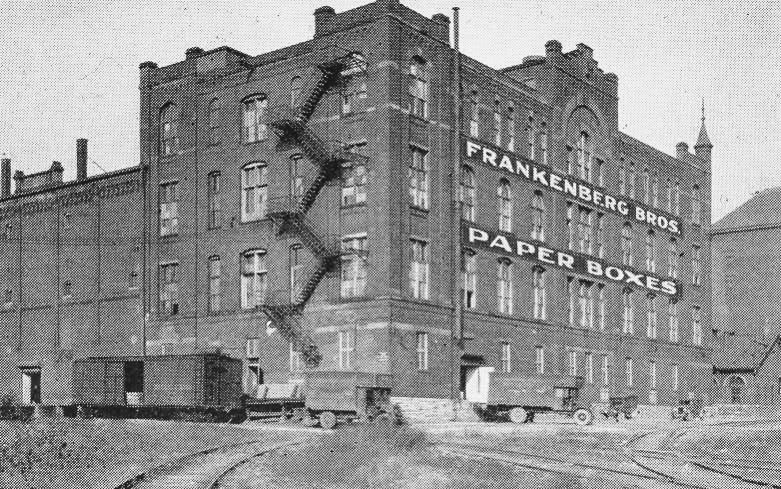
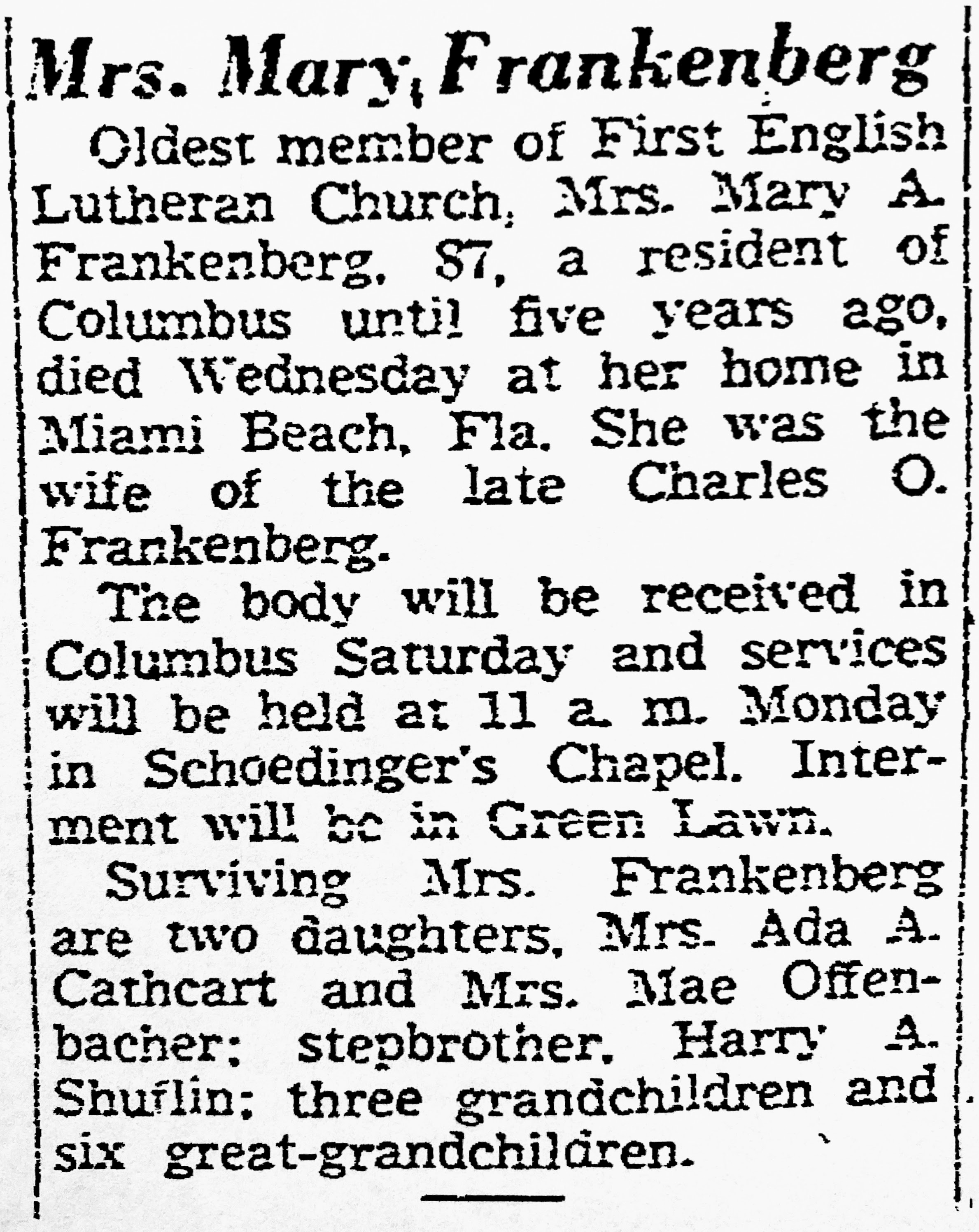

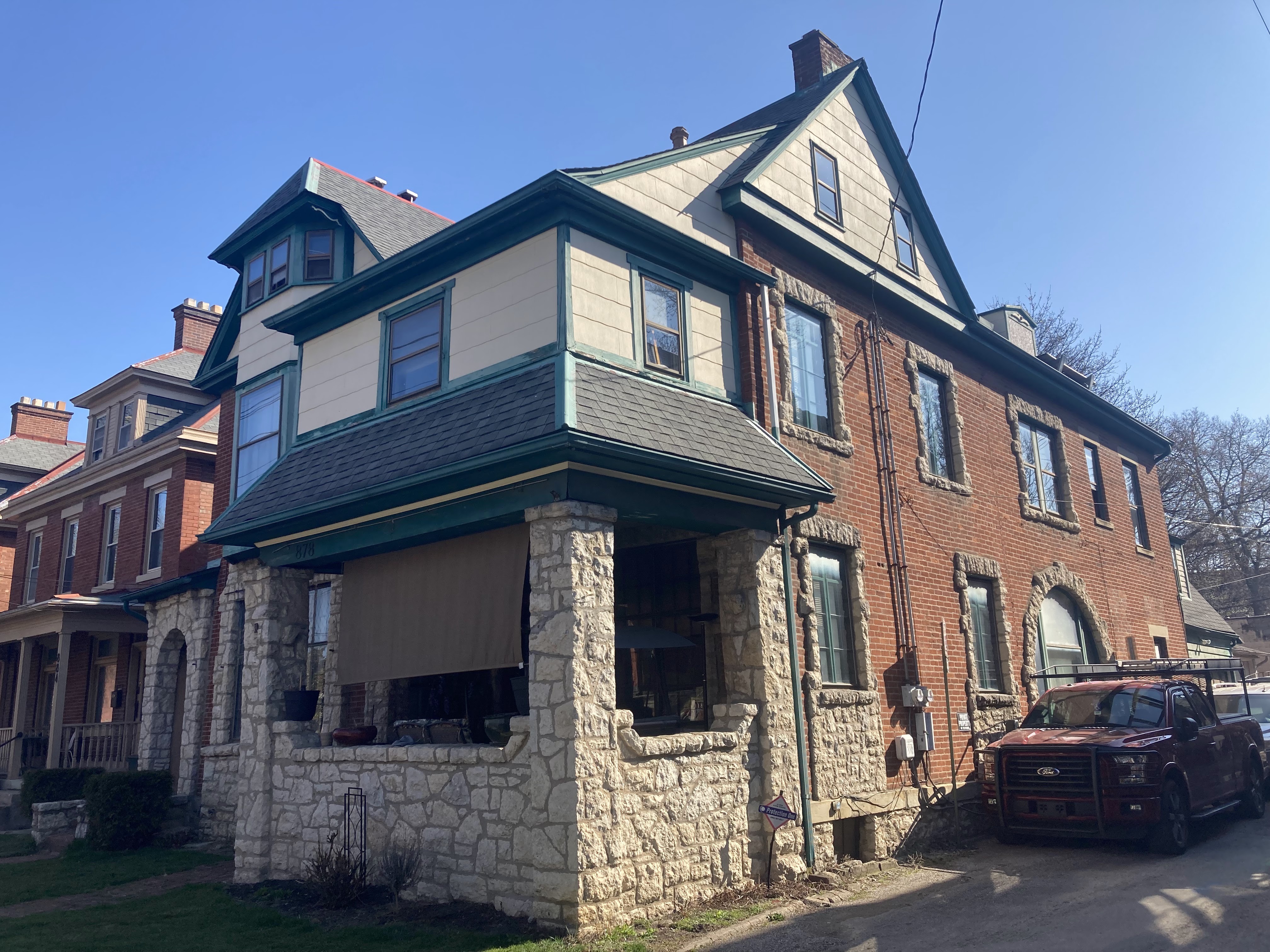
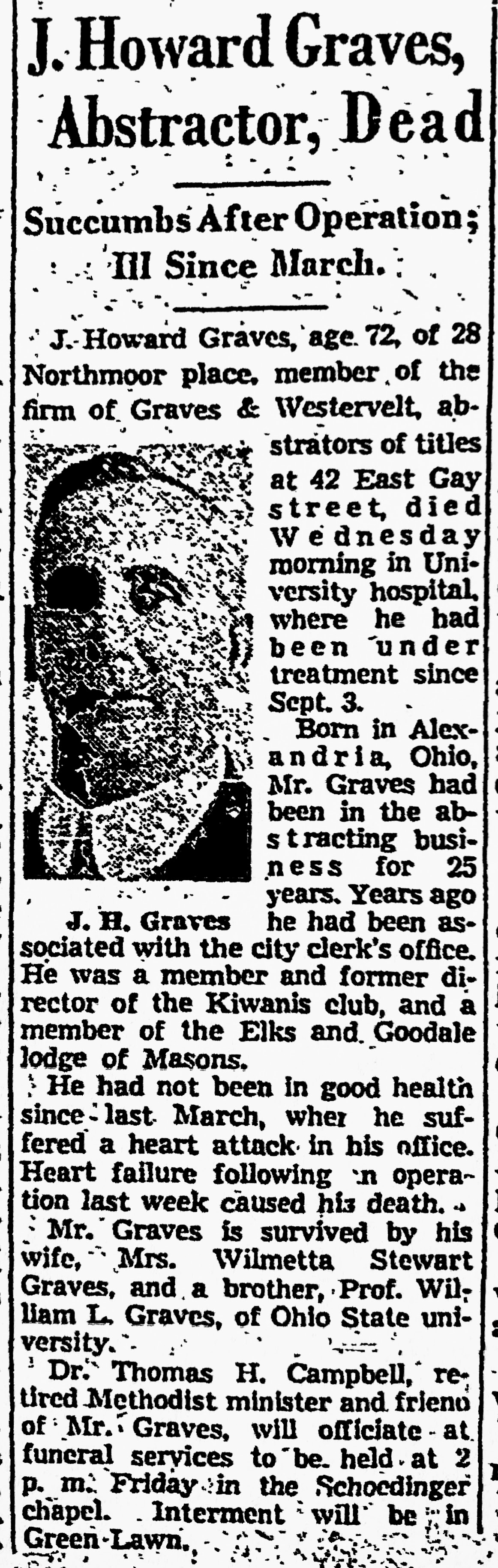

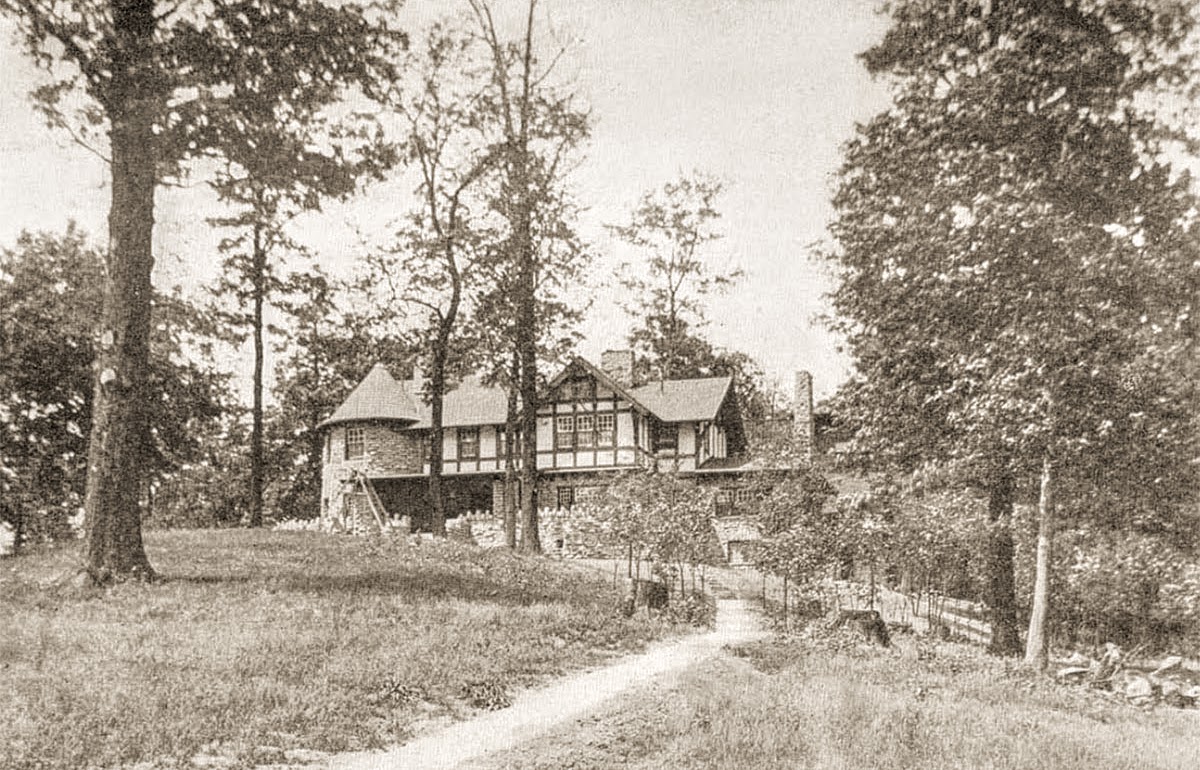
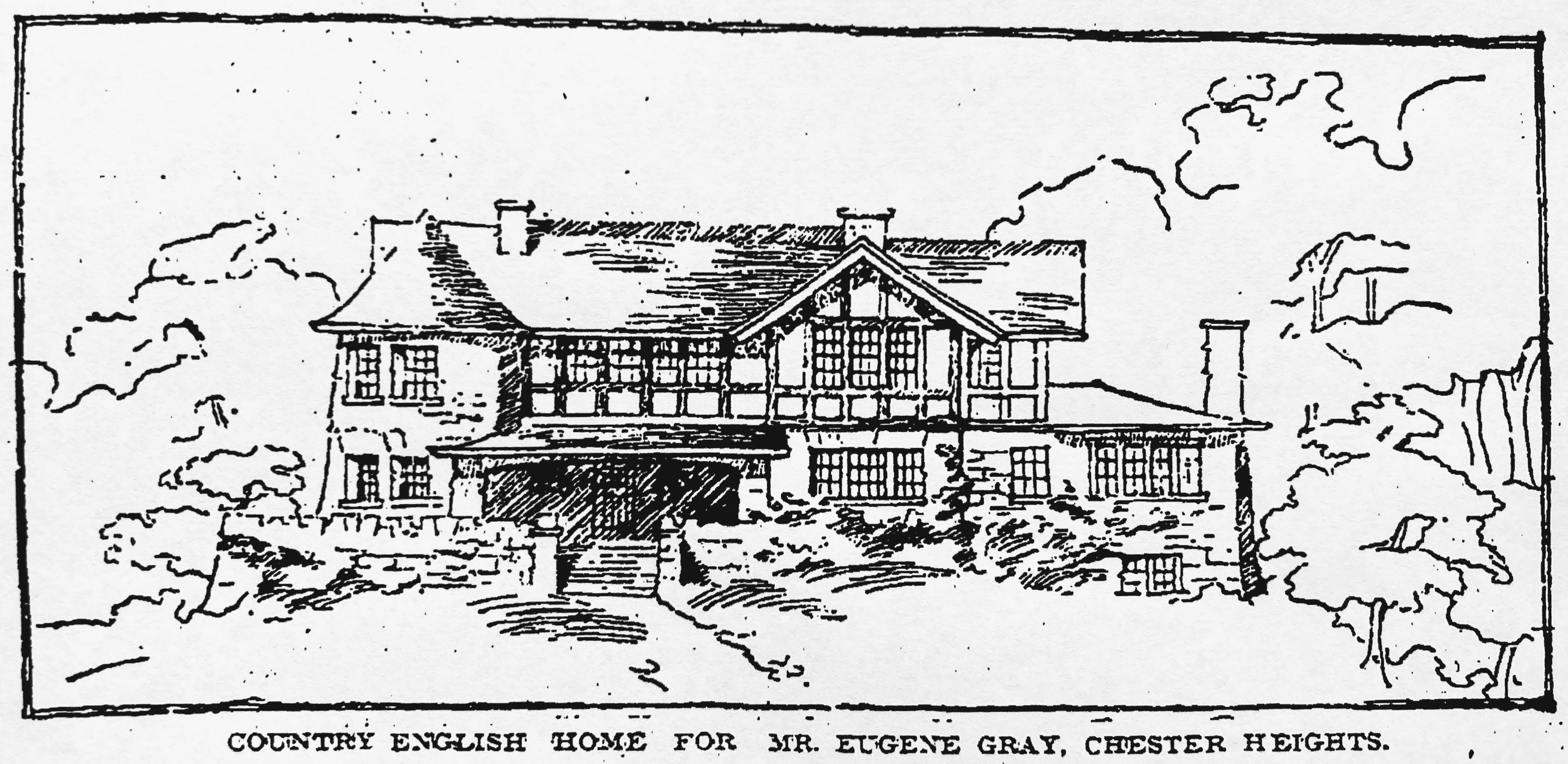
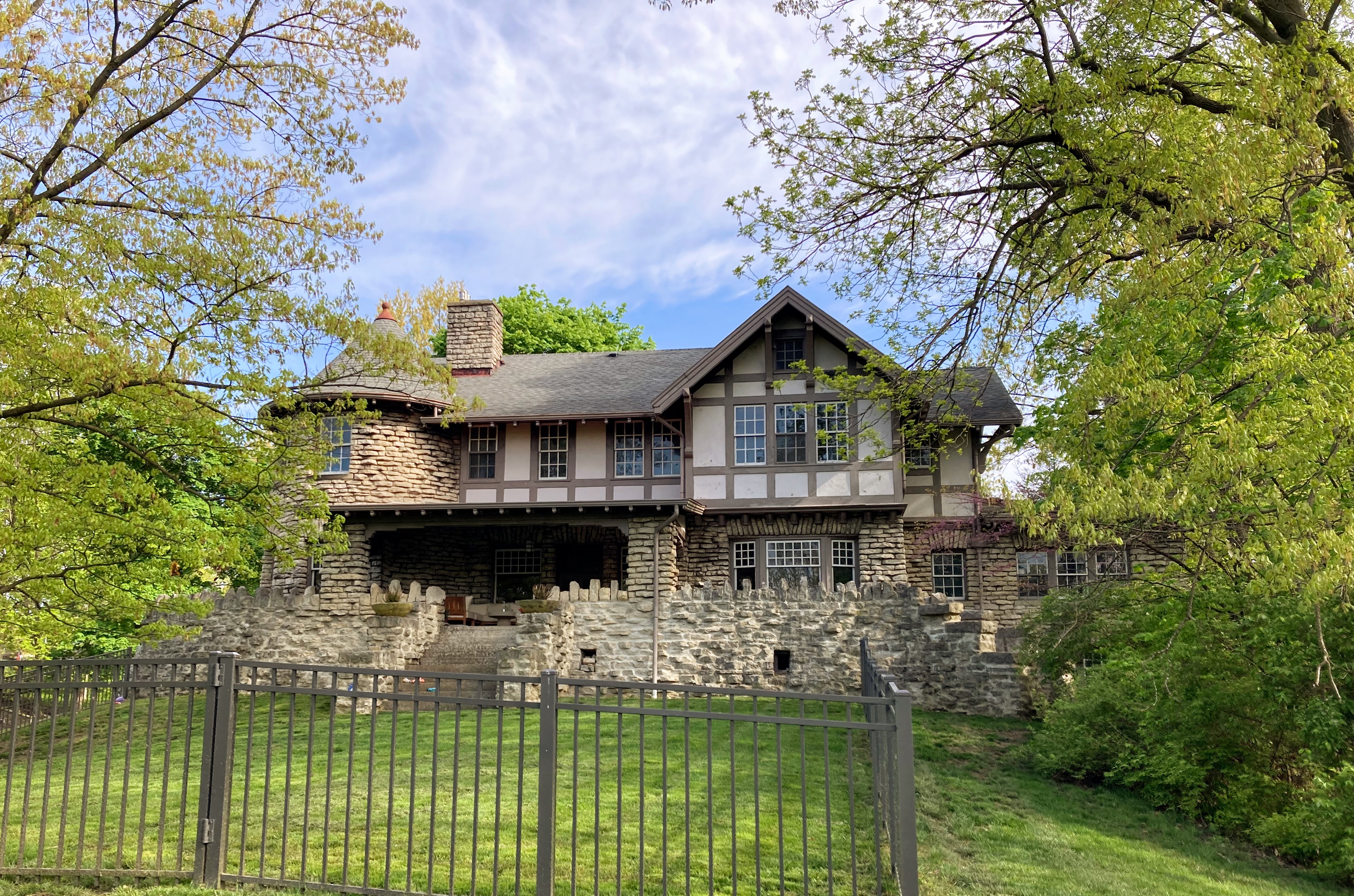
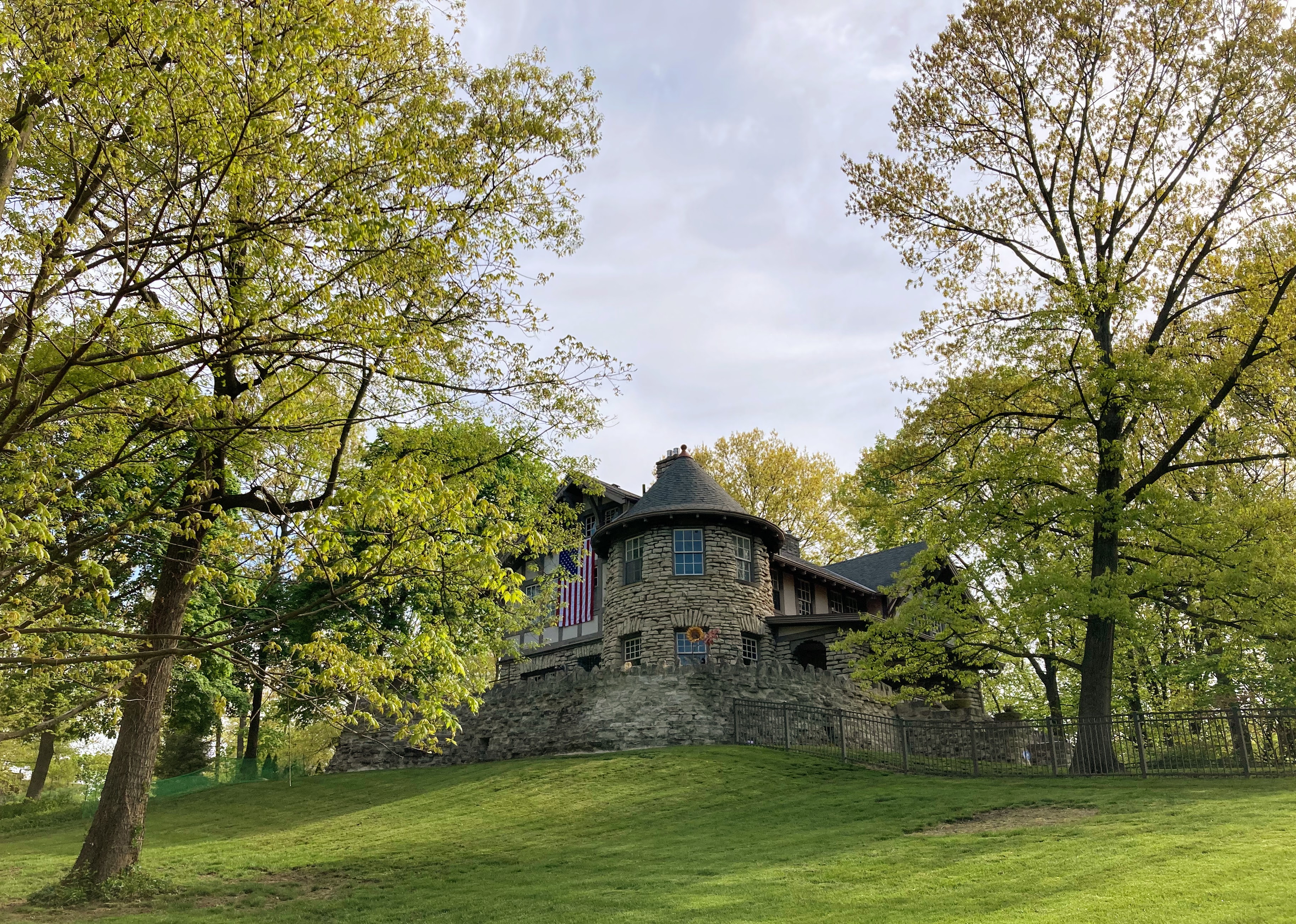






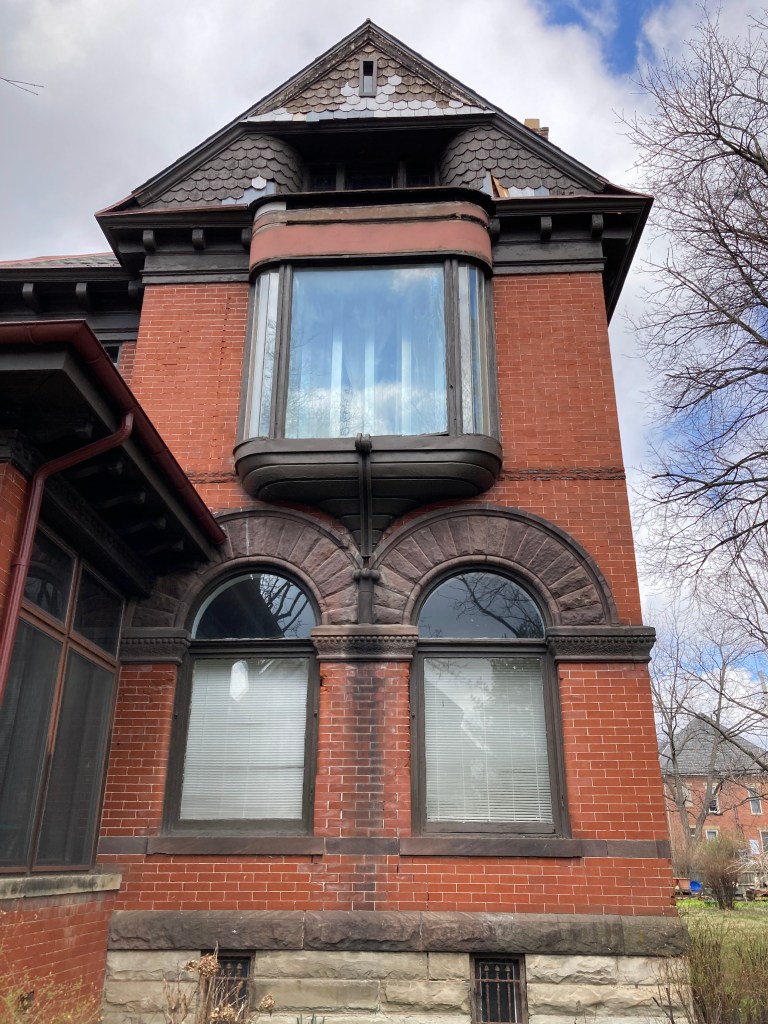
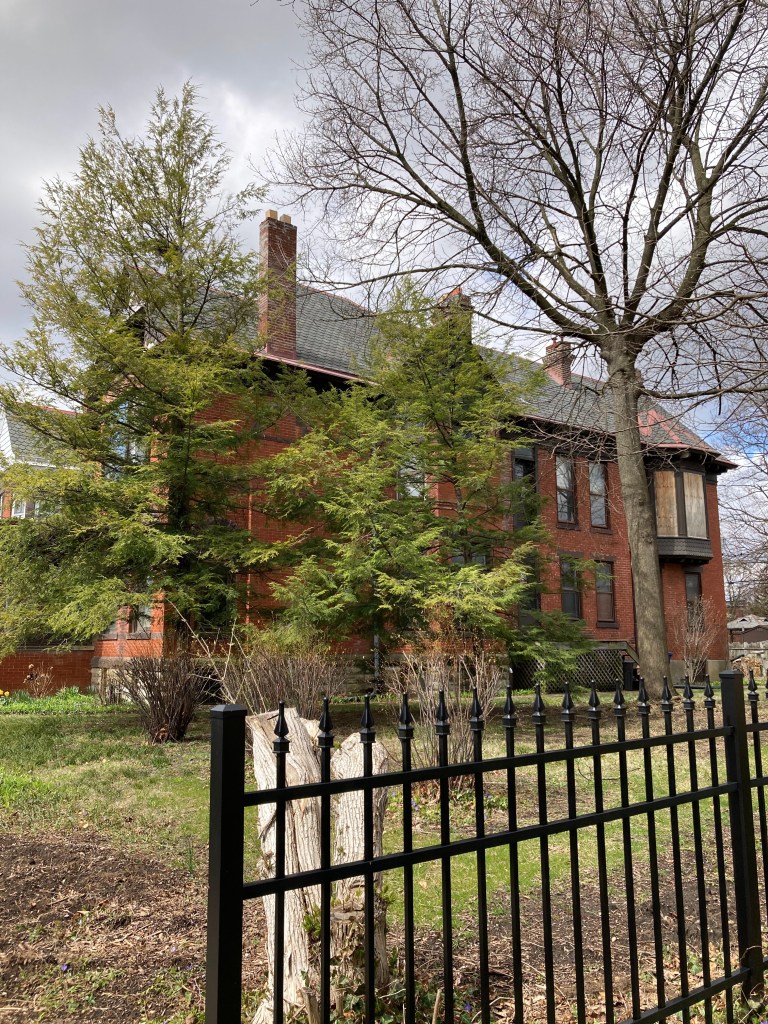
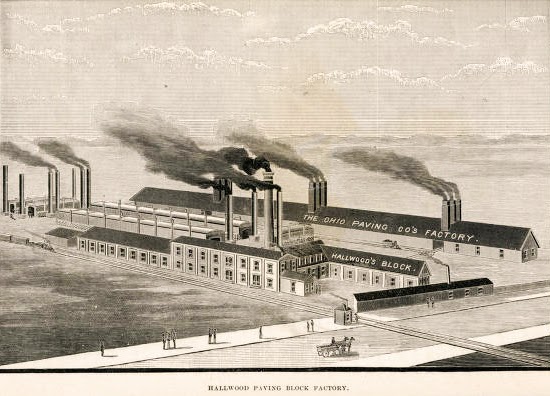
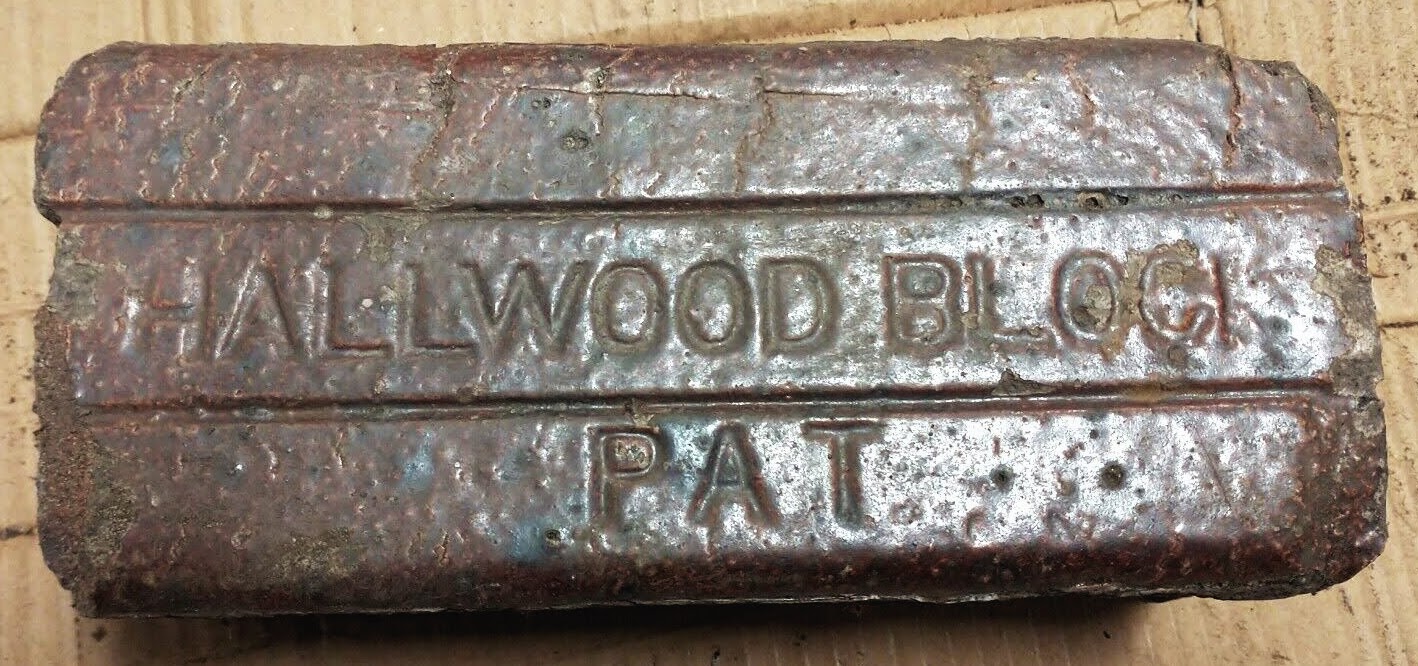


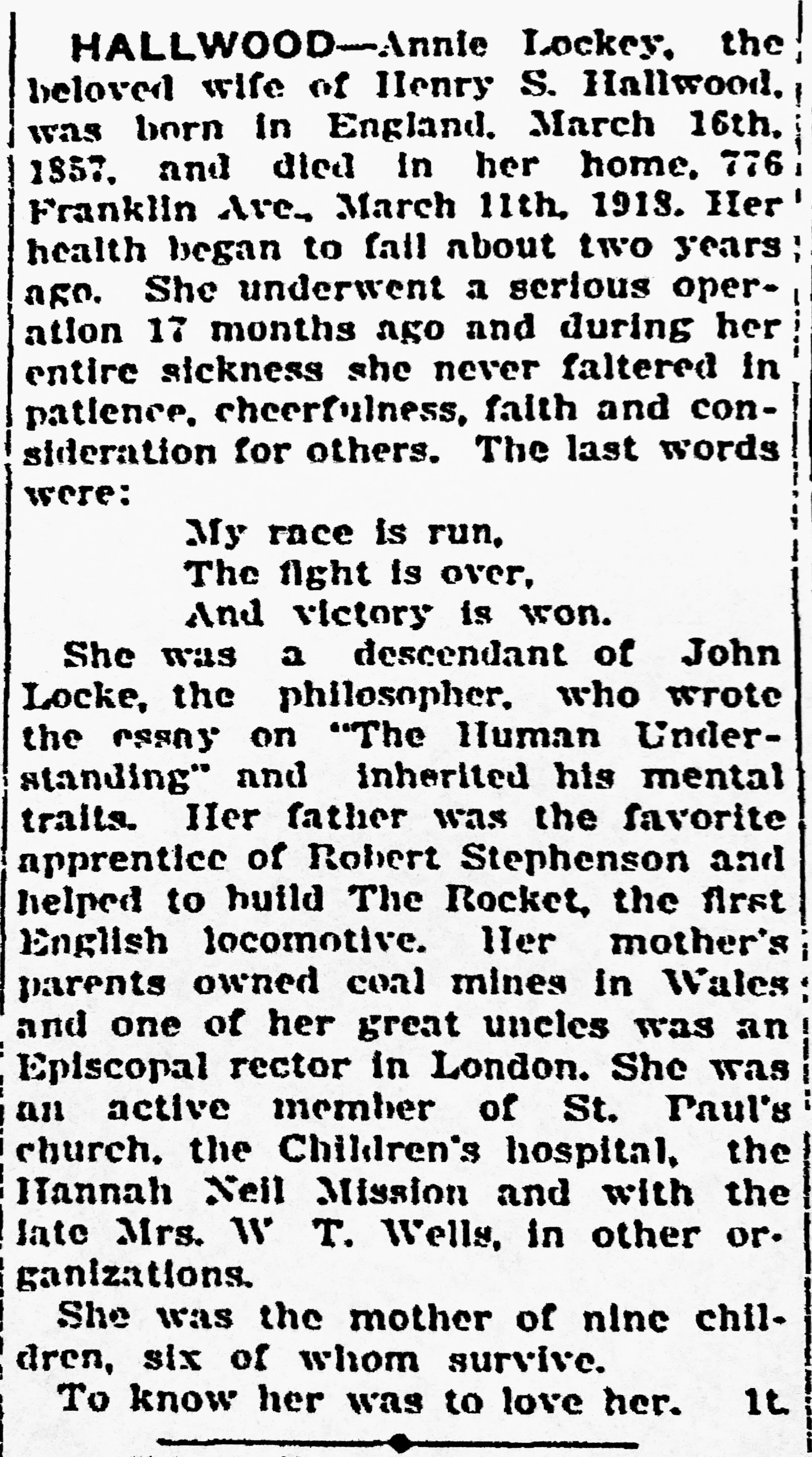
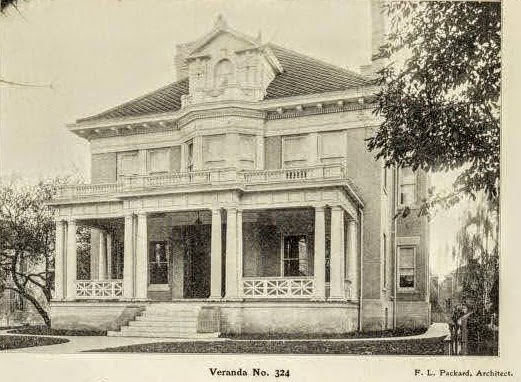
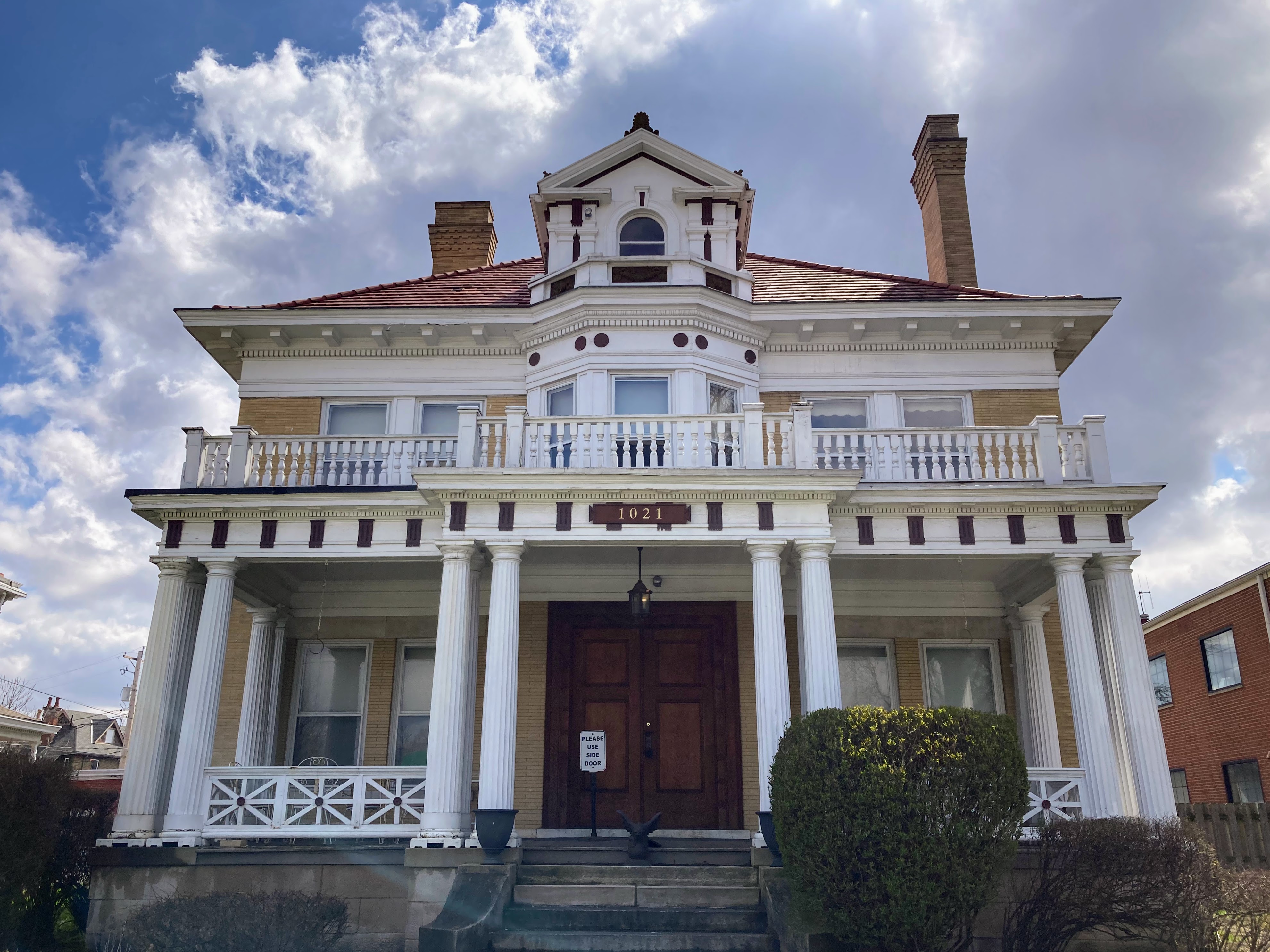


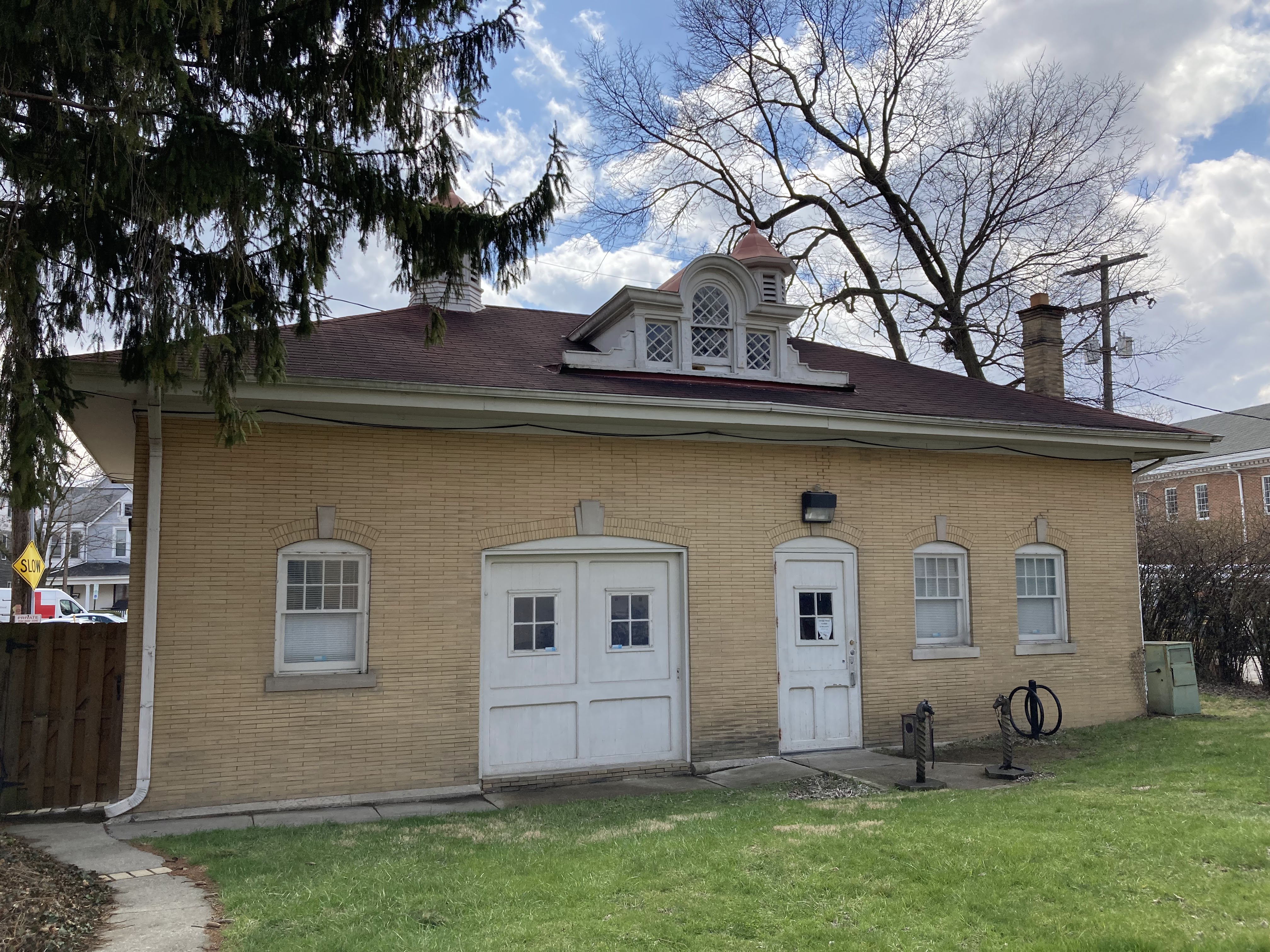
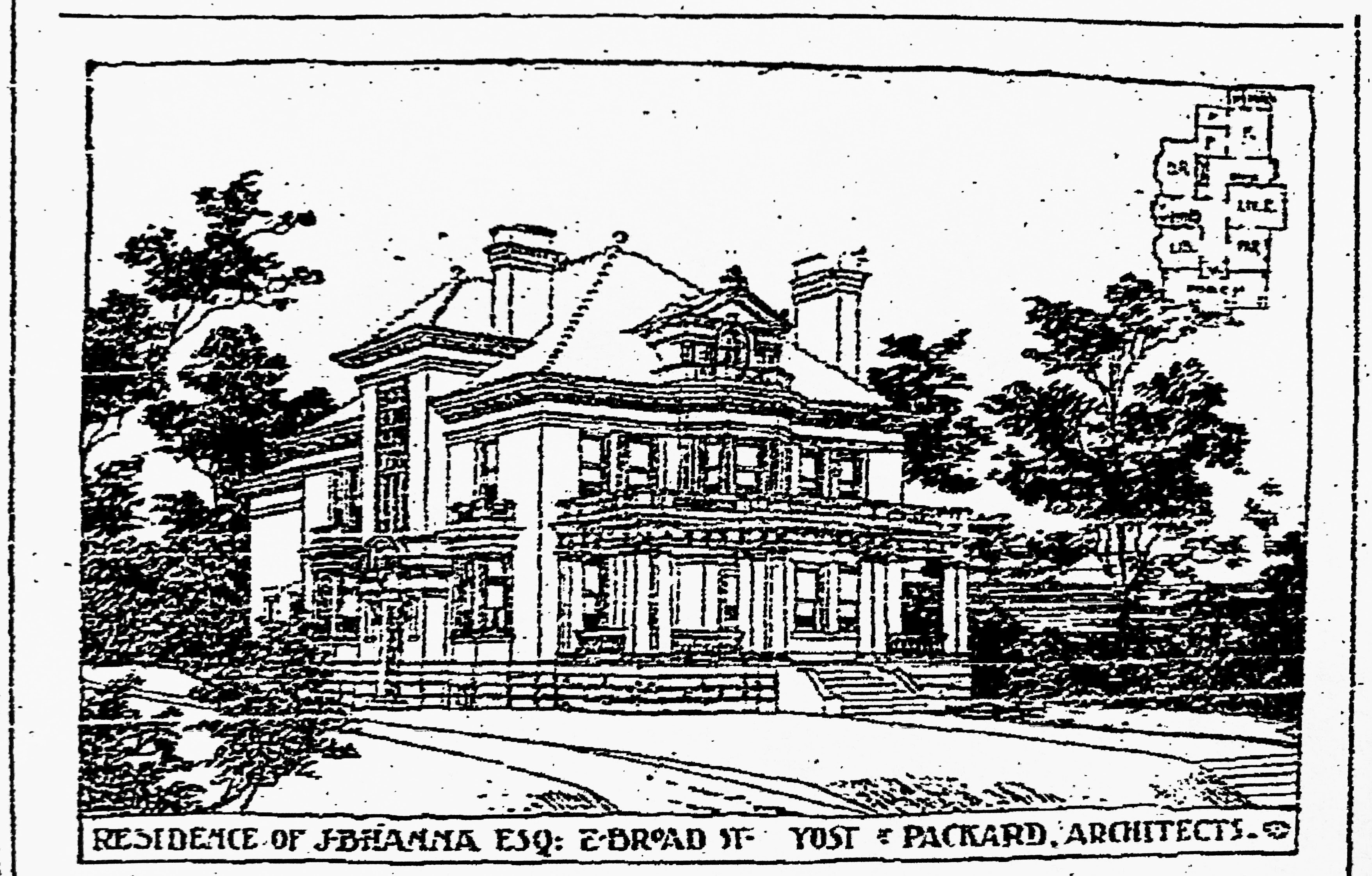

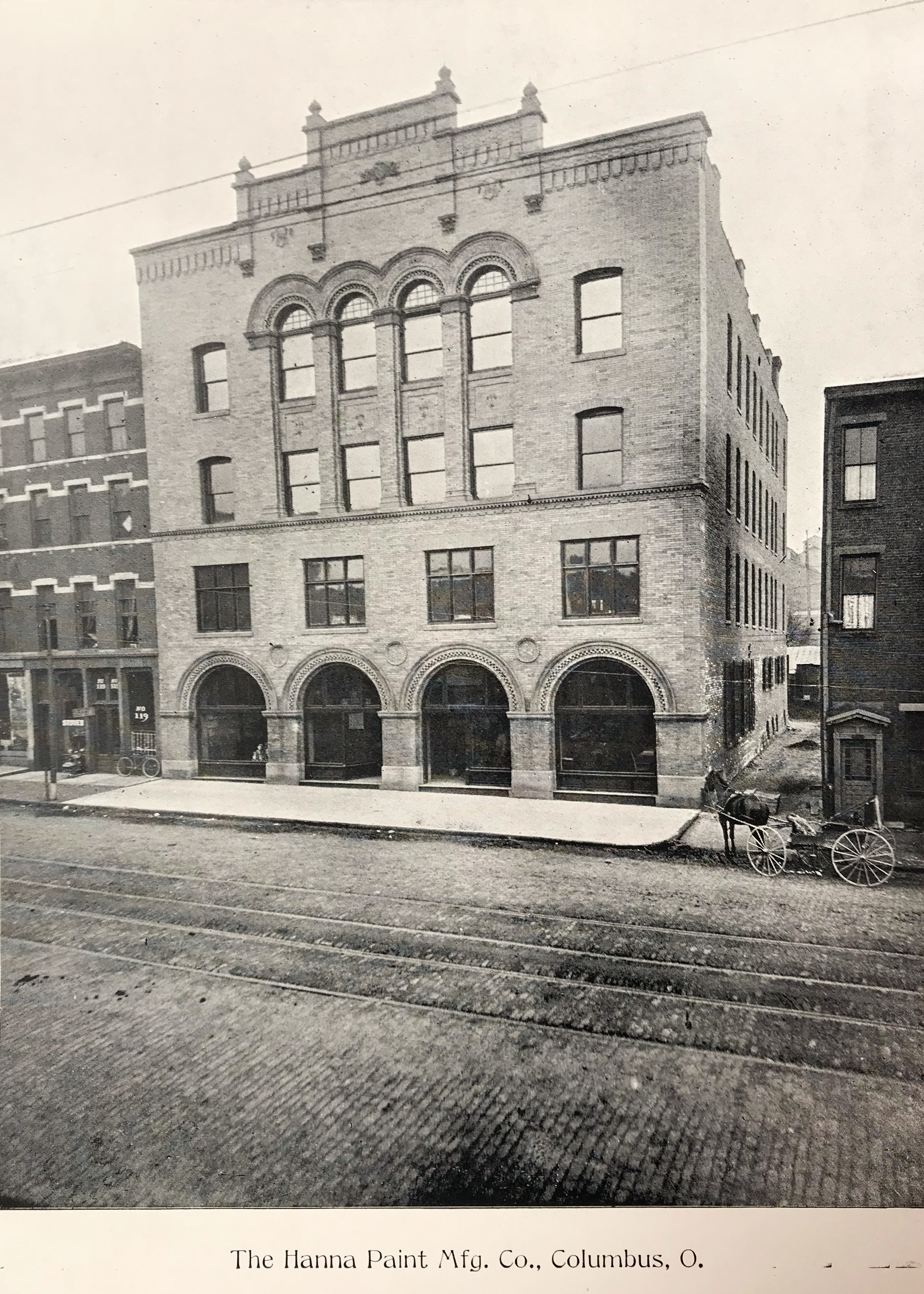


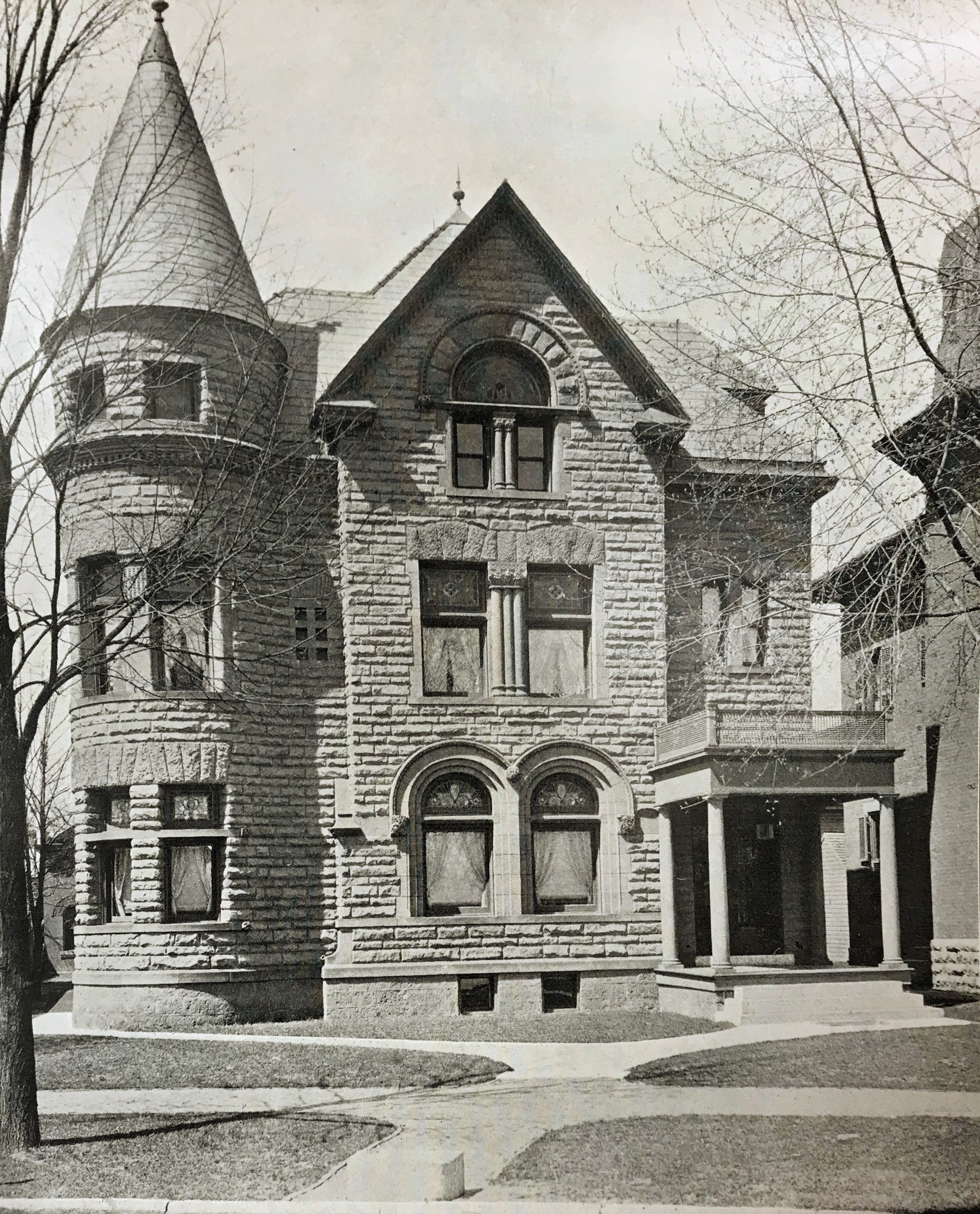


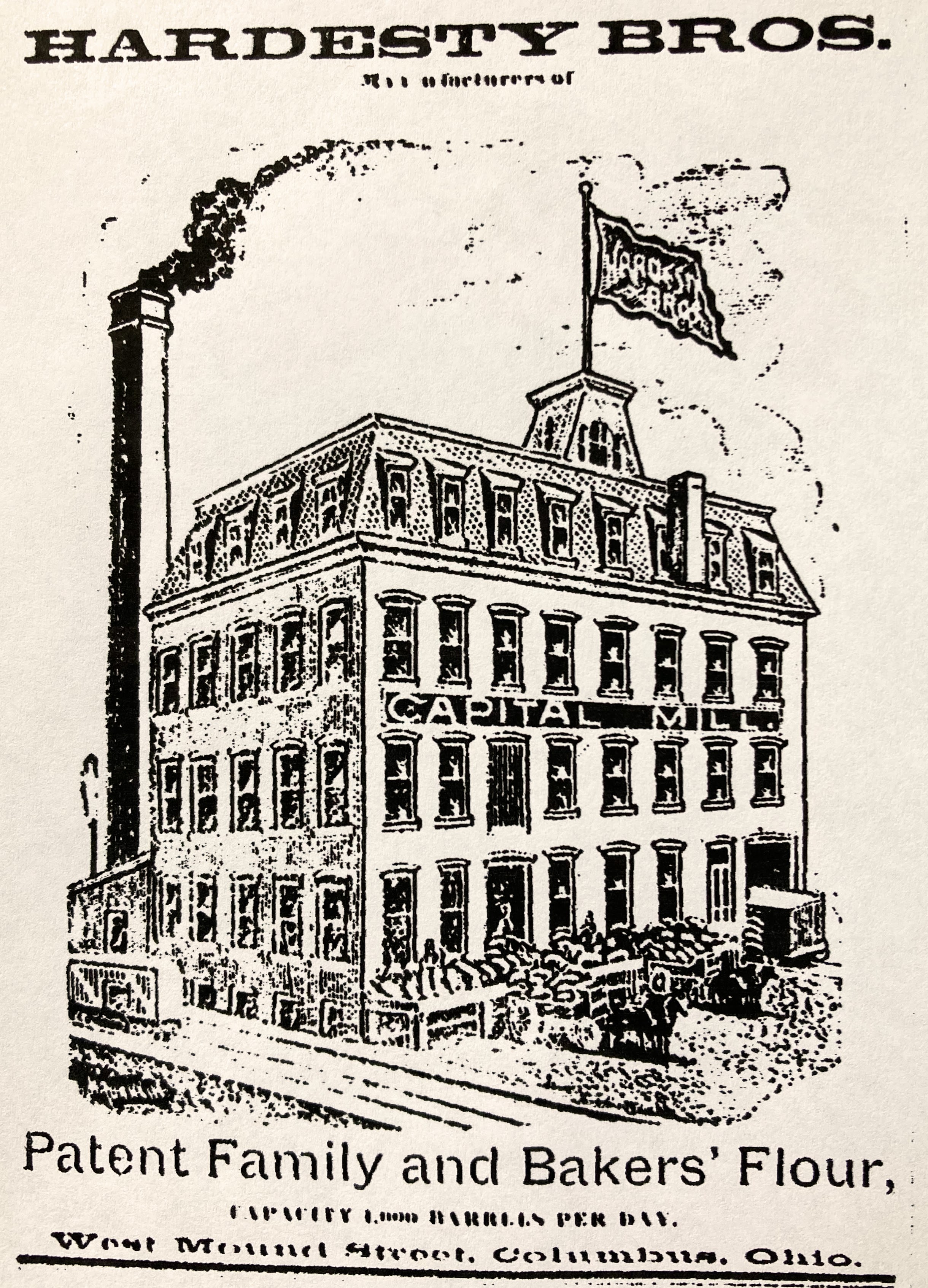





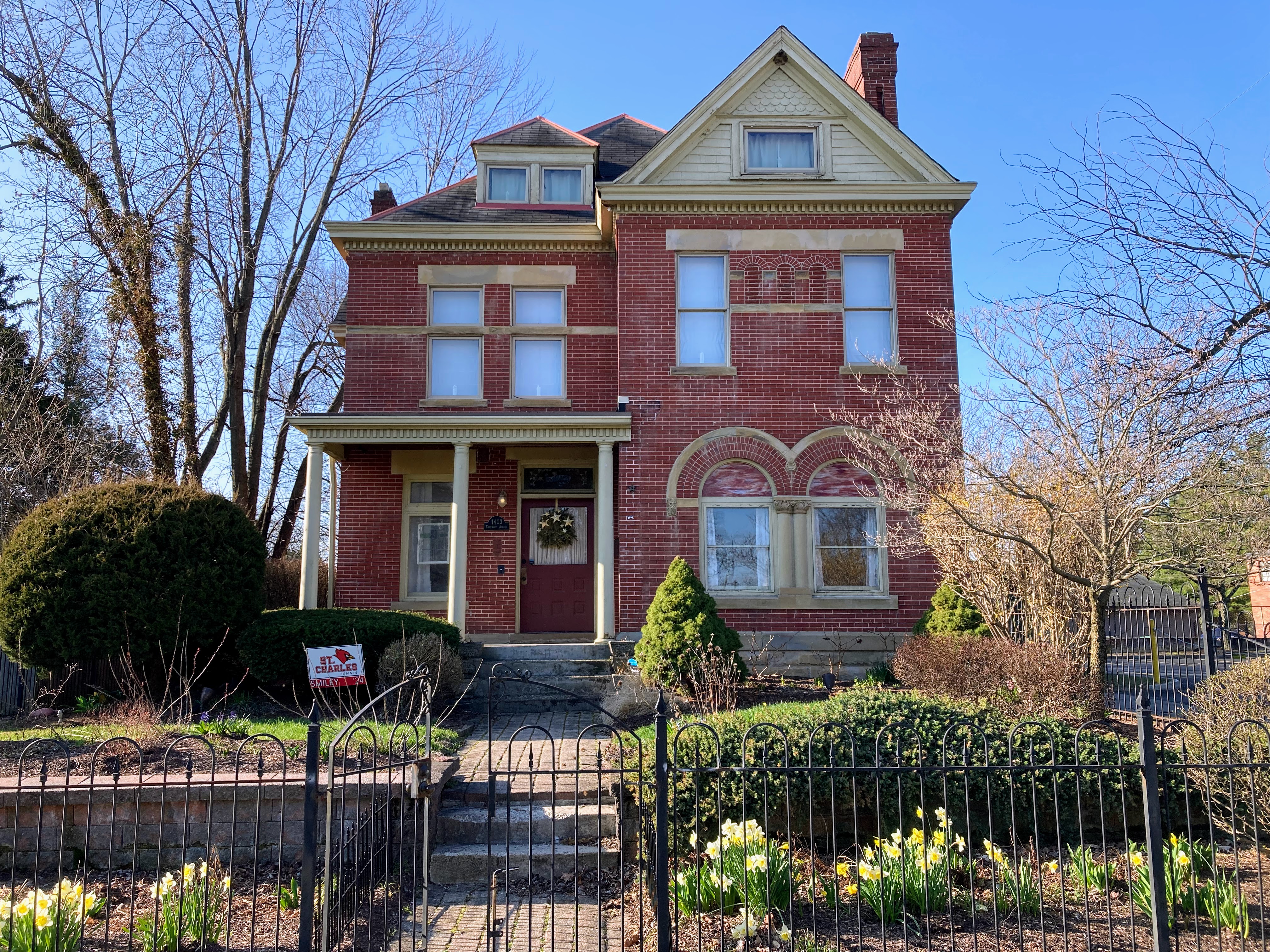
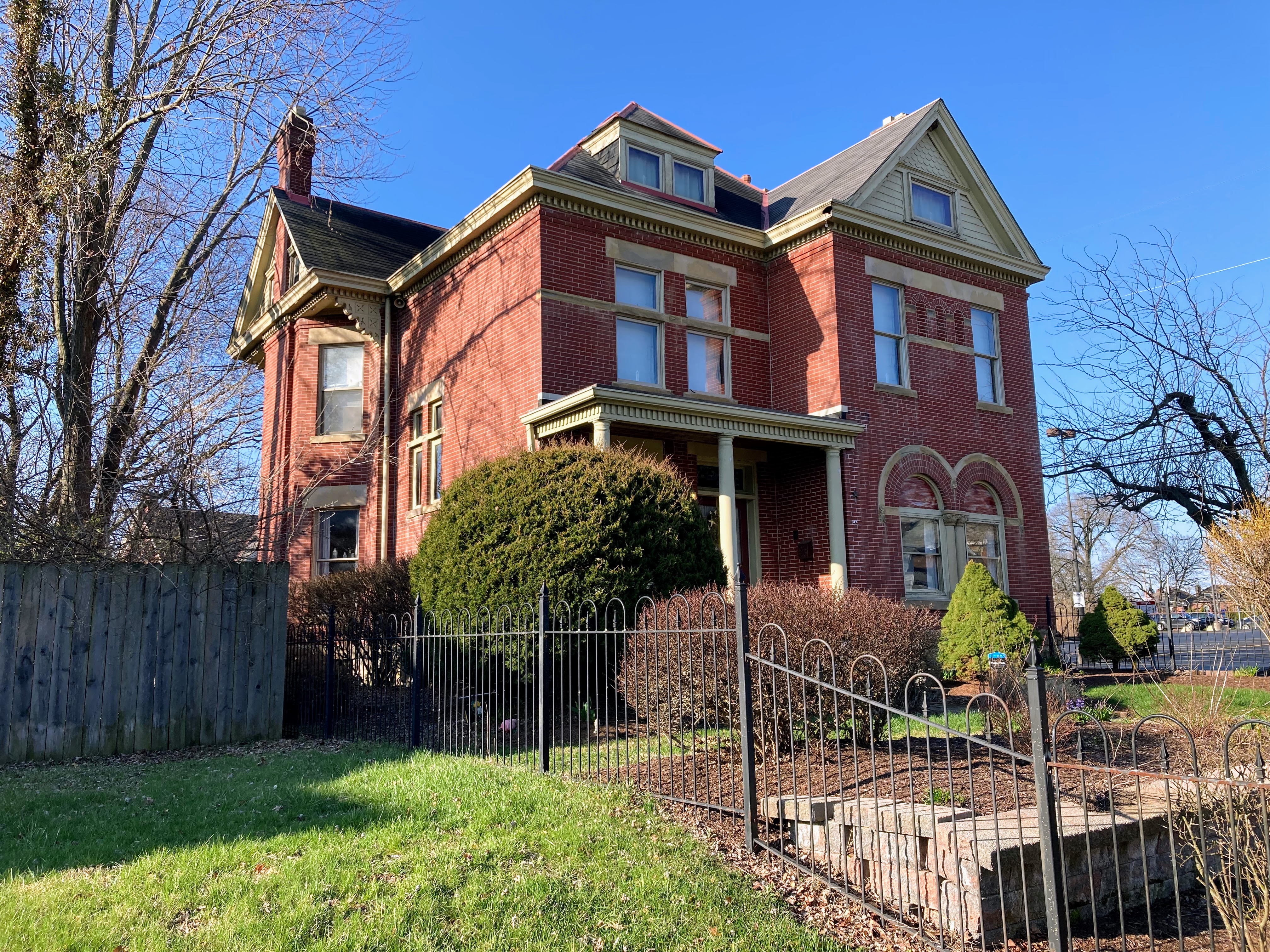
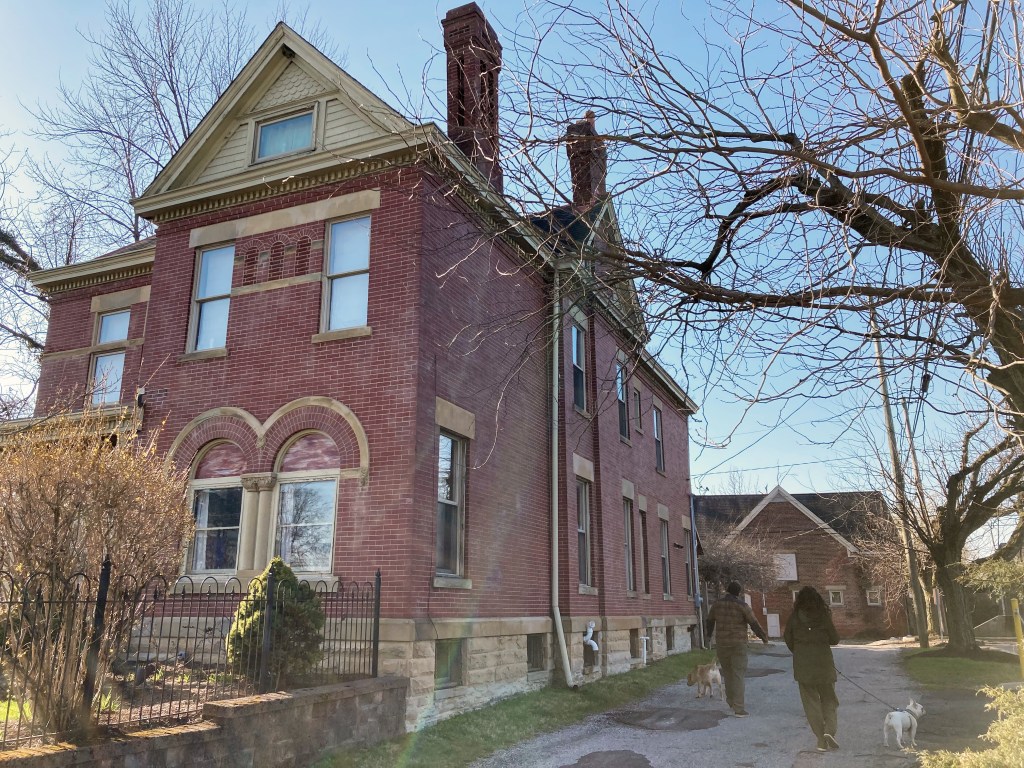
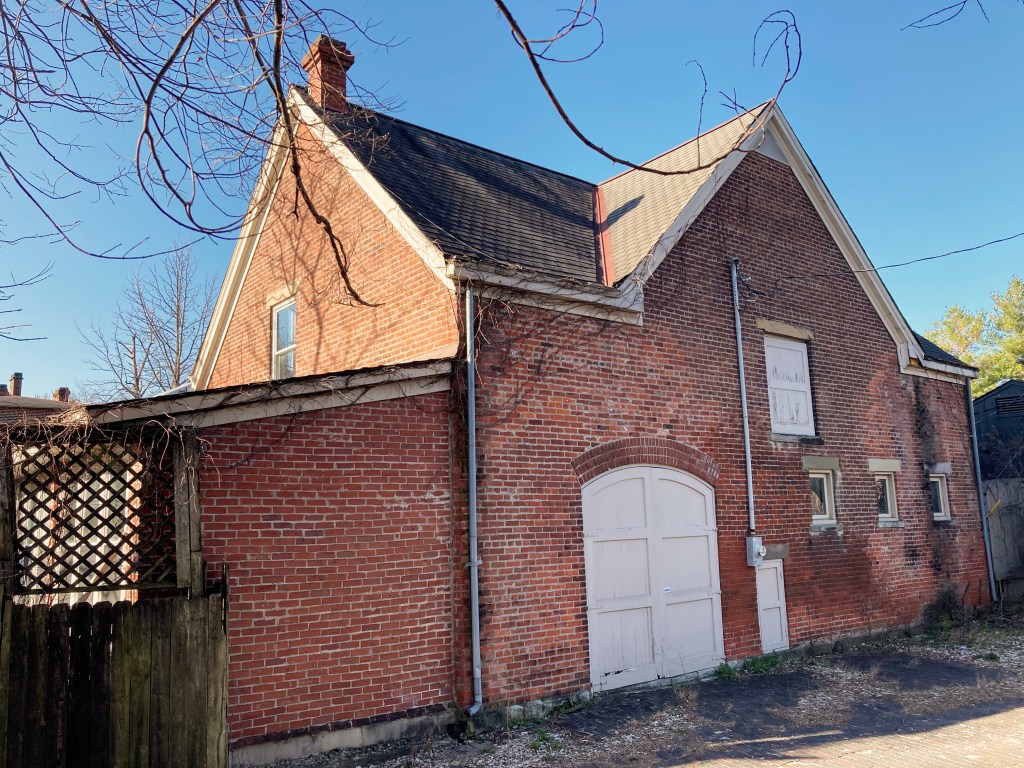


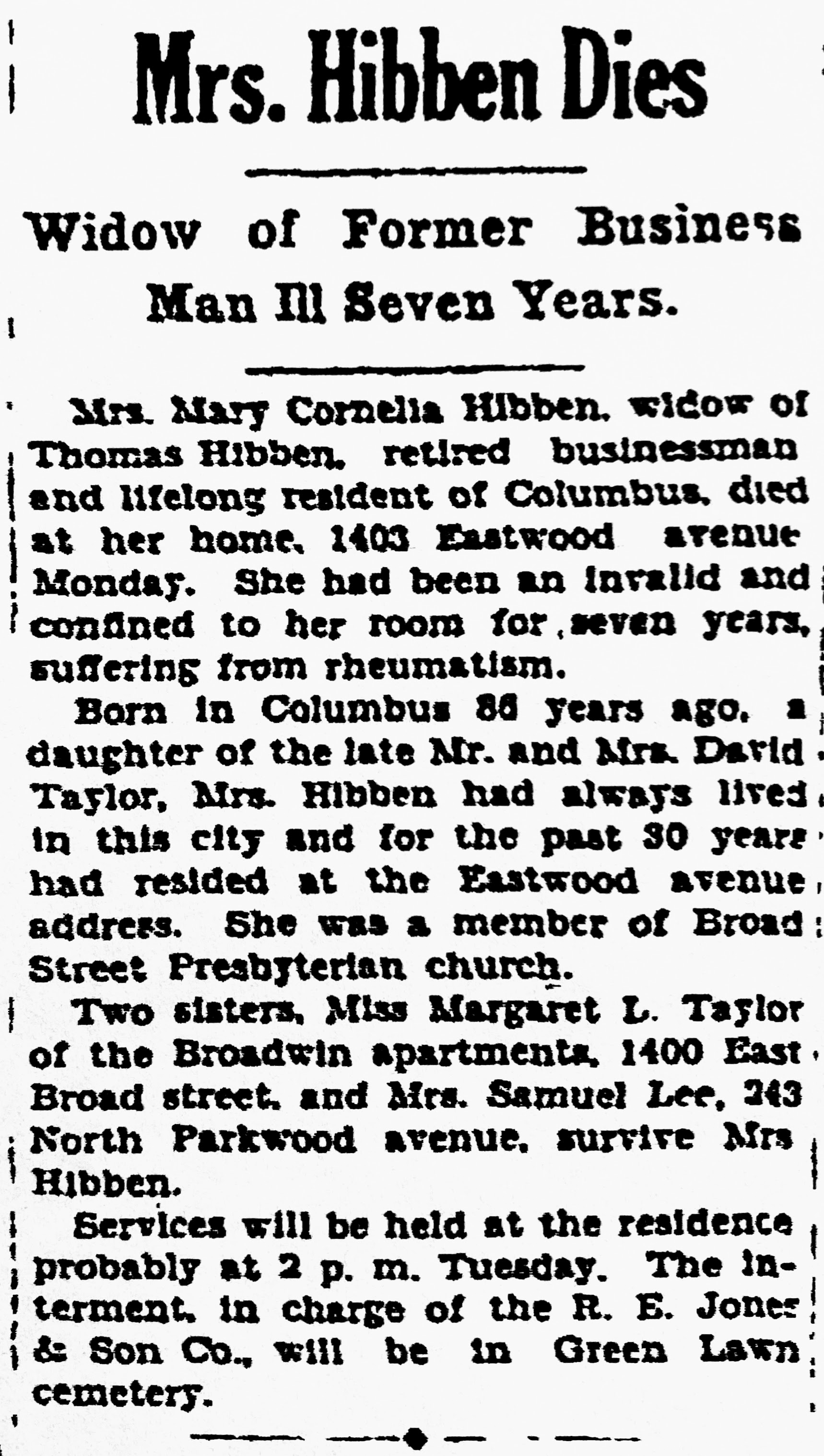
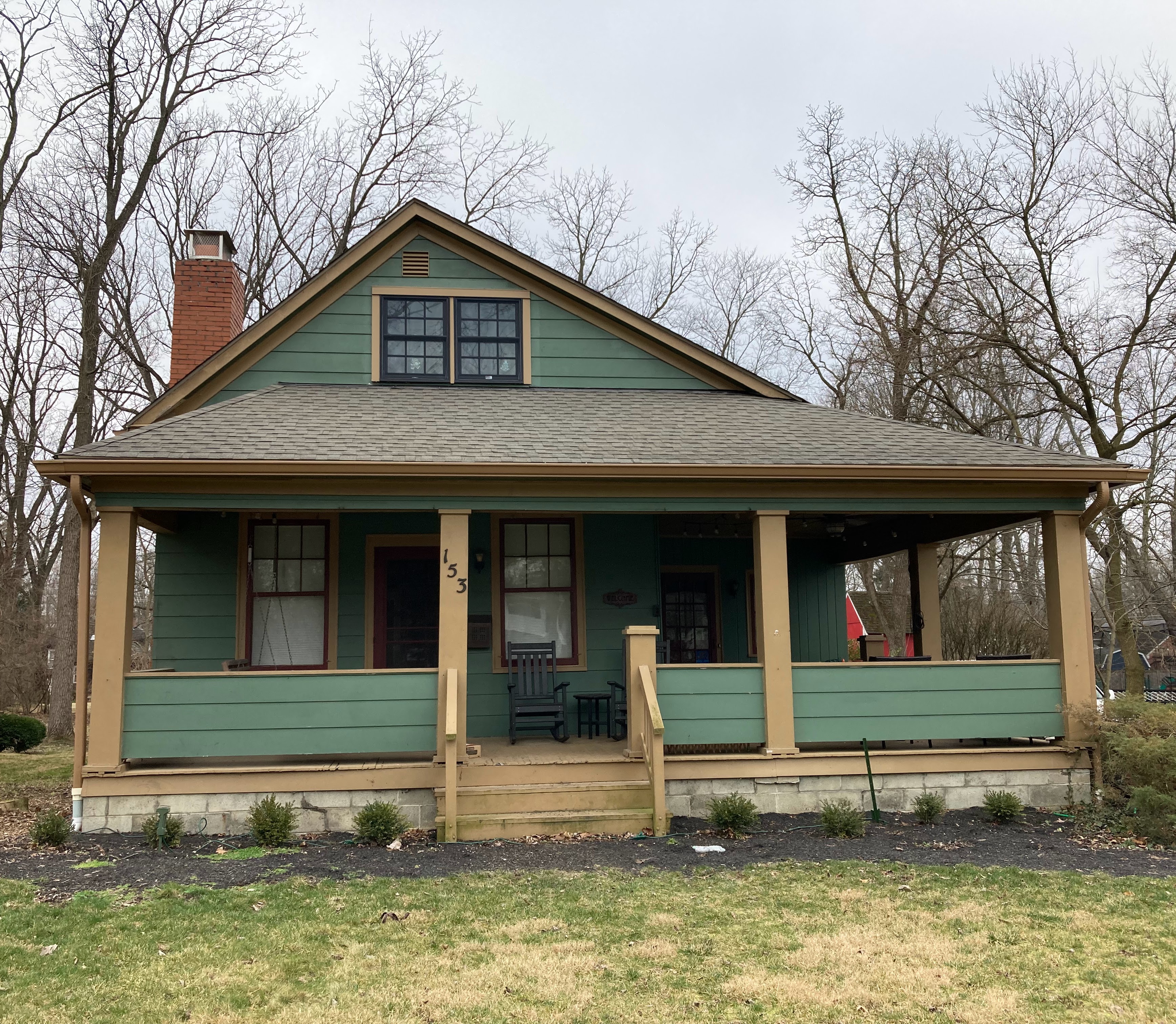
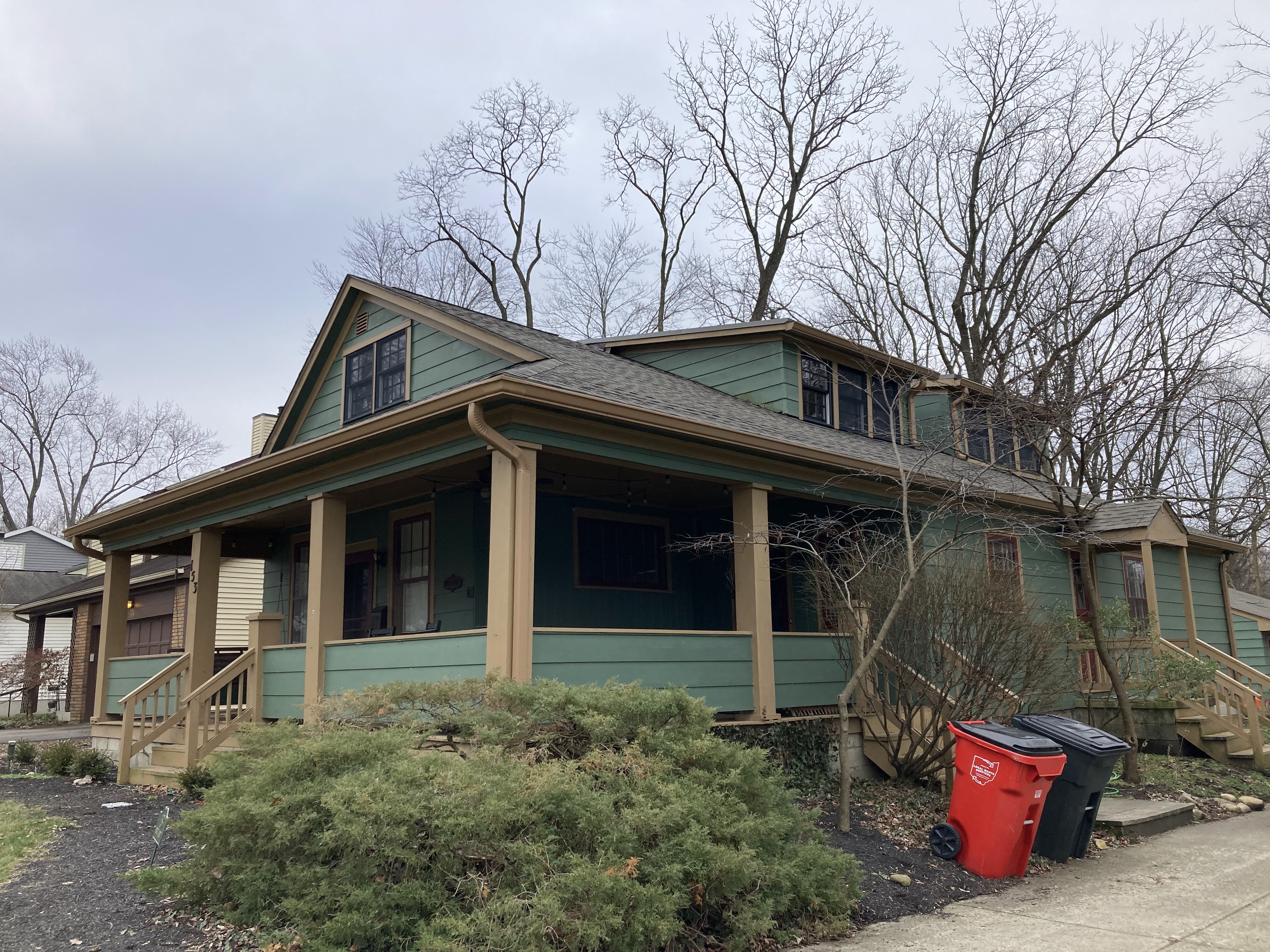
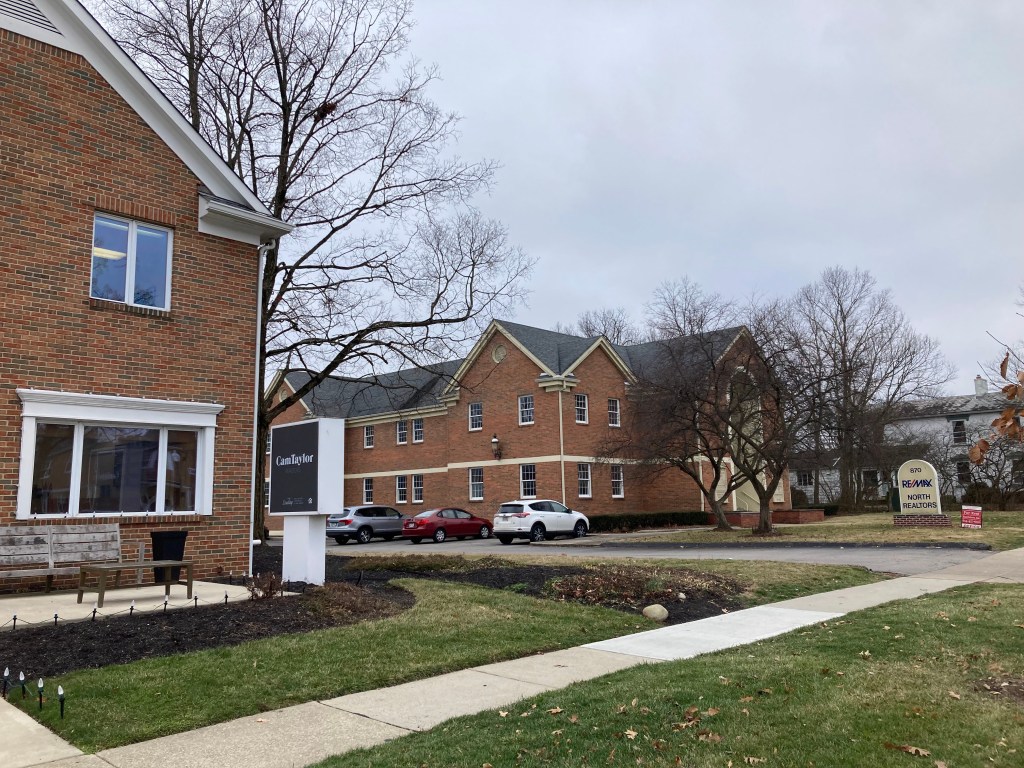


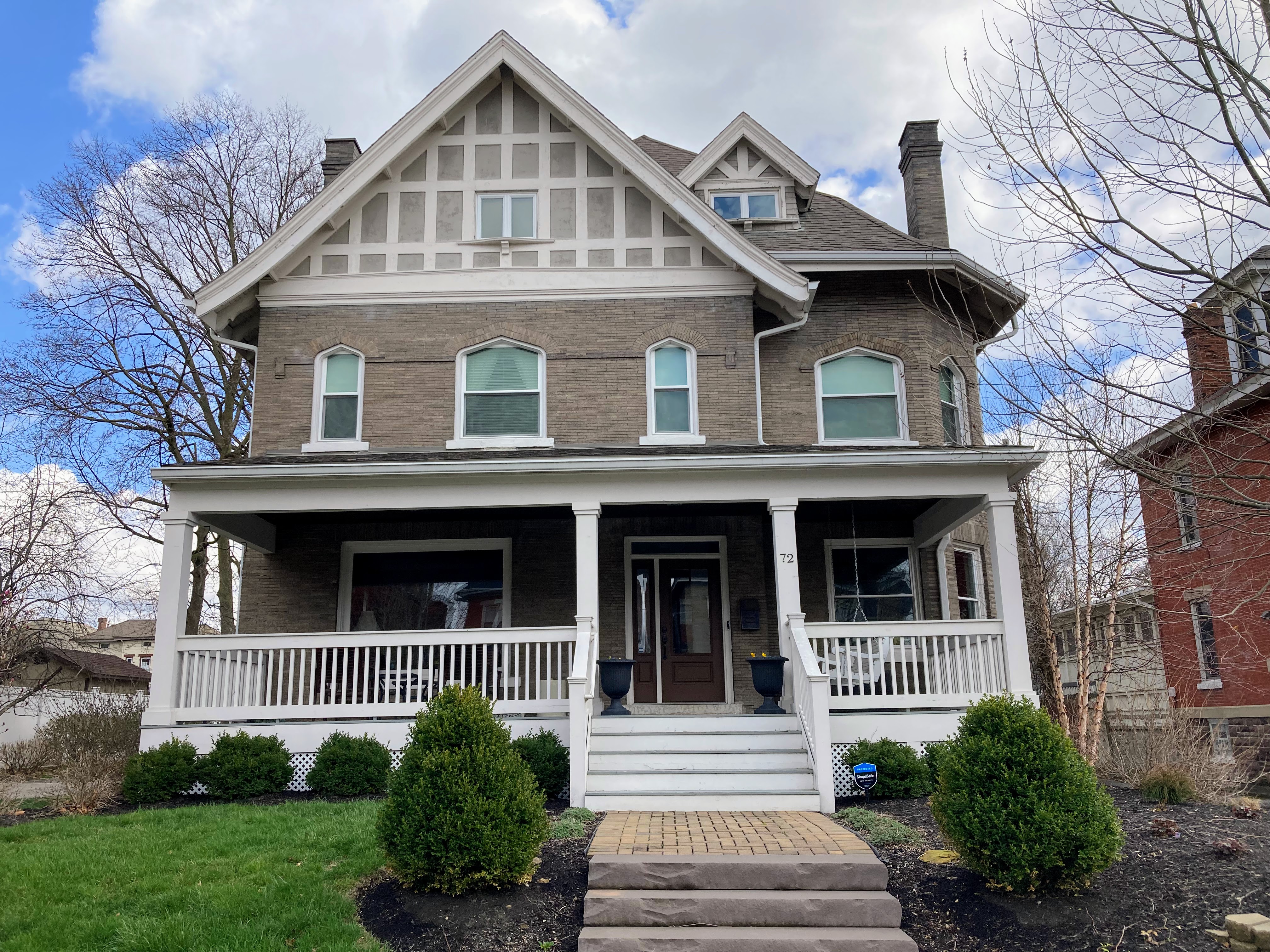

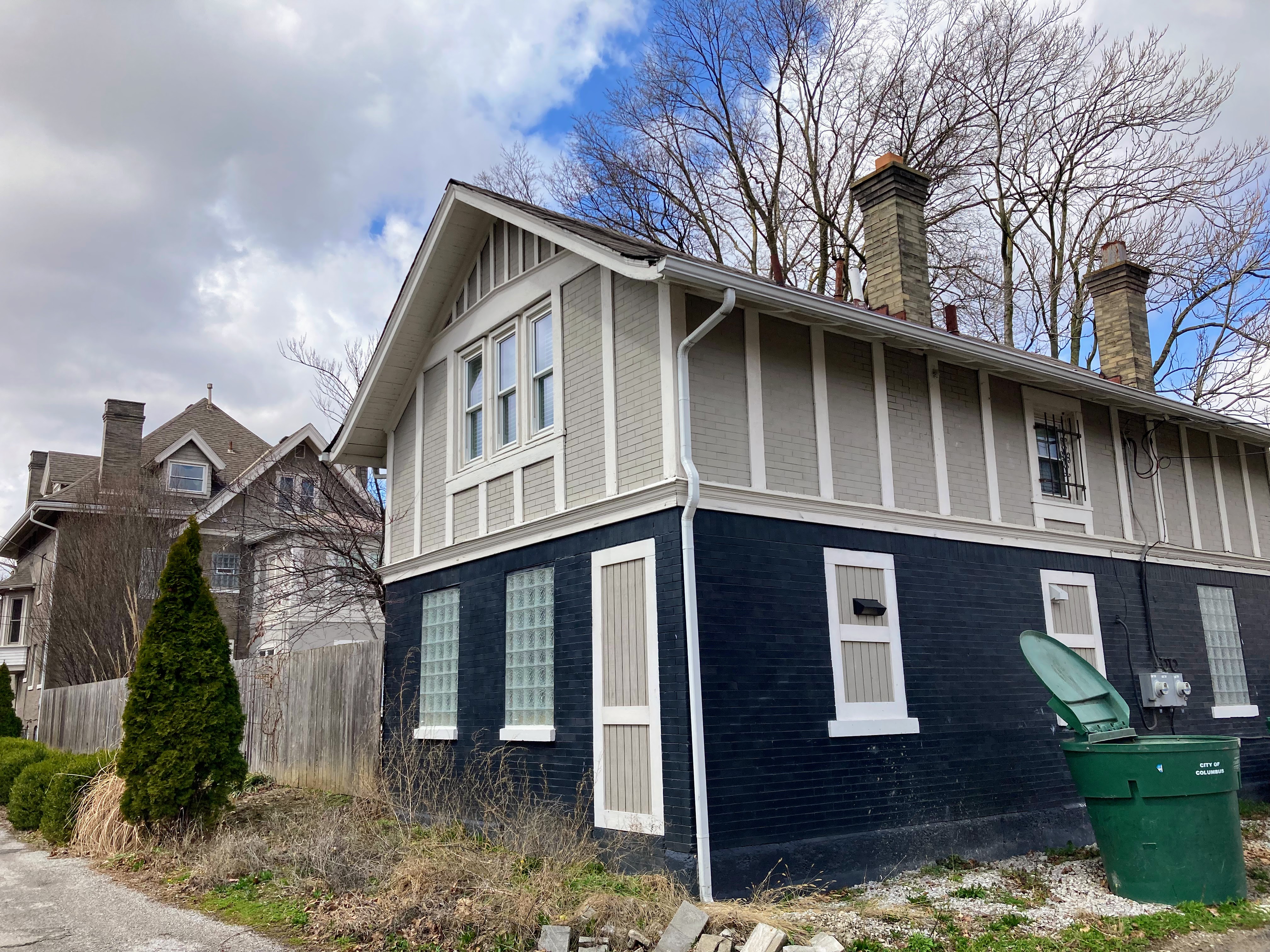
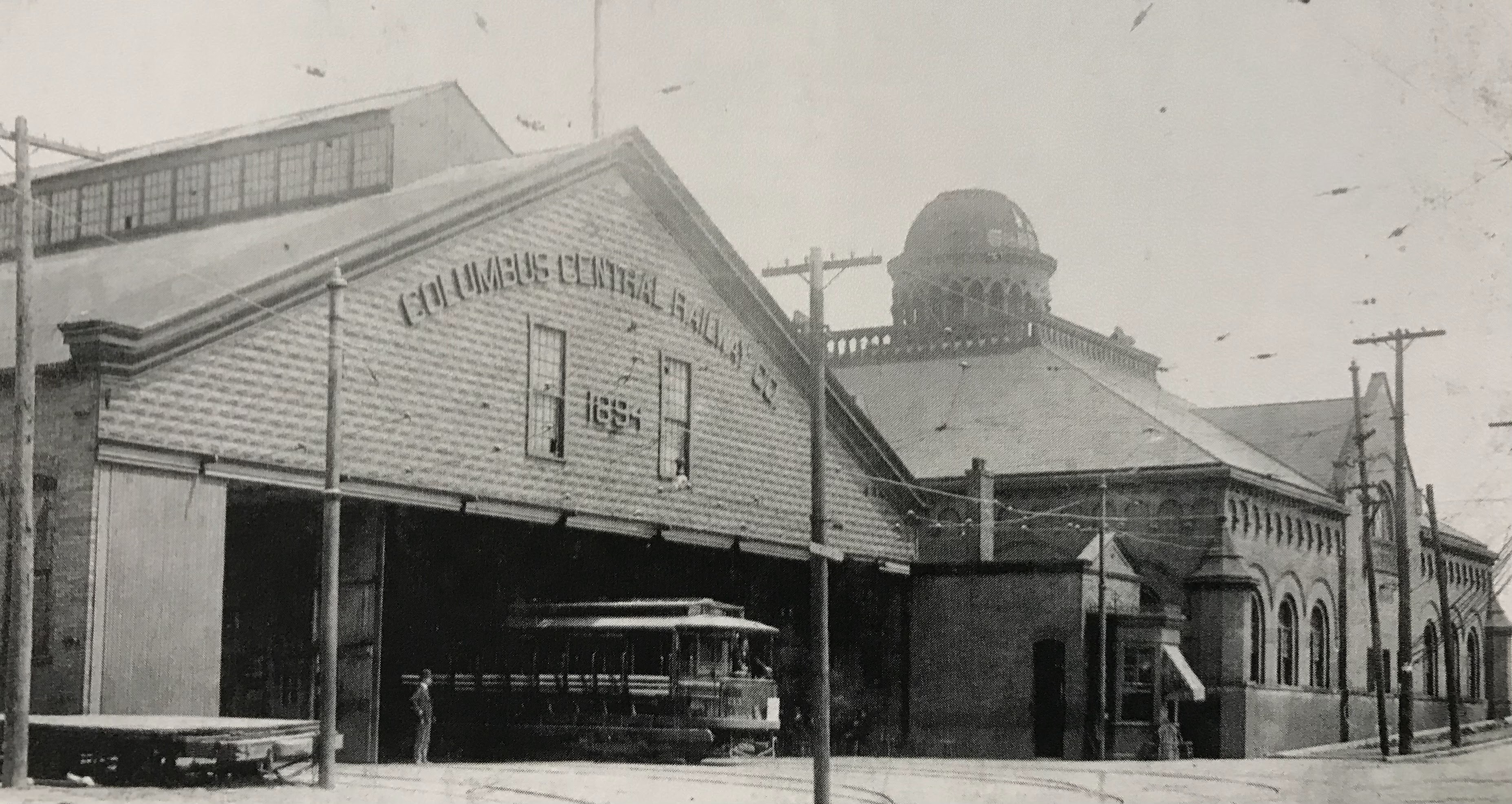
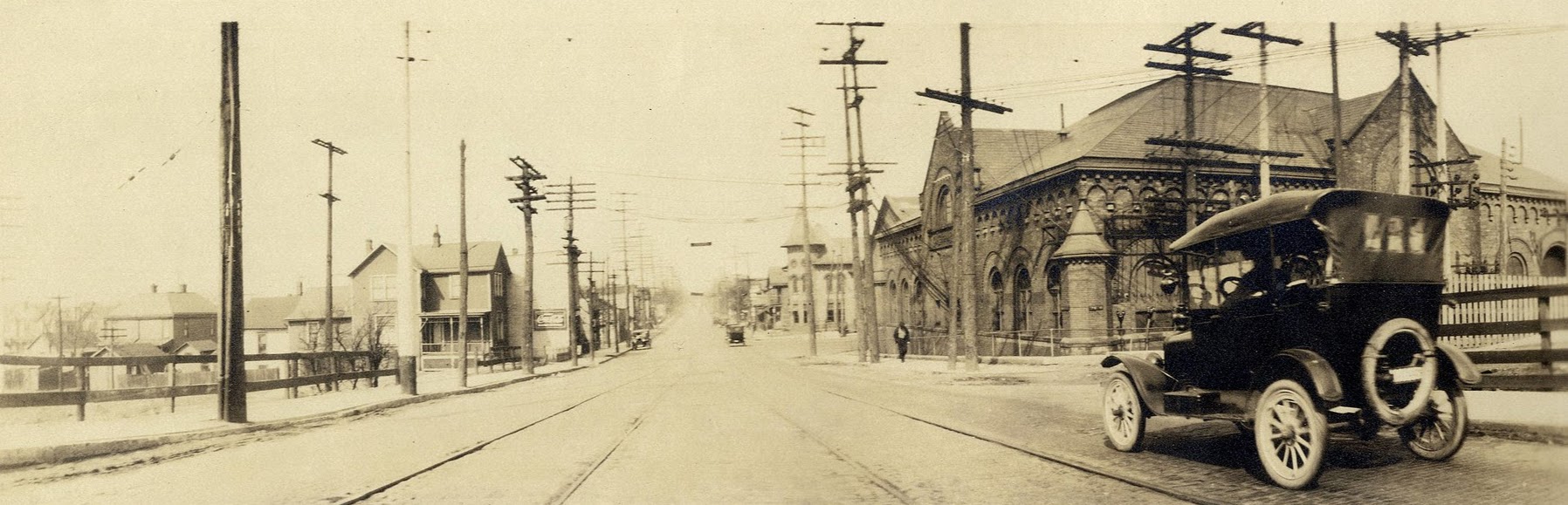


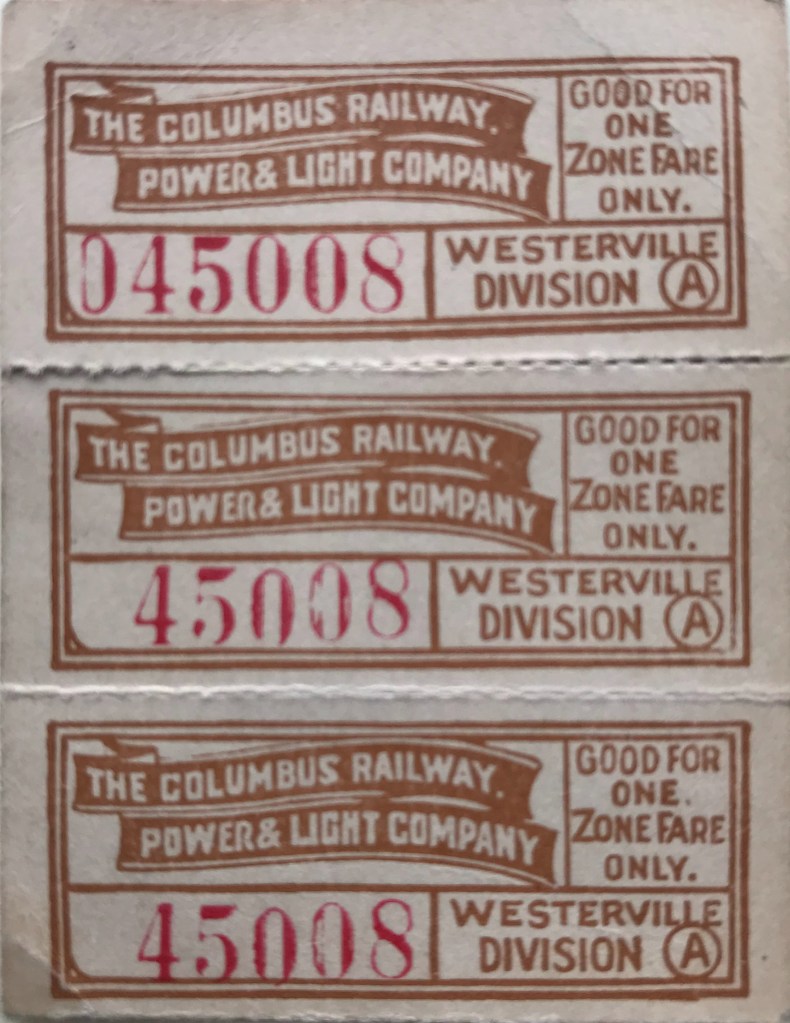


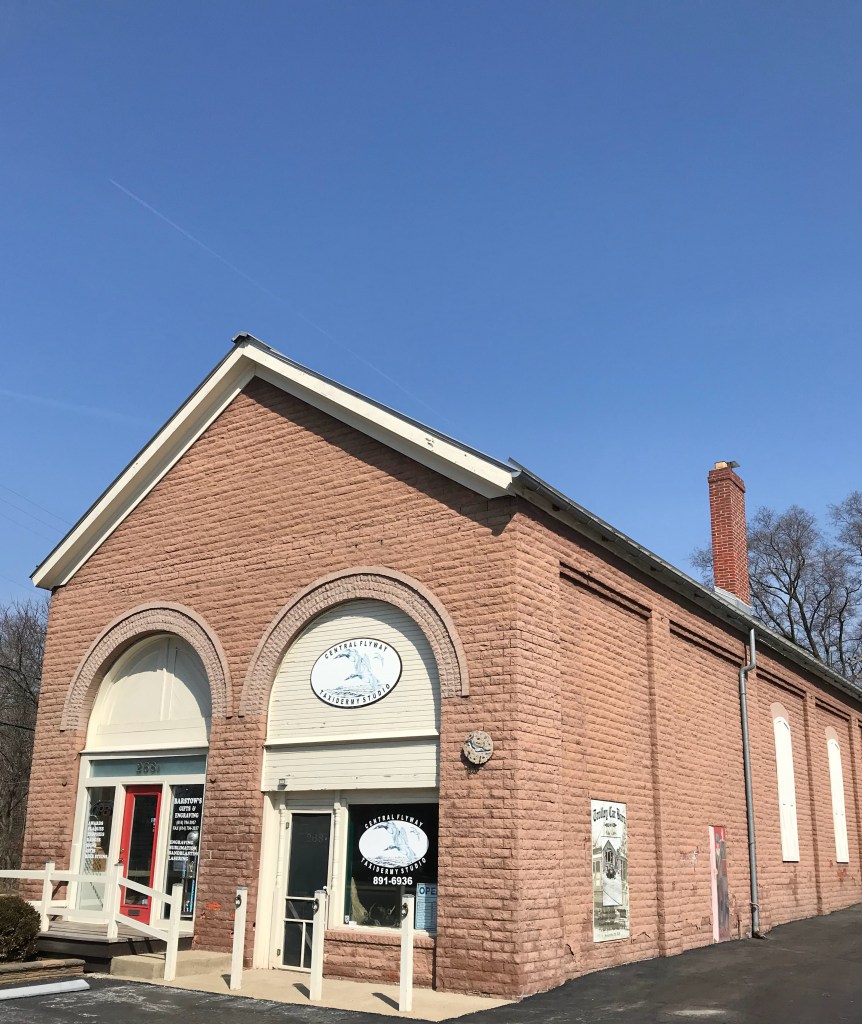
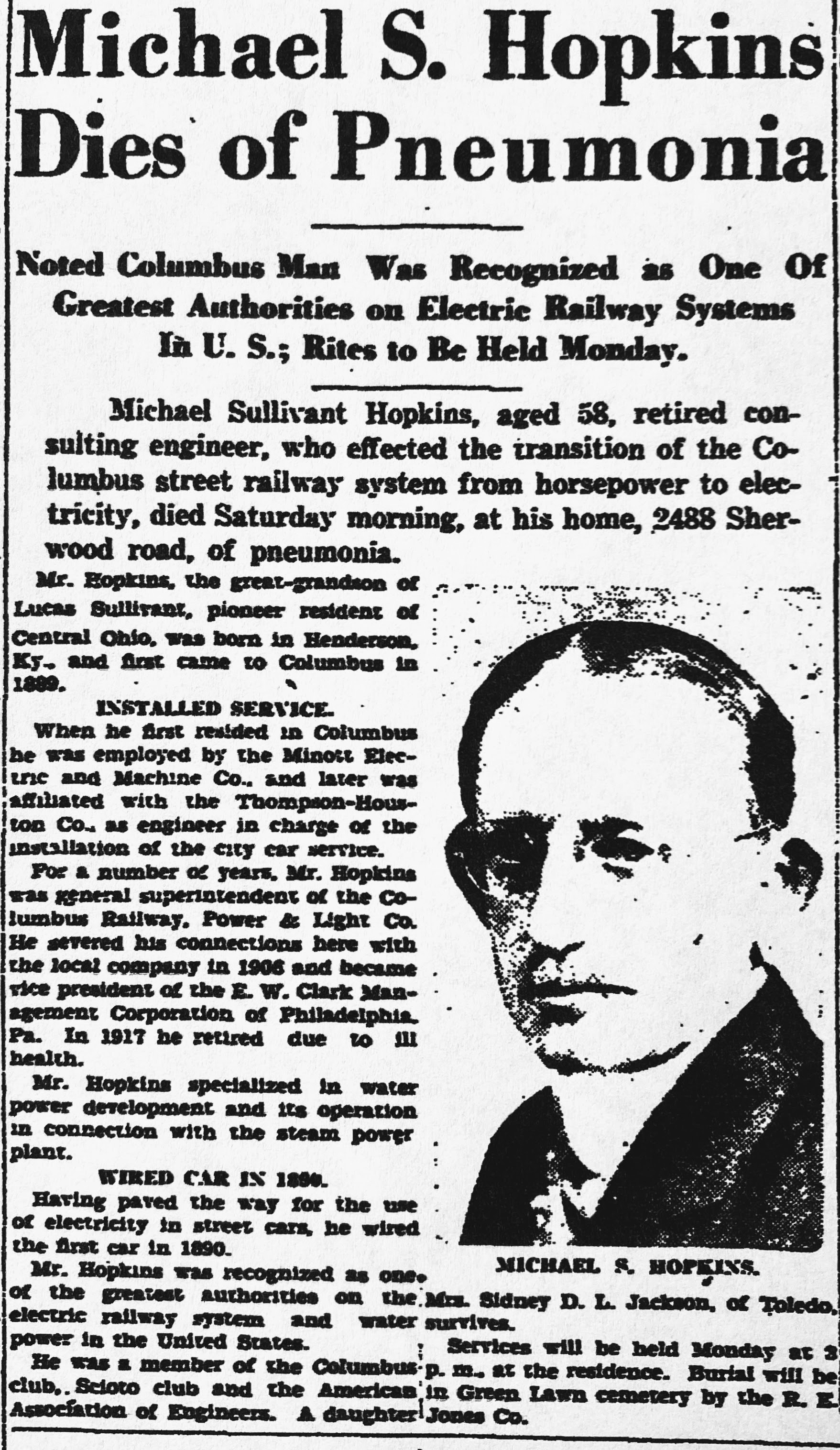
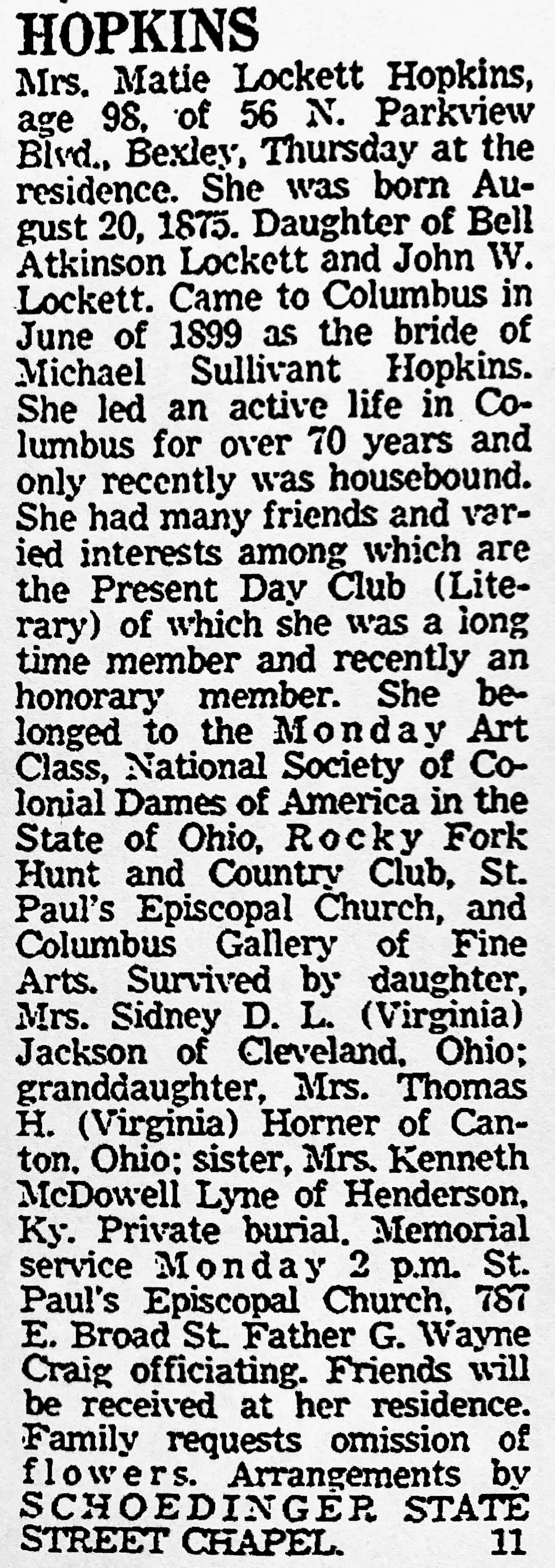


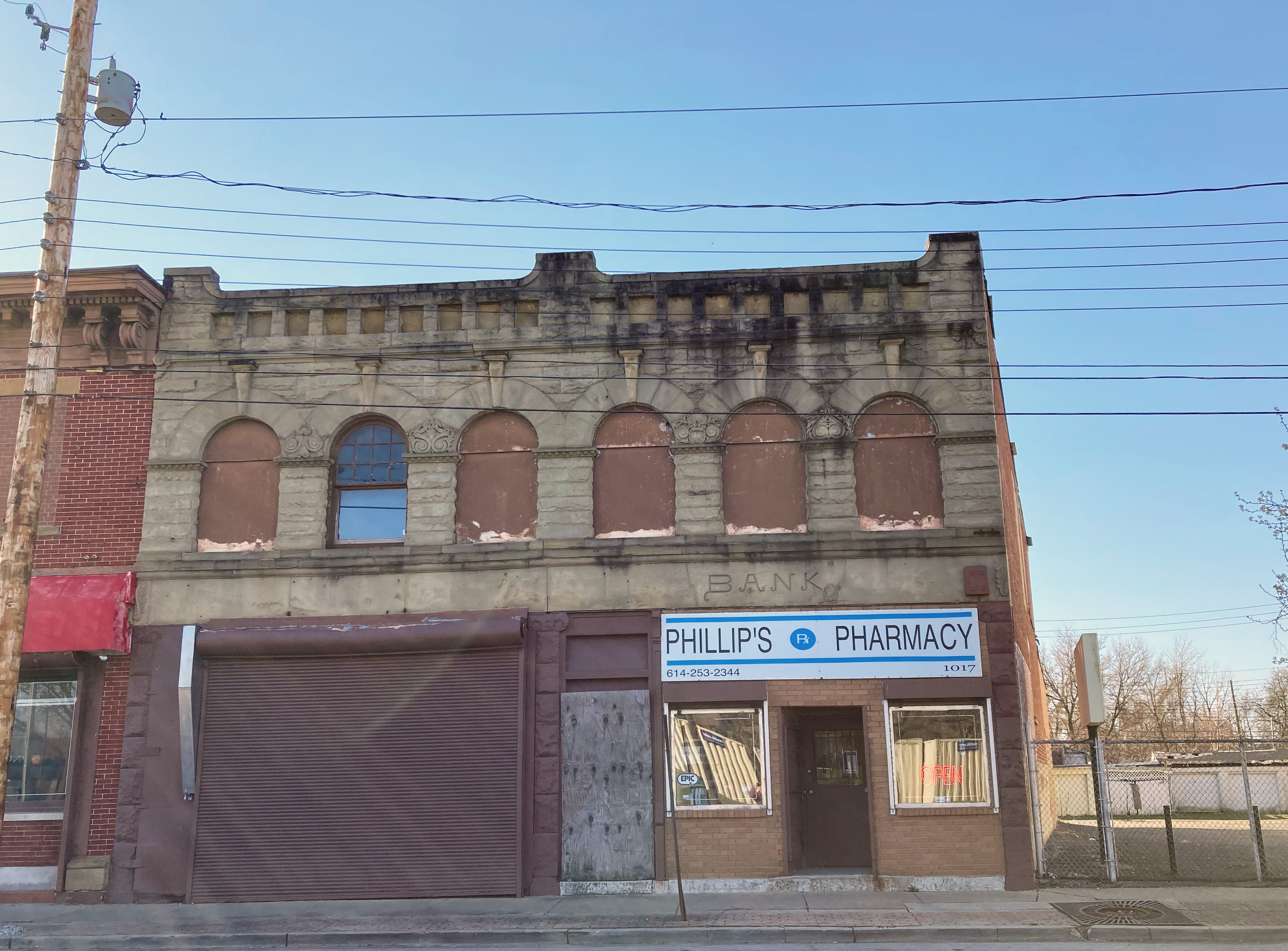

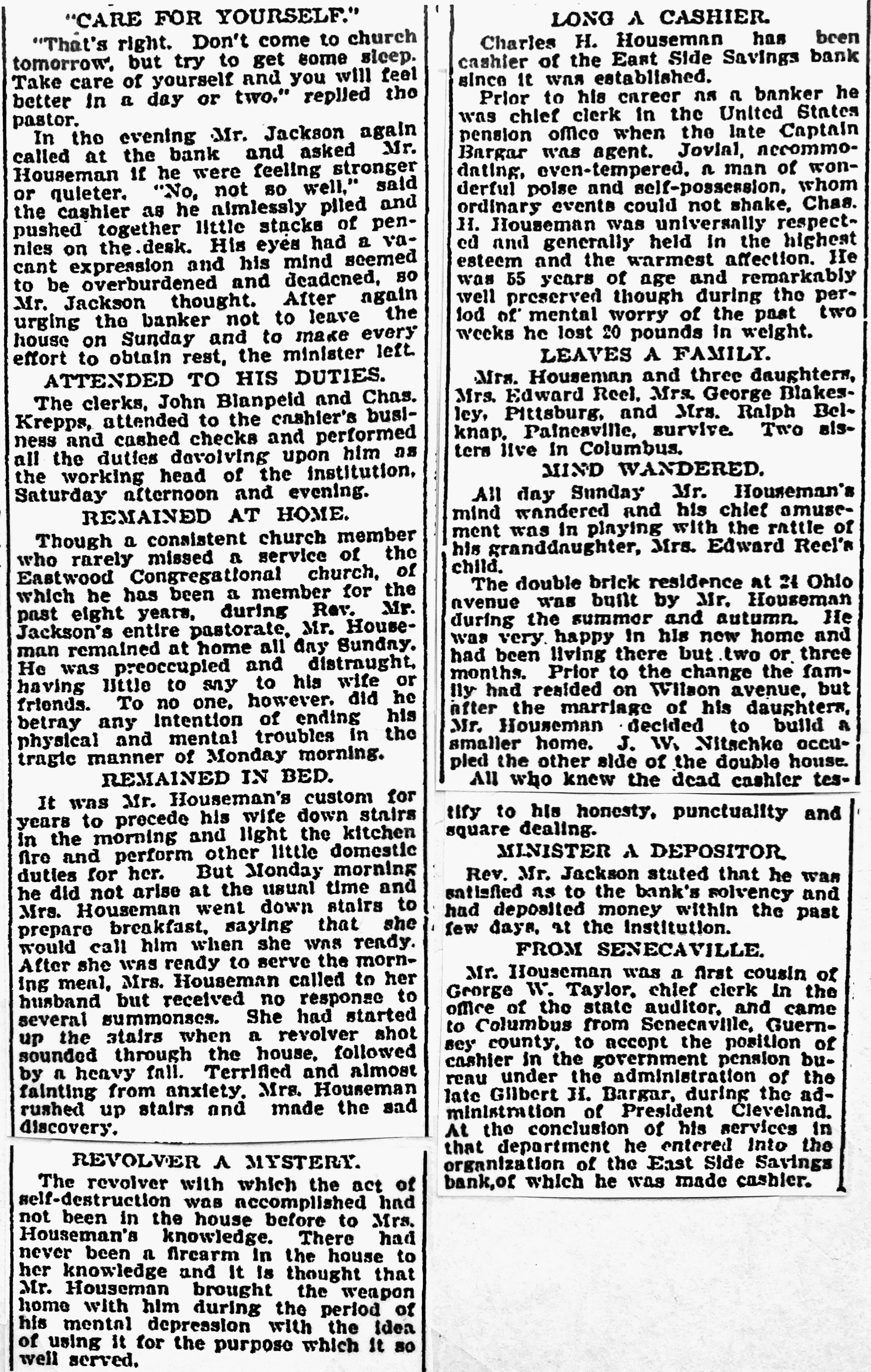

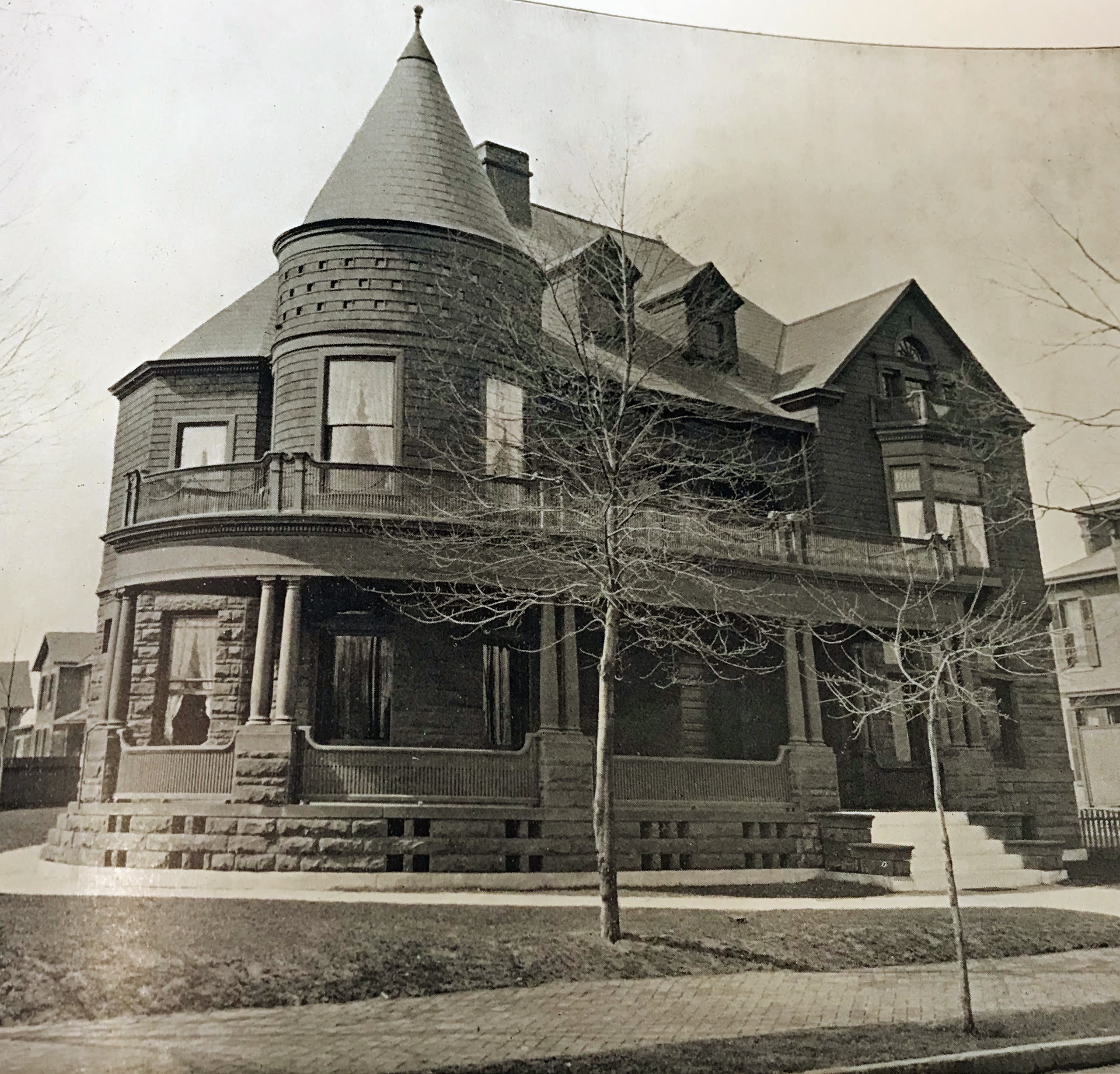


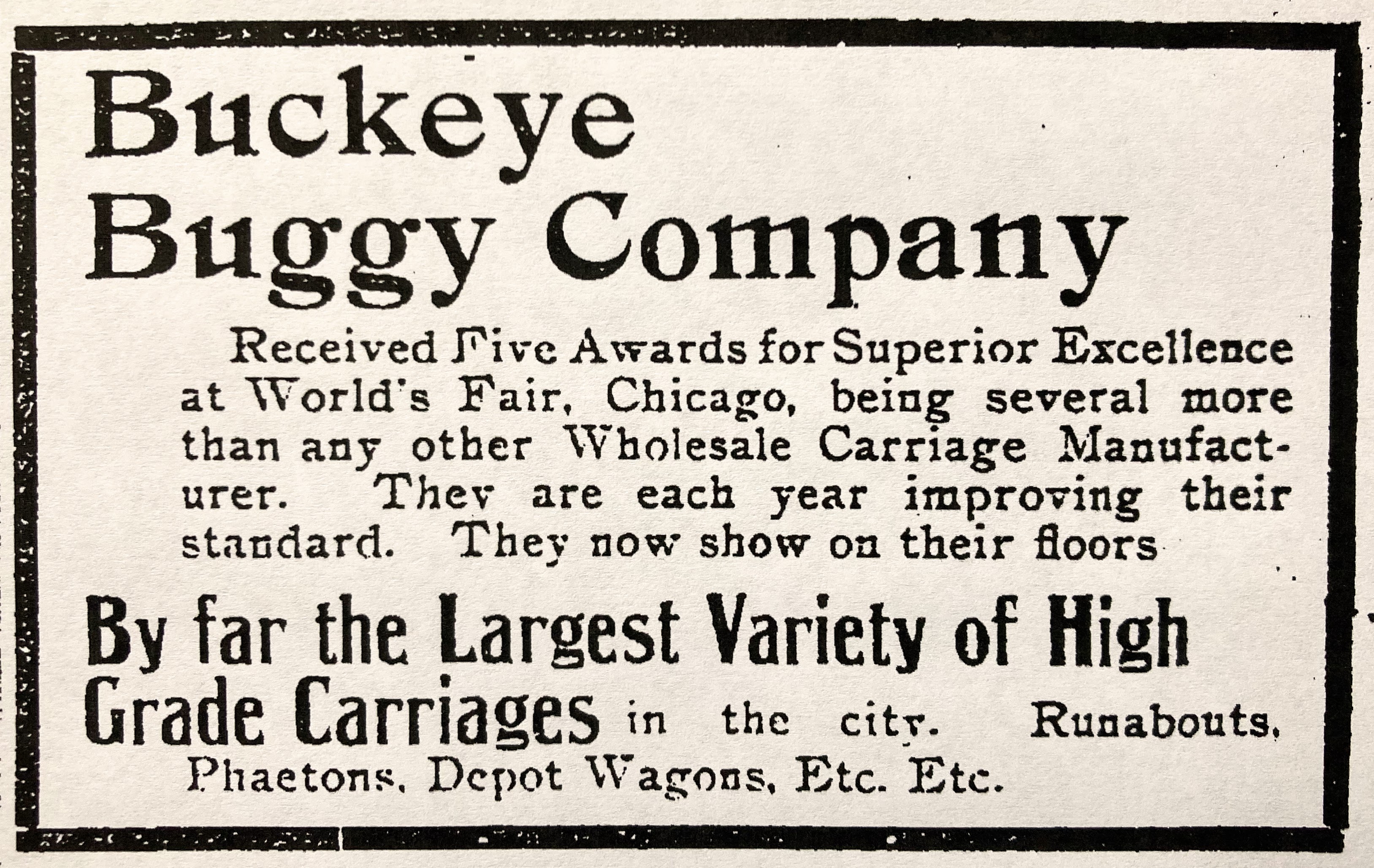
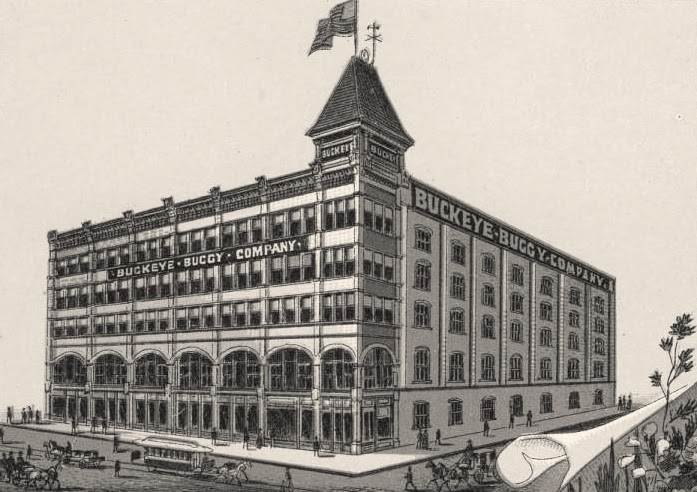



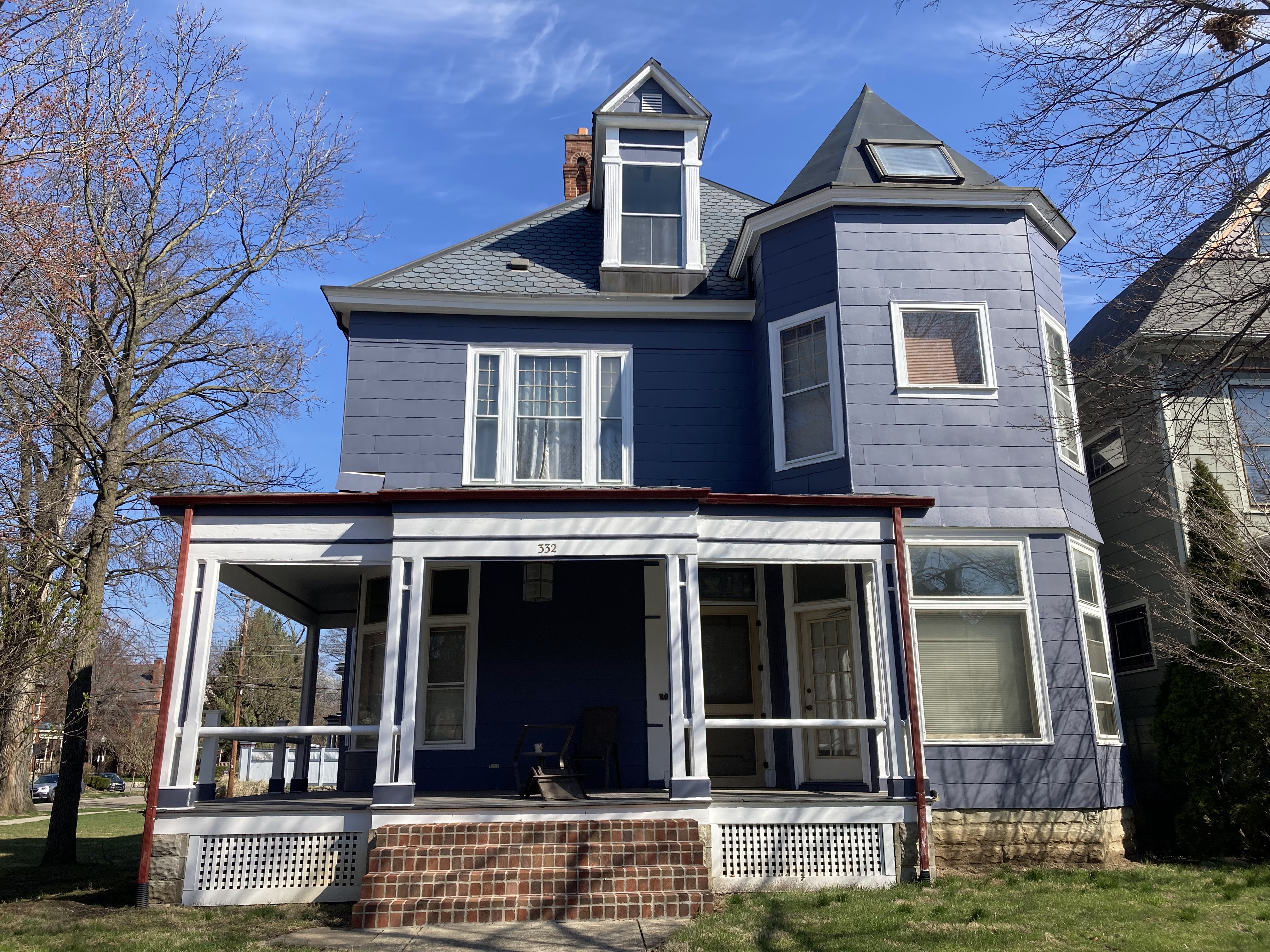
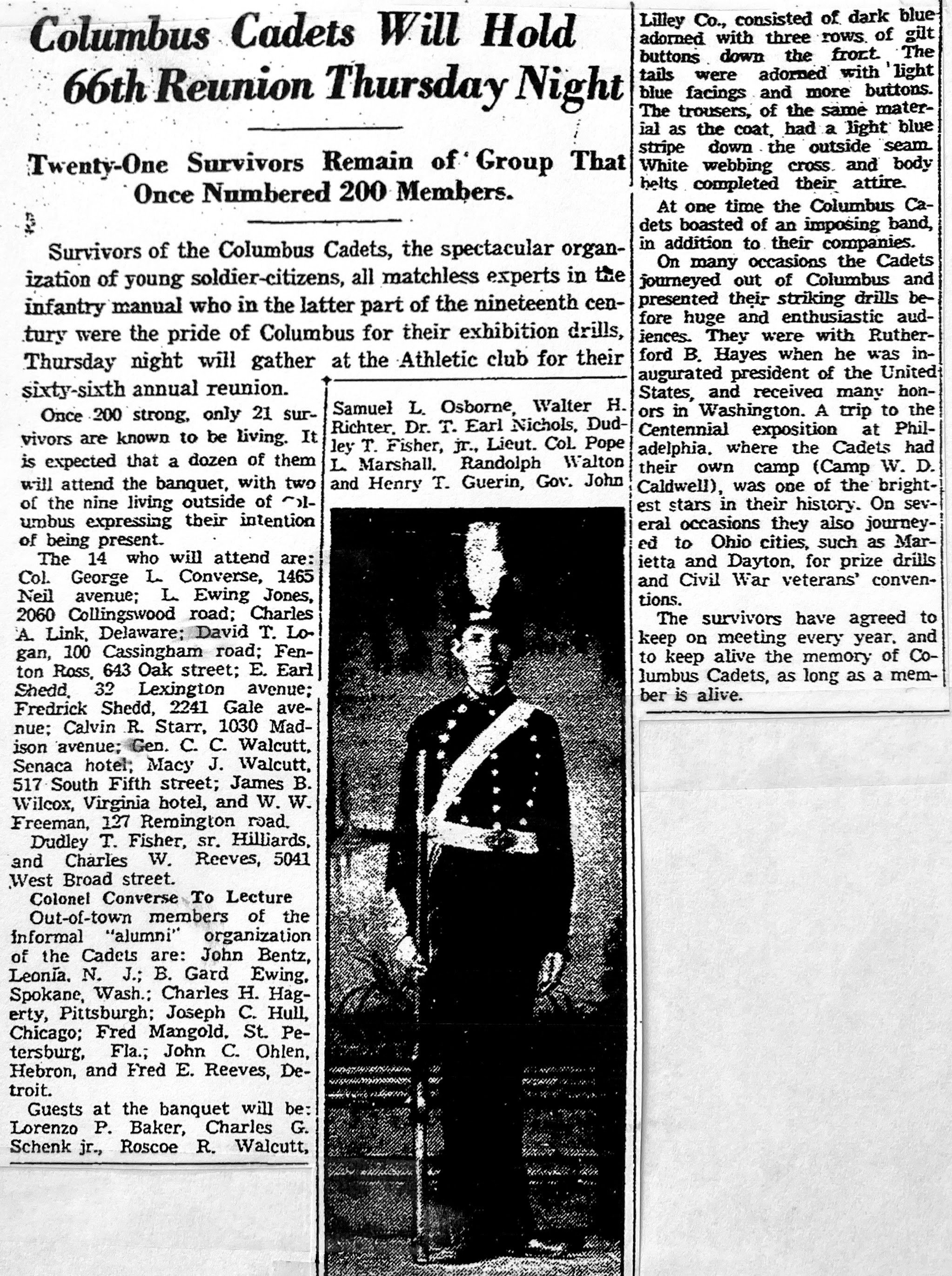

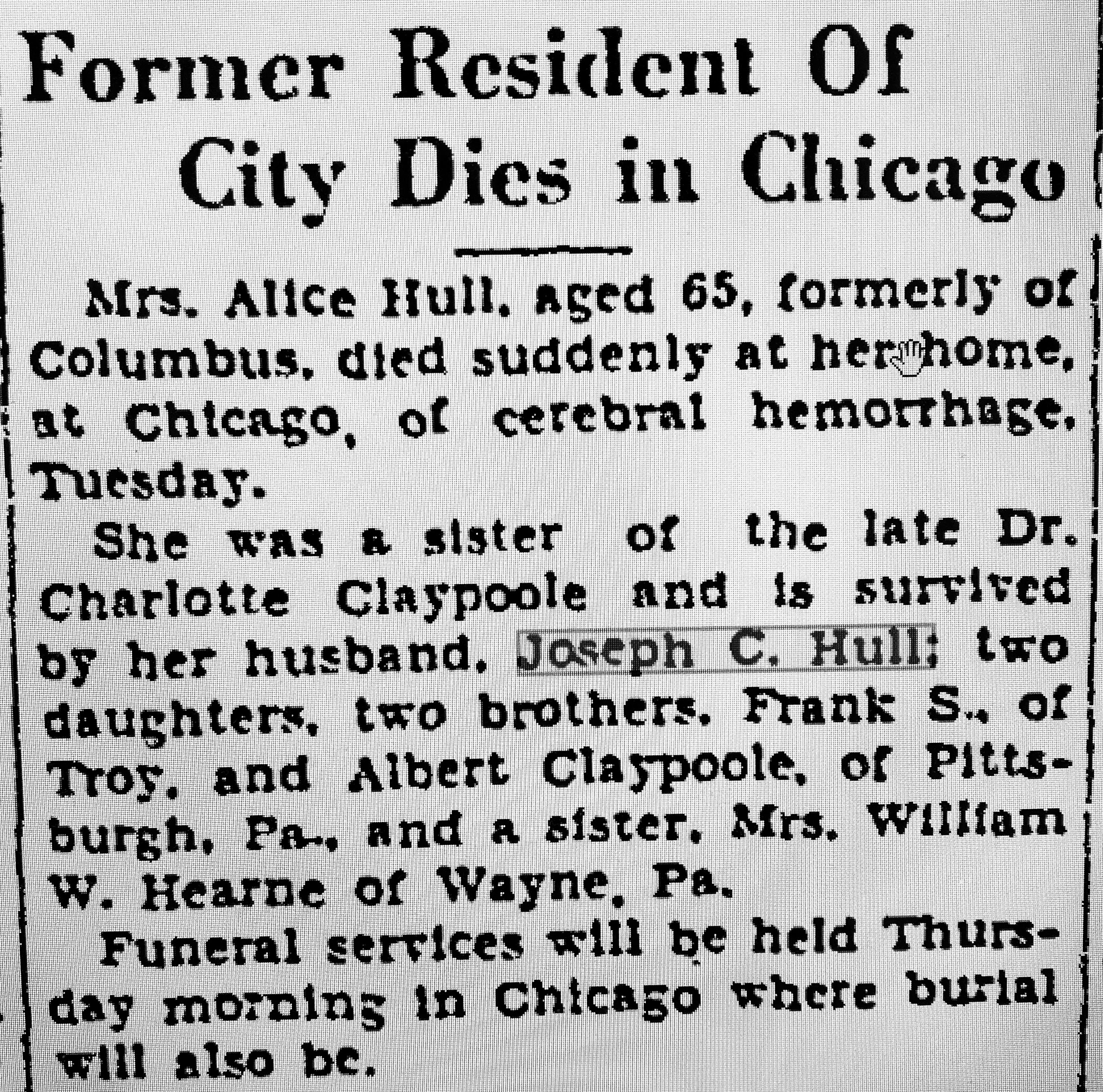

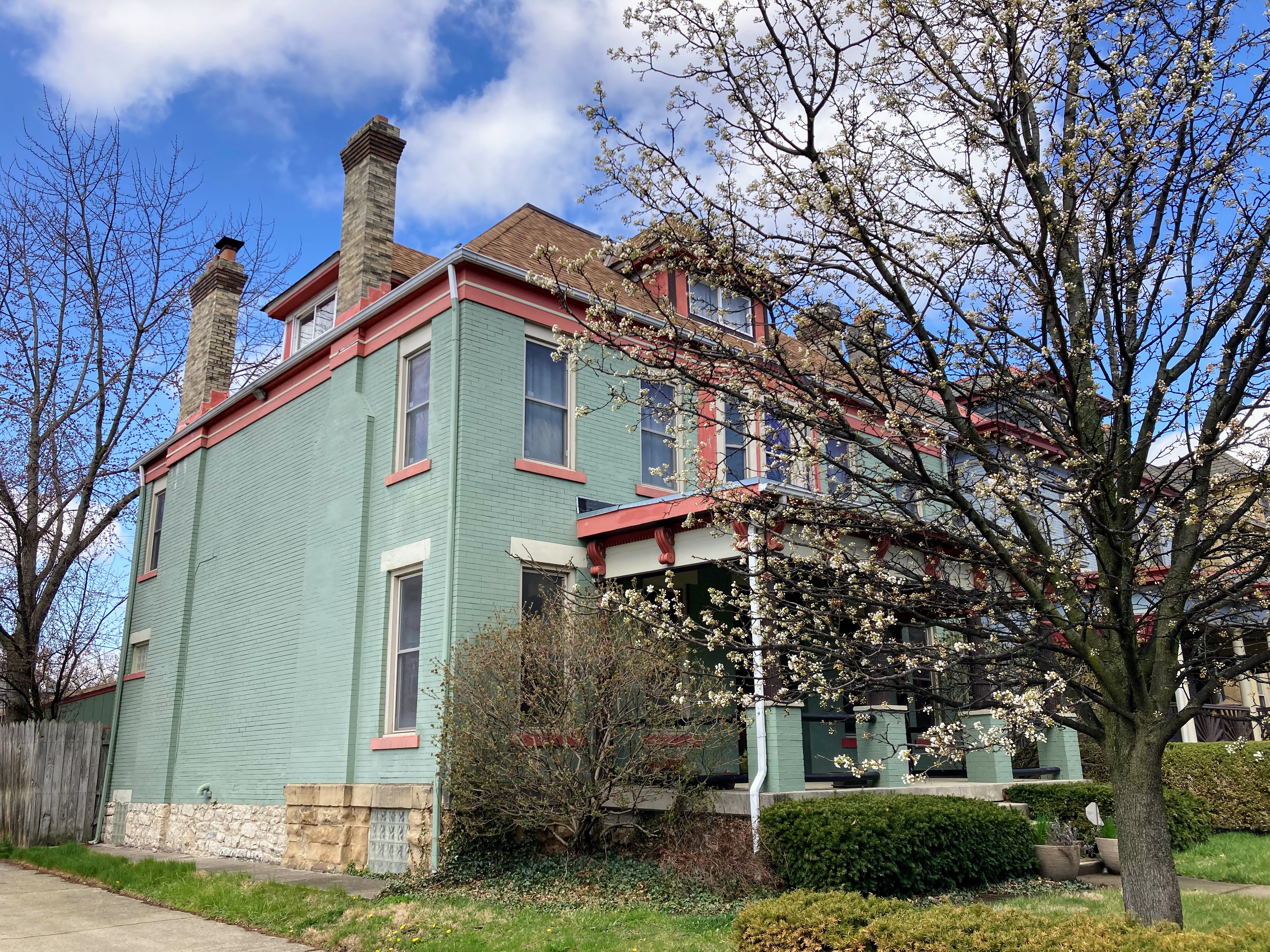

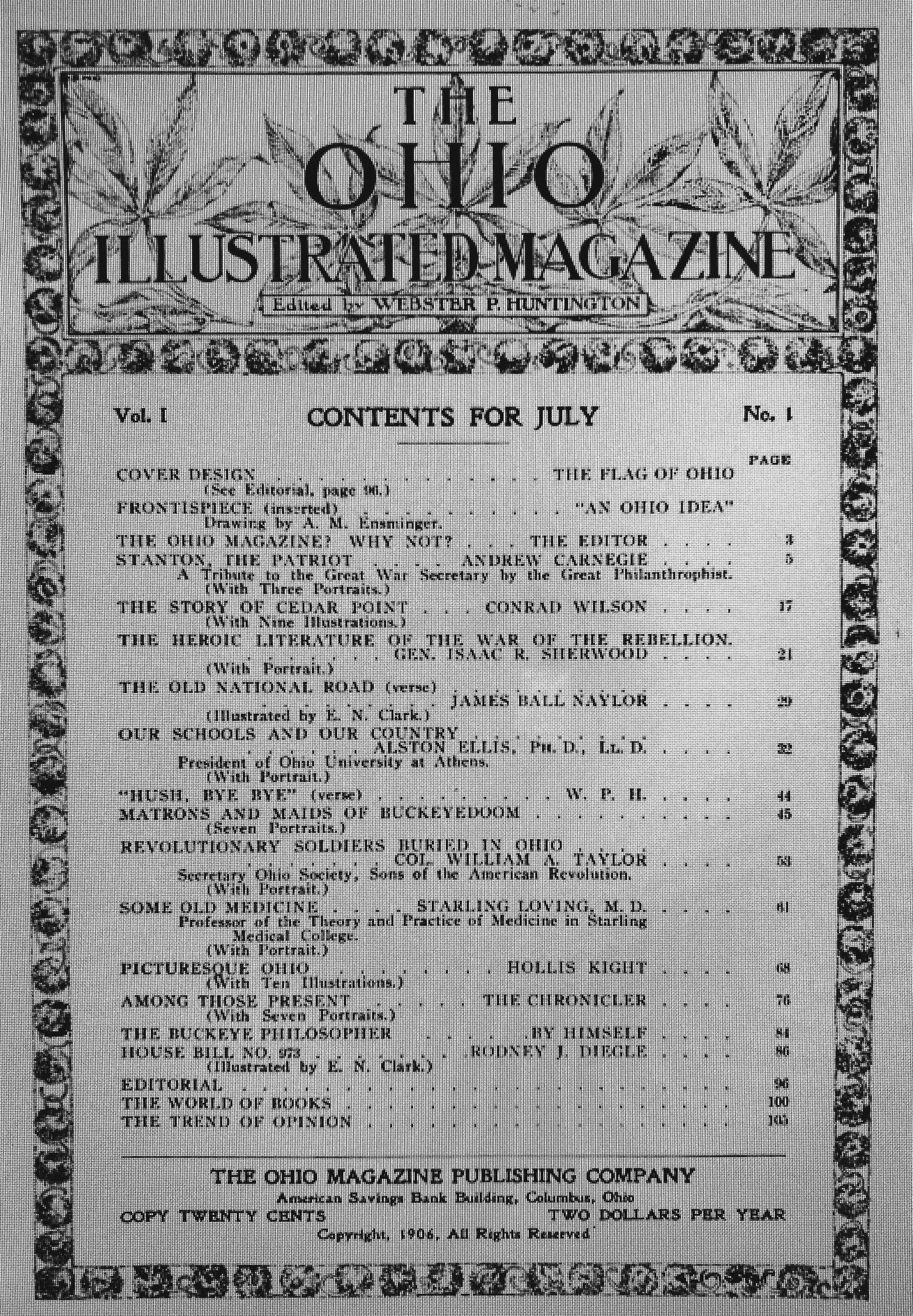
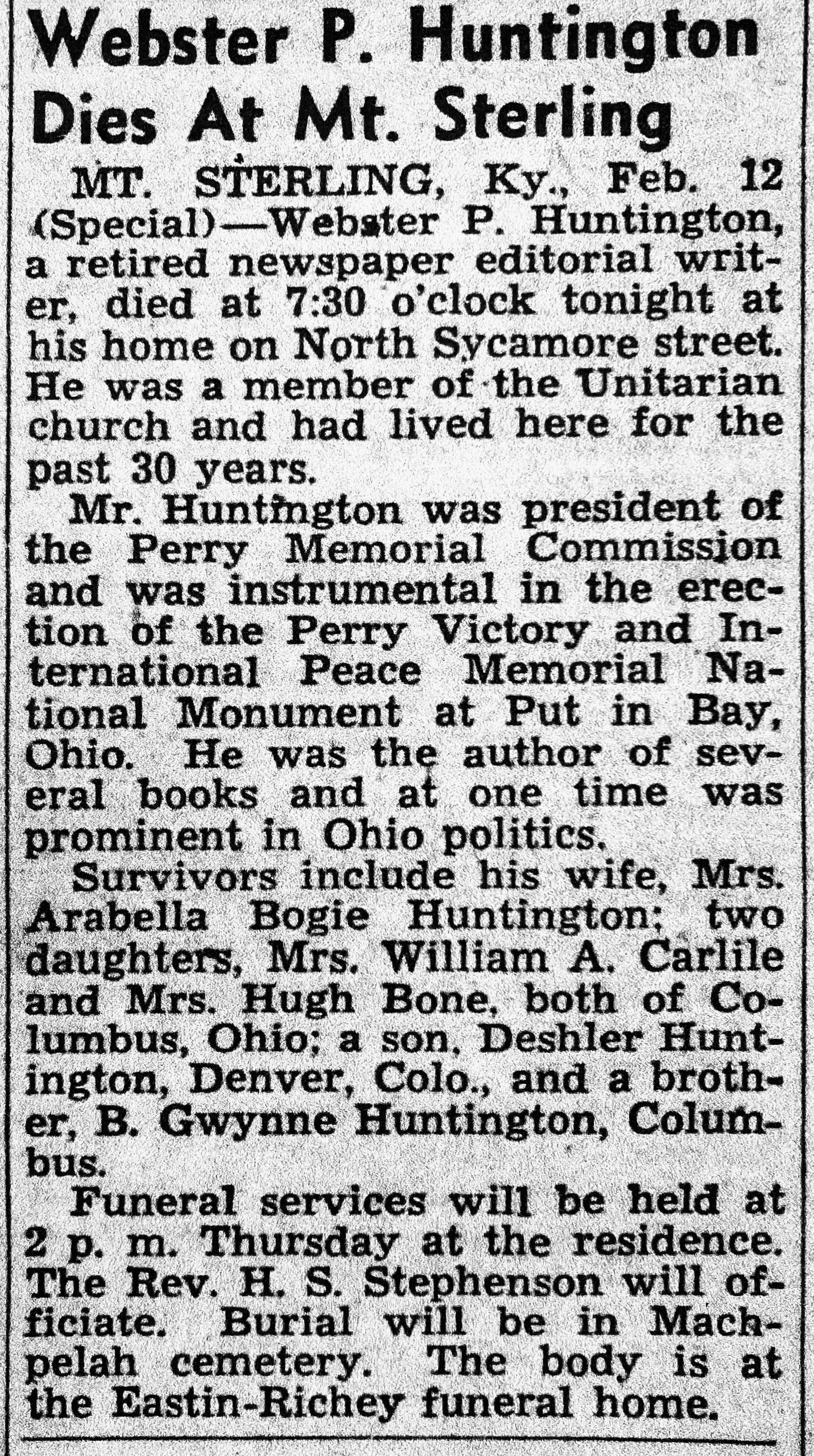


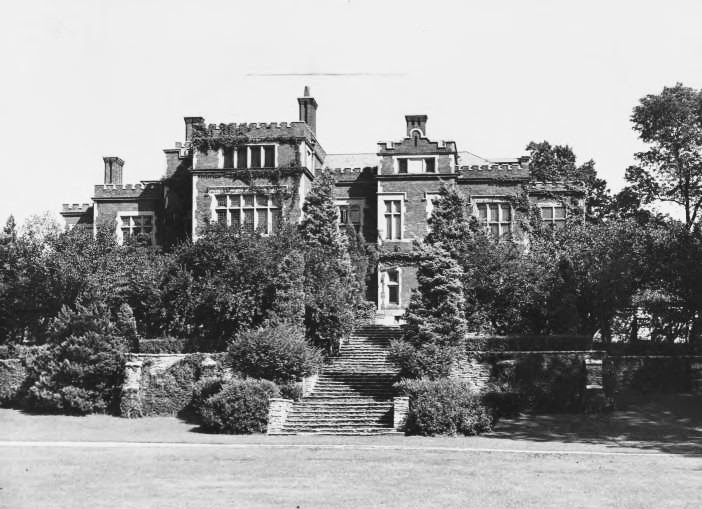
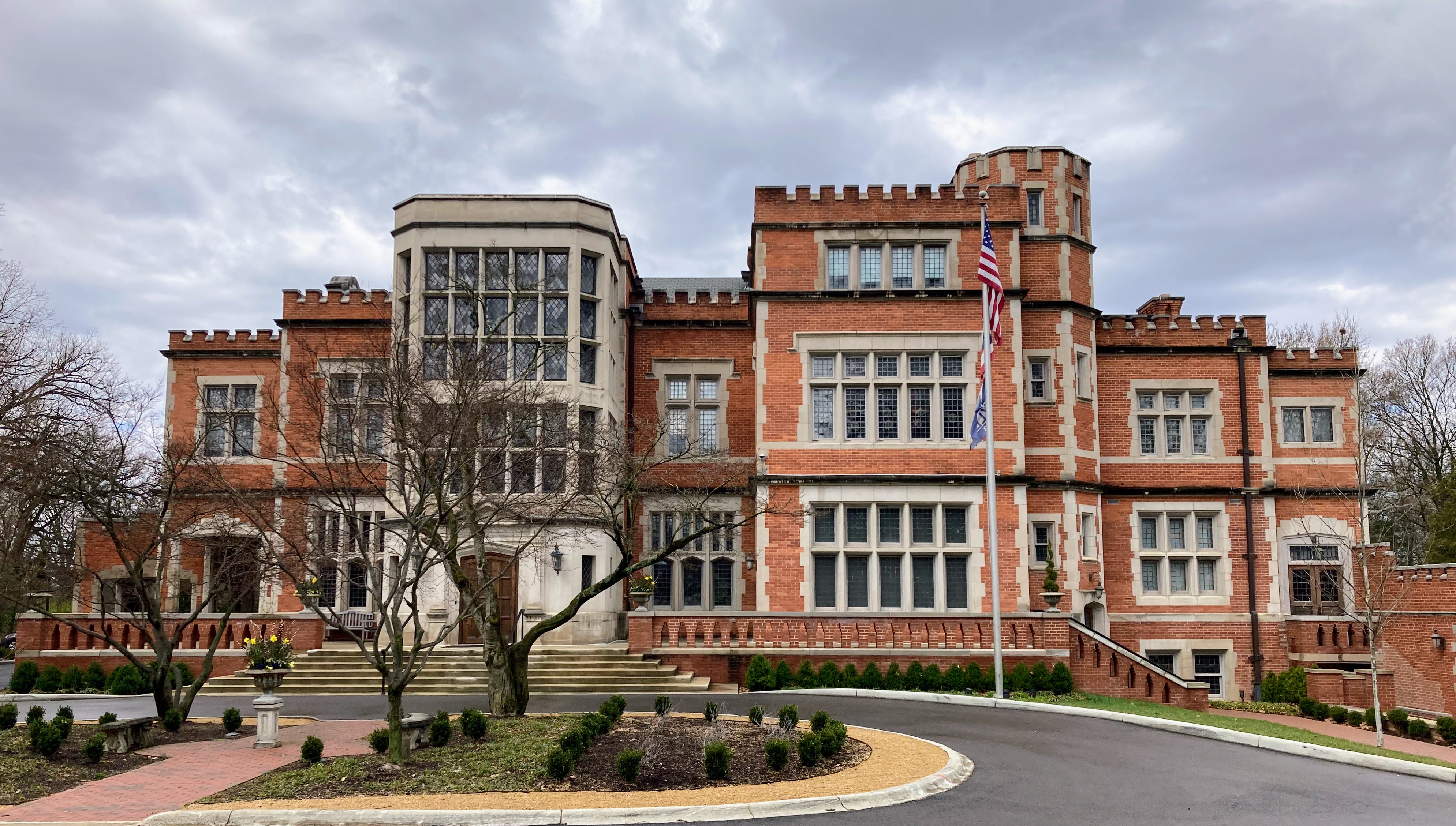

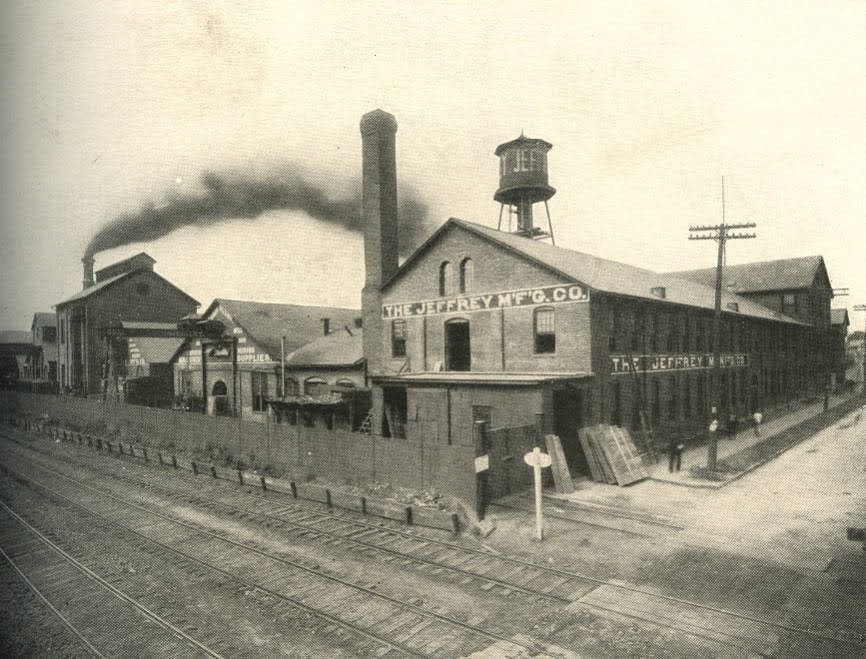
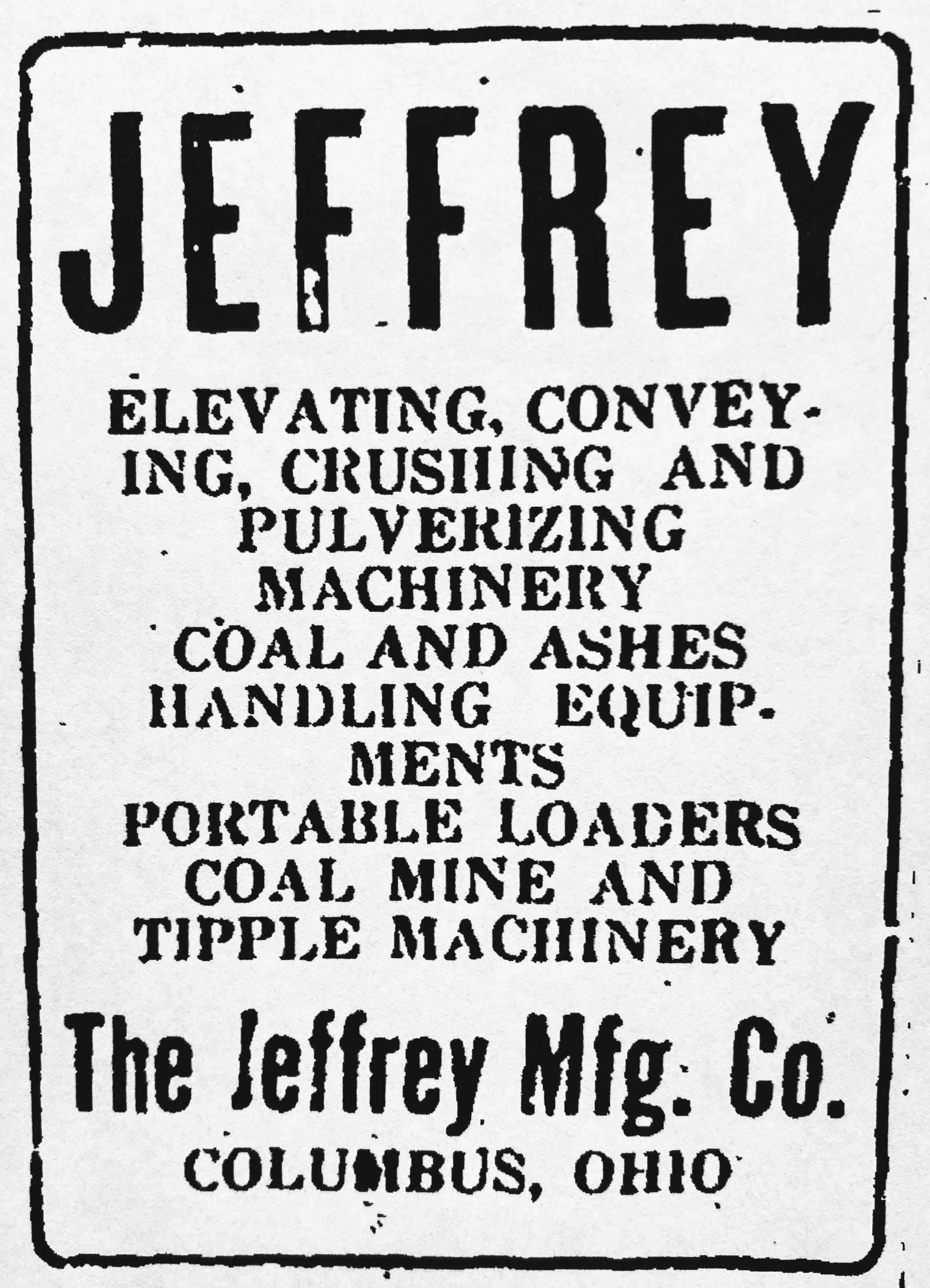
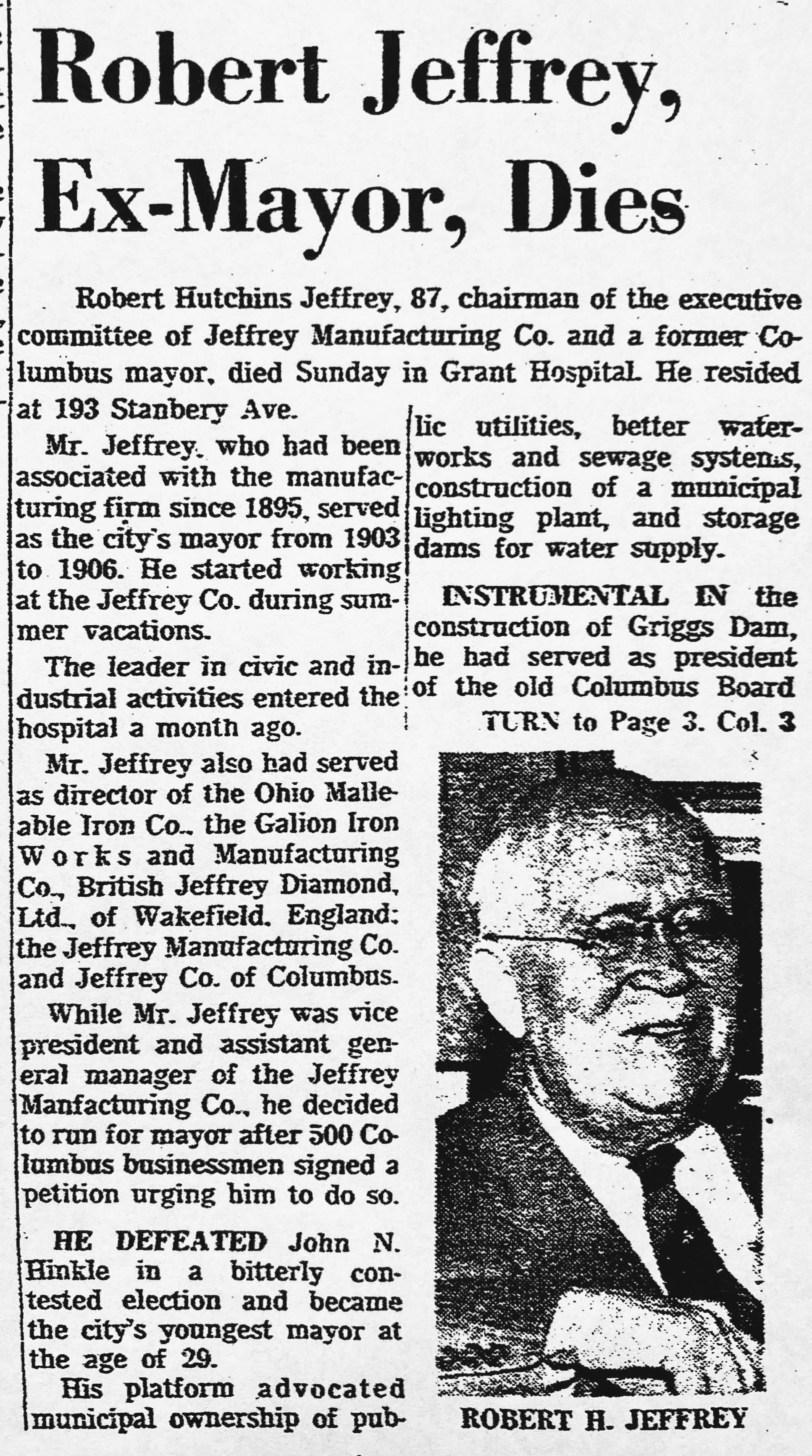

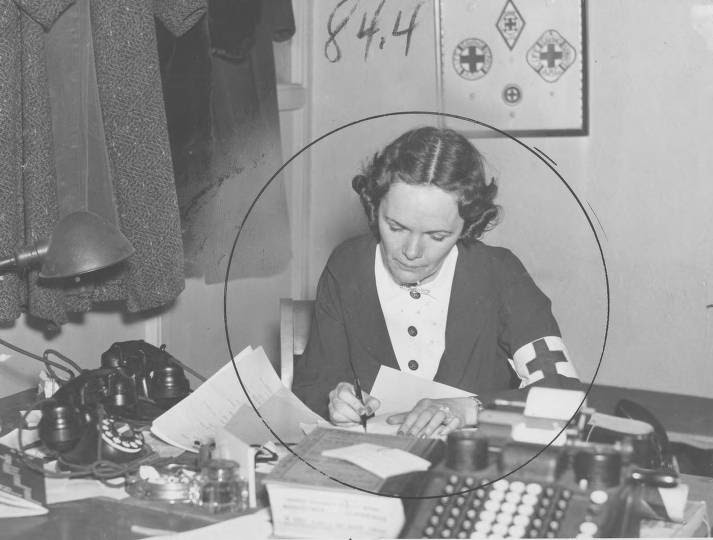


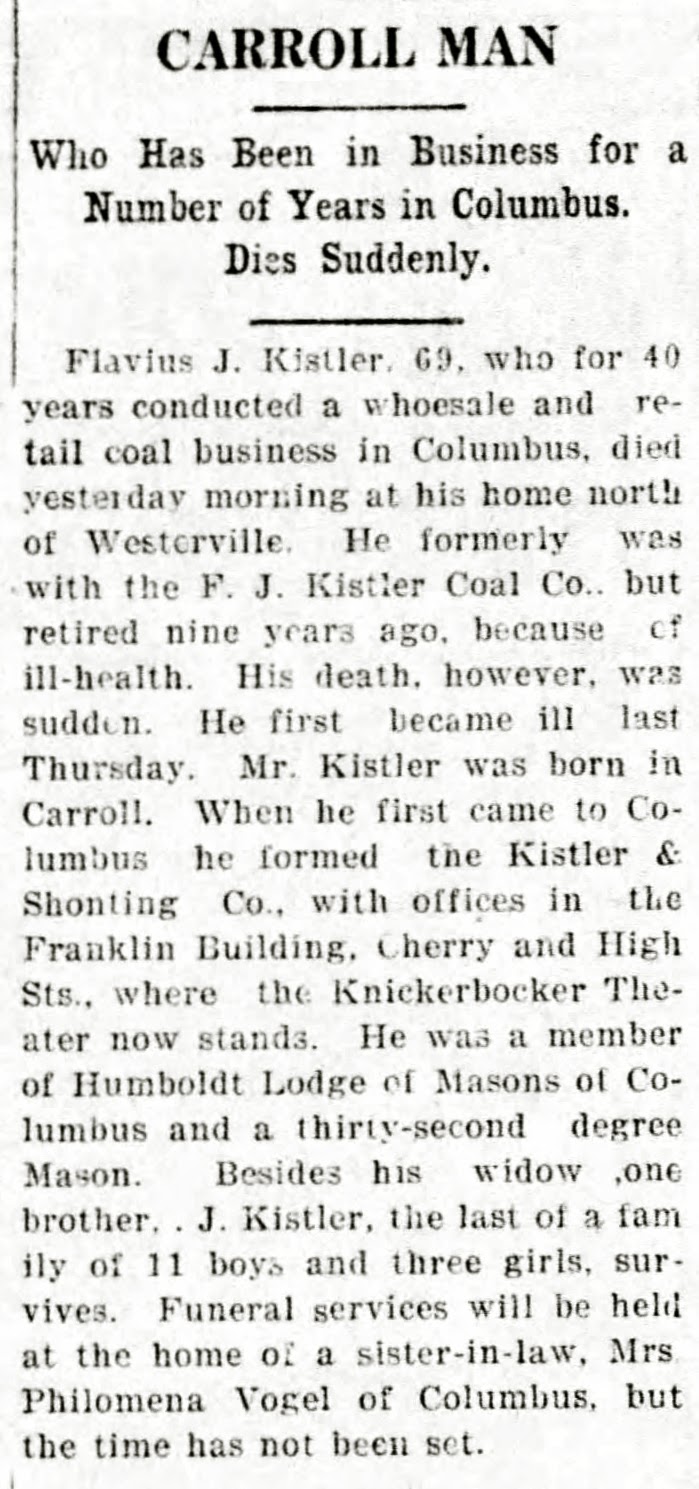

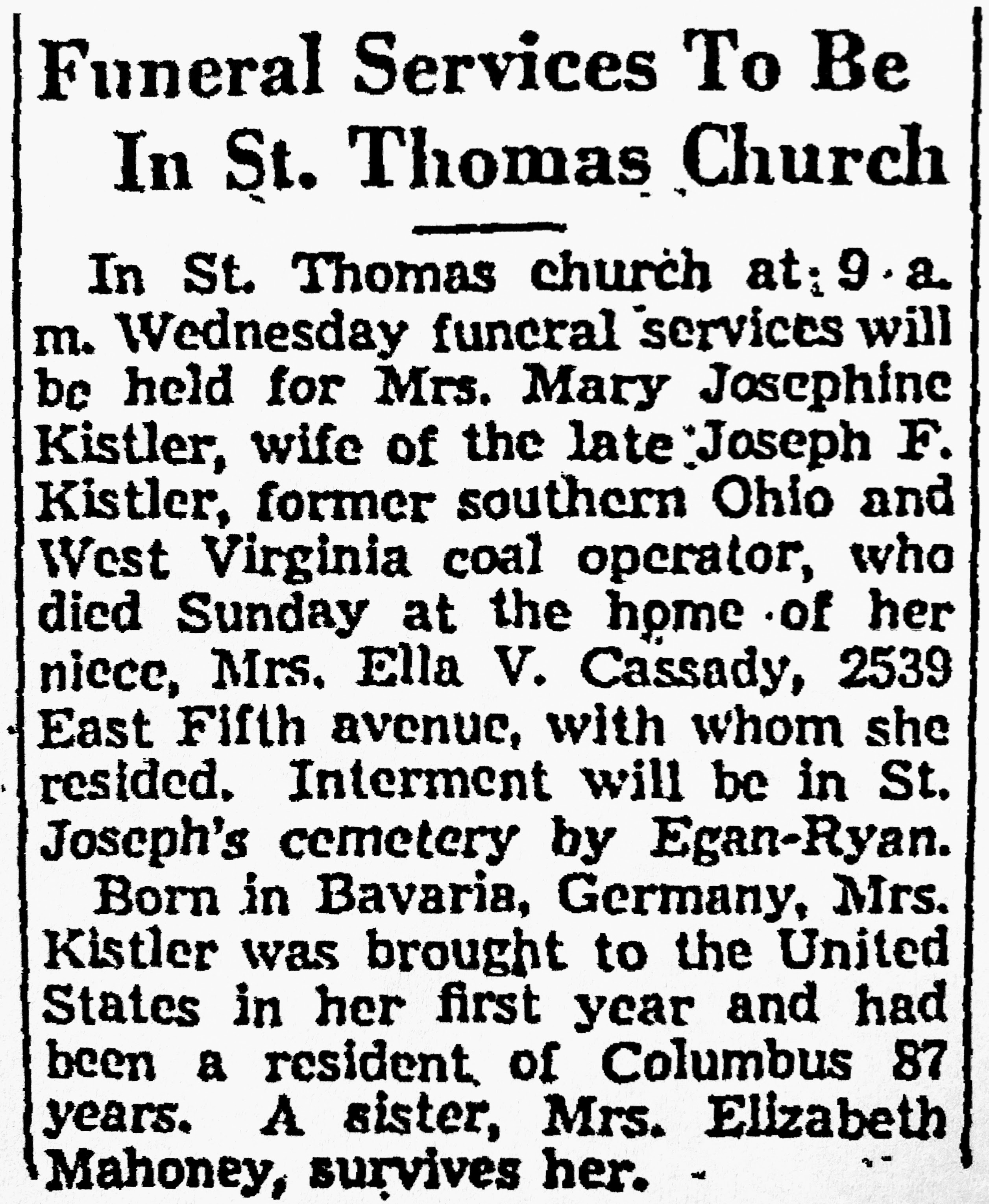
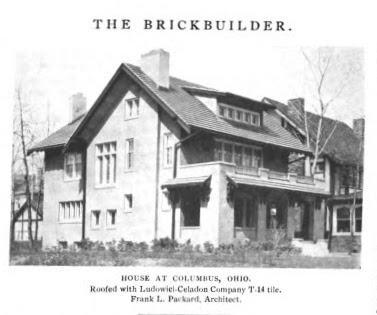

 Histories and Mysteries