PLEASE NOTE: The blog contains quite a few pictures so give it several minutes to download. They download haphazardly.
This blog showcases the still standing house designs of architects Joseph Warren Yost & Frank Lucius Packard in their home territory of Columbus, Ohio. Fortunately, none of the structures appear threatened with demolition. These two architects were in partnership from 1892 to 1899; each practiced separately before and after this period of time. When the partnership ended, Warren Yost (he was called by his middle name) moved his practice to New York City. Frank Packard’s entire career, 1889 to 1923, was in Columbus. Packard did not remove the Yost name from his practice until January 1, 1901.
The blog covers 1882 to 1923. The Yost & Packard firm, nationally recognized, would likely be considered one of Ohio’s most significant.
Published July 1, 2023. donfoster73@gmail.com
William Kelsey Sr. and Harriett Sharp Lanman residence. 2015 West Fifth Avenue, Marble Cliff. Built 1908. Designed by Packard.Photo credit: Grandview Heights/Marble Cliff Historical Society.The above three photos were taken in spring of 2023. It’s nice to see a repurposed Packard design named for the architect.
Photo credit: Columbus Metropolitan Library.
Photo credit: Columbus Metropolitan Library. The Lanman’s son William Jr. gave over $40 million to Yale University (his alma mater) per his Wikipedia page. Perhaps the eventual sale of his father’s company helped fund that gift.
The Columbus Dispatch 6/5/1924.
The Columbus Dispatch 3/12/1938. Pallbearer S.P. Bush is Samuel Prescott Bush, a Marble Cliff neighbor (and grandfather/great-grandfather of Pesidents George H.W. and George W. Bush).
Samuel and Martha Taylor Lee residence. 1414 East Broad Street. Built 1896/97. Designed by Y&P. The Columbus Dispatch 10/22/1898, above and below.
There is more to this article not shown here.
The Columbus Dispatch 6/20/1895.Samuel was president of this garment manufacturer.
The Columbus Dispatch 6/27/1910.
The Columbus Dispatch 11/13/1936.
Carl Robbins and C. (Carrie) Francis Hicks Lindenberg residence. 1123 Cambridge Boulevard, Marble Cliff. Built 1904. Designed by Packard.Photo credit: Grandview Heights/Marble Cliff Historical Society.
Carl was a son of Charles and Sarah whose house appears next. He worked for his father’s company pictured further below. Photo credit: Columbus Metropolitan Library.
The Sandusky Star-Journal 8/30/1928. There was no local obituary.
The Columbus Dispatch 2/9/1952.
Charles Herman and Sarah Robbins Lindenberg residence.1234 East Broad Street. Built 1904. Designed by Packard. Listed on the National Register of Historic Places. Photo credit: Grandview Heights/Marble Cliff Historical Society.The house was purchased by the State of Ohio in 1919 for use as the Governor’s residence. Today it’s the home of The Columbus Foundation.
Photo credit: Columbus Metropolitan Library.
Charles Lindenberg was a founder of M.C. Lilley and Company, a manufacturer of regalia used by such organizations as Knights of Pythias, Masons, and Odd Fellows.The Columbus Dispatch 11/9/1921.The Columbus Dispatch 5/29/1921. An obituary for Sarah did not appear in the newspaper.Frank Herman and Desha Hubbard Lindenberg residence. 1122 Cambridge Boulevard, Marble Cliff.Built 1905. Designed by Packard. Photo credit: Grandview Heights/Marble Cliff Historical Society.The Columbus Dispatch 10/1/1905. In 1905, $1000 was equivalent to approximately $35000 today. Assuming this was an addition to the left side of the house and not the out building shown on the right.
Frank was a son of Charles and Sarah. Photo credit: Columbus Metropolitan Library.
Frank Lindenberg was Vice President of the company. Ad is from The Columbus Dispatch.Saw this on Ebay. Key to wind a clock.
The Columbus Dispatch 5/14/1937.
Paul and Helen Tallmadge Lindenberg residence. 1272 Cambridge Boulevard, Marble Cliff.Built 1905. Designed by Packard. Photo credit: Grandview Heights/Marble Cliff Historical Society.The Columbus Dispatch 2/28/1909.Paul was a son of Charles and Sarah.Photo credit: Grandview Heights/Marble Cliff Historical Society.
The Columbus Dispatch 5/1/1905.
Photo credit: FamilySearch.org.Paul Lindenberg was president of The Lindenberg Piano Company. Photo credit: Columbus Metropolitan Library.
The Columbus Dispatch 4/16/1957.
The married ended and both Paul and Helen remarried. Hartford Courant 7/31/1967.
Theodore and Helen Hasbrouck Lindenberg residence. 1087 Lincoln Road, Marble Cliff. Built 1906. Designed by Packard.Photo credit: Grandview Heights/Marble Cliff Historical Society.
The Columbus Dispatch 8/26/1906.
Theodore Lindenberg built and operated The Bexley Theatre (razed). He was a cousin of Carl, Frank, and Paul. His father Henry was a brother of Charles. Photo credit: Columbus Metropolitan Library.
The Columbus Dispatch 3/27/1890.
The house referred to in the above article was built in 1898 for Theodore’s widowed mother Susan. Designed by Yost. Razed. Photo credit: Columbus Metropolitan Library.
The Columbus Dispatch 7/8/1941.
The Columbus Dispatch 3/18/1906.
The Columbus Dispatch 4/5/1966.
Thaddeus and Julia Brown Longstreth residence. 920 Bryden Road. Built 1896. Designed by Y&P.
The Columbus Dispatch 2/4/1874. The coal mine was located in Nelsonville, Athens County, Ohio.
The Columbus Dispatch 7/2/1895.Thaddeus Longstreth began a new career in 1895…the piano retailing business as mentioned in The Columbus “400”, Men Of The Ohio Capital (published 1896; housed in the archives of the Columbus Metropolitan Library).
The Columbus Dispatch 10/24/1895.
Photo credit: Columbus Metropolitan Library.
The Columbus Dispatch 10/12/1904.
The Columbus Dispatch 4/9/1898.
The Columbus Dispatch 11/8/1920.
James and Elizabeth Evans Lynas residence. 194 King Avenue. Built 1894. Designed by Y&P. Photo credit: Columbus Metropolitan Library.The Columbus Dispatch 9/23/1898. James was in the wholesale grocery business with his brother George whose obituary is provided below.
The Columbus Dispatch 8/7/1913.
The Columbus Dispatch 2/9/1925. James’ wife Elizabeth died in 3/4/1921, but an obituary did not appear in the newspaper.Frank Charles and Marie Tinan McElroy residence. 1031 East Broad Street. Built 1902. Designed by Packard.The Columbus Dispatch 2/15/1903. A rendering of the house was included with the article, but it’s too dark to show here.
Photo credit: Columbus Metropolitan Library.
The Columbus Dispatch 4/20/1942.
The Columbus Dispatch 11/12/1957.
Charles E. and Harriet Thompson Miles residence. 880 Franklin Avenue. Built 1892. Designed by Y&P.The Columbus Dispatch 12/11/1904. Charles was a dentist for a short while and then became a real estate developer in the Clintoville area of Columbus. One of his projects was this amusement park that opened in 1905 and which he managed. This land later became the site of Indianola Junior High School and a shopping center. An extensive history of the park may be found at indianolapark.com.
The Athens Messenger 11/24/1939. Charles’ wife Harriet died in 1896, likely from giving birth to a daughter a month previously…who was named Harriet. An obituary for Harriet could not be found.
John Ford and Almira Grissell Miller residence. 1499 Roxbury Road, Marble Cliff.Built 1902. Designed by Packard. The Columbus Dispatch 12/23/1899.Photo credit: Grandview Heights/Marble Cliff Historical Society.The Millers also built this “cotttage” in 1901 across the street at 1600 Roxbury Road. Designed by Packard. Photo credit: Grandview Heights/Marble Cliff Historical Society.Listed on the National Register of Historic Places.The Richmond Palladium 3/20/1916 above and below. An obituary for Almira could not be found. She died of pneumonia in Richmond on 12/23/1905.Willard Bernard and Mary Falkenbach Morris residence. 2416 Commonwealth Park North, Bexley. Built 1911. Designed by Packard.
Willard Morris was president of a structural steel manufacturer started by his father Charles. Photo credit: Columbus Metropolitan Library.
The Columbus Dispatch 7/31/1958. An obituary for Mary could not be found.
This house at 875 East Broad Street was the home of Charles’ parents. The architect is unknown. It’s included in this blog simply because the Broad Street mansions that have survived deserve attention and appreciation. Photo credit (on the left): Columbus Metropolitan Library.SPECULATION: Frank Lucius and Eva Elliott Packard residence. 1739 Franklin Park South. Built 1909. Per Columbus city directories, the Packards did not move into this house until 1917. Did he design it?…no specific proof seems to exist.This is the Packard house above. The Columbus Dispatch 4/25/1909.Franklin Park South runs behind the Franklin Park Conservatory which is on East Broad Street.
Photo credit: Columbus Metropolitan Library.
Anne E. and Mabel Parrott residence. Sisters. 1500 Fair Avenue. Built 1906. Designed by Packard.This picture appeared in the 6/1/1907 issue of The American Architect and Building News.The address was later changed to 139 Franklin Park West as this house was on the corner of Fair Avenue and Franklin Park West.
The Columbus Dispatch 1/15/1926.
The Columbus Dispatch 1/6/1950.
The Columbus Dispatch 6/3/1901. Had Elizabeth lived longer, there likely would have been three sisters occupying the Fair Avenue residence.
WORTH the long read!!! The Columbus Dispatch 1/23/1901.Phil Delta Theta Fraternity at Ohio State University. 1942 Iuka Avenue. Built 1920. Designed by Packard.
The Columbus Dispatch 11/2/1919.
Party debris removal credit: me, 7:15am on Easter Sunday. I added it to the existing debris behind that row of taxus. 🙂Carlon Thomas and Malinda Williard Phillips residence. 57 Auburn Avenue. Built 1900. Designed by Y&P. The Columbus Dispatch 1/21/1900 above and below.
Now apartments.
Photo credit: Columbus Metropolitan Library.
Ad from The Columbus Dispatch.
The Columbus Dispatch 2/24/1921.
The Columbus Dispatch 6/23/1947.
Timothy J. and Mary Roberts Price residence. 1490 Arlington Avenue, Marble Cliff. Built 1889. Designed by Packard (or Yost?). Photo credit: Grandview Heights/Marble Cliff Historical Society.The house was orignally located nearby on Dublin Pike (now Route 33).
These were the Dublin Pike summer houses of the Price family, founders of Marble Cliff: John on the left (razed), Mary Jane Price Griswold in the middle (razed) and Timothy on the right (moved to 1490 Arlington Avenue as prevously noted). They faced the Scioto River. Photo credit: Grandview Heights/Marble Cliff Historical Society.
Timothy Price owned a quarry operation at the edge of Marble Cliff, a portion of which today is Quarry Trails Metro Park. Pictured is the storage area for crushed limestone. The Ohio Statehouse and Ohio Stadium are built of limestone from this quarry. Photo credit: columbusrailroads.com.The Columbus Dispatch 10/12/1892.
Mary Price, second from right. Photo credit: Grandview Heights/Marble Cliff Historical Society.
The Columbus Dispatch 2/23/1899.Ralph Forest and Emily Daugherty Rarey residence. 1506 Menlo Place. Built 1915. Designed by Packard.
Photo credit: Columbus Metropolitan Library.
The Columbus Dispatch 10/12/1906. Engagement announcment.
The Columbus Dispatch 1/2/1937.
The Columbus Dispatch 3/29/1953. Harry Daugherty has an interesting Wikipedia page!!
John Holley and Emma Rodgers Roys residence. 245 North Powell Avenue. Built 1905. Designed by Packard. The Columbus Dispatch 4/16/1905.New windows were being installed when this picture was taken in spring 2023. The house looked like it had been empty for quite some time.John Roys was employed by Jaeger Manufacturing Company, makers of road construction equipment such as this road paver above.Photo credit: Columbus Metropolitan Library.
Democrat and Chronicle (Rochester, NY) 1/10/1940.
Emma’s first husband died unexpectedly at age 32. The Columbus Dispatch 9/7/1902.
The Columbus Dispatch 1/14/1963.
Ferdinand Charles and Jessie Jones Schmidt residence. 10 North Drexel Avenue, Bexley. Built 1913. Designed by Packard.Ferdinand Schmidt was Secretary-Treasurer of the Kinnear Manufacuring Company.
The Columbus Dispatch 5/6/1948.
The Columbus Dispatch 3/4/1952.
Peter Jr. and Mary Luker Sells residence. 755 Dennison Avenue. Built 1895. Designed by Packard. Photo credit: Columbus Metropolitan Library.Search “Circus House”in Wikipedia for more information.The former carriage house on the right is now a separate residence.The house faces Goodale Park.The Sells Brothers Circus was based in Columbus. It later became part of Ringing Brothers Circus. Search “Sells Brothers Circus”in Wikipedia for more information.The Columbus Dispatch 10/6/1904 (continued below). An obituary for Mary could not be found.
Sells Court Apartments. 310 East Broad Street. Built for the Sells brothers and designed by Packard. Razed. Photo credit: Columbus Metropolitan Library.
Frederick Farley and Agnes Jeffrey Shedd residence. 1440 (now 1444) East Broad Street. Built 1906. Designed by Packard. The Columbus Dispatch 6/8/1905.Garage front and rear.
Photo credit: Columbus Metropolitan Library.
The Columbus Dispatch 10/29/1925. The company was a wholesale grocer.
The Columbus Dispatch 9/8/1947.
Photo credit: Columbus Metropolitan Library.
The Columbus Dispatch 10/7/1923. Agnes Shedd was founder of The Players’ Club.
The Columbus Dispatch 12/30/1967.
William D. and Nettie Baldwin Simonton residence. 146 (and 144, a duplex) Warren Street. Built 1893. Designed by Y&P. Restored by my friends Roger Farrell and Suzi McEntire.
The Columbus Dispatch 9/21/1904.
The Columbus Dispatch 9/22/1904.
Blanchester Star Republican 1/28/1937.
Blanchester Star Republican 2/25/1937.
Richard and Jessie McKee Sinclair resdence. 1084 Grandview Avenue, Grandview Heights. Built 1894. Designed by Y&P. Perhaps the stucco is not original.
The Columbus Dispatch 4/20/1910.
The Columbus Dispatch 8/25/1912
The Columbus Dispatch 12/17/1919
The Columbus Dispatch 12/11/1935.
The Columbus Dispatch 1/13/1937.
Philip Sheridan and Nancy Bradley Skeele residence. 1492 Roxbury Road, Marble Cliff. Built 1896. Designed by Y&P.During Philip Skeele’s time as General Yardmaster, Frank Packard designed (in 1918) a number of buildings for the Pennsylvania Railroad’s Columbus operation. Photo credit: Grandview Heights/Marble Cliff Historical Society. Help wanted ad is from The Columbus Dispatch 7/20/1920.
The Columbus Dispatch 11/1/1938.
The Columbus Dispatch 7/27/1951.
Starrett Graham and Helen Dun Smith residence. 1176 Fairview Avenue, Grandview Heights. Built 1903/04. Designed by Packard. Although another website has indicated this house was designed for a different Smith, that is not correct. Notification regarding this was made and acknowledged, but no action was taken. Photo credit: Grandview Heights/Marble Cliff Historical Society.The Columbus Dispatch 11//8/1903.Starrett Smith went by his middle name Graham. He was affiliated with the Hayden-Clinton National Bank on East Broad Street. The same year his house was under construction, Packard designed a remodel of the bank which is the 4 story building on the right. So these two men knew each other. Packard’s office was in the tall building in the middle. All three buildings still stand and are undergoing restoration. Photo credit, left: Columbus Metropolitan Library.Dayton Daily News 1/10/1933.
Dayton Daily News 1/7/1968.
Frank E. and Nellie Scofield Stoneman residence. 1349 East Broad Street. Built 1906 Designed by Packard. The Columbus Dispatch 5/21/1906 above and below.
The Columbus Dispatch 6/28/1906, above and below. Frank Stoneman died just two months after moving into the new Broad Street residence.
The Columbus Dispatch 12/3/1958. Nellie remarried after the death of Frank.
Reverend John Leonard and Emma Petch Tait residence. 2112 Iuka Avenue. Built 1915. Designed by Packard.
The Columbus Dispatch 9/13/1916.
The Columbus Dispatch 9/13/1916.The church, just a short walk from the Tait’s house, formed in 1909 and first met in a tent. A two story parish house was then built and the congregation met on the first floor. The above new building was built on the same property. Reverend Tait became pastor in November of 1910.The church today.
Tri-County Press 12/12/1935 (Polo, IL; location of previous pastorate). An obituary could not be found for Reverend Tate. Born 5/22/1868 in Elora, Ontario, Canada. Died 1962 in Salina, Kansas, where his son was living.
William McElvin and Jennie Jones Taylor residence. 311 Kendall Place (renumbered from 325). Built 1898. Designed by Y&P.William M. Taylor Mantel & Grate Company showroom. Photo credit: Y&P’s promotional publication Portfolio of Architectural Realities.The Columbus Dispatch 8/3/1889.
The Columbus Dispatch 9/16/1904.
The Columbus Dispatch 7/27/1906.
Edgar Lynn and Grace Fowler Weinland residence. 428 West Sixth. Built 1903. Designed by Packard.Photo credit: Grandview Heights/Marble Cliff Historical Society.A Columbus city park was named in honor of Edgar Weinland. And here we show a neighbor of that park and a blogger’s daughter (Kristen). LOL.Weinland Park Elementary School, in the background, is named after the park.The entire neighborhood in which the park and school are located carries the Weinland name.
There is no marker describing who Edgar Weinland was and what he accomplished.
The Columbus Dispatch 12/12/1941.The Columbus Dispatch 8/17/1959William Nelson and Henrietta Heinmiller Weinman residence. 1445 Roxbury Road, Marble Cliff. Built 1915. Designed by Packard. Photo credit: Grandview Heights/Marble Cliff Historical Society. Inset is William and daughter Ruth checking out the site on which the house would be built.William Weinman was president of the company which was located on Spruce Street. Photo credit: Columbus Metropolitan Library.
The Columbus Dispatch 7/28/1923.
The Columbus Dispatch 6/17/1950.
White Cross Hospital was located near Goodale Park in the Short North. It later became Riverside Hospital. The Columbus Dispatch 3/11/1926.
The Columbus Dispatch 2/26/1957.
Charles Reynolds and Mary Reed Wheeler residence. 354 West Sixth. Built 1891. Designed by Y&P, but most likely by Yost. Photo credit: Columbus Metropolitan Library.Charles managed the G. F. Wheeler Grocery founded by his father, George Frederick. It was located on the NW corner of Broad & High Streets (4 story building at bottom right). All buildings pictured are gone with the exception of the Wyandotte Building at 21 West Broad Street pictured rising above the building housing the grocery.Photo credit: Columbus Metropolitan Library.
The Columbus Dispatch 6/11/1937.
The Columbus Dispatch 6/3/1935.
Joseph Warren and Anna Wetherald Yost residence.1216 Bryden Road. Likely built 1897. Architect Yost moved his practice from Bellaire (Ohio) to Columbus in 1882. Per Columbus city directories, the Yosts resided elsewhere until moving into the Bryden Road house in 1897.Tight squeeze!!!
The Packards and the Yosts previously lived just doors from each other on North Garfield Avenue at #70 and #58 respectively (the Yosts were at #58 from 1884-1896 per city directories). This picture is from a Sanborn Fire Insurance map.
The Yost’s daughter Mary Alma married Charles M. Johnson in the Bryden Road house in 1898. Son George (pictured on the right) was born in 1900 and was the great grandfather of Steven Flower of Conneaut, Ohio, who provided these two pictures. Steven also provided the pictures of his great great great grandparents, Joseph and Anna Yost, below.Walter and Elizabeth Jones Zinn residence. 91 Winner Avenue. Built 1893. Designed by Y&P.Next door to the Zinn house is the Y&P-designed William and Katherine Deaver house. Hard to see through the trees, but here is a full view of the Deaver house below.
The Deaver house is featured in the Columbus Homes A-K blog.
The Columbus Dispatch 3/31/1888. This was a wholesale business.
Zinn & Judkins was located in a building that housed a number of businesses. The building was destroyed in this fire of January 20, 1902. The interesting illustration appeared in The Columbus Dispatch the next day.
Elizabeth Zinn’s parents, William and Josephine Jones, lived in this mansion at 731 East Broad Street. It still stands, has its own Wikipedia page, and is listed on the National Register of Historic Places. Another Broad Street mansion survivor deserving of attention and appreciation.
The Columbus Dispatch 8/24/1927. Walter’s business filed for bankruptcy and the house was lost. About that time the marriage ended and Elizabeth remarried.
The Columbus Dispatch 3/2/1936. Walter later was involved in real estate and stock and lived his remaining years in Powell of Delaware County.
Columbus Homes A – K are in a separate blog. Here is the link to it:
PLEASE NOTE: The blog contains quite a few pictures so give it several minutes to download. They download haphazardly.
It was anticipated that a blog about the history of a college dormitory would be fairly short. But unexpected discoveries grew into spinoffs. This blog ended up feeling like a long sentence diagrammed back in the day. I wonder if kids are still summoned to the chalkboard to do this.
King Hall, now Dunlap-King Hall, opened in the fall of 1926. The front of it looks like a style of architecture that was popular many years ago (today making a come-back referred to as American Craftsman. Sears-Roebuck sold via its catalog a lot of Craftsman style pre-manufactured houses. Maybe their Craftsman-brand tool line came from this. Despite the construction date being three years beyond suspected Columbus architect Frank Packard’s early passing at age 57 in 1923, I wondered if this was his design that had not been built due to funding not quite being there yet. There were two reasons for this hunch: Packard was a fan of the Craftsman style and the announcement of his passing in the Westerville newspaper stated: “Mr. Packard was also developing the Otterbein College building program.” It turns out another Columbus architect, Harry Clyde Holbrook, did the King Hall design.
John King of Scottdale, Pennsylvania, and Zella Bates of Rising Sun, Ohio, met while attending Otterbein. They married and then departed for Africa where they spent the next eighteen years in a missionary capacity. Upon returning to the U.S. in 1912, they helped found a home for children and older adults in Lebanon, Ohio. Lebanon’s Otterbein Home, like Otterbein University, was affiliated with the United Brethren Church. Both were named after U.B. church co-founder Philip William Otterbein. The Kings managed the Otterbein Home, today a retirement community, for the next fourteen years.
After serving the needs of others in Africa and in Lebanon for a combined total of thirty-two years, the Kings moved to Westerville in 1926. Here, they continued serving…this time as house parents for college students in a dormitory constructed from their own funds. The Otterbein student newspaper reported “This new building project was not solicited by the college and came like a bolt from the clear sky.” In 1932, the Kings retired and moved a short distance to 150 West Main Street. The pictures that follow best tell their story.
Published 11/24/2022. Don Foster, Otterbein Class of 1973. donfoster73@gmail.com
King Hall is built.Dr. and Mrs. King move in as resident managers.
John Resler King, Otterbein Class of 1894. Zella Bates King, Otterbein Class of 1897.The Columbus Dispatch 3/18/1926.
The Tan and Cardinal 4/13/1926. The architect H.C. Holbrook is identified. Note that the foundation work was done by Karg and Smith. This is Rollin Karg, son of Henry Kary who built Carnegie Library, Cochran Hall, Lambert Hall and the heating plant on the Otterbein campus. Rollin went into concrete block manufacturing and located his business by the railroad tracks, now a bike path, between East Broadway and East College Avenues.
Photo credit: Otterbein University Archives.
The Tan and Cardinal 5/11/1926.
Rollin Karg, King Hall foundation contractor. Freshman year, Otterbein yearbook Sibyl 1909. Rollin was at Otterbein for one year. His four sisters all graduated from Otterbein.
Rollin’s house on Vine Street which he and his father Henry built. Next door is Vine Street School (now Emerson Elementary). Henry was the general contractor for the four-classroom two-story addition at the rear of the school.This real photo postcard captures all four campus buildings of which Henry Karg was general contractor: Carnegie Library at top left, heating plant right beneath it, Lambert Hall at top right, Cochran Hall at bottom right.The gateway is also Karg-built.
Photo credit: Otterbein University Archives. Unidentified workers.
The Tan and Cardinal 5/4/1926.
Photo credit: Otterbein University Archives.
The Tan and Cardinal 9/21/1926.
The Tan and Cardinal 11/2/1926.Dedication was at Homecoming the previous weekend on October 30.
The decorative pitched roof at either end of King Hall are typical of American Craftsman style architecture. These three Packard designs are similar to the design of King Hall…which is why it was thought King might have been a Packard design. The house on the left is Packard’s which overlooks the grounds of the Franklin Park Conservatory in east Columbus.
Old aerial views. King Hall middle leftboth above and below.King Hall top right above.This house was purchased by Otterbein with the intent to remove it due to its too-close proximity to the new King Hall (visible in the background). It stood on the SW corner of West Main and Maple Streets and was purchased by Albert and Jane Morrison Horn (Otterbein Classes of 1949 and 1950 respectively). The Horns moved the house one block to North West Street. There, it became their residence. “Bert” was a long-time Treasurer of Otterbein, and Jane was a long-time Westerville elementary school teacher. Maple Street ran from West Main Street to West Park Street and was between King Hall and the science building. It’s visible in the three aerial views above.Photo credit for these moving-day pictures: sons Tom, John (Otterbein Class of 1980) and Bill Horn.Jane and Otterbein Business Manager Sanders Frye (Otterbein Class of 1948) on the one block ride to North West Street.Relocation complete with a two-story addition. Jane’s great uncle John Morrison and then John’s daughter Ellen Jones owned the University Bookstore in the Uptown. In 1964, the bookstore moved to the newly opened Otterbein Campus Center(and ownership by Otterbein).Bookstore owner John Morrison on right. Photo credit: Westerville History Museum. The bookstore history, dating to 1870, is a blog itself linked below.
Sanders Frye, mentioned 3 pictures ago, lived at 145 West Home Street which is a house Otterbein students now pass by daily. Previous to Frye ownership, this was the boyhood home of Gilbert Mills pictured below. He dropped out of Otterbein in 1912 to become Westerville’s first mail carrier. Home delivery began late in 1912 after house numbers were assigned. He later re-enrolled, finished his degree and taught at Otterbein. He and his wife Lillie were managers of King Hall 1934-38. A short blog about Gilbert Mills is linked below.
Photo credit: Otterbein Archives left picture; Otterbein yearbook right picture.
Dr. and Mrs. King retire and move a short distance to 150 West Main Street.
The Kings circa sometime in the 1890’s. Photo credit: Westerville History Museum.
150 West Main Street as it appeared in 1948.The Kings moved here after serving as supervisors of King Hall and living in King from 1927 to 1932. Photo credit: Westerville History Museum.
Rear addition under constructionsometime in the 1930’s. Photo credit: Westerville History Museum.
The King’s son Alton (Otterbein Class of 1935) and his wife Nola (Otterbein Class of 1931). Photo credit: Westerville History Museum.
Alton and Nola. Photo credit: Westerville History Museum.Alton King operated a gas station on North State Street near West Home Street. This picture is dated 1949.Photo credit: Westerville History Museum.Circa 1937. All three structures in this picture still stand today. Photo credit: Westerville History Museum.Photo credit. Random person, Pinterest.🙂The same automotive-related structure today with a south addition and the original service bay repurposed. It’s considered an important piece of Westerville history and recognized as such with an exterior plaque to the right of the window by the office door.Voila!!
The Nicholsons, previous owners of 150 West Main Street.
Undated. Photo credit: Westerville History Museum.
John Nicholson, right, and his son Clifford on the left. John and his wife Elizabeth, below, may have been the first owners of the house. The construction year and first owner are unknown. Photo credit: Richard Nicholson, great-grandson of John and grandson of Clifford.
Photo credit above and below: Richard Nicholson.
The U.S. Census lists John as “stock dealer” so he may have raised horses on this property.
Westerville Public Opinion 6/19/1924.
Westerville Public Opinion 10/6/1941.
Gravestone of John and Elizabeth Nicholson, Otterbein Cemetery.
“Commodore” Harry Clyde Holbrook, the architect of King Hall.
King Hall architect Harry Clyde Holbrook. Photo credit: Find-A-Grave.
The Columbus Dispatch 7/18/1925. This lucky find is very likely how St. Clair church architect Harry Holbrook got the King Hall design contract. The second to last paragraph includes the names F.M. Kumler and William J. Zuck, previous pastors of St. Clair and both Otterbein graduates.
Dayton Daily News 1/16/1929. Francis Marion Kumler. Otterbein Class of 1872.
The Columbus Dispatch 11/22/1934. William Johnston Zuck, Otterbein Class 1878.Dr. Zuck taught in the English Department at Otterbein from 1884 to 1903. Architects Joseph Yost and Frank Packard designed a house for William and Jessie Zuck that stood where the Otterbein Campus Center stands today. Later, this house was the childhood home of Mary Burnhan Thomas (Otterbein Class of 1928 who left her estate of $7 million to Otterbein) and was the first location of Lambda Gamma Epsilon “Kings” Fraternity. The grounds behind the Campus Center are a story itself, as linked below.
As mentioned at the beginning of this blog, Frank Packard was initially thought to be the architect of King Hall. Packard’s East Broad Street office was on the top two floors of the building in the middle. While he did not design that one, he designed Capitol Savings & Trust on the left which was the tallest building in Columbus until the Leveque Tower was built. These two buildings still stand today and were in the process of being restored when the picture was taken in 2019. The poster below, describing Packard, was in one of the windows at that time.The Columbus Dispatch 6/13/1908. What a fun find this was!! In addition to Harry Holbrook and Frank Packard, also pictured are George Bulford (one of the architects of the Bank of Westerville which is now Middlefield Banking Company in the Uptown), Fred Elliott (architect of the Westerville Armory), Harry Lum (one of the architects of Westerville’s Church of the Master UMC) and Edwin Pruitt (architect of Westerville’s First Presbyterian Church).Westerville Public Opinion 11/1/1923. Packard died three years before King Hall was built, but based on the article above, he likely would have been the architect had he lived.Frank Packard was the architect of an 1891 remodel of the men’s Philomathean Literary Society room in Towers Hall. Some of his design work is still seen today: the doors, windows and woodwork.The Westerville Public Opinion 0f 9/3/1891 stated: “The windows of the hall are much like the doors. They are elaborate design in opalescent and Chauncey cathedral glass, bounded by colonial bands set with jewels…The finishing of the entire hall is in birch wood, hard oiled and highly polished.”Joseph Yost and Frank Packard designed the Christian Association Building constructed in 1892. Roush Hall stands there today. Students raised the funds. The two largest gifts were $250, a sizable amount back then. One was from the Rike family…and the other was from Yost & Packard. Photo credit: Otterbein Archives.This real photo postcard of the building shows, on the left, what today is known as Howard House. Built by Dr. Purley and Lillie Baker on about 12 acres, “Greendale” included a greenhouse (seen above the letters YMCA), a dairy and a cobblestone carriage house. Post the Baker era, the lower level was the site of the first Westerville Public Library in 1930. The property later became subdivided. Baker was superintendent of the Anti-Saloon League of America.
The cobblestone carriage house of “Greendale” survives at 60 University Street behind Jonda Fraternity.
Designed by Frank Packard, Otterbein’s Carnegie Library opened in 1908 and today houses the Office of Admission. Its history is described in a blog linked below.
Back to Harry. This is probably Holbrook’s most significant design still standing today: the Midland Theatre built in 1928 in downtown Newark. It’s been restored and now hosts a variety of events.Photo credit: Licking County Treasure Hunters, Facebook.Restoration of the Midland underway.Today. This building is to Newark what the Ohio Theatre is to Columbus.Coincidentally, the Holbrook-designed Midland is right across the street from where the three-story (maybe four per the picture) Yost & Packard-designed Soldiers’ and Sailors’ Memorial Hall once stood.Fairgrounds Coliseum (aka Ohio Expo Center and now called Taft Coliseum), one of a number of Ohio state fairgrounds buildings designed by Holbrook and business partner Harry Z. Dawson.Built 1917. Ohio State University played it basketball games here 1920-1956. The high school boys state basketball tournament finals were played here 1923-1957.Westerville Central High School graduation of 2009, held in the above Coliseum. Couple of random Central ’09 graduates have made the blog, LOL: Susan Avenue neighbors Kristen Foster, later Otterbein ’13, and McKenzie Bowman.Architects Dawson & Holbrook would have worked closely with WIlliam Clark in constructing the Ohio State Fairgrounds, now known as the Ohio Exposition Center. This blog is an opportunity to shed a spotlight on Westerville’s Clark. Obituary from The Columbus Dispatch 3/20/1918. William and wife Amanda are entombed in the mausoleum at Otterbein Cemetery pictured here.
Westerville Public Opinion 3/21/1918.
Residence of William and Amanda Clark on South State Street in Westerville. Built 1870. The front entryway was originally screened as shown below in an old house-for-sale real estate listing.Another Holbrook design still standing today: Buckeye Lake Yacht Club which was built in 1913.Found this on Facebook. A frozen lake.The Columbus Dispatch 5/12/1912.The Buckeye Lake Yacht Club today. There is a resurgence at Buckeye Lake. Perhaps this building will see some cosmetic enhancements that might highlight its design.Note the “Commodore” beneath Harry’s name above…and thus part of the name of this blog. The Columbus Dispatch 9/19/1915.
The Columbus Dispatch 7/22/1912.
The Columbus Dispatch 9/10/1911.Originally built in 1912 for Clayton and Alma McCleary at 212 East 15th Avenue in Columbus, this structure joins King Hall as the second Holbrook design housing college students. This is Delta Zeta Sorority at Ohio State University. Rendering appeared in The Columbus Dispatch 2/11/1912.The front has been altered. Found this picture of Delta Zeta on Facebook.The Columbus Dispatch 12/23/1946. Interment Green Lawn Cemetery, Columbus. Harry was a native of Athens, Ohio.
In conclusion…
Dr. King obituary, Hamilton Daily News Journal 1/24/1938. Mrs. King obituary, Westerville Public Opinion 10/21/1954.The King house at 150 West Main Street today. Owned by Otterbein.Coincidence or intentional? Dr. King was president of the Benjamin Hanby Memorial Association which moved the former Hanby family home (on the left) and restored it. Today, Hanby House is a state historic site owned by the Ohio History Connection. Could a personal attachment to this piece of Westerville history have been the reason the Kings purchased and moved to the West Main Street house next door?The Hanby House was originally located where Church of the Master United Methodist stands today at the SE corner of West Main and North Grove Streets. It was saved from demolition by Squire Fouse, a former slave, who moved it to his lot near the NW corner of West Home Street and the road leading to the Otterbein football stadium. From there it was moved a second and final time to160 West Main Street.The Hanby House is recognized in this plaque which will be attached to the Church in mid-2023.Dacia Custer Shoemaker (left; Otterbein Class of 1895) purchased and donated the Hanby House. Her childhood home, 89 West College Avenue, is on the right. Her father, Dr. Isaac Newton Custer, was a Westerville dentist. He was raised in the eastern Ohio home of his first cousin and childhood playmate, General George Armstrong Custer.Dunlap-King Hall today.Otterbein Towers, Winter 1988.
PLEASE NOTE: The blog contains quite a few pictures so give it several minutes to download. They download haphazardly.
This blog showcases the known designs of Columbus architects Joseph Warren Yost & Frank Lucius Packard in Allen, Lucas, Paulding, Putnam, Van Wert and Wood Counties of Ohio. These two architects were in partnership during the years 1892-1899; each practiced separately before and after this period of time. The history of these structures has not been studied. The blog’s purpose is to generate local appreciation of these treasures, inspire research/promotion of them, and save/value those that remain. The Yost & Packard firm, nationally recognized, would likely be considered one of Ohio’s most significant.
A few comments regarding this blog:
Yost & Packard designed a significant number of facilities that housed people: asylums, children’s homes, prisons, jails, etc. Several appear in this blog.
The Wood County Courthouse (Bowling Green) construction was the subject of tons of statewide press. A warrant was issued for the arrest of Joseph Yost and Frank Packard. The thought of that was just plain amusing considering their stature in the architectural field. The issue was resolved in their favor as described in an article included in the blog.
I got sidetracked. Added a bit of non-Y&P. LOL
I would like to thank the following individuals for their assistance in contributing to this blog: Kelly Schroeder, Putnam County Library District; Kelly Taylor, Paulding County Carnegie Library.
Published 11/15/2022 by Don Foster. donfoster73@gmail.com
Allen County
Lima: Lima High School (later renamed Central High School). Built 1906. Designed by Packard. Above rendering: The Times Democrat (Lima) 12/23/1905. Razed.Lima: West Ward School (Franklin Elementary School): North Street. Built 1908. Designed by Packard. Razed.The Lima schools previously pictured shared the same city block.Lima: Trinity Methodist Episcopal Church. 301 West Market Street. Built 1910. Designed by Packard.Today.
Lima: Moose Lodge. 221 West North Street. Built 1922. Designed by Packard. Razed. Unable to locate an actual picture. Maybe a blog reader will have one. Above from The Lima News 7/30/1919.
The Lima Times-Democrat 3/28/1919.
Lima Republican-Gazette 11/15/1919.
Lima: Lima State Hospital for the Criminally Insane. 2338 North West Street. Built 1908-15. Seventeen buildings. Was the largest asylum in the U.S. Designed by Packard. Closed in 2004. Allen-Oakwood Correctional Institution sits on this site today with a much smaller footprint.Unable to determine if Packard designed this school in Shawnee Township. Above article is from the Allen County Republican 7/14/1914 and the article below is from The Lima News 8/8/1913. Remains a mystery.
A must when in downtown Lima. 111 North Elizabeth Street. Great burgers. Within walking distance of the Packard-designed Trinity M.E. Church.
Lucas County
Toledo: Collingwood Avenue Presbyterian Church. 2108 Collingwood Avenue. Built 1899. Designed by Yost & Packard. General contractor was Henry J. Karg of Westerville who is the subject of a separate blog.Morning sun behind the building. Not good for picture-taking. Next time will know to get there in the evening.Toledo: Toledo Asylum for the Insane. Corner Detroit and Arlington Avenues. Built 1884-87 and opened January 1888. Thirty-four buildings designed by Yost and by Edward O. Fallis of Toledo. Renamed Toledo State Hospital in 1894. Razed. Today this space is occupied by the Northwest Ohio Psychiatric Hospital.Above: Administration Building and Chapel. Below: Women’s Hospital. Photo credit: toledostatehospitalcemetery.org.Above and below: Cottages. Photo credit: toledostatehospitalcemetery.org.Toledo: First Church of Christ Scientist. 2704 Monroe Street. Built 1898. Designed by Yost & Packard and Edward O. Fallis of Toledo. Listed on the National Register of Historic Places. Photo credit: 1978 picture submitted on the National Register nomination form by the State Preservation Office of the Ohio History Connection.Now United Missionary Baptist Church.
Paulding County
Latty: rear addition to the grade/high school. Circa 1917. Designed by Packard. Razed.Photo credit: Paulding County Carnegie Library.Melrose: Melrose High School. Built 1916. Designed by Packard.Razed, but the bricks were repurposed as described below in an interesting article. Photo credit: Paulding County Carnegie Library.Van Wert Times-Bulletin 10/21/1999. Photo credit: Paulding County Carnegie Library.Paulding: rear addition to the grade/high school. Built 1917. Designed by Packard. Razed. Photo credit: Paulding County Carnegie Library.
Putnam County
Ottawa: Putnam County Courthouse. 245 East Main Street. Built 1912-13. Designed by Packard. Listed on the National Register of Historic Places.The Columbus Dispatch 10/13/1912.The construction crew. Photo credit: Putnam County District Library.A bonus discovery with this building: Turns out the courthouse was the initial location of Ottawa’s first library in 1924 (today the main branch of the Putnam County District Library). It was founded by my great-grandmother Maize Hauck Frey. Also discovered that great aunt Julia Kersting worked many years in the County Auditor’s office located in this building. Here’s an opportunity to add some family history to a blog. More below 🙂Maize and husband Edwin Leslie “Les” Frey. Their house at 543 East Main Street, just a few short blocks from the courthouse, still stands today.Les Frey entered the hardware business in 1877 at the age of 16. The store, pictured on the left with a porch covering the sidewalk, was caddy corner to the courthouse. It had a toy section on the upper floor. I remember visiting there in the 1960’s.A not very good photocopy of a not very good photocopy. Interior of Frey Hardware.
The Putnam County Sentinel 2/8/1924.
On the left, a typical modernized front that became popular in the 1950’s. Original brick front and second floor windows covered. A later redo on the right.The building is currently empty. Last occupant was the Putnam County Sentinel.
Seneca County
Tiffin: Columbian High School. East Market Street. Built 1893. Designed by Yost & Packard. Photo credit: Tiffin-Seneca Public Library.Photo credit: Tiffin-Seneca Public Library.Today the building is empty and advertised for redevelopment. Let’s hope so.Front entry. Note the mailbox slot on the right. The picture below was taken looking through the slot. A later addition at the rear has been removed.
Tiffin: College Hill School #2. 315 East Market Street. Built 1912-13. Designed by Packard.Photo credit: John E. Huss.Today this well-maintained former public school is Aigler Alumni Building at Heidelberg University. Listed on the National Register of Historic Places.
Hidden from view by the large shrub to the right of the entryway. It was a tight squeeze to get this picture.
Photo credit: John E. Huss.Tiffin: Junior Order United American Mechanics Orphans’ Home. 600 North Township Road. Rendering by Yost & Packard which appears in their circa 1898 promotional publication Portfolio of Architectural Realities. Their design was not selected. Charles Ernst of Tiffin was the architect for this massive self-contained community established in 1896 that grew to approximately 50 buildings. It closed in 1944. Several original buildings remain though they appear to be empty.Today, with a much smaller footprint, this is the Tiffin Developmental Centerserving individuals with mental disabilities.The pictures above and below are what the complex looked like back when the orphans’ home was operational.
Van Wert County
Van Wert: Van Wert High School. West Crawford Street. Built 1913. Designed by Packard. Above rendering is from the Van Wert Daily Bulletin 11/5/1910. A photo of what was actually built is below. It appears in a descriptive article (including the floor plans) in The American School Board Journal of 1913.Razed.
Wood County
Bowling Green: Wood County Courthouse. 200 East Court Street. Built 1894-96. Designed by Yost & Packard. Listed on the National Register of Historic Places. This picture appears in the circa 1898 Yost & Packard promotional publication.
The Inland Architect and News Record, 1900-1901 Vold 35-36.
The Columbus Dispatch 2/28/1896. This controversy went on for months and was frequently reported on by newspapers all over the state. Warrants for the arrest of Yost & Packard were even issued. Perhaps this may be why a different architect was selected for the jail of similar style that was built a few years later. It can be seen in the postcard below…at the rear of the courthouse.
Wood County Jail, but not a Yost & Packard design. No longer used as a jail.Bowling Green: Judge Guy C. and Emma Rockwood Nearing residence. 220 Court Street. Listed in the Yost & Packard circa 1898 promotional publication. Does not appear on the 1900 Sanborn Fire Insurance map, but does in 1908. Apartments today.This was a surprising Ebay find. Nearing house is the second one. Gate on the porch no longer there today and probably some other ornamentation has been removed. Postmarked 1915.The above picture was taken from the steps of the courthouse. An easy commute to workfor Judge Nearing.
Photo credit: Find-A-Grave. Obit below indicates captured by the enemy in the Civil War.
Wood County Republican 8/28/1919.
Bowling Green: First Presbyterian Church. South Church Street. Built 1888. Designed by Yost. Destroyed by fire in 1919.Bowling Green: Ohio Central Lines depot. Built 1903. Designed by Packard. Razed.North Baltimore: Church of Christ. 101 East Walnut Street. Built 1897. Designed by Yost & Packard.Today.
And while you’re in the NW Ohio area…
Findlay: Mazza Museum at the University of Findlay. 201 College Street. Houses over 300 original children’s book illustrations. Unique!!!Findlay: Hancock Historical Museum. 422 West Sandusky Street. The museum bell collection below…also unique!!!
Findlay: Wilson’s Sandwich Shop. 600 South Main Street, downtown. Great burgers!!! Photo credit: Jeanie Hickman.
PLEASE NOTE: The blog contains quite a few pictures so give it several minutes to download. They download haphazardly.
This blog showcases the known designs of Columbus architects Joseph Warren Yost & Frank Lucius Packard in Fairfield, Morgan, Muskingum and Perry Counties of Ohio. These two architects were in partnership during the years 1892-1899; each practiced separately before and after this period of time. The history of these structures has not been studied. The blog’s purpose is to generate local appreciation of these treasures, inspire research/promotion of them, and save/value those that remain. The Yost & Packard firm, nationally recognized, would likely be considered one of Ohio’s most significant.
A few comments regarding this blog:
The trek to southern Fairfield County to photograph two buildings at the defunct Boys’ Industrial School proved to be a tad unsettling. The road leading to it dead ends at the hill on which those buildings stand. I was not expecting to be on camera and about to be asked to leave. I explained my mission and the security guard said OK. The B.I.S. is now a medium security prison and no longer houses juveniles.
An unexpected great surprise was Joyce Harvey, retired librarian of the Fairfield County District Library, informing me of “The Shack”…a summer residence designed by Packard. Coincidentally it’s located in the same Fairfield County area as the Boys’ Industrial School. It’s a good read!!
Quite unusual to find 3 Yost designs still standing in a small town…and within a block of each other as well. Such is the case in New Lexington of Perry County. The courthouse and the jail are well maintained. Old city hall needs work and will likely be restored. There may even be a Yost house design still standing in this same area.
I would like to thank the following individuals for their assistance in contributing to this blog: Drew Cannon, Perry County Auditor; Josh Guisinger, New Lexington; Jim Hart, Corning; Joyce Harvey, Fairfield County District Library; Nainsi Houston, Chair of the Department of Library Science, Muskingum University; Cyrus Moore, Director of Baltimore Community Museum; Mitch Taylor, Curator, Muskingum County History.
Published 10/17/2022 by Don Foster. donfoster73@gmail.com
Fairfield County
Baltimore: Liberty Union School. West Washington Street. Built 1919. Designed by Packard. Razed. The communities of Baltimore and Basil sat side-by-side and each had its own high school. The schools merged in 1919 after a levy passed, but not without a fight from the electorate. It was agreed to construct the school on the dividing line with equal halves of the building on each side of that line…including the superintendent’s office. Basil eventually was absorbed by Baltimore and no longer exists in name. Photo credit: Baltimore Community Museum.Photo credit: Baltimore Community Museum.Bremen: Grade school. Maple Street (now School Street). Built 1912. Designed by Packard. Razed. Photo credit above picture and the two below: Baltimore Community Museum.
Hocking Township: Boys’ Industrial School.5900 Boys’ Industrial School Road. Seven buildings on the campus of the juvenile reformatory pictured above were designed by Yost & Packard circa the 1890’s. Packard later designed some of the “cottages” where the young boyslived. Comedian Bob Hope spent some time as a child here. He later made donations to the school.Designed by Yost & Packard. Demolition was started and then stopped. That will likely resume at some point.Photo credit: Fairfield County District Library.The former Administration Building sits outside the fenced prison. Partially demolished.Photo credit for the 3 pairs of photos that follow the above picture: Jonathan Holmberg.Today this complex is a medium security prison renamed, in 1980, the Southeastern Correctional Institution. Three old buildings are outside the fence.One old building inside the fenced complex is visible above. The rest of the original reformatory buildings inside the fence may be gone.This building, designed by Yost & Packard, was known as the Drill Hall and is in the National Register of Historic Places.It’s outside the fenced complex.As it looks today.😦The Drill Hall above as viewed from the former partially-demolished Administration Building.The chapel was designed by Yost & Packard. Razed.Portfolio of Architectural Realities, Yost & Packard’s circa 1898 promotional publication, lists 7 Y&P designs for the Boys’ Industrial School. In addition to the 3 previously pictured, the others are a “School Building and Dormitory”, a “Cottage”, a “Conservatory”, and a “Cold Storage Building.” The chapel can be seen in the distance above, but perhaps the first 2 buildings are Y&P designs. Each cottage housed 40 boys ages 10-18.Photo credit: Ohio History Connection.This is the third building outside the fenced complex. Not sure who designed it. Note the Ohio State University Block “O” at the top. 🙂When it opened in 1857, the reformatory was called the State Reform Farm. The name changed to Boys’ Industrial School in 1884. It changed again, in 1964, to the Fairfield School for Boys.The pumping station above certainly looks like a Yost & Packard design. Perhaps it is. It’s been razed, but the matching low stone wall preventing the road above from collapsing still stands. It’s just above the blue roof of the shed pictured above…and enlarged below. Due to being watched on camera while I was taking pictures, I didn’t want to press my luck. So upon exiting I passed on stopping in the middle of the road to take a photograph of it.
Hocking Township: William Frederick and Jennie Kelsey Burdell summer residence (aka “The Shack”). Near Jacob’s Ladder Overlook, Christmas Rocks State Nature Preserve. Built 1905. Designed by Packard. This article of the Fairfield Heritage Quarterly provided by Joyce Harvey.As stated above, Burdell was a founder of the Scioto Valley Traction Company. Packard designed a number of SVTC structures including the homebase depot in downtown Columbus. So this connection likely led to his being selected as architect of the Burdell summer home.
The Columbus Dispatch 11/10/1945.
Lancaster: First Presbyterian Church. 222 North Broad Street. Built 1892. Designed by Yost. Razed and replaced. Photo credit: Fairfield County District Library.Lancaster: Hocking Valley, Cincinnati and Muskingum Valley RR depot. South Maple Street. Built 1899.Designed by Yost & Packard. Razed.Photo credit: Fairfield County District Library.The Columbus Dispatch 7/22/1899.Lancaster: Kirn Block. 107 South Columbus Street. Built 1909/10 for Christopher Frederick Kirn, president of Farmers & Citizens Bank. Designed by Packard. Today houses various businesses on the ground floor and Canal Place Senior Apartments on the upper floors.Lancaster Daily Eagle 5/13/1909. Photo credit: Joyce Harvey.Christopher Frederick Kirn and family. Photo credit: Joyce Harvey.
Lancaster: Ohio Flint Glass Company. Built 1899. Designed by Yost & Packard. Razed. Furnace room below. Photo credit: Fairfield County District Library.Lockville: Jefferson Springs Water Company bottling plant. Built 1909. Razed. Based on the above blurry photo caption, perhaps it was owned by the Scioto Valley Traction Company. The SVCT ran an interurban line from home base in Columbus to Lancaster and another to Chillicothe. Among other Packard SVTC designs werethe interurban depot in Chillicotheand, in Columbus, the interurban depot and traction yard structures. Photo credit: Fairfield County District Library.The Columbus Dispatch 12/26/1909.The Columbus Dispatch 6/30/1910.Rushville: grade/high school. Built 1919. Designed by Packard. Razed. Photo credit: Fairfield County District Library.
Morgan County
McConnelsville: Morgan County Children’s Home. Built circa 1880’s. Designed by Yost.
Muskingum County
Frazeysburg: High school. Built 1914. Designed by Packard. Razed.Packard designed four buildings for Muskingum of which three were built. The University has historically maintained a relationship with the Presbyterian Church. Packard designed a church of this denomination adjacent to the campus. All still stand.The Columbus Dispatch 11/2/1911.New Concord: Brown Hall at Muskingum University. Built 1912. Named for J.M. Brown of Wheeling, West Virginia, a benefactor and longtime Board of Trustees member.The American Contractor 5/1/1915.The library was to serve both Muskingum and the local community, but plans were dropped in 1916 when fund-raising did not reach its goal.New Concord: Montgomery Hall at Muskingum University. Administration and classrooms. Built 1921. Named for Dr. John Knox Montgomery, Sr., president 1904-1931.Should have visited campus after the leaves dropped in fall. So Montgomery Hall has been pieced together. 🙂New Concord: Women’s Dormitory. Later renamed Patton Hall. Built 1922. Named for Emma Patton Montgomery, wife of President Dr. John Knox Montgomery, Sr.The new dormitory under construction.Saw this on Ebay when searching Muskingum and New Concord. Unusual to see a professor featured on a postcard.New Concord: United Presbyterian Church. 2 West High Street. Built 1922.
Trinway: Depot. Built 1900. Designed by Y&P. Razed.Arrival at Zanesville…famous for its Y bridge.Zanesville: John McIntire Children’s Center. Blue Avenue. Built 1880. Designed by Yost. Razed. Photo credit: Muskingum County History.Photo credit:John McIntire Library, Zanesville.Zanesville: Grover Cleveland Junior High School. Cooper Mill Road. Built 1924. Designed by Packard. Razed. Photo credit: Muskingum County History.Photo credit for the above and the two below: Grover Cleveland Jr HS Facebook page.
Zanesville: Theodore Roosevelt Junior High School. Roosevelt Avenue. Built 1925. Designed by Packard. Razed. Photo credit: Muskingum County History.Back side of Roosevelt. Photo credit: You Know You’re from the Y City Facebook page.Zanesville: Grant & Black Block. 334 Main Street. Built 1888. Designed by Yost. Photo credit: Muskingum County History.Per an article in The Times Recorder (Zanesville) 8/28/1960: A real estate company purchased the Grant building in 1957, and “the new owners removed the two top stories and completely remodeled and modernized the two remaining floors.” This is how it looks today.
Portion of obituary, The Times Recorder 11/23/1910.
The Times Recorder 11/4/1910.
Zanesville: Alexander and Anna Black Grant residence. 1050 Maple Avenue. Built 1894. Designed by Yost. In the process of being razed in 1962 as shown. Photo credit: Muskingum County History.
The Times Recorder 11/23/1910.
Portion of obituary, The Times Recorder 11/23/1910.
Zanesville: Clarence Sumner and Elizabeth Warnock Vandenbark residence. 1024 Culbertson Avenue. Built circa 1902. Designed by Packard.Placed on the National Register of Historic Places in 1979.
The Times Recorder (Zanesville) 5/12/1905.
The Times Recorder (Zanesville) 5/18/1905.
Before we leave Muskingum County…
Excellent museum and definitely worth a visit!! Located on U.S. Rt. 40, the National Road, east of Zanesville.
In the same vicinity as the museum is a preserved stretch of the original National Road right off today’s U.S. Rt. 40. Watch for the signs and take a drive on it.
Perry County
Corning: George W. and Ida White Sailor residence. 122 North Valley Street. Built circa 1904. Designed by Packard.American Craftsman style architecture became popular in the early 20th century. Packard was a fan of this design. The Sailor house has Craftsman features including the deep overhanging eaves, dark brick and the front porch.
The Ohio Democrat 8/3/1905.
The Athens Messenger 9/8/1934.
Crooksville: Crooksville High School. South State Street. Designed by Packard in 1904 per the Ohio Architect and Builder, but not built until 1906. Razed.The high school was also referred to as the East Side School. The real photo postcard above matches the entryway of the high school building. Based on the young faces, it must have housed elementary age students at some point.Crooksville High School aka East Side School.The above history appears in an old Crooksville High School yearbook. Efforts to find an updated history were not successful. Photo credit: Perry County District Library.Crooksville: West Side School. Cemetery Road. Built 1906. Designed by Packard in 1904 per the Ohio Architect and Builder, but not built until 1906.TodayWest Side School is abandoned.Real photo postcard of Crooksville students, but not sure where this was taken.The abandoned Crooksville school building on the left above is similar to the Bremen elementary school building (on right) that appears earlier in the blog. Perhaps it’s a Packard design.Junction City: grade/high school. Built 1907/08. Designed by Packard. Razed.
Thought this description was interesting. The Columbus Dispatch 4/28/1907.
Drilling for oil in Junction City. Lots of oil wells in the region years ago. Saw this real photo postcard on Ebay and thought I would post it here.New Lexington: Perry County Courthouse. South Main Street. Built 1886-88. Designed by Yost.Photo credit: Perry County District Library.Photo credit: Ohio Historical Compendium, Facebook.Courthouse in the middle. Real photo postcard.New Lexington: Perry County Jail. West Brown Street. Built 1887. Designed by Yost. Photo credit: Ohio Historical Compendium, Facebook.The Columbus Dispatch 7/15/1886.New Lexington: City Hall. South Main Street. Built 1887. Designed by Yost.Restoration of the former City Hall has been proposed.
New Lexington: chapel for Saint Aloysius Academy. 5375 Tile Plant Road. A new and larger chapel was designed by Yost and built in 1892. The Academy complex pictured above and below has been razed.The above photo and the two below are Yost’s chapel addition. Photo credit: Ohio Historical Compendium, Facebook.New Lexington: Maurice Herbert and Martina Johnson Donahue residence. Main Street. Built between 1893 and 1900 per the house footprint on Sanborn Fire Insurance maps. Location was one block to the north of the courthouse on the same side of the street. Likely designed by Yost. Razed. Photo credit: The Book of Perry County.
Photo credit:Find-a-Grave.
The Columbus Dispatch 9/12/1928.
The Columbus Dispatch 9/12/1928.
New Lexington: Lawson Aquila and Augusta Achauer Tussing residence. Main Street. Built circa 1895. Likely designed by Yost. Location remains a mystery. Could it be one of these two houses below located on North Main Street? Perhaps a reader of this blog will provide the answer.
PLEASE NOTE: The blog contains quite a few pictures so give it several minutes to download. They download haphazardly.
Otterbein University first opened its doors in Westerville on September 1, 1847. This blog retells the founding story with the intent of re-emphasizing the contributions of a Westerville village resident and a Pickaway County farm family. The discovery of some new information along the way was a bonus.
The Founding Story
Westerville, Ohio, was incorporated in 1858 (legal entity with a charter received from the state), but it was actually established in 1839. In that year, brothers Matthew and Peter Westervelt donated a portion of their land near the banks of Alum Creek for the establishment of Blendon Young Men’s Seminary, a preparatory school sponsored by the Methodist Episcopal Church. To support the school, the land next to it was platted (divided) into lots to be sold for housing thus creating a village. Local carpenter Randall Rice Arnold, credited by historians with building the first frame dwelling in the area, was tapped by Matthew Westervelt to perform this task. A post office was soon desired. Arnold took on this task as well and sought the assistance of his friend William Hance, postmaster of nearby Galena, where Randall had previously lived. The petition for a post office required a name for the location and together they selected Westerville in recognition of Matthew, Peter, and third brother William Westervelt. The petition was accepted and in 1840 Westerville had a post office.
Blendon Young Men’s Seminary struggled almost from the start. The Methodists soon turned their attention toward establishing a college just eighteen miles away in Delaware, and Ohio Wesleyan opened there in 1842. The competition for students was just too great and Blendon folded in 1844. The campus consisted of two buildings: a three-story brick dormitory and a frame building containing a chapel, library and three recitation rooms. Twelve trustees (Randall Arnold included) who held the title to the property were now responsible for its debt of $1300.
In the fall of 1846, Randall Arnold rode his horse twenty miles to a downtown Columbus clothing store. There he overheard two men discussing the need for the United Brethren Church in Christ to open its very first college to keep pace with other denominations that were already well underway in this endeavor. History sources indicate it was owned by Harvey Coit though none of the sources identified a store location. Fortunately, The Columbus Dispatch has been digitized. A search led to an advertisement with a street address. Additional online resources of old town maps, photographs and just basic Googling of key words identified a building on South High Street. In 1851, in this same large building, Simon Lazarus opened what became known as the F & R Lazarus Company. Thus, a fun find…a building of great significance to Central Ohio history though it no longer stands. Lazarus would eventually outgrow this space and build what became a mammoth flagship department store on the opposite corner same side of the street.
Arnold raced back to Westerville and rallied leading citizens to discuss what he had overheard. Matthew Westervelt and Dr. George W.H. Landon were appointed to attend a meeting of the Scioto Conference of the United Brethren Church in Christ at Bethlehem Church near Ashville in Pickaway County. There they presented their proposal to sell the Blendon campus for $1300. Circleville or Dayton had previously been established by the Church as the preferred choice for location of a college. When representatives of the Church came to Westerville on an inspection tour, the offer was immediately accepted. A purchasing team consisting of Reverend Lewis Davis, Jonathan Dresbach and William Hanby completed the transaction. They also became the first trustees and held their founding meeting in Westerville on April 26, 1847. Otterbein was selected as the name in honor of United Brethren Church founder Philip William Otterbein. It opened the following September 1 as an academy with a principal. Eight students were there that first day, but by year’s end enrollment had reached 52 men and 29 women. At that time only one other institution in the United States, Oberlin College, was open to women. Otterbein’s being second-in-the-nation to admit women is still a proudly published fact.
Randall Rice Arnold of Westerville
As significant as Randall Rice Arnold was to the establishment of Westerville and Otterbein University, his contribution to this history has largely left the public eye. There is, however, an alley named after him that runs off North Vine Street between East Broadway and Logan Avenues. Randall passed away in 1898 at age 92 and was buried, per his obituary, at Jameson Cemetery (later renamed Pioneer Cemetery) on Westerville’s south side. His grave is likely beside the graves of his first wife and son who have gravestones. Randalls’ grave is unmarked.
Randall Rice Arnold’s years in Westerville (1825-1898) include:
Built the first frame house in the village.
Surveyed and platted Westerville in 1839.
Was a founding trustee of Blendon Young Men’s Seminary in 1839 and one of twelve men who financed and held title to the property.
Arnold and William Hance, postmaster (1839-1845) of nearby Galena, gave Westerville its name. Previously it was informally known as Sharp’s Settlement. They successfully petitioned the U.S. Postmaster General to establish a post office for Westerville in 1840.
In the fall of 1846 in Columbus overheard two men at a Columbus clothing store discussing the need for a denominational (United Brethren) institution of higher education to keep pace with other church denominations. Returned home, inspired key citizens…and Otterbein University was established in Westerville and opened in space vacated by Blendon Young Men’s Seminary which had a short life.
Recruited a local militia company during the Mexican-American War of 1846-1848.
Was Justice of the Peace for over 50 of his 92 years and thus was referred to as Squire Arnold in recorded history (squire being a term, years ago, given to a justice of the peace).
Was one of a committee of five who petitioned to have Westerville incorporated in 1858. Professor John Haywood was named first mayor in 1858. In his article Early History of Westerville that appeared in the June 1897 issue of the Otterbein Aegis, he referred to Randall Arnold as “a leading citizen of Westerville.”
Served six years as mayor from 1860 to 1866.
Wrote extensively about the history of townships surrounding Westerville. These lengthy handwritten histories are archived at the Westerville History Museum. In his book Our Ancestors of the Westerville Area: A Genealogical History, Otterbein Professor Harold Hancock provided the following recollection of a village resident. “He was possessed of an unusual degree of intelligence and was a contributor to the newspapers. He gathered up many facts connected with the early settlement of Ohio and wrote a most interesting series of articles about pioneer life in the state.”
The Glenn and Dolly Hay Family of Pickaway County
Bethlehem Church, site of Otterbein’s founding, was a frame structure constructed in 1840 and was in use until 1880. At closure, possession changed hands to the township trustees who had no use for the building. The adjacent cemetery was relocated and the former Bethlehem Church was sold to Edson Marberger for $16, the cost of the relocation. Sold again, new owners Glenn and Dolly Hay used the old church as a farm implement shed until razing it.
As part of its 100th anniversary celebration in 1947, the Otterbein and the Southeastern Conference of the United Brethren Church proposed acquiring the old church site and placing a marker (boulder with a bronze plaque) as the centerpiece of a small roadside park. The Hays agreed to this, and the transaction was completed at the courthouse in Circleville. At some point, maintenance became an issue and the land was returned to the Hay family. In 2022, the year of this blog, Otterbein is again celebrating…this time its 175th year. There is another milestone that should be celebrated this year as well. For 75 of these 175 years, this lonely boulder along a rural country road in Pickaway County has been under the watchful eye of the same farm family who today, at their own expense, maintain the manicured expanse of lawn upon which it rests. Four grandchildren of Glenn and Dolly Hay agreed to meet for a picture this past June, and it appears in the photo section below. A big surprise was that one of these grandchildren is a 1975 graduate of Otterbein!
Thoughts…can we do better?
There is a timeline of Otterbein University history displayed on the third floor of Roush Hall. The unique founding needs recognized in this history display: the clothing store conversation and the role of RR Arnold, Bethlehem Church, the Hay family and the boulder marker. There’s room for another history panel in the third-floor hallway. There’s room for a second marker, too…this one at Jameson/Pioneer Cemetery. Perhaps a few local historians and perhaps a homeowner or two whose houses touch Arnold Alley know who Randall Arnold was, but that’s likely it. Randall’s resume speaks for itself.
I would like to thank the following individuals for their assistance in contributing to this blog: Stephen Grinch, Otterbein University Archivist; the grandchildren of Glenn and Dolly Hay (Joy Hay Hoover, Kay Hay, Larry Hay, Kathy Beers Studebaker); Bob Hines, Ohio’s Small Town Museum, Ashville; Darlene Weaver, Pickaway County Historical and Genealogical Library.
Published 7/23/2022. Don Foster, Otterbein Class of 1973. donfoster73@gmail.com
Store where RR Arnold overheard conversation about establishing a college in Circleville or Dayton. This advertisement in The Columbus Dispatch of 6/9/1881reveals the previously unknown location of 141 South High Street, Columbus.Sanborn Fire Insurance map shows Coit’s clothing store business #141 is one of several in the Parsons Building footprint above.In 1851, Simon Lazarus opens a store in a portion of the same Parsons Building housing Coit’s clothing business. Eventually Lazarus takes over the entire building. (The addresses are renumberedat some point.)The Parsons Building no longer stands. Photo credit: Columbus Metropolitan Library.In 1909 Lazarus opened in a new building just to the north of its original location. This nighttime view has particular meaning for me. Hall’s (lighted sign above) had a model train shop in the basement. I bought a used Lionel switcher there for $5 the day after Thanksgiving sometime in the early 1960’s. It was the favorite in my collection (below). And Lazarus kept the front doors open with overhead heat blasting down. Was fun to just stand there and enjoy that.🙂 Photo credit: Facebook.
The new Lazarus.Bethlehem Church, Walnut Township, Pickaway County. Here in 1846 an offer was made to sell Blendon Young Men’s Seminary to the United Brethren Church in Christ. This is the only known picture to exist, and it’s how the building looked after it became a farm storage shed. Photo credit: Otterbein University Archives.Blendon Young Men’s Seminary as it appeared at the time of its purchase for $1300. The building on the left was a chapel and recitation rooms. The building on the right was a men’s dormitory. Roush Hall and Towers Hall occupy this area today. This picture is of fabric composition and part of the Otterbein University Archives.Pictured above picture and below are the first generation of commercial buildings on State Street in Westerville. Photos credit: Westerville History Museum.None of the structures in the above four pictures still stand except for the building second from right that was constructed in 1863. Today it houses Morgan’s Treasure on the NW corner of State and Main. Interesting sidenote: The second floor of this building is vacant space, but per an advertisement in The Otterbein Dial of 2/1876, it was a dental office occupied by Dr. Isaac Newton Custer. Custer’s mother died when Isaac was 3 at which time his aunt took him into her New Rumley, Ohio home. He and his cousin George were playmates in their childhood years. George, in adulthood, was famed Indian fighter General George Armstrong Custer of “Custer’s Last Stand.”Otterbein Towers, New Year’s issue 1947.Otterbein Towers, New Year’s issue 1948.OtterbeinTowers, Winter 1997.Tan and Cardinal Otterbein student newspaper, 11/17/2005.The grandchildren of Glen and Dolly Hay who carry on 75 years of maintaining the land on which this boulder marking Otterbein’s founding rests. L to R: Kathy Beers Studebaker (daughter of Eloise who was the daughter of Glen and Dolly) ; Kay Hay and Joy Hay Hoover (daughters of Dorwin who was the son on Glen and Dolly); Larry Hay, Otterbein Class of 1975 (son of Jay who was the son of Glen and Dolly). Photo credit: me.The boulder is across the street from the nearby Hay family barn. About an hour from Westerville. From Route 23 in South Bloomfield, take Route 752 east about 8 miles or so. Turn right onto Ringgold Northern Road. At the first crossroad (about a mile or so), turn right onto South Bloomfield Royalton Road. The boulder is about 1/4 mile on the right.
Recent publicity!! Author Dr. Bob Hines on behalf of the Pickaway County Historical Society located in Circleville and Ohio’s Small Town Museum located in Ashville.
Tributes
Brothers Peter and William Westervelt, Olde Methodist Cemetery at the end of West Lincoln Street in Westerville.
Westerville Public Opinion 5/16/1907. Randall remarried after his wife passed away.
Olde Methodist Cemetery is on the doorstep of the Otterbein campus which is in the background of the above picture.
Matthew Westervelt, brother of Peter and William. Green Lawn Cemetery, Columbus. Randall Arnold and William Hance named Westerville after these men.
Forest Hill Cemetery, Kansas City, Missouri. Photo credit: Find-a-Grave.Dr. Landon and Matthew Westervelt went to Bethlehem Church in the fall of 1846 and made the sales pitch of Blendon Young Men’s Seminary for $1300. Per family folklore, Dr. Landon died during the Civil War.
Jonathan Dresbach, one of the three Otterbein founders.Photo credit: Find-a-Grave.
Dresbach Cemetery, Tarlton Road SW, Stoutsville, Ohio. Dresbach United Methodist Church is next to the cemetery. It was built on land donated by brothers George and Jonathan Dresbach whose adjoining farms were separated by the Fairfield/Pickaway county line. By design, “the county line runs directly down the center aisle” as stated in the article below.Photo credit: Pickaway County Historical and Genealogical Library.
Rev. Lewis Davis, one of the three Otterbein founders. Photo credit: will add when I remember.
Rev. Davis house at the corner of West College Avenue and South Grove Street on the Otterbein campus. It was replaced by the Carnegie Library which today houses the Office of Admission. Davis was an abolitionist, and the attic of this house was a safe stopon the Underground Railroad. Photo credit: Otterbein University Archives.Woodland Cemetery and Arboretum, Dayton, Ohio.
William Hanby, one of the three Otterbein founders. Photo credit: Otterbein University Archives.
Bishop Hanby’s house was next door to Rev. Davis’ house. Hanby was also an abolitionist, and the barn in back was a safe stop on the Underground Railroad. The house fell on hard times. It was moved twice and fortunately restored. First United Brethren Church was built on its former site and was considered the church of Otterbein University. Today, after mergers, it is Church of the Master United Methodist.Photo credit: Westerville History Museum.The Hanby House is recognized on this plaque to be attached to the Church in mid-2023.160 West Main Street, Westerville. Adjacent to the Otterbein campus.Hanby family gravesite. Otterbein Cemetery, West Walnut Street, at the southern edge of the Otterbein campus.At the time Randall Arnold overheard the two men talking at the Coit clothing store about the need to start a college, Harvey Coit, Jr. was the owner. Per the above article in The Columbus Dispatch 2/18/1880, the business changed hands to his son below.Obituary of Harvey Coit: The Newark Advocate 8/9/1902. Unable to locate a picture of Mr. Coit.Harvey Coit’s wife, Elizabeth Greer Coit, made significant contributions to the Women‘s Suffrage Movement as described in her obituary.The Columbus Dispatch 5/29/1901.Elizabeth has a Wikipedia page. https://en.wikipedia.org/wiki/Elizabeth_Greer_Coit
Green Lawn Cemetery, Columbus.Isabelle, the daughter of Harvey and Elizabeth Coit also made significant contributions to the Women’s Suffrage Movement. Picture on right is her 100th birthday celebration. Photos credit: Columbus Metropolitan Library.Isabelle’s work extended to Westerville. The Columbus Dispatch 8/11/1916.The Columbus Dispatch 11/24/1956.There is a plaque in the Ohio Statehouse honoring 47 of the state’s most prominent suffragists. Elizabeth and Isabelle are among those names. Kinda veered off the subject of Otterbein’s founding, but the discovery of the Coit ladies was a blog-worthy surprise.Isabelle Coit married Frank Clarence Kelton whose parents abolitionist story is described on the marker below. Eventually this house that was a stop on the Underground Railroadbecame the residence of Isabelle and Frank. Not too long ago, a PBS special on Central Ohio’s role in the UGRR featured two houses…Kelton and Hanby. Farm home of Glenn and Dolly Hay across the road from the Otterbein boulder. The basement of this house was a safe stop on the Underground Railroad. It’s likely parishioners of Bethlehem Church were sympathetic to the UGRR movement. This blog having all these Underground Railroad connections was a surprise!!Reber Cemetery, Ashville, Ohio.
Randall Rice Arnold. Photo credit: Find-a-Grave.
Westerville Public Opinion 10/13/1898.
Per Randall’s obituary above, he was buried at Jameson Cemetery which was established in 1817 in Westerville. The cemetery was named for Robert Jameson who donated a portion of his land for it as well as a portion for the first school in the Westerville vicinity. The cemetery name was later changed to Pioneer.Eventually ownership and maintenance passed to the City of Westerville.It’s easy to miss this cemetery. Located in a high traffic area of South State Street at I-270 across from Bob Evans.
Unfortunately, there is no gravestone for Randall Rice Arnold nor is his name listed among recorded Pioneer Cemetery burials posted on the City’s website.
Mary Baldwin Arnold, Randall’s first wife. Randall’s grave is likely in this plot.
Henry Harrison Arnold 10/10/1840 – 12/11/1843. Died at age 3 of an accidental scalding.The Weyant Block which today is occupied by the Old Bag of Nails Pub in Uptown Westerville once had an opera house. Tragically, there was a fire during a performance of “Uncle Tom’s Cabin” in May of 1886. A gasoline stagelight was accidentally knocked to the floor by one of the players. Thirty-five people were injured and two children lost their lives.One of those children, Harry J. Evans, was the son of Ida Arnold Evans and the grandson of Randall.His gravestone above is next to those of Mary Baldwin Arnold and HenryHarrison Arnold.There is a lasting remembrance of Randall Rice Arnold, but a marker of some kind at Pioneer Cemetery would put an exclamation point on his contributions to Westerville. The history of Otterbein University is told on a series of panels lining two hallways in Roush Hall. The very beginning needs tweaked to include the founding at Bethlehem Church in Pickaway County, the commemorative boulder marking that spot, and Randall Rice Arnold whose initiative brought Otterbein University to Westerville.Sixteen months after publishing this blog, the above picture showed up on Facebook. Note the name Coit’s at the top. A stunner to me. Lazarus is in the middle row of names. Photo credit: Facebook page Lazarus Department Stores “Remembering The Past”.
PLEASE NOTE: This blog contains a number of pictures so give it several minutes to download. The pictures download haphazardly.
This blog showcases the known designs of Columbus architects Joseph Warren Yost & Frank Lucius Packard in Adams, Clinton, Fayette, Madison, Pickaway and Ross Counties of Ohio. These two architects were in partnership during the years 1892-1899; each practiced separately before and after this period of time. The history of these structures has not been studied. The blog’s purpose is to generate local appreciation of these treasures, inspire research/promotion of them, and save/value those that remain. The Yost & Packard firm, nationally recognized, would likely be considered one of Ohio’s most significant.
A few comments regarding this blog:
It was rewarding to find that 17 of the 20 houses in this blog have survived though most have lost their decorative trim that was so popular in the late 19th and early 20th centuries.
Finding all 8 houses in London was a challenge. I am indebted to local historian Earl Ballenger who put up with multiple emails and went the extra mile for a complete stranger, me.
Four schools have survived. One of those, the former Circleville High School, has been repurposed as senior housing…which means that building will be around for a long time. Survival of the others is doubtful.
Frank Packard designed 9 Carnegie libraries in Ohio including one in this blog located in Washington Court House. If you are interested in seeing the others, here is the link to a blog with pictures of these buildings.
I would like to thank the following individuals for their assistance in contributing to this blog: Earl Ballenger, London historian; Amanda Fairchild, Lafayette United Methodist Church; John Glaze and Vicki Knauff, Highland County Historical Society; Keith and John Howard, Valentine and Dollie Wilson house, Lafayette; Jennifer Hunter, Madison County Auditor; Sue Mattinson, South Charleston Ohio Heritage Commission; Robert Parrott, Union County Historical Society; Chuck Reed, Madison County Recorder; Wendy Royse and Harold Schmidt, Greenfield Historical Society; Bob Russell, Fayette County Historical Society; Dick Shank, London; Suzy Smith, Dennis and Martha Winchester house, London; Lisa Uhrig, Ross County Historical Society; Darlene Weaver, Pickaway County Historical and Genealogical Library; Mike Wells, Wilmington Public Library of Clinton County.
Adams County
Manchester: Soldiers’ Memorial Hall (and opera house): 4th & Pike Streets. Built 1880. Designed by Yost. Destroyed by fire.West Union: Wilson Children’s Home. 300 North Wilson Drive. Built 1883/84. Designed by Yost.
John Thomas Wilson, 1811-1891. Photo credit (and to read his biography): Wikipedia.
Today, Adams County Children Services.
Clinton County
New Vienna: Grade/high school. Built 1917 and under construction as shown here. Designed by Packard.Today, vacant.Wilmington: Masonic Temple, Lodge #52. 34 West Main Street. Built 1911/12. Dedicated 6/27/1913. Designed by Packard. Still occupied by the Masons.
Clinton County Democrat 2/16/1911.
Clinton County Democrat 11/7/1912. Ground floor and basement of the Masonic Temple first occupied by dry goods merchant Watt & Patterson which opened 9/1912.
Wilmington: Edgar Elizas (“Elias”) and Mary Lovada (“Vada”) Pavey Haines residence. 364 East Locust Street. Built 1918, the same year as the New Vienna school previously shown. Elias was raised in New Vienna which may have been his connection to selecting Packard as architect of their house. Razed. A picture has not been discovered. Perhaps a reader of this blog will have one. Above is what replaced the Haines home…ugh.
Dayton Journal Herald 1/26/1941.
Wilmington: First Baptist Church. The Yost & Packard promotional publication Portrait of Architectural Realities includes this church among the designs listed. First Baptist did not construct a new building in the Y&P era, and the one built later was not a design of that era.
Fayette County
Jeffersonville: Grade/high school. The article below, which is confusing, appeared in The Columbus Dispatch. The above building was constructed in 1894. The next school in town was constructed in 1934. So Packard must have designed a replacement heating system…which records show he did in other communities throughout Ohio. Perhaps the 1894 building was designed by Yost & Packard. It’s similar to other Y&P designs of the 1890’s.Razed. Photo credit: Fayette County Historical Society.The Columbus Dispatch 9/14/1913.Washington Court House: Carnegie Public Library. 127 South North Street. Built 1904. Designed by Packard. The library remains in this building to this day…with additions at each end as pictured below.Rendering of the Washington Court House library, The Columbus Dispatch 4/19/1903.Washington Court House: Y.M.C.A. Main and Market Streets. Built circa 1912. Designed by Packard. Razed.Photo credit: Fayette County Historical Society.Washington Court House: Harris Bereman and Mary Maynard Dahl residence. 554 Washington Avenue. Built circa 1900. Designed by Yost & Packard. The picture above and the one below appear in the Y&P promotional publication Portfolio of Architectural Realities. Harris’ sisters Anne and Elizabeth also owned Packard-designed homes as shown below.Photo credit: Fayette County Historical Society.Today the former Dahl residence houses the Kirkpatrick Funeral Home.
This picture accompanied the obituary that appeared in the Washington Court House Herald 6/12/1922.
Editorial that appeared in the Washington Court House Herald 6/13/1922.
Washington Court House: Thomas William and Anne Dahl Marchant residence. Anne was the sister of Harris Dahl whose house is shown above and Elizabeth Dahl Millikan whose house is shown further below. 509 Washington Avenue. Built 1902. Designed by Packard. Photo credit: Fayette County Historical Society.Today the former Marchant residence houses Roberts Funeral Home and Cremation Services. With additions, the original structure looks significantly different today.
Washington Court House Record-Herald 6/13/1939.
Washington Court House: Cornet Edgar and Eva Lester Lloyd residence. 404 Rawling Street. Built 1912. Designed by Packard.
Washington Court House Record-Herald 2/3/1941.
Washington Court House: Baldwin Hartzell and Elizabeth Dahl Millikan residence. 422 North North Street (North North not a typo). Built circa 1900. Designed by Packard. Elizabeth was the sister of Harris Dahl and Anne Dahl Marchant whose houses were shown above. Photo credit: Fayette County Historical Society.
The Columbus Dispatch 3/21/1914. Two interesting notes: (1) the Virginia Hotel mentioned above was a Packard designand(2) Millikan was president of the Board of Trustees of the State Industrial School for Girls in Delaware also designed by Packard.
Washington Court House: James William and Carrie Spangler Willis residence. 101 Lakeview Avenue at Van Deman Street (NW corner), but later moved to 622 Van Deman Street.Built circa 1900. Designed by Packard.
Cincinnati Enquirer 7/26/1906.
HighlandCounty
The Columbus Dispatch 4/19/1903.Greenfield: Coke Leigh and Gertrude Priddy Doster residence. 804 Jefferson Street. Built circa 1903. Designed by Packard. Photo credit: Greenfield Historical Society.Photo credit: Greenfield Historical Society.
Photo credit: Greenfield Historical Society.
Passed in 1926. Photo credit: Greenfield Historical Society.
Hillsboro: Highland County Jail and Sheriff’s Office (stone building to the right of the courthouse). Governor Foraker Place. Built 1895. Designed by Yost. Photo credit above: Highland County Historical Society.Office space today.
Madison County
Lafayette: Methodist Episcopal Church. Cumberland Street at Gay Street (U.S. Route 40). Built 1892. Designed by Yost & Packard. Destroyed by a propane explosion/resulting fire in 1975. Rebuilt. Photo credit above and directly below: Lafayette United Methodist Church.A page from The Lafayette Church and Its Heritage (by Rebecca Beach France) housed at the Archives of Ohio United Methodism at Ohio Wesleyan University. Note that V.H. Wilson was one of the significant financial contributors. The church connection to Yost & Packard is likely what led to his selecting the firm to design his house (further below).The Columbus Dispatch 11/6/1975.Lafayette United Methodist Church today.Lafayette: Valentine Henry and Dollie Jones Wilson residence (“Maple Villa”). 380 Old US Highway 42 SE. Built 1892/93. Designed by Yost & Packard. Photo credit: Madison County History and Genealogy website.Photo credit: Keith and John Howardof current owner family.39 pages of specifications for this house. Photo credit: Keith and John Howardof current owner family.Discovered when wallpaper removed. “John Hunt with the Batterson Decorative House, 5/6 1893, Columbus, O.” Photo credit: Keith and John Howardof current owner family.
Batterson ad from The Columbus Dispatch 7/29/1893.
Valentine Henry Wilson. Photo credit: FamilySearch.
The Columbus Dispatch 10/24/1898.
From History of Madison County, Ohio: Its People, Industries and Institutions.London: Winchester Block. 11 South Main Street. Housed Winchester Brothers Clothing on the first floor. Built 1903/04. Designed by Packard.The Winchester Block is the 3rd building from the right. Photo credit: Madison County Historical Society and John Howard.London: Dennis Warner and Martha Glenn Winchester residence. 118 North Main Street. Built circa 1892. This is the same Winchester of the Winchester Block pictured above. Designed by Yost & Packard.Yost & Packard also designed a house next door for Dennis Winchester’s brother John, below.These two houses have identical floor plans.Photo credit: Suzy Smith, London.London: John Clark and Leila Halladay Winchester residence. 122 North Main Street. Built 1893. This is the same Winchester of the Winchester Block pictured above. Designed by Yost & Packard.John Winchester and son James on left and son Fred on right. Photo credit: Suzy Smith, London.
The Lima News 11/16/1947.
London: Dr. Henry James and E. Katherine Dooris Sharp residence. 60 North Main Street. Built 1894.Designed by Yost & Packard.
Dr. Henry James Sharp. Photo credit: FamilySearch.
Dr. Henry James Sharp. Photo credit: FamilySearch.
London: Lawrence Reed and Jessie Farrar Watts residence. 177 North Main Street. Built circa 1901. London postmaster; manager grain elevator. Jessie Farrar Watts was the niece of Mrs. John Farrar for whom Yost & Packard designed a house (as shown further below). Designed by Packard.
The Columbus Dispatch 1/10/1943.
London: Edwin Norton and Harriet Mitchell Gunsaulus residence. 183 North Main Street. Built 1893. Edwin was the owner/editor/publisher of the London Times. Designed by Yost & Packard.
I debated a long time about adding this sad history to the blog. All four children were born in London. The family left after this tragedy and Edwin later married again. The Columbus Dispatch 5/27/1901.London: Mrs. John Farrarresidence (Sarah Holloway Farrar, widow of John Farrar who passed away in 1878). 192 South Main Street. Built circa 1895. John Farrar was in the grain milling business with his brother William. Designed by Yost &Packard.
Sarah Holloway Farrar. Photo credit: FamilySearch.
London: Francis Marion and Mary Lane Harvey residence. 175 East 1st Street at Maple Street. Built circa 1896. Designed by Yost & Packard.
The Columbus Dispatch 3/26/1926.
London: John Malloy and Mary Elizabeth (Bessie) Riley residence. Originally located at the southeast corner of South Main Street at East First Street (below). Later moved down the street on East First. Built circa 1882-85. John Riley became a shoe manufacturer in Columbus. Designed by Yost & Packard.Old postcard showing the house (on right) relocated to East First Street.Vacant today and likely won’t be there much longer.M. Riley, John’s father, arrived in London in 1866 and established the wholesale/retail liquor/grocer business of M. Riley & Son which John joined in 1877.The loss of this house would be a sad demise for a member of a London pioneer family who later made a name for himself in Columbus.
The Columbus Dispatch 8/31/1938.
An addition in 1911 to the factory (built in 1906) at 324 South Front Street was designed by Frank Packard.Photo credit: Columbus Metropolitan Library.
Ad in The Columbus Dispatch.
The Columbus Dispatch 4/7/1911.
The Columbus Dispatch 9/3/1911.
As noted in this obituary, Mrs. John Riley’s sister was Mrs. Edward Kennedy Stewart whose Columbus home below was designed by Frank Packard. This connection likely led to the Riley’s selecting Yost & Packard as the architects of their London home. Xenia Daily Gazette 2/20/1894.
The Columbus Dispatch 4/24/1904.MIdway (aka Sedalia): Public School. State Route 38. Built 1890. Designed by Yost. Razed.Plain City: Public school. West Main Street. Built 1890-91. Designed by Yost. Razed. Photo credit: Union County Historical Society.Minutes in the archives of the Jonathan Alder School District confirming Yost as architect. Photo credit: Union County Historical Society.Ohio State Journal 10/13/1929. School in top left-hand corner.
SPECULATION: Is the church pictured below a design by Yost & Packard who were active in the area when it was built?
Plain City: Plain City Presbyterian Church. 231 East Main Street. Built 1895. Photo credit above and below: historian Jeff Gill of Licking County.West Jefferson: First Baptist Church. Main Street (U.S. Route 40). Build date TBD. Designed by Yost & Packard, but likely by Yost. Razed.
Pickaway County
Circleville: Circleville High School. 532 South Court Street. Built 1917. Designed by Packard.Today the high school has been repurposed and is now Everts Hill Senior Living Apartments.Circleville: Corwin Street Elementary School. Built 1916. Designed by Packard. Razed. Photo credit: PIckaway County Historical and Genealogical Library.Circleville: Henry Macdonald (Mack), Sr. and Sarah Amberg Parrett residence. 122 West Franklin Street. Built 1909. Mack Parrett had a downtown retail clothing business. Designed by Packard.Lots of remuddling of this house over the years.
The Ohio Architect and Builder 1909vol 14.
Orient: Orient State Institute. 11271 State Route 762.This branch of the Columbus State School dates to 1898 which is likely when the building above was constructed. It may have been designed by Yost & Packard. Packard did design some of this campus as indicated in the article below. Per the Ohio History Connection website, “the institution helped provide students with learning and social problems with the skills necessary to lead productive lives.” Another website stated that the school had its own band, choir, orchestra, recreation, religious services and weekly movies. It closed in 1950.
The Columbus Dispatch 5/20/1906.
Renamed the Correctional Reception Center, today the Orient facility is a state prison for men. Based on this view from State Route 762, some of the original buildings still stand.Orient: Elementary school. High Street. Built 1920. Designed by Packard. Photo credit: Ohio’s Small Town Museum, Ashville.The Columbus Dispatch 4/18/1920.Students in Orient attended high school in Commercial Point. The elementary school closed in 1938, and students transferred elsewhere in Pickaway County. This building has housed a manufacturing operation and now appears to be vacant.
Ross County
Chillicothe: Walnut Street Methodist Episcopal Church. 16 South Walnut Street. Built 1905. Designed by Packard.Today, Walnut Street United Methodist Church.Chillicothe: Mount Logan Tuberculosis Sanitorium. Pohlman Road. Built 1910. Designed by Packard. Razed.Chillicothe: Chillicothe High School. West Fifth Avenue. Built 1901. Designed by Packard. Razed.Chillicothe: Scioto Valley Traction Company depot. 291-295 East Main Street. Built 1911. Designed by Packard. Razed.Chillicothe: Central National Bank. 1 North Paint Street. Designed by Packard. Photo credit: Ross County Historical Society.Construction underway in 1907. Photo credit: Ross County Historical Society.Chillicothe: Valley Savings Bank & Trust Company. 28 North Paint Street. This was a 1907 Packard remodel of likely the interior with perhaps some tweaking of the exterior (Packard did not design the structure). The bank name is on the corner awnings.Photo credit: Ross County Historical Society. Razed. Today the site of the Ross County Jail/Law Enforcement Complex.Chillicothe: Masonic Temple, Scioto Lodge #6. 57 East Main Street. Built 1904. Designed by Packard. Above rendering from The Columbus Dispatch 7/12/1903.Still occupied by the Masons.The bay-windowed building to the right of thelodge was also designed by Packard. Postcard picture enlarged and described below.Chillicothe: Dr. Gilbert Everett and Francis Renick Robbins residence/physician office. 63/65 East Main Street.Built 1901. Designed by Packard.Razed.Today, a small parking lot.
Chillicothe Gazette 10/7/1927.
Chillicothe: Zimaroy Fernando Downs residence. 53 West Fourth Street. Built 1901. Designed by Packard.Photo credit: Ross County Historical Society. Razed.Today the four concrete squares that were part of a border between the lawn and the sidewalk are all that remains.
Chillicothe Gazette 7/27/1905.
Chillicothe: Franklin residence. 80 South Paint Street. Built 1907 by Dr. Gustavus Scott and Mary Foulke Franklin for their children Charles, Elizabeth and Marianne. Designed by Packard. Photo credit: Ross County Historical Society (which also has the original blueprints).
Photo credit: Ross County Historical Society.
Chillicothe Gazette 2/7/1901.
Chillicothe: Herbert Edgar and Ida Row Holland residence. 280 Church Street. Built 1903. Herbert Holland was a partner in Holland & Long Furniture. Designed by Packard.
Chillicothe Gazette 5/15/1920.Kingston: Kingston High School. 39 North Main Street. Built 1917. Designed by Packard. Photo credit: Ross County Historical Society.Today, vacant.
PLEASE NOTE: This blog contains a number of pictures so give it several minutes to download. The pictures download haphazardly.
This blog showcases the known designs of Columbus architects Joseph Warren Yost & Frank Lucius Packard in Licking County, Ohio. These two architects were in partnership during the years 1892-1899; each practiced separately before and after this period of time. The history of these structures has not been studied. The blog’s purpose is to generate local appreciation of these treasures, inspire research/promotion of them, and save/value those that remain. The Yost & Packard firm, nationally recognized, would likely be considered one of Ohio’s most significant.
Publishing a blog with missing pictures feels like a defeat…and two are missing. Here’s hoping readers of the blog may provide them.
Missing Picture #1
It was common in the early part of the 20th century to see a house built for a physician as both residence and patient office. Yost & Packard designed such a house for Dr. William B. and Augusta Chambers in a central location: downtown Newark at 40 East Locust Street. In separate sets of years, four different doctors and their wives occupied this space until its demolition to make way for the 1958 construction of the Route 16 expressway through town. A search of Licking County sources yielded no picture.
Missing Picture #2
Yost & Packard’s Portfolio of Architectural Realities promotional publication of circa 1898 includes twelve “barns.” These would have been significant structures that in some or perhaps all cases provided housing for a caretaker since this was the horse and carriage era. An example of a Y&P-designed circa 1890’s barn (still, amazingly, housing a carriage) is pictured in this blog. That picture will have to suffice for now as the barn designed for “Charles Genehart…Newark, O” is likely gone. Genealogy websites such as Ancestry and FamilySearch yielded just one Genehart in Ohio. A Genehart search (and a search of all names beginning with letter J) of Licking County directories at the Licking County Historical Society came up empty as well. But…there was a Charles Guckert living in Newark. Here’s the logic leading to the conclusion that “Charles Genehart” was actually Charles Guckert.
The large list of various designs in the 1898 publication has other name misspellings. The list was likely compiled by an office worker reading from script. It’s also possible that Yost or Packard just got mixed up with the information being supplied.
The Guckert barn sounds like it was show-stopper per an article in the Newark Advocate of 8/3/1893 that stated this during its construction: “It has been the source of much comment and speculation.” That article appears later in this blog along with a current photograph of a very early 1900’s massive barn at Bryn Du in Granville designed by Frank Packard.
Charles Guckert and his wife were living in Newark in the 1880’s. The 1887/88 directory lists an address of 335 North Fourth Street. Joseph Yost designed two schools, the jail and the children’s home in Newark in the 1880’s so his name would have been known. He also designed a stunning home for Dr. and Mrs. Edwin Sinnett in 1890 in Granville just up the road from where it’s been determined the Guckert barn was built (thus more name exposure of this architect).
Based on the amount of farmland Guckert acquired along both sides of Centerville Street (now Newark-Granville Road), he had the means to afford a prominent architectural firm such as Yost & Packard. His brother Anthony must have been a person of means as well. Per his obituary pictured in this blog, his Newark furniture manufacturing business A. Guckert & Company was one of the largest in eastern Ohio. No information could be located on Anthony’s enterprise and perhaps that is due to the fact that by 1878 he had moved the operation to Pittsburgh. It’s a curiosity as to how a street in a neighborhood constructed in what looks like the 1960’s has a street named Guckert Avenue. The significance of Frank and Magdalena Guckert of 41 Mound Street and their seven children (Anthony, Charles, Frank, John, Nicholas, Philomena and William) must have been apparent to someone.
I would like to thank the following individuals for their assistance in contributing to this blog: Judy Cruikshank, Mead-Needham Museum; Jack Goodman, Licking County Library; Donna Gregory, Licking County Historical Society; Sasha Griffin, Denison University Archives; Athena Koehler, Bryn Du Mansion; Theresa Overholser, Granville Historical Society; Tim Priest, Johnstown Historical Society; Janet Procida, Granville Historical Society; Rev. Matt Van Winkle, Johnstown United Methodist Church; Elizabeth Wilson, Granville Public Library.
Published 2/24/2022 by Don Foster. donfoster73@gmail.com
Etna
Etna: Dr. Charles Duvall and Essie Farrell Watkins residence. Main Street. Built circa 1890. Designed by Yost. Photo credit: Mead-Needham Museum, Pataskala.Main Street has been renamed Pike Street and the Watkins house renumbered 877.
The Newark Advocate 6/29/1924.
High schools in Etna, Kirkersville and Pataskala consolidated in 1953 to form Southwest Licking Local School District. On September 22, 1954, ground was broken for a new building to be named in honor of Dr. Watkins. That building has since been replaced as shown below.
Granville
Granville: Public Library. 217 East Broadway. Built 1924-25. Designed by Packard. One of his last as he died unexpectedly in 1923. Picture from The Granville Times 7/17/1925.Today with an addition at the rear.Granville: High School. Granger Street. Built 1924. Designed by Packard. Razed.
From the Granville Public Library local history collection: high school yearbook description of the new building including the above picture.
Granville: Doane Academy, preparatory school for young men. Built 1894. Designed by Yost & Packard. The school closed in 1927. Today Doane Administration Building is part of the campus of Denison University. This picture is from the Y&P promotional publication Portfolio of Architectural Realities.If you want a bit of a workout, walk the steps from East Broadway to Doane.Doane Academy top right above.Granville: Shepardson College for Women Recital Hall. East Broadway across from Cherry Street. Built 1897/98. Designed by Yost & Packard. Shepardson, previously the Granville Female Seminary, later became part of Denison University. Razed. Photo credit: Denison University Archives.
The Granville Times 10/7/1897.
This picture and the three below are from the Denison University Archives.
Interior of the Shepardson Recital Hall.Granville: Granville Inn. 314 East Broadway. Built 1924 for John Sutphin Jones. Designed by Packard.Today the Inn is owned by Denison University. It is open to the public and houses a restaurant, hotel rooms and meeting space.
Granville Inn owner John Sutphin Jones purchased the house below, built in 1865, and hired architect Frank Packard to expand it including a major redesign of the exterior. Photo credit: Columbus Metropolitan Library.
Granville: John Sutphin and Sarah Follett Jones residence. 537 Jones Road. Built in 1865 and listed on the National Register of Historic Places by its original name McCune’s Villa. Redesigned by Packard including the addition of outbuildings during the years 1905-08. The Sutphins renamed the property Bryn Du (Welsh for “black hill”), and today it’s operated as an event center under the same name.The massive Bryn Du frame barn, designed by Packard and pictured above and below, is in the process of being repurposed as a senior center for the Granville area.Just east of Granville: Charles C. and Emily Dougherty Guckert barn. Centerville Street now known as Newark-Granville Road. Built 1893. Likely designed by Y&P as explained in the beginning narrative of this blog. It was obviously a structure of such significance that it captured the attention of riders on The Newark and Granville Electric Street Railway’s “Cherry Valley Line” interurban indicated in The Newark Advocate article above of 8/3/1893. The interurban ran between these two towns beginning 12/28/1889 with a final run on 3/10/1923. Per various websites, this may have been the first interurban line in the United States.The car shed in Newark from which the interurban ran. Photo credit: Licking County Treasure Hunters, Facebook.
This grove would be in the same location as the barn. The Granville Times 8/11/1893.
Yost & Packard’s list of barn designs appearing in their circa 1898 promotional publication Portfolio of Architectural Realties.
Frank Chance barn/carriage house, Urbana. The gabled portion on the left was the caretaker’s residence. Like the Byrn Du barn previously pictured, this is another example of the Y&P barn designs of such significance worthy of listing with their many other design categories.
The Guckert barn would have been in this area, the SE corner of Newark-Granville and Cherry Valley Roads. This is where the interurban from Newark made the turn to head into Granville. Thanks to Theresa Overholser of the Granville Historical Society for her thorough research of deeds and maps to identify all of the parcels of Guckert farmland.
A couple small articles that indicate the Guckerts had the means to employ the prominent architectural firm of Yost & Packard to design what was likely a very impressive barn. The Granville Times 7/29/1909. The Union County Journal 3/7/1912.
The Newark Advocate 3/2/1912.
The Granville Times 3/7/1912. A bonus to the Charles Guckert research was discovering via a search of Guckerts in U.S. newspapers that his brother Anthony owned one of the largest furniture manufacturers in eastern Ohio. It was located in Newark. Perhaps the Guckert brothers’ father Frank (correctly identified below) went by a middle name of Andrew as printed in the article above. The grave marker at Cedar Hill Cemetery in Newark only says Frank Guckert.
The Pittsburgh Press 6/9/1901.
No Guckert information could be located at any of the various Licking County resources. Fortunately, a street is named for the family.
The Guckert house just east of Granville’s Church of Saint Edward the Confessor on Newark-Granville Road. It was originally built by Tanner Spencer Wright for his family. Minnie Hite Moody reflected on this neighboring Guckert farm from her childhood days in her article “I Remember, I Remember”, The Newark Advocate 6/16/1964. The Guckert’s did not live on the farm where the Yost & Packard-designed barn was built.
As indicated in The Granville Times of 8/7/1913, the Guckert house shown above was located near the Sinnett house…which naturally leads to presenting the Sinnett house next.
Granville: Dr. and Mrs. Edwin Sinnett residence. 537 Mount Parnassus Drive. Built 1899. Designed by Yost. Photo credit: Granville Historical Society.
The Granville Times 11/7/1889.
This is the front of the Sinnett house which was built on a hill above Maple Grove Cemetery. Photo credit above and the interior below: Granville Historical Society.Correspondence between Edwin Sinnett and his architect J. W. Yost (his name in top left corner above) regarding ongoing construction. From the collection of the Granville Historical Society.
A portion of Dr. Sinnett’s obituary that appeared in The Granville Times 2/20/1902.
Johnstown
Johnstown: Methodist Episcopal Church. 159 South Main Street. Built 1904. Designed by Packard.Photo credit above: Ohio Historical Compendium, Facebook.Still active today as Johnstown United Methodist Church.Johnstown: High School 2-story addition, south side. College & Kasson Streets. Added 1913. Designed by Packard. The two photos of the addition, above and below, are from the Johnstown Historical Society archives.Original structure above. Below, the addition is mostly hidden by the tree on the right.The Packard-designed addition, now a private residence, is all that is left. Monroe Township Hall, built 1885 (though not a Yost & Packard design). Located on the town square in Johnstown. The first floor houses the Johnstown Historical Society. The second floor houses the opera house…and it’s amazing to see an opera house with its original seats. Hope it stays that way!Saw this real photo postcard on Ebay. Not a Yost & Packard. Random addition to the blog. I just thought the detail shown here is pretty stunning. Razed.
Newark
Newark: Soldiers’ and Sailors’ Memorial Hall, later called The Auditorium. 22-28 North Second Street. Built 1894-95. Designed by Yost. Razed. The top left picture and the two below are from the Y&P promotional publication Portfolio of Architectural Realities.Photo credit: Facebook page of Licking County Treasure Hunters.Newark: Trinity Episcopal Church. 76 East Main Street. Built 1890. Designed by Yost. Razed. Photo credit: Licking County Library.The Newark Daily Advocate 2/24/1890.From the archives of the Licking County Historical Society.From the archives of the Licking County Library.Newark: City Hospital and Nurses’ Home. 122 North Buena Vista. Built 1913. Designed by Packard. Razed.The Newark Advocate 4/7/1913.Newark: High School. West Main Street. Built circa 1884-86. Designed by Yost. Razed.Class of 1897. Photo credit: Licking County Historical Society.Newark: 2nd Ward school (aka Mill Street School). Corner Mill and East Main Streets. Built 1888. Designed by Yost. Razed.East Main Street School was also in the 2nd Ward as shown below, but it was built in 1877 which is before Yost began designed in Newark. Thus Mill Street School would have been the one he designed for the 2nd Ward as listed in Portfolio of Architectural Realities.Photo credit: Licking County Historical Society.Newark: Licking County Children’s Home. 743 East Main Street. Built 1886. Designed by Yost.Razed.Photo credit: Arcadia Publishing’s Images of America series: Newark.Newark: Licking County Jail. 46 South Third Street. Built 1889. Designed by Yost.The Ohio and Erie Canal beside the jail.Adjacent to the jail is a permanent farmers’ market structure (above left) and a long row of historical markers of Licking County history (above right). The jail has been open for tours on some farmers’ market Friday evenings. Its unrestored interior is tremendous!!Photo credit: Facebook page of Haunted Licking County Jail.Newark: Ankele Block. 22 South Second Street (building with the spire). Built 1895. Designed by Yost & Packard. Housed Charles Ankele’s tobacco/cigar store and barber shop. Ankele’s name is above the awning. Second floor was office space. Knights of Pythias Roland Lodge No. 305 had Y&P design their lodge hall on the third floor. Razed.
The Newark Daily Advocate 9/17/1895.
Charles Ankele died 12/7/1911. This obituary is from Find-a-Grave. The source is not identified.Yost & Packard also designed a new home for the Knights of Phythias in the new Ankele Block. A photo of the interior was not found, but the Licking County Historical Society does have the above picture in their archives.🙂Left: The Newark Sunday Advocate 12/1/1895. Right: The Newark Daily Advocate 12/5/1895.Newark: A.H. Heisey & Company. Glass manufacturers. Oakwood Avenue at PRR tracks. 1916 addition to north end of plant (not pictured). Designed by Packard.
The Columbus Dispatch 9/3/1916.
Above article states Patton was the contractor and the architect. Might be a reporting error or perhaps Patton designed a portion of the addition under the direction of Packard. The Newark Advocate 8/25/1916.
Newark: Clubhouse, Moundbuilders Country Club. 125 North 33rd Street. Built 1910/11. Designed by Packard. Razed.Photo credit above: Ohio Historical Compendium, Facebook. Two of the five country club founders were John J. Carroll and William C. Miller. Packard designed Carroll’s house and department store building. He also designed Miller’s house. These structures are shown below.
Newark: John J. Carroll Department Store, below. 60-64 North Third Street. Built 1919/20.Designed by Packard. Article is from The American Contractor 3/13/1920.
Advertisement, The Newark Advocate.BLOG UPDATE 2024:Formerly housing a beloved locally-owned department store, the building was demolished by owner Park National Bank.Reason given: green space. Newark: John J. and Grace Fleek Carroll residence. 499 Hudson Avenue. Built 1902. Designed by Packard.
The Granville Times 2/5/1931.
Newark: Clarence Hudson and Jane Felix White residence and studio. 464 Hudson Avenue. Built 1901 by John Felix for his daughter and son-in-law. Designed by Packard.From the Encylopedia Brittanica.Newark:William Charles and Alice Fleek Miller residence. 473 Hudson Avenue. Built 1901. Designed by Packard.
The Newark Advocate 7/16/1930.
Walter Fenn and Celia Palmer Upson front porch. 391 Hudson Avenue. Designed by Packard. Walter Upson was president of Upson Coal and Mining Company.The Columbus Dispatch 10/19/1902.
The Granville Times 1/29/1925.
Hamilton Evening Journal 1/26/1925.
The above 4 houses are all part of the Hudson Historic District, listed on the National Register of Historic Places.
Newark: Dr. William Bell and Augusta Chambers residence/dental office. 40 East Locust Street. Built 1894. Designed by Yost & Packard. Razed. Unable to locate a picture. Perhaps a reader of this blog will have one!
Yost & Packard list a build for Dr. W.B. Chambers in their Portfolio of Architectural Realities. Above is confirmation the structure was actually built. The Newark Advocate 4/24/1894. Below: the footprint of 40 East Locust Street on a Sanborn Fire Insurance Map.
During its existence, four different doctors were occupants. First was Dr. Chambers, next was Dr. Hiram Jacob Holbrook, then came Dr. Harrison D. Rank, and last was Dr. Allen G. Crow who died in 1940. His widow continued reside here until the house was demolished in 1957/58 to make way for the Newark expressway (Route 16).
40 East Locust Street would have been in this area.
The Newark Daily Advocate 2/10/1898.
Newark: Daniel A. and Anna Ganey residence. Daniel was employed as bookkeeper at the John J. Carroll Department Store. Carroll likely connected Daniel to Packard. The 1904 date of a Packard house design, the 1905 date of Daniel’s passing, and no other information likely mean the Packard design did not become reality. Per Daniel’s obituary below, he made in impression on the citizens of Newark.
The Columbus Dispatch 10/23/1904.From Find-a-Grave.
Pataskala
Pataskala: William Sherman and Carrie Mead Needham residence. 68 North Main Street. Designed by Yost. Photo credit: Mead-Needham Museum.The address has been changed to 300 South Main Street and today houses the Mead-Needham Museum which tells the story of Pataskala. The exterior front has had significant changes.When the museum acquired ownership of the house, pieces from the previous porch were discovered among stone discards in the backyard. What a fortunate find and return to the front of the house!!
PLEASE NOTE: The blog contains quite a few pictures so give it several minutes to download. They download haphazardly.
BLOG UPDATE!!! After this blog was published, a friend lent me a local history book of which I’d never heard: Westerville In The American Tradition. It was written in 1940 by the Works Progress Administration. Page 87 jumped out: “In 1911, the National Staple Post Company was organized to make concrete posts.” I immediately thought to myself…I need to go ask the Westerville History Museum if there is a file folder on this company. There was, and the pictures interspersed throughout are the result!! All are marked NEW DISCOVERY. The narrative immediately following this paragraph is the original blog narrative and remains the same. So if you’ve visited this blog before, you might want to skip reading it and head to the pictures that follow.
This effort didn’t begin with the intent of becoming a blog. The intent was to discover if 32 West Home Street in Westerville was designed by the prominent Columbus architectural firm of Yost & Packard.It was built in 1898 for Russell and Nellie Bennett. The Bennetts moved to Westerville in 1892 from Delaware County. Russell had taught school in Croton and then in Sunbury where he became superintendent.
I’ve been researching the designs of Joseph Warren Yost and Frank Lucius Packard for several years and have been publishing the results as blogs. Their Westerville portfolio is impressive, but only one house is among those designs. I think there are more houses to discover. I chose the Bennett house to investigate since it’s just down the street from that one house: 98 West Home Street. Designed for Otterbein University Professor William Johnston Zuck, it was built in 1897. When Otterbein constructed its Campus Center in 1964, the Zuck house was razed for parking. It’s unique history is the subject of a blog as well and is linked below…3rd link).
Discovering the architect of an old house is often a matter of luck. Old cornerstones of public buildings, churches, schools, etc. sometimes show the name of the builder; they seldom show the name of the architect. Houses are just as frustrating. When no documentation exists, the genealogy of an owner may lead to a descendent with construction knowledge. Fortunately the archives at the Westerville History Museum have Russell and Nellie Bennett family history including Russell’s obituary. One surprising sentence in that obituary changed the architect search to much more:“Mr. Bennett lived in Westerville and was president of the Westerville Roque Club and vice president of the American Roque League.” Whoa! What is “roque”?…and whatever it is, how unusual for a resident of a village of only 3,000 to achieve VP status of a national organization.
So what IS roque (pronounced roke)? Here’s a brief description compiled from various websites. Roque is an American-created form of croquet popular in the early 1900’s. The “c” and the “t” of croquet were dropped to derive the name. It’s played on a 30ft X 60ft hard-surfaced octagon-shaped court bordered by a low wall. Similar to croquet, the game or sport consists of wickets, mallets (though shorter), and a ball about the same size. Similar to billiards, the border walls are used to bank the ball and on a surface topped with a thin layer of sand to mimic felt. Roque was an exhibition sport at the 1904 Summer Olympic Games in St. Louis. Popularity grew into the 1916 founding of the American Roque League of which Westerville’s Russell Bigelow Bennett served as Vice President for an unidentified period. Today roque is revived for one week every August at Angelica, New York’s Heritage Days “in a bucolic park in the village center.” Sounds like Brigadoon. There is also a web reference to a roque court in Clinton, Illinois, restored to playing condition and is included among the pictures that follow here. Further down in this blog is a humorous description of roque (written in 1939) as well as a humorous critique of residents of Westerville (written in 1934).
Where do Russell Bennett and Westerville fit into roque history? A search of microfilmed issues of the Westerville Public Opinion and digitized issues of The Columbus Dispatch yielded plenty: construction of courts behind the Bennett house, Bennett’s passing while playing on those courts with a neighbor in the winter of 1927, state tournaments held on those courts in 1931 and 1932, and the crown jewel as this blog’s title proclaims: site of the 1934 national roque tournament!! A search for more led to the Bennetts’ great granddaughter Debbie Pinney Warren who emailed this: “I grew up playing in the backyard as we lived at 36 West Home Street until I was in upper elementary and of course we visited my grandparents often until my grandpa sold the house after my grandmother’s passing when I was a senior in high school. I remember asking my grandmother what the concrete pads were for and she explained about the game of roque. But I cannot find any mention of architects nor are there any pictures nor memorabilia that have survived the decades. My great grandpa Bennett died before my dad was born so he has no personal recollection.”
No pictures of Russell and Nellie Bennett have been found. There are no pictures of the 32 West Home Street roque courts in action other than a grainy one shown below that was in the newspaper. Although there is brief mention of the roque courts and the tourneys in local history sources as well as an old fire insurance map showing the footprints of the house and roque courts, nothing else exists. So the search for more turned to descendants, if any, of Archie Gammill who was on the court with Russell Bennett that fatal day in December 1927.
Success! Old census records, the Franklin County Auditor website, and an obituary led to discovery of the Archie and Hattie Gammill house at 15 West Plum Street, Westerville. Contact with current owners William and Mary Jane Hitt resulted in a picture of the Gammill family (shown later in this blog) seated in front of their house. Westerville resident Carole Brohard, who gifted that photo to the Hitts, had this to say in an email: “I remember going through the home of my great grandparents Archie and Hallie at 15 West Plum Street on a tour a few years ago to bring back memories. It has changed somewhat. I remember the beautiful glass pieces that were in the stucco. Kids used to pick the glass out as far as they could reach. The house sparkled! I cannot be certain, but I believe possibly the house at 85 West Plum Street may have been built by Archie also. I, of course, do not remember Archie, but remember Hallie well. I have been to their gravesites in Sunbury and know exactly where they are.” Archie did indeed build 85 West Plum before building 15 West Plum in 1922 (on the site of the town’s first skating pond per Nineteenth Century Westerville).
A stunner! The perimeter walls of all three roque courts still exist beneath the overgrowth at the back of 32 West Home Street!!! These are likely the only original unrestored roque courts that remain in the United States. AND…are the two random posts near these courts examples of the cement fence posts for which Russell Bennett had a U.S. patent???
Conclusion The identity as to who designed 32 West Home Street remains unknown, but Yost & Packard are a good bet.
Yost & Packard already had several Westerville designs on their resume by the time the Bennetts’ 32 West Home Street house was built in 1898. They were a known architectural firm. A blog describing the Y&P Westerville legacy is linked below.
One of the Y&P designs, the Professor Zuck house built in 1897, was in the same West Home Street block as the Bennett house. Zuck could have recommended his architect to Bennett.
Russell Bennett was a former teacher and superintendent of nearby Sunbury schools. Eva Lena Elliott and her sister Carrie Bell Elliott were enrolled in Sunbury schools, and Bennett would likely have known them and as well as their parents. Eva married architect Frank Packard. Coincidentally, the childhood home of the Elliott family is owned today by a graduate of Westerville High School.
Carlos Shedd was a promoter of roque in Columbus at the same time Russell Bennett was promoting roque in Westerville. Shedd participated in Westerville tourneys, and it’s likely Bennett did the same in Columbus. Frank Packard designed the house of Carlos’ brother Frederick (shown further down in the blog). Yost & Packard designed three houses on Hamilton Avenue in Columbus, the same street on which Carlos lived. One of those three designs was for the honorary treasurer of the Anti-Saloon League which was based in Westerville. It seems logical that architects Yost & Packard might have come up in conversations between Carlos and Russell.
I would like to thank the following individuals for their assistance in contributing to this blog: Carole Brohard, Westerville; Kaysie Harrington, Lakeside Heritage Society; Mary Jane Hitt, Westerville; Jeff Kasson, Westerville; Lauren Lehnert Bailey, owner of the Bennett house; Bobbi Perryman, Vespasian Warner Public Library District, Clinton, IL; Jack Roegner, The American Roque and Croquet Association; Katy Kaslow and Jim Seitz, Westerville History Museum; Adam Swindell, Otterbein University student residing at 32 West Home Street; Debbie Pinney Warren. I would like to thank Scott and Lauren Bailey, who acquired ownership of this property in 2022, for allowing Dave Lehman, Jeff Yoest and me to uncover some of this historic site in June of 2023.
Published 12/26/2021 by Don Foster. donfoster73@gmail.com
The Russell and Nellie Bennett residence, 32 West Home Street. Built in 1898. Architect unknown, but clues support the possibility of Yost & Packard.NEW DISCOVERY: The current lack of a second story window above the front porch was puzzling to me. That mystery is now solved! That and more were not replaced after the 1912 fire pictured below. Russell Bennett’s business card in the Museum file revealed the original design of the house as well as his picture.NEW DISCOVERY: Business card. Photo credit: Westerville History Museum.
Fire damage of $3000 in 1912 is equivalent to $80-85,000 today. Westerville Public Opinion 6/12/1912.The Bennett residence is the second house behind this brick house at the corner of North State and West Home Streets (Church of the Messiah United Methodist is on the left).98 West Home Street, above, was designed by Yost & Packard for Otterbein University Professor William Johnston Zuck. It was built in 1897 in the same block as the Bennett house which was built the next year. Razed and now the east parking lot of Otterbein’s Campus Center. The Zuck house is the subject of its own blog linked at the end of the narrative above)…and includes the autobiography of the young lady in the picture. Photo credit: Westerville History Museum.The initial search to possibly discover the architect of the Bennett house began with Russell’s obituary. The last sentence above was an immediate sidetrack. What is roque…and a VP from a town of just 2500 residents??The Columbus Dispatch 12/19/1927.
Westerville Public Opinion 12/22/1927. Note in the obituary that Russell Bennett died while playing roque with A.D. (Archie) Gammill.
A search of “roque” in the digitized Columbus Dispatch led to this article of 5/18/1924and others…and a fun temporary sidetracking from continuing the search for clues that Yost & Packard may have designed the Bennett house. It remains unknown as to whether the other two roque courts were ever enclosed.This text was written by Russell Bennett while he was superintendent of Sunbury Schools. The text and the family tree below are from the files of the Westerville History Museum. It appears likely that Bennett was with Sunbury Schools at the same time Eva Lena Elliott (who became Mrs. Frank Packard in 1892) and her sister Carrie Bell Elliott were attending school there.Family tree of RussellB. Bennett (in the middle). His brother, Harwell L. Bennett (middle right), owned H.L. Bennett & Company (below) which made tree stump pullers that were sold all over the United States.Photo credit: Westerville History Museum.The Bennett factory was located where East Home Street met the railroad tracks just a bit east of Vine Street (now Emerson) School. Both structures are shown above on a Sanborn Fire Insurance map of the day as well as shown below in this classroom picture.Photo credit: Westerville History Museum.The Bennett factory was destroyed by fire in 1929. Photo credit: Westerville History Museum.Today the railroad tracks have been replaced by the Erie-to-Ohio bike trail, and the Bennett factory has been replaced by an office building and Jack L. Woods Plumbing. Vine Street (Emerson) School is in the background of the picture.A stump puller, one of the products manufactured by Harwell Bennett’s company. This provides the lead-in to another piece of forgotten Westerville history as described in the next two pictures.Photo credit: Westerville History Museum.Built in 1870 and now owned by the neighboring Dairy Queen, 88 South State Street above was the residence of William and Amanda Clark. Clark was superintendent of the Franklin County Fair which moved to the present day site of and became the Ohio State Fair (now the Ohio Expo Center). Clark oversaw construction of the new fairgrounds including clearing the area of trees…the stumps of which were removed with Westerville-made Bennett stump pullers!!
Westerville Public Opinion 3/21/1918. The Clark house is significant to Westerville.
As Clark’s obituary above mentions, many Fairgrounds buildings were constructed during his superintendancy. The contractor was Westerville’s William Oscar Rowe who, in 1883, built the house shown below at 30 East College Avenue in Uptown Westerville.
OK, veered from the main subject a bit. Now back on track. The 8/13/1939 article above from The Indianapolis Times is blurry, but it’s a humorous explanation of roque…and thus worth the difficulty of the read. 🙂Sandusky Register Star-News 8/25/1941. No mention of the Westerville courts so perhaps they were history by 1941. Lakeside, Ohio, hosted many tournaments.The Lakeside Heritage Society has a display of roque artifacts. Photo credit above: Jeff Kasson, Delaware, a longtime Lakeside Chautauqua summer visitor. Photo credit, four pictures below: Lakeside Heritage Society.A roque court in Clinton, Illinois, has been restored though it is not used.The Public Opinion of 7/26/1934 announces that the national tourney will be held in Ohio for the first time…and in Westerville. “The local courts, already considered among the finest in Ohio, are being put into condition for the tournament.”
The Columbus Dispatch 7/13/1934.
The Columbus Dispatch 8/3/1934…and poking fun at the Westerville community.
The Columbus Dispatch 8/7/1934. Archie Gammill of 15 West Plum Street in the lead!
The Columbus Dispatch 8/9/1934.
Public Opinion 10/15/1931. Westerville hosted large tournaments in 1931 and 1932 as well (above and below).
Public Opinion 10/20/1932
This Public Opinion picture of the 1931 tournament is significant to Westerville’s roque history as it shows that at least one of the three courts was enclosed. The contestant in the bottom left picture is Archie Gammill.Note the last sentence in this article. The Columbus Dispatch 10/21/1928.Sanborn Fire Insurance map of 1933 showing the footprints below of the house at 32 West Home Street and the roque courts behind it. If only one of the three was covered, it’s probably the rectangle footprint above the footprint labeled “Roque Courts.”The pictures above and below are current. The courts lie beneath the overgrowth beyond where the vehicles are parked.
Note in this article from the Newark Advocate of 9/8/1927 that “In Westerville the court is covered.” At least one of the three was covered. Bennett died on the court while playing roque with Archie Gammill in December of 1927.
Perhaps the cement post on the right and the one on the left by the tree were used to hang a banner. Amazing that these posts are still there. Even more amazing is that Russell Bennett had a U.S. patent on a process for making cement fence posts(and one for cement burial vaults). Are these sample posts???NEW DISCOVERY: The cement post mystery is solved!! The post on the right in the backyard is likely a manufacturer’s sample. This is the cover and inside front page of Russell Bennett’s company catalog from the file at the Westerville History Museum.This catalog page displays Bennett’s cement fence posts installed at the school in Central College just outside Westerville.
NEW DISCOVERY. Photo credit: Westerville History Museum.
NEW DISCOVERY: Bennett’s manufacturing plant shown in the catalog. The location is two blocks east of Uptown Westerville. Razed. The railroad tracks have been replaced by a bike path.This old Sanborn Fire Insurance mapshows the footprint of Bennett’s National Staple Post manufacturing plant…left of the compass.The Columbus Dispatch 10/22/1919.AMAZING NEW DISCOVERY: An original concrete fence post, still standing, next to the alley that led back to the manufacturing plant. This is on the property of a North Vine Street house located between East Lincoln Street and East Broadway Avenue.An end wall above one of the two side-by-side Bennett courts that run east to west.An angled wall above similar to that shown below in the postcard.A bit hard to make out, but there is a wall above and below mostly covered up.This is likely the concrete base of the roque court that was covered. The houses behind it face North State Street.The Columbus Dispatch 7/27/1934. When I first saw the name Carlos Shedd in the picture above and in the article below, I recognized it. Frederick Shedd was on my list of Yost & Packard house designs in the Columbus area. Turns out he and Carlos were brothers and were president and vice-president respectively of E.E. Shedd Mercantile Company, Columbus. Carlos and Russell Bennett obviously would have known each other…and thus a clue to perhaps the Bennett house having been a Y&P design.
An article in The Columbus Dispatch of 6/4/1926by Carlos Shedd. Three houses on his street at 32, 50 and 91 Hamilton Avenue were Y&P designs.
The Columbus Dispatch 6/6/1956.
Designed by Yost & Packard for the brother of Carlos Shedd.The Columbus Dispatch 6/8/1905. Below, the Frederick Farley and Agnes Jeffrey Shedd residence at 1444 East Broad Street in Columbus as it appears today. The house is included in my blog Architects Joseph Yost and Frank Packard in Ohio: Columbus Homes L-Z.Circling back to the Yost & Packard-designed house shown previously… Professor Zuck’s house near the Bennett house was later owned by Frederick and Emma B. Thomas. That’s their daughter Mary above, and the roque medal her father won on the courts down the street. This is the only artifact known to exist (archives of the Westerville History Center).Archie and Hallie Wilcox Gammill built their home in 1922 at 15 West Plum Street, Westerville. Located across from the Northstar Cafe parking area, this is how it appears today.Archie and Hallie Gammill, first row center. Photo credit: Carole Brohard, great granddaughter of the Gammills; Mary Jane Hitt, current owner of the Gammill house.
Westerville Public Opinion 5/21/1936. Note the mention of roque in the above obituary. A longer obituary had this to say about his 37 year association with Smith Agricultural Chemical Company: “His kindness and sense of fairness, together with his geniality, made him an ideal manager of men. He not only won the loyalty and confidence of the men he employed, but their love as well.”
Memorial Park, Sunbury.Otterbein Cemetery, Westerville.
Westerville Public Opinion 4/22/1954.
The roque courts were featured in the Fall 2022 newsletter of the Westerville Historical Society.The house has a new owner and has been repurposed.Found in a wall by the new owner Lauren Bailey during renovation!! Perhaps this “RB Bennett” Sterling silver nameplate was on the front door at one time. Photo credit: the above picture and those that follow here showing the renovation work and the celebration of it: Lauren, the Mrs. Bailey of Mrs. Bailey’s Boarding House.Interior renovation gets underway, 2022/23. Lauren and her father, Ed Lehnert,above. Robert “Clay” Chambers below.A chunk of the work was done by neighboring Otterbein University student athletes. Here are just four of a much larger crew.Uneven flooring was a problem. An even bigger challege was the improperly repaired structural damage caused by the fire of 1912.And the results of lots of work…May 2023: Phase 1, interior renovation, is complete. Time to celebrate with hosts Scott and Lauren Bailey. Some of the work crew move in the next day for the 2023/24 academic year at Otterbein.And shortly thereafter, three olde Otterbein chums start uncovering the roque courts. Dave Lehman, OU ’70; Jeff Yoest, OU ’77; me, OU ’73.Progress.More progress.West end of one court on the right; west end of a second court down there on the left.The sides of two courts. The third court is down at the end and runsin the opposite direction.The best three old guys can do. The third court, the one that likely had some kind of winter cover, is buried under a combination of soil and gravel. Too tough an undertaking. But we know the courts are there…and likely the only unrestored roque courts remaining in Amerca!!!
ANOTHER NEW DISCOVERY: In the summer of 2024, I received an email from a former Bexley resident now living in Georgia asking if I knew the people in the following set of pictures. They had been posted on Reddit (a social media site with which I am not familiar) by the owner of 1094 Lincoln Road in Grandview who found them in a crawl space there. He commented that he knew it was a long shot, but hoped someone would know these people and want the pictures. There were first names on the back of family picture of 15 members and “Nellie Bennett, wife of R.B.” The Bexley resident Googled Russell and Nellie Bennett. Up popped this blog. From a variety of sources, all 15 people in the picture have been identified. The March 27, 1936, obituary of Mitchell L. Williams “of 1094 Lincoln Rd” solved the mystery as to how this cache of pictures ended up in a crawl space in a house in Grandview. The pictures have been shared with a very appreciative Bennett descendant in West Viriginia and will be donated to the Westerville History Museum.
5353 Harlem Road, Harlem Township of Delaware County. Daniel, Jr. and Margaret Bennett family pcitured in 1892. The house was likely built by the Bennetts based on a deed transfer of 10 acres from Daniel’s parents in 1861.5353 still stands today and is located at the SE corner of Harlem and Center Village Roads.10680 Fancher Road, Harlem Township. Lillie Bennett Williams (daughter of Daniel and Margaret), husband Mitchell and son Harry pictured circa 1895. This land was acquired by Mitchell’s parents in 1837, and they probably built the house.10680 still stands today and is located at the SE corner of Fancher and Harlem Roads.Young Harry Williams now a grown man on the left, likely his wife Ola, cousin Edith Bennett Harnett now a grown woman, and likely Edith’s husband James. The picture looks like it was taken at 12775 Center Village Road at the farm Daniel Bennett Jr’s brother, Rev. Russell Bigelow Bennett who shares the same first and middle names as the Russell who is the subject of this blog. The picture on the right is from the website of the Delaware County Auditor.Nellie Bennett on the left and Lillie Bennett Williams on the right.
Architects Joseph Warren Yost and Frank Lucius Packard
NOTE:The blog contains quite a few pictures so give it several minutes to download. The pictures download haphazardly.
This blog showcases the known designs of Columbus architects Joseph Warren Yost & Frank Lucius Packard in the region of Crawford, Hardin, Marion and Wyandot Counties of Ohio. These two architects were in partnership during the years 1892-1899; each practiced separately before and after this period of time. The history of these structures has not been studied. The blog’s purpose is to generate local appreciation of these treasures, inspire research/promotion of them, and save/value those that remain. The Yost & Packard firm, nationally recognized, would likely be considered one of Ohio’s most significant.
A couple comments regarding this blog:
It’s rare to find three Yost & Packard commercial designs on the same street and even rarer to find them in a small town. But this blog features such a rarity. West Johnson Street in Upper Sandusky has two churches and a Carnegie library all designed by Frank Packard. One of the churches is built of pink sandstone quarried in Mansfield, Ohio. That structure and three more pink sandstone churches by Packard are the subject of their own blog linked below. The library is one of nine Carnegiesdesigned by Packard also subject to a separate blog linked below.
Marion was at one time a manufacturing powerhouse in Ohio, and its downtown reflected that prosperity. Like so many small towns in Ohio that lost manufacturing to cheaper labor outside the U.S., population and wealth declined resulting in commercial centers giving up historic buildings to empty lots. Marion has been particularly hard hit. An effort is underway to add its downtown to the National Register of Historic Places. At least two Yost & Packard designs in the downtown area appear threatened to me: the Edward Huber Block on West Center Street and Sawyer Sanitorium on South Main Street. The Elks Lodge (Packard design) and the adjoining former Grand Opera House (Packard remodel) on South State Street appear underutilized and thus threatened as well. Perhaps the National Register effort will lead to saving these.
I would like to thank the following individuals for their assistance in contributing to this blog: Steven Flower for providing the picture of his third great grandfather Joseph Yost; Marion historian Stuart Koblentz; Glenn and Gayle Hayman for showing me their house…and their neighbor Donna Mattix for making that happen; Bobbie Hooper of the Marion County Historical Society; John Kurtz of the Bucyrus Historical Society; and Sheena Striker of Hardin County Historical Museums, Inc.
Published 12/14/2021 by Don Foster. donfoster73@gmail.com
Crawford County
Bucyrus: St. Paul’s Lutheran Church. 130 South Walnut Street. Built circa 1902/03. Designed by Packard.Today.Located at 119 South Walnut Street right across from St. Paul’s at 119 is this unique Ohio treasure that is well worth a visit. D. Picking & Company (now known as Bucyrus Copper Kettle Works) has been in business since 1874...and in this building since 1874!!! The copper kettles of various sizes are still made by hand.
Bucyrus: Colonel Kilbourne School. 1130 South Walnut Street. Built 1912/13. Designed by Packard (as indicated in the above rendering). Initially called South Side school, it was renamed in honor of James Kilbourne who gave Bucyrus its name and plotted the town. Razed.Photo credit above: Bucyrus Historical Society.Bucyrus: Lincoln School. 170 Plymouth Street. Packard designed a 4 room addition in 1914. A picture of the building with the addition has not yet been obtained. Perhaps a reader of this blog can assist. Photo credit: Bucyrus Historical Society.Just south of Bucyrus: Monnett Memorial Methodist Episcopal Chapel. 999 State Route 98. Built 1904. Designed by Packard.The rendering appeared in The Bucyrus Evening Telegraph8/29/1904.The chapel, above and below, circa 1985. These two photos courtesy of Marion native Stuart Koblentz who wrote the nomination to place the building in the National Register of Historic Places. Added successfully, 1986.Today the chapel is still in use.Many Monnett descendants are interred, in a striking row, at the cemetery located behind the chapel.Tiro: Tiro Consolidated High School. State Route 39. Built 1921. Designed by Packard. Razed. With consolidations, area students today are served by the Buckeye Central Local School District.
Hardin County
Ada: Ada High School. North Main Street. Built circa 1892/93. Designed by Yost & Packard. Razed. The above illustration is from the Y&P promotional publication Portfolio of Architectural Realities.Ada: Lehr Memorial Hall at Ohio Northern University. 525 South Main Street. Built 1913 to replace the previous Lehr Hall destroyed by fire.Designed by Packard.Alger: Alger High School. North Main Street. Built circa 1922. Designed by Packard. Razed. This picture is from the 1953 AHS yearbook. The school is now part of the Upper Scioto Valley School District.
Alger High School was connected to the grade school. The architect of this building is unknown. Razed.
Marion County
La Rue: 2nd Ward School. High & School Streets. Built 1890. Designed by Yost.The school was left a shell following a fire in 1907. The rebuild design by Packard made use of that shell (the article below is not correct), but without the third floor. The building no longer stands.Today, the La Rue area is part of the Elgin Local School District.
Marion Star 4/10/1907.
Above…the fire damage has been removed. Below…the finished rebuild minus the original 3rd floor auditorium.At the southern edge of La Rue along State Route 37 stands this marker that is almost completely hidden by a pine tree. The local barber described how to find it. I first learned of La Rue’s Oorang Indians while scanning historical material for the Digital Commons at Otterbein University. Albert Exendine (pictured below) played his final season as a member of the Oorang team alongside first year legend Jim Thorpe. In 1909 he was named head football coach at Otterbein, a team that had been a lackluster 45-74-10 since the program’s inception in 1890. He lead the team over three seasons to a 17-7-3 record. Note how the young girl behind the coach is dressed. As this is a postcard, her identity is unknown.During Coach Exendine’s time on the Westerville campus, he lived a block away at the Hotel Holmes. He is pictured in his room below…the only interior picture of the building discovered so far. An uptown icon today, it was coincidentally designed by Yost!! I got sidetracked. Back to Marion County with the next picture.Marion: Sawyer Sanitorium. 241 South Main Street. Built 1895-99. South wing designed by Yost & Packard in 1896.It’s directly across the street from the town’s very attractive former Carnegie library now part of Trinity Baptist Church. The picture above and the one below of Dr. Sawyer are from local native Stuart Koblentz’s Images of America: Marion.Today.Marion: First Presbyterian Church. 143 South Prospect Street. Built 1893. Designed by Yost & Packard.Today. Same picture as above, but with the north end extended in 1925.This illustration is from the Y&P Portrait of Architectural Realities.Marion: Marion High School. West Center at Oak Streets. Built 1893. Designed by Yost & Packard. Razed.Marion: Edward Huber Block. NW corner West Center & Prospect Streets. Built 1903. Designed by Packard. Today, commonly referred to as the “Uhler building” due to longtime former tenant Uhler-Phillips Department Store. Above photo on right from Marion County Historical Society.Today.Note the name Huber on the rooftop elevator shaft above. The Huber Block had a rooftop garden. I’m not sure people are aware this is a Packard design. That alone would be reason not to demolish this structure. It does not look fully occupied and thus appears threatened.Edward Huber was president of Huber Manufacturing Company in Marion. Among its products were steam engines, threshers, farm tractors, road rollers and graders. He was also president of Marion Power Shovel. According to an article in the 8/21/2021 Columbus Dispatch, his company “created machinery to dig the Panama Canal, build the Hoover Dam, and move Apollo and NASA’s space shuttles into position for take-off.” The museum at the Marion County Fairgounds is well worth a visit… and you just might get shown around by Ed Huber, great-great grandson of Edward Huber.
Eventually, Huber Manufacturing departed Marion for South Carolina. Once again relocated, today Huber Maintainer MFG LLC makes road rollers at its plant in Valley City, North Dakota. The Huber name lives on!!!
Marion: Pearl Street School. Built 1913. Designed by Packard. Razed. The playground picture below is the Pearl Street School first grade class of Mary Marshall Heppa taken in 1953.Marion: Silver Street School. Built 1893. Designed by Yost & Packard. RazedMarion: Grand Opera House. 130 South State Street. Built in 1893 and gutted by fire in 1910. Not designed by Yost & Packard, but the rebuild was designed by Packard at the same time he designed a new building for the Elks right next door.Marion Weekly Star, 8/3/1912.The Elks-owned opera house eventually became a theatre, but is mostly empty today. Elks Lodge #32 still occupies the building on the right. The Marion Star of 7/13/1912 stated that the lodge building on the right “will be constructed on different lines, giving the impression that it is simply an adjoining building.” Per the Elks website: this was the first Elks lodge in the U.S. to have a President, Warren G. Harding, as a member. The former opera house on the left appears threatened.A parade proceeding past the Grand Opera House/Elks Lodge.Marion: Jail. 118 North State Street. Built 1878. Severely damaged by fire. While the original architect is unknown, Packard was hired to put the building back in order in 1902/03. Razed.The above article appeared in The Columbus Dispatch of 7/22/1906. At that time, the Marion Star was located at 227-229 East Center Street, shown on the left below. It moved to the building on the right, below, a number of years after both President Harding and architect Packard had passed away (1923). Packard’s 1906 design was never built. The reason is unknown.Marion: The National Wagon Company. Oak Street. Designed by Yost & Packard, this rendering appeared in the Marion Star of 4/10/1897. Very attractive front with a limestone base and the wagon wheel on top. Never built. The Marion operation “packed up” and moved to its existing Chillicotheplant as indicated below in the Marion Daily Star of 1/7/1898.
Advertisement in the Marion Star of 4/28/1896.
Marion: Union Station serving the railroads of the Big Four, Erie, and Hocking Valley. 532 West Center Street. Built 1902. Designed by Packard.The Marion Weekly Star 1/19/1901.Union Station today is a railroad museum/event center…and very popular among those, like me, who love watching trains.Photo credit above and below: Facebook page of MP Rail Photography.I like trains so thought I would add this random great old picture of an Erie Railroad passenger train at Marion Union Station. Likely circa 1950. Photo credit: I just don’t remember.
Marion: Evans Block. 121 East Center Street. Built 1895. Designed by Yost & Packard for John Evans. Razed. The above rendering is from the Marion Daily Star of 1/4/1896. I have been unable to locate an actual photograph of this building. The postcard below will have to suffice for now. Perhaps a blog reader can assist.
Evans Block to the left of the United Electric Co building. Photo credit: I believe this is from the Mike and Linda Perry collection.Above article from the Marion Daily Star of 8/1/1895. John Evans, above right, of John Evans Land & Realty Company and John Evans Lime & Stone Company.Marion: John and Mary Jane Owens Evans residence. 328 West Center Street. Built circa 1885-1890. Designed by Yost. Mary Jane was the daughter of John and Mary Belle Owens whose Yost-designed house is shown further down in this blog.Razed.The Evans residence later housed the local offices of The Standard Oil Company. Photo credit: Mike and Linda Perry collection.Marion: President Warren G. and First Lady Florence King Harding front porch above rebuilt in 1903 as shown below. 380 Mount Vernon Avenue. The First Lady and Jumbo are pictured in this photo from the archives of the Marion County Historical Society.Designed by Packard for Harding who campaigned for the presidency from his front porch to massive crowds. (The house itself is not a Yost & Packard design.)The Harding Home has been restored by the Ohio History Connection and is open for tours as is the Harding Presidential Center at the back of the property as shown below.The Harding Memorial is just minutes from the Harding home and is surrounded by a tremendous setting of open space and gravestones.
Photo credit: Rick L. Mahaffey, Facebook.
President Harding died unexpectedly in August 1923. As stated above in the Richwood Gazette of 8/16/1923, Harding had been consulting with Packard about a retirement home in the tiny burg of Blooming Grove. Packard died unexpectedly two months later in October. Yost died in November. Harding’s Blooming Grove childhood home, razed, is marked as shown below.
Don’t think appointment to the above position ever came to be, but it shows the regard President Harding had for architect Frank Packard. The Cincinnati Enquirer 1/8/1922.
Marion: a residence for George Doddridge and Kathryn Bertram Copeland. Corner Mount Vernon Avenue & South Vine Street. Never built at that location based on Sanborn Fire Insurance maps of 1908 and 1919. The Copelands continued to reside at 282 West Center Street. Perhaps built elsewhere for?? Designed by Packard. Copeland was a prominent attorney whose business affiliations included president of Marion Stone & Land Company.
Article above is from the Marion Star of 5/2/1916. The article below is from The American Contractor of 9/2/1916.
Marion (formerly Owens Station): John and Ann Jones Owens residence. 1659 Owens Road West. Construction year unknown. Designed by Yost for John Owens, owner of Owens Quarry located in southern Marion County. The entryway roof has been removed. It’s possible this house was built by Owens son John D. (and Mary Belle Osborne Owens).This concrete structure housed the safe for the Owens Quarry operation. It remains standing.John Owens built a self-contained town to support the quarry operation. Among structures were a general store, hotel, opera house, employee housing, and a train station…hence early on the town was called Owens Station. “Station” was later dropped. Today this would likely be considered a ghost town.The opera house at 1701 Owens Road West still stands and is now an event center. I visited during an Ohio History Connection fall “Open Doors” event and mentioned to opera house owner Donna Mattix that I was looking for the Owens house…if still standing. This is not an exact quote, but close to it: “Yes…across the street…my neighbors…I’ll call and see if they will give you a tour.” Which Gary and Judith Waters indeed did. 🙂This is the Wyandot Popcorn Museum located in the old post office building at 169 East Church Street in downtown Marion. Unique!! The Popcorn Museum shares space with the Marion County Historical Society & Museum pictured above and below.
Wyandot County
Upper Sandusky: Wyandot County Courthouse. 109 South Sandusky Avenue. Built 1899-1900. Designed by Yost & Packard. Listed on the National Register of Historic Places. The above illustration is from the Y&P Portfolio of Architectural Realities.Upper Sandusky: First Methodist Episcopal Church. 130 West Johnson Street. Built 1899. Designed by Yost & Packard.Renamed John Stewart United Methodist Church and with a later addition at the rear.Upper Sandusky: Carnegie Library. 224 West Johnson Street. Built 1913. Designed by Packard. Now a doctor’s office.Upper Sandusky: First Presbyterian Church. 129 West Johnson Street. Built 1900. One of the four pink sandstone Ohio church designs by Packard.Photo credit above and below: Churches of Ohio, Facebook.
PLEASE NOTE: This blog contains a number of pictures so give it several minutes to download. The pictures download haphazardly.
This blog was rewritten December 12, 2021, after additional history was discovered at the Archives of Ohio United Methodism at Beeghly Library on the campus of Ohio Wesleyan University in Delaware.
In June 2019 bronze plaques were mounted on the exterior fronts of twenty buildings in the Uptown Westerville area describing their historical significance. This was a joint effort of the Westerville Historical Society, the Westerville Public Library’s History Center and Museum, and Uptown Westerville, Inc. Providing funds can again be raised from preservationist friends, there will be a round two of plaques…and it will include the oldest surviving church building in town as described below. Not only has the structure survived (today, an art museum), the congregation continues as well (today, Church of the Saviour United Methodist).
Built one block east of Uptown, Salem Evangelical Church has stood at the northwest corner of South Vine and Winter Streets since 1877. The documentation of the life of this church while located there (1877-1950) was limited to just two sources. Source one is a short history compiled by a long-ago church member on file at the Westerville Public Library’s History Center and Museum at the public library. What caught my eye was the description of key founding church member Samuel Rigal’s wife Sarah, daughter of “the noted Daniel Hoy.” That curious statement led to searching Hoy genealogy…was Daniel an accomplished person? Source two, material on file at the Archives of Ohio United Methodism, looks like the basis for the history compiled in source one. The real gems of the recent discovery at the Archives are two pictures that appear later in this blog and a page from the The Evangelical Church in Ohio 1816-1951 (by Roy B. Leedy, Ohio Conference Historian) that link the Westerville church to the Evangelical denomination’s founder.
The carving above the Salem door reads “Westerville Church of the Evangelical Association.” A web search of this denomination revealed it was founded in 1800 by Jacob Albright of Lancaster, Pennsylvania. The Evangelical Association expanded to Ohio in 1816 with the first sermon in Ohio preached at the home of Daniel (“the noted Daniel Hoy”) and Molly Eyer Hoy in Bloom Township of Fairfield County (three miles south of Lithopolis at the Fairfield/Franklin County line). They had relocated here in 1806 from Albright’s Lancaster, Pennsylvania. Daniel’s parents were chief supporters of Albright. Of even greater significance, Albright held formative meetings in the home of Molly’s parents. Among those who influenced Albright’s founding of the Evangelical Association were followers of Philip William Otterbein, co-founder of the Church of the United Brethren in Christ. Otterbein University was the first institution of higher education opened by the United Brethren and is located just a few blocks away from the Salem church. Quite a coincidence.
In 1807, Daniel and his brother Philip donated land in Bloom Township near Lithopolis for a Lutheran church and cemetery. Constructed of logs in 1809, it’s referred to in historical records as the Salem Reformed Church and in others as the Glick/Salem Brick Church…Glick because Glicks and Hoys were among the earliest Bloom Township settlers and sometimes “Brick” because the log structure was replaced by one made of brick. At an 1816 service, sisters Molly and Lizzie Hoy (Lizzy married Daniel’s brother Philip) converted to the Evangelical faith thus becoming the first members of the Evangelical Association of Ohio. The Lutheran church eventually became Bloom Chapel Evangelical Church.
While the following quote is a bit off the subject, it’s worth noting. Per the eltiste-kaiser.com website (the genealogy of the Hoys): “Molly was a famous doctor in her day. She was especially known for her kindness of heart. When that region was still sparsely settled she would go many miles through the darkness of the night to visit the sick and relieve the suffering. She usually rode horseback and carried her medicines in a pack saddle.Sometimes people came for her in the dead of night and she would be gone for days at a time, usually until the patient either recovered or passed on.”
Now to the Rigals. Samuel, of Bloom Township in Fairfield County, married Sarah Hoy who was the widowed daughter of Daniel and Molly Hoy of Bloom Township. The couple settled circa 1830 in Plain Township of Franklin County four miles east of Westerville where Samuel opened a sawmill. They donated land and lumber for the construction of Bethel Church in 1850 at the corner of Walnut Street and Harlem Road. Bethel became part of the Gahanna Mission of the Evangelical Association (“Church” later replaced “Association” in the denomination name). In 1865, the Rigals left their sawmill business and Bethel Church membership, moved to Westerville, and acquired land on the largely undeveloped east side of State Street. Sarah passed away shortly after the move (Samuel later remarried). A Google search of “Rigal” lead to a description of the house they built as “a spacious and comfortable mansion, with handsome grounds around it.” The “mansion” clue led to identifying the actual house from a picture in the archives of the Westerville History Center and Museum. Today the house no longer stands and is the site of the Masonic Temple locatednext door to the Westerville Public Library. Dr. Harold Hancock’s History of Westerville, Ohio includes a chapter of reflections by Frank Sked who was a lifelong resident (1857-1944). The reflections were published during the 1930’s in the local Public Opinion and included the following two statements: (1) “Mr. Riggle owned all the ground not occupied by the Anti-Saloon League.” and (2) “Mother Riggle, who lived where the Anti-Saloon League is now located, made butter and cheese. I always got a drink of buttermilk at her spring house.” Note that Rigal was misspelled as Riggle. (Other recorded misspellings of Samuel’s last name include Riggle, Riggal, Reigel, Riegle.) The Anti-Saloon League was located where the Westerville Public Library stands today and includes the original building housing the ASL administrative offices.
In 1876 by persuasion of Samuel Rigal, Reverend Emanuel Wengerd (at age 27) of the Gahanna Mission and a group of 18 parishioners (some or all from Bethel Church) began meeting in a school just south of Westerville. Today this is the approximate site of Speedway on South State Street. The group of 18 became charter members of a new Westerville Mission. Samuel’s son Daniel and his wife Sophia were among them. Eventually other members of the Bethel church moved to Westerville and joined the new mission. The Bethel building closed in 1926, became a hay barn, and no longer stands.
In the summer of 1877, Samuel Rigal purchased a lot at the northwest corner of South Vine and Winter Streets from George and Lucinda Brewer of 25 South Vine Street. The lot was then donated to the Evangelical Association, and the new brick Salem Evangelical Church was dedicated December 2, 1877. Total cost was $2,346 of which $500 came from Samuel. The inspiration for this gift and the church name likely came from father-in-law Daniel Hoy’s donation of land for a church by the same name back in Rigal’s native Bloom Township. I identify the word “salem” with the southern United States (not sure why), and Salem seems like a random choice for this church. A web search revealed that “salem” means “peace” or “peaceful” and was commonly used as a meetinghouse name in the mid-19th century. Bethel and Ebenezer were popular names then as well. Samuel Rigal became an officer of the church, and Emanuel Wengerd became the first pastor (his brother Josiah later served a year as pastor).
Under the guidance of Reverend W.D. Huddle, a basement and furnace were added to the church in 1818. Services met elsewhere for three months, and then a reopening service was held on 8/18/18 (kind of a fun notable date). Growth at Salem Evangelical Church eventually led to discussion of expansion or a move to an entirely new facility. The latter was the choice and on February 5, 1950, a new church was dedicated at 41 South State Street in the Uptown. Previously, in 1946, the Evangelical Association had merged with the Church of the United Brethren in Christ to form the Evangelical United Brethren Church. The State Street church took the name Second Evangelical United Brethren Church while the former United Brethren Church on South Grove Street beside the Otterbein University campus took the name First Evangelical United Brethren Church. Then, in 1968, the Evangelical United Brethren Church merged with the Methodist Church to form the United Methodist Church. The State Street church became Church of the Saviour United Methodist, and the Grove Street church became Church of the Master United Methodist. These names continue today.
Church of the Saviour added an educational wing in 1963. Eventually, a lack of air conditioning and handicap accessibility contributed to the decision to sell the building to CVS Pharmacy and purchase twenty-four acres of land on Fancher Road for a new facility. A closing ceremony and final service was held at State Street on February 16, 2005. CVS built on the corner lot next door and saved the front portion of the church for lease as retail space. The educational wing was demolished and the space used for CVS customer parking. Salem Evangelical Church had been sold to the Westerville Grange which occupied the space until 1956 when it built a new facility on East College Avenue. Dr. Paul and Lillian Frank, Otterbein faculty members, purchased Salem from the Grange and made this their home until donating it to Otterbein University in 1999. Today the former 1877 Salem Evangelical Church houses the Frank Museum of Art.
The events in the life of Salem Evangelical Church from 1877 to the building’s closure in 1950 remain unknown. But this research did lead back to a church outside Lithopolis that likely motivated the creation of the Westerville church (and its name), discoveries of the gravesites of Samuel Rigal and Emanuel Wengerd…and what I conclude are a series of unique connections:
Salem Evangelical Church was started by Samuel Rigal, son-in-law of Molly Hoy who was one of the first two members of this denomination in Ohio and in whose Pennsylvania childhood home the Evangelical Church denomination itself began to form.
Jacob Albright was inspired to found the Evangelical Church denomination by followers of Philip William Otterbein, co-founder of the United Brethren denomination.
Otterbein University was, in 1847, the first college opened by the United Brethren denomination.
Both the Evangelical and United Brethren denominations had a church in Westerville and both became one with their 1946 merger.
Salem Evangelical Church, reborn as the Frank Museum of Art, is now one with the Otterbein University campus.
I would like to thank the following individuals for their assistance in contributing to this blog: Deb Gifford, Church of the Saviour United Methodist; Stephen Grinch, Otterbein University Archivist; Rev. Brent Harris, Spirit and Truth Fellowship; Sharon Mangold, Archivist at the Archives of United Methodism; Nancy Nestor-Baker, Westerville; Jim Seitz, Westerville History Center and Museum.
Published 11/20/2021. Don Foster, Otterbein Class of 1973. donfoster73@gmail.com
Bethel Church at Walnut Street & Harlem Road, Plain Township, just north of Westerville. Land was donated by Samuel and Sarah Hoy Rigal, and the building was dedicated 12/14/1850. From this church came charter members of the new Salem Evangelical Church built in Westerville in 1877 on Rigal-donated land.The above structure was abandoned in 1926.Razed. Photo credit: Archives of Ohio United Methodism at Ohio Wesleyan University.In a school located in this vicinity of South State Street, considered outside of Westerville at the time, Salem Evangelical Church was first organized in 1876.The church as it appeared in 1940. Photo credit: Archives of Ohio United Methodism, Ohio Wesleyan University.This photo was discovered after the blog was published. It shows the church without the small addition between the front entrance and window.The church at the top is the Methodist Episcopal Church on North State at West Home (replaced by Church of the Messiah United Methodist) and the church on the right is the Presbyterian Church on West College at South (replaced by First Presbyterian Church). Photo credit: 1906 Westerville Board of Trade publication, Otterbein University Archives.The church as it appeared when used as residence by Dr. and Mrs. Frank. Not sure when it was painted white…or whether by the church, the Grange which was the next owner or the Franks.Photo credit: personal collection of Bassem Bitar, City of Westerville Planning Manager.Salem Evangelical Church, 39 South Vine Street, Westerville. Today, the Frank Museum of Art, Otterbein University.
Above the entryway.
These two pictures, above and below, are interior views of the building after it was sold to the Blendon Grange. Note the exterior arched windows have squared off framing on the interior. The ceiling has decorative arches.Photo credit: Westerville History Center & Museum.Located just one block east of State Street in the Uptown. This shows Winter Street to the left of the church running west to City Hall, the tiny brick-red speck at the end of the picture.George and Lucinda Brewer who lived at 25 South Vine Street (tan house above) sold one of their adjoining lots to Samuel Rigal who donated it for construction of the church. The Brewer’s house was purchased in 1906 by First Presbyterian Church of Westerville and served as the parsonage until World War II. That piece of history appears to have become lost to all.
Fortunately, “The Little Red Church Around the Corner” survived a demolition plan at one time. The Columbus Dispatch 2/11/1917.
This is from the abstract of 25 South Vine Street and confirms the sale of the lot by the Brewers. Note Samuel Rigal’s name at the top left. Photo credit: current homeowner Nancy Nestor-Baker.Jacob Albright began forming the Evanagelical Church denomination in the home of Sarah Hoy Rigal’s grandparents, the Eyers, in Pennslyvania. Sarah’s mother Molly and Molly’s sister Elizabeth were the first members of the Evangelical Church in Ohio. Albright was inspired to found the denomination by followers of Philip William Otterbein after whom Otterbein University in Westerville is named.The above two photos are from The Evangelical Church in Ohio 1816-1951, by Roy B. Leedy, Ohio Conference historian of the Evangelical United Brethren Church. This extensive church history was published in 1959 and is part of the collection of the Archives of Ohio United Methodism housed at Ohio Wesleyan University.Salem Reformed Church, 11020 Alspach Road, outside Lithopolis constructed on land donated by Daniel and Philip Hoy. Looks similar in appearance to Salem Evangelical Church. Below, with a later addition.Mrs. Samuel (Sarah Hoy) Rigal was the daughter of Daniel. Photo credit: Truth and Spirit Fellowship, current owner.
Salem Reformed Church (aka Glick/Salem Brick Church) later became Bloom Chapel Evangelical Church. After that it became Hoy Memorial Church and then Hoy Memorial United Methodist Church. It has since merged with Lithopolis United Methodist Church. The building is now the home of Truth and Spirit Fellowship.Located on the same grounds as the church. Many of the gravestones are illegible due to age. On the cold windy wet fall day I was at this cemetery, I found it to be a tad spooky!!!
Samuel Rigal 1807 – 1880 Photo credit: 1880 History of Franklin and Pickaway Counties of Ohio.
Westerville Public Opinion, 8/5/1880.
Smith Cemetery is located at the corner of Walnut & Lee in Plain Townshipeast of Hoover Reservoir between Westerville and New Albany. The focus above tends to be on a utility worker’s worst nightmare, however.
Catherine Rigal’s inscription is on the reverse of son Samuel and daughter-in-law Sarah (Hoy). At the base and next to this monument is the hard-to-read gravestone of Easter, “daughter of Philip & Catherine Riggal.” I was unable to find any record of Philip, Samuel’s father. Samuel’s mother Catherine must have changed her last name from Riggal to Rigal.
On the right in the above picture (which is to the right of the monument of Samuel/Sarah and Catherine) is the monument of Daniel, son of Samuel and Sarah, and his wife Sophia…with close-ups below. They were members of Salem Evangelical Church.The monument below (which is on the far left in the picture above the Daniel and Sophia inscriptions) is that of Dianna Riggle, daughter of Samuel and Sarah. Rigal, Riggal, Riggle, Reigle, Riegle…all the same family…Ugh.
Amanda Wilson Miller Rigal 1817 – 1904 Samuel Rigal married Amanda after his first wife Sarah passed away. Photo credit same as Samuel.
Per Amanda’s obituary in the Westerville Public Opinion of 9/1/1904, daughter Margaret (Maggie) Elizabeth Miller married into the Schrock family of Blendon Township. Schrock Road in Westerville is named for this family.
Amanda is buried just a couple miles from Samuel at Maplewood Cemetery in Plain Township, New Albany. The monument is inscribed with several Millers including Amanda and her first husband Anthony on the front side.
The above two houses within a short distance of Salem Evangelical Church have a Samuel and Sara Rigal connection. The house on the left at the NW corner of Vine and College was likely built in 1895 by Ardillis D. Riggle, grandson of Samuel and Sara. The Westerville Public Opinion wedding announcement of Ardillis to Grace Shaff indicated they were moving into a “handsome new house” (highly likely 64 East College Avenue) “which the groom gave to the bride.” This house was later owned and lived in by Ardillis’ mother Sophia who was married to Daniel Rigal, son of Samuel and Sara. When Daniel passed away in 1872, Sophia Rigal married Issac B. Williams, a farmer in Plain Township. Sometime after his passing Sophia moved to Westerville. The house on the right at 53 South Vine Street was lived in by Noah Riggle. Noah was also a grandson of Samuel and Sara and son of Sophia and Daniel. Noah and wife Rebecca moved out of the house in 1898. It’s not known if they built the house.
First pastor of Salem Evangelical Church. The misspellings shifted over from Rigal to Rev. Emanuel Wengerd. Note the misspelling of his first name below.The first time I ran across his last name it was spelled Wingard. Obituary from The News-Messenger (Fremont) 12/15/1931.
News-Journal (Mansfield) 12/16/1931.
I’ve driven through Polk before, but had never heard of Red Haw. It’s in the thick of Amish country. Several buggies passed by me as I was wandering the cemetery. Red Haw Evangelical Church was his final pastorate.
Rev. Josiah Wengerd, Emanuel’s brother, was pastor of the Westerville church in 1912-13. The brothers’ parents, Joseph and Julia, as well as Josiah are buried at Washington Chapel Cemetery in Helena (Sandusky County), Ohio. Next time I am in the Fremont area, I will visit the cemetery for pictures. Obituary from The News Messenger (Fremont) 4/26/1927.
This list of Salem church pastors is from the Archives of Ohio United Methodism.The Columbus Dispatch 11/29/1927. Above and below.The letters above and below were written to eventual Evangelical Church historian Rev. Roy B. Leedy by Salem pastor Rev. J.R. Dallas in reference to the cornerstone laying for the new building planned for South State Street. Two different letterheads here reflecting the merger of the Evangelical Church with the United Brethren Church. Photo credit: Archives of Ohio United Methodism.Salem Evangelical Church moved to a new building on South State Street in 1950. Four years prior to that, its name changed to Second Evangelical United Brethren Church.This is a page from The Evangelical Church in Ohio 1816-1951. The significance is the last sentence. Author Roy B. Leedy was the guest speaker at the dedication of the new South State Street buiding.Here’s an issue that Second Evangelical was vocal about. Note in the continuation of the article (below) the number of church members opposed to Sunday bowling. The Columbus Dispatch 11/19/1949.
By a vote of 3-2, City Council approved Sunday bowling and the business opened in January 1950. This is that same building today on South State Street with a modernized front.An education wing was later added to the South State Street building.The last service at 141 South State Street, January 16, 2005.CVS Pharmacy purchased the South State Street building along with the lot to the south of it where it built a retail store (the north side of which is pictured on the left). The attractive design was tailored to fit with the character of the historic Uptown. The educational wing of the church was removed at the back and that area is used for customer parking. The former church, as it appears today above, is now leased as retail space.Across the street from the former church building that CVS purchased sits the former administrative offices of the Anti-Saloon League which now houses the Westerville History Center and Museum, the Westerville Public Library in the middle, and Blendon Masonic Lodge #339 on the right. Blendon #339 purchased the location from the Anti-Saloon League and erected the lodge in 1930. It’s directly across the street from the former church. This picture is South State Street at West Plum Street. Here is that same intersection, State & Plum, circa early 1900’s. The former Anti-Saloon League building on left still stands today. The building that sits at a distance in the middle was the American Issue Publishing Company of the Anti-Saloon League. The house on the right ,owned by the ASL, has a large long addition to the rearthat looks like it was part of the publishing operation as well.Photo credit: Westerville History Center & Musuem.Here’s a close-up of that house with the large addition. Samuel Rigal sold his farm in Plain Township in 1866. He then bought land in Westerville, moved there and built a house…referred to as a “mansion” in the 1880 History of Franklin and Pickaway Counties of Ohio. That’s it above and what a coincidence. Had he lived another 70 years, he would have seen the church that replaced Salem Evangelical end up being built right across the street!This is a close-up of the building that stood behind today’s Westerville Public Library.Another misspelling of Samuel Rigal’s last name. This is an 1872 map of Westerville showing the land Rigal owned. The lavender circle is the lot he purchased for the construction of Salem Evangelical Church (Vine Street was called East Street back then). The purple circle is the Rigal house on South State Street.
The new home of the former Salem Evangelical Church…Church of the Saviour United Methodist, 11239 Fancher Road, Westerville. Since 1877! 🙂
To the right of the church building is a large corn field, owned by the church, stretching to the east. At the time I wrote this blog, Samuel Rigal’s father Philip was a mystery…due to his last name being spelled Riggle. He was a farmer and weaver in Lithopolis. Not sure if he moved to Plain Township. But…he’s now been found and is one and the same…and another coincidence. He’s interred not far from the cemetery of his wife, daughter and son: in Fancher Cemetery right next to the cornfield of Church of the Saviour!!!It’s hard to see, but in the upper middle in the above picture is the church (faint white to the right of the pine tree). I took this photo standing in the cemetery. Two amazing coincidences: the son near the second edition of old Salem Evangelical and the father near the third edition of old Salem Evangelical. Below, a view of the cemetery location (other side of pine trees) from the church parking lot.A survivor from Salem Evangelical Church: its wooden bell wheel. This hangs in the hallway of the Fancher Road building. Next to it is a framed history of the church (including the enlargement below) written by Deb Gifford, Administrative Assistant.This picture is from the Fancher Road church files. The reverse side says “Interior view of old church. South side.” Dated 3/11/1949.Reverse side of the stationery on which church history is typed. Interesting! Westerville was home base for the Anti-Saloon League, an organization that championed and authored the Prohibition Amendment. The American Issue Publishing Company was its war-on-liquor machine. Was the church historian an ASL employee? This is from the files housed at the Fancher Road church as shown to me by Deb Gifford.The above article is from Otterbein Towers, Spring/Summer 2004 issue. The Frank Museum of Art has rotating exhibits and is open to the public. Photo credit: Otterbein University Digital Commons.And finally…mid-2023 additions to the front of the old churchand to the front of the former Anti-Saloon League building.
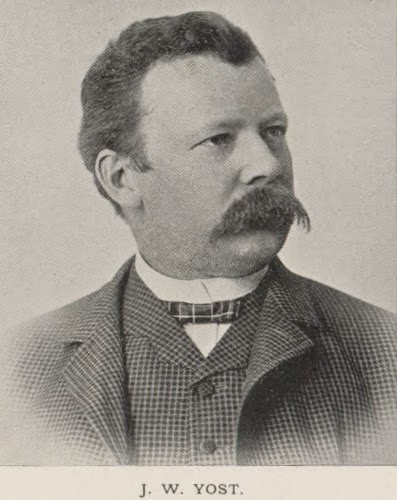

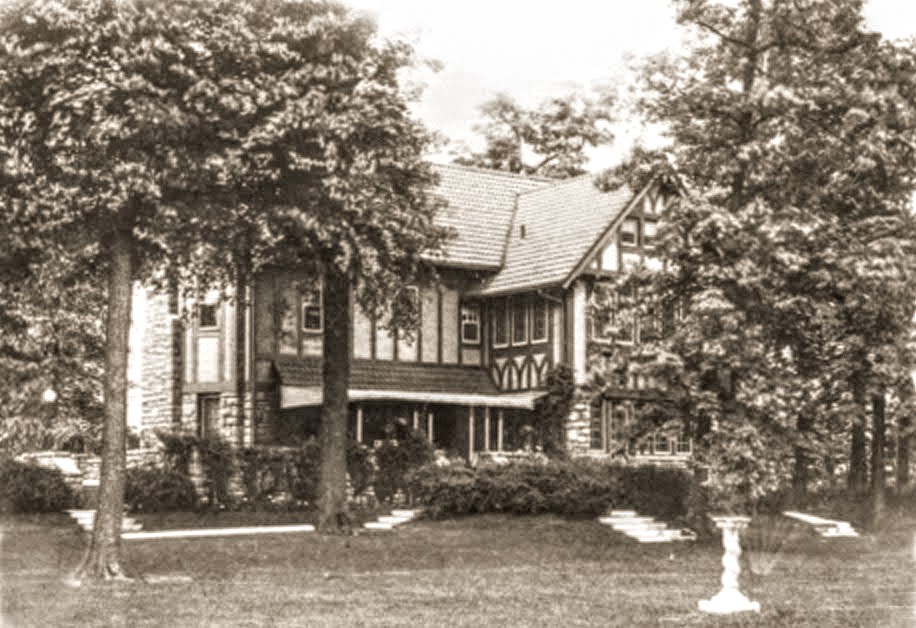


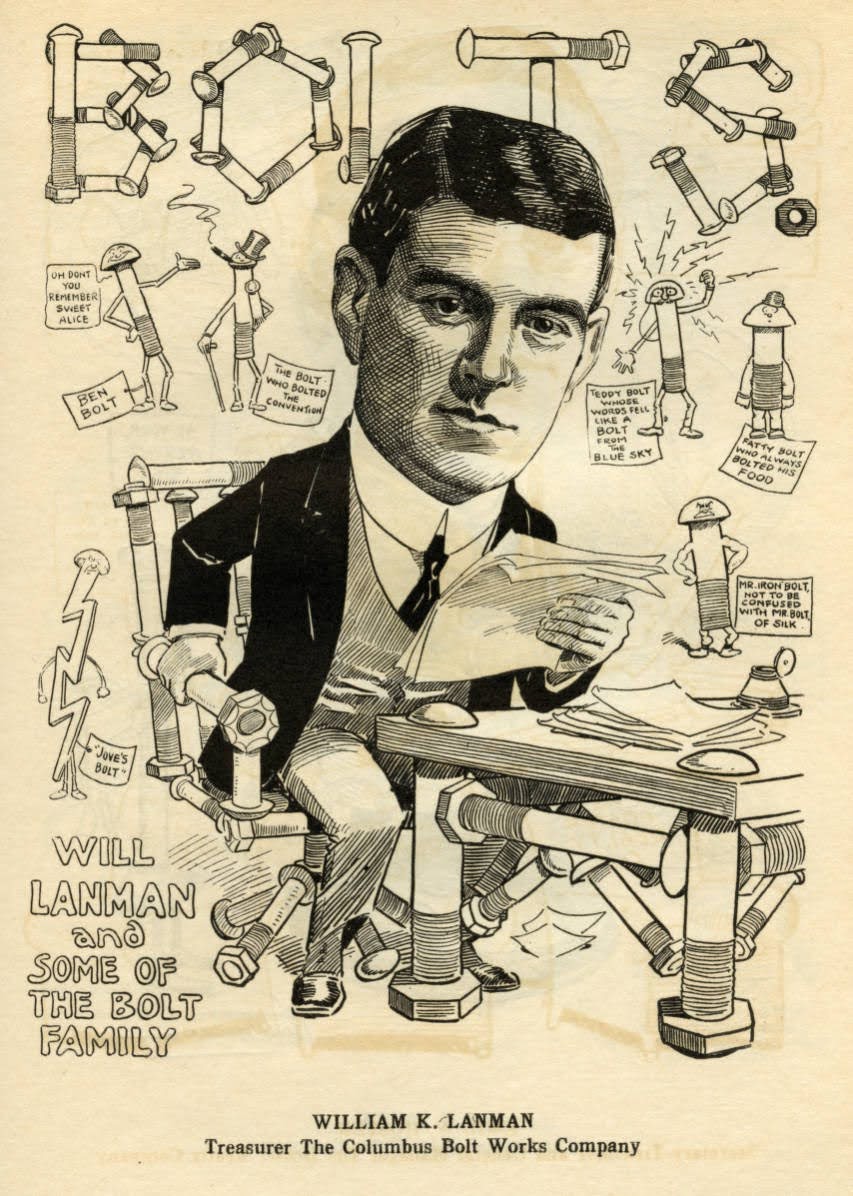
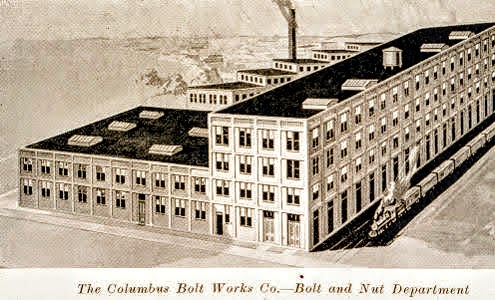
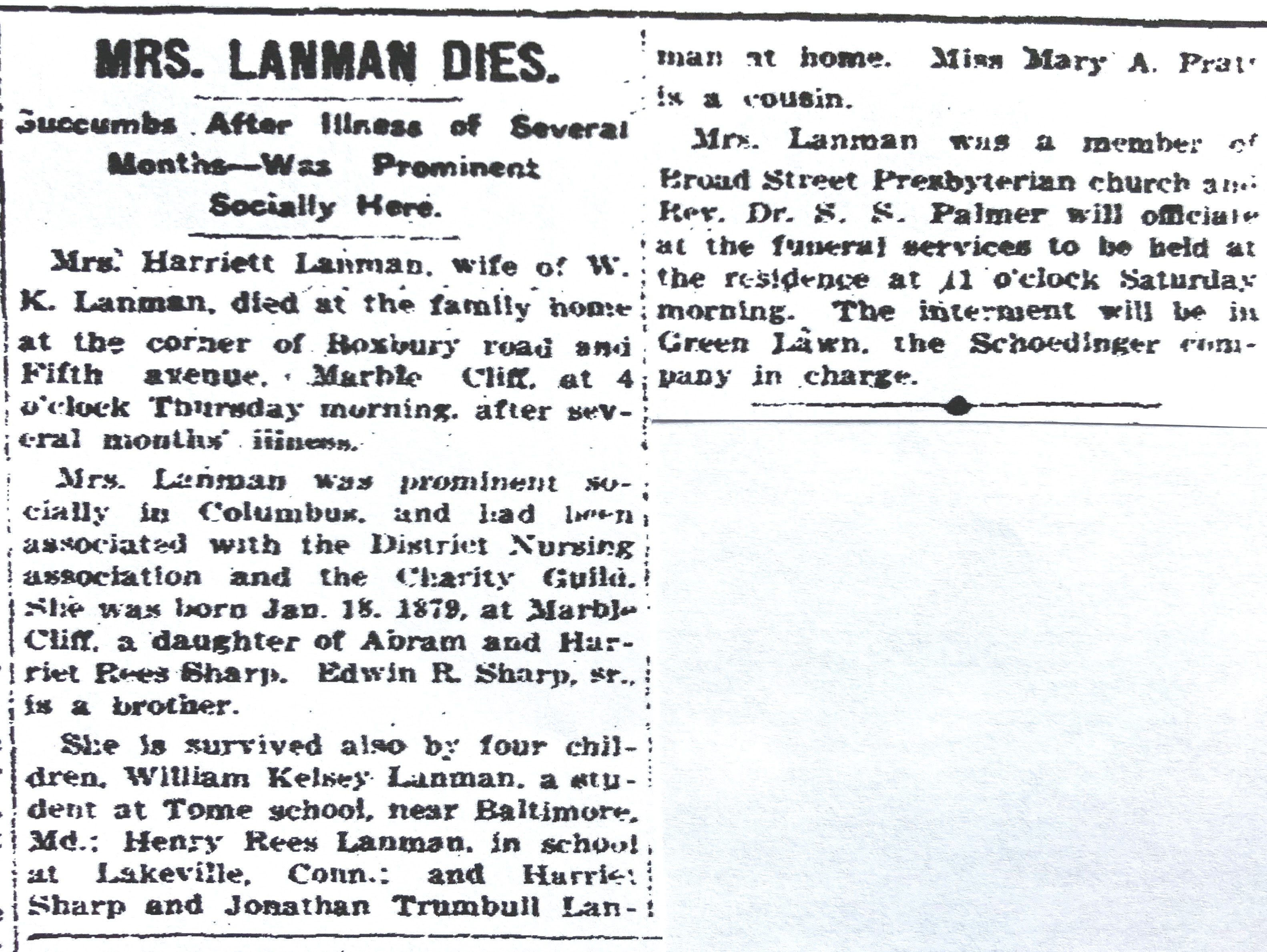


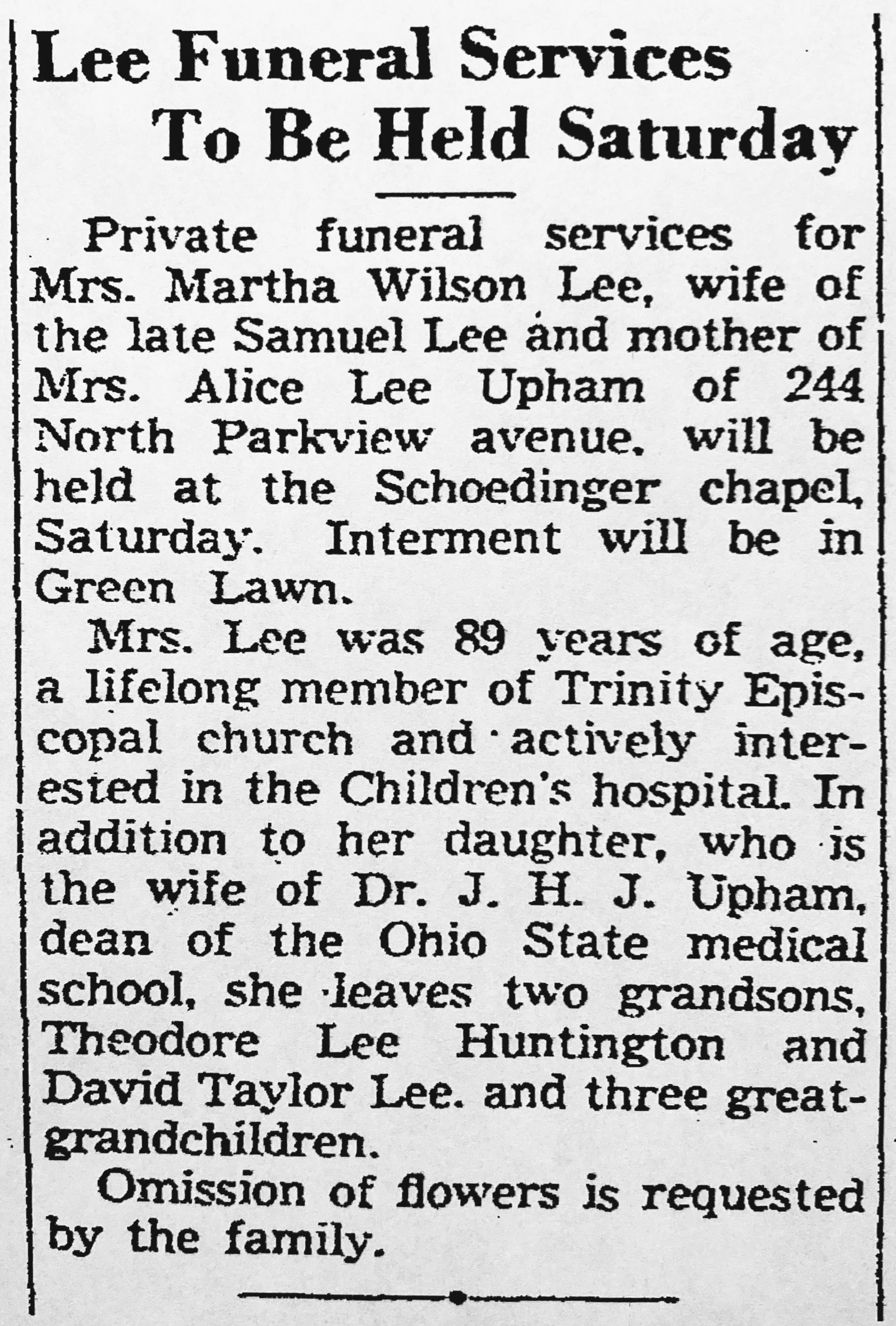

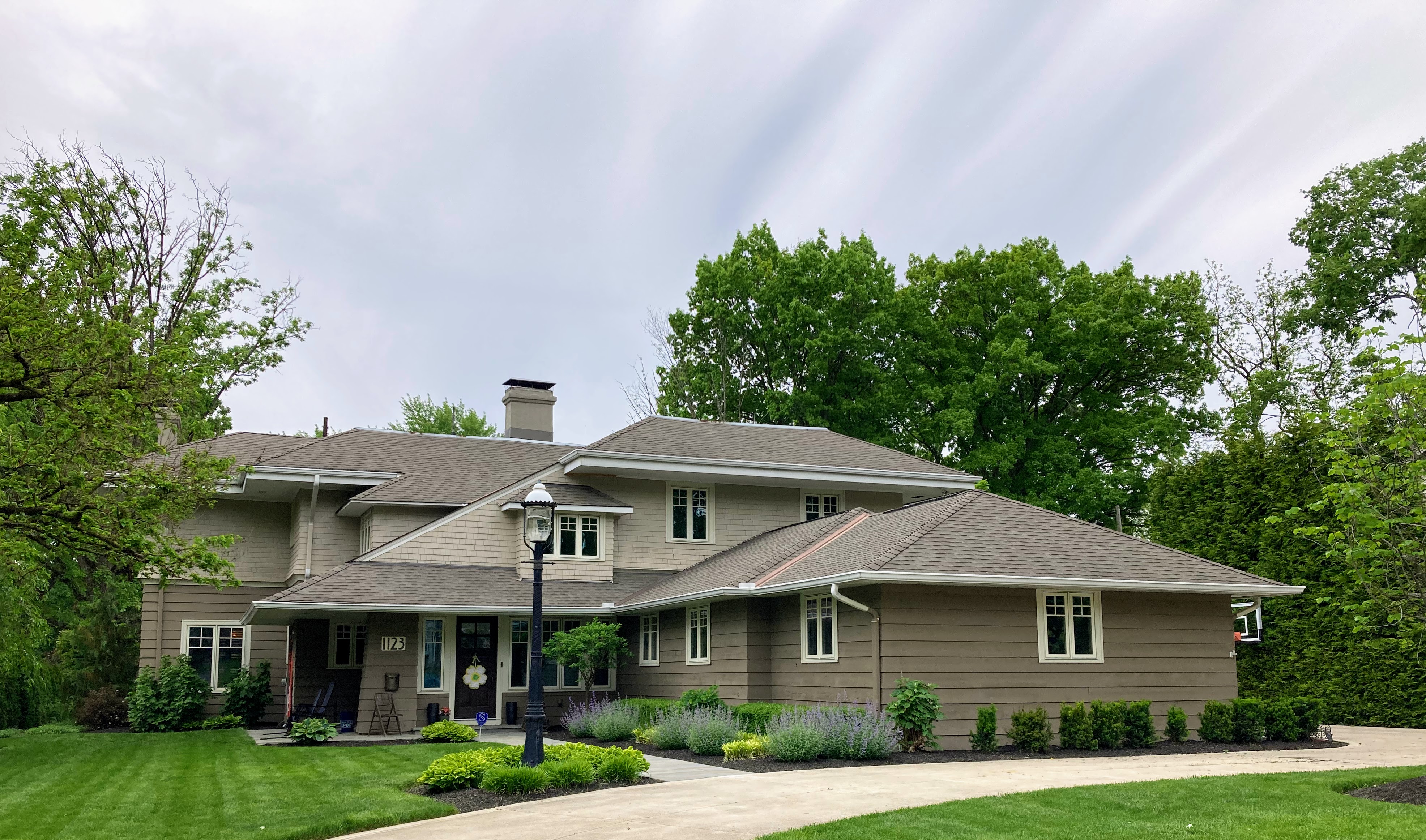

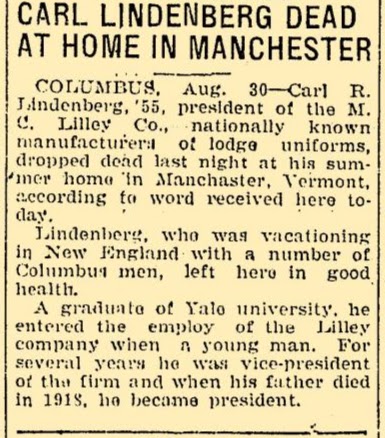

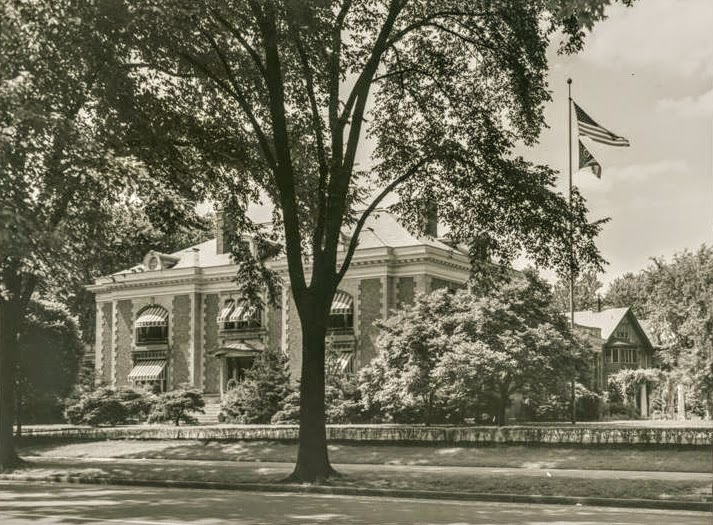


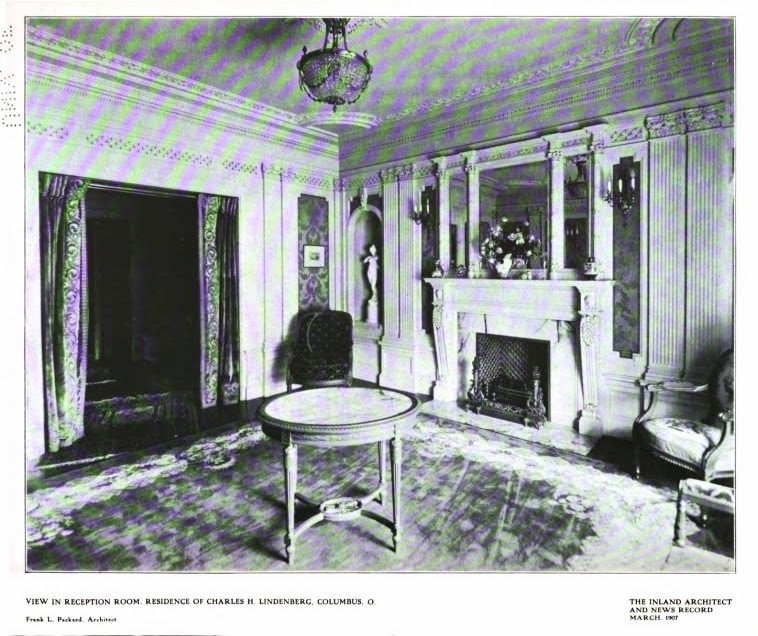
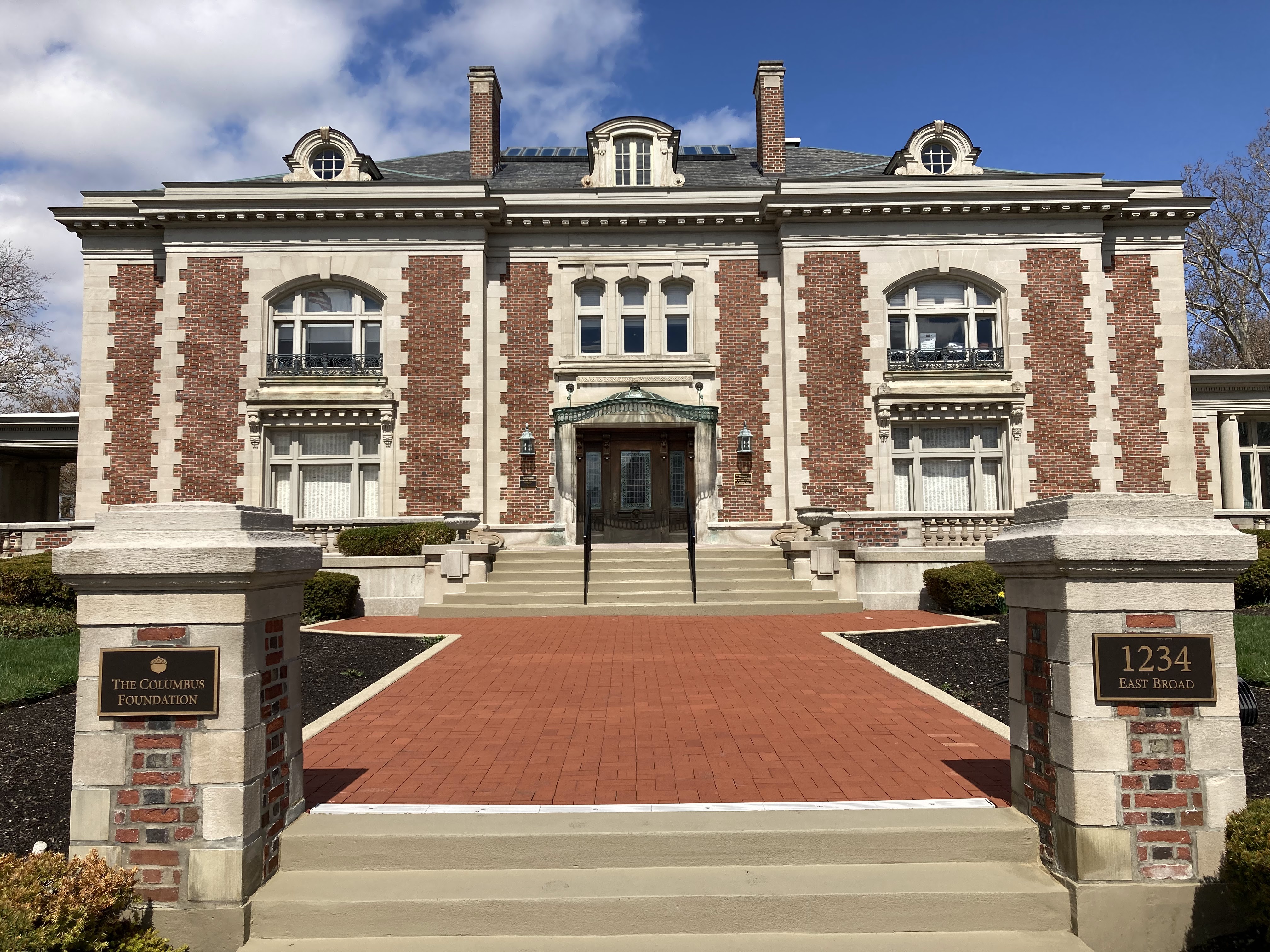
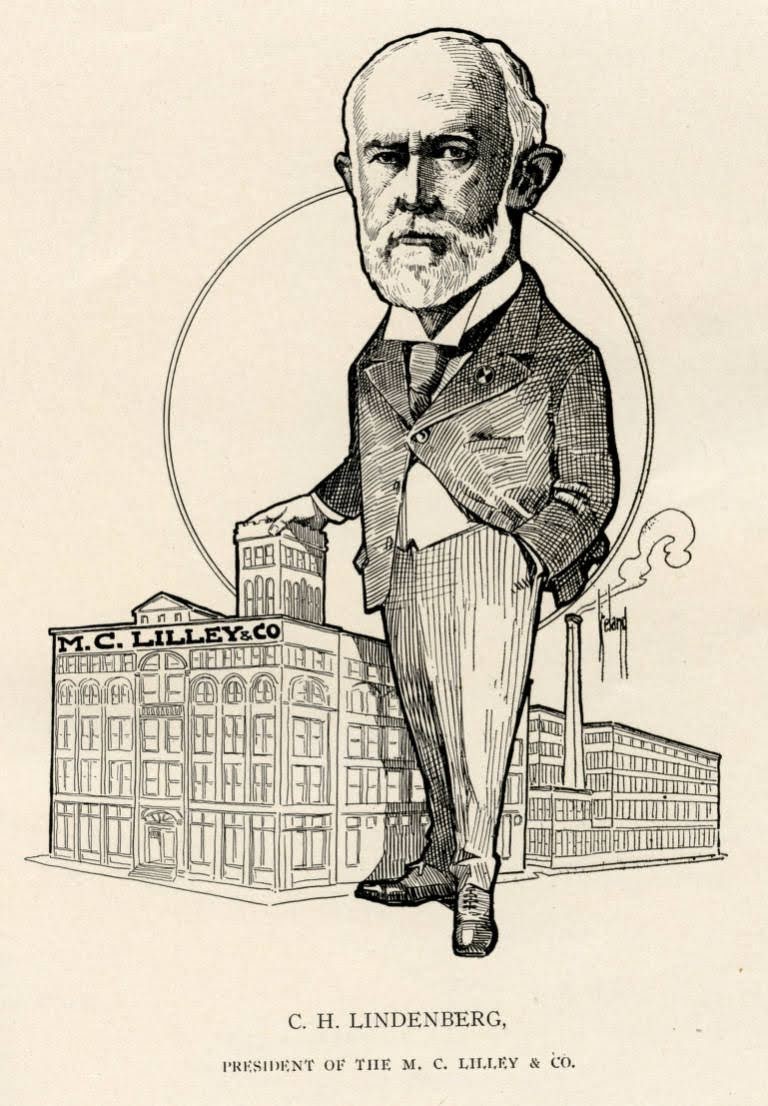
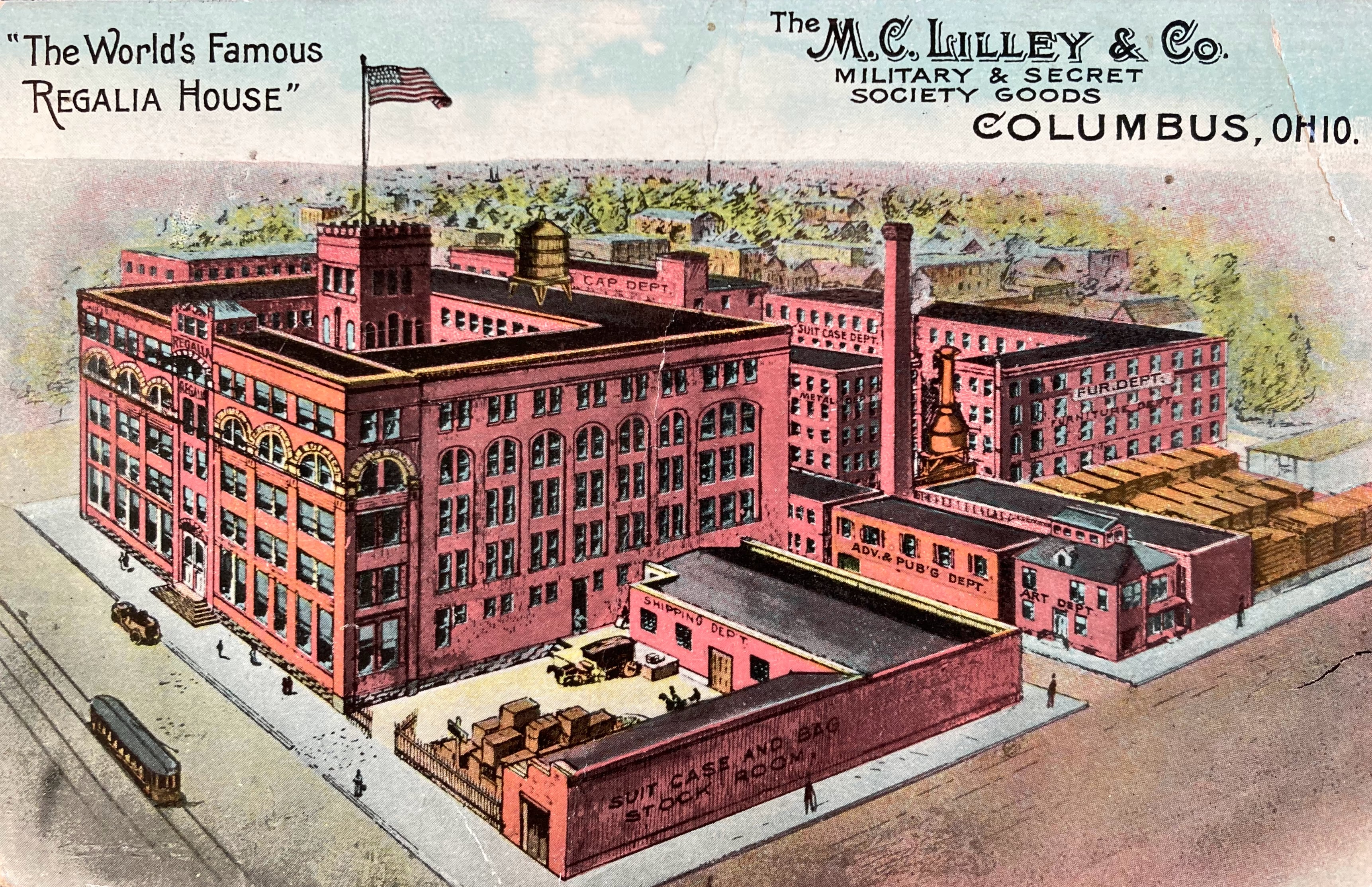


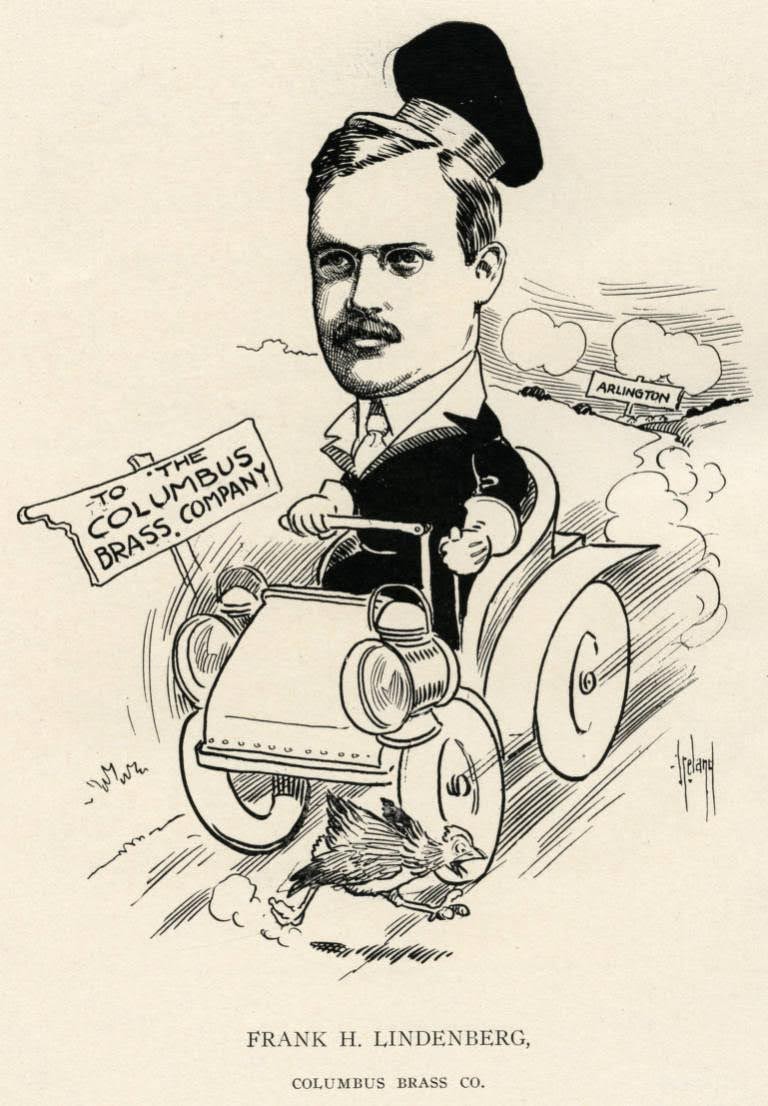
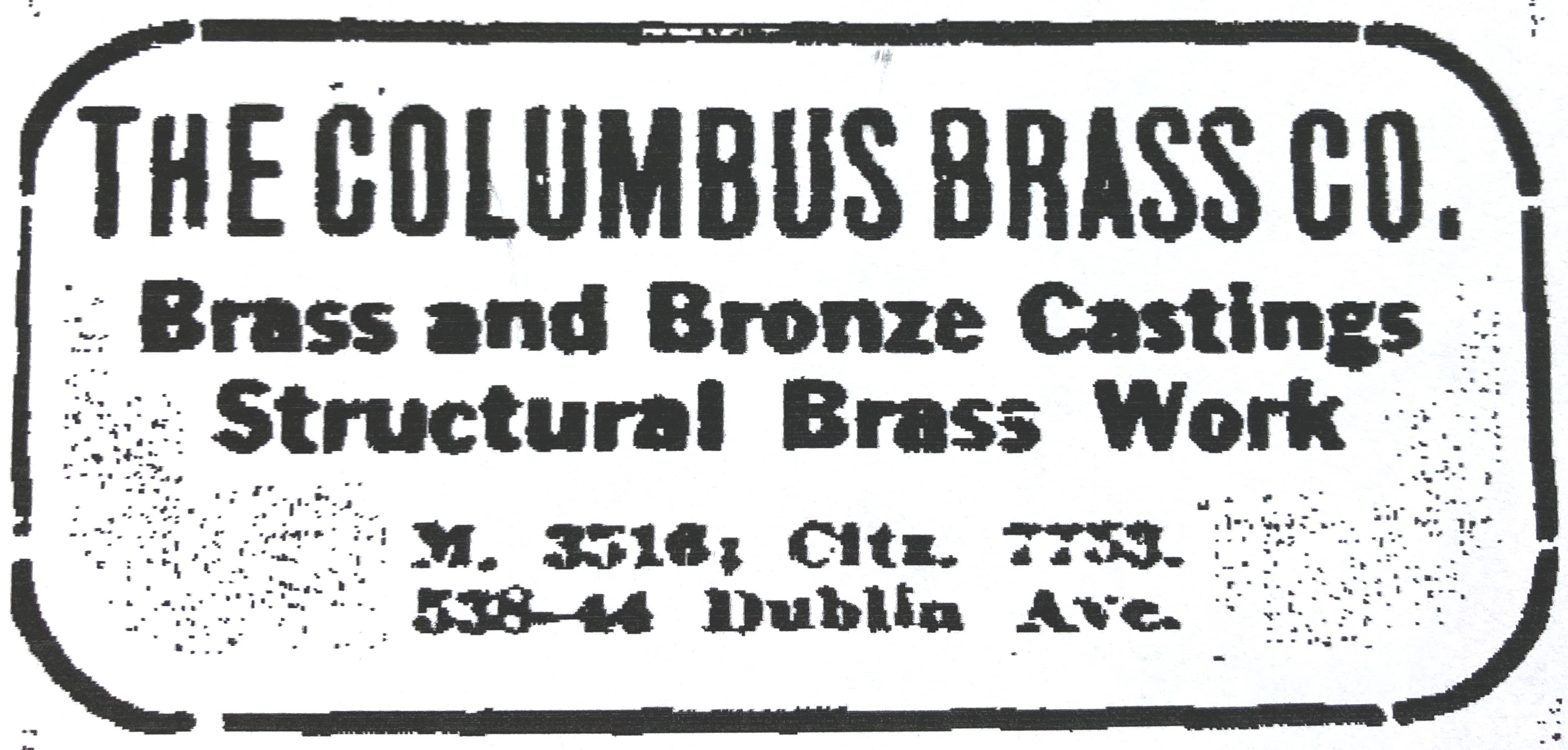
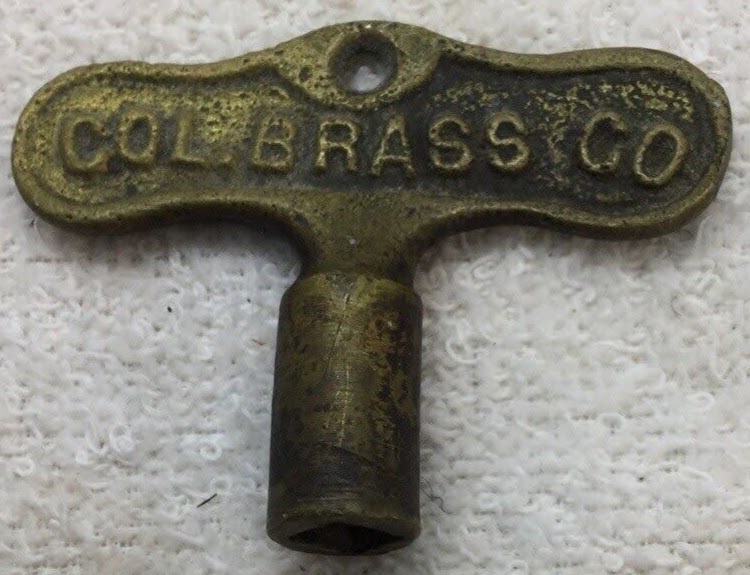


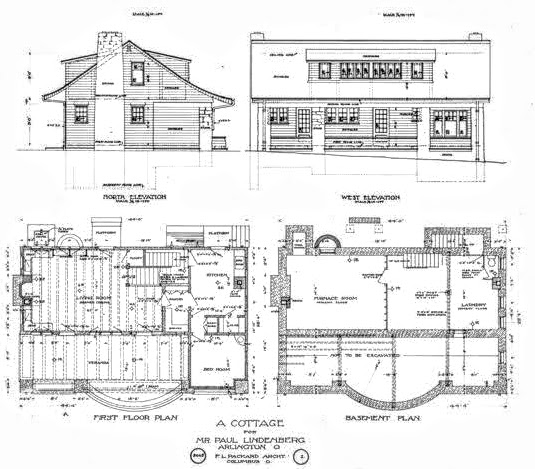
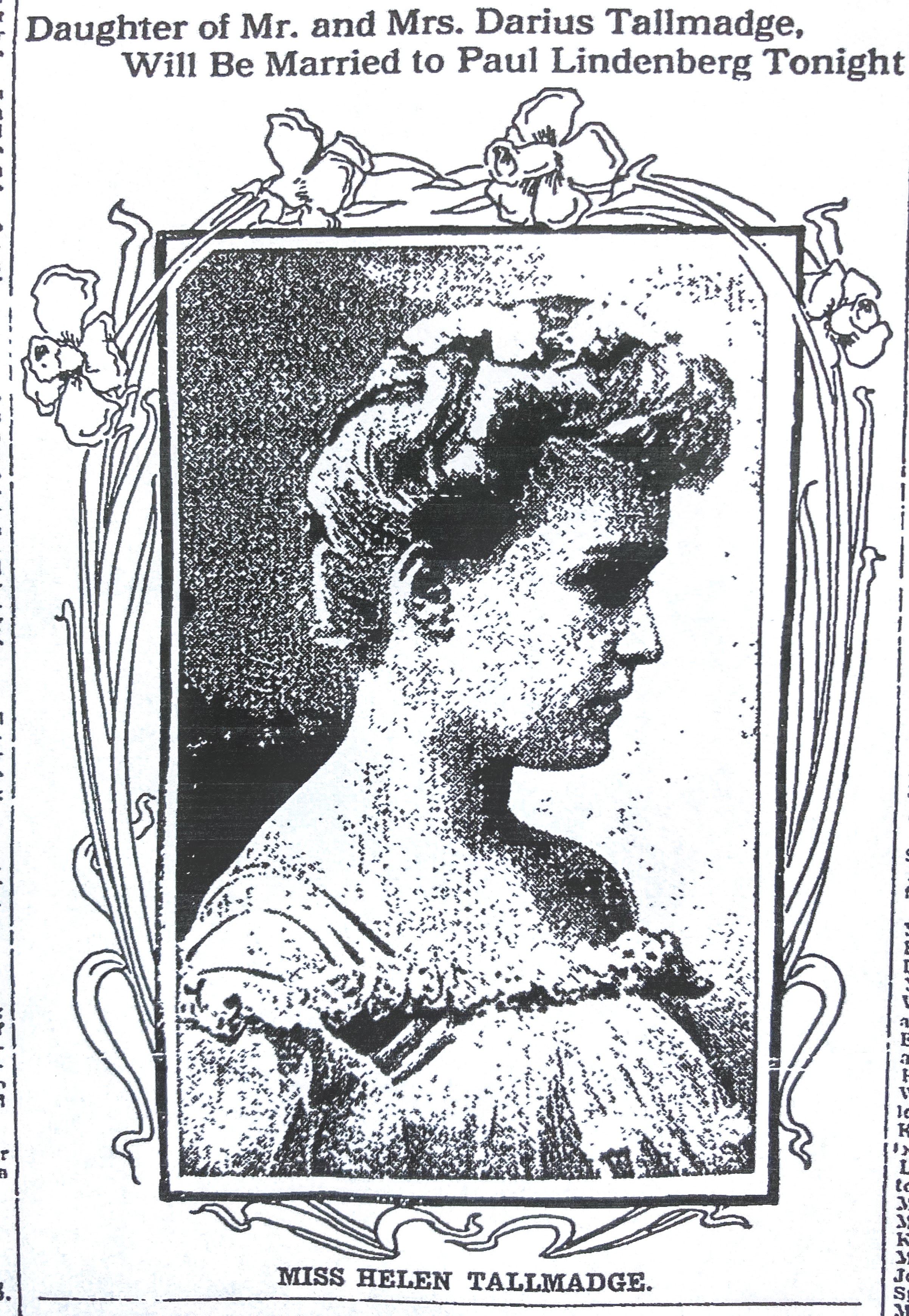
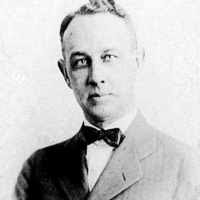

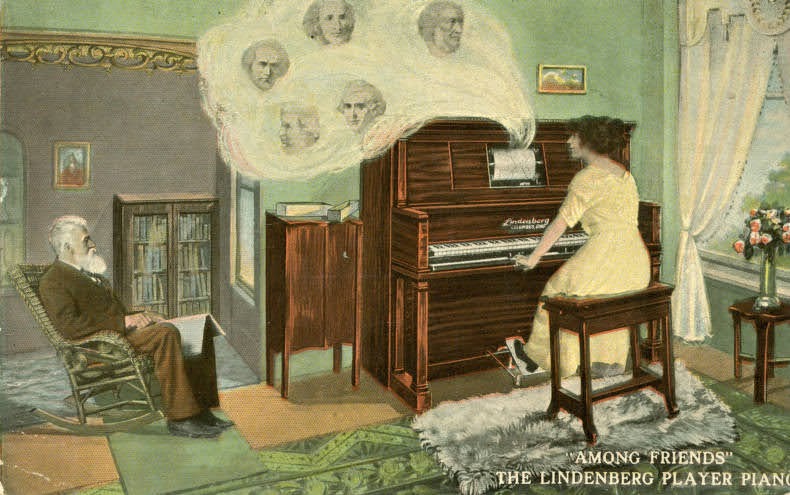


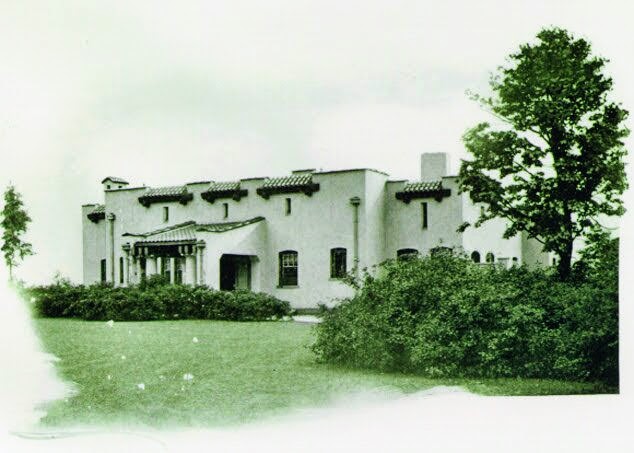

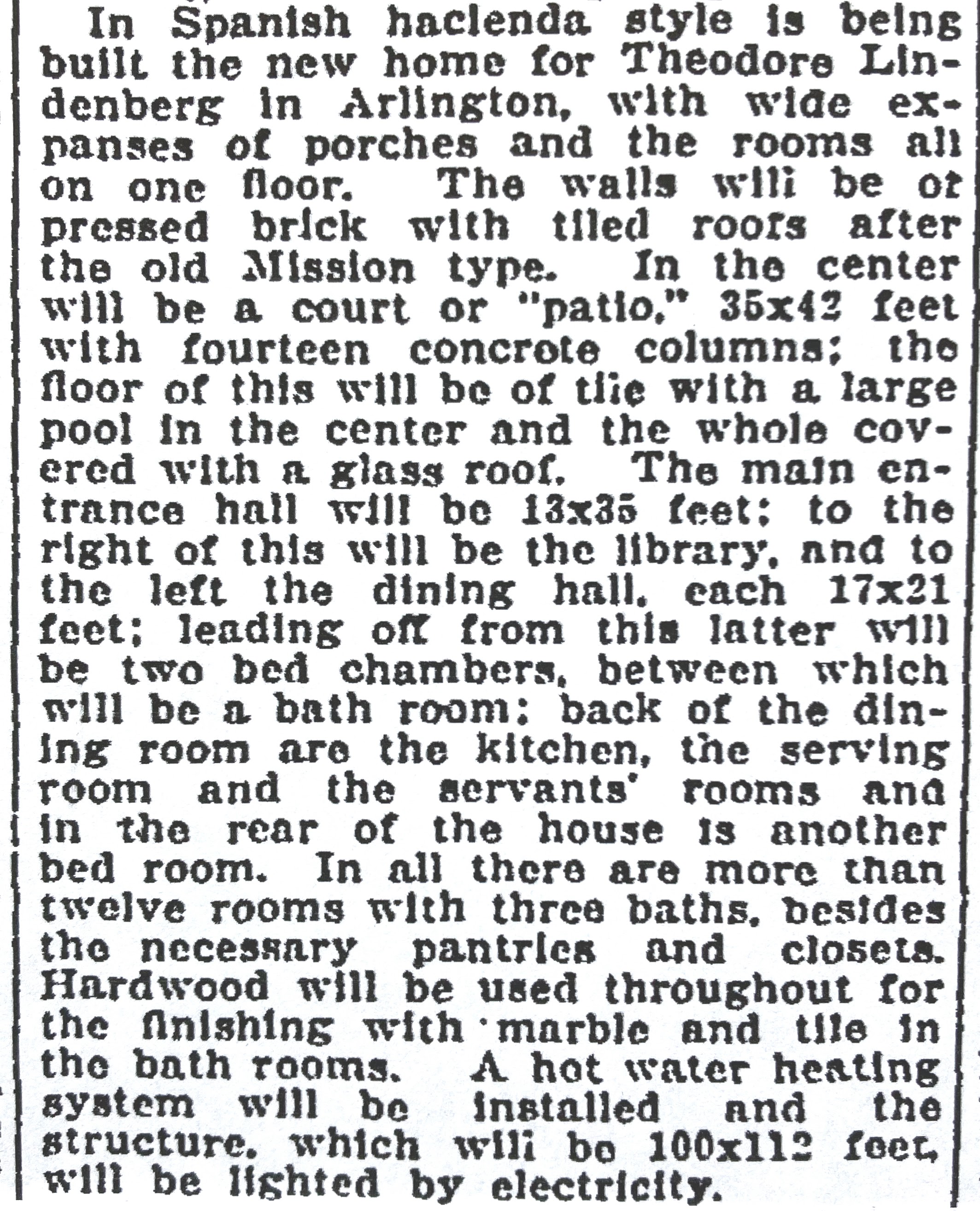
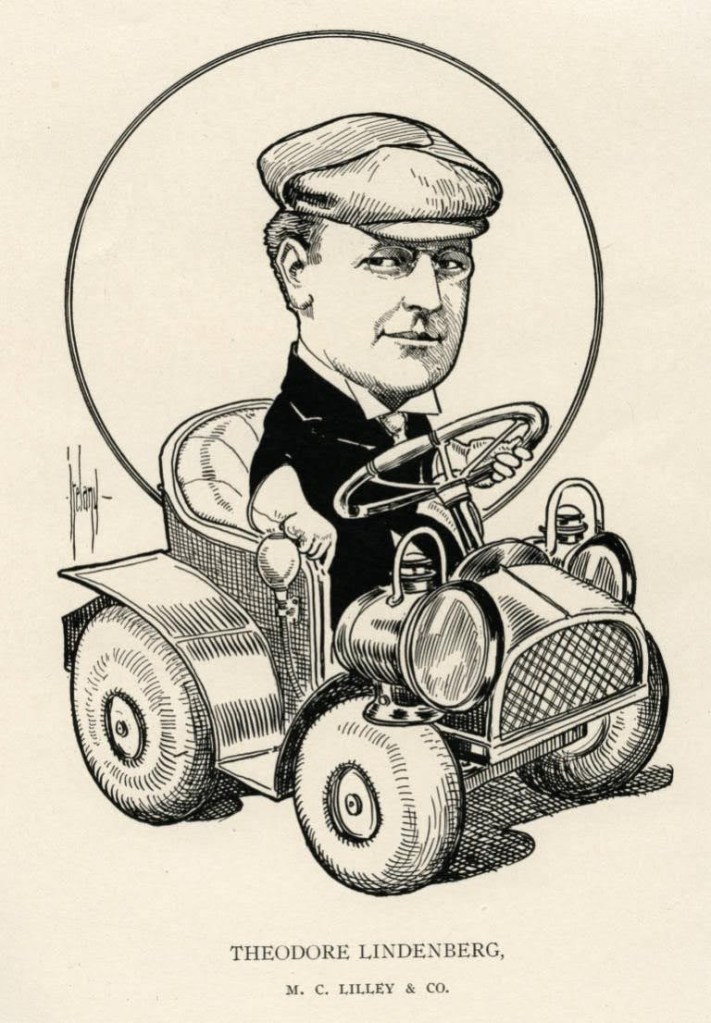


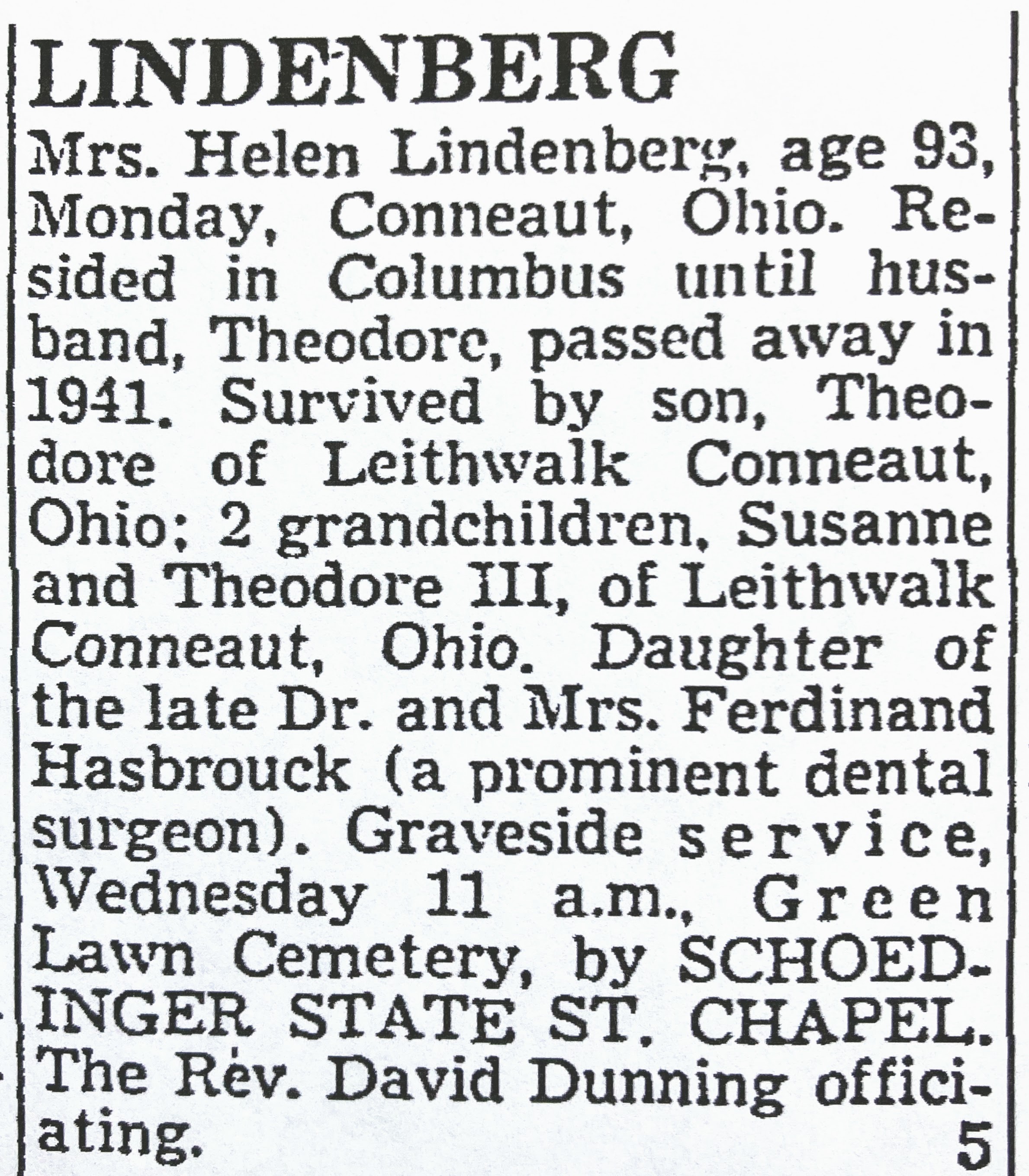
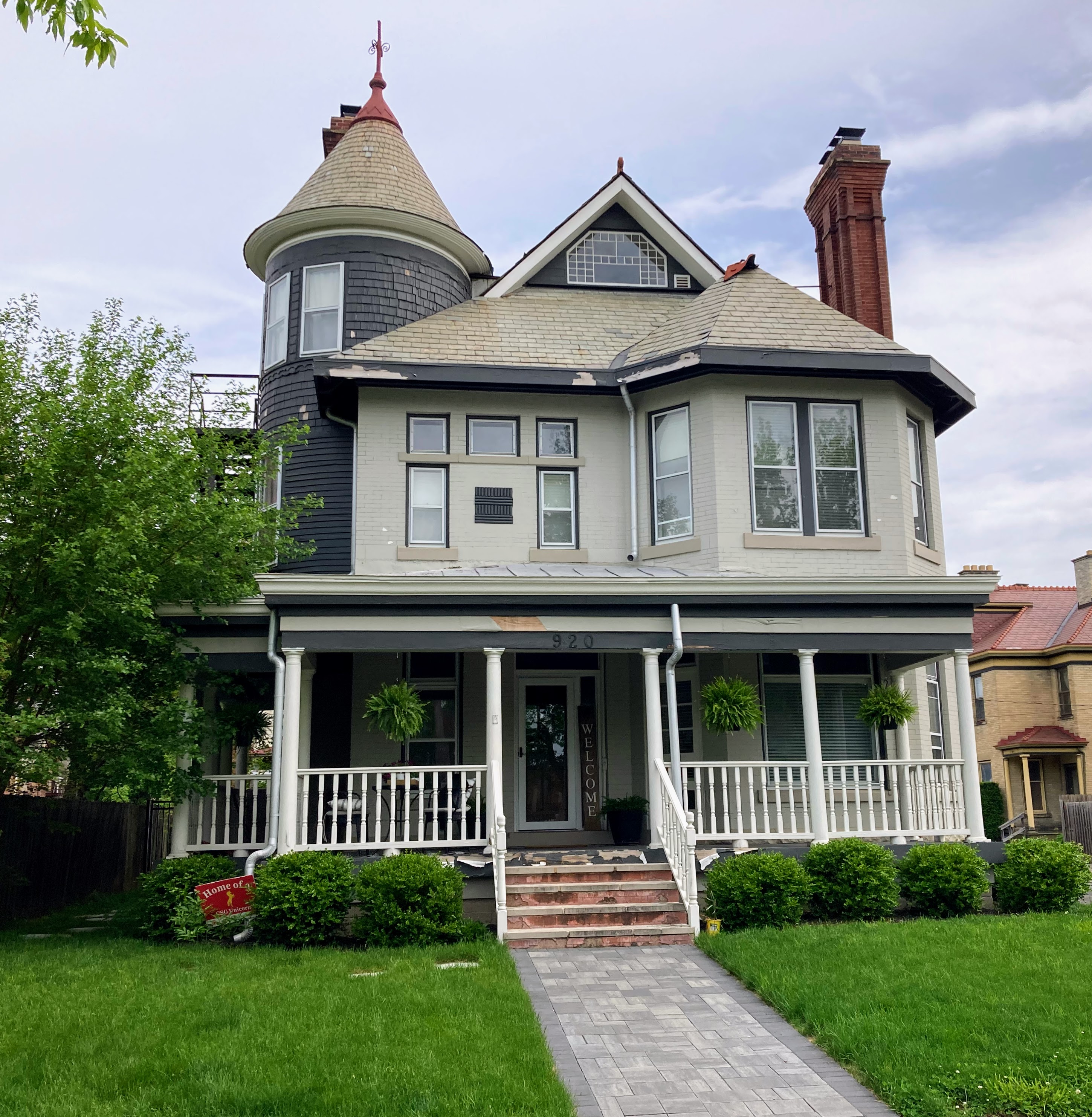

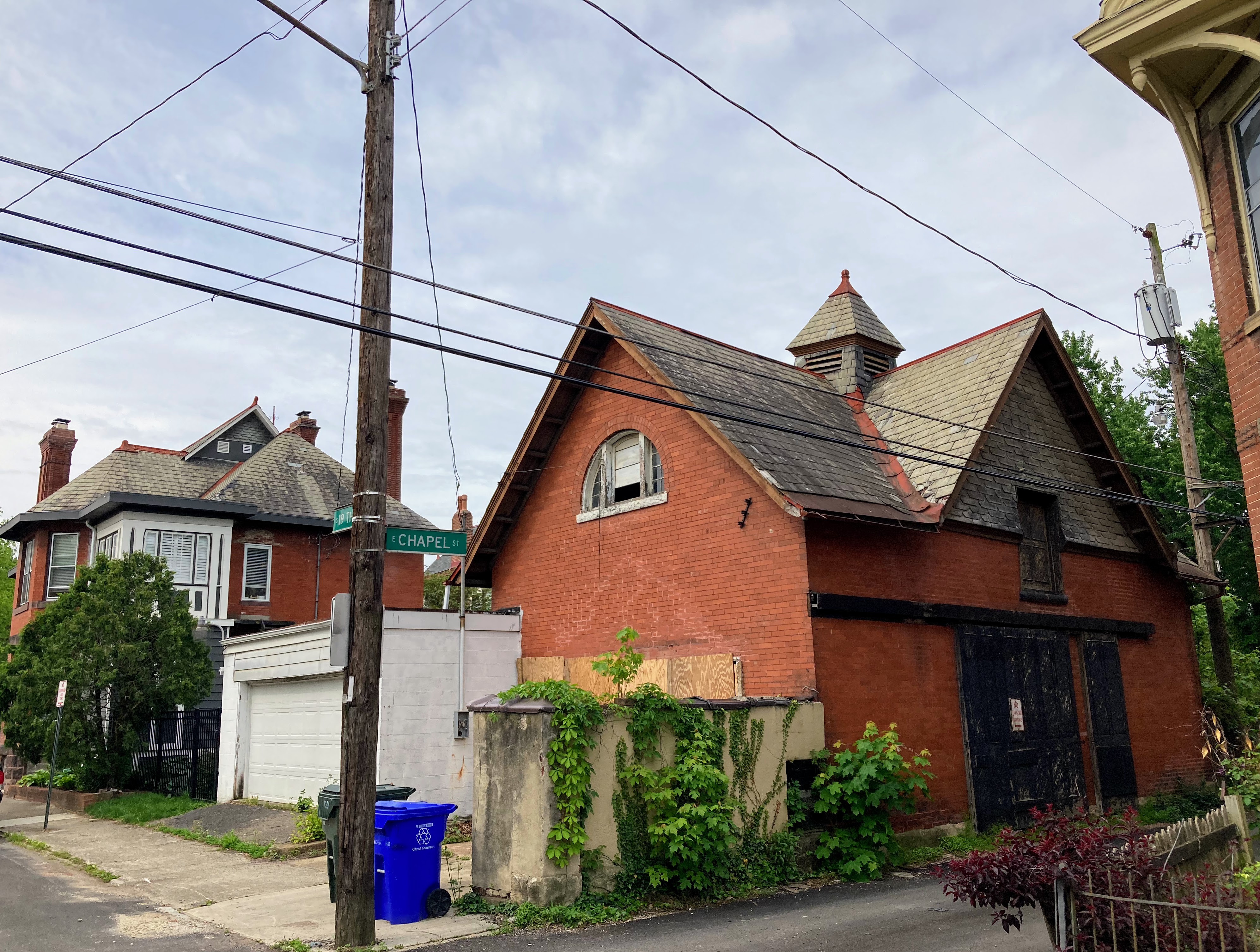
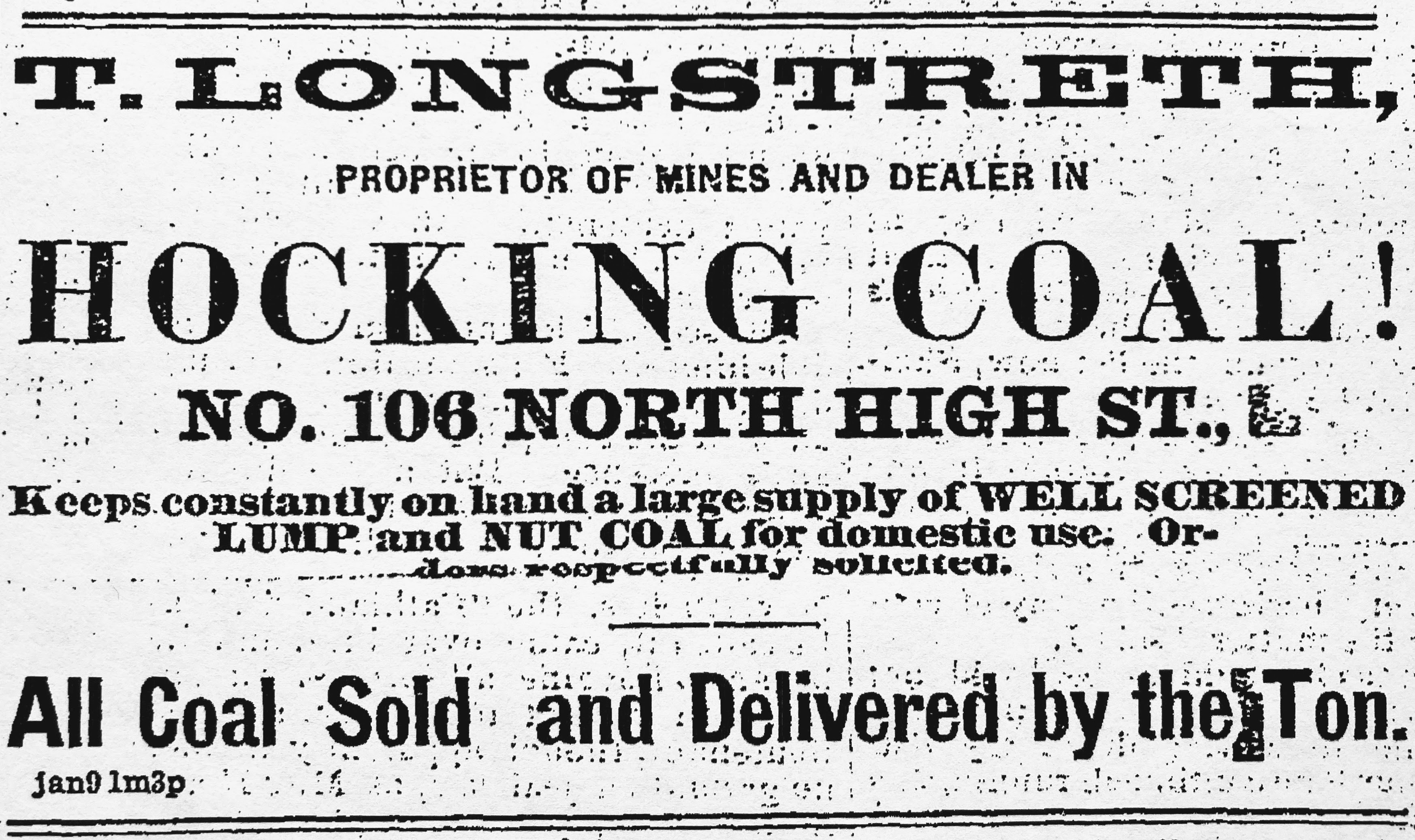

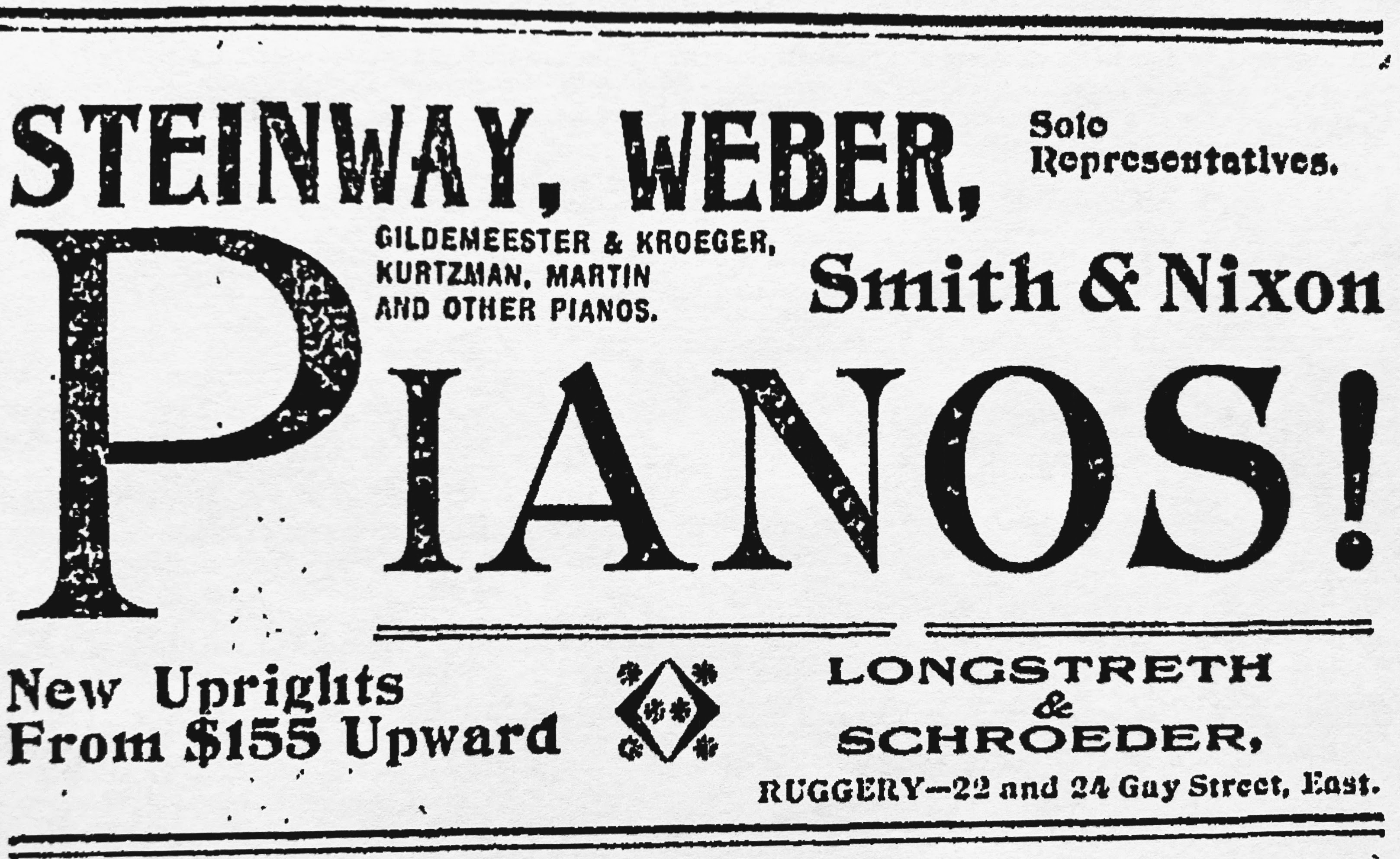

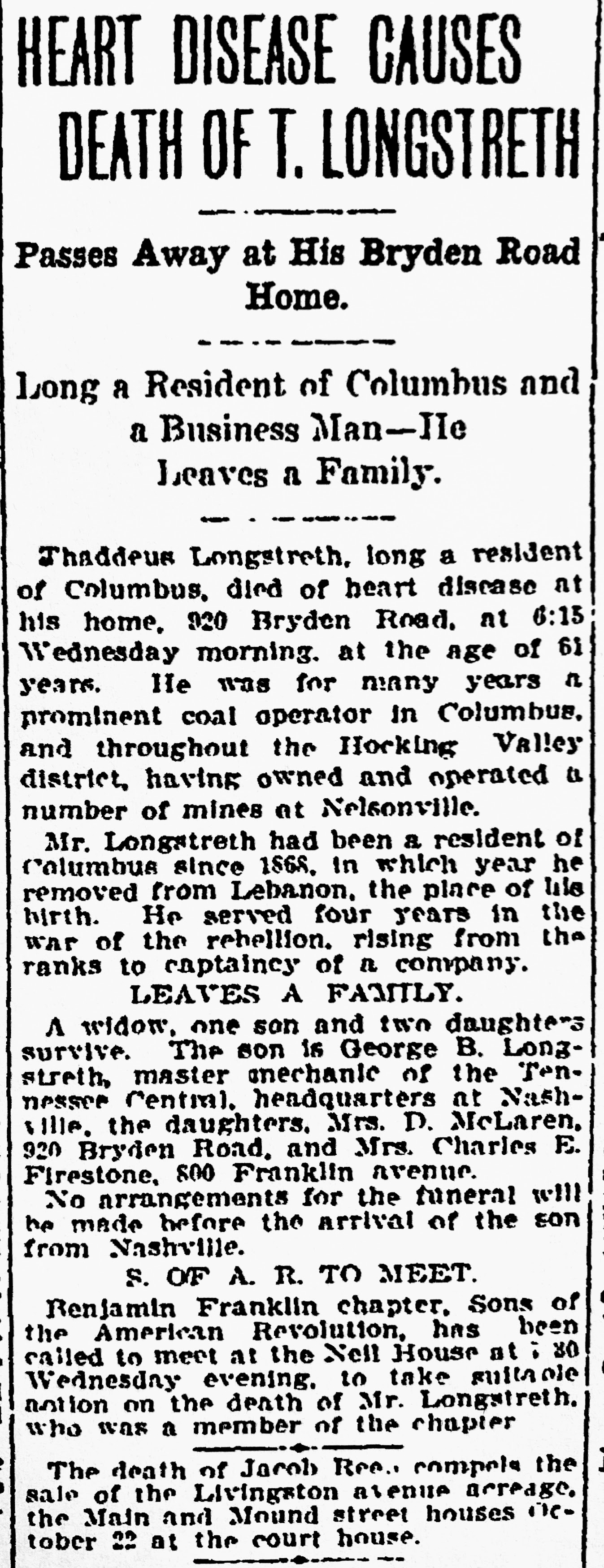
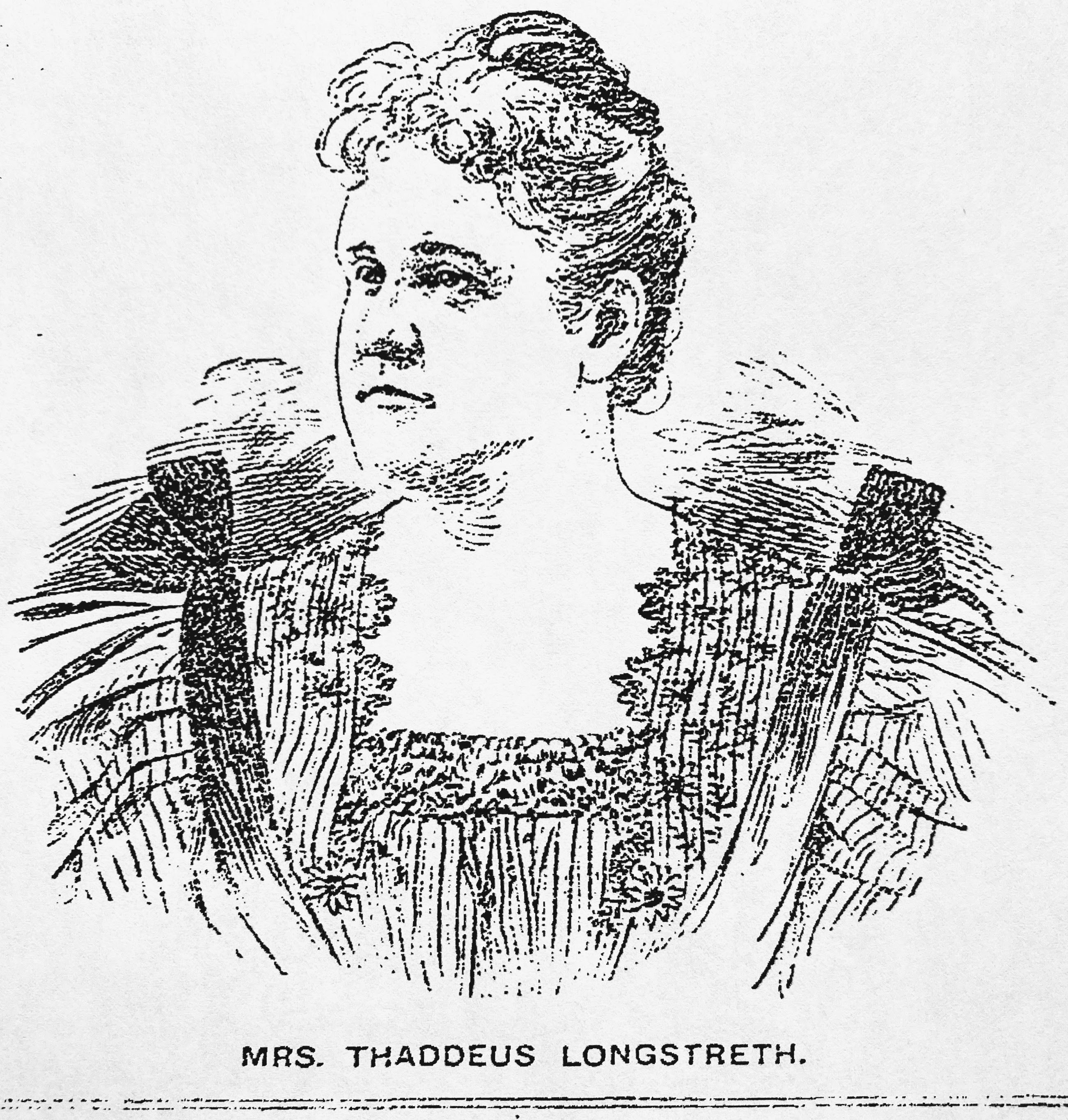


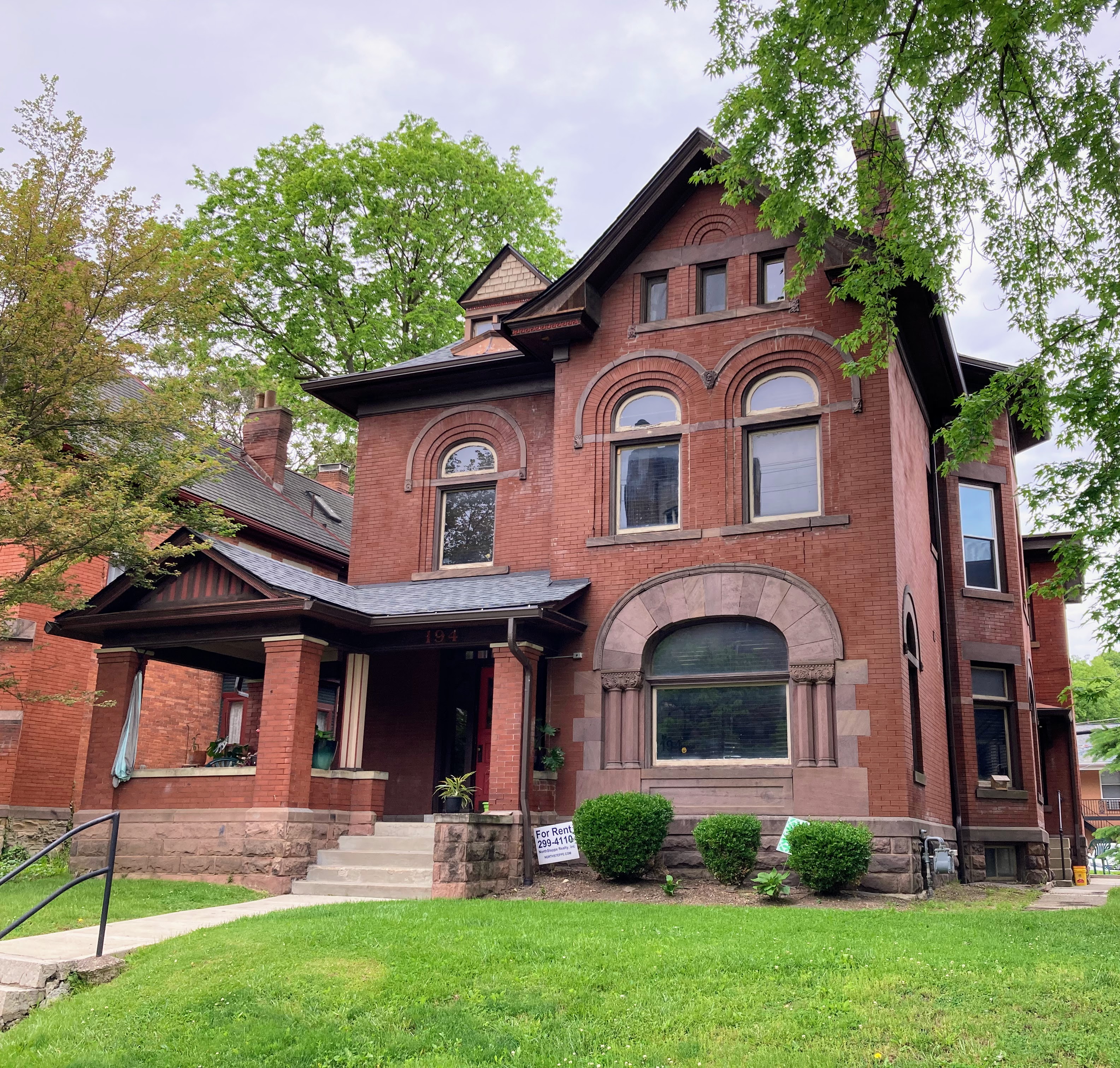
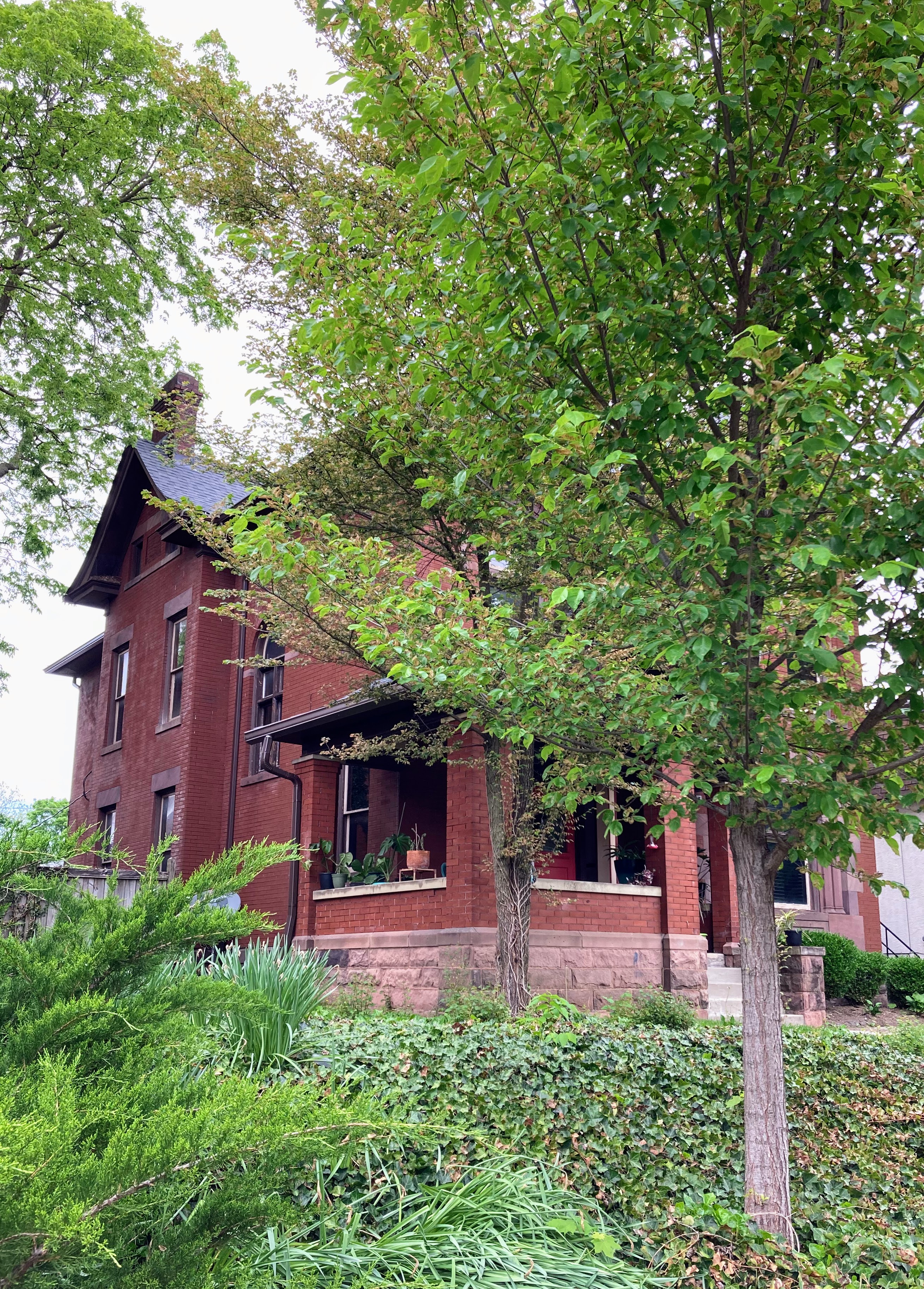

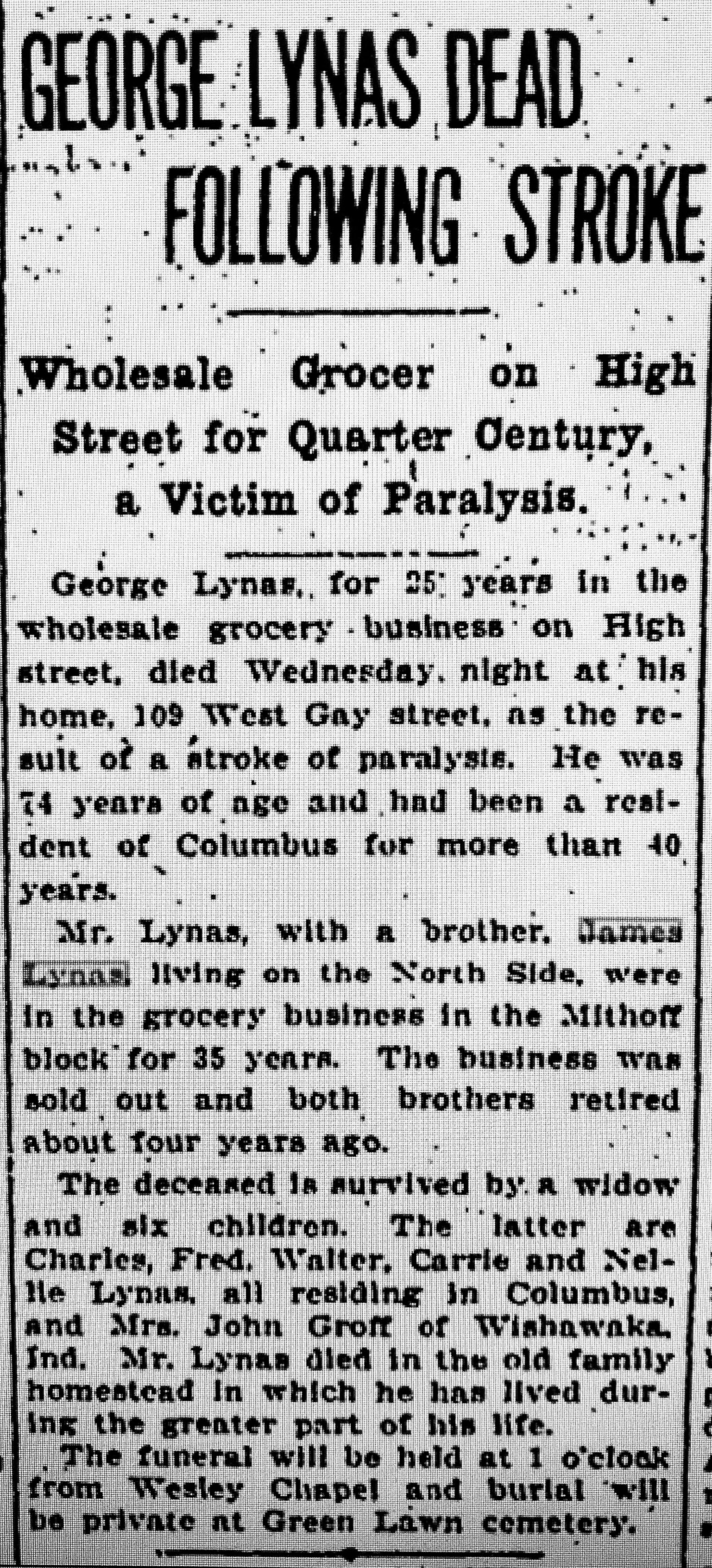
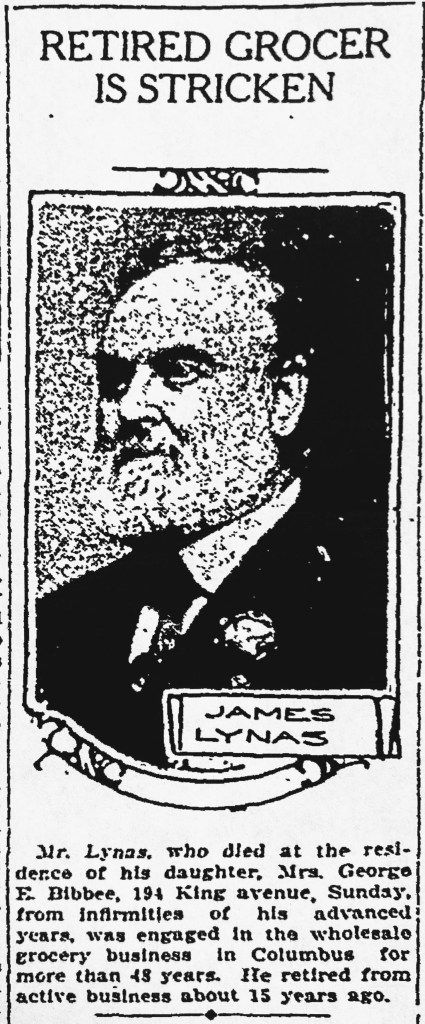


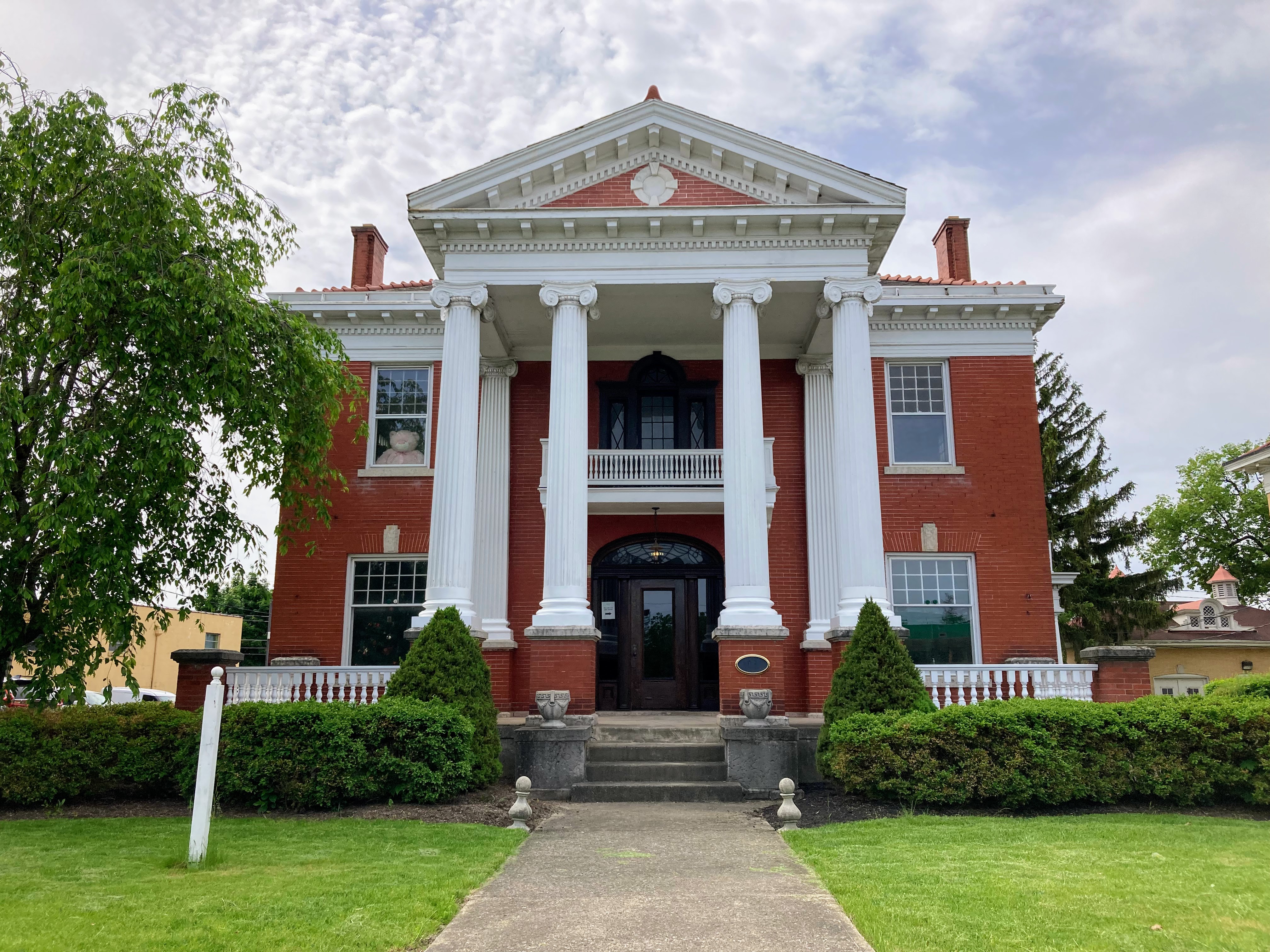
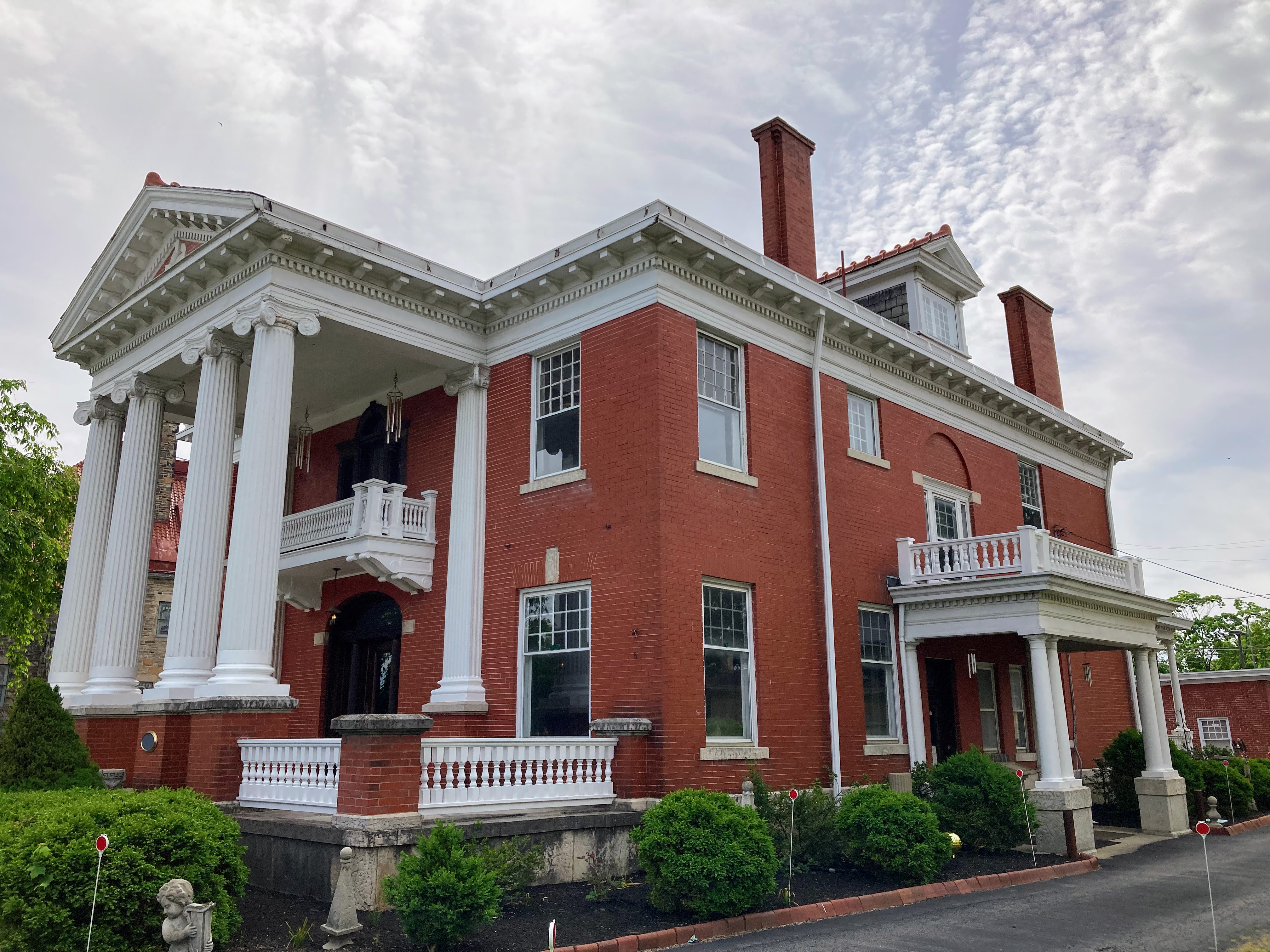
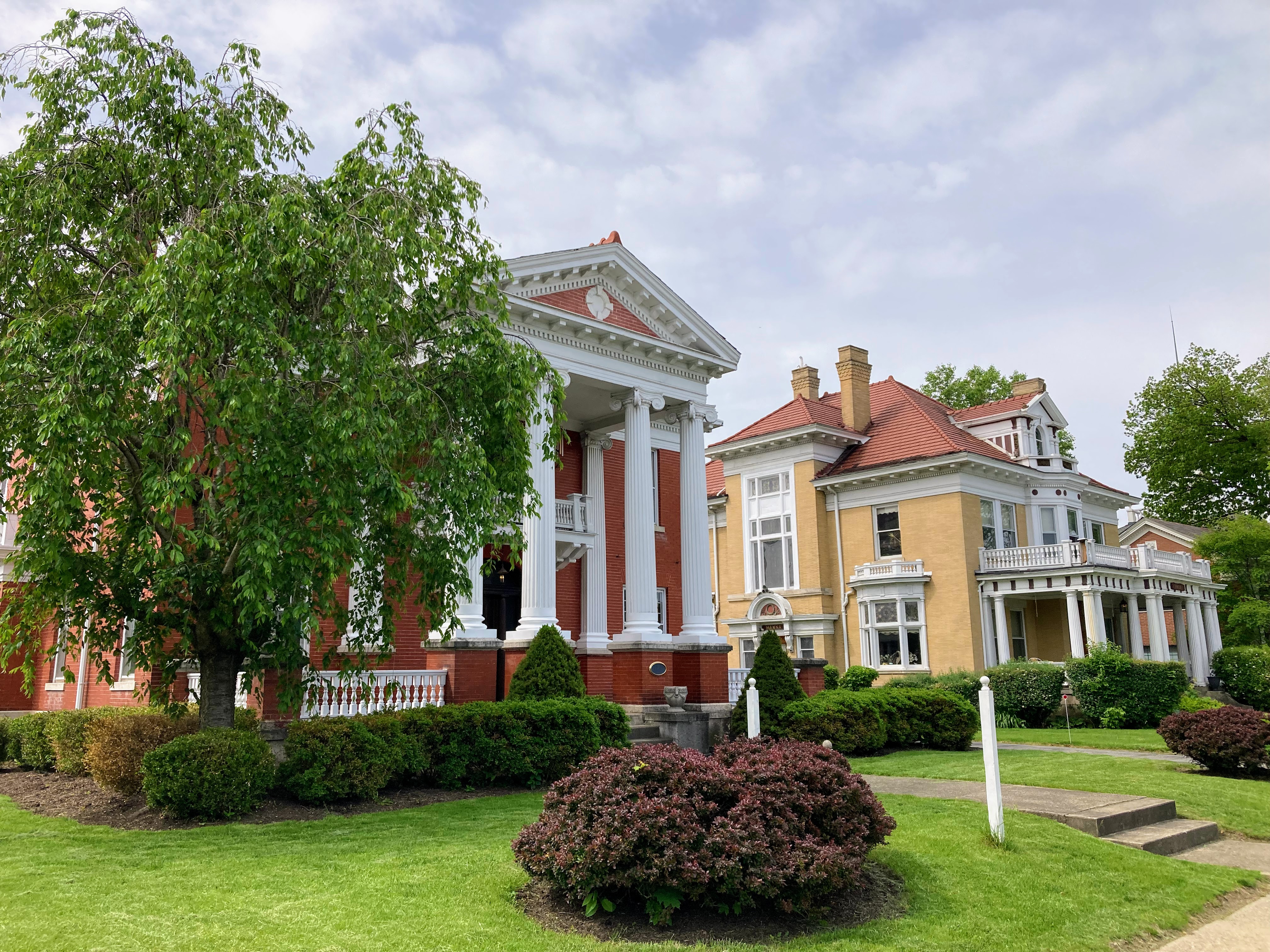
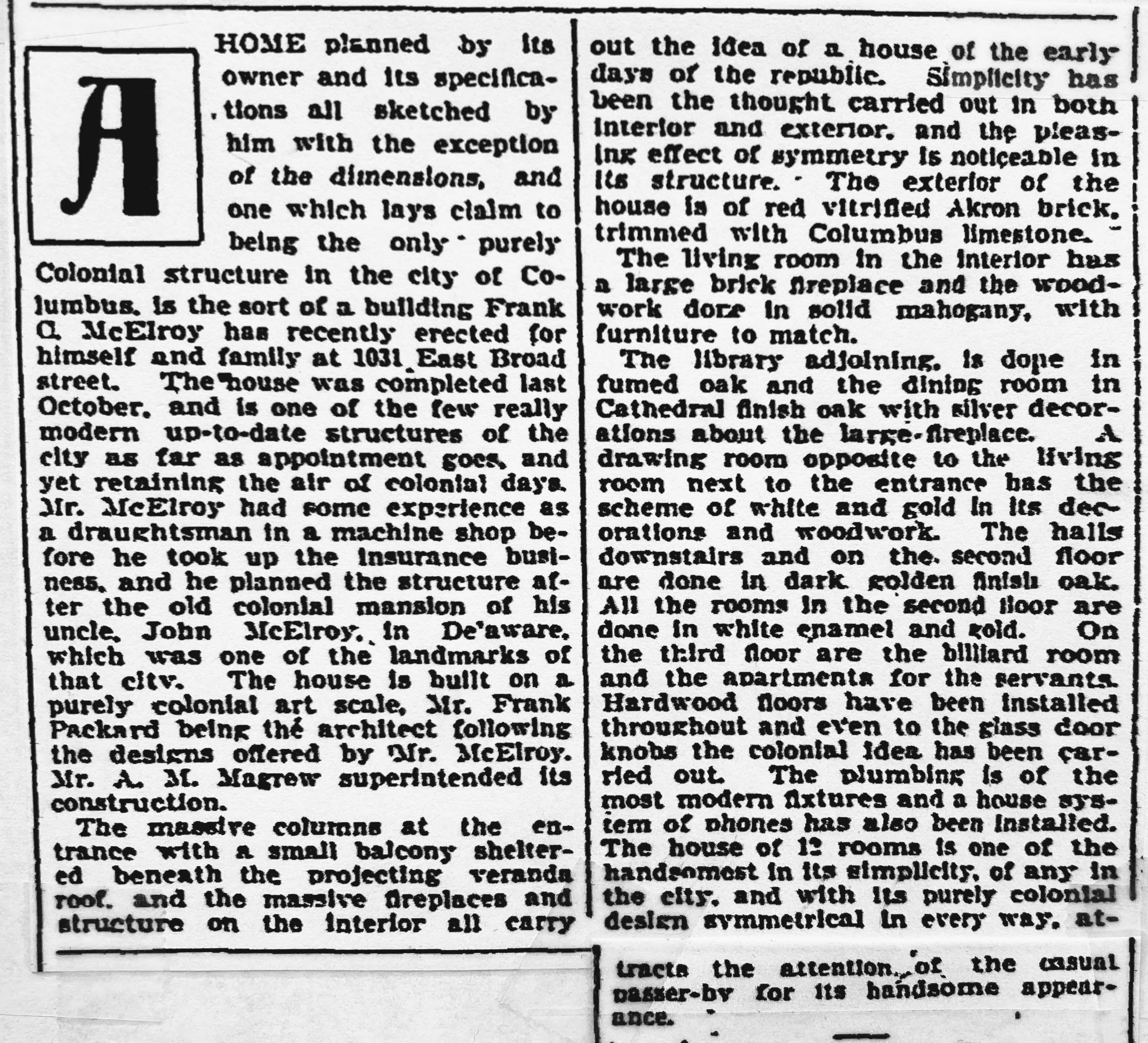
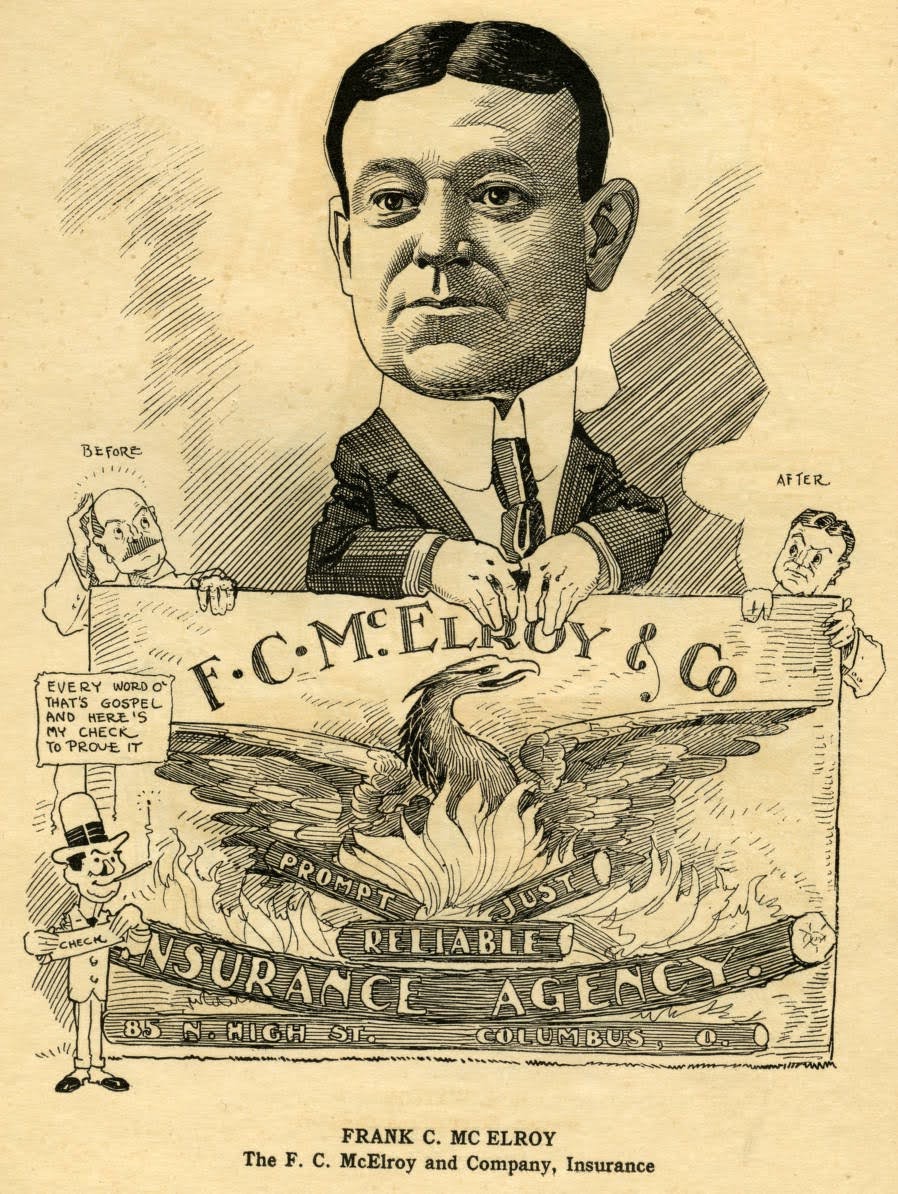
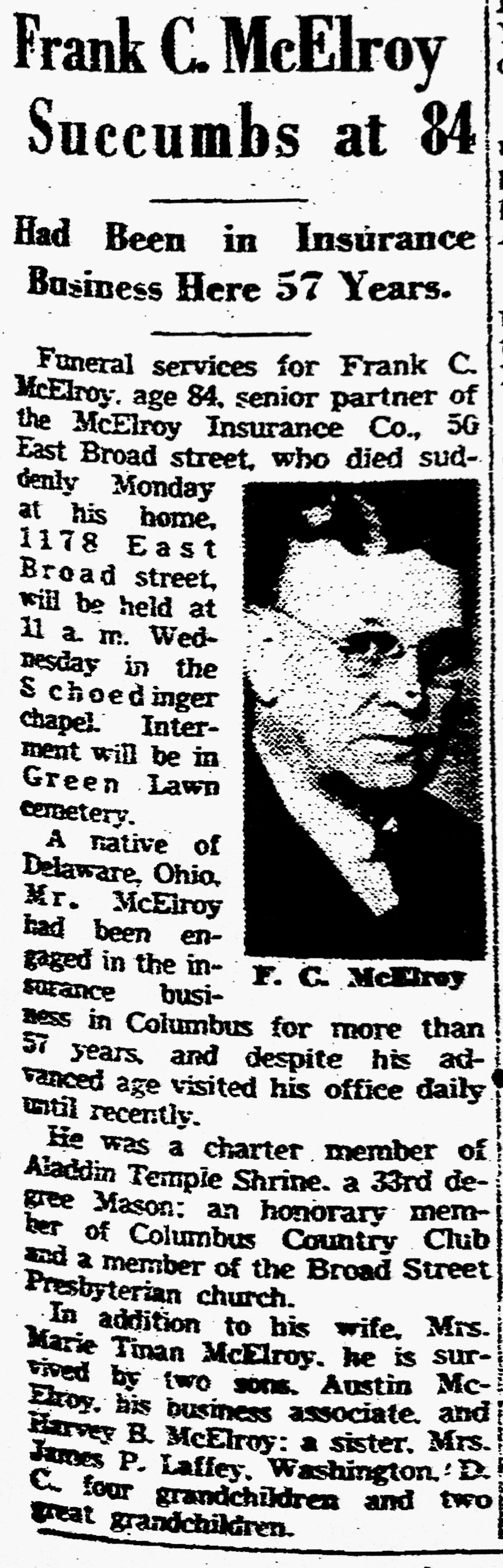


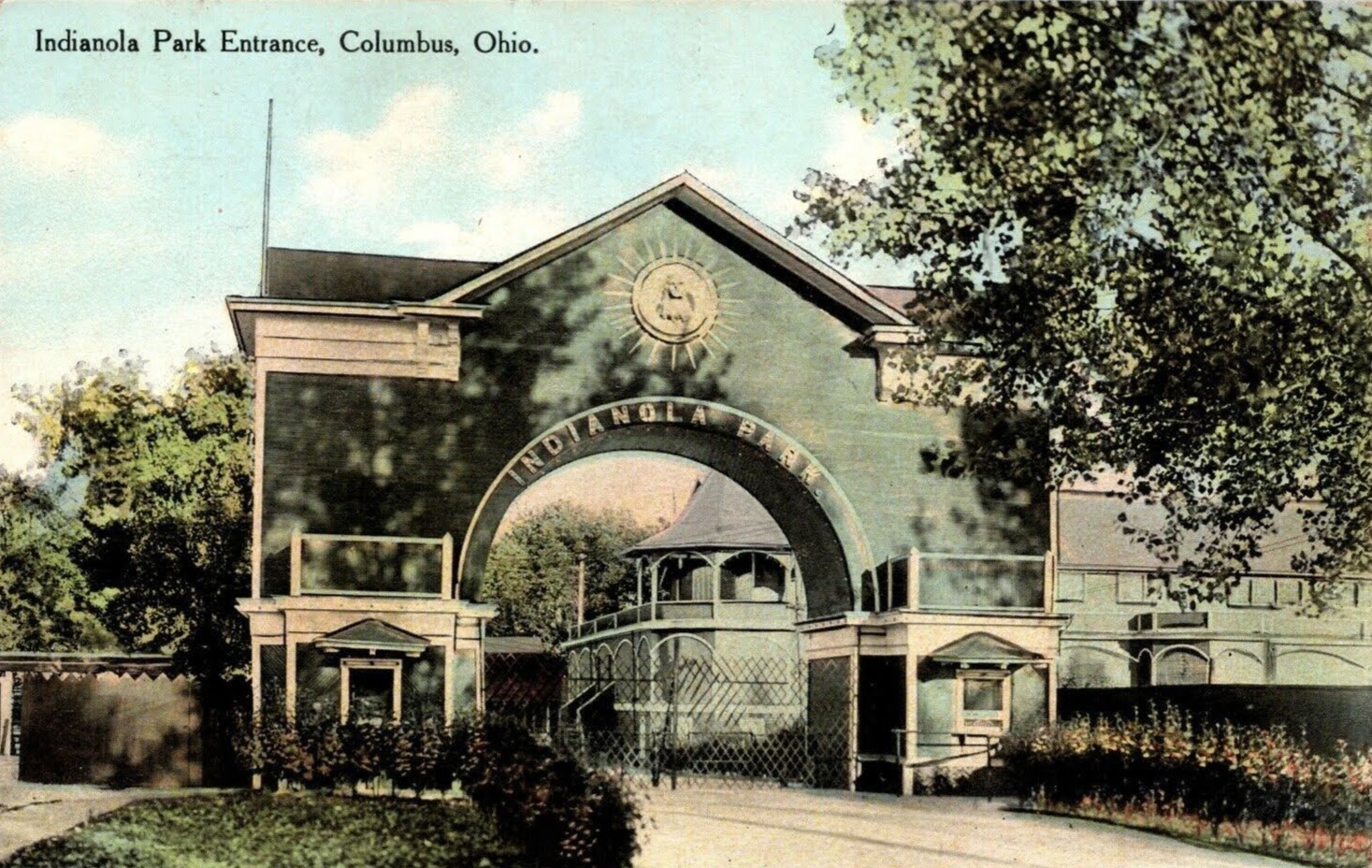
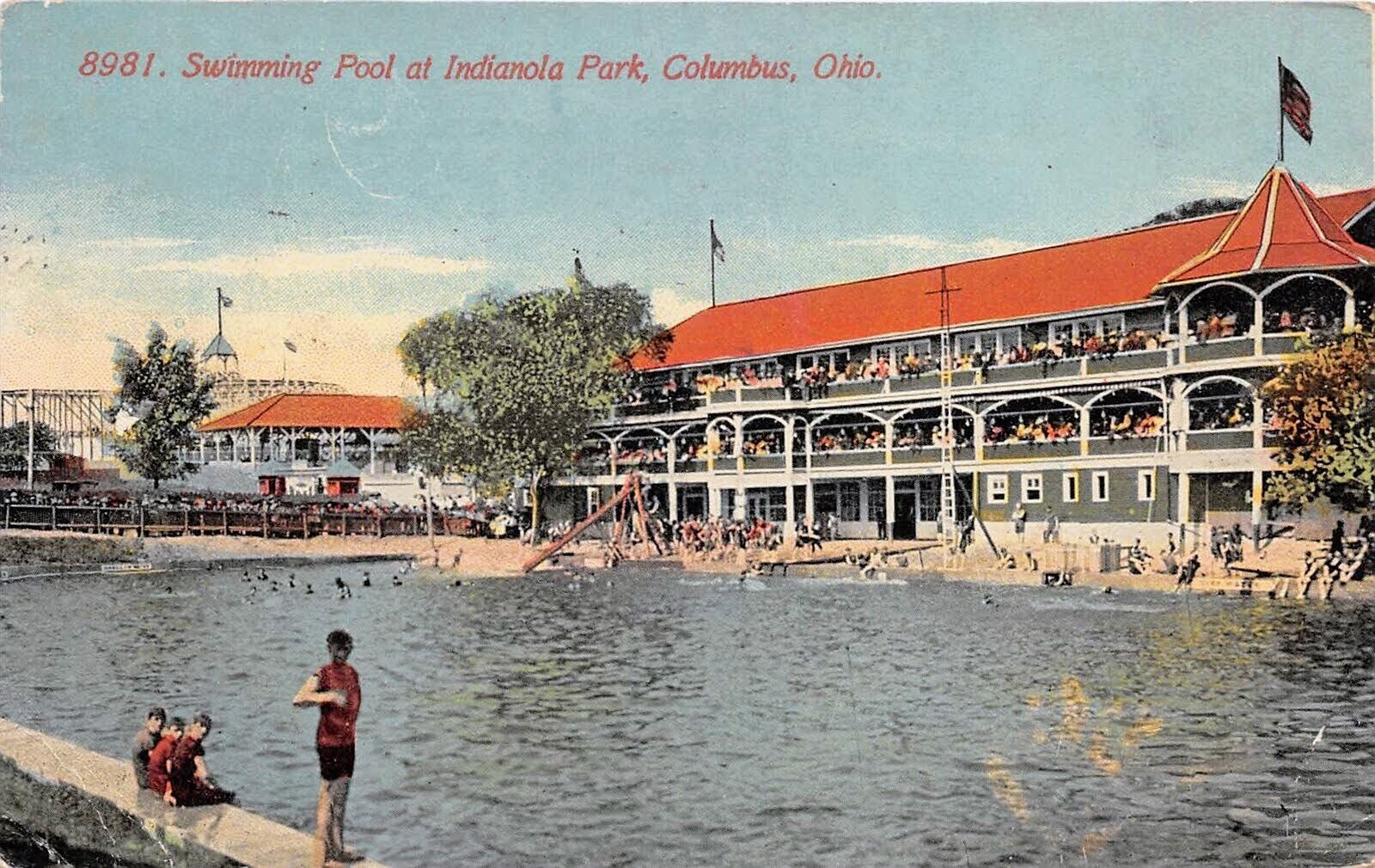
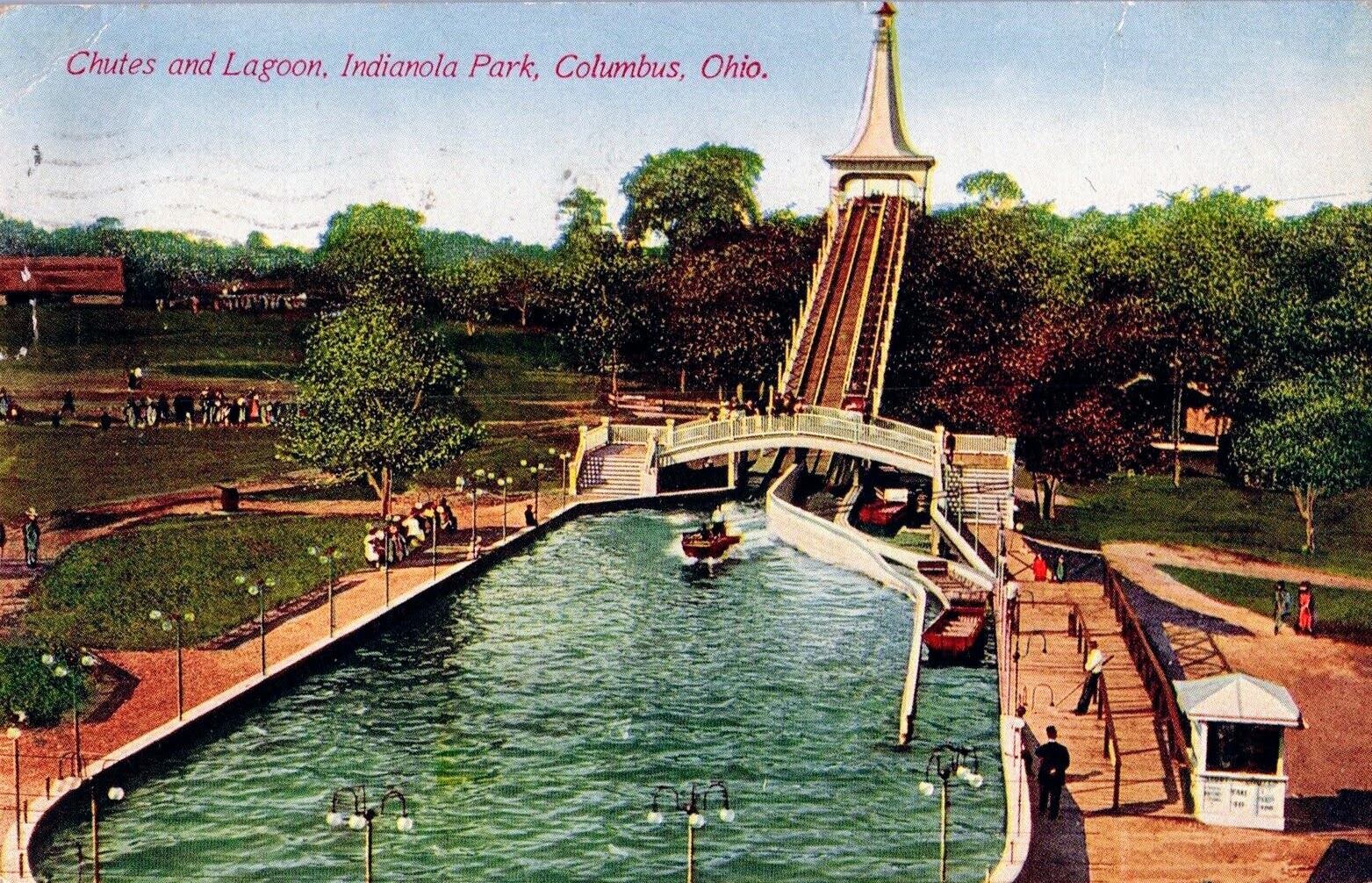


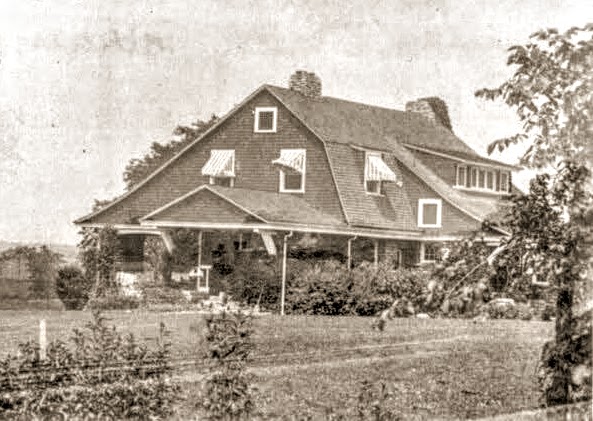

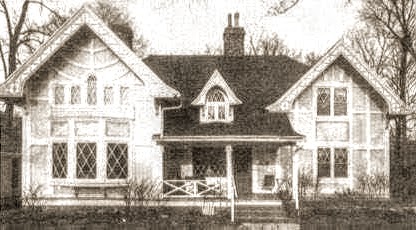

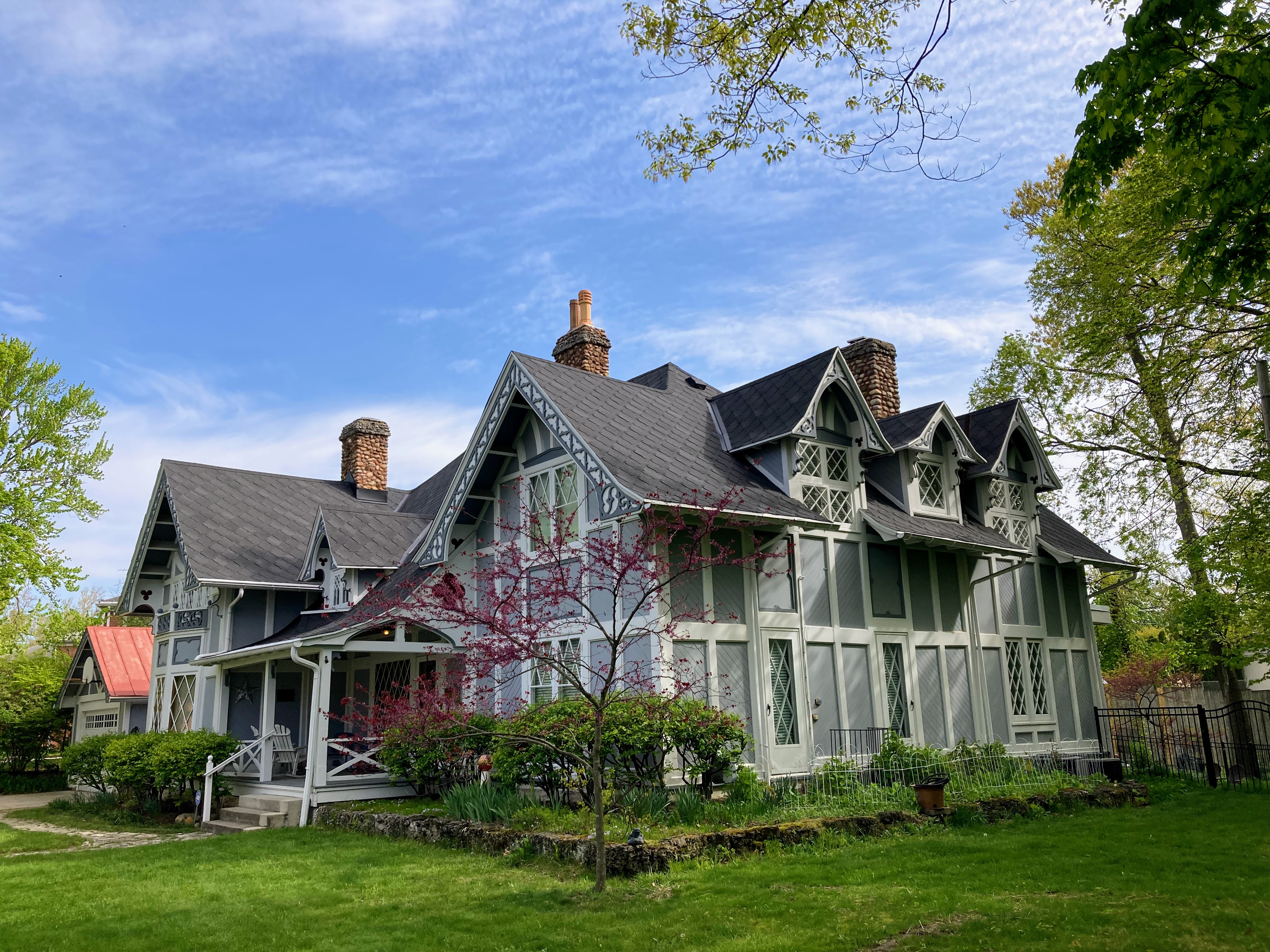
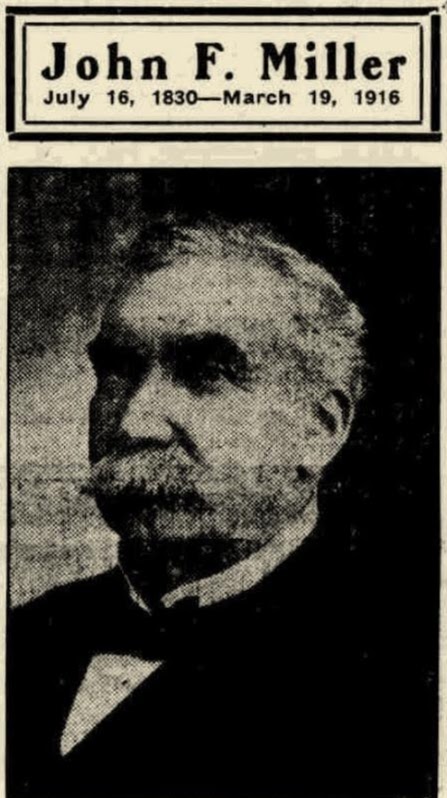

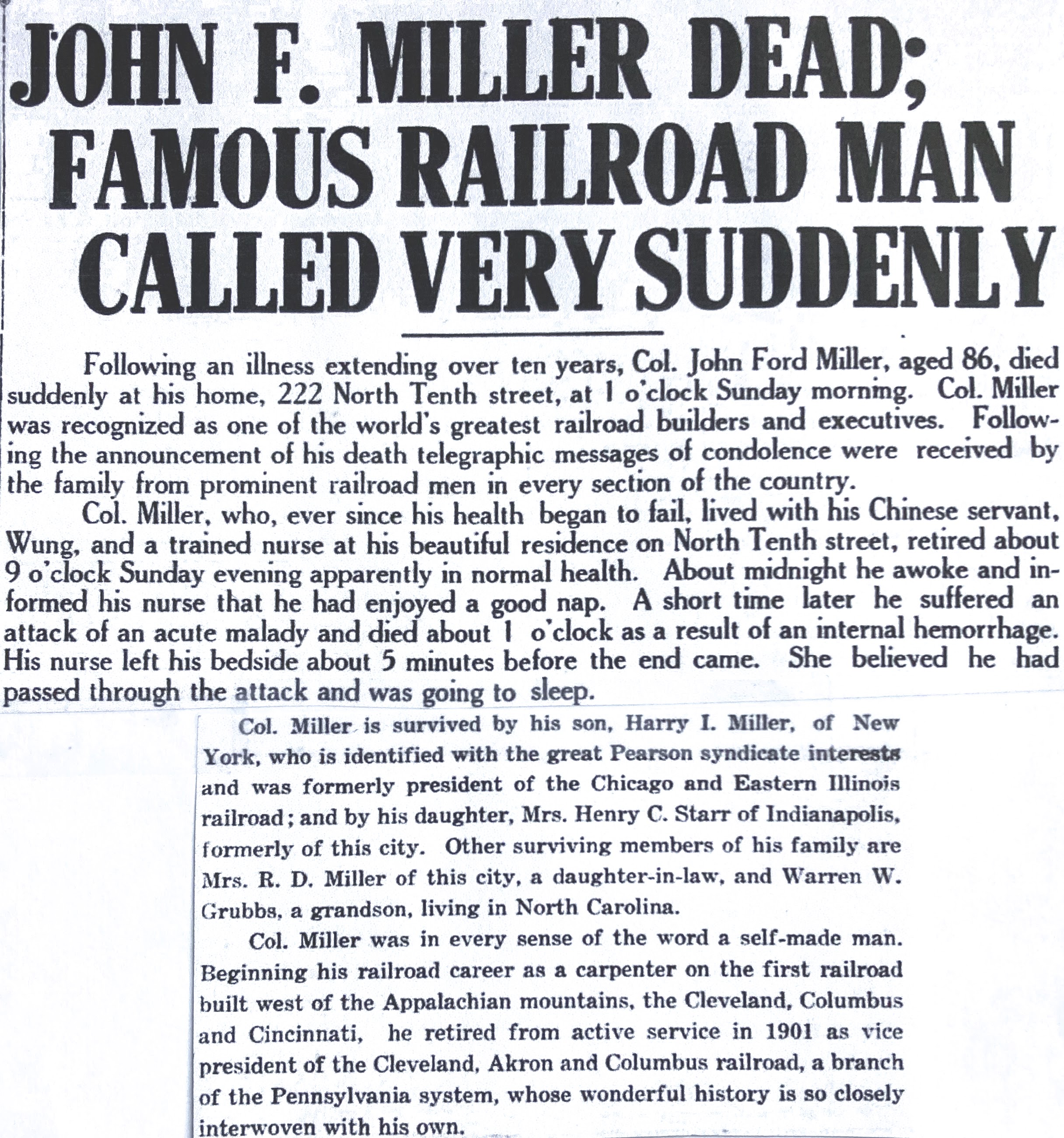


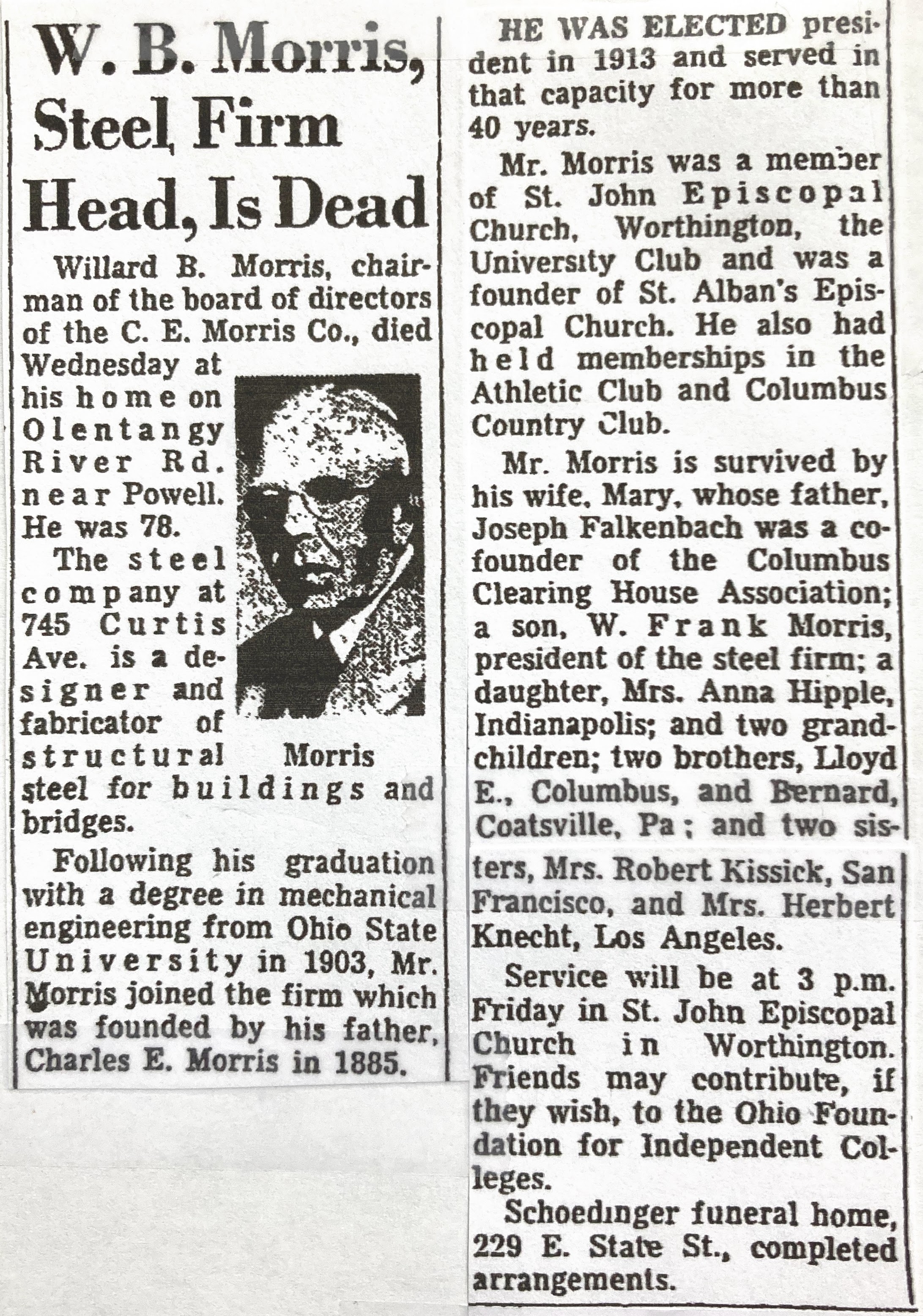
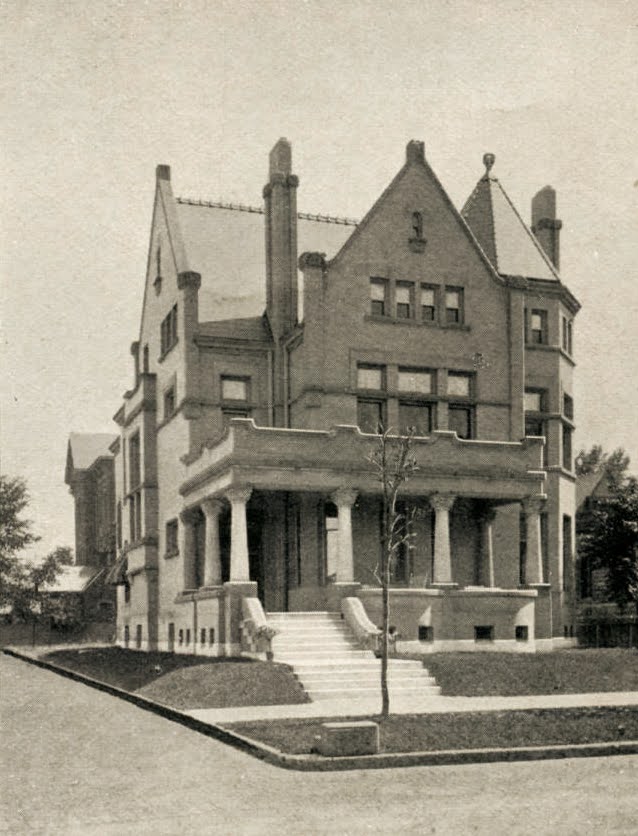

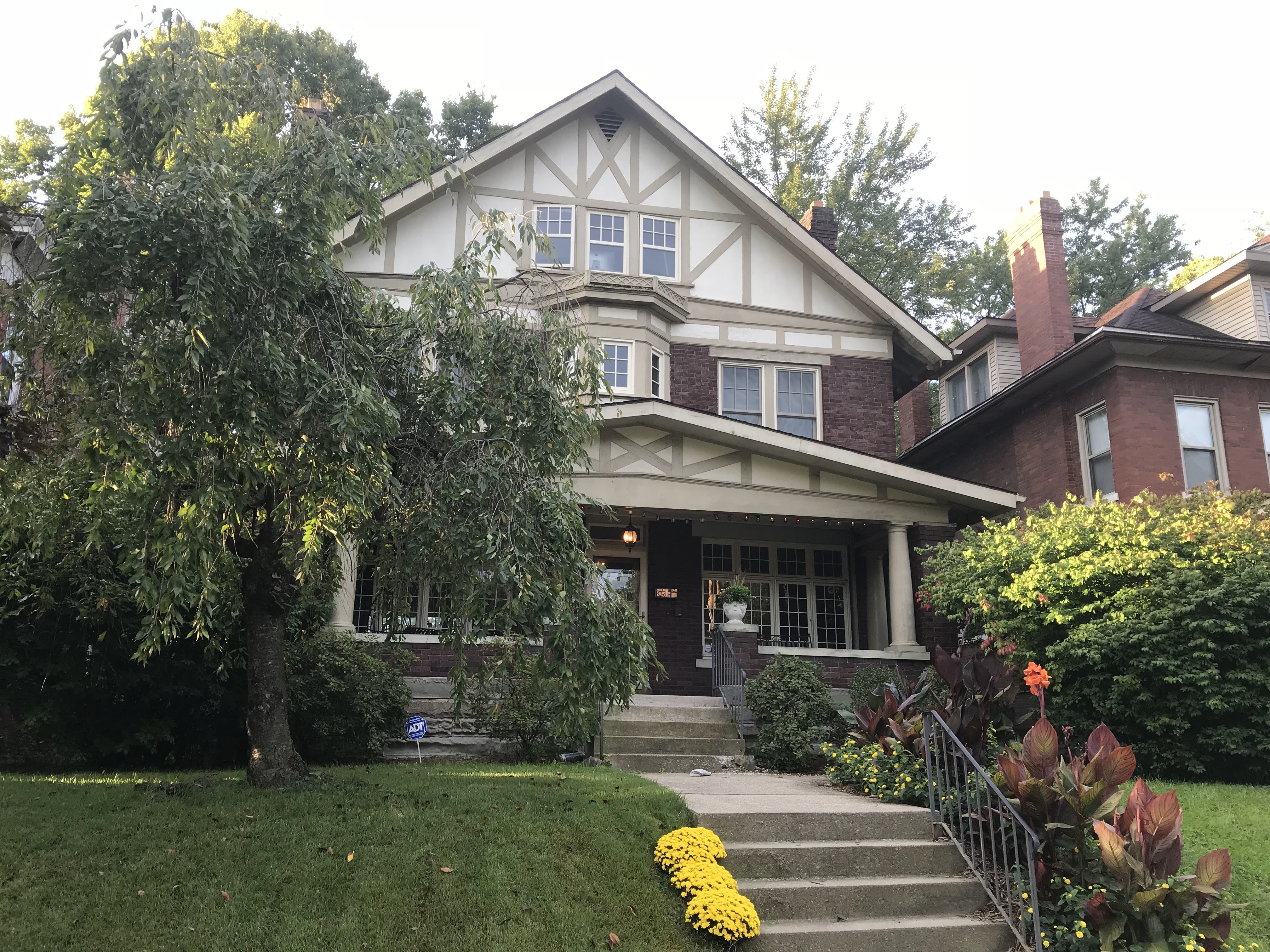
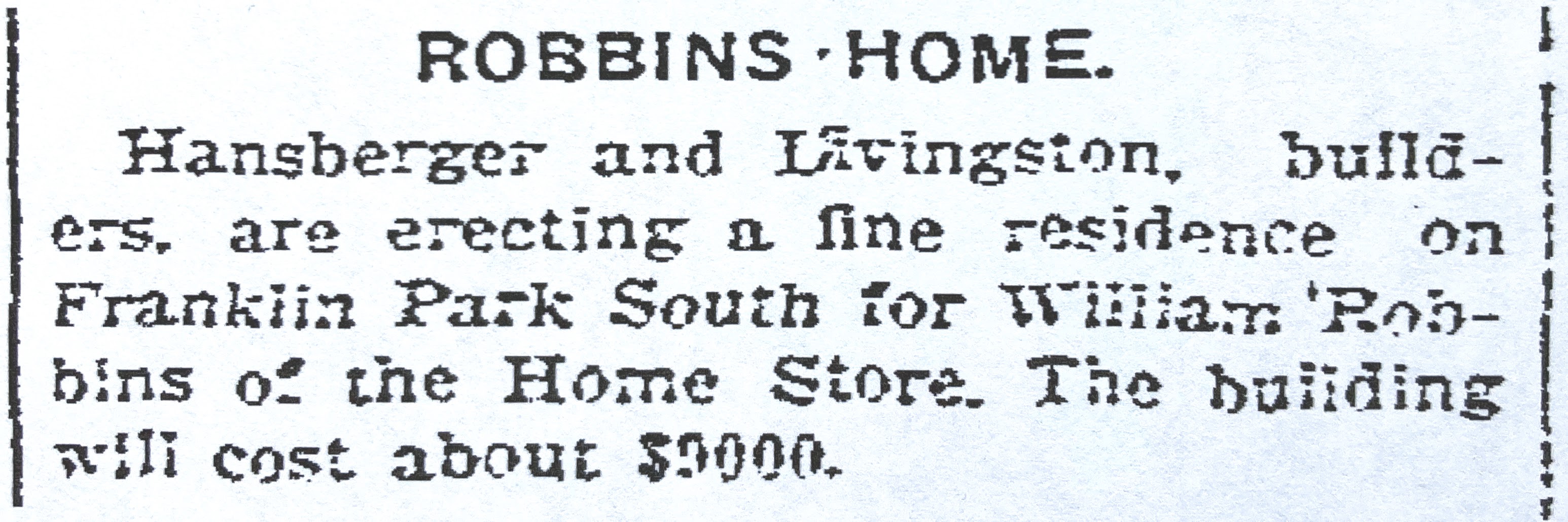

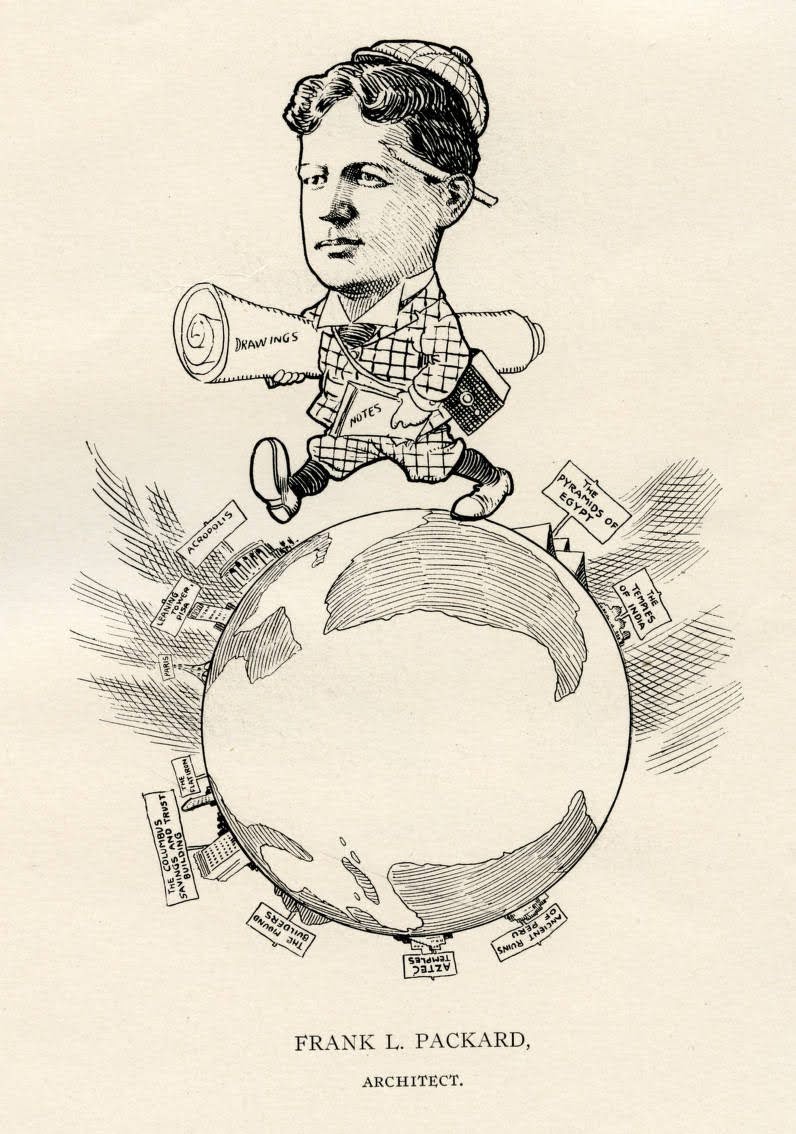
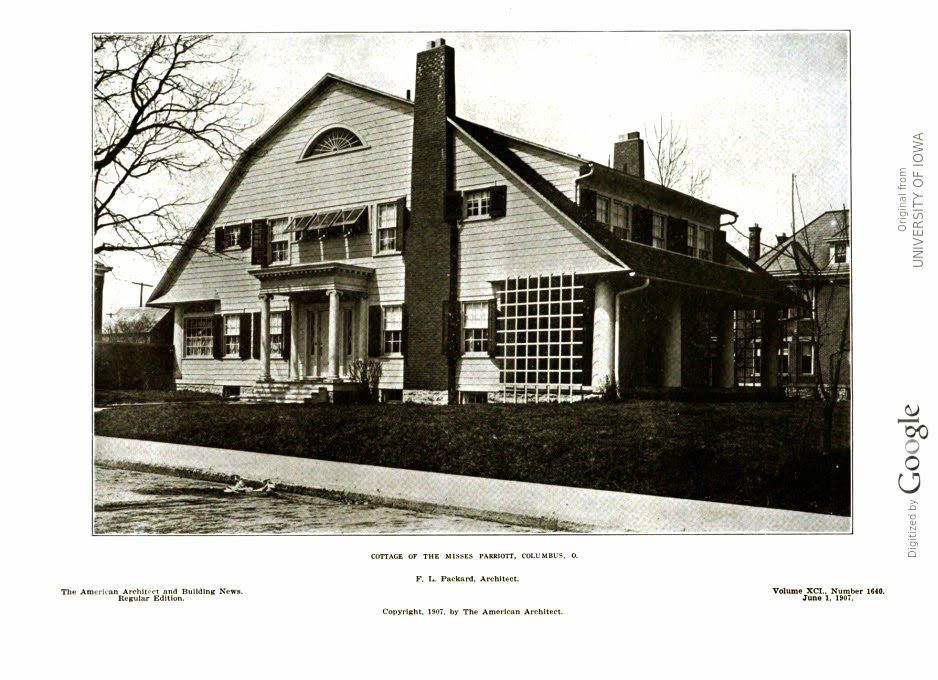
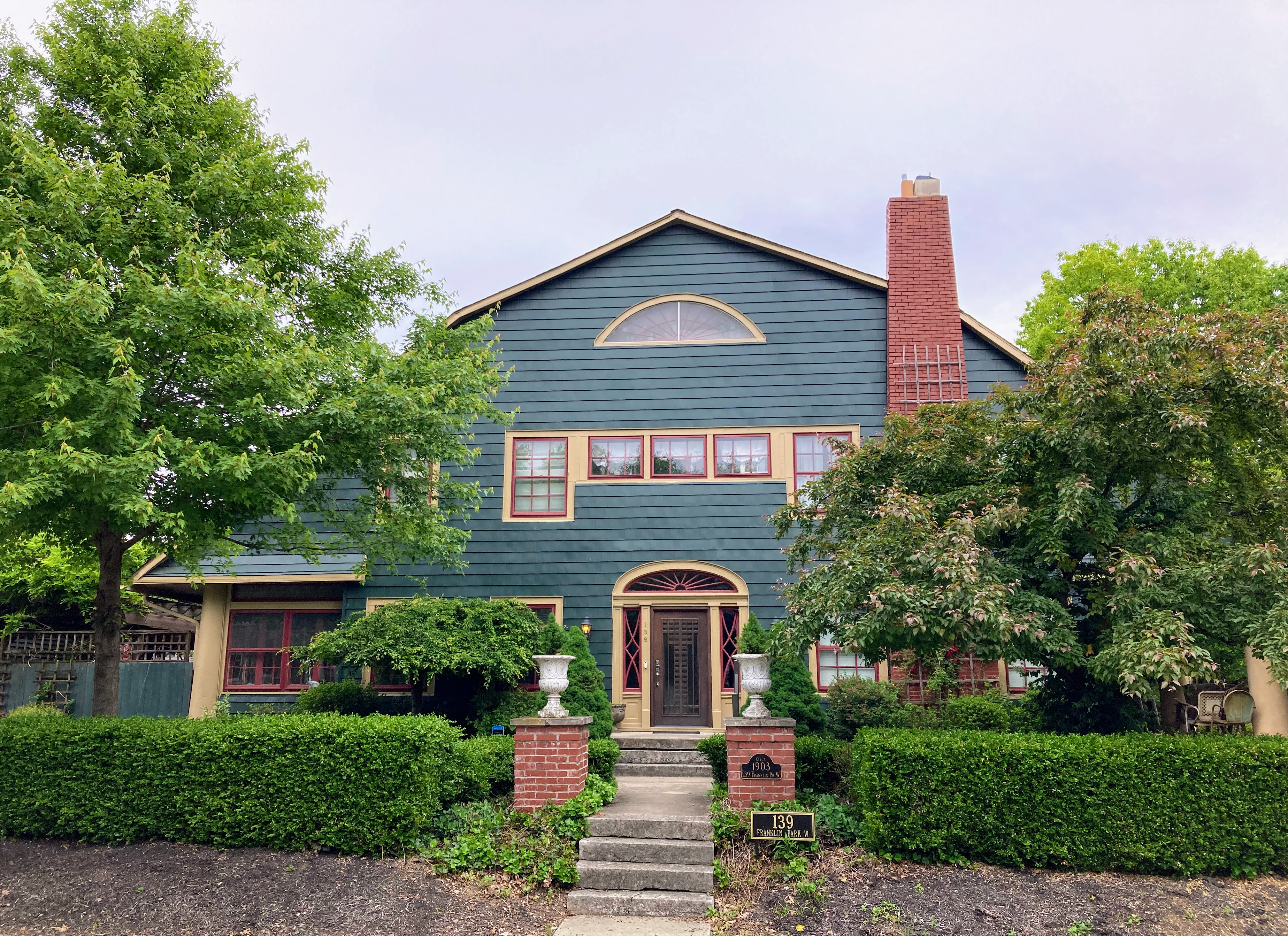


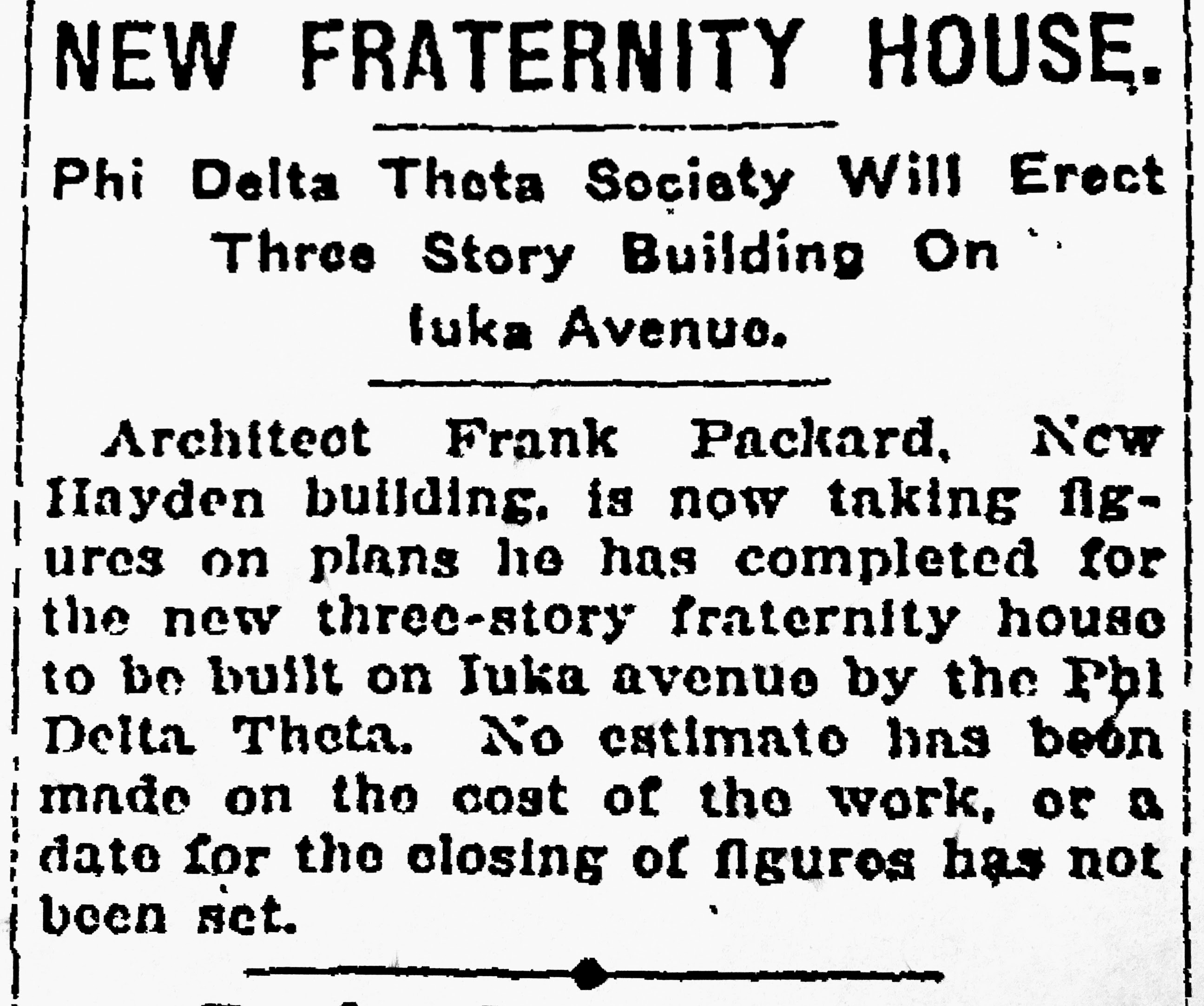


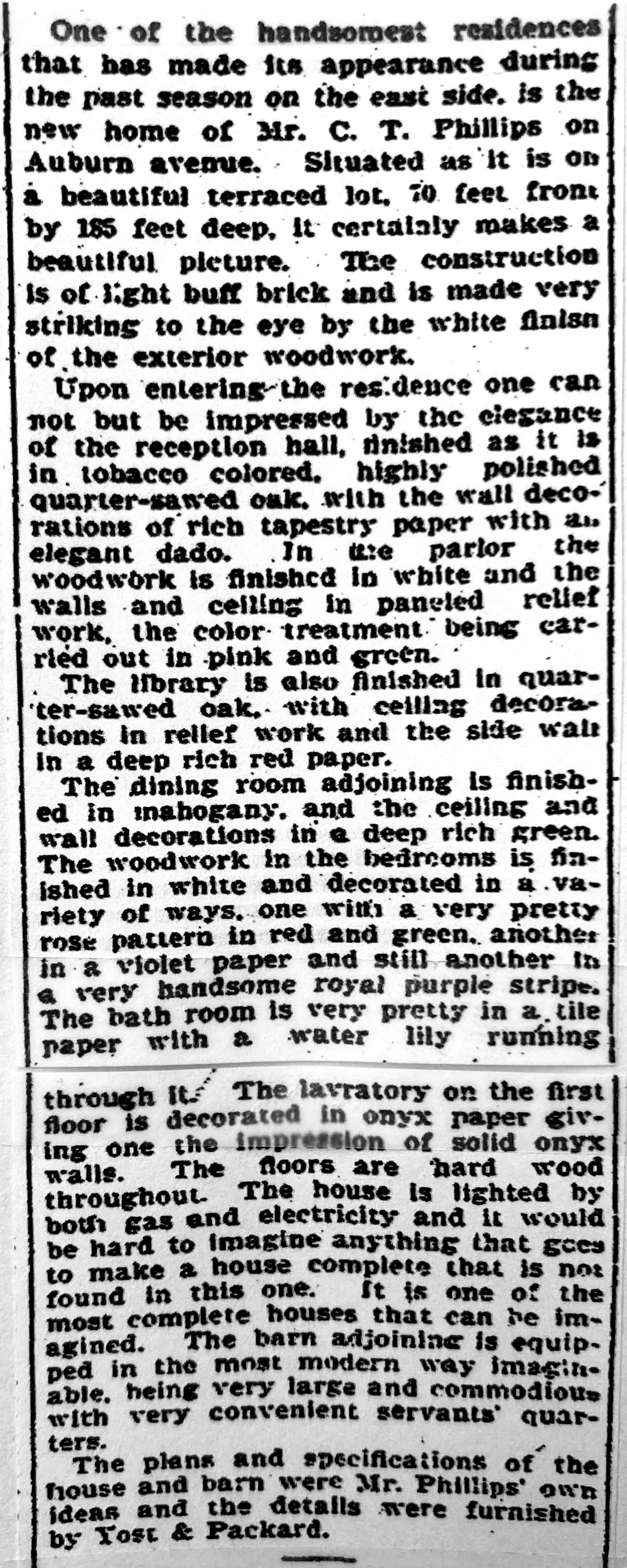


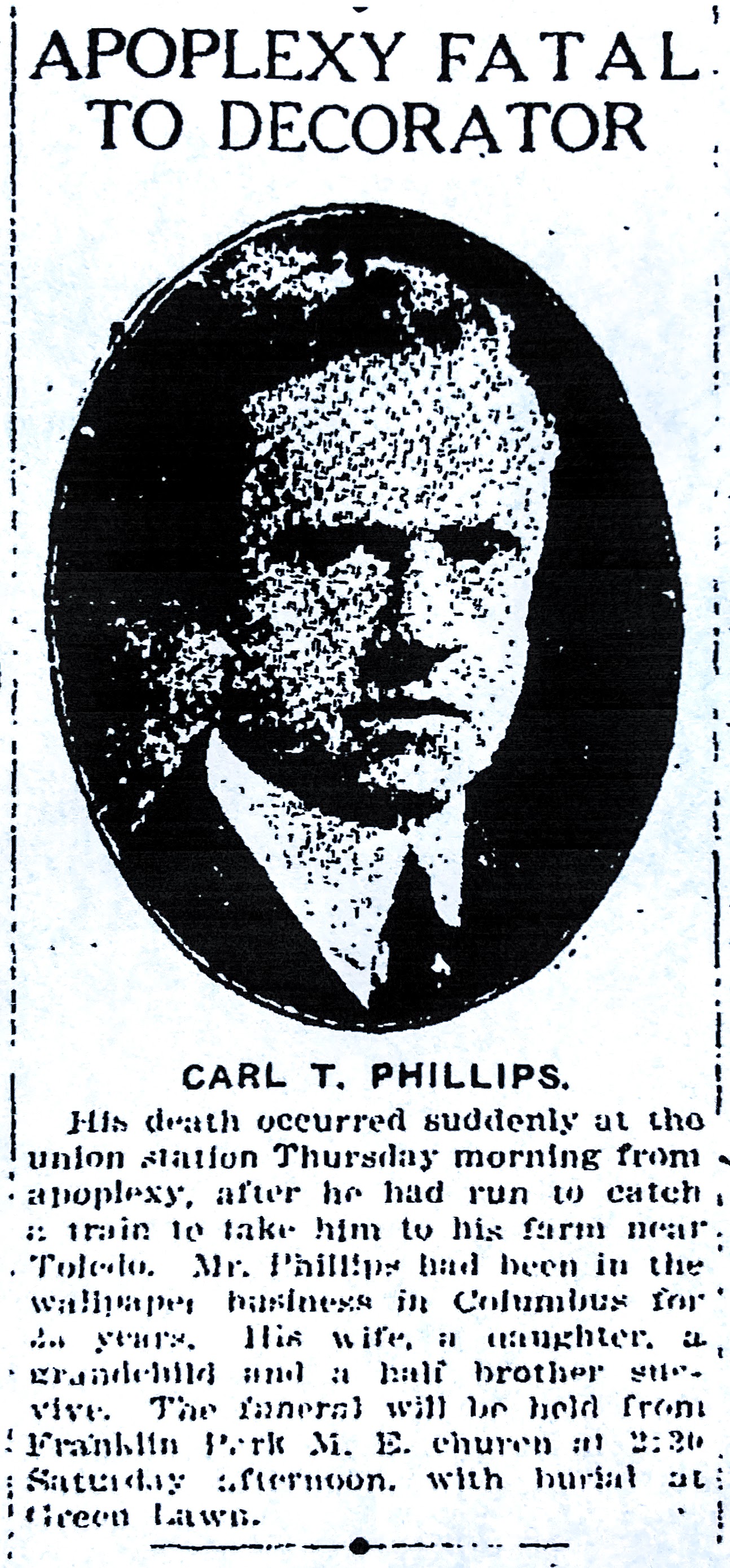
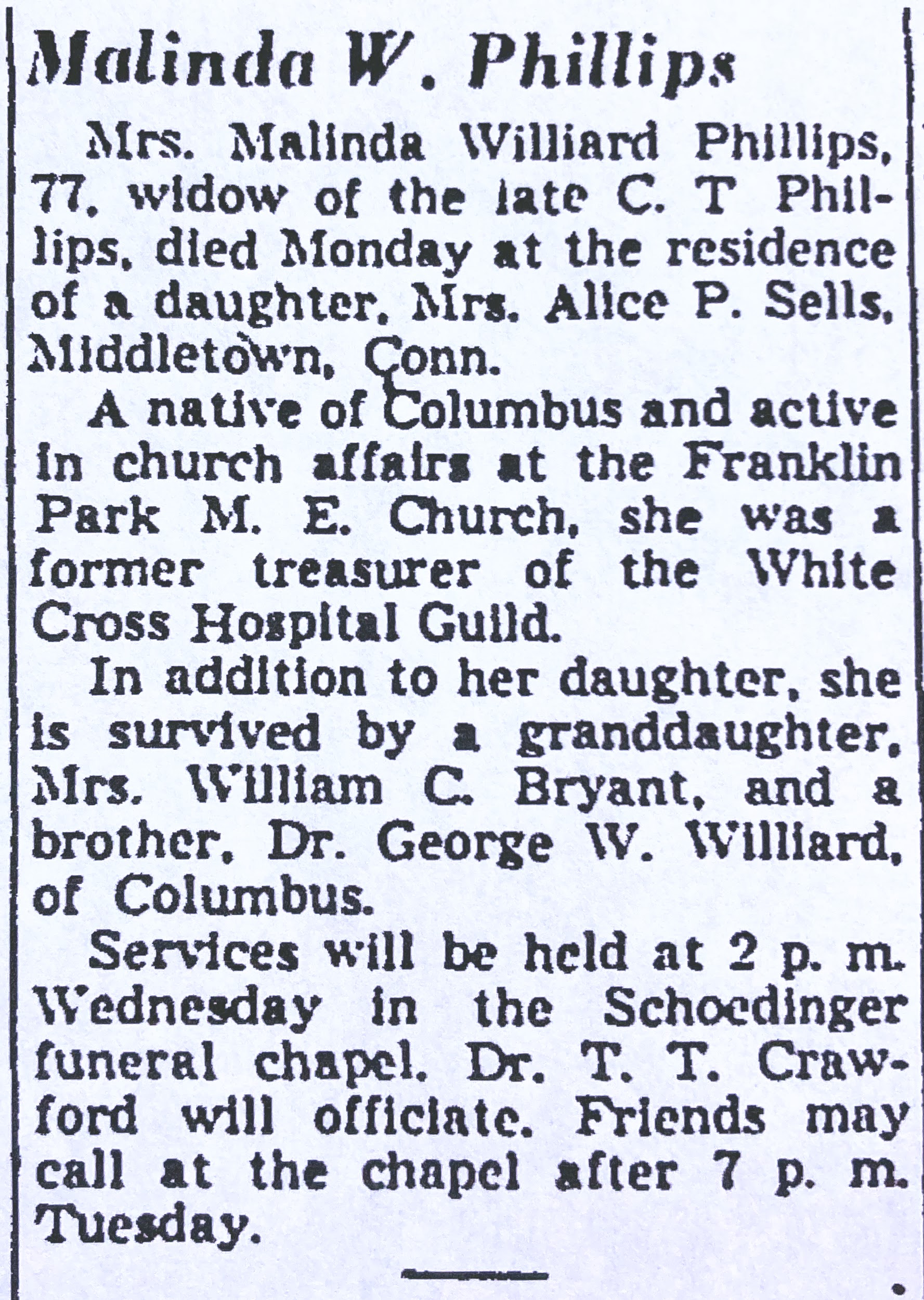


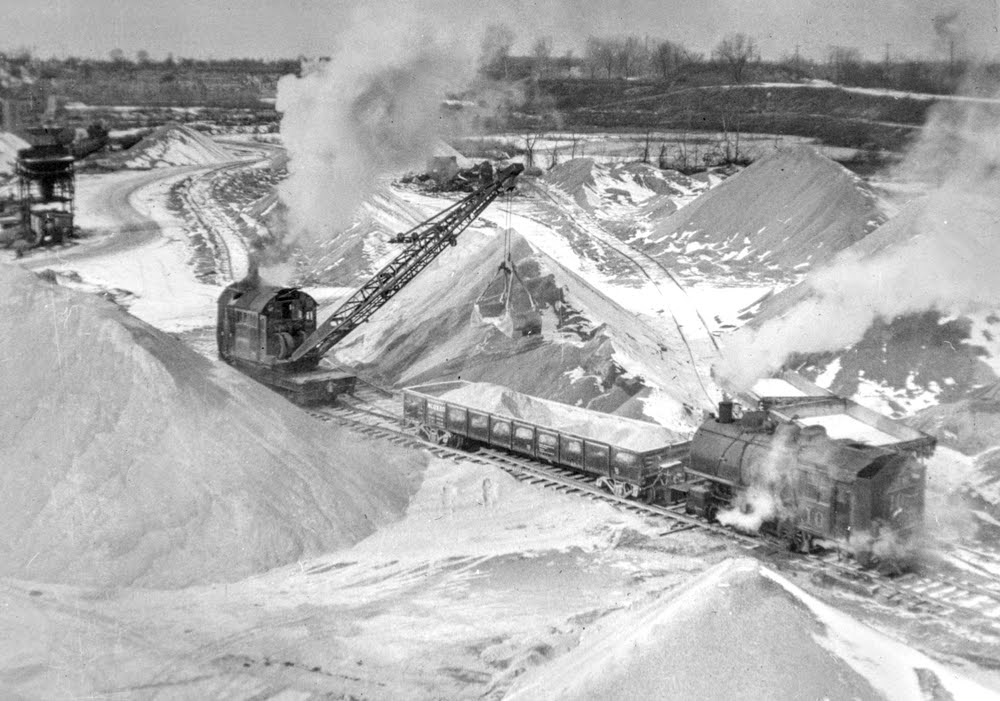


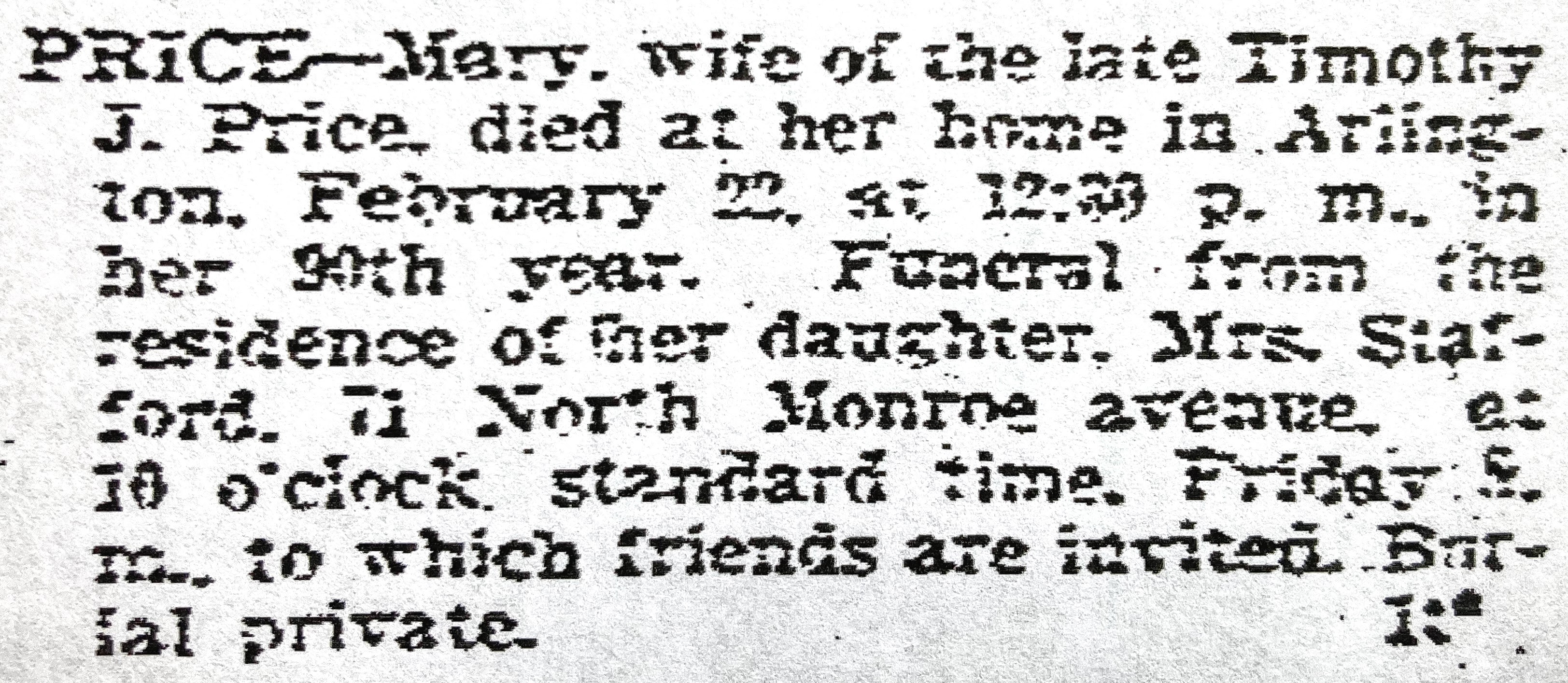
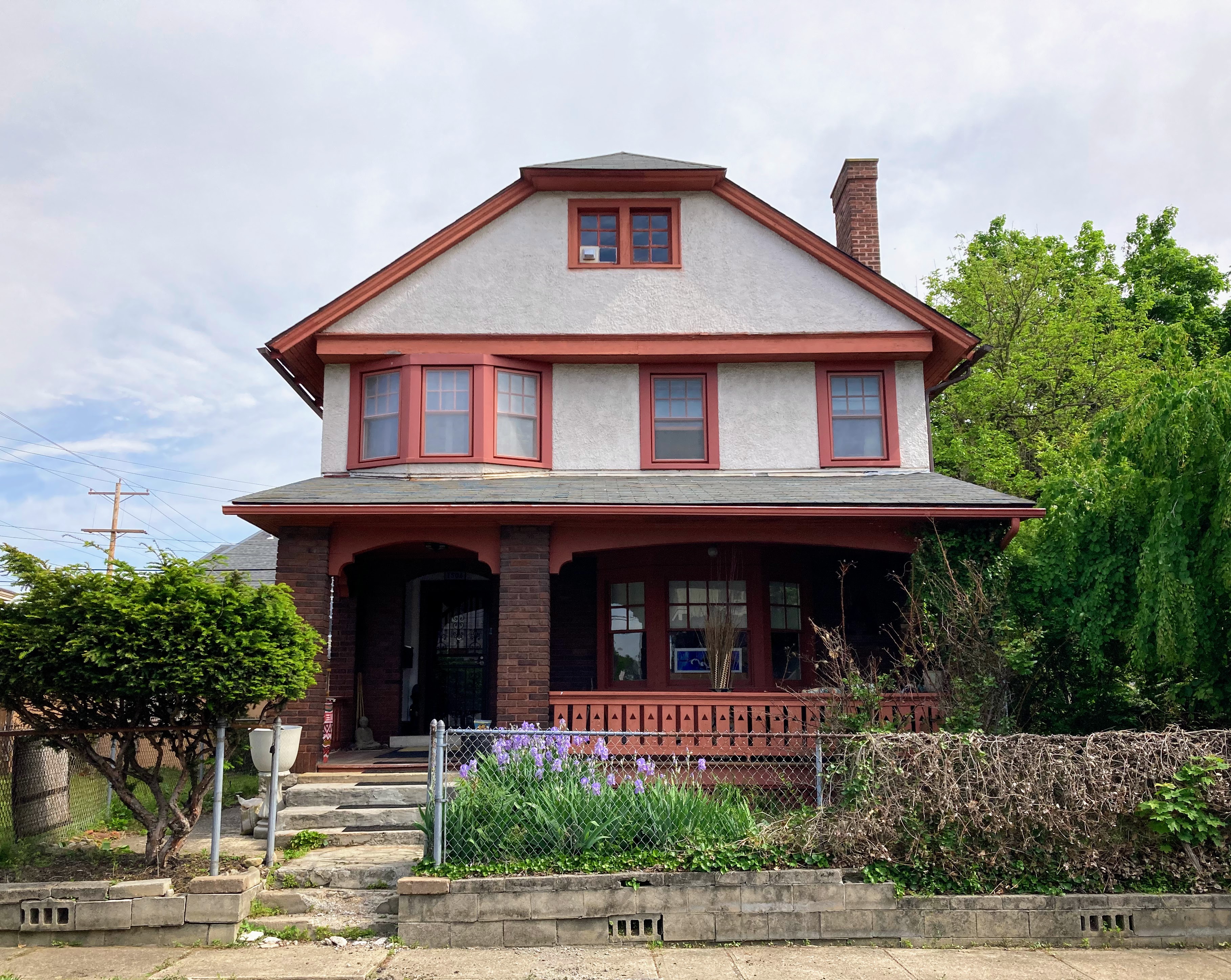


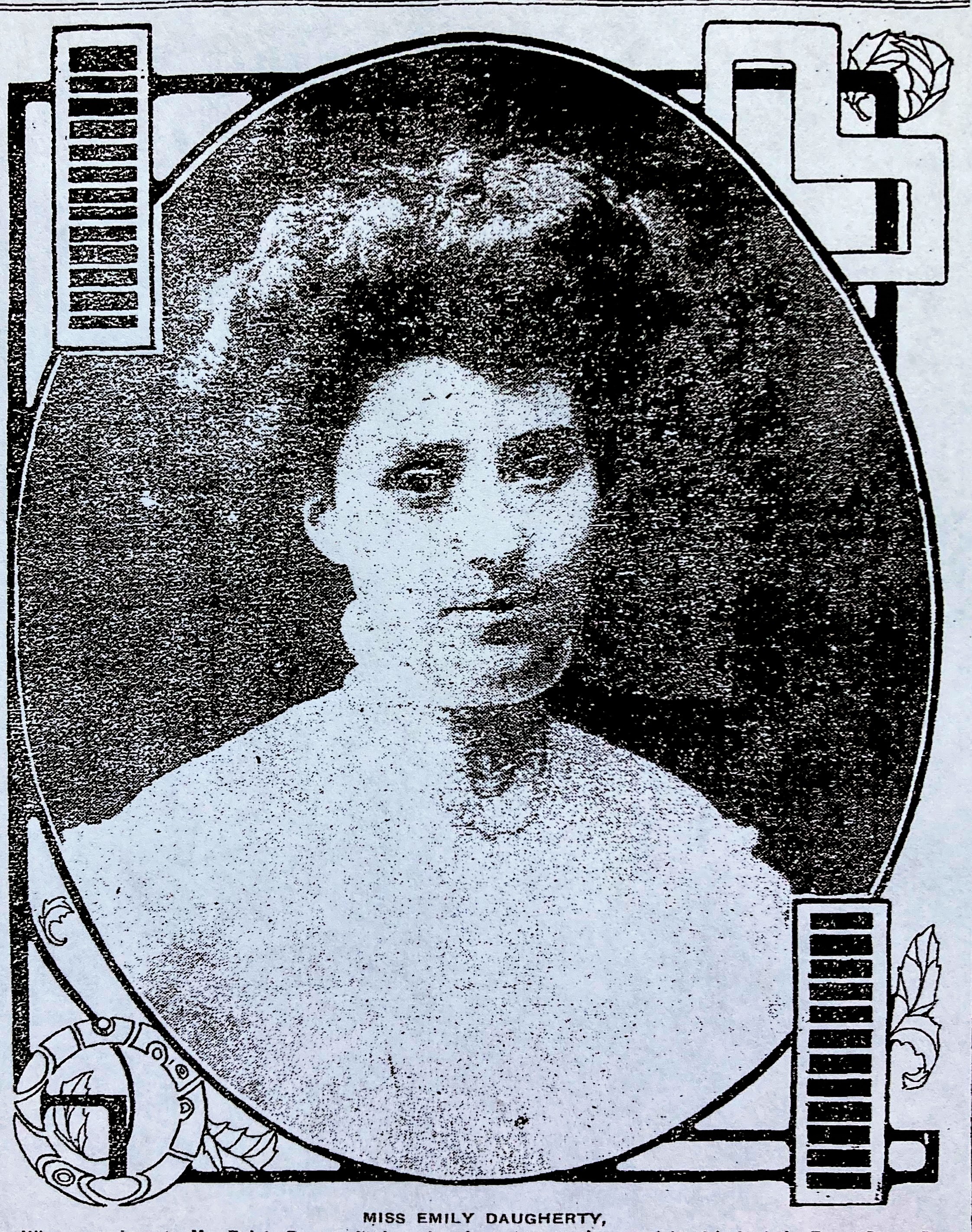
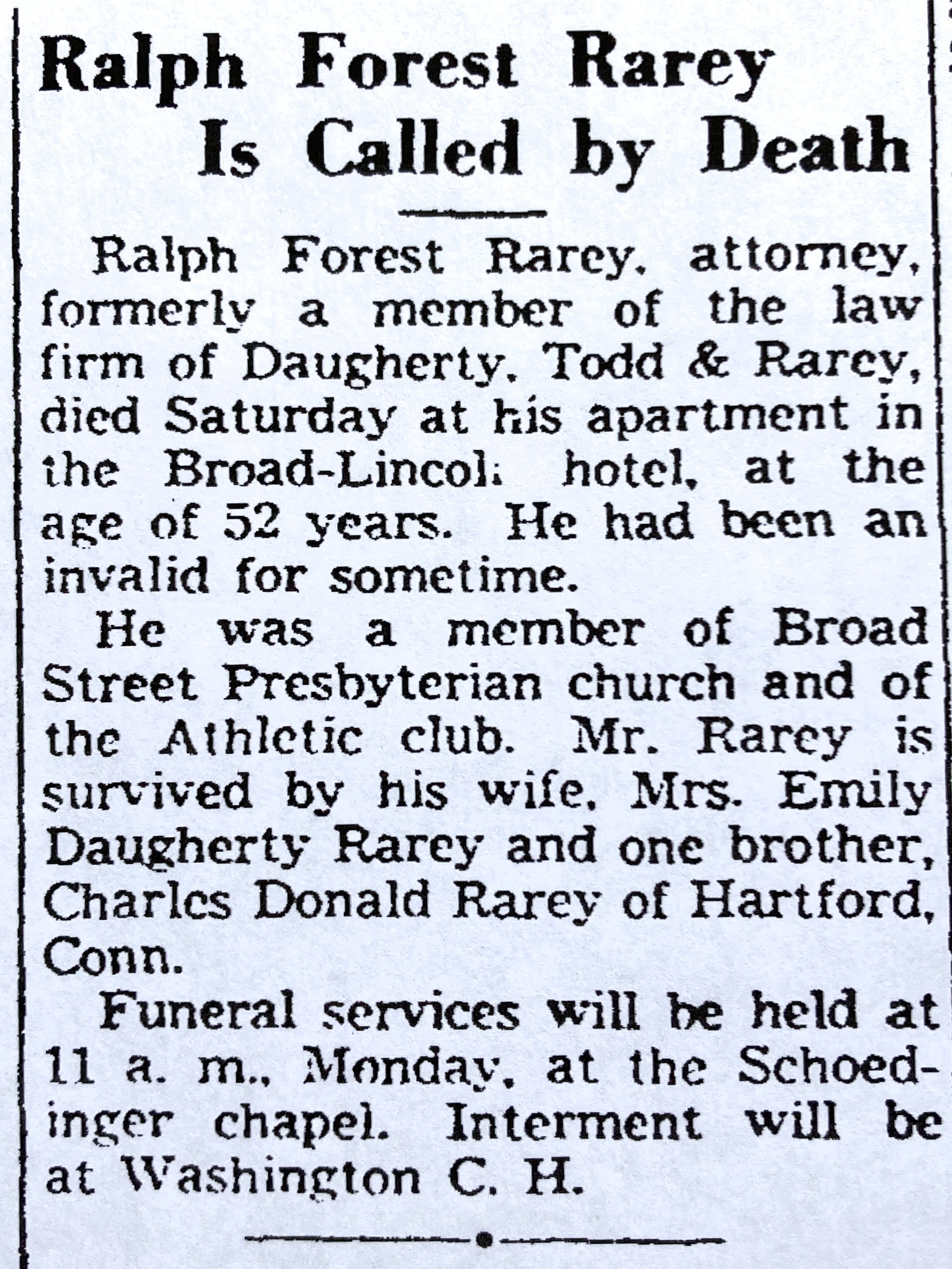
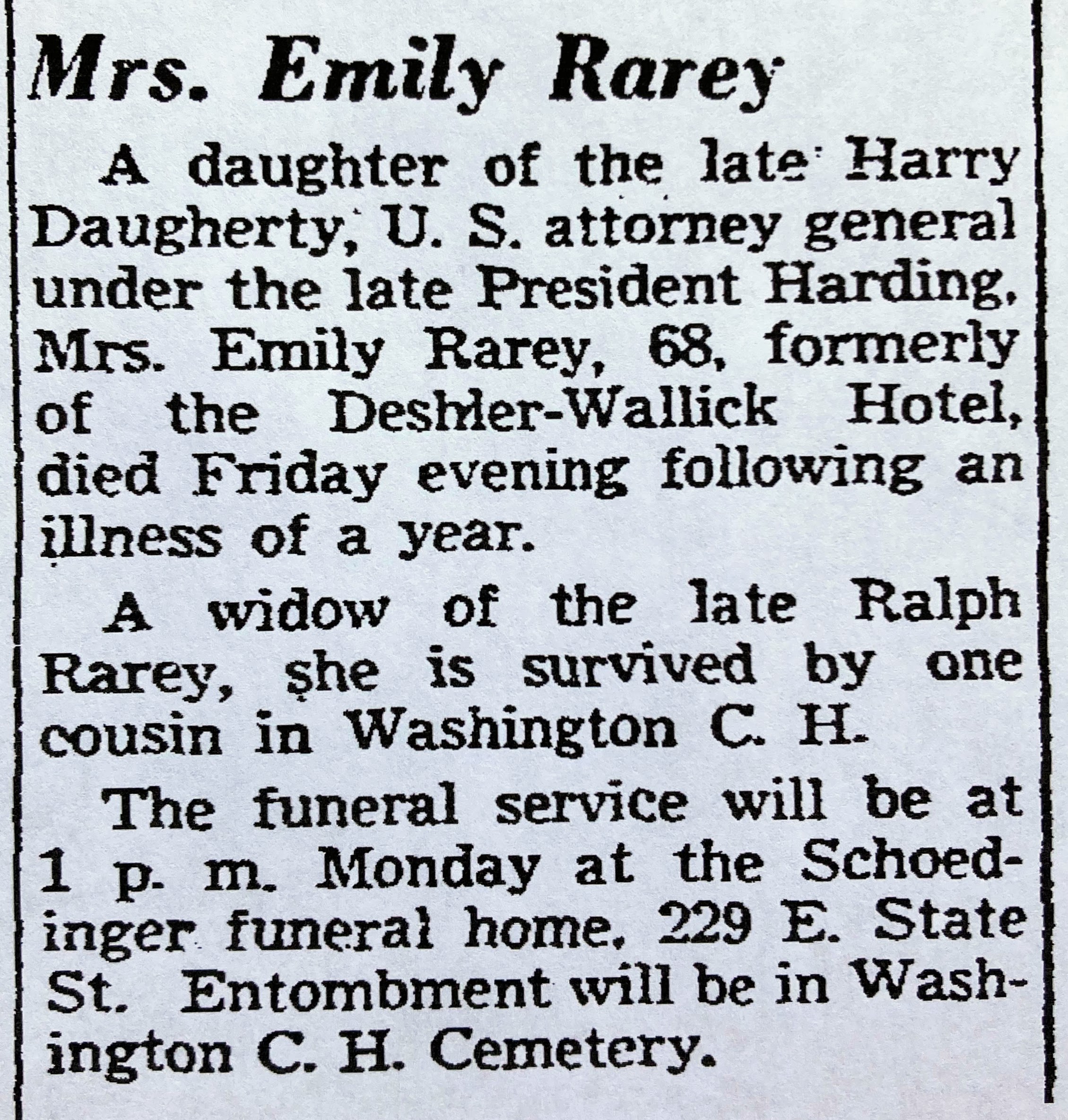

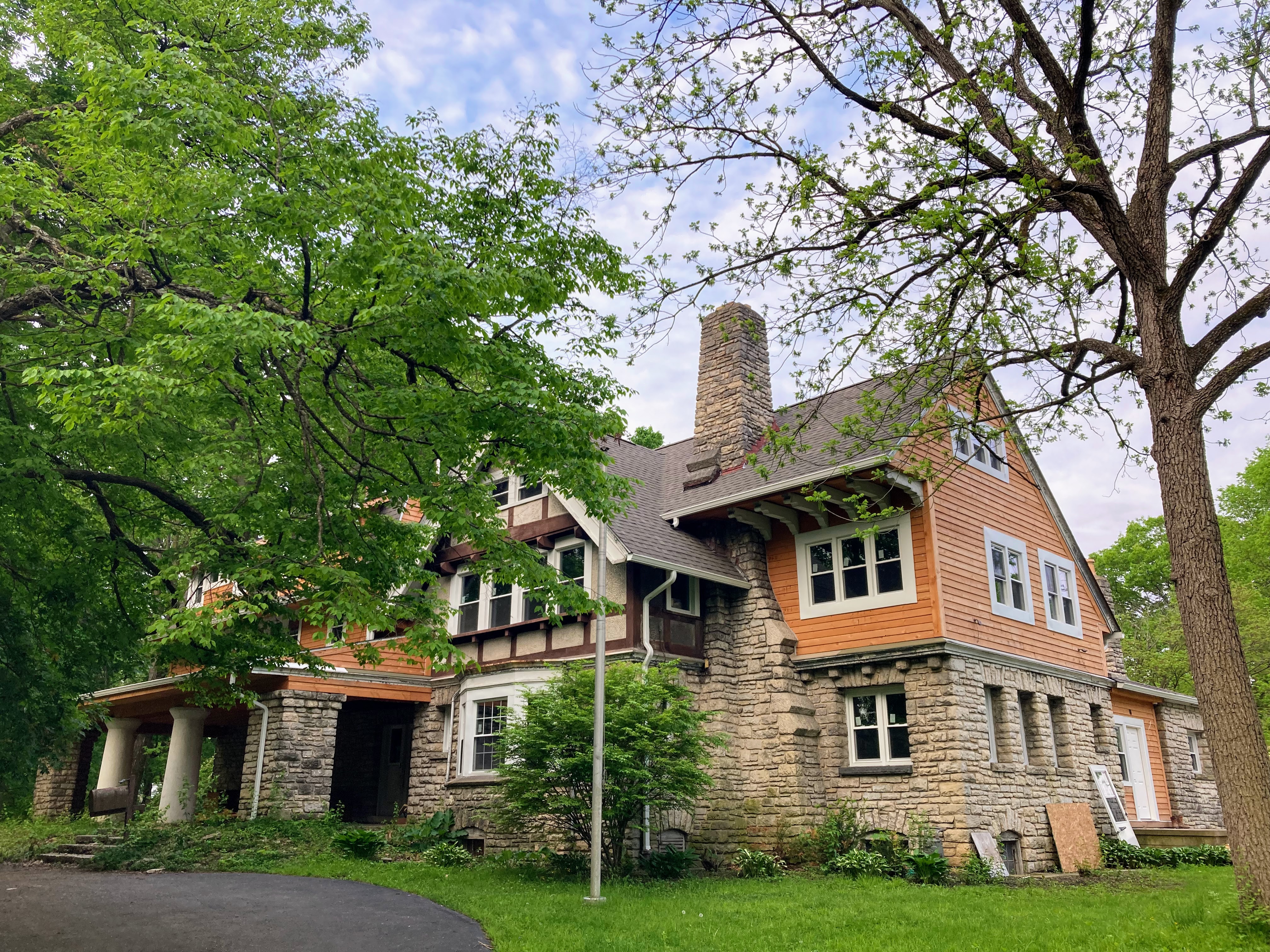

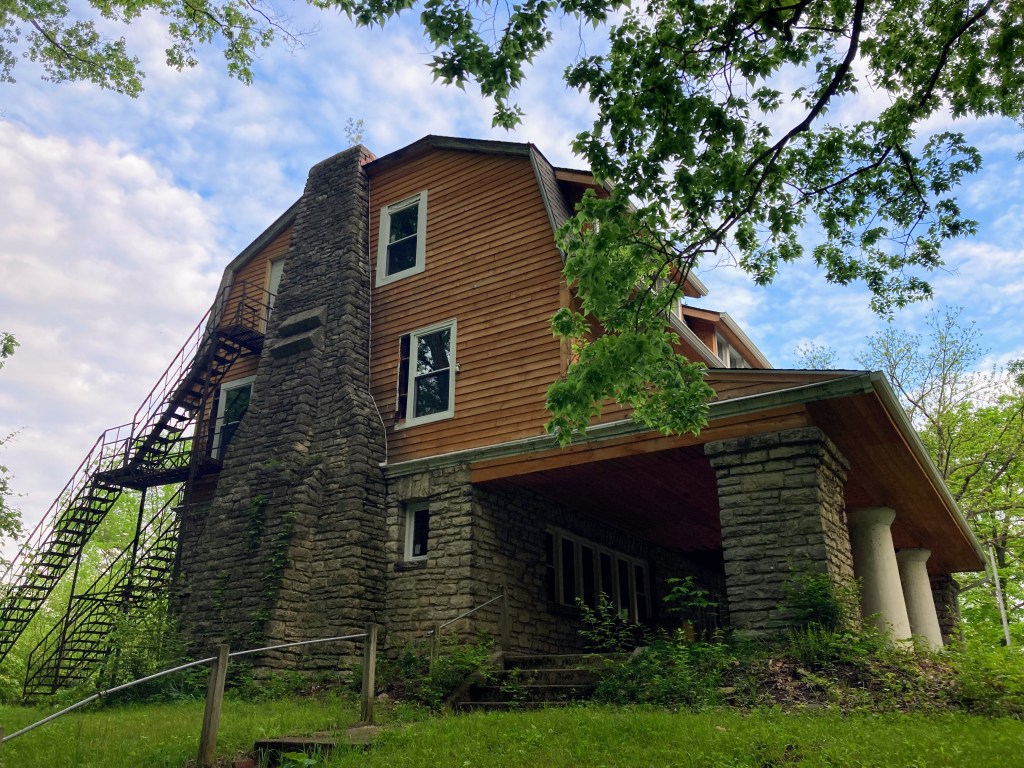


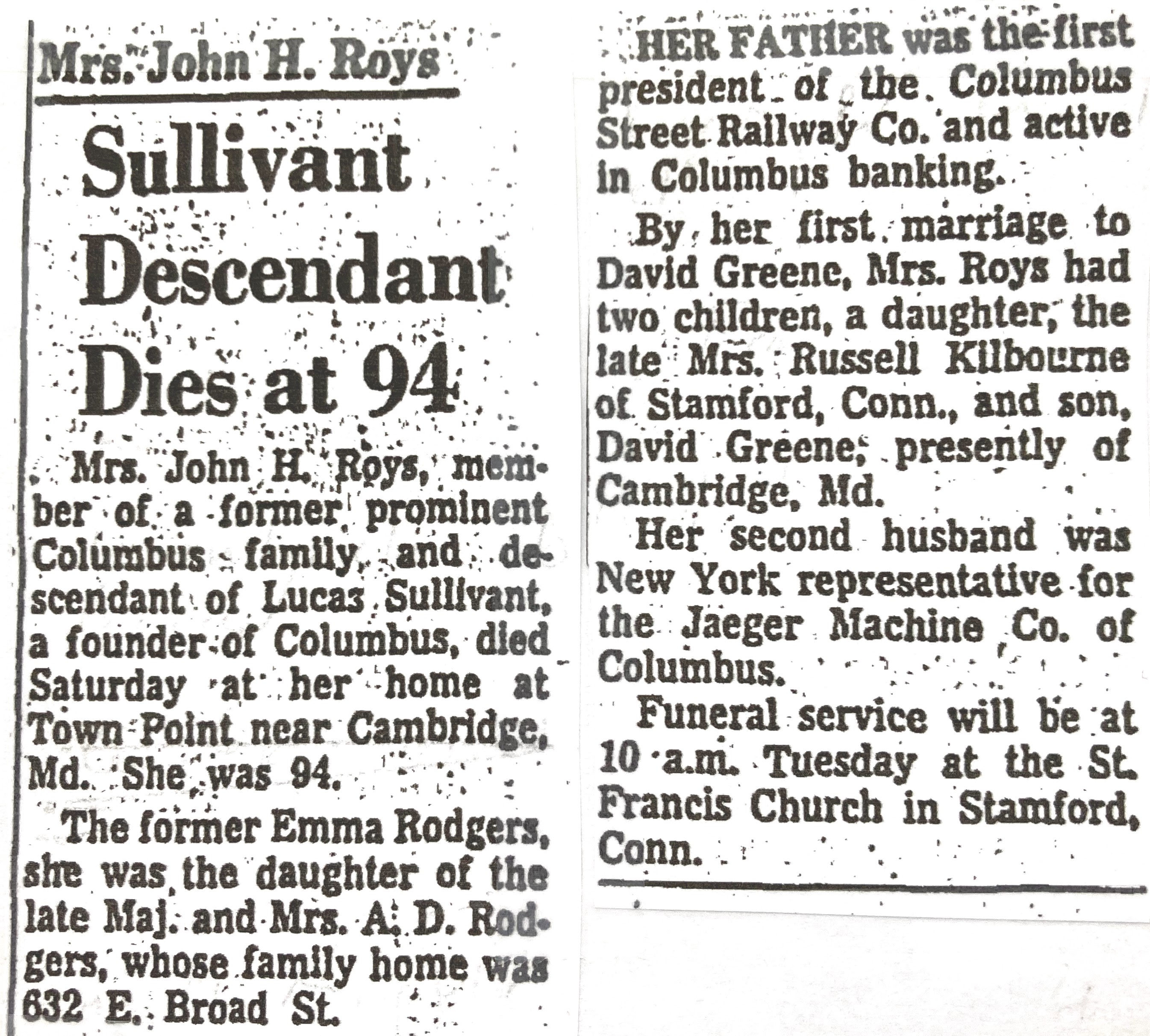
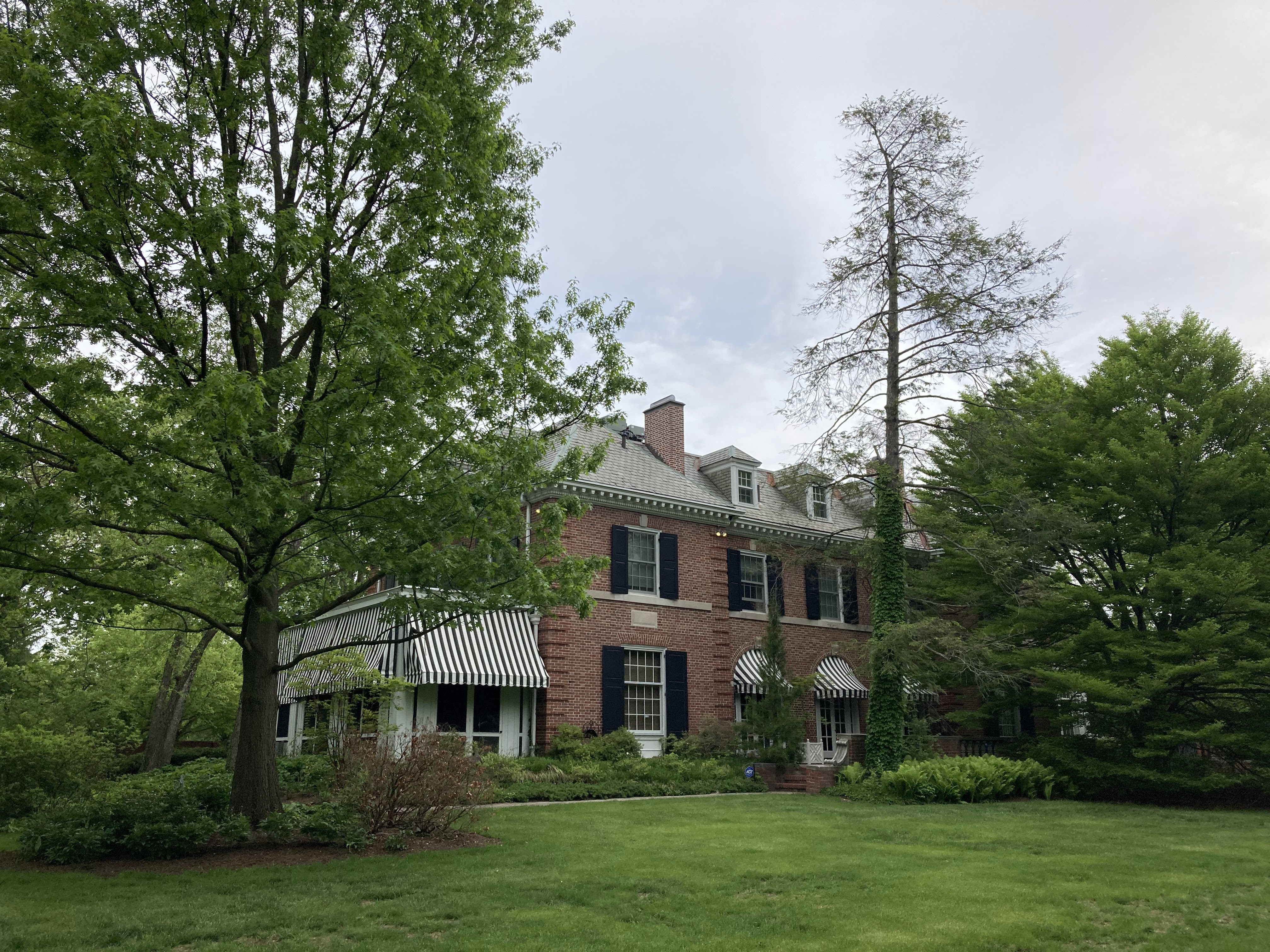
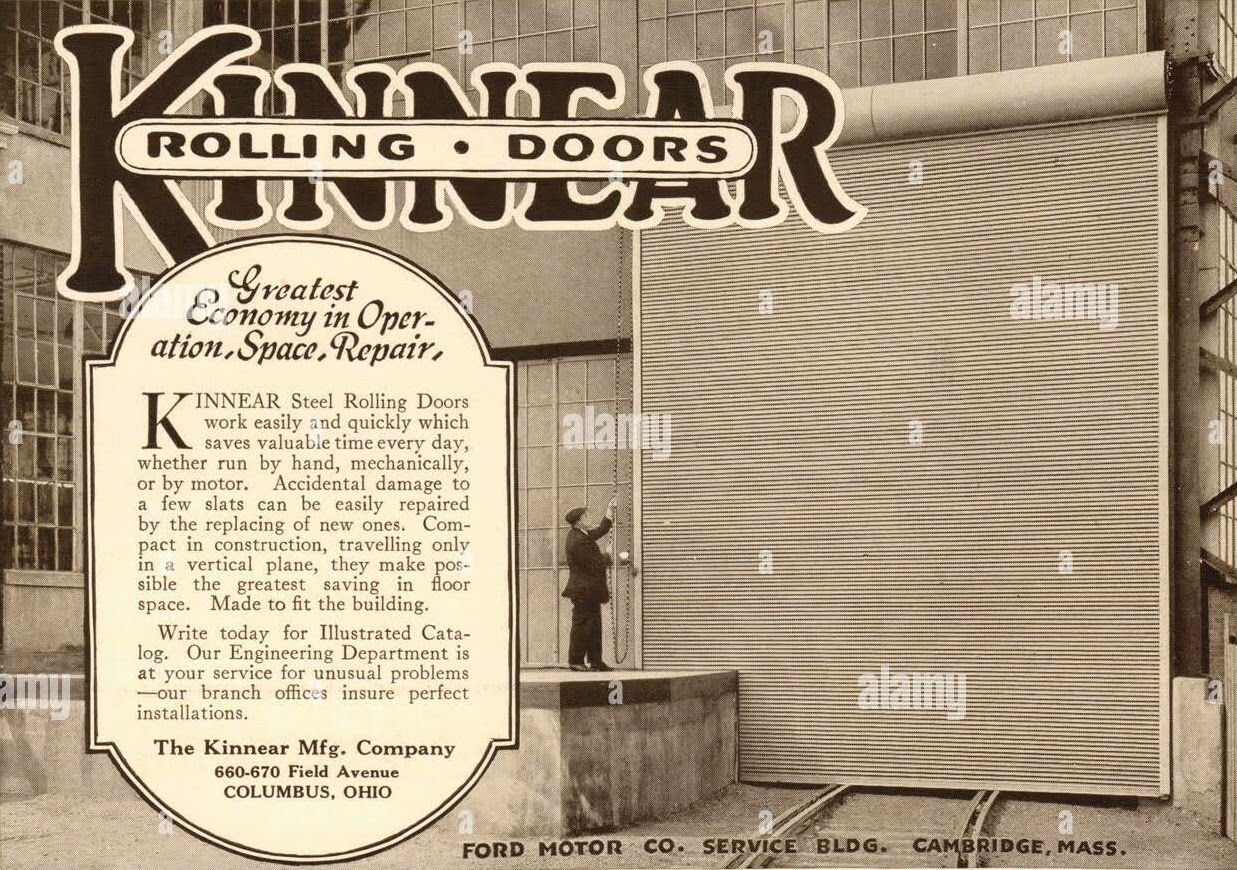
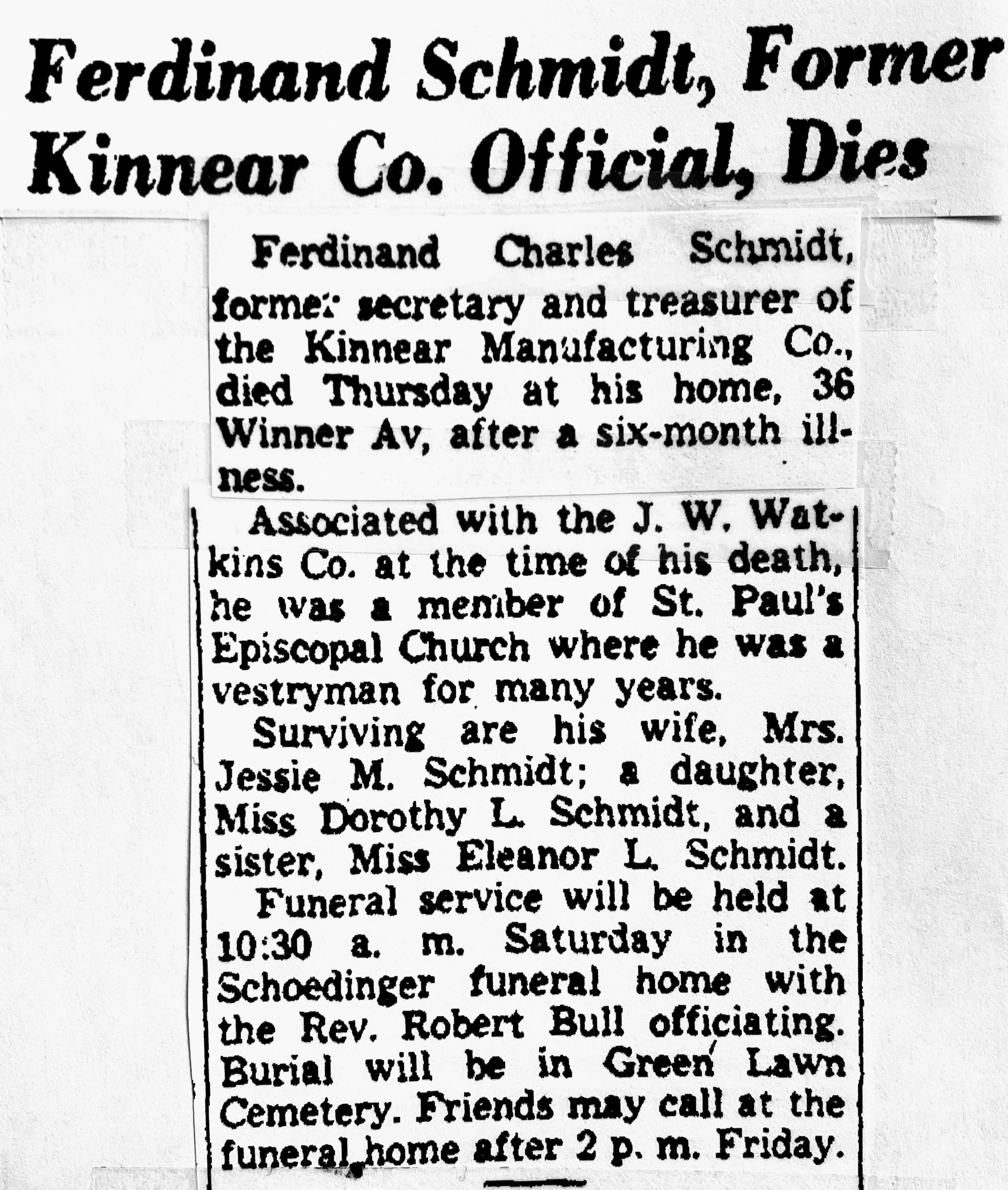
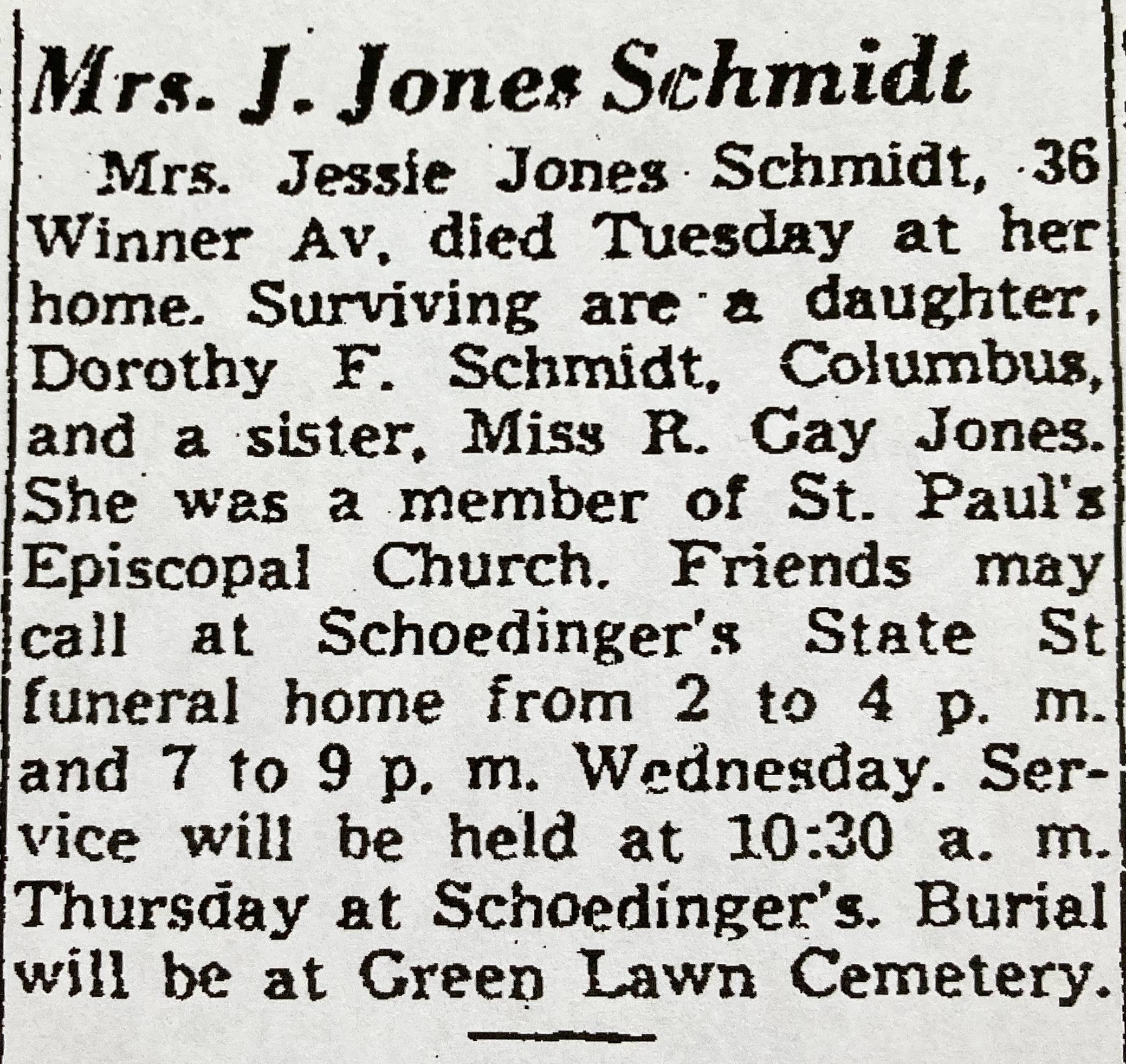
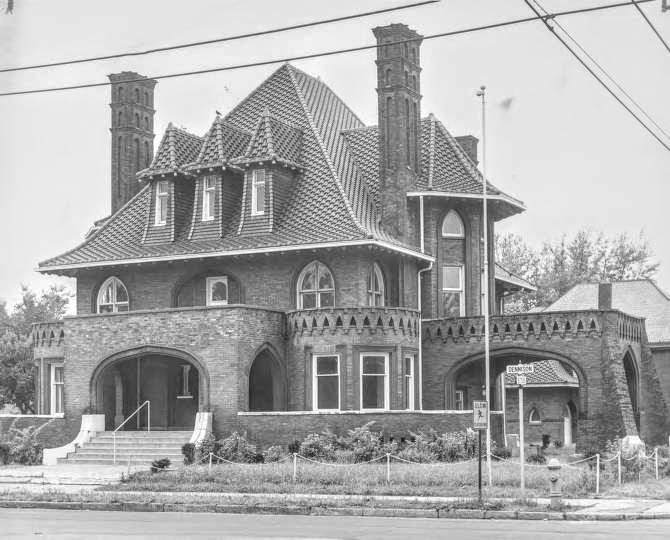
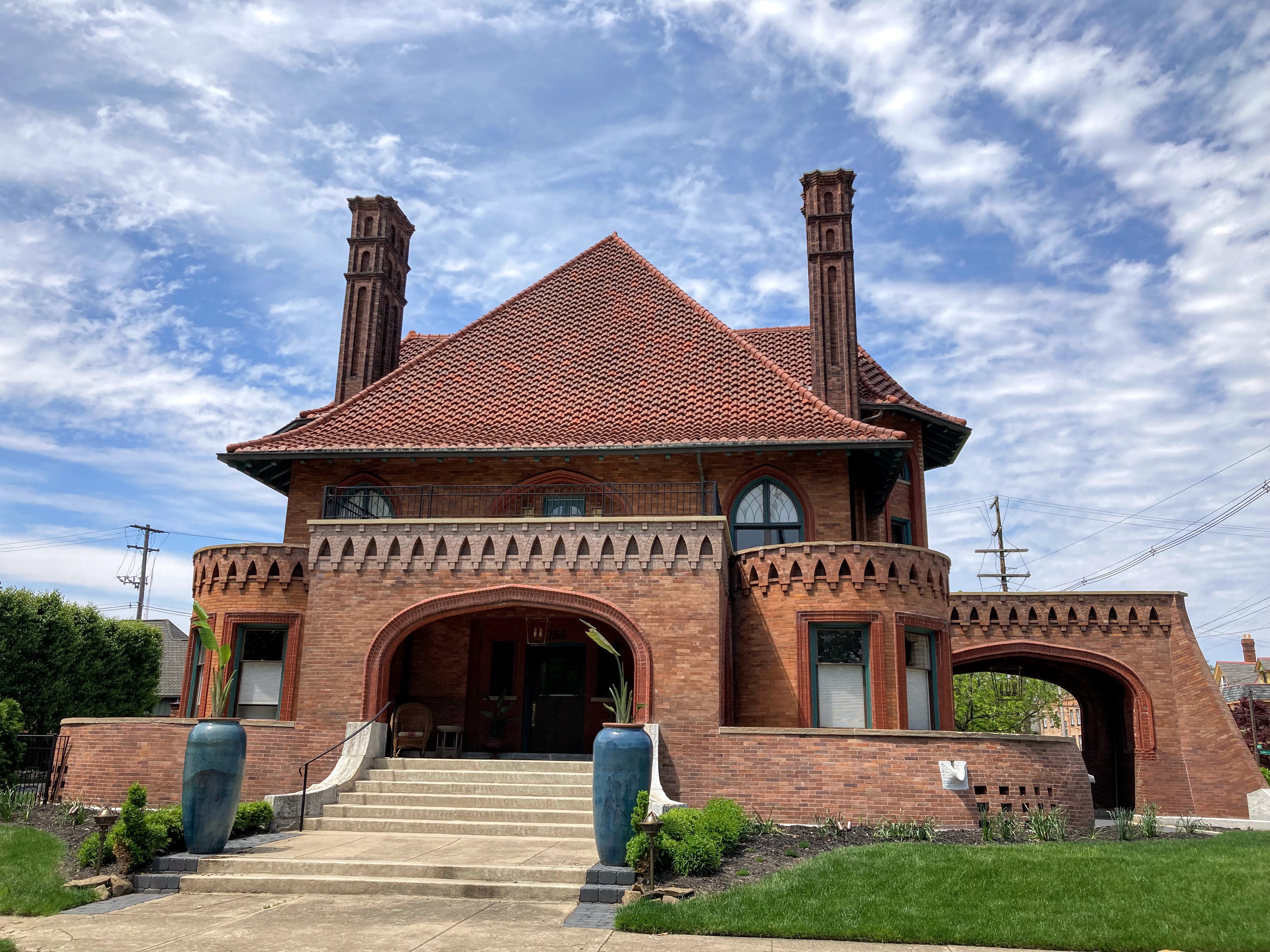


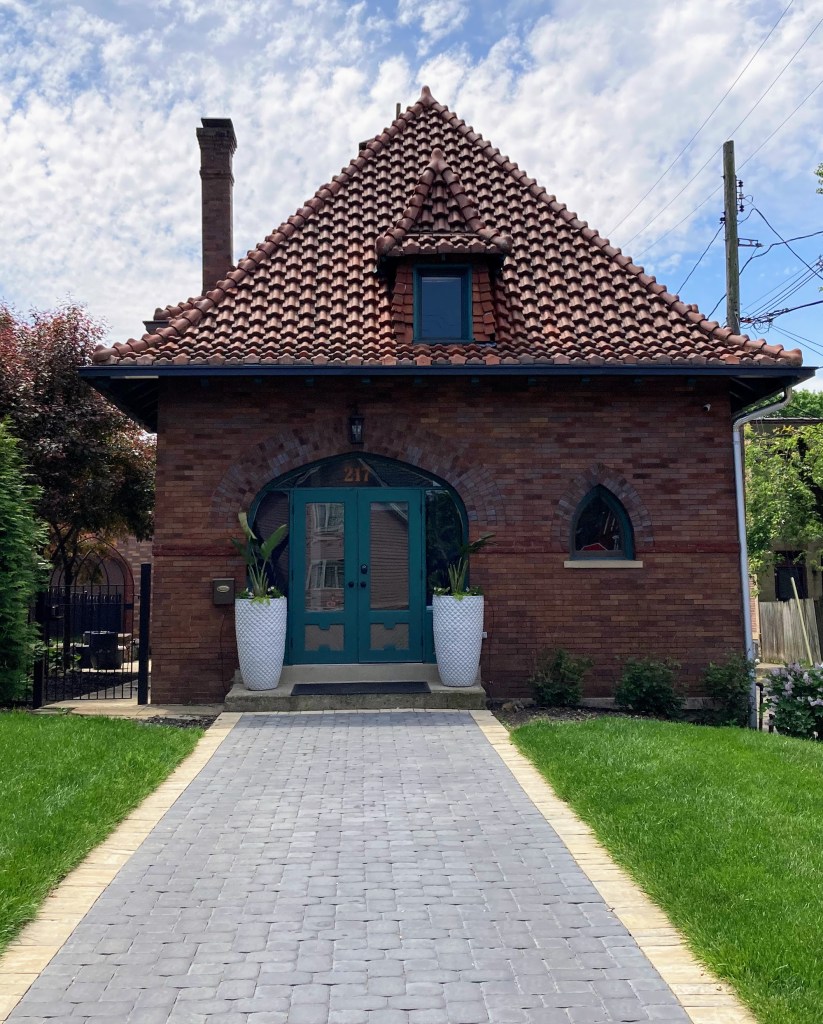


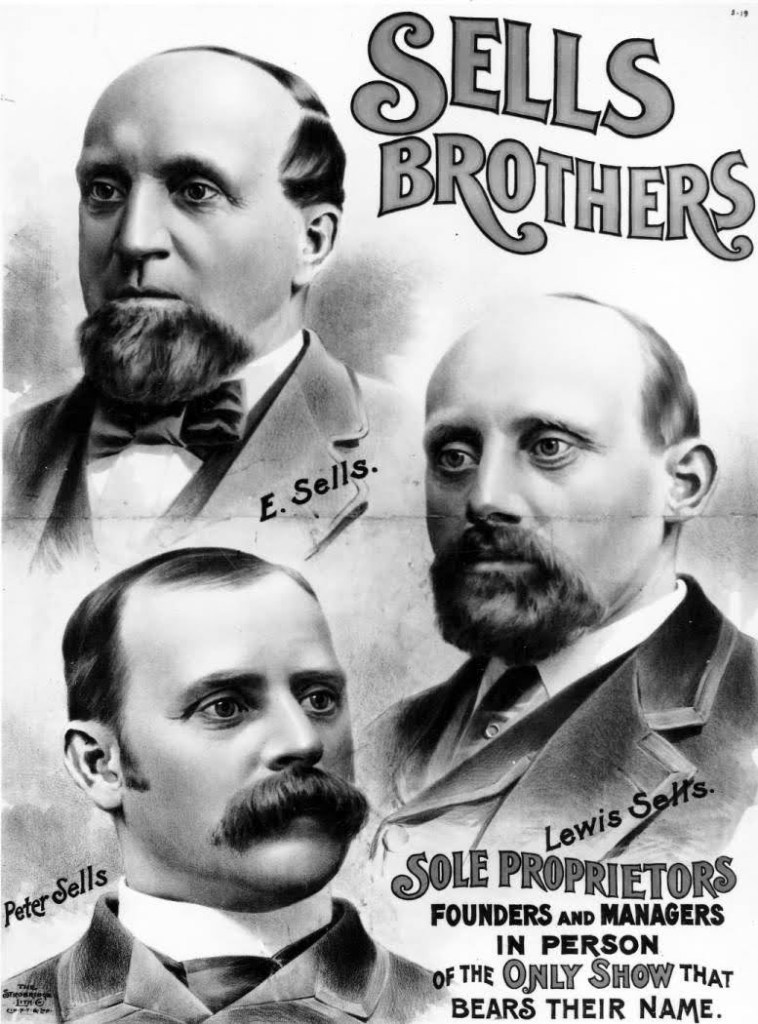
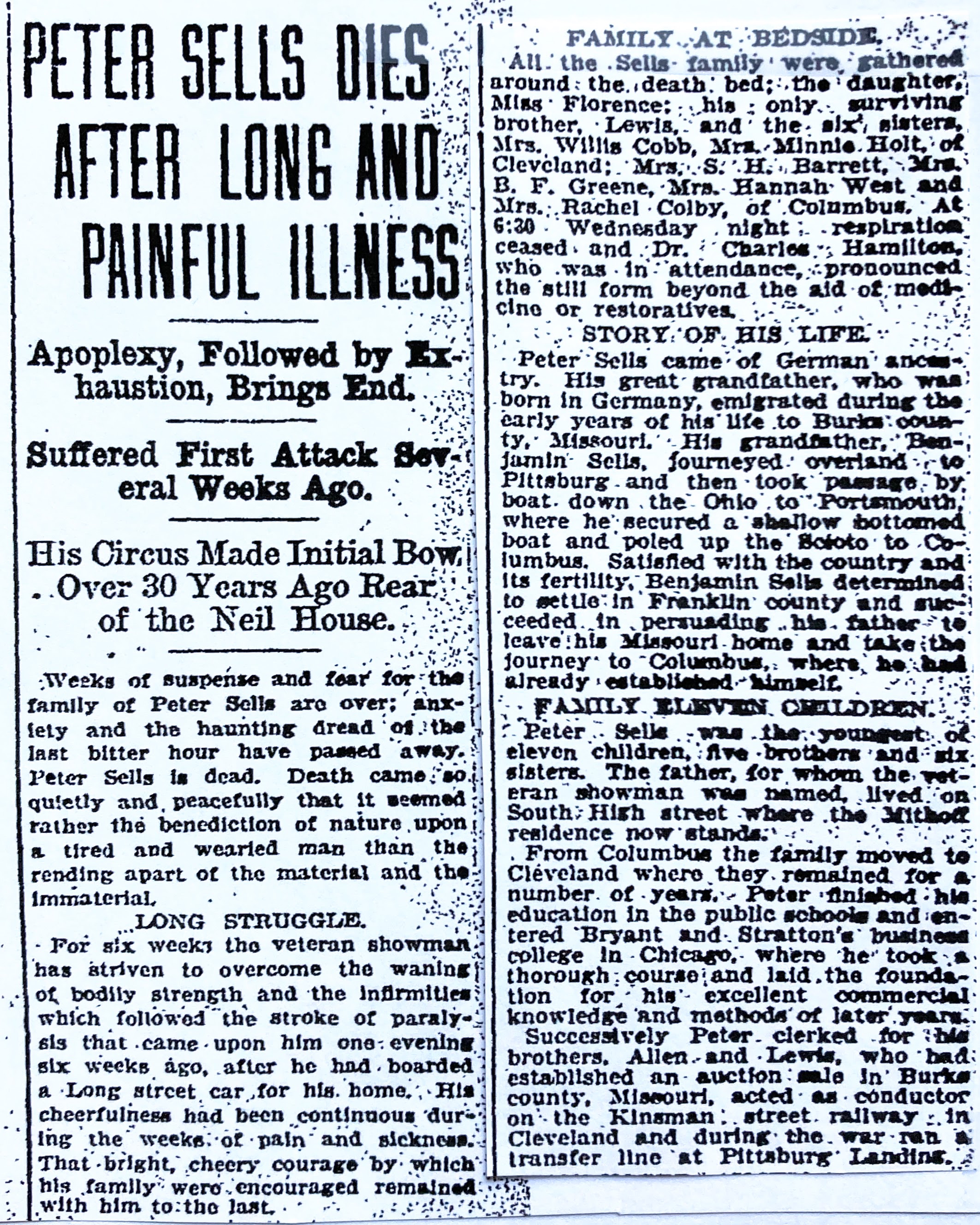
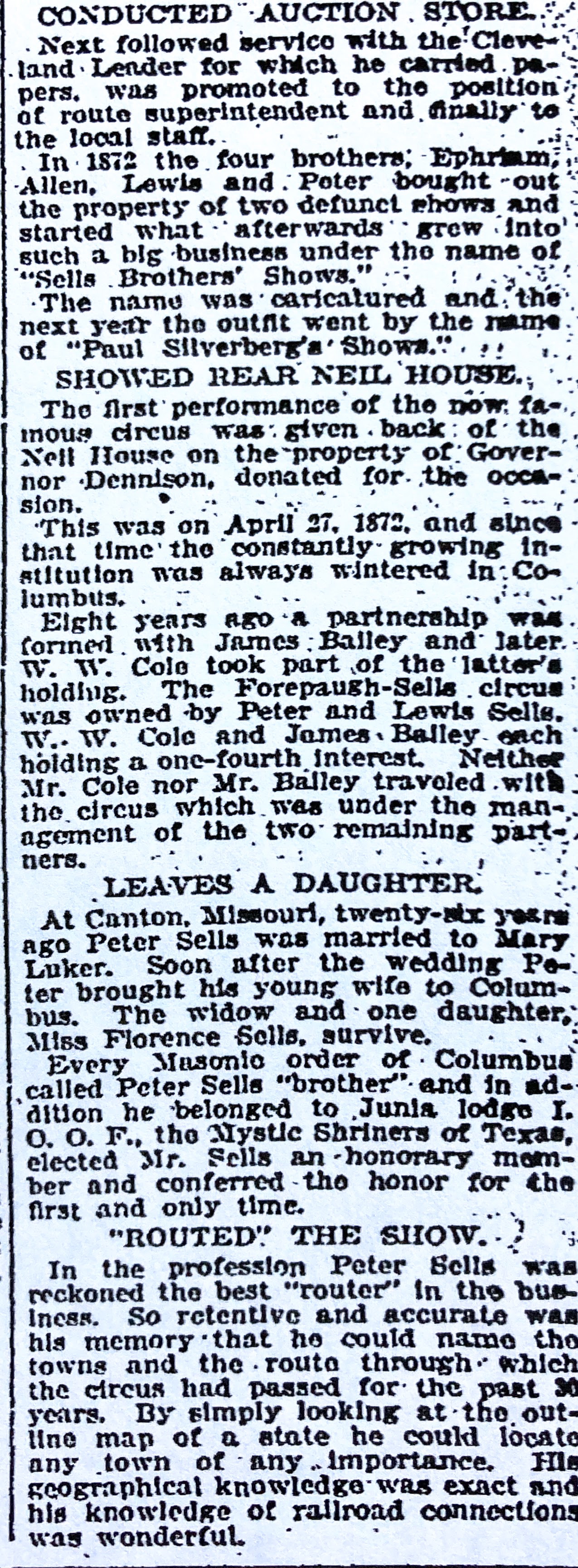

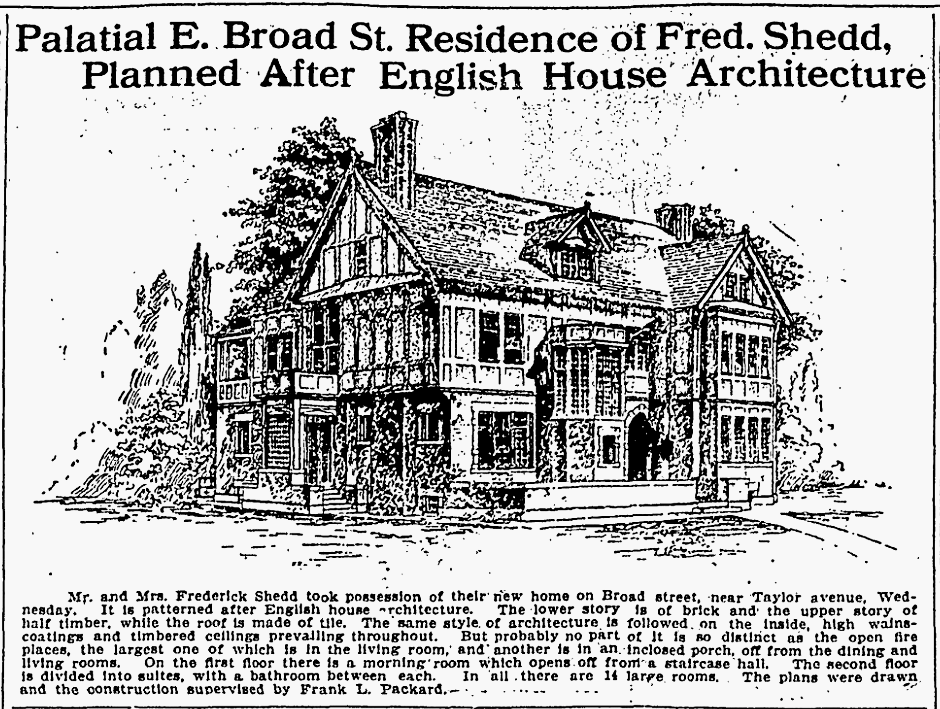
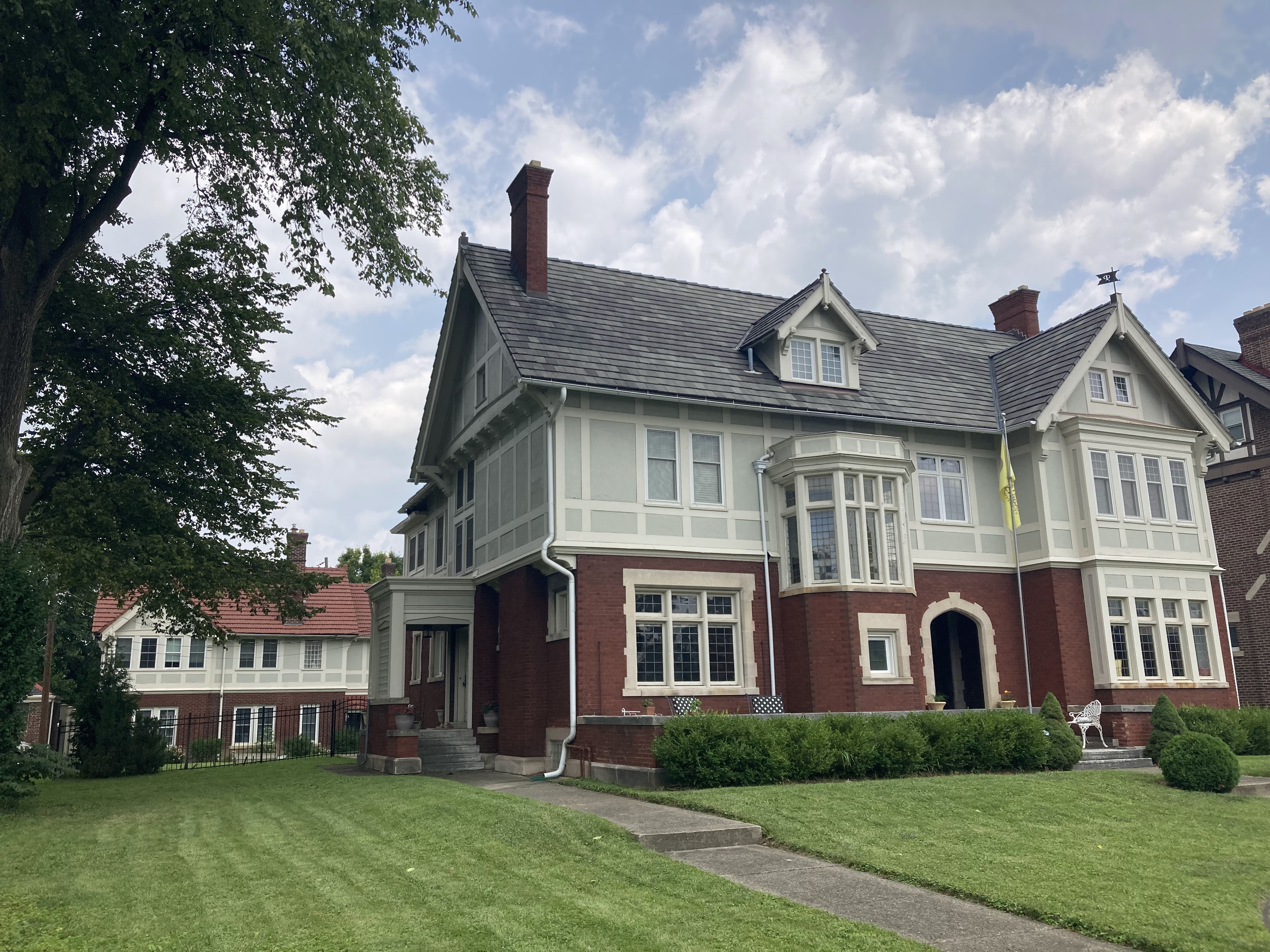
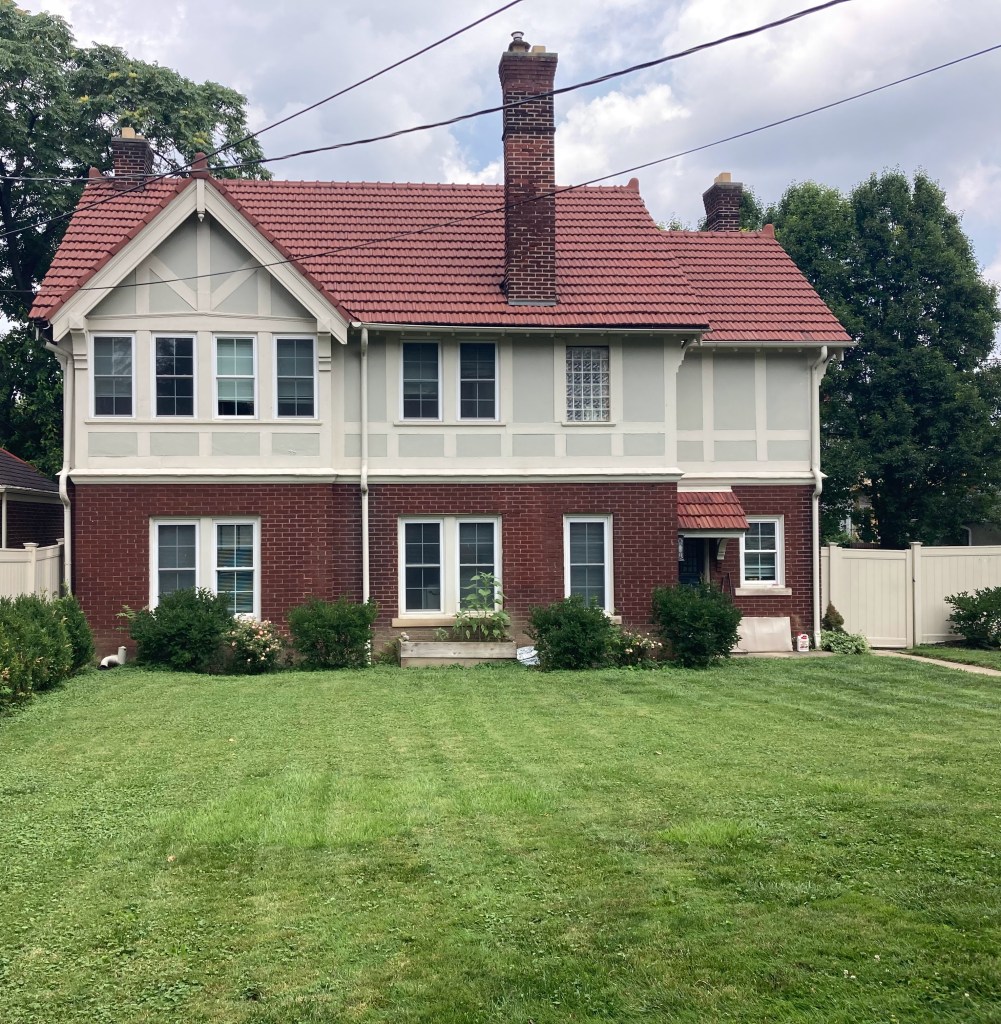
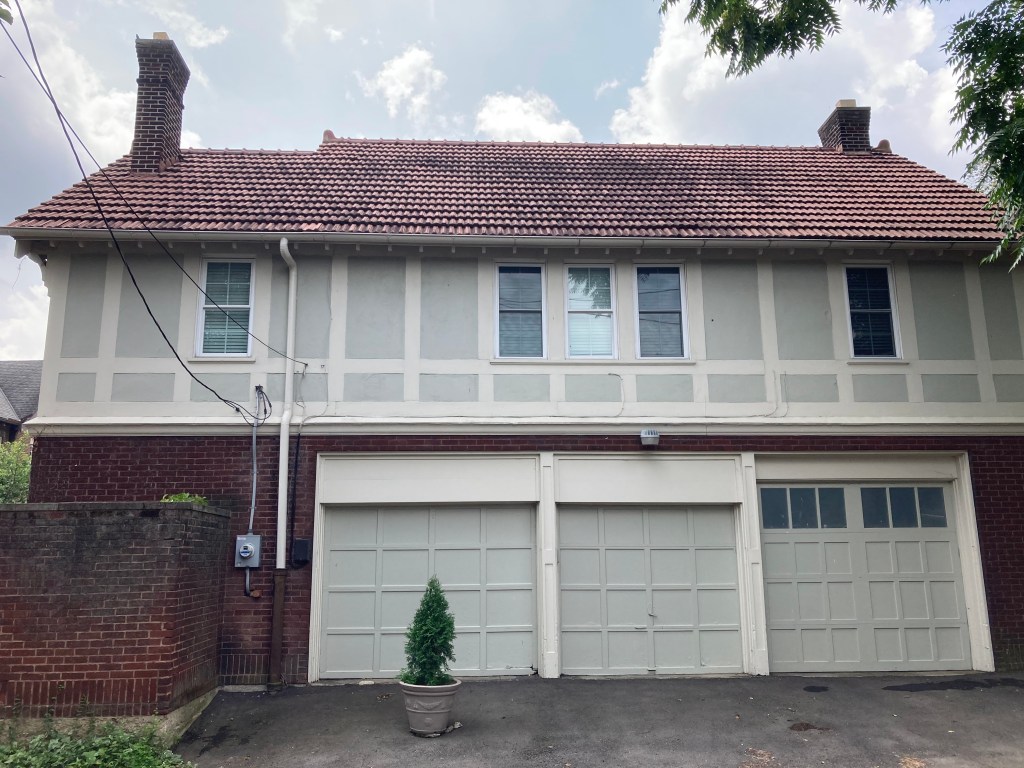


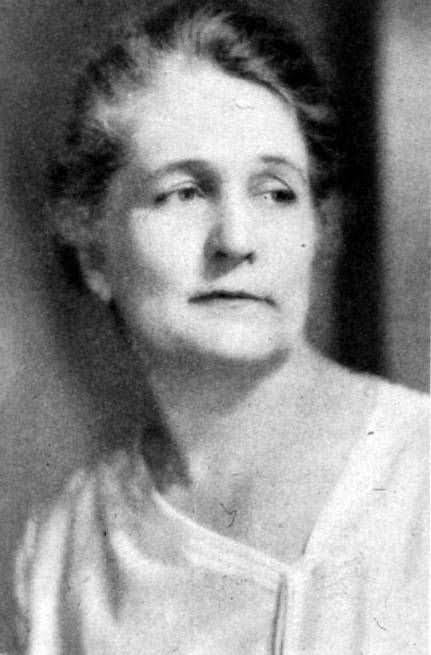

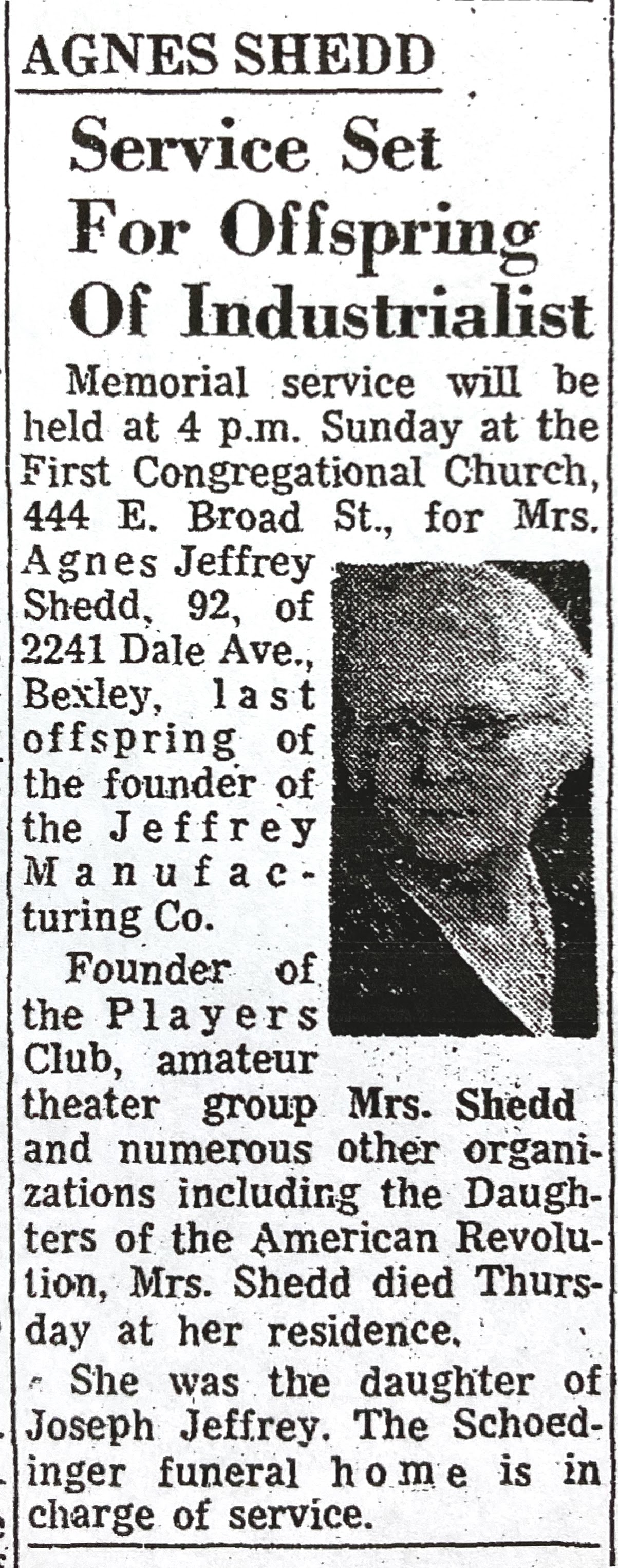
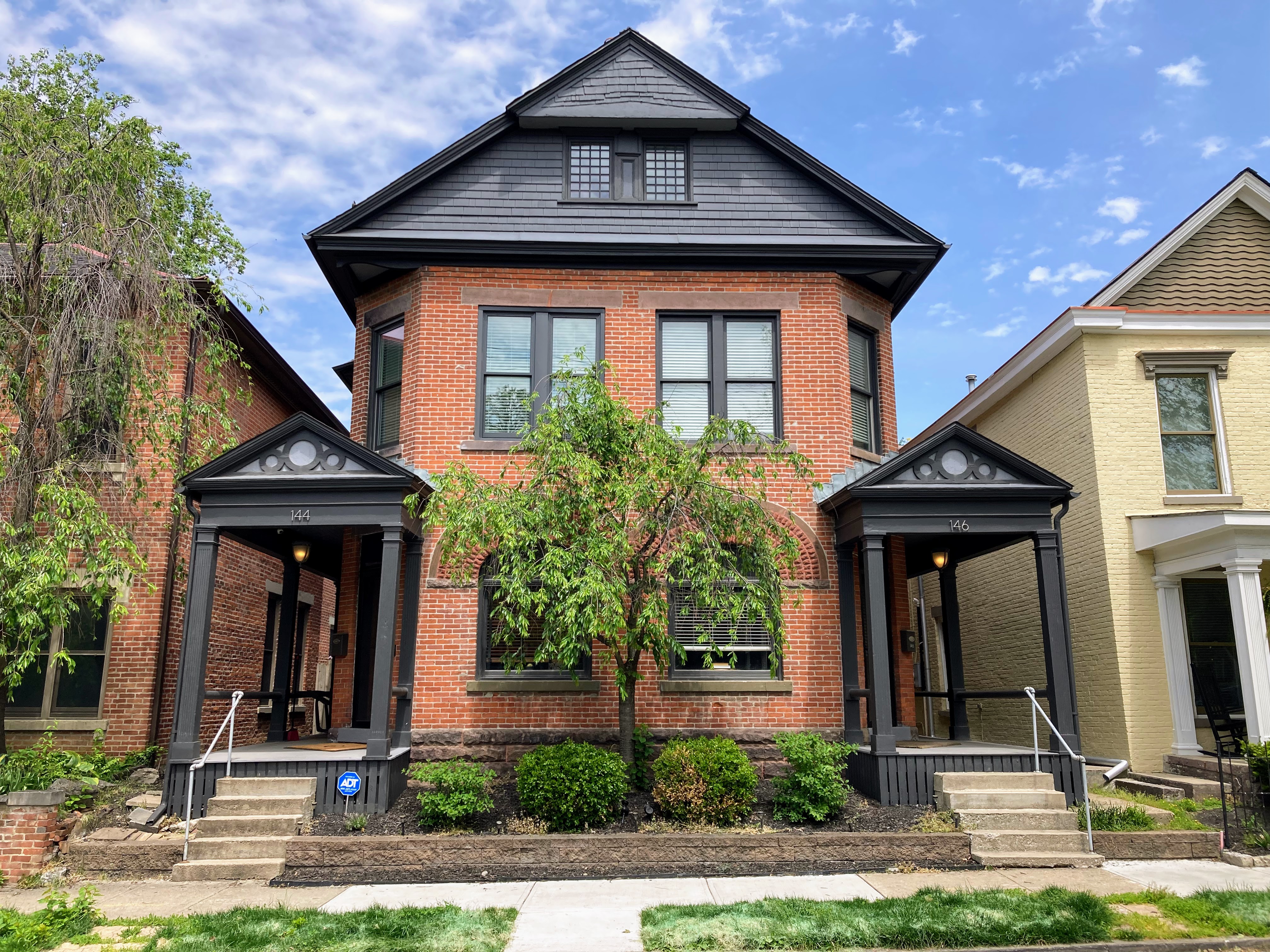
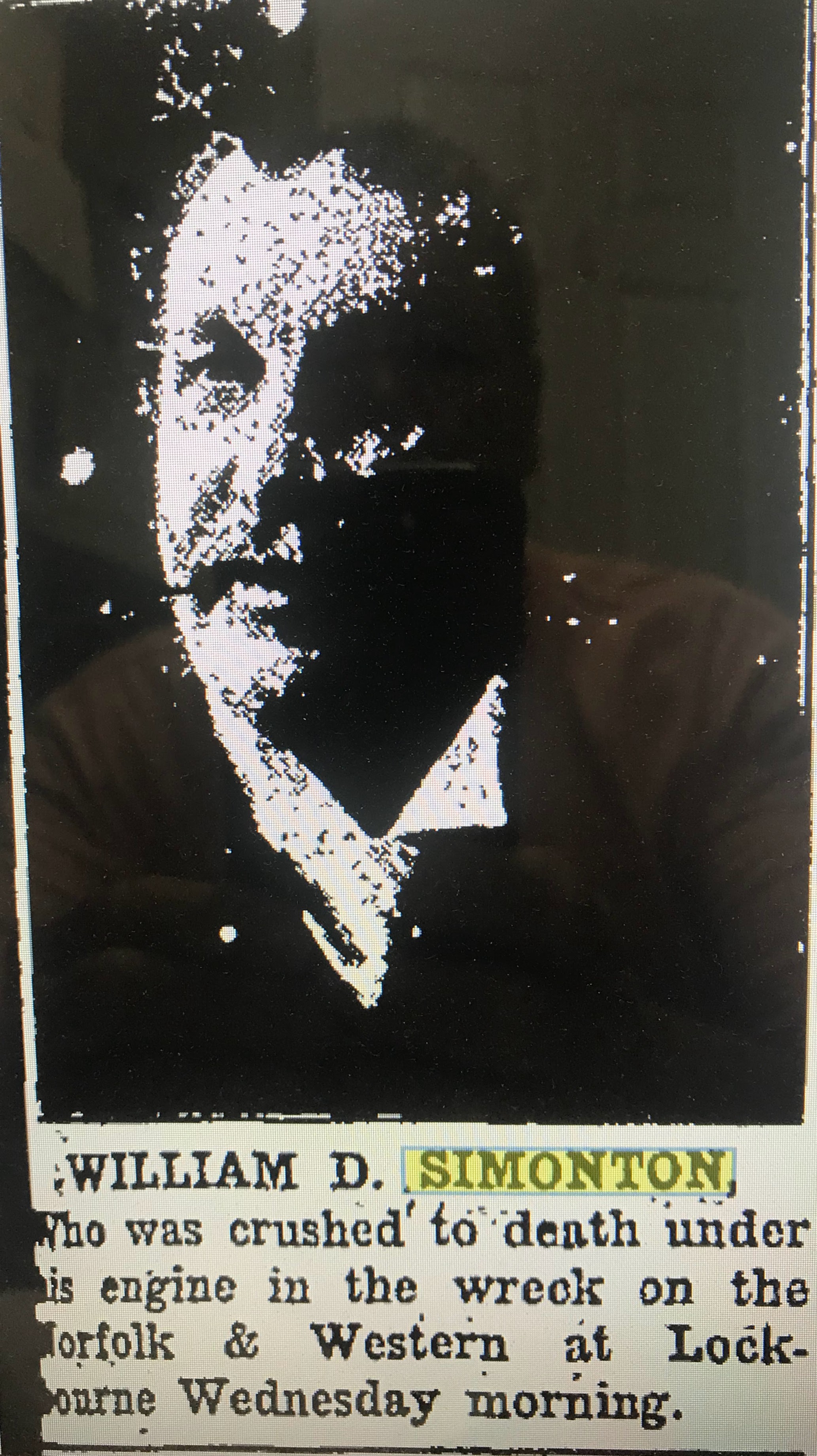
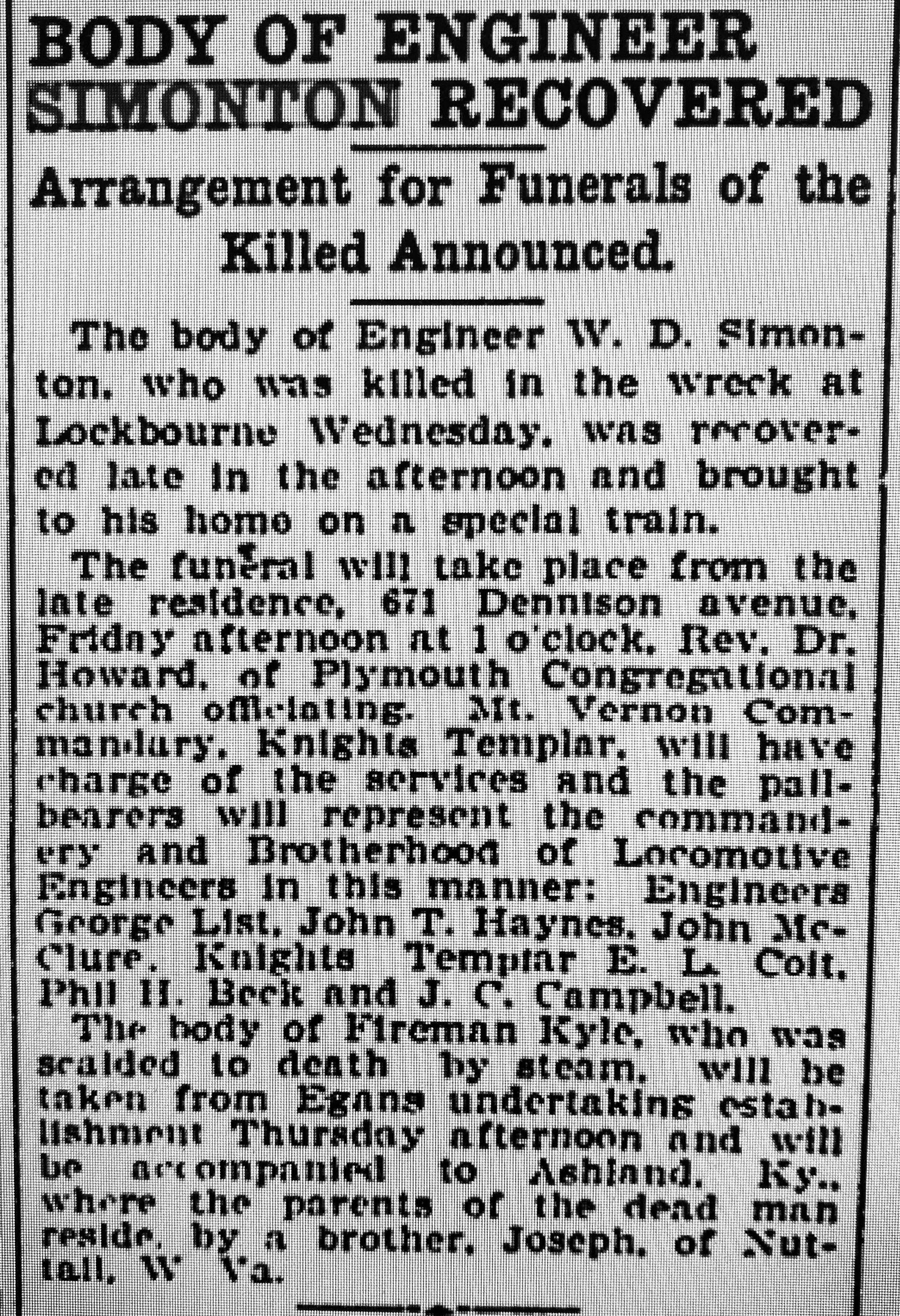
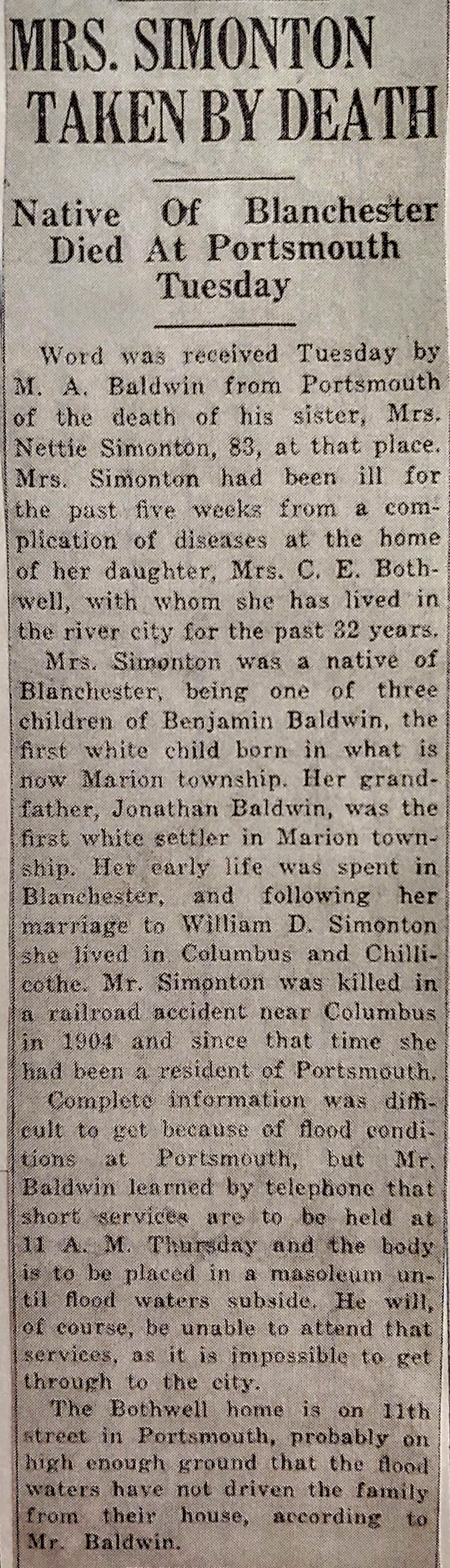

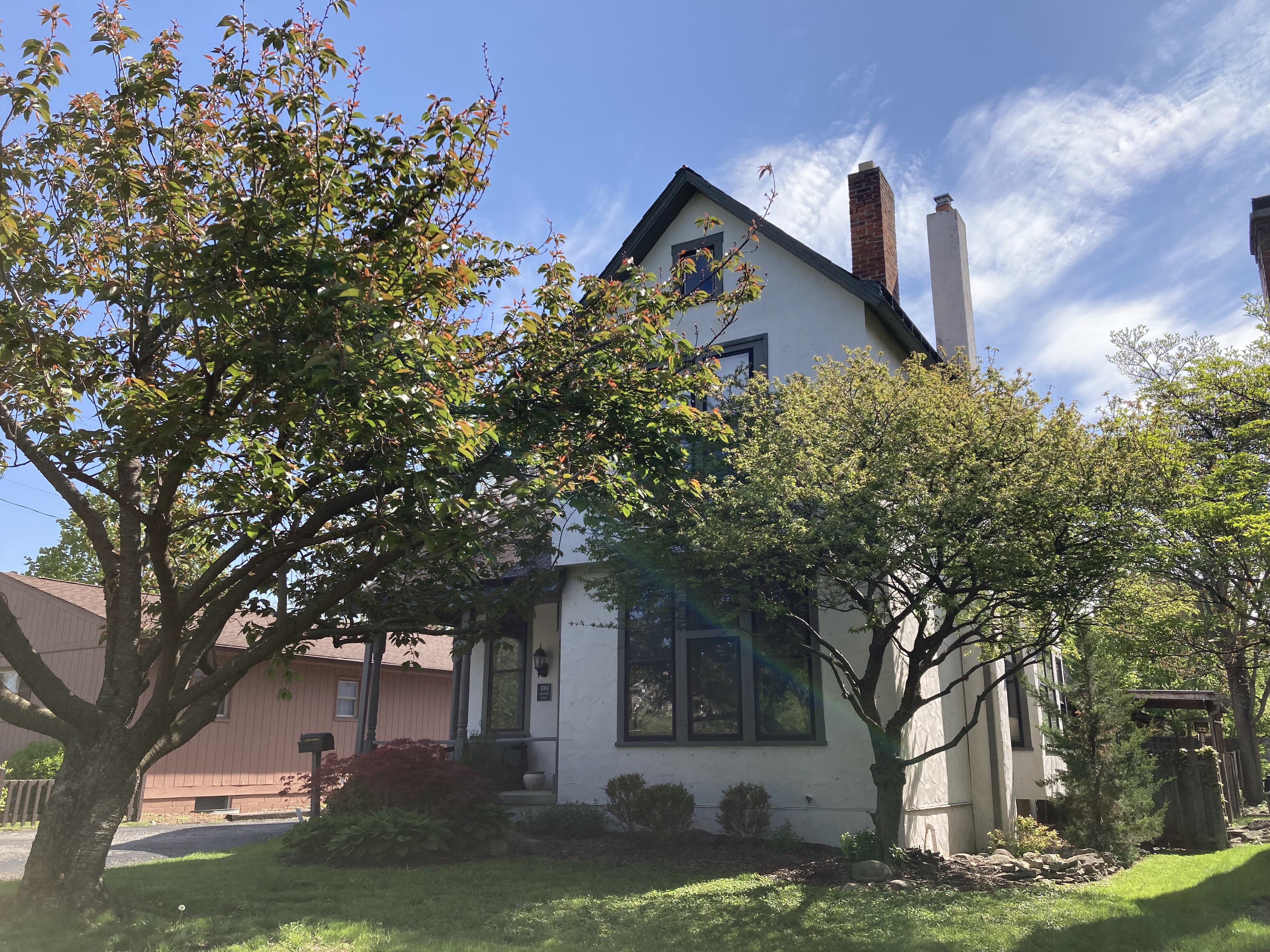


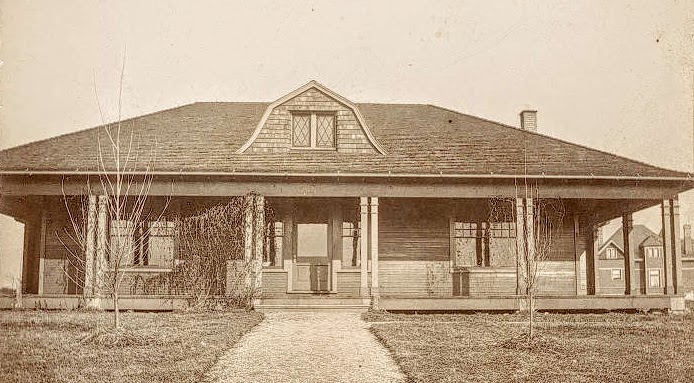
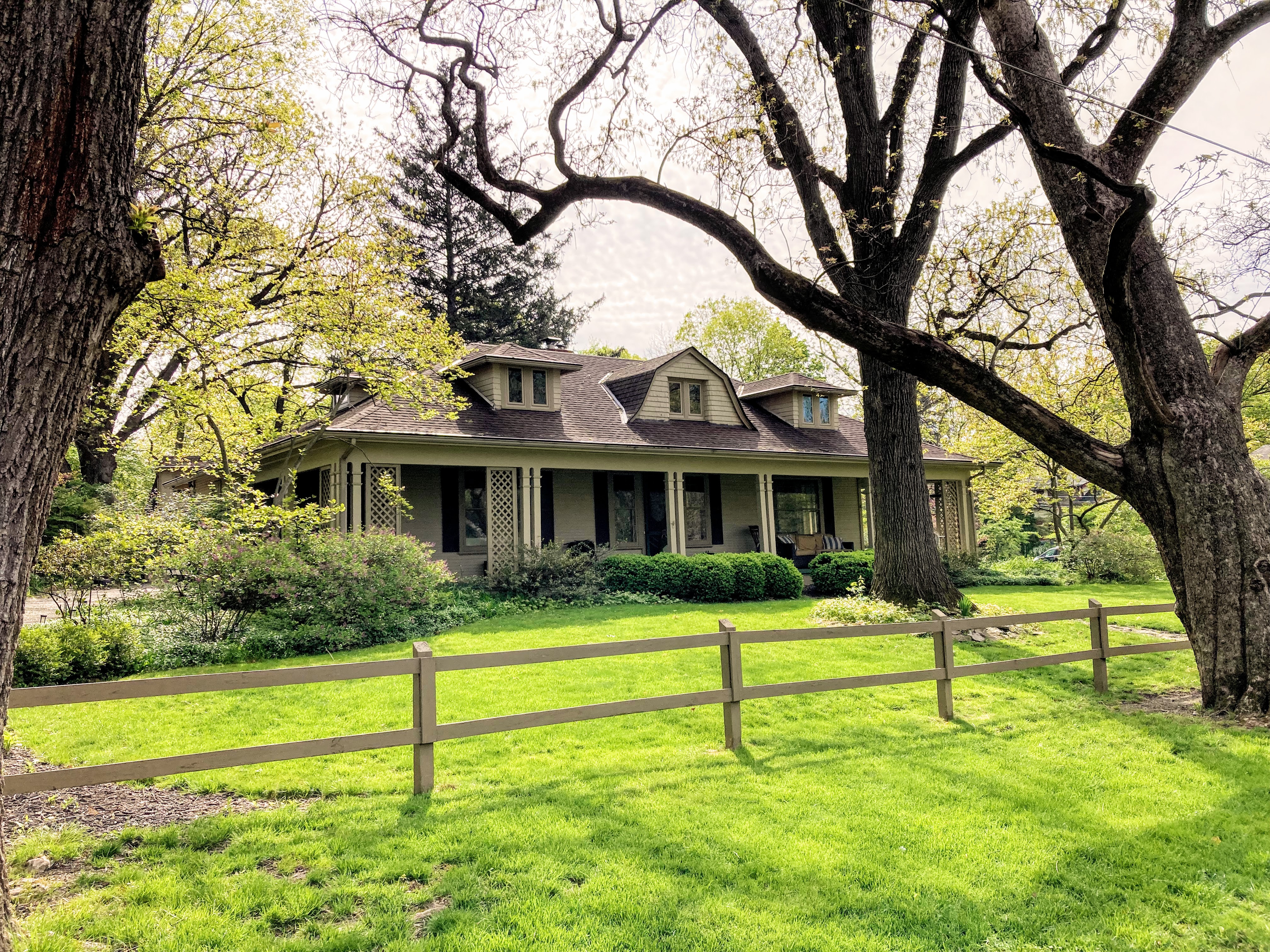
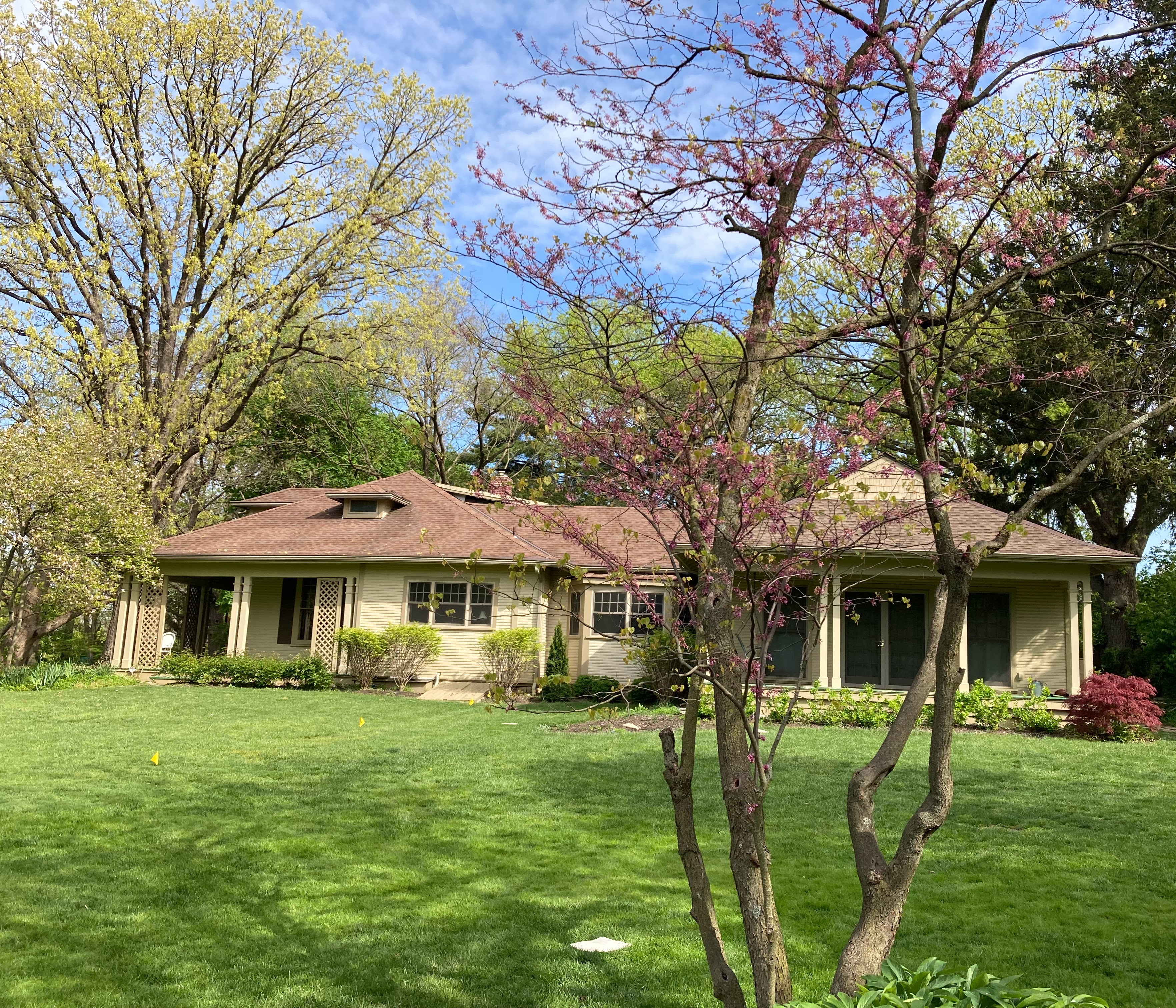

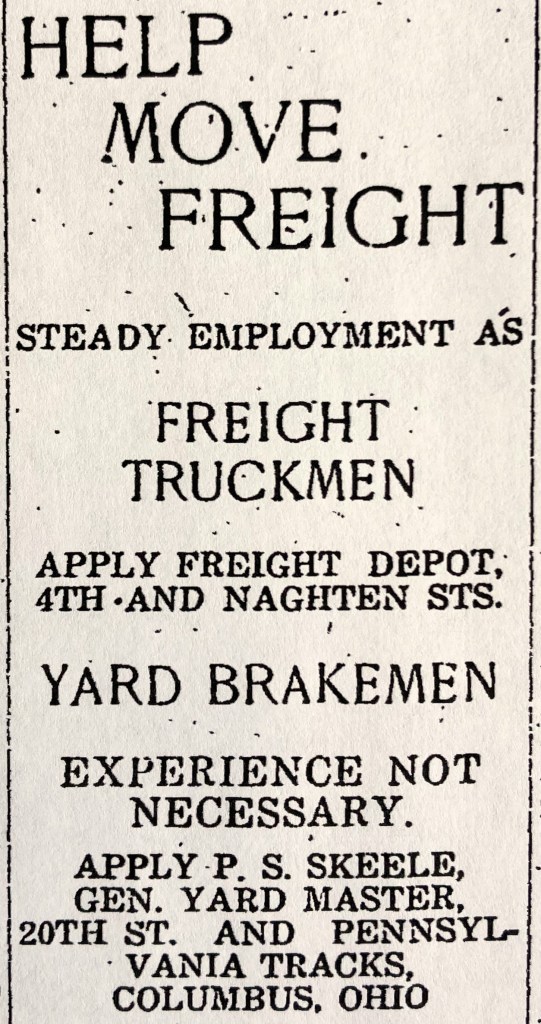
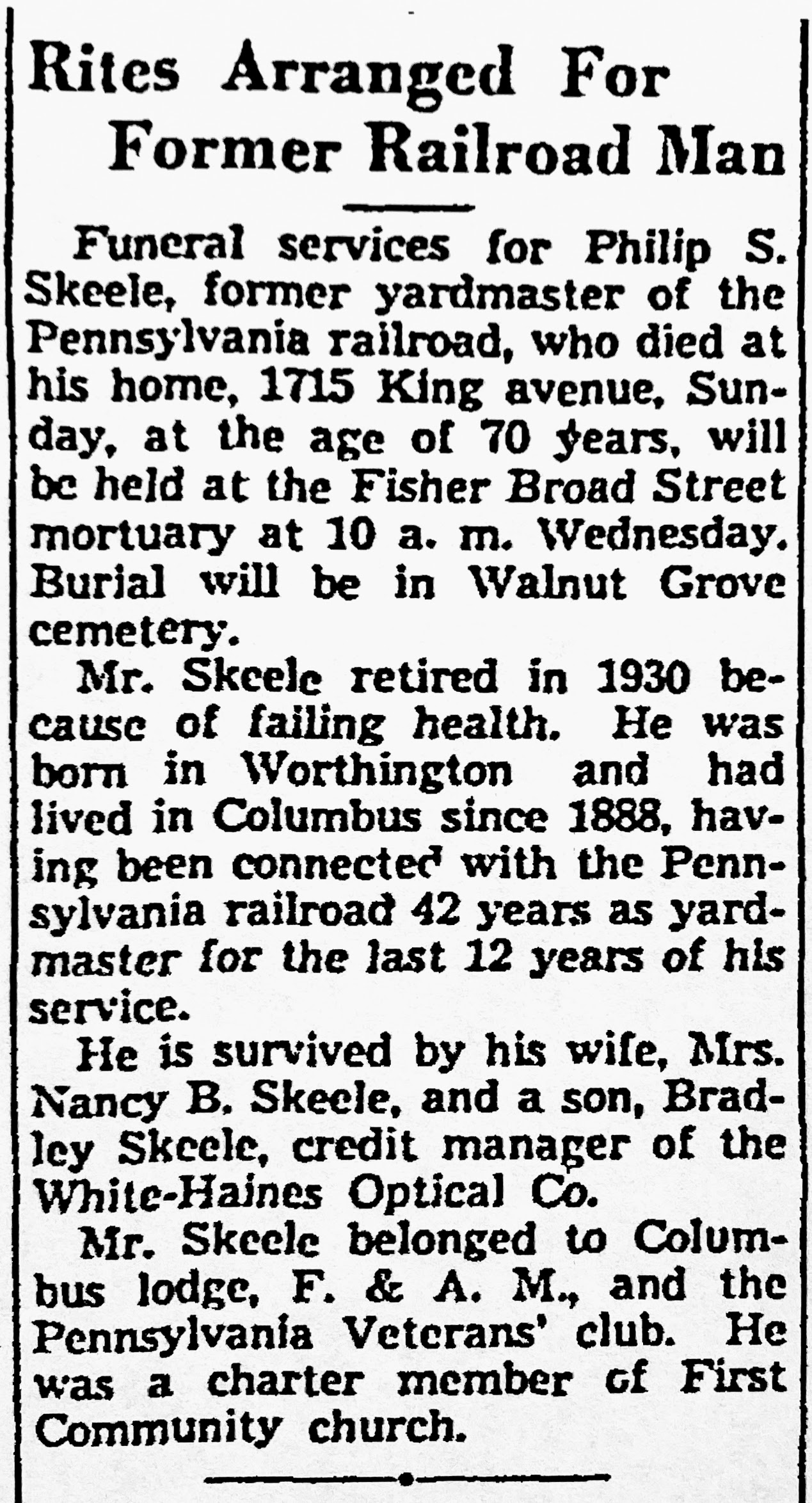

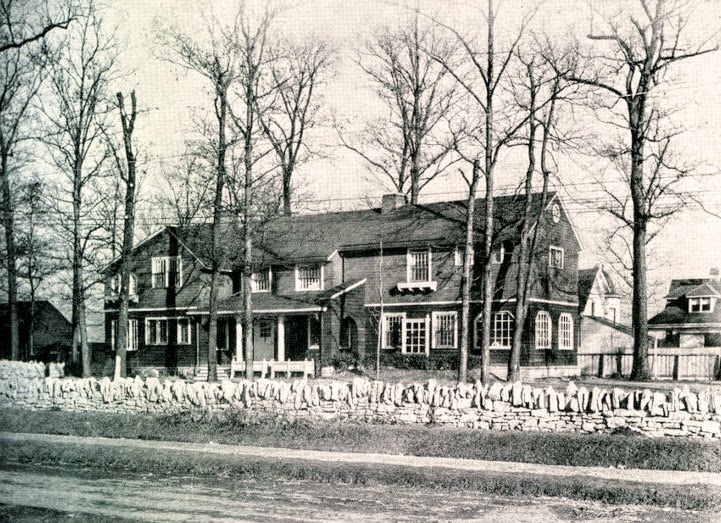



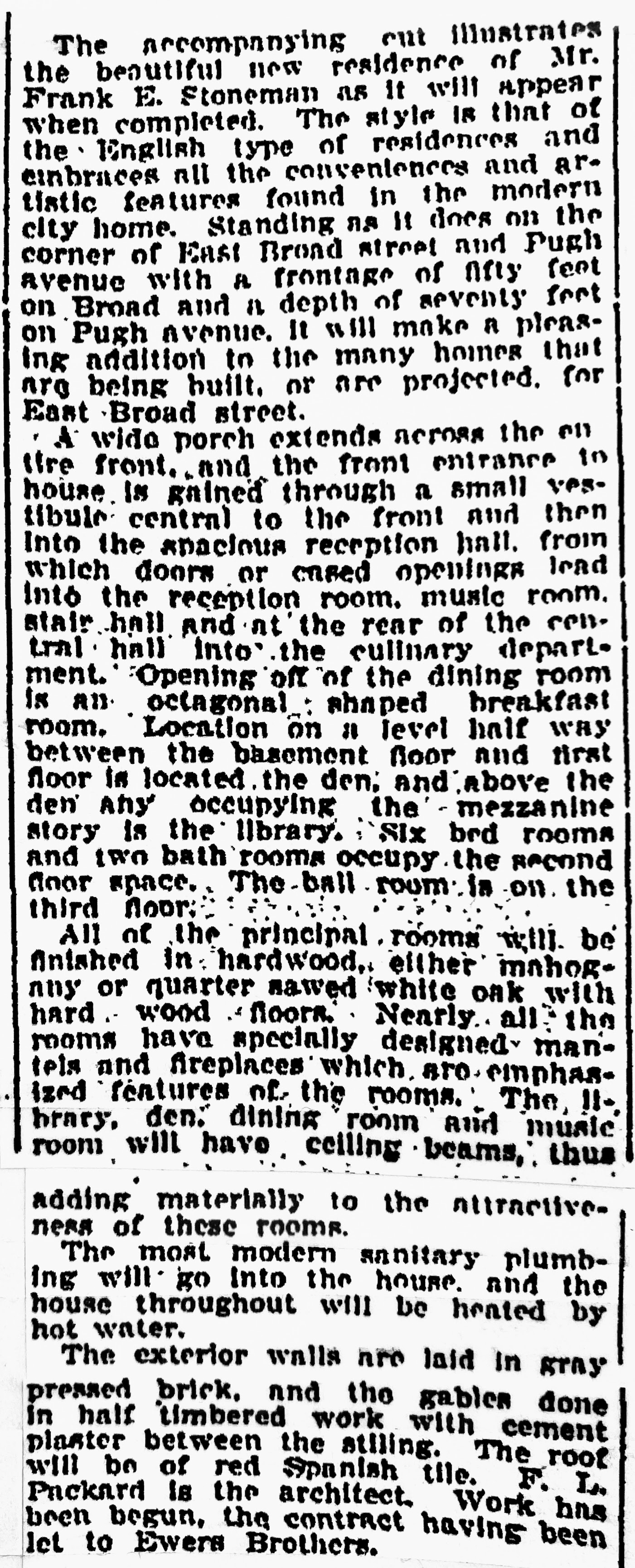
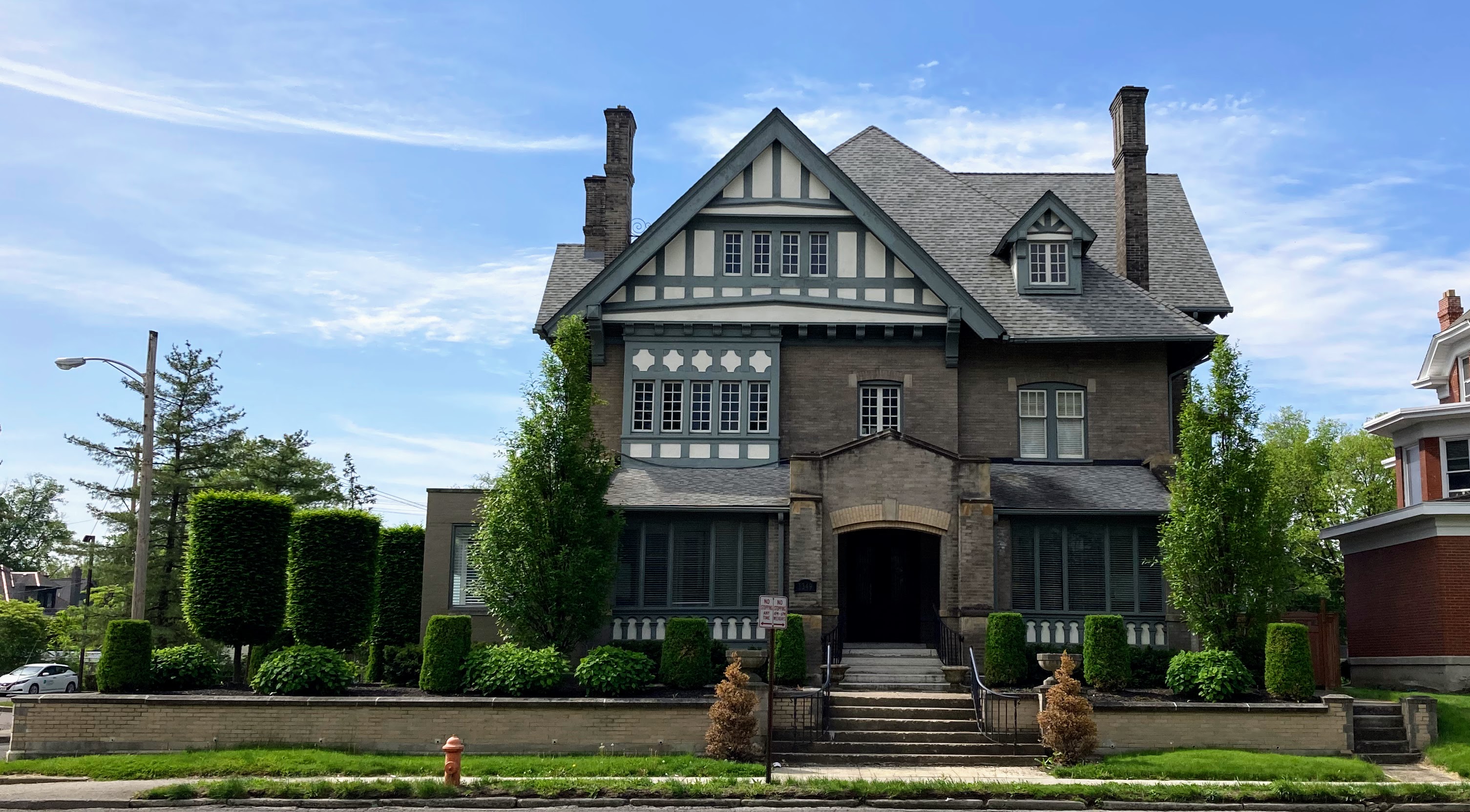
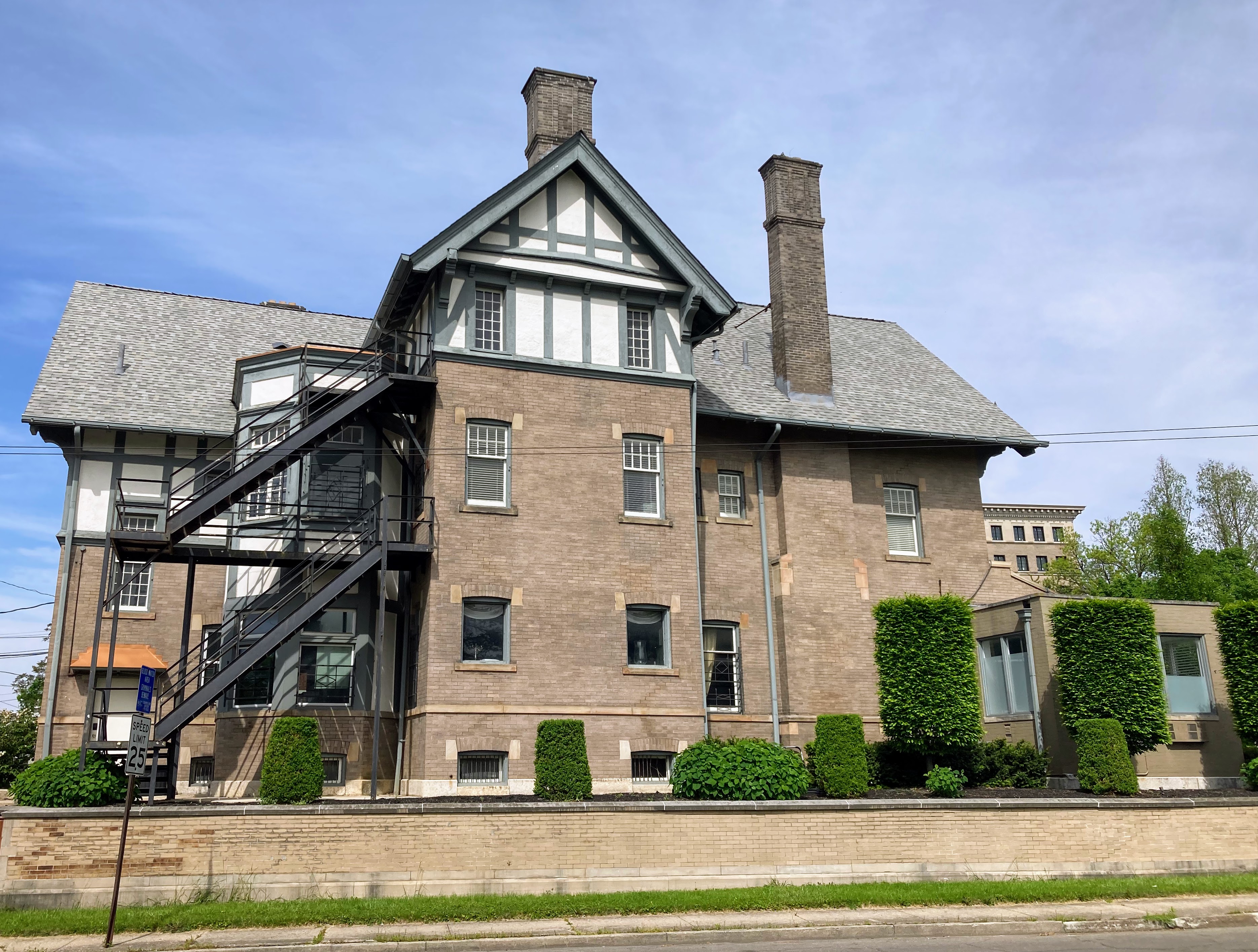


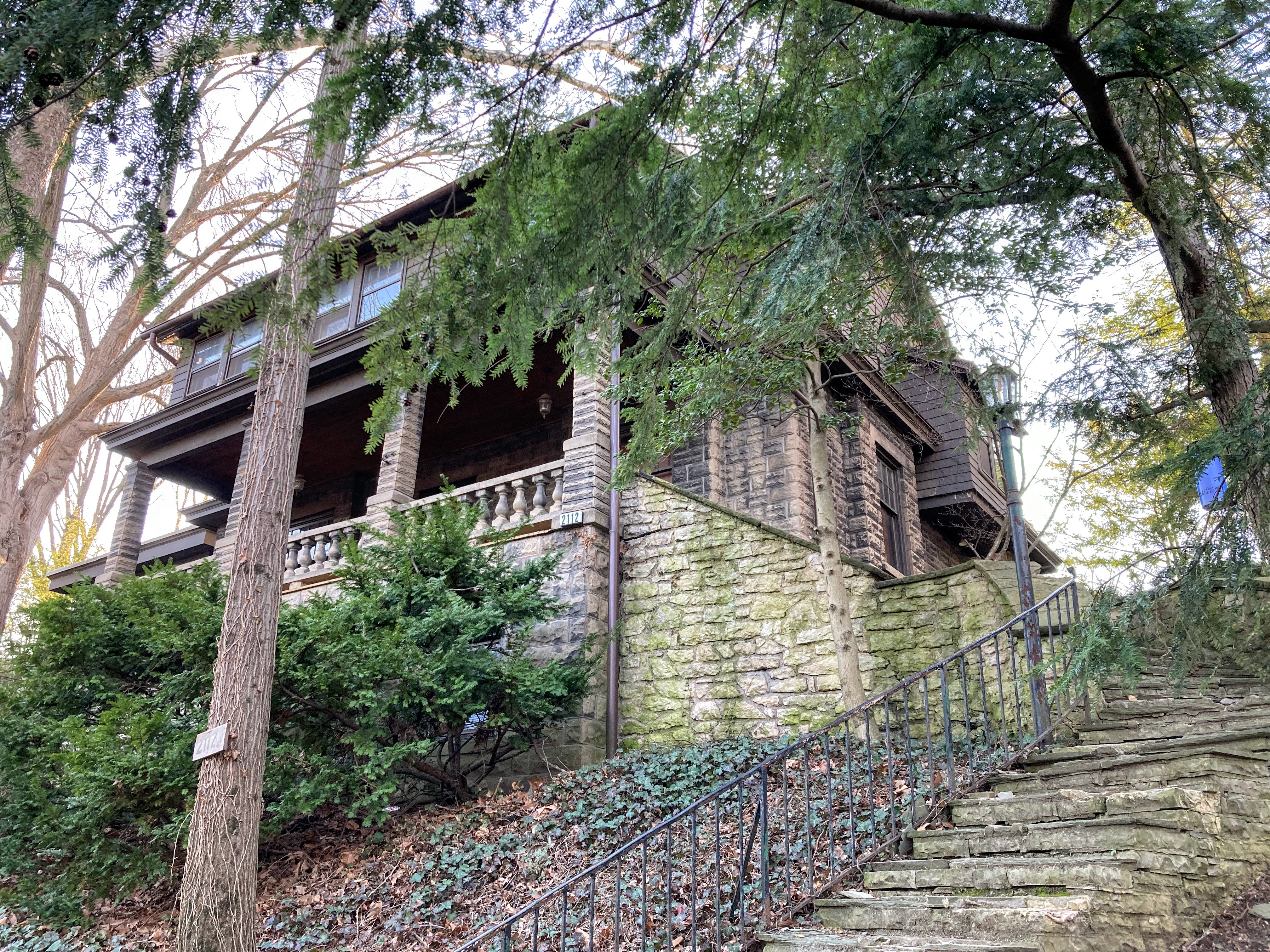
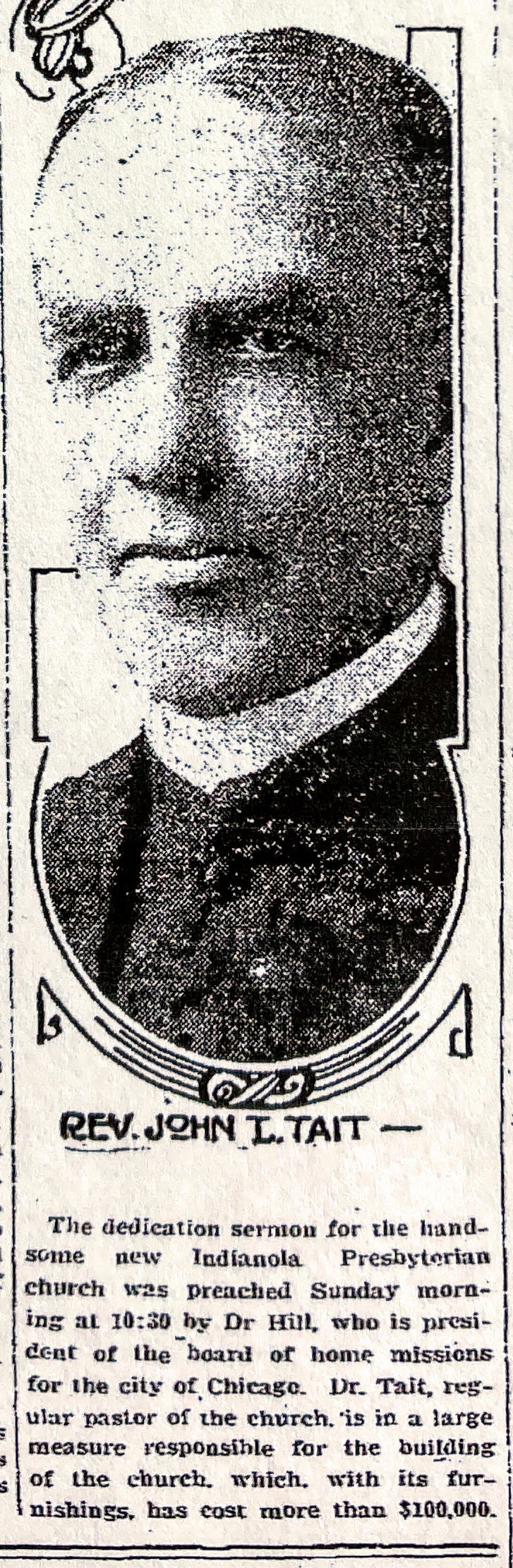

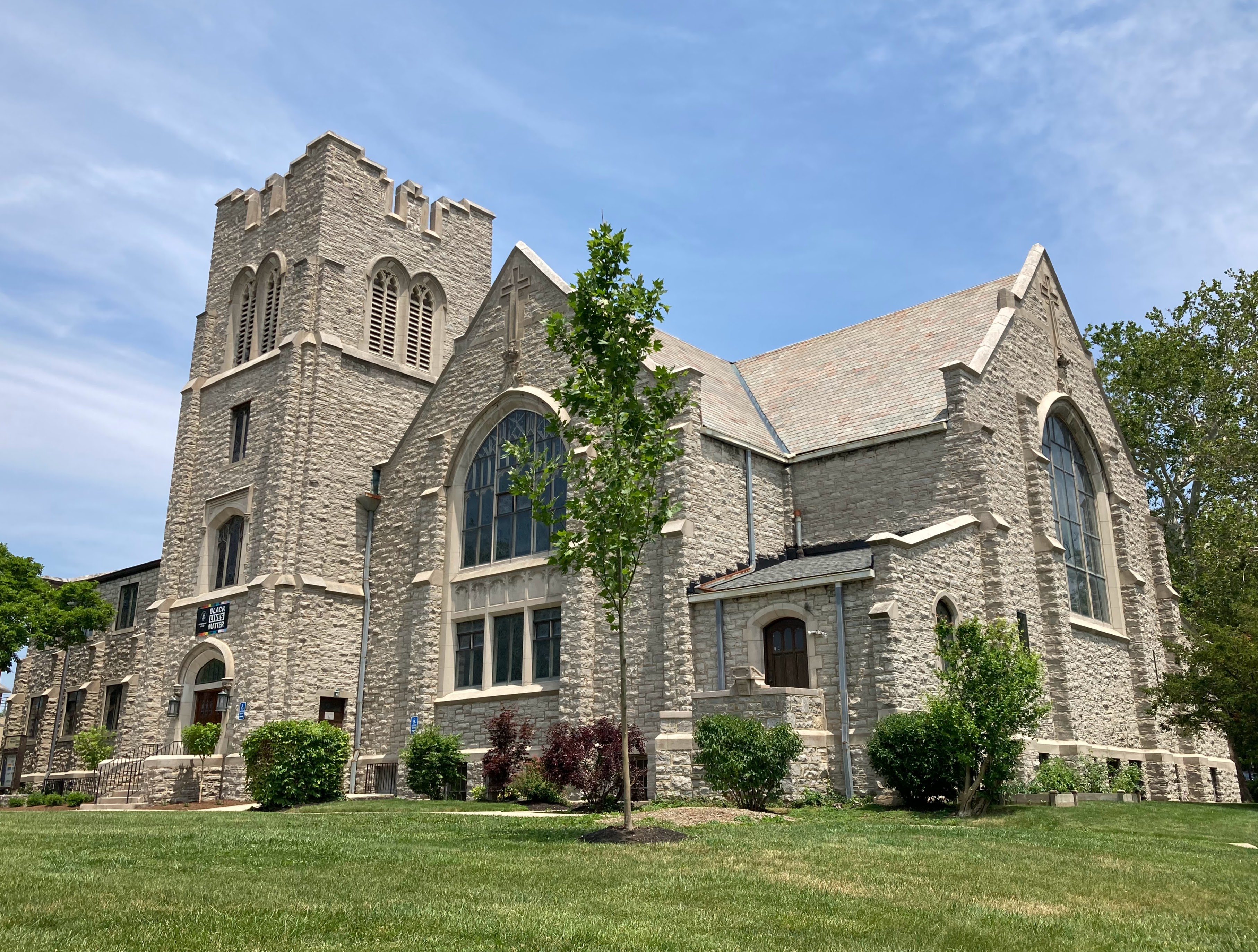
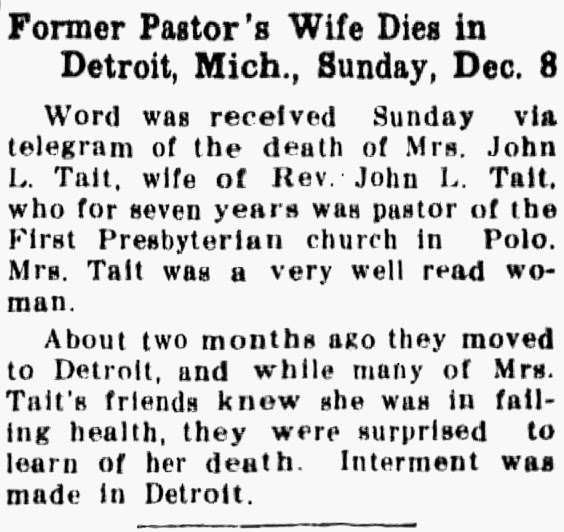

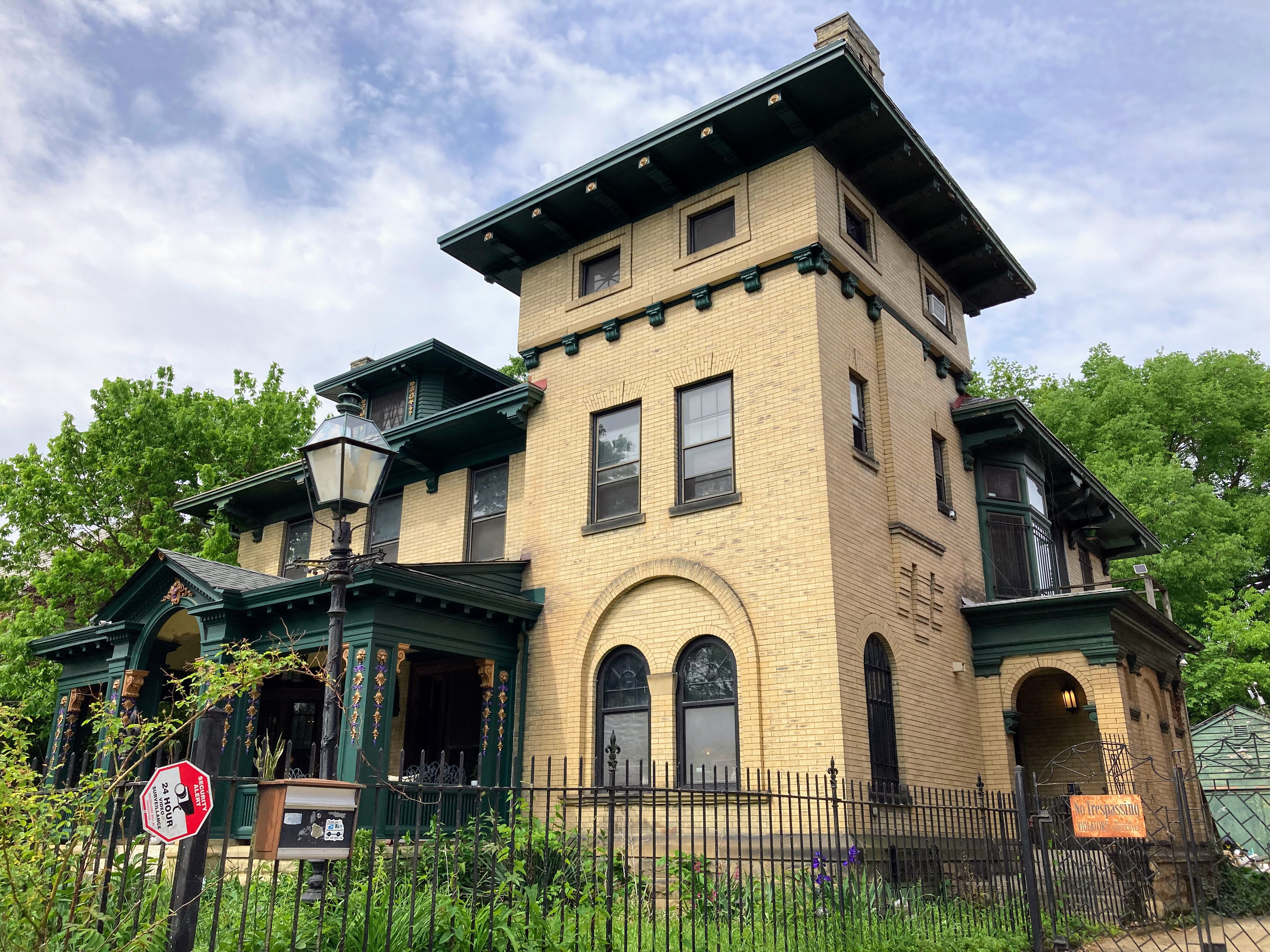
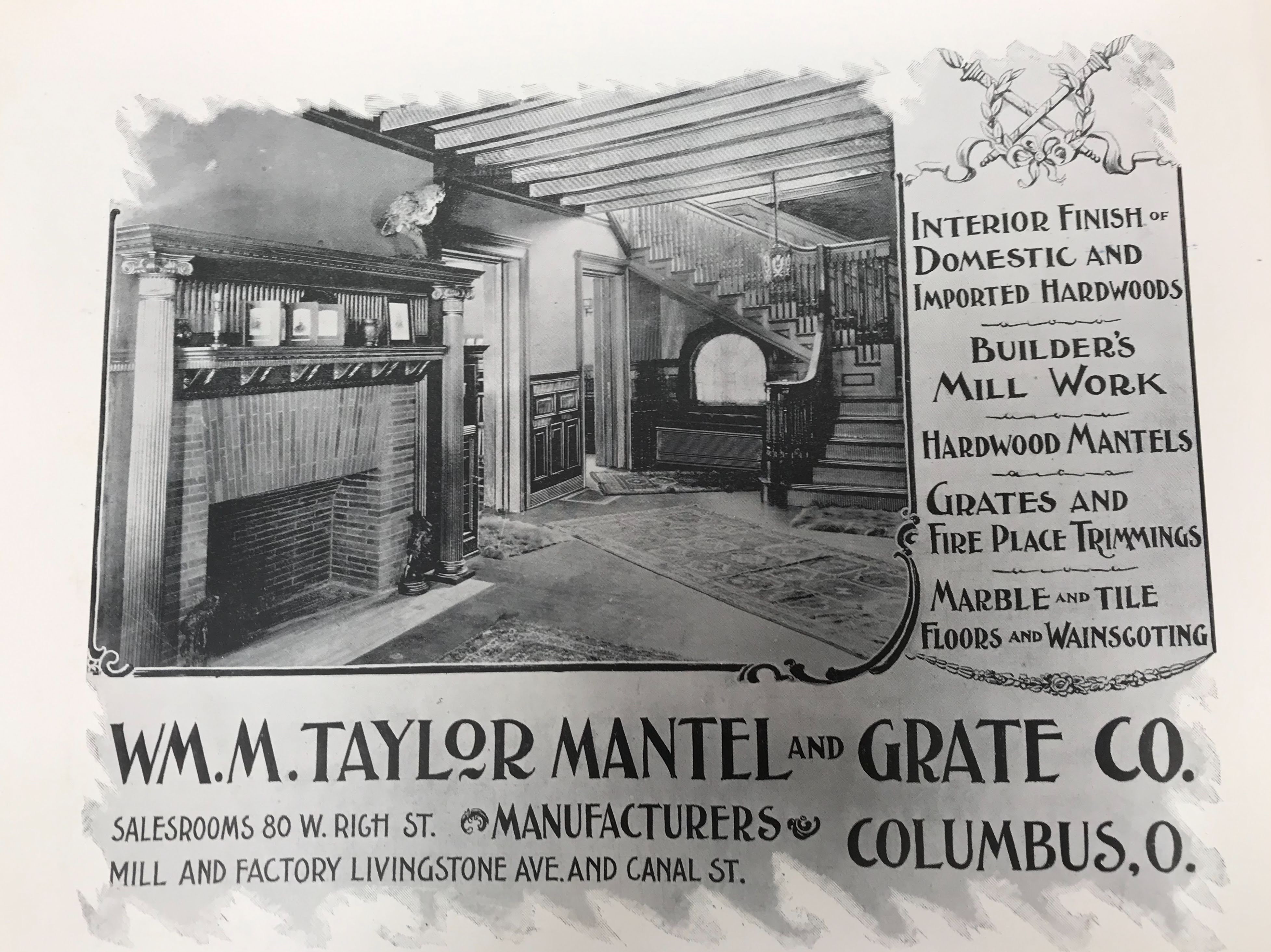
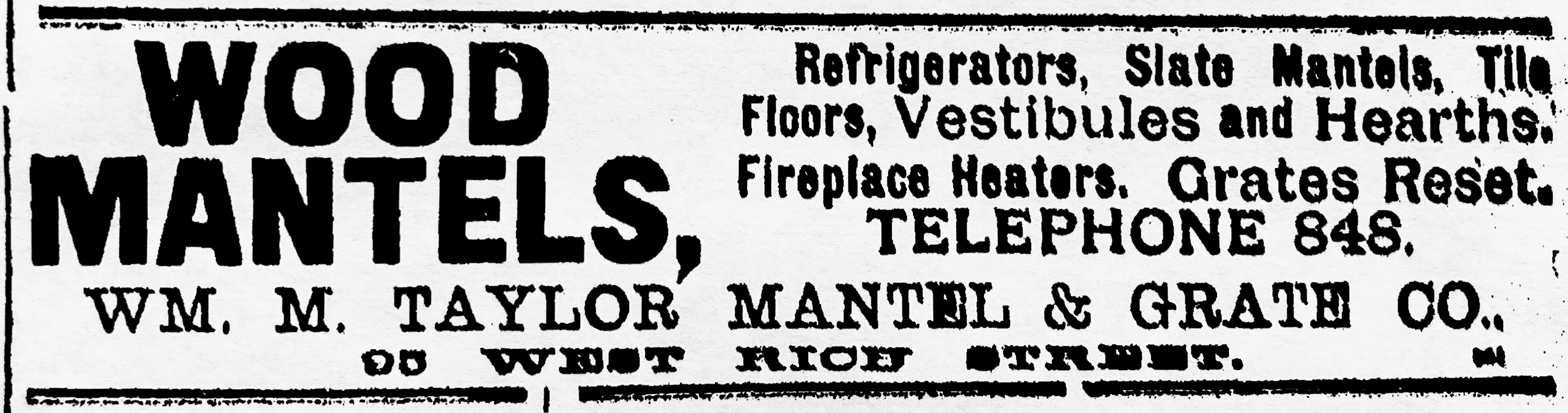


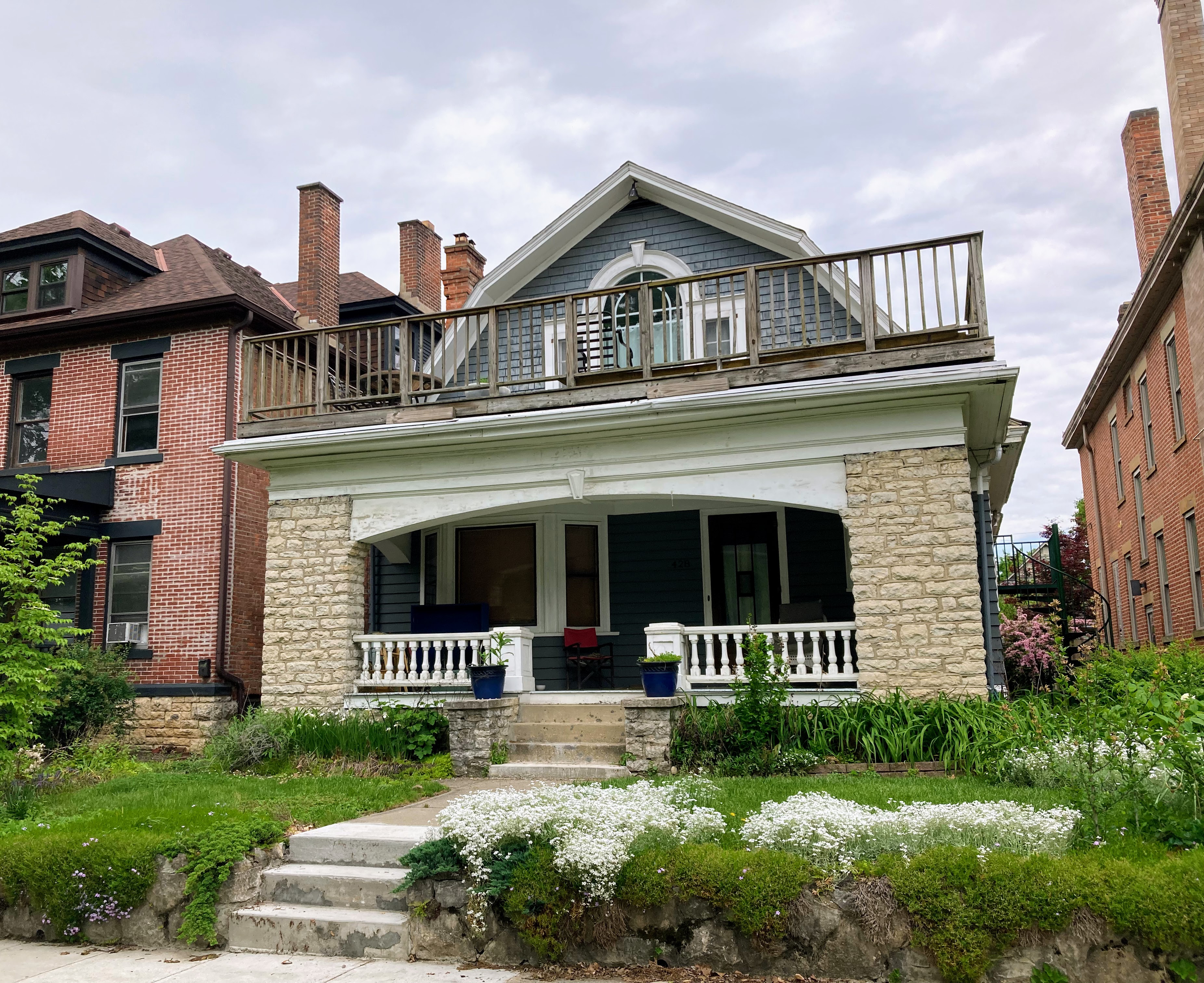







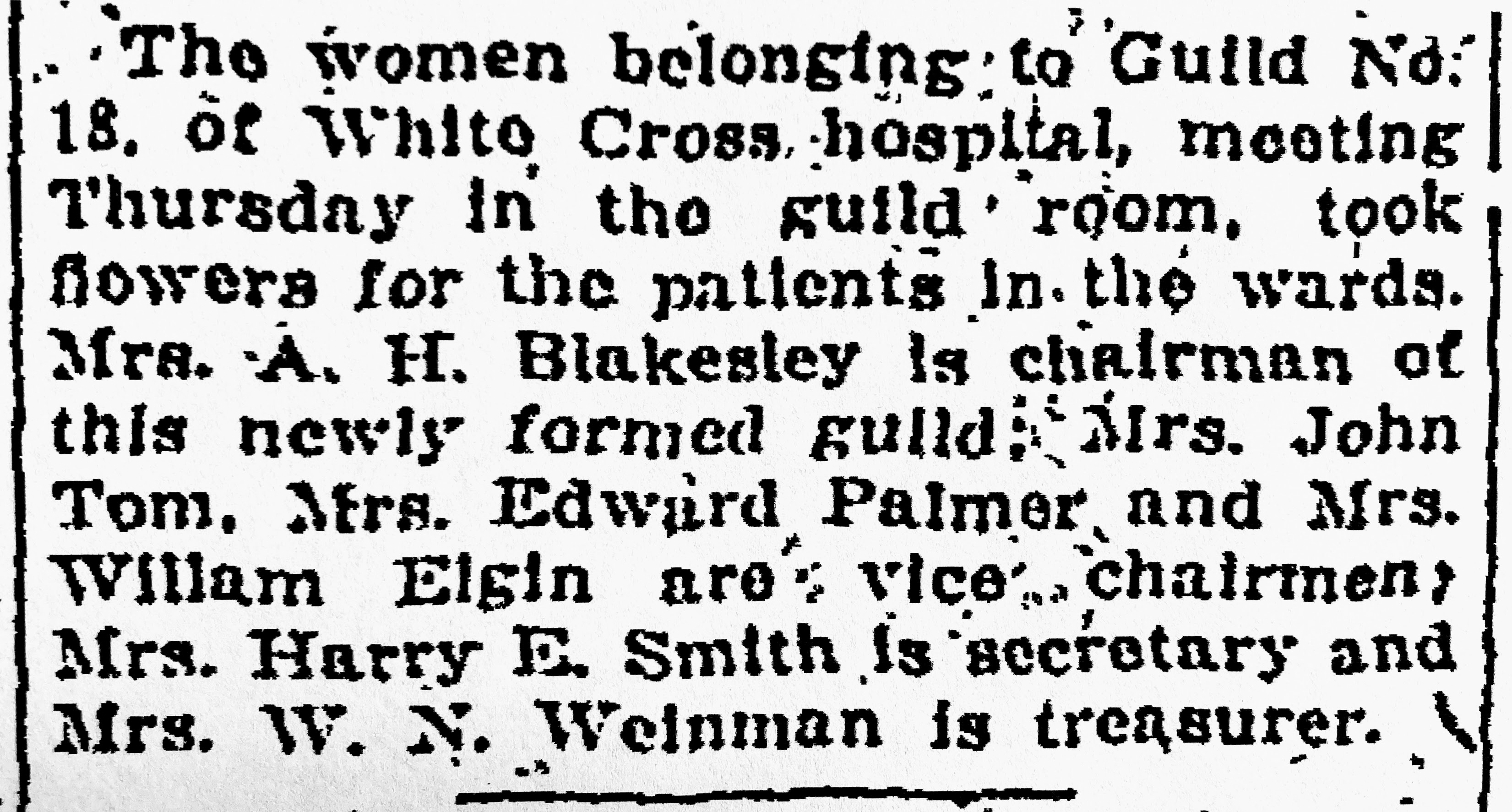


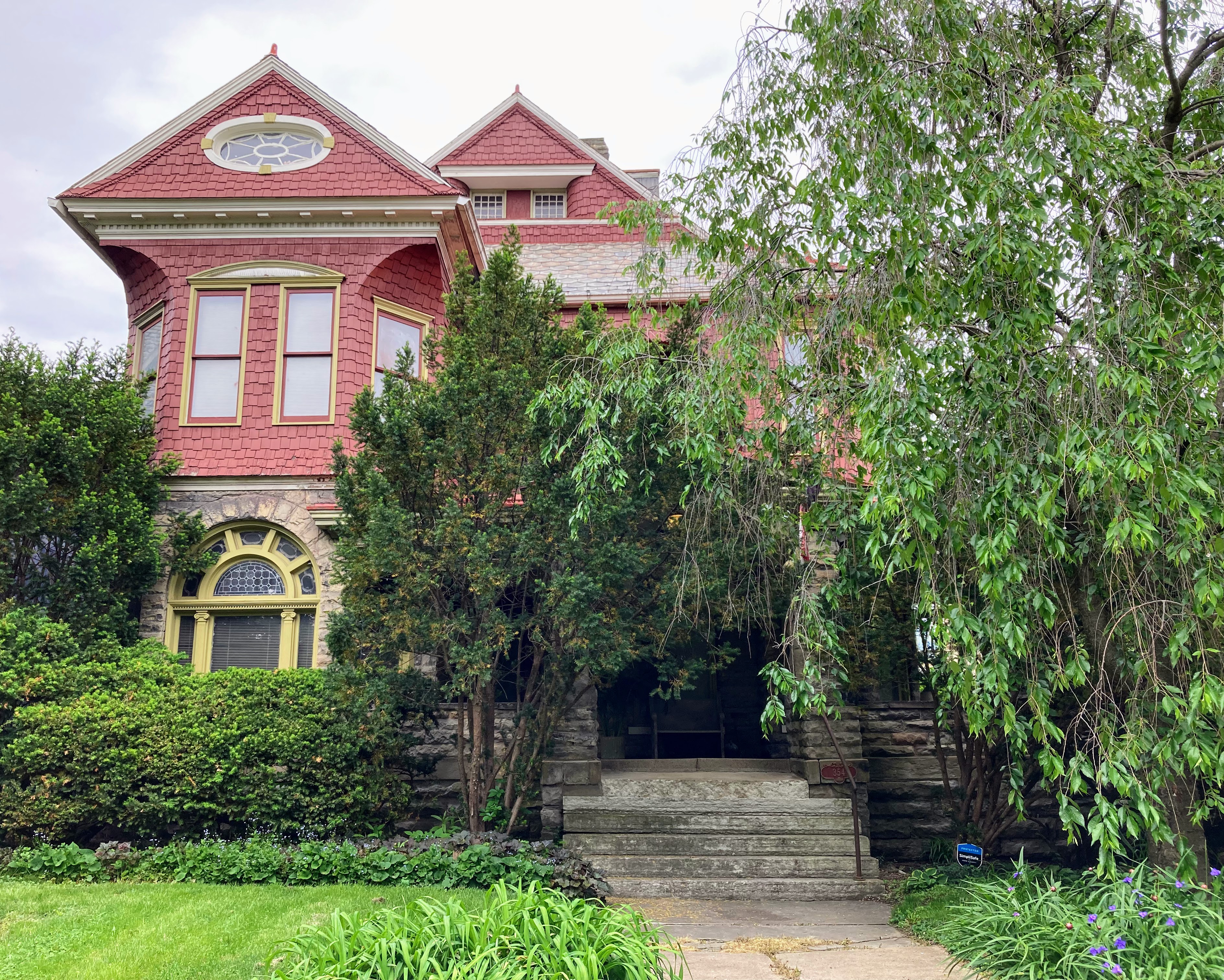

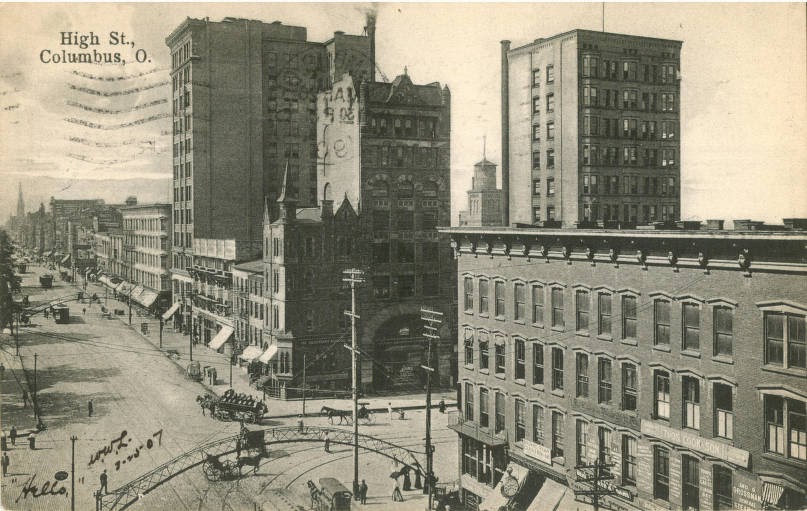

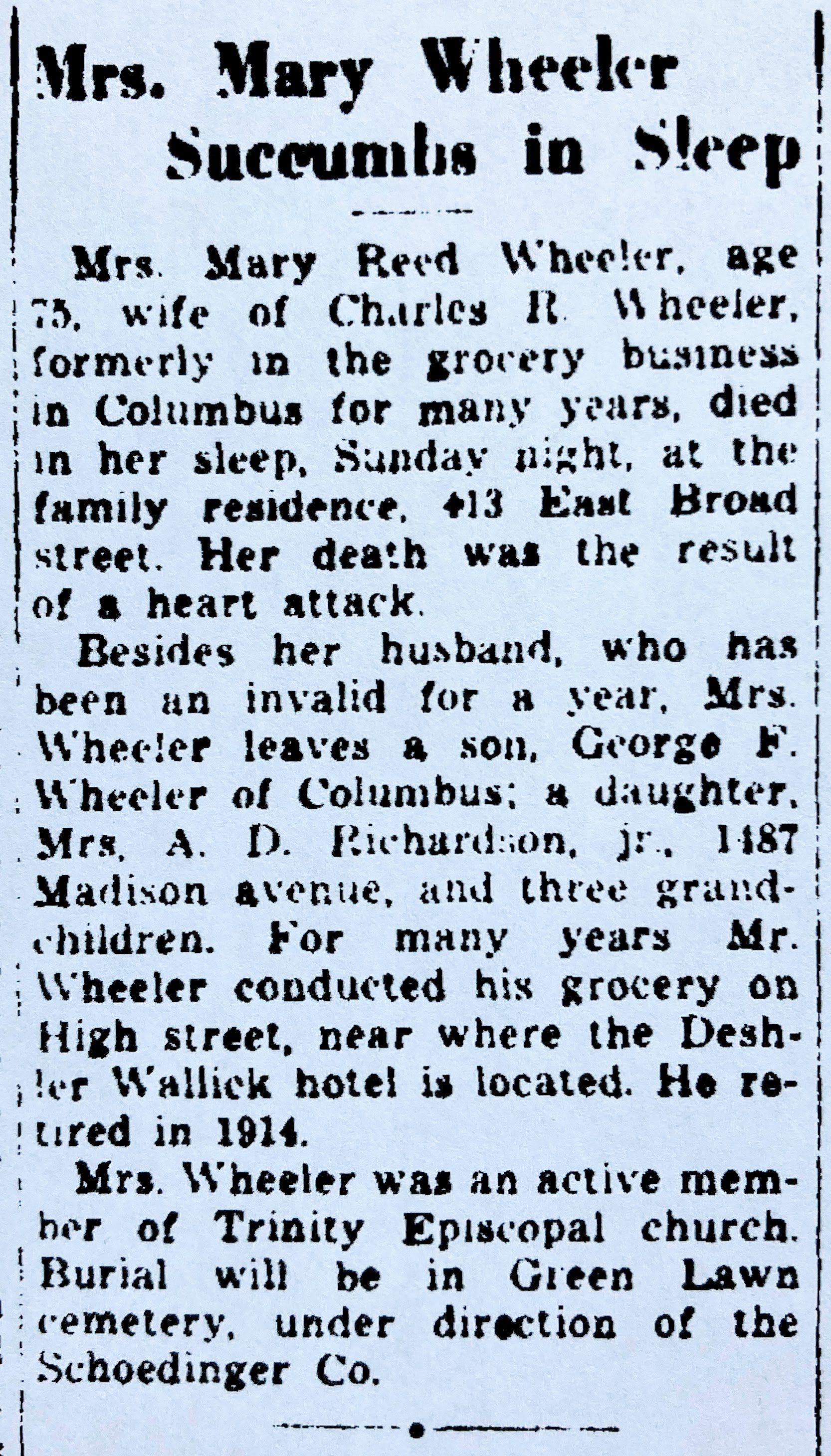
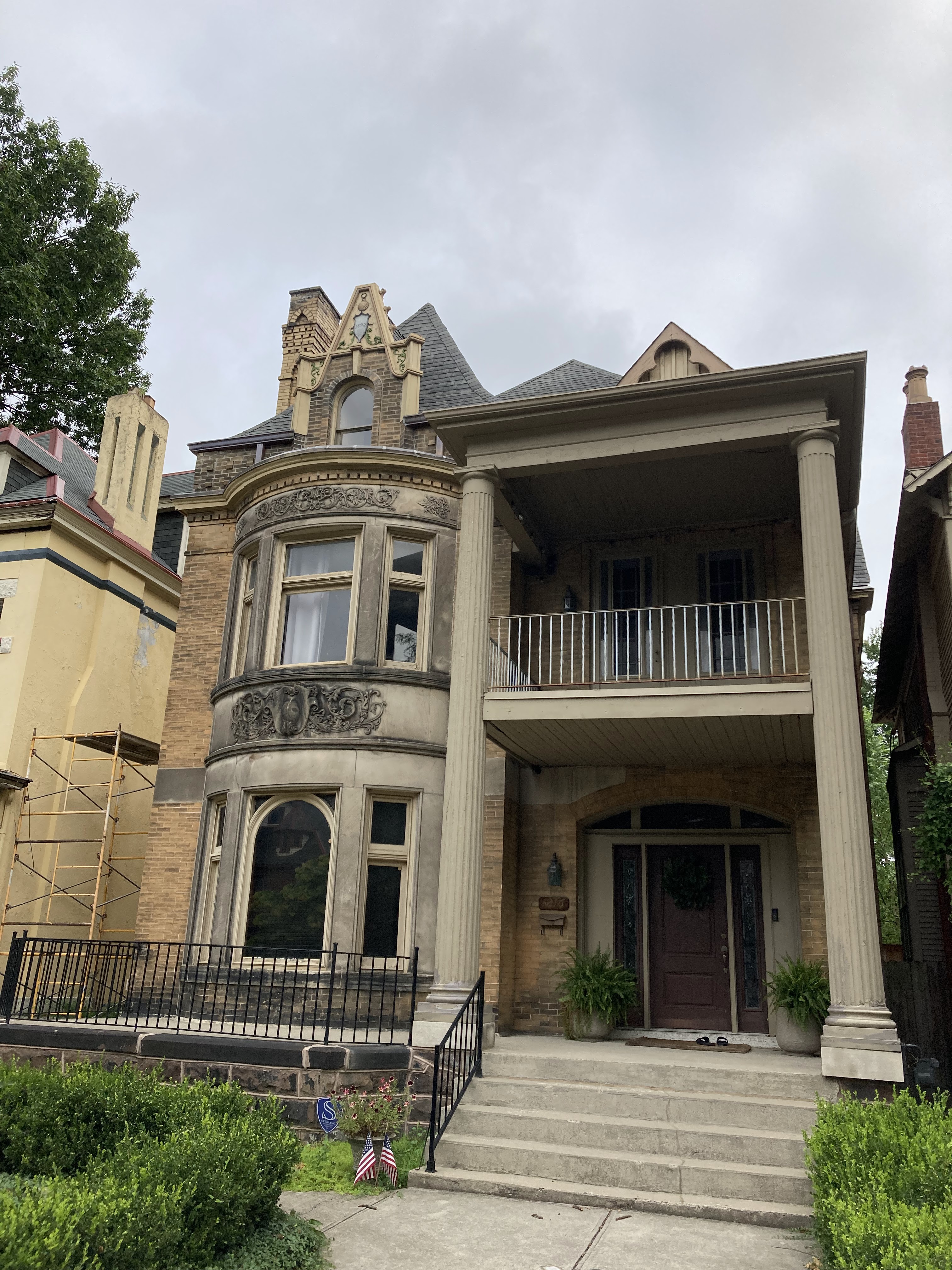
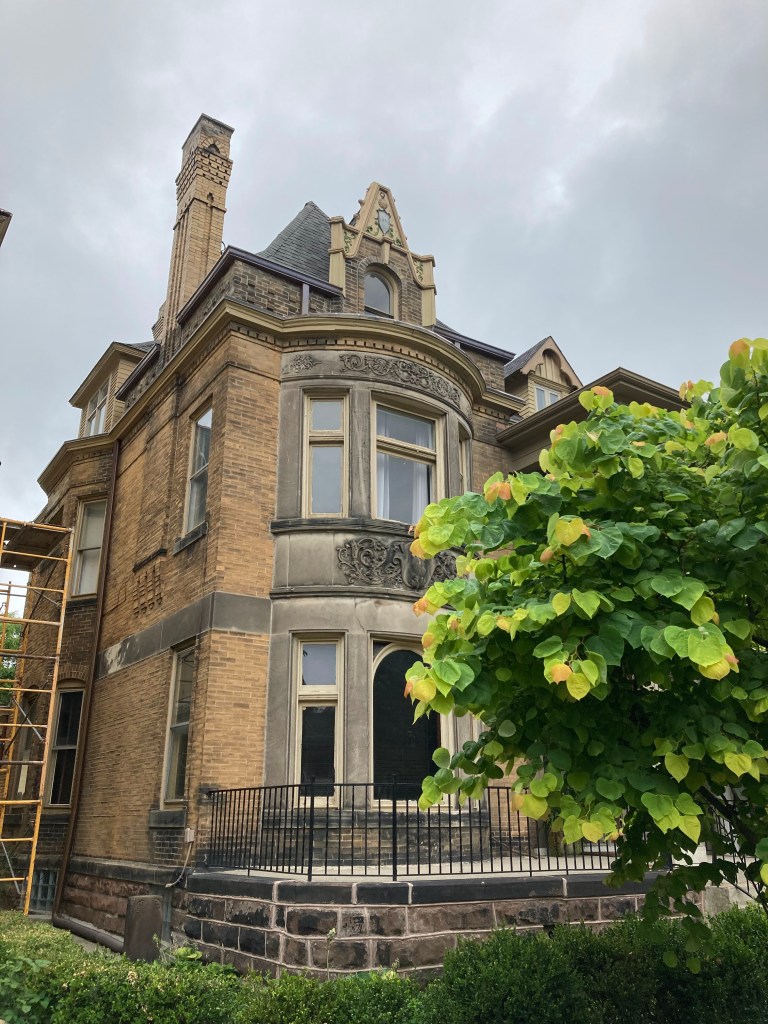
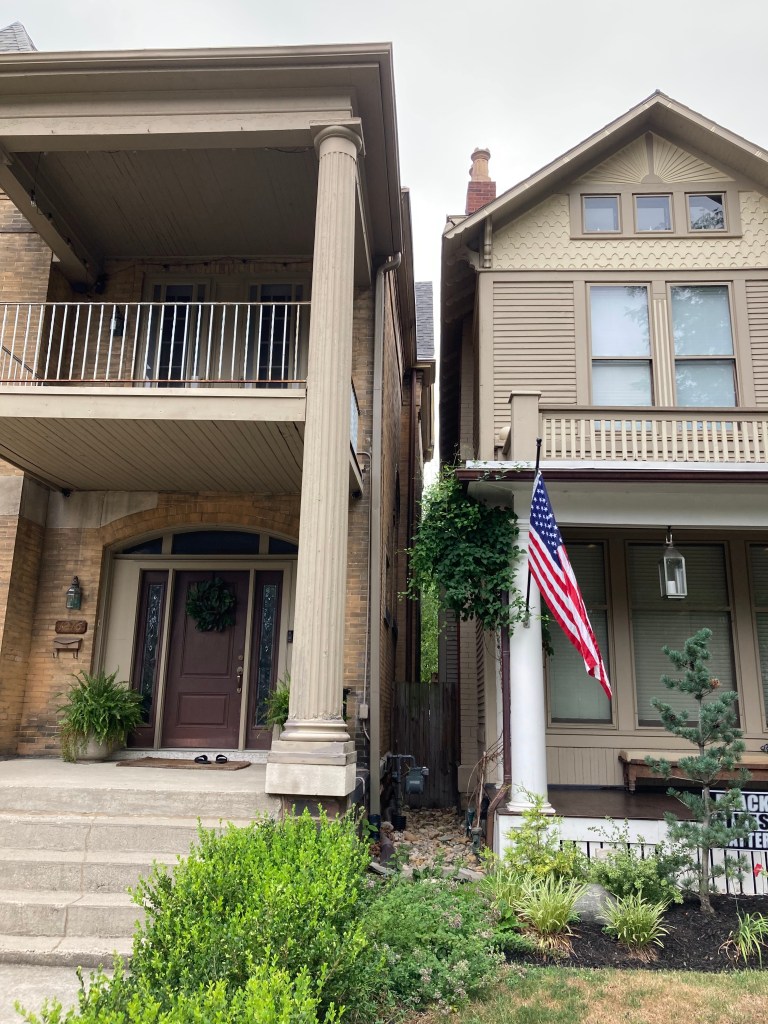


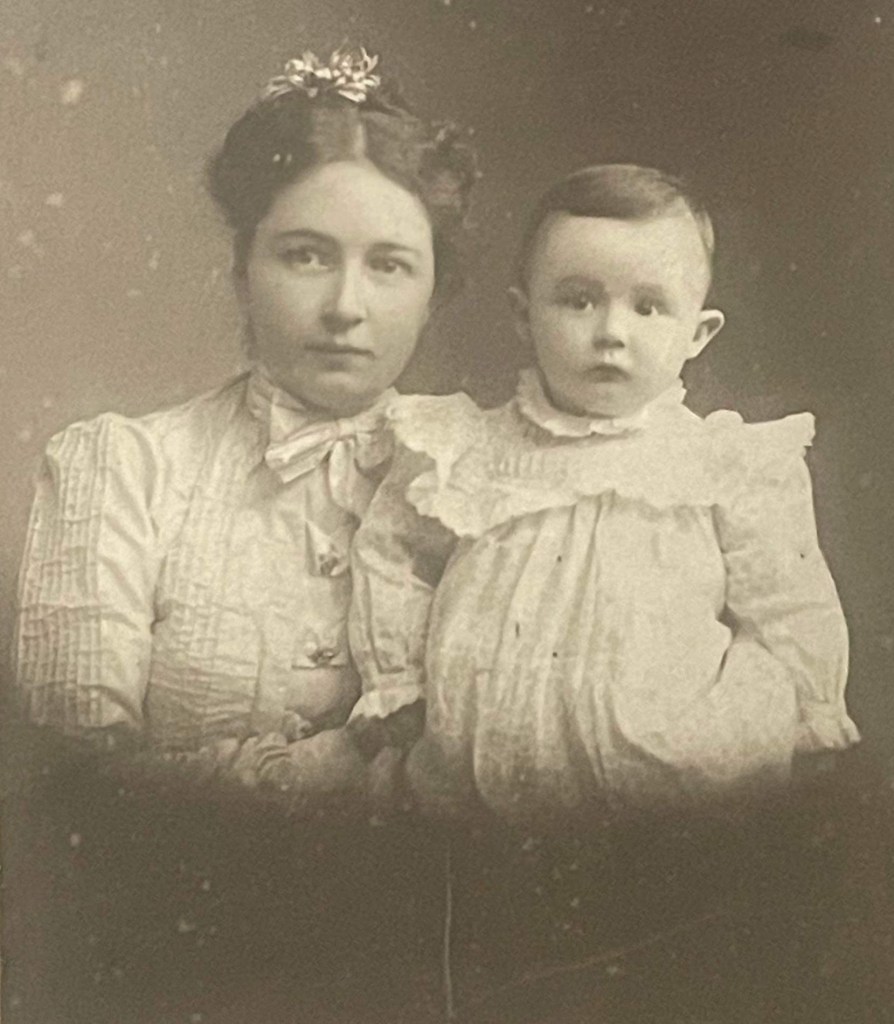

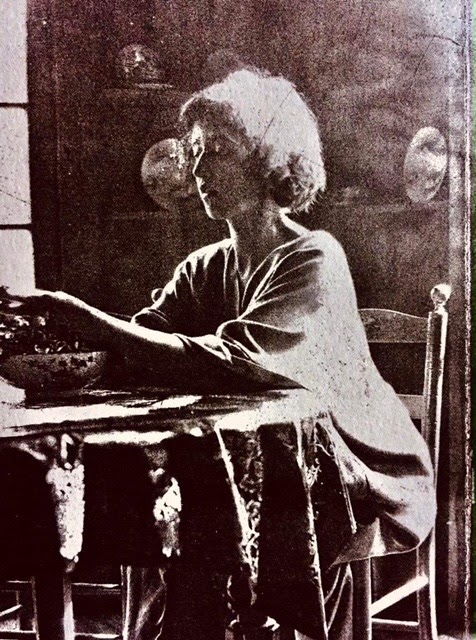
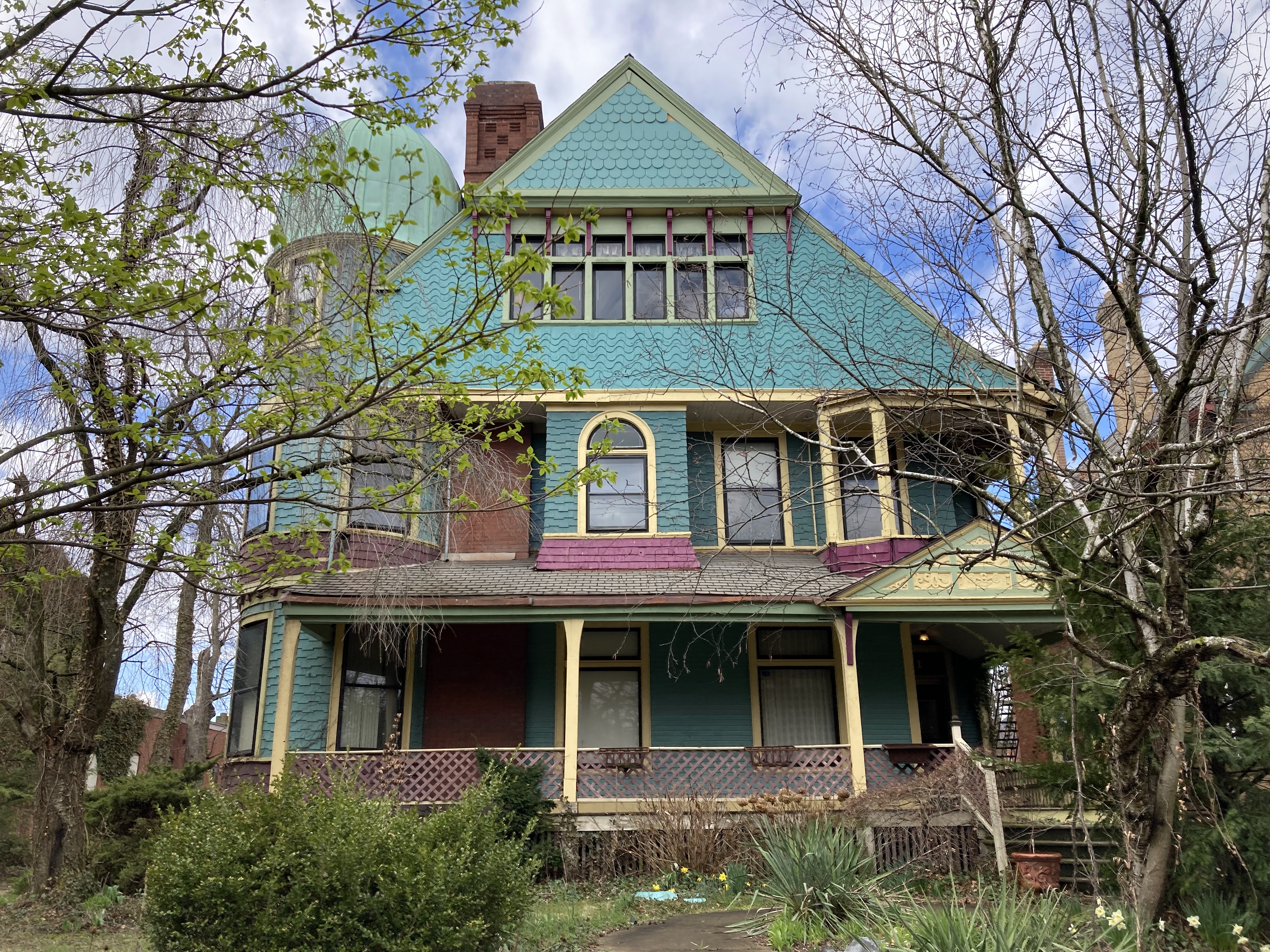

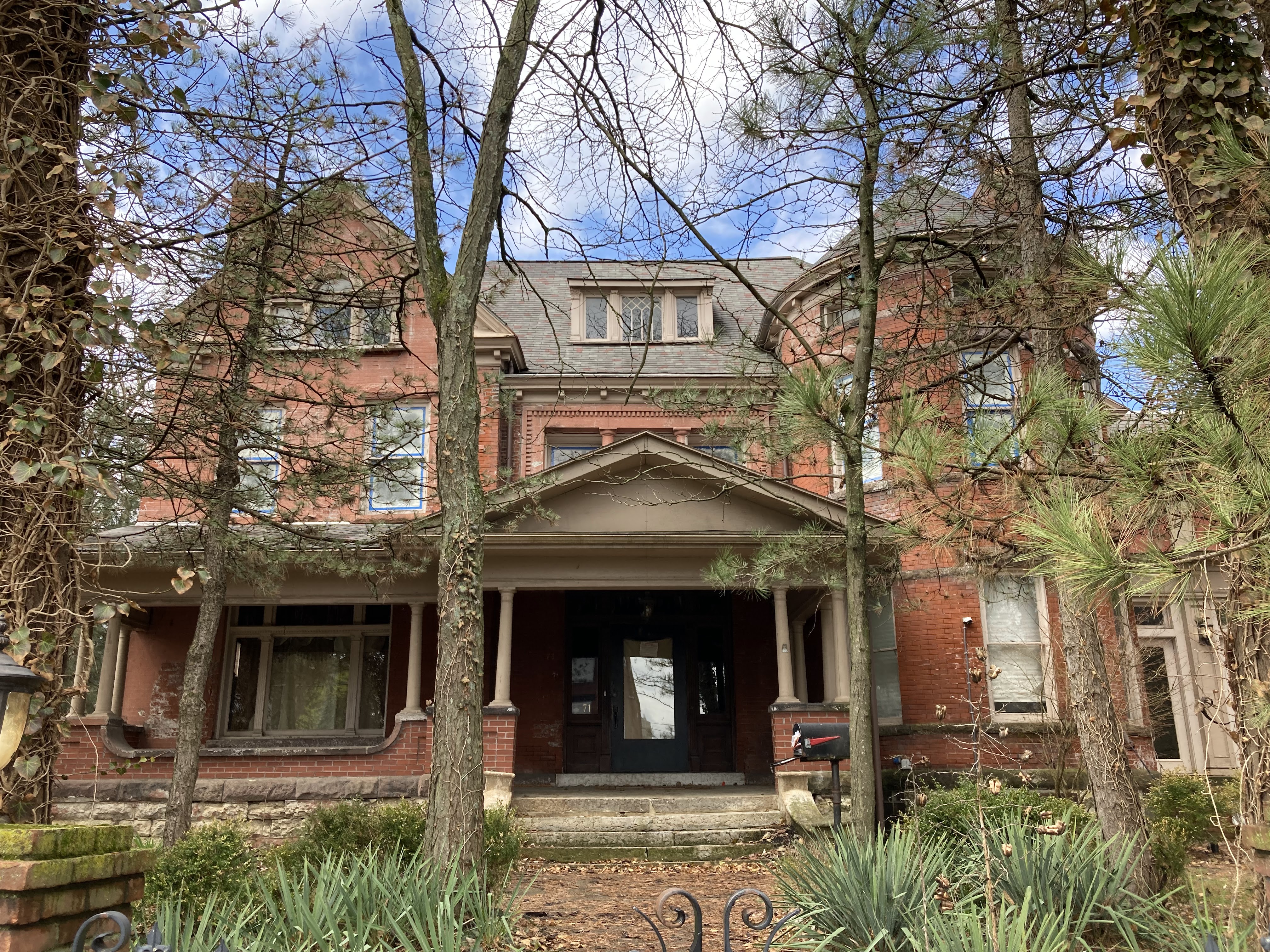

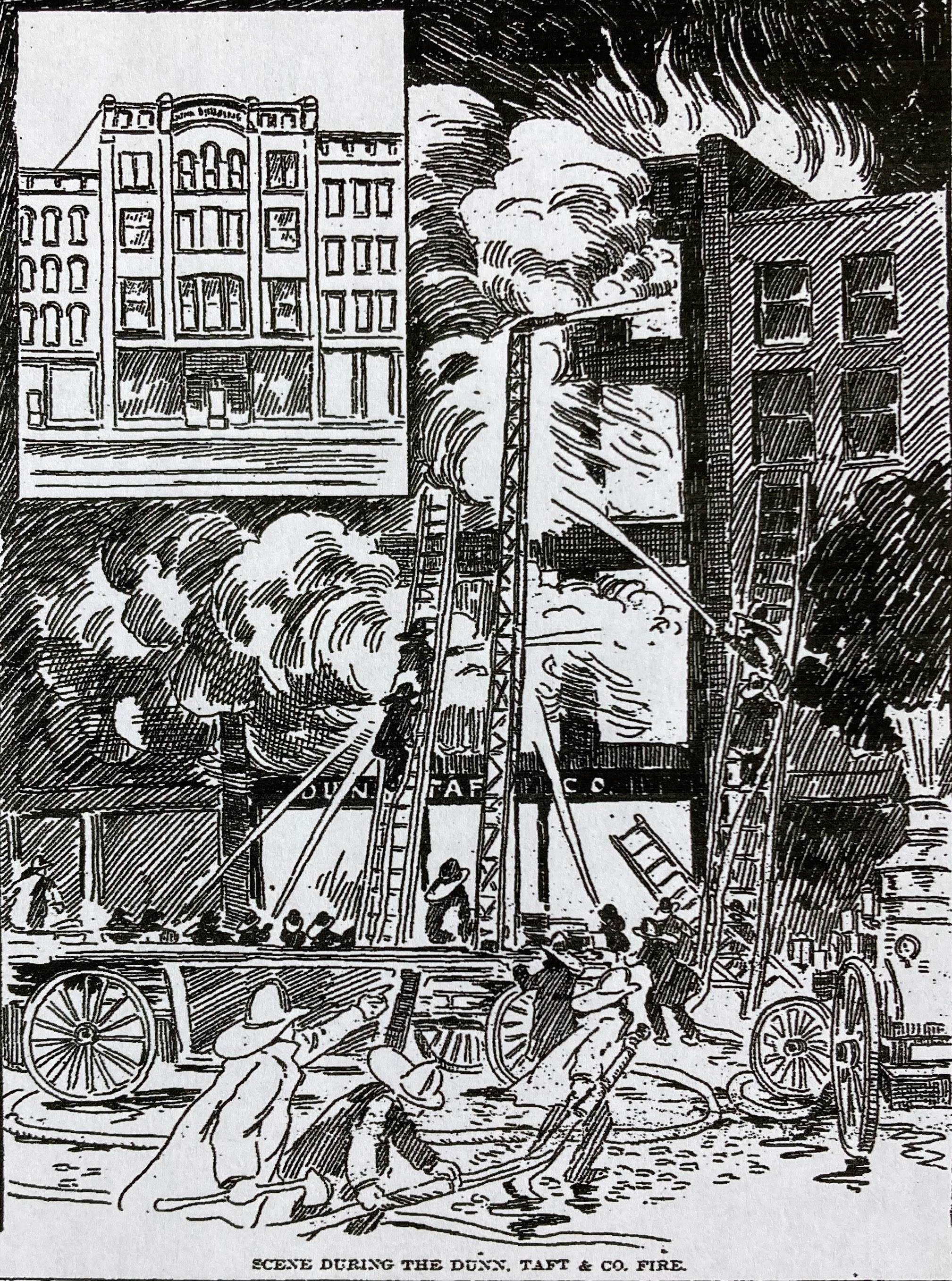



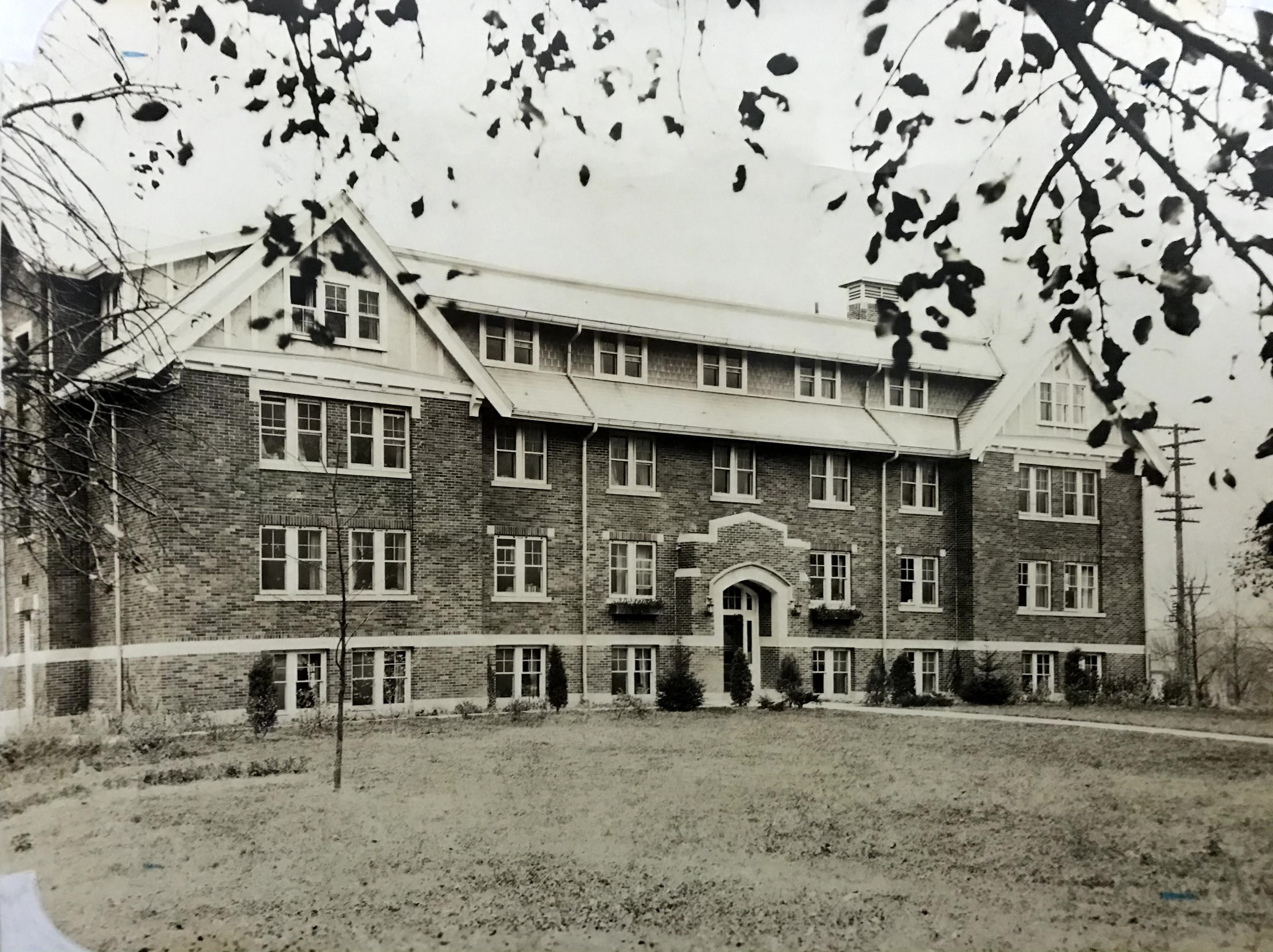
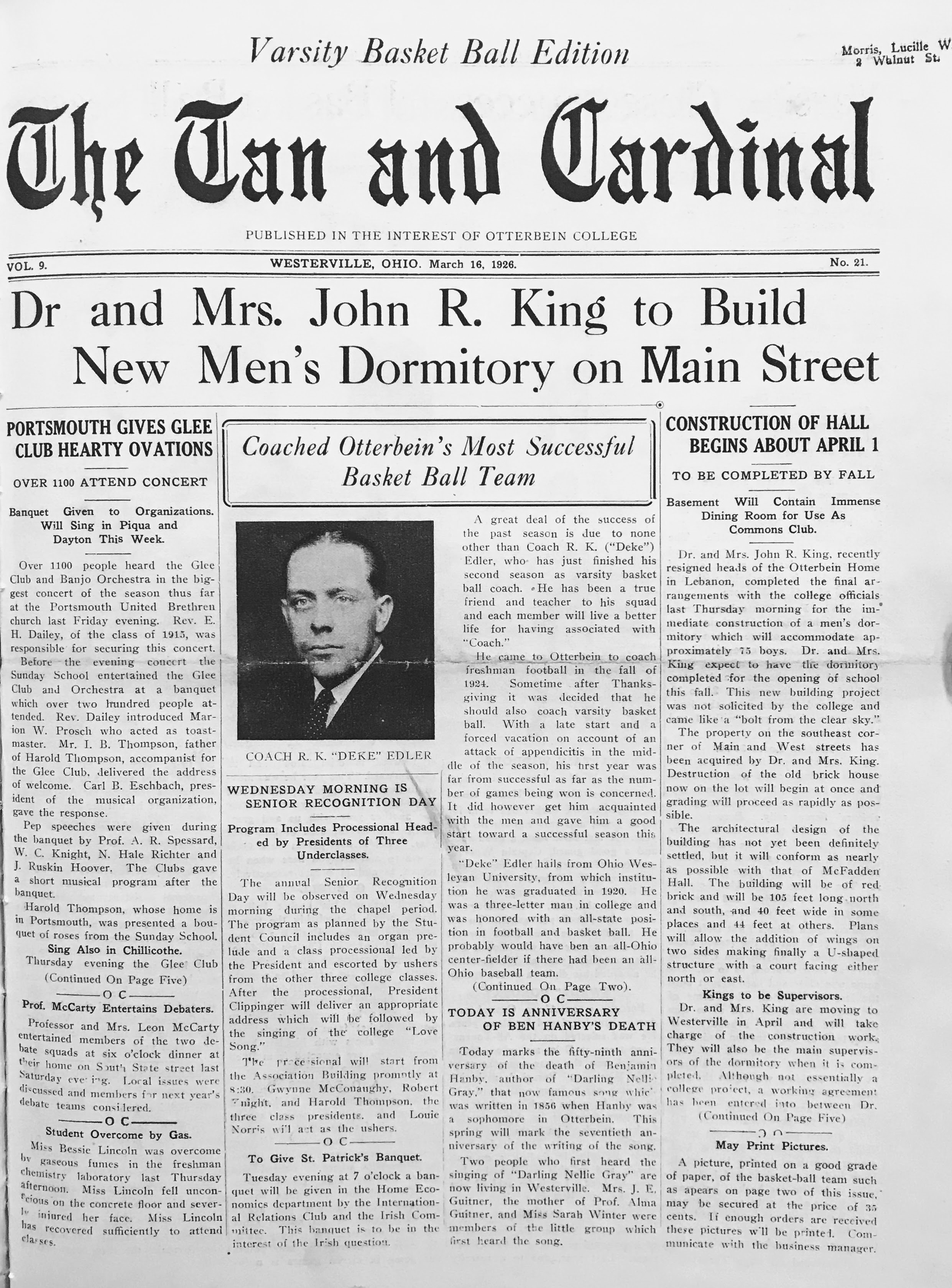


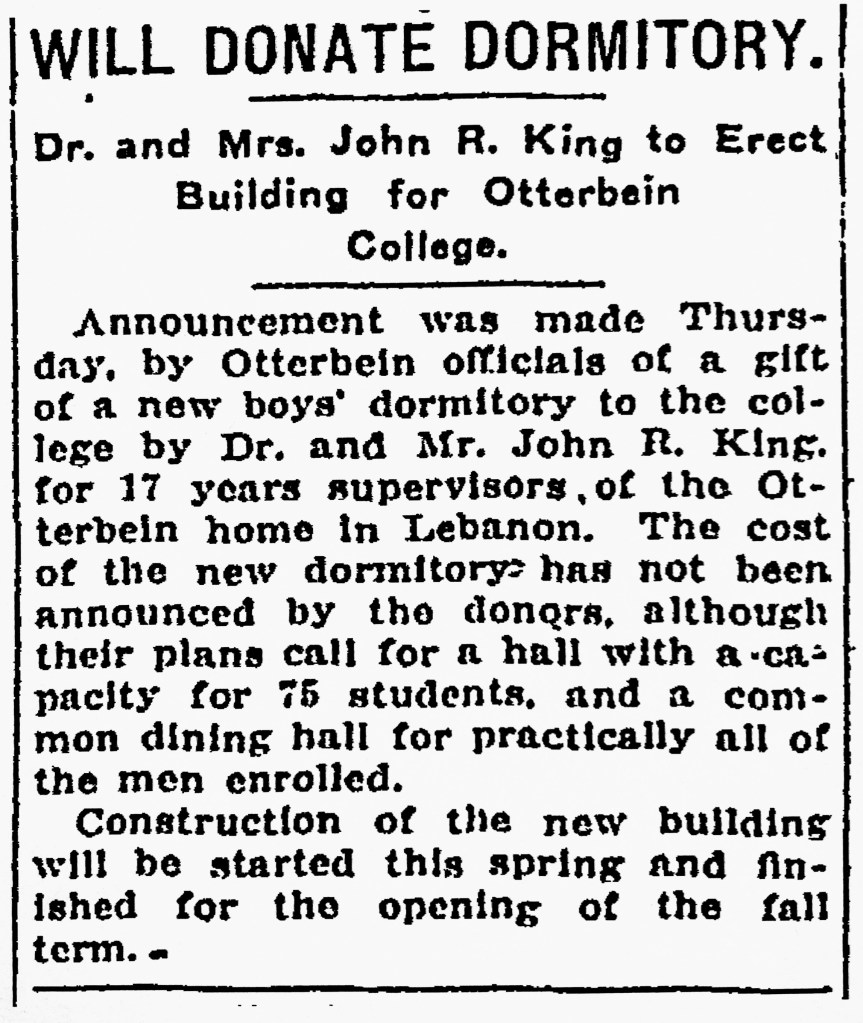
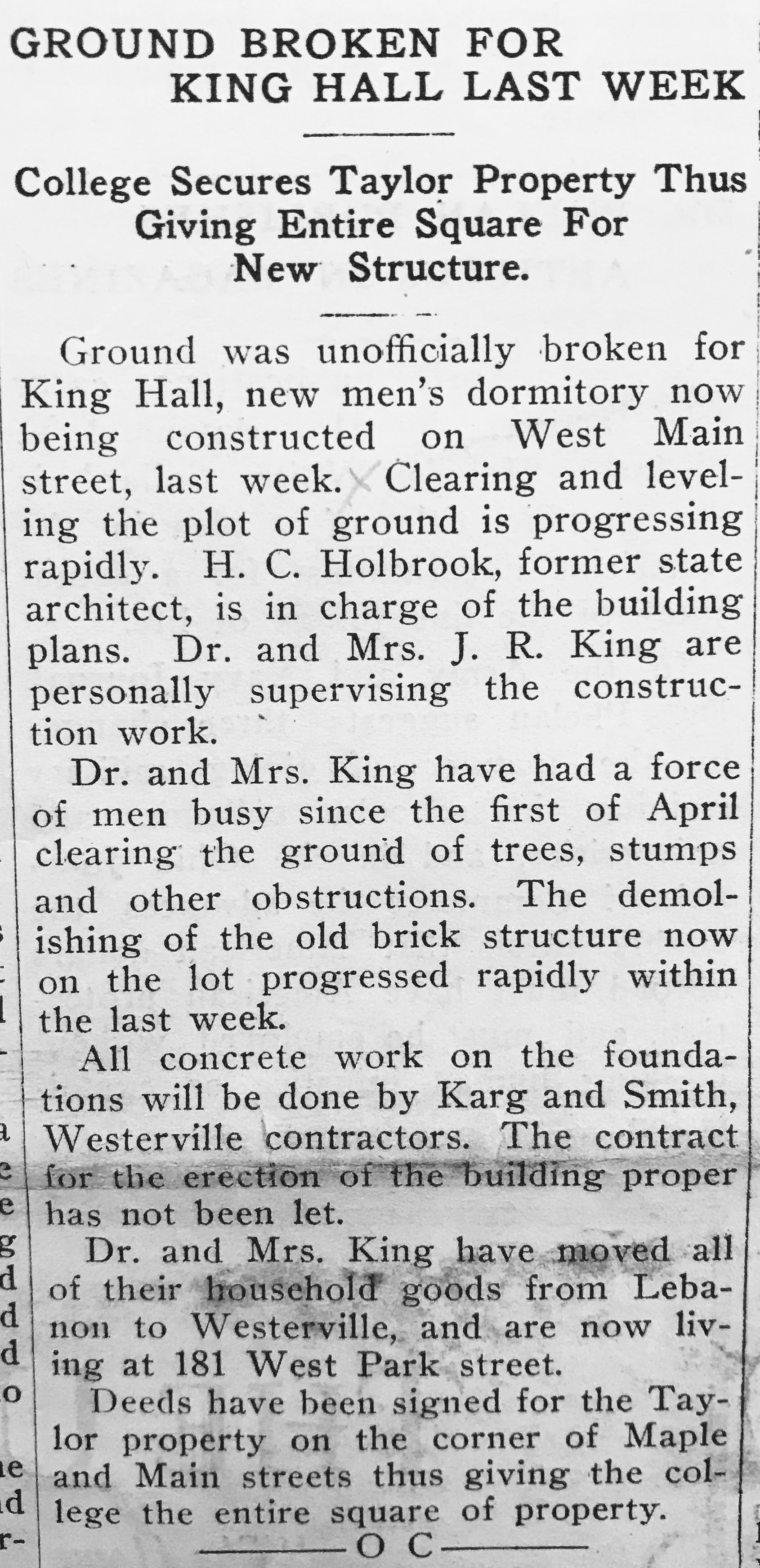

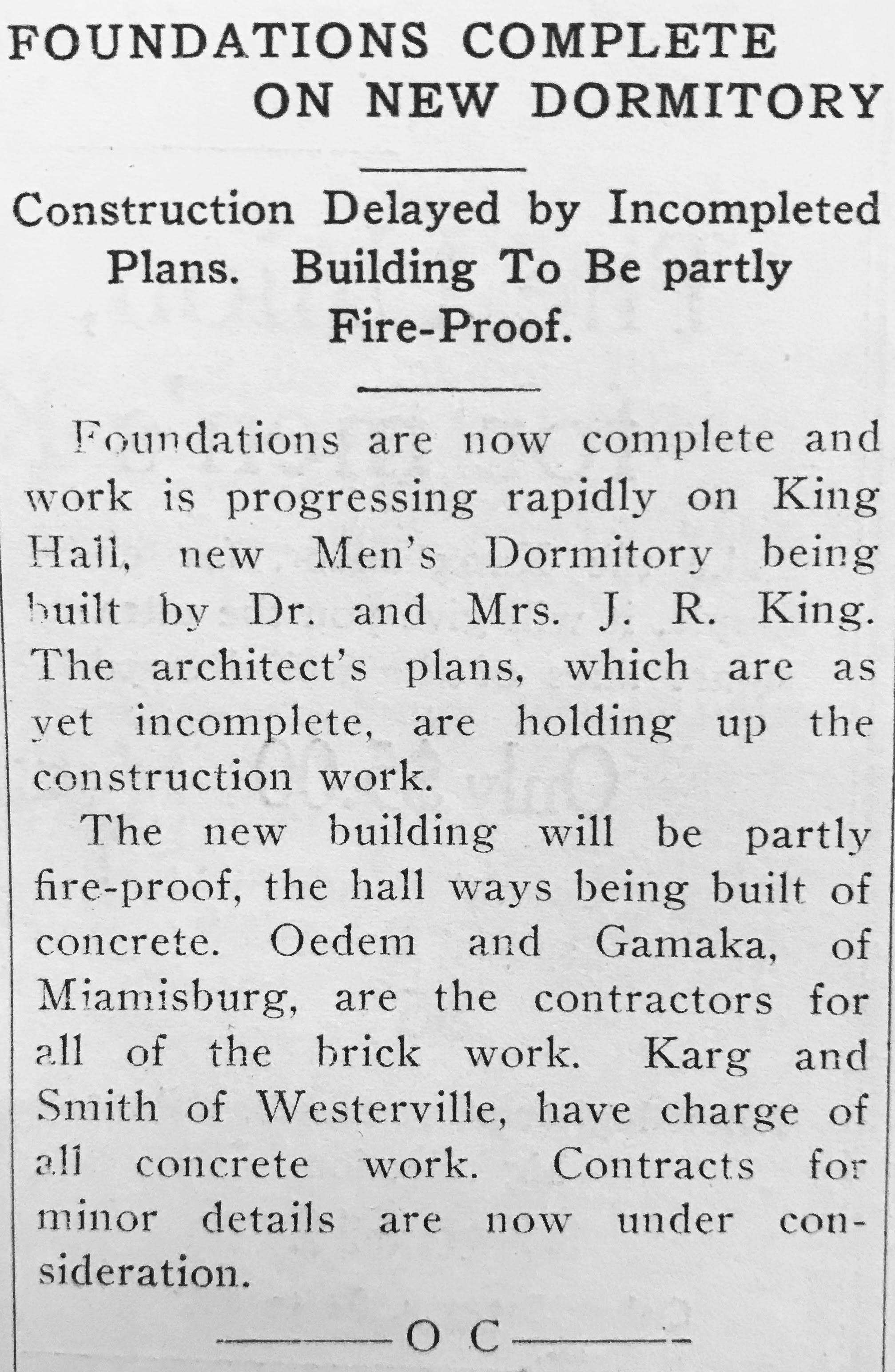


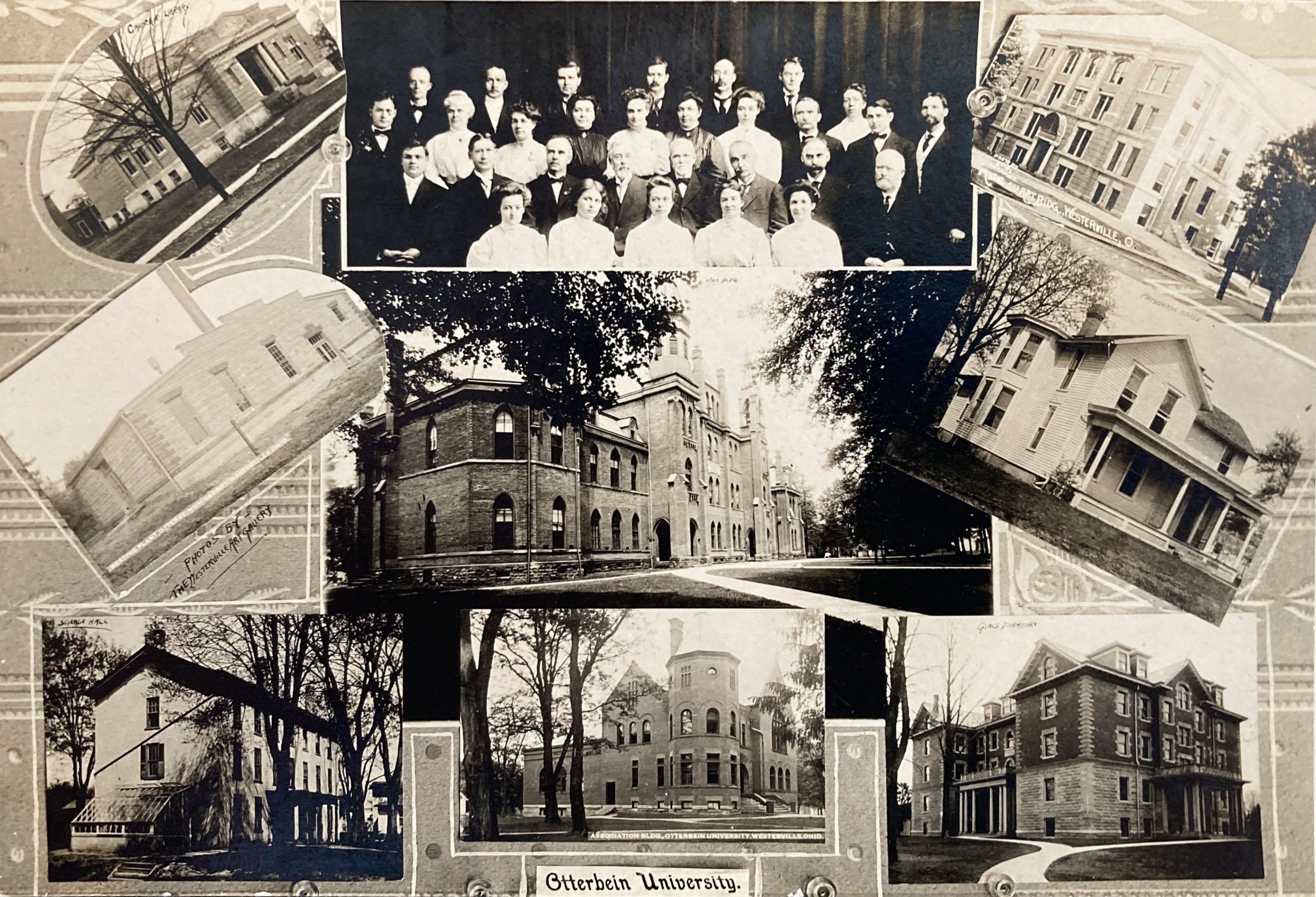
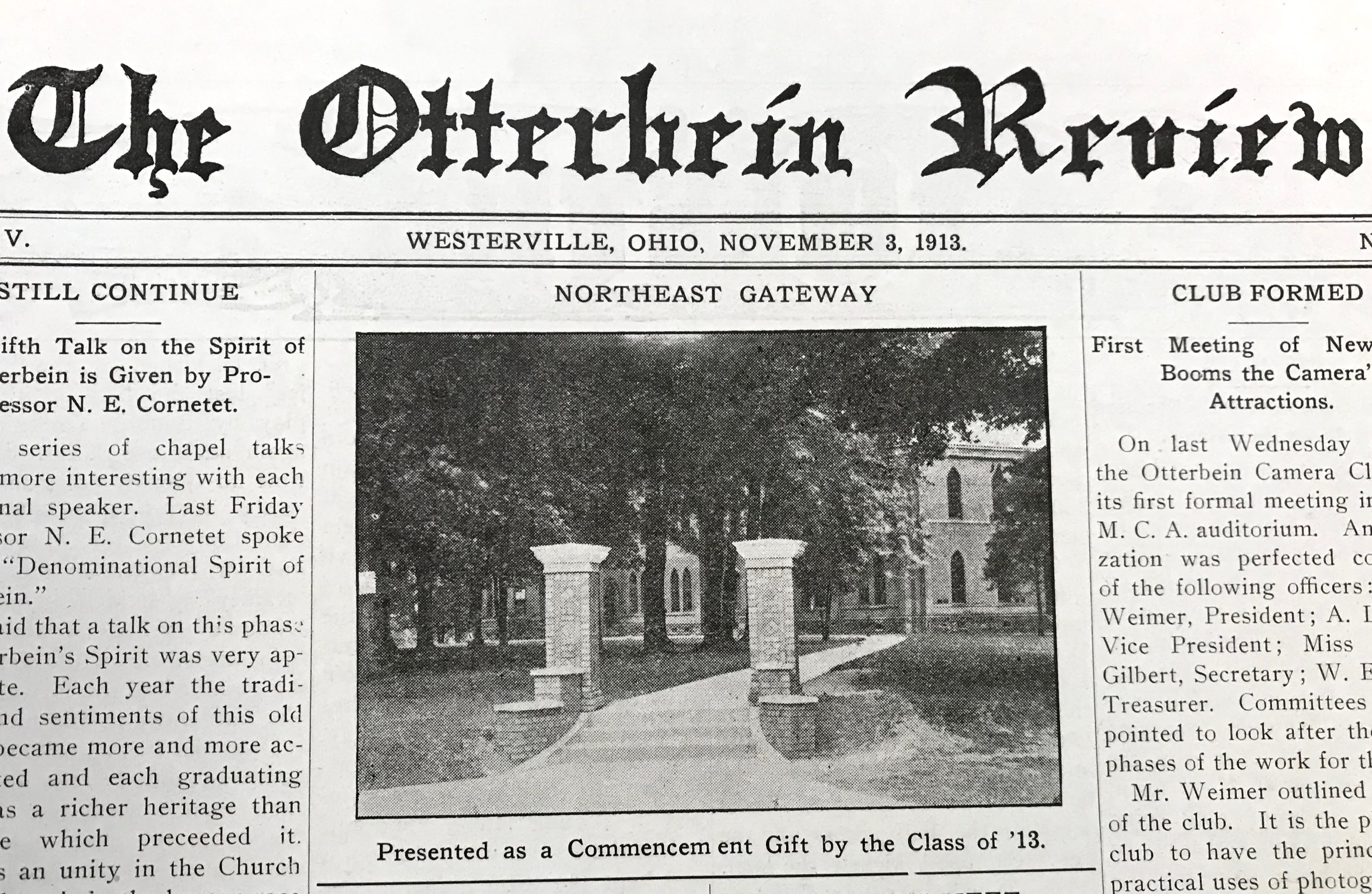
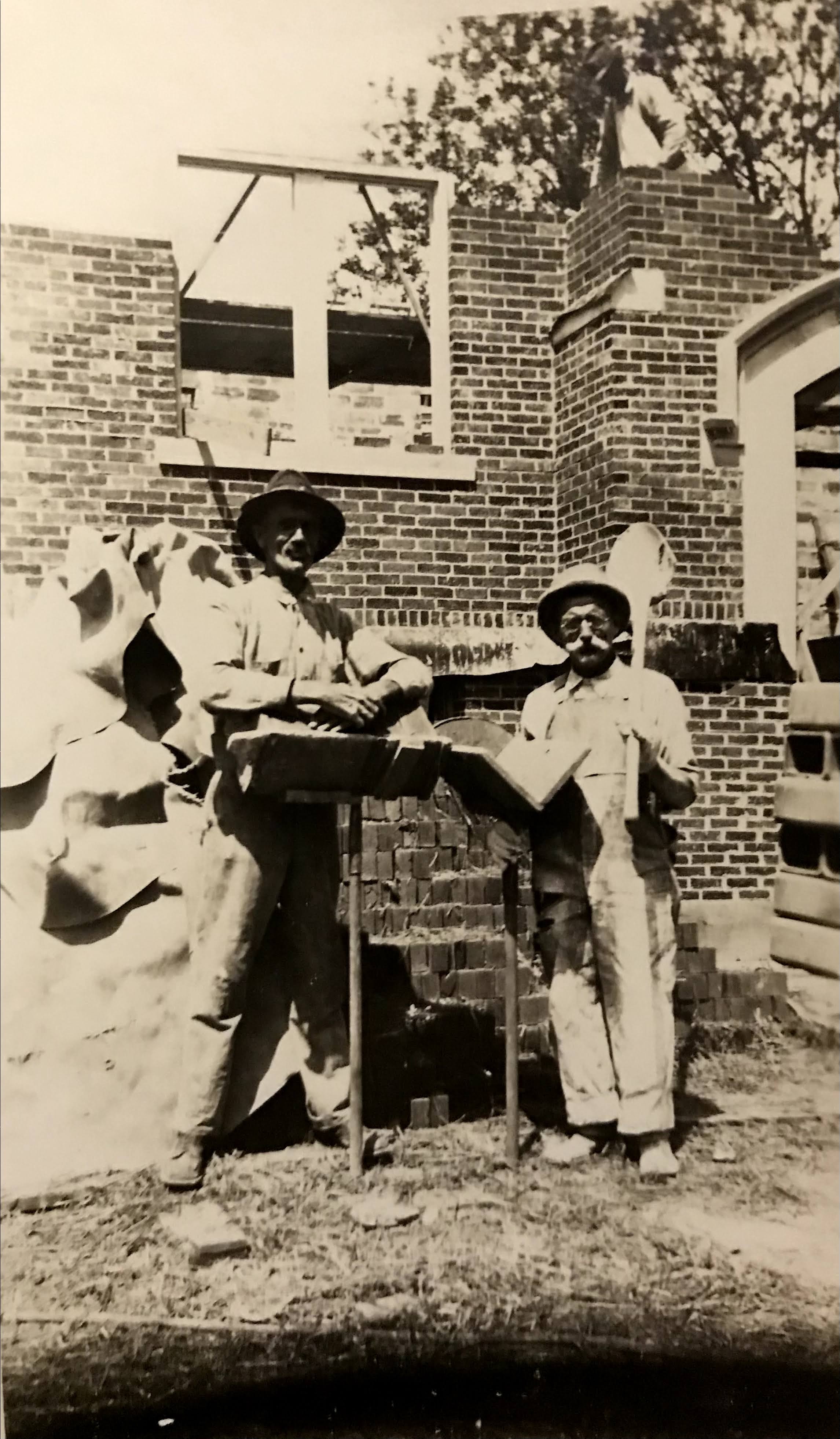
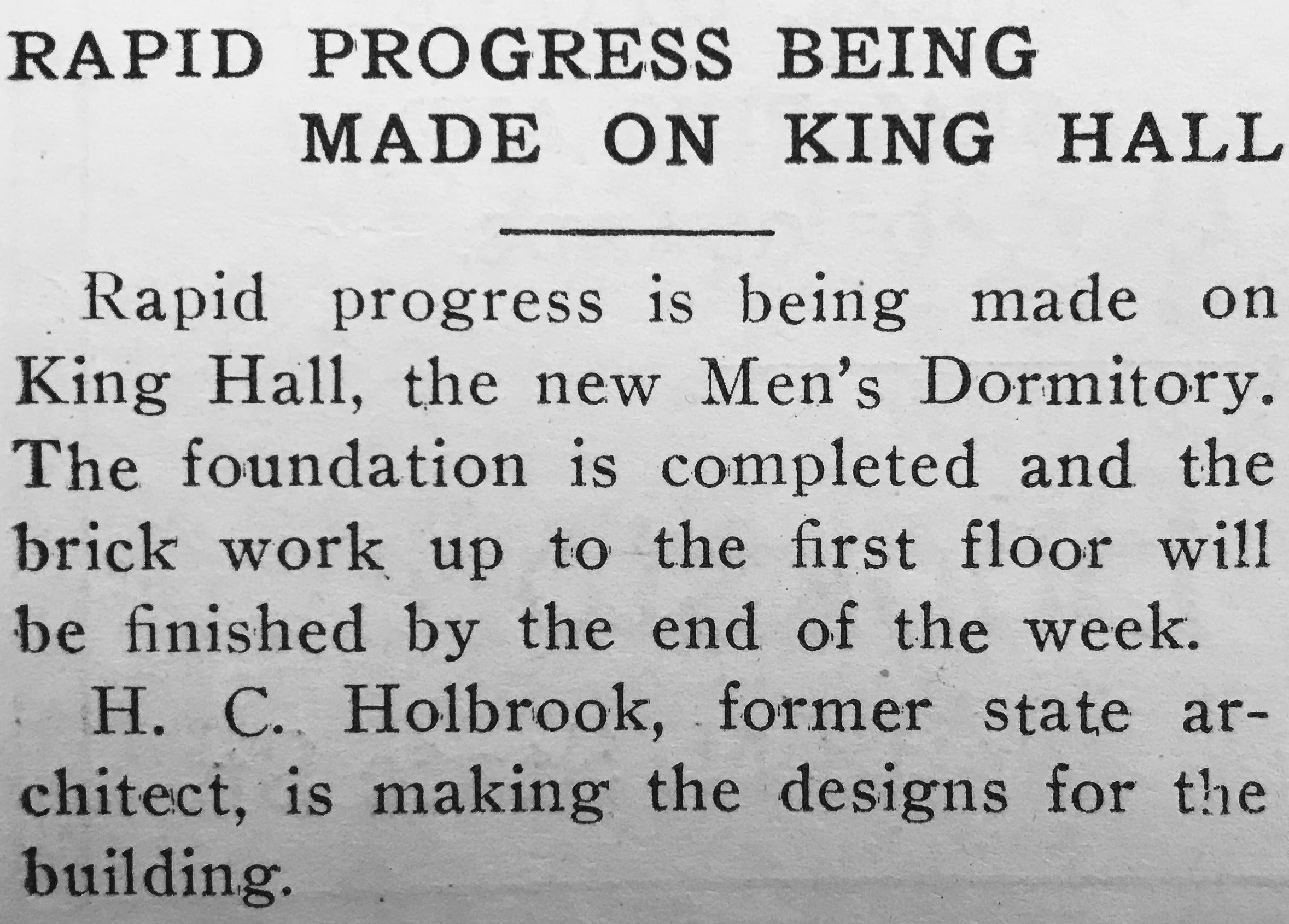

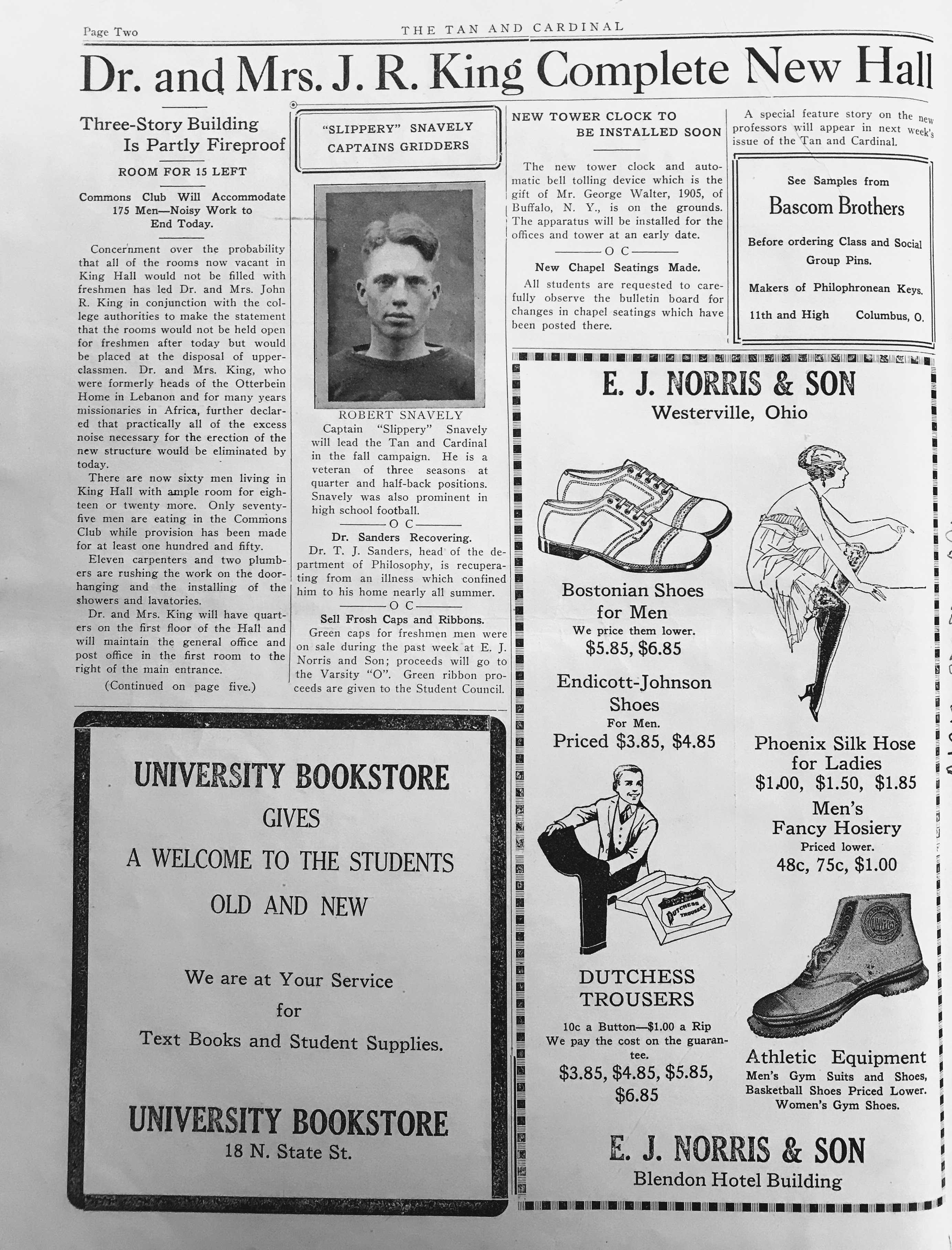

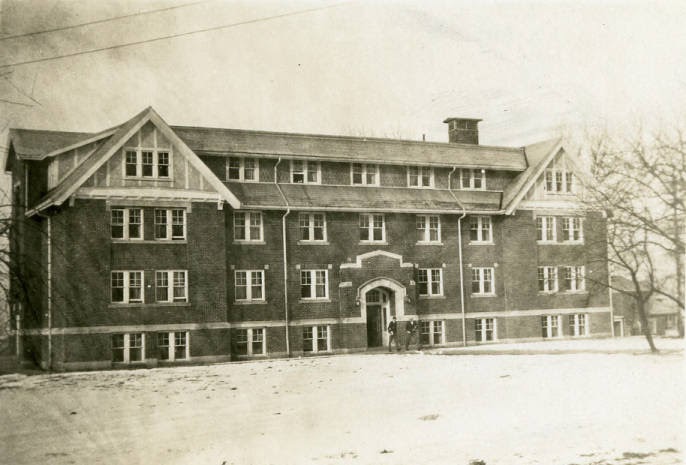
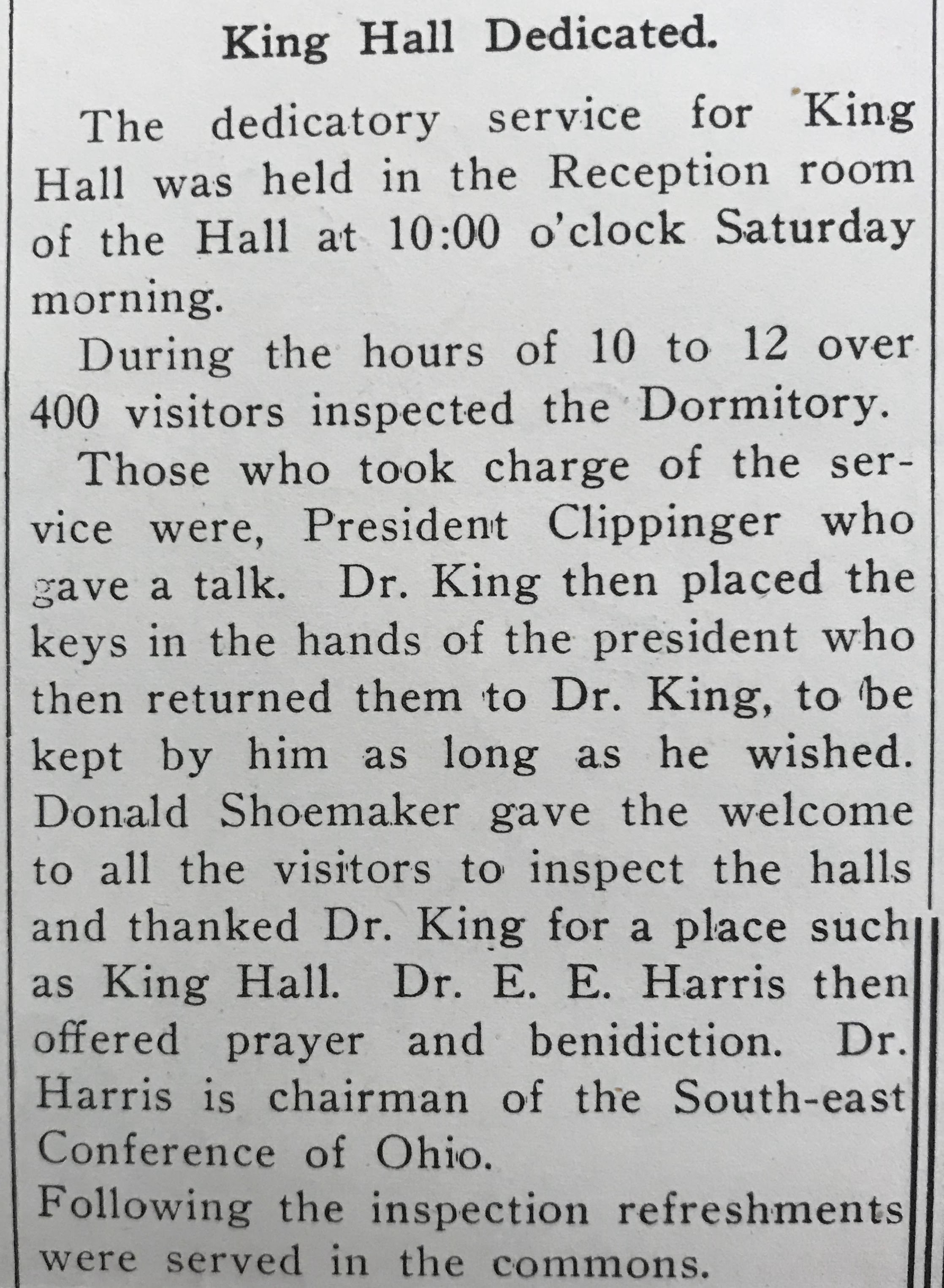

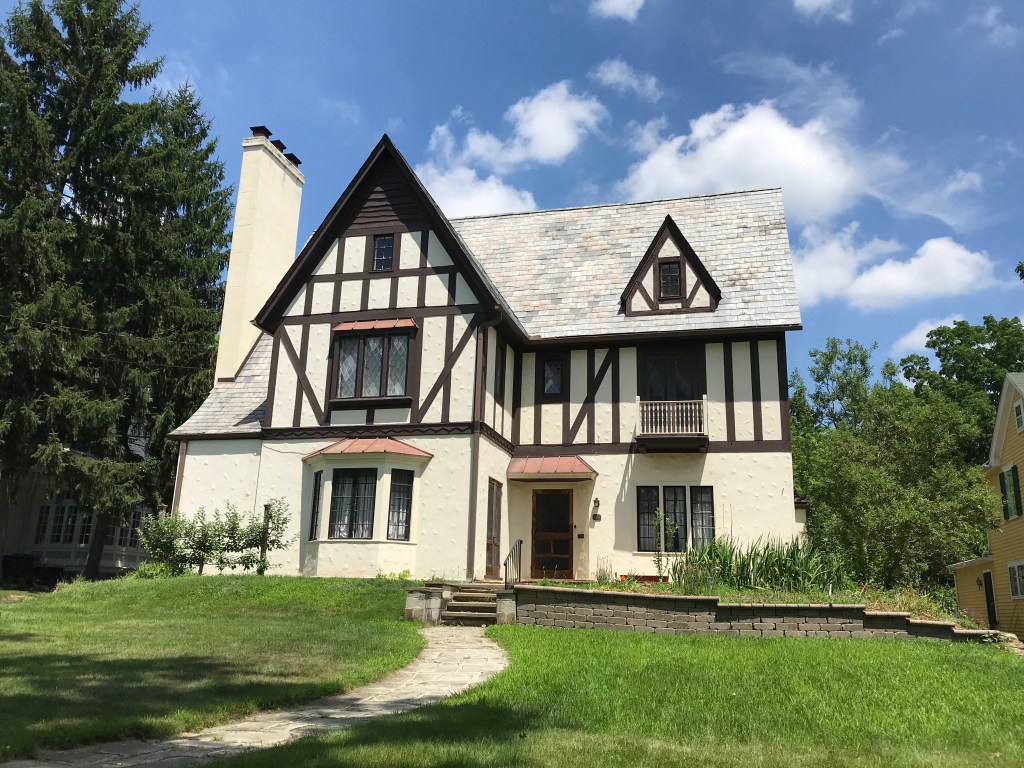
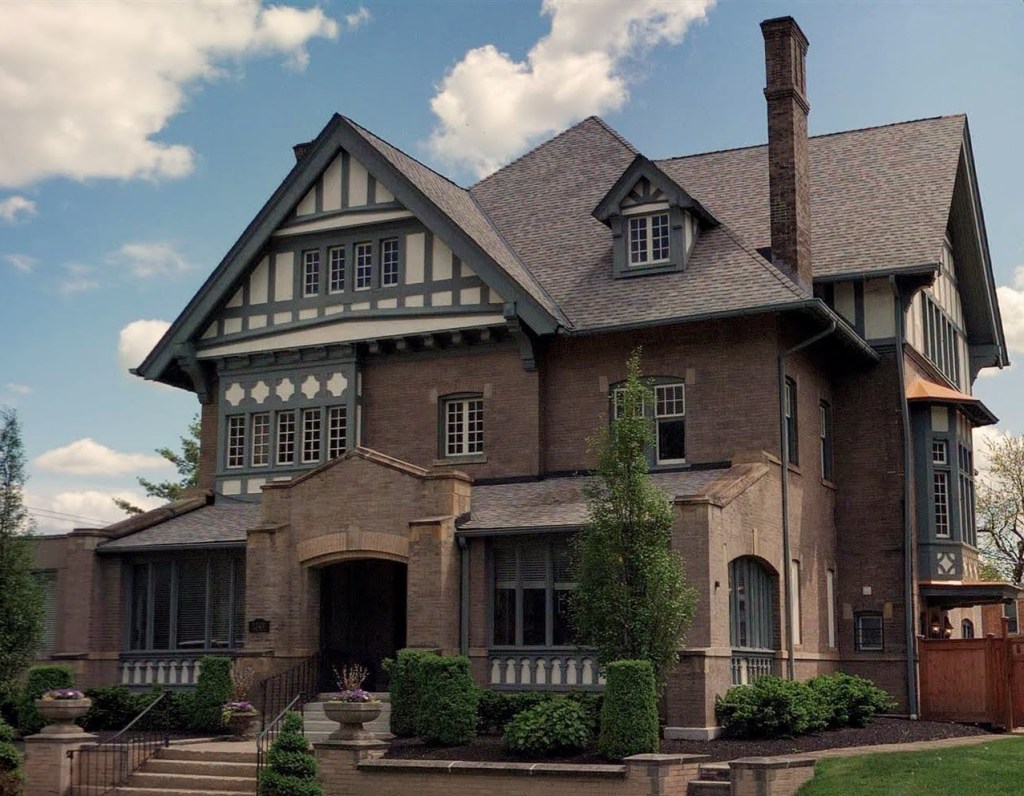
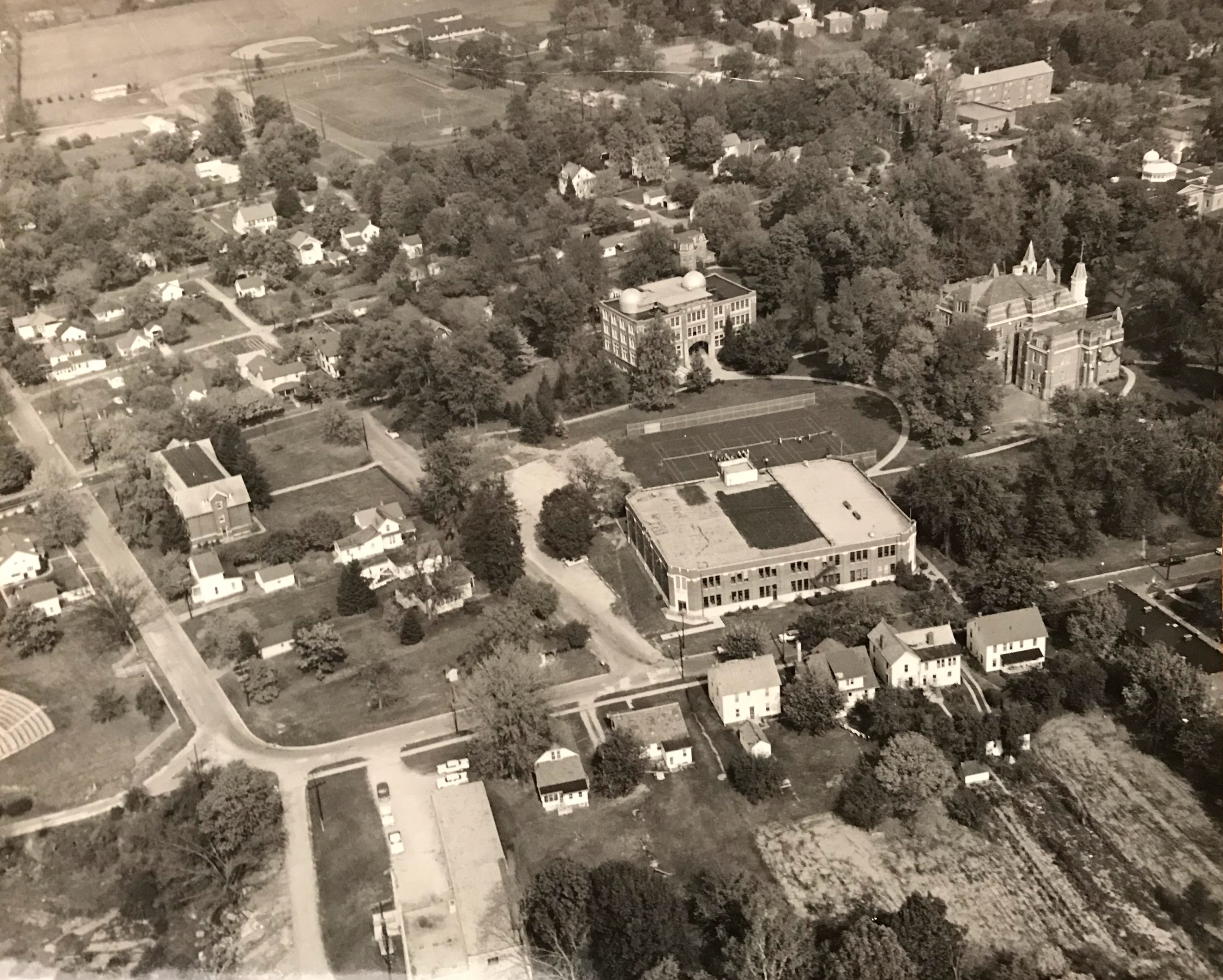
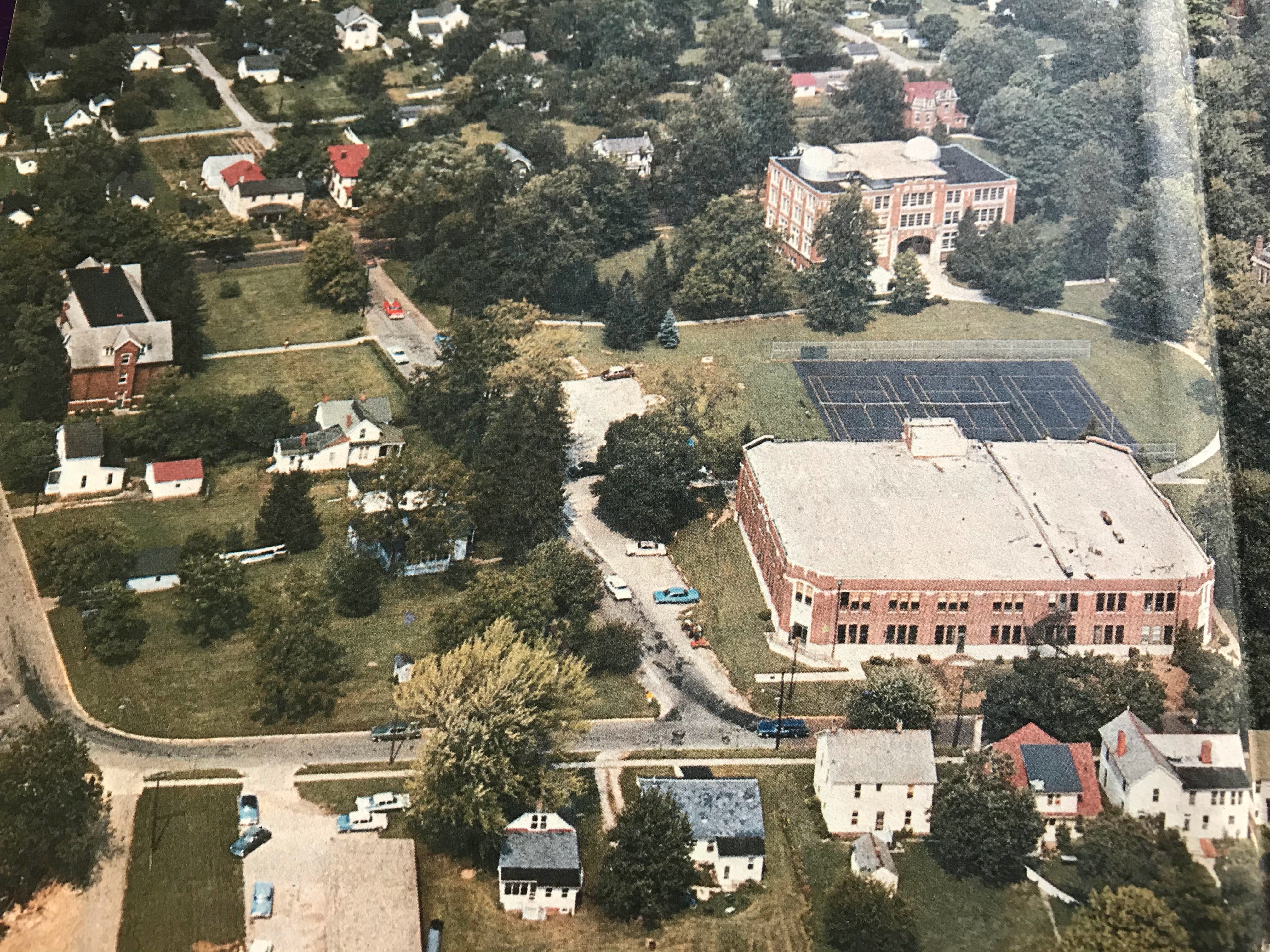
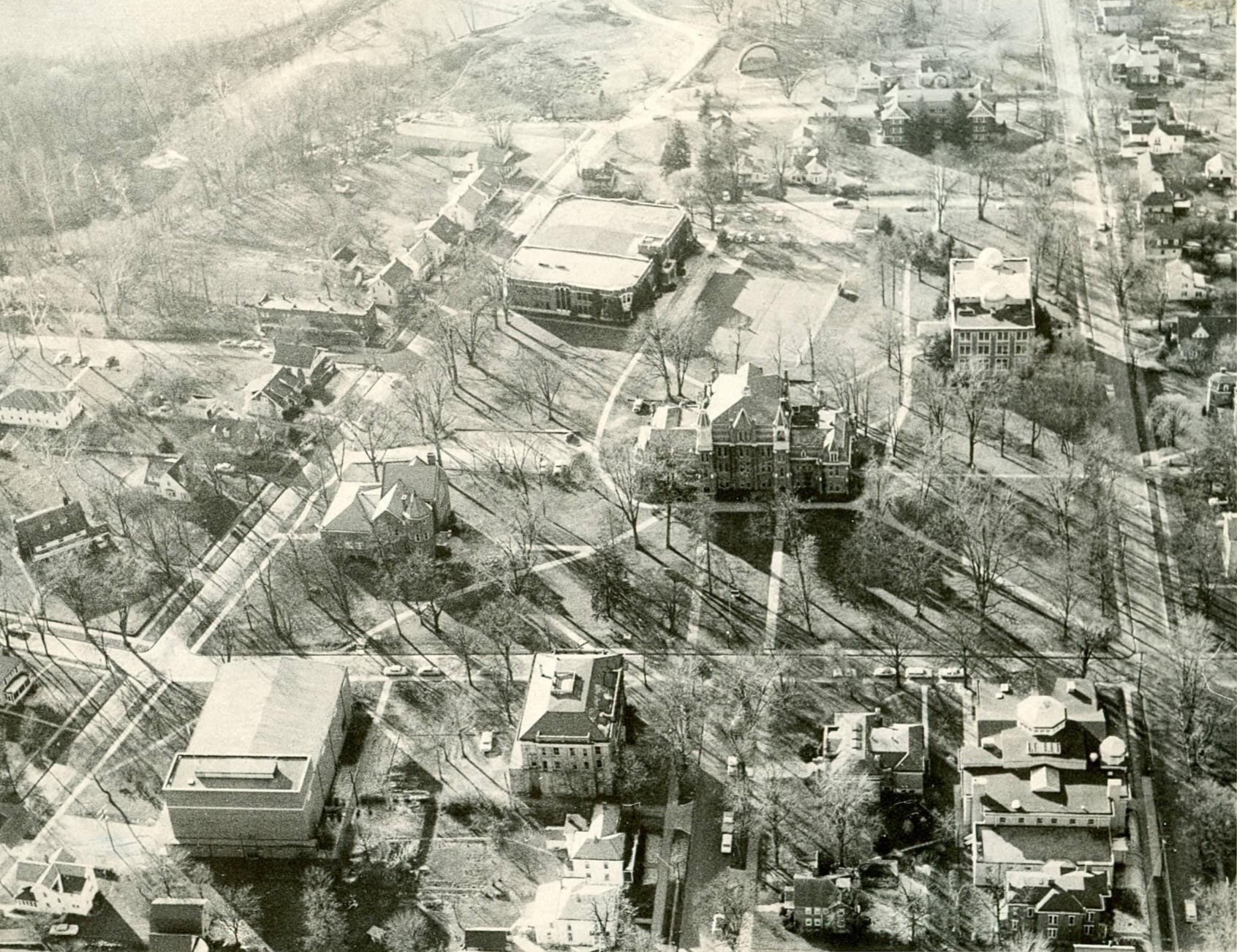
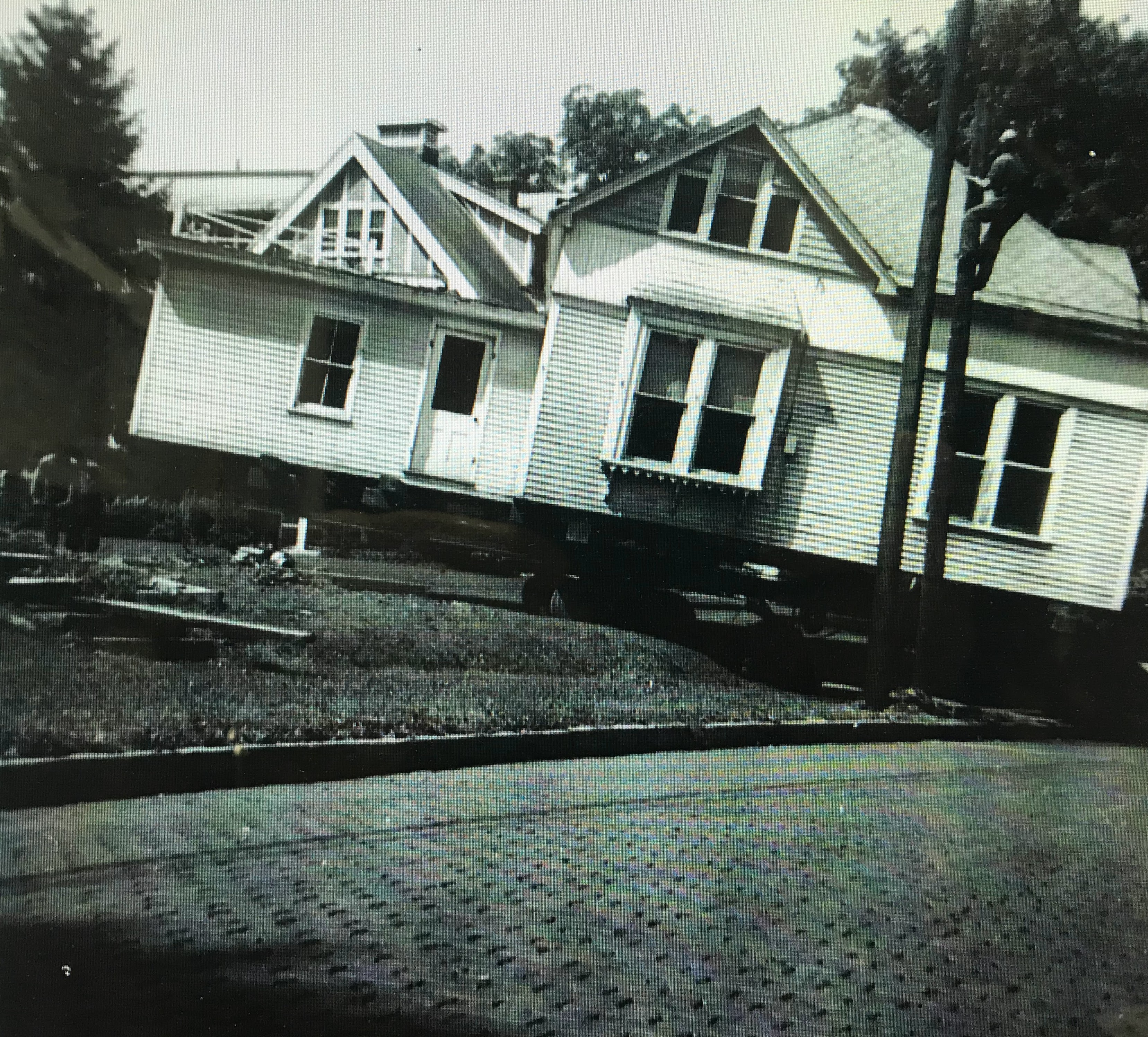


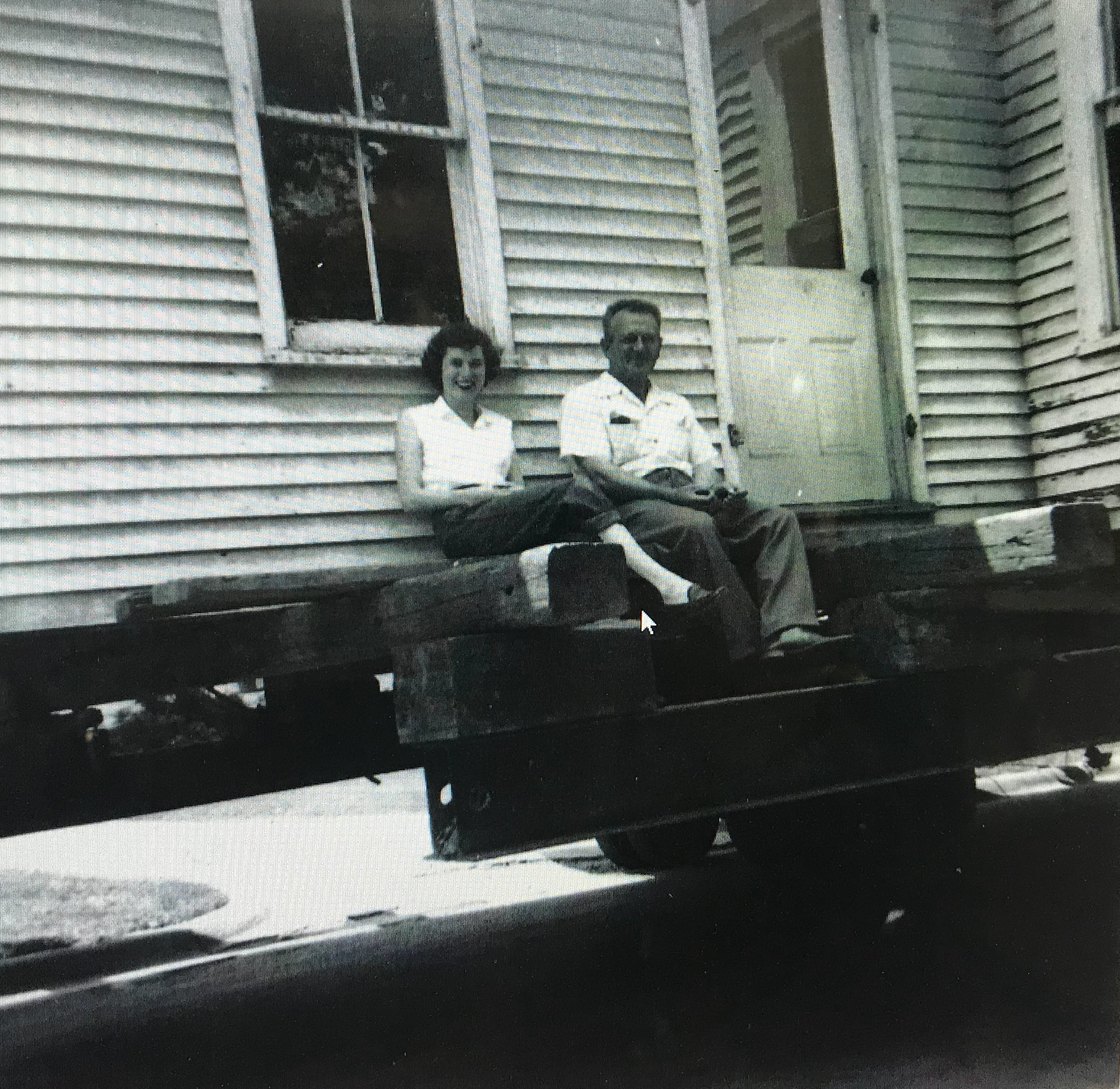


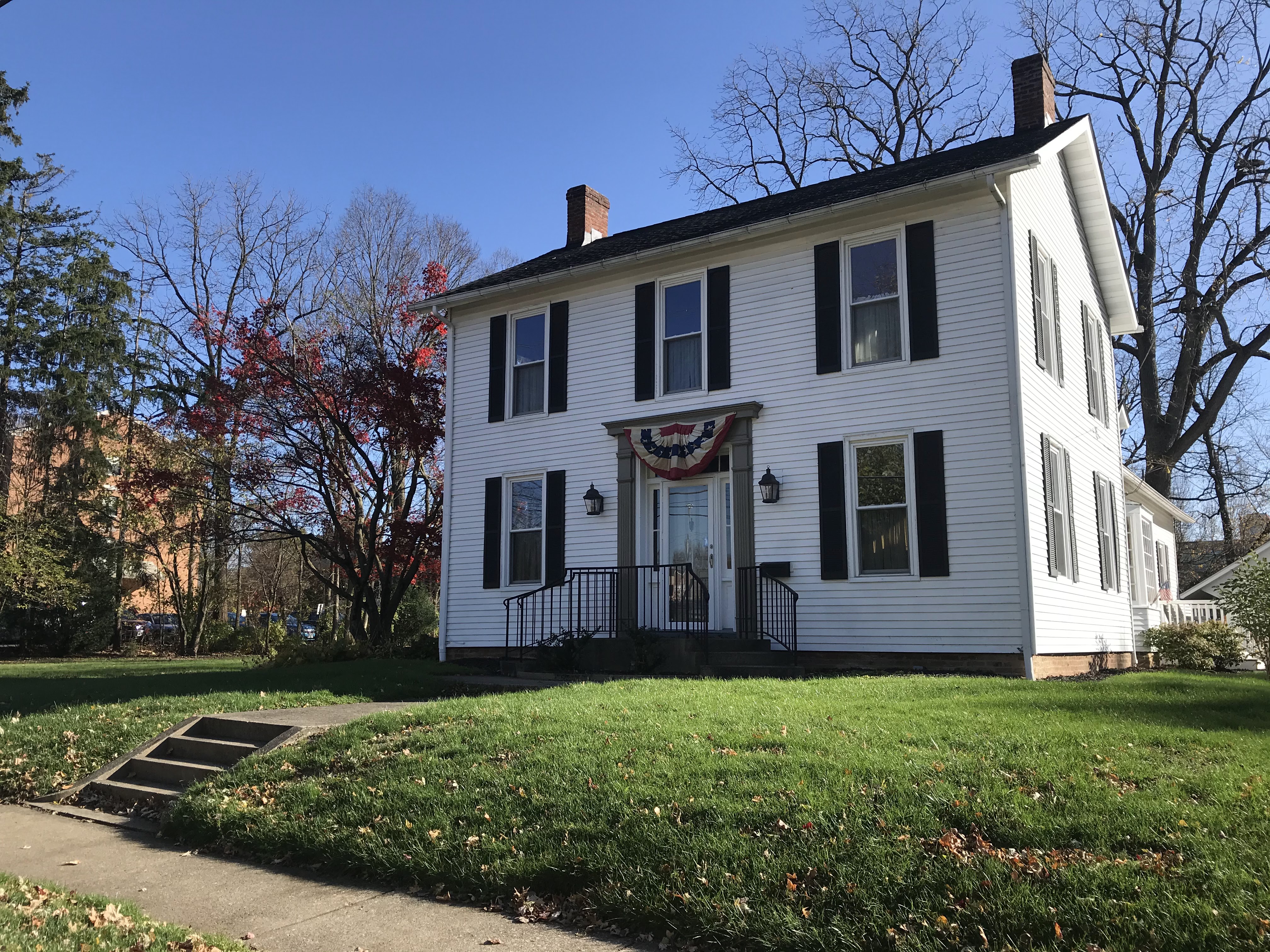
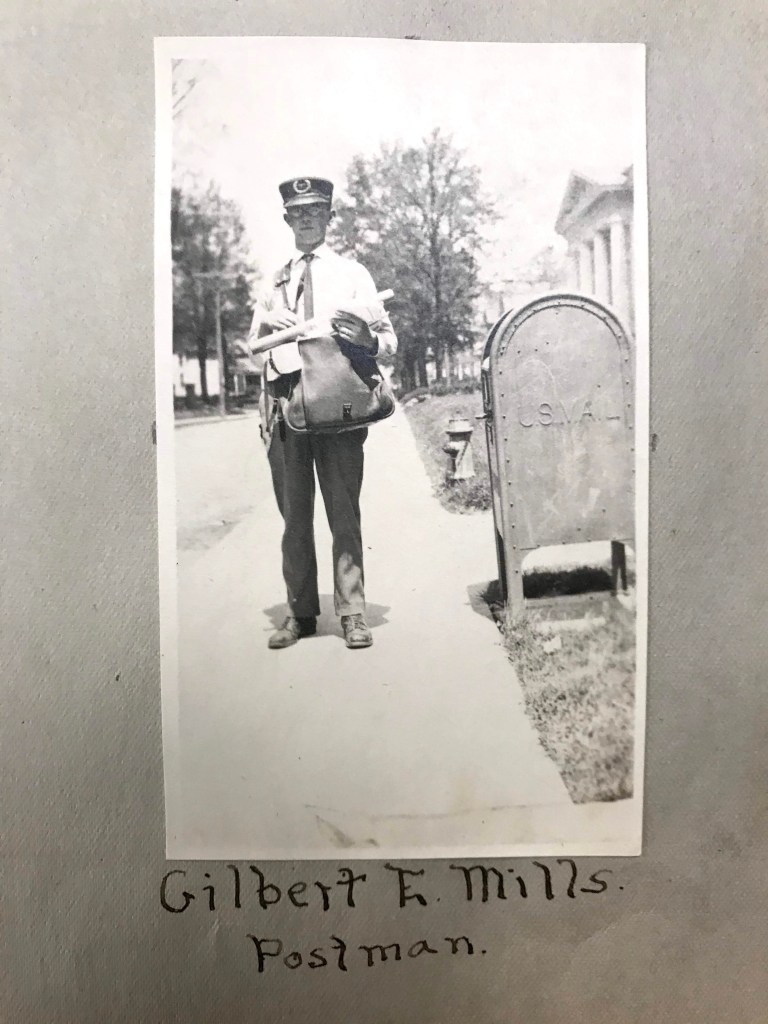


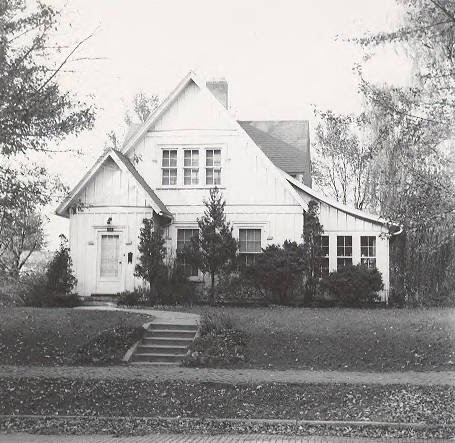

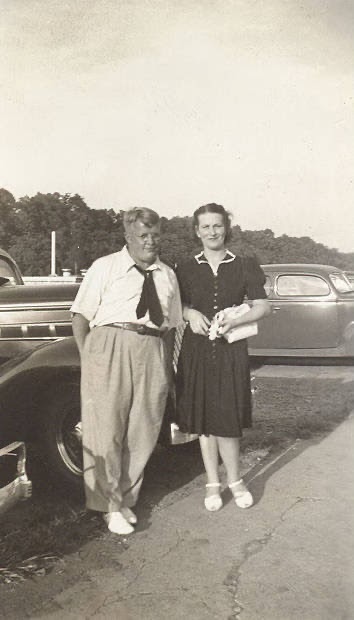
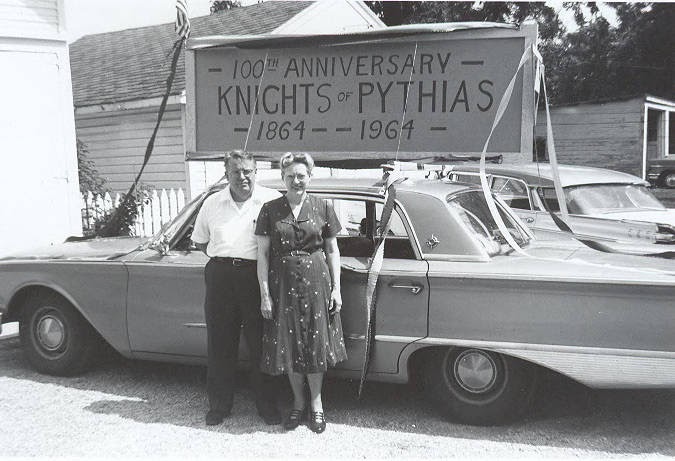
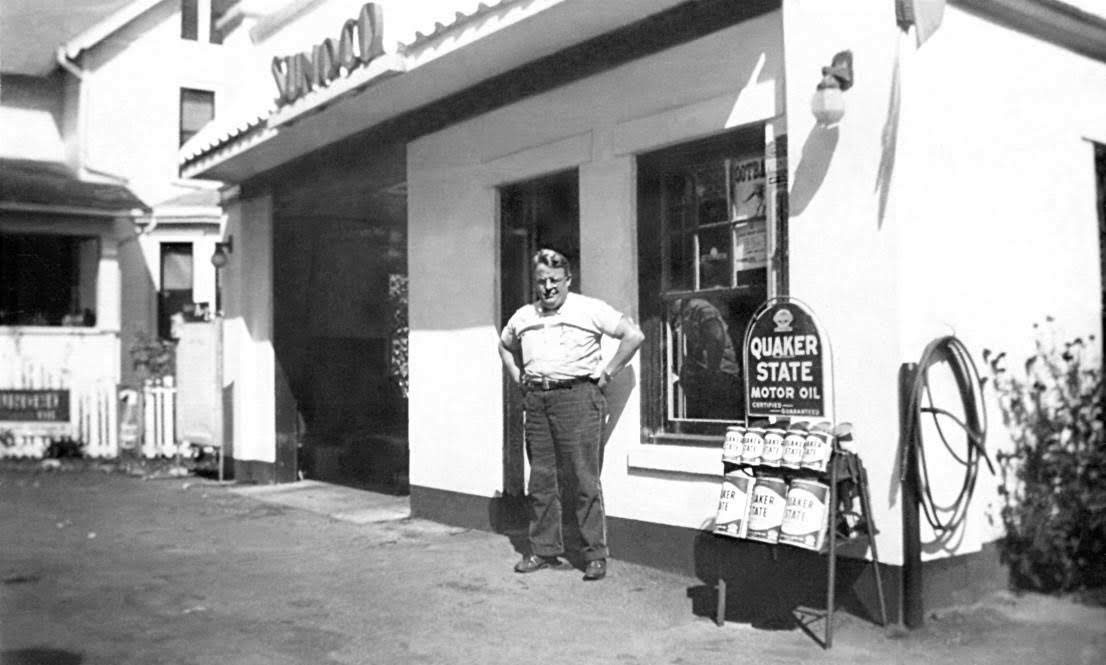

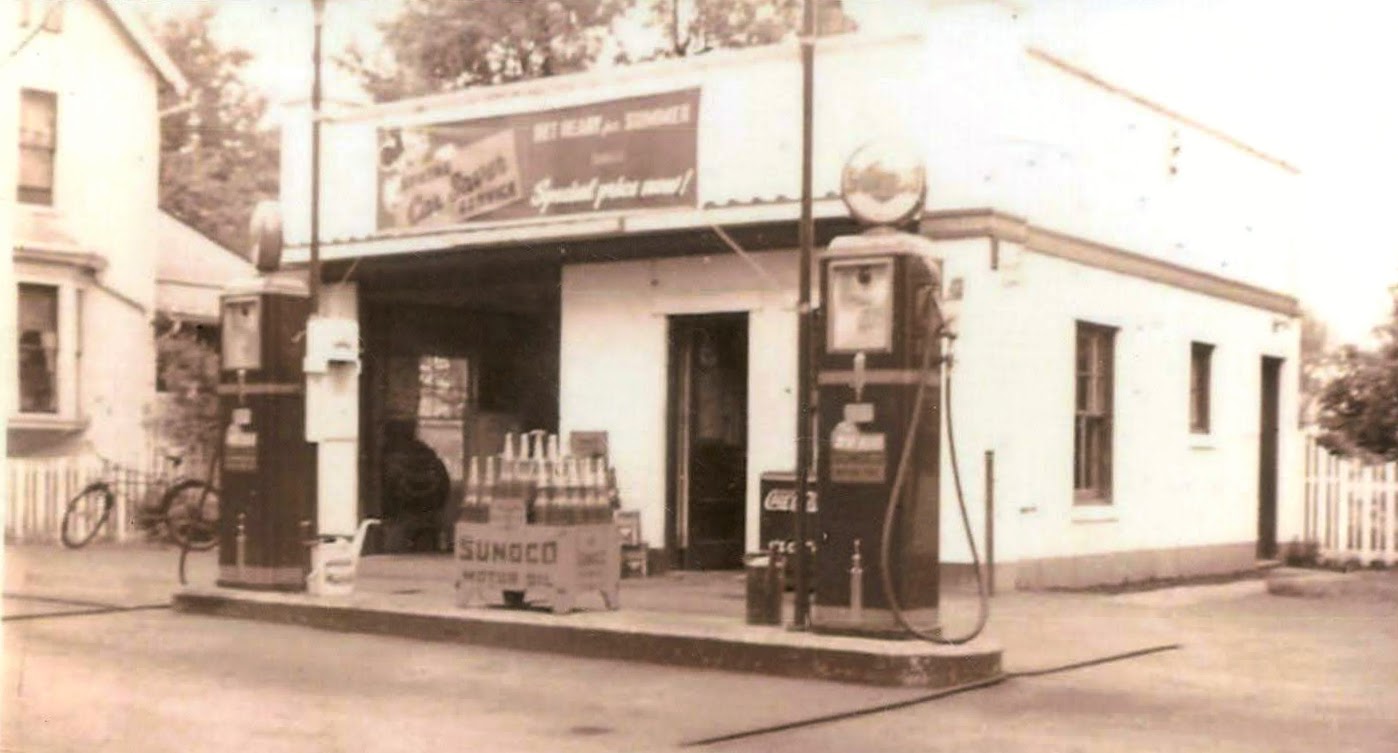
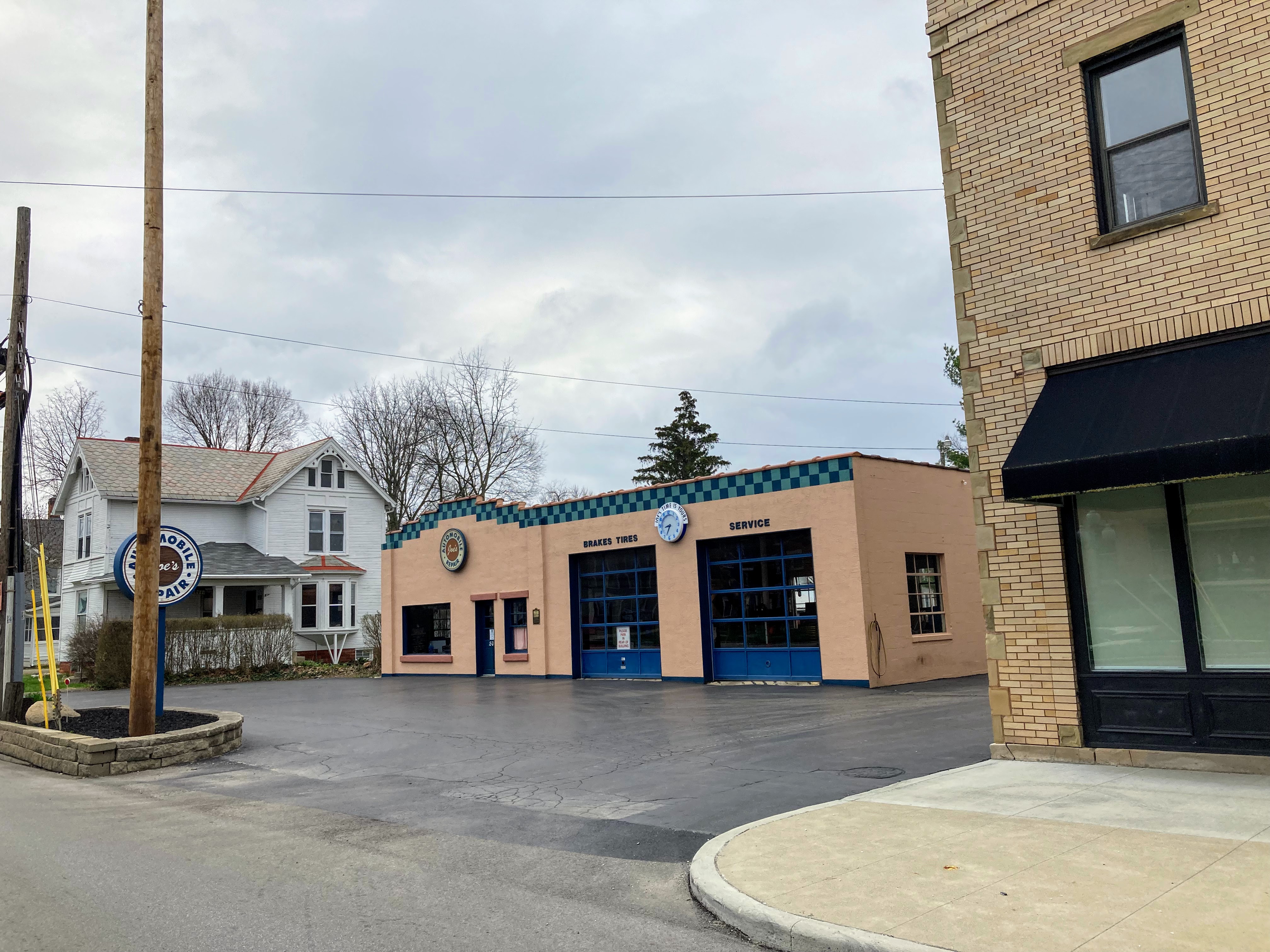

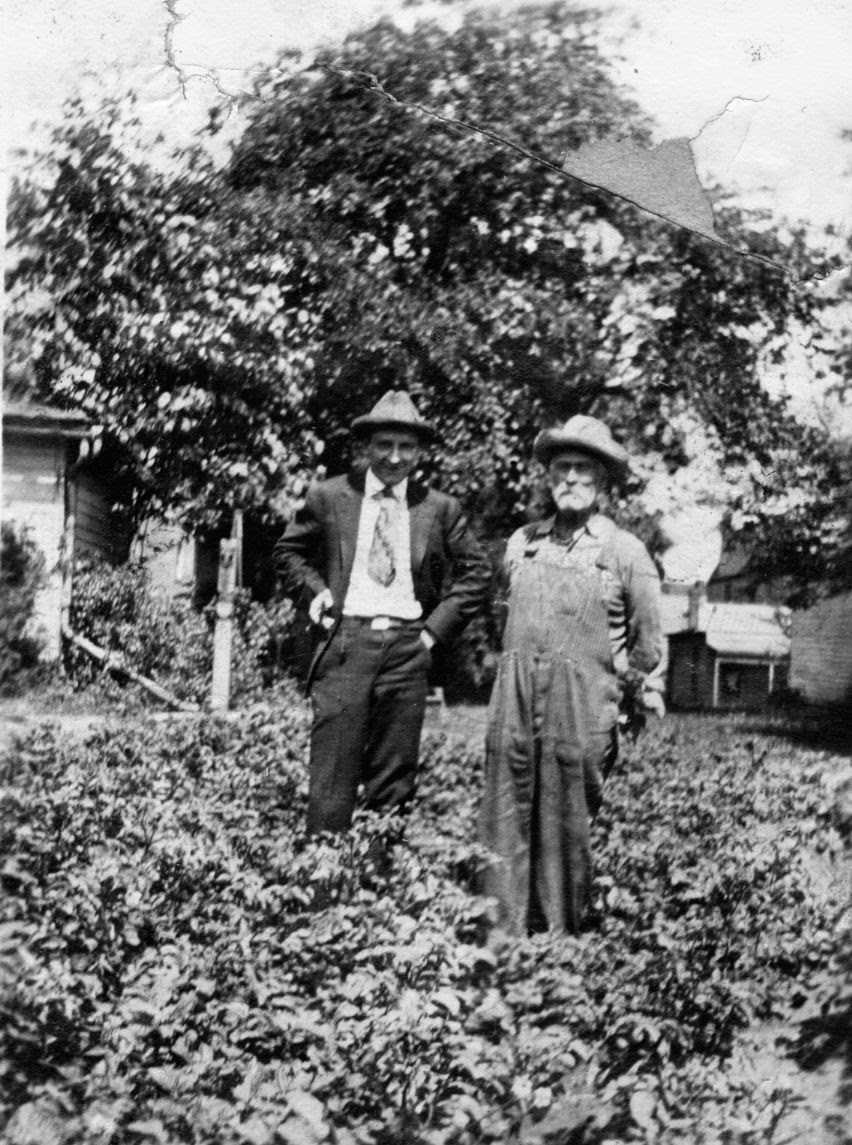


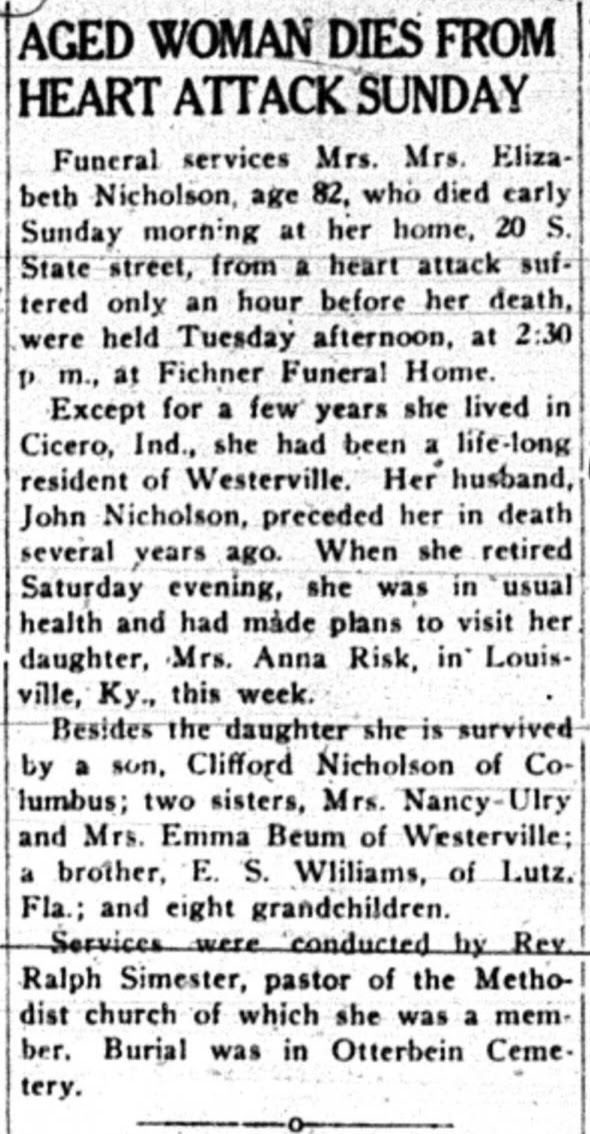
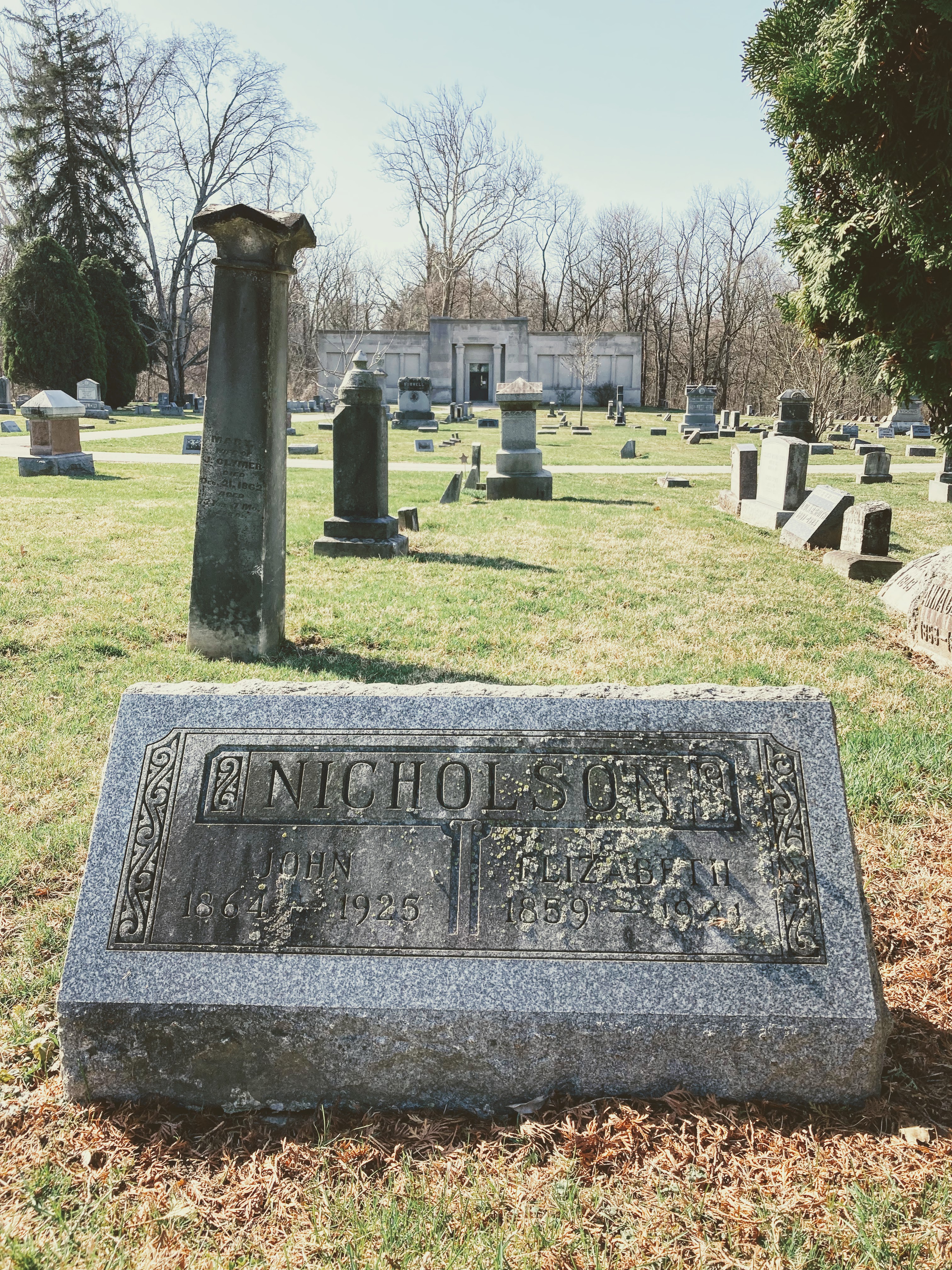
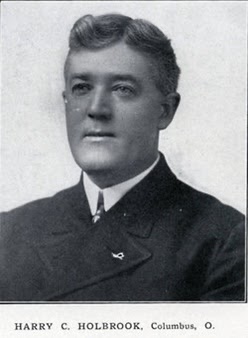
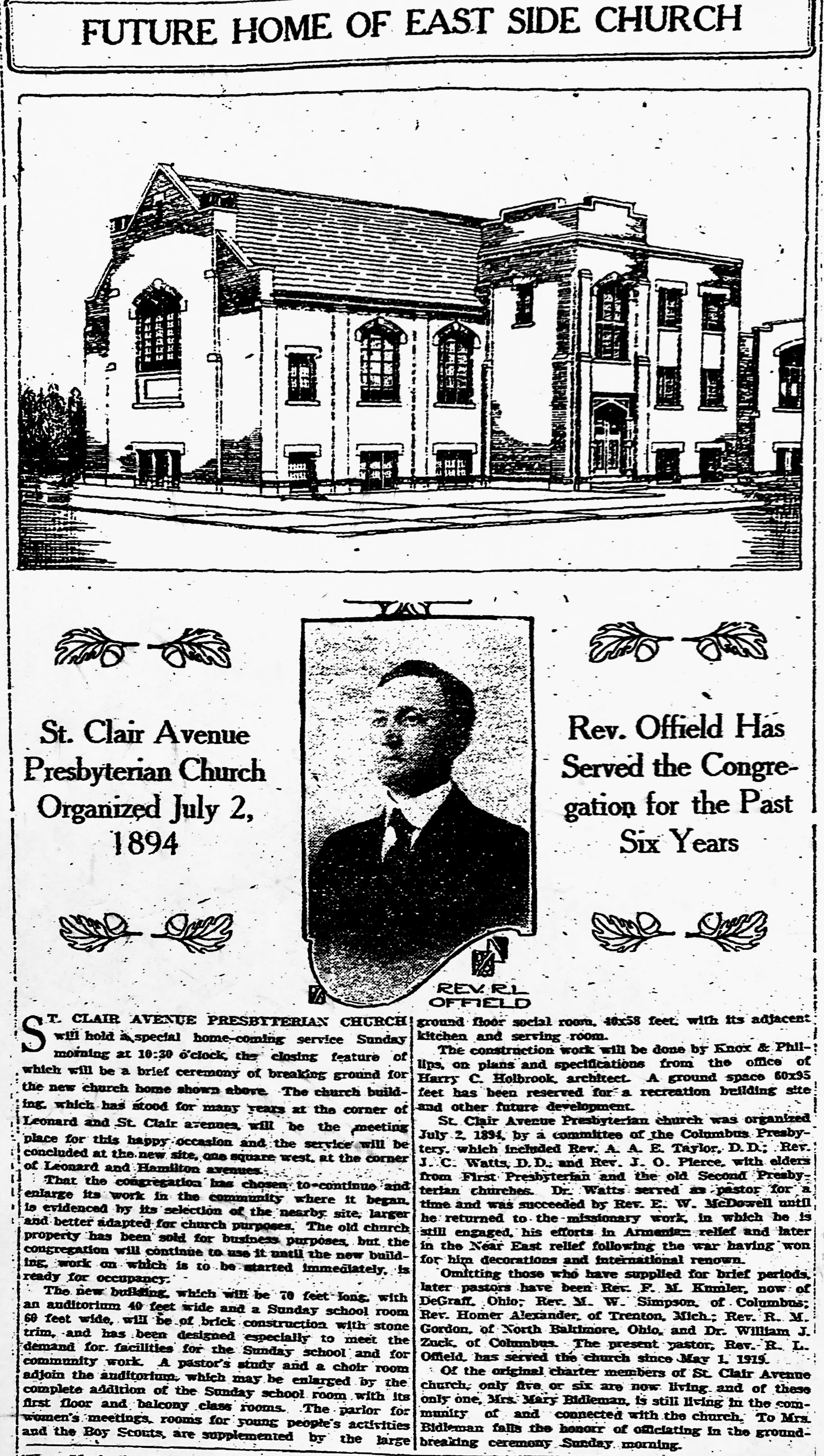
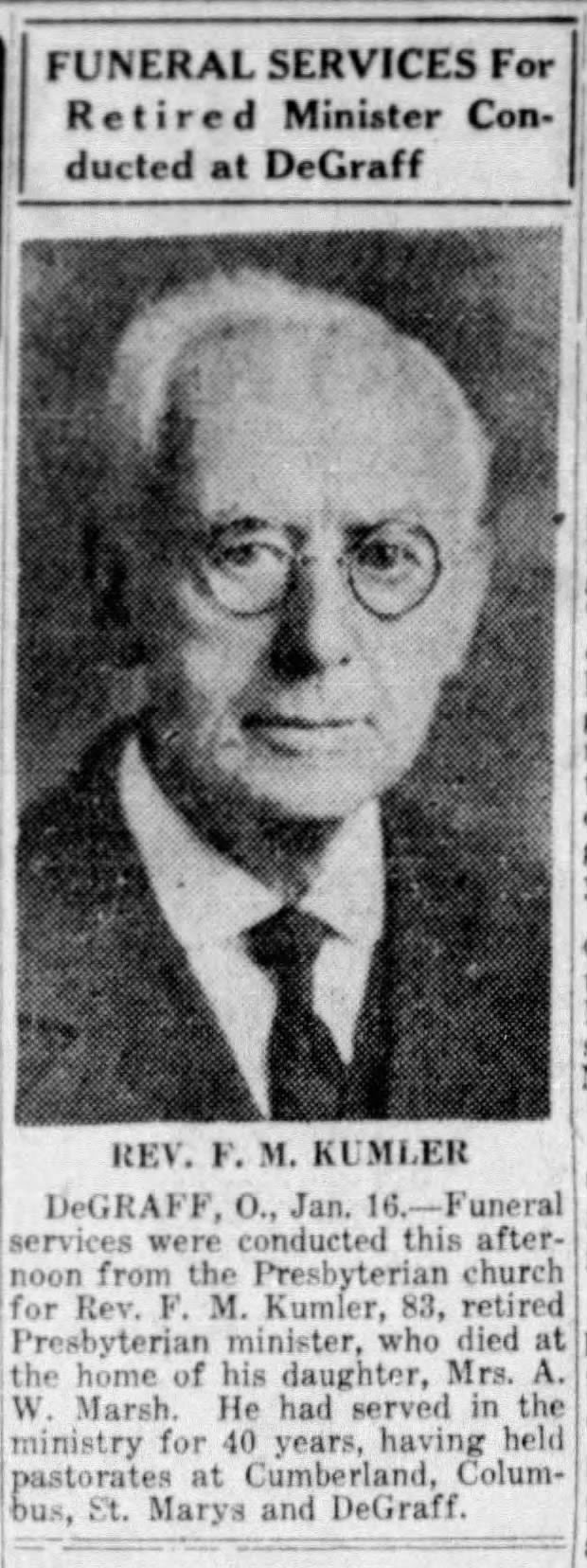


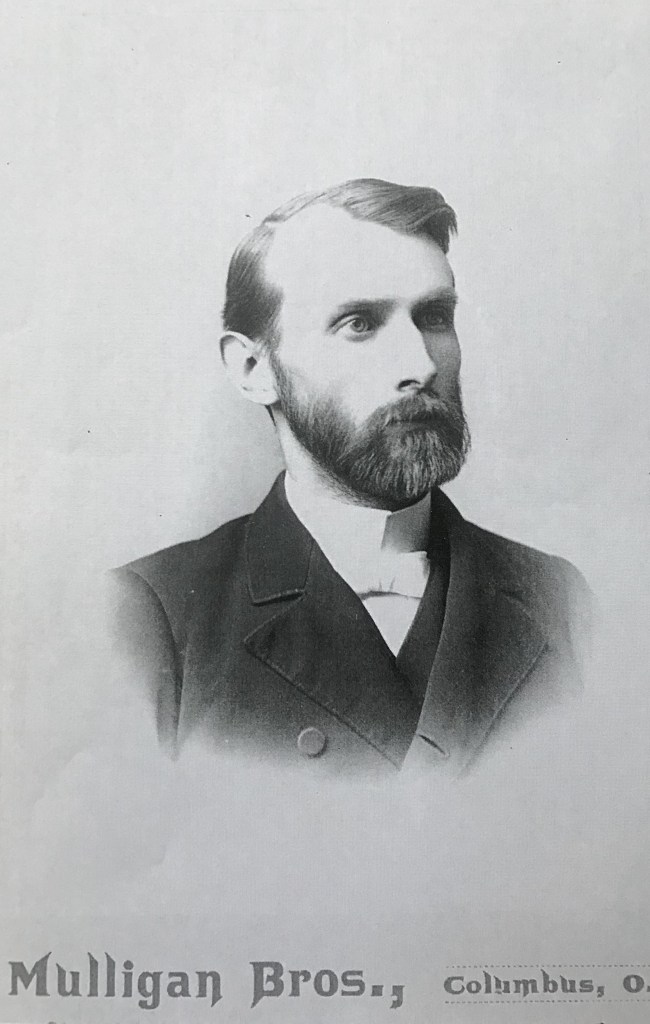
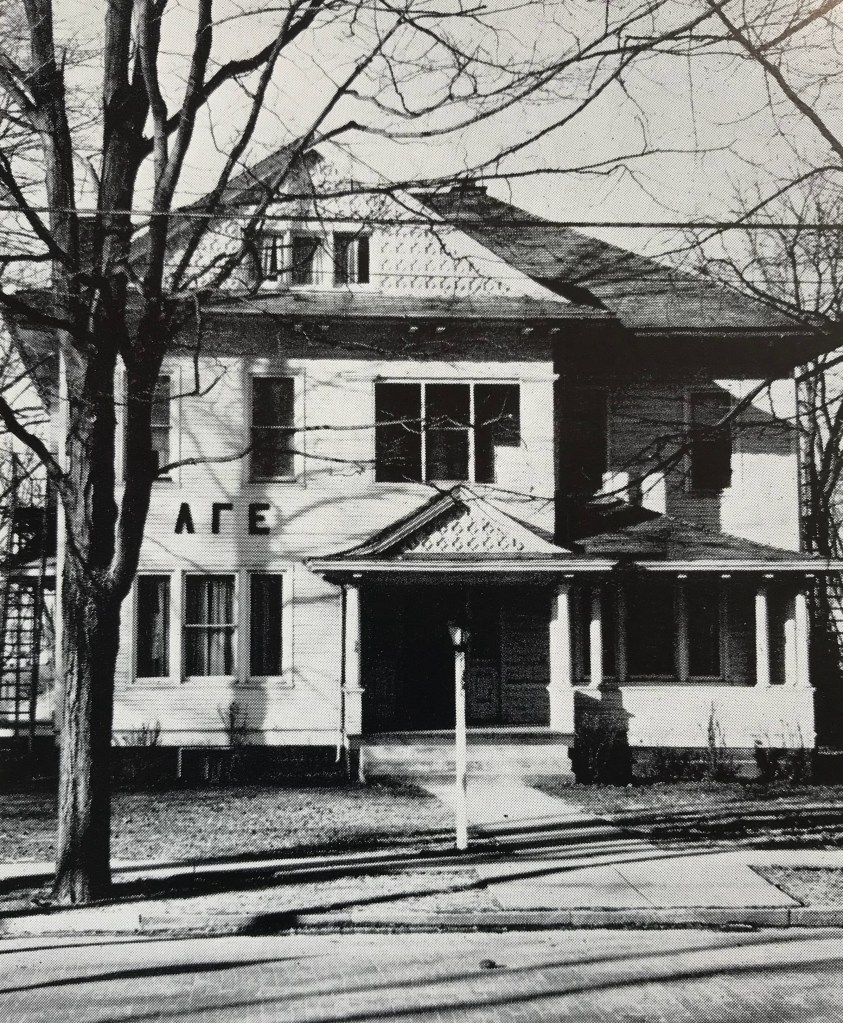
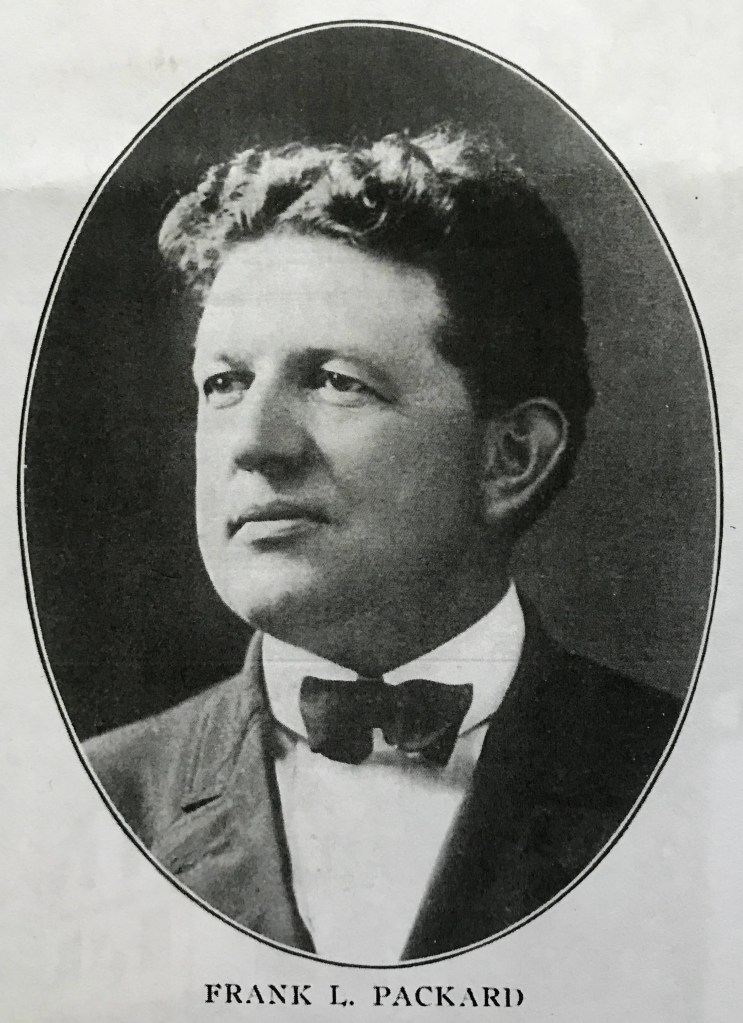

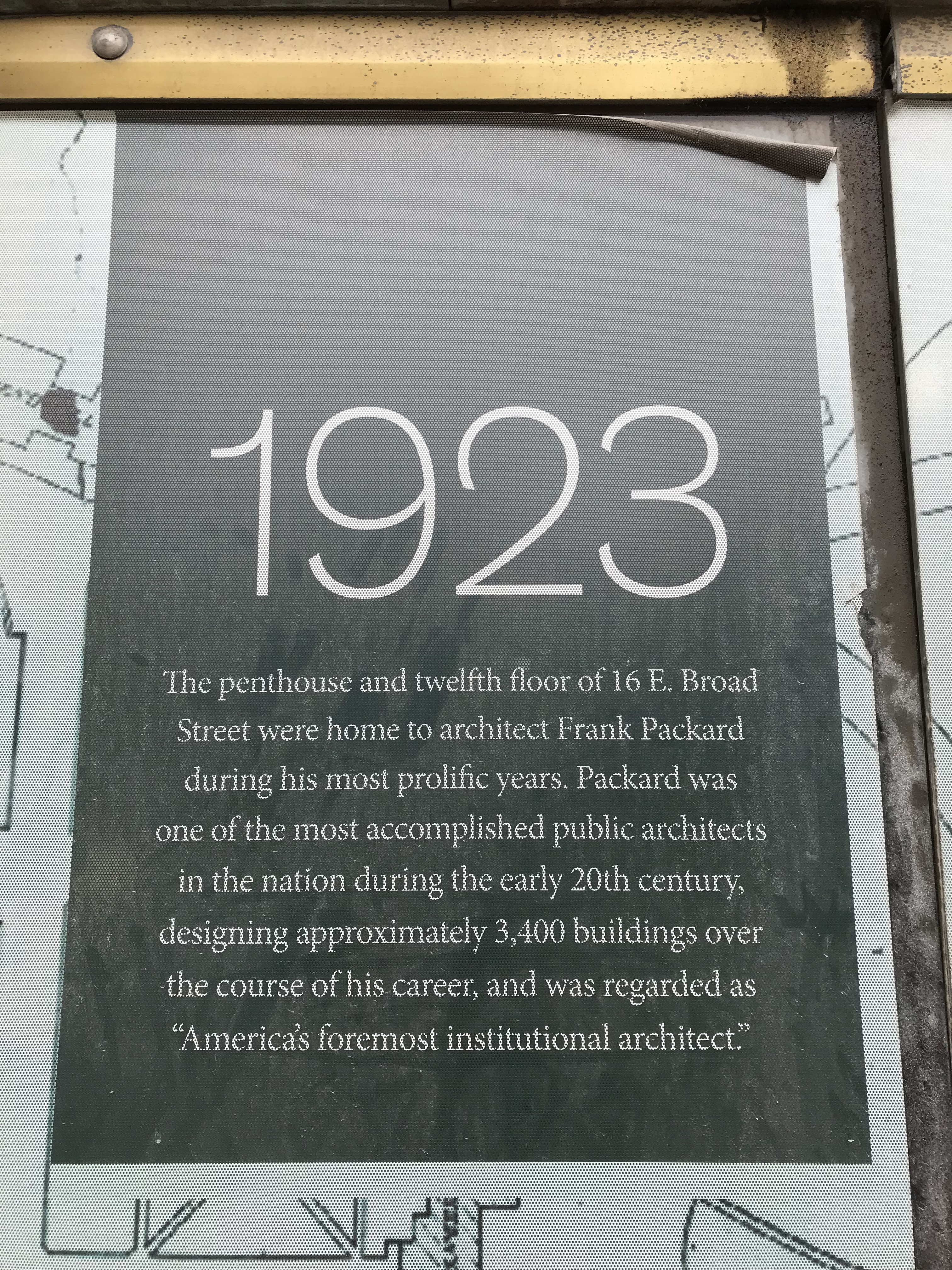
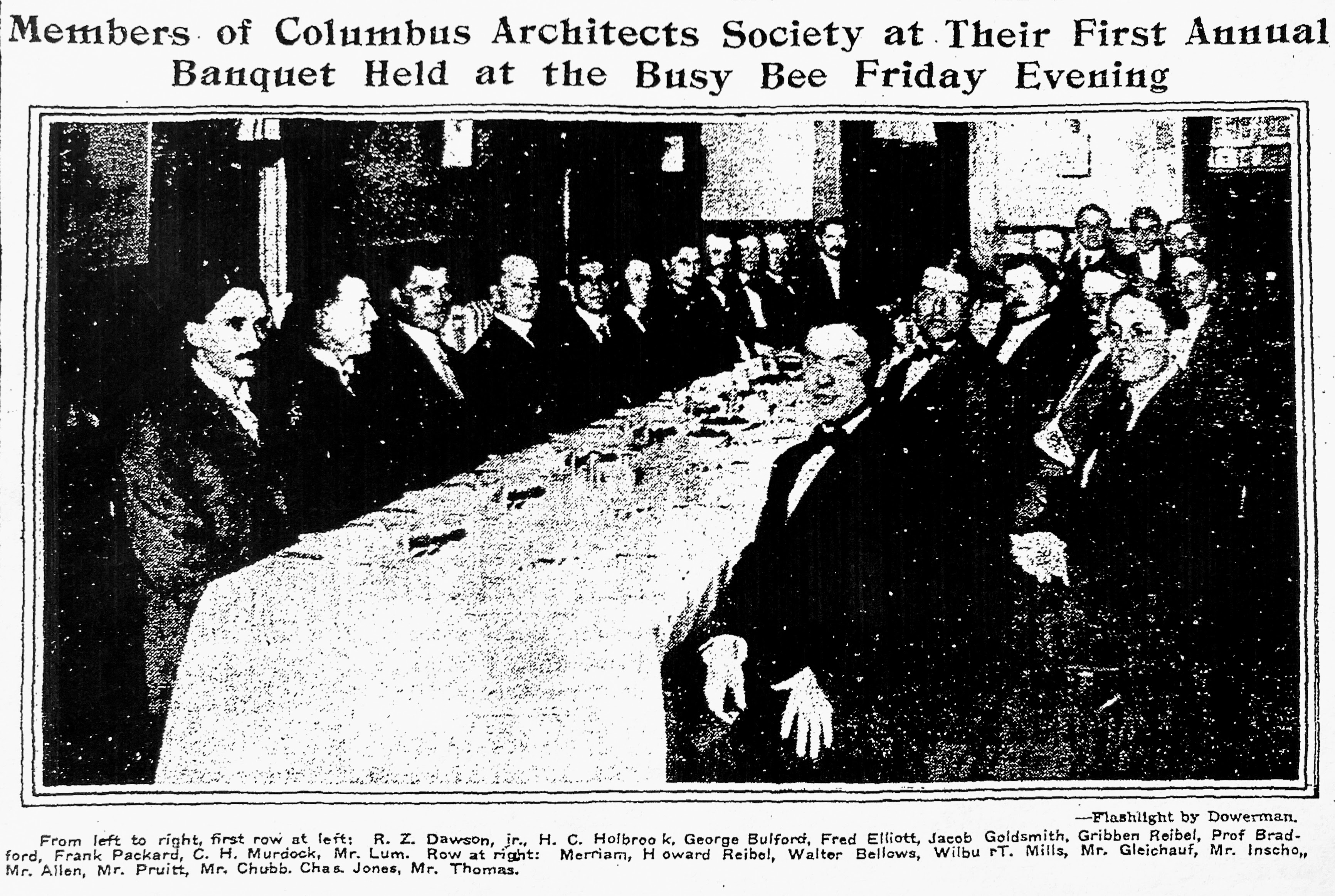
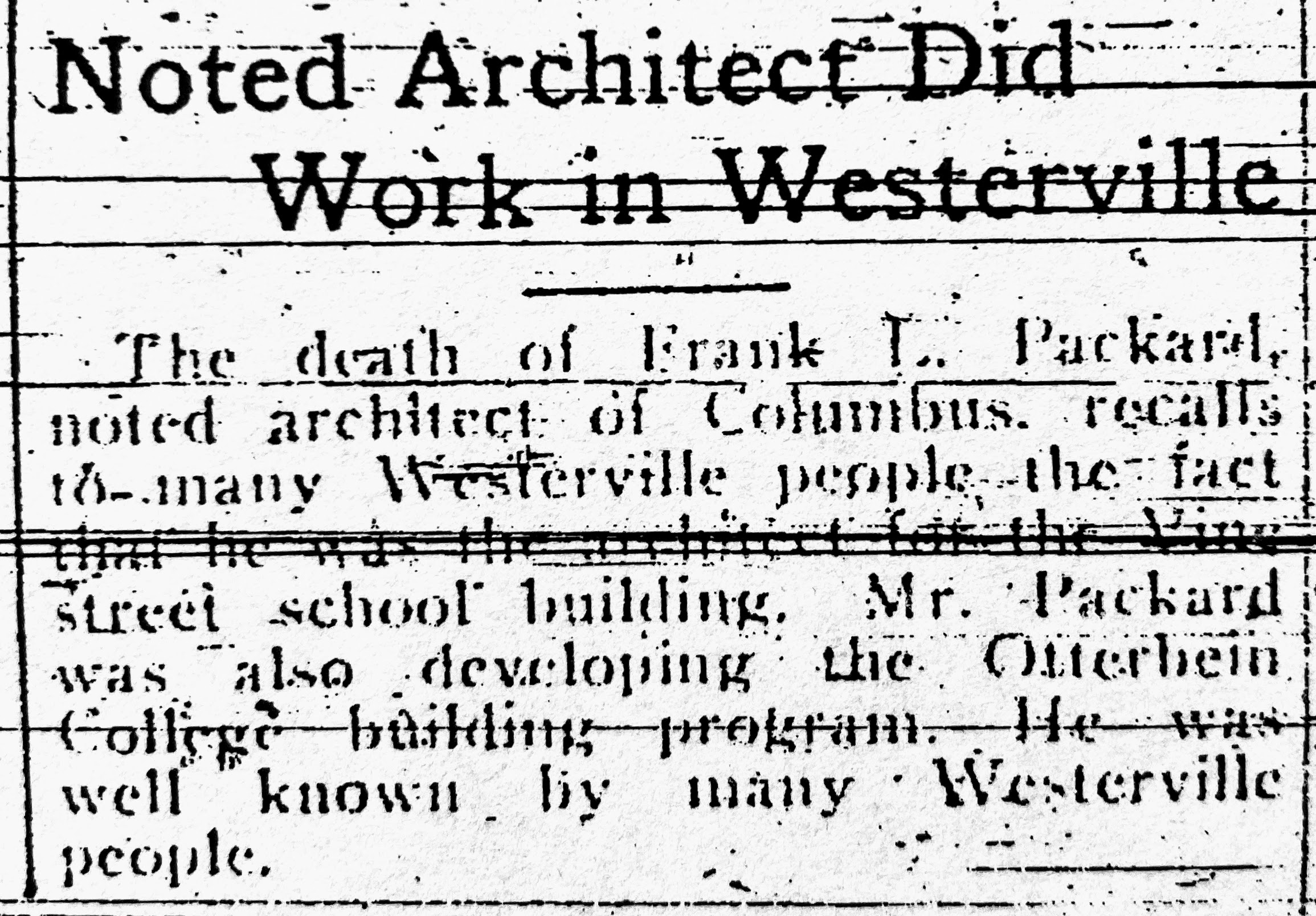


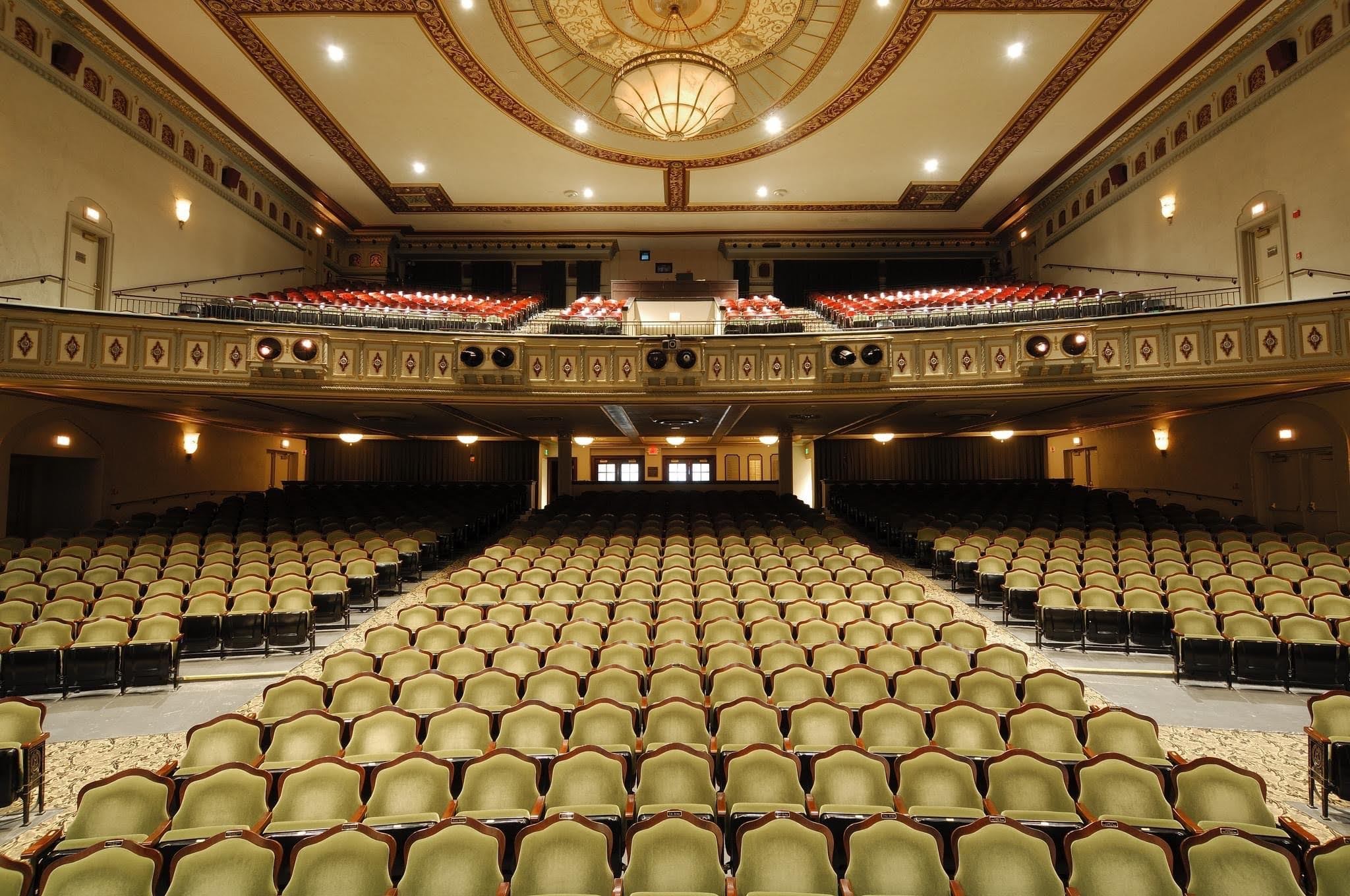
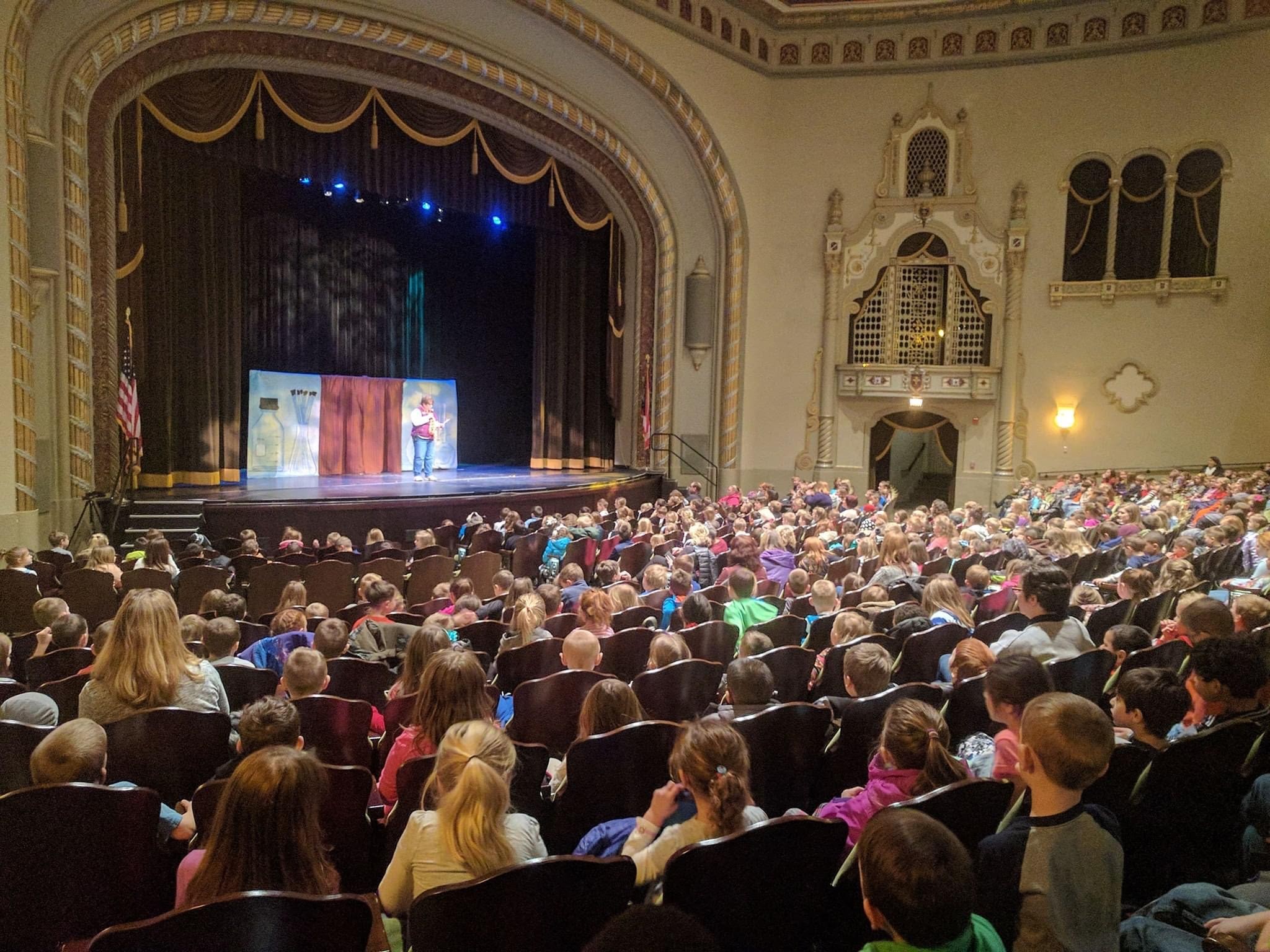
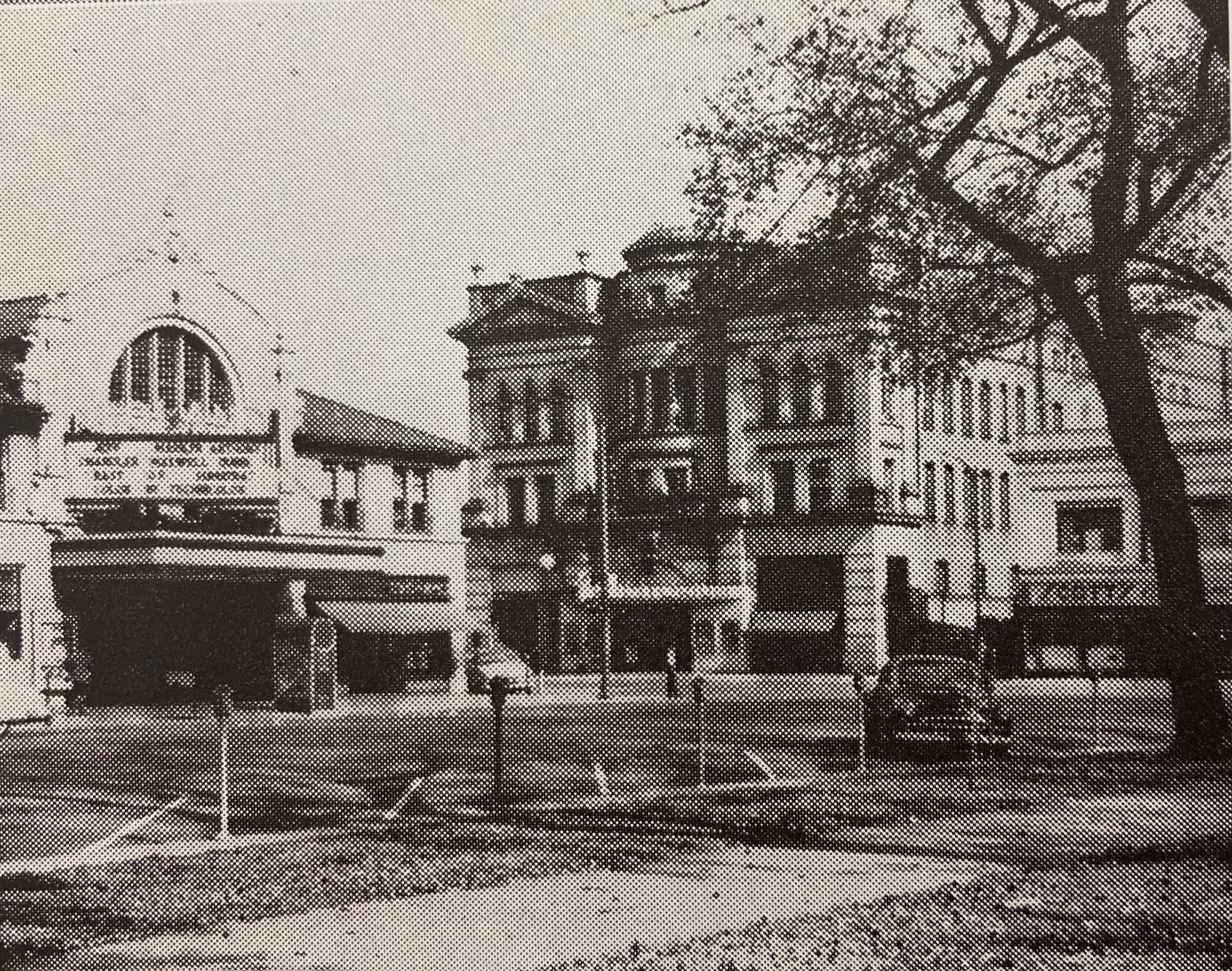


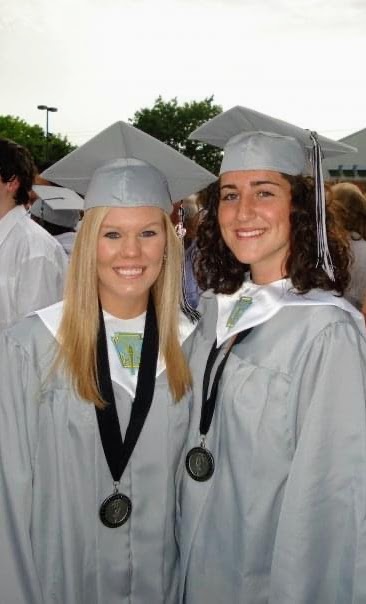
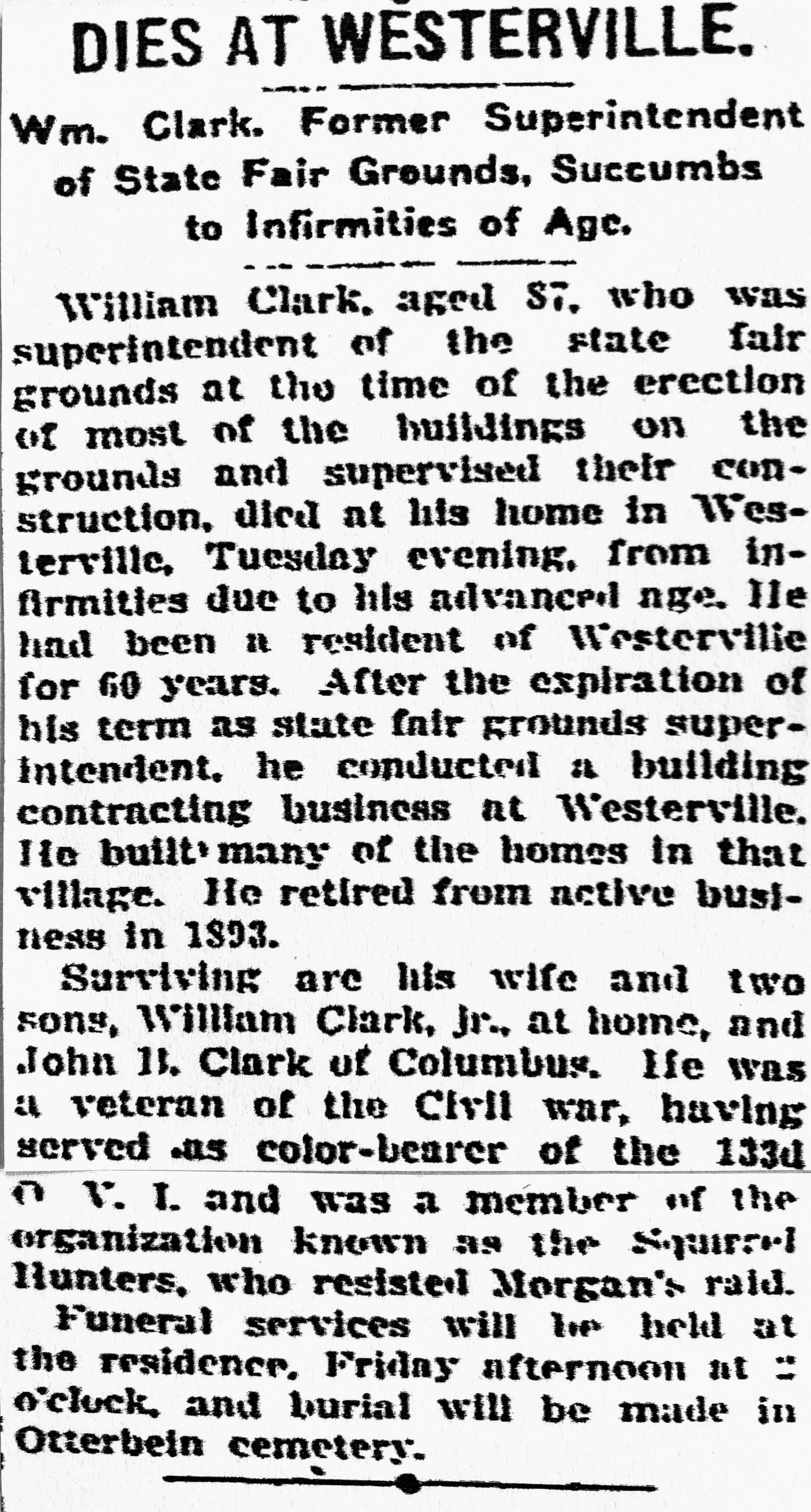

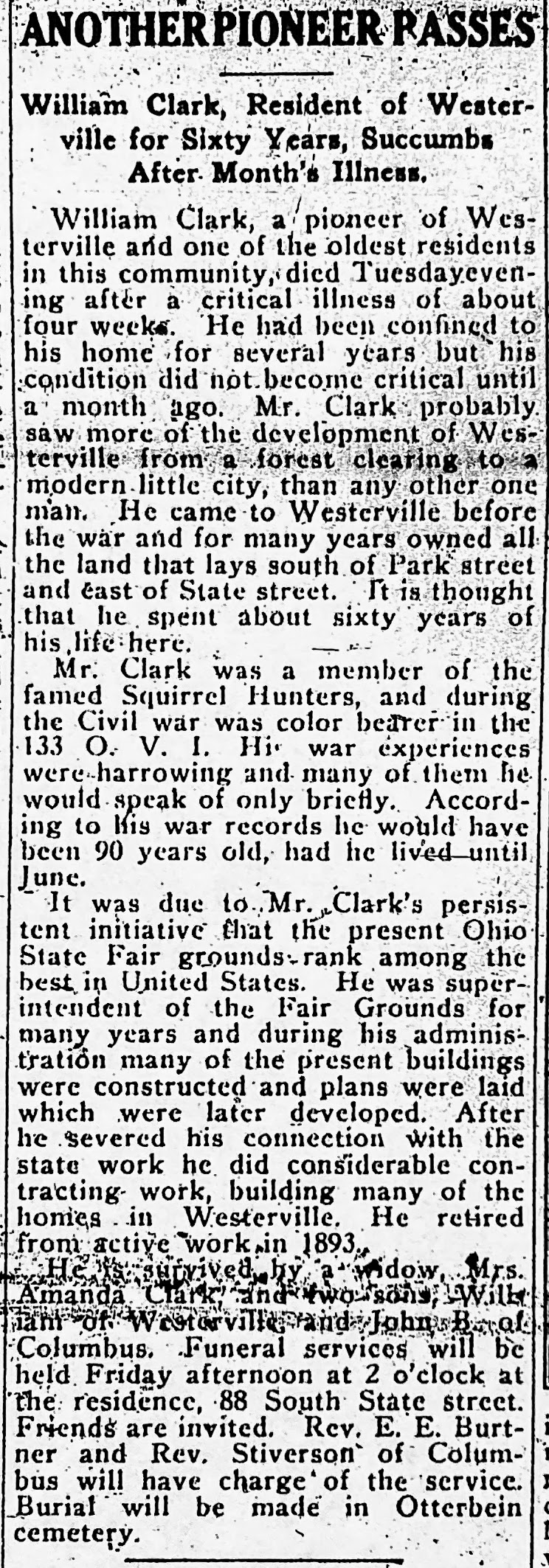
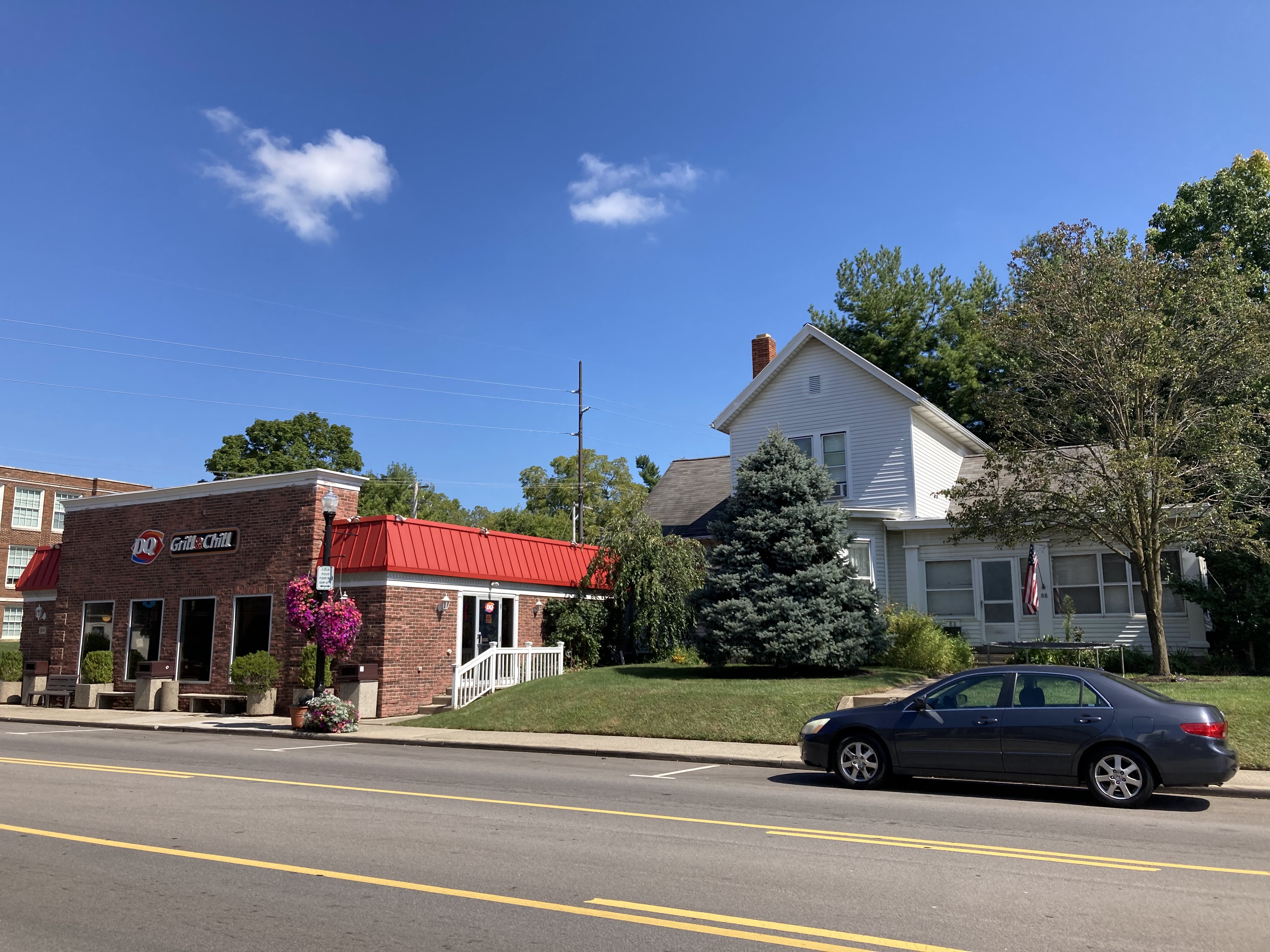
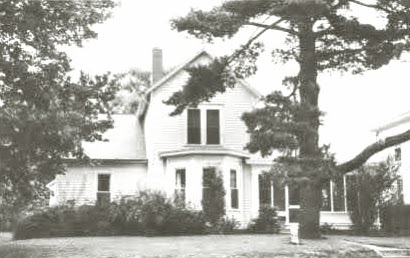


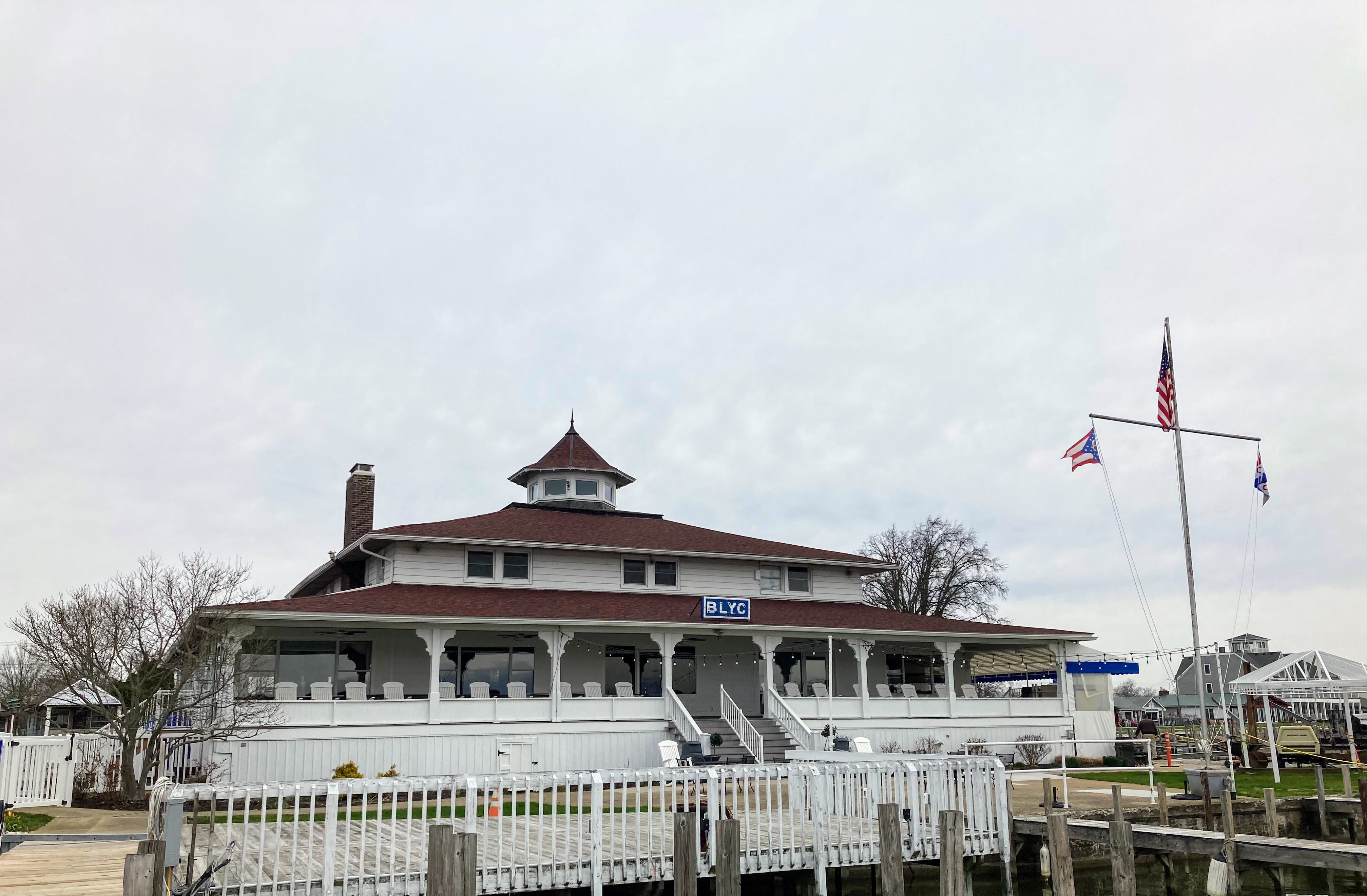
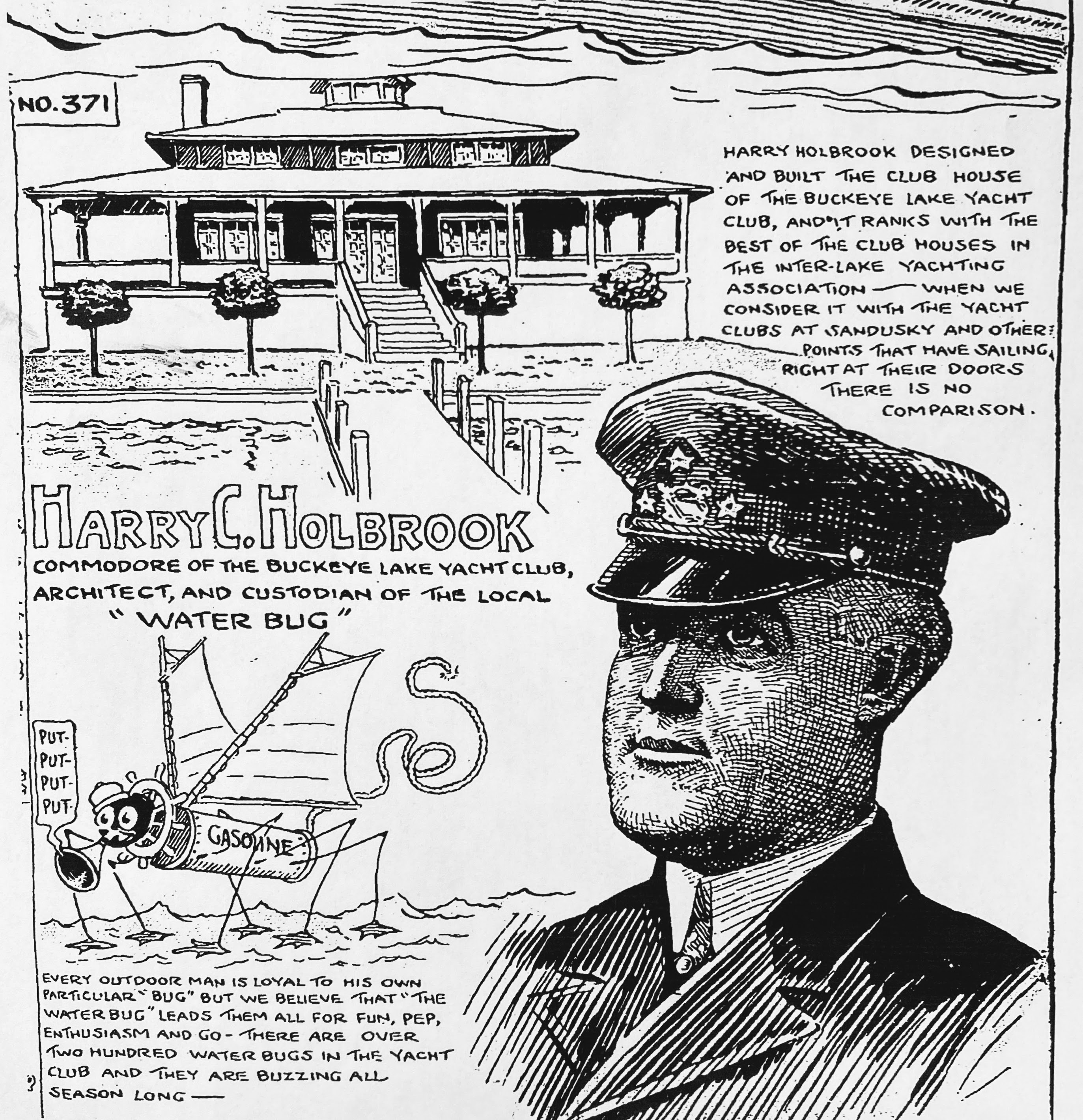
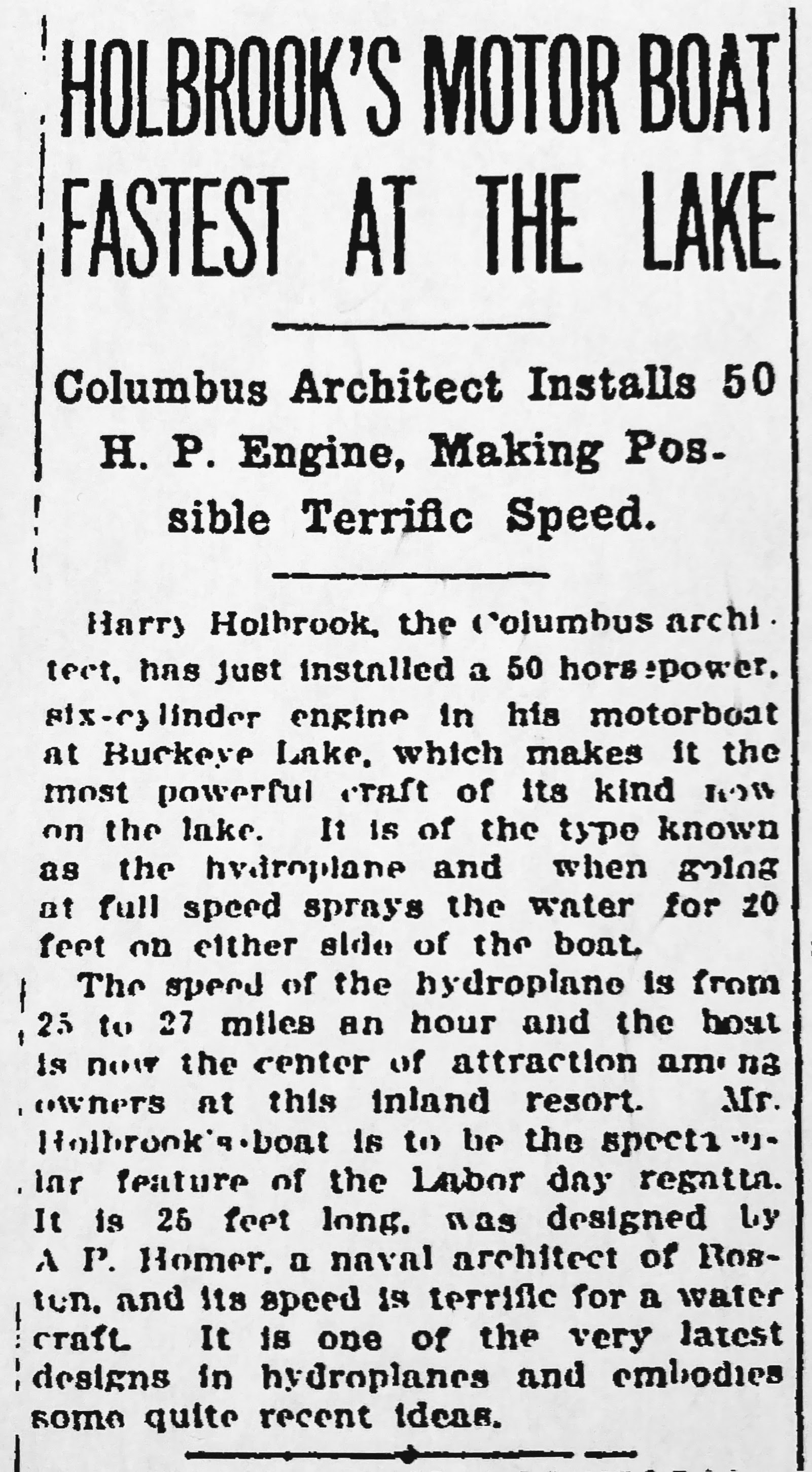

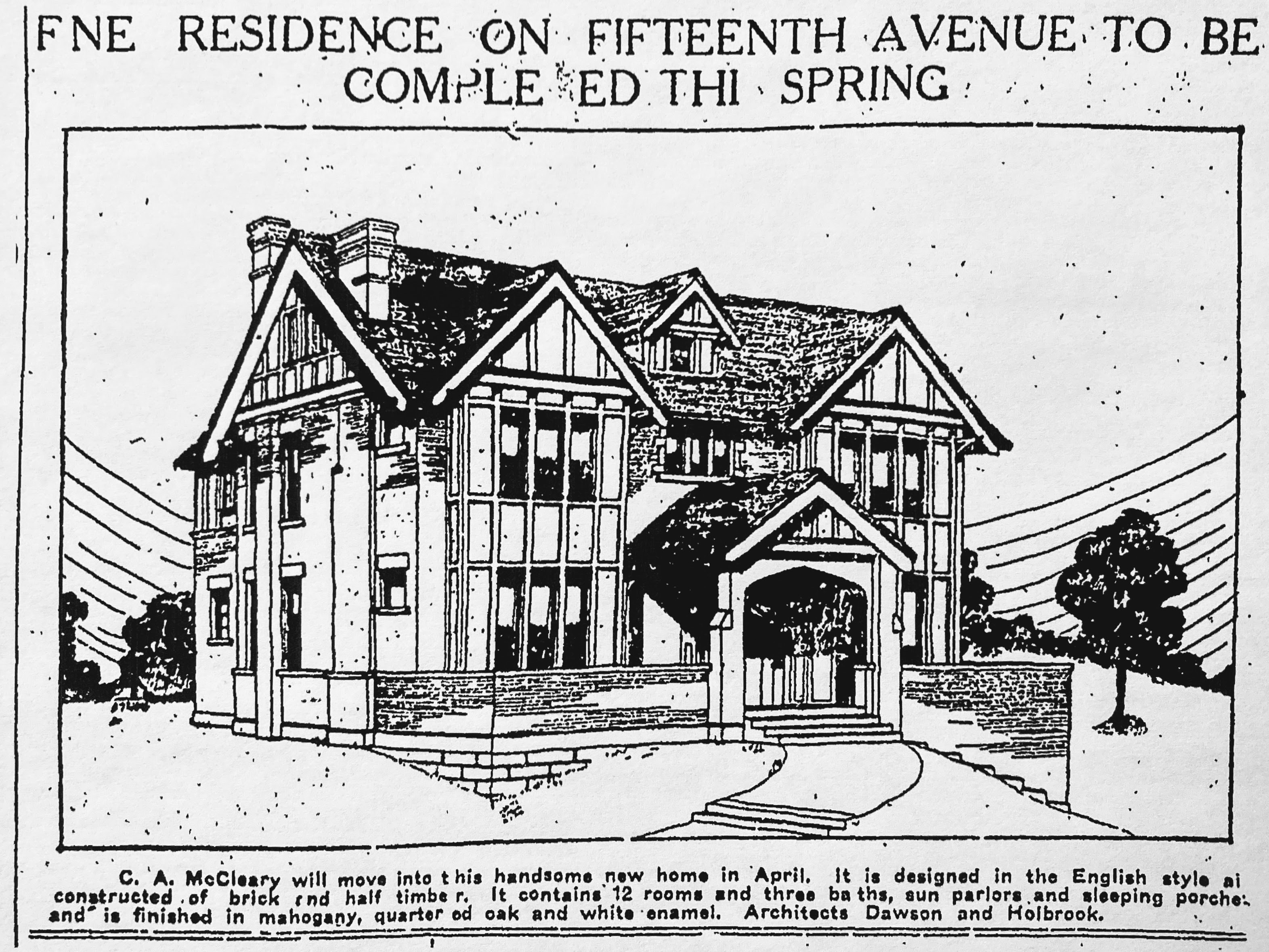

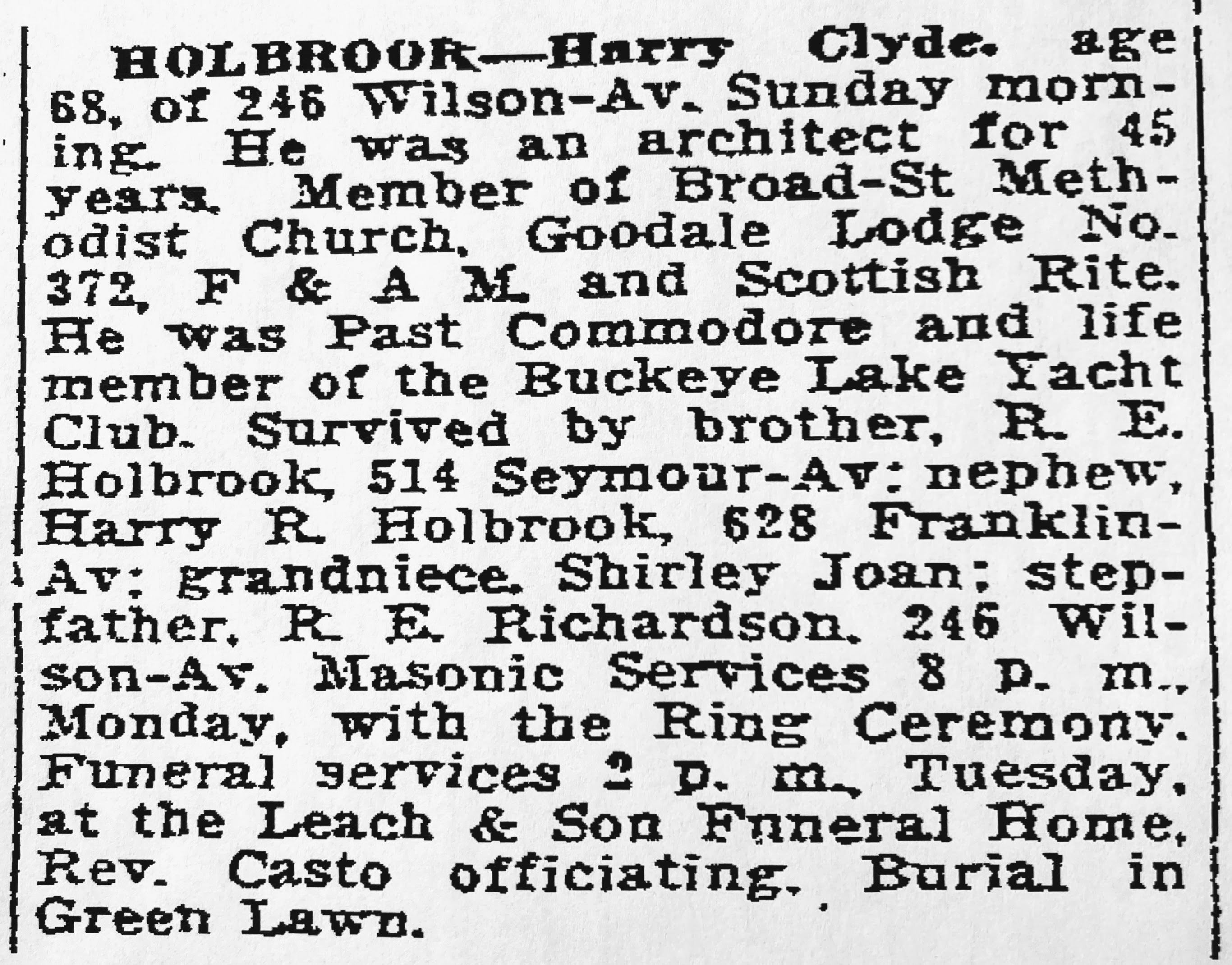
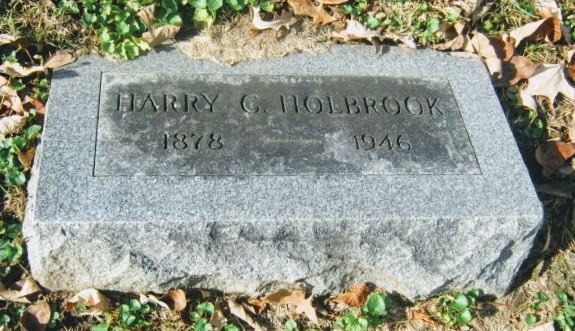
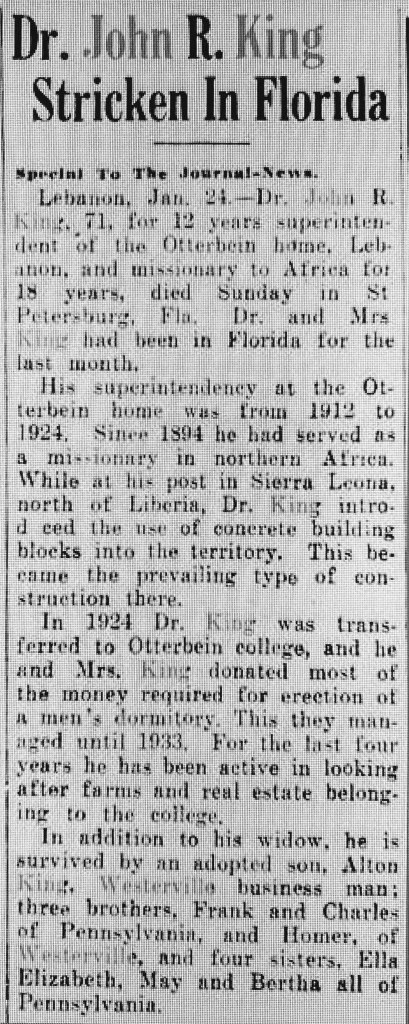
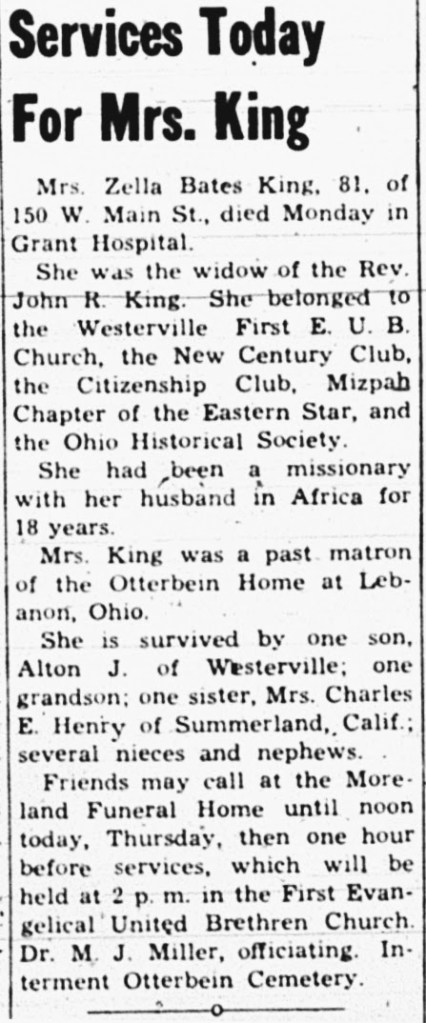
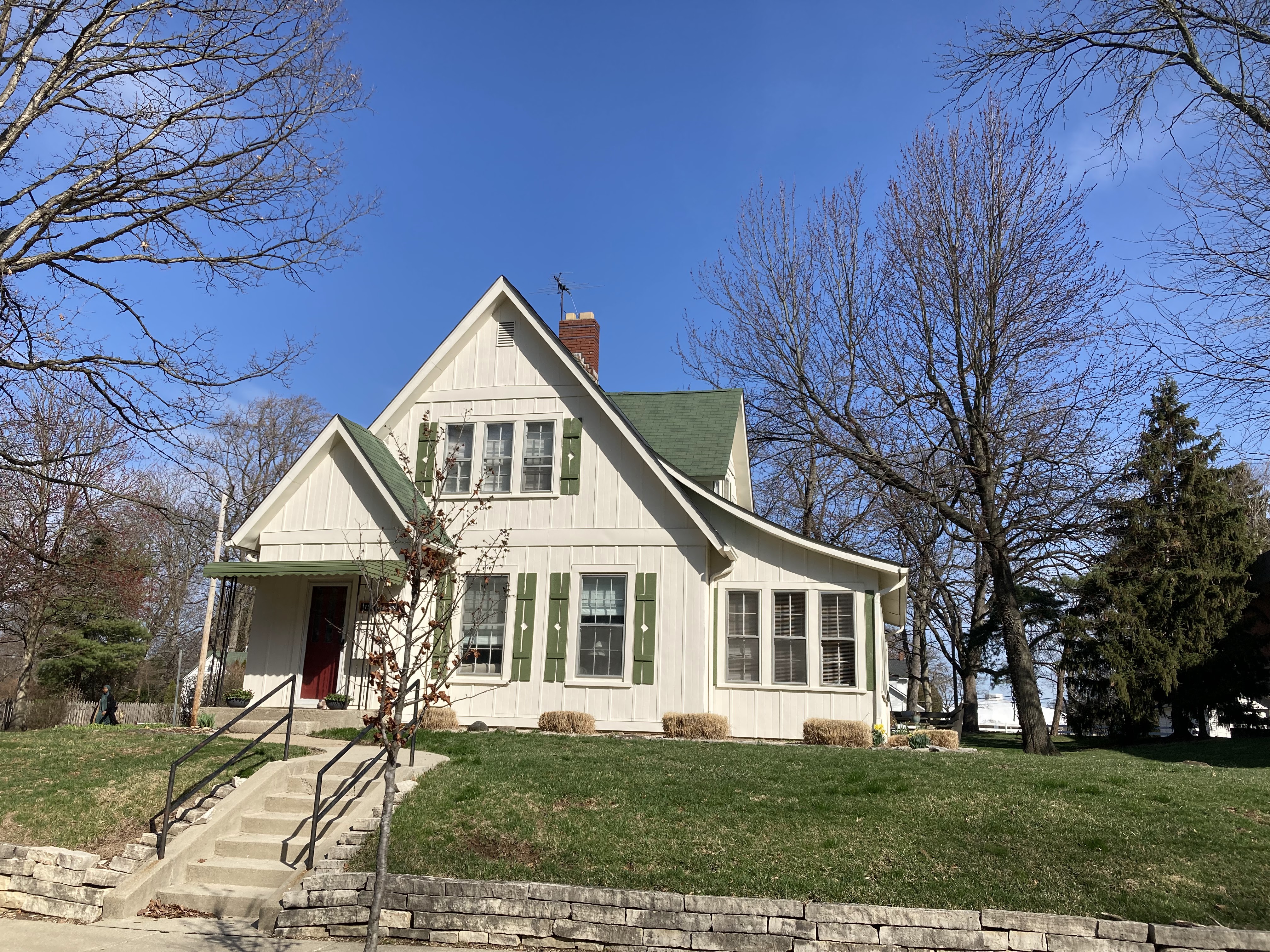


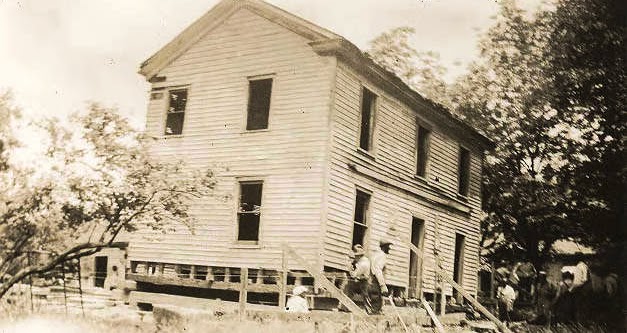

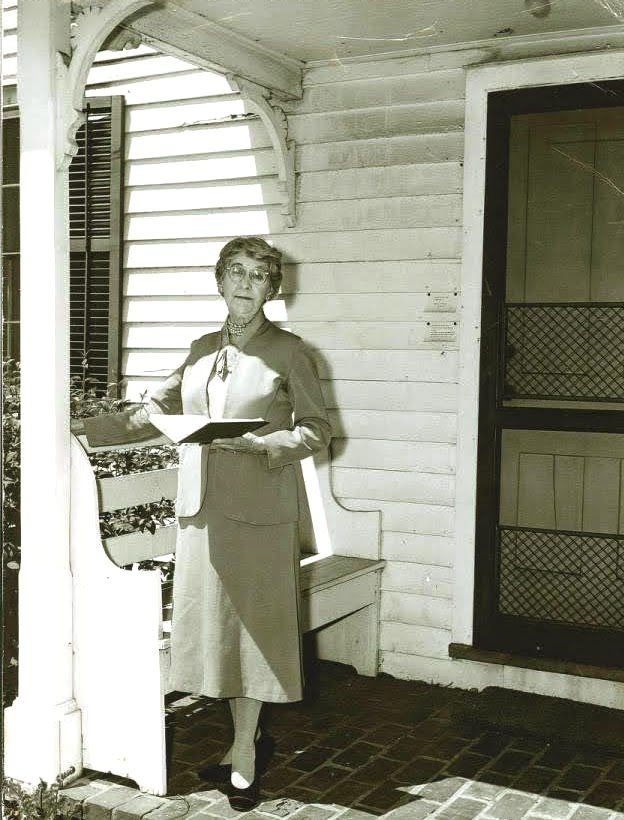

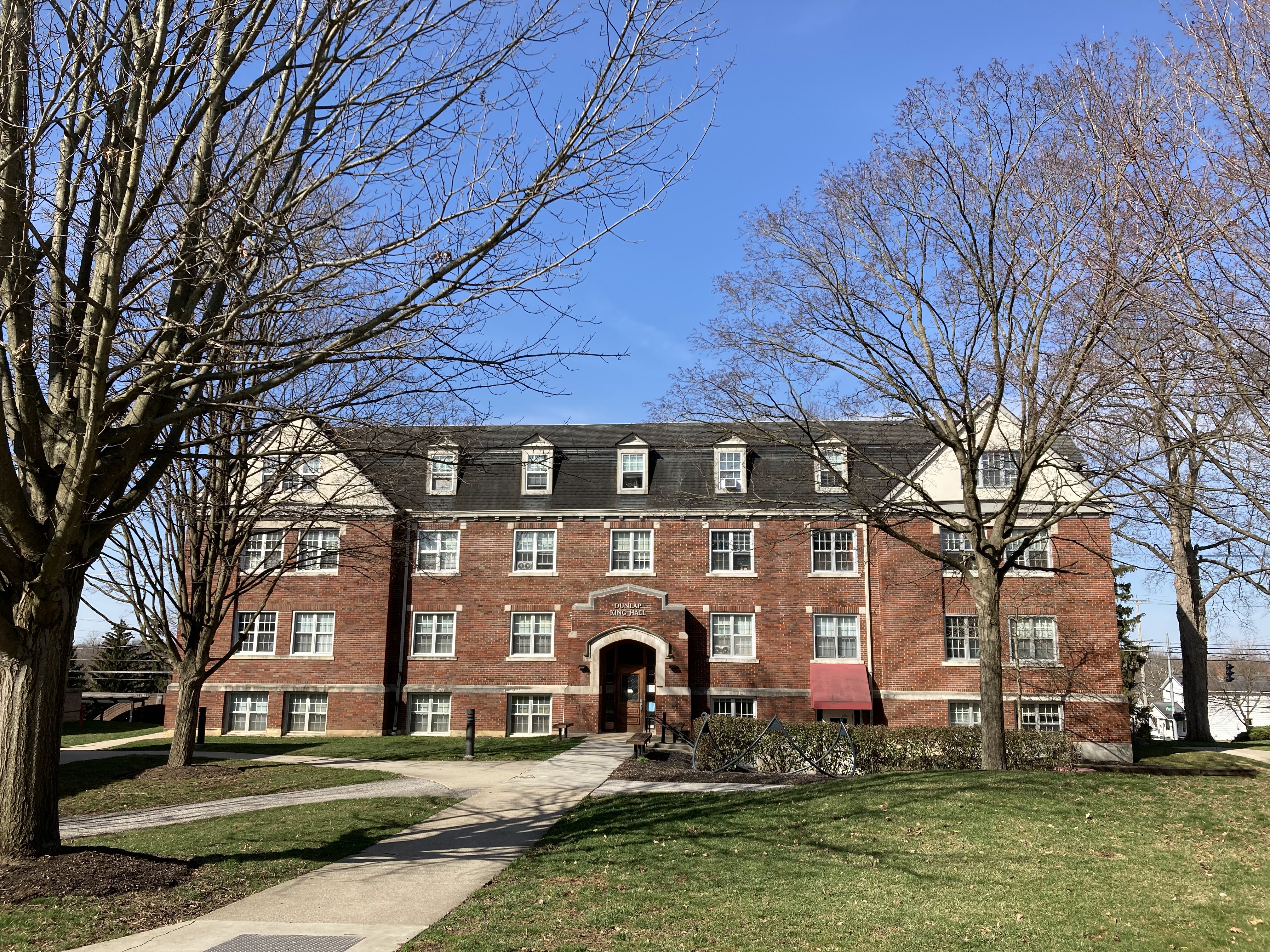
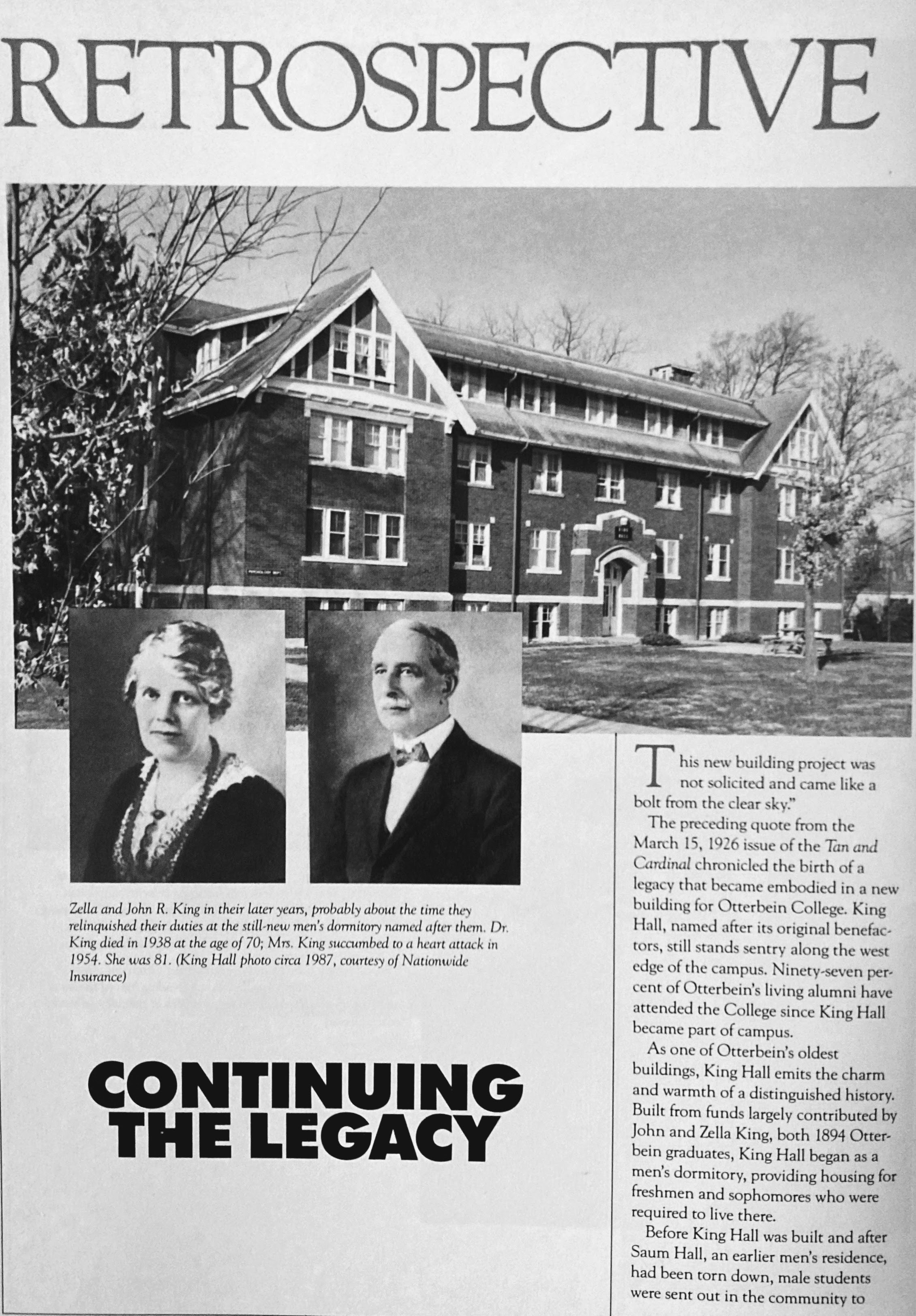




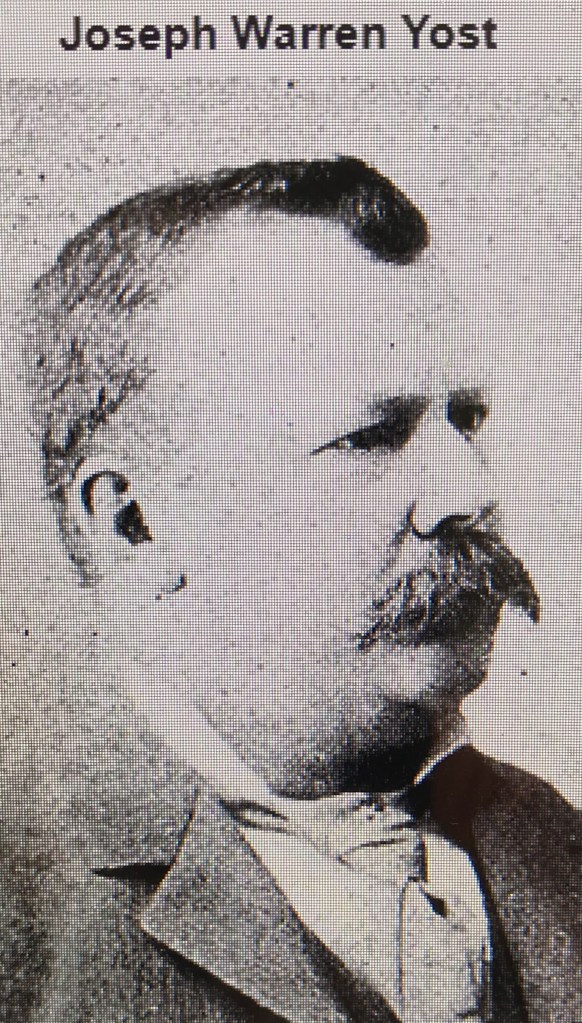
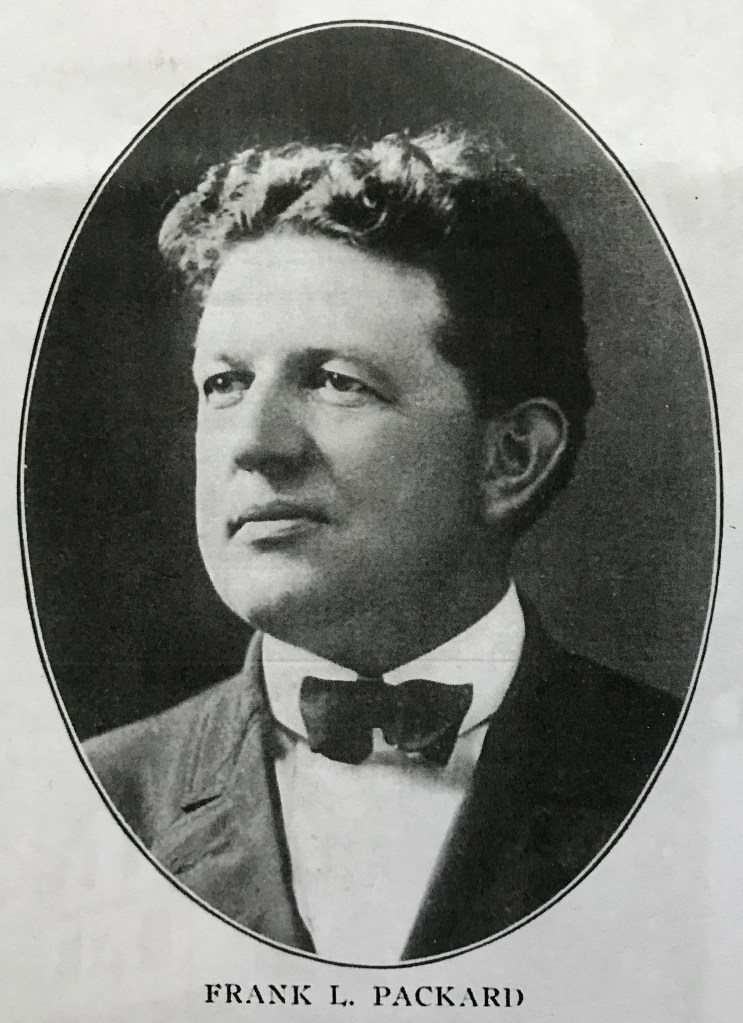

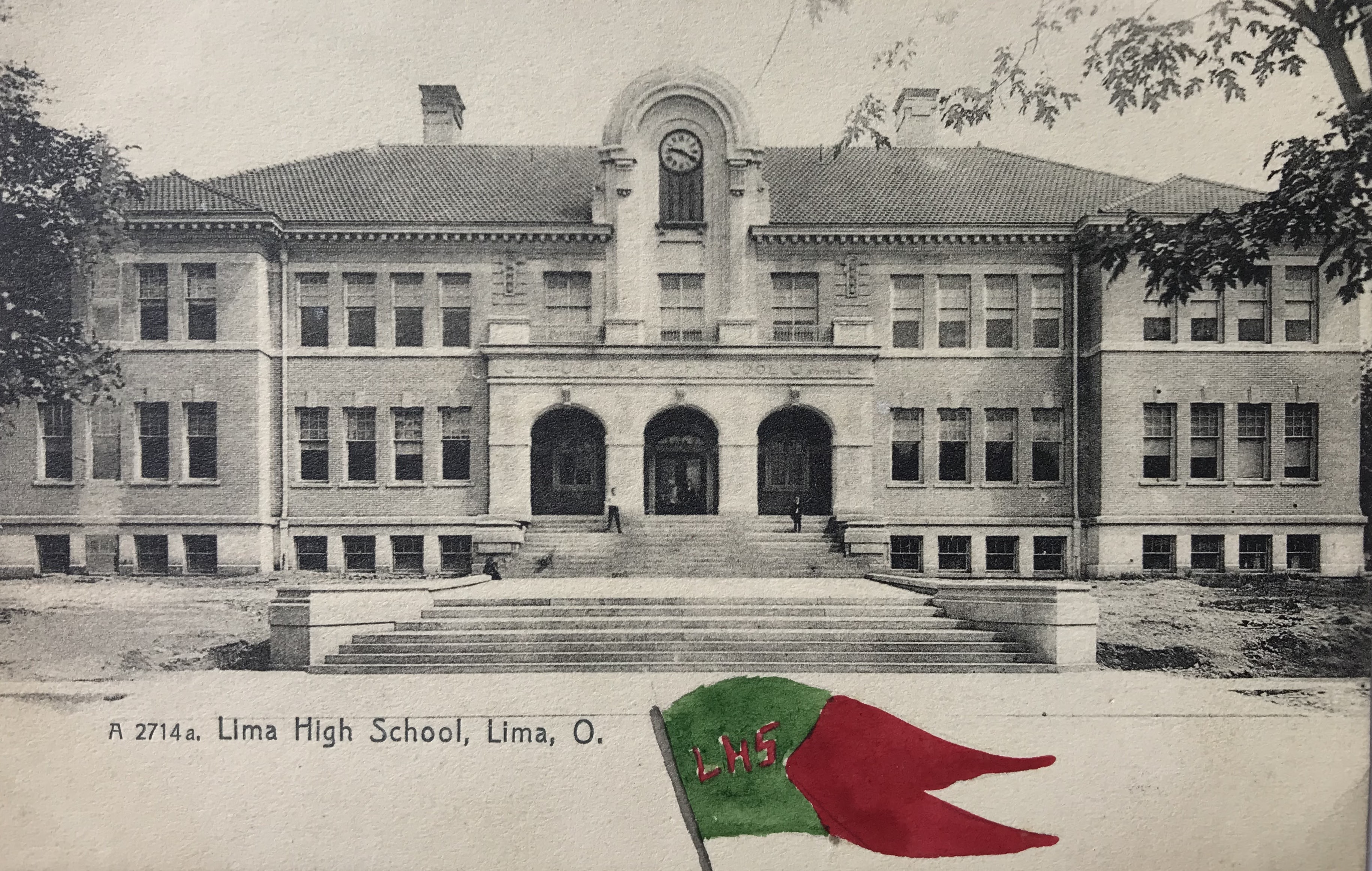

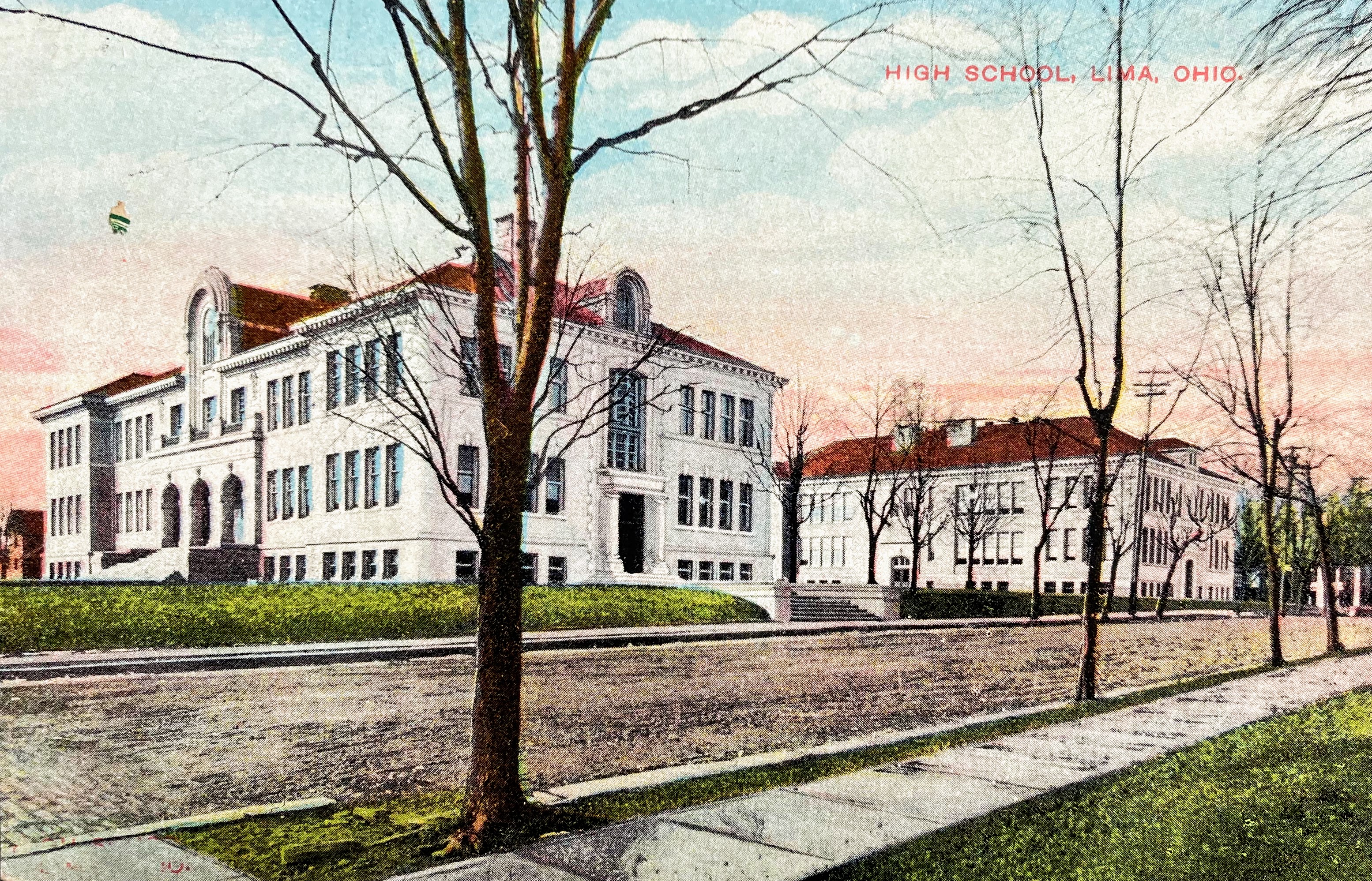

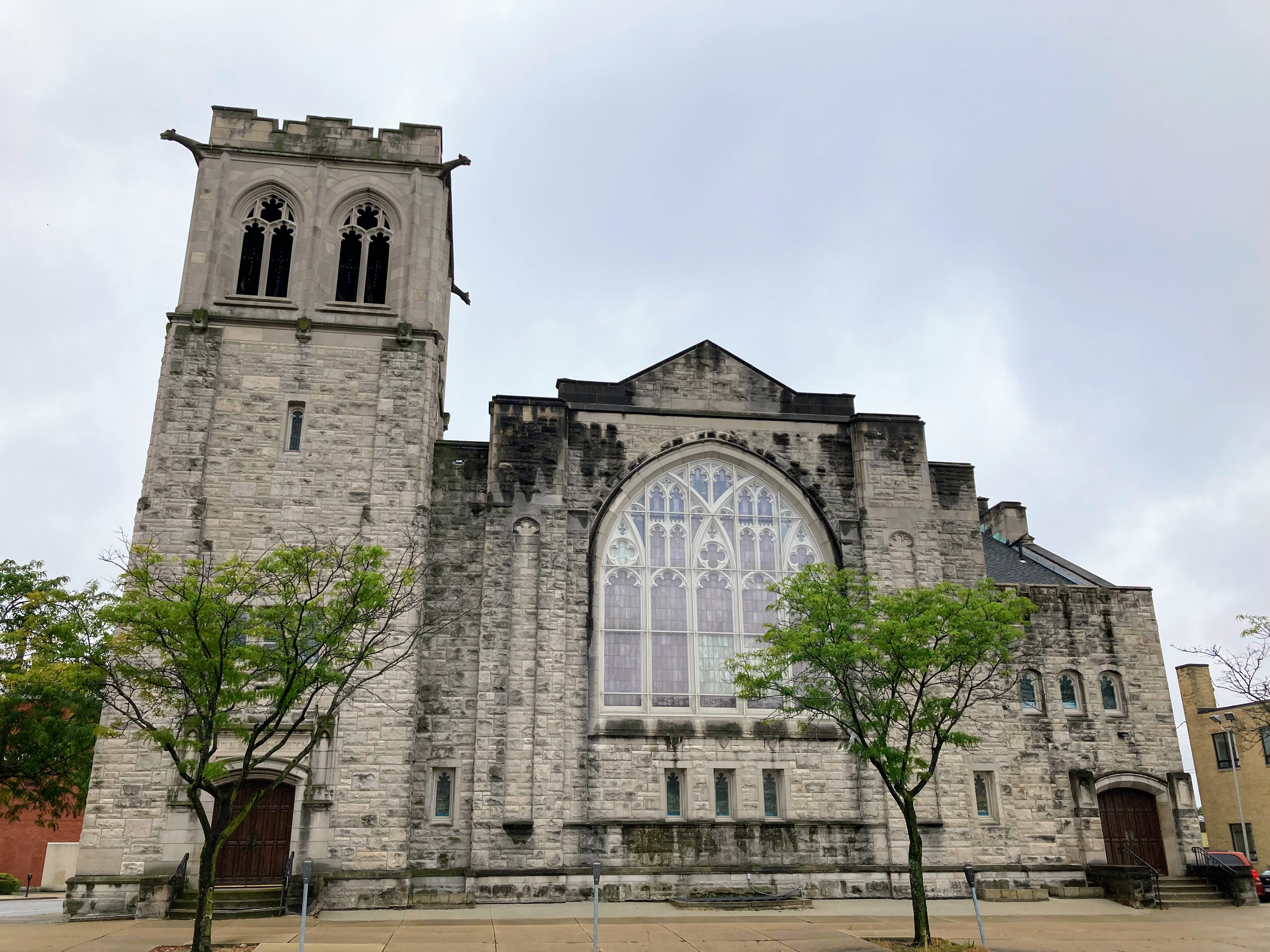
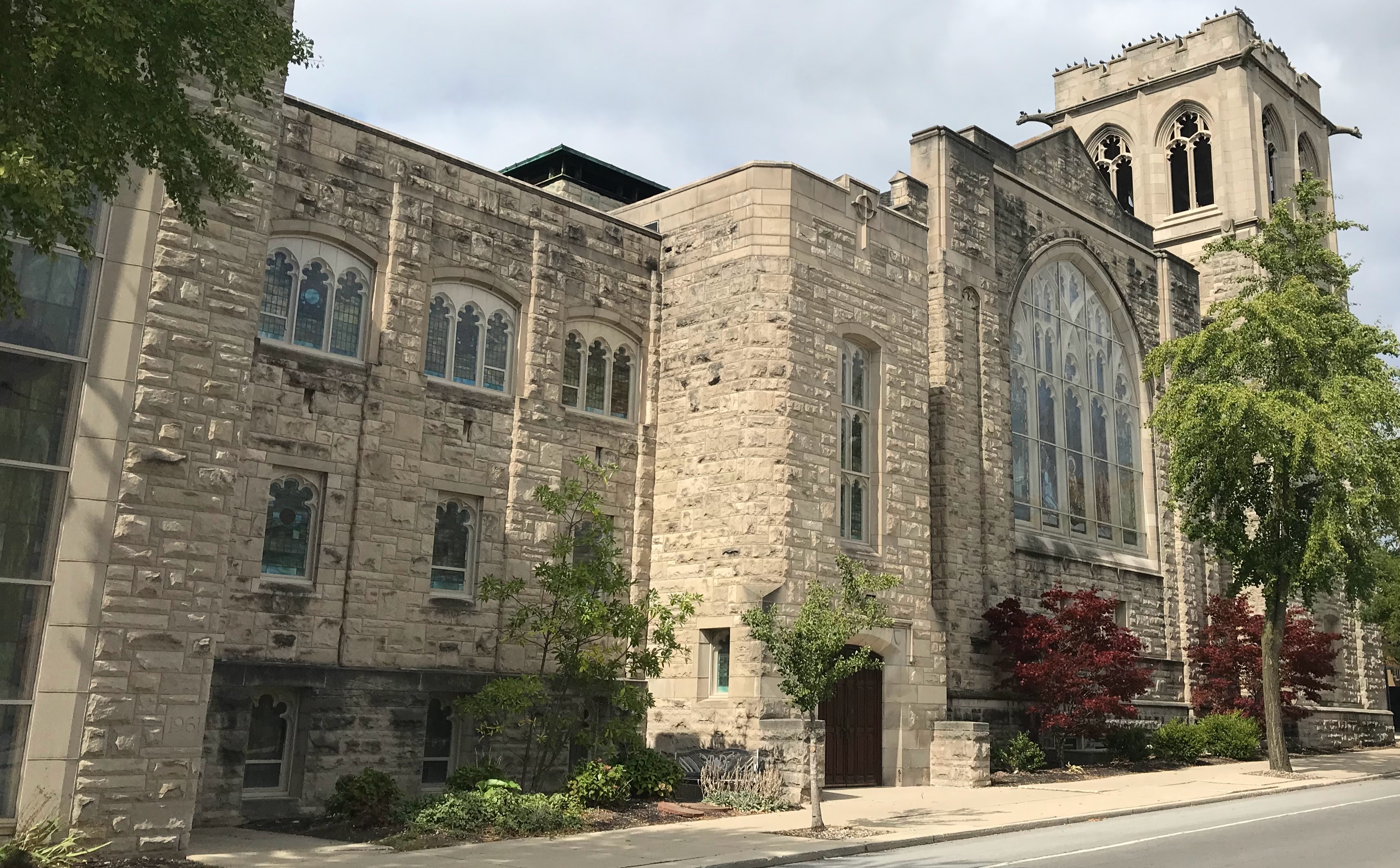
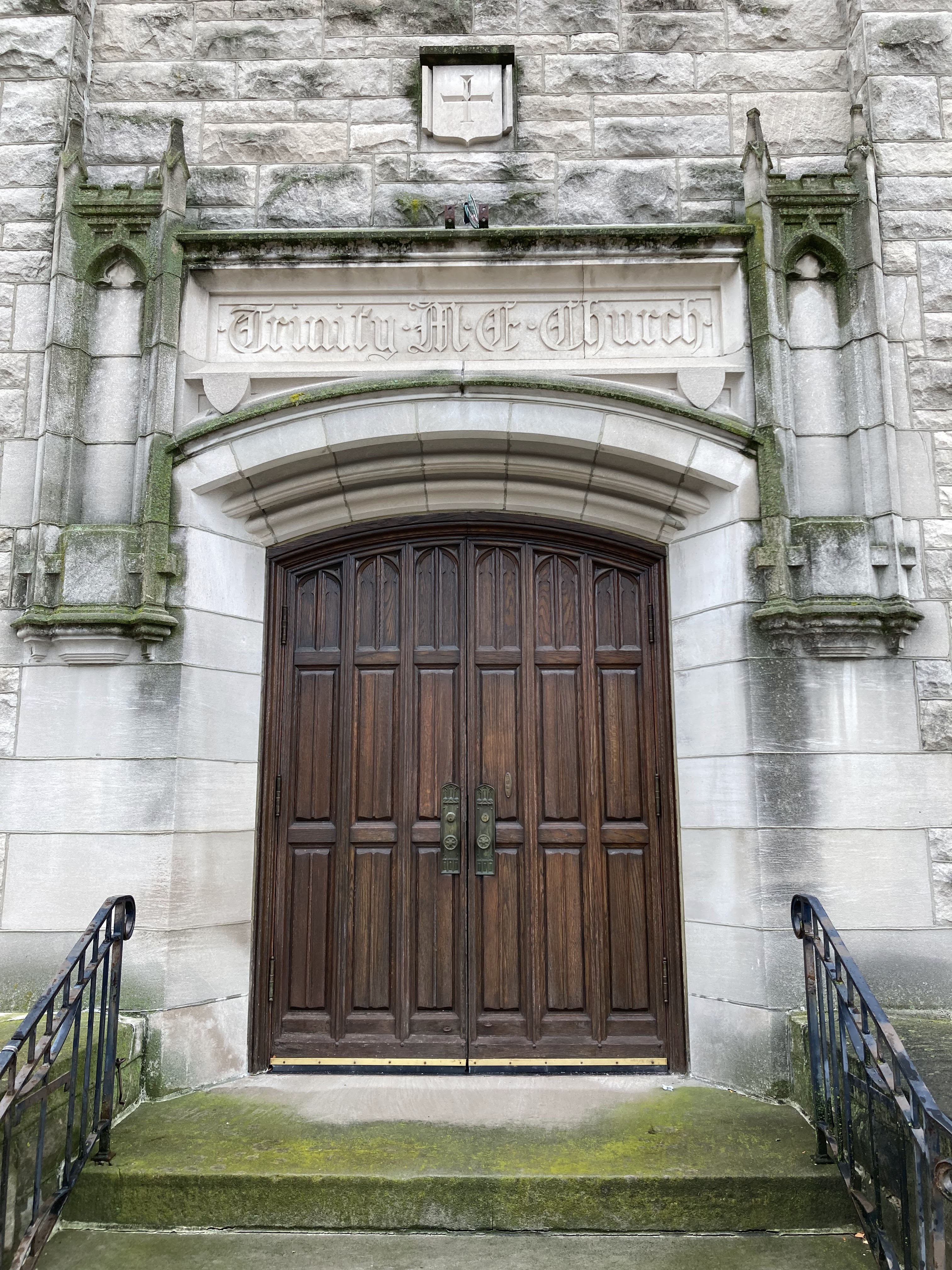
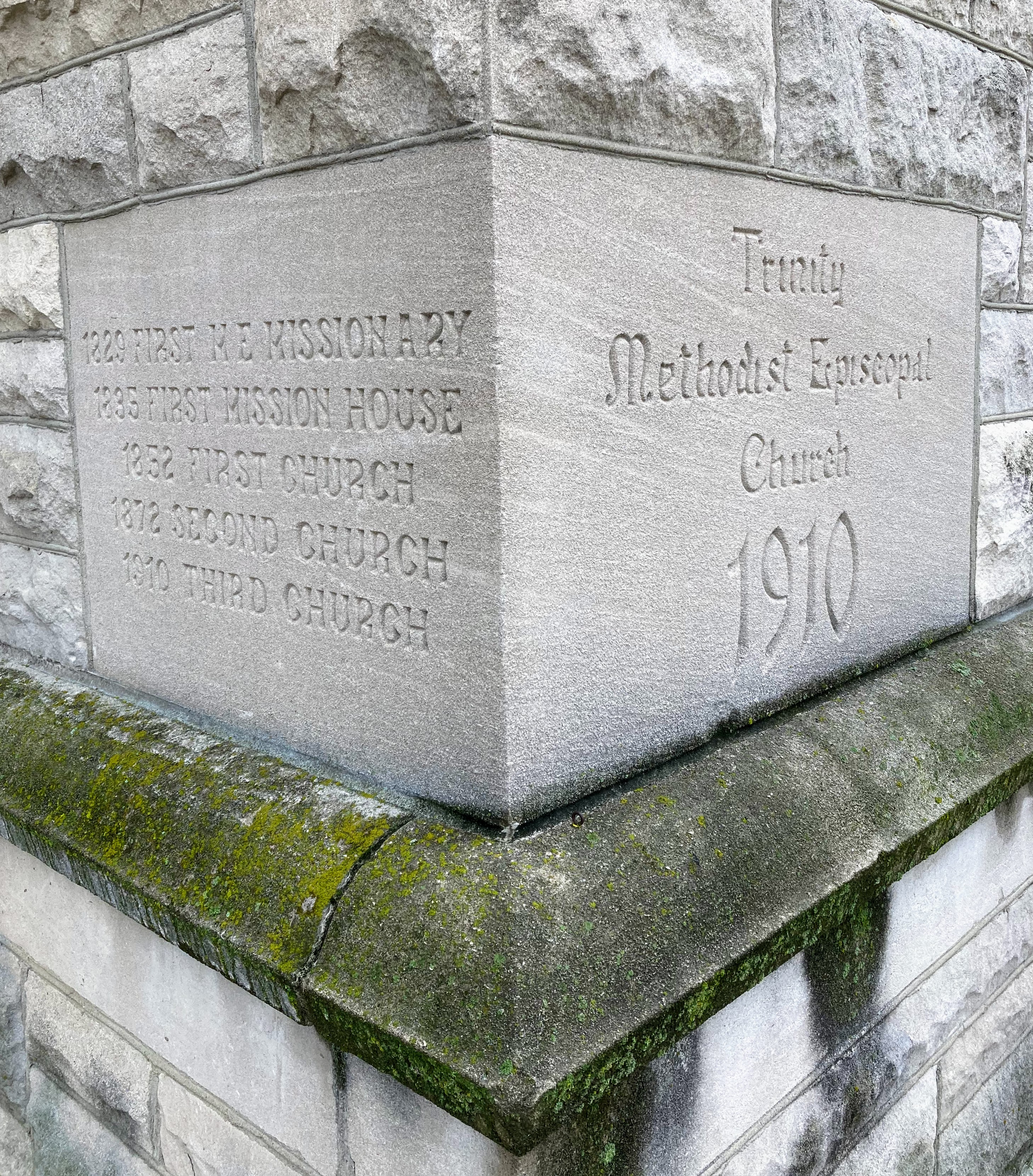
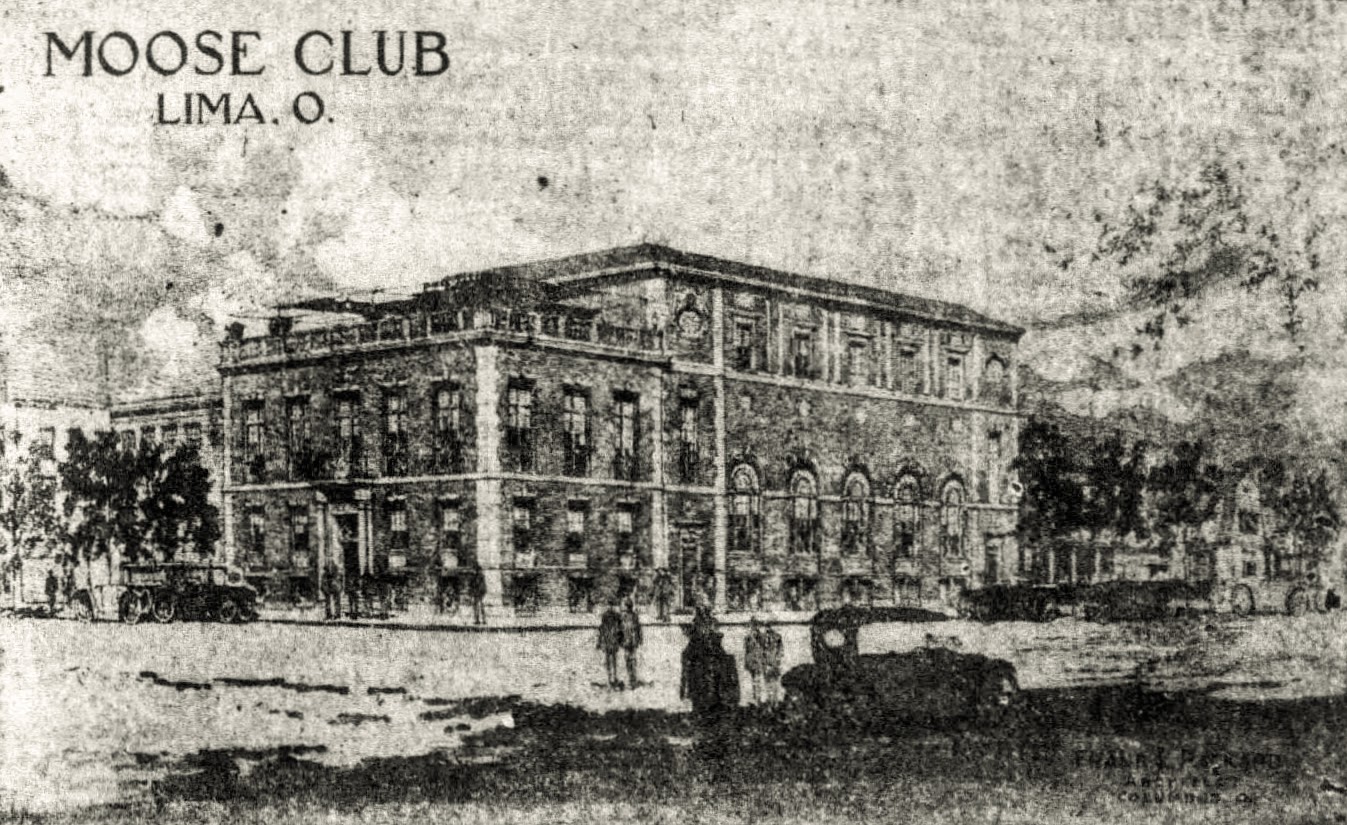
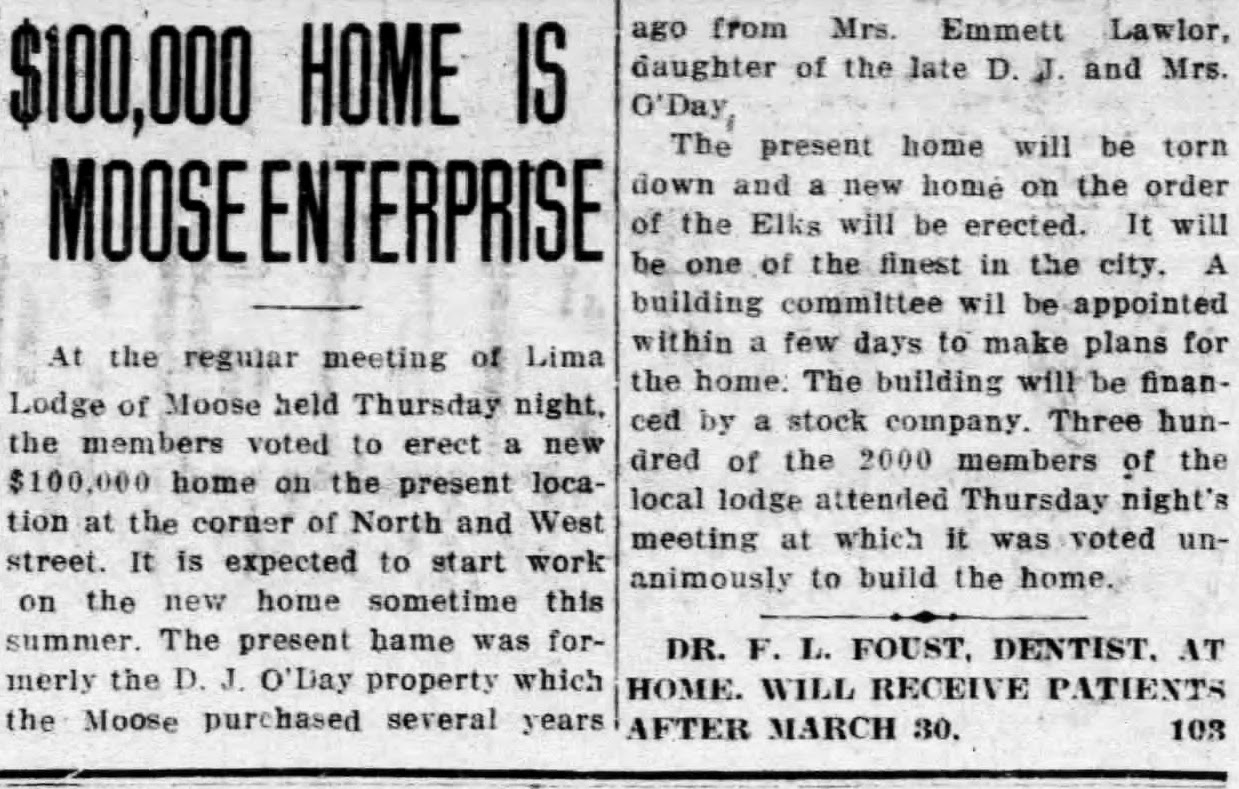
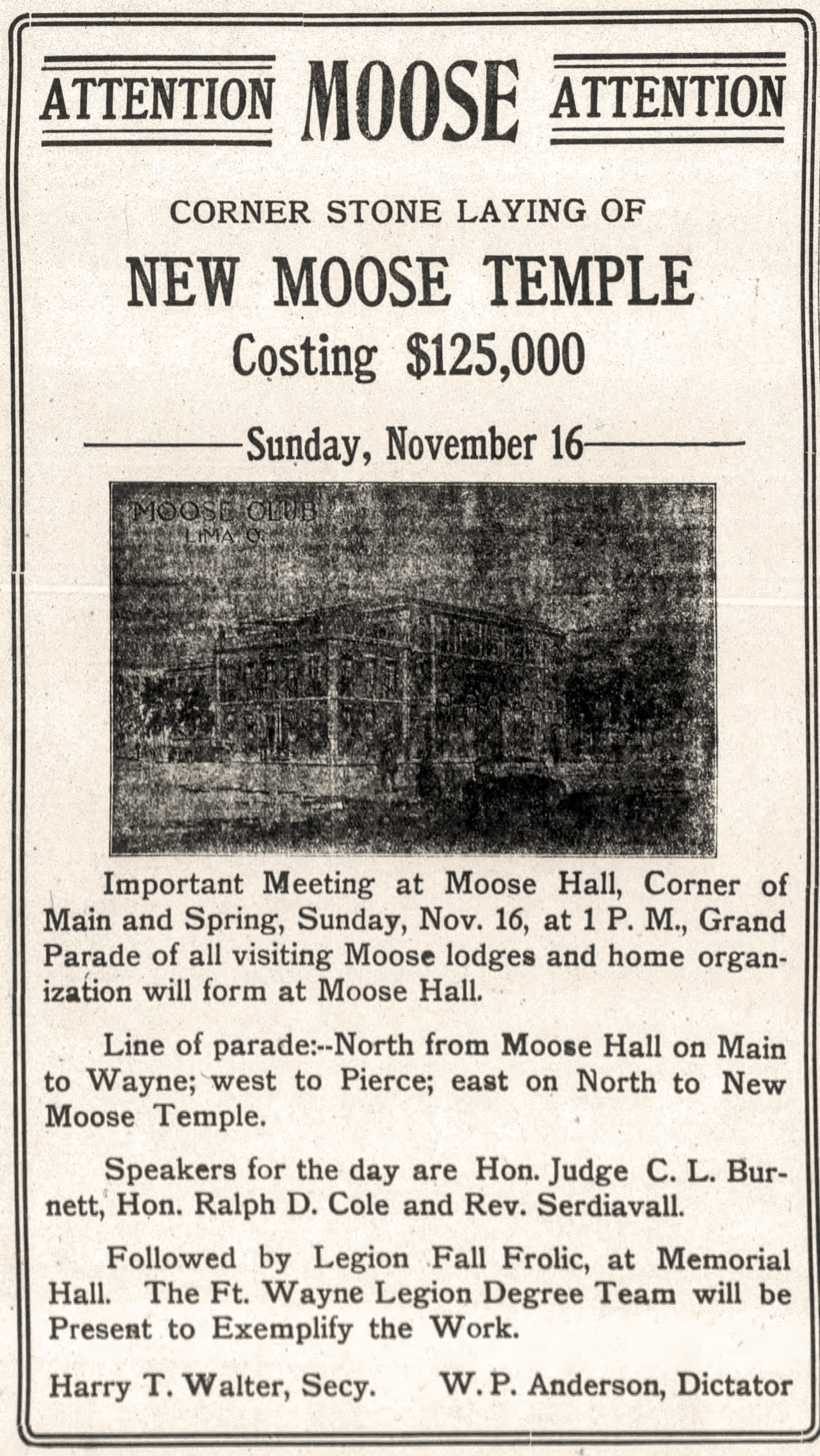
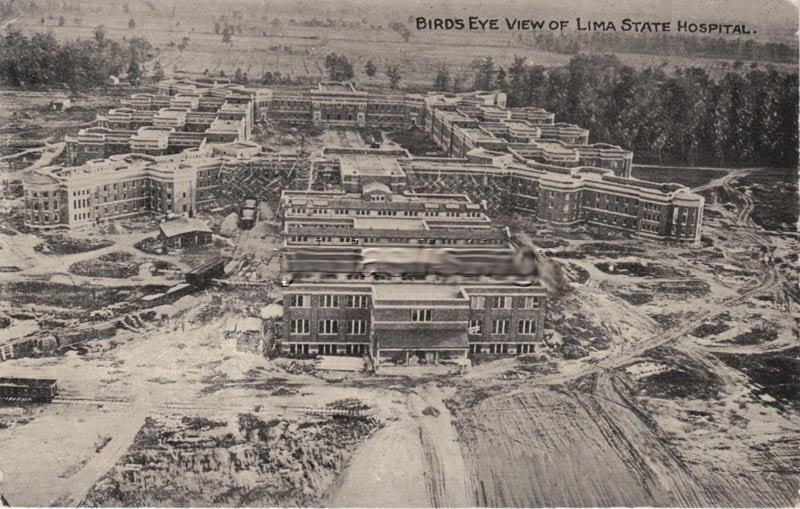

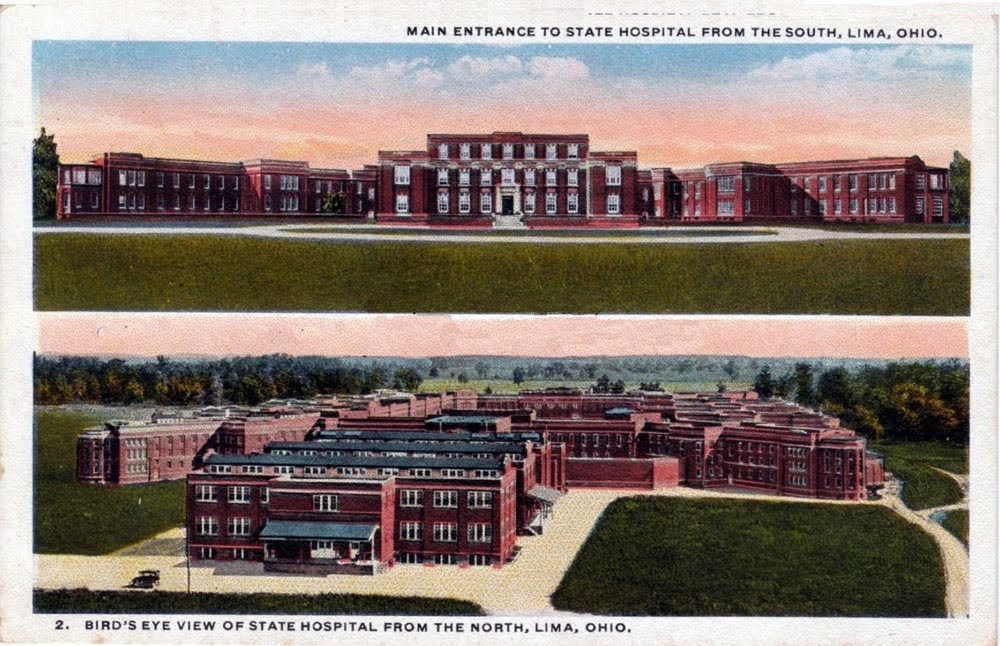


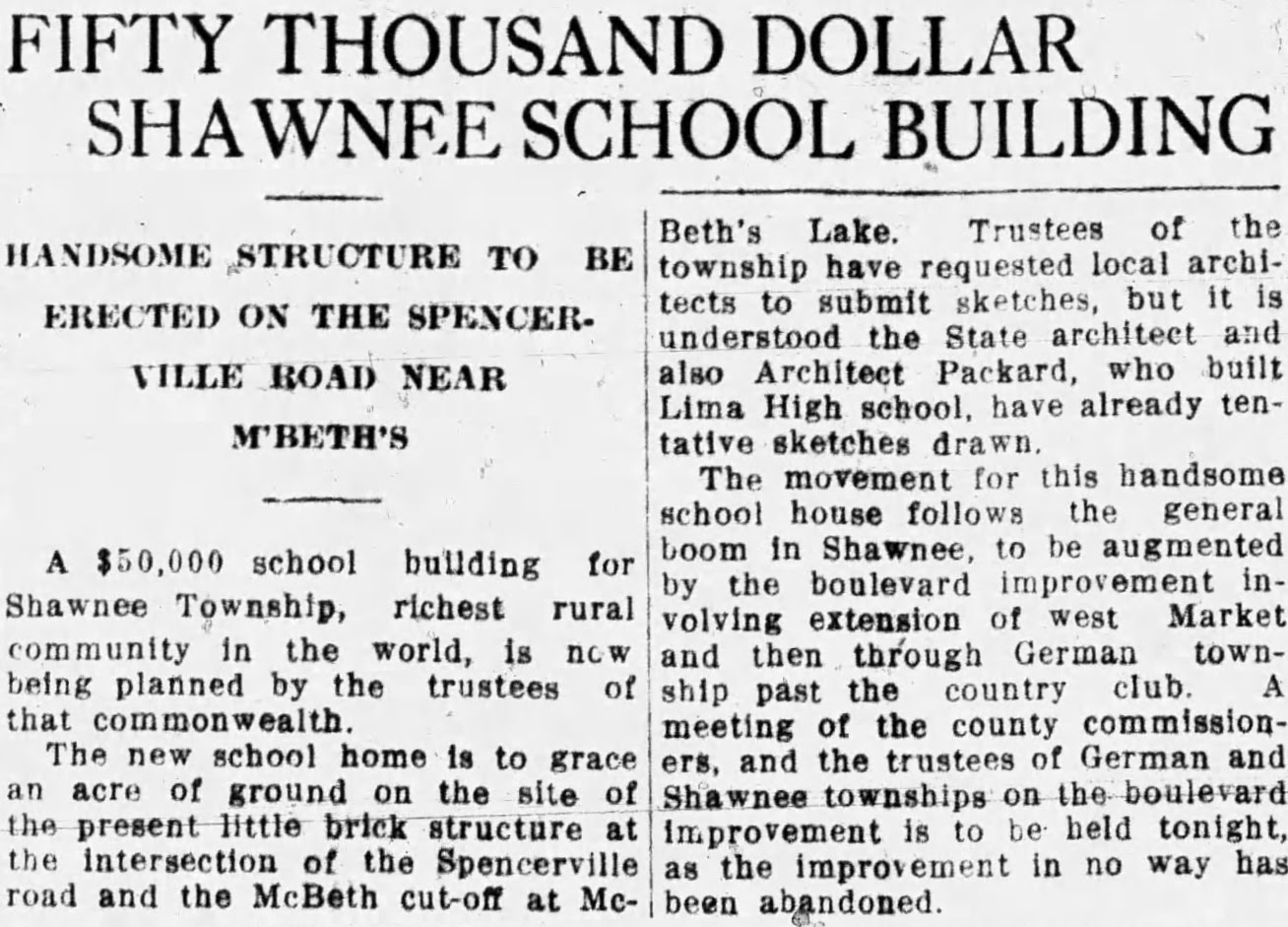


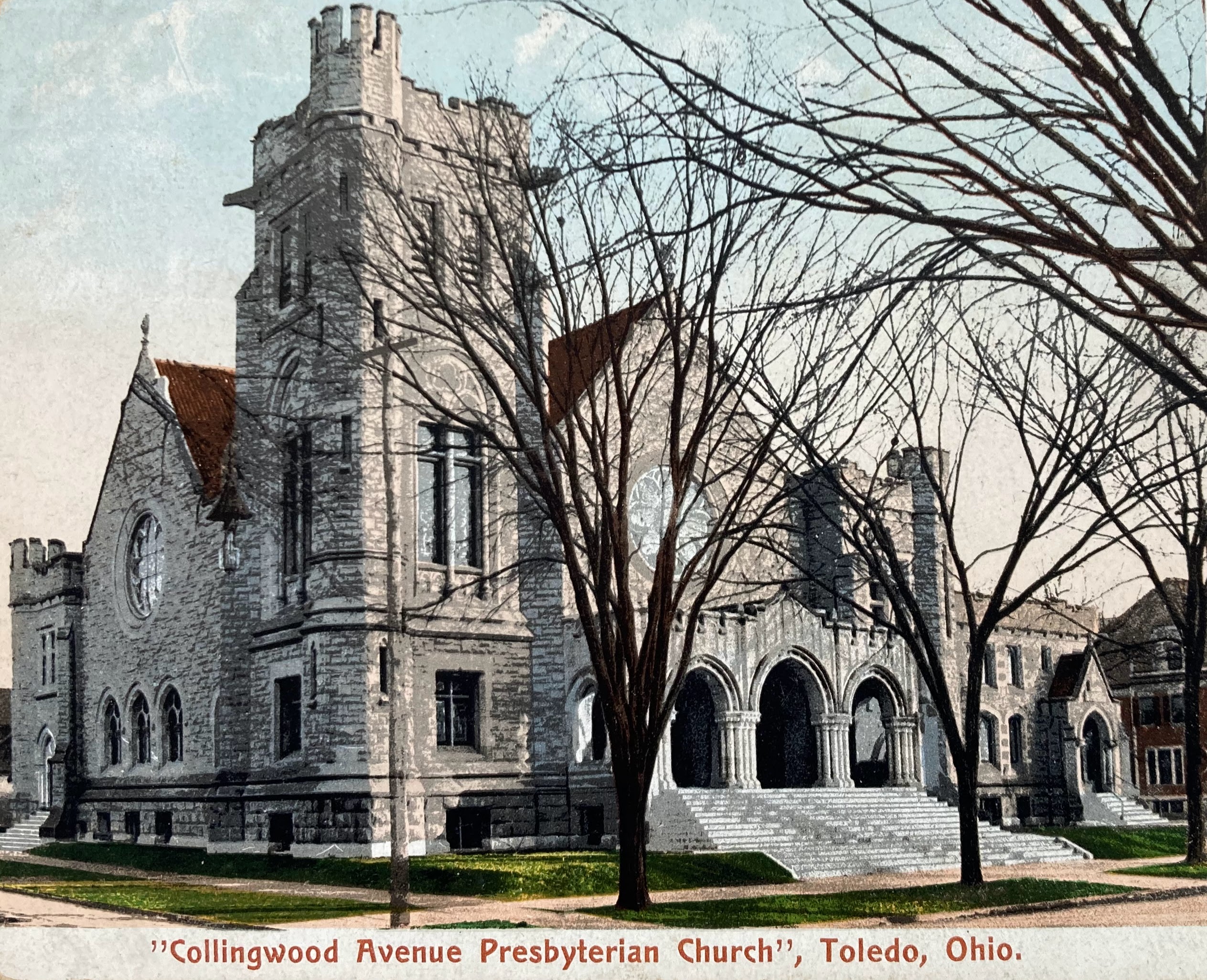


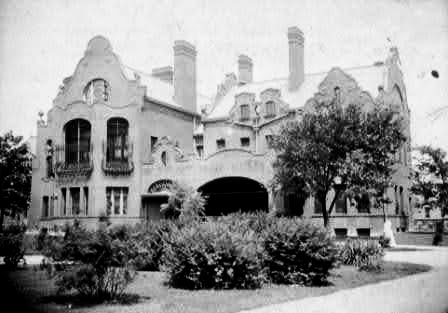

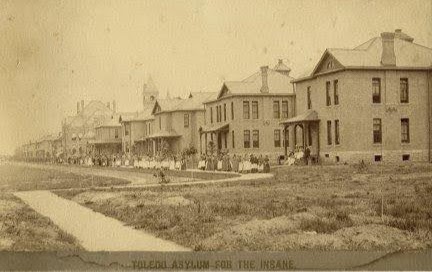
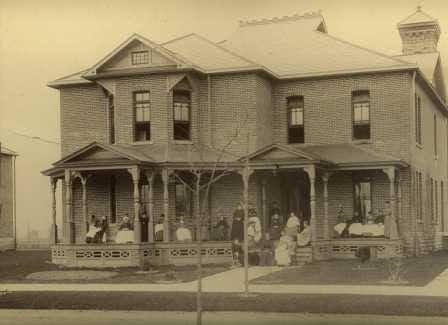


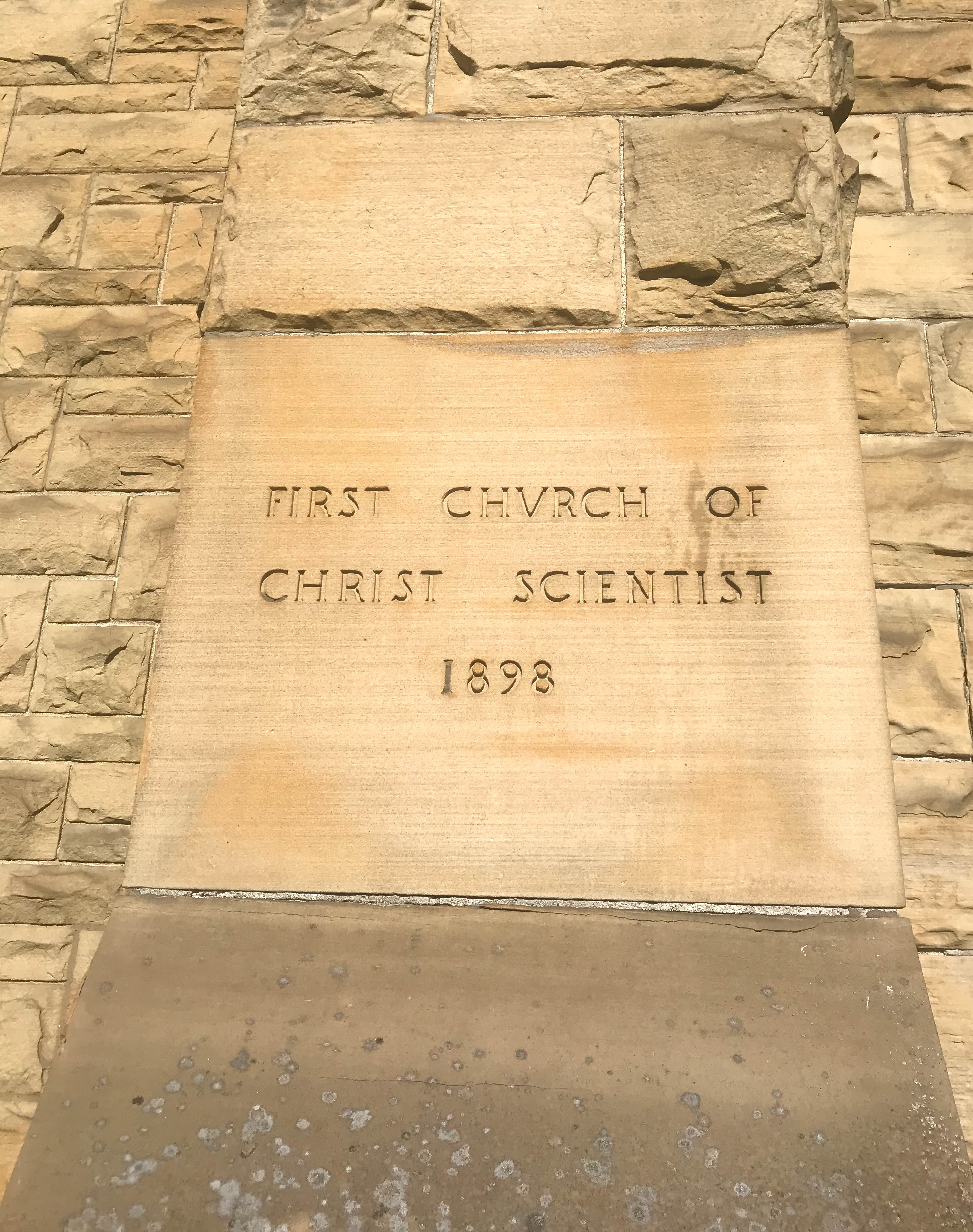

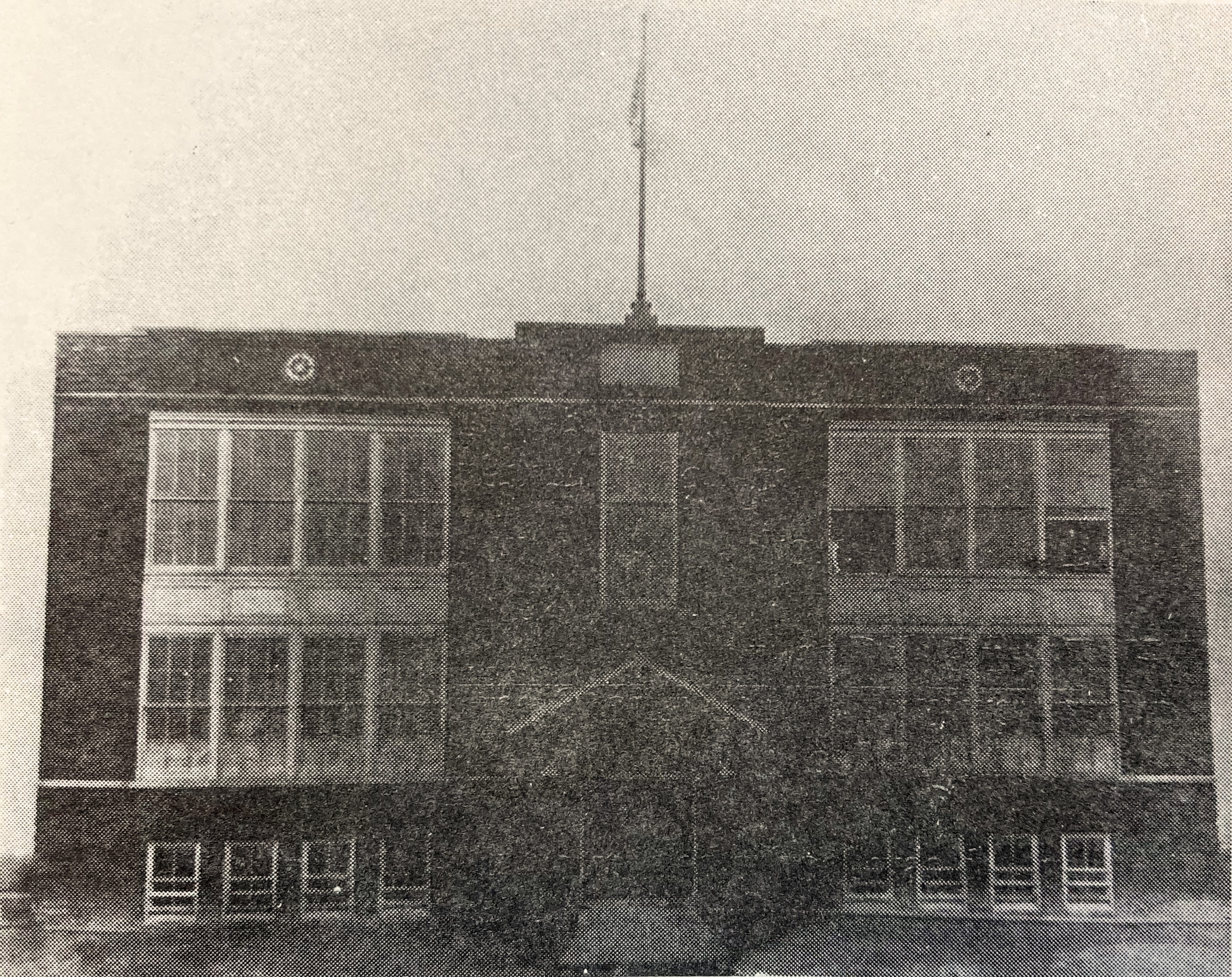

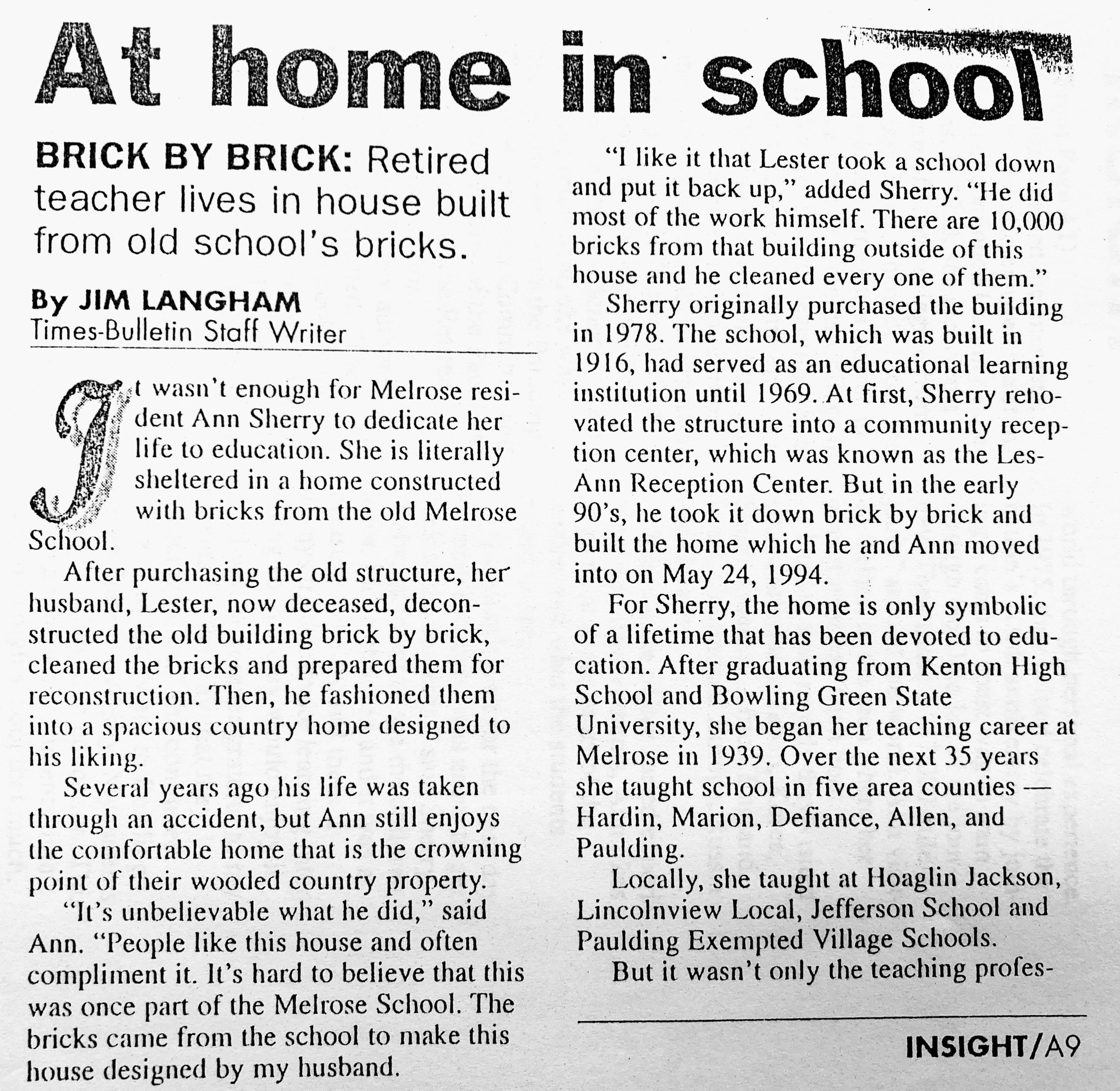


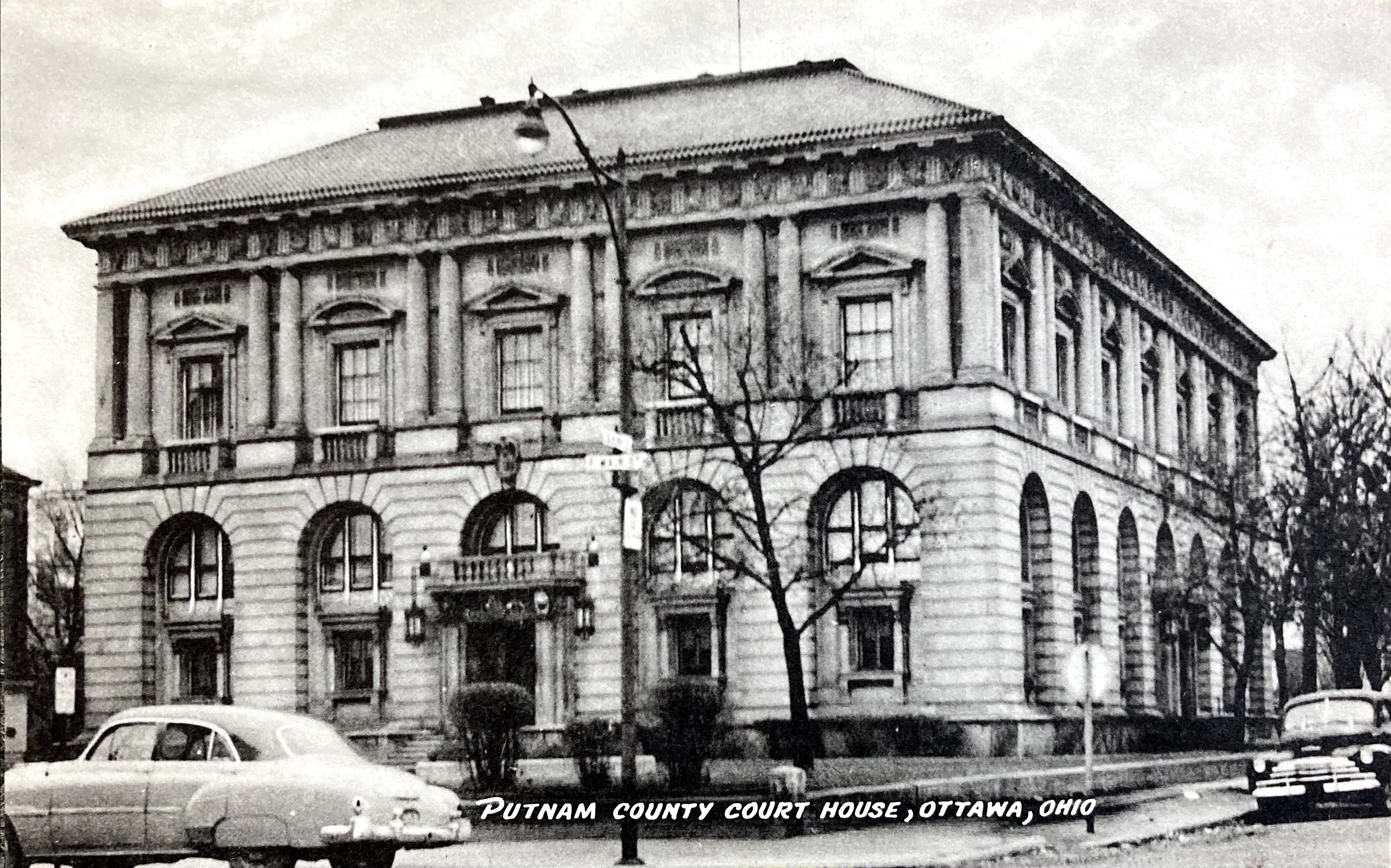

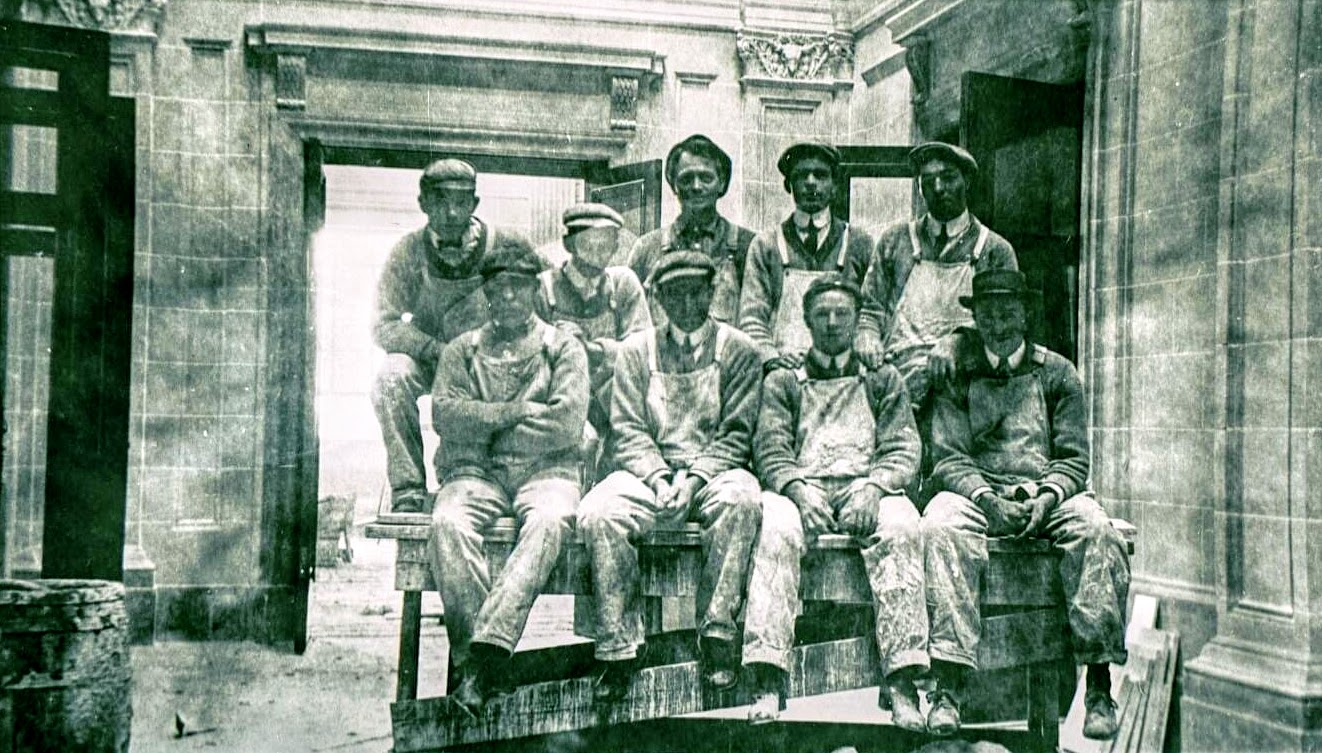
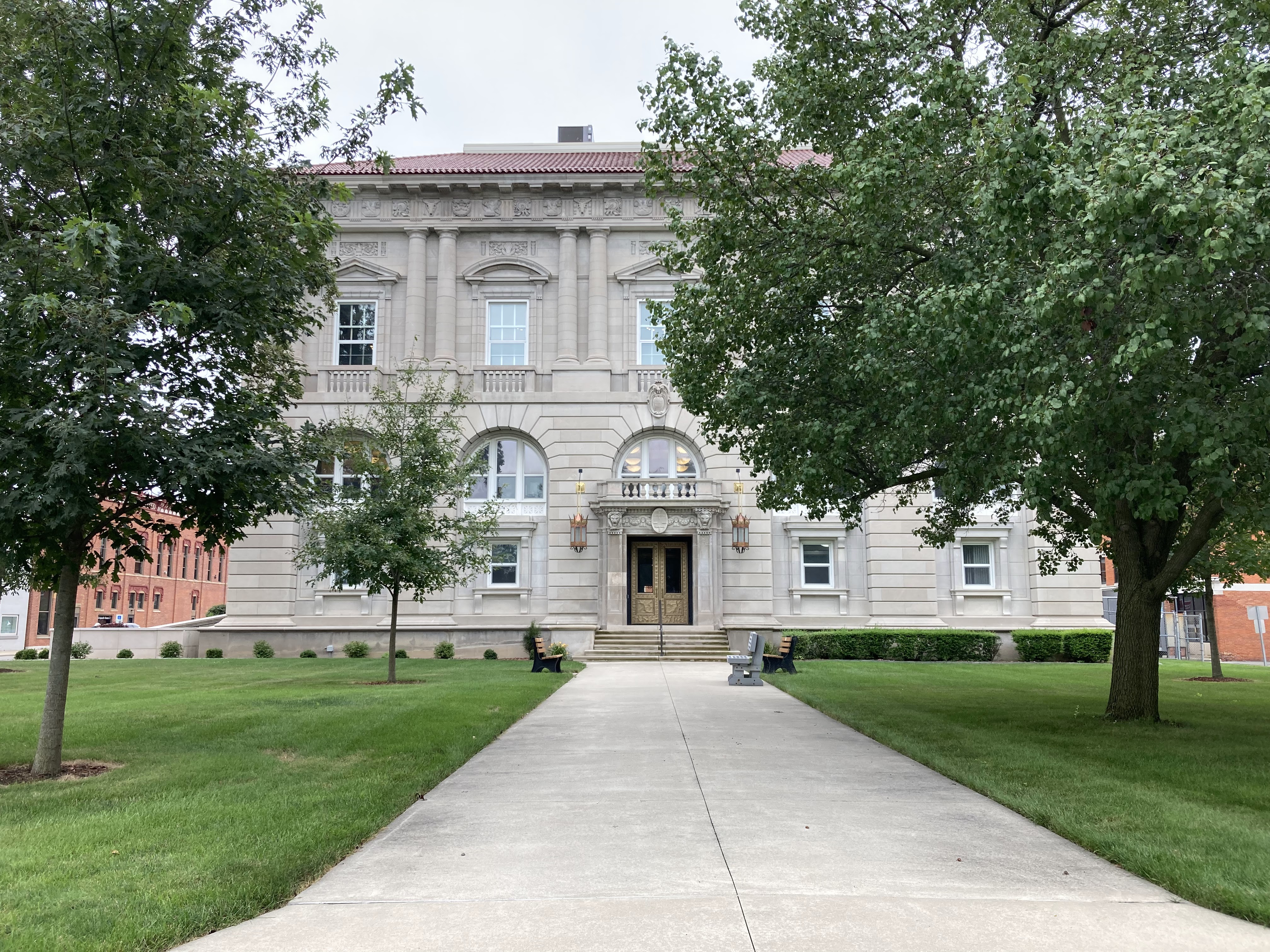
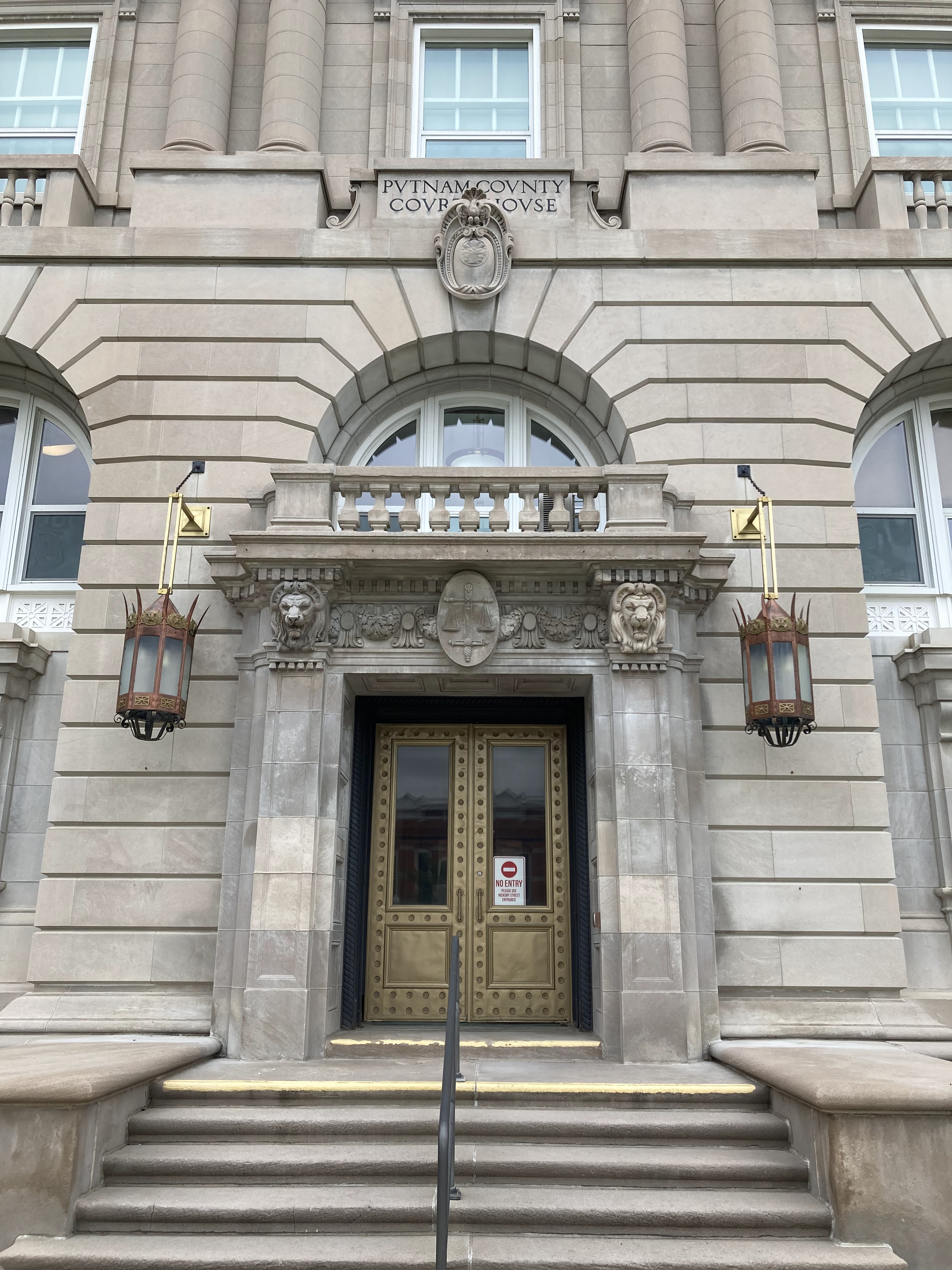
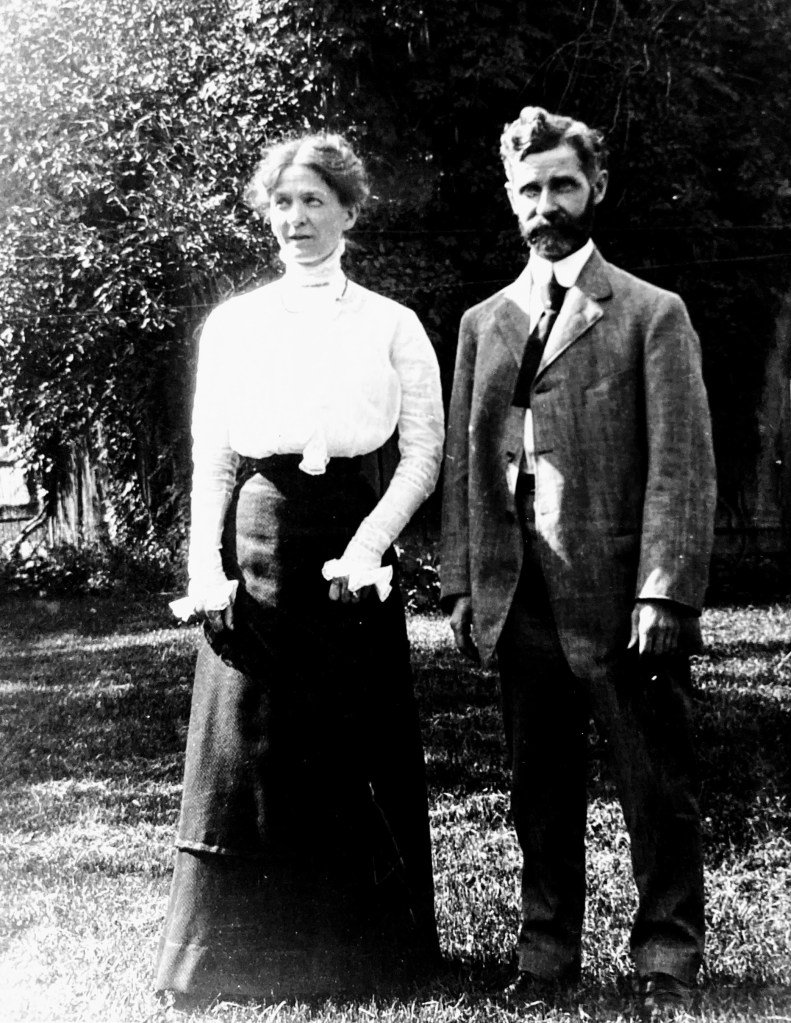
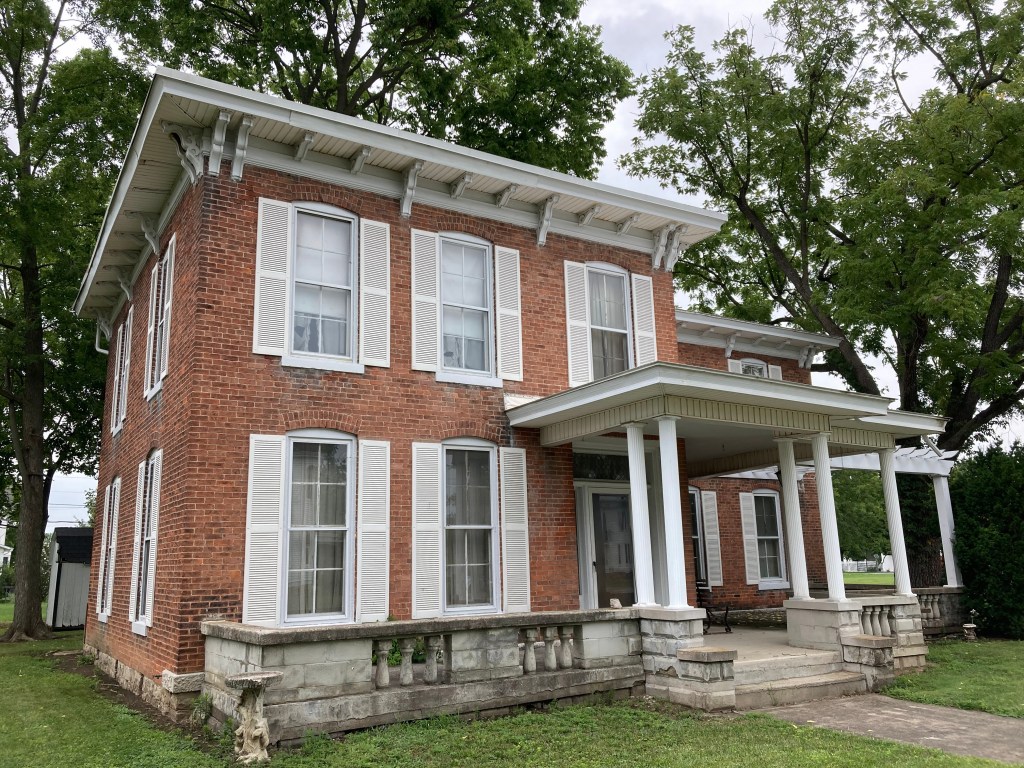


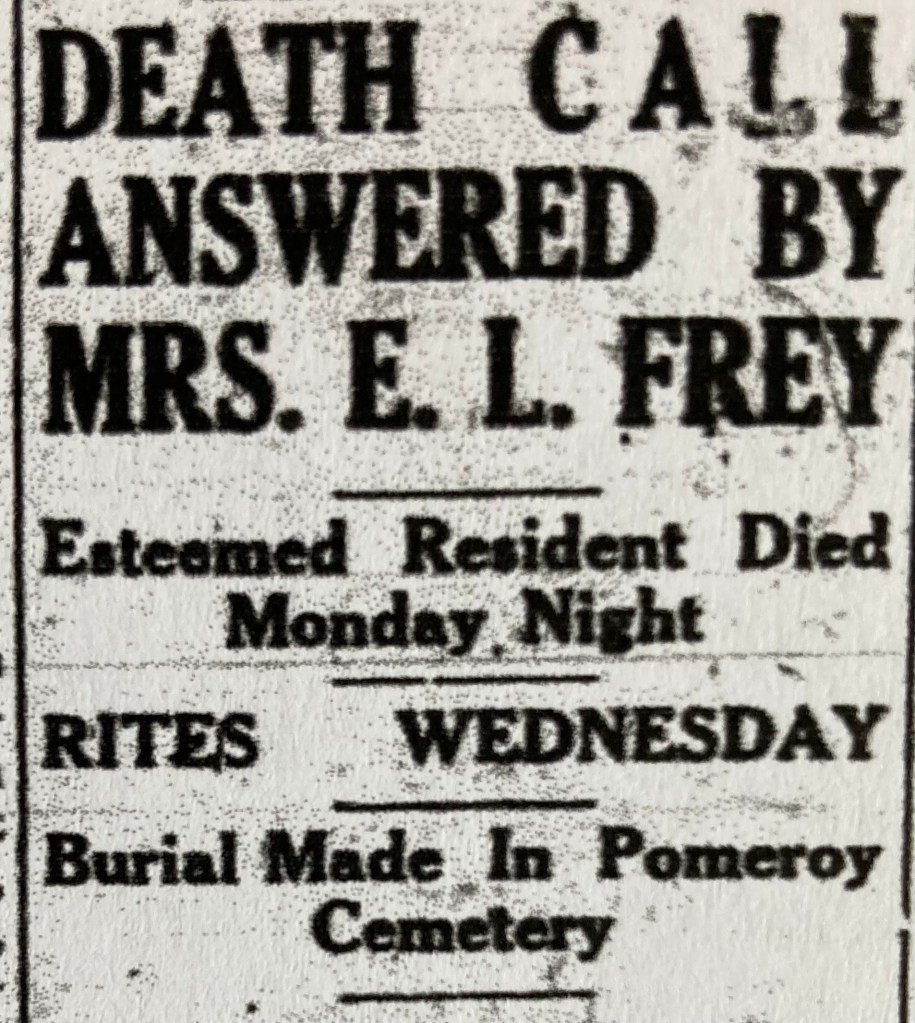
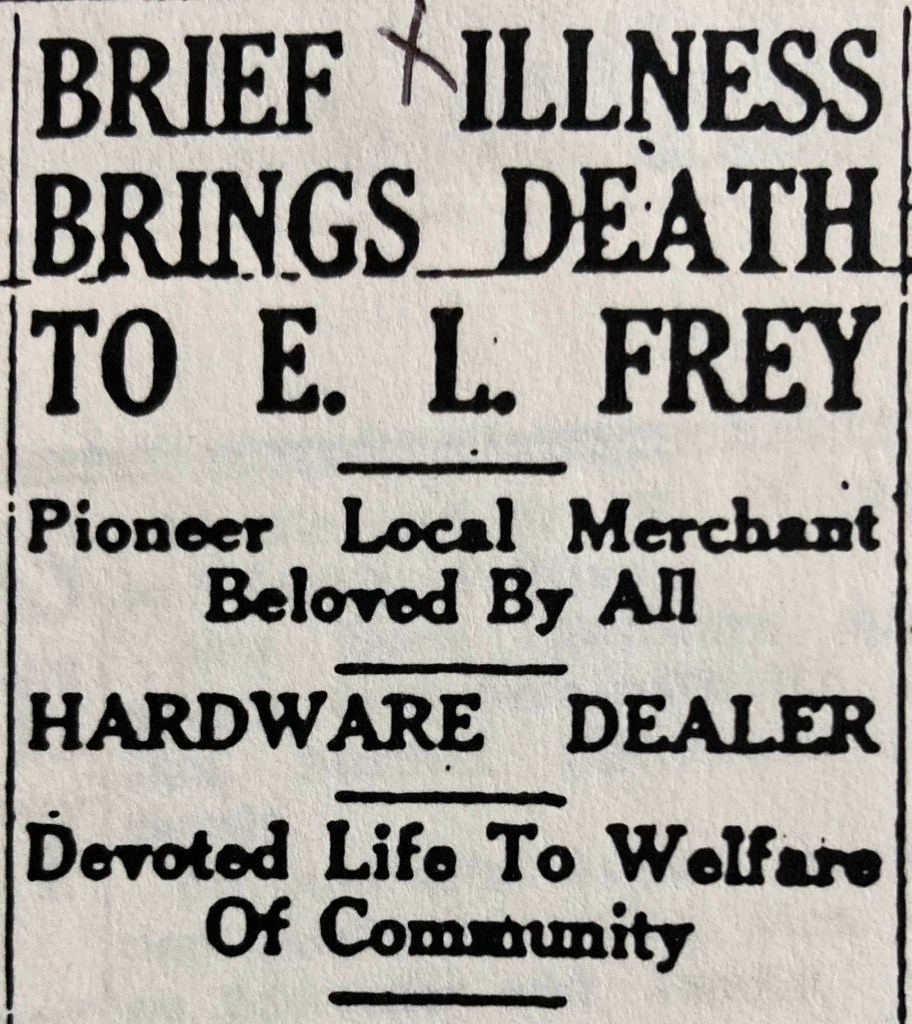

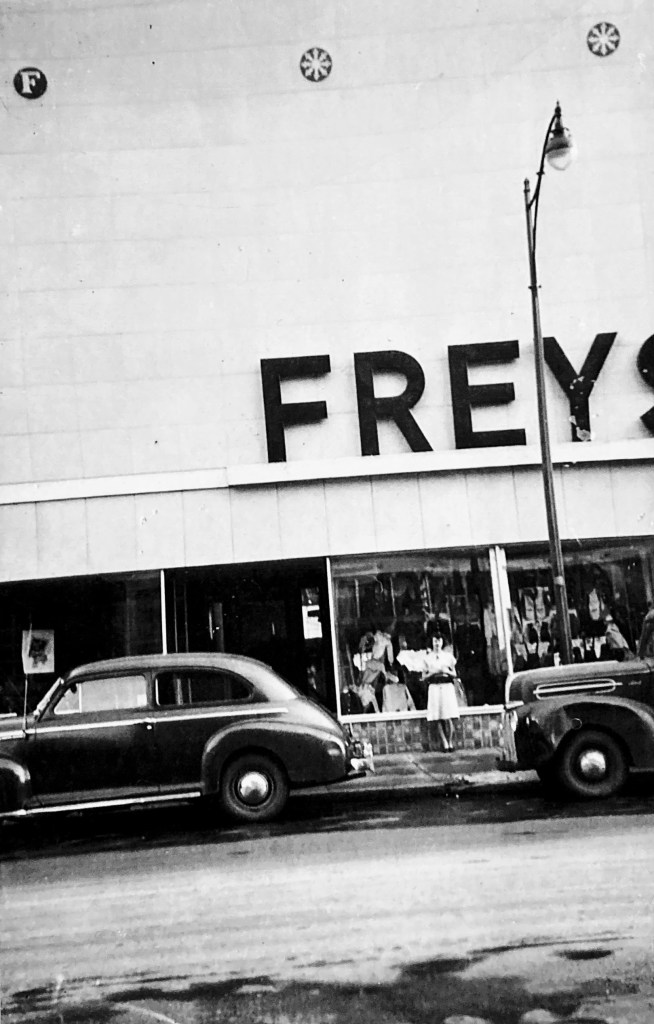
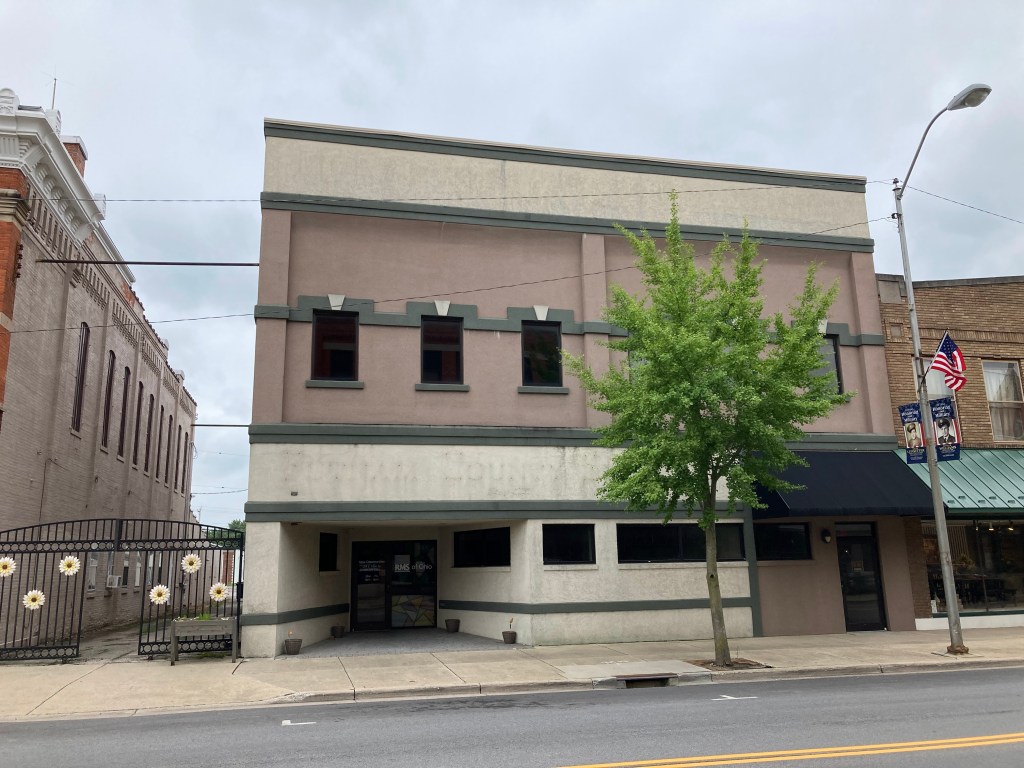
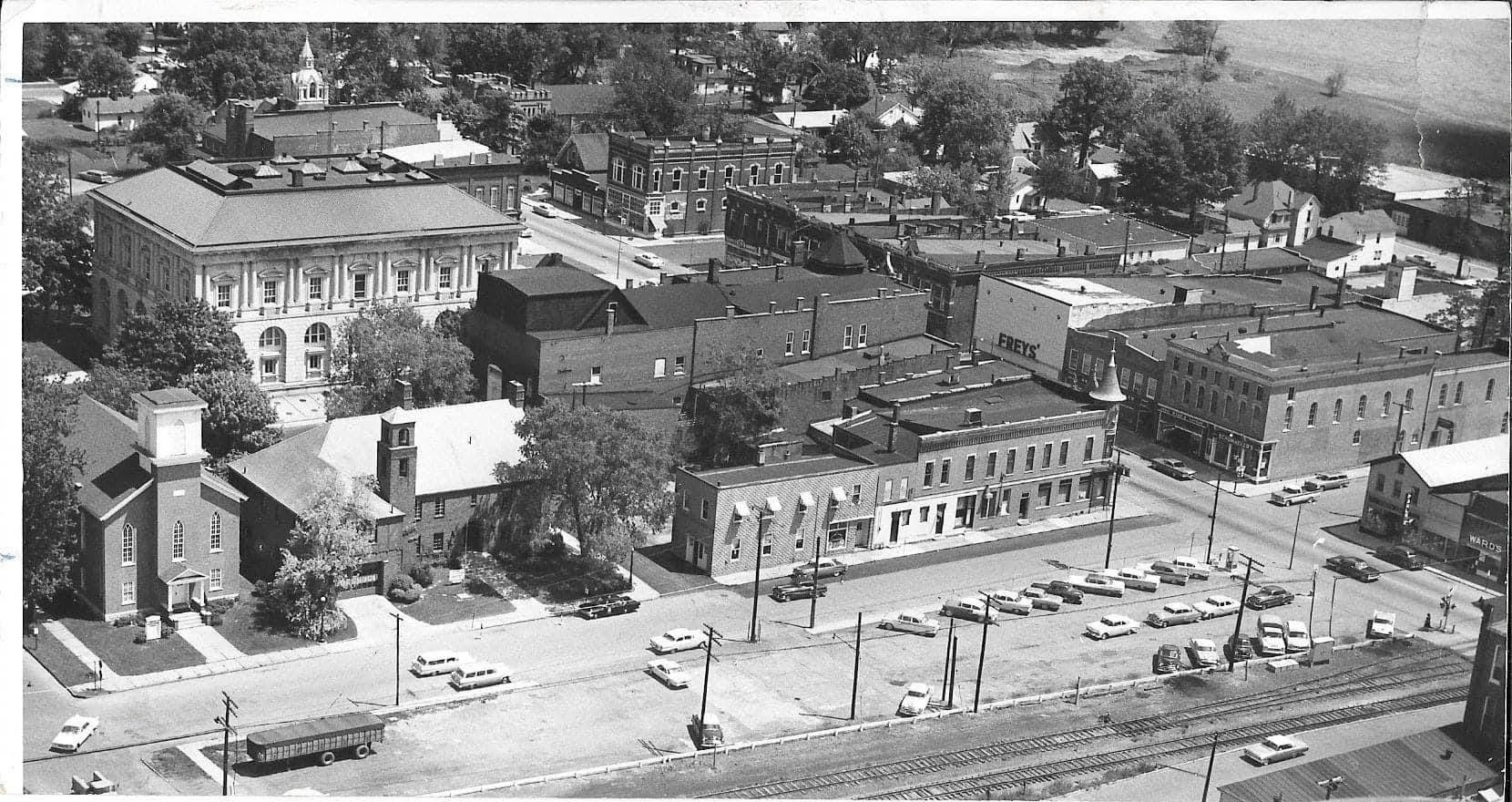
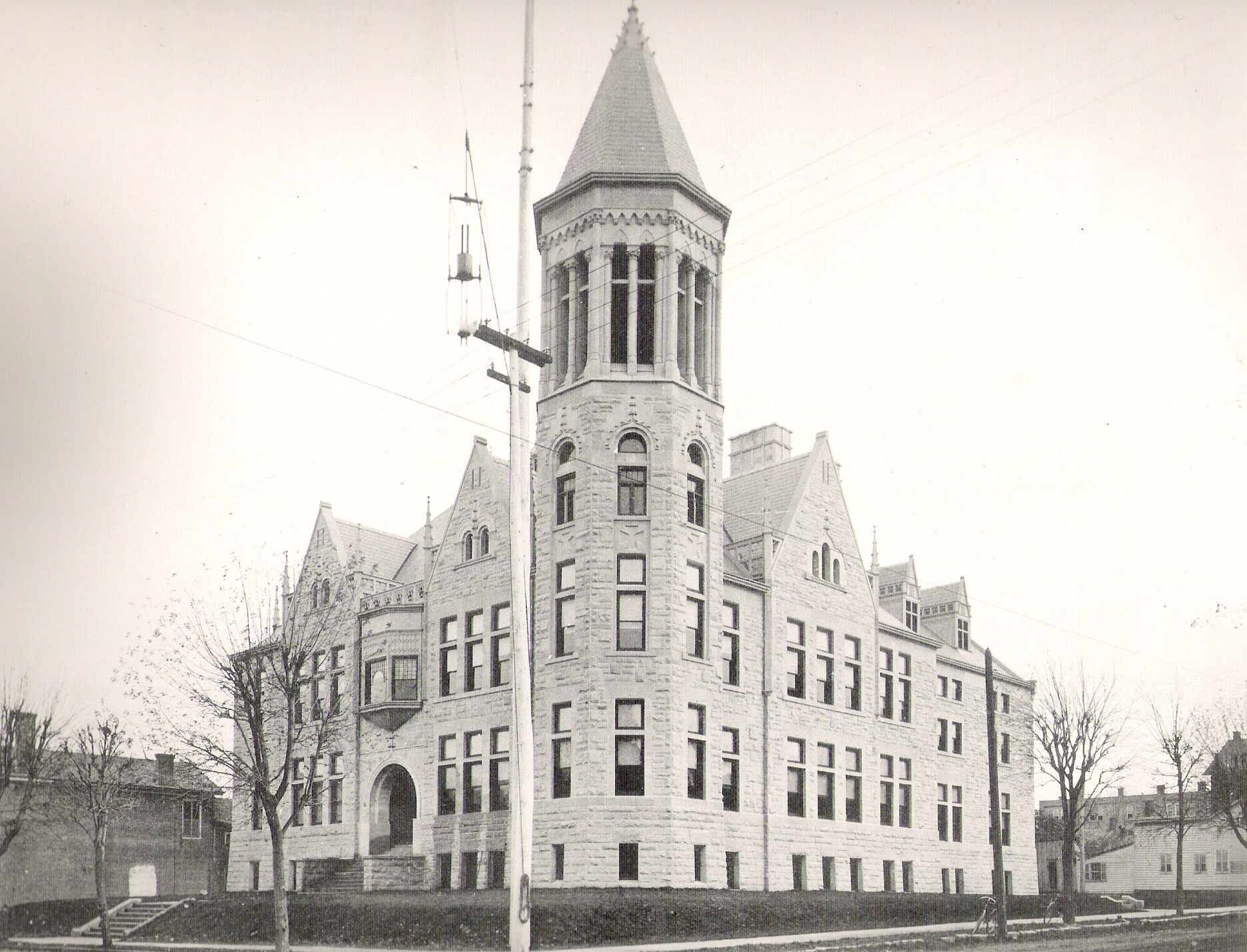


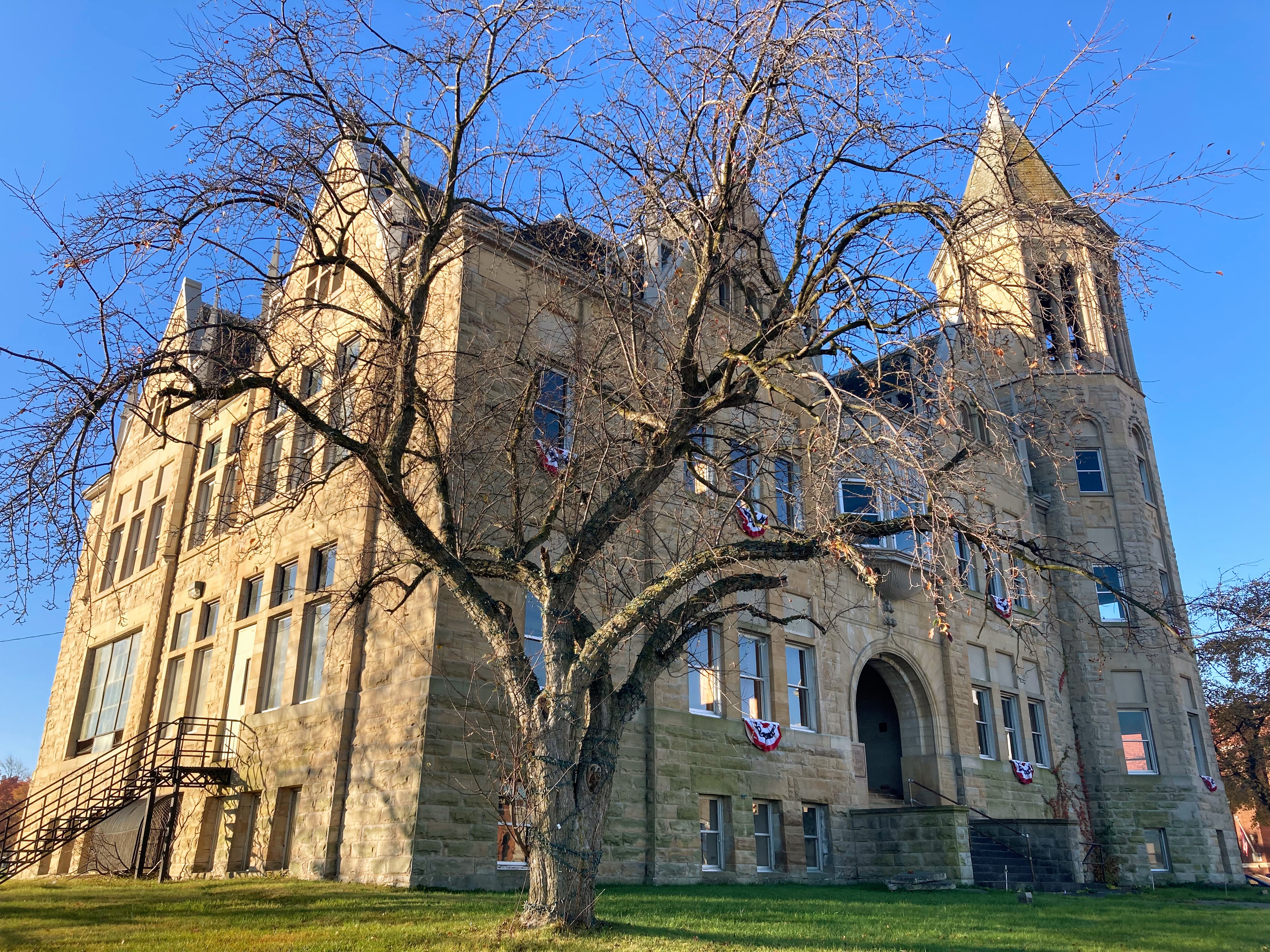
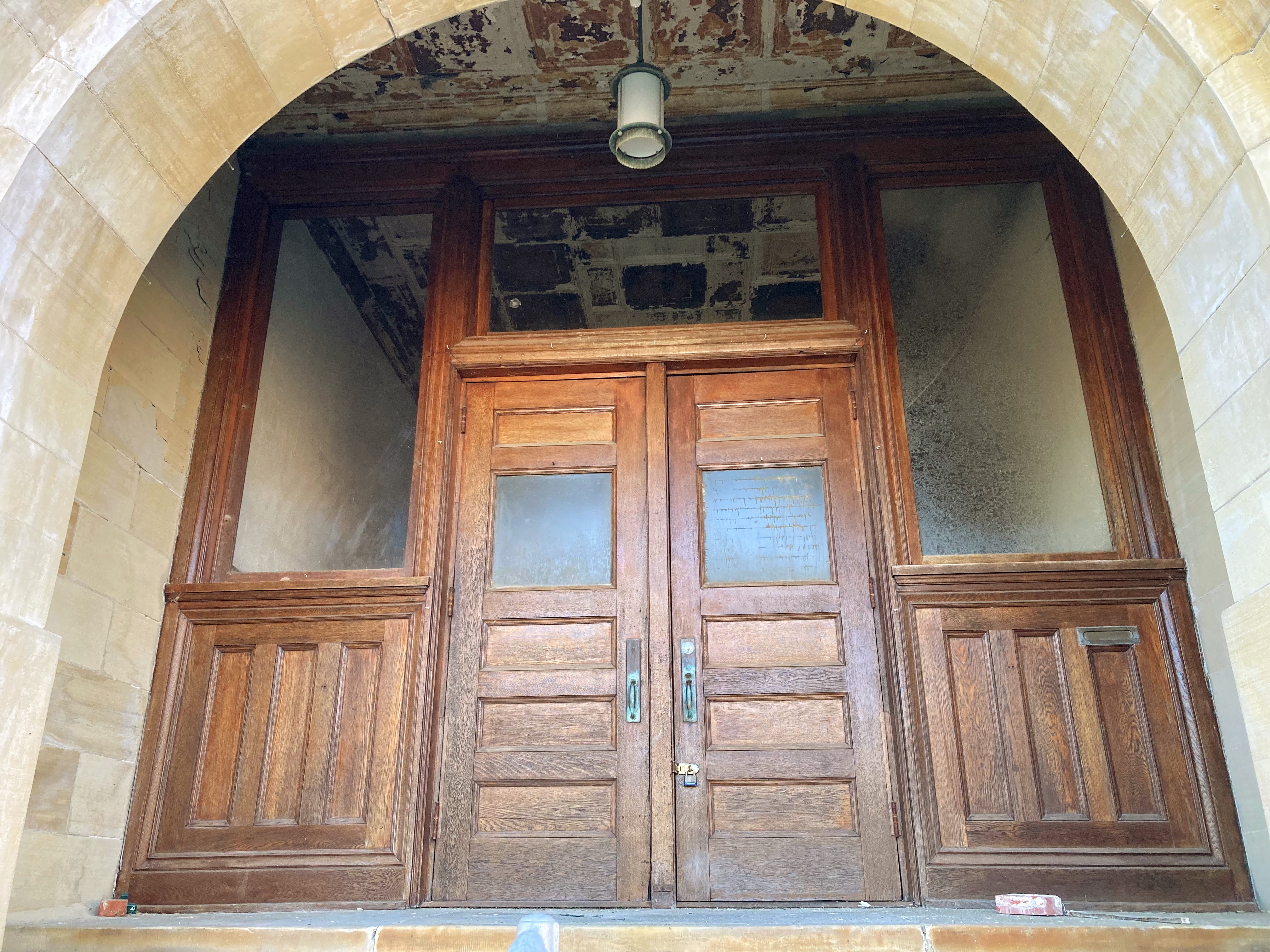
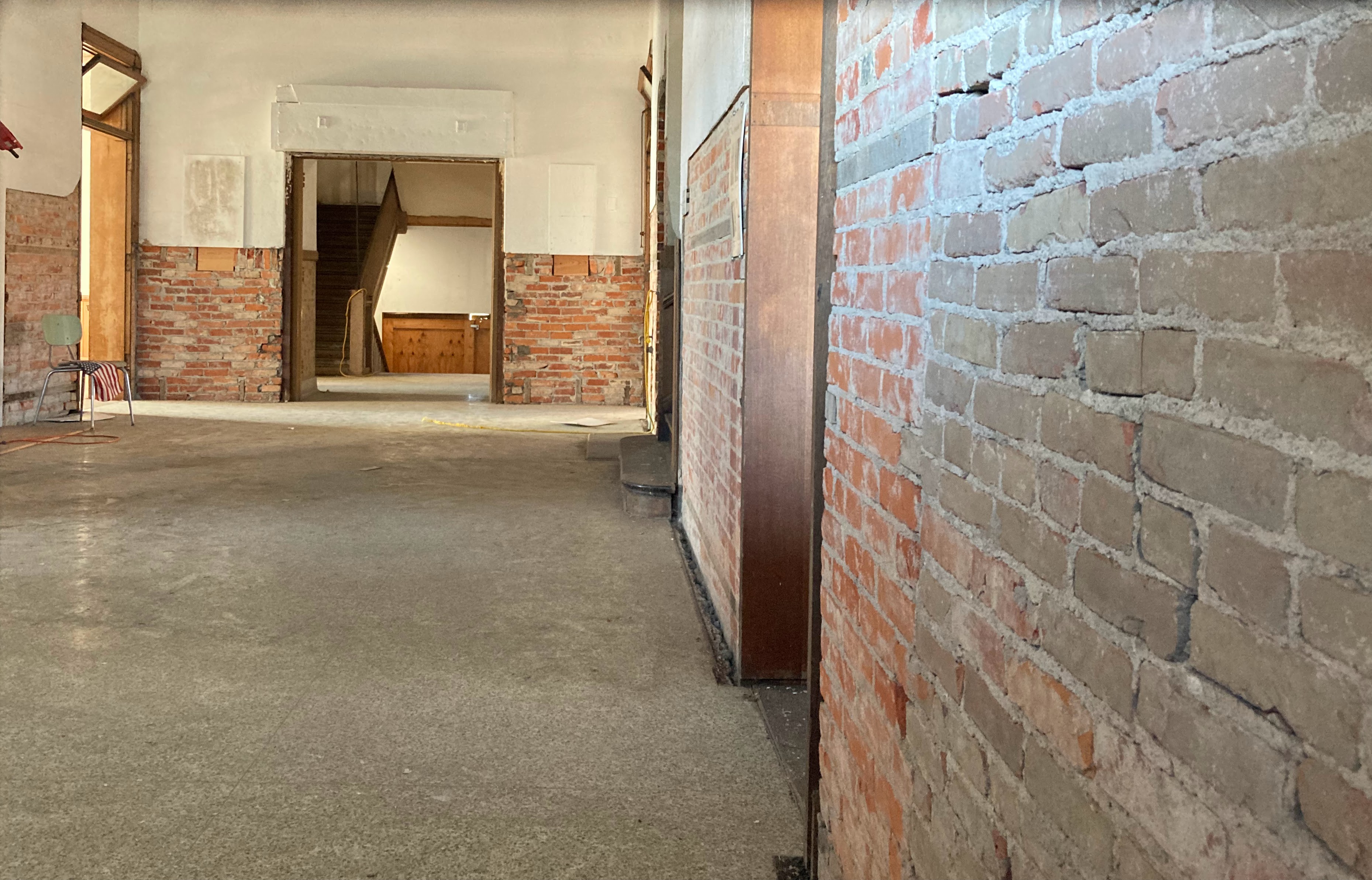

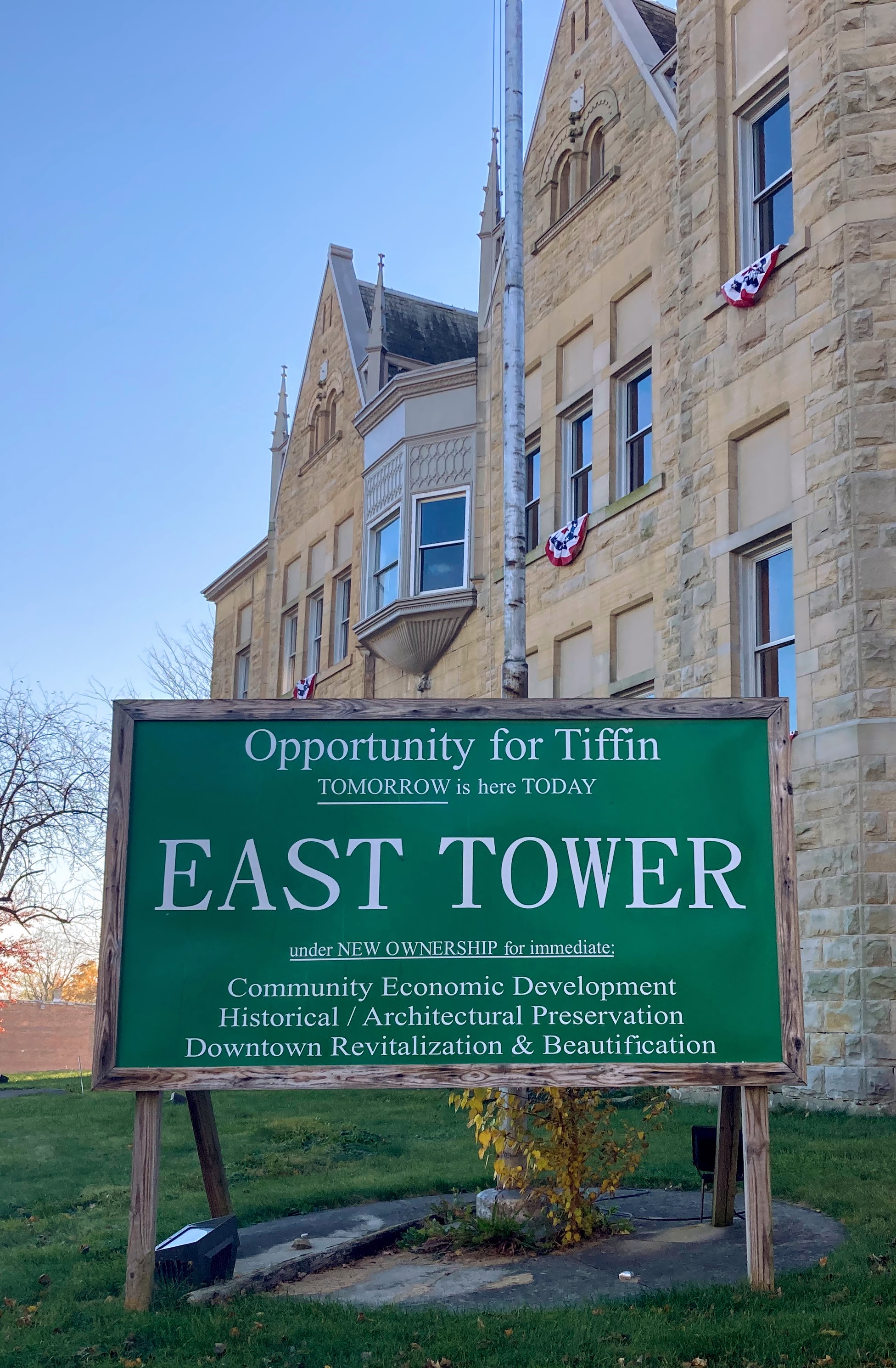
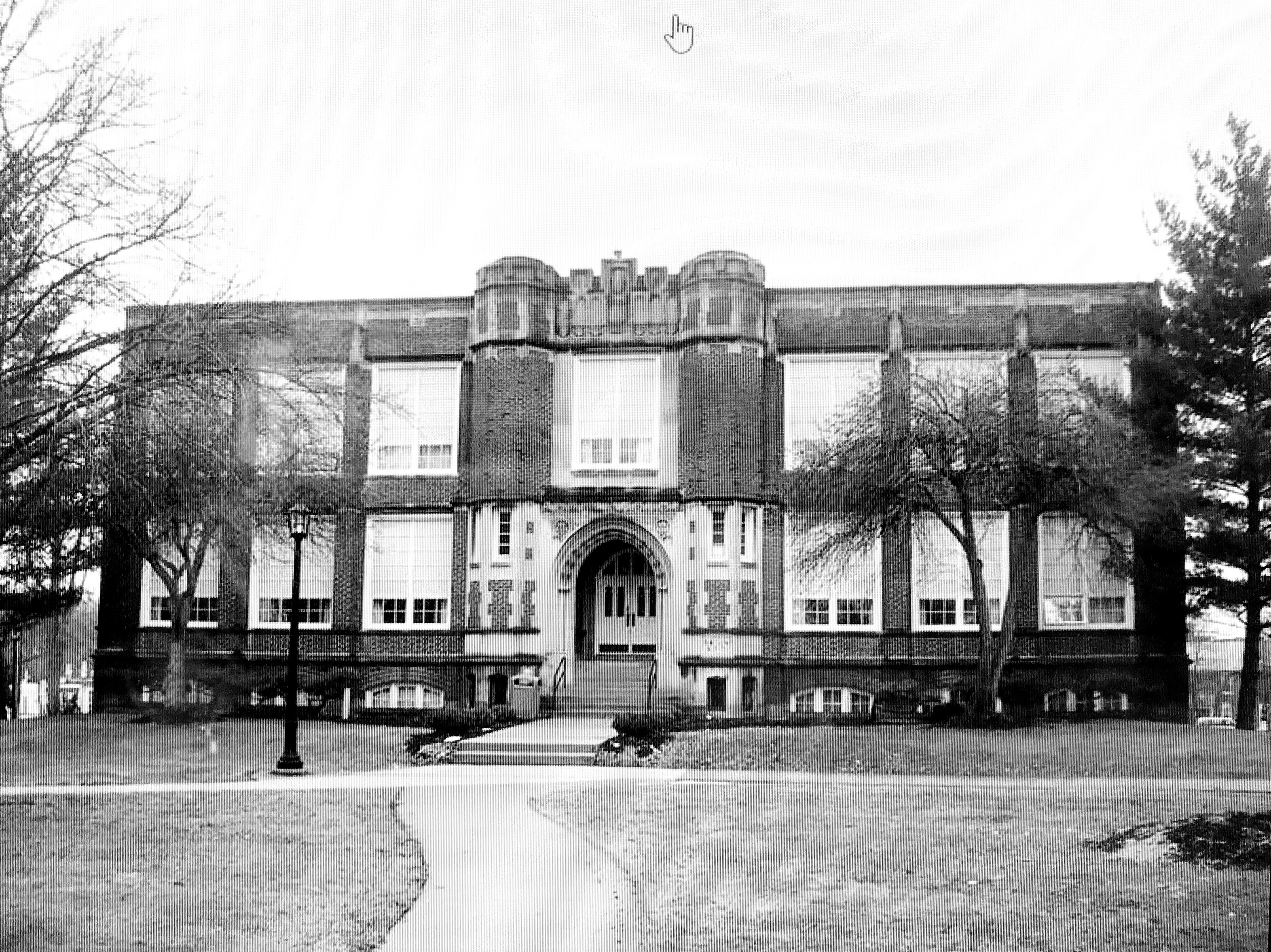
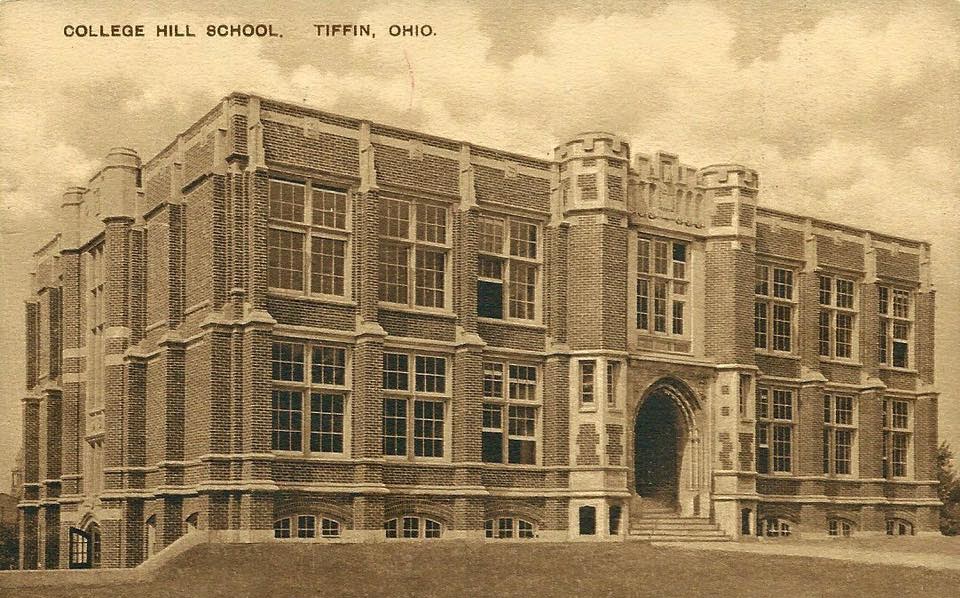




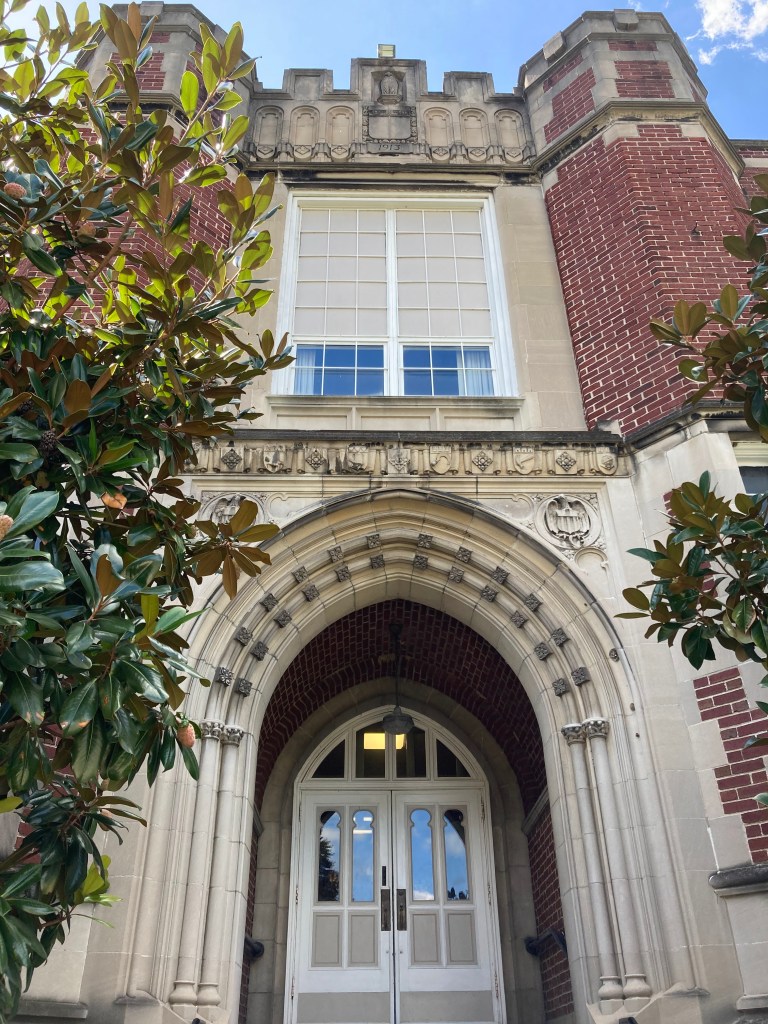

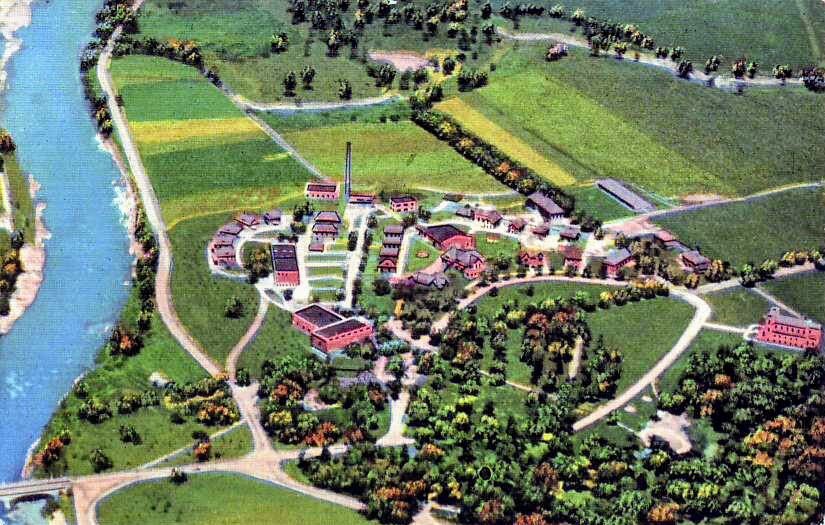

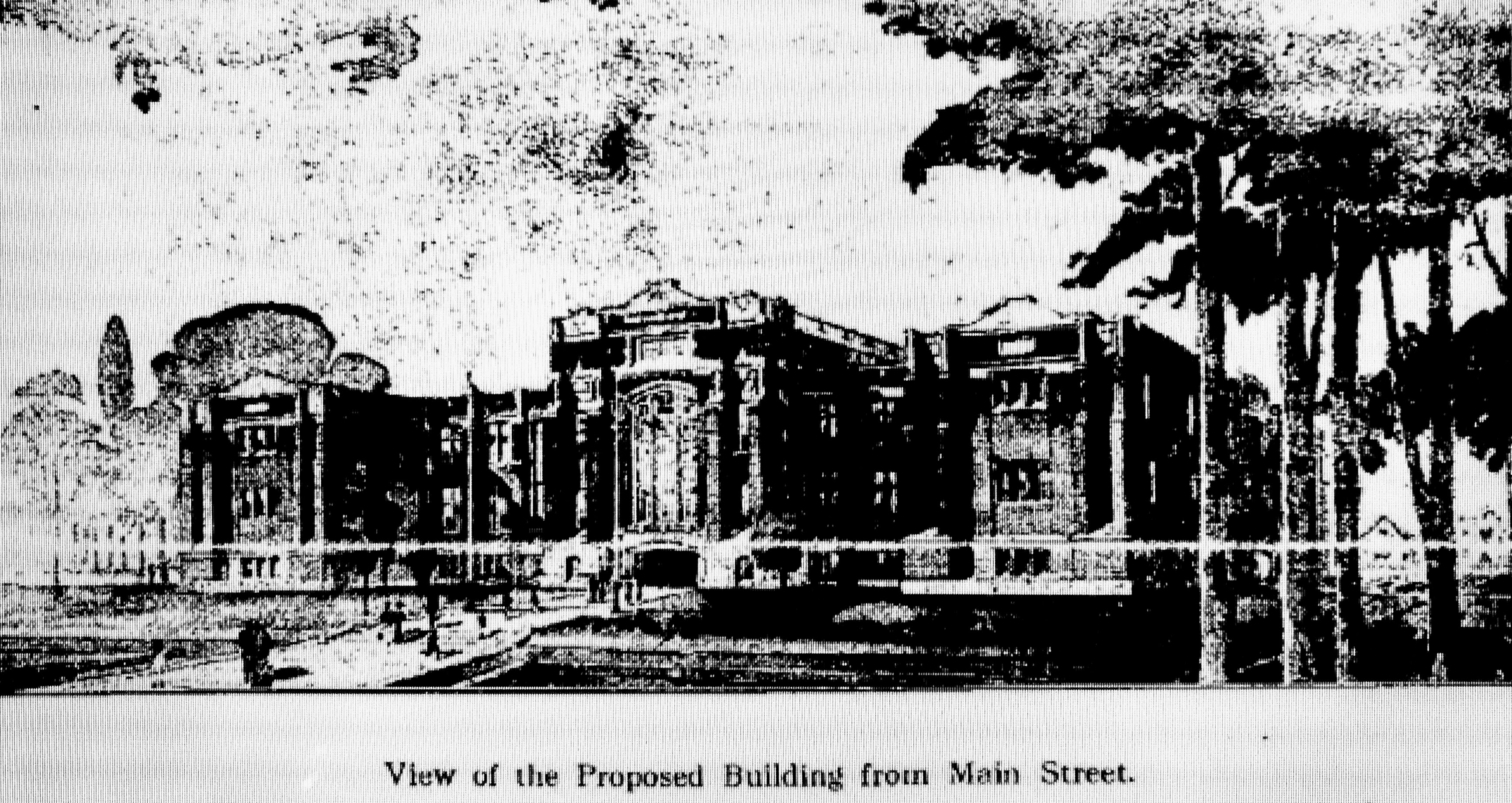


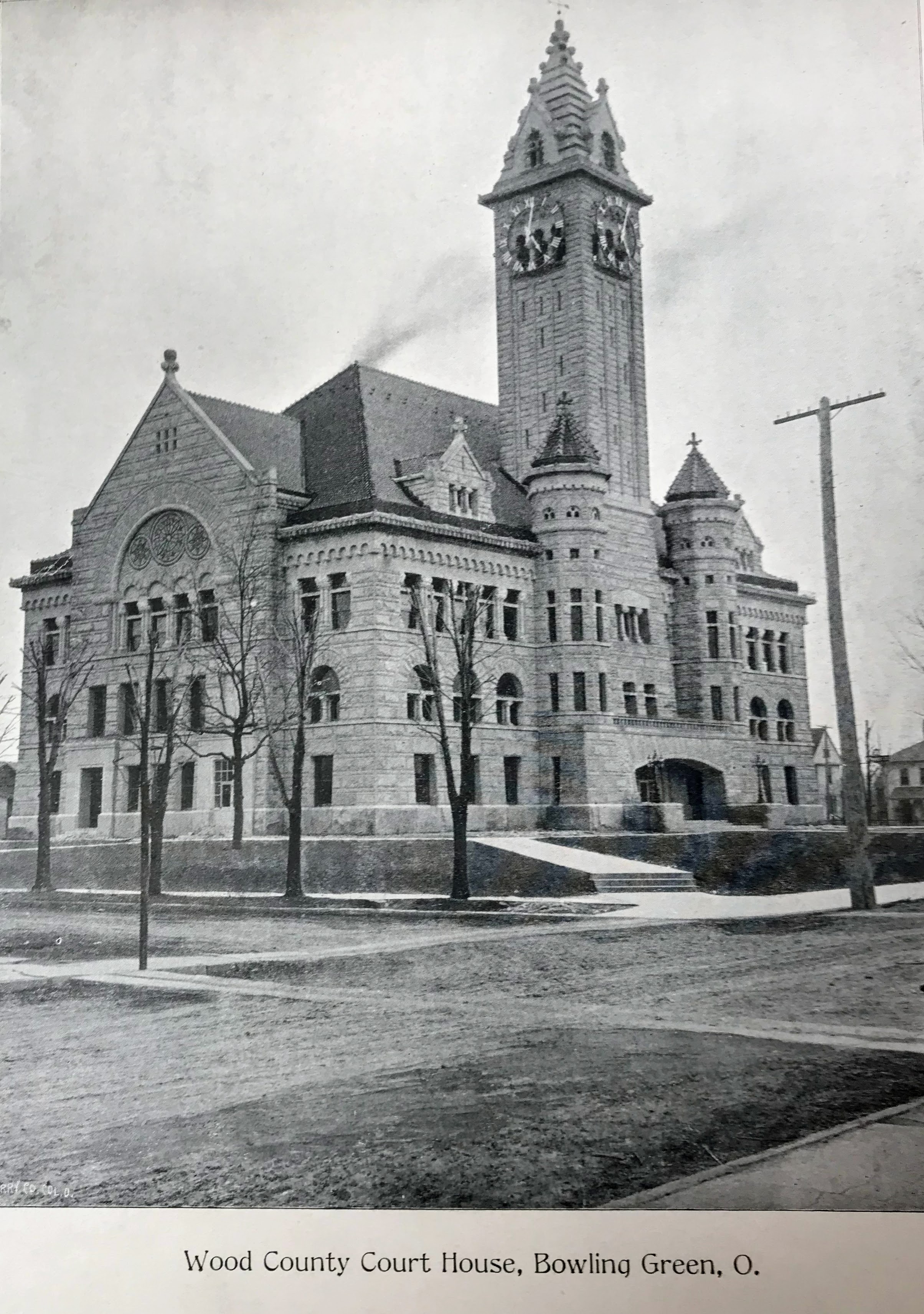
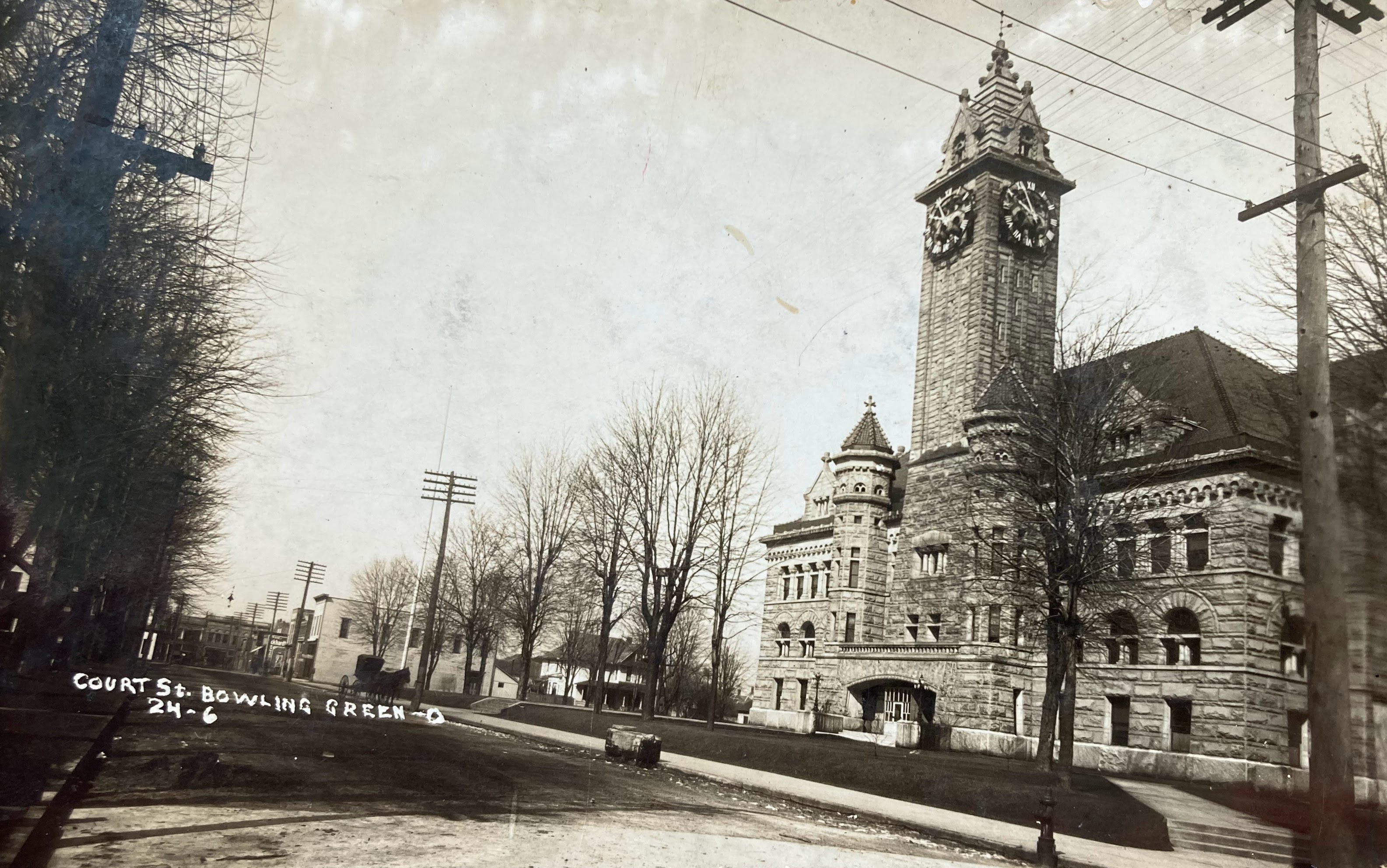


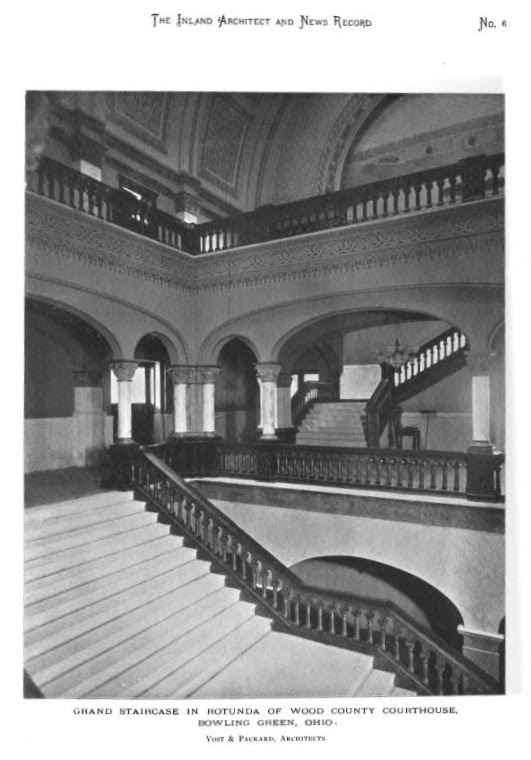
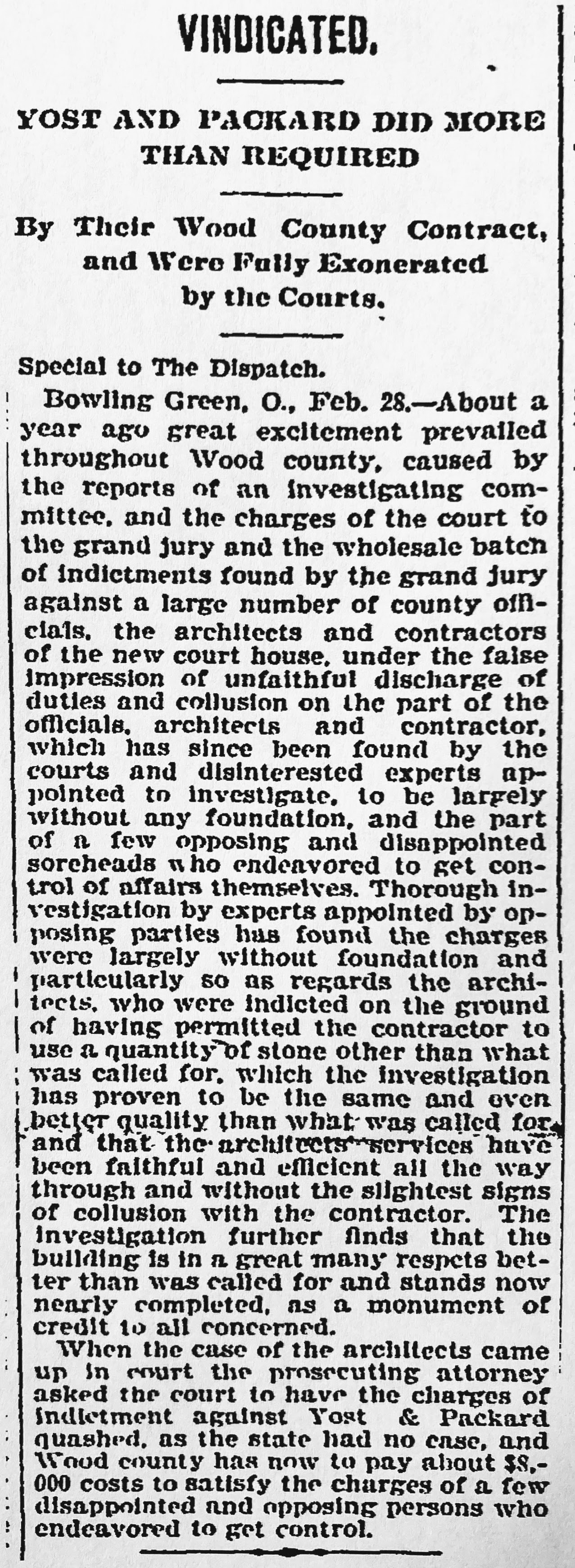

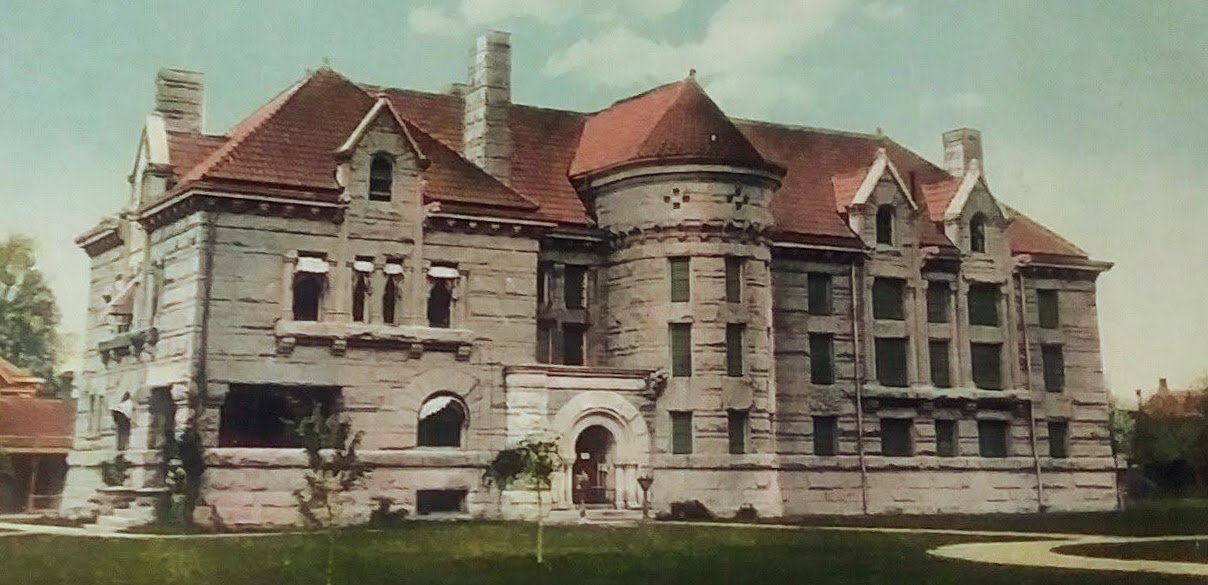
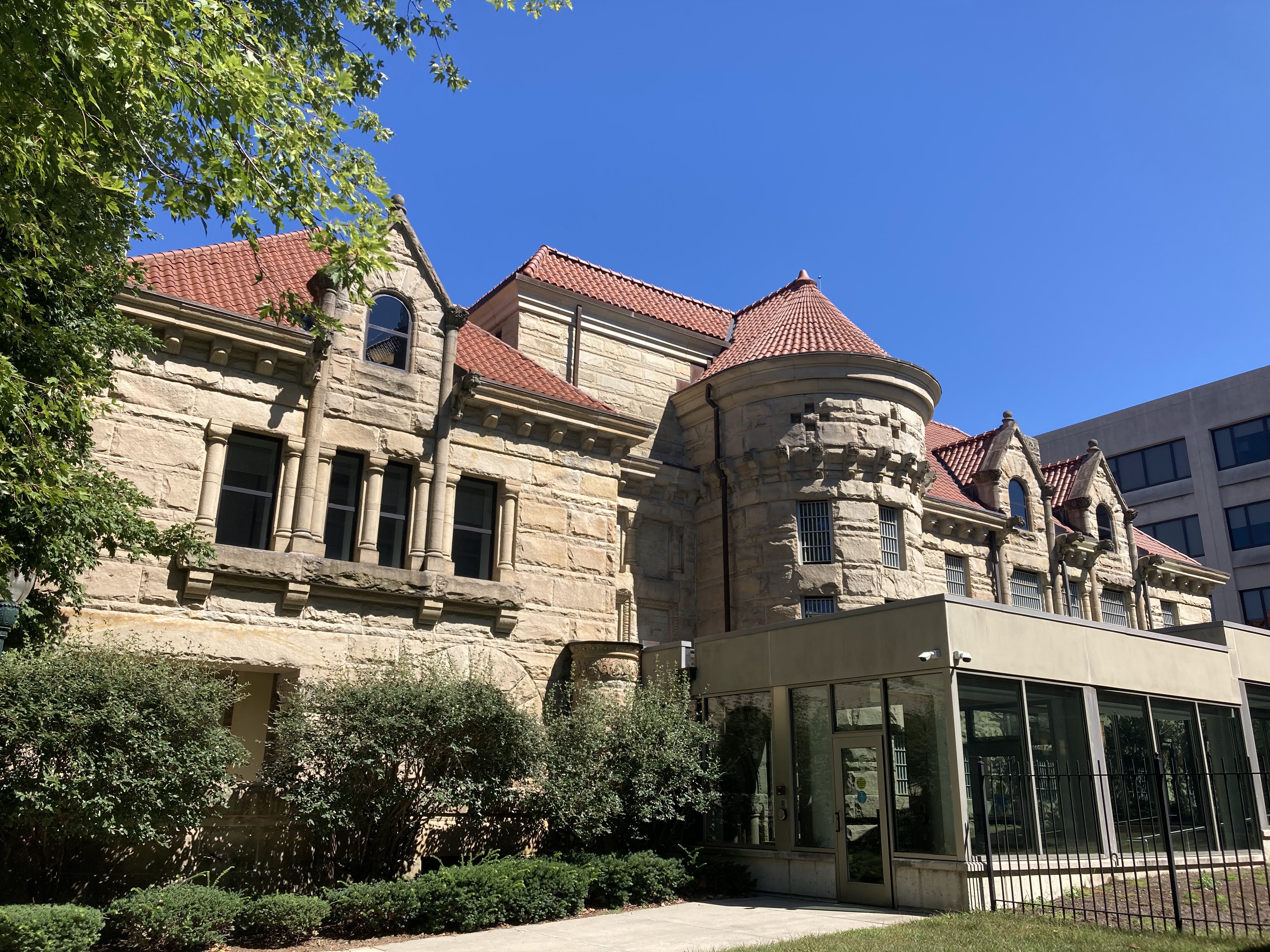

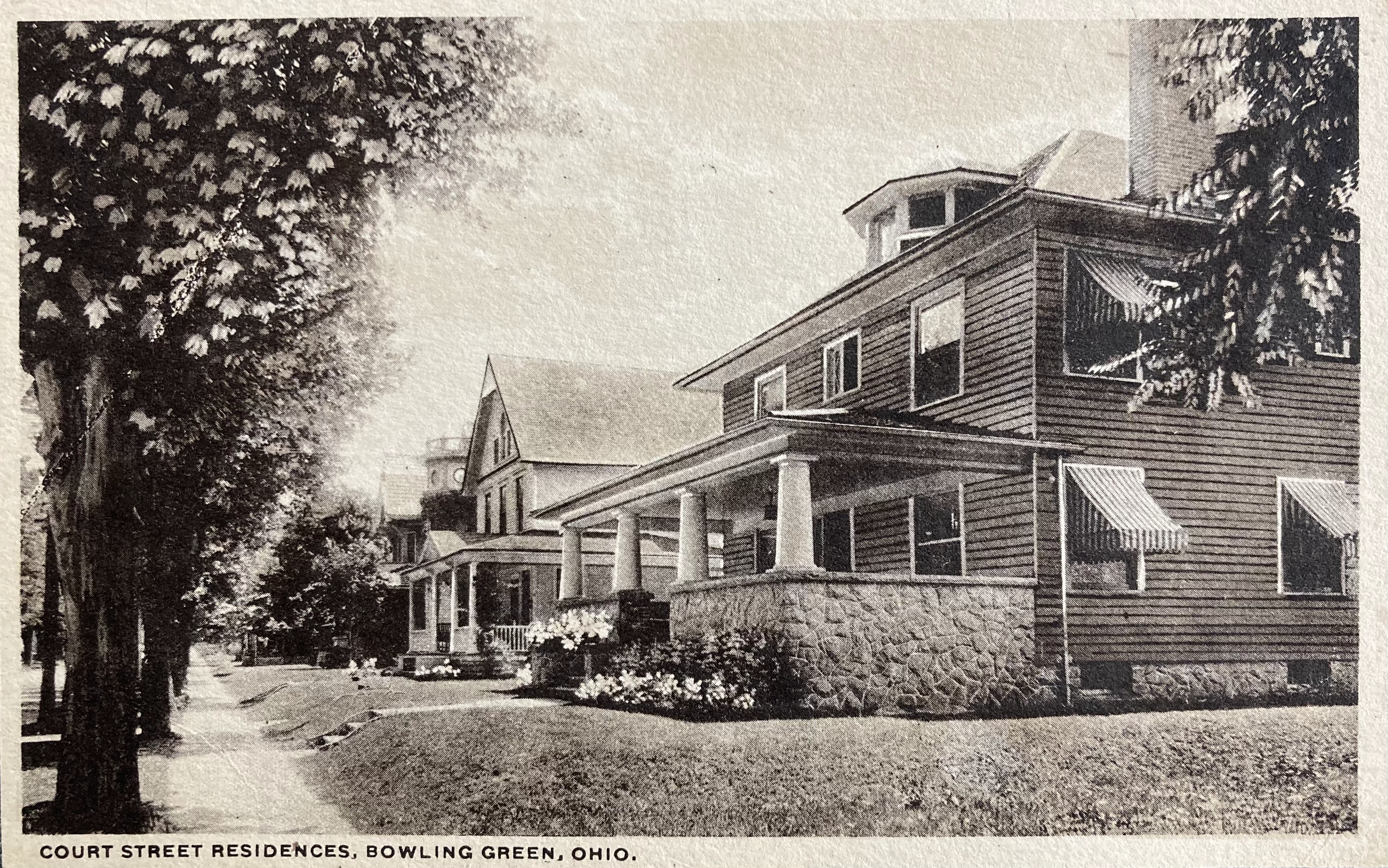
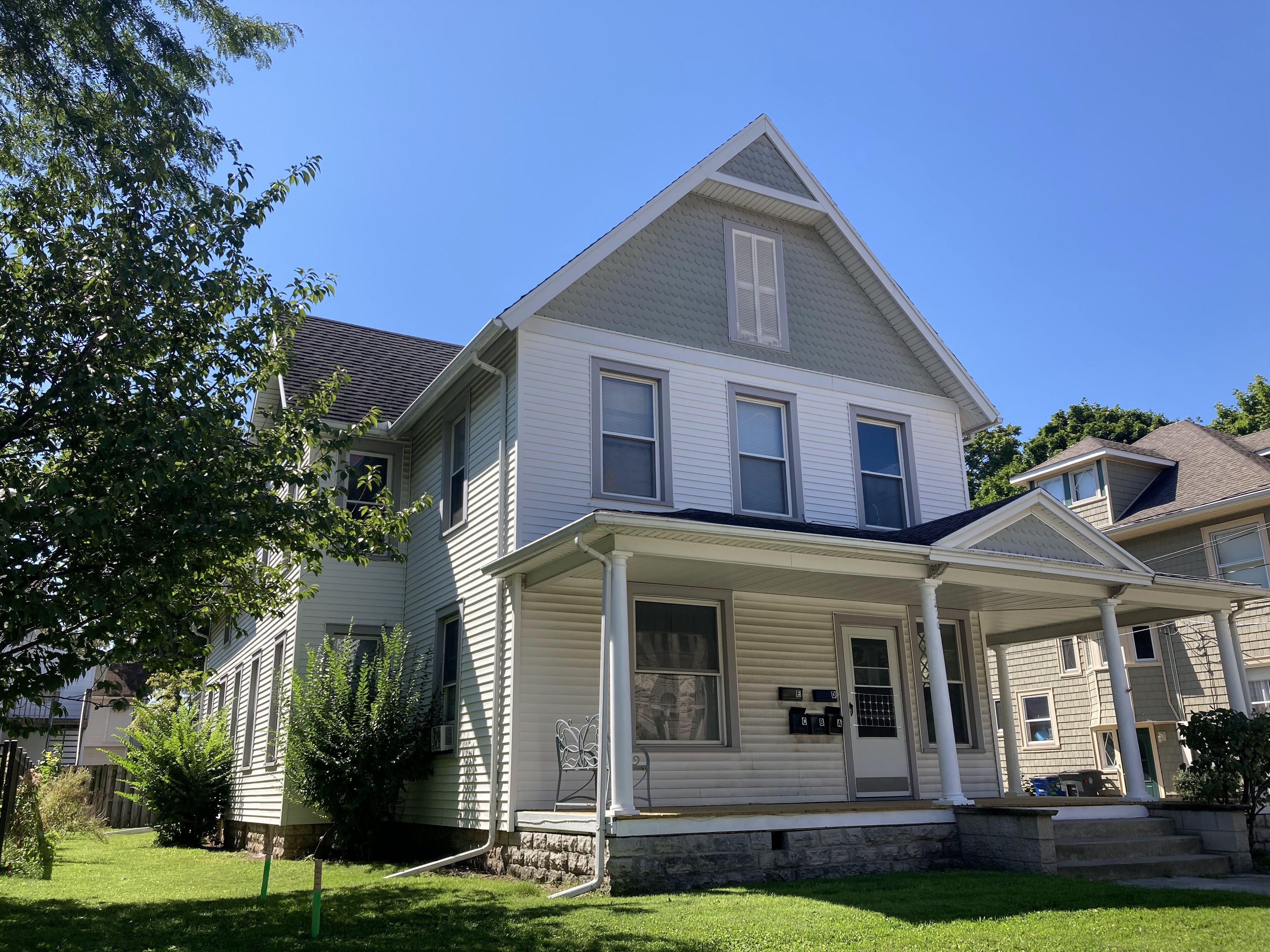
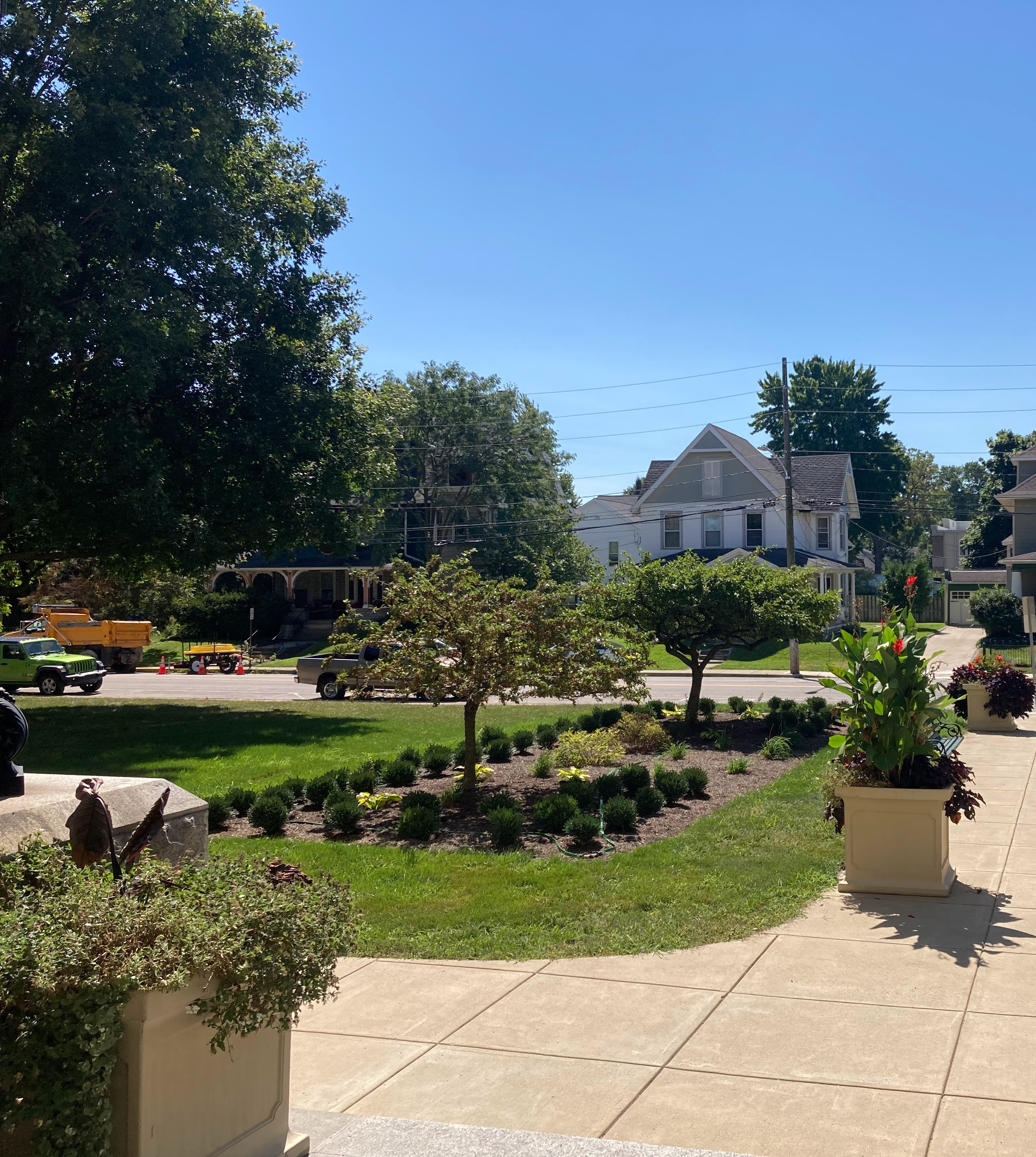
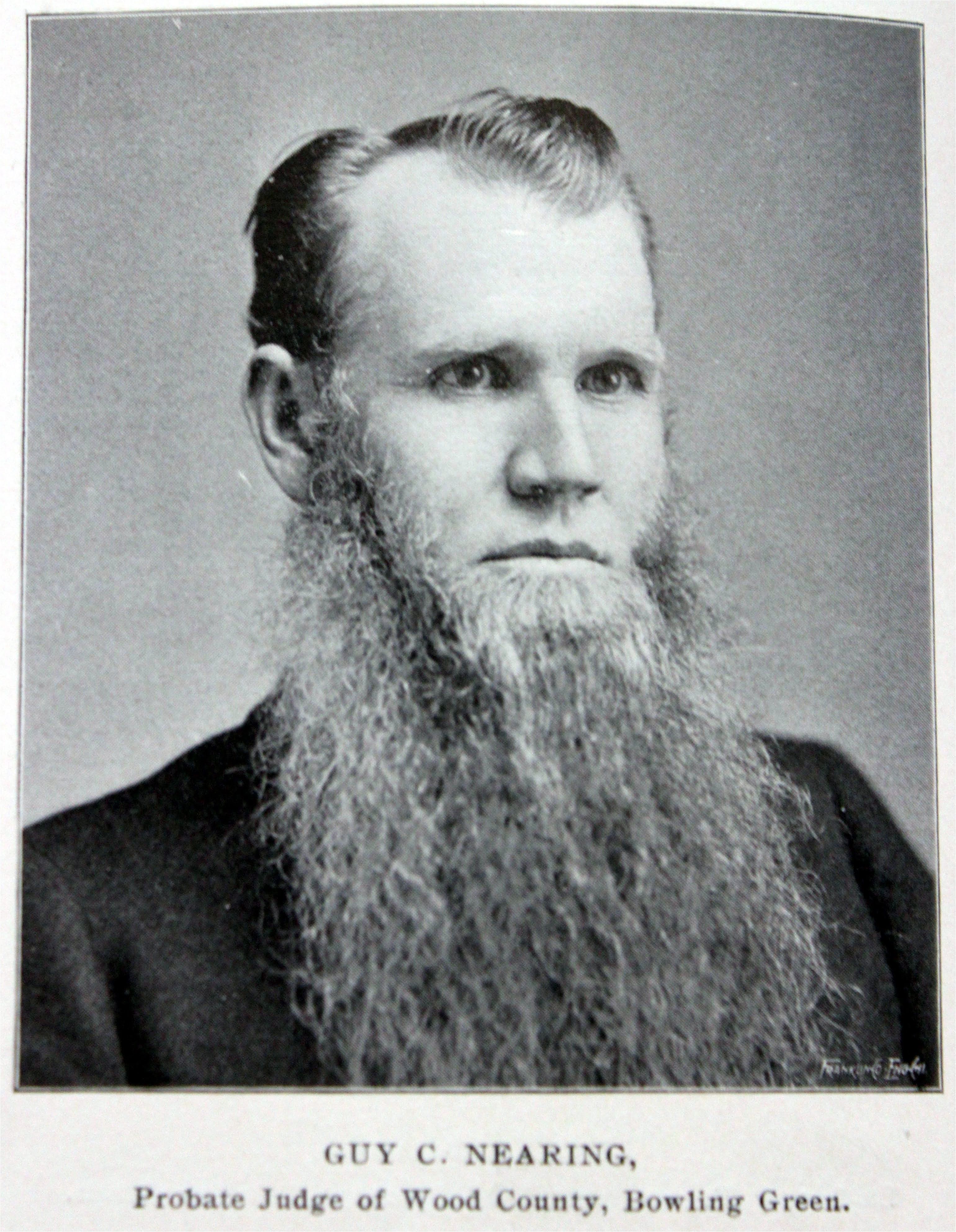
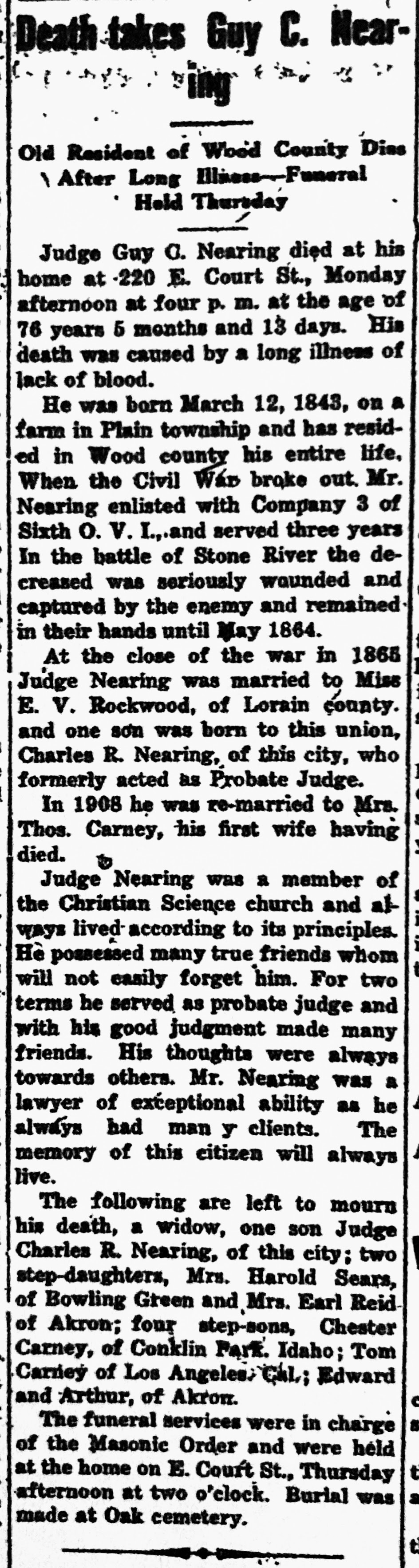
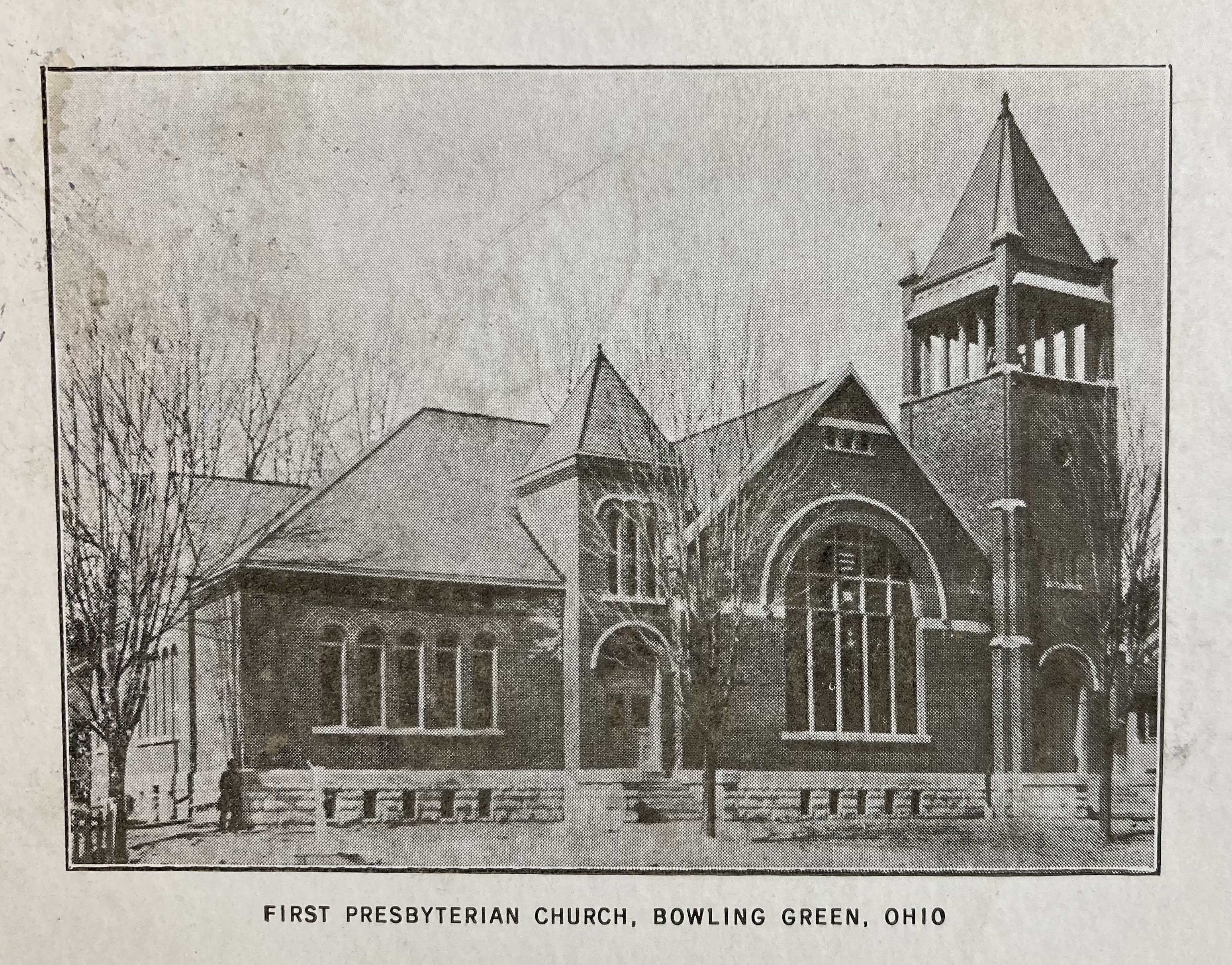
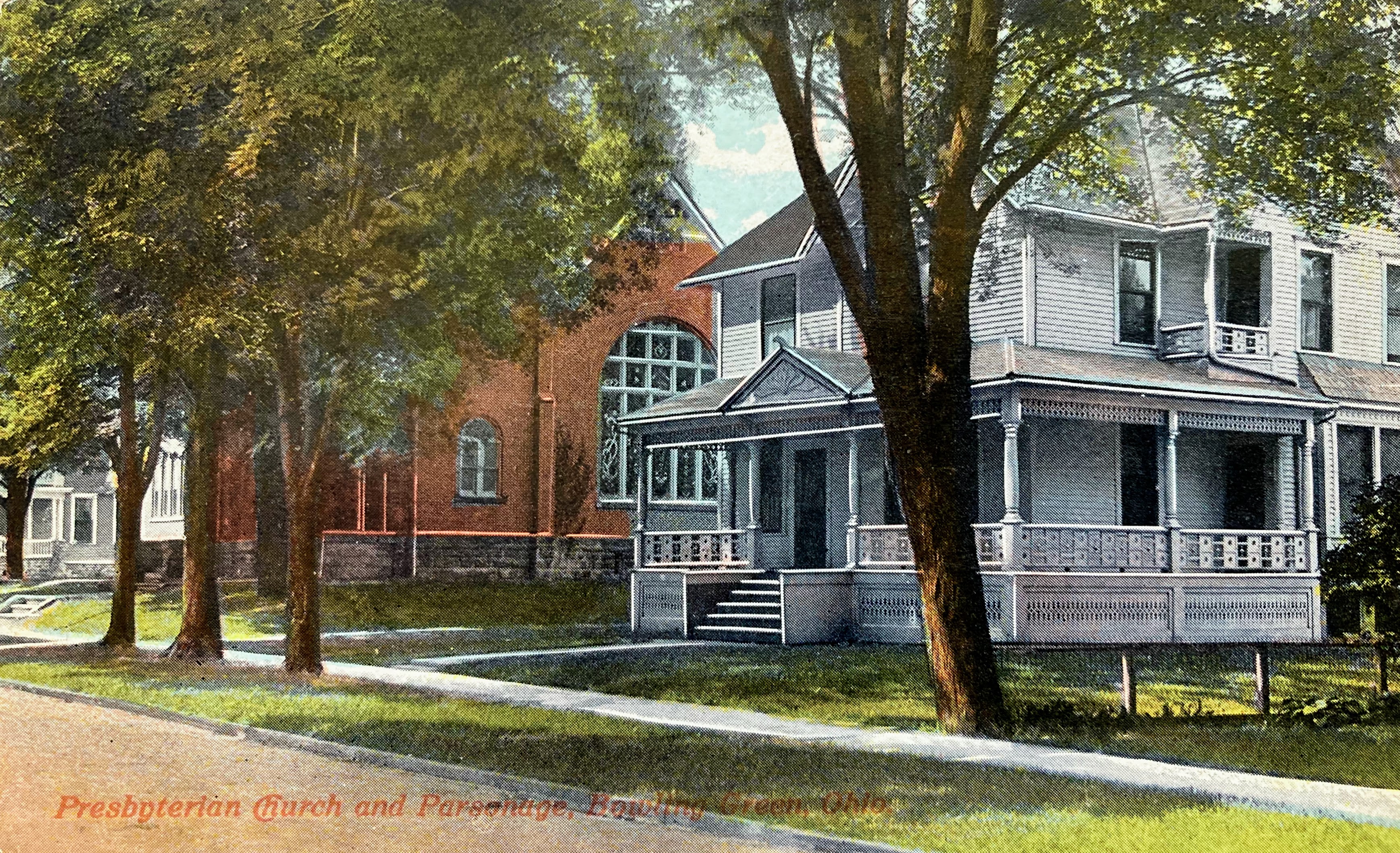
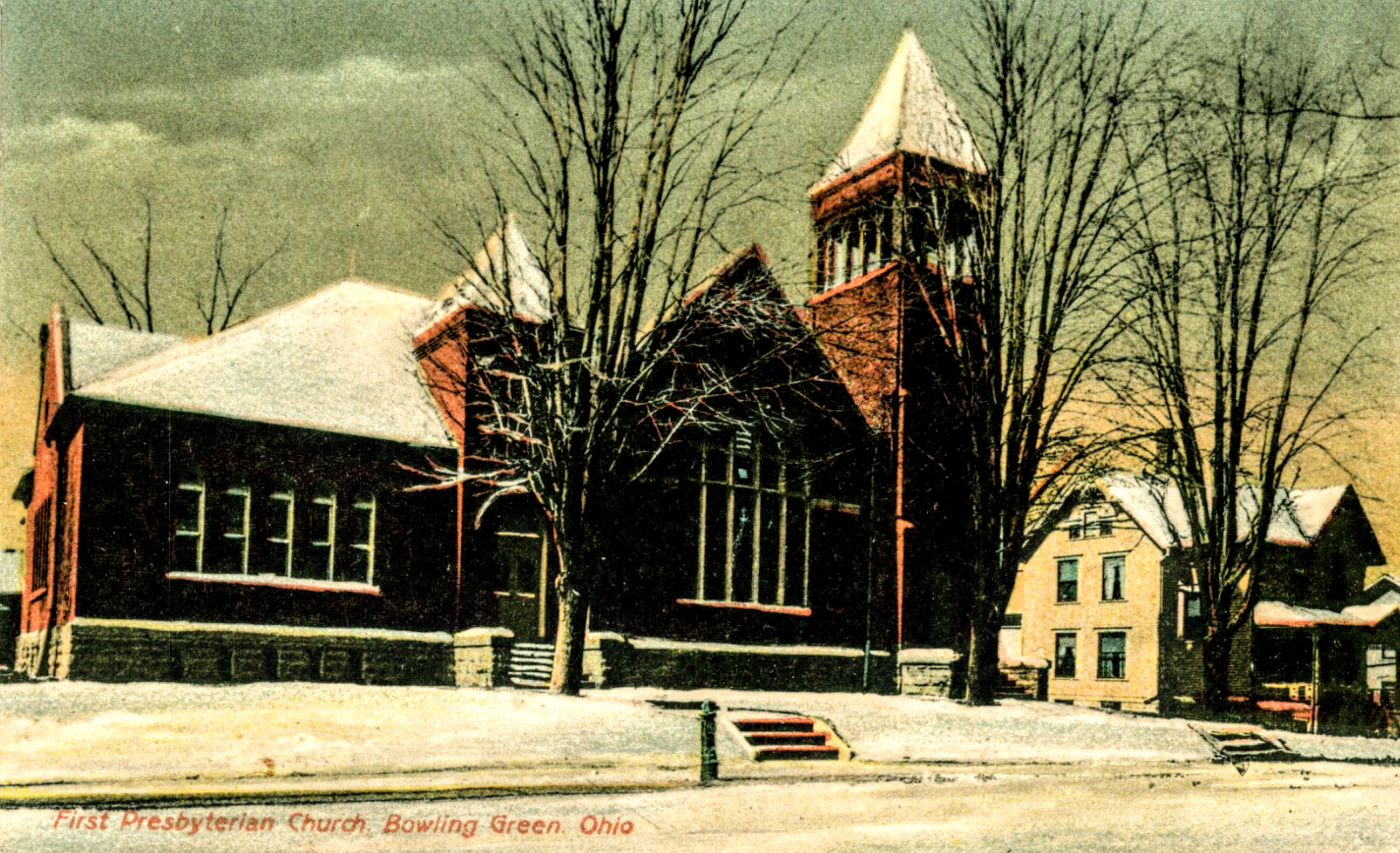
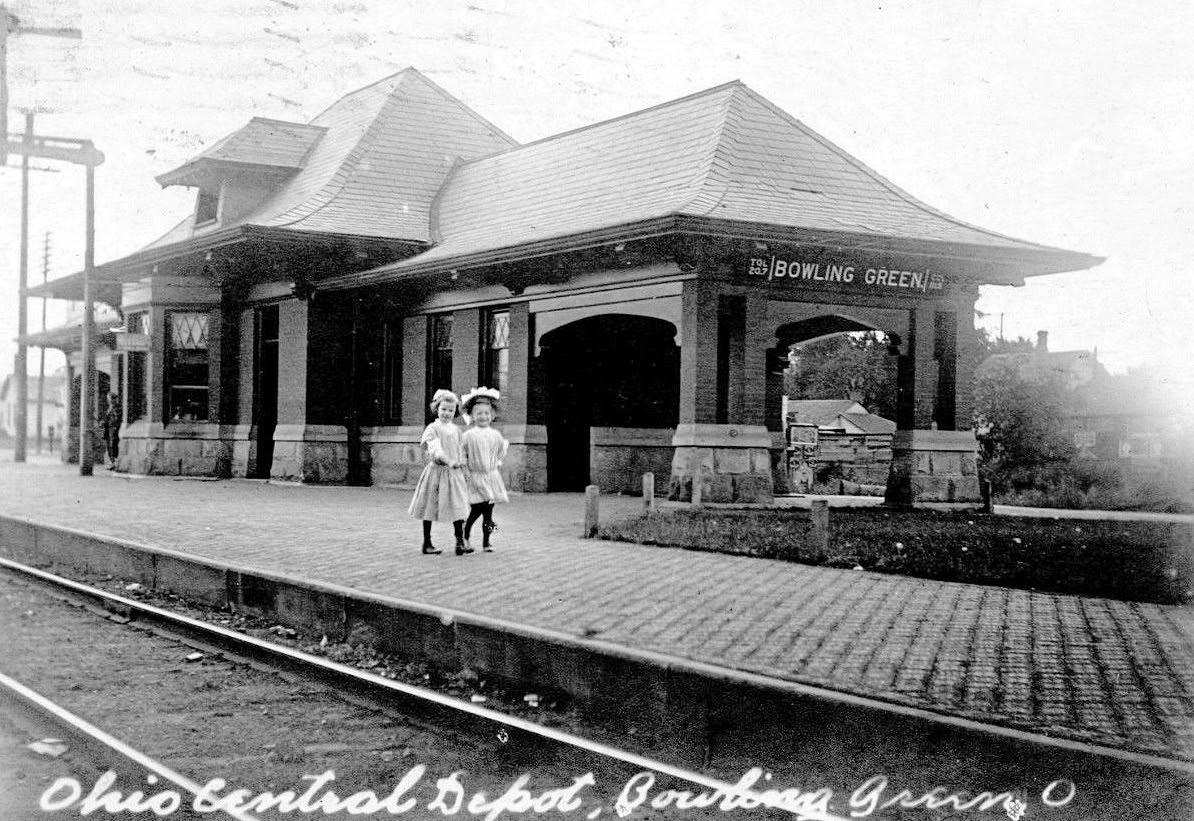
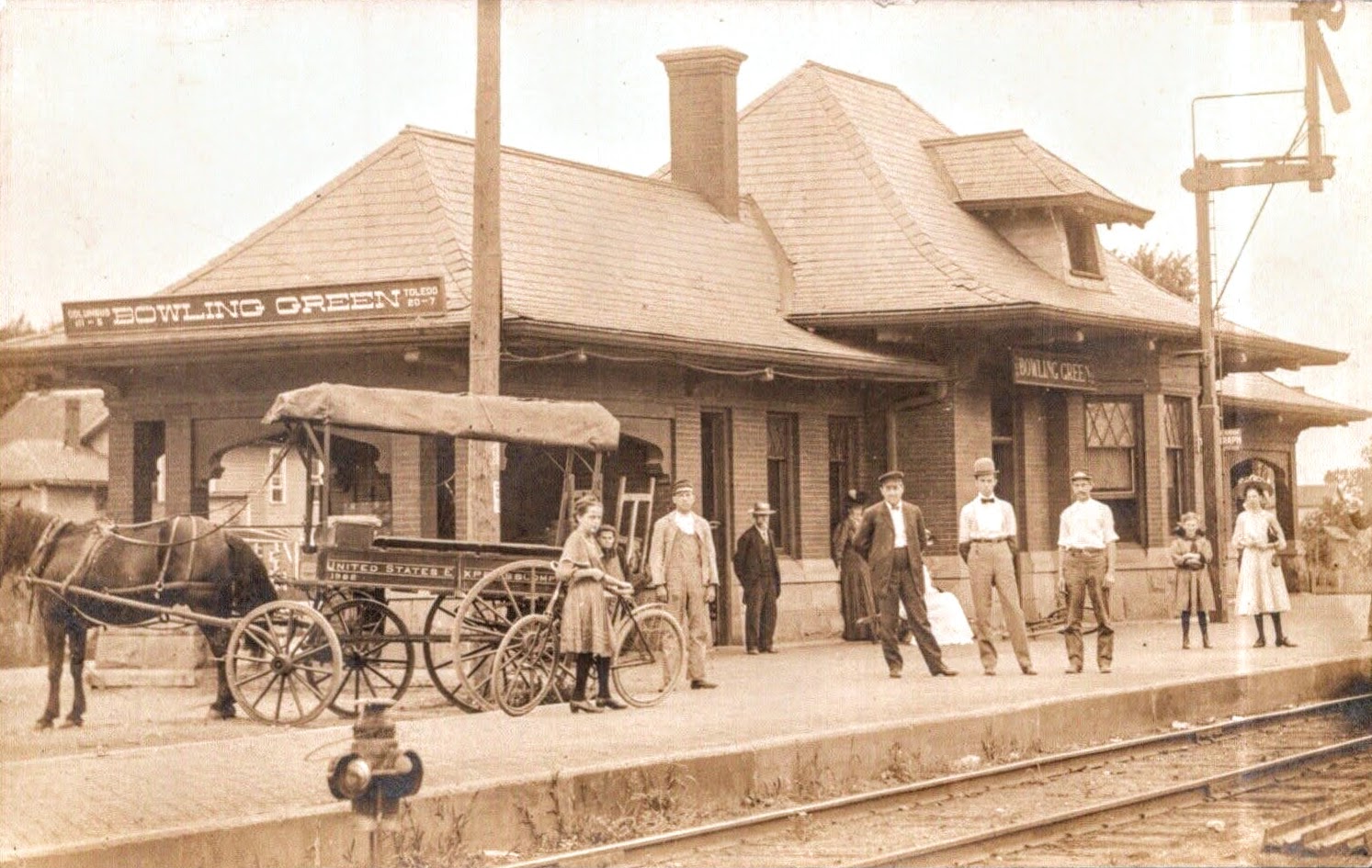

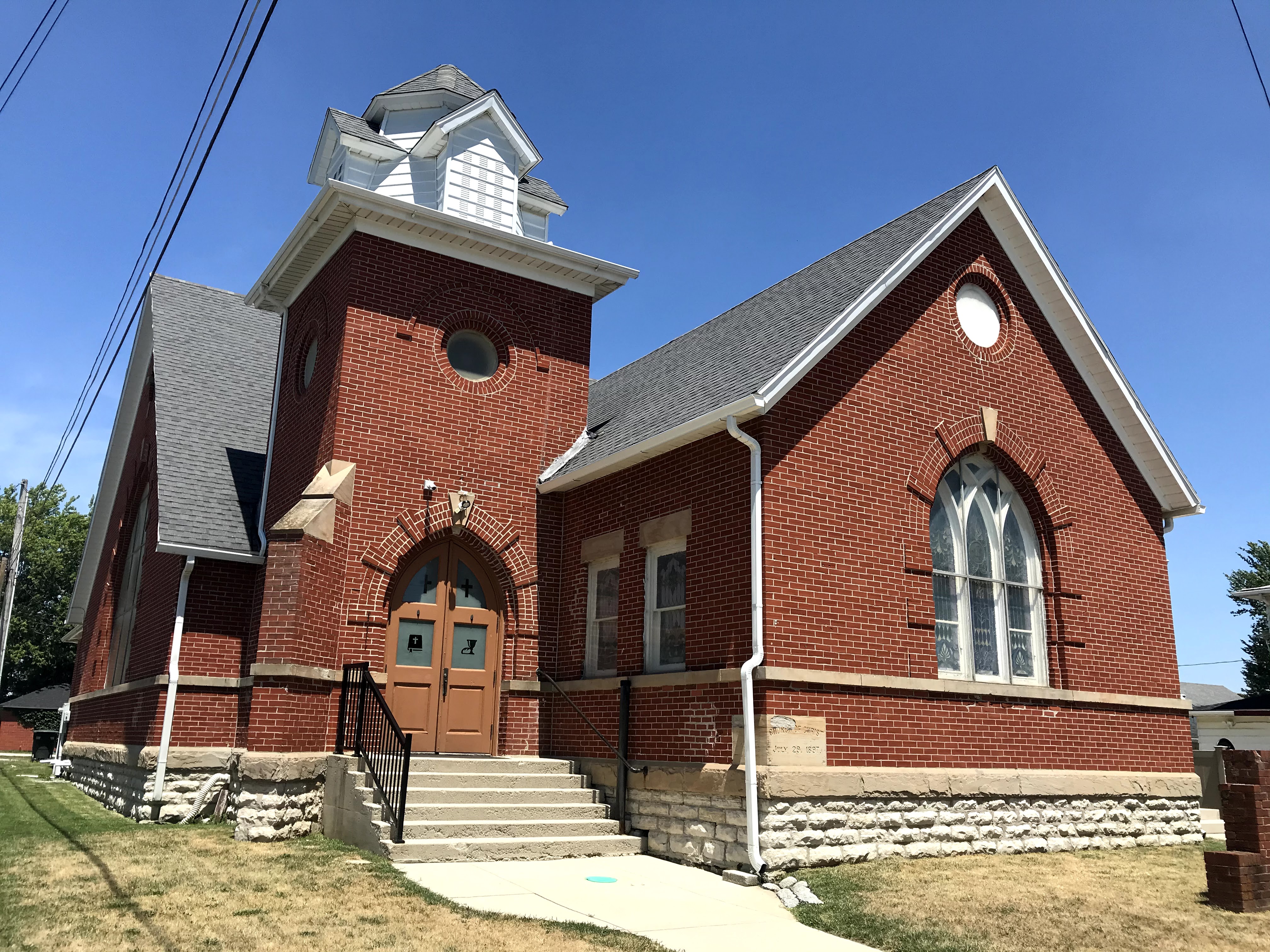


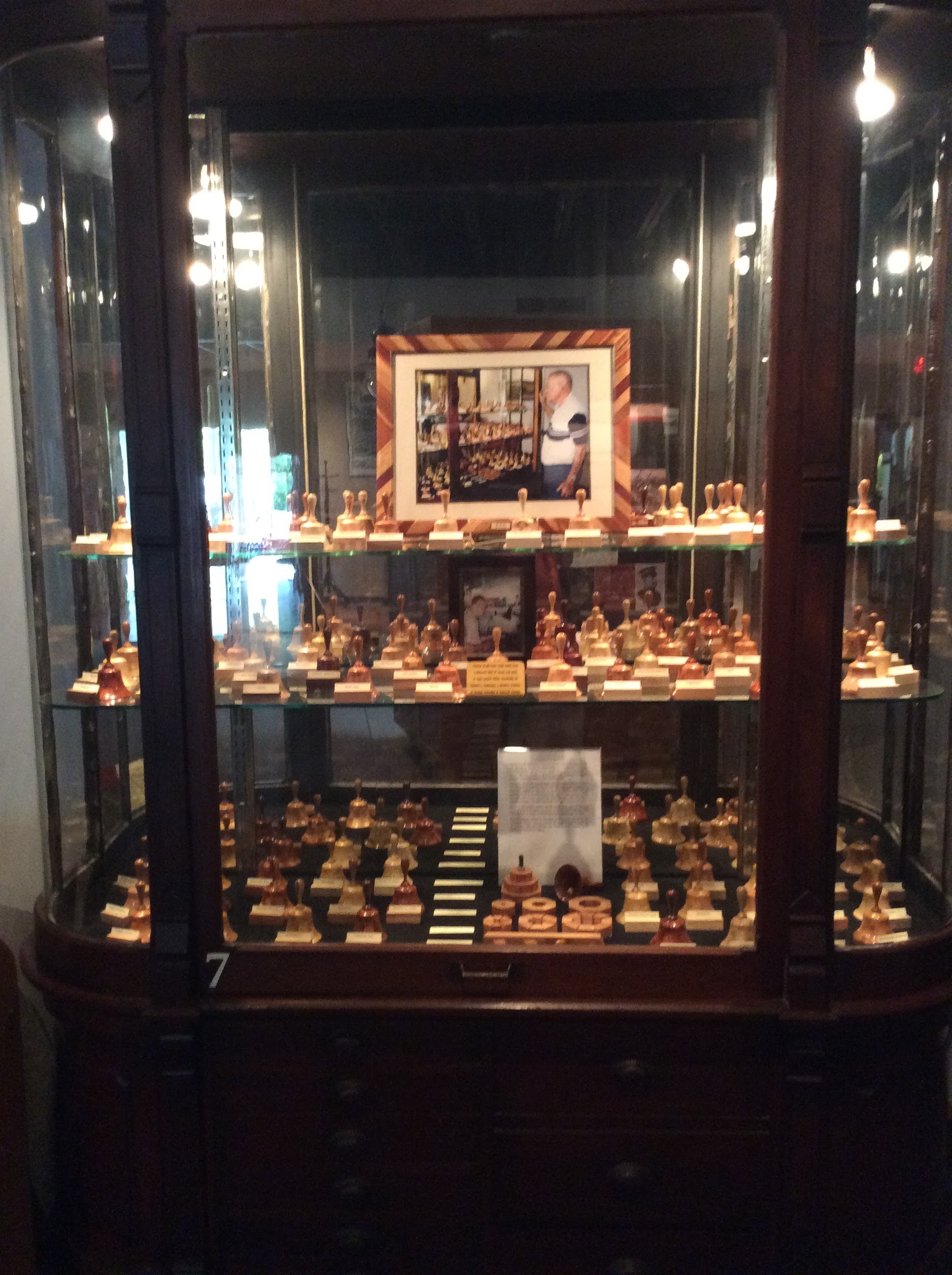
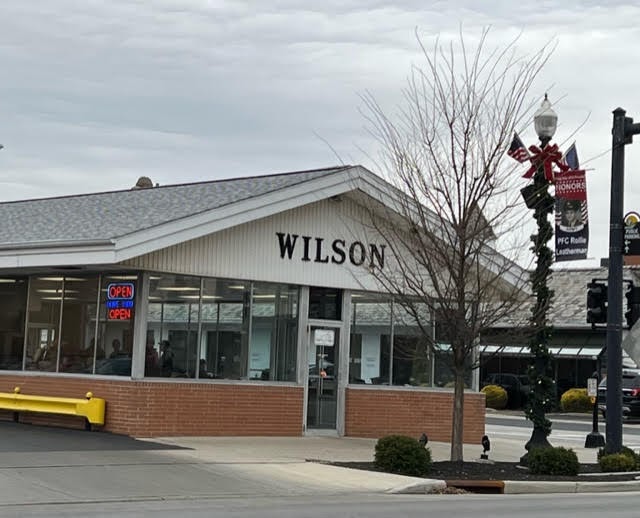


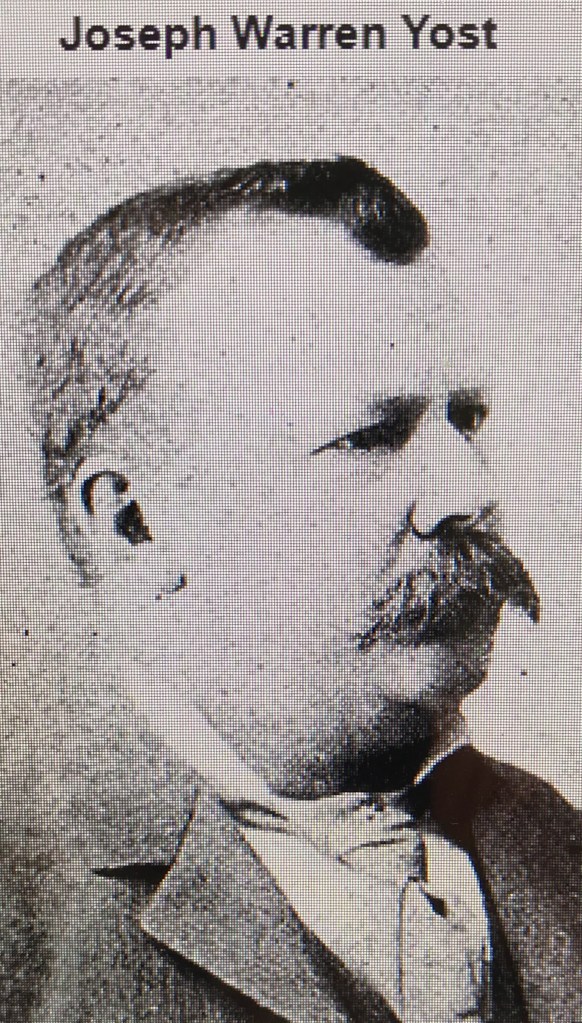

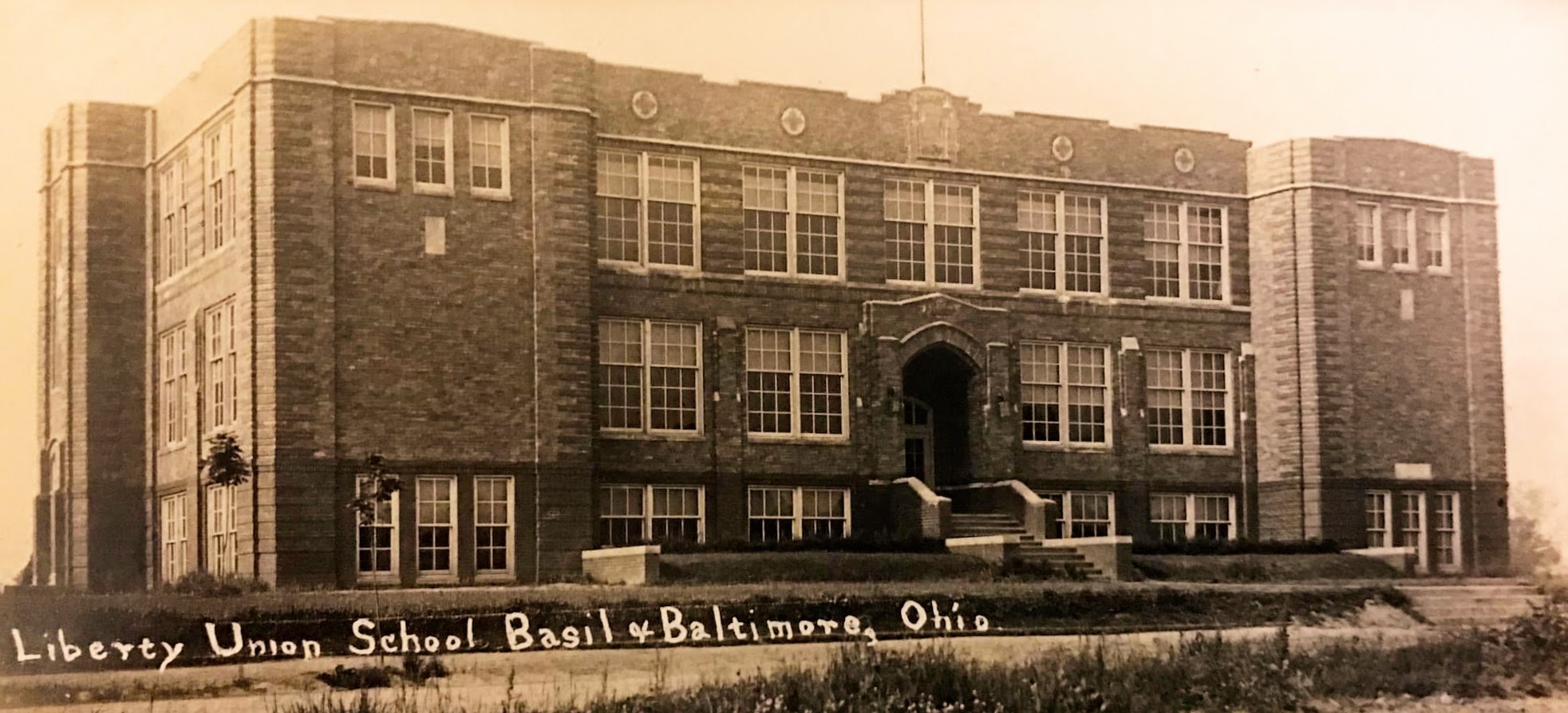

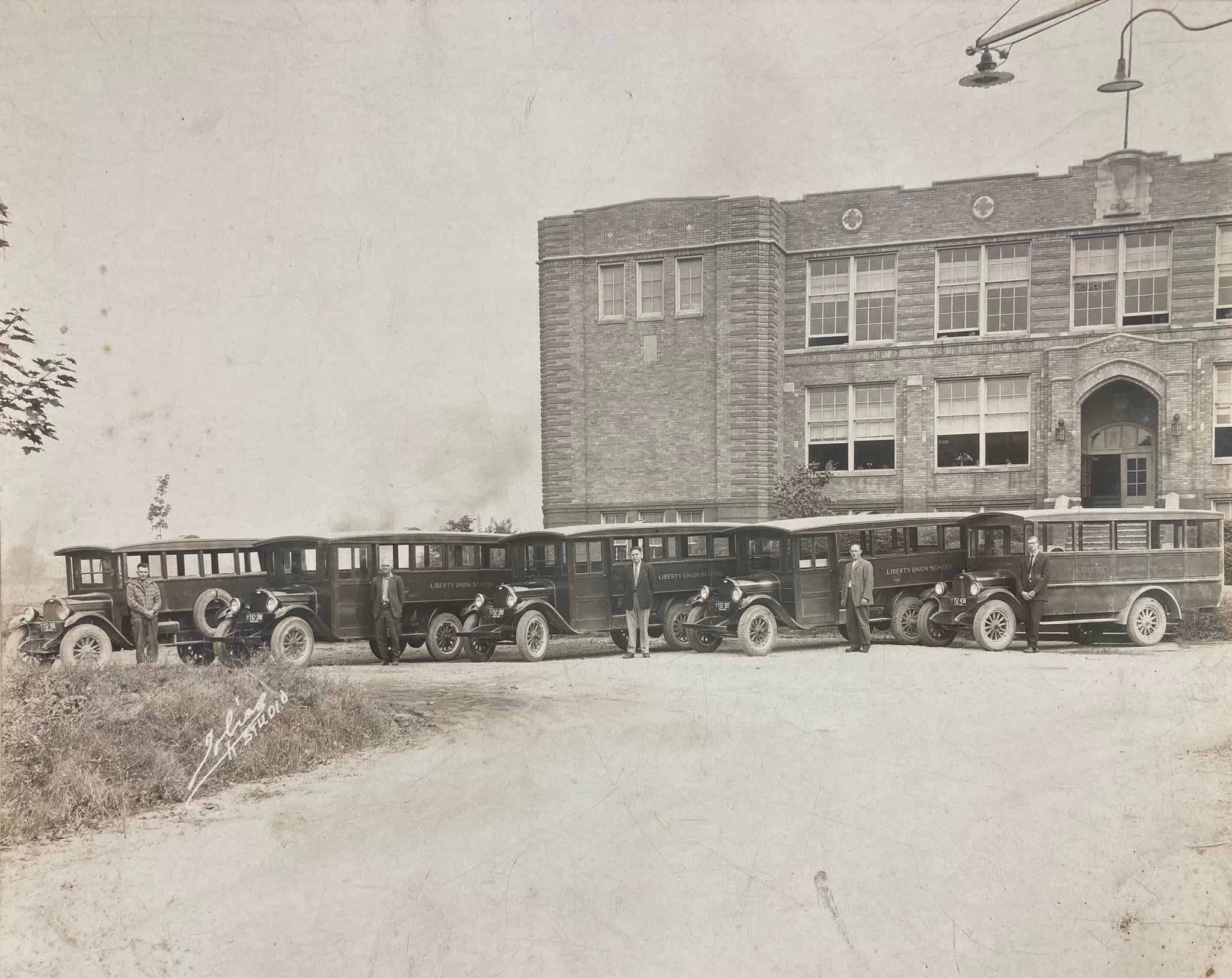

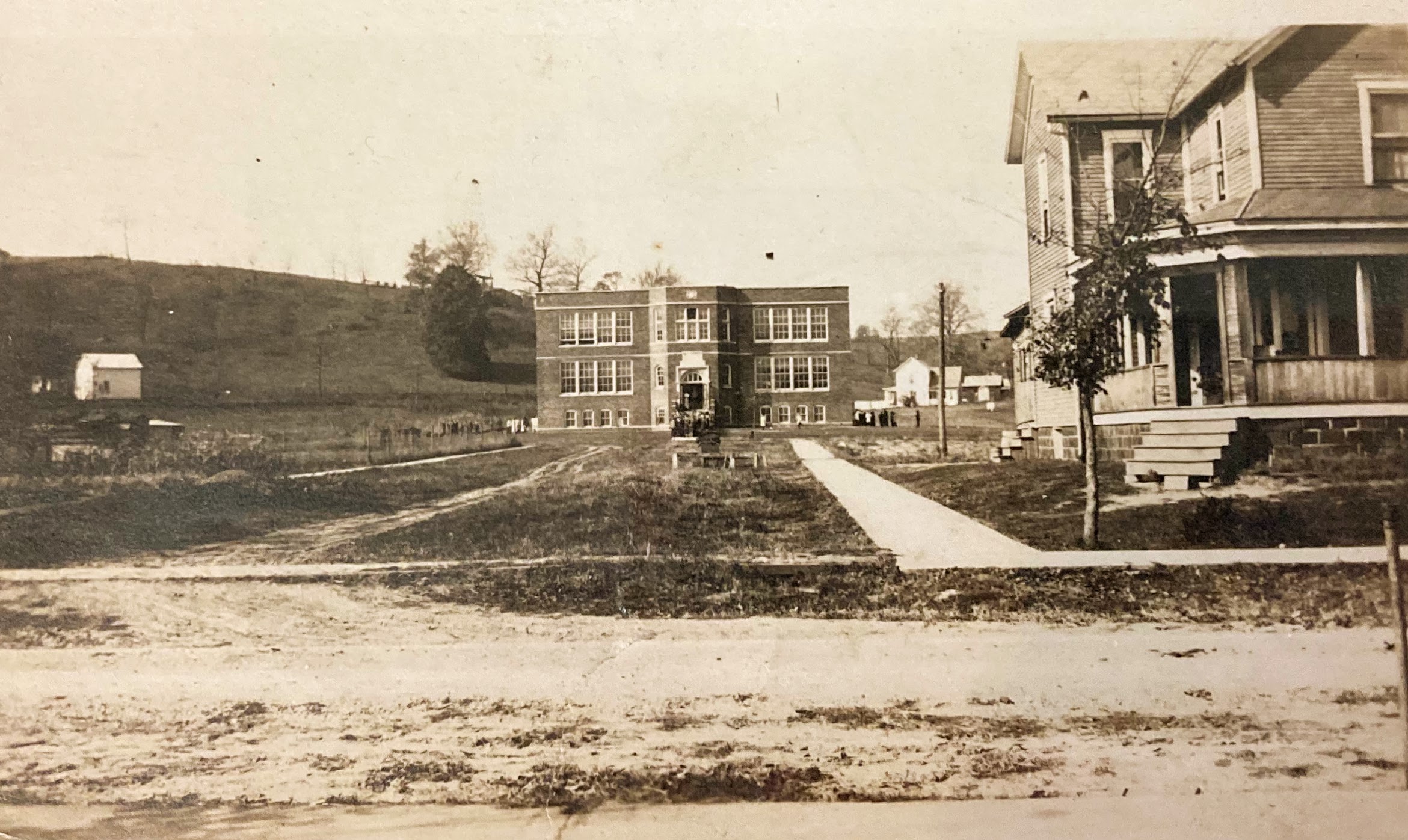
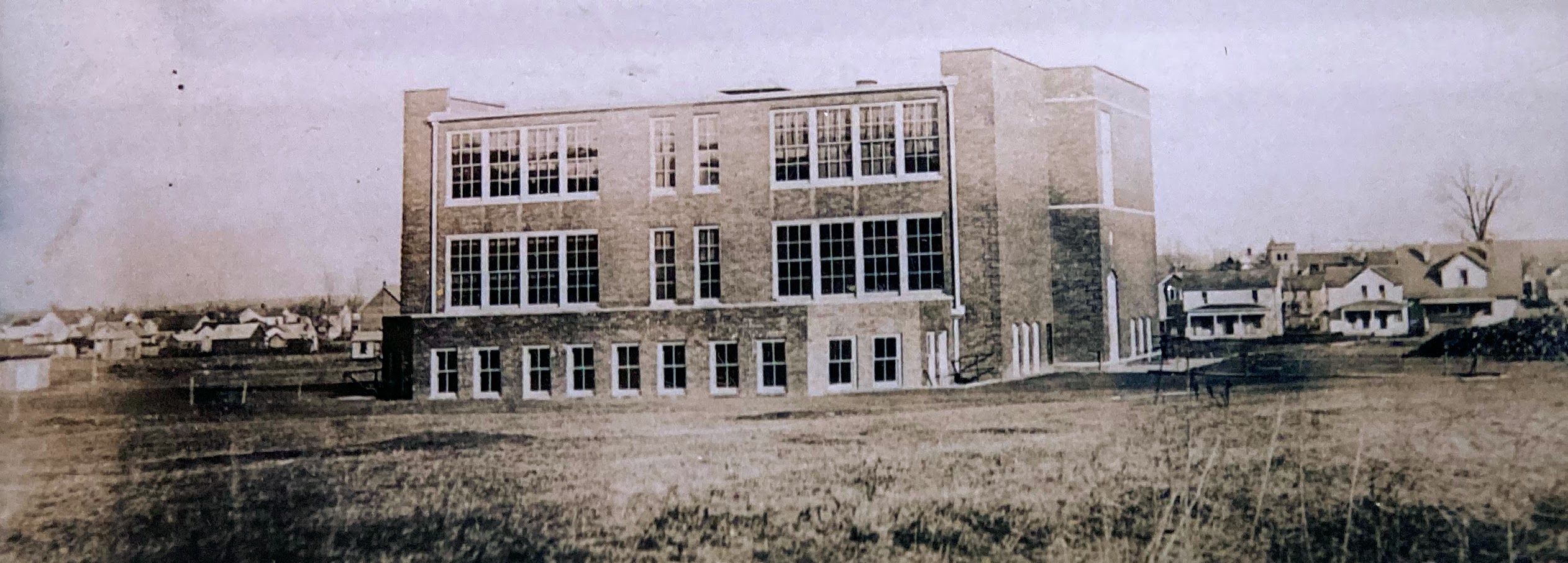

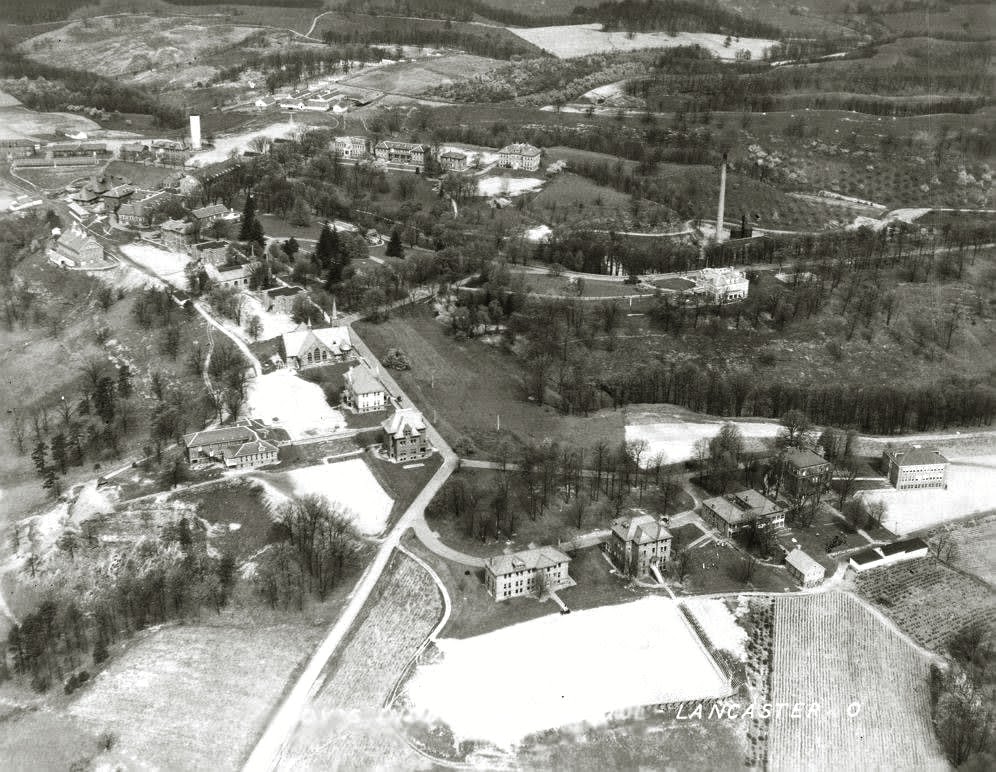
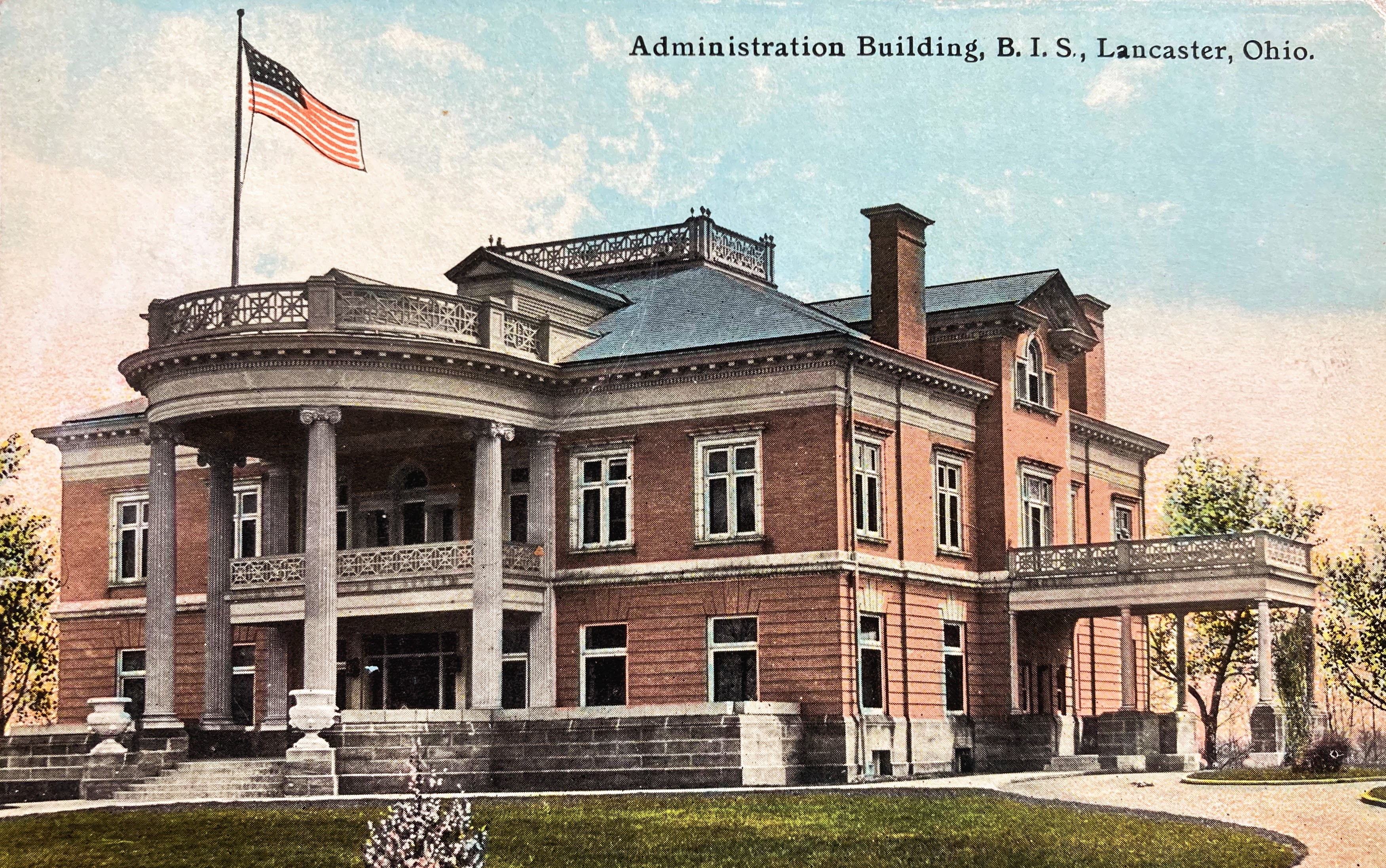


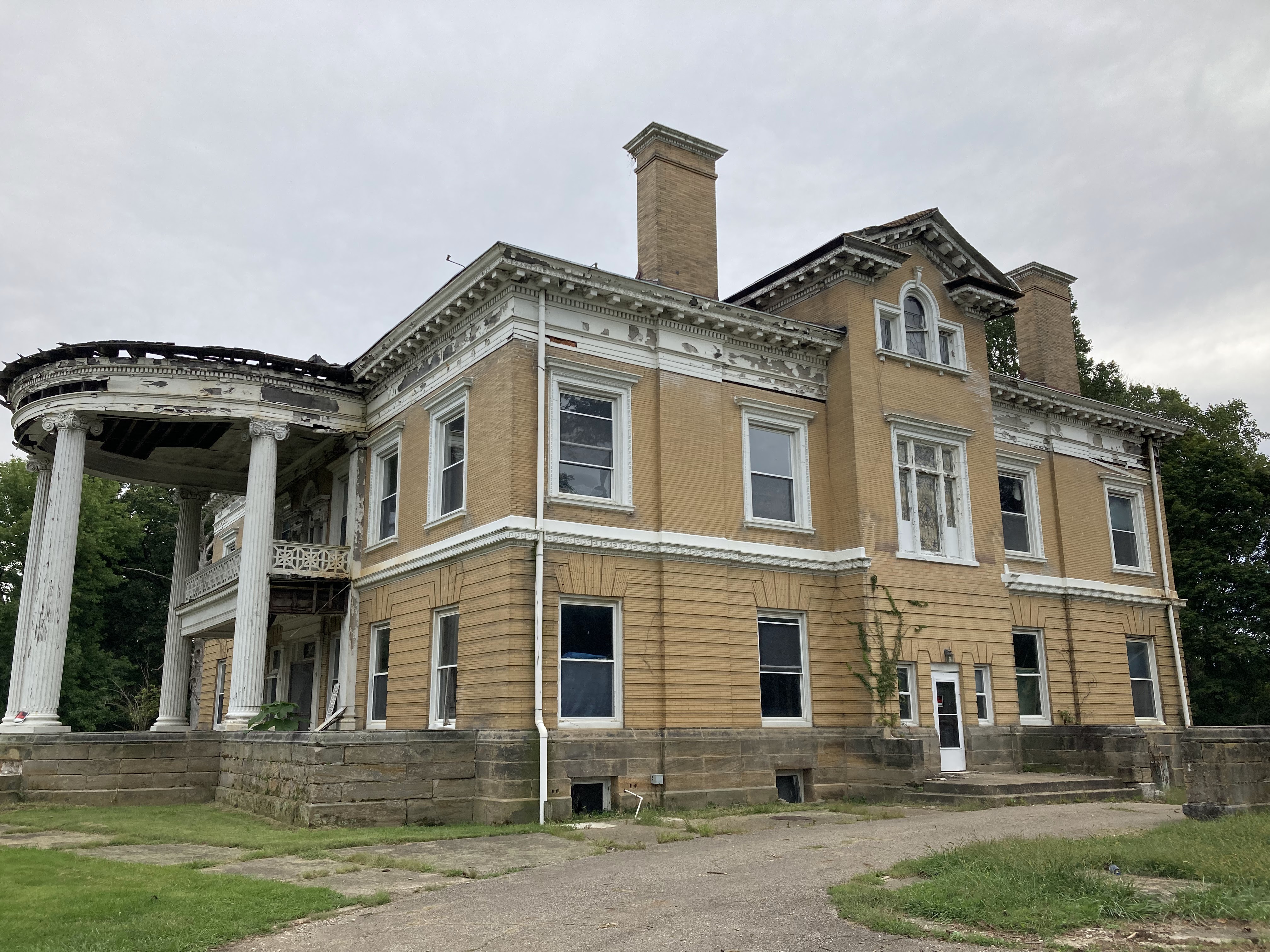


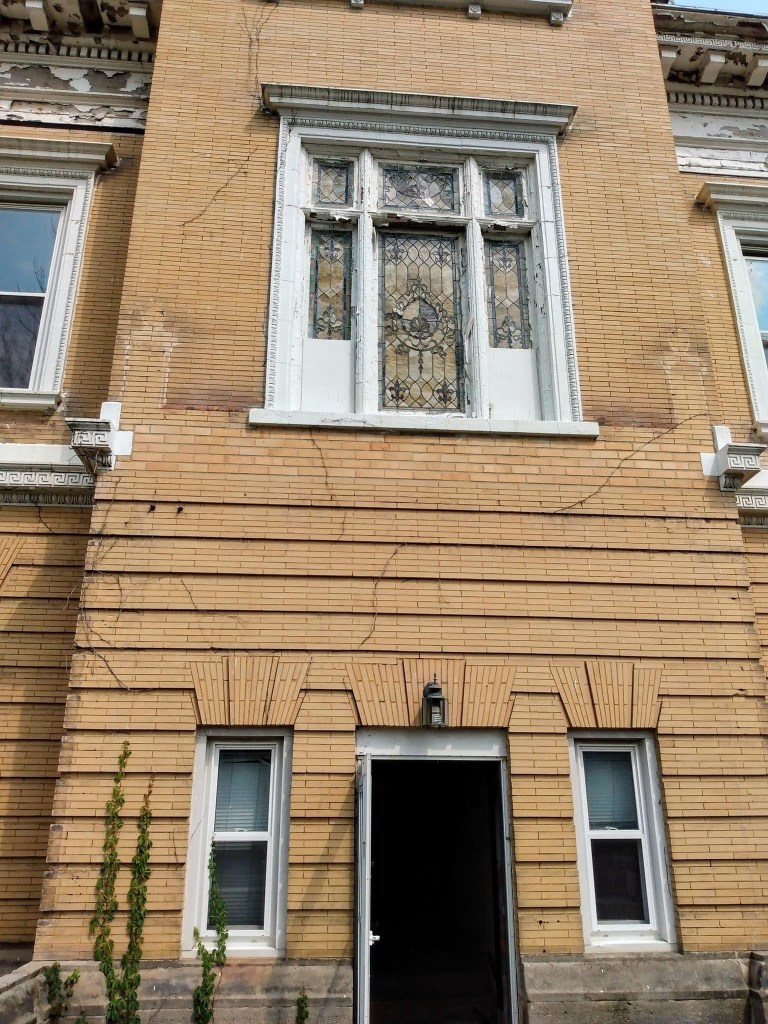

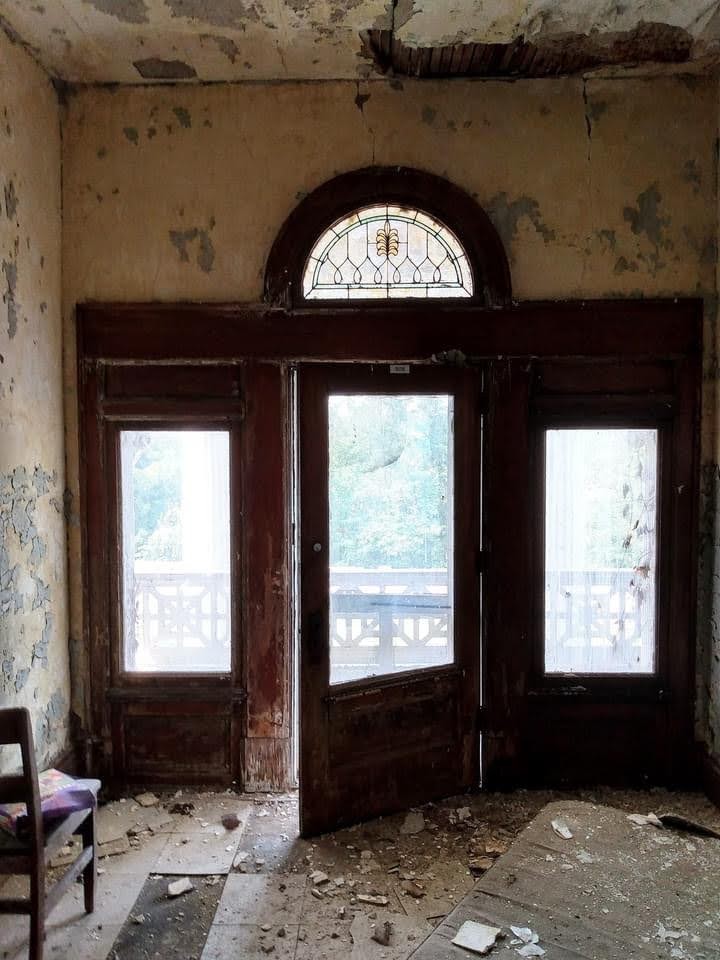
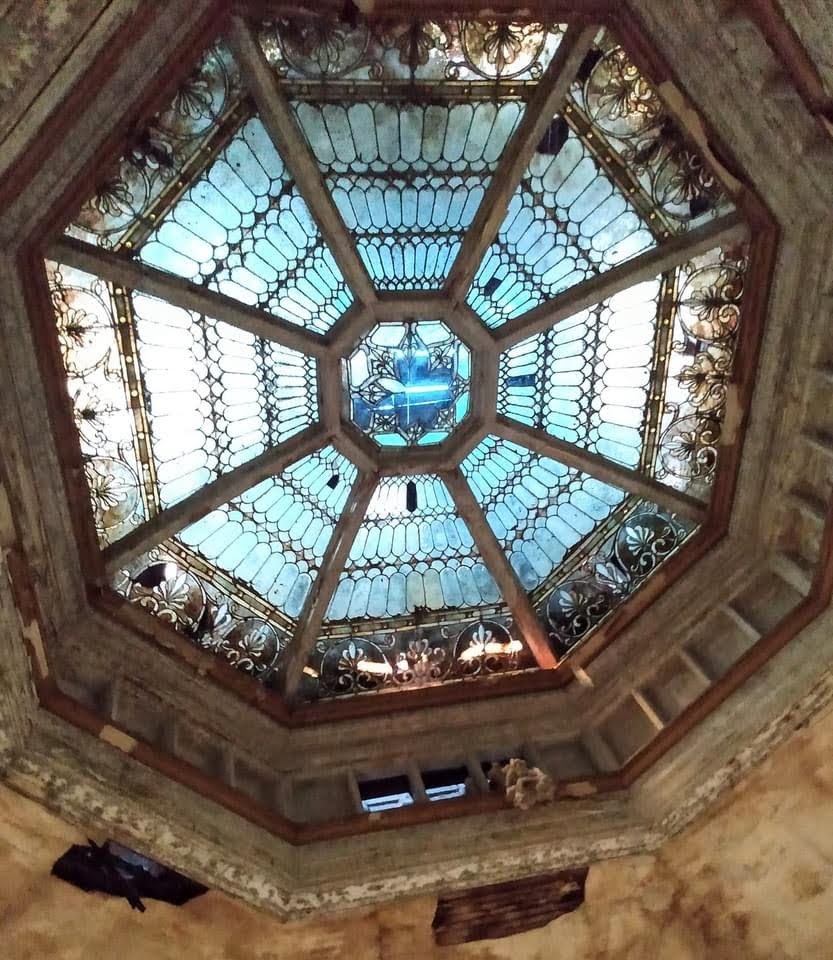
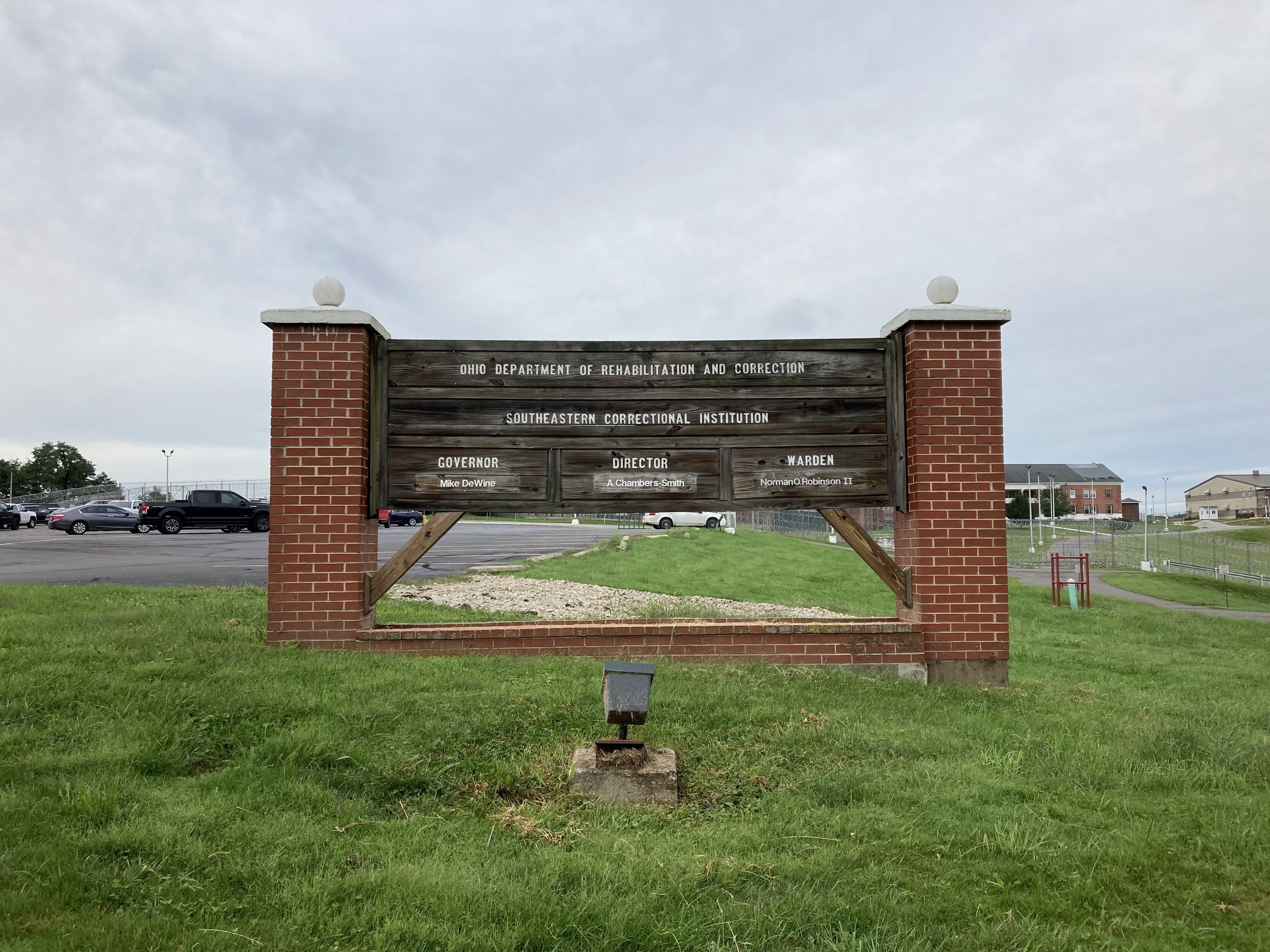


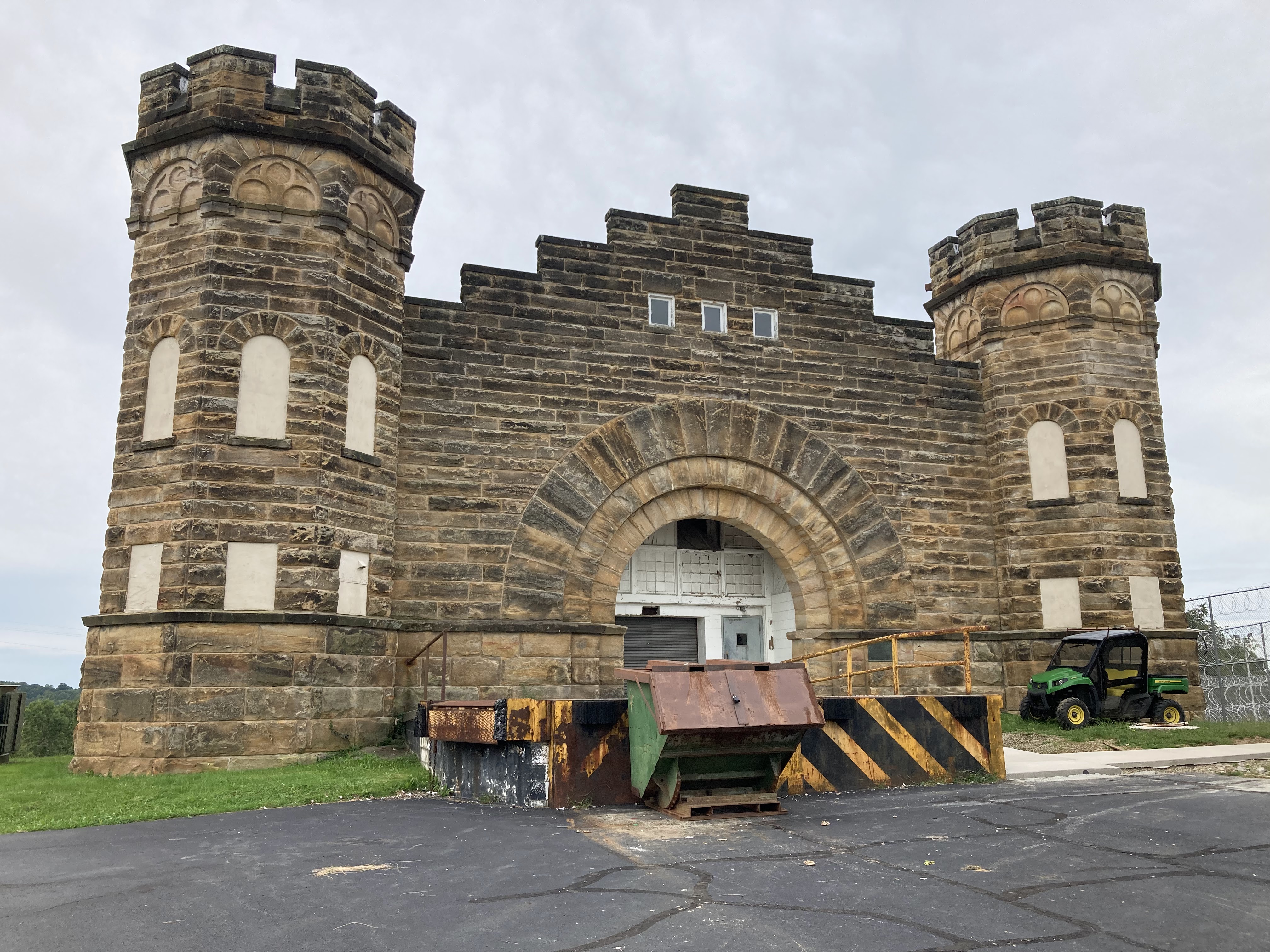
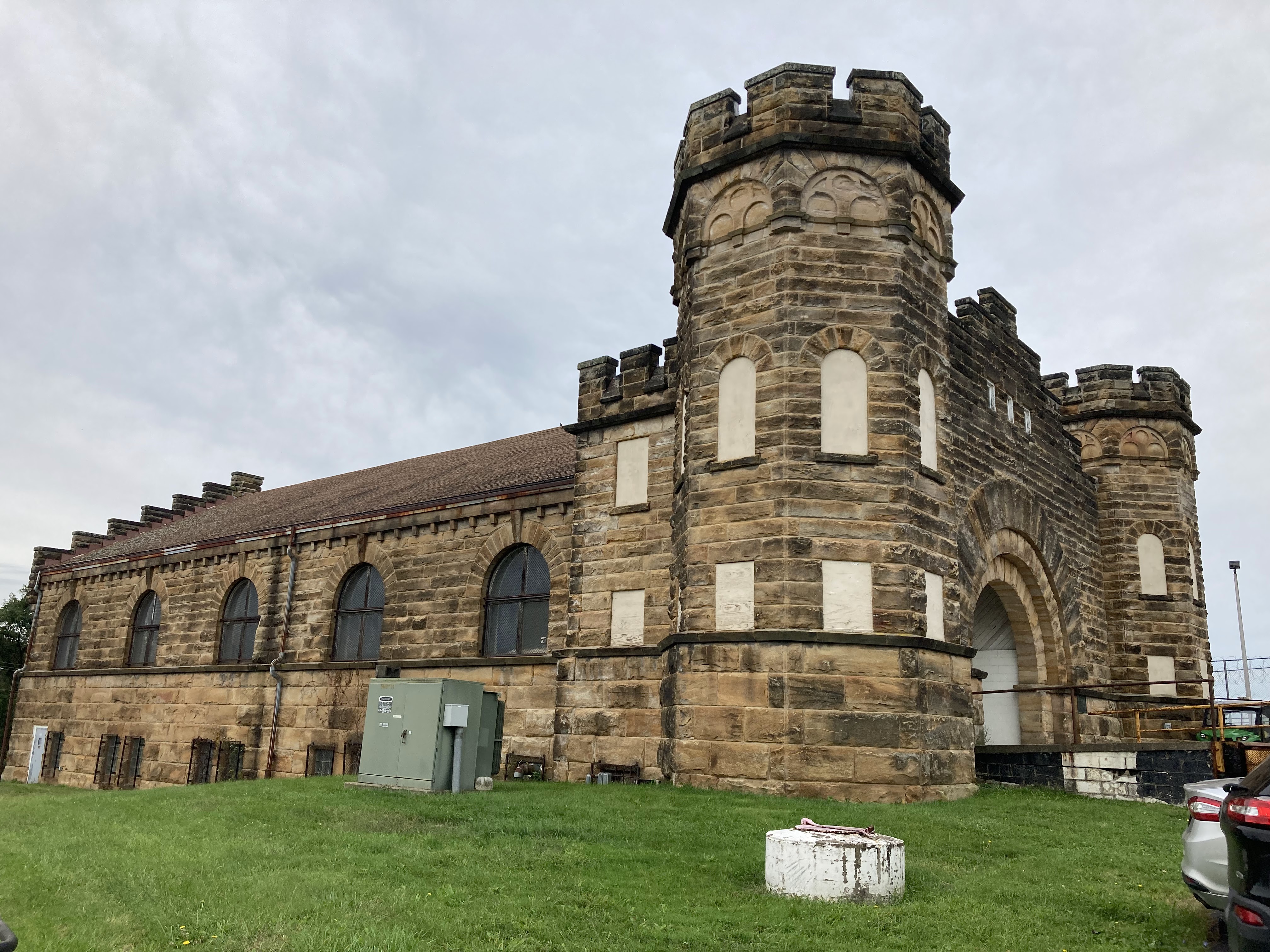
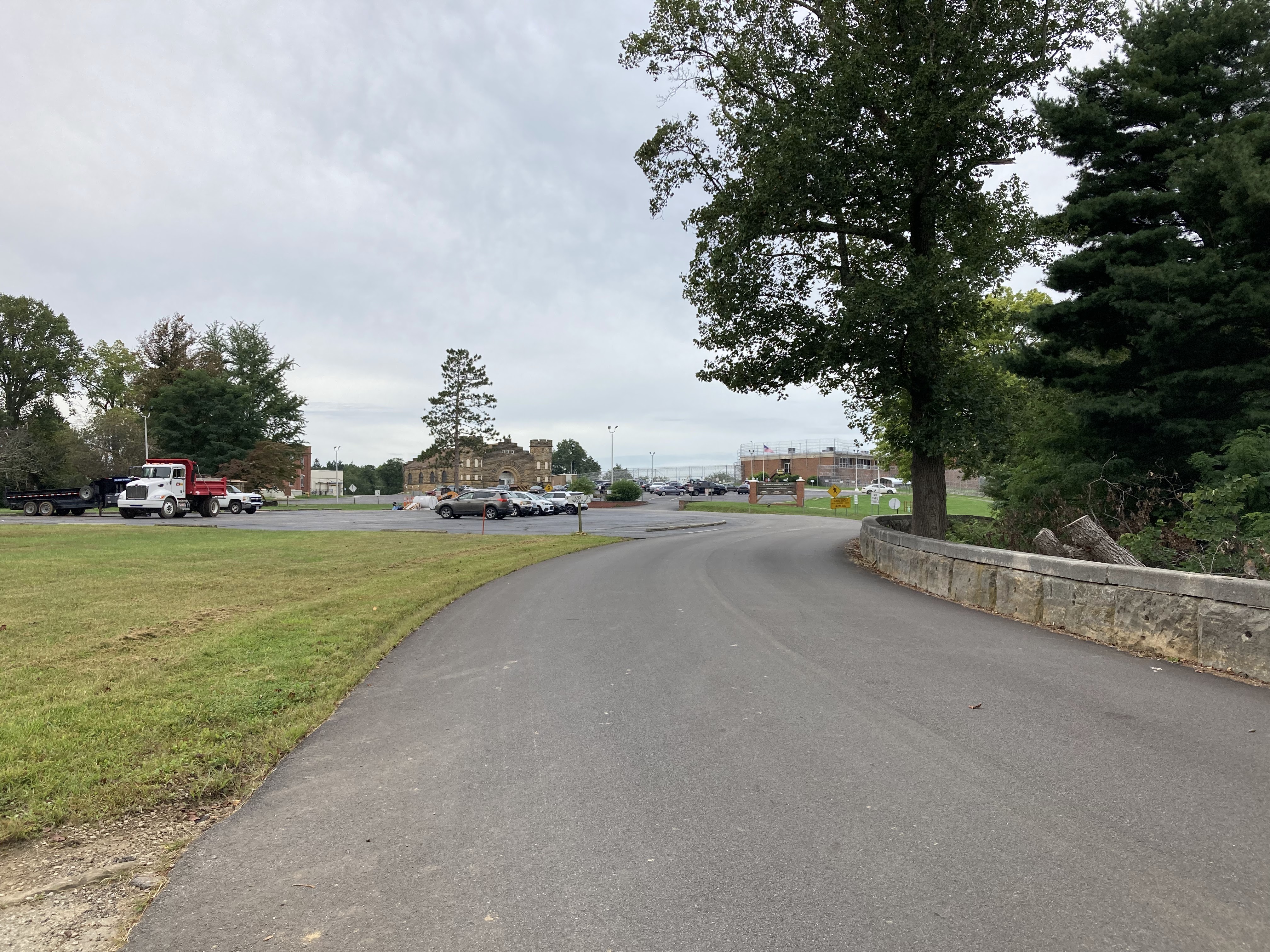
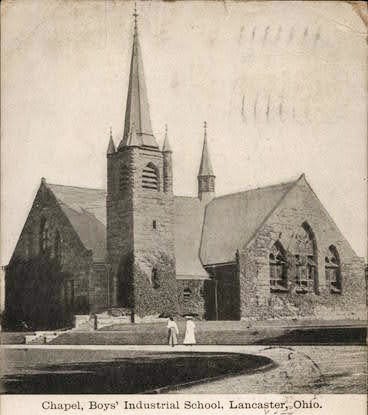
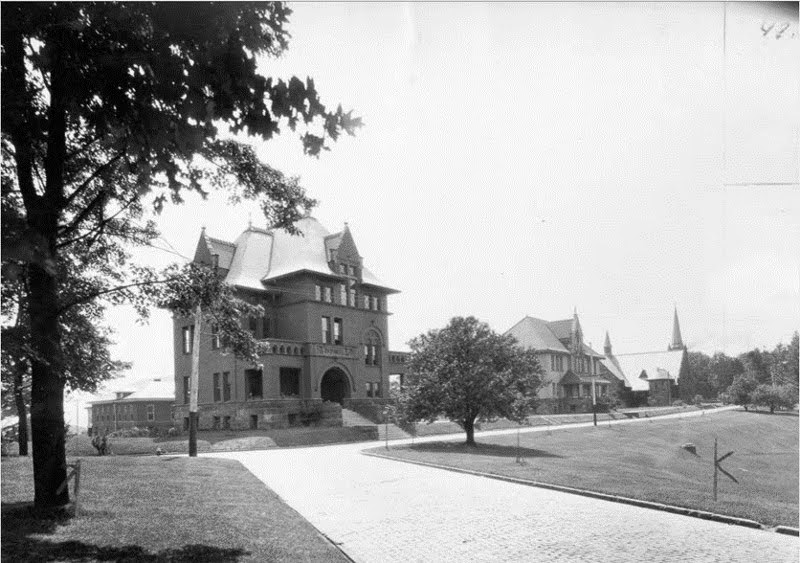

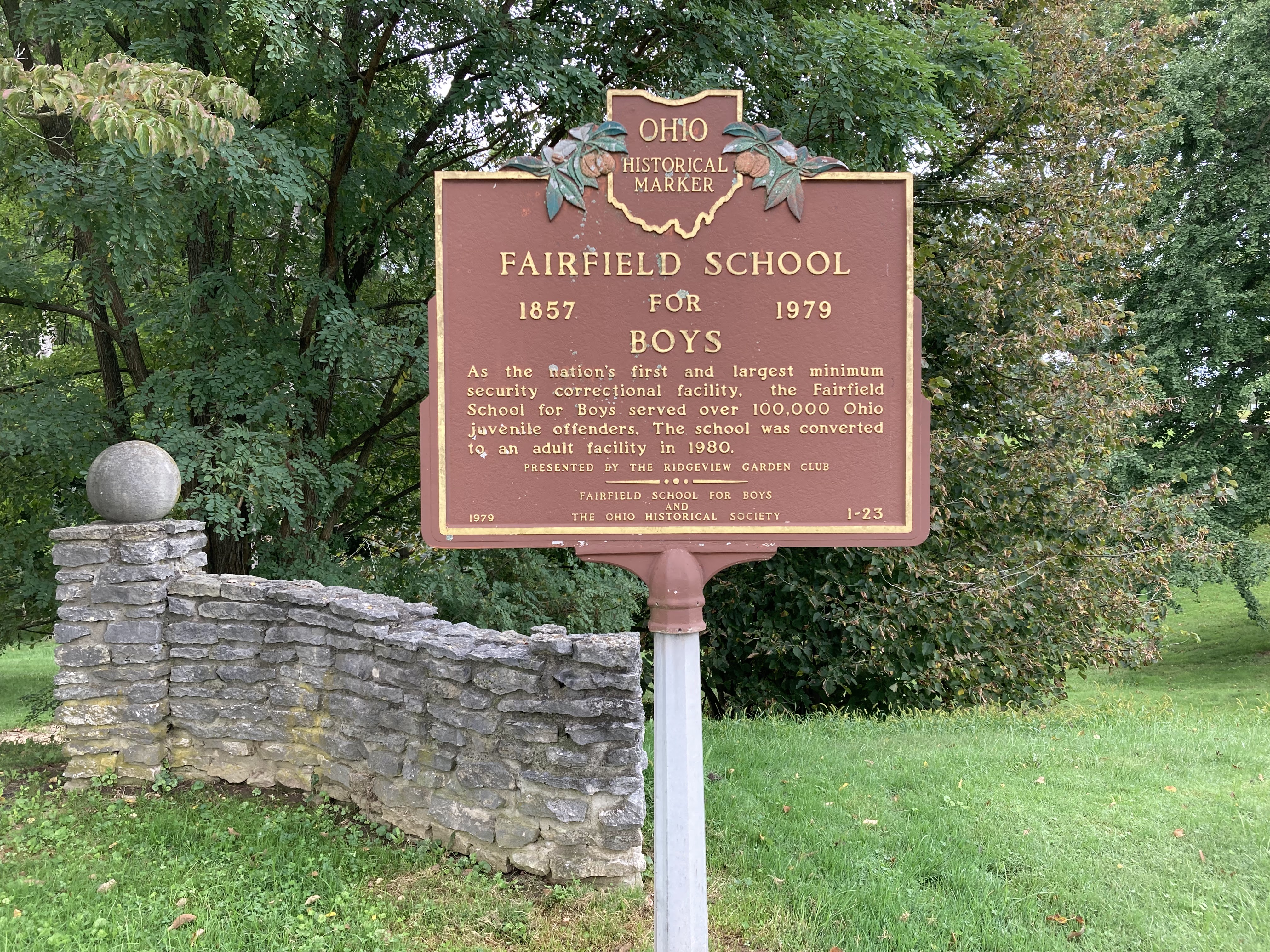
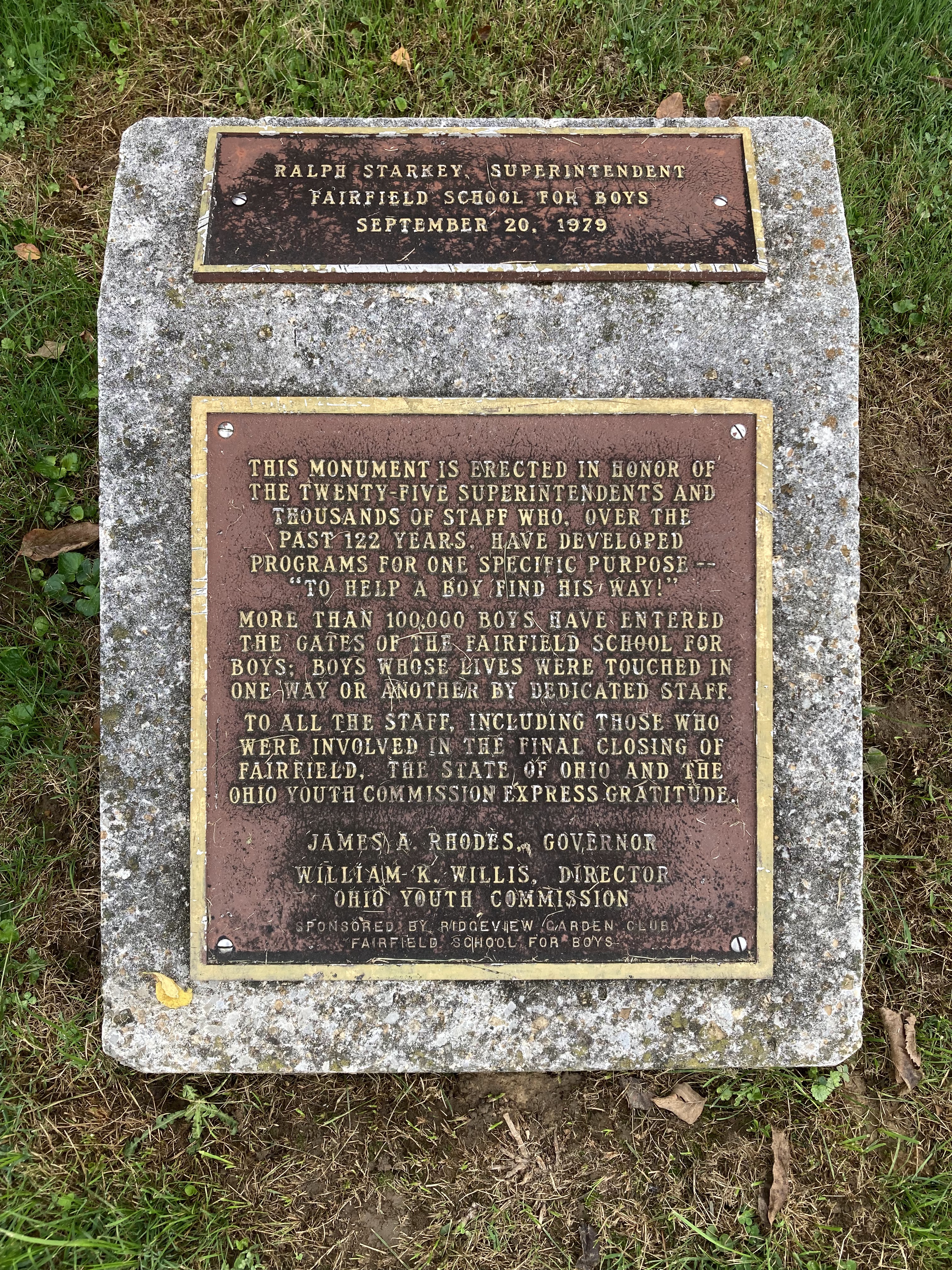
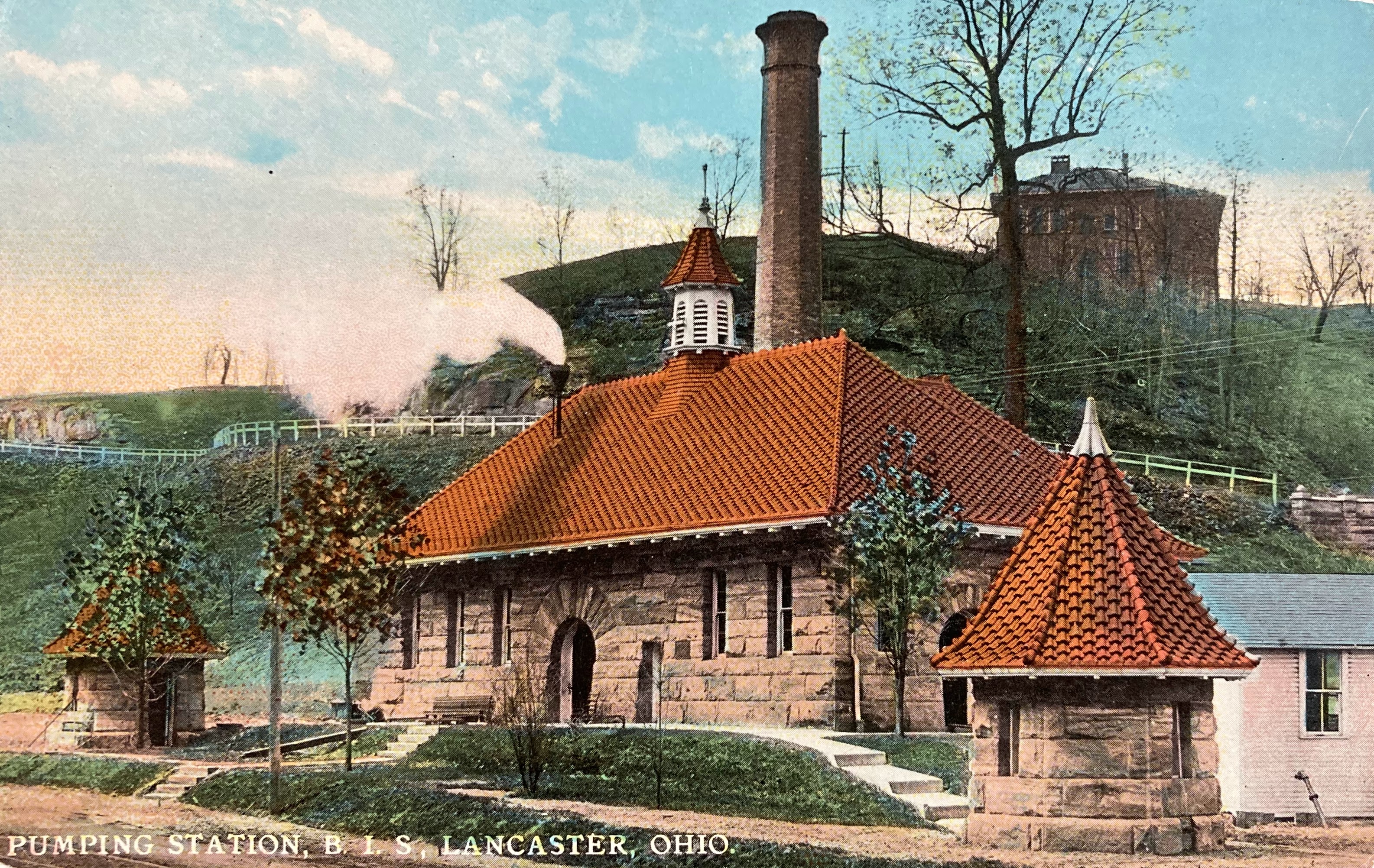

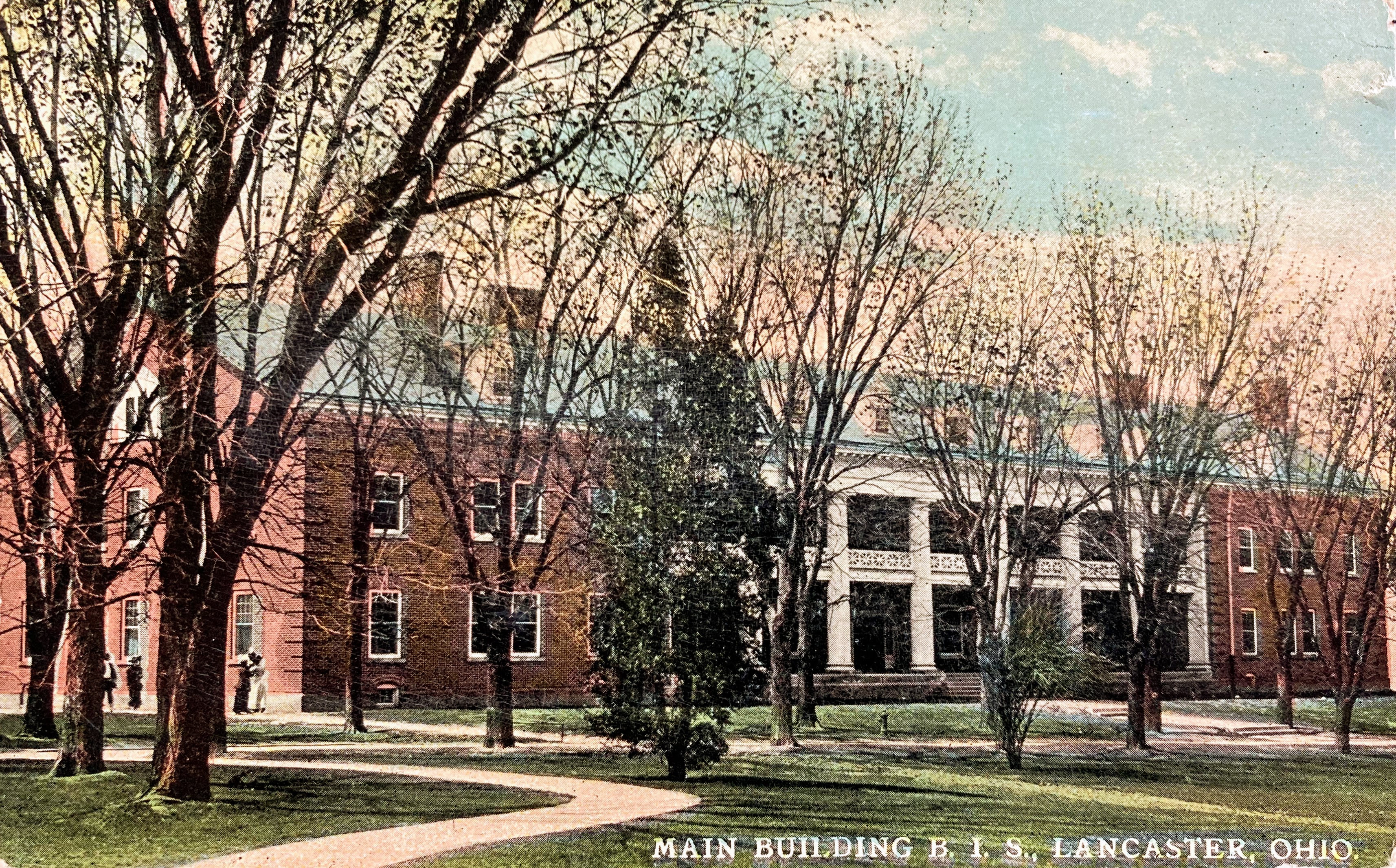
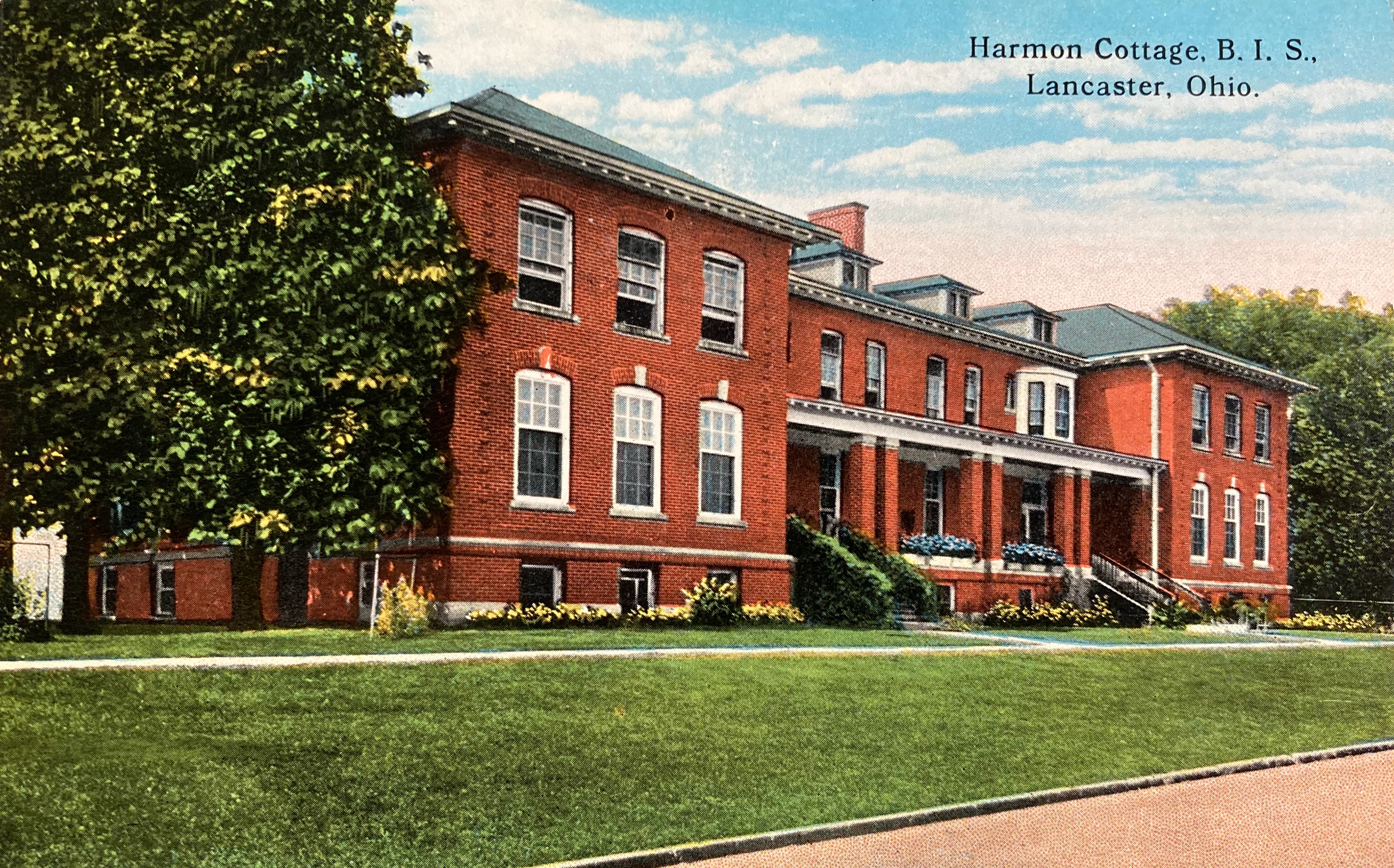
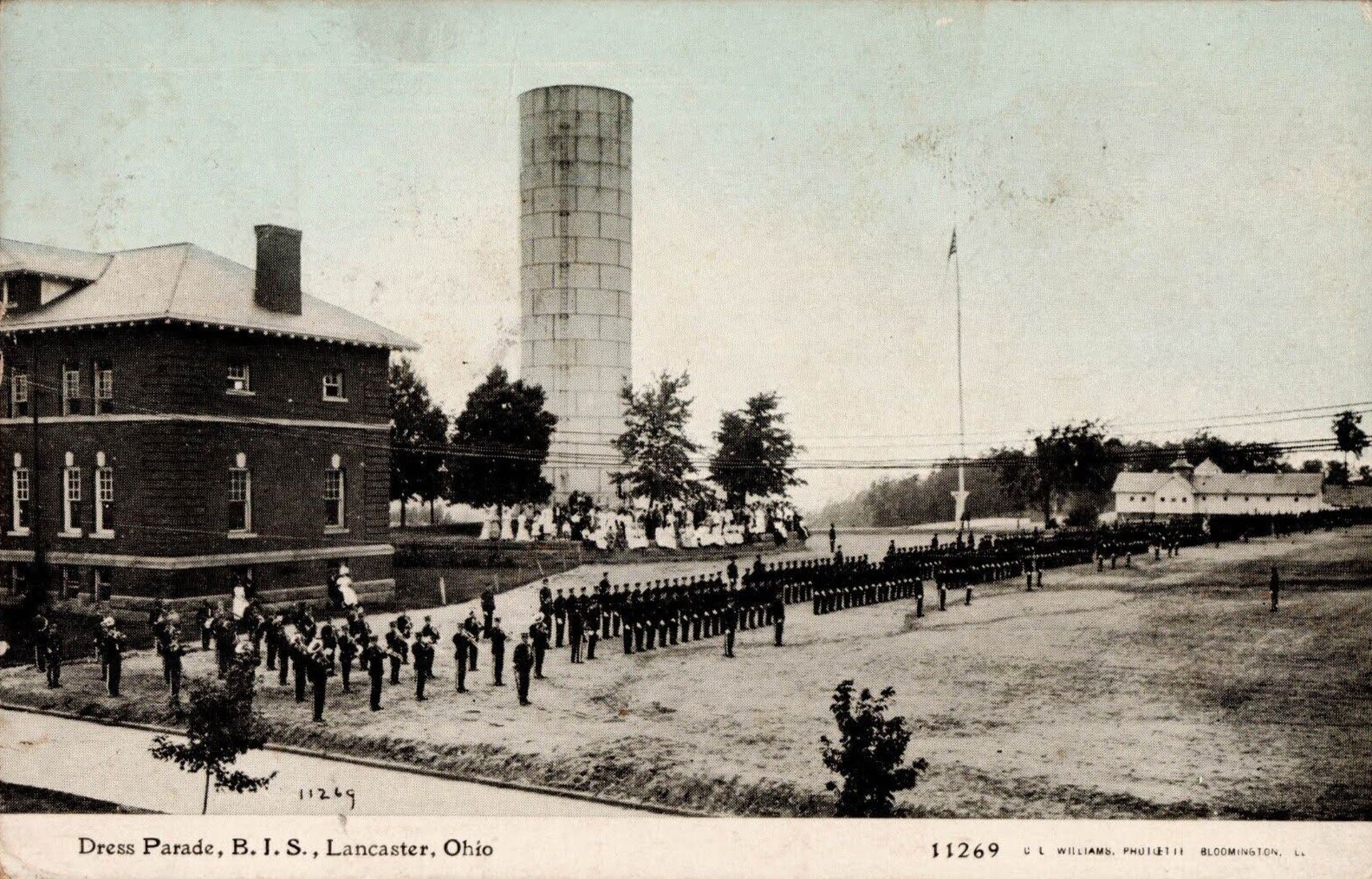
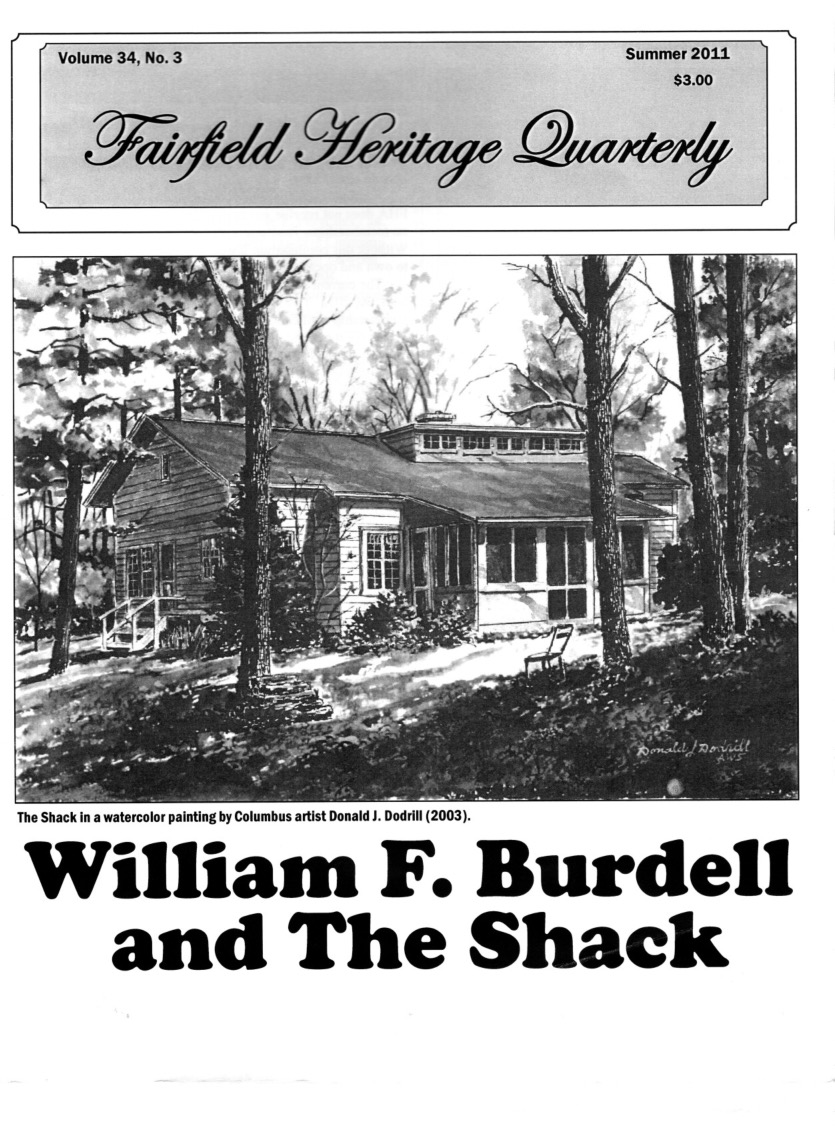
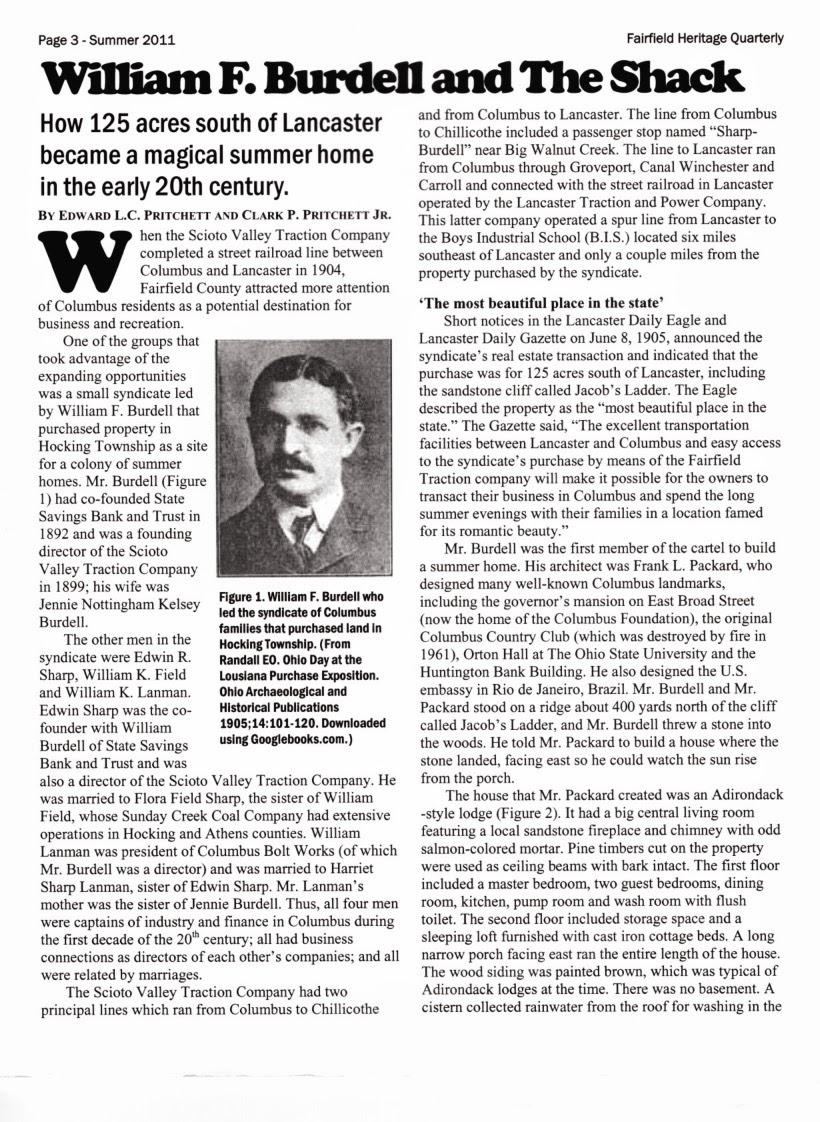
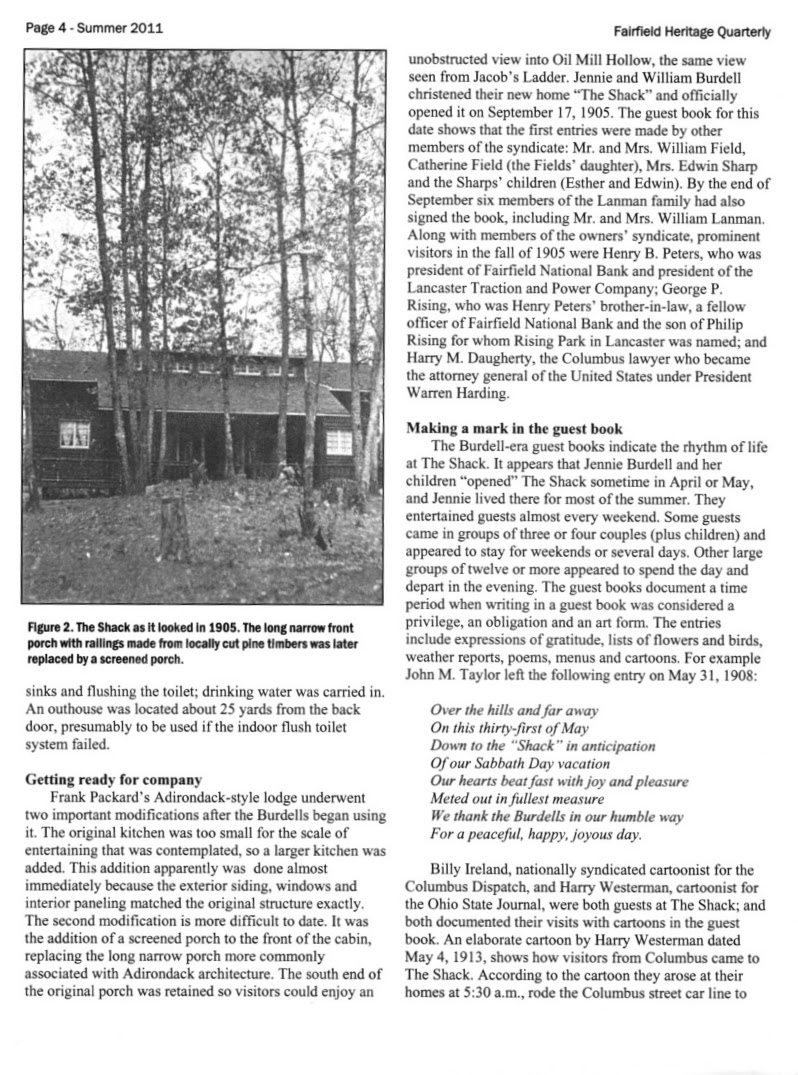
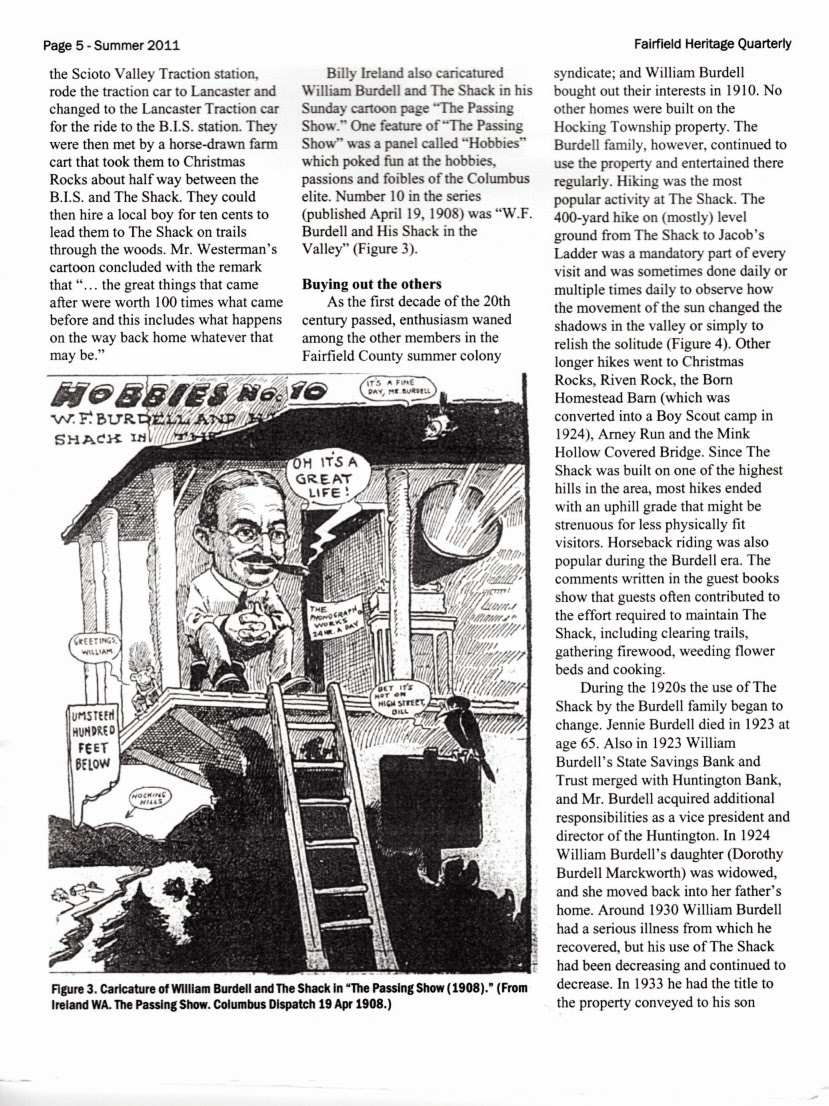
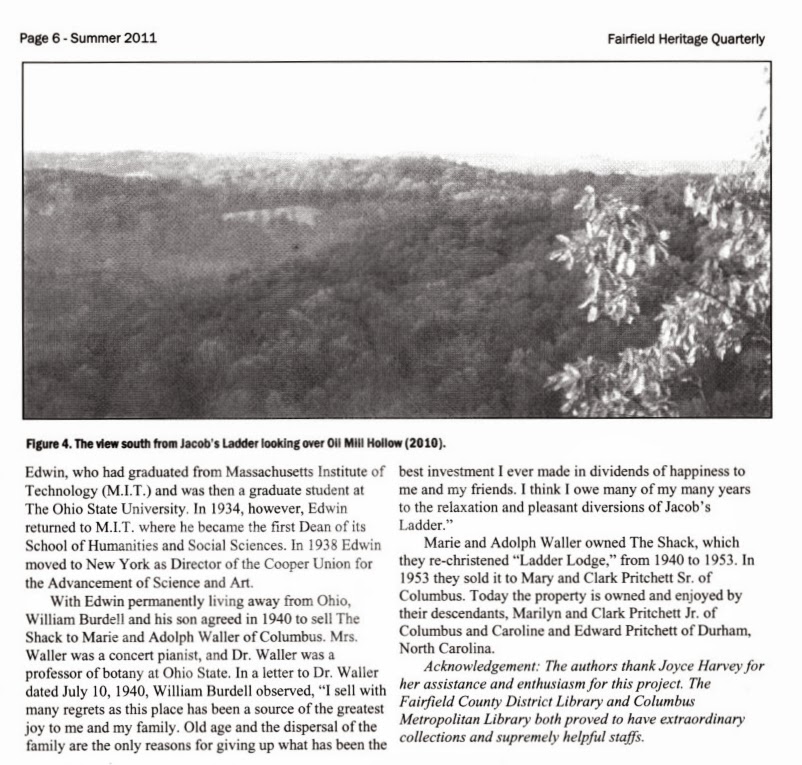
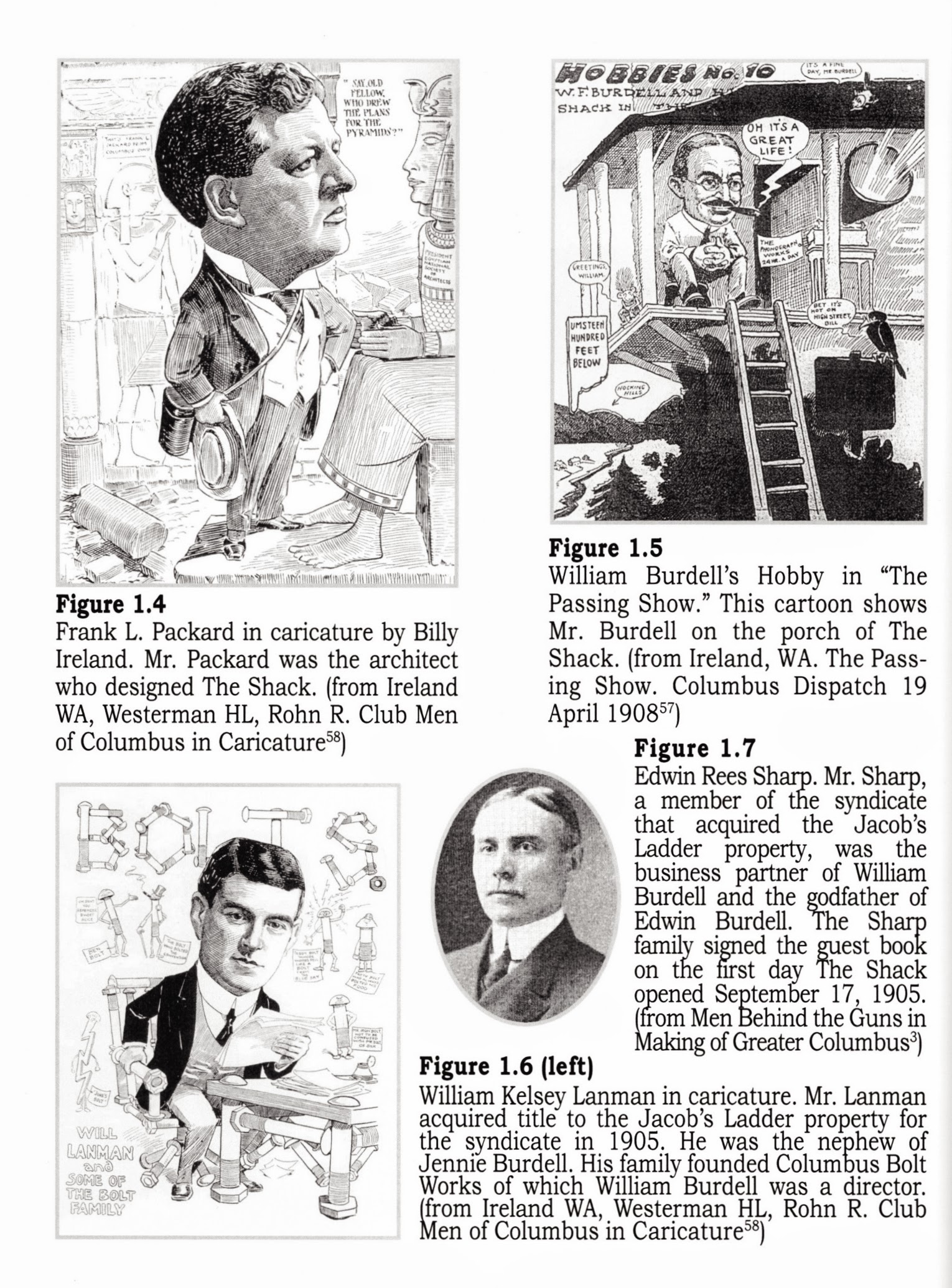

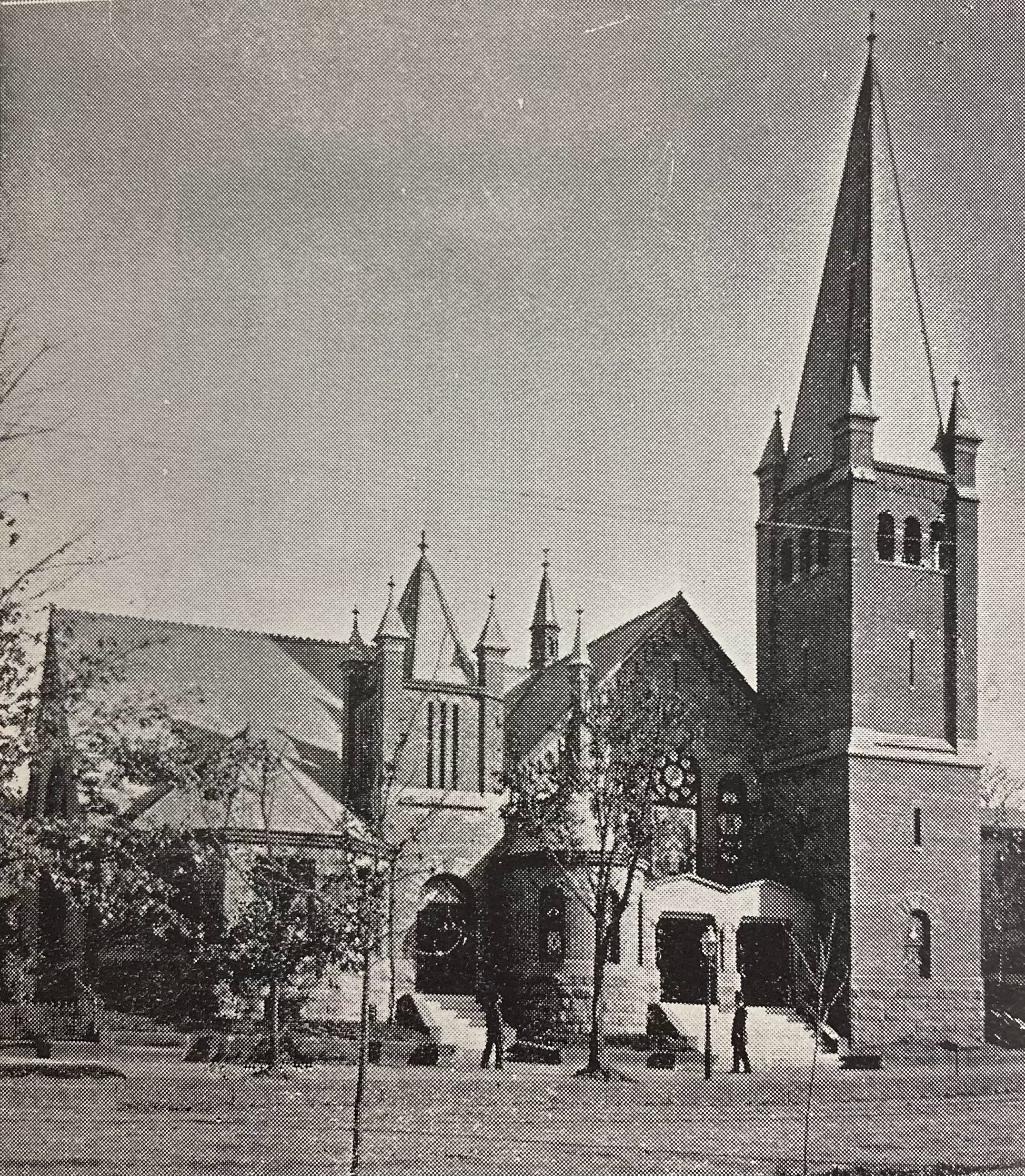
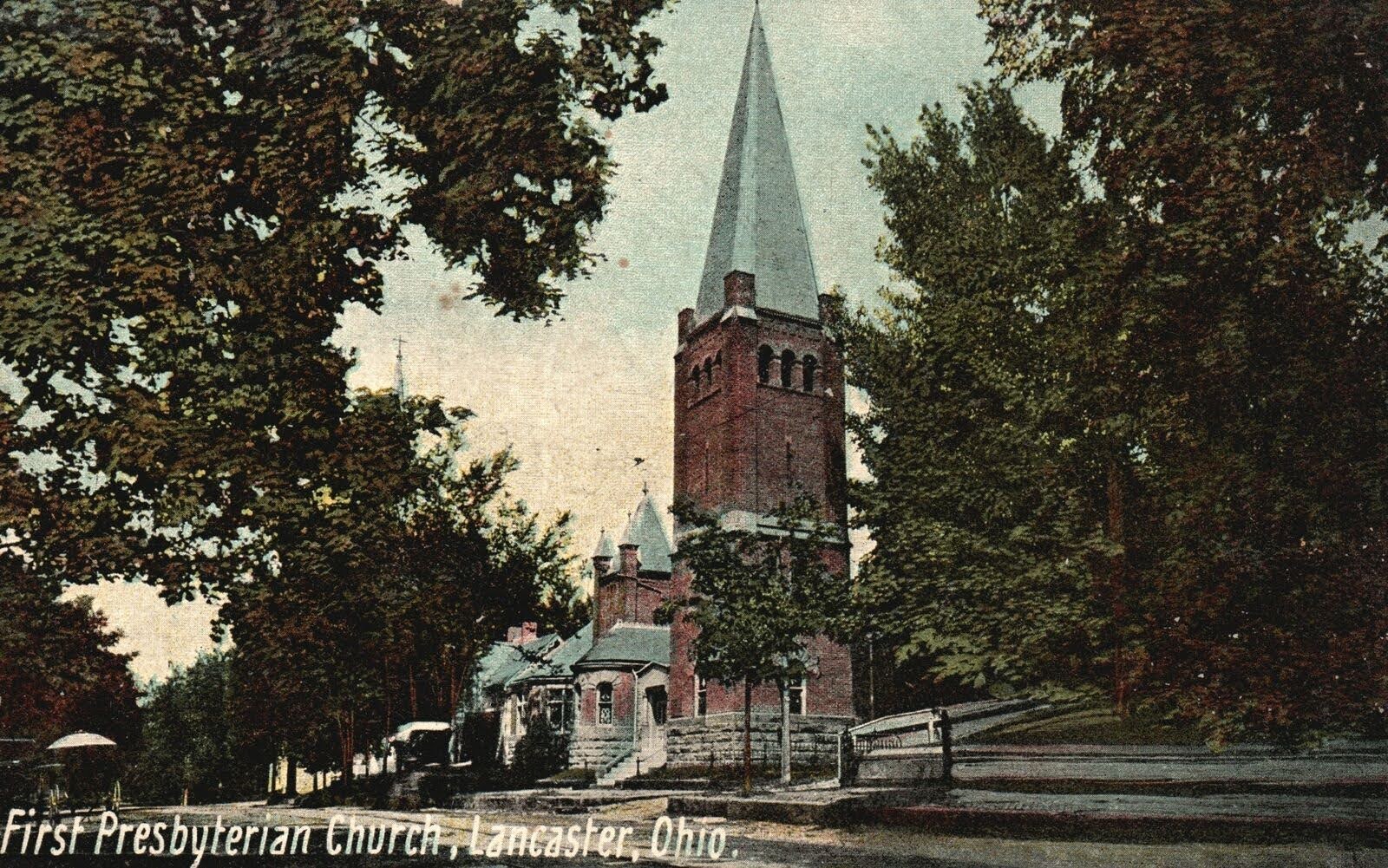

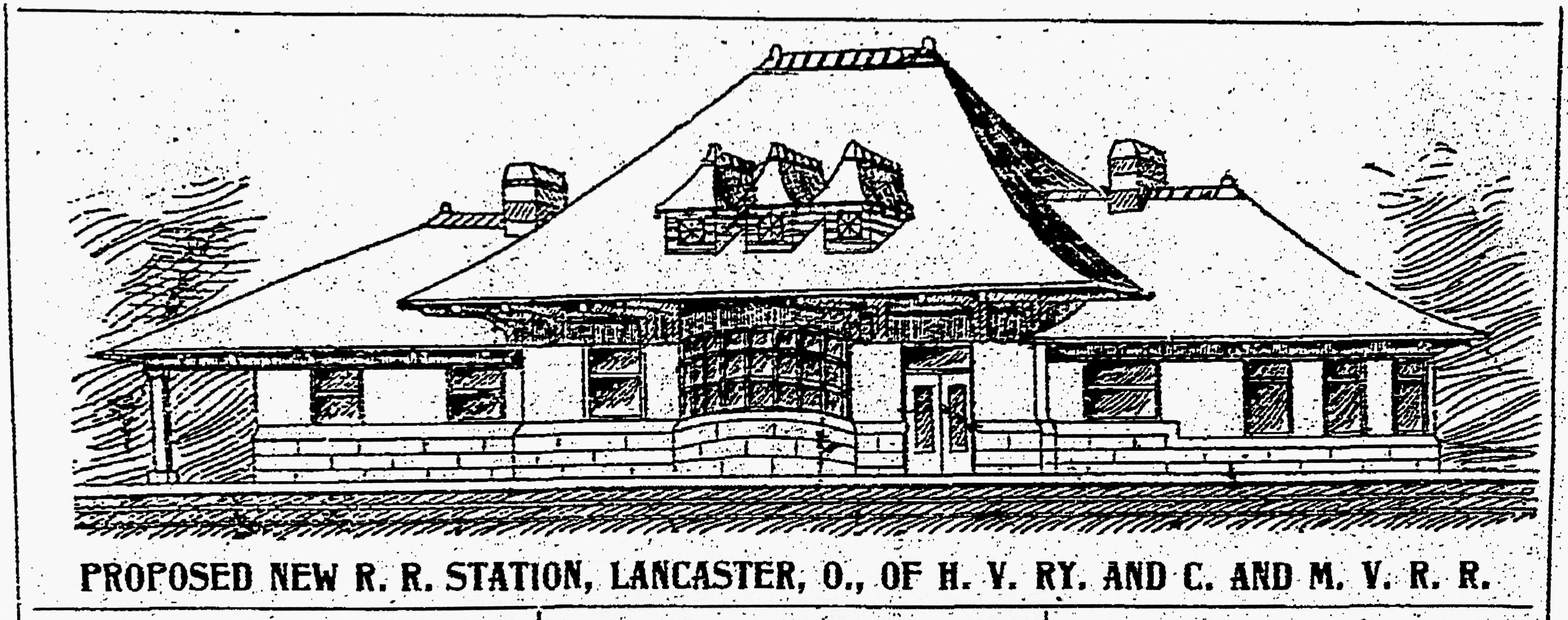

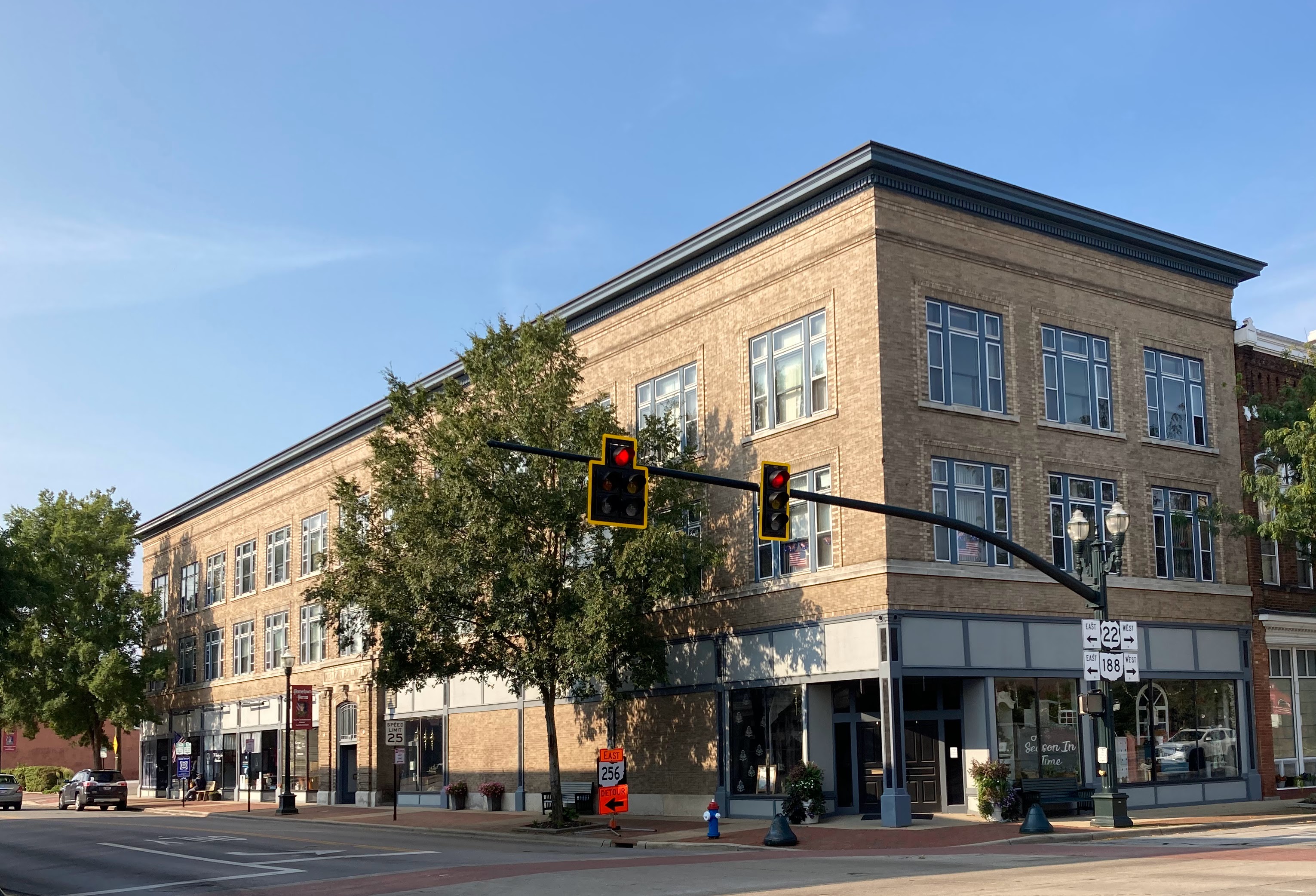
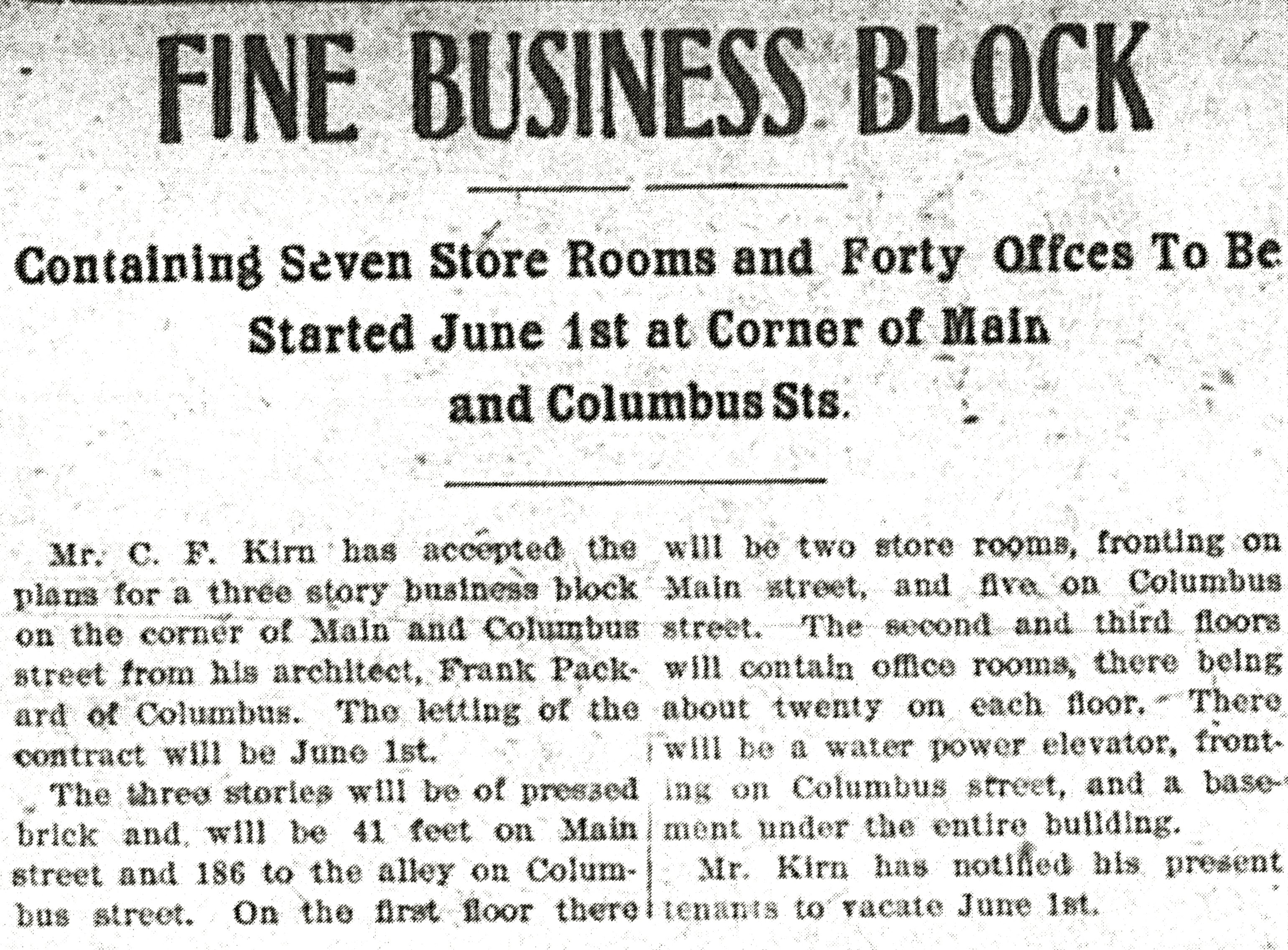


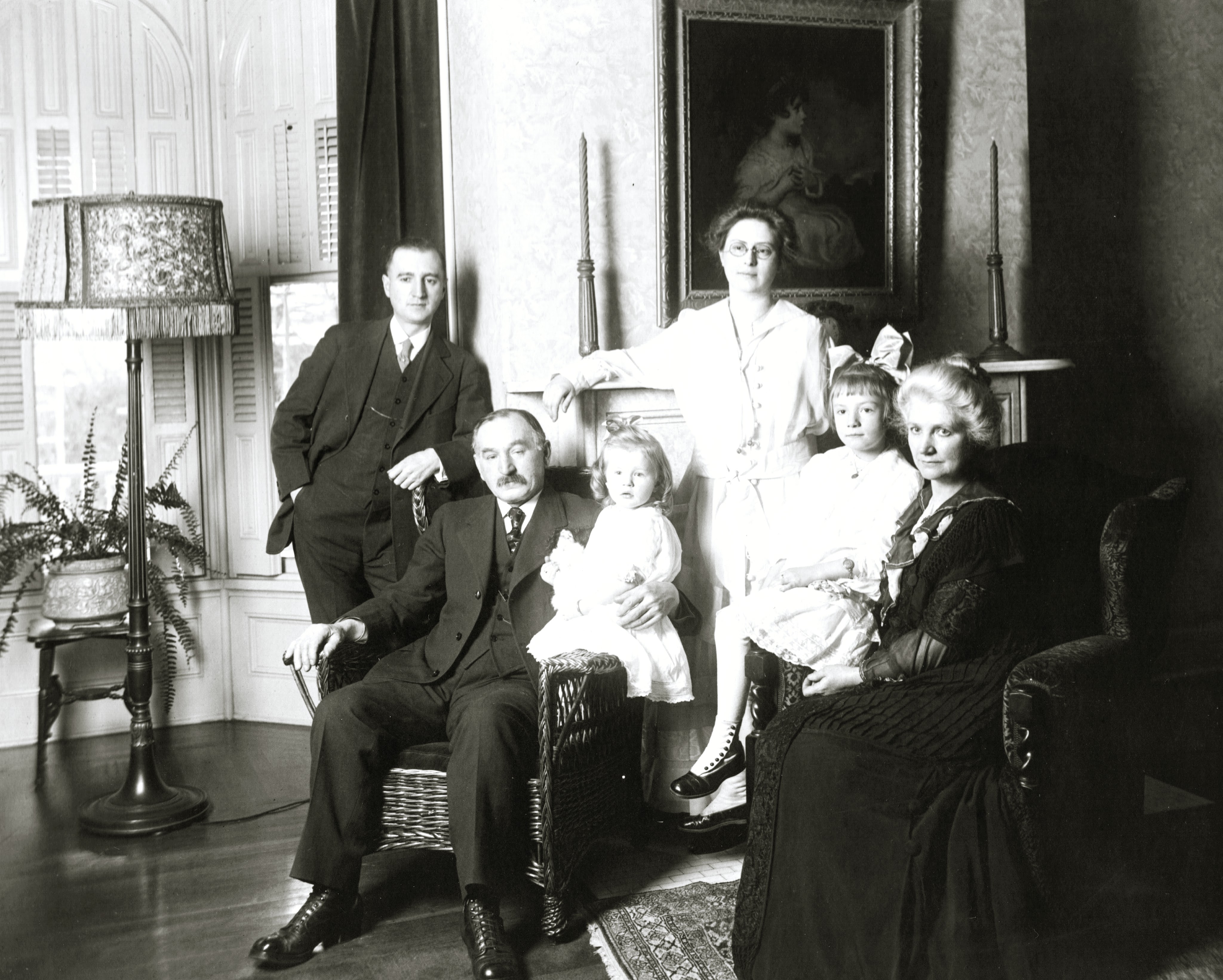
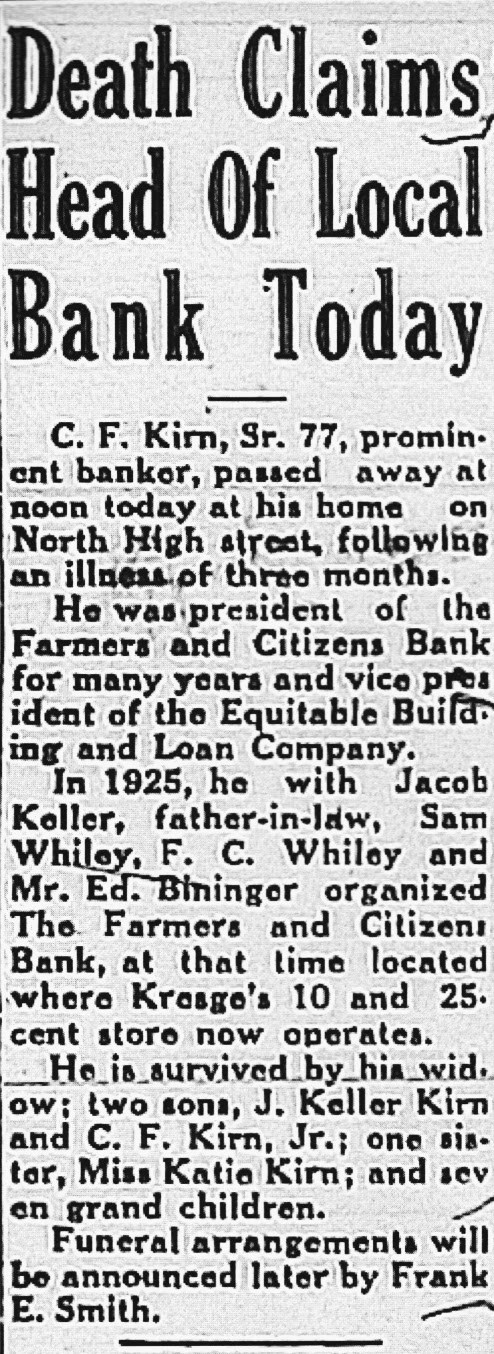

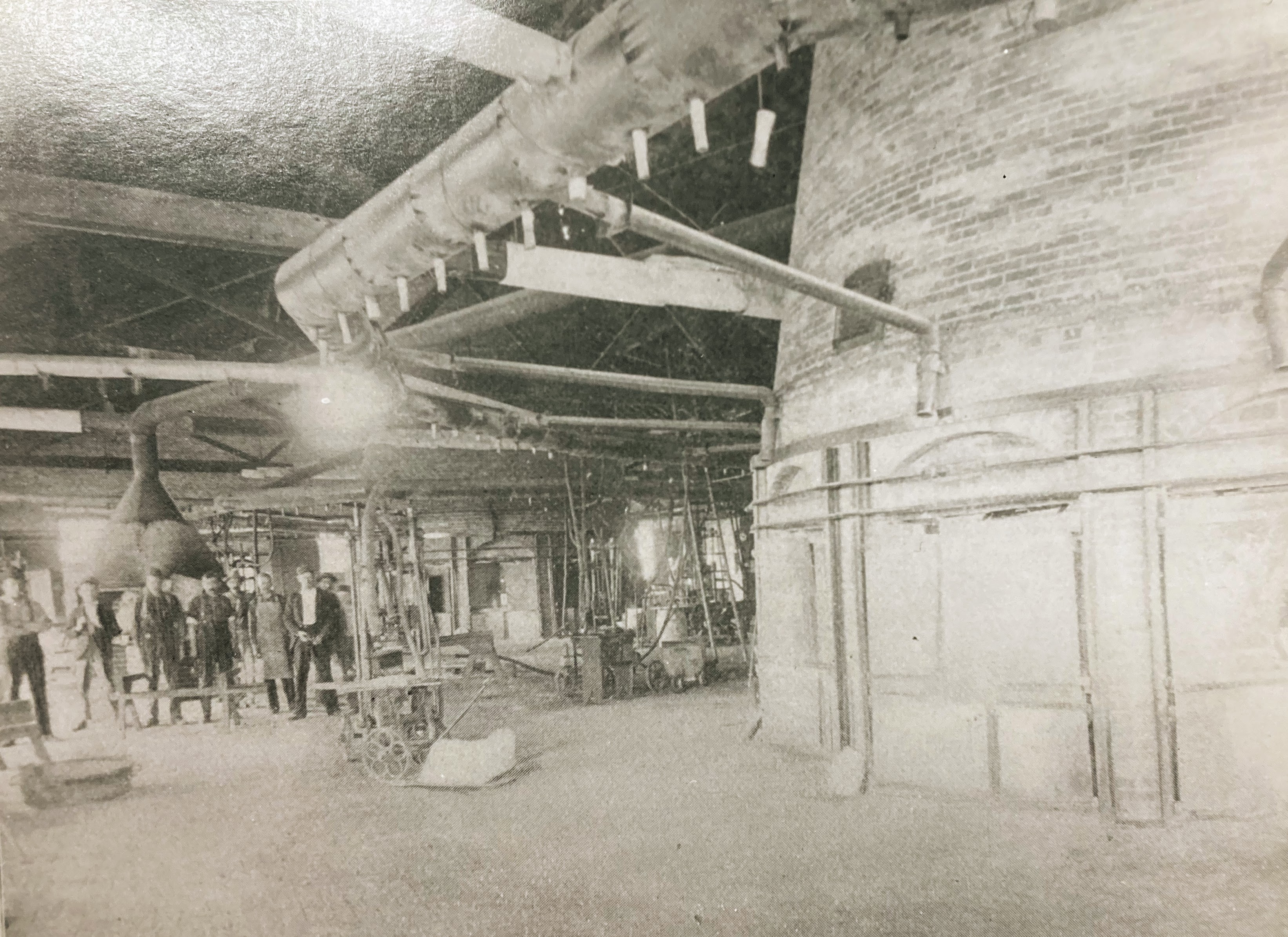


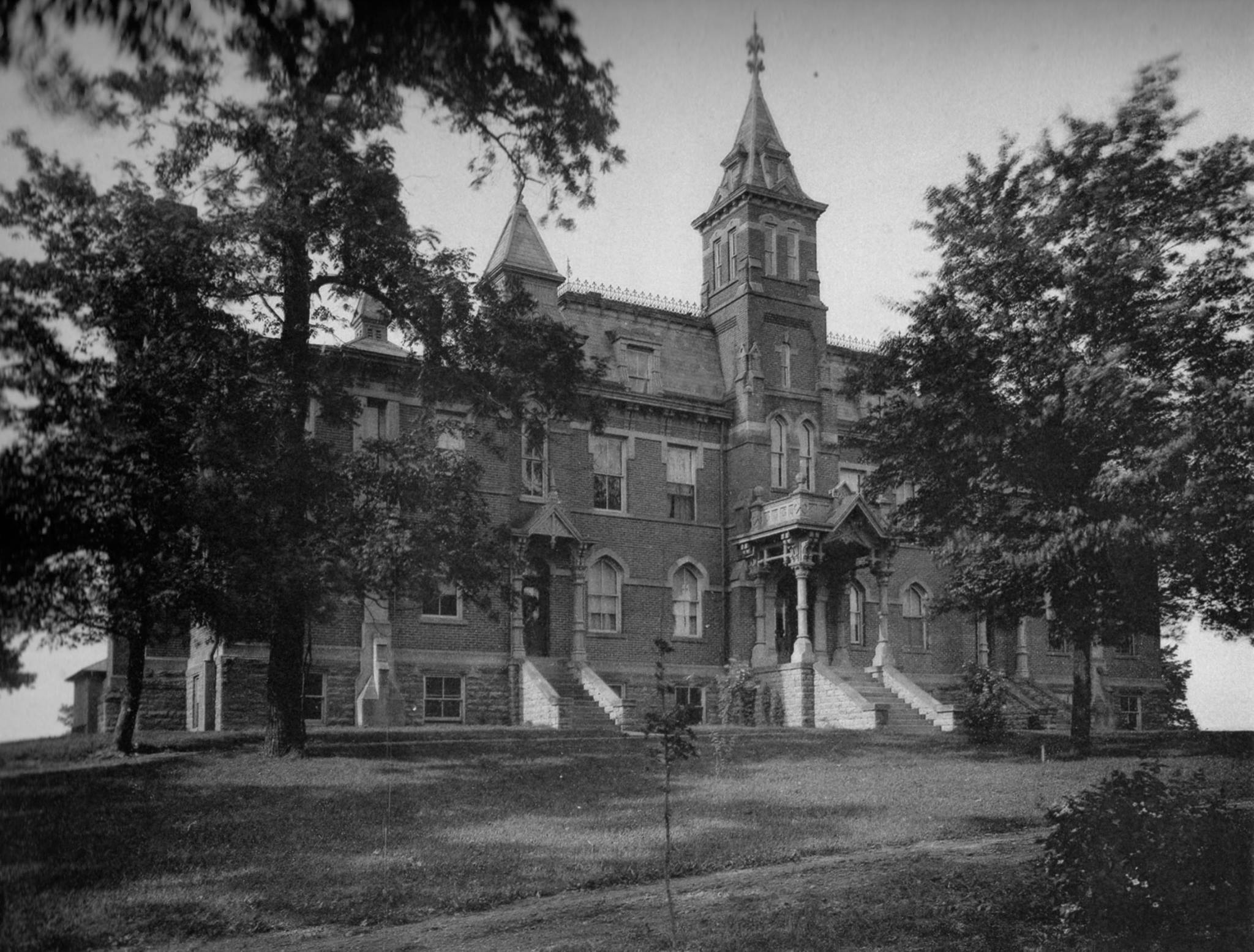


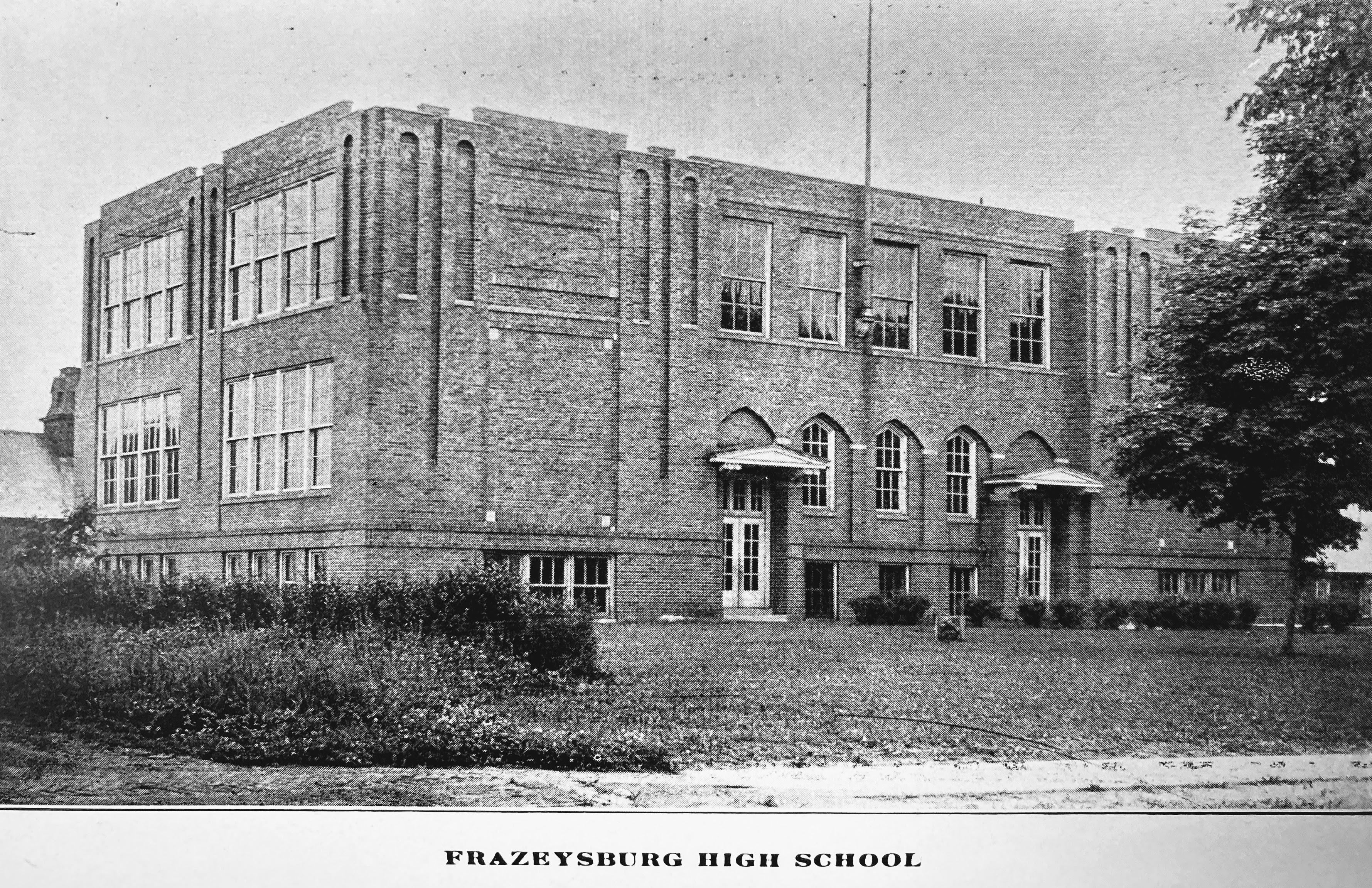
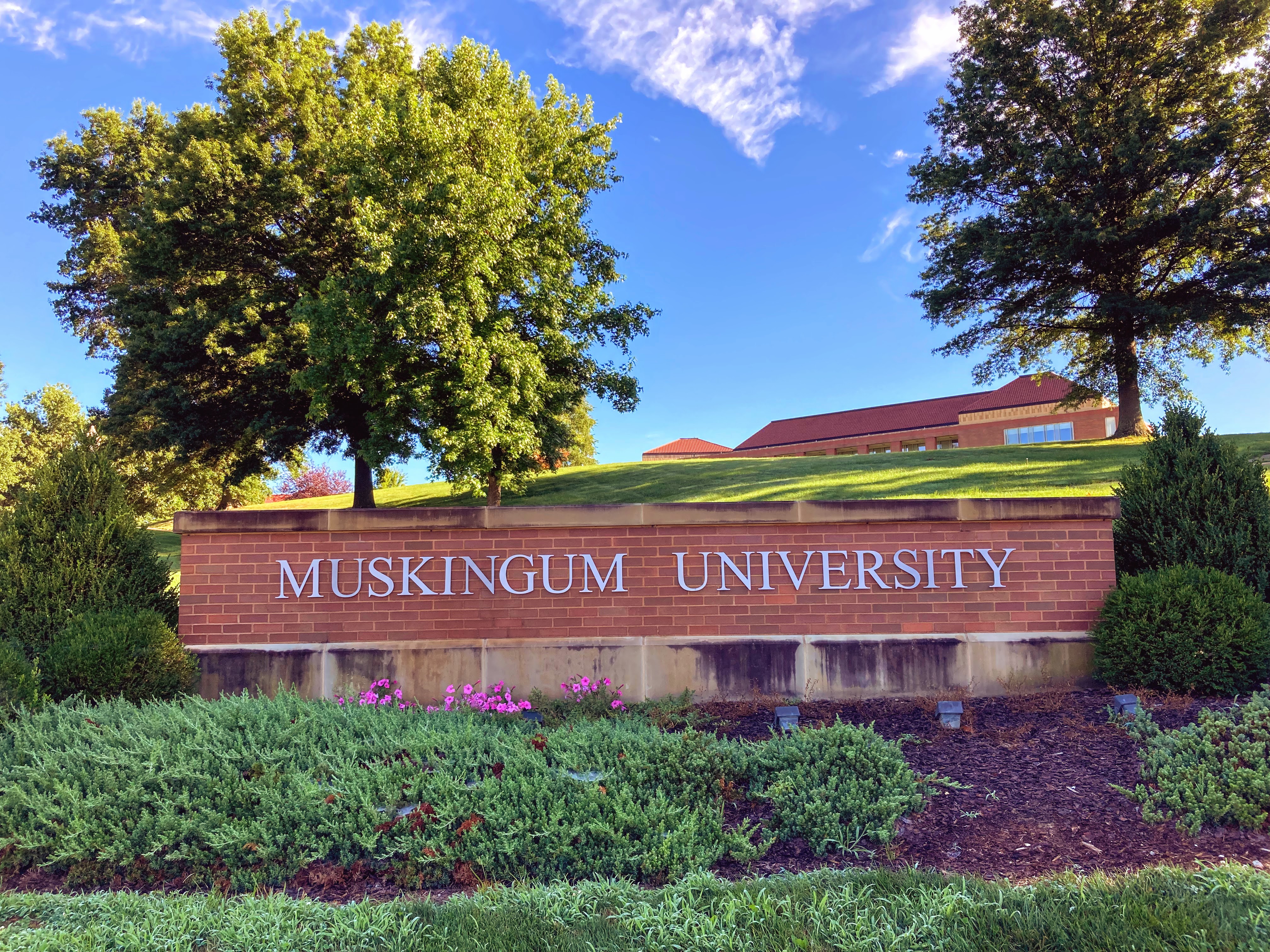
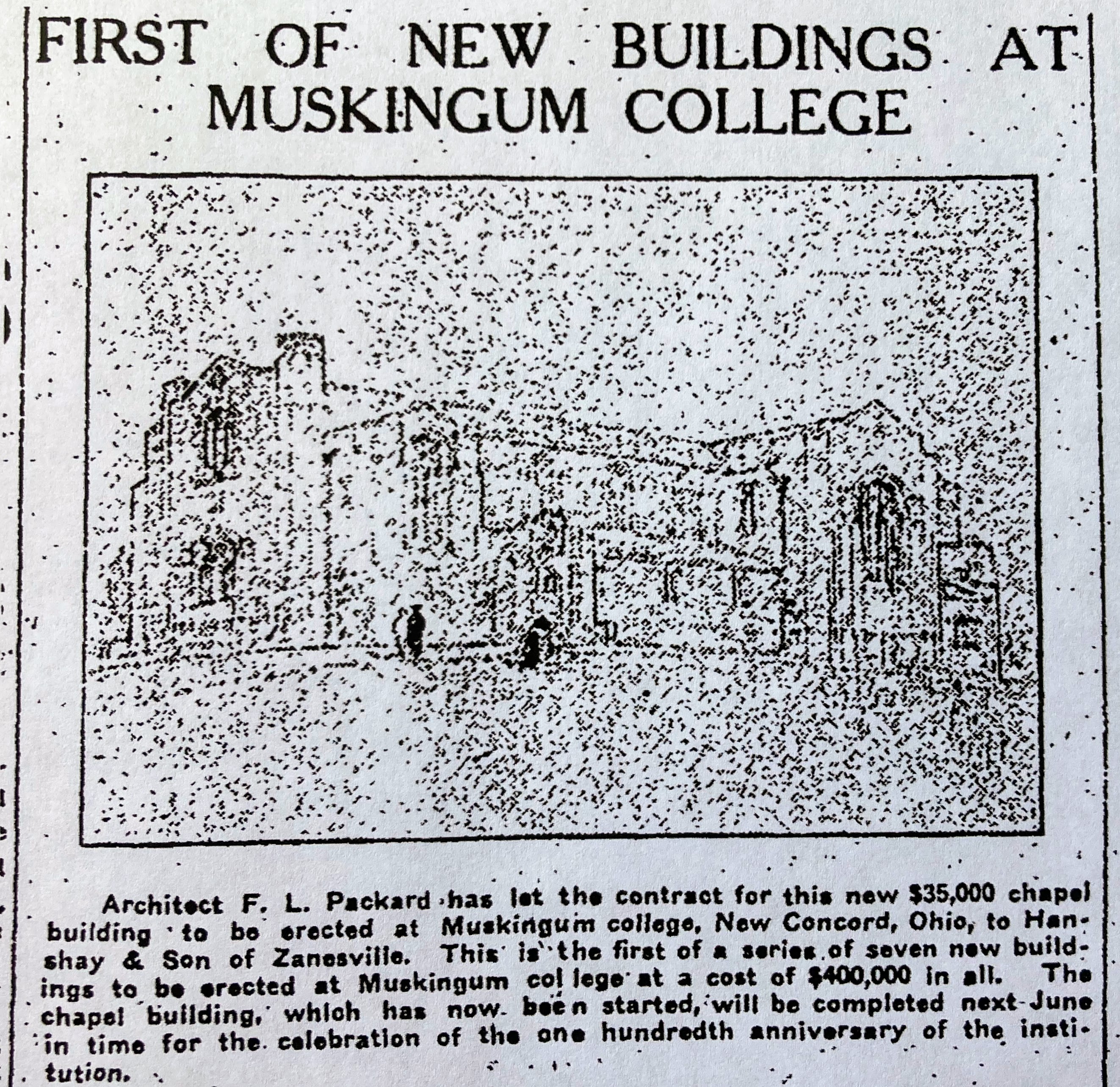

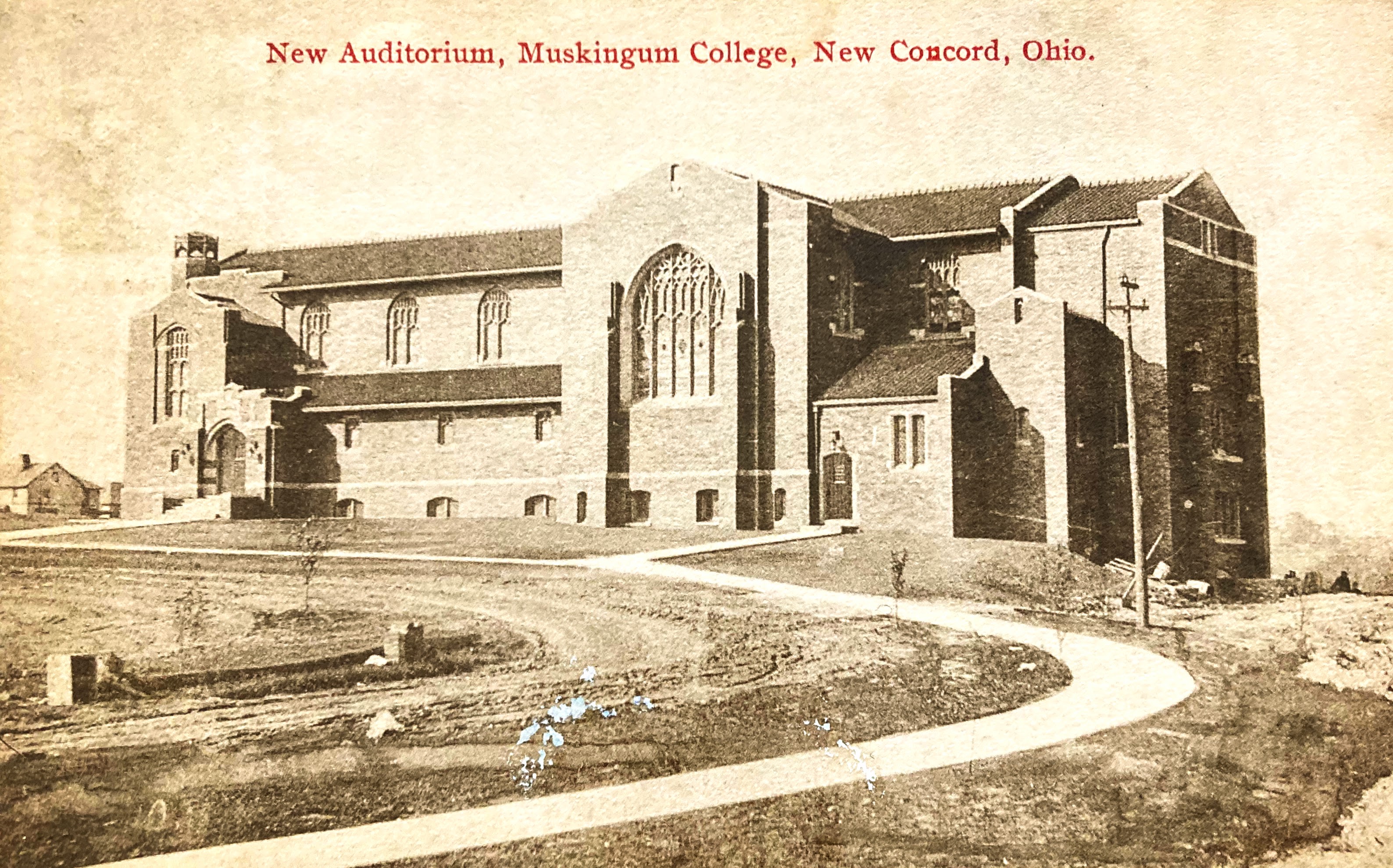
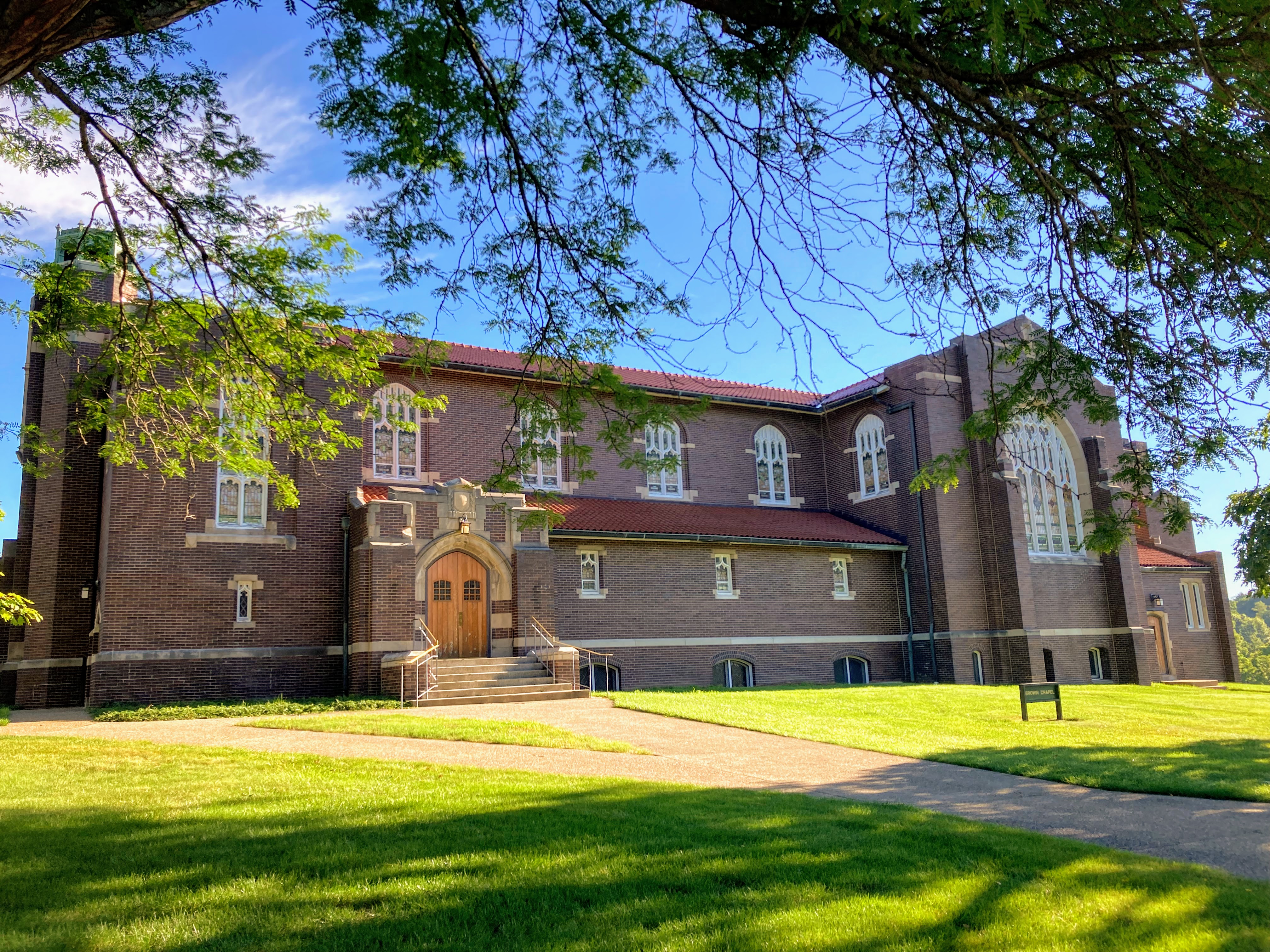
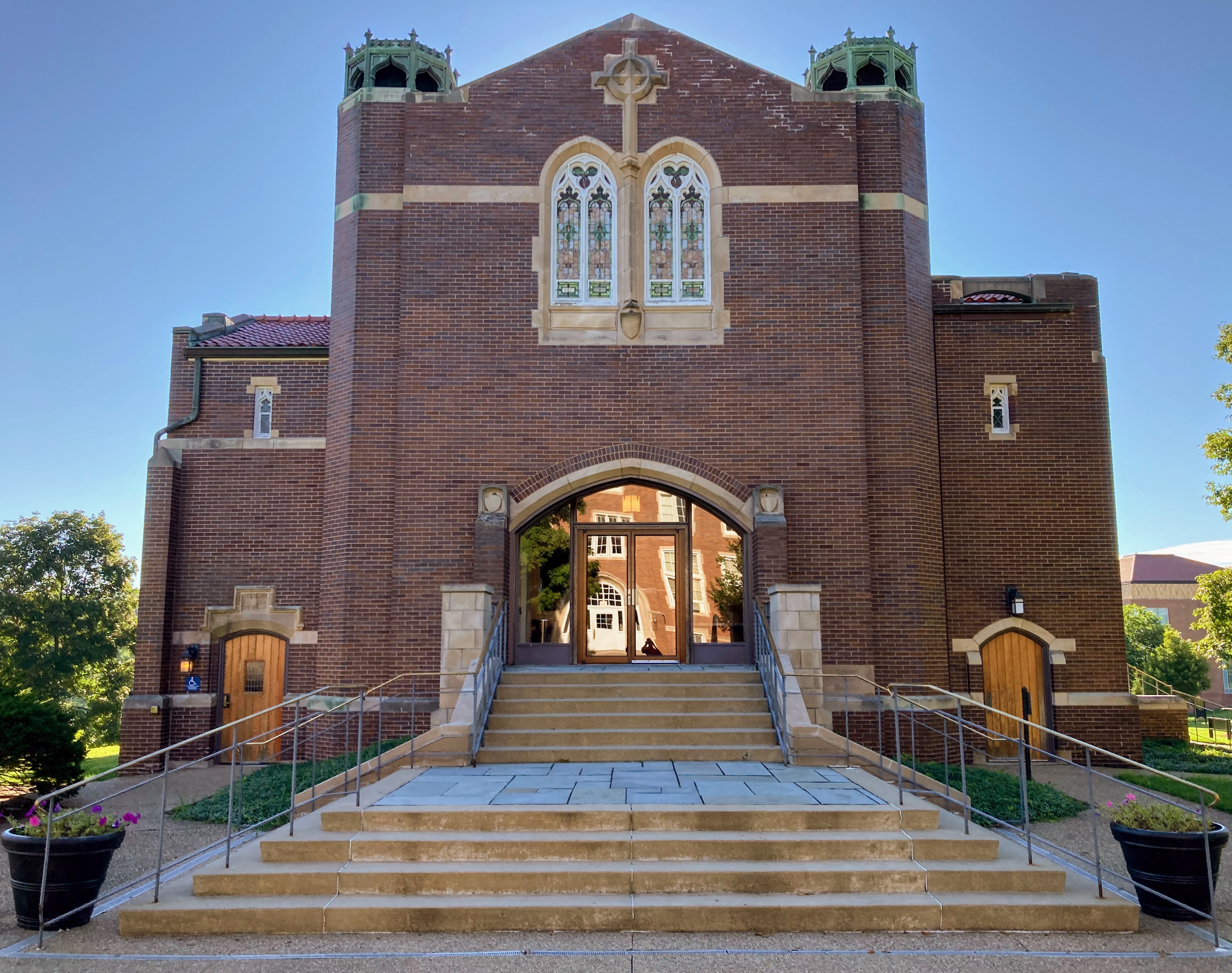
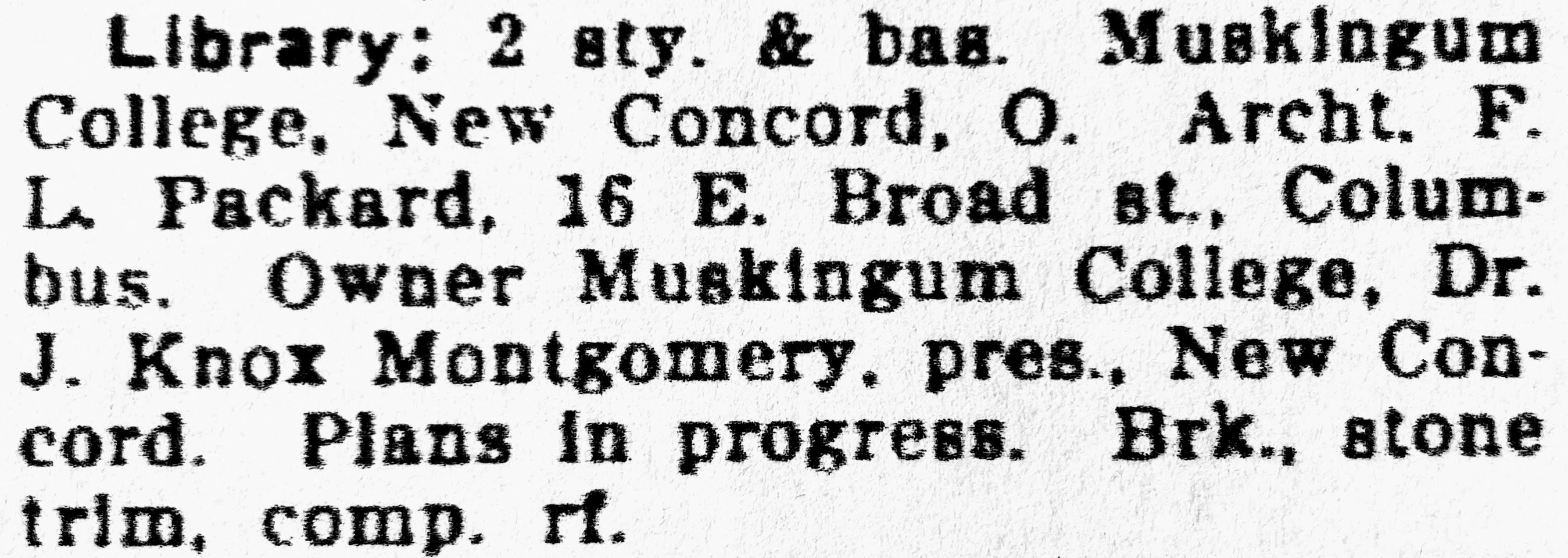
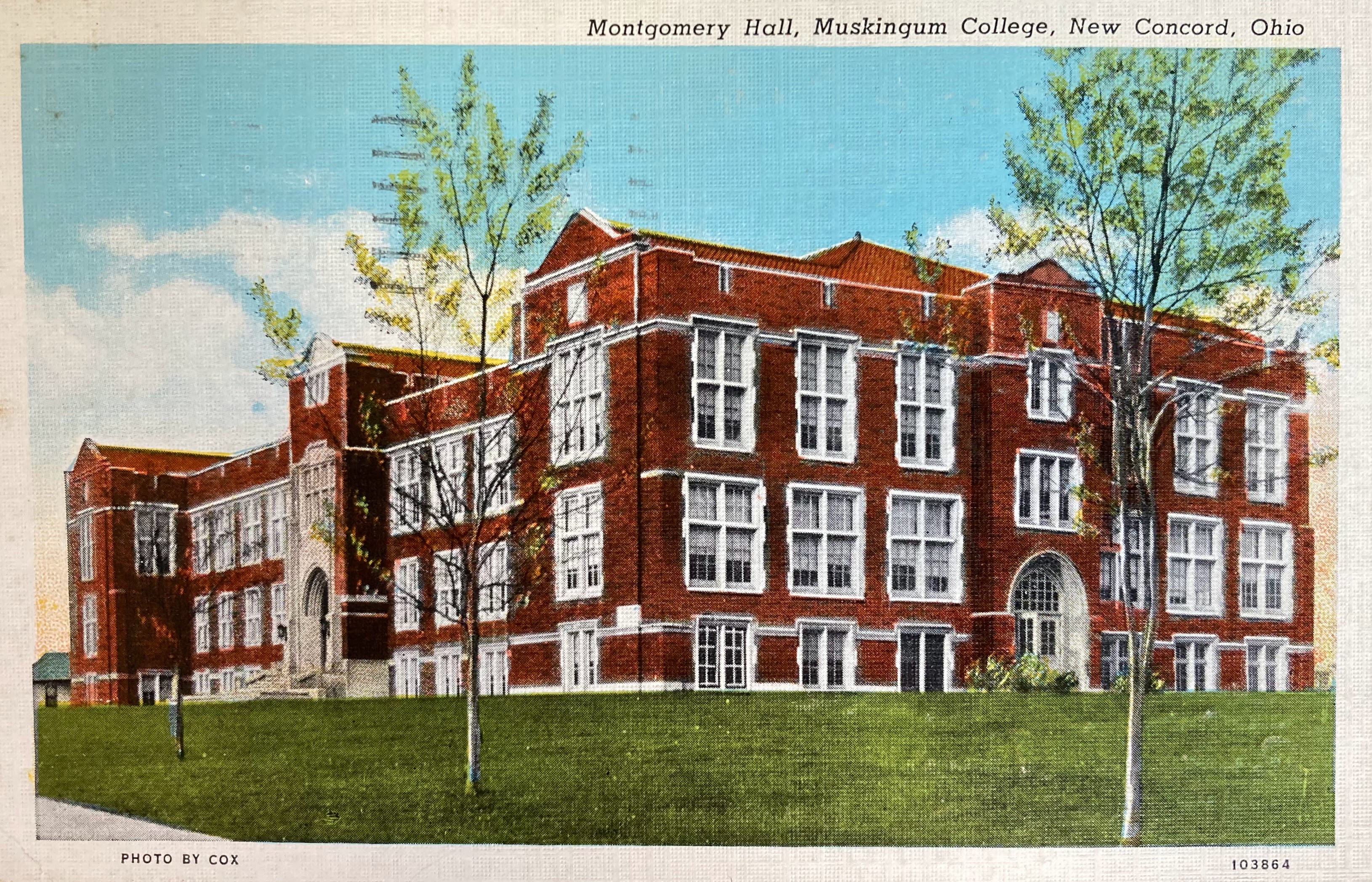

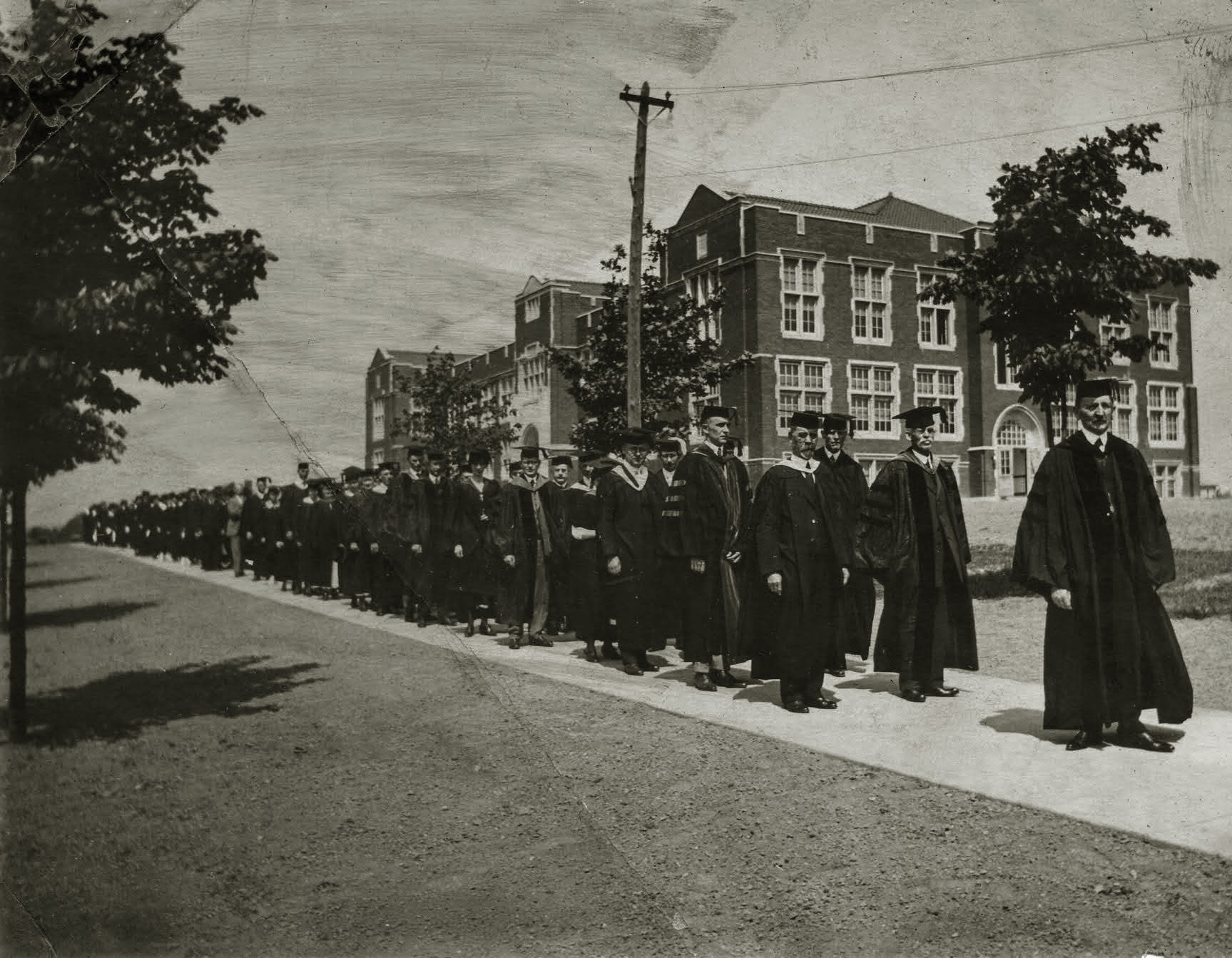
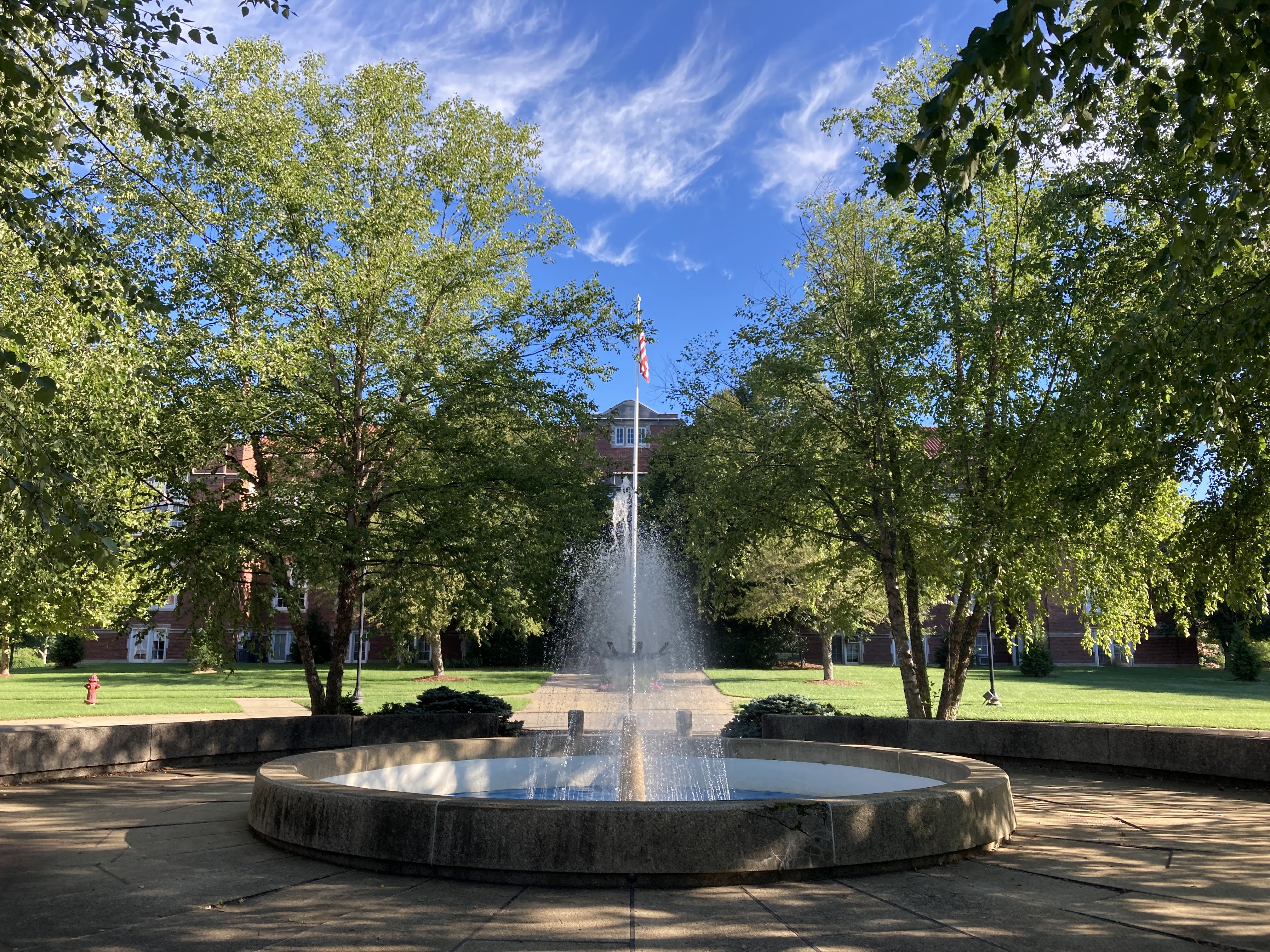
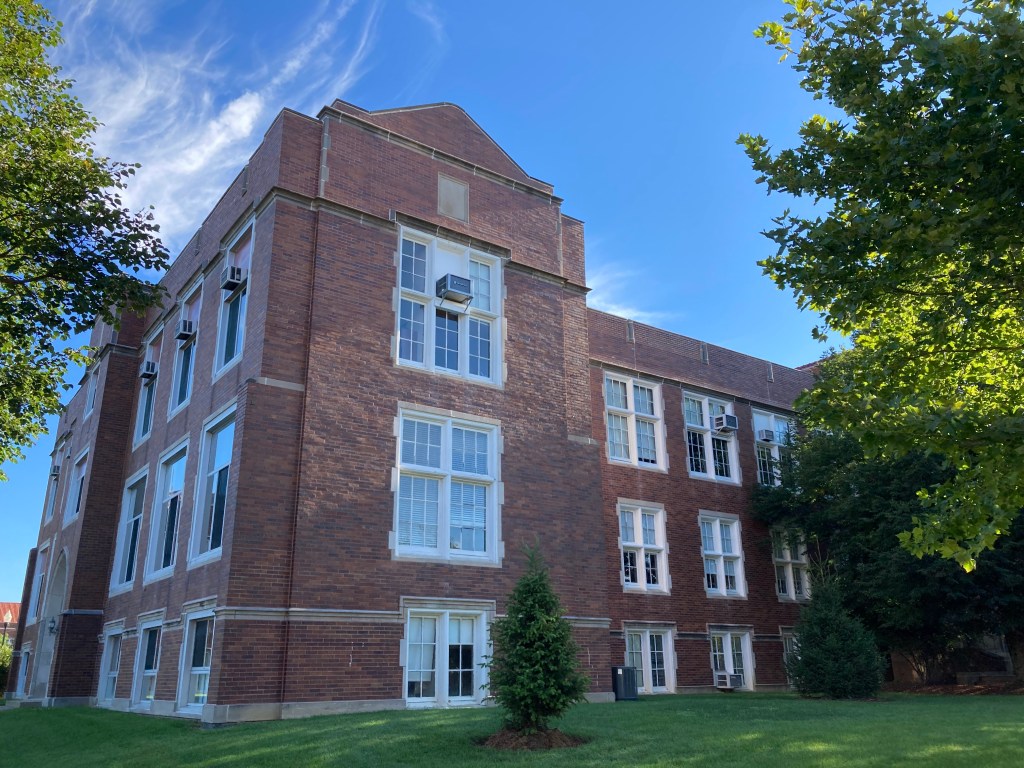

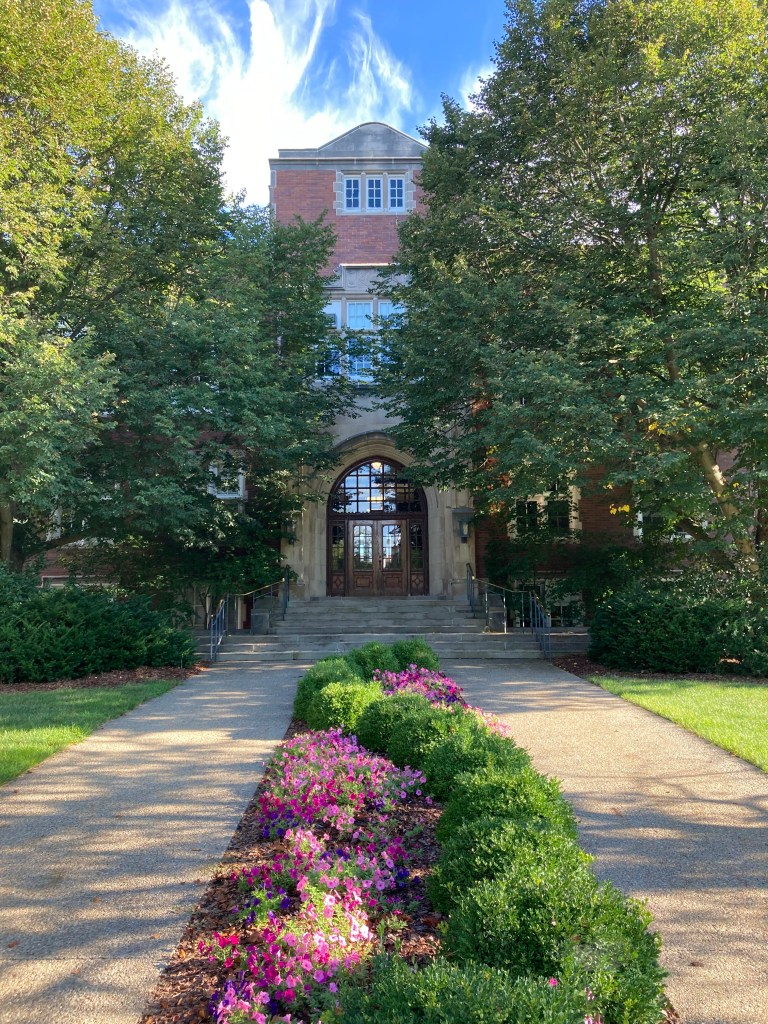
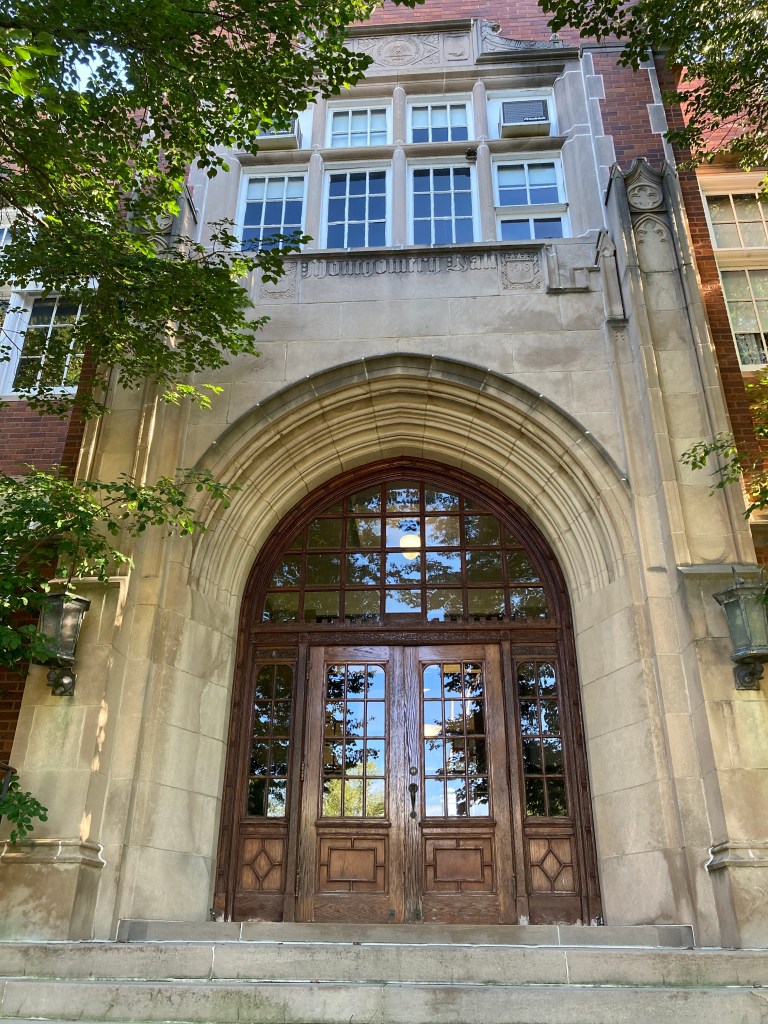


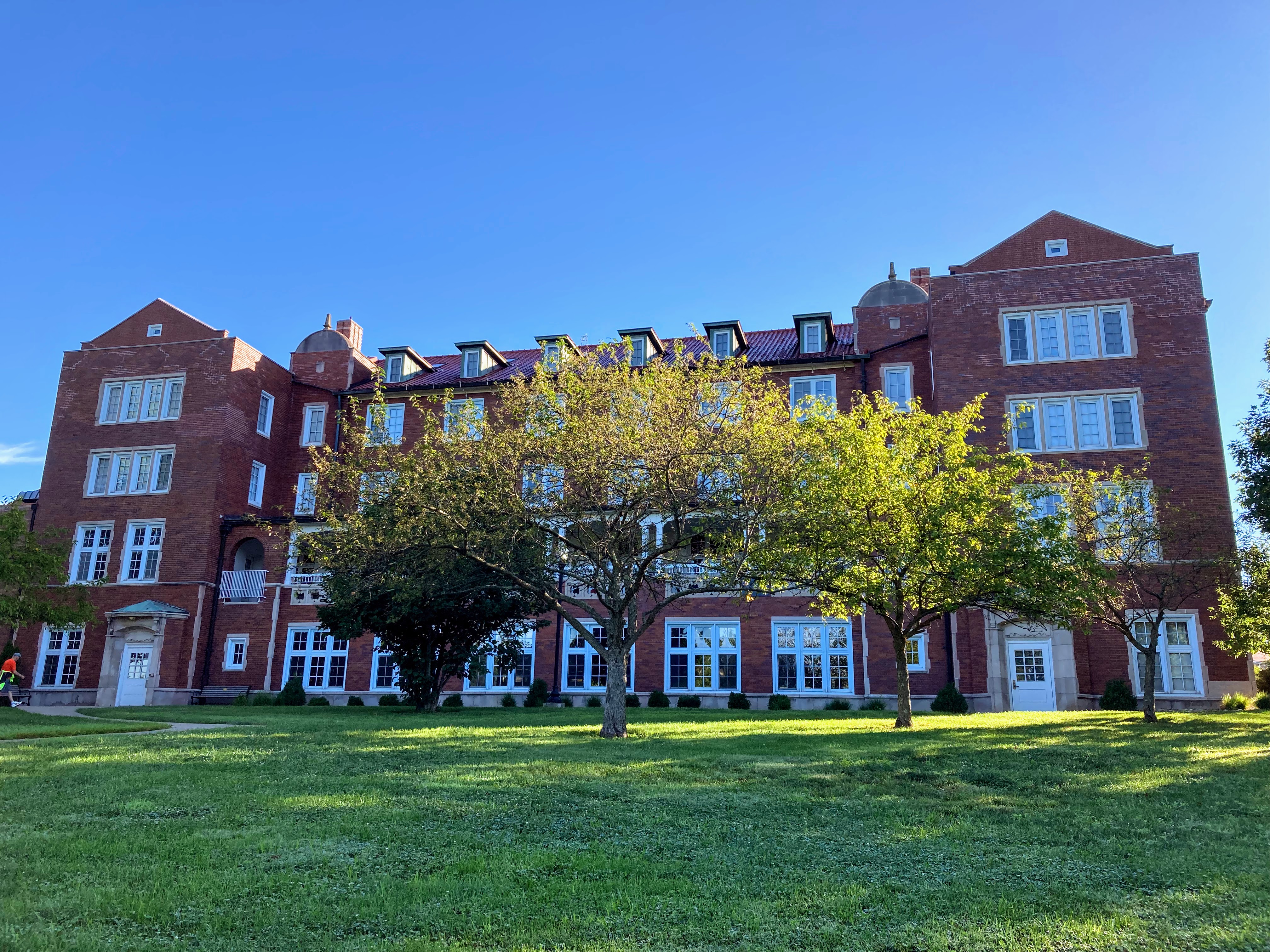


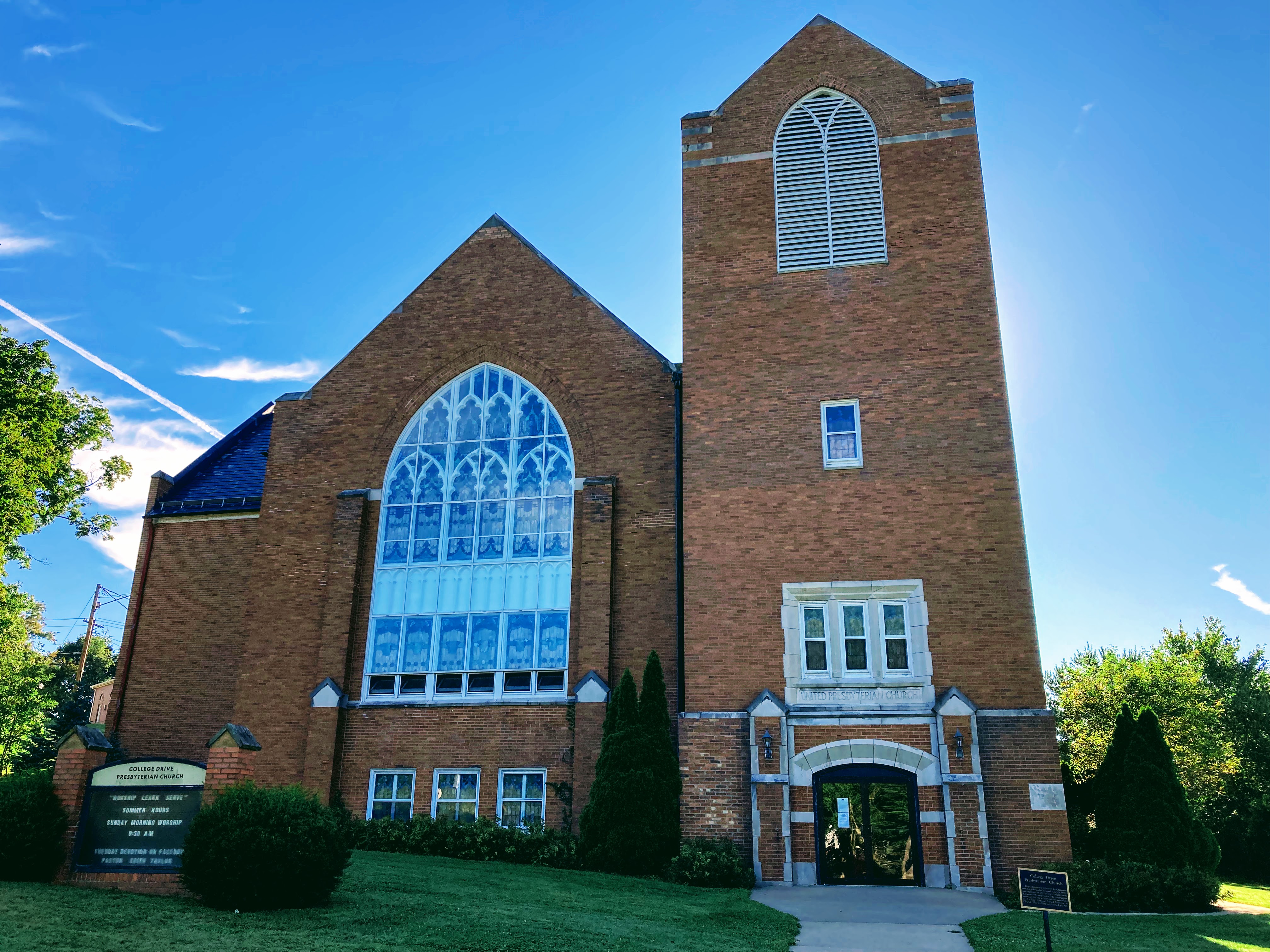


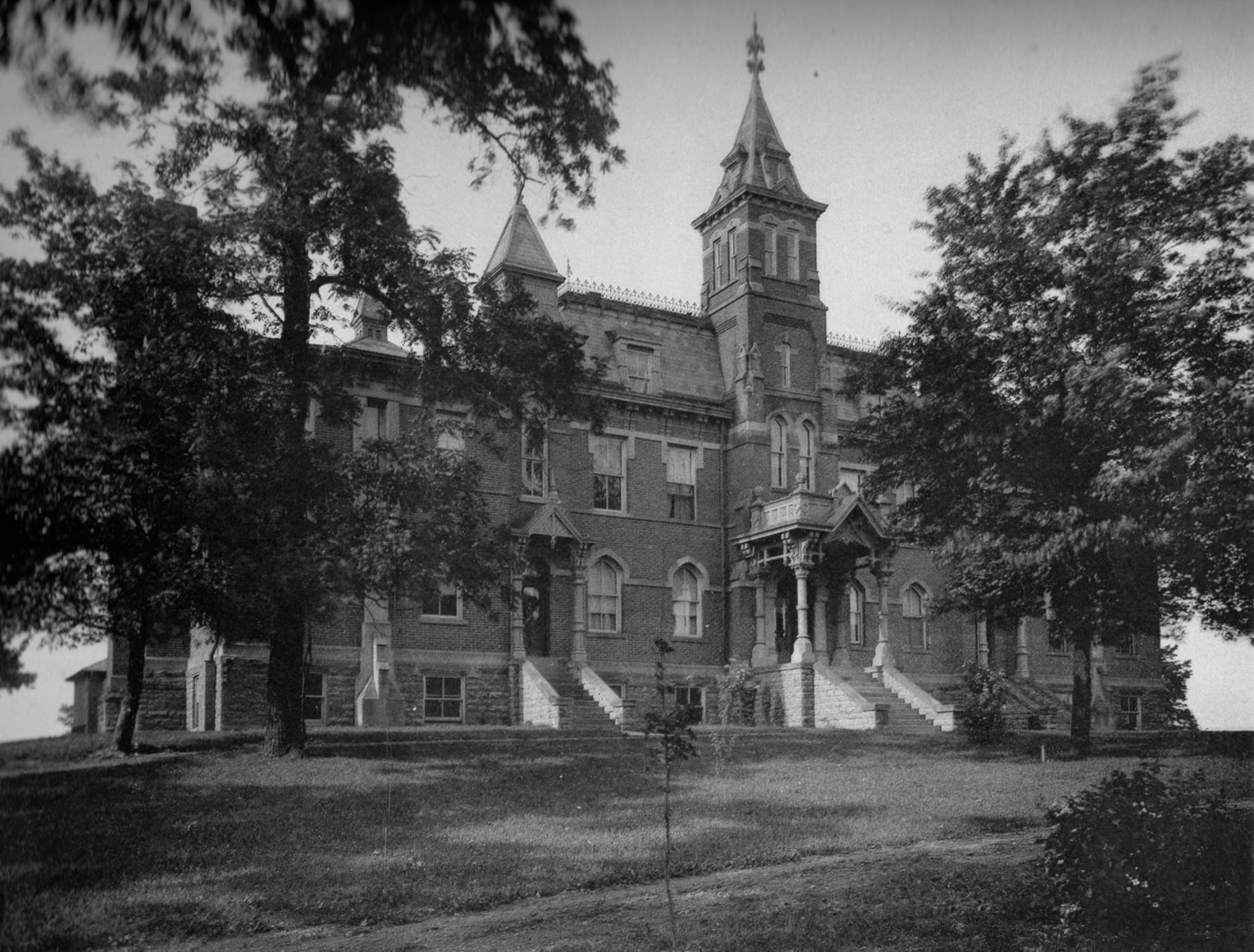
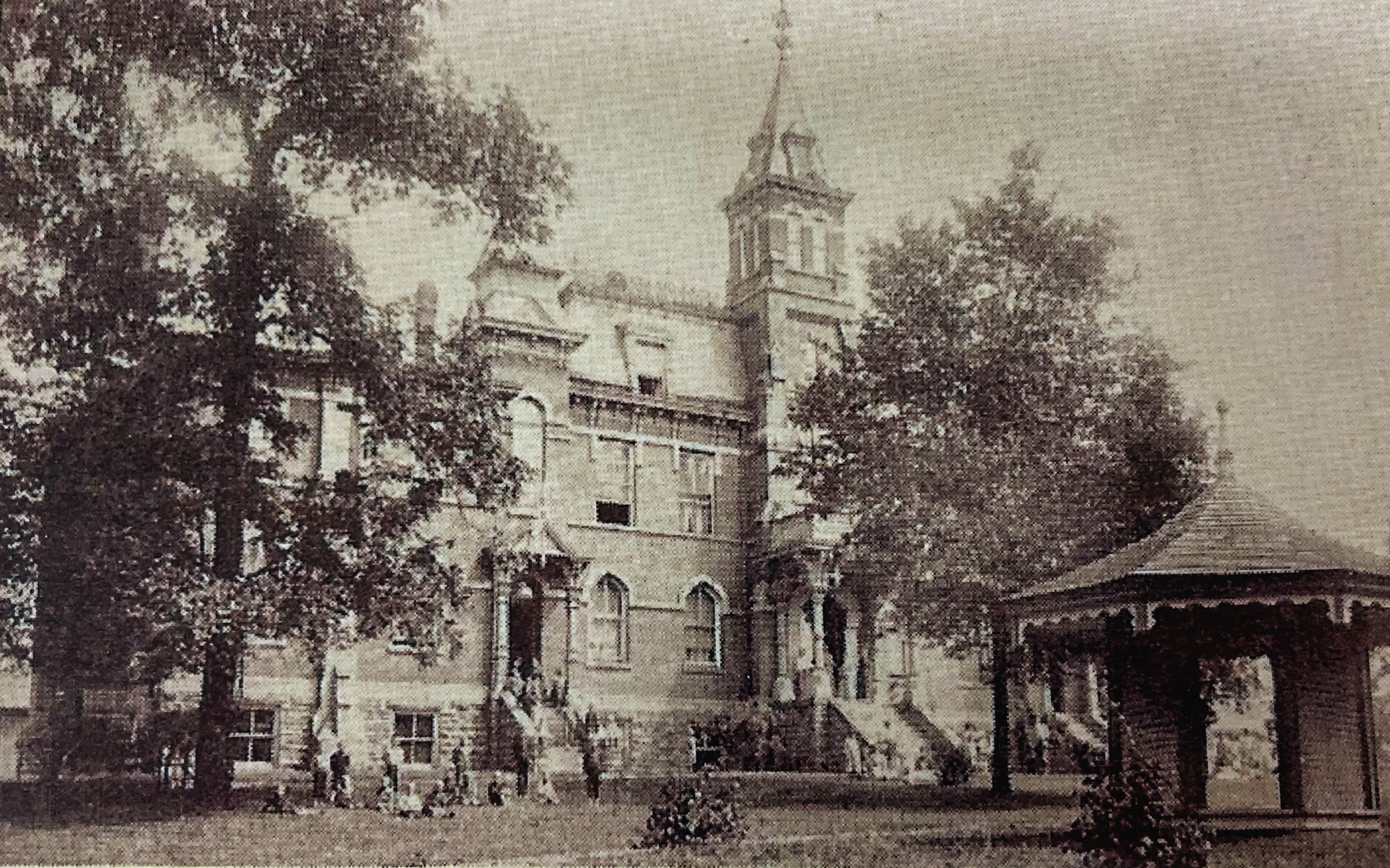


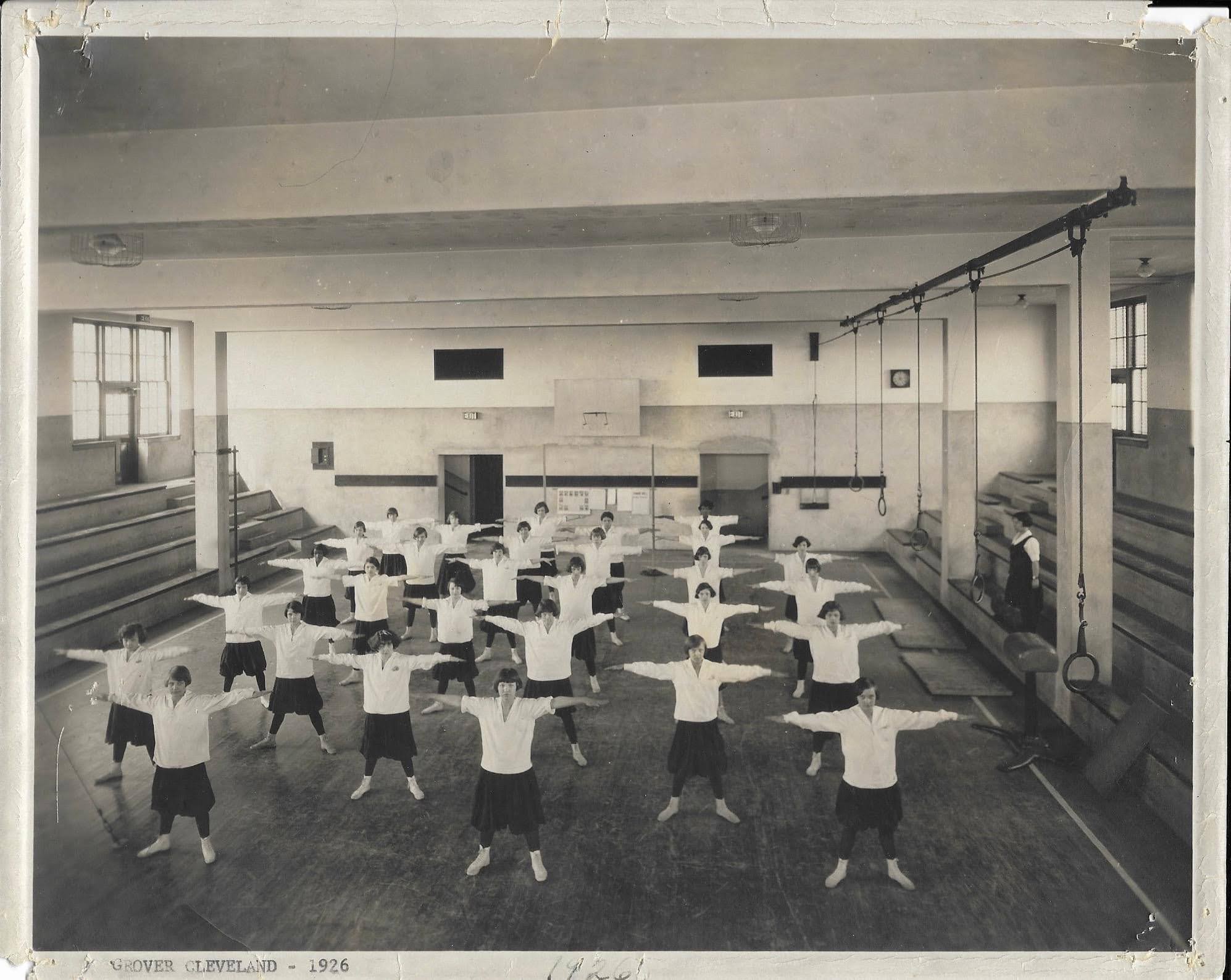

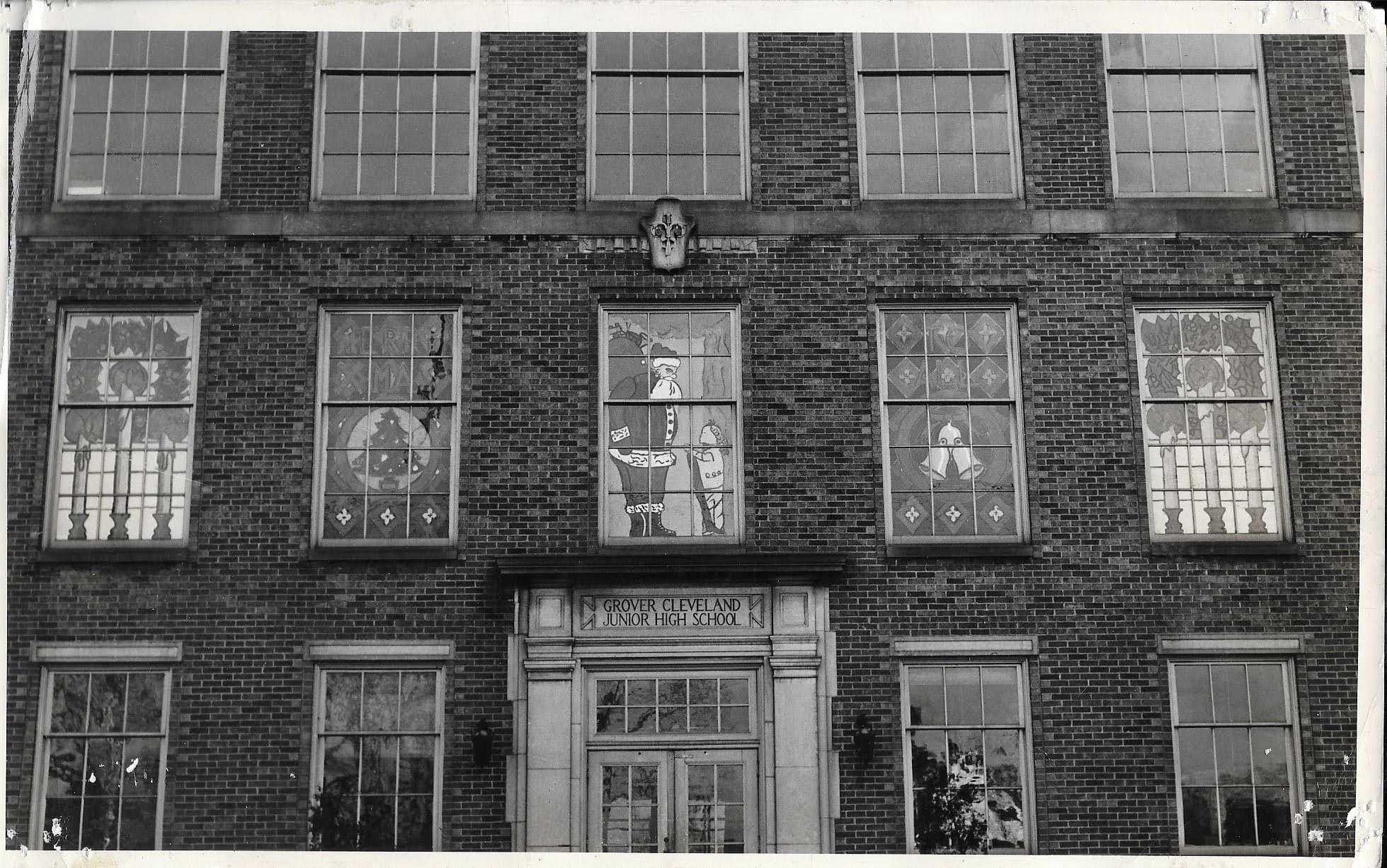
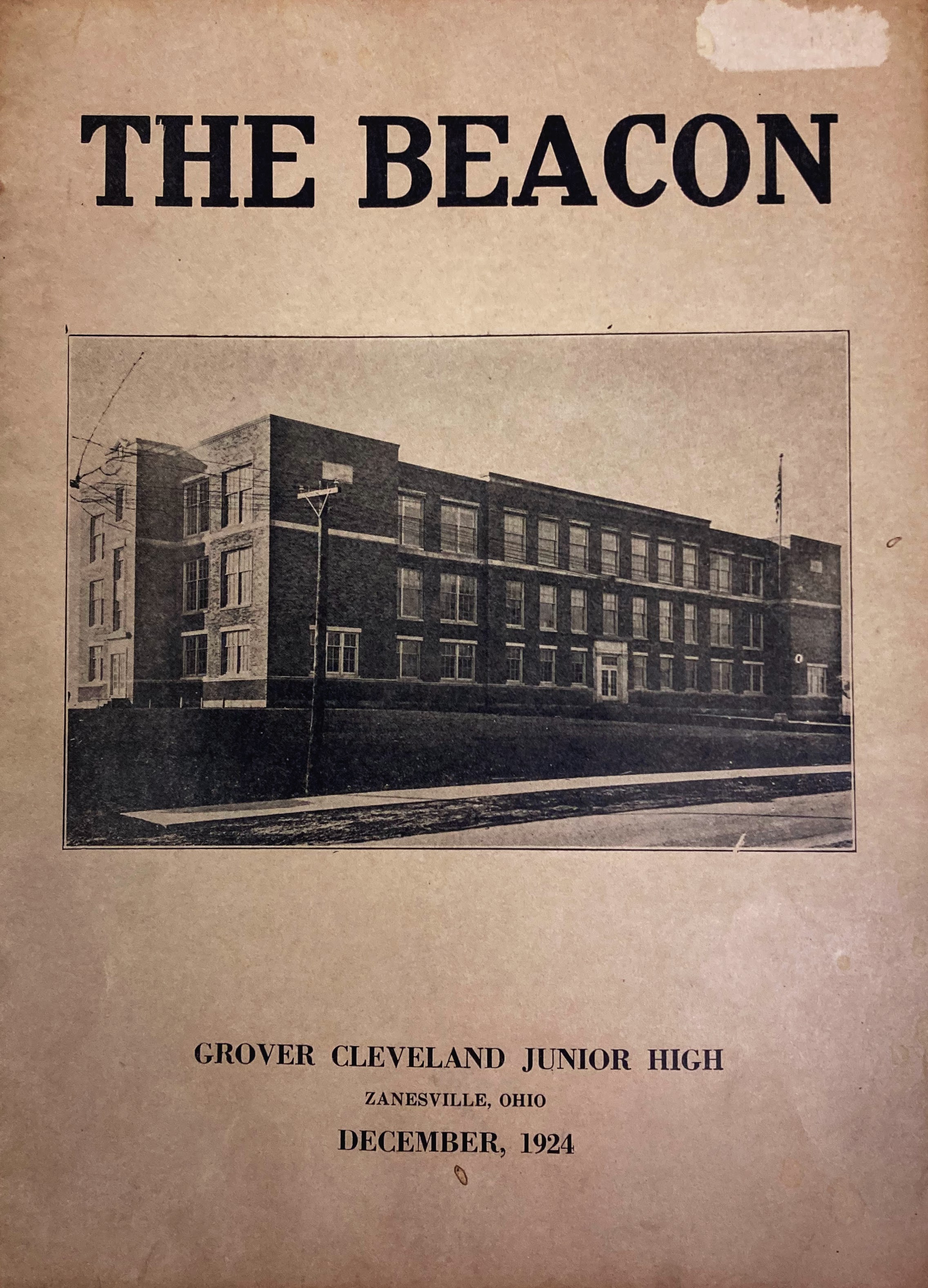
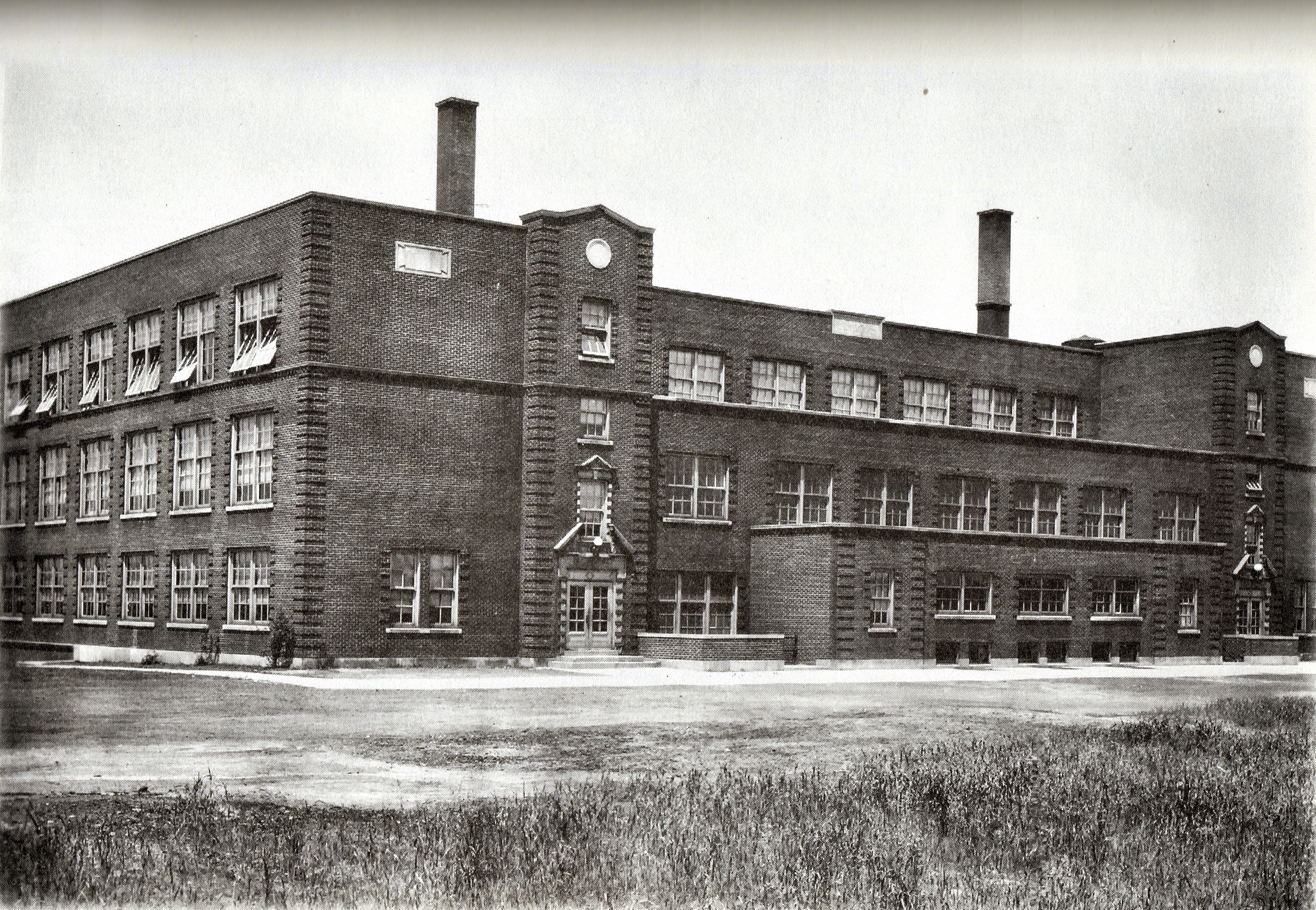
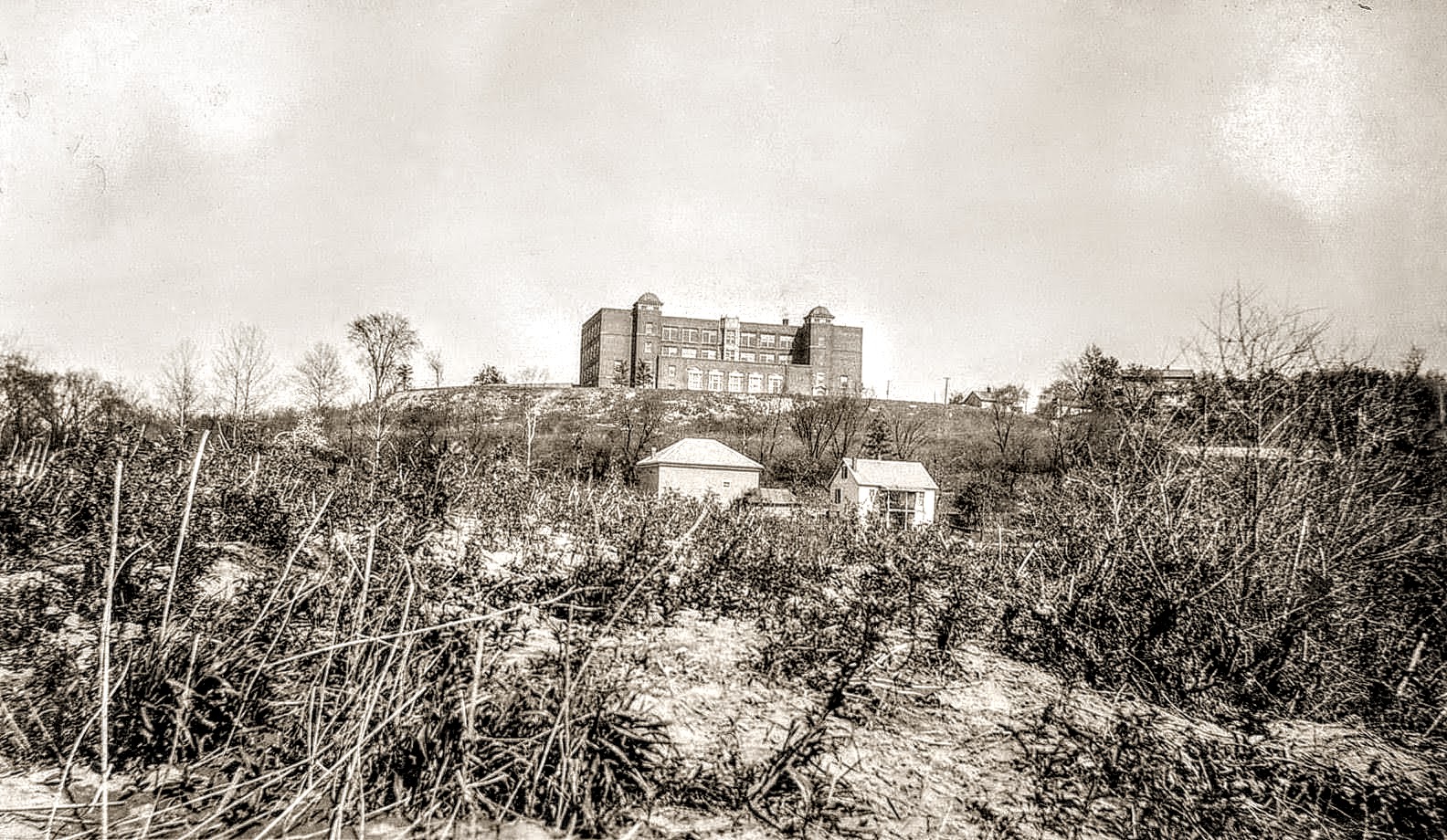


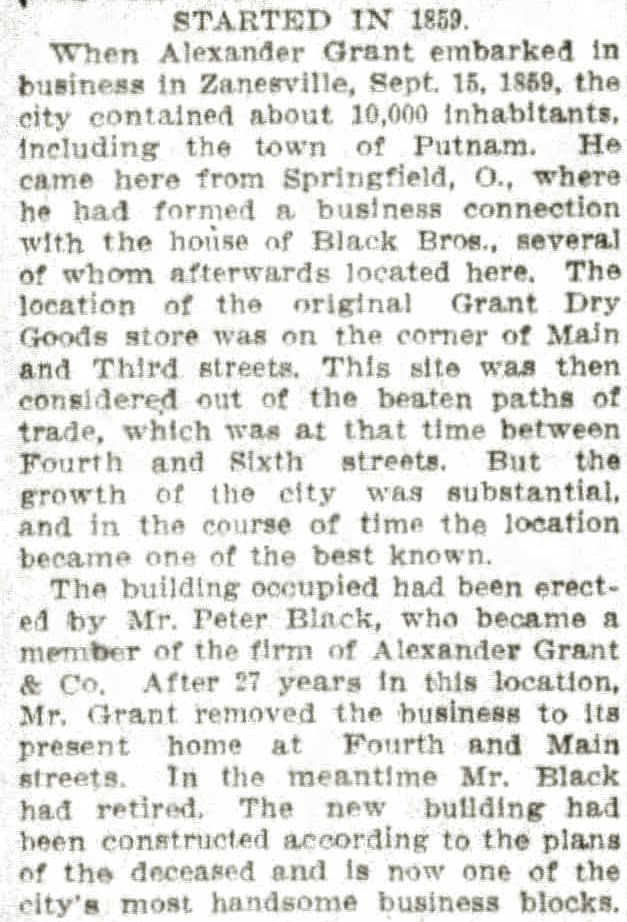

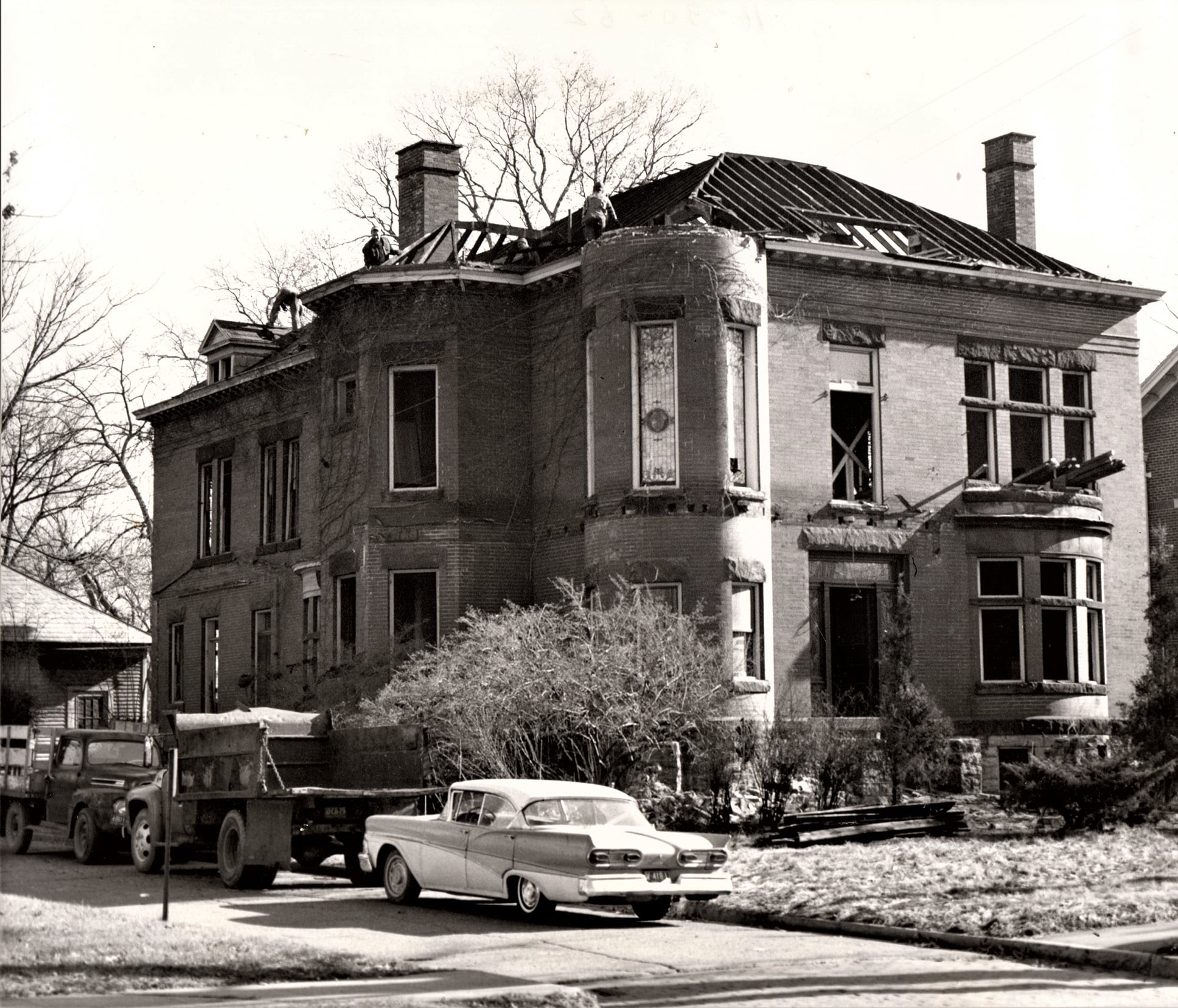
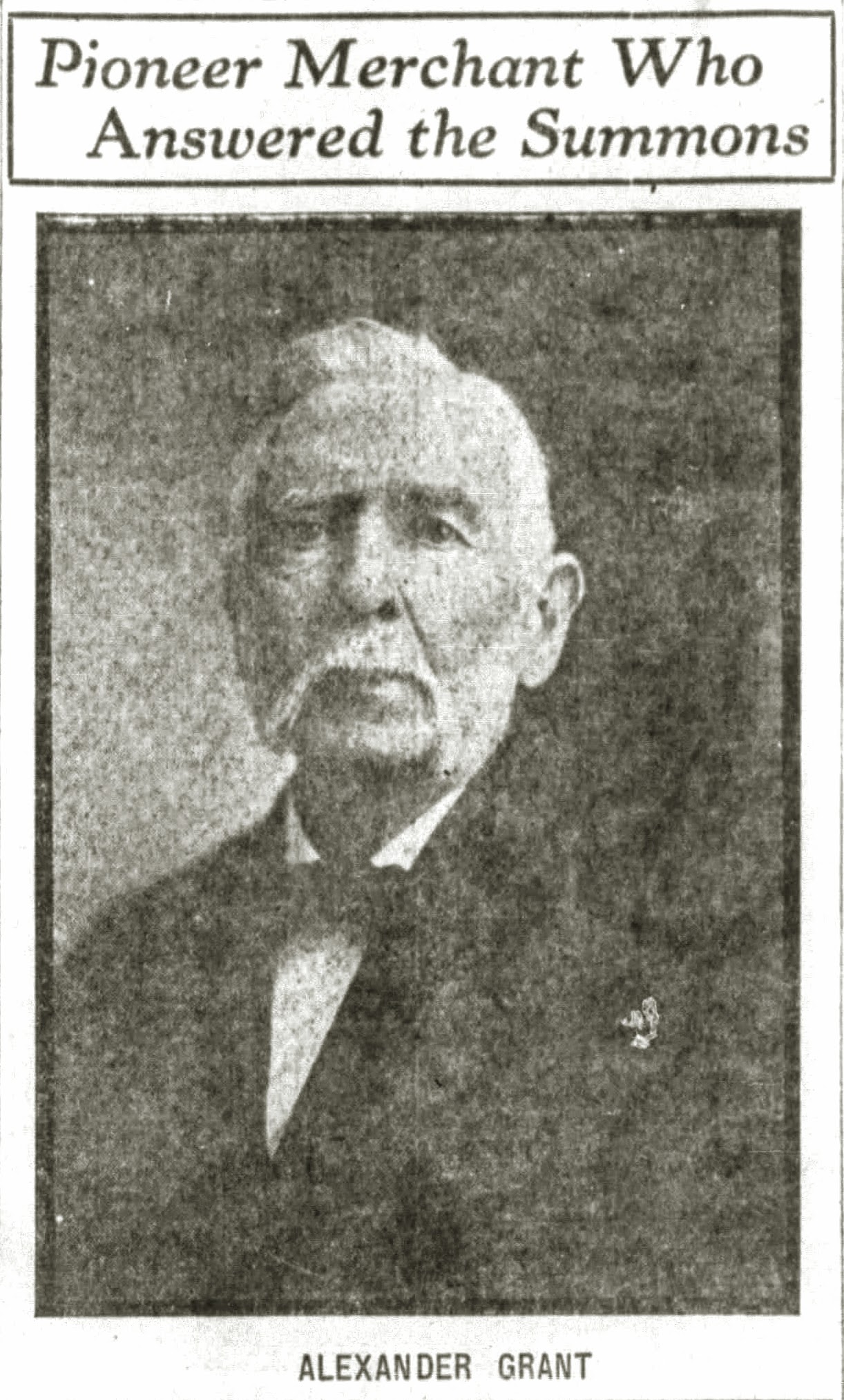
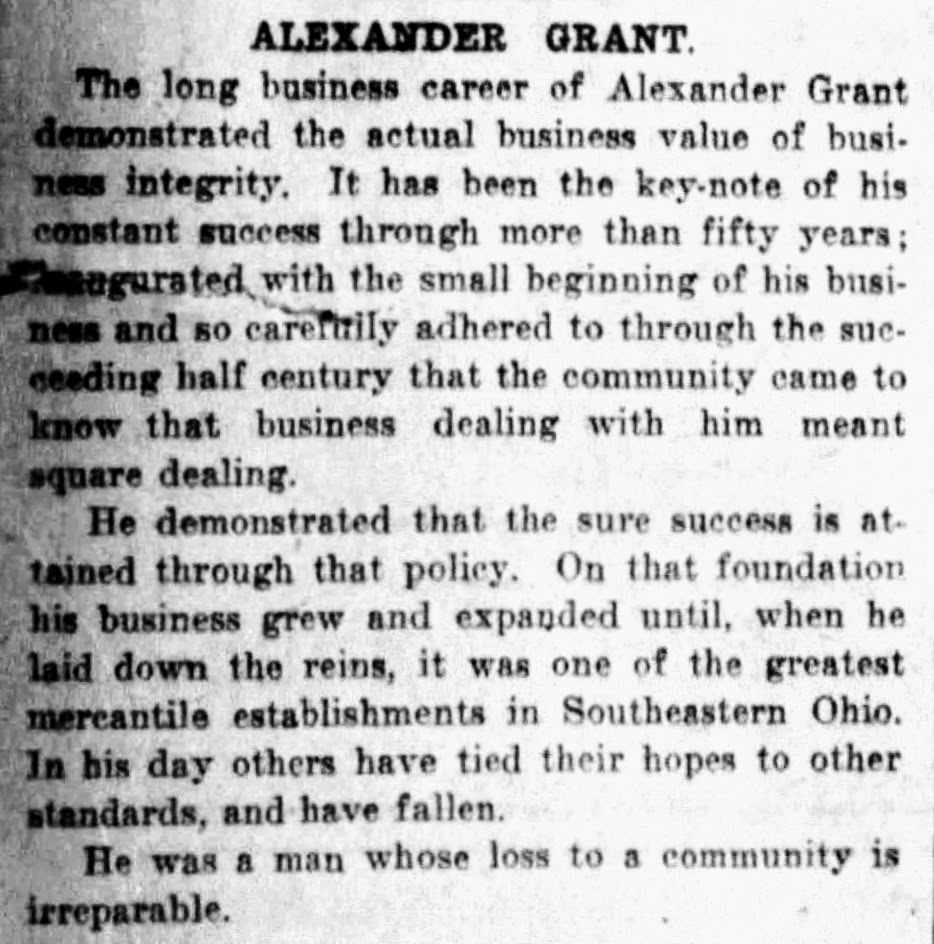
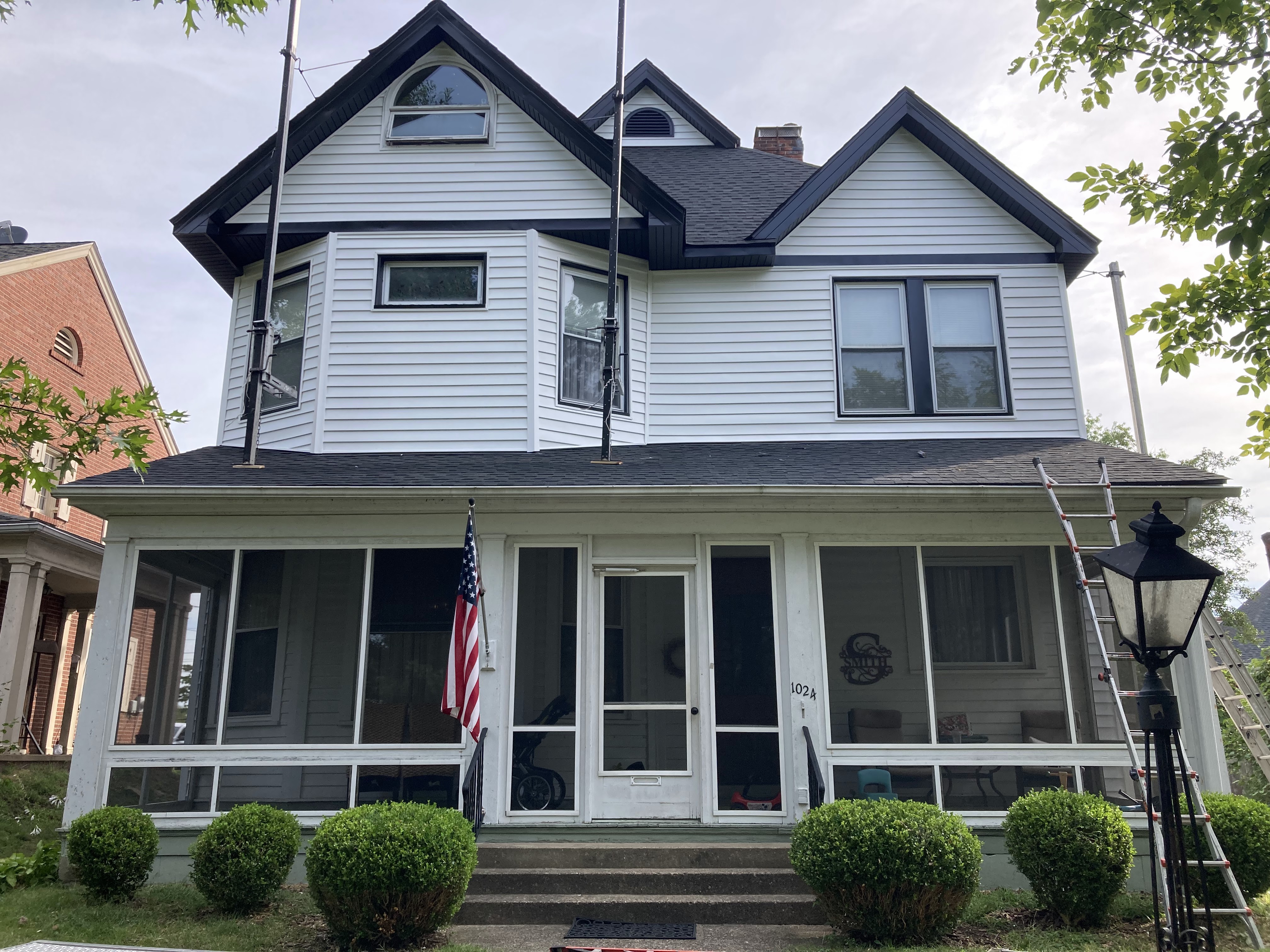


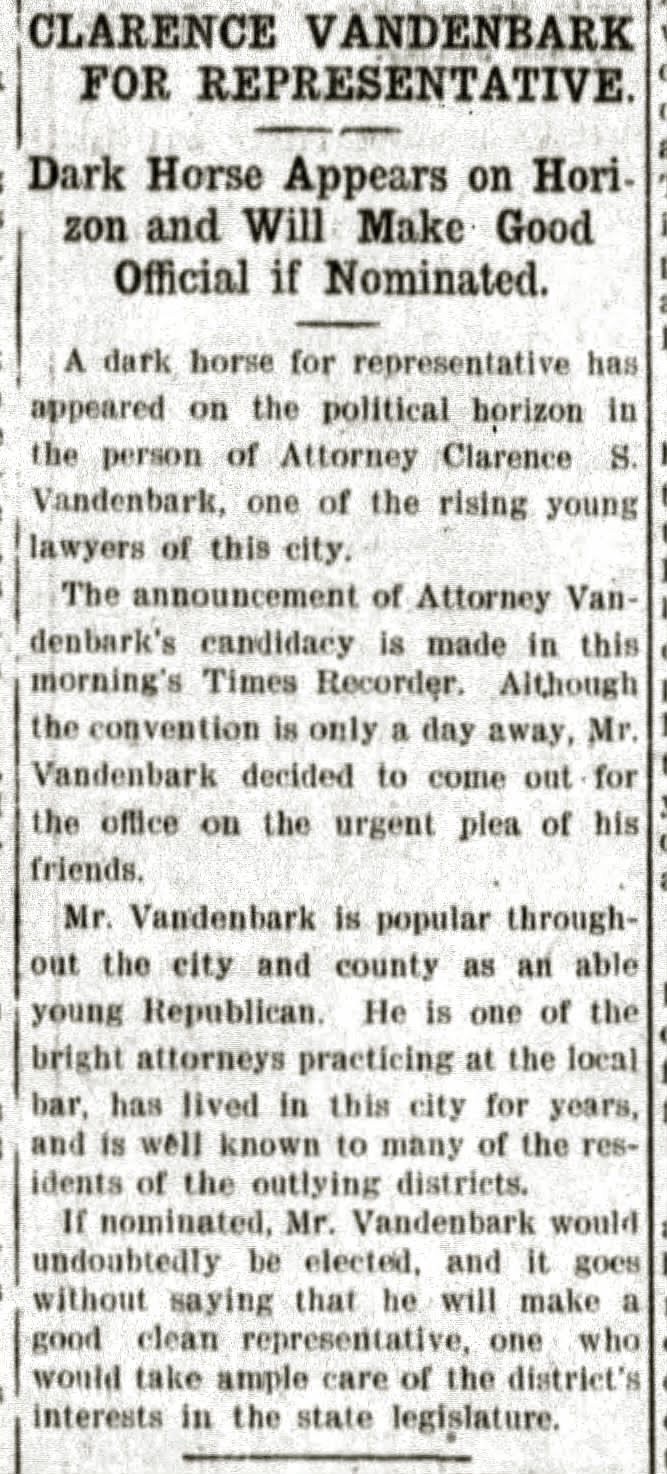
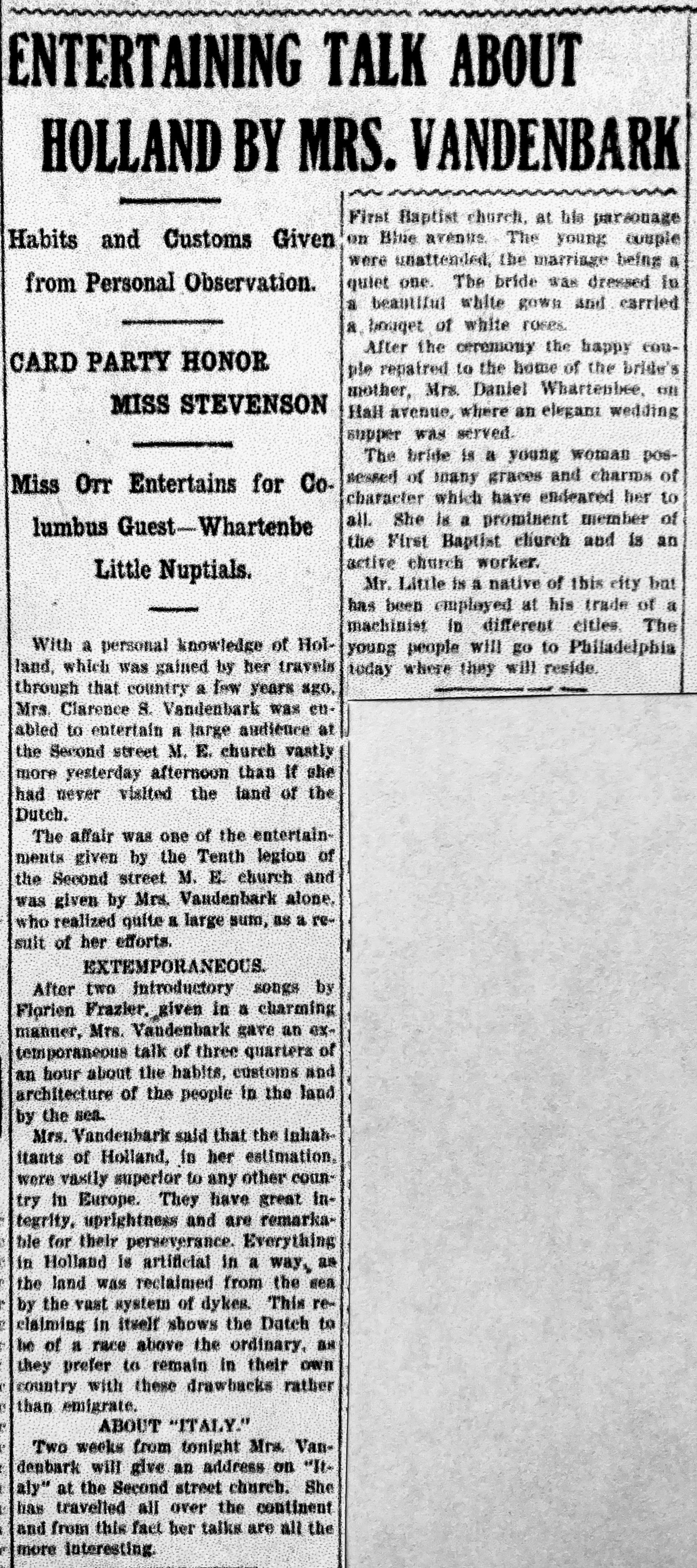
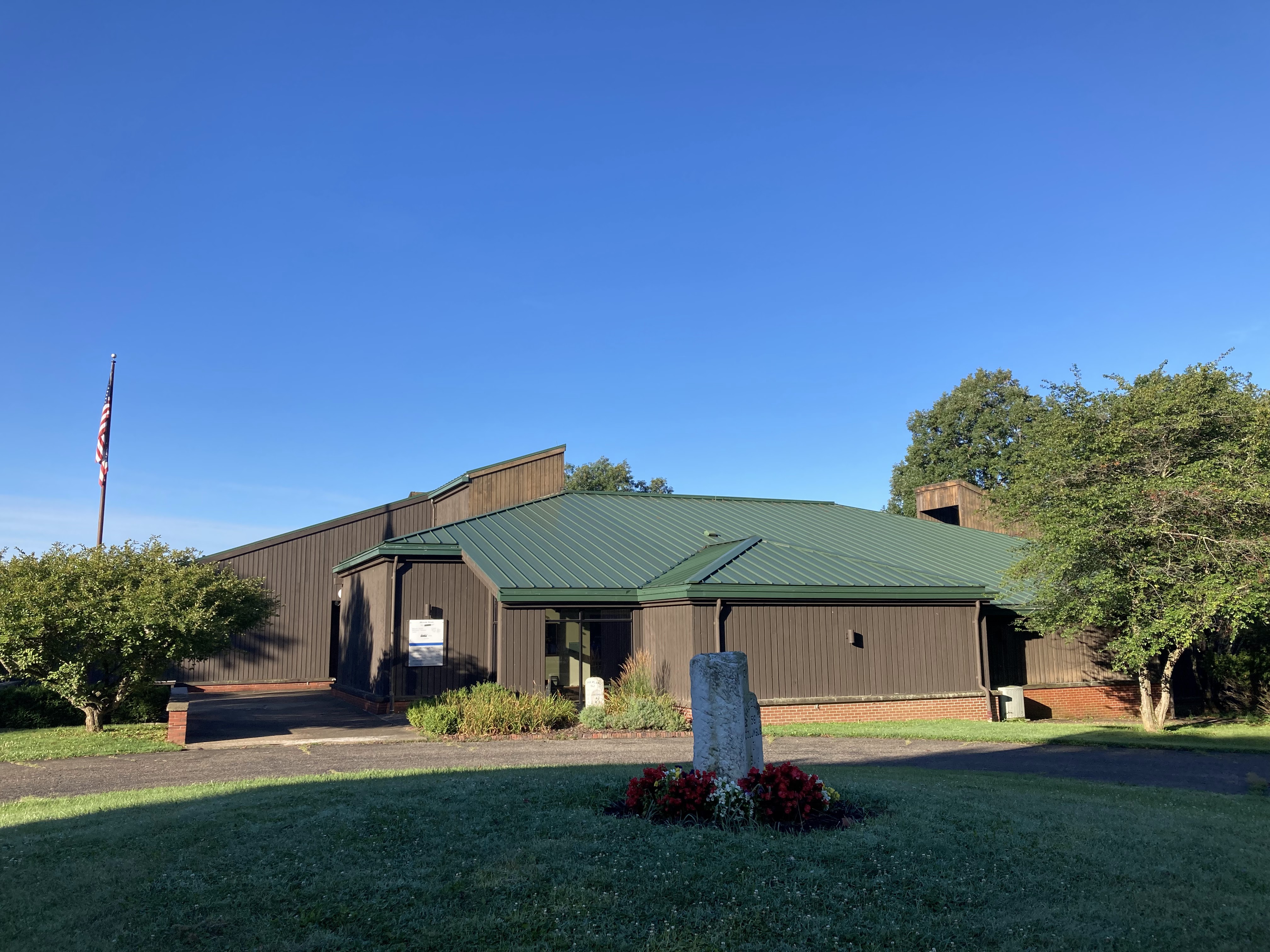

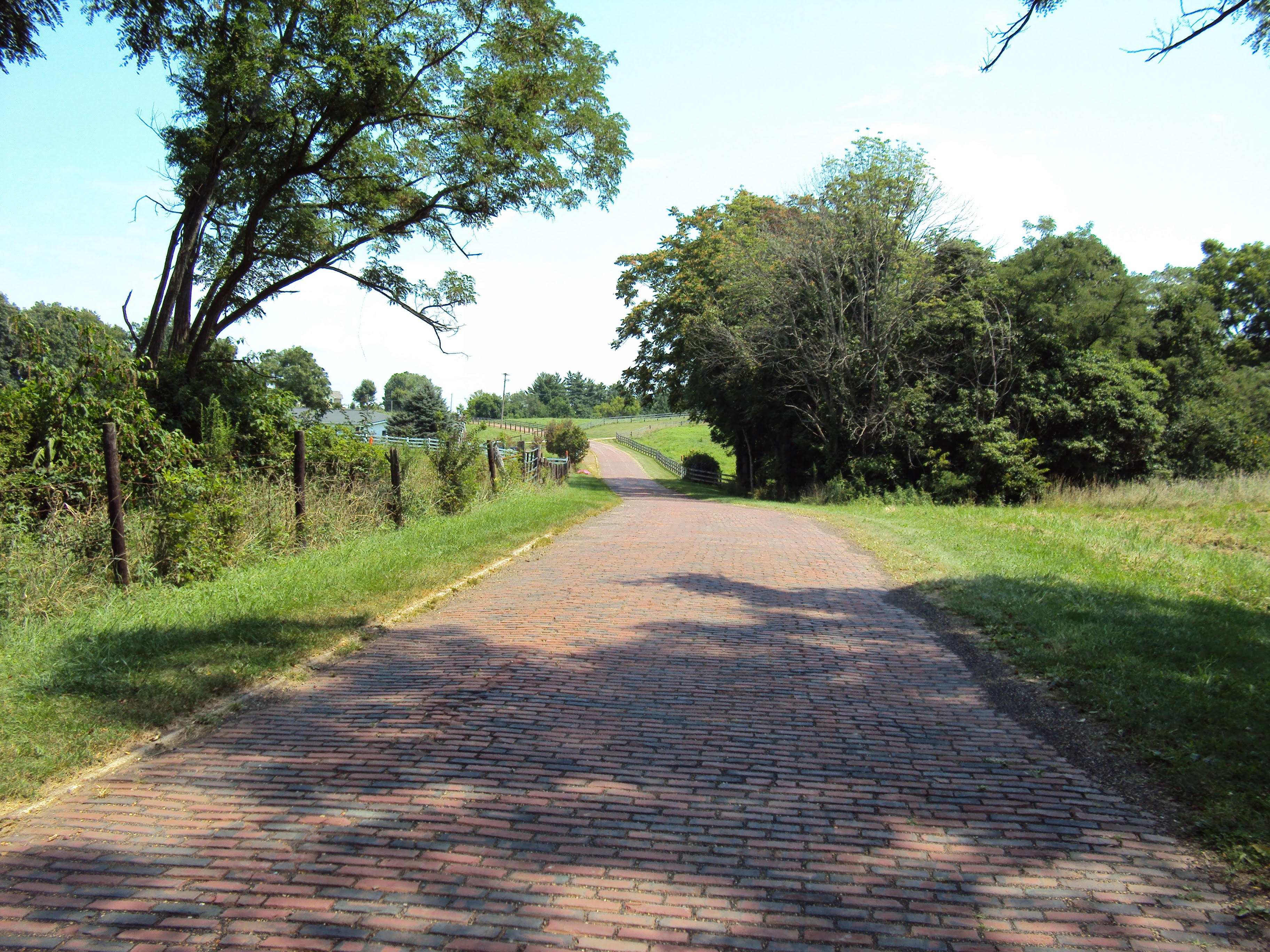
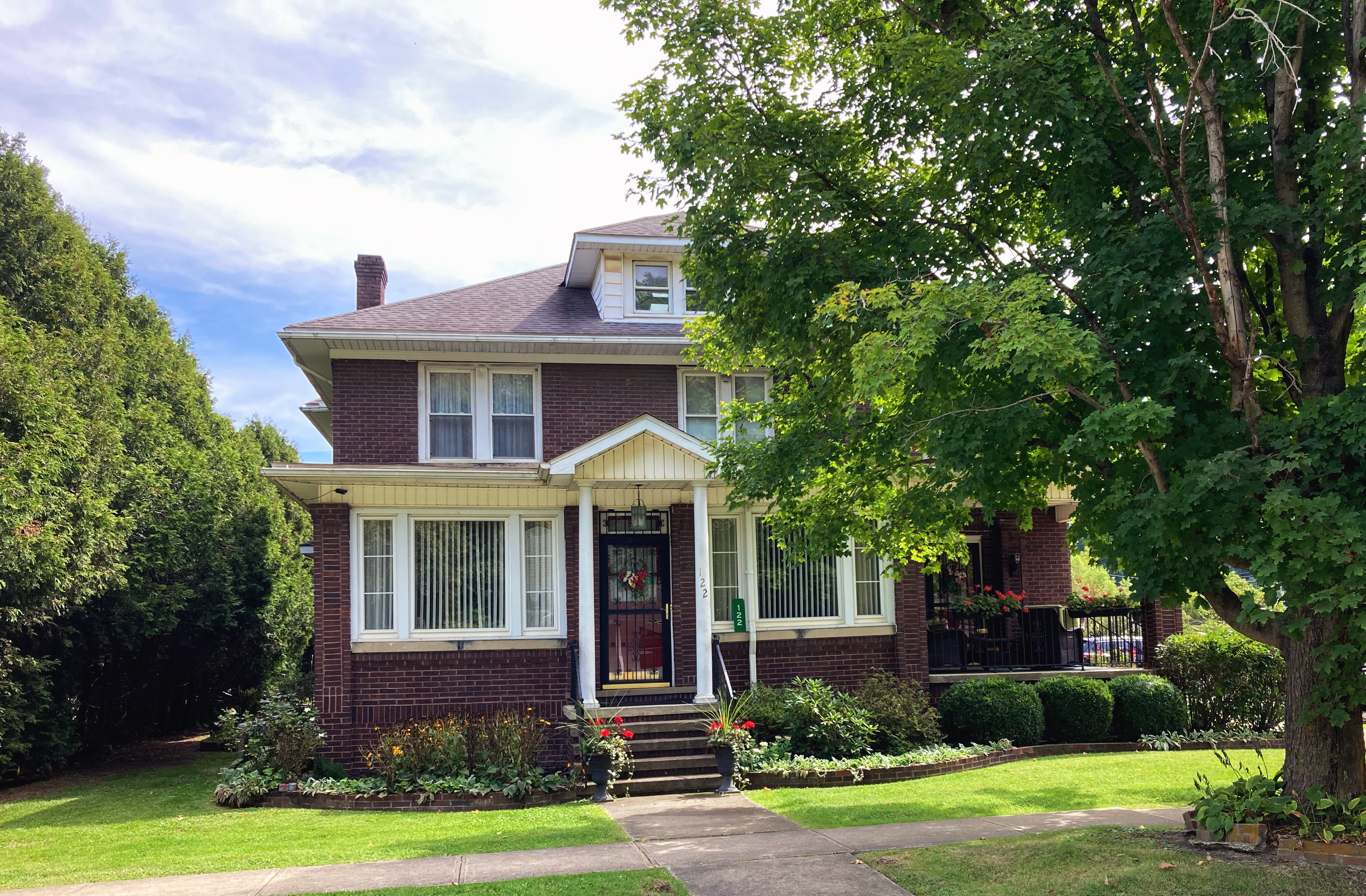


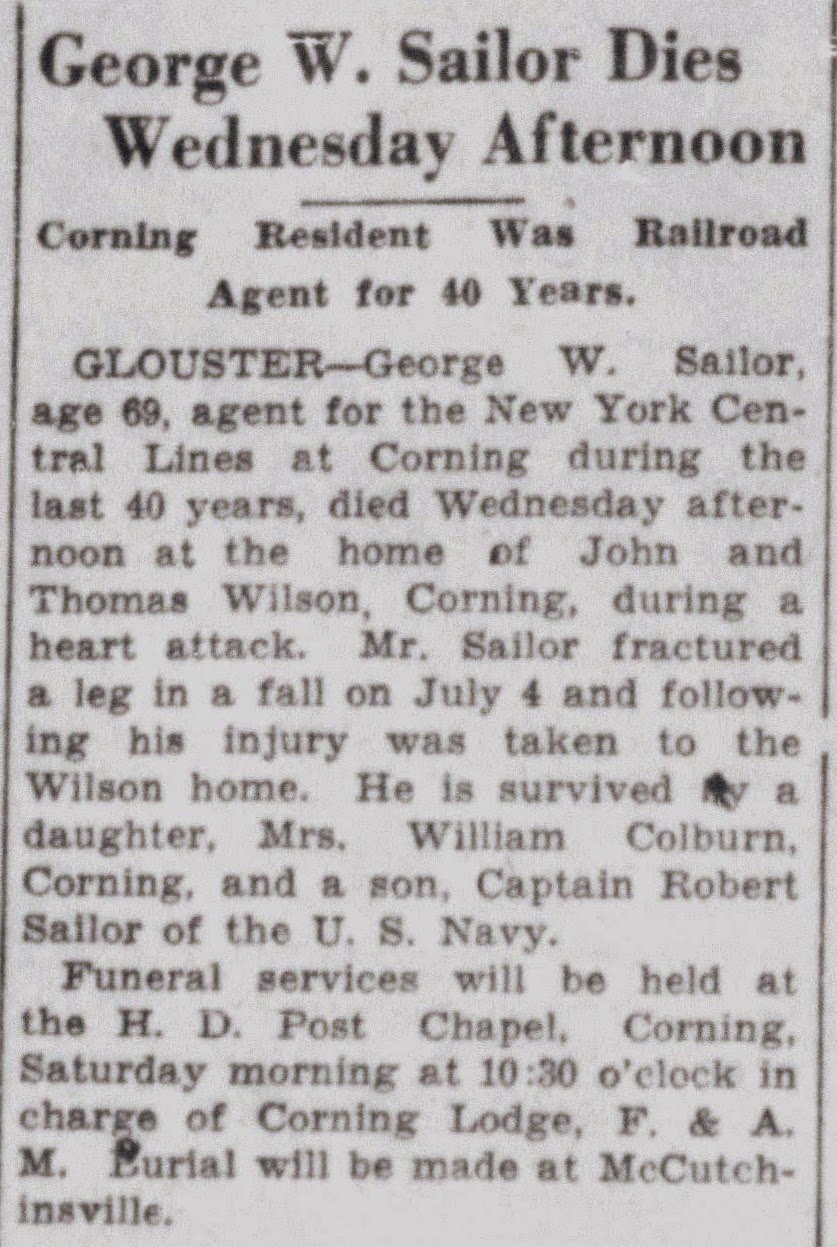


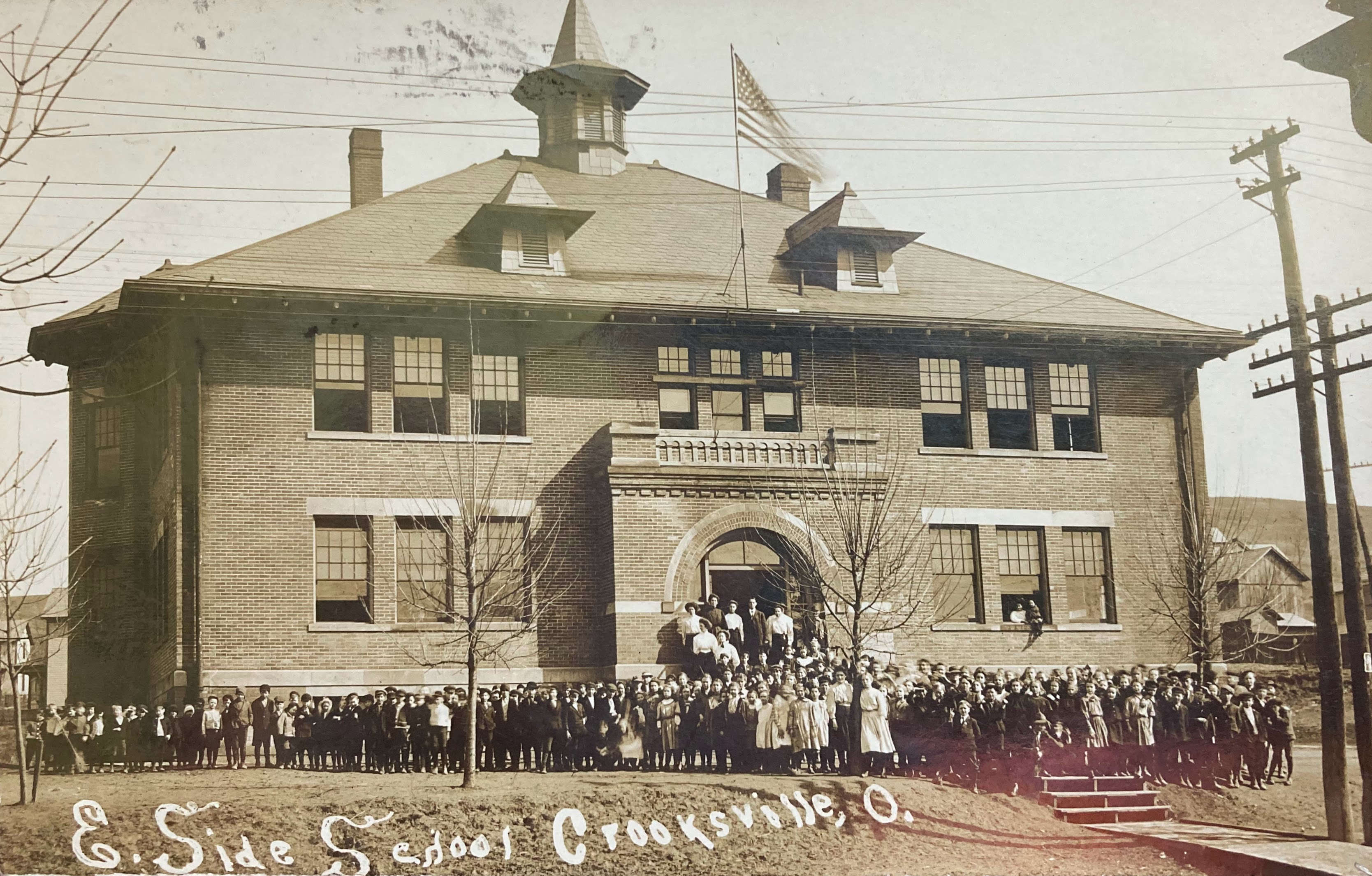
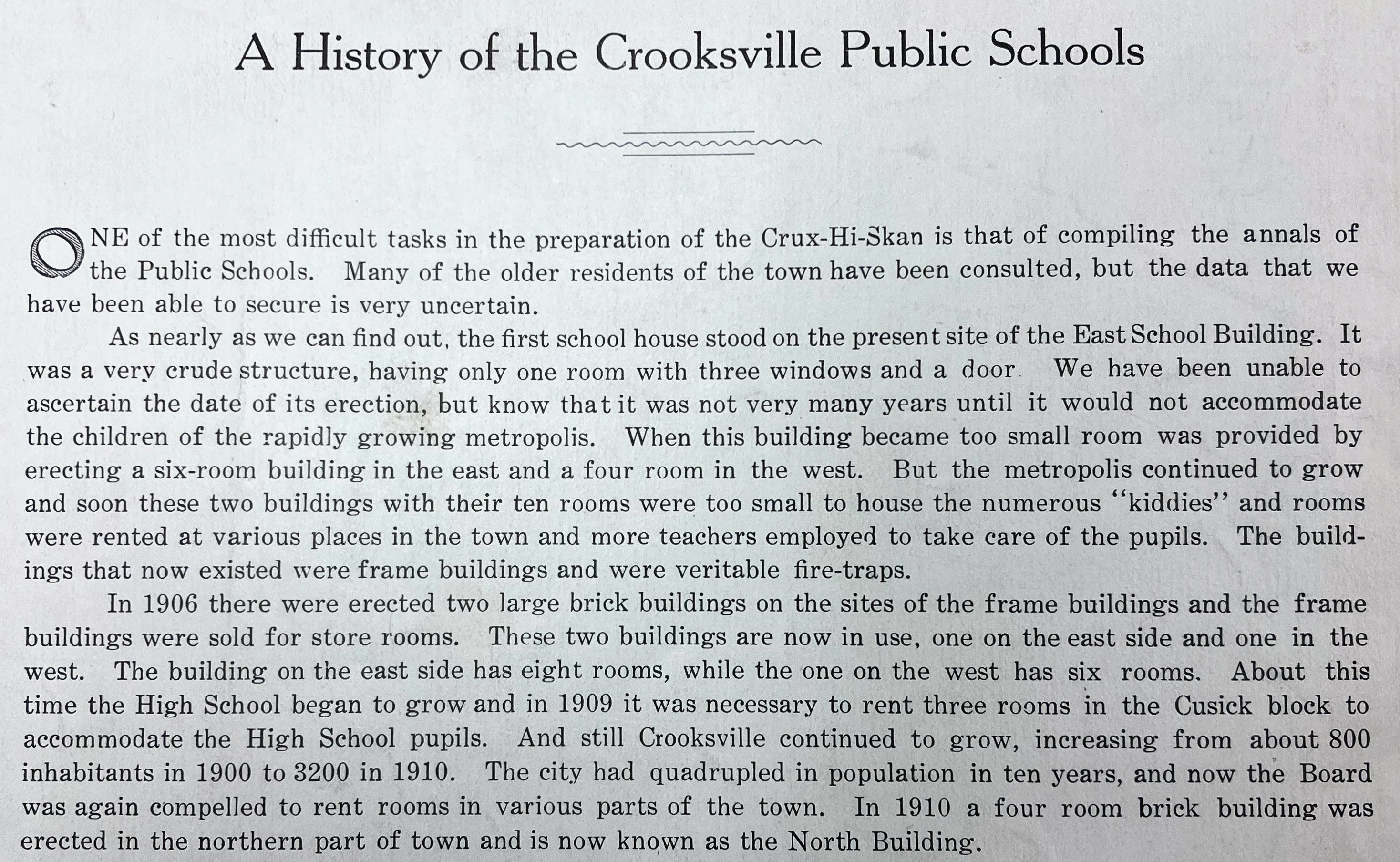
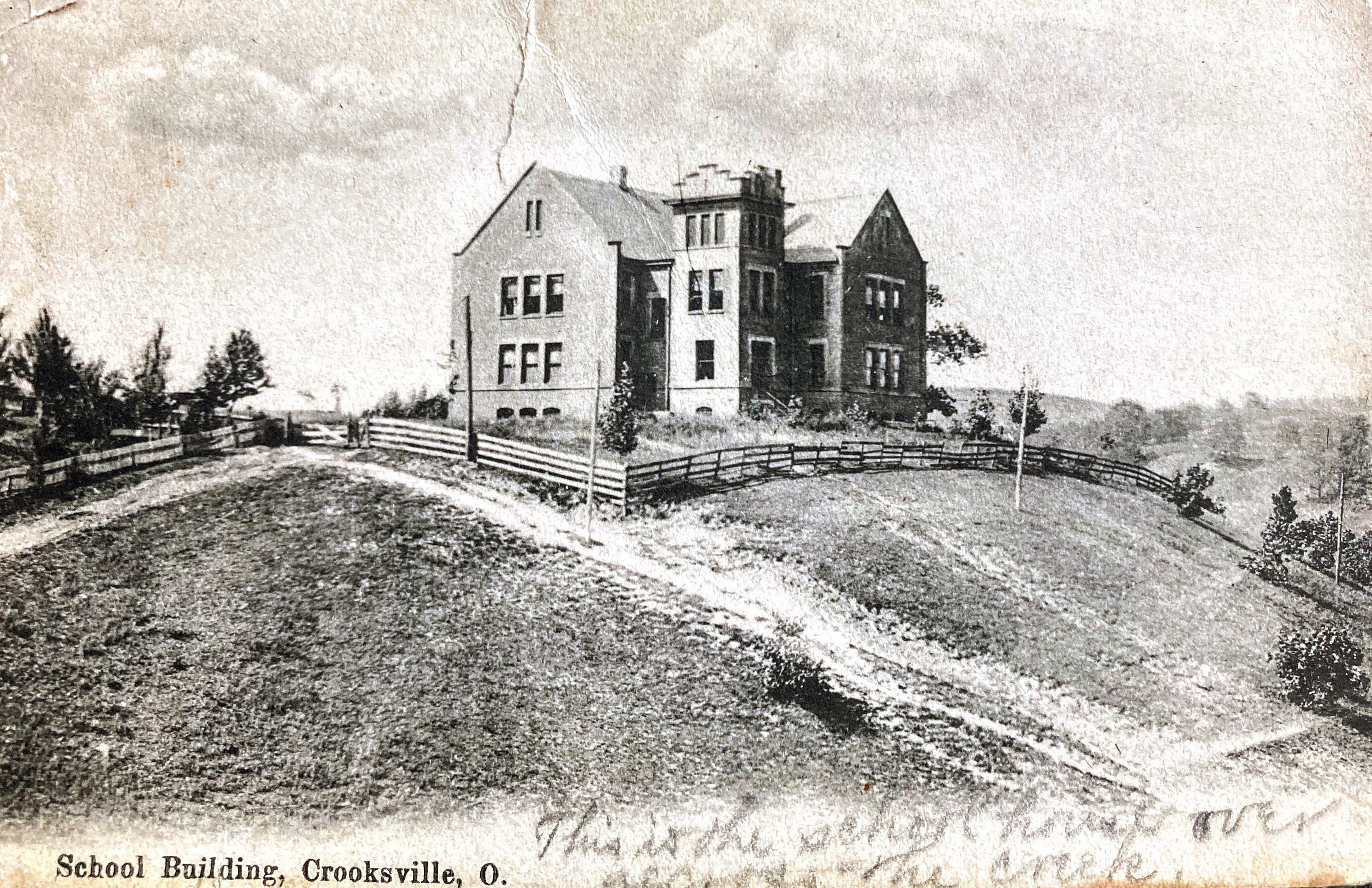
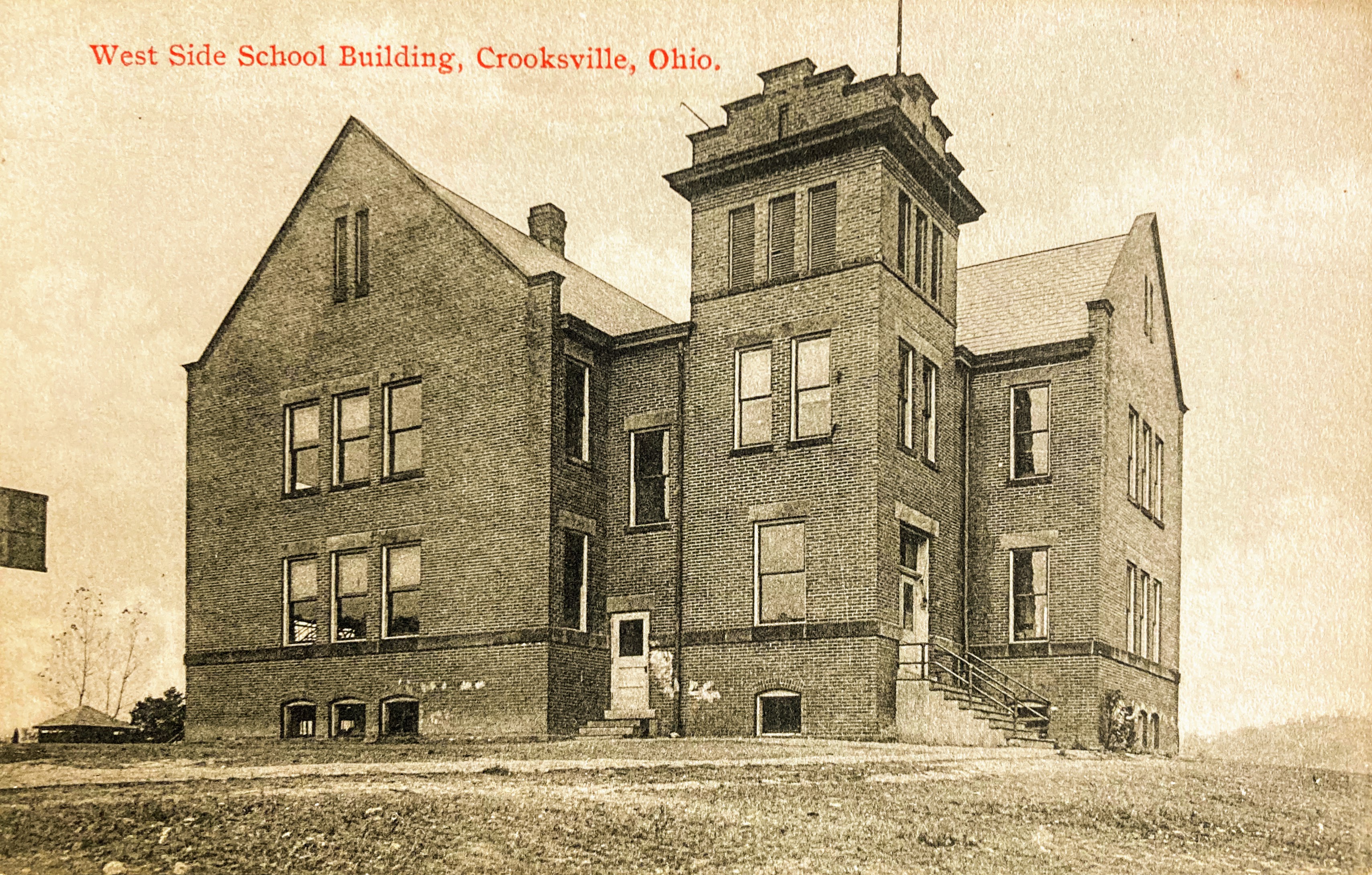
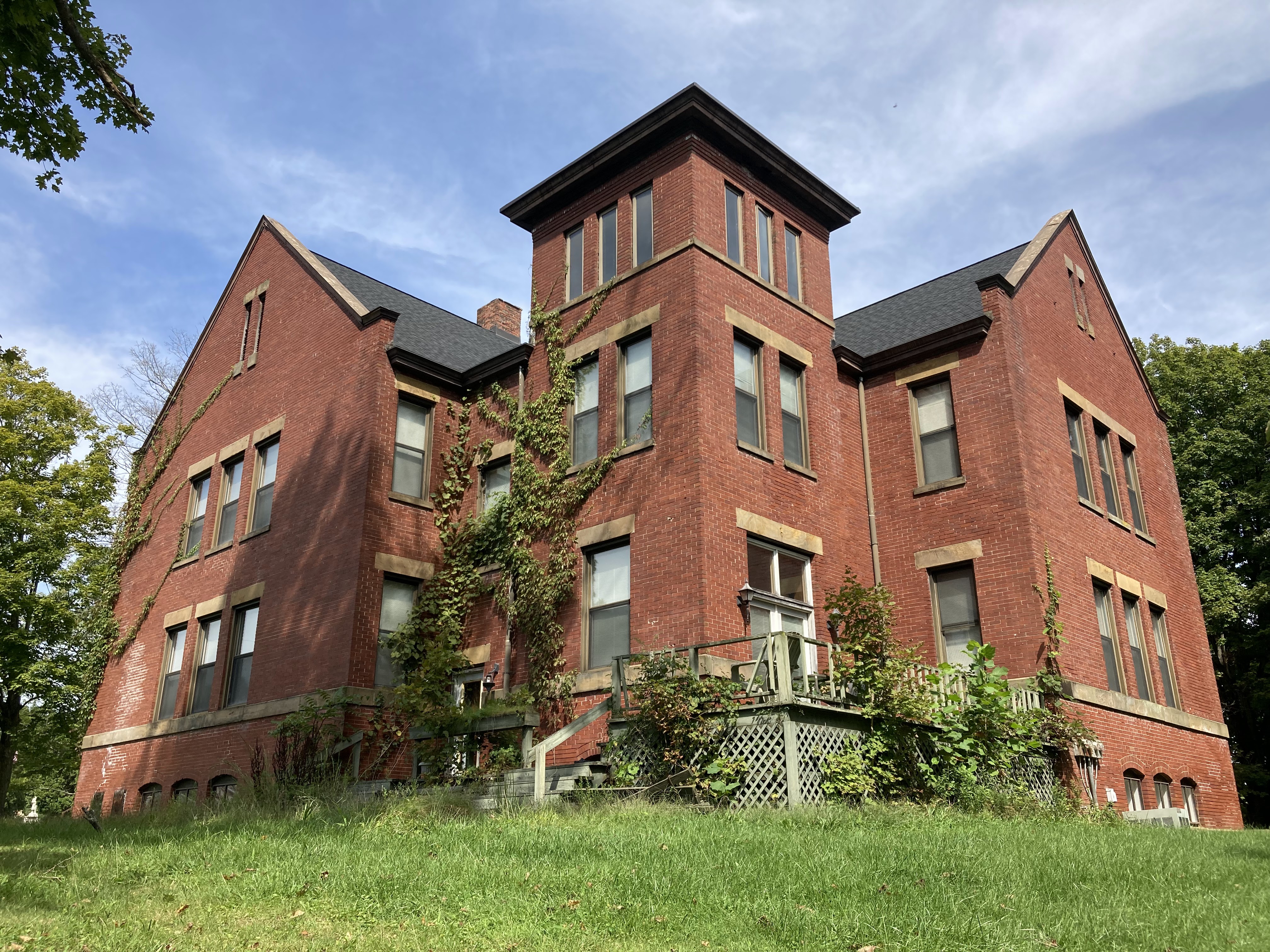
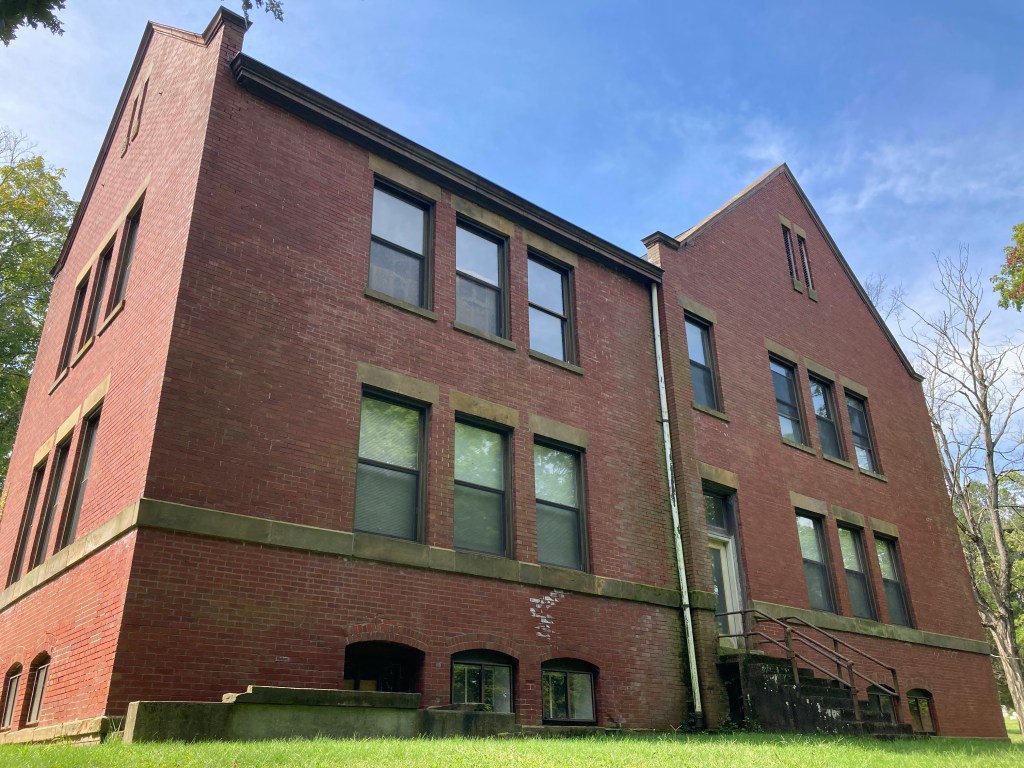
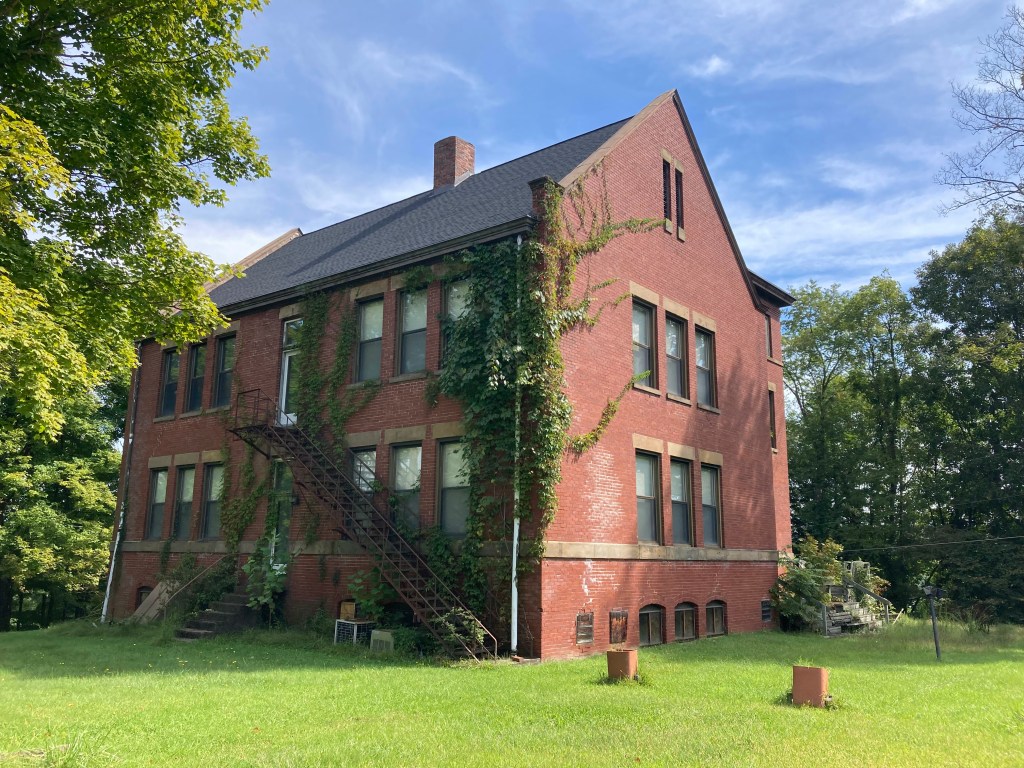


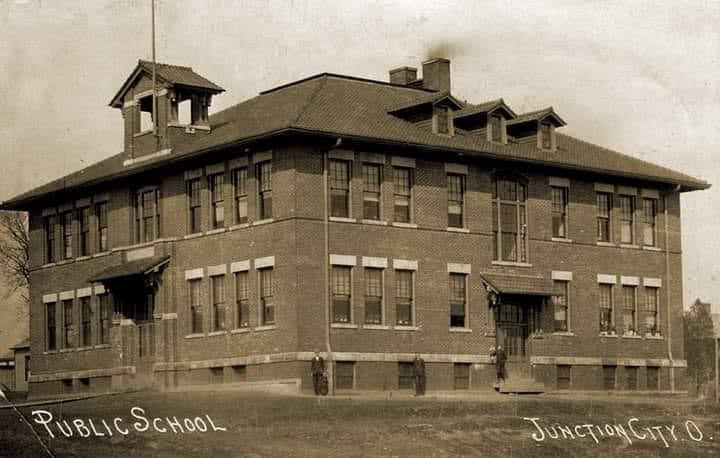
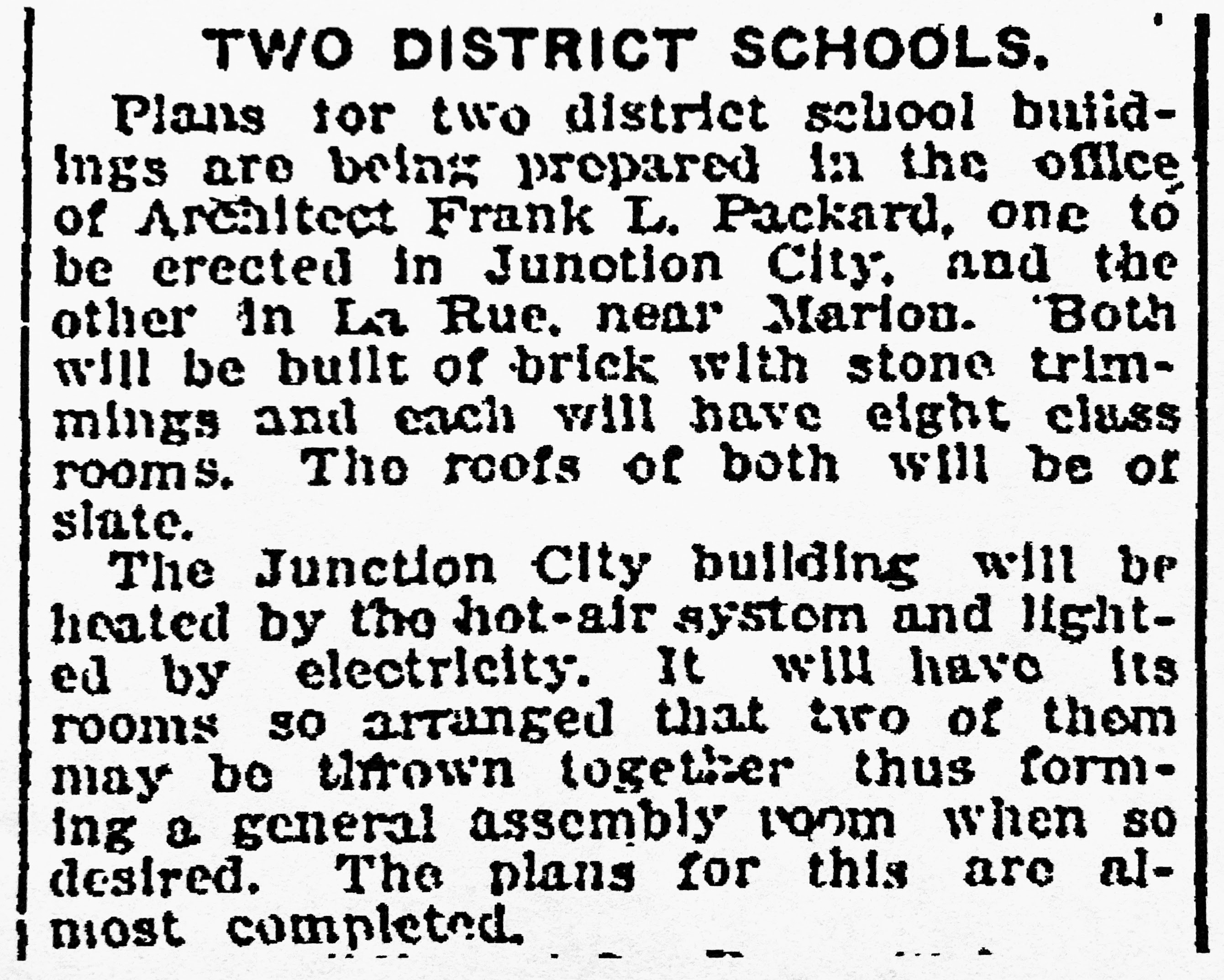

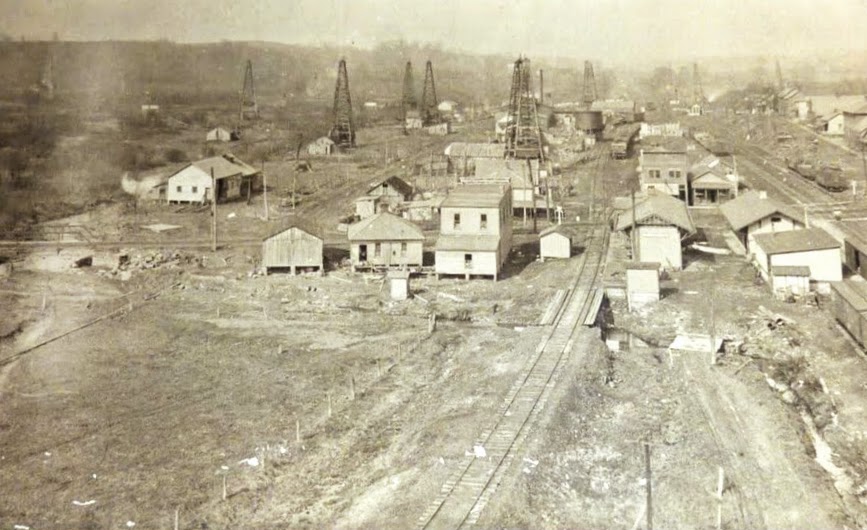

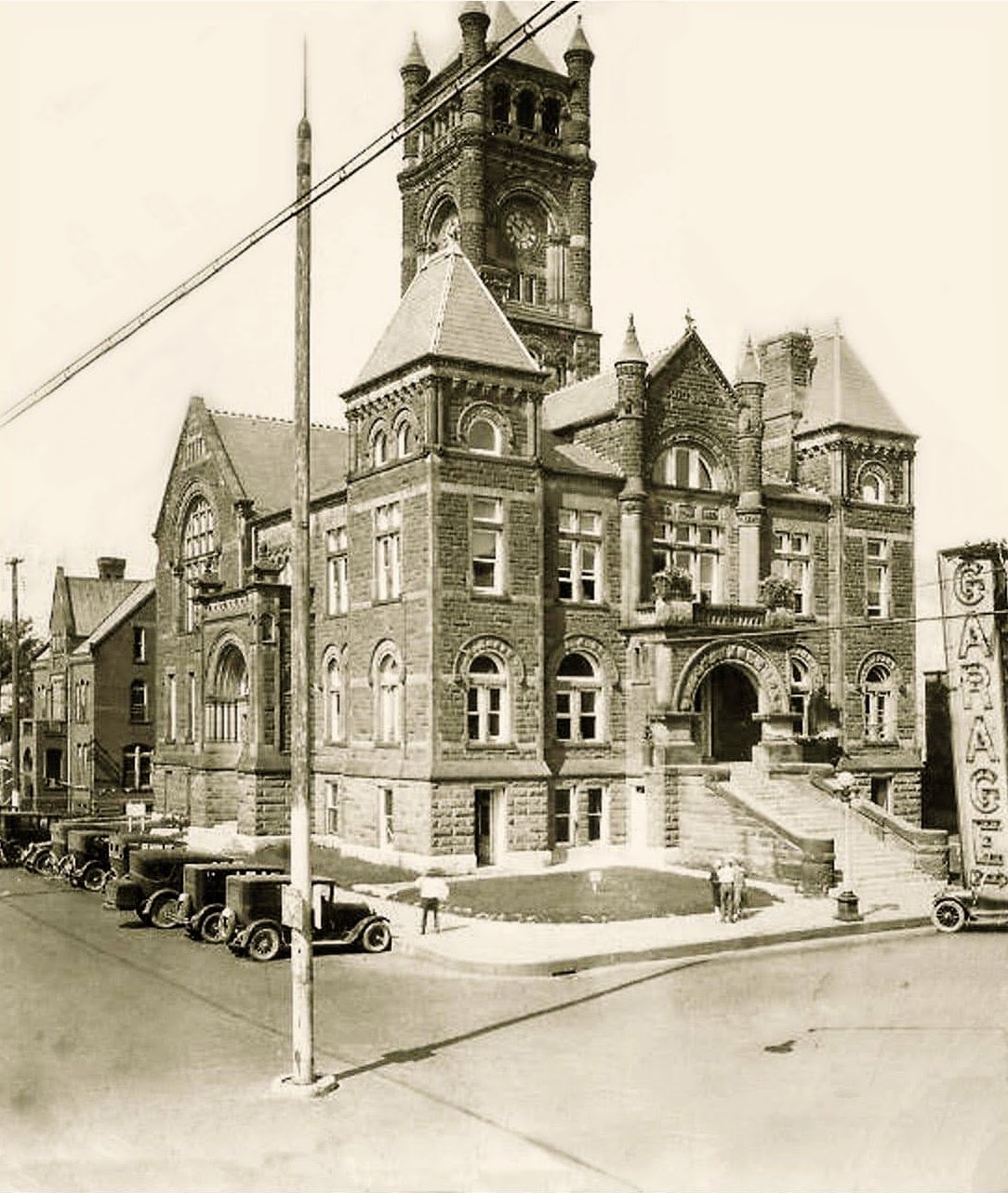
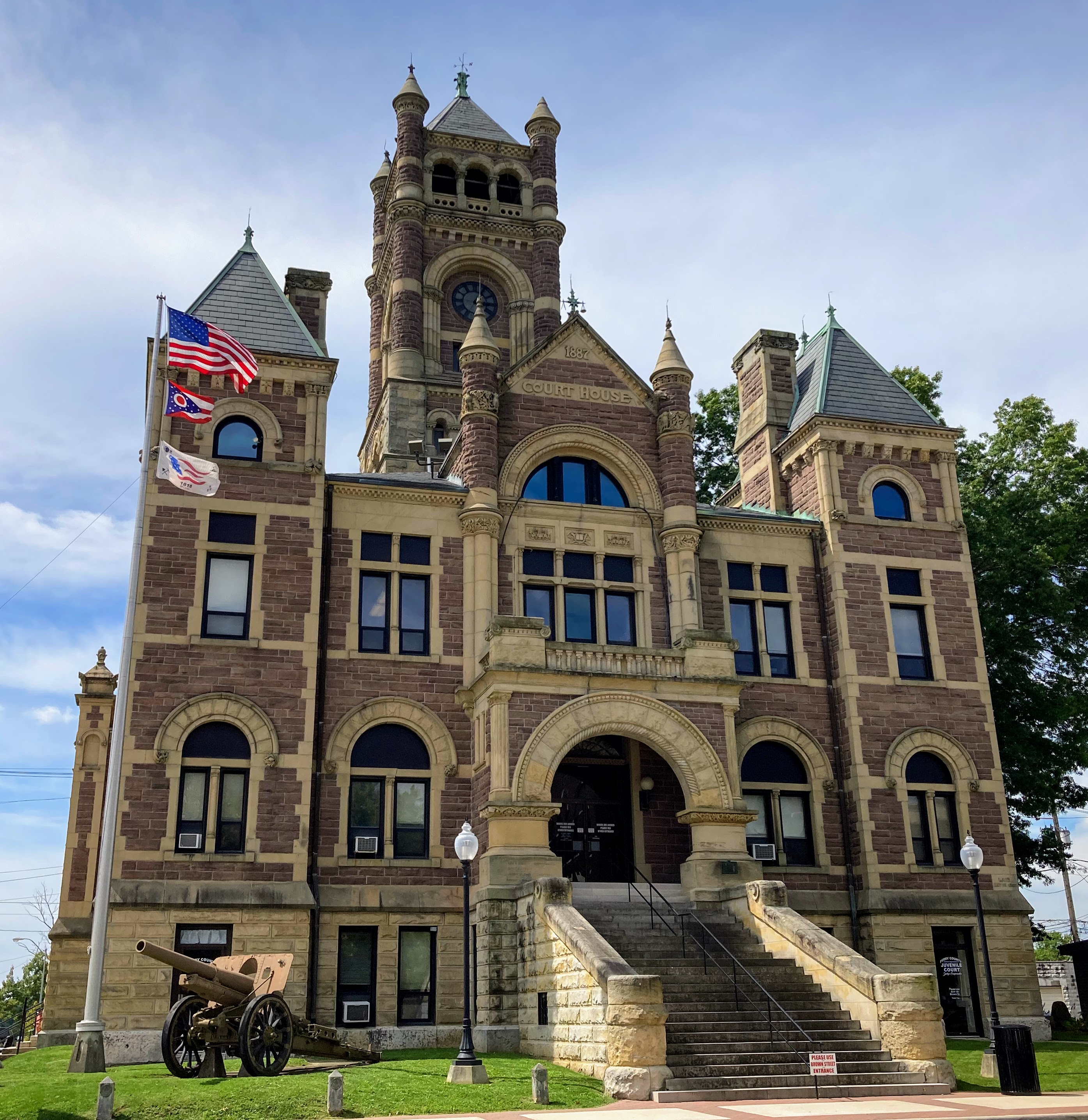
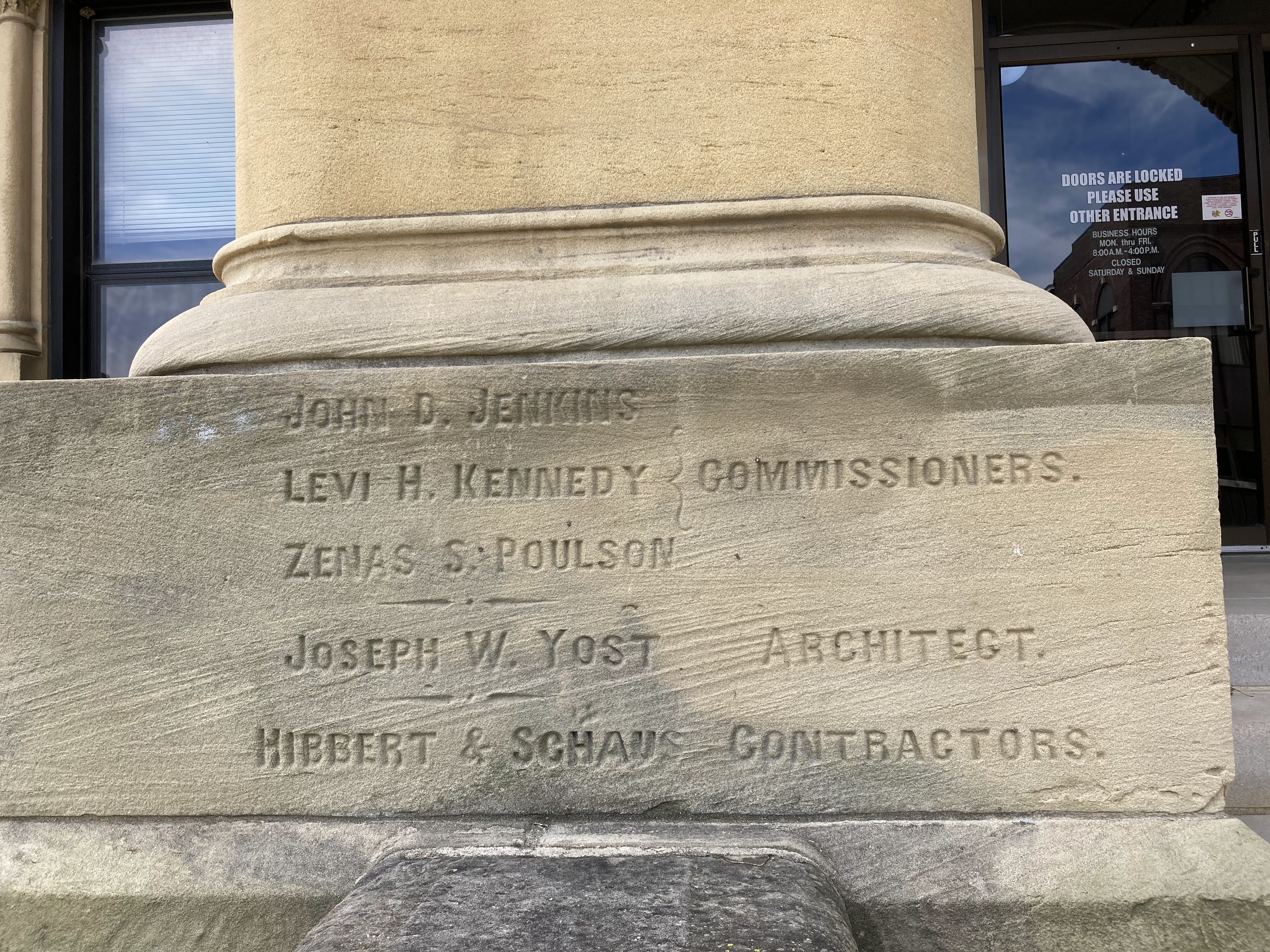


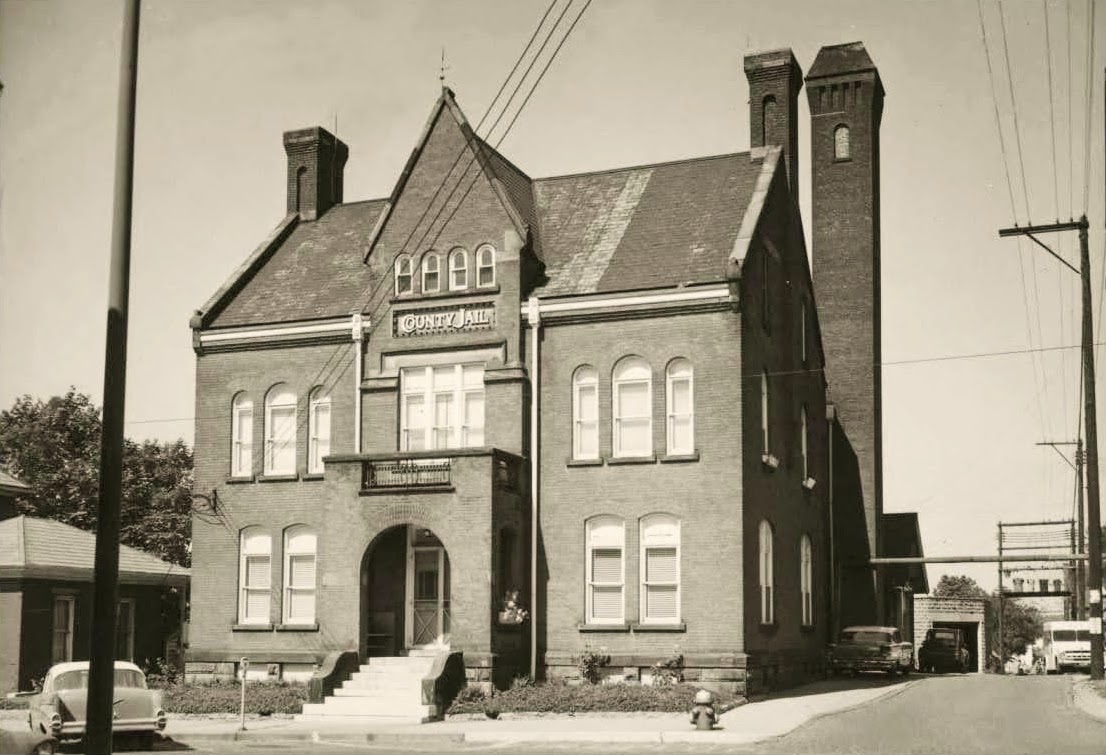
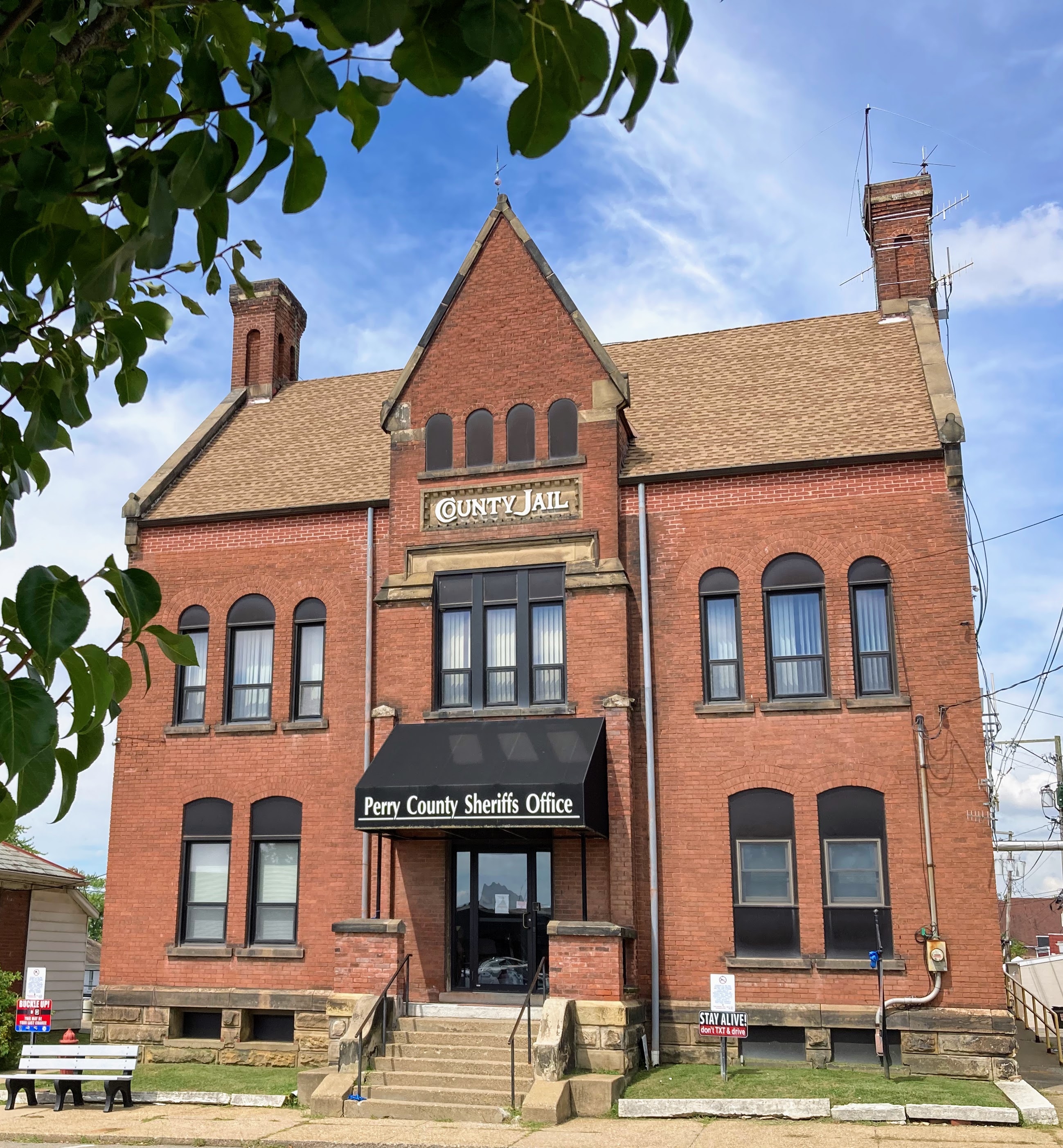
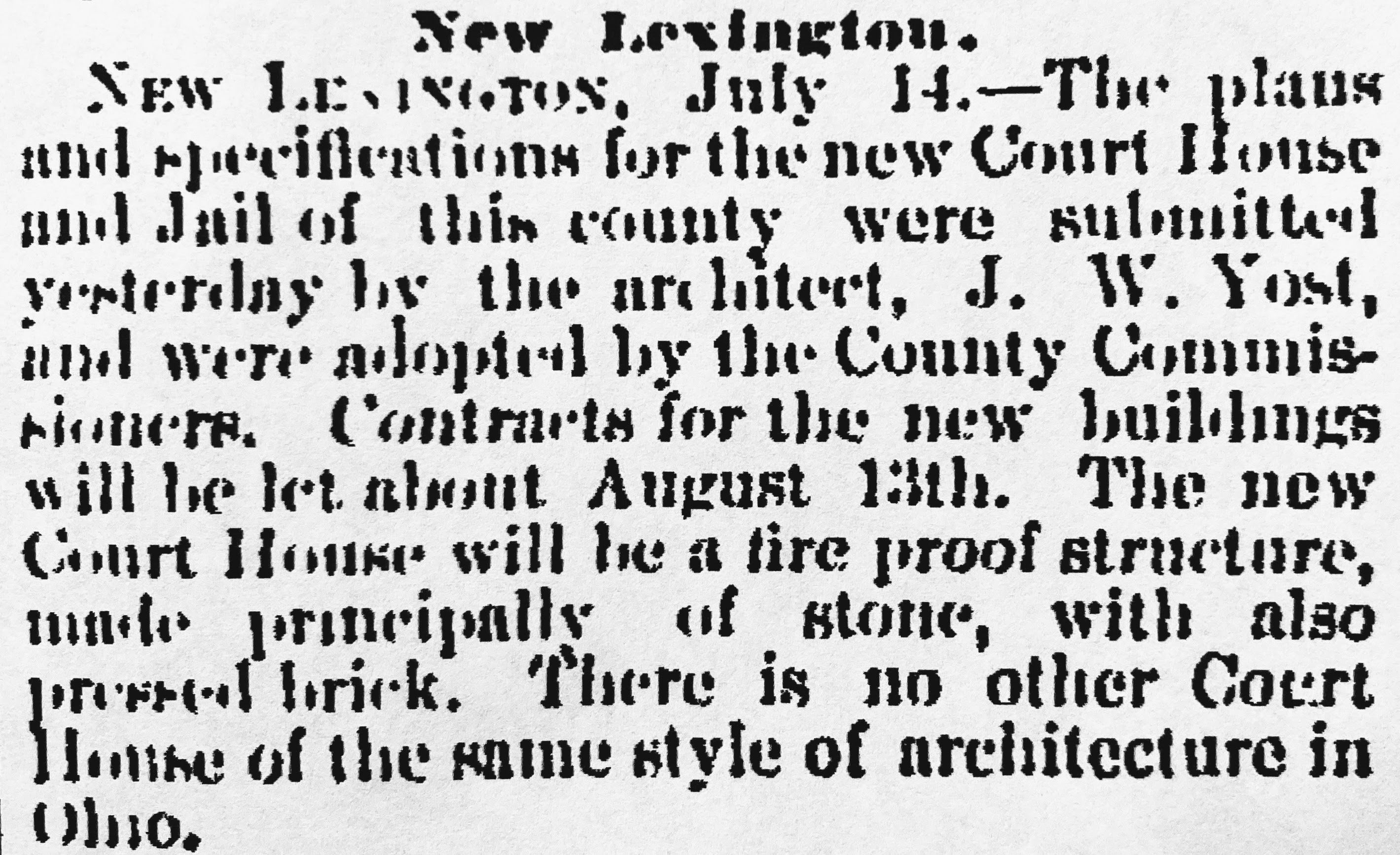
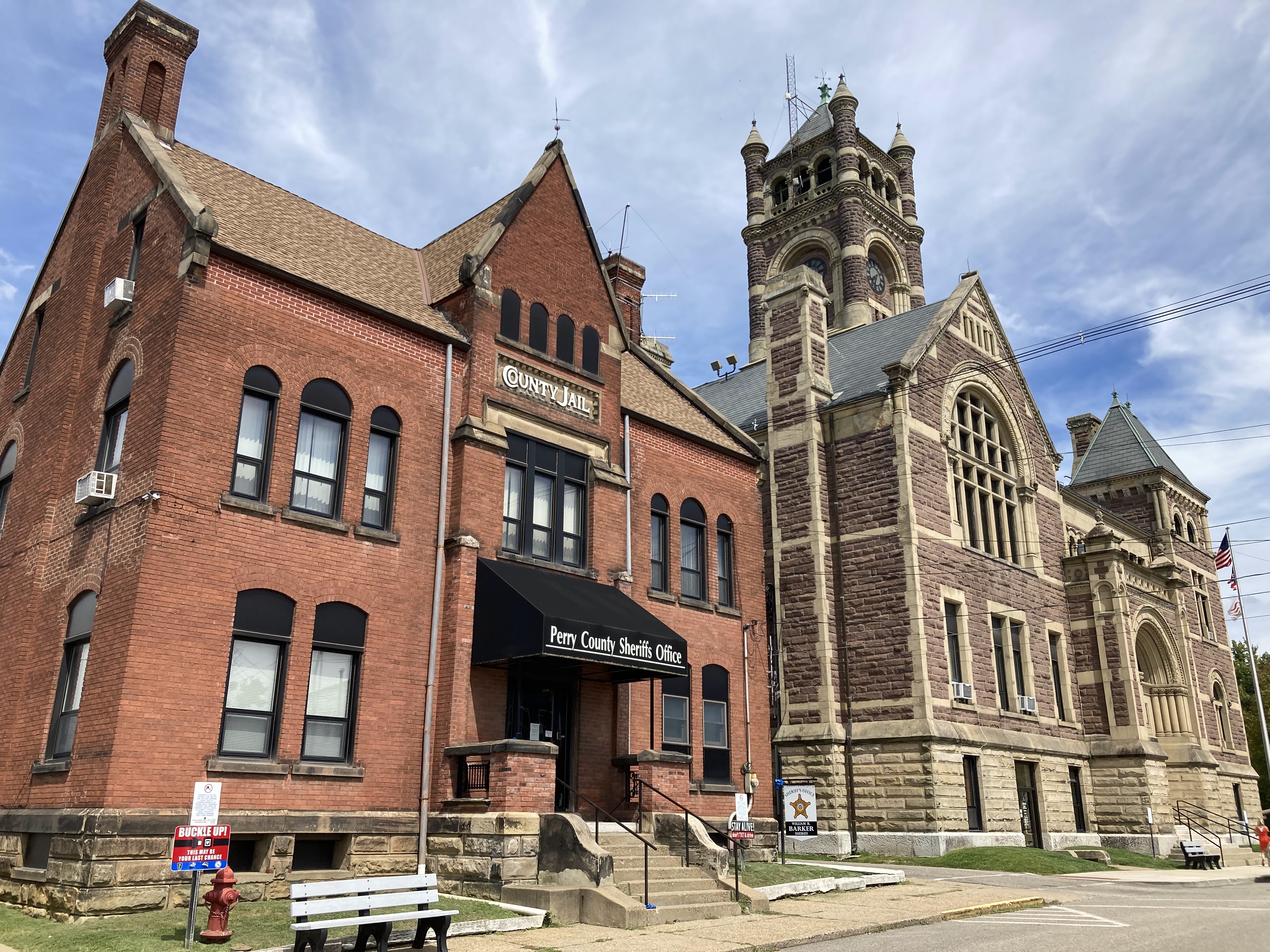


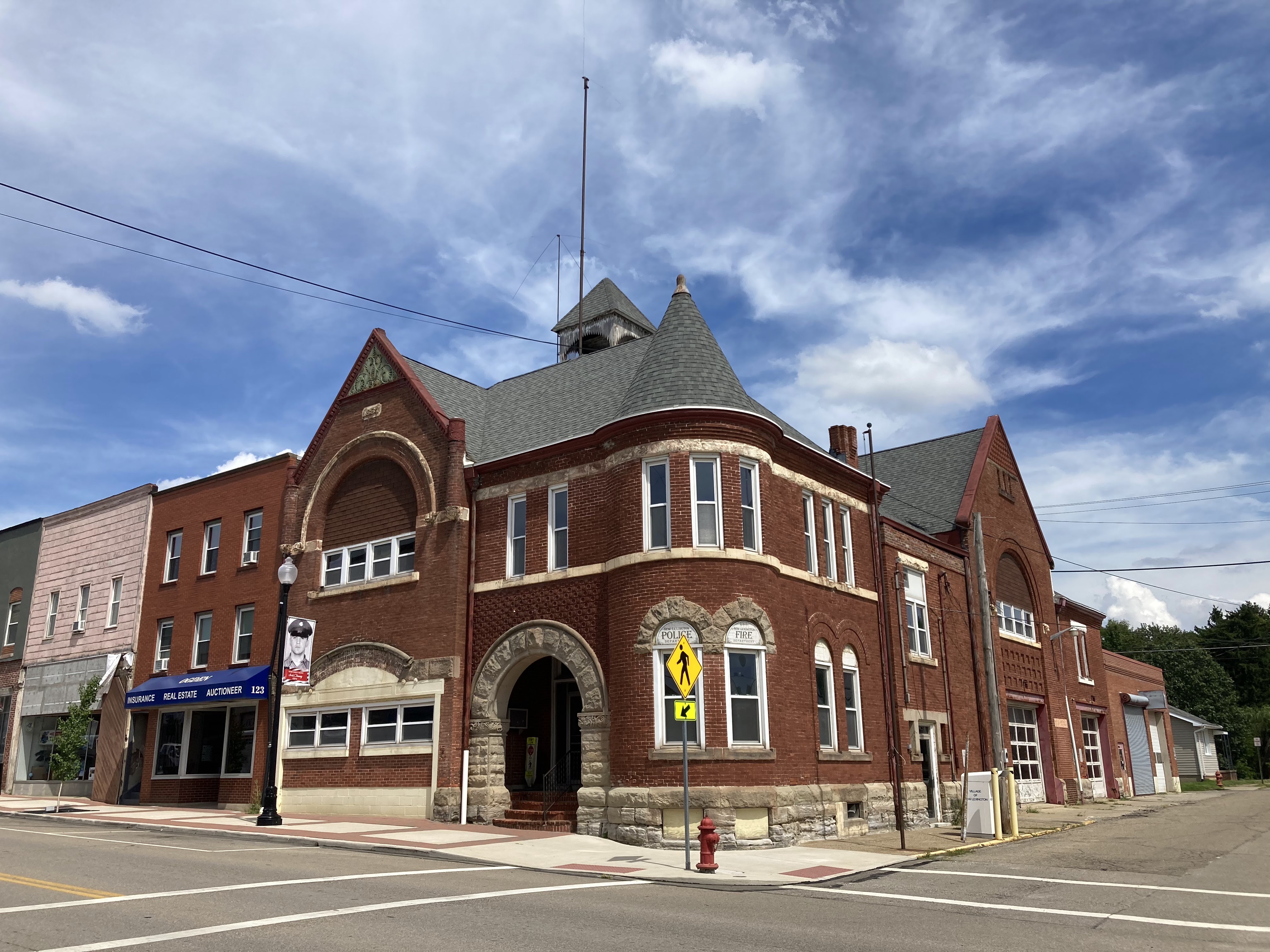
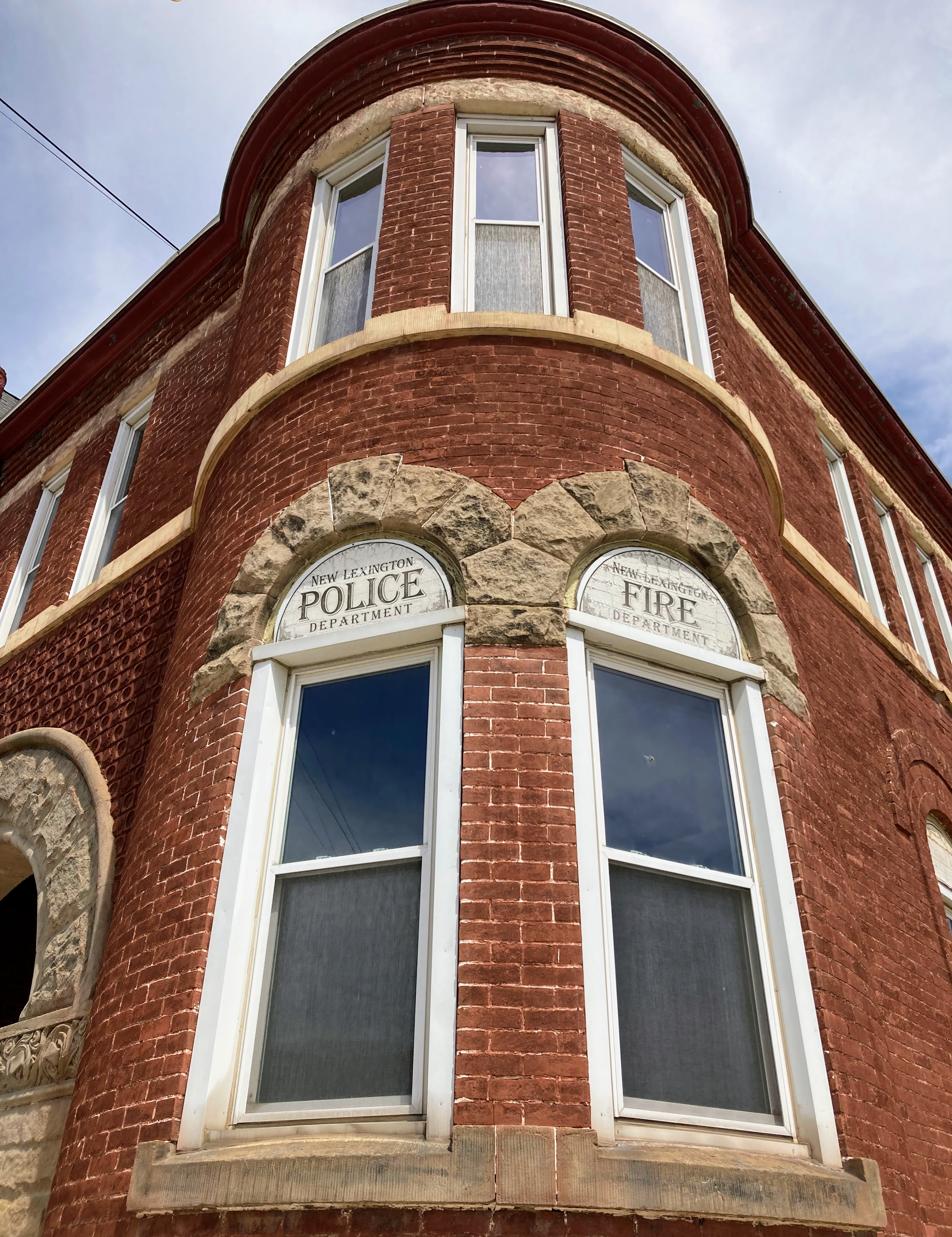
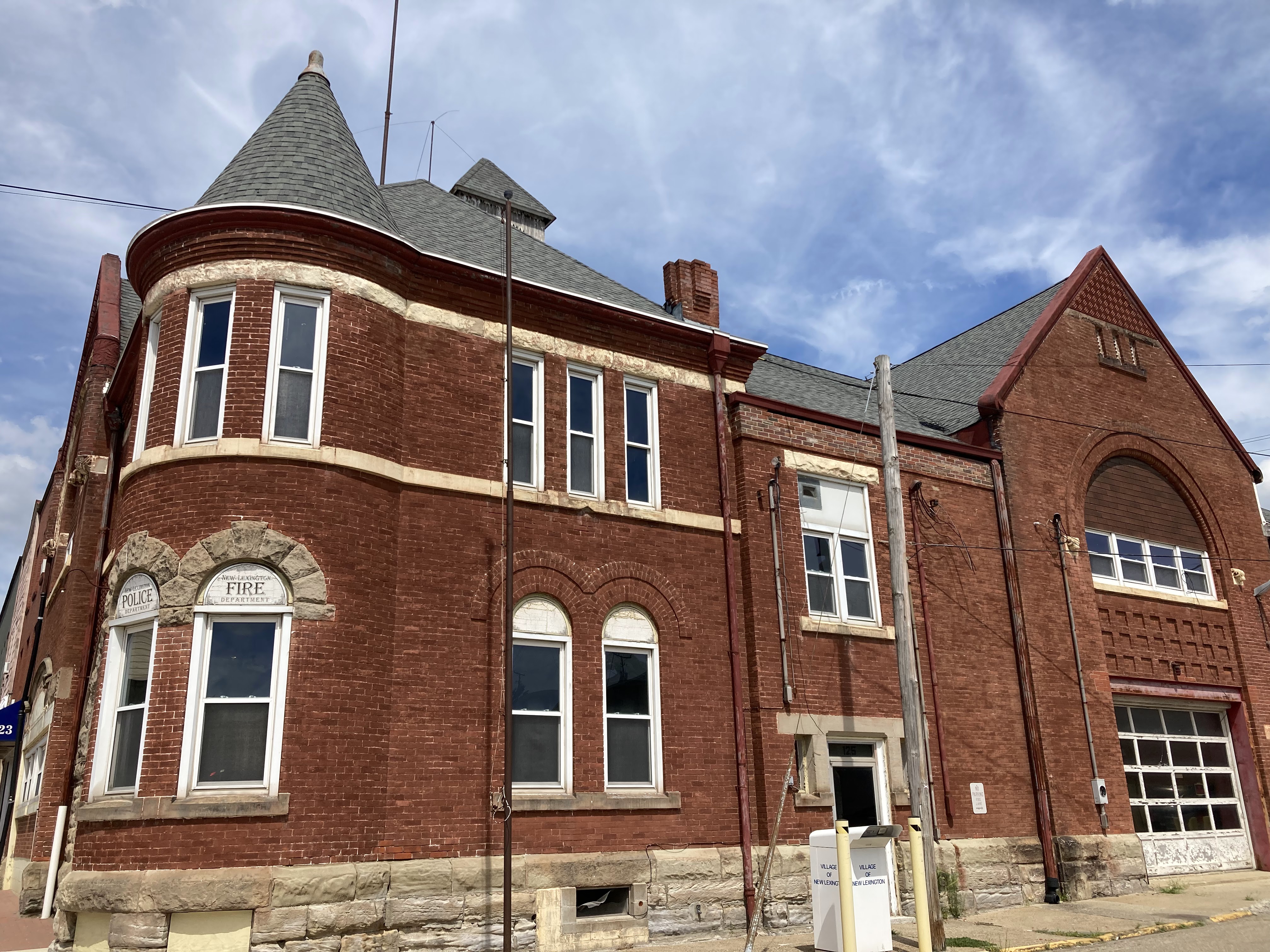
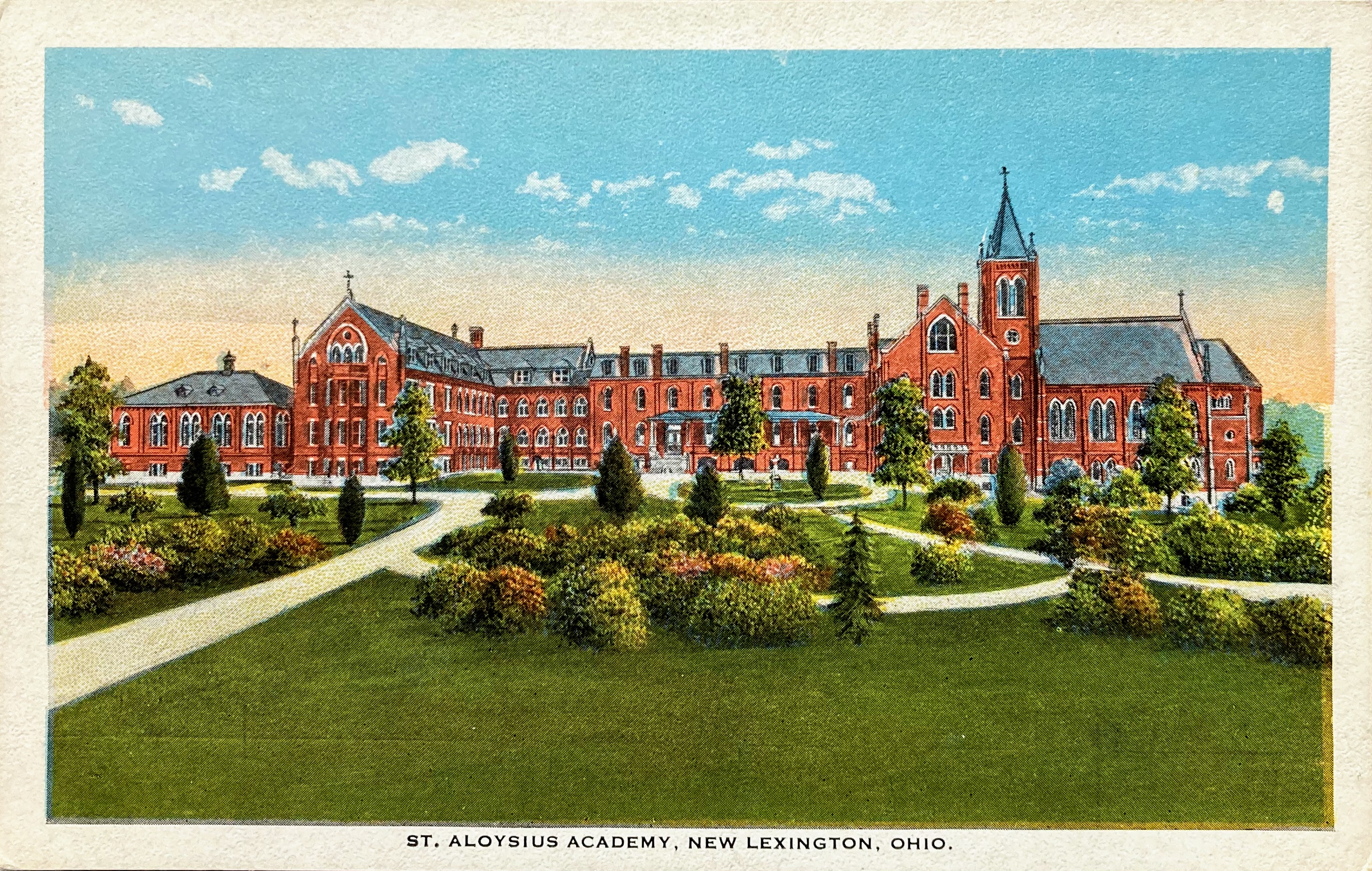
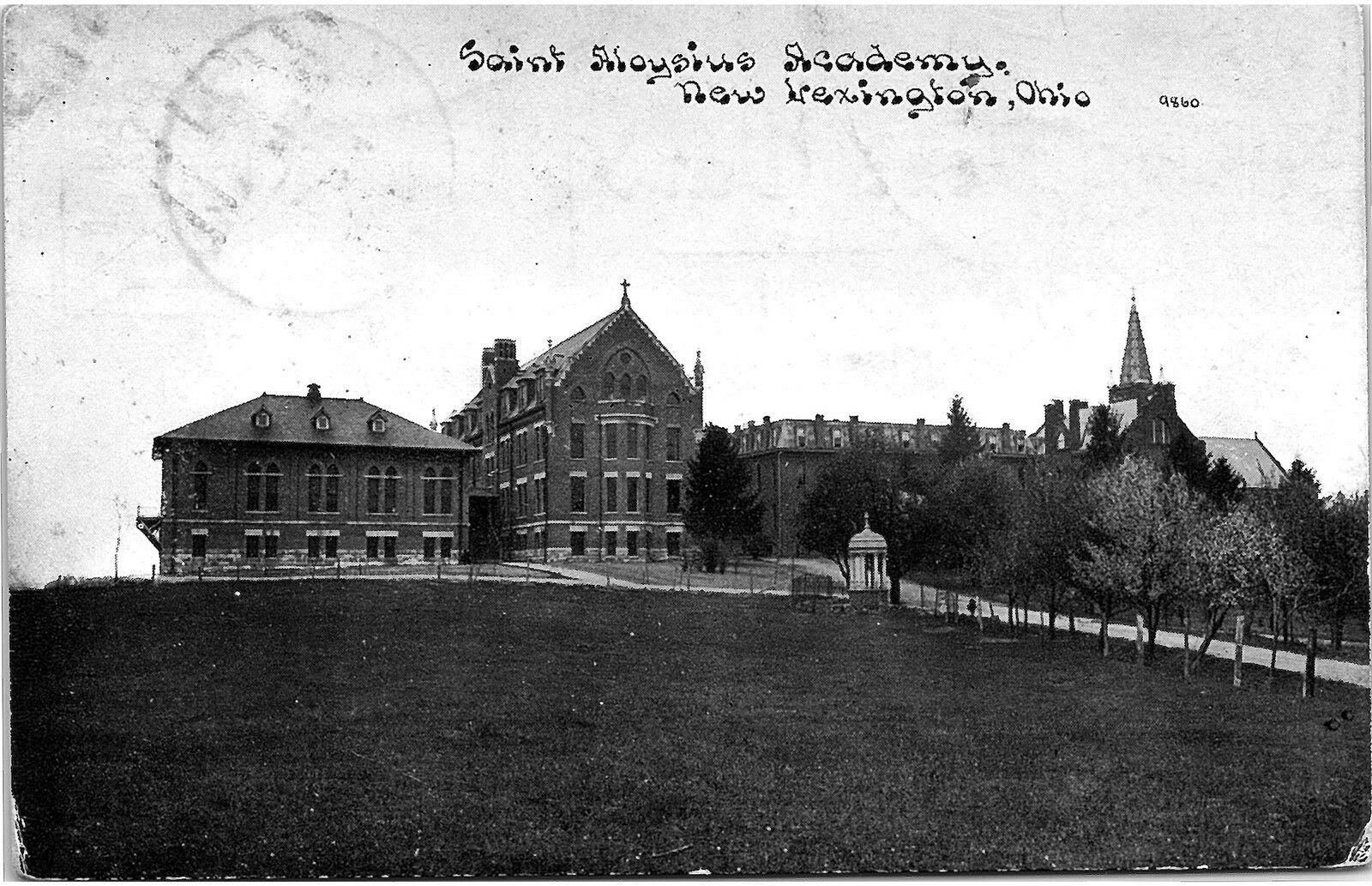
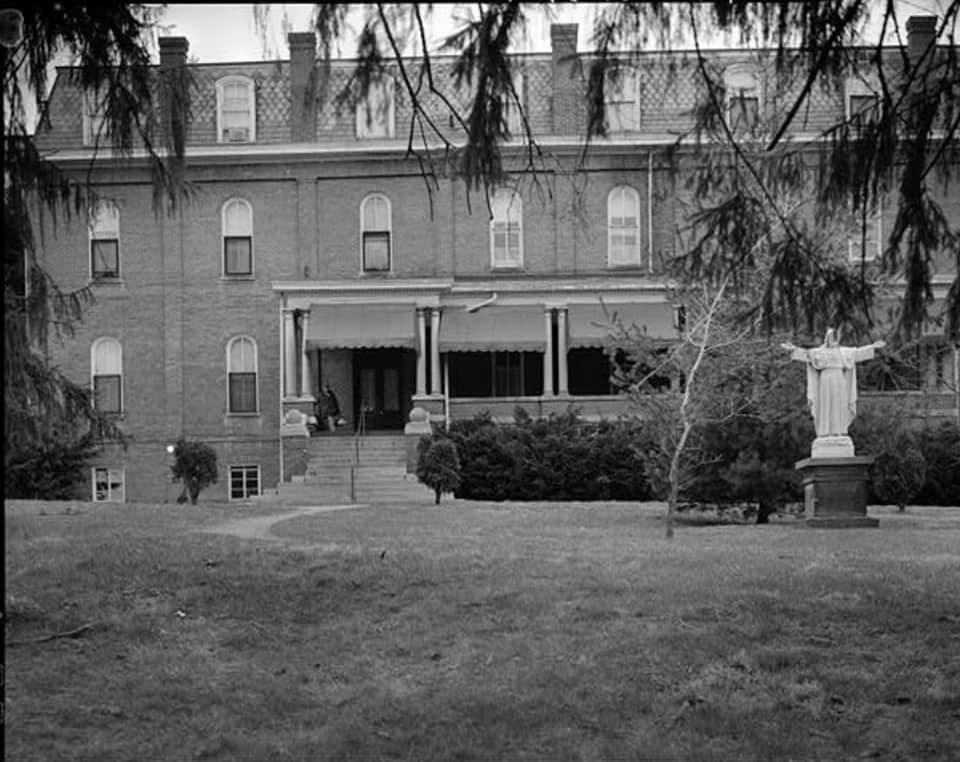

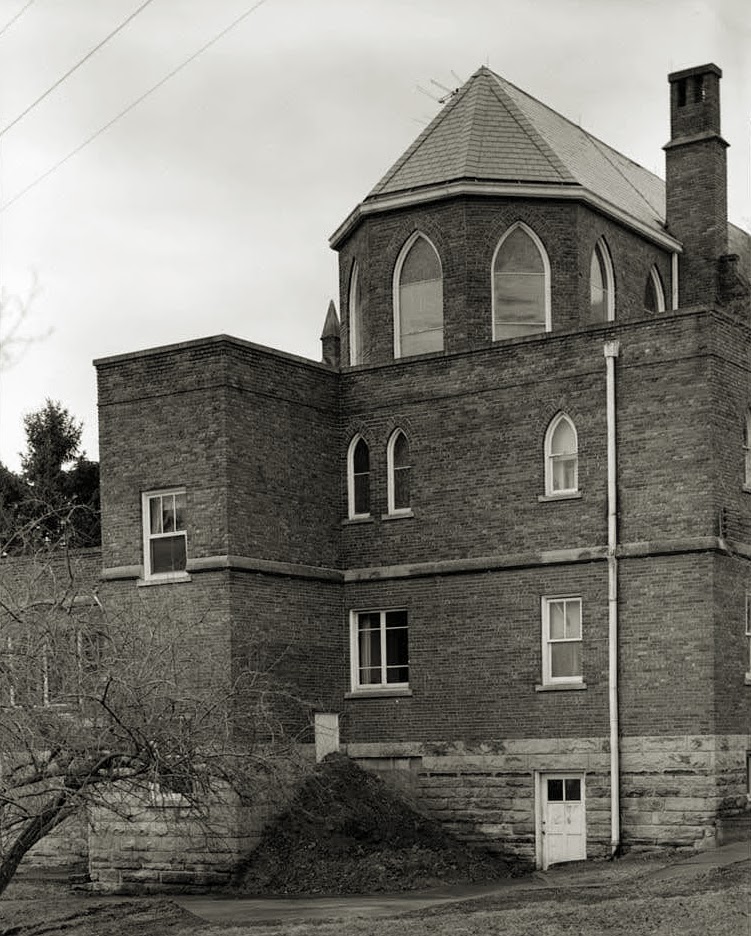
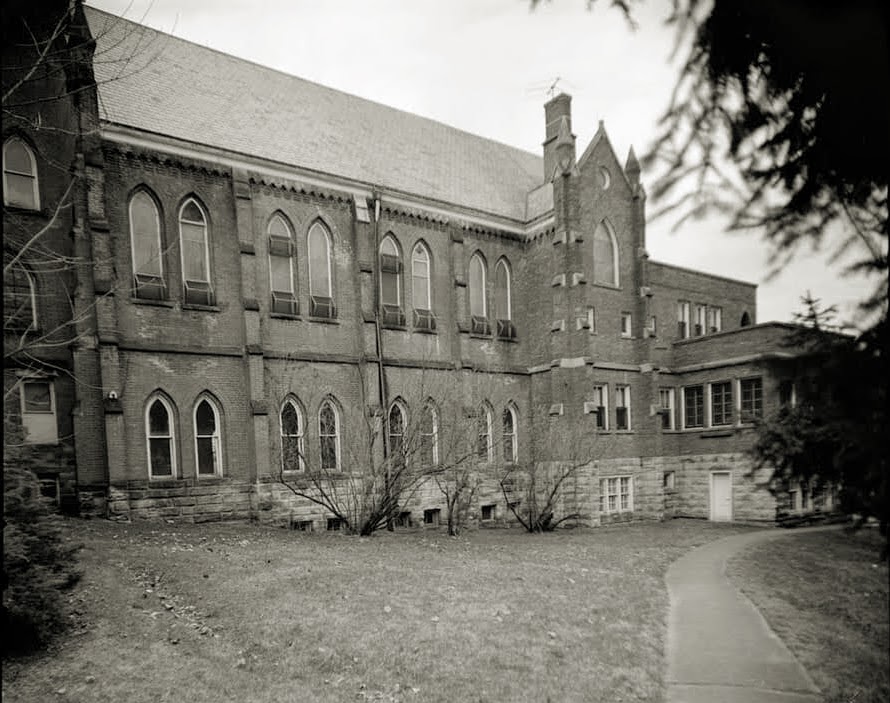


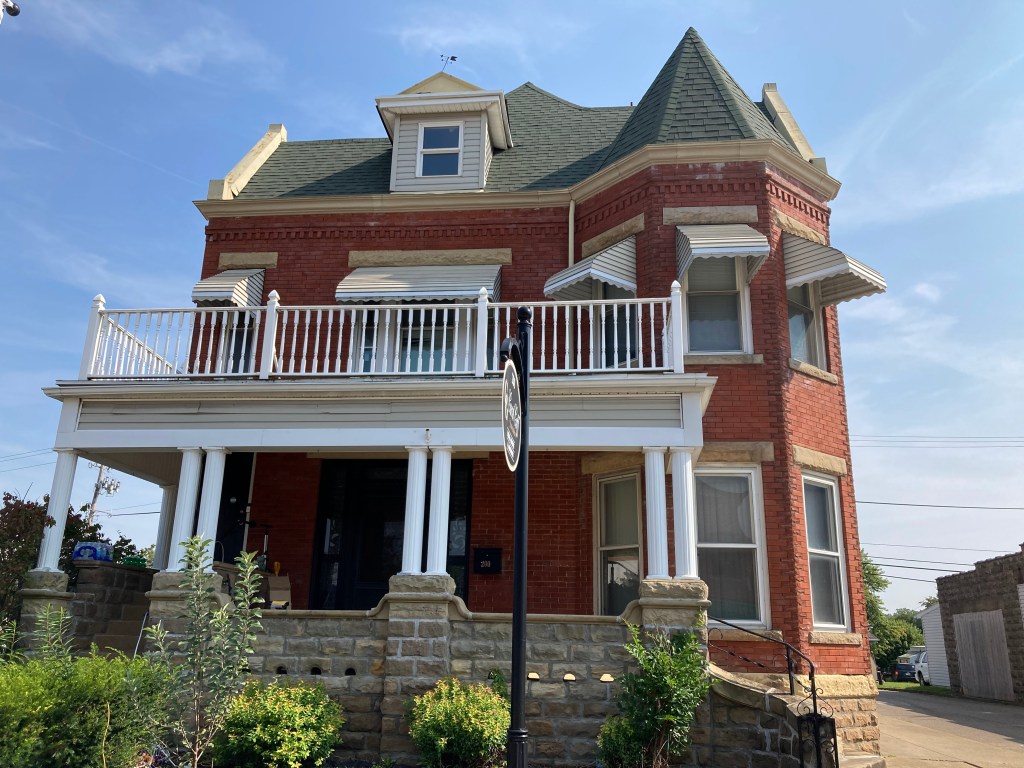
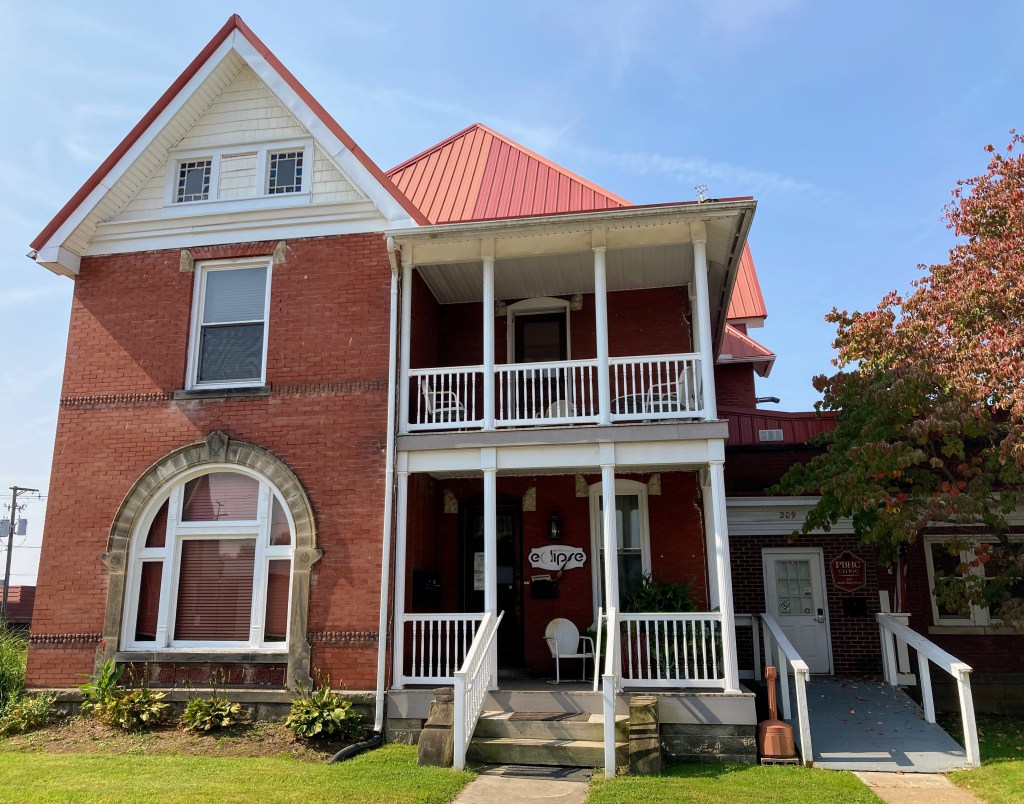
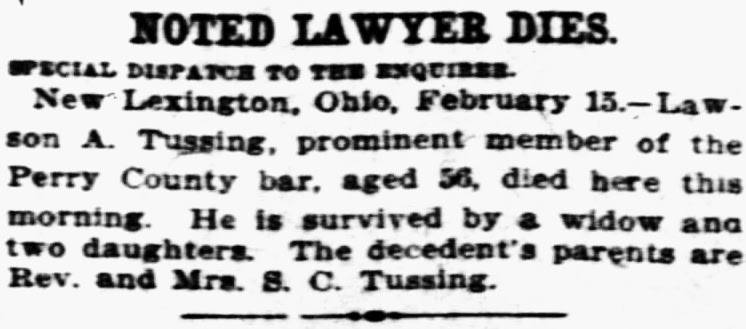

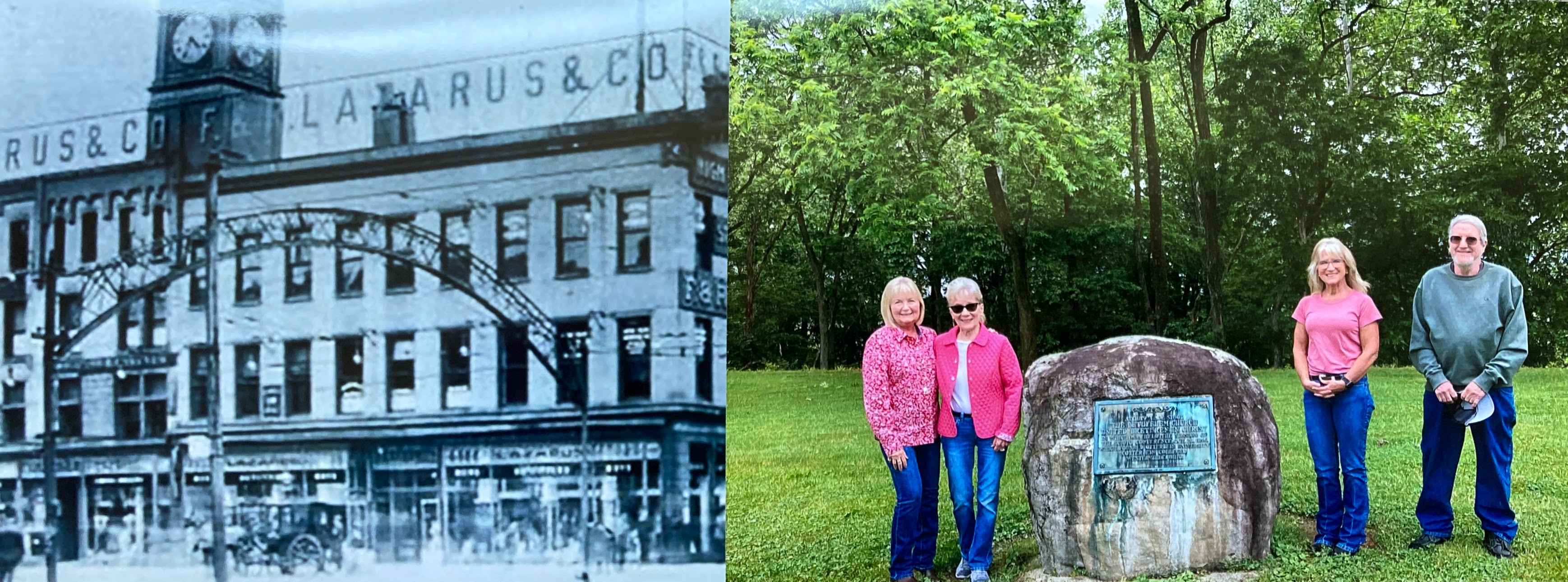

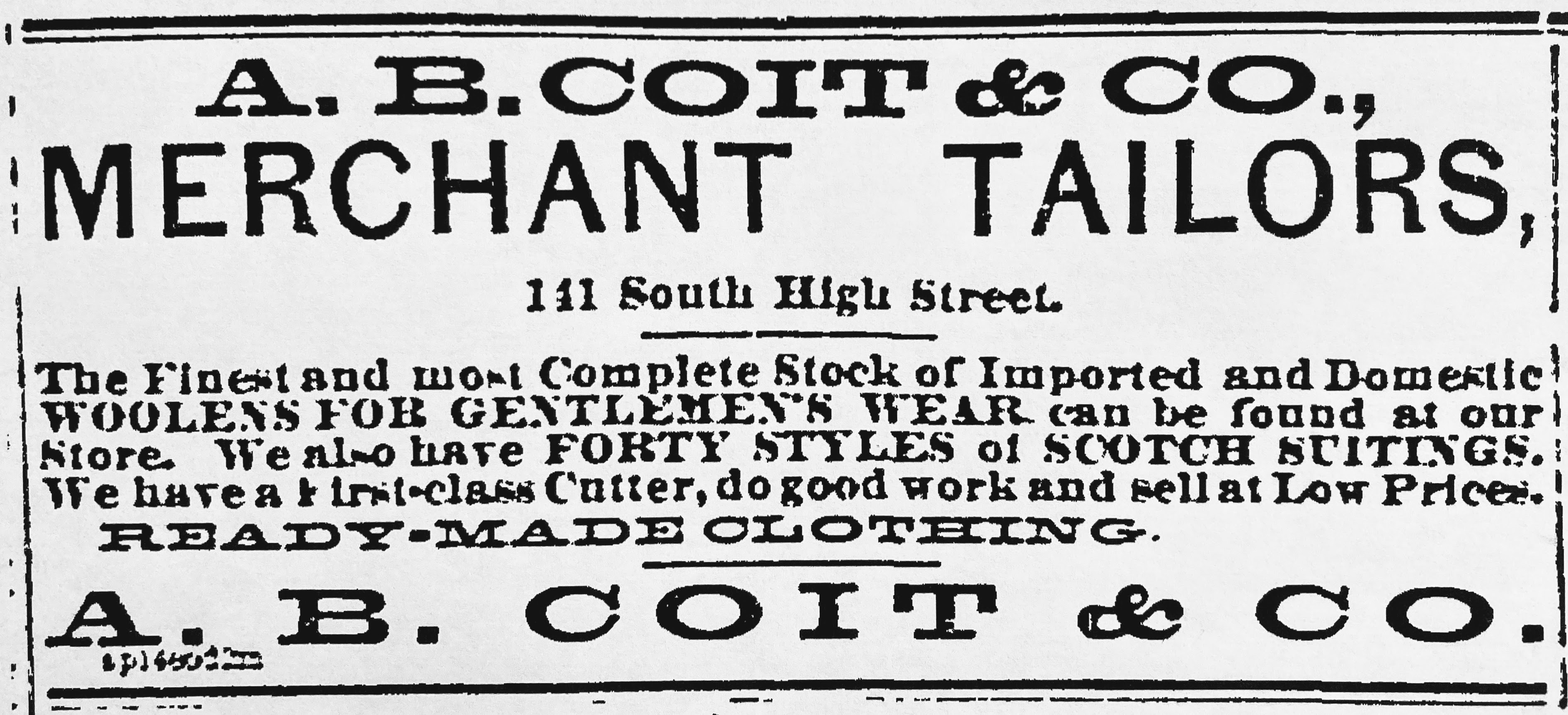
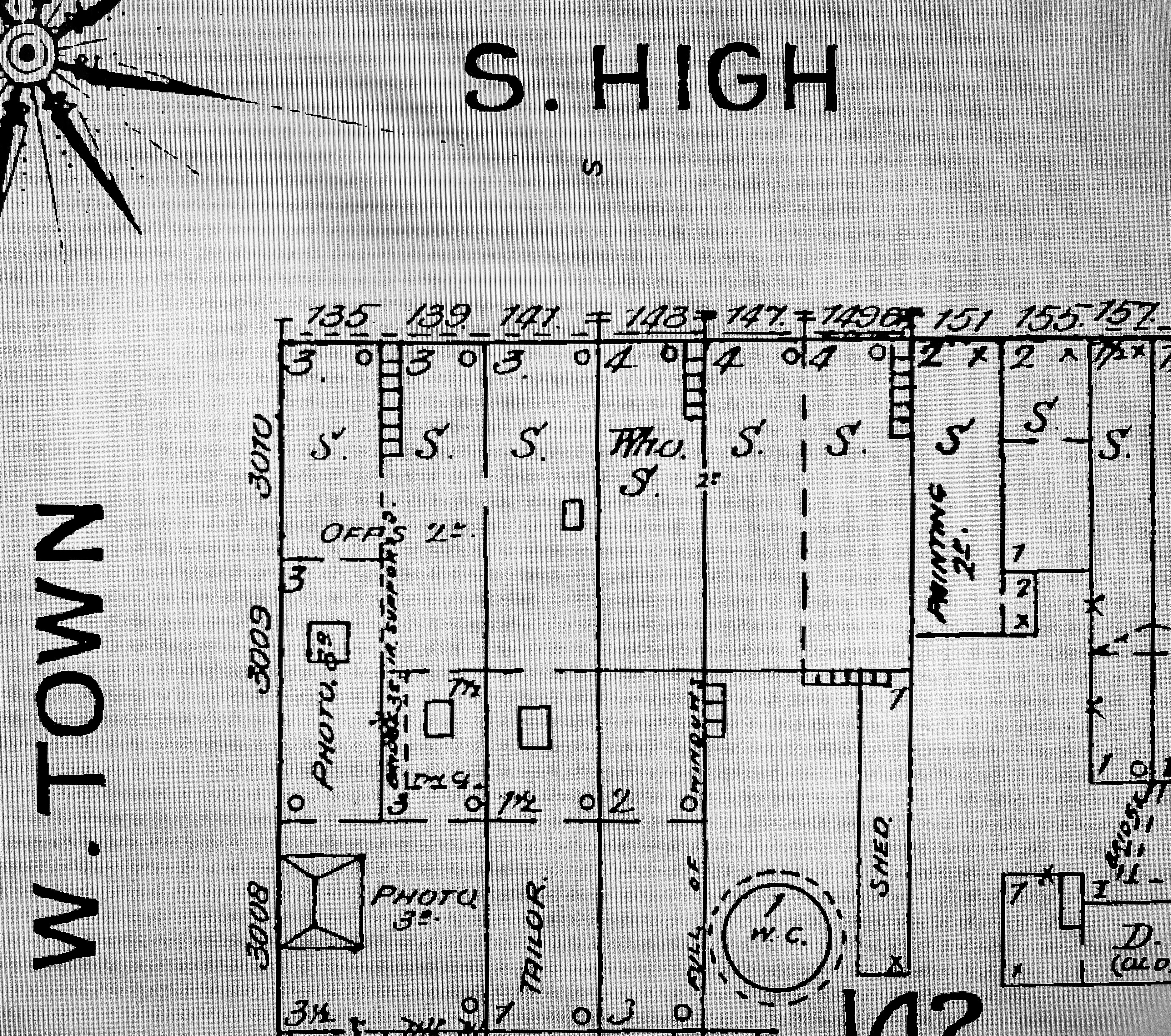
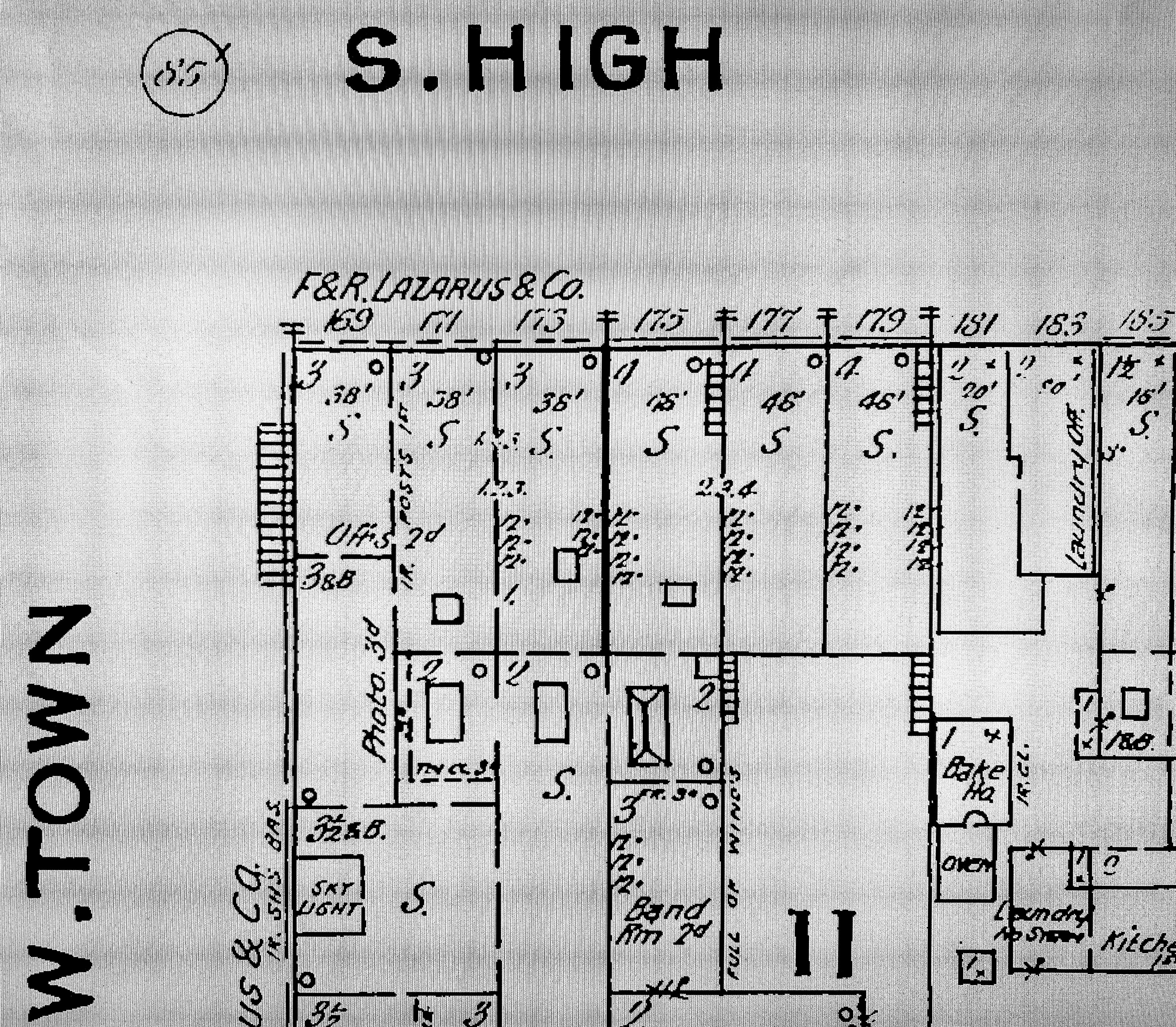
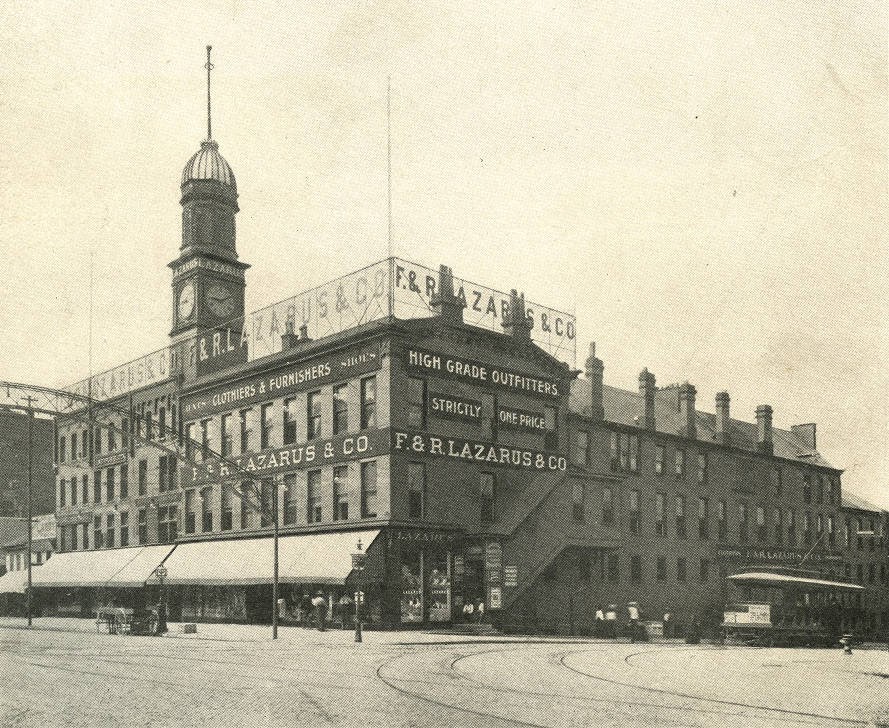

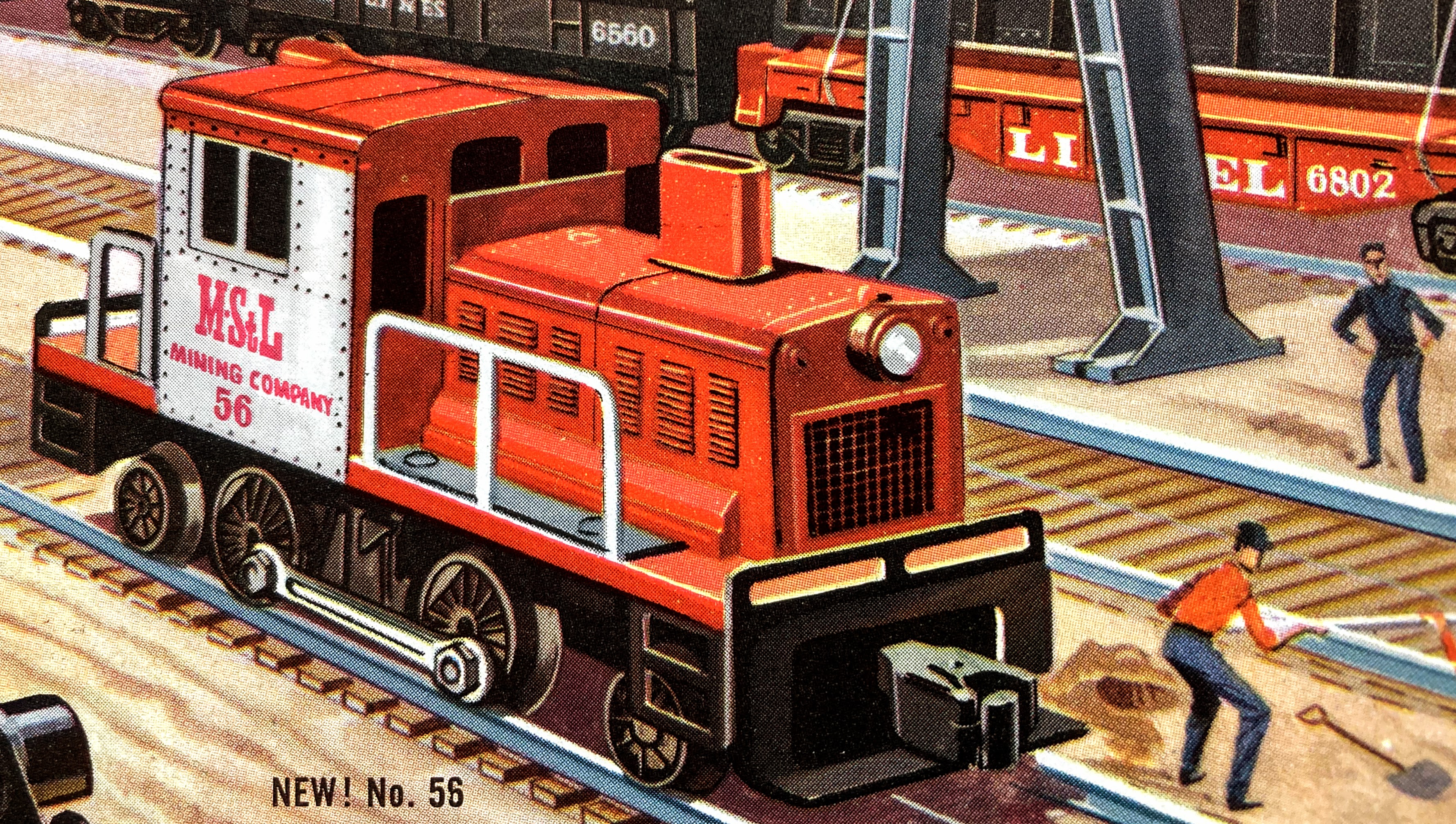

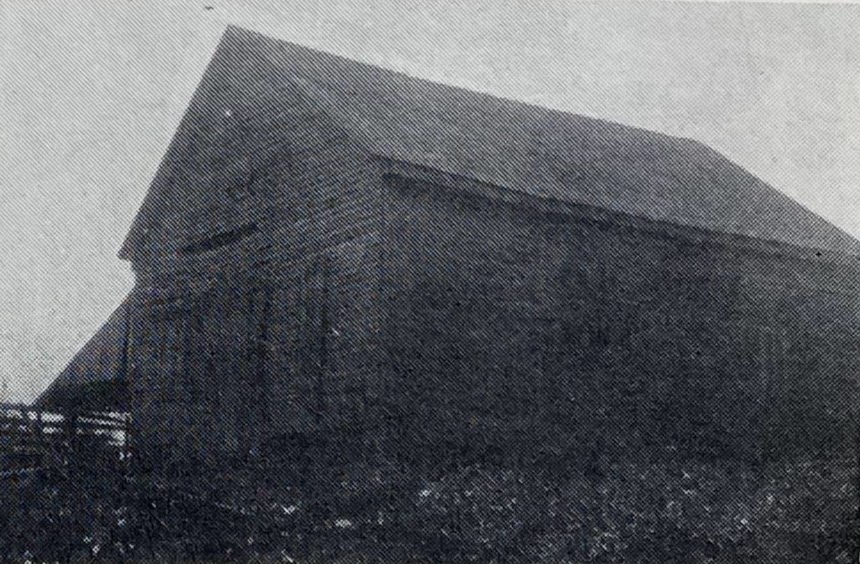
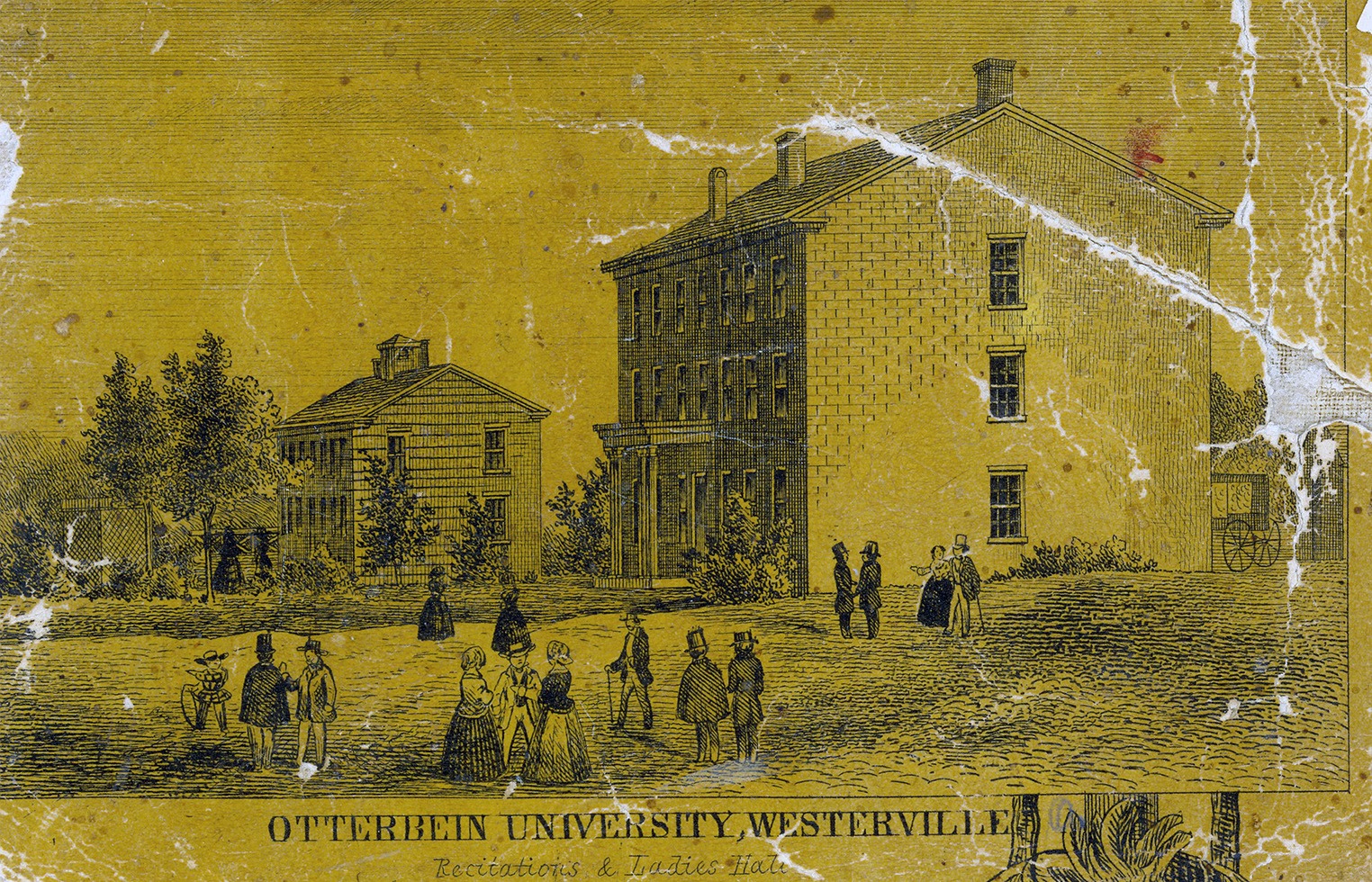
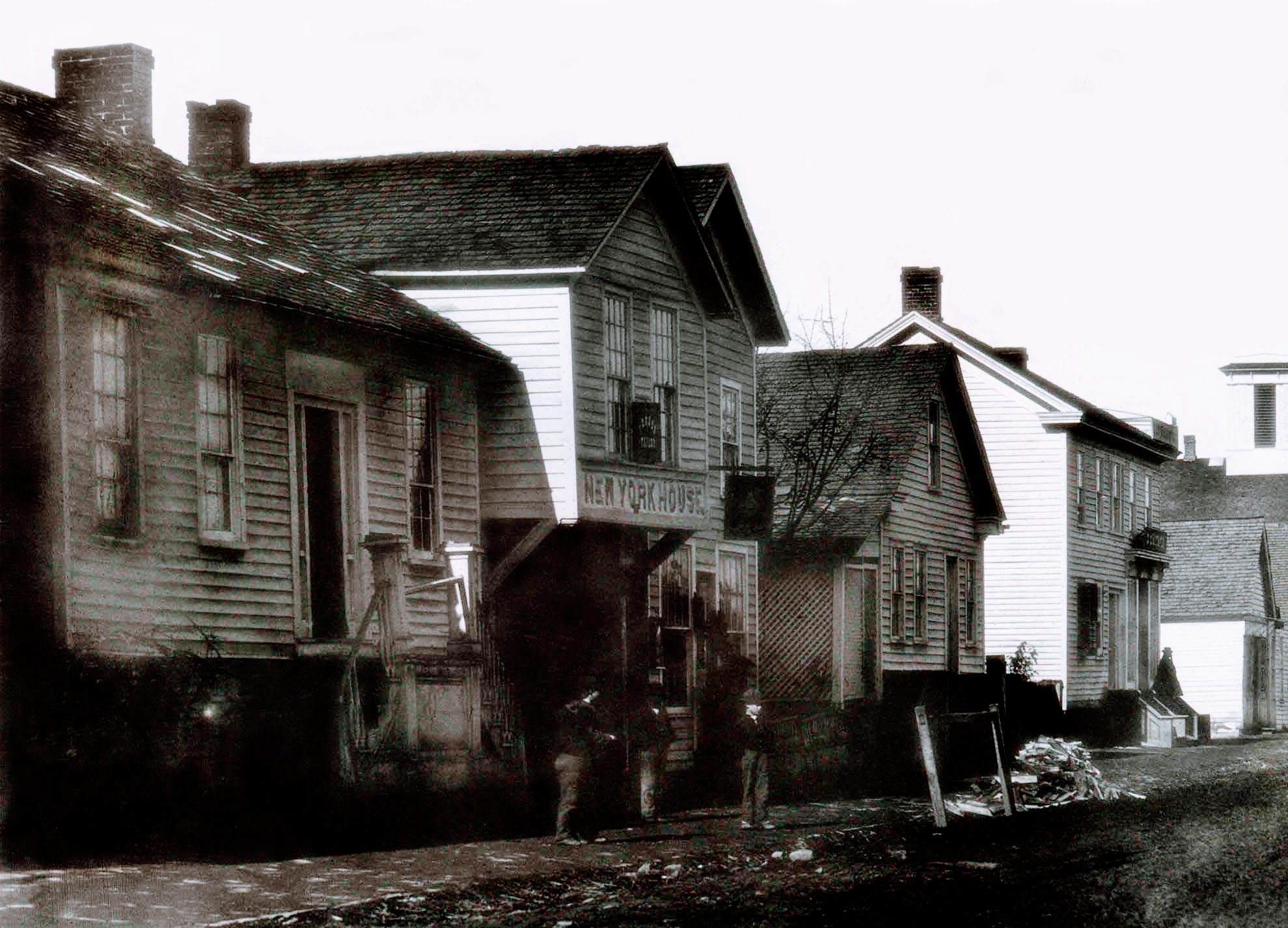
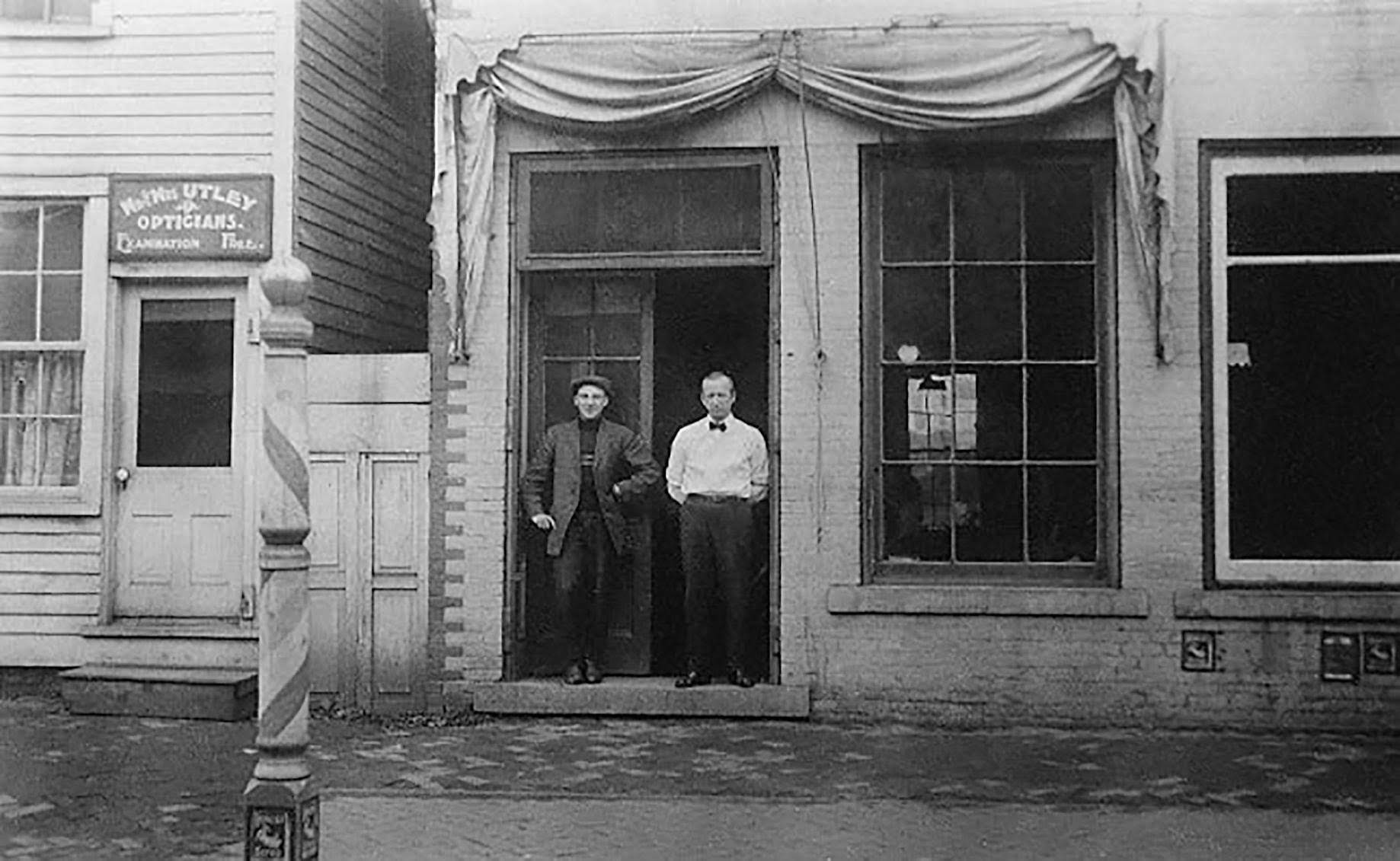
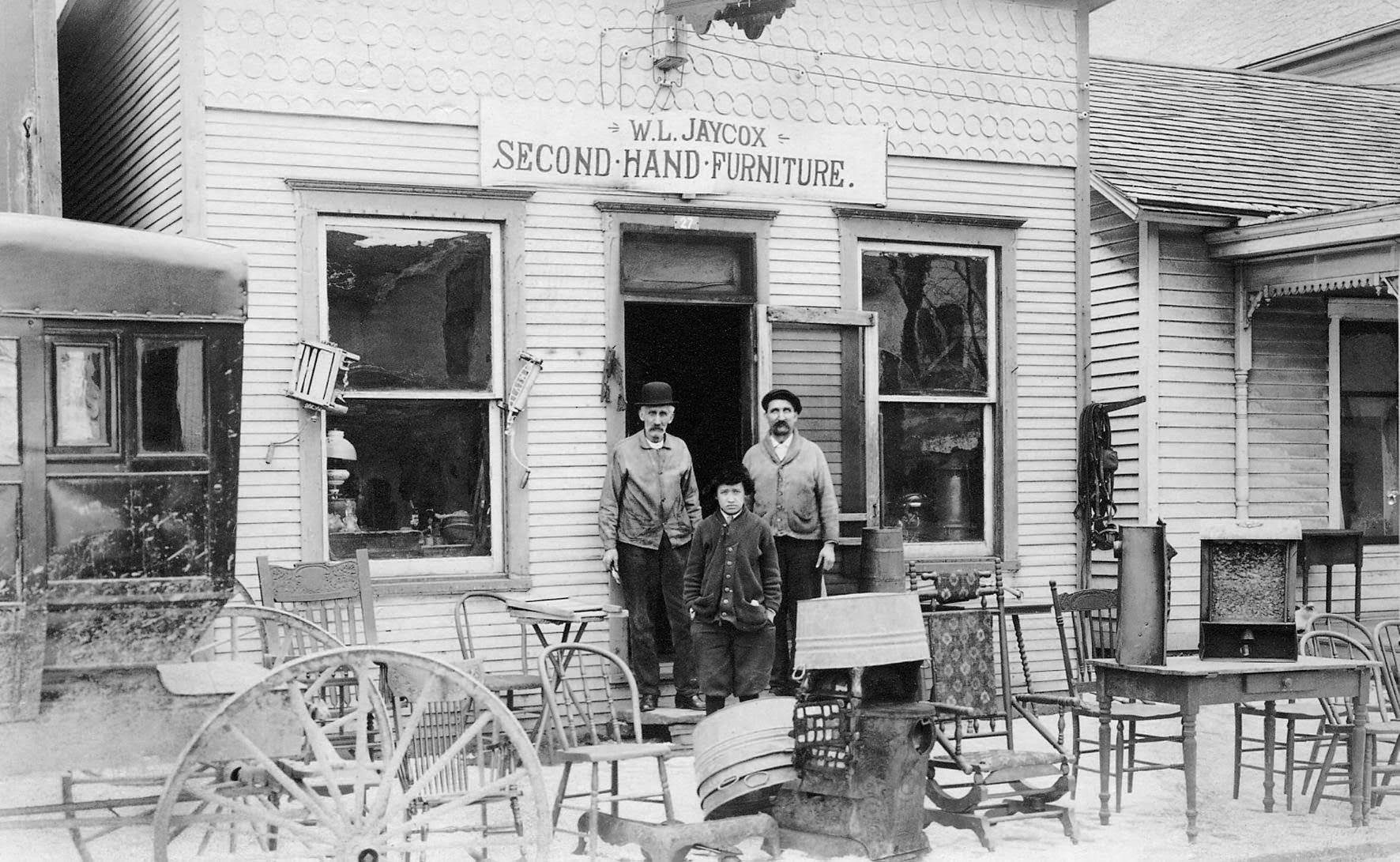


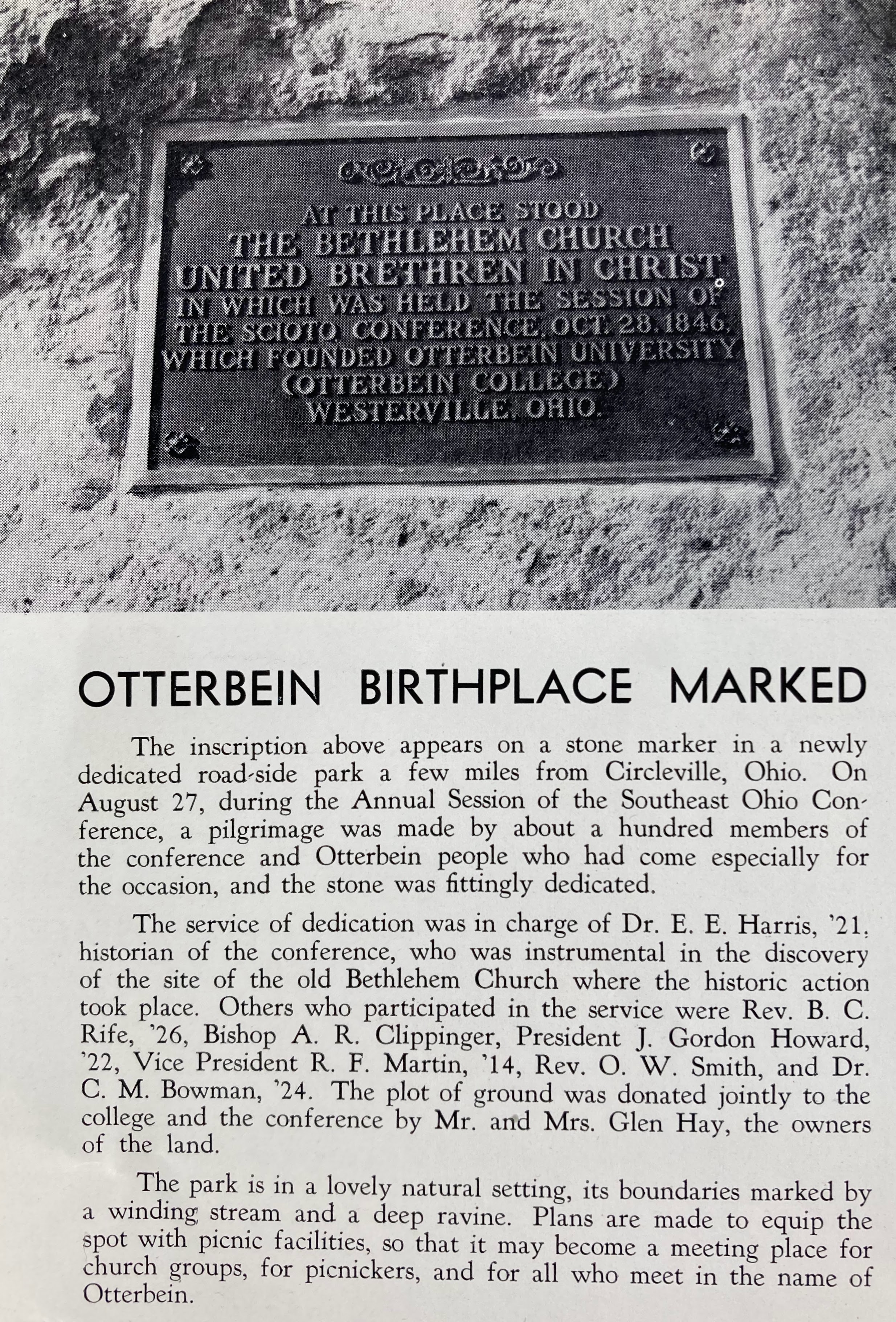
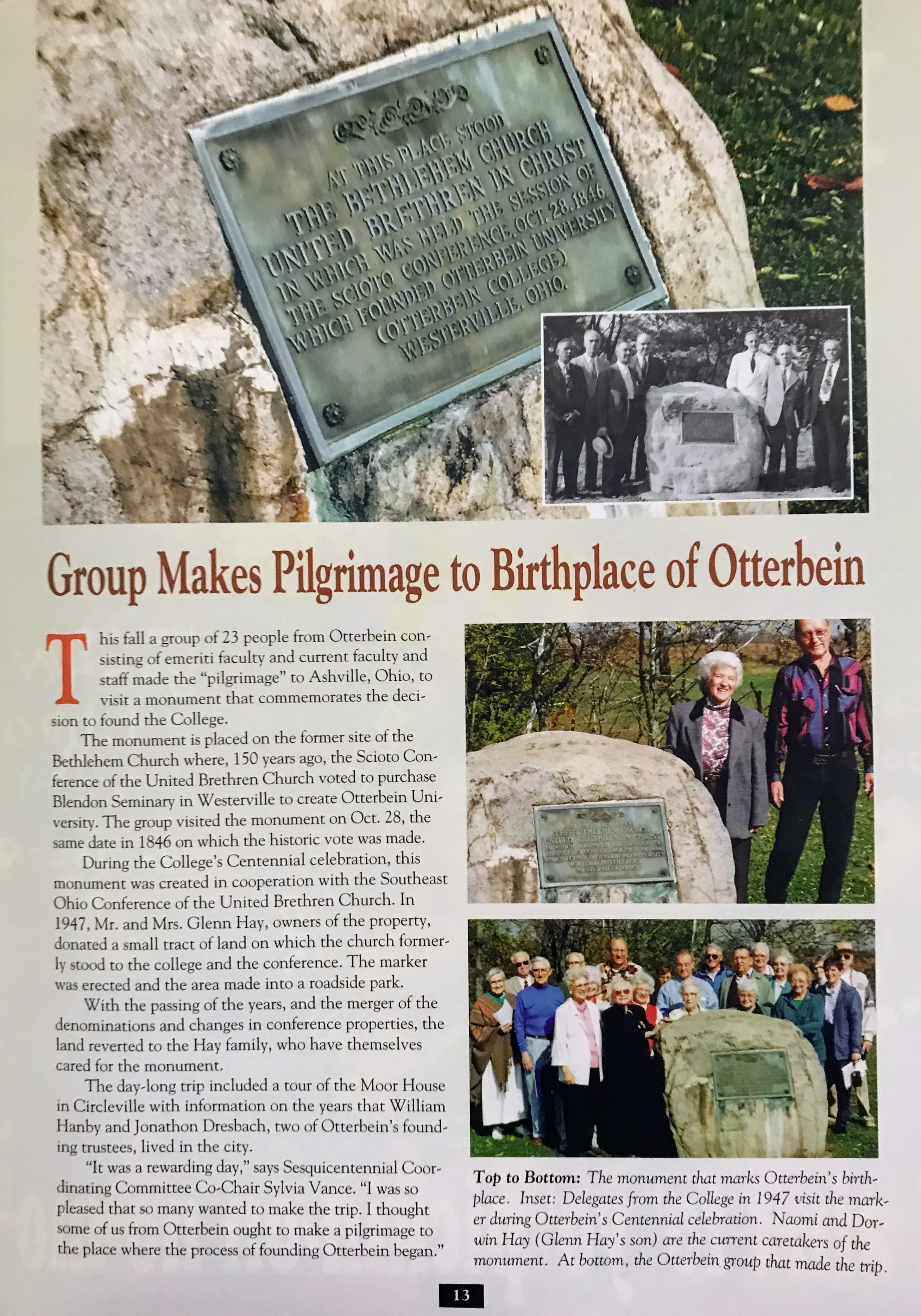
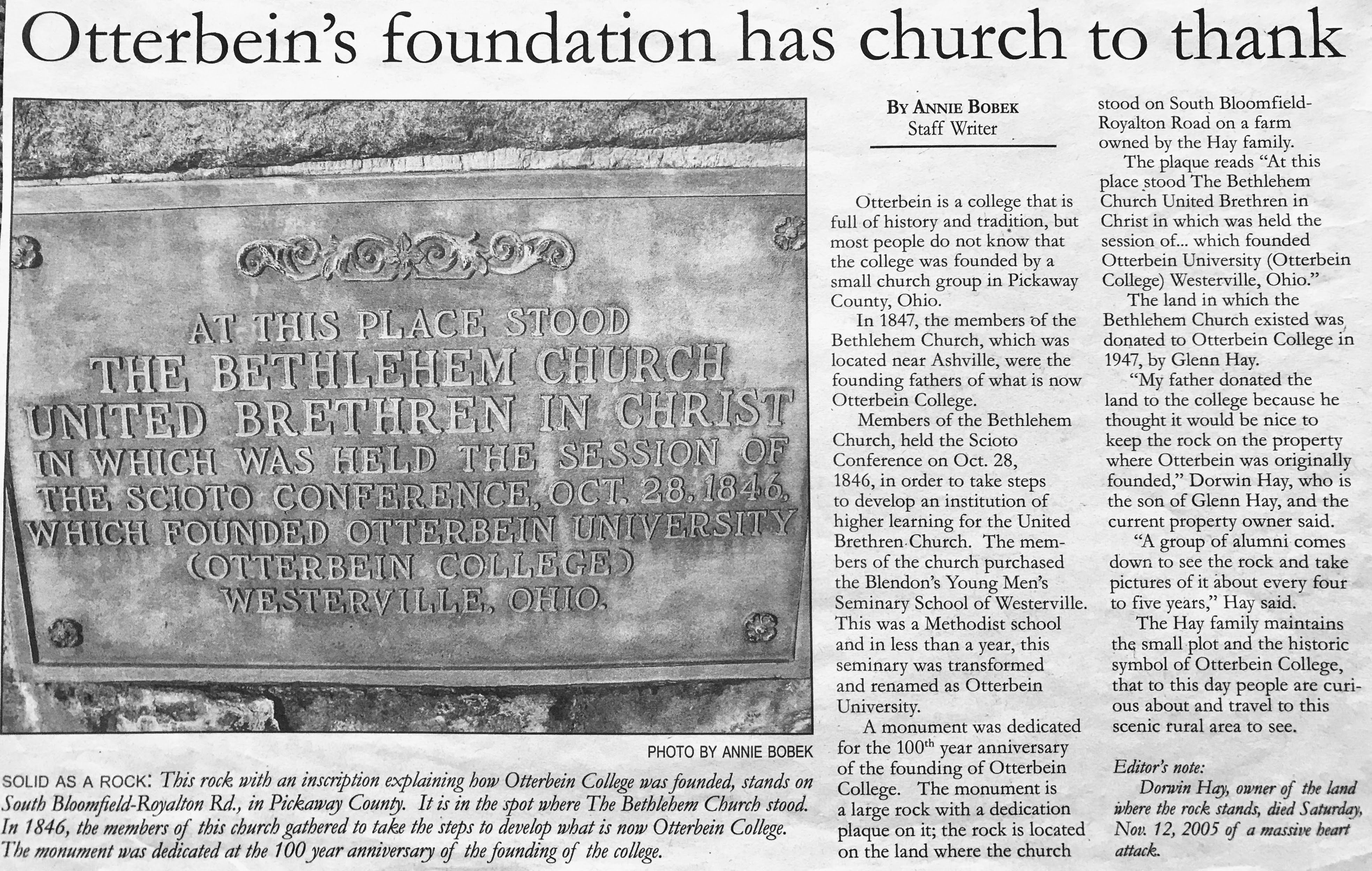




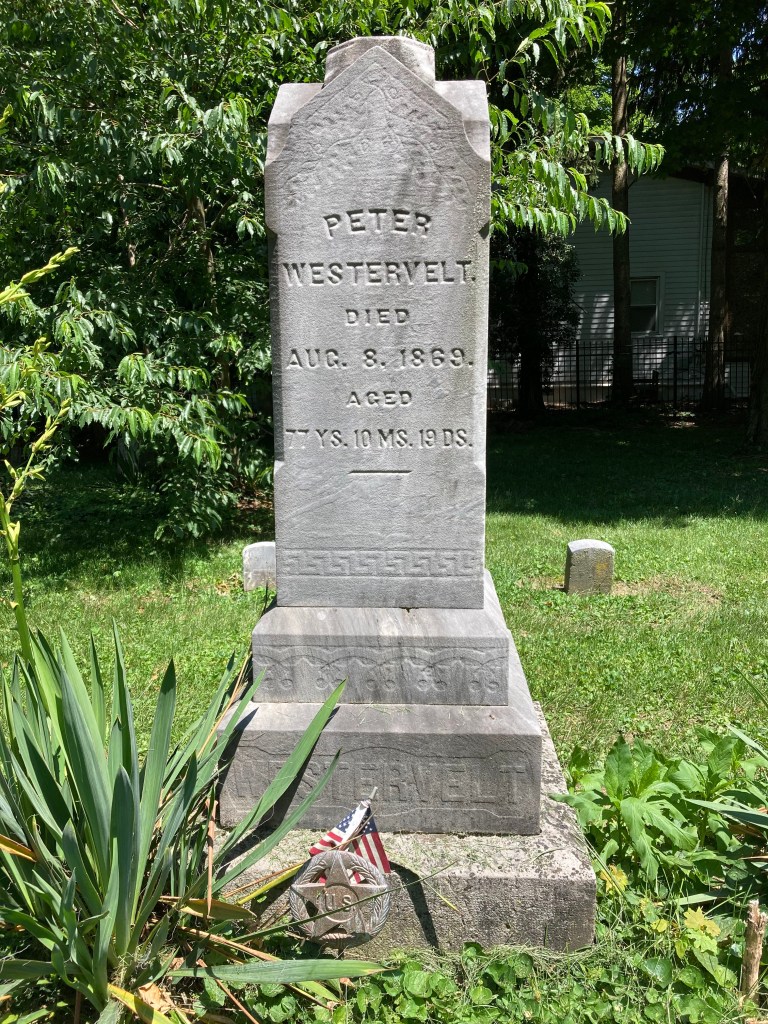

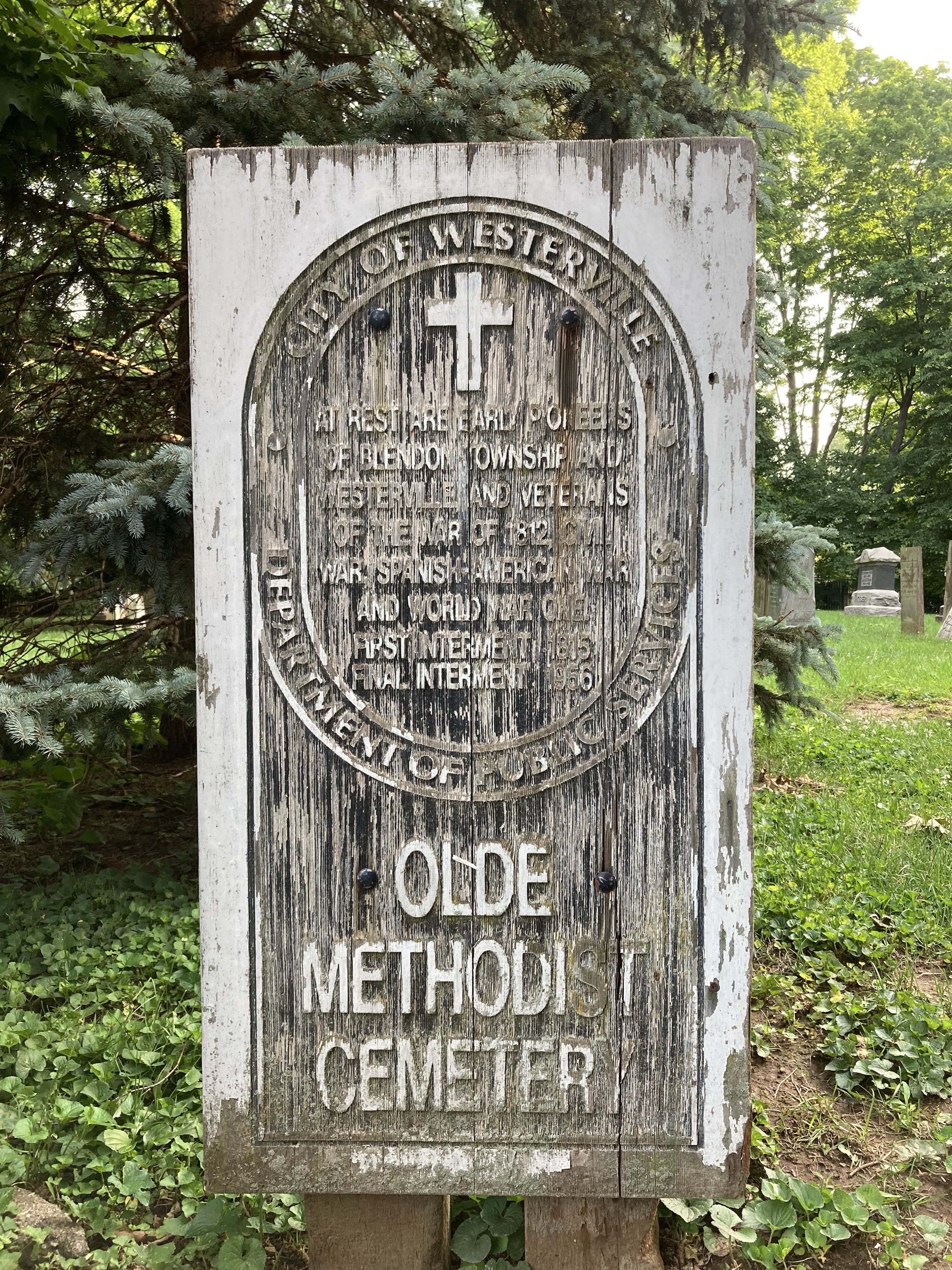


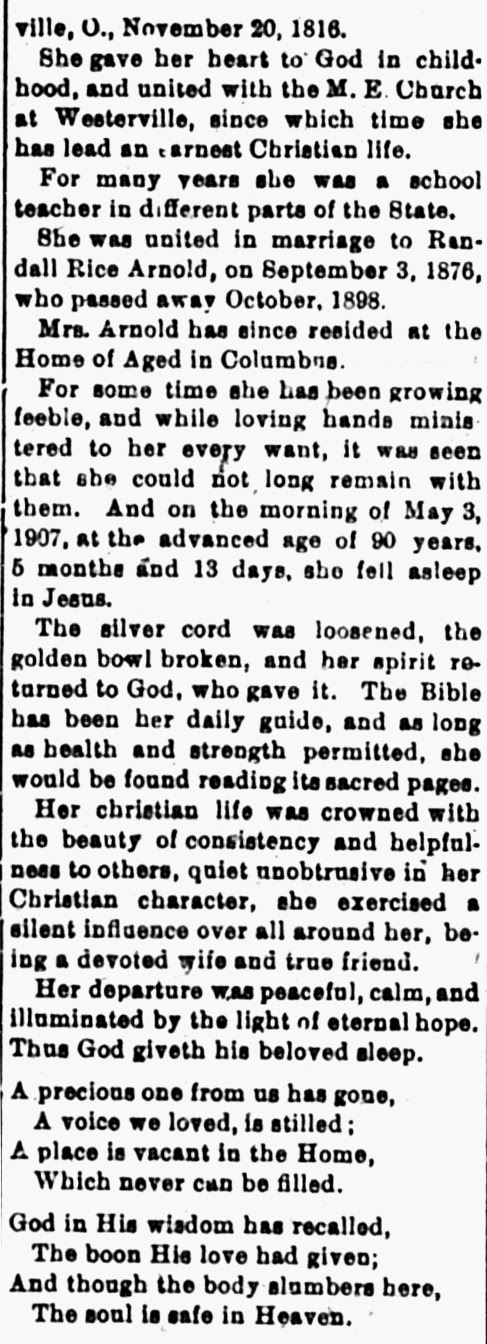

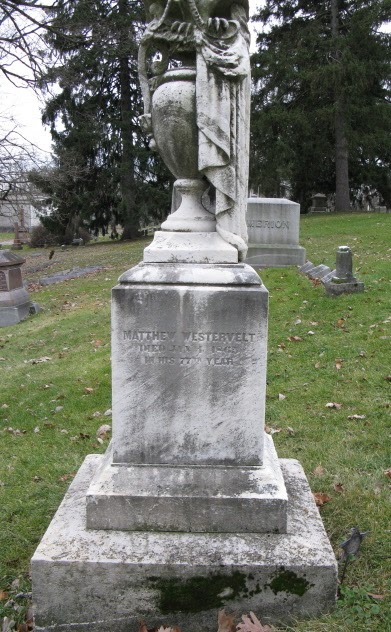
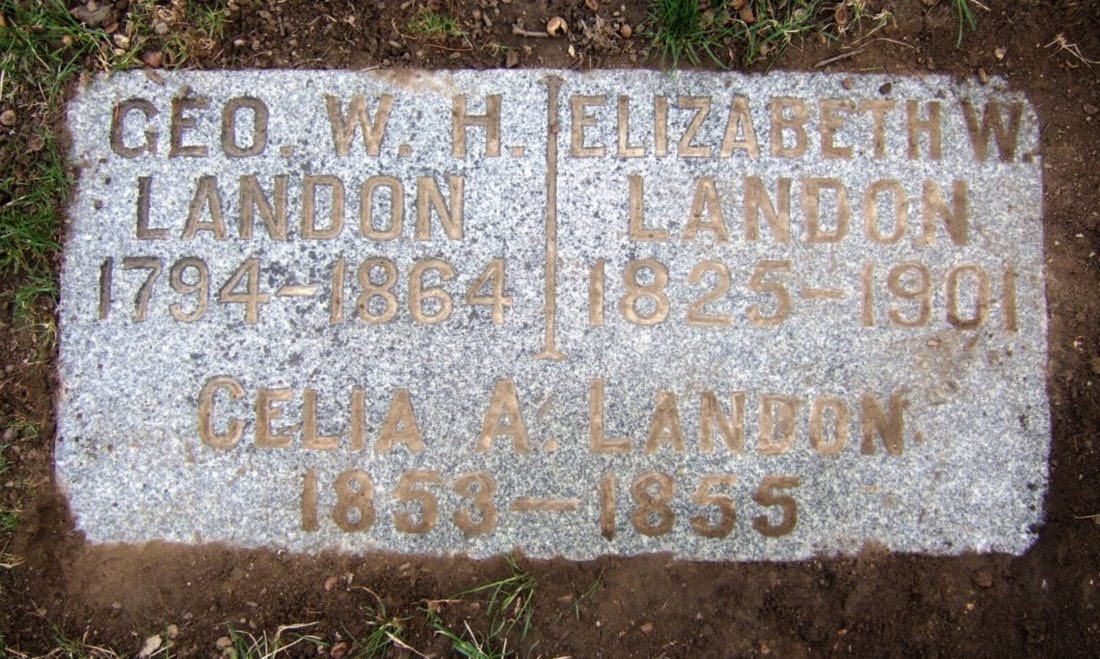

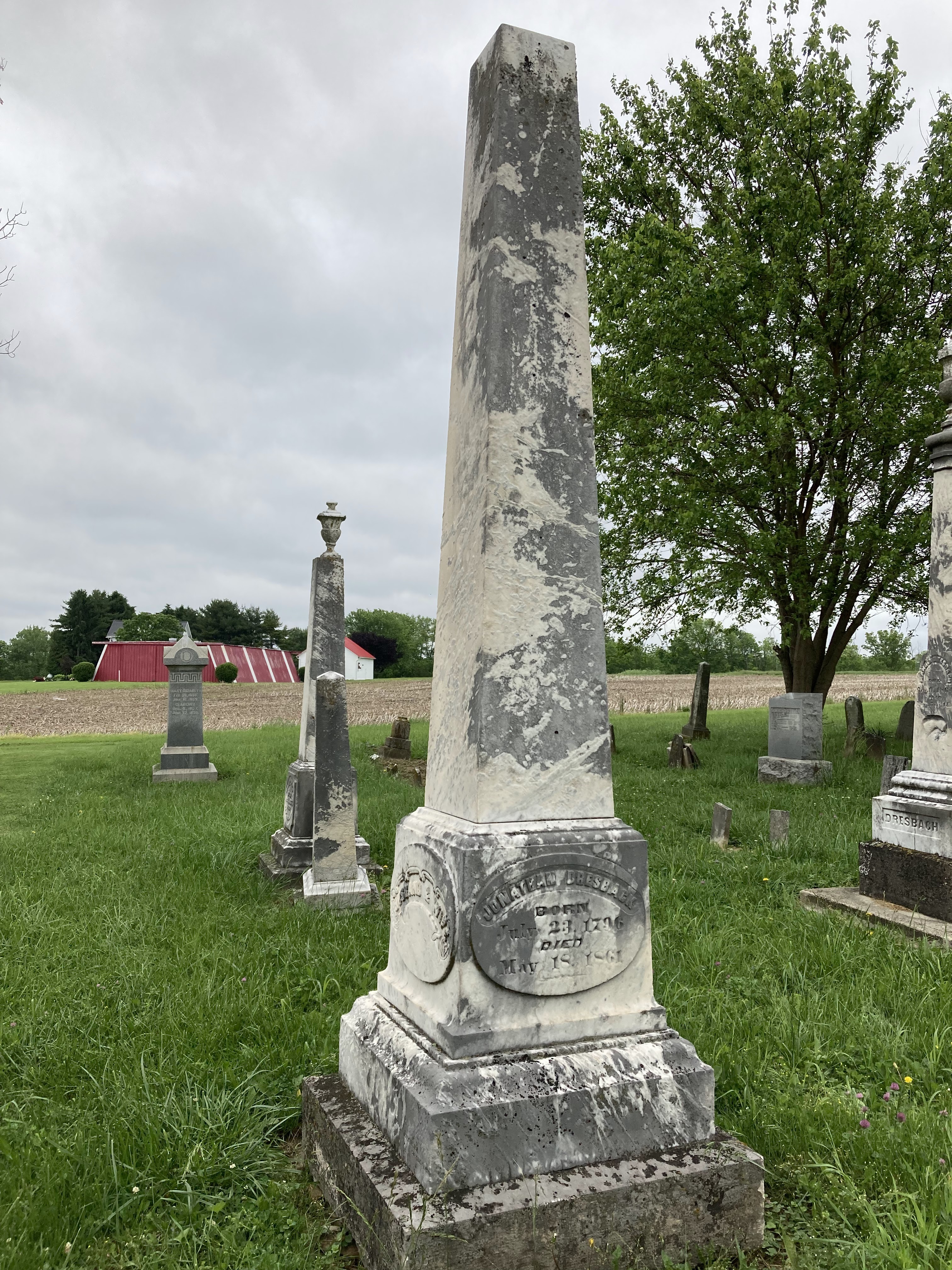
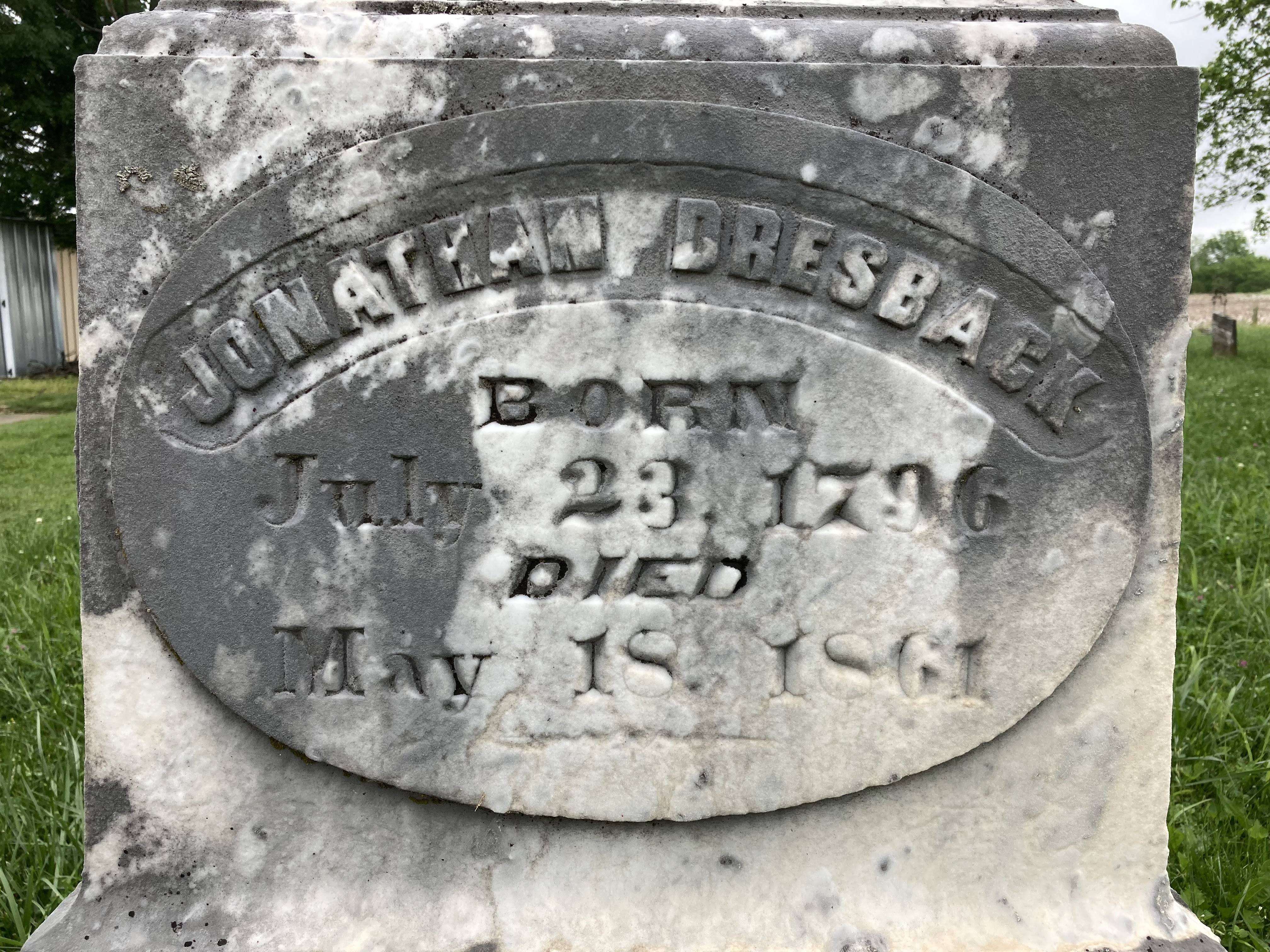
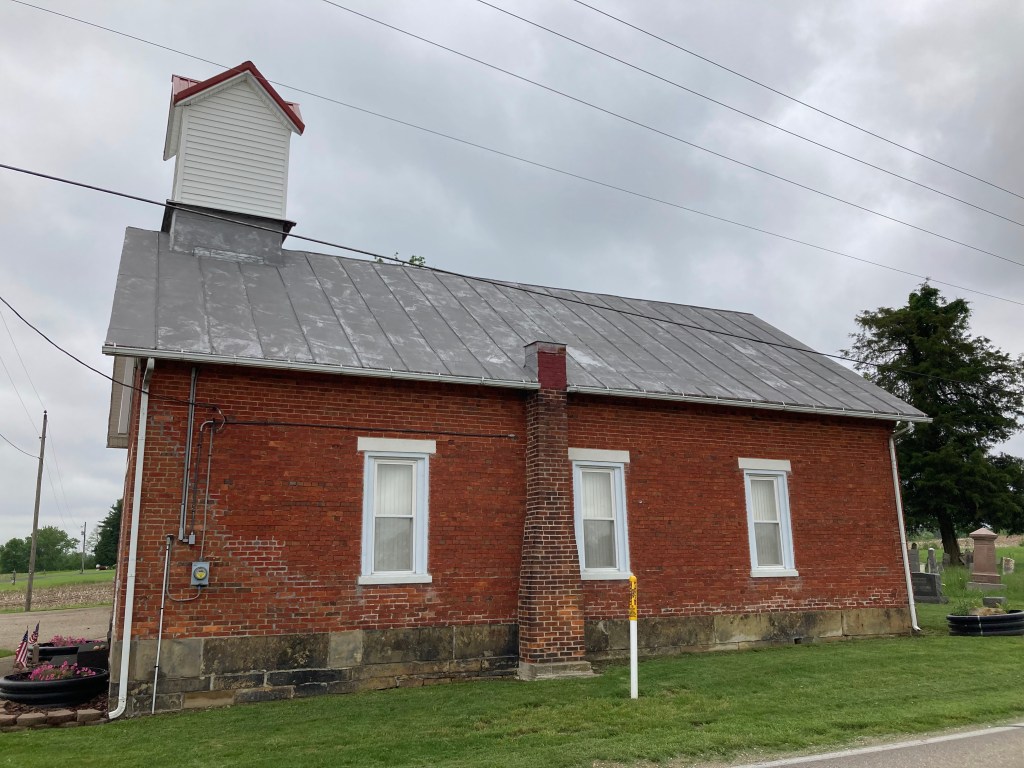

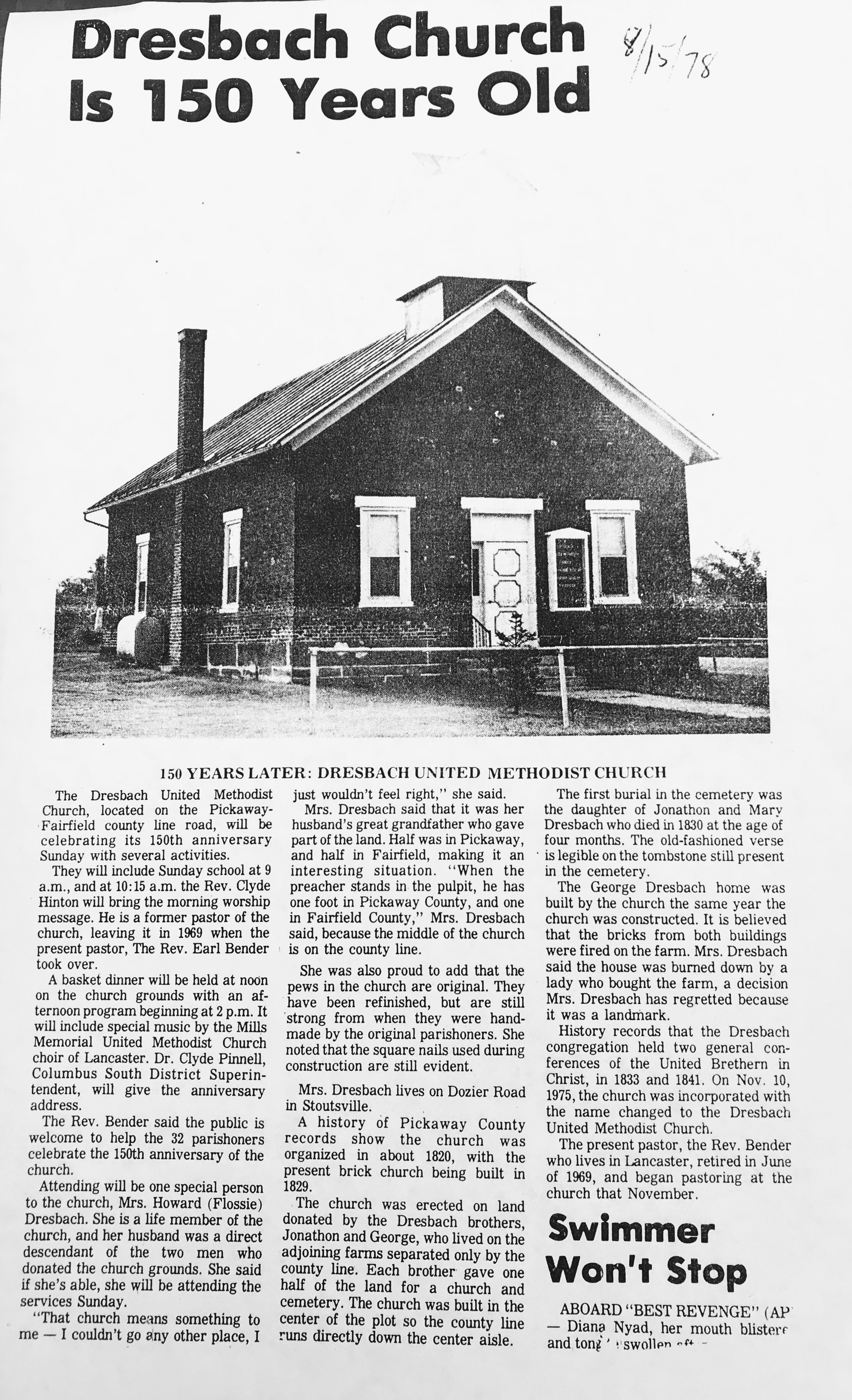

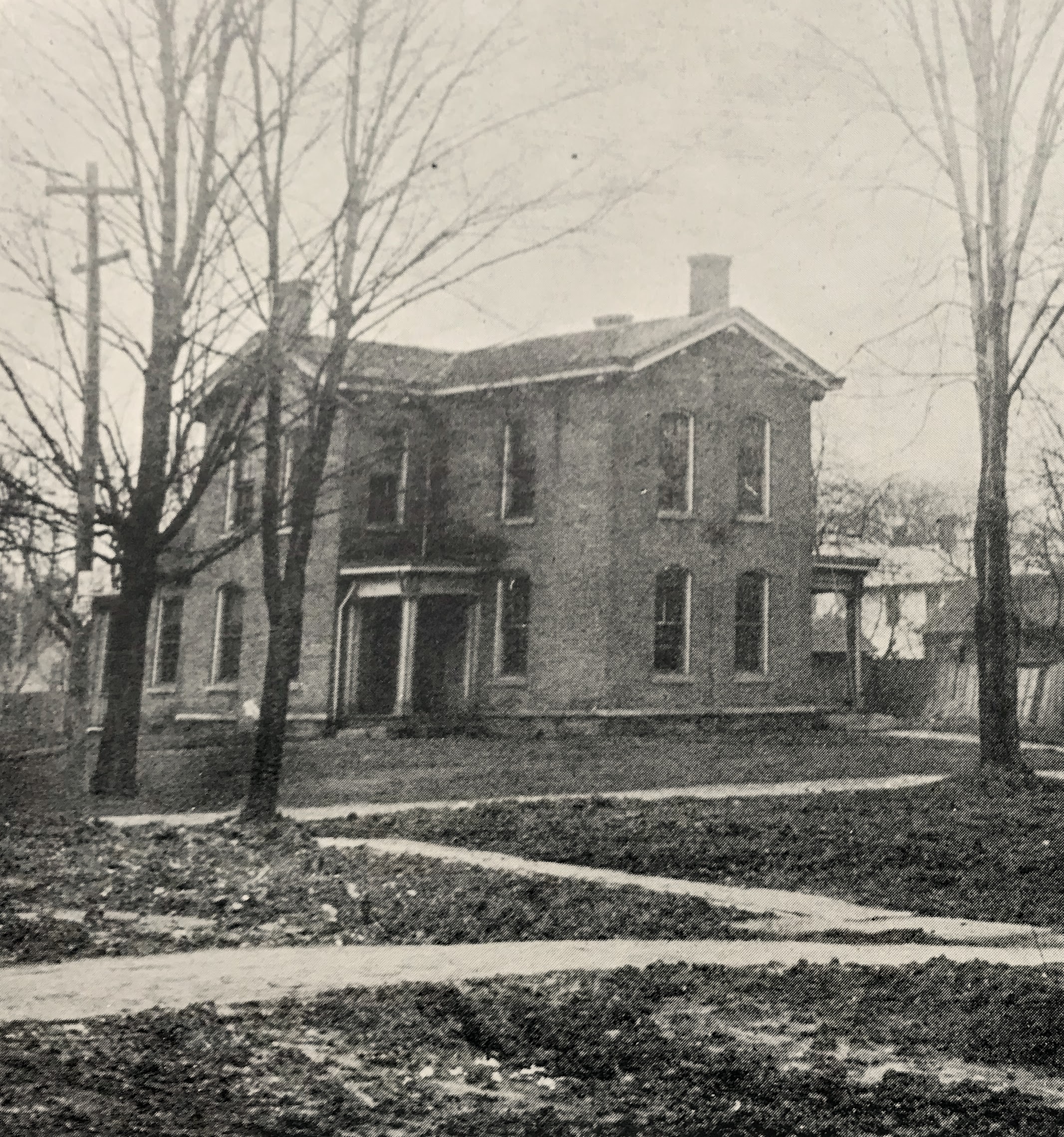

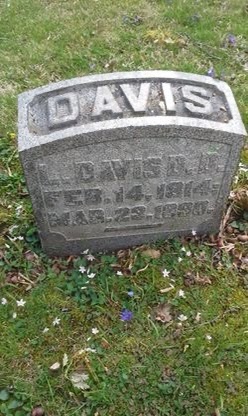
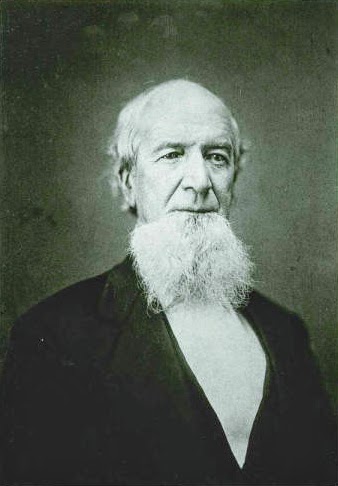
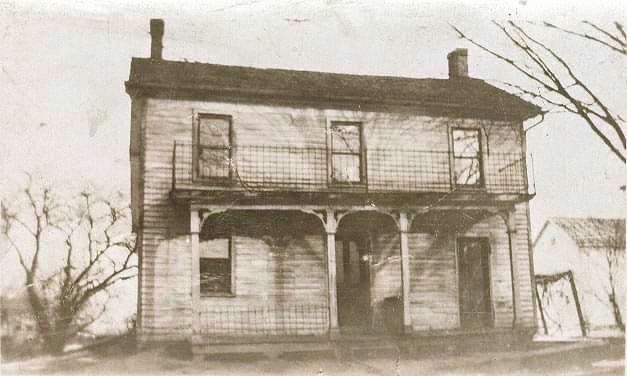


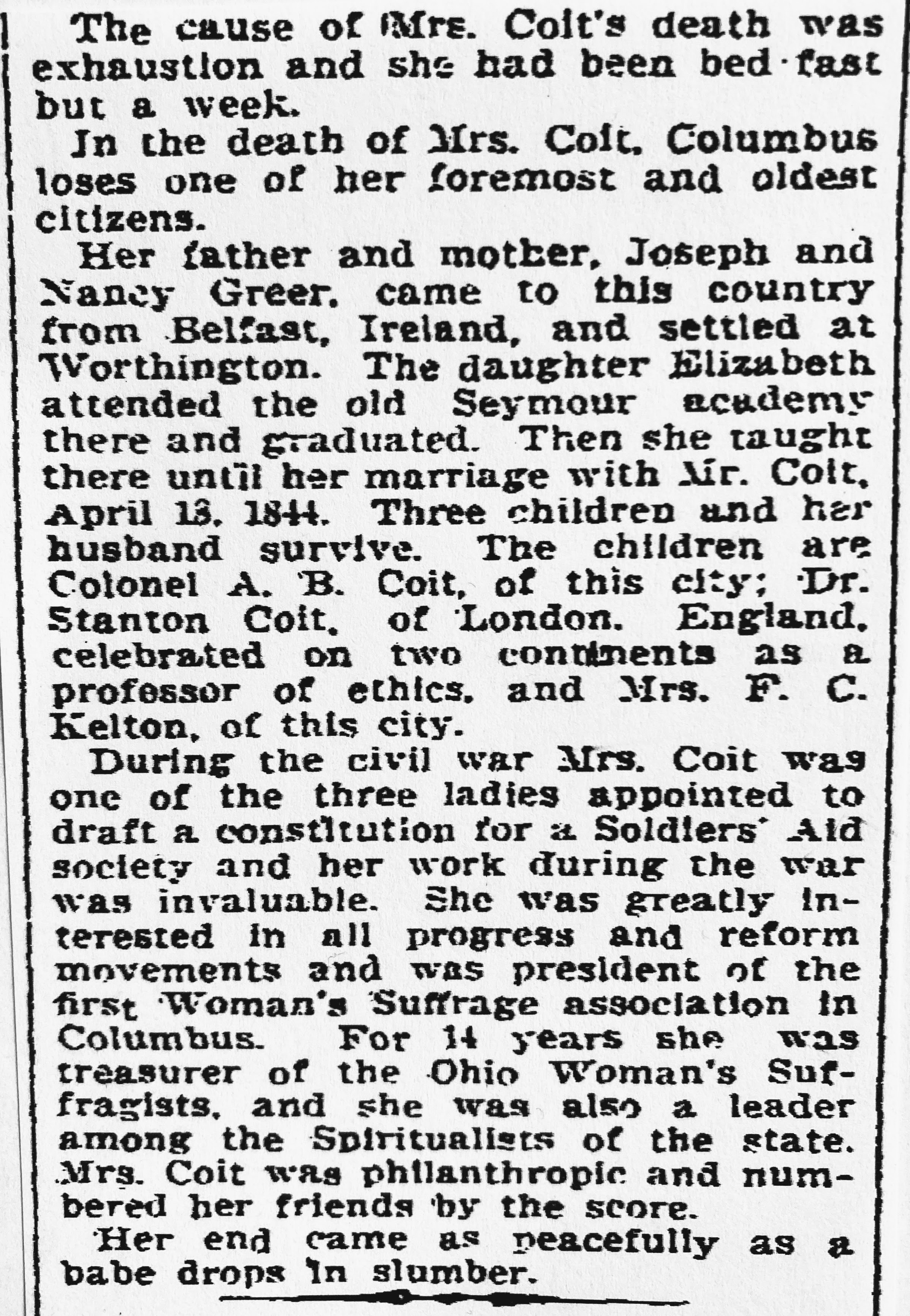
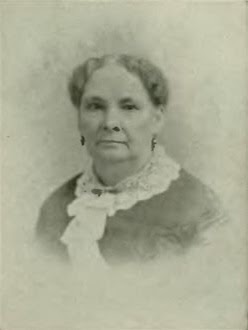


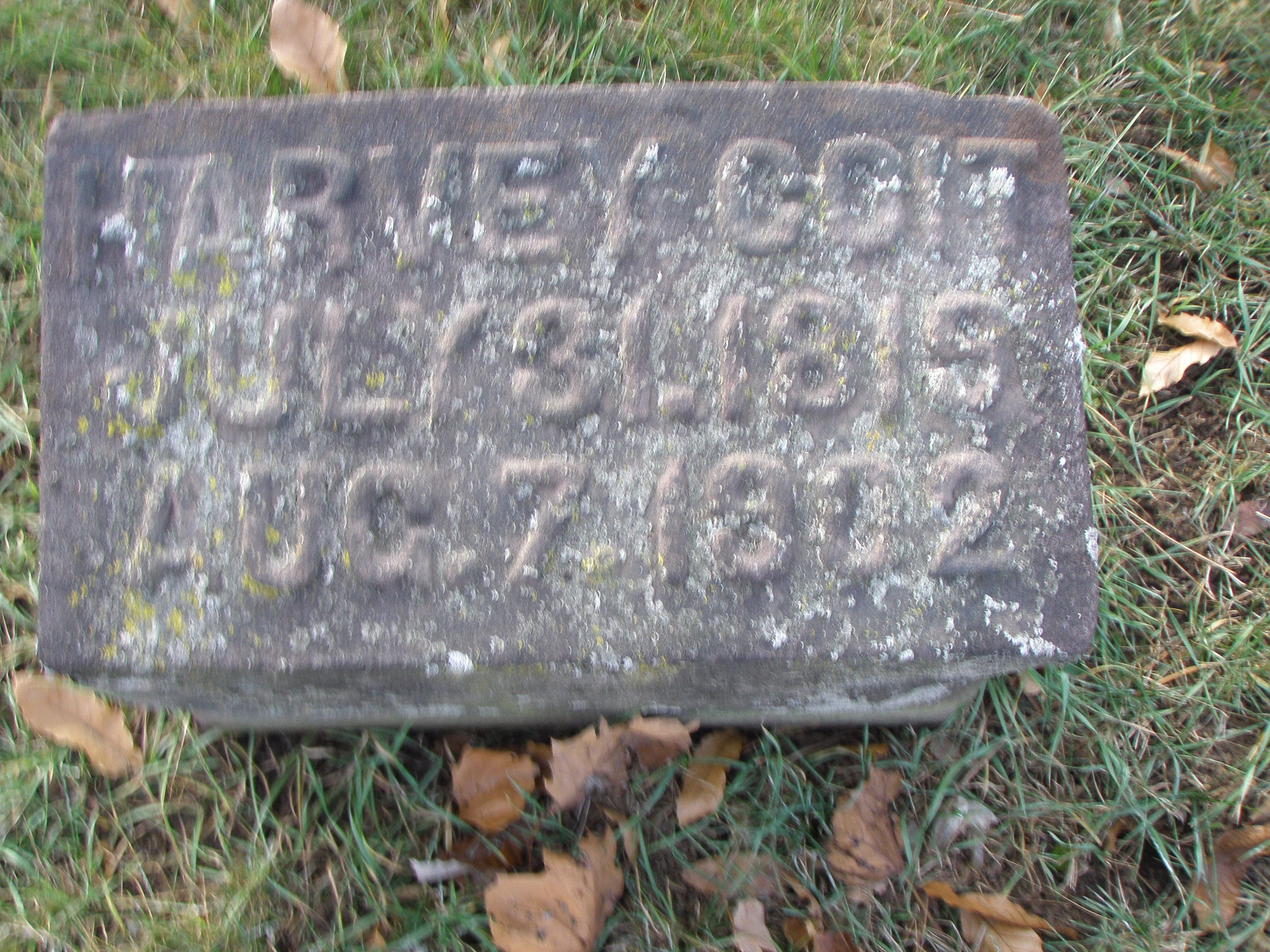
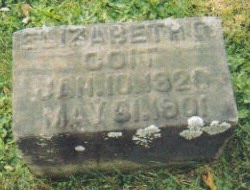




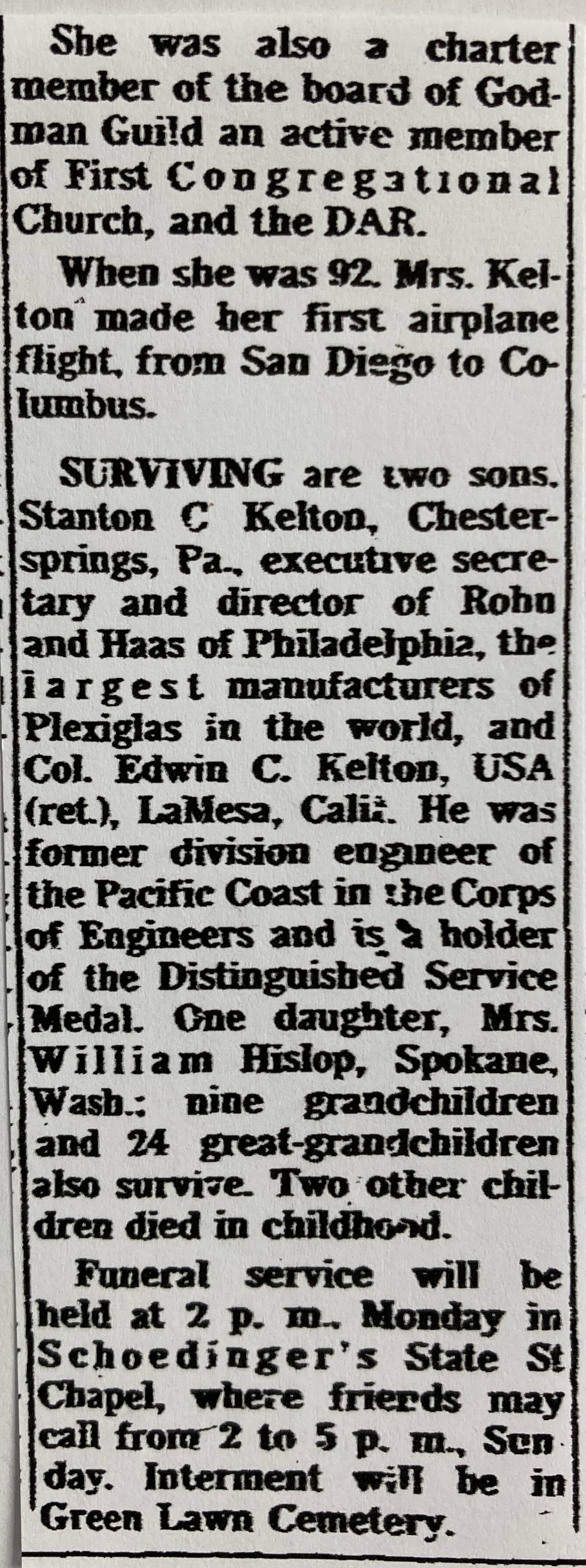


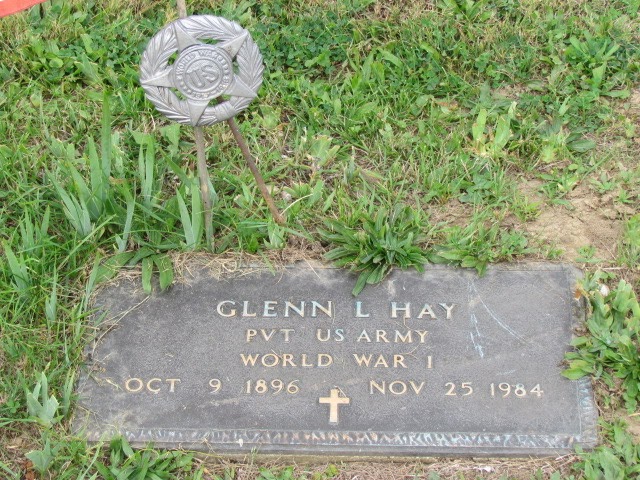


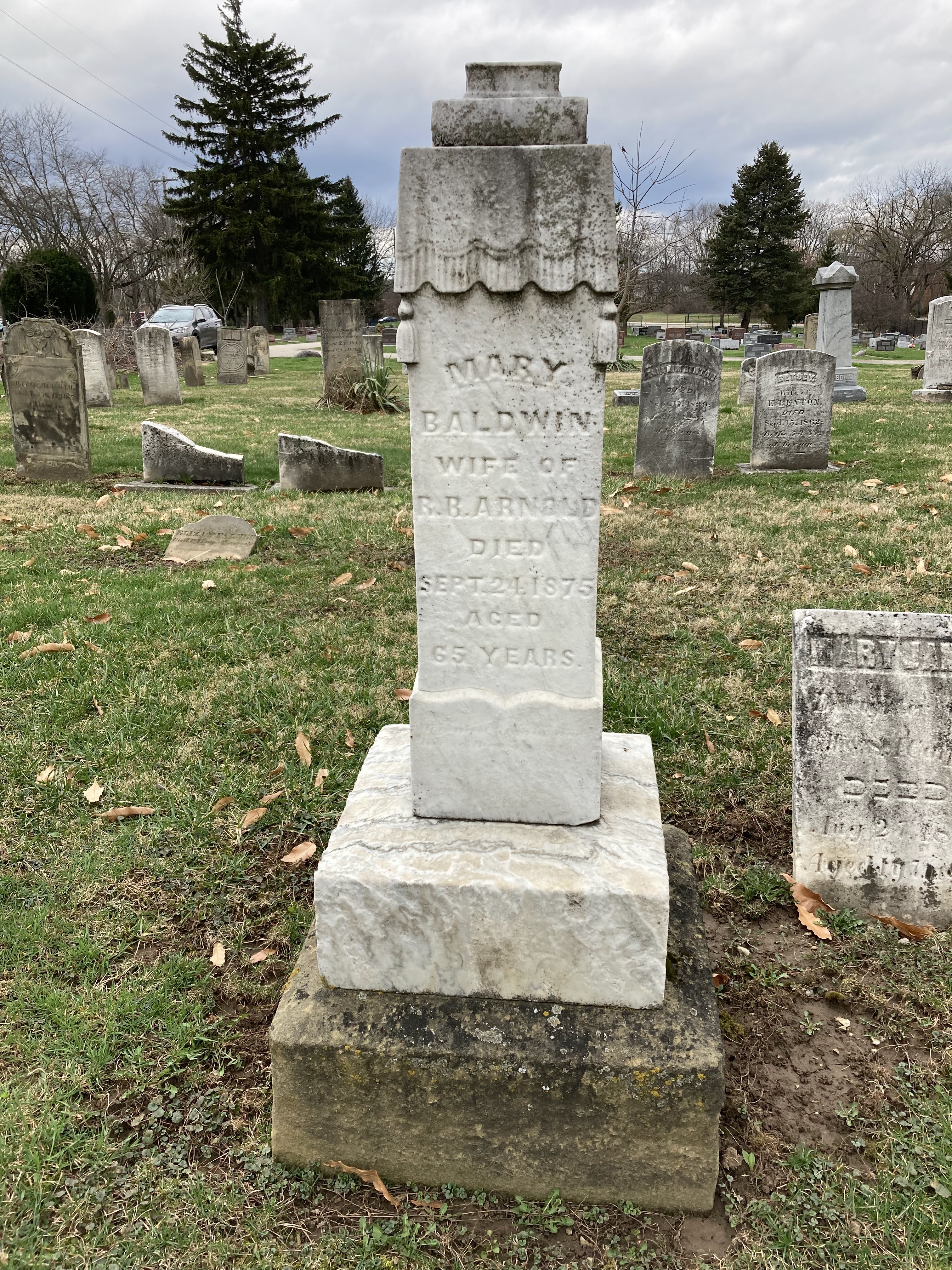

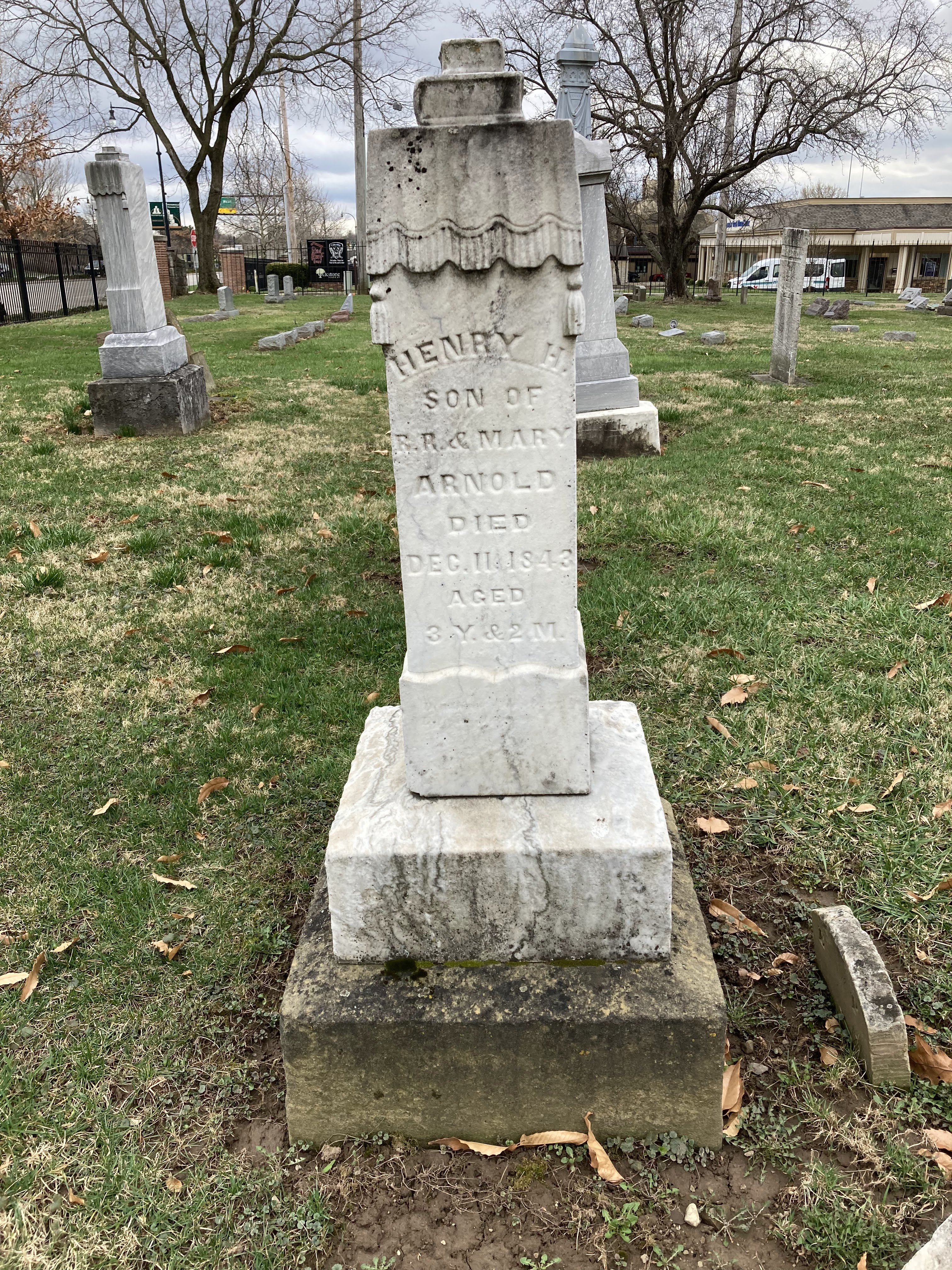
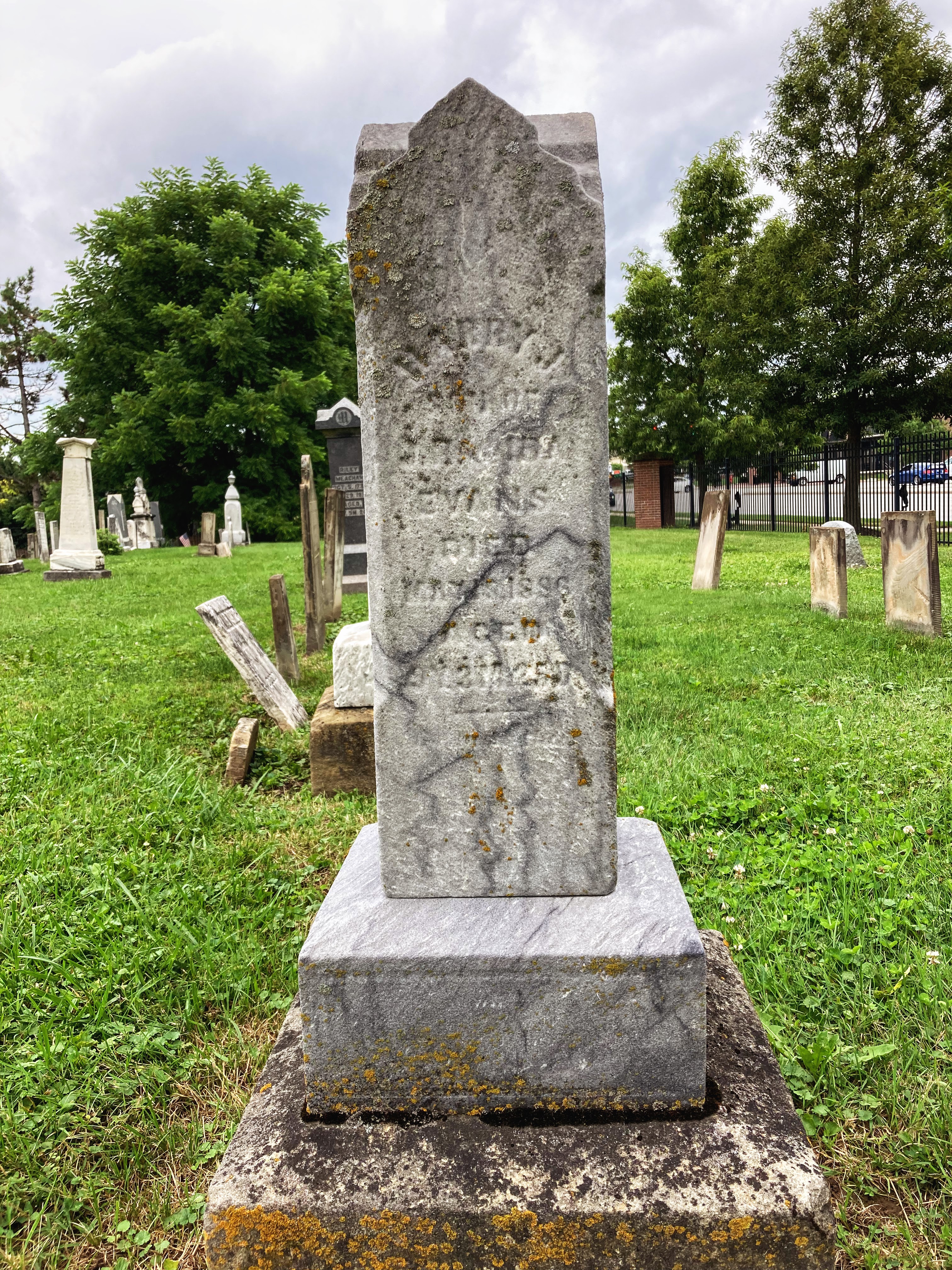
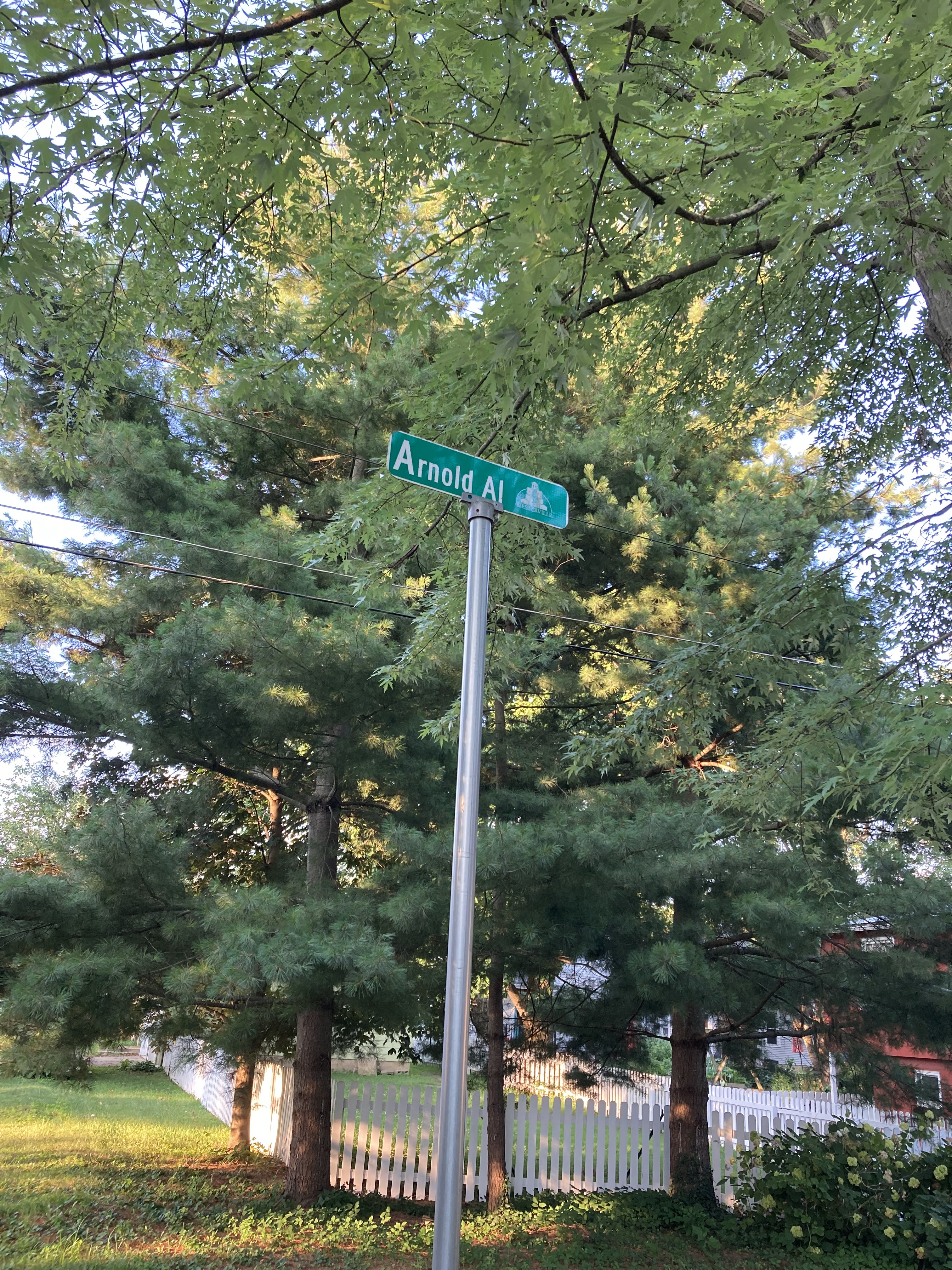

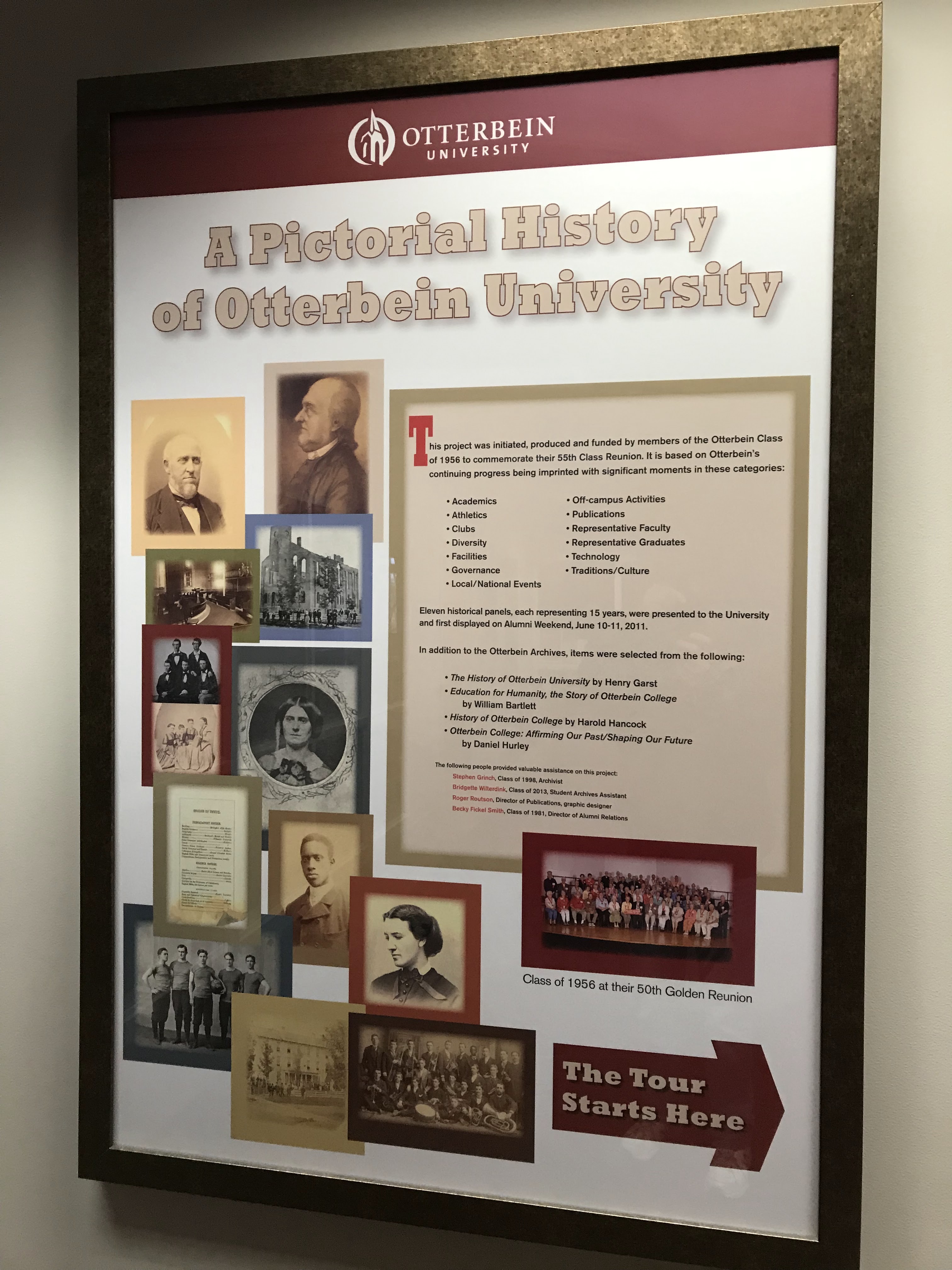
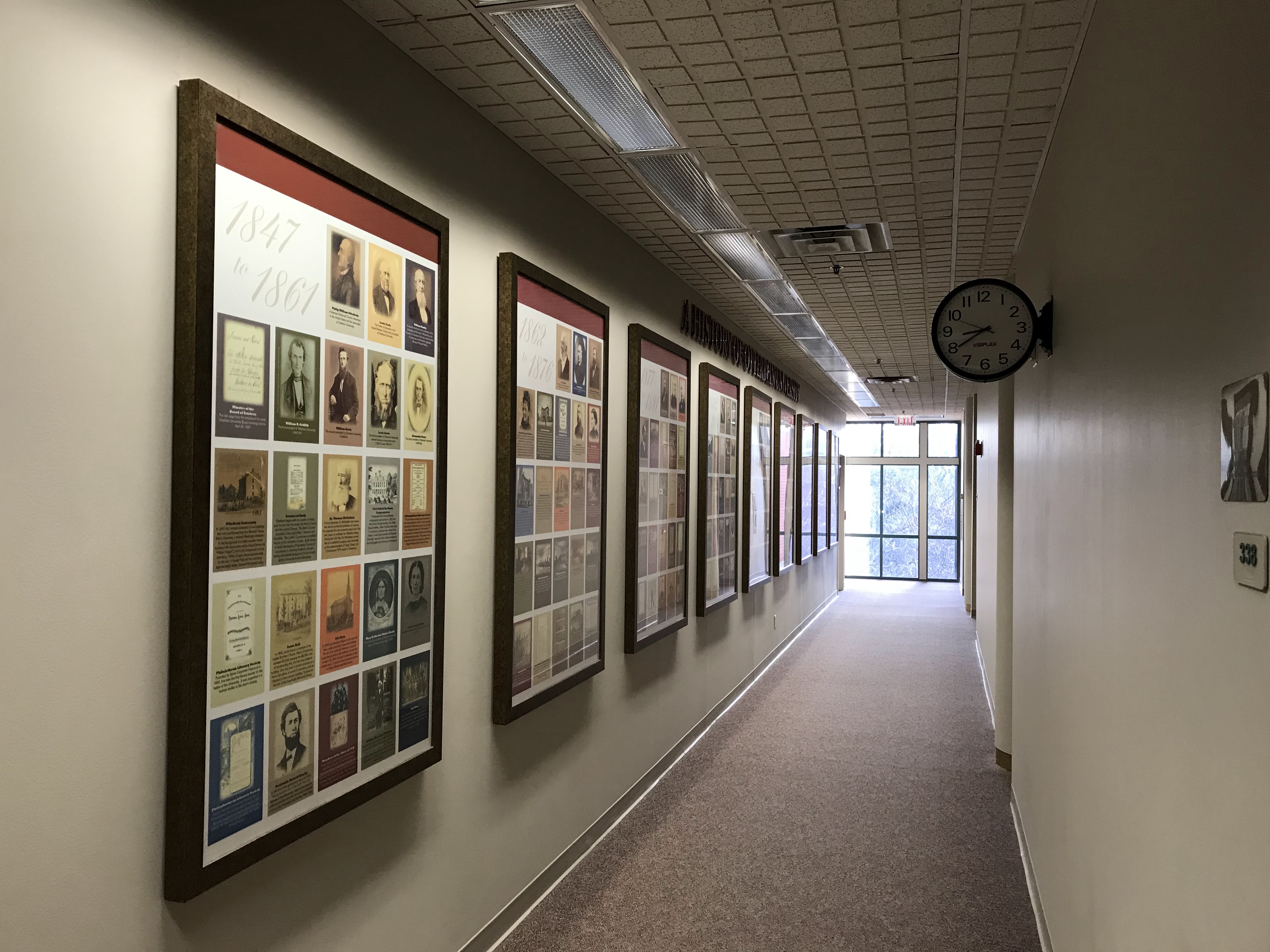
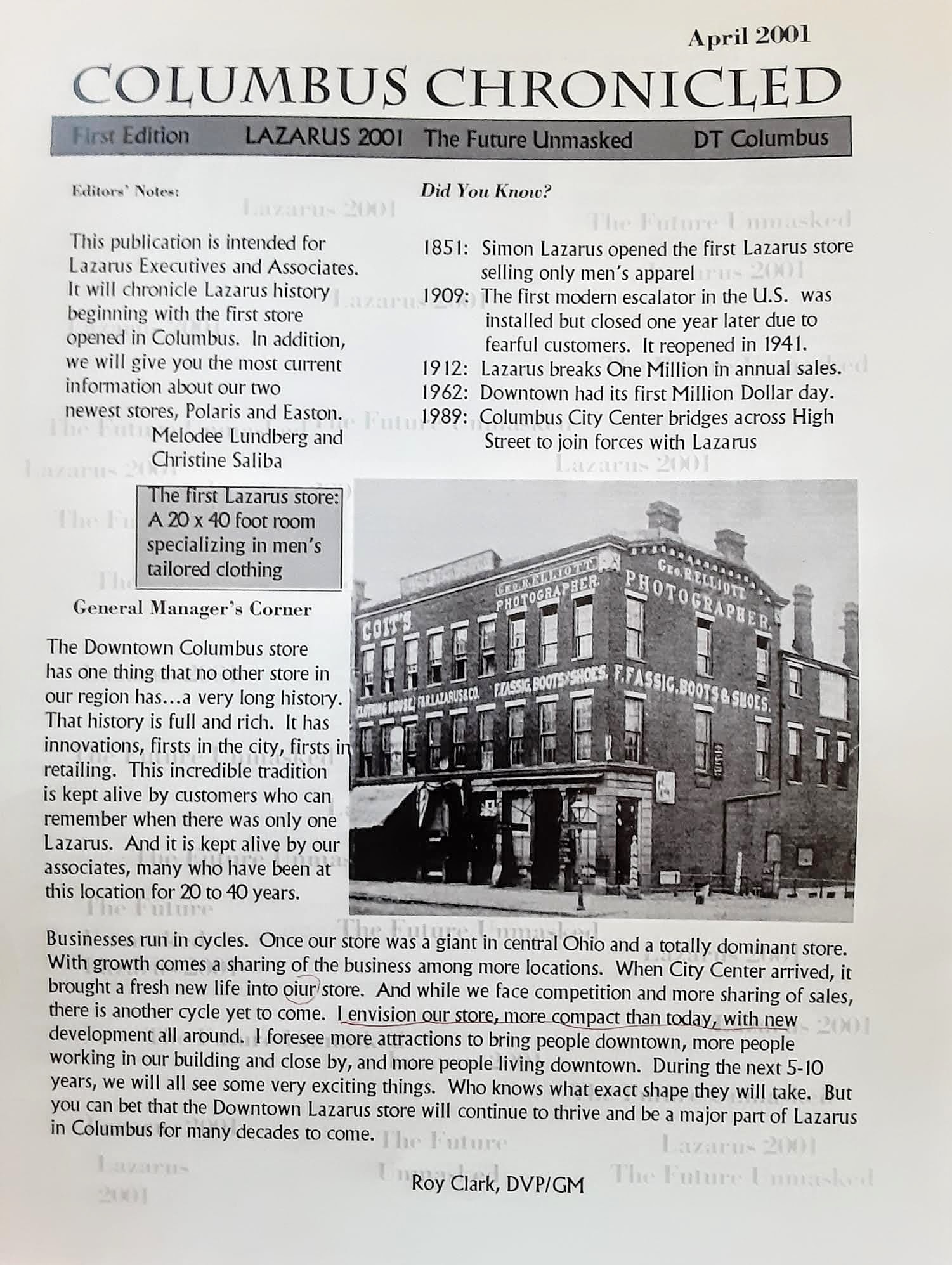

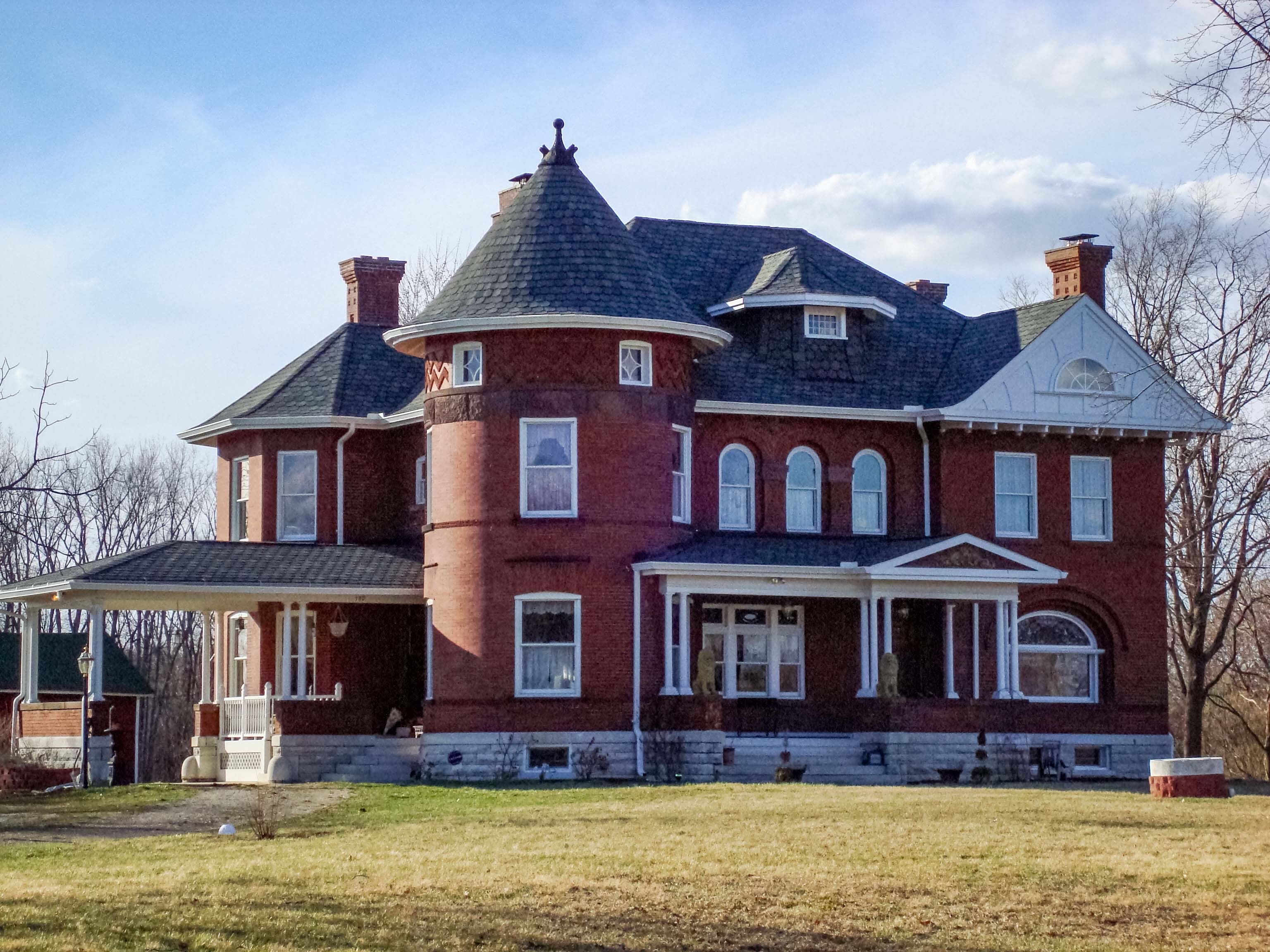
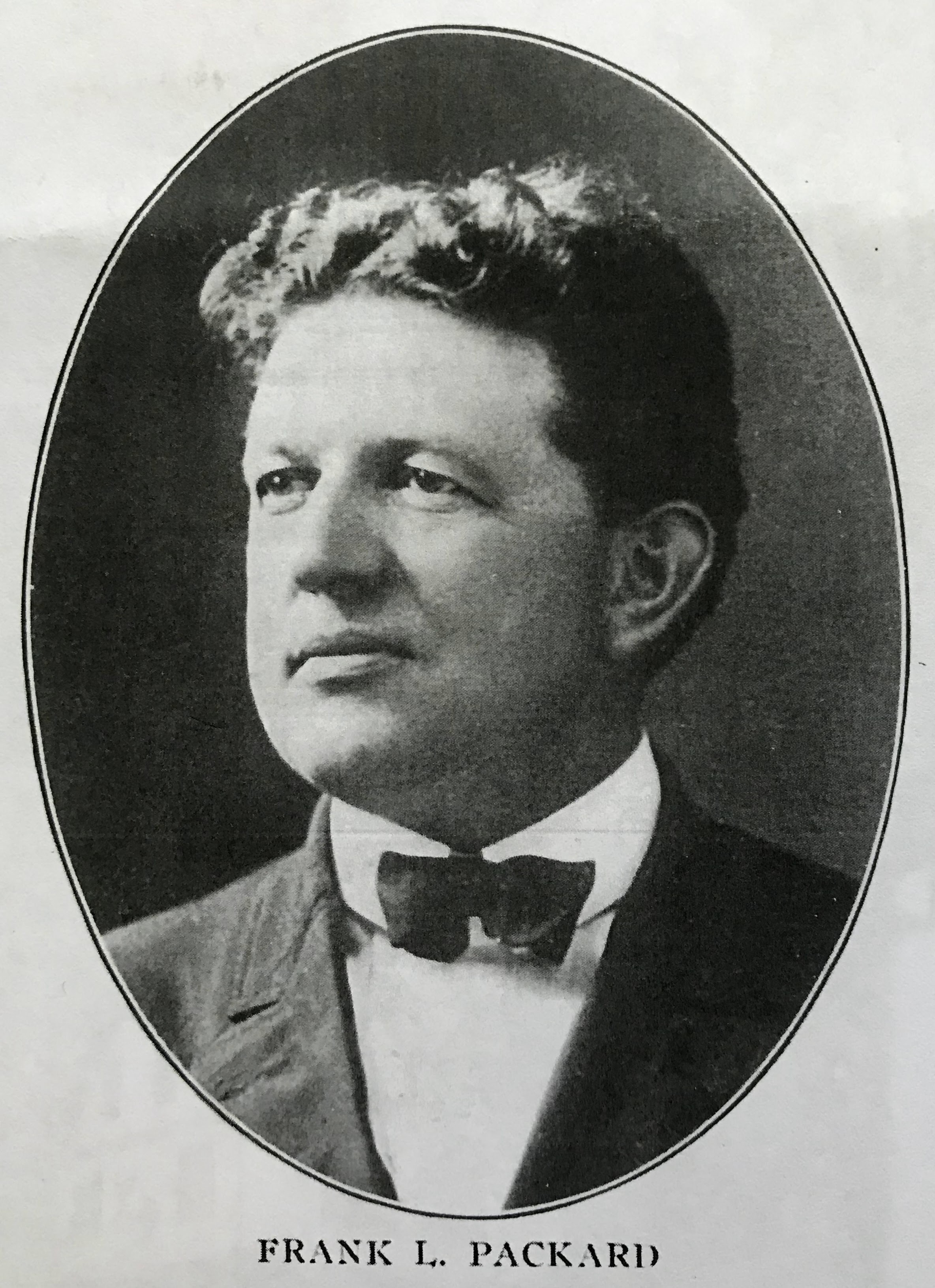



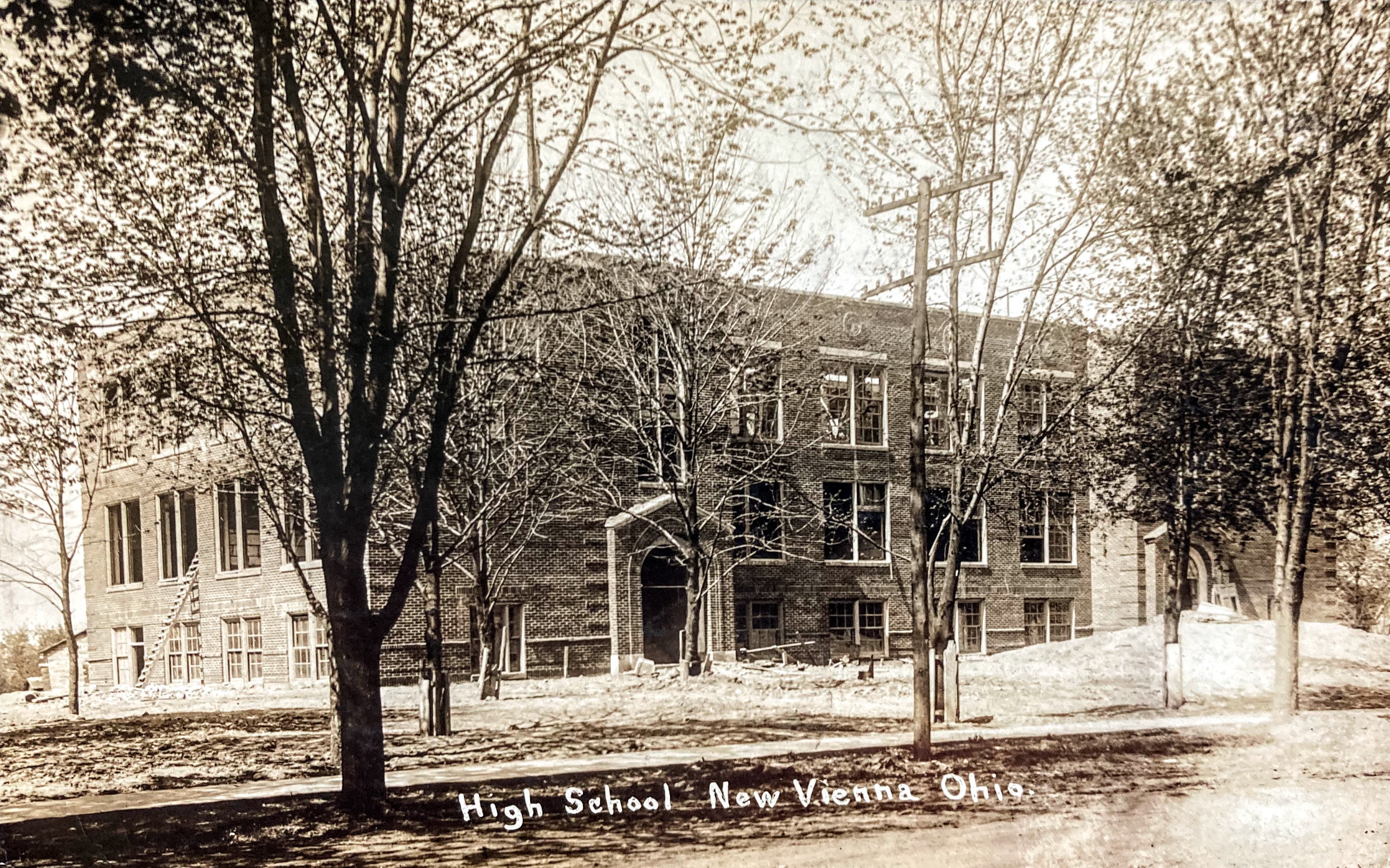

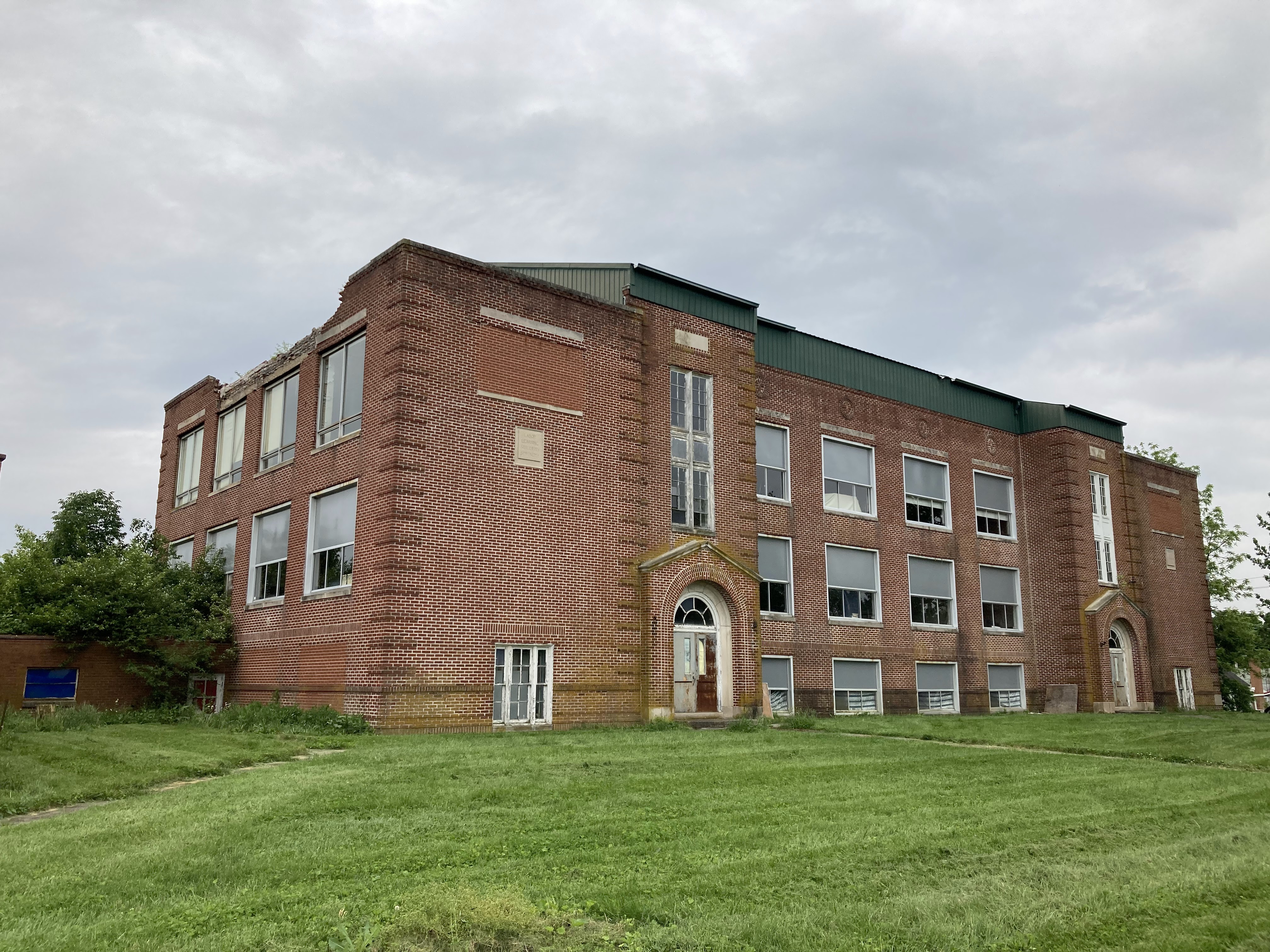


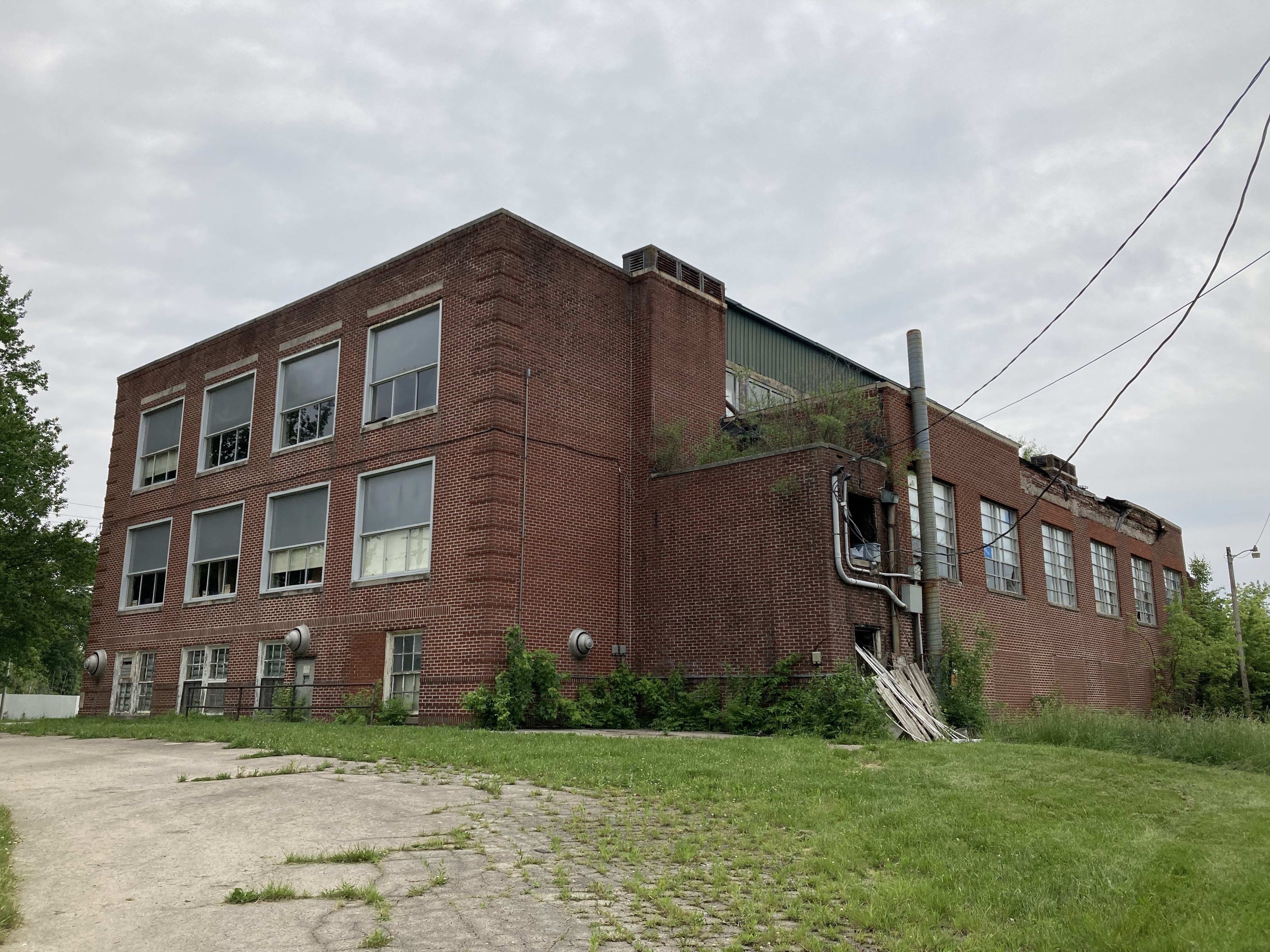

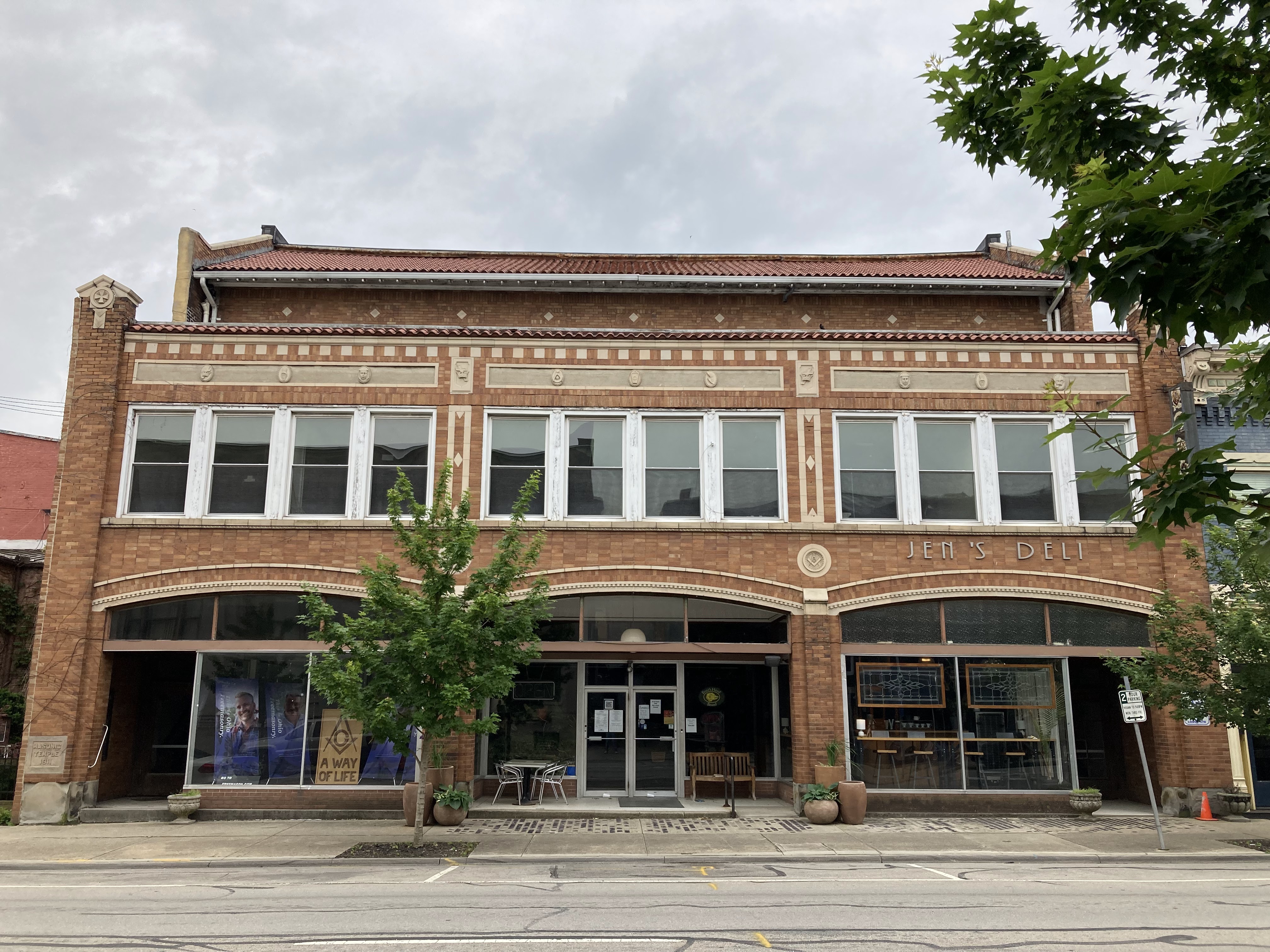

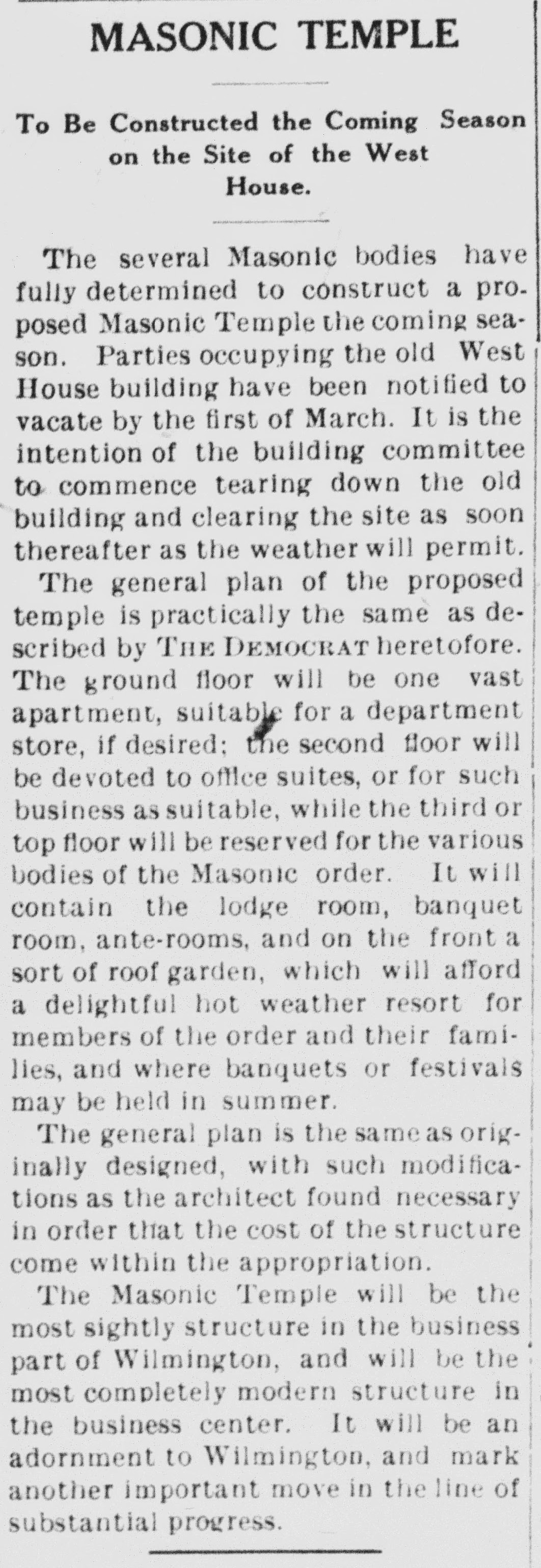
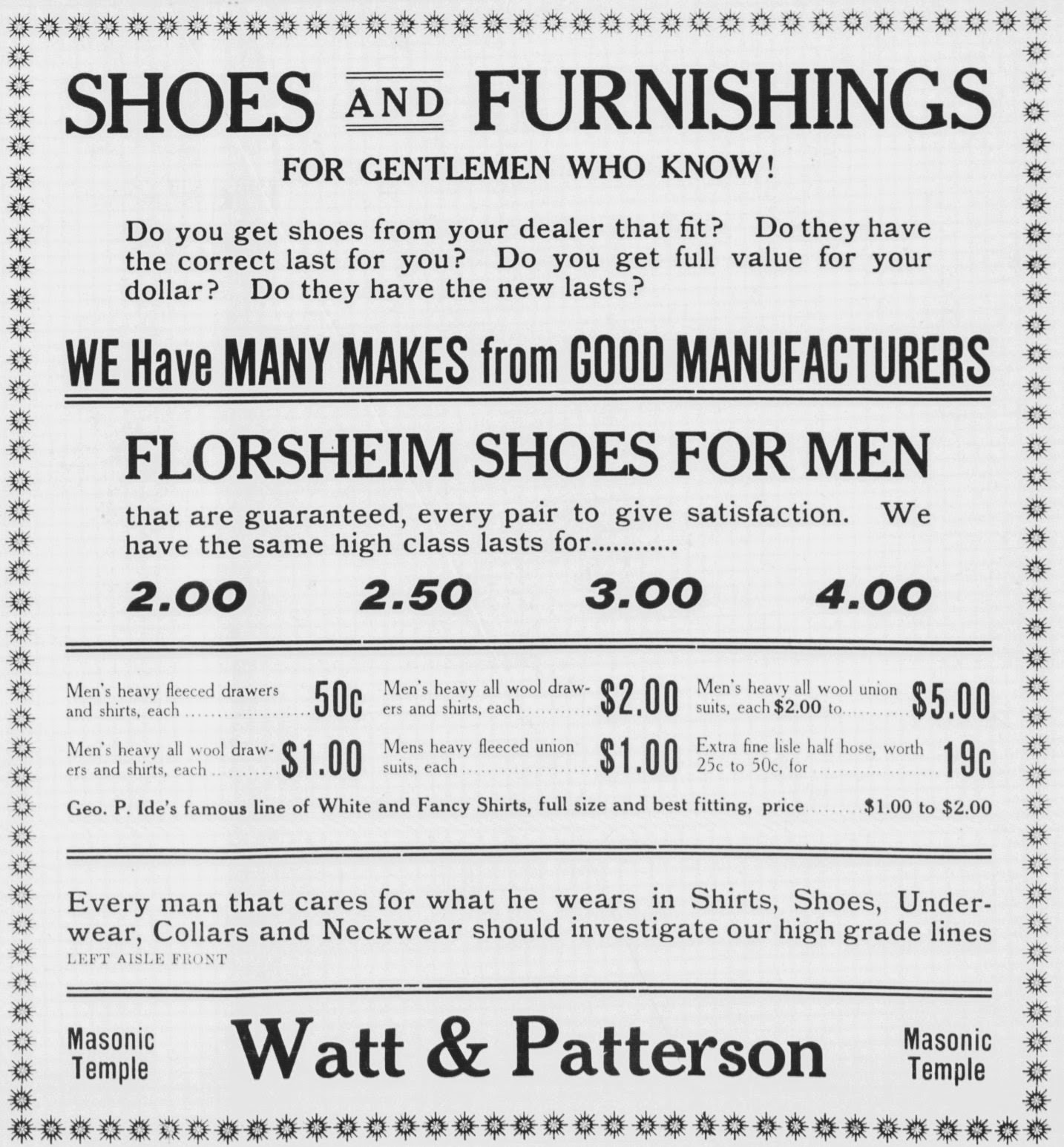

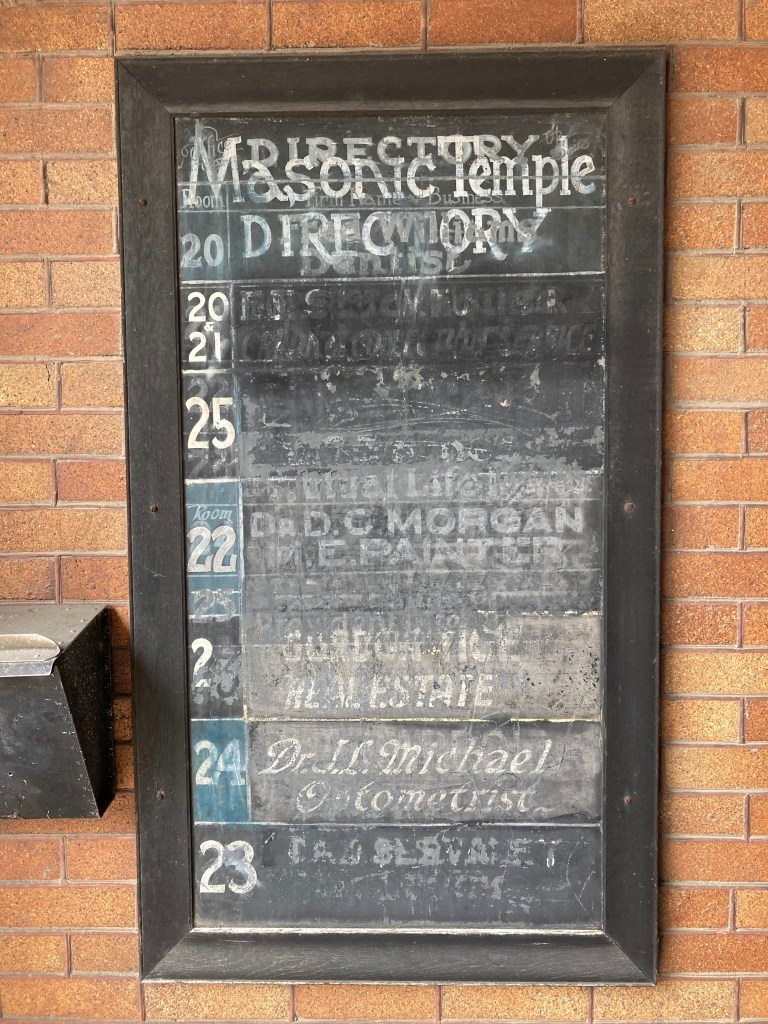



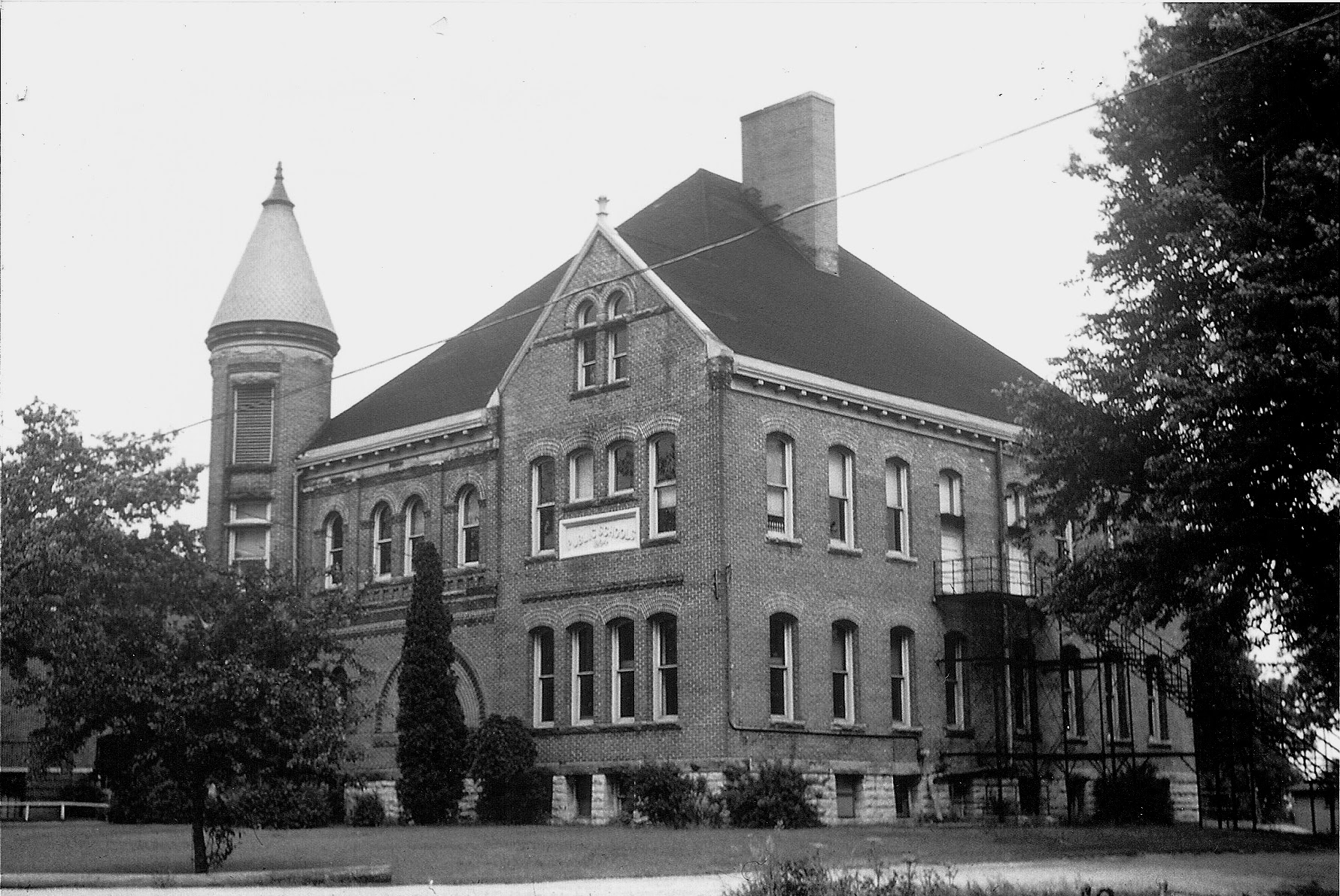
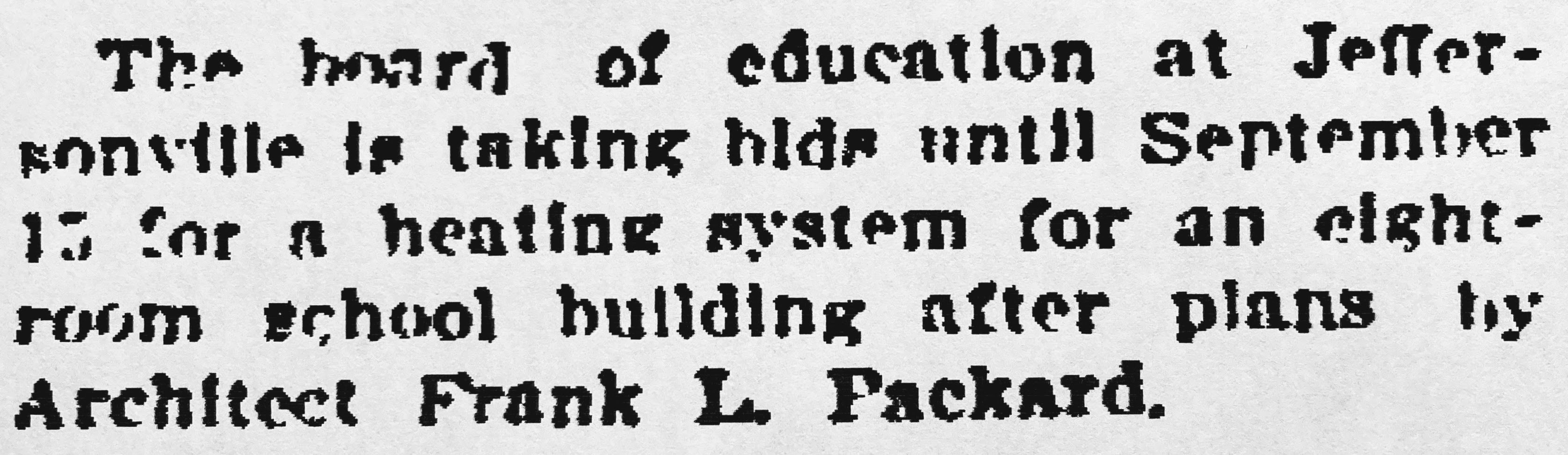
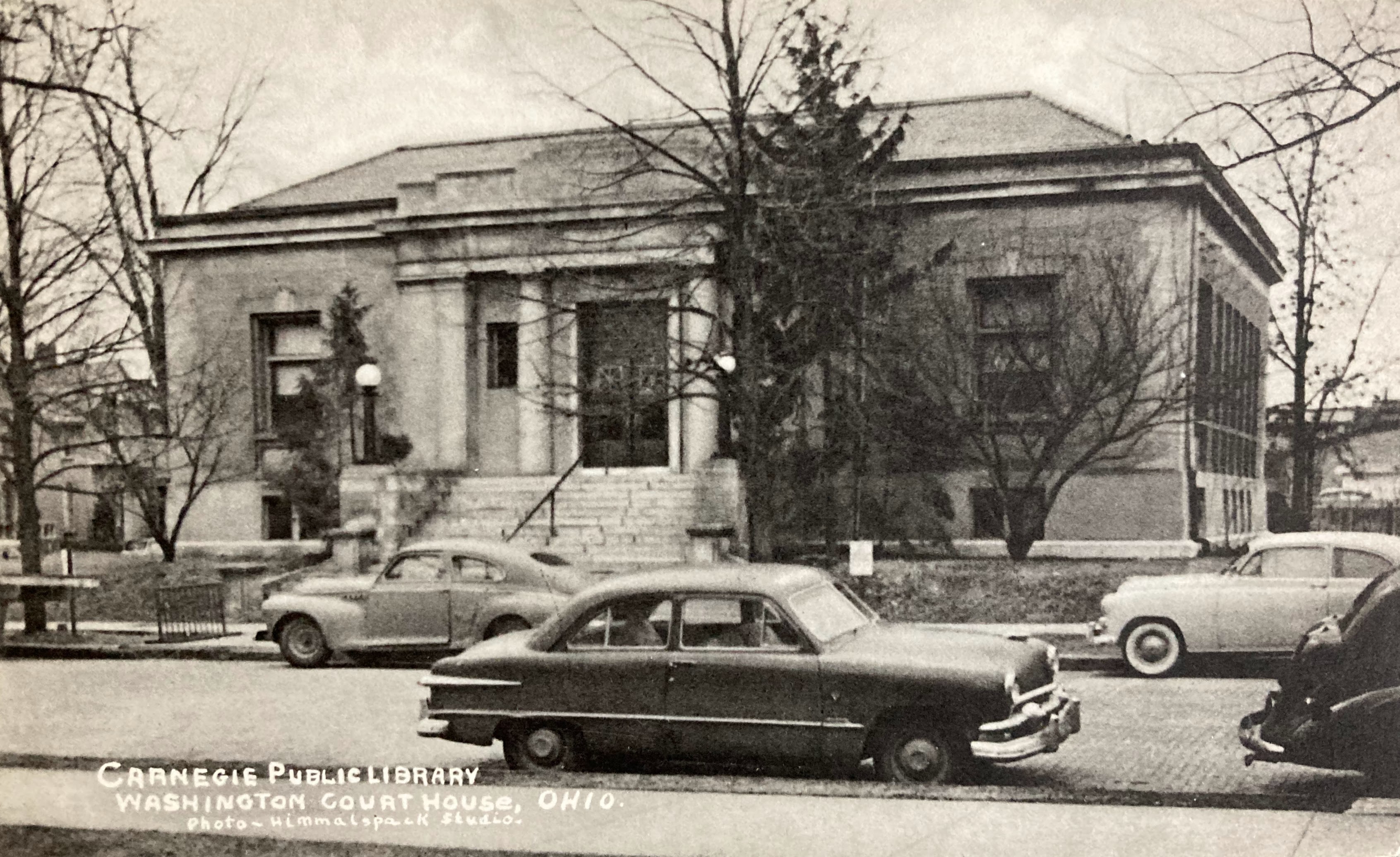


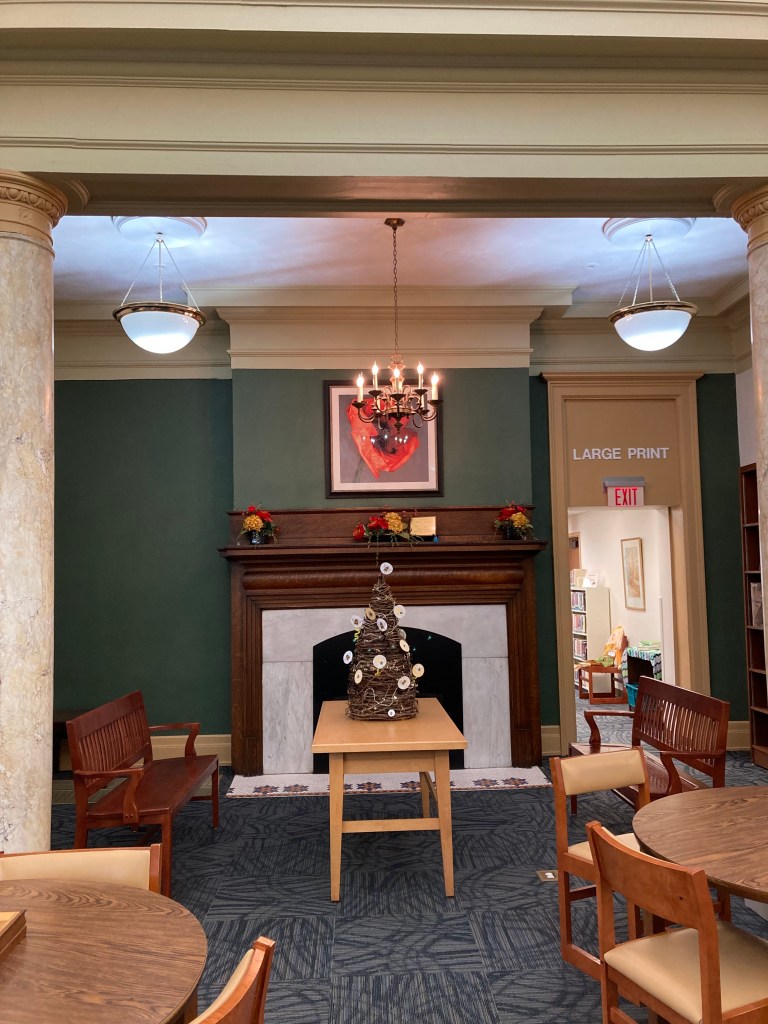

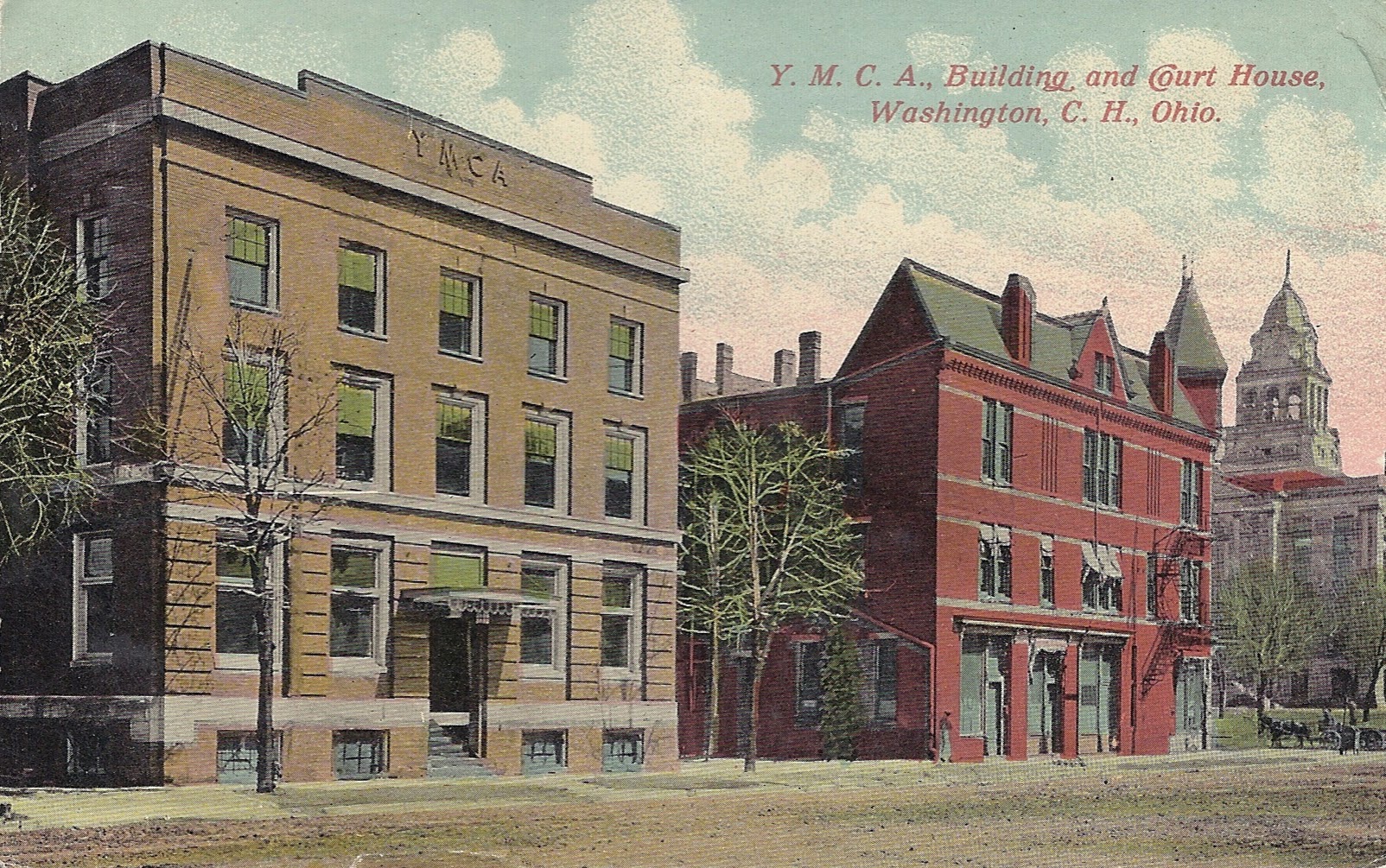

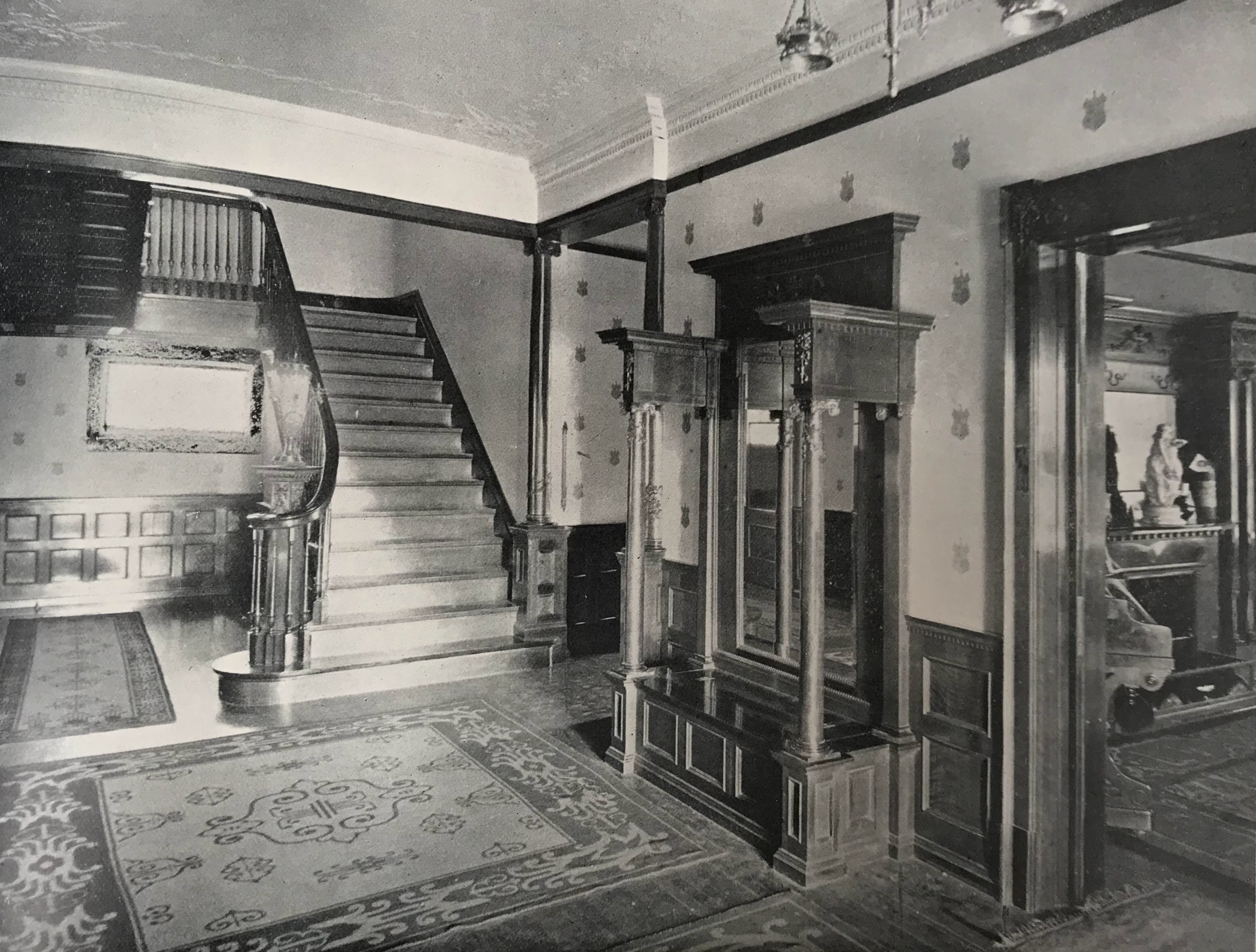


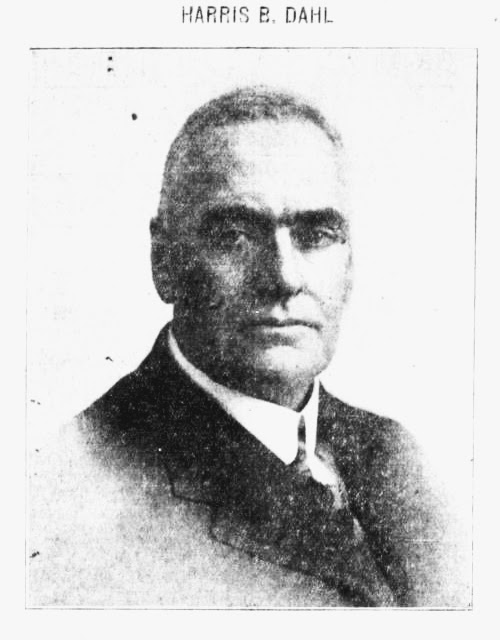

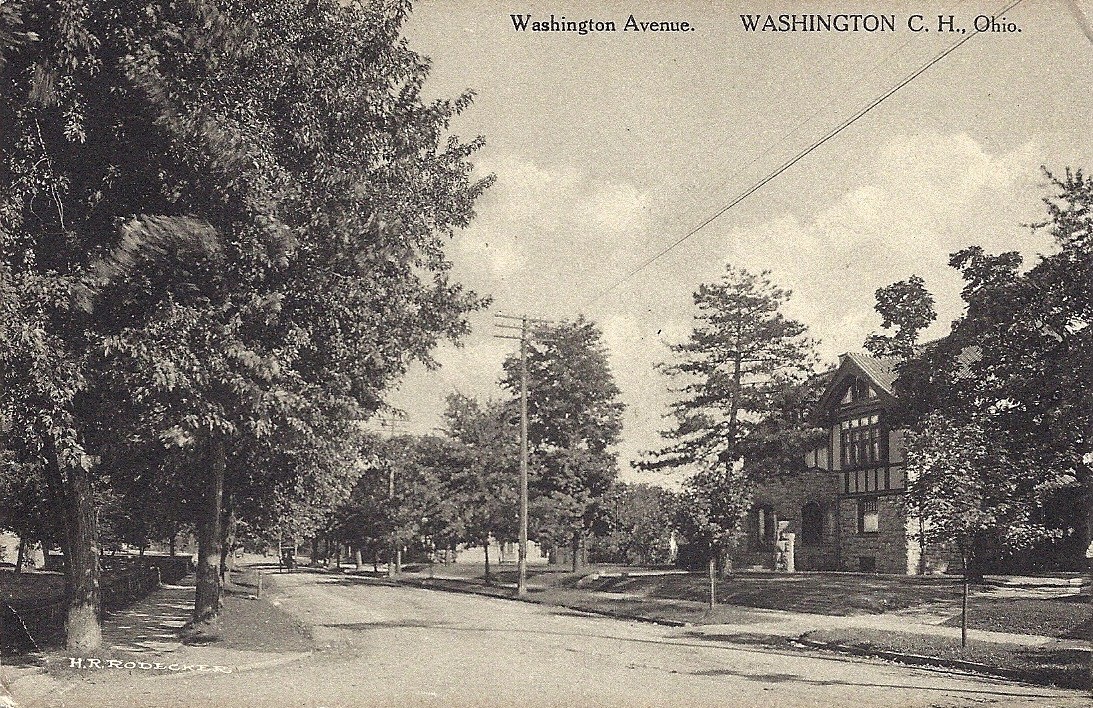

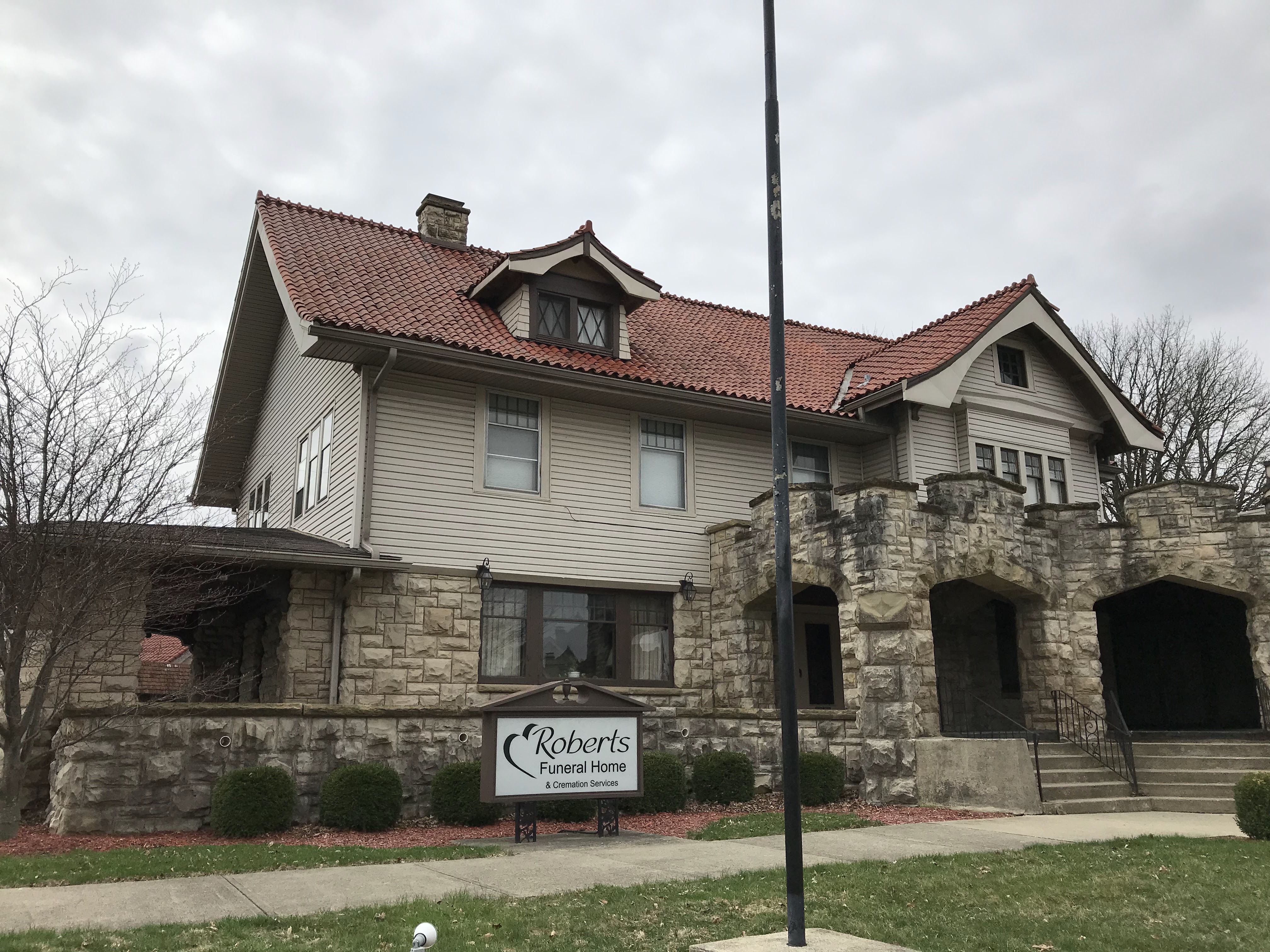
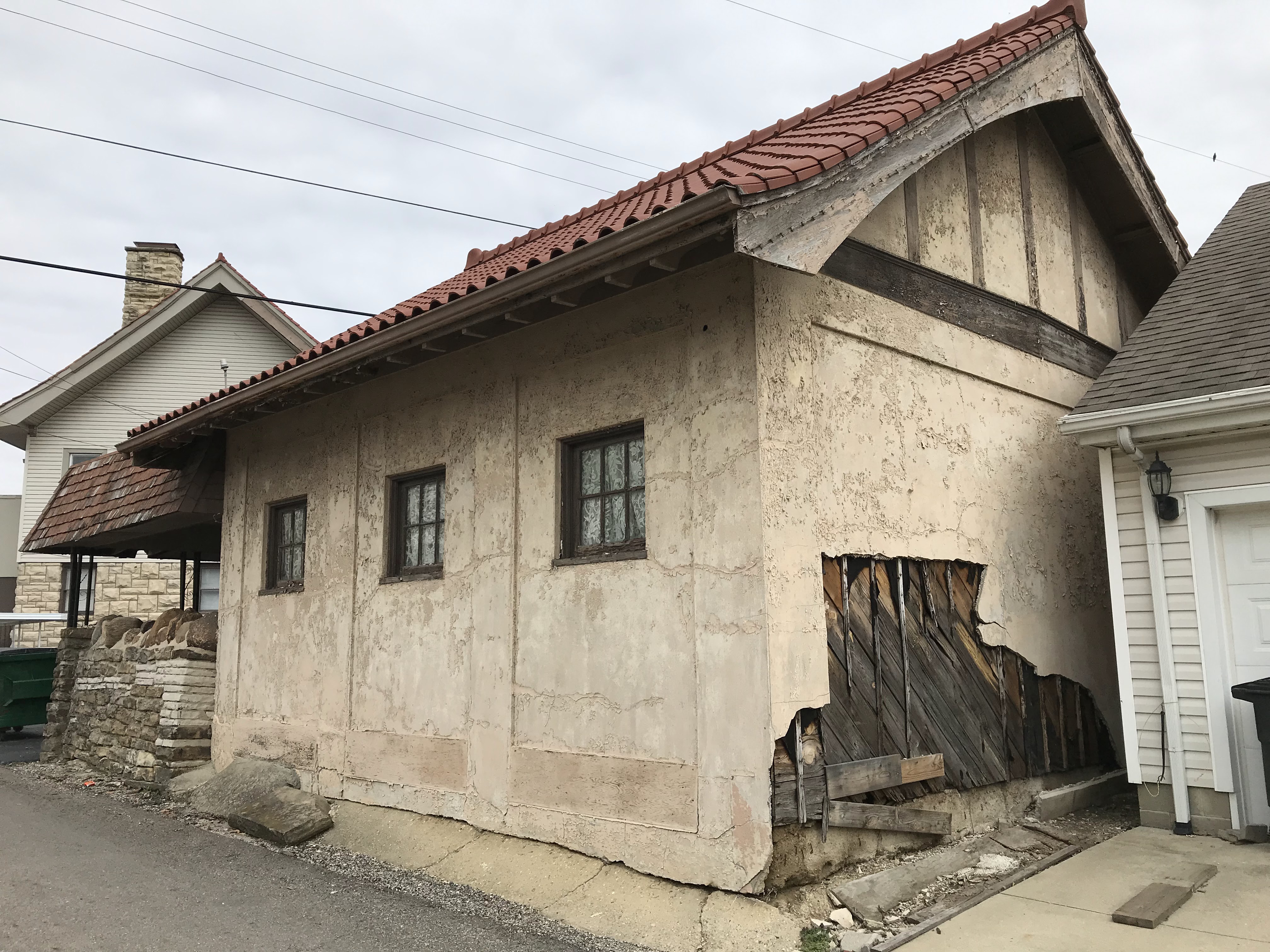
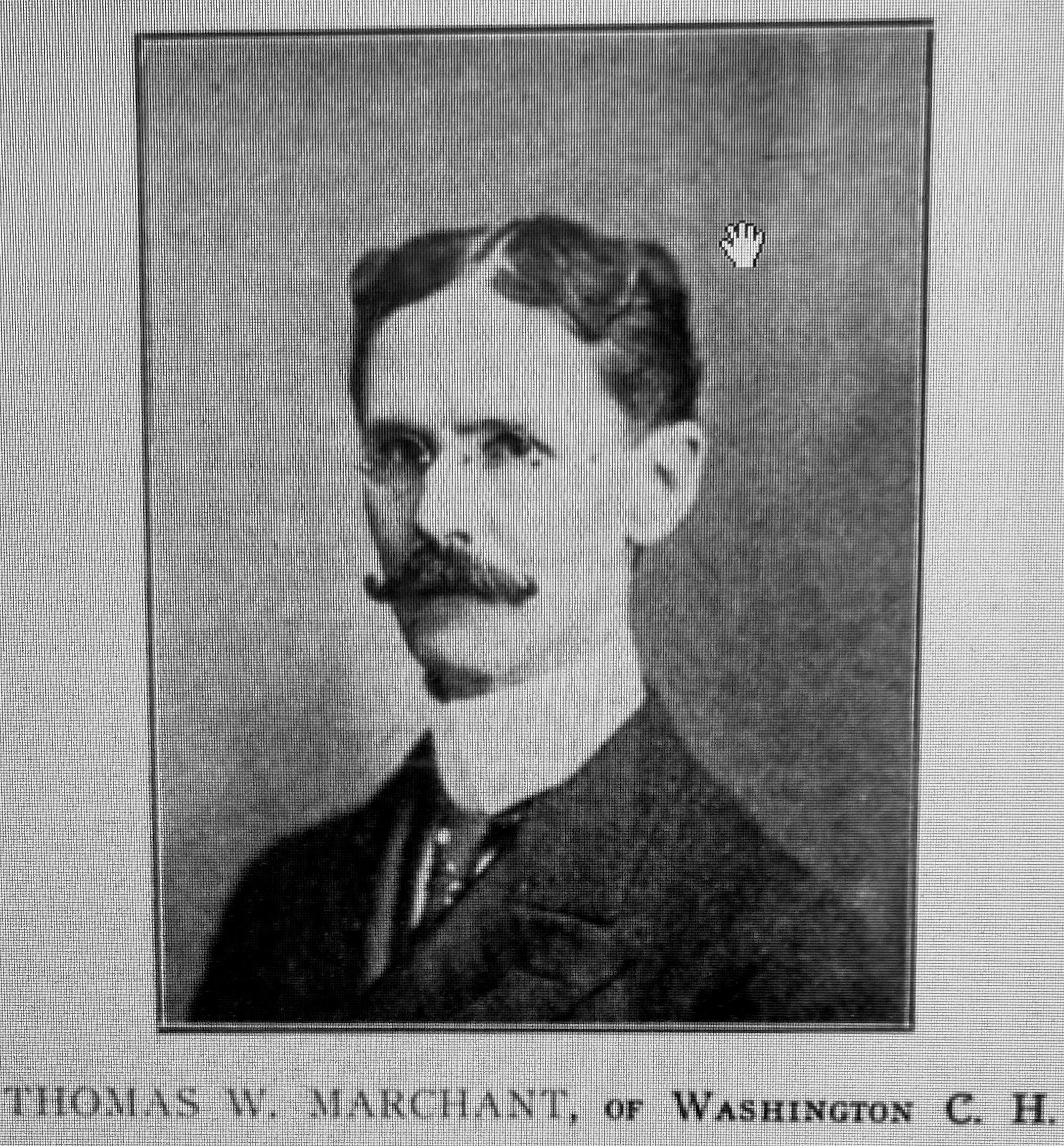
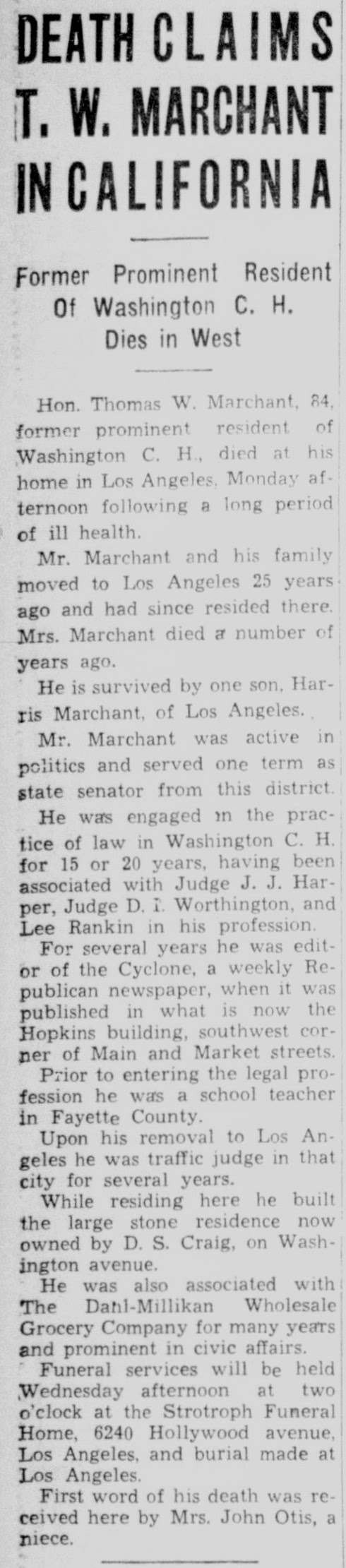

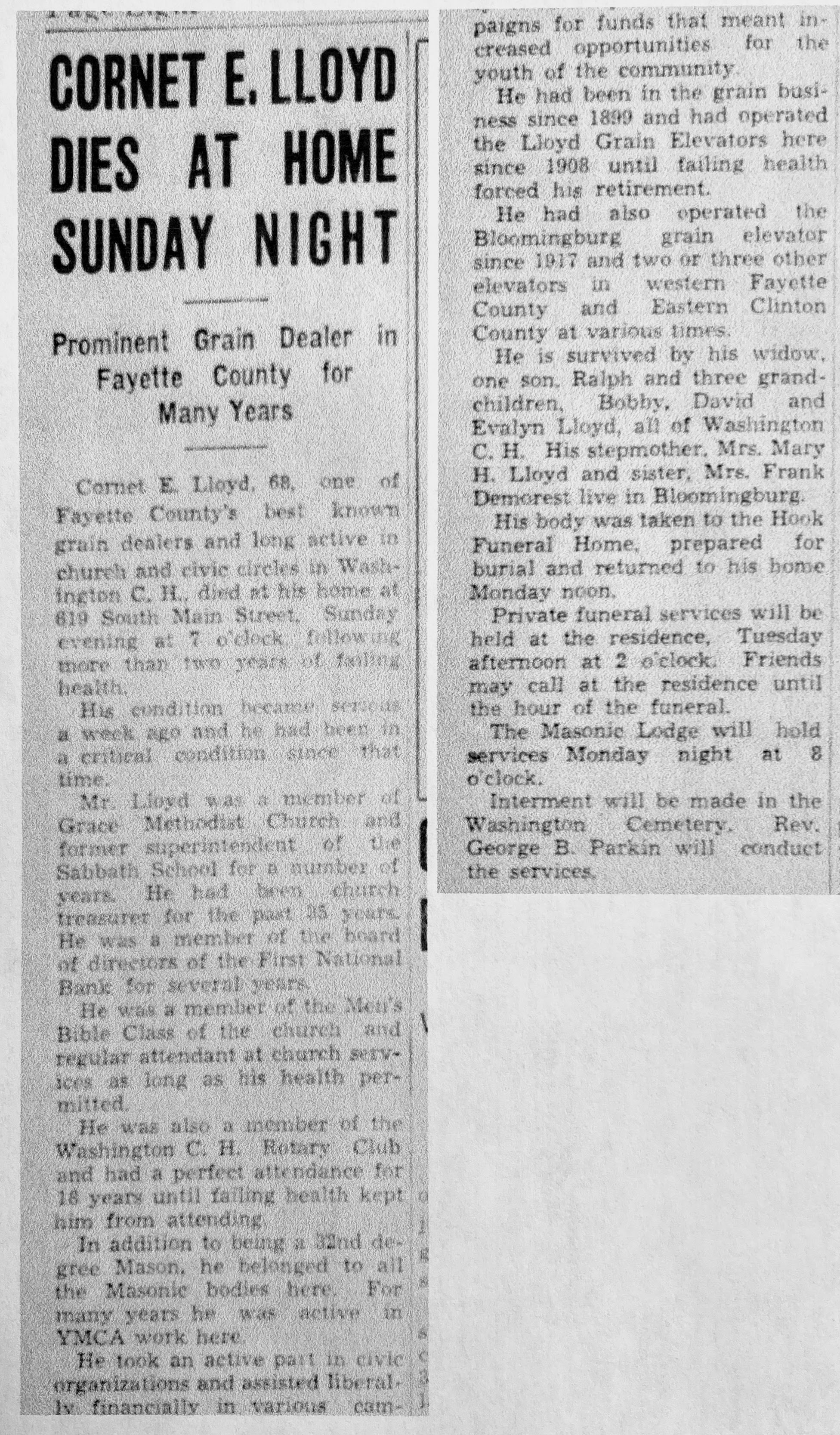

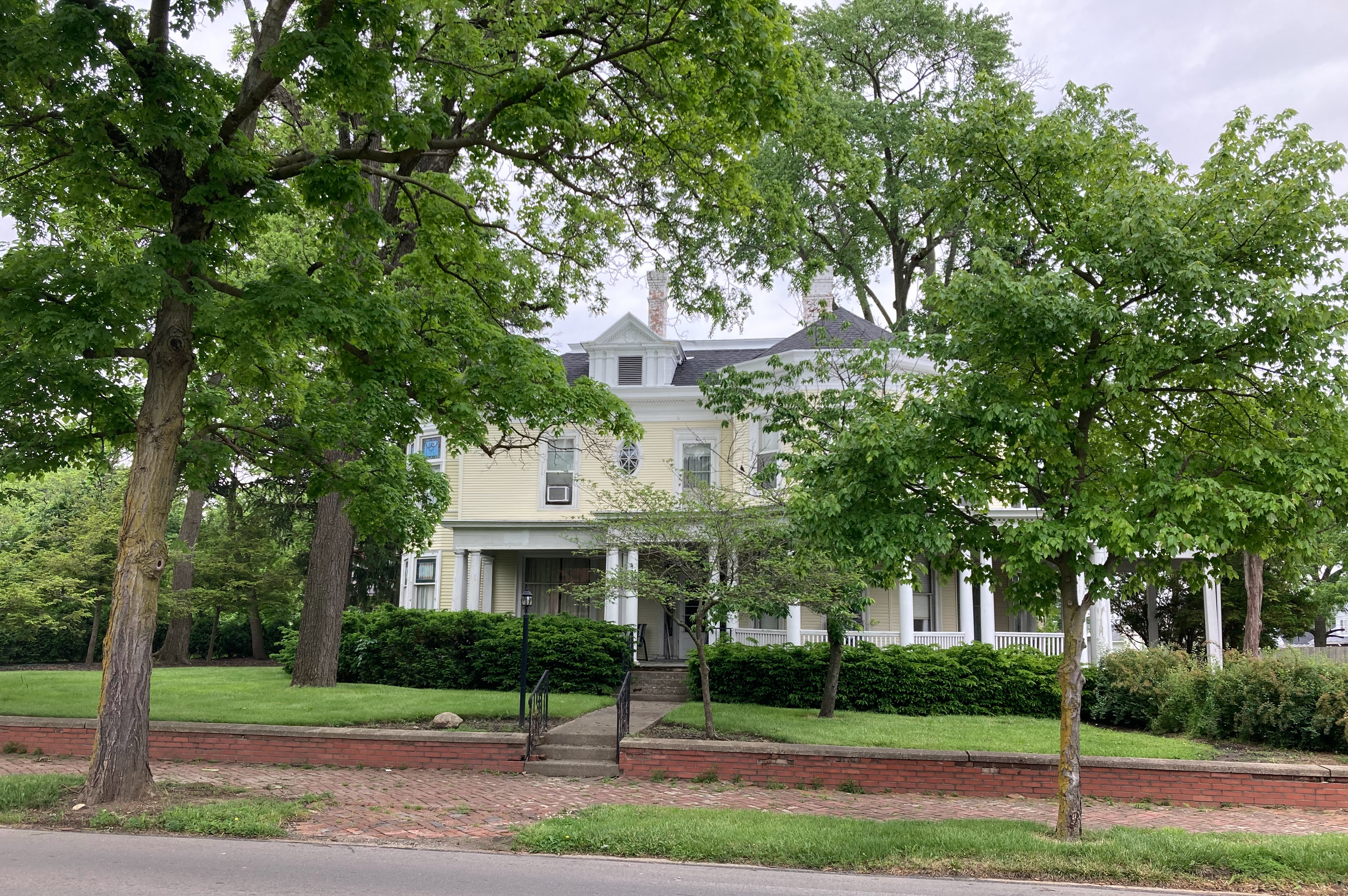
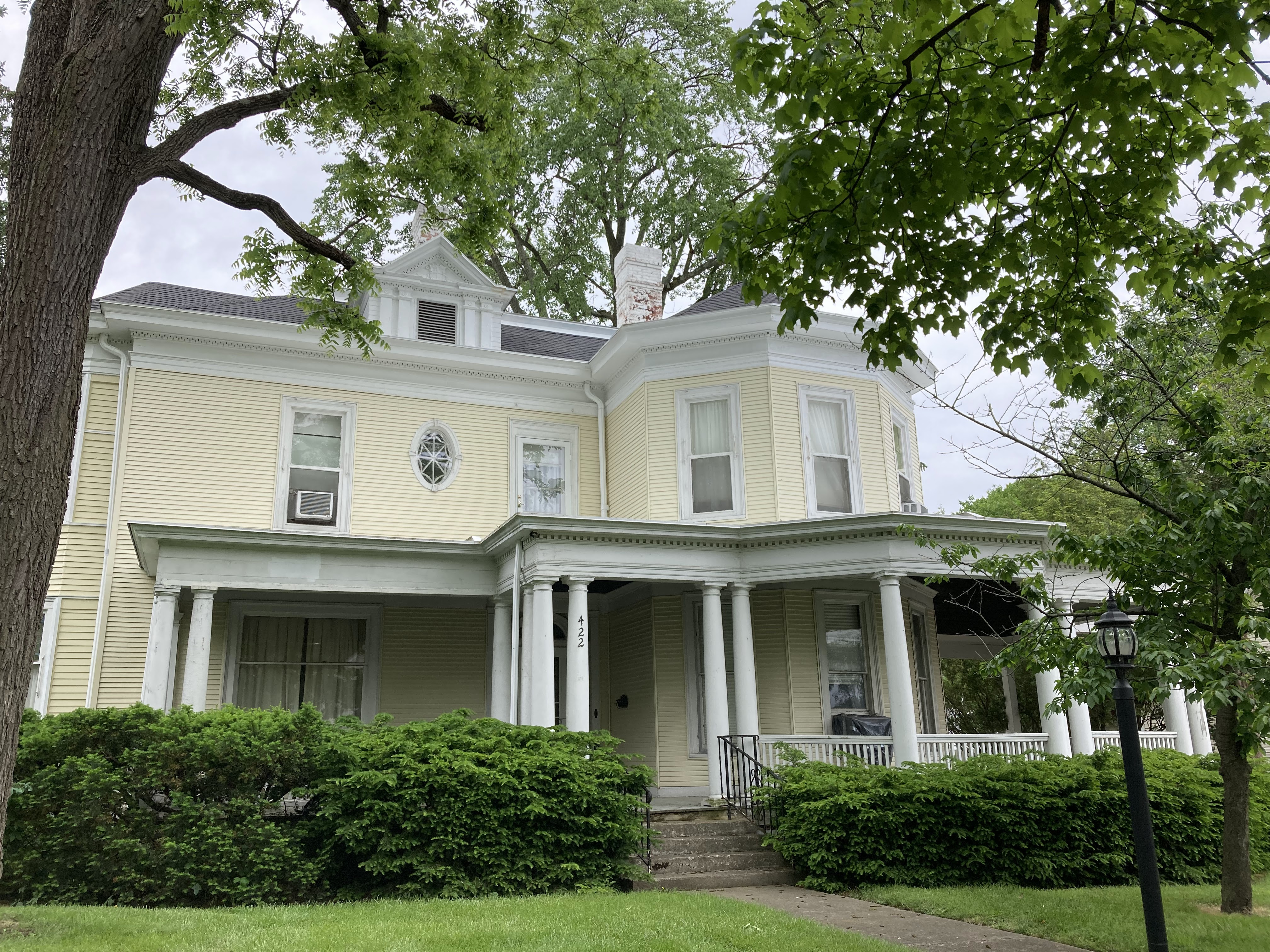
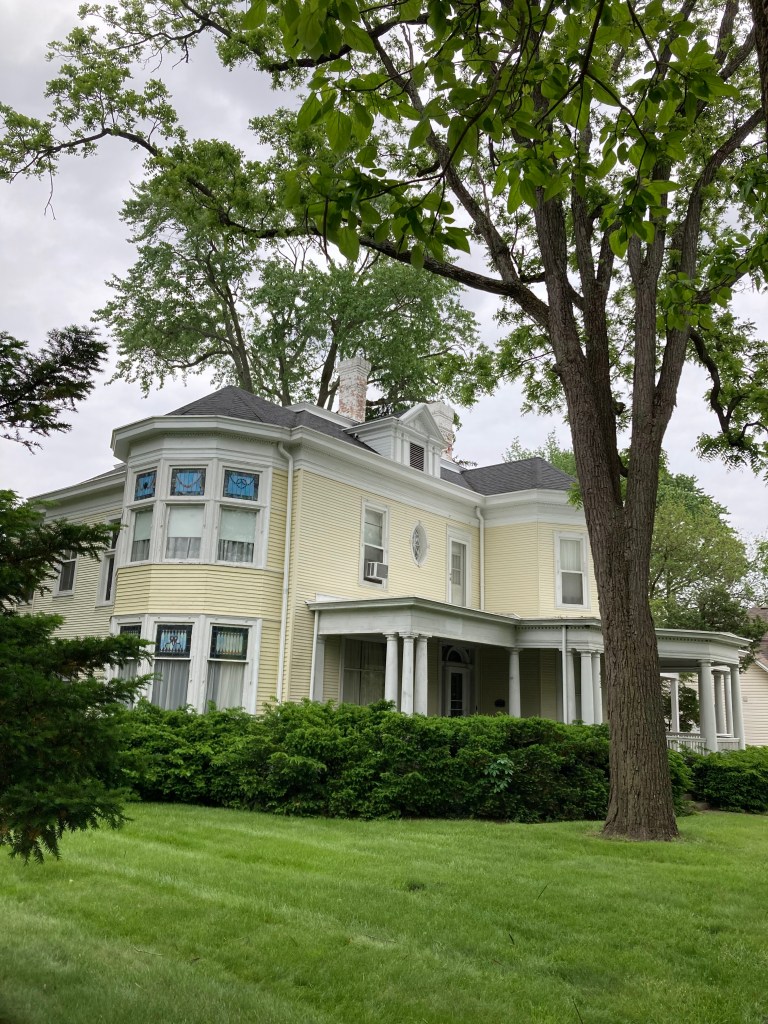

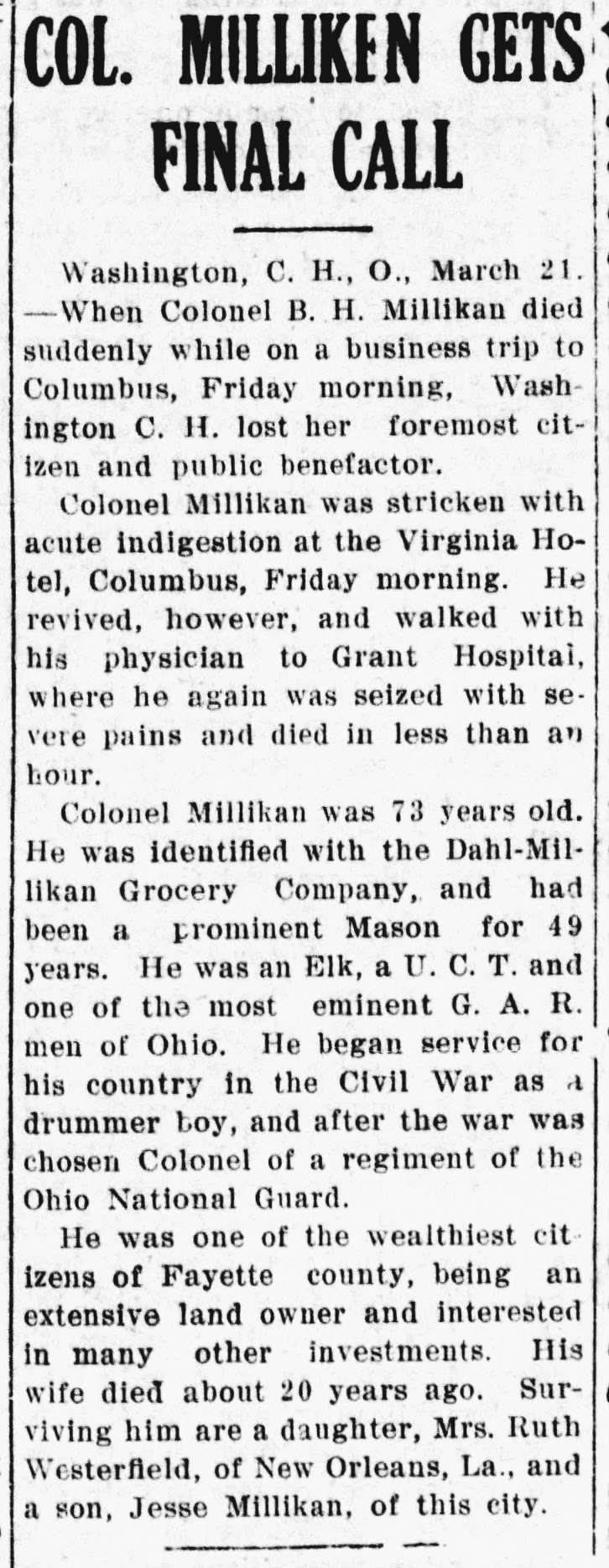
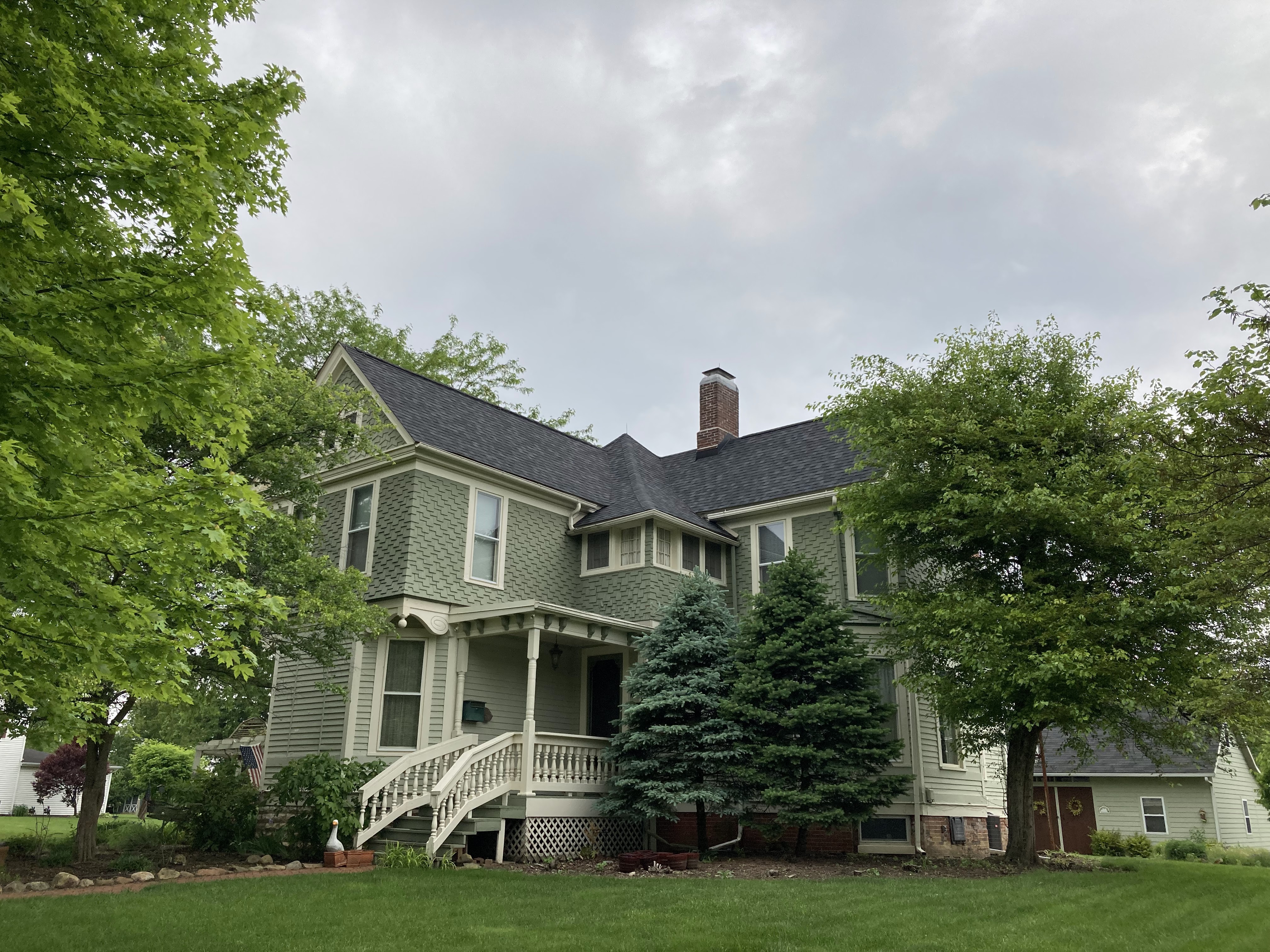



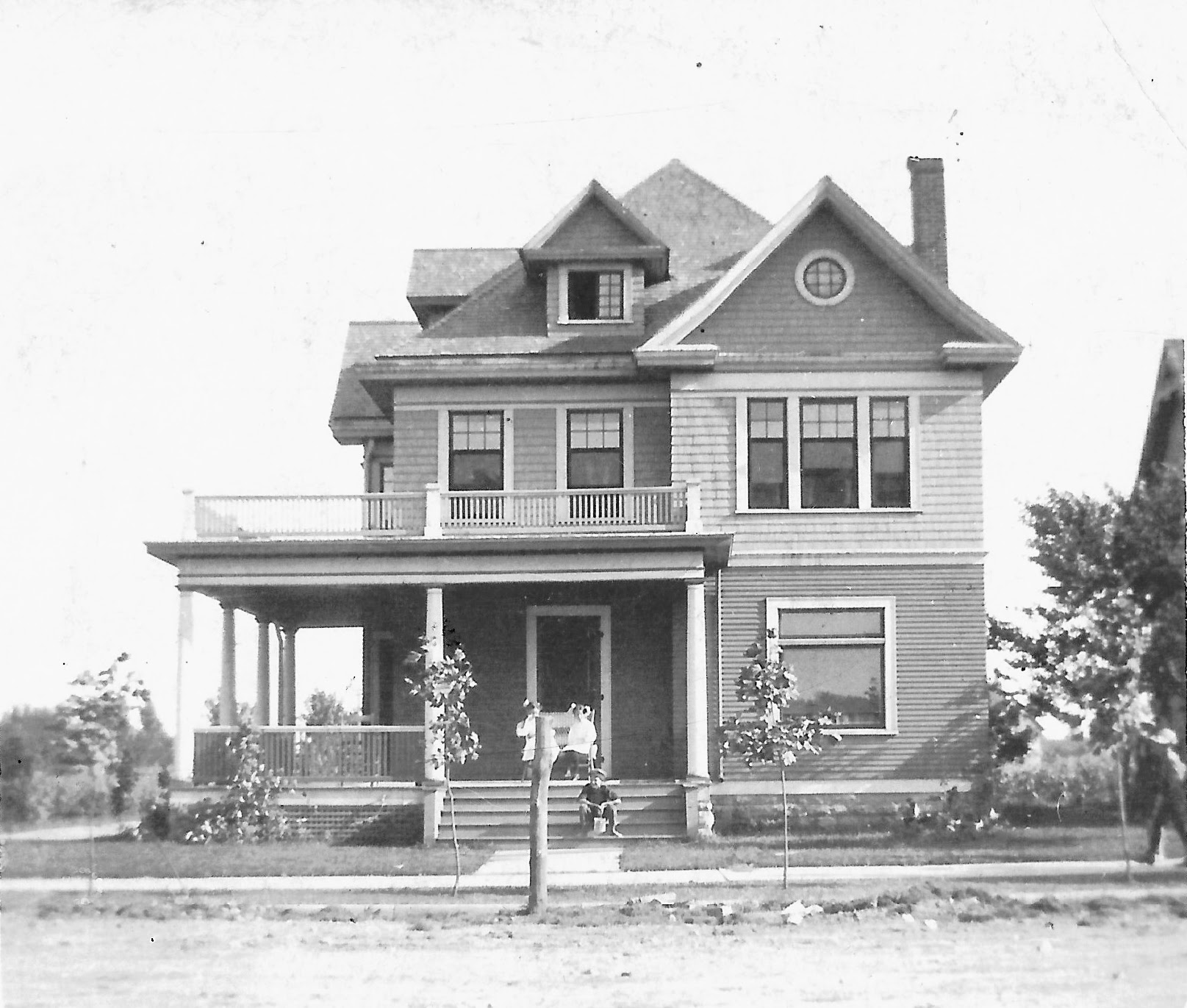


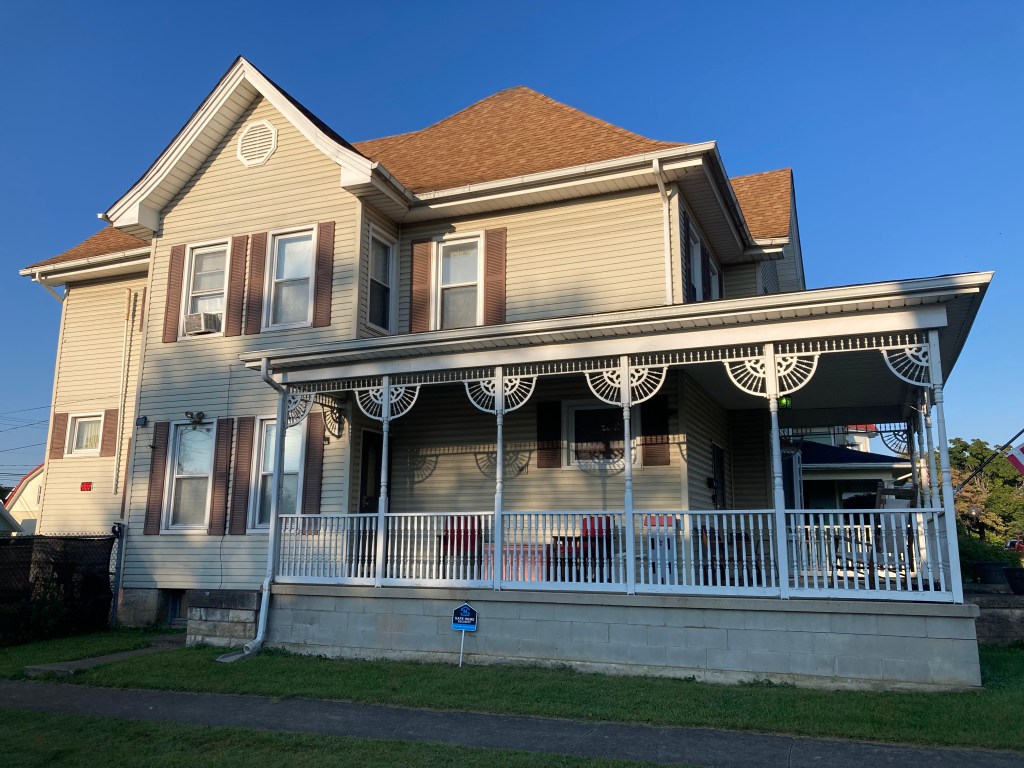
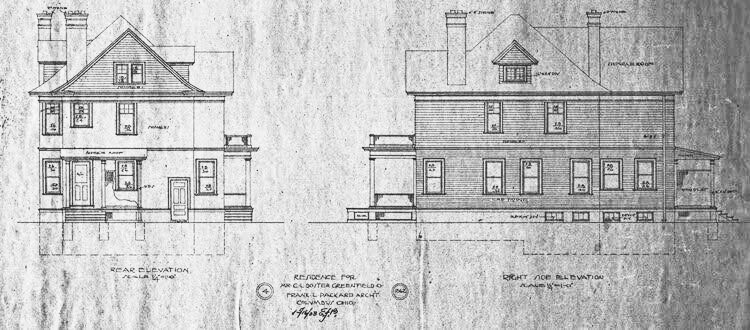

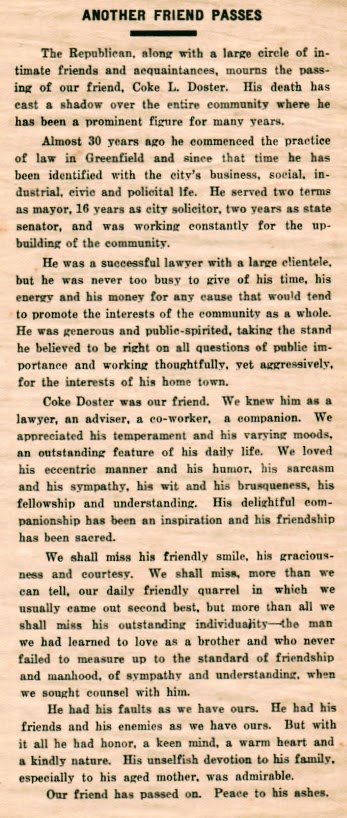
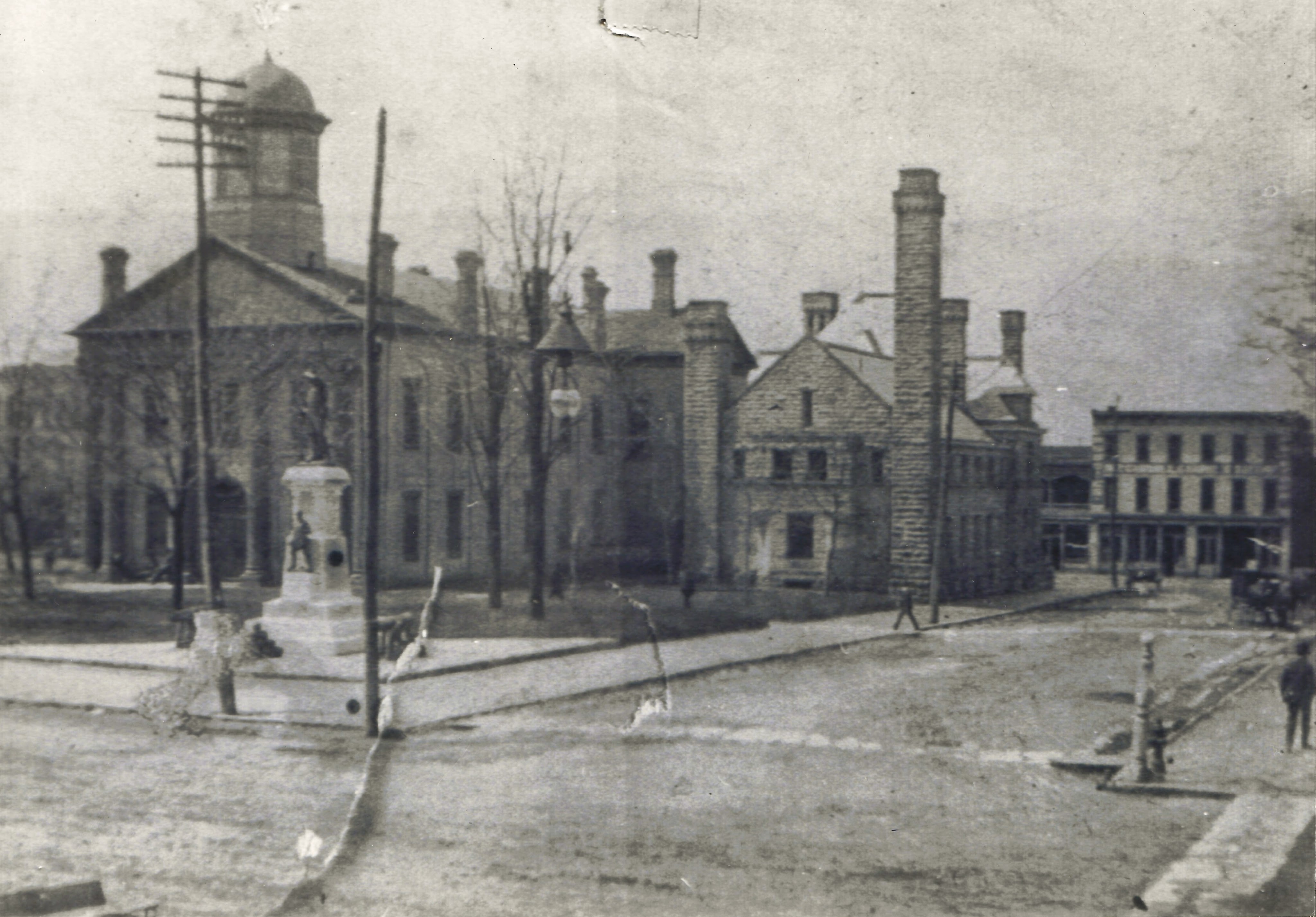

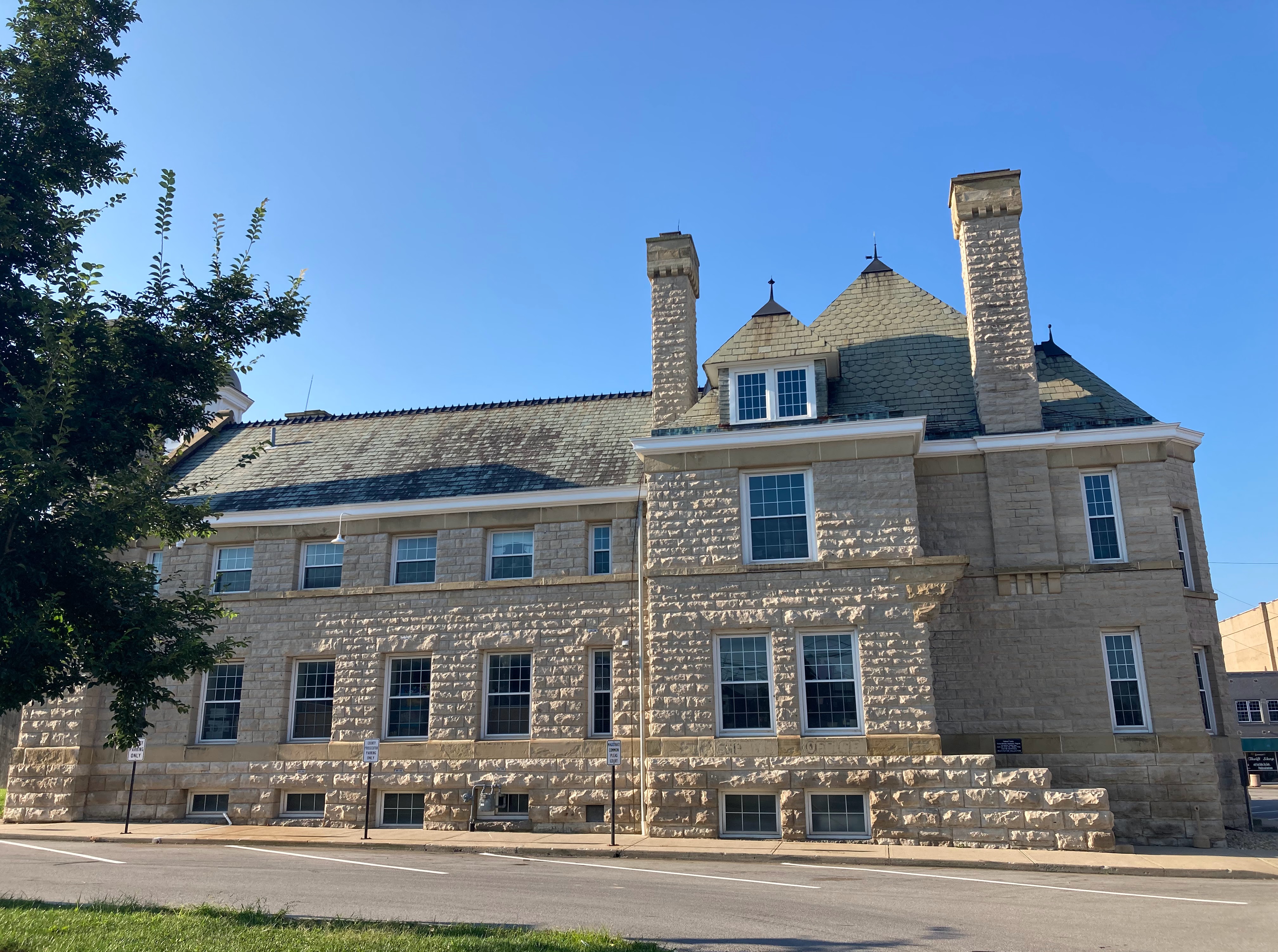
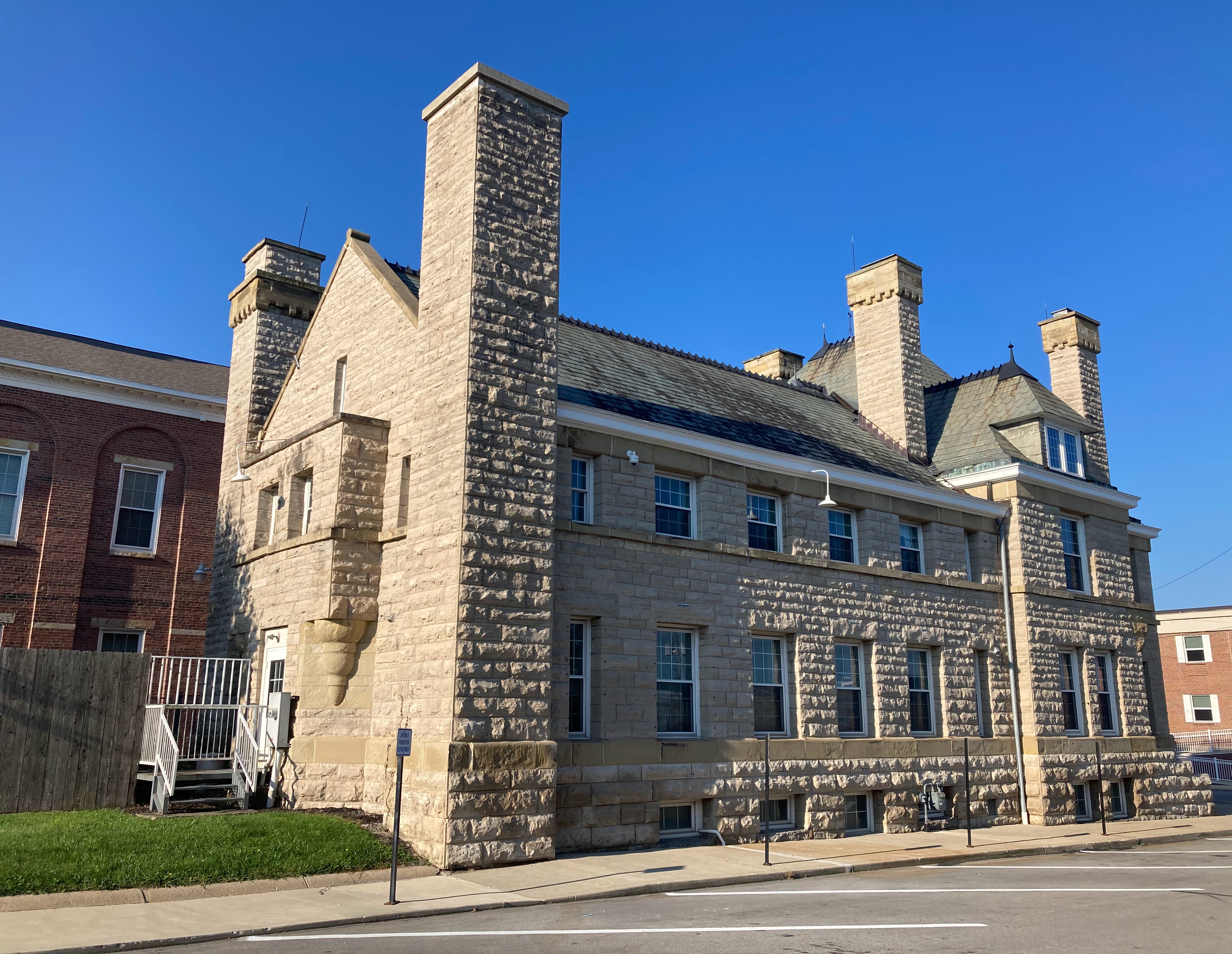
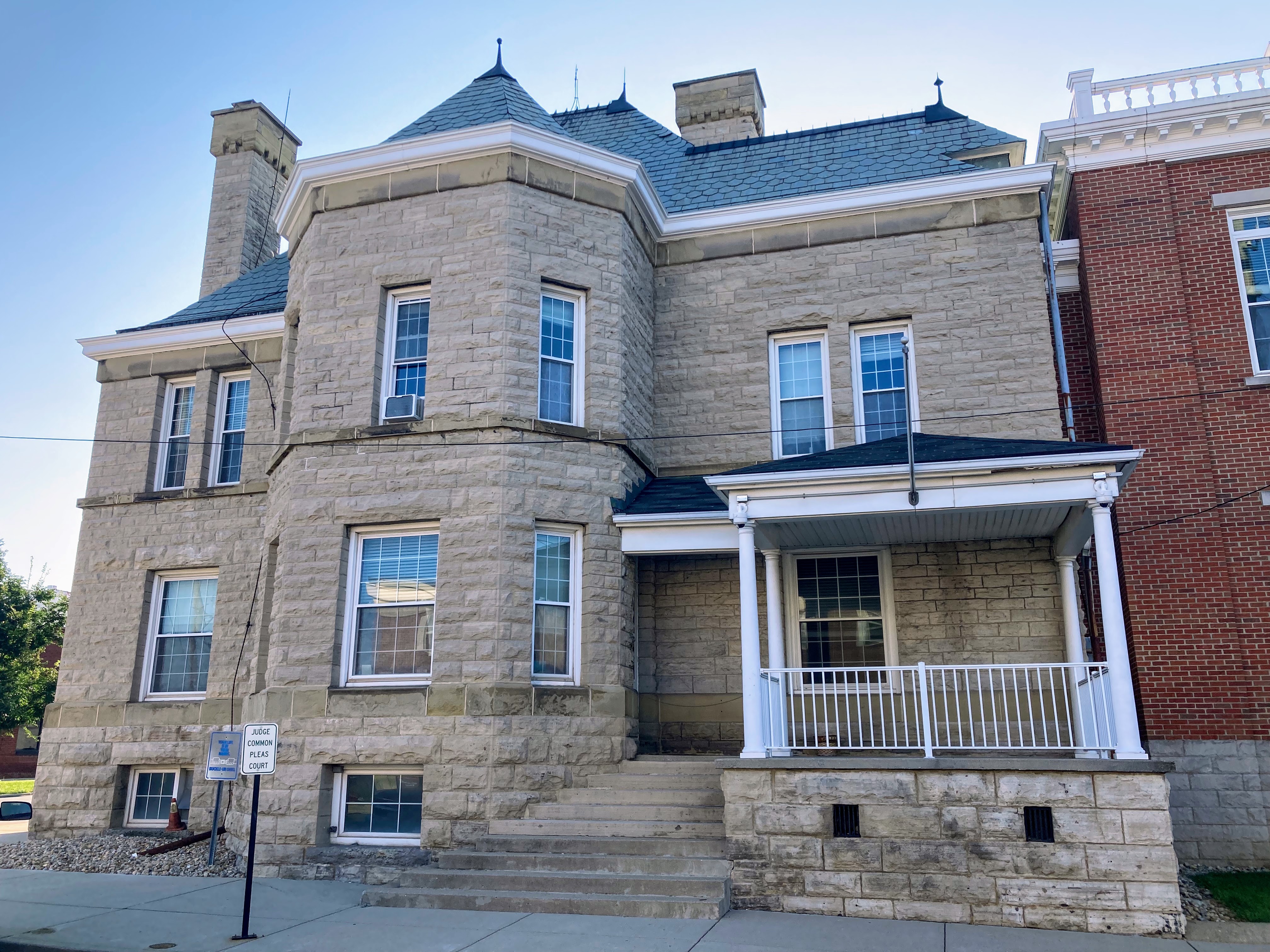

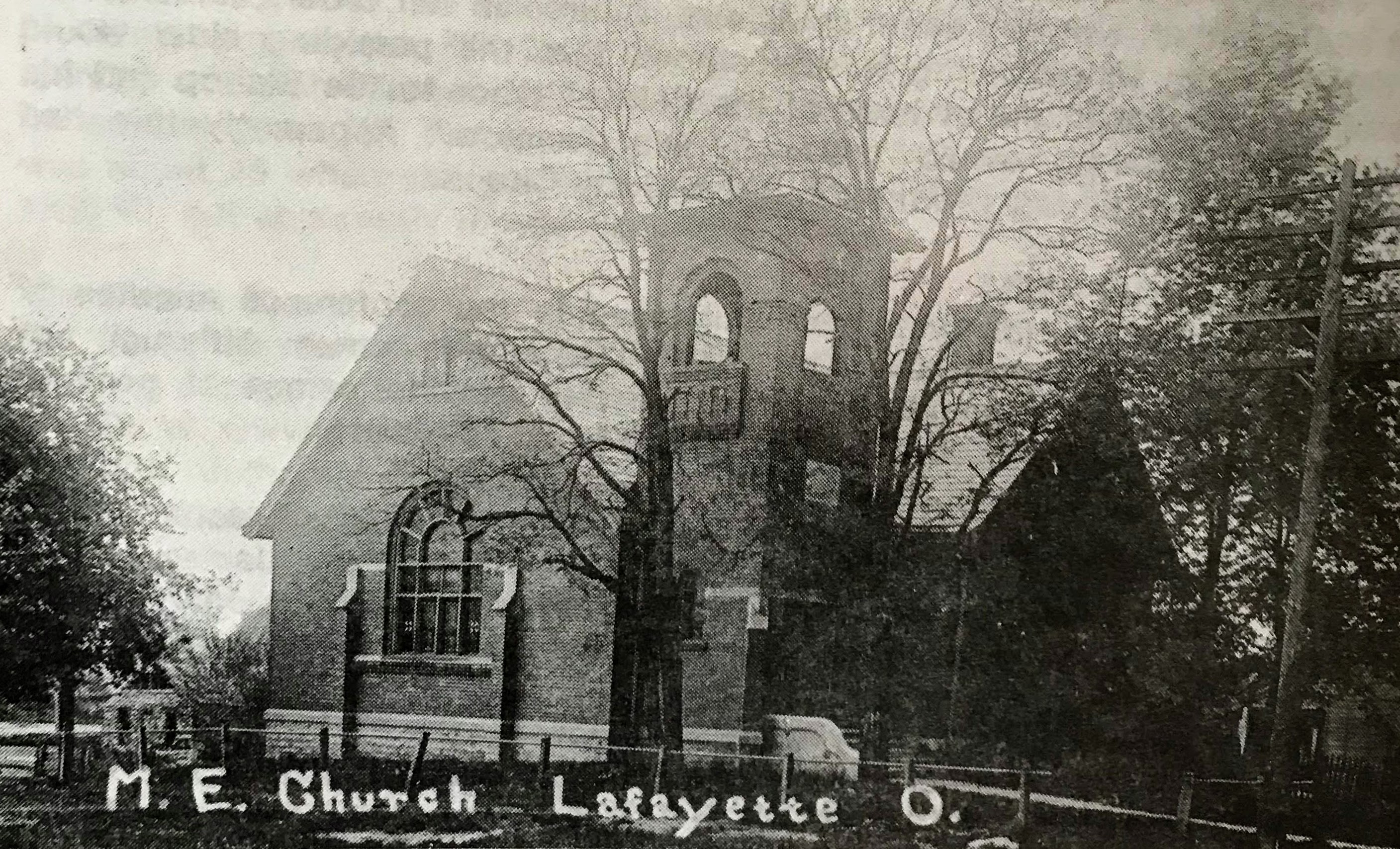




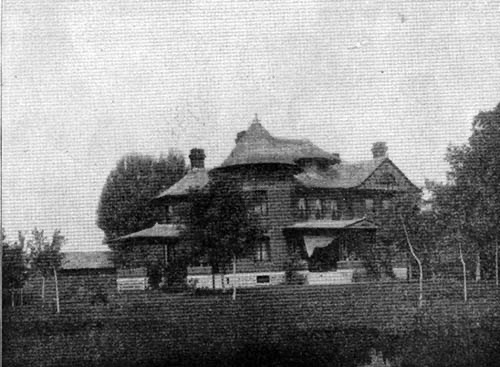


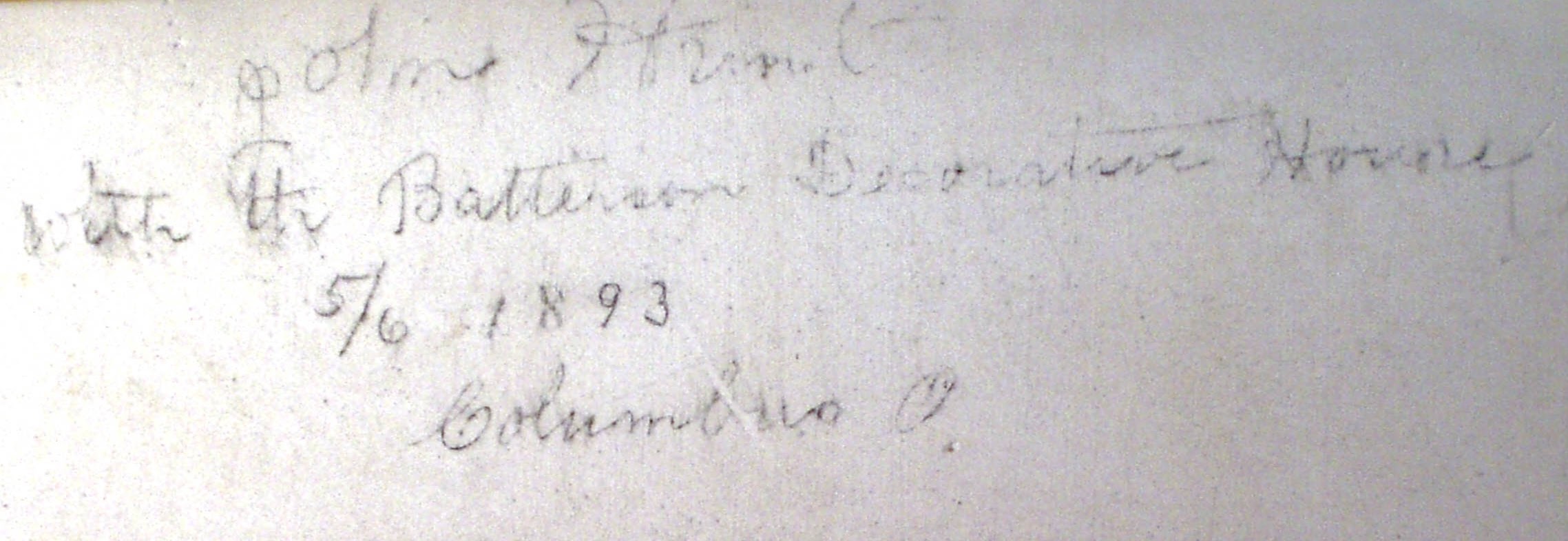



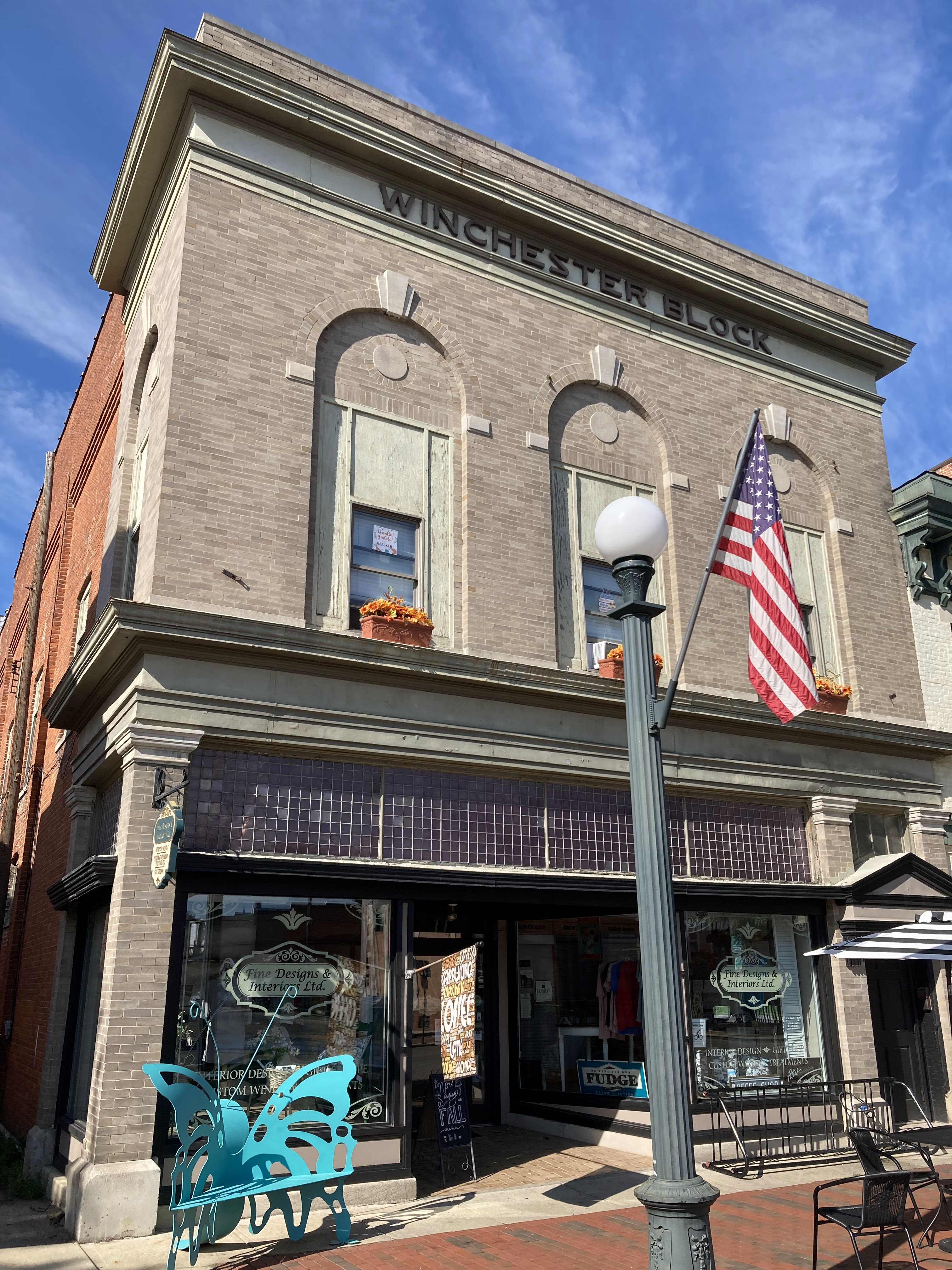


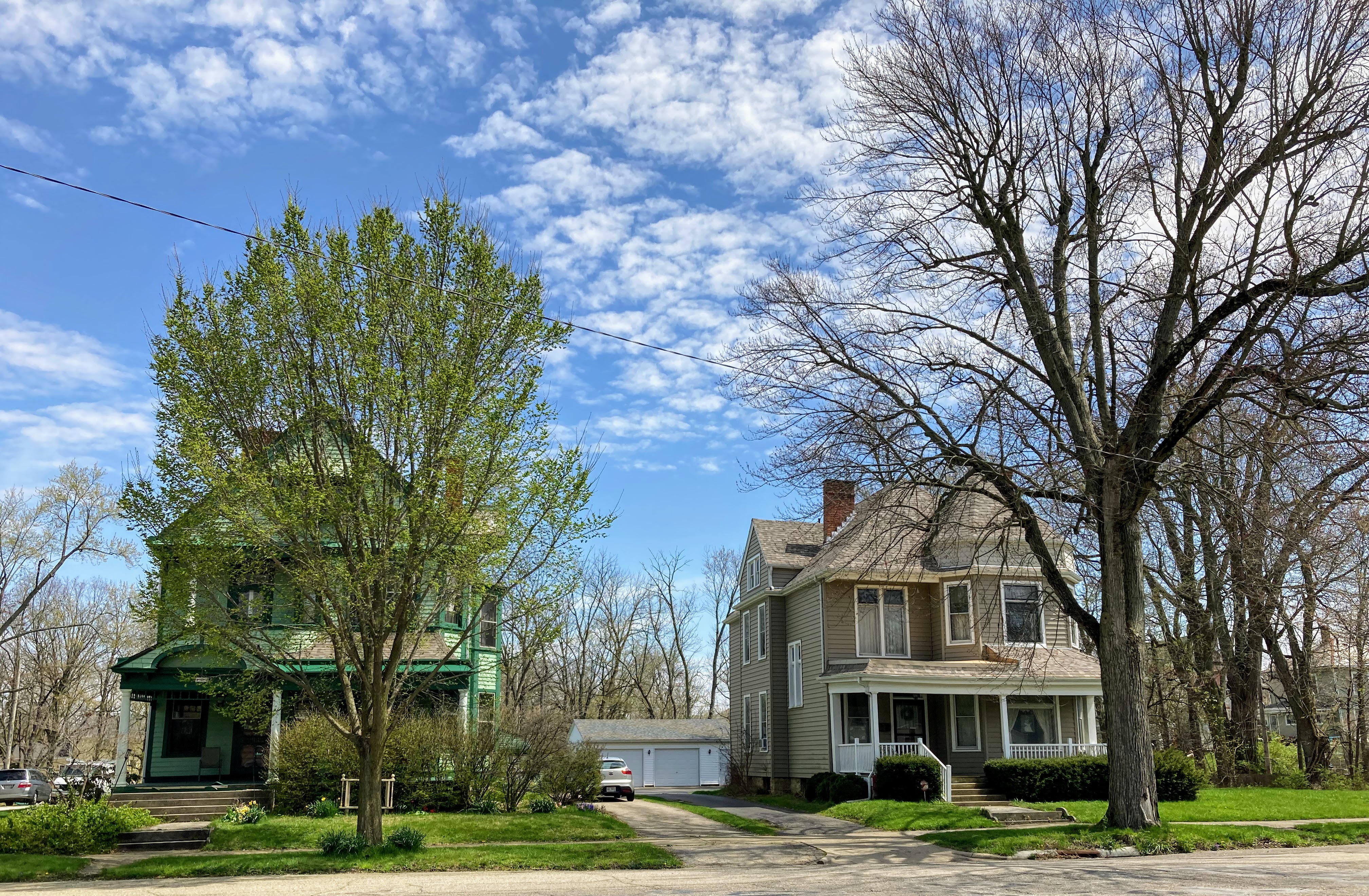
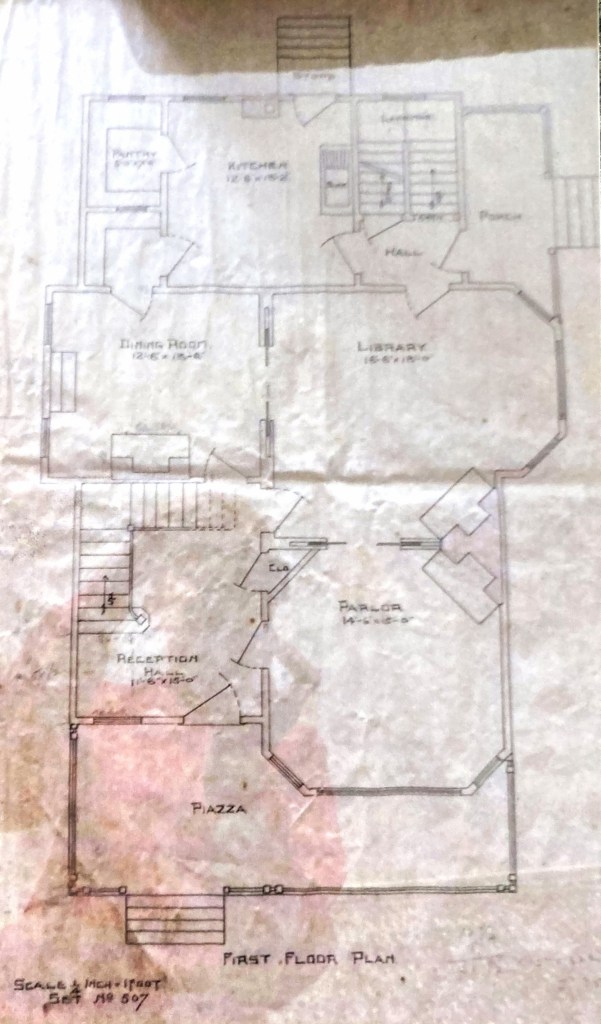

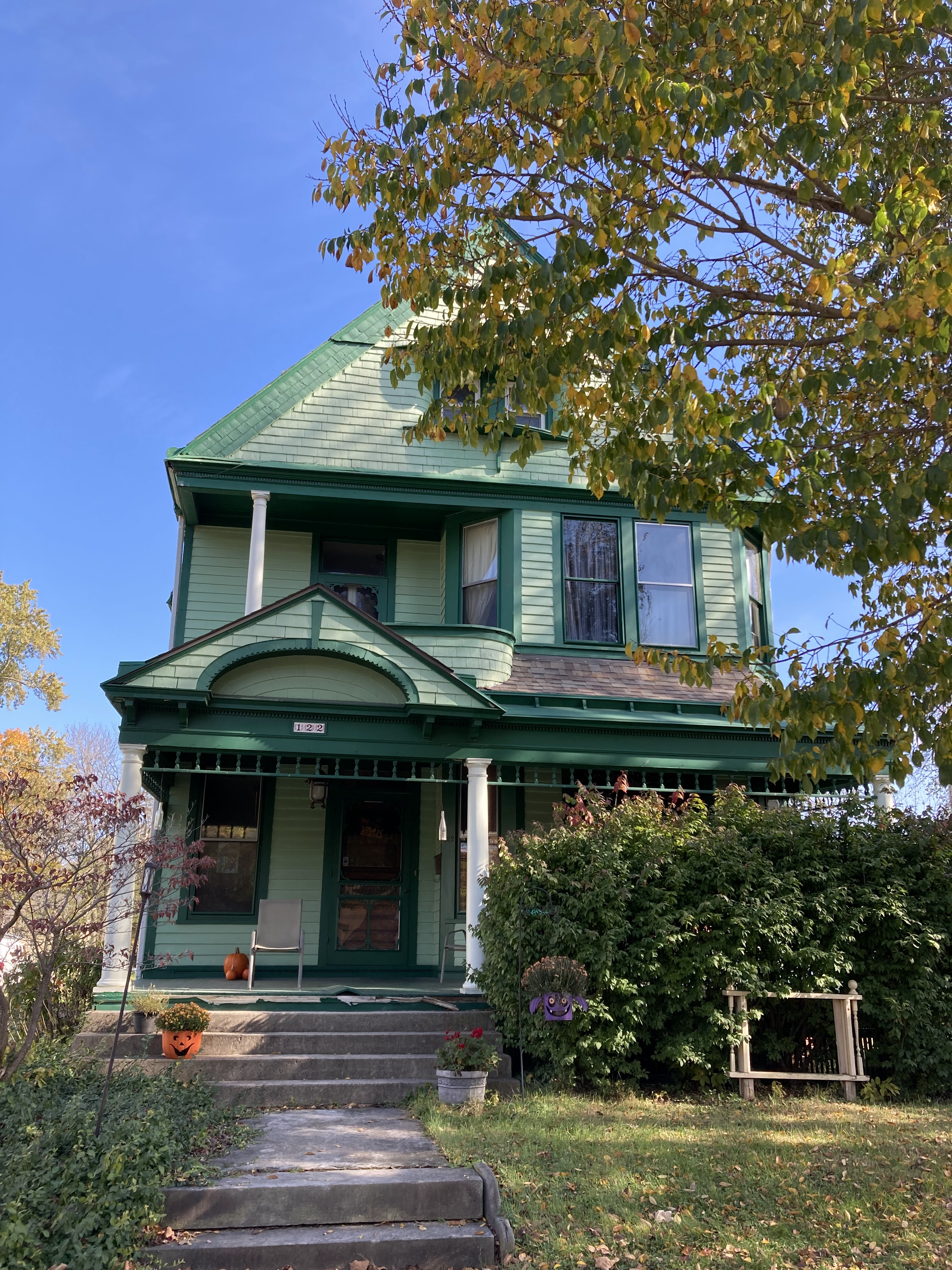
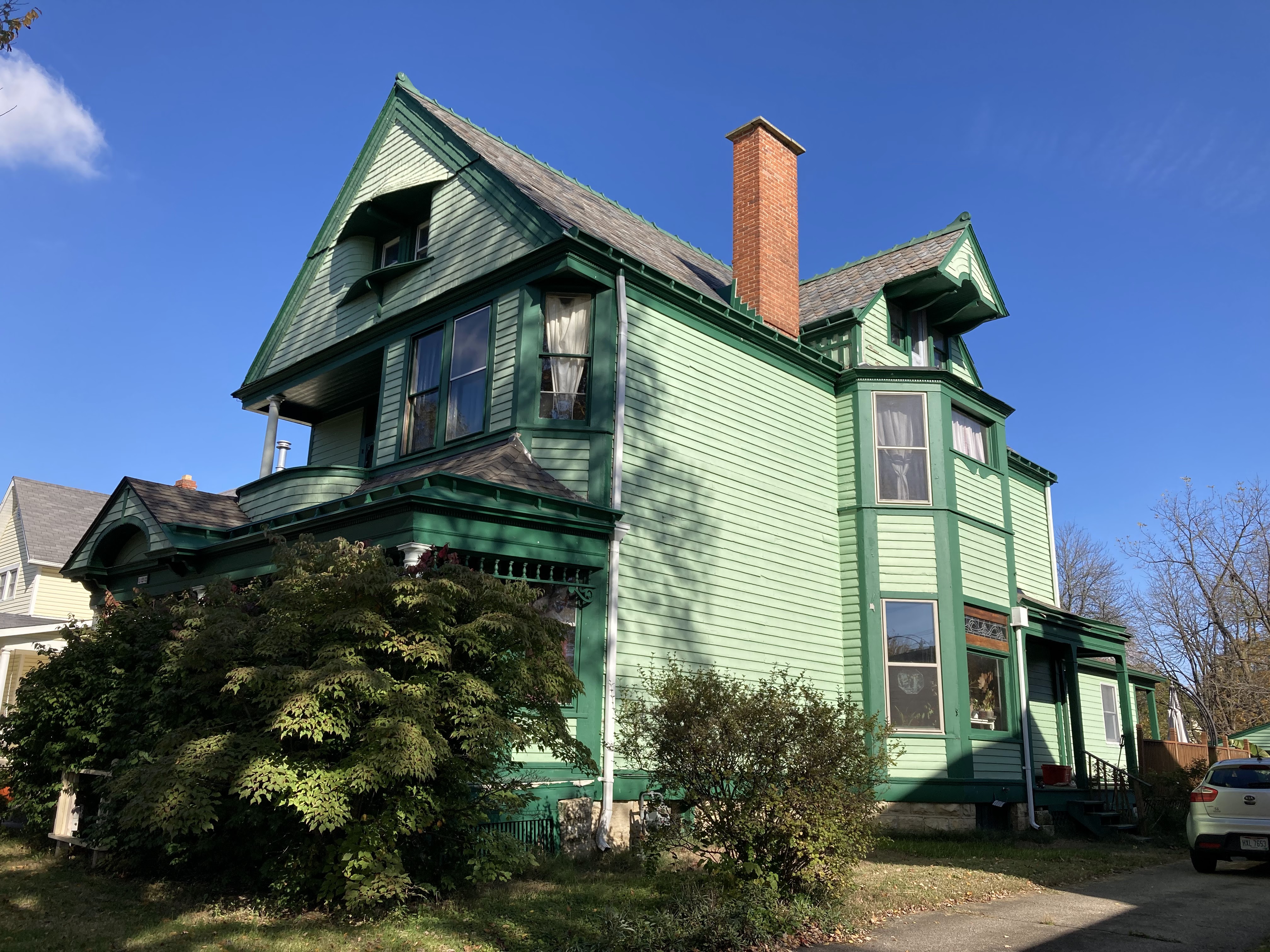


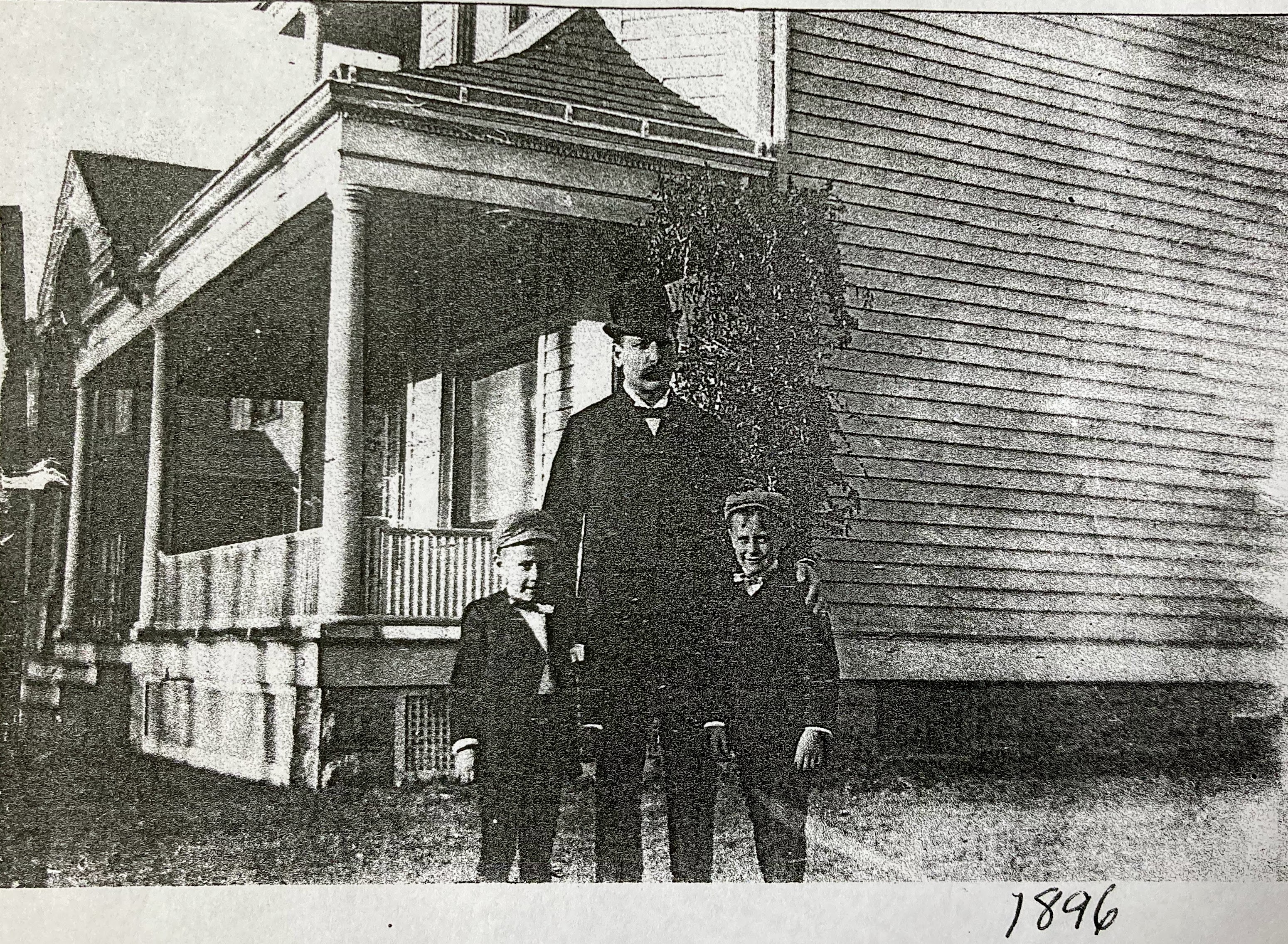
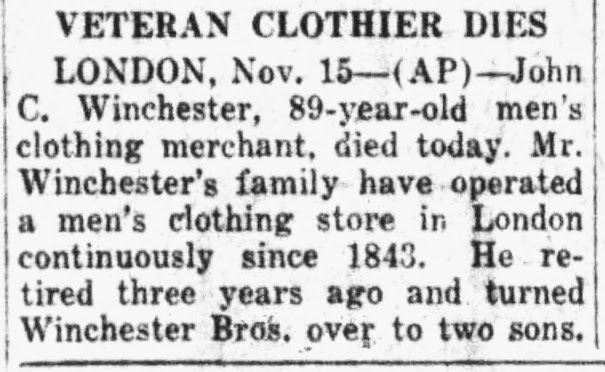

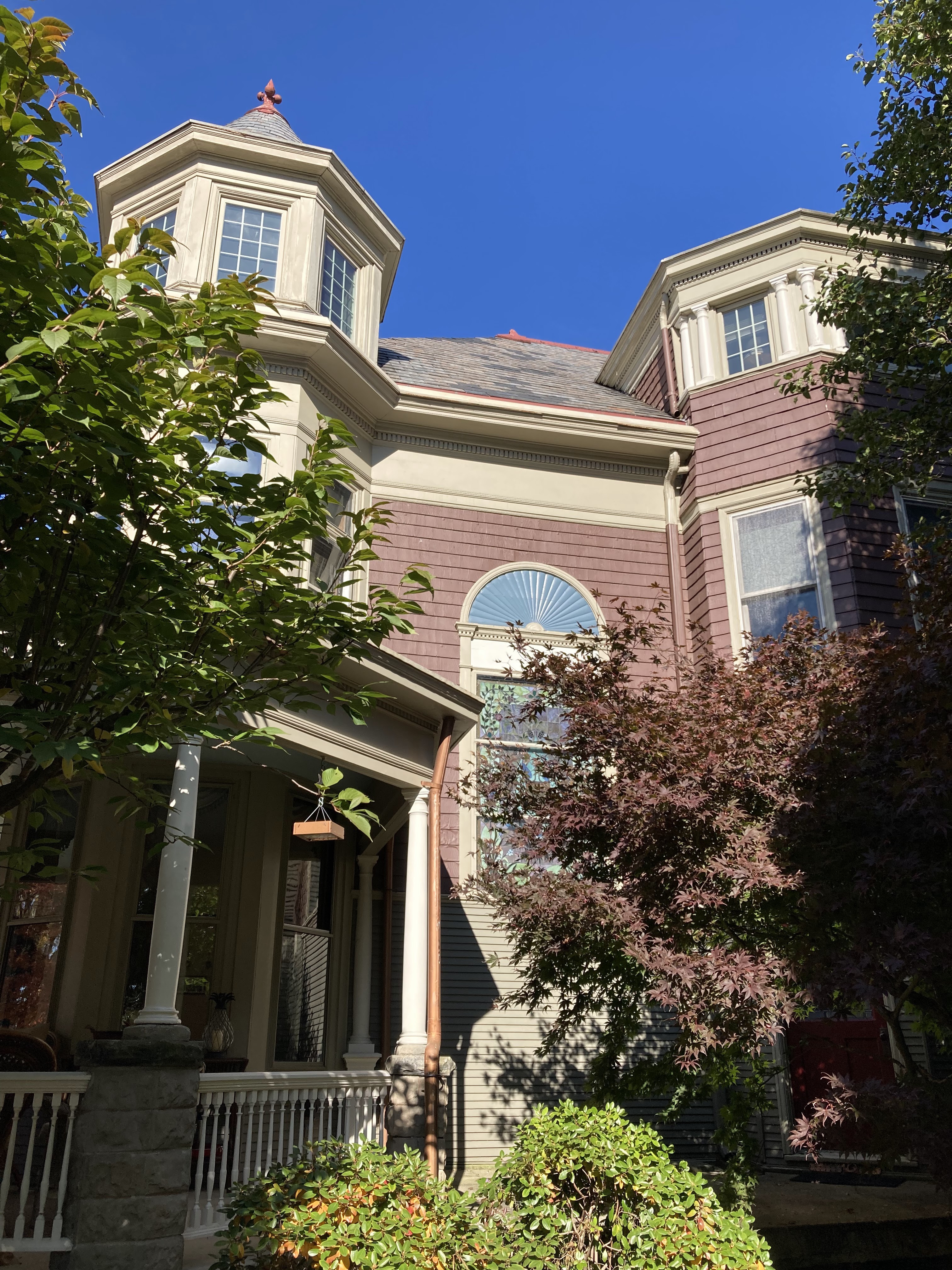
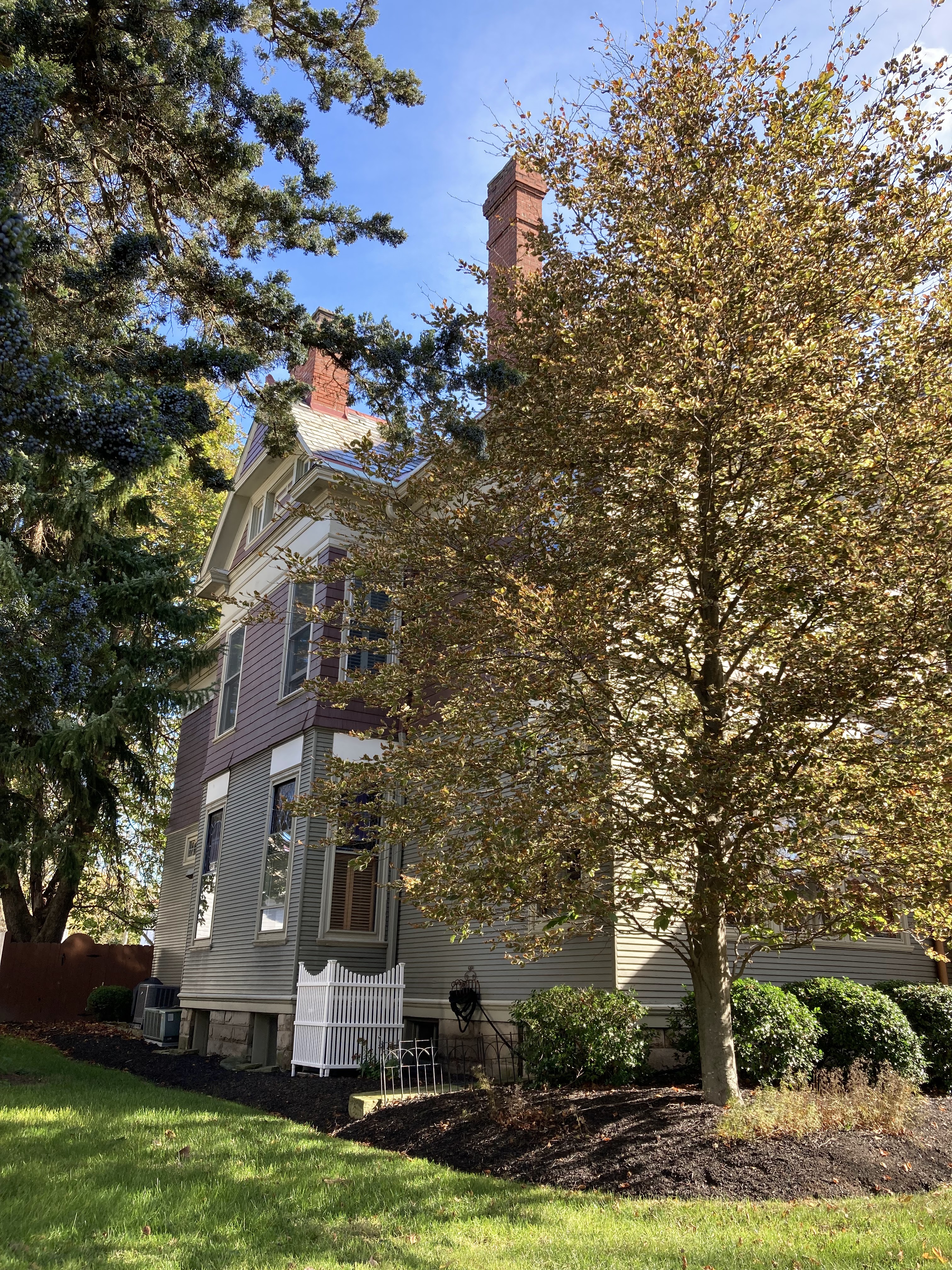

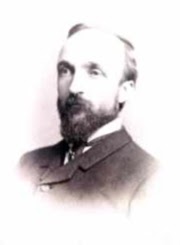


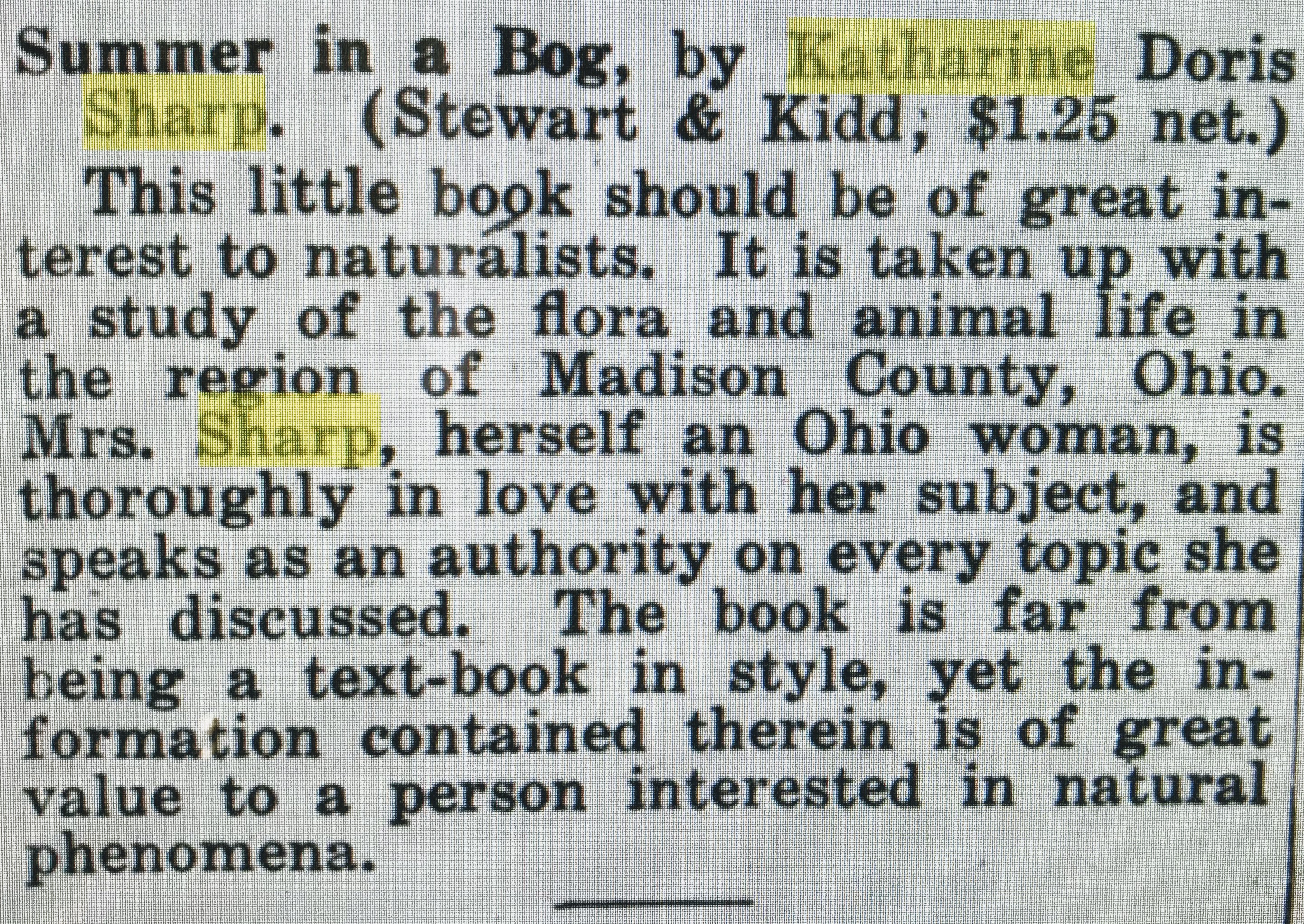

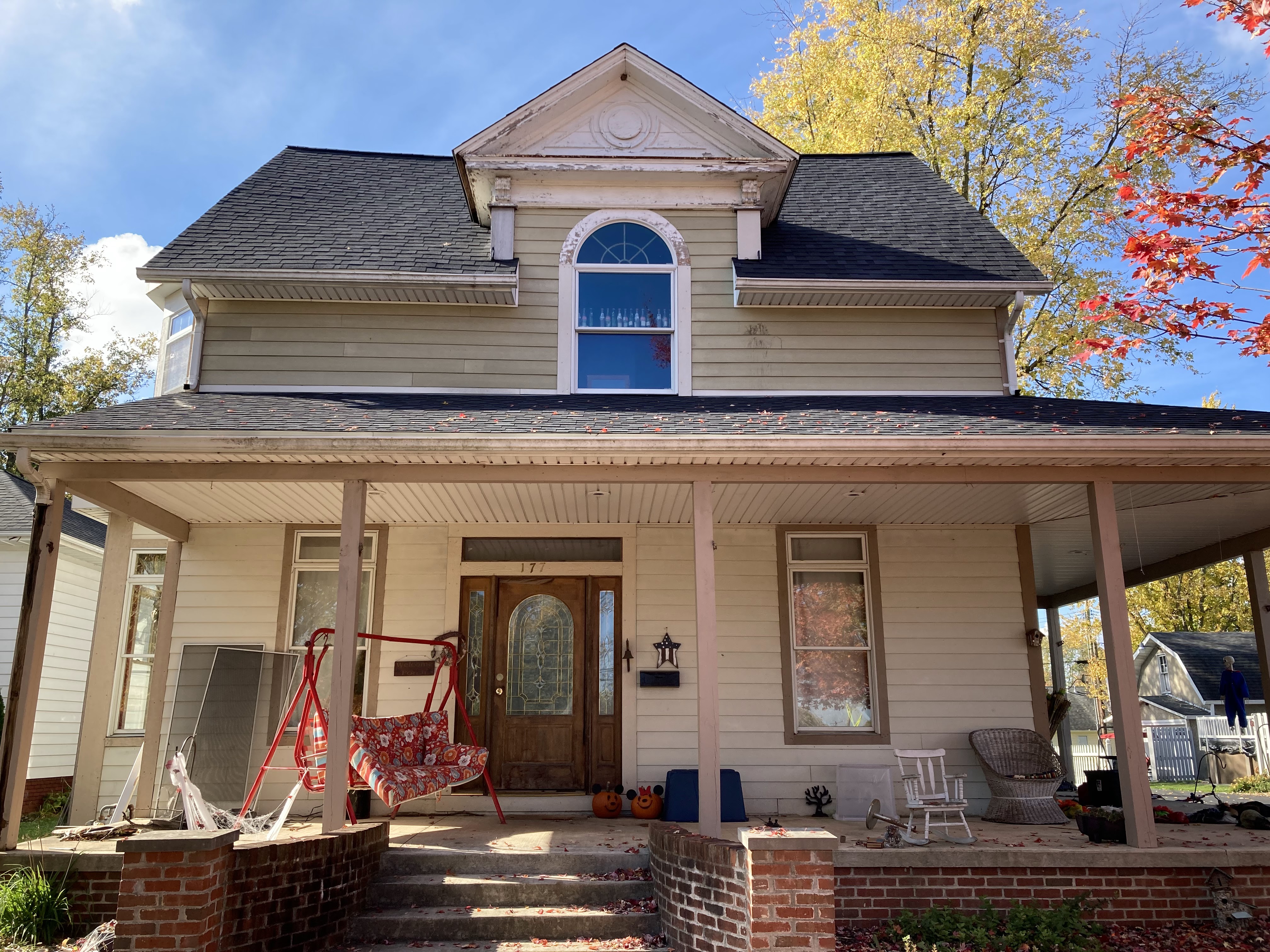
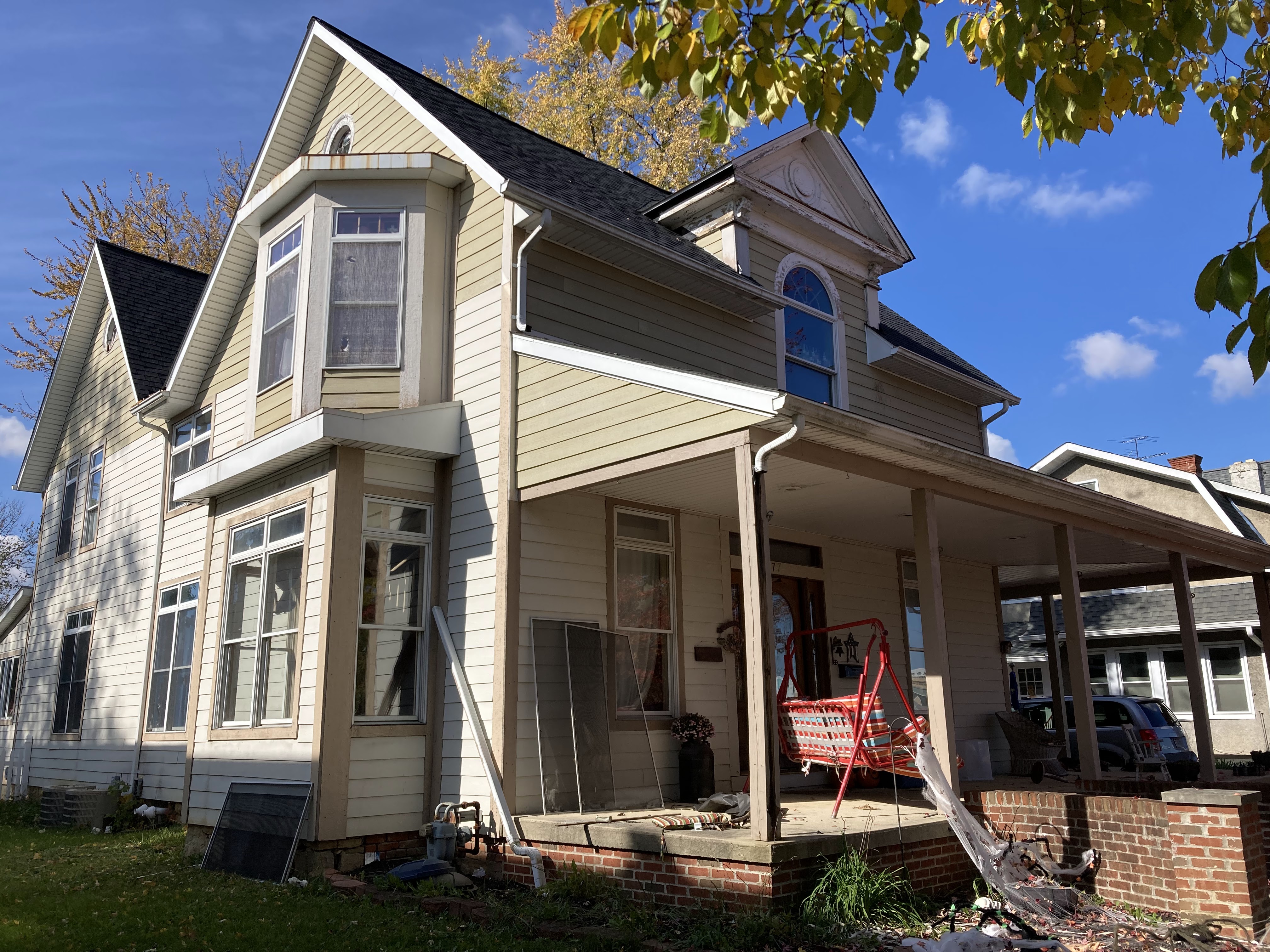
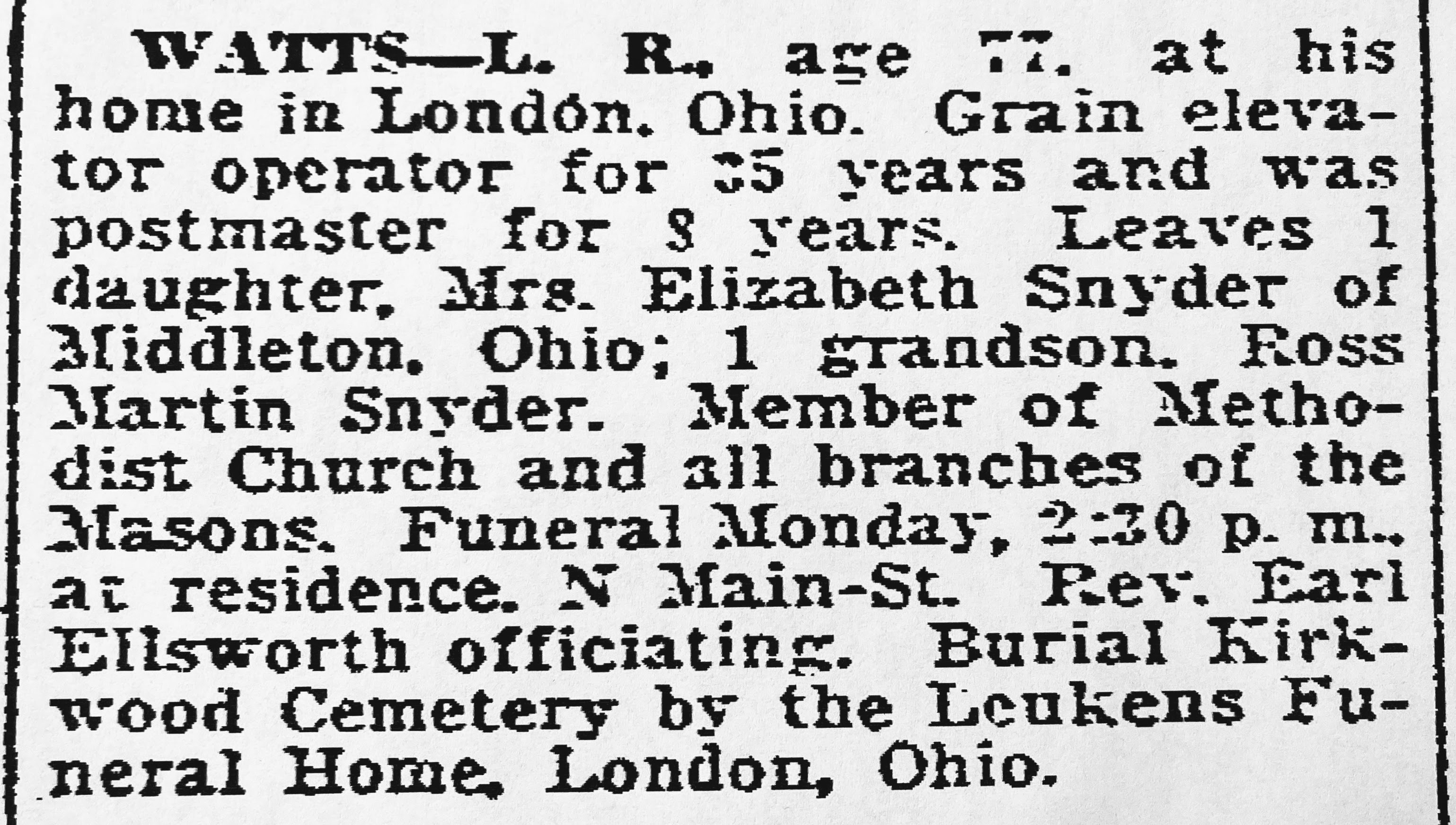
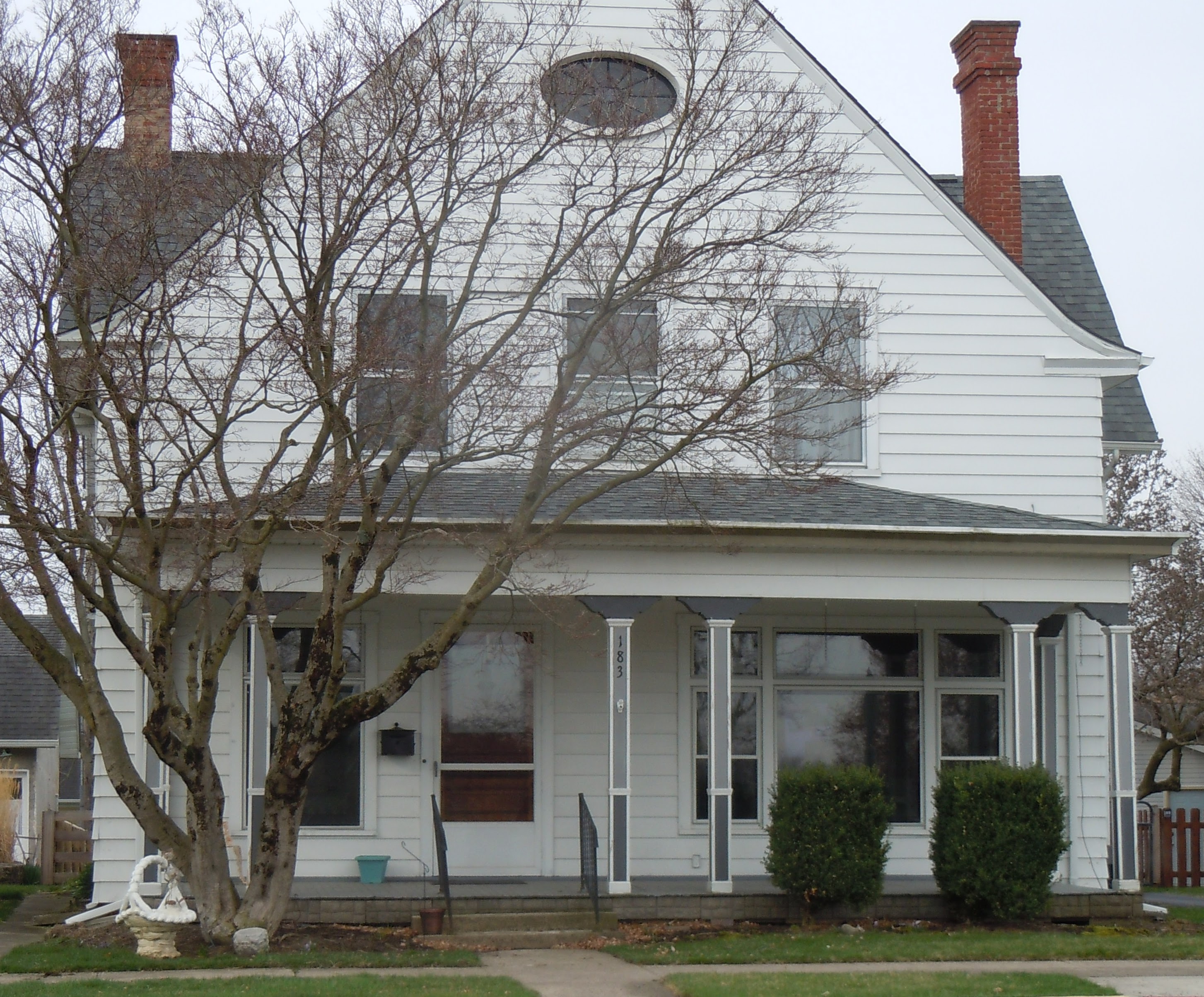
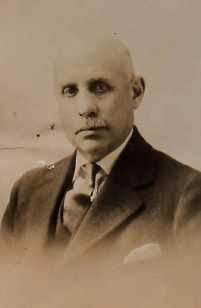


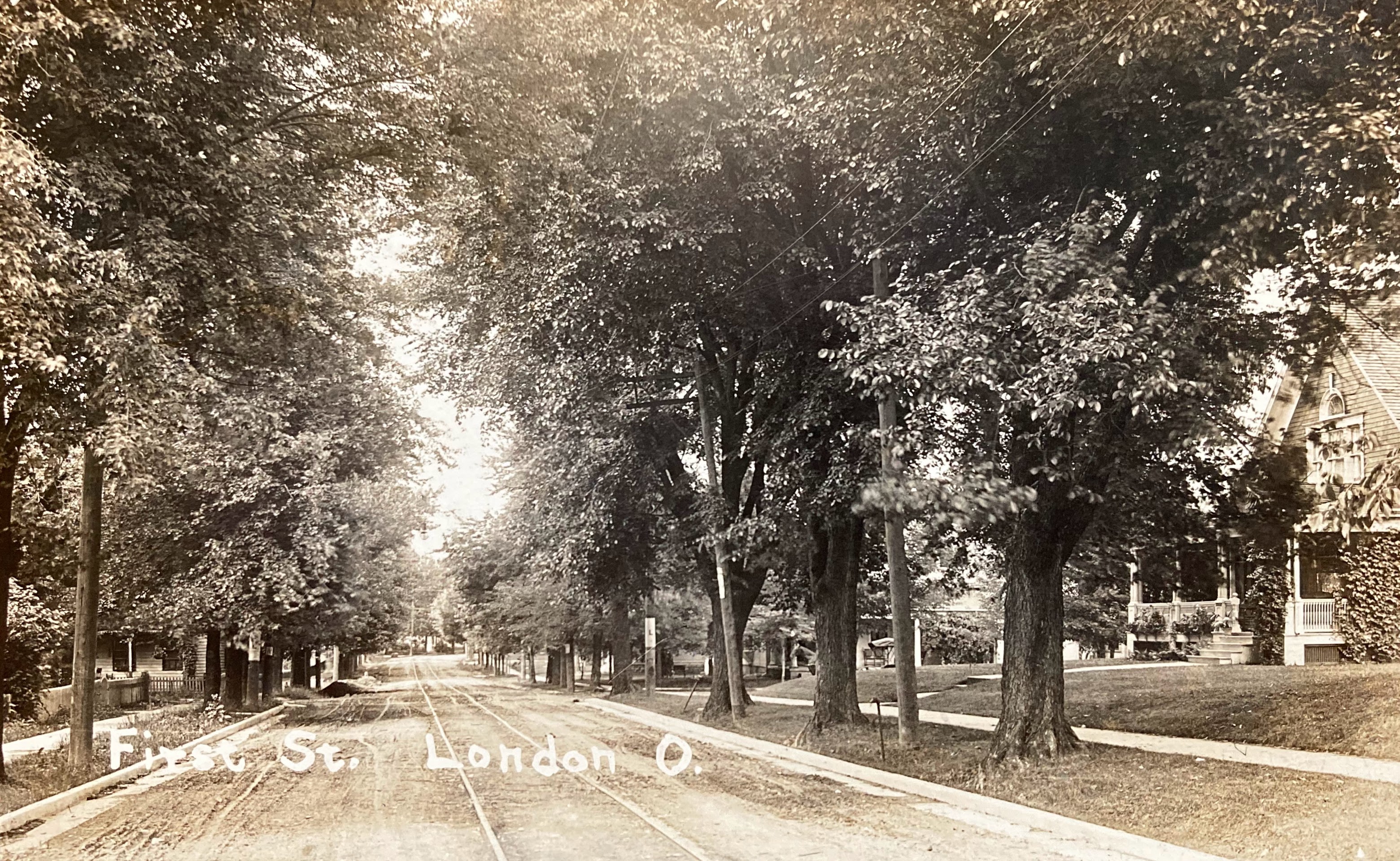
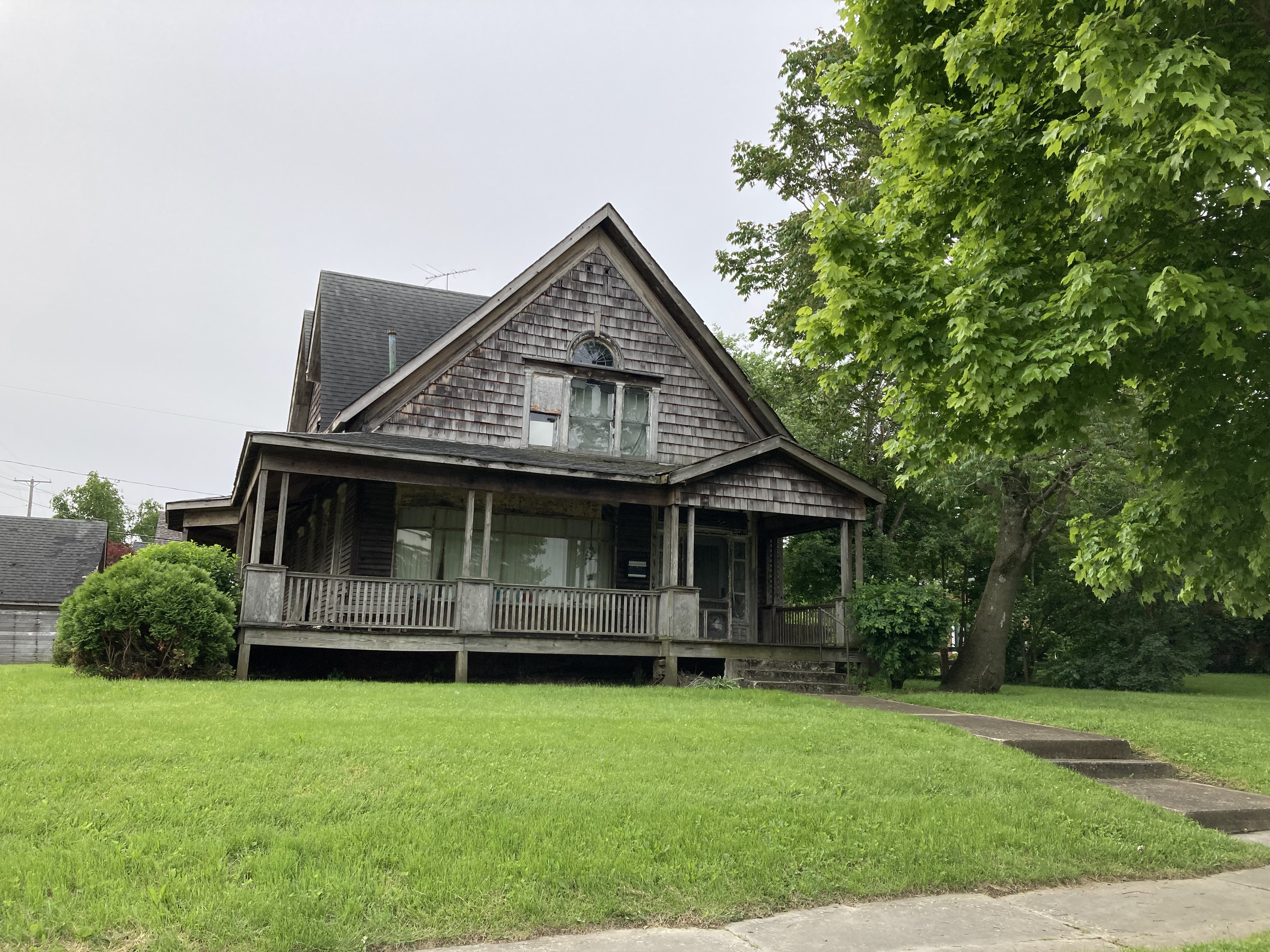


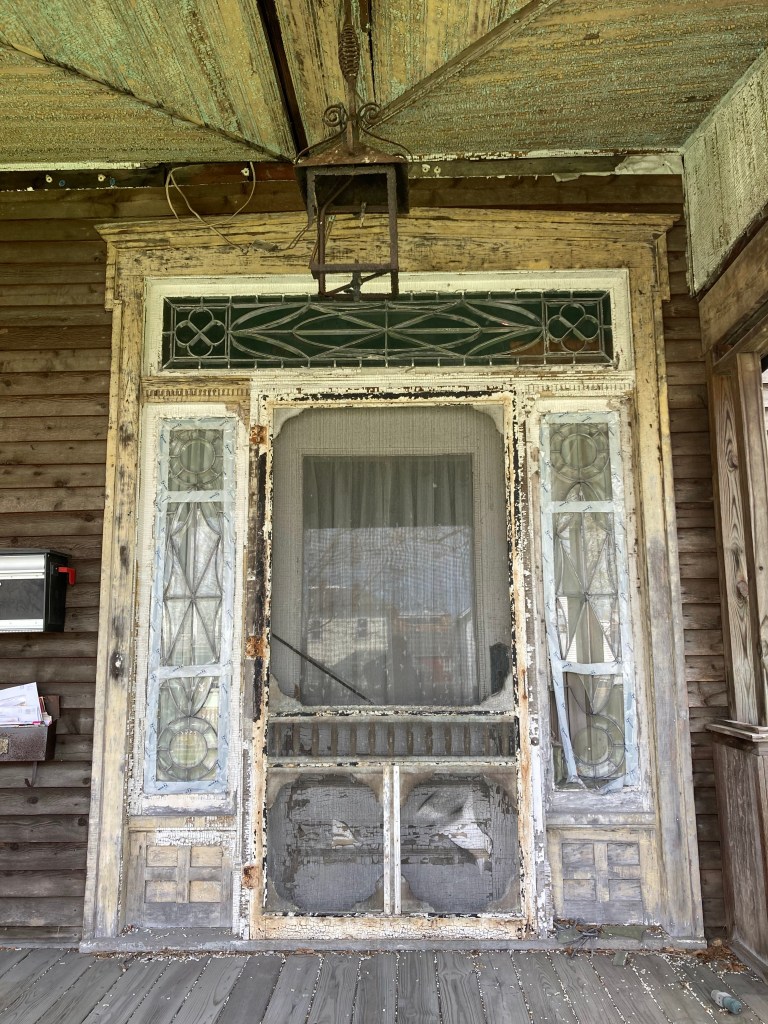
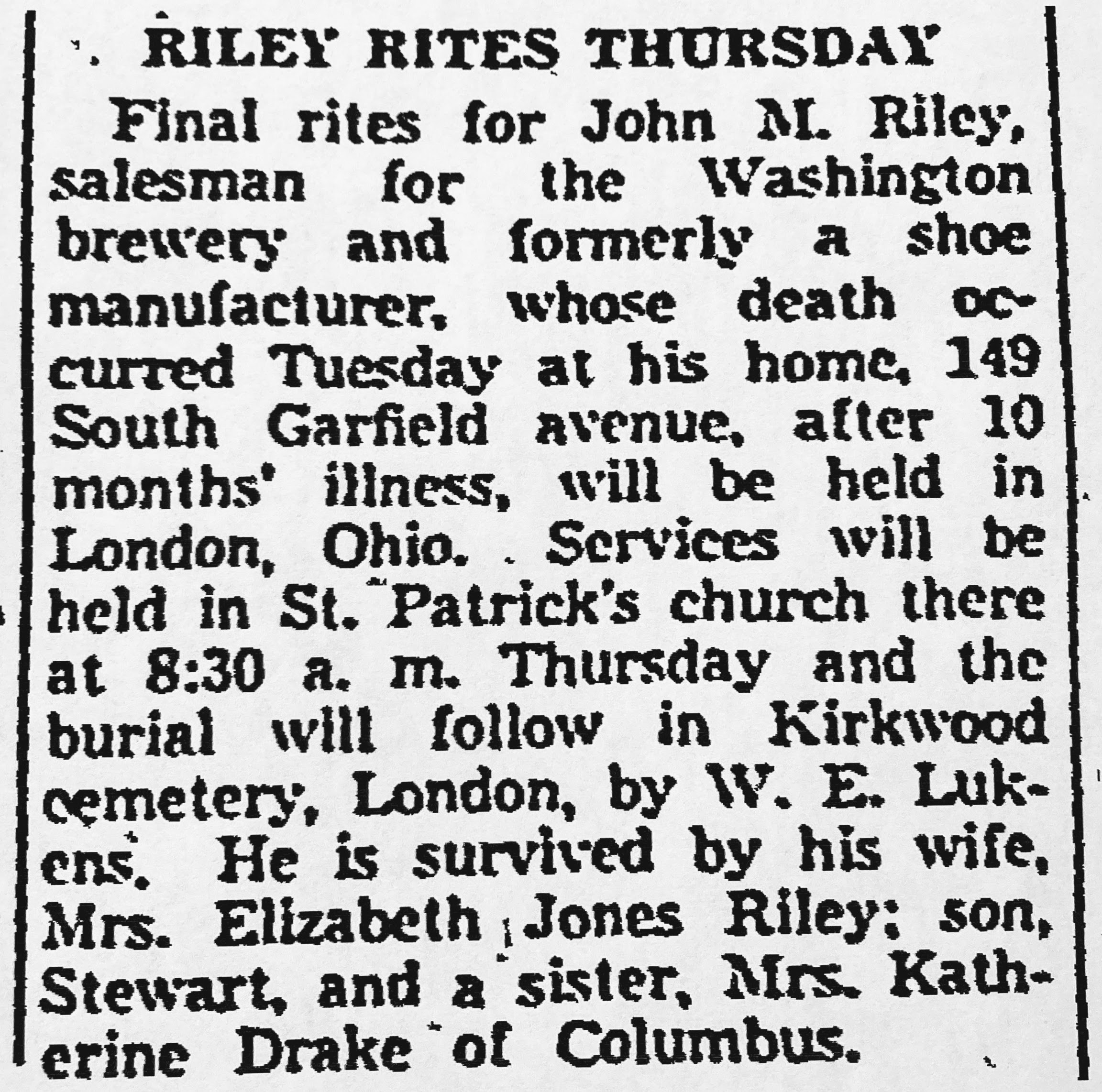

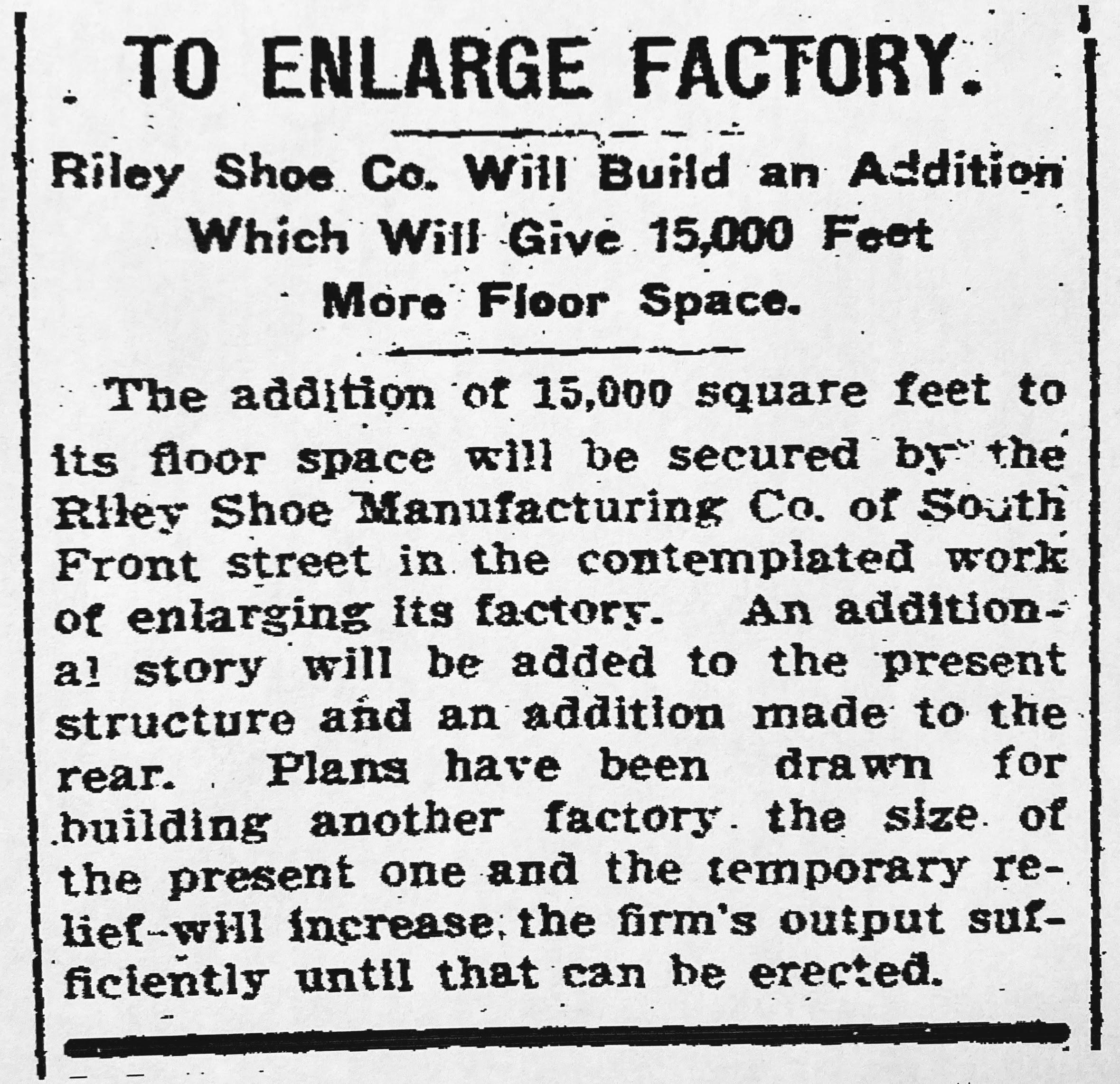
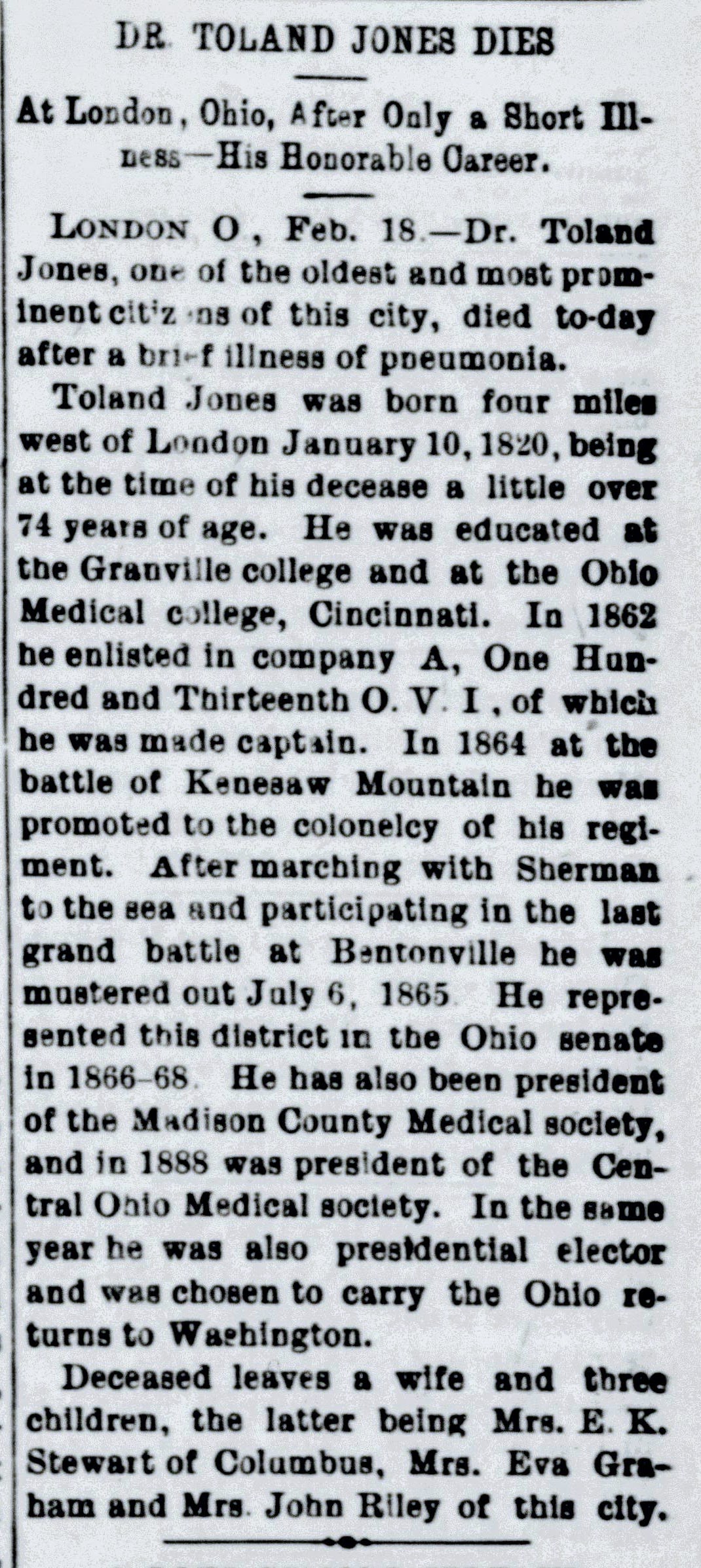

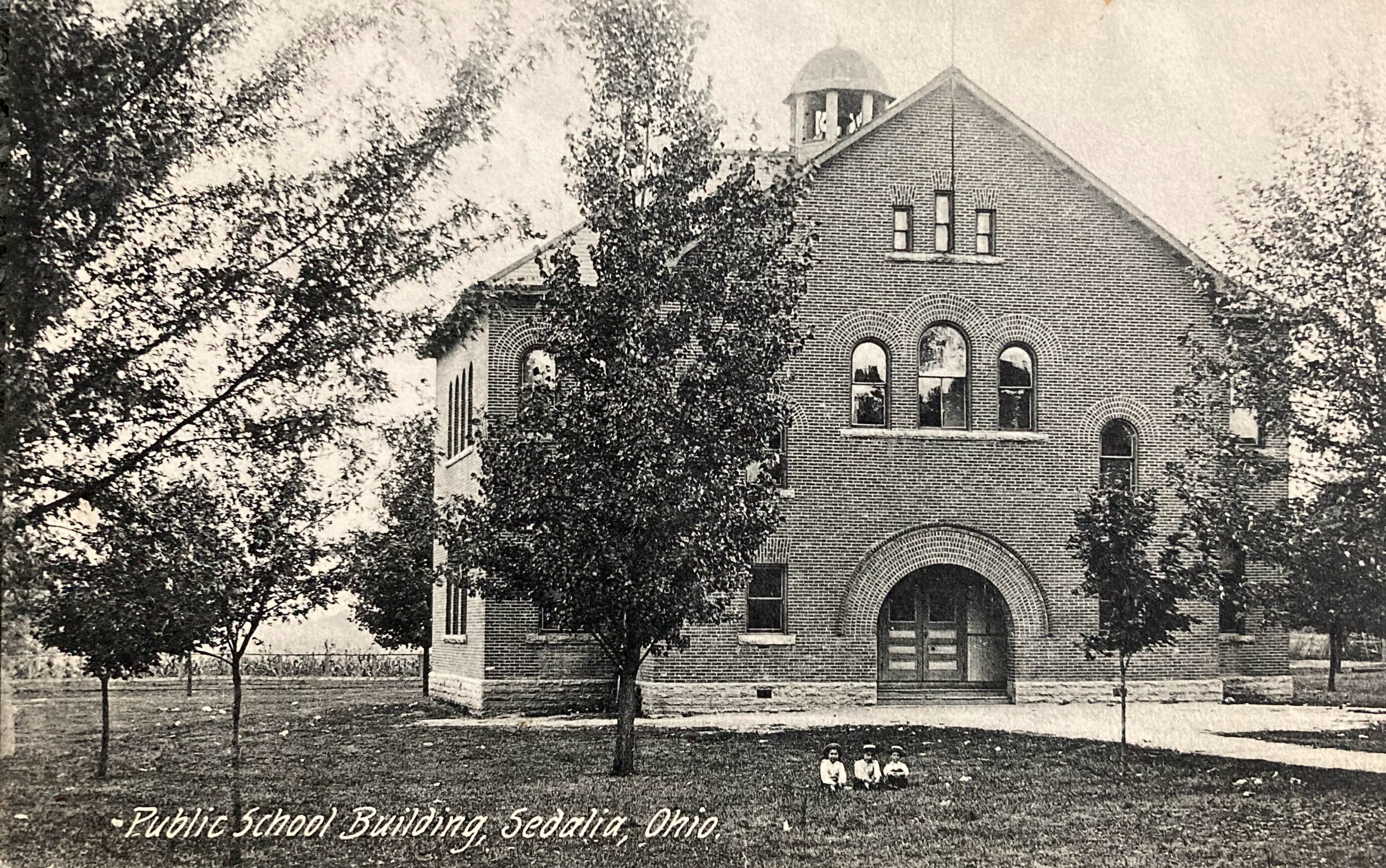
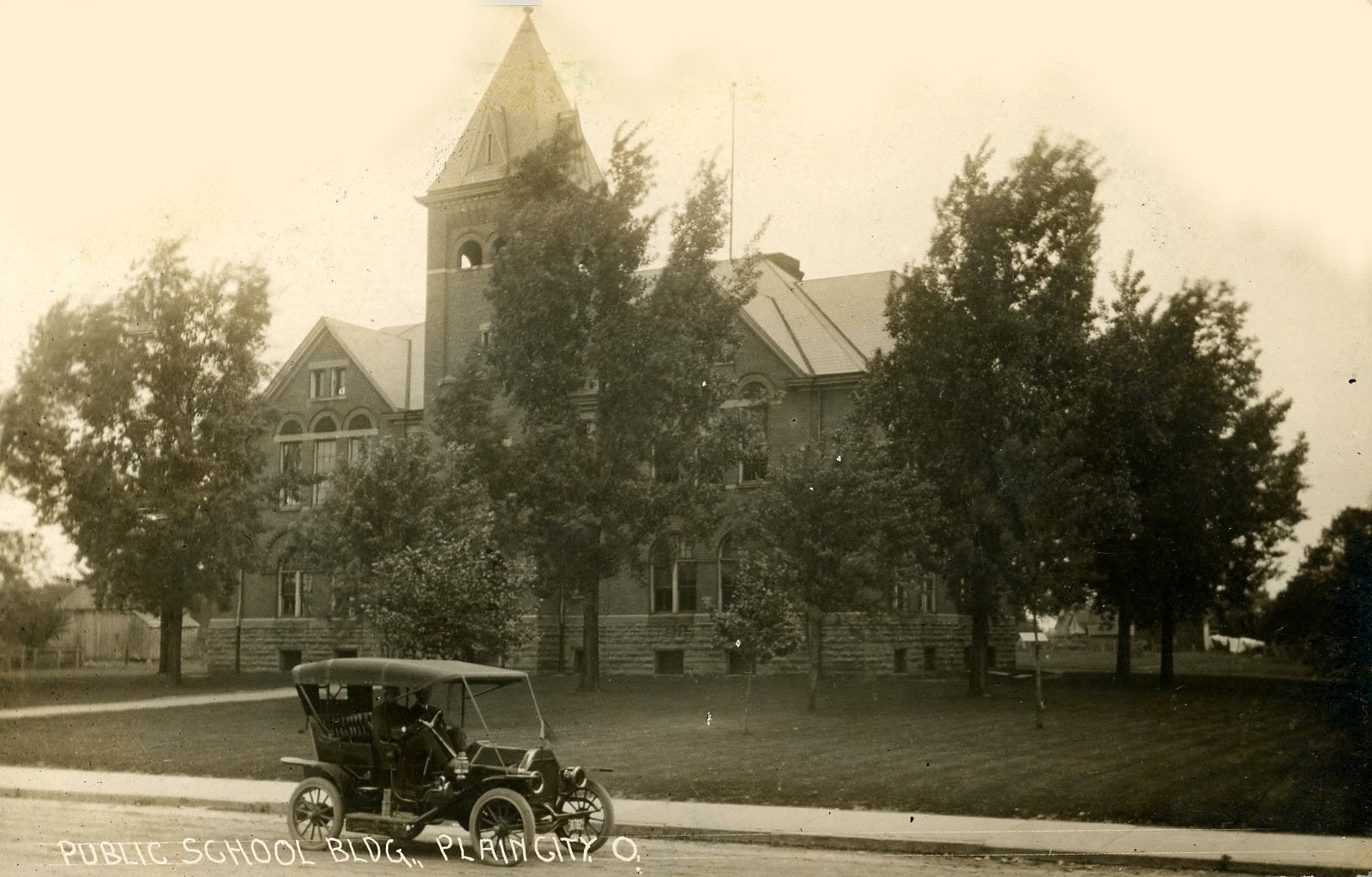
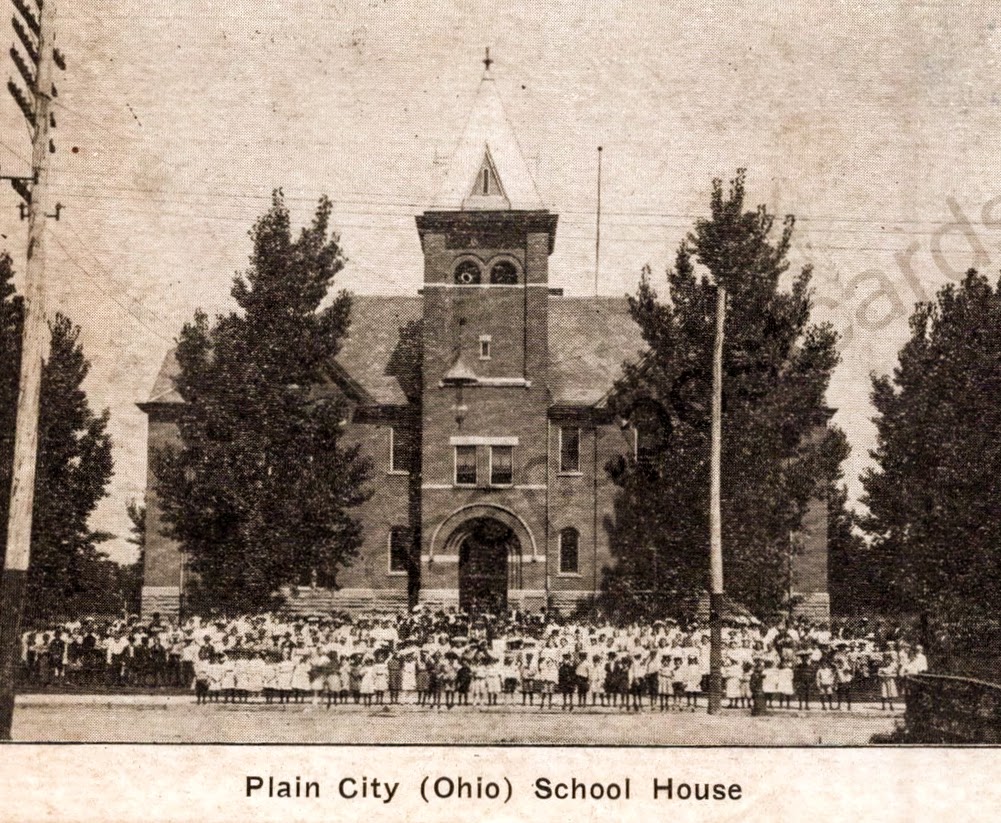

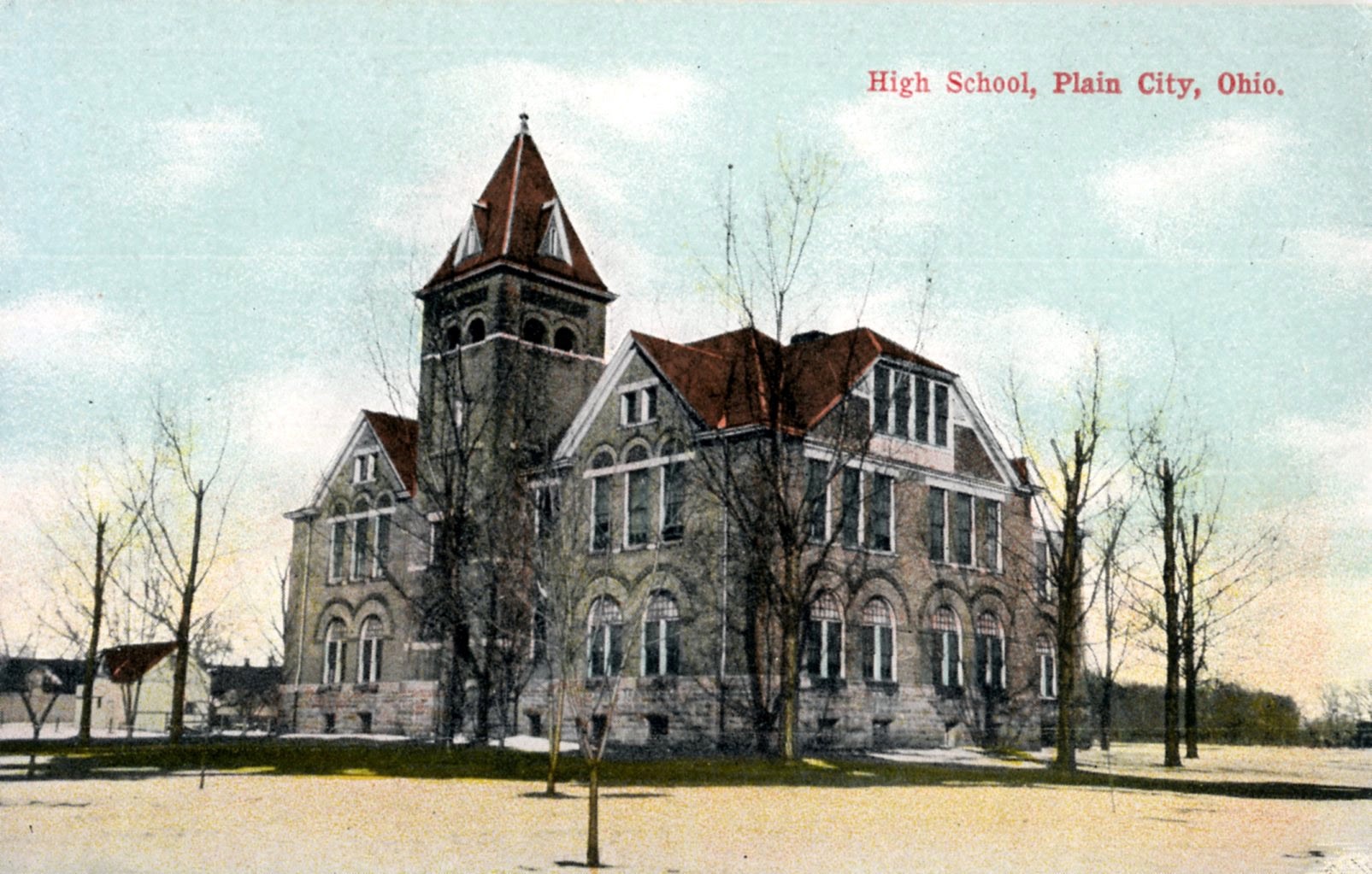

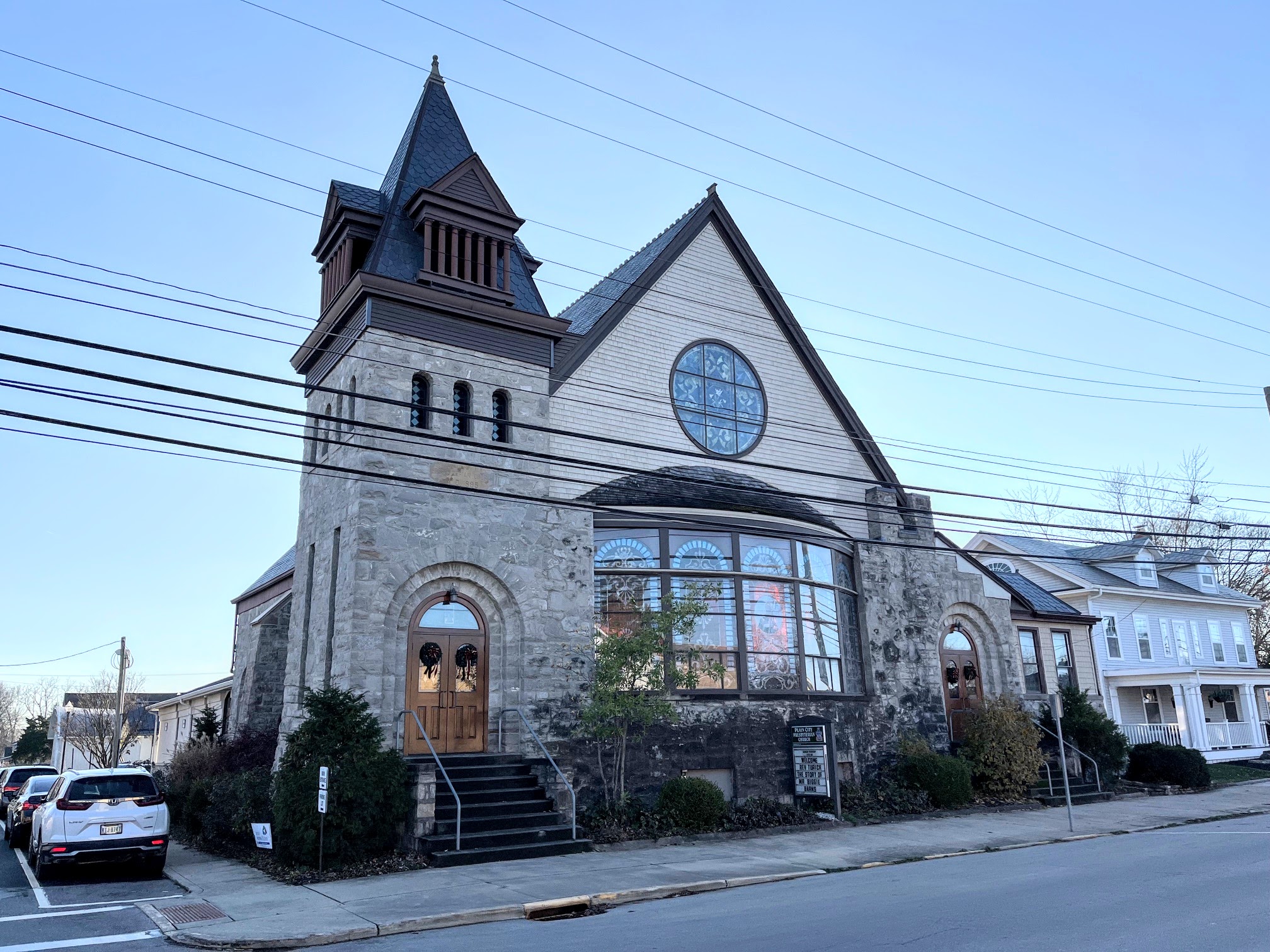
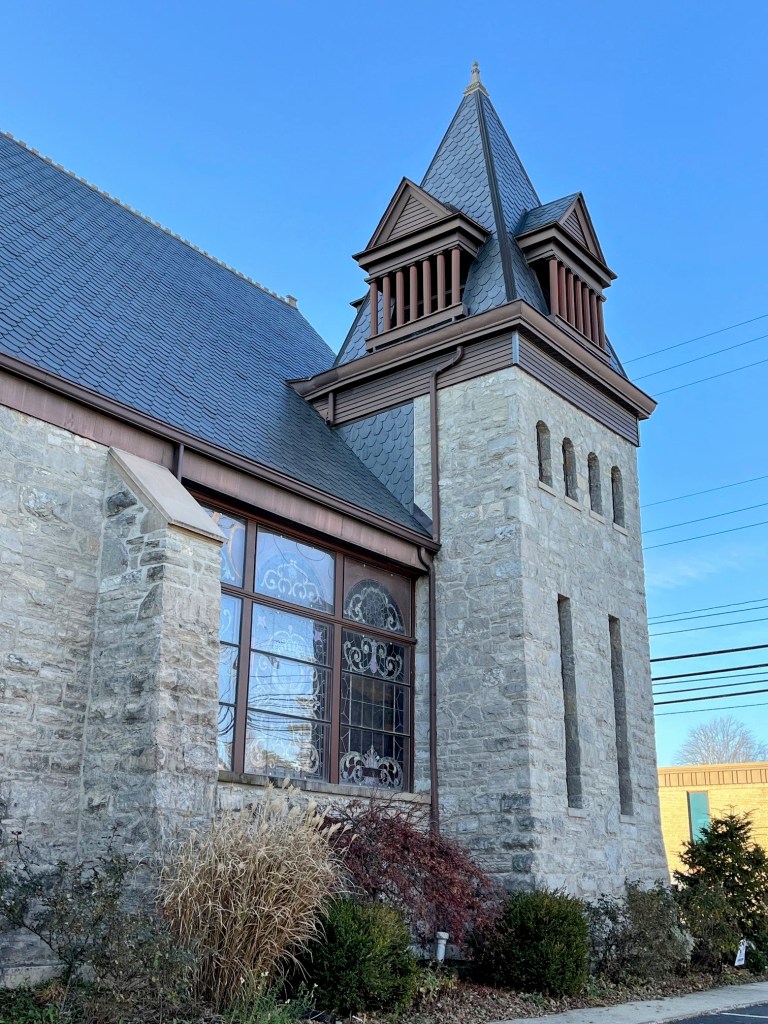


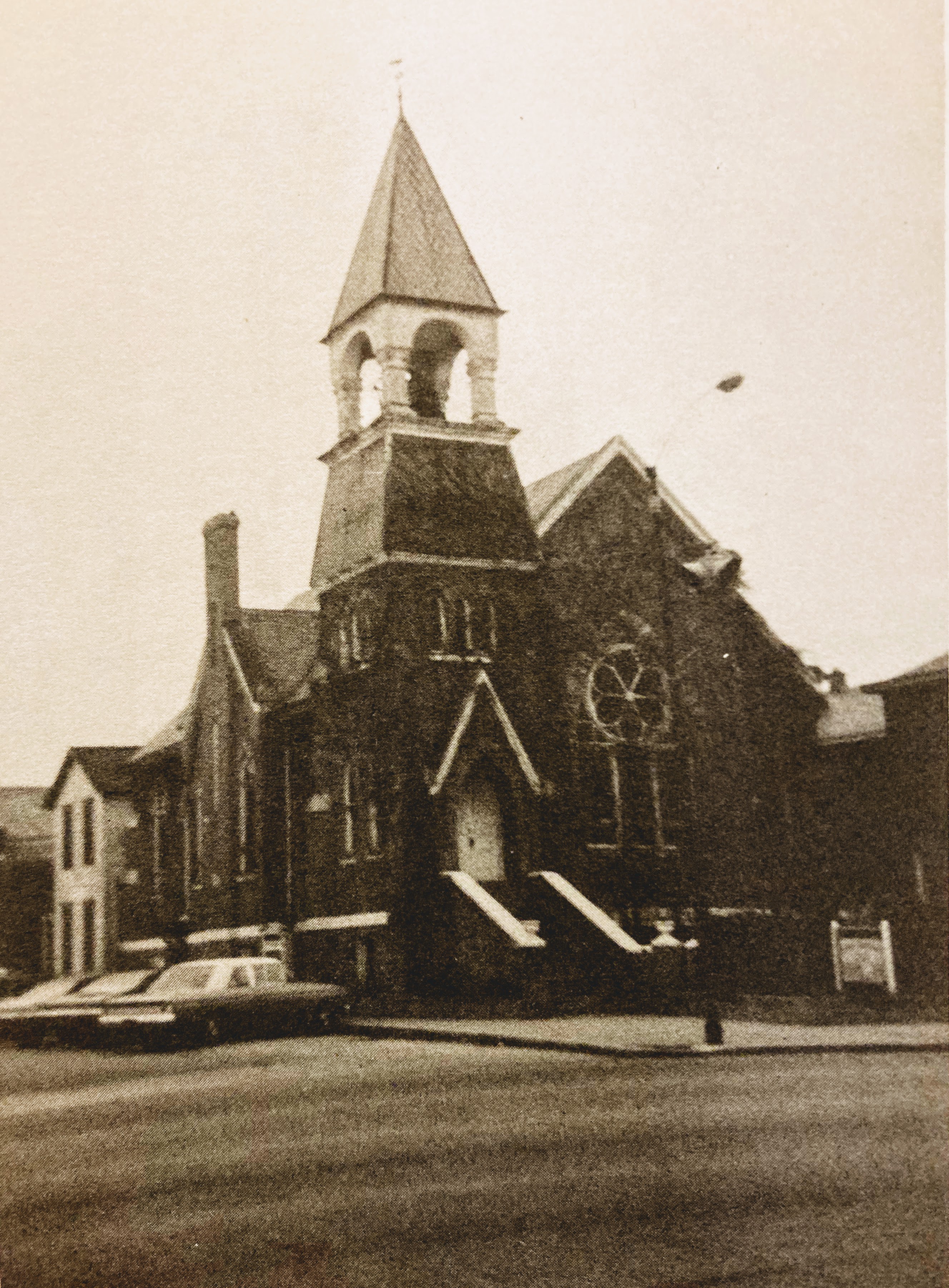
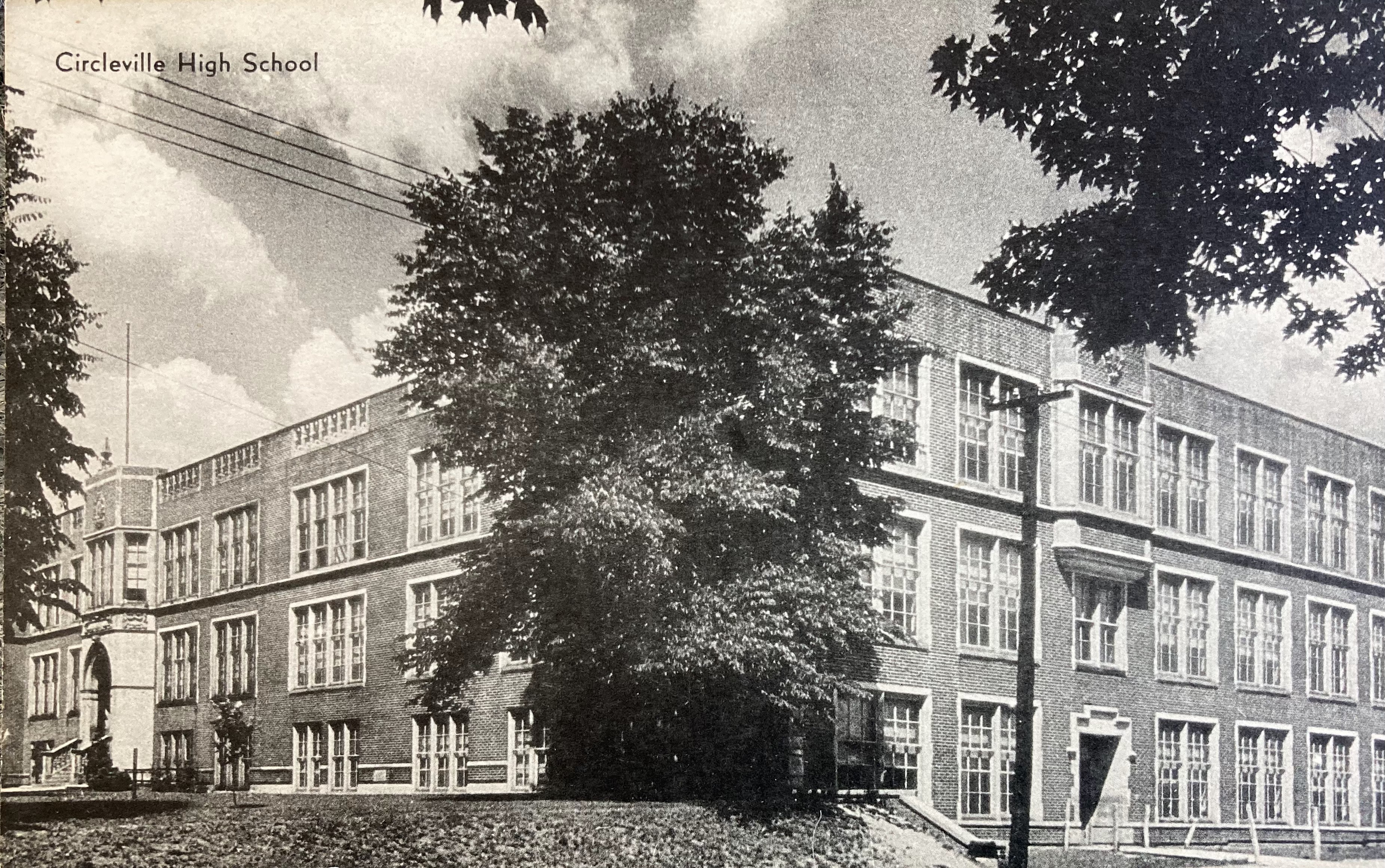
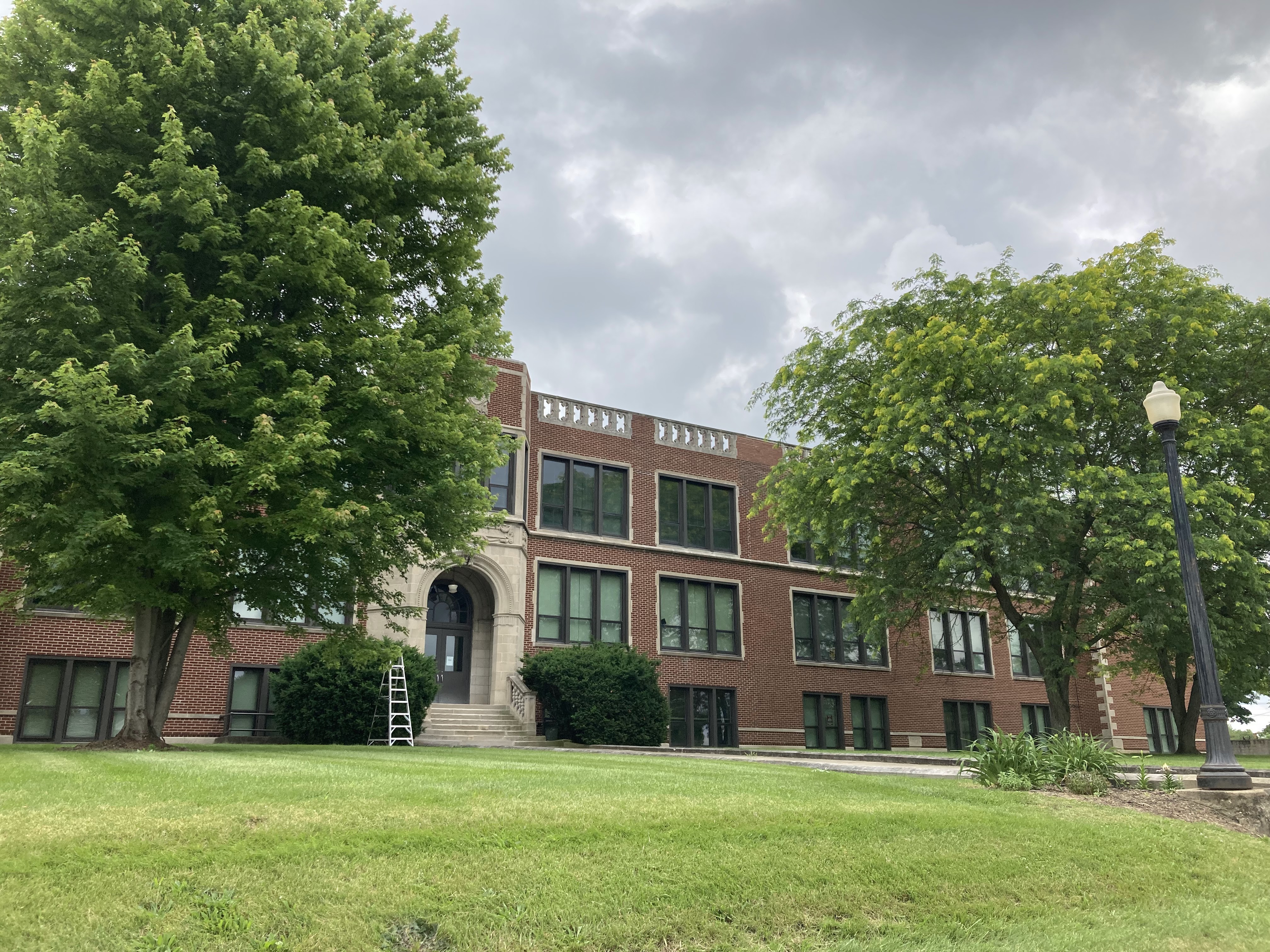
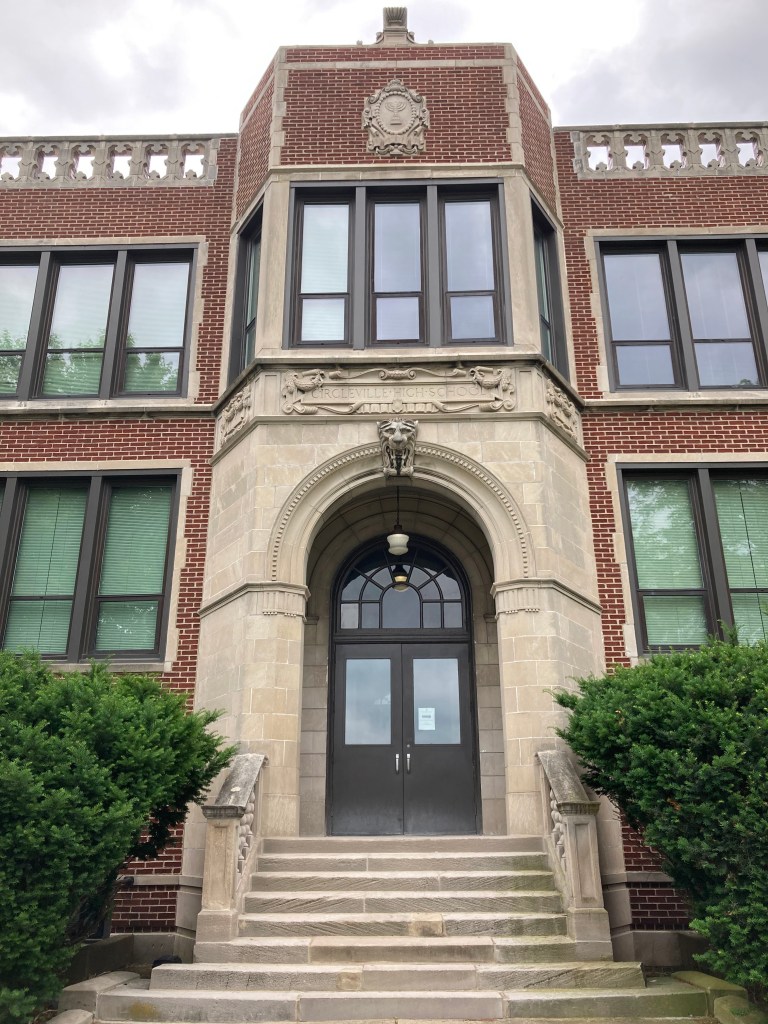


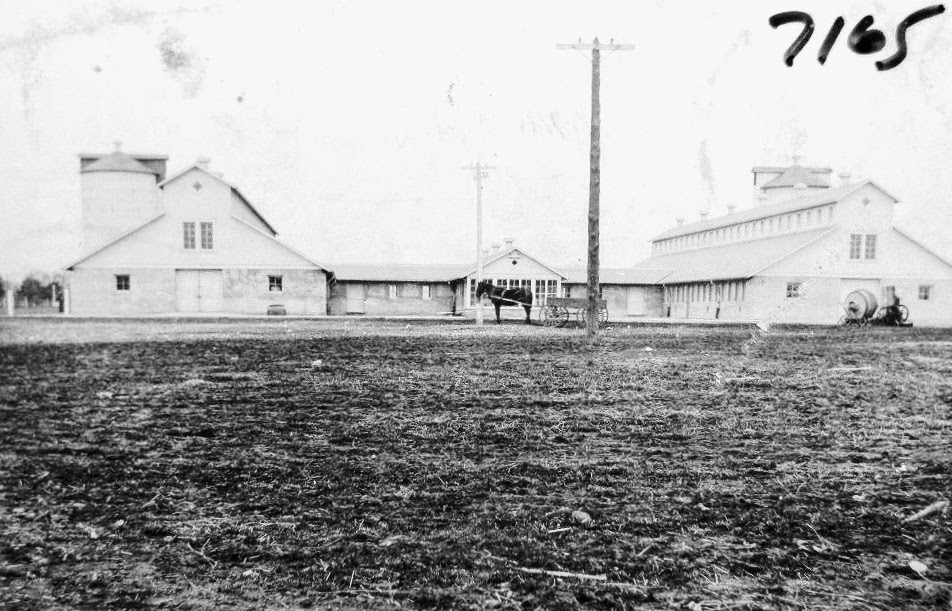
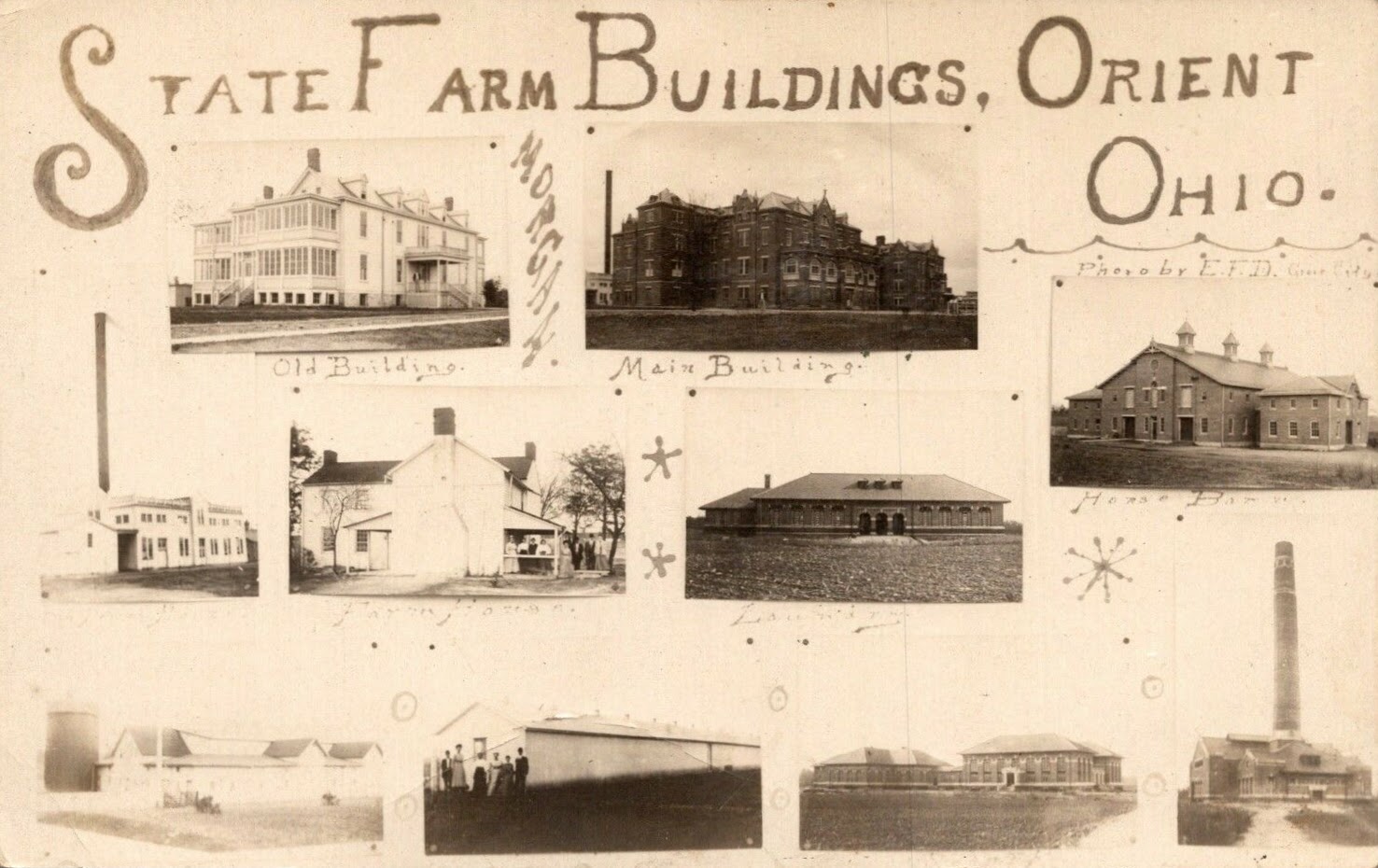


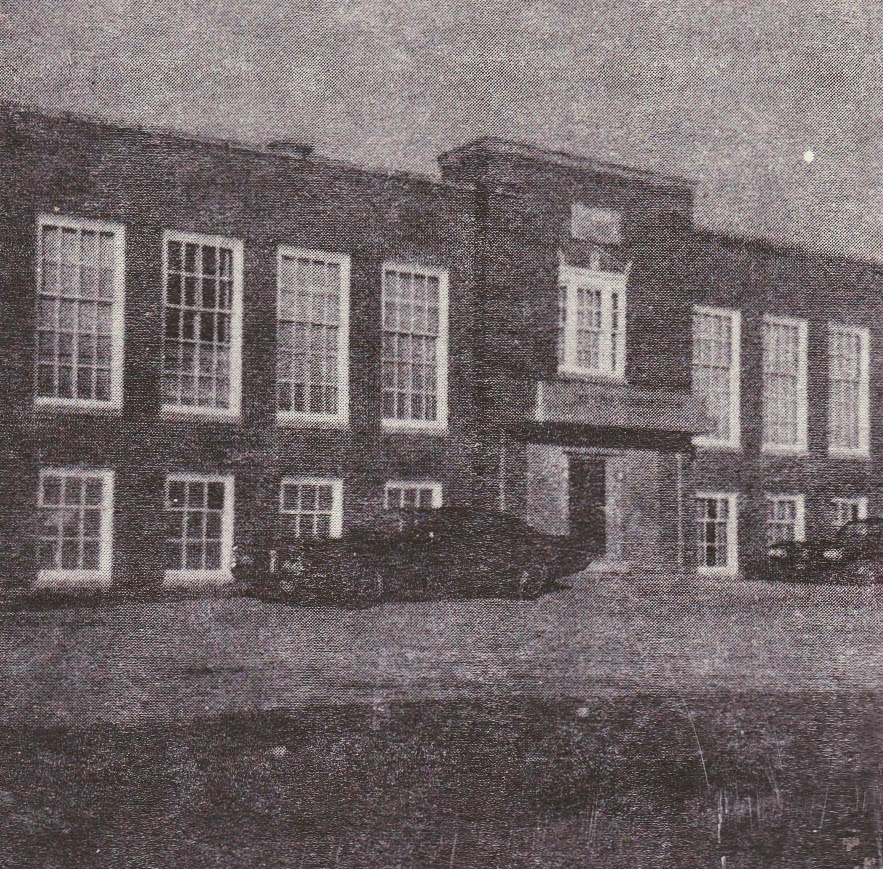

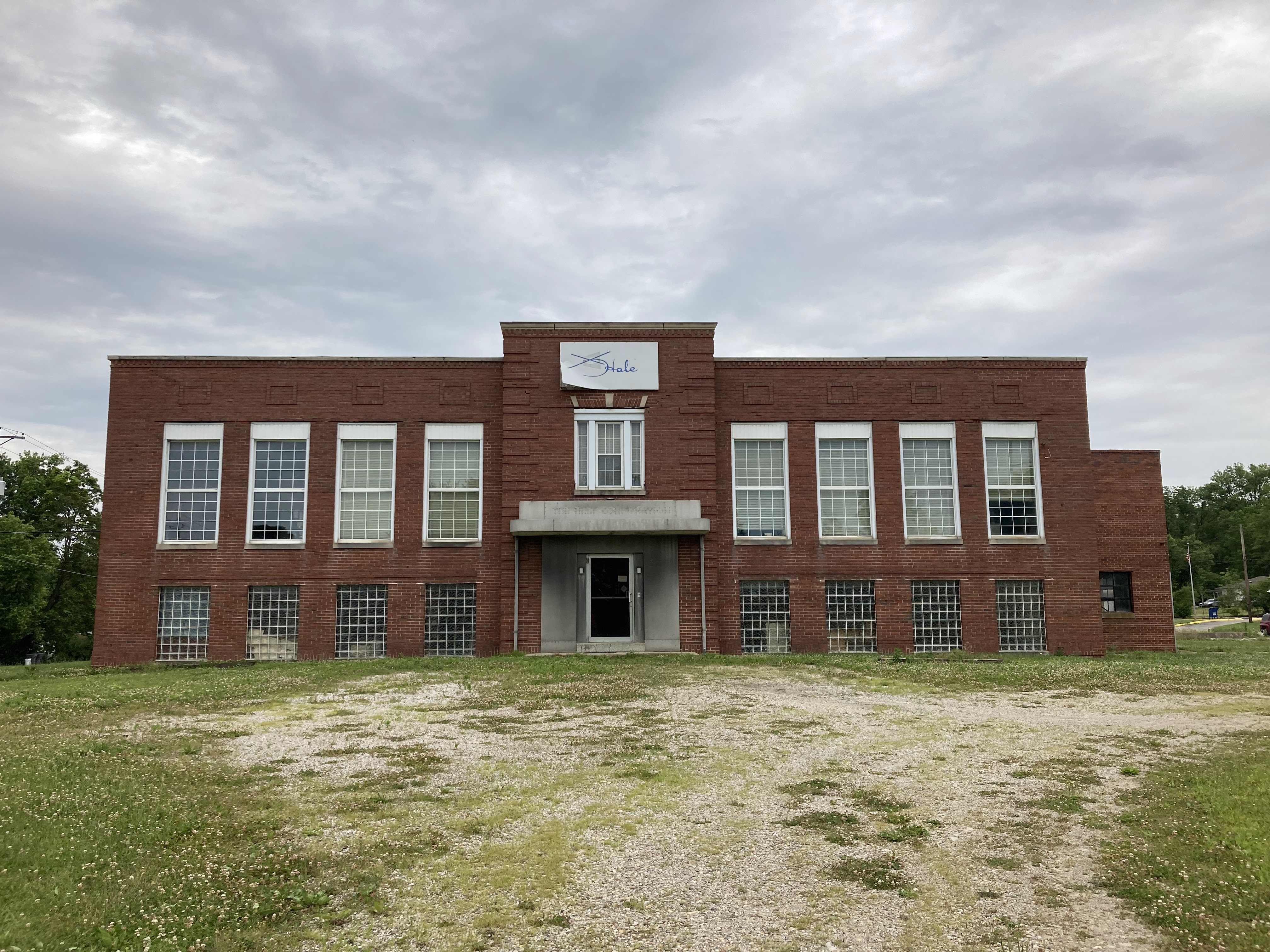
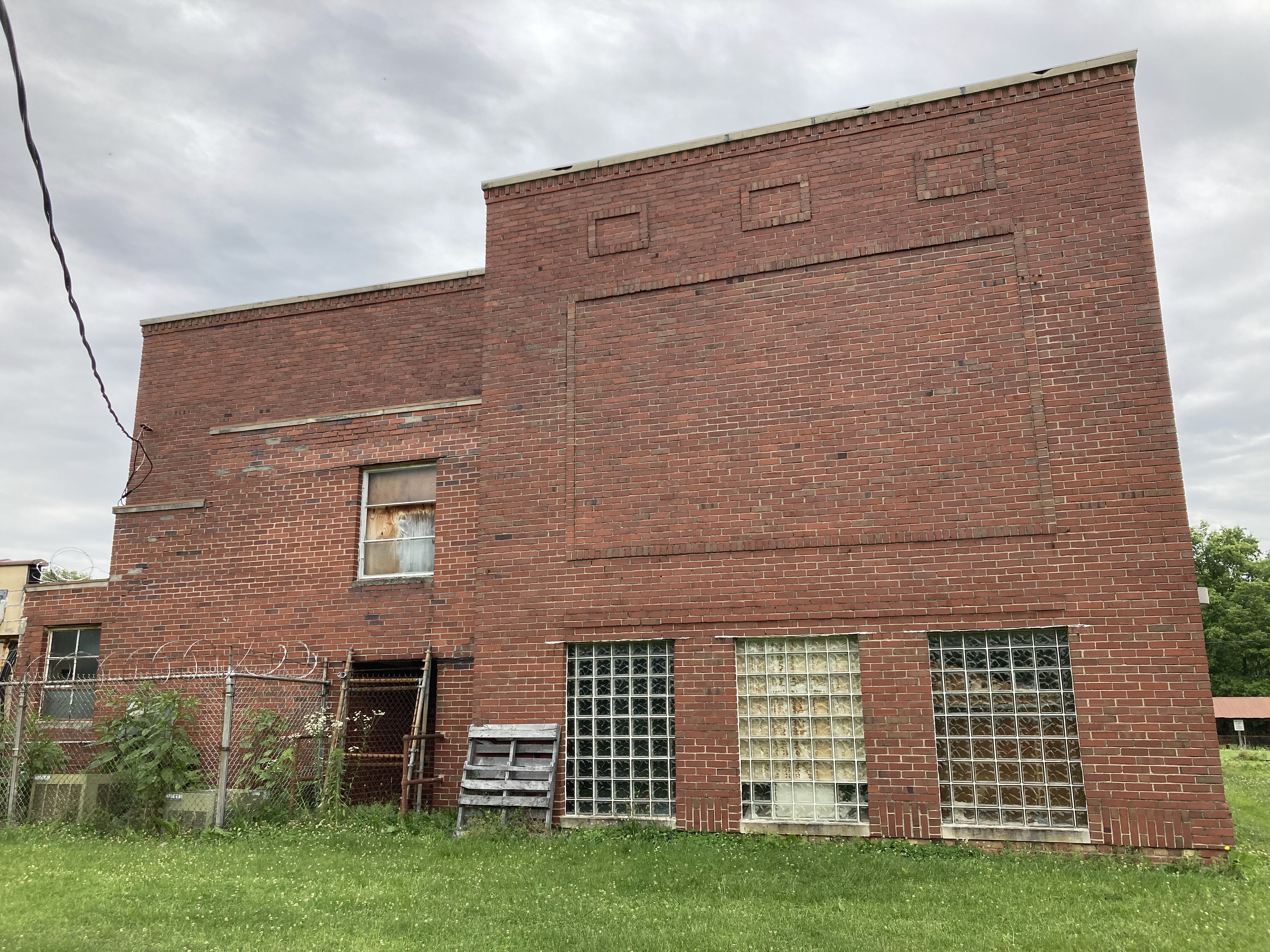
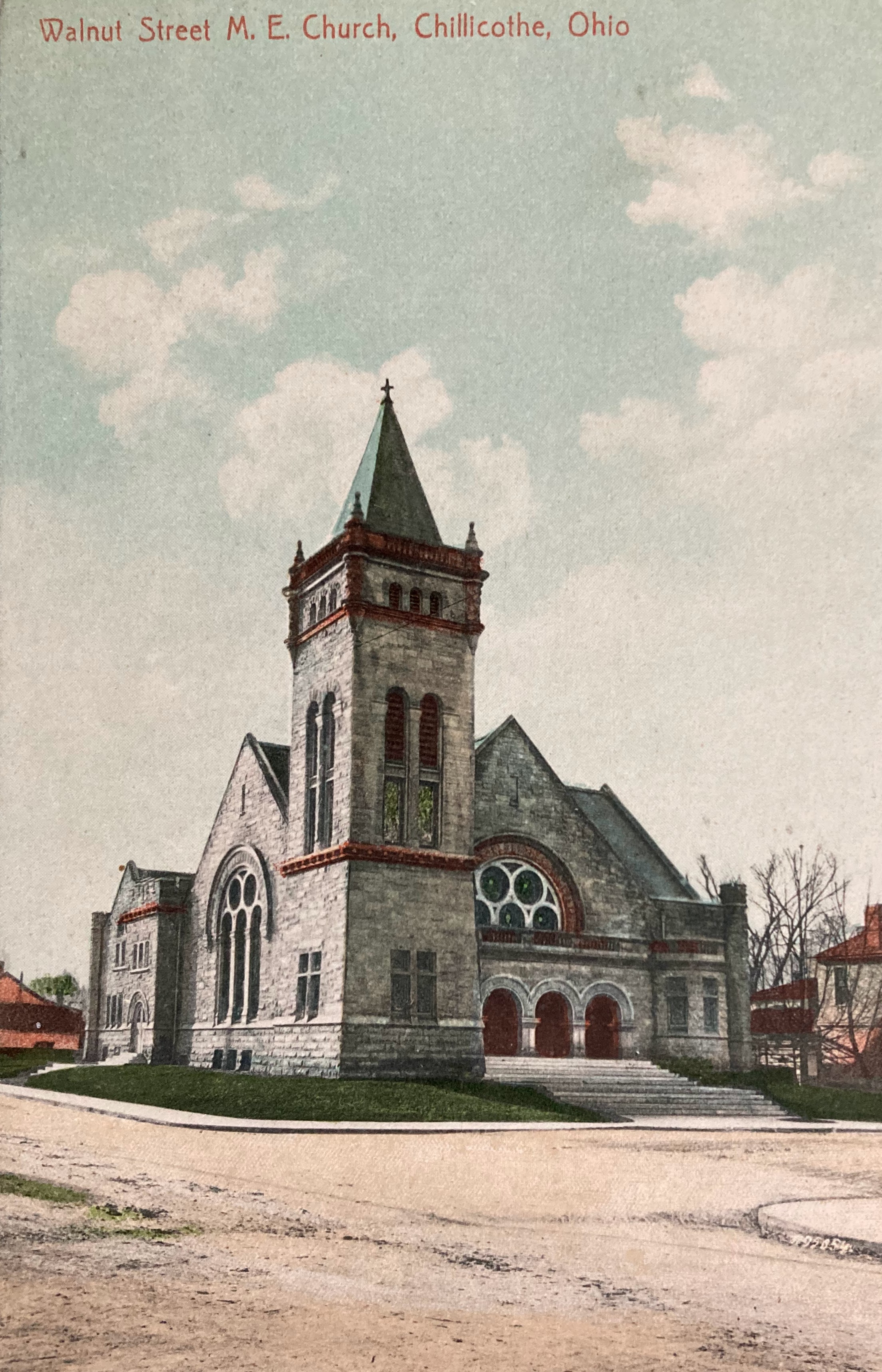
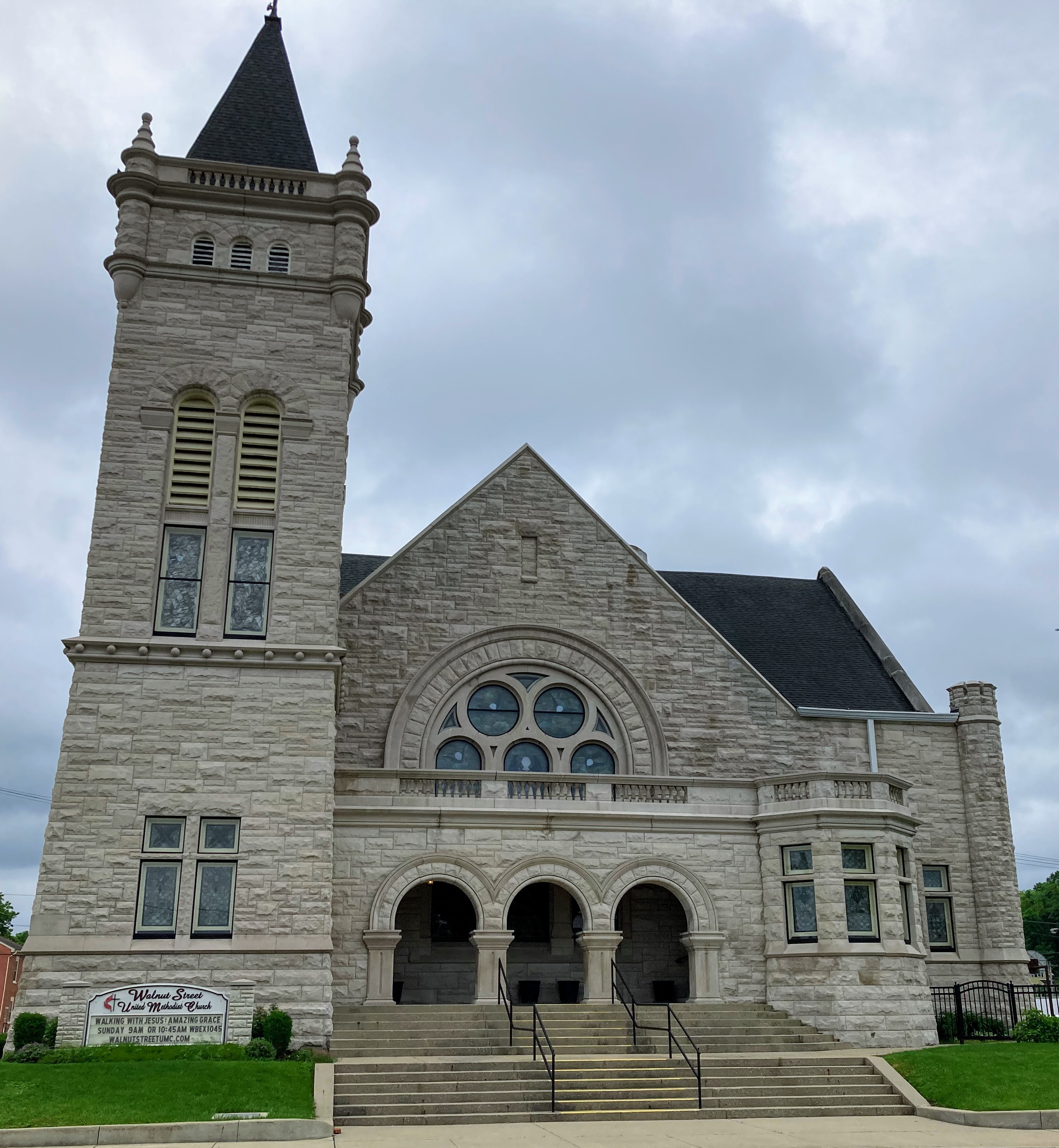


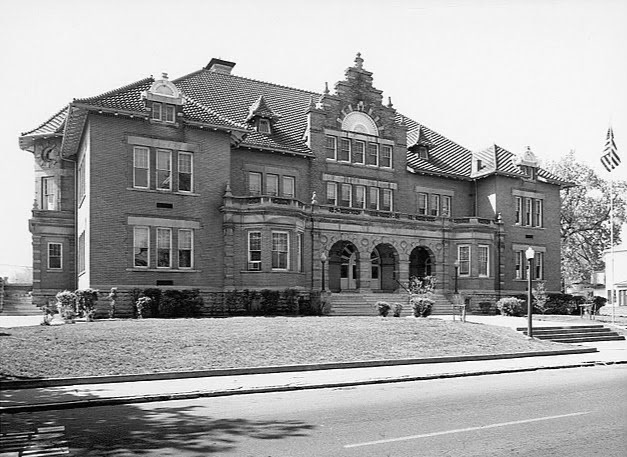
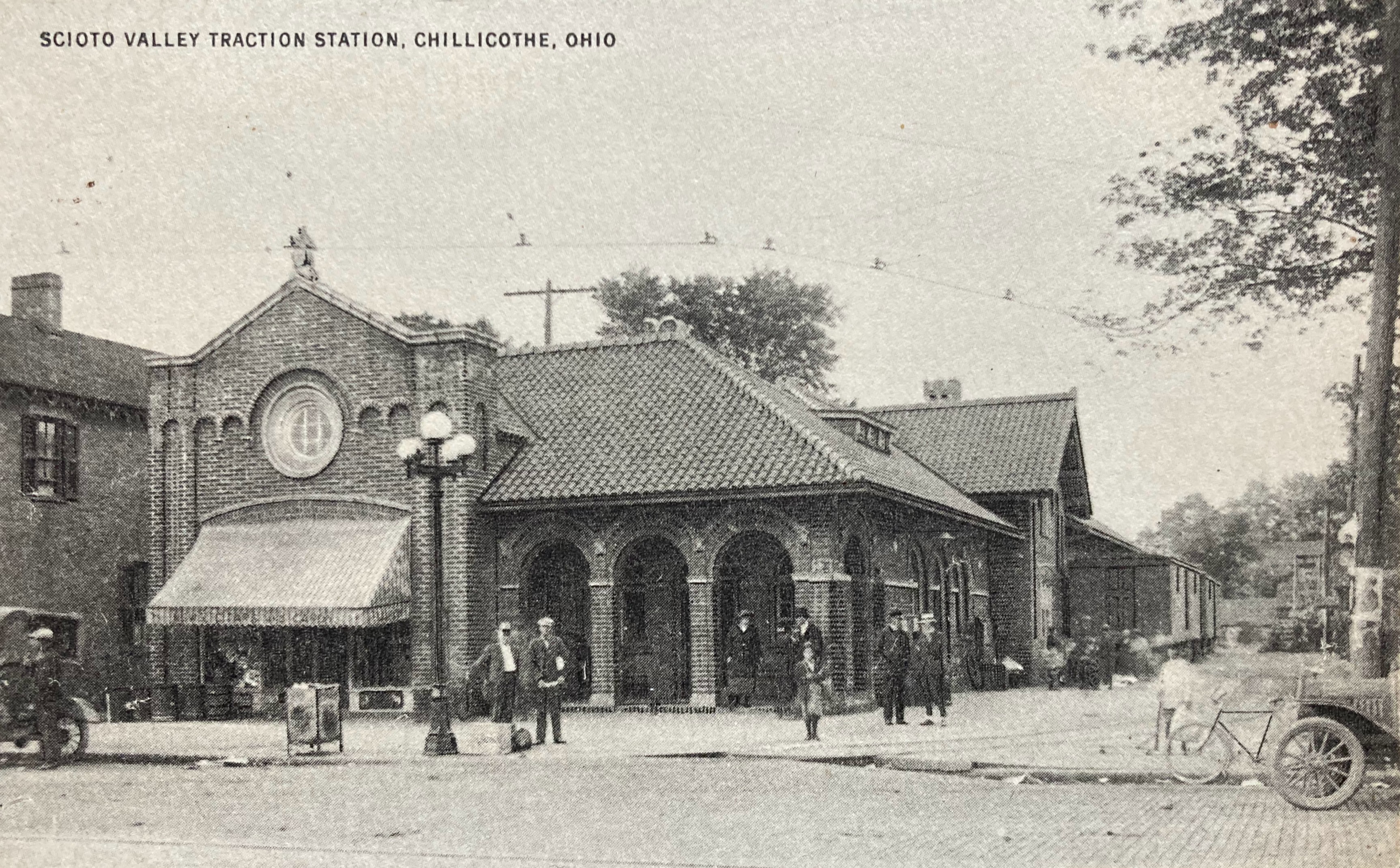
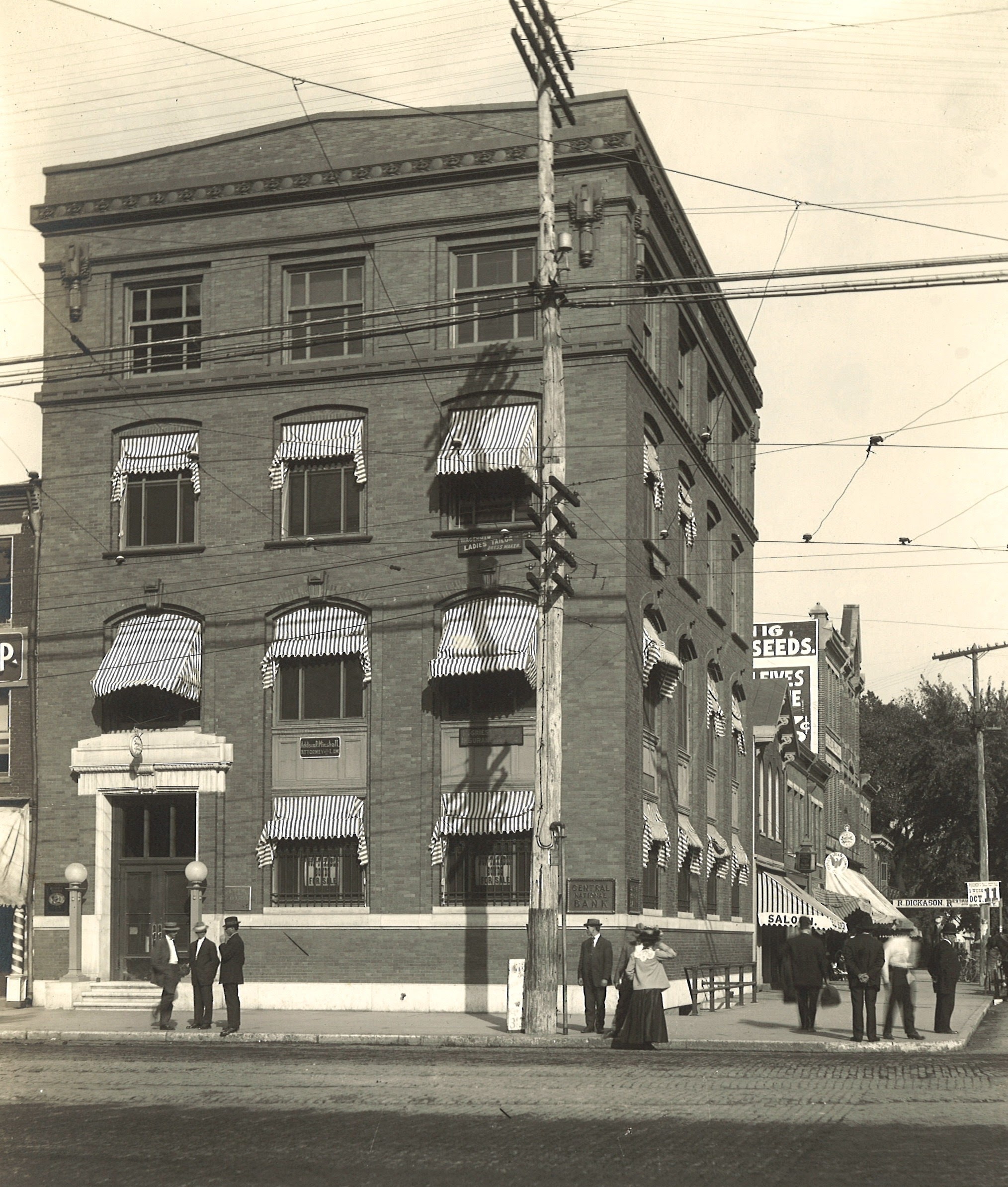


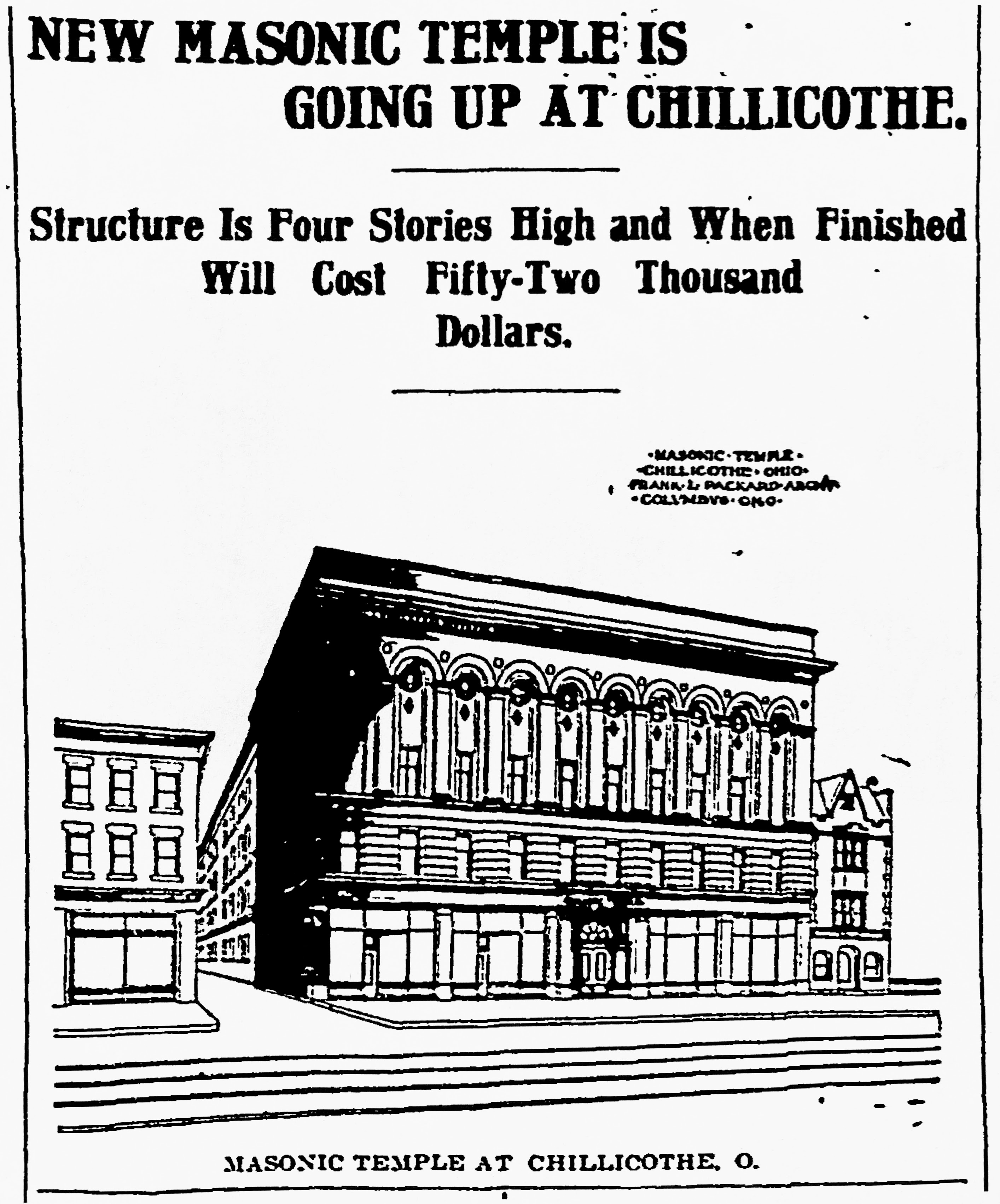
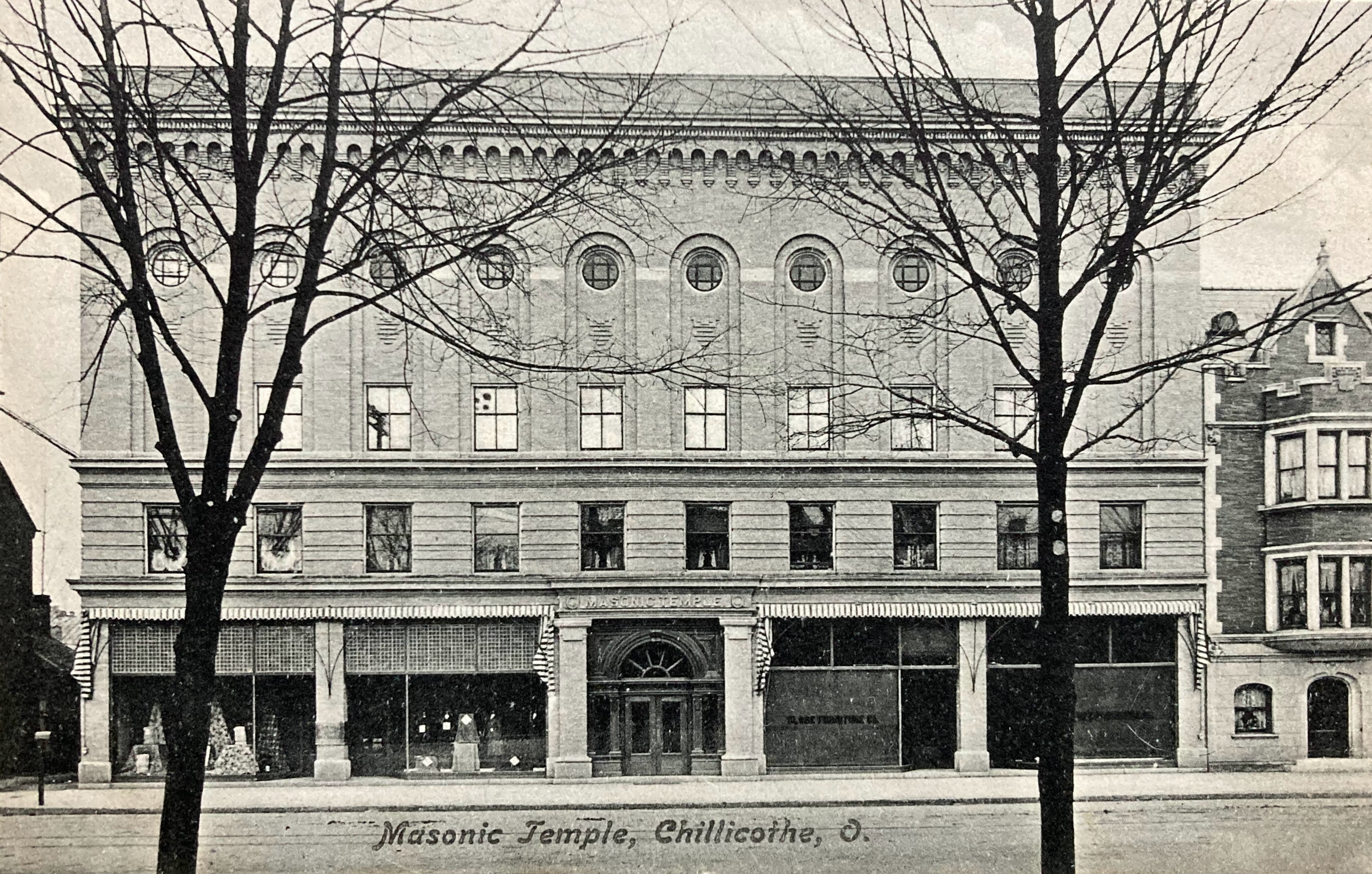


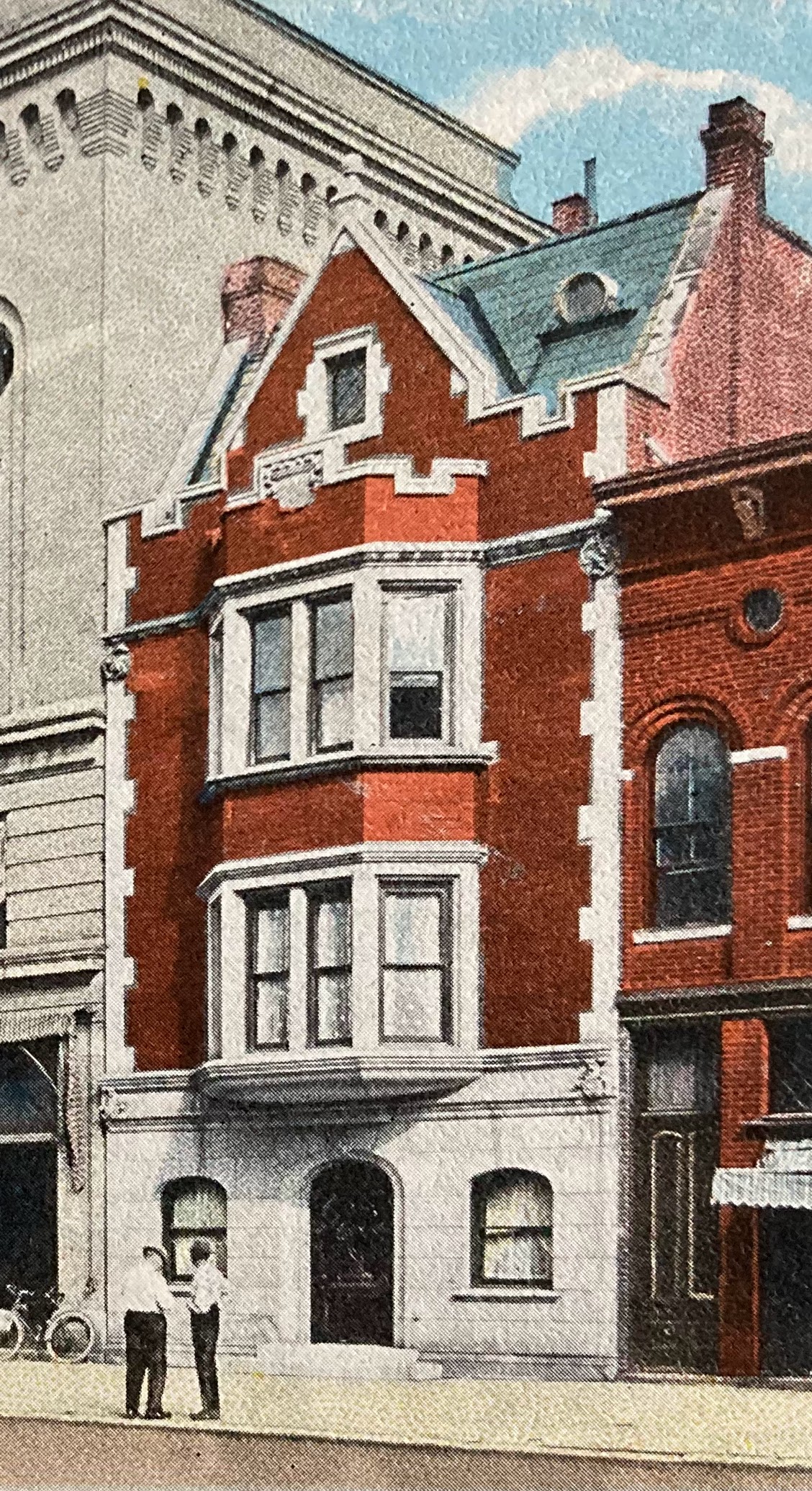

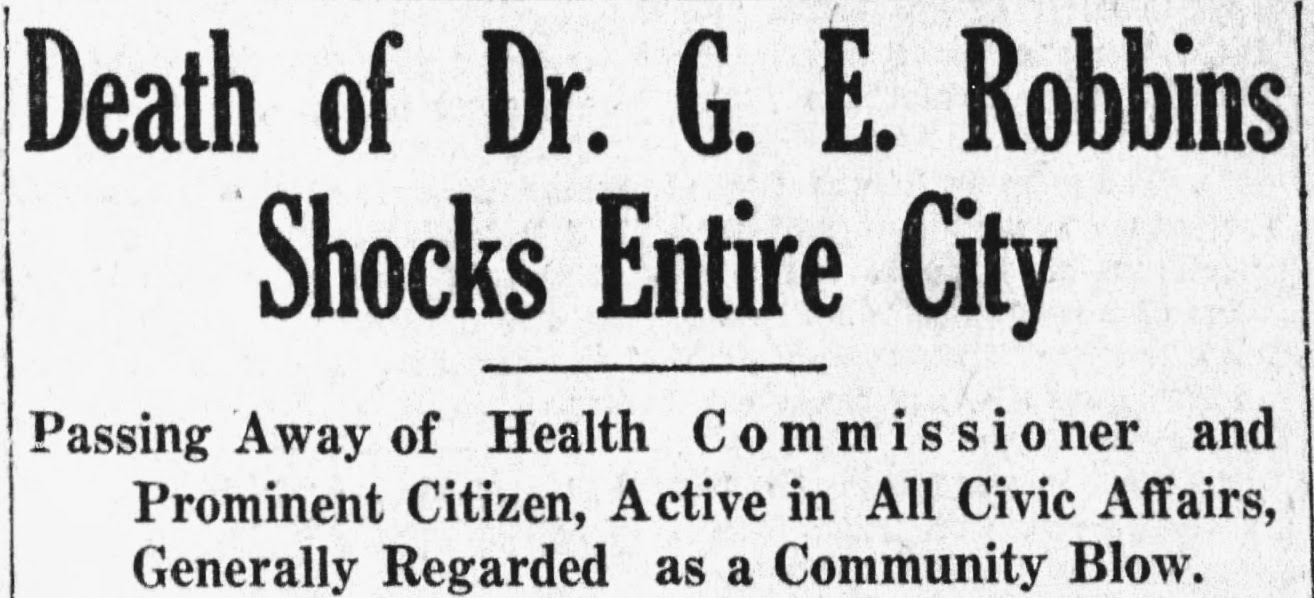

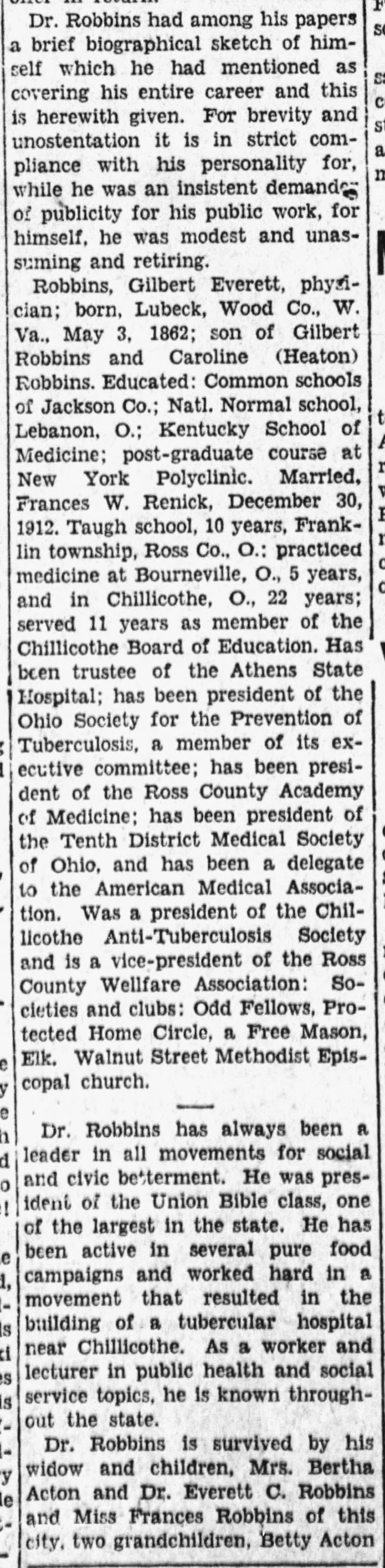
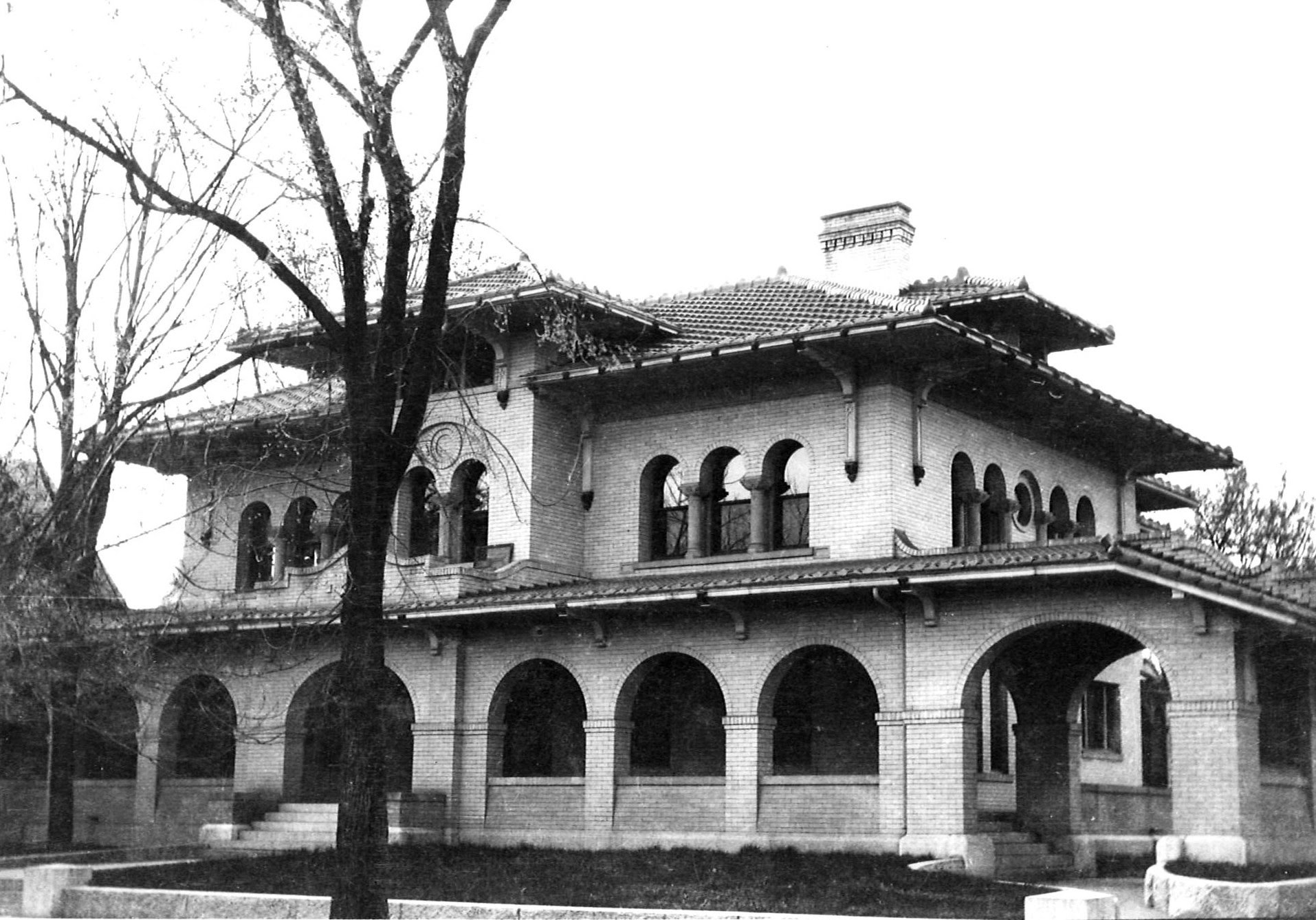
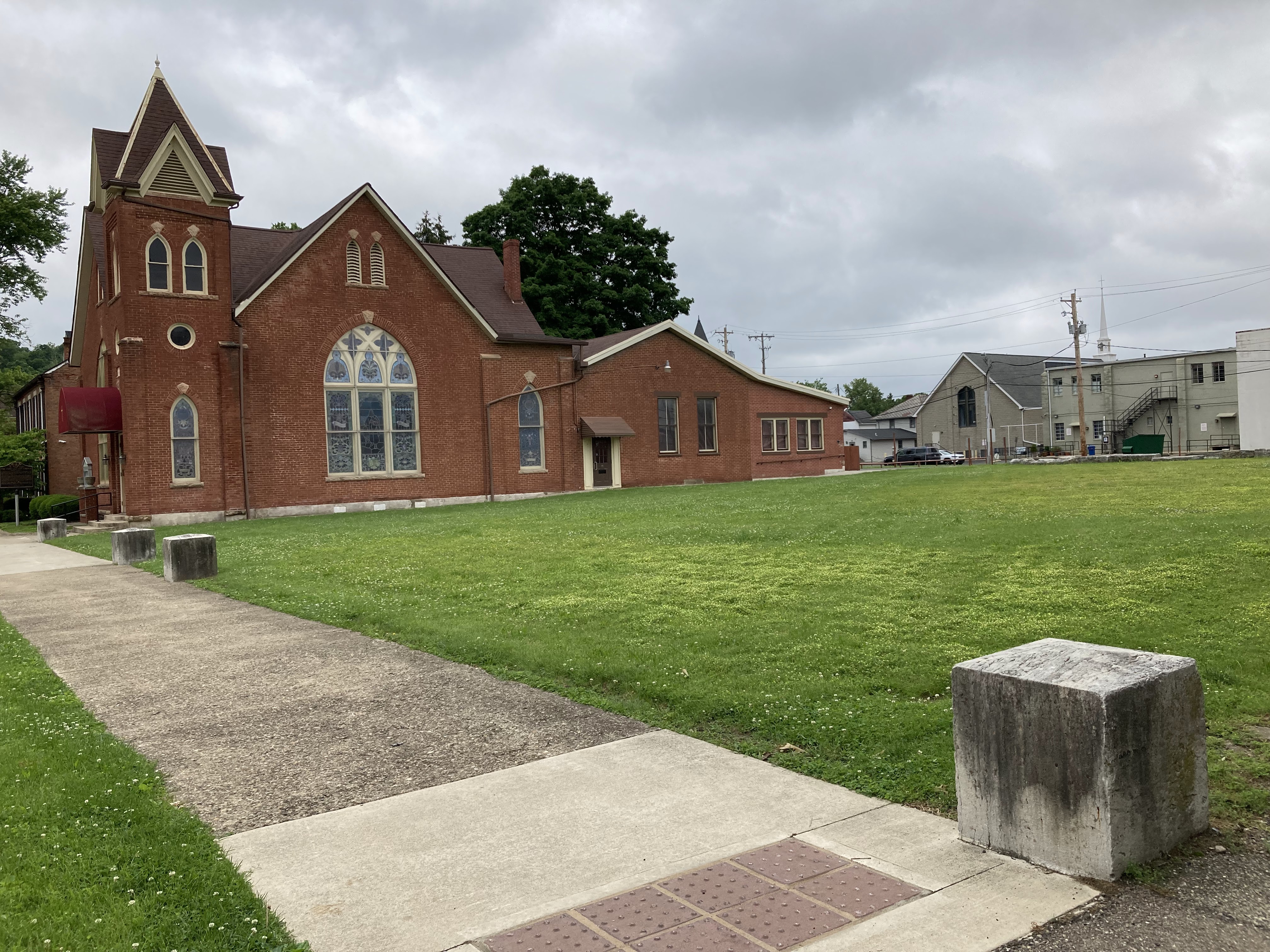

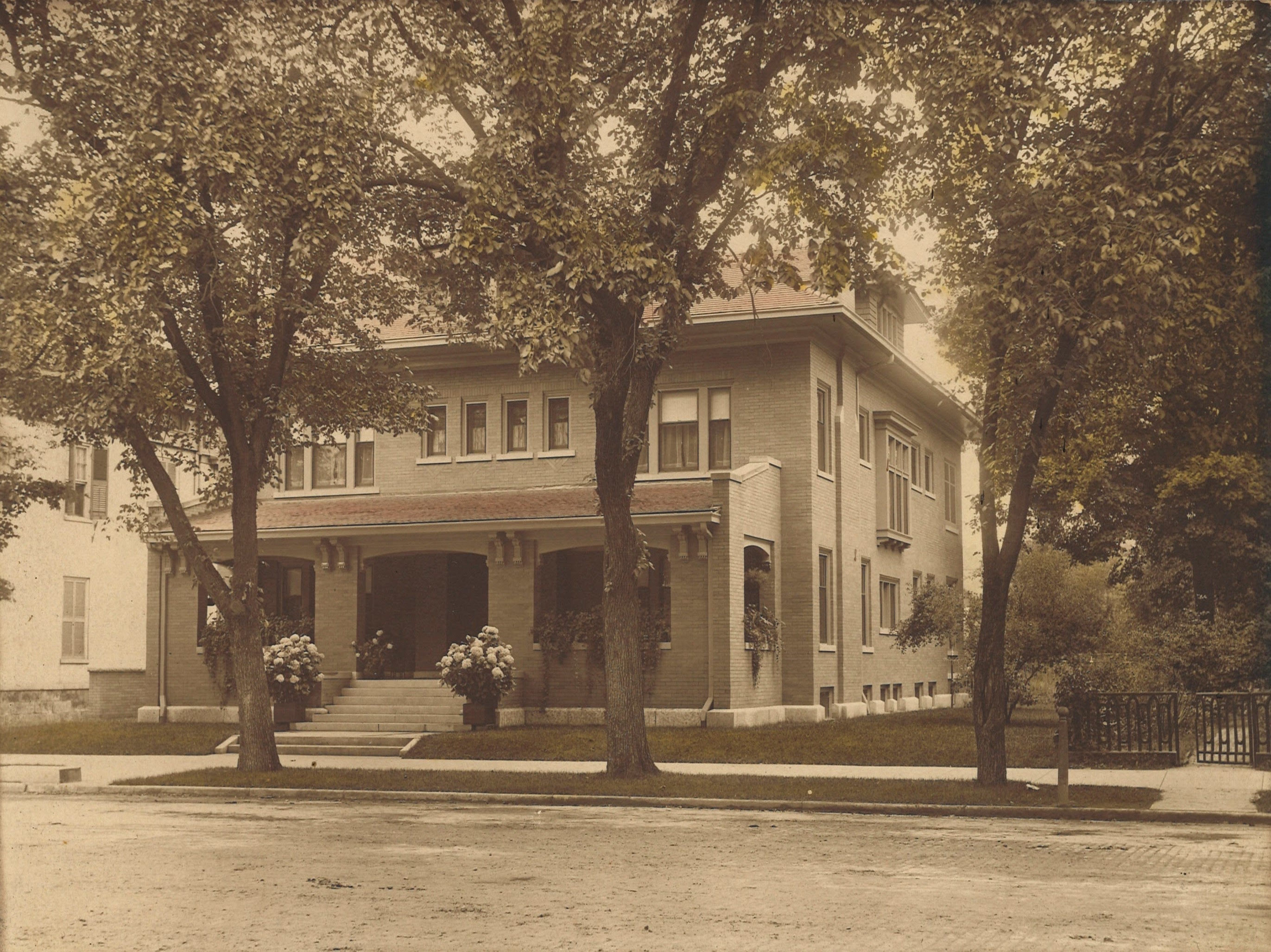
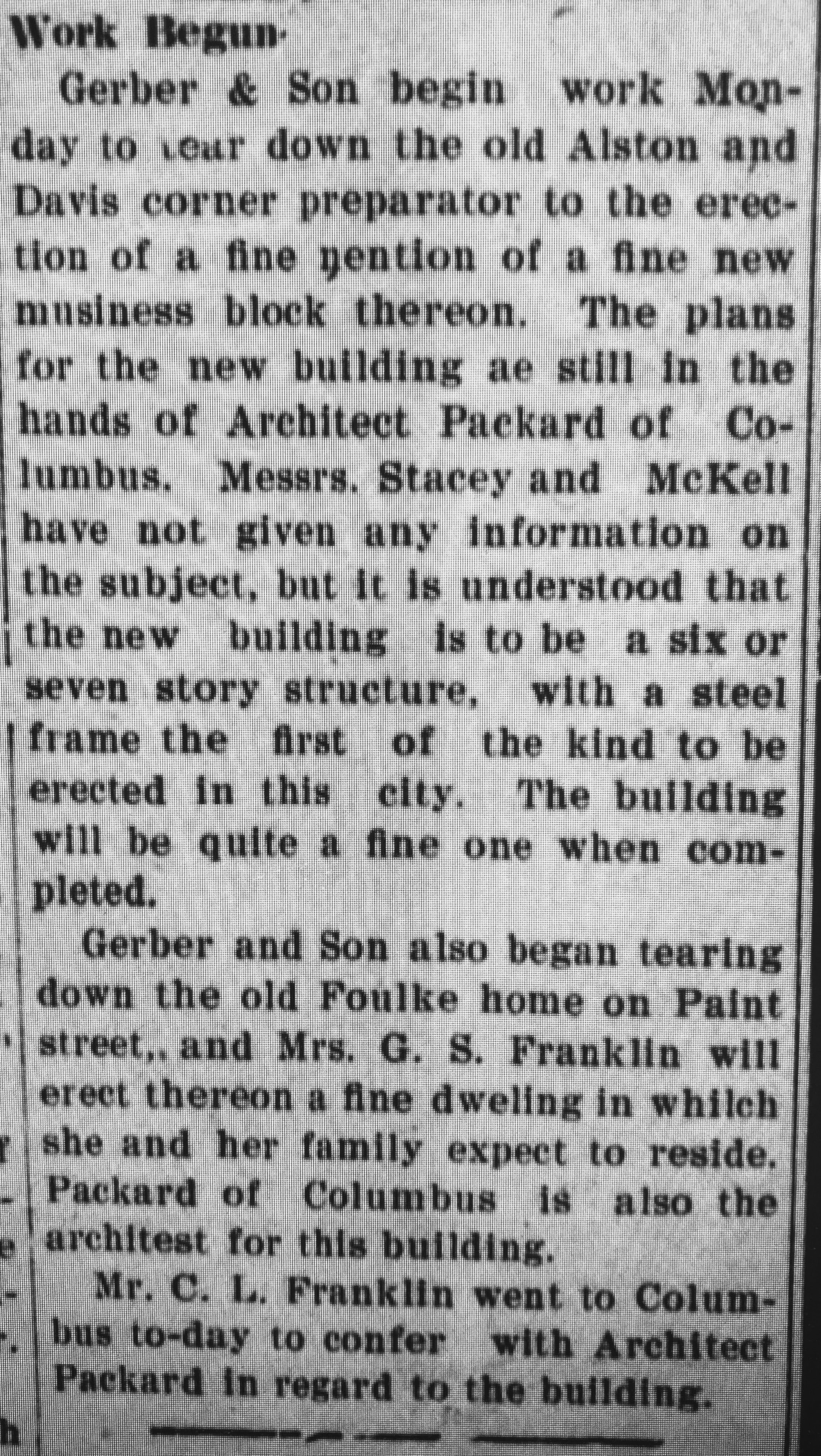
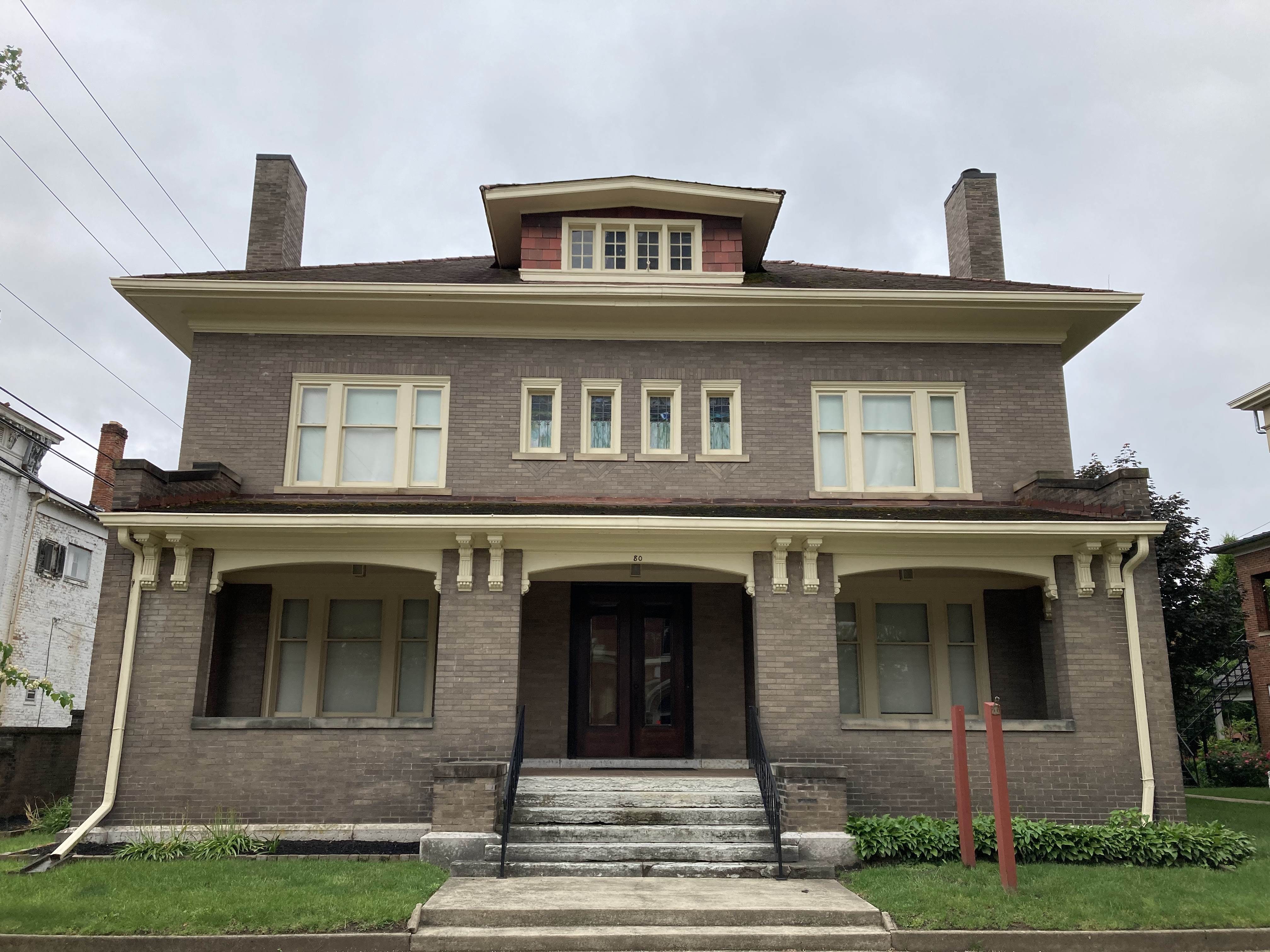


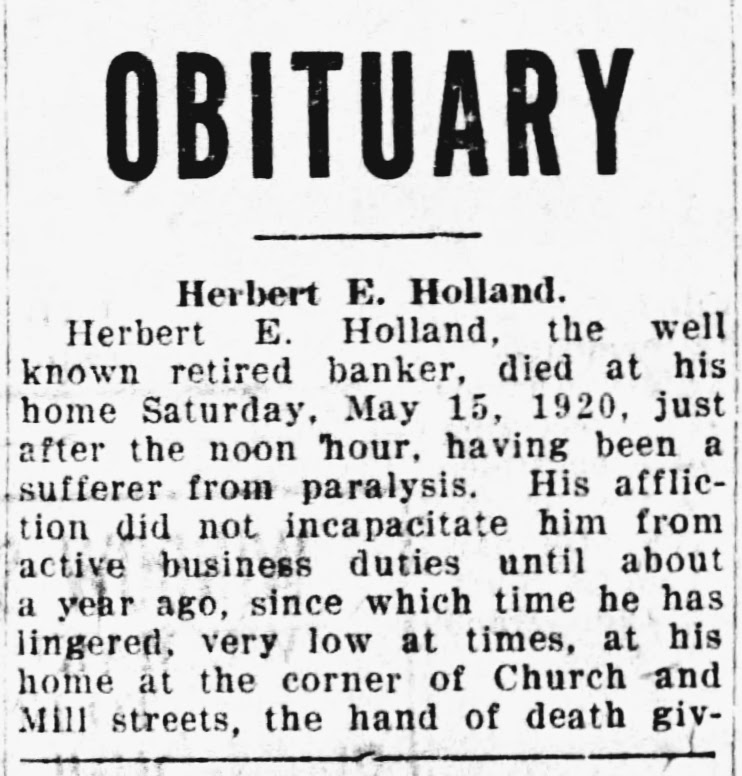


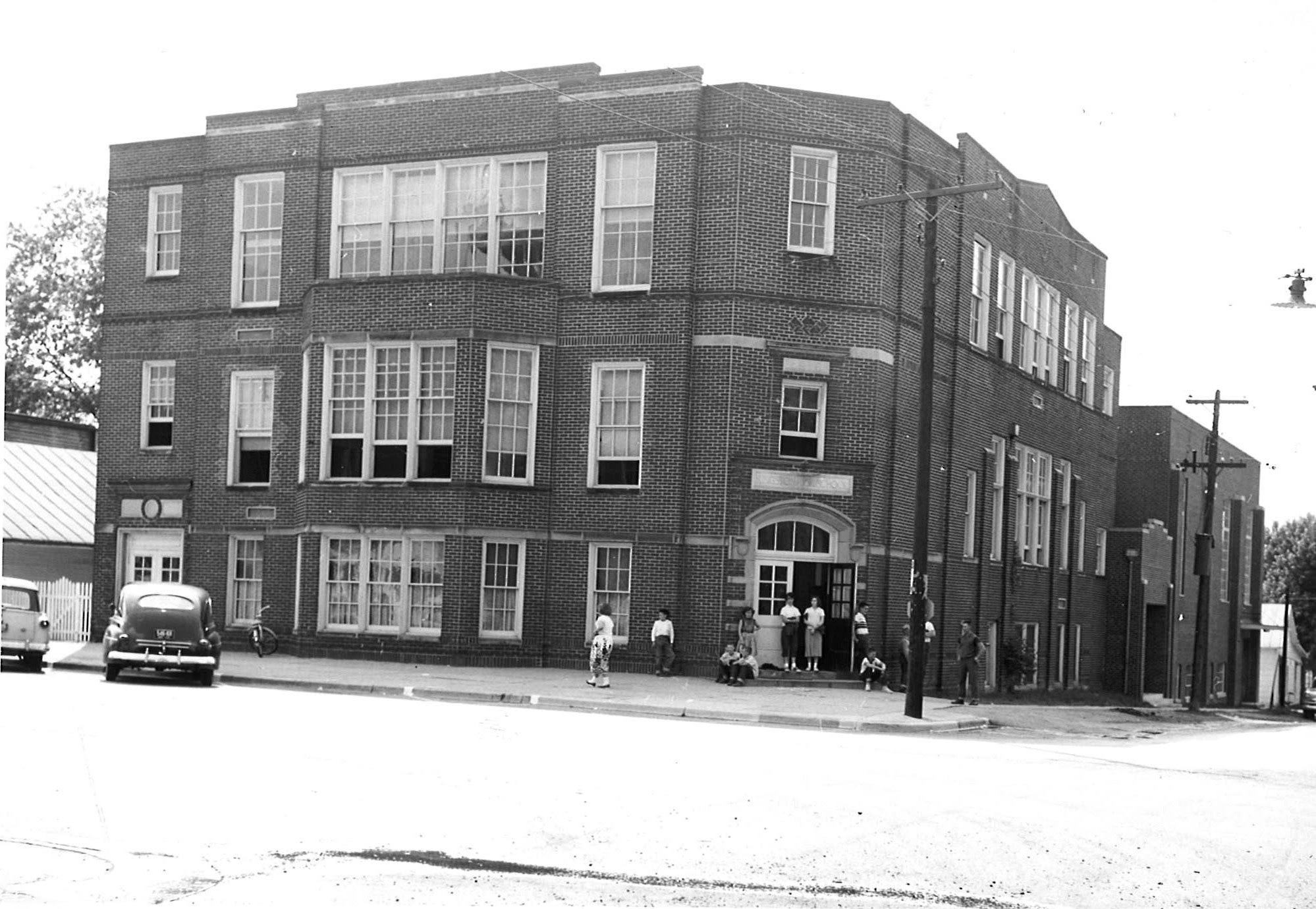

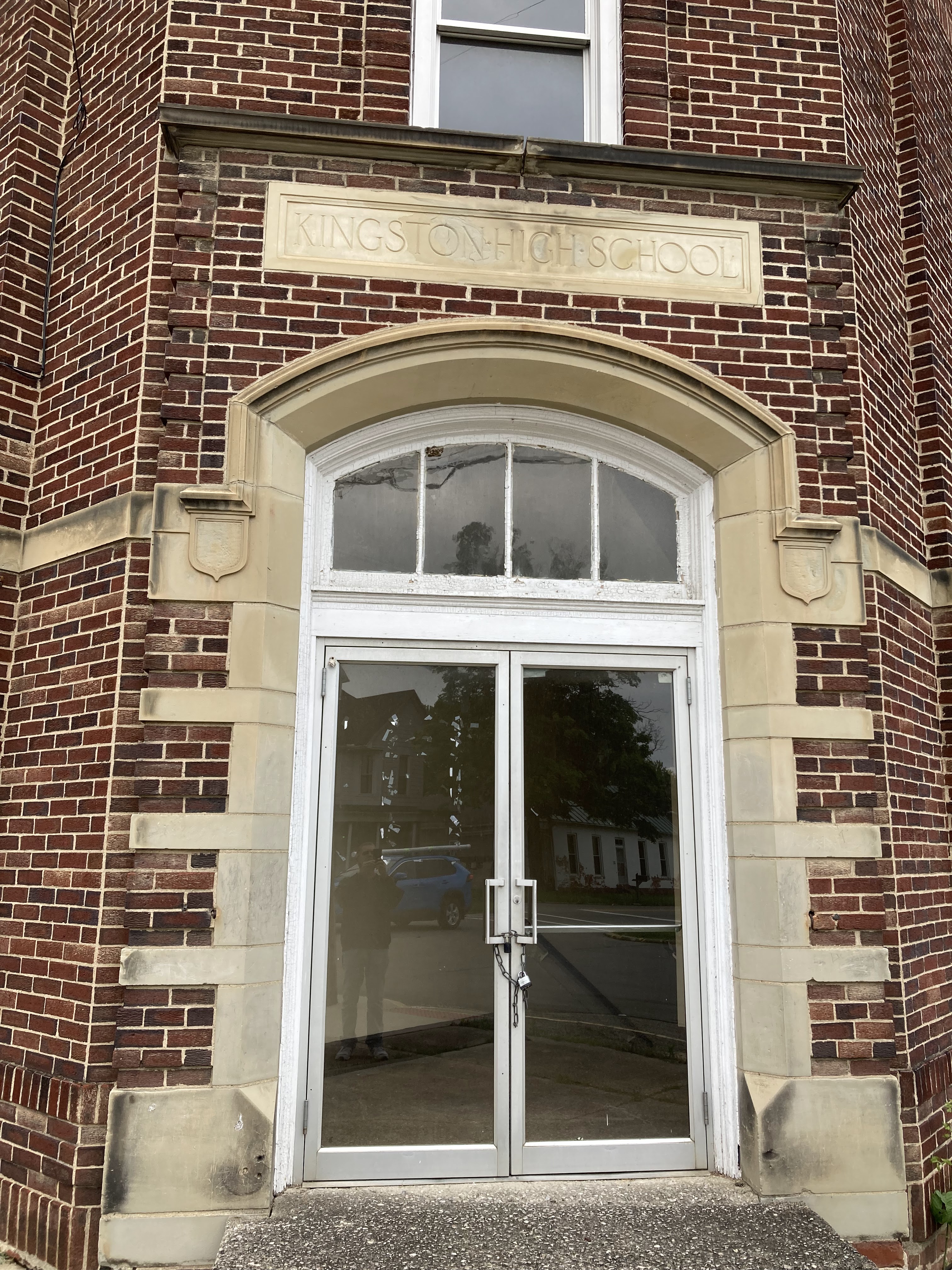


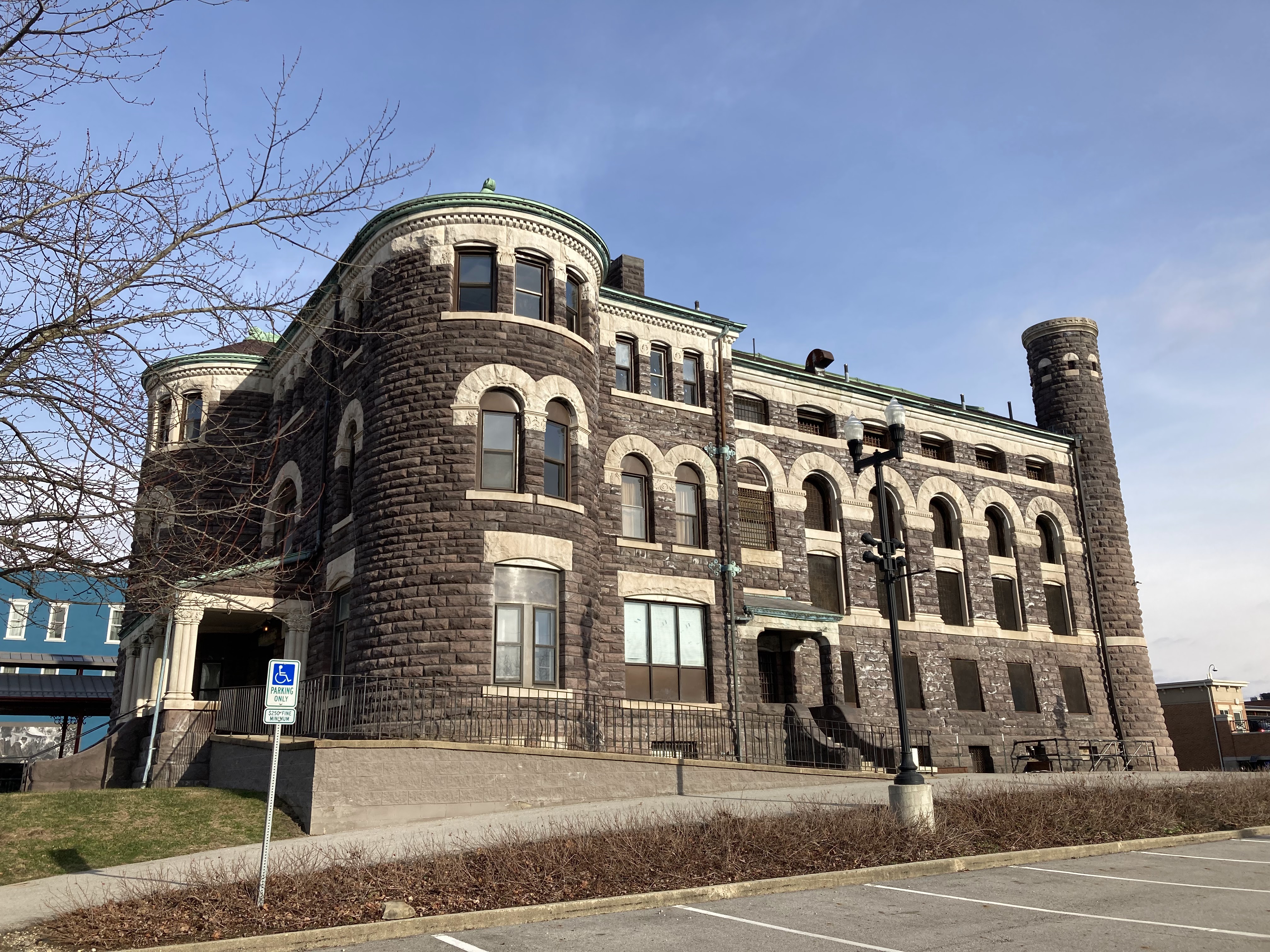
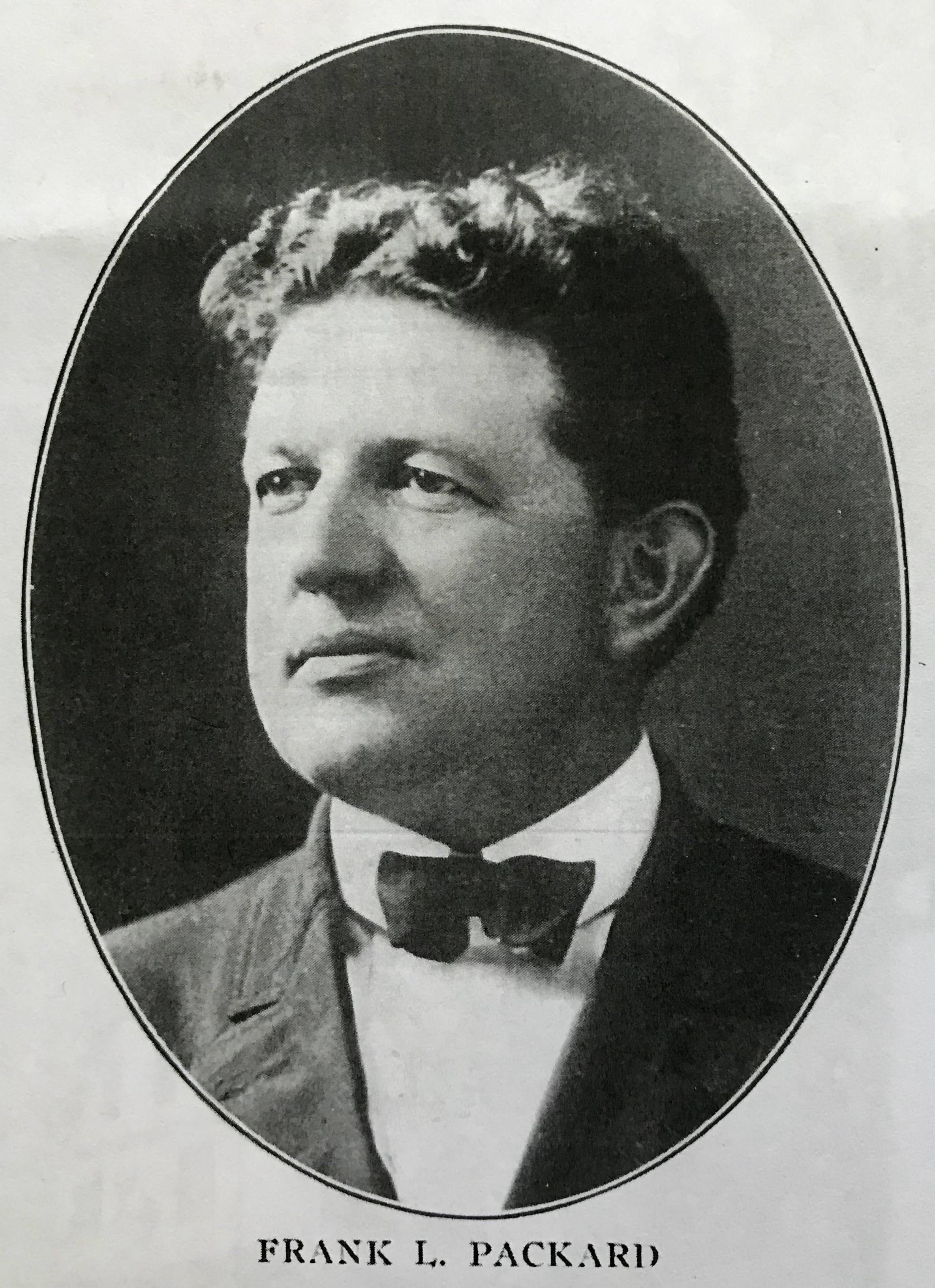
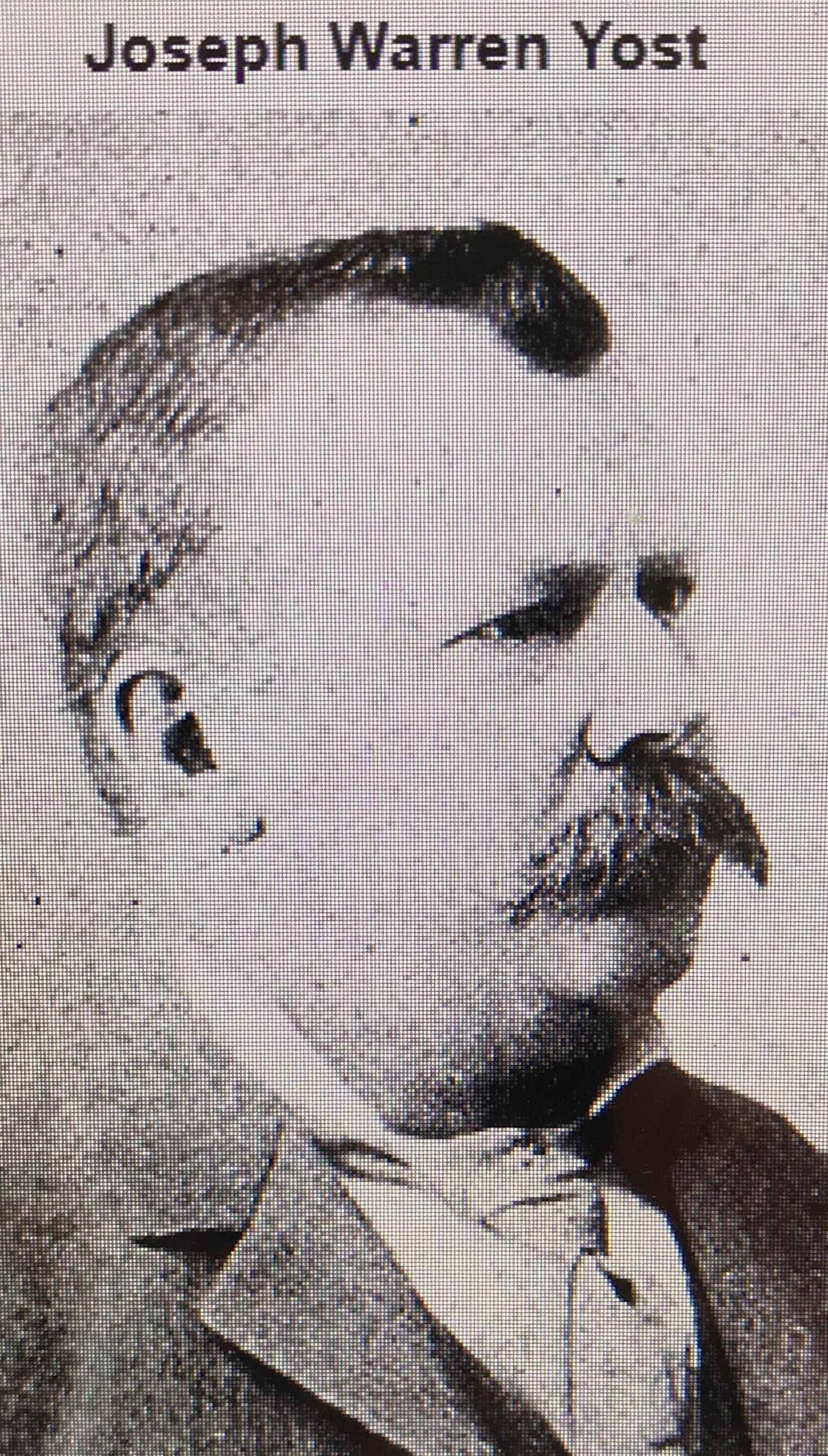

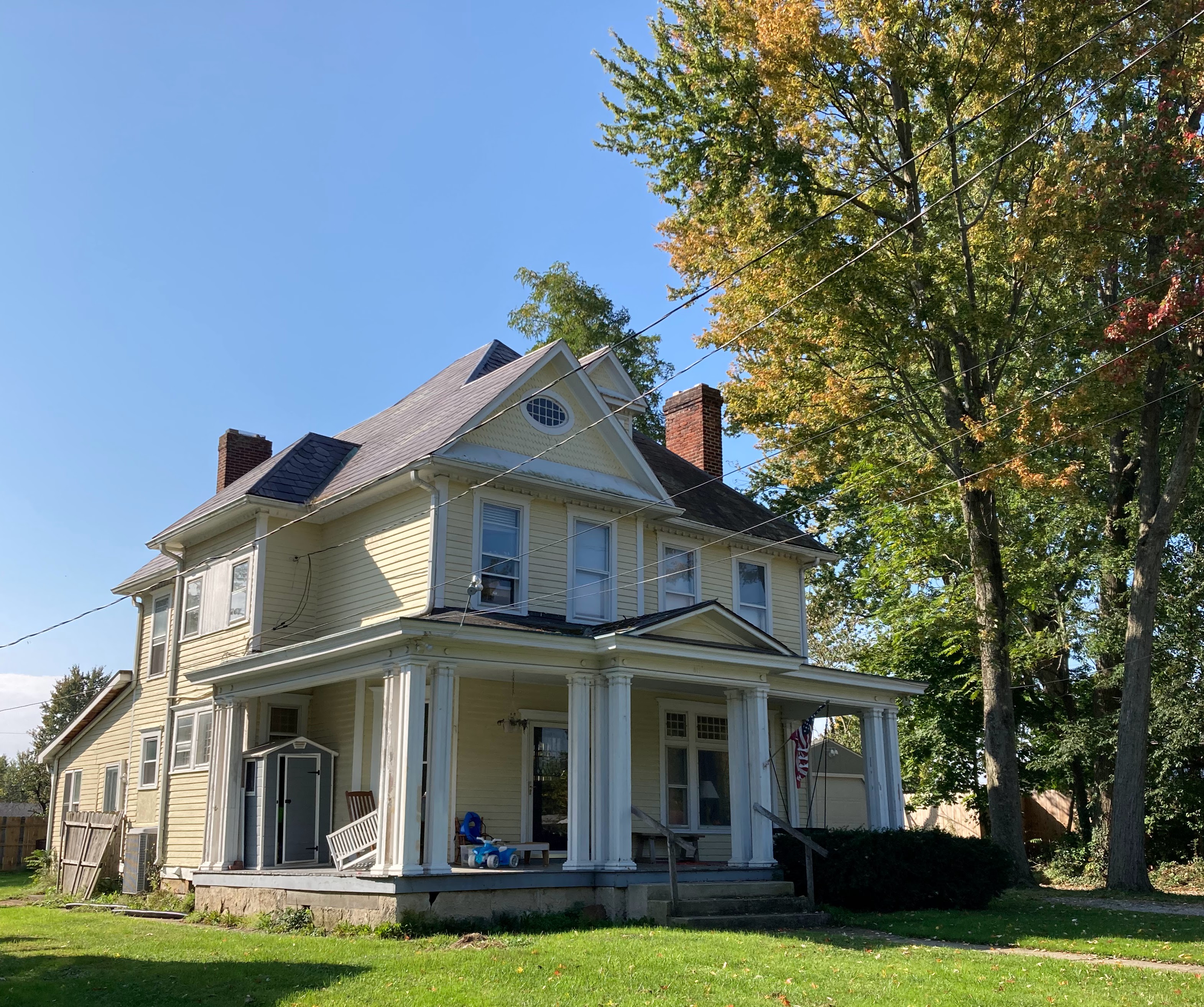
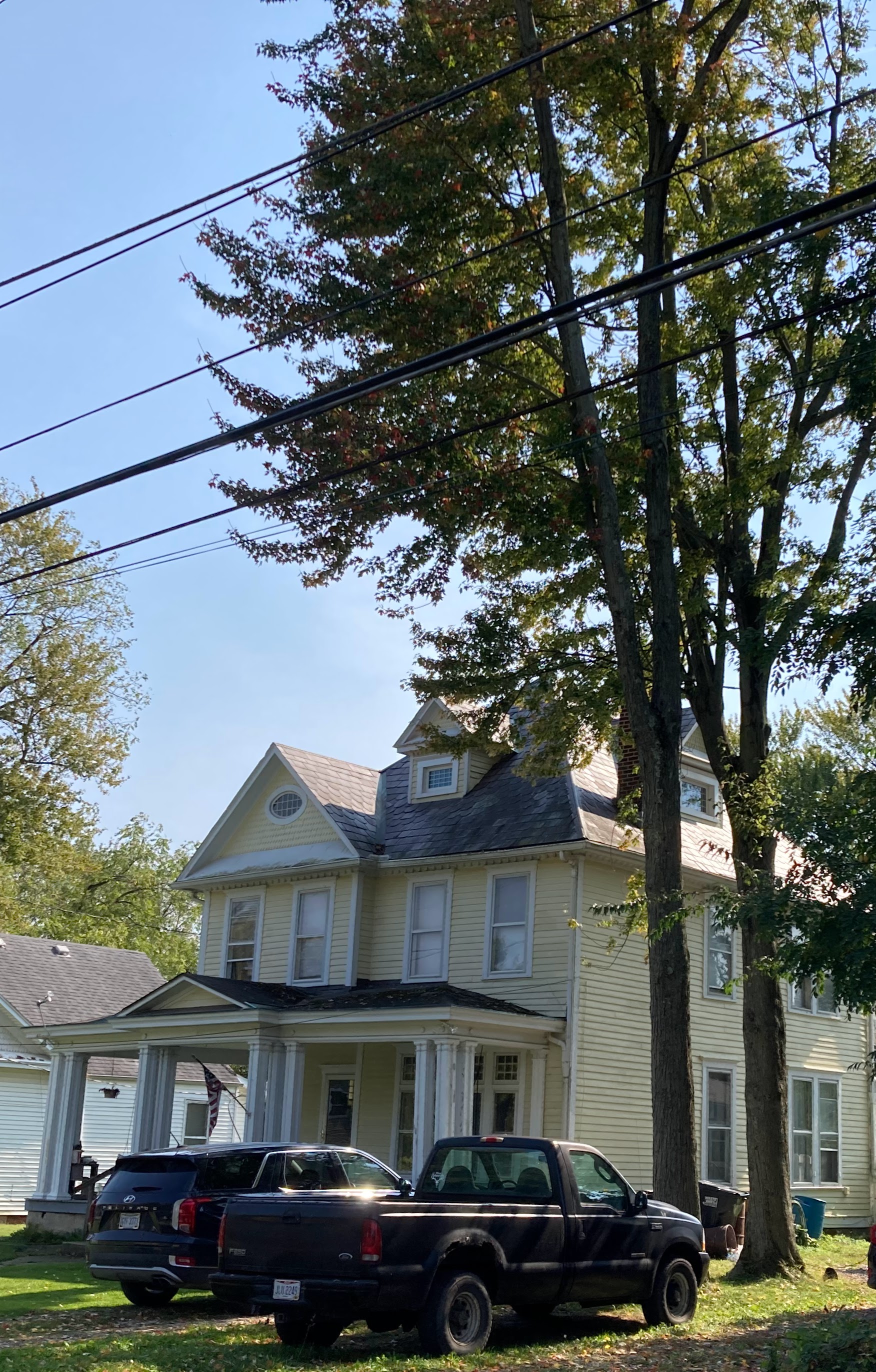

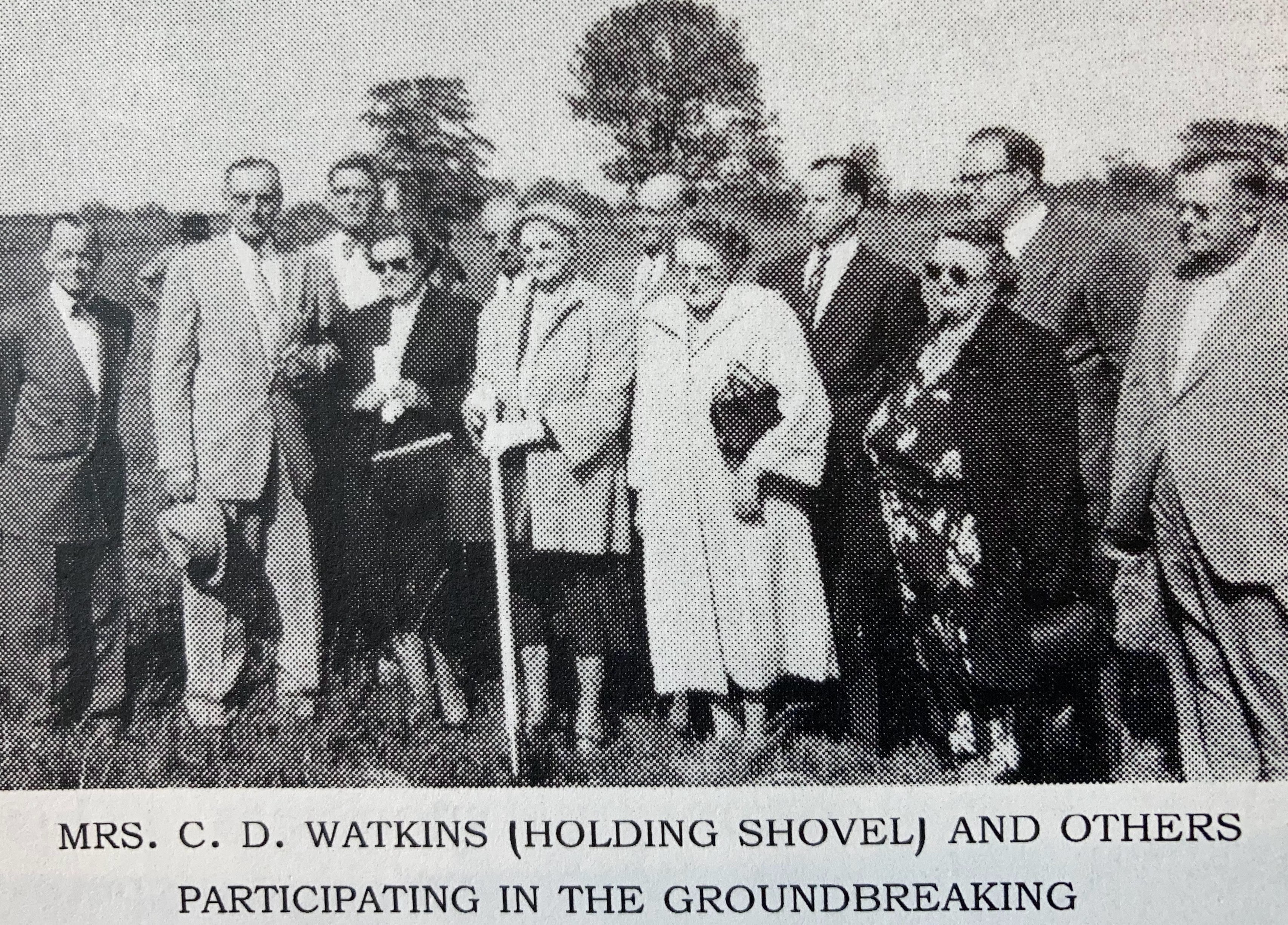
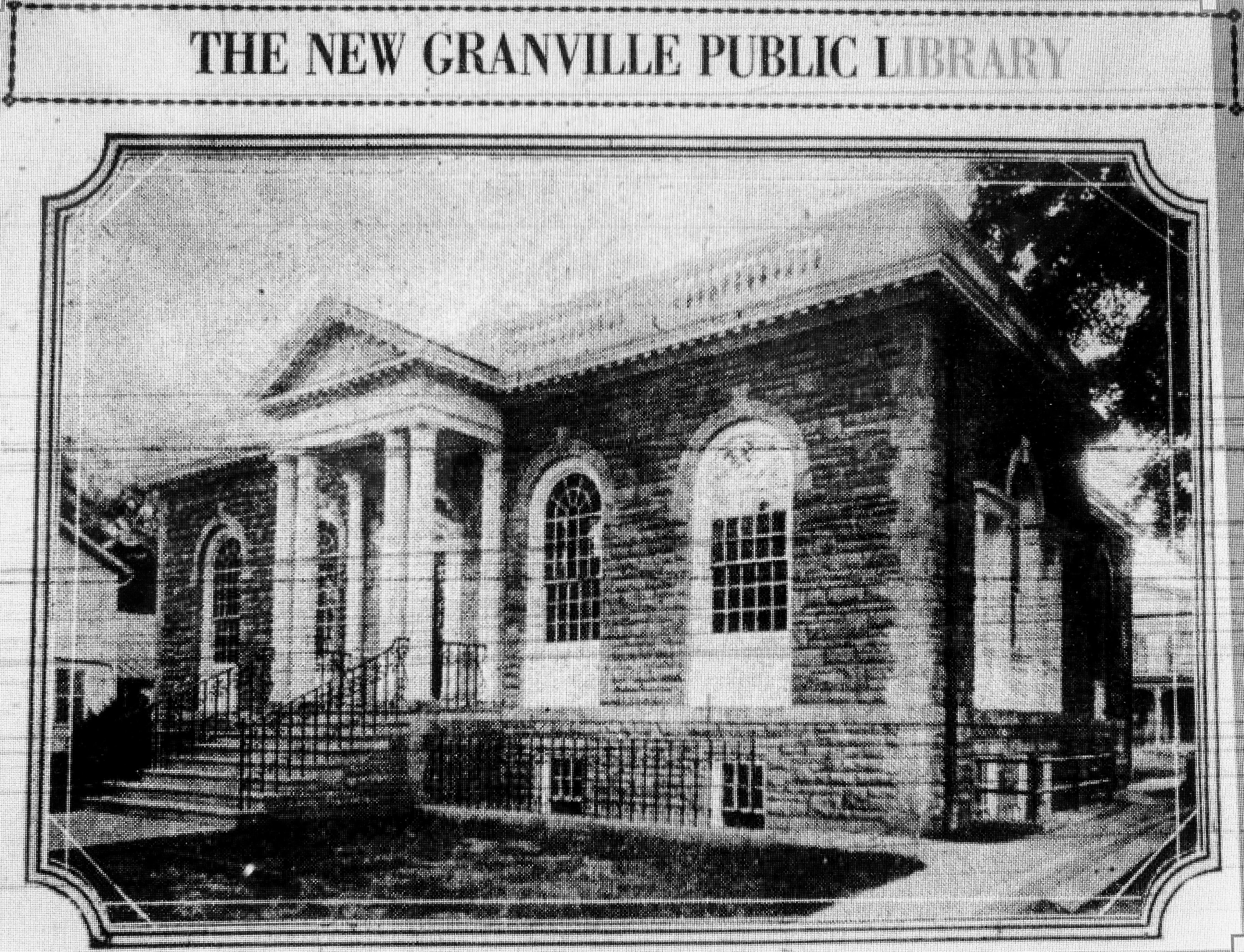
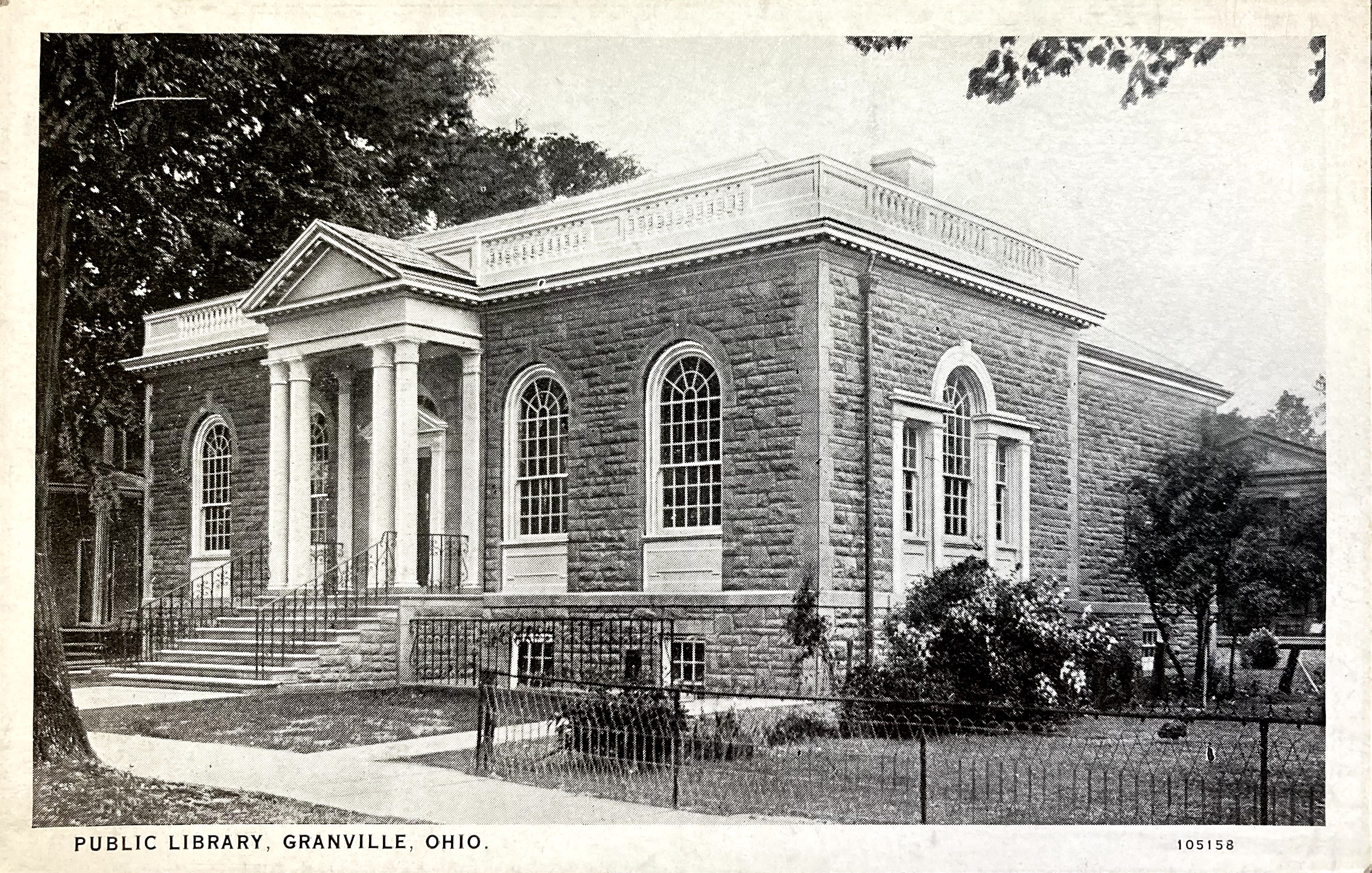
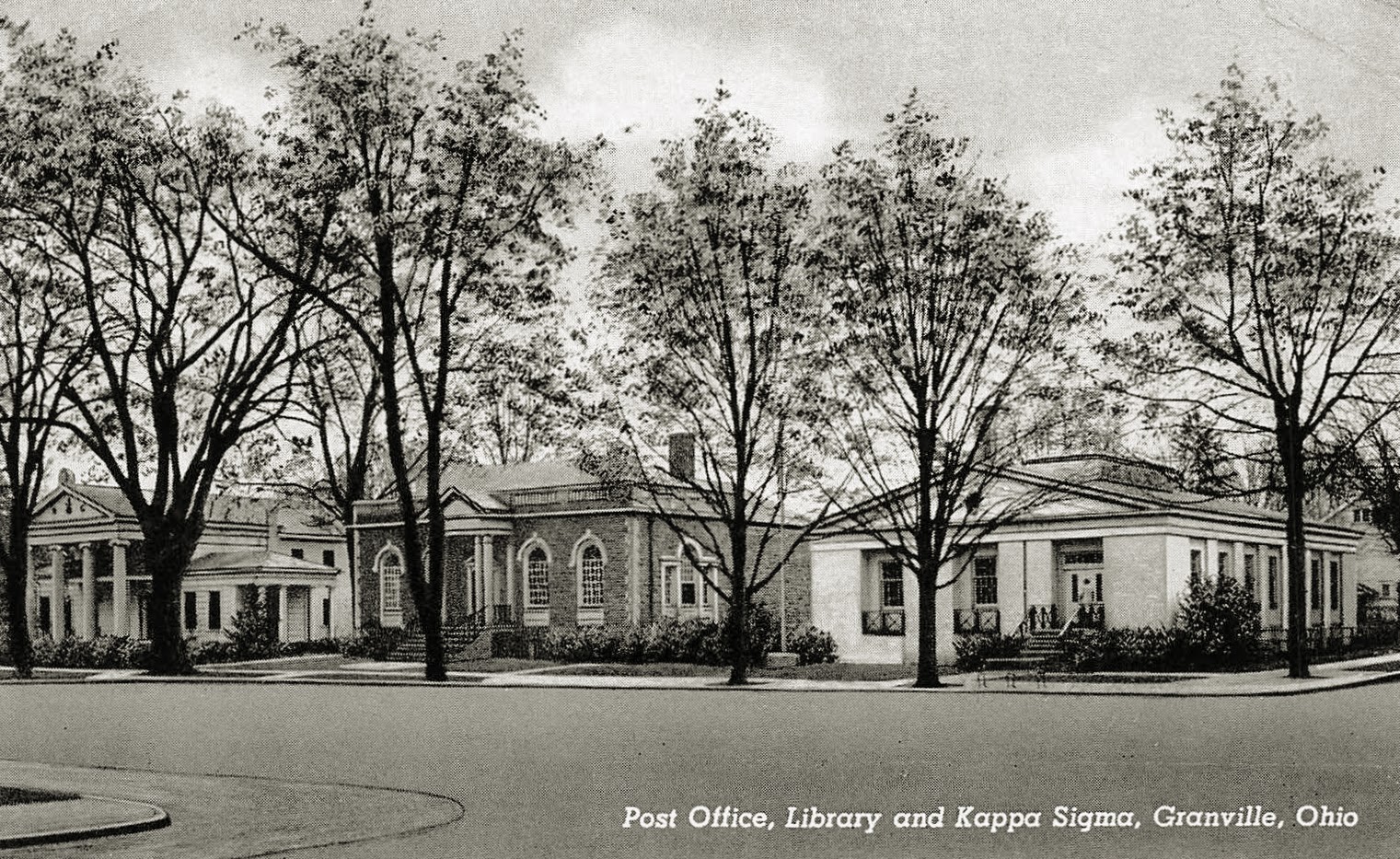
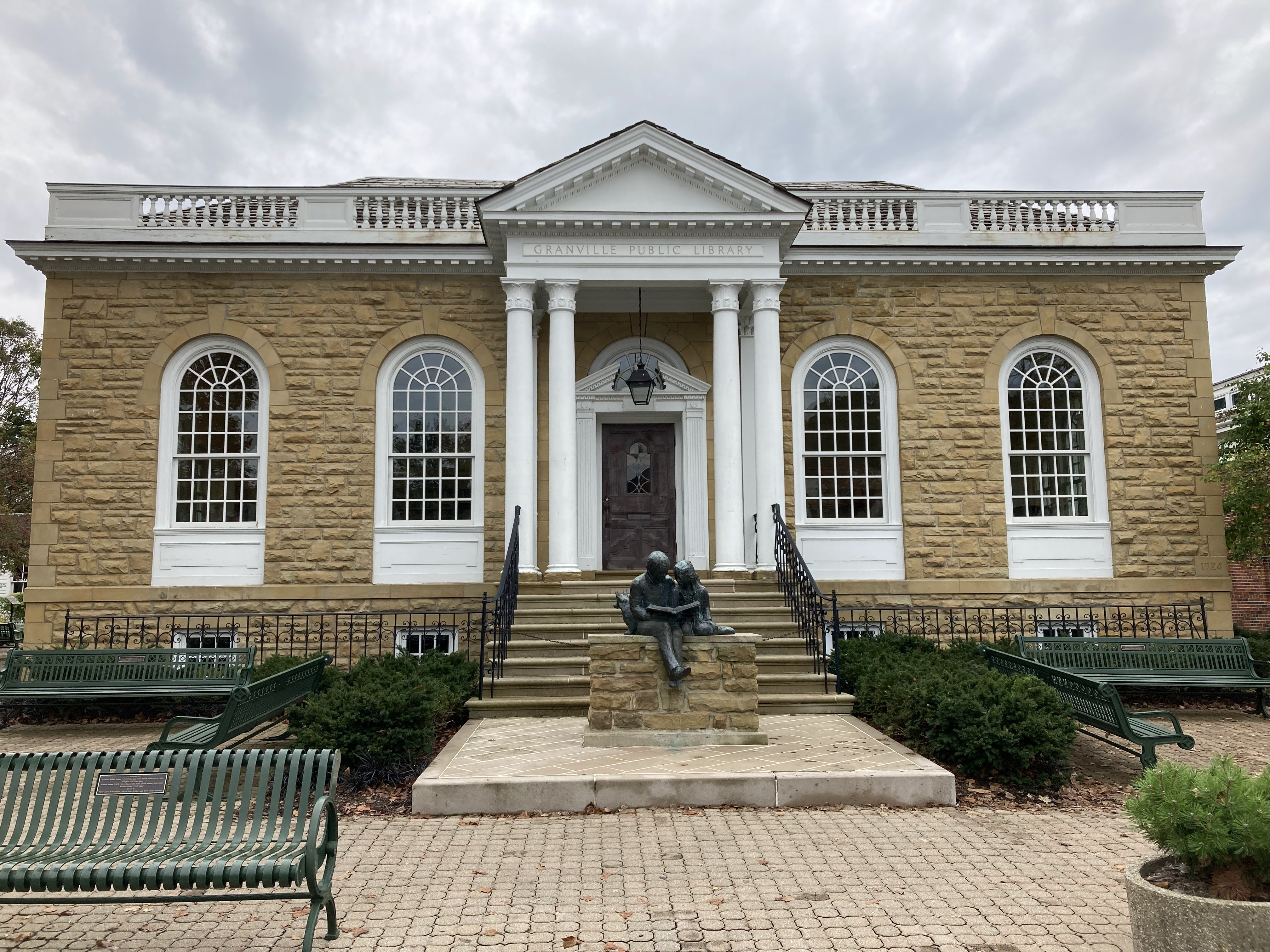
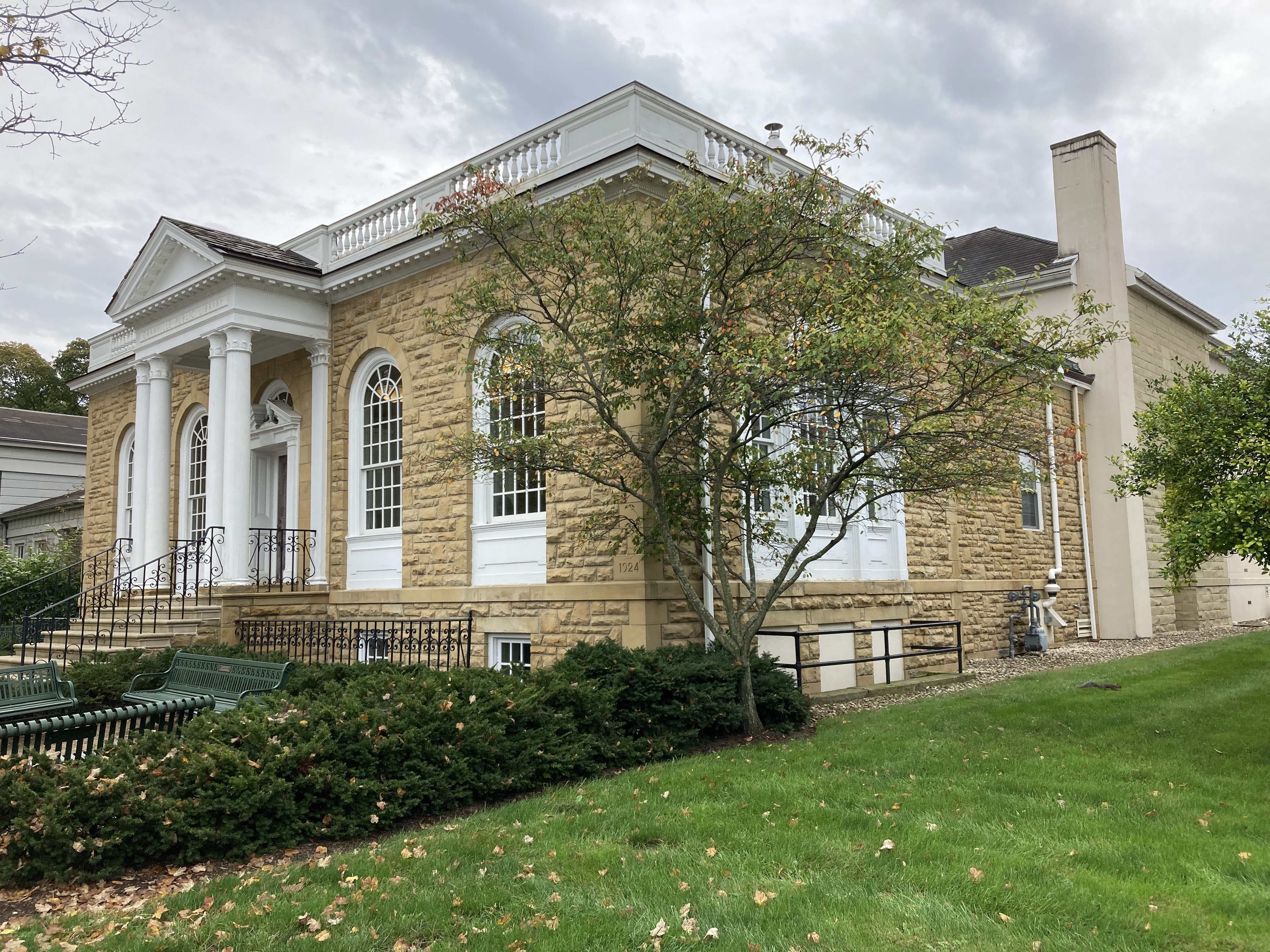
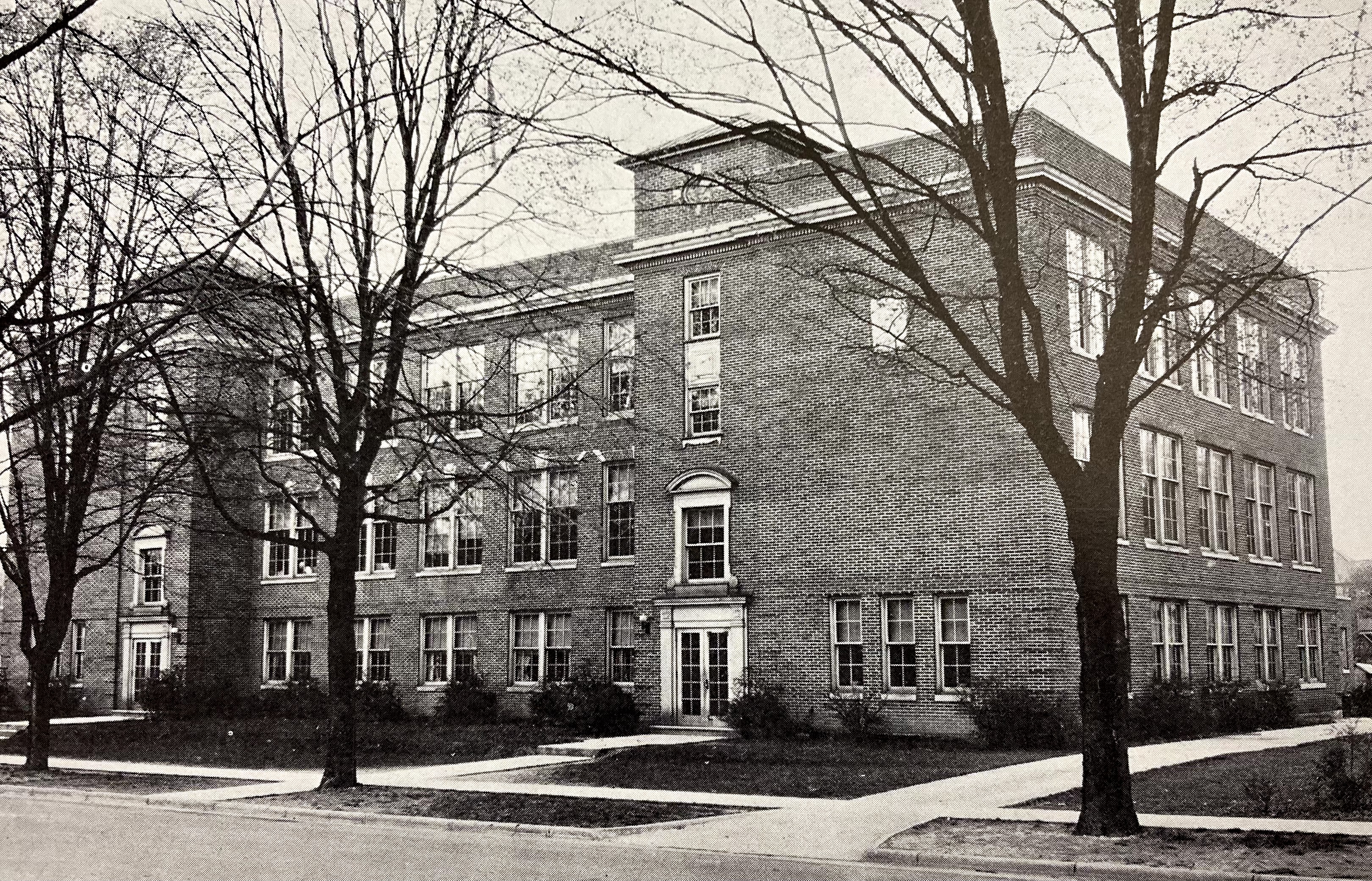

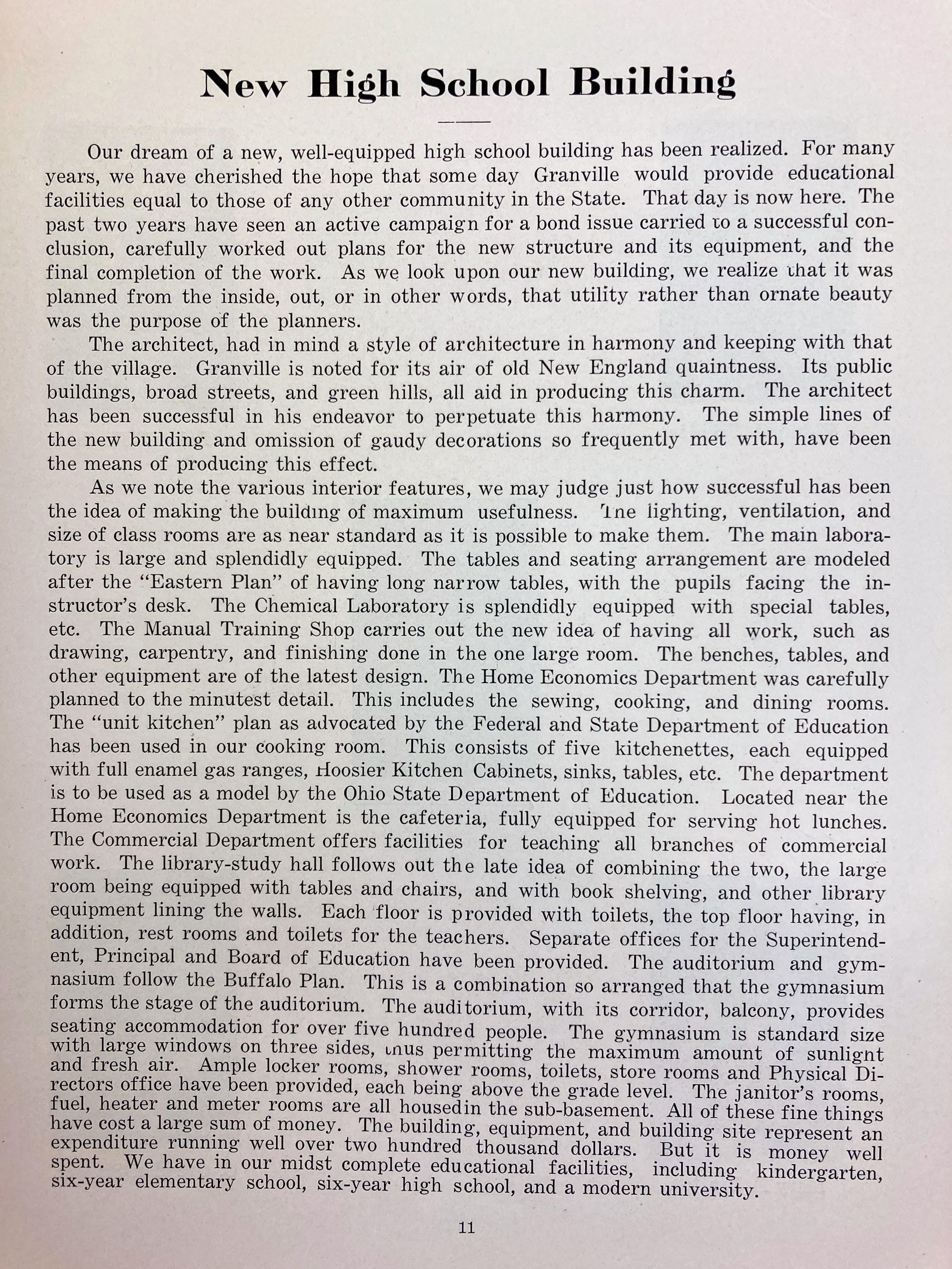
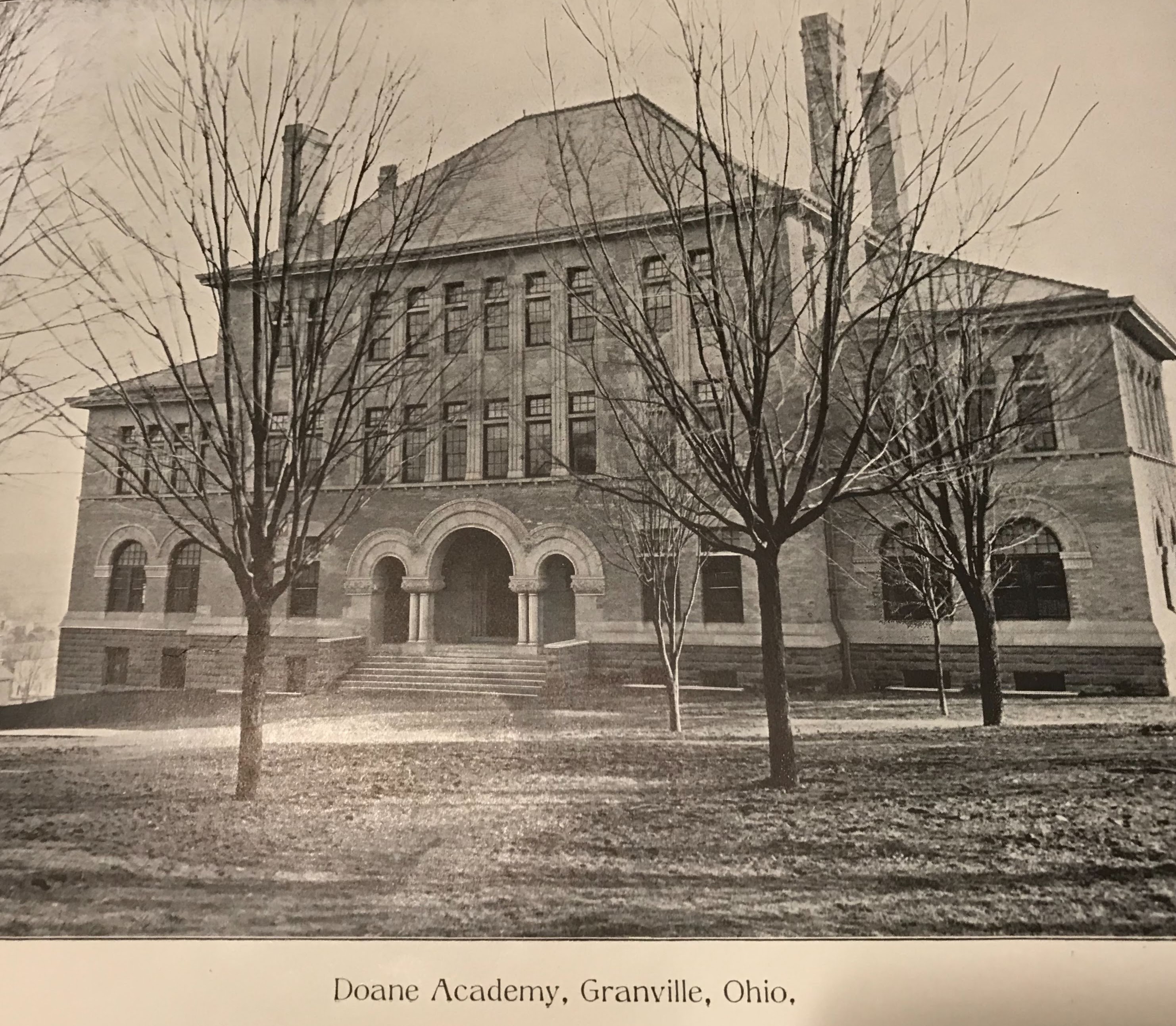
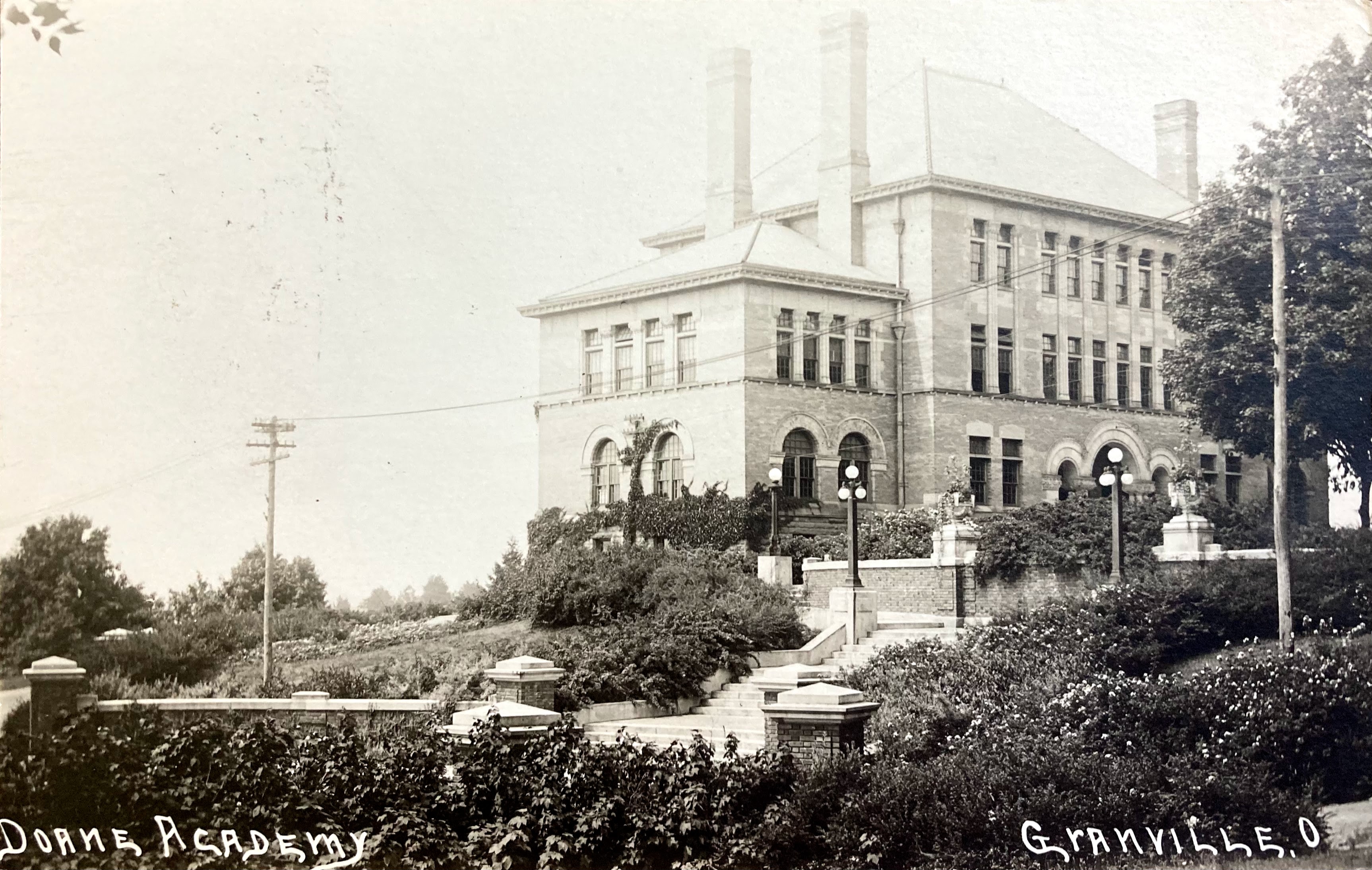
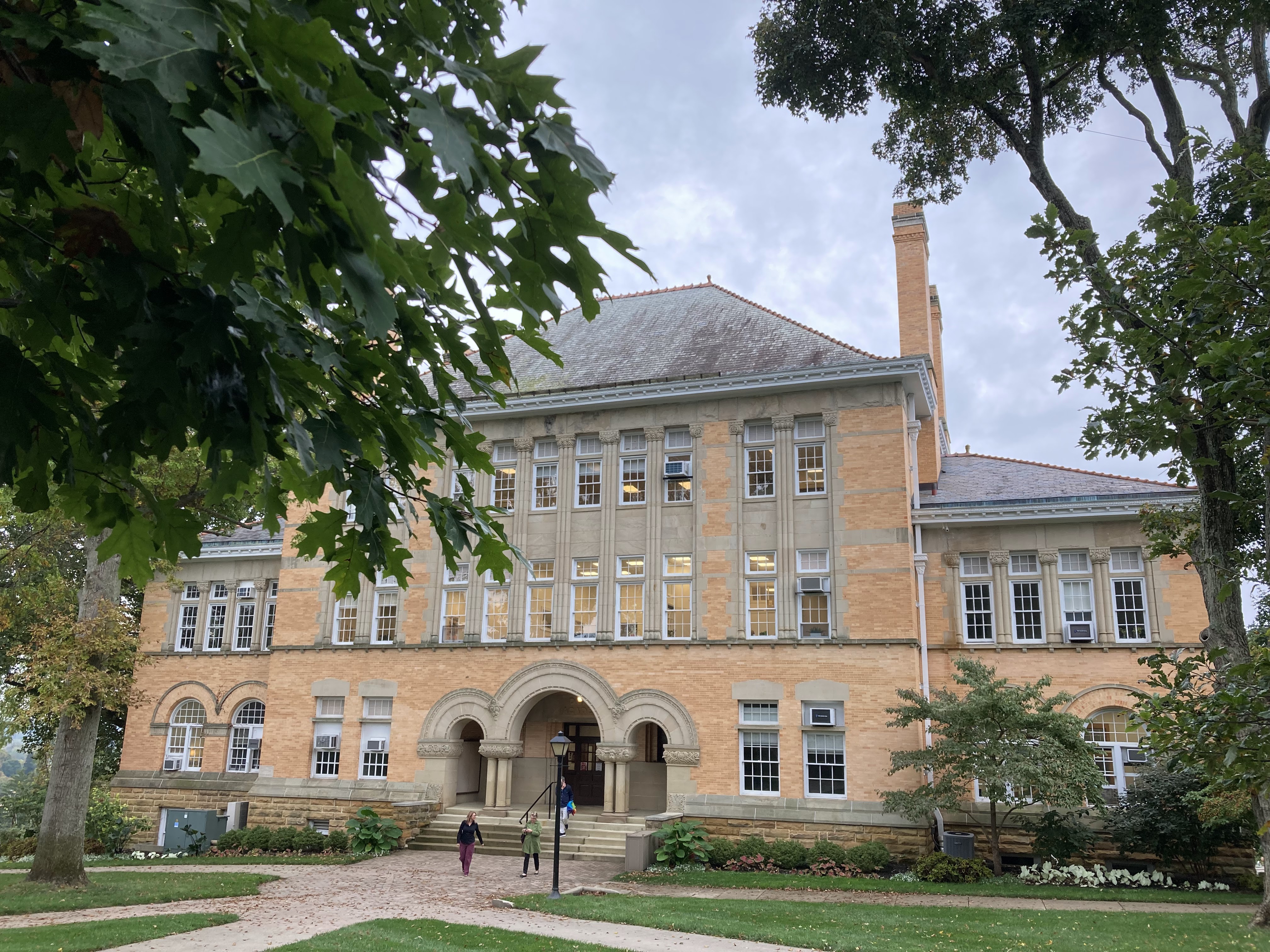
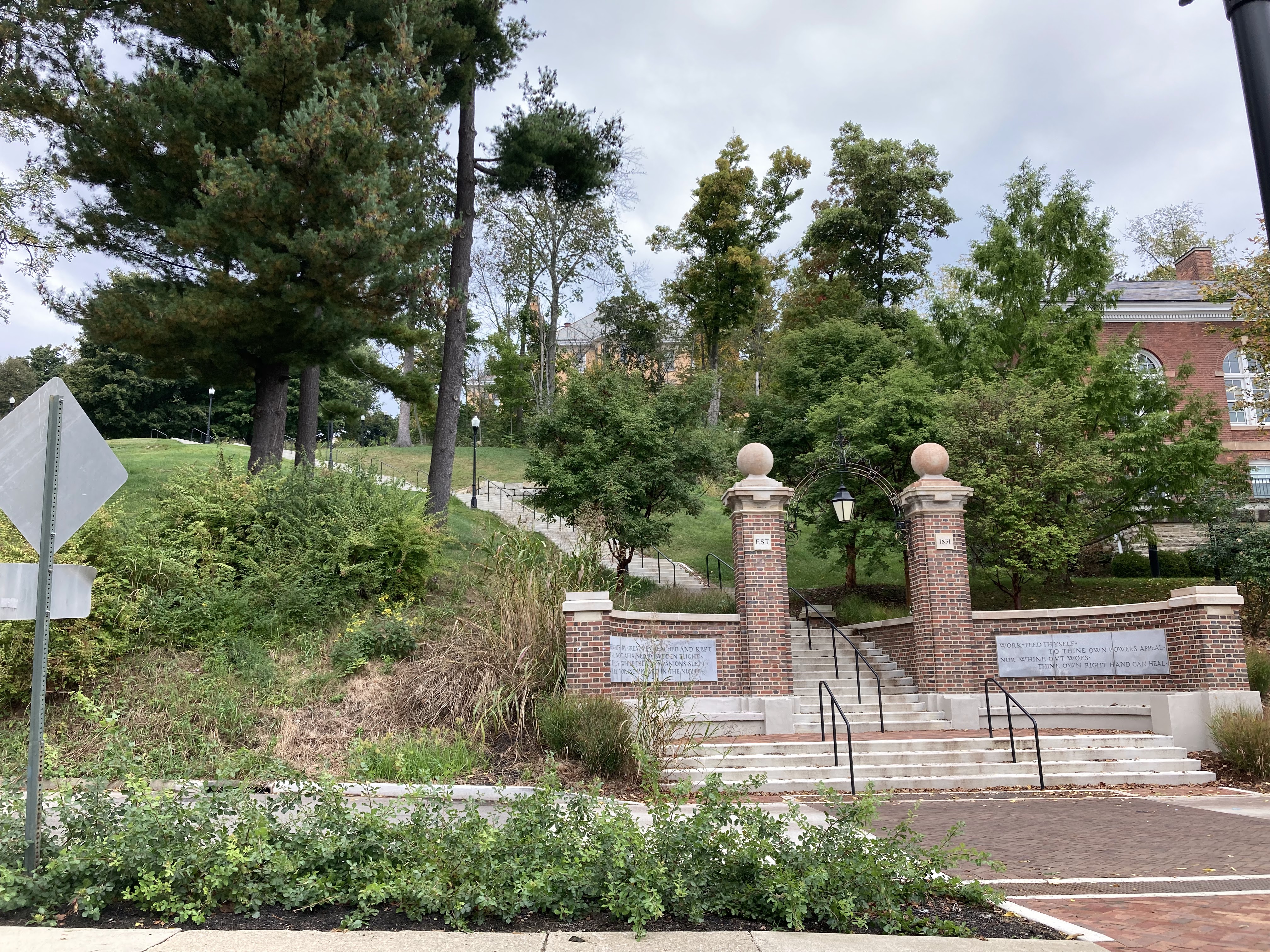
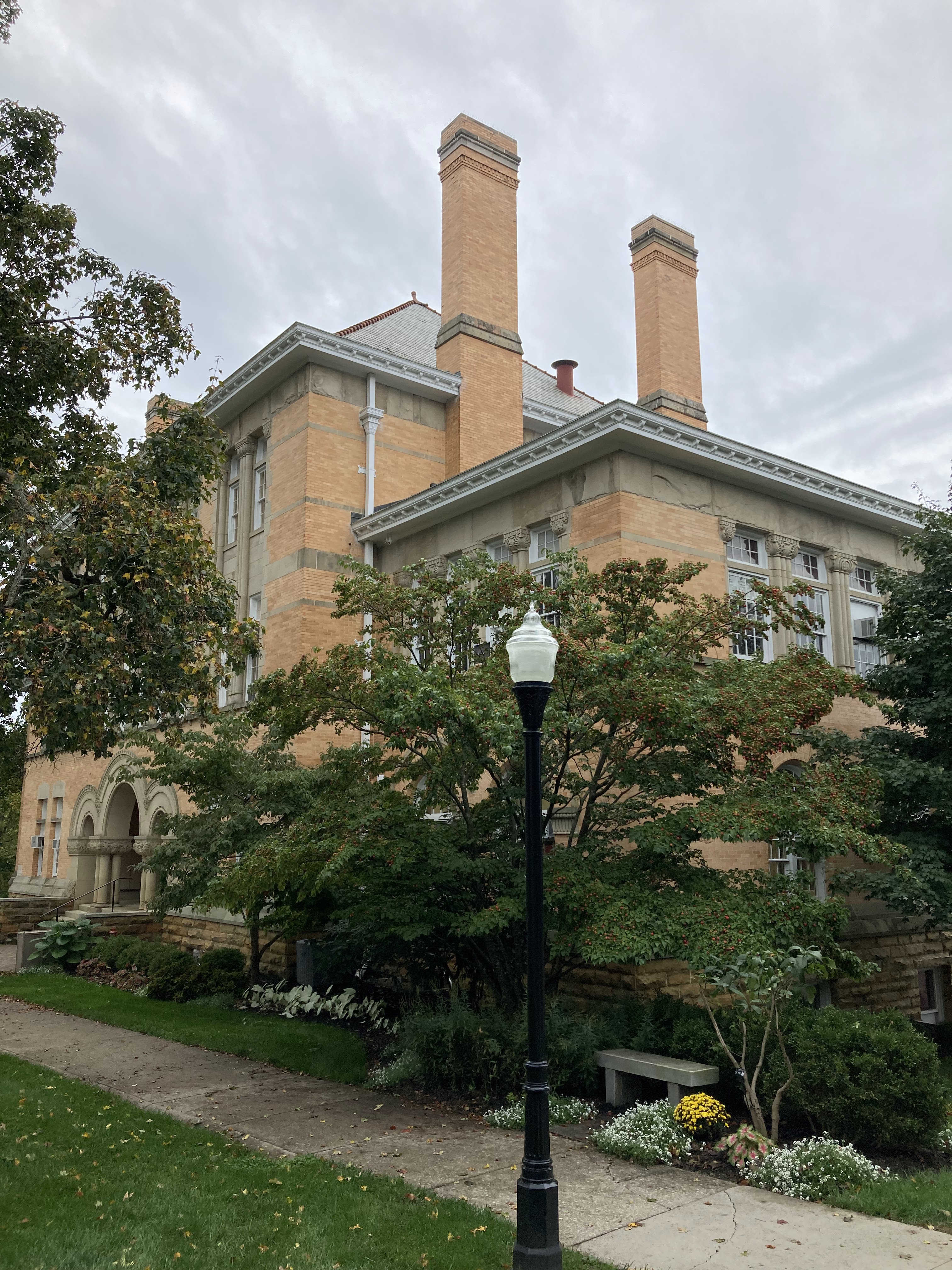
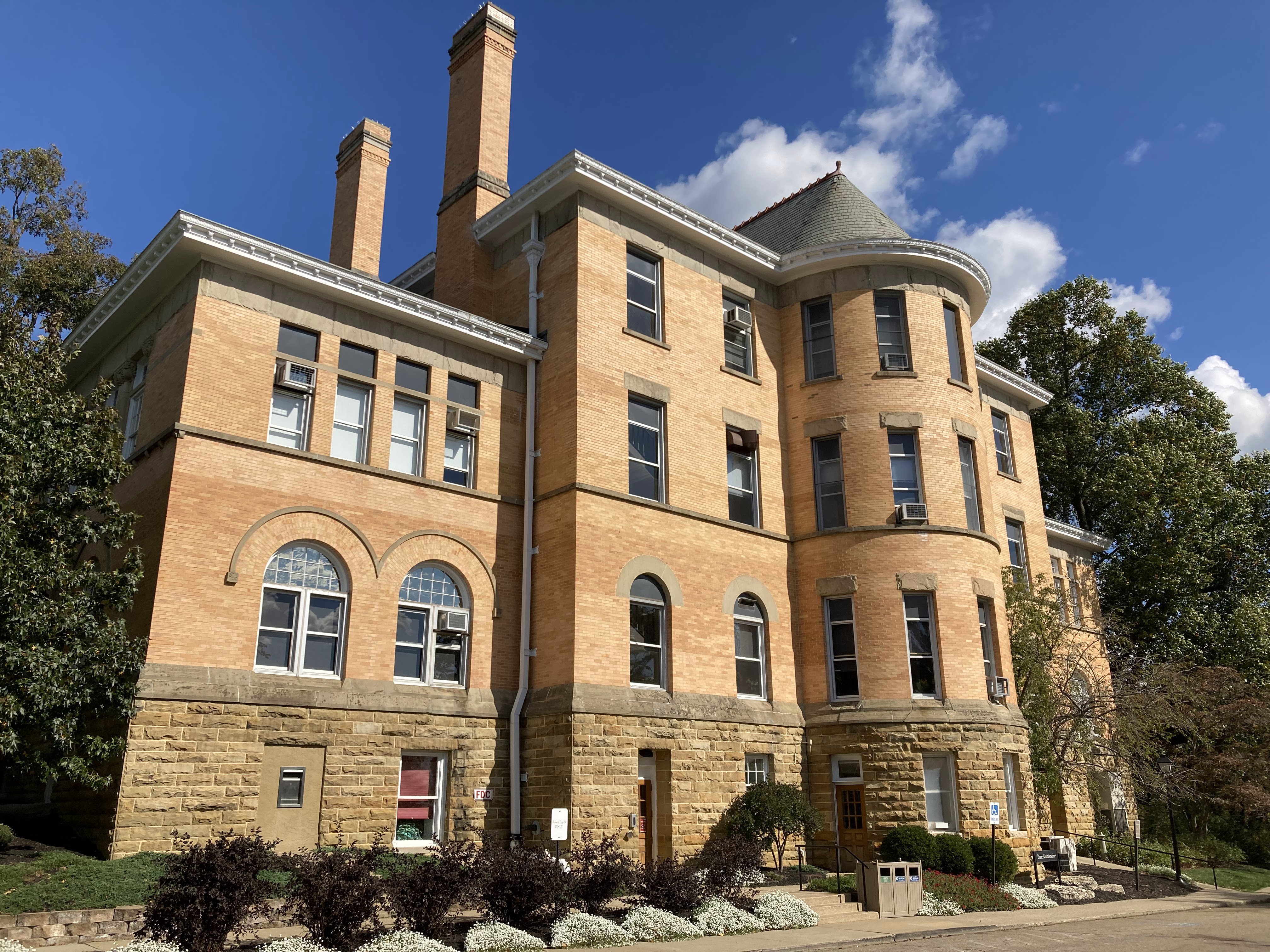


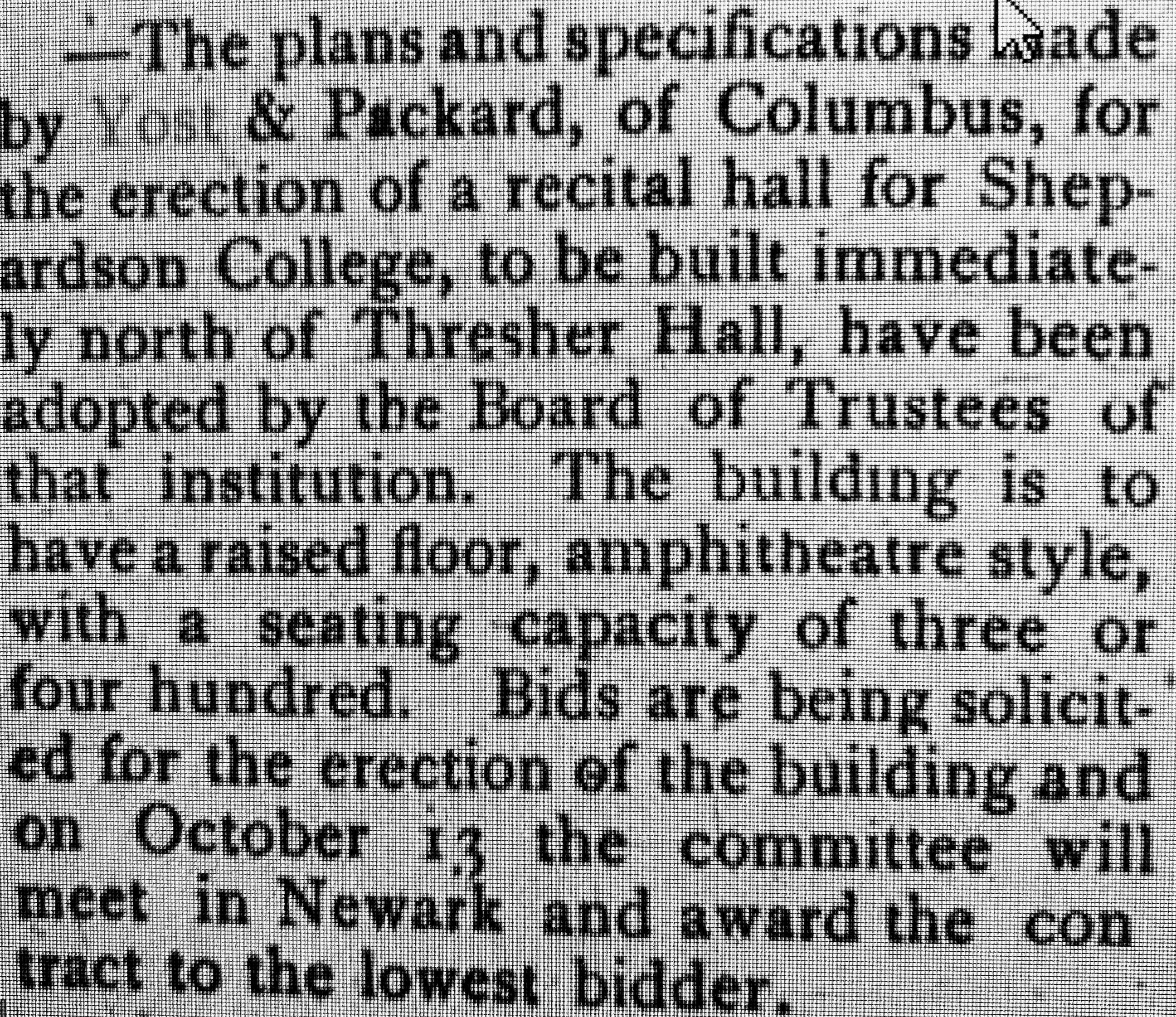

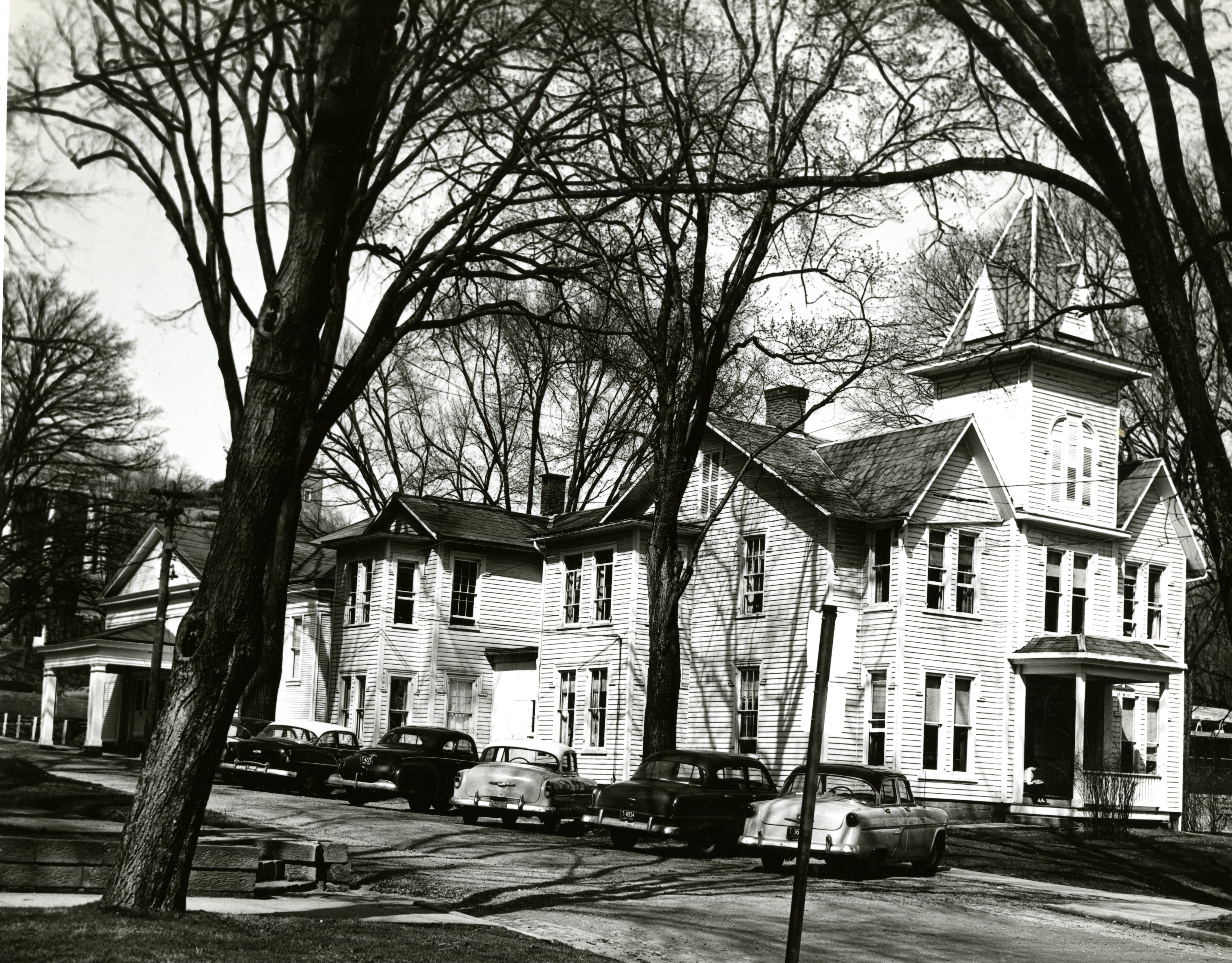
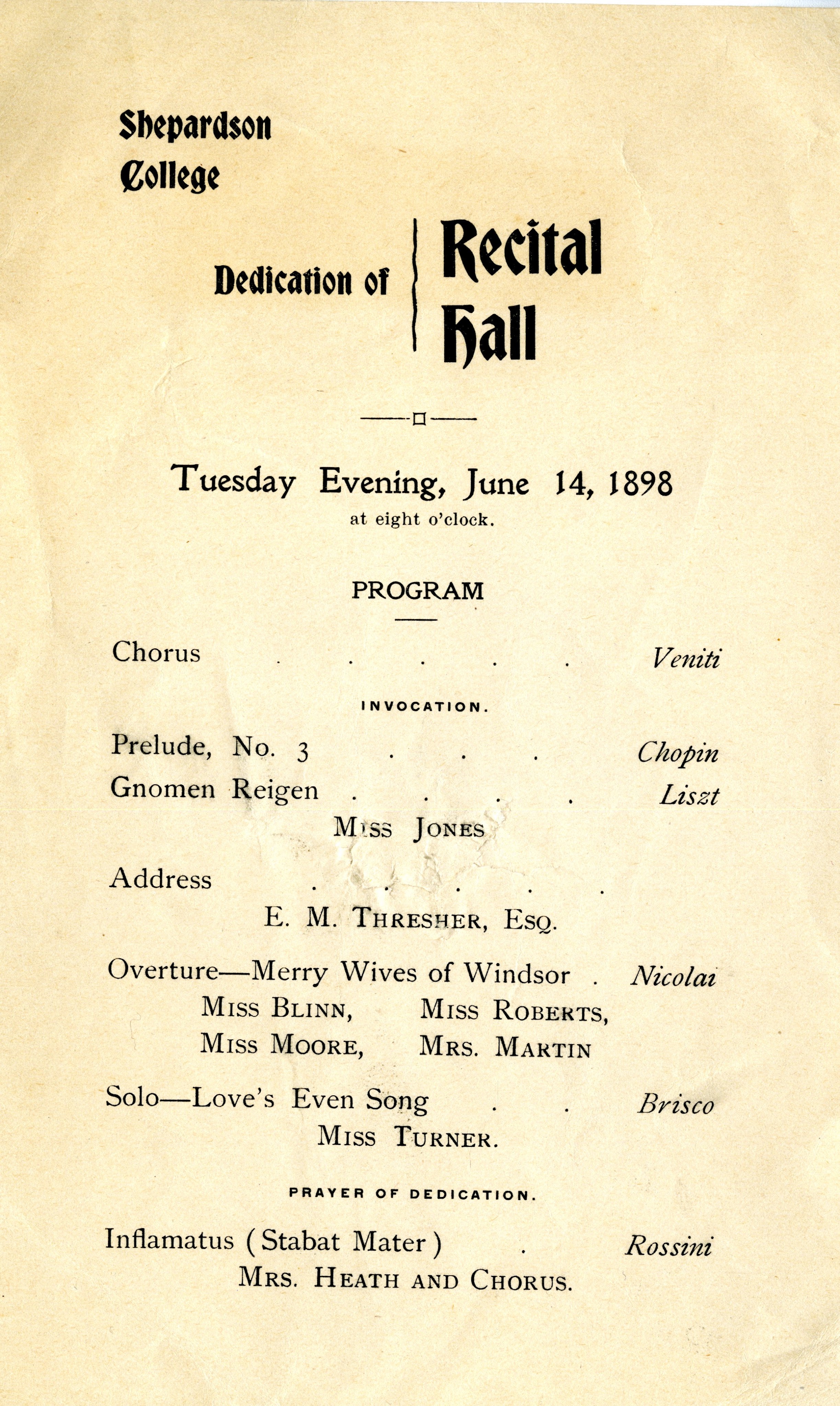
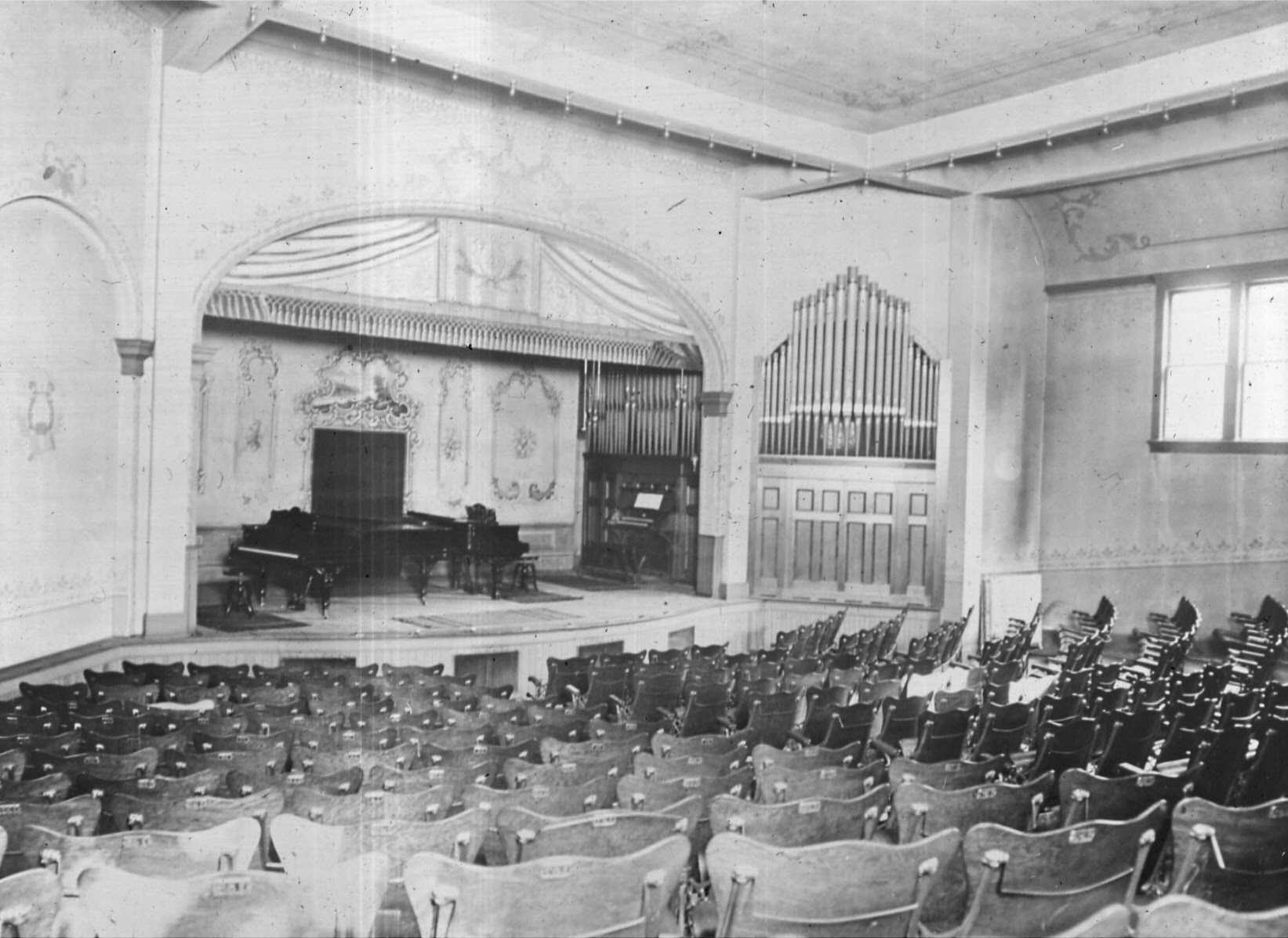

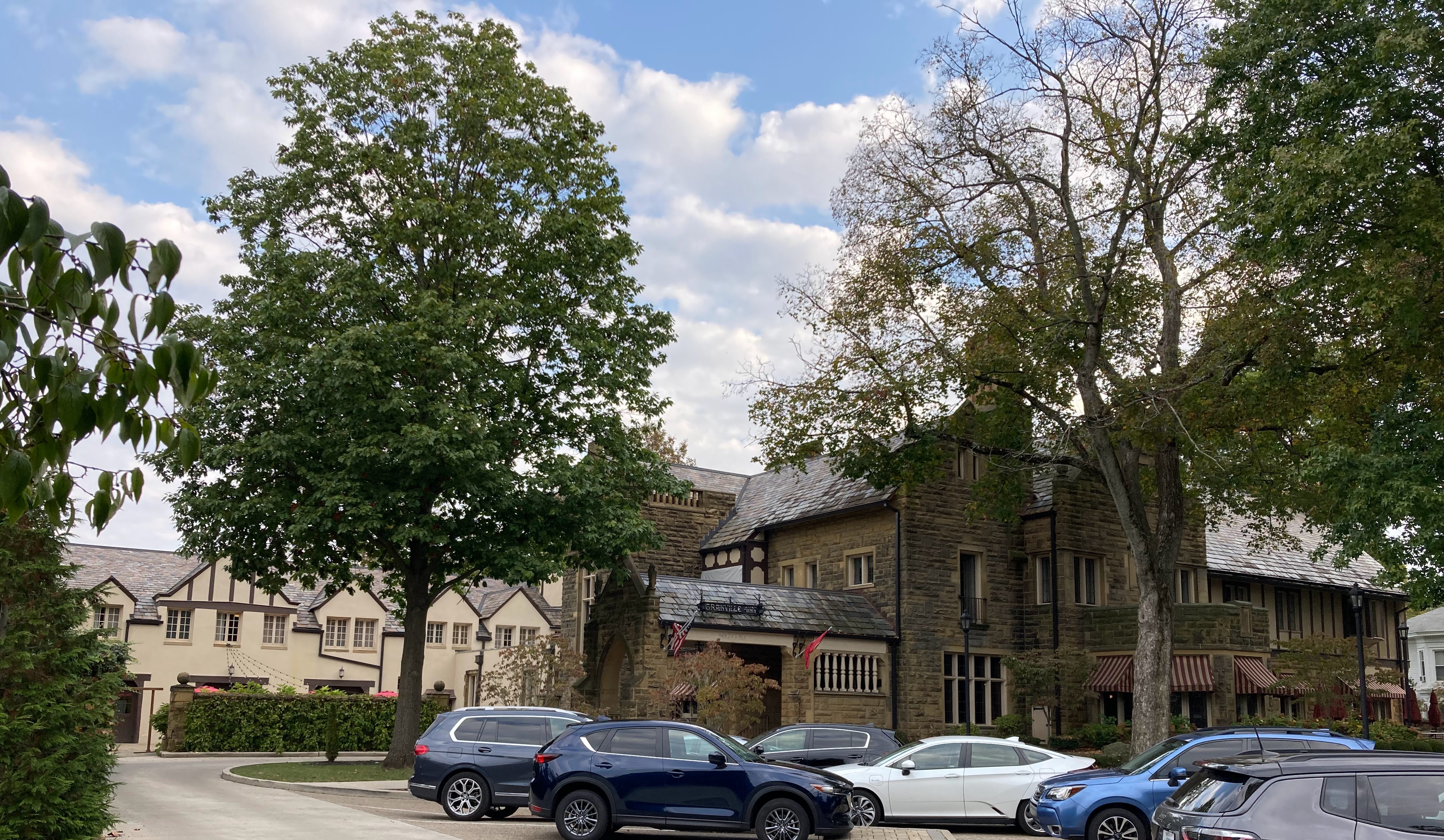

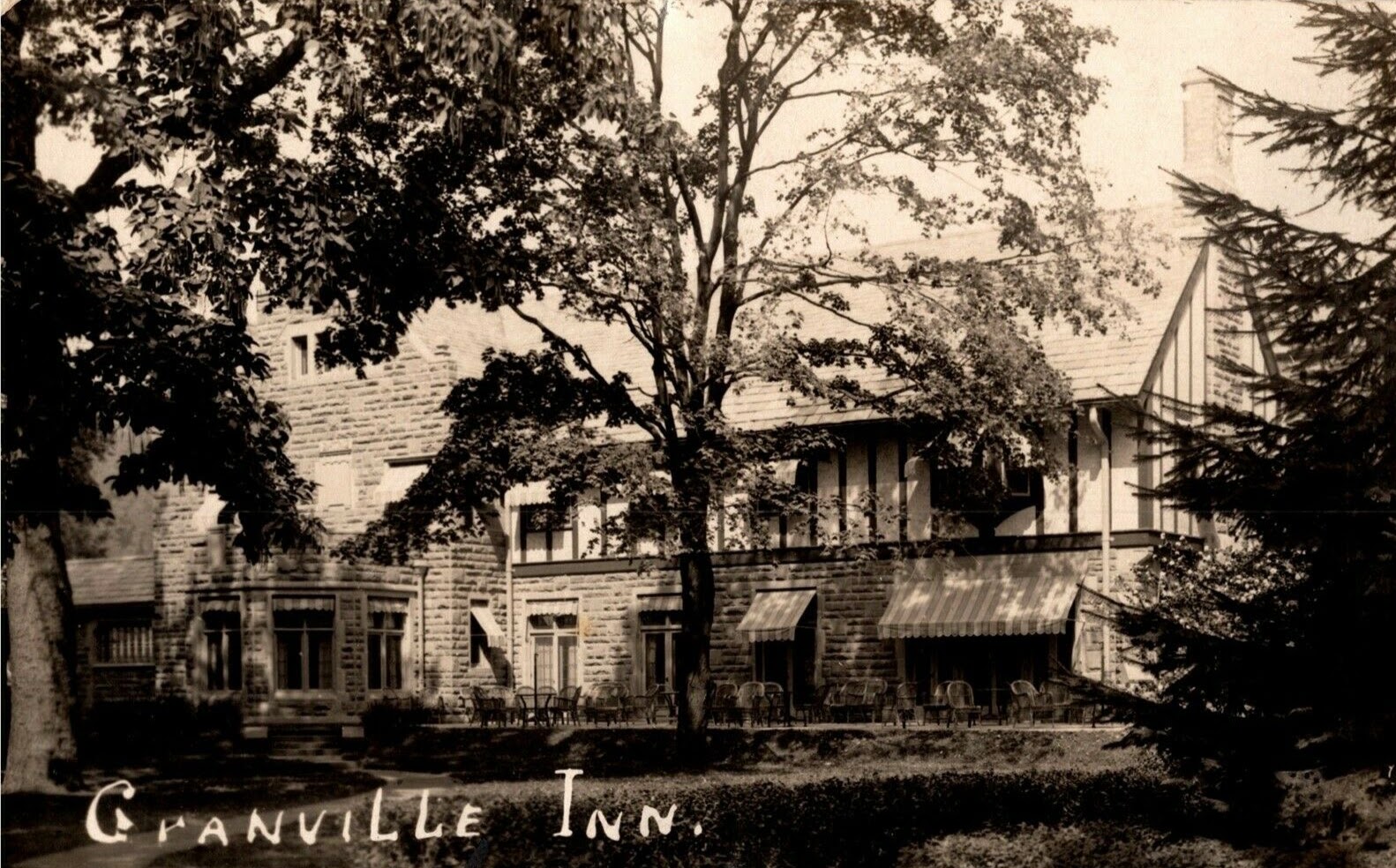


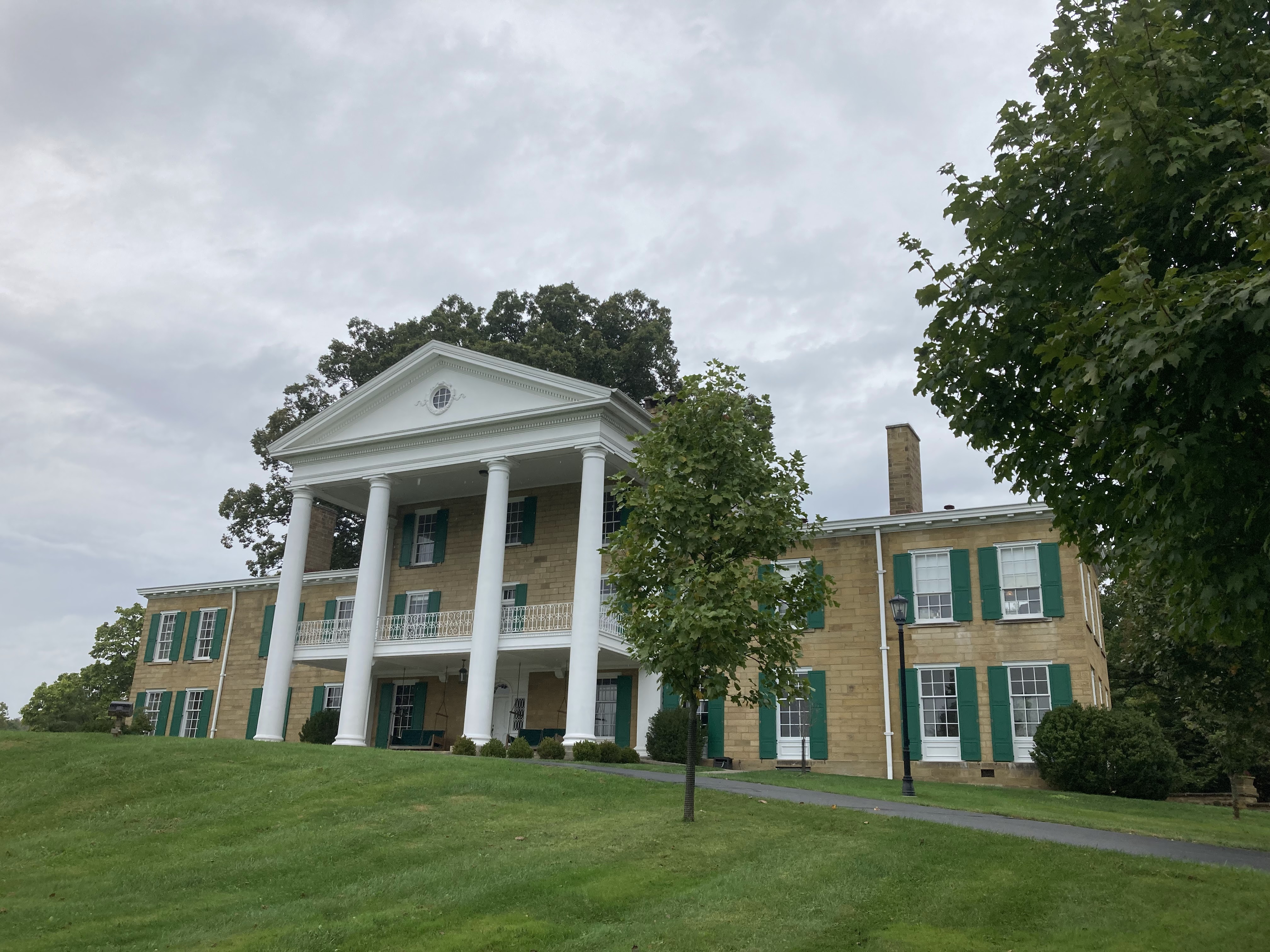
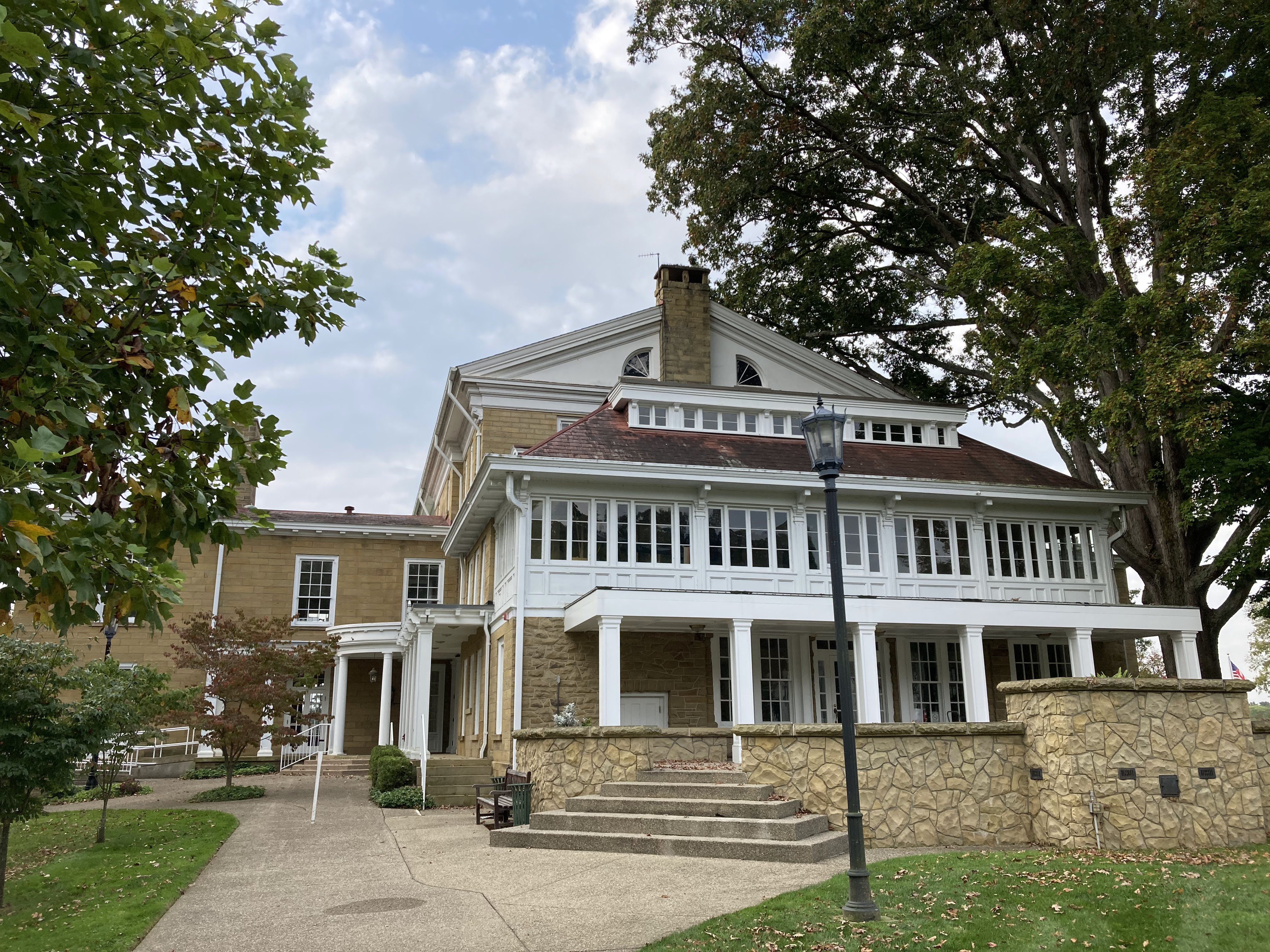



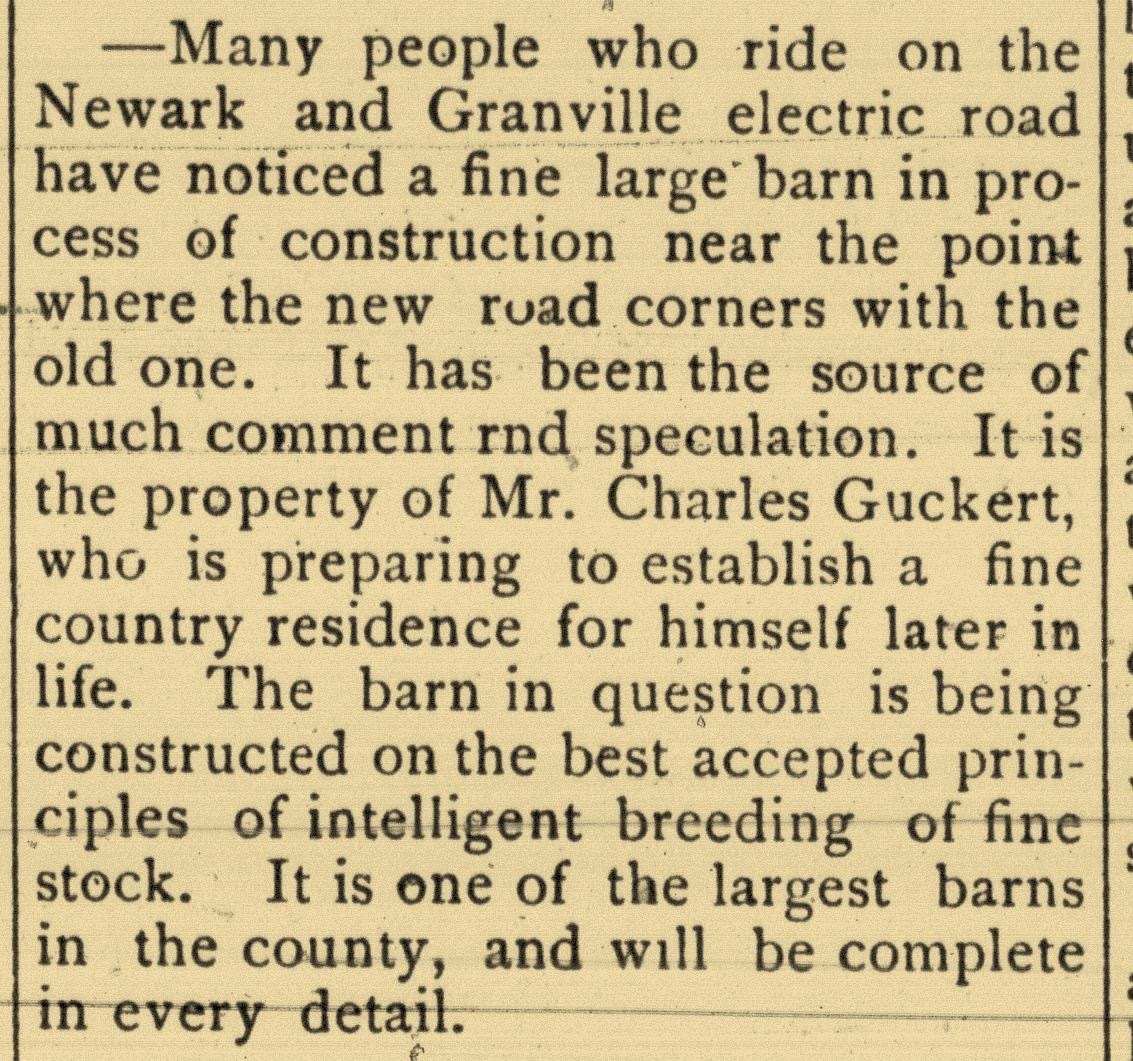
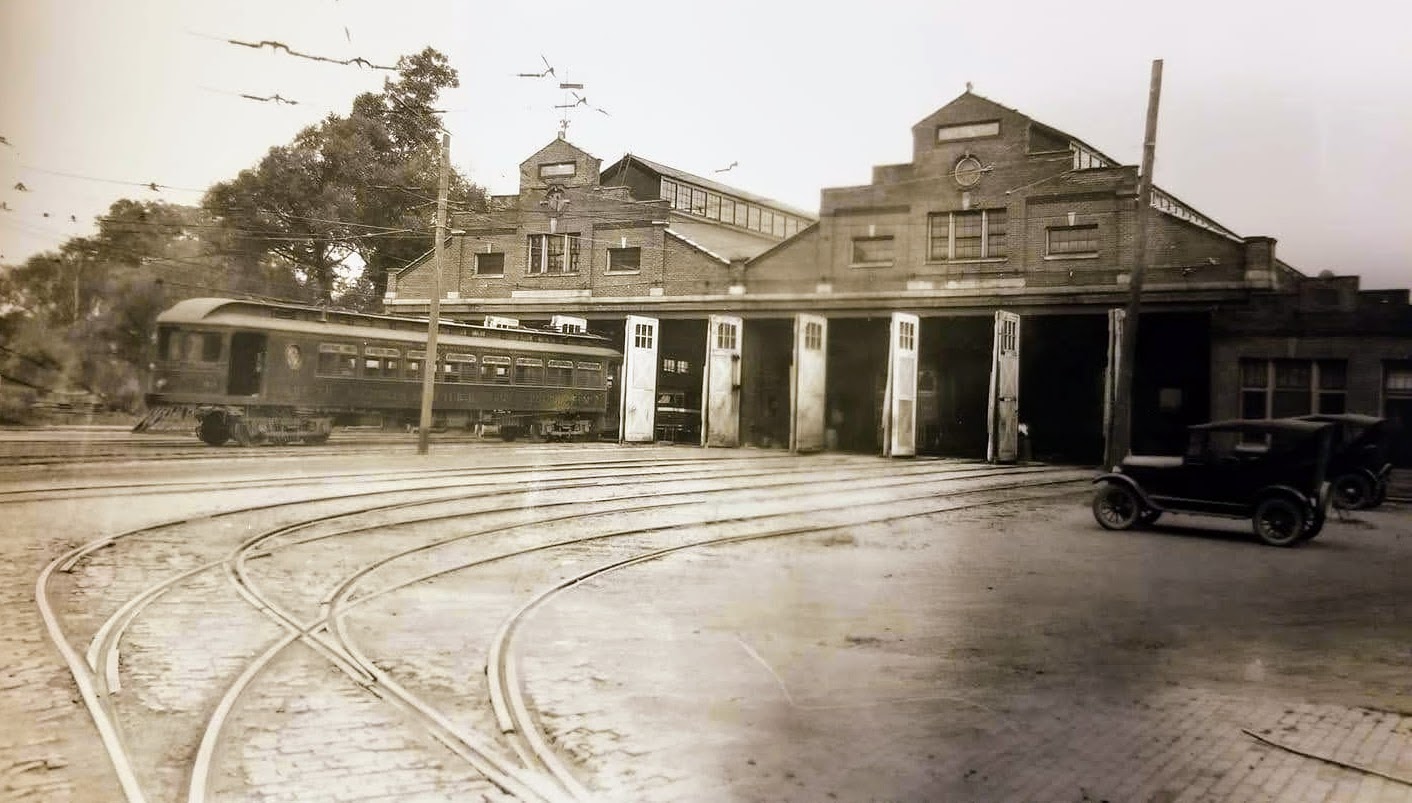
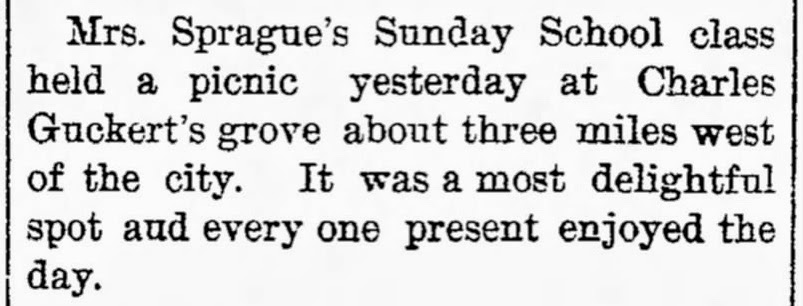
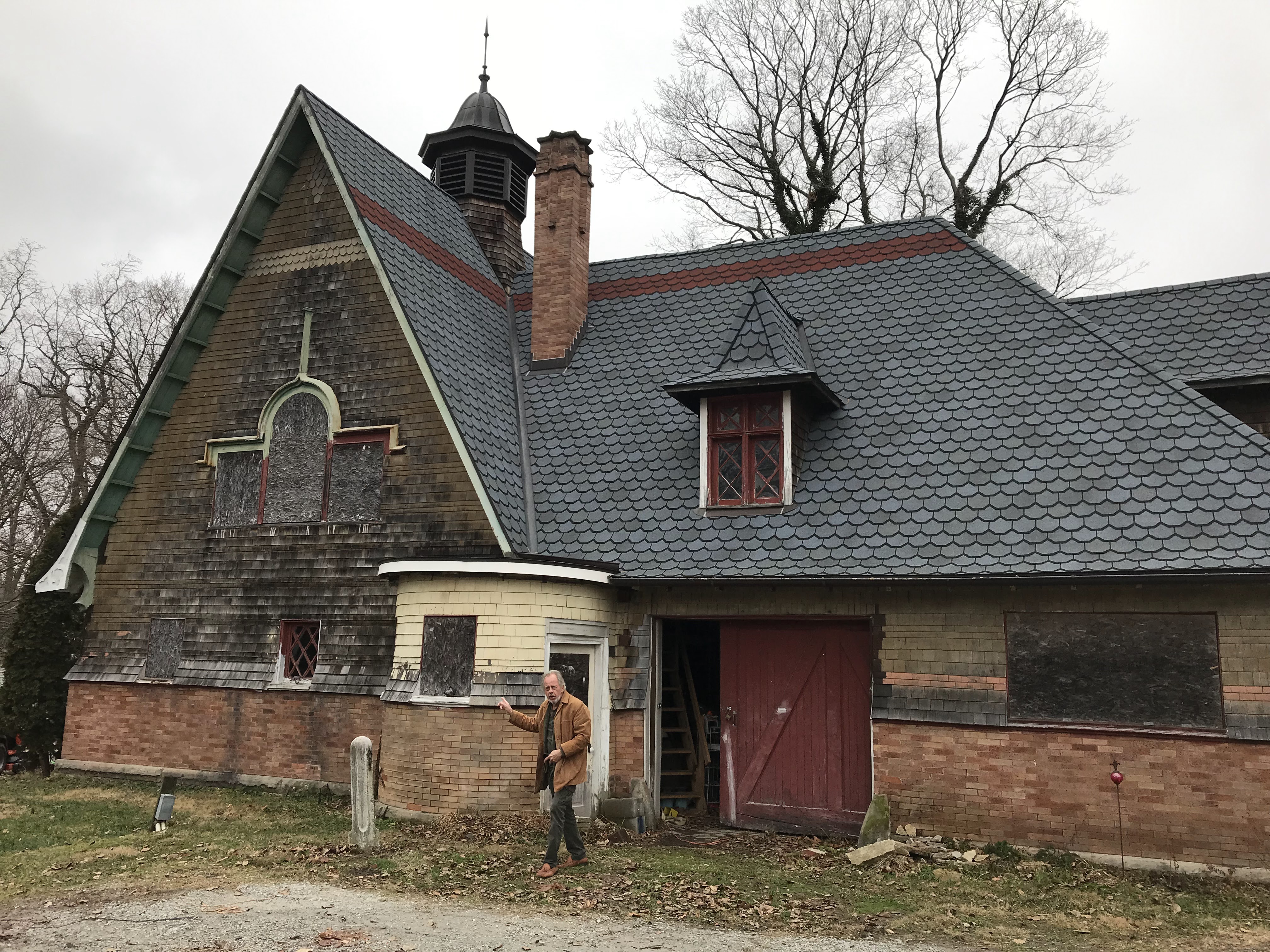


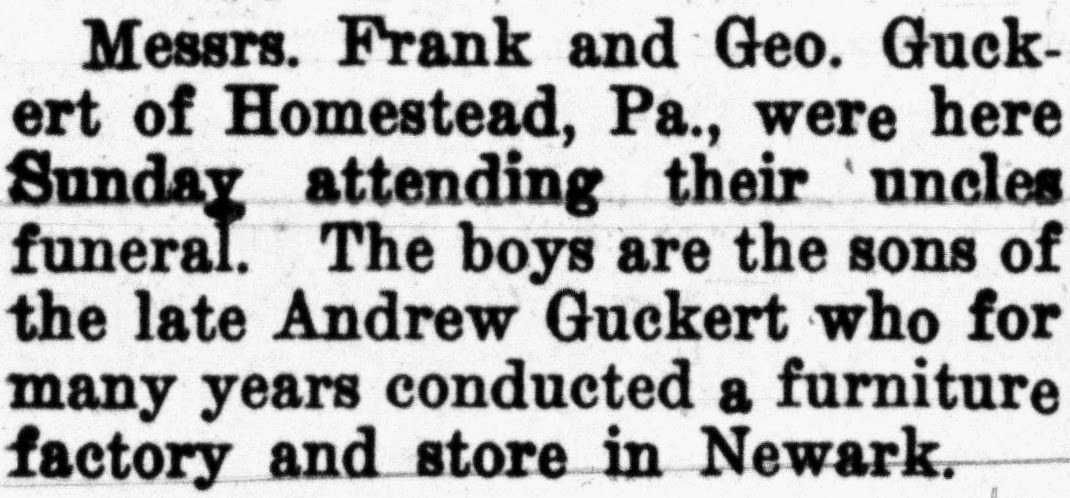
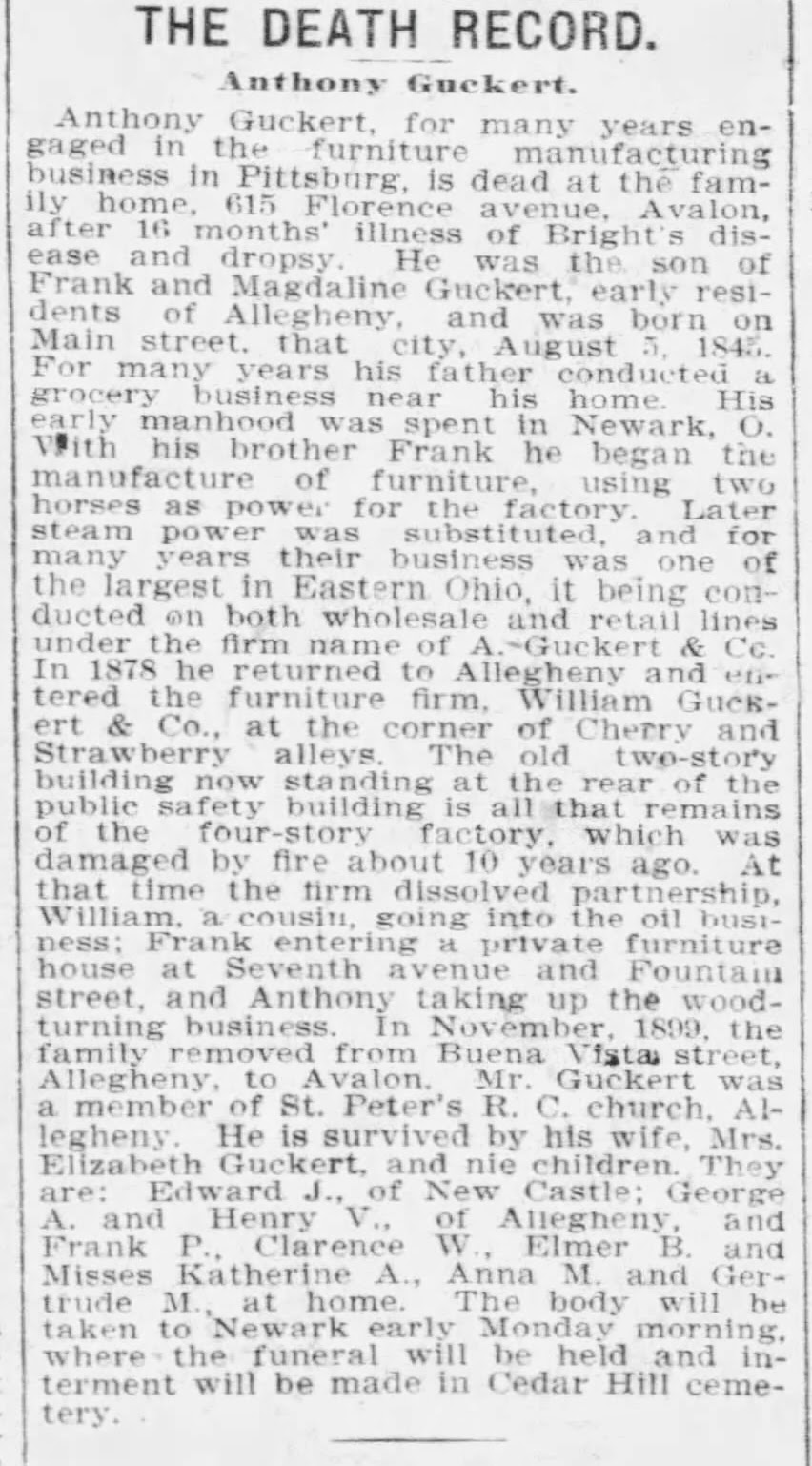
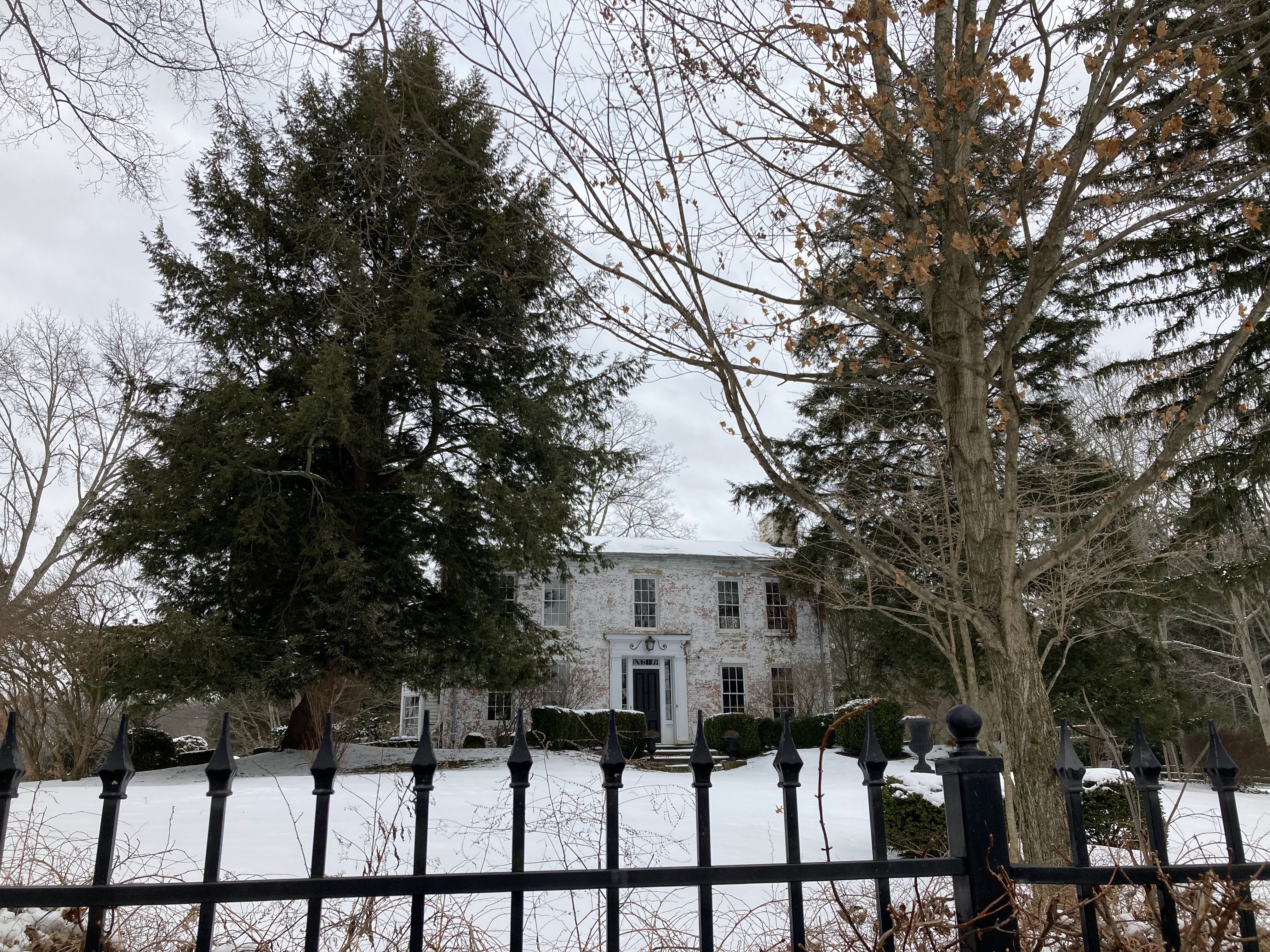
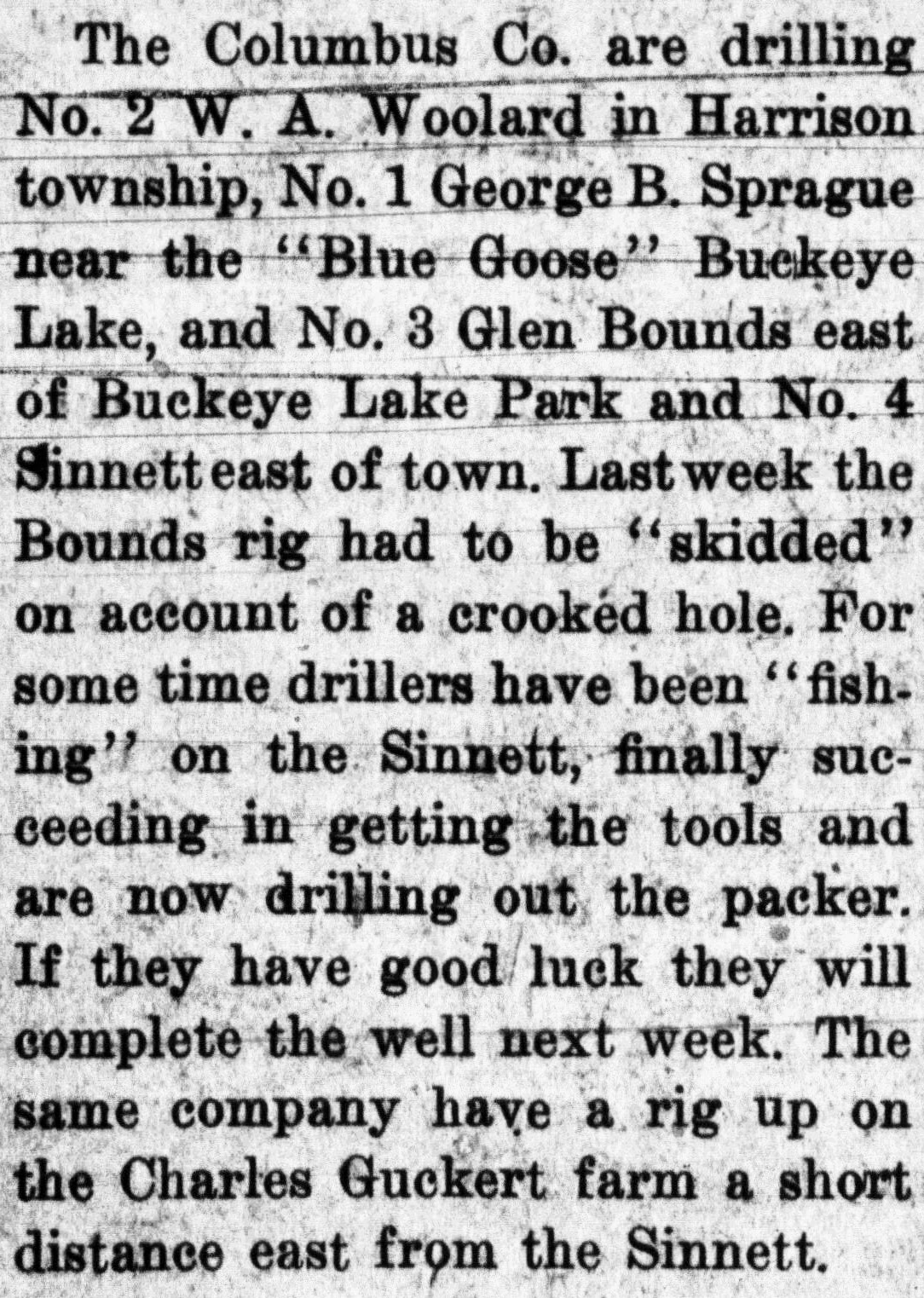
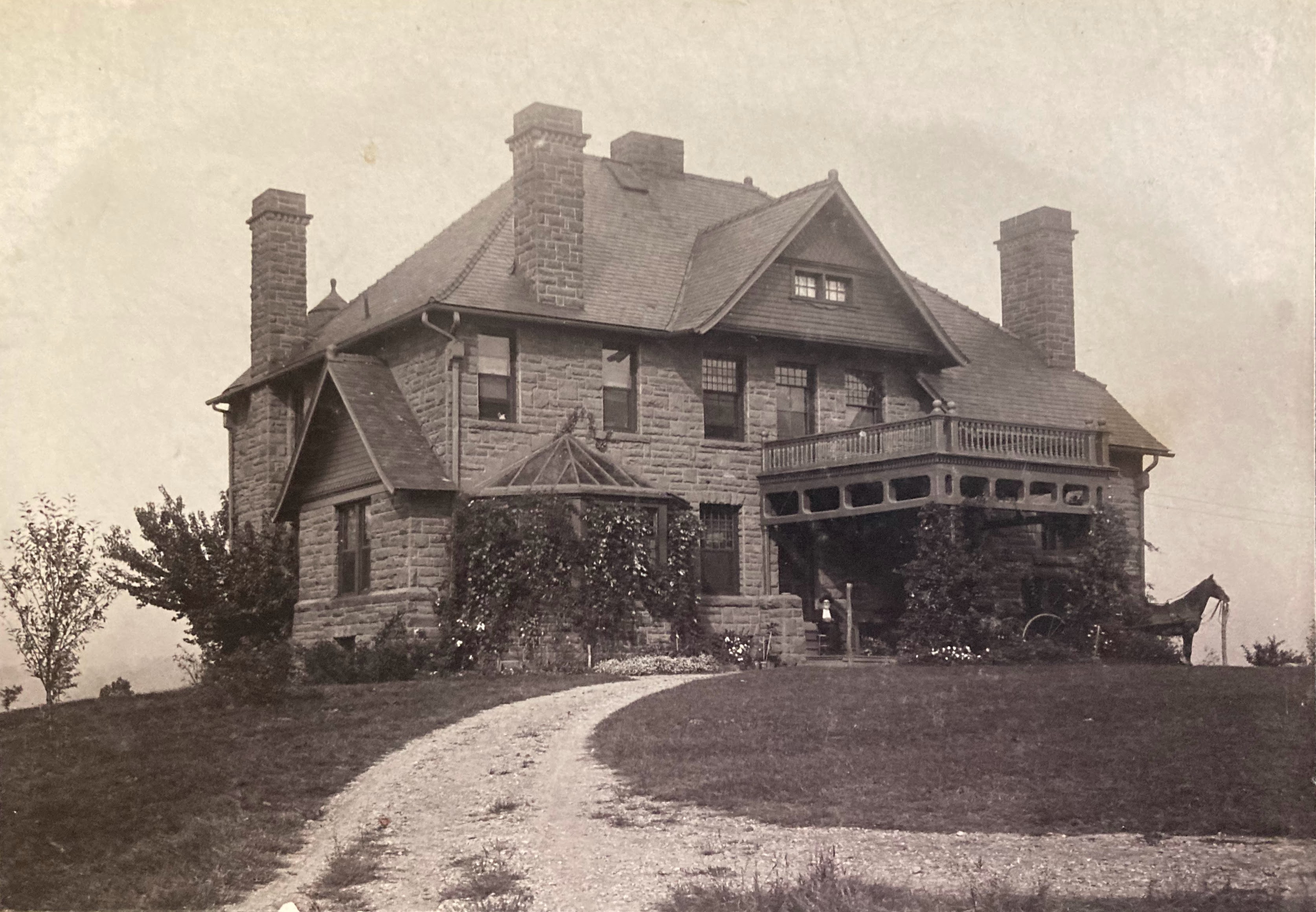

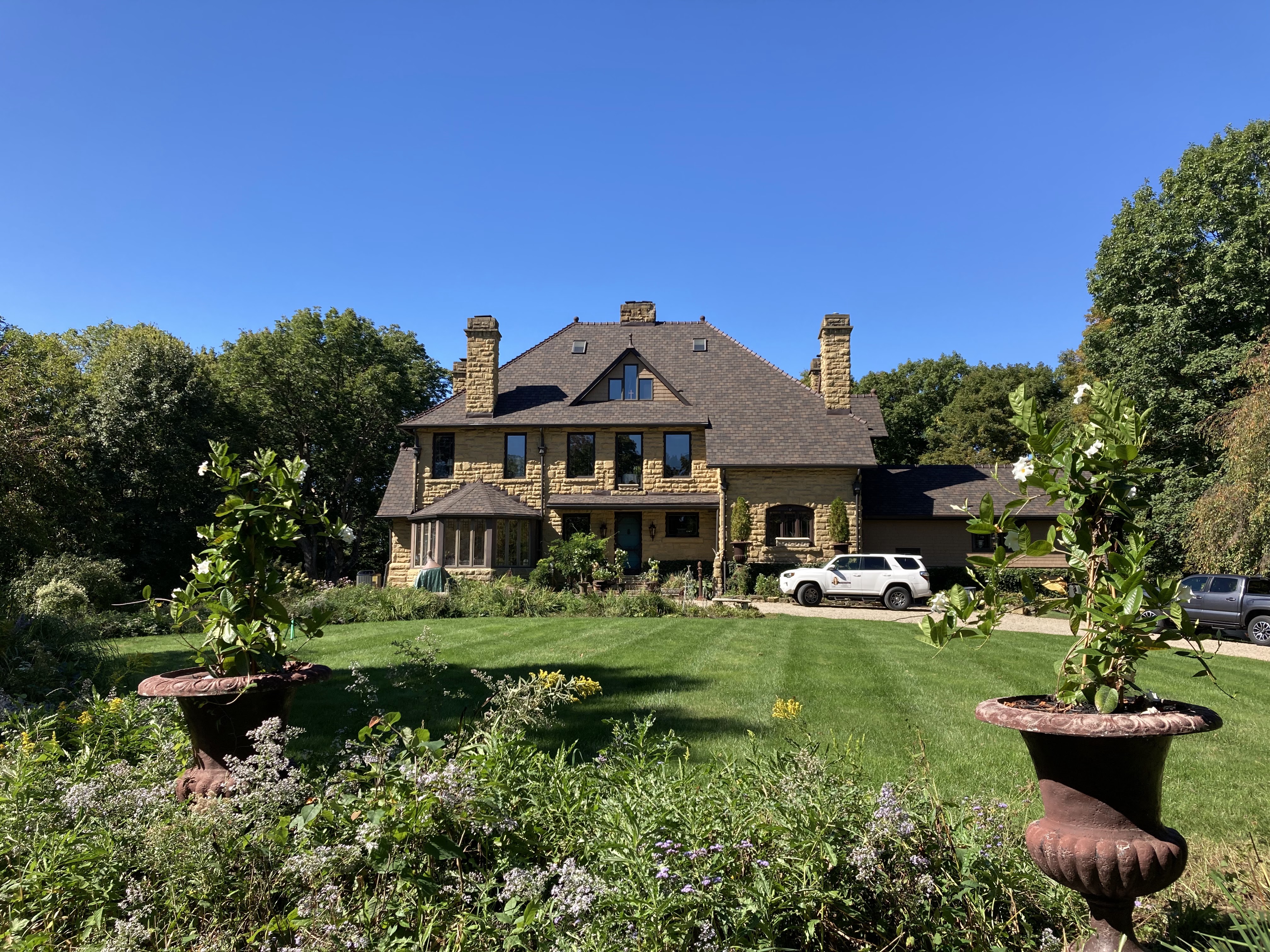
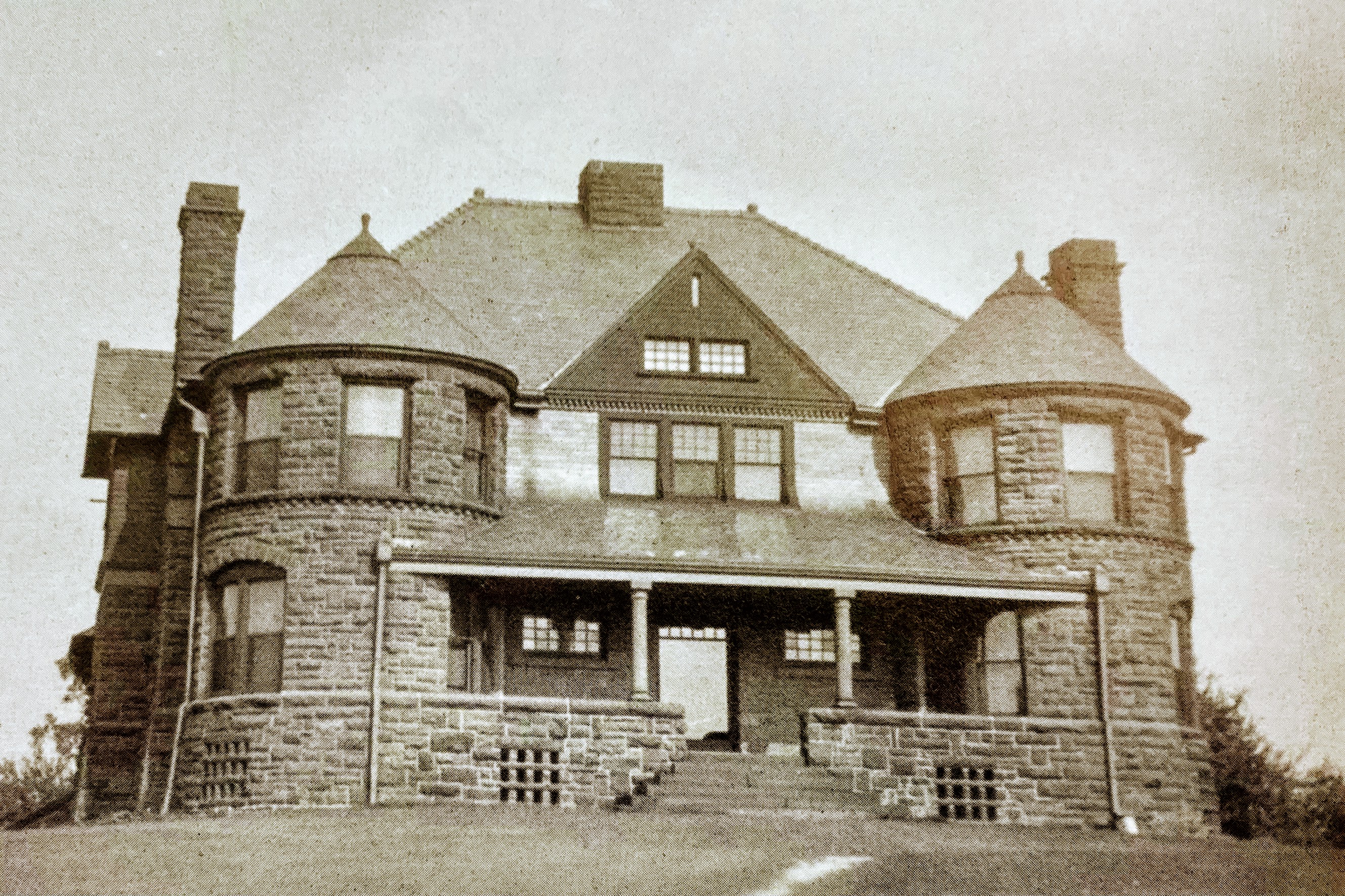
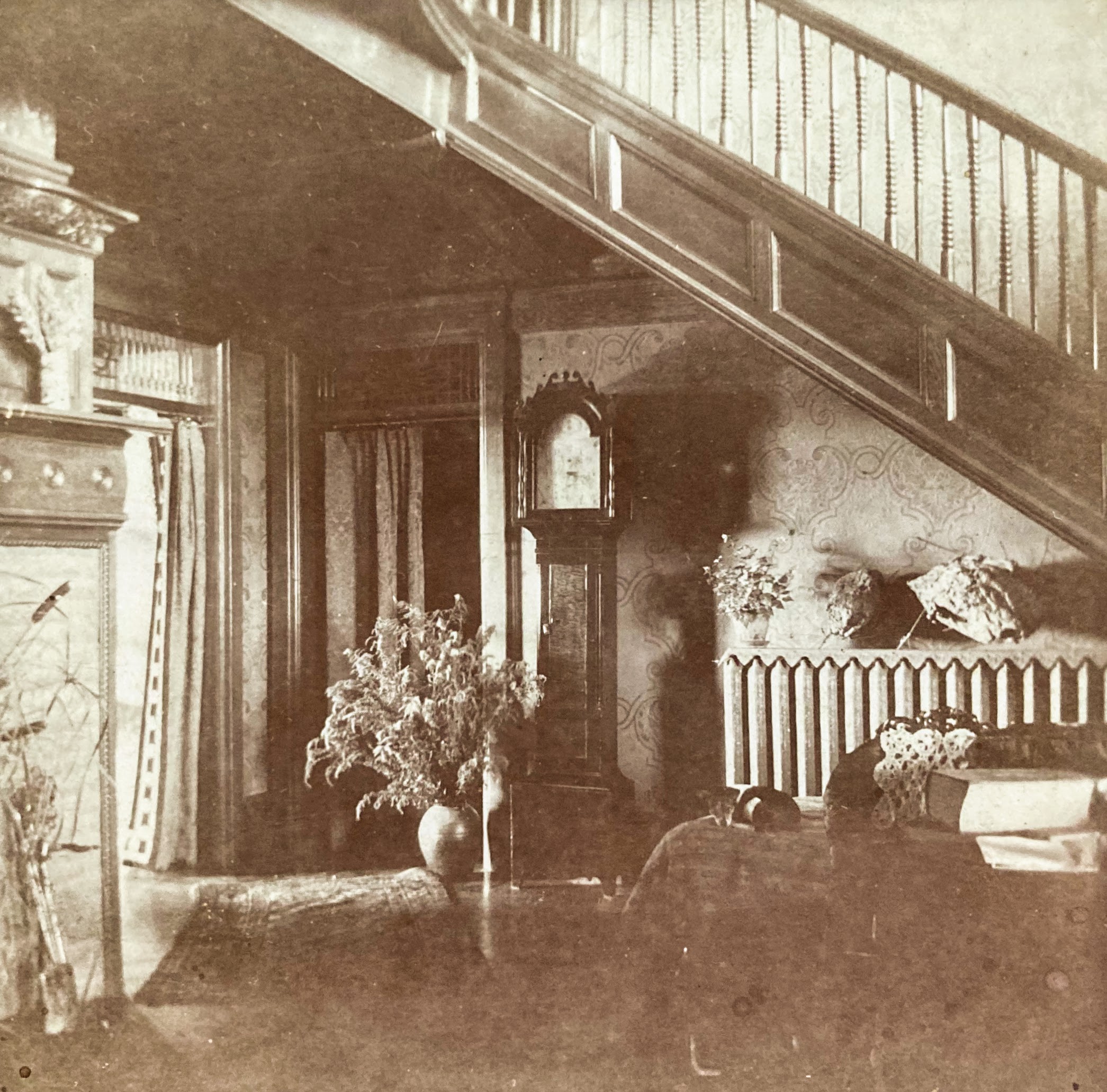
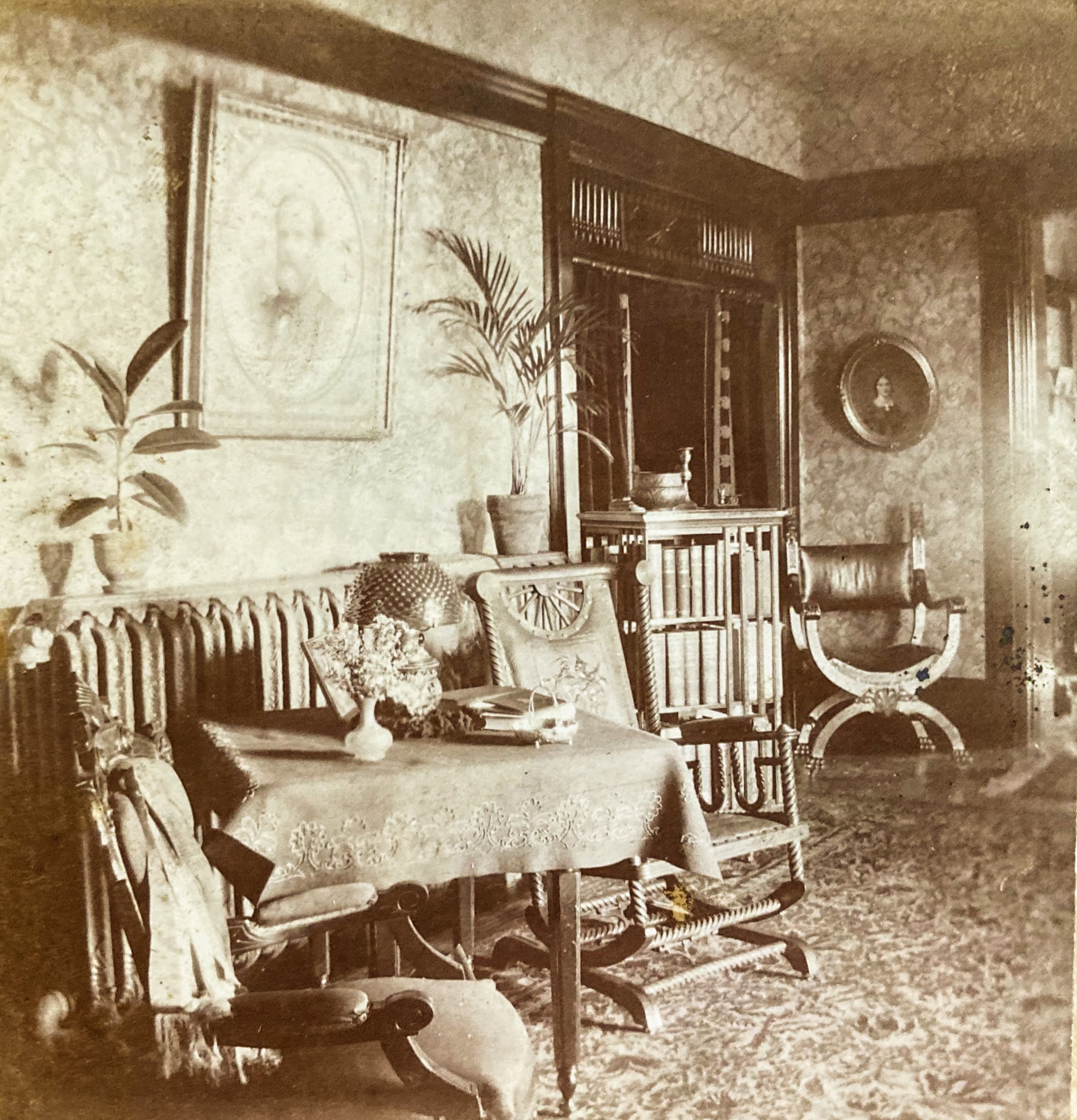
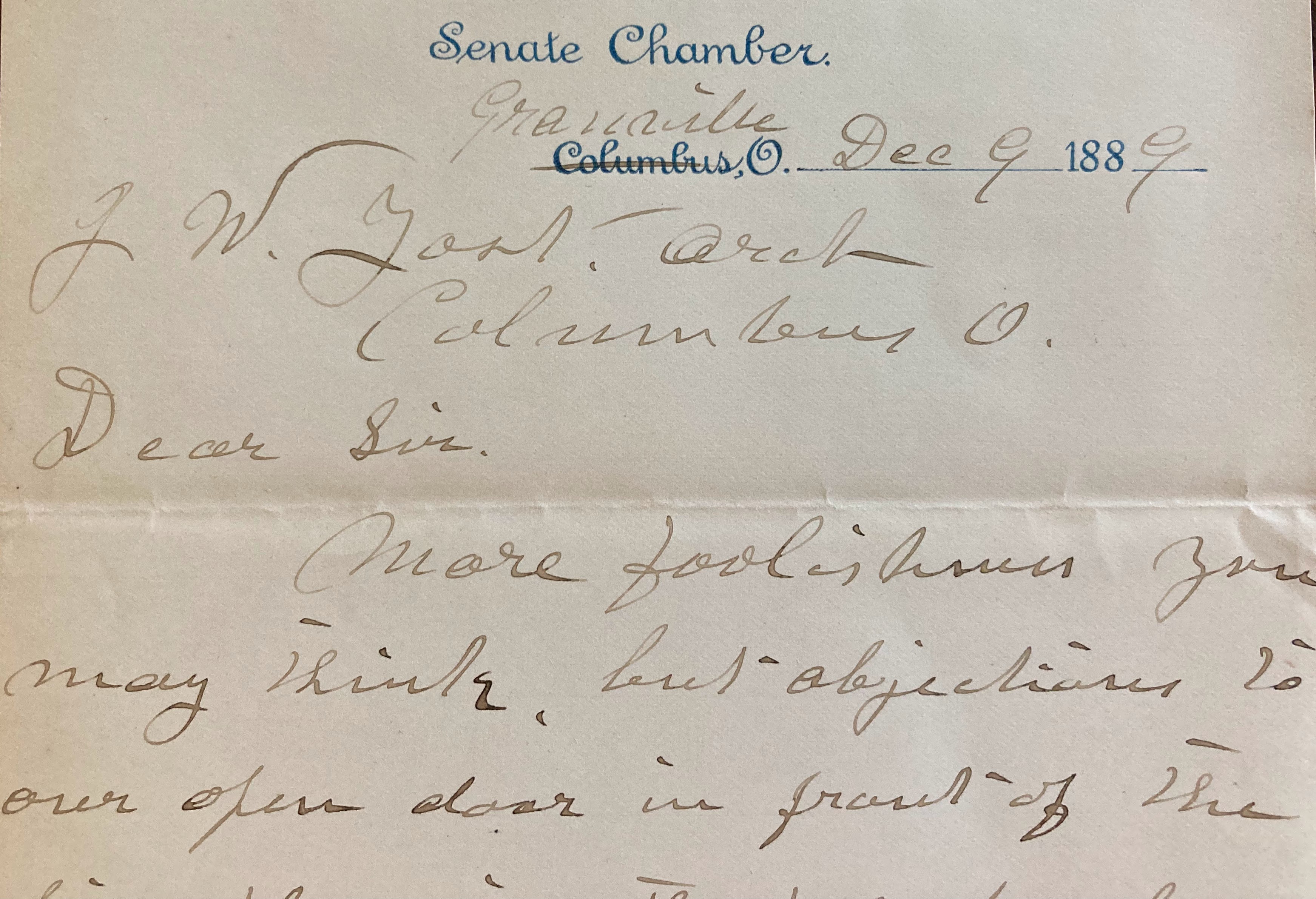
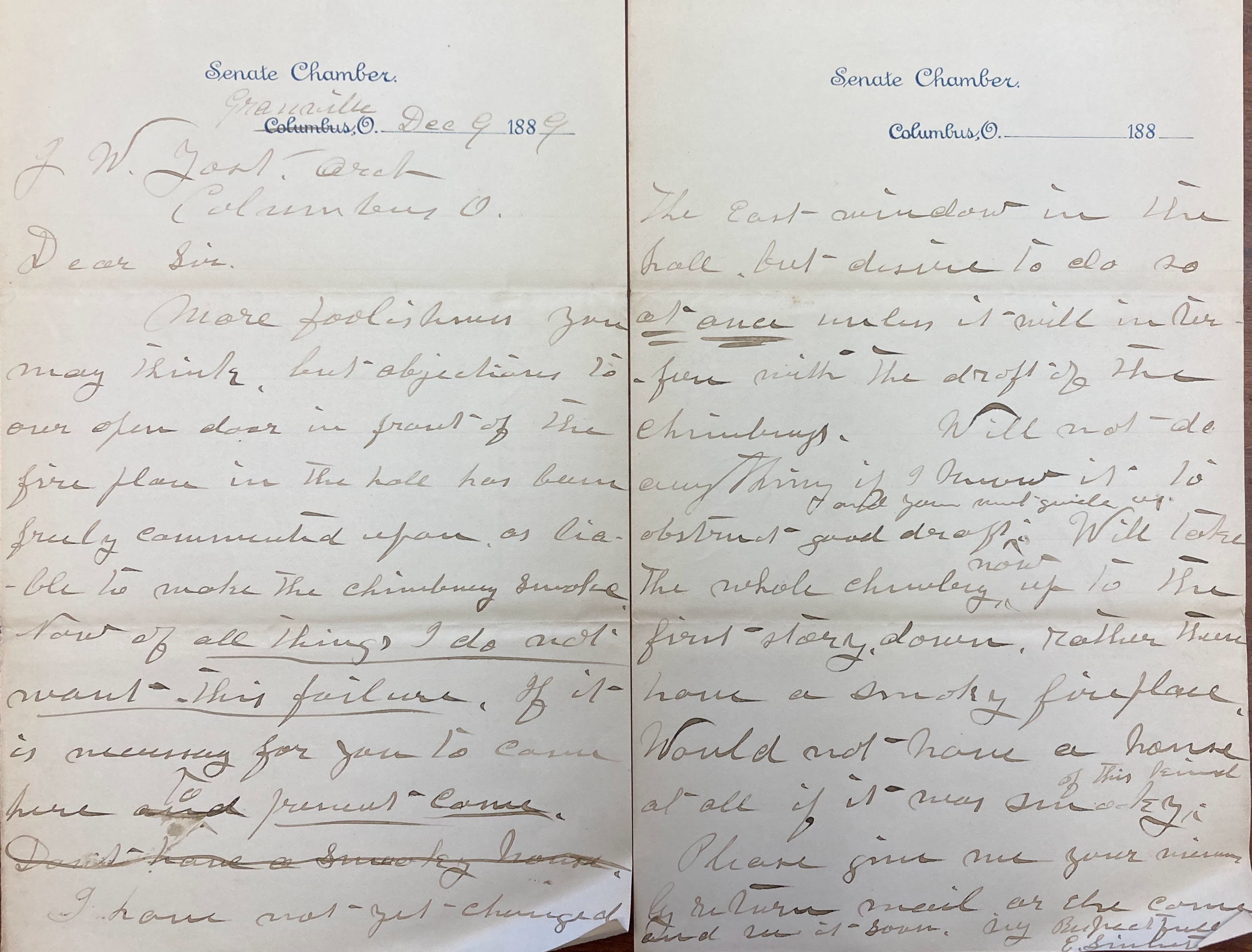
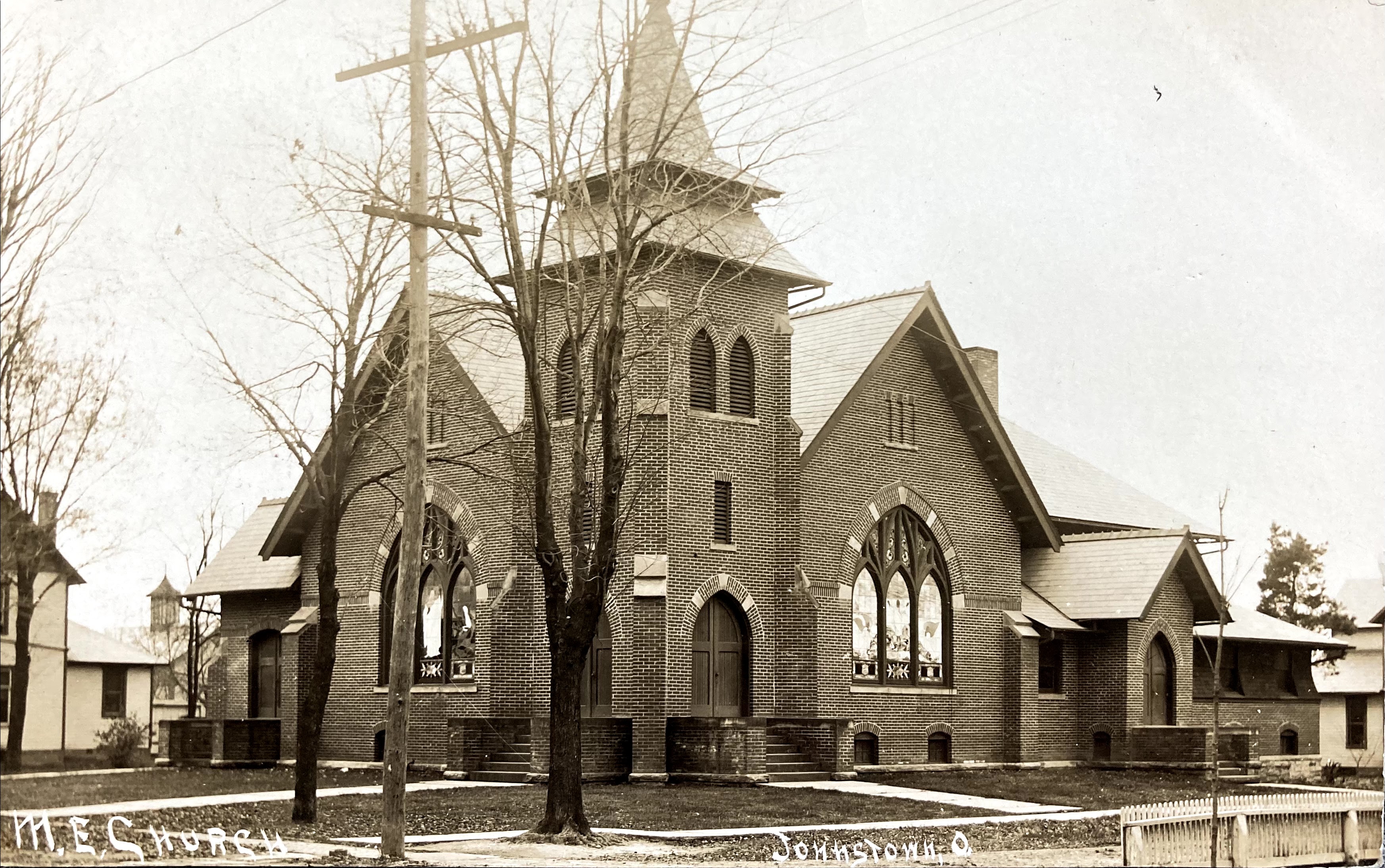
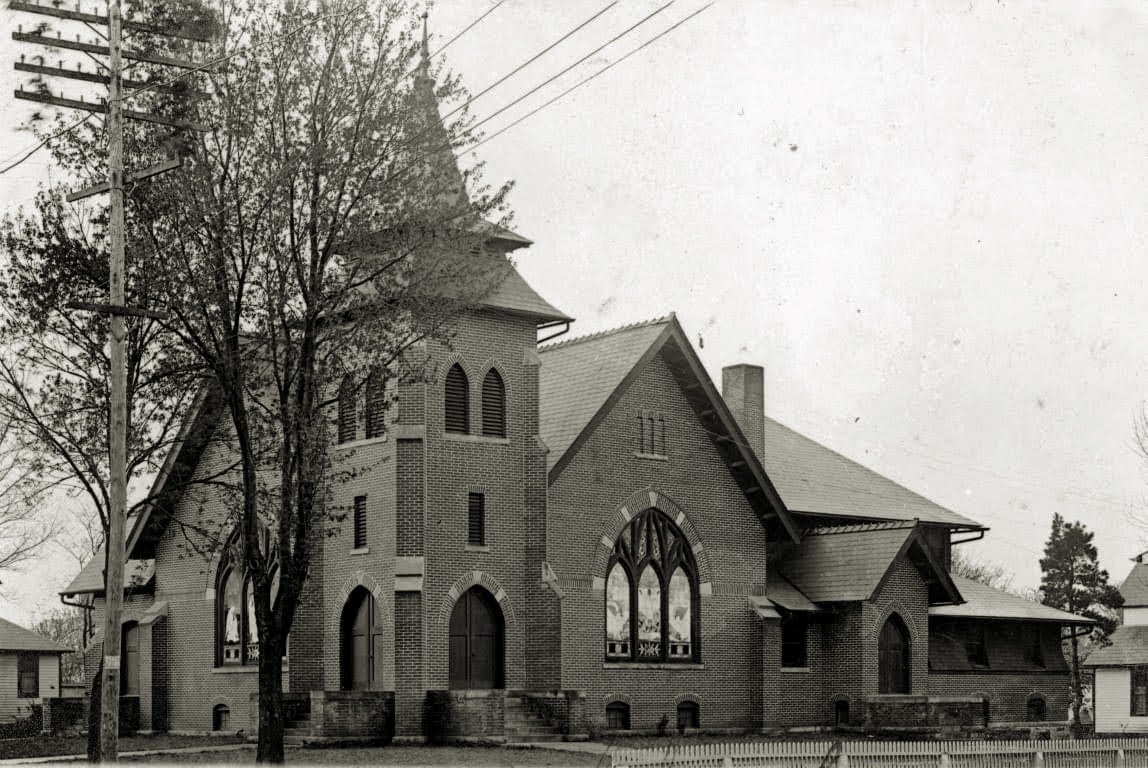
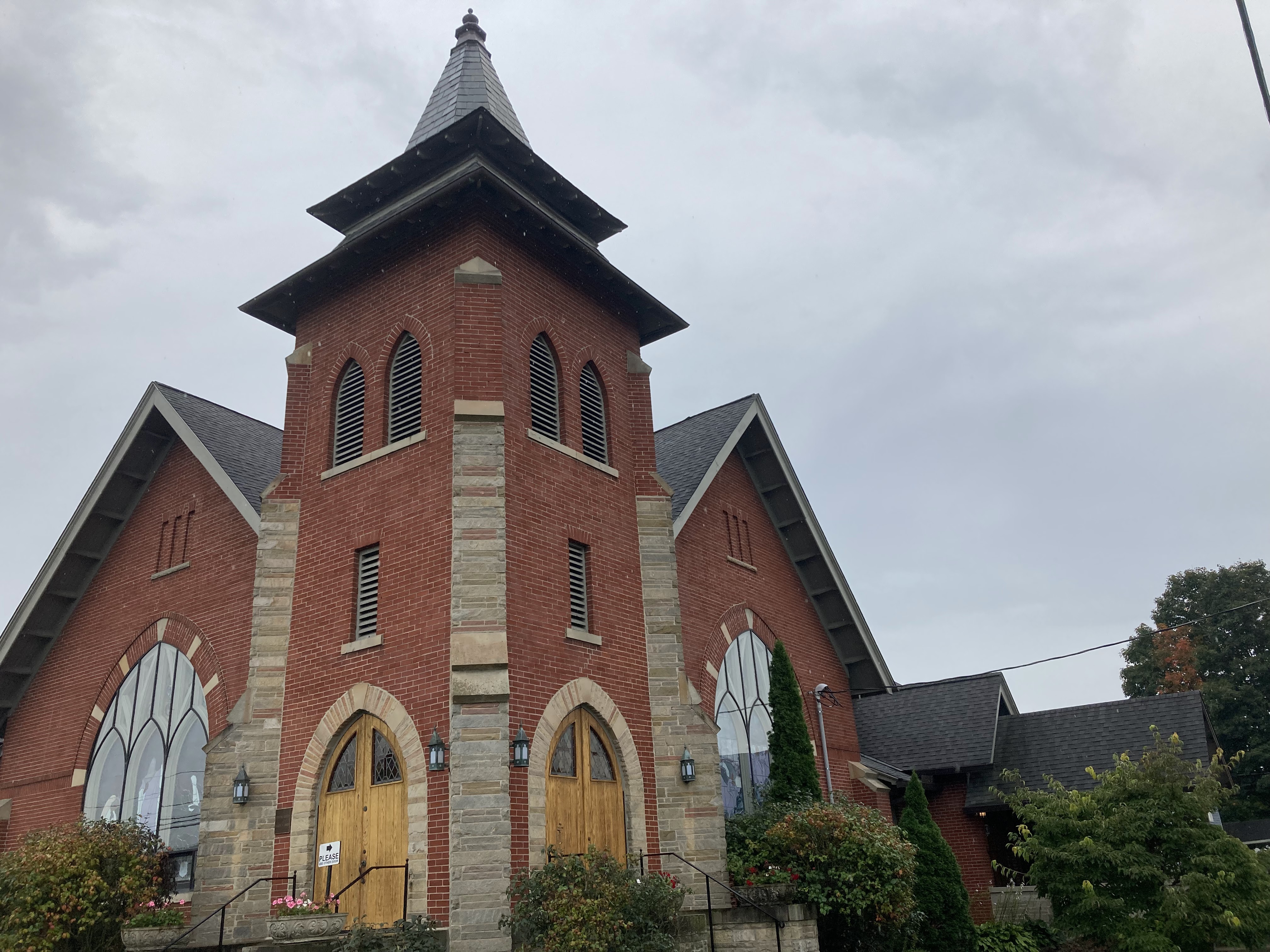


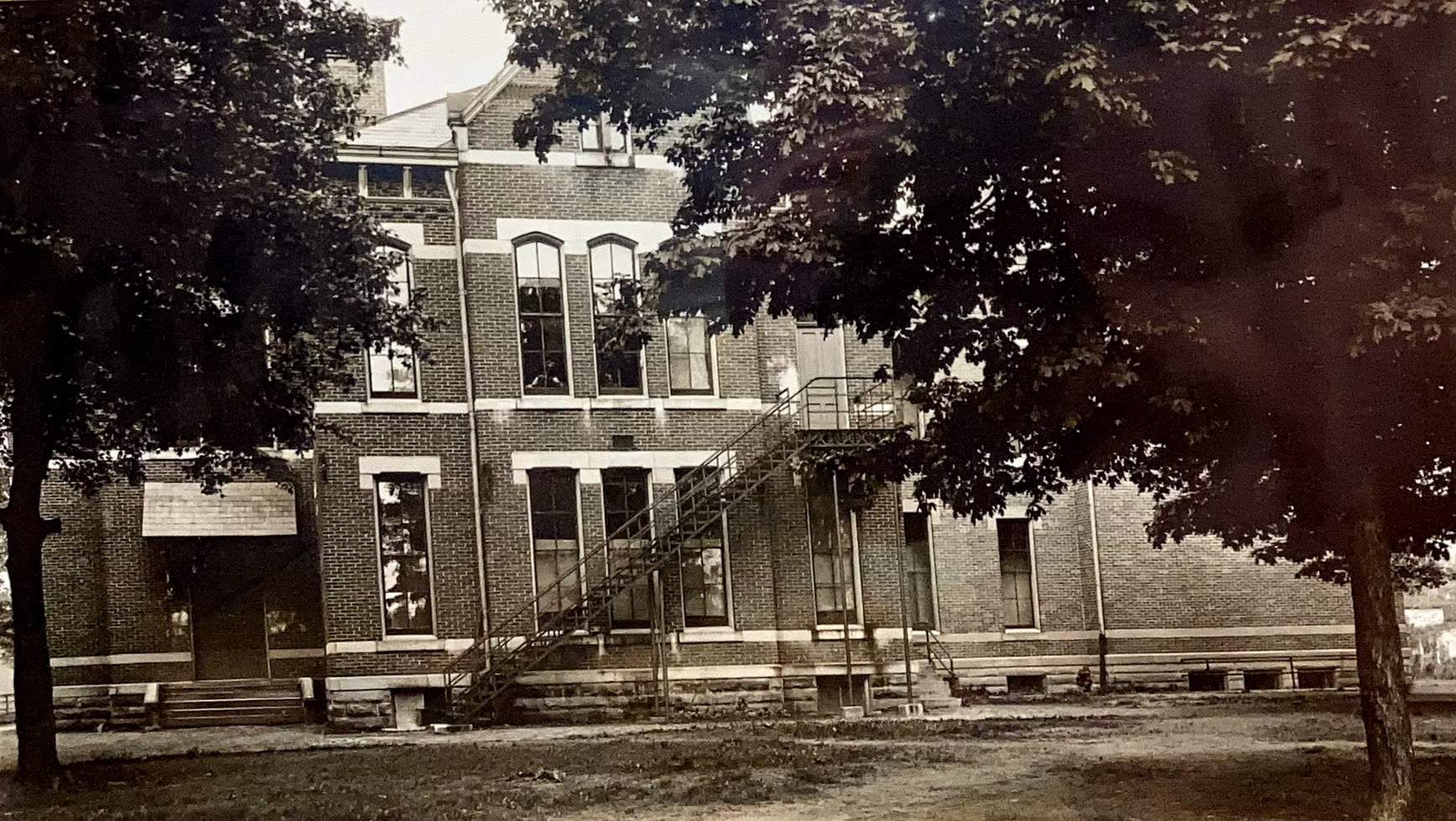
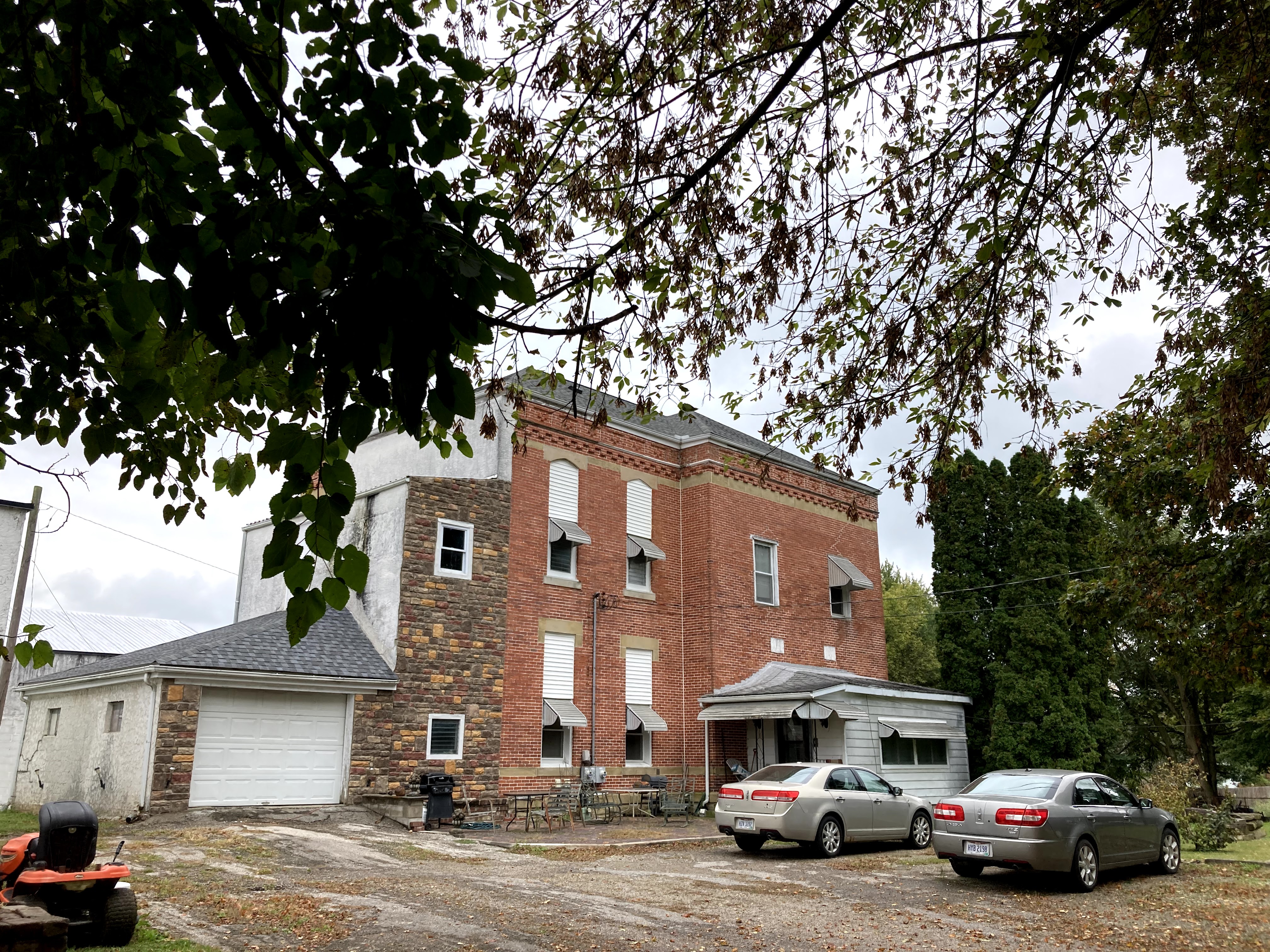
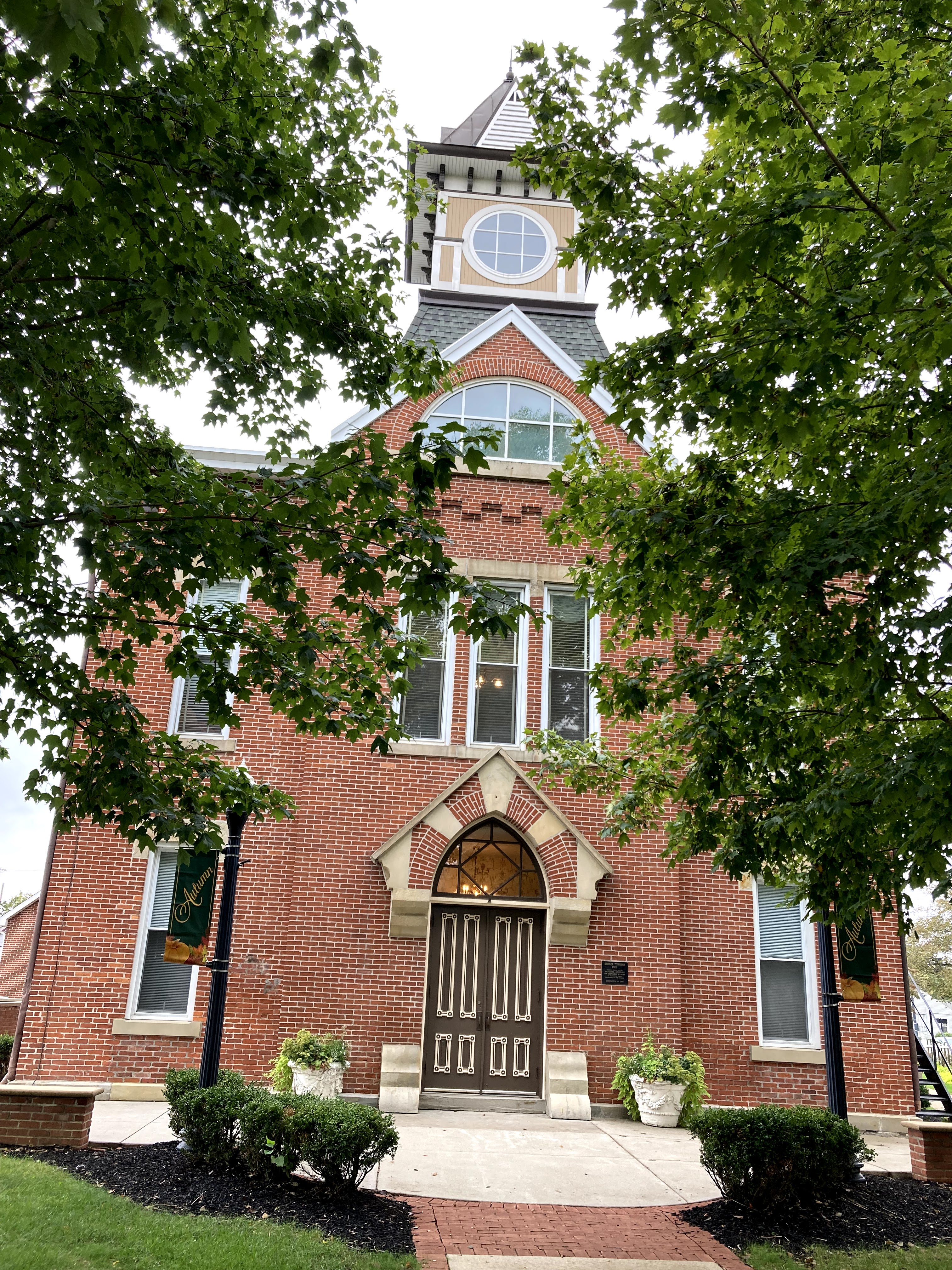
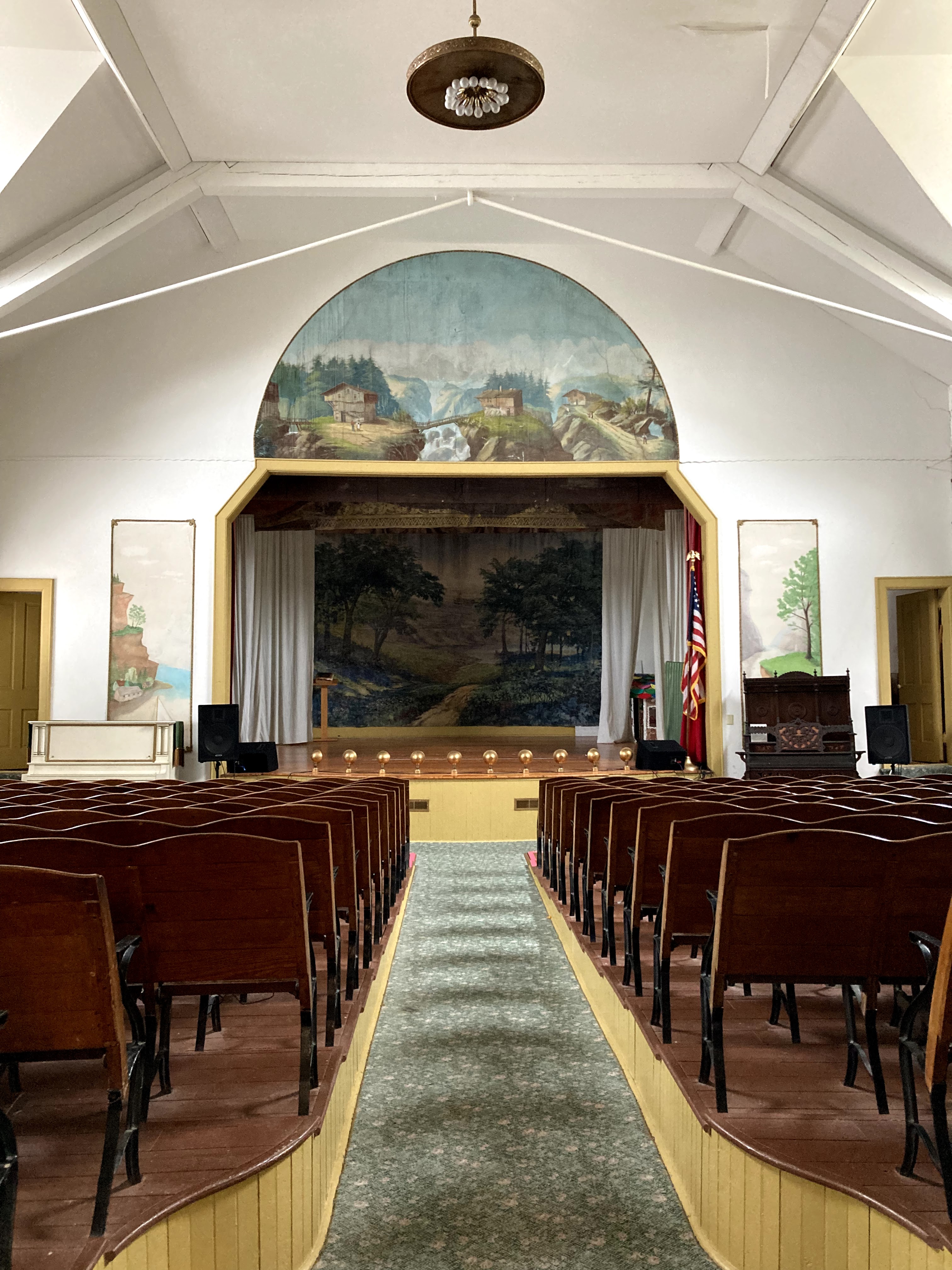
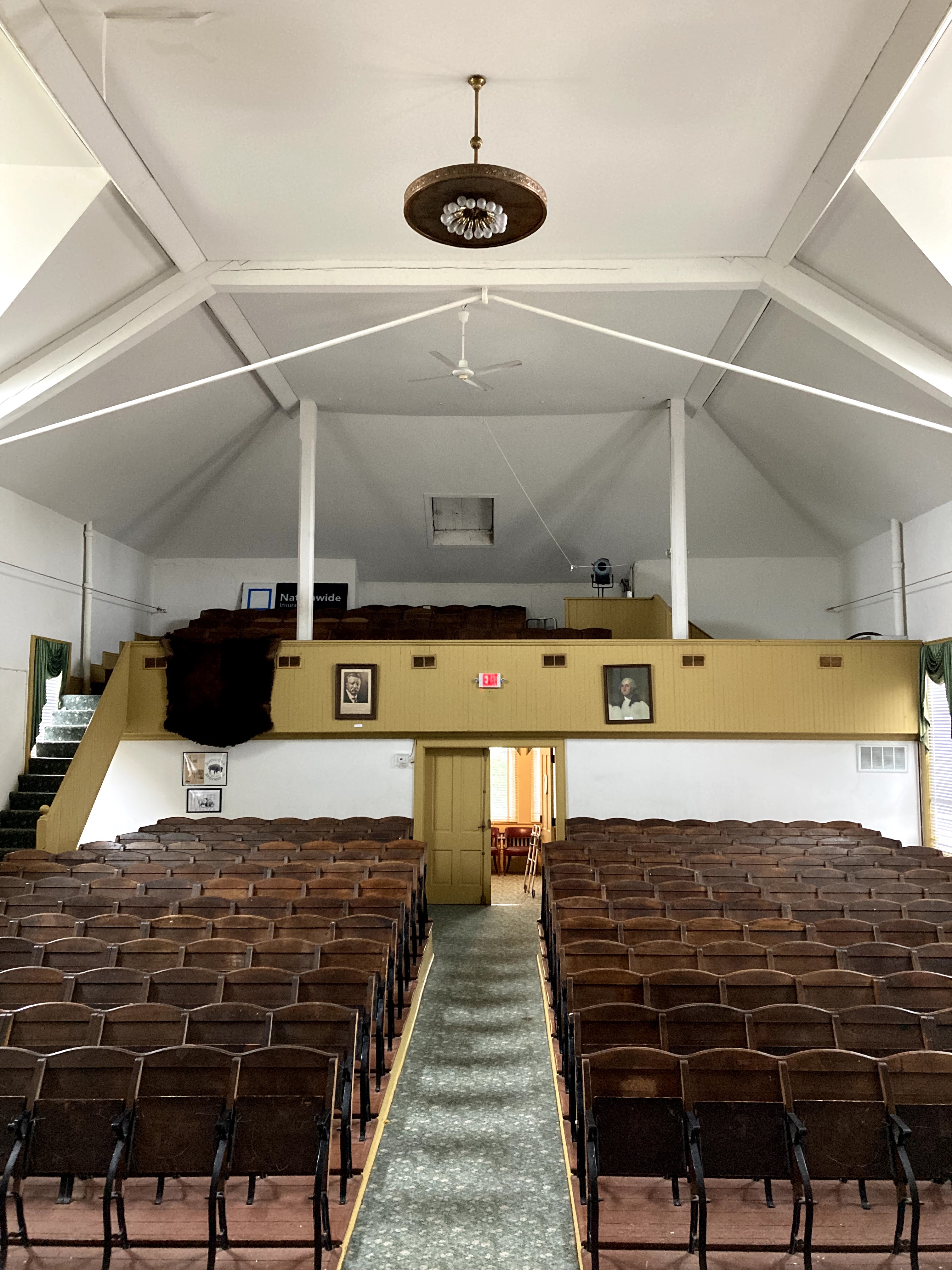
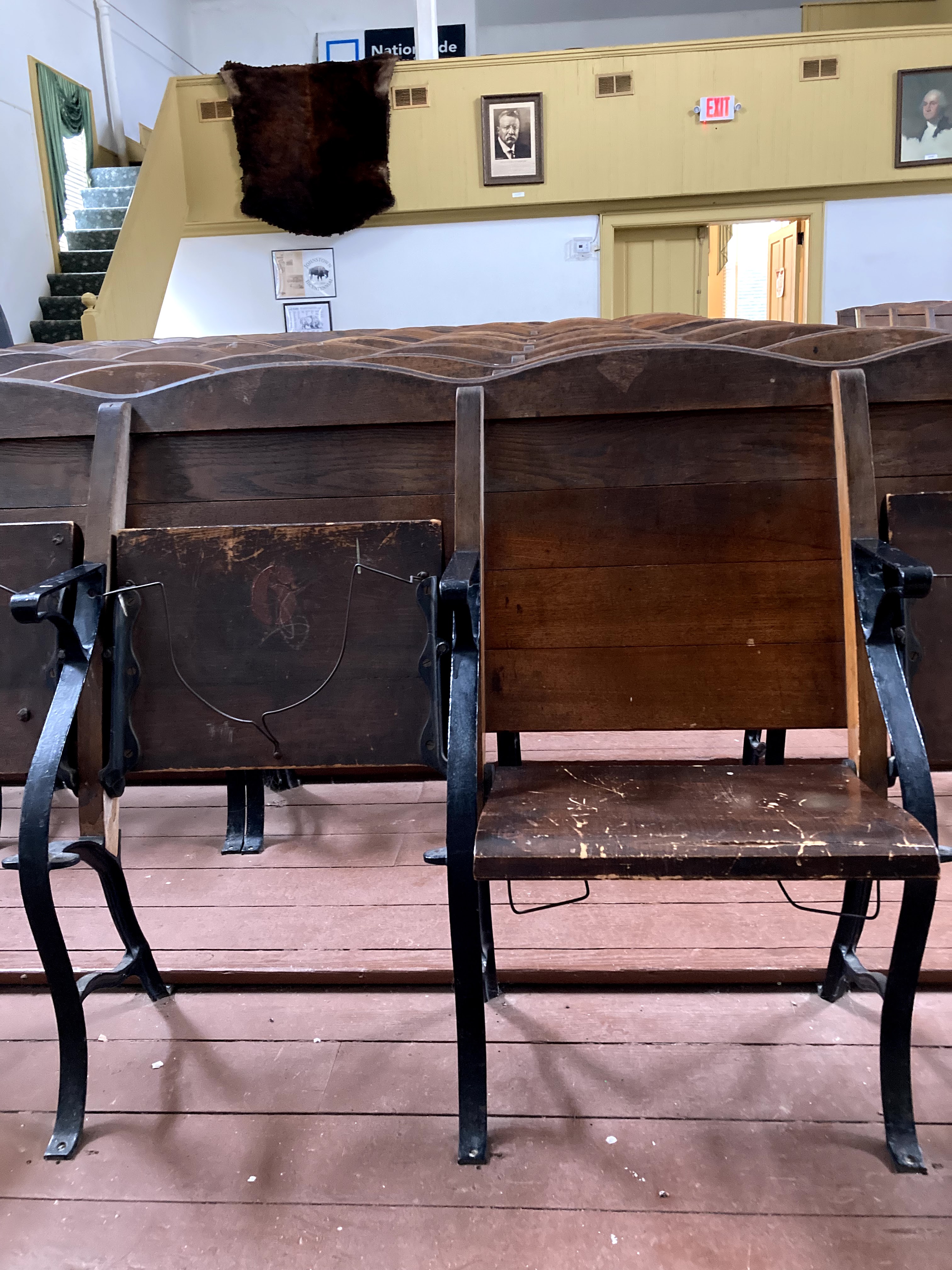
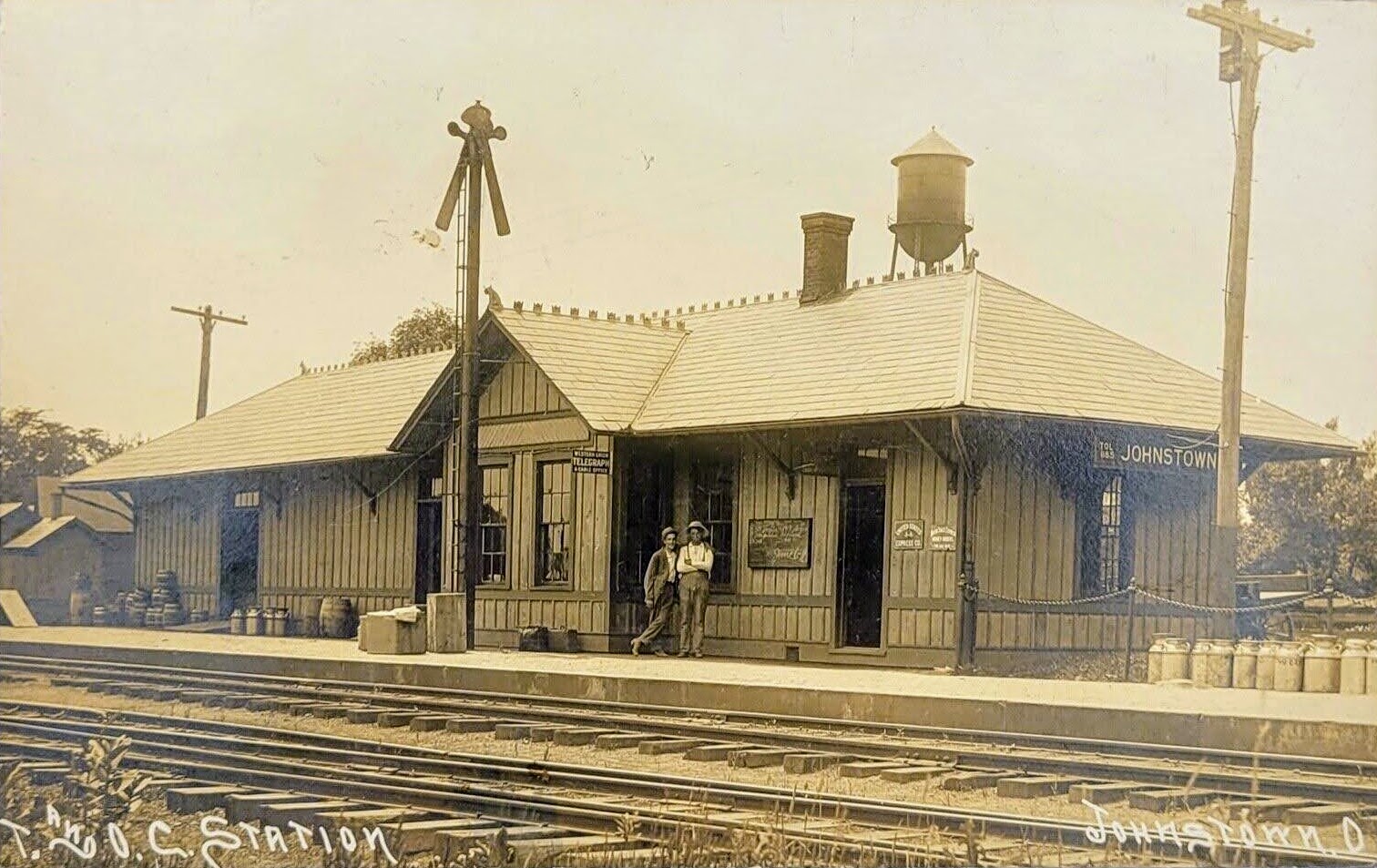
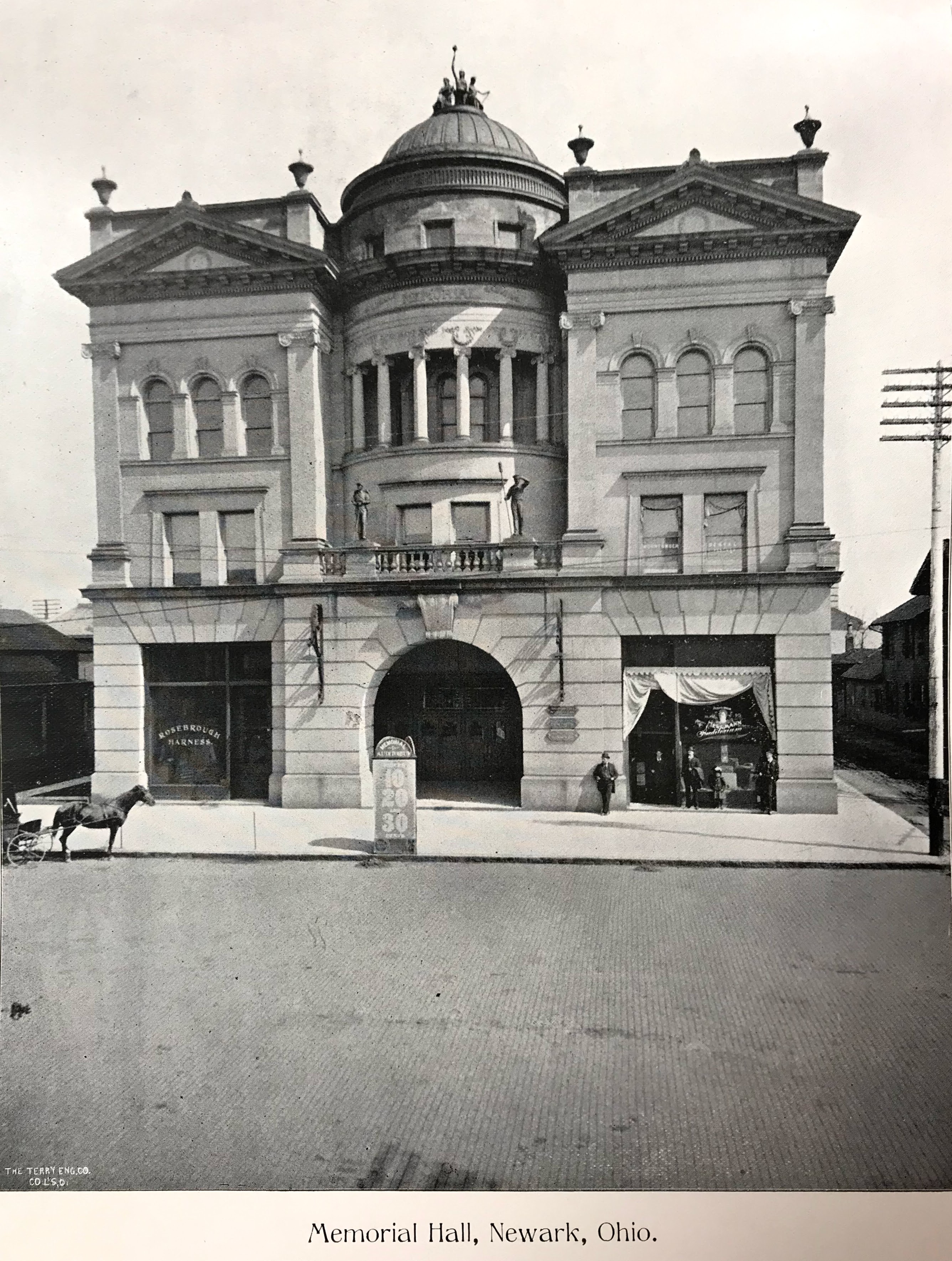

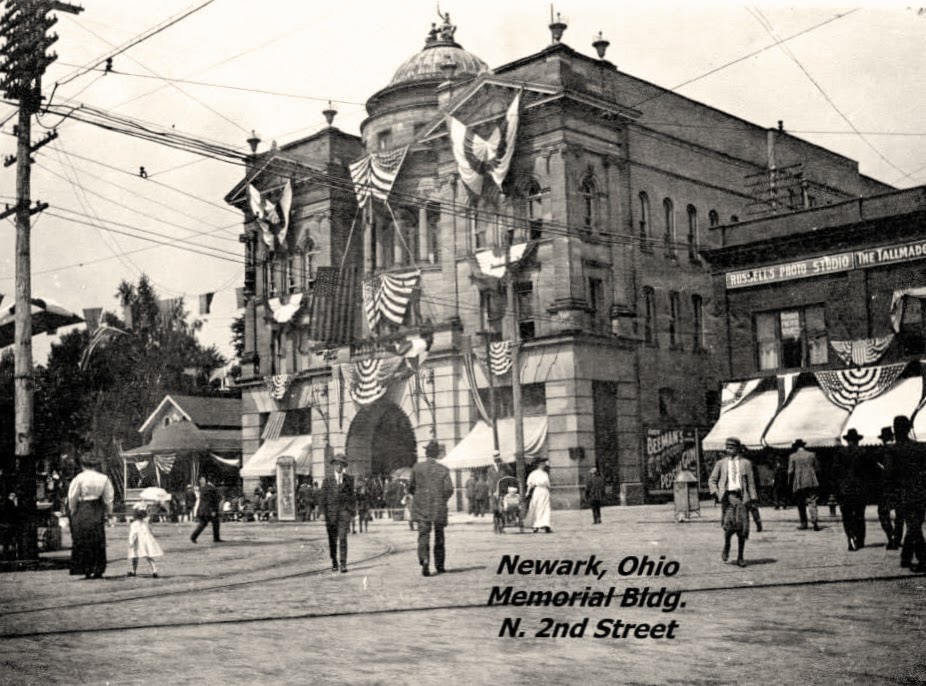
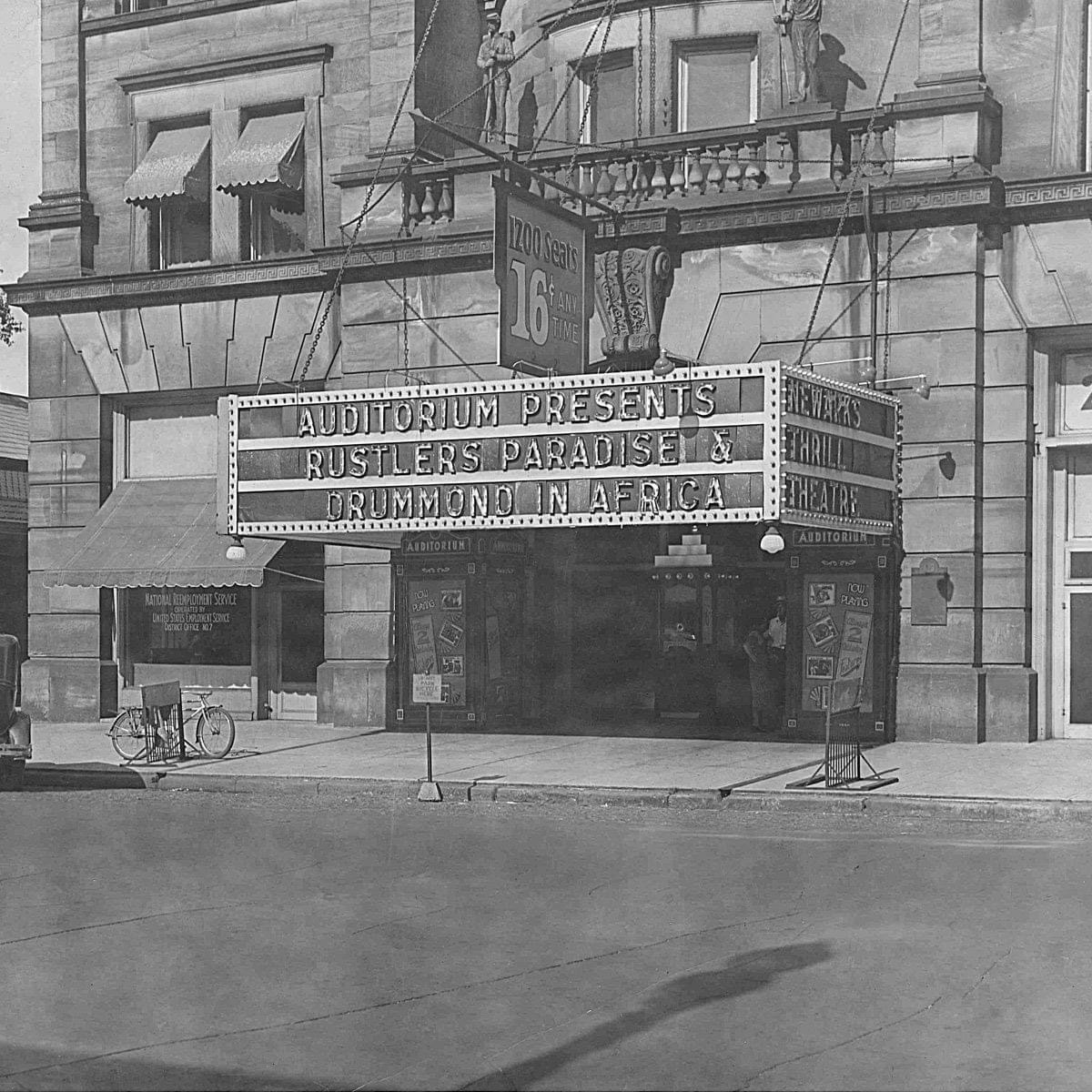
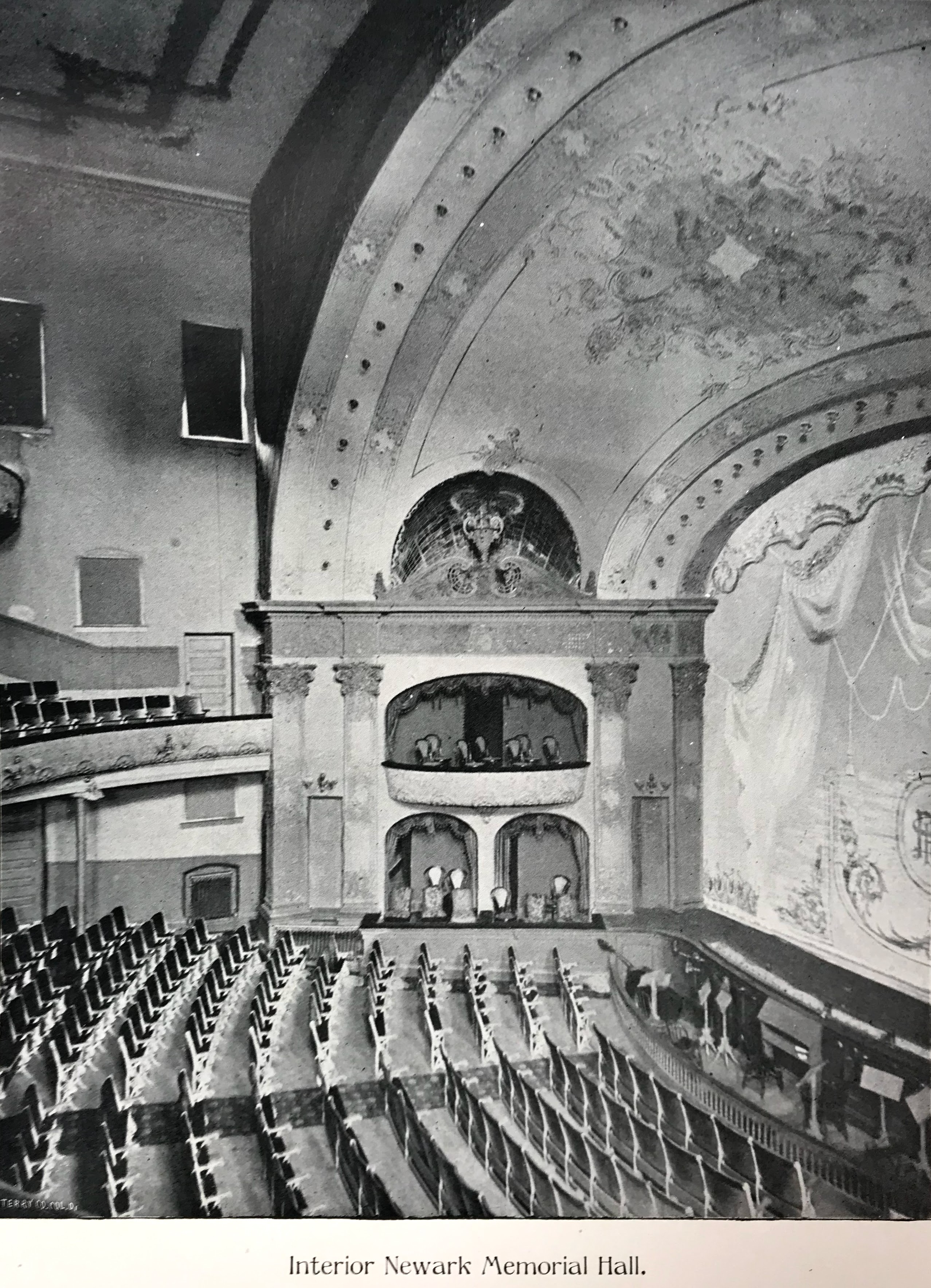
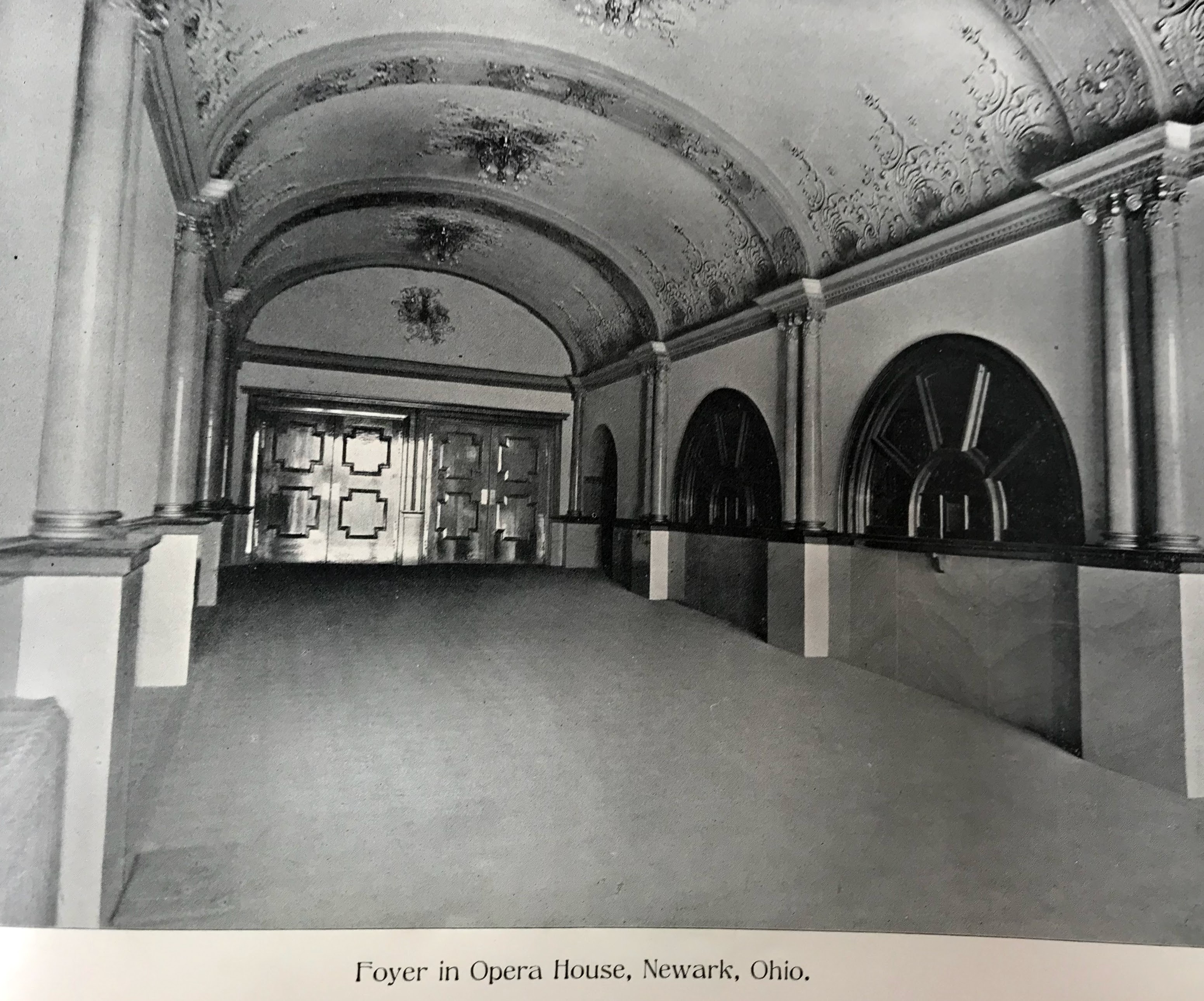
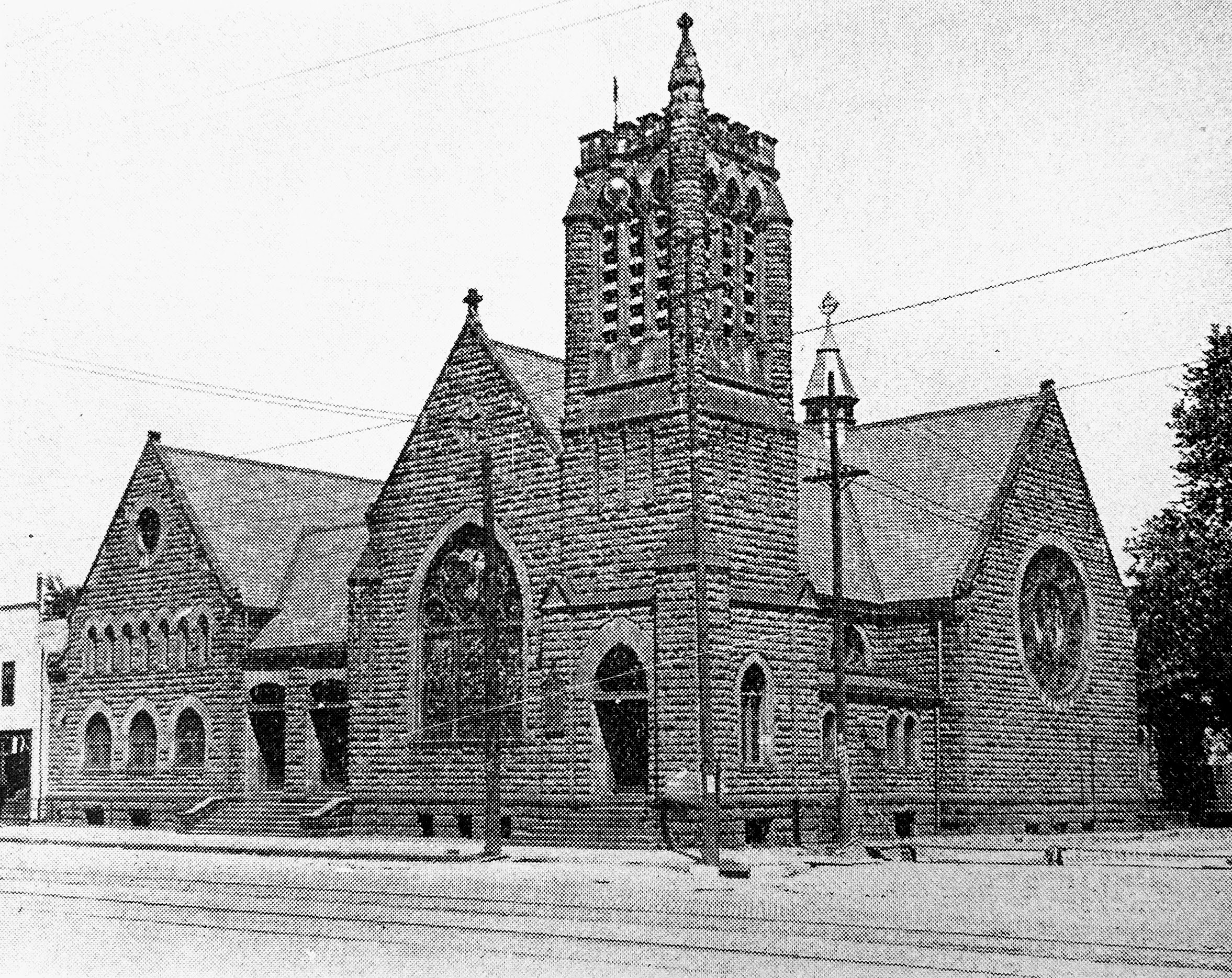

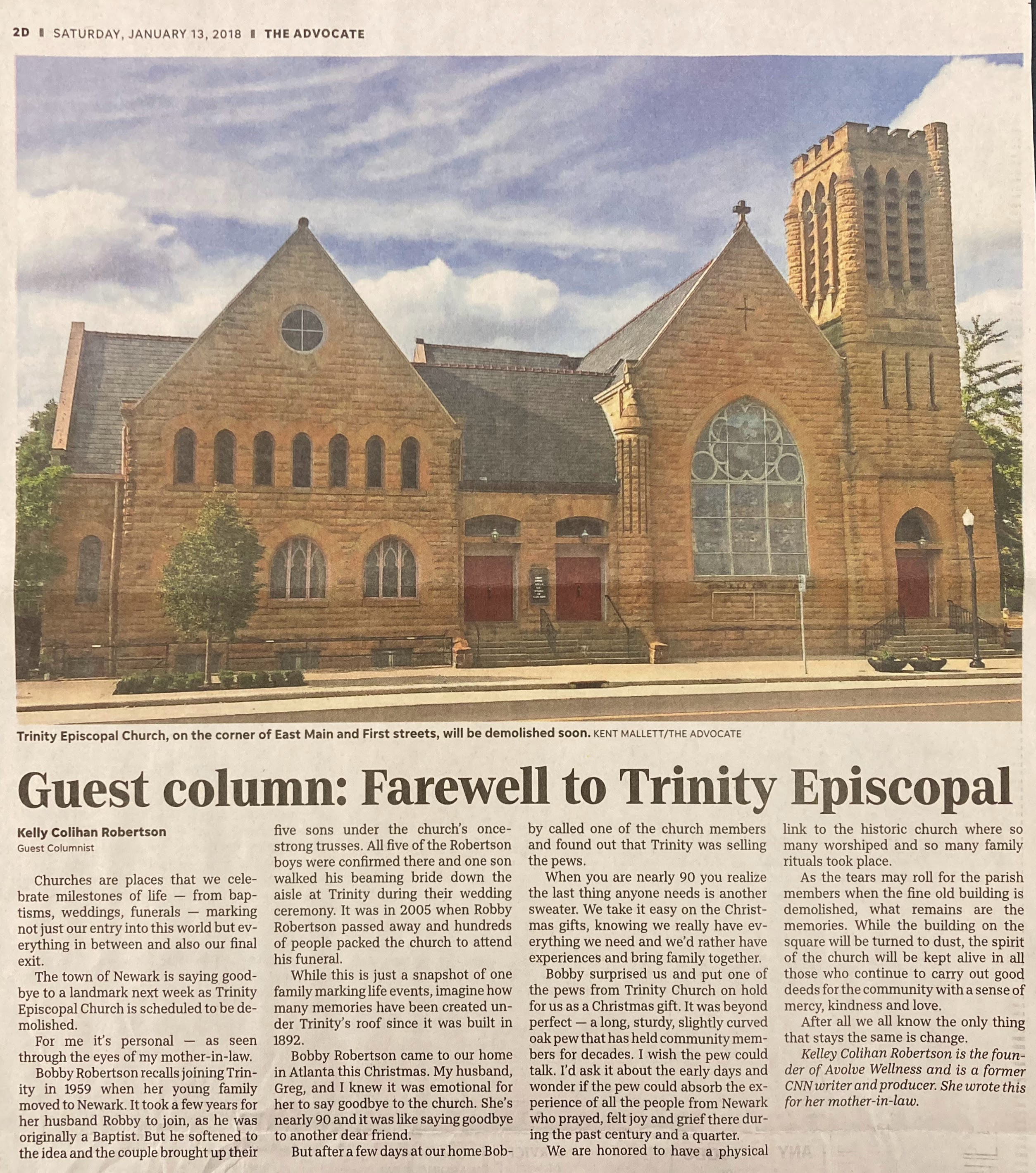
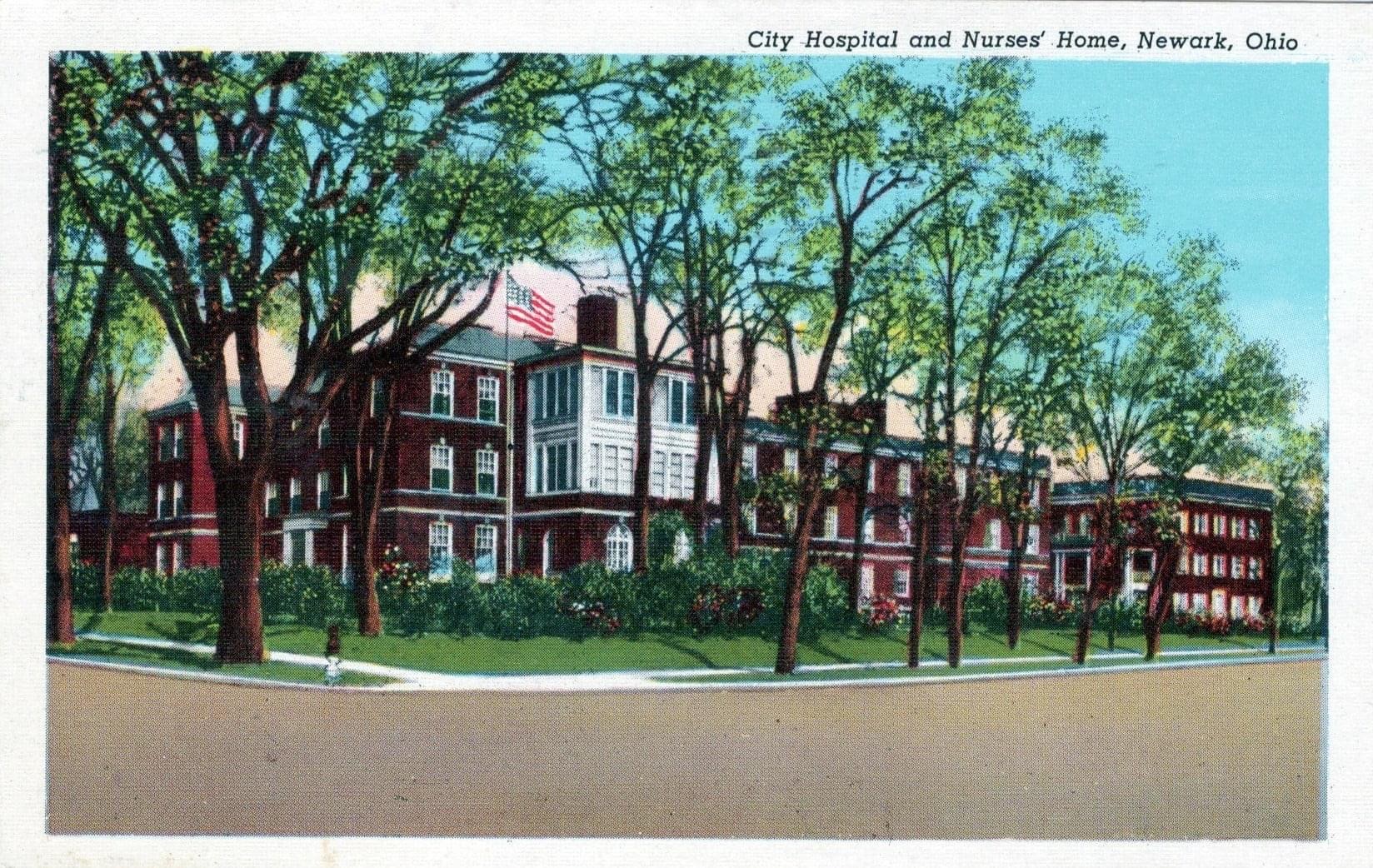
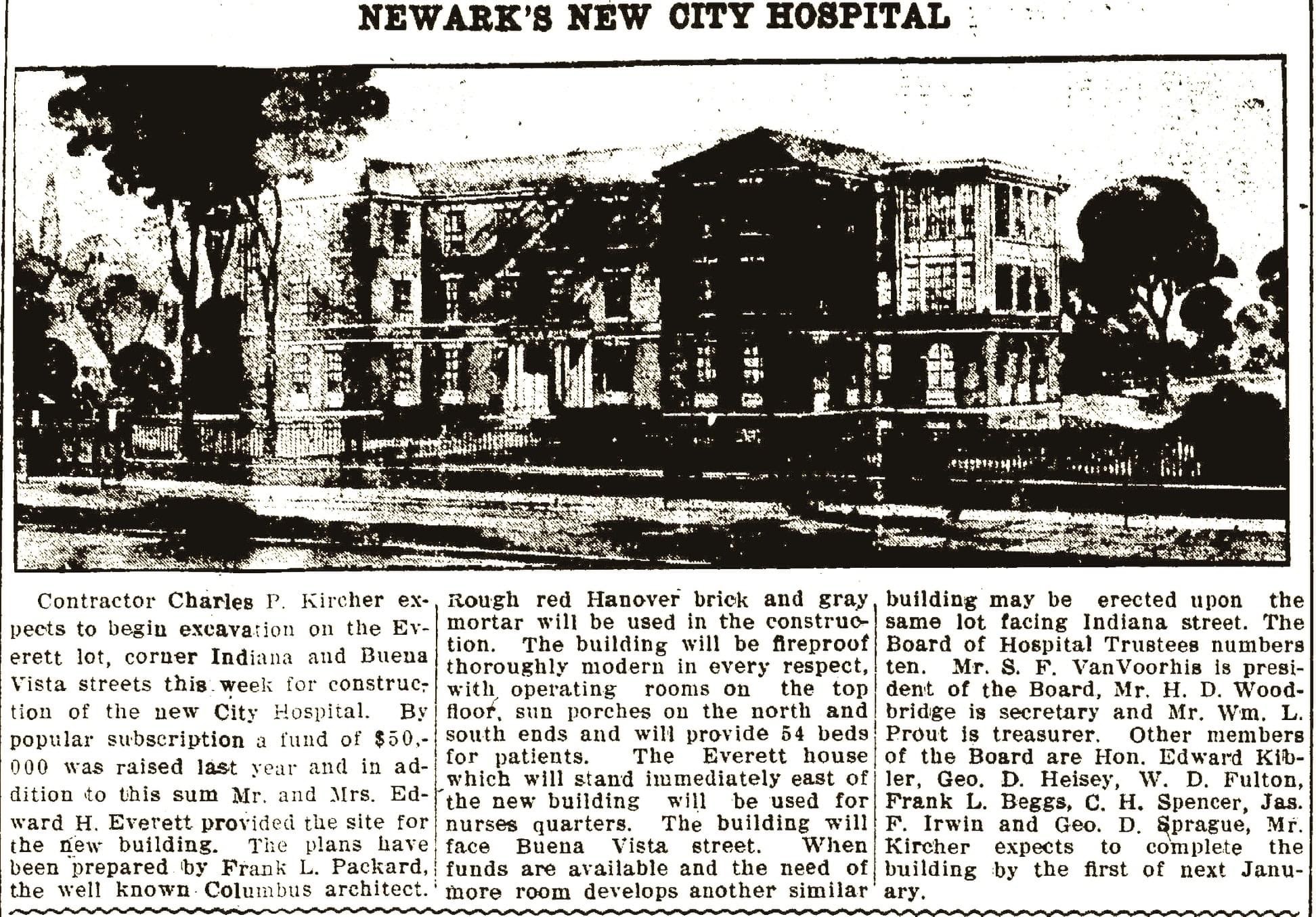
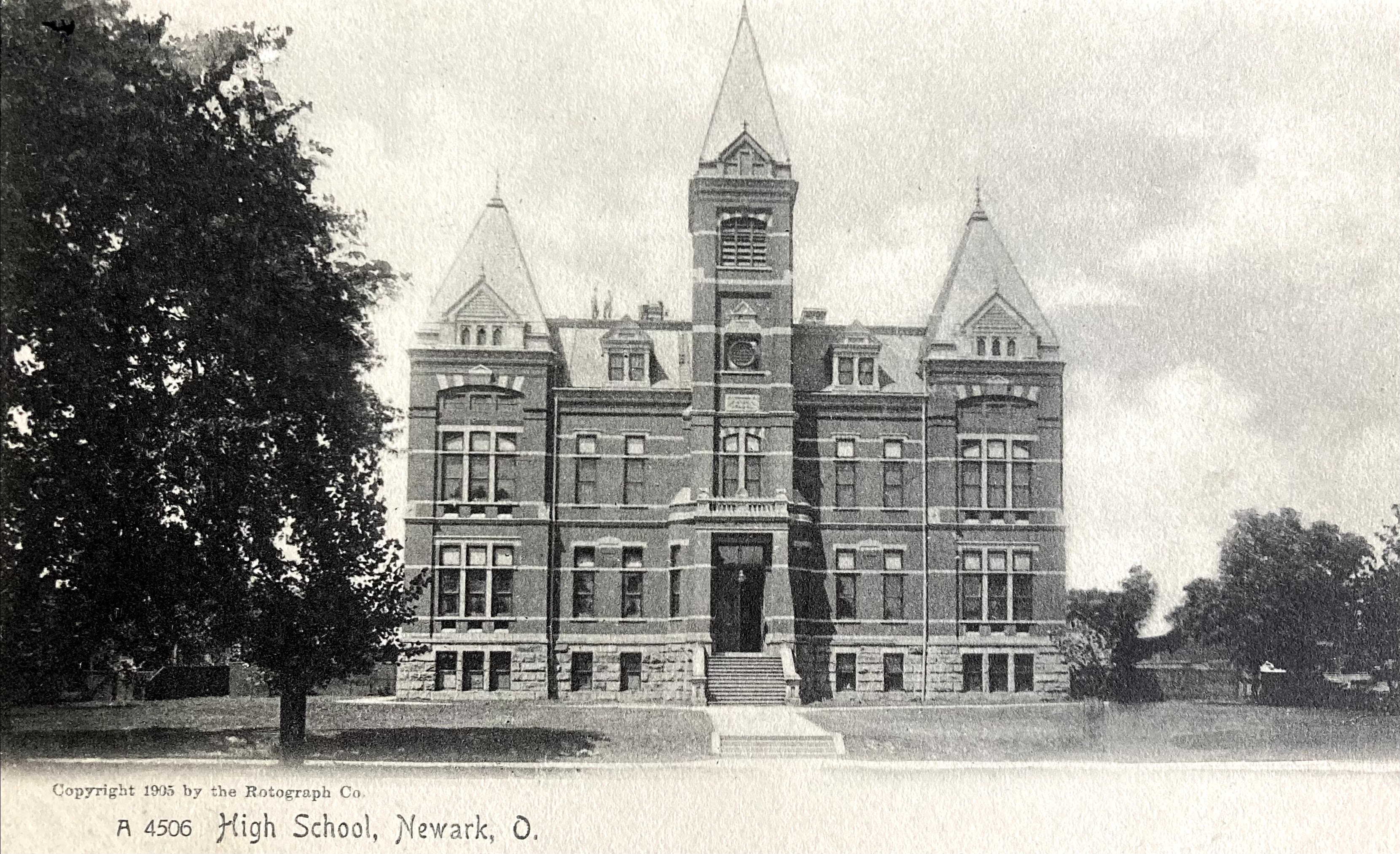
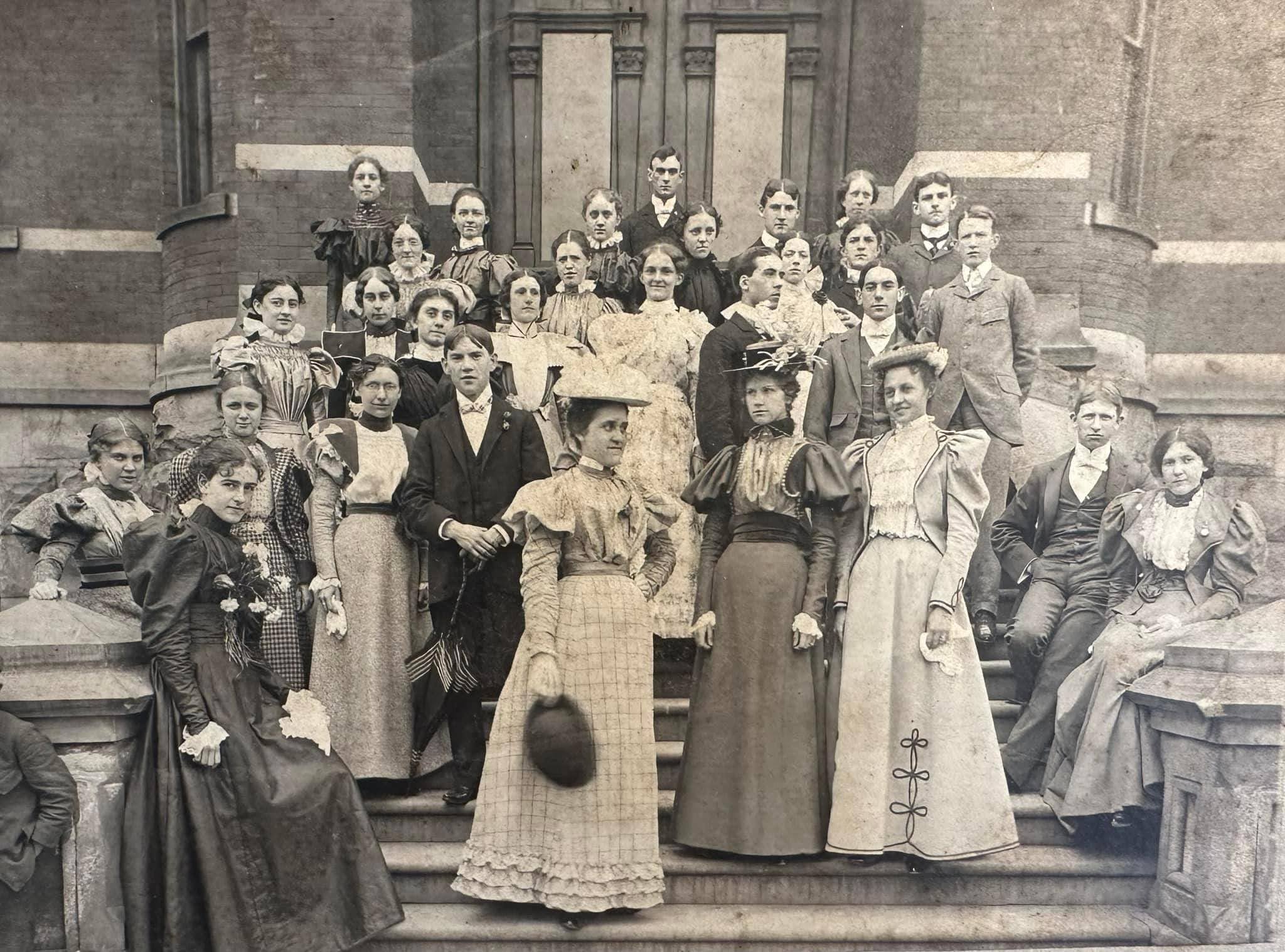
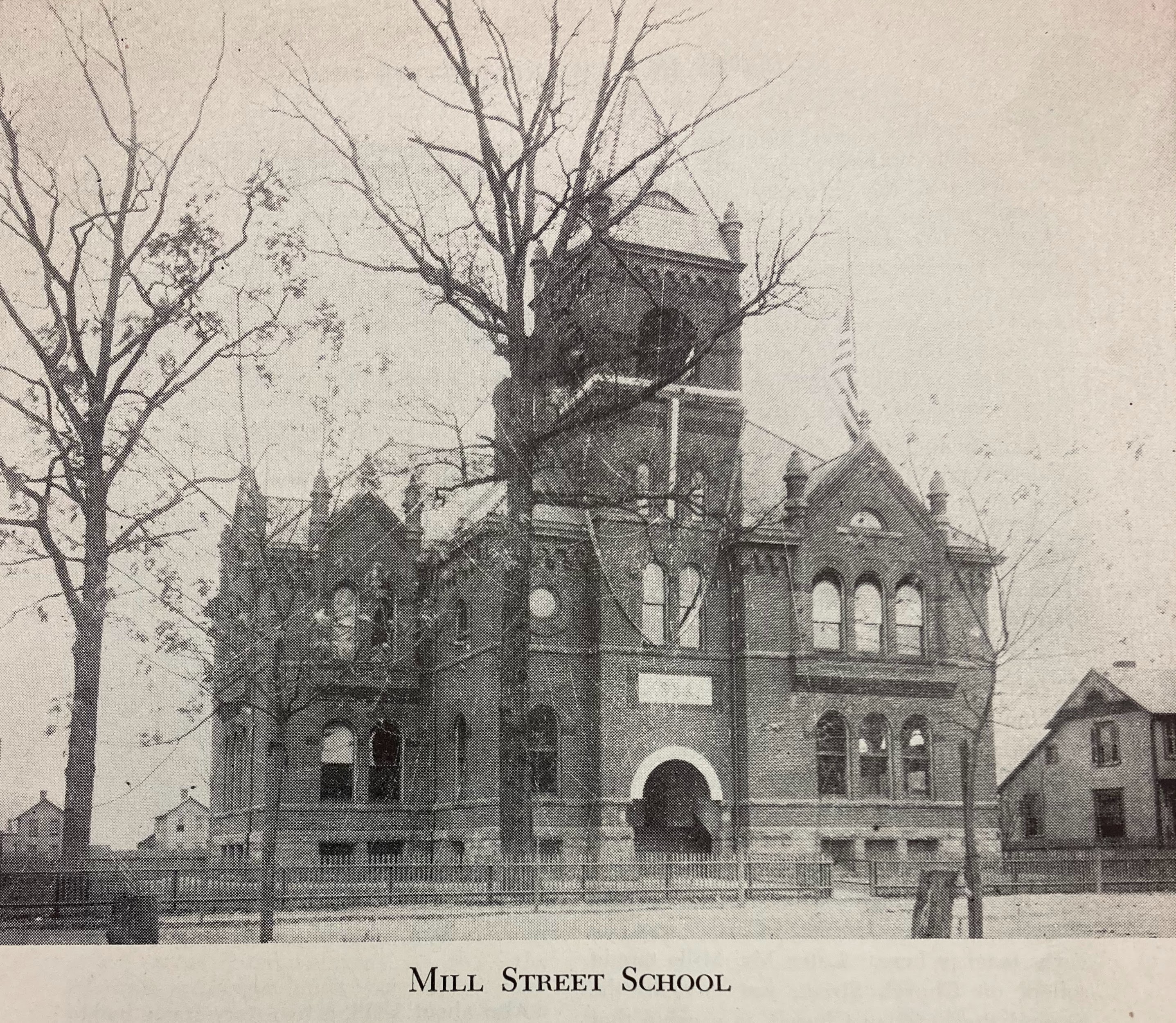
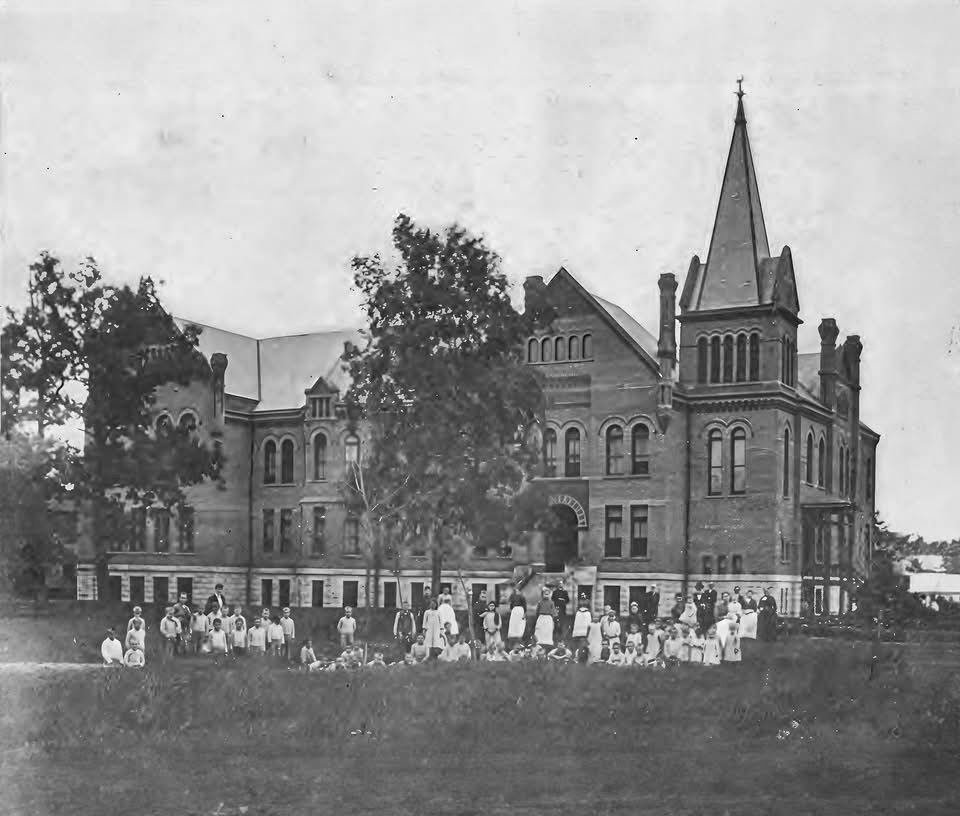
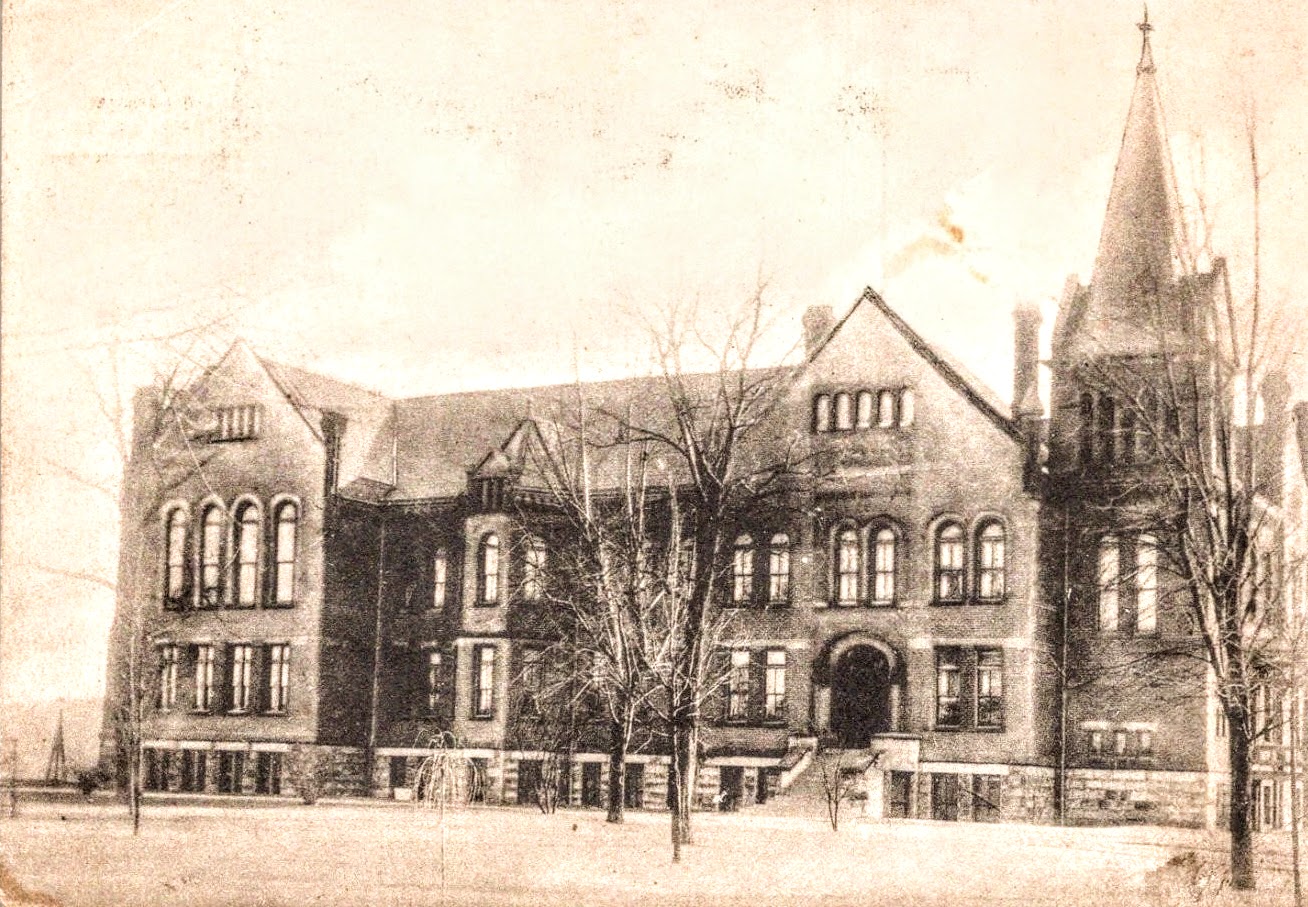
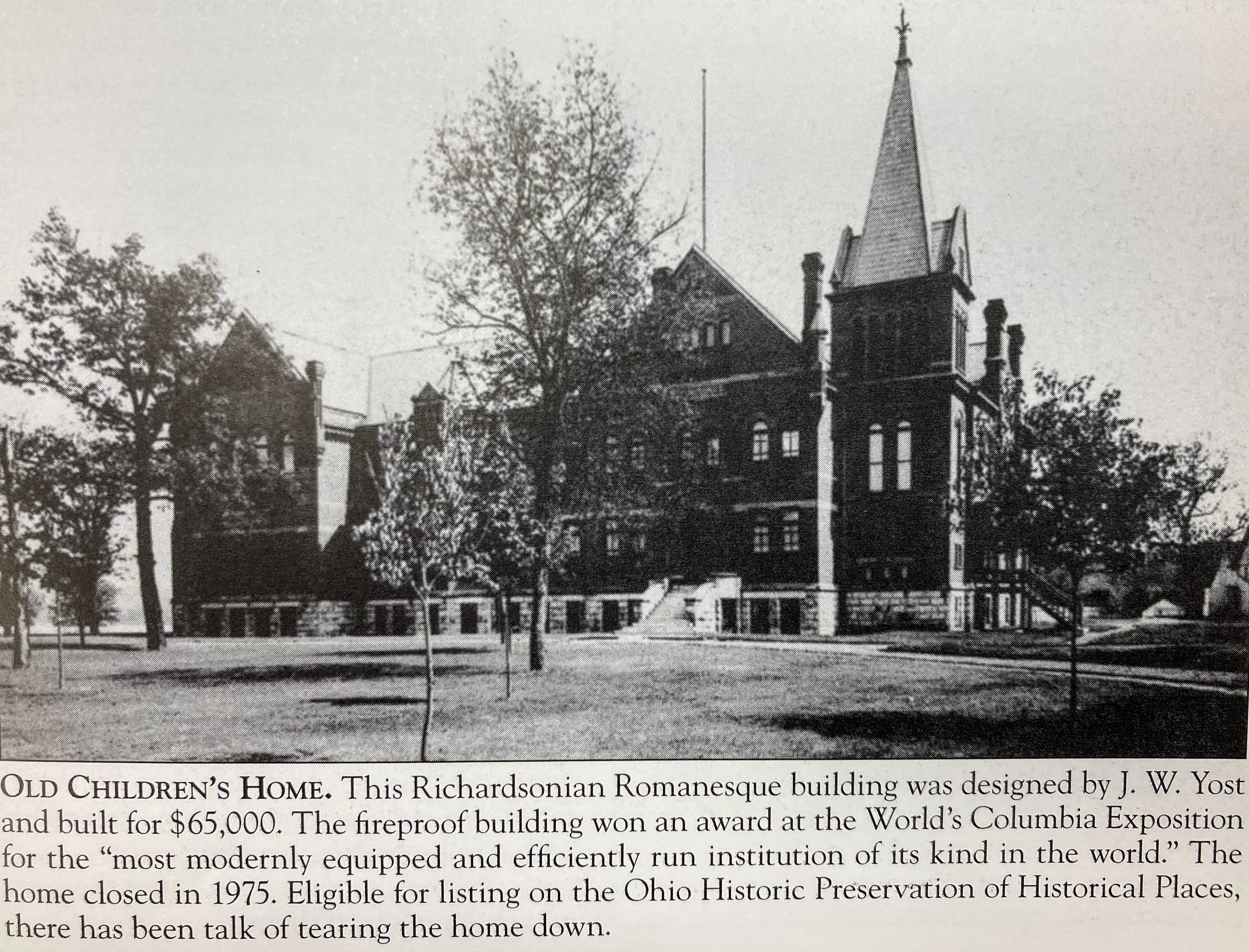
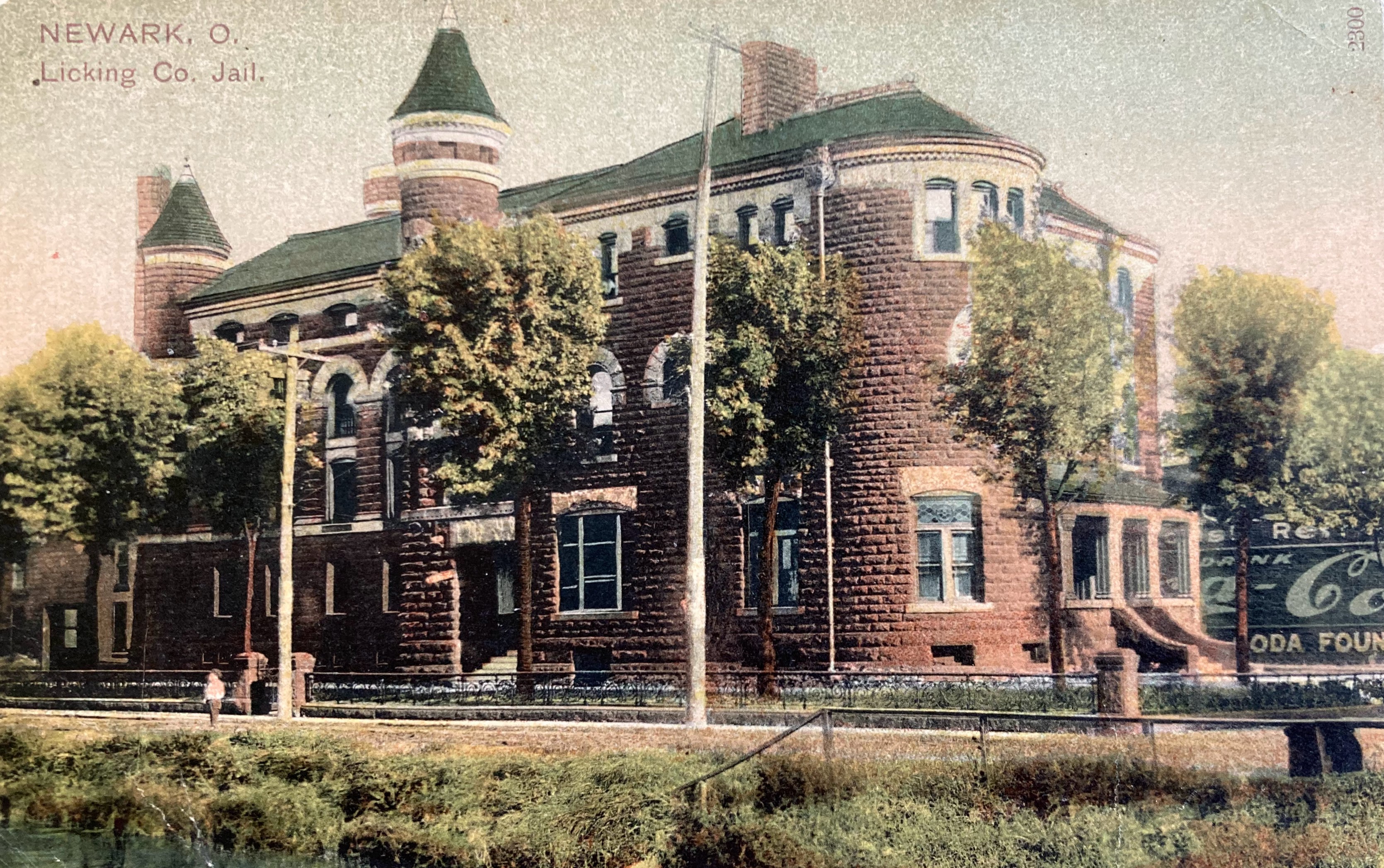
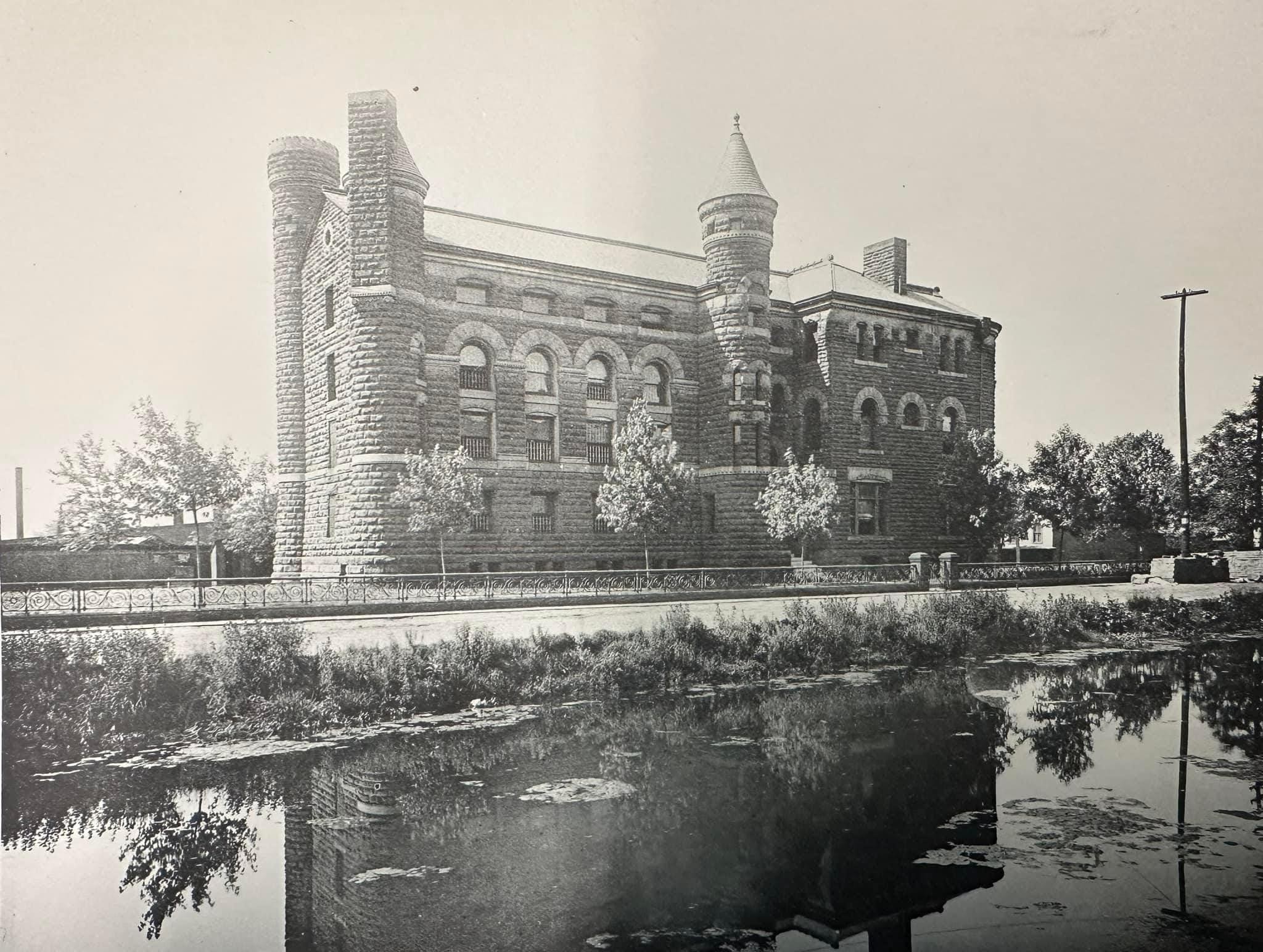
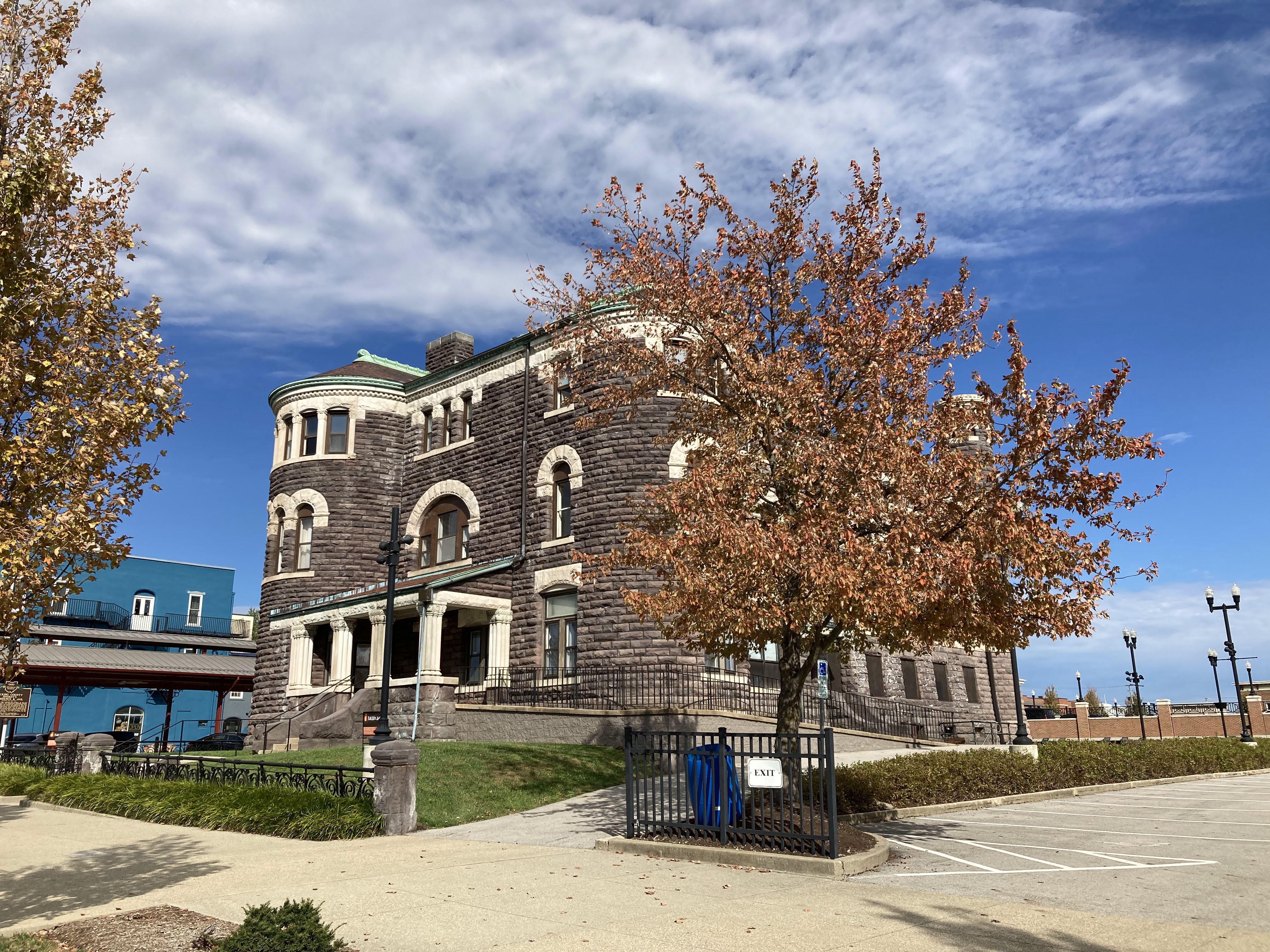
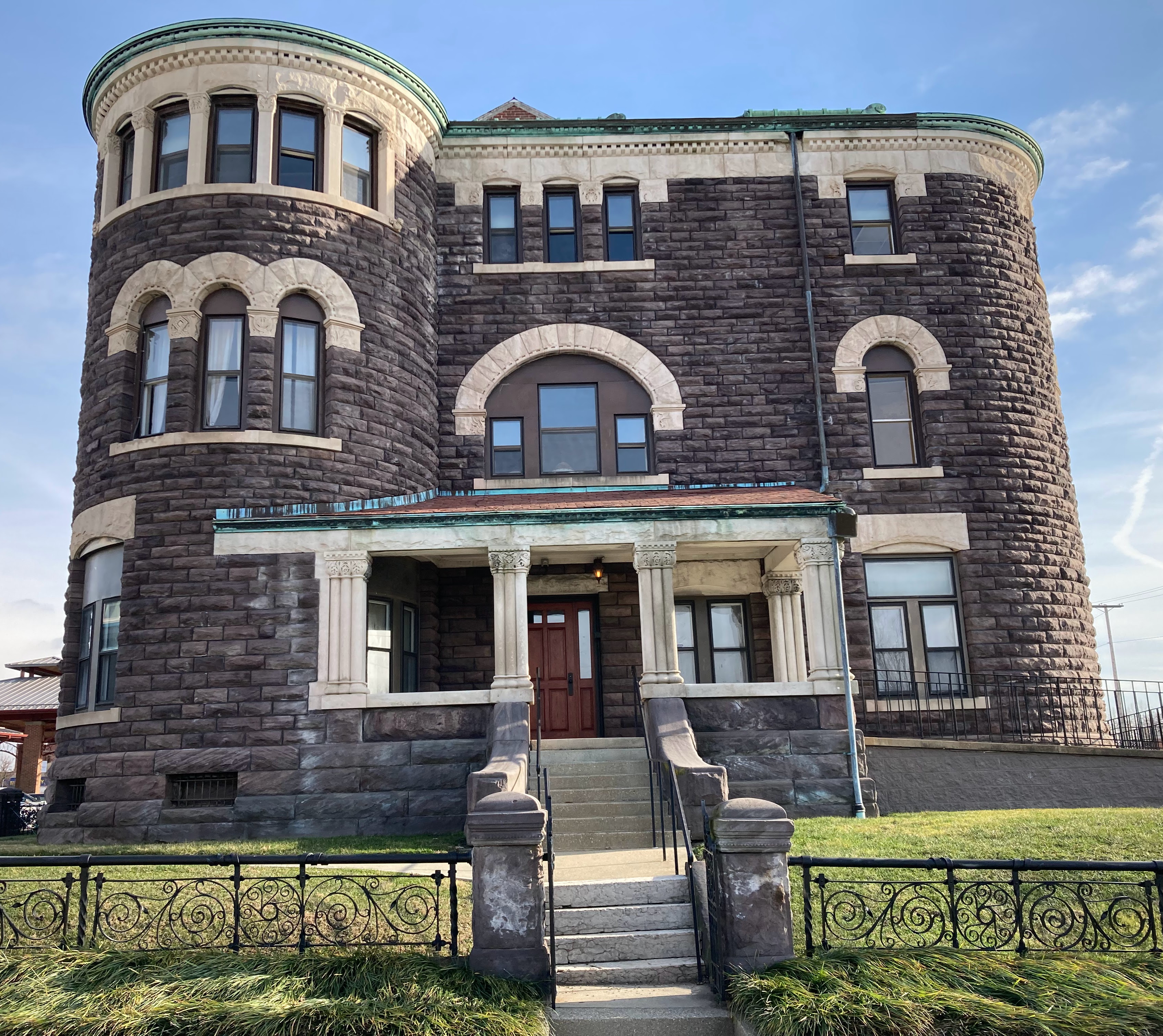
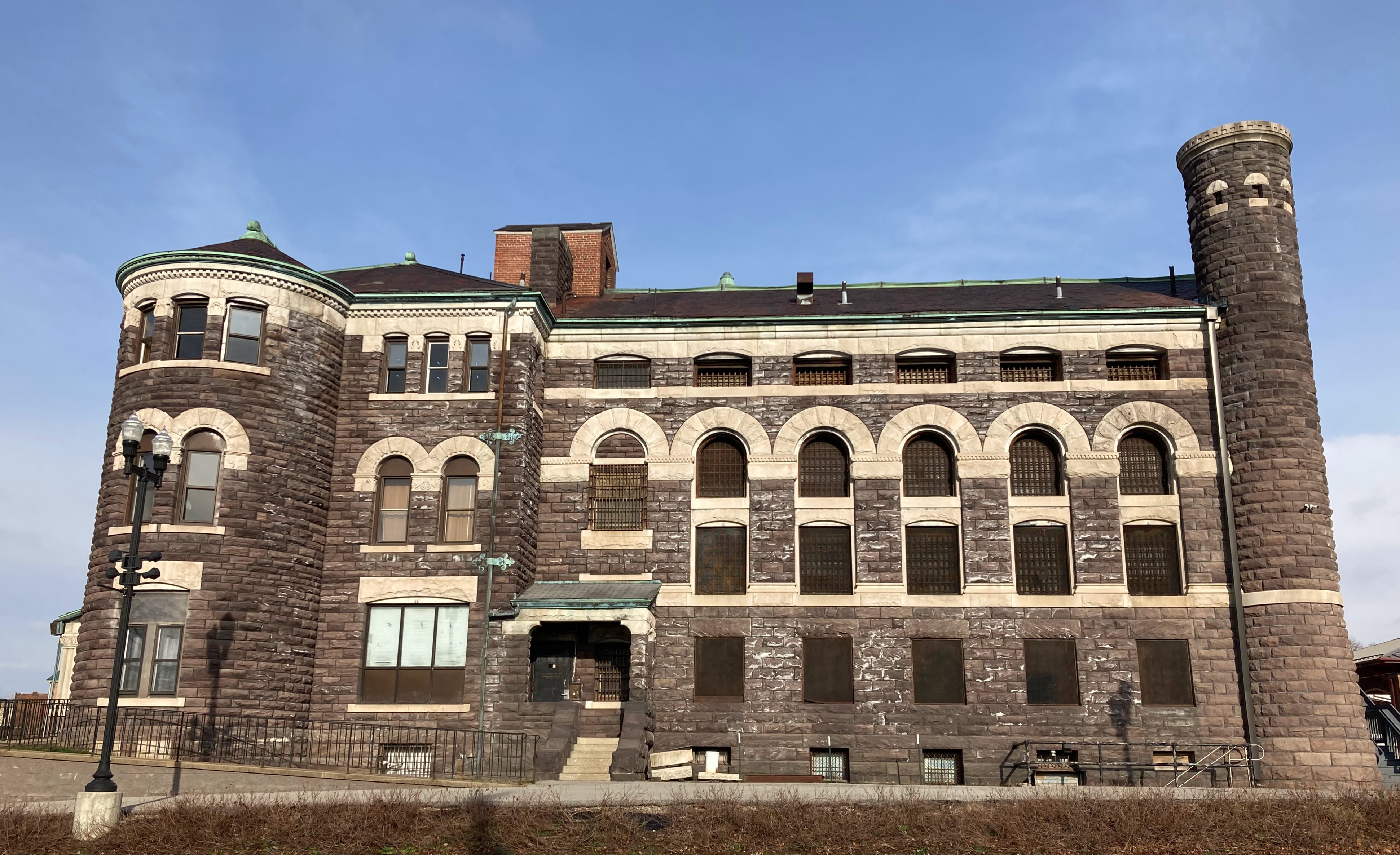
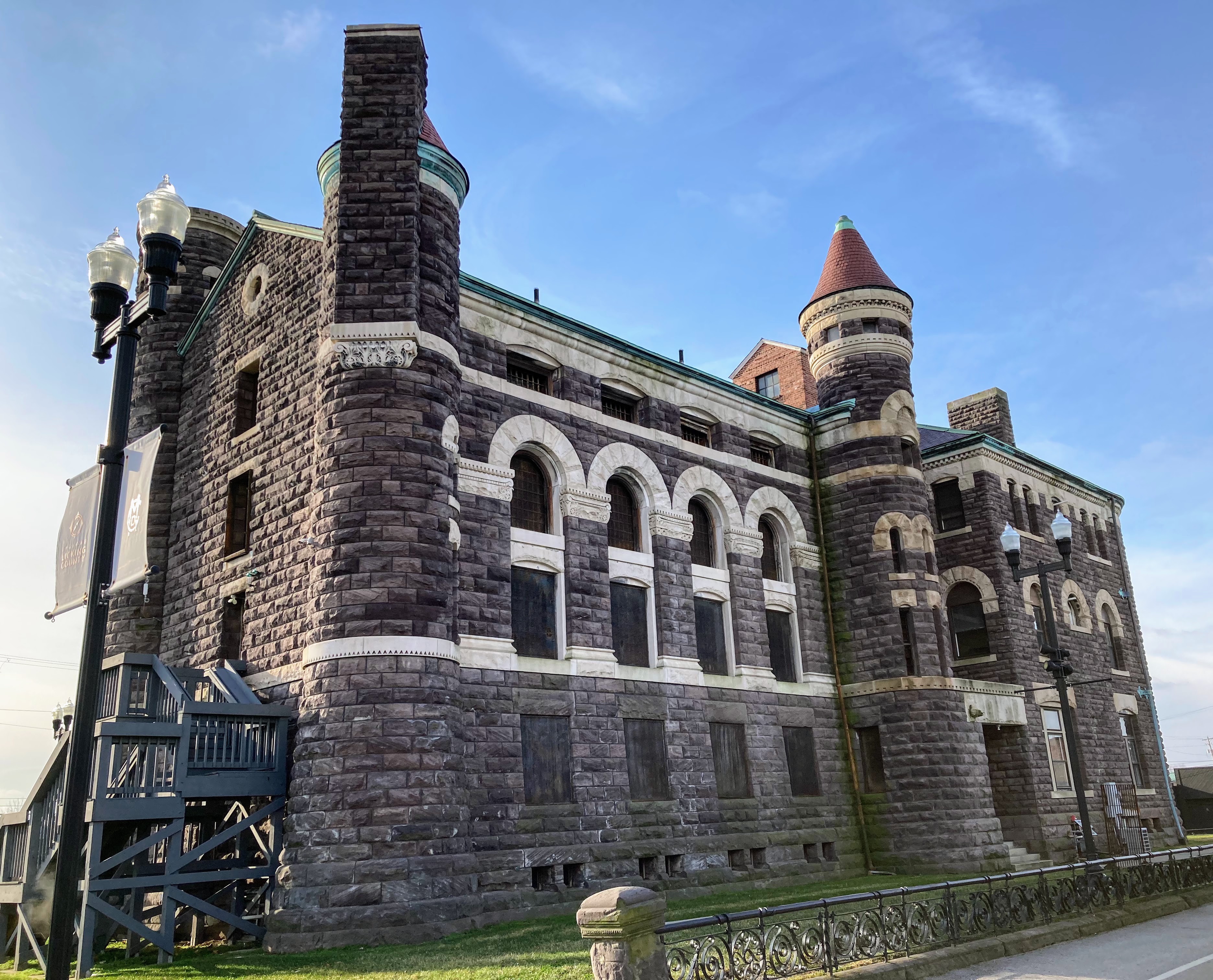
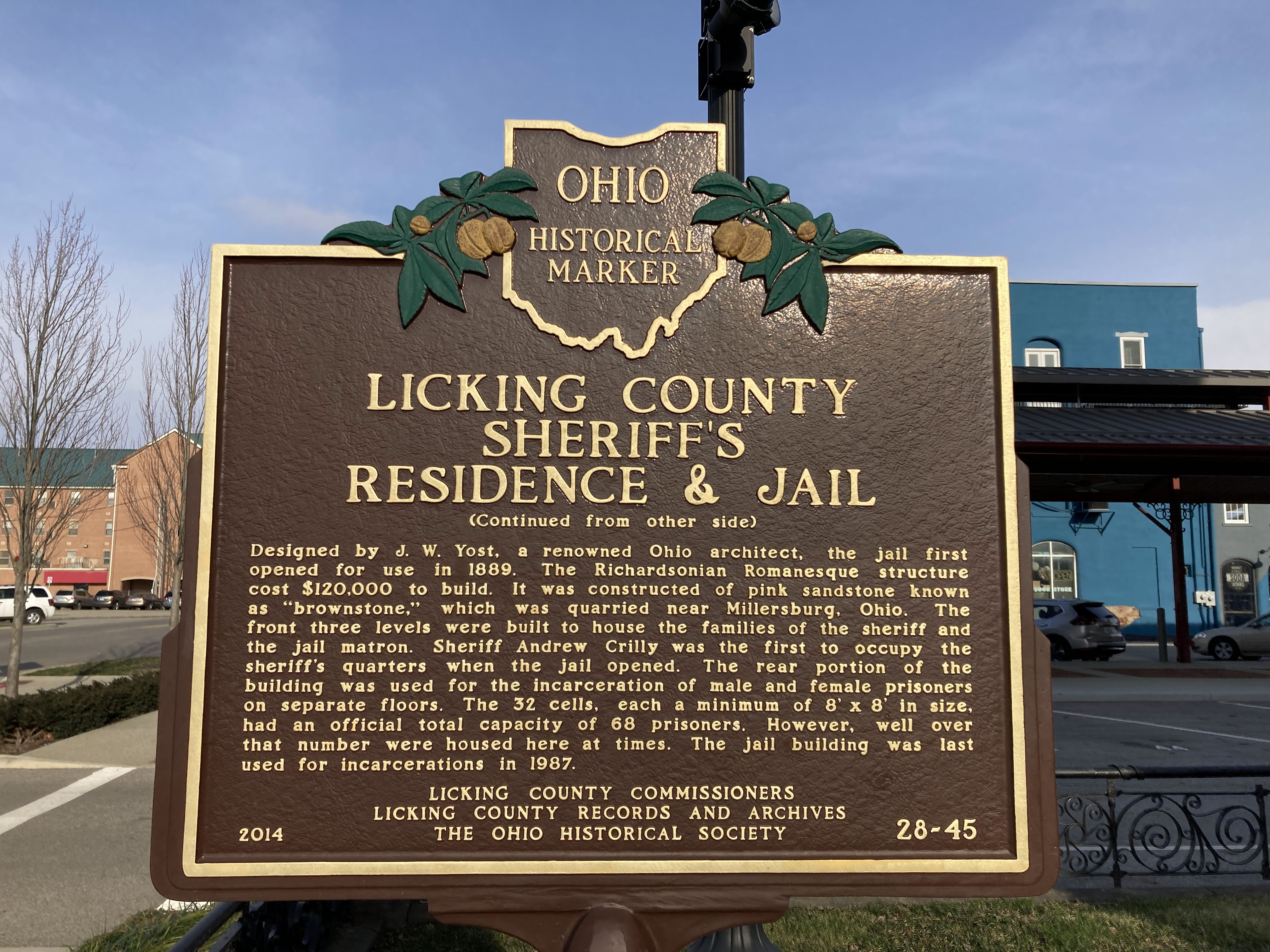
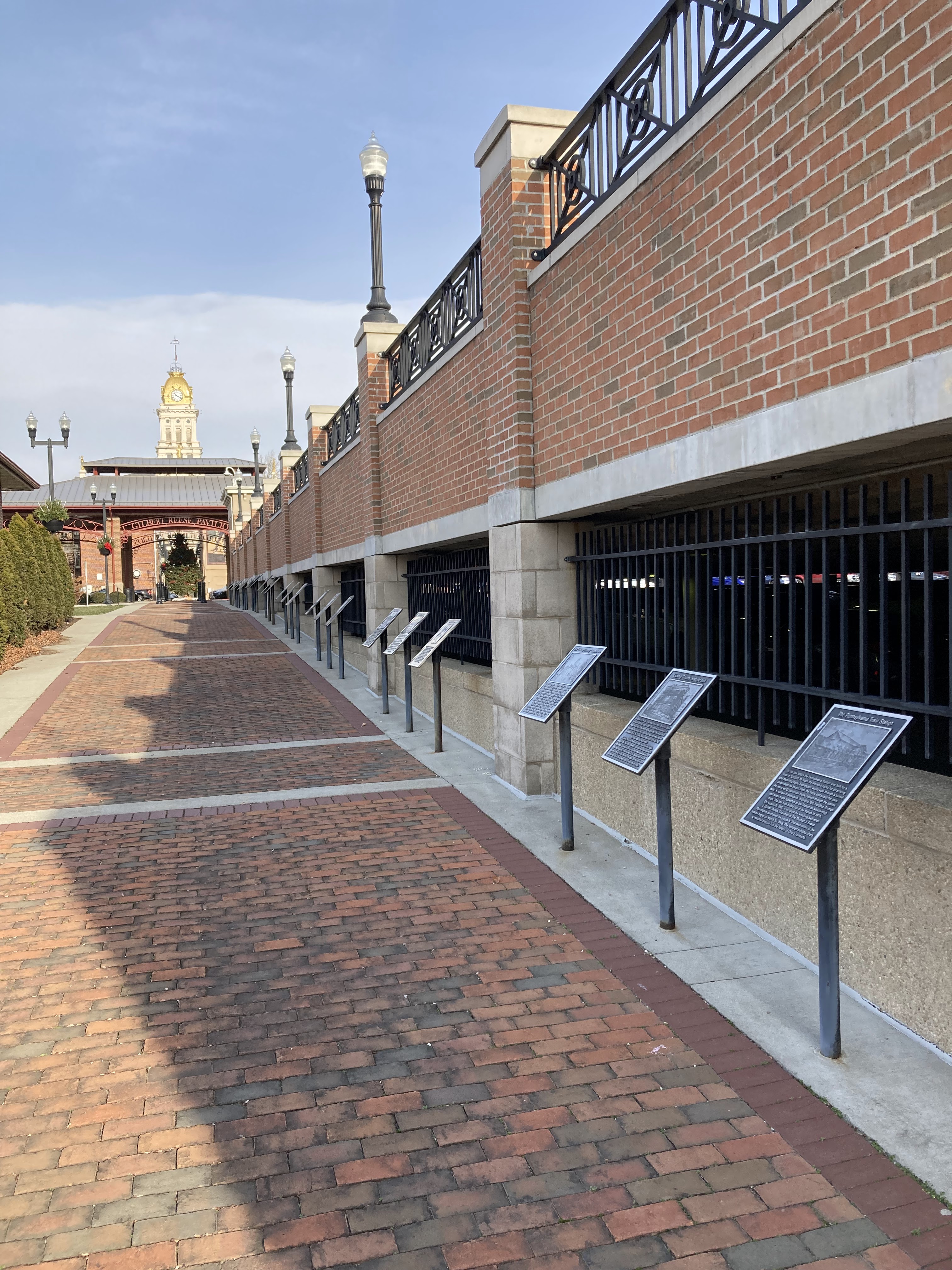
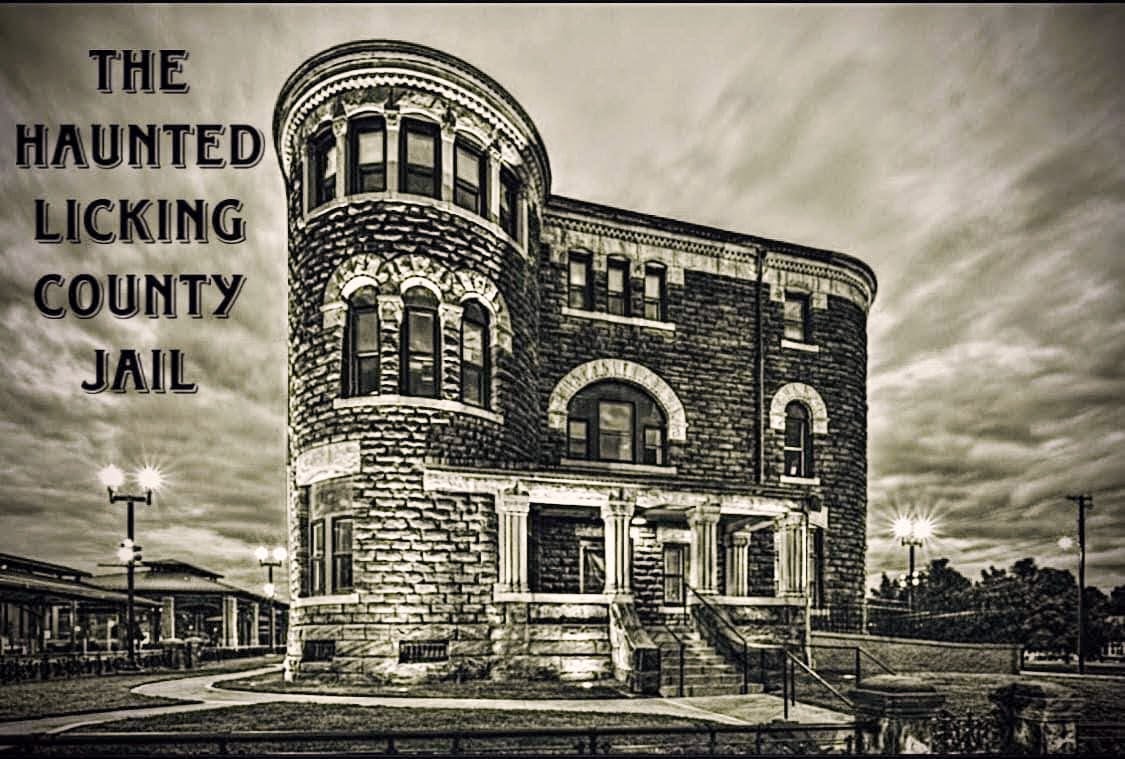
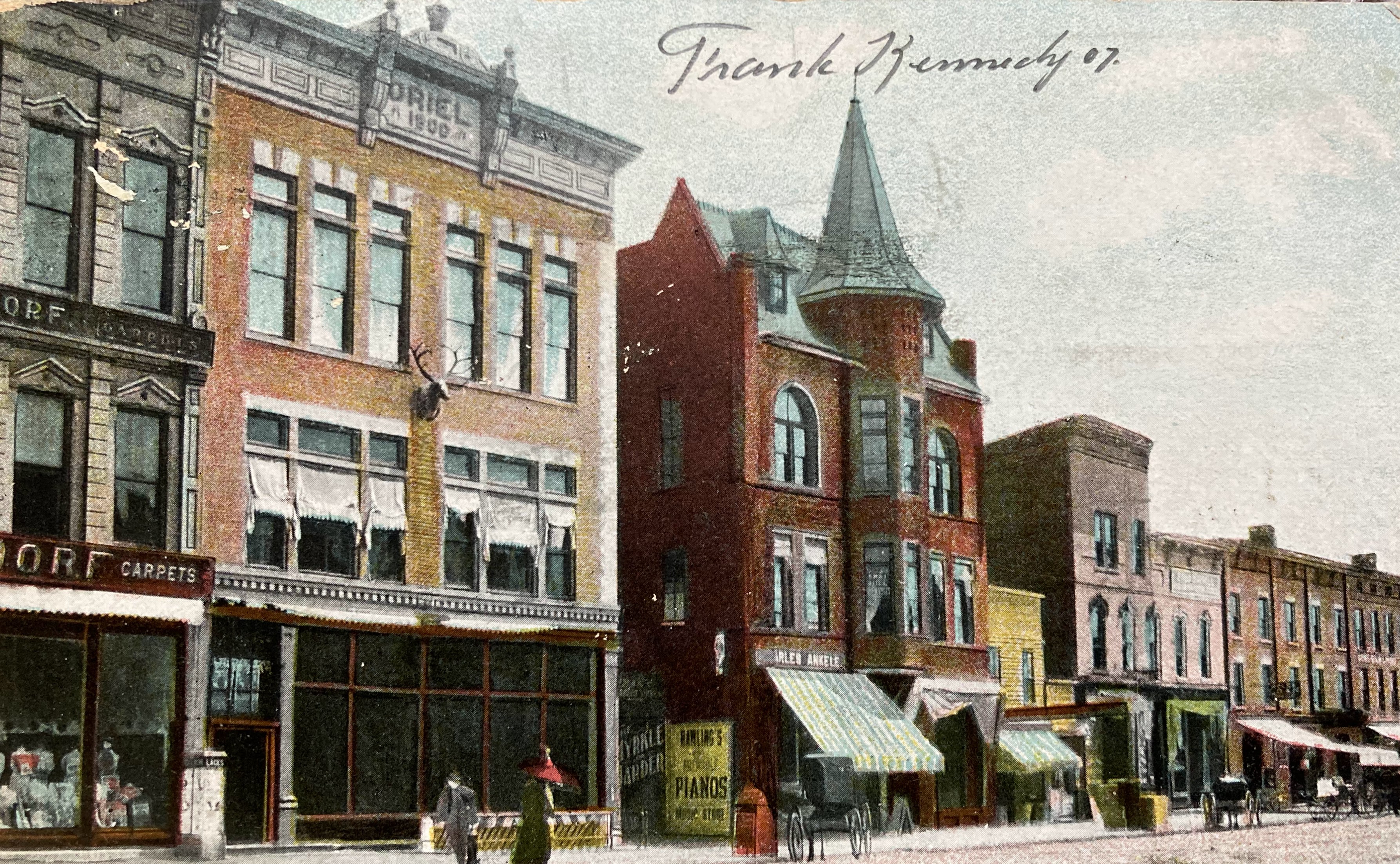

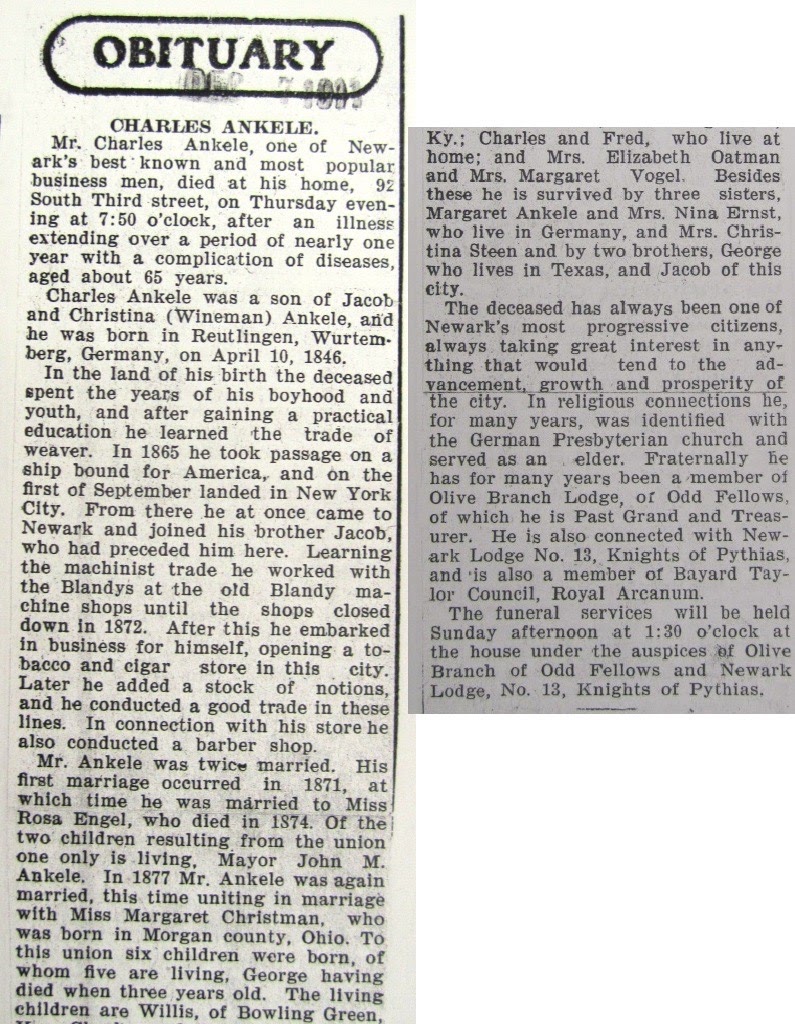
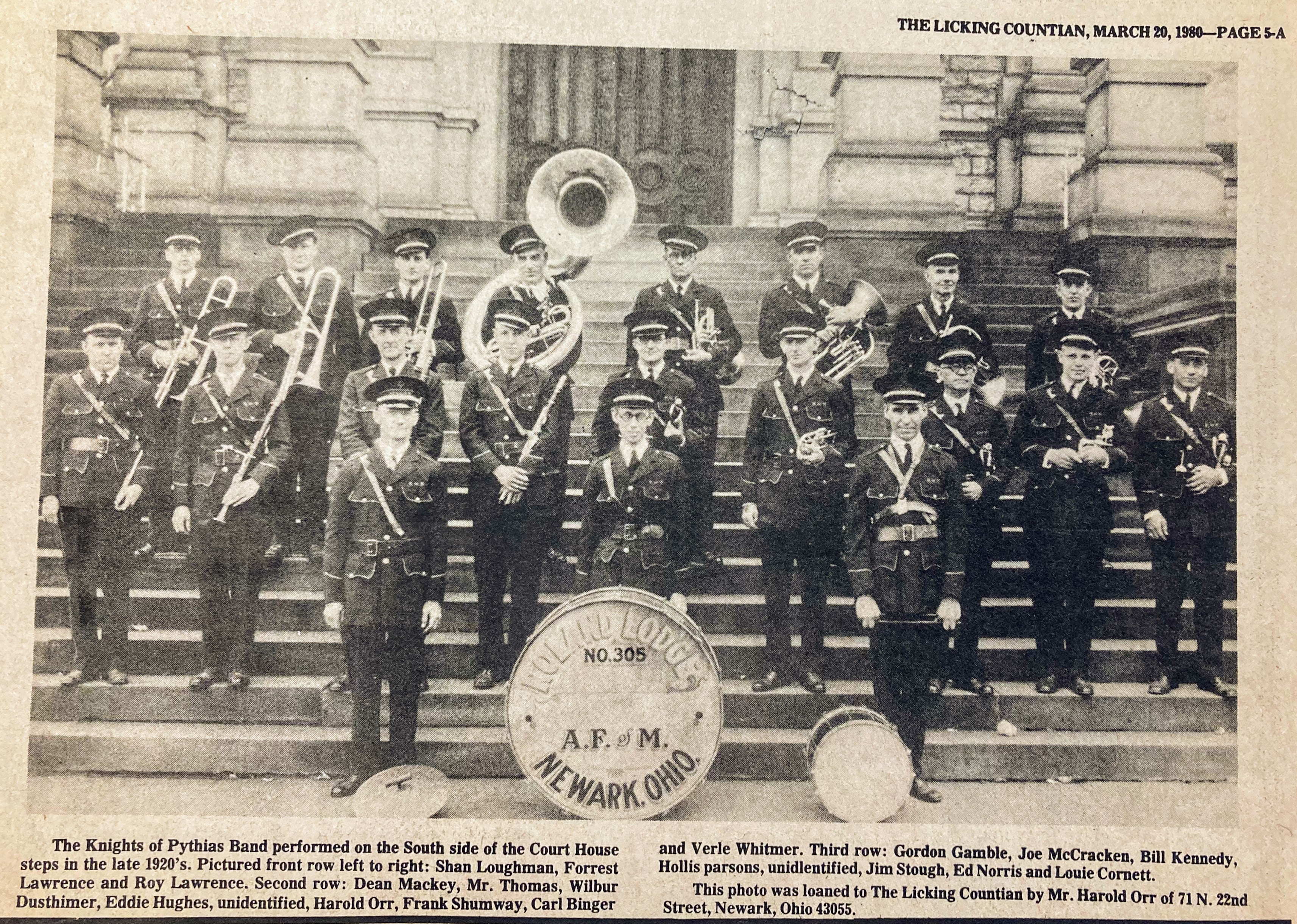
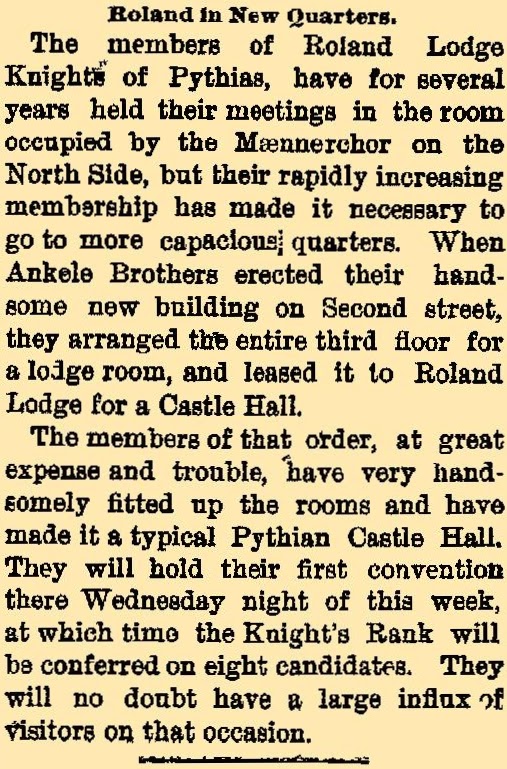
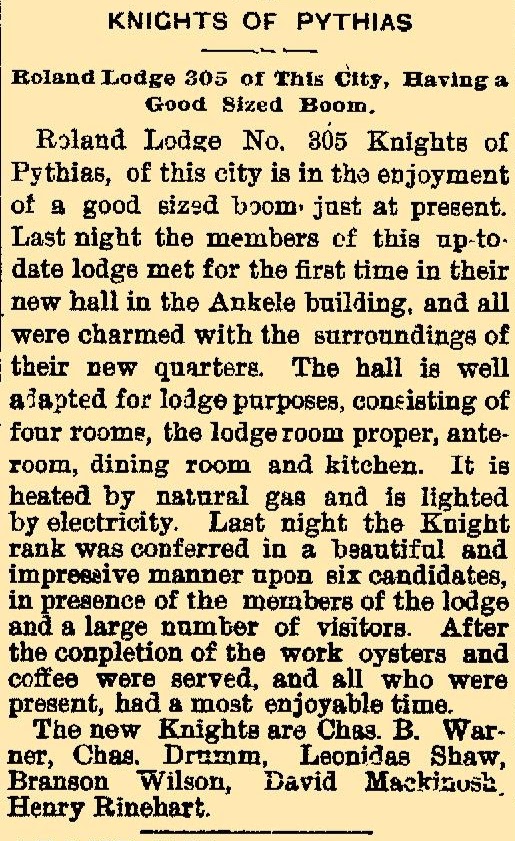

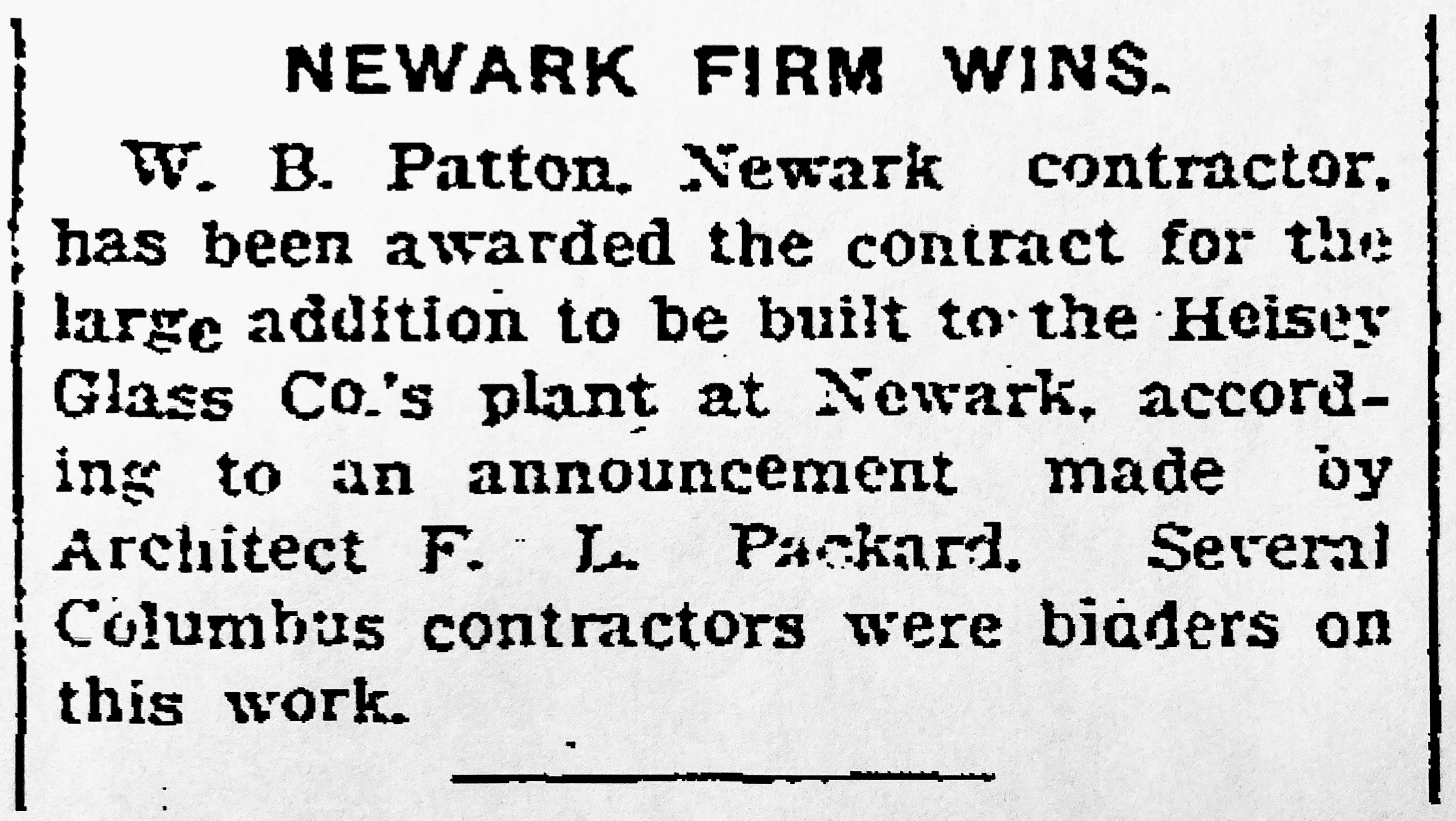
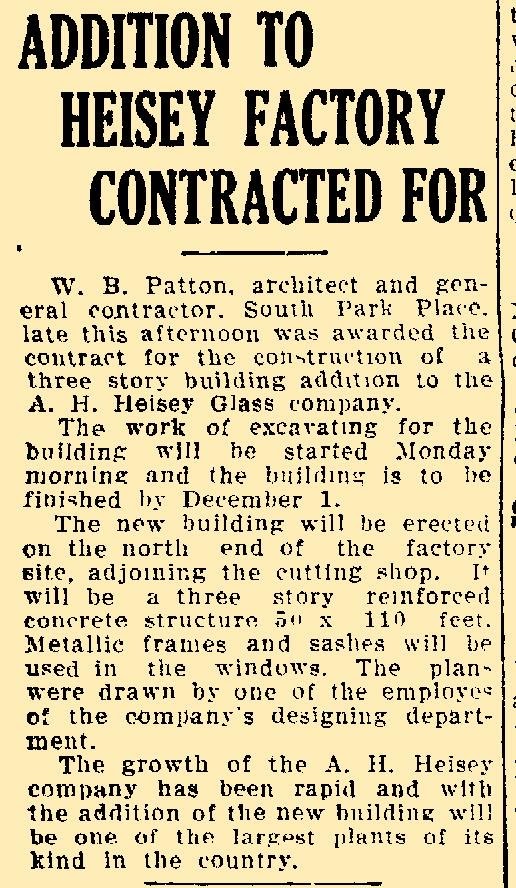
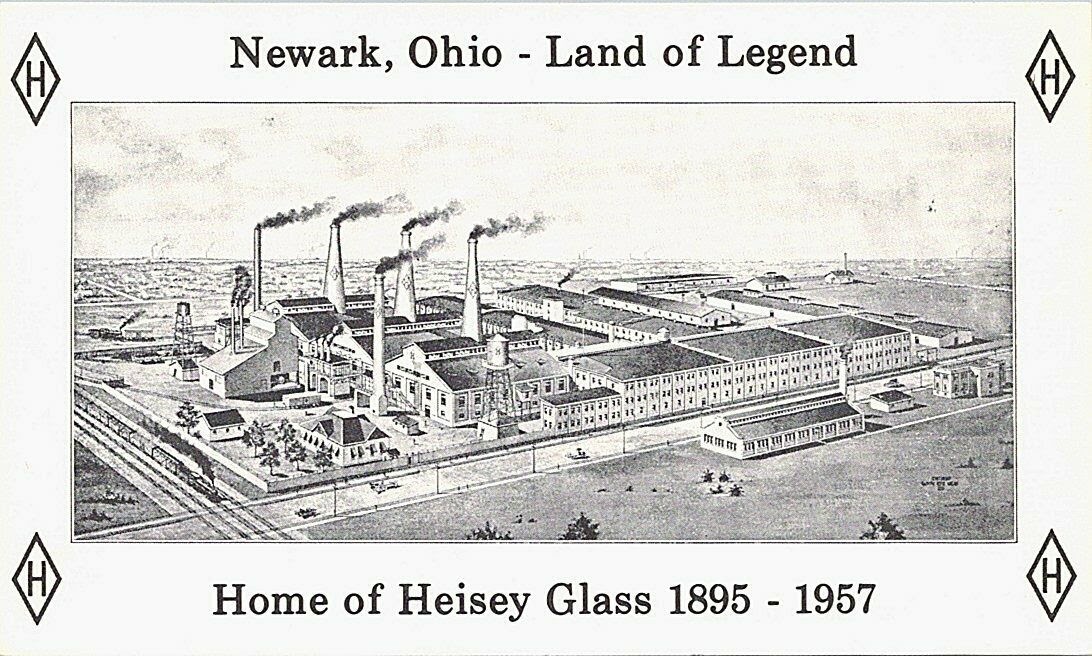
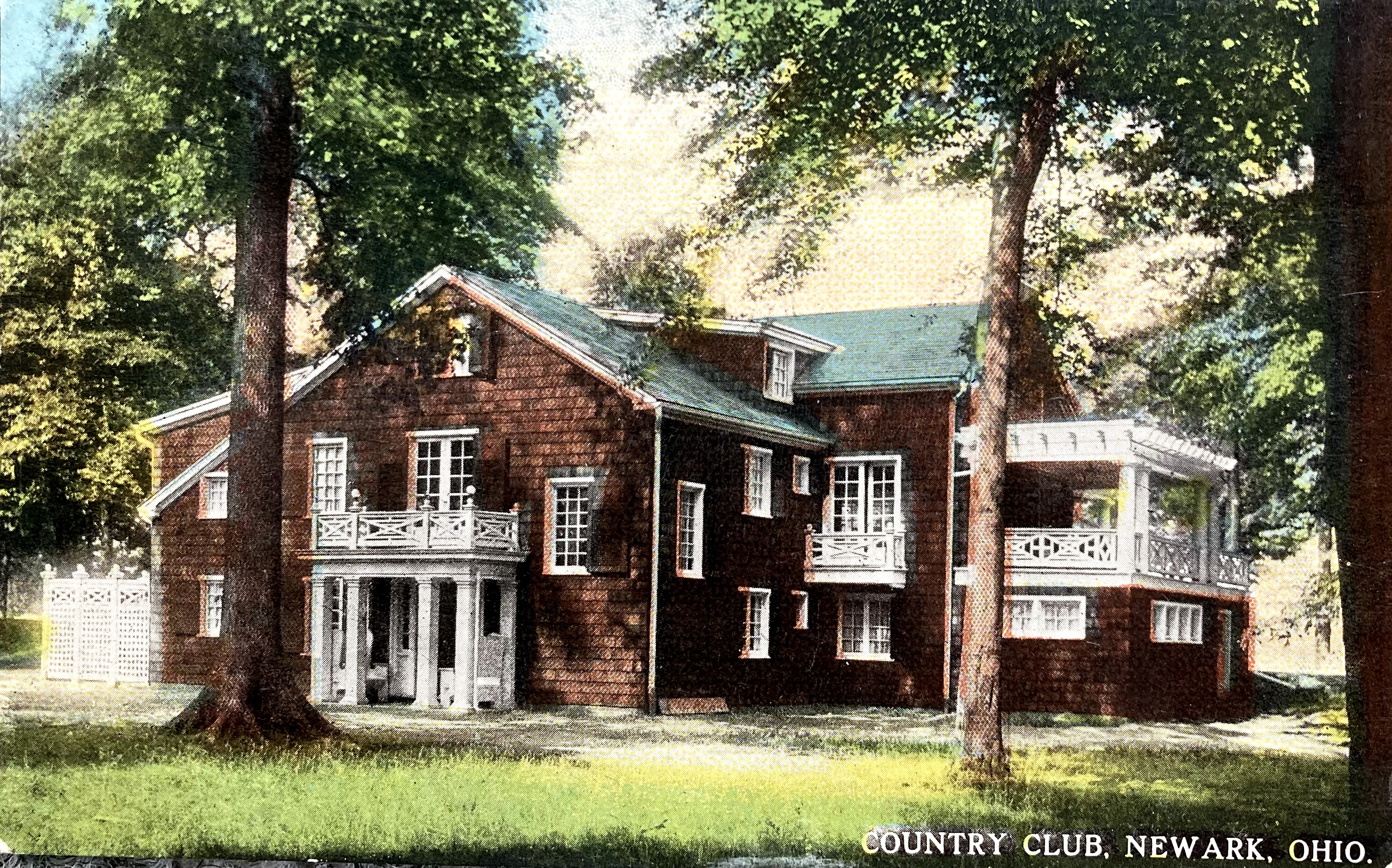
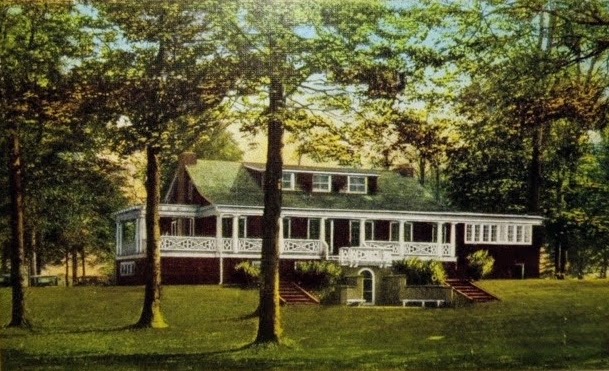
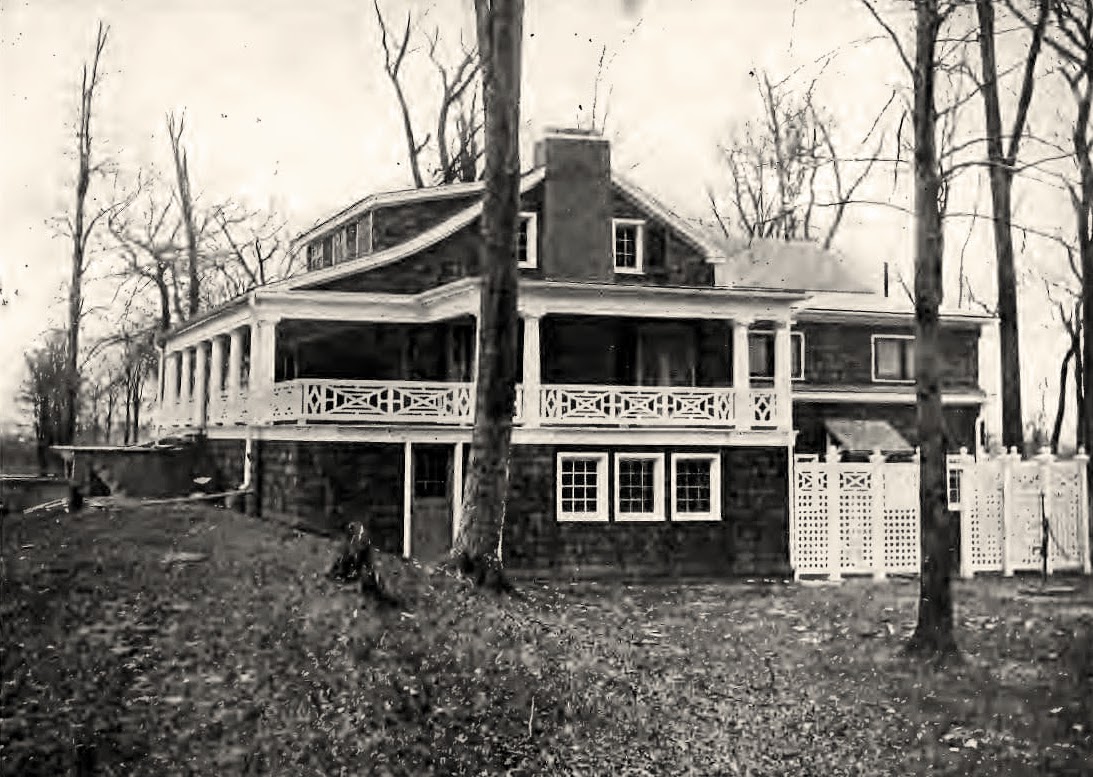
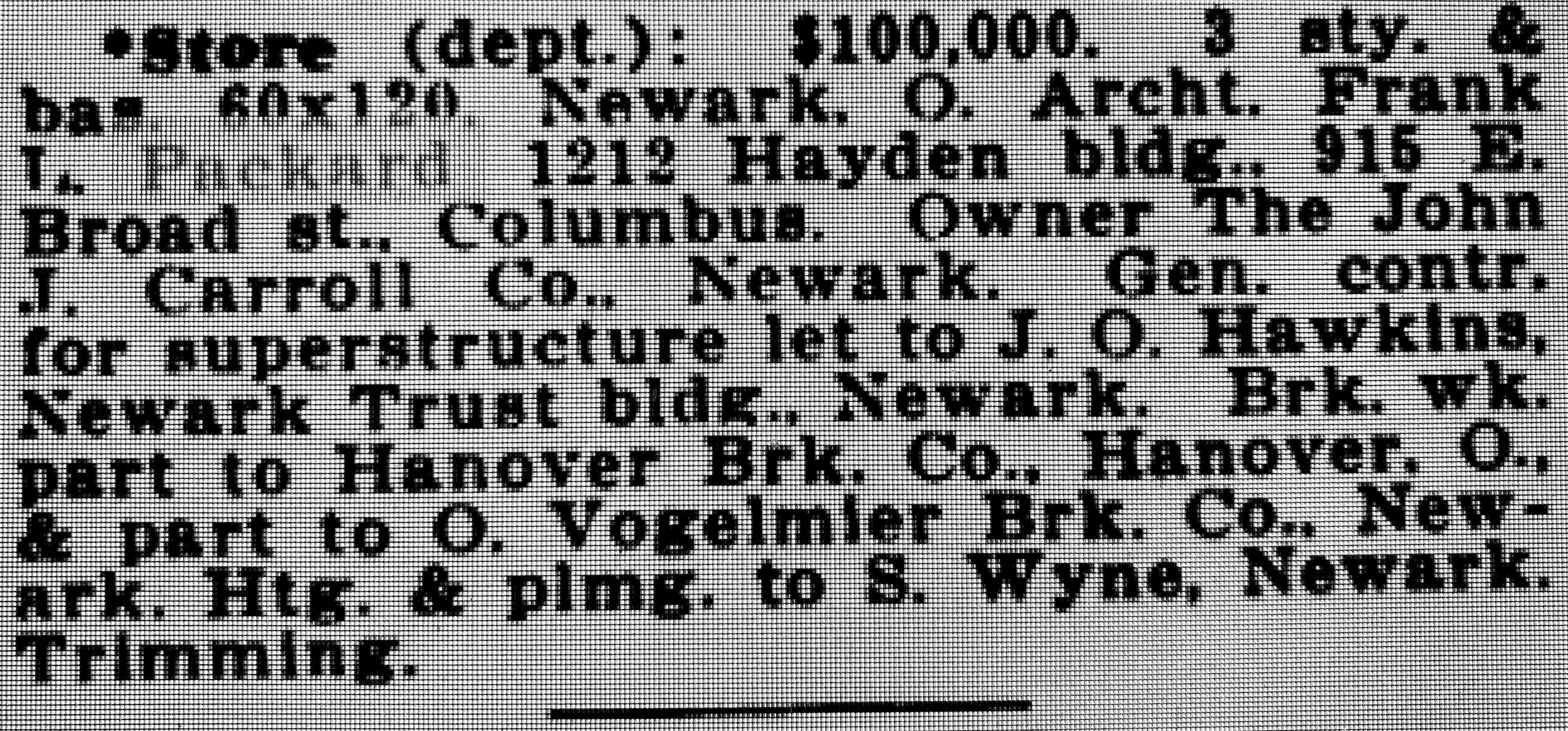
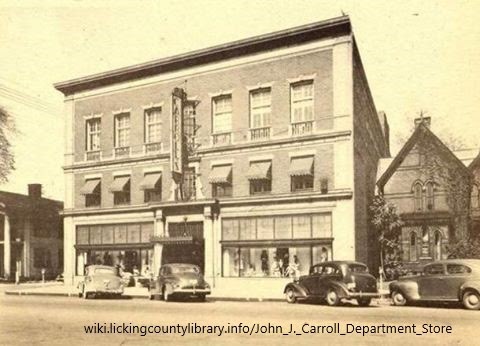

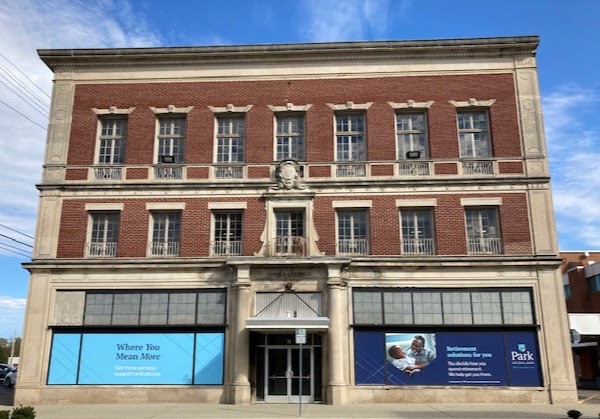
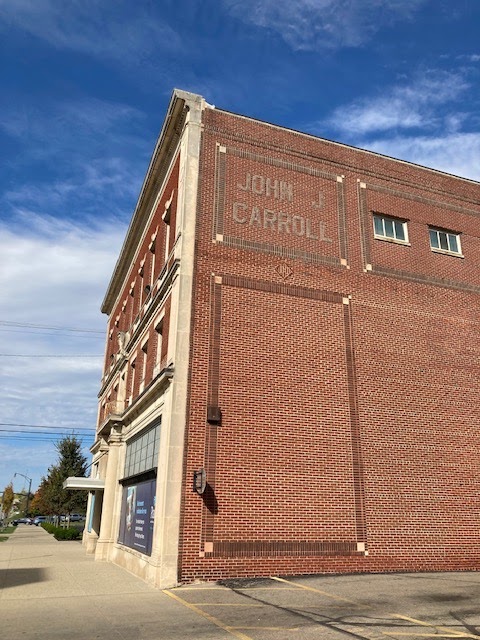
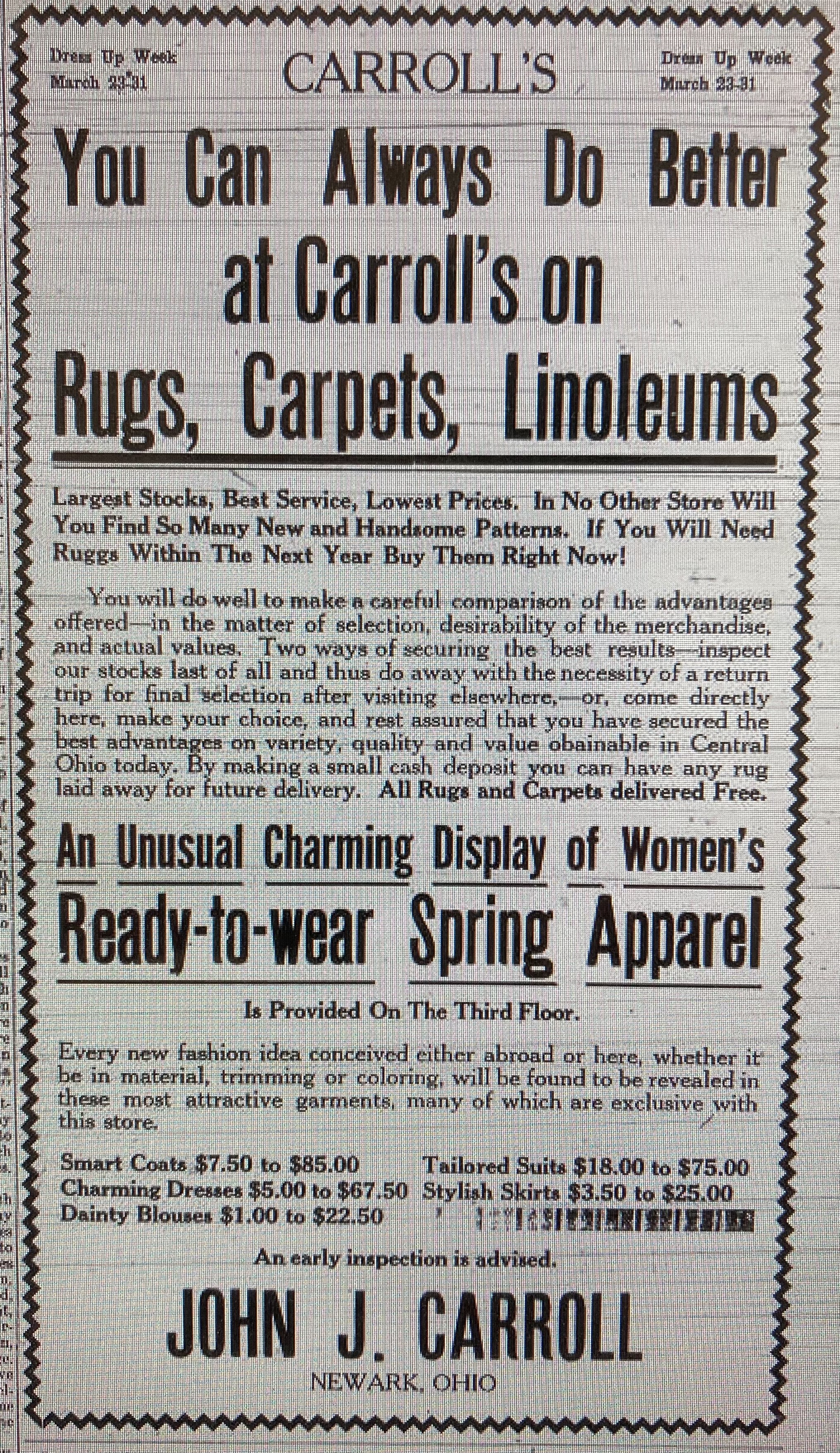

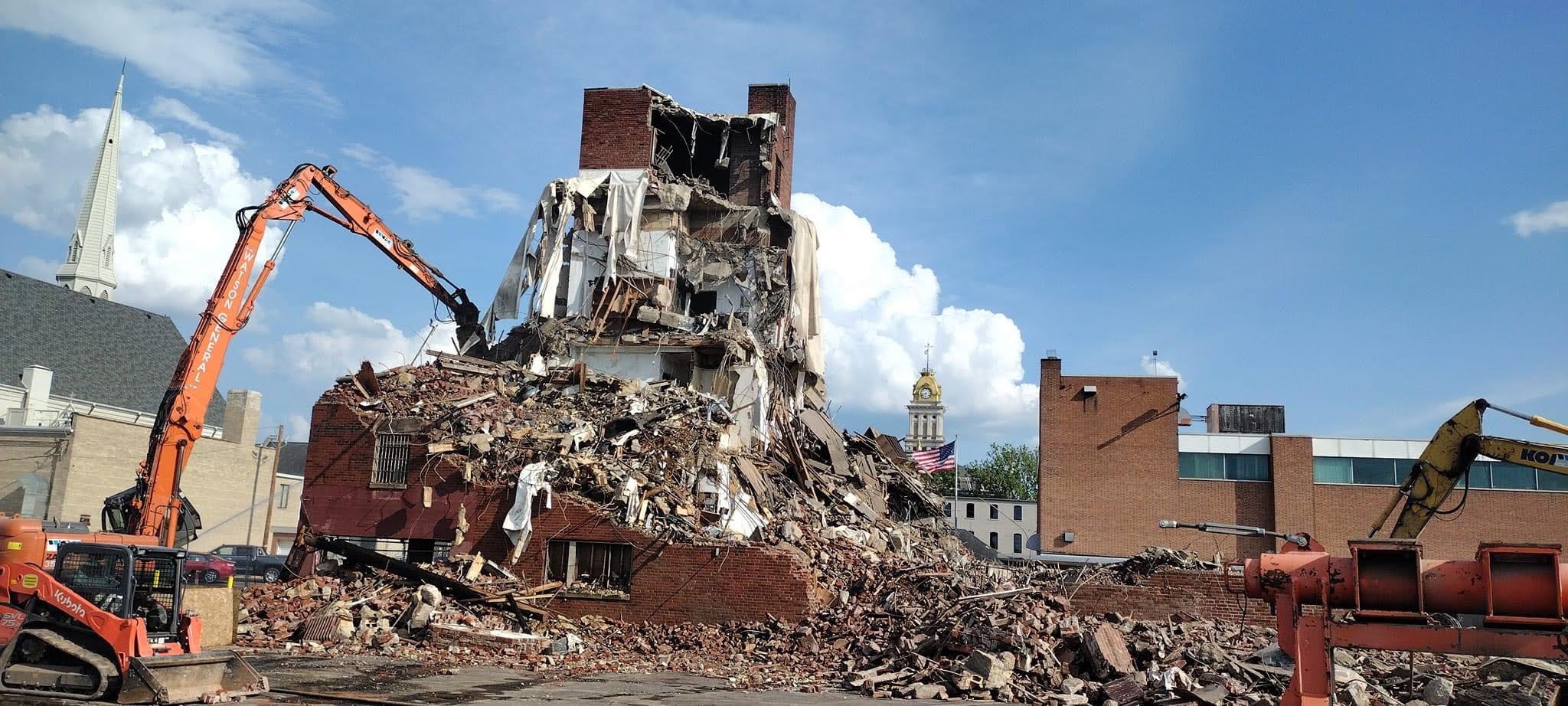
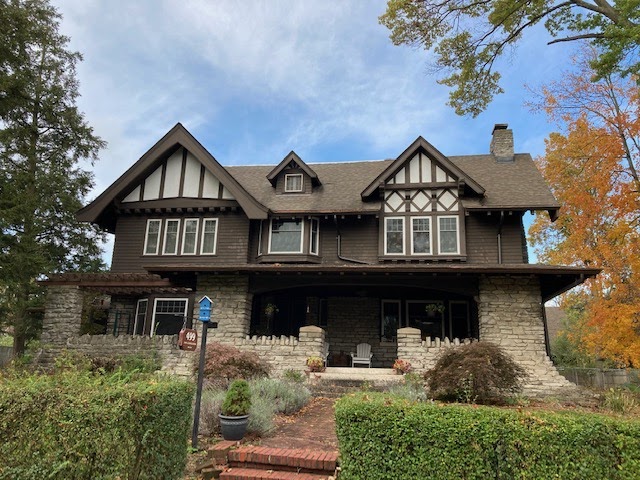

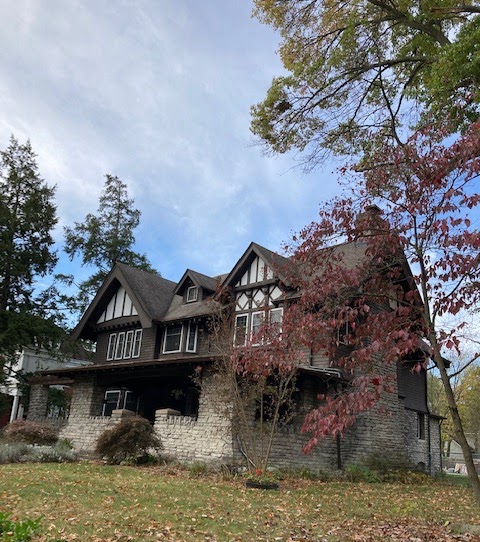
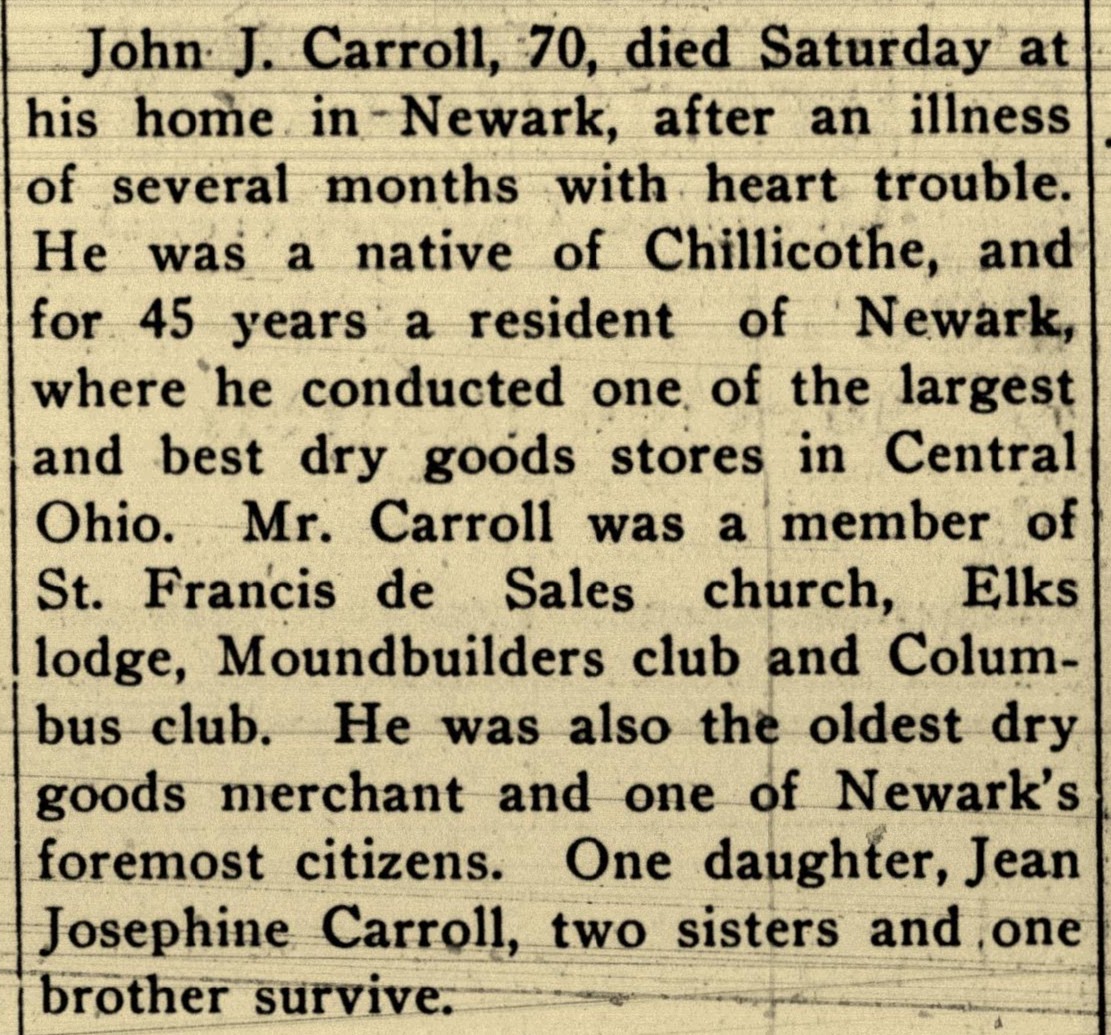
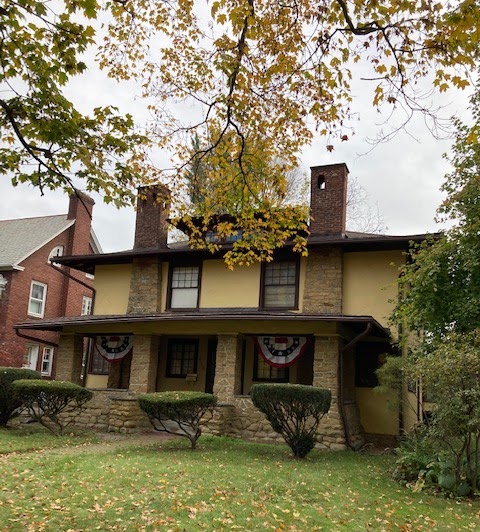
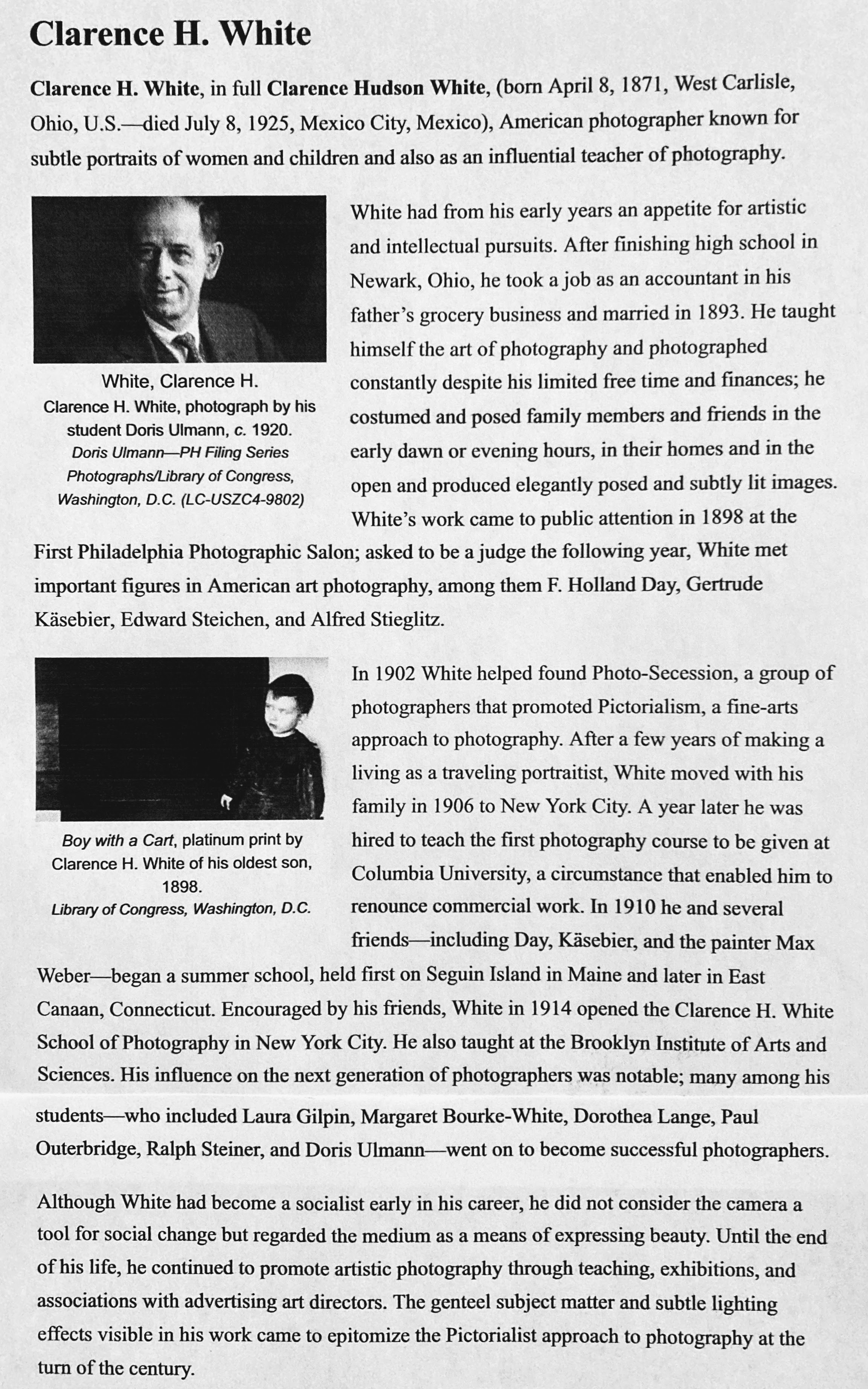
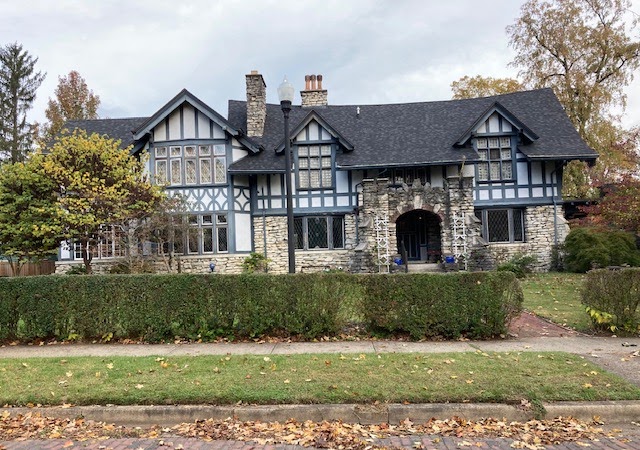


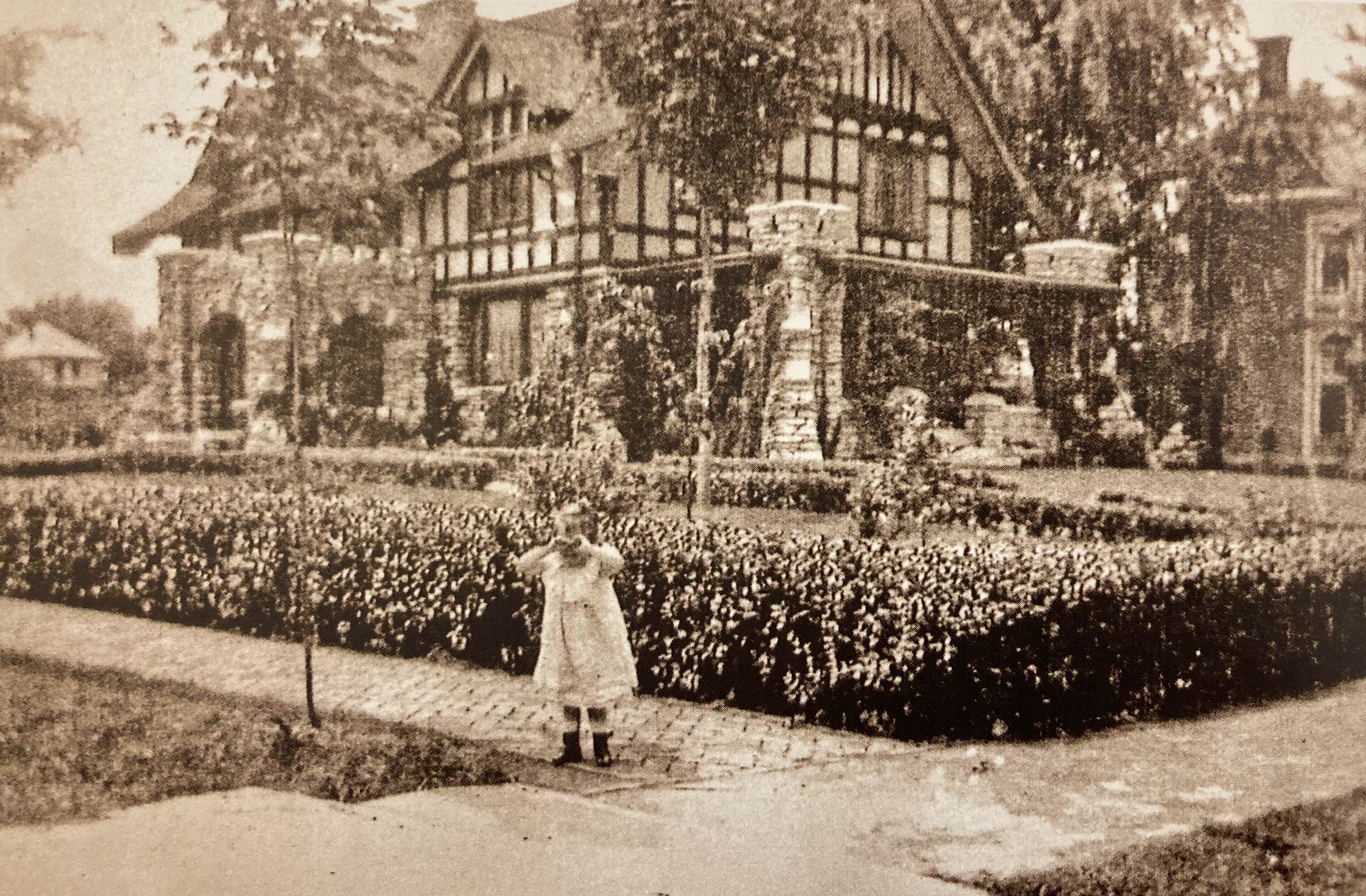

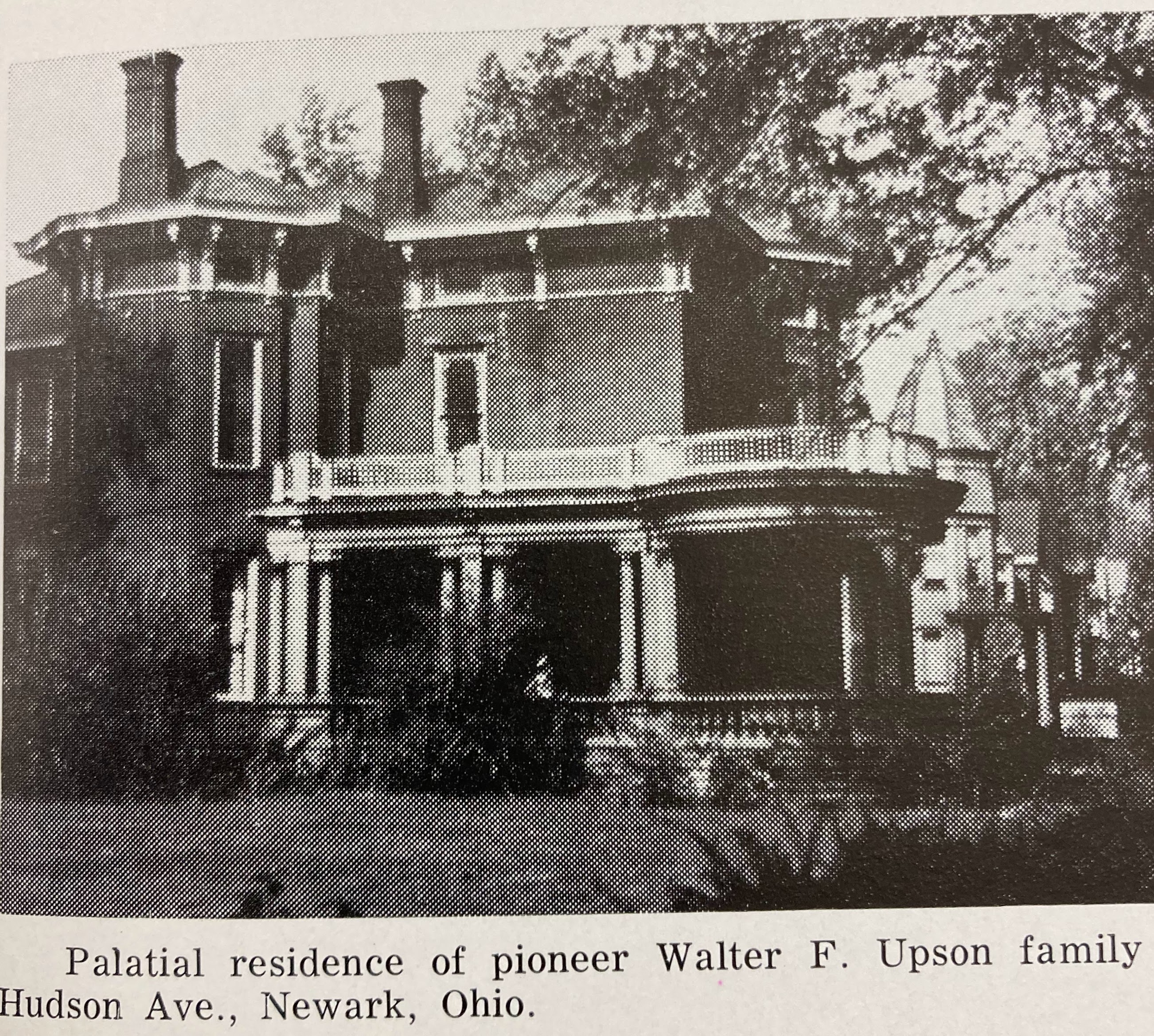
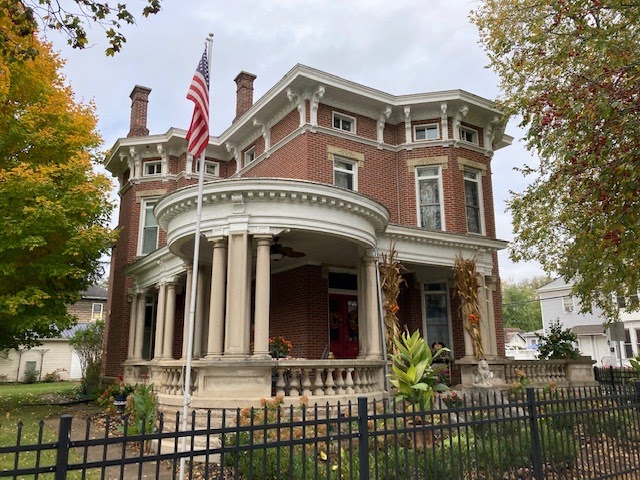
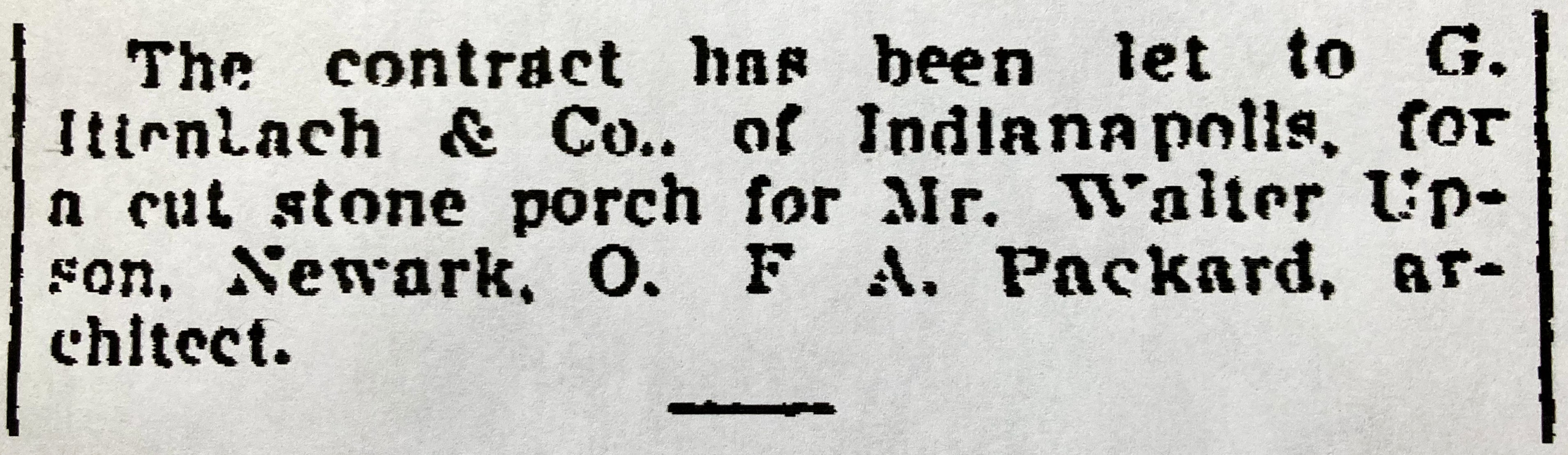



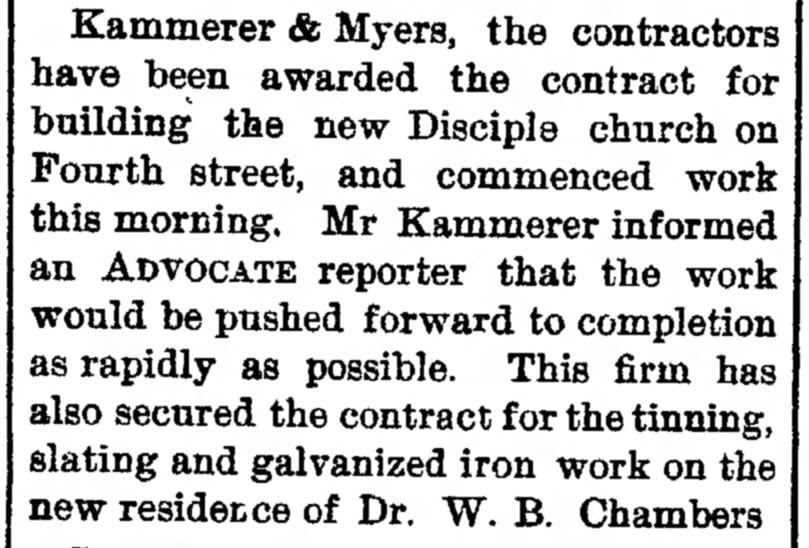
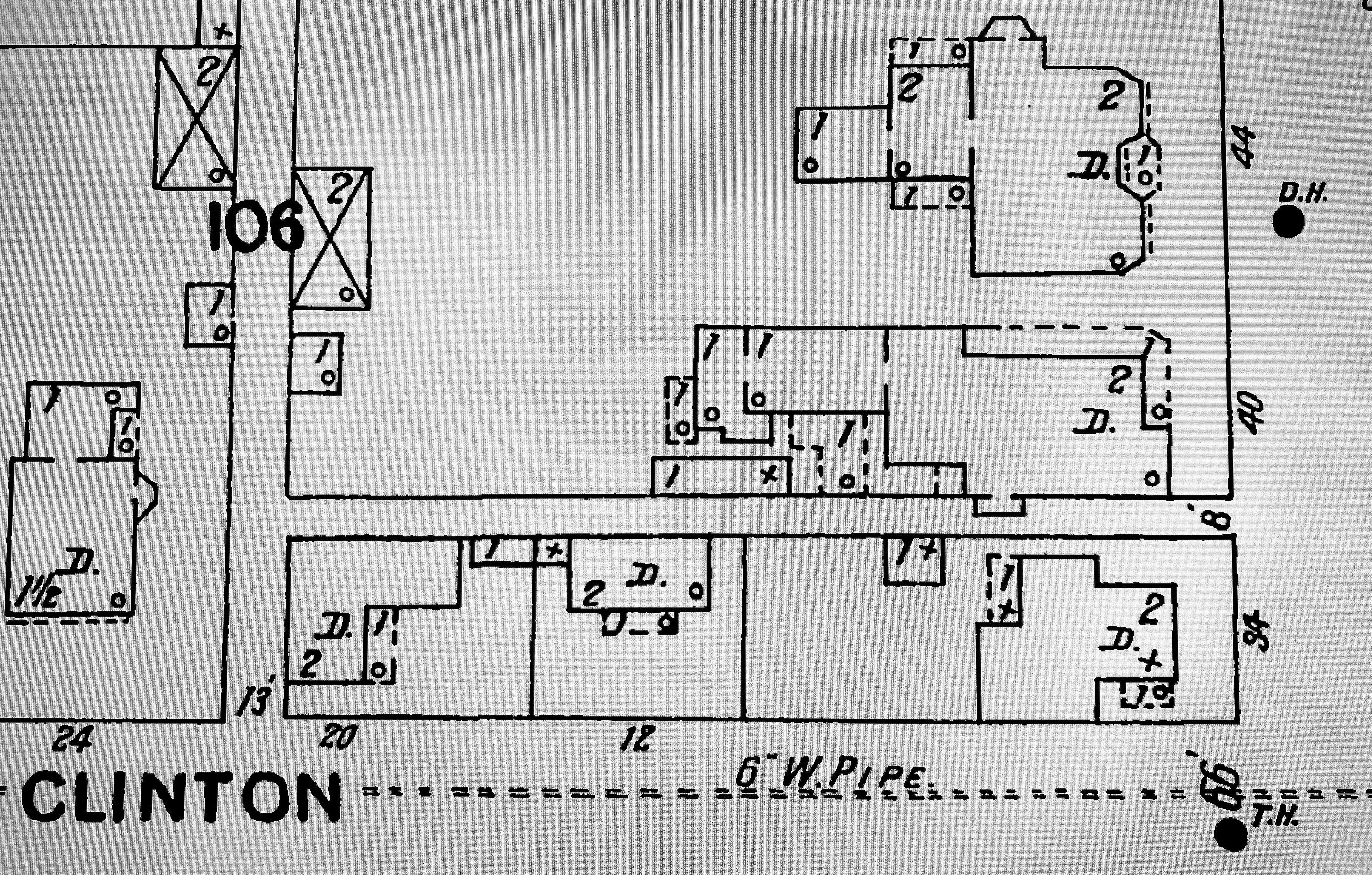

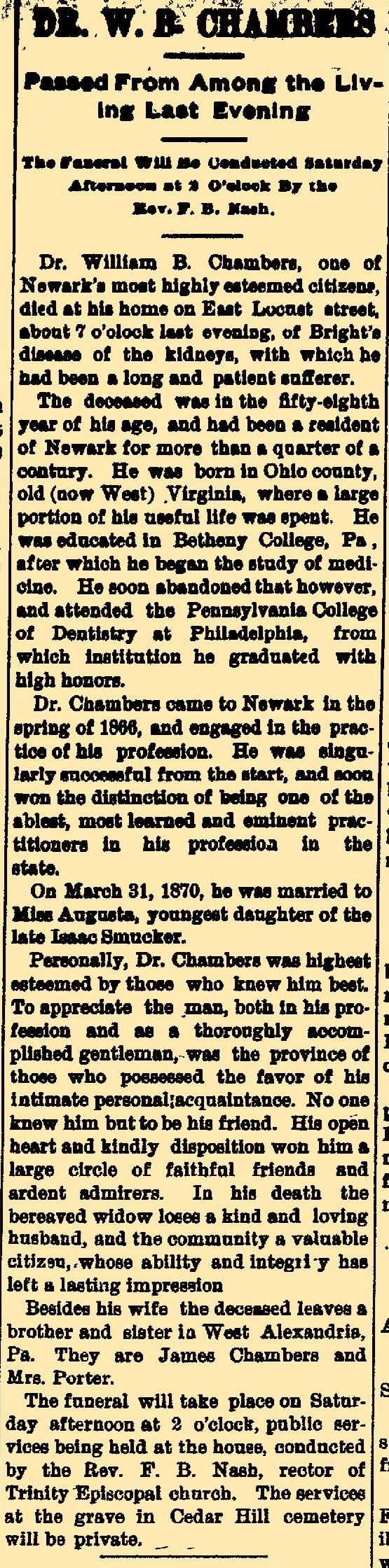


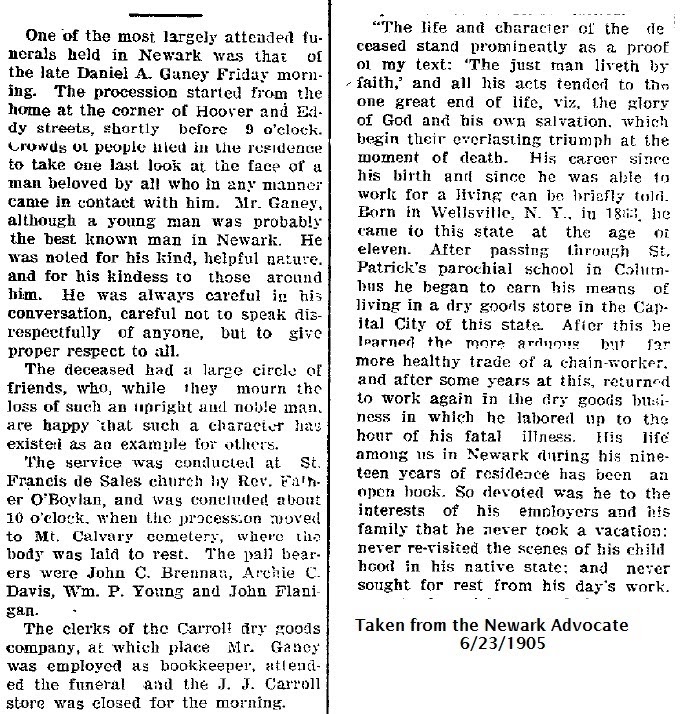
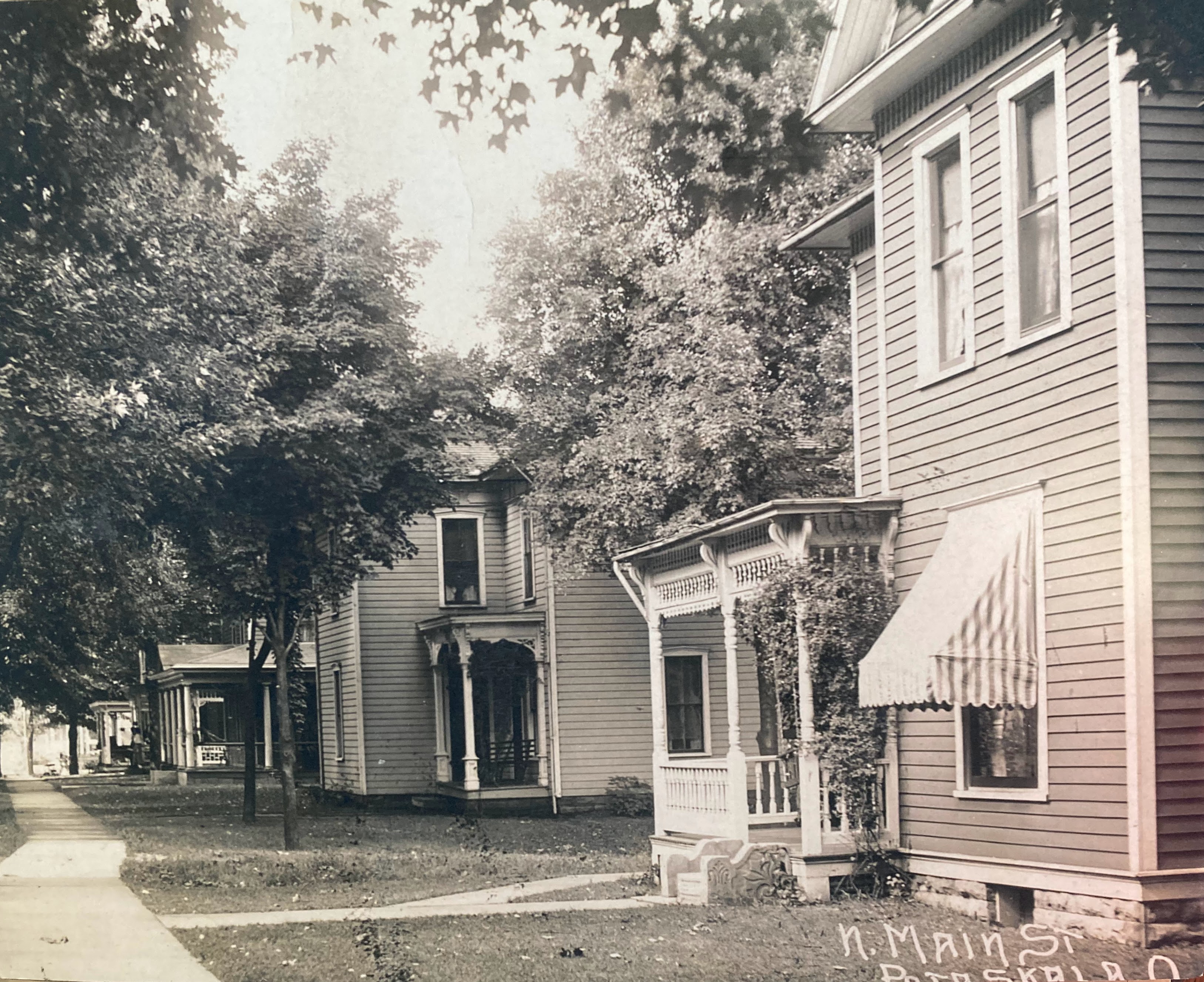
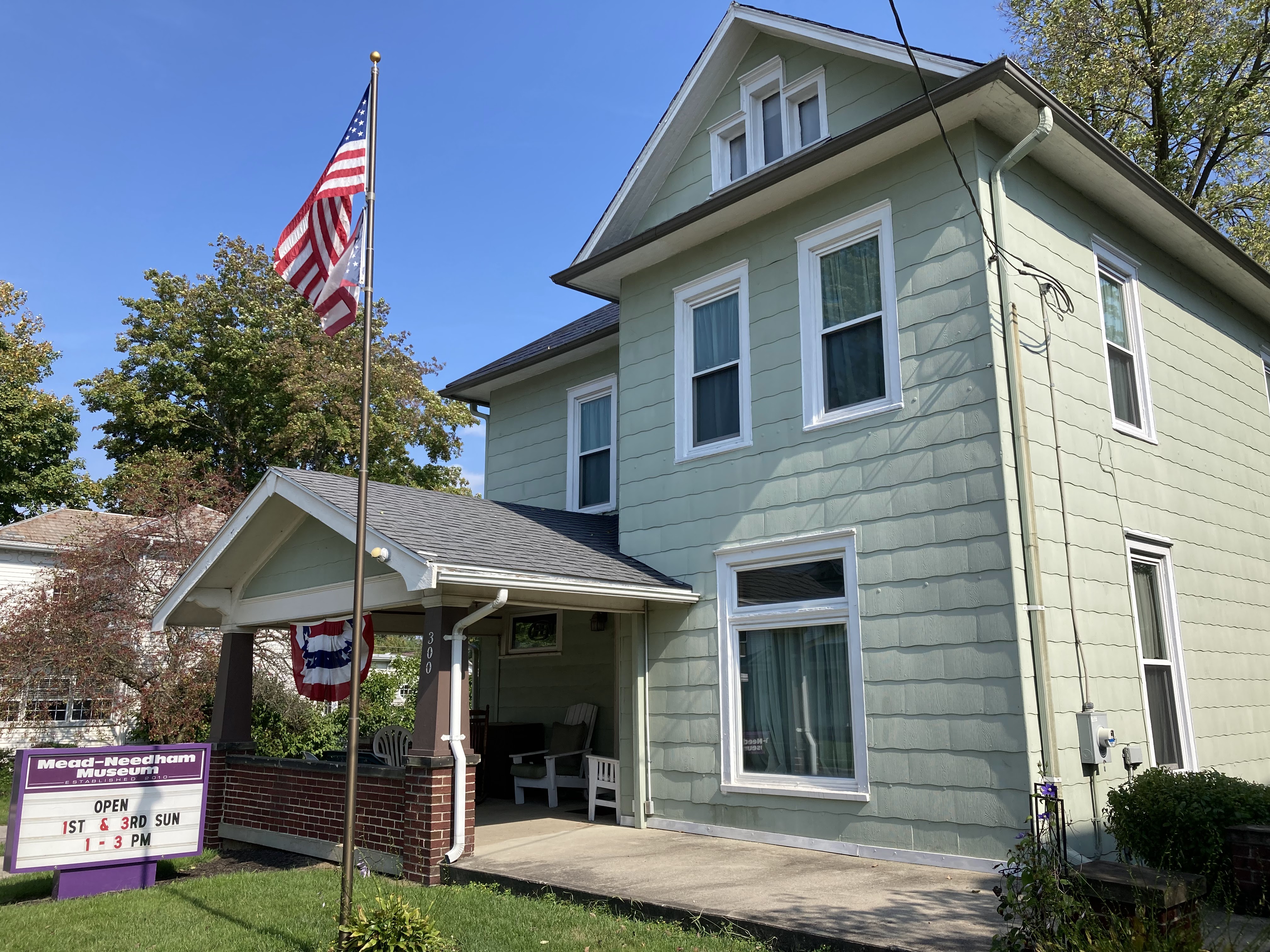





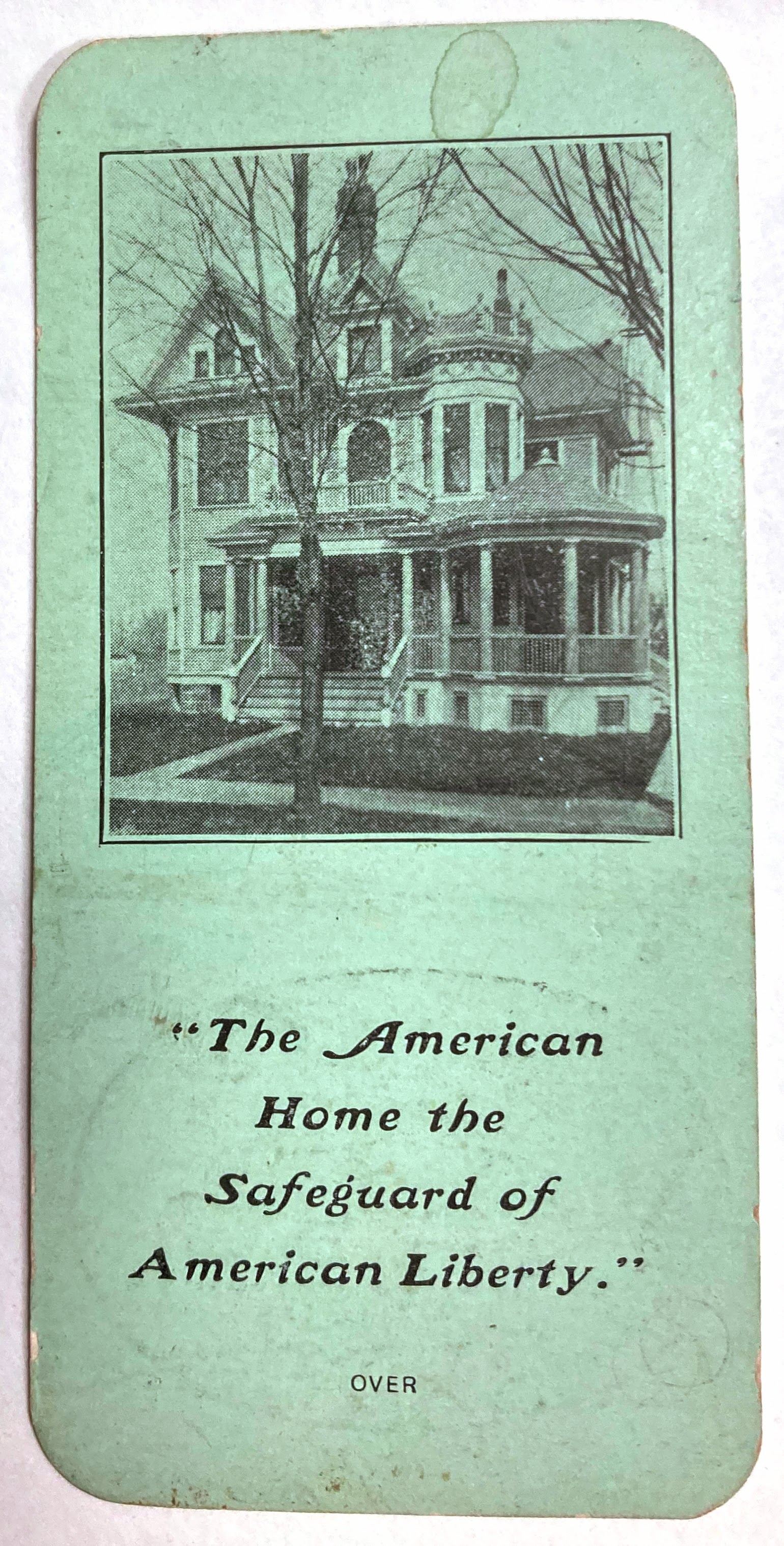


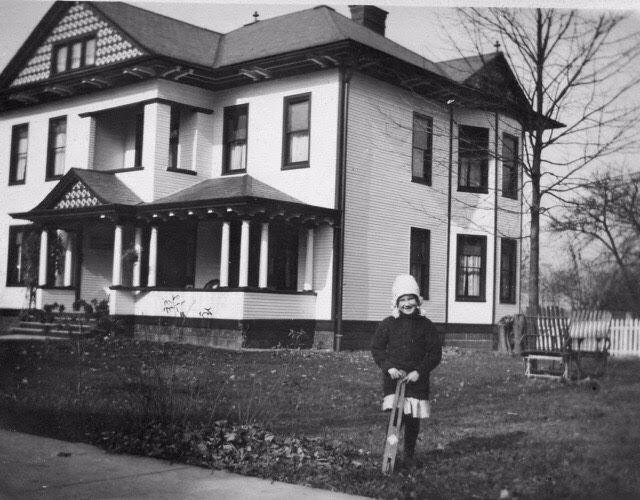
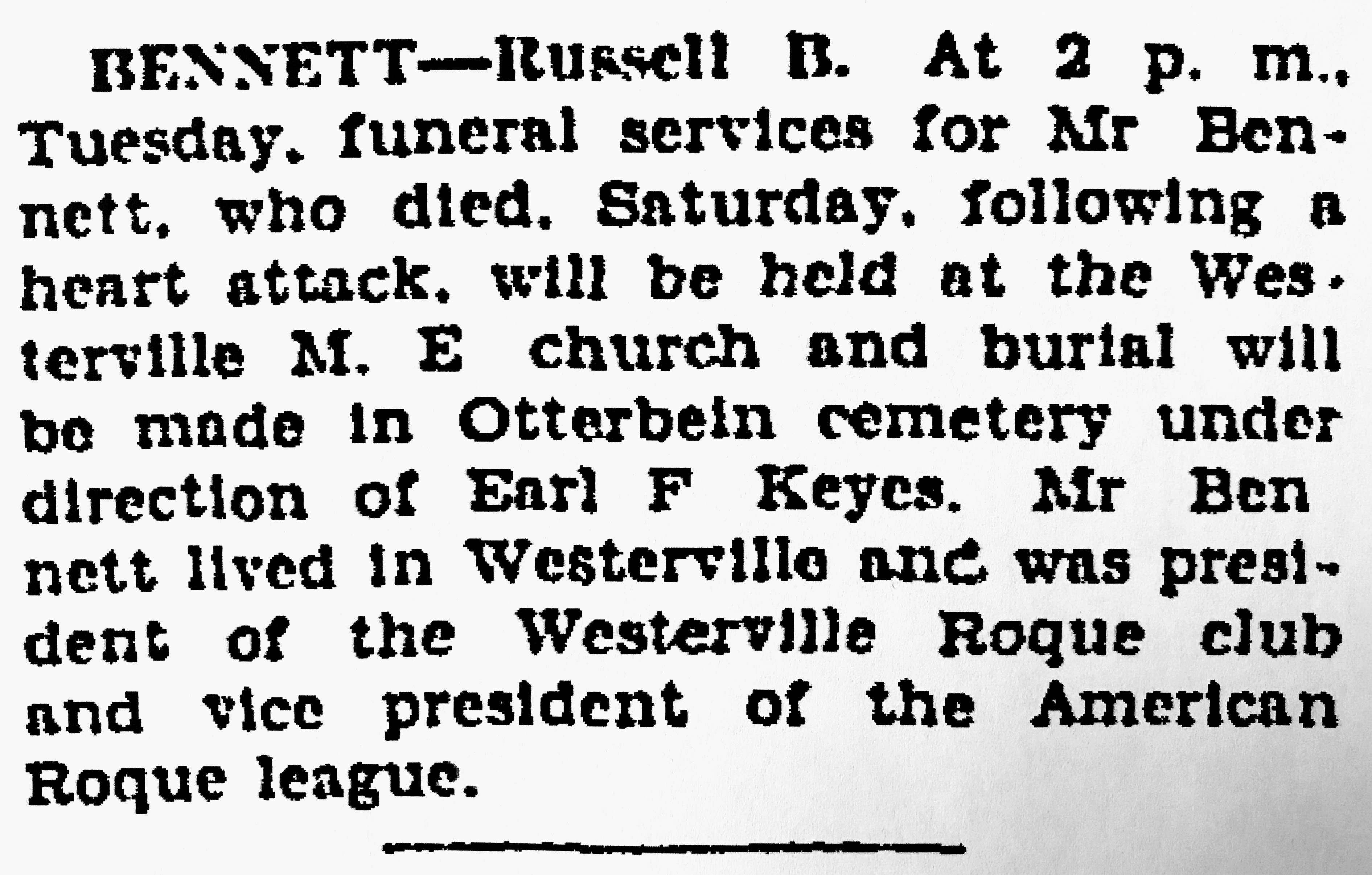


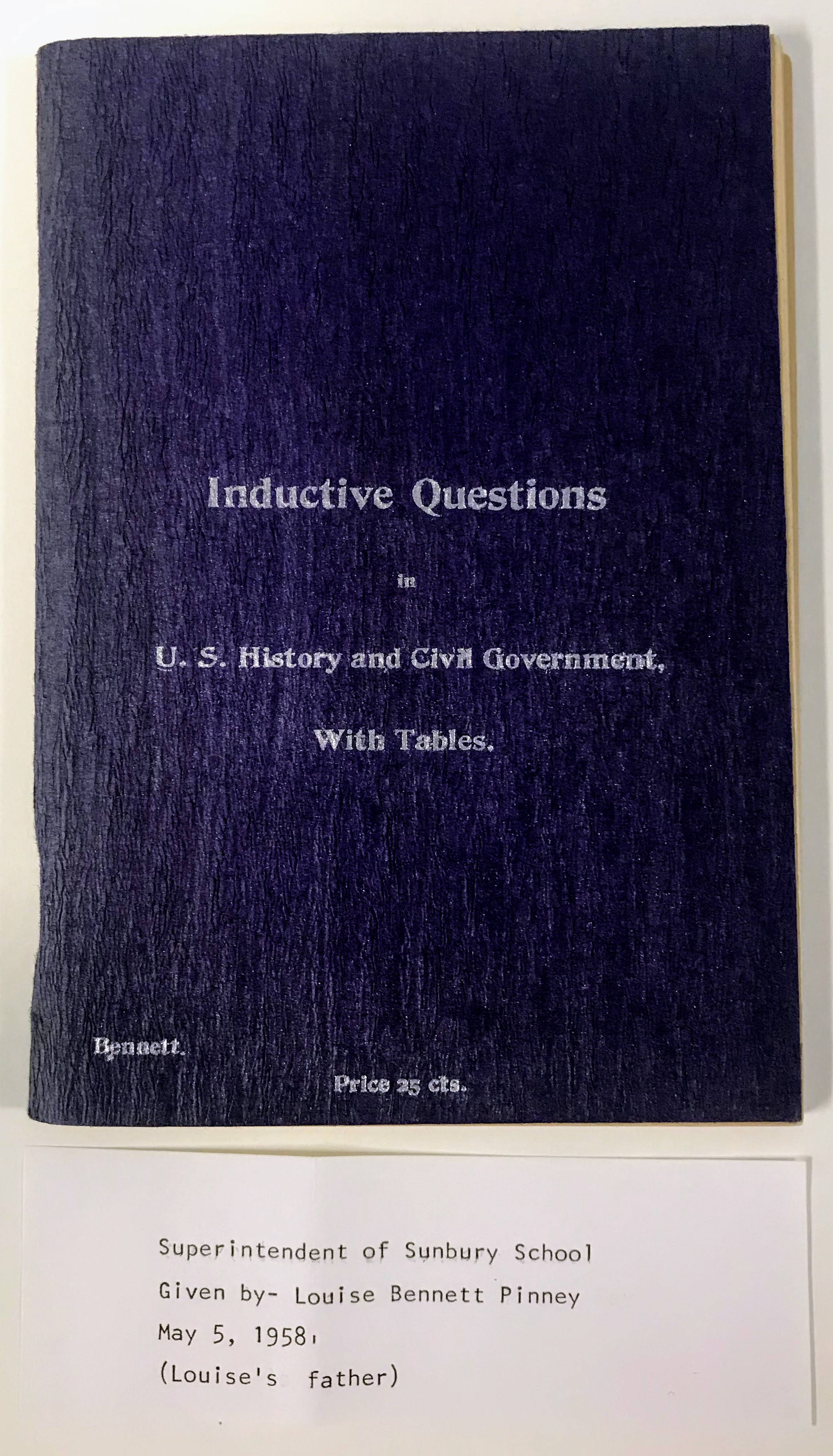
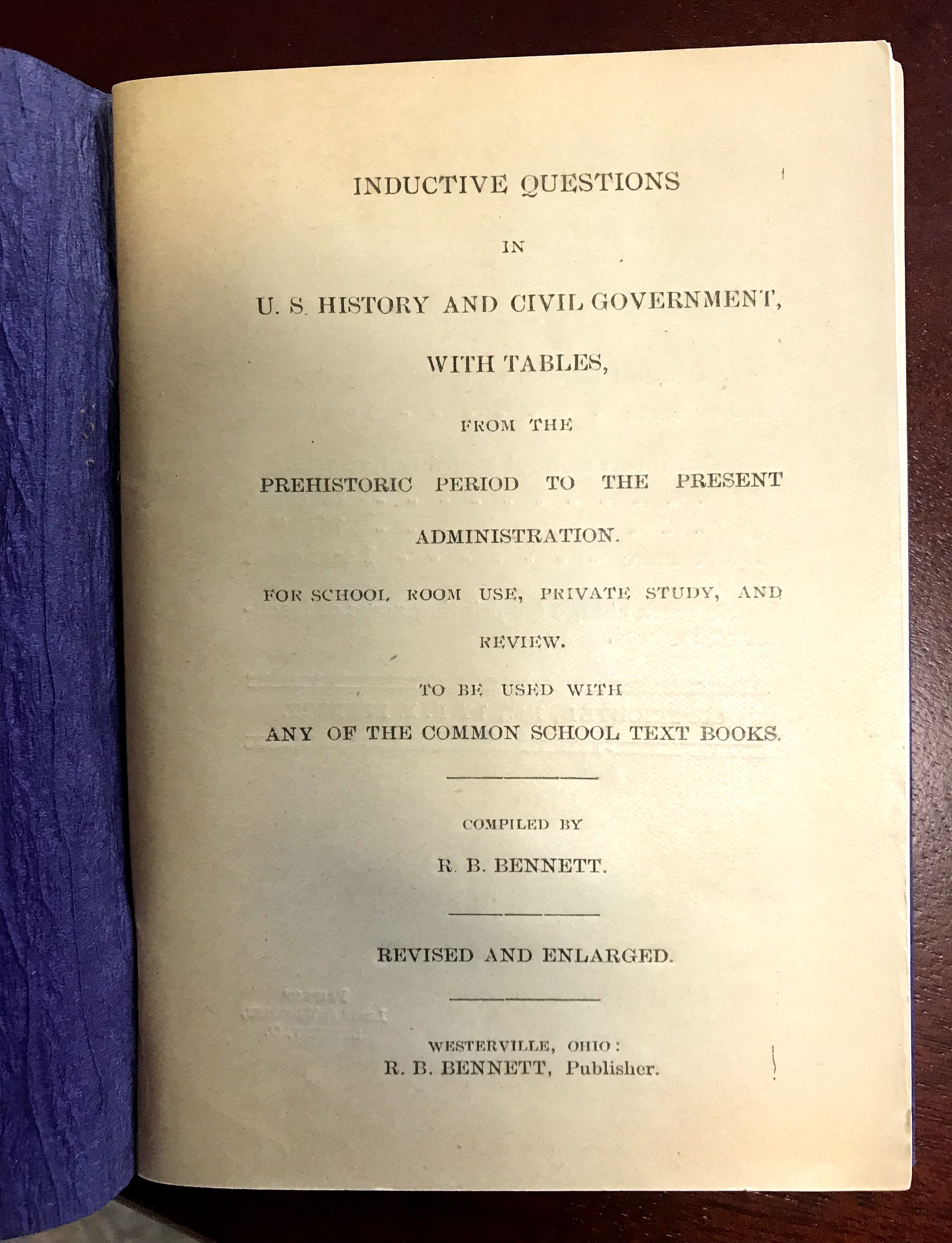
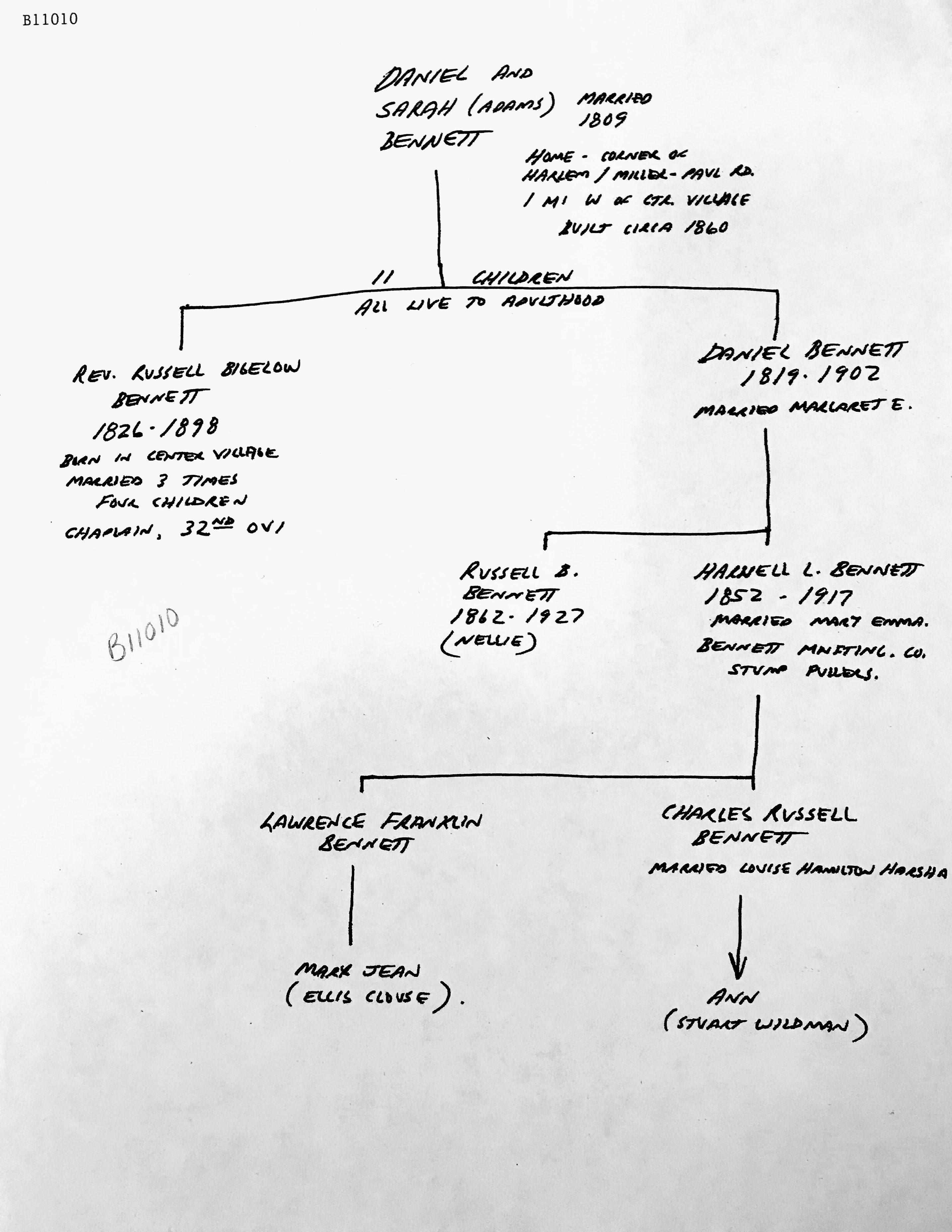

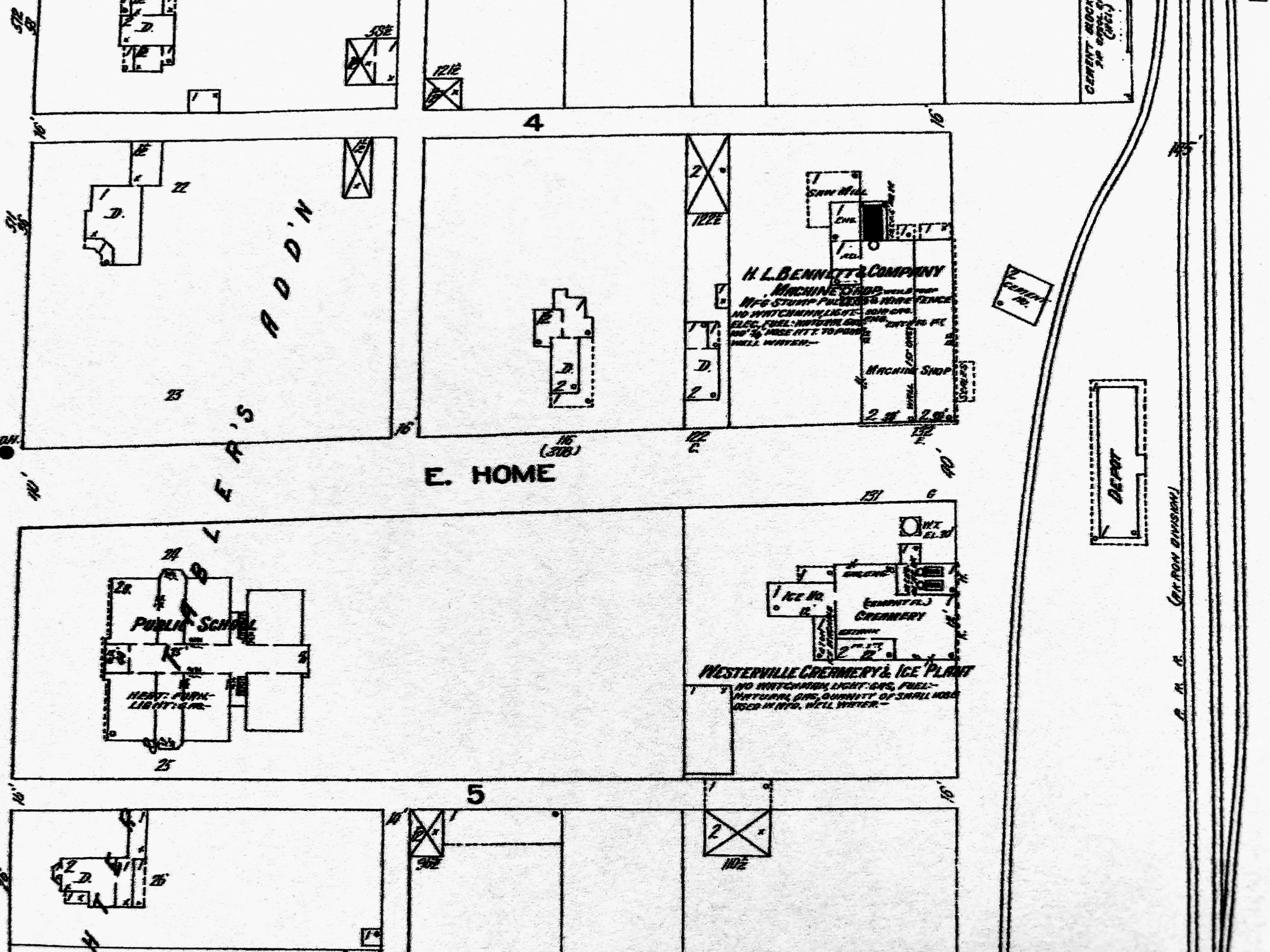

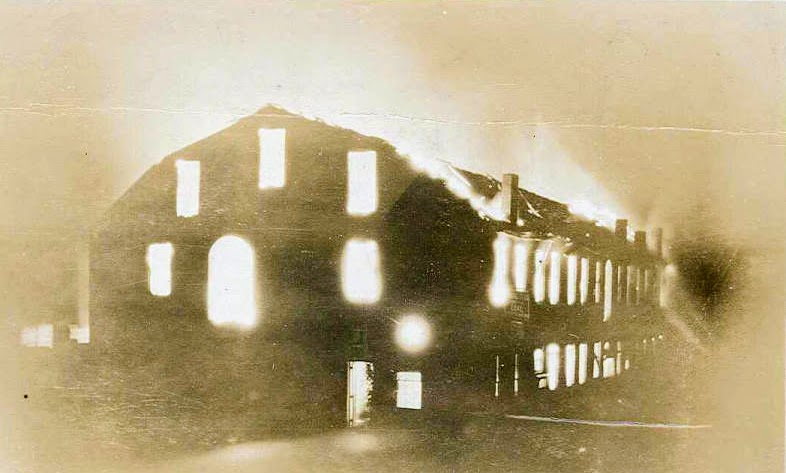
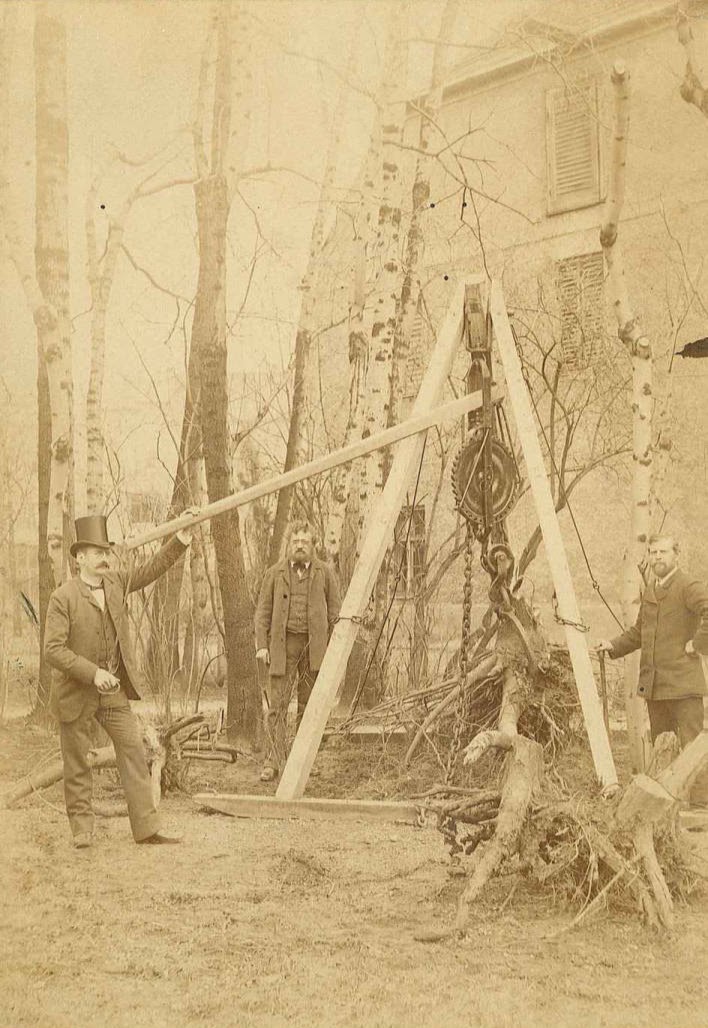
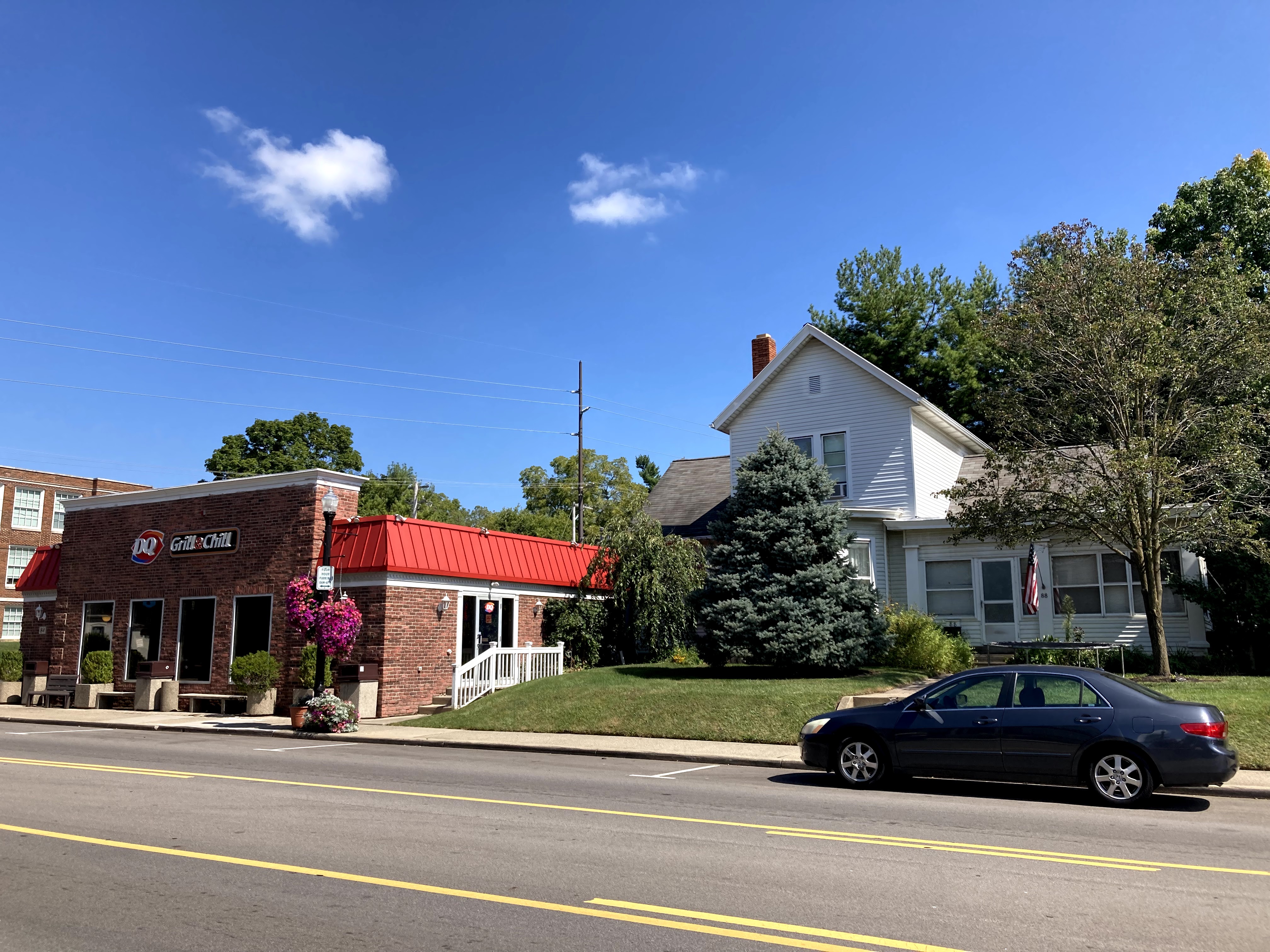


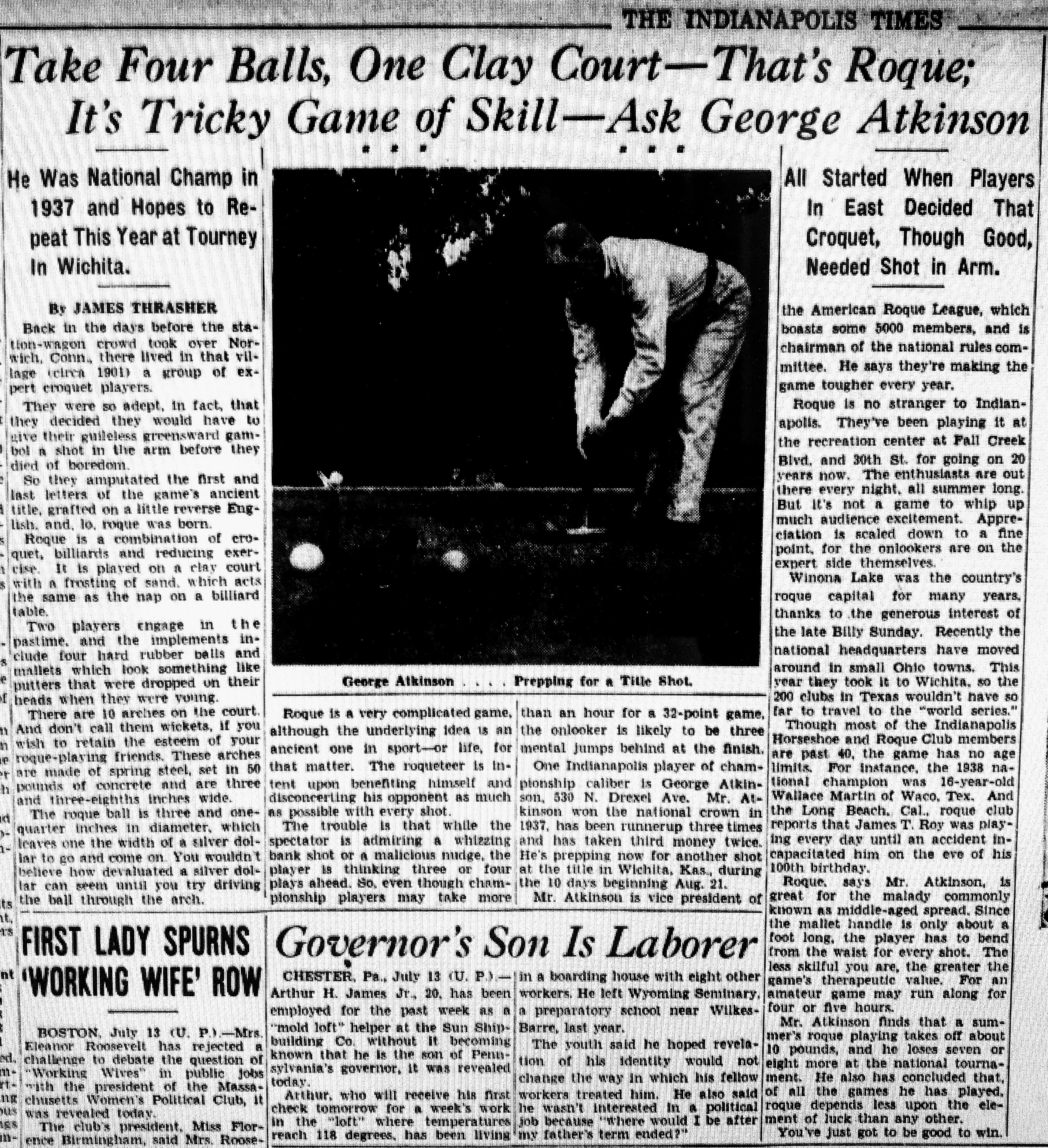

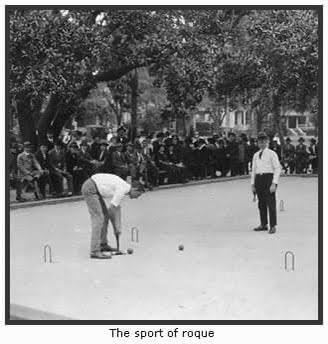
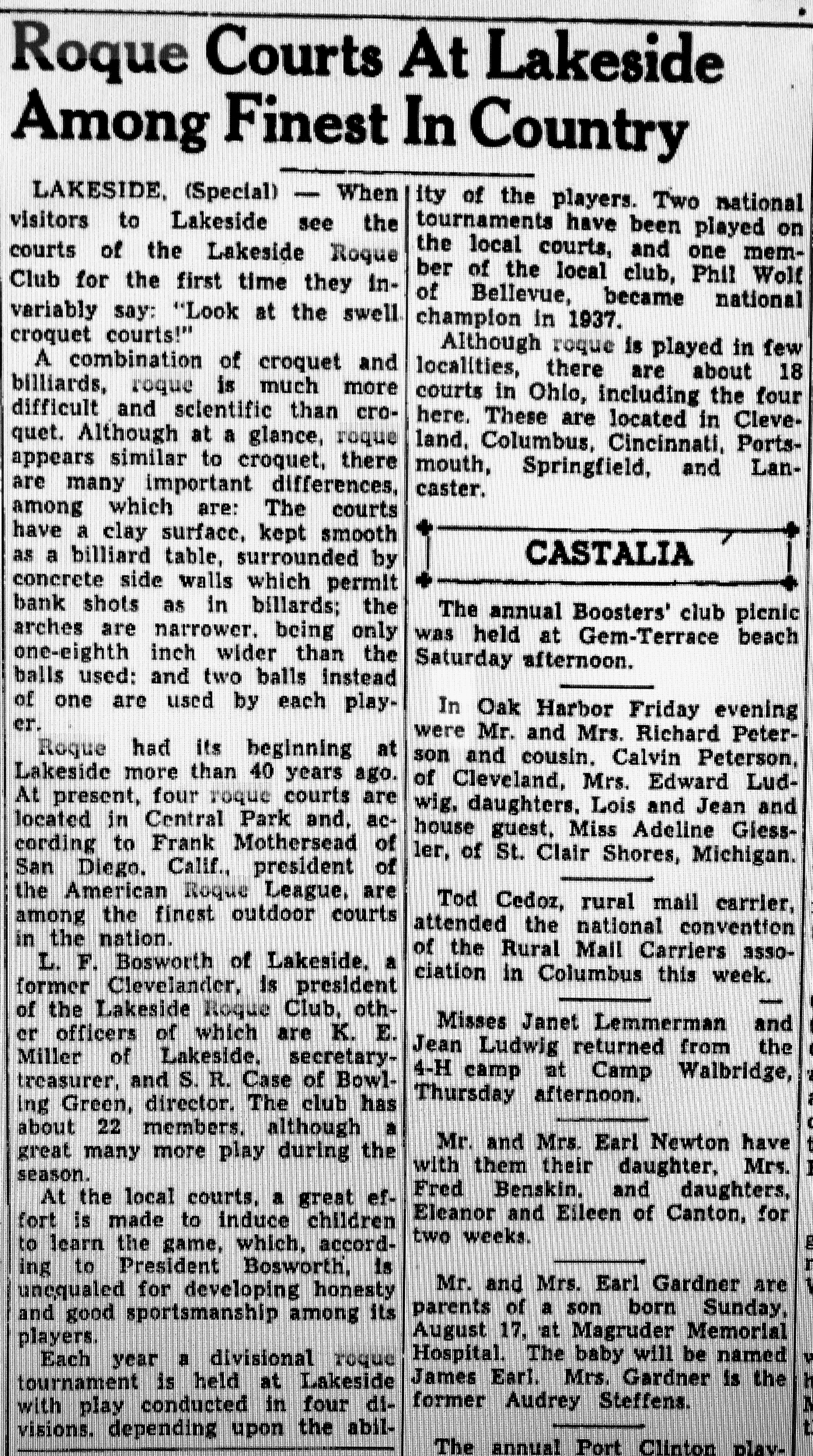


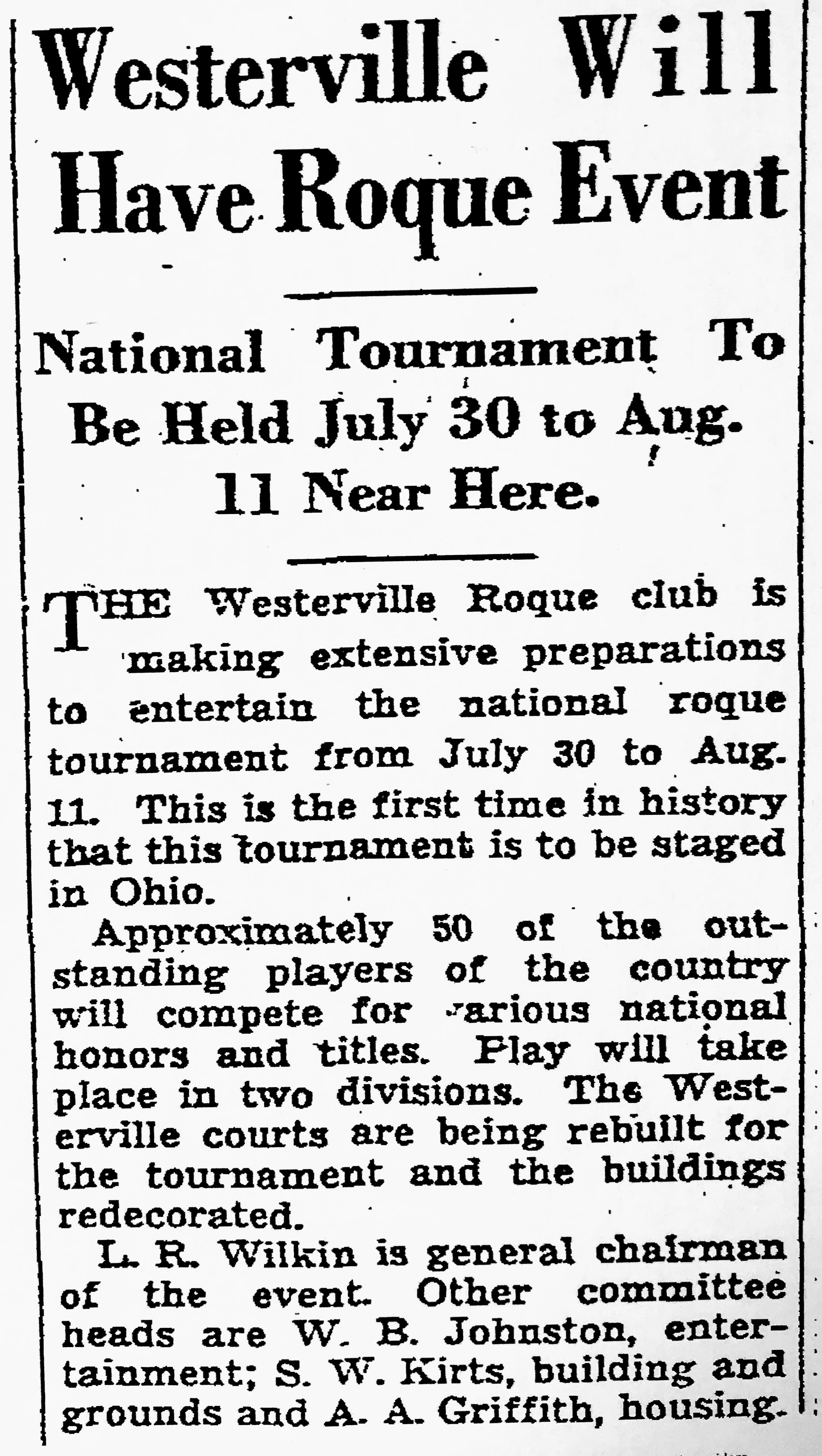
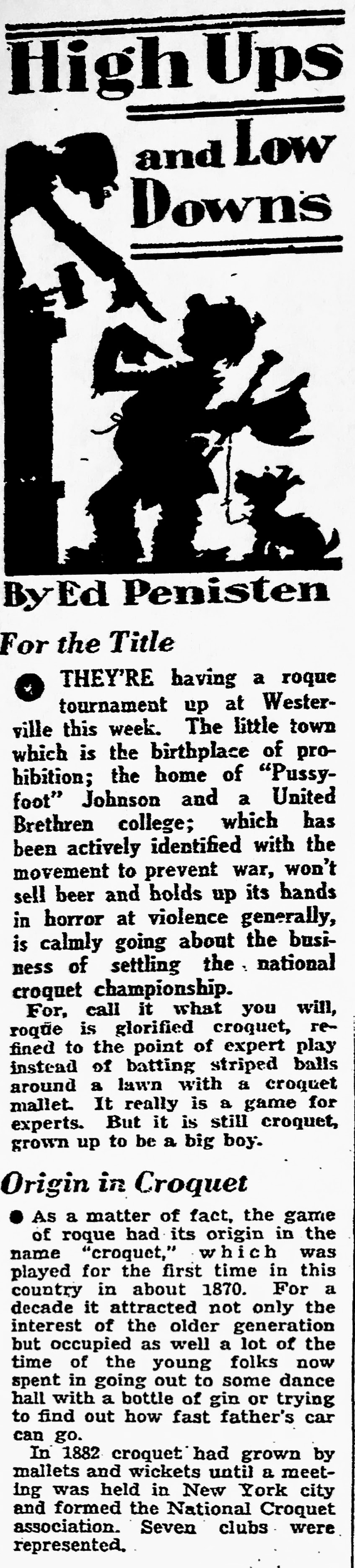
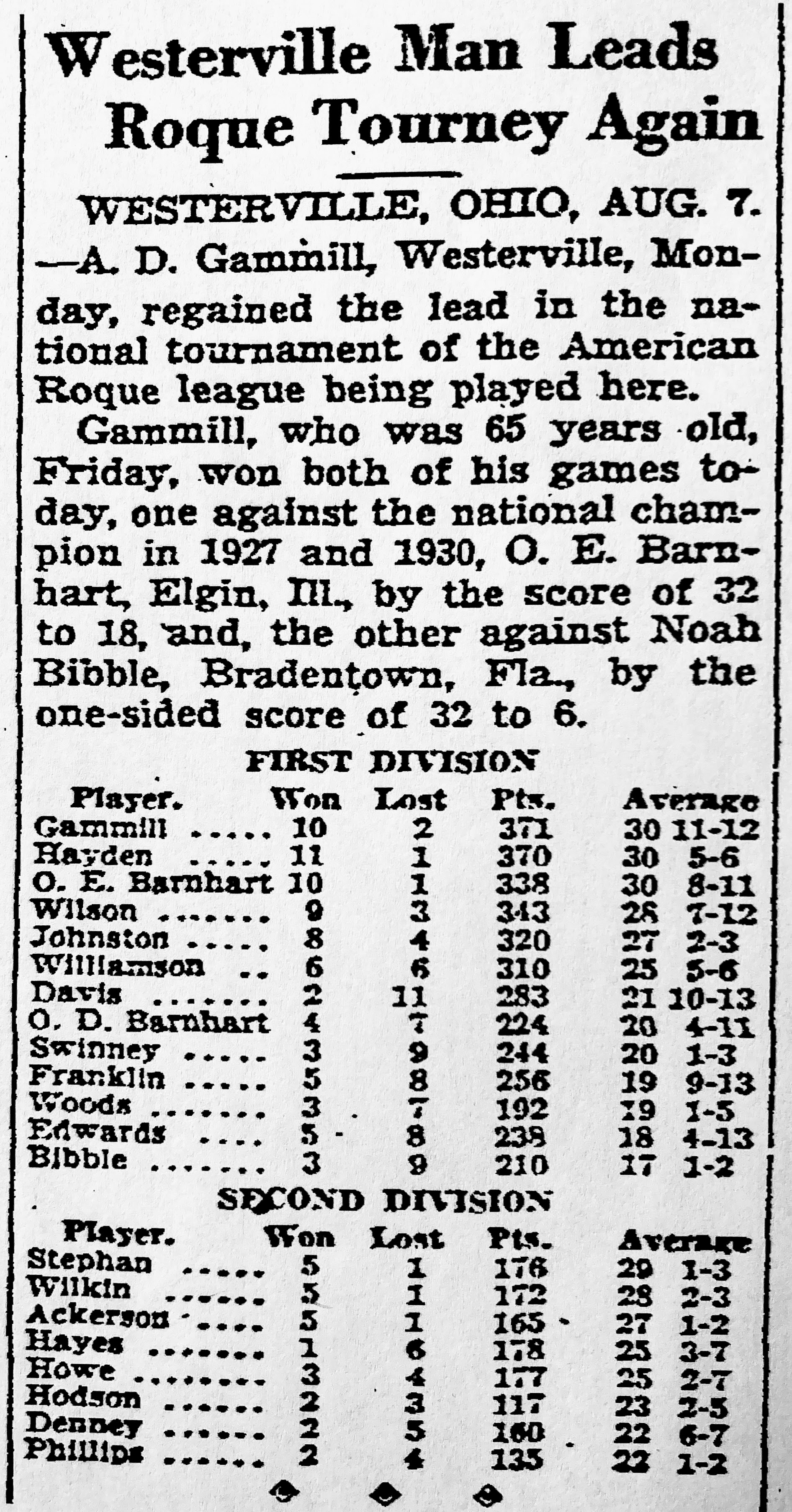
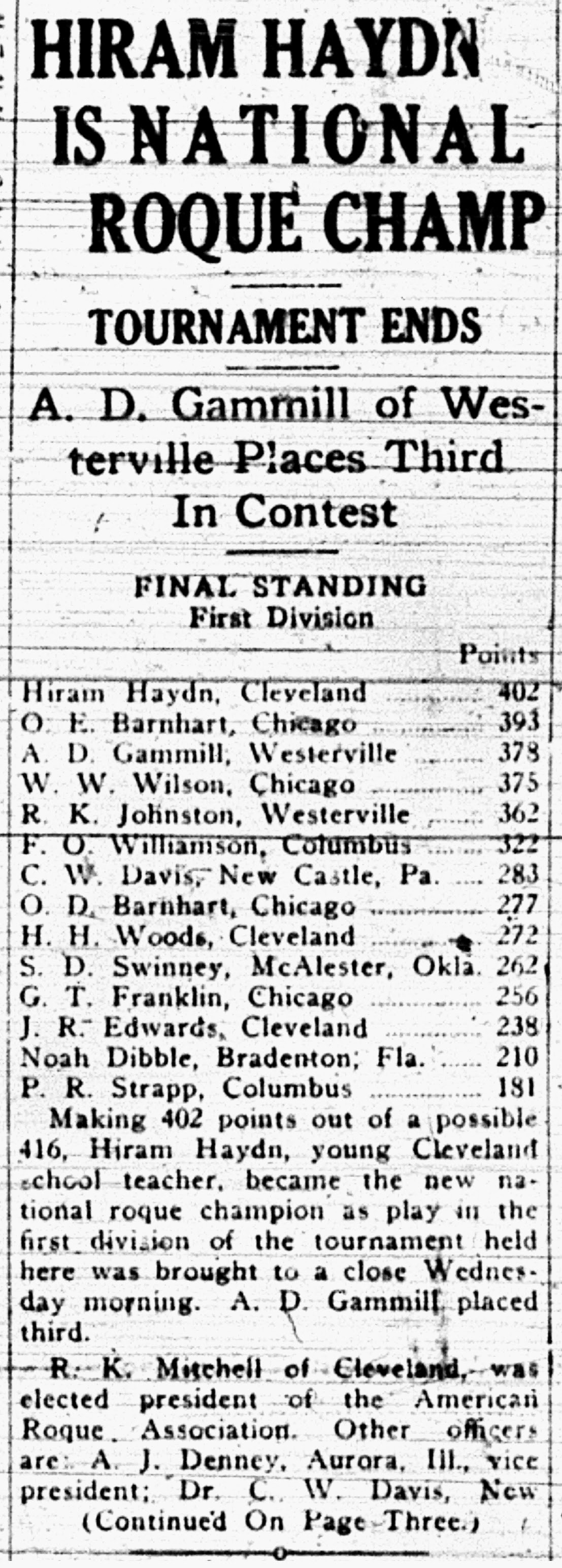

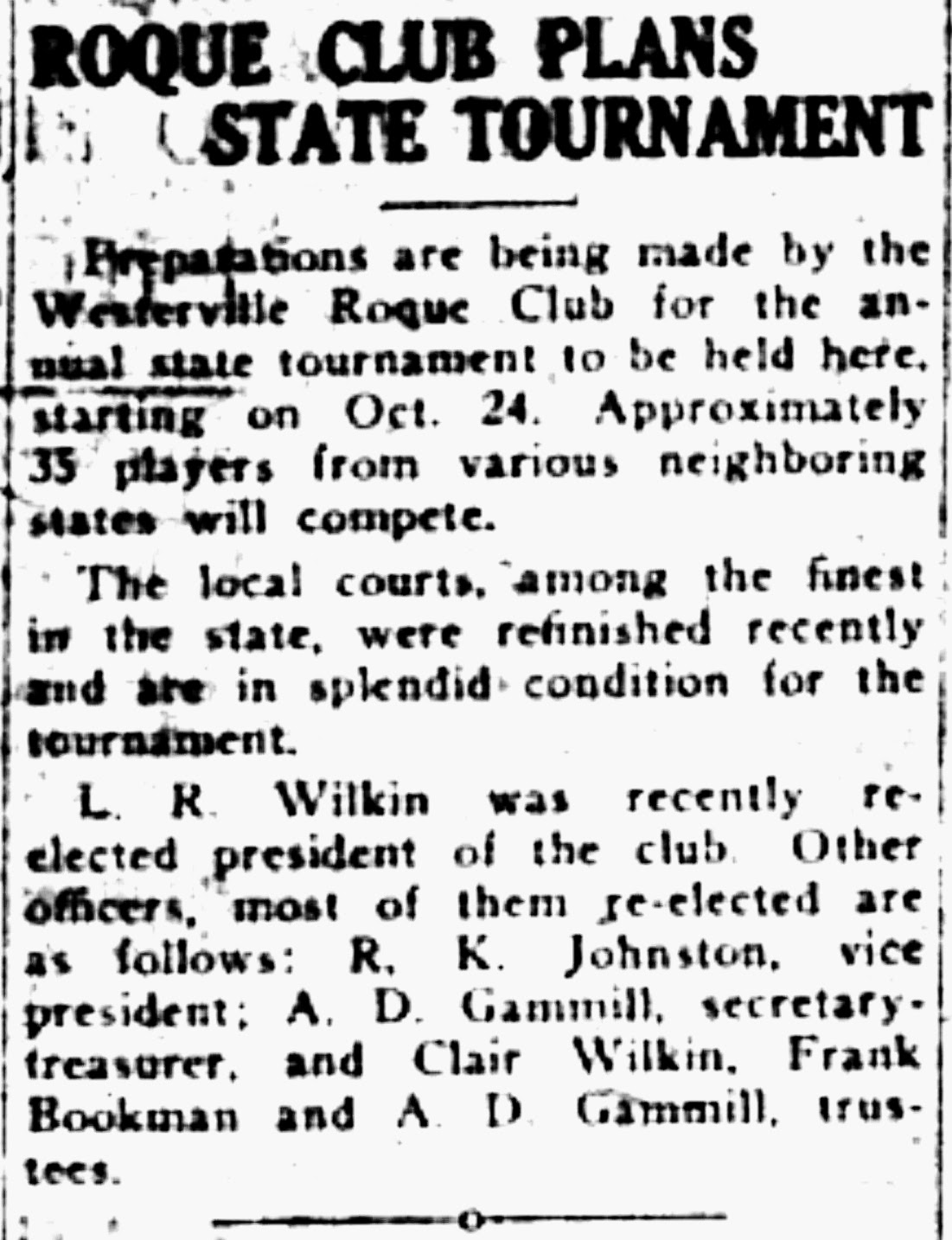

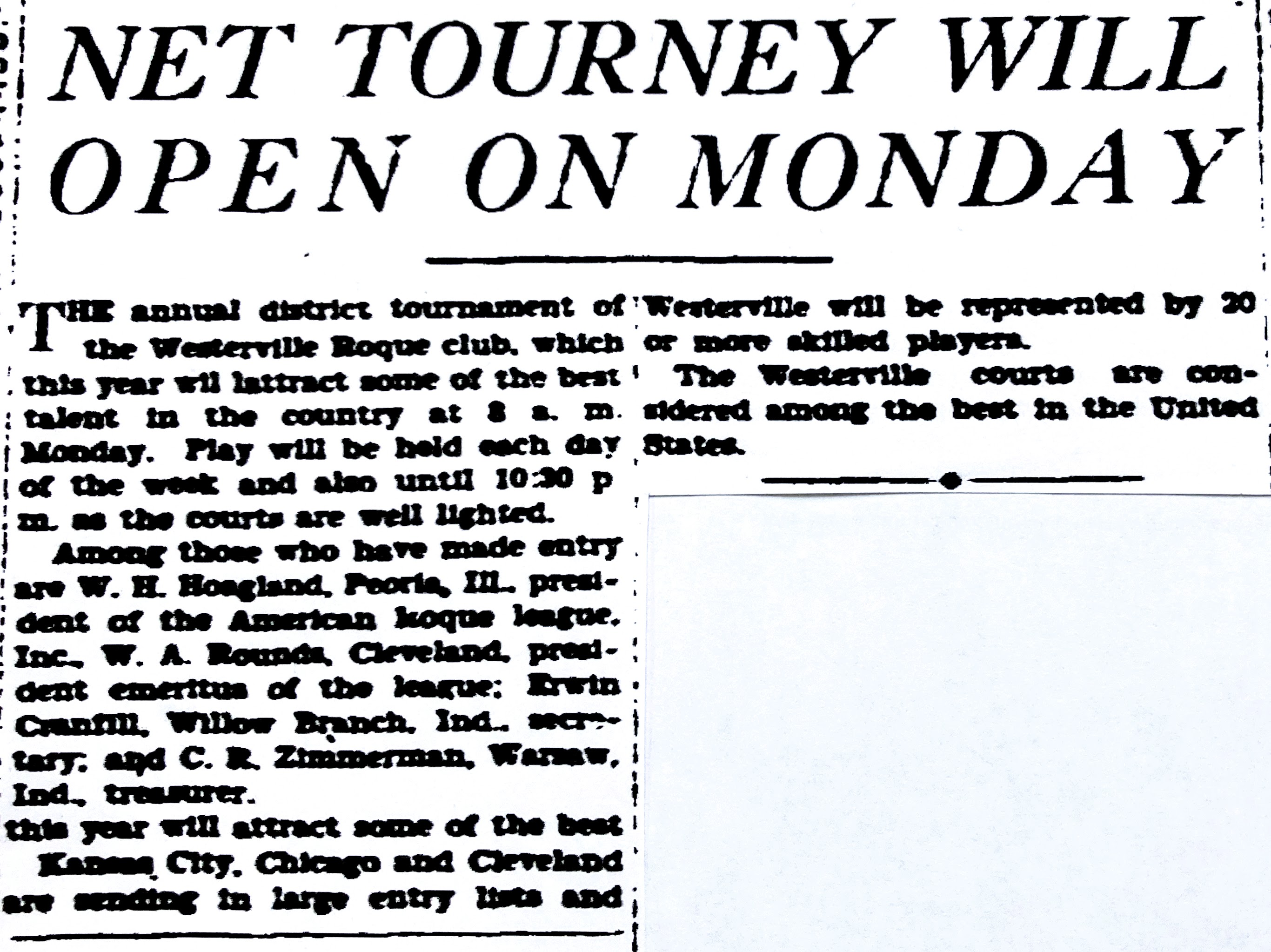


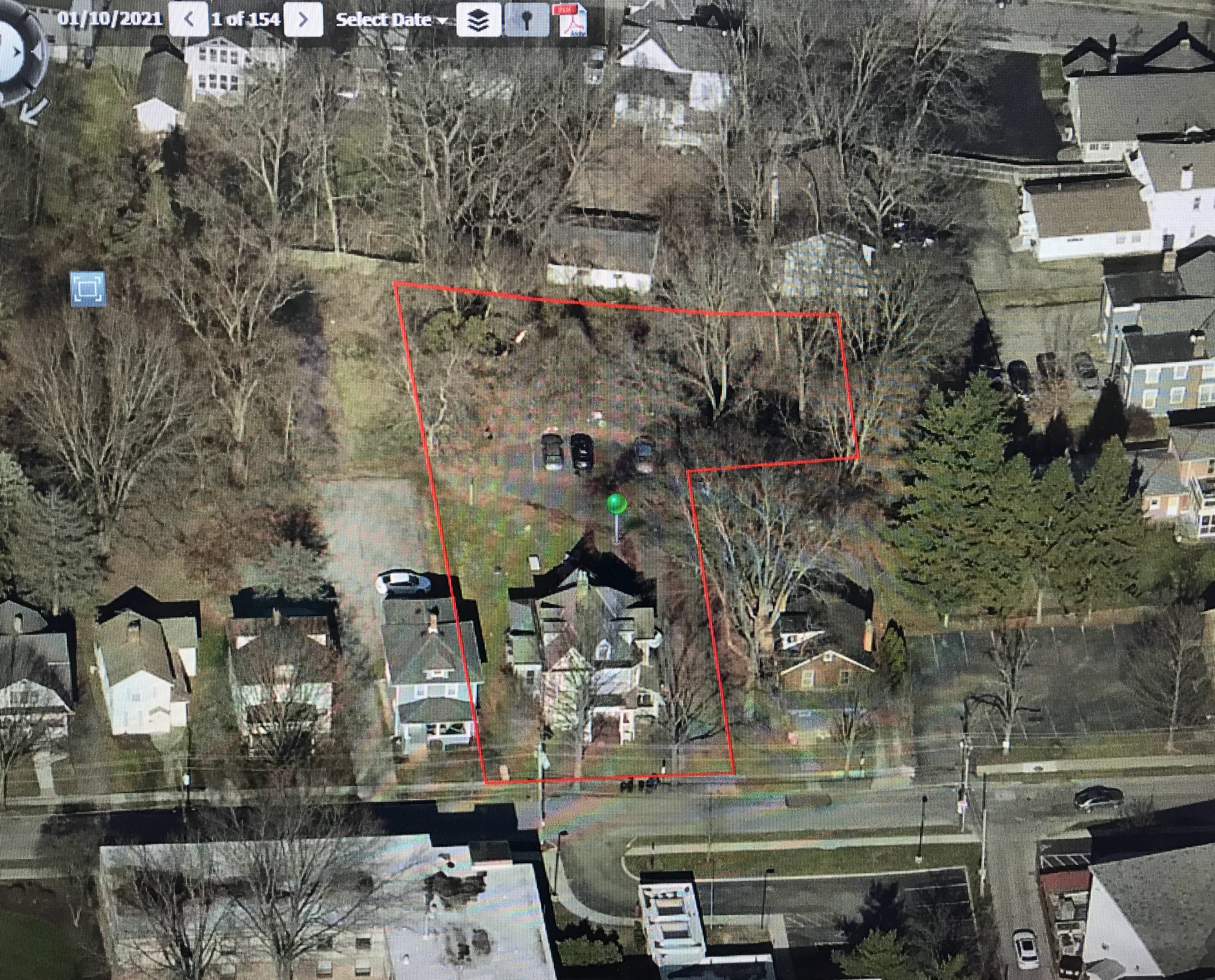
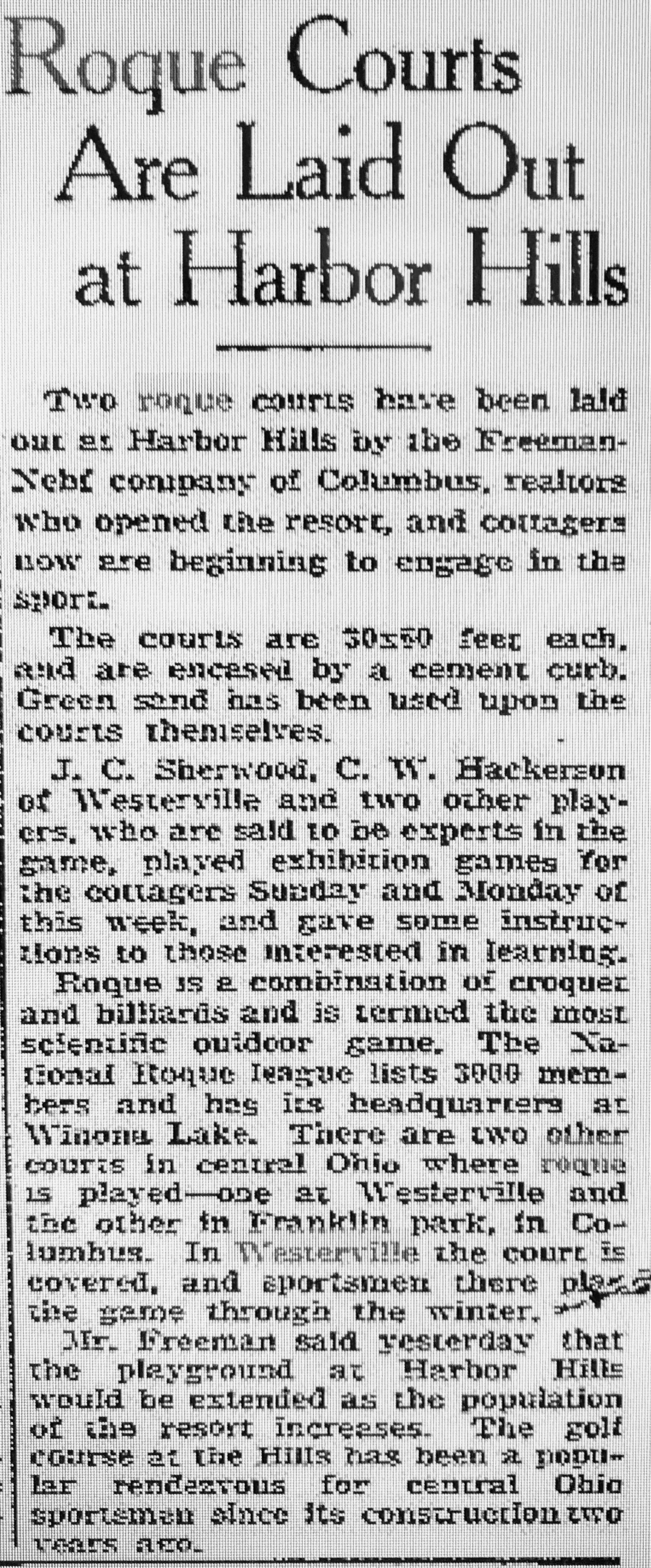


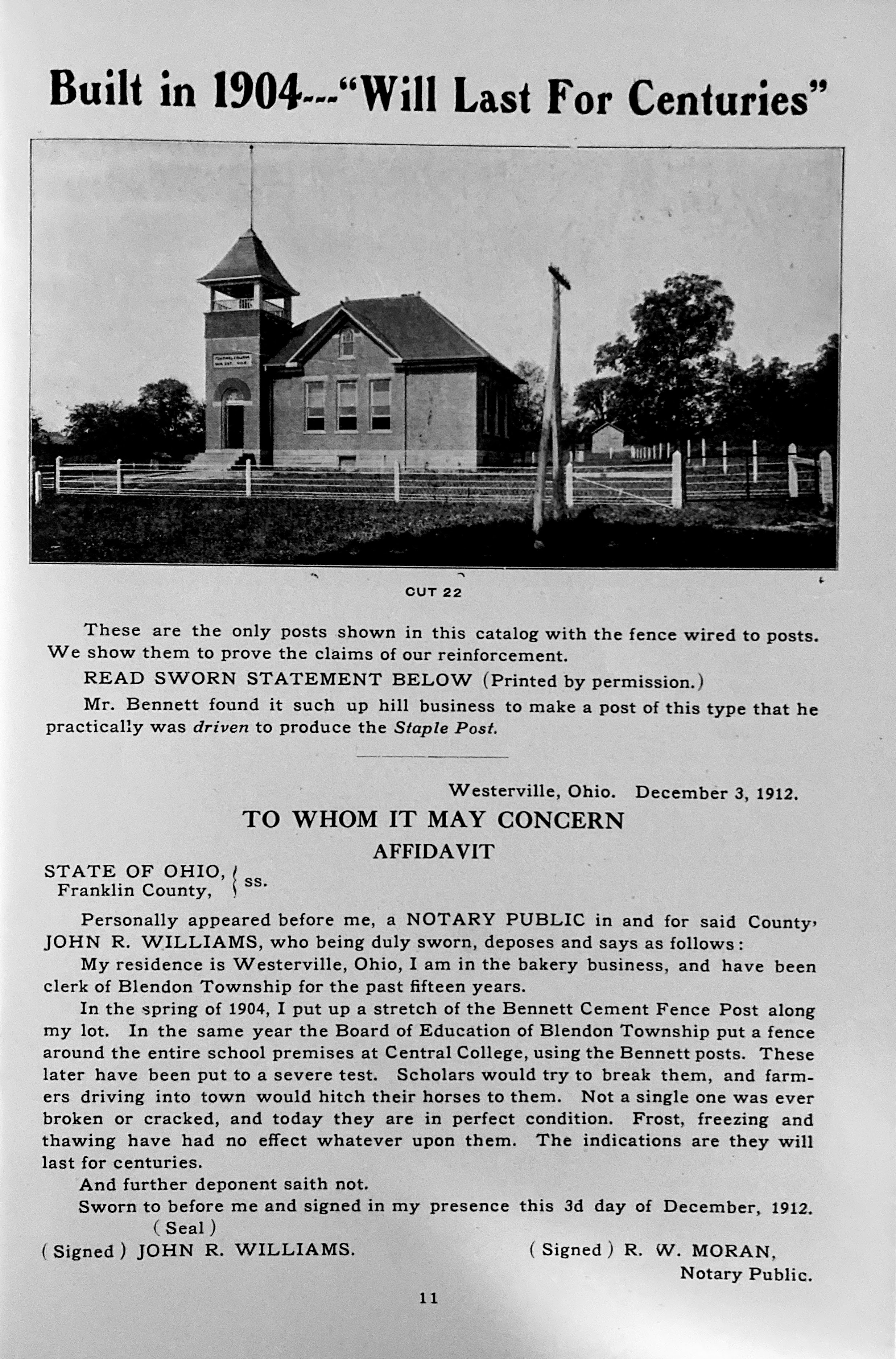
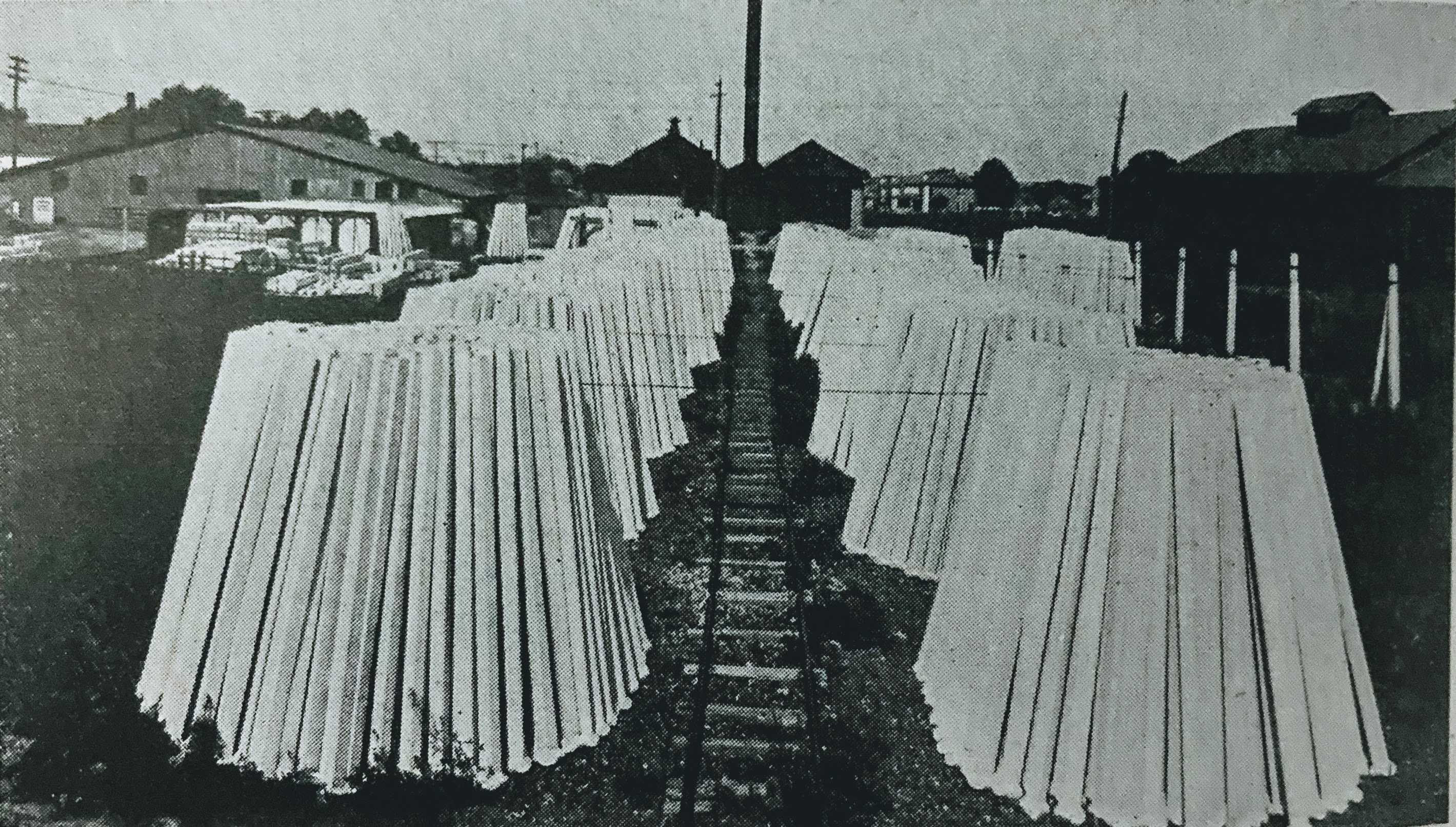
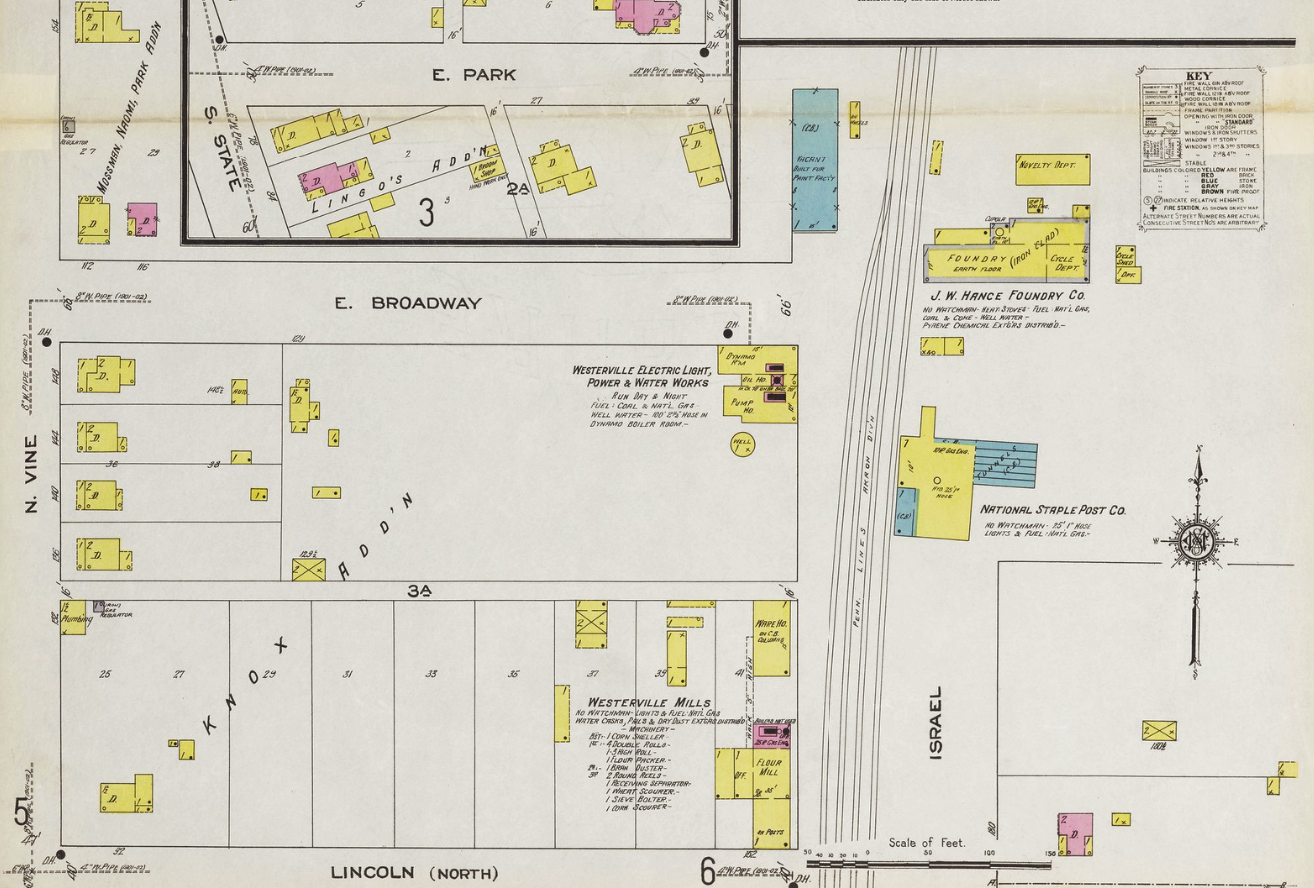


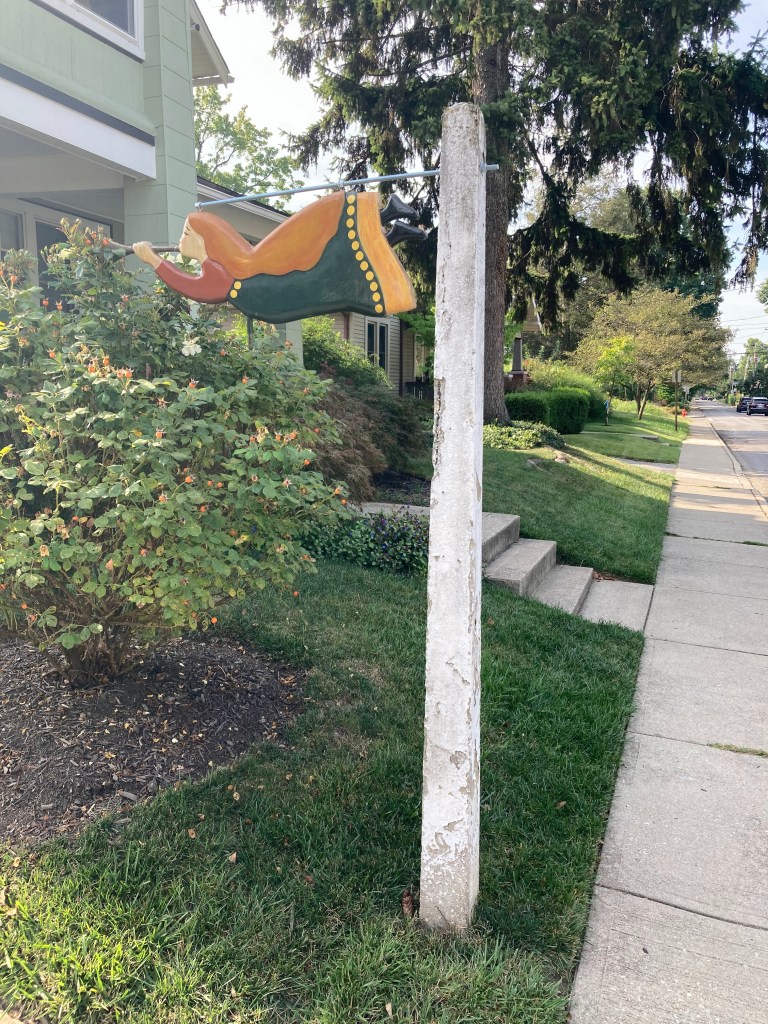

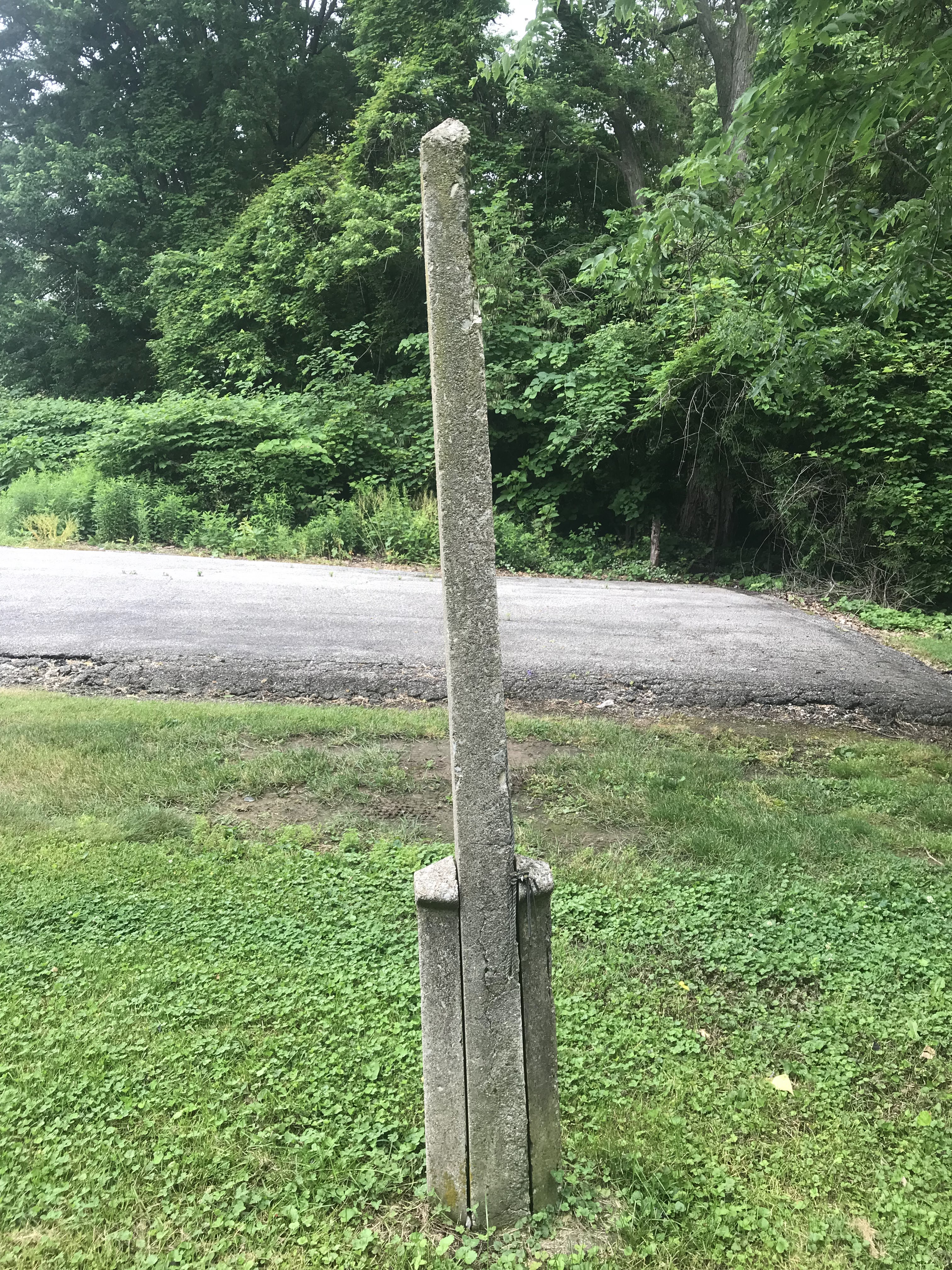
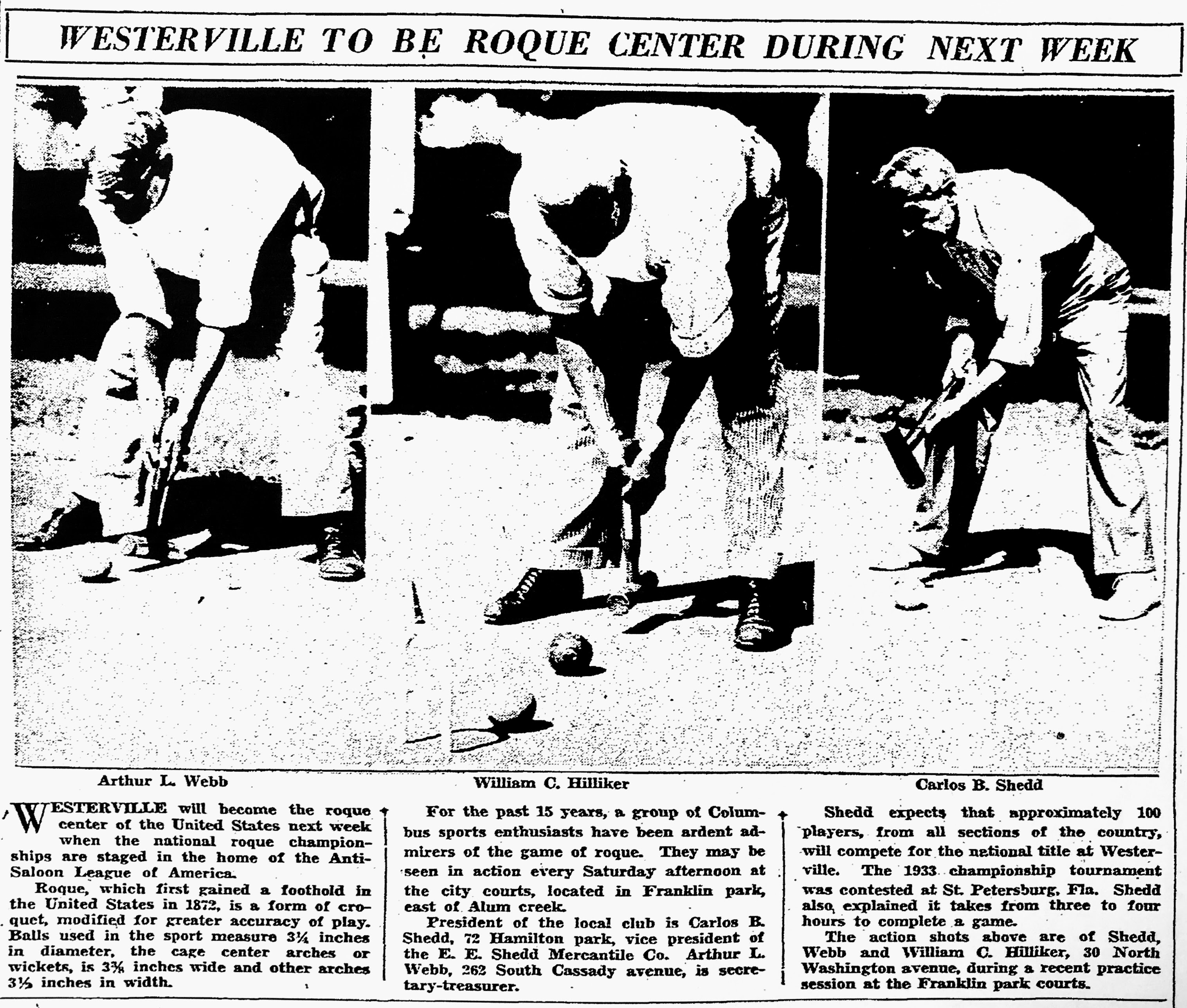

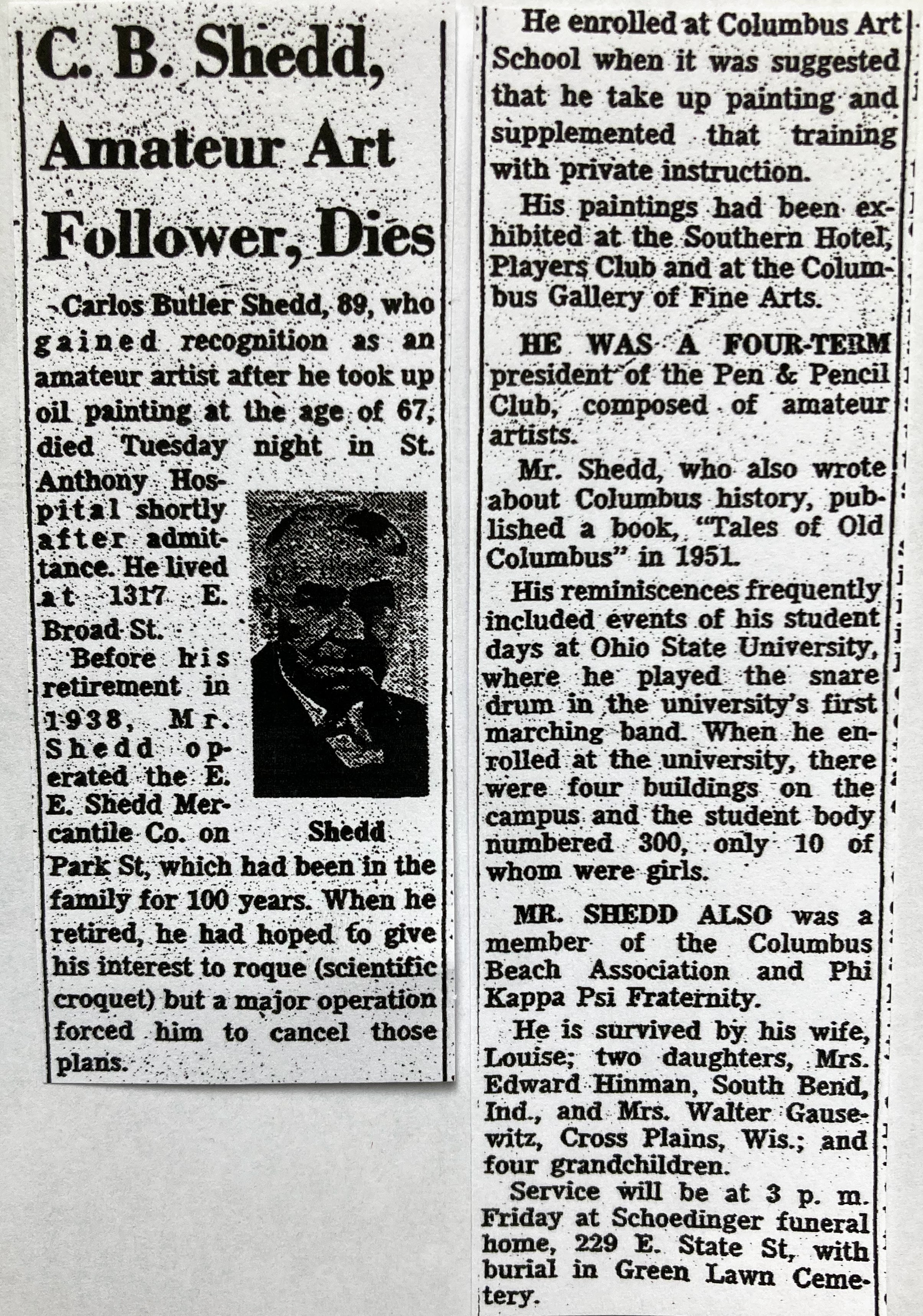


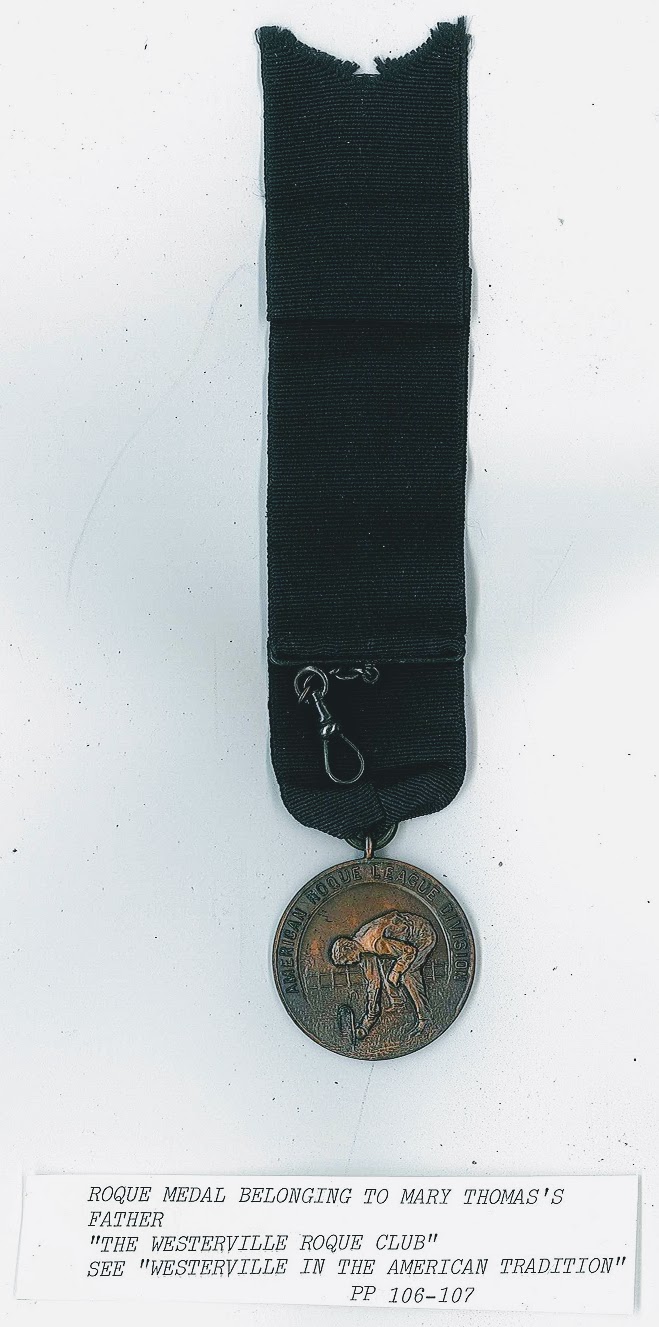


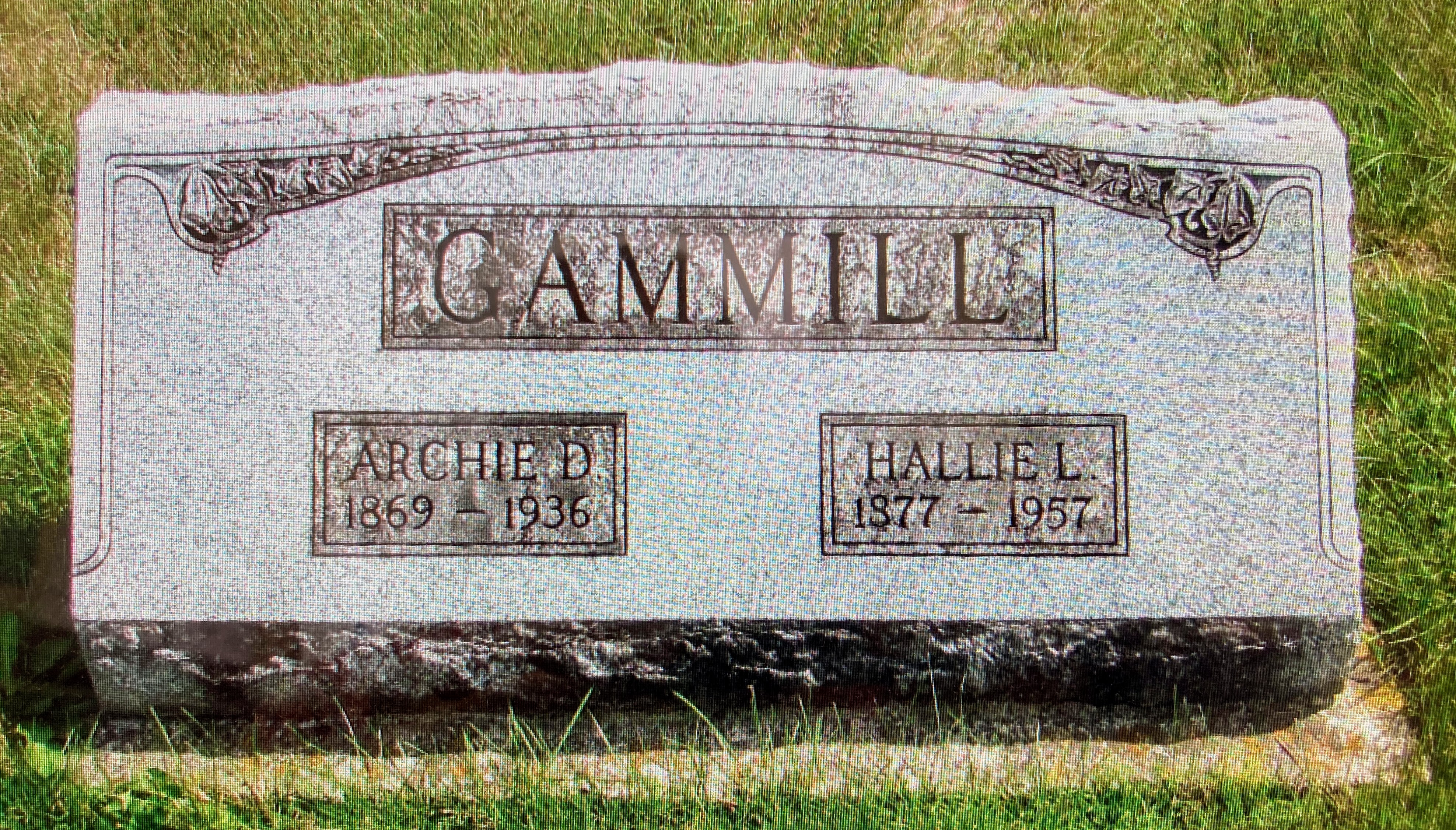

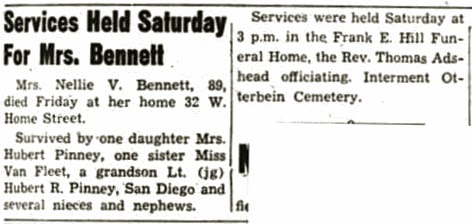
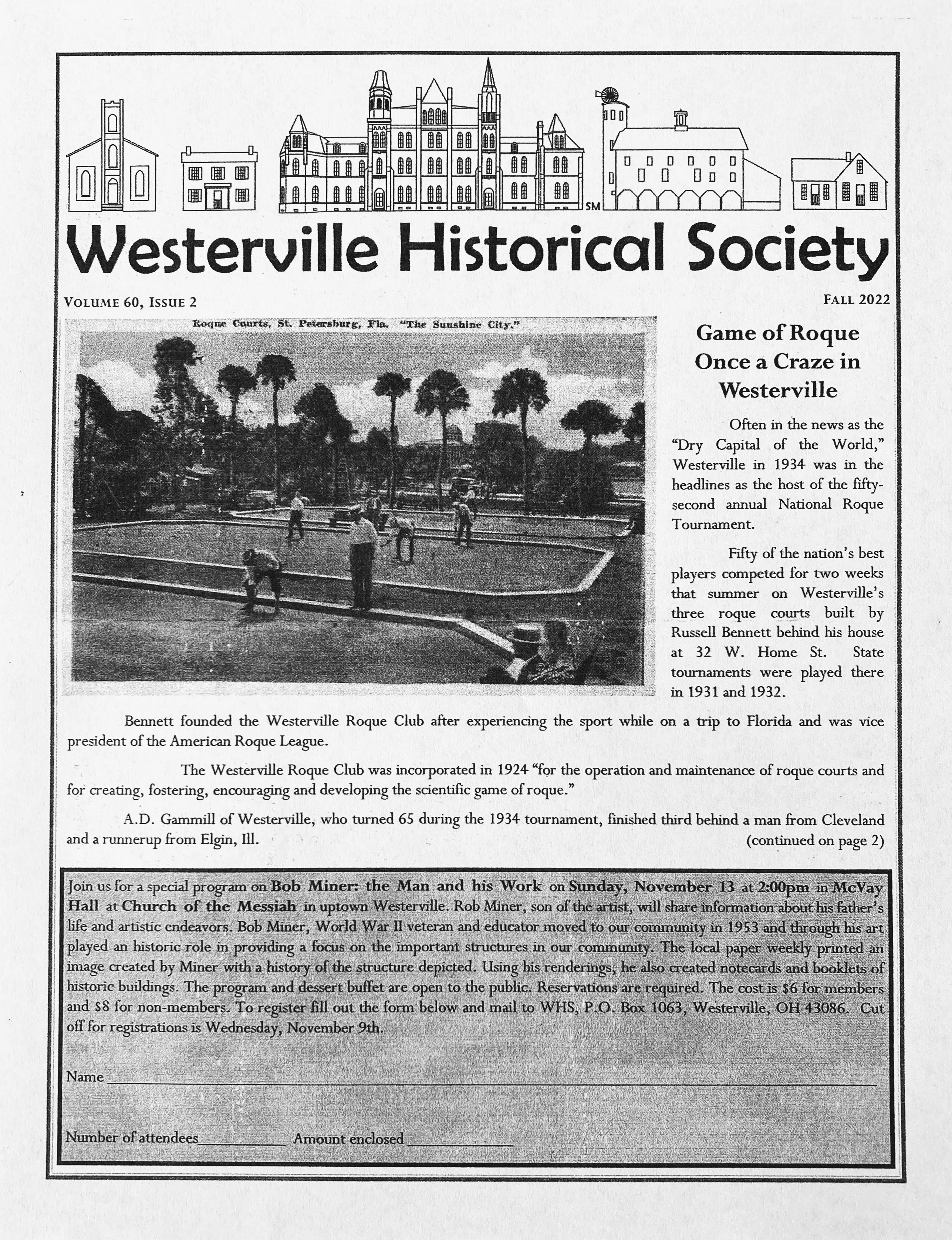
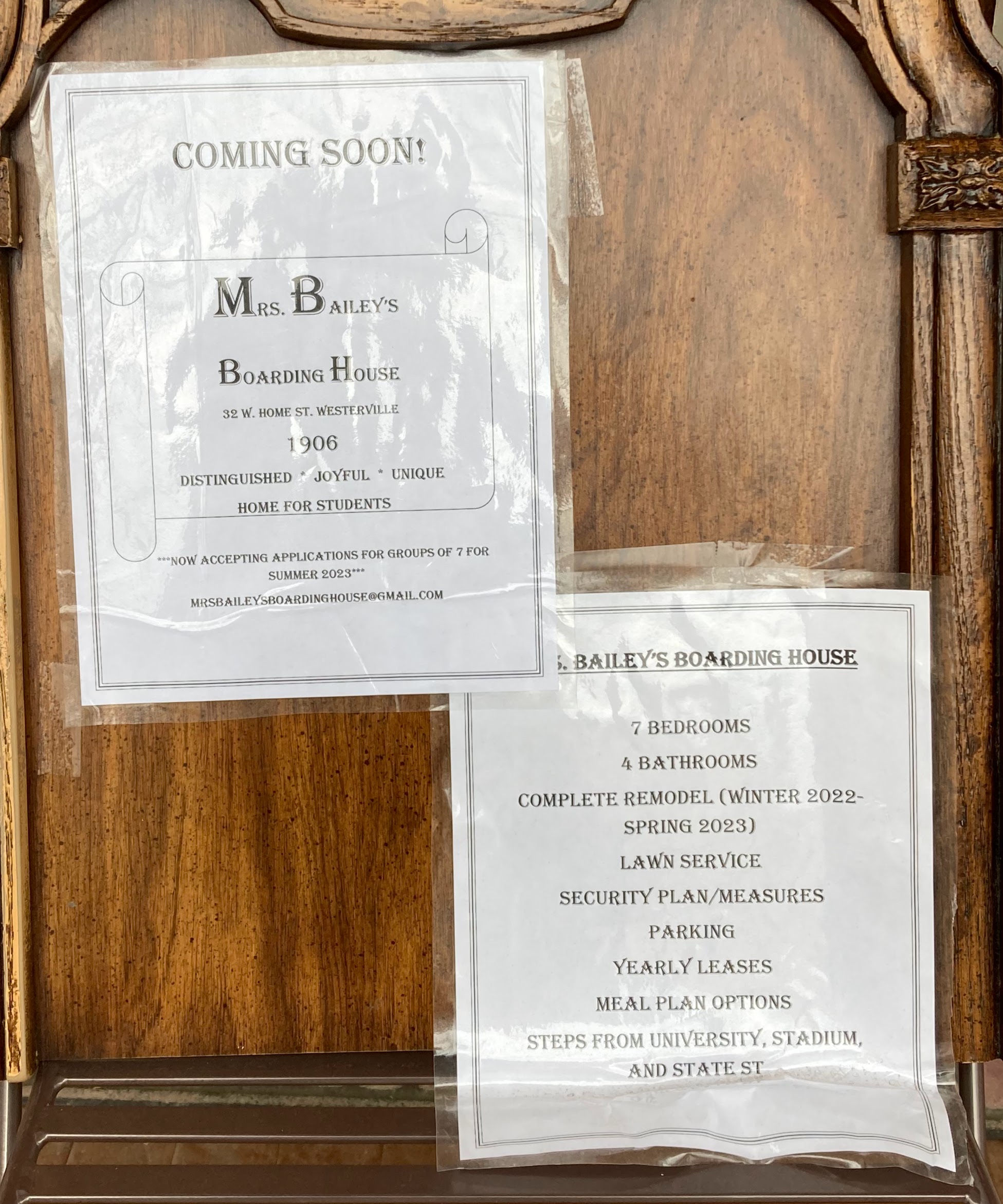
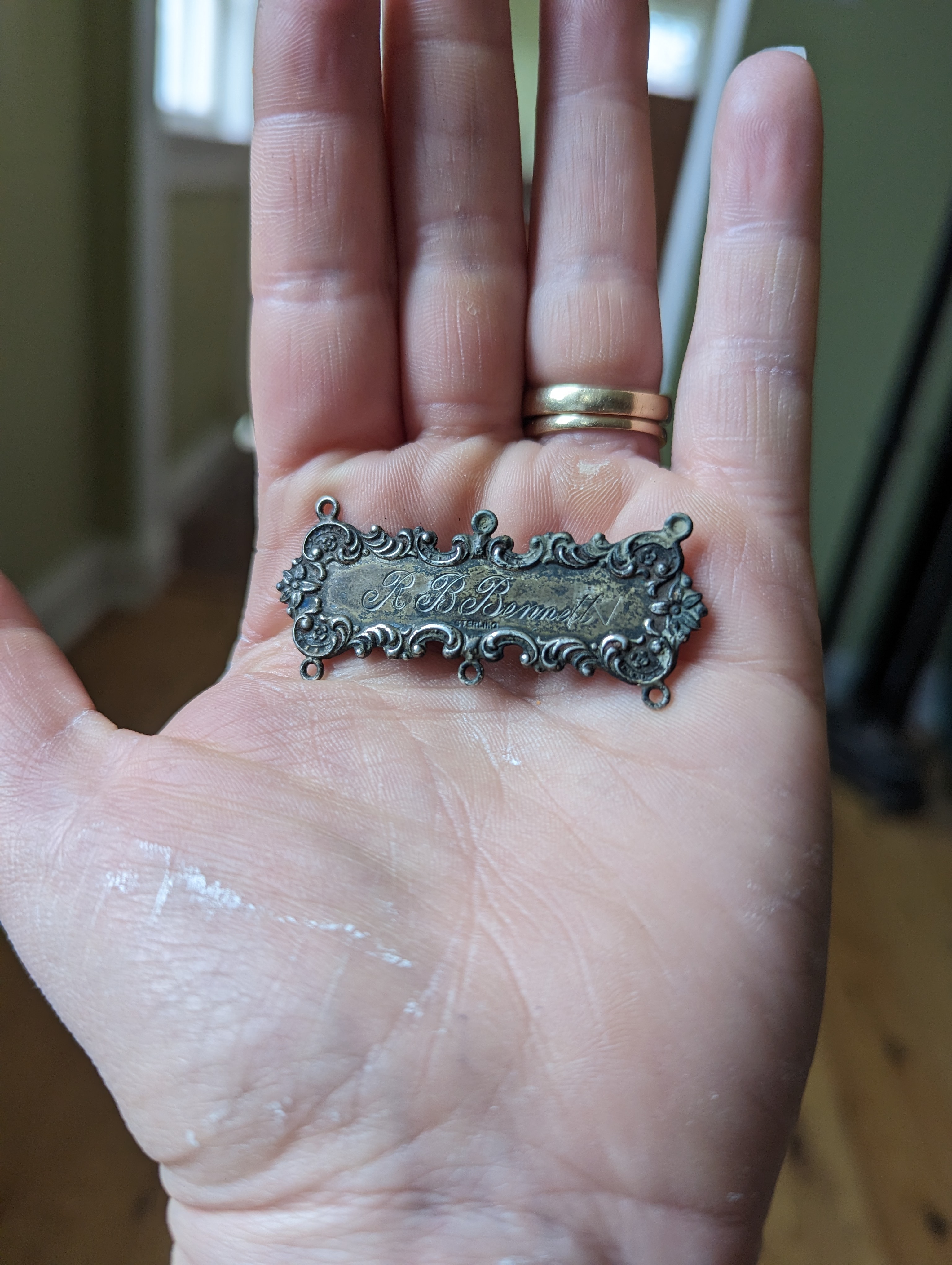

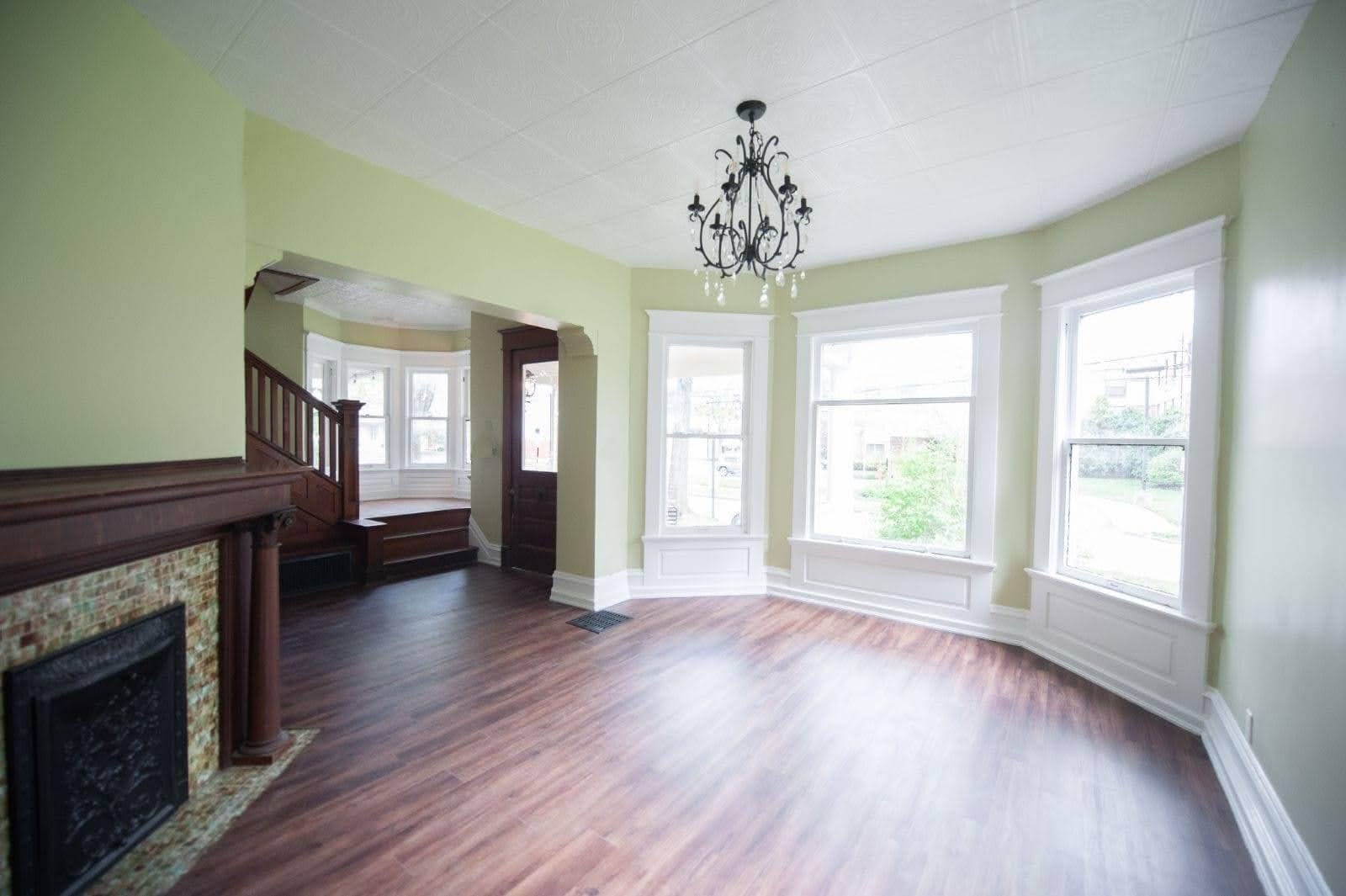

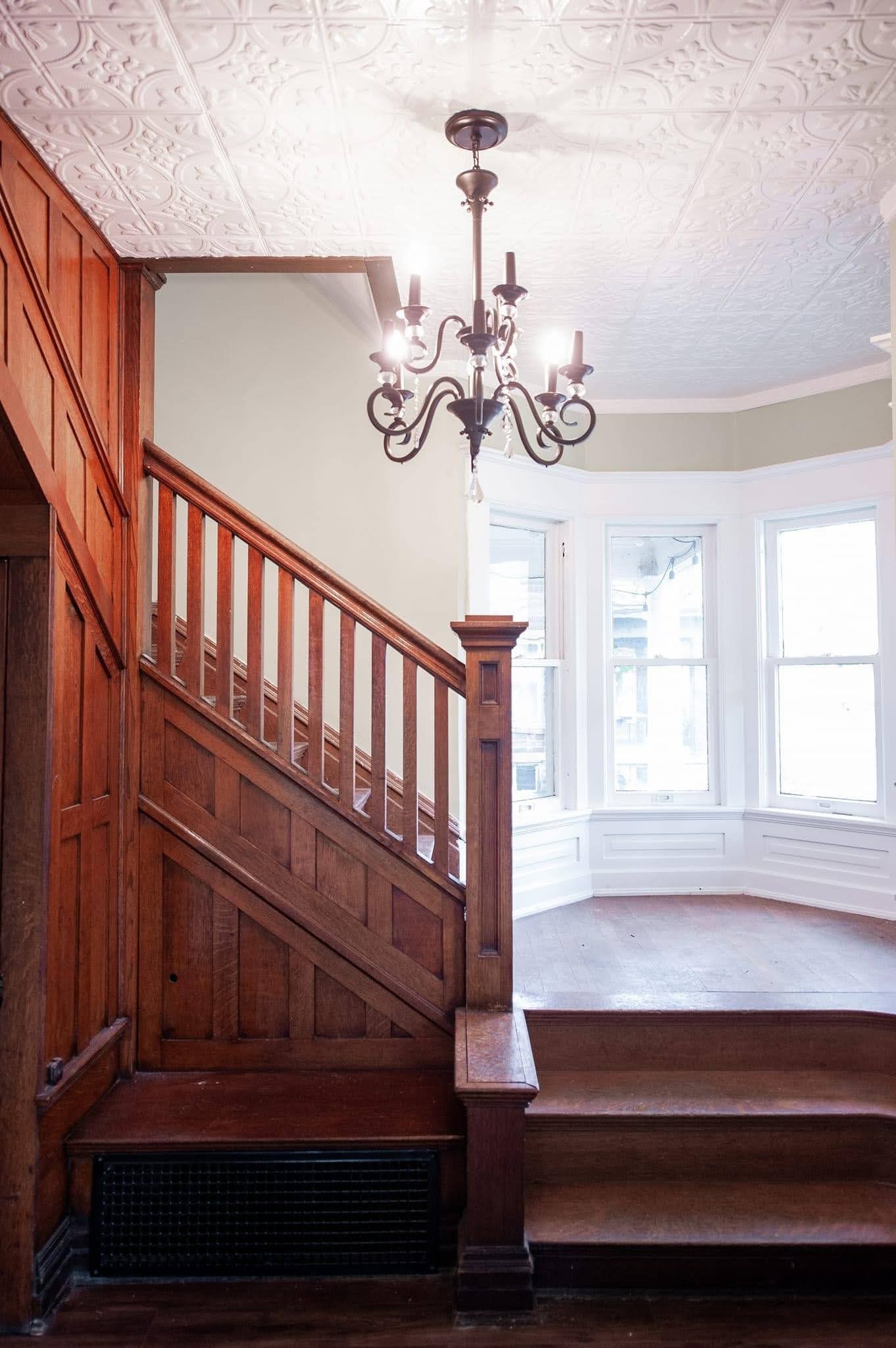





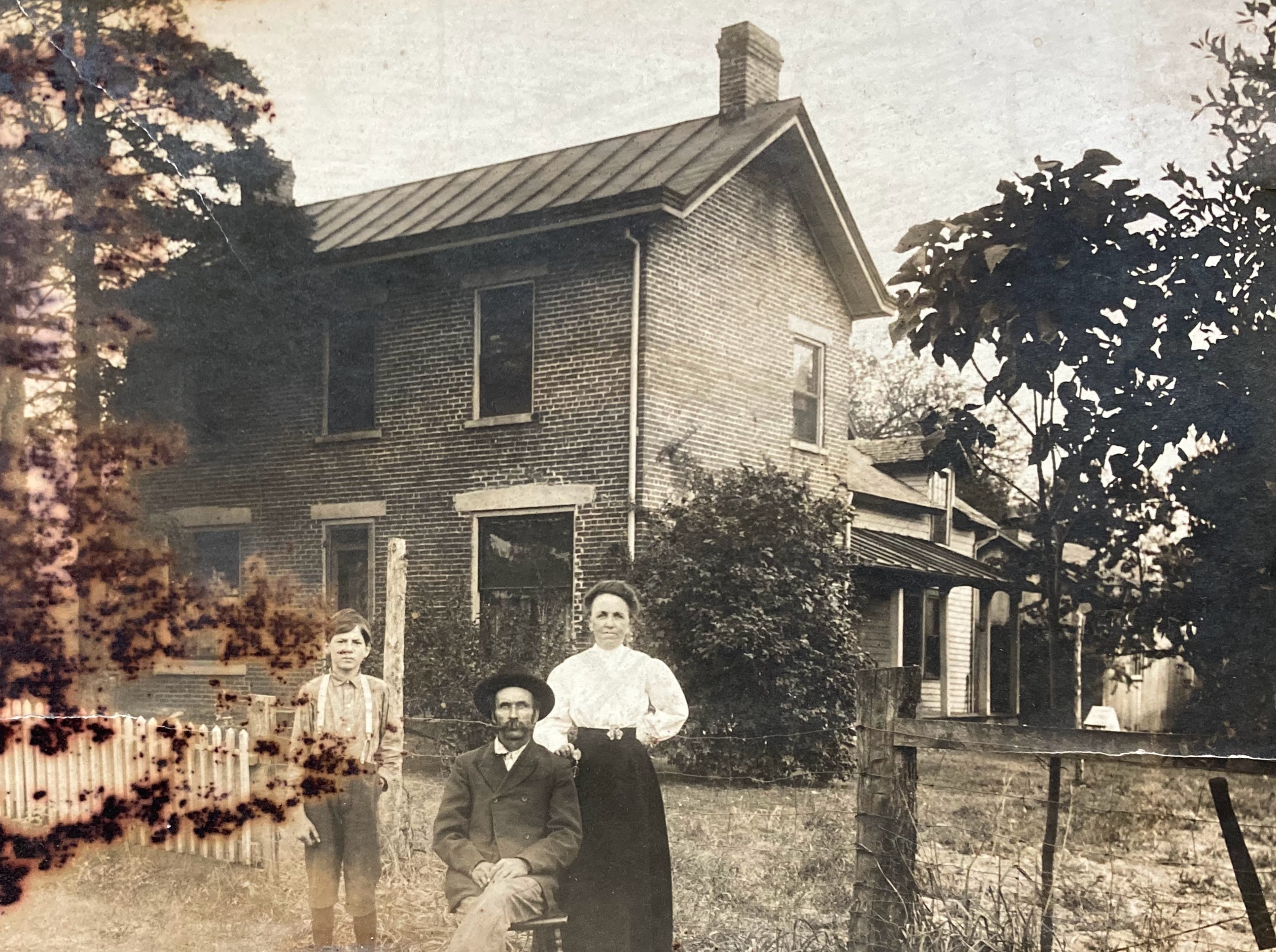
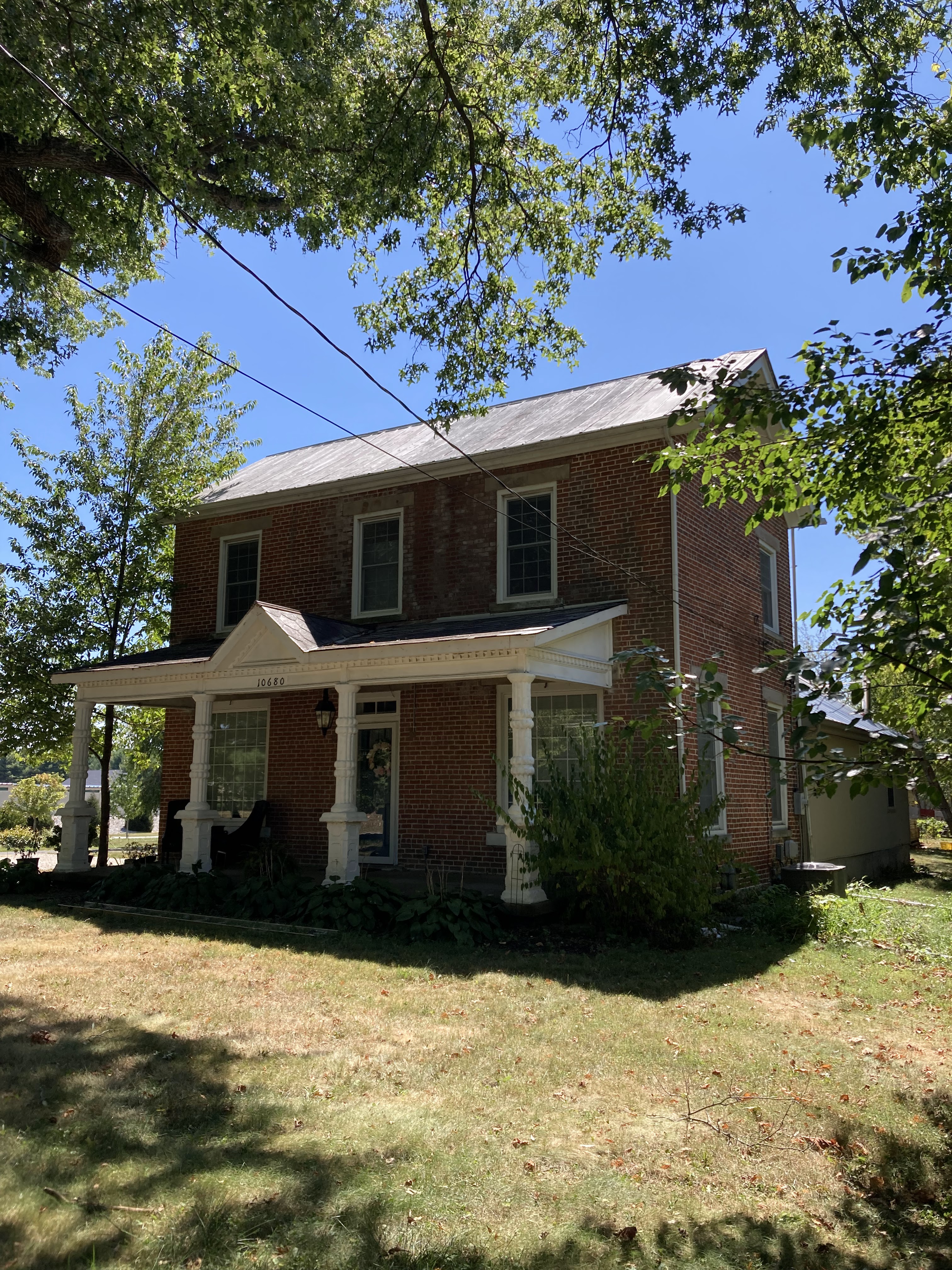
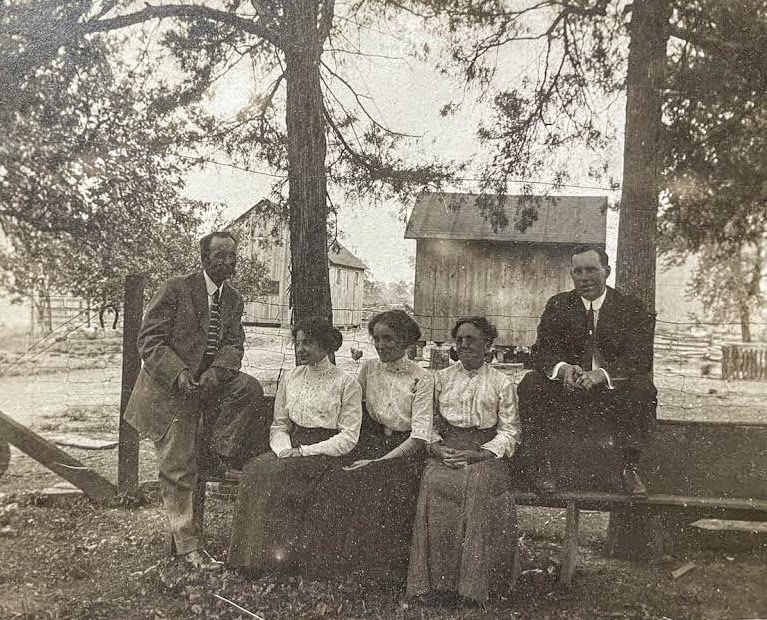
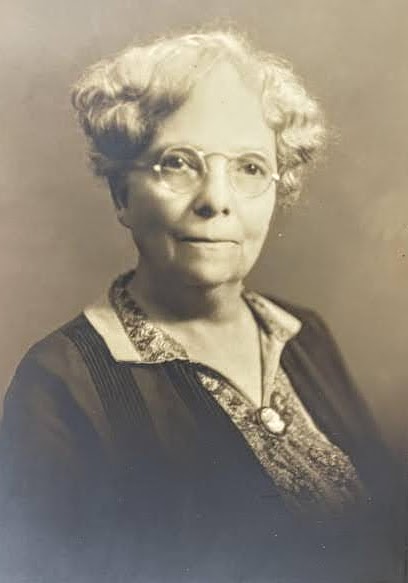

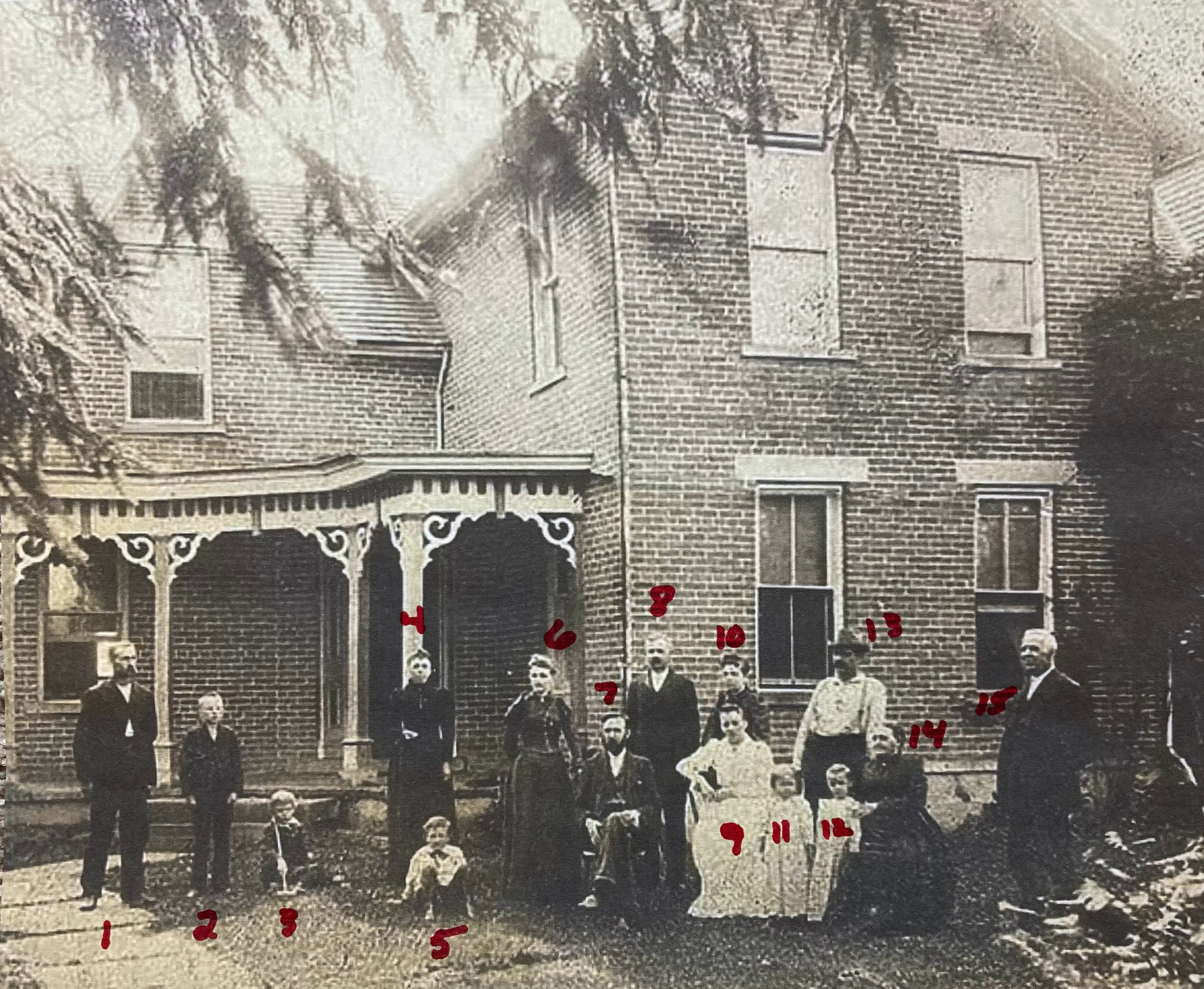
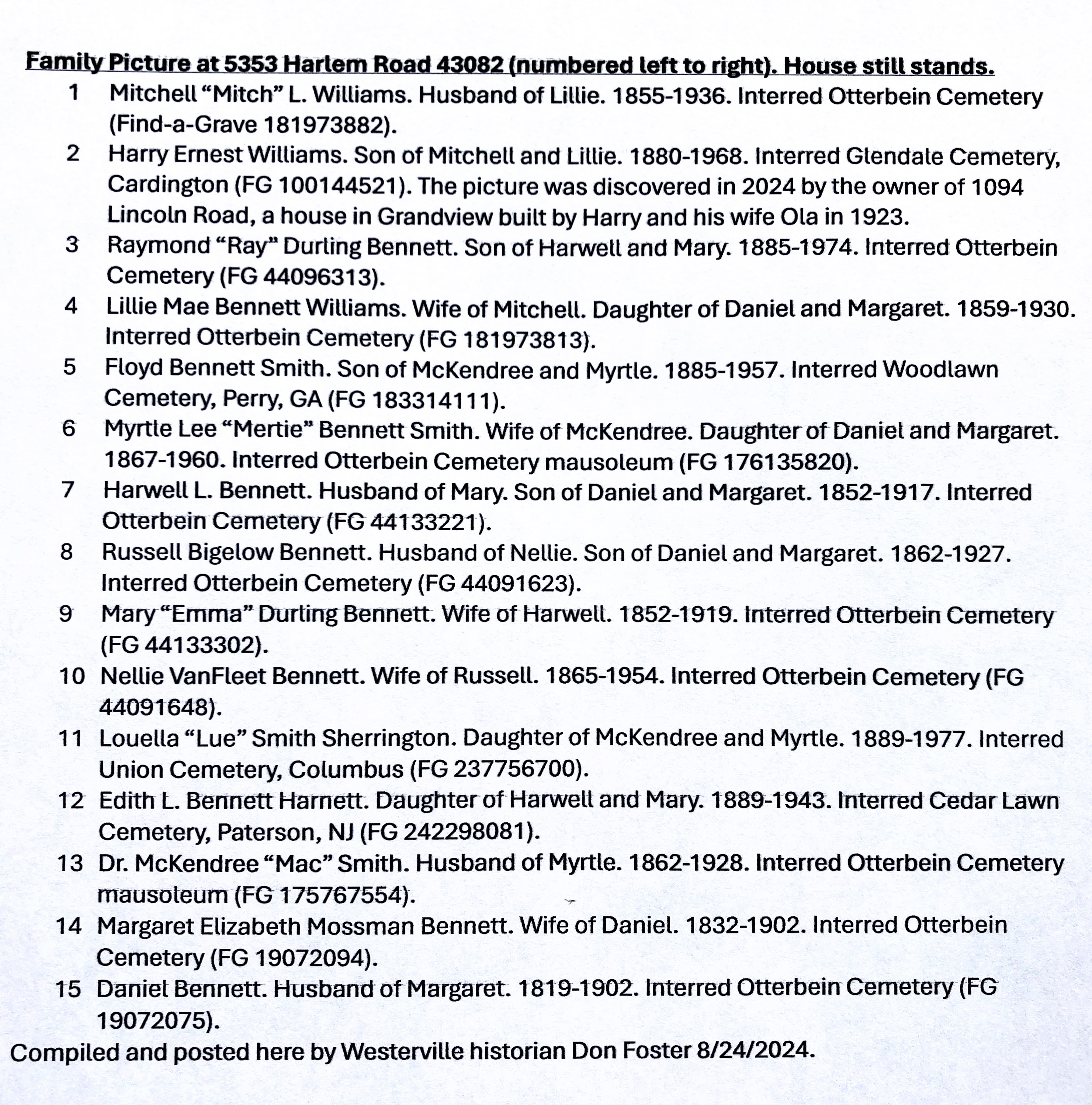

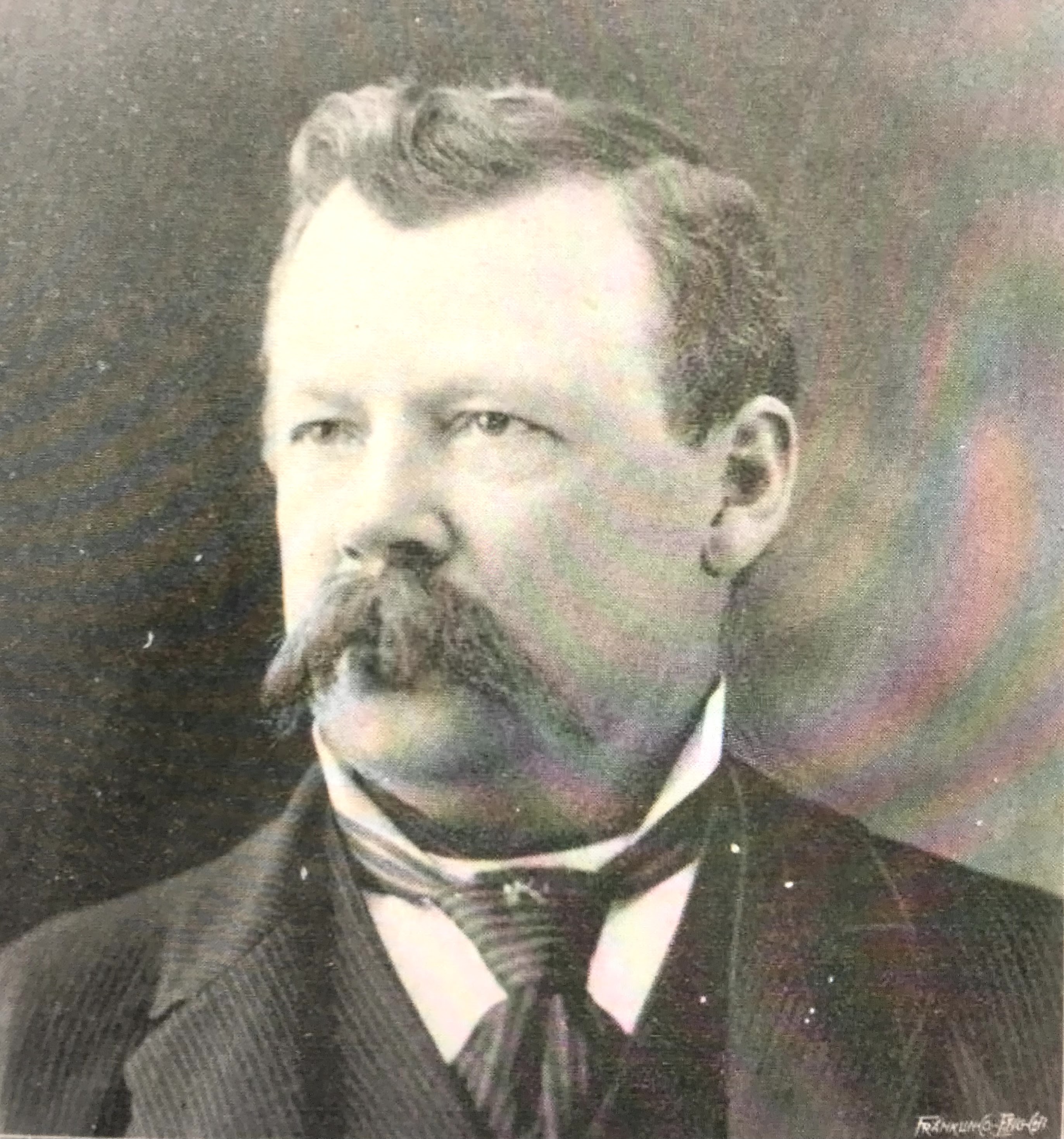
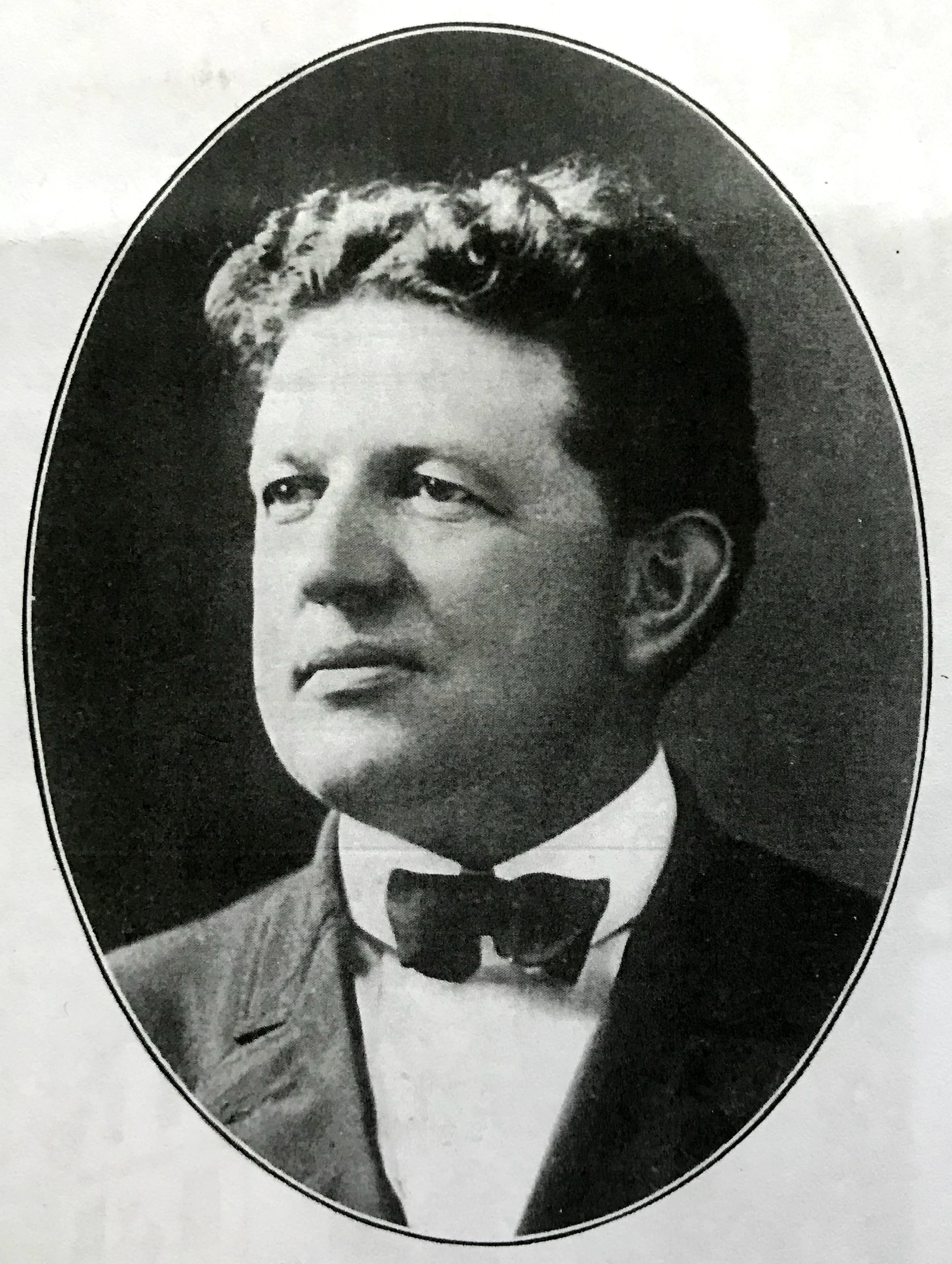

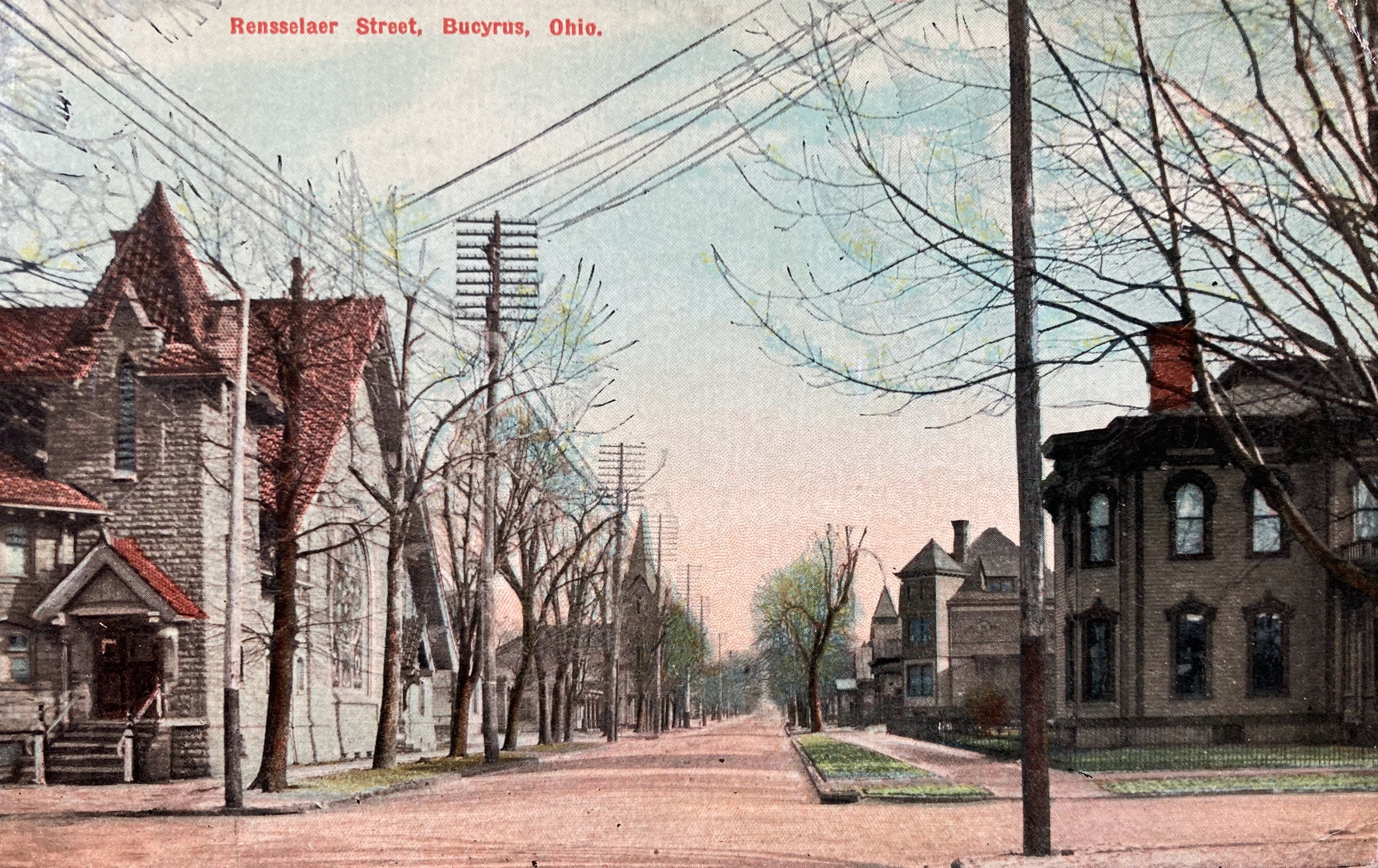
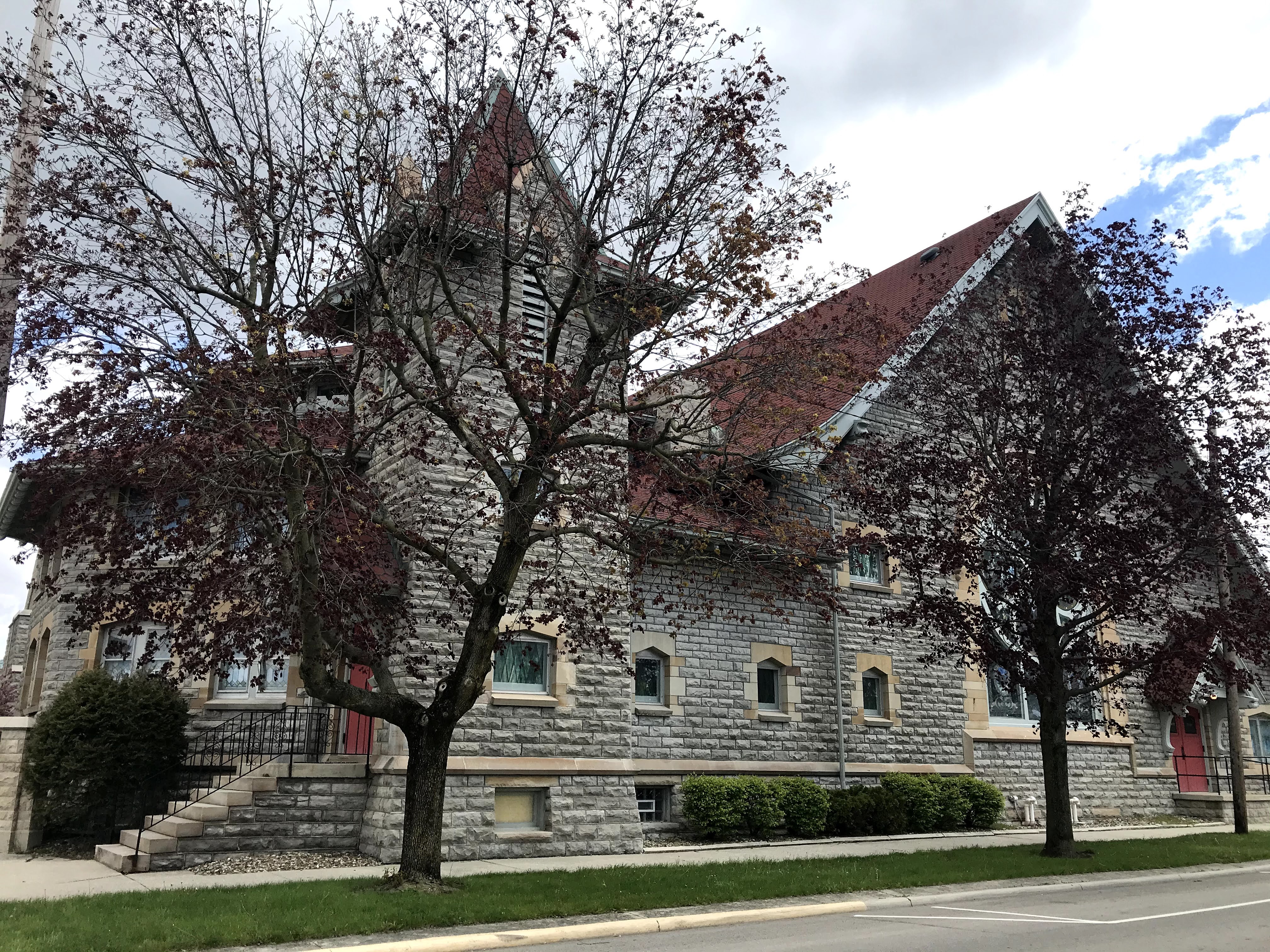





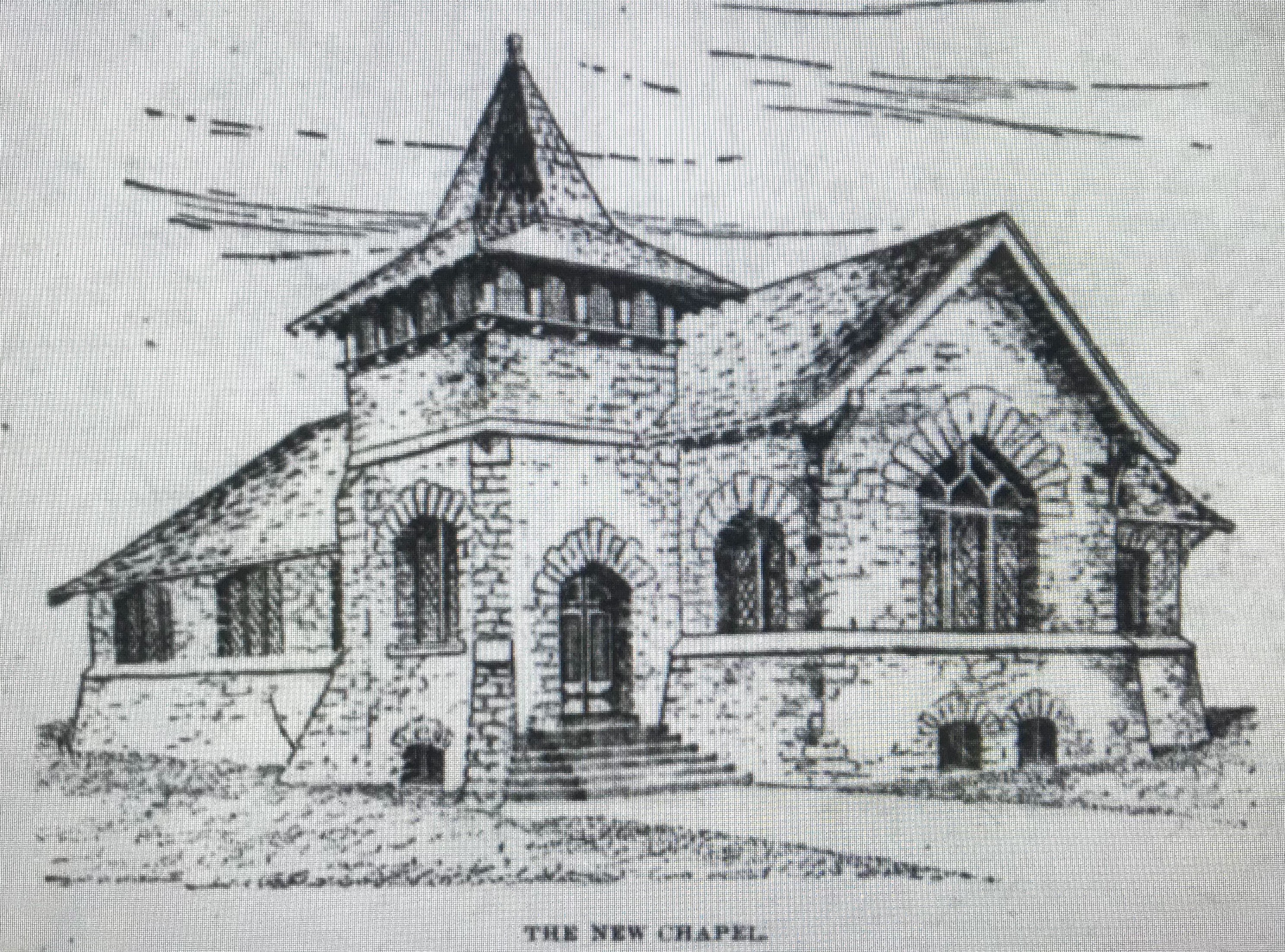
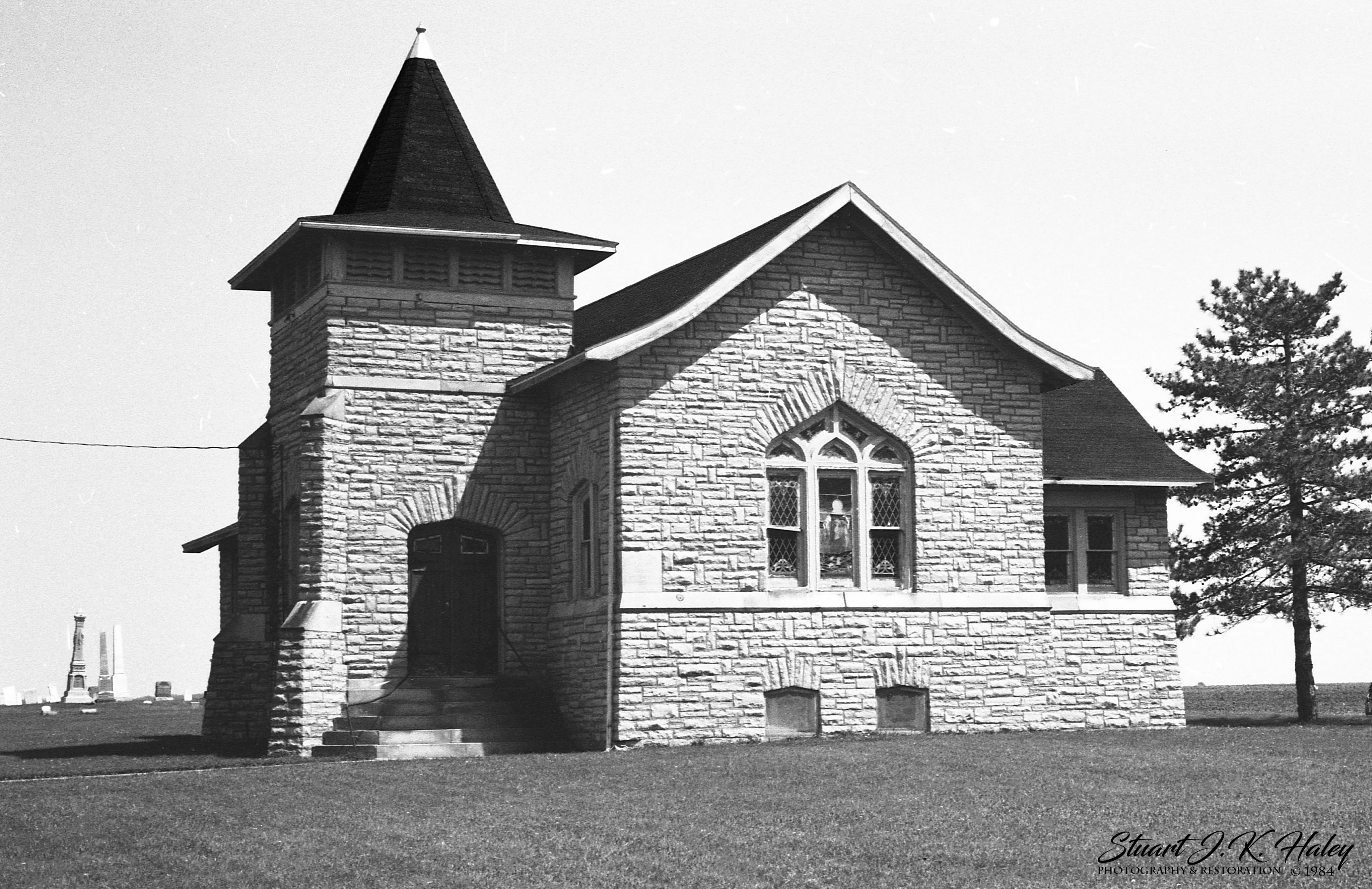


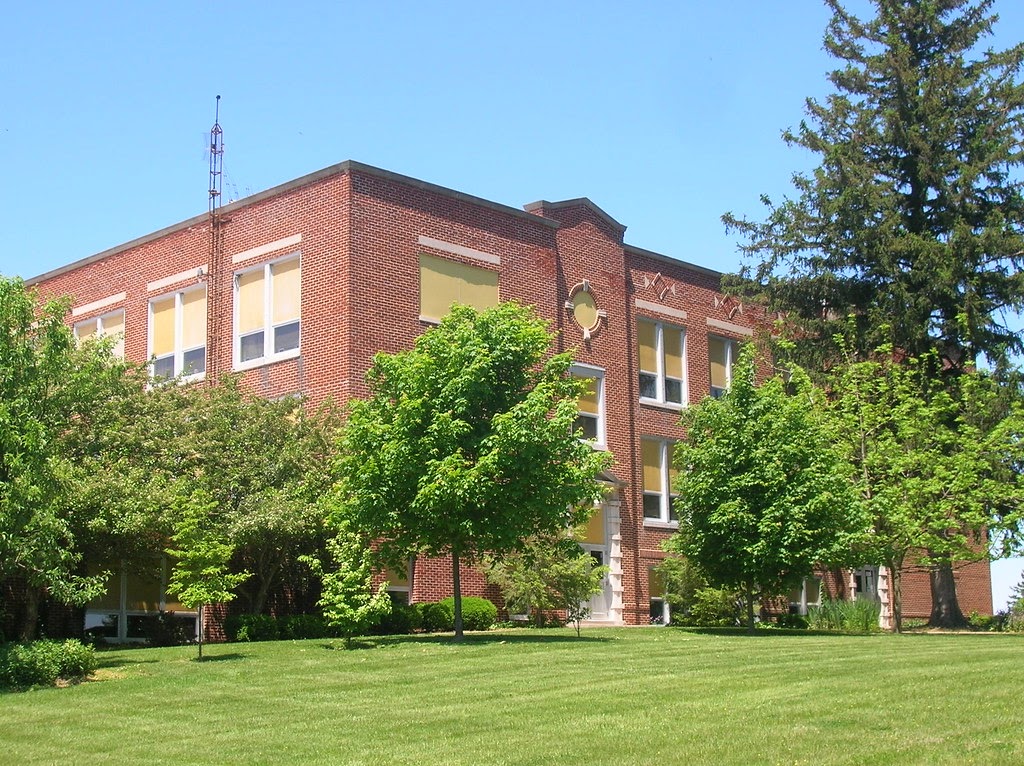

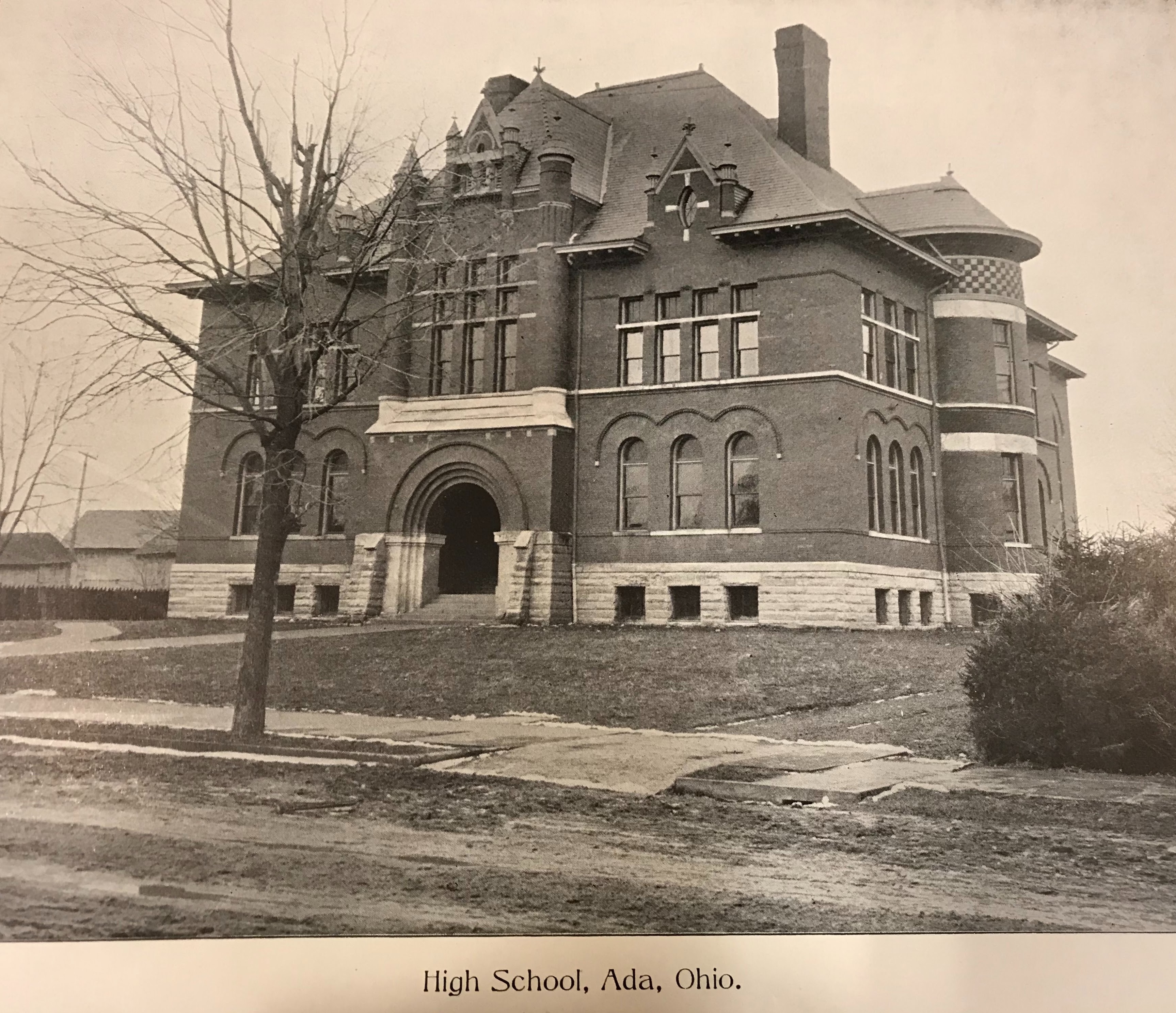
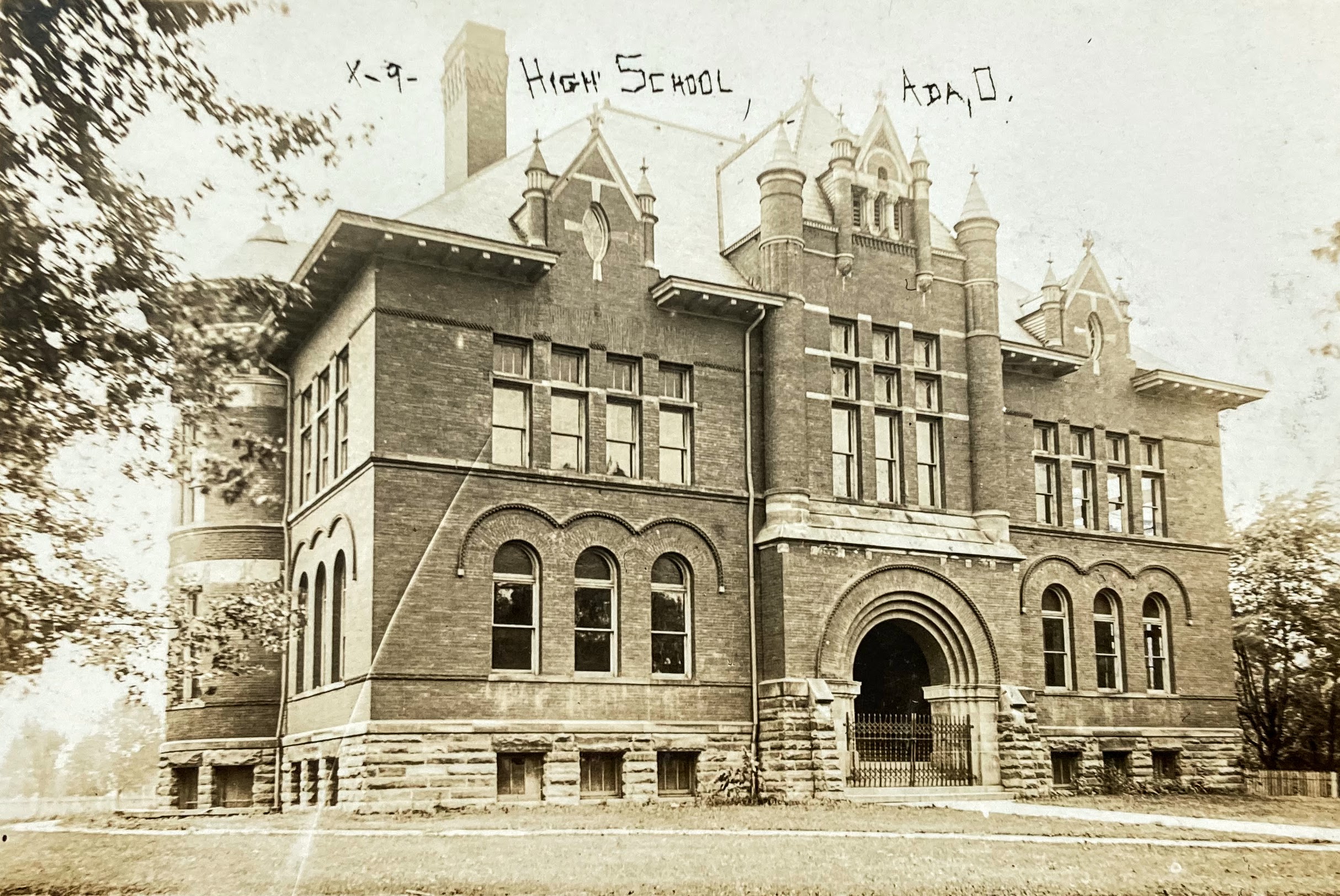



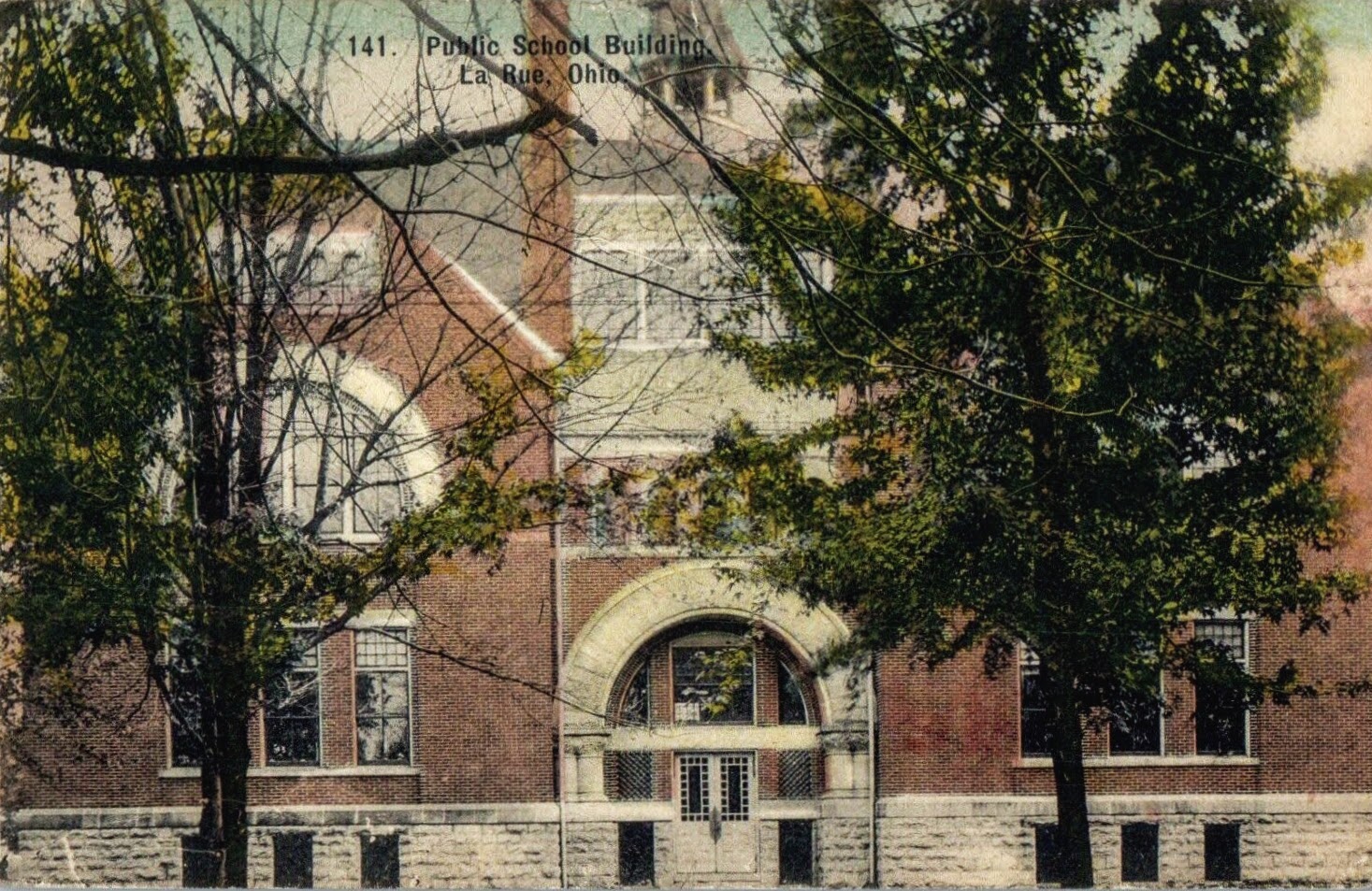


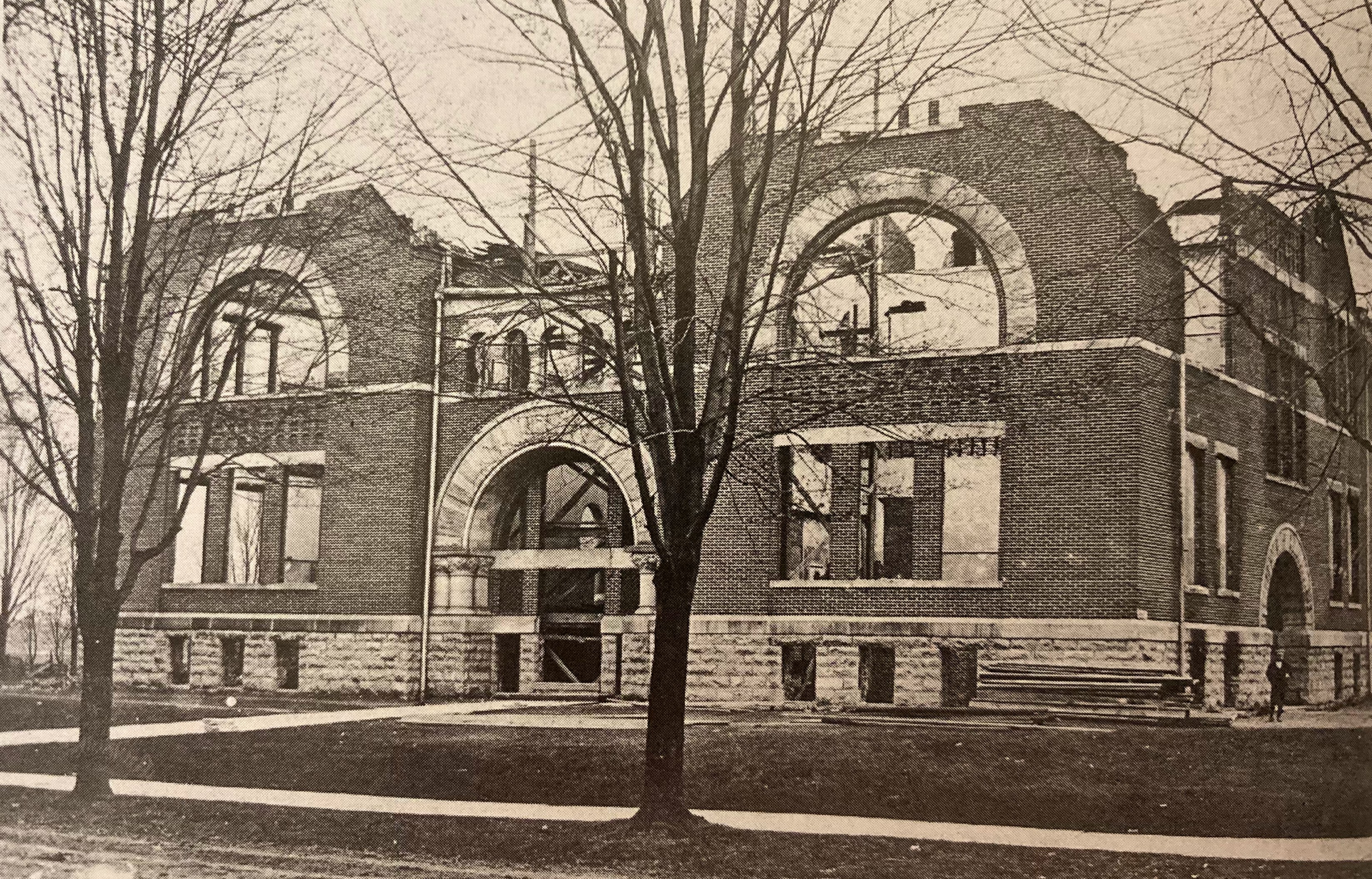
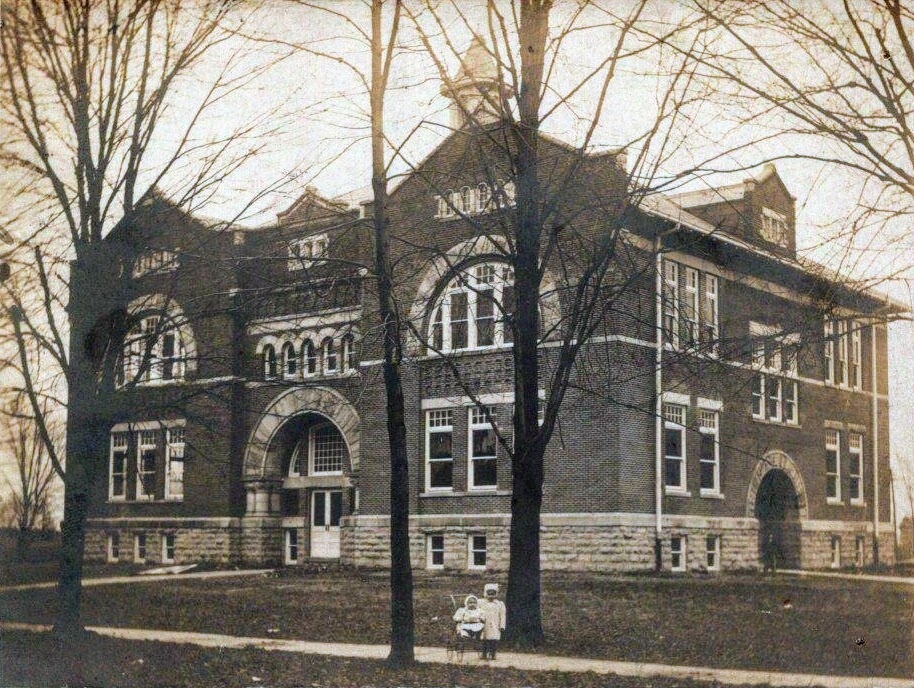

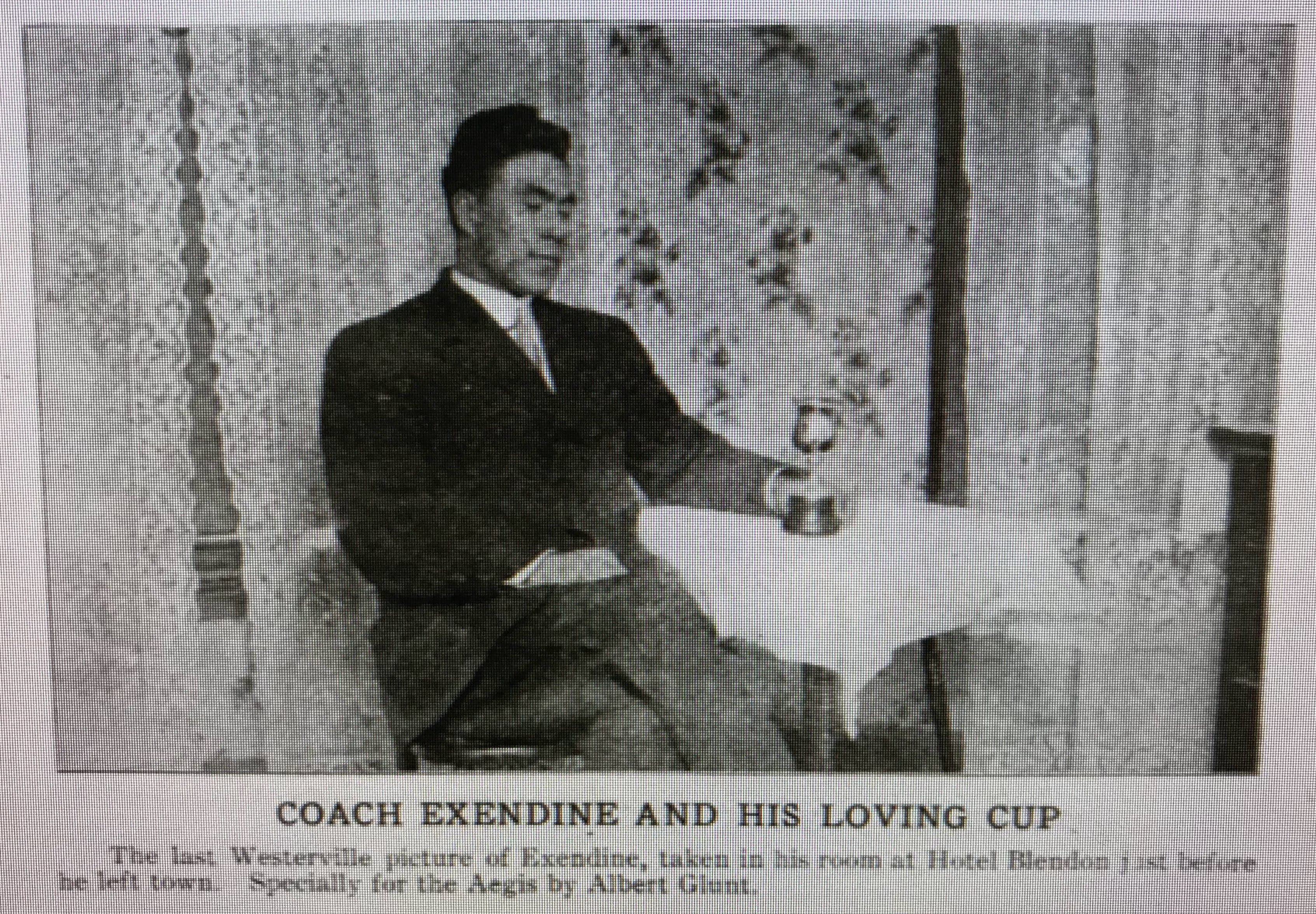
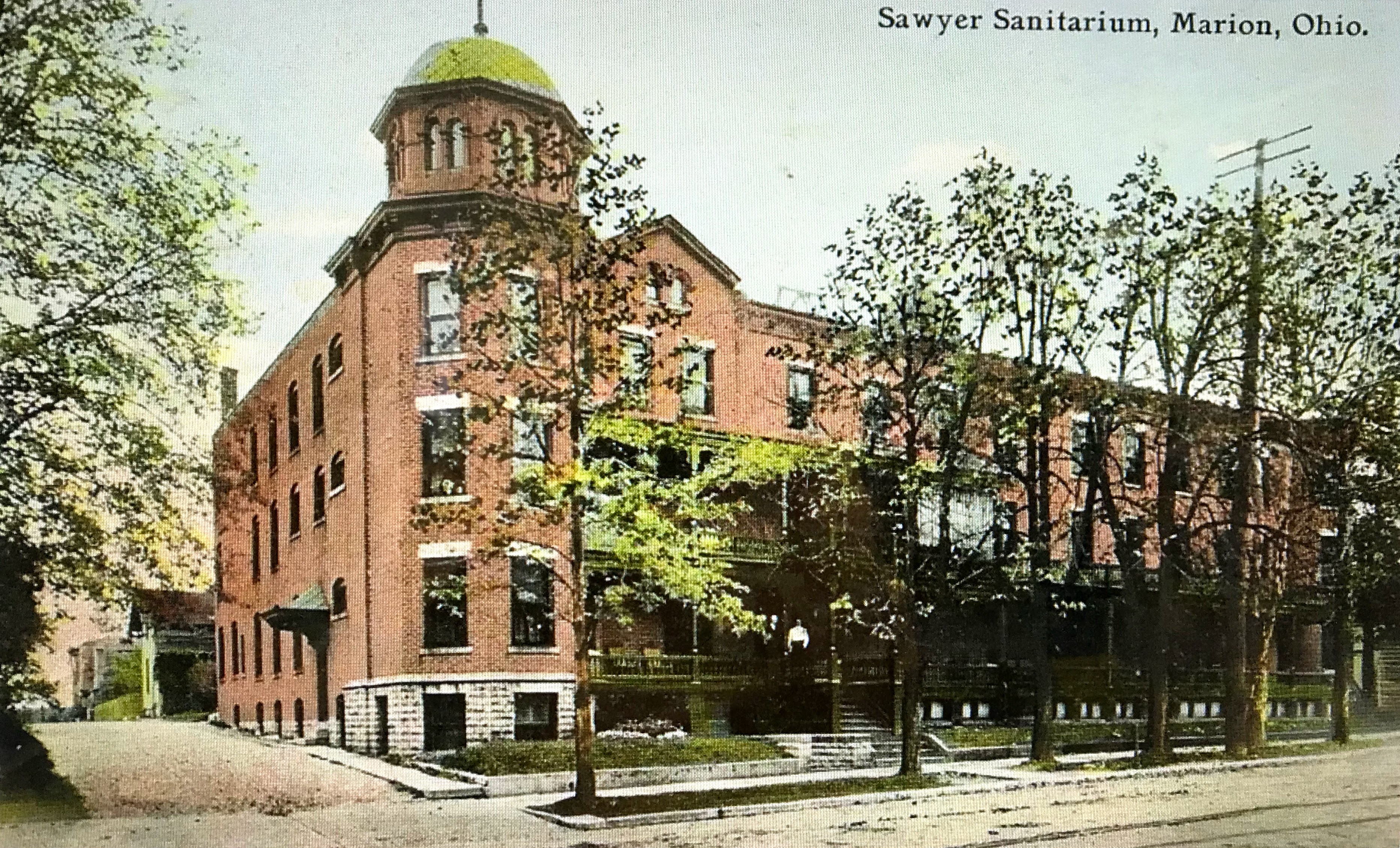
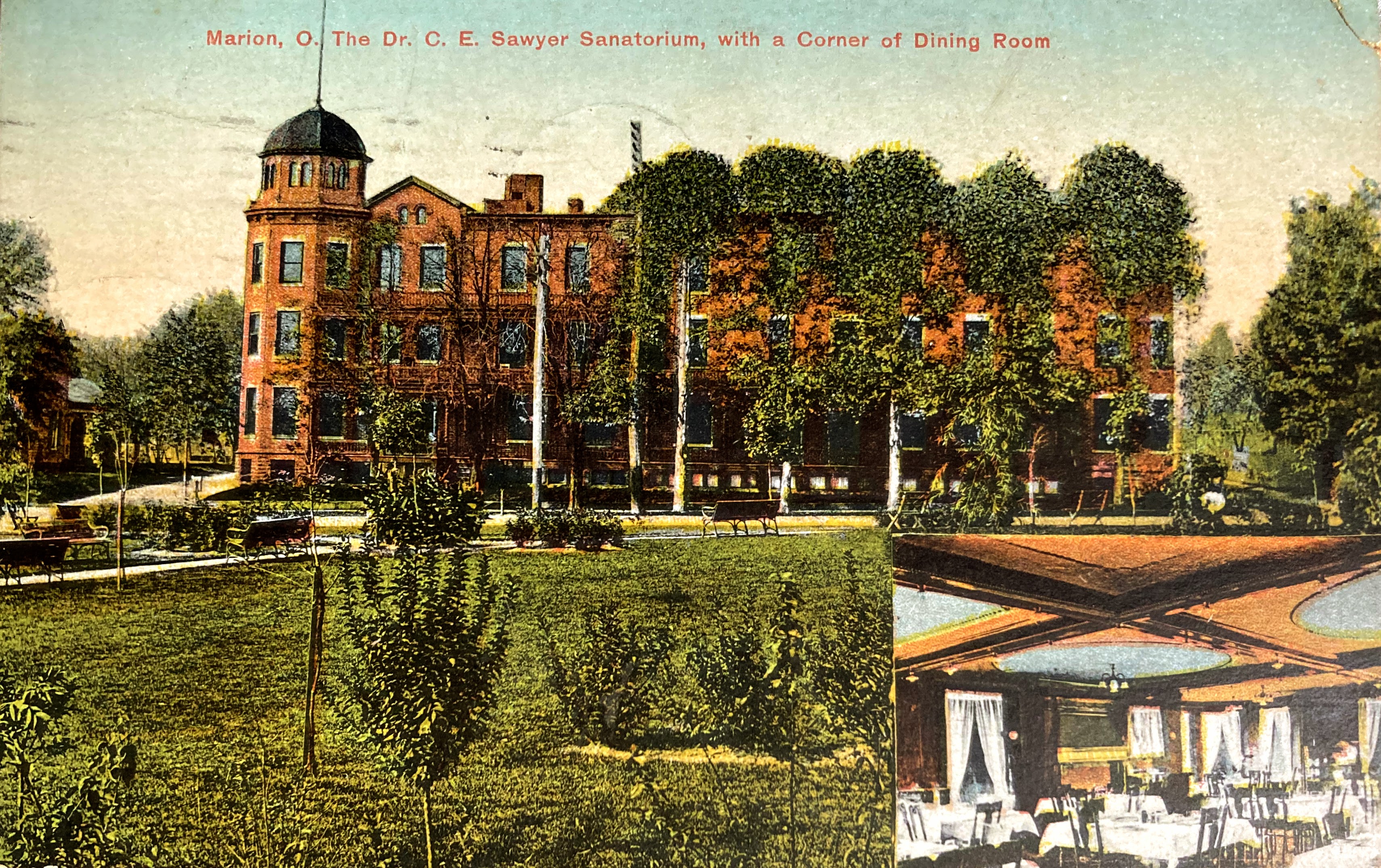


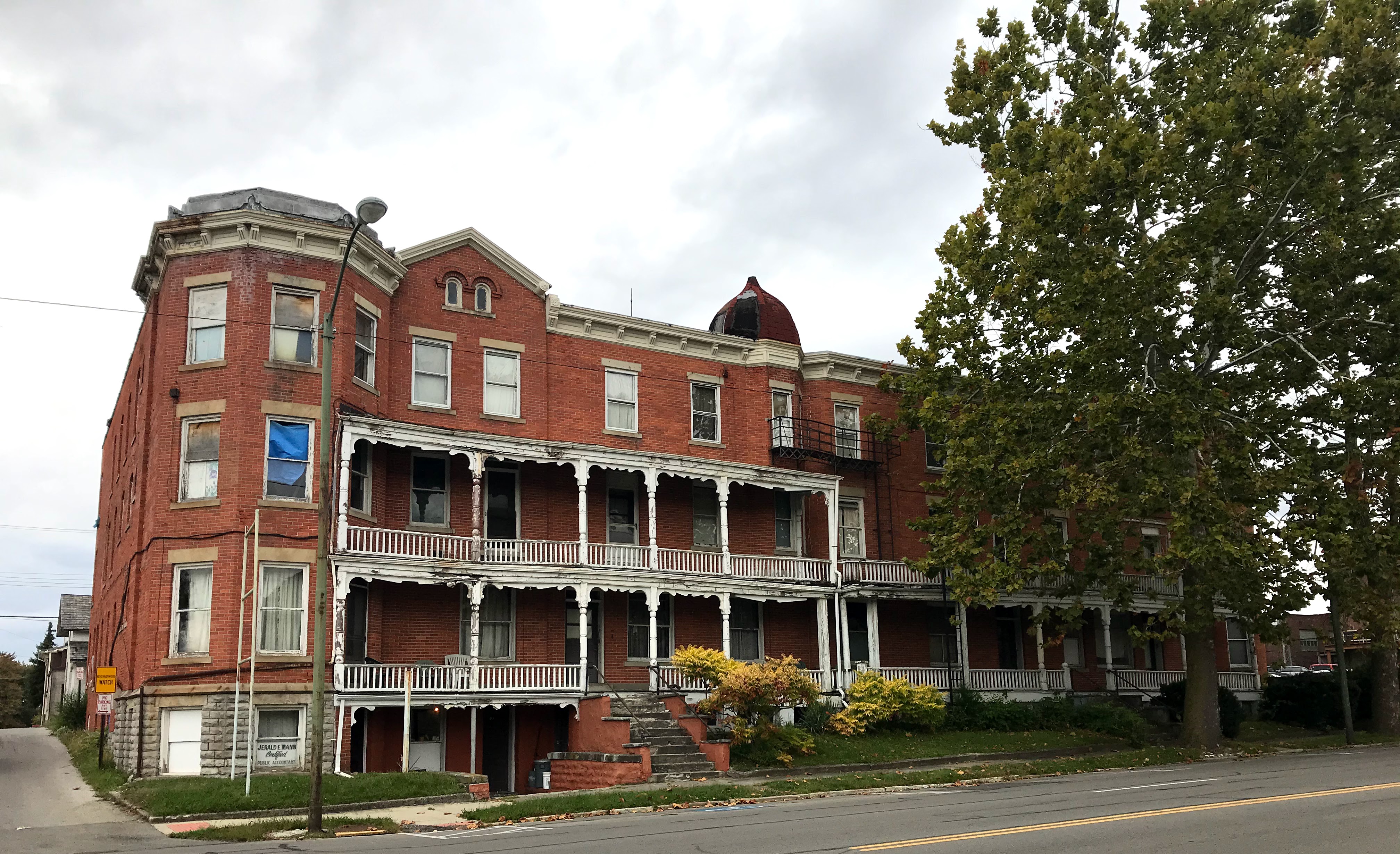









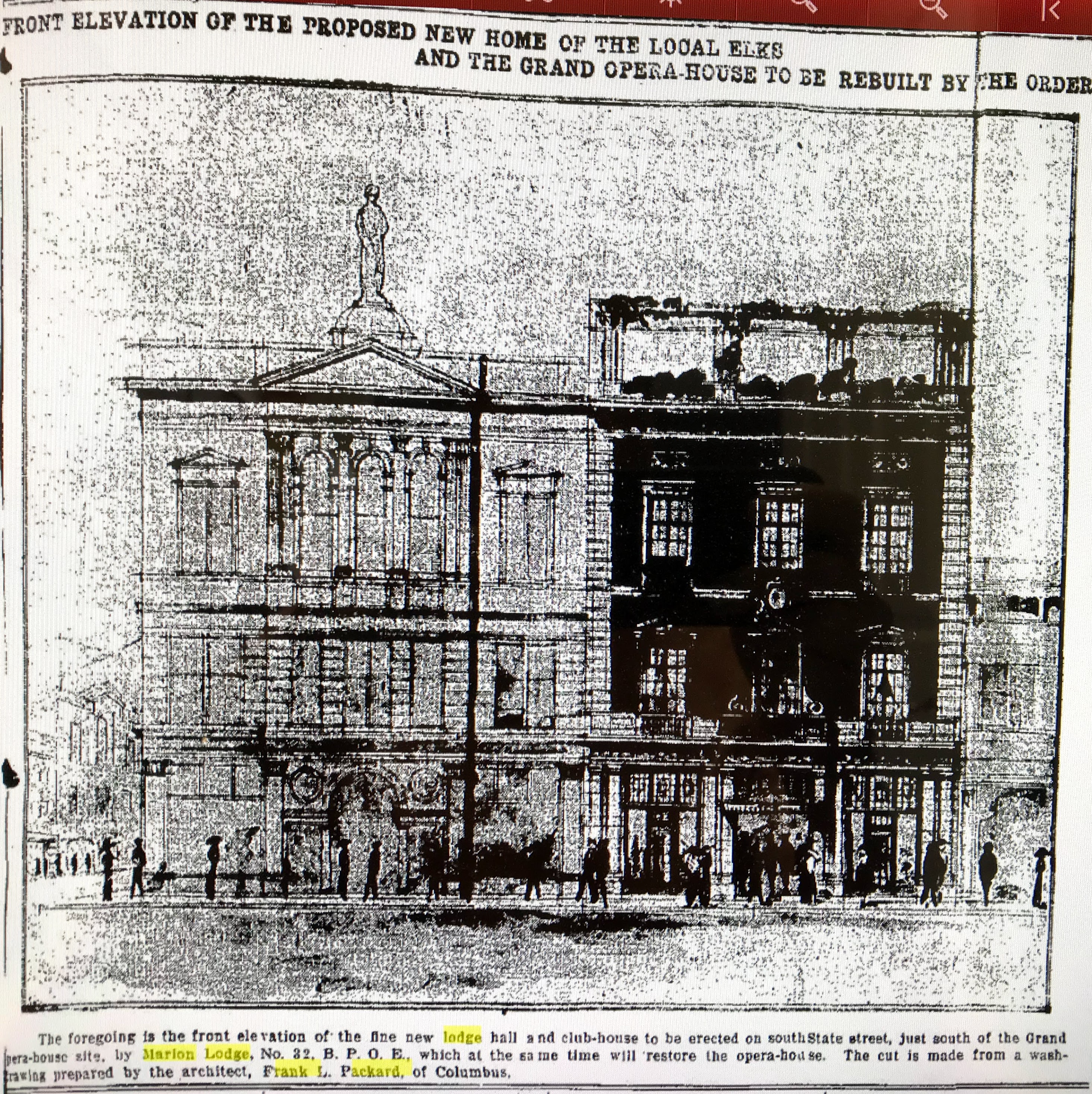
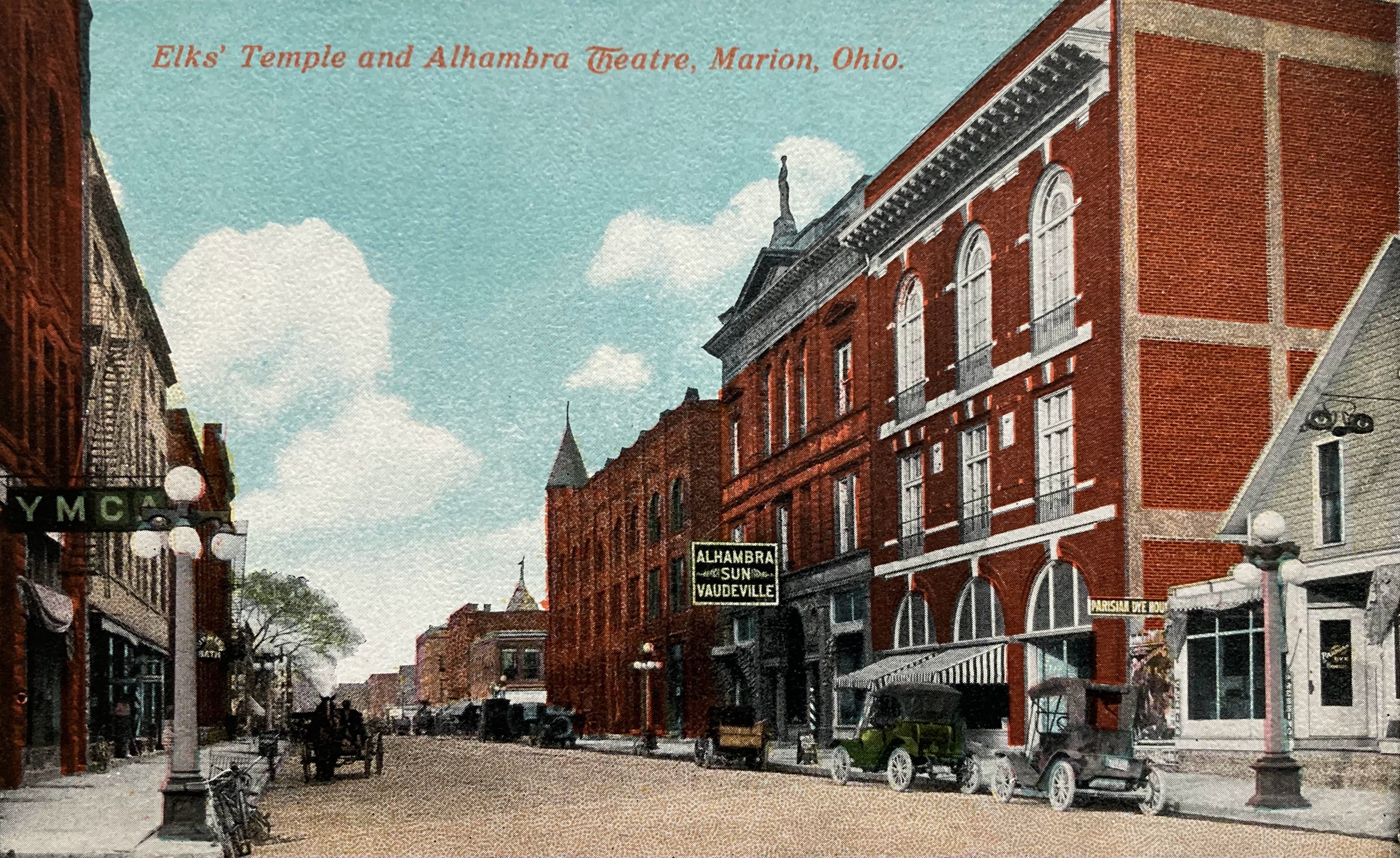
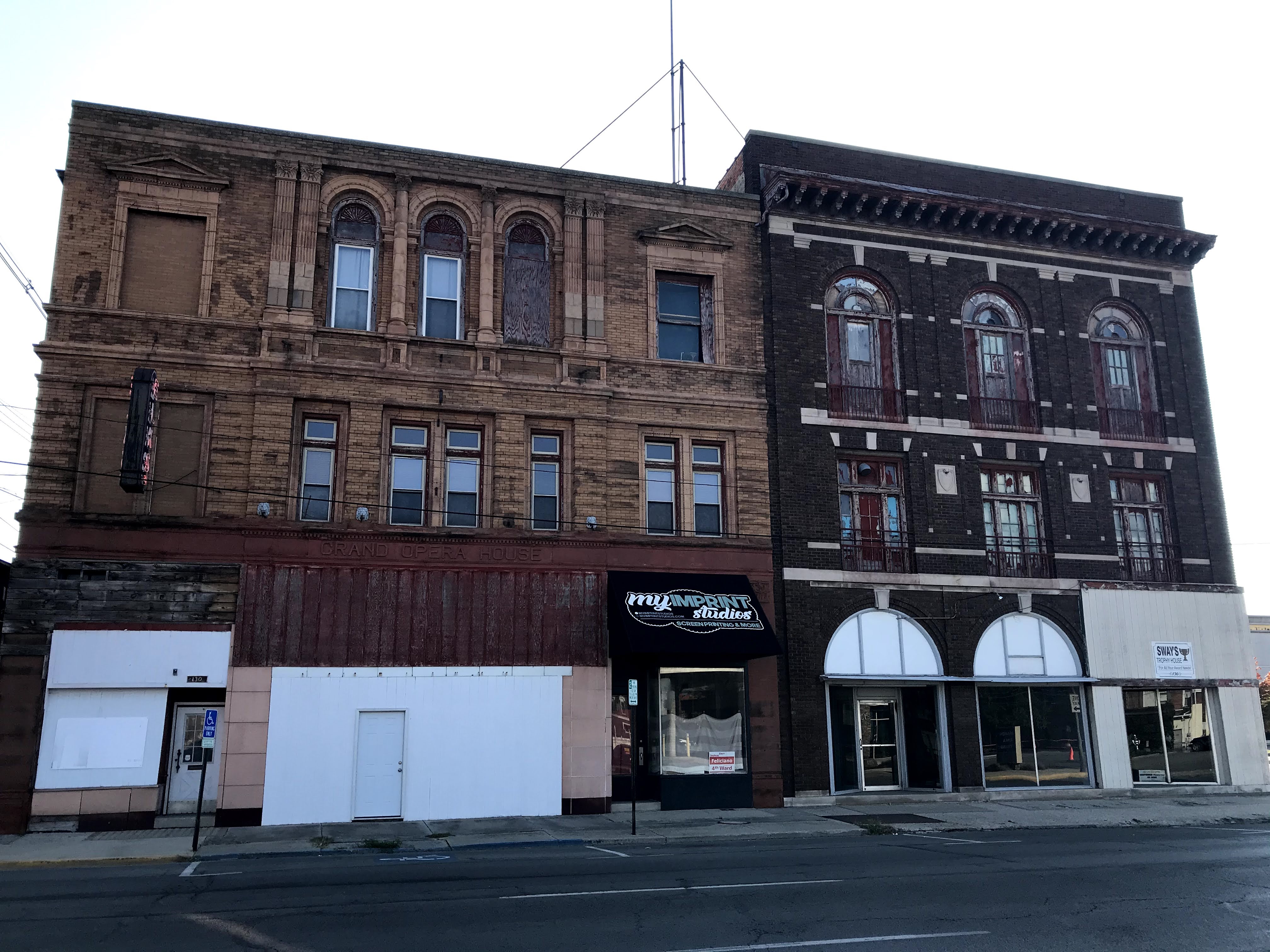
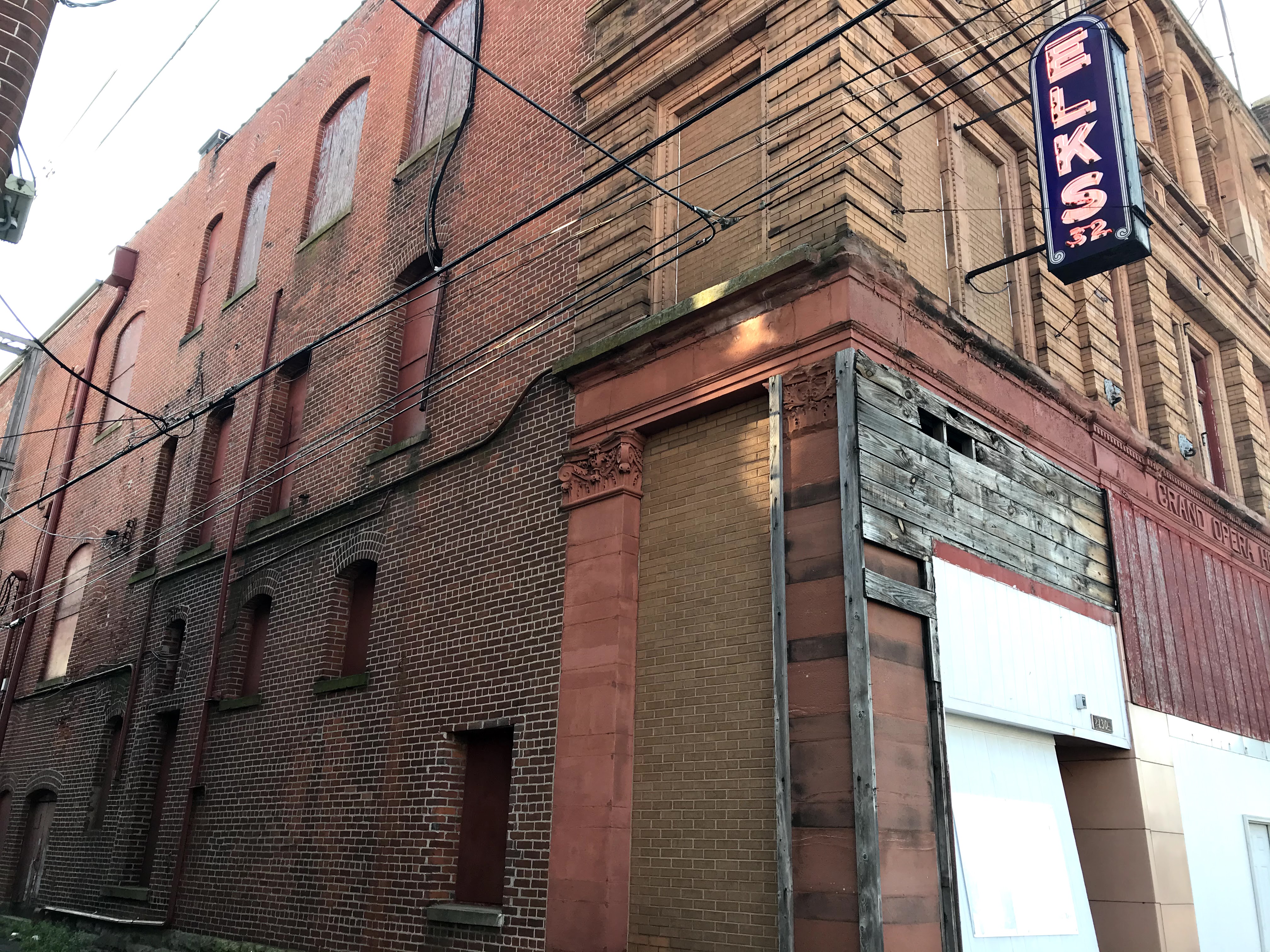
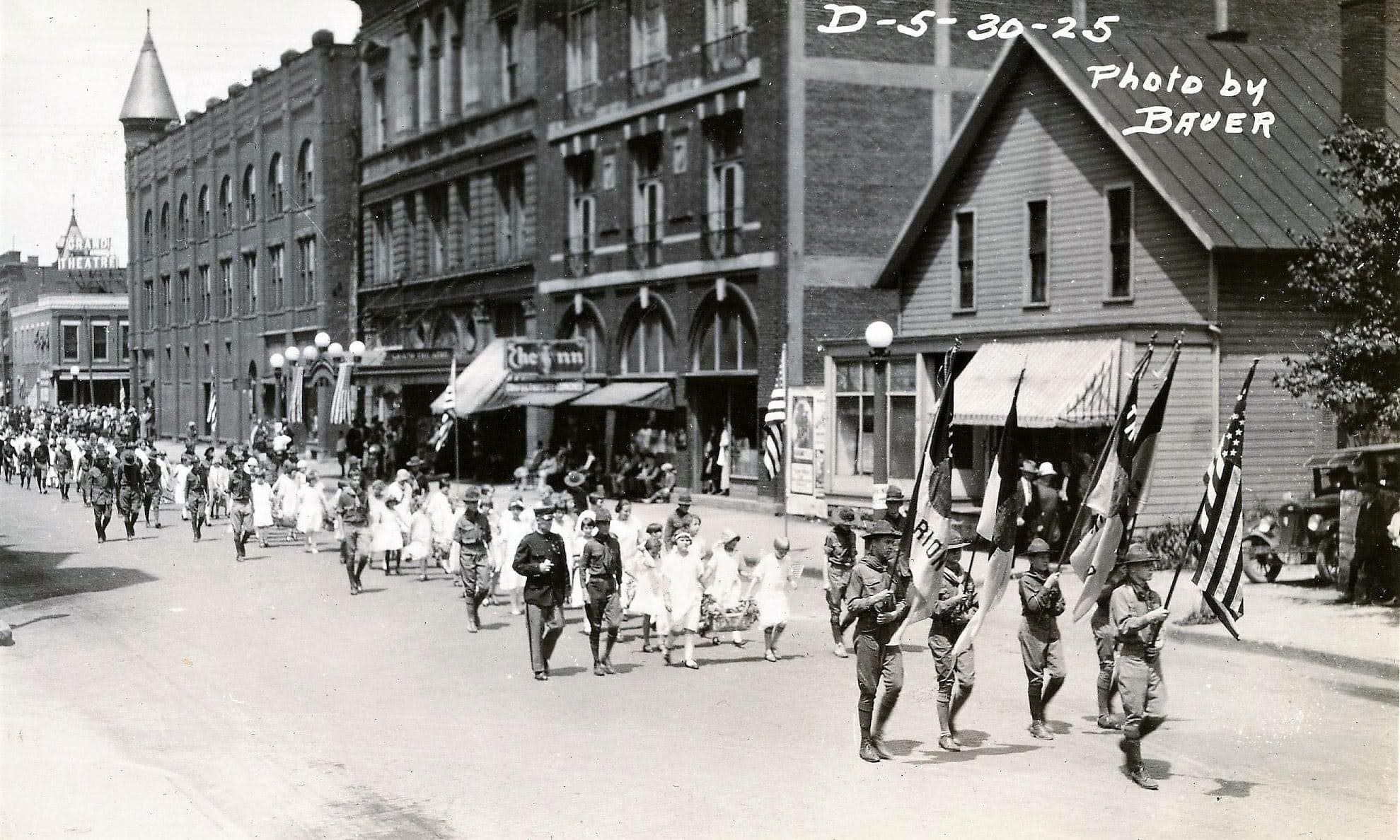


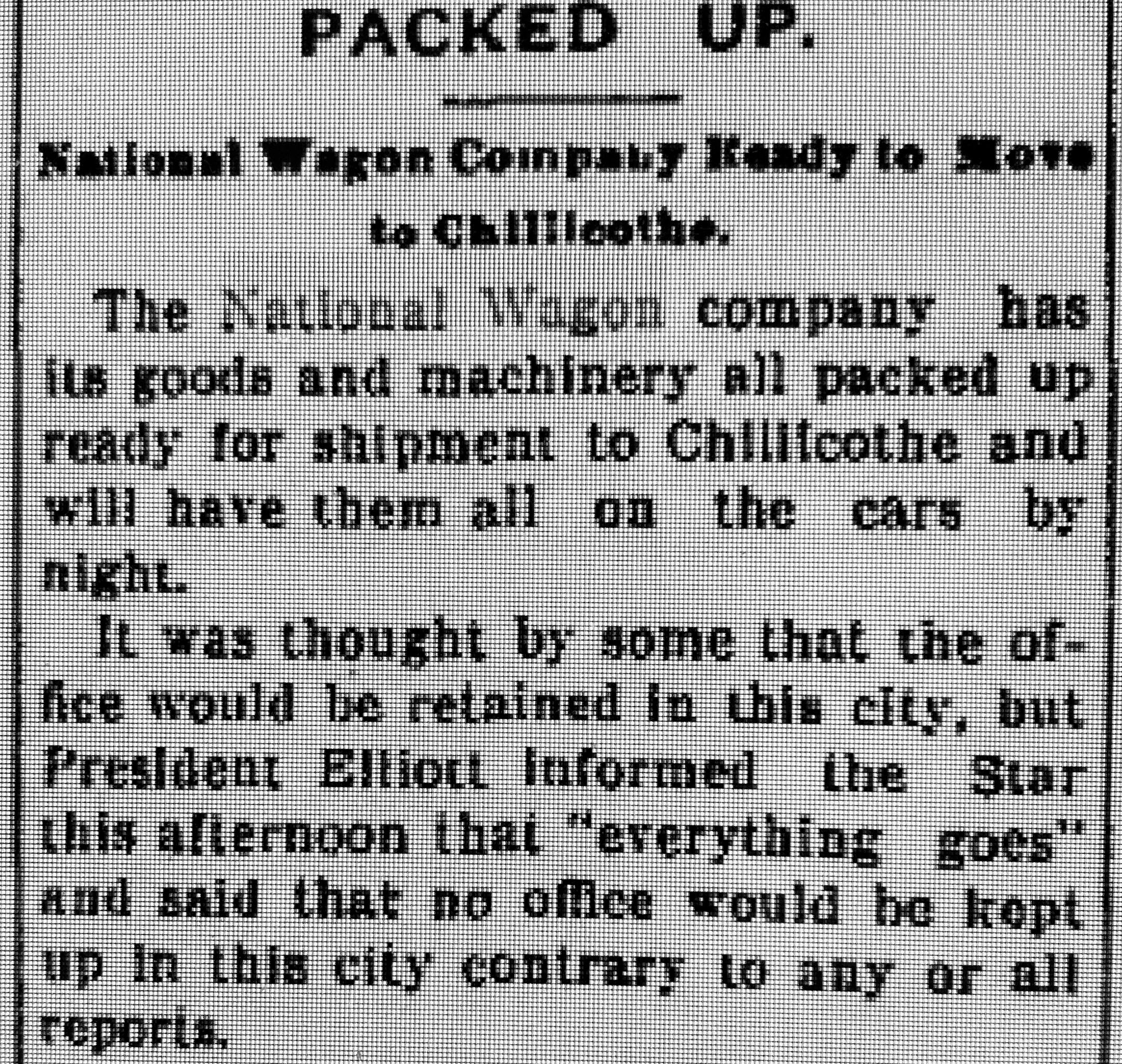

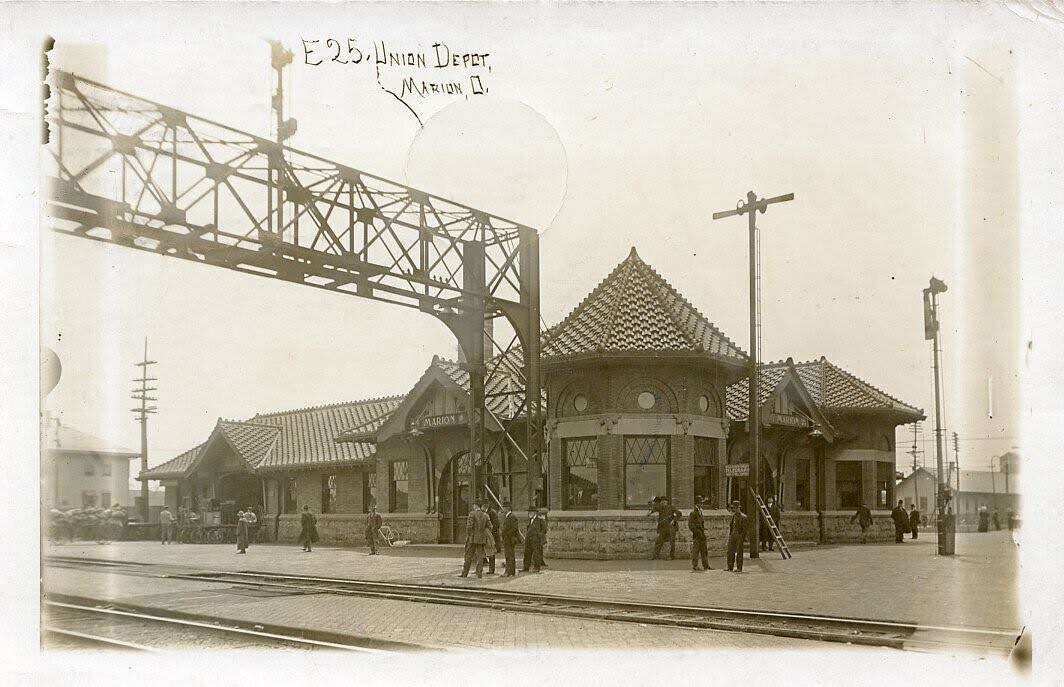

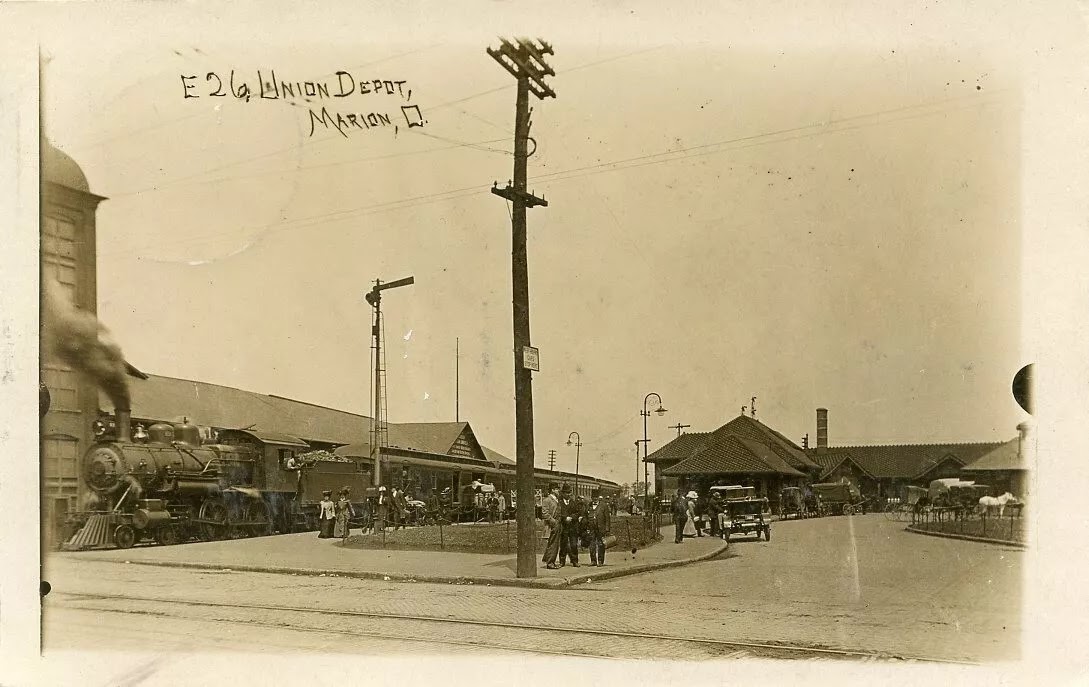
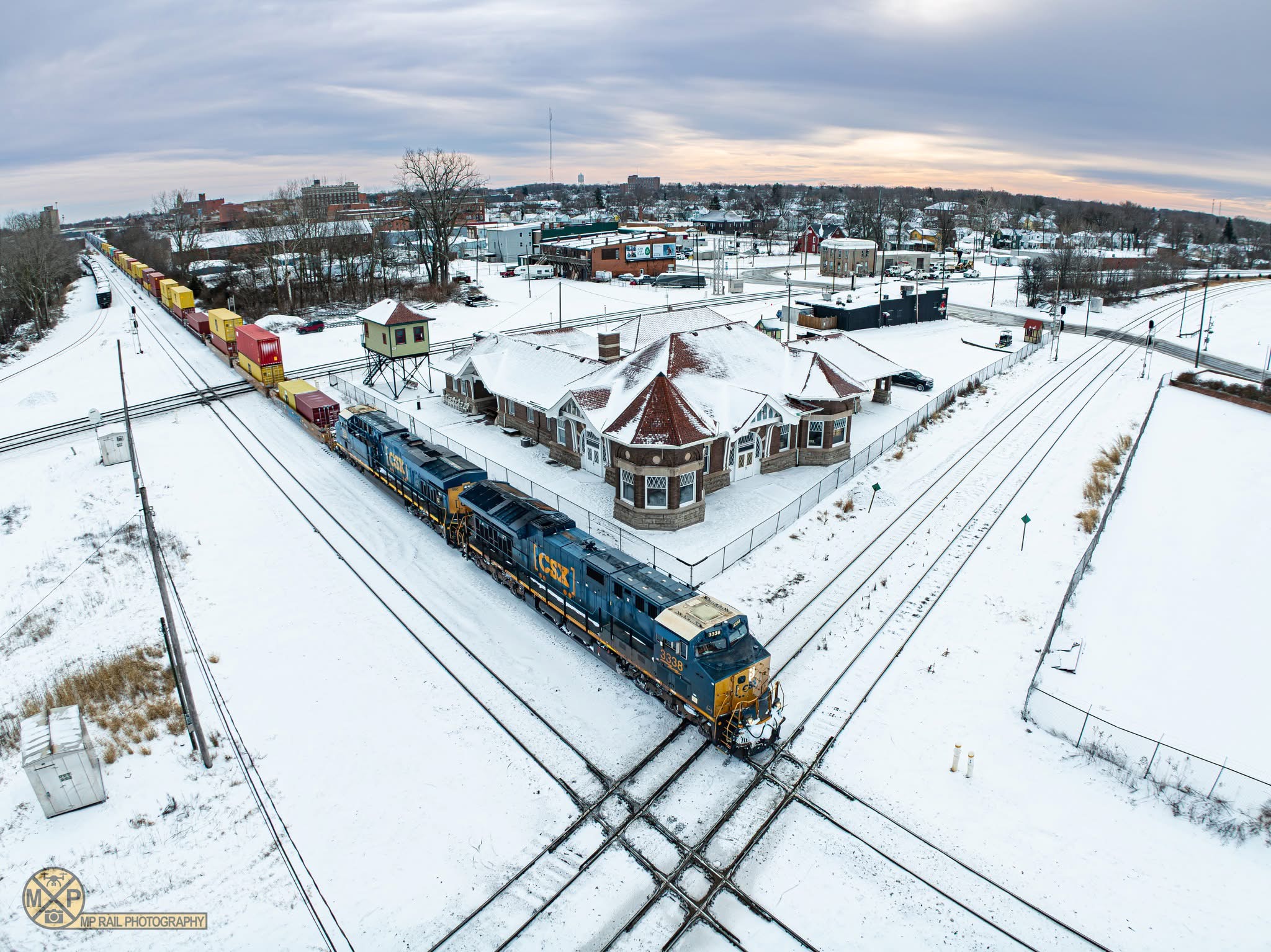
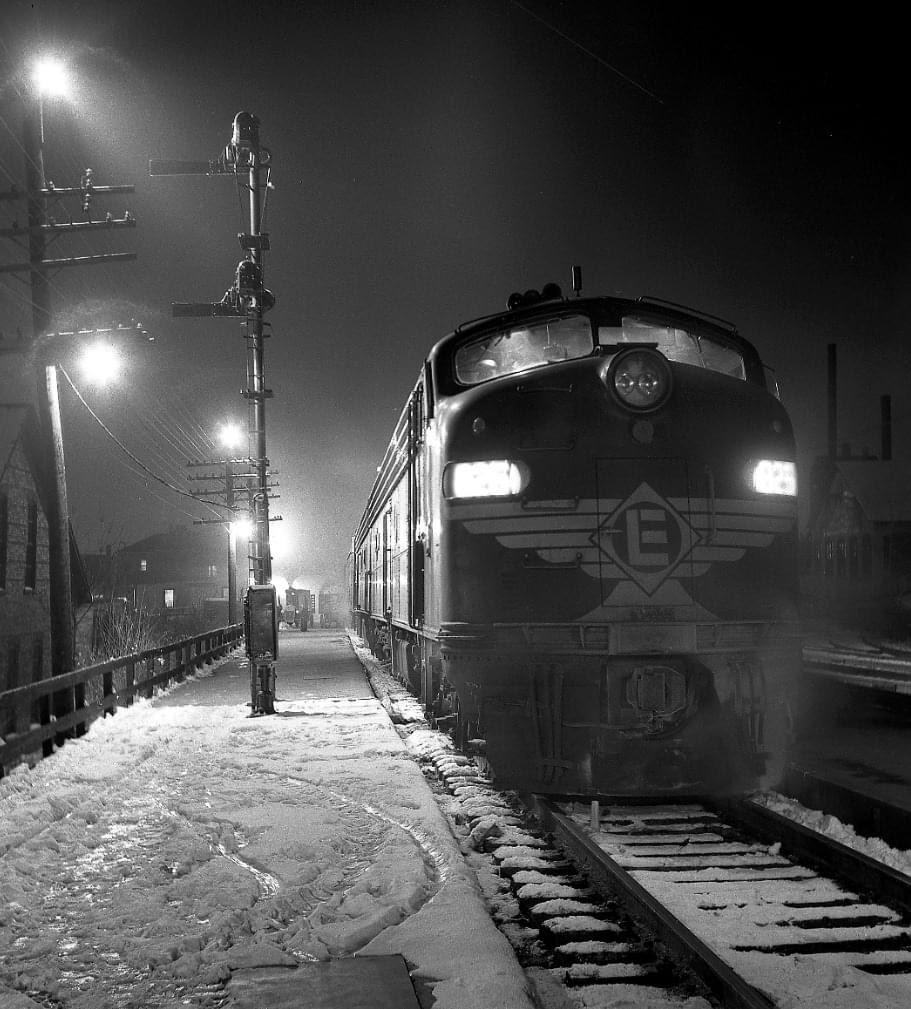
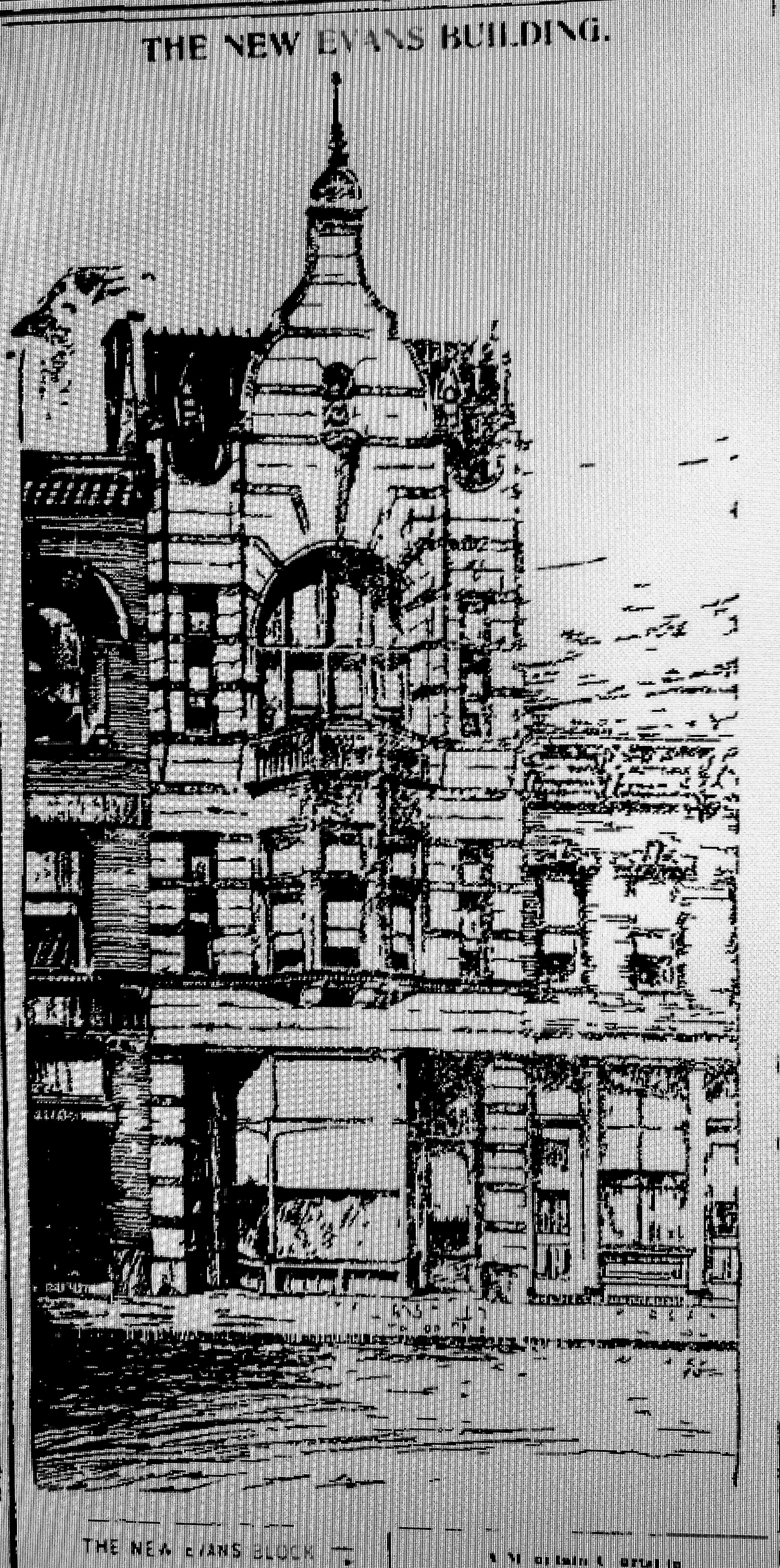
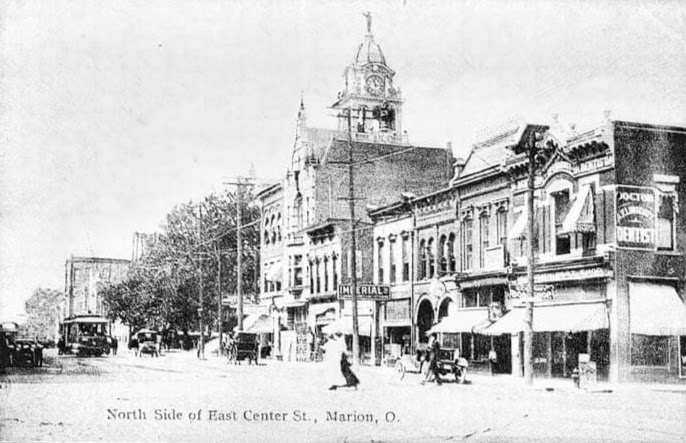


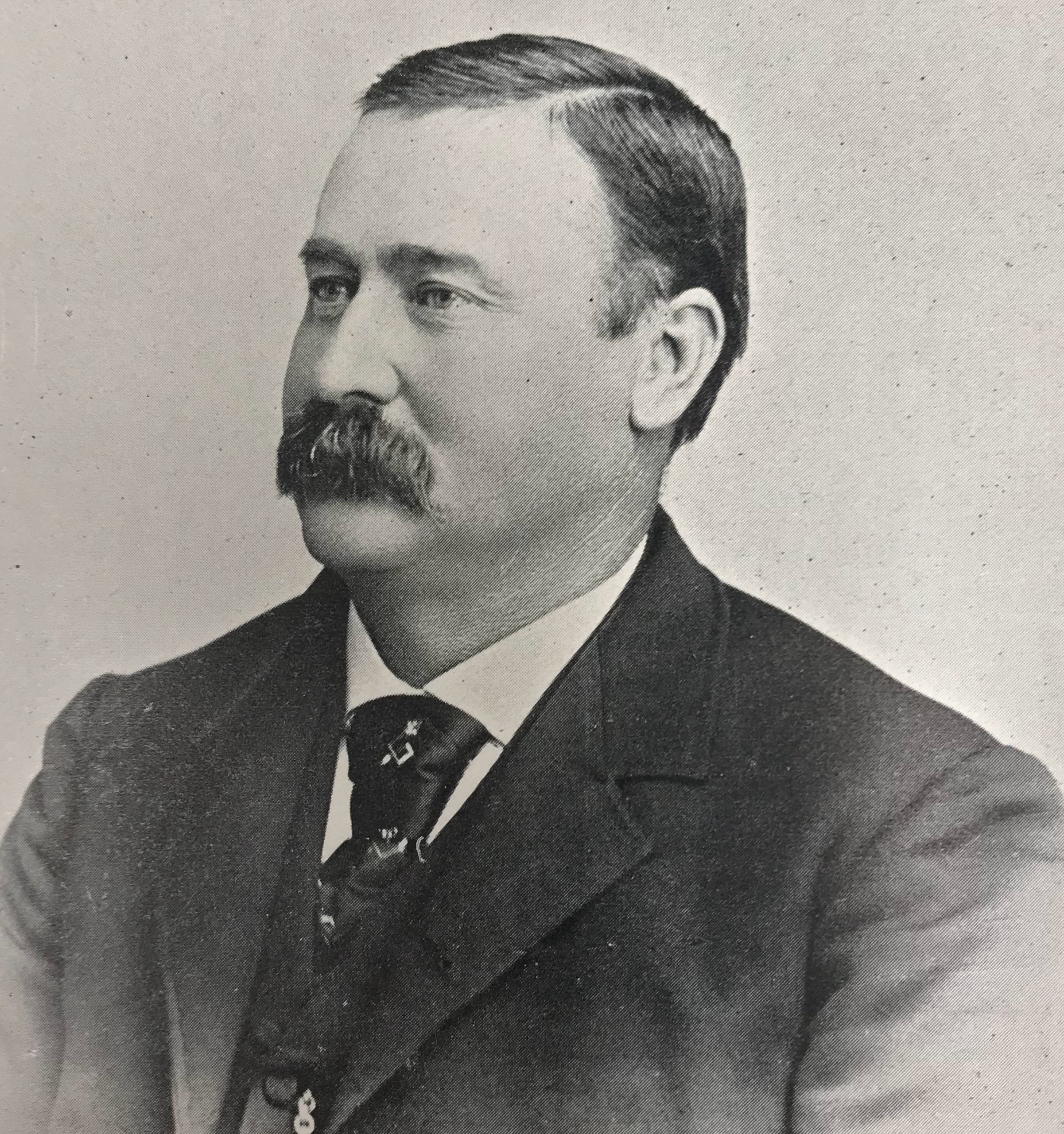
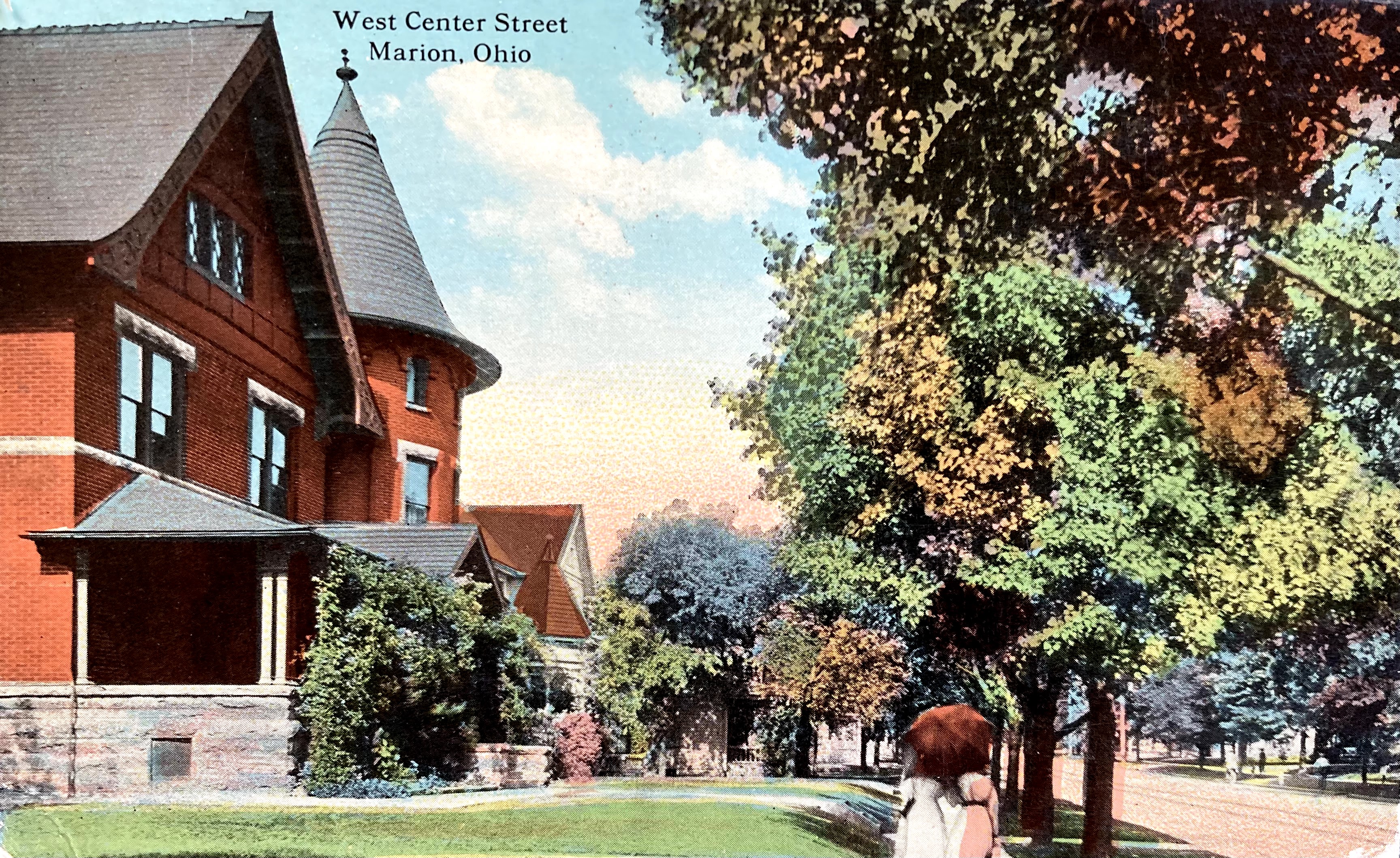


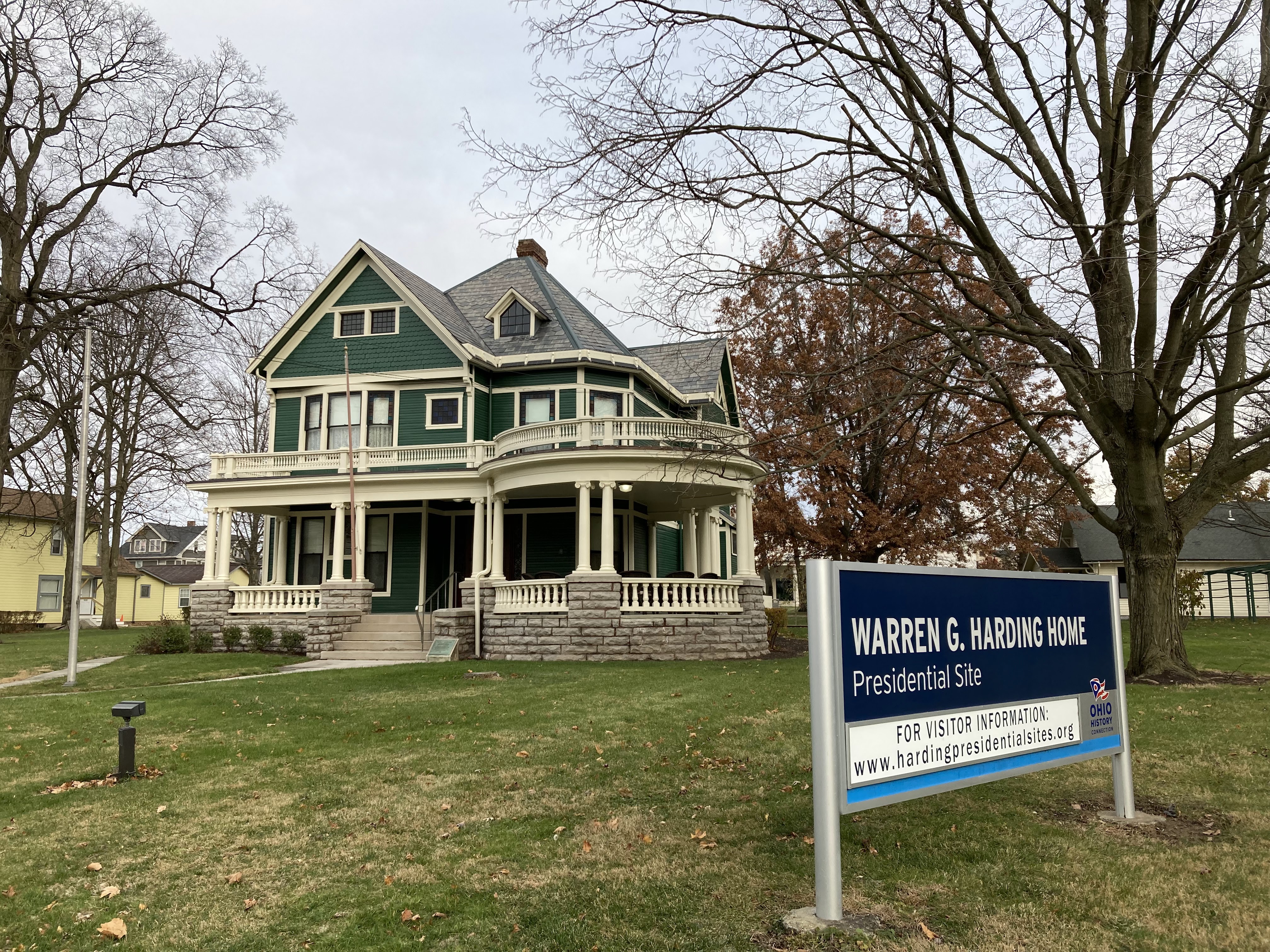


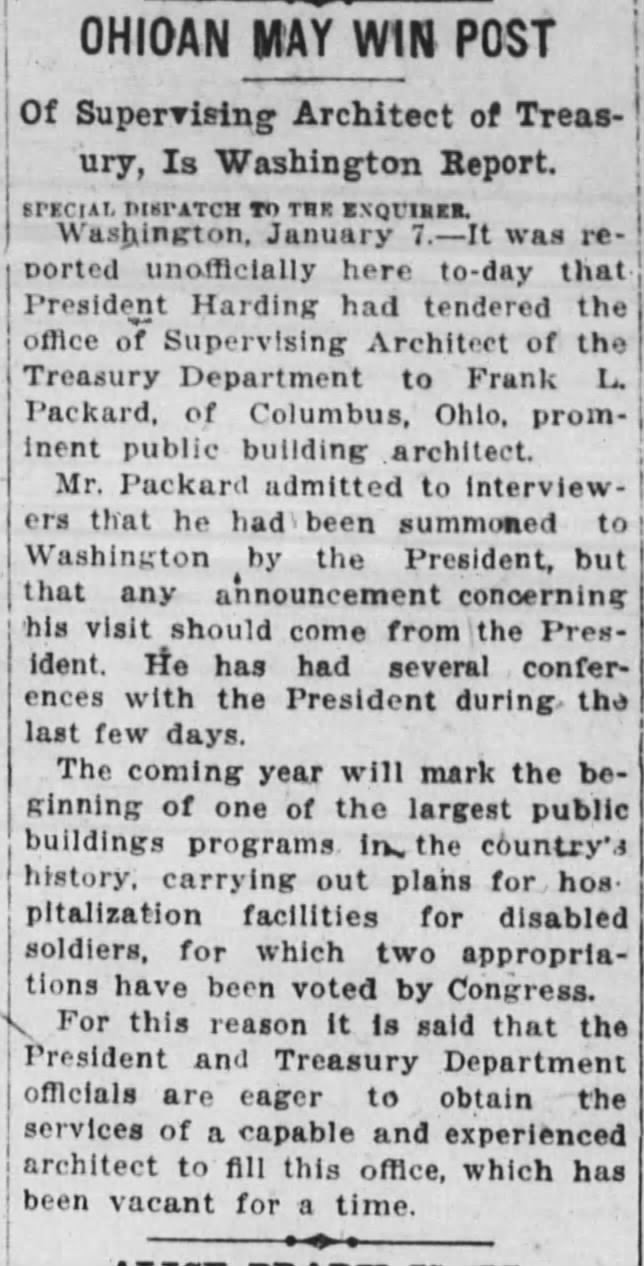
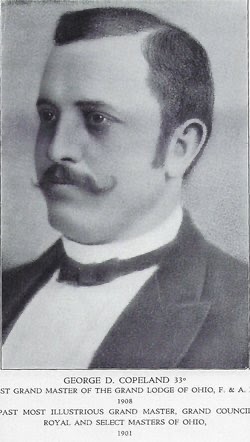


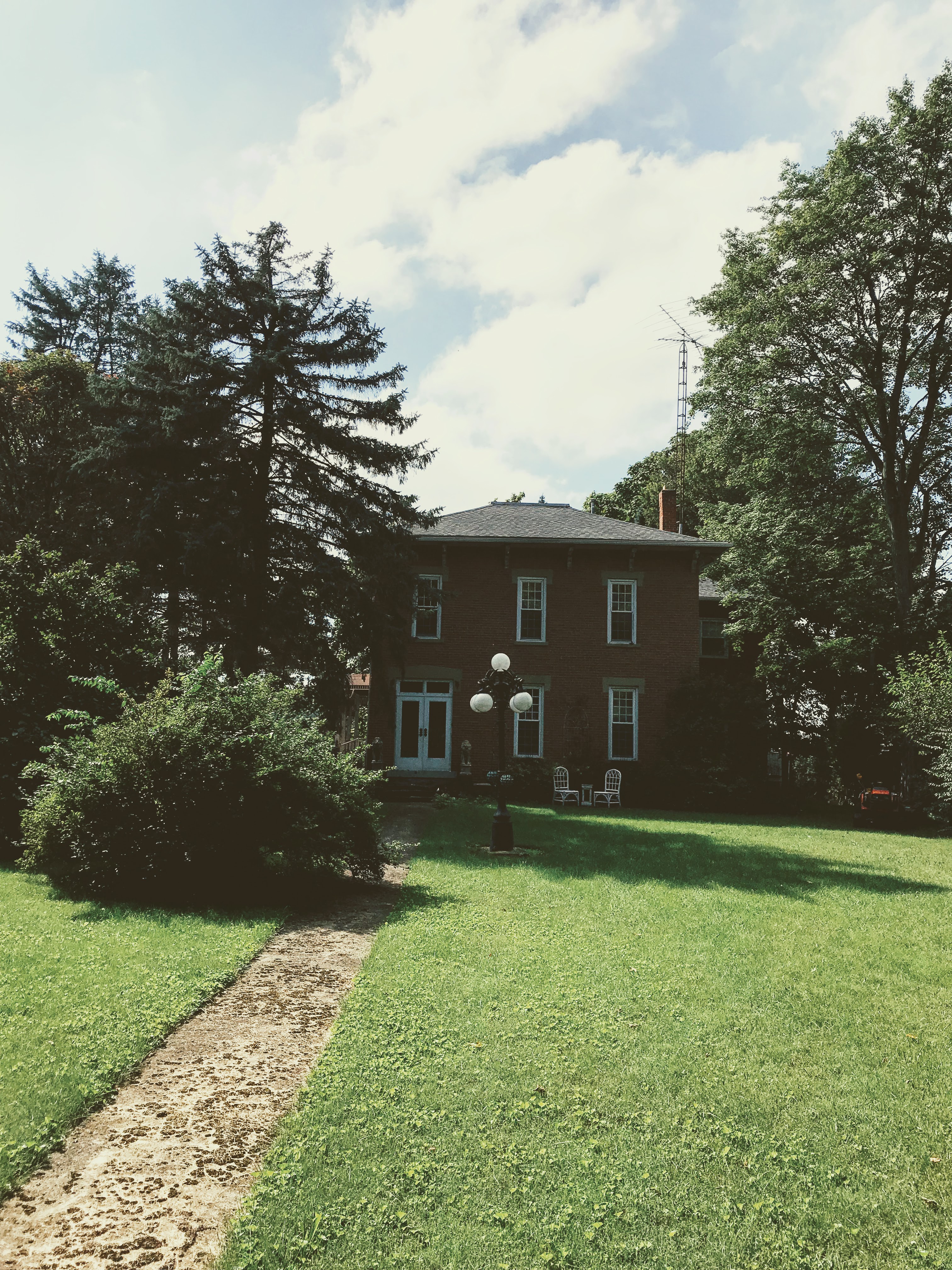

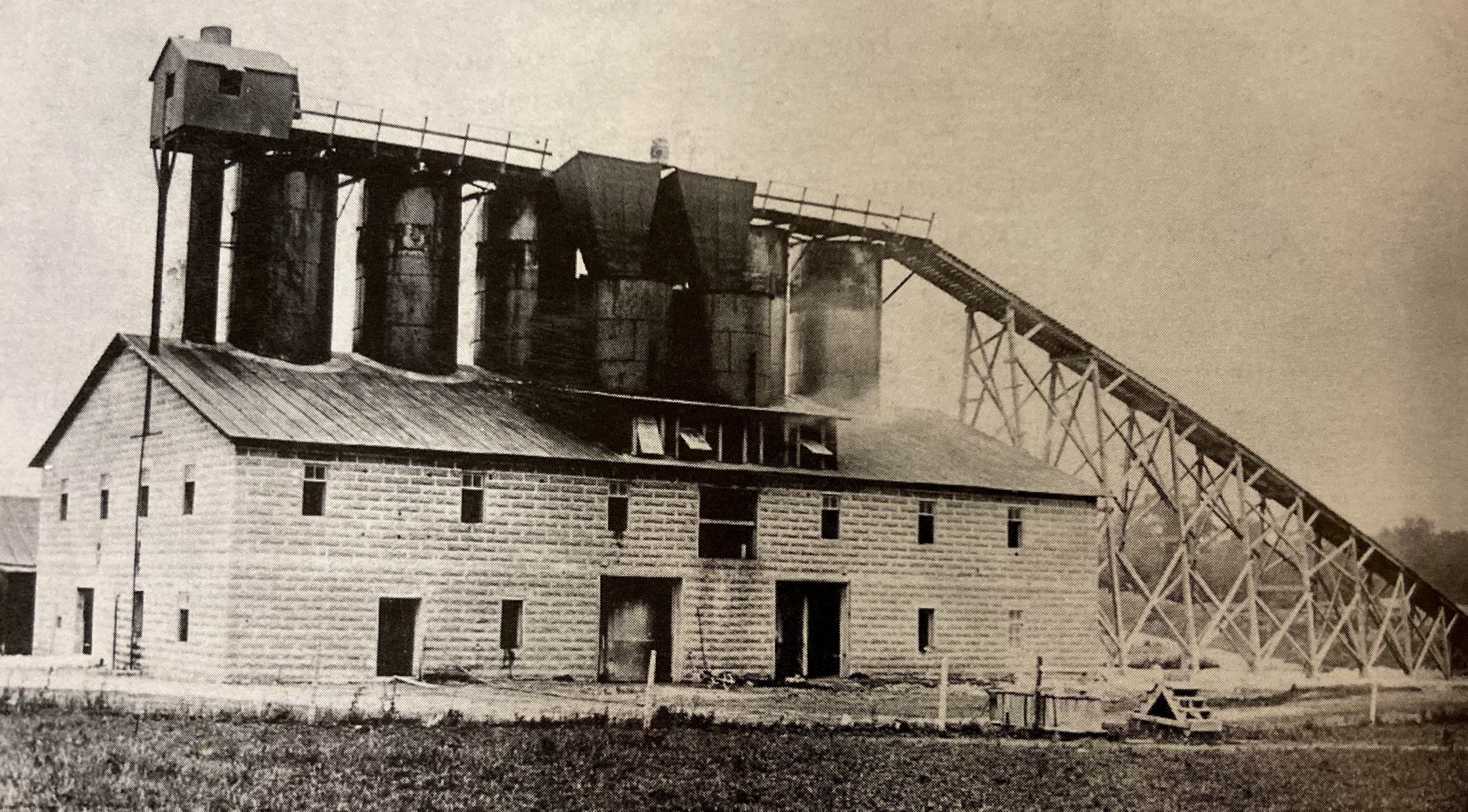


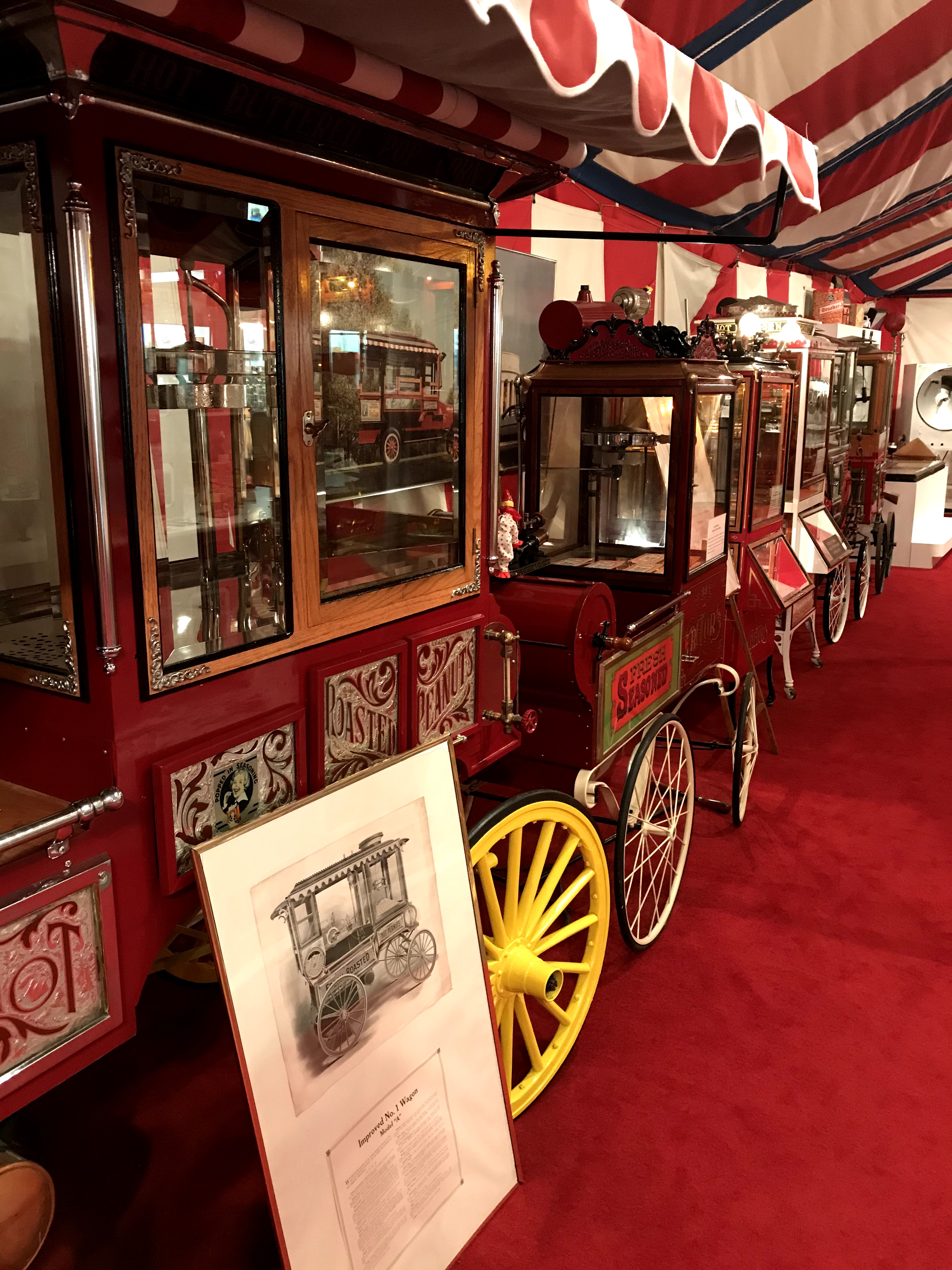
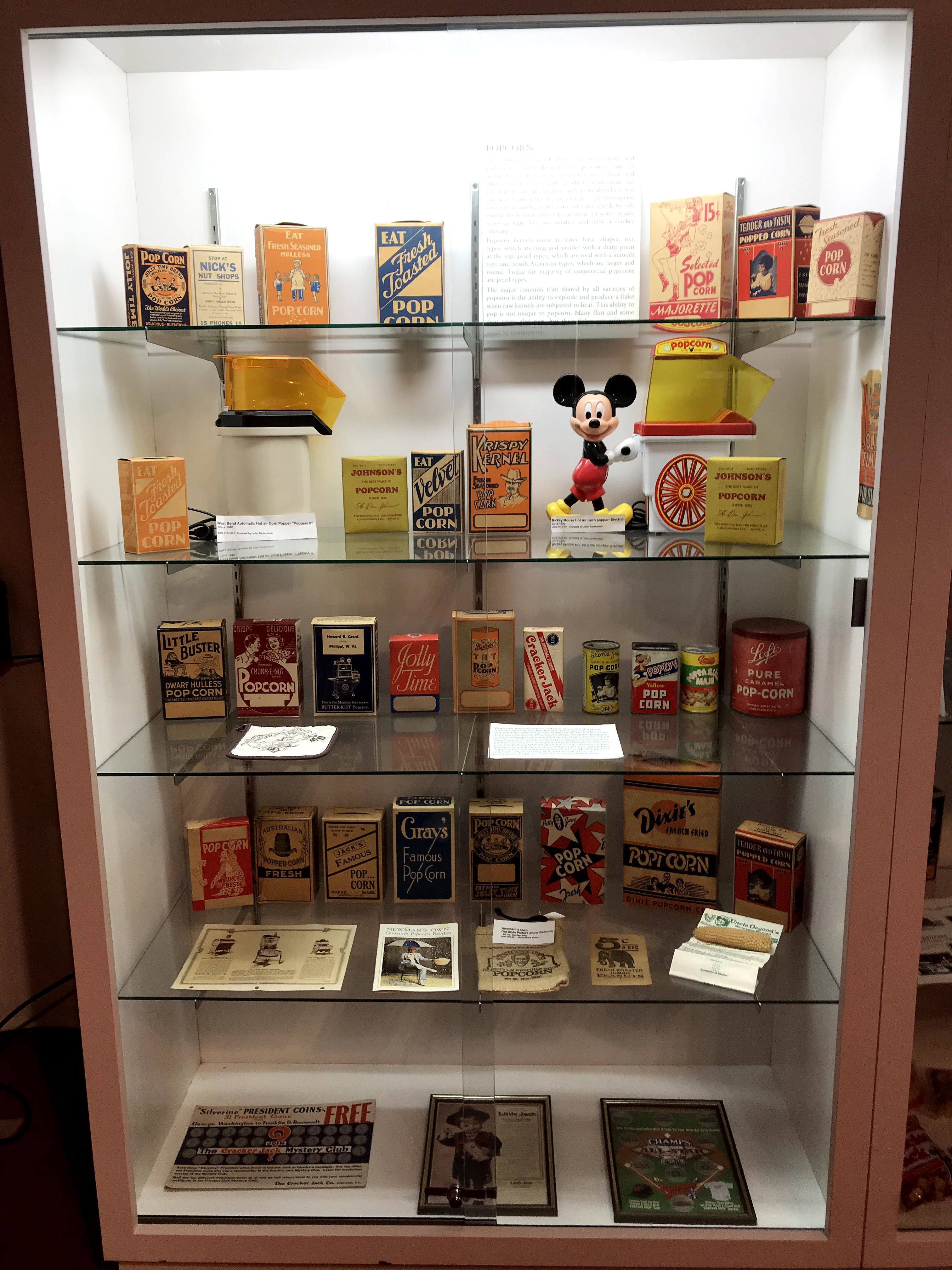


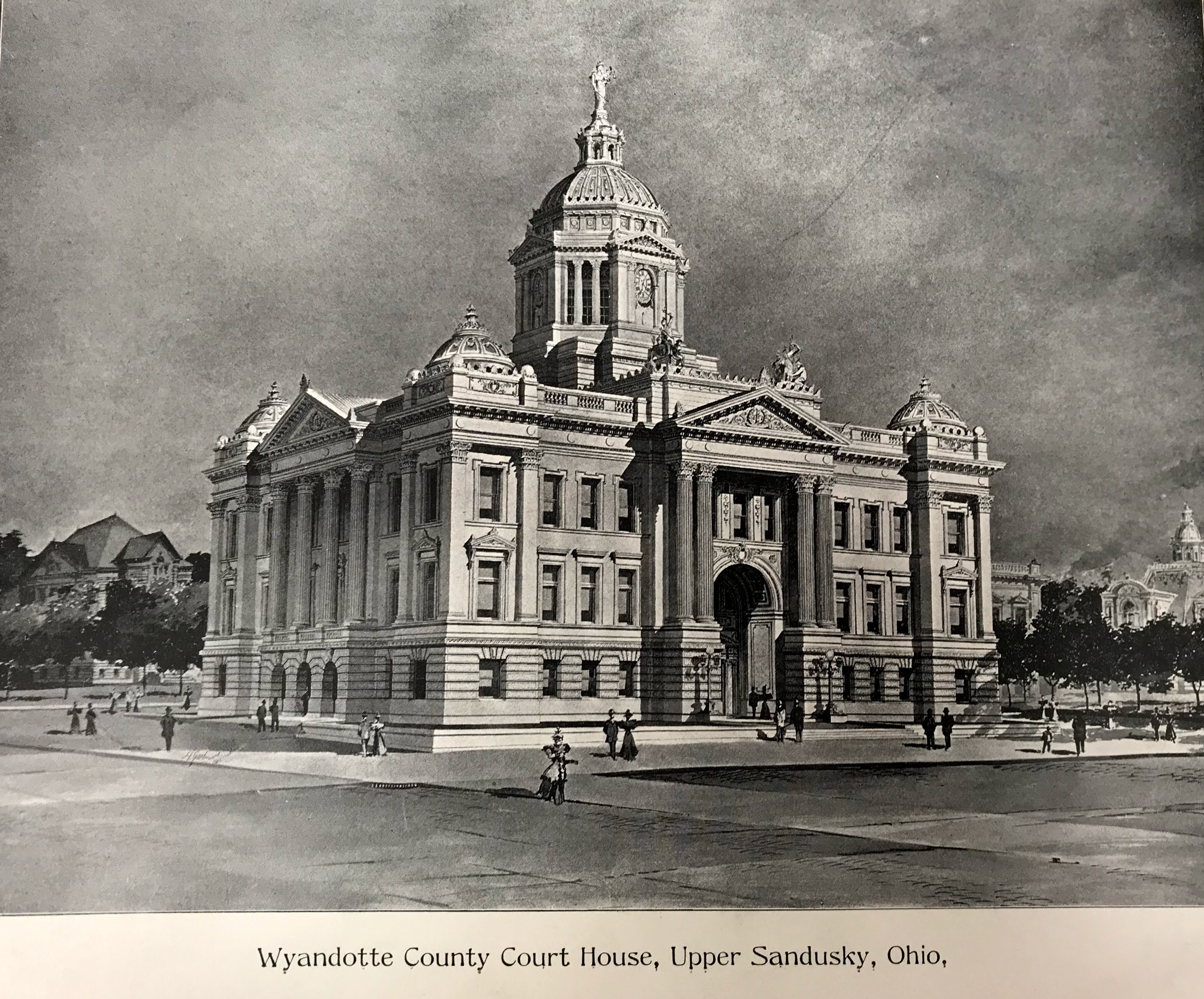






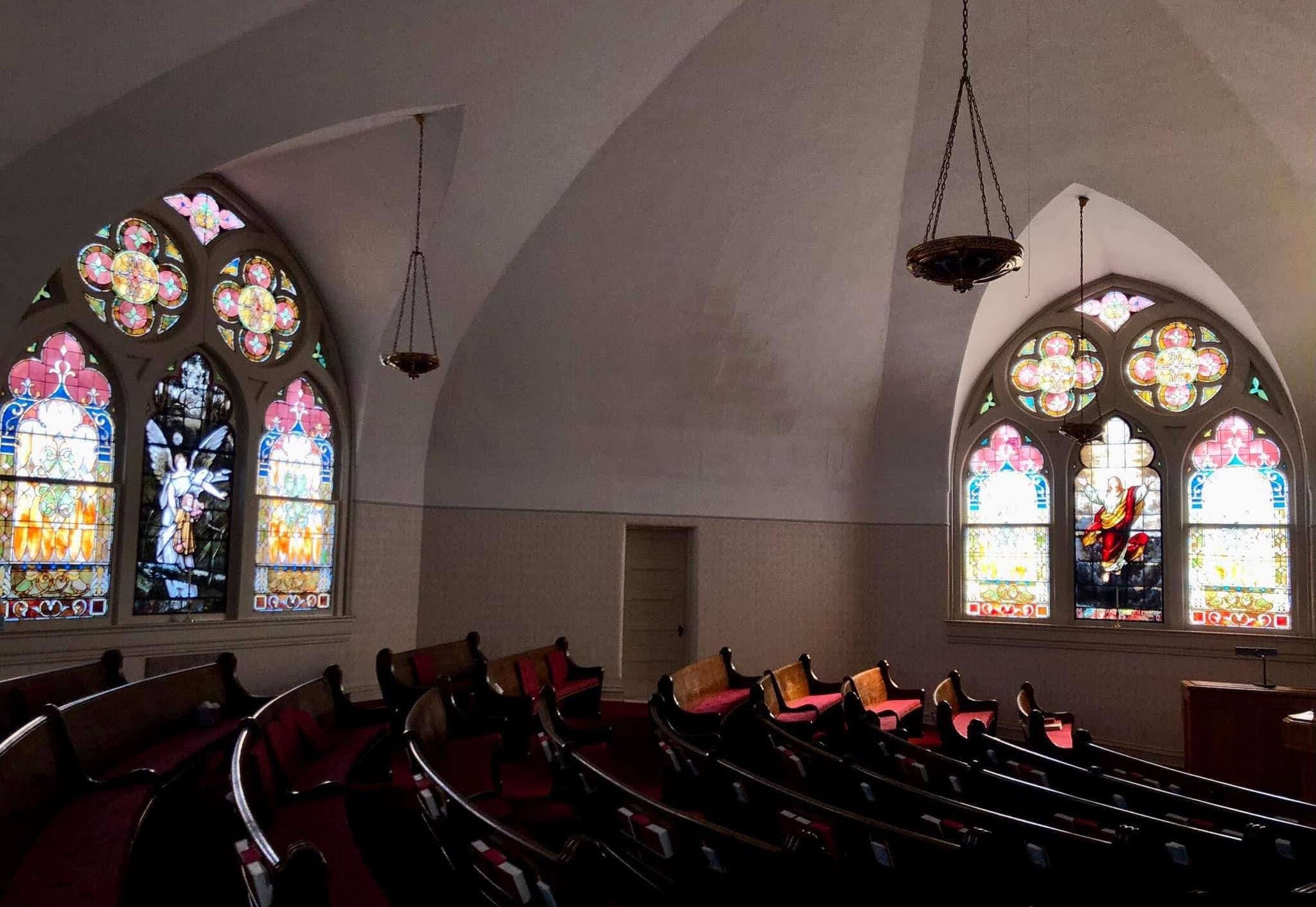
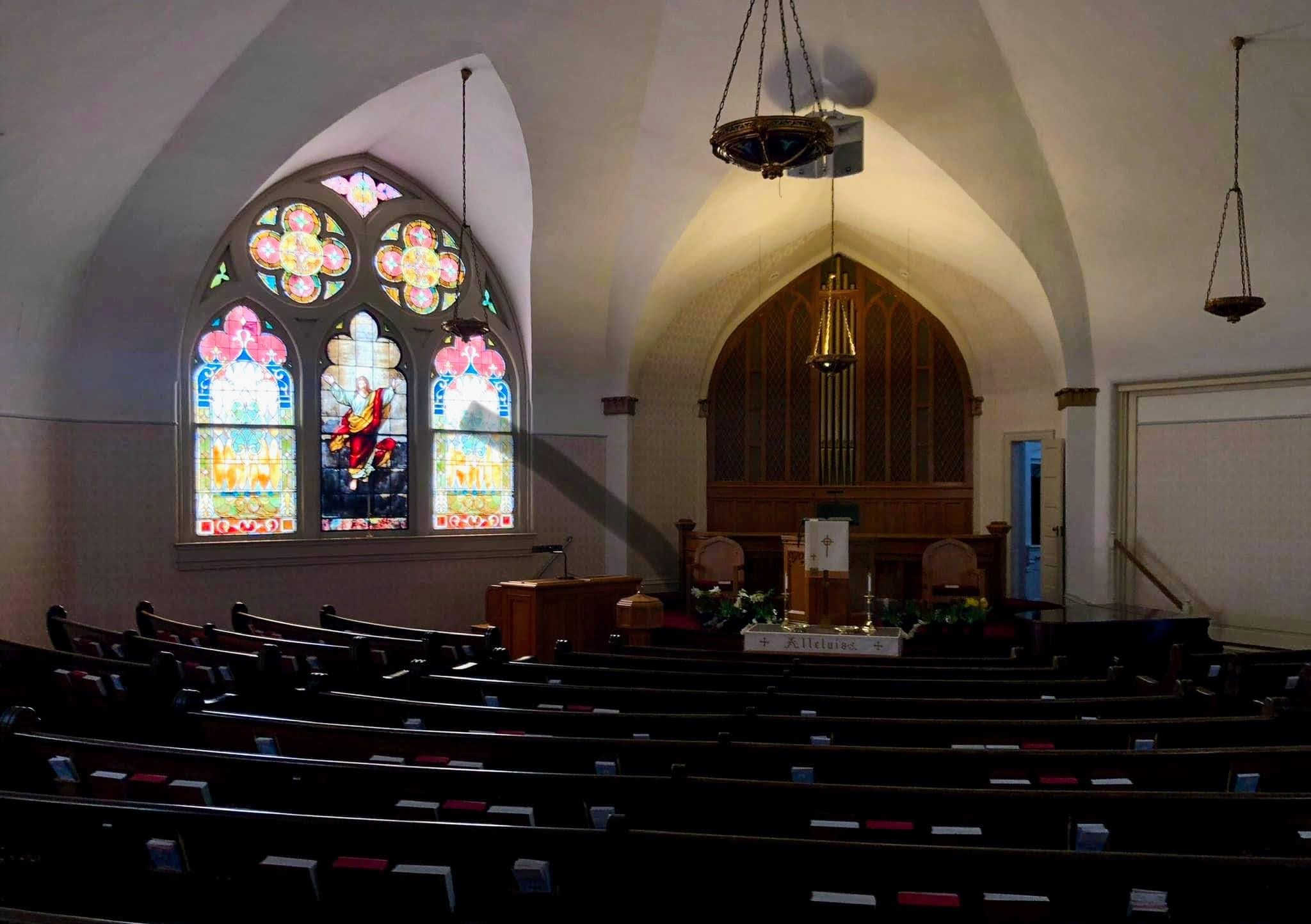

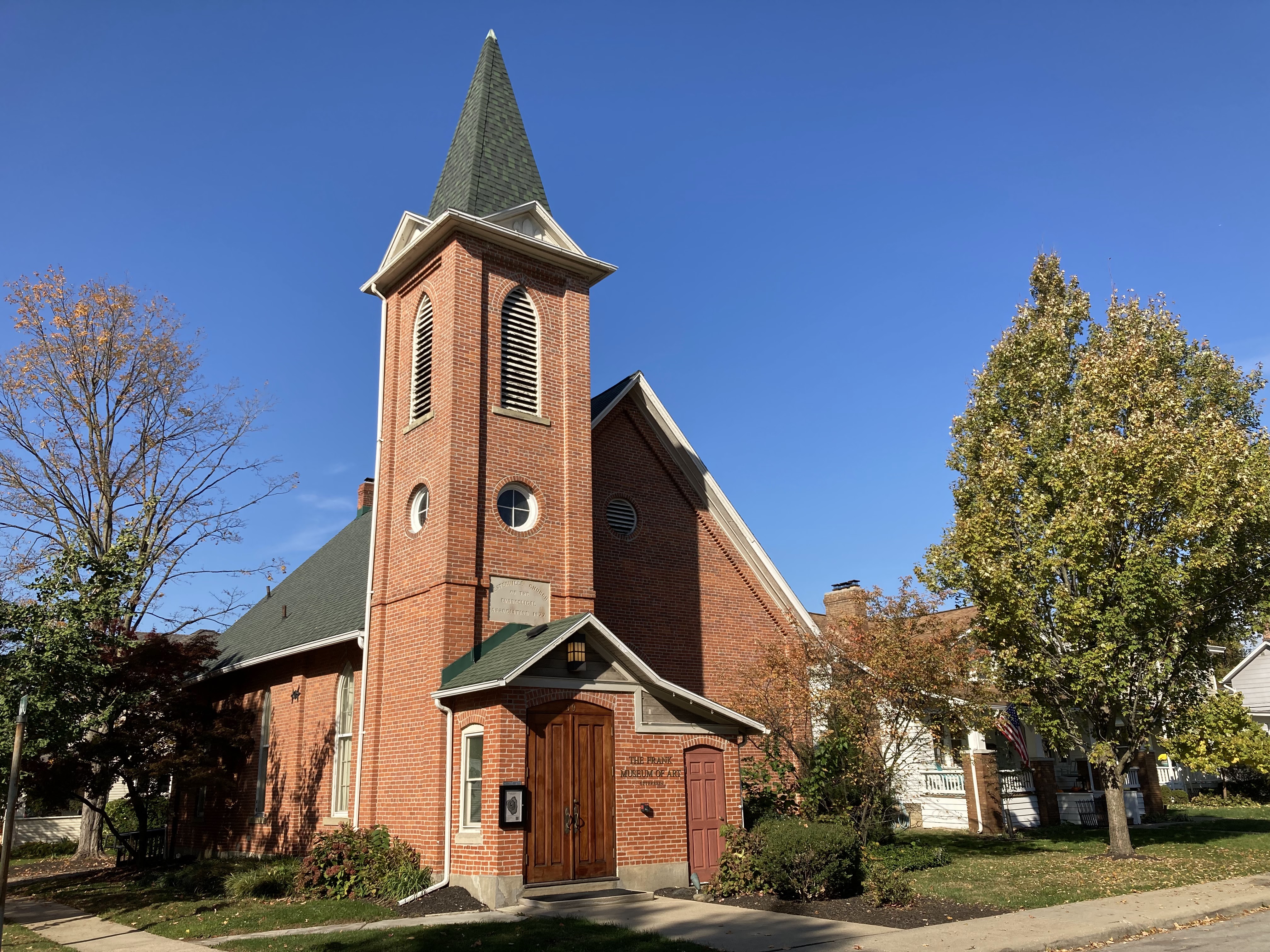

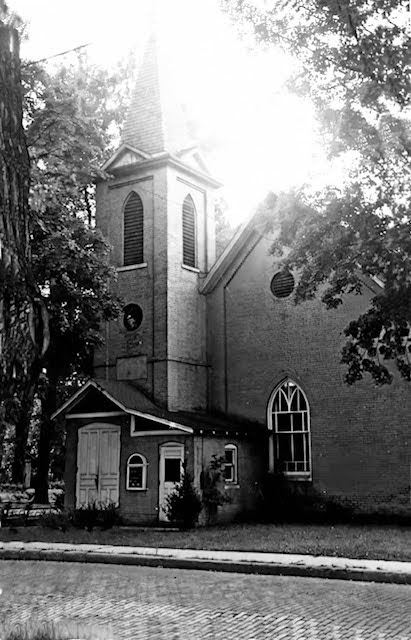
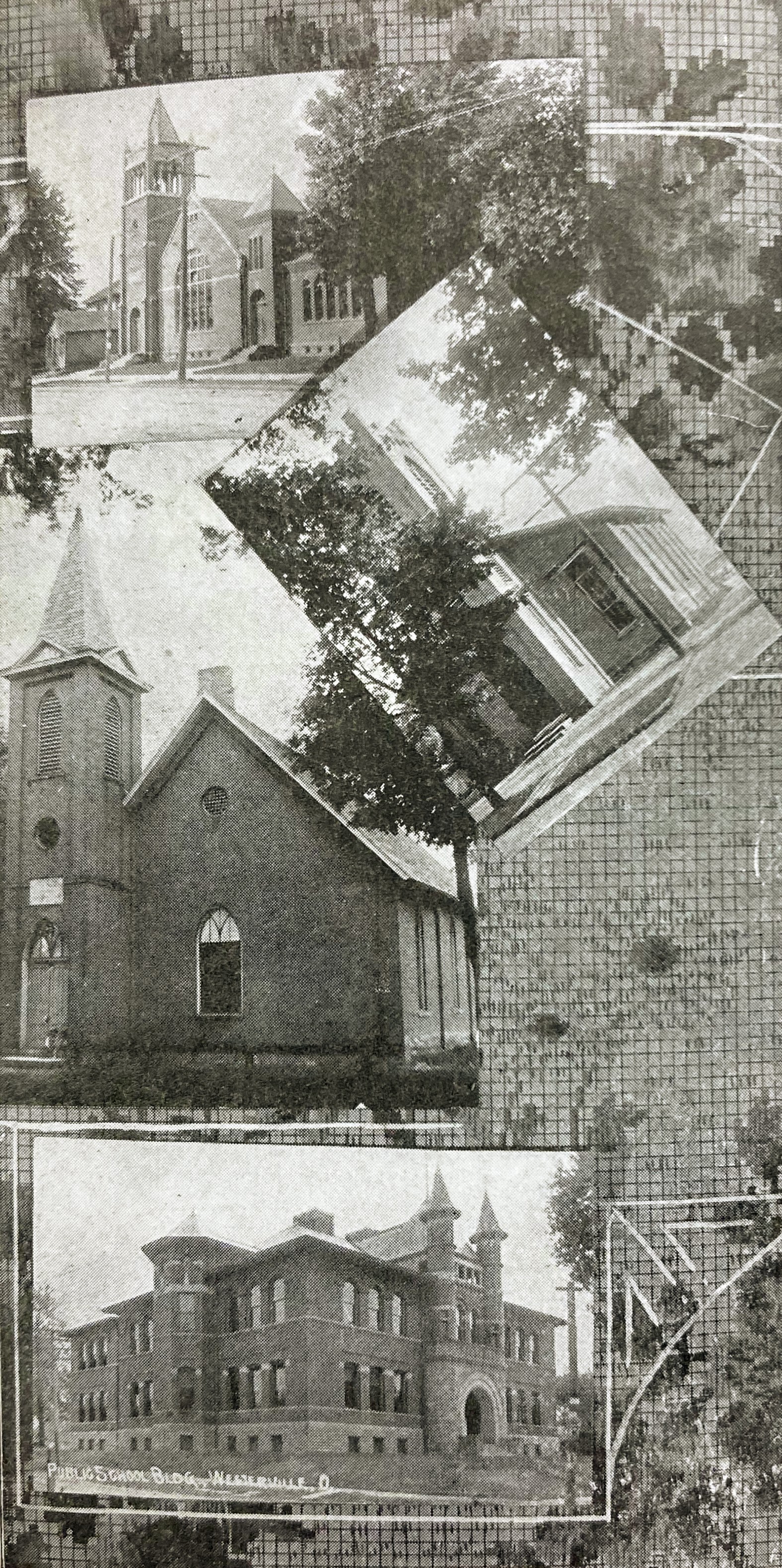
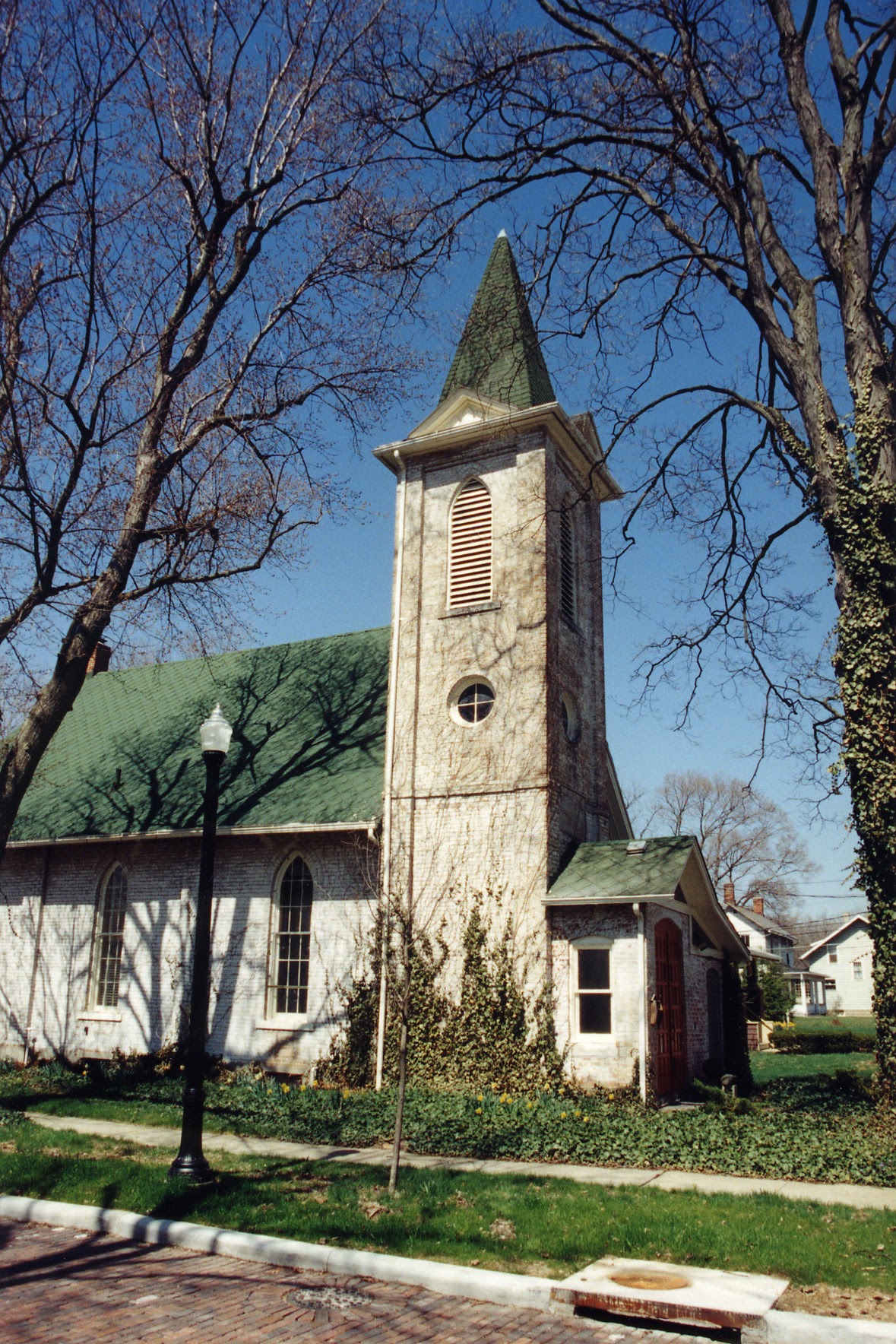
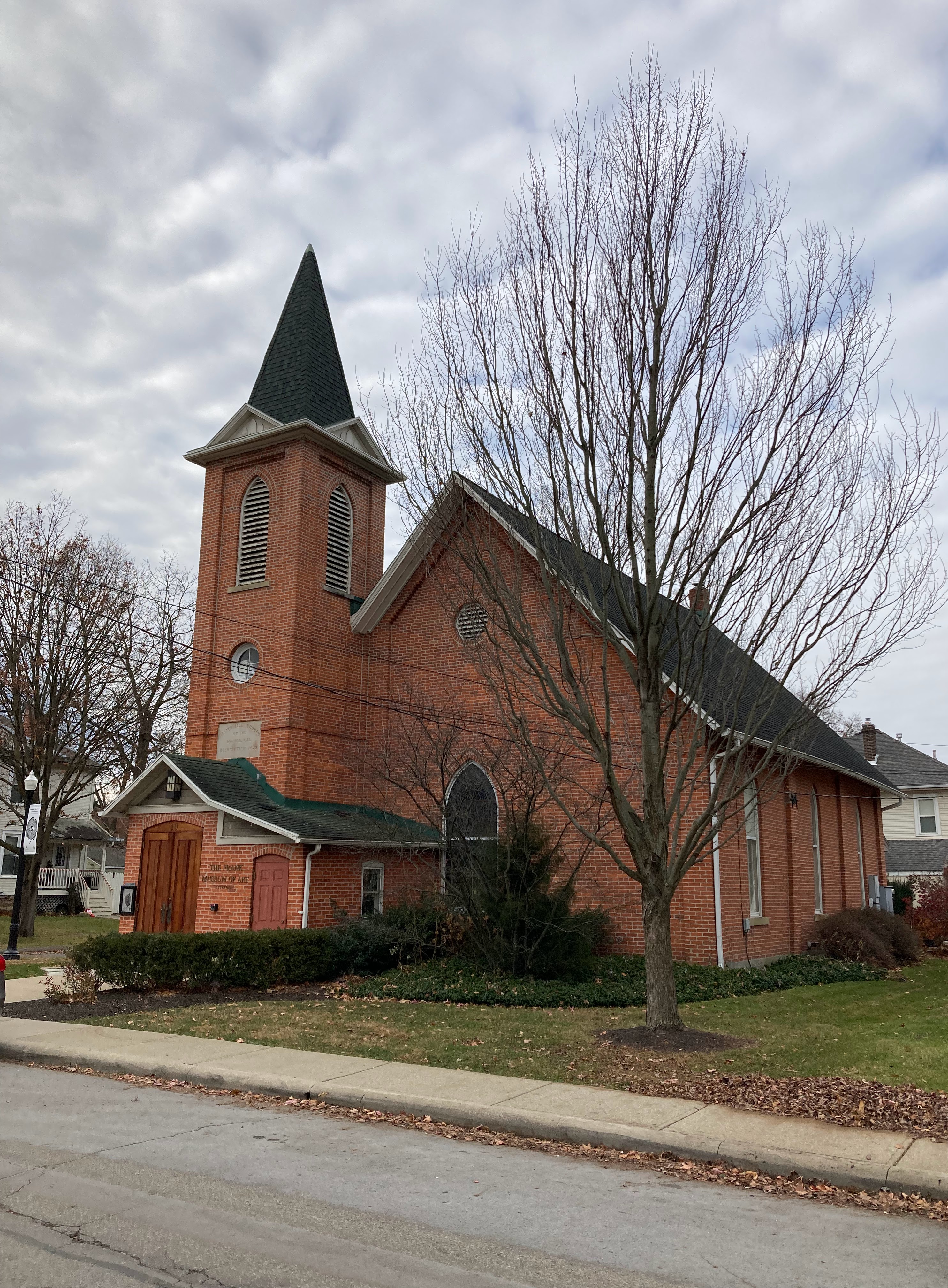
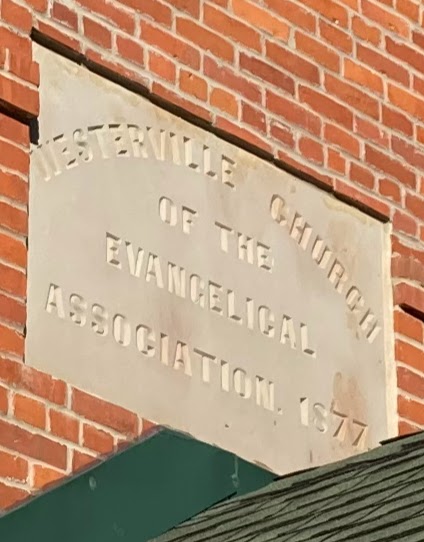
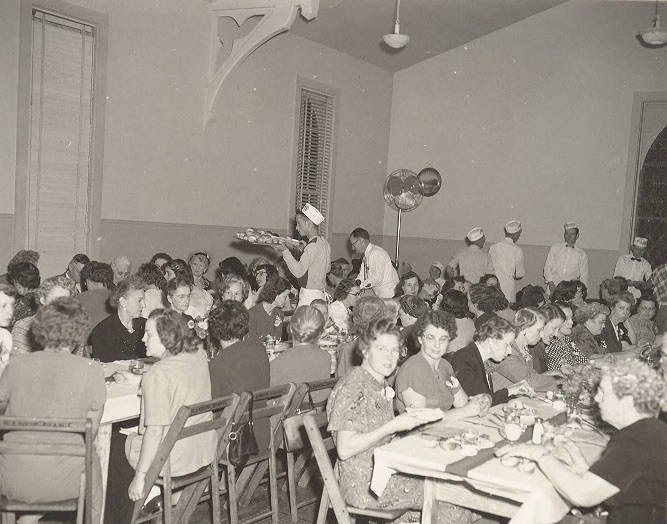
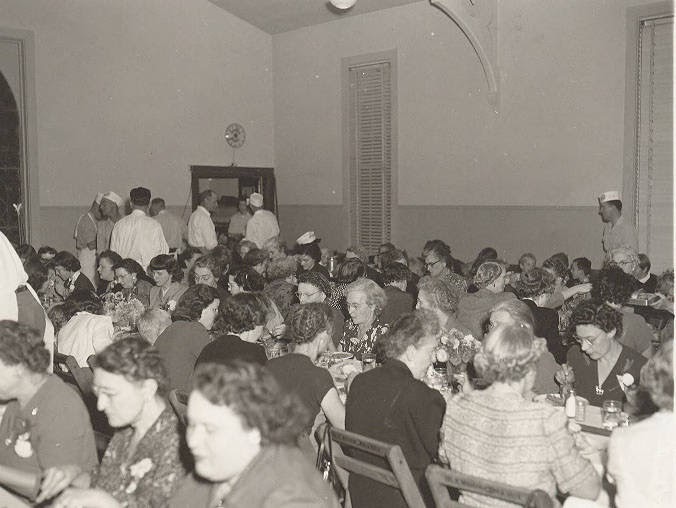

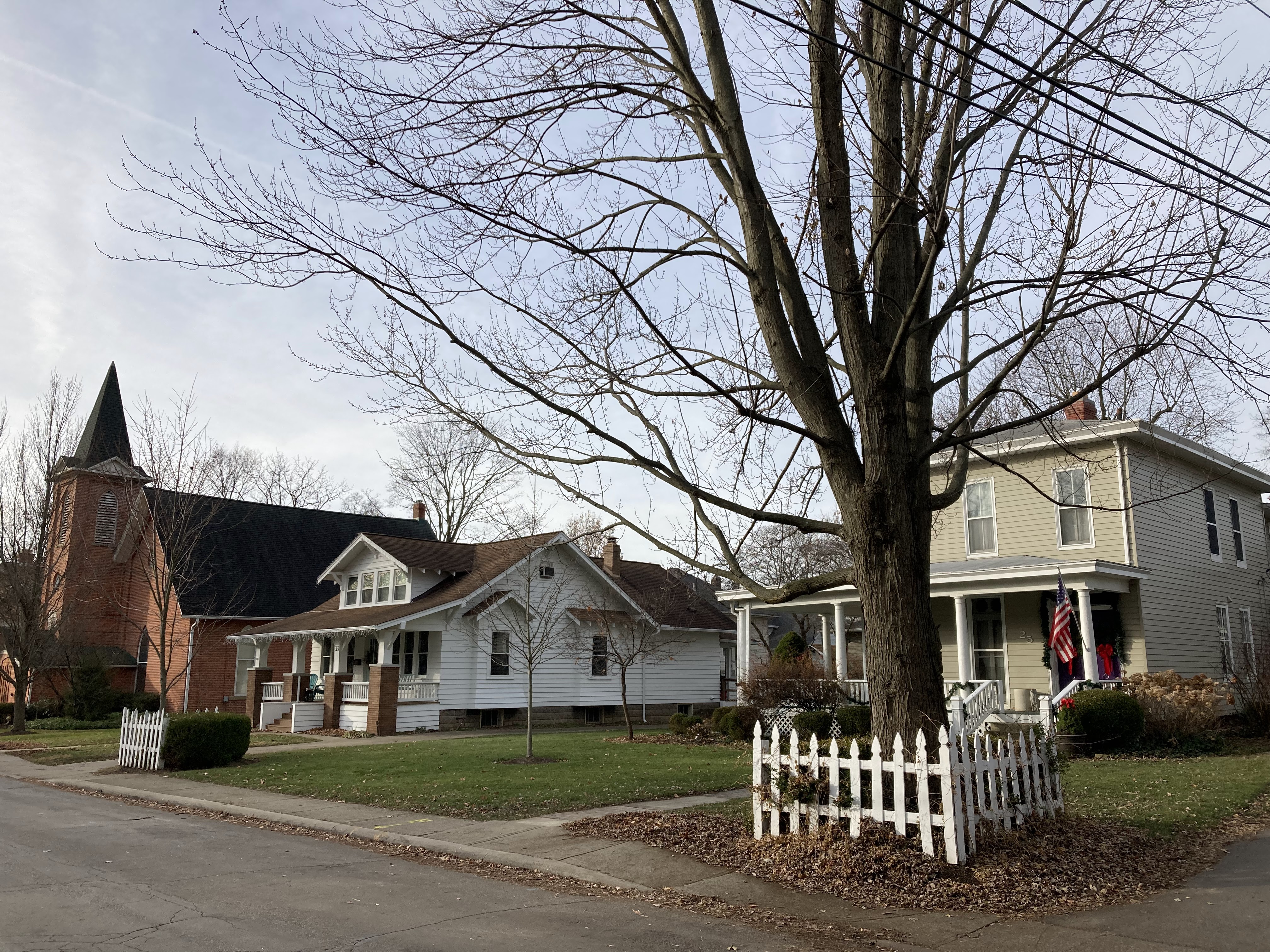
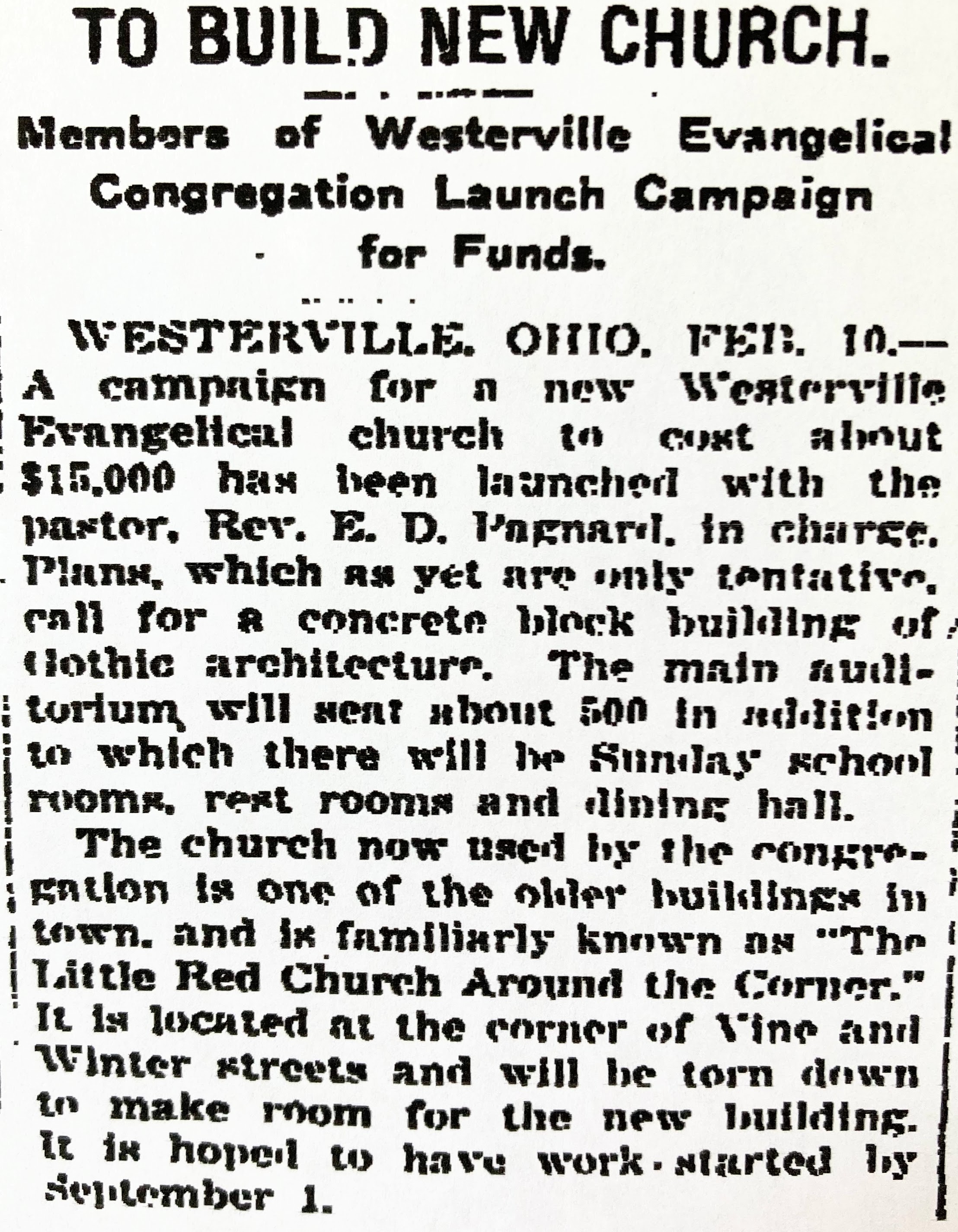

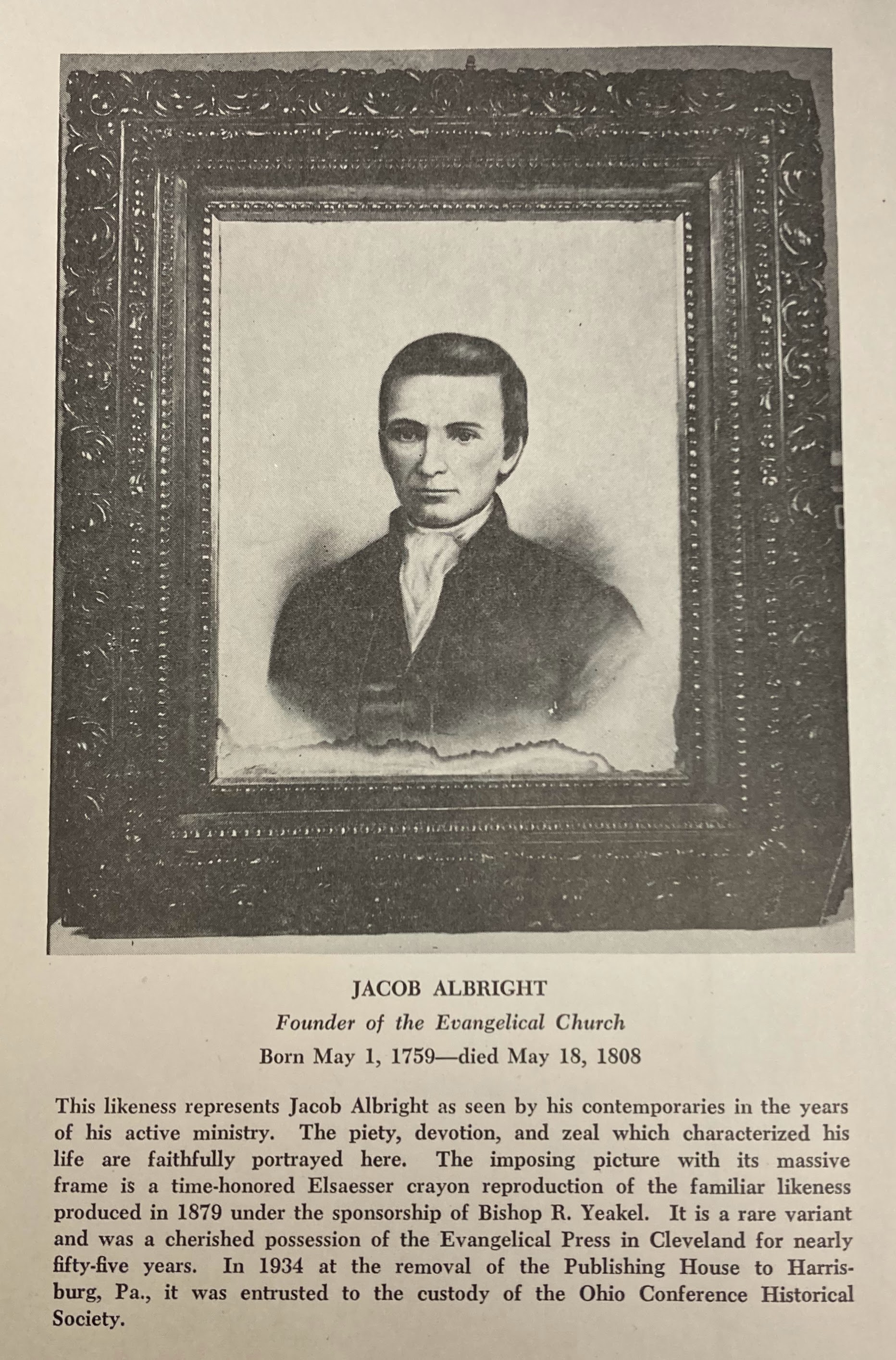
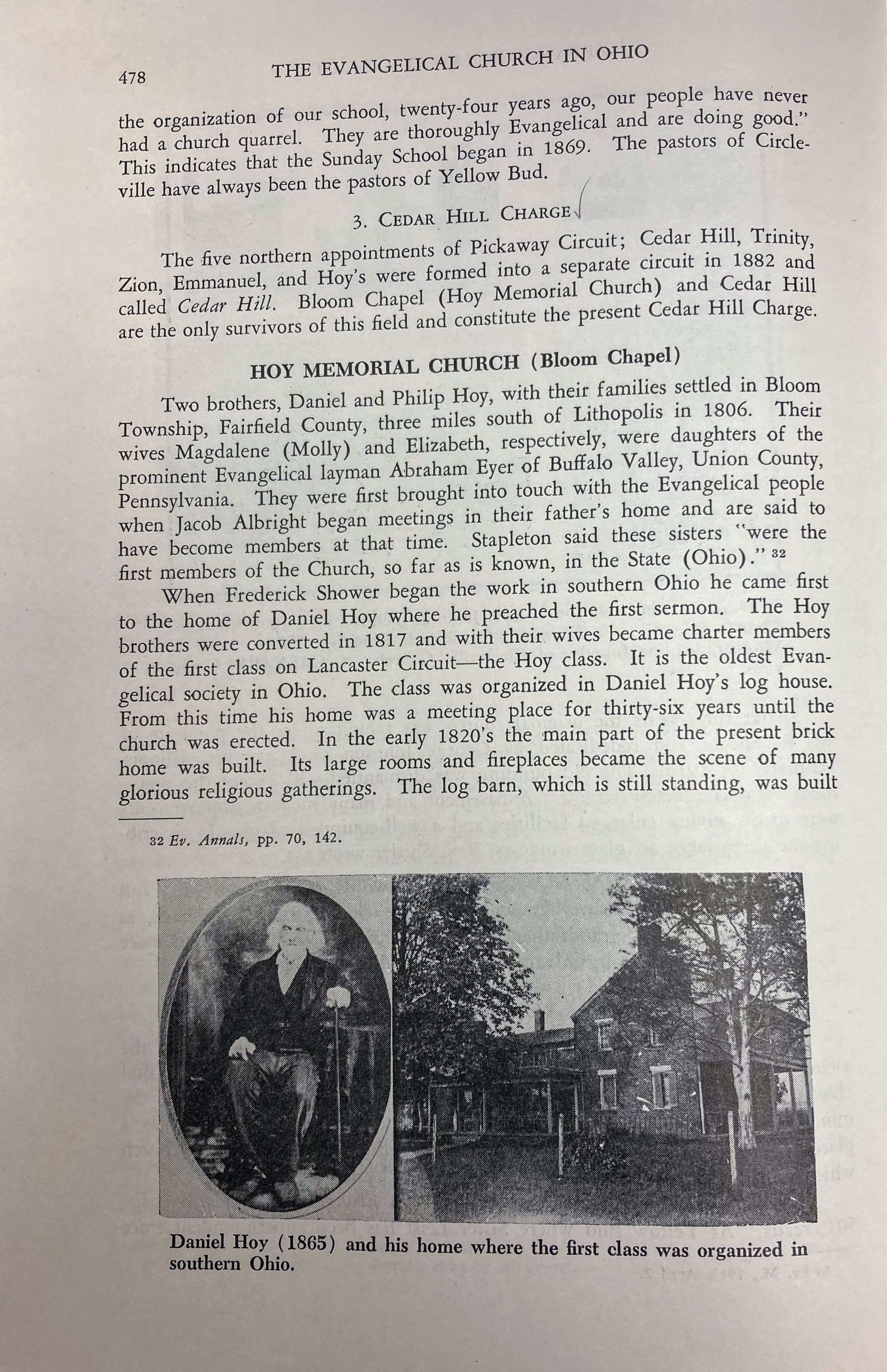
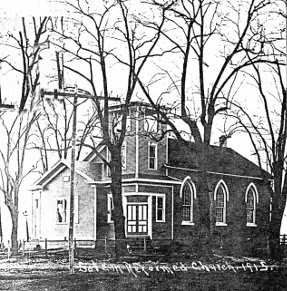
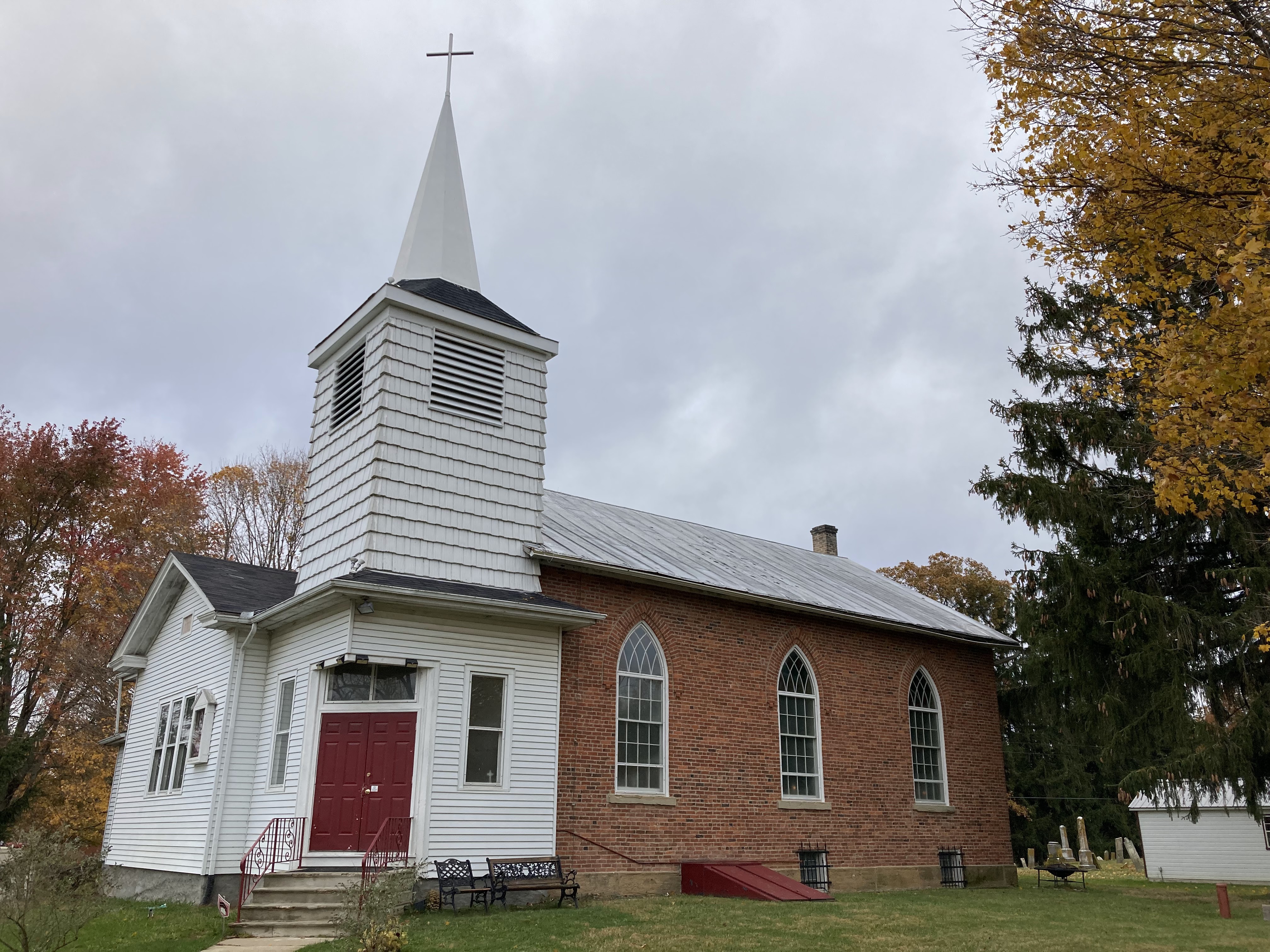
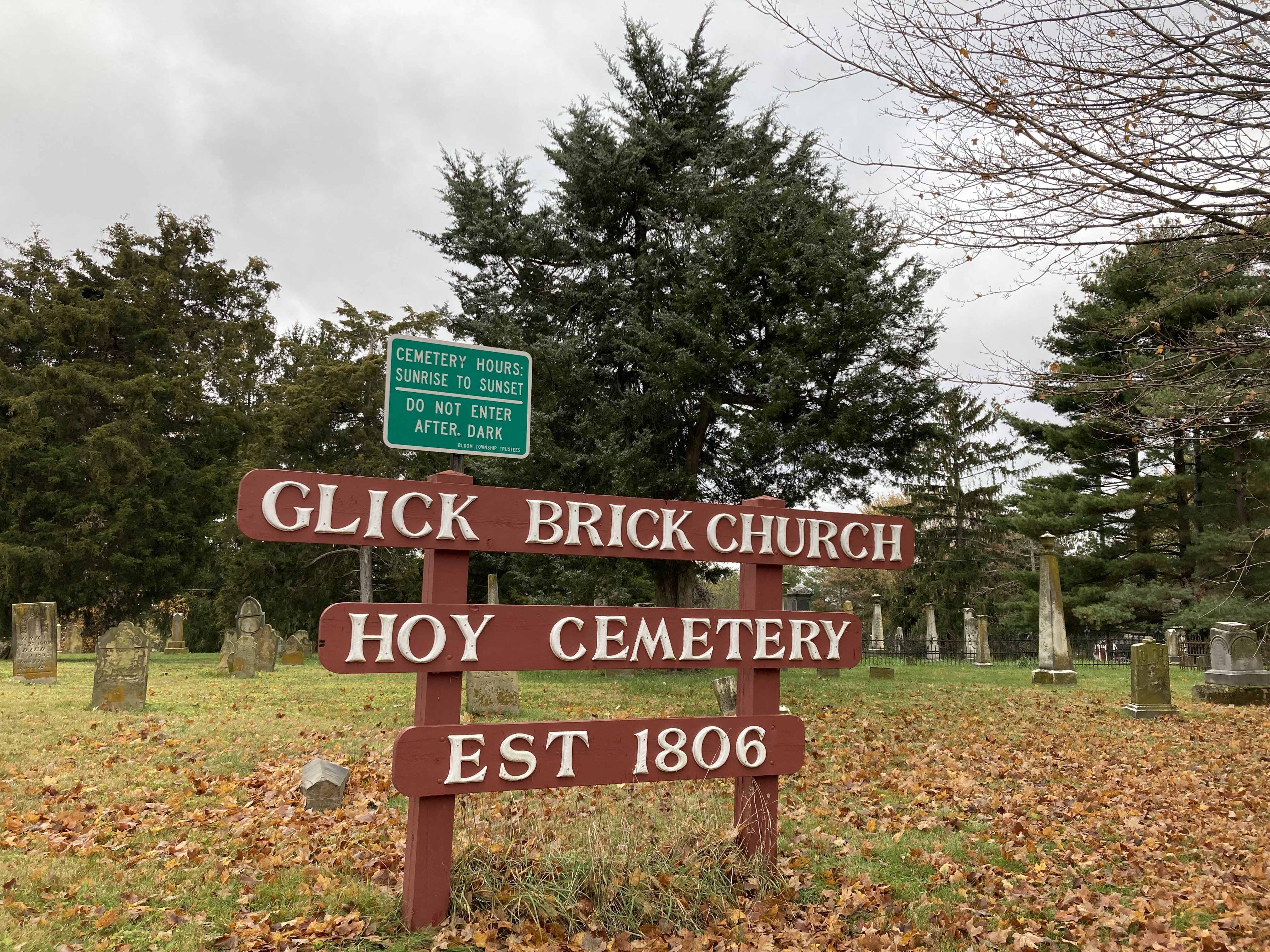

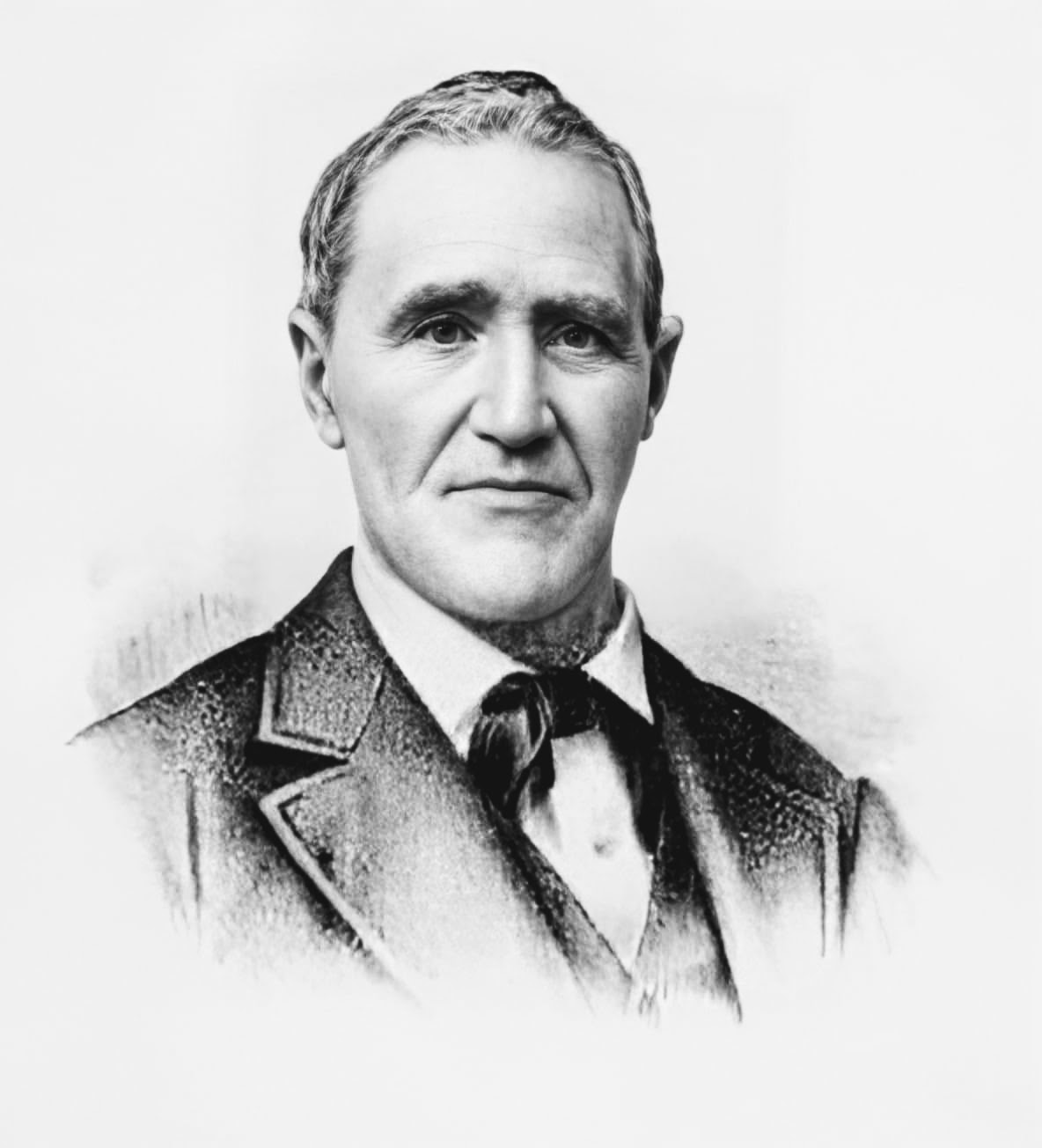
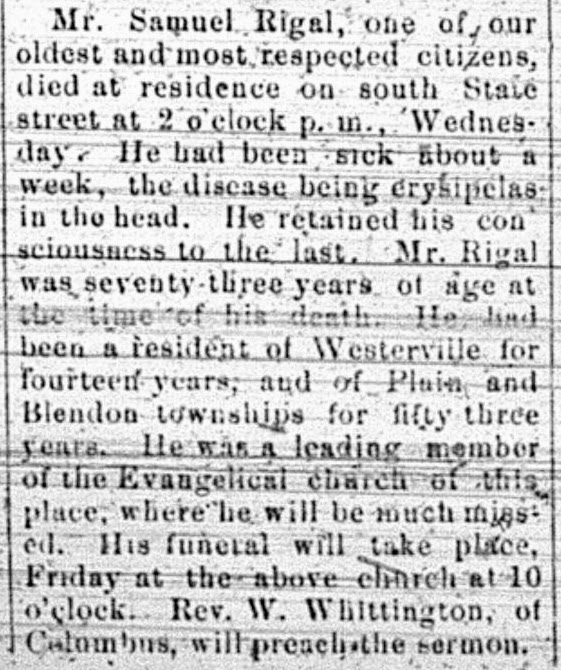

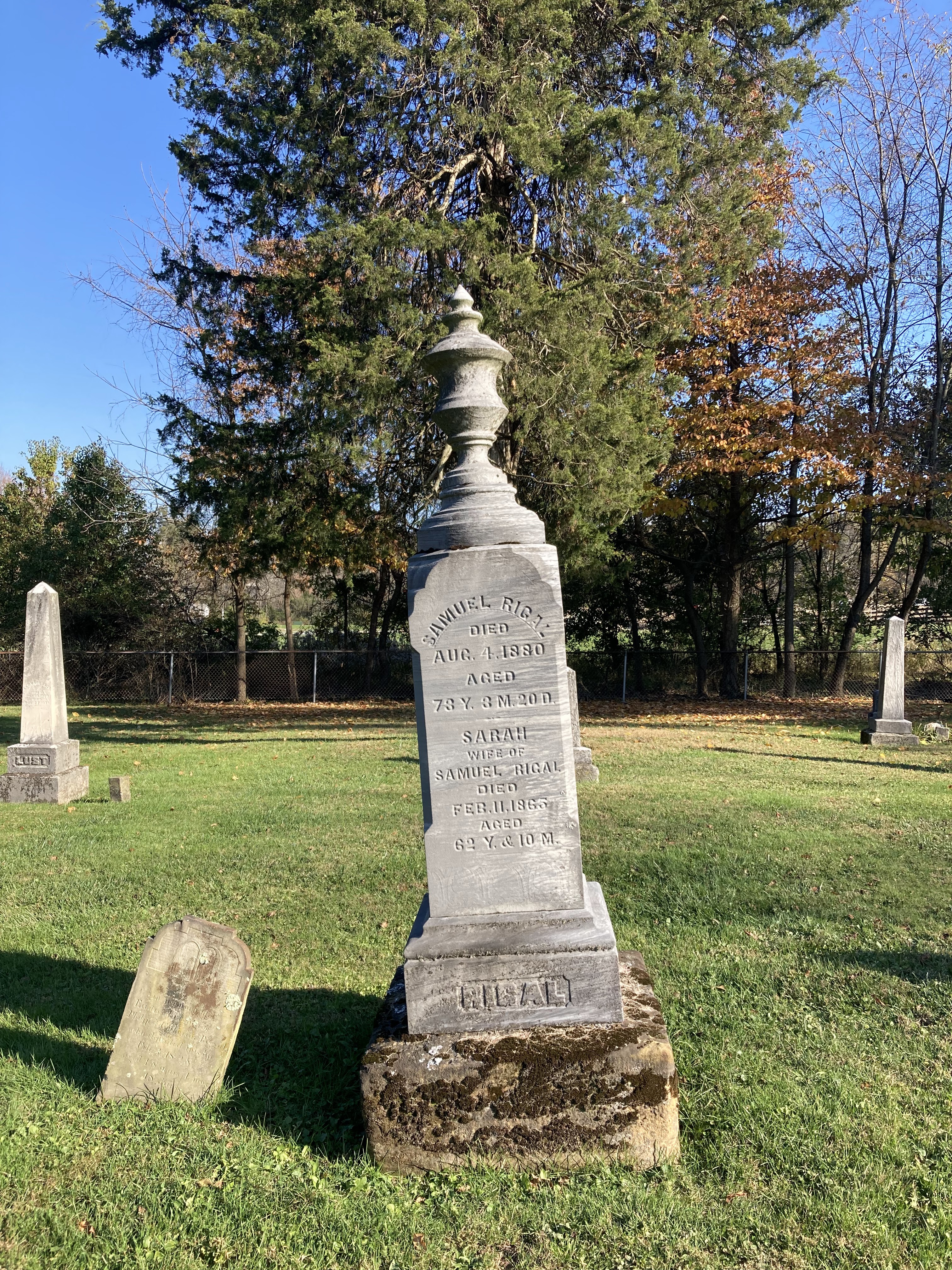
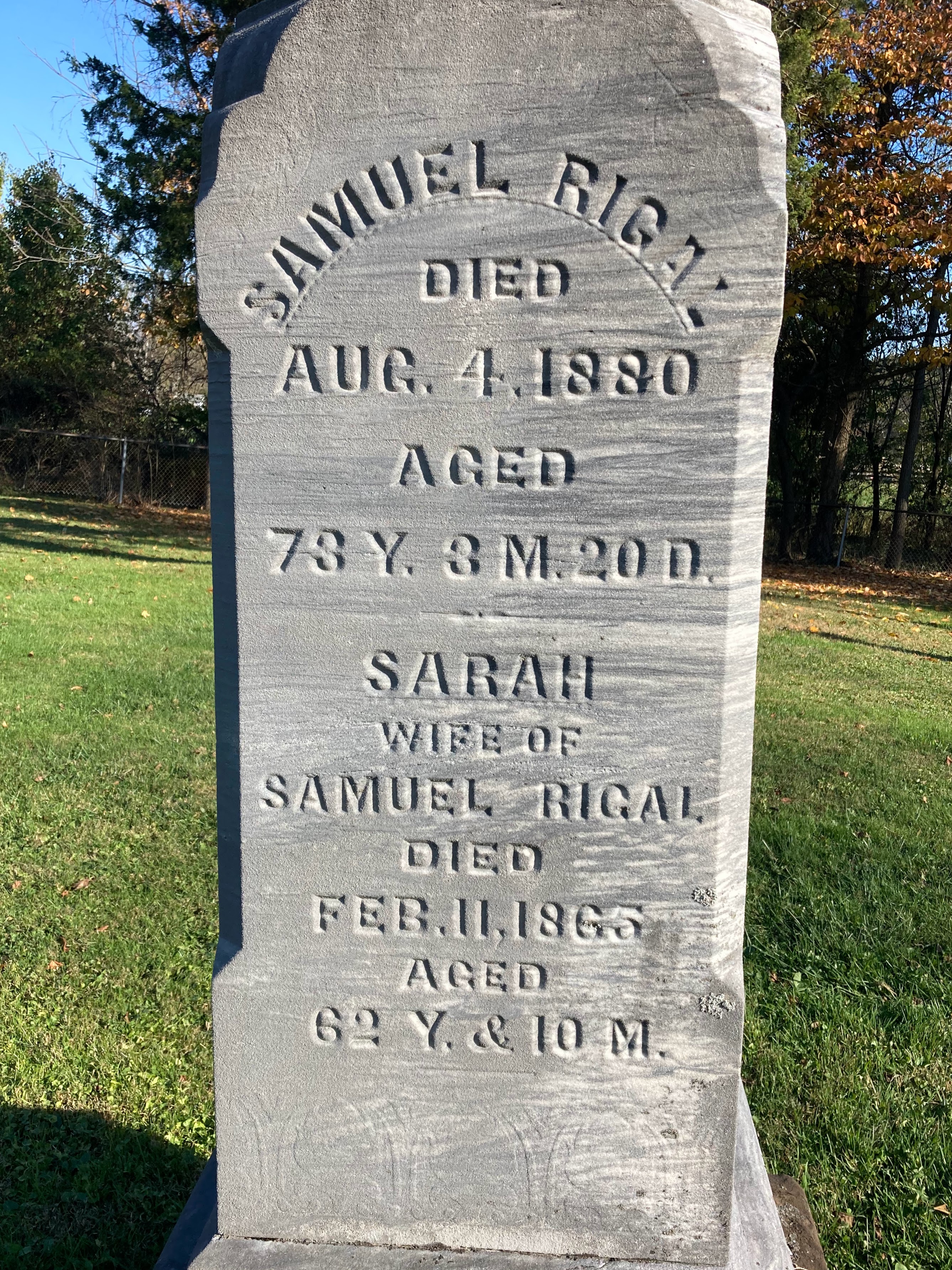
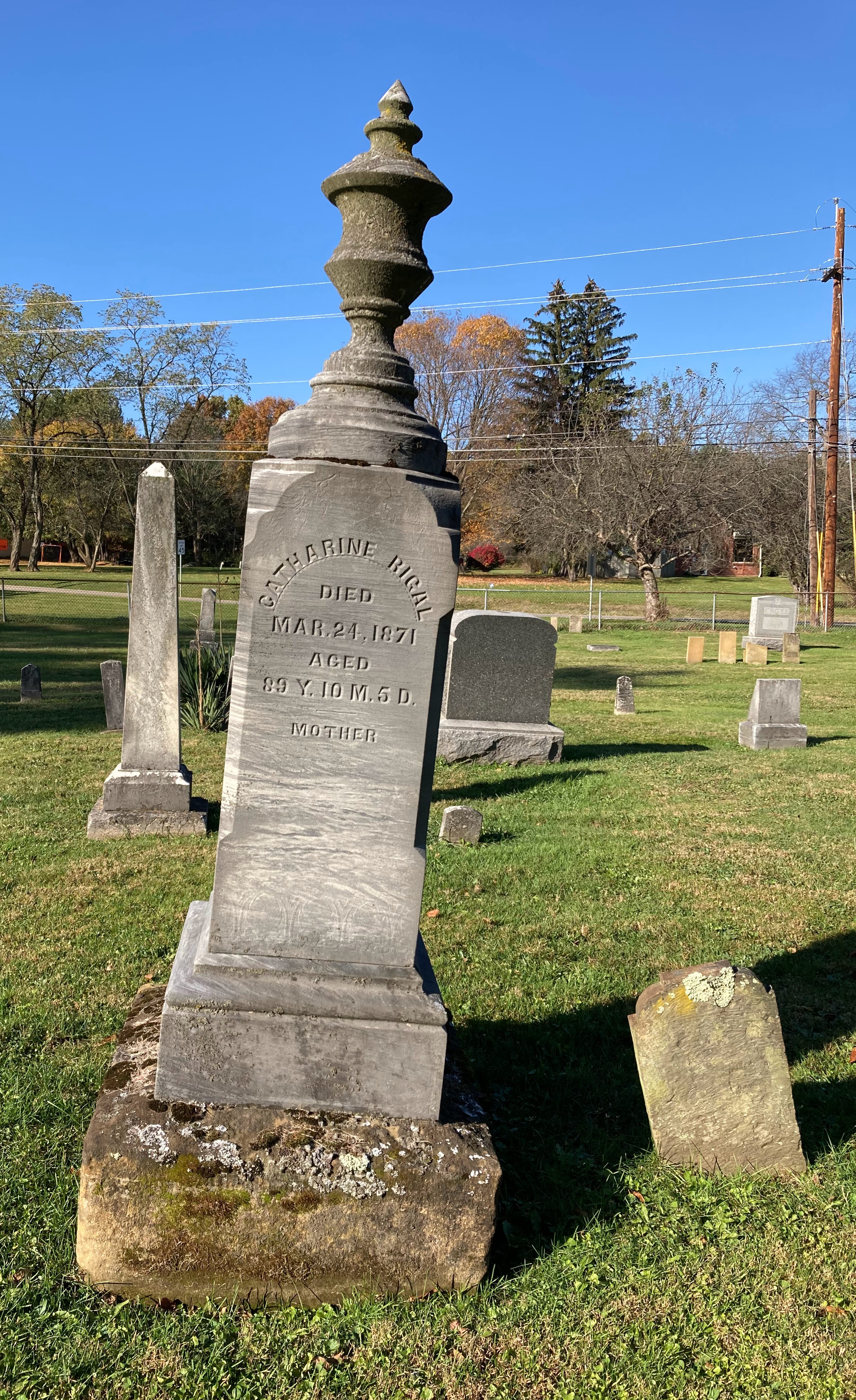
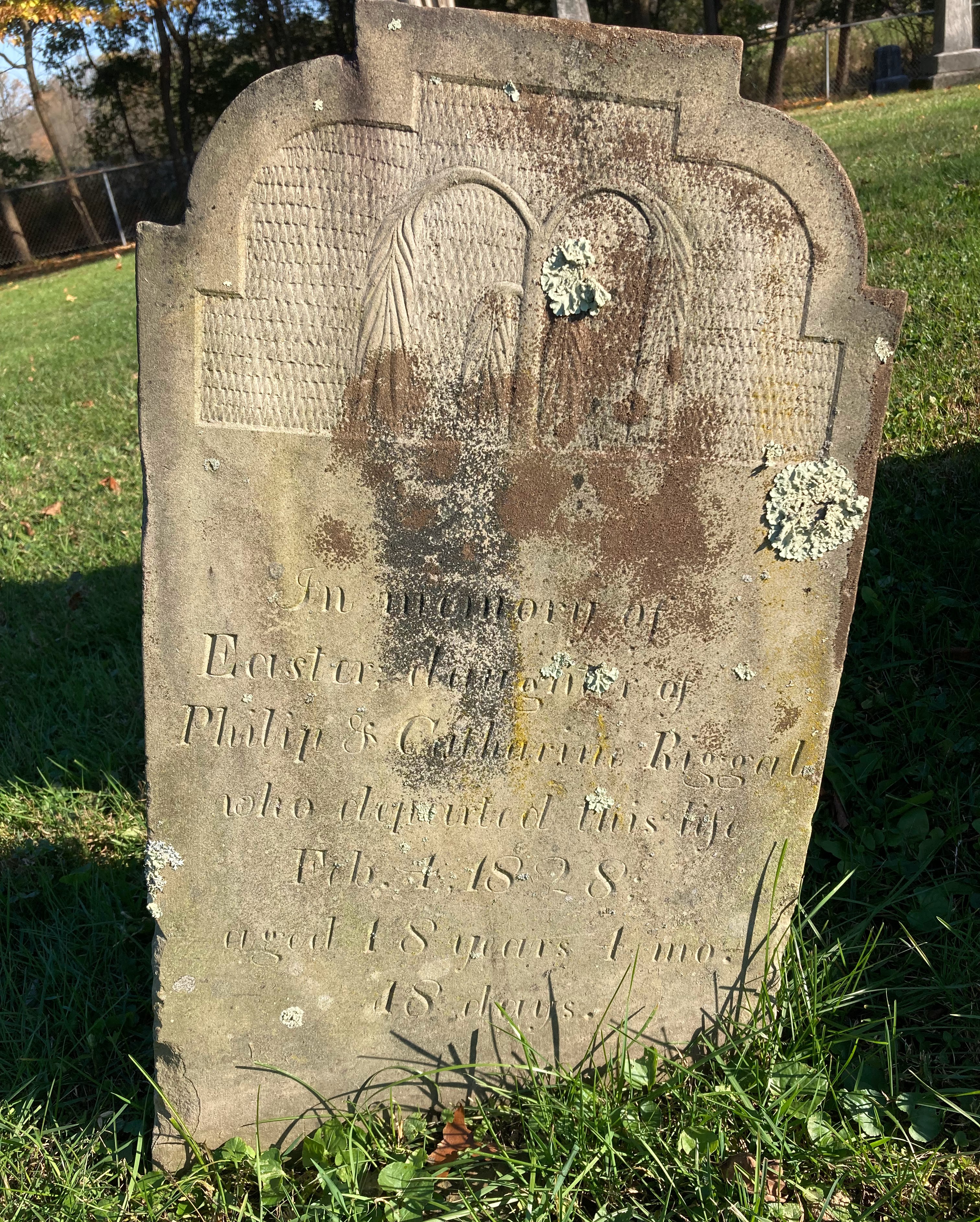
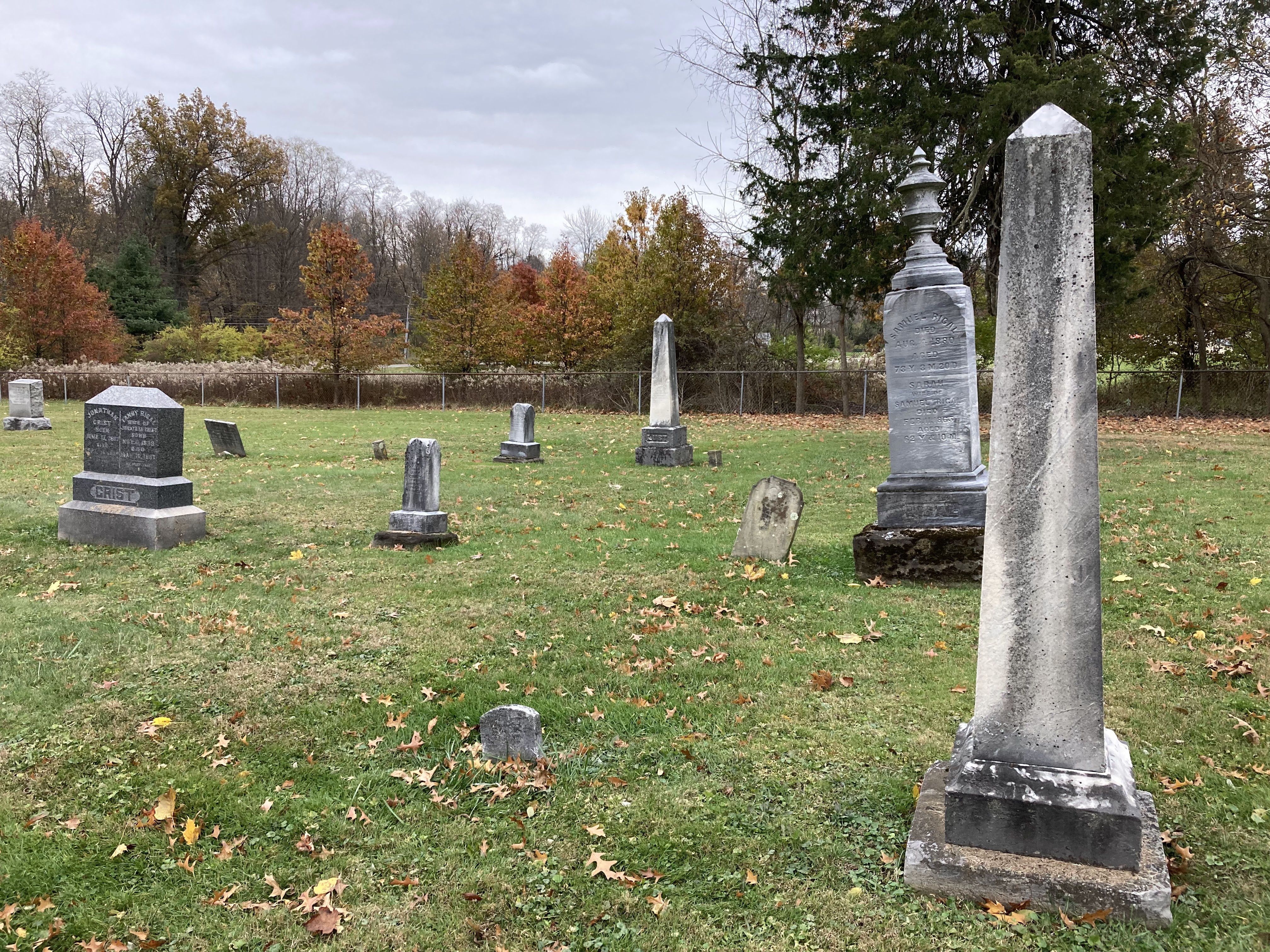
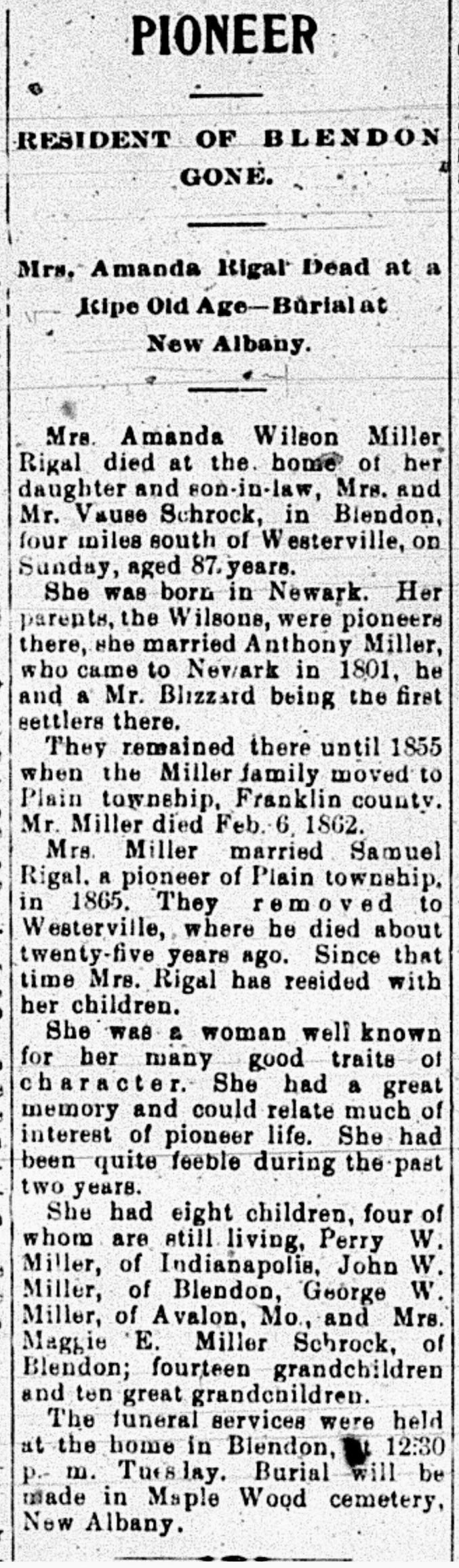


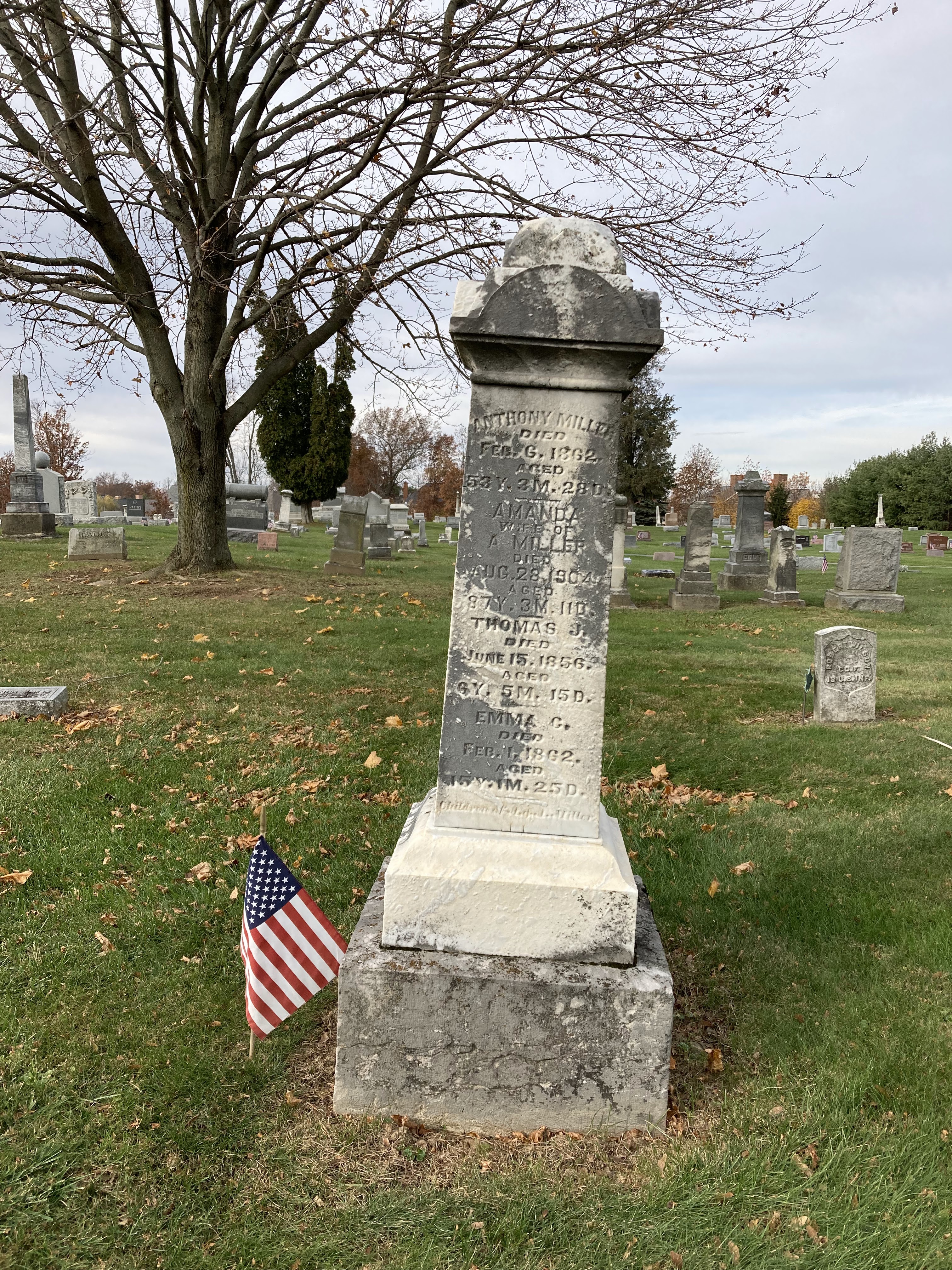
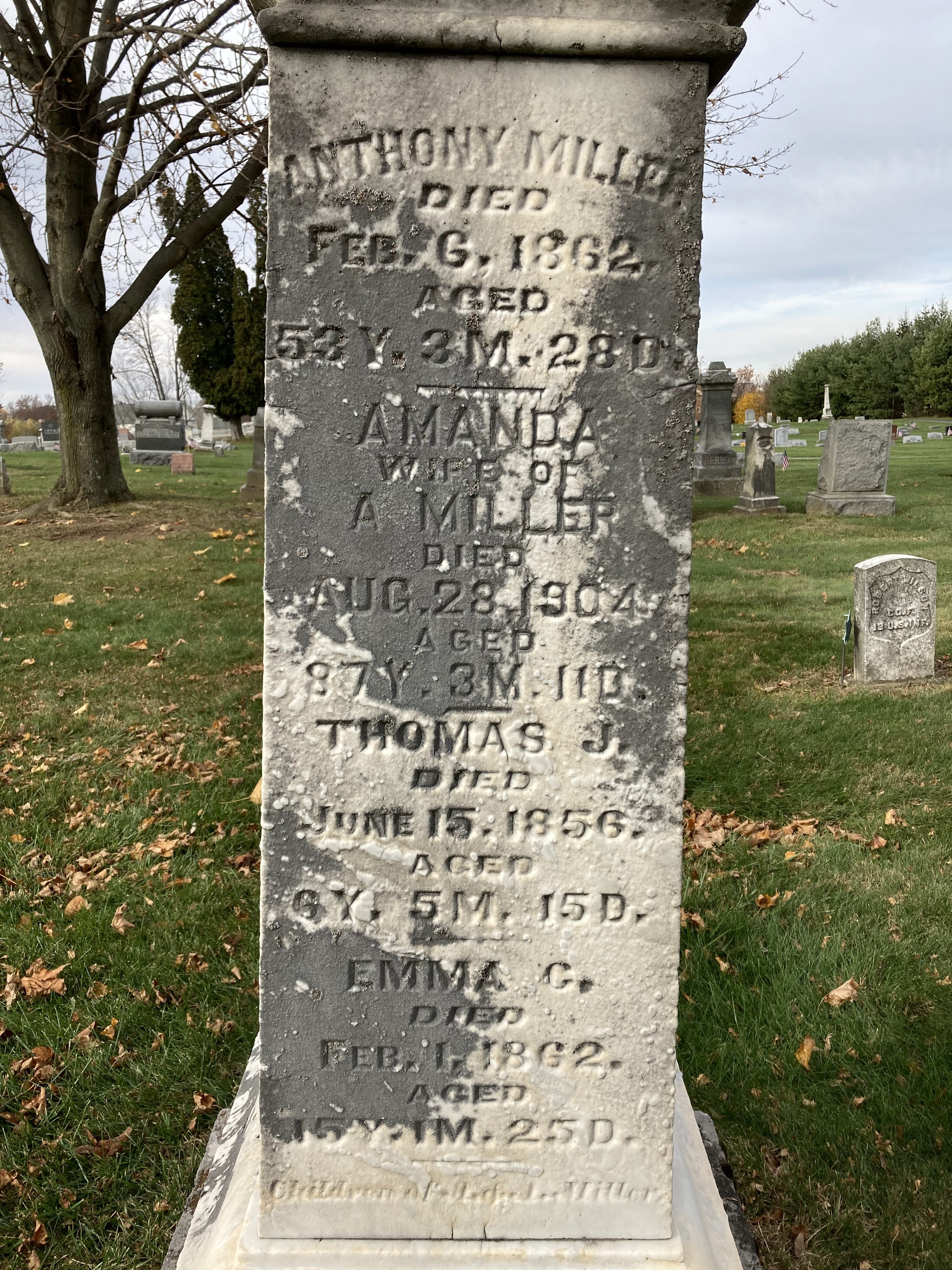
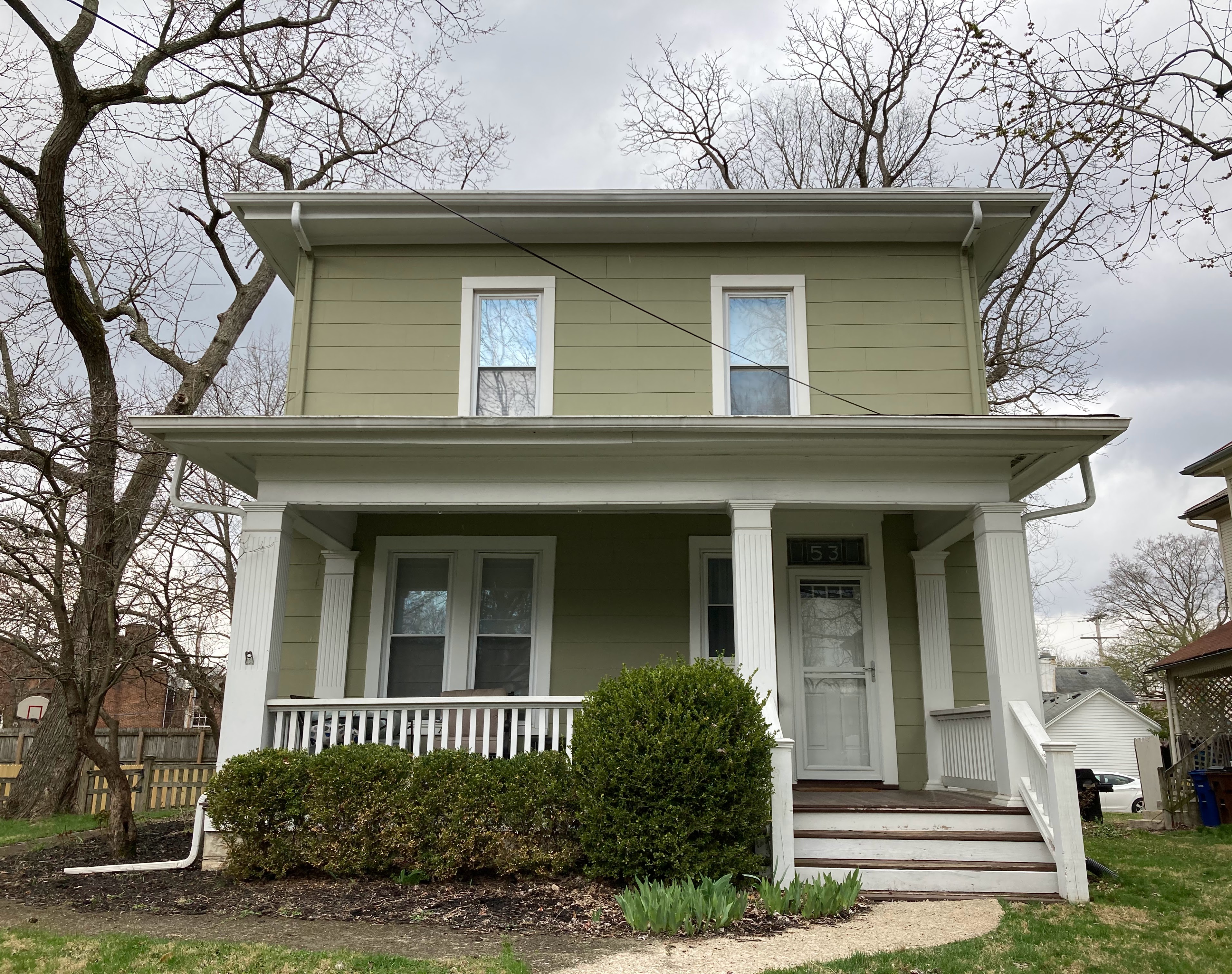
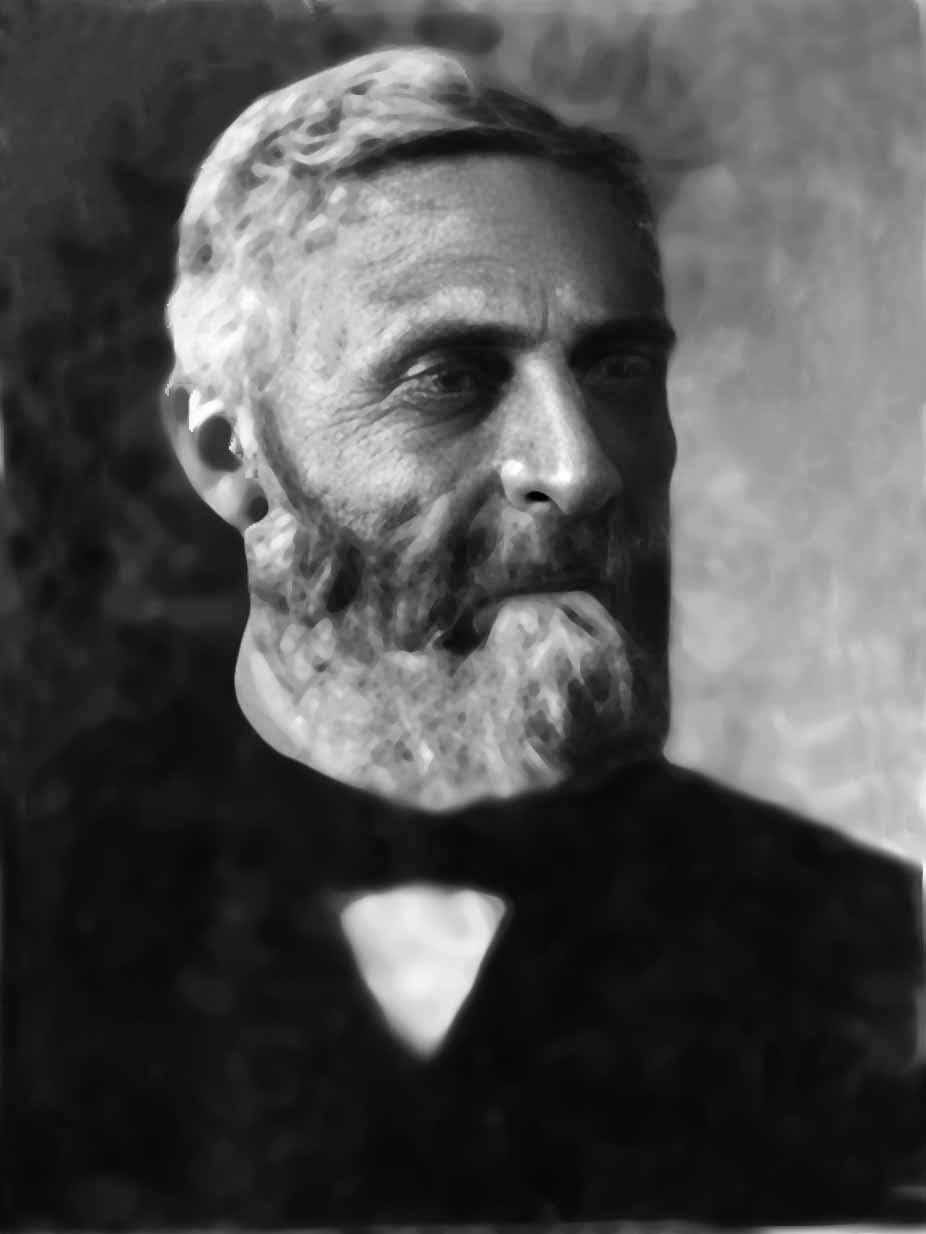
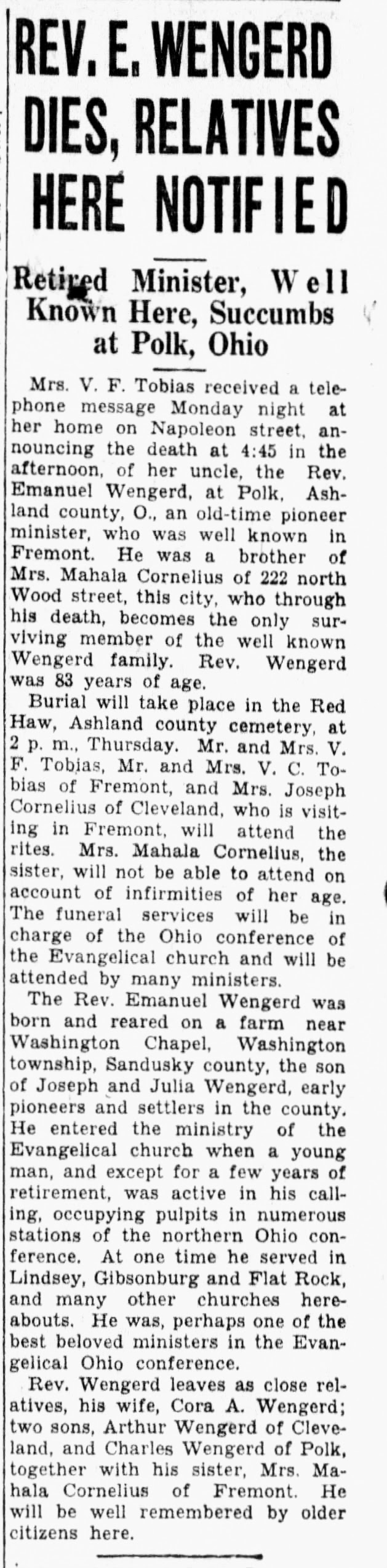
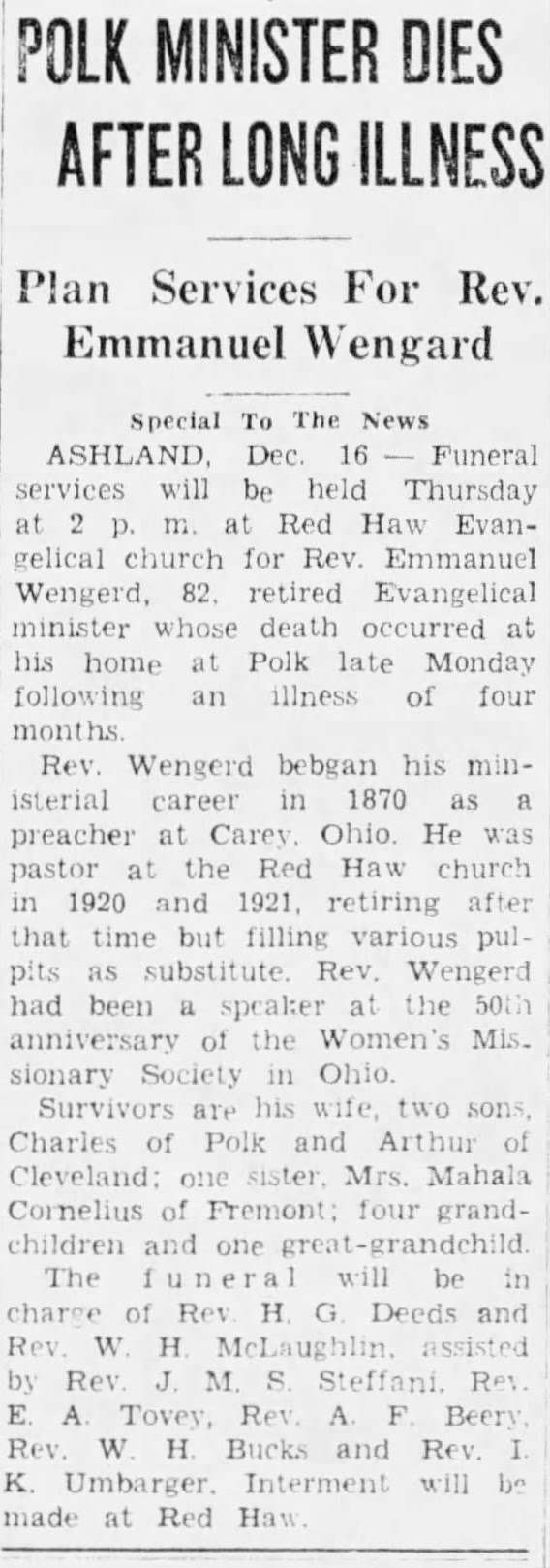


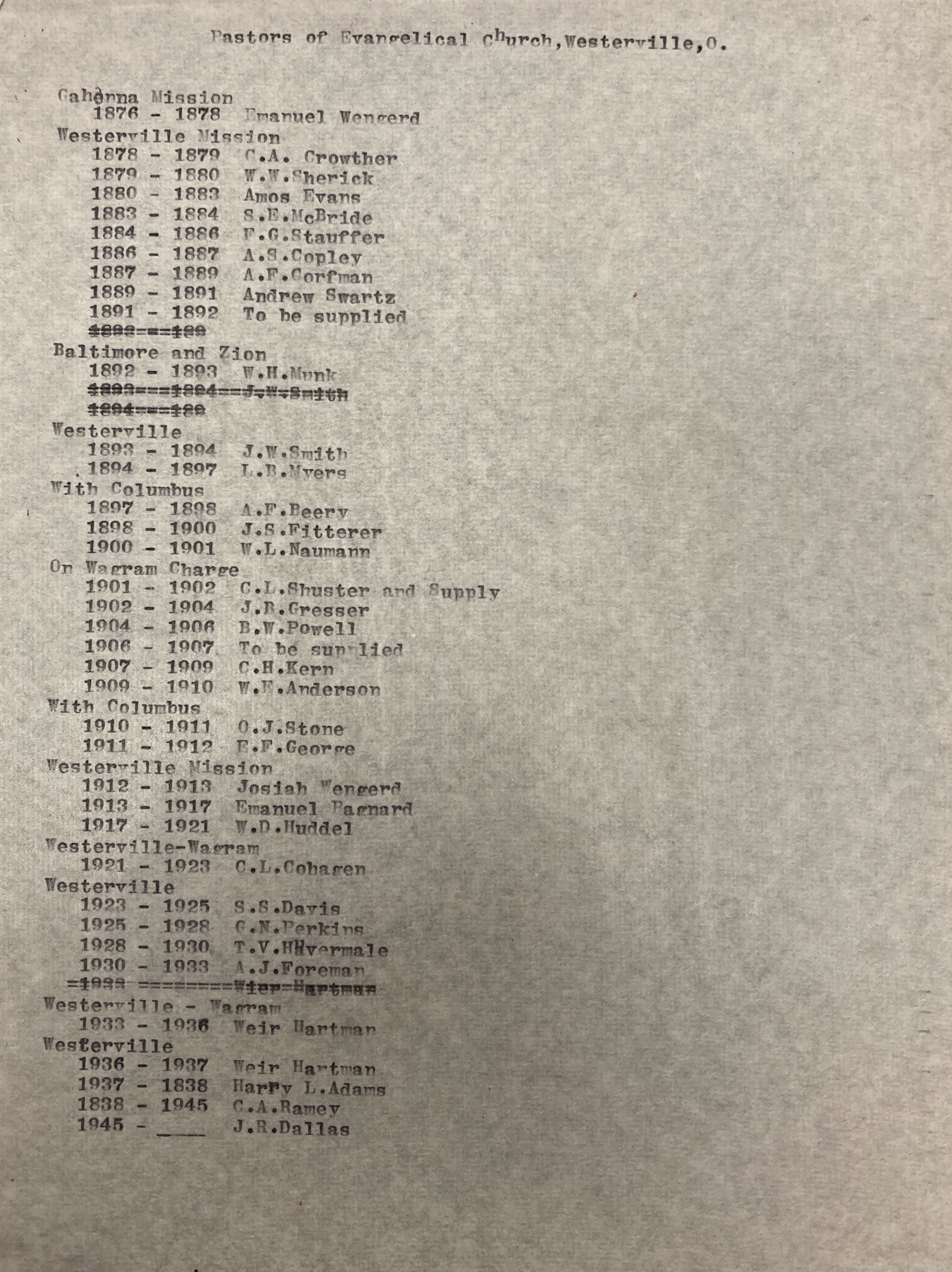
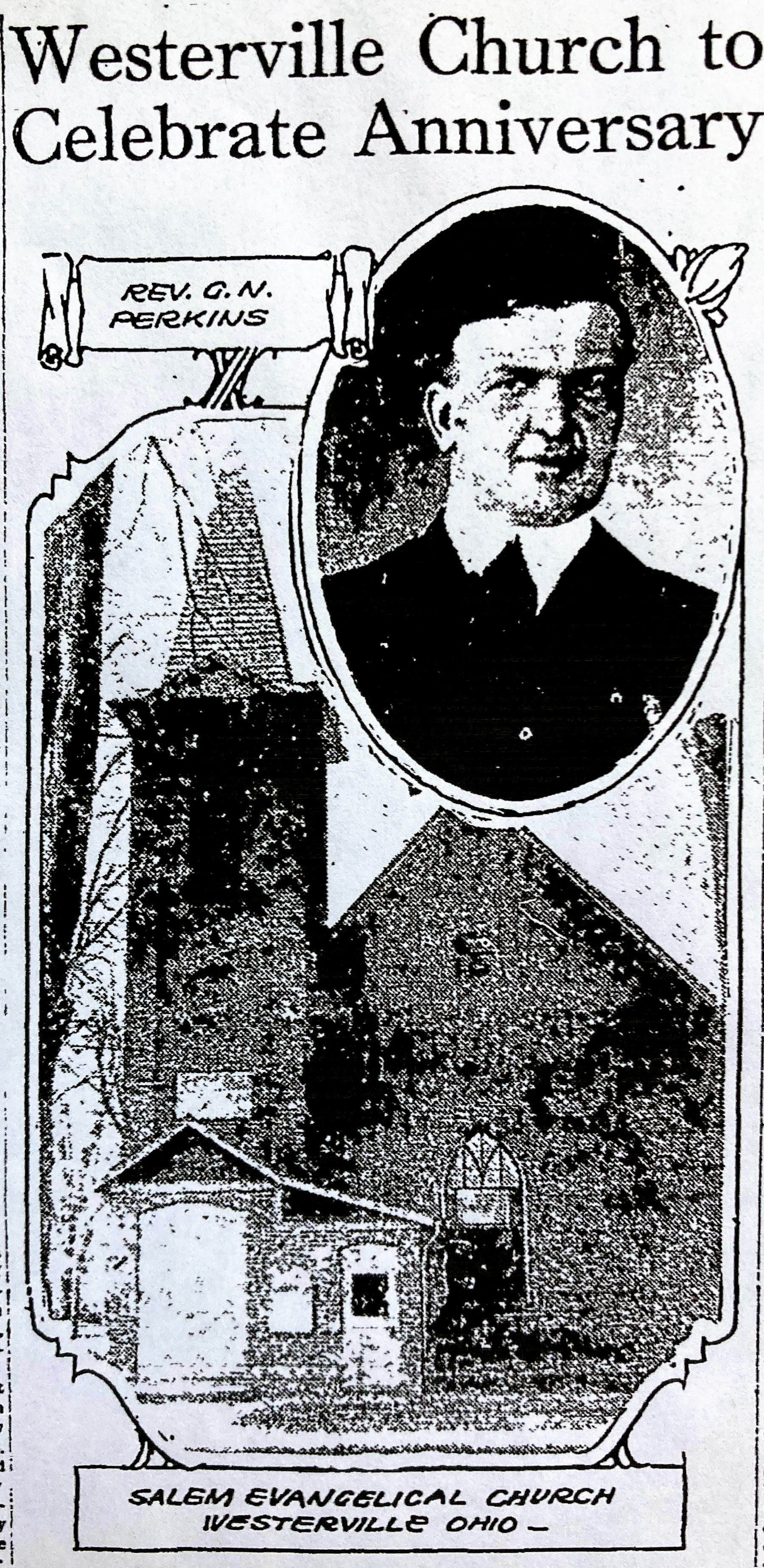
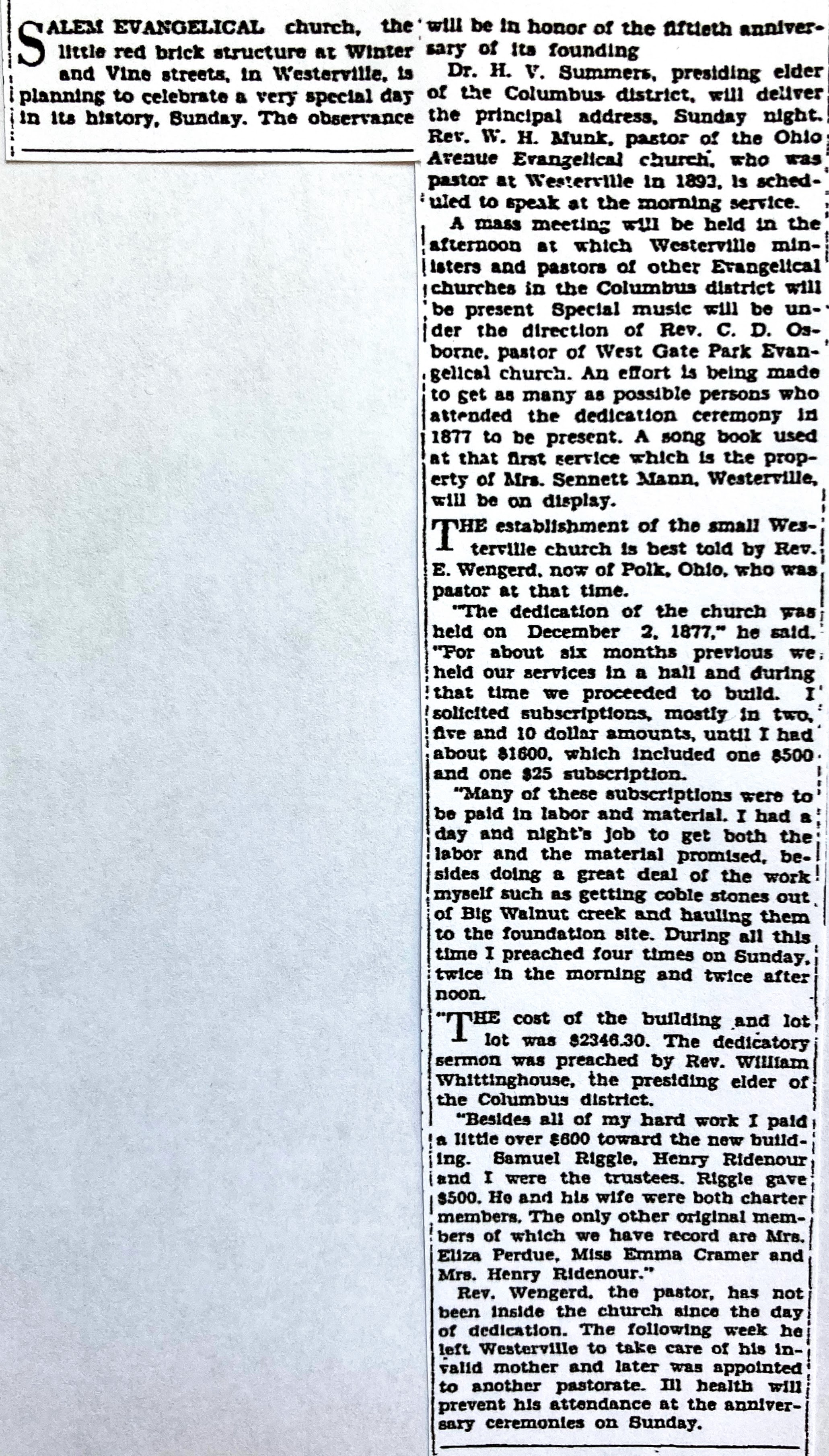
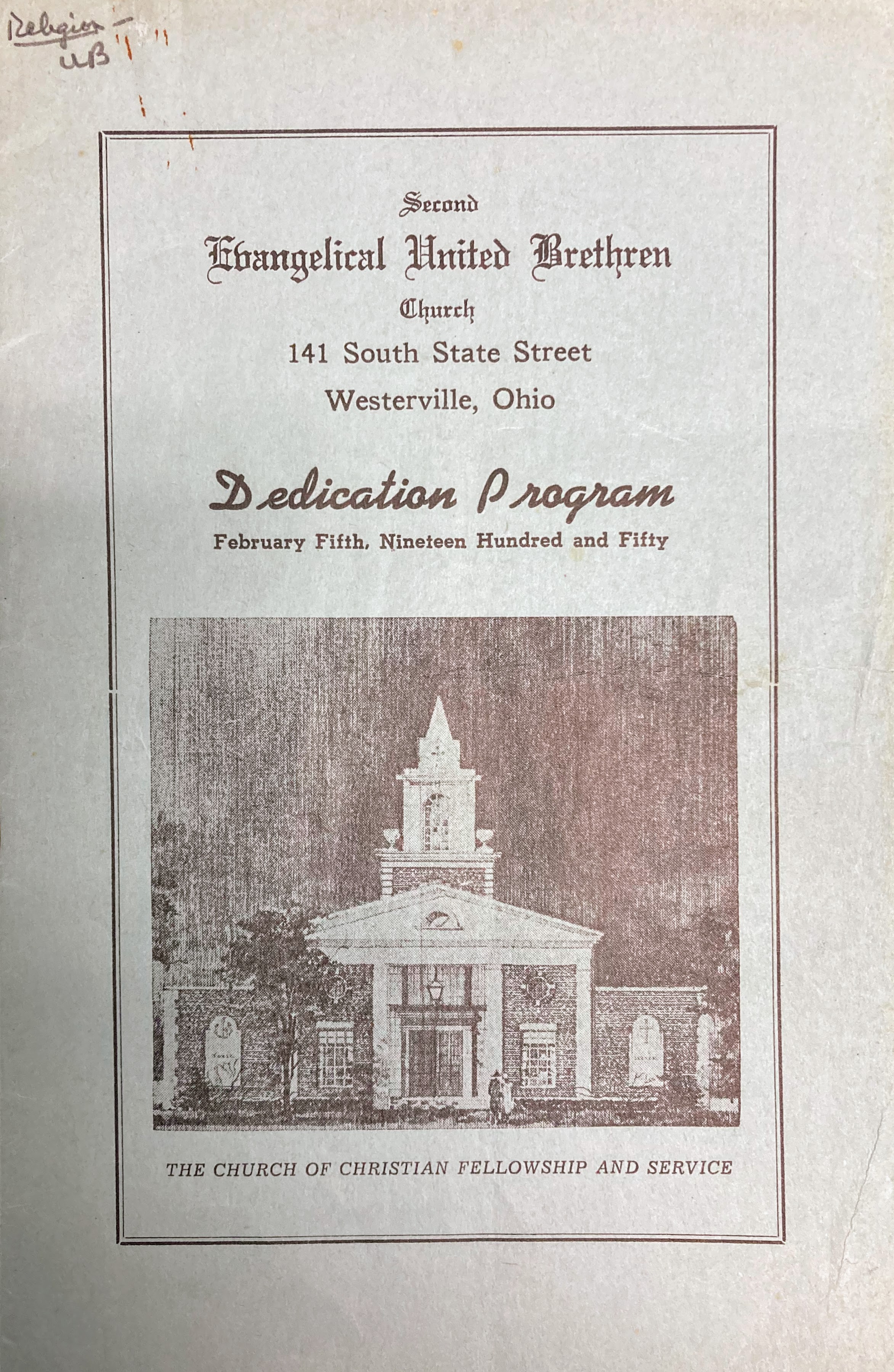
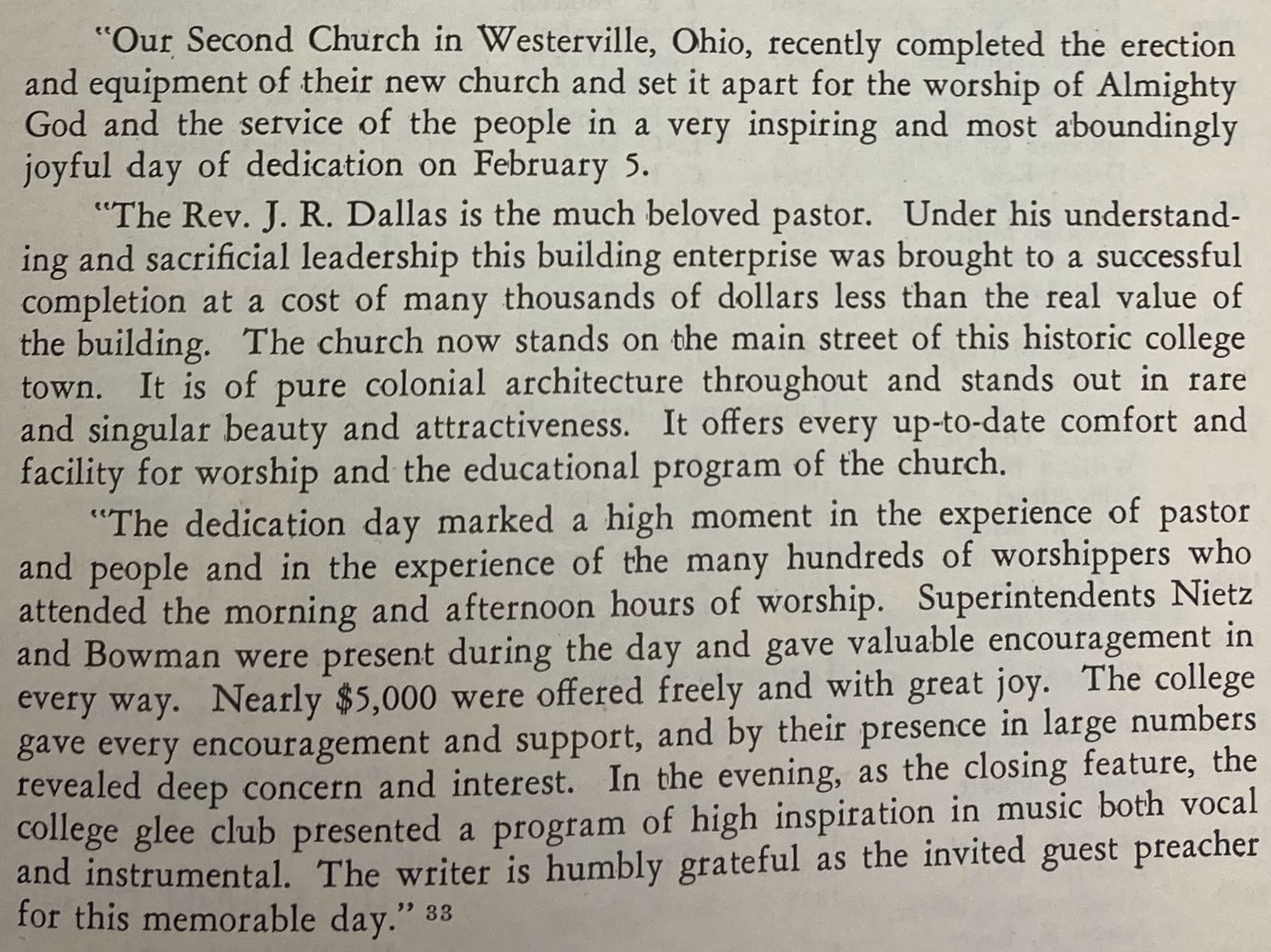
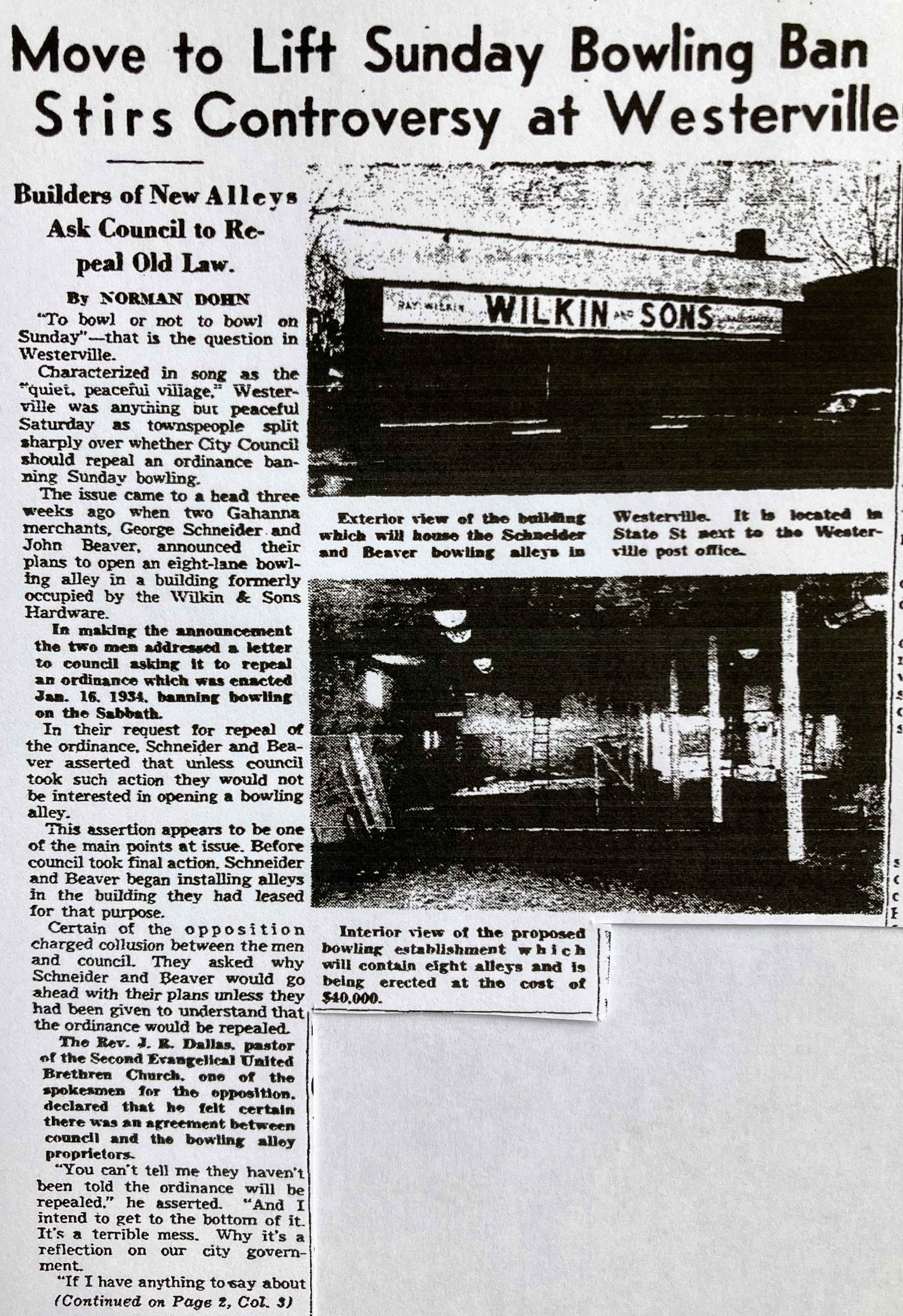
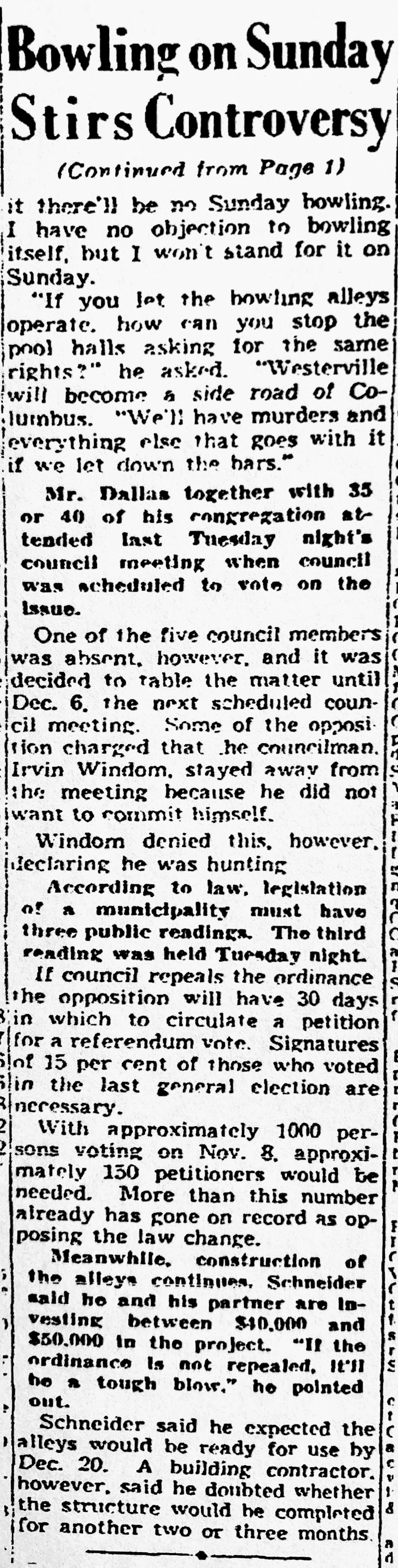
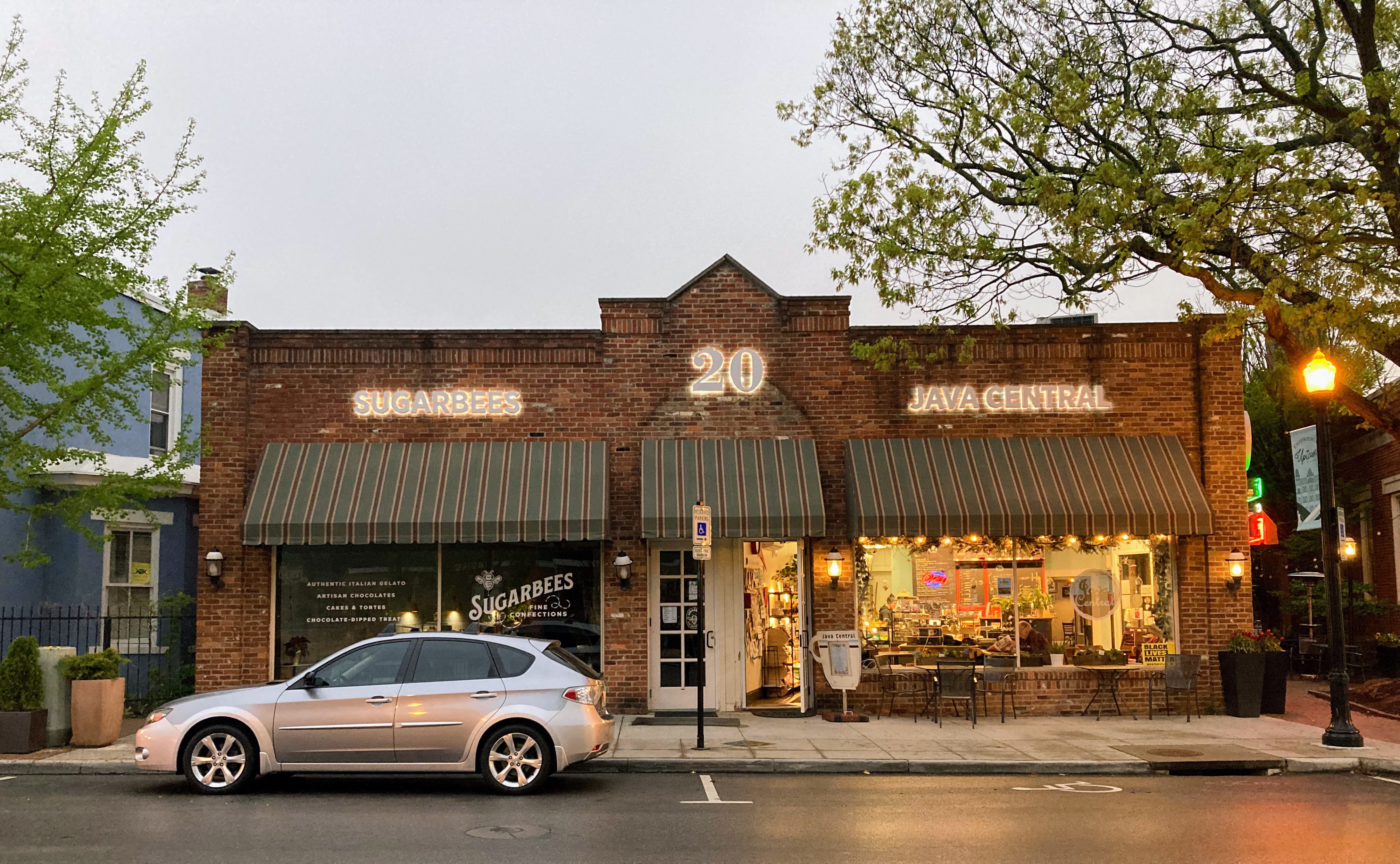
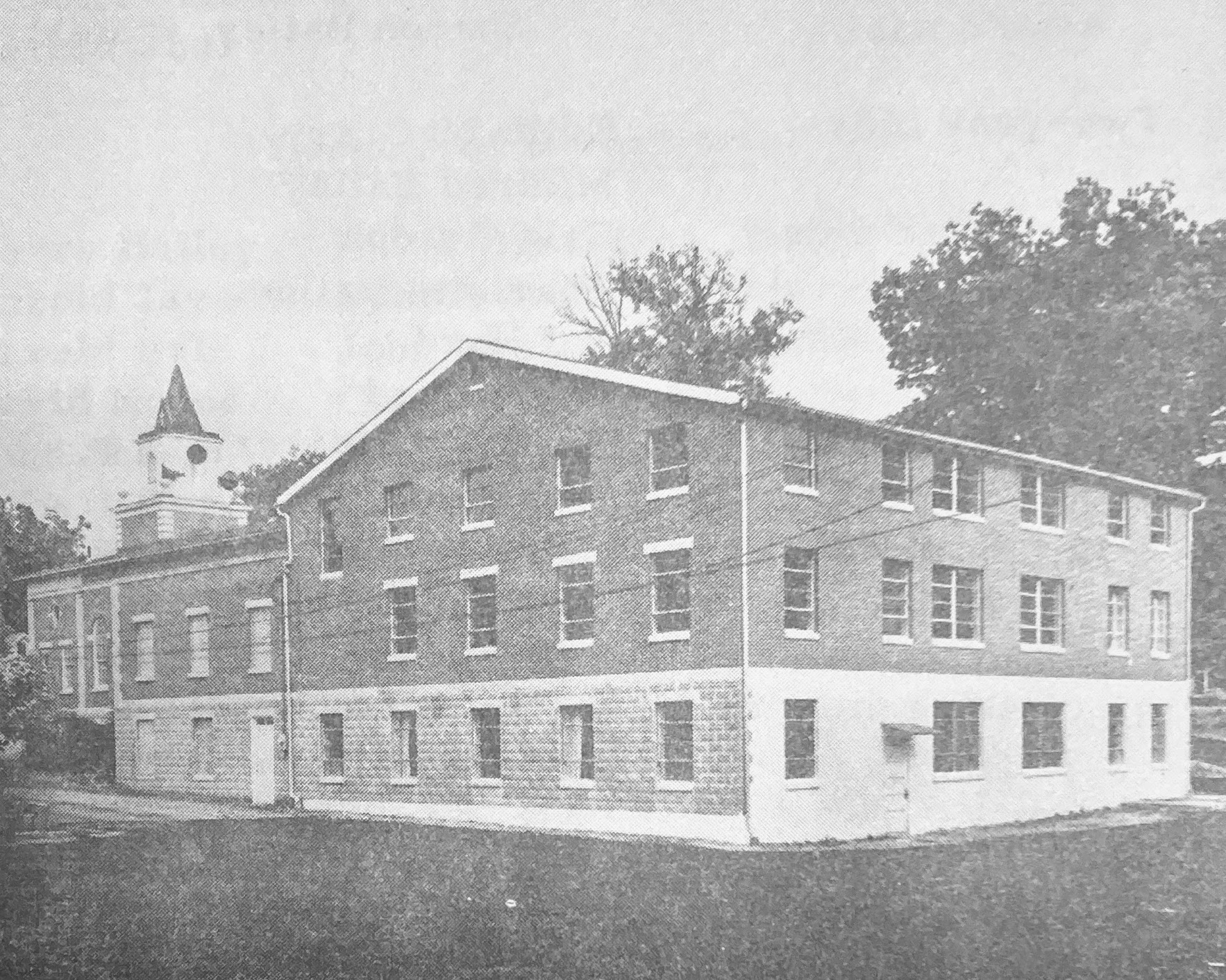
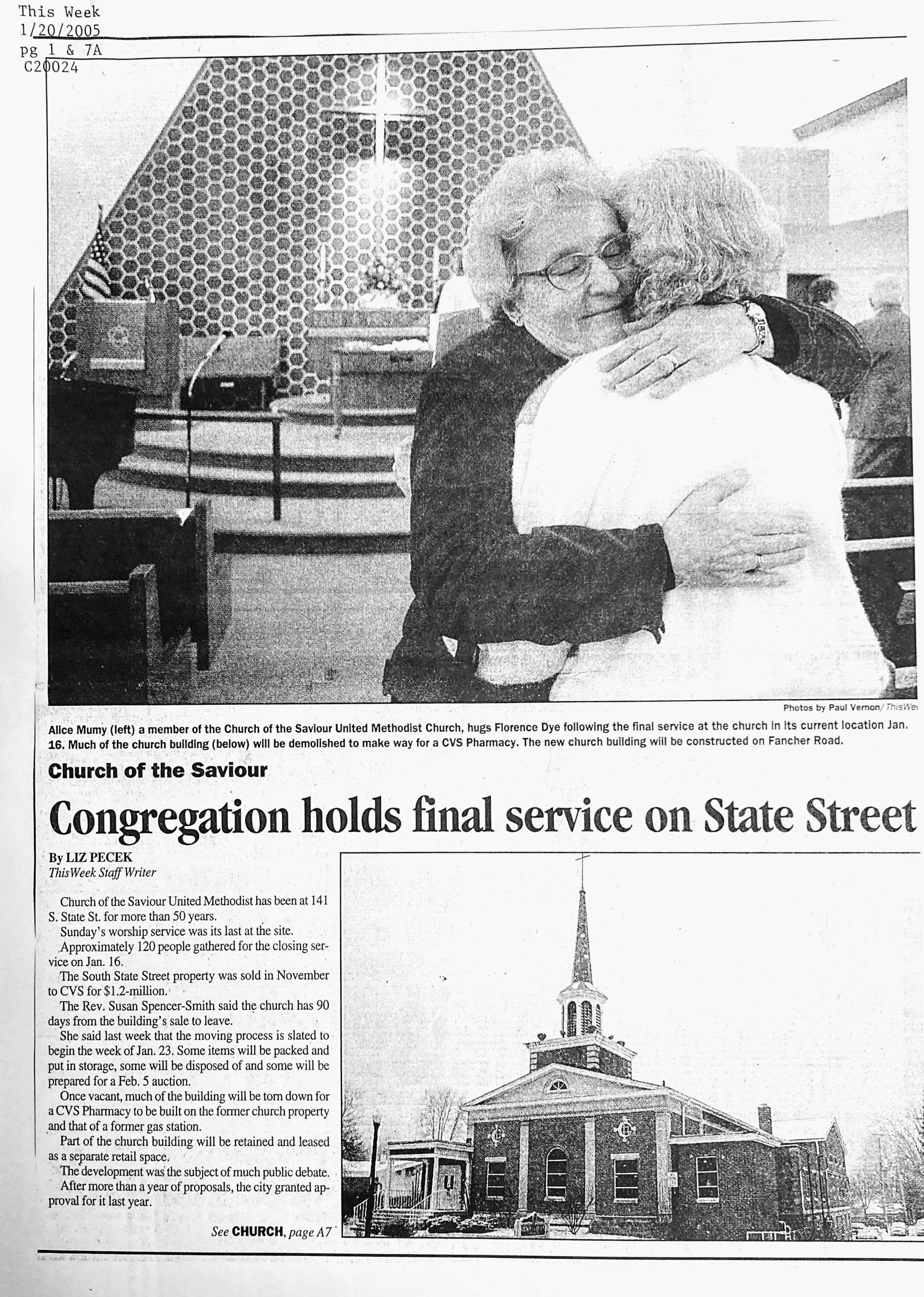
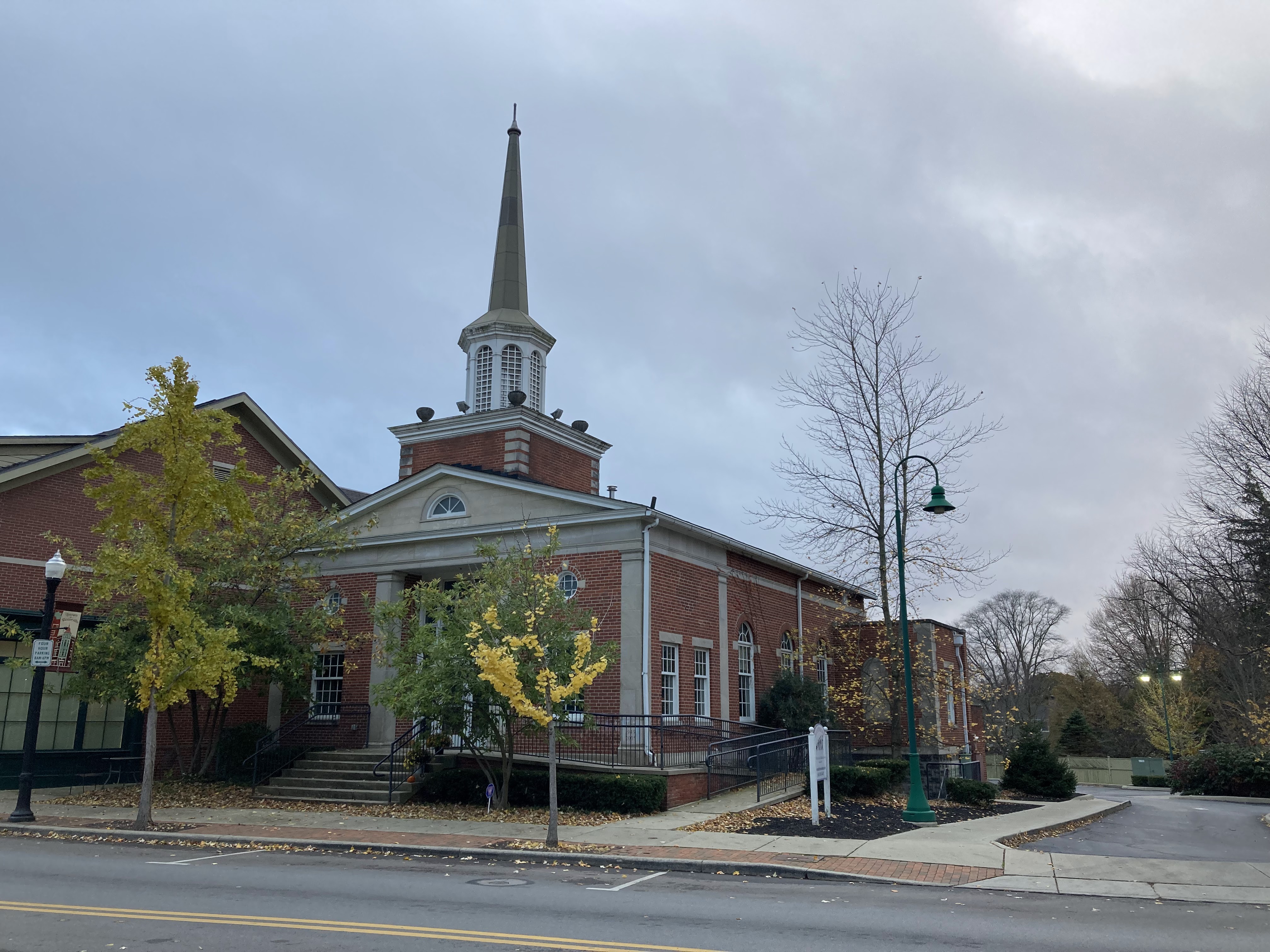
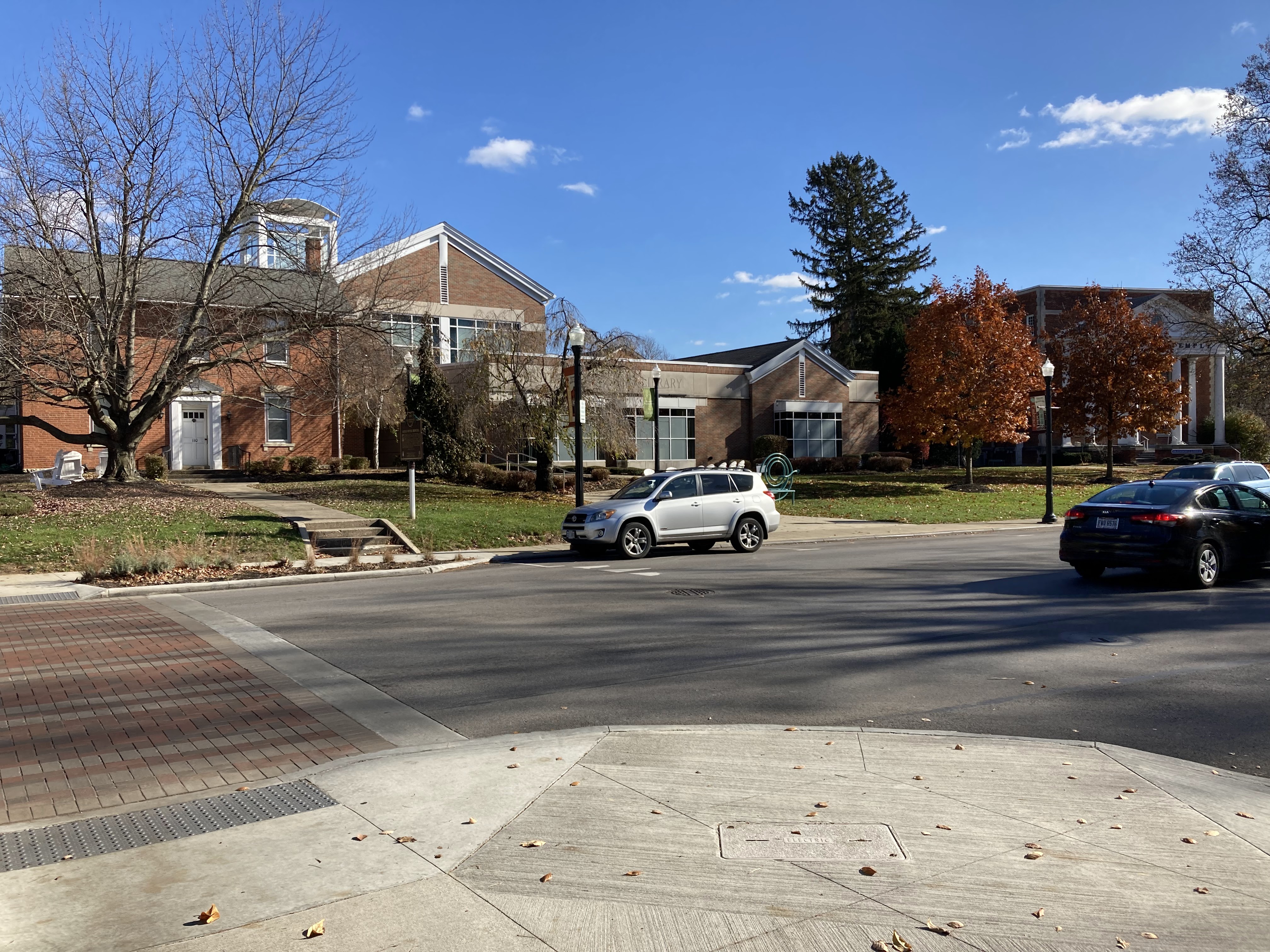
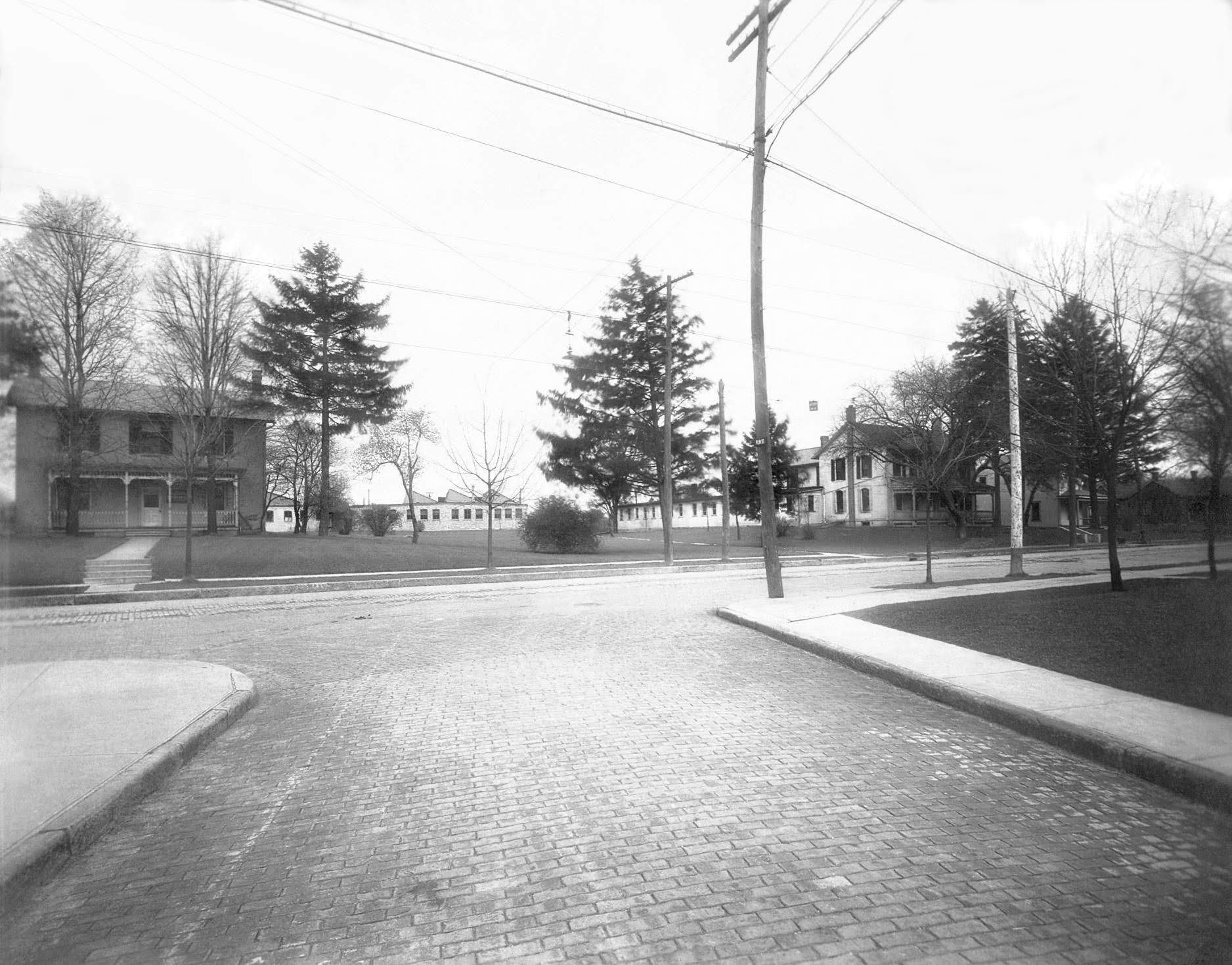
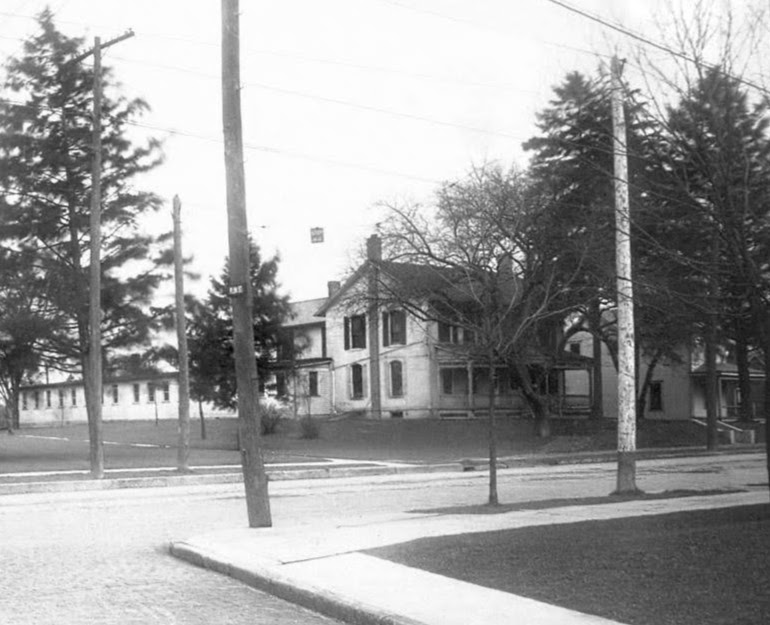
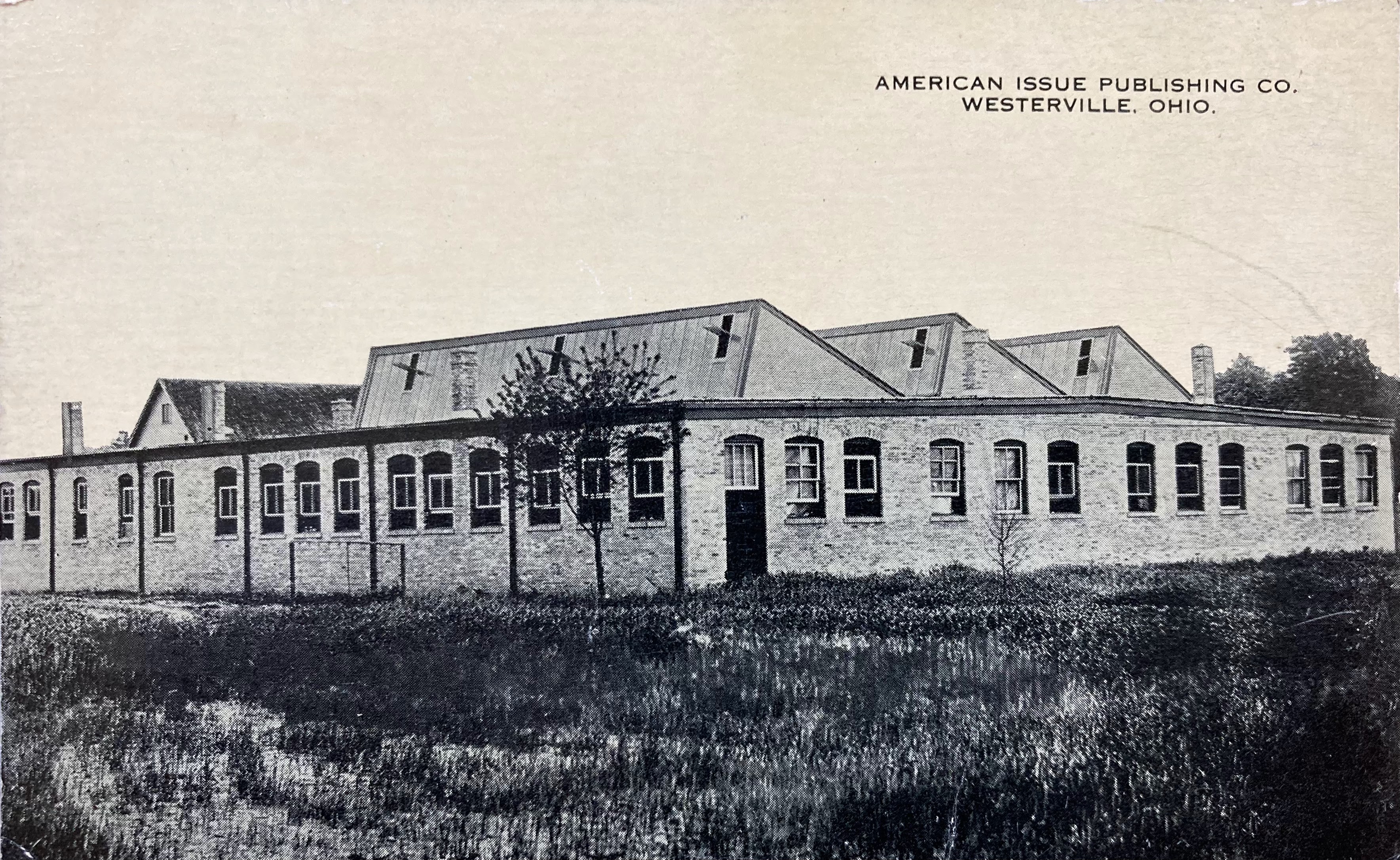
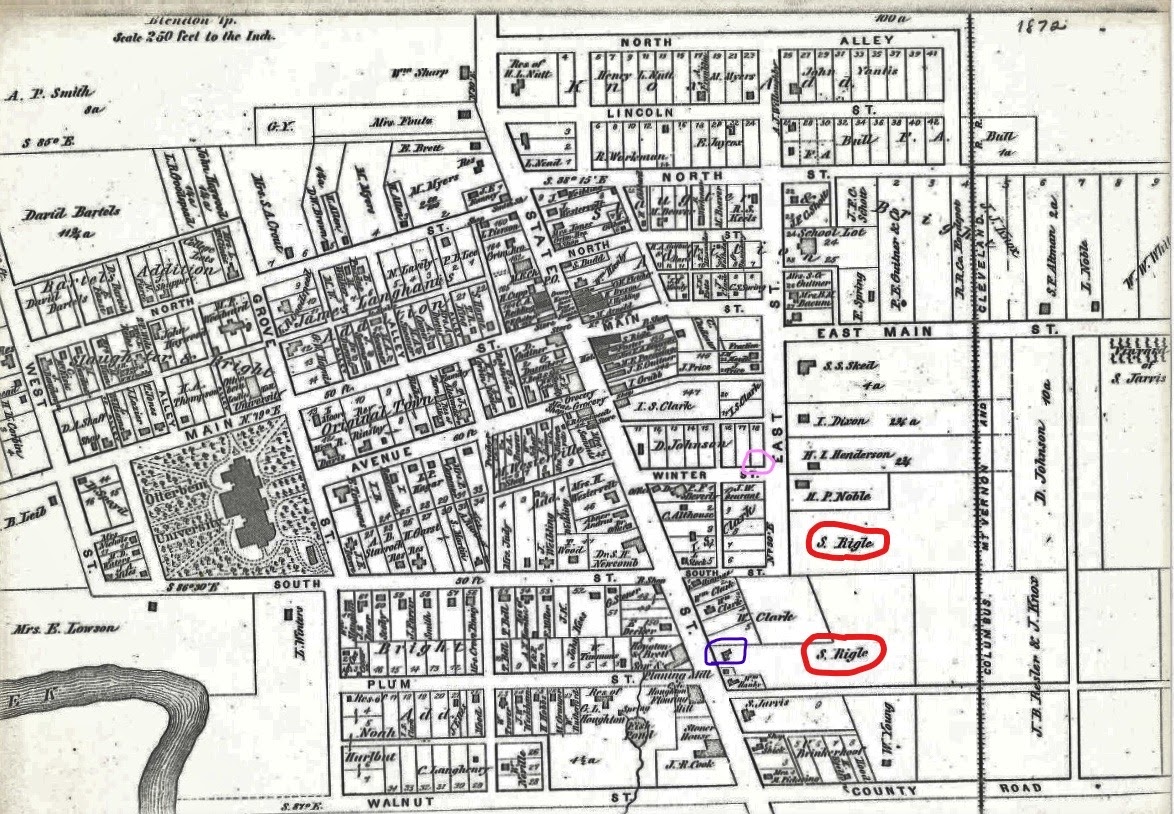
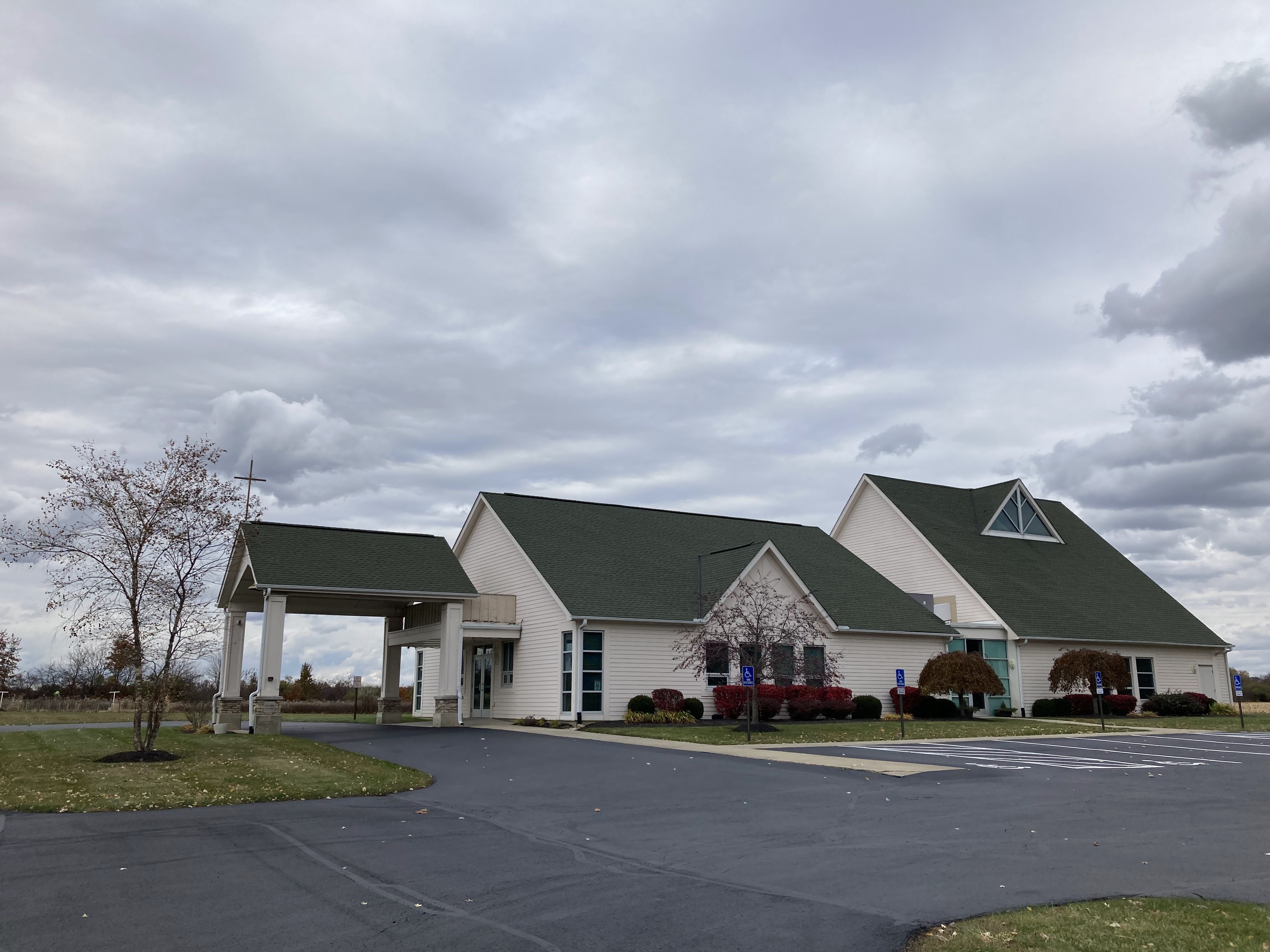
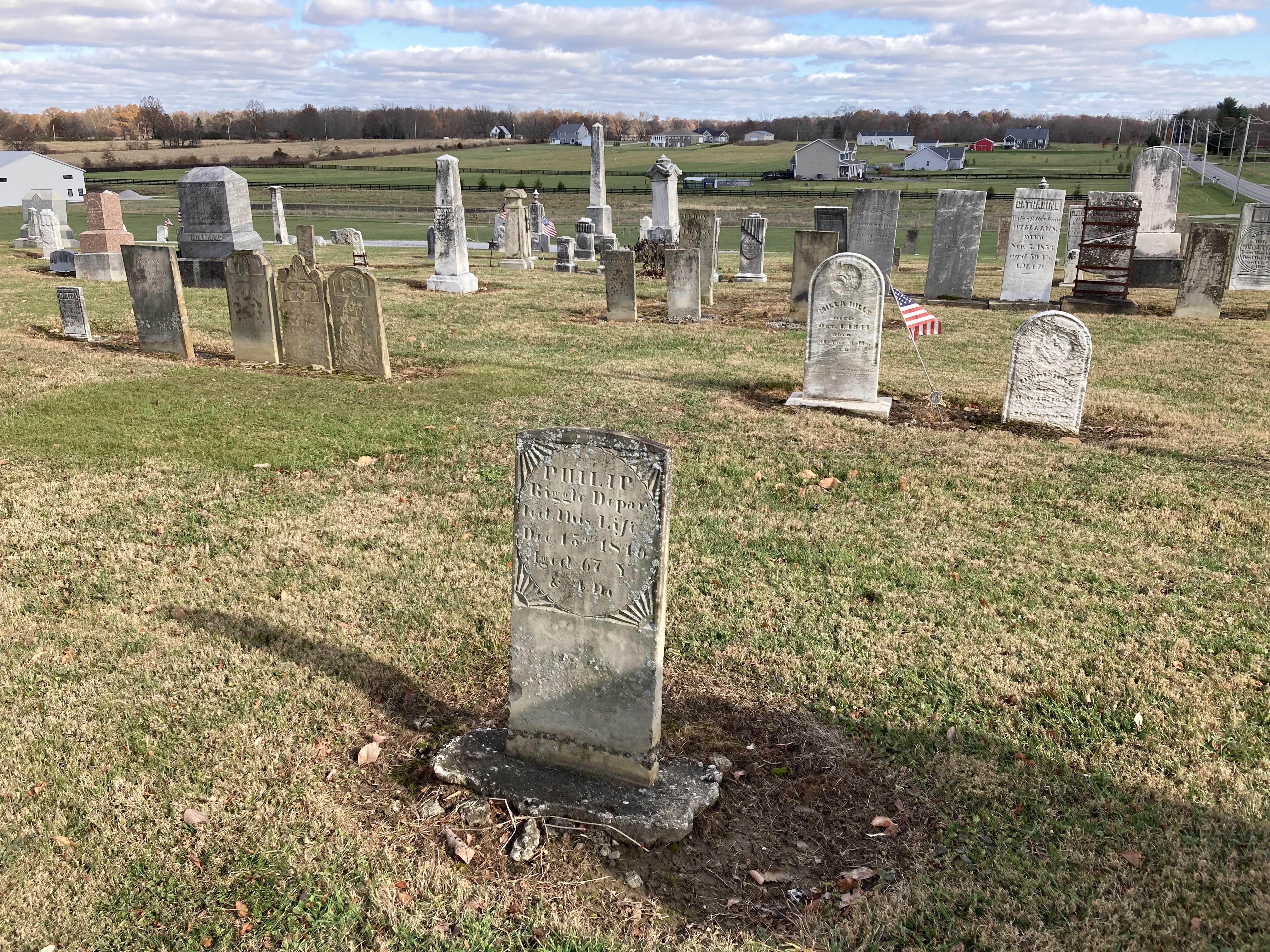
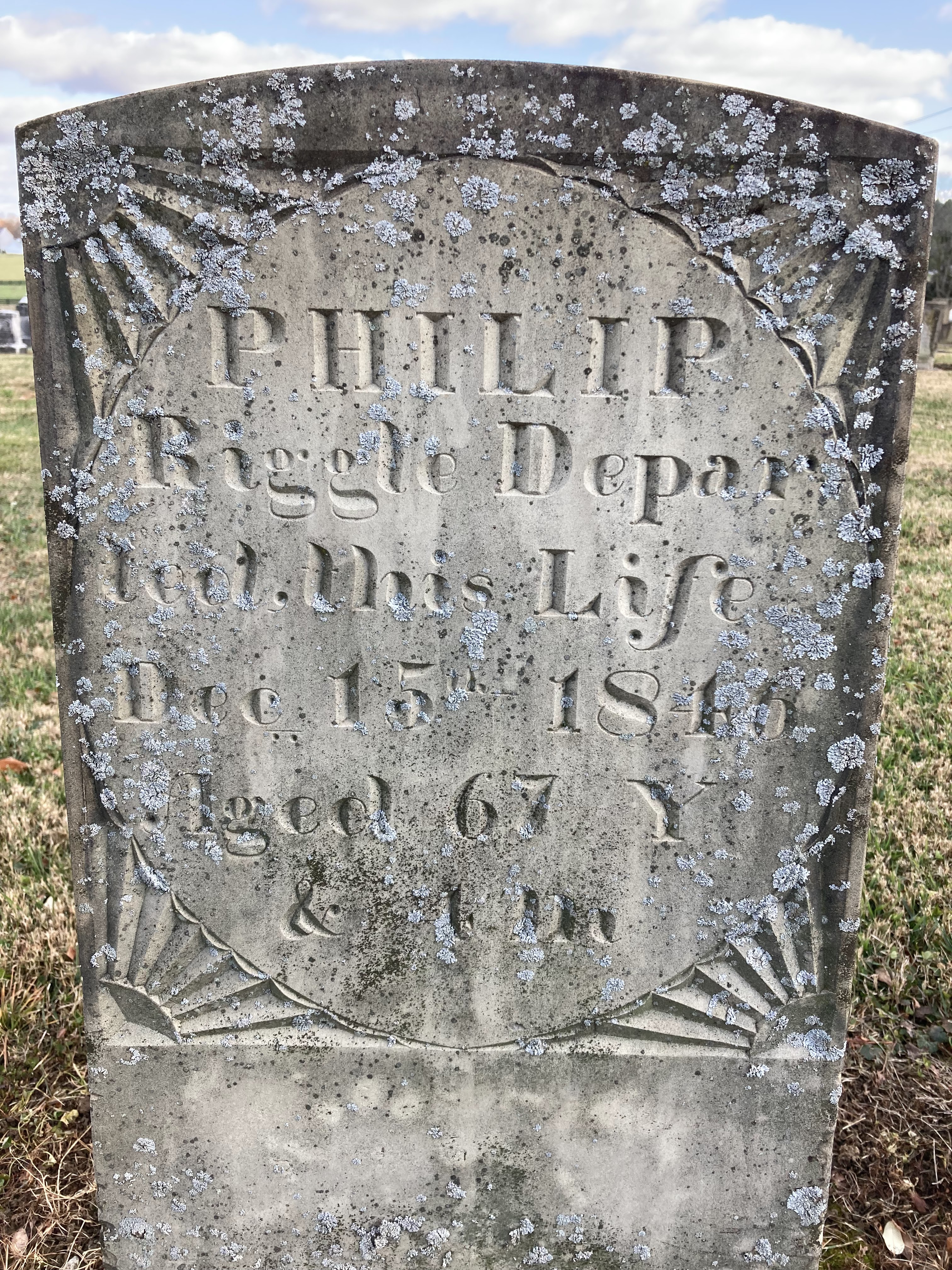

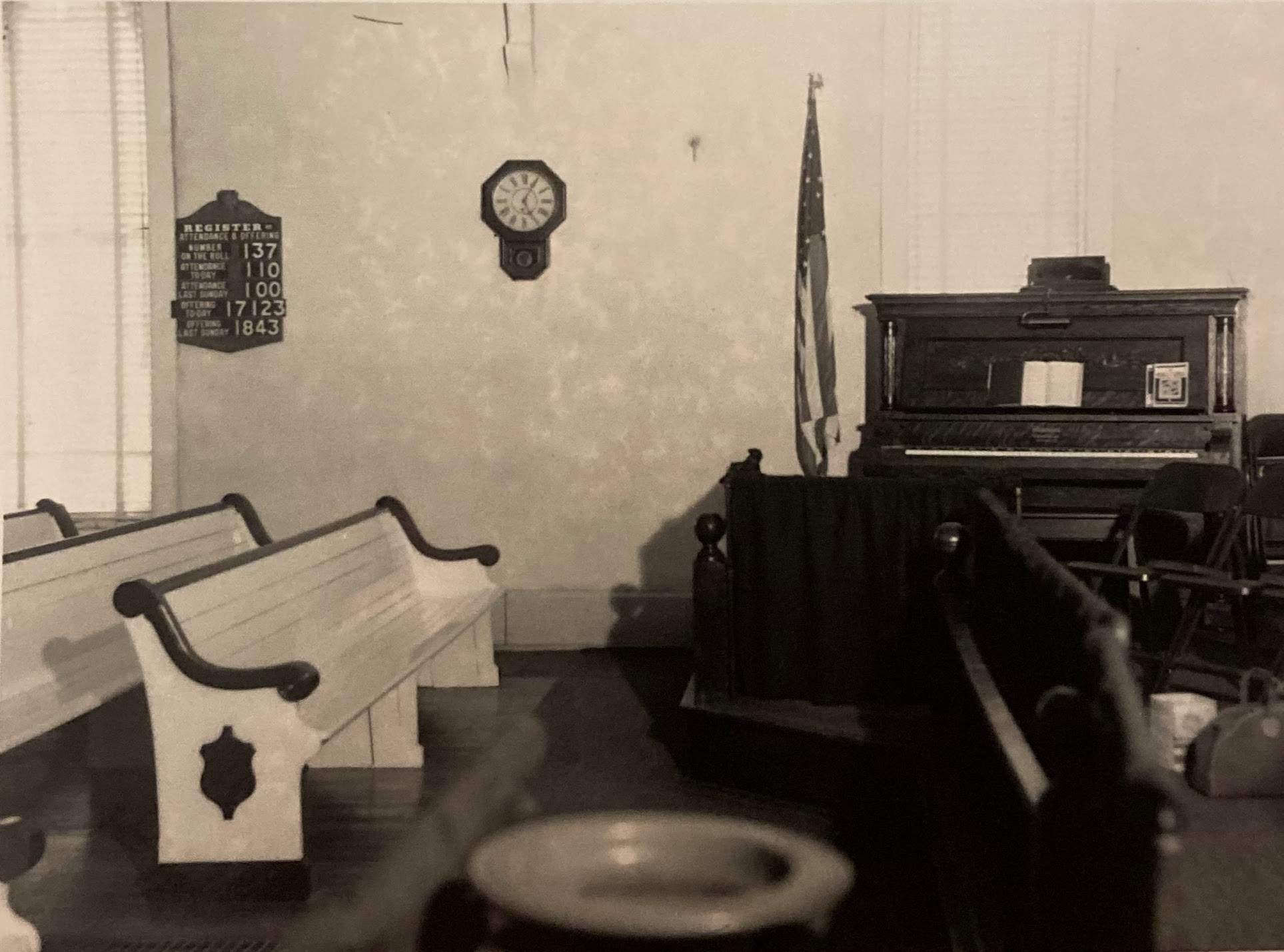
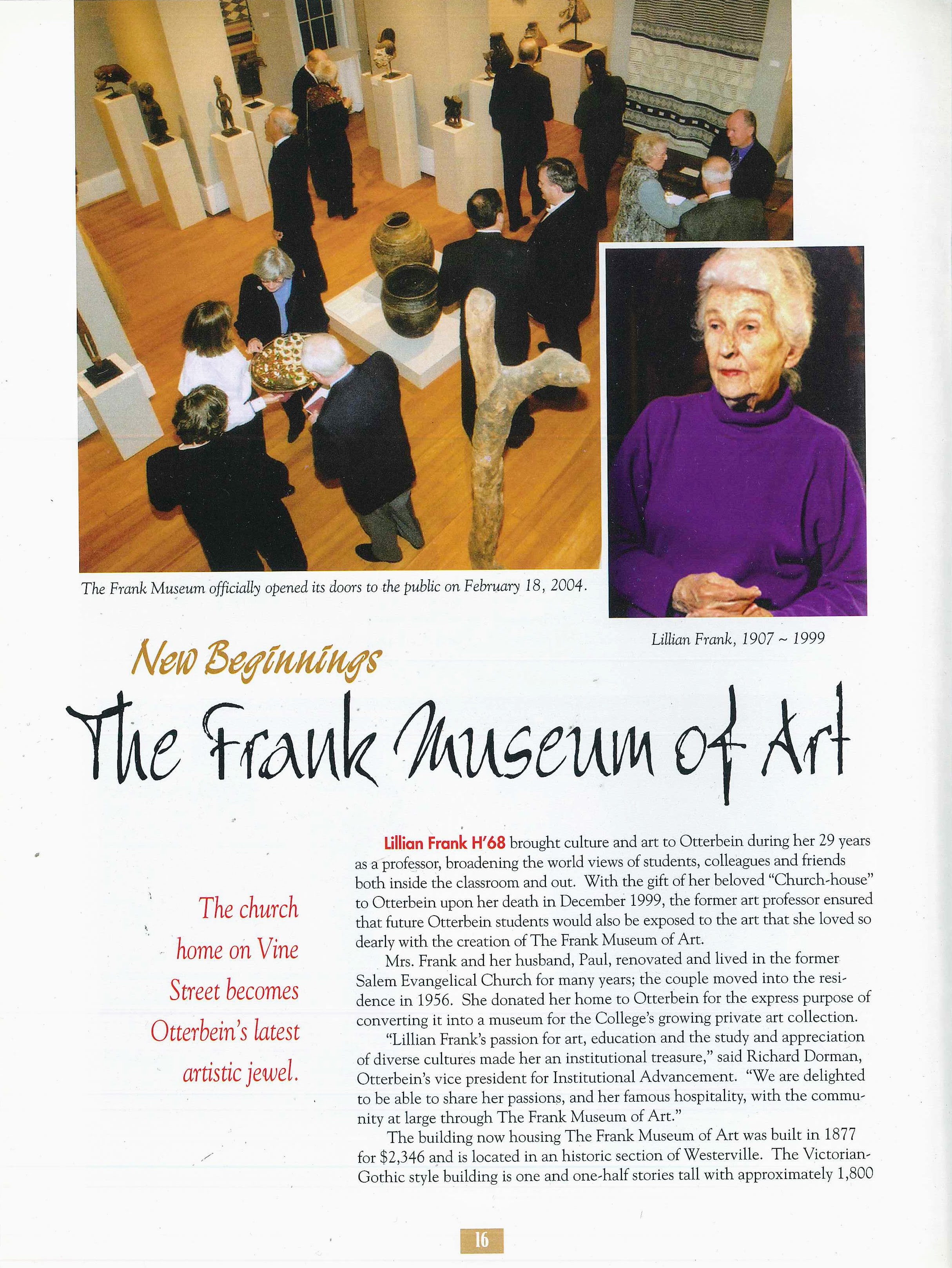
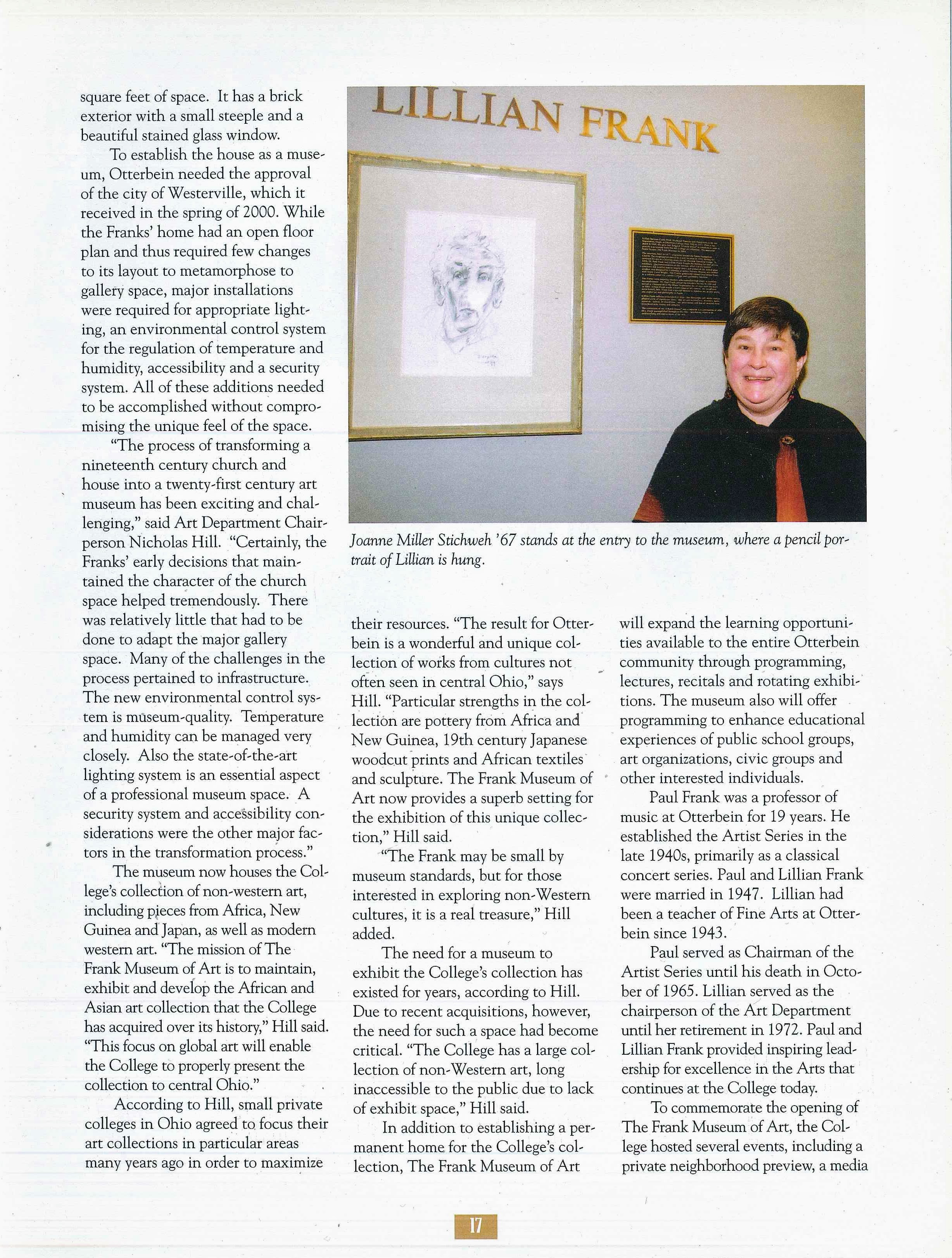
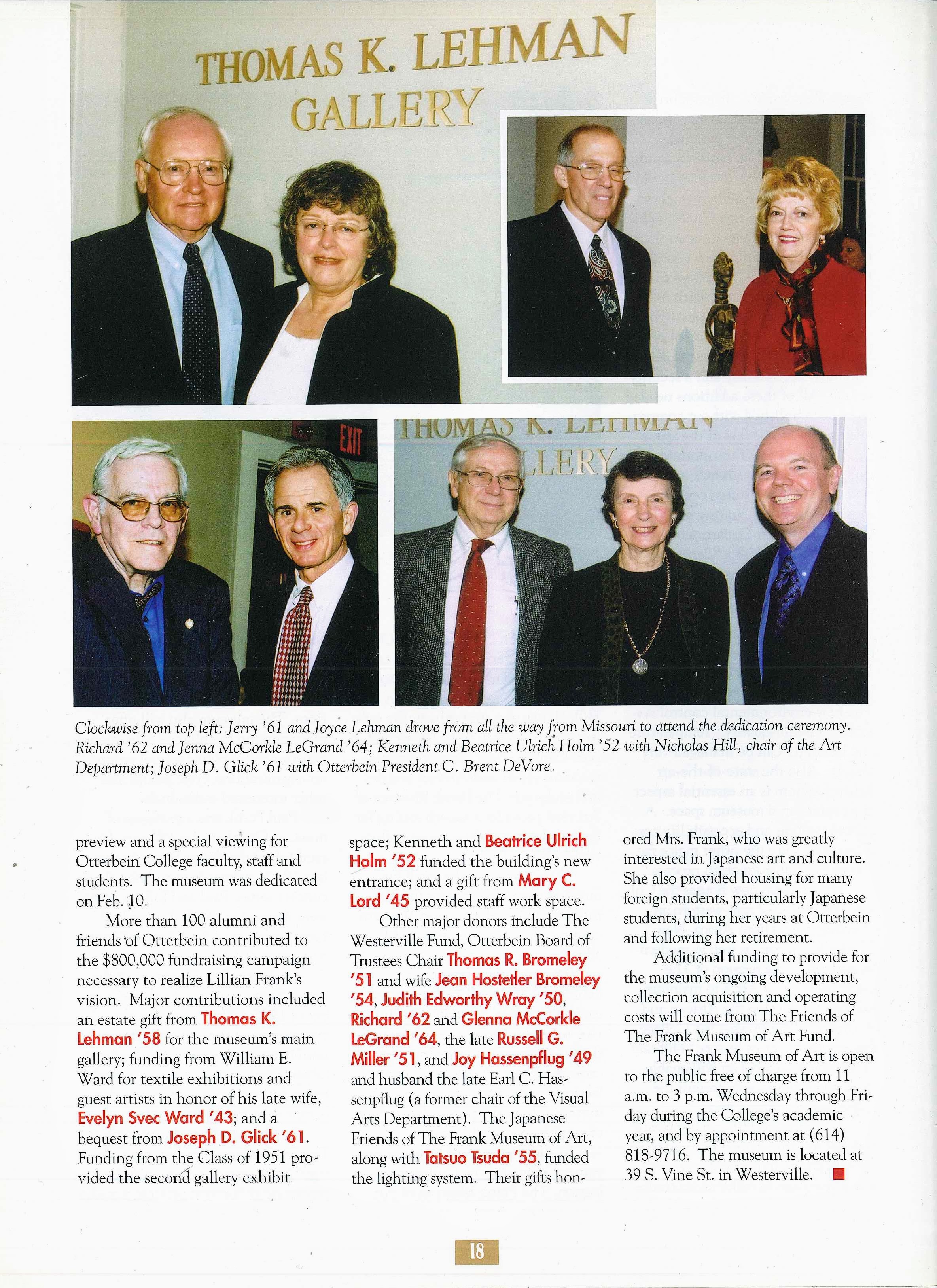
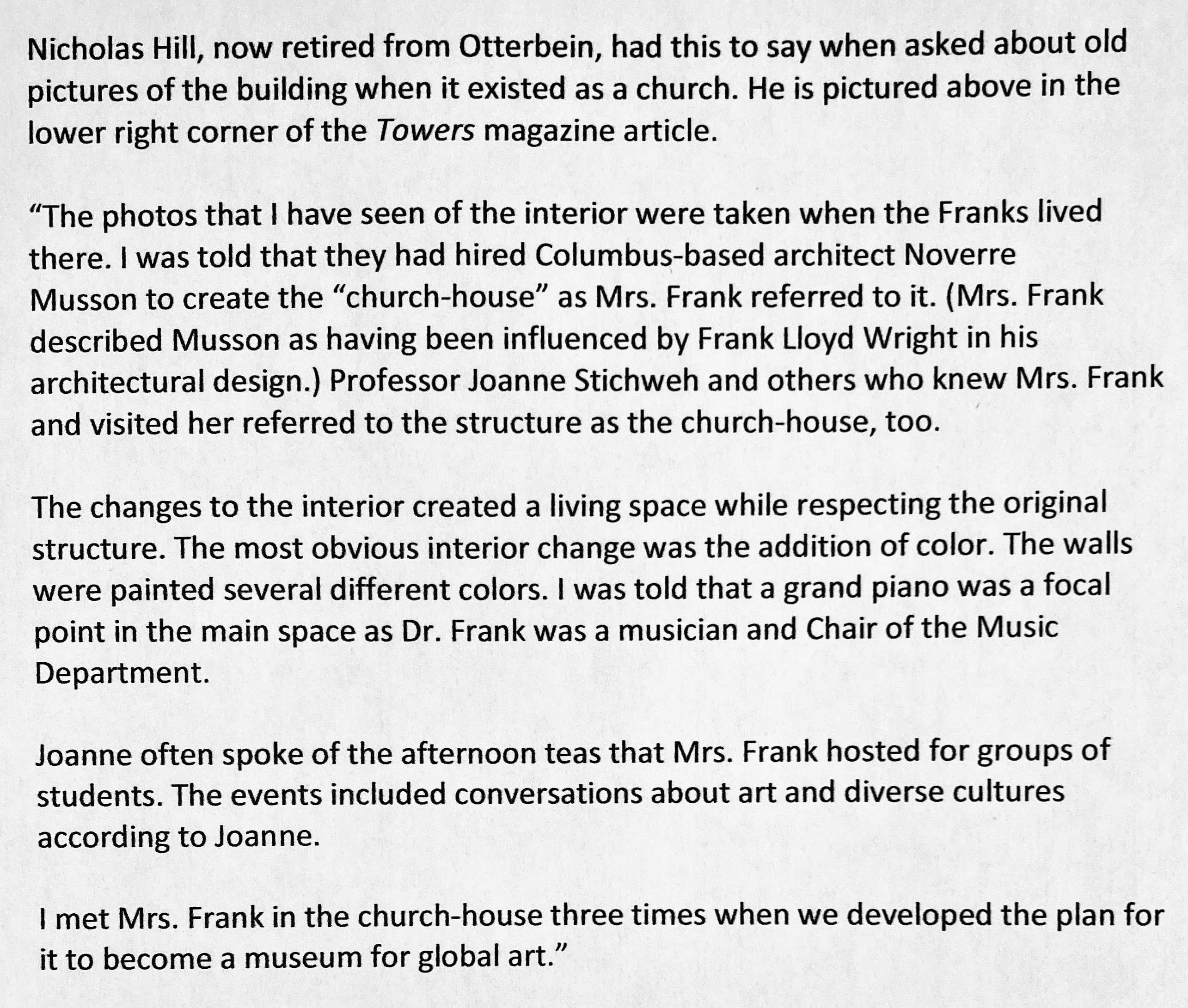
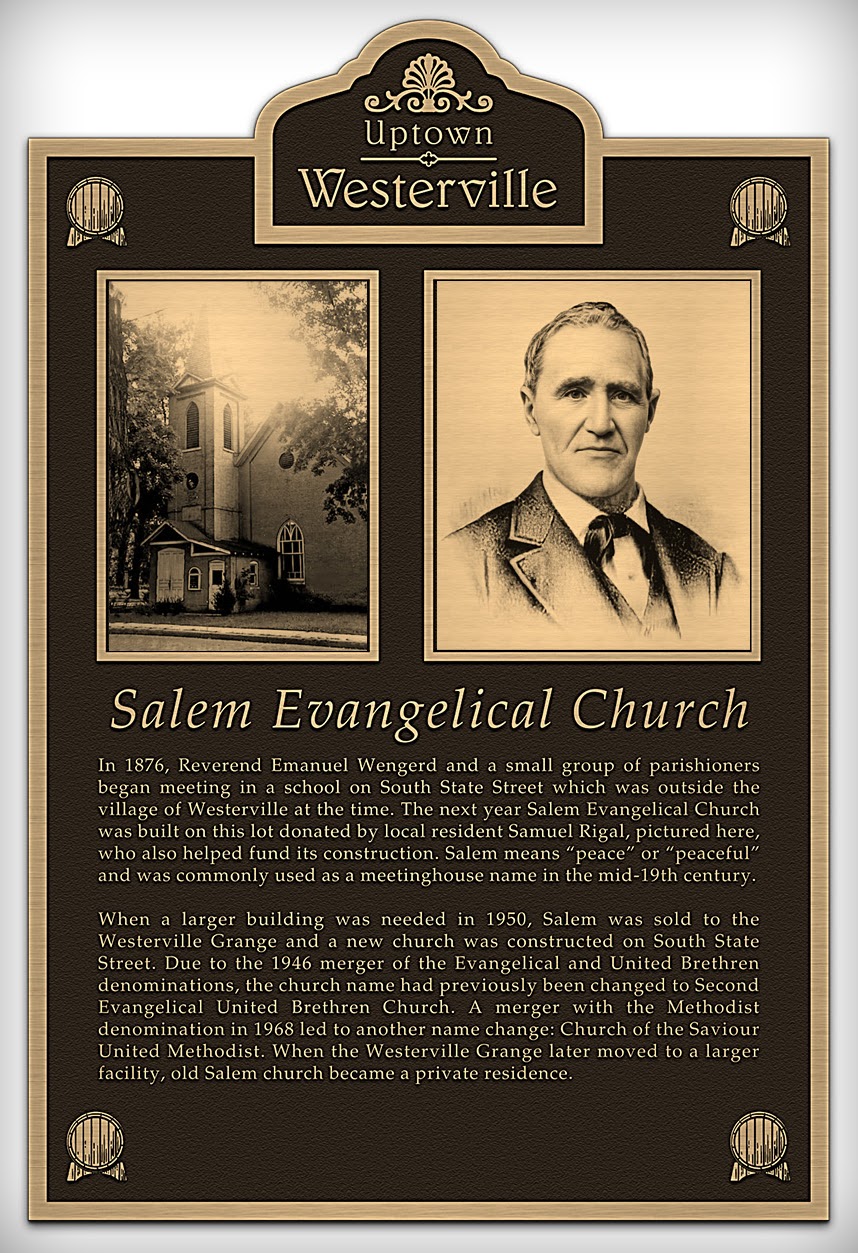


 Histories and Mysteries