NOTE: This blog contains quite a few pictures so give it several minutes to download. The pictures download haphazardly.
This blog showcases the known designs of Columbus architects Joseph Warren Yost & Frank Lucius Packard in the region of Auglaize, Darke, Miami, and Shelby Counties of Ohio. These two architects were in partnership during the years 1892-1899; each practiced separately before and after this period of time. The history of these structures has not been studied. The blog’s purpose is to generate local appreciation of these treasures, inspire research/promotion of them, and save/value those that remain. The Yost & Packard firm, nationally recognized, would likely be considered one of Ohio’s most significant.
Three designs are being singled out for a bit more description beyond the captions that accompany their photos:
Grand Opera House of St. Marys. A bit of advance work prior to driving to St. Marys paid off. Had I not done so, I would have concluded this building had been raised. Contact with Beth Kenneke at the library in St. Marys resulted in two pictures being sent…an old one clearly showing a 3-story structure and the current appearance which clearly looked 2-story covered by a modernized remuddled front. The roof lines with a small raised section in the middle looked mostly like a match. More back and forth with Beth and her patience solved the mystery. Of all things, the street had been raised thus putting the first floor basically underground. During my later visit to St. Marys to take pictures, I spoke with the owner of the jewelry store across the street. His basement has a front door…and it opens into the street fill (soil and gravel) pictured in this blog. Mystery solved. A fund-raising campaign is currently underway to restore the Grand Opera House. Jason Clark, whose house was designed by Yost & Packard and is pictured in this blog, is a member of the advisory committee for this project.
Darius William and Anna Weddell residence of Elizabeth Township. Yost & Packard’s hardbound promotional publication Portfolio of Architectural Realities lists a residence for “D. Weddell…Casstown.” I’ve driven through tiny Casstown in Elizabeth Township of Miami County several times looking for a house that I could guess was a Y&P design. No such luck. When I was putting this blog together I decided to search for a list of graves in the Casstown area. There was no D. Weddell, but there was a Weddell spelled Weddle. Turned out to be a person who could easily afford to build a large house designed by an architect…Darius William Weddle. Mystery solved. This isn’t the first misspelling in the publication that has thrown me off course.
Mrs. George Nickolas Zeigenfelder residence of Piqua. Portfolio of Architectural Realities lists a residence for “Mrs Ziegenfelder…Piqua.” There are a number of Ziegenfelders in Miami County and without a name other than “Mrs” I eventually hit a dead end. Recently to the rescue came fellow Otterbein University graduate and Piqua resident Jonna Stewart Raffel. She had previously found me on Facebook perhaps from a comment I made on the Piqua-Caldwell Historic District Facebook page. Her email: “I believe I figured it out. I believe it is 714 W. Ash St. My next door neighbors! Mrs. Ziegenfelder, a widow, had the home built between 1892-93. She remarried to W.W. Tice in 1893, and then she died in March of 1894. The home then transferred to her son, Robert Ziegenfelder. Researching was a bit of a mess because they spell their name all kinds of different ways, but I have enough newspaper clippings to back it up, and I confirmed the address with the 1900 census. The main clue that caught my eye was the one that says she would be Snyder’s neighbor to the west. (My home at 704 W. Ash St is the A.G. Snyder residence). The other is in her funeral clipping. It says she had a beautiful home built for them.” Along with the Facebook coincidental meeting, both the Ziegenfelder and Snyder houses are directly across the street from old Piqua High School built by Henry Karg of Westerville who is the subject of my very first blog (which may be accessed on my website doninwesterville.com). 😊
I wish to thank the following individuals for their generous and thorough assistance in contributing to the blog: Kevin Accurso, owner of the Weddell house in Elizabeth Township; Jason and Andrea Clark, owner of the Bamberger house in St. Marys; Mary Beth George and Ben Sutherly of the Elizabeth Township History Society; Patrick Kennedy, Archivist at the Troy-Miami County Public Library; Beth Kenneke, Adult Services Coordinator at the St. Marys Community Public Library; Jonna Stewart Raffel, Piqua historian; and Sharon Watson and Yuri Denny of the Local History and Genealogy Department of the Piqua Public Library.
Published 9/10/2021 by Don Foster. donfoster73@gmail.com
Auglaize County
St. Marys: Business block for Grand Opera House, Knights of Pythias #219 and Masons #121. 105-113 West Spring Street. Built 1895. Designed by Yost & Packard.Photo credit: Auglaize County Historical Society.Photo credit: Facebook page of St. Marys, Ohio history.And with the above action, the first floor of the Grand Opera House disappears beneath a raised Spring Street!!Today the building houses some retail and, as mentioned in the blog narrative, the original first floor is below street level. The rear of the building looks original as shown below.The Grand Opera House business block is in the middle of the strip of buildings shown on the left above. This is what Spring Street looked like after the street was raised which included a new bridge over the river.The result was that the first floors of these buildings basically became basements. The building in the left front corner above is pictured below as it appears today.St. Marys: 3 room addition to the north wing of East School. 424 East Spring Street. Added 1896. Design by Yost & Packard. Razed.St. Marys: Gustave Bamberger residence. 225 South Wayne Street. Built 1895. Design by Yost & Packard. Current owners Jason and Andrea Clark discovered the signature of the contractor within the interior construction and thought that person was the architect. Fun surprise! Gustave Bamberger, at age 16, was a clerk in his brother’s clothing store located across the street from the Grand Opera House.These five color pictures above and below were provided by the Clarks.Wapakoneta: Library/Y.M.C.A. addition to Blume High School campus. South Blackhoof Street. Built 1923. Designed by Packard.Wapakoneta: St. Joseph School. 107 West Pearl Street. Built 1899. Designed by Yost & Packard. Now St. Joseph Faith Center. Listed on the National Register of Historic Places.
Darke County
Bradford: Young Men’s Christian Association accomodations for the overnight crews of the Pennsylvania Railroad. Remodel and expansion design by Packard in 1912. Unknown if he designed the original structure.Razed.
Above: “Store, Engine, Sand & Oil Houses” designed by Packard per The American Contractor” of 8/13/1918. The previous engine house shown below was lost to fire. Have not been able to locate any pictures of these Packard designs. The railroad yard is a large grassy public park today with only one structure remaining.
These two pictures above are part of the fine Bradford Railroad Museum display housed in a former bank building (below) located next to the railroad yard. The bank when it was a bank and the bank today repurposed as the Bradford Railroad Museum.The switch tower is all that remains of a large Pennsylvania railroad yard that played a major role in moving freight and in assembling trains to move that freight. The tower is part of the museum. A guided tour of it is included in the admission price.
Versailles: History has recorded that Frank Packard’s finalprojects at the time of his unexpected passing on 10/26/1923 were the public library in Granville and the Hocking County Courthouse in Logan. Here is a surprise addition. The new Versailles High School was eventually built in 1927 and with the final design by a Dayton firm. Dayton Daily News 10/7/1923.
Miami County
Elizabeth Township (outside Troy): Elizabeth Township Centralized School. 5760 Walnut Grove Road. Built 1915. Designed by Packard.Today the former school houses the Elizabeth Township Community Center.Elizabeth Township: Darius William and Anna Weddle residence. 535 Weddle Road. Built 1892/93. Designed by Yost. Today the Weddle house is owned by Kevin Accurso who is originally from nearby Vandalia. The property is in immaculate conditionand contains three original farm buildings.J. W. Yost’s contribution to Piqua’s architectural history is astounding. Pictured above is the cover of a brochure describing his accomplishments. It is the only Yost tribute of its kind that I have come across…a real credit to Piqua historians for publishing this! Available for free at the library located in the building below designed by Yost himself.Piqua: Plaza Hotel. 116 West High Street. Built 1891. Design by Yost. The above illustration is from the Y&P Portfolio of Architectural Realities.Today this fabulous structure houses the Piqua Public Library. Christmastime at the library. Included in the second floor tree decorating competition (below) was a tree decorated with historic pictures of Piqua. I thought this was a clever and educational idea…and perhaps might give blog readers food for future decorating thought of publicly displayed trees.Piqua: Westminster Presbyterian Church. 325 West Ash Street. Built 1890. Designed by Yost.The above illustration is from the Y&P Portfolio of Architectural Realities.Piqua: Young Men’s Christian Association. Built 1894. Designed by Yost. Razed and a replacement “Y” was built on the same site.Piqua: North Street School. Built 1890. Designed by Yost. The spire may have been lost in a storm or may have been too labor-intensive to maintain. Razed.Piqua: Schmidlapp Free School Library. 509 North Main Street. Donated to the Board of Education in 1889 for conversion to a public library. The facade was redesigned by Yost, and the library opened in 1890. The library has since moved. Today the building houses the Piqua Historical Museum as shown below.Piqua: Scott-Slauson Block.Built 1890. Designed by Yost. Destroyed by fire in 1962.Piqua: Pittsburgh, Cincinnati, Chicago & St. Louis (Pennsylvania Railroad) Railway Station. Built 1913. The proposed and final design by Packarddiffers a bit. Razed.Photo credit: website Old Railroad Station Past and Present.Piqua: South Street School. 339 South Street. Built 1890. Designed by Yost. The illustration is from the Y&P Portfolio of Architectural Realities.Missing the spire in this later picture.Today the old South Street School, minus its original roofline, houses the Bethany Center which is an outreach of the Piqua Council of Churches.Piqua: Colony Saxony flats. 221 West Greene Street. Built in 1902 for John Lee Boyer, owner of Union Underwear Company. Designed by Packard. Currently vacant.Located in the Piqua-Caldwell Historic District which is on the National Register of Historic places.Piqua: Myron E. and Carrie Young Barber residence. 324 West Greene Street. Built 1891. Designed by Yost. Located in the Piqua-Caldwell Historic District. Myron Barber was president of The Piqua Handle Company.Piqua: Mrs. George Nickolas Ziegenfelder residence. 714 West Ash Street. Built 1892/93. Designed by Yost & Packard…but likely Yost. A picture of the original structure has not been found. The difference between then and now is probably significant as ornamentation typical of that period is gone.Perhaps this picture will inspire someone to track down a long ago photo of the exterior from a descendant of a long ago owner. The Joseph W. Yost brochure pictured in this blog says the Myron E. and CarrieYoung Barber house is the only residence in Piqua designed by Yost. That now needs updated! 🙂Tipp City: Tippecanoe High School. South Fifth at West Dow Streets. Built 1916. Designed by Packard.Now houses the Tipp City Enrichment Program as shown below.Troy: Miami County Courthouse. 215 West Main Street. Construction ran from 1885 to 1888. Designed by Yost. The above illustration is from the Y&P Portfolio of Architectural Realities. Listed on the National Register of Historic Places.The courthouse as it appears today.Troy: Van Cleve High School. 617 East Main Street. Built 1914. Designed by Packard. Now a dedicated 6th grade school as shown below.Troy: Edwards School. Built 1893. Designed by Yost. Razed.Troy: William M. Hayner residence and barn. 401 West Main Street. Construction year not identified. Listed in Portfolio of Architectural Realities as designed by Yost & Packard, but likely a Yost design. Razed by Mrs. Hayner upon the death of William and replaced in 1914 by the residence shown below. The address was renumbered to 301.Today the former home of Mary Jane Hayner is the Troy-Hayner Cultural Center. It includes a small but really interesting history of The Hayner Distilling Company. Having been raised in Springfield, Ohio, I thought I knew that city’s history really well. It was a total surprise to learn that Hayner had a Springfield presence as well. For those Springfield readers of this blog, drive over to Troy. “Springfield” is imprinted on many of the containers.
When in downtown Troy…K’s, in business for many years…the burgers are GREAT!!!
Shelby County
Sidney: Sidney High School. Built 1913. Designed by Packard. Razed.Sidney: Charles Craycraft Marshall residence. Although mentioned in the real estate news of The Columbus Dispatch 0f 2/1/1903, the design never led to construction based on the data gathered. But that research effort led to an interesting surprise as described below.
Charles Marshall was elected to two terms as Prosecuting Attorney of Shelby County. In 1912, he moved to Columbus and was employed by the Ohio Public Utilities Commission. At the time of his death, he was living at 1707 Franklin Park South. Frank Packard lived at 1739 Franklin Park South.The picture on the left below partially shows Packard’s house on the left, and Marshall’s house is the last piece of structure shown on the right. That’s how close they were as neighbors. Marshall’s house is pictured below on the right. Did Packard design it? That’s a mystery that may never be solved. Franklin Park South runs along the rear of the Franklin Park Conservatoryoff East Broad Streetin Columbus.
Rivaling K’s of Troy, The Spot in downtown Sidney is the spot for a great burger from a mom & pop!!
The Campus Center dining hall at Otterbein University overlooks a large grassy mall on its northern side. Ever since my freshman year there, I’ve gazed out at that area and wondered why it was sunken. It held standing water after a rainstorm although the lay of that piece of land has had an adjustment in recent years which improved the drainage. A couple years ago while searching old microfilm issues of the Westerville Public Opinion for a project, I wondered no more. The answer was on the front page of the May 29, 1919, issue. And recently, while scanning old issues of the student newspaper Tan and Cardinal for the Otterbein Digital Commons, a similar article was published. So this blog is a combination of discoveries ranging from surprise luck to a sad jolt to an entertaining reflection on life by a humble millionaire…3 different stories that, surprisingly, all tie together.
The discovery of the construction year of a house a century or more old is pretty much reduced to luck when (1) street numbers have not been assigned which means a city directory, if there is one, is of little use, (2) there is no blurb in the local newspaper announcing so and so is building a new house, and (3) the county auditor’s records only go back to 1920. Such was the case with the house that is the subject of this blog.
Architects Joseph Warren Yost and Frank Lucius Packard formed a partnership in 1892 that lasted until 1899 when Yost relocated to New York City. At some point during that span (and very fortunately for historians), they published a promotional portfolio of their collective designs. Only three copies are known to exist, and they are housed at Columbia University, Kenyon College, and the Ohio History Connection. In the portfolio is a design for “Prof. W. J. Zuck”…Westerville O.”
William Johnston Zuck, Otterbein University Class of 1878, taught English at his alma mater from 1884 to 1903 and also served an additional role as secretary-treasurer of the institution. As described in my blog Architects Joseph Yost and Frank Packard: Westerville Legacy (linked below), their Westerville work included several projects during the 1890’s. Among them were the redesign of Philomathean Hall at Otterbein, construction of the Christian Association Building at Otterbein, and construction of Vine Street School of which Zuck was chairman of the building’s dedication ceremony (Public Opinion 3/19/1896). Professor Zuck, as Otterbein secretary-treasurer and as secretary of the Westerville Board of Education, would have had a business association with the firm. Thus their selection as the architects of his house is a natural.
As described in my blog Otterbein student achieves highest score and becomes Westerville’s first mail carrier in 1912. (linked below), houses and buildings in town had no address numbers assigned until late in 1912. While I found a number of articles in the Public Opinion about people building new homes in the early 20th century, only a couple issues of the newspaper exist that were published earlier than that. The photo archives of the Westerville History Center & Museum at the Westerville Public Library include a house at 98 West Home Street that is described as having been built circa 1900, designed by Frank Packard, and owned by Frederick N. and Emma B. Thomas. Could this actually be the Zuck house, but sold to a later owner?
In bits and pieces over 3 years, the year of construction and location of the “Prof. W. J. Zuck” house were confirmed as follows. Of the Museum’s two archived photos, one clearly shows a house with an unpaved road along its side. The Sanborn Fire Insurance Company map of 1913, available online, confirms the corner location. The Columbus Dispatch routinely reported on news in surrounding towns including Westerville. A word search of “Zuck” of the digitized Dispatch on the Columbus Public Library website led to a June 21, 1901, lucky surprise item that came before the Village Council: “A petition signed by W.J. Zuck and eight others, asking that Grove Street be extended north to the corporation line, was presented and referred to the street committee.” A year or so later while scanning old issues of the student publication Otterbein Aegis for the University’s Digital Commons, I came across these two conclusive lucky surprises. The May 1887 issue states “Prof. Zuck is building an elegant new house on the corner of Home and Grove streets.” The May 1903 issue states “Professor Zuck has had his house repainted, and also made some other improvements at his beautiful home, corner Home and Grove streets.” Finally it dawned on me that conclusive evidence might be just down the hall from the scanner in an Otterbein Archives file cabinet…and indeed it was. The file of Mary Burnham Thomas, Otterbein Class of 1928 and daughter of Frederick and Emma, contains a reference by Mary to growing up in a house on “the alley, which was an extension of Grove Street.” It also contains a reference that would become the title of this blog.
Headlining the May 29, 1919, issue of the Public Opinion (mentioned in the opening paragraph of this blog) is this tragic announcement: “Boy Is Drowned In Pond in Gravel Pit…GLOOM OVER UNIVERSITY.” Arthur Spessard, the only son of Professor and Mrs. Arthur Ray Spessard, had slipped into a water-filled pit that was being excavated for gravel to be used in the construction of a new science building for Otterbein. Playmate and neighbor Glen Grant Grabill, Jr., himself the son of an Otterbein professor, attempted to save him. Arthur’s body was carried next door to the Thomas (Zuck) house. Mary would have been 13 years old at that time. When I retrieved her file from the Otterbein Archives, I wondered if it might contain information about this tragic accident. Indeed it did…in a typed autobiography Mary read when she was guest of honor at the 1977 annual meeting of the Westerville Otterbein Women’s Club. Here is what she said:
“It was a joy for me to be introduced by Agnes Buchert Hoover. I grew up in a house which stood more or less where the east end of the Campus Center is now. During many of those years Agnes and her family lived across the alley, which was an extension of Grove Street, in a house belonging to the Clements family, to whom they were related. She and I share many memories of this particular place, most of them happy, some tinged with sadness……Sometimes I stand by the windows here in the Campus Center and look out at the graceful green hollow to the north. Much further back than I can remember it was dug out as a gravel pit. During my early childhood it was wildly overgrown, and there was a ramshackle building where someone lived. It was mysterious and scary, and I was forbidden to go there. Later on the area was cleared, and some gravel excavated for the construction of McFadden Science Hall. This left a deep pit on the east side which filled up with water. In it the eight-year old son of one of the music professors fell and was drowned on a day which Agnes and I will never forget.”
Young Arthur Spessard is buried in an unmarked grave at Otterbein Cemetery. There is no mention of him in the obituaries of his parents who retired to their native Maryland and are buried there. A second son, Dwight R., was born to the Spessards the same year Arthur died. He and his wife Agnes are buried at Denison University Cemetery. There is no mention of Arthur in his brother’s obituary either. The Public Opinion article of the drowning has been provided to the City of Westerville which owns the cemetery. Perhaps the City could erect a marker naming those buried in unmarked graves. Or perhaps Otterbein could place a memorial boulder with bronze tablet behind the Campus Center…and name the grassy open space Arthur Spessard Memorial Commons. “Possessed of a lovable disposition and little traits that made him loved by all who knew him” (The Tan and Cardinal 6/2/1919), Arthur is lost to history.
In 1908, the Thomas family purchased the Professor Zuck house at 98 West Home Street and moved to Westerville. Mary, age 2 at that time, would spend the rest of her life within steps of Otterbein University. Her later residence at 80 West College Avenue was just two doors from Clippinger Hall and next door to the parsonage of Church of the Master United Methodist. She and her mother Emma purchased and donated the land on which the parsonage was constructed in 1937. Mary’s reflections (more an autobiography) at the end of this blog are 10 pages in length which might be a bit much for some readers. If that’s the case, at least read the humorous short first page. 😊 A stock market wizard as described to me by a friend, she left her estate of $6.3 million to Otterbein at her passing in 1999…after having donated her house to Otterbein in 1979. The endowed Thomas Academic Excellence Series annually provides a book to each first-year student which is then studied by the entire first-year class. It also funds bringing the author to campus.
Published 7/16/2021. Don Foster, Otterbein Class of 1973. donfoster73@gmail.com
Professor William Johnston Zuck house at 98 W. Home St. Built 1897. Designed by Yost & Packard below. N. Grove St. is in the foreground. The road extended as a dead-end alley on the left side of the house.The architects.A page from Yost & Packard’s circa 1898 promotional publication Portfolio of Architectural Realities. “Prof. W. J. Zuck…..Westerville, O” is about one-third of the way down in the column on the right.Middle name is misspelled below. It’s Johnston.
After the 1902/03 academic year, Zuck left Otterbein to become college pastor at Lebanon Valley College in Annville, PA. After that, he directed the work of the Anti-Saloon League in northwest PA from 1908-1911. Later, he pastored in Columbus. In an address to Columbus Presbyterian ministers, he was quoted in the Westerville Public Opinion of 3/23/1916 as saying: “As a teaching institution the Sunday school is a monumental farce. The Bible should be read without interpretation in all the public schools.” I’ve added this to the blog simply because it’s not common to find published quotes from long ago.
I wonder what Zuck said about women in the workplace. Perhaps he was way ahead of his time. This is from The Otterbein Review of 3/18/1912.Caricature from the 1903 Otterbein yearbook, Sibyl. Must have liked pickles.It is often impossible to find the construction year of an early build. While scanning copies of the Otterbein Aegis for the Otterbein Digital Commons, I came across this shocking surprise in the “Locals” column (below) of the the May 1897 issue. Many thanks to a studentpublication, of all publications, for being the confirmation source!!The Columbus Dispatch of 6/21/1902 above…a hint that the Zuck house may be on Grove Street and beside an alley or unpaved road.Confirmation below, from the May 1903 issue of the Otterbein Aegis, that the house is indeed at the corner of Home and Grove Streets.Circled in red: the Zuck house and the gravel pit beside it that is now the “graceful green hollow.”Zuck house is in front of #3 above.Above article is from The Tan and Cardinal of 3/24/1919. Note the reference to the gravel pit.
Westerville Public Opinion 5/29/1919.
Somewhere in Otterbein Cemetery lies 8-year-old Arthur Ray Spessard, Jr…separated from his parents in Maryland and his brother in Granville. In my opinion, those in unmarked graves should be memorialized on a work-in-progress marker roster as they become confirmed vs hold off until some point into the future, if ever. Glen Grant Grabill, Jr. ,who tried to save his friend Arthur, as pictured in the 1932 Otterbein yearbook Sibyl. He and his wife Irene Kissling Grabill were members of the Otterbein Class of 1934. They are buried at Otterbein Cemetery. Glen lived at 132 W. Home St. next door to the gravel pit. The house was razed and is now the west parking lot of the Campus Center.`
Professor Spessard, father of young Arthur.
The obituary is from the Summer 1954 issue of Otterbein Towers.
Born later in the same year his brother Arthur died, Dwight Spessard (Otterbein Class of 1941) and his wife Agnes Daily Spessard (Otterbein Class of 1940) are buried at Denison University Cemetery in Granville, OH.Dr. William Johnston and Jessie Zent Zuck are entombed in the mausoleum at Otterbein Cemetery.The Columbus Dispatch 11/22/1934.
Westerville Public Opinion 8/7/1941.
Otterbein purchased the Zuck house in 1935. It became the first location of Lambda Gamma Epsilon Fraternity which was founded in 1948. That was a total surprise to me…a member of this organization. I thought the first house was where the Otterbein library stands today. The site is now the east parking lot of the Campus Center.Above: May 1963 issue of Otterbein Towers. Mayne Hall is under construction and the Zuck house, now Lambda Gamma Epsilon Fraternity, is soon to be demolished to make way for the new Campus Center. Mary Thomas mentions her childhood friend Agnes Buchert Hoover in her speech. Agnes lived in the house on the left.Otterbein Towers, July 1964.Otterbein Towers, May 1963. The back side of the Zuck house above. Lambda Gamma Epsilon Fraternity is also known as “Kings” Fraternity.The Campus Center was built in front of the gravel pit.A young Mary Thomas above on her Gocycle made by the Hance Manufacturing Company of Westerville.In a speech given to the Westerville OtterbeinWomen’s Club, Mary commented about her childhood years living across the street from Otterbein University’s Cochran Hall which housed women. Several months after this blog was published, the above postcard showed up on Ebay. What a great unexpected find…both her childhood home and Cochran in the picture. This postcard was published by Westerville resident Dorsey W. Short, a postcard manufacturer.
The Gocycle was first manufactured in 1912. It’s popularity took off and a single shipment could contain as many as 10,000 per the 3/13/1913 issue of the Westerville Public Opinion. These were novelty items given away by large newspapers to gain subscriptions, bakeries gave them for returned bread wrappers, etc.
While Gocycles are no longer made, Hanceis still in business in Westerville.
Otterbein Aegis, March 1914.
Mary Burnham Thomas senior yearbook picture. Otterbein Sibyl of 1928.
Otterbein Towers, Winter 2001.Mary and her parents are buried at Green Lawn Cemetery, Columbus.
The above medal is from the collection of the Westerville History Center & Museum located at the Westerville Public Library. The Thomas family lived just a few doors from a house suspected of being a Yost & Packard design. This medal was won on that property which merits a blog of its own to be published soon: “Craze” Brings National Tourney to Westerville in 1934
Blog update 12/2022: The above blog became a reality and was published on 12/26/2021. The house is still suspected of being a Yost & Packard. But what still remains buried in the backyard today is what is stunning about this property at 32 W. Home St. In 2023, it may become a private boarding house for Otterbein students. Here is the link:
“The graceful green hollow”as seen by Mary Burnham Thomas.
Mary Thomas 1977 delightful speech and autobiography. If 10 pages is too much, at least check the humor of the first page. 🙂 Thanks to Stephen Grinch, Otterbein University Archivist, for providing this document.
This blog showcases the known designs of Columbus architects Joseph Warren Yost & Frank Lucius Packard in the region of Champaign, Clark, Logan, and Union Counties of Ohio. These two architects were in partnership during the years 1892-1899; each practiced separately before and after this period of time. The history of these structures has not been studied. The blog’s purpose is to generate local appreciation of these treasures, inspire research/promotion of them, and save/value those that remain. The Yost & Packard firm, nationally recognized, would likely be considered one of Ohio’s most significant.
I wish to thank the following individuals for their generous and thorough assistance in contributing pictures and documentation for the blog: Natalie Stone Fritz of the Clark County Historical Society, Sue Mattinson of the South Charleston Ohio Heritage Commission and author of Edward Edwards: The Man Who Built South Charleston, Ohio, Todd McCormick and Beth Marshall of the Logan County History Center, and Bob Parrott of the Union County Historical Society.
Published 6/30/2021 by Don Foster. donfoster73@gmail.com
Champaign County
Urbana: First Presbyterian Church, 116 West Court Street. Built 1894by Henry J. Karg of Westerville who built several other Yost & Packard designs.I wrote a blog on Karg’s significant career of statewide builds.The church today, above and below.Urbana High School. Destroyed by fire and rebuilt circa 1897. Not sure if the 1897 design by Yost & Packard is the same as the original.The old high school still stands. When this picture was taken in 2019, it appeared a later addition was being demolished and perhaps the original structure was being saved. A new high school stands behind it.I checked up on old Urbana High School in July 2021. The demo side has been restored to it original design. The new brick is visible in the middle of the picture.Nice job!!!Urbana: Central Ward School. Corner Court & Kenton. Yost & Packard designed an addition built circa 1897. Razed.Urbana: W.H. Marvin Manufacturing Company.Church Street at the PRR tracks. Built 1894. A rare factory design by Yost & Packard.Razed.W.H. Marvin was located just to the east of the CCC & StL depot. Both of these Y&P designs were built in the same year. The CCC & StL (Cleveland, Cincinnati, Chicago & St. Louis) was part of the Pennsylvania Railroad system.
Urbana Citizen and Gazette 5/12/1898.
Urbana: 640 Miami Street. Designed by Yost & Packard. Built 1894. Today the former depot houses a coffee shop.Urbana: stable, rear 438 Scioto Street. Designed by Yost & Packard. Built 1895 for Frank Chance. Appears in the book Building Ohio.
Urbana Daily Times Citizen 9/5/1901.
Urbana Daily Citizen 1/19/1929.
Urbana: Jesse Jonathan Hunter residence. 345 East Church Street. Built 1901. Designed by Packard. Appeared in the 7/7/1901 issue of The Columbus Dispatch as being built for J.B. Hunter which was likely a typo. There were no Urbana residents by that name. The porch and roof trim look like changes to the original design.The ad above is from the Champaign County Democrat of 8/15/1901. Based on owning a business and the “prominent young business man” mention from the Urbana Citizen and Gazette of 4/20/1901 below, Hunter likely had the means for a new home and one of Packard design. Newlywed wife Estella Blauvelt was from Delaware, Ohio, where Packard was raised. Her family home was one block from the Packard family home…so these two families must have known each other…and hence a connection to the architect.
The Urbana Daily Citizen 11/16/1967.
Champaign Democrat 4/25/1930.
Urbana: 524 Scioto Street. Built 1895. Above picture is from Yost & Packard’s promotional Portfolio of Architectural Realities which indicates the house was built for Mrs. M.J. Loudenbach. The house also appears in the book Building Ohiowhich indicates the house was built for H.C. Loudenbach. So far, the existence of these two people remains a mystery to solve.Urbana: 115/117 West Reynolds Street. Designed by Packard. Built circa 1905 for Dr. David and Lucinda O’Brine and likely as investment income. Apartments appear to have been a popular investment choice at that time. Yost & Packard designed a number of such buildings.Below is the O’Brine’s house at 222 West Church Street in Urbana. Perhaps it’s a Yost & Packard design and someone will have documentation to confirm that.
Urbana Daily Democrat 2/23/1925. The obituary of Lucinda that appeared in the Urbana Daily Citizen 8/20/1935 was not readable, unfortunately.
Speculation as stated above.Urbana: 727 Miami St. (Rt 36) just west of downtown and near the Y&P-designed train depot. The burgers are great!!!
Clark County
South Charleston: 101 East Columbus Road. Built 1907. Designed by Packard. Razed.South Charleston: Woodward Street. Depot built 1912 for the Pennsylvania Railroad. Design by Packard.The Pennsylvania Railroad later became the Penn Central Railroad. The depot has been razed.South Charleston: 16-18 South Chillicothe Street. Remodel for the Bank of South Charleston in 1916 by Packard.
Springfield Daily News 3/17/1916.
South Charleston: 108 South Church Street. Built 1911 for Warren W. and Nettie Clemans Corbitt. The Corbitts owned several farms in the South Charleston area. Designed by Packard.Blueprints have been passed from one owner to the next.The Corbitt house was featured in the Society section of the 5/1/1960 Springfield News-Sun.
Springfield News-Sun 6/15/1948. An obituary for Nettie who died in 1935 could not be located.
South Charleston: 53 South Chillicothe Street. Built circa 1875 for John and Charity Fullerton Rankin. Original exterior pictured below changed to tudor style pictured above in 1908 by their son Stacy. The redesign was by Packard. Photo credit above and below: Sue Mattinson, South Charleston historian.
The Columbus Dispatch 2/24/1903.
Springfield News-Sun 10/26/1914.
South Charleston: 50 SouthChillicothe Street. Built 1910 for James Fullerton and Nettie Kemper Rankin. James was the son of John and Charity. Designed by Packard. Photo credit: Sue Mattinson.Today. Photo credit: Sue Mattinson.
James’ obituary: Springfield News-Sun 10/31/1921. Nettie’s obituary: Springfield News-Sun 12/19/1949.
South Charleston: Lafayette B. Holdren residence. It appears this house was never built. Holdren was with the Pennsylvania Railroad and with Western Union Telegraph Company. In 1916, he was president of City Council. In 1919 he filed for divorce and moved to Washington Court House.
The Columbus Dispatch 3/27/1910
Interesting!!! The Columbus Dispatch 6/21/1905
The orphans’ home is located at 404 East McCreight Avenue inSpringfield. Built 1898. Designed byYost & Packard and listed on the National Register of Historic Places.Today the building is a nursing facility. The above rendering is from the Y&P promotional publication Portrait of Architectural Realities.The orphans’ home was located at 100 West McCreight Avenue in Springfield. Built 1894. Designed by Yost & Packard. I was born right next door at Mercy Hospital. The home and the hospital are both gone. The above rendering is from the same Y&P publication mentioned previously.
Springfield Daily News 6/3/1923. This was one of Packard’s last designs as he passed away unexpectedly in October of 1923.
Springfield: High Street Methodist Episcopal Church. 230 East High Street. Built 1904. Designed by Packard. Stunning interior!Both this Packard-designed Pennsylvania Railroad passenger depot, built in 1907, and the much larger Big Four passenger depot are no longer standing in downtown Springfield.
Springfield: Pennsylvania Rairoad freight station. South Limestone Street. Built 1909. Designed by Packard. Razed. Springfield News-Sun 1/27/1909.
Photo credit above and 2 below: Tyler Dixon.Springfield Light, Heat and Power Company power plant (later Ohio Edison). Buck Creek. Built 1909. Designed by Packard. Springfield News-Sun 7/26/1909.The power plant (location circled in green) on this 1928 Sanborn Fire Insurance mapat which time it had become part of The Ohio Edison Company. Razed. Hope to locate a picture.Springfield: Memorial Hall. 300 West Main Street. Built 1916. Designed by Packard. I recall my elementary school class attending a concert here. Razed in recent years. Portions of the concrete columns were incorporated into a replacement bridge on North Fountain Avenue in the downtown.Springfield Daily News 5/31/1914. Packard made many trips to town to work out details for the construction of this building.Springfield: Robert S. and Edith Winwood Rodgers residence. 830 North Limestone Street. Built 1914. Designed by Packard. Rodgers was president of the Springfield Pure Milk Company. His grandson, nationally known comedian Jonathan Winters, lived in this house as a toddler. Today this structure is occupied by Littleton & Rue Funeral Home and Crematory.
Springfield News-Sun 10/4/1926.
Springfield News-Sun 6/30/1936.
These two articles appeared in the society section of The Columbus Dispatch: 11/18/1917 above and 6/7/1921 below. I thought the friendship between the Packards and the Snyders would be of interest to Springfielders. David Snyder and his brother donated land for a beautiful public park in the city bearing their name. My family had fun times ice skating at Snyder Park Lagoon during childhood days many years ago. Always a bonfire going to warm the hands and feet.Before we move on to Logan County designs, above and below are two niche Ohio museums located in Springfield you might want to visit sometime. The Pennsylvania House above (and below), “the inn at the end of the road”, has a really extensive very interesting button collection that would appeal to anyone. Construction of U.S. Route 40 (aka the National Road or the Cumberland Trail) was halted at that spot for awhile. The Hartman Rock Garden below, open daylight hours every day, is an American folk art treasure. Make it a day and also visit these outstanding museums: the Heritage Center of Clark County and the Westcott House (a Frank Lloyd Wright prairie design).
Logan County
Bellefontaine: Mary Rutan Hospital. 600 North Madriver Street.Built 1917/18. Designed by Packard. The above picture, which may actually be a postcard, is on display at the Logan County History Center in Bellefontaine…an excellent museum!!Photo credit: Logan County History Center.A third story was added later. Today the hospital complex is much larger as shown below.Bellefontaine: First Presbyterian Church. 117 North Main Street. Complete rebuild inside and out designed by Packard in 1907. Stone exterior replaced by brick as shown below.
Bellefontaine: People’s National Bank. 100 South Main Street. Original exterior above and the redesign below…which has been maintained to this day. Article is from The Columbus Dispatch of 8/29/1909.Today.Huntsville: high school. 4601 County Road 222. Built 1912. Designed by Packard. Photos above and below are from The American School Board Journal.Razed.Under construction.The above photo has nothing to do with the Huntsville building design. The Logan County History Center had a Facebook post about how students were transported to schools in the early days. I just liked the picture so I added it to the mix.West Liberty: West Columbus Street. Built 1900. Designed by Packard. In private ownership and vacant. The local historical society indicates this structure does not have zoning compatible with repurposing for community use. Hard to believe one would give up on this TREASURE.West Liberty: Not a Yost & Packard, but while there…a must stop. U.S. Rt. 68 at north edge of town. Homemade!!Zanesfield: high school. County Road 5. Built 1923. Designed by Packard. Razed.Huntsville: Lake Ridge Island, Indian Lake. It has yet to be discovered whether the Packards built a summer homehere. Above is from The Columbus Dispatch of 7/21/1921. Sounds like fishing was successful per the article below which appeared in The Columbus Dispatch of 6/1/1913.Looks like Packard took an active interest in this Logan County vacation spot. The Columbus Dispatch, 1/24/1915.
Union County
Marysville: LIggett Business Block. 120-122 East Fifth Street. Built 1897/98 for Newton E. Liggett of Marysville Telephone Company. The first floor contained a drug store (Liggett was also a druggist) and Citizens Home and Savings Company. There were two apartments on the second floor and the telephone company was on the third floor.Designed by Yost & Packard. The structure appears in the book Building Ohio. This picture and the contract shown below are from the Union County Historical Society archives.
Marysville Journal-Tribune 9/21/1921.
Marysville: Hotel Oakland. Main Street. Built 1895. Designed by Yost & Packard. Destroyed by fire in 1975.West School (grade and high school). Razed.
Marysville: Marysville Motor Car Company. 126-128 South Main Street. Built 1912 for Walter M. Otte. Unable to locate what it looked like originally, but here is a picture of its conversion to a 5&10 cent store. Design by Packard. Destroyed by fire in 1974. The article below is from the Union County Journal of 5/9/1912.
Walter Meno Otte, 1875-1944. Photo credit: Otte family descendant Diane McMahon who provided this picture in lieu of a building picture which does not exist.
And the entire Otte family as provided by Diane. L to R: Louise, Annette, wife Laura, Walter, Margaret, Elizabeth “Betty” and Walter R in front.Not sure where this was located. Packard designed an additional building for the campus. A website that contained a 1922 annual national report had this to say: “Industrial schools for delinquents are all reformatory institutions for delinquents and receive inmates committed by juvenile or other courts.” Irwin: Irwin School. Junction State Routes 4 and 161. Construction date of the original structure is yet to be discovered…as is the architect who I suspect was Joseph Yost since he designed the school in nearby Plain City. The addition on the north side as shown below was designed by Packard. This was a fun discovery for me in The American Contractor of 7/3/1915. Since moving to Westerville starting in my freshman year at Otterbein University in 1969, I have passed by this striking favorite building several hundred times driving back and forth via 4 and 161 to visit family and friends in my hometown of Springfield. The building is in private ownership and has been empty for many years. It’s a popular post on various abandoned/old Ohio Facebookpages.The school in Milford Center was known as Union Township School. 153 East State Street. Built 1915. Designed by Packard. Razed.The school in Raymond is still in use today. Located right in town on State Route 347. Built 1914. Designed by Packard.Bright sun was behind the Raymond building so I had to get up close in shade to take the pictures above and below. Will return to get pictures from a distance.
This blog covers the circa 1880’s-1907 Westerville design work of prominent Columbus architects Joseph Warren Yost and Frank Lucius Packard. The firm known as Yost & Packard was formed in 1892 and ended its run in 1899 when Yost moved to New York City. Each had his own firm before and after their partnership. Described here are (1) Y&P designs that have been confirmed via paper trails from various sources, (2) two that seem likely Y&P designs, (3) several that could be their designs, and (4) a personal association Packard had with Westerville. The search for confirmation of the “likely” designs and the “could be” designs continues…frustrating because it may never pay off…fulfilling because it just may, with some help. PLEASE NOTE: This blog contains quite a few pictures so give it several minutes to download. The pictures download haphazardly.
Published 5/6/2021 by Don Foster. donfoster73@gmail.com
1886/87, designed by Yost: Westerville M.E. (Methodist Episcopal) Church, 51 North State Street.
This church first began meeting in a log structure erected in 1818 near where the Westerville Community Center stands today on North Cleveland Avenue at County Line Road. As membership grew it was decided in 1838 to relocate on land donated by church trustee Matthew Westervelt, one of the three Westervelt brothers (Peter, William) after whom Westerville takes its name. In that year a brick structure was built at the southwest corner of what is now the intersection of North State and West Home Streets.
Continued growth led to the need for a larger place of worship. According to a supplement of the Public Opinion published Friday, December 23, 1887: “When it was decided to build a new church, the pastor, Rev. R.D. Morgan, was authorized to visit other churches elsewhere and to gather such information as would be helpful in selecting a plan for the new church. He was much pleased with the audience room of a church he saw at Granville but did not like the Sunday school department. When he was at Dayton he was especially pleased with the Sunday school room but not so well with the audience room. If these two desirable things in the two churches could be combined in one he would have a church which would be what the people needed. The building committee endorsed his views and Mr. J.W. Yost, an accomplished architect from Columbus, very completely and satisfactorily worked out the suggestions of the committee. The plan was adopted and work commenced. The building has been completed and will be dedicated on Christmas.” Between Yost and Packard, they designed over 70 churches throughout Ohio which includes over 30 in the Columbus area. One particular unique set of designs is featured in my blog Annual Trek for Annuals Yields Frank Packard Pink Sandstone Churches.
In 1958, the current Church of the Messiah United Methodist replaced the 1887 edifice. Credit church historians with saving the blueprints to which the architect’s name is affixed. Also saved was the cornerstone which has been placed in an interior courtyard.
Methodist Episcopal Church erected in 1887. Note architect Joseph Yost’s name in the bottom right-hand corner of the blueprint below.I have several postcards of the church and all show a brick exterior. The pictures above and below from the Westerville Public Library archives show a white structure. The article I found below in the Public Opinion of 10/11/1923 solved the mystery.An education wing was later added to the north side of the building.When the church was razed, the cornerstone was saved and placed in the interior courtyard of the new building.The Methodist Episcopal Church that was razed to make way for its replacement in 1887.A mid-2023 addition to the front of Church of the Messiah.
1889/90, designed by Yost: Holmes Building, North State Street at West Main Street.
On April 24, 1890, the Holmes Building welcomed an invitation-only gathering of 150 to a grand opening evening celebration. Designed for Thomas Holmes by Joseph Yost, this three-story structure with two large basements initially housed the following: hotel of 30 guest rooms, dining room, 2 storefronts, barber shop, tailor shop, and livery stable/blacksmith shop at the rear. The initial storefront occupants were Beatty & Linabary, “Cash Grocers” and The Knox Shoe House, “Tennis and Bicycle Shoes a Specialty.”
Various tenants have occupied the Holmes Building over the years, but one family has a record of longevity that likely will never be broken…54 years by the descendants of current Westerville resident Judge Alan E. Norris. In 1912, Edward Jackson Norris moved his family to town, purchased the shoe store, and announced E.J. Norris “The Shoe Man” is open for business. His son J. Russell joined the business upon his 1924 graduation from Otterbein and the store became E.J. Norris & Son. Its run ended in 1966. In between that span of years, Ida Bauer Schrader purchased the hotel/restaurant operation and moved into the building with her sons and daughter Dorothy…all of whom worked the business during the Schrader run which ended in 1931. Eventually Dorothy married J. Russell Norris, parents of Judge Alan E. Norris.
Joseph Warren Yost’s eastern Ohio roots and his early career in eastern Ohio are the subject of a separate blog linked below.
The Holmes Building which housed the Hotel Holmes, above, when it opened in 1890. Later, below, it became the Hotel Blendon. Today it houses various retail establishments and offices and is considered by many to be an Uptown icon.Travel by horse and buggy and by interurban. The brick pavers are still there, but covered by asphalt. The Holmes Building on the right. I like the screen door.E.J. Norris & Son, a long run of 1912-1966 in the Holmes Building. In its early years, it was open Monday-Thursday 6am-10pm and until midnight Friday & Saturday. These two photos courtesy of Judge Alan E. Norris.An E.J. Norris ad from the Otterbein campus newspaper, The Tan and Cardinal.George Washington never spent a night at the hotel, but Albert Exendine spent three football seasons as a resident there. Before he arrived in 1909, Otterbein football was 45-74-10 since its beginning as a sport in 1890. His teams of 1909-10-11 went 17-7-3. Previously, as a collegiate player himself, he starred in his final year alongside the legendary Jim Thorpe at the Carlisle Indian Industrial School.
Sidenote: The 1912 Otterbein football team was coached by William Jennings Gardner who, in 1907, played alongside Exendine and Thorpe for the Carlisle Indians. Later, he served with the “Untouchables” headed by Elliot Ness.
1890/91, designed by Packard: Remodel of the Philomathean LiterarySociety Hall, Towers Hall, Otterbein University.
Literary societies at religious-affiliated colleges and universities were the forerunners to what eventually became a system of fraternities and sororities. Otterbein had two societies for men and two societies for women. Each had a meeting room in Towers Hall, constructed in 1870 to replace the previous main structure destroyed by fire. These rooms were used for debates, speaking engagements, music, and other activities. The men’s Philomathean Literary Society, founded in 1851 and the oldest of the four societies, underwent a high-quality remodel in the spring of 1891 designed by Frank Packard. Additional changes were made in later years including the addition of electric lighting in 1899. The Philomathean Room is the sole survivor today, and its restoration is a combination of the remodels over its long existence. Fortunately, the significant Packard additions are still there…the woodwork, the heavy front doors with transom above, the tin ceiling, and the cathedral glass windows. Towers Hall was added to the National Register of Historic Places in 1975.
A reporter for Westerville’s newspaper had this to say in the 9/3/1891 edition: “The PUBLIC OPINION is an eager disciple of progress, and an ardent admirer of her works; so that it was with more than ordinary interest that the representative of this paper, not long since, visited the newly furnished home of the Philomathean literary society. He had heard much of the pains and expense that had been employed by enthusiastic Philomatheans, to beautify their beloved hall, but the astonishment and wonder which attended a visit cannot be expressed in words. It is gratifying to know what Westerville possesses, (by leave of the boys) a hall than which there is none more beautiful in the state. It is indeed an honor to all who bear the name “Philomathean.”
Philomathean Literary Society Hall at Otterbein University. The windows, woodwork, and ceiling are the work of Packard in 1890/91. This photo would have been taken after the 1899 installation of electric lighting.A reporter’s description in the Westerville Public Opinion of the newly remodeled hall. Packard’s middle initial is incorrect in the article.September 1891 Otterbein Aegis description of the improvements. The color photographs above and below are today’s restored look. Hard to see, but “Philomathean” appears in the glass transom above the double doors. A mid-2023 addition to the front of Towers Hall.
1892/93, design by Yost & Packard: Christian Association Building (aka Y.M.C.A. Building), Otterbein University.
On June 6, 1877, Otterbein sent student Ethelbert Alpheus Starkey to the International Y.M.C.A. Convention in Louisville, Kentucky. Upon his return, the first college men’s “Y” association in the state was formed. Five years later on the Otterbein campus, the first women’s “Y” association in the state and only the third in the United States was formed. As indicated previously in this blog, students raised the funds to erect a building in 1892 to house these organizations making it the first college Christian association building in the state. The first floor consisted of a reception hall, reading room, parlor, fireplace, and gym at the rear. The second floor was for devotional meetings. The tower housed the secretary’s office. Lavatories, locker rooms and a ball cage were located in the basement. When Alumni Gymnasium opened in 1929, the “Sosh” building became the home of the women’s health and physical education department and was also used by music and other organizations. It was razed in the summer of 1975 to make way for Roush Hall.
Otterbein University built the first college Y.M.C.A/Y.W.C.A. in Ohio. Groundbreaking was 6/8/1892. Opened 12/5/1893.The Westerville Public Opinion of 6/8/1892 announces the building contract has been let to Yost & Packard. Otterbein Cemetery grave marker of Ethelbert Alpheus Starkey, Otterbein Class of 1879, who returned from a Y.M.C.A. convention in Louisville inspired to found the men’s “Y” in 1877. While his interment is in Los Angeles, wife Anna McFadden Starkey is interred here along with other McFaddens. Four members of the McFadden family taught at Otterbein for a total of 62 years.The science building on campus is named after them.A Commencement gathering.Packard wouldn’t be happy with the above look. He was a proponent of “smooth plastered walls without paper with its poisonous coloring” as reported in an Elyria, Ohio, newspaper.Football was initially played in the lawn behind Towers Hall pictured above on the left. The Christian Association Building, above right and below, housed the athletics program.The above aerial view is circa 1975…Towers Hall at the top of the picture and the Christian Association Building at the bottom.Aerial view in 1948.These colored glass windows were salvaged when the Christian Association Building was razed. A rendering of a projected remodeling of the Campus Center shows a suggested reuse. I hope that happens as my observation is historic preservation on college and university campuses is the exception and not the rule. Perhaps an expanded tribute to the Yost & Packard legacy on the Otterbein Campus can be includedin this same area of the remodel.
1895, designed by Yost & Packard: exterior addition to and interior redesign of Garry Waldo Meeker house, 313 North State Street.
Garry Waldo Meeker was the driving force in bringing the electric interurban (“trolley”) from Columbus to Westerville, the first Franklin County suburb connected by rail. The tracks started in downtown near the State Capitol, followed Cleveland Avenue to today’s Minerva Park suburb, turned east at that point, and then followed Westerville Road (Rt 3) through the center of Uptown Westerville. At the time operations began in September of 1895, Meeker purchased the Westerville Fairgrounds at the eastern edge of town to increase patronage for the Columbus Central Railway Company (owner of the CCRC interurban line) of which he was an officer.
Meeker’s large brick Westerville residence was located on North State Street on land today that is occupied by Saint Paul Catholic Church. He was not the original owner as he previously resided in Columbus where his father George had served one term as mayor. Around 1895, architects Yost & Packard did an extensive redesign both inside and out including construction of a three-story brick turret as shown in the picture further below. Meeker was familiar with this firm as it had previously designed structures for the CCRC interurban line in 1894/95 and the Holmes Building for neighbor Thomas Holmes who lived across the street.
During this flurry of activity, a son born to the Meekers in March of 1894 died the following November. His obituary states that four neighborhood boys were pallbearers one of whom was Jamie Holmes, son of Thomas and Nancy Holmes.
The Garry Waldo Meeker residence above on North State Street after a large addition that included the 3-story turret. Note the ornateness of the porches on either side of the turret and their later modernizing (ugh) in the color photo below.Photo credit: Otterbein University Archives.Looking north. Meeker residence last house on left (west side of North State Street). Photo credit: Westerville History Museum.The Meeker house was located in front of where St. Paul Catholic Church stands today. Thomas and Nancy Holmes lived across the street.Garry and Nancy Sharp originally built the house. It has been razed.
The Columbus Dispatch 9/12/1895.
The 10/3/1895 issue of The Columbus Dispatch ran an extensive feature on Westerville promoting it as a great place to live.Included in several sketches was this one of the newly renovated fairgrounds on East College Avenuewhich was renamed Llewellyn Park in 1896. By 1903, the fairgrounds had closed and the land was sold for housing.The interurban cars used on the Westerville run were painted green…and thus the nickname “The Green Line.” The car below is at the entryway to the Minerva Amusement Park well before Roundup reached the market. 🙂 The lake, surrounded by homes, is all that remains of the original park. This historical marker is near its banks.
It’s likely that Yost & Packard designed the pedestrian entryway to the Minerva Amusement Park. Above photo is from the archives of the Columbus Metropolitan Library.
1895/96, designed by Yost & Packard: Vine Street School, 44 North Vine Street.
By the 1890’s, Westerville had grown to the point where a much larger building was needed to house its students. This would be the fourth bigger and better move, and Thomas Holmes was behind the urgent push for construction. He likely influenced the decision to choose Yost & Packard as architects.
There was a grand celebration on “Westerville Day” March 19, 1896, when Vine Street School was dedicated. The ceremony began with a mass meeting at the Otterbein University chapel, several blocks from the new school. From there a procession formed, and a march proceeded through a nasty snowstorm to 44 North Vine Street. Governor Asa S. Bushnell arrived via the new interurban line and announced “I am glad, though, to be privileged to stand for a few moments in your presence, especially since the sunshine in your faces is at so great contrast with the lack of it out-of-doors.” Among his remarks was “At fourteen years of age, I left the public schools of Cincinnati to battle with the world. I had the advantages of the lower grades only. It is but natural that I have great love for the common schools.”
In 1975, Vine Street School was added to the National Register of Historic Places. It is amazing that Westerville City Schools has cared for this building for over 125 years and has continuously operated it as a school, now called Emerson.
A sketch of the Yost & Packard-designed all-grades Vine Street School constructed in 1896. Three previous buildings had been outgrown successively.The first public school in Westerville was somewhere in the vicinity of where the Speedway gas station stands today on South State Streetor perhaps just a bit north.The school on South State Street was outgrown and replaced by a one-story structure built where this Otterbein University residence hall stands today at 25 West Home Street.The above picture shows Vine Street School after a 2-story 4-classroom addition was constructed at the rear in 1908.The Columbus Dispatch 3/20/1904Above: Vine Street School on the left bears a strong resemblance to the Yost & Packard-designed Silver Street School, Marion, on the right.
Vine Street School today is still in use and renamed Emerson Elementary. Added to the National Register of Historic Places in 1975.
Emerson (Vine Street) School today. This particular classroom has a student-built replica of the building. Pictured here is a meeting held with neighboring building owners and their tenants to discuss adding the area to the National Register of Historic Places. The Uptown Westerville Historic District was placed on the Register in June of 2019.
1897, designed by Yost & Packard: Dr. William Johnston and Jessie Zent Zuck house, 98 West Home Street.
William Johnston Zuck, Otterbein University Class of 1878, taught English at his alma mater from 1884 to 1903 and included serving an additional role as secretary-treasurer of the institution. Prior to the construction of his house in 1897, he would have had a business affiliation with Yost & Packard through their work on the Philomathean Hall remodel, the construction of the Christian Association Building, and the construction of Vine Street School (Zuck was secretary of the Board of Education). While it is not known who resided in the house for a handful of years after Zuck left Otterbein, the Frederick Nichols Thomas family arrived in Westerville in 1908 and purchased the house. During their ownership, the house became connected to a tragic accident that left a mark on young daughter Mary. The history of this house, the tragedy, and an insight into the life of Mary Burnham Thomas will be the subject of future blog Otterbein University’s “Graceful Green Hollow” a Source of Sorrow in 1919. When Mary passed away in 1999, she left her estate of $6.3 million to Otterbein (from which she graduated in 1928). Lambda Gamma Epsilon Fraternity was the last occupant of the William Johnston Zuck house which was purchased by Otterbein in 1935. It was razed in 1964 to provide parking on the east side of the newly-constructed Otterbein Campus Center.
William Johnston Zuck, Otterbein University professor from 1884-1903, built a house in 1897 at what was then the northern edge of the campus.His picture on the left is from the Otterbein Archives and the one on the right is from the 1903 Otterbein yearbook.The Zuck house was constructed at the northeast corner of West Home and North Grove Streets. North Grove beyond West Home was just a gravel road that dead-ended into a field. This picture, circa 1900, and the one below are from the Westerville Public Library archives.Mary Burnham Thomas and her Westerville-manufactured Gocycle are pictured circa 1915. The Zuck house was purchased by her parents in 1908. When Mary passed away in 1999, she left her estate of $6.3 million to Otterbein from which she graduated in 1928.The pictures above and below are from the May 1963 issue of Otterbein Towers. The Zuck house is at the middle top with the Greek letters attached. It was the first location of Lambda Gamma Epsilon (Kings) Fraternity that was founded in 1948.The Campus Center consumed the dead-end gravel portion of North Grove Street and the Campus Center east parking lot consumed the Zuck house.
1903/04, designed by Packard: Saint Paul Evangelical Lutheran Church, 4686 East Walnut Street.
When the pandemic of 2020 forced hunkering down, I headed to the desktop computer in my storage closet of an office. There I began weeks of searching “Yost” and “Packard” in the digitized issues of The Columbus Dispatch spanning the years 1882 (Yost’s first year in Columbus) through 1923 (the final year of Packard’s life). Of the many finds, the most unexpected was Saint Paul Evangelical Lutheran Church. The congregation was formed in 1852 and initially met in homes. (Services were conducted in German until 1885 at which time a second service in English was started. That eventually led to dropping the German service in 1916.) By 1855 a church of log and stone was built on East Walnut Street to serve Westerville. On Sunday, October 2, 1904, a replacement edifice designed by Frank Packard was dedicated. As this was quite a jaunt from town (4 miles), the congregation opened Grace Evangelical Lutheran Church in 1910 at 43 East Home Street in the Uptown. The same pastor served both locations until each parish became independent in 1933. Today Saint Paul looks different as it has been sided and expanded…and Hoover Reservoir put a big chunk of East Walnut Street under water. Grace Lutheran has since moved to the corner of Otterbein Avenue and Schrock Road. The vacated church on East Home Street, a frame structure, was encased in brick in a major 1936 remodel. It has been occupied by various enterprises and today houses The Harrison Company Real Estate Group.
The Columbus Dispatch of 12/13/1903 announcing plans for a new St. Paul Evangelical Lutheran Church.
The Columbus Dispatch 5/29/1904.
This 1974 picture is from the Westerville Local History & Museum collection. An early 1900’s picture could not be located.This is East Walnut Street today which was cut in half by the construction of Hoover Reservoir. The church is located beyond the far side. St. Paul today above and below.The trek to St. Paul was a daunting 4 miles from Uptown Westerville. Consequently, Grace Evangelical Lutheran Churchopened Uptown in 1910 with the two churches sharing the same pastor.A brick facade was added later and the frame tower was replaced.
1907, designed by Packard: memorial tablet honoring composer Benjamin R. Hanby, Otterbein University.
Searching the digitized Columbus Dispatch for Yost & Packard designs was a heckuva lot easier task than the same goal searching 40 years worth of murky microfilm of the Westerville Public Opinion. While there were no major discoveries, an announcement that Frank Packard had designed a bronze wall tablet in honor of Benjamin Hanby was a fun surprise. I wonder if a busy architect got a kick out of such a major change of pace. I wonder if he told the alumni association of Otterbein University “no charge.” The verse on the tablet is from “Darling Nellie Gray” of which most people today likely have never heard. Years ago, though, it was nationally known and has been referred to as the Uncle Tom’s Cabin of song. The tablet was unveiled at Commencement 1907, the 50th, and Benjamin Hanby’s widow came from California as guest of honor for the ceremony. There were only two graduates in that first Class of 1857, both women, and Mary Katherine “Kate” Winter Hanby was one of them…and the only survivor by 1907. When the Carnegie Library opened a year later, the tablet was mounted on a lobby wall where it has remained since.
The Columbus Dispatch 5/27/1905. There is a typo in the article: Hanly should be Hanby.
The article above appeared in the Westerville Public Opinion 6/6/1907. The one below appeared in The Columbus Dispatch 6/9/1907.C.B. Galbreath helped restore and move the Hanby House to West Main Street.
A page, below, from The Widow.
1907/08, designed by Packard: Carnegie Library, Otterbein University.
Industrialist Andrew Carnegie provided grants to help fund almost 1,700 libraries in the United States between 1893 and 1919. While the vast majority were purposed to serve the entire community, 109 were considered “academic” and built for use by students on college and university campuses. Of the 111 Carnegies built in Ohio, Otterbein’s was 1 of 7 “academic” Carnegies built in the state…all of which still stand. Selected as the library contractor was Westerville’s Henry J. Karg. First his crew had to raze the former Otterbein president Dr. Lewis Davis house that stood on the site and had been part of the Underground Railroad. Frank Packard designed 9 of the 111 Ohio Carnegie libraries including a second “academic” library on the campus of Miami University. Coincidentally, Karg was the general contractor for that one as well. His significant builds across Ohio are described in my blog Henry J. Karg: A Prolific Builder Who Called Westerville Home.
Today, the former Carnegie Library houses the Office of Admission and the building is renamed Clippinger Hall after Otterbein’s longest serving president, Dr. Walter Gillan Clippinger, who served from 1909 to 1939. Clippinger Hall was placed on the National Register of Historic Places in 2021, and its history is described in detail in the blog linked below.
The above headline was the source of the title for my blog “Iron Master Makes Gift”: Carnegie Library at Otterbein University. A companion blog to this one is in the works: “I’ll meet you in hell!” Henry Clay Frick vs Andrew Carnegie…and their Otterbein University coincidence. Packard designed a total of 9 Carnegies in Ohio, and they are pictured in my blog The Ohio Carnegie Libraries of Architect Frank Packard.Carnegie Library at Otterbein University. Dedicated 6/9/1908.Packard’s blueprints housed in the University Archives.In 1922, Otterbein began the Diamond Jubilee Campaign to recognize 75 years since its founding in 1847. As published above in the campus newspaper of 10/30/1922, an addition to the Carnegie Library was planned. Packard’s Public Opinion obituary of 11/1/1923 indicated he was“developing the Otterbein College building program.”The blueprint below shows an addition at each endof the library although there is no date on it. The Columbus Dispatch of 12/10/1922 reported that the Columbus Otterbein Committee of the campaign was being chaired by Edgar Weinland (Class of 1891) and included Dr. Andrew Timberman (Class of 1887). The statement in the obituary, the blueprint, and the fact Weinland and Timberman were living in Yost & Packard-designed houses(428 S. Sixth and 91 Hamilton Park respectively) is a pretty good indication that “developing the Otterbein College building program” was in reference to the campaign that was underway .Built on the site of a station on the UndergroundRailroad. The contractor was Henry J. Karg of Westerville who also built Otterbein’s Cochran Hall, Lambert Hall, the first heating plant, and the brick walkway leading to Towers Hall at the corner of Main and Grove Streets. His son Rollin, of Karg and Smith cement contractors, laid the foundation of King Hall on the campus.There are no original photographs in the University Archives of the interior of the building except those appearing in publications. Perhaps readers of this blog will volunteer some.Today the old library is renamed Clippinger Hall.It was added to the National Register of Historic Places in 2021 joining Towers Hall and 7 other Westerville buildings/districts on the List.
1908, designed by Packard: Vine Street School 2-story 4-classroom addition, 44 North Vine Street.
A headline in the 4/2/1908 edition of the Public Opinion proclaimed “Architect Packard Plans to Push the Work With All Possible Speed.” There was an urgency for a Vine Street School addition to begin and finish over summer vacation. A week later the headline read “Henry Karg Wins” in reference to bidding on the construction contract. Karg had just finished up the Packard-designed Otterbein Carnegie Library. The addition included moving toilet facilities indoors and the first drinking fountains in town. Superintendent L.W. Warson announced in the Public Opinion of September 3, “The commodious new $16,000 addition erected by Contractor Karg is all in readiness for the opening and the entire building has been renovated.” Karg’s son Rollin built a home for his family next door to the school (south side) that still stands today.
Public Opinion of 4/2/1908 announces a 2-story addition to Vine Street School.
The Columbus Dispatch 4/8/1908
2-story 4-classroom 1908 addition above. As shown below on the left, it was a very close match to the original 1896 structure shown on the right.
All of the structures shown below are SPECULATIVE. They may or may not have been designed by Yost & Packard. No documentation could be located to confirm who designed them. But there is reason to suspect they might be Y&P designs, and the reason is stated for each.Listing them in this blog may lead to answers from readers.
SPECULATED to have been designed by Yost in 1884: Thomas Holmes house, 372 North State Street.
Thomas Holmes hired Joseph Yost to design his hotel, but did he also hire him to design his house approximately three years prior to Yost’s 1887 design of the Methodist Episcopal Church?
A young Thomas Holmes came from England to the United States to live with his aunt Mary Holmes shortly after she became widowed in 1869. In the summer of 1884, Thomas built a brick house on North State Road (now Street). God’s House, Our Home, the history of First Presbyterian Church of Westerville, includes brief histories of members who were considered Westerville’s early civic leaders. Thomas Holmes was one of those leaders. There is reference in God’s House, Our Home to his North State Road residence as being a “palatial home” which suggests the work of an architect. If it was, how would an immigrant from England know who to select? The genealogy of Thomas’ wife Nancy reaches back to Belmont County, Ohio…the same as does Yost who settled in Bellaire of Belmont County and opened an architecture practice there. Over time his name may have become well known in this area due to numerous designs of significance throughout the county (courthouse, churches, schools, opera house, jail, hotels, and more). Nancy’s mother married William L. McConaughey who was originally from Guernsey County, contiguous to Belmont County, where Yost designed the courthouse, county children’s home, a school, and a hotel. So Nancy’s father William may have been aware of Yost. A third possible familiarity with Yost may have come from Aunt Mary. She was a member of the First Congregational Church of Columbus…a structure Yost redesigned circa 1884. There were just nine architects listed in the Columbus City Directory in 1884. At that time, Yost had a very impressive resume.
While a paper trail confirming the work of an architect has yet to be discovered, the house does not seem to be out-of-the box. The front porch may be an indication of an architect’s design work. Note the difference between the original look and the look of today. Supporting speculation that it was an architect’s design (and that of Yost) are these two additional pieces of information. (1) Carole Bean, great granddaughter of Thomas and Nancy Holmes, made this statement regarding a conversation she had with her mother, Eleanor Louise Holmes Bean: “I believe that the house on State Street was designed by the same architect (Yost) who designed the Holmes Hotel. I remember my mother and I talking about it and she had found some information about the architect at the time.” (2) The real estate news section of the 2/29/1884 Columbus Dispatch reported on a building being designed in Toledo by Yost. The article ended with: “Mr. Yost also has numerous other smaller contracts on hand, some of them out of the city.” As previously mentioned, the Holmes’ house was built in the summer of 1884.
Thomas and Nancy HolmesThomas and Nancy Holmes house (and barn below). The property for sale and the house is threatened with demolition due to the sizable acreage surrounding it. It would be tragic to lose this house which is part of the story of their Uptown Yost-designed icon above, the Holmes Building.The view from the front porch: St. Paul Catholic Church and parish house…provided here so that Westerville readers will know exactly where this house is located. The Holmes are interred at Otterbein Cemetery.
SPECULATED to have been designed by Yost & Packard in 1895: Columbus Central Railway interurban car barn, 268 North State Street.
The Columbus Central Railway’s interurban line to Westerville ended at a car barn constructed at the corner of North State and County Line Roads. At the Columbus starting point of the line, Yost & Packard designed the Railway’s electric power plant…the exterior of which was red terra cotta brick…and likely an adjacent office building in similar architecture. The Westerville car barn was made of the same red terra cotta brick (now covered by a different finish) and had similar window and door trim. Due to the Y&P design work at the Columbus starting point, their redesign of Garry Meeker’s house across the street from the Westerville car barn (Meeker was an officer with the CCRR), and Y&P employee (and Otterbein University graduate) Laurence Barnard’s design work on Meeker’s Westerville Fairgrounds (all in 1894/95), it seems a reasonable to speculate that the Westerville car barn was a Y&P design as well. Perhaps Laurence Barnard himself designed it!!
The Columbus Dispatch 9/22/1894. Laurence first name is misspelled above. Barnard is pictured below in this “look-back” article that ran in the 12/8/1925 issue of the Otterbein student newspaper The Tan and Cardinal.The original car barn on the left courtesy of the Galen Conser Collection…and today on the right housing two businesses. In the picture below, the house in the distance is known at the Alkire House which was added to the National Register of Historic Places in 1978.The Columbus Central Railway’s electric power plant above and below as designed by Yost & Packard in 1894.The office building for the Columbus Central Railway interurban line at the NE corner of Cleveland and Reynolds Avenues. Today this structure is endangered.1909 insurance inspection report of the Columbus to Westerville interurban line facilities.
Westerville Public Opinion 9/5/1895.
The Columbus Dispatch 9/23/1895. A crew slept overnight in the car barn so that an interurban was ready to transport Westerville residents to Columbus in the morning.
Two later occupants of the car barn after the interurban era in Westerville ended in 1929.Then and now. Then: Construction of the interurban line in 1895. Now: The same building pictured in 1895 houses the Westerville Floristtoday. It’s pictured in the history plaque below mounted on the front of the building.
At first glance I thought this said “damn.” Anyway, thought this was worth adding. The Columbus Dispatch 1/22/1911.
One more… The Columbus Dispatch 1/5/1913.The interurban line made its last run to Westerville in 1929. Pictured above are the tracks down State Street being removed. (Photo from David Bunge collection.)The interurban entered Westerville shortly after crossing this bridge over Alum Creek. Today that same spot is pictured below (the bridge on the right is for bicycles and pedestrians).SPECULATION AS TO THE ARCHITECT: 87-89 E. College Ave. Built 1906 for William Bassett Johnston, founder ofWesterville Creamery Company. Johnston came to Westerville from Columbus where he was a director of Capital City Products Company and a member of the Columbus Chamber of Commerce. Packard was also a Chamber member including serving a term as president. They would have known each other. Yost & Packard designed multi-housing such as this Johnston two-unit dwelling.SPECULATION AS TO THE ARCHITECT: 32 W. Home St. Built in 1898 for Russell Bigelow and Nellie Bennett, a contractor and former teacher and superintendent of nearby Sunbury schools. This is just a few doors from the Zuck house designed by Yost & Packard and built a year earlier. It resembles other Y&P houses. Bennett was vice-president of the American Roque League. Roque, a form of croquet played on a hard smooth surface, was popular in the early 20th century and was a sport in the 1904 Summer Olympics. Bennett built indoor and outdoor courts in his backyard. He died of a heart attack on one of the courts.Carlos Shedd of Columbus was a promoter of roque in that city. He and his brother Frederick were vice-president and president respectivelyof E.E. Shedd Mercantile Company. Russell Bennett and Carlos Shedd would have known each other. Packard designed Frederick’s house (a second reason to suspect Packard designed the Bennett house) which still stands and is featured in the blog linked below.
The house suffered a major fire in 1912 and much of the right side was not replaced.An example 30′ x 60′ roque court. The Bennett house roque courts are behind the cars in the far background.A portion of them were uncovered in June of 1923 by three Otterbein graduates too old for this (Dave Lehman, Jeff Yoest, me). The Bennett house and the courts are the subject of a separate blog linked below.
Likely the only unrestored remaining roque courts left in the U.S.SPECULATION AS TO THE ARCHITECT: 40 W. Plum St. Built in 1897 for Dr. George Scott, president of Otterbein University. Mary Isabel Sevier Scott, wife of Dr. Scott, was principal of the Art Department at Otterbein. Per a 4/21/1903 article in the society section of The Columbus Dispatch, the May meeting of the Art History Club was to be held at the Scott residence. The fall meeting to follow was to be held at the home of Mrs. Frank Packard. Due to the Club association of the two ladies, it’s possible this house was a Yost & Packard design.SPECULATION AS TO THE ARCHITECT: 109 S. Grove St. Built in 1913 for Rev. Thomas M. Hare of the Anti-Saloon League. Packard believed in using locally-sourced materials native to the landscape.The cobblestone for the porch could have come from the Alum Creek riverbed area just west of this property. He was also a fan of tile roofs such as the one on this roof.This house and the two below are located in the Temperance Row Historic District which was added to the National Register of Historic Places in 2008.SPECULATION AS TO THE ARCHITECT: On the left (above and below) is 181 W. Walnut St. built in 1914 for John G. Schaibly of the Anti-Saloon League. On the right (above and below) is 115 University St. built in 1914 for William Chester Johnson of the Anti-Saloon League. Both have cobblestone foundations and both are Craftsman style architectural features which was a favorite design of Packard. The Alum Creek riverbed behind and below these two properties could have been the source of this material.
Frank Packard’s Personal Association with Westerville
The 11/1/1923 issue of the Westerville Public Opinion reported the following (Packard died unexpectedly of a stroke at age 57):
Noted Architect Did Work in Westerville. “The death of Frank L. Packard, noted architect of Columbus, recalls to many Westerville people the fact that he was the architect for the Vine Street school building. Mr. Packard was also developing the Otterbein College building program. He was well known by many Westerville people.”
Packard in communication with Otterbein in 1919. The design, though, was awared to a Dayton firm. Photo credit: Alan Borer and the Otterbein University Archives.
Delaware (OH) native Frank Packard was born in June of 1866, graduated from Massachusetts Institute of Technology in 1887, and then settled into the family home on the eastern edge of downtown Columbus where his parents had relocated. He married Eva Lena Elliott of Sunbury. It’s likely that visits by the couple to Eva’s parents’ house were by train which ran from Columbus through Westerville to Sunbury…thus establishing or continuing a familiarity with Westerville. This beautiful country Elliott family home just south of Sunbury is coincidentally owned by a 1968 graduate of Westerville High School. It’s pictured in my blog Frank Packard’s Architecture Left Mark on Delaware linked below.
Sunbury OH childhood home of Mrs. Frank L. Packard.
In the Spring of 1891, Otterbein University’s student Philomathean Literary Society did a remodel of their meeting space designed by Frank Packard. Edgar L. Weinland, a student graduating in June of that year, was president of the organization. While it is not known how Packard may have been recruited as architect, his father Alvaro was well established in a downtown Columbus real estate practice. Weinland’s family moved from Westerville to downtown Columbus where his father Jacob had a successful fire insurance business. It’s likely Alvaro and Jacob knew each other…and perhaps that is how Frank became hired for the design. Regardless, Frank Packard and Edgar Weinland had an association that continued long afterwards.
Less than a year after the Otterbein project, Frank Packard and Joseph Yost formed a partnership (Columbus Dispatch 1/23/1892). On June 8 of 1892, Otterbein University broke ground on the Christian Association Building designed by Yost & Packard making this one of the earliest efforts of their new firm. Students had been wanting a meeting space for the YMCA including a gymnasium, but the University was struggling financially and unable to provide funding. Students initiated and completed an aggressive successful fund-raising campaign with subscriptions announced in issues of the Otterbein Aegis. There was a two-way tie for the top gift of $250 (equates to $7,000 today). It’s not surprising that one source was an alumnus (David L. Rike of Rike’s Department Store in Dayton), but the other source certainly is: Yost & Packard…a gift that certainly speaks of some kind of affinity.
As reported in the January 1893 issue of the Otterbein Aegis, architects Yost & Packard donated $250 ($7,000 today) towards a building campaign initiated and entirely run by students.
Among sporting news items in the 9/22/1894 issue of The Columbus Dispatch was this statement: “Lawrence Barnard, Otterbein’s famous full-back, is in Columbus studying architecture with Yost & Packard.” It’s likely he met Packard during the Philomathean Room remodel of 1891. As previously mentioned, Garry Meeker purchased the Westerville Fairgrounds located on East College Avenue hoping to draw customers from Columbus via the interurban line. He hired Laurence (his name was misspelled as Lawrence by the newspaper) to design additions and improvements to his new entertainment venue in 1985. The interurban car barn on North State Road was constructed in this same year and is speculated to have been a Yost & Packard design. It’s possible Laurence Llewellyn Barnard had a hand in that work as well.
While this 1/13/1925 article from Otterbein’s Tan and Cardinal newspaper has nothing to do with Yost & Packard, I thought this was a fun find while doing my volunteer scanning work for the Otterbein Archives. What’s amazing is that Ernest Sargent Barnard, Otterbein Class of 1895 and brother of Laurence, and James Aloysius Robert (Bob) Quinn became presidents of American League baseball teams. There were only 8 teams in those days. Ernest was with Cleveland as stated above and Bob became president and owner of the Boston Red Sox. Both have Wikipedia pages.
Early in my research of Yost & Packard I came across an article in the Westerville Public Opinion of 1/8/1903 indicating that J.R. Williams was buying back the Avenue Bakery owned by Samuel H. Rownd. I set that aside while wondering if Samuel was related by marriage to Cora Linnie Packard Rownd, Frank’s sister (Cora married Harry Lester Rownd whose father Robert was Columbus postmaster). A genealogy search revealed that Samuel and Robert were brothers. I also came across an article in the Public Opinion of 8/4/1904 announcing that Margaret B. Rownd of Westerville had married Henry Clinton Verbeck. Verbeck rang a bell as I recalled the late Lt. Col. Morris Briggs, my former boss at Otterbein, had once mentioned a relative by the name of Robert K. Verbeck who was a retired Ohio State University professor and a nationally recognized authority on American Indian lore and silent movies. A genealogy search revealed Robert was the son of Margaret and Henry. I contacted Lt. Col. Briggs’ son Alan who sent me a picture of Margaret taken by an Urbana, Ohio, photography studio…which I thought was odd. I set that aside as well. During the first few slow months of the pandemic, I did a search of the digitized issues of The Columbus Dispatch for anything Yost and anything Packard. Of the many hits, one was a 1/4/1890 society page mention of Cora visiting friends in Urbana for the holidays. I set that aside. When libraries began offering limited hours in late spring of the pandemic, I checked to see if the Urbana library was open as I planned to stop there on my way to a visit to Miami County. I noticed on the library website that the Urbana newspapers were digitized. That was a surprise followed by an even bigger surprise when I searched “Rownd” in the Urbana newspapers due to the picture Alan Briggs had provided. Turns out Samuel Rownd, his wife and daughter Margaret lived in Urbana circa 1884 to 1896. (That search also led to discovering that the town of Uhrichsville, Ohio, was named after the grandfather of Samuel’s wife.) The final piece of this puzzle is a light-hearted 8/16/1911 article in The Columbus Dispatch describing Rownd family matriarch “Grandma Rownd” (mother of Robert and Samuel) being taken on a 90th birthday drive around Columbus by “Frank Packard, architect.” Thus the Packard’s had a family connection with Westerville.
Margaret Rownd photo from an Urbana photographer and an ad for her father Samuel’s store in Urbana. Margaret, later of Westerville, had artistic talent…a plate below painted by her with signature on the right. These four pictures are courtesy of Alan Briggs of Westerville.Harry L. Rownd who married Frank Packard’s sister, Cora Linnie. No picture of Cora has been located to date. Harry and Margaret were first cousins.
As mentioned, the paths of Westerville native Edgar Weinland and Frank Packard likely crossed many times after Weinland’s 1891 graduation from Otterbein. Packard designed Weinland’s South Sixth Street residence near the Ohio State University campus. Among Westerville designs by Yost & Packard that followed 1891 was Packard’s design of Otterbein’s Carnegie Library constructed in 1907. Weinland was chair of the library building committee. In 1922, Otterbein embarked on a multi-year Diamond Jubilee Campaign to raise money for endowment and campus buildings. Weinland was chair of the Columbus committee of this campaign. Packard’s obituary mentioned he was “developing the Otterbein College building program”, but his unexpected death in 1923 ended his Otterbein affiliation. Both of these men were among the early leaders of Columbus and their contributions (Weinland as City Attorney and Packard as a visionary and driver for a purposeful downtown waterfront) have not been forgotten. As recently as 2016 the Ohio State University Retirees Association newsletter stated of Packard: “In Columbus he saw the beauty developing the Scioto riverfront into a grand civic center for the capitol city. That plan evolved over time into our Civic Center and Scioto Mile.” Weinland’s passing included these words of gratitude as published in The Columbus Dispatch of 8/18/1959: “Columbus will miss the ripe wisdom which for more than 50 years has contributed to its upbringing…he was one of the nation’s leading authorities on municipal government.” Weinland Park, a neighborhood east of the Short North and named after Edgar, is today the focus of a major rebirth…and future blog Weinland Park of Columbus: Namesake Edgar Is Missing.
This blog is intended to accompany Otterbein’s former Carnegie Library being listed February 5, 2021, on the National Register of Historic Places. Due to that, due to my interest in its architect, and due to one discovery leading to another…this thing got out of hand. So my apologies for long windedness. Press on to the pictures if you prefer. There will be some future blog offshoots to this Carnegie one based on what I dug up, but they will be kept shorter. 😊 PLEASE NOTE: This blog contains almost 100 pictures so give it a few minutes to download. They download haphazardly. The Packard mausoleum is the very last picture.
About Carnegie Free Public Libraries
Andrew Carnegie once said “the man who dies rich, dies disgraced.” And thus, the self-made Scottish immigrant who built Pittsburgh’s Carnegie Steel Company into the largest steel manufacturer in the world proceeded to give away his vast wealth.
The first free public library funded by a Carnegie grant opened in Fairfield, Iowa, in 1893 (still standing). Over the course of the next approximately 30 years an additional 1,688 libraries opened including 111 in Ohio (https://en.wikipedia.org/wiki/List_of_Carnegie_libraries_in_Ohio). Of that total, 70% were built in towns with populations of 10,000 or fewer and for under $20,000 in cost. Grant amounts were based on $2-$3 per resident. Requirements to receive a grant included demonstrating need for a public library, providing a building site, and an ability to provide support and maintenance at an annual amount of 10% of the grant. At program’s end, there were 3,500 public libraries in the U.S. with half of those funded by Carnegie grants. Over 800 additional buildings were constructed in other countries.
When Carnegie’s grant program began, there were no architectural restrictions. Communities designed buildings that had excessive waste (at the expense of the intended use) such as grand entry halls, colonnades, marble trim, vaulted domes, rooms devoted to art or other non-library purpose, etc. By 1904, Carnegie’s private secretary James Bertram began reviewing blueprints to ensure functional library layouts that avoided such waste. Later, he prepared a pamphlet suggesting 6 floor plans for small libraries housed on a main floor including a partially exposed basement with large windows and a flight of steps leading up to the front door. State library associations picked up this effort of restraint. The most common resulting façade design used by architects became referred to as the Carnegie Classical. About a fourth of all Carnegies are of this design.
In 1919, the grant program funding construction of Carnegie libraries ended. By the close of World War II, these buildings were 40 to 50 years old and their demise had begun. Suburbs developed and city centers decayed as population shifted outward. Carnegies were converted to other uses, demolished for parking needed by adjacent businesses, replaced by one-story buildings without basements, or razed by the urban renewal movement of the 1960’s. A major handicap to these buildings was the flight of steps that limited access. The remedies lead to severely altering the original facades. Fortunately, the preservation movement born after the urban renewal movement has saved many Carnegies in their original exterior appearance though the use and thus the interiors have changed.
About Carnegie AcademicLibraries
Most of the above information was obtained from Theodore Jones’ book Carnegie Libraries Across America, published in 1997, which is an extensive history of the Carnegie libraries built in this country. Oddly, there is no mention of a second category of Carnegie libraries…academic libraries. Carnegie Library (now Clippinger Hall) at Otterbein University is 1 of 7 academic libraries constructed in Ohio. The other college and university libraries are located at Cedarville, Heidelberg, Marietta, Miami, Oberlin, and Wilberforce. All still stand. The library at Athens was opened as a free public library and was shared with Ohio University. In the cities of Marietta and Tiffin (Heidelberg), both an academic and a public library were Carnegie-funded.
Per Wikipedia, 109 academic libraries were constructed in 32 states plus the District of Columbia. Pennsylvania has the most at 9 followed by Iowa, Kansas and Ohio at 7 each. Of the 109, 19 have been razed while 14 have been added to the National Register of Historic Places including the libraries at Heidelberg and at Wilberforce. Only a handful of those remaining retain either their original library use or a new specialized library use. Andrew Carnegie had a preference for African-American academic institutions, and 16 received grants including Wilberforce. No information has been found regarding the purpose of grants awarded to academic institutions.
Otterbein Site Prior to Carnegie Library
A two-story brick house occupied this site prior to the construction of Carnegie Library. It was the residence of Dr. Lewis Davis, a founder of Otterbein and president of the University from 1850 to 1857 and then again from 1860 to 1871. Prior to its demolition, the structure housed the Davis Conservatory of Music. The conservatory was relocated directly across the street to the new Lambert Memorial Music and Art Hall that opened in 1909.
Westerville was part of an Underground Railroad trail leading north to freedom. Among those who assisted escaping slaves was Dr. Davis. In his Mysteries of Ohio’s Underground Railroads published in 1951, Wilbur Henry Siebert writes that the Davis family “hid wayfarers back of cornstalks hanging from their attic rafters” at various times from 1848 to 1854. In 1854 another Otterbein founder, Reverend William Hanby, moved to Westerville and settled next door. Hanby constructed a barn at the back of his house for his harness and saddle-making business. In it, he and Davis hid slaves in the haymow with oldest son Benjamin R. (Otterbein Class of 1858) keeping guard before guiding those hidden there to the next stop. Church of the Master now occupies this site. The Hanby house was moved to 162 West Home Street (the area between the Otterbein football field and North West Street) where it deteriorated to the point of demolition. It was saved by Dacia Custer Shoemaker, Otterbein Class of 1895, who as a child lived two doors east of Lambert Hall at 89 West College Avenue. Darcia was delivered at birth by Dr. William Otterbein Hanby, son of Reverend Hanby. (Her father was Dr. Isaac Newton Custer, a prominent dentist who as a child lived in the same eastern Ohio house as first cousin George Armstrong Custer of battlefield fame.) Moved again, the Hanby House is now located at 160 West Main Street across from Otterbein’s Science Center. It’s owned by the Ohio History Connection, operated as a museum by the Westerville Historical Society, and recognized by the National Park Service Network to Freedom as a significant Underground Railroad site.
Today’s Church of the Master opened in 1916 as First Church of the United Brethren in Christ. The congregation had previously been meeting in the chapel at Otterbein, the first collegiate institution established by the United Brethren denomination. A headline on the front page of the April 8, 1915, edition read “CHOOSE GRAY BRICK. New U.B. Church to Be Matched in Color with Carnegie Library.” In its early years the pastors assigned to the church rotated among Otterbein faculty and staff. Students attended chapel services, and commencements were held in the sanctuary. Obviously these two parcels of ground spanning West College Avenue to West Main Street share a rich history and association.
The Westerville Public Opinion newspaper follows the progress…
Public Opinion April 6, 1905. Headline reads: “CARNEGIE LIBRARY. Iron Master Makes Gift of $20,000.” President Lewis Bookwalter announces that the previous day the following letter was received: “Dear Sir: Mr. Carnegie desires me to say that he will be glad to pay for the erection of a library building at a cost of $20,000 provided that the amount of $20,000 new endowment is raised toward the upkeeping and carrying on of the library. Respectfully yours, James Bertram, Secretary.”
Public Opinion November 1, 1906. Announcement is made that the library will be located at West College Avenue and Grove Street and that construction will begin summer 1907. Also reported is that Dr. Erwin S. Chapman, “distinguished orator…personally acquainted with many of the leaders of the nation”, will give a lecture in the chapel for the purpose of raising funds for books. He will match the amount raised as he “is so deeply interested in the Otterbein library.” Chapman was Superintendent of the Anti-Saloon League of California and once spoke to 600 ministers in October 1906 about “liquor trafficking.” Also speaking at that event was Reverend Howard Hyde Russell, Superintendent of the Anti-Saloon League of New York and founder of the League. Russell later moved to Westerville and built a stately residence at 79 South Grove Street that is now owned and occupied by Pi Kappa Phi Fraternity.
Public Opinion January 17, 1907. Announcement is made that a hall of music and art will be built across the street from the new library. “The sites for these two fine buildings are the very best that could be secured as they face the front campus of the university.”
Public Opinion January 31, 1907. The architect is announced with a headline reading “Architect Frank L. Packard Has Prepared a Most Satisfactory Set of Plans…”. The architecture will be Doric.
Public Opinion July 25, 1907. It is announced that “well known Westerville contractor” Henry Karg submitted the winning bid and that “the building is sure to be one of the finest and most complete small libraries in the country.” Also announced is that construction of the foundation of the music and art hall across the street will begin before winter with occupancy by September 1908. (Karg was the contractor for this building as well.)
Public Opinion August 1, 1907. Pictured in this edition of the PO are Packard’s design of the exterior front and a blueprint of the first floor. It is further announced that “Contractor Karg and his force of men armed with a large battering ram made quick work of the old conservatory of music building at the corner of College Avenue and Grove Street in clearing up the site for the new Carnegie library.”
Public Opinion November 14, 1907. “READY FOR ROOF” reads the headline. It is noted that architect Packard “was especially desirous of securing the maximum room in the building of that size” and “Contractor Karg has been especially successful in carrying out not only the details of the architect but he has carried out his spirit also.”
Public Opinion June 11, 1908. Carnegie Library is dedicated Tuesday, June 9.
Otterbein’s Carnegie
Otterbein history keepers had the foresight to archive the original blueprints of the exterior front and interior first floor. While there is no basement blueprint known to exist, there are descriptions of the basement in two 1907 editions of the Public Opinion (January 31 and August 7). Otterbein also has a sketch of the 1950 look of both levels made from memory by an alumnus. The May 31, 1908, Annual Report of the Secretary and Treasurer shows a payment of $424.50 to the architect (equal to $12,000 in 2020).
The architecture of the exterior has been called Doric (by the Public Opinion as previously mentioned), Second Renaissance Revival (by an Ohio Historical Society inventory of 1975), and Neo-Classical Revival by the National Register of Historic Places. Based on Theodore Jones’ Carnegie Libraries Across America, it appears a more descriptive style might be Beaux-Arts Carnegie Classical. The exterior is original…even including the front steps. Exceptions are the roof, windows (interior framework was retained), front door and signage which have all been updated.
Most of the space on the first floor was devoted to a reading room on the east side and a study room on the west side that included a view of the campus. Each of these rooms had a fireplace. The rear room housed book stacks topped with a half story of additional stacks. Today the footprint has been altered to accommodate offices. Original configurations and finishes still exist including the wooden stairway to the basement, the vestibule and lobby, the large open east room with fireplace, the librarian’s office (which I once occupied as Director of Financial Aid), the metal back stairway to the half story stacks, the steam radiators, the woodwork, and the lobby domed skylights to which one is drawn upon entering. Oddly, neither of the Public Opinion articles mentioned the skylights which are the only extravagance of the building. Abigail A. Van, in her book Free to All: Carnegie Libraries & American Culture, wrote: “When you entered, you climbed up. In many of the early [Carnegie libraries], there would be a dome overhead with a skylight. You showed your worthiness by climbing to enlightenment.”
The basement consisted of a work room on the east side beneath the reading room above it and a lecture room on the west side beneath the study room above it. Both had a fireplace although neither exist today. The middle hallway lead to a restroom on either side and then to a supplemental stacks area beneath the main stacks area above it. A back stairway, no longer there, connected them. Today the basement is office space. Original construction includes the center hallway, wood trim, the restrooms and the rear exterior entryway.
The sketch drawn by the alumnus shows seating for approximately 75 in 1950. As mentioned, the library opened in 1908 and Packard died in 1923. Housed at the Otterbein Archives is a second Carnegie Library blueprint with architect Packard’s name affixed showing additions to both the east and west sides of the building. During that short span of 15 years the facility was quickly outgrown, and this fact was mentioned repeatedly in campus news publications.
While researching local history the past couple of years, I’ve had some fun and rewarding discoveries that just jumped out at me. “BRONZE TABLET” on the front page of the June 6, 1907, edition of the Public Opinion certainly did. The article appears to be the only known documentation that library architect Frank Packard also designed a bronze tablet that a year later would be installed in the Carnegie lobby. It commemorates the memory of Benjamin R. Hanby with the first phrase of the refrain of his song “Darling Nellie Gray.” The tablet arrived just in time for Commencement. Mary Kathryn “Kate” Winter Hanby, widow of Benjamin, traveled from her home in California to attend the unveiling and the 50th anniversary of her 1857 graduation from Otterbein (Otterbein’s first two graduates were women: Kate and Sarah Jane Miller). Today, the tablet is still in place…and for awhile was just steps from the Hanby House next door where the music etched on it was written.
In 2002, Carnegie Libraries of Ohio was published. Here is what author Mary Ellen Armentrout added to her description of Otterbein’s Carnegie: “This library and college hold particular sentimental interest to me. I attended Otterbein College 1962-1966 and remember going to this building to register for classes, pay my tuition, and collect my work-study paychecks. This was long before I attended library school and contemplated a Carnegie library project. In 1987 I returned to my alma mater to work as a librarian and begin this project. I am very thankful to Otterbein College for giving me a rewarding educational experience.” Today Mary Ellen is a volunteer at the Otterbein Thrift Shop.
The Carnegie Architect
Architect Frank L. Packard’s career spanned approximately 34 years and ended suddenly when he passed away from a cerebral hemorrhage on October 26, 1923, at the age of 57. Numerous accounts of his life mention that he was involved in over 3400 designs many of which were public structures such as courthouses, hospitals, libraries, schools and university buildings. He also designed churches and residences including the Craftsman style house of which he was particularly fond. Initially, Packard was self-employed and Fair Avenue School in Columbus may have been his first design in 1890 at age 24. He and Joseph W. Yost soon formed the partnership Yost & Packard which designed significant buildings not just within their Central Ohio base, but throughout Ohio as well. Yost moved to New York after 1900 while Packard and his associates remained in Columbus.
Packard designs can readily be found via web searches. Unfortunately, there is no complete list of what he designed after the Yost & Packard partnership ended. A very small portion of familiar area examples include the old Ohio Governor’s Mansion on East Broad Street, Columbus North and Worthington high schools, the Granville Inn, the front porch addition to the Warren Harding home made famous in Harding’s “front porch campaign”, and houses in the prestigious Marble Cliff neighborhood of Columbus. Here are two examples of his noteworthy design categories:
high schools in Ada, Ashtabula, Castalia, Cedarville, Chillicothe, Circleville, Coshocton, East Liverpool, Gahanna, Gallipolis, Granville, Hamilton, Hilliard, Ironton, Lima, Lisbon, Logan, Marysville, McArthur, Miamisburg, Millersburg, New Paris, New Philadelphia, Newark, Painesville, Pomeroy, Shelby, Sidney, Tiffin, Tipp City, Troy, Upper Arlington, Urbana, Van Wert, Wapakoneta, and West Liberty
Andrew Carnegie-funded libraries in Athens, Cambridge, Miamisburg, Middleport, Norwalk, Oxford (Miami University), Upper Sandusky, Westerville (Otterbein University), and Washington Court House…and amazingly all of these still stand. These are pictured in the blog linked below.
In the November 1, 1923, edition of the Public Opinion that followed Packard’s passing, it was noted that “he was well known by many Westerville people.” Indeed he likely was. By that time, the firm of Yost & Packard had designed the Hotel Holmes (now Uptown Pharmacy and other businesses), the Y.M.C.A. “Association” building on Otterbein’s campus (now the site of Roush Hall), Vine Street School (now Emerson Elementary School), the home of Professor William J. Zuck (now the east parking lot of the Campus Center), and an addition to the North State Street home of George W. Meeker. Post Yost’s departure, Packard designed St. Paul Evangelical Lutheran Church followed by a two-story addition to the rear of Vine Street School. Packard’s Westerville connection and portfolio will be the subject of additional blogs…shorter in length. 😊
Packard and his wife are buried in the Packard Mausoleum which he designed at Green Lawn Cemetery in Columbus. A byline on TouringOhio.com reads “The man who designed his own tomb.”
The Carnegie Contractor
Contractor Henry J. Karg came to Westerville in 1905 to construct the First National Bank/Bale & Walker Hardware building at the northeast corner of State and College (now Westerville Antiques + Revamped Decor). Previously, this Leesville, Ohio, native (Crawford County) had been self-employed as a stone mason in Fostoria, Ohio. Fostoria was the home of Fostoria Academy, a partnership between the community and the United Brethren Church. Per Otterbein publications the Record and the Aegis, at least 6 academy faculty and the academy principal were Otterbein alumni including Allen George Crouse whose father Isaac was instrumental in having the academy located in Fostoria. The superintendent of schools and the pastor of the United Brethren Church in Fostoria were also Otterbein alumni. While it is yet to be discovered whether the 5 Karg children attended the academy, the siblings of their mother Mary Violet (Flick) Karg did. It’s likely the Otterbein faculty influenced their decision to attend and graduate from Otterbein University between 1891 and 1906 (Alexander Flick ’94, Bertha Flick ’98, Carlton Flick ’06) . Due to continued financial difficulties and a devastating fire in 1904, Fostoria Academy closed. It seems logical that the academy/church associations in Fostoria influenced the Karg family relocation to Westerville in 1905. Incidentally, Allen George Crouse retired to Westerville and replaced a house at 48 West College Avenue with a new one of his own just a few houses east of the Carnegie Library. His wife’s father previously operated an iron foundry at the rear of that property which was a station on the Underground Railroad. Today the house is owned and occupied by Zeta Phi Fraternity.
Karg has received little notice in Westerville history despite what should be regarded as a prolific career of accomplishments including the 1906-1909 building boom at Otterbein. Here, he built the Phillip G. Cochran Memorial Hall, Carnegie Library, Lambert Memorial Music and Art Hall and the heating plant. Just down the street from the Carnegie, he built First Presbyterian Church. Other builds were the Bank of Westerville in the Uptown (now Emerald Bank), his Westerville Garage car dealership (the first in town), a factory on East Broadway Avenue, a cement block factory operated by his son located at East Lincoln Street and the railroad tracks, and the two-story addition to Vine Street (Emerson) School designed by Packard.
Karg’s two Westerville Packard-designed builds were not his only affiliation with the prominent architect. He also built Miami University’s Carnegie-funded Alumni Library, First Presbyterian Church of Urbana, Collingwood Avenue Presbyterian Church of Toledo, and a Craftsman-style house in Washington Court House. Just as Packard seemed to have an affinity for designing high schools, Karg seemed to have the same for building them. They include: Bowling Green, Hebron, Martinsville, Nelsonville, Norwood, Piqua, Washington Court House, West Alexandria, and Wilmington.
In declining health, Karg began spending winters in Florida around 1915. The five Karg children, four of whom graduated from Otterbein, eventually moved elsewhere. The Karg family home at 201 South State Street and the farm behind it stretching west to Otterbein Cemetery were sold to Ernest Cherrington, editor of The American Issue which was the prolific publishing arm of the Anti-Saloon League. Cherrington developed housing lining a boulevard he named Glenwood. The Karg house was retained and sold to brothers Clarence, Clifford, and William Johnson. William, known as “Pussyfoot” Johnson, travelled extensively championing the Prohibition movement for the Anti-Saloon League (a Wikipedia page defines the nickname and more). Karg, his wife, and two of the children are buried at Otterbein Cemetery. A pictorial of his career is addressed in a separate blog.
The First Carnegie Librarian
In 1877 Colonel Milton Barnes was elected Ohio’s Secretary of State and relocated his family from Cambridge to Columbus. Upon serving two successive terms, he moved the family to Westerville where daughter Tirza Lydia enrolled in classes at Otterbein in the fall of 1881. Upon her graduation four years later, Tirza began a teaching career in Michigan that eventually lead back to Otterbein in 1890 where she assumed a dual role of faculty member and library assistant. When the Carnegie Library opened in 1908, Tirza became the first full-time Otterbein librarian. She is credited with introducing the closed reserve system and re-cataloging the book collection with the Dewey Decimal Classification system. By her retirement in 1934, the library had grown from a starting inventory of 10,335 volumes to an overcapacity of 35,000 thus rendering the facility inadequate.
In 1938 Tirza moved to her widowed sister’s home in California and passed away there in 1950. Maude Barnes Gantz, Otterbein Class of 1898, later wrote the following for the alumni series The Spirit of Otterbein: “She was much interested always in the individual students and their problems from college work and finances to love affairs and character building. Many times she helped students financially who went to advanced schools for the additional degrees winning lasting appreciation for her help. Quietly she lived and conscientiously she worked getting a rich reward as she saw class after class go out into the world stronger and richer for the influence of the years in Otterbein.” The complete document written of Tirza by her sister Maude can be accessed at the Otterbein Digital Commons: https://digitalcommons.otterbein.edu/archives_spirit/3/
The Barnes family resided at 90 East College Avenue near the railroad. The house still stands today. Tirza took possession of it in 1921 after the passing of her mother. One can picture her walking to the Carnegie Library just three blocks to the west. She is buried at Otterbein Cemetery, just three blocks to the south of the Carnegie Library. It is interesting to note that at the passing of former Secretary of State Colonel Barnes, Governor (later President) William McKinley attended the funeral held in the family home.
The Carnegie Library Dedication Ceremony
Among those participating on Tuesday, June 9, 1908:
Samuel J. Flickinger, Otterbein Class of 1872. Per the Thursday June 11 edition of the Public Opinion, Governor Andrew L. Harris was unable to attend. Flickinger was likely a very capable substitute. He was a long-time editor of the Ohio State Journal which, per the Ohio History Connection, was “Ohio’s paper of record for much of the 19th and 20th centuries.” Later, this newspaper became the Columbus Citizen-Journal. Hometown newspaper The Hamilton DailyNews noted his passing in March 1929 with a large bold front-page headline and referred to him as the “dean of Ohio newspaper men.”
Edgar L. Weinland, Otterbein Class of 1891. Weinland, chair of the Building Committee, presented the ceremonial keys. He was City Solicitor (attorney) for Columbus, long-time Assistant Attorney General for the State of Ohio, and longest serving Otterbein trustee at 57 years. In recognition of his being a driving force in the annexation of land for a public park just east of the Short North, Weinland Park bears his name. Today, the neighborhood surrounding it has also taken on his name. Weinland Park Elementary School is named after the park. His boyhood home is just down the street from the Carnegie Library at 63 West College Avenue. (At one time it housed Zeta Phi Fraternity.) Both Frank Packard and Weinland were heavily involved in Columbus civic endeavors. It’s likely their paths crossed many times starting as early as Weinland’s senior year at Otterbein in 1890-91 when he was president of the Philomathea Literary Society and Packard was designing the remodel of the Society’s meeting room. Packard also designed Weinland’s house at 428 West Sixth Avenue just west of the Short North. Mary Weinland Crumrine, Class of 1907 and sister of Edgar, was the librarian of the Carnegie Library from 1939-1954. The first Otterbein librarian to hold a professional library degree, she initiated accumulation of college memorabilia and publications of alumni authors.
Chief Justice of the Ohio Supreme Court John A. Shauck, Otterbein Class of 1866. Judge Shauck, who served on the Supreme Court for 13 years, gave the remarks. At the time of his death he was president of the Ohio State Bar Association and was a partner with Edgar Weinland in a private law practice. Per the September 1893 issue of the Aegis, Shauck and his family briefly lived in the Mossman house on West College Avenue, the same street as the Carnegie Library. The address has not yet been discovered. Shauck’s sister Ellen was the mother of Edgar Weinland.
Board of Trustees Chair Frederick H. Rike, Otterbein Class of 1888. Rike, president of the Rike-Kumler Company of Dayton, accepted the ceremonial keys. His father, David L. Rike, founded the company and was a former Trustee Chair/long-time supporter of Otterbein. Rike’s Department Stores, equivalent in stature to Lazarus Department Stores of Columbus, are now part of Macy’s. At least 11 Kumlers attended Otterbein.
Charles B. Galbreath. The Public Opinion reported that Galbreath, State Librarian “made a very able address on libraries.” Later in his career he was Secretary and Librarian at the Ohio Archaeological and Historical Society (now the Ohio History Connection). Galbreath helped raise the funds to restore and move the Hanby House to West Main Street.
Rev. William Otterbein Fries. Rev. Fries, a Lebanon Valley College alumnus who provided the invocation, arrived at Otterbein in the fall of 1893 to serve on the faculty (teaching Christian Evidences) and as college pastor. Previously he was pastor of Fostoria United Brethren Church at which time the Karg family was living in that same city. Rev. Fries was the speaker at the March 29, 1915, cornerstone laying at the United Brethren Church next door to the Carnegie Library. An interesting note is that Rev. Fries first cousin, Rev. John Newton “Jay” Fries, co-founded a private school in Virginia which was named Shenandoah. In 1884, it was acquired by the Virginia Conference of the United Brethren Church and today is Shenandoah University. “Jay” Fries received his degree from Otterbein in 1876. The other co-founder was Abram P. Funkhouser, Otterbein Class of 1882. He later served a year (1906) as president of Lebanon Valley College, founded by the United Brethren Church. Funkhouser Hall on that campus is named for him. The College’s Keister Hall is named for the Rev. Lawrence Keister, also of the Otterbein Class of 1882, who served as president in 1907.
The father/son duo of Rev. George A. Funkhouser, Otterbein Class of 1868 and Luther Kumler Funkhouser, Otterbein Class of 1908. Rev. Funkhouser presented the benediction and, per the Public Opinion, Luther presented “a fine marble clock” on behalf of the graduating class of 1908. The clock still exists, has been moved to another campus location. It was featured on the cover of the Fall 1988 Towers magazine.
Carnegie Library Becomes Clippinger Administration Building
In the June 1945 issue of Towers, a centennial fund-raising campaign was announced that included a new library building. The plan evolved into a combined auditorium/chapel/library to be located at the northeast corner of Grove and Park Streets (now the site of Cowan Hall). Eventually a free-standing library was deemed not within financial reach. Instead, the chapel at the rear of Towers Hall was removed and converted to library stacks. A two-story addition was added onto the back of the converted space. Centennial Library opened in 1953 and Carnegie Library closed.
Otterbein requested and received permission from the Carnegie Corporation to convert the old library space to house administrative offices and to rename the building. Dr. Jacob S. Gruver, Otterbein Class of 1898 and a Board of Trustees member, made a generous gift to this undertaking with the stipulation that the building be named Clippinger in honor of Dr. Walter Gillan Clippinger. During the summer of 1954, all of these offices made the move to Clippinger Administration Building: Advancement, Alumni/Public Relations, and Treasurer to the basement; President, Vice-President, Dean of Women, Director of Admissions, and Registrar to the first floor.
Today, Clippinger Administration Building is called Clippinger Hall since the only administrative office housed there now is the Office of Admission. It is interesting to note that of the 90 remaining mostly repurposed Carnegie academic libraries, there is a second that is an admission office…at Lebanon Valley College…and Otterbein’s Carnegie is now named after a Lebanon Valley alumnus, Walter G. Clippinger.
Clippinger, who was President of Otterbein from 1909 to 1939, is credited with putting the college on a sound financial basis and leading it through the Depression without major loss of endowment. Alumni Gymnasium, McFadden Science Hall, and King Hall were built during his administration.
Upon his retirement, Clippinger purchased and moved to 115 University Street where he remained until shortly before his passing on September 30, 1948. This stunning Craftsman-style house, at the edge of Otterbein Cemetery, was built in 1914 by an official of the Anti-Saloon League. Clippinger was president of the League’s Ohio chapter.
Senior member of the faculty Alzo P. Rosselot (Otterbein Class of 1905) wrote in the March 1949 issue of Towers: “There was a personal reserve about President Clippinger which was that of a Christian gentleman. This reserve covered a warm heart and an enduring friendship for those who came within its circle. He was a delightful friend.” The Columbus Dispatch wrote the day after Clippinger passed: “…he kept Otterbein in the van of progress, yet at the same time held fast to the ideas which always stamped it as a school to which parents could send their children in confidence that the atmosphere would be Christian and wholesome.”
Both Pennsylvania natives, Dr Clippinger and his wife Sara Roop Clippinger are buried at Otterbein Cemetery.
Viewed from the front lawn of the old Carnegie Library today, here is the Westerville history one sees:
Hanby House. Added to the National Register of Historic Places in 1970.
Towers Hall. Added to the National Register of Historic Places in 1971.
Howard House, 131 West Park. Built by Rev. Purley A. Baker, national superintendent of the Anti-Saloon League. After his death, it served from 1930 to 1933 as the first location of the Westerville Public Library…and thus both libraries in town were within eyesight of each other. Today Howard House anchors the northeast corner of the Temperance Row Historic District which was added to the National Register of Historic Places in 2008.
Otterbein Cemetery. Final resting place of Tirza Barnes, Walter Clippinger, Benjamin Hanby, William Hanby, Henry Karg, and Edgar Weinland. The cemetery’s mausoleum was added to the National Register of Historic Places in 1979.
Custer House, 89 West College Avenue.
Weinland House, 63 West College Avenue.
Uptown Westerville Historic District. Added to the National Register of Historic Places in 2019.
Original brick streets on both sides of the Carnegie Library.
Published 2/3/2021. Don Foster, Otterbein Class of 1973. donfoster73@gmail.com
Carnegie Library, dedicated June 9, 1908.Andrew Carnegie’s gift is announced.The site before construction, a station on the Underground Railroad. This was the home of Otterbein President Lewis Davis, a founder of the University and considered the father of education of the United Brethren Church. Donated to Otterbein in 1888 to house the Davis Conservatory of Music.
I found this on the web and think it provides a good short summary of the UGRR.
Hanby family home which is now the site of Church of the Master next door to the Carnegie Library. The barn on the right was part of the Underground Railroad.This house was moved to 162 West Home Street and then moved once more to today’s location of 160 West Main Street.The LIbrary Fund column at the bottom right shows disbursements in 1908 to contractor H. Karg and architect F.L. Packard.Frank L. Packard’s selection as the architect is announced above and below.Henry Karg is announced as contractor.While searching digitized issues of the Columbus Dispatch, I was stunned to see a Packard Carnegie library design so similar to his Otterbein design. The citizens of Jackson, Ohio, were not able raise the matching amount required by Carnegie so the building was not constructed. The postcard has Packard’s name as architect in the bottom right corner. It’s rare to find one with an architect’s name.
Collector’s refer to a postcard such as the one above as a “RPPC” (Real Photo Postcard). They are highly prized. I think I found this at a local postcard show years ago.In November of 2020, I acquired the colorized version below of that same postcard from an ebay dealer in Canada.
Otterbein was required to match Andrew Carnegie’s gift of $20,000 with an equal amount. The above article appeared in the 5/28/1906 issue of The Otterbein Weekly which had the shortest life of any student publication at 13 weeks. The Keister brothers, assuming all four donated, would have been Abraham Lincoln Keister (Class of 1874), Benjamin Franklin Keister (Class of 1875), Fenton Oliver Keister (Class of 1880), and Lawrence Keister (Class of 1882).Sarah B. Cochran also funded Cochran Hall…in its entirety.
Student Luther Funkhouser, mentioned above, presented a clock for the new building at the dedication ceremony. Below he describes President Davis’ house that previously sat on the site. The clock is pictured below, too.
Clock mentioned in this 6/9/1908 edition of The Columbus Dispatch.
Edgar Weinland, Chair of the Building Committee, was likely involved in the selection of Packard as architect. He will be the subject of a separate blog.There are very few photographs of the interior of the library in the Otterbein Archives. Perhaps this blog may lead to some that will be donated.This photograph is part of a scrapbook dated 1916 that was donated to the Otterbein Archives.The fireplace in the background has long since been covered. The portrait above the fireplace is that of the Rev. Dr. Henry Garst, Otterbein Class of 1861 and Otterbein President 1886-89. Today the portrait is on display in the University Archives.Rev. Garst wrote the first history of the University in 1907. I felt lucky to find a copy on Ebay. I felt even luckier when I opened the cover. A handwritten note inside says: “May 1908 To H.A. Flickinger with the compliments of the author.” Henry Alpheus Flickinger, Otterbein Class of 1875, was the brother-in-law of Rev. Garst. Garst is buried at Otterbein Cemetery.This painting of the library lobby appears in the 1924 issue of the Sibyl yearbook. It may be the work of Clara Garrison Bosman, Otterbein Class of 1915. There are references in the February 1917 issues of the Aegis and the Record of Clara’s having painted an oil of the libray interior.The library regulations per the Tan and Cardinalof 2/5/1923.Otterbein Archives sketch of the main and basement levels drawn by an unknown alumnusin 1949/50.
After the above Frank Packard surprising discovery in the Public Opinion of 6/6/1907, three years later I found a similar reference in The Columbus Dispatch of 6/9/1907 below.
Tablet manufactured by a Cleveland company. The Columbus Dispatch 6/8/1907.
Otterbein’s first full-time librarian…and librarian of the Carnegie Library from its 1908 opening until retirement in 1938.
Family home of the Barnes, 90 East College Avenue, as it appears today. It is located near the intersection of College and Vine as shown below.
Governor (and later President) William McKinley attended the funeral of Tirza’a father held at the East College Avenue home.The article is from The Columbus Dispatch of 6/3/1895. It mentions Tirza was lady principal at the time as explained by an issue of the campus newspaper below. The dormitory referred to is Saum Hall which no longer stands.
Tribute to Tirza Lydia Barnes by Dr. Thomas J. Sanders, president of Otterbein 1891-1901.
Mary, sister of Edgar Weinland, was the first Otterbein librarian to hold a professional library degree. Served from 1939 to 1954. Below is her letter requesting the position.
As reported by the Columbus Citizen (later renamed Citizen-Journal) in the 6/9/1908 edition, a reunion of Otterbein students who served in the Union army was held the morning of the Carnegie Library dedication.A couple of pictures (above and below) with the library as background.West College Avenue street scenes.
The brick street pavers have survived to this day. From The Otterbein Weekly of 6/4/1906.
As indicated above, the brick on the church next door was matched as closely as possible to the library. The brick house pictured in the postcard below that had replaced the Hanby house was moved on rollers to the rear of the property. It was later razed for a church parking lot.
Rendering of Centennial Library which replaced Carnegie Library. Otterbein Towers March 1953.President Clippinger tribute, Otterbein Towers March 1949.Carnegie Library becomes Clippinger Administration Building in 1956.The building, above and below, as it appears today.Radiators still doing their job.Original doorway trim. Windows have been replaced, but the original framework remains.Closet in original condition on either side of front entrance to the building. The tiny exterior windows open into the two tiny closets.Some interior doors are original including the rear exit door.It’s much easier to remember the Otterbein architecture as Carnegie Classical vs Beaux Arts or Neo-Classical Revival…so I go with that. Here’s another example of that same popular design used by many different architects. This one is in Ladysmith, Wisconsin…and as it appears today.Author Mary Ellen Armentrout, Otterbein Class of 1966.Mary Ellen’s follow-up publication includes interviews with 31 adults who reflect on their childhood years as frequenters of their hometown Carnegie libraries. And the book’s title as explained in the introduction: I knew at some point in the project the title of the book would come to me. It did early on in the interview of Sheila Sullivan McIntyre about the Algona, Iowa, library. She said: “We always knew when Miss Annis was coming because she was knock kneed and her stockings sang.” It was perfect and captured the essence of the book.
I wish the passing of the “ELECTRICAL WIZARD” had been announced on another page or in another issue. Attention is kind of drawn to the right side of the newspaper. 🙂The Ohio History Connection’s May/June 2021 issue of Echoes announcing the addition of the library to the National Register of Historic Places.
If you have read my other blog entitled “Iron Master Makes Gift”: Carnegie Library at Otterbein University, then skip the narrative below (as it is a repeat) and scroll to the pictures.
About Carnegie Free Public Libraries
Andrew Carnegie once said “the man who dies rich, dies disgraced.” And thus, the self-made Scottish immigrant who built Pittsburgh’s Carnegie Steel Company into the largest steel manufacturer in the world proceeded to give away his vast wealth.
The first free public library funded by a Carnegie grant opened in Fairfield, Iowa, in 1893 (still standing). Over the course of the next approximately 30 years an additional 1,688 libraries opened including 111 in Ohio (https://en.wikipedia.org/wiki/List_of_Carnegie_libraries_in_Ohio). Of that total, 70% were built in towns with populations of 10,000 or fewer and for under $20,000 in cost. Grant amounts were based on $2-$3 per resident. Requirements to receive a grant included demonstrating need for a public library, providing a building site, and an ability to provide support and maintenance at an annual amount of 10% of the grant. At program’s end, there were 3,500 public libraries in the U.S. with half of those funded by Carnegie grants. Over 800 additional buildings were constructed in other countries.
When Carnegie’s grant program began, there were no architectural restrictions. Communities designed buildings that had excessive waste (at the expense of the intended use) such as grand entry halls, colonnades, marble trim, vaulted domes, rooms devoted to art or other non-library purpose, etc. By 1904, Carnegie’s private secretary James Bertram began reviewing blueprints to ensure functional library layouts that avoided such waste. Later, he prepared a pamphlet suggesting 6 floor plans for small libraries housed on a main floor including a partially exposed basement with large windows and a flight of steps leading up to the front door. State library associations picked up this effort of restraint. The most common resulting façade design used by architects became referred to as the Carnegie Classical. About a fourth of all Carnegies are of this design.
In 1919, the grant program funding construction of Carnegie libraries ended. By the close of World War II, these buildings were 40 to 50 years old and their demise had begun. Suburbs developed and city centers decayed as population shifted outward. Carnegies were converted to other uses, demolished for parking needed by adjacent businesses, replaced by one-story buildings without basements, or razed by the urban renewal movement of the 1960’s. A major handicap to these buildings was the flight of steps that limited access. The remedies lead to severely altering the original facades. Fortunately, the preservation movement born after the urban renewal movement has saved many Carnegies in their original exterior appearance though the use and thus the interiors have changed.
About Carnegie AcademicLibraries
Most of the above information was obtained from Theodore Jones’ book Carnegie Libraries Across America, published in 1997, which is an extensive history of the Carnegie libraries built in this country. Oddly, there is no mention of a second category of Carnegie libraries…academic libraries. In Ohio, 7 academic libraries were built at these locations: Cedarville University, Heidelberg University, Marietta College, Miami University, Oberlin College, Otterbein University, and Wilberforce University. All still stand. The library at Athens was opened as a free public library and was shared with Ohio University. In the cities of Marietta and Tiffin (Heidelberg), both an academic and a public library were Carnegie-funded.
Per Wikipedia, 109 academic libraries were constructed in 32 states plus the District of Columbia. Pennsylvania has the most at 9 followed by Iowa, Kansas and Ohio at 7 each. Of the 109, 19 have been razed while 15 have been added to the National Register of Historic Places including the libraries at Heidelberg, Otterbein and Wilberforce. Only a handful of those remaining retain either their original library use or a new specialized library use. Andrew Carnegie had a preference for African-American academic institutions, and 16 received grants including Wilberforce. No information has been found regarding the purpose of grants awarded to academic institutions.
Published 2/3/2021 by Don Foster. donfoster73@gmail.com
A native of Delaware, Ohio, Frank Packard began his architecture practice in Columbus in 1889/90. He would likely be considered Ohio’s most prolific and best known architect. Sadly, he died of a cerebral hemorrhage at age 57 in 1923.
Built in 1904 at 32 Park Place, Athens, OH. Today the building would be unrecognizable both inside and outside to library patrons. It was changed in 1930 to become the home of Ohio University’s E. W. Scripps School of Journalism as shown below.Built 1904 at 800 Steubenville Avenue, Cambridge, OH. Still a library as shown below.Built 1904 at 127 South North Street, Washington Court House, OH. An addition has been made at each end. Still a library as shown below.Rendering of the Washington Court House design, The Columbus Dispatch 4/19/1903.Built 1905 at 46 West Main Street, Norwalk, OH. Still a library as shown below.Built 1908 at 102 West College Avenue, Otterbein University, Westerville, OH. Placed on the National Register of Historic Places. Today the building houses the Office Of Admission, below.Packard designed the Jackson, OH library, first sketch above, but the town was unable to raise the required matching amount.Design looks very similar to the Otterbein design.Built 1910 at 426 Central Avenue, Miamisburg, OH.No longer a library, but in use by the Miamisburg Historical Society.Built 1910 at 350 East Spring Street, Miami University, Oxford, OH. General contractor was Henry J. Karg of Westerville who also built the Otterbein University library. Today the building houses the Department of Architecture and Interior Design, below.Built in 1912 at 178 South 3rd Avenue, Middleport, OH.Placed on the National Register of Historic Places. Photo credit: Meigs County Historical Society and Museum.1910. Ugh.Still Middleport’s library today.Photo credit: Facebook page of Meigs County District Public Library.Built 1914 at 224 West Johnson Street, Upper Sandusky, OH. Today the building houses a doctor’s office, below.There is a Wikipedia website for every state where a Carnegie library was built. Ohio’s was missing pictures for almost 50 of the libraries…which had been missing since 2009. I turned to a former co-worker friend of mine for help. Colleen worked through the complexity of obtaining pictures and permissions to make Ohio’s website about the only one in the U.S. that is 100% picture-complete. It took 9 months. Frank Packard’s name was added to all 9 of his Ohio designs.https://en.wikipedia.org/wiki/List_of_Carnegie_libraries_in_OhioMary Ellen Armentrout, Otterbein University Class of 1966 and former Otterbein librarian, authored a history of Ohio’s Carnegie libraries. The project was featured in the Spring 1998 issue of the University’s alumni magazine Towers, above and below.
The finished product. 2002.Mary Ellen is quoted in the above Columbus Dispatch article of 2016.Mary Ellen’s follow-up publication includes interviews with 31 adults who reflect on their childhood years as frequenters of their hometown Carnegie libraries. And the book’s title as explained in the introduction: I knew at some point in the project the title of the book would come to me. It did early on in the interview of Sheila Sullivan McIntyre about the Algona, Iowa, library. She said: “We always knew when Miss Annis was coming because she was knock kneed and her stockings sang.” It was perfect and captured the essence of the book.Theodore Jones’ history of Carnegie libraries is a great read. One section I found particularly interesting contains pictures of, as the author states, “the sometimes shocking 1970’s and 1980’s solutions to accessibility problems.” Fortunately, the Ohio Packard’s have been spared this fate.Fergus Falls, MN, before and after.Dowagiac, MI, before and after.
PLEASE NOTE: The blog contains quite a few pictures so give it several minutes to download. They download haphazardly.
When did a store dedicated to selling books open in Uptown Westerville? A market for one may not have existed until Otterbein University’s founding in1847. Historical material doesn’t exist going back that far. The earliest source found is a February 12, 1869, issue of the local Westerville Banner newspaper. Three businesses advertised books for church and school, but also carried items such as coal oil, groceries, paints, varnishes, feed, fancy notions and pure liquors for medical purposes.
The Otterbein Dial, published monthly in 1876, appears to be the earliest source of a business dedicated to the sale of books including catering to Otterbein students. James Mossman’s bookstore was located in a two-story frame house constructed in 1839 of hewn logs by James Westervelt. It was located at the southwest corner of North State and West Main Streets. Westervelt later sold the property which then became a hotel. Ownership changed hands several times before purchase by Mossman who added the bookstore to the hotel which was called Commercial House. Mossman would be considered an entrepreneur. He was a farmer, cattle dealer, hotel operator, and in the real estate business in addition to other pursuits. Per an 1872 map, he owned a large tract of undeveloped land on the east side of North State Street. His plan was to build houses on this tract and indeed he did.
Per an advertisement in the May 1883 edition The Otterbein Record (which replaced The Otterbein Dial), ownership of the bookstore changed to I. Brown. Information about I. Brown remains to be discovered. An advertisement in the April 1884 edition of The Otterbein Record shows ownership changing to Henry Bushnell, “Successor to I. Brown.” Bushnell was a retired minister originally from Granville. In 1868-69, he served as president of Albany College (now Lewis and Clark College) in Portland, Oregon. Perhaps that environment lead to his owning a store whose primary customers were college students.
Next in line for bookstore ownership was William Alvin Doherty, a former Otterbein student. The date ownership changed hands from Bushnell to Doherty is not known. An advertisement in the Otterbein Aegis of June 1892lists an address of “Opposite Holmes House.” In 1889, Commercial House was razed and in its place rose the Hotel Holmes which still stands today and houses Expresso Air Coffee Terminal, Uptown Pharmacy and other businesses. “Opposite Holmes House” is the Weyant Block which today houses Old Bag of Nails Pub. Doherty departed the business at end of the summer of 1892. Age 26 at that time, he moved from the family home just west of Westerville in Sharon Township to what was then rural Mifflin Township where he became a farmer. He had a fairly substantial home on Cleveland Avenue a few blocks south of Morse Road.
Per the Otterbein Aegis of September 1892, the 1892-93 academic year began with a new owner at the helm of what came to be known as the University Book Store. John L. Morrison, at age 60, began a 20-year career catering to the needs of Otterbein students. He retired in 1912. There were numerous glowing remarks at his passing including “Mr. Morrison was for twenty years the proprietor of a bookstore in Westerville where with his wonderful personality and lovable disposition he won the hearts of hundreds of Westerville people and Otterbein students.” Son-in-law John Wesley Jones, who assumed management at Morrison’s retirement, moved the University Book Store in 1917 three doors south to 18 North State Street. This structure (today Pure Roots) had previously housed the Bank of Westerville. John passed away unexpectedly in 1925 at which time his wife, Olive Morrison Jones, assumed sole ownership. Daughter Ellen Margaret Jones, a 1923 graduate of Otterbein and likely already a seasoned employee, continued the business until donating it to Otterbein in 1964. That ended an amazing 72 year run by the Morrison family.
Published 1/18/2021. Revised in October 2025. Don Foster, Otterbein Class of 1973. donfoster73@gmail.com
James Mossman’s book store was located in the 3rd building from the right, SW corner of North State and West Main Streets. Originally erected by James Westervelt in 1839. Razed in 1889. Photo credit: Westerville History Musuem.An advertisement from an 1876 issue The Otterbein Dial, an Otterbein University montly publication by faculty and students.Photo credit: Otterbein Digital Commons.The Hotel Holmes replaced the building housing Mossman’s book store. The hotel was later converted to other uses and today houses Expresso Air Coffee Terminal, Uptown Pharmacy, and other businesses.Three different bookstore owners are mentioned above and below. The highlighted Locals news item in the October 1881 issue of The Otterbein Record reads: “Mr. Lewis Ranck has sold out his bookstore to I. Brown.” The advertiesment below which appeared in the same October issue indicates “Lewis Ranck (Successor to) Eli Timmons.” Per the 1880 U.S. Census, Timmons was a dealer in books. He must have purchased the bookstore from James Mossman and thus became the 2nd owner. Then Ranck purchased the bookstore from Timmons and became the 3rd owner. Ranck then sold to I. Brown who became the 4th owner. Photo credit: Otterbein Digital Commons.This advertisement showing I. Brown as owner appeared in the May 1883 issue of The Otterbein Record. An article in the Westerville Public Opinion newspaper of 9/1/1932 explained: “At the time the store was started, Otterbein was known as Otterbein University and the store took the name University Book Store.”Henry Bushnell, per The Otterbein Record of April 1884, became the 5th owner. A Granville native, Reverend Bushnell is the author of the first history of that town.William Alvin Doherty, a former Otterbein student, succeeded Henry Bushnell and became the 6th owner. This advertisement is from the September 1890 issue of the Otterbein Aegis. Photo credit: Otterbein Digital commons.This advertisement from the Otterbein Aegis of June 1892 identifies the locationas the Weyant Block(which today houses Old Bag of Nails Pub).J. L. Morrison became the 7th owner per the Otterbein Aegis of September 1892 beginning a run of 72 years of ownership by three generations of Morrisons.An advertisement from The Otterbein Review. Photo credit: Otterbein Digital Commons.The Weyant Block at 24-26 North State Street. The University Book Store is in the right (south) half of the building where the person is standing in the doorway.J. L. (John) Morrison above and below.One of “the boys” mentioned above is James H. Morrison, father of Jane Morrison Horn.Mr. W. G. Morrison in the address field above is the son of J. L. Morrison’s brother. Photo credit: Jane Morrison Horn.The interior of the store in the Weyant Block prior to the two storefronts being combined into one and prior to the stairway to the upper levels being moved to the south end of the building. Today the bar at Old Bag of Nails Pub would be where the center aisle of the bookstore was. Photo credit: Westerville History Museum.John Wesley Jones, pictured here and son-in-law of J. L. Morrison, who ran the store from 1912-1925. Photo credit: Westerville History Musuem.The Weyant Block after it was combined into one store for Bates’ Ben Franklin 5&10. Note the entrance to the upper levels has been moved from the middle of the building to the south end. Photo credit: Westerville Histoy Museum. The Weyant Block today.18 North State Streetprior to the University Book Store relocating there in 1917.
Per the Public Opinion of 2/1/1917, the entrance was changed to ground level. How the floor was altered? Puzzling.
The relocated University Book Store. The side porch was enclosed. Photo credit above and below: Westerville History Museum.The above picture is from the Otterbein yearbook of 1930. Cook House Fraternity occupied the second floor for a brief period before merging with another fraternity to form Zeta Phi Fraternity which today is located at 48 West College Avenue. Note the students standing on the roof of the second floor enclosure. Ellen Margaret Jones on the right, granddaughter of J. L. Morrison, ran the store from her father’s 1925 unexpected passing until the store ended its run in 1964. Photo credit: Jane Morrison Horn.The above picture is from the Otterbein yearbook of 1952.
Public Opinion 9/1/1932.
18 North State Street today.Public Opinion 7/30/1964. Photo credit: Westerville History Museum.The University Book Store that was sold to Otterbein opened in the Campus Center upon completion of its construction in 1964. Towers Magazine May 1963. Photo credit: Otterbein Digital Commons.
Towers Magazine July 1964. Photo credit: Otterbein Digital Commons.
The “sidewalk supervisor” above and his friend, below, mentioned in the article. Otterbein yearbook 1911.Grand opening. Photo credit: Otterbein Digital Commons.The founder of the store that eventually took the formal title University Book Store. Photo credit: Find-a-Grave website.James Mossman’s house at 50 East Broadway Avenue as it appears today. The porch was added by a later owner.Public Opinion 4/16/1914.Interment Otterbein Cemetery.
3rd bookstore owner Lewis Ranck. Public Opinion 4/10/1930.
Lewis and Medora Ranck resided at 99 North State Street. They may have built this house. This is how it appears today.
Interment Otterbein Cemetery.
Information about 4th bookstore owner I. Brown could not be located.
5th bookstore owner Reverend Henry Bushnell. The Columbus Dispatch 11/20/1905.
Public Opinion 11/23/1905.
Circa 1868.Photo credit: Granville Public Library.
Interment Maple Grove Cemetery, Granville, Ohio.Bushnell biography from Our Ancestors of the Westerville Area by Dr. Harold Hancock.The first history of Granville, Ohio, written in 1889 while Henry Bushnell was living on West Park Street in Westerville. House numbers were not assigned until 1912 (and he died in 1905) so the house identity is unknown…awaiting a lucky discovery. The Granville Historical Society refers to Henry Bushnell as “one of our heroes.”Connecticut roots of 3rd cousins Henry Bushnell and Ohio Governor Asa Bushnell. Governor Bushnells spoke at the 1896 dedication of Westerville’s Vine Street School shown below. The Bushnell mansion on East High Street in Springfield, Ohio, is now a funeral home.Vine Street School then. Today, renamed EmersonElementary School.6th bookstore owner William A. (Alvin) Doherty. His death certificate confirms burial at Riverside Cemetery, 3840 Sunbury Road. Above is from the Find-a-Grave website.William A.’s unmarked grave would be somewhere in the area of the two gravestones above. The blackened gravestone on the left is William’s wife Flora. William E., on the right, is his son.Catalog of 1890/91. William Alvin Doherty was a former Otterbein student. He did not pursue a Bachelor’s degree after enrolling in thepreparatory programwhich was equivalent to the senior year in high school. Photo credit: Otterbein Digital Commons.William Doherty’s house on South Cleveland Avenue in the same vicinity as the cemetery where he is buried. The picture is from the Franklin County Auditor website taken just prior to demolition in 2017.
7th bookstore owner John L. Morrision. The Otterbein Review 5/27/1916.
The Otterbein Review 4/3/1916.
Public Opinion 4/3/1916.
The above poem appeared in the September 1912 issue of the Otterbein Aegis. The introduction read: “In this issue of the Aegis a poem from the pen of Mr. J. L. Morrison, until recently the well known proprietor of the local book store. On Friday, the twenty-seventh of the month, Mr. Morrison will celebrate his eightieth birthday and at that time he will enjoy the privilege of having his children and grandchildren help him observe the day.“
The Morrison family home as it appears today, 64 South Vine Street.Commentary by John L. Morrison’s granddaughter, Ellen Jones.J.L. Morrison’s son-in-law who, with his wife Olive, succeeded J.L. in the bookstore business thus retaining Morrison family ownership. The Columbus Dispatch 2/3/1925.
Otterbein newspaper Tan and Cardinal 2/10/1925.
Public Opinion 1/4/1934.
The last of the Morrison family to run the bookstore business. Public Opinion 7/27/1994.
Interment (all Morrisons) Otterbein Cemetery.Pictured above is Maple Street (abandoned long ago) which ran north/south through the Otterbein campus between West Main Street and West Park Street. Alumni Gymnasium (now Battelle Hall), the tennis courts and the Science Building are on the right…King Hall is on the left. In front of King Hall was the house pictured below, owned by Otterbein, that is in the process of being moved after its sale to Bert and Jane Morrison Horn. Many of the bronze history plaques that are mounted on the exteriors of historic Uptown buildings were funded by two Westerville families…one of which was the Horns. This “evolution of a bookstore circa 1870-1964” fittingly ends with them. Jane Morrison Horn, great niece of J. L. Morrison, heading home with the newly purchased houseto be relocated at 112 North West Street.Accompanied by Sanders Frye, Otterbein Business Manager, who likely handled the sale of the house to the Horns and its removal from campus. Photo credit of the move: Tom, John and Bill Horn. 112 North West Street.A reception was held in June 2019 to recognize the Bishop and Horn families for funding the bronze history plaques. Two of Bert and Jane Morrison Horn’s sons were able to make the trip to Westerville. Pictured in front of the final Uptown location of the bookstore are Bill Horn on the left and Tom Horn and his wife and daughters on the right. John (Otterbein Class of 1980) was not available that day.The Columbus Dispatch 4/18/1916
PLEASE NOTE: The blog contains quite a few pictures so give it several minutes to download. They download haphazardly.
In 2019, a scrapbook dated 1916 was donated to the Otterbein University archives. In it was a photo of “Gilbert E. Mills Postman” standing at the northeast corner of West College Avenue and South Grove Street. No explanation was provided. While scanning a September 1912 issue of the campus newspaper The Otterbein Review for the archives, I noticed a small article with the caption “STUDENTS REJOICE”…door-to-door mail delivery would begin for the first time on November 15, 1912. Several scanned issues later there was another small article…sophomore Mills had scored the highest of 19 applicants and was appointed the town’s first mail carrier. Although the job interrupted his studies for a number of years, Gilbert did return to earn his degree. Here, in picture, is this niche piece of Westerville history.
Published 12/8/2020. Revised October 2025. Don Foster, Otterbein Class of 1973. donfoster73@gmail.com
Page from the 1916 scrapbook. NE corner of South Grove Street and West College Avenue. The fomer First United Brethren Church, now Church of the Master UM, behind Gilbert. Photo credit: Otterbein University Archives.The same corner today. Church of the Master United Methodist and Otterbein University’s Clippinger Hall.First United Brethren Church of Westerville opened in 1916. It was considered part of the Otterbein Univeristy campus. The pastors were initially Otterbein faculty, and the building appeared in the college yearbook for many years.The Carnegie Library was funded by Andrew Carnegie and opened in 1908. Renamed Clippinger Hall, today it houses the Office of Admissionand was placed on the National Register of Historic Places in 2021.
Enlarged from The Otterbein Review of 9/16/1912 shown below. Photo credit: Otterbein Digital Commons.
Mills scores highest and wins appointment. The Otterbein Review 11/11/1912.
Mail carrier position put aside to serve the U.S. The Columbus Dispatch 4/5/1917.
Gilbert’s senior yearbook picture in the 1920 Otterbein yearbook, Sibyl.Boyhood home at 145 West Home Street as it appears today. Otterbein’s Mayne Hall at left.First house occupied in adulthood. 161 East College Avenue as it appears today. Same side of street and opposite corner of Cellar Lumber Company.Wedding announcement on the right is from the Otterbein Archives.
The Tan and Cardinal (student newspaper) 9/17/1923. Sounds like a fun mob! Photo credit: Otterbein Digital Commons.
Above and below, The Tan and Cardinal 9/20/1920.
Previously mail had to be picked up at the post office on East College Avenue.Westerville Public Opinion of 7/22/1909 announcing construction of the East College Avenue building to house the post office. Previously, the post office was located within various stores in the Uptown. The First National Bank building referenced in the article today houses Westerville Antiques & Rustic Revamp Decor.This is also from the 1916 scrapbook and was labeled “Mail Time.” So perhaps this photo was taken sometime between the 1909 opening of the post office here and November 1912 when door-to-door delivery began.Also from the 1916 scrapbook with the post office in the background.While this 1916 scrapbook picture has nothing to do with mail delivery, it was amusing to come across this so it got added to the blog. 🙂A few more post office pictures about and below from the archives of the Westerville History Museum.The former post office building today.
Attached to the building.
Gilbert and Lillie Mills at their retirement residence in Lebanon, OH. 1976. Photo credit: Westerville History Museum.
Back in the days when I was working for a living, a co-worker of mine suggested I head to the Amish and Mennonite nurseries of northern Richland County to get my annual supply of annuals…plus stop along the way for breakfast at the only business still operating in Shiloh, the Shiloh Diner. She knows I wander backroads and also love mom and pop diners. (I’m giving you credit for this, Hilary. 😊) So I decided on my most recent April buying trip to visit three towns on the way home where there are designs of architect Frank Packard still standing: Ashland, Shelby and Upper Sandusky. This blog is about two of the seven designs I photographed that April day. The other five will be discussed in another blog.
When I arrived at First Presbyterian Church in Shelby (after the stop in Ashland), I was quite surprised to see a building constructed of a reddish sandstone. It was closed as expected since this trip was spring of 2020, and thus I was unable to see the interior. While photographing Packard’s Carnegie Library design in Upper Sandusky, I glanced down the street and WHOA…there sat another church made of reddish sandstone…and it was also Presbyterian. I took pictures of it and a very attractive old church across the street. When I arrived home, I emailed the minister. I mentioned the Shelby church of similar reddish sandstone construction and asked if there was record of the architect of his church. The response from the minister: Frank Packard!!! He also said there is a similar sandstone Presbyterian church in Napoleon. Then he mentioned the architect of the old church across the street: Frank Packard!!! That’s three Packards on the same street in the small town of Upper Sandusky, Ohio…and still standing. Amazing!
Googling “Packard and Napoleon” after hearing from the minister lead to a Wikipedia page devoted to Napoleon’s First Presbyterian Church. While the contents revealed an architect other than Packard, there was mention of the sandstone having been quarried in Mansfield. A Google search of that piece of information lead to a fascinating video, linked below, about a pink pocket of sandstone unique to Mansfield.
This story is not over. A couple months after the April trip I drove to Montgomery County to photograph a few Packard designs. There was another major WHOA when I arrived at the vacant Forest Avenue Presbyterian Church near downtown Dayton: pink sandstone!!! I had no idea. Neither did I have an idea when later searching postcards on Ebay and discovered Packard’s First Presbyterian Church design in Barnesville is pink sandstone. Then came the discovery of a pink sandstone Presbyterian church in Delphos. Finally one day this fall when I was again searching Ebay, a postcard of a pink sandstone church in Mansfield popped up…the mother of them all based on the construction year. Unfortunately it’s been “completely dismantled” and is “NOW A PARKING LOT!” boasted the ad among the pictures displayed below. My guess is these churches, all Presbyterian, were constructed of sandstone quarried in Mansfield and transported via the once extensive rail system in Ohio. Mansfield was built in 1893, Upper Sandusky in 1900, Barnesville, Napoleon and Shelby in 1901, Dayton in 1902, and Delphos in 1908.
Again, the video is short, informative, and entertaining. Here is the link. 😉
Published 11/21/2020 by Don Foster. Revised 7/16/2023. donfoster73@gmail.com
Barnesville: First Presbyterian Church. 124 North Chestnut Street. Built 1901. Designed by Packard.Dayton: Forest Avenue Presbyterian Church. Forest and Grand Avenues. Built 1902.Designed by Packard. Photo credit: History of the Daytonians Facebook page.Today the church is no longer occupied.1913 flood. Photo credit: History of the Daytonians Facebook page.The Dayton Herald 10/11/1902.Shelby: First Presbyterian Church. 24 North Gamble Street. Built 1901. Designed by Packard.Shelby First Presbyterian Church today.Upper Sandusky: First Presbyterian Church. 129West Johnson Street. Built 1900. Designed by Packard.Photo credit: interior above and two interior below: Churches of Ohio Facebook page.Not a Packard design, but another sandstone. Delphos: First Presbyterian Church. 310 West Second Street.Built 1908.Not a Packard design, but another sandstone. Mansfield: First Presbyterian Church. Built 1893. Designed by Henry Clay Lindsay of Zanesville. Razed.“NOW A PARKING LOT!” so says the above boastful ad. Ugh.Not a Packard design, but another sandstone. Napoleon: First Presbyterian Church. 303 West Washington Street. Built 1901. Designed by Harry W. Wachter of Toledo.
This was my first attempt (2020) at writing and publishing blogs on the architecture of Joseph Warren Yost and Frank Lucius Packard. I chose Delaware since Packard was a Delaware native. The blog narrative was a copy and paste of an article I wrote for the Delaware County Historical Society’s newsletter. The buildings pictured in the blog did not include supporting pictures that provide additional interest…as the blogs that have followed do. Three years later it’s now time to make revisions and match today’s blog format. The Frank Packard biography has been retained, but other pieces of the original newsletter narrative have been removed. Hooray to more pictures!!
Upon completing an apprenticeship in carpentry, Alvaro Packard left Readfield, Maine, and moved to Delaware in 1859. In 1863 he married Miranda Black who had moved to Delaware County from Indiana. They had two children: Frank who was born in 1866 and Cora who was born in 1869. Per the 1880 U.S. Census, the Packards resided at 27 Washington Street. Alvaro served two terms as Delaware County commissioner and one term on City Council. Frank attended Delaware public schools, and in 1883 when he was not quite 17, the family moved to Columbus where Alvaro became very successful in the real estate business. Frank left to attend the Massachusetts Institute of Technology, graduated in 1887, returned to Columbus, and began what became a very significant career in architecture. In 1892, he joined forces with Joseph Yost who moved his architect practice from Bellaire, Ohio, to Columbus in 1882. Yost relocated to New York City in 1900.
Frank Packard’s career spanned approximately 34 years and ended when he passed away unexpectedly. Numerous accounts of his life mention that he was involved in over 3400 designs many of which were public buildings such as courthouses, hospitals, libraries, schools and university buildings. He also designed churches and residences including in the Craftsman style of which he was particularly fond.
In addition to being born and raised in Delaware, Frank Packard had another Delaware County connection. On September 27, 1892, he married Eva Lena Elliott of Sunbury at Kingston Presbyterian “Old Blue” Church located at the corner of State Route 521 and Blue Church Road. It’s been demolished, but the bell from the church is mounted on a blue brick base there. Eva grew up in the house of her grandparents, and this beautiful residence still stands at 2711 Blayney Road in Berkshire Township.
The Packards had one child, J. Alden, who died in infancy. Sadly, Frank Packard died of a cerebral hemorrhage on October 26, 1923, at the age of 57. His residence in 1923 was at 1739 Franklin Park South which abuts the Franklin Park Conservatory on East Broad Street in Columbus and still stands. Ralph Snyder, an architect working with Packard, took over the practice and the firm became Snyder, Babbitt & Mathews. It closed in 1929.
Packard was an involved citizen in Columbus, and The Ohio State Journal obituary reflected on that in the following way: “For all the crowding insistence of his private engagements, for all the demands of his unselfish labors for the Civic Center and with the City Planning Commission, Mr. Packard found time to talk with people, to be friendly with everybody he knew or met. He was geniality itself, the embodiment of kindly good fellowship. Thus, he became universally esteemed and widely popular. Even to meet him in the street and perhaps have a word with him was a delight. It is sad to know that he will pass this way no more.”
Originally published 11/2020. Revised 2/2023. donfoster73@gmail.com
The Packards and two other families lived at 27 North Washington Street in 1880. While no map exists to mark the exact location, the structure would have stood in the area to the left of the two-story brick house. Coincidentally, Yost & Packard designed a house that stood where the one-story apartment building on the left stands today. It’s pictured later in this blog.The Columbus Dispatch 7/9/1911. Pictured is Delaware civil engineer Frederick Arnold Gartner, “the man to whom I owe my first ideas” so stated Packard to Maude Murray Miller of The Dispatch. Miller was a founder of the Ohio Newspaper Women’s Association and a “leader in affairs for the advancement of women” per her obituary. Photo credit: Find-A-Grave.
The Columbus Dispatch 2/19/1881. A search turned up this. Centreburgh is now spelled Centerburg (Knox County).
Steeves Block. 57 North Sandusky Street. Built 1890. Designed by Yost. Housed Dr. Moses C. Steeves’ dental practice. Wood and Shoemaker Grocers was on the ground floor. Photo credit: Ohio Wesleyan University Archives.
The Marion Star 10/10/1923.
Delaware Gas Company.68 North Sandusky Street. Built sometime between 1912-14. Designed by Packard. Thomas Clive Jones, Jr. was president of the company.Left: The Journal-Herald (Delaware) 5/25/1912. Right: The Columbus Dispatch 5/9/1945. Jones was actually president well before 1924.Asbury Methodist Episcopal Church. 55 West Lincoln Avenue. Built 1890. Designed by Yost.Addition of a chapel (on the right) to Saint Peter’s Episcopal Church. 45 West Winter Street.Built 1892.Designed by Yost.Undergoing repair.Parsonage for William Street Methodist Episcopal Church. 12 North Franklin Street. Built in 1917 to replace a parsonage that had been moved one lot to the north to make way for the church constructed in 1861. Designed by Packard. Razed.Use of the parsonage (shown on the left) ceased in 1959. The structure was then used for educational purposes and referred to as Wesley Hall.Ohio Wesleyan University: University Hall and Gray Chapel. Built 1893. Designed by Yost.Listed on the National Register of Historic Places.The interior is largely unaltered.Ohio Wesleyan University: Edwards Gymnasium. Built 1905. Designed by D’Oench & Yost of New York City with FP assisting (Yost left the partnership with Packard and relocated his practice to NYC in 1900). Listed on the National Register of Historic Places. Photo credit: OWU Archives.Photo credit: OWU Archives.Photo credit: OWU Archives.The entryway may have been part of the original Edwards Gymnasium design.
Ohio Wesleyan University: Sanborn Hall. Built 1909. Designed by D’Oench & Yost of New York City. Listed on the National Register of Historic Places. Photo credit: OWU Archives.Henry Griffin and Francis Mather Sheldon residence. 118 West Central Avenue. Built circa 1893. Designed by Y&P. Henry was an attorney who died in 1889 after an illness of eight months.
Wilmington Journal 4/17/1889.
Delaware Gazette. Photo credit: Delaware County Genealogical Society.William Guy and Jennie F. Jones residence. 200 West Central Avenue. Built circa 1895. Designed by Y&P.Prior to its construction, Guy lived in Columbus for a number of years. An obituary in The Columbus Dispatch is hard to read due to poor scanning quality so it has not been added to the blog. The obituary states: “He was prominent in financial circles, owned considerable real estate, and owned considerable stocks in Ohio banks and telephone plants. Just outside Delaware is his large farm. He was especially fond of horses and before the beginning of the war (WW I) went annually to France to purchase horses and bring them back to America. He was a breeder of Percheron horses.”
Per Wikipedia: “Usually gray or black in color, Percherons are well muscled, and known for their intelligence and willingness to work.”
The Marion Star 1/18/1918. Guy was actually living at his Delaware home in the latter part of the 1890’s per city directories.
Photo credit: Find-A-Grave. Newspaper not named.
Henry Vandyke and Sarah Lamb Stayman residence. 251 North Franklin Street. Built circa 1893-1896. Designed by Y&P. Henry was an agent with American Express Company.
Henry’s office was located at 61 North Sandusky Street. The building was razed and replaced by this structure.
Delaware Gazette. Photo credit: Delaware County Genealogical Society.Frederick William and Henrietta Cross Platt residence. 114 Griswold Street. Built in 1860. Redesigned by Y&P circa 1893-1896 when the Platts became new owners. Details unknown. Current tudor-style architecture may have been alater redesign by a later owner. Frederick was an optician. The Platts relocated to Mansfield in 1899.
Photo credit: Find-A-Grave.
Frederick Platt’s office was located in this building at 53 North Sandusky Street which still stands today (south portion/black front).
The News-Journal (Mansfield) 4/17/1889.
The Mansfield News 11/20/1932.
William Asbury and Ida Williams Wilson residence. 136 Griswold Street. Built circa 1893-1896. Designed by Y&P. William was co-owner of The Standard Clothing Company.
The Standard Clothing Company. 41 North Sandusky Street at West Winter Street. Photo credit: Delaware County Historical Society.The same corner today. The red brick building on the left still stands. A bit of it appears on the left side of the old black and white photo above.
The Columbus Dispatch 2/11/1935.
Left: The Newark Advocate 2/11/1935. Right: The Columbus Dispatch 4/27/1935.
The Delaware Gazette 2/11/1935, Delaware County Historical Society archives.
The Delaware Gazette 4/23/1935.
The Journal-Herald (Delaware) 4/9/1919.
William Cecil and Azalia Manville residence. 162 Griswold Street. Built circa 1893-96. Designed by Y&P.William was manager of The Delaware Clay Manufacturing Company.Circa 1954. Photo credit: Delaware County Historical Society.
Photo credit: Delaware County Genealogical Society.
Photo credit: Images of America, Delaware and Delaware County.
The Newark Advocate 9/13/1943.
The Ashville Citizen Times 11/18/1905.
George W. and Jennie Parks Carpenter residence. 134 West Lincoln Avenue. Built circa 1893-1896. Designed by Y&P.
McElroy & Carpenter Attorneys were located at 67 1/2 North Sandusky Street, a building that still stands.
The Columbus Dispatch 1/23/1948.
Los Angeles Times 7/21/1947.Frank Little and Emma Daisy Rhodes Campbell residence. 24 Montrose Avenue. Built circa 1893-1896. Designed by Y&P. Frank was president of Blue Limestone Company.
The former quarry today, a block from the Montrose Avenue house, is a park.
The Fremont Messenger 9/11/1924.
The Columbus Dispatch 5/12/1927.
Both of the Campbell obituaries mention granddaughter Mary Katherine Campbell. She was the only two-time Miss America winner, 1922 and 1923. FYI: she has a Wikipedia page and her Find-A-Grave Memorial ID is 8062963 (interred at Oak Grove Cemetery, Delaware).
The Dayton Daily News 9/17/1924. Frank’s father was George W. Campbell.
Today the Campbell home at 90 West Winter Street is the Delaware County Cultural Arts Center.William A. and Rose Olds Little residence. 23 North Washington Street. Built between 1893-1896. Designed by Y&P. Razed. The house was later occupied by the Ohio Wesleyan University fraternity pictured above and below. These photos are from the OWU yearbook Le Bijou.Delaware Gazette 11/26/1912. Photo credit: Delaware County Genealogical Society.
23 North Washington Street today.
The Columbus Dispatch 11/20/1912.
Orlando Evening Star 5/16/1947.
Samuel and Isabella Mowery Lybrand residence. 39 West Winter Street. The Lybrands were a later owner, and Yost redesigned the house for them. Samuel was president of Delaware Chair Company. The final residential use of this house was by an Ohio Wesleyan University fraternity. Today this is Andrews House and provides space for several non-profit social service agencies.Flax Street. Photo credit: Delaware County Historical Society.In 1904, the house was converted for use as Delaware’s first hospital.Obituary above: Delaware Gazette 12/31/1895. Obituary below: Delaware Gazette 11/12/1901. Photo credit for both: Delaware County Genealogical Society.Edward and Ida Shur Welch residence. 72 West Winter Street. Built between 1893-1896. Designed by Y&P. Razed and replaced by the structure on the right. Edward was with his father’s business, A.A. Welch & Sons Furniture and Undertaking. Hope to locate a picture of the house.Photo credit: Delaware County Genealogical Society. Edward is in this picture, but not identified. The business was located at 67-69 North Sandusky Street.67 North Sandusky Street still stands (left), but 69 North Sandusky Street was razed. Below is what it looked like (Central Garage).
From the files of the Delaware County Genealogical Society. Source and day/month of 1929 unknown. Date of death 12/23/1929.
Concord Township of Delaware County (aka Rathbone). State Route 745 at Home Road, west bank of the Scioto River. Built 1905. Designed by Packard who also designed other buildings 1905-1908 for the Girls’ Industrial School. Above rendering from The Columbus Dispatch 10/2/1904. Razed.The Columbus Dispatch 10/2/1904.Built circa 1890’s. Razed. Photo credit above and below: Delaware County Historical Society.
The Journal-Herald (Delaware) 7/10/1911.Lewis Center: Orange Township High School. Built 1915-16. Designed by Packard. Razed.
Photo credit above and the two pictures below: Delaware County District Library.
The Orange school was part of a consolidation that formed today’s Olentangy school system.Photo credit: History of Orange Township in Delaware County, Ohio.
The Columbus Dispatch 7/7/1901. More than once over the course of a year or so I attempted to locate houses designed for “F.O. Gooding” and “W.B. Gooding.” It’s tough enough when only initials are listed and even tougher when the location is listed as Columbus or unnamed/assumed to be Columbus. I made another crack at this. Note the last sentence in the above society page article. The search shifted to Delaware…and bingo!! Digitized newspapers are great!
Francis Ozias and Delia Matoon Gooding residence. Columbus Pike (U.S. 23), west side of 23 near Orange Road. Built circa 1895. Designed by Y&P. Four generations of Goodings lived in this house…Francis, then son Charles, then grandson Frank, then great-grandson Douglas. Photo credit: great great granddaughter Sandy Gooding.
Frank and Faye Gooding with son Douglas. Photo credit: Sandy Gooding, daughter of Douglas.
Public Opinion (Westerville) 1/15/1920.
Delaware Gazette 5/18/1906.Photo credit: Delaware County Genealogical Society.SPECULATION. Lewis Center: William Bradford and Blanche Scott Gooding residence. 1539 Franklin Street. Built 1901? Designed by Packard? William was a farmer whose land fronted the Columbus Pike (U.S. 23) south of Lewis Center Road. The above house (listed in a 1905 directory as “Lewis Center Special District”) was not part of the farm. It’s right in Lewis Center behind the general store that William operated and was housed in one of the two buildings, below, that still stand today. The Columbus Dispatch 7/1/1901. A Bridge was not found in Delaware County directories, but a a Bridge with an occupation of contractor was found in a Columbus city directory…thus creating a head scratcher. If he built the house, did he commute and via what? Was he the general contractor and had locals build it? While there was no William Gooding listed in the Columbus city directory in this time period, there was a Blanche Gooding with an occupation of nurse and an address of Protestant Hospital. This was located near Goodale Park in the Short North. Perhaps William and Blanche lived with Louis and Emma Gooding. (Louis was the son of Francis and Delia.) Hubbard Avenue is in the Goodale Park neighborhood. There was definitely a Gooding family connection to the Yost & Packard firm. Louis was a prominent Columbus north side shoe merchant who was also in the real estate business. He later was in real estate full-time. The Mills & Gooding realty firm was a developer of Grandview Heights and Marble Cliff. The Goodings and the Packards were natives of Delaware County. The Columbus Dispatch 12/23/1900.Wonder what Mrs. Packard won. The Columbus Dispatch 2/2/1902.The building on the right caught fire and appears to have been altered. Some of the foundation looks original.Photo credit: History of Orange Township in Delaware County, Ohio.
The Columbus Dispatch 7/12/1951.
The Columbus Dispatch 2/26/1950.
The Goodings were a large family of landowners in Orange Township of southern Delaware County. Their farms stretched along both sides of U.S. 23 in the general area between Lewis Center and Orange Roads and beyond. Photo credit: History of Orange Township in Delaware County, Ohio.
The former Gooding Halfway House and Tavern is the lone survivor on U.S. 23. Listed on the National Register of Historic Places. The Francis and Delia Gooding house previously shown stood just a bit north of this property.
Frank Lucius Packard and Eva Lena Elliottwere married at Kingston Presbyterian “Old Blue” Church, St. Rt. 521 and Blue Church Rd, Delaware County on September 27, 1892.
Eva Eva’s childhood home, 2711 Blayney Rd., Berkshire Township outside SunburyThe Packard home at 1739 Franklin Park South, Columbus, behind Franklin Park ConservatoryThe Packard Mausoleum, Green Lawn Cemetery, ColumbusThe Delaware designs of Yost & Packard were featured in the Fall 2019 issue of the Delaware County Historian.
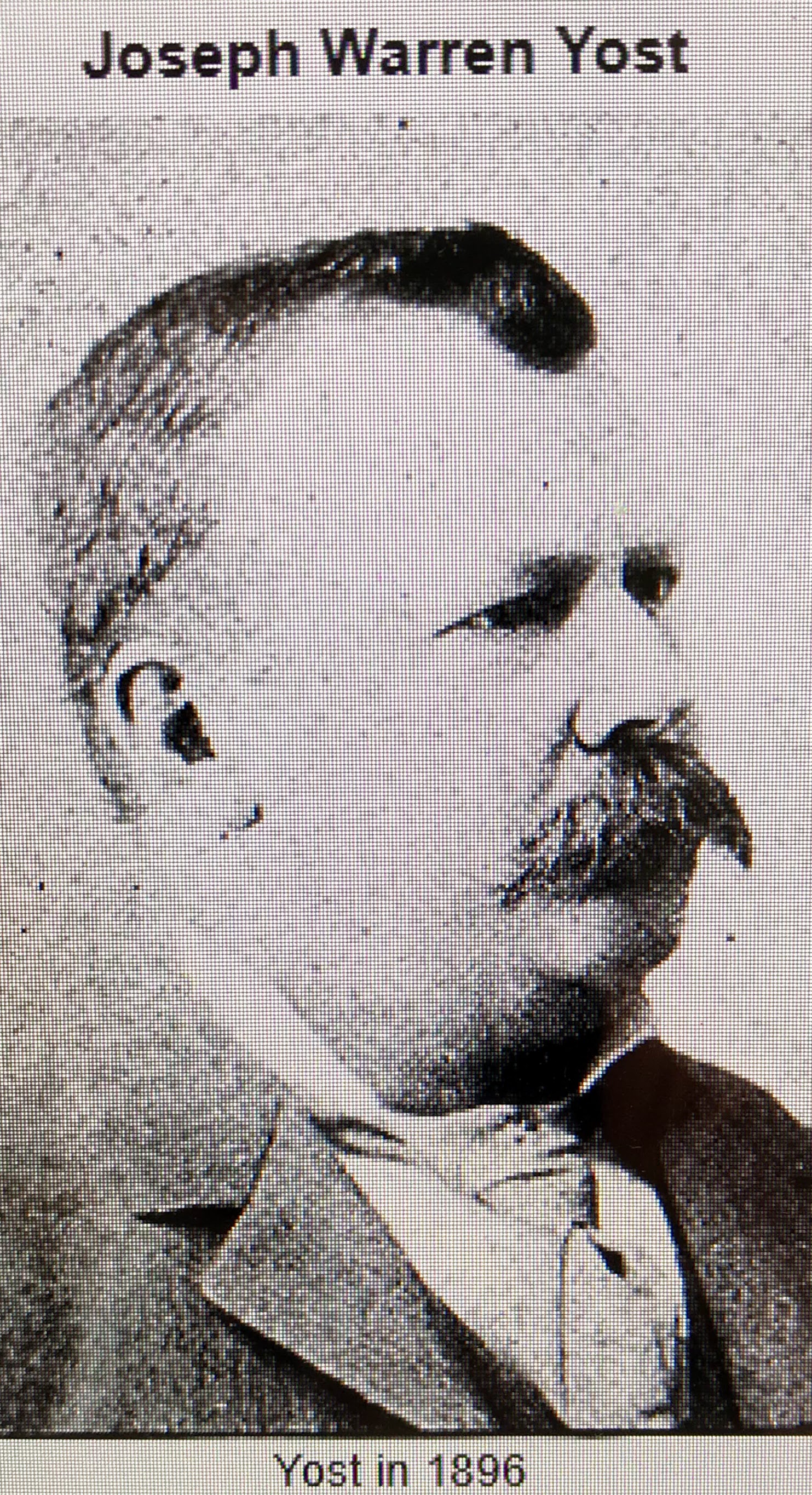
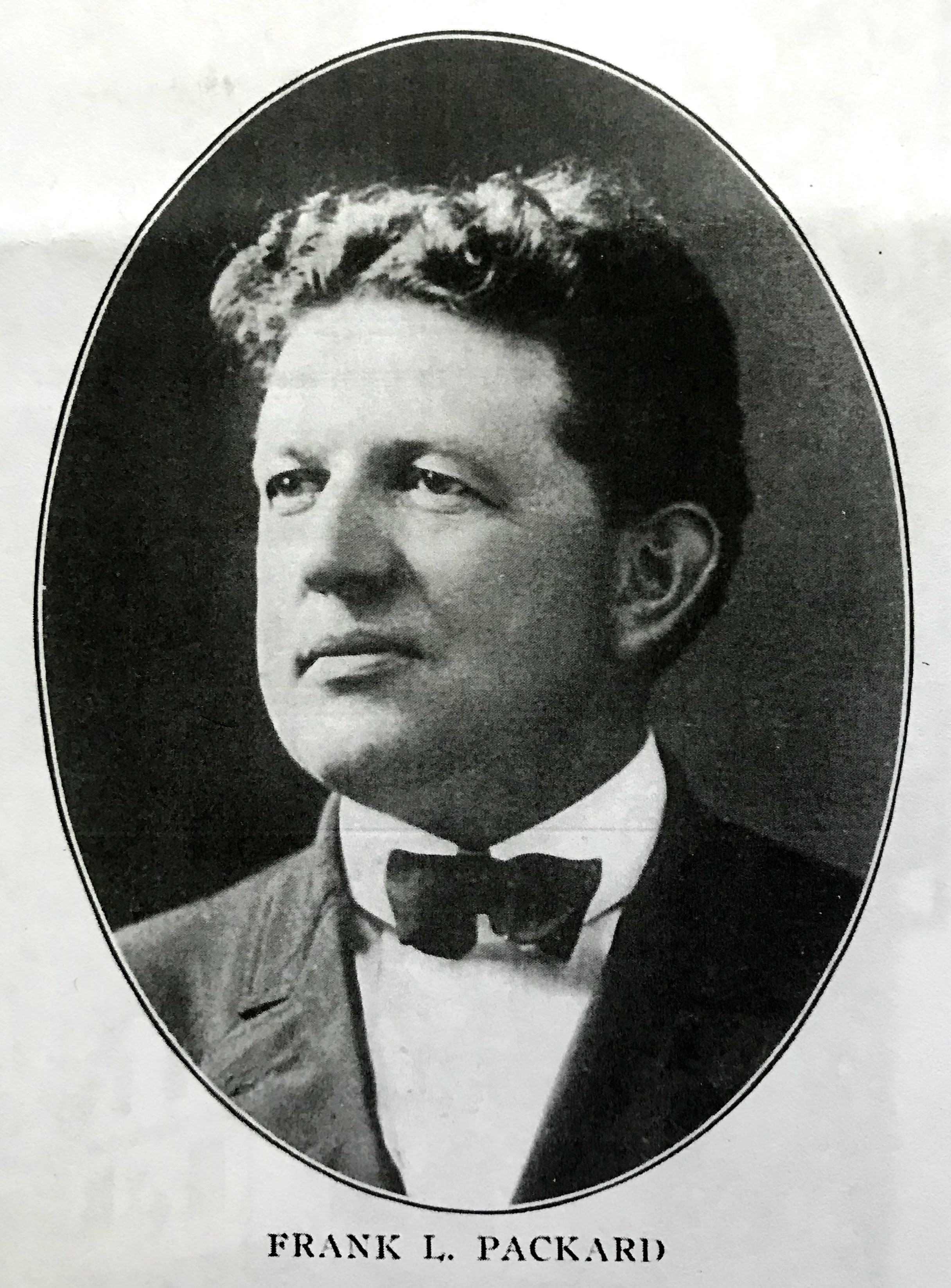

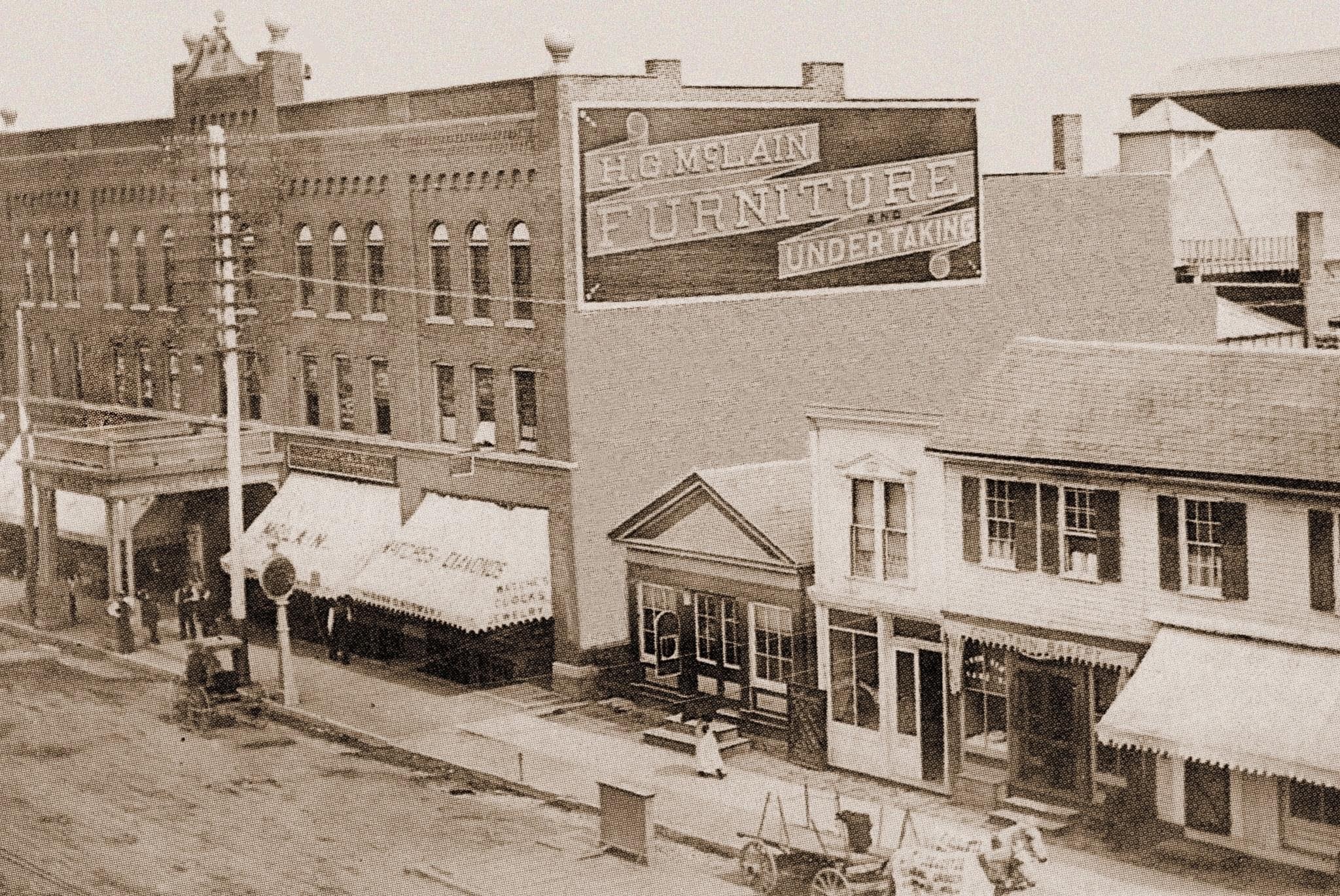
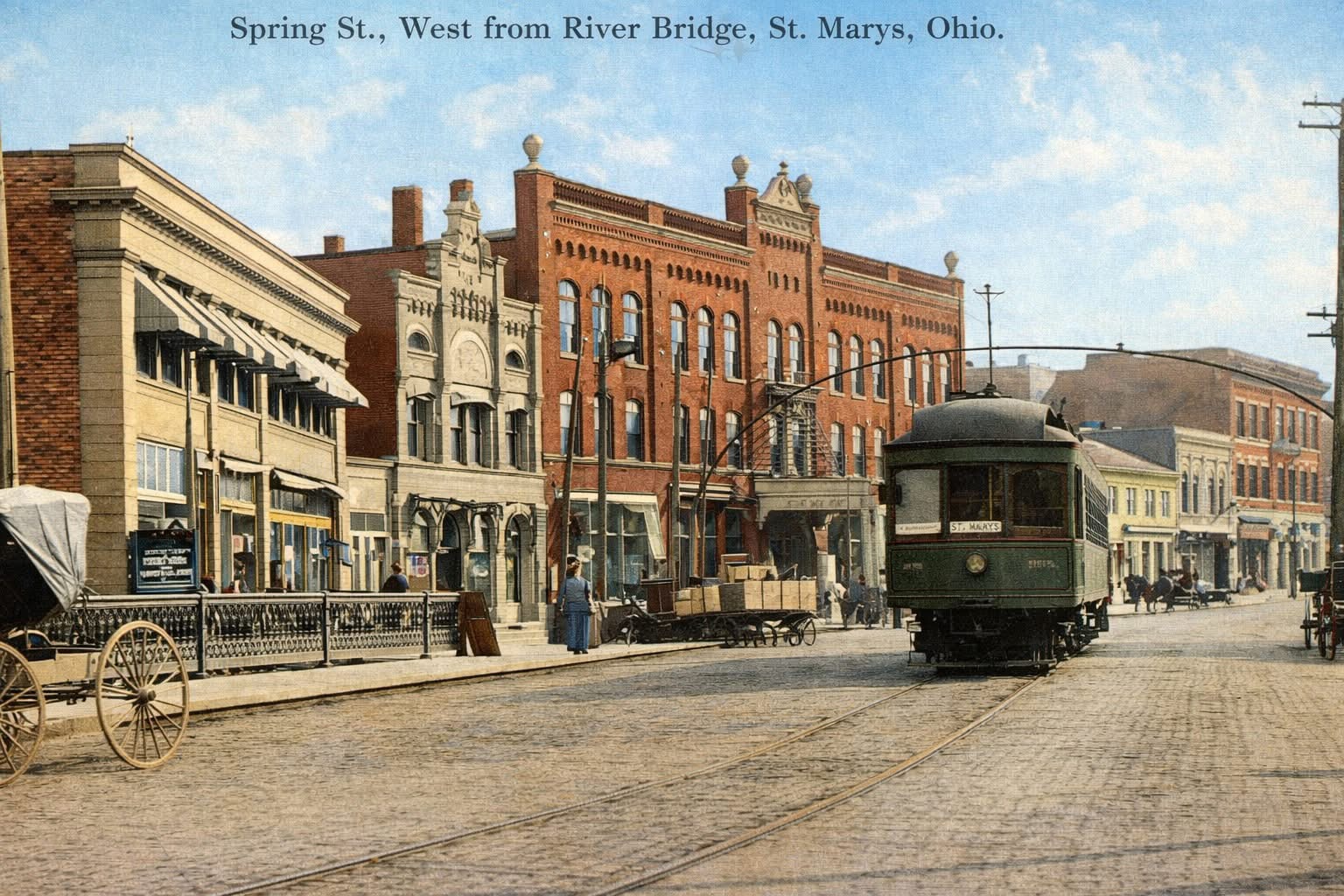
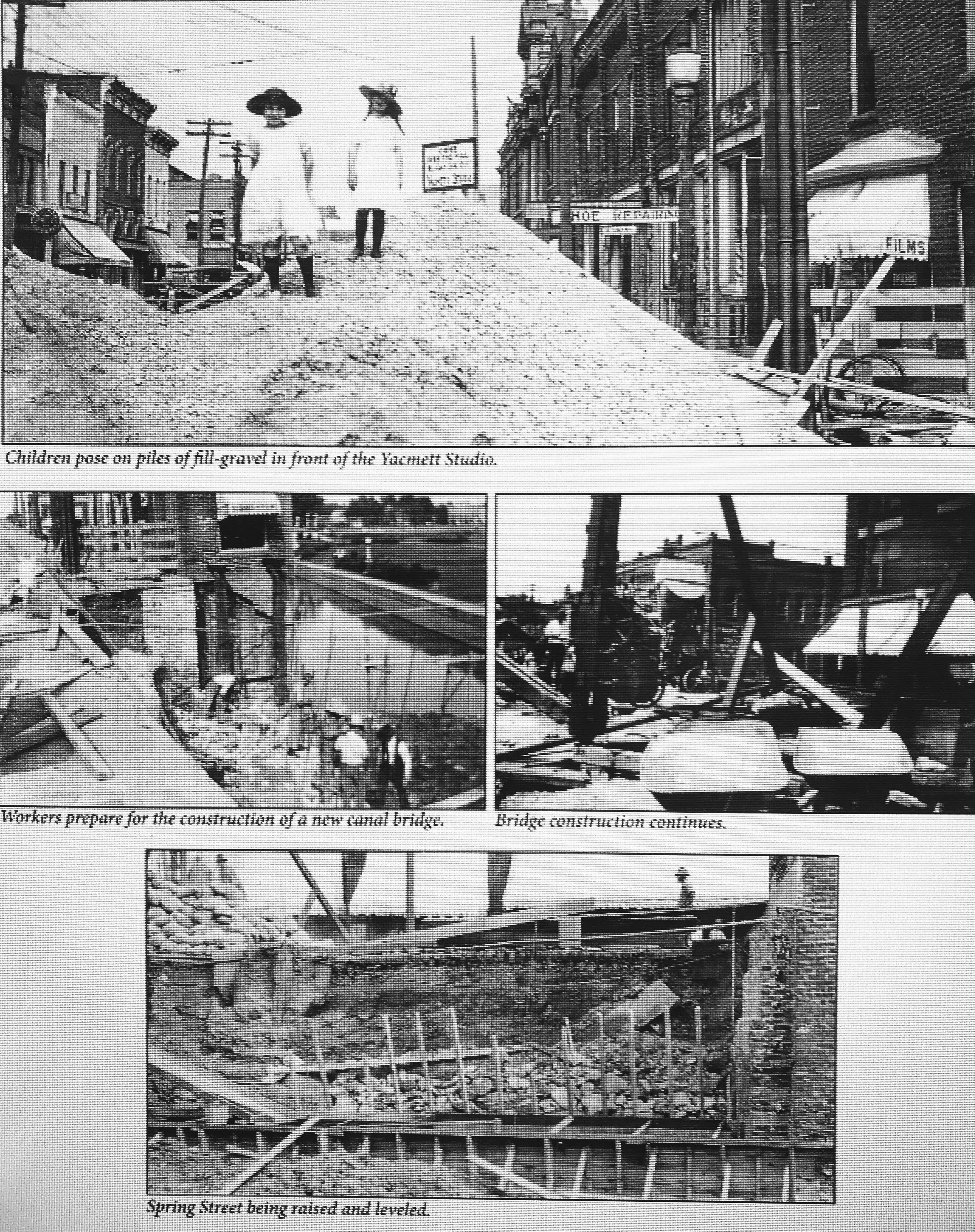
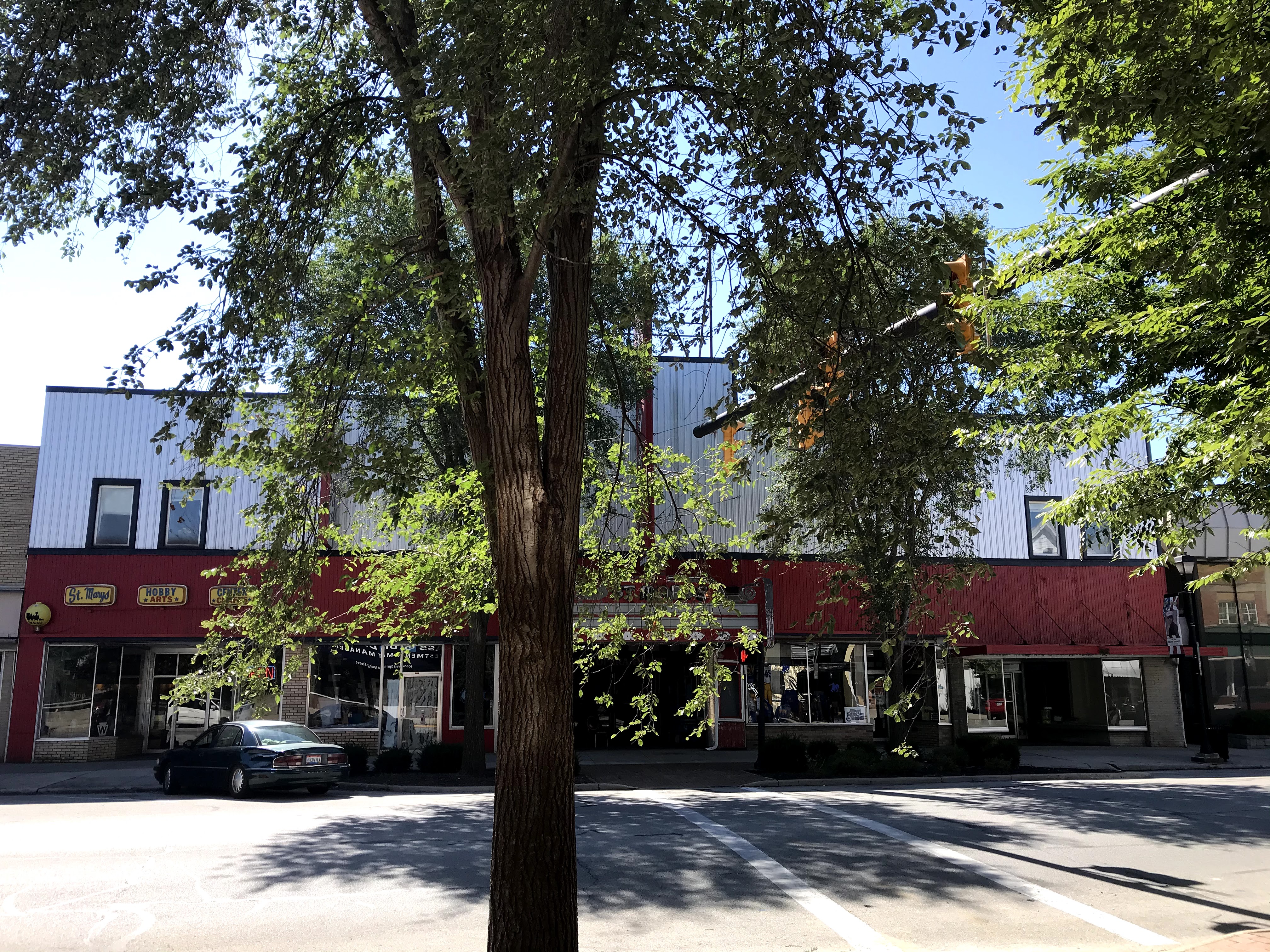

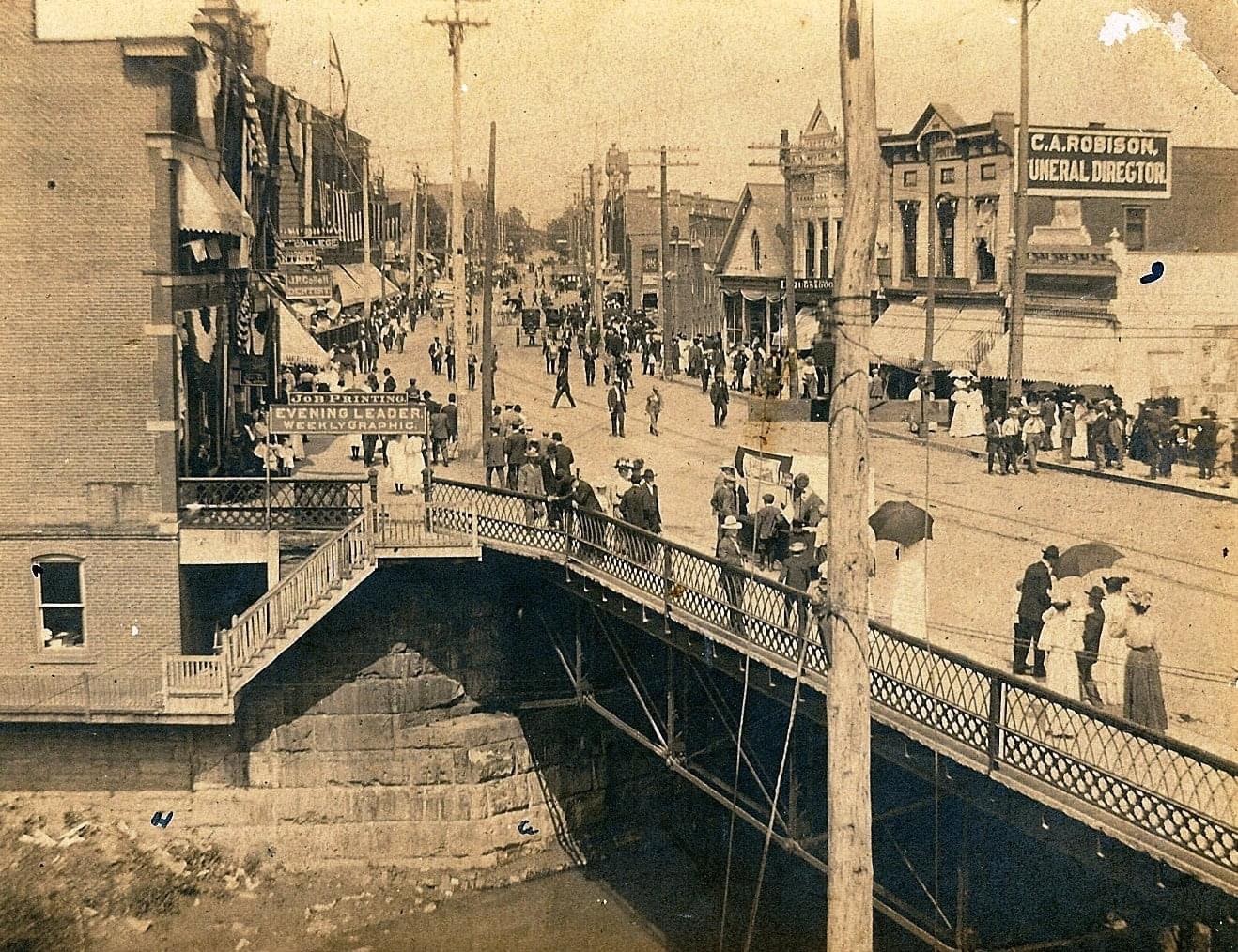
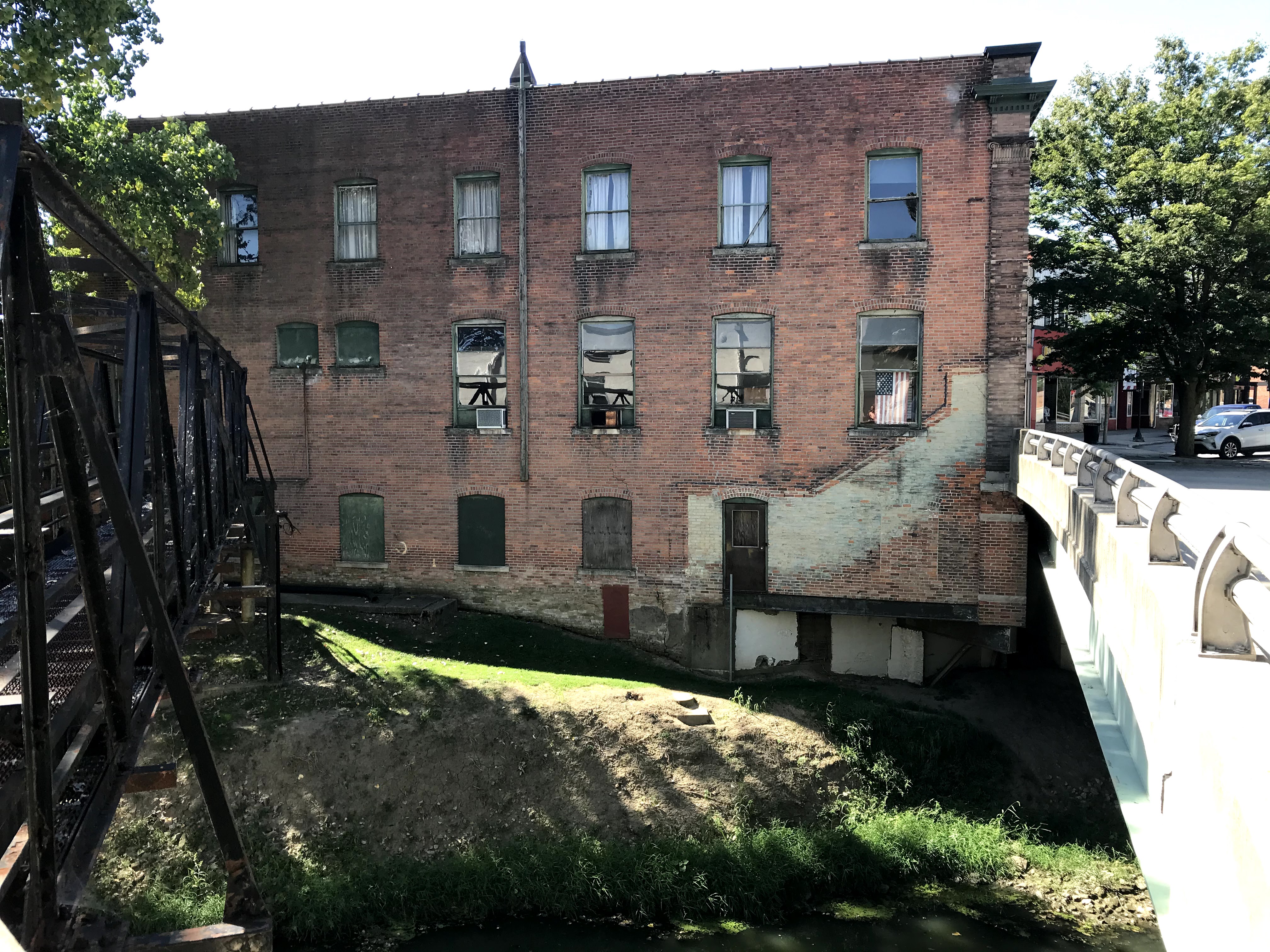
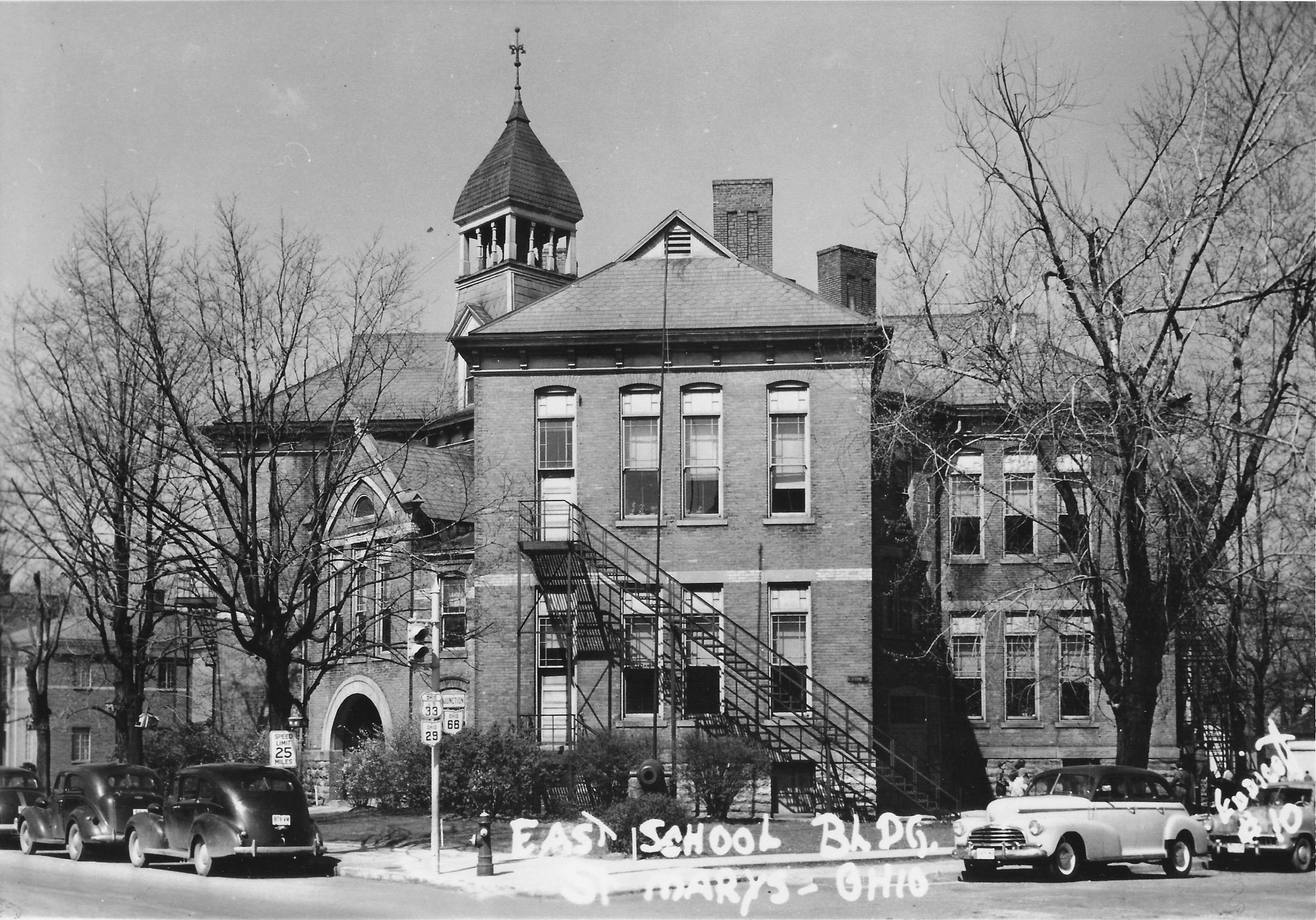
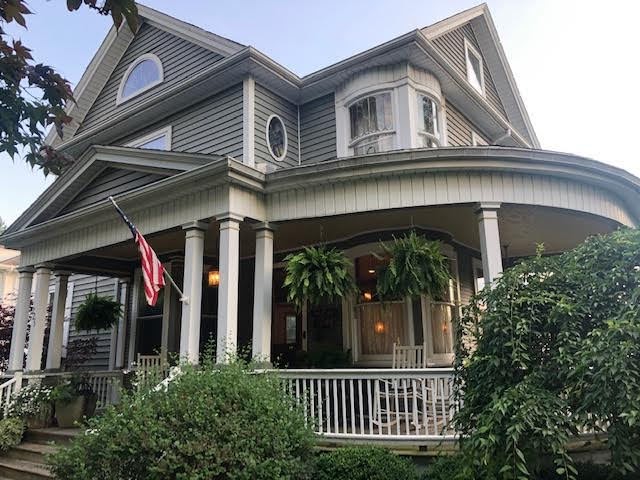
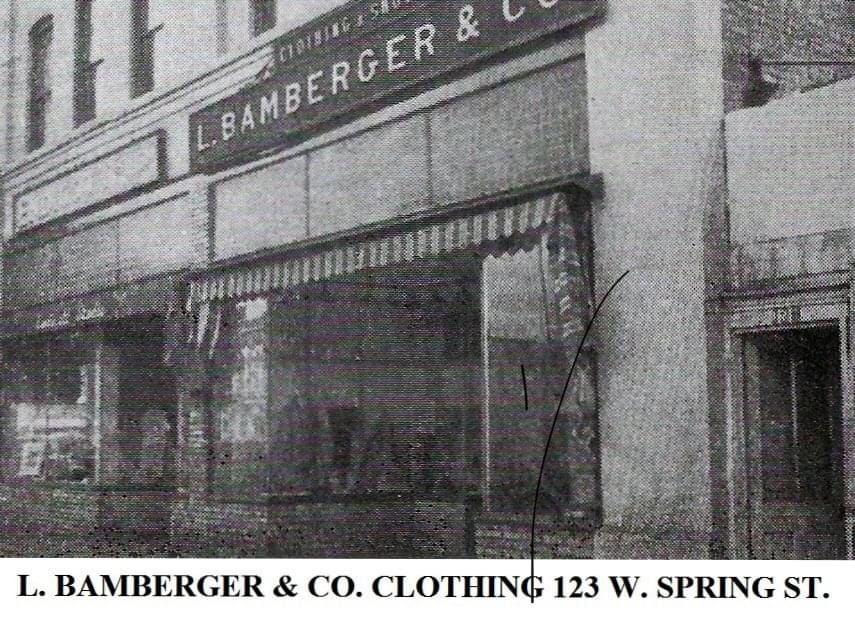
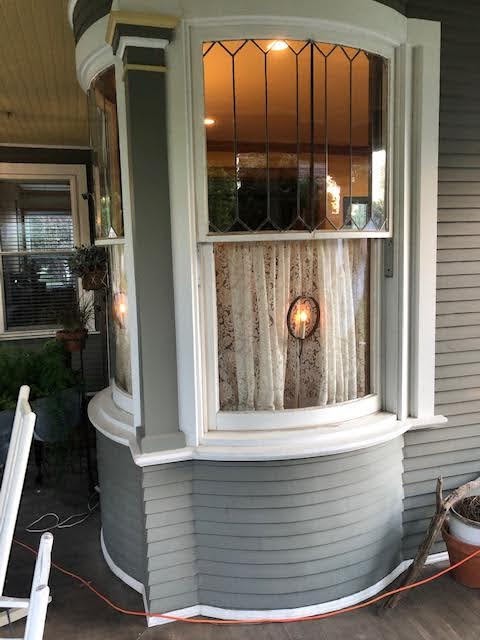
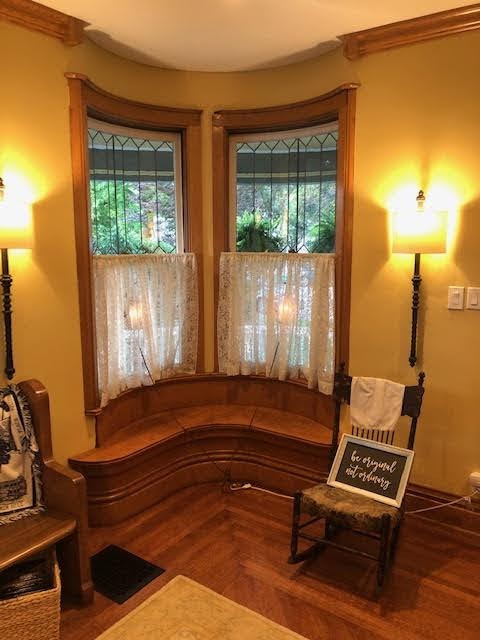
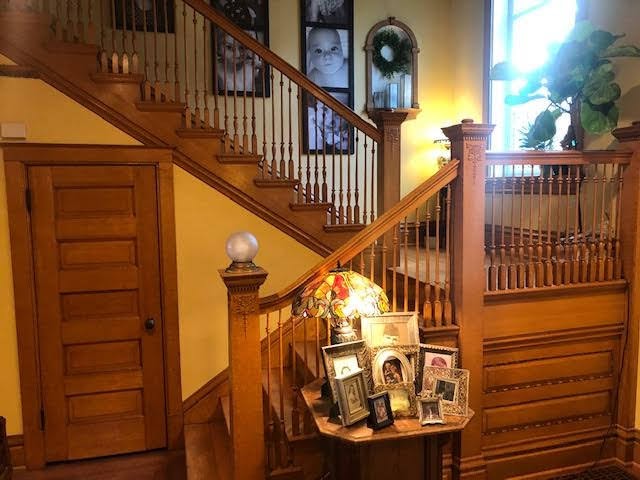
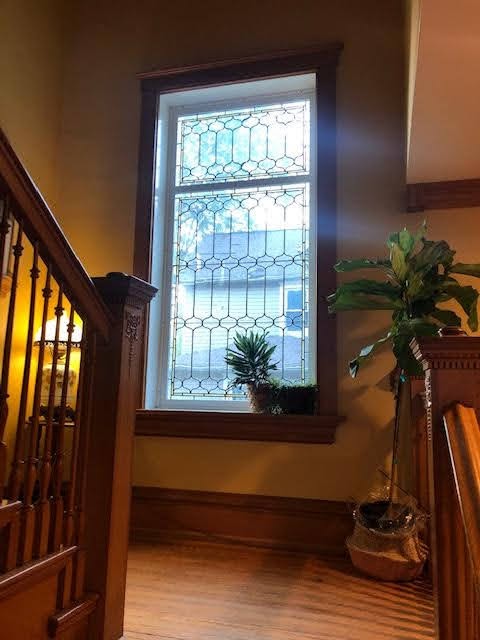
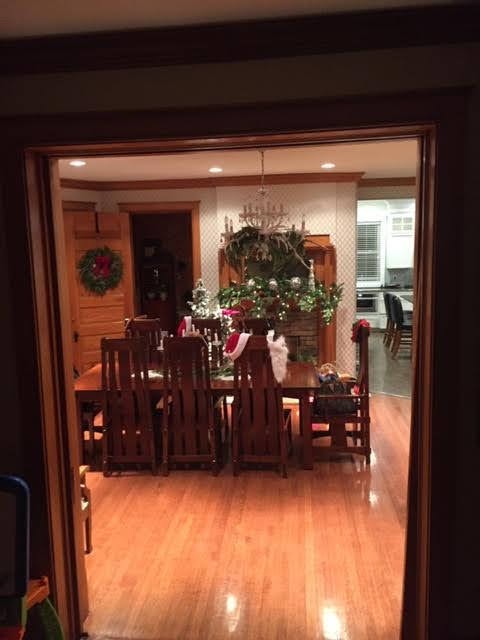
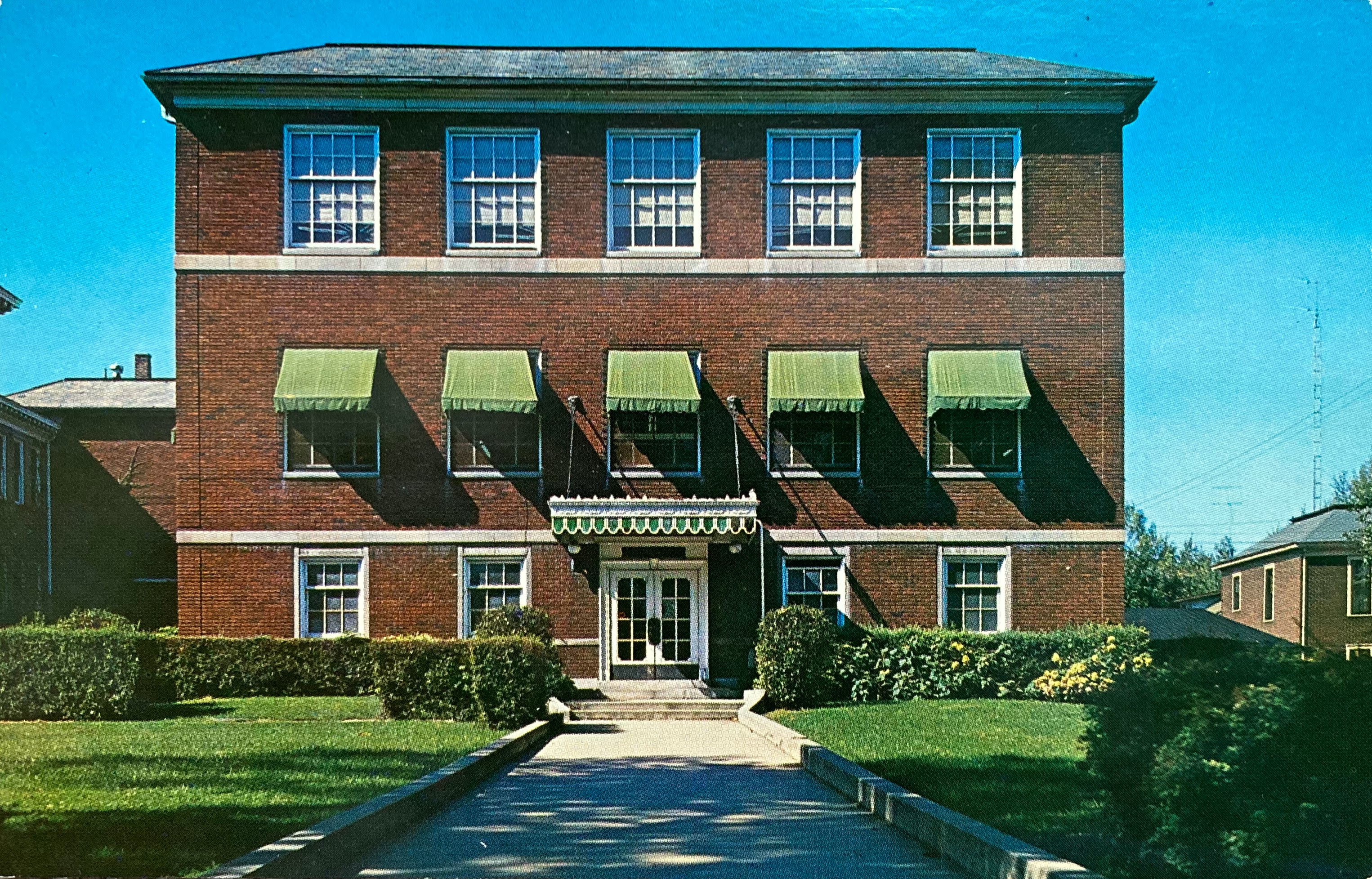

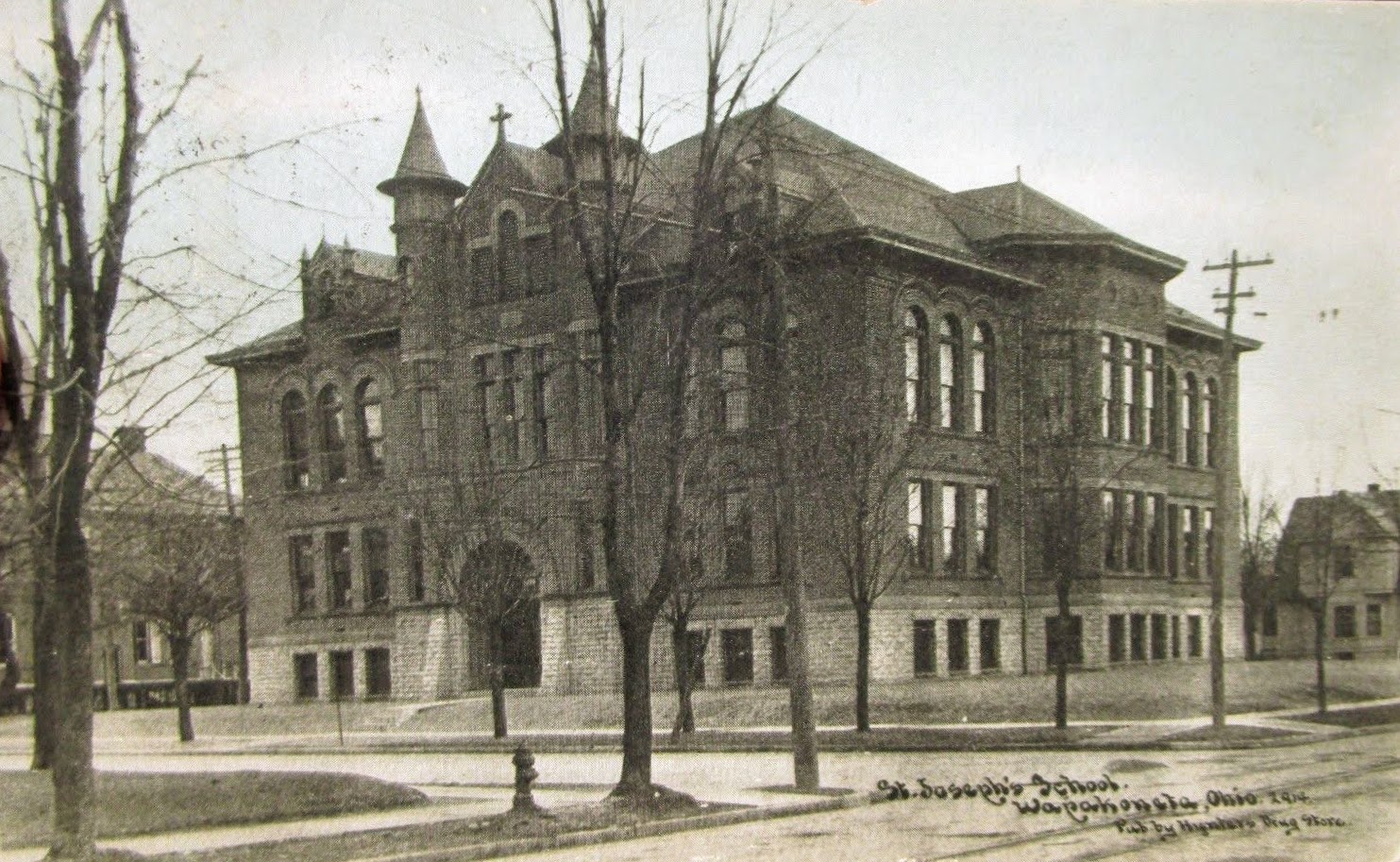
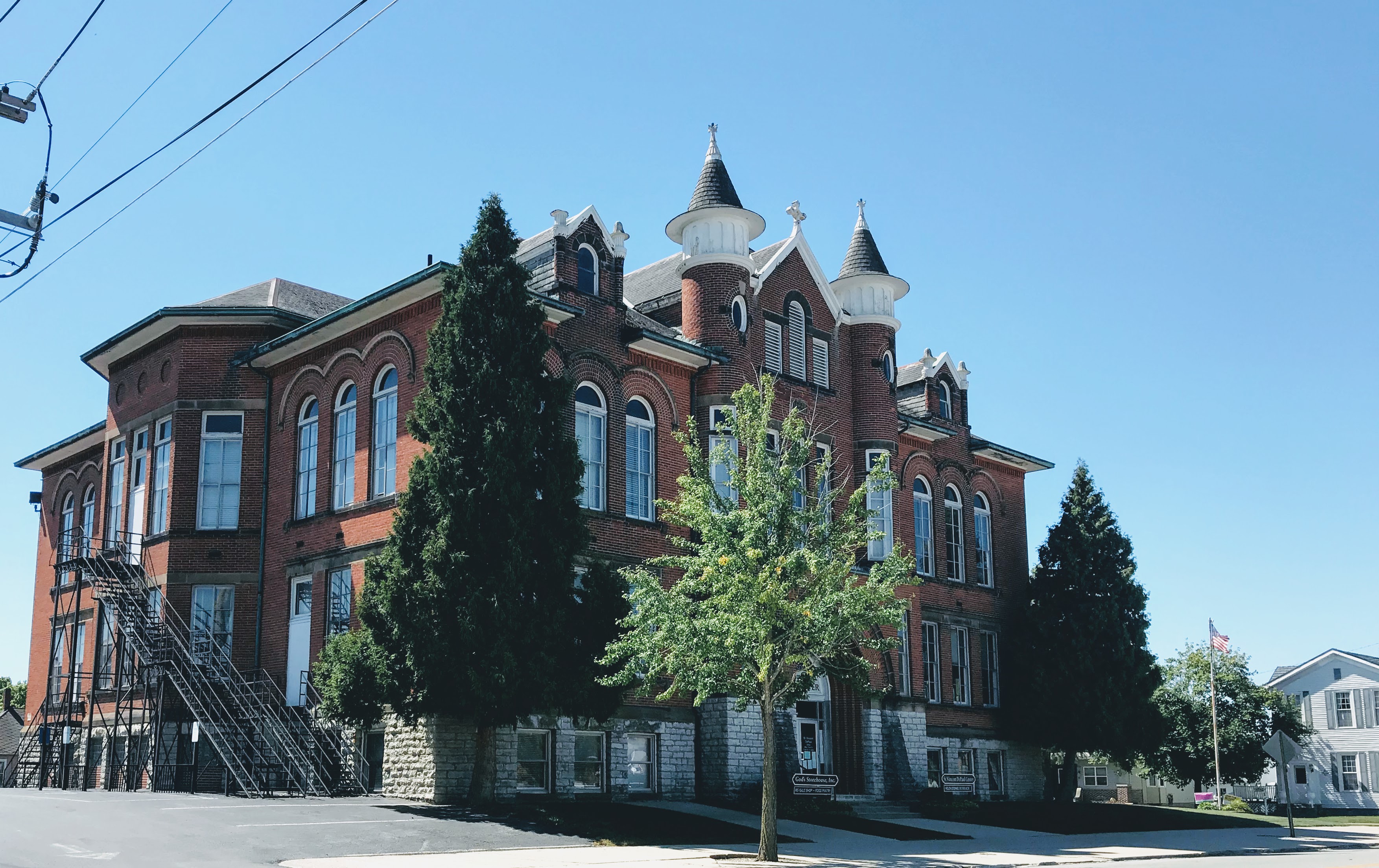
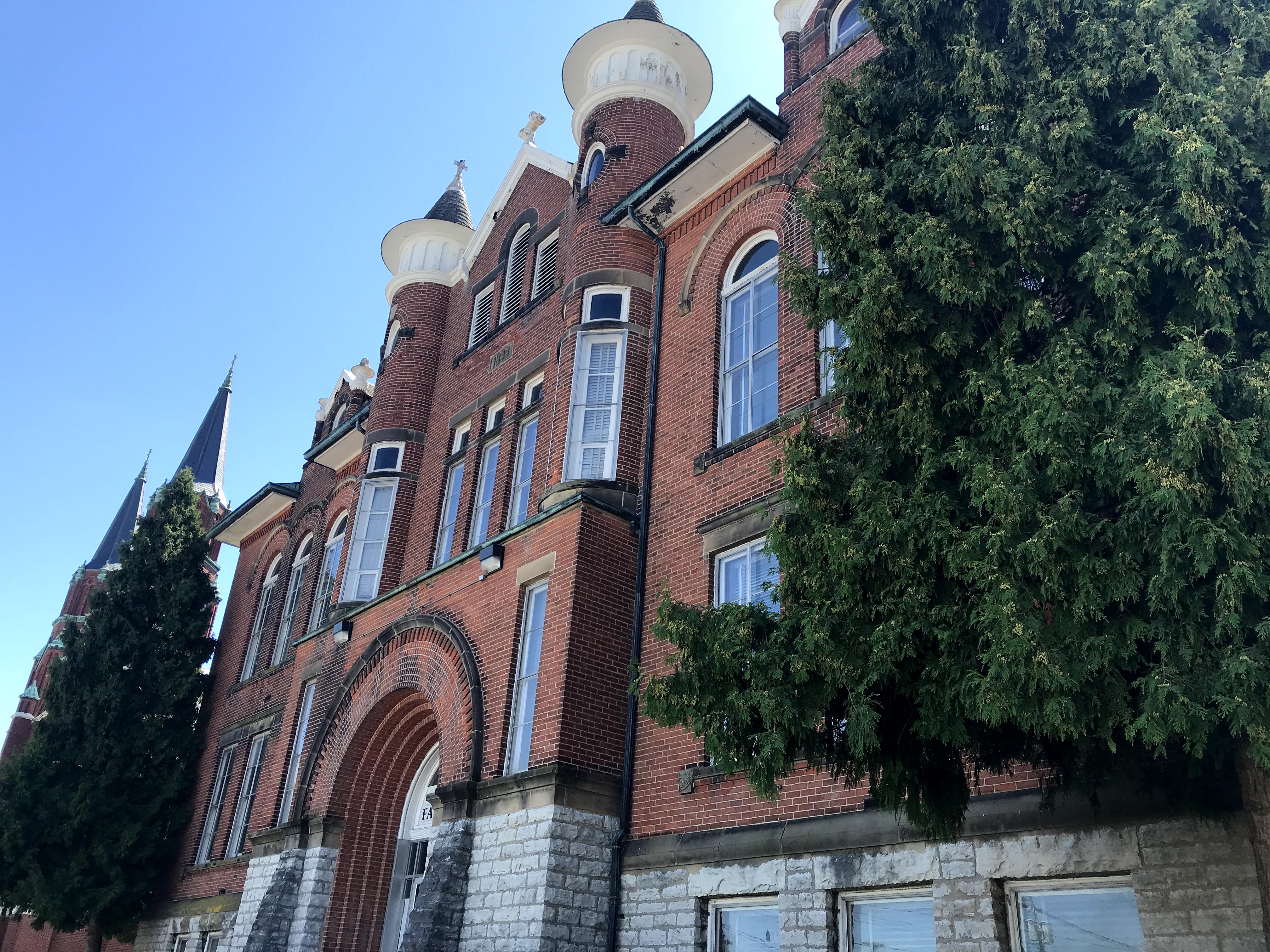
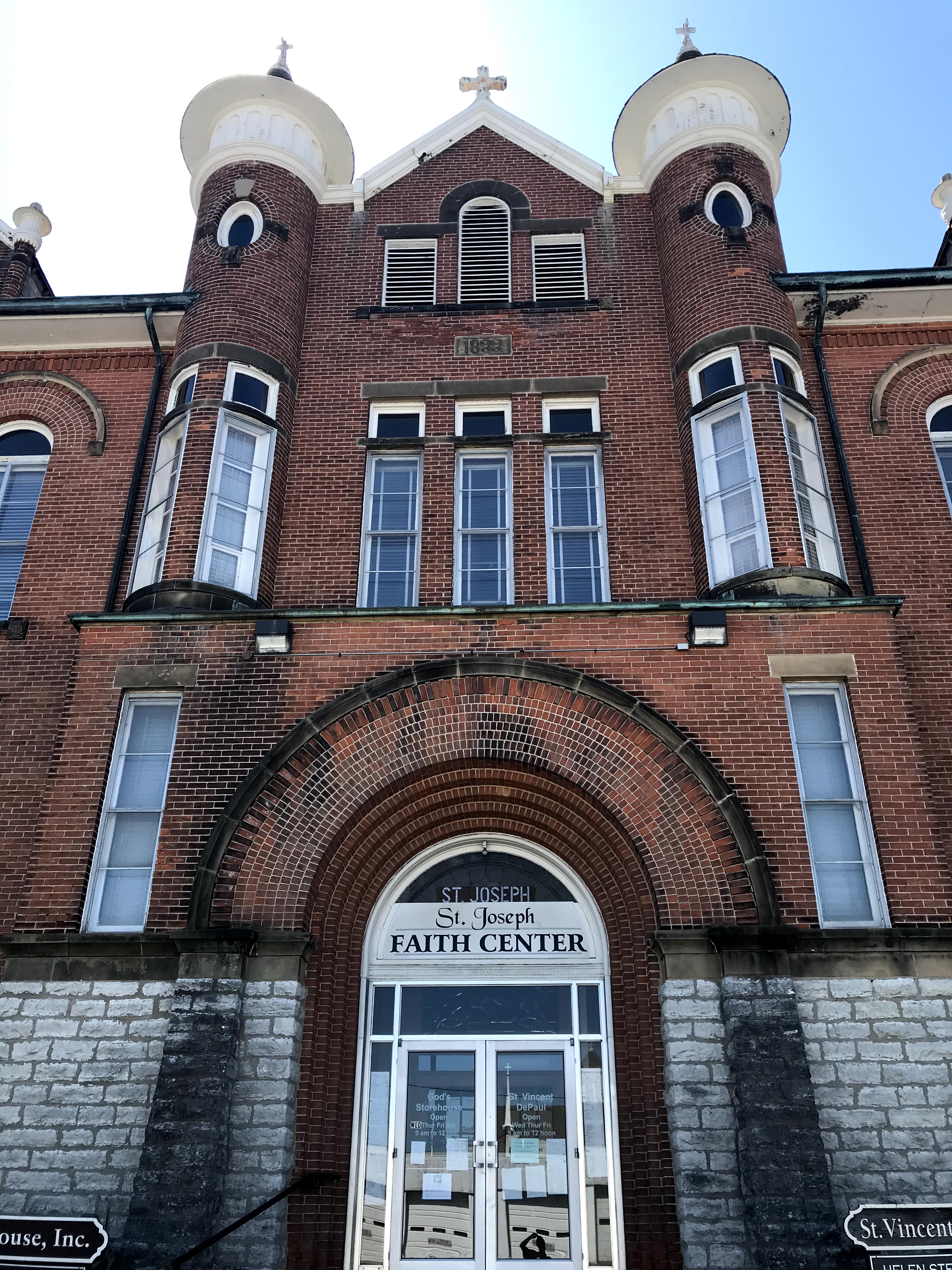
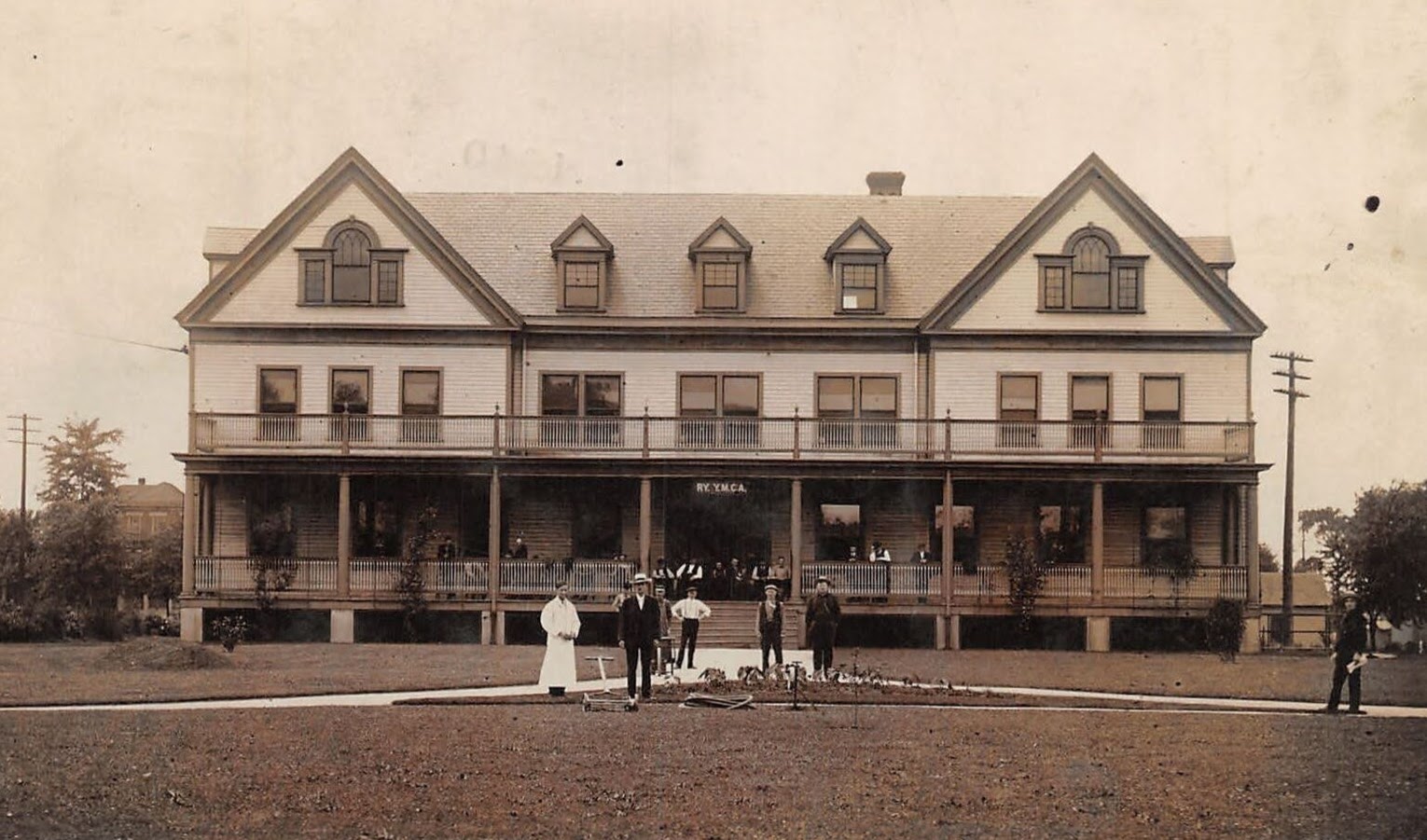
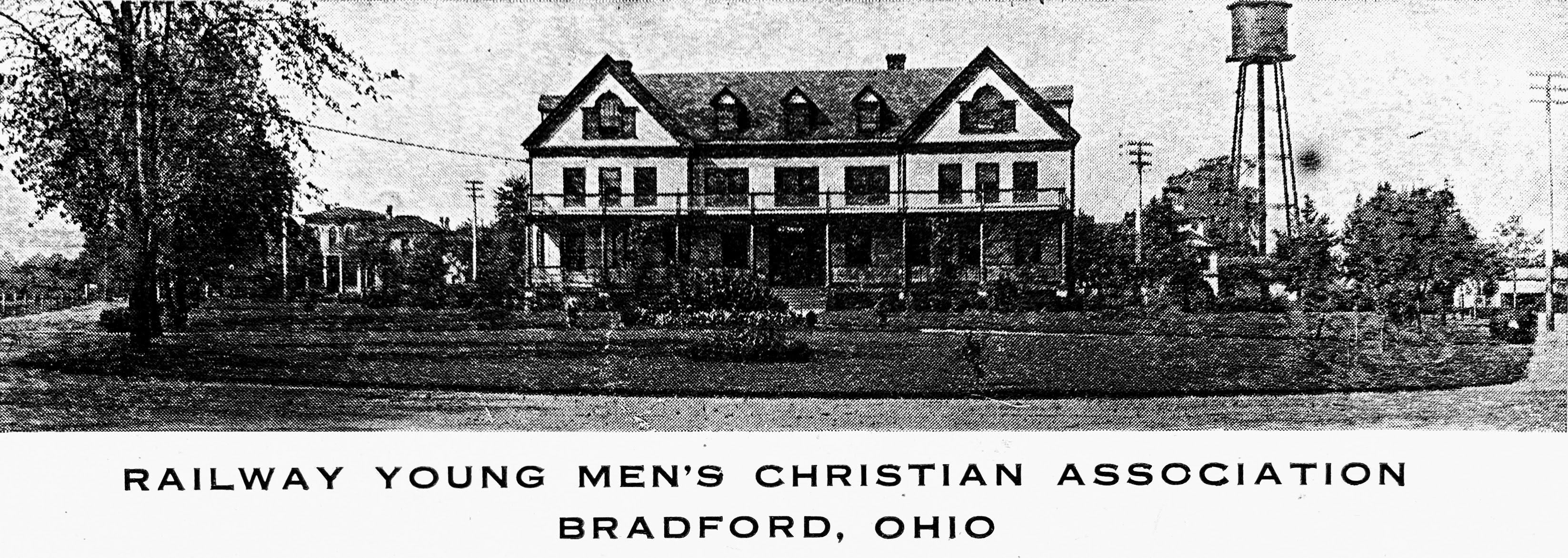
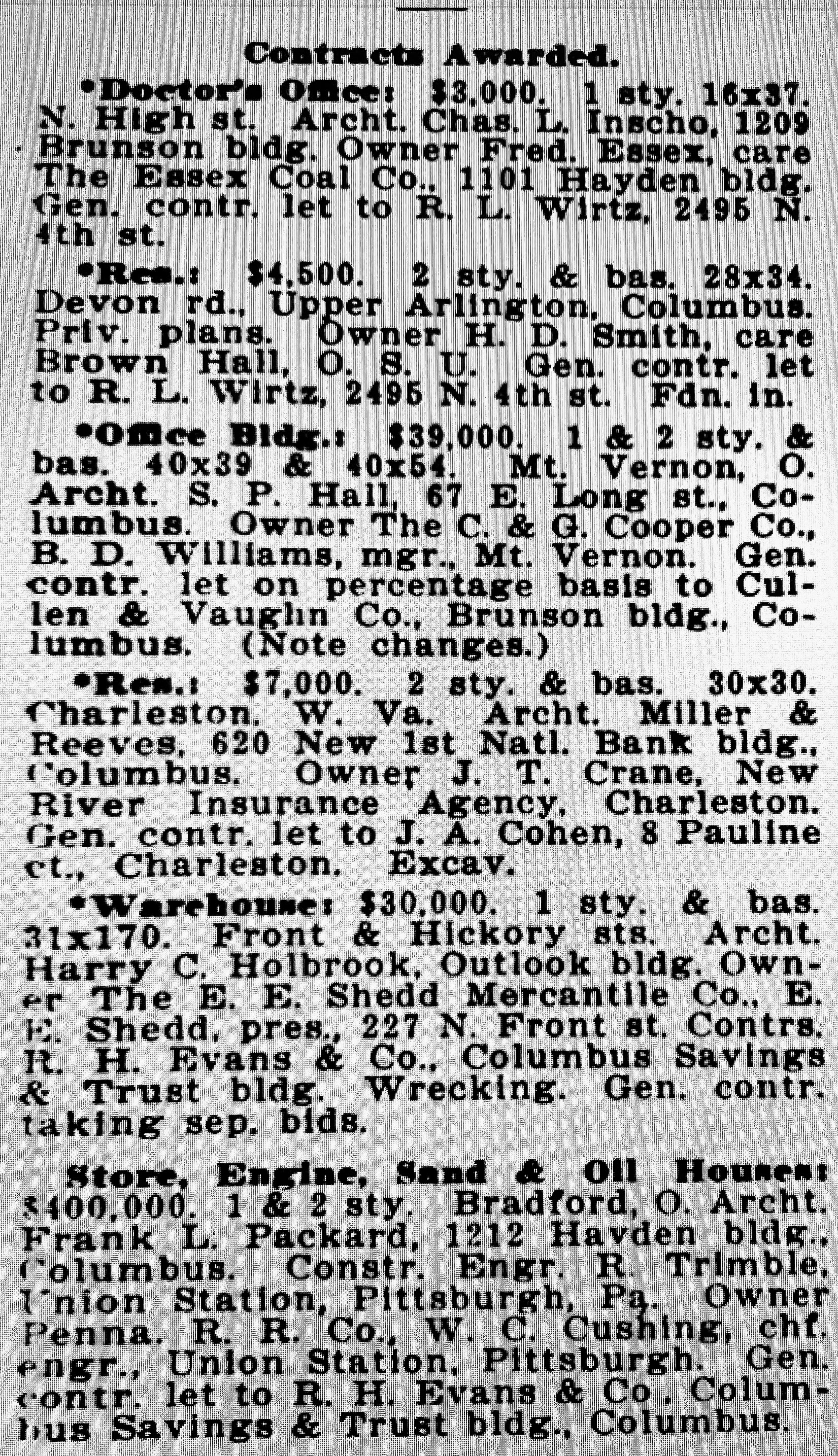
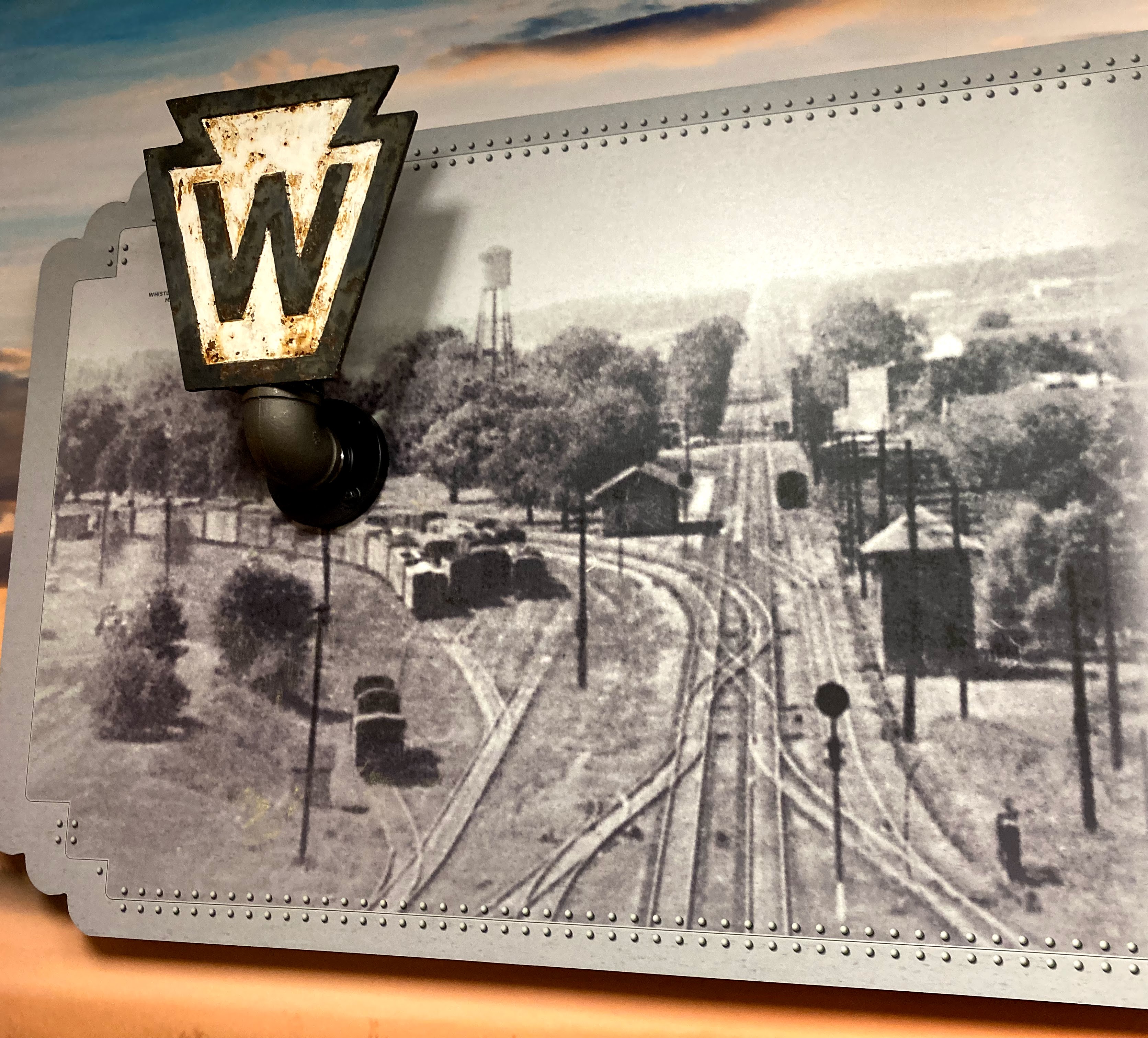
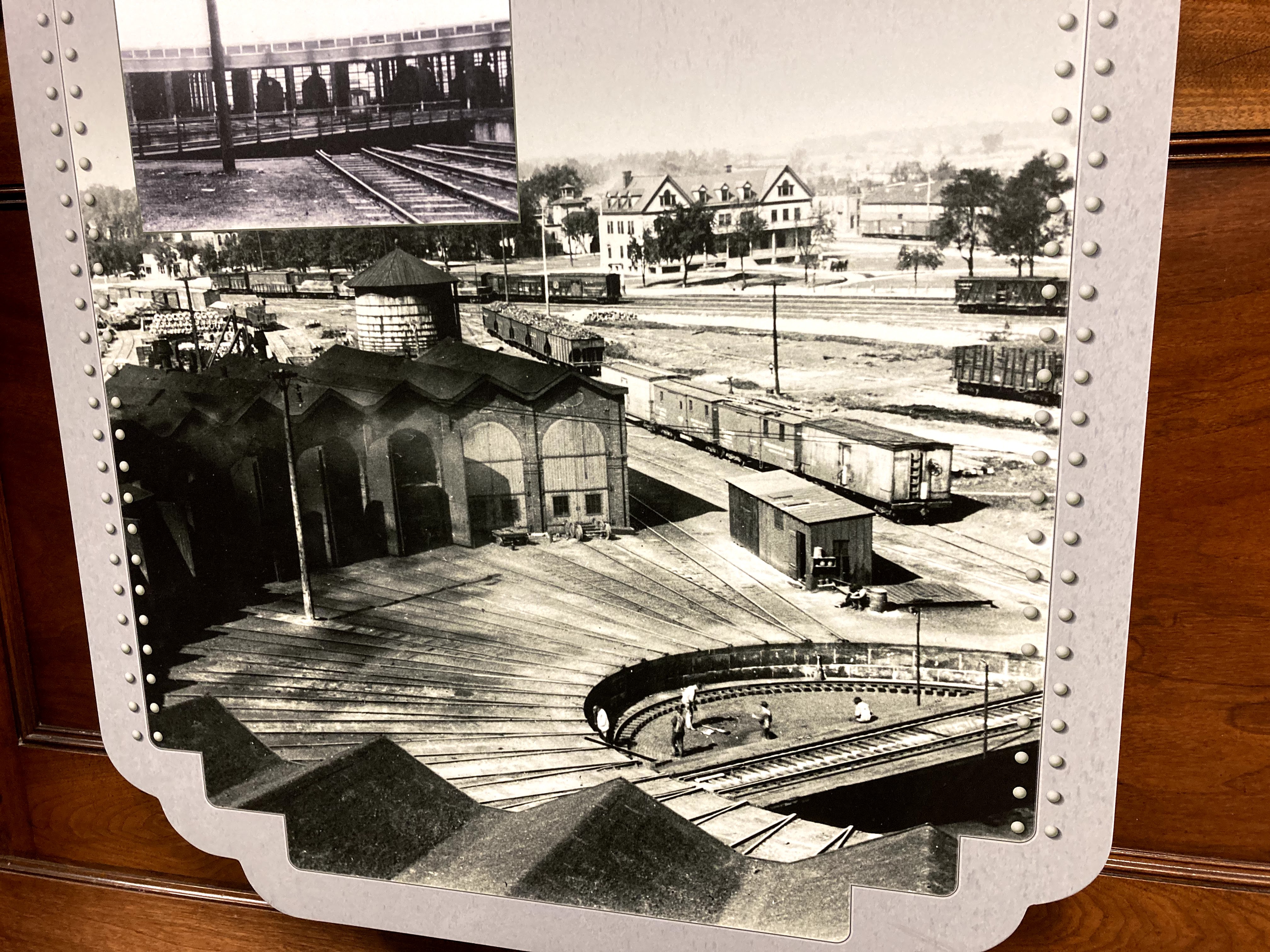
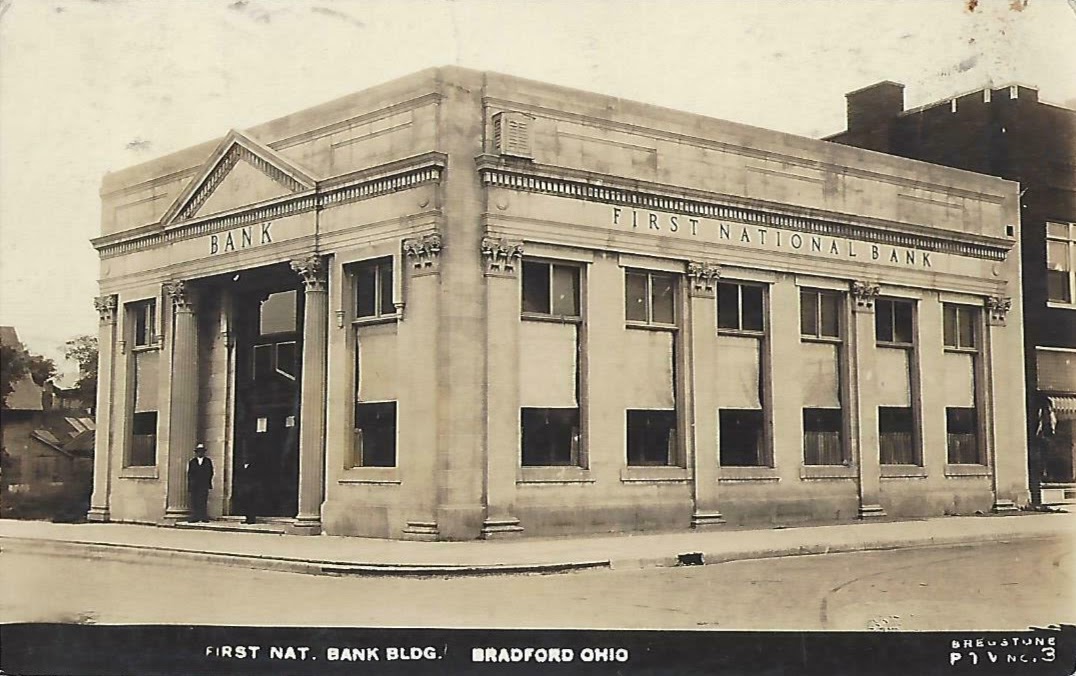
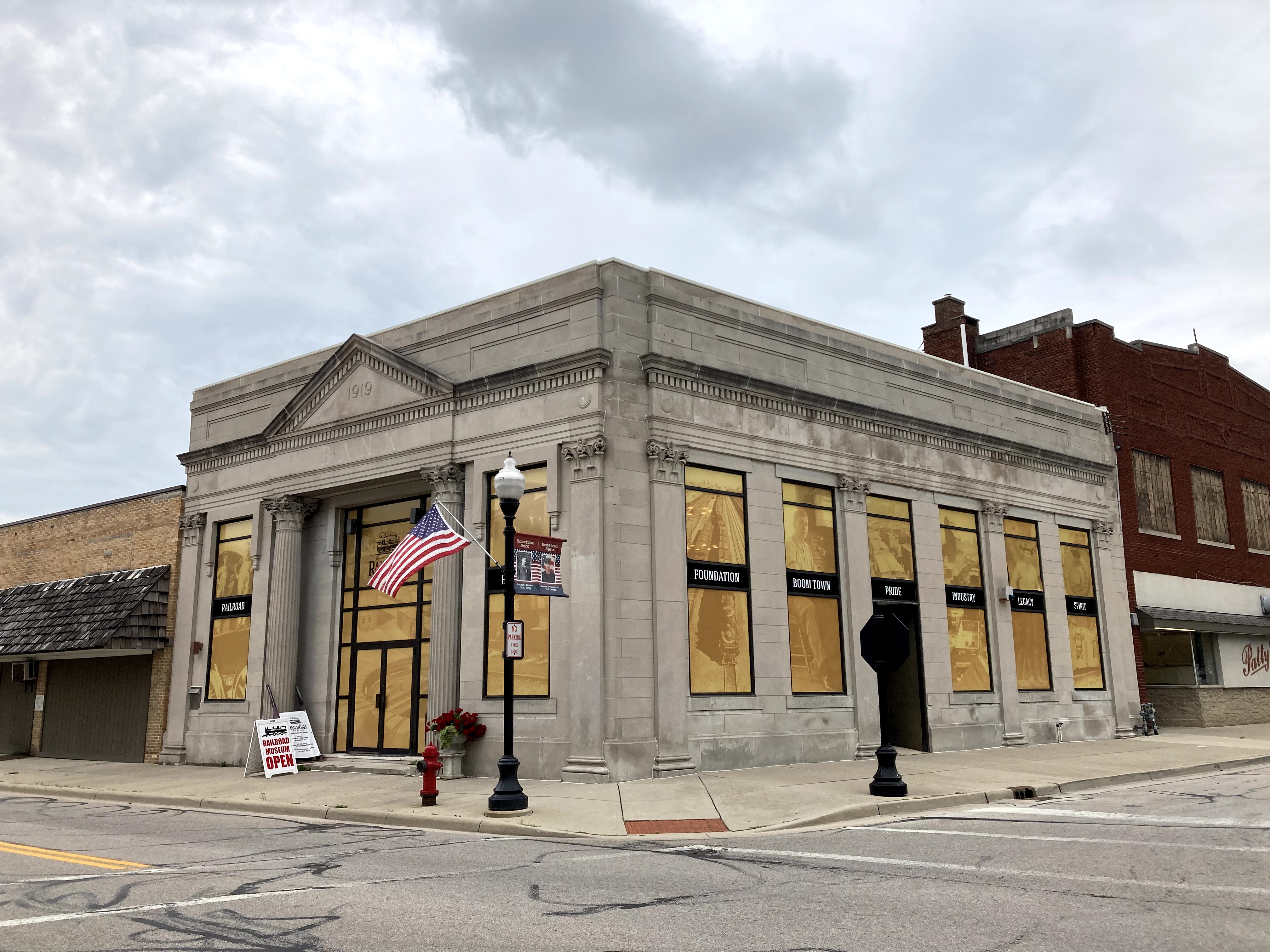
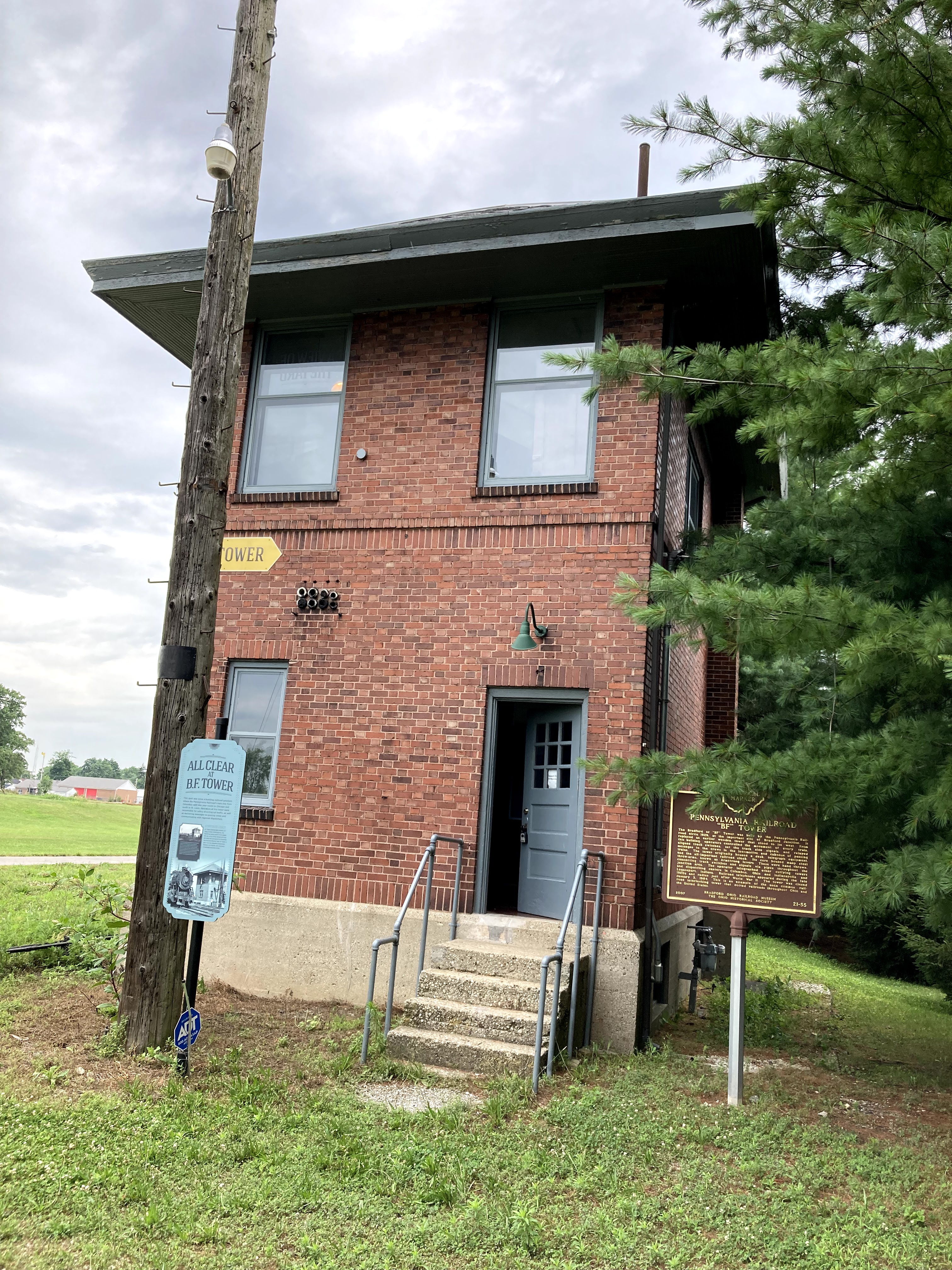
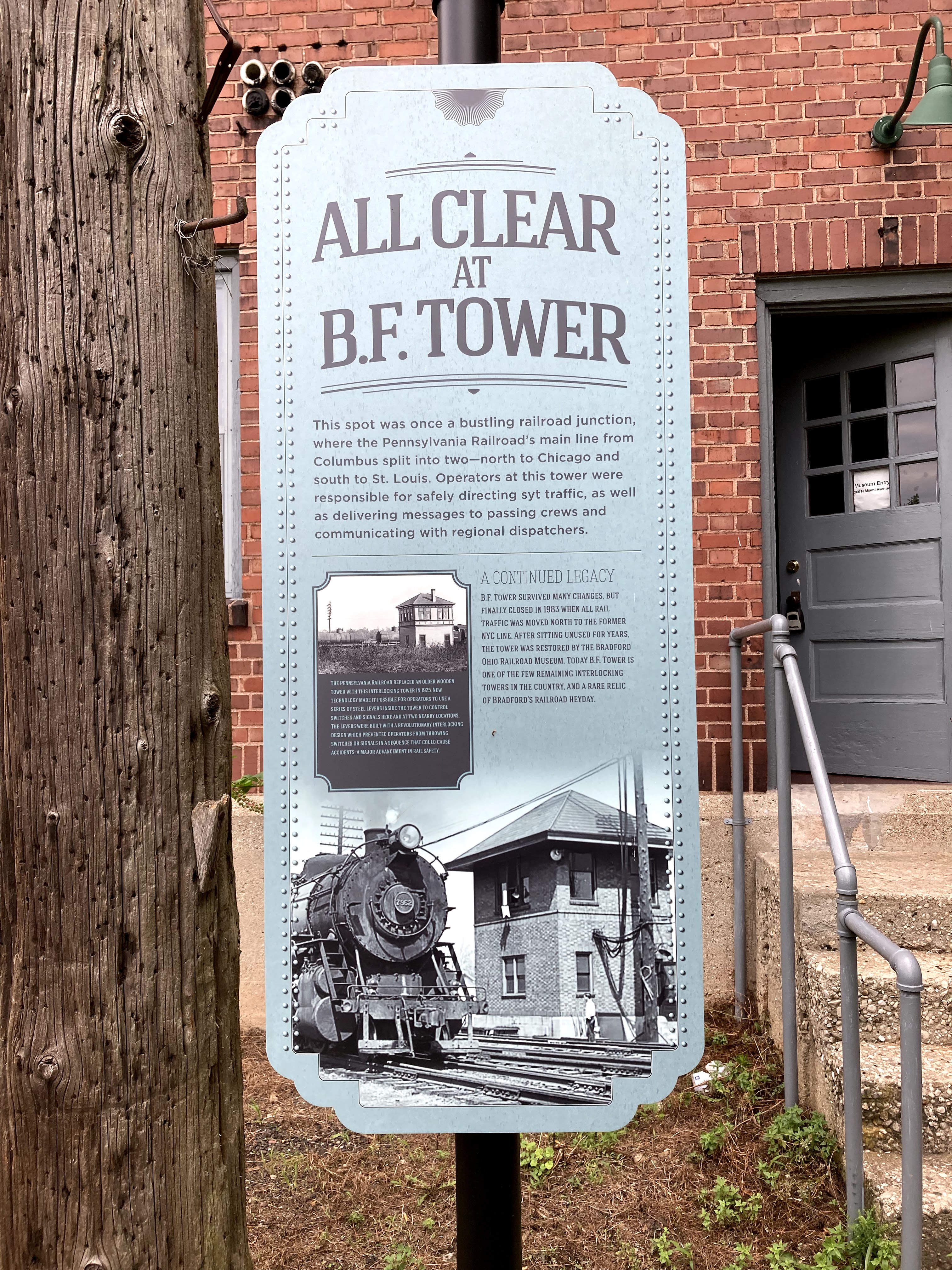
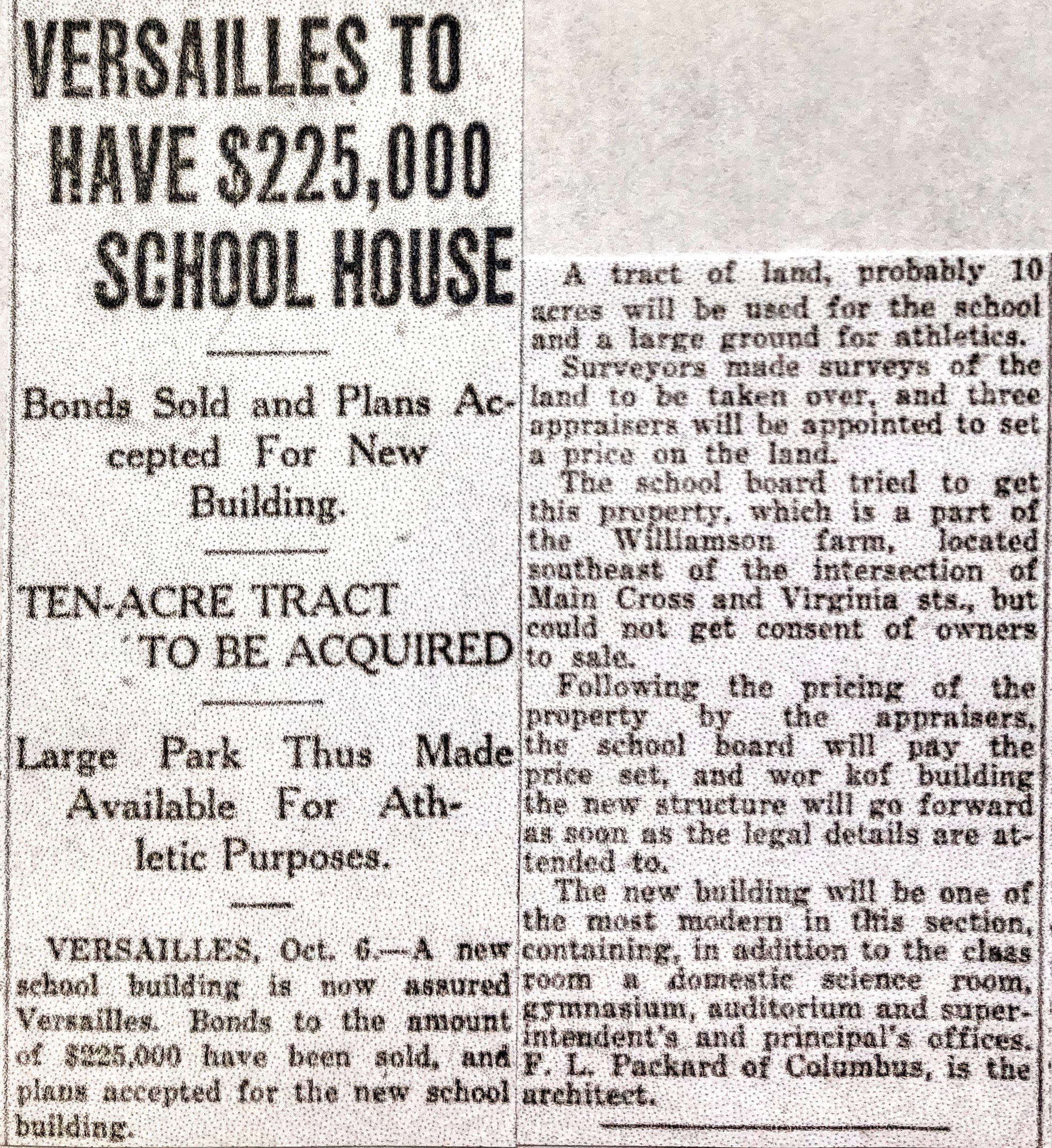

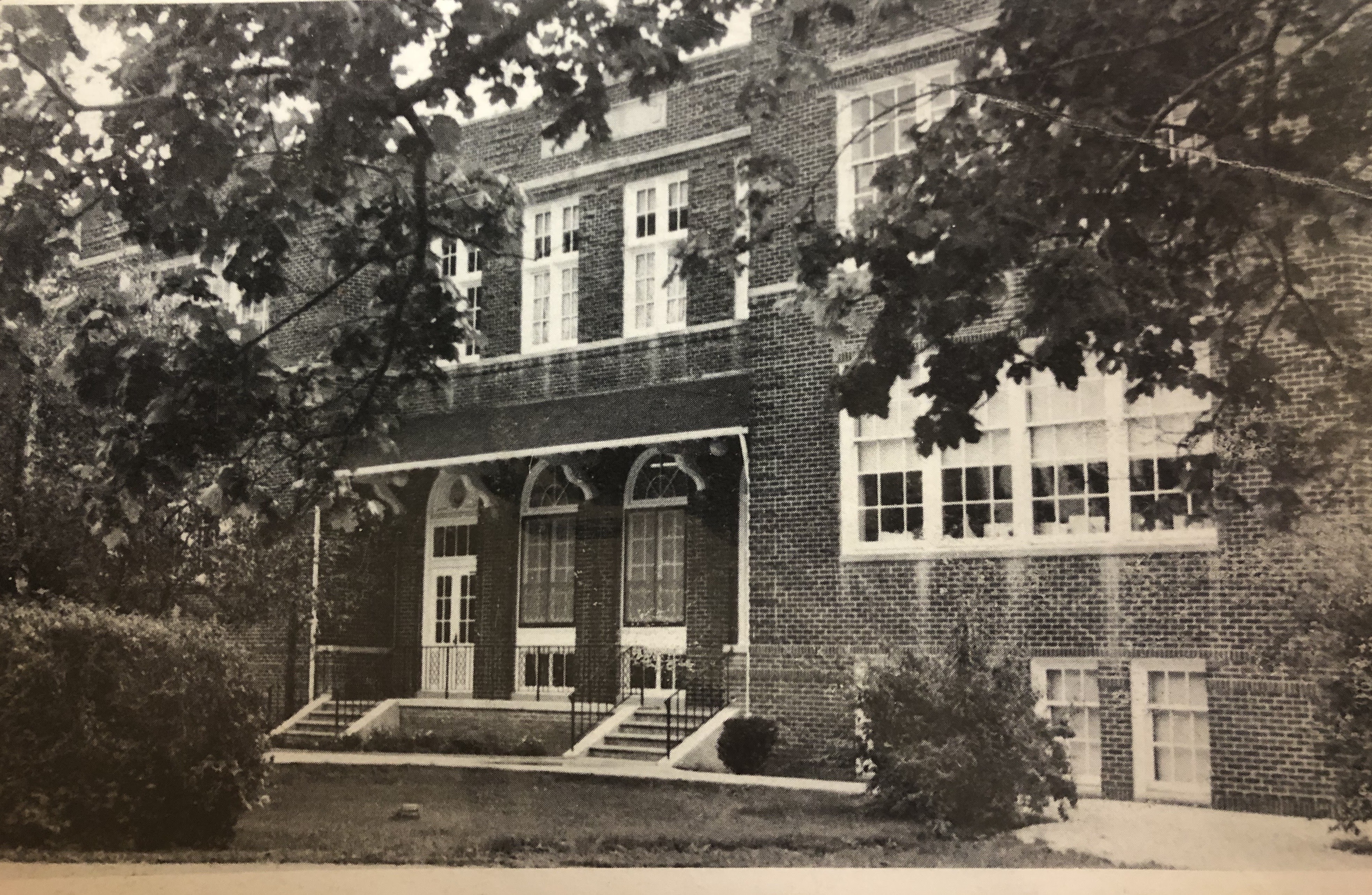
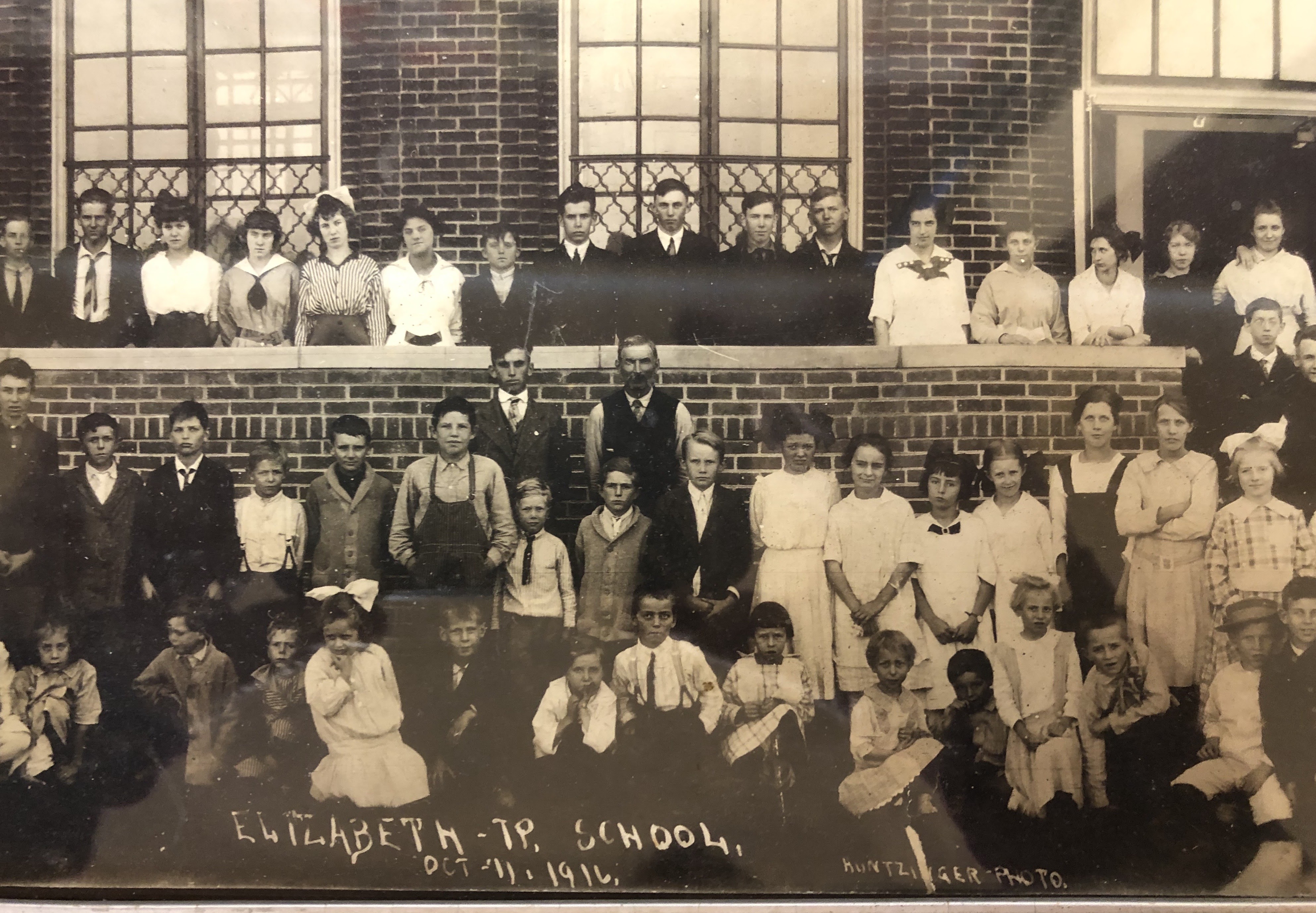
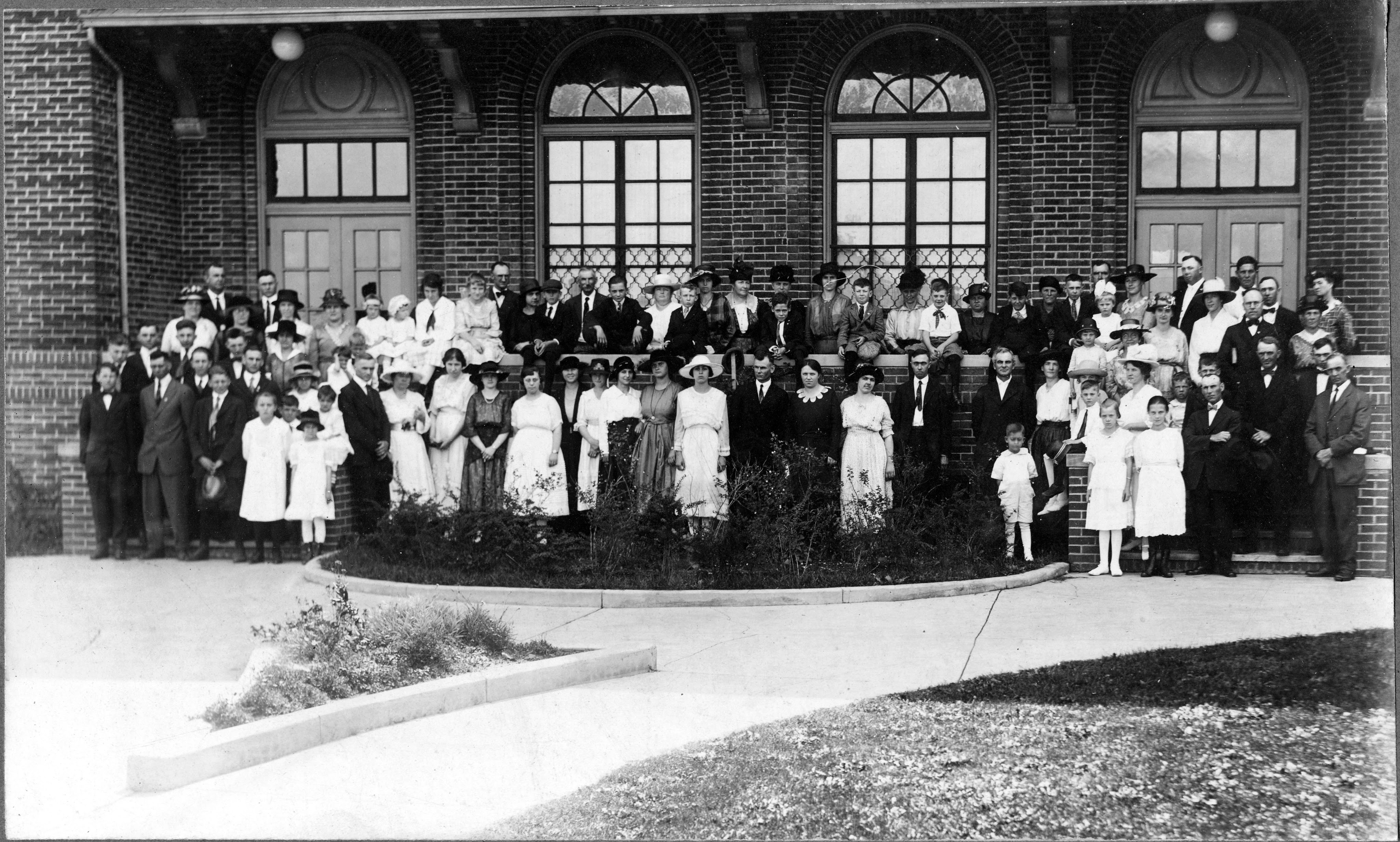
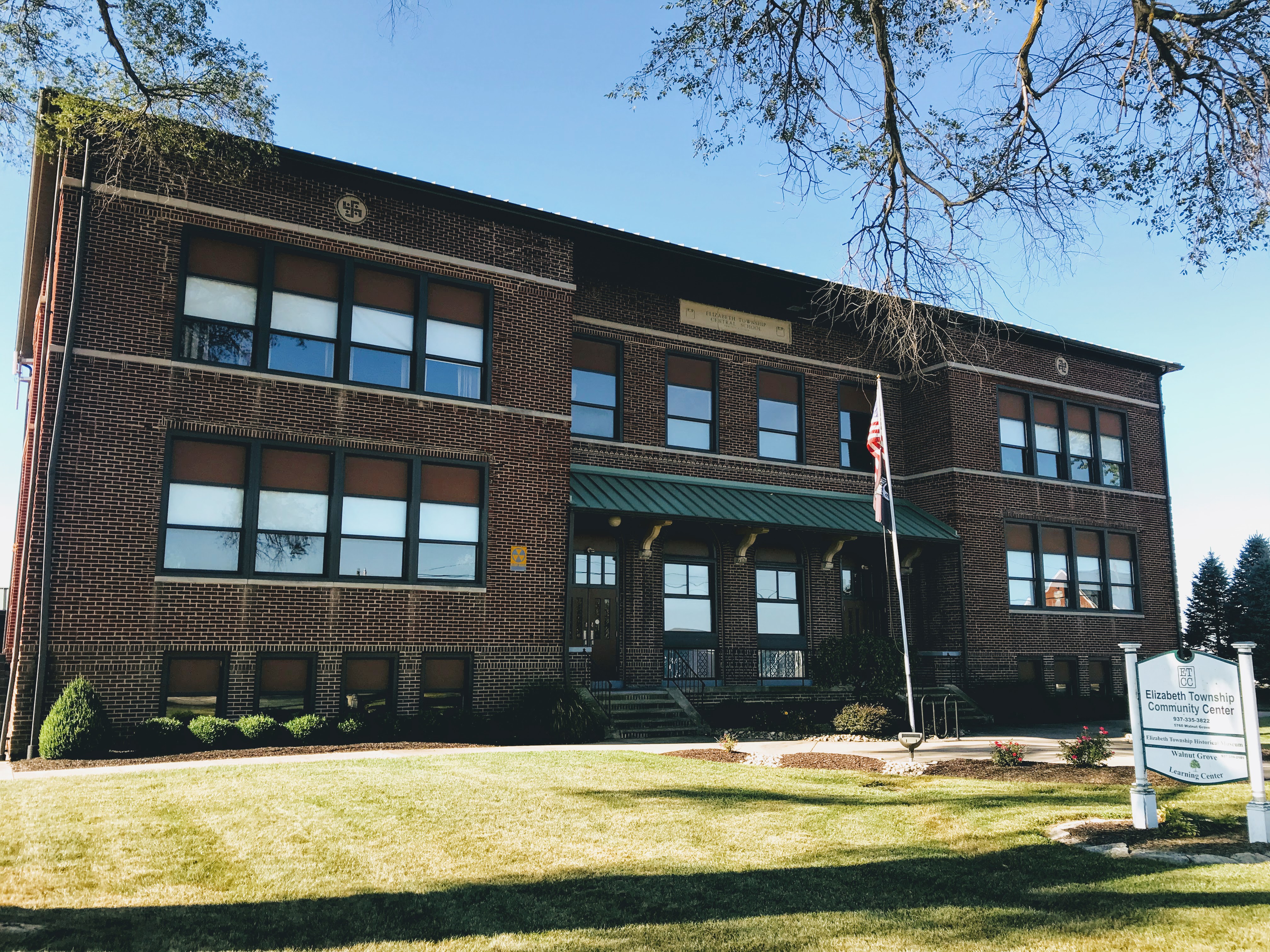
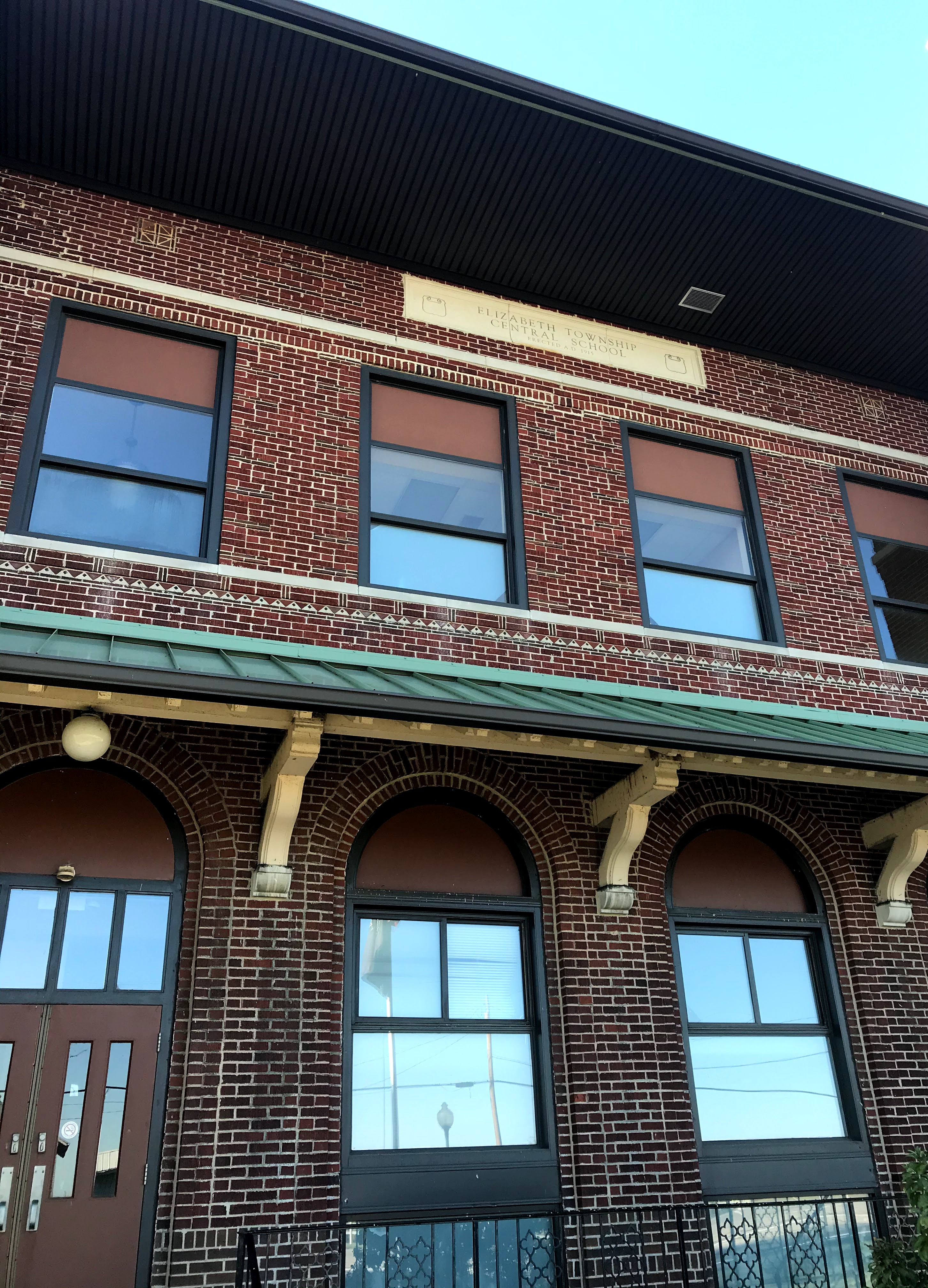
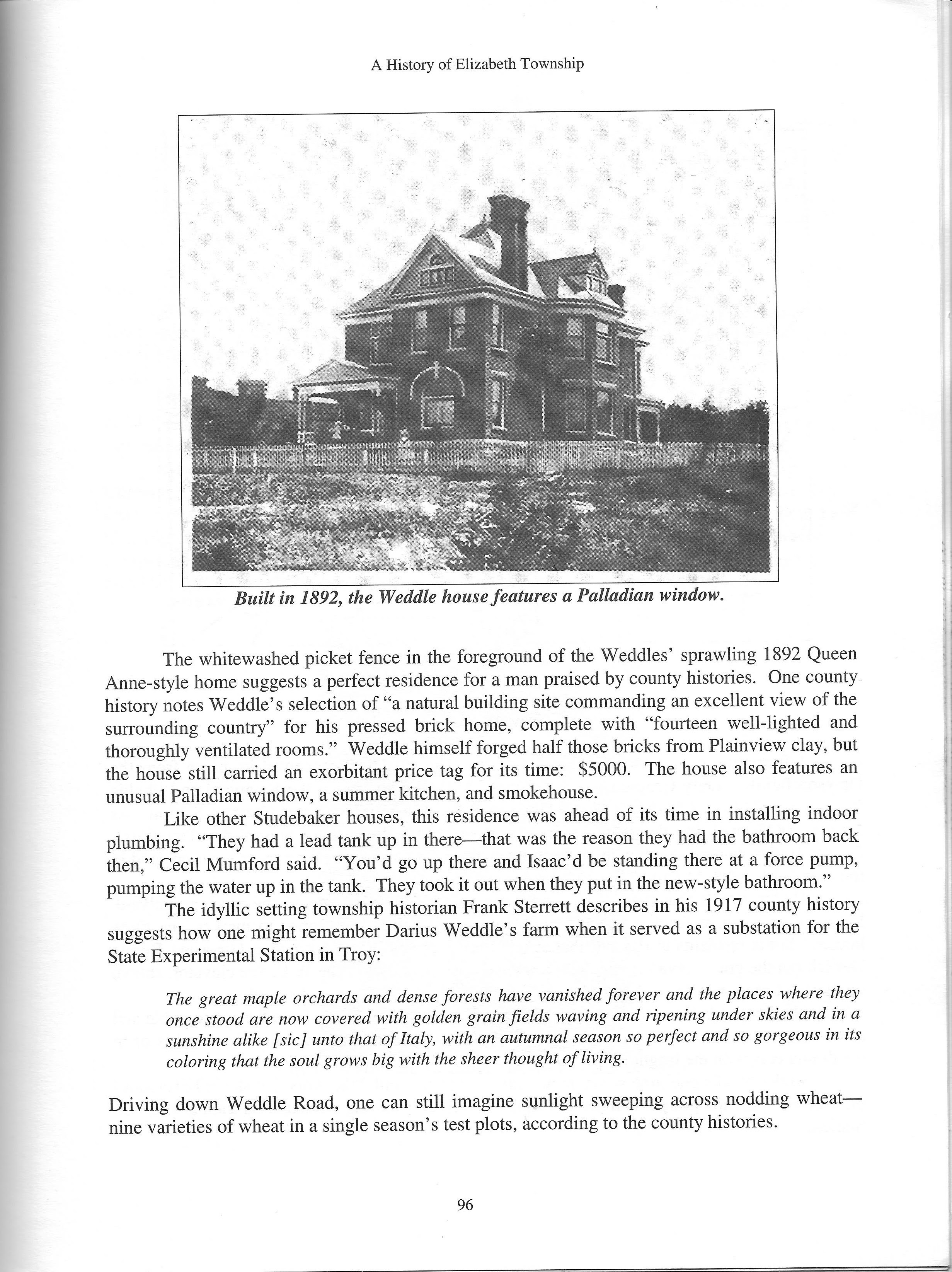
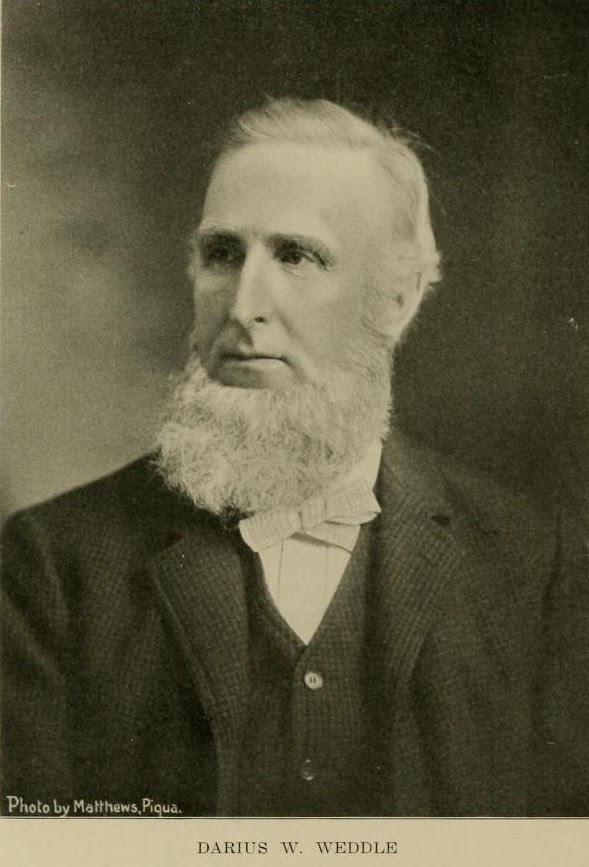
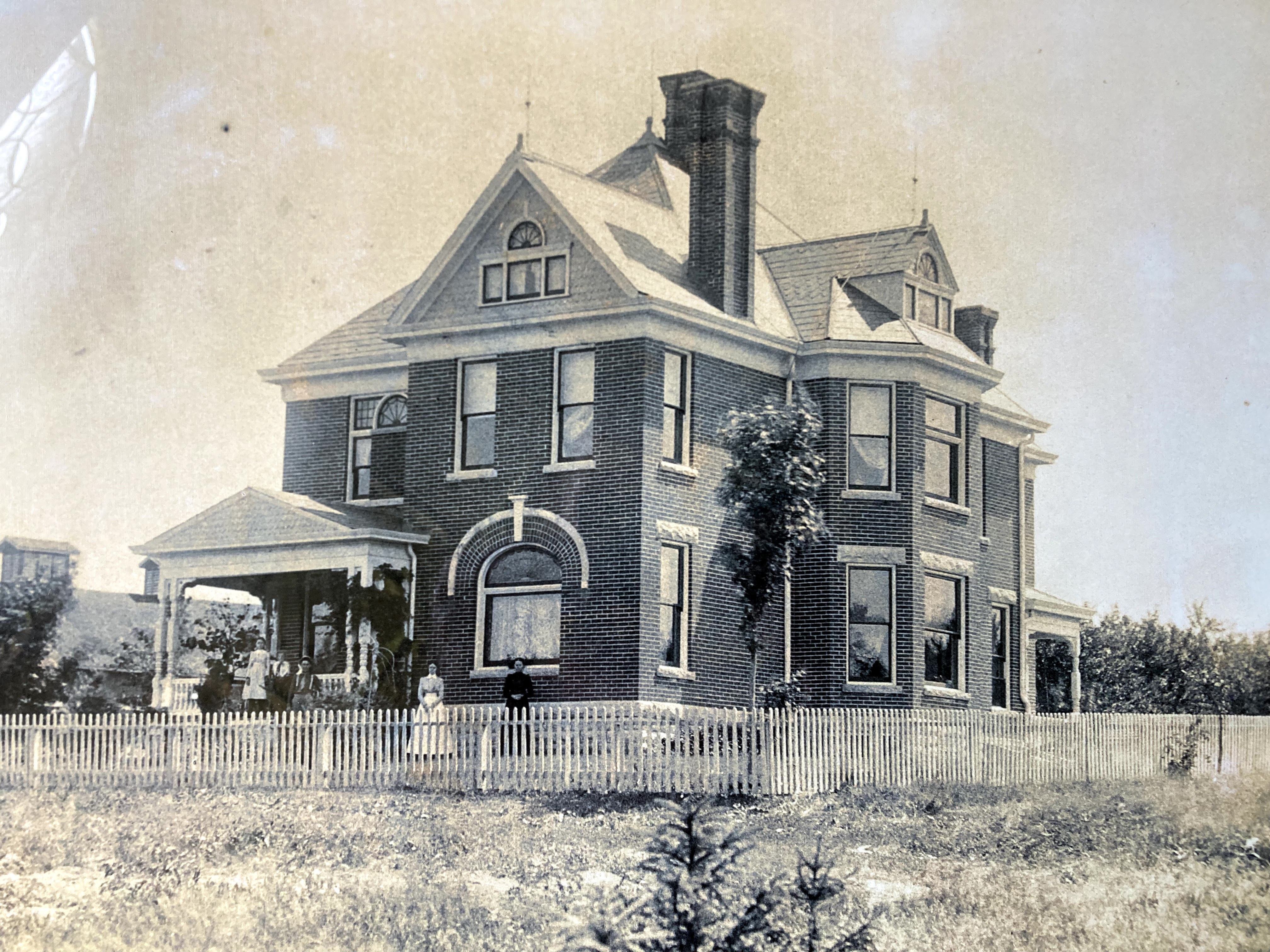
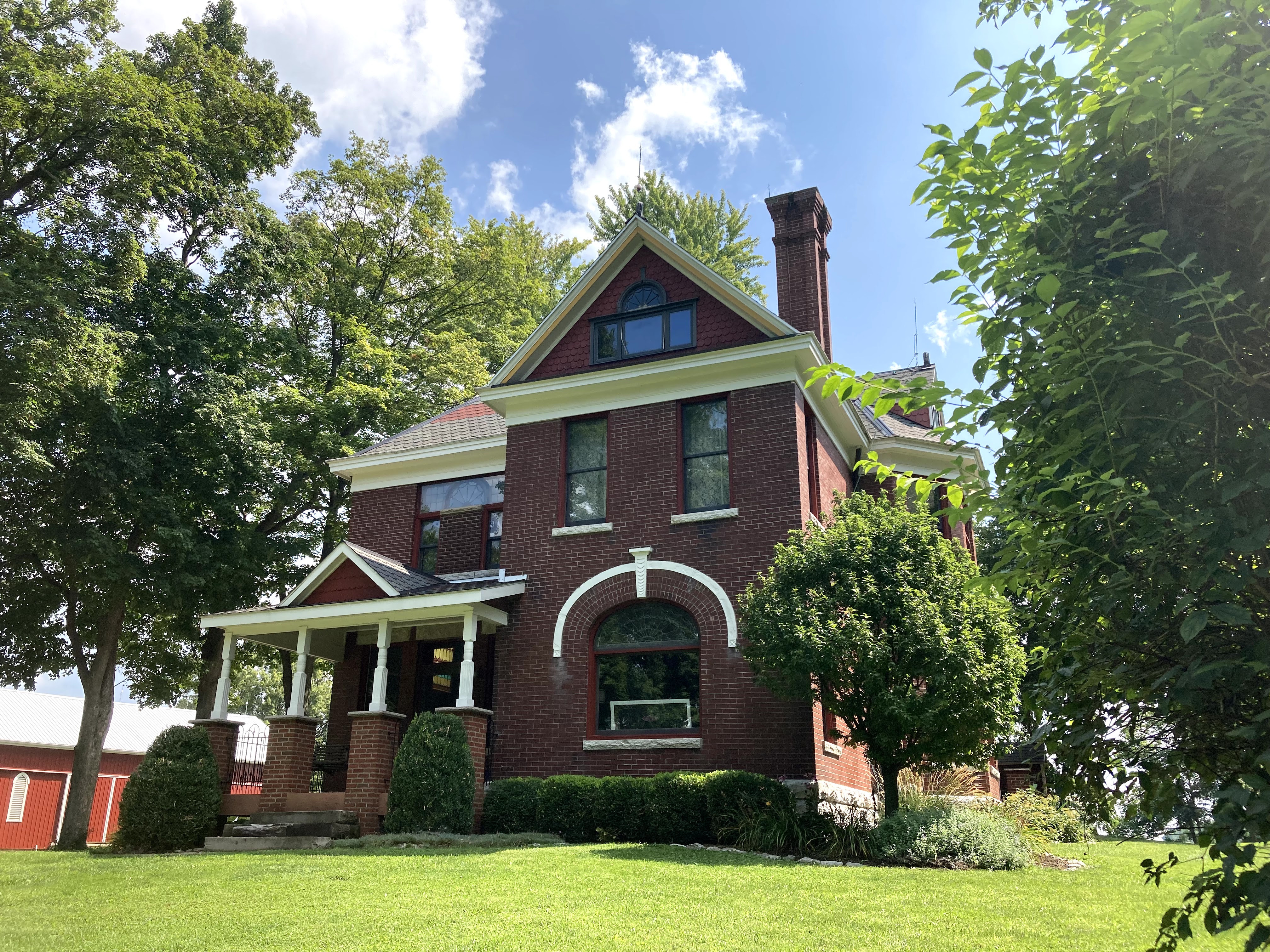
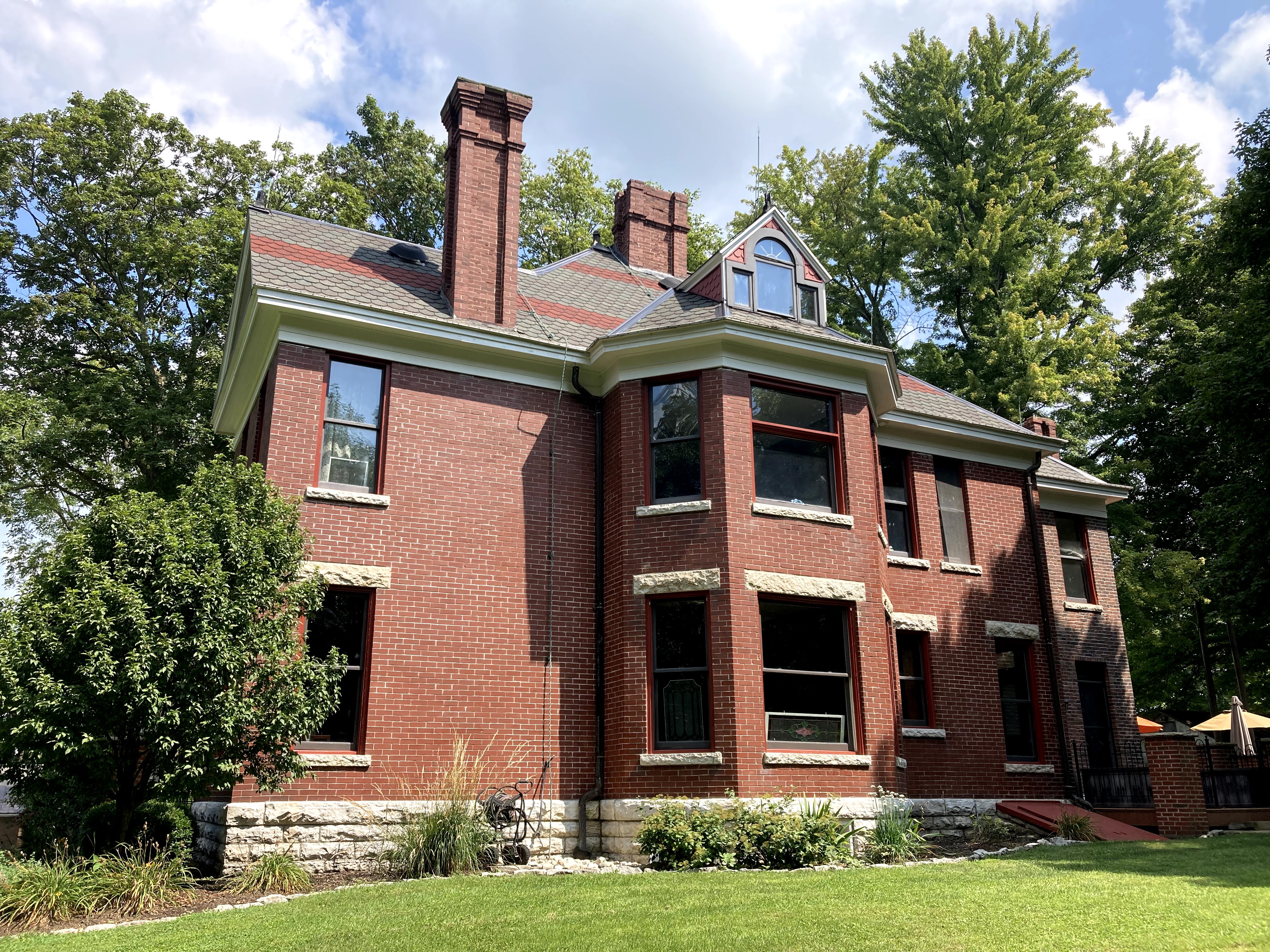
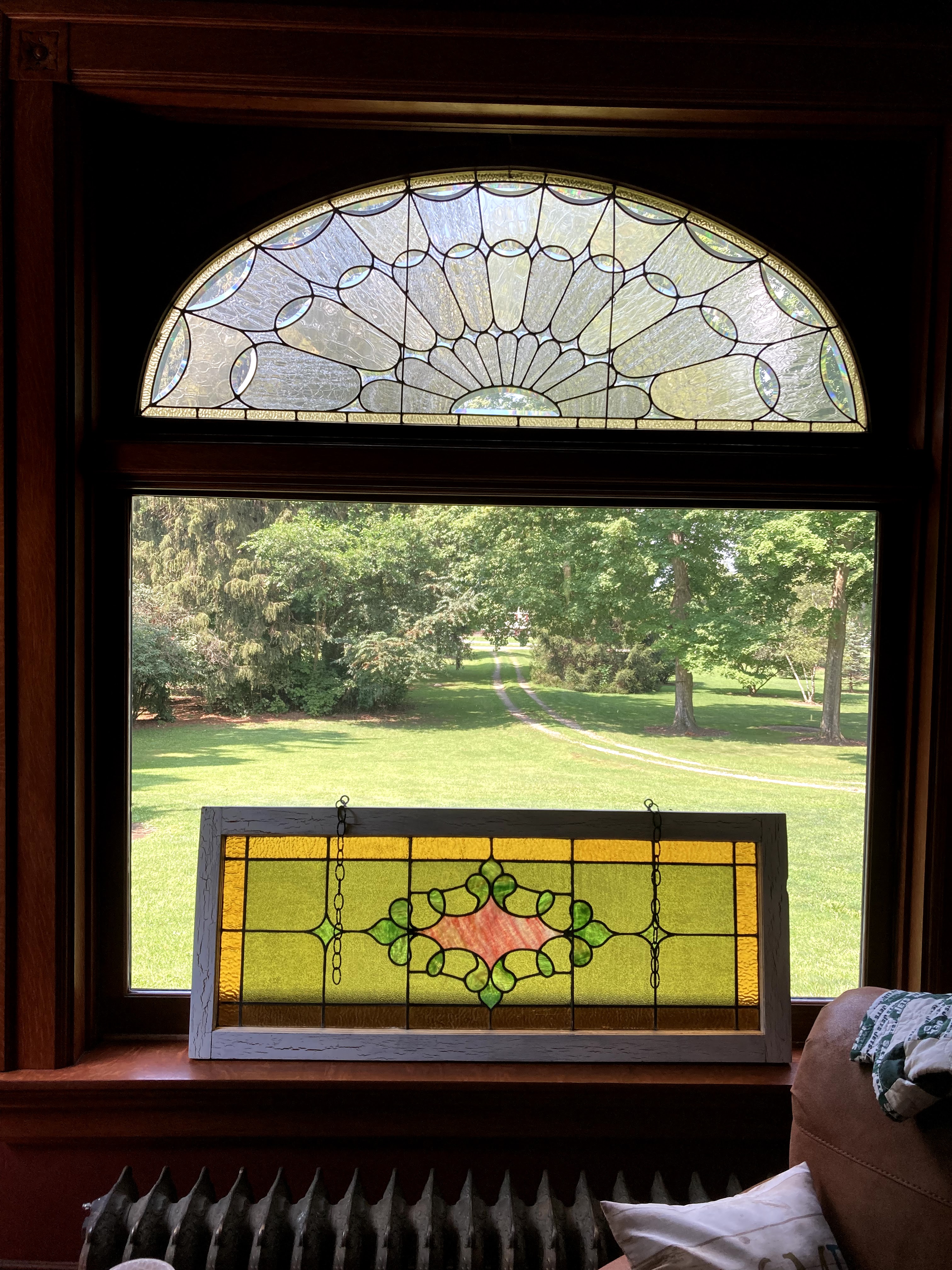
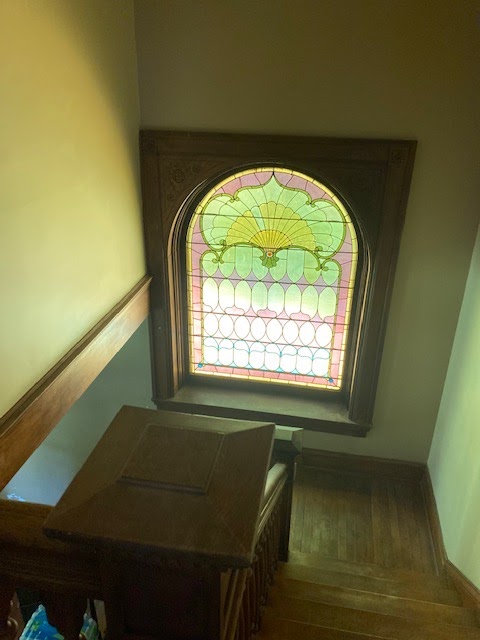
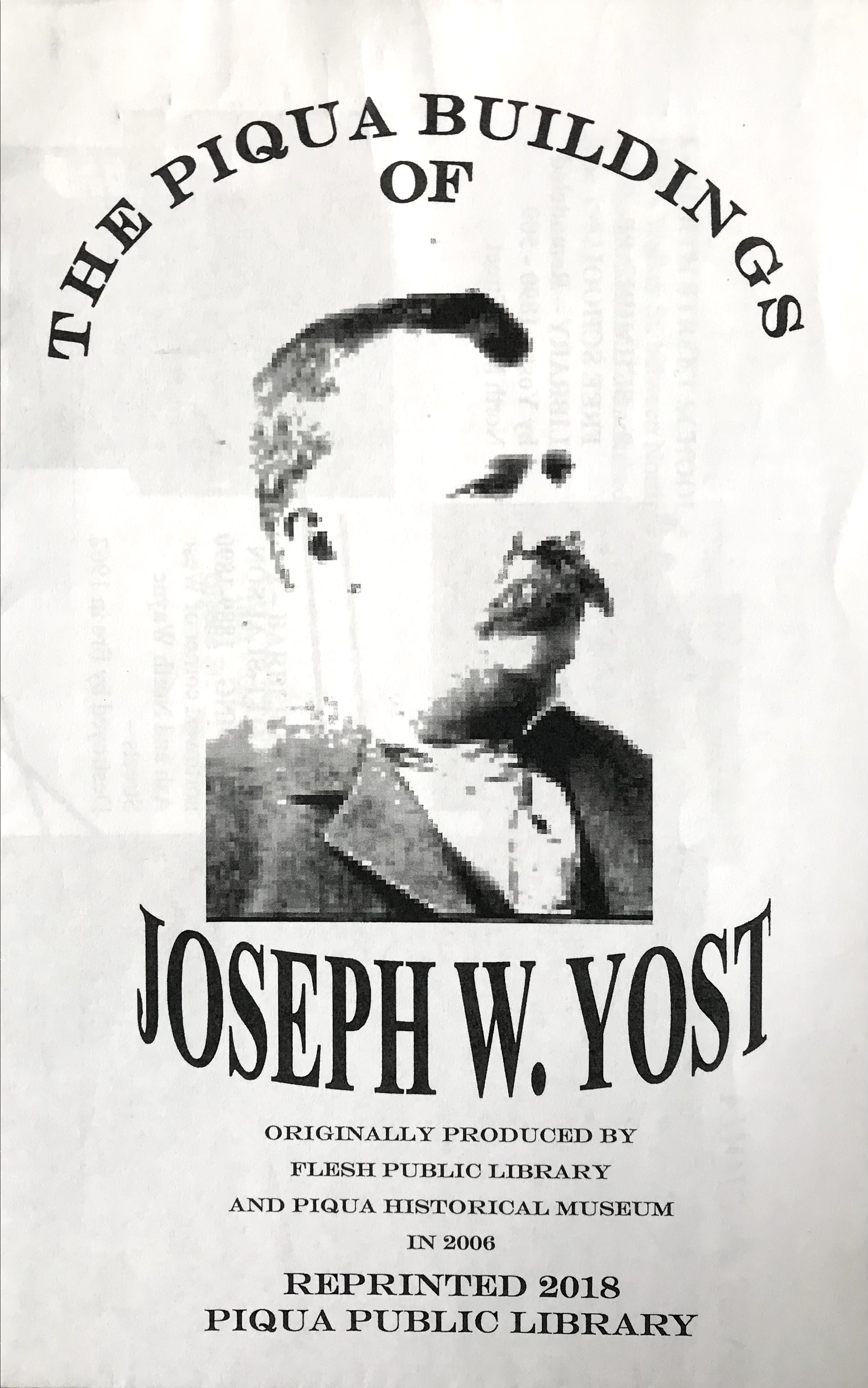
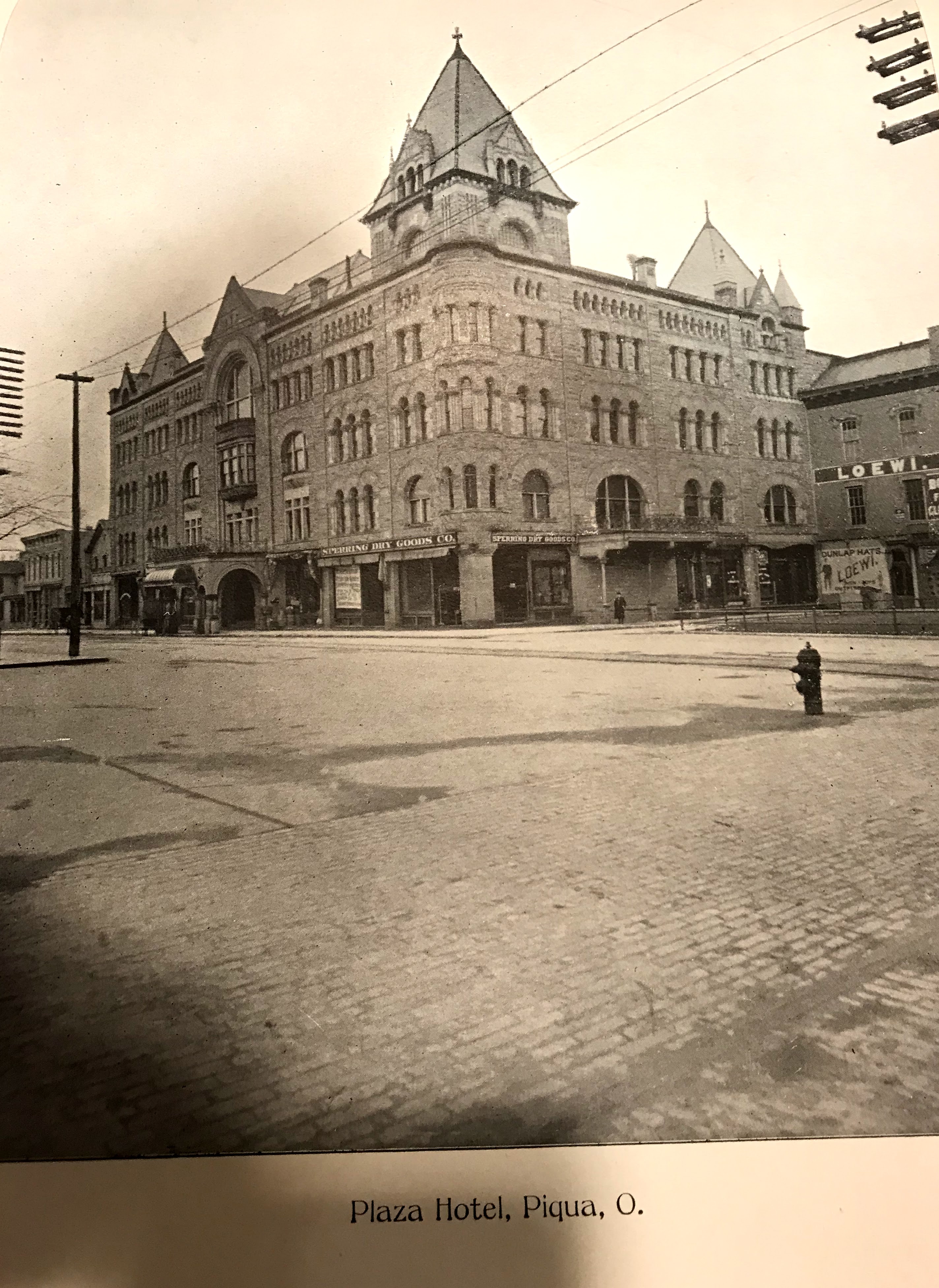
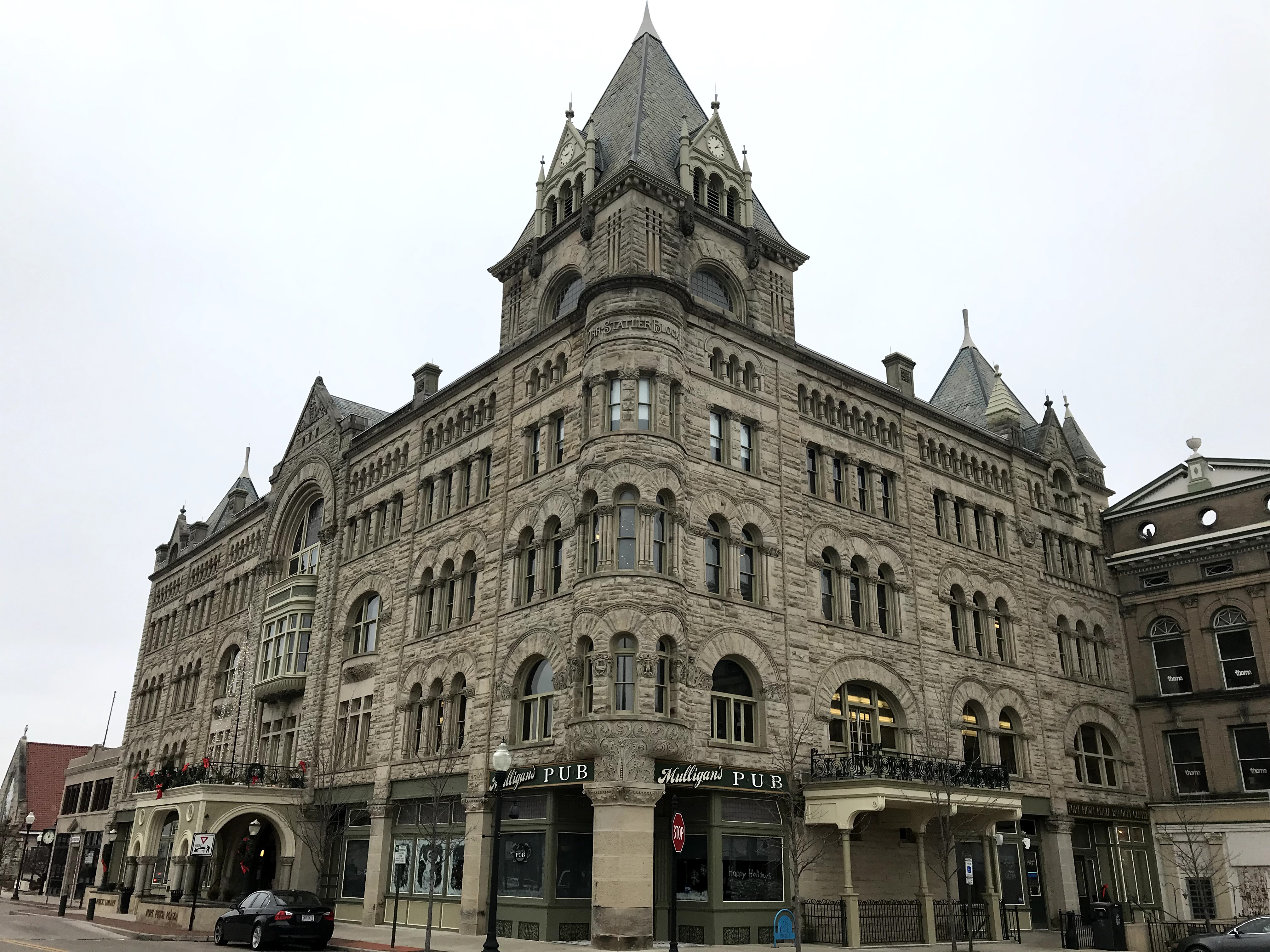

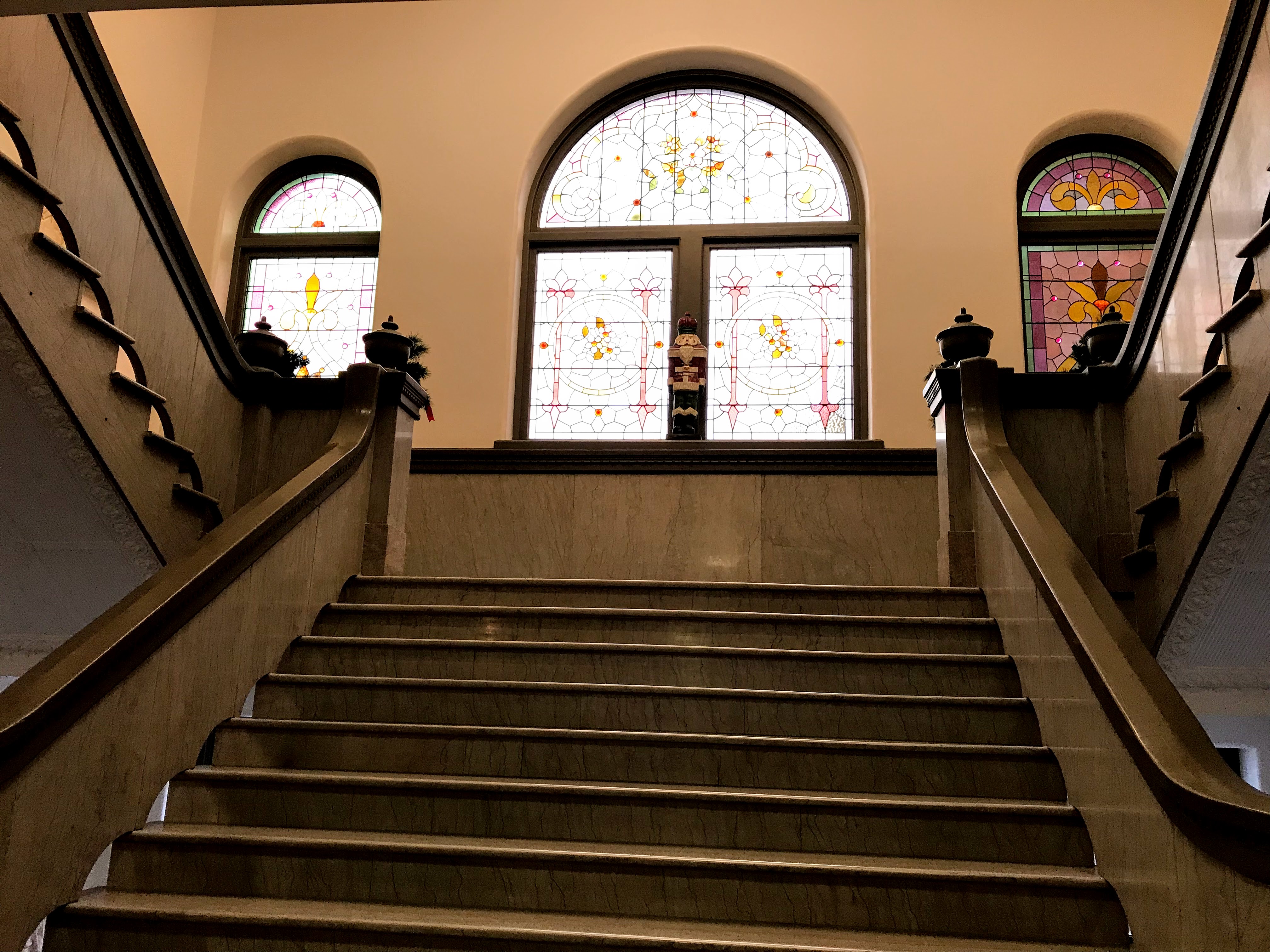
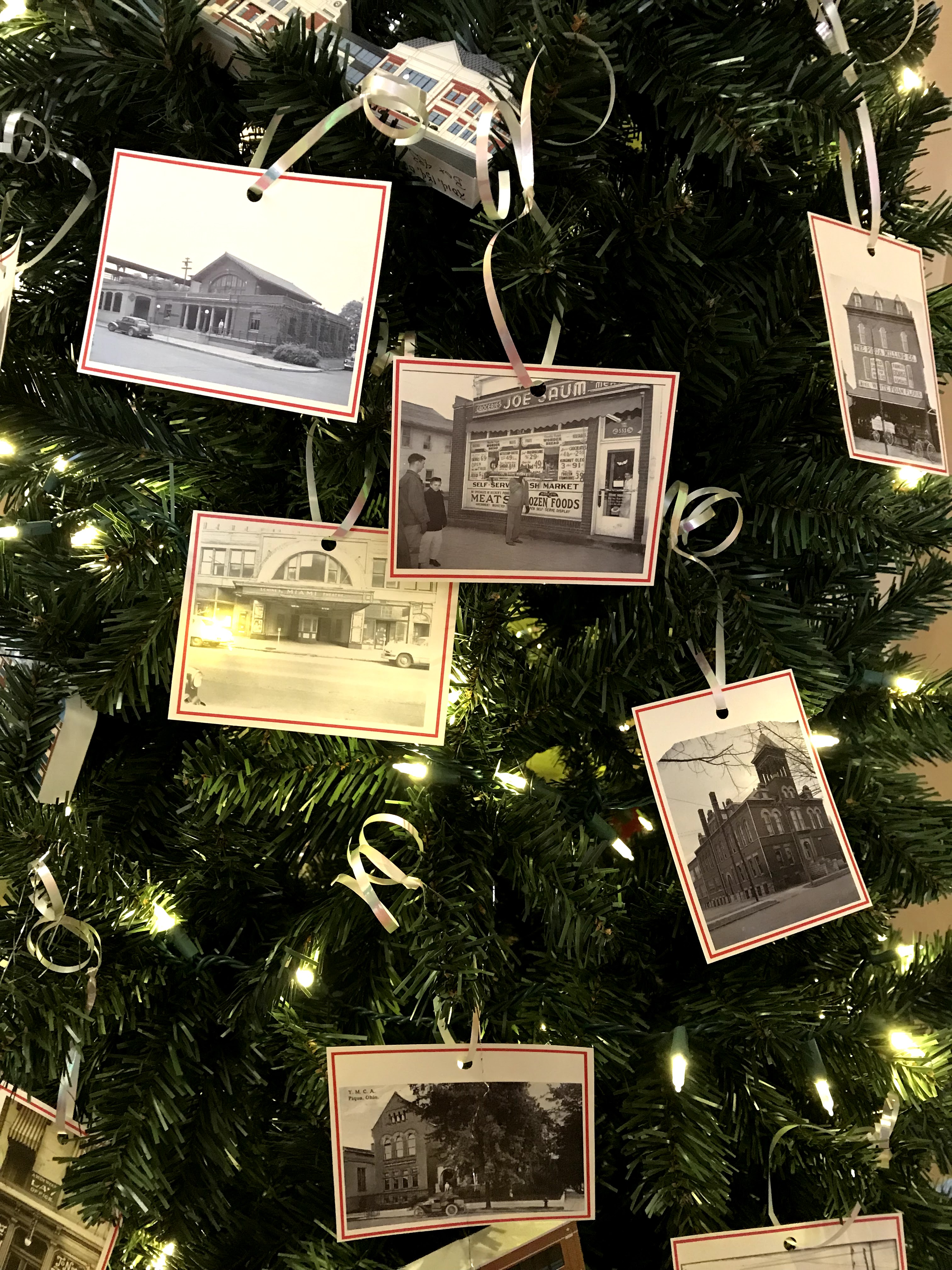
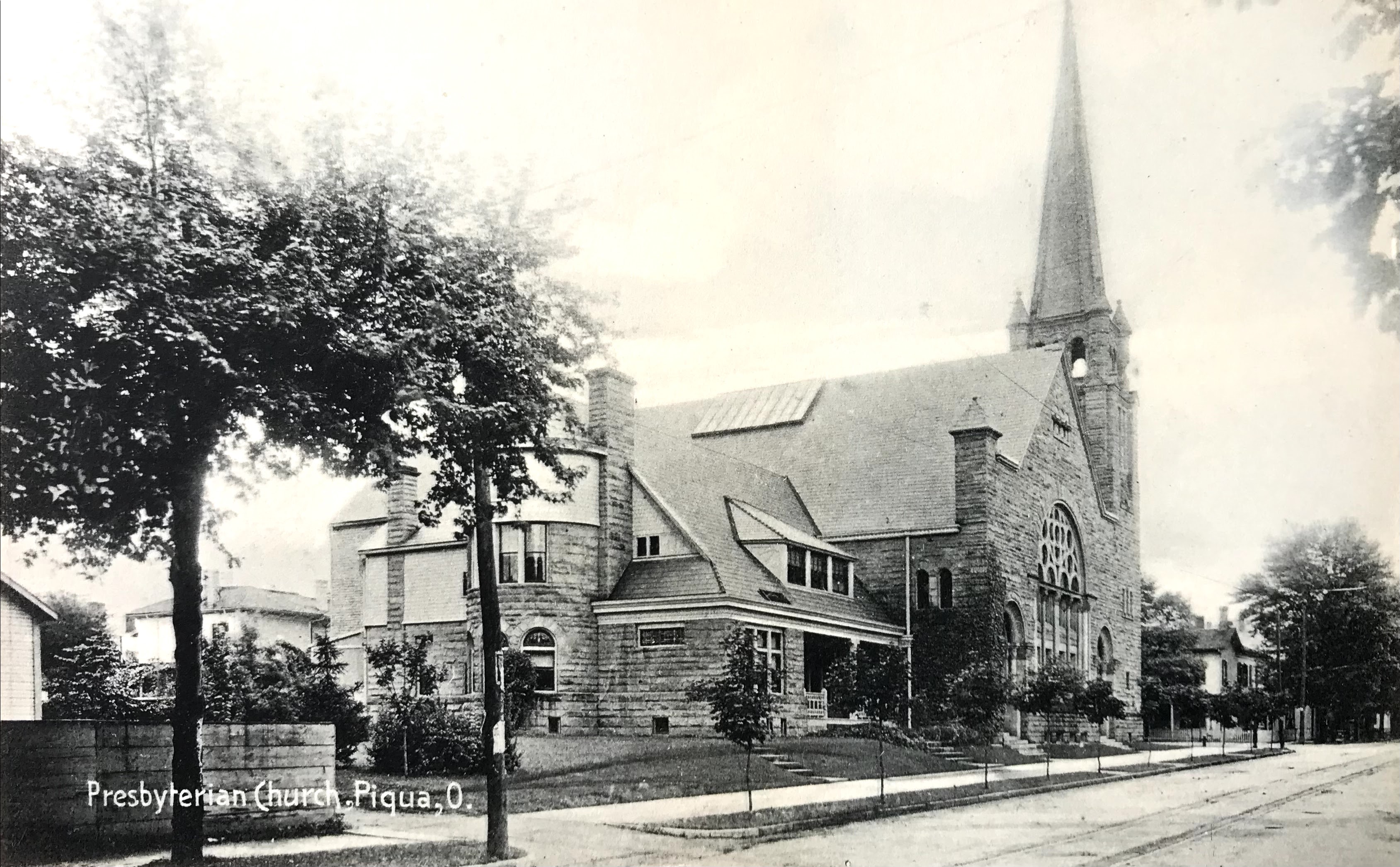
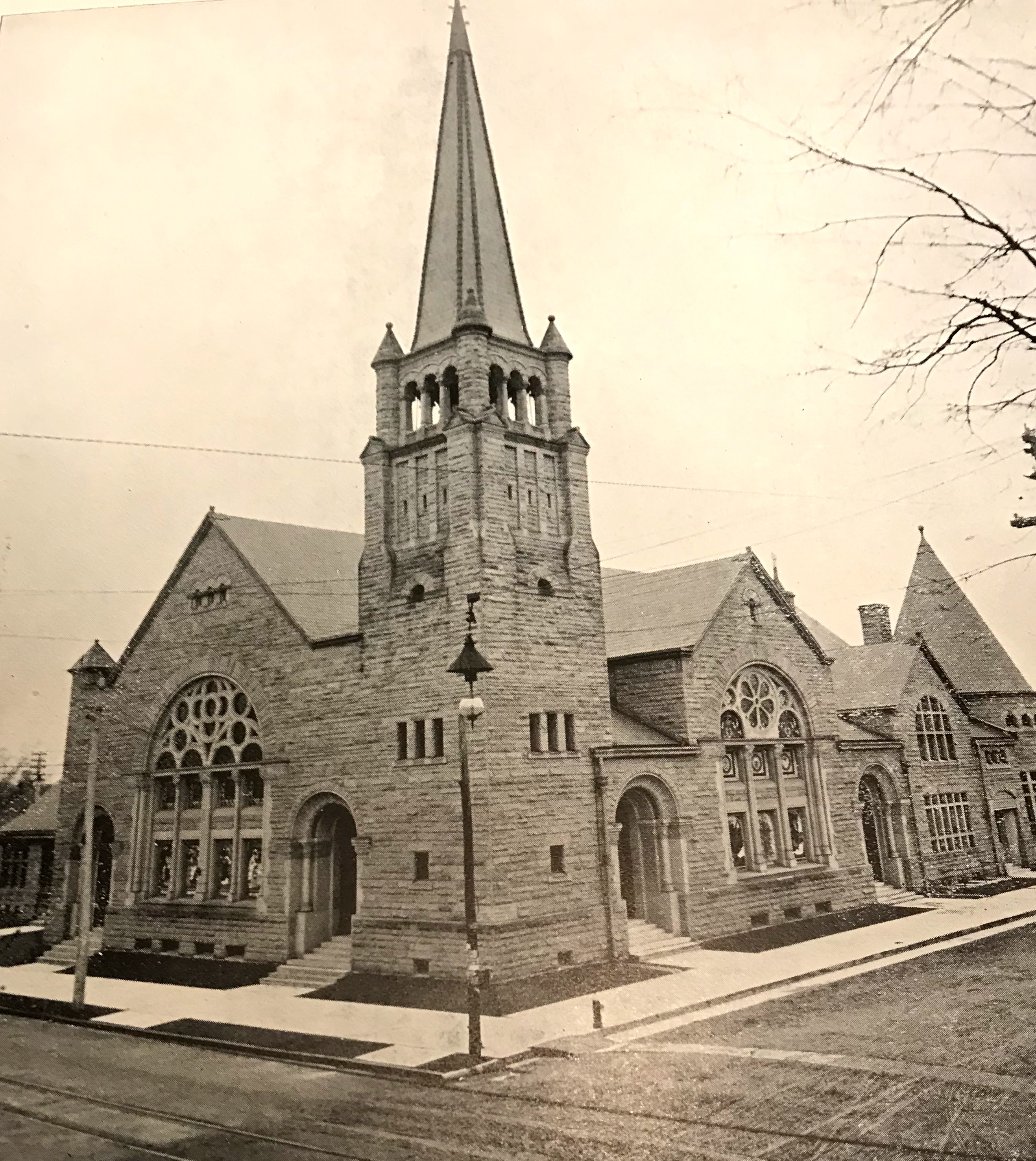
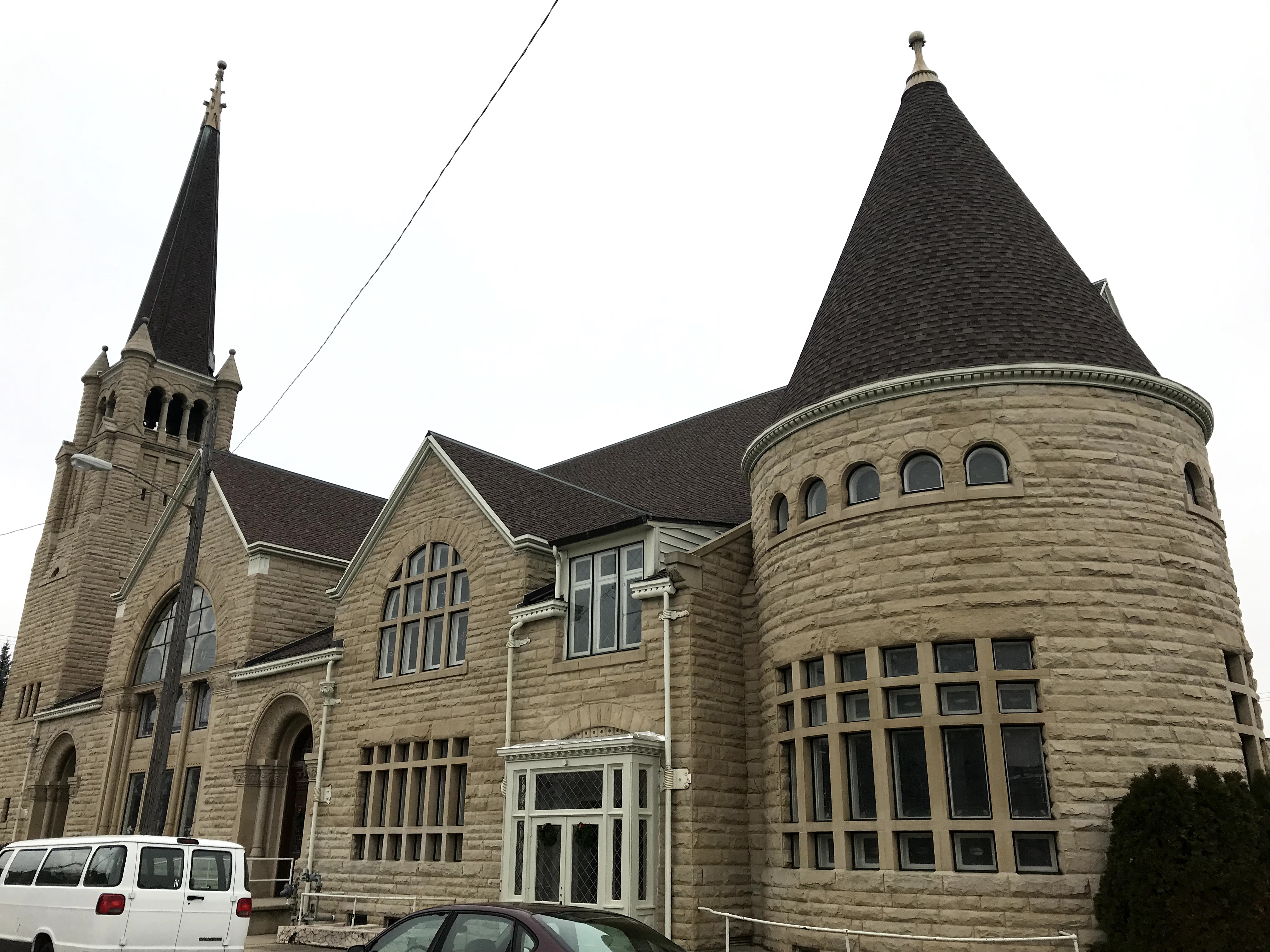
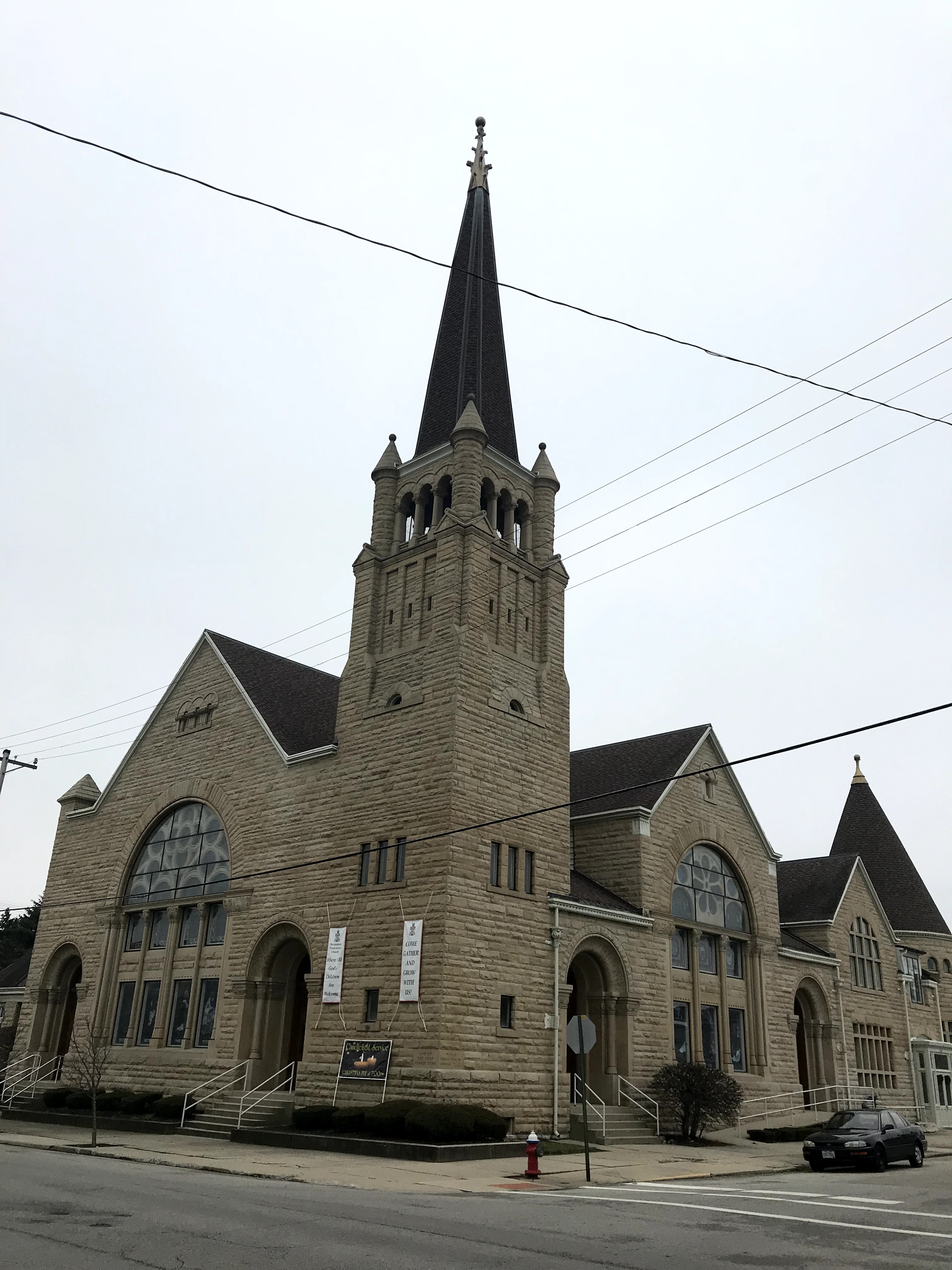
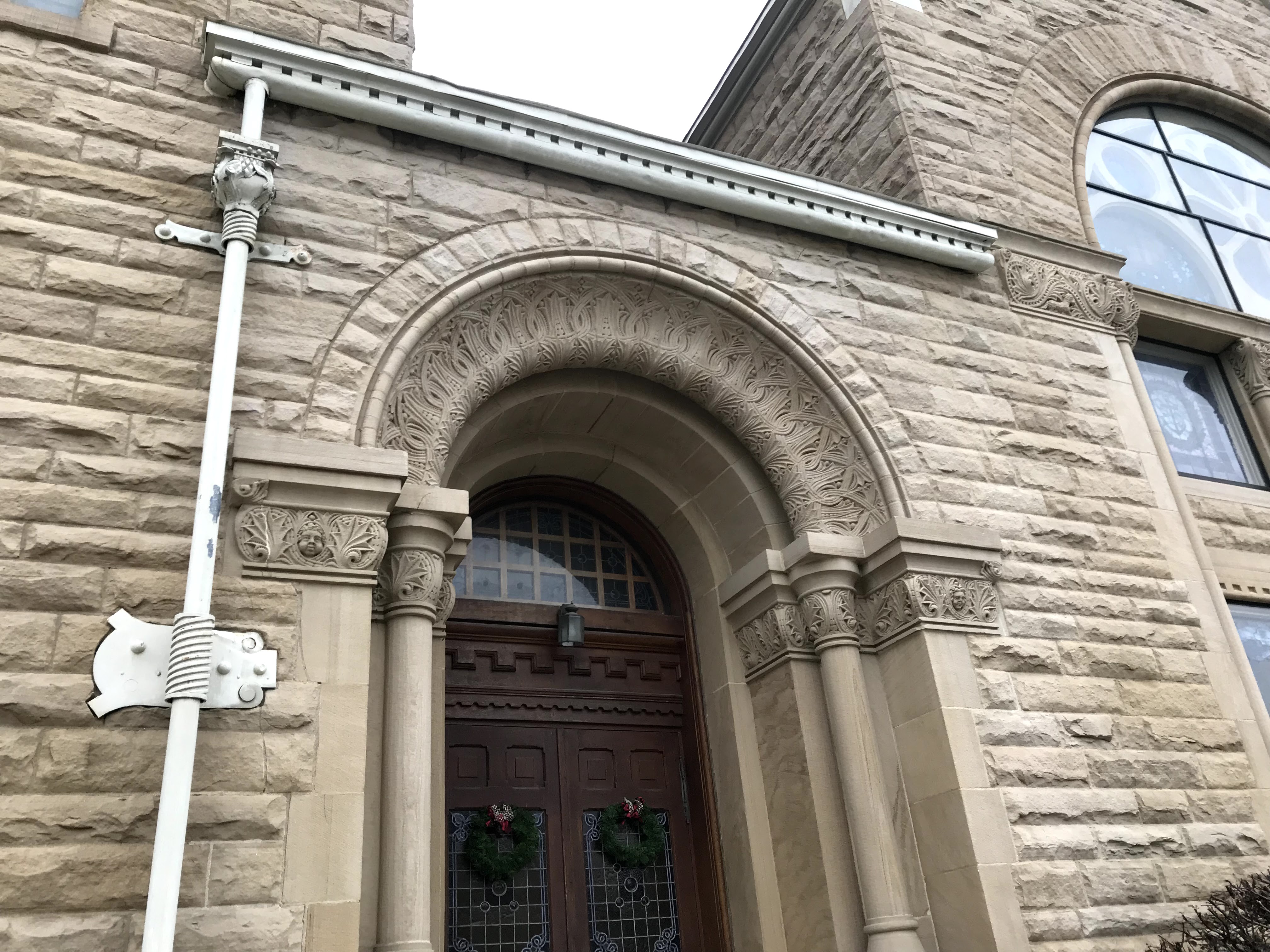


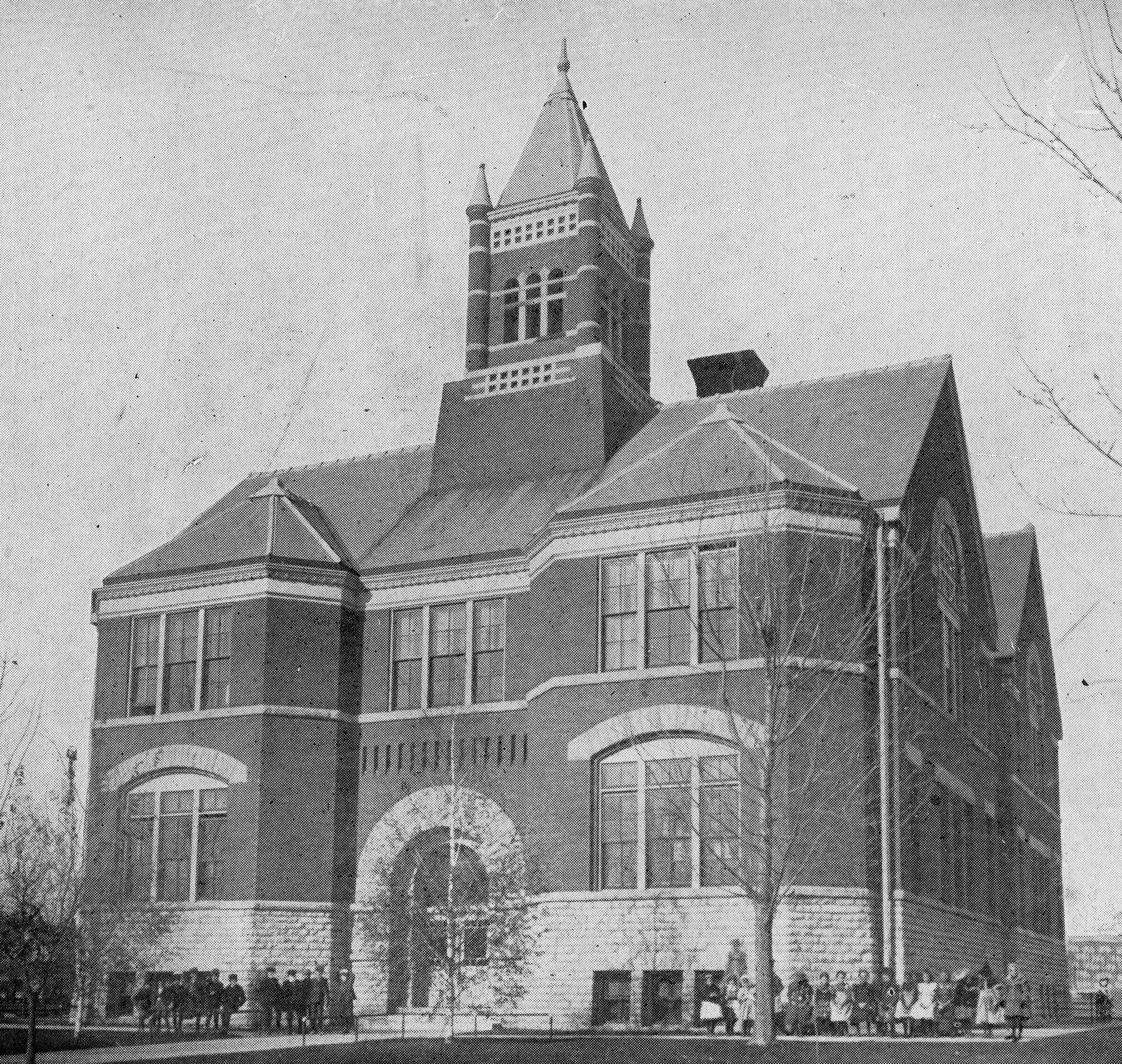
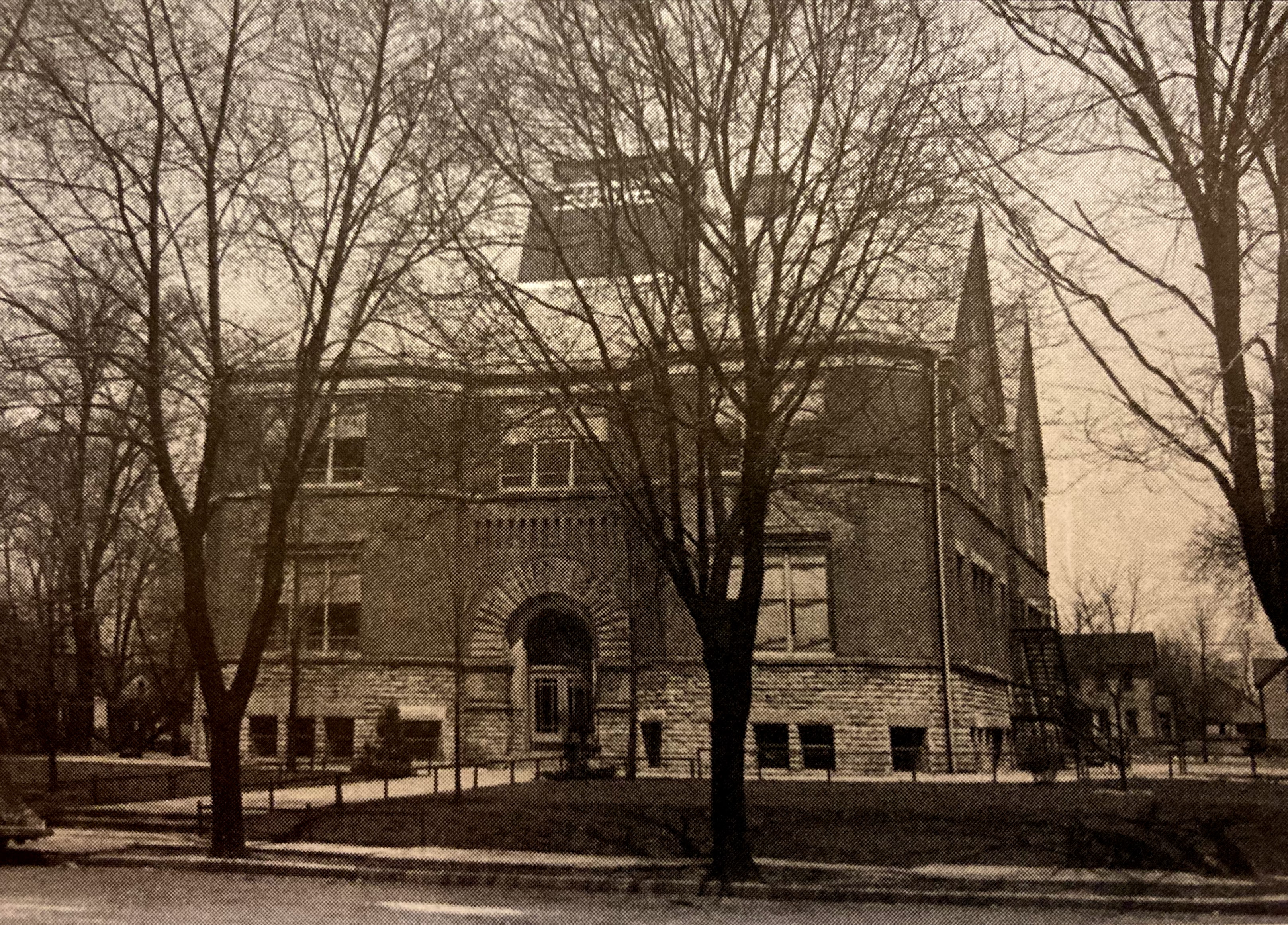
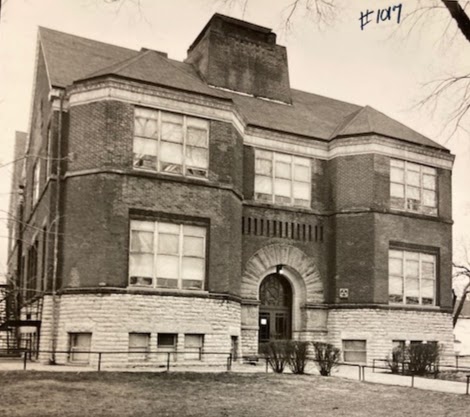
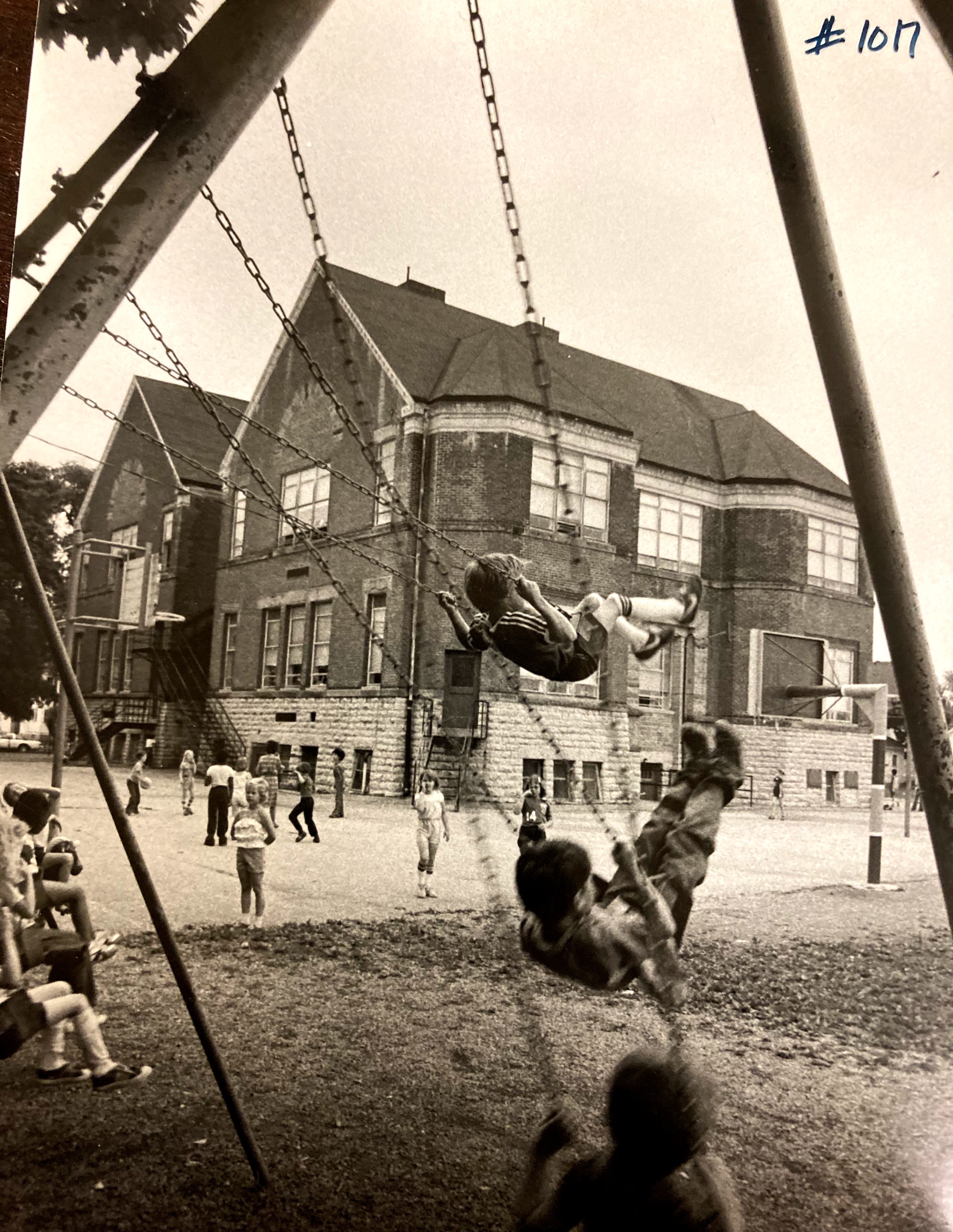
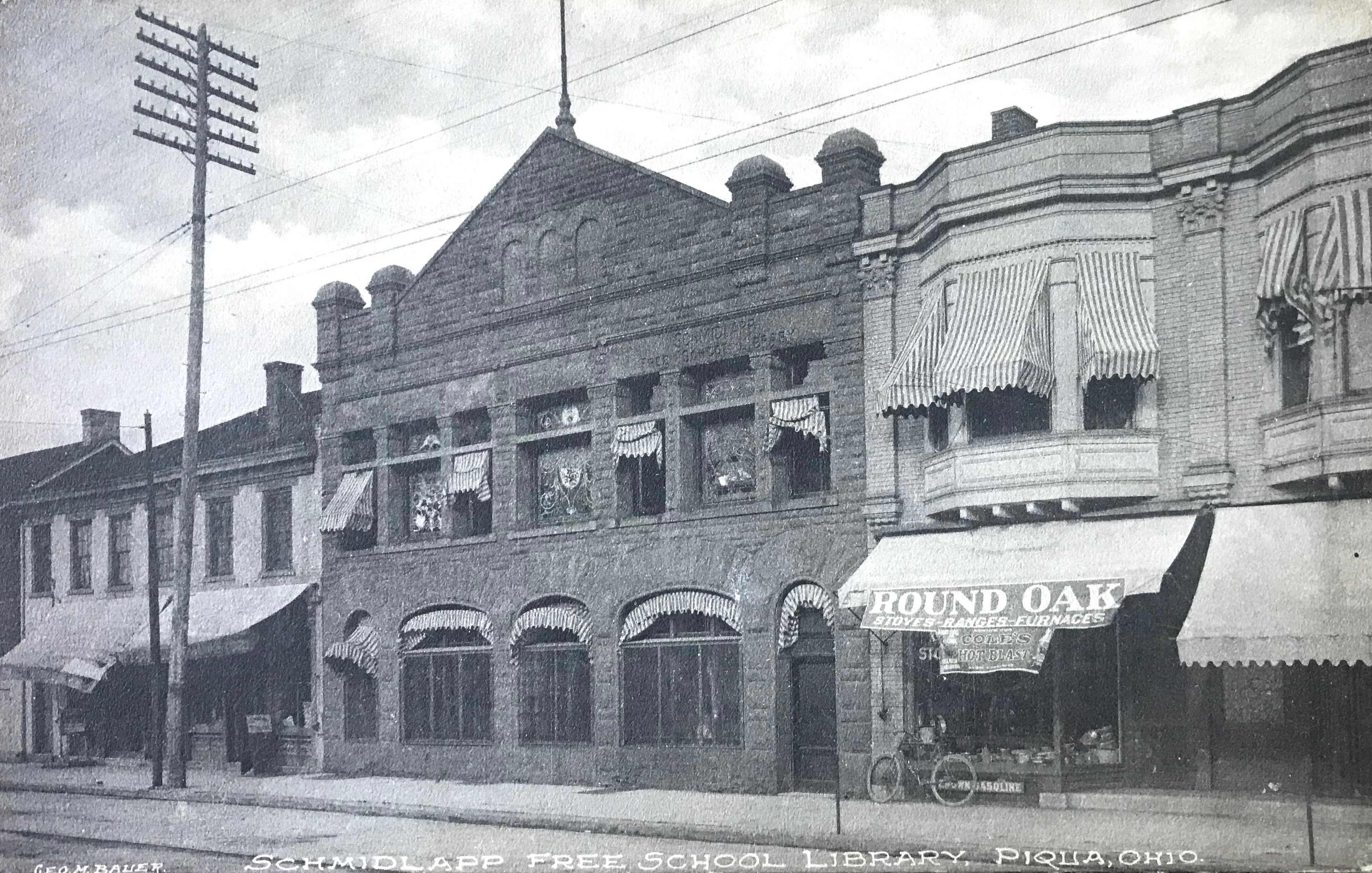
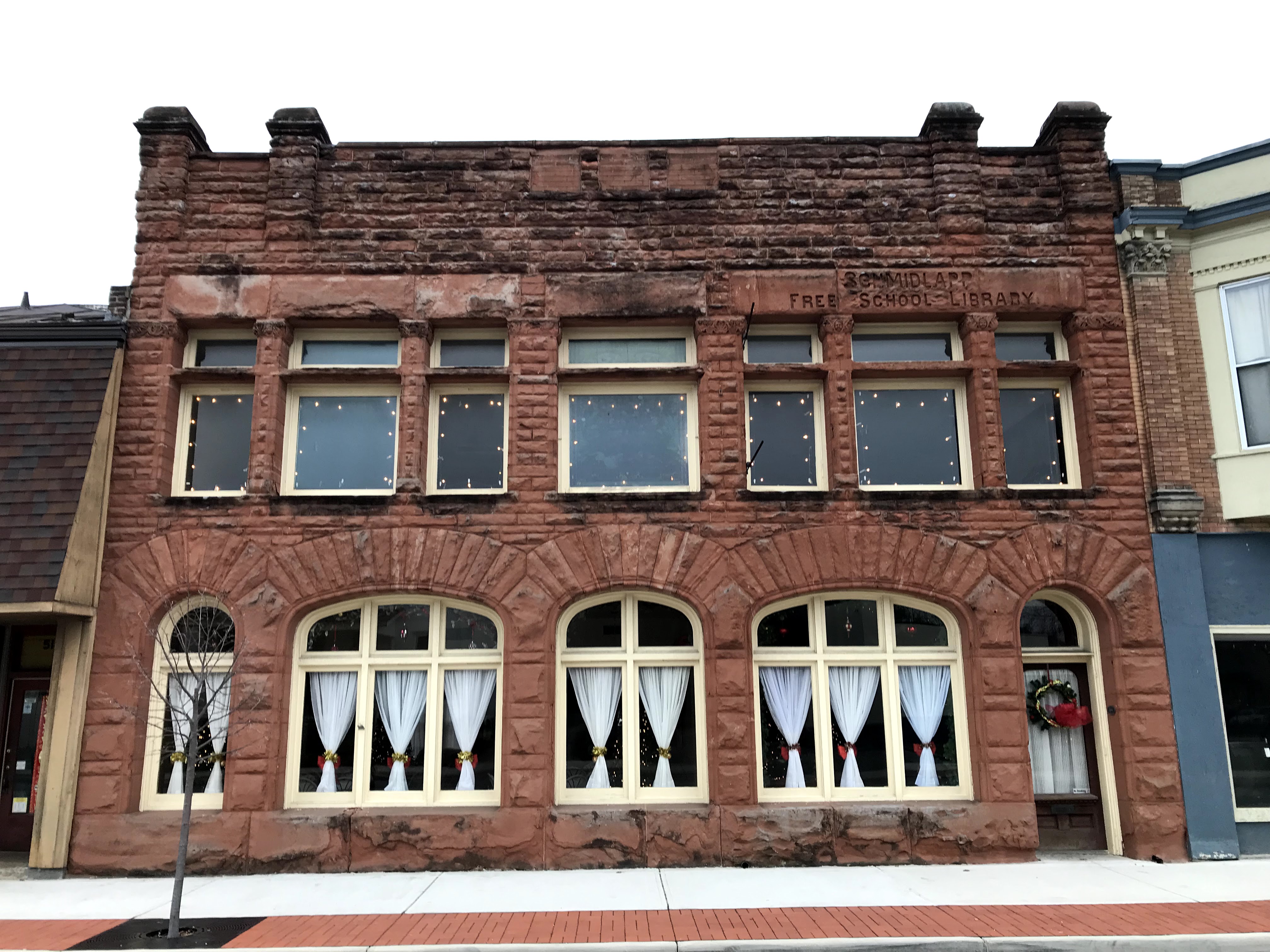
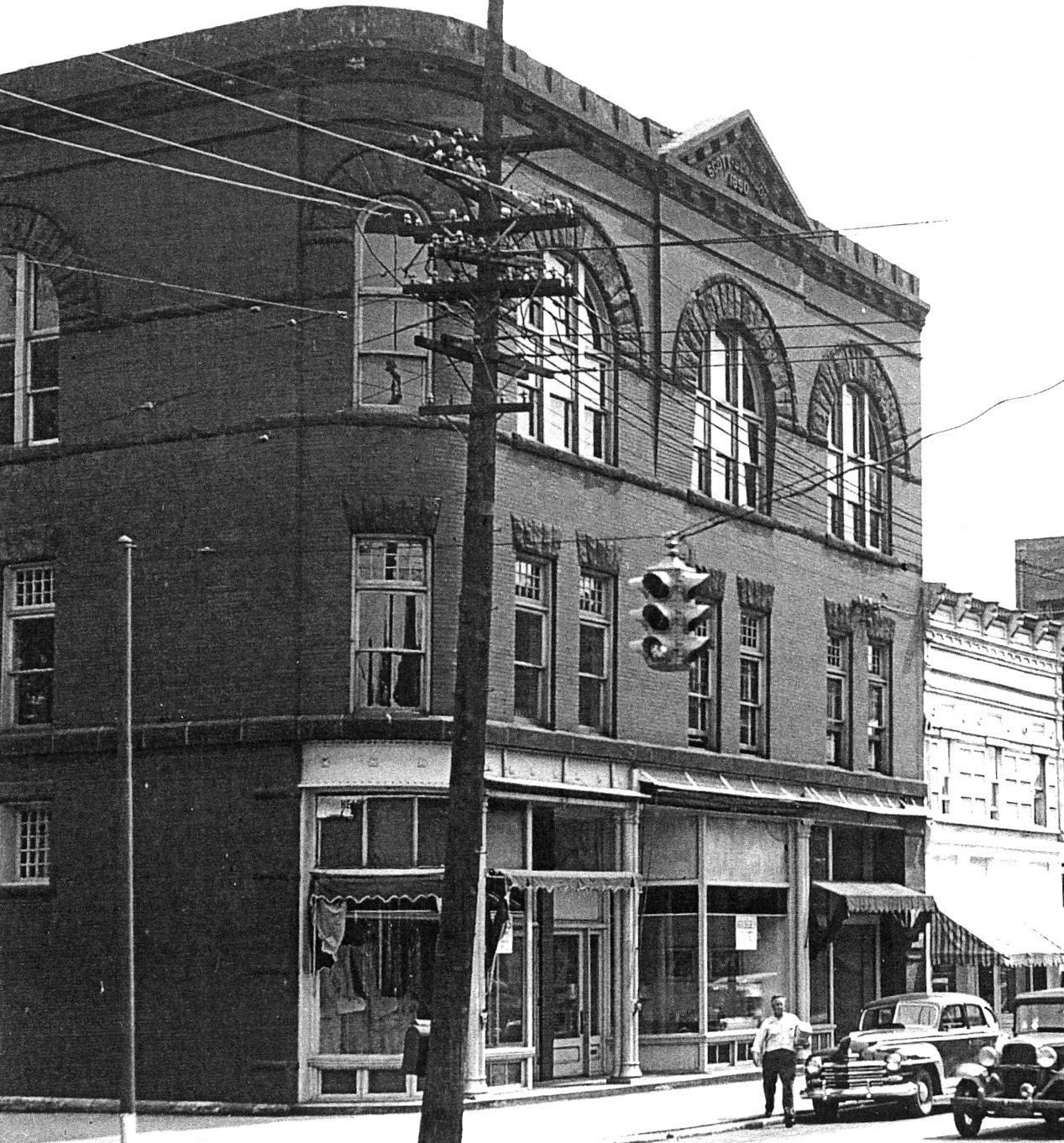
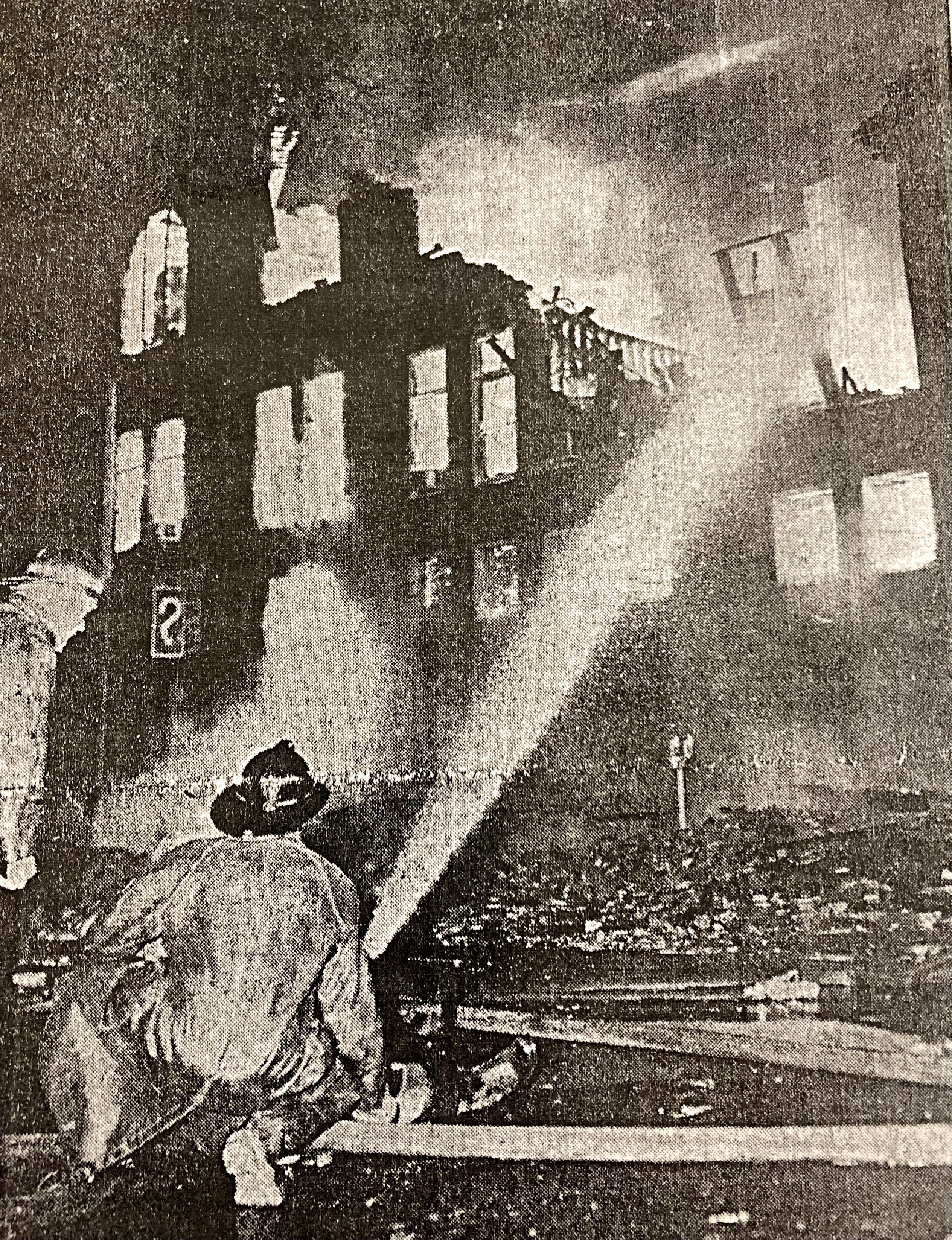
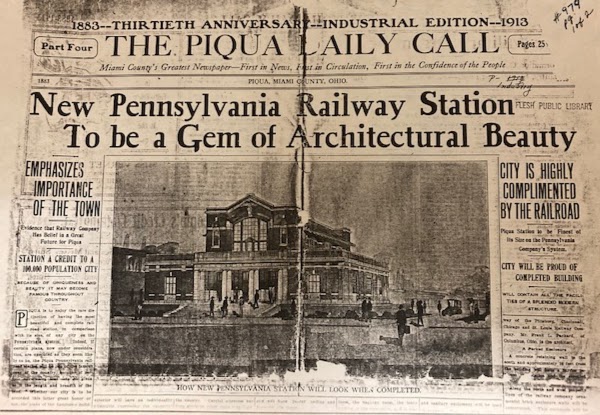
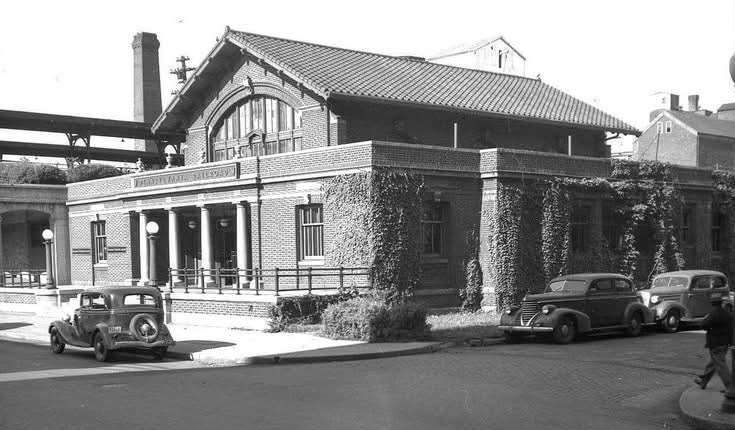
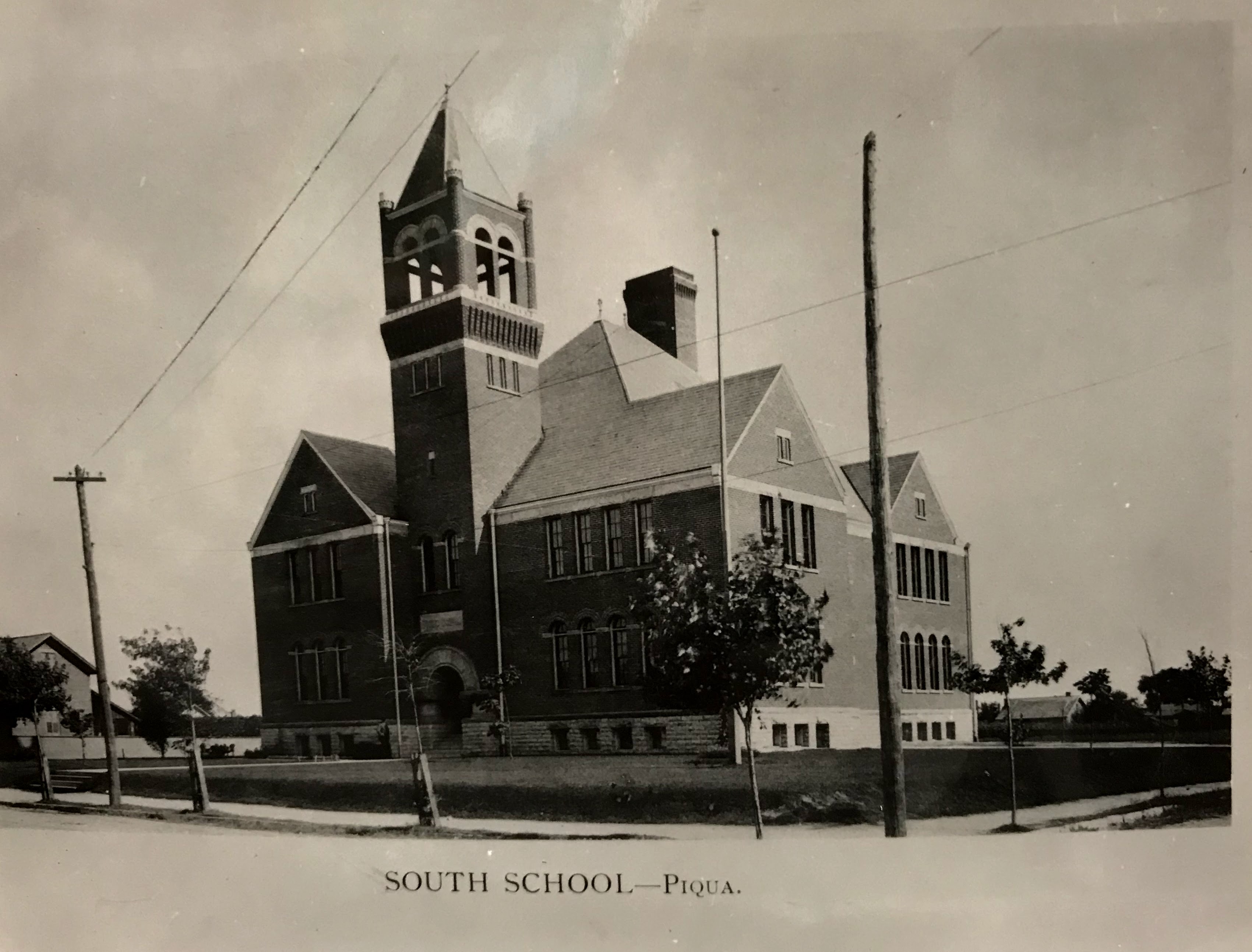
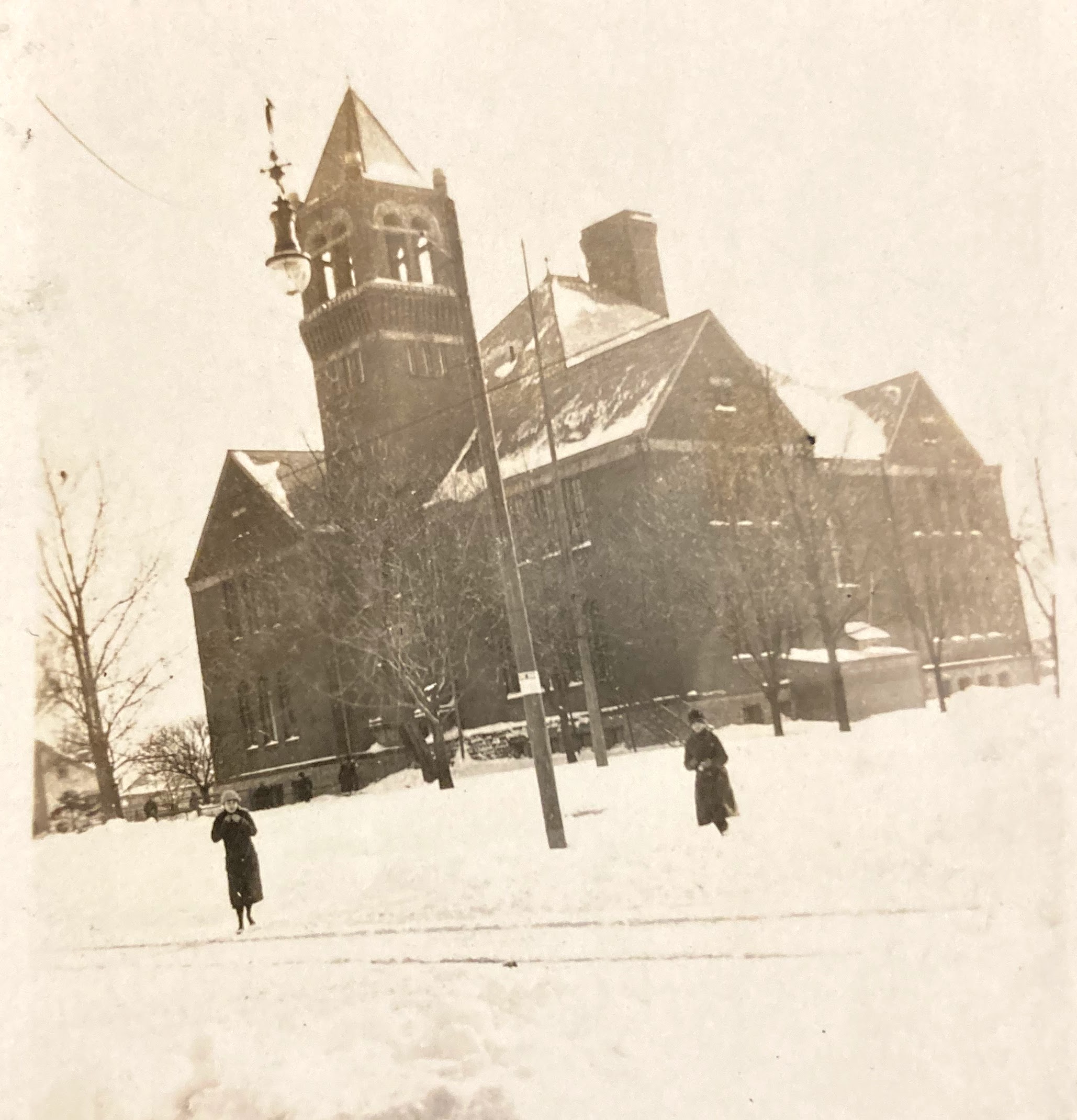
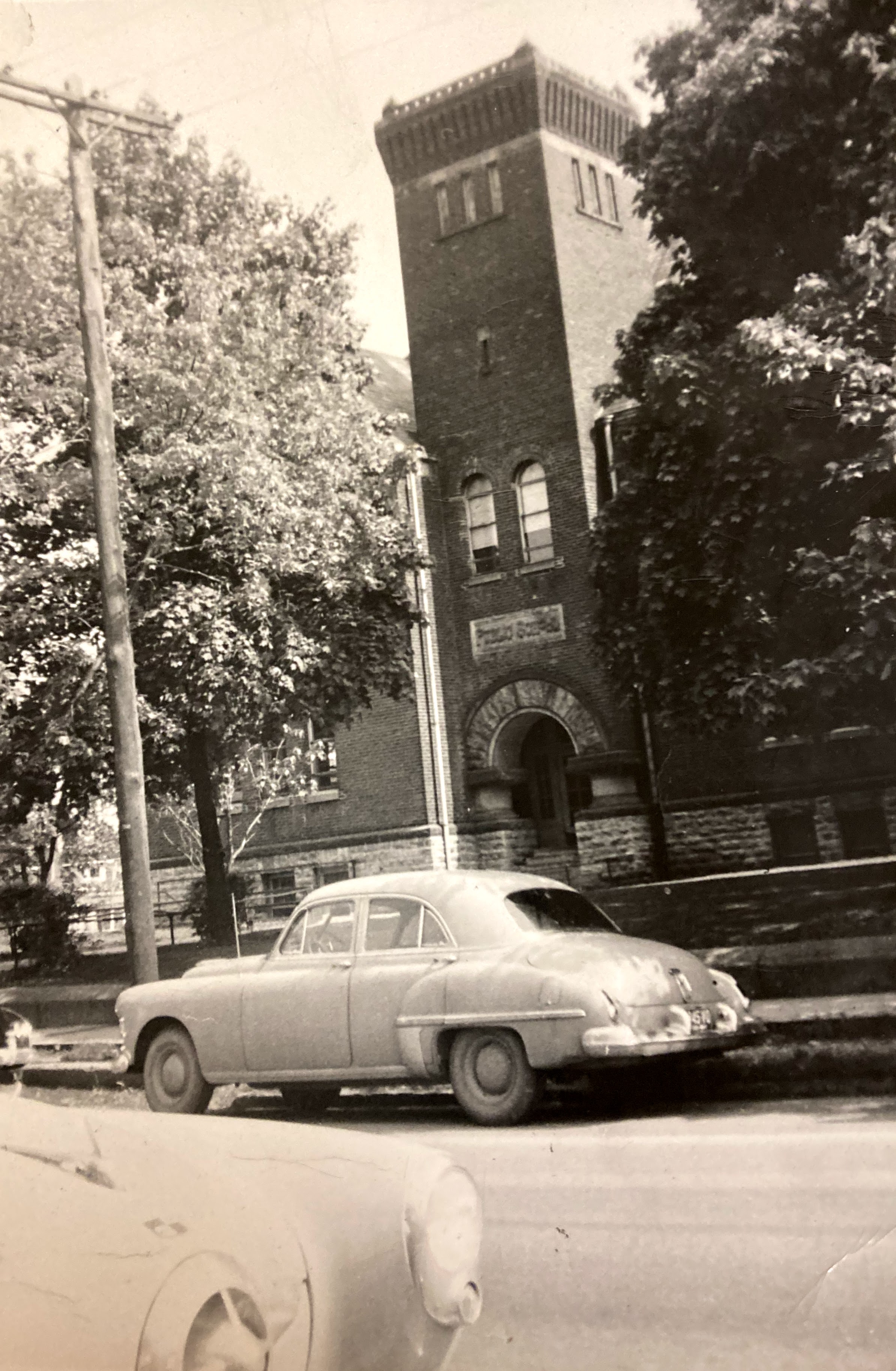
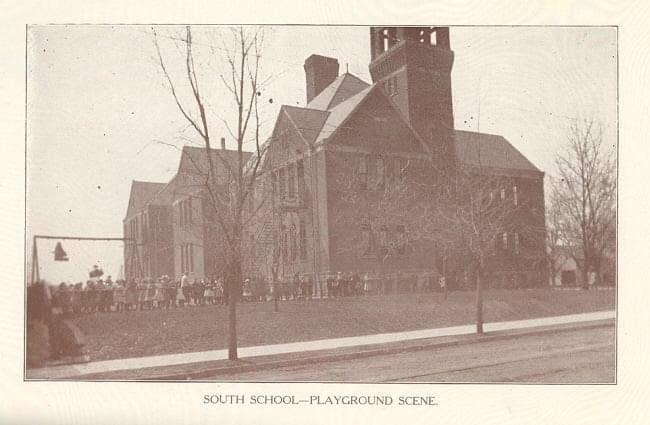
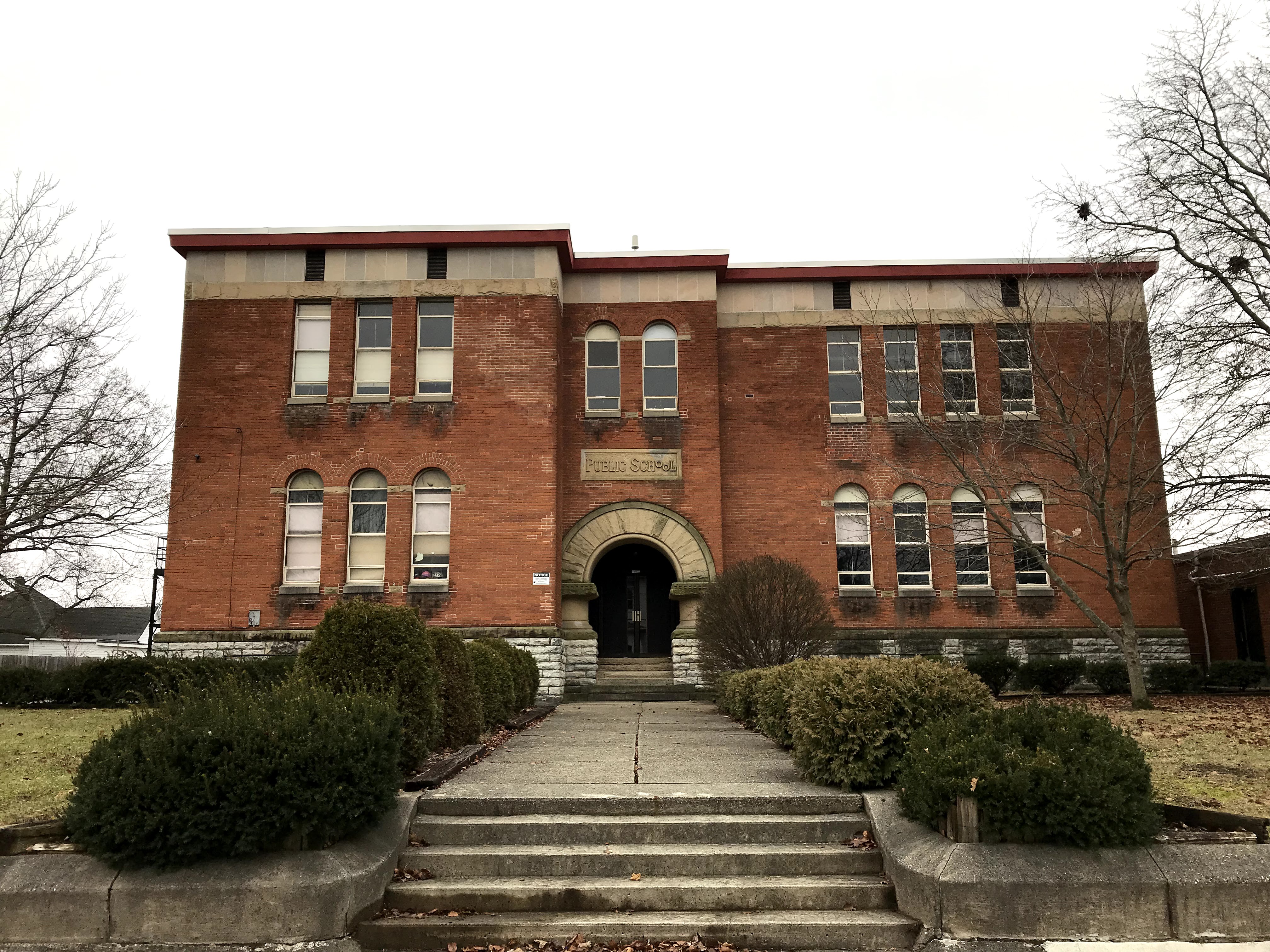
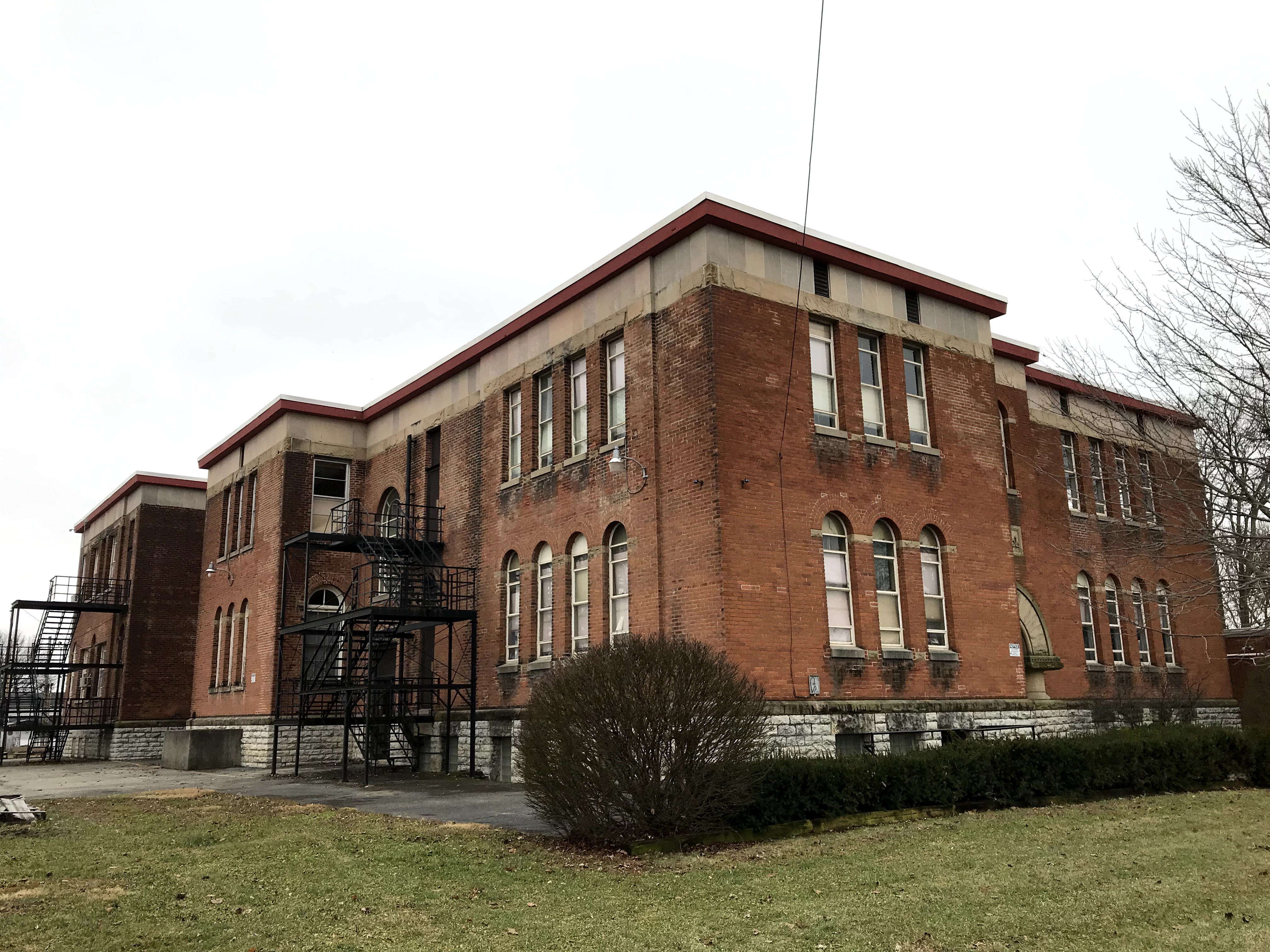
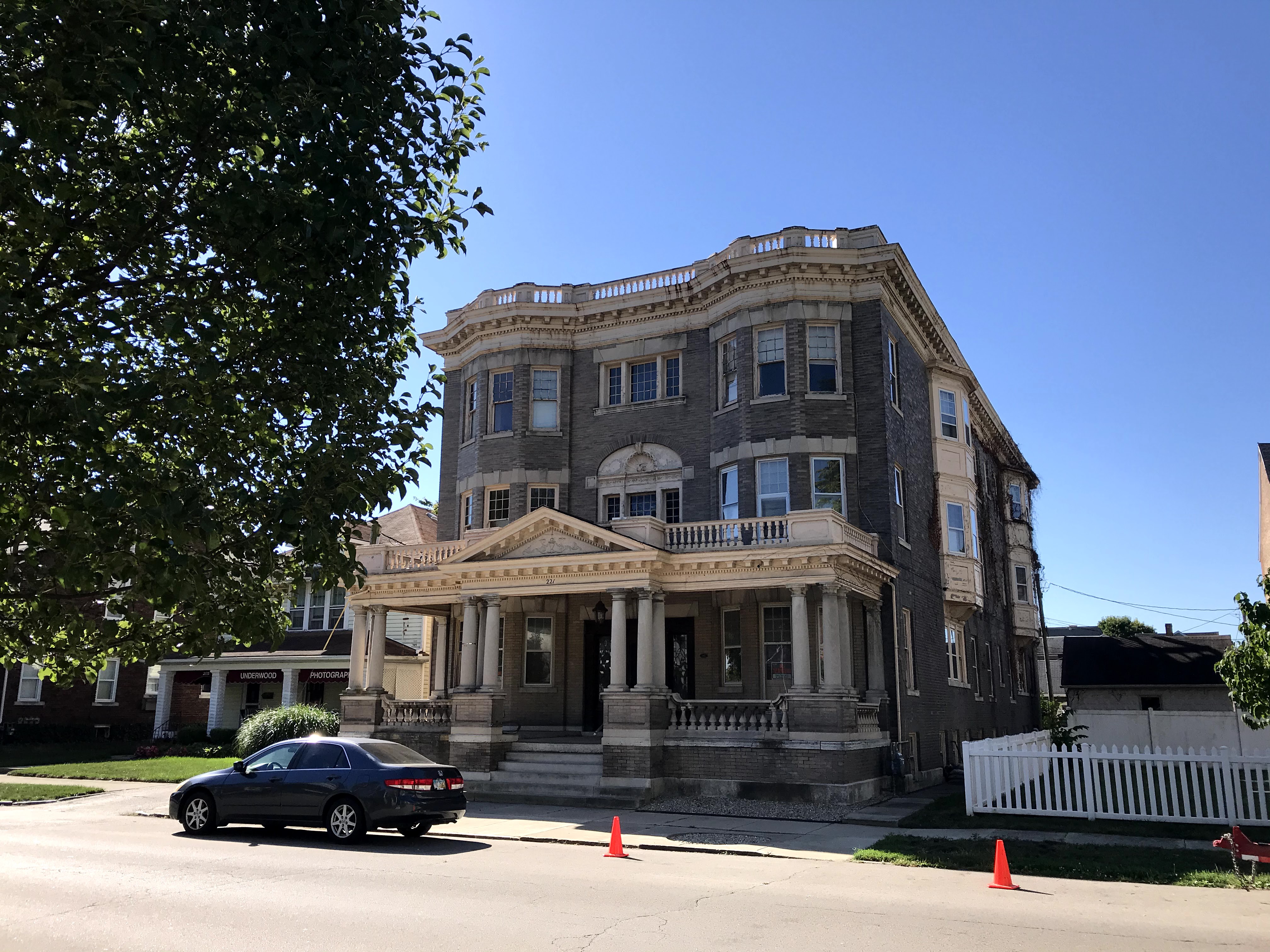
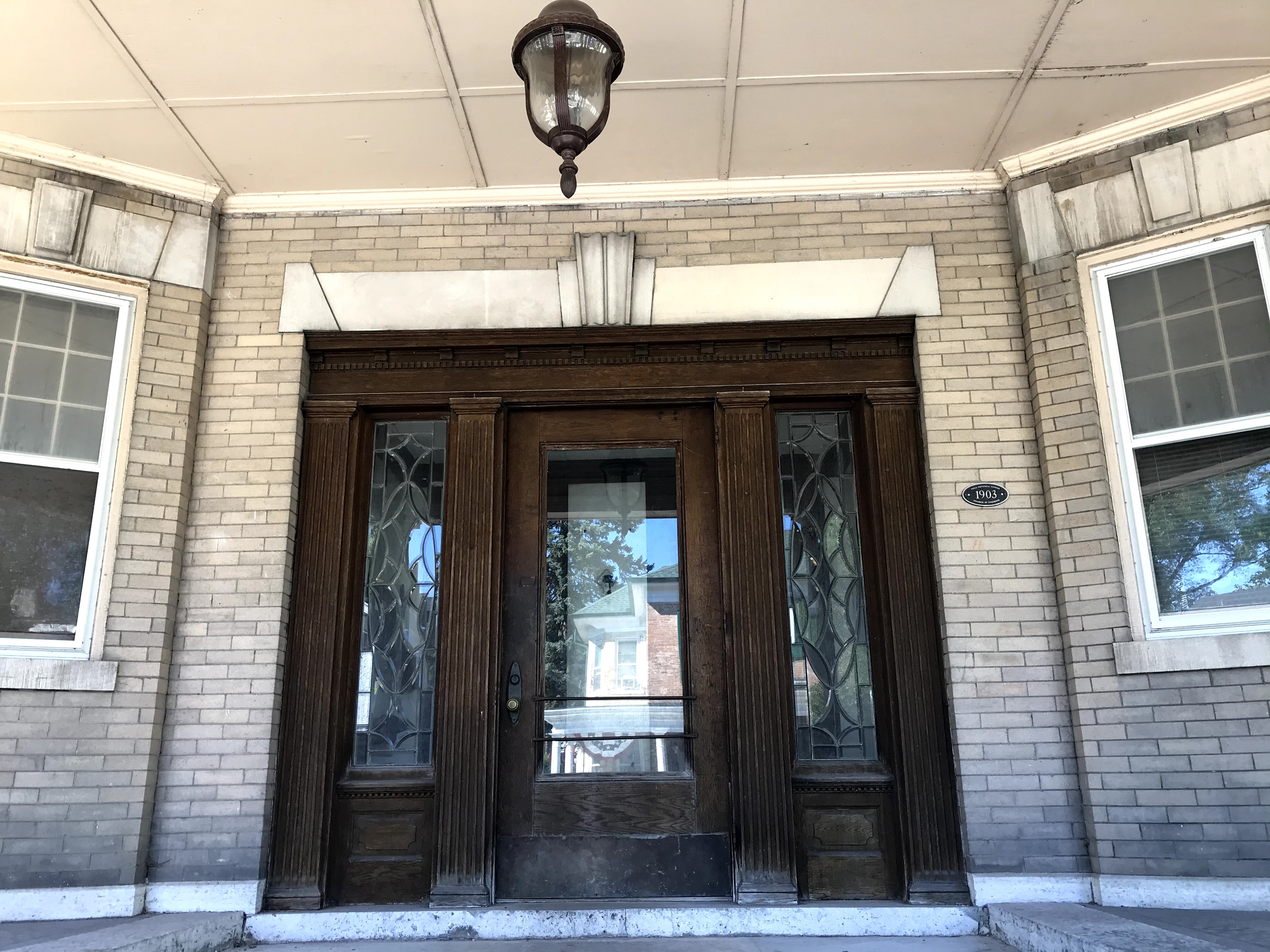
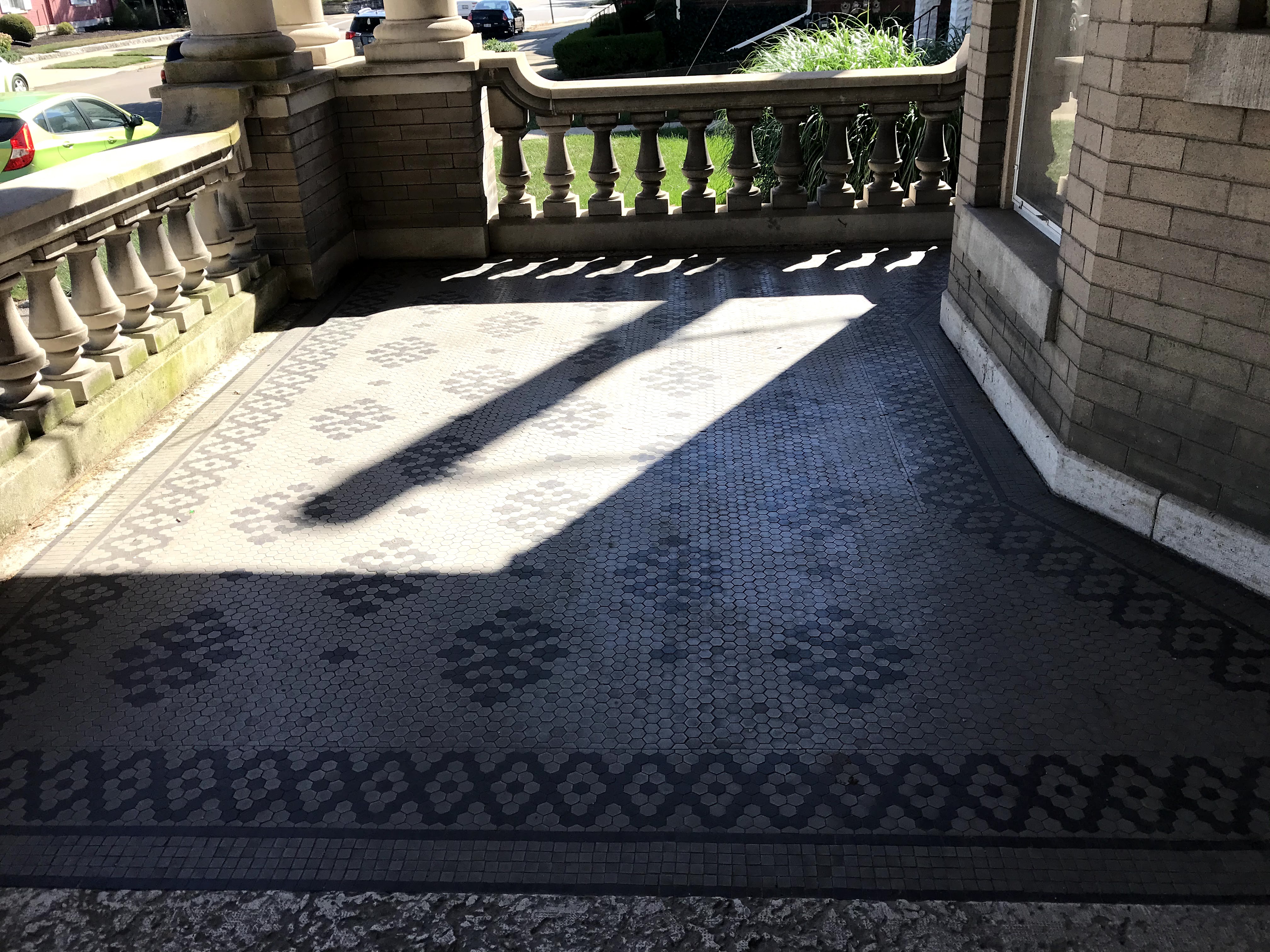
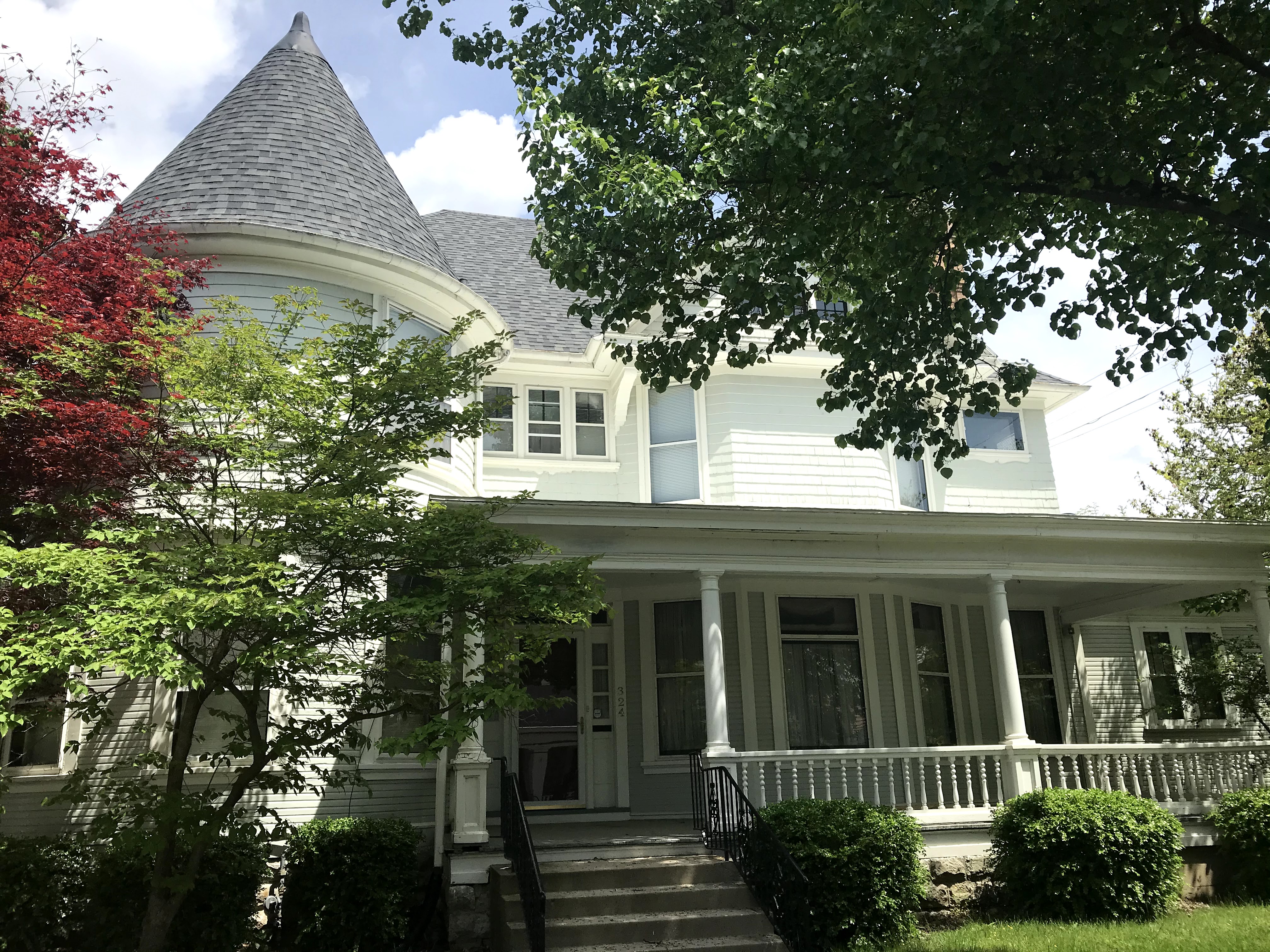
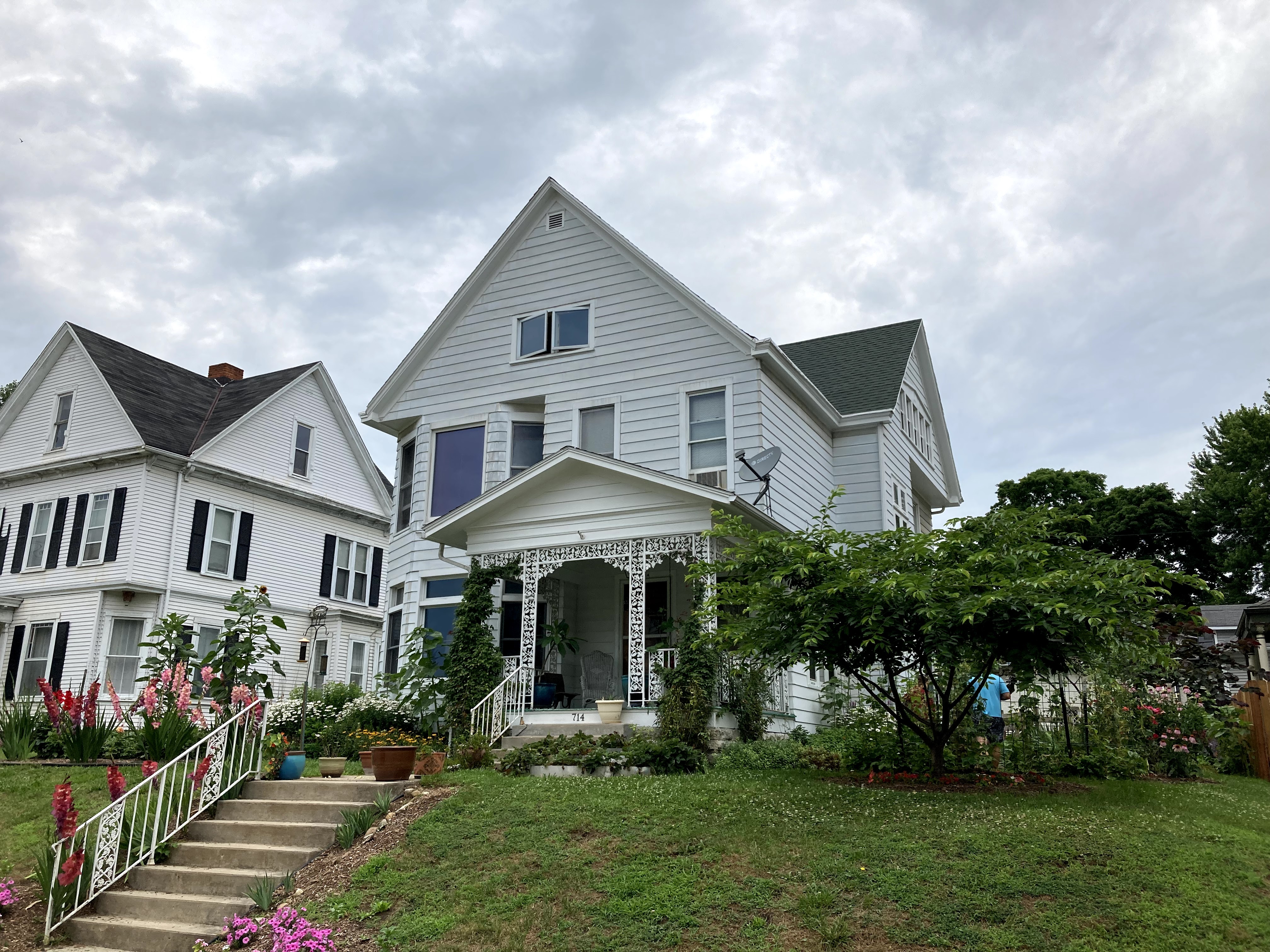
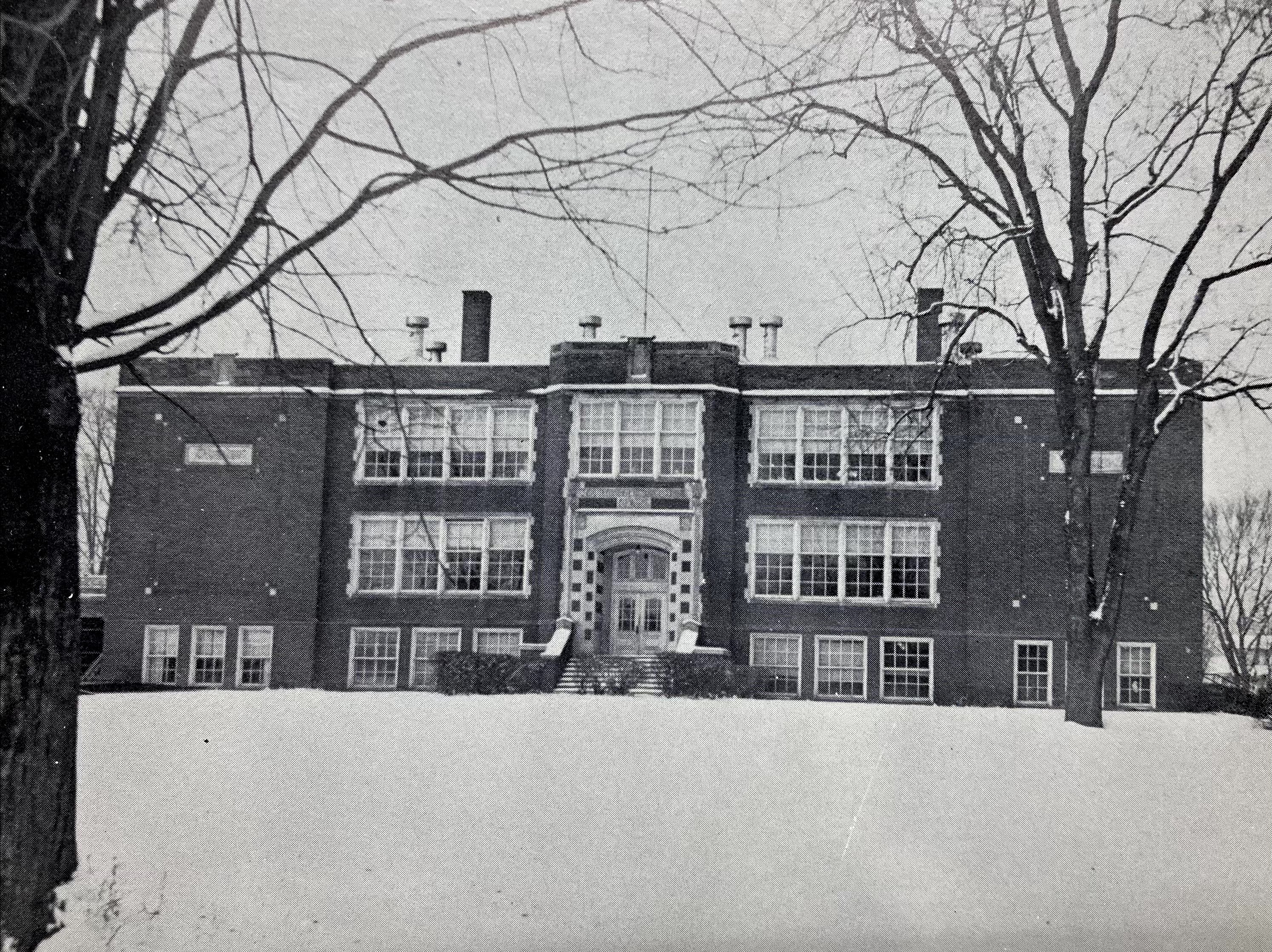
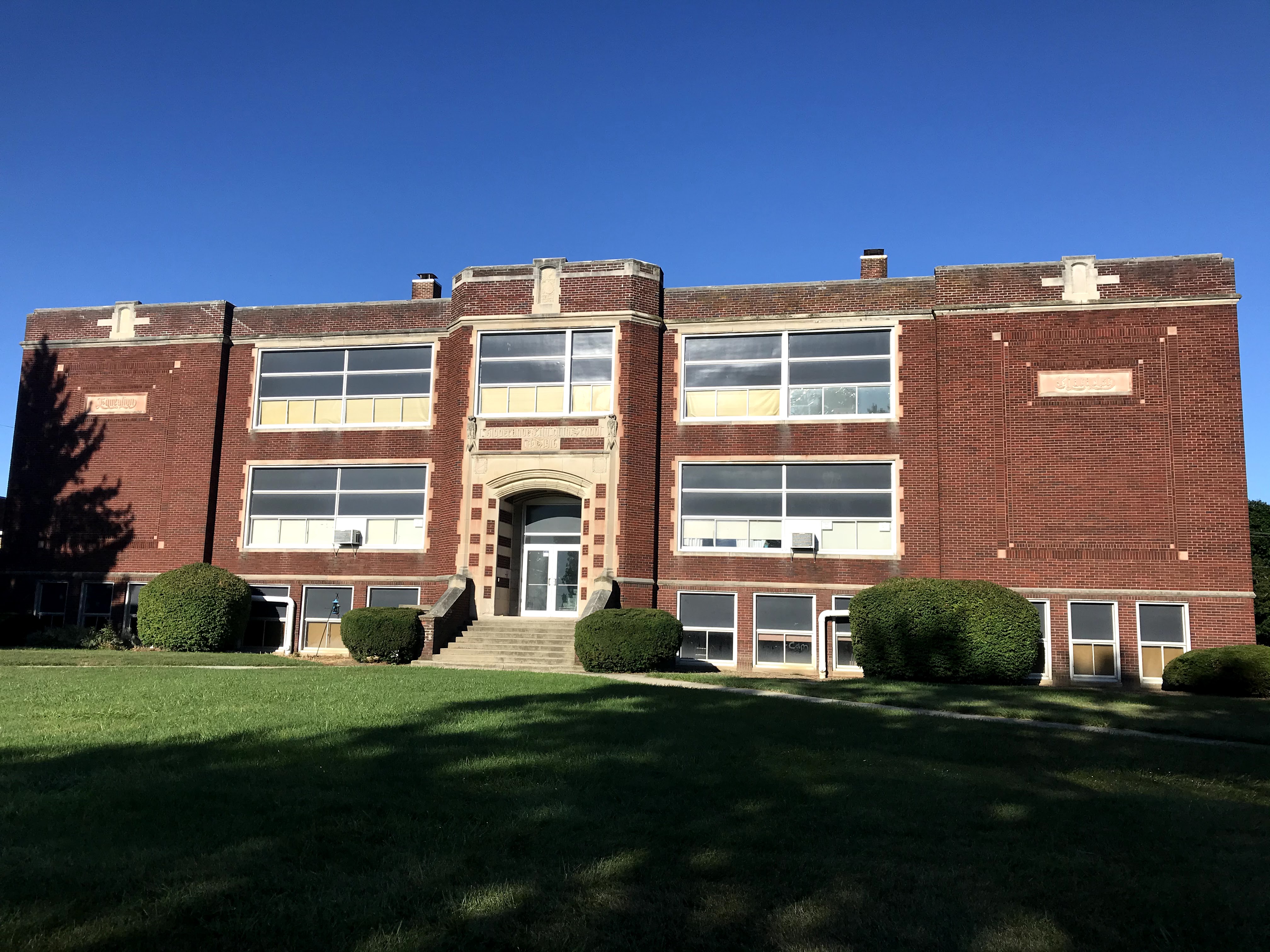
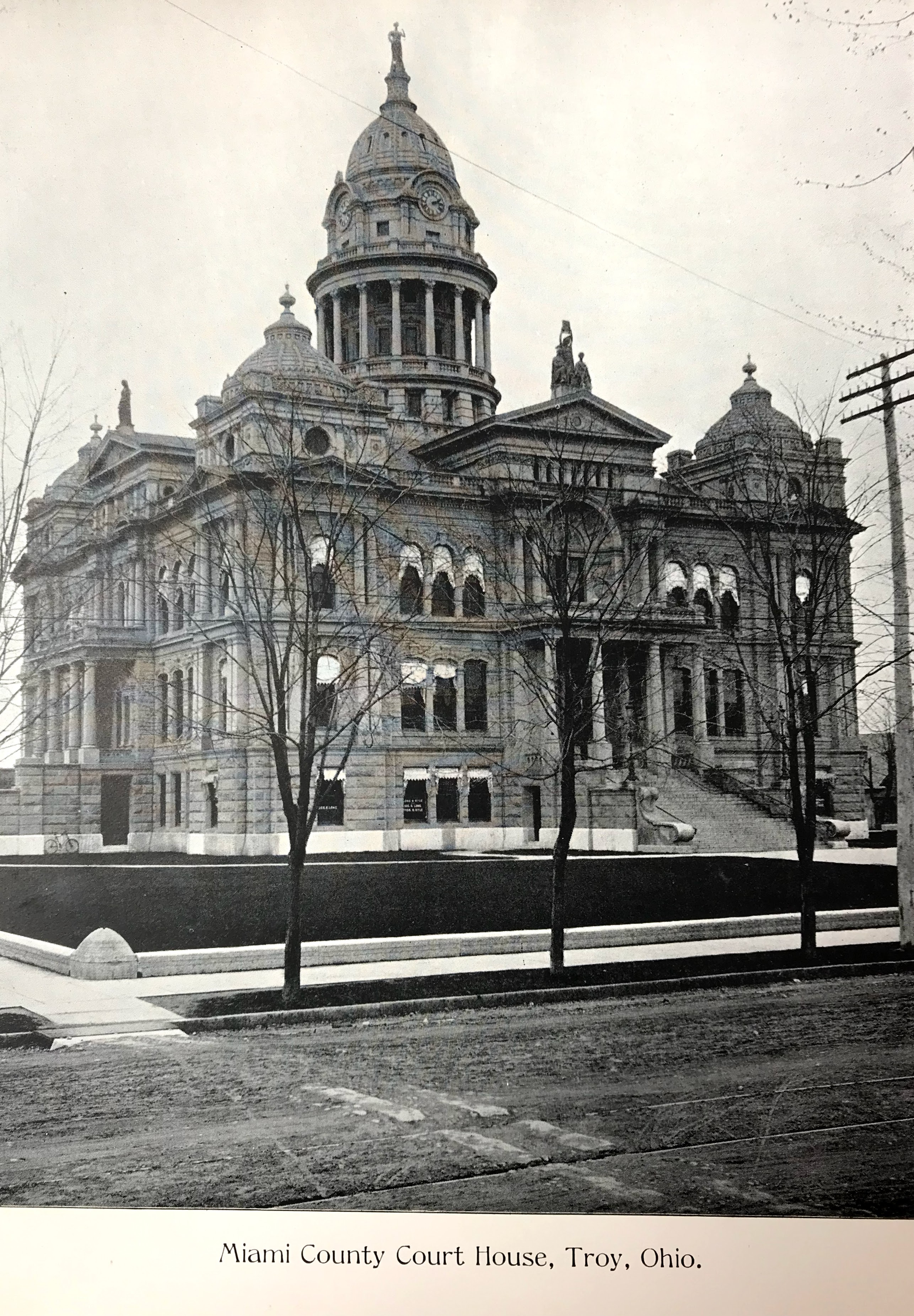

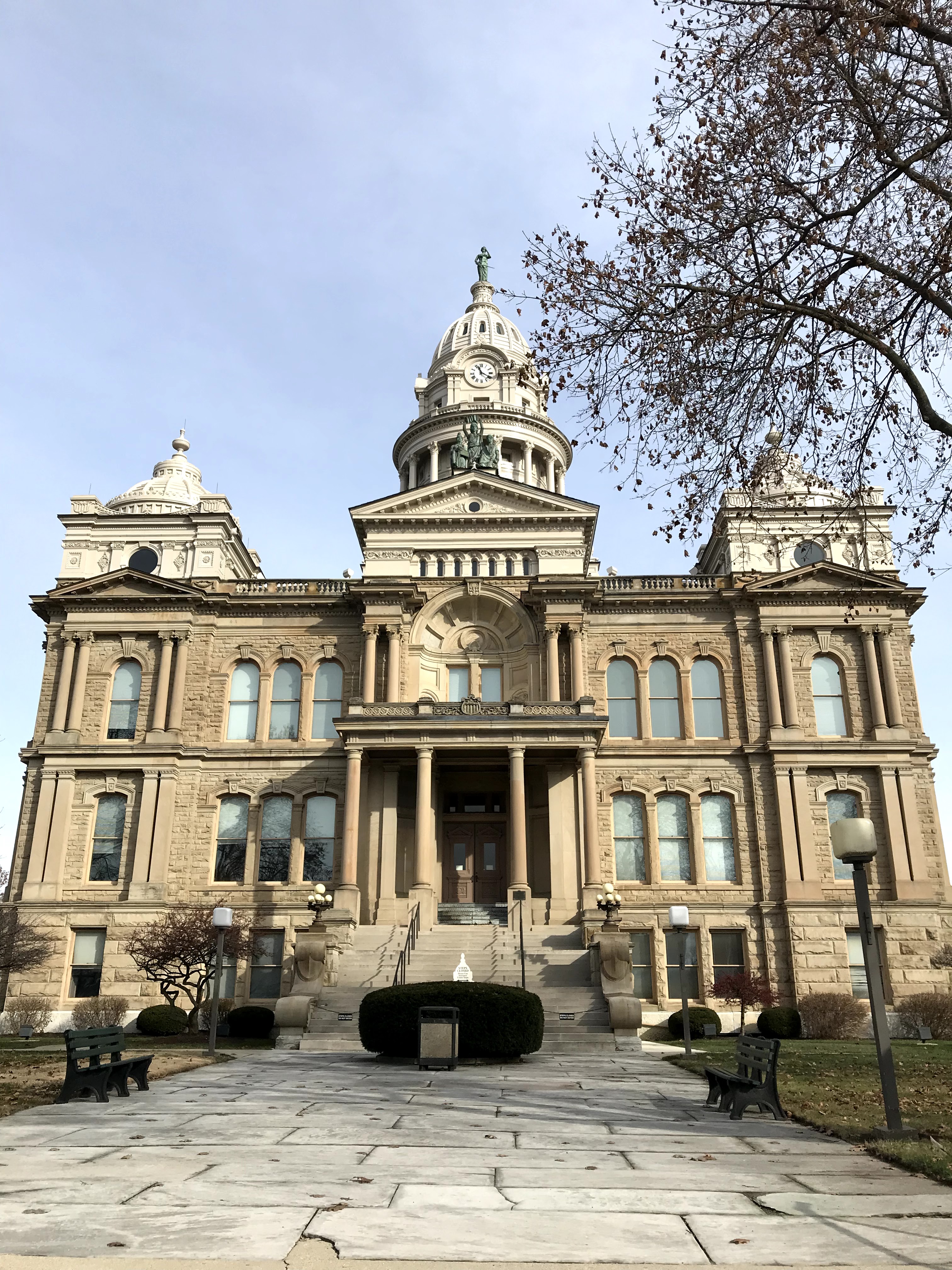
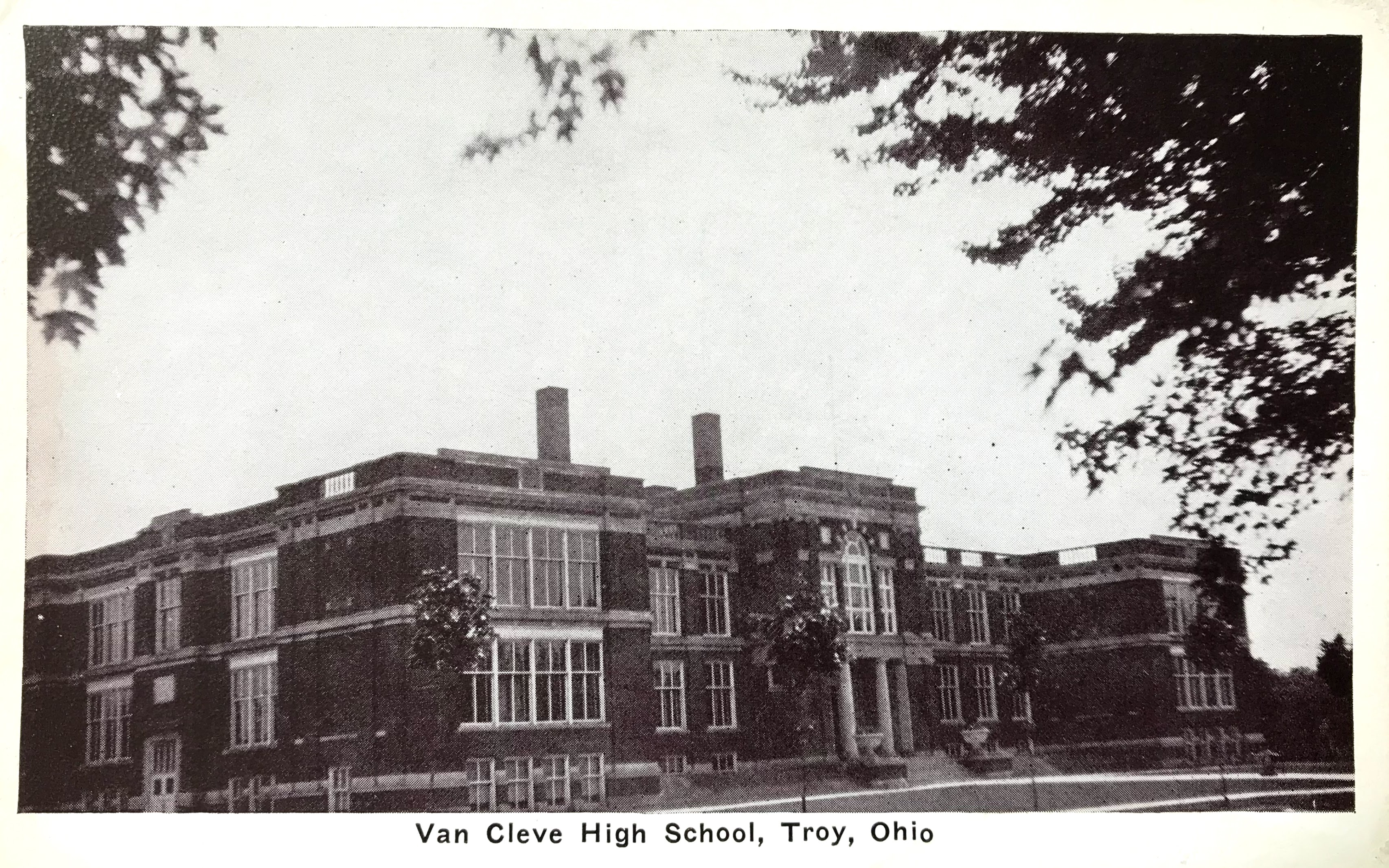
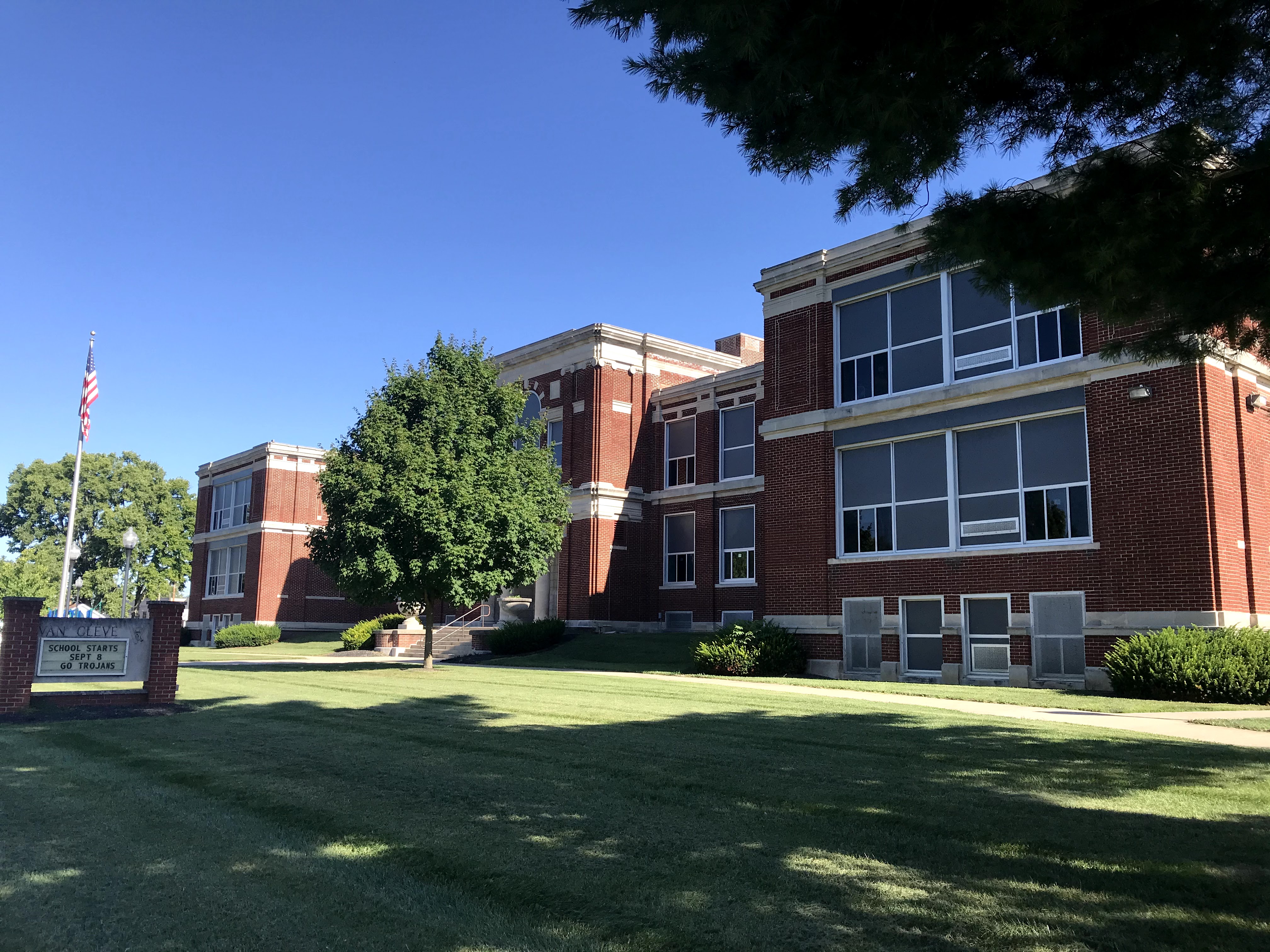
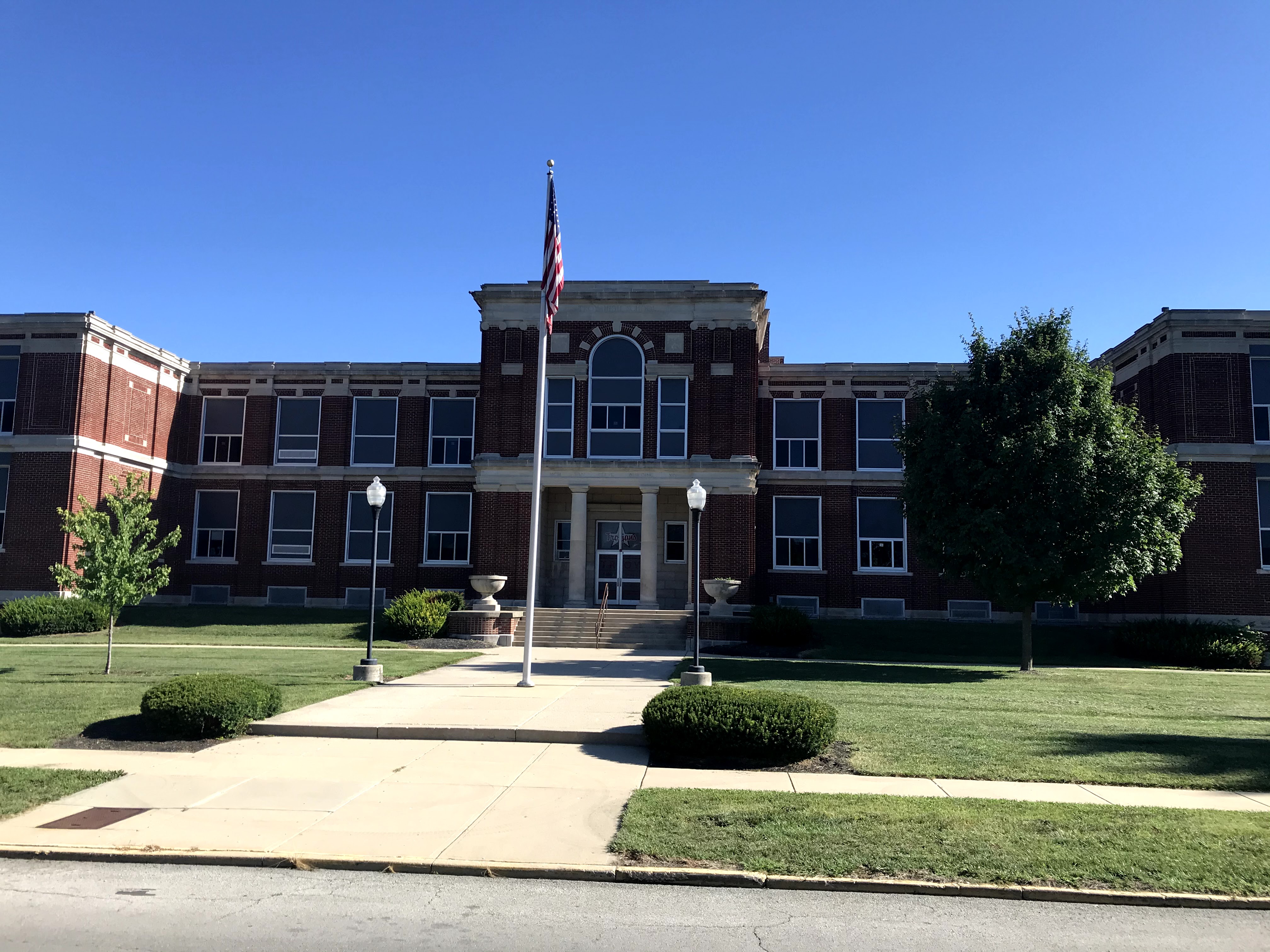


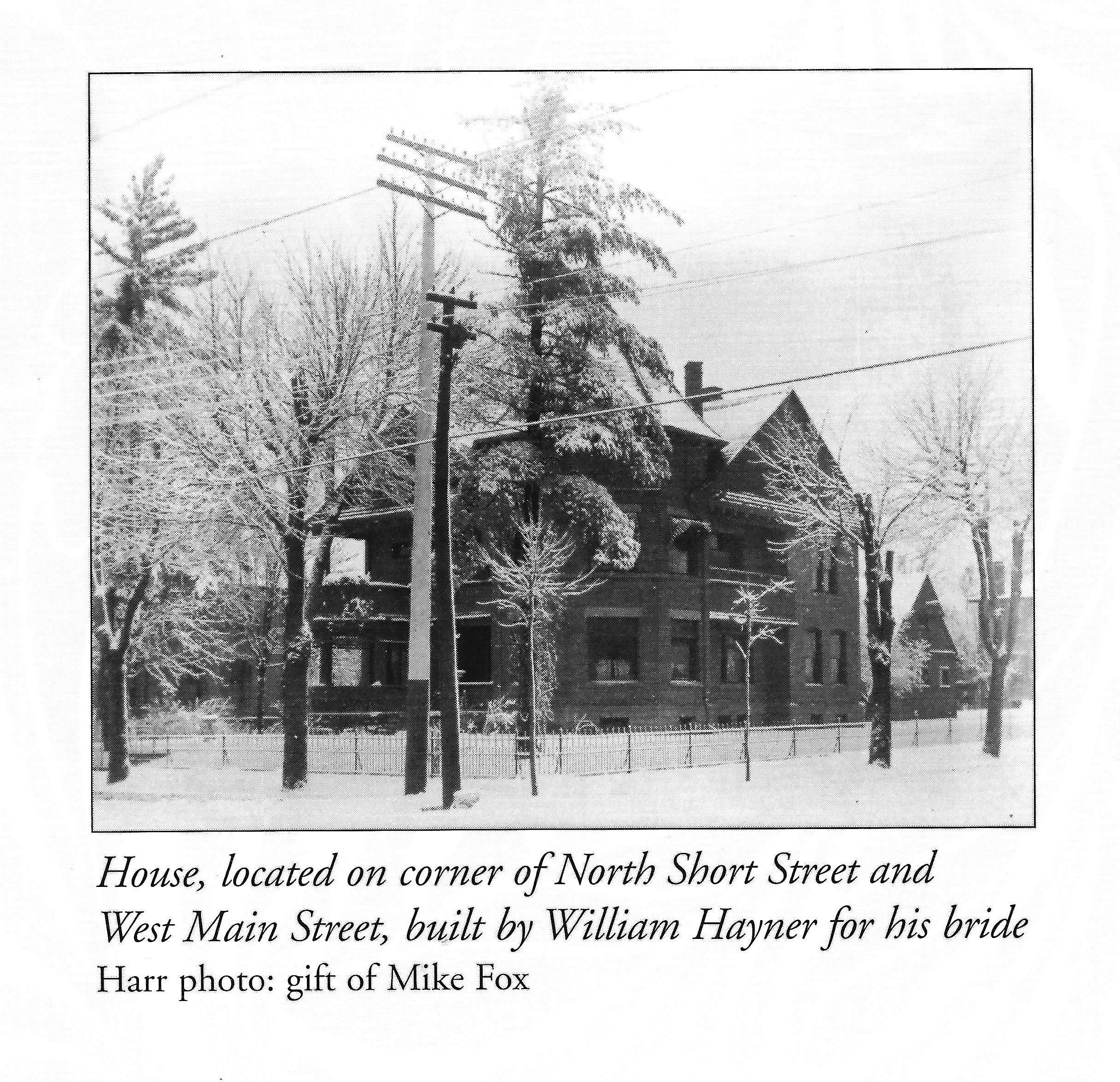
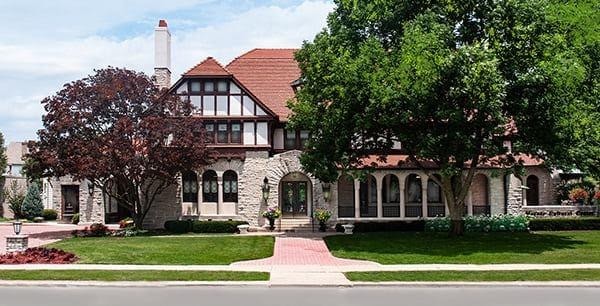
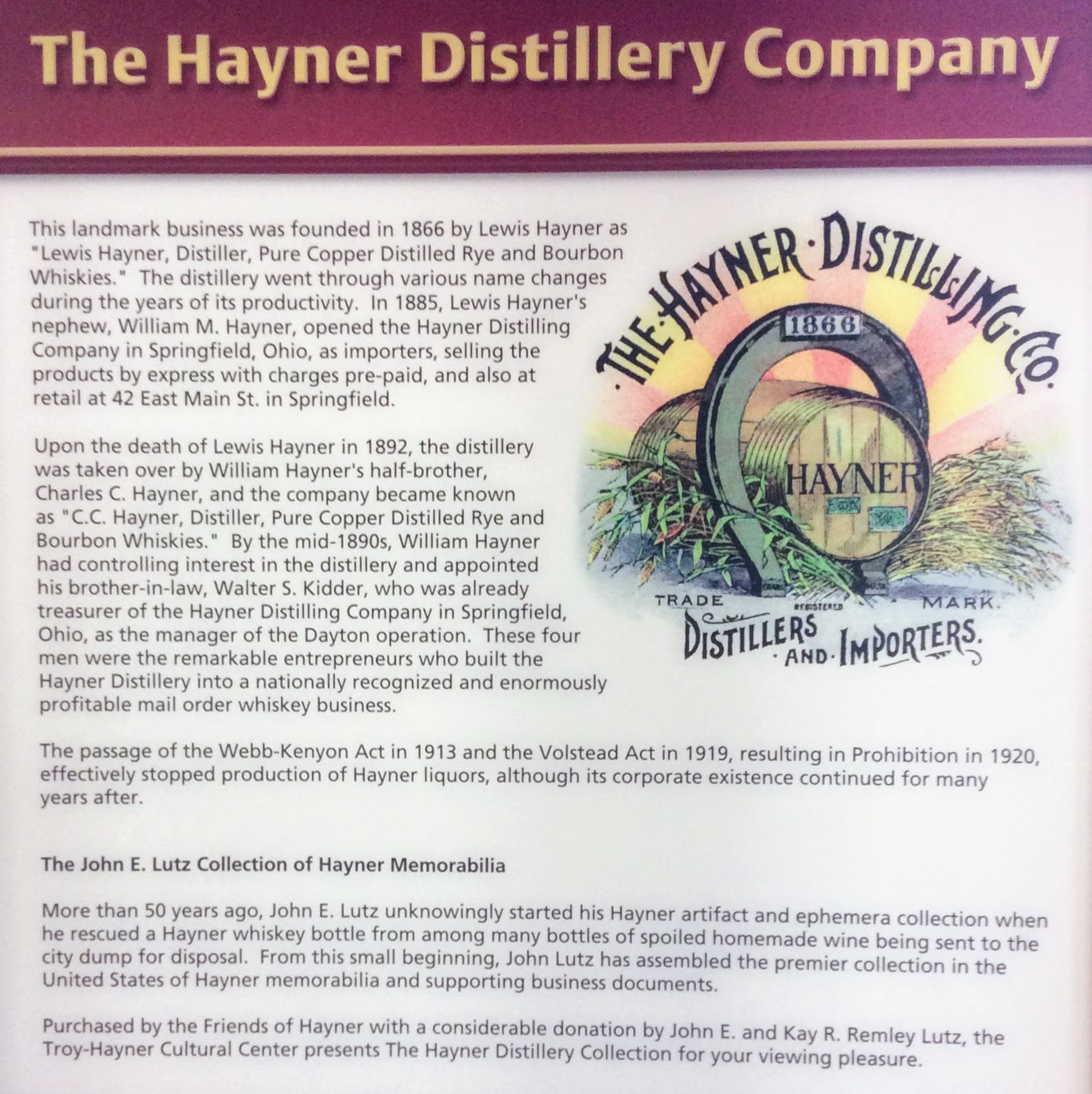
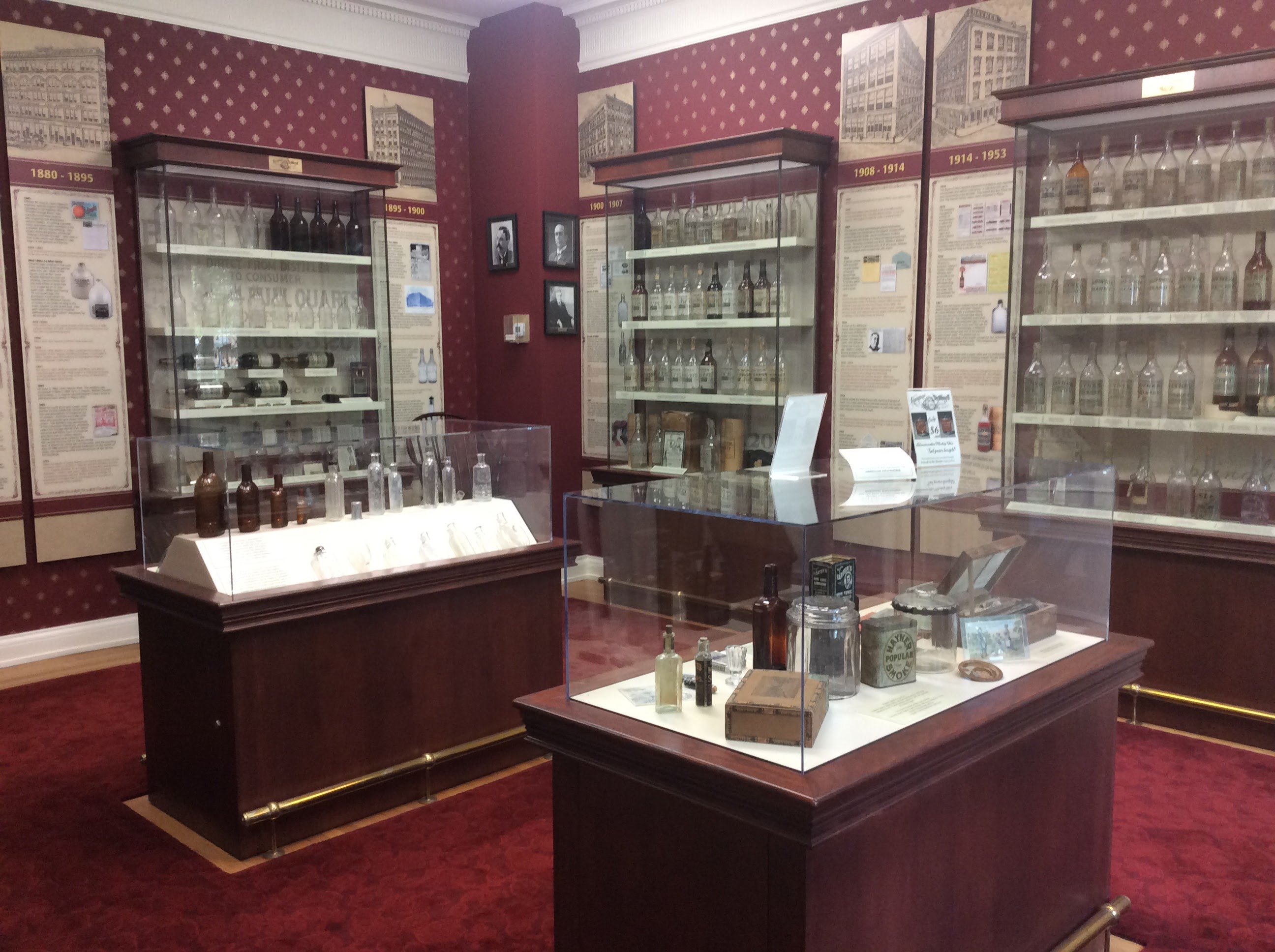
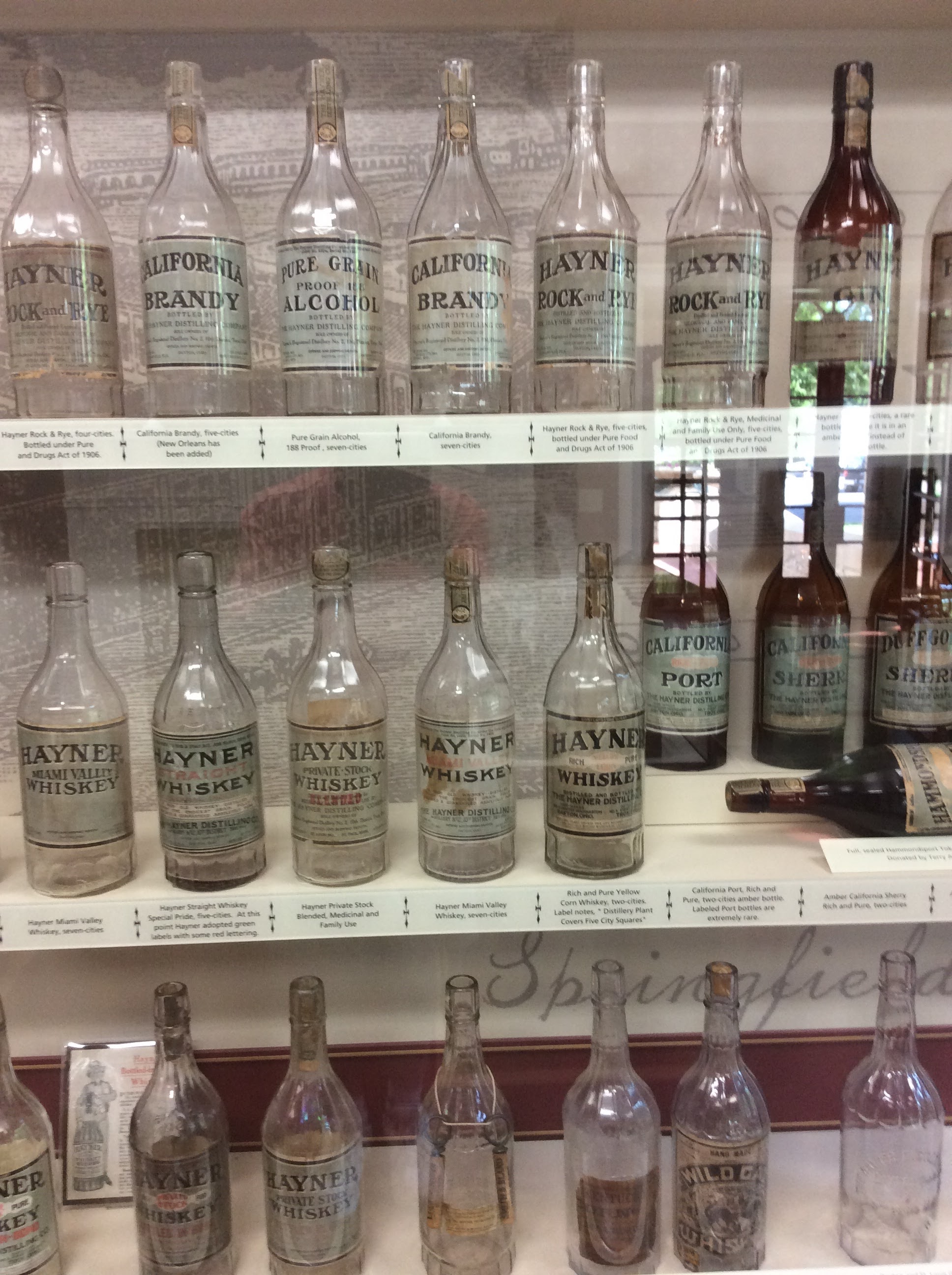
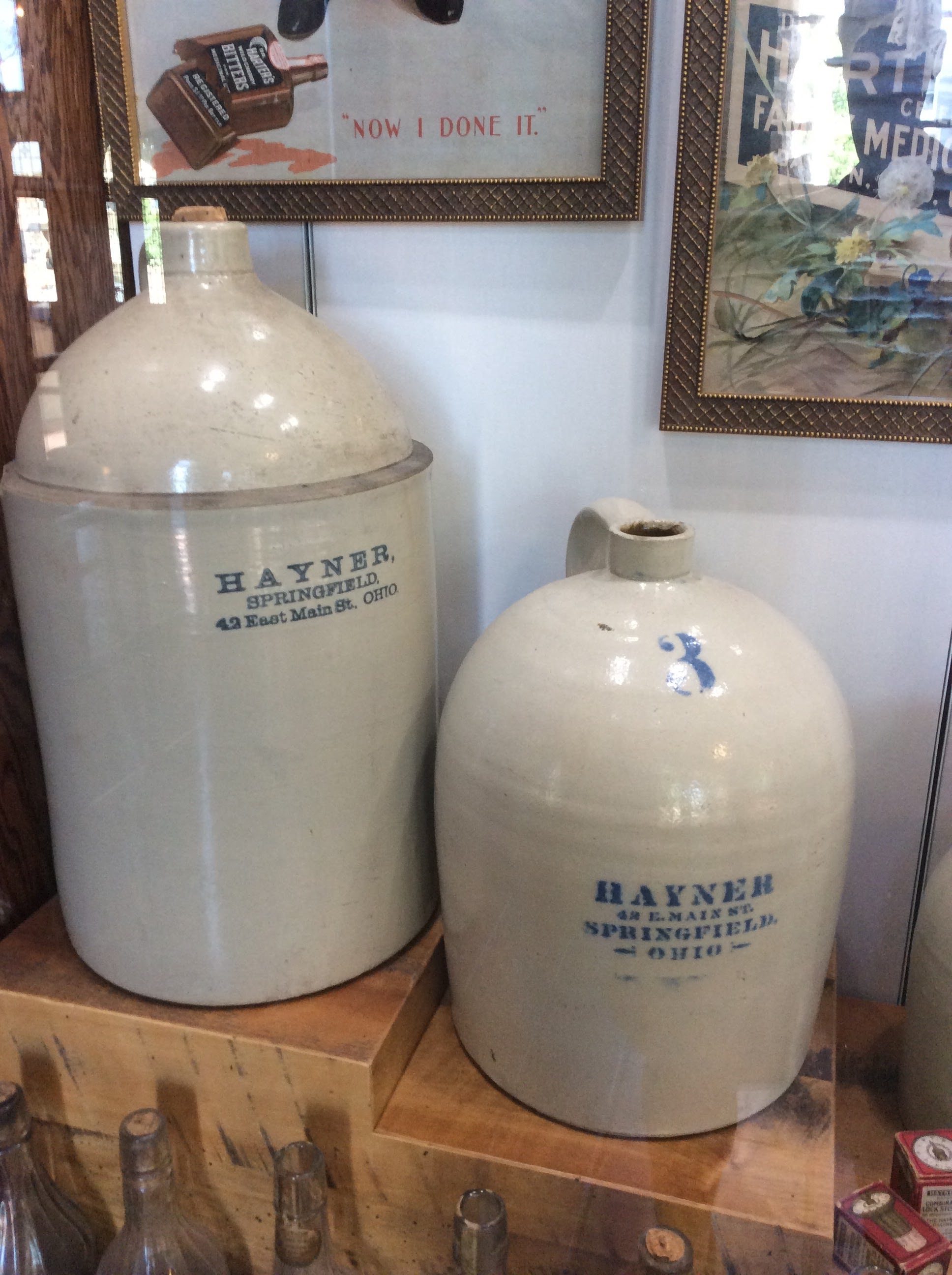
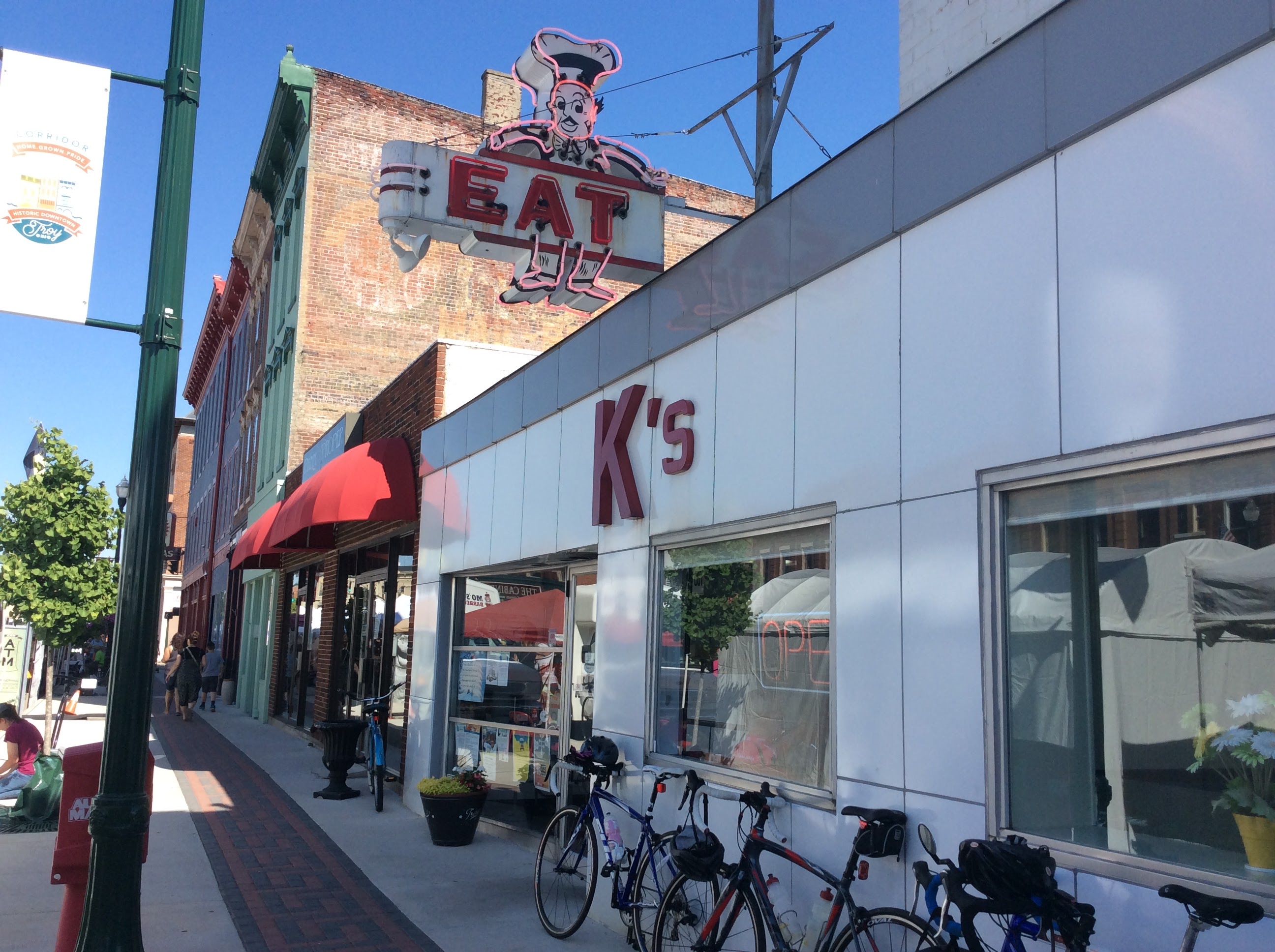

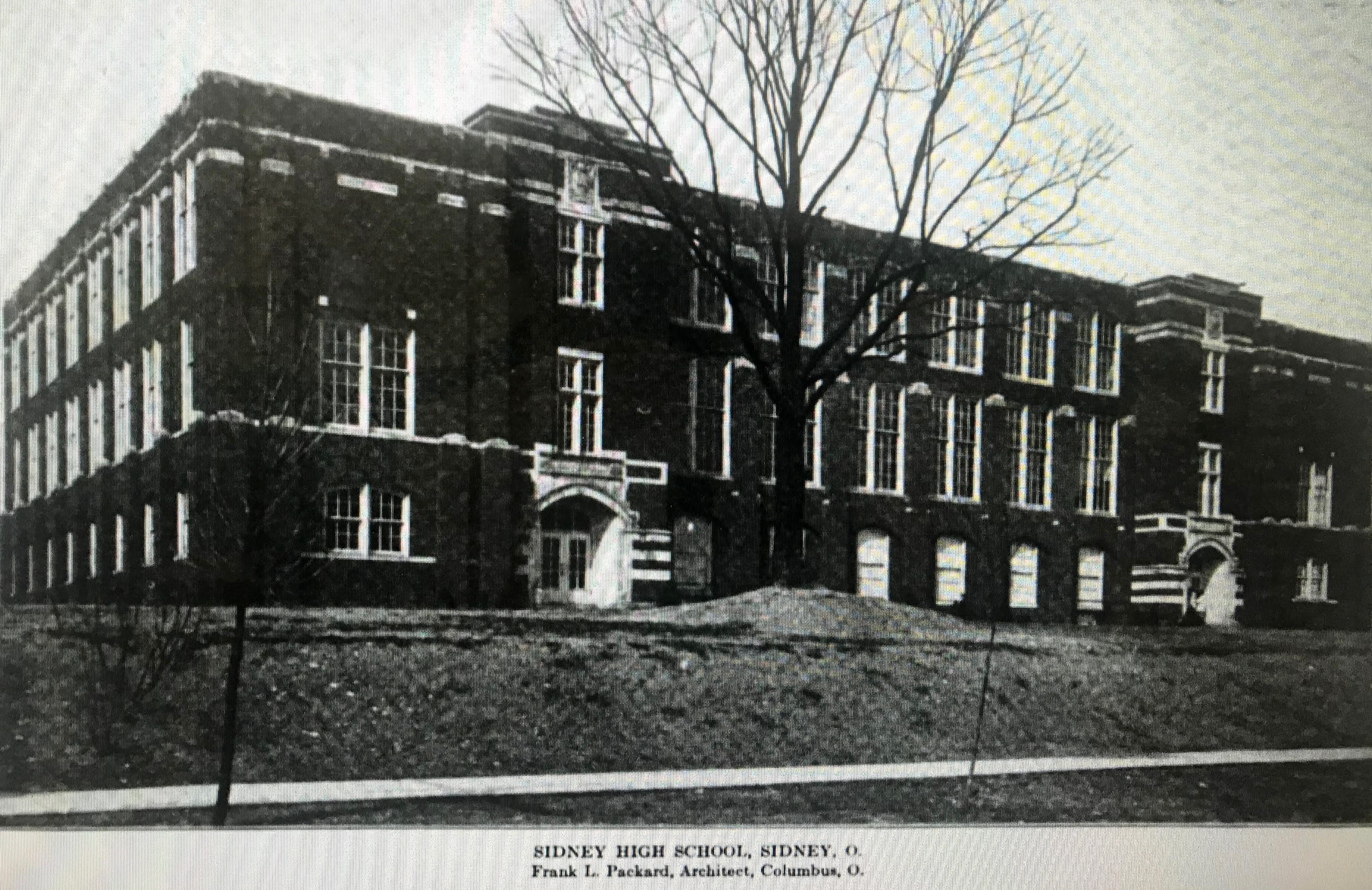
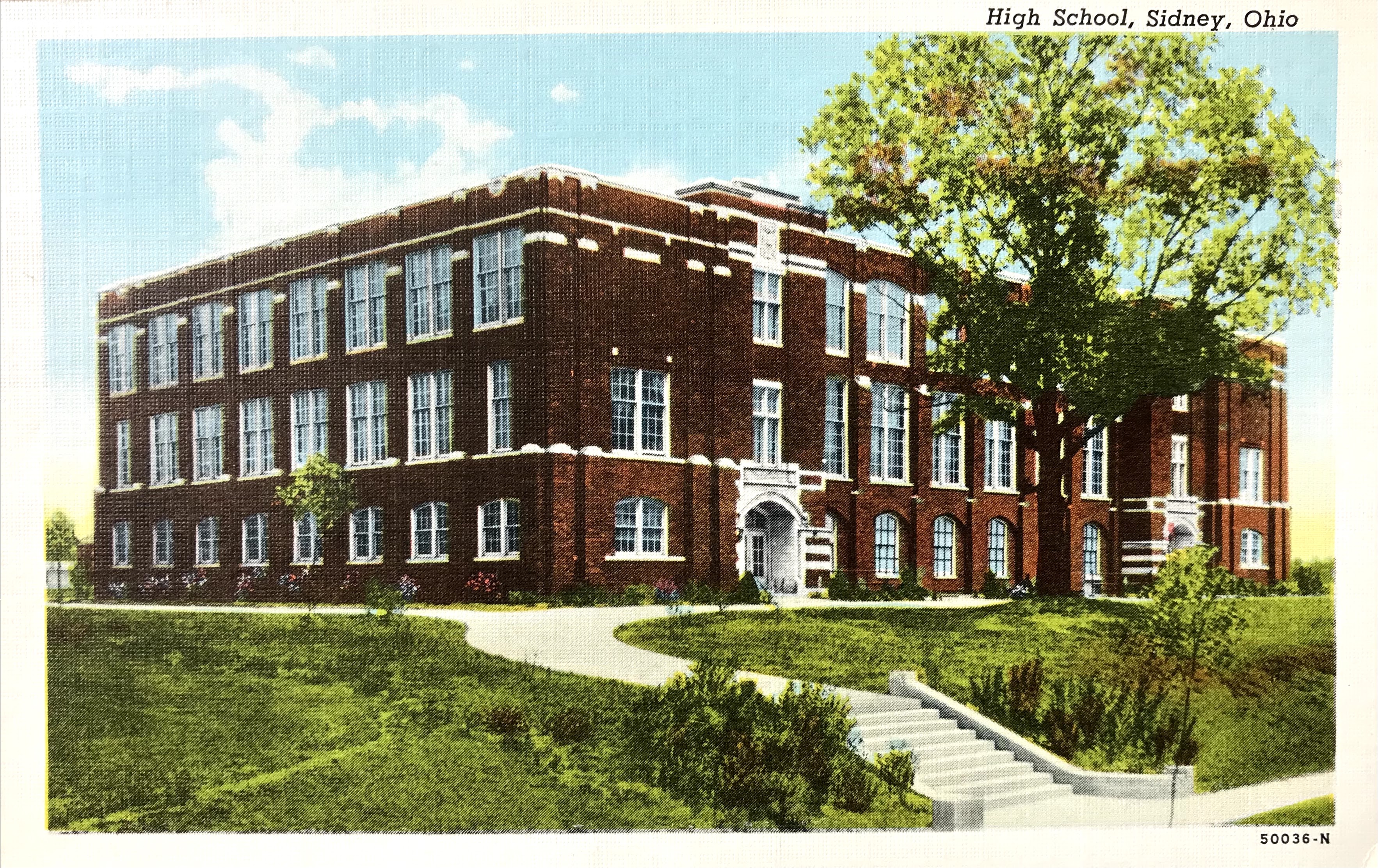
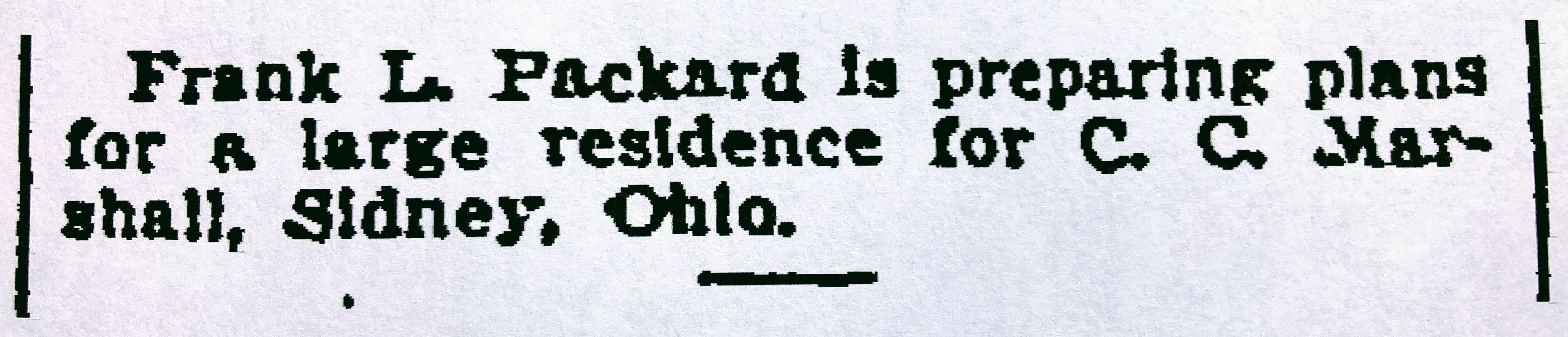

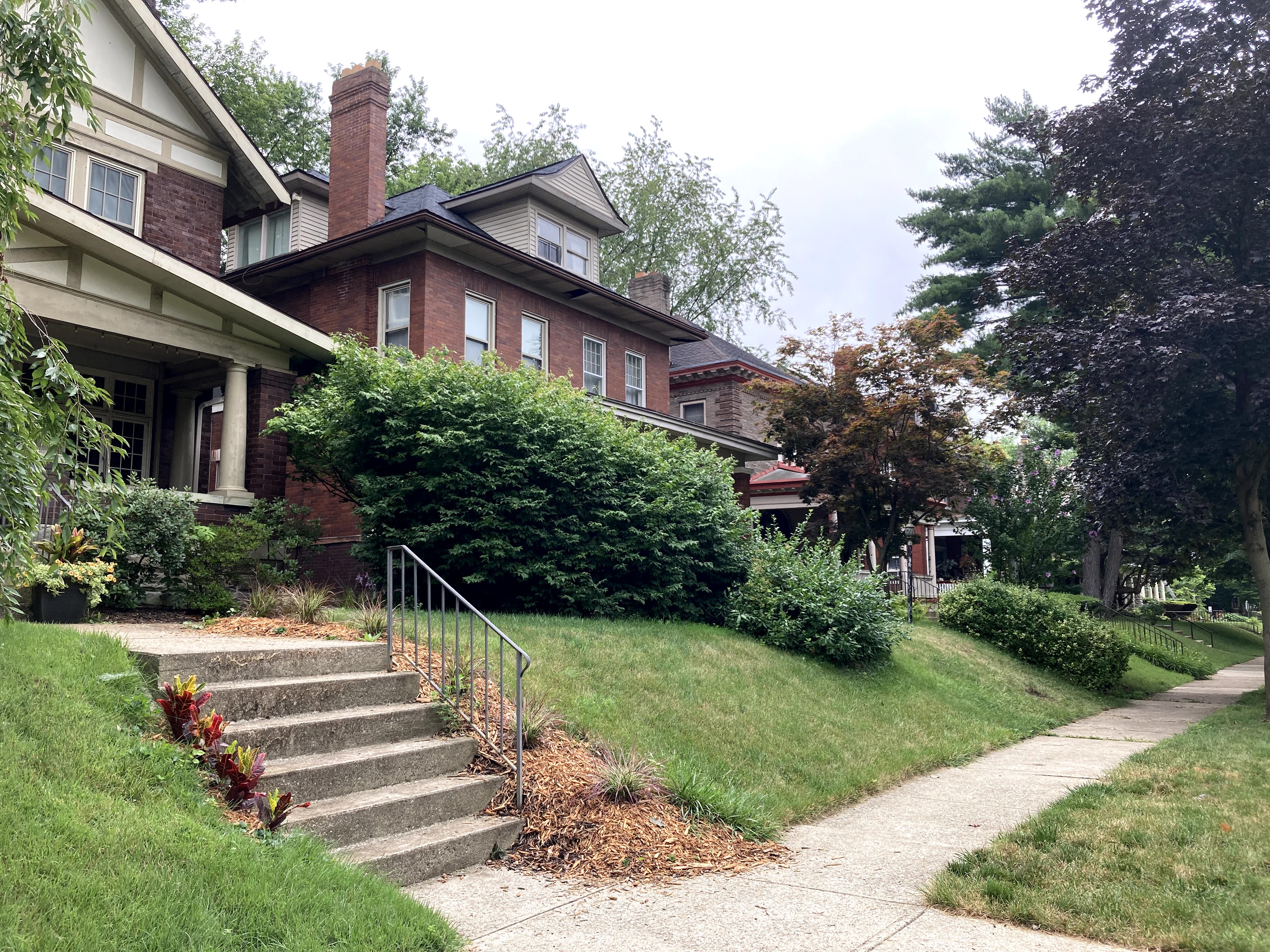
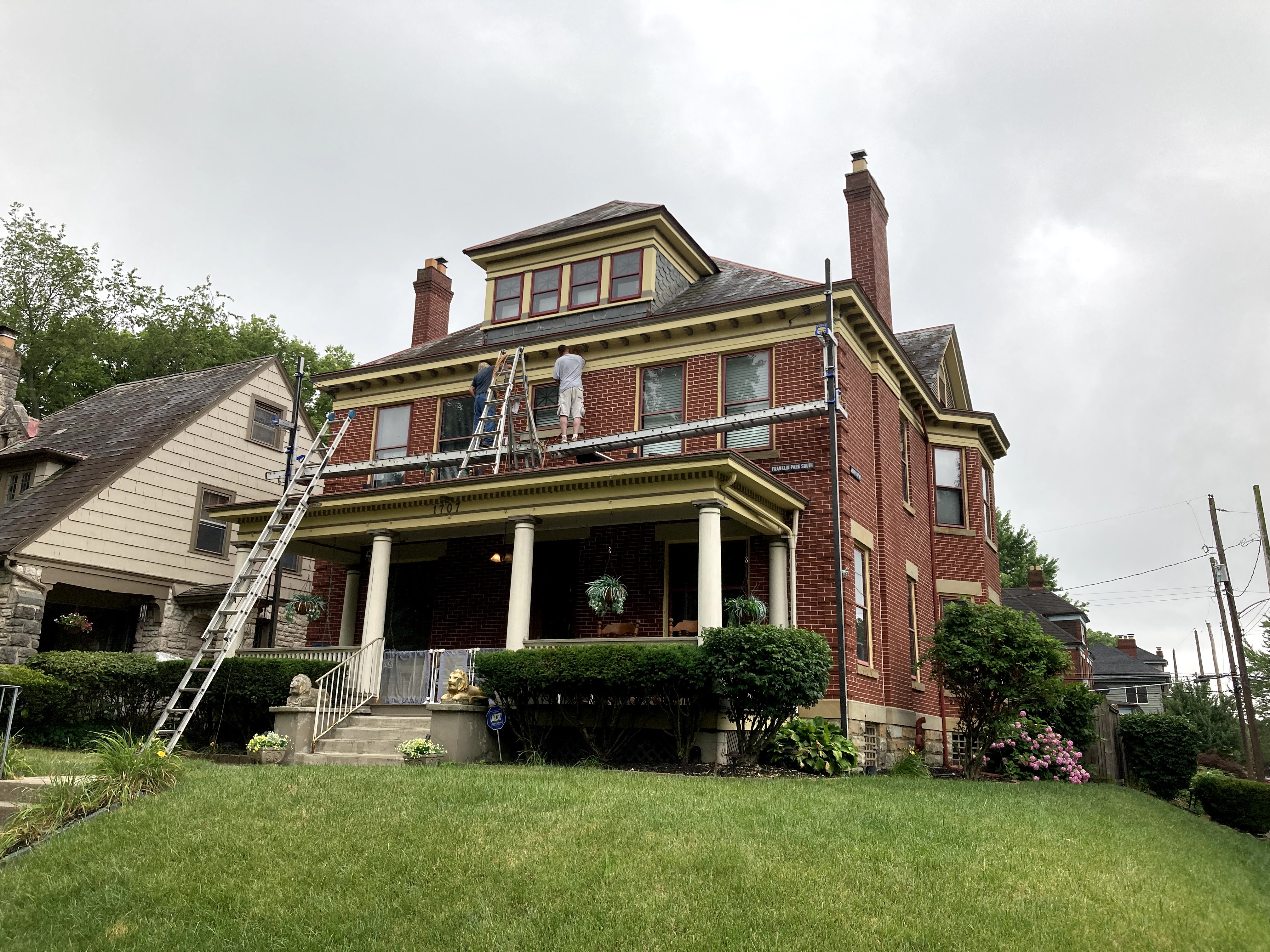
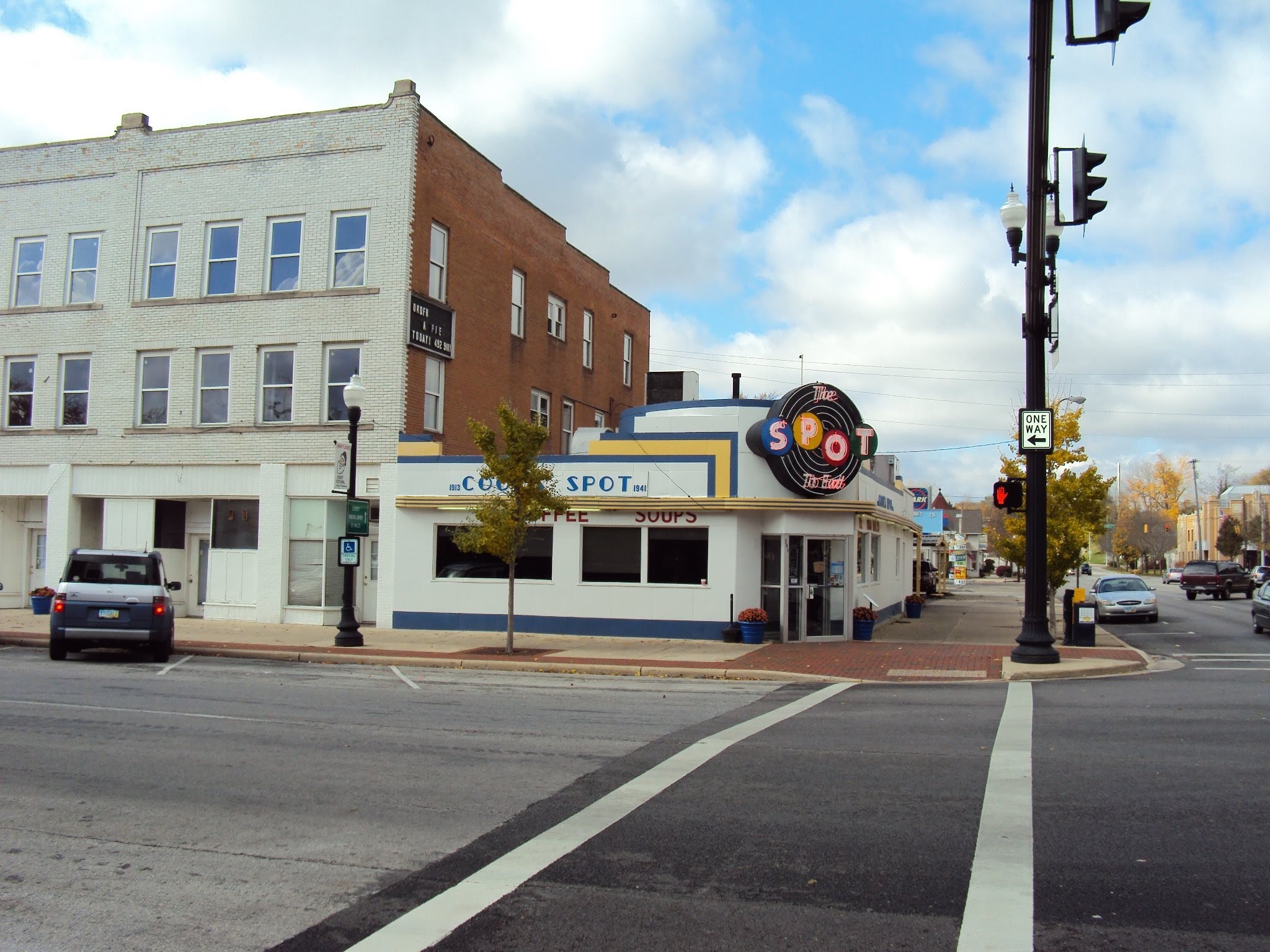

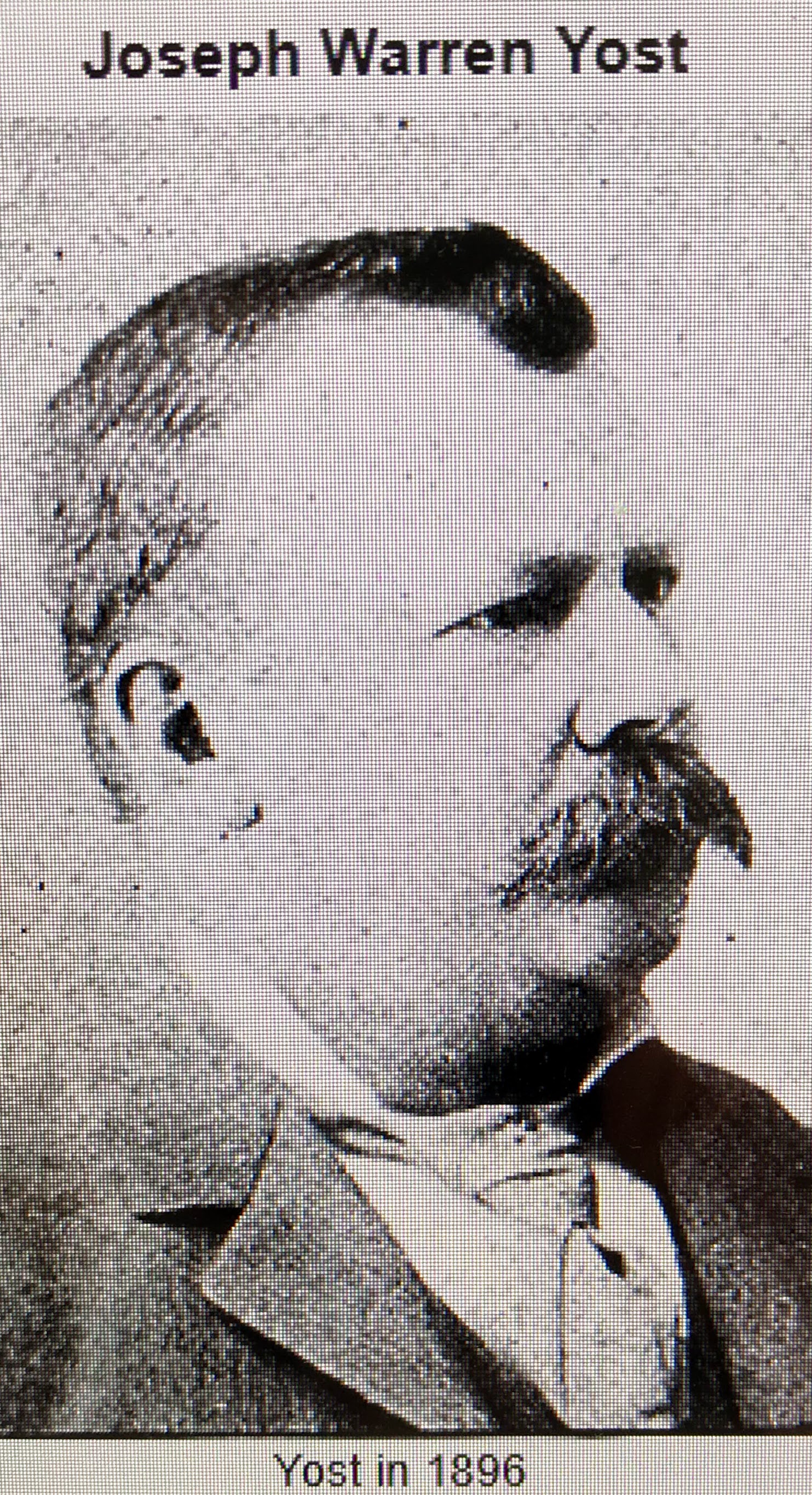
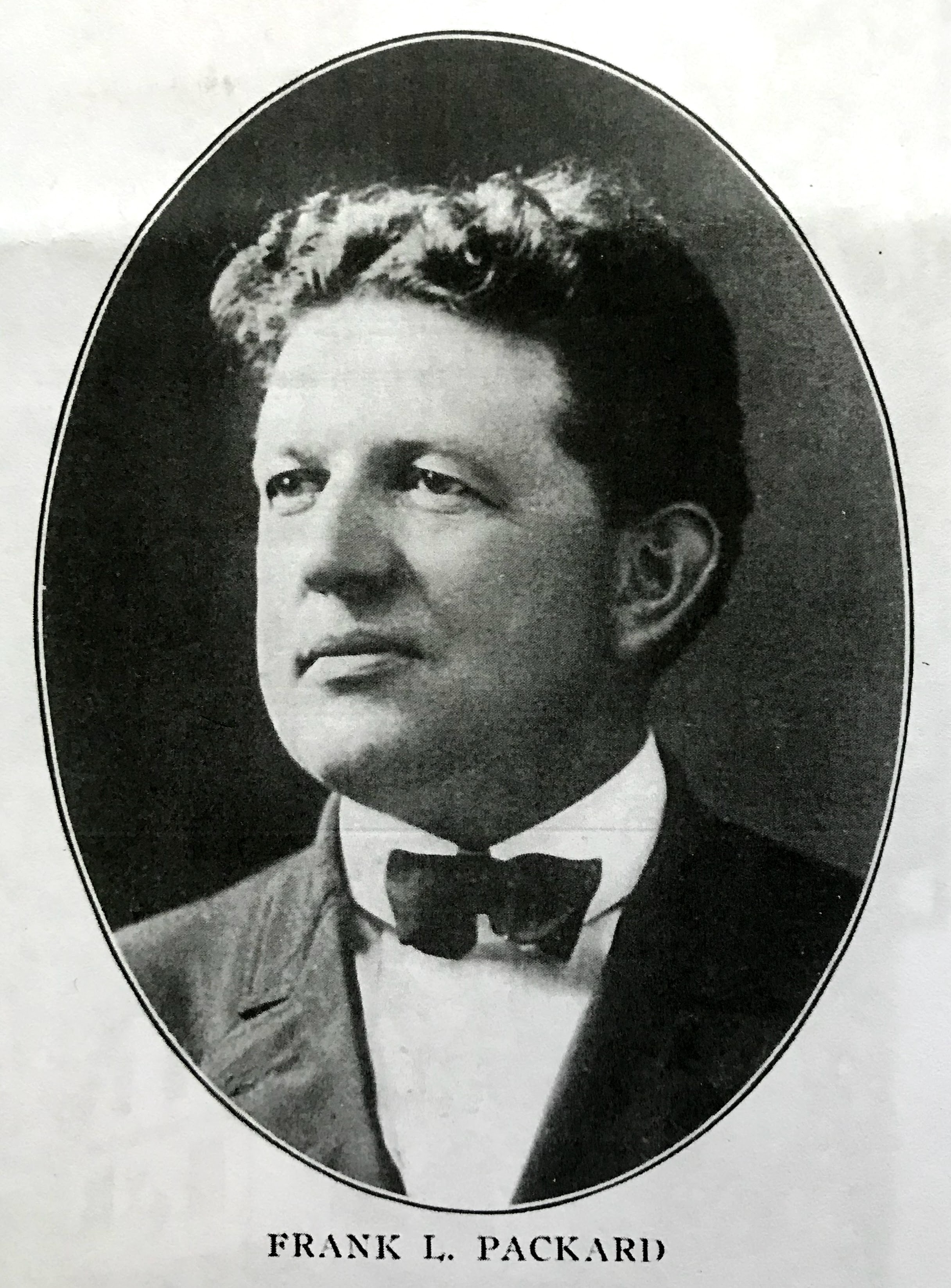
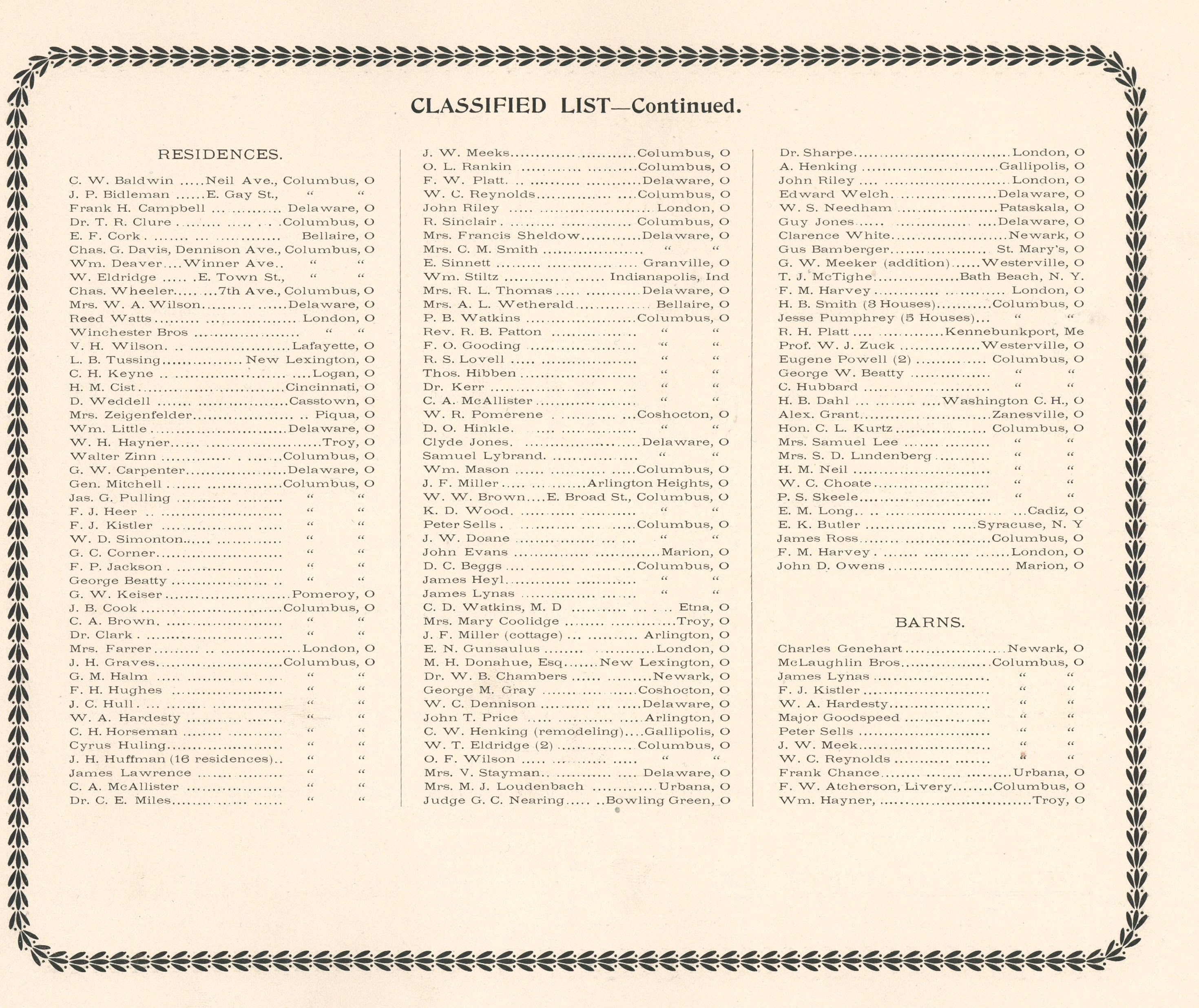


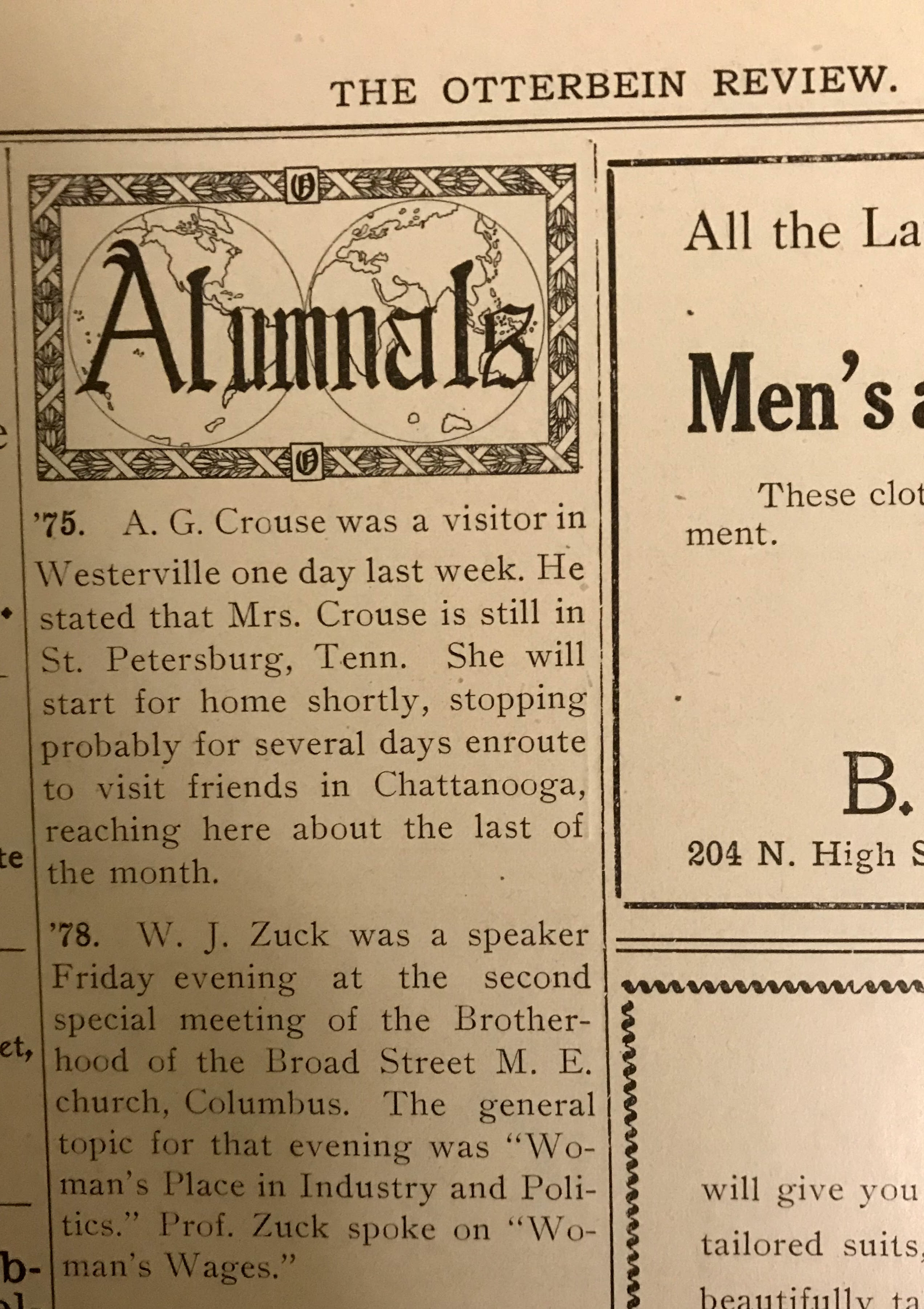
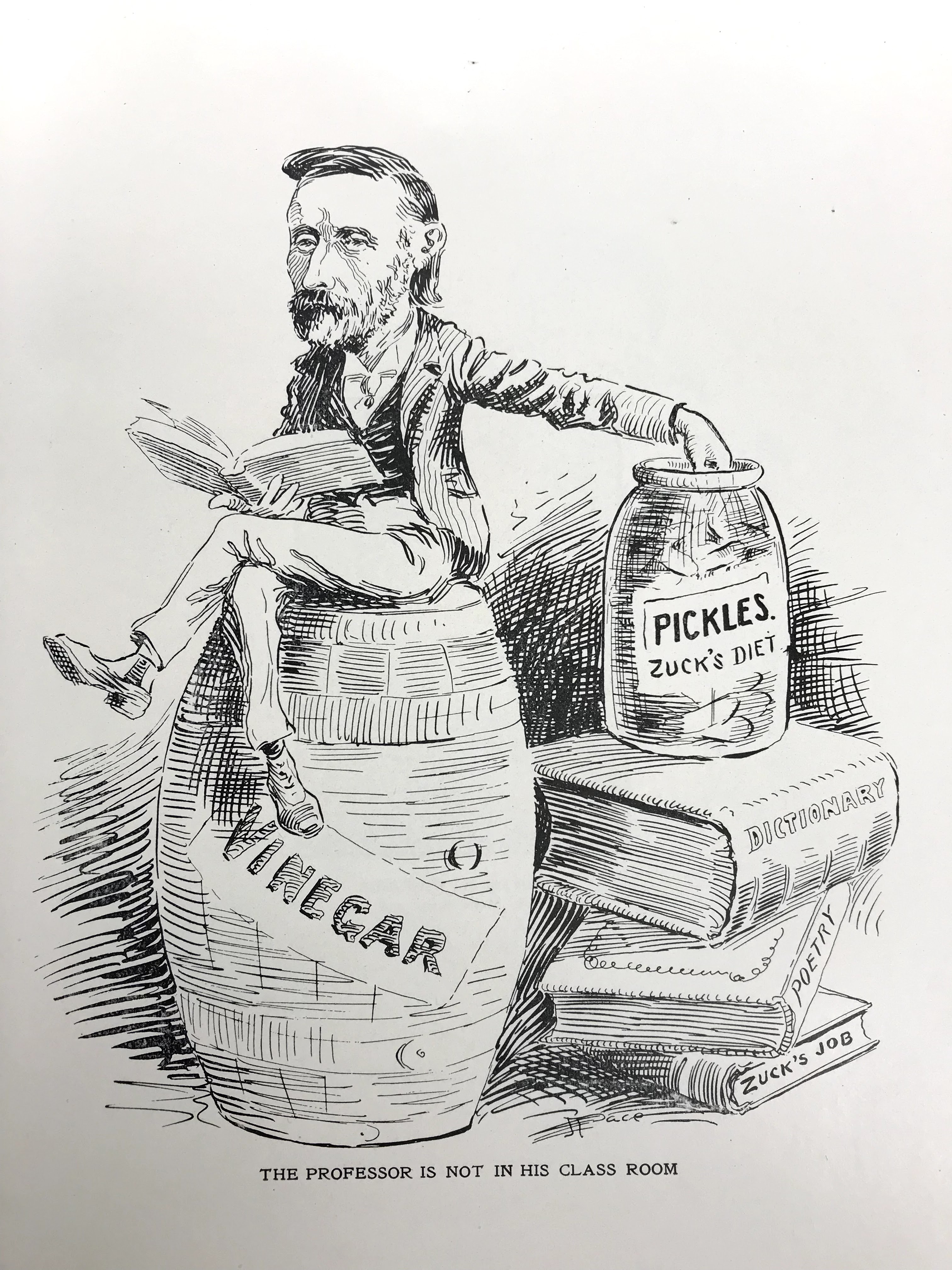


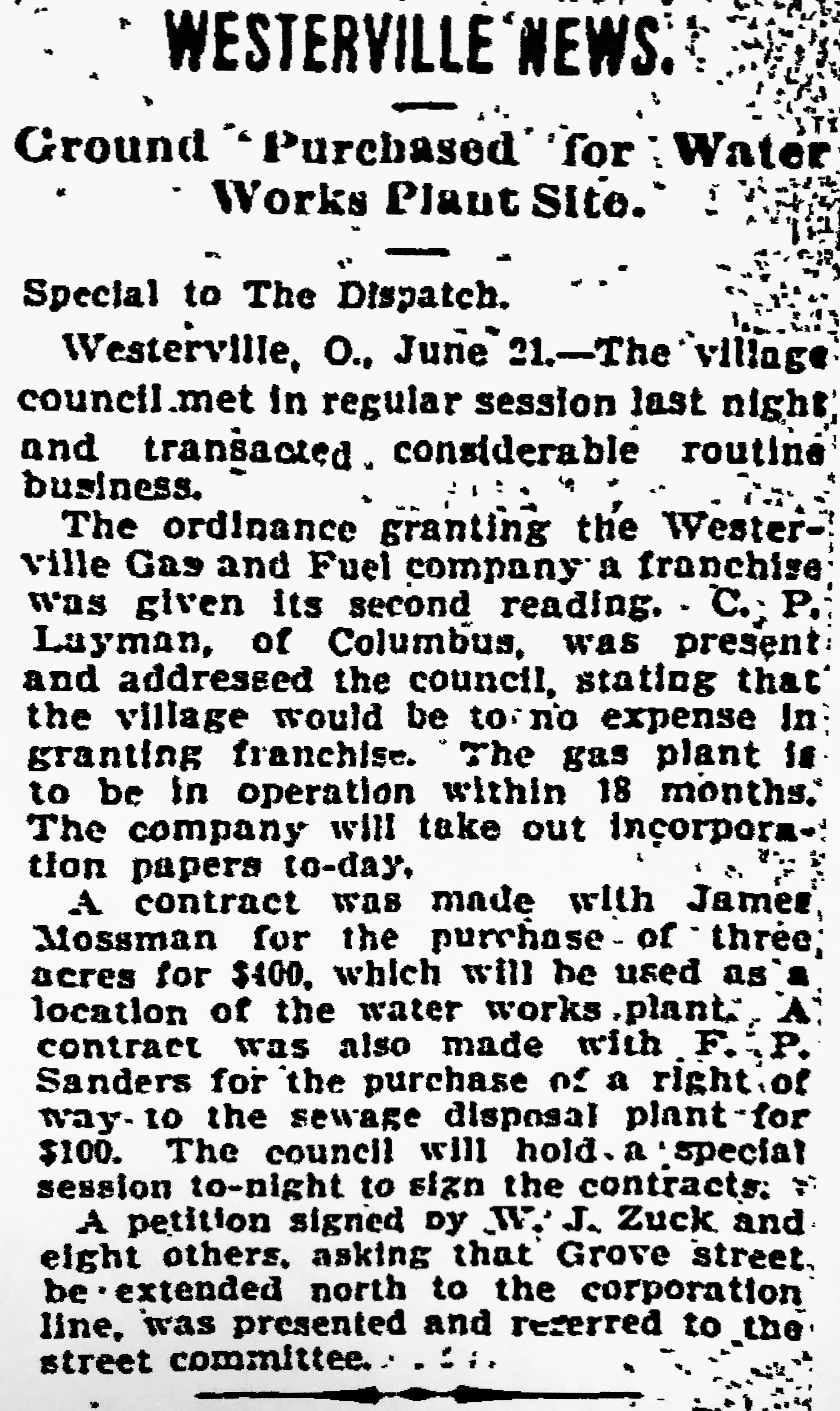
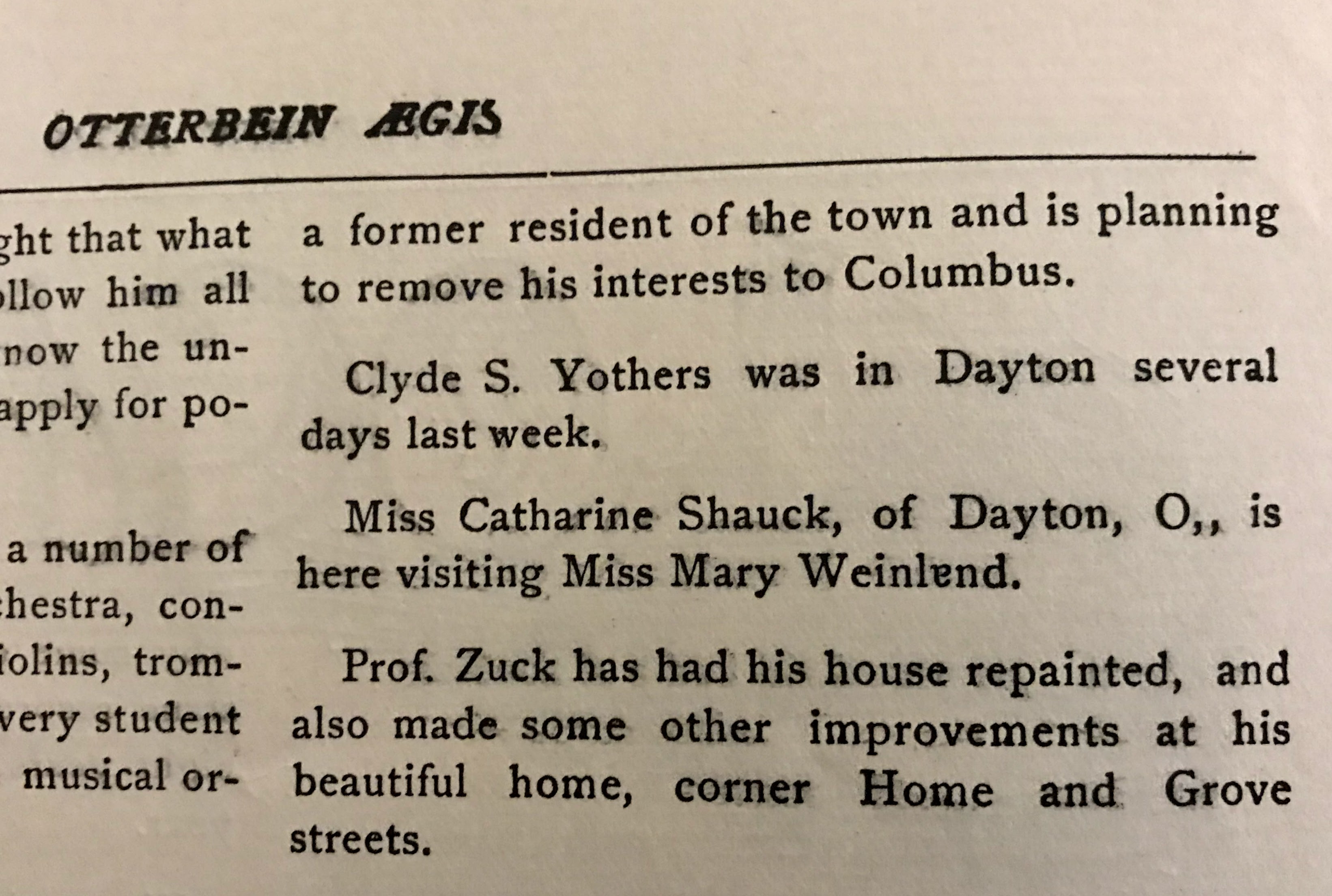
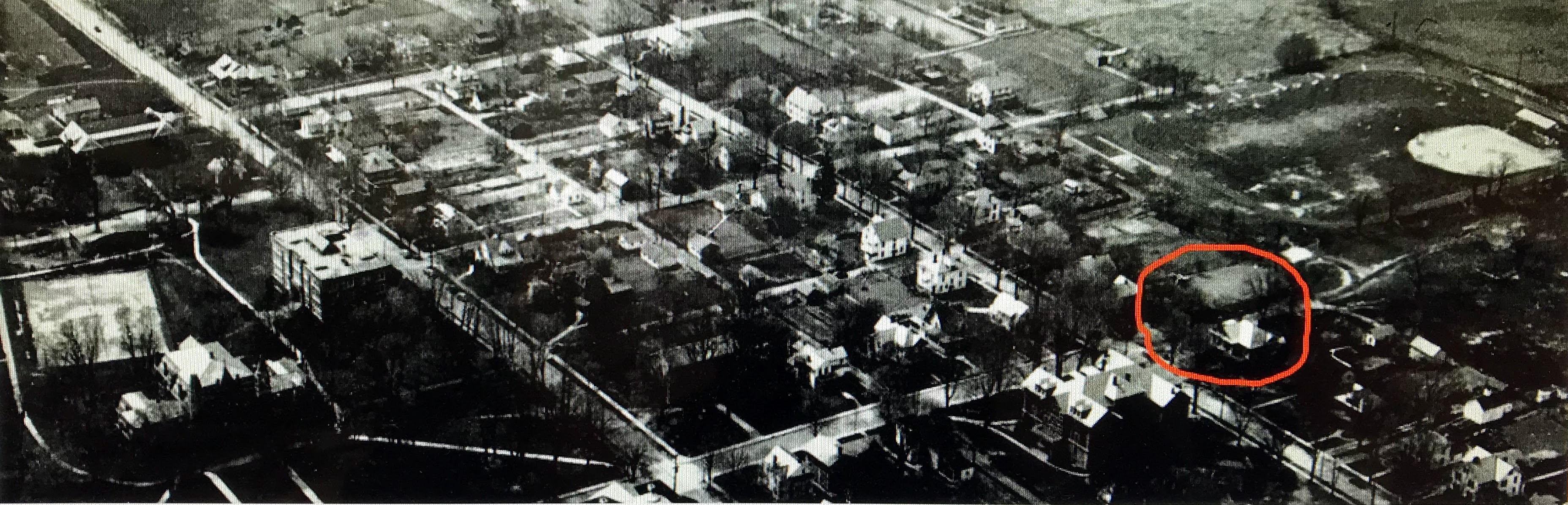
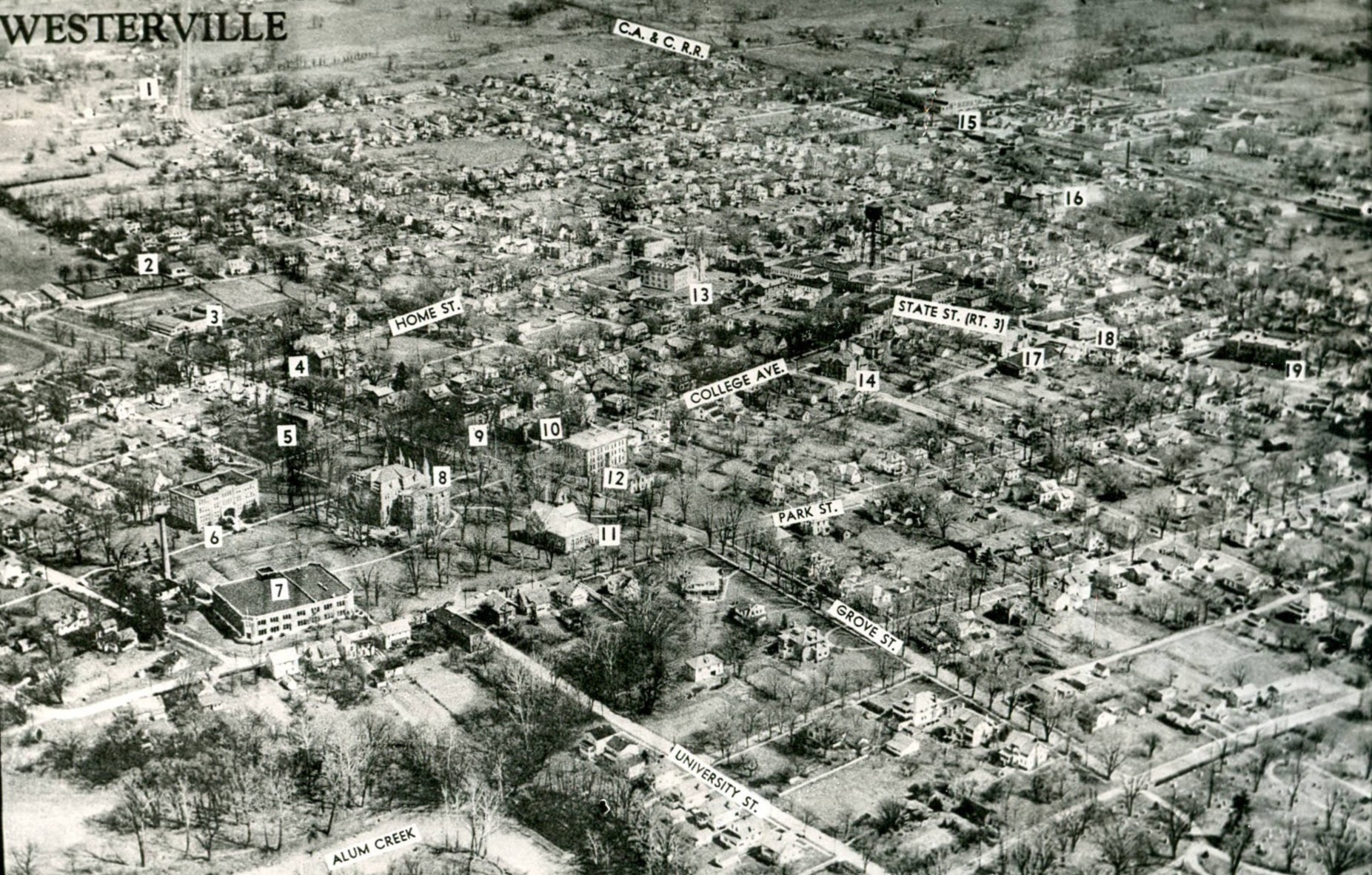
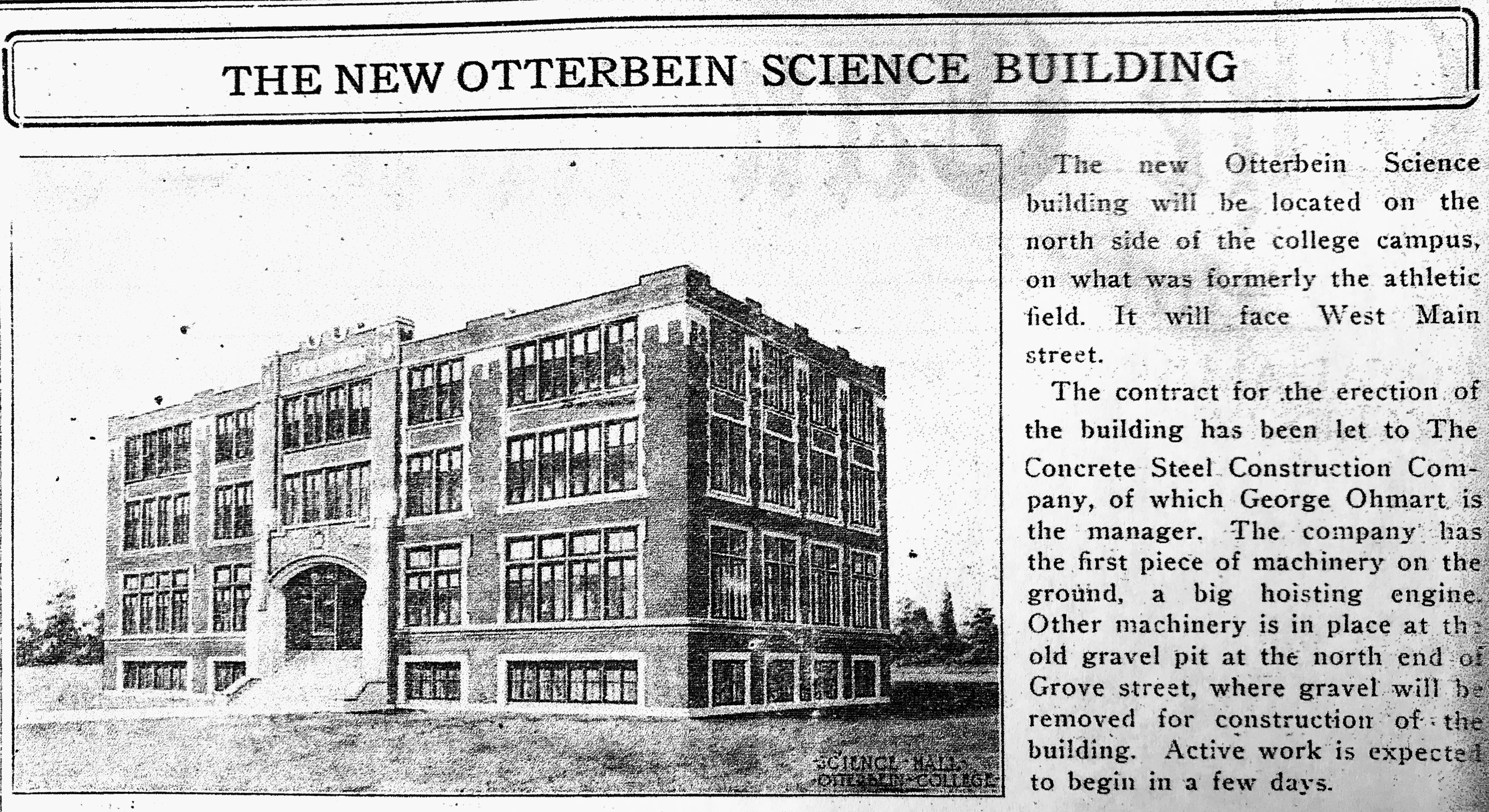
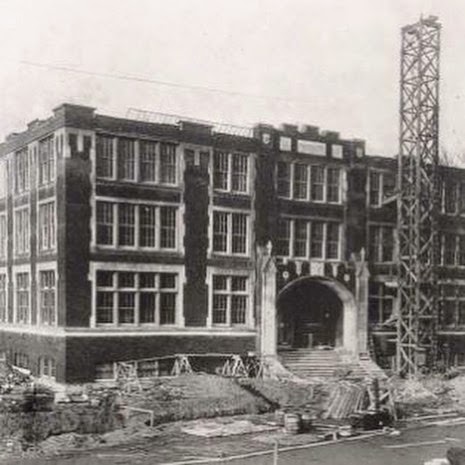




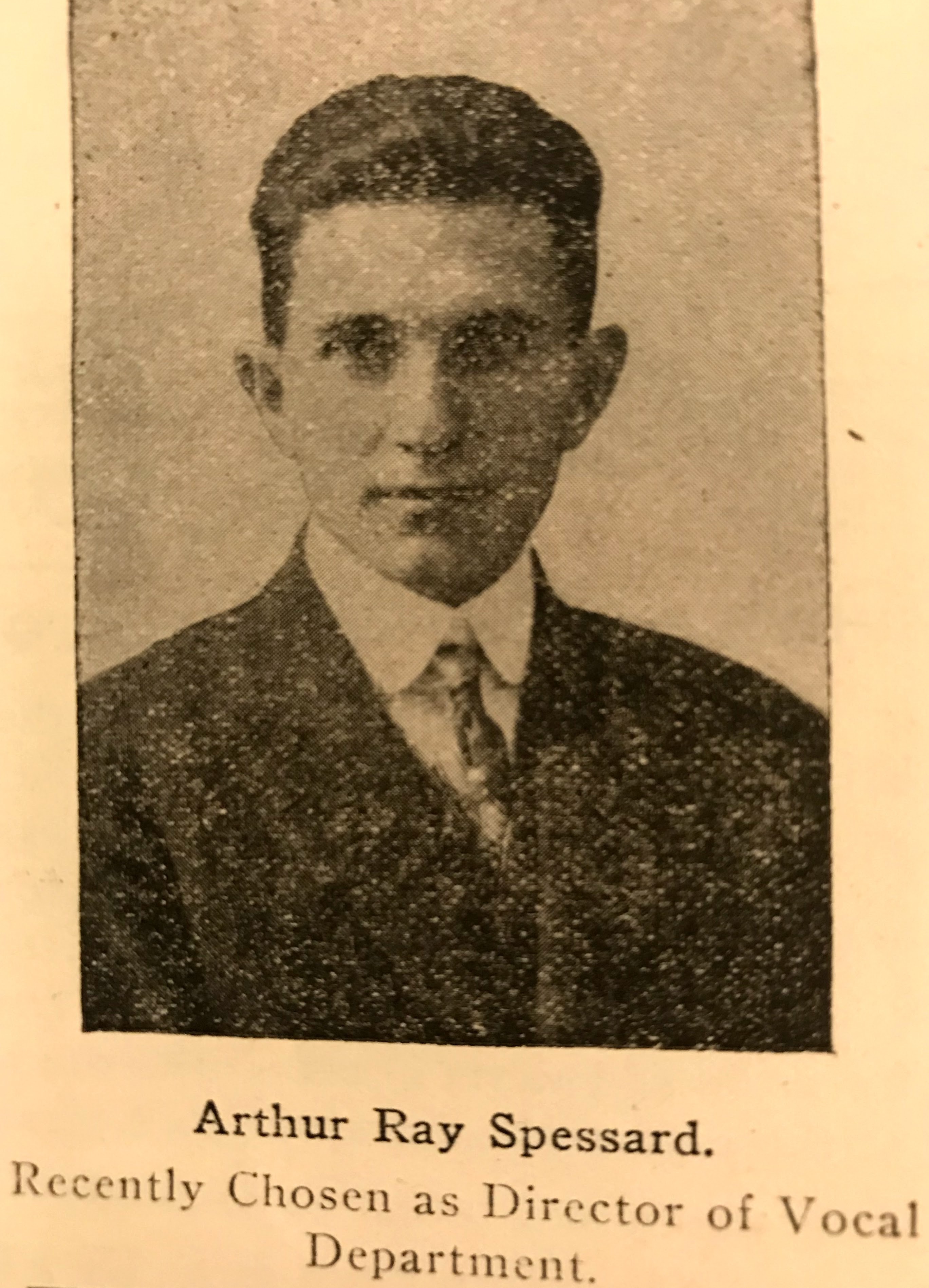

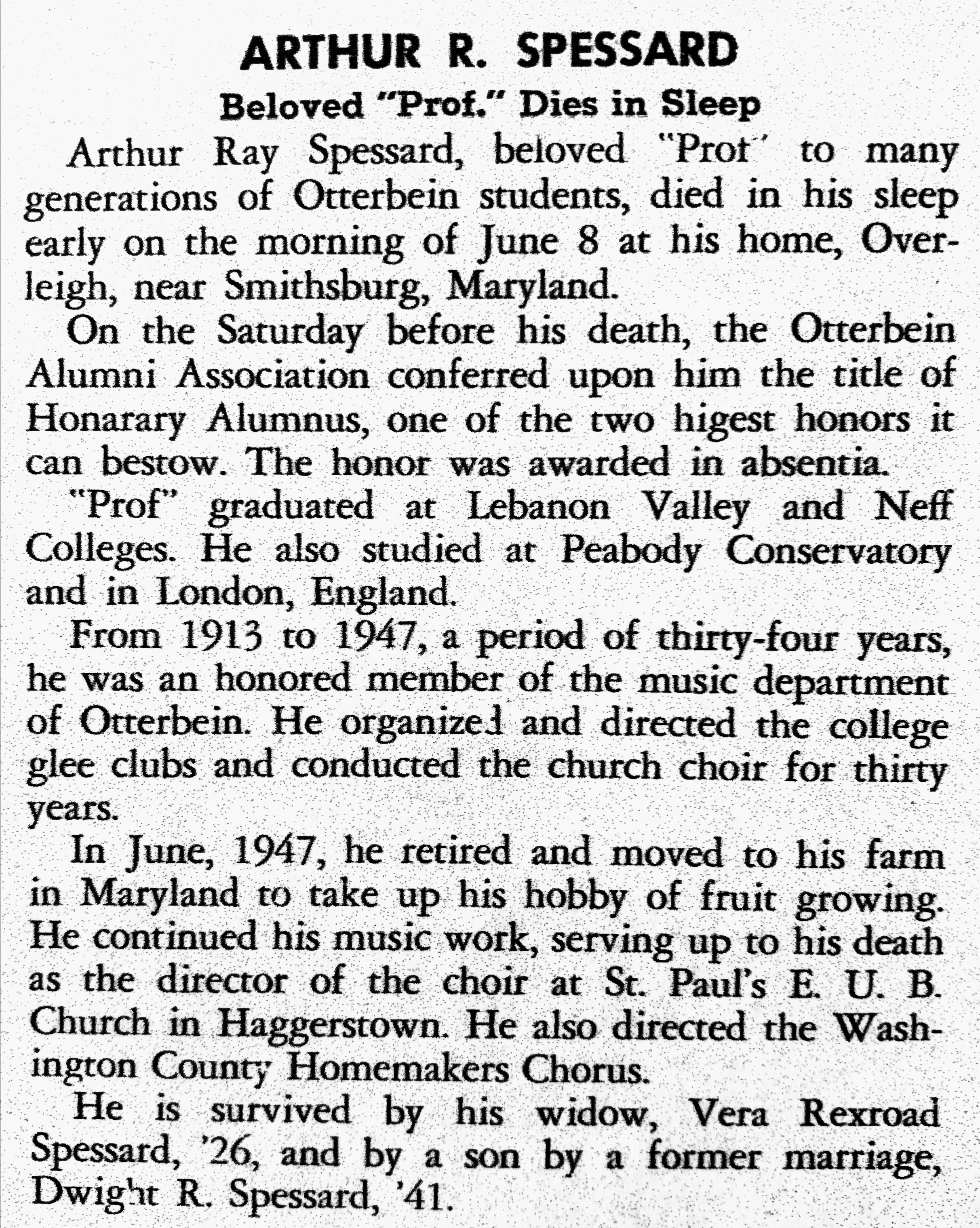
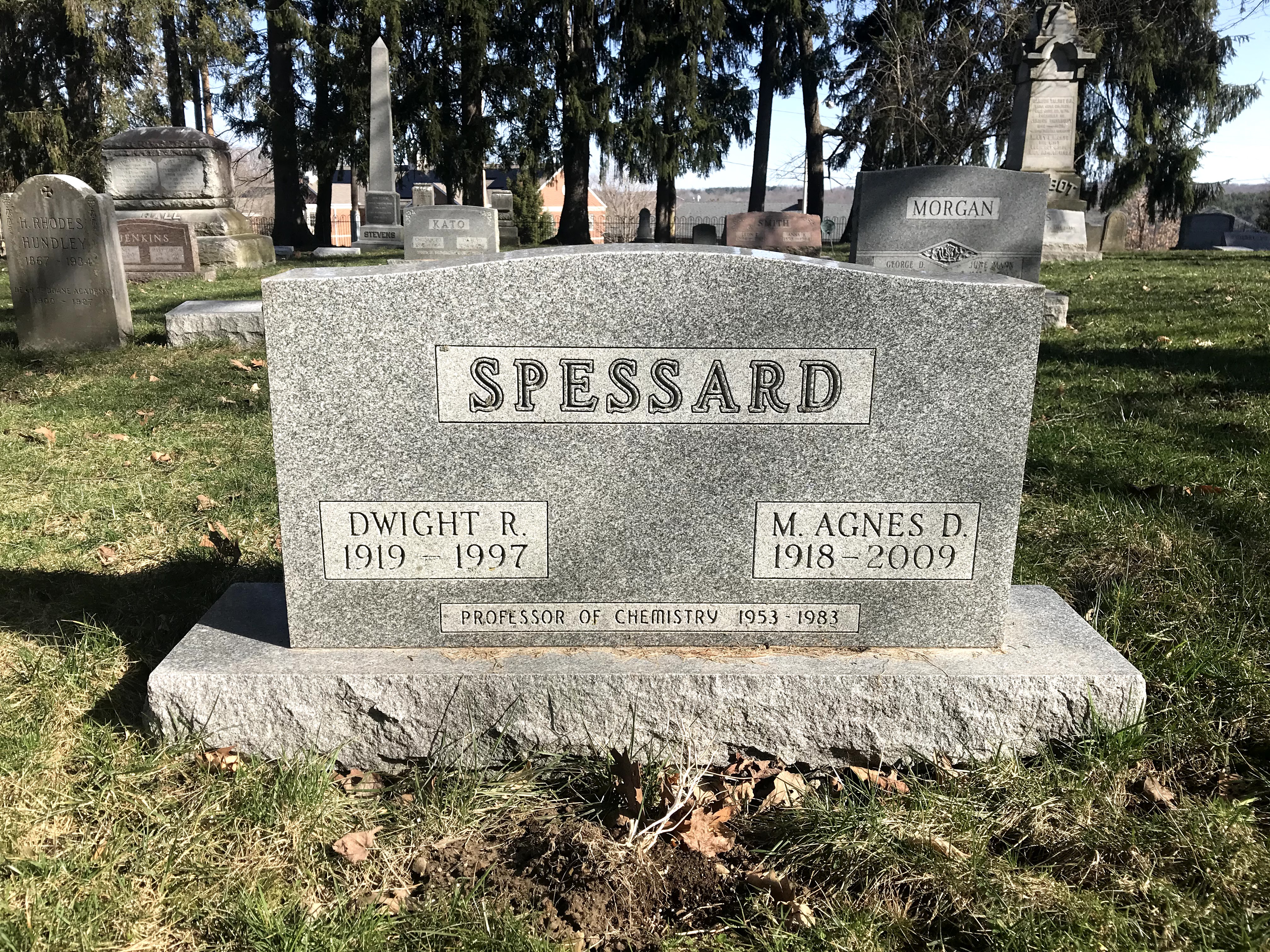
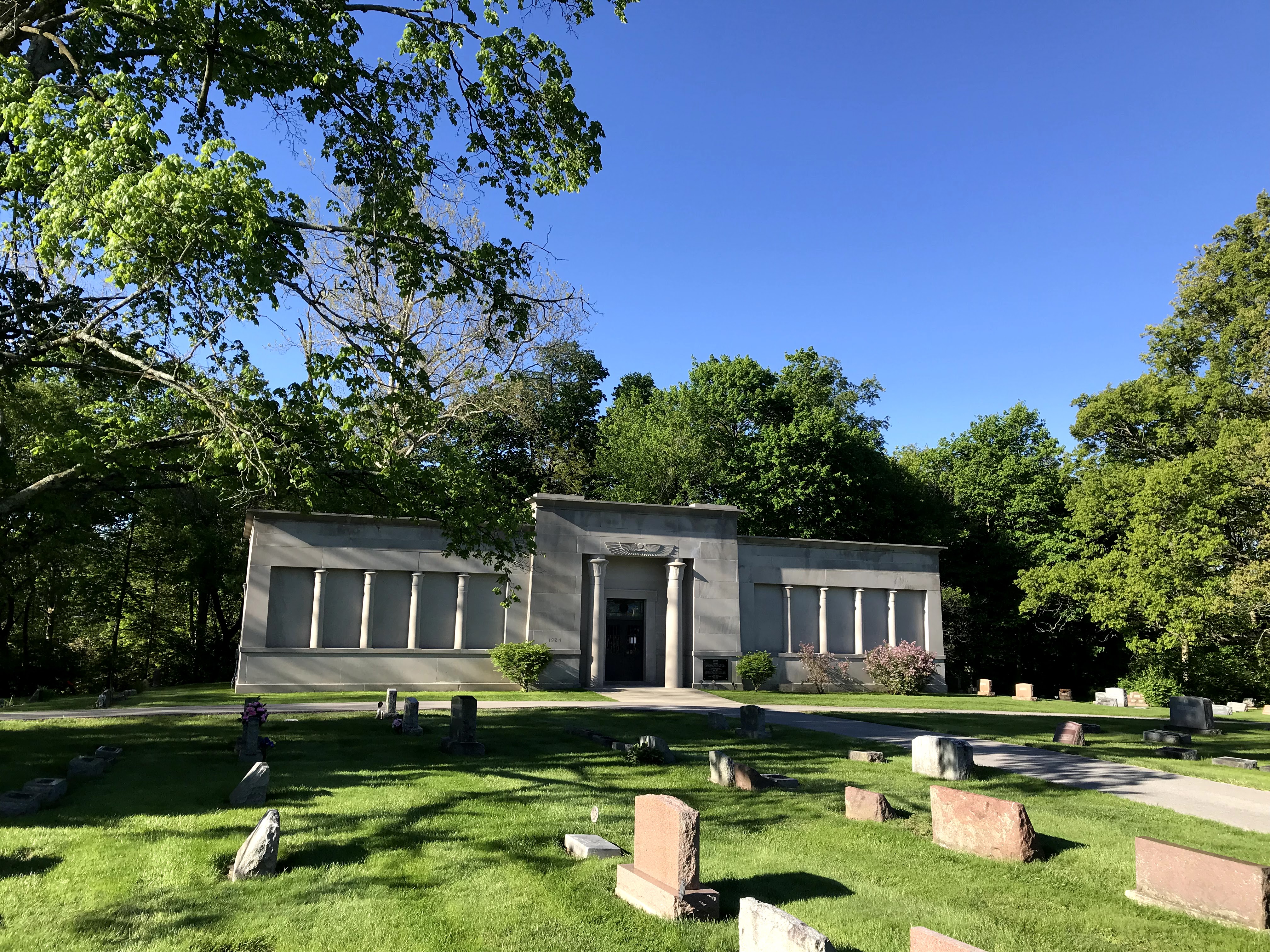


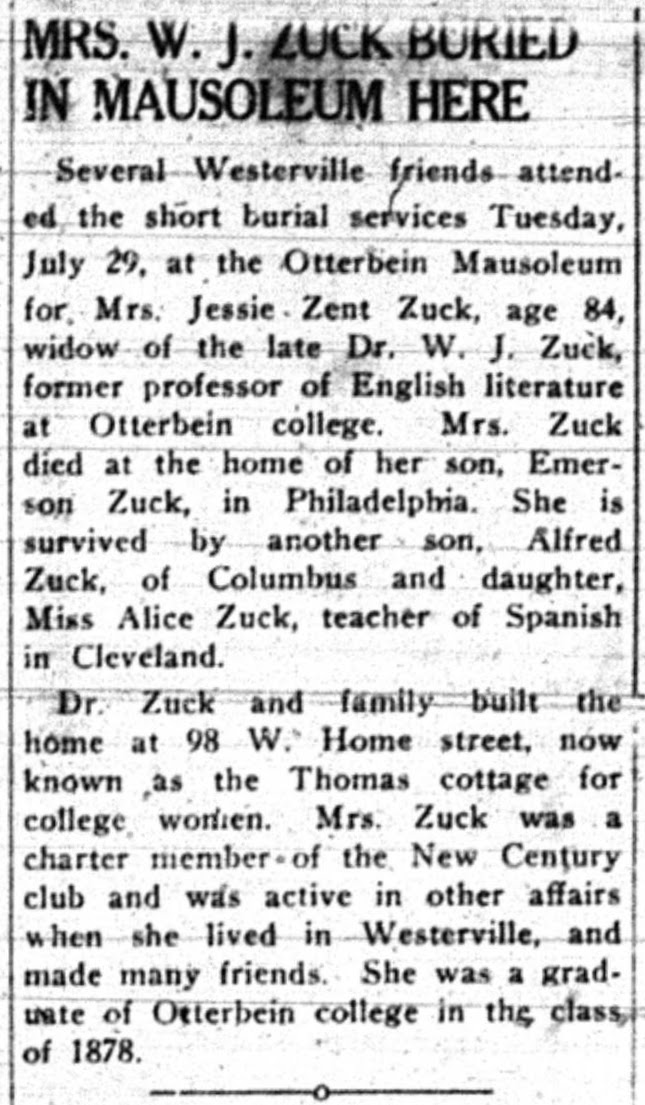
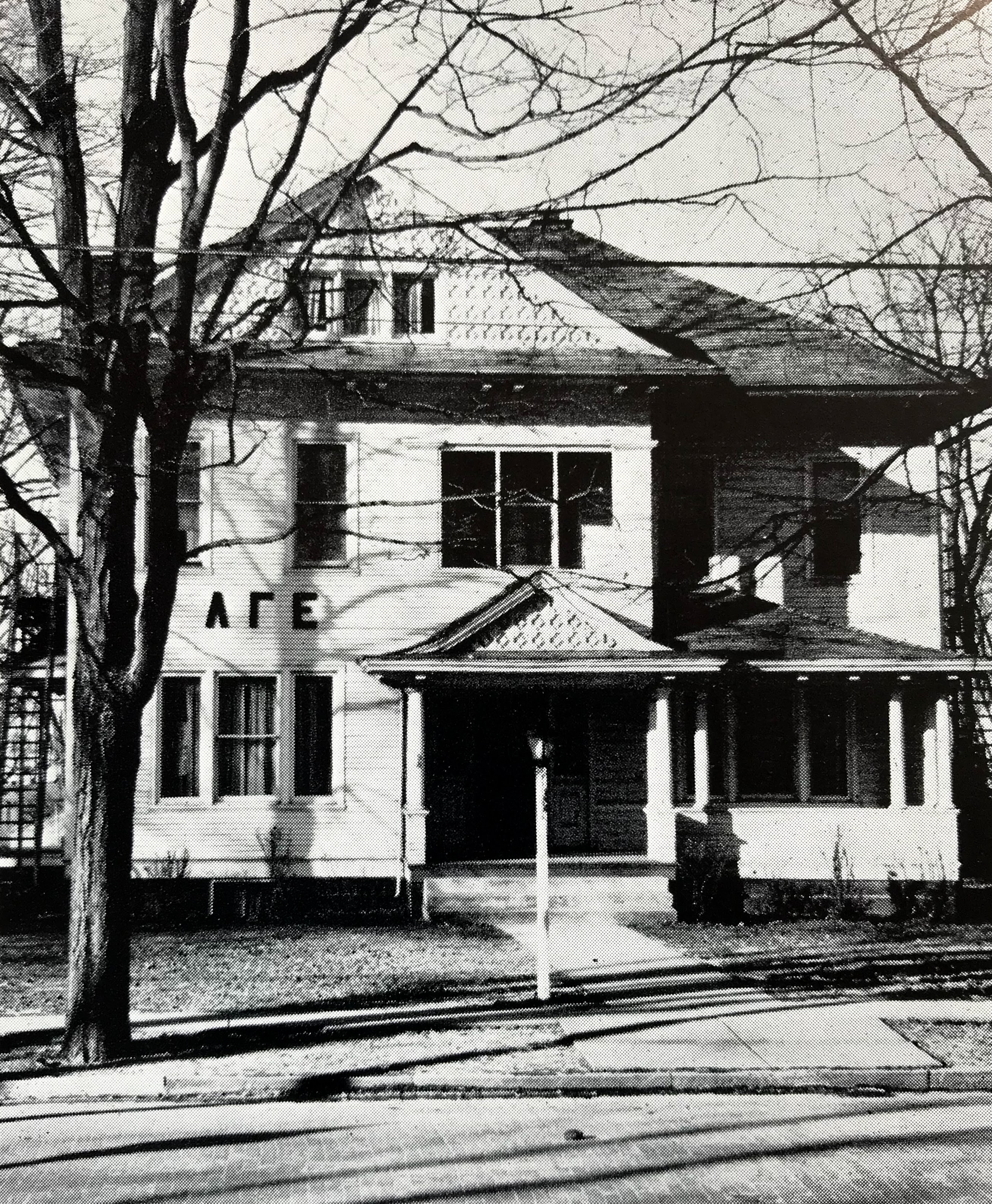


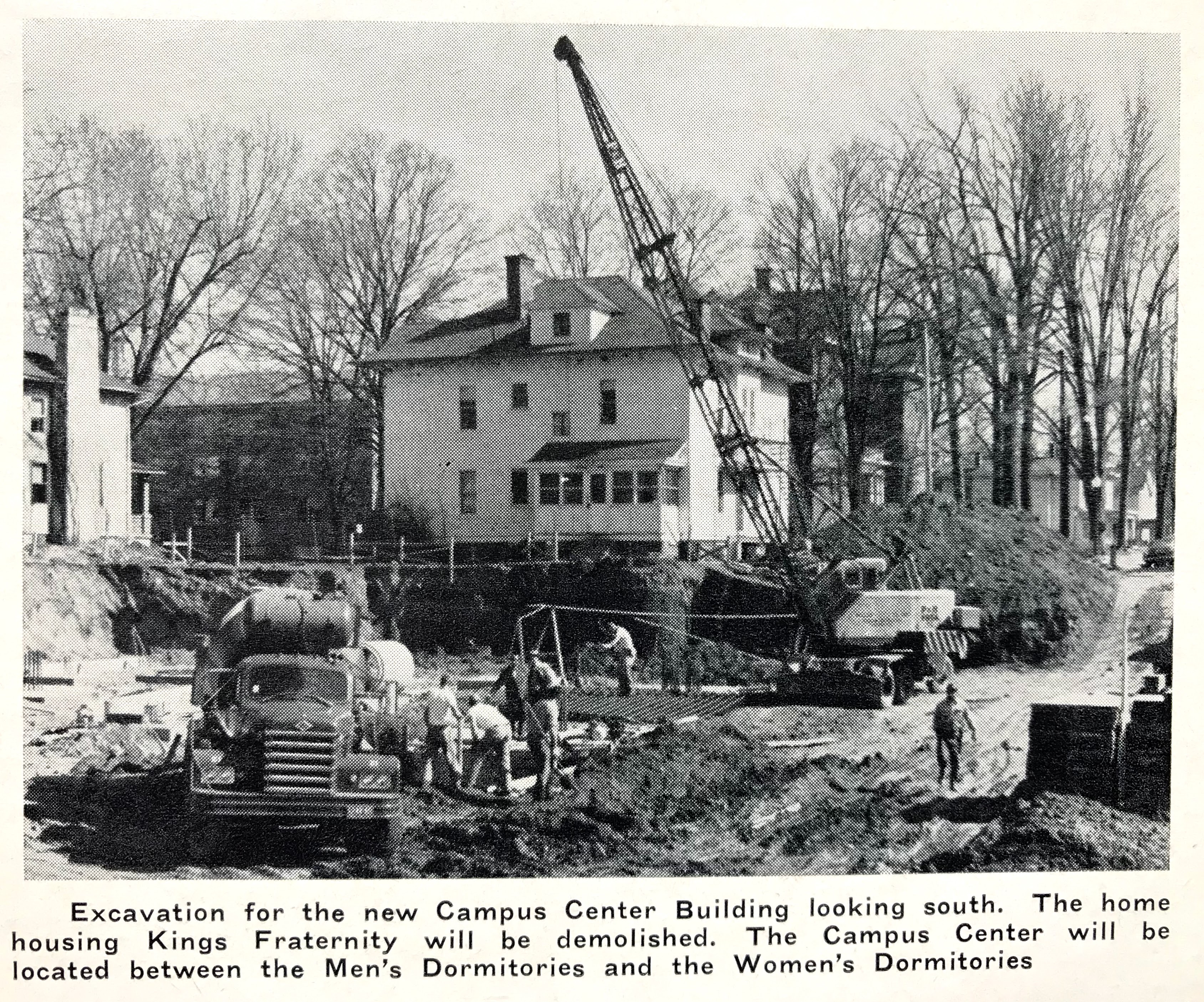
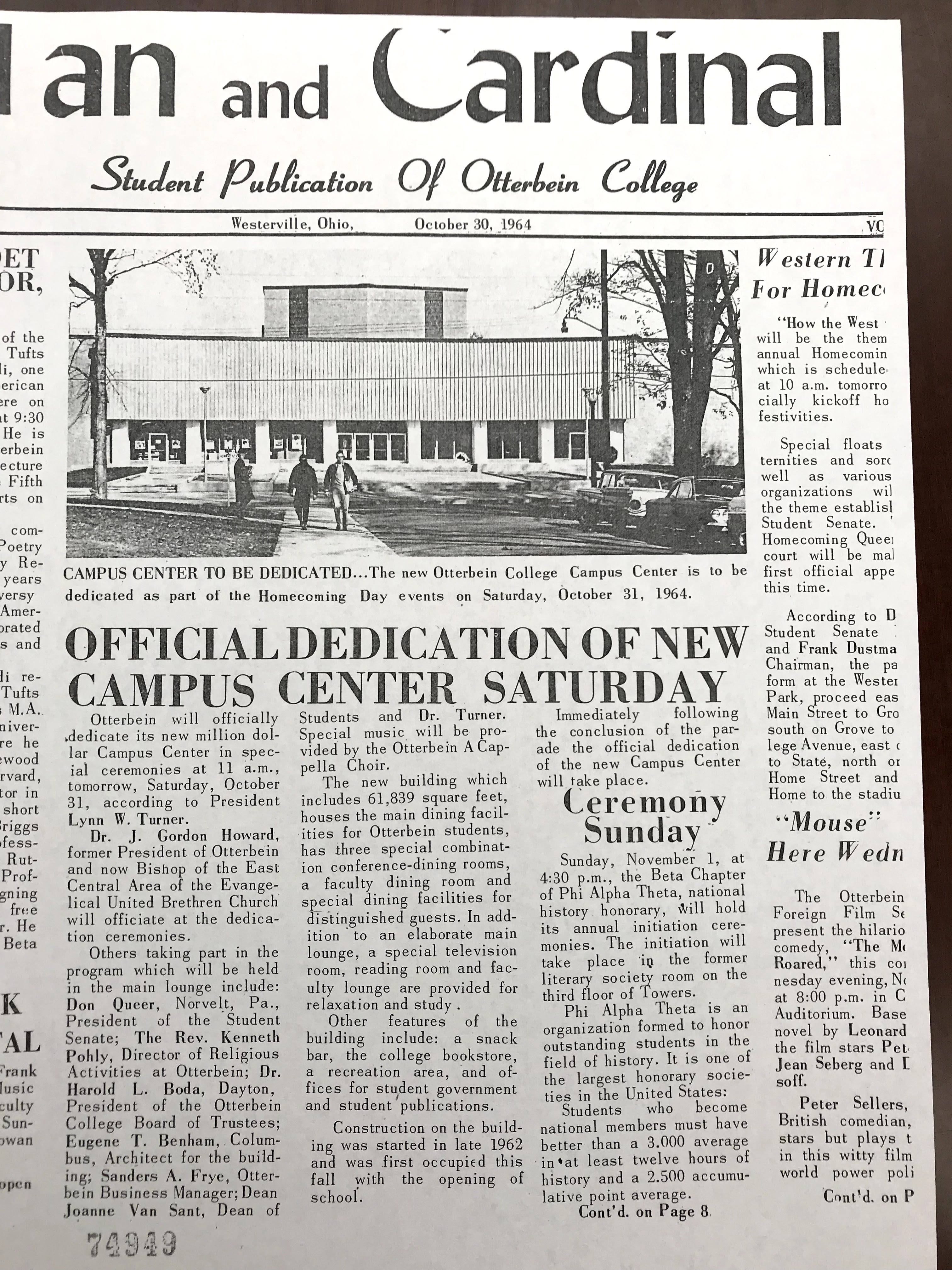


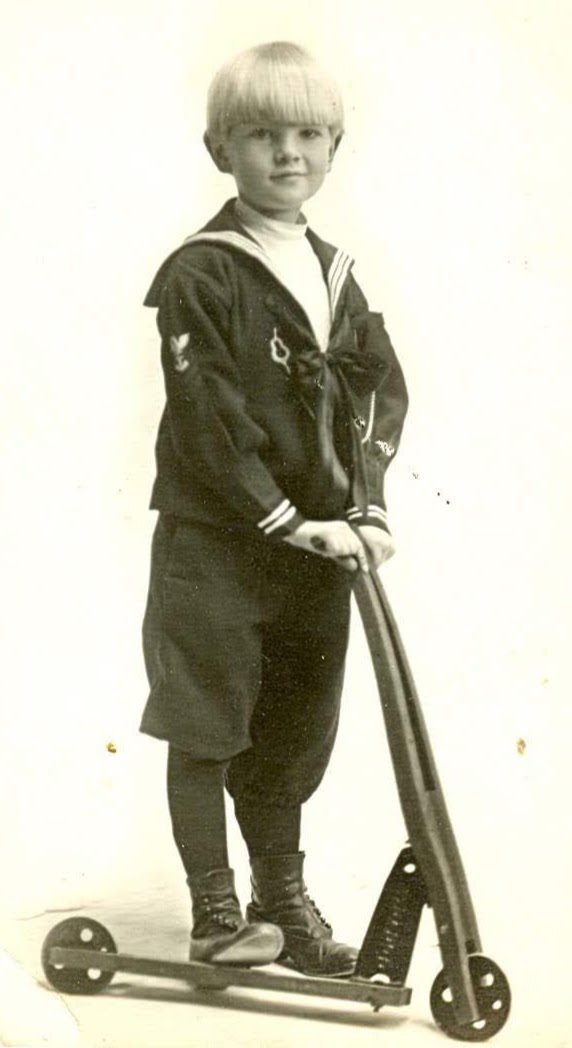
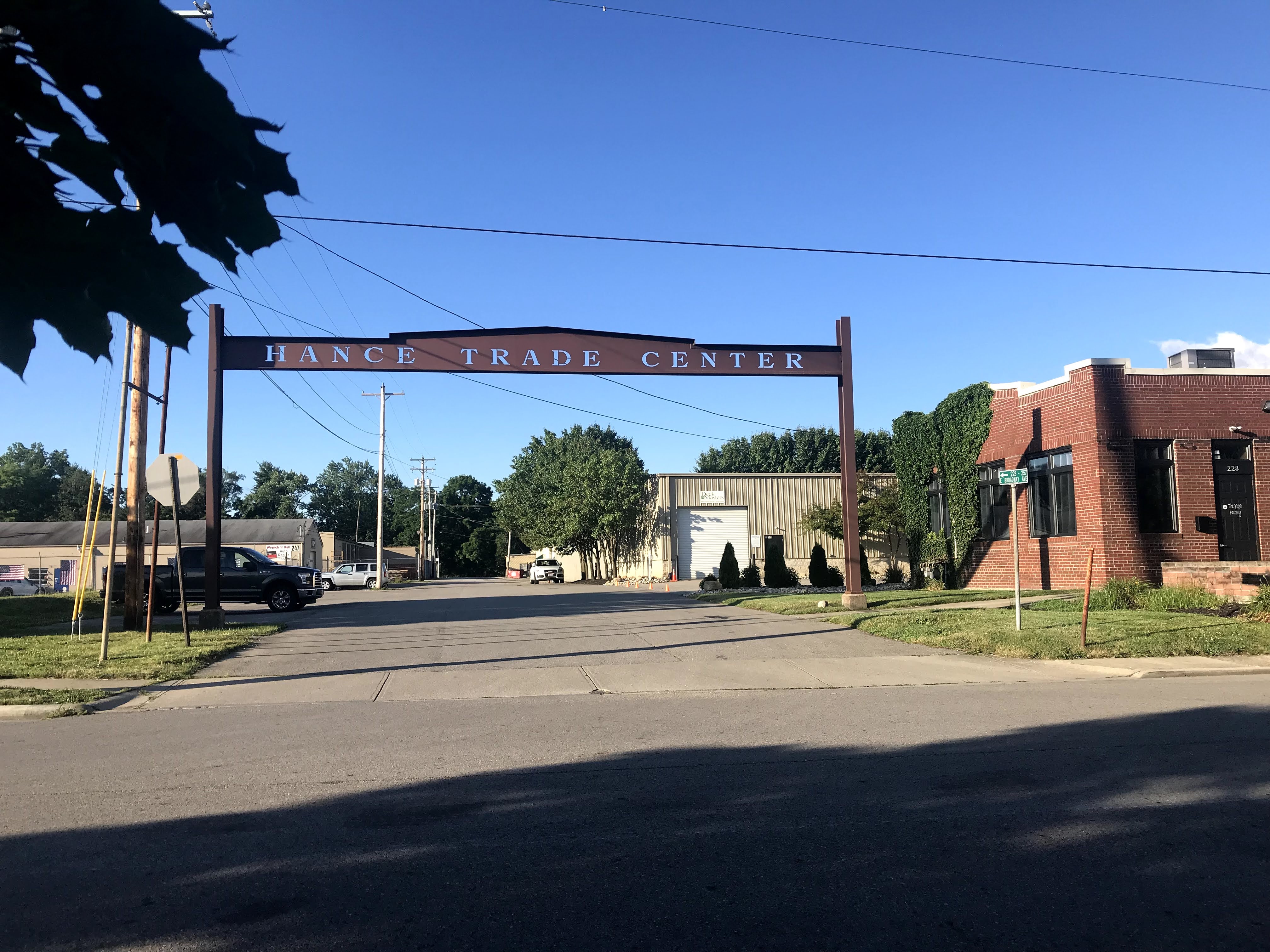
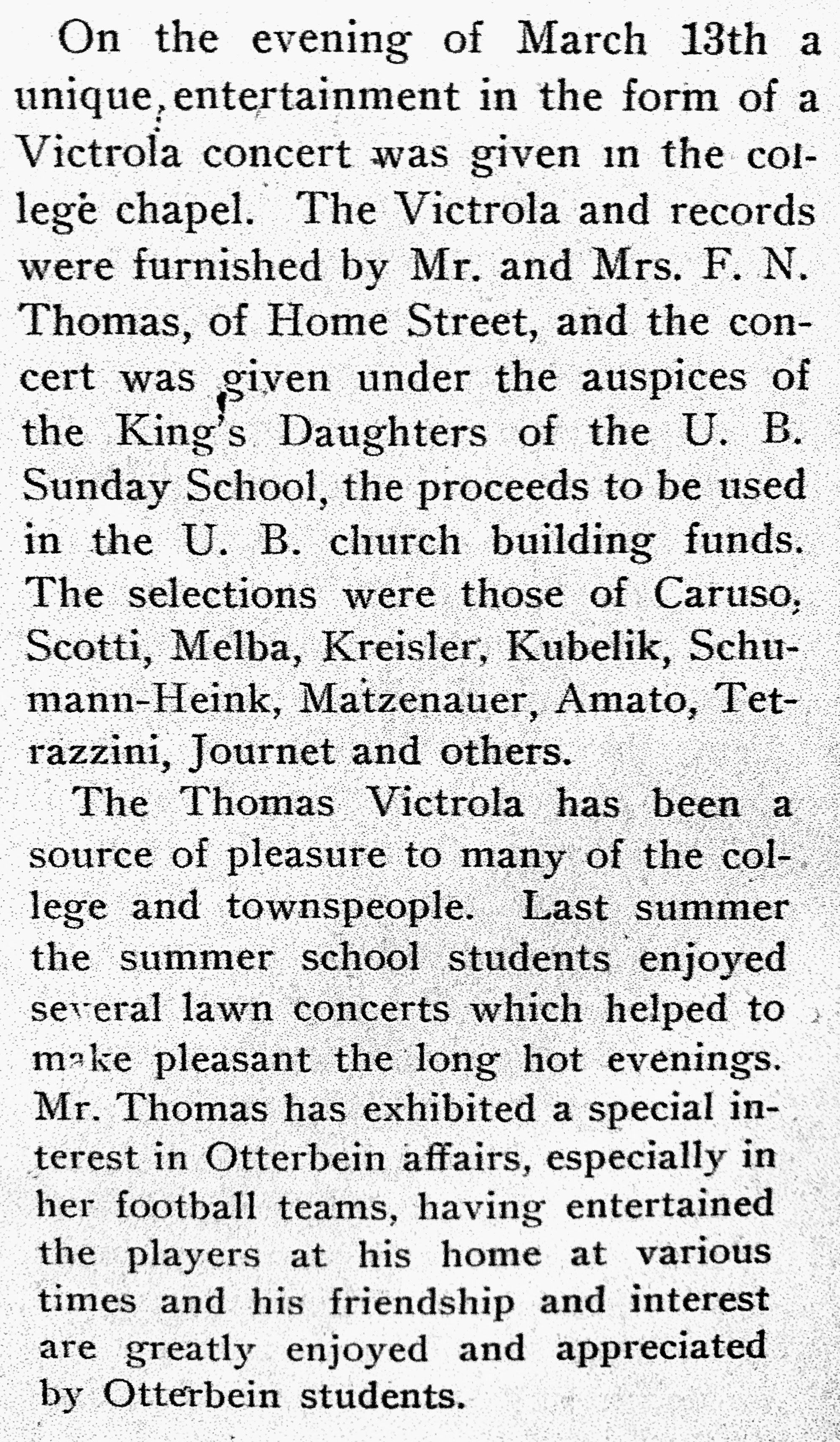
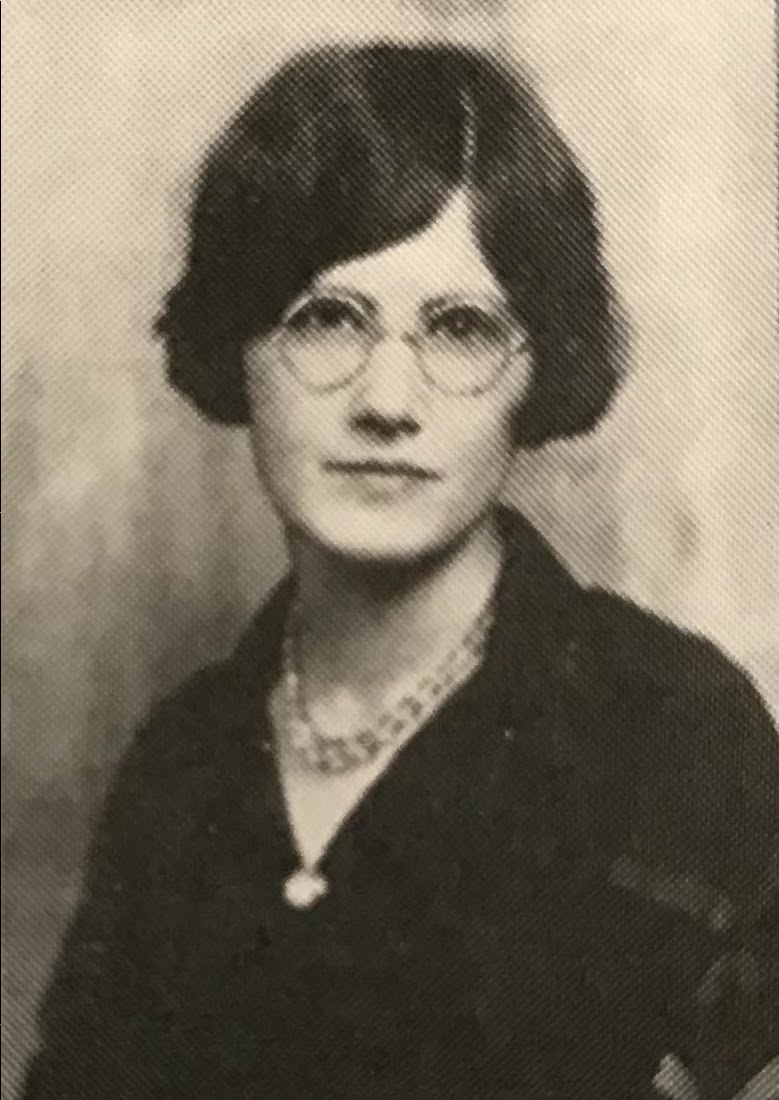


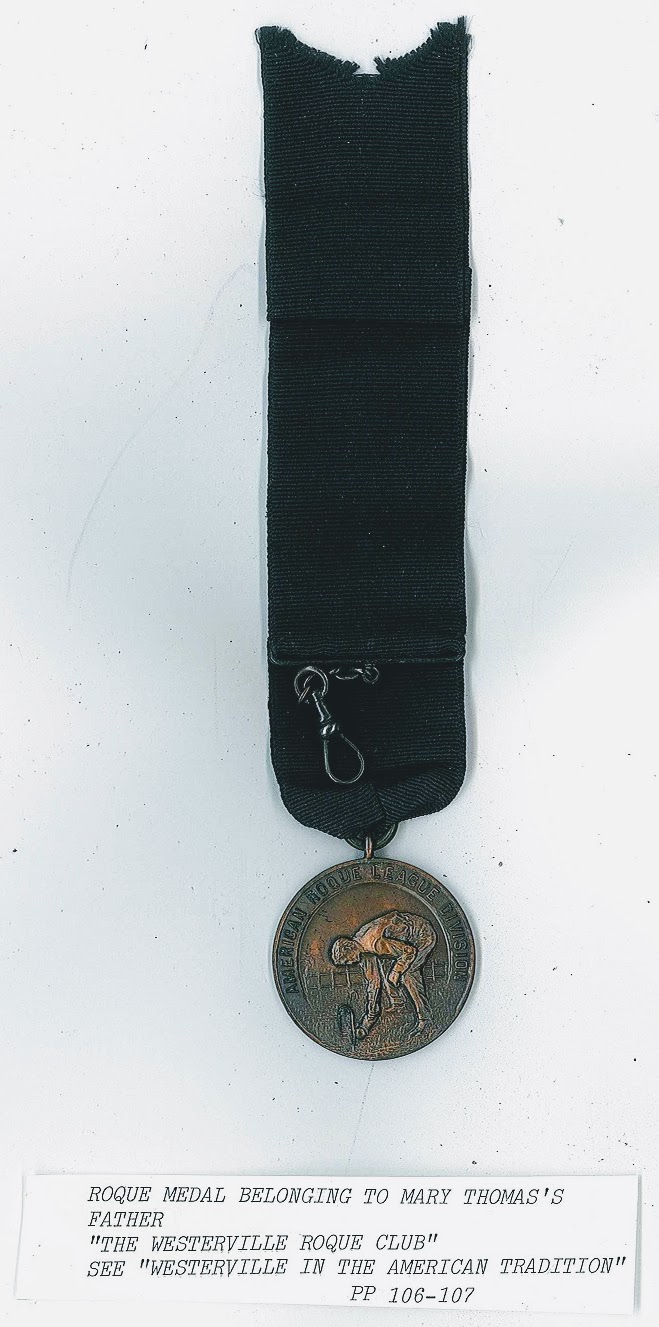
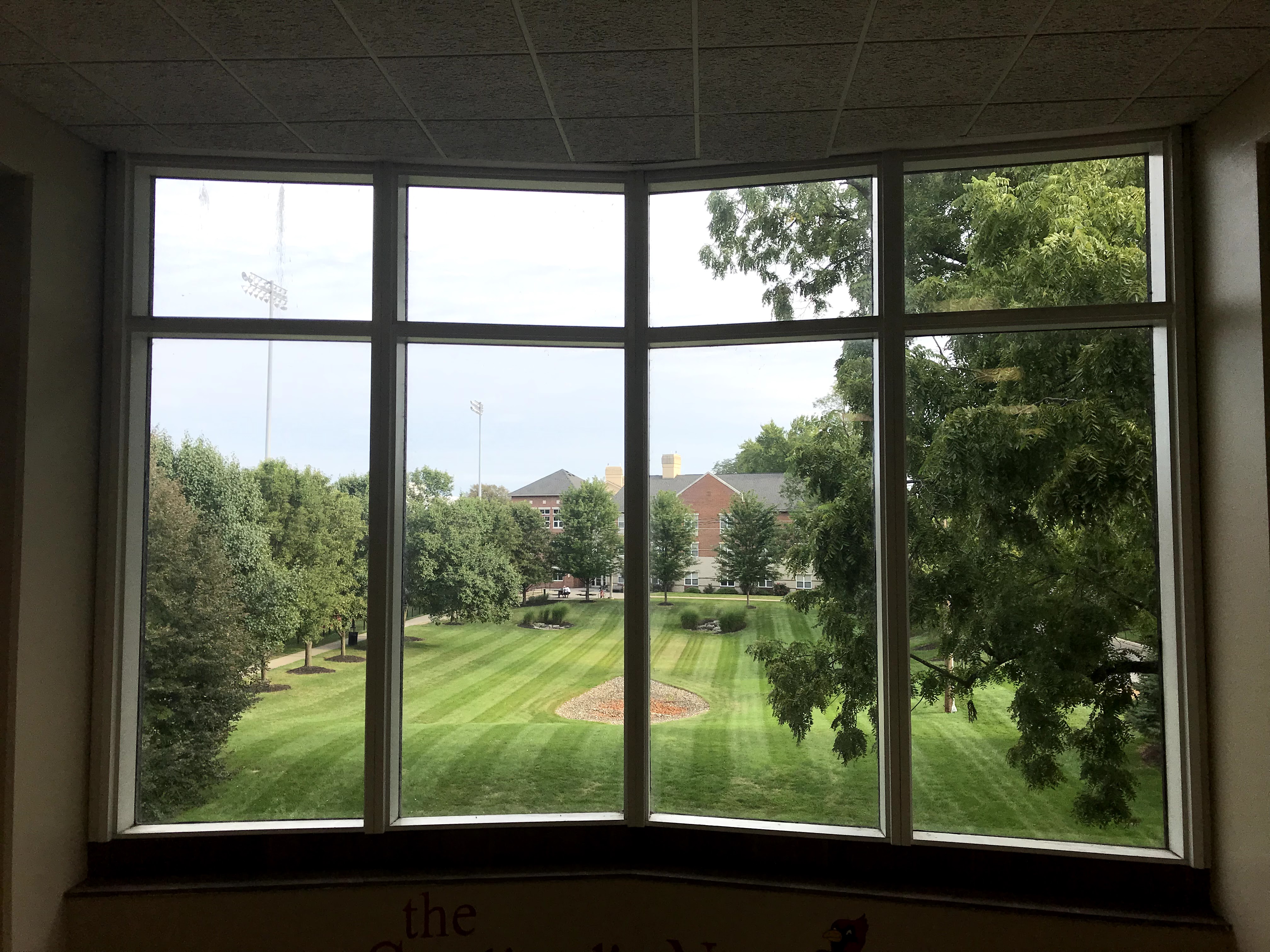
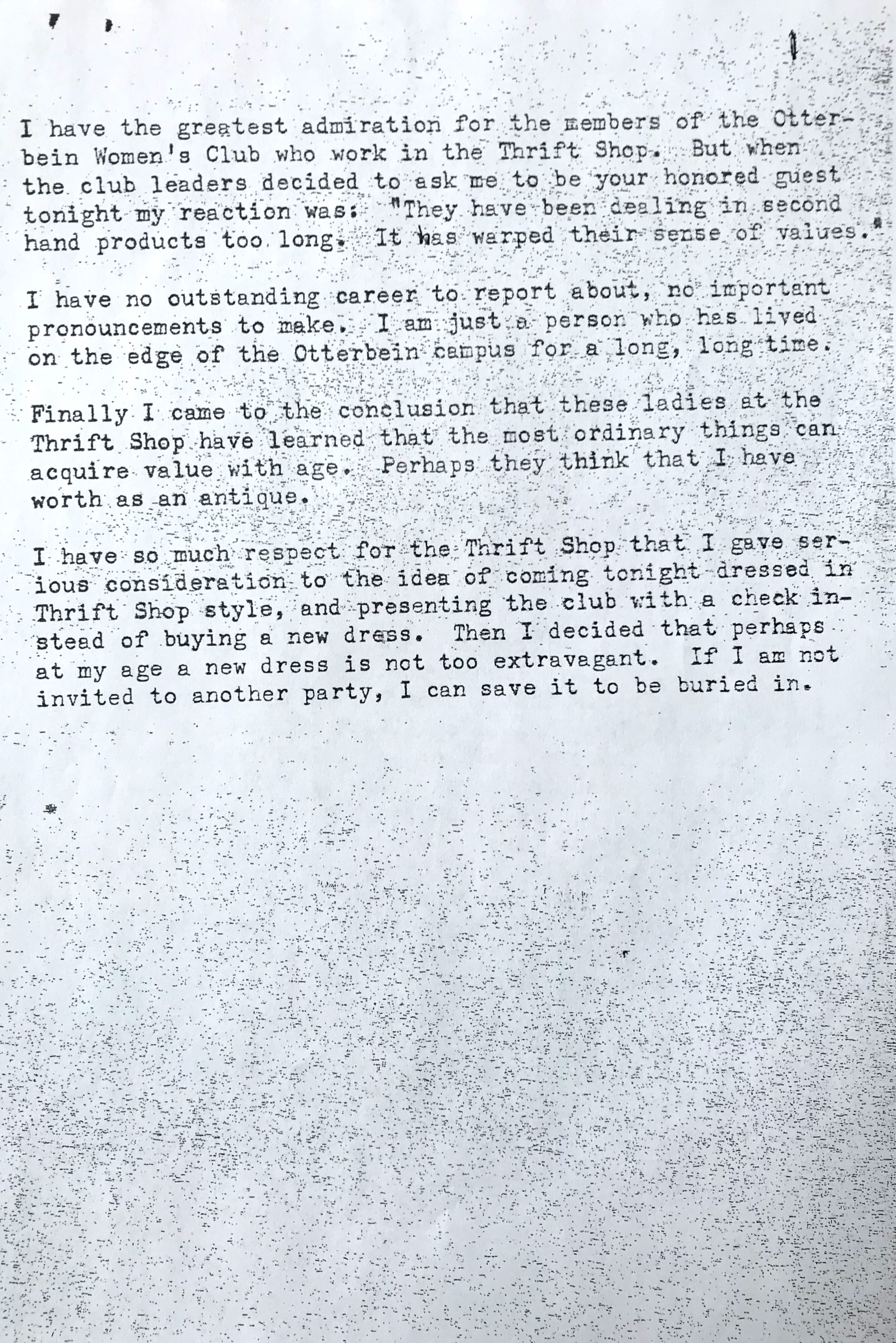
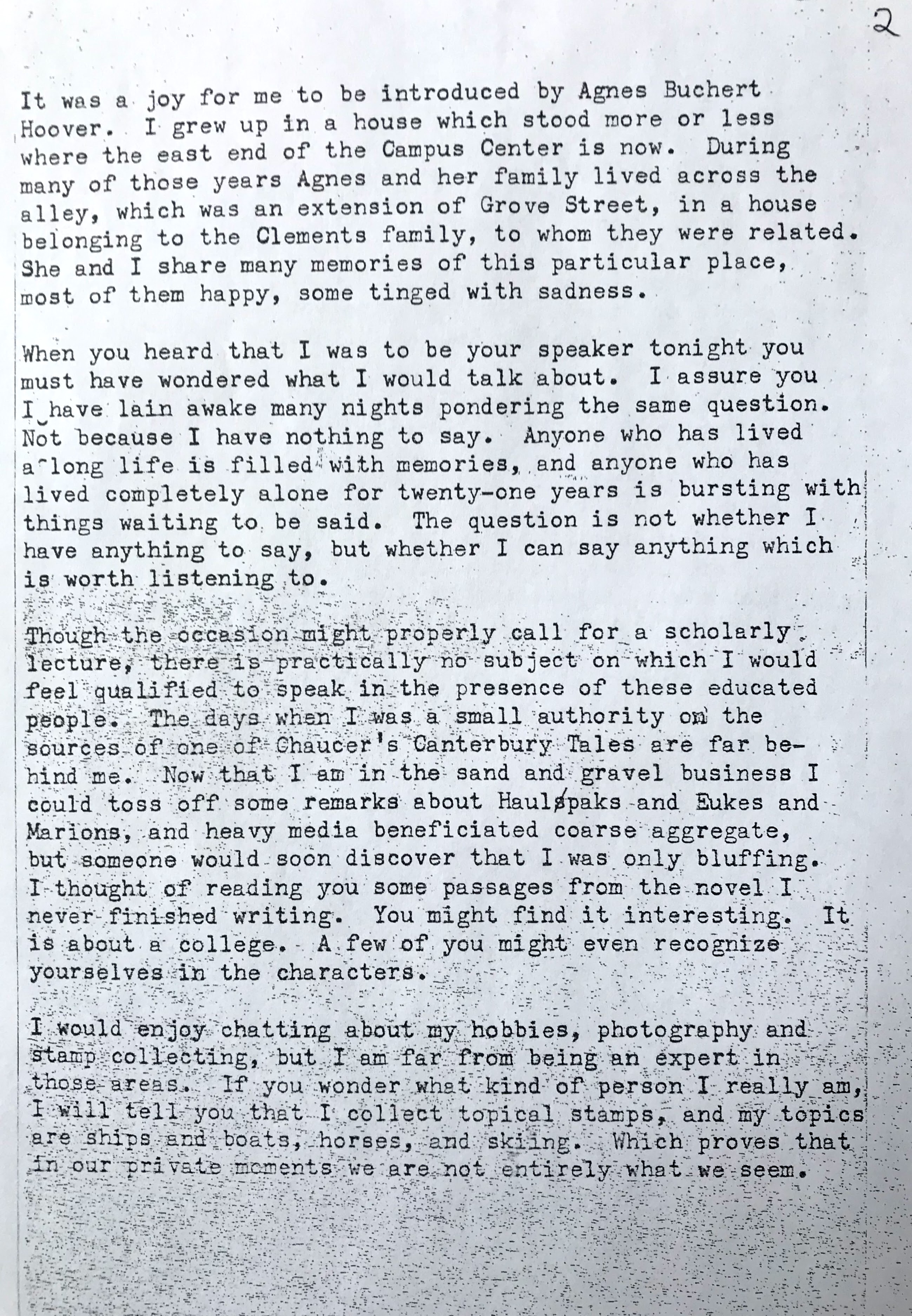
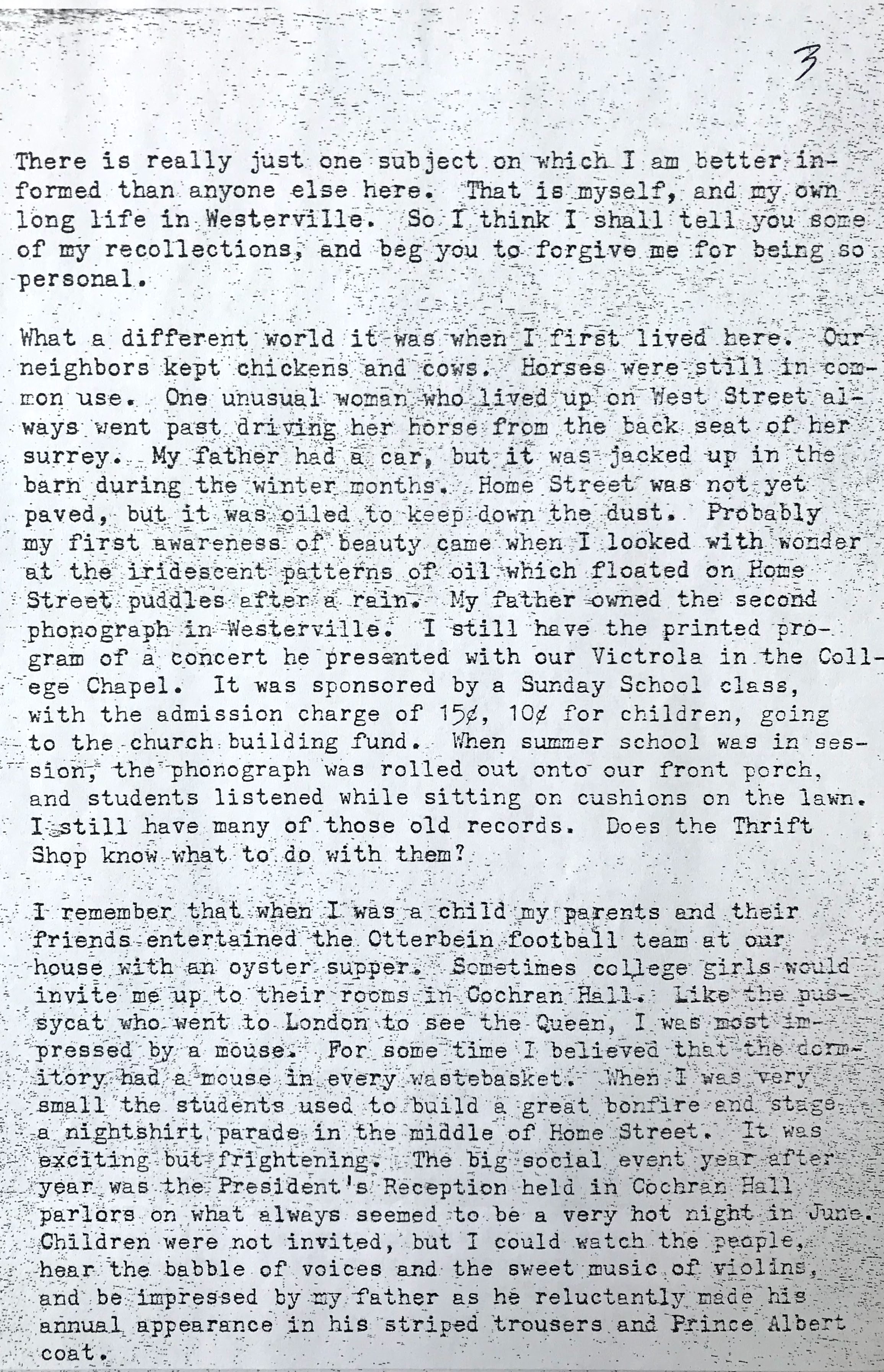


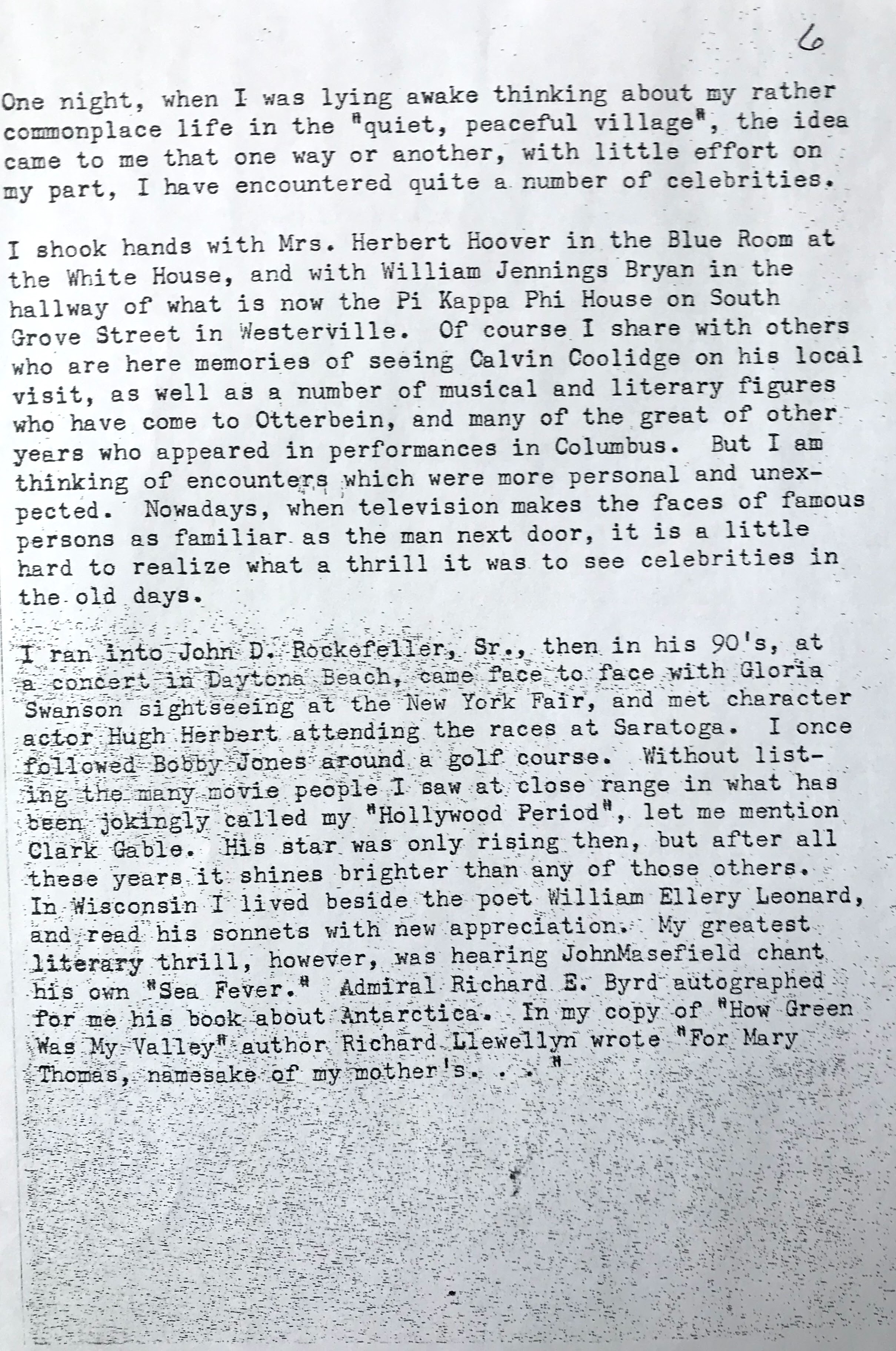
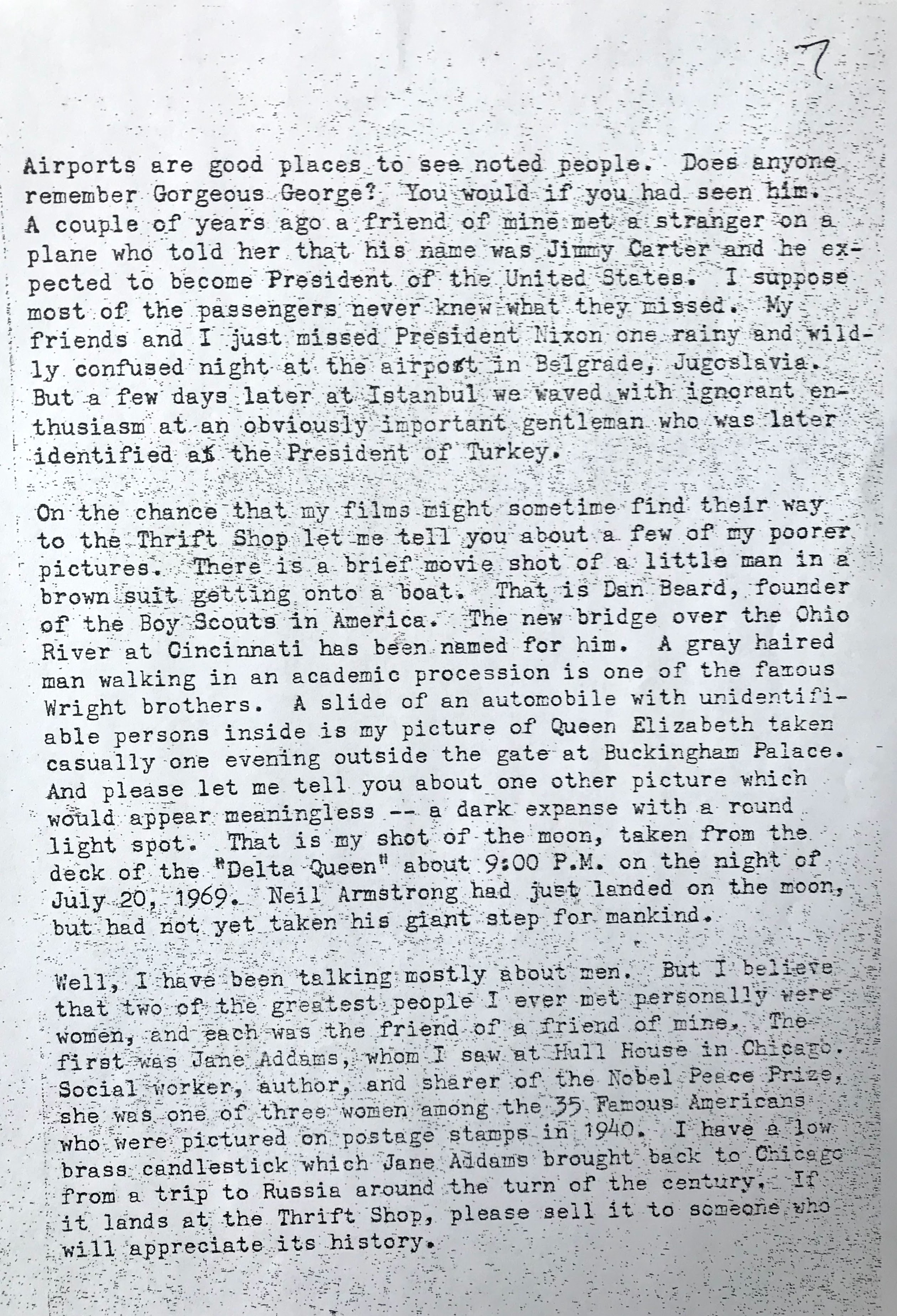
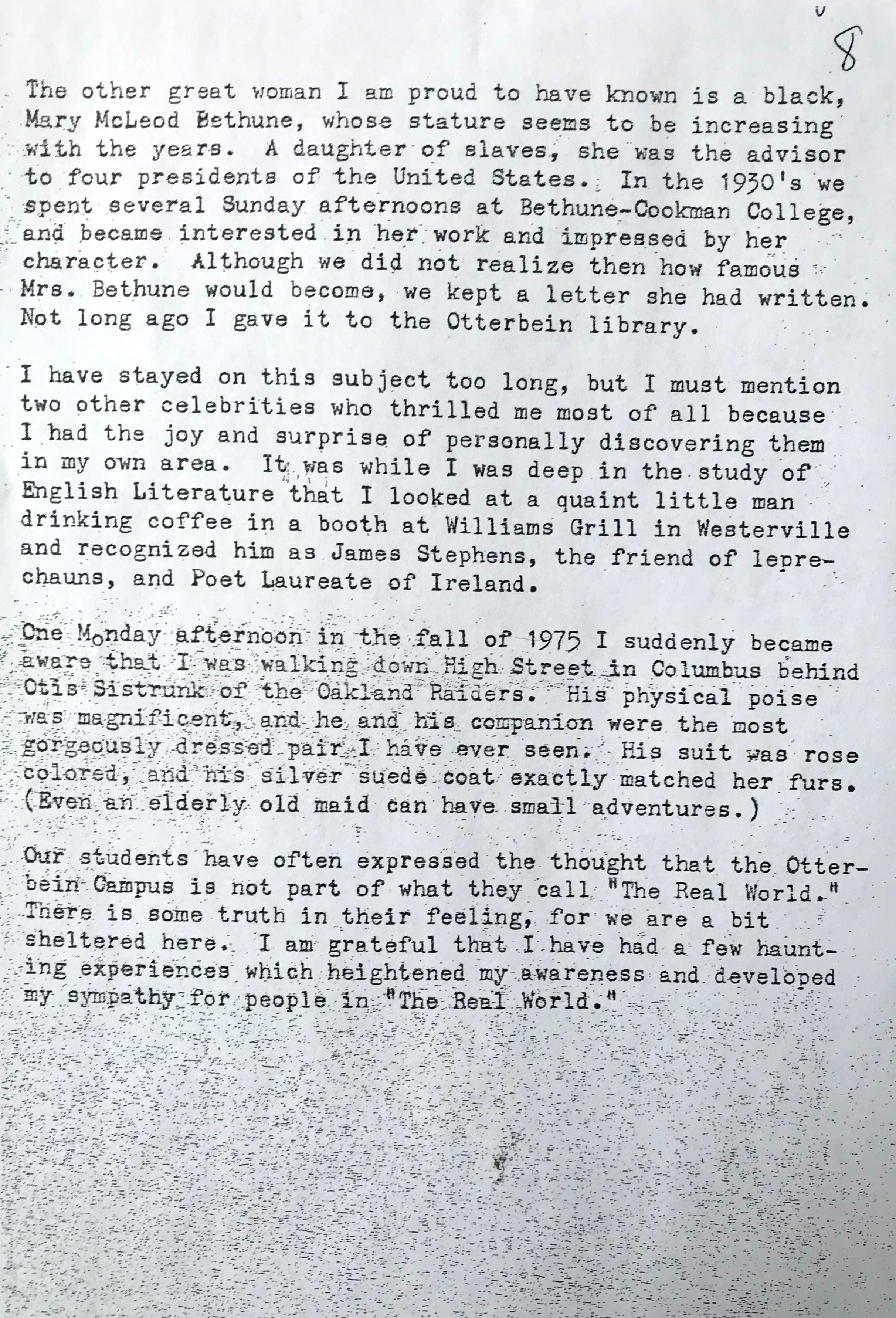




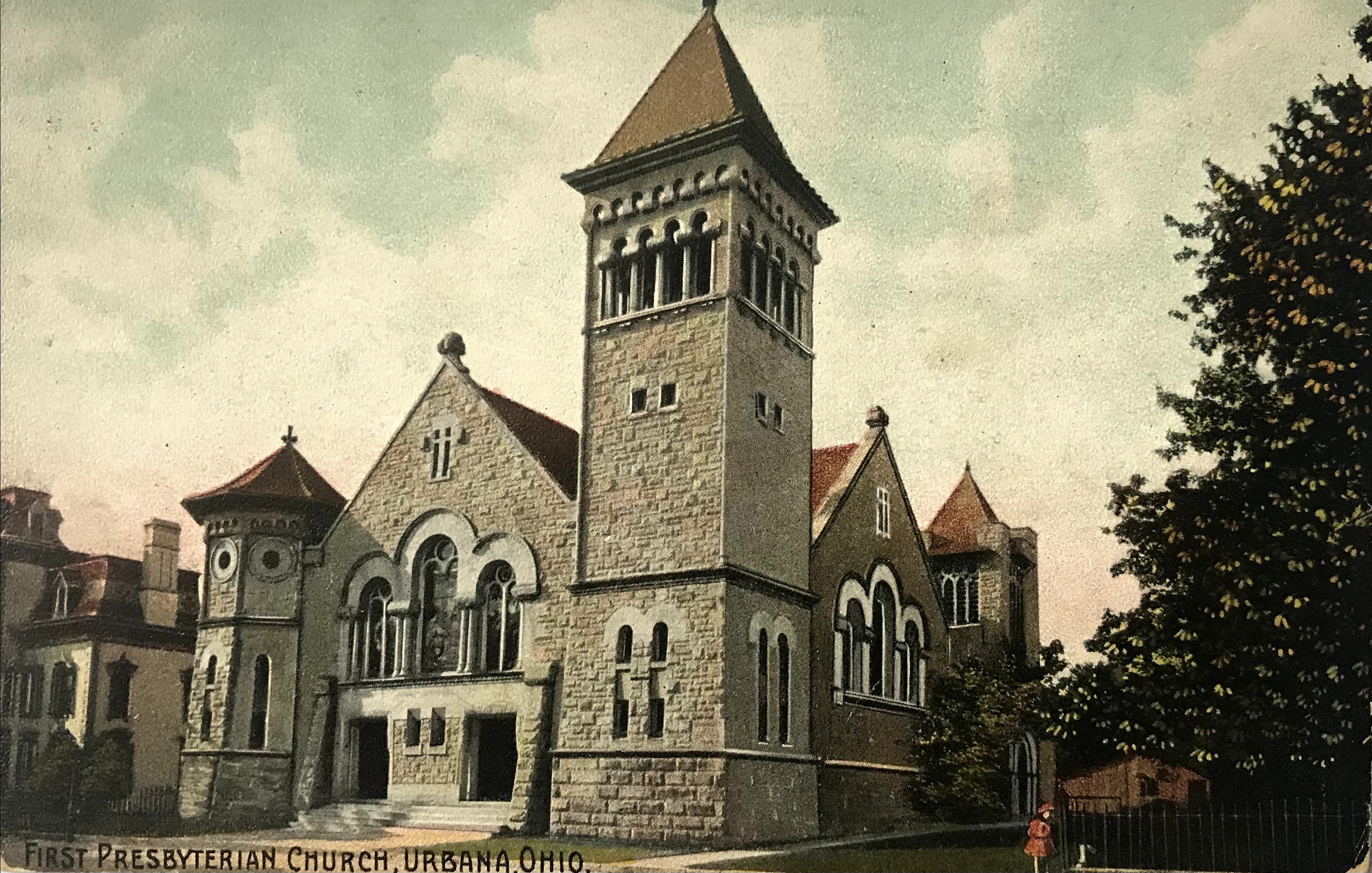
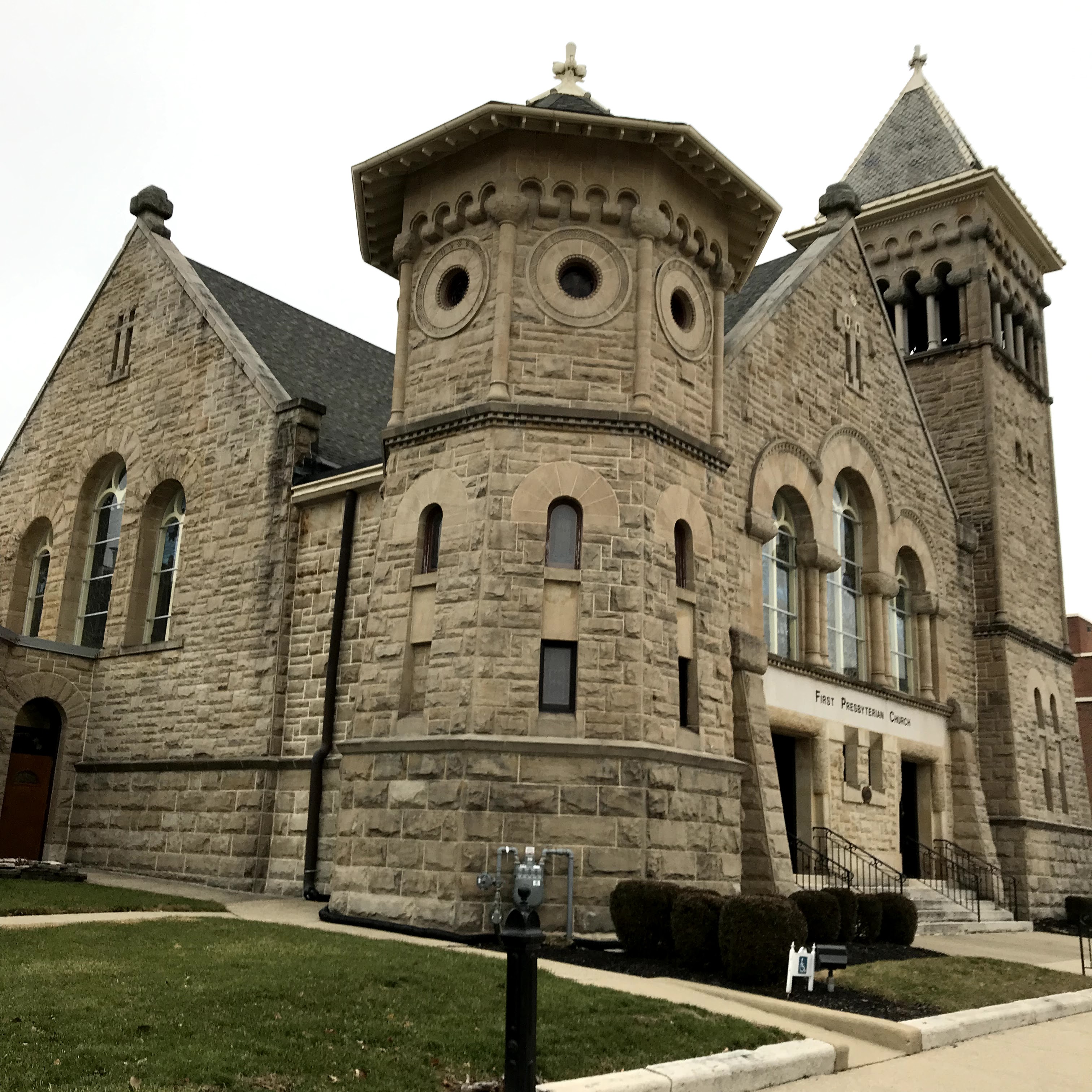
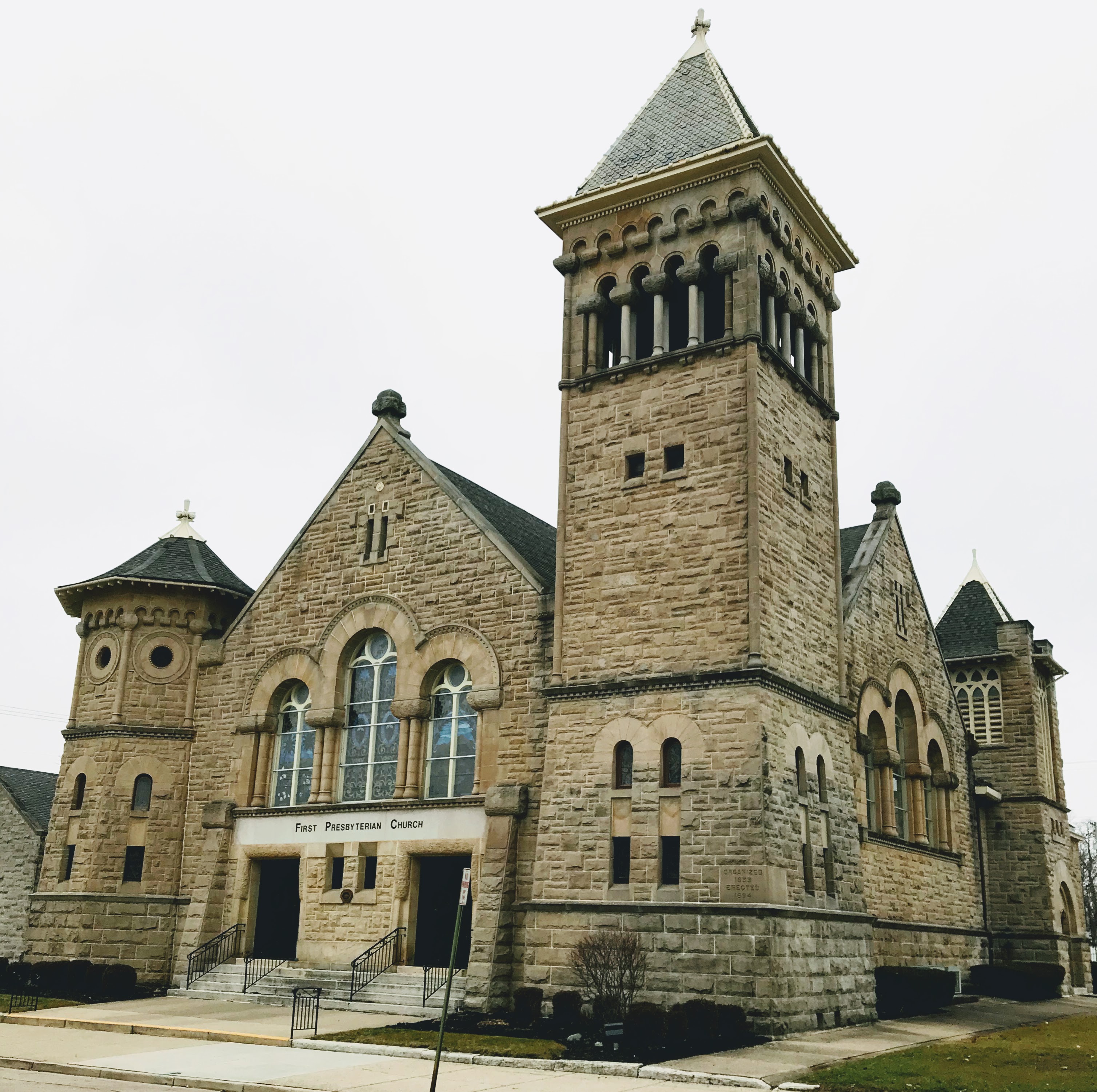
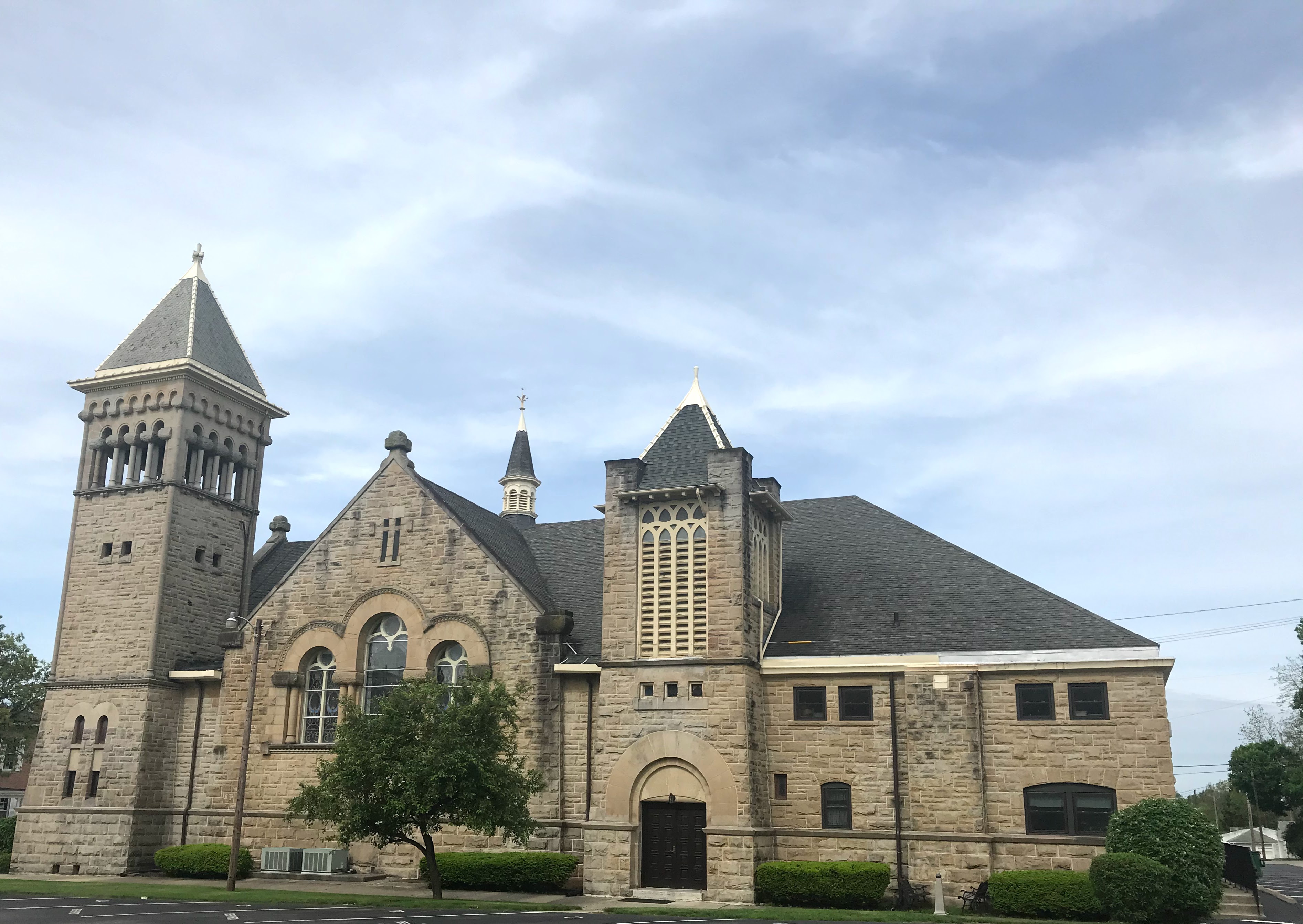
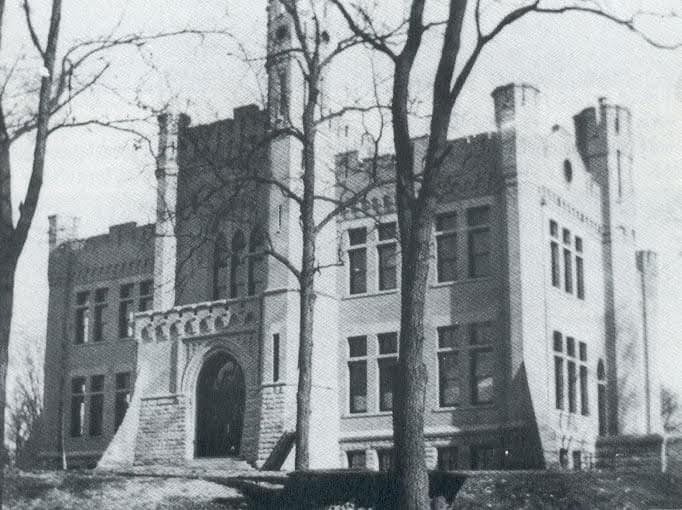
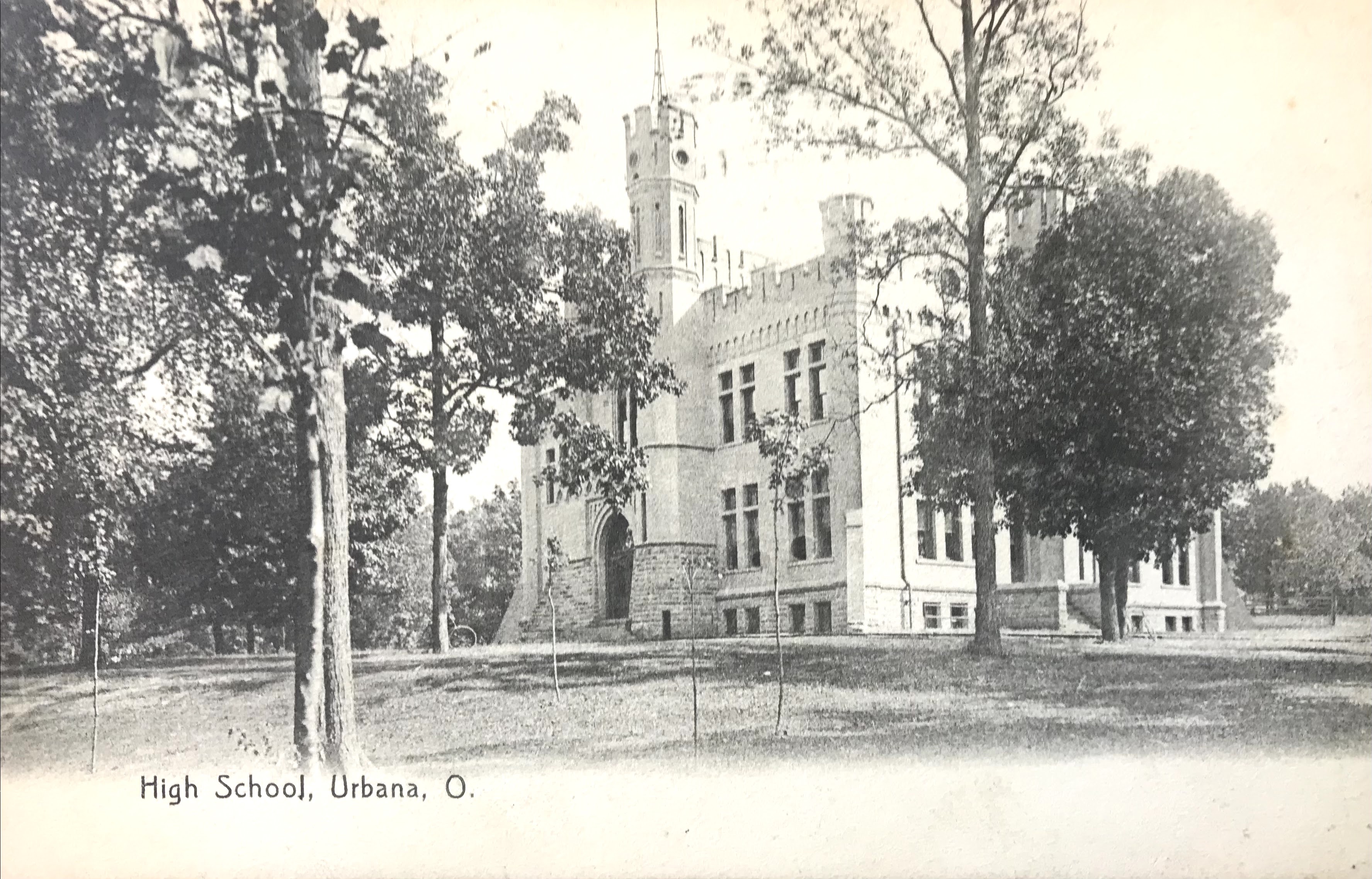
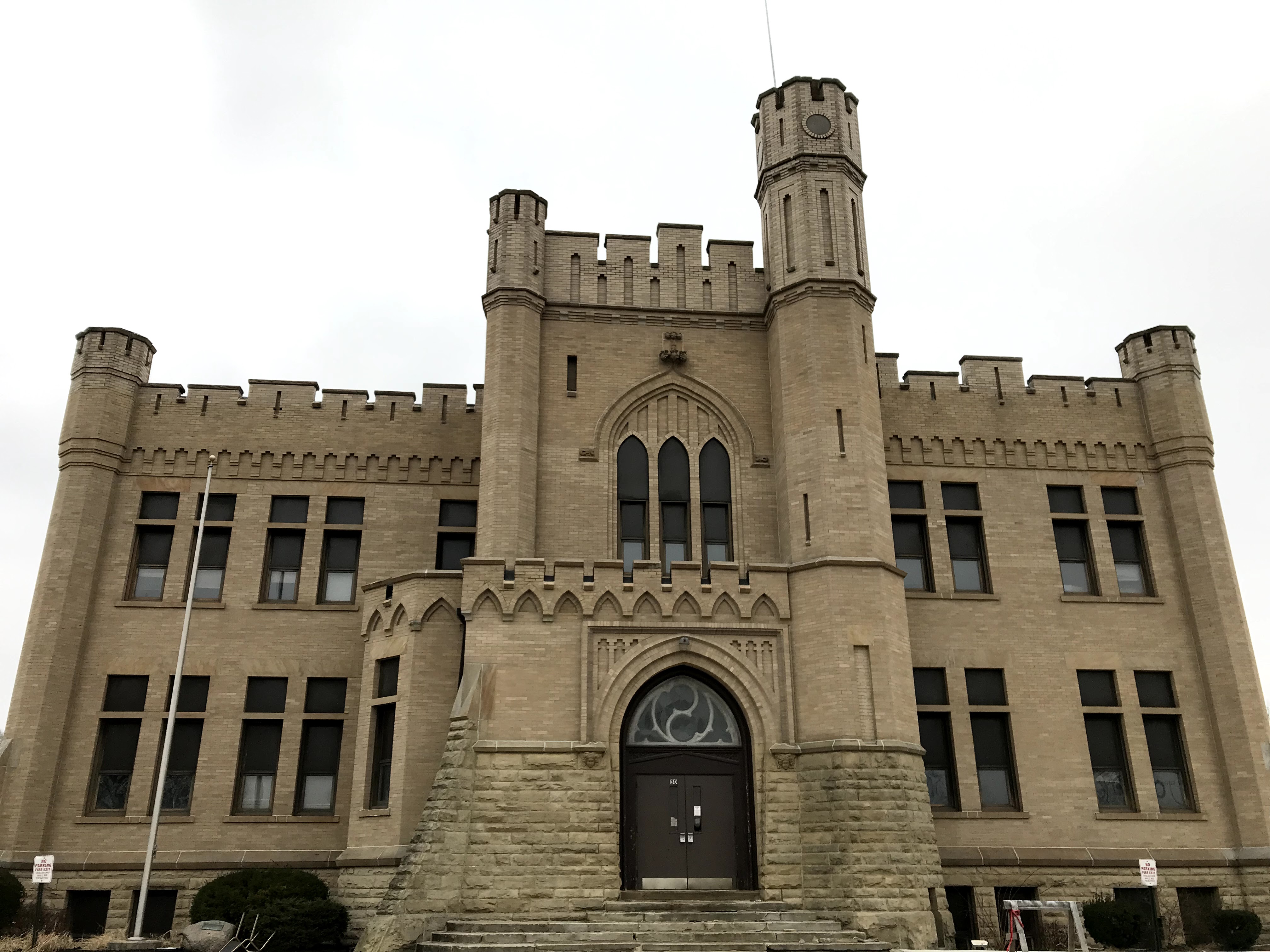
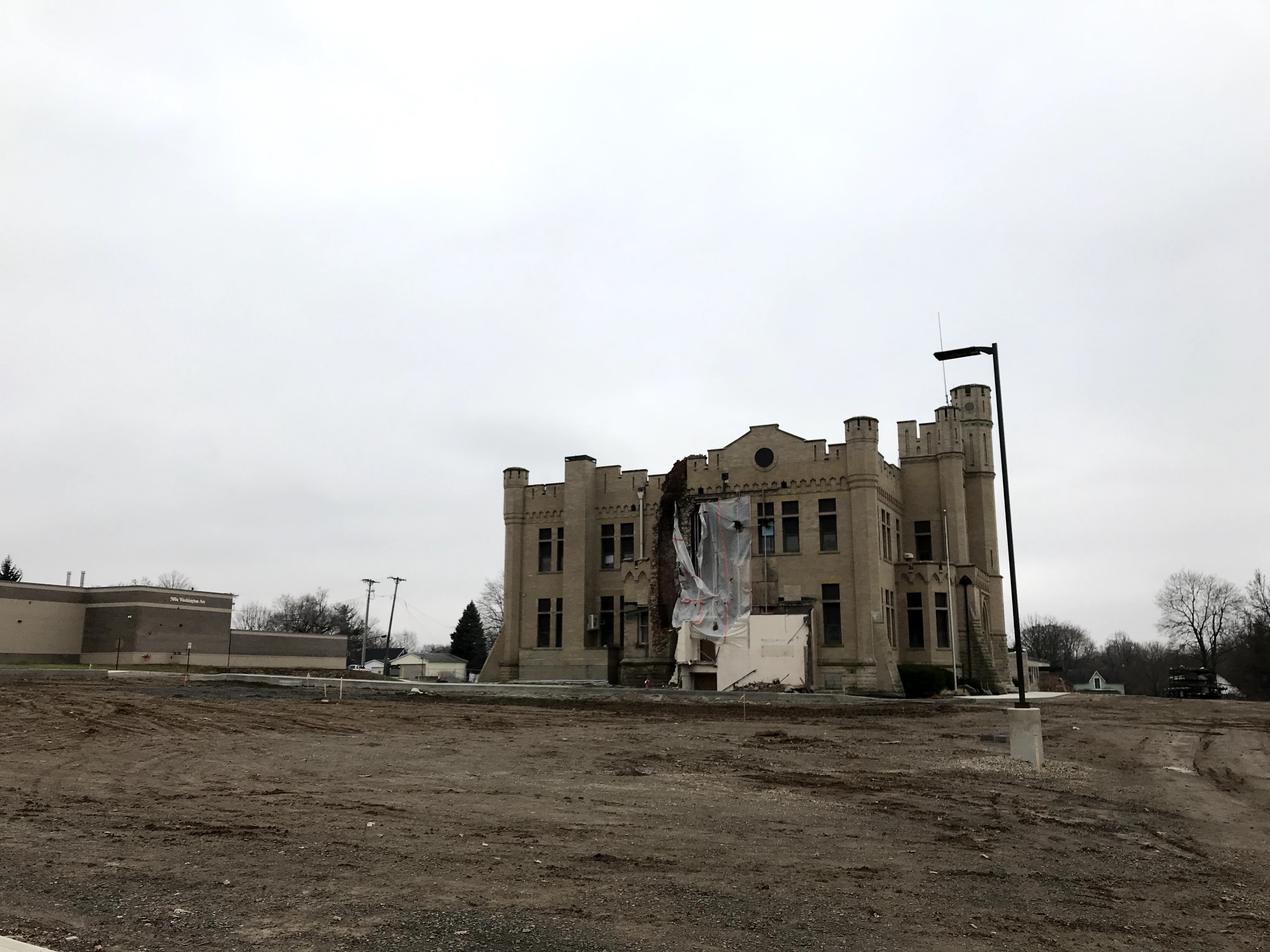
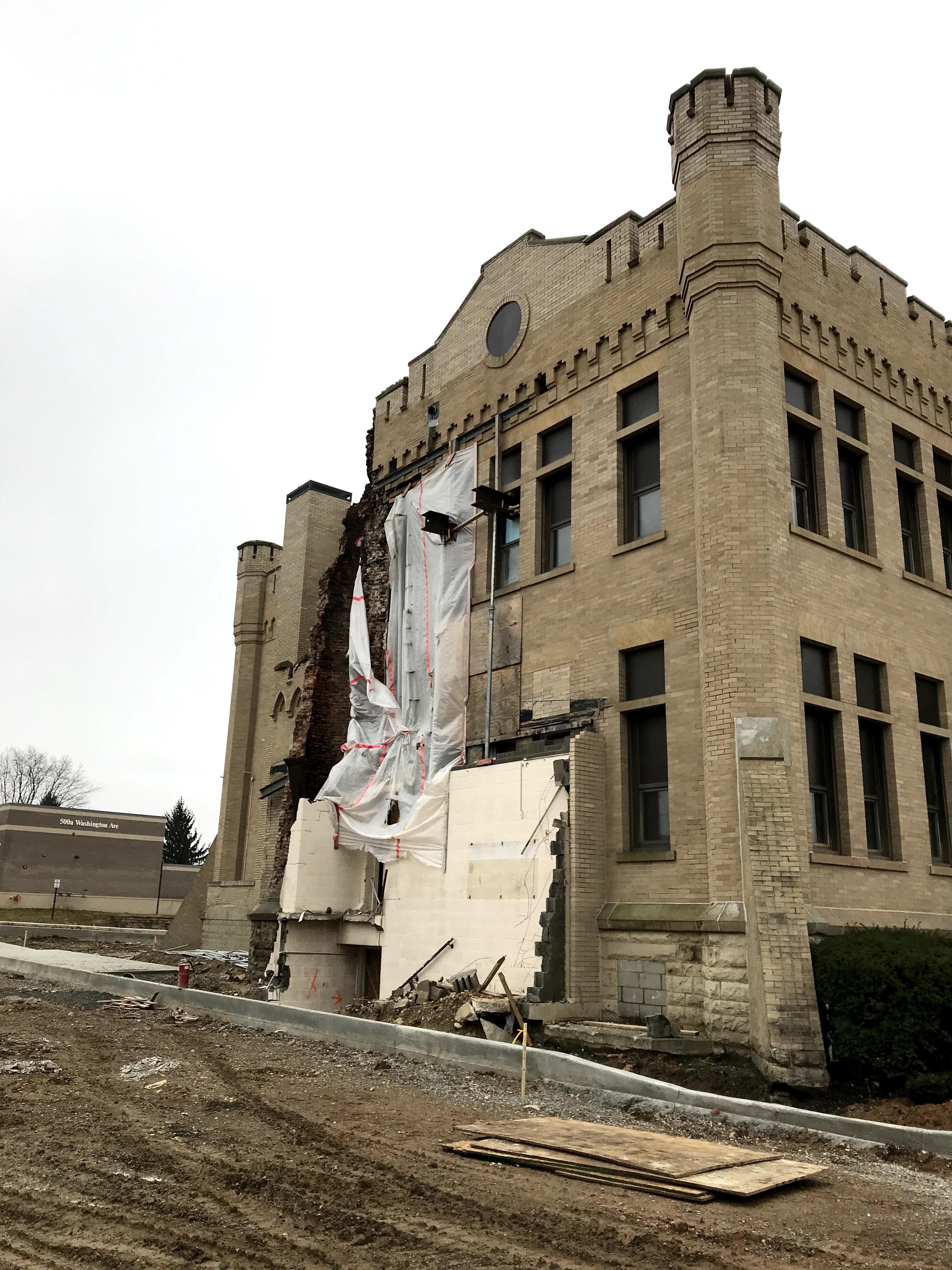
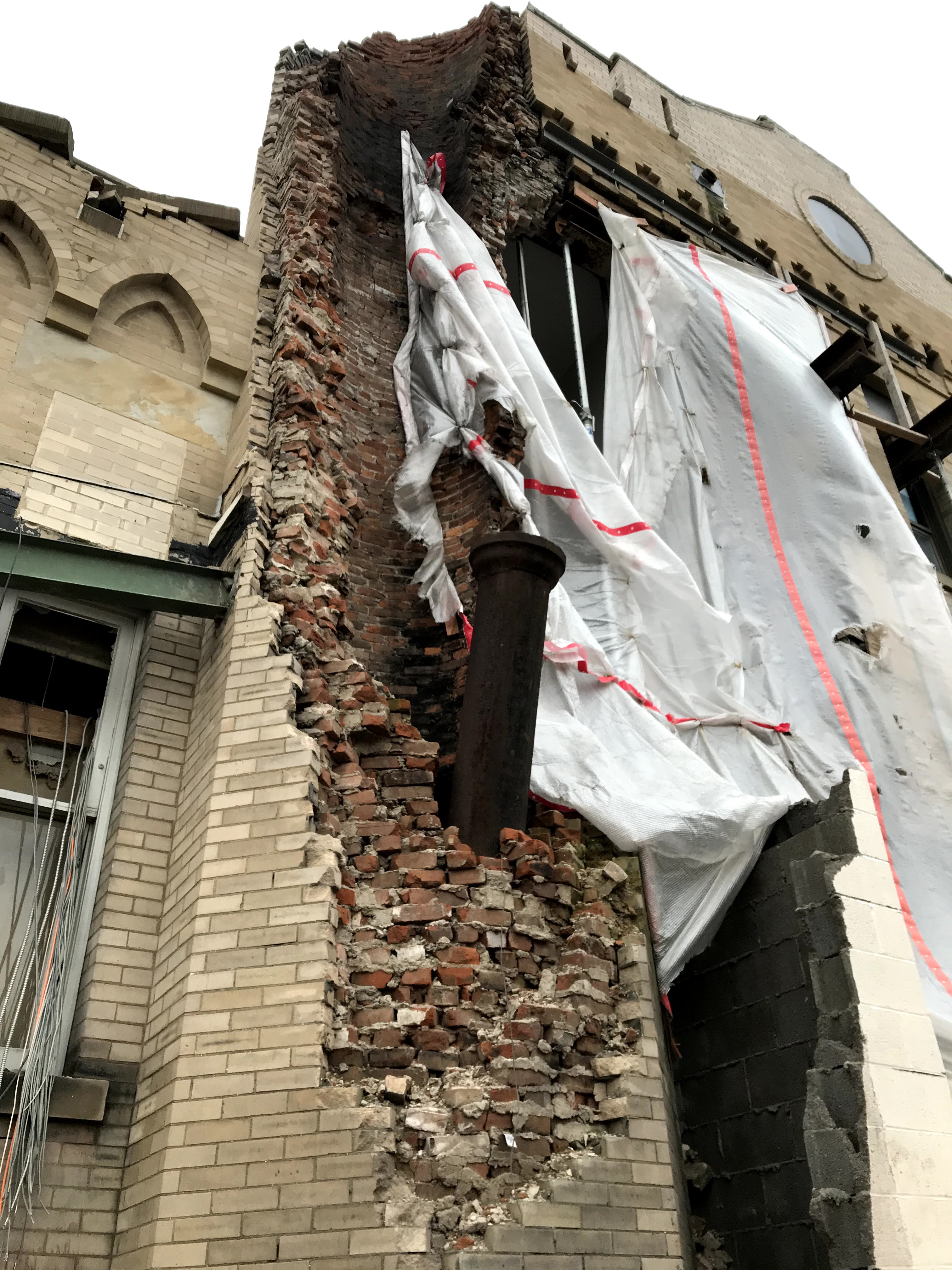
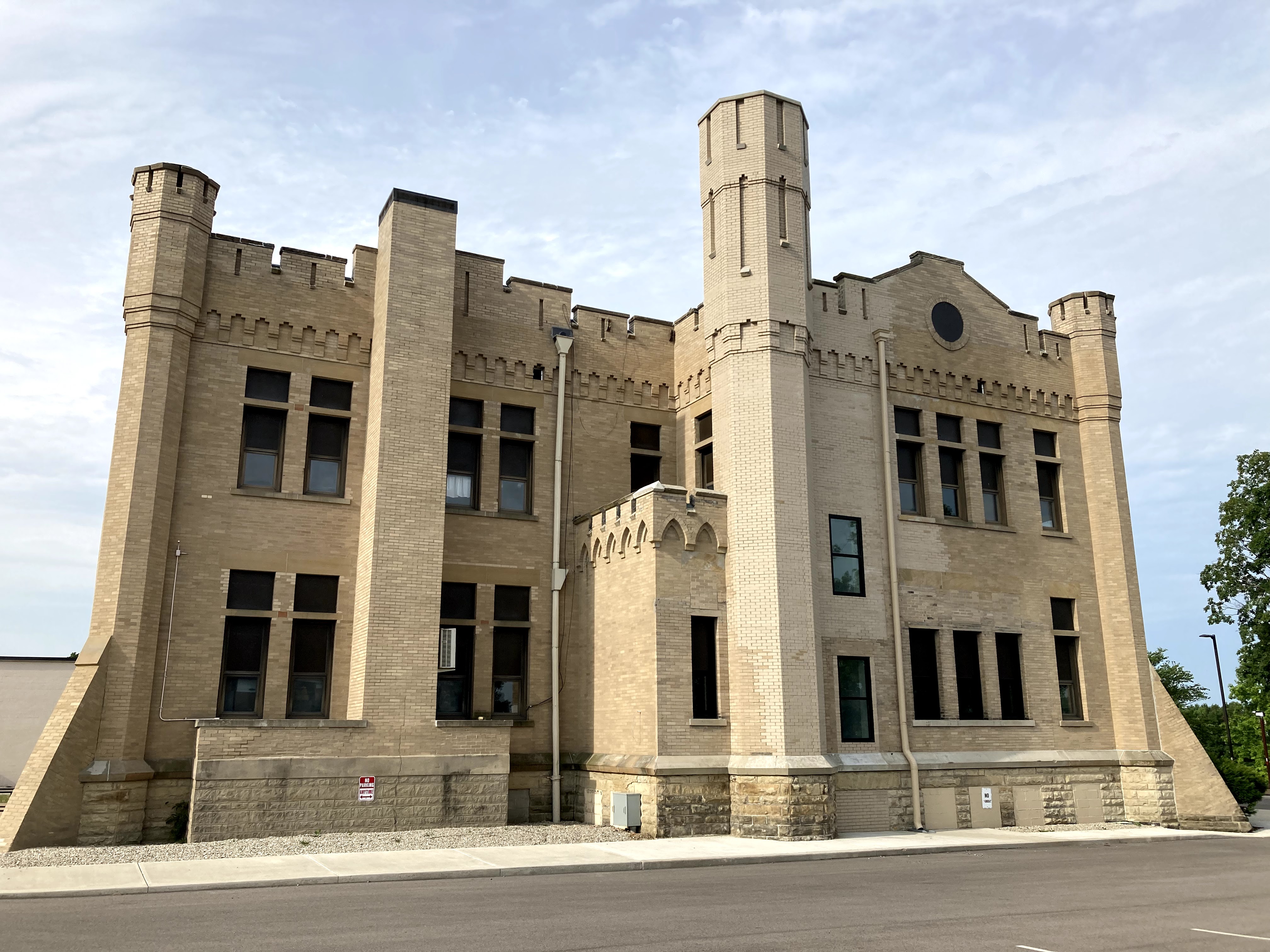

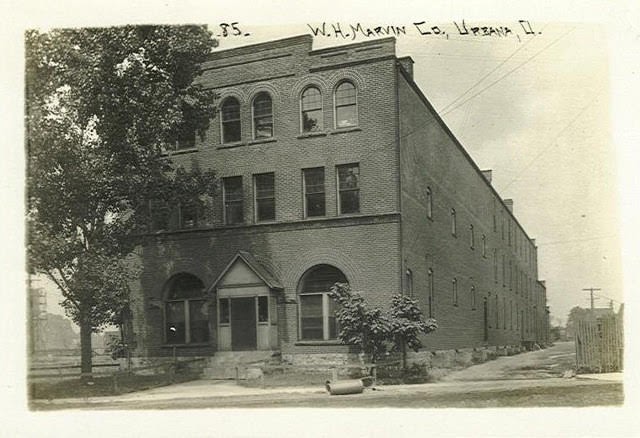
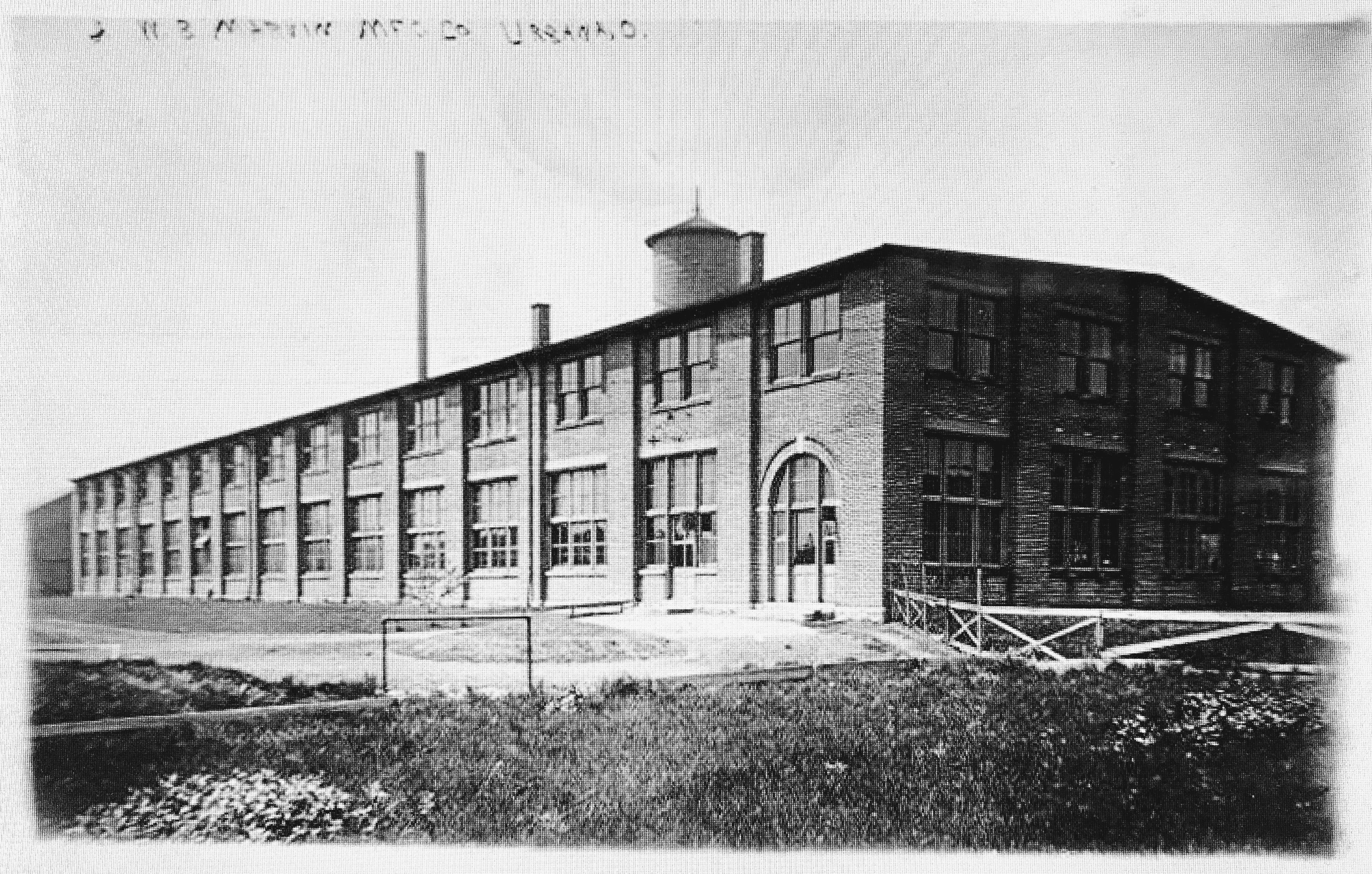
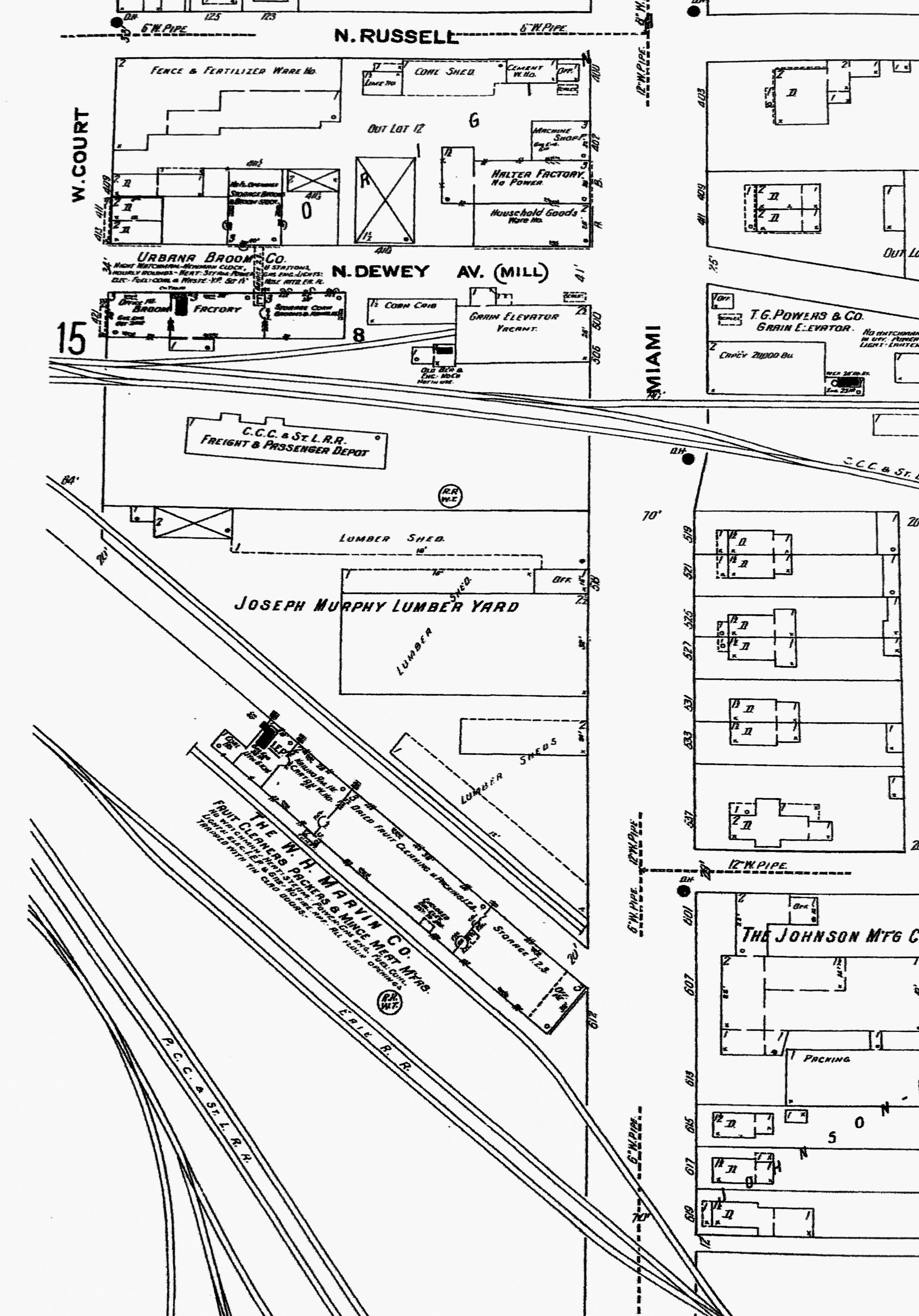
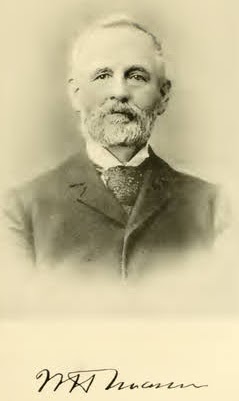
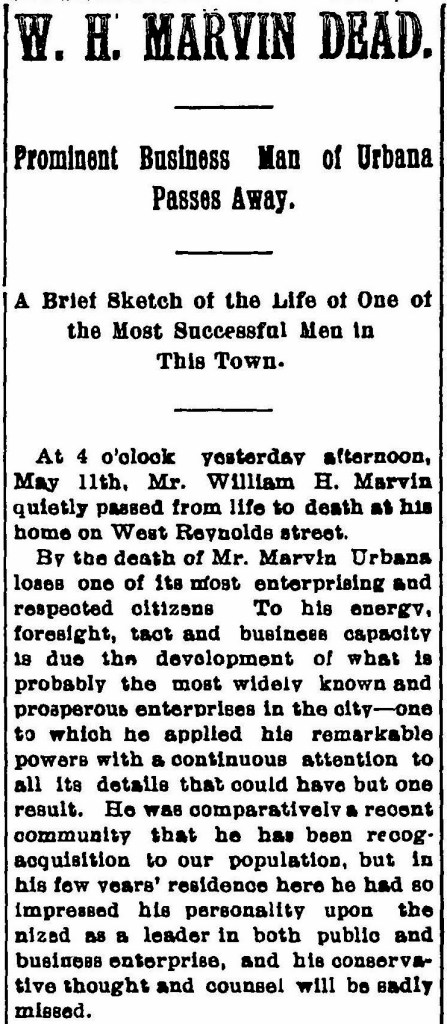
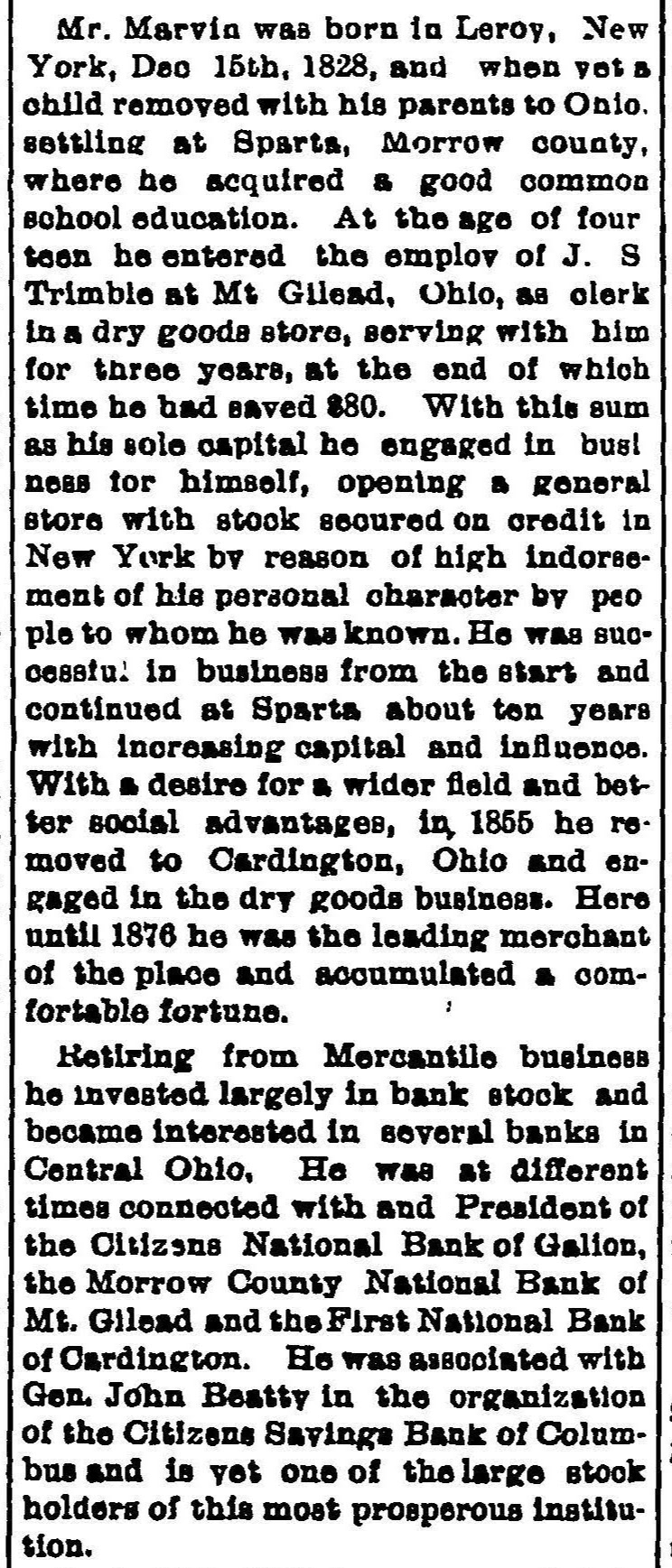
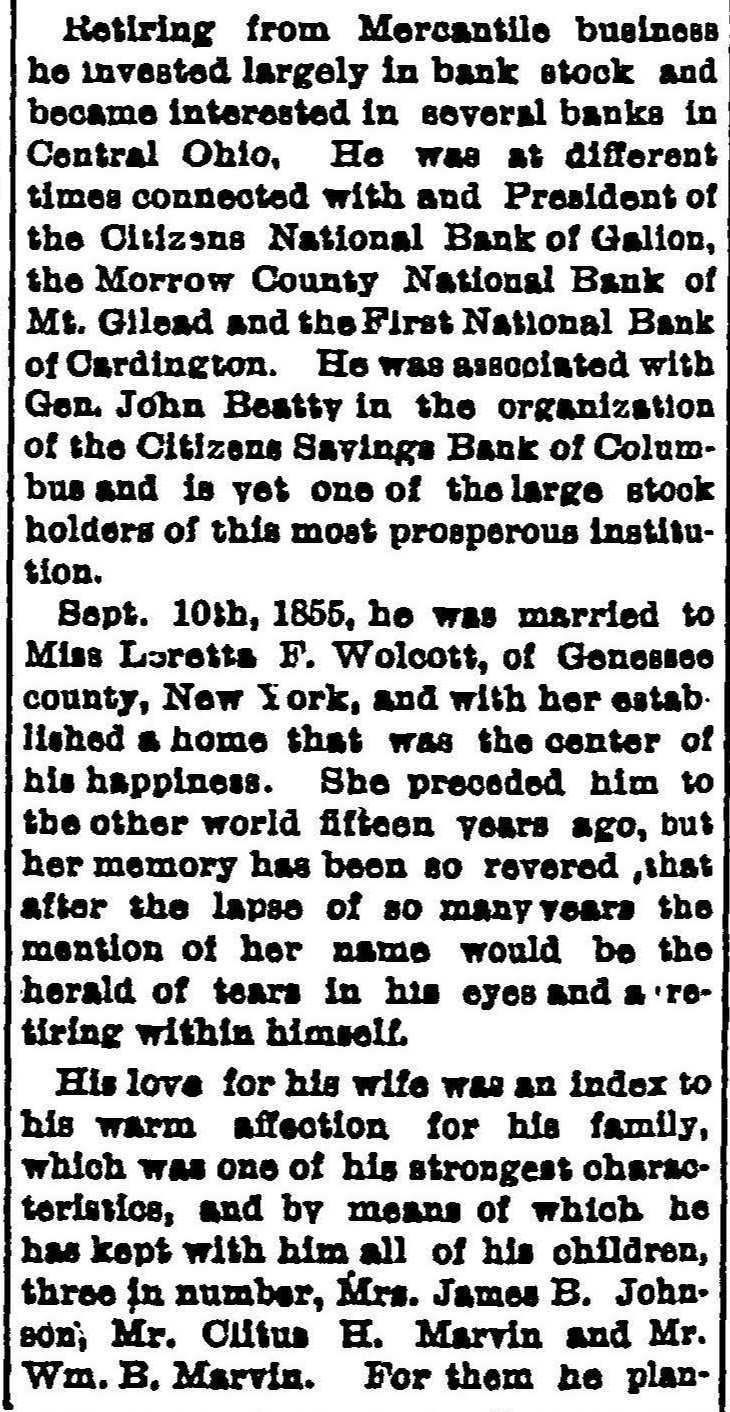
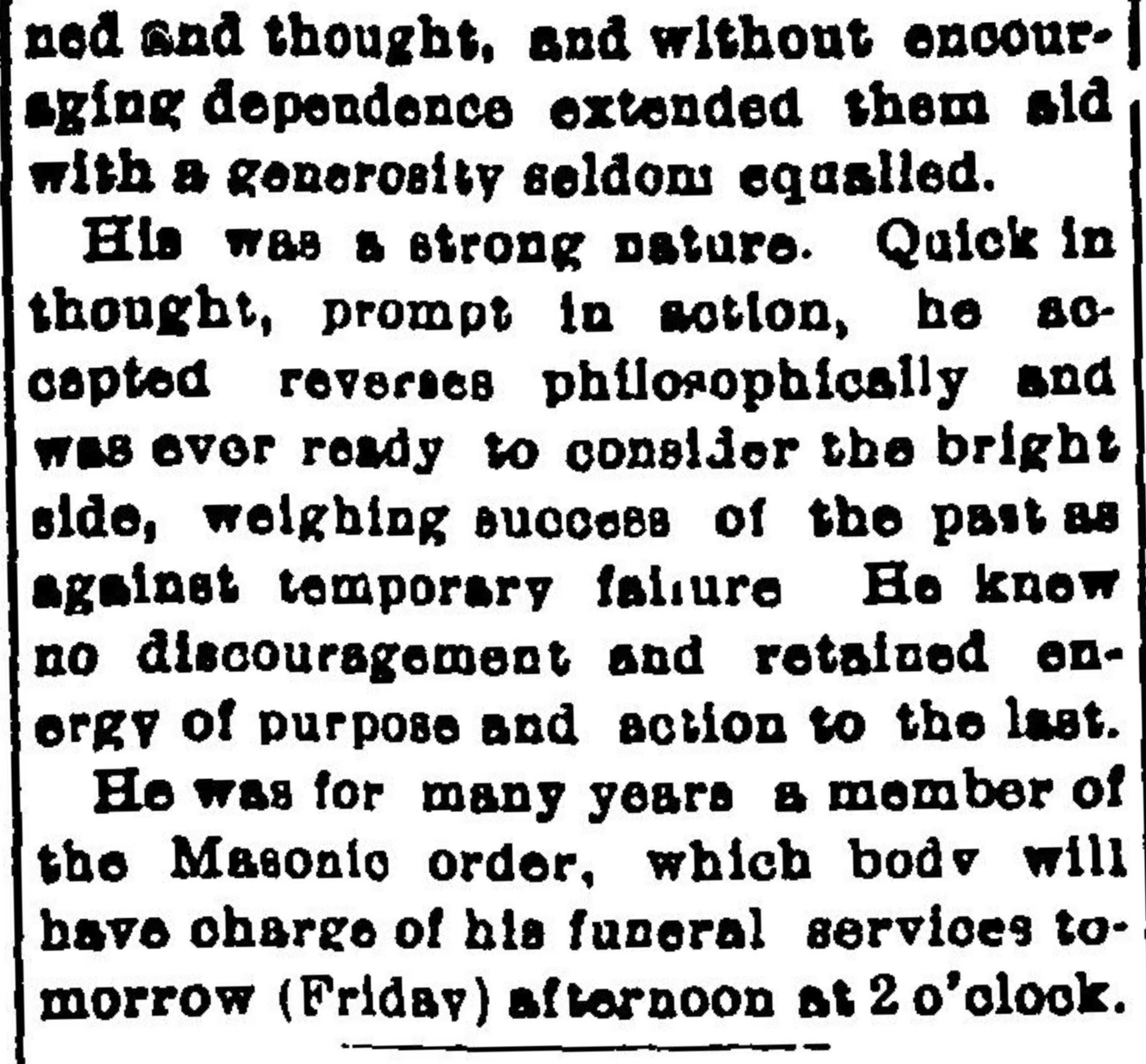

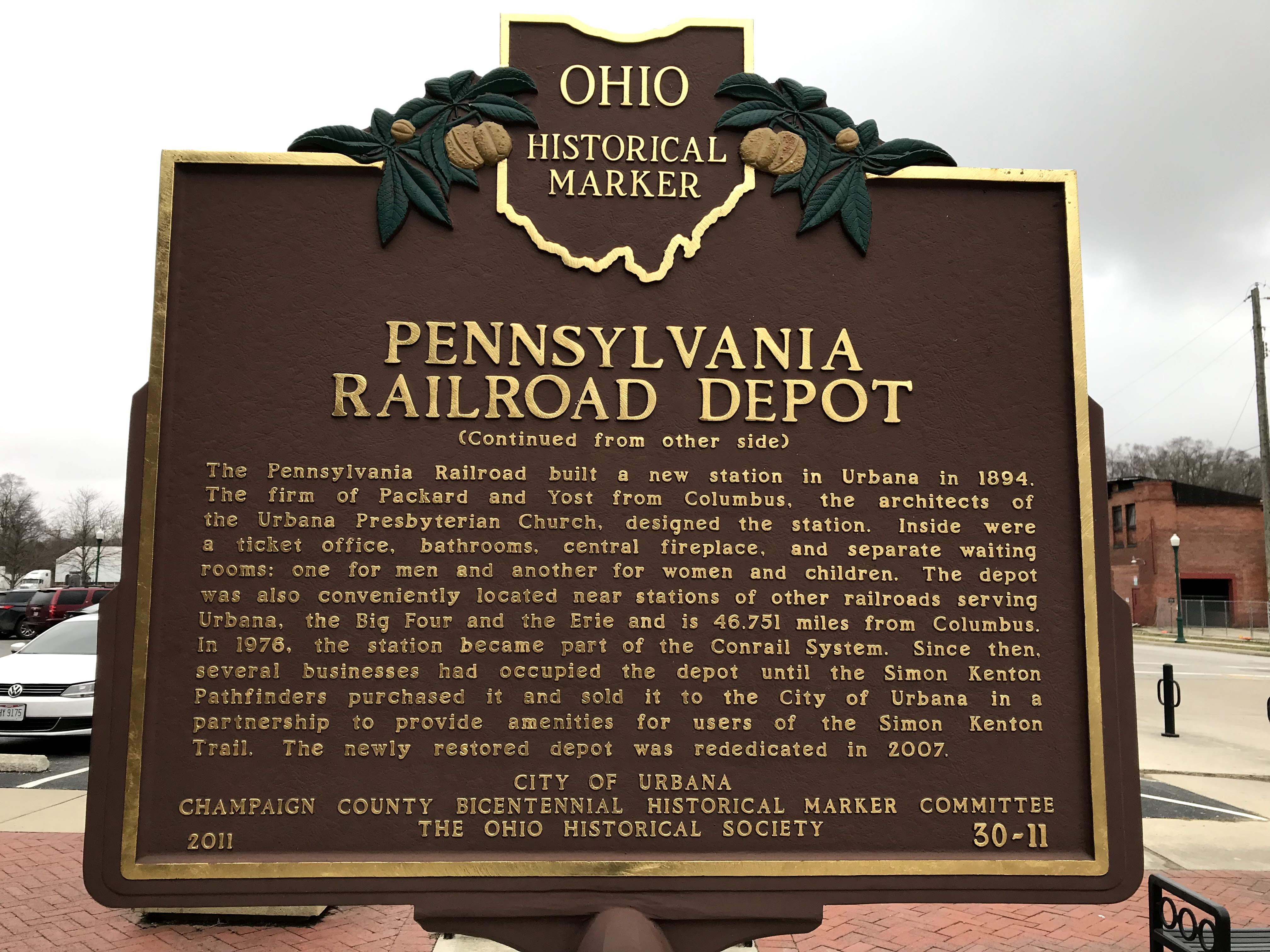
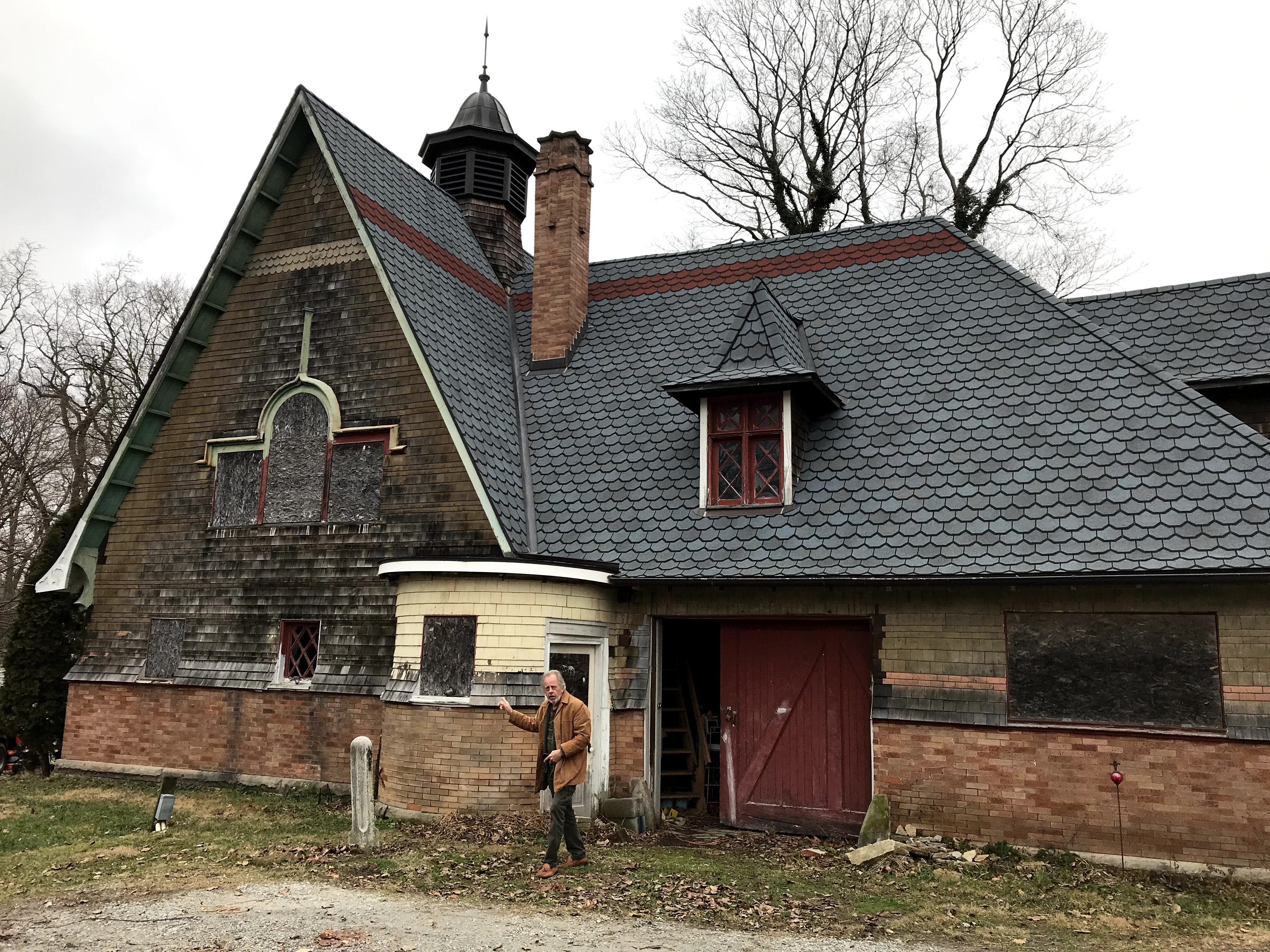

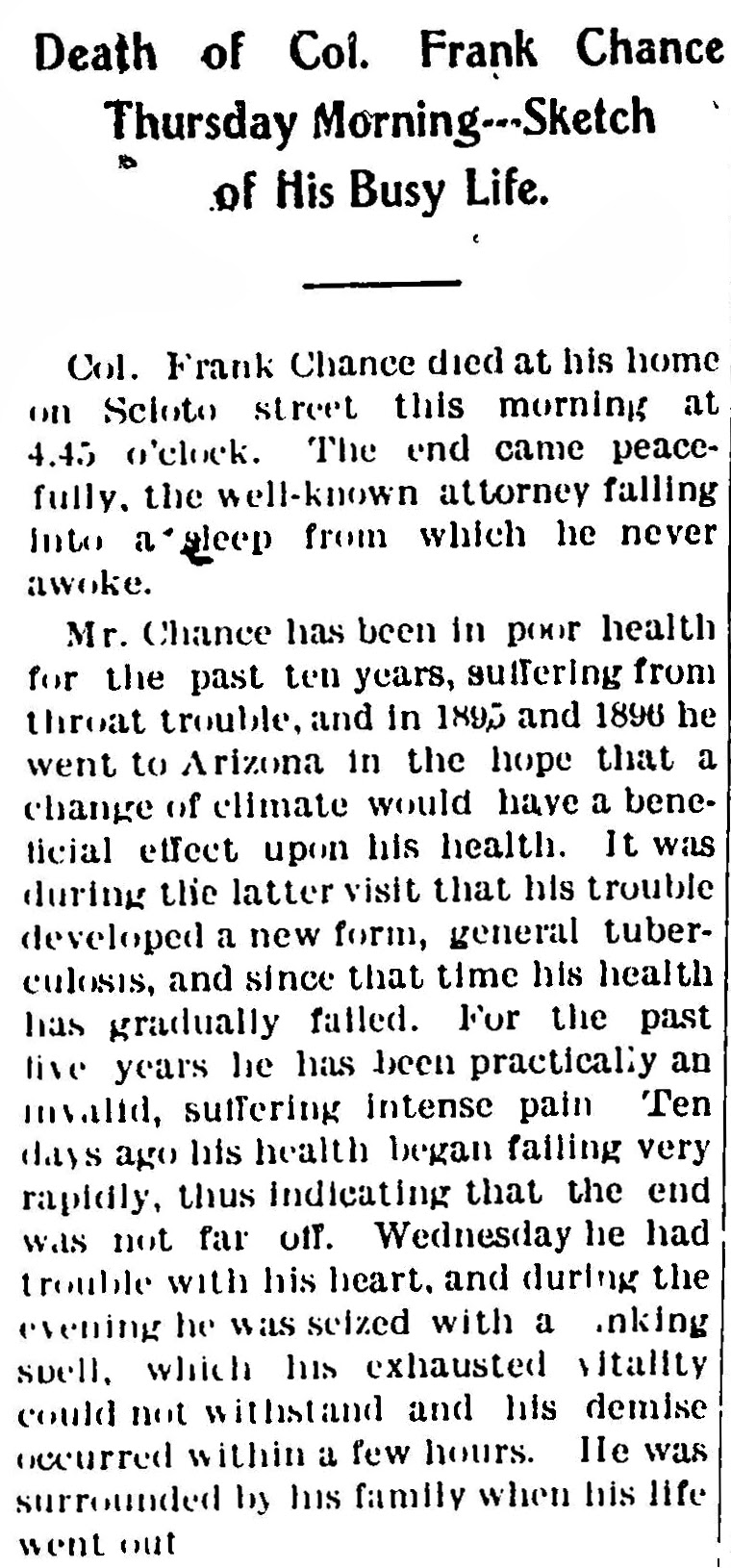
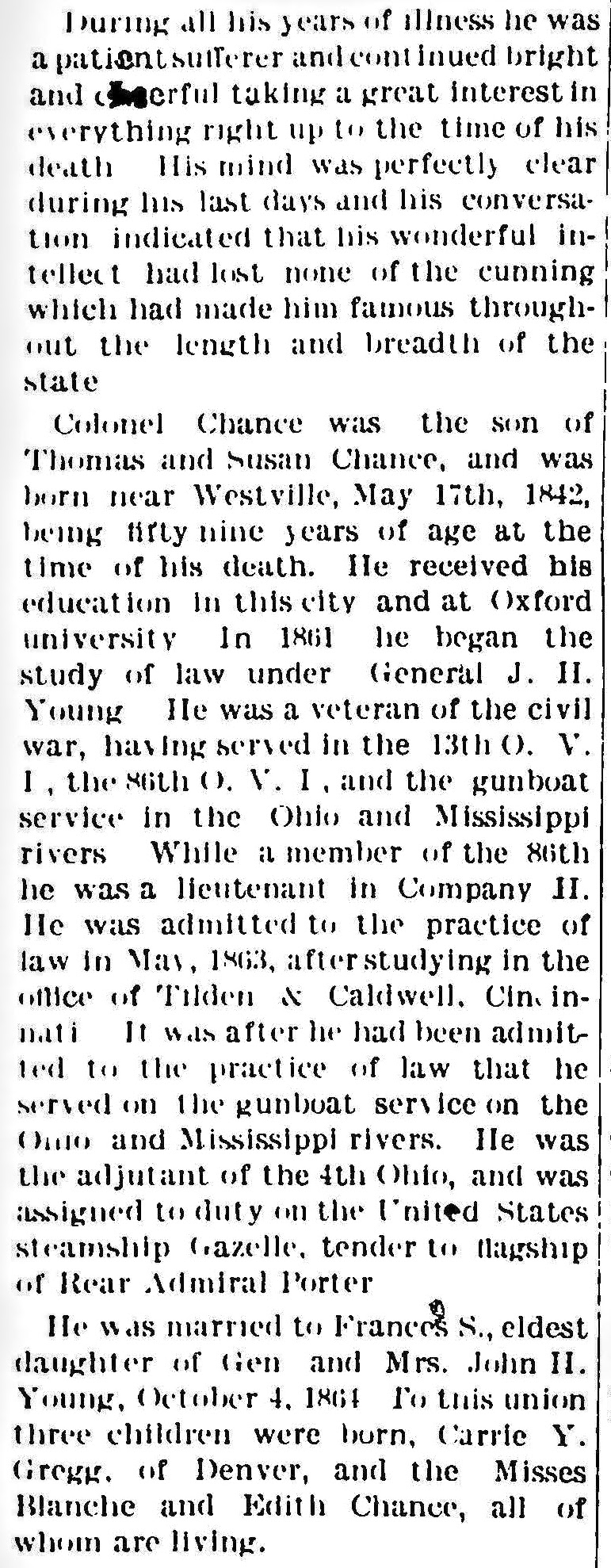
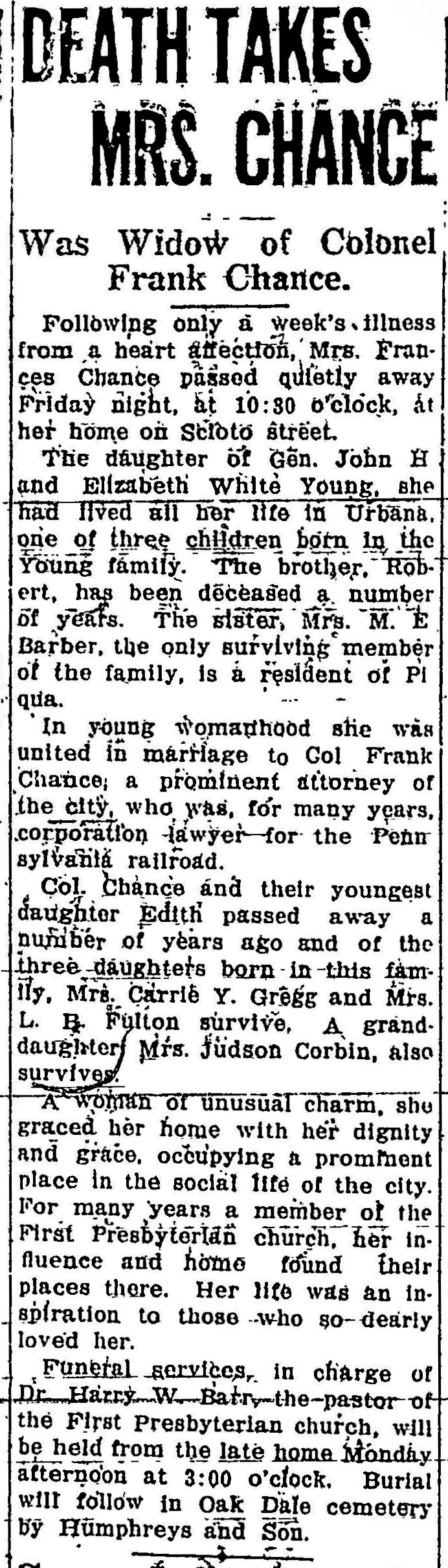
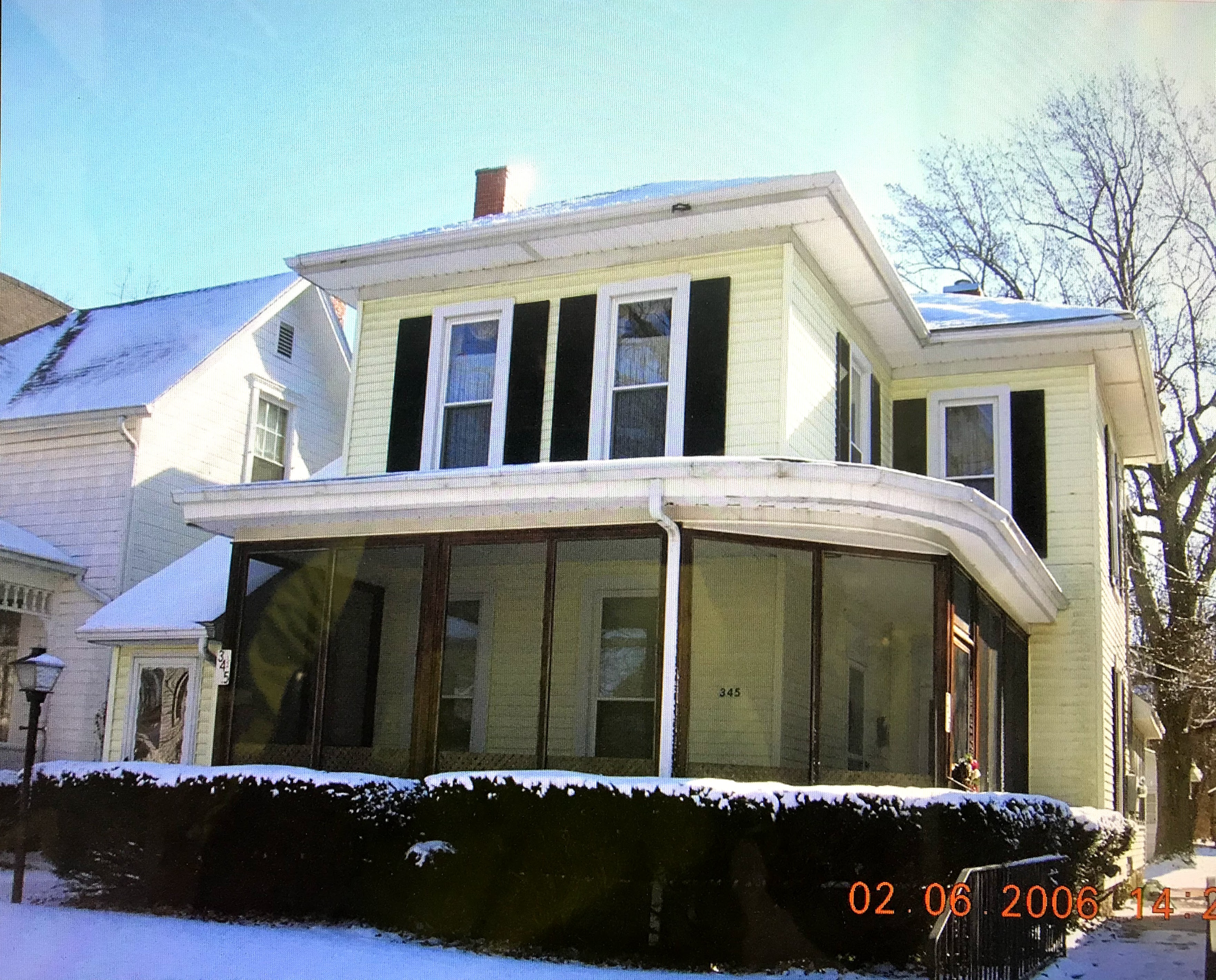
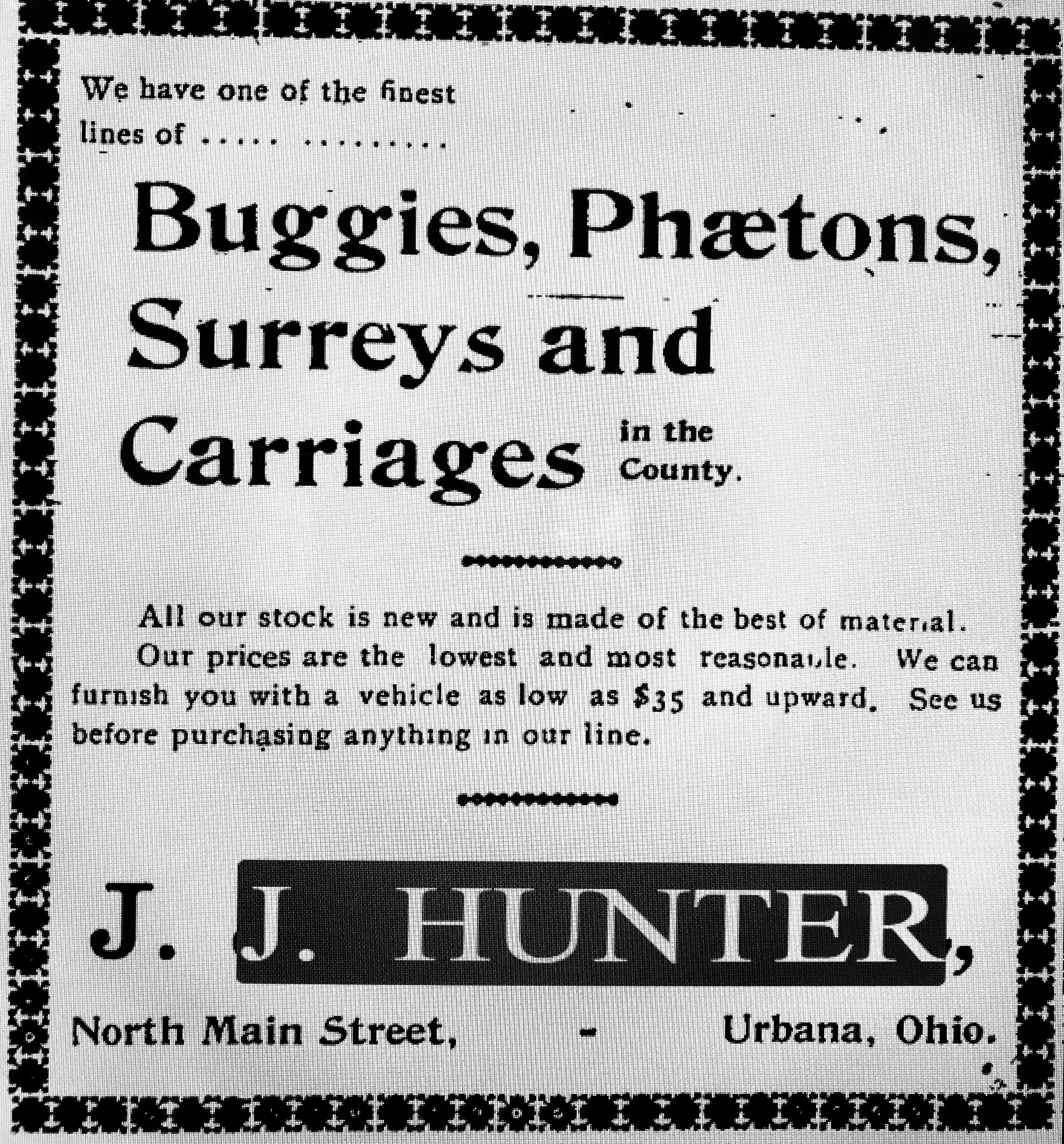
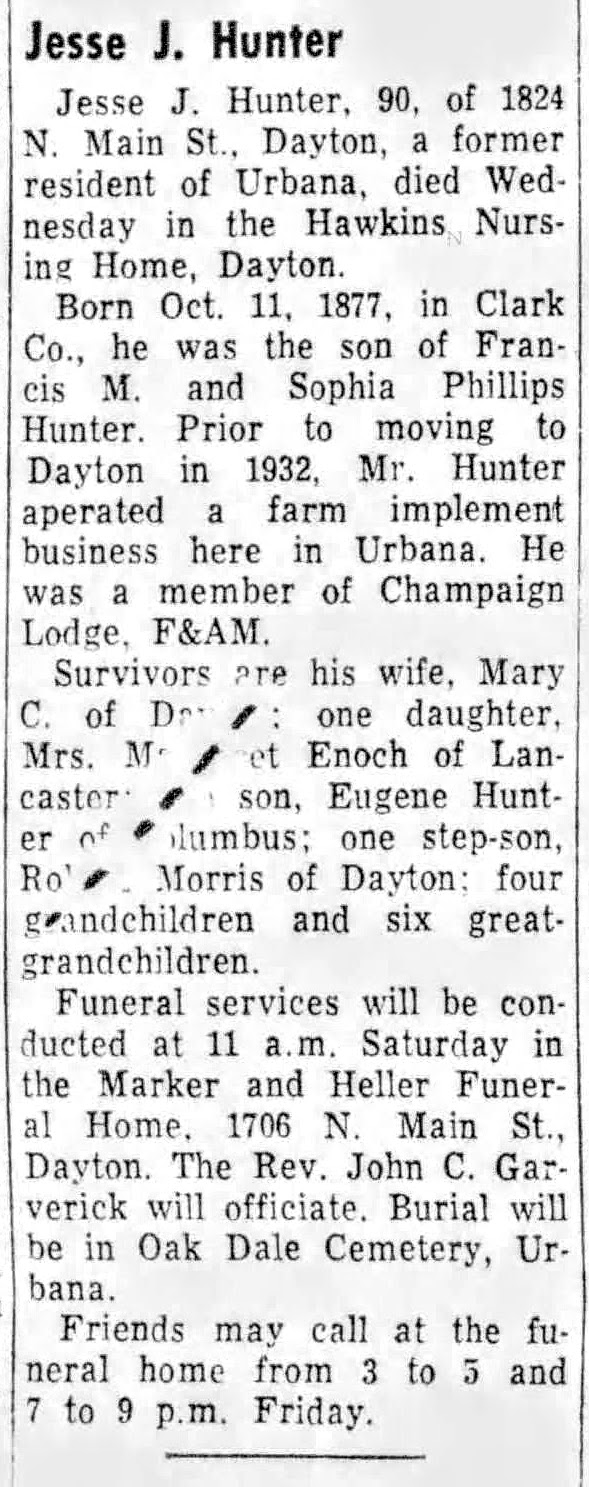
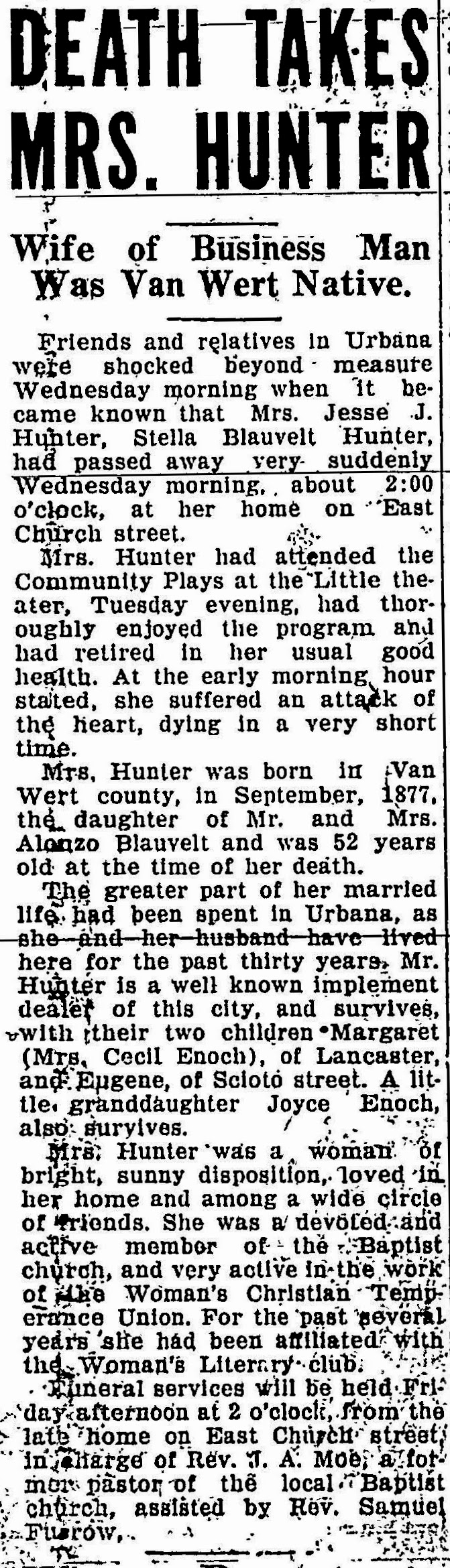
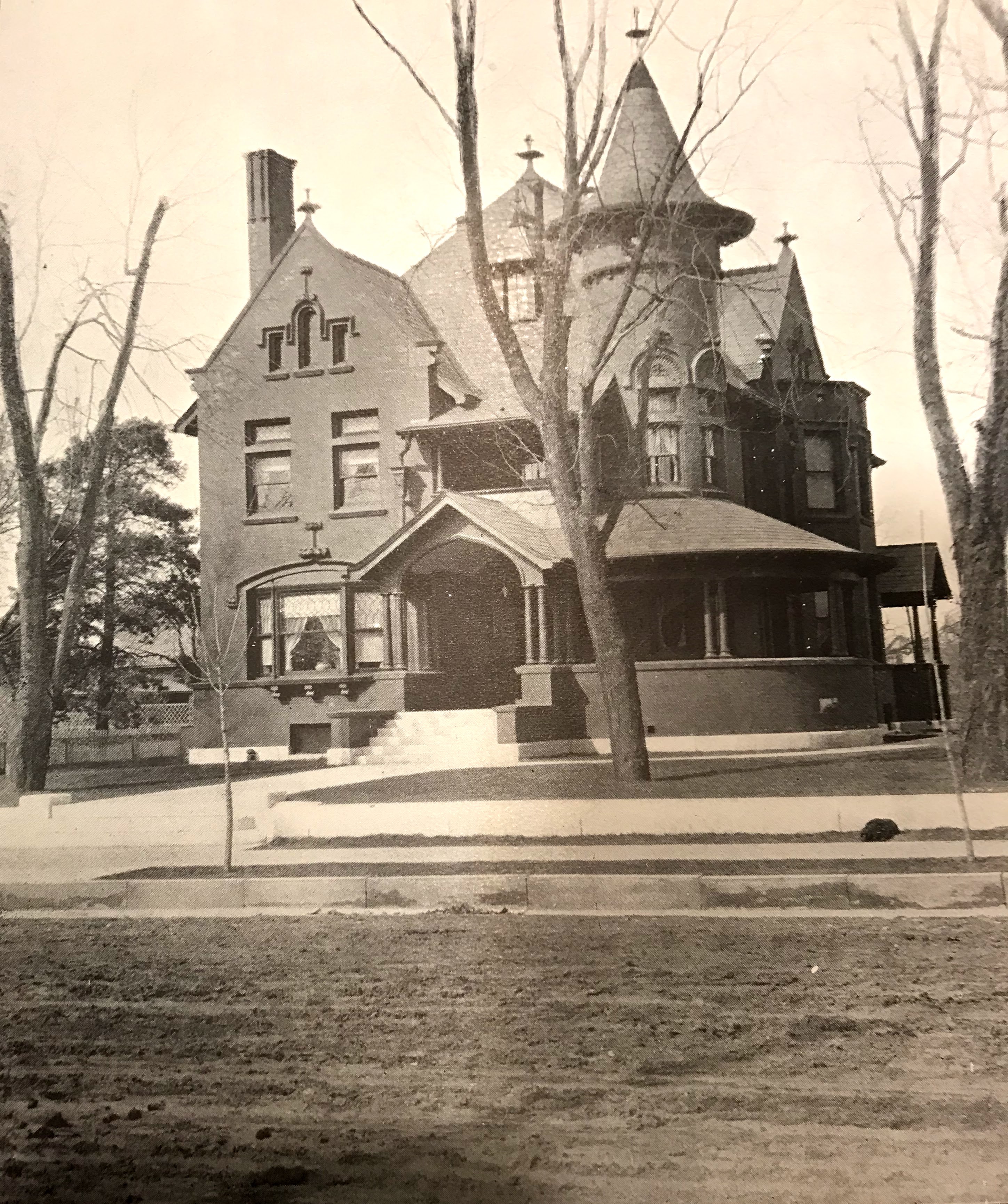

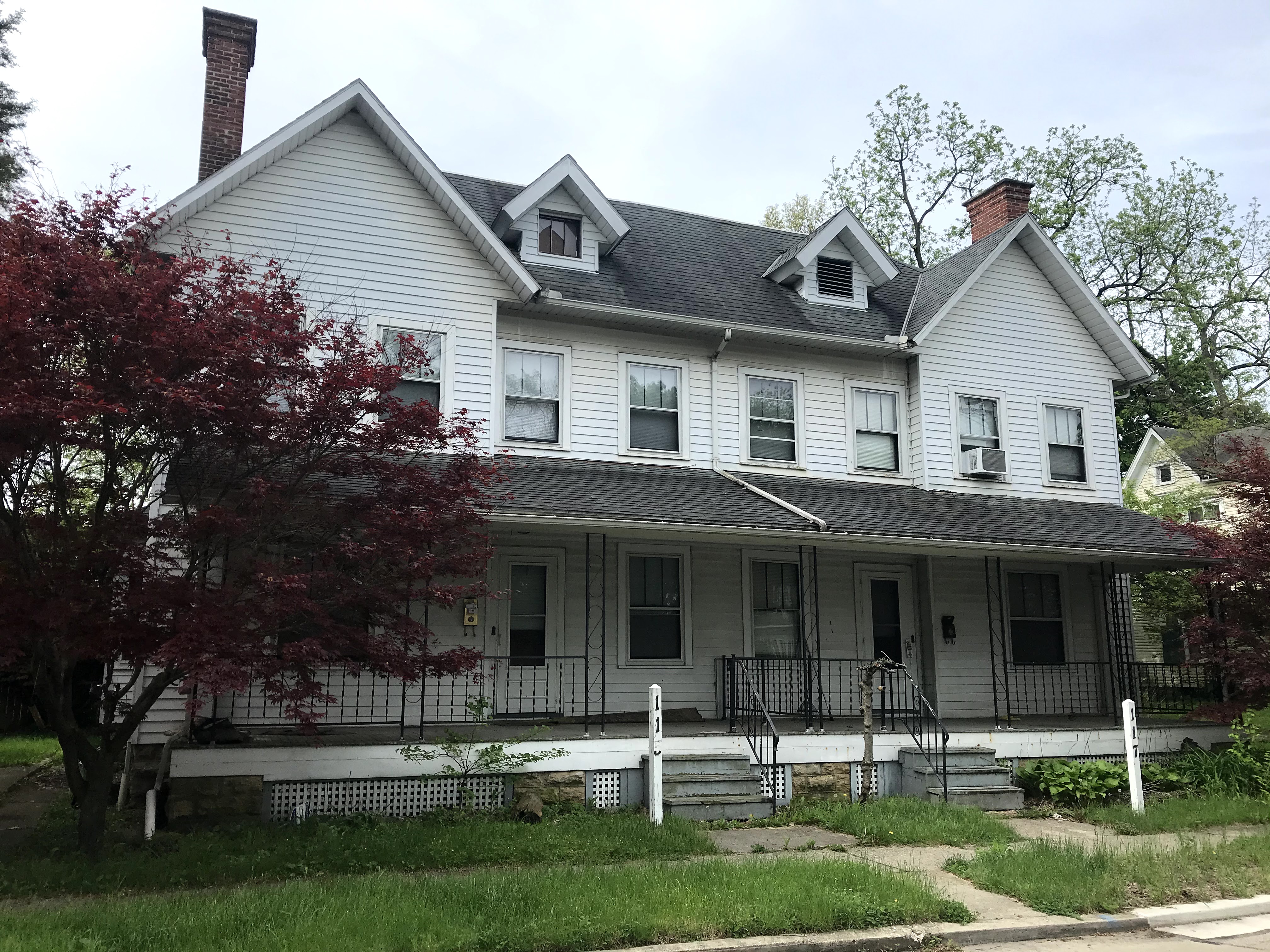
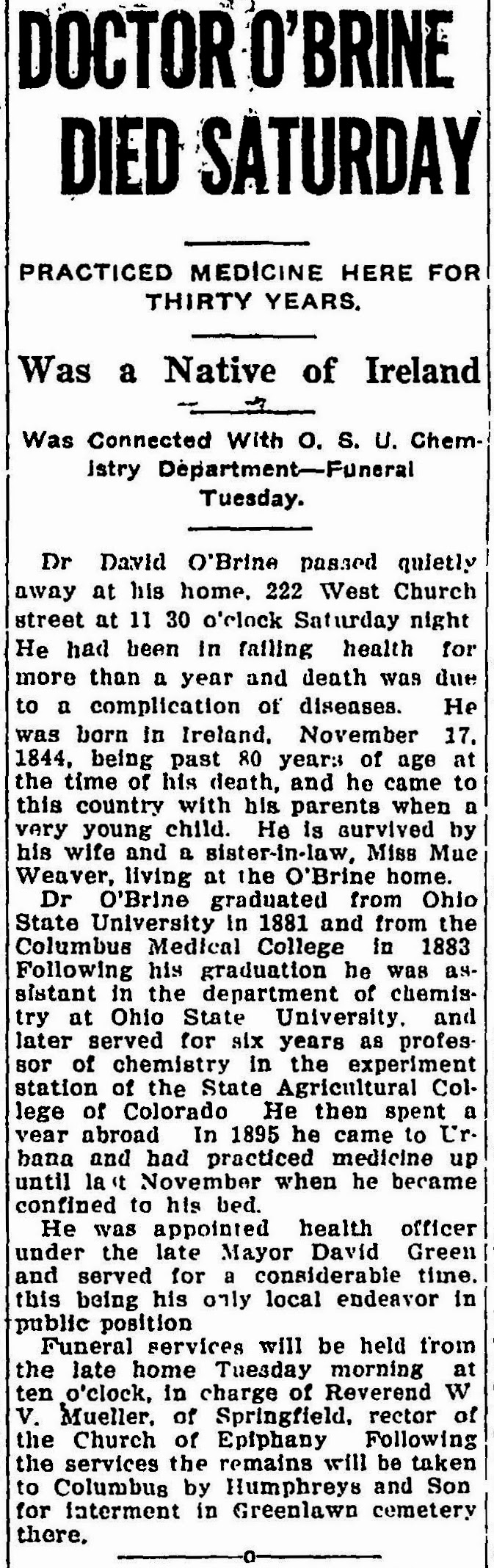
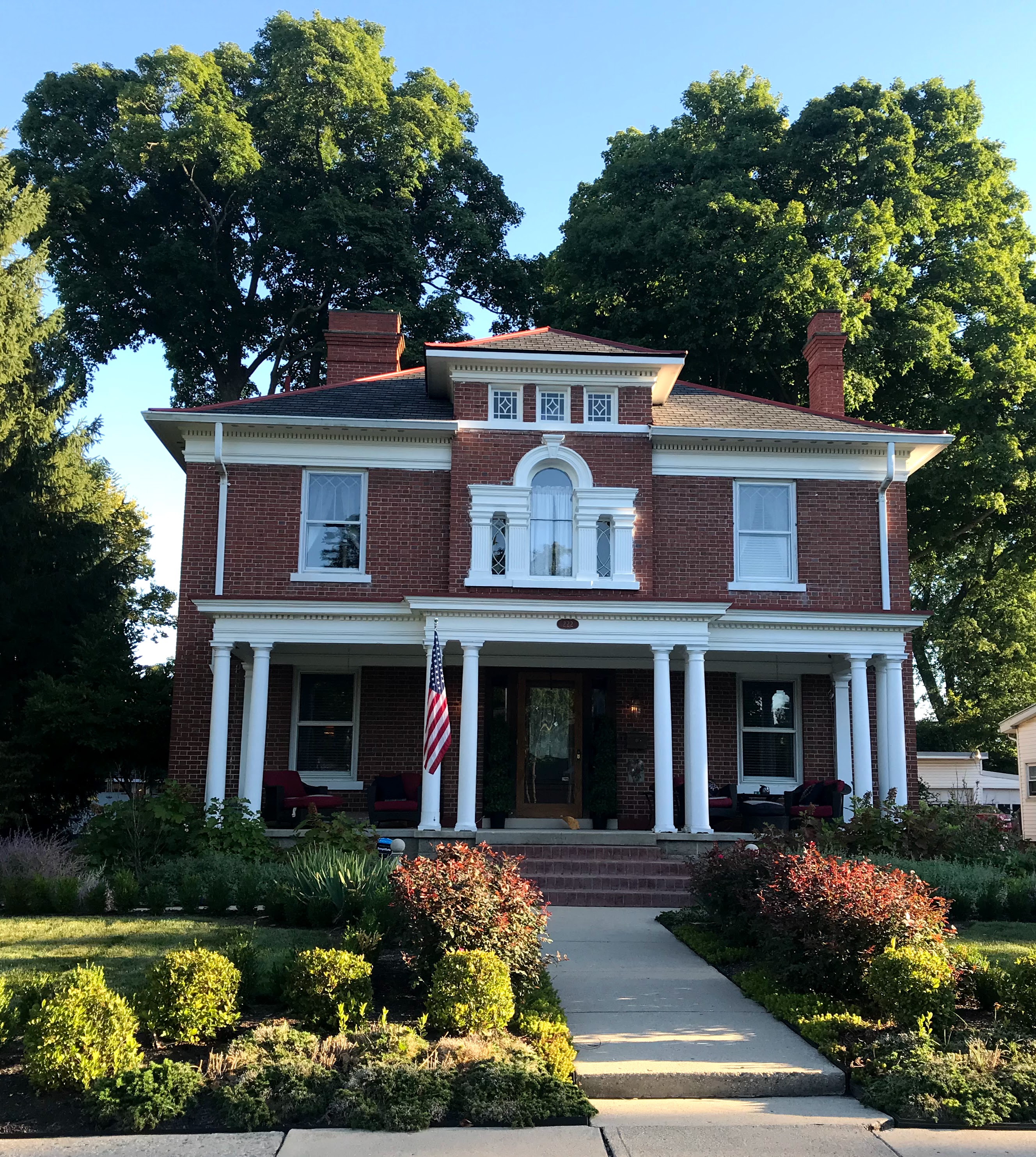
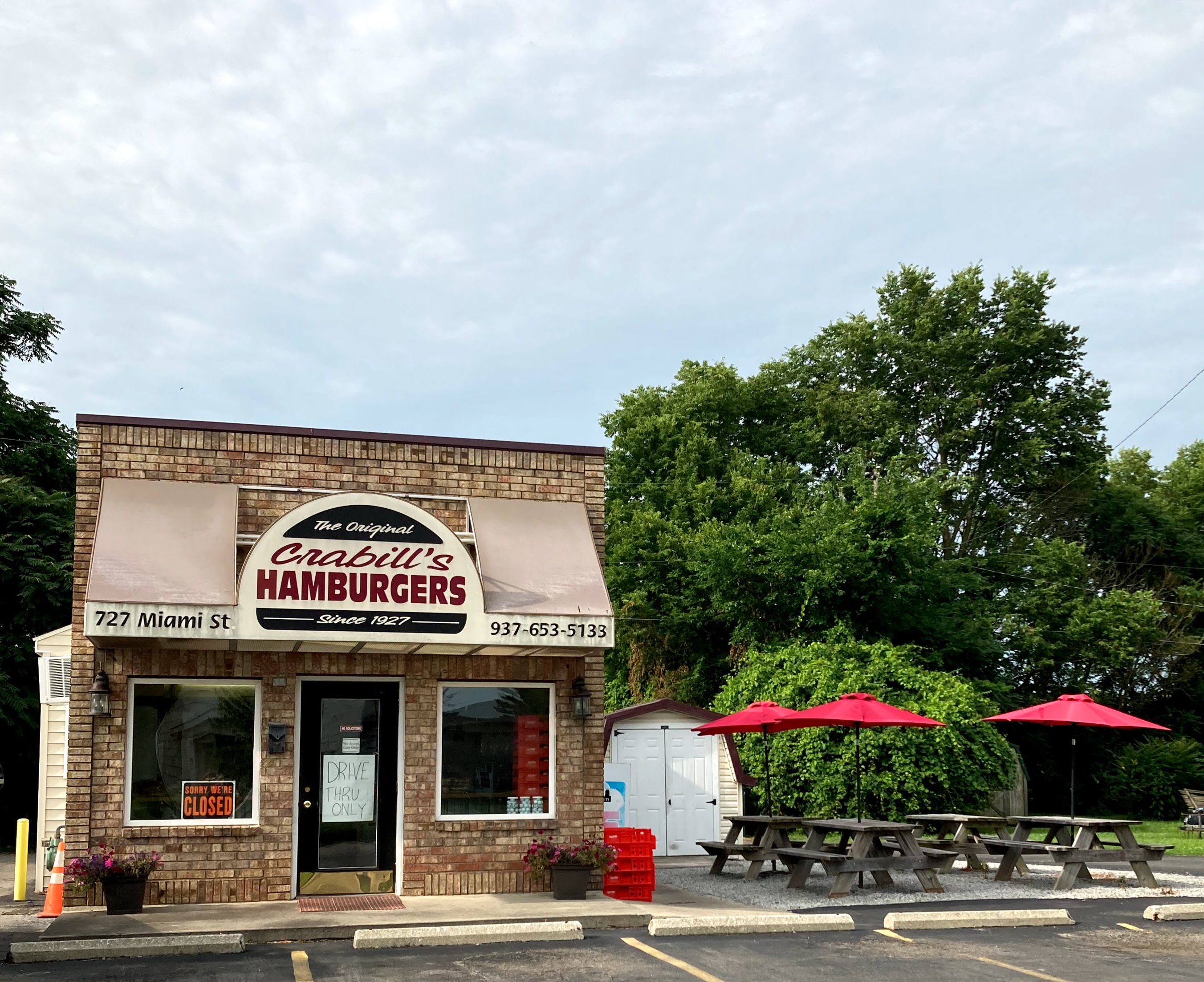
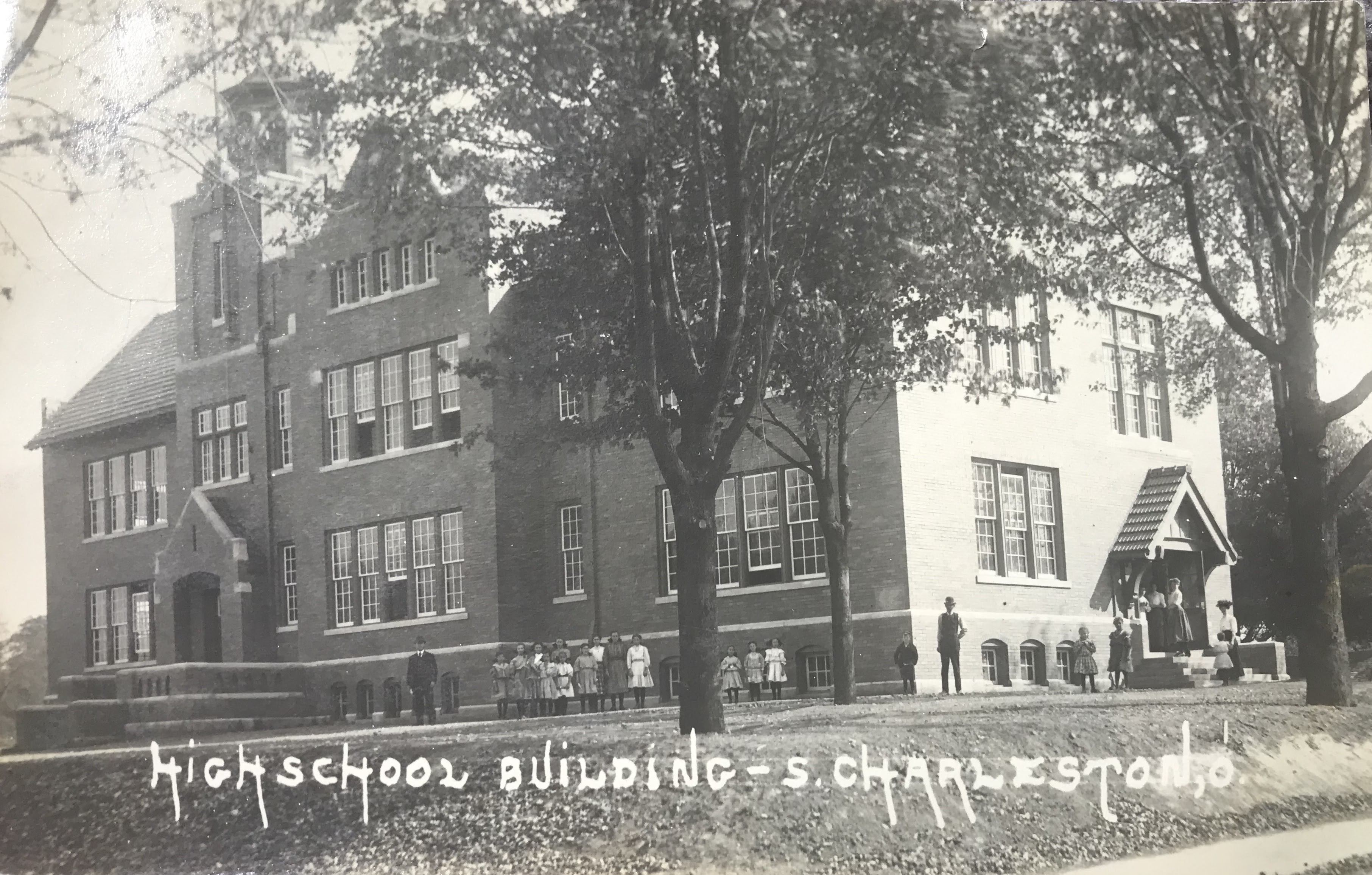
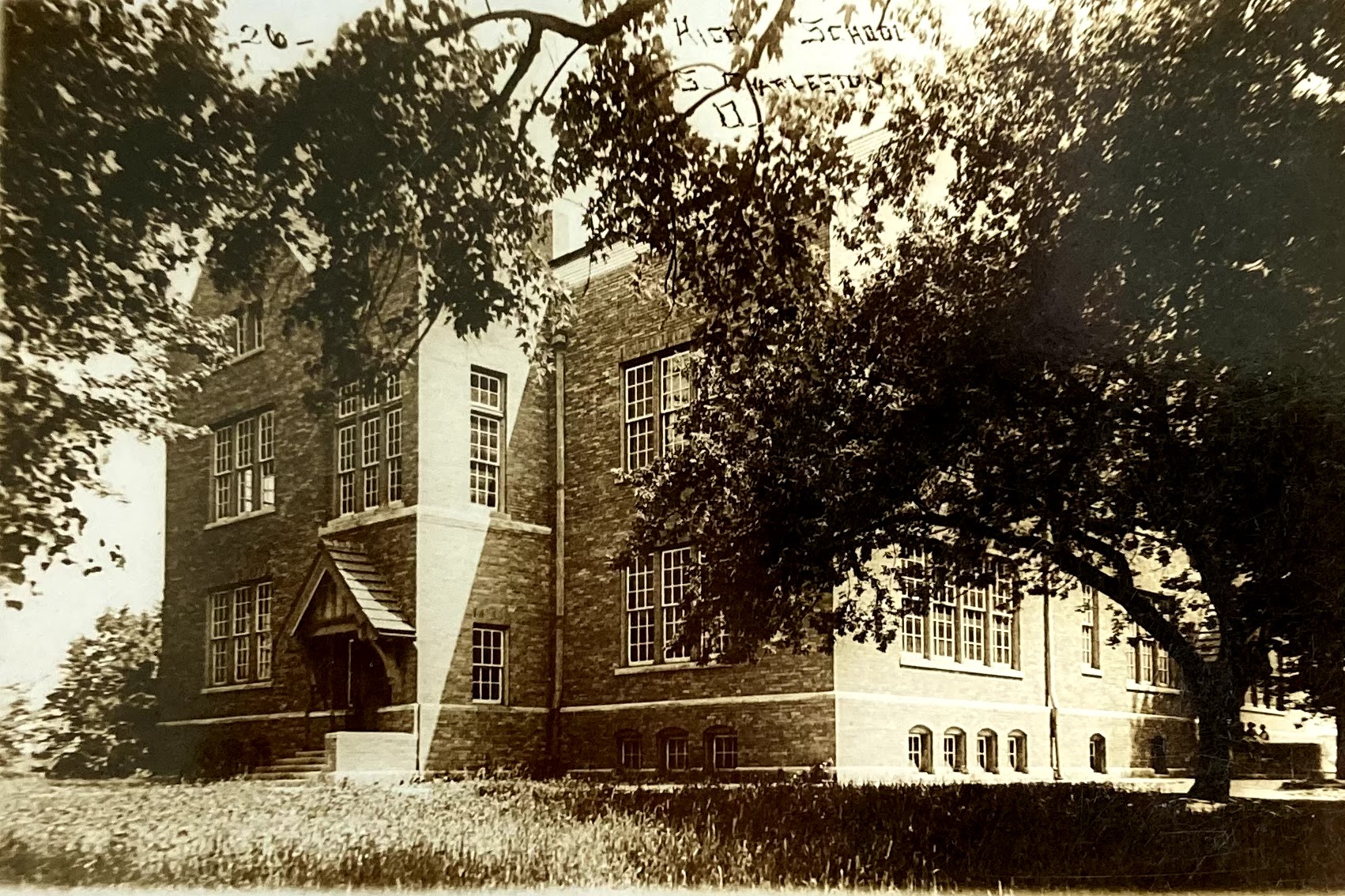
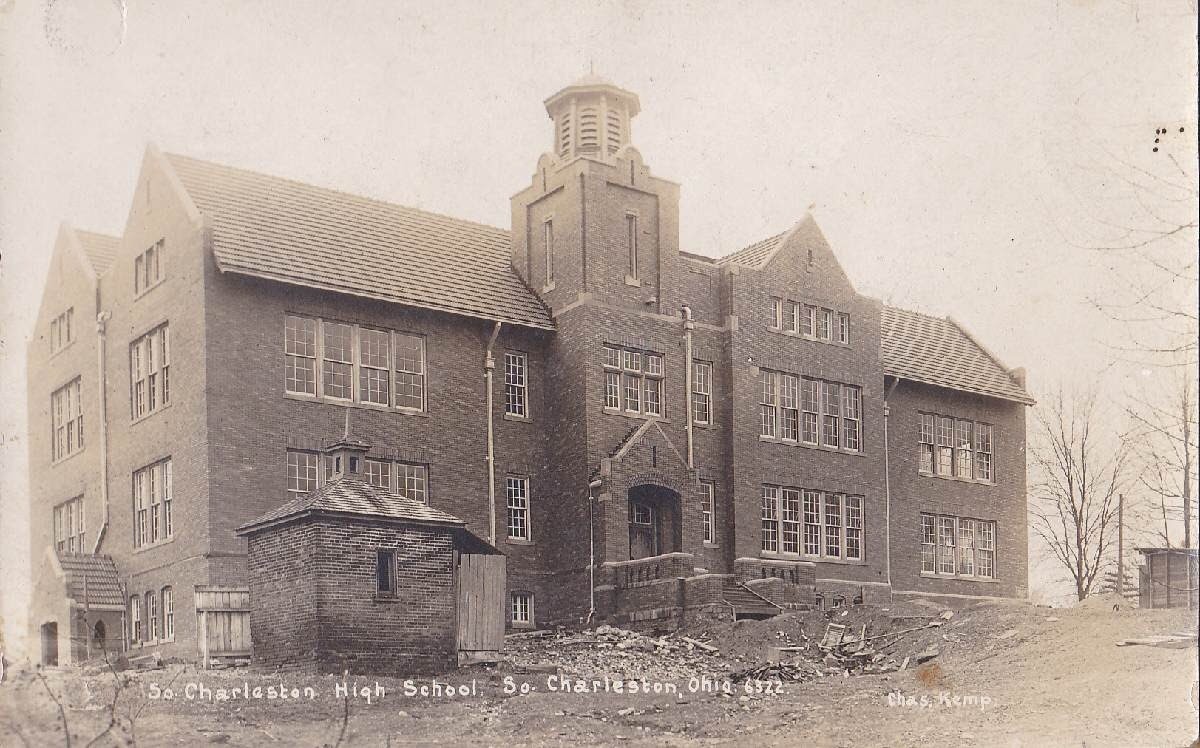

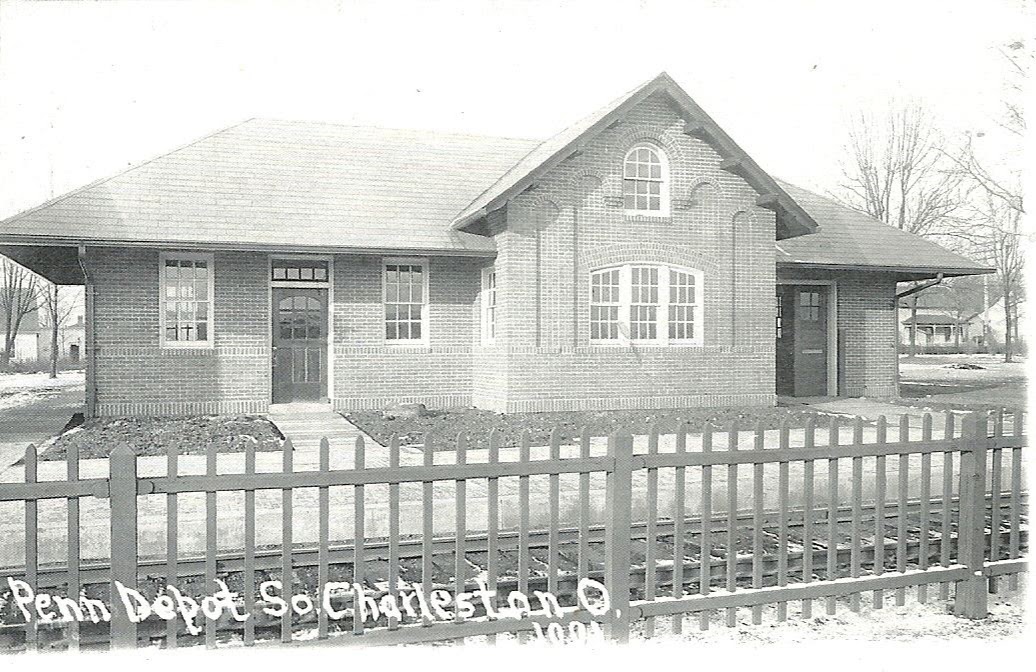

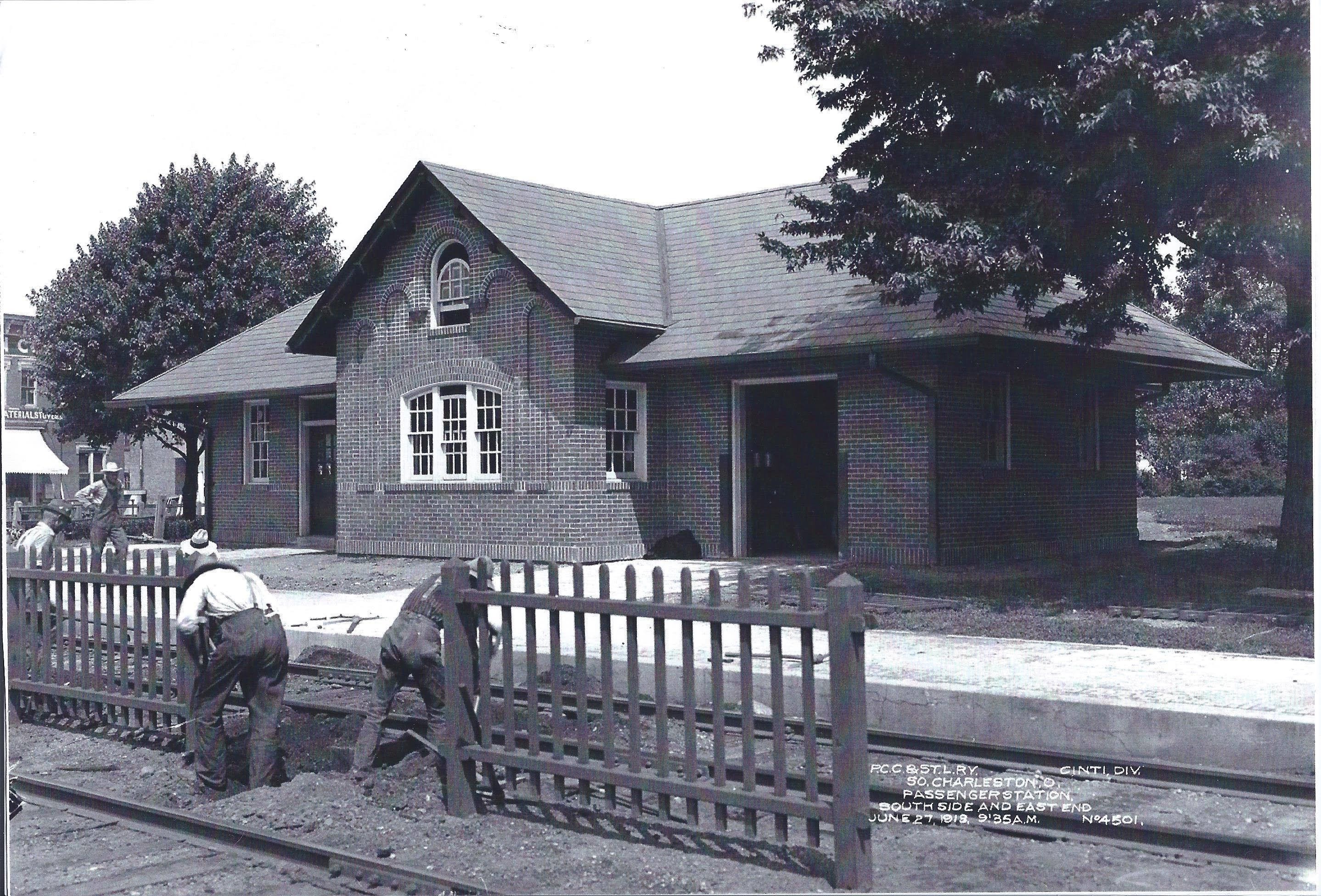
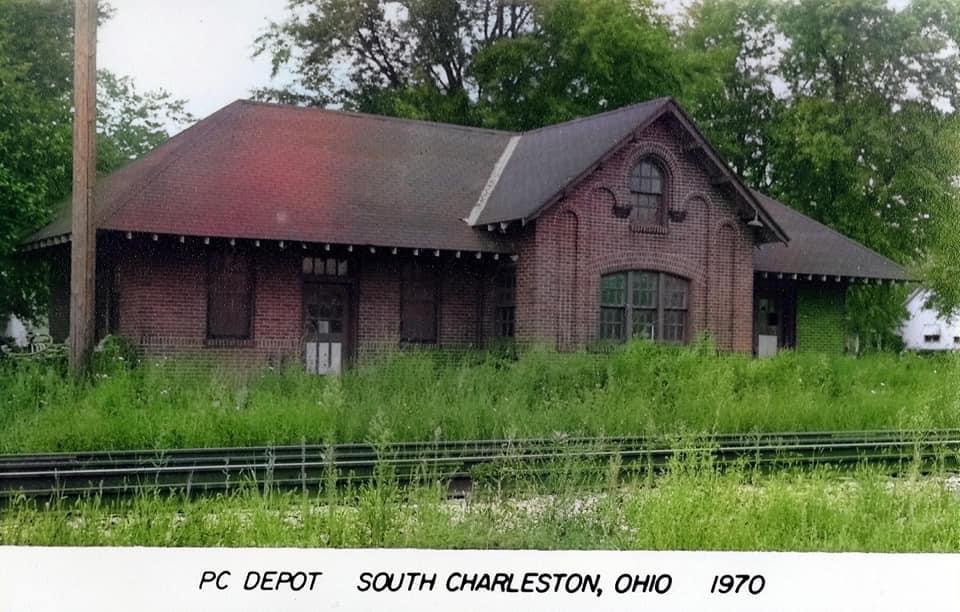
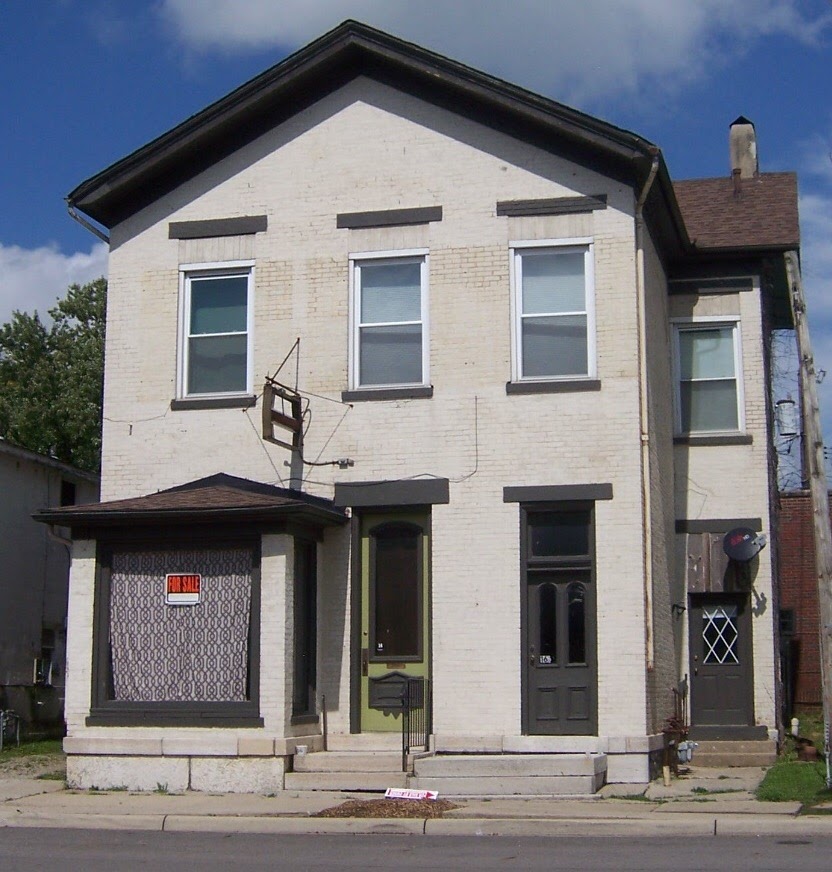
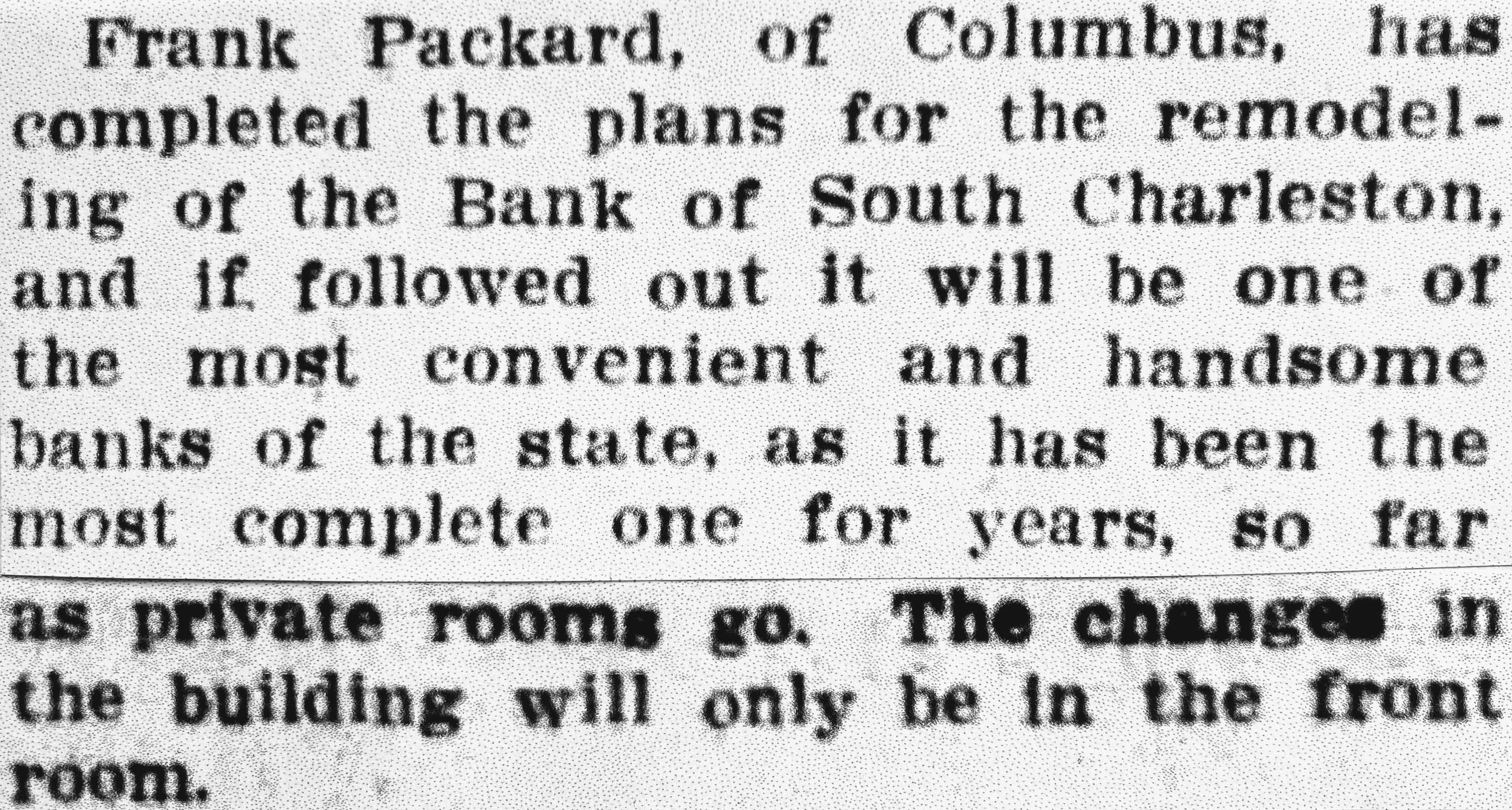

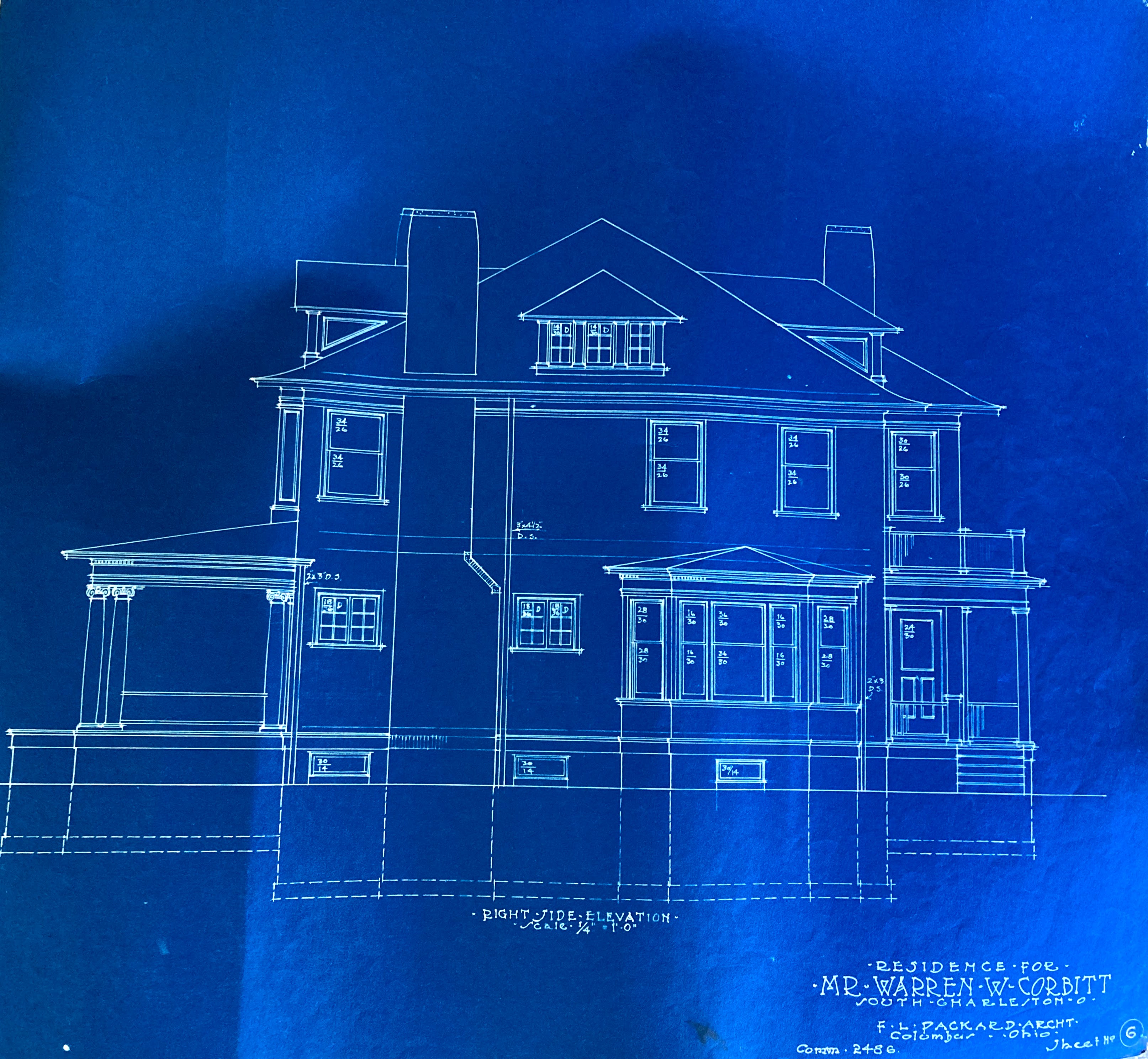
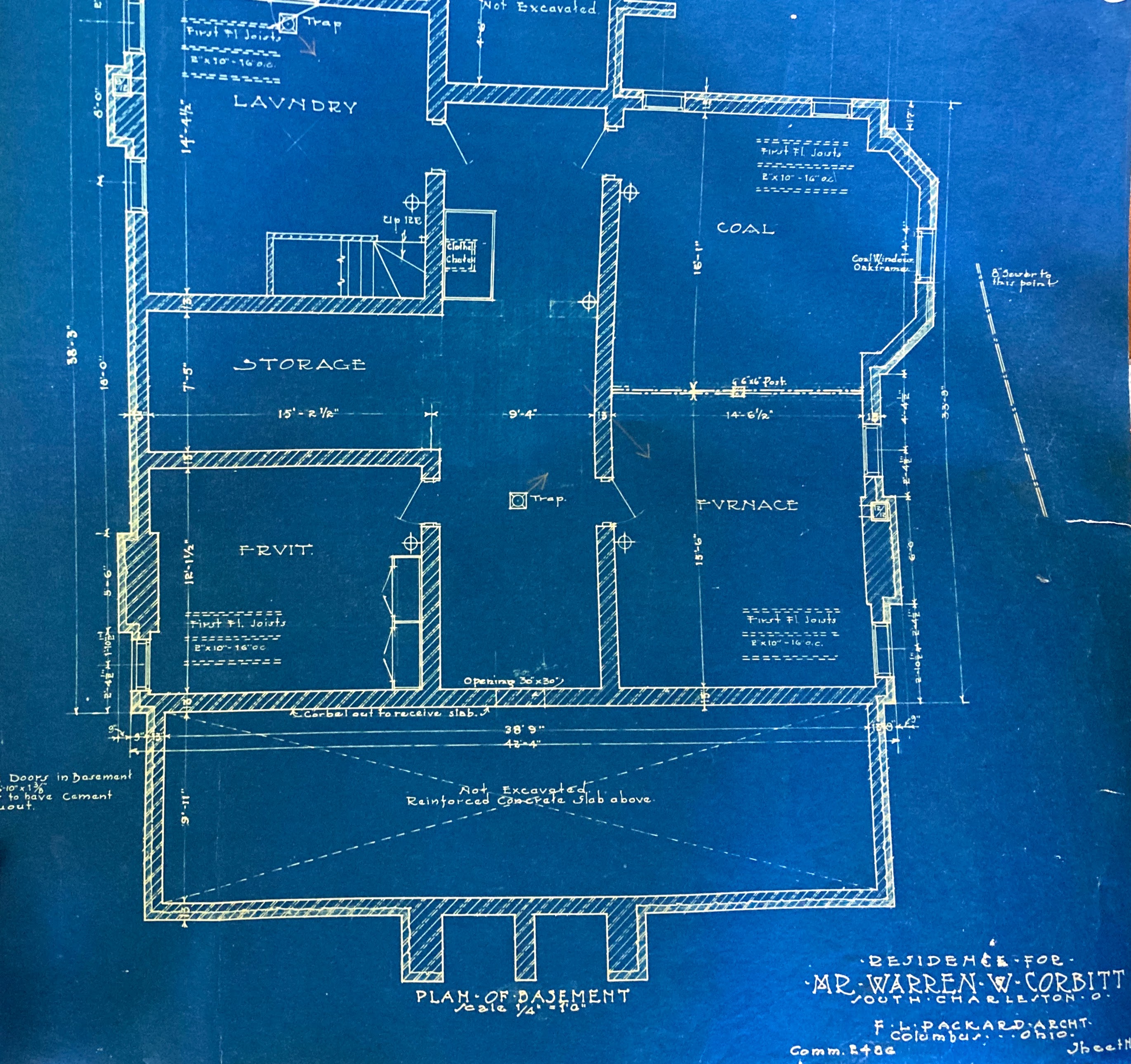
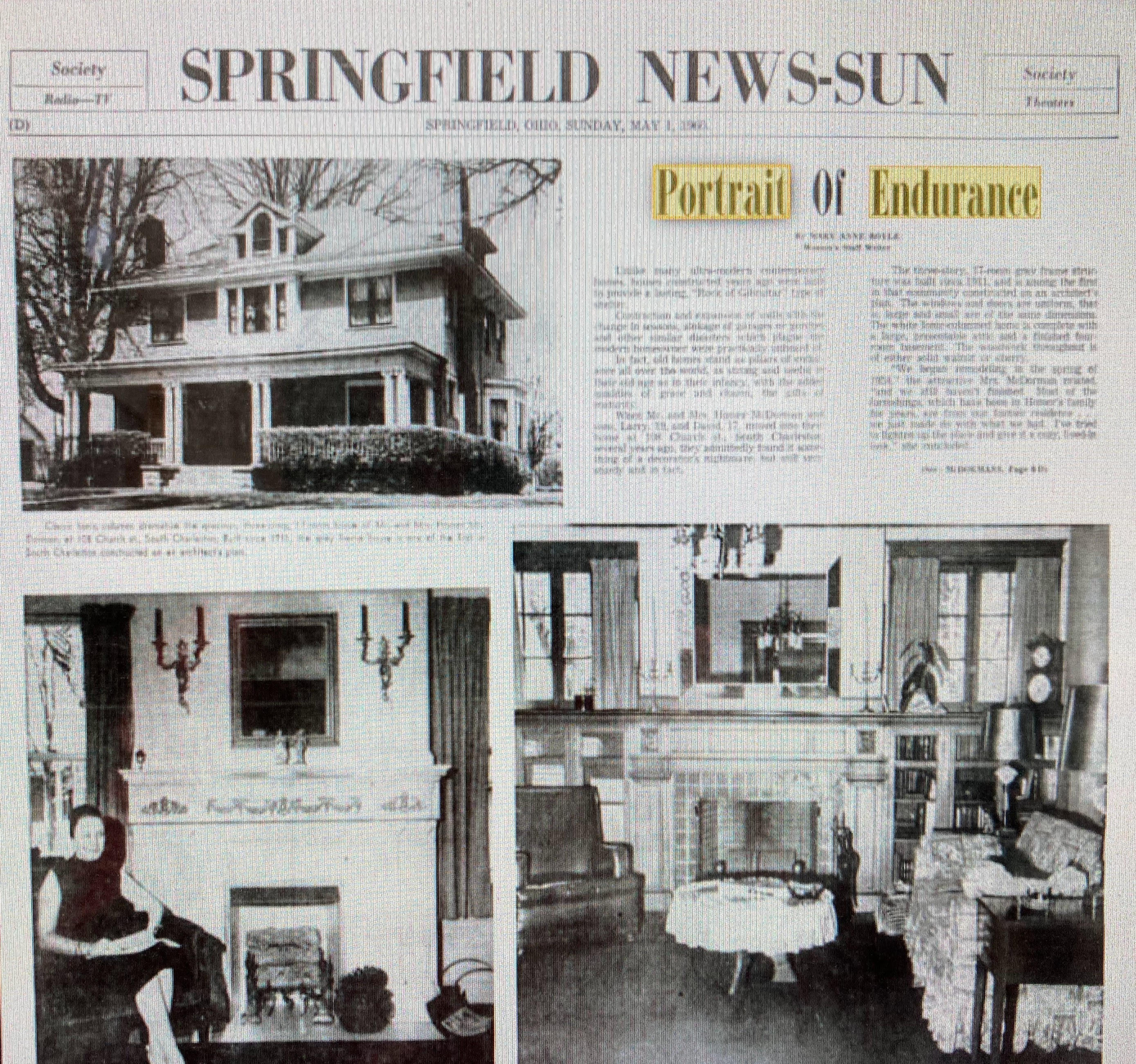
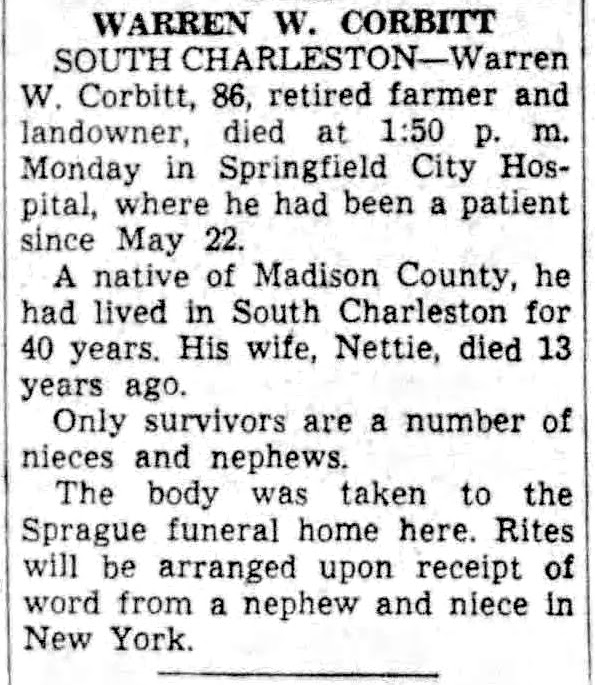
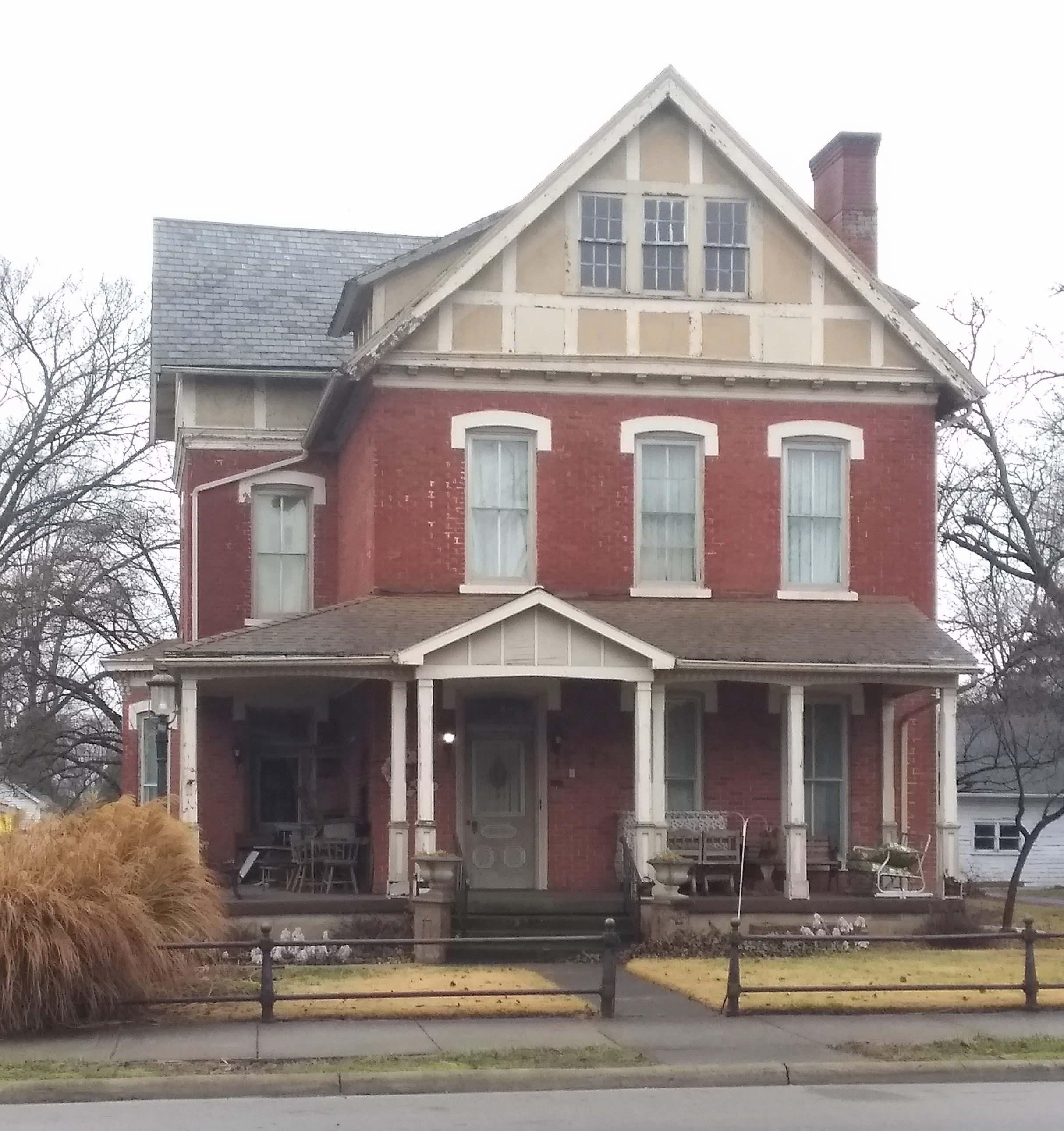
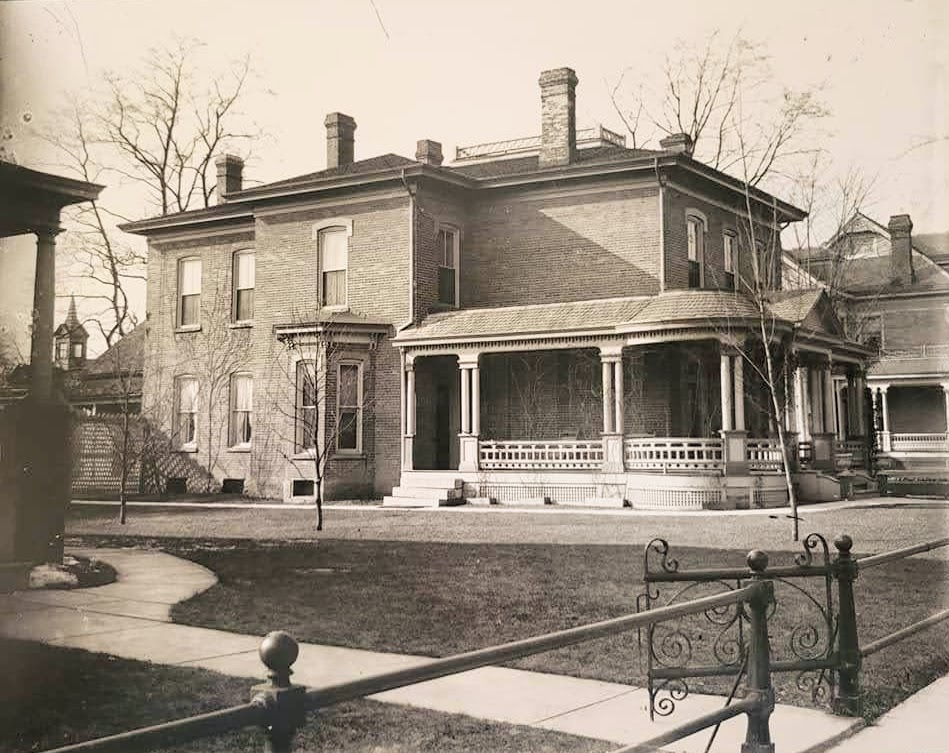
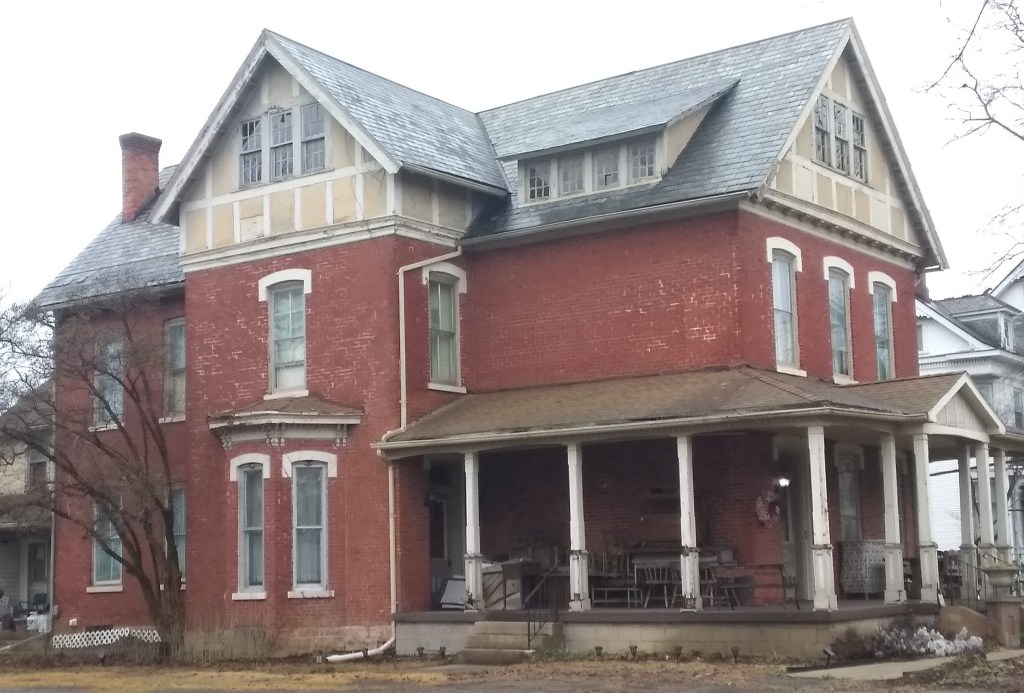
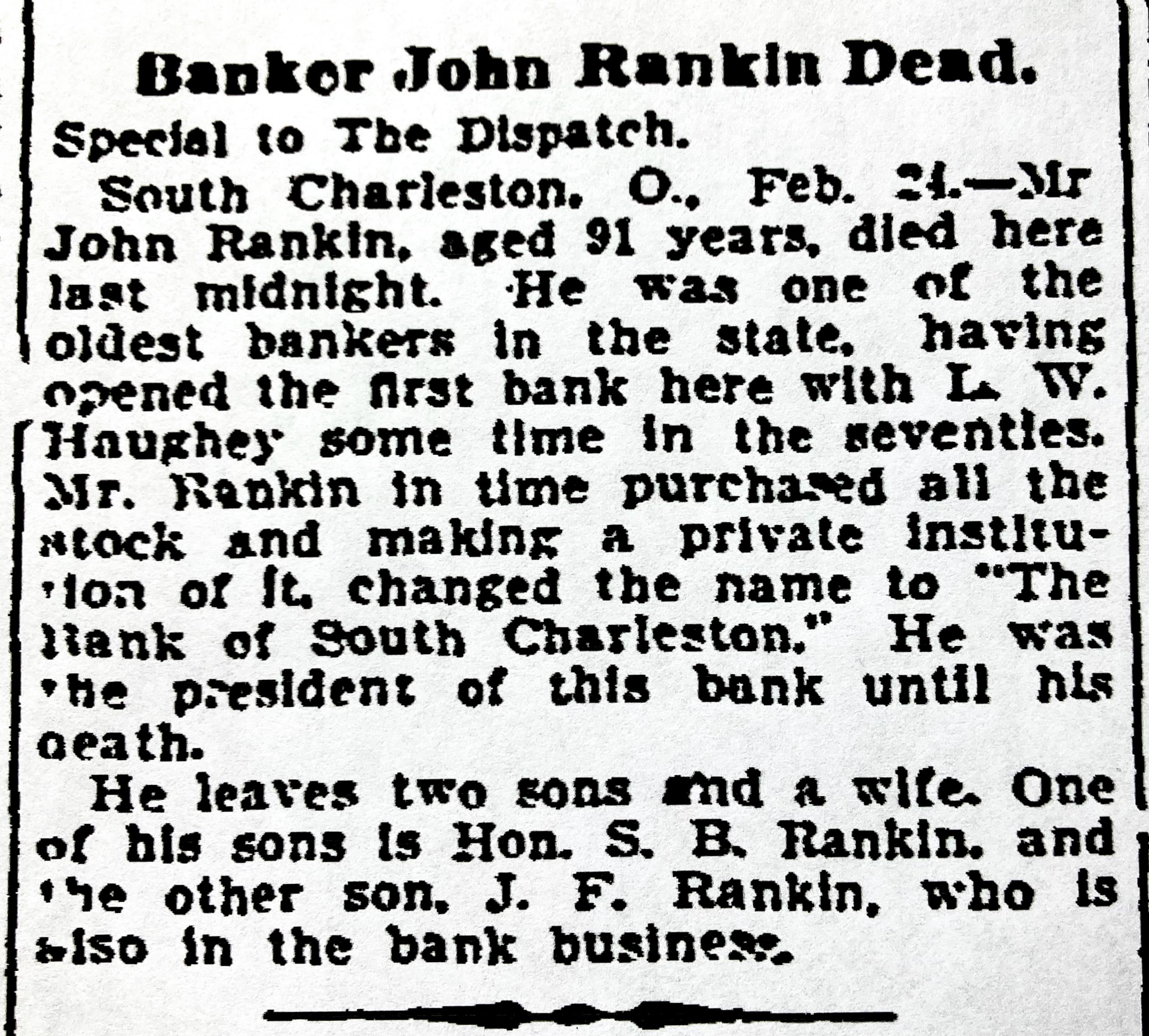
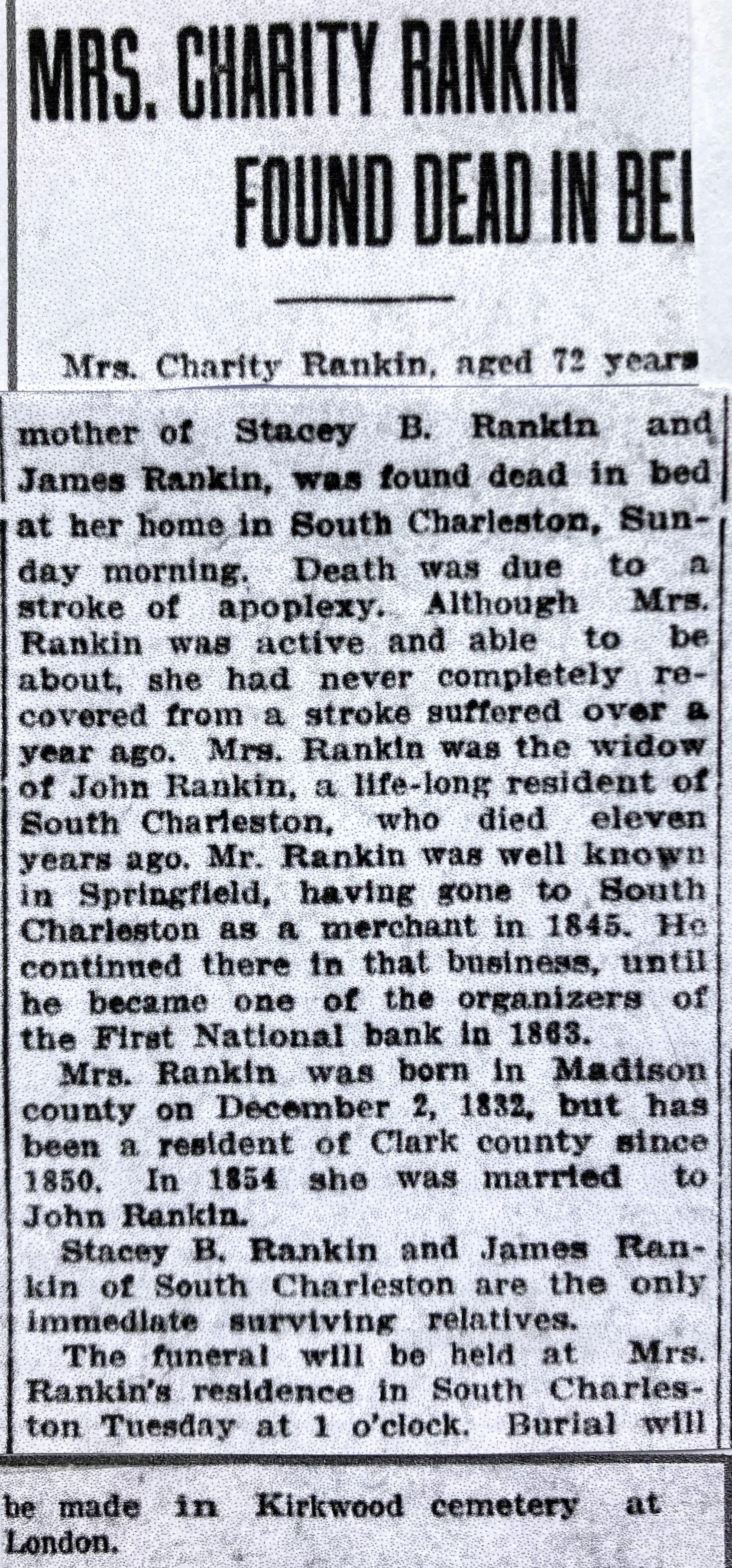
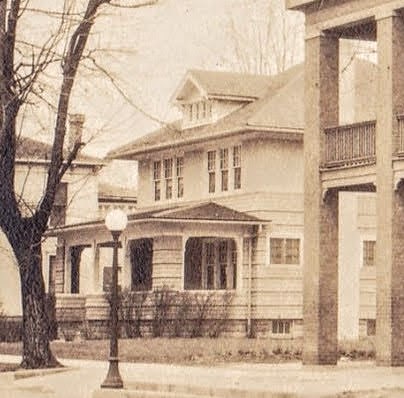
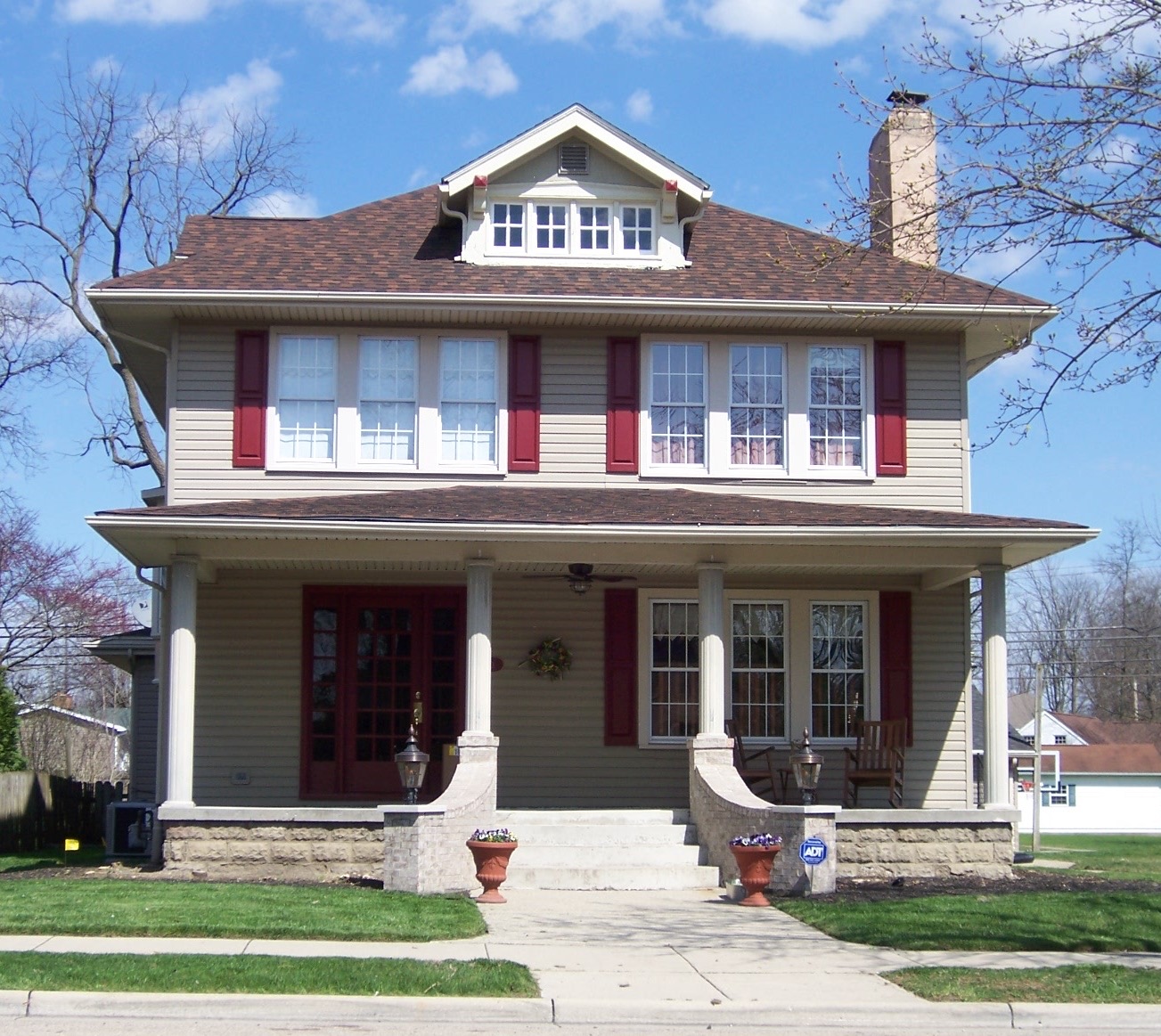
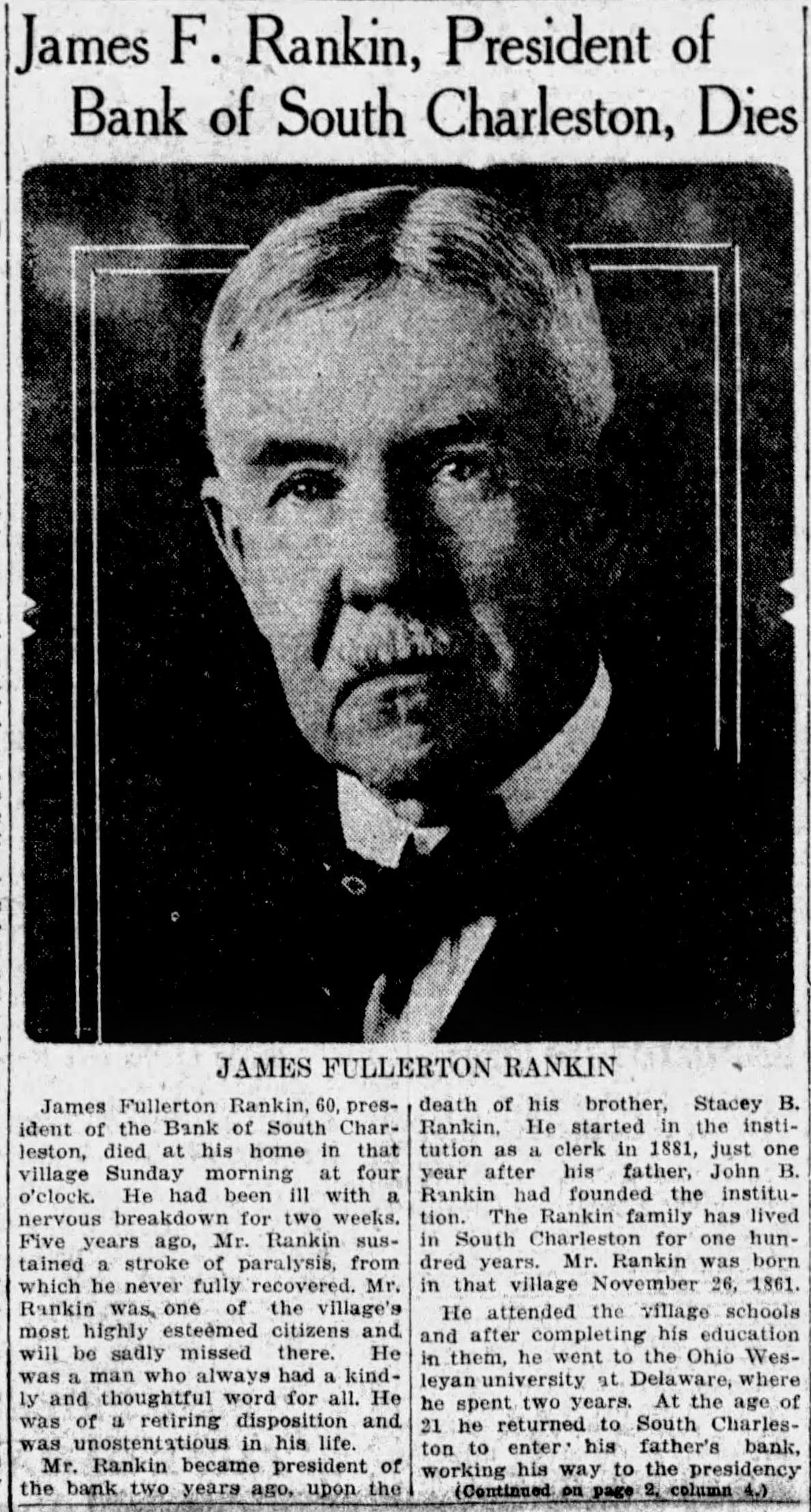


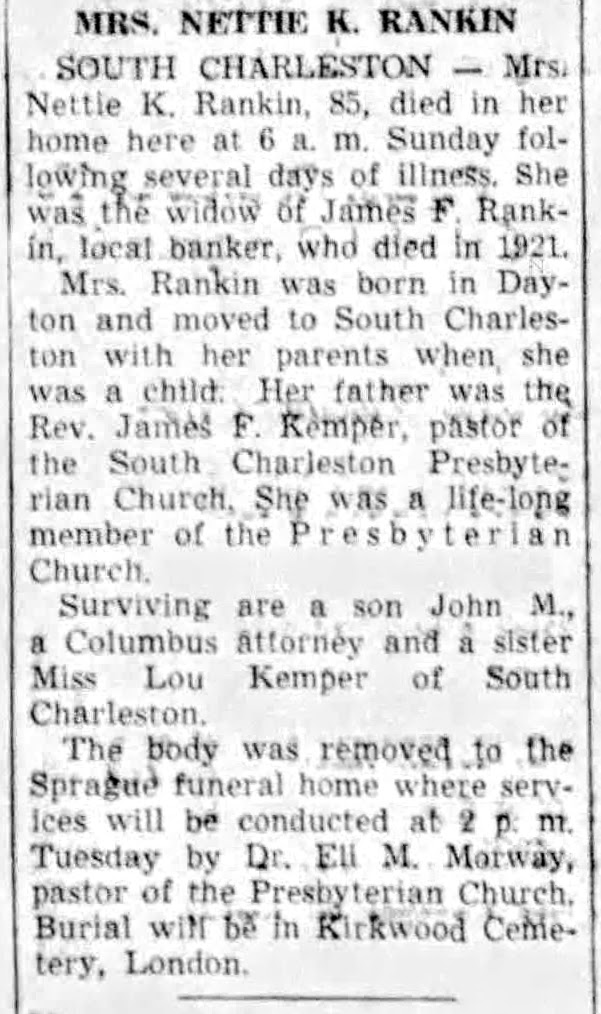
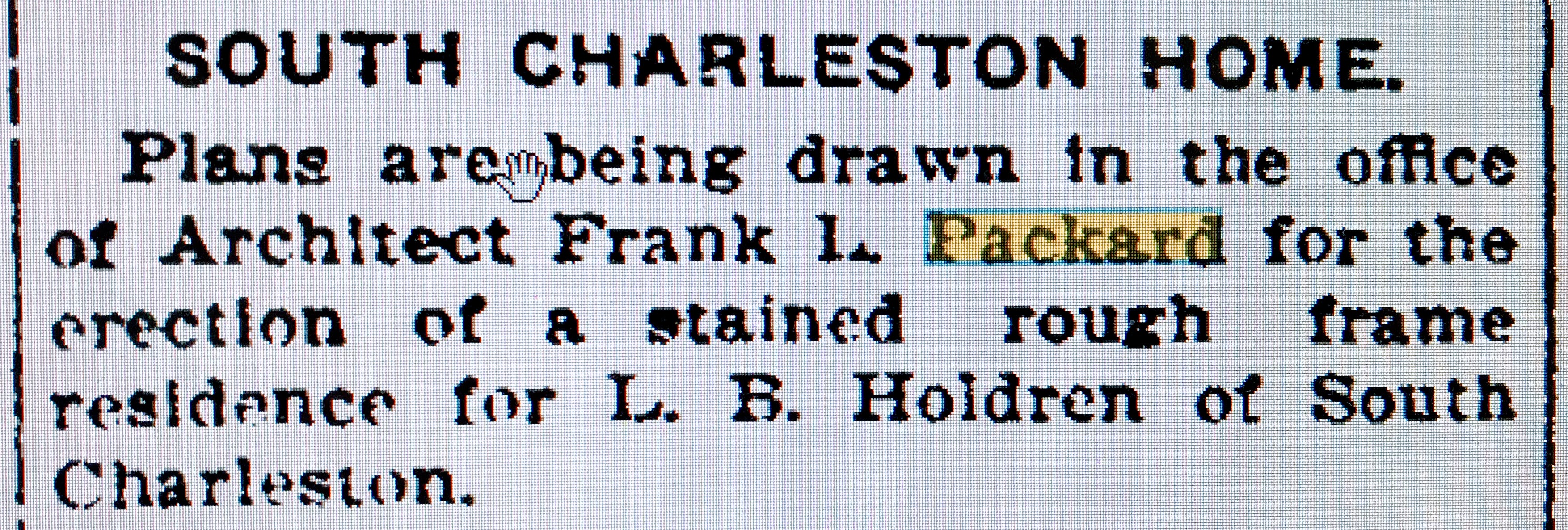
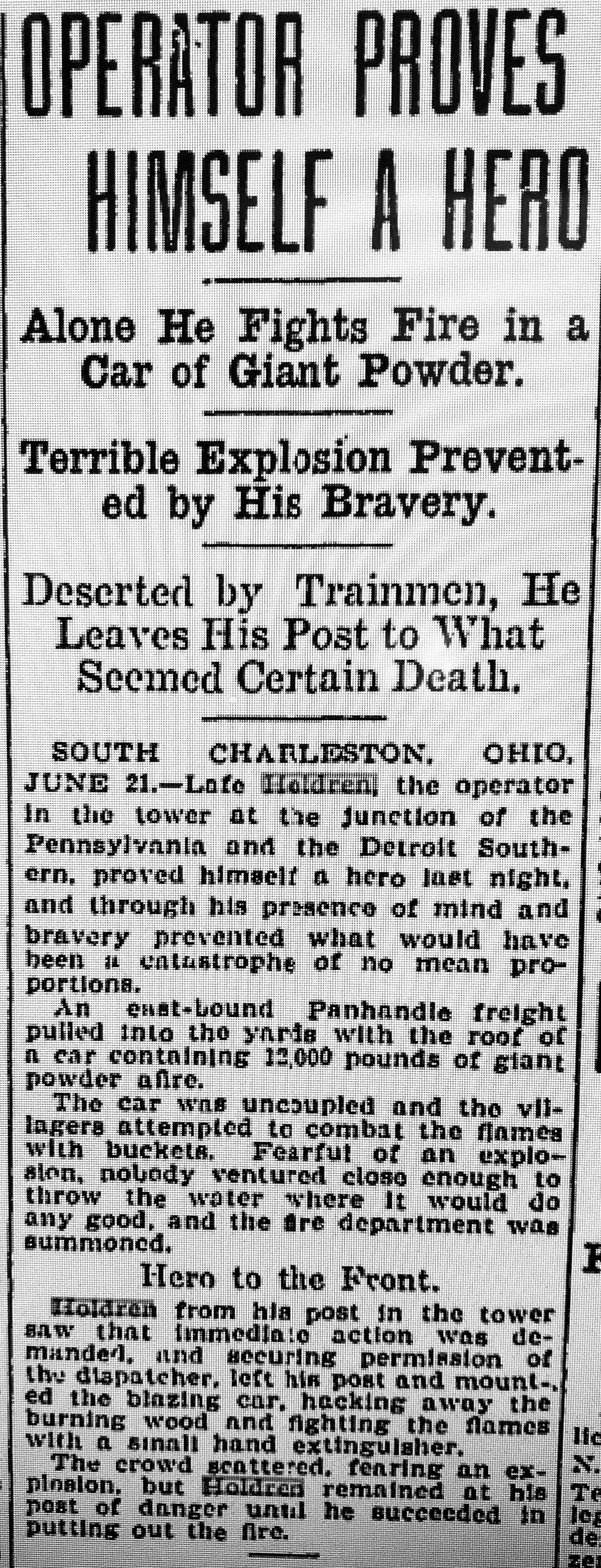
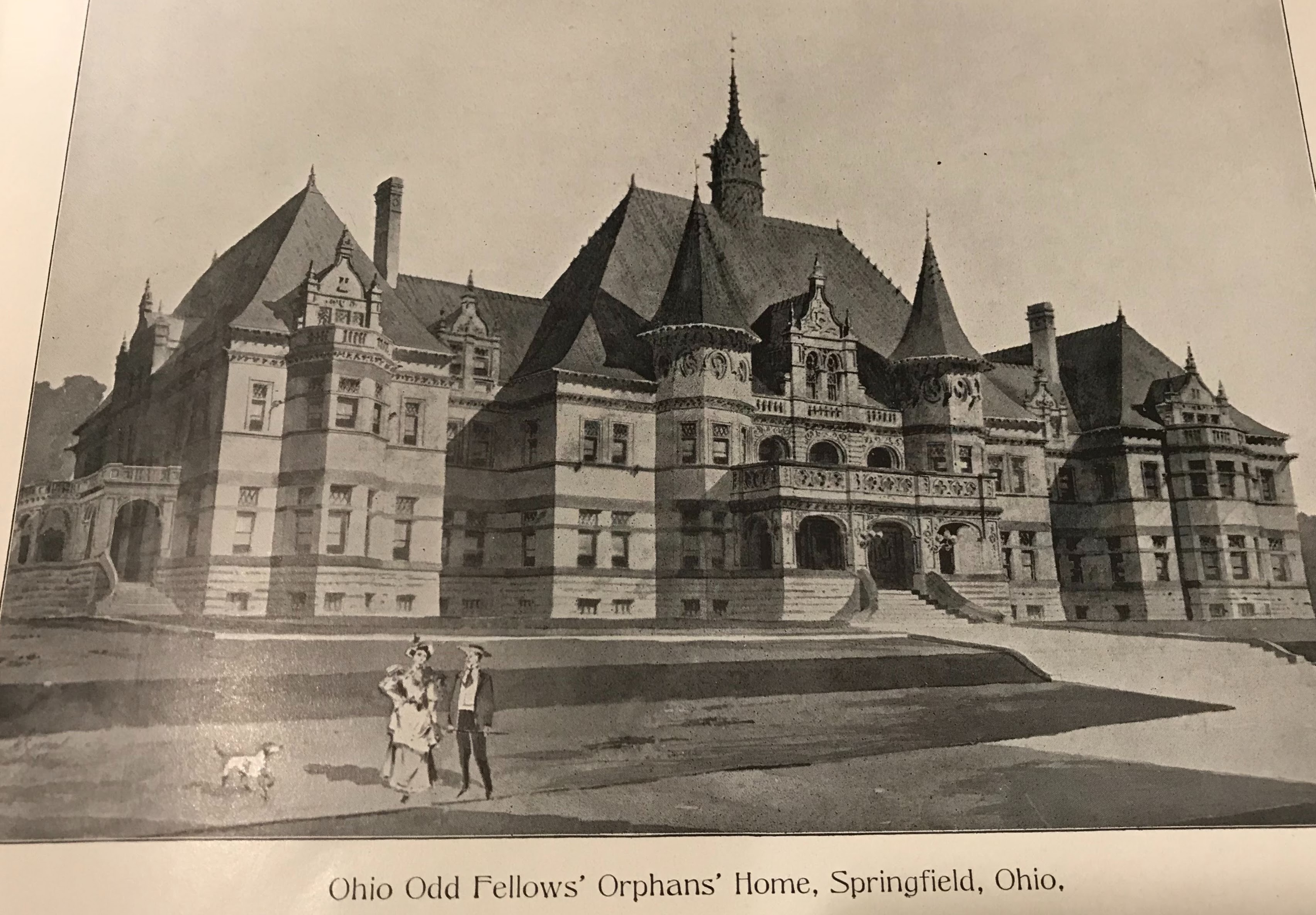
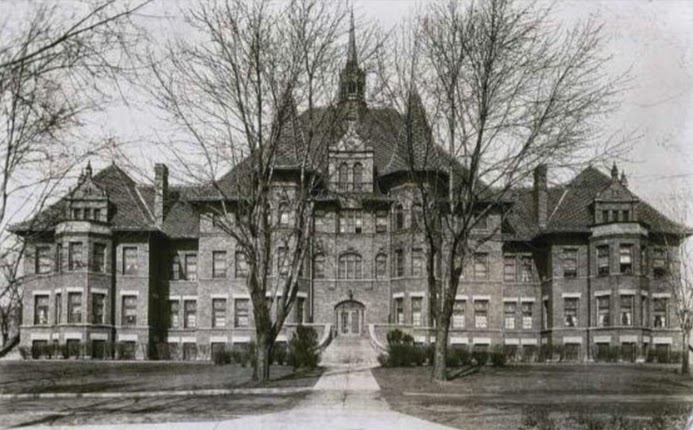
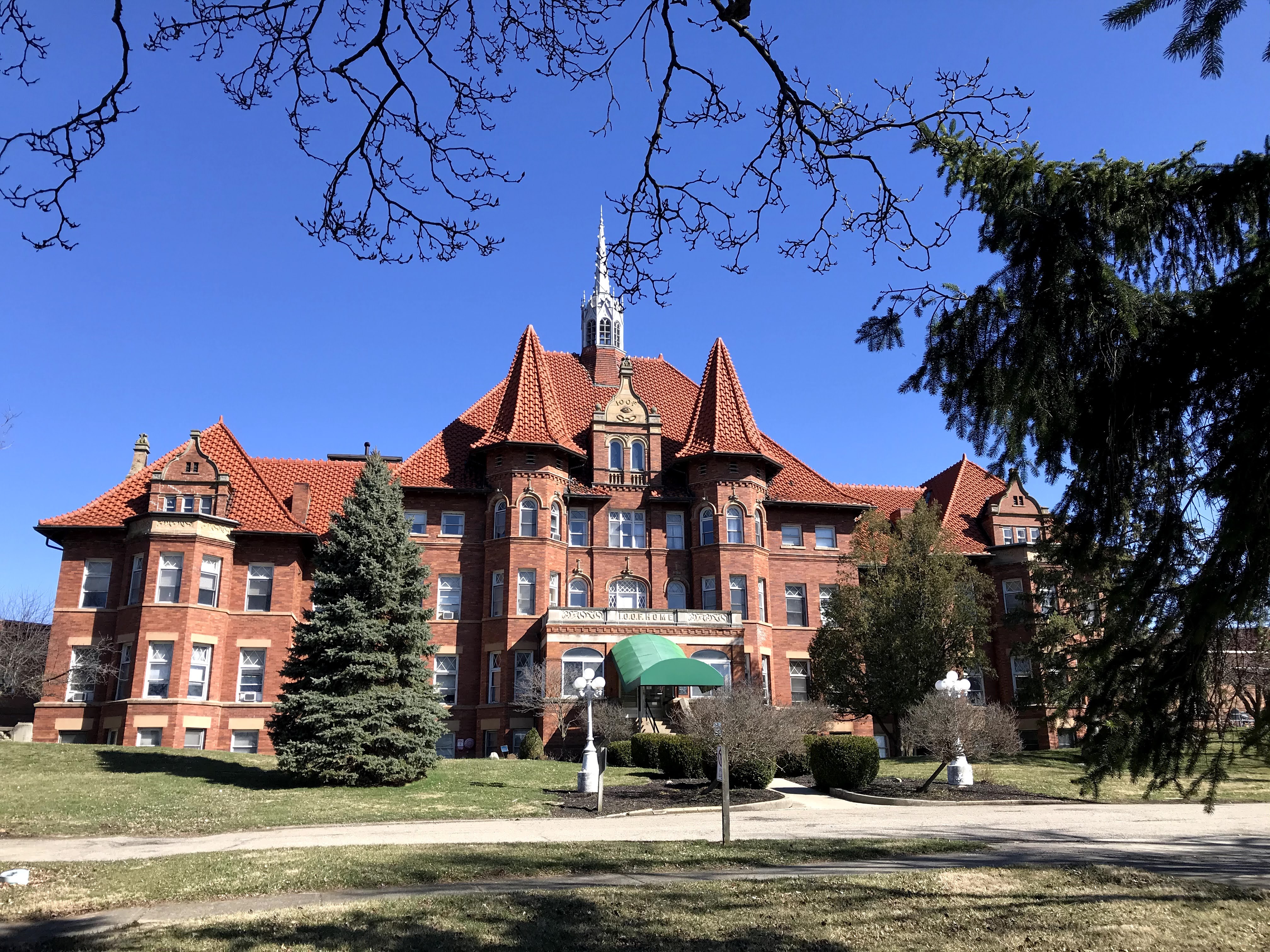
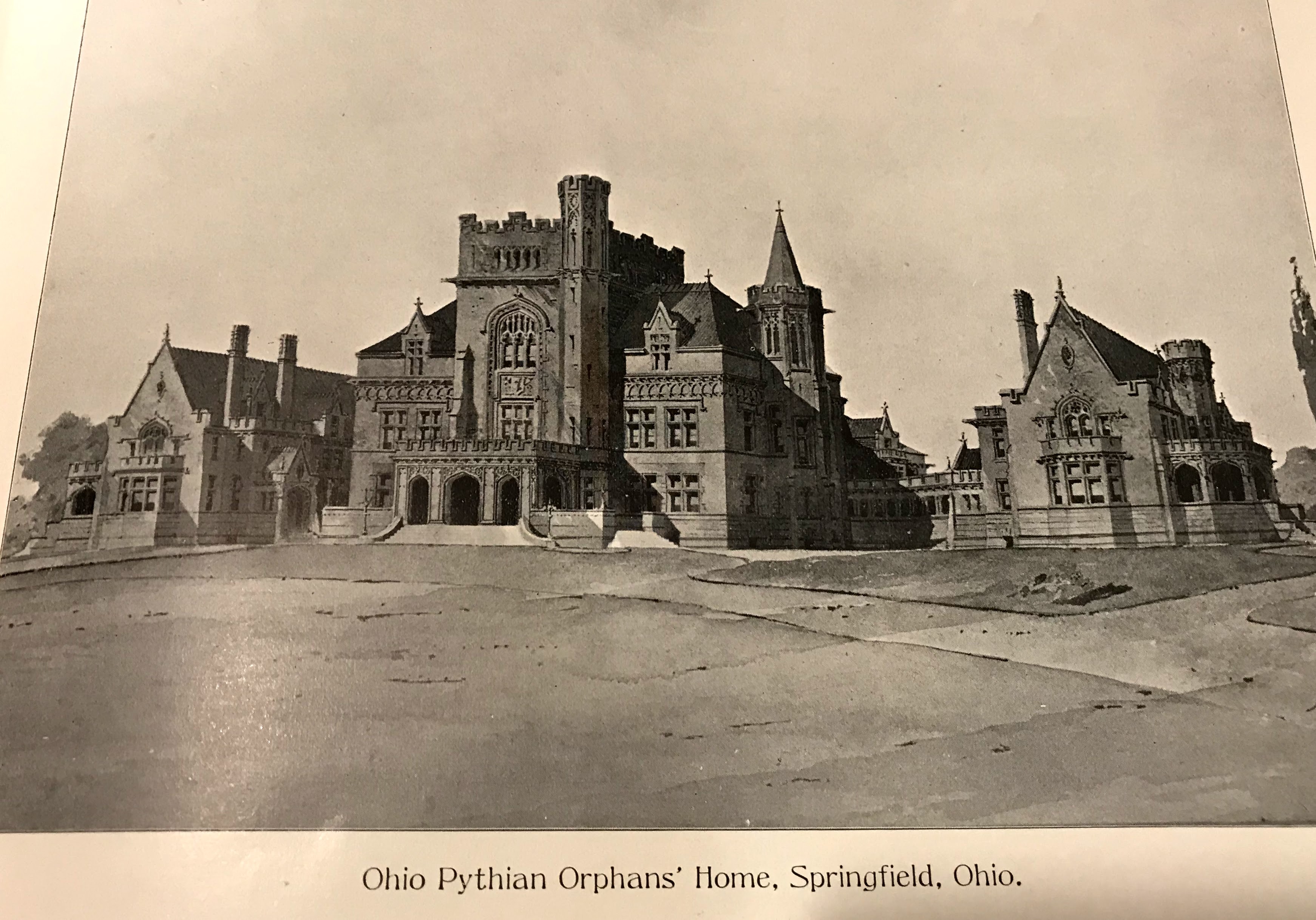
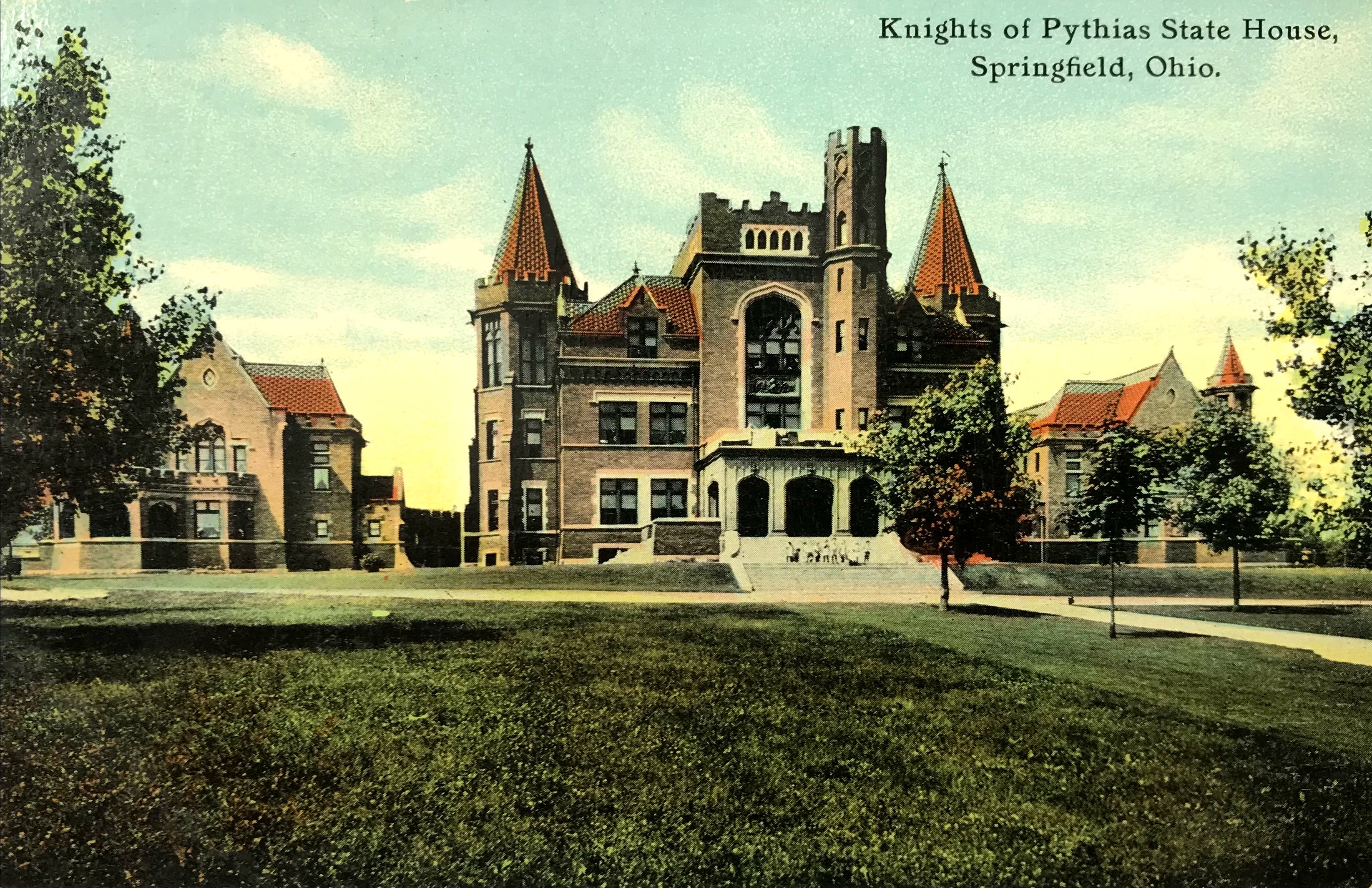
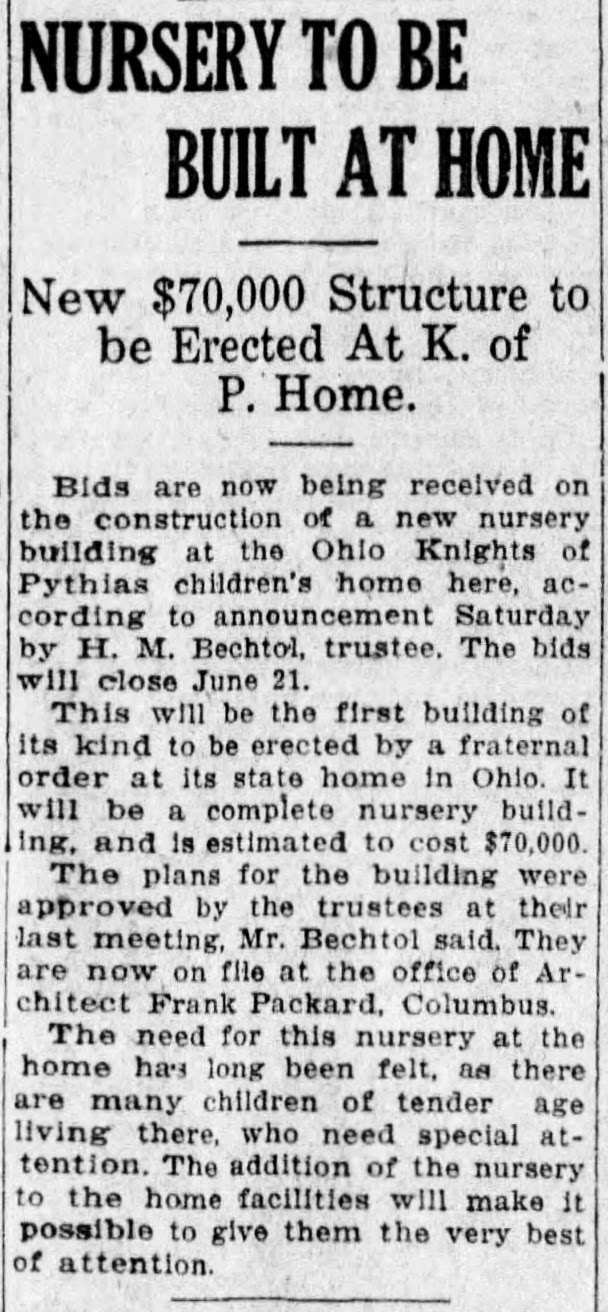
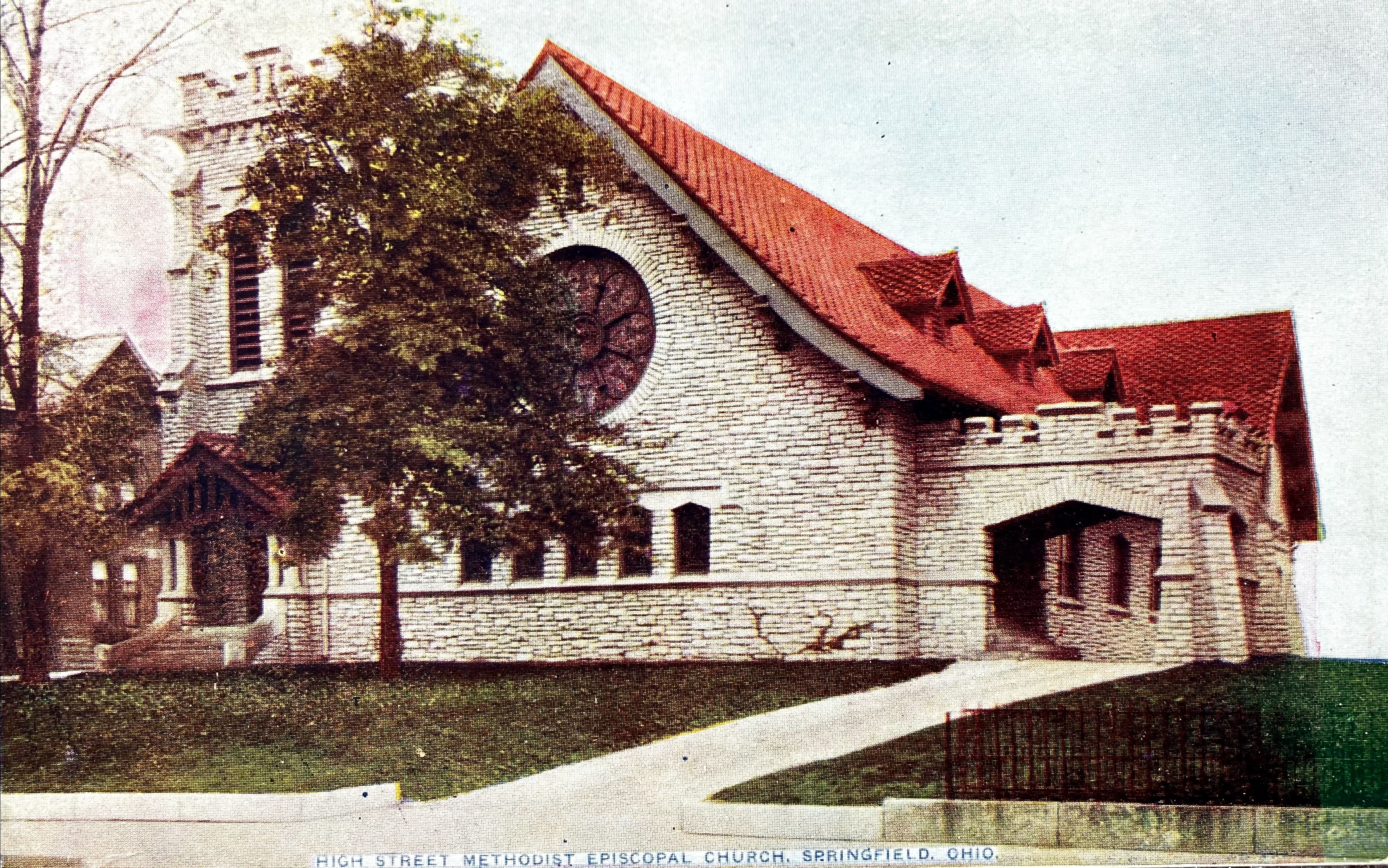
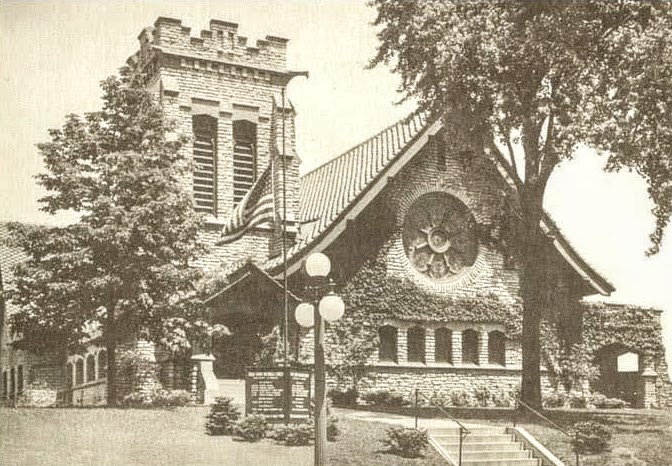
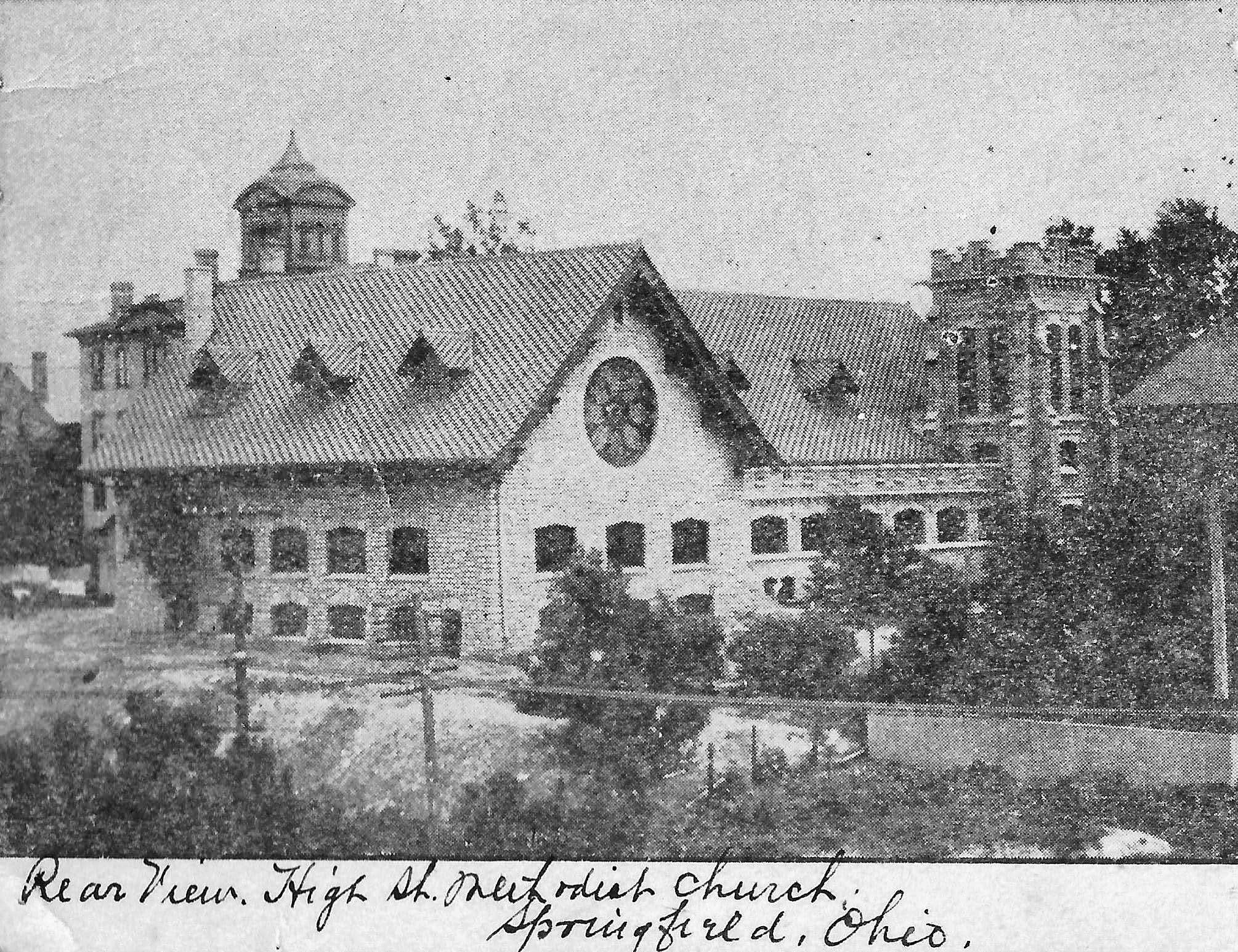
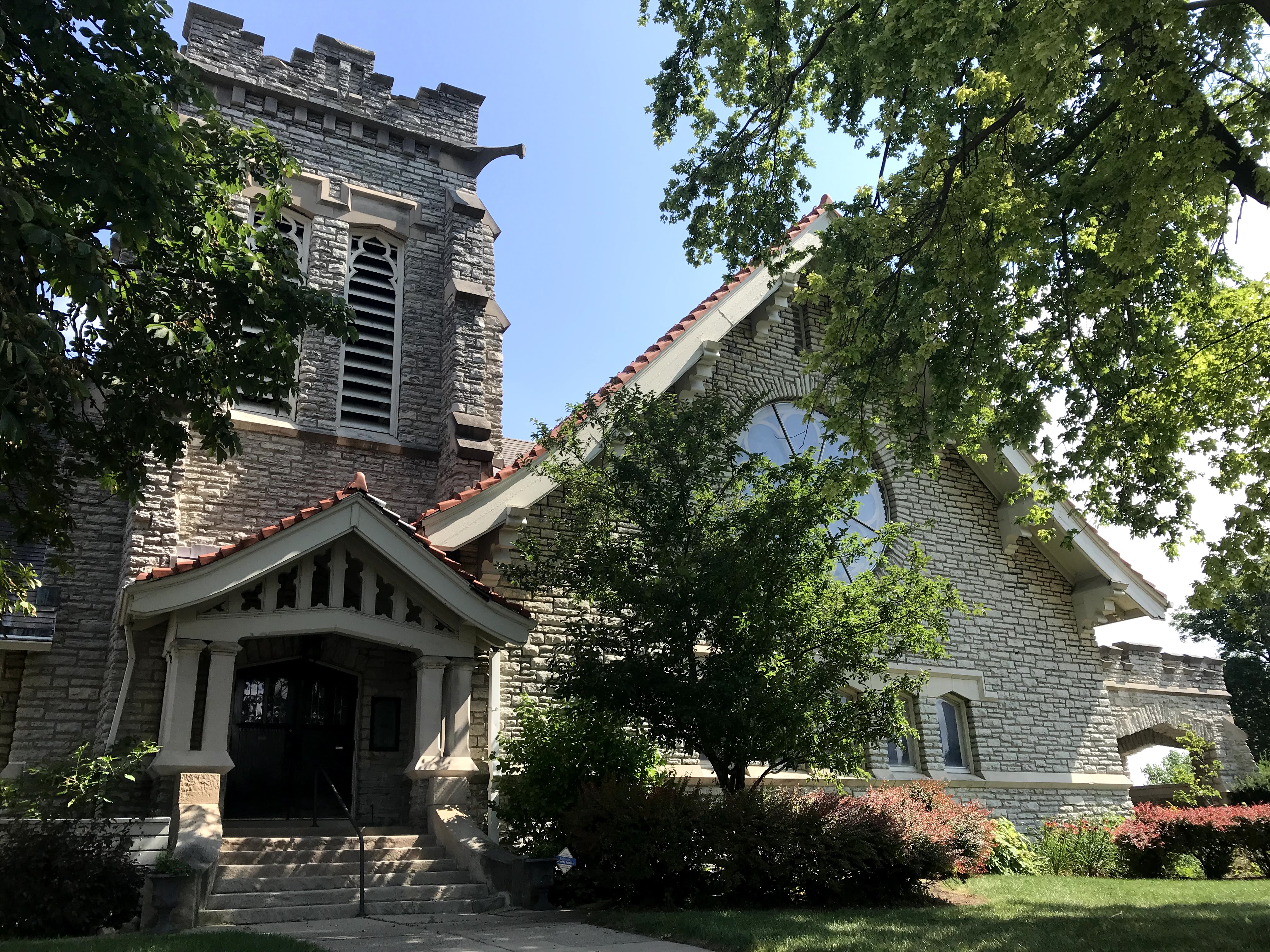
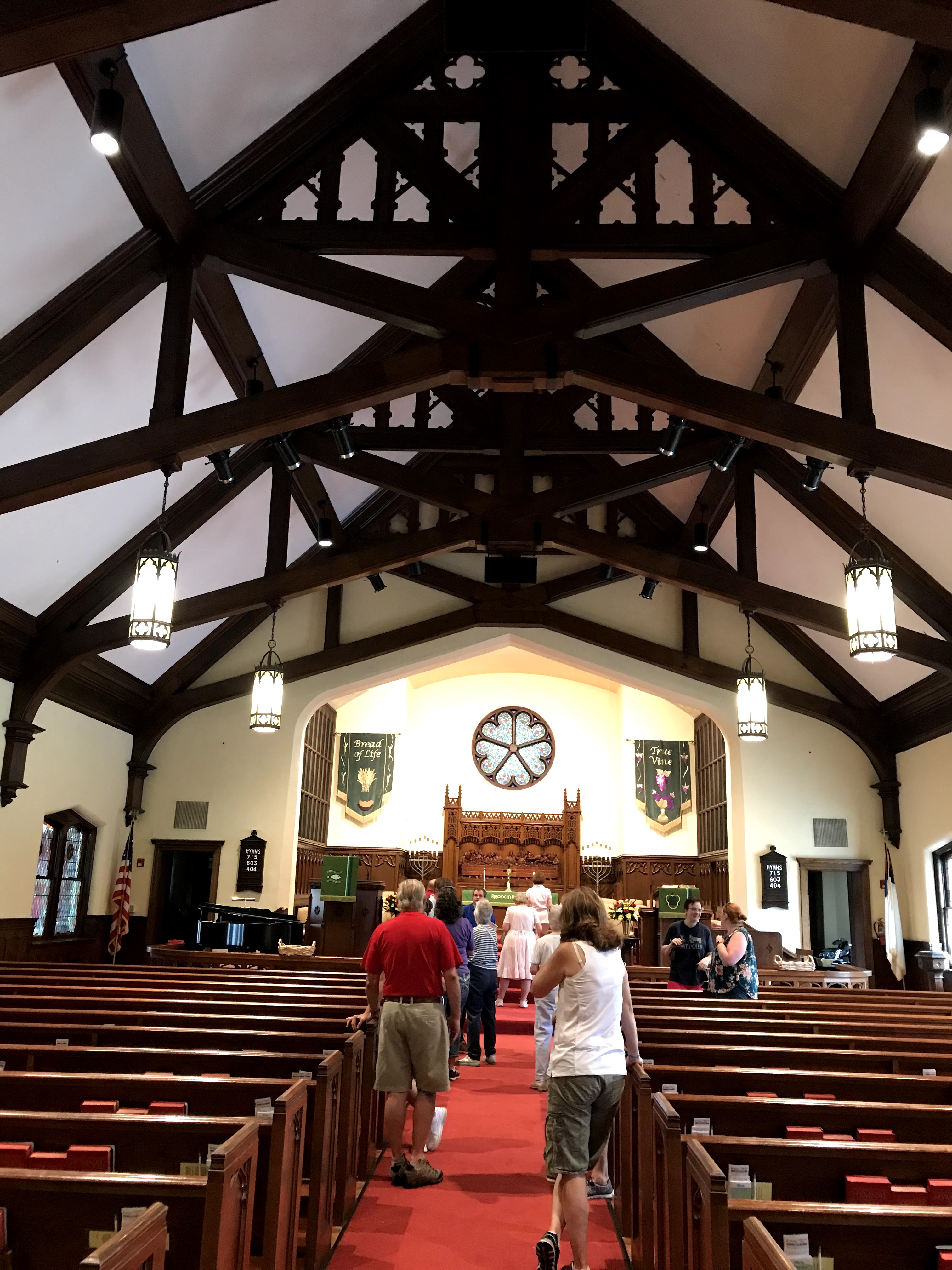
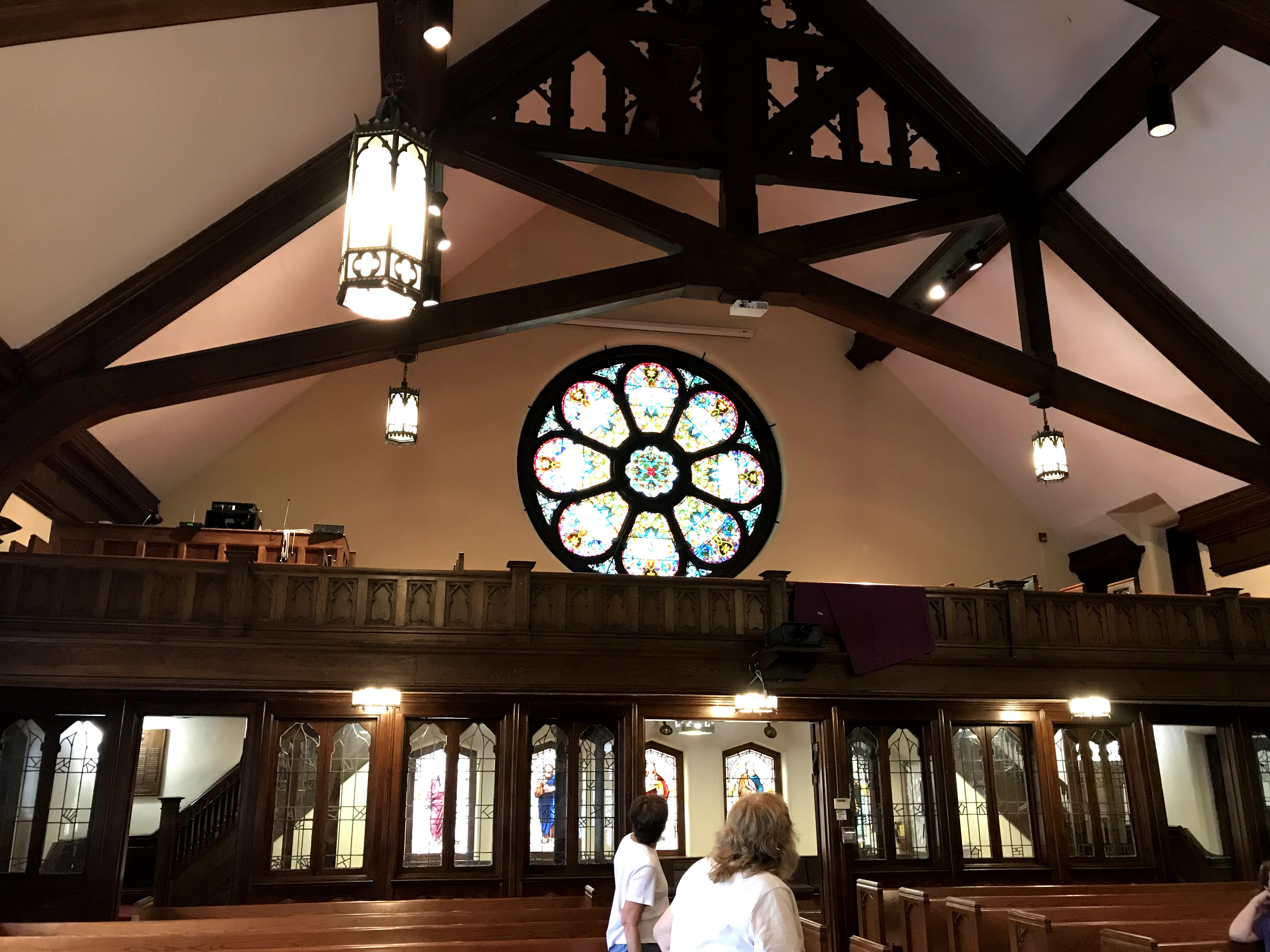
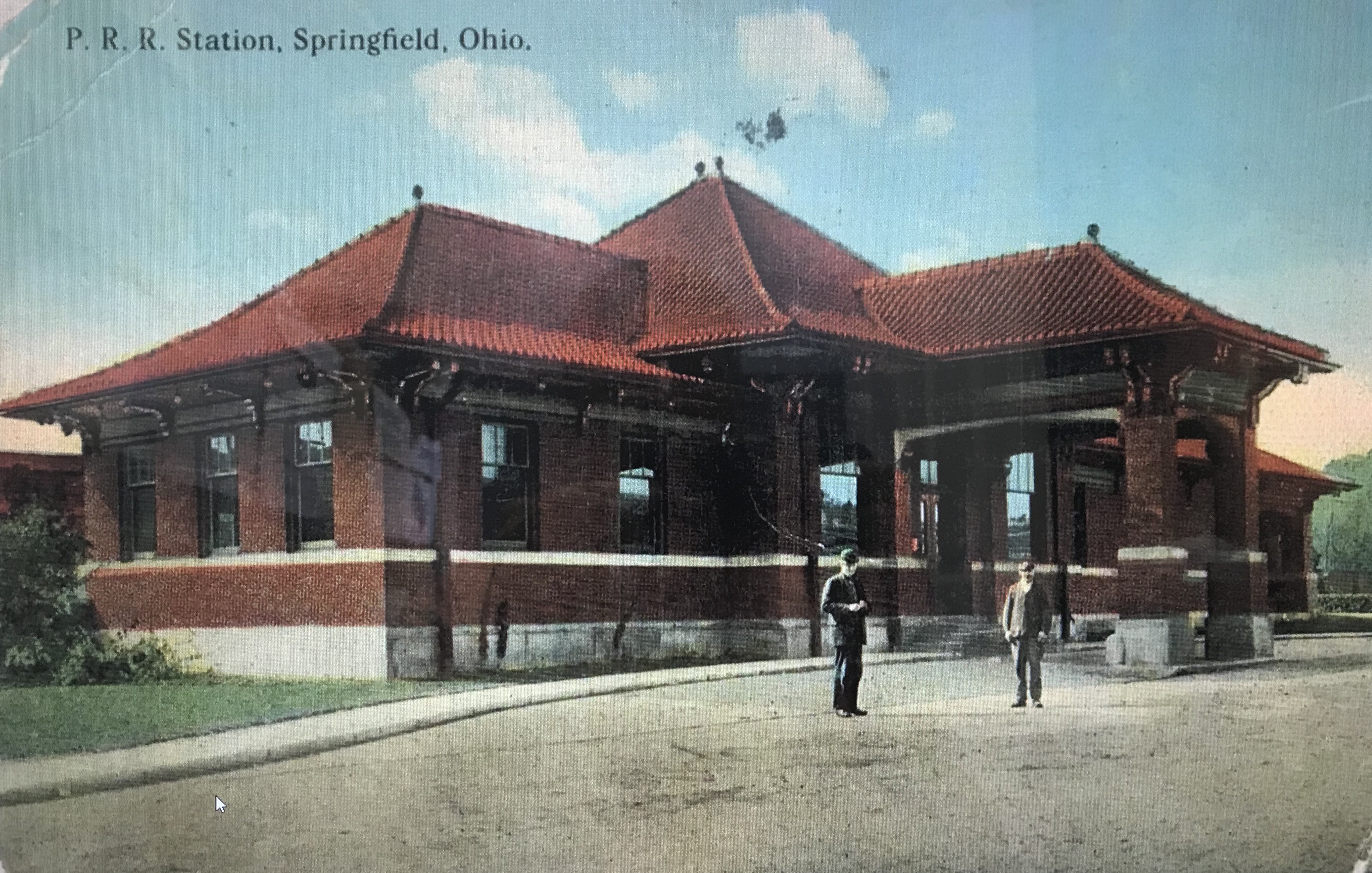
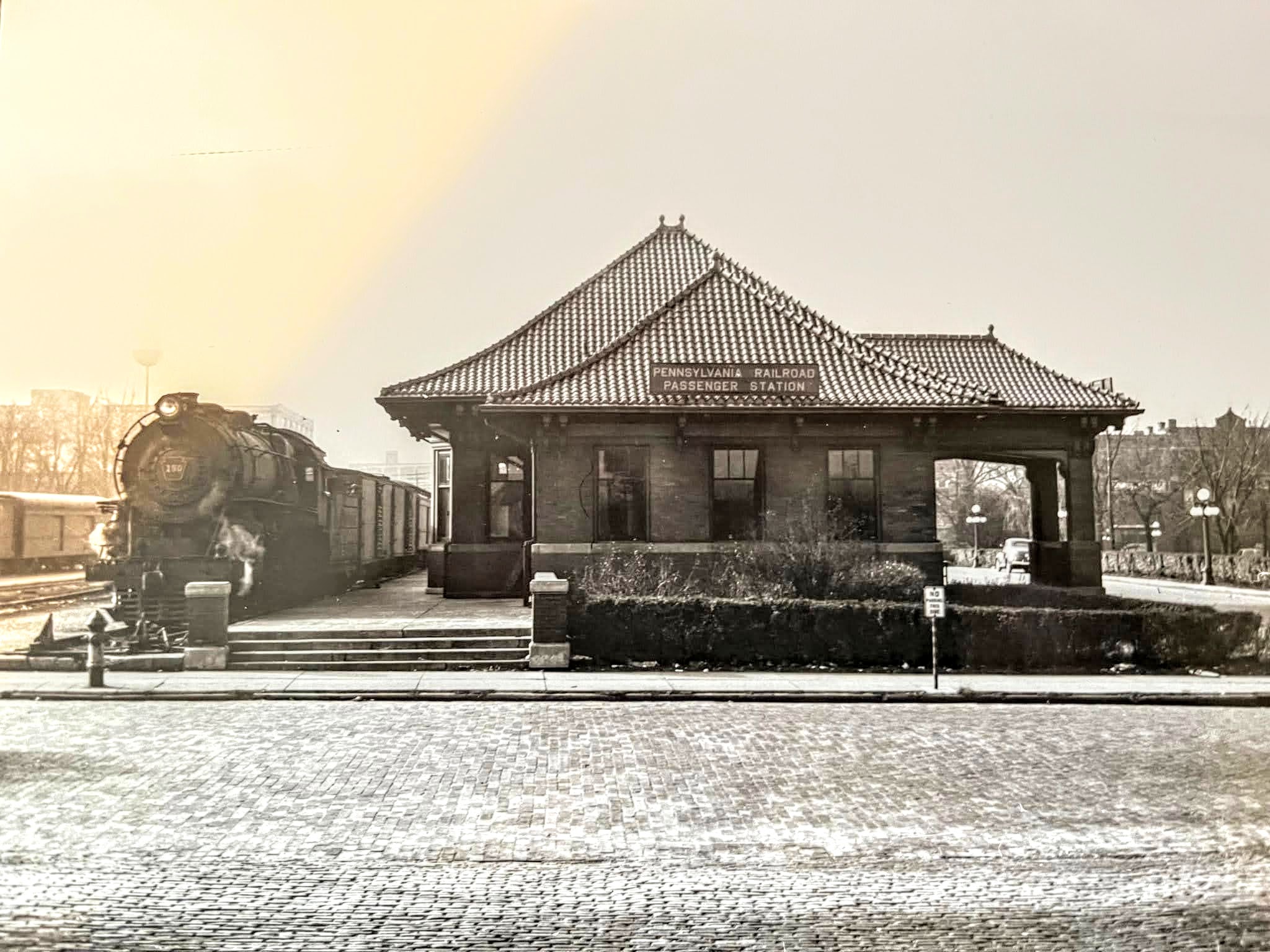
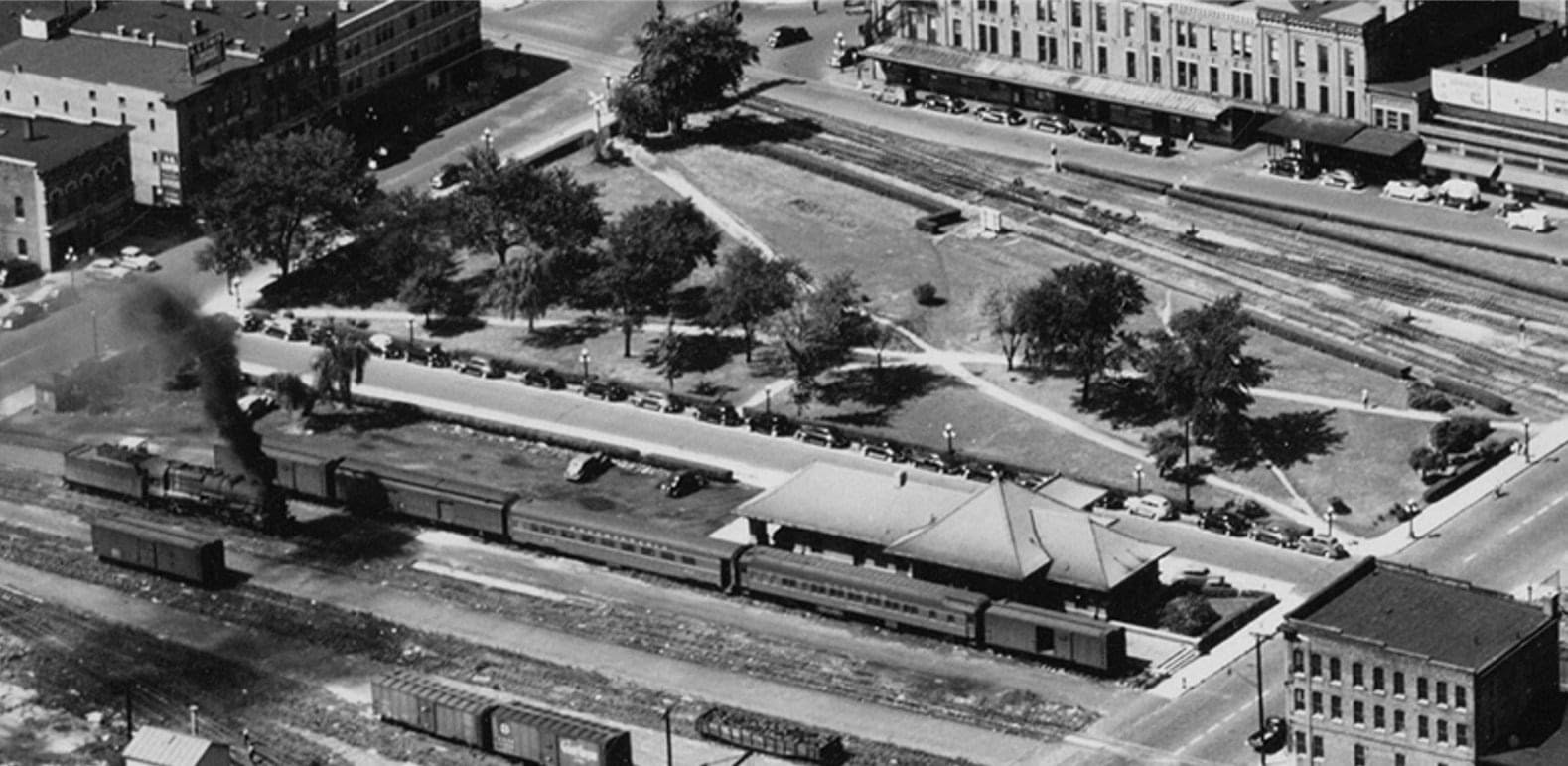
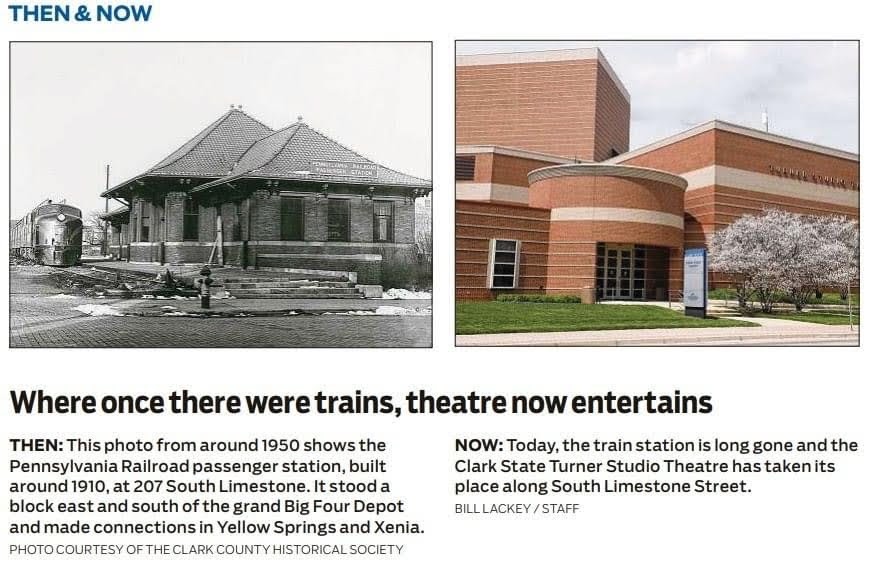
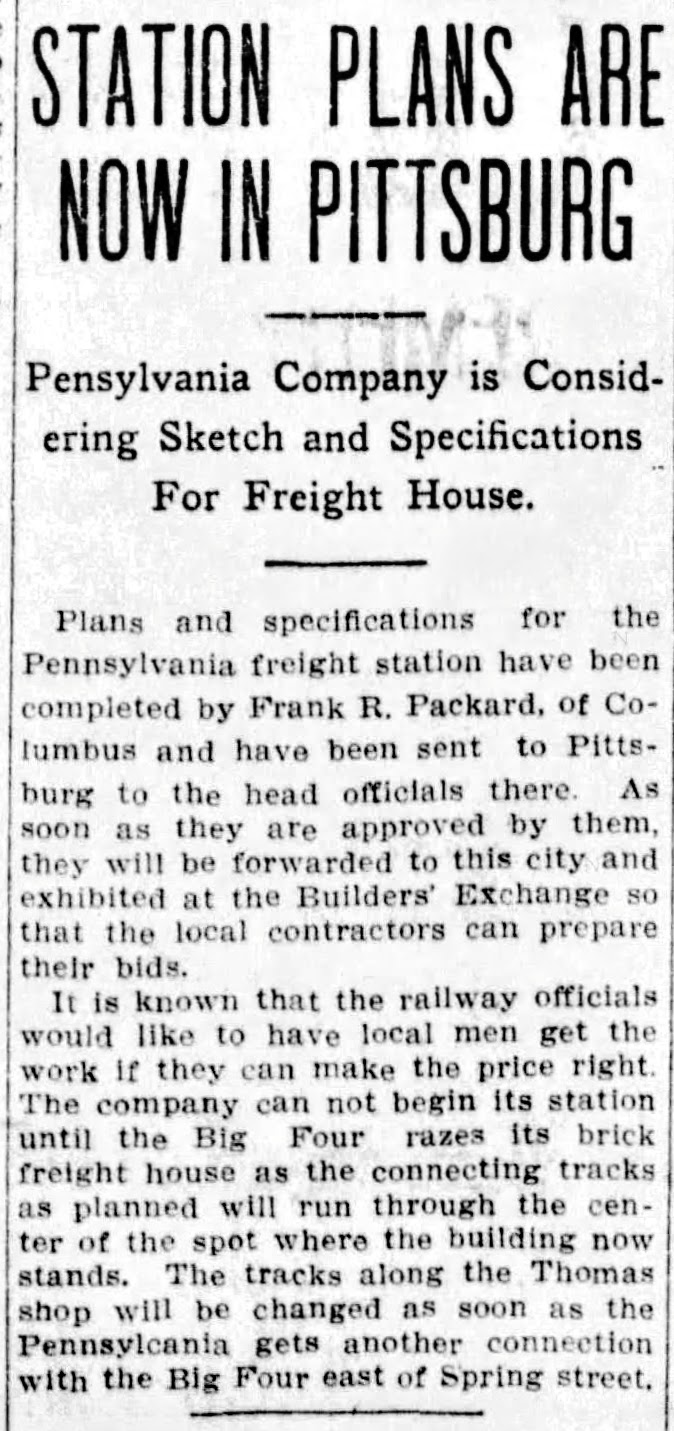
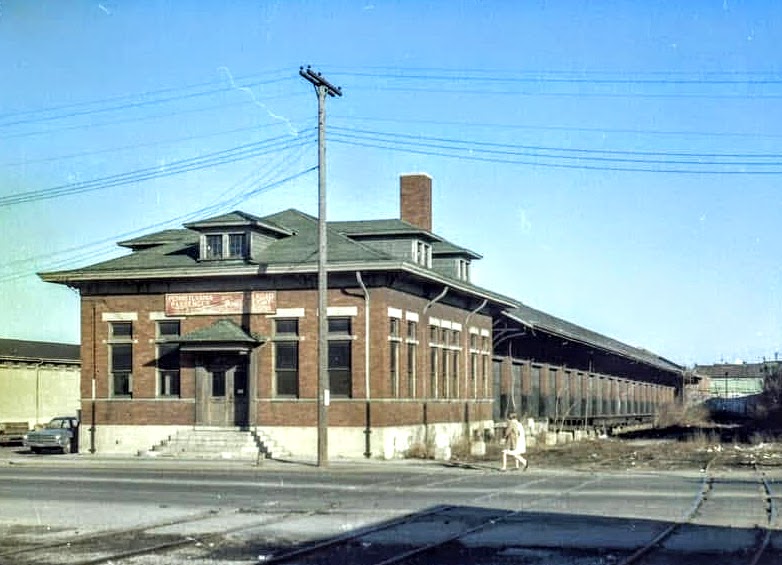
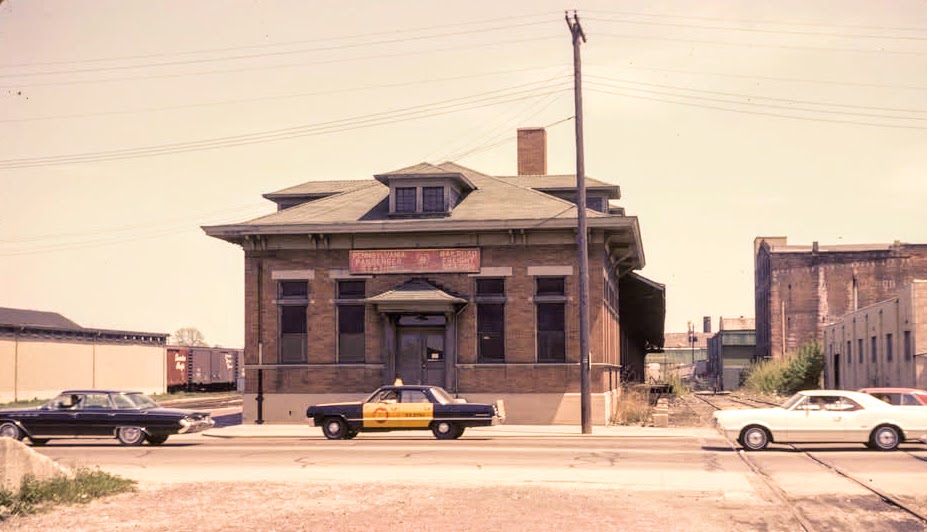
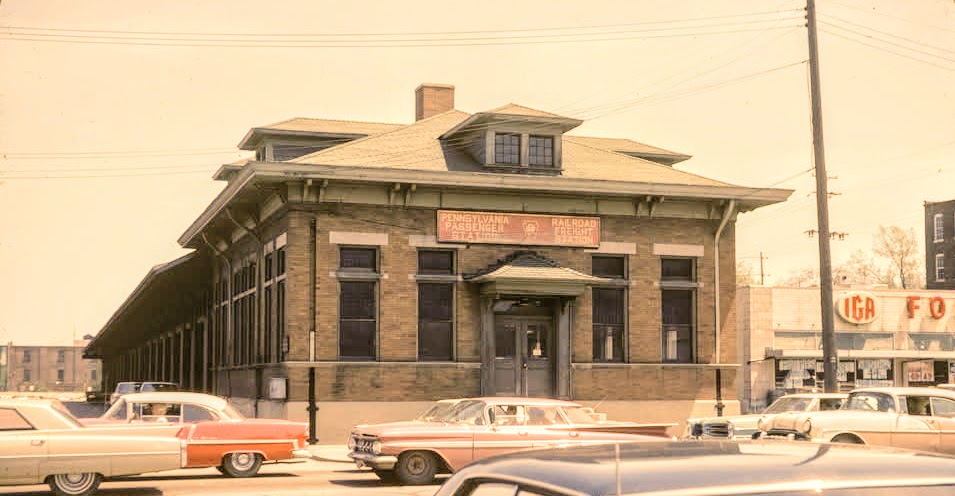
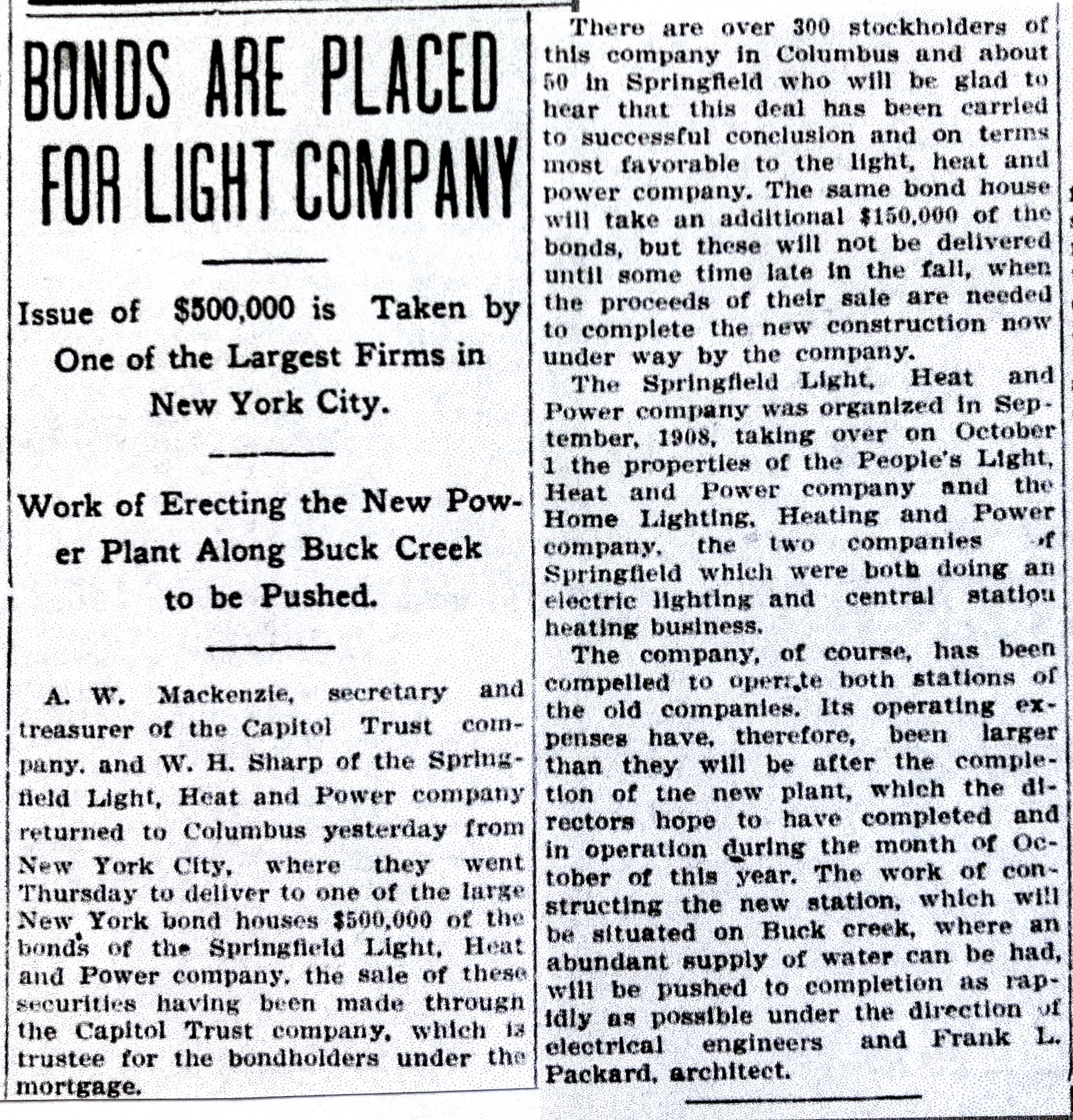
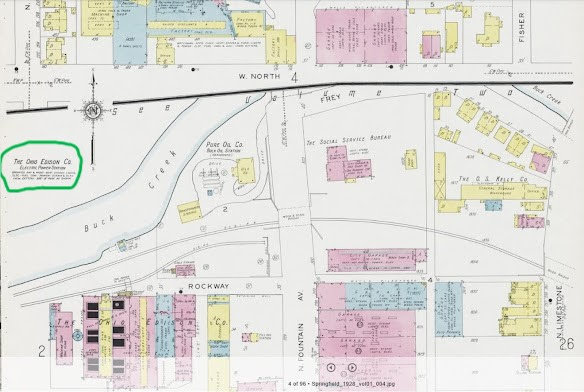
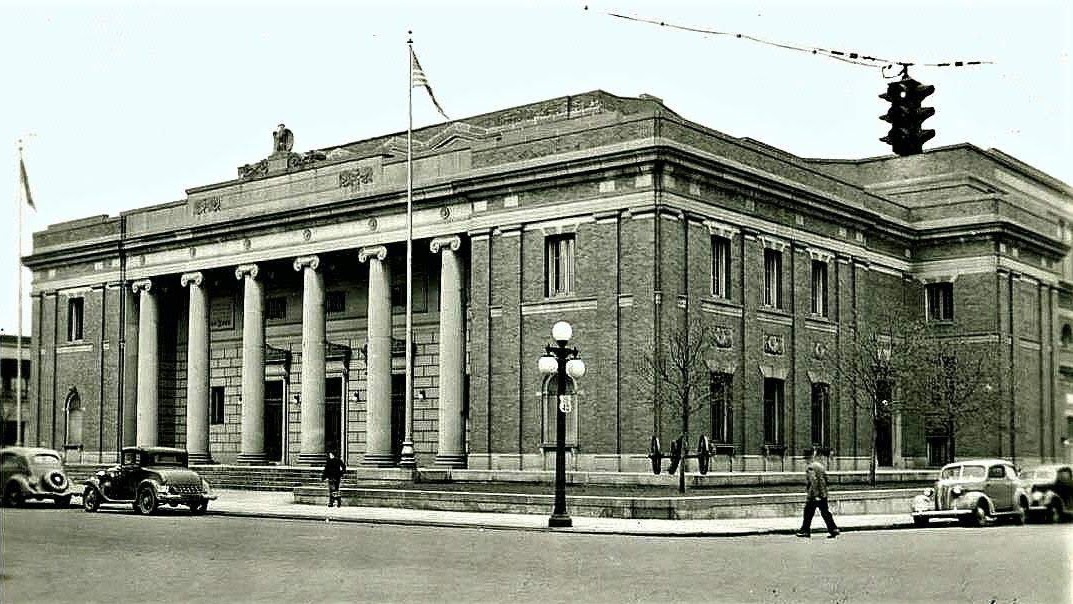
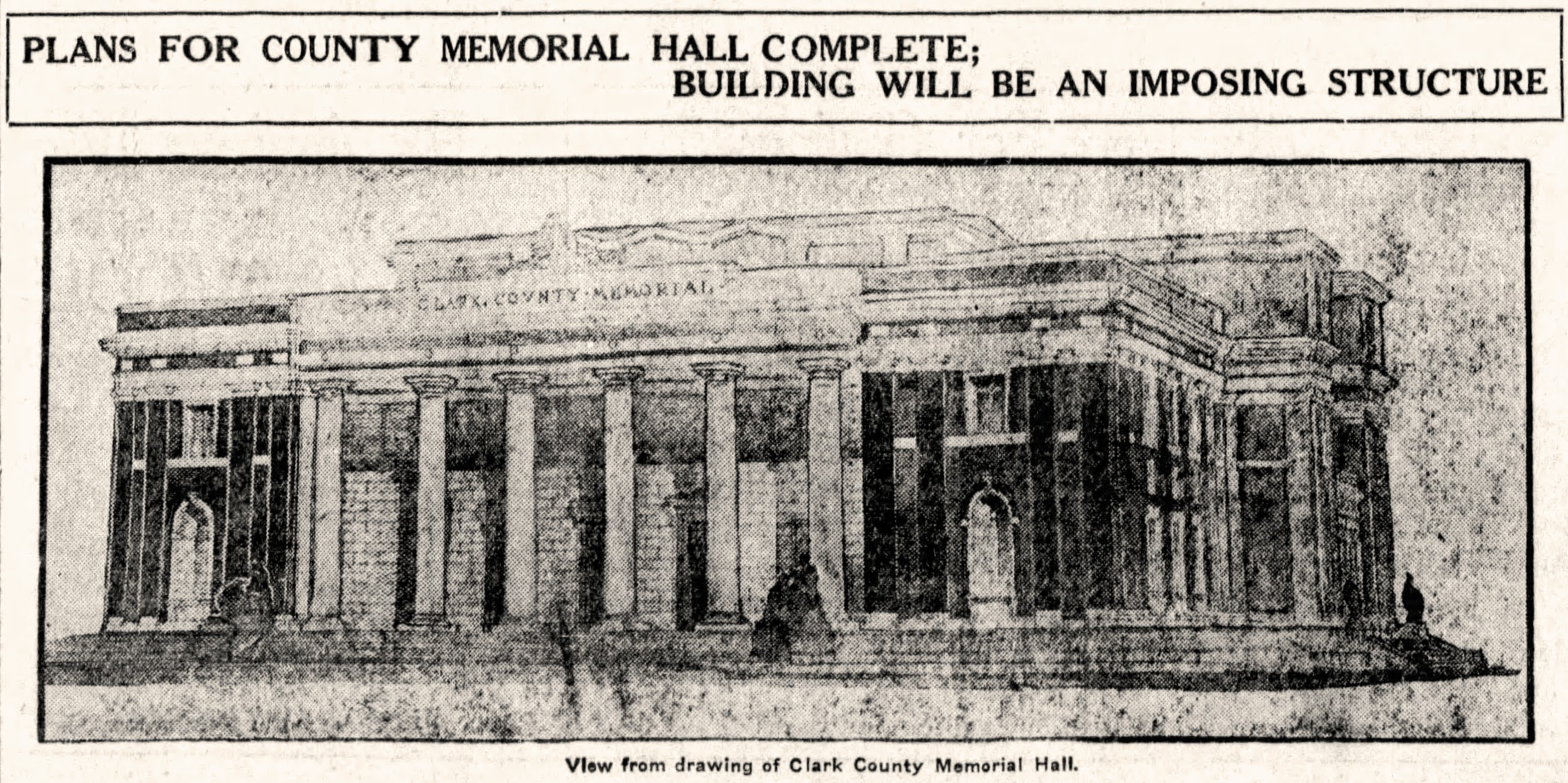
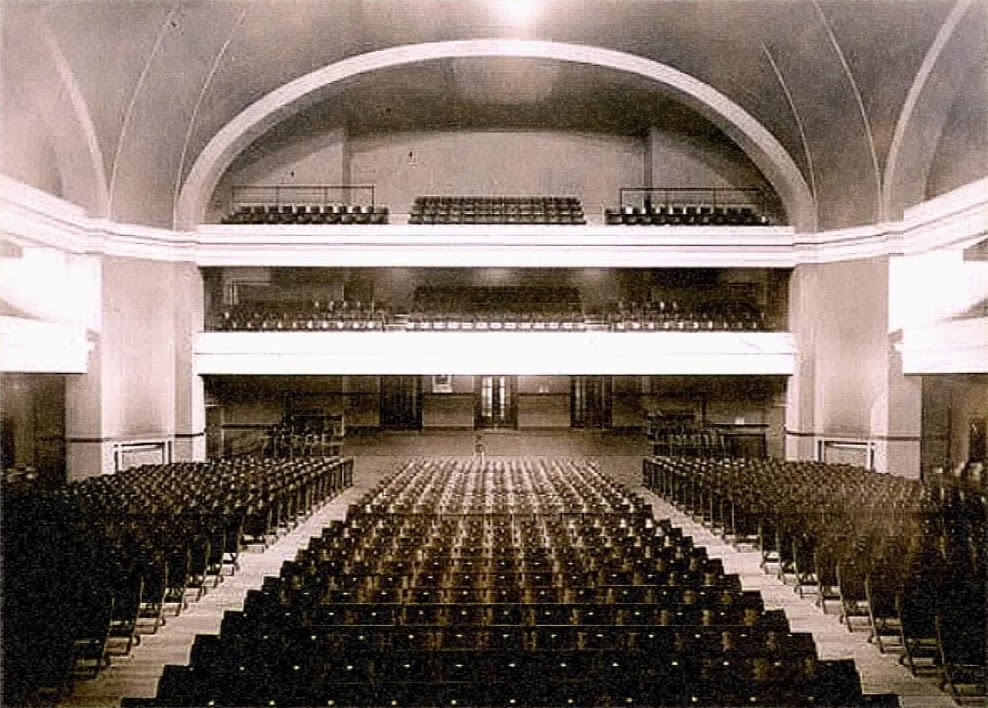


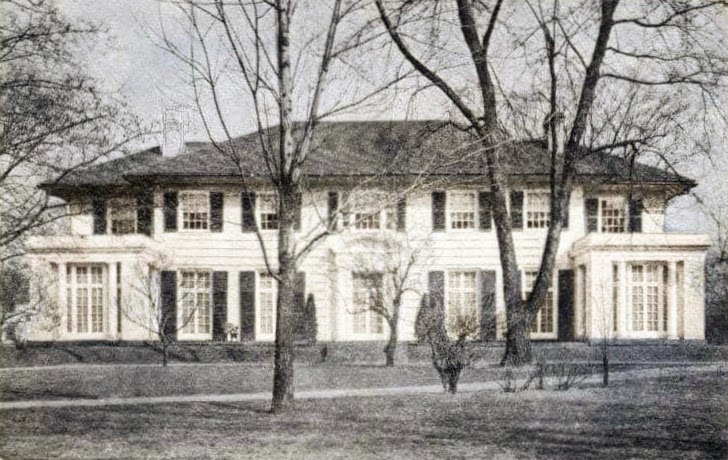
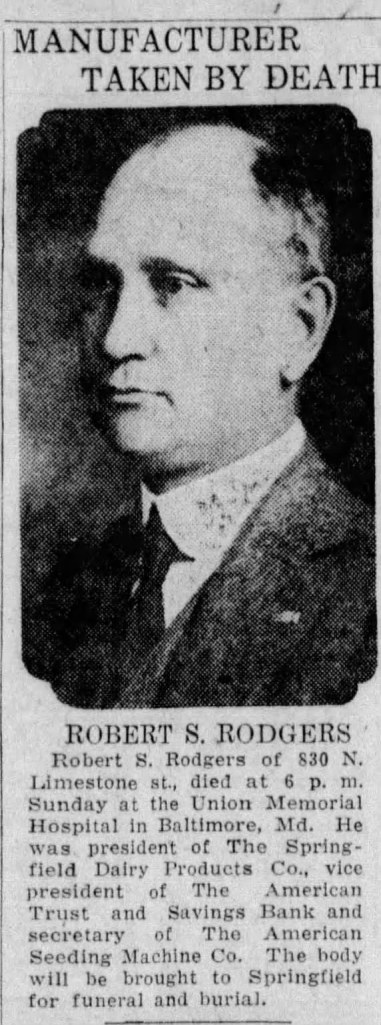
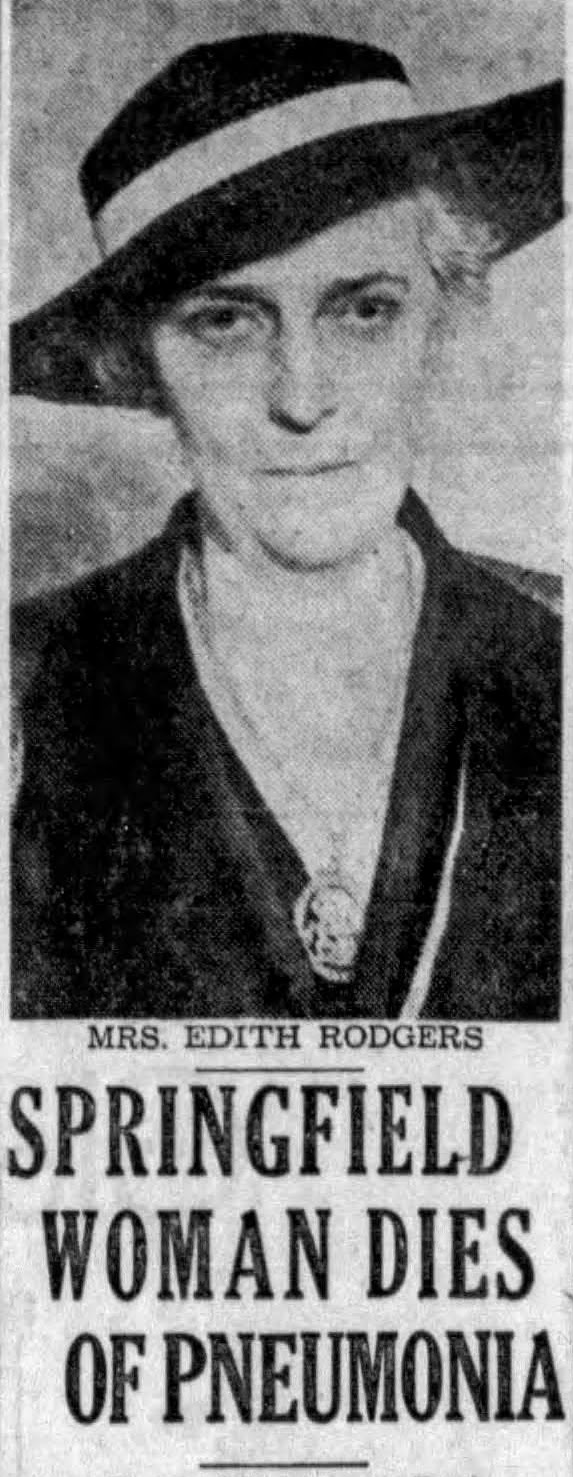
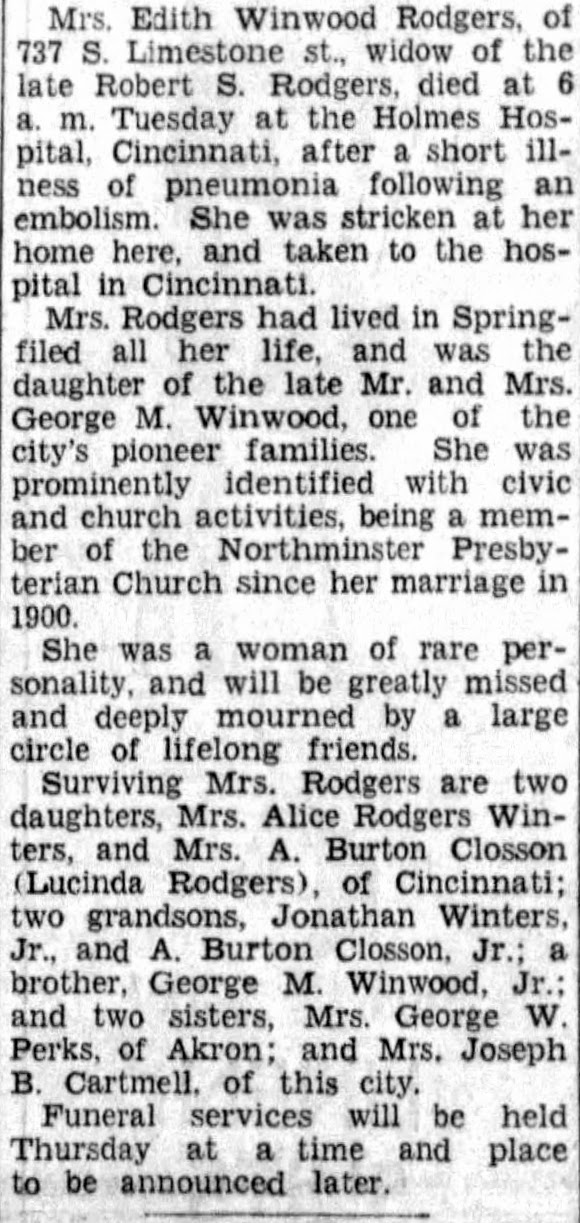
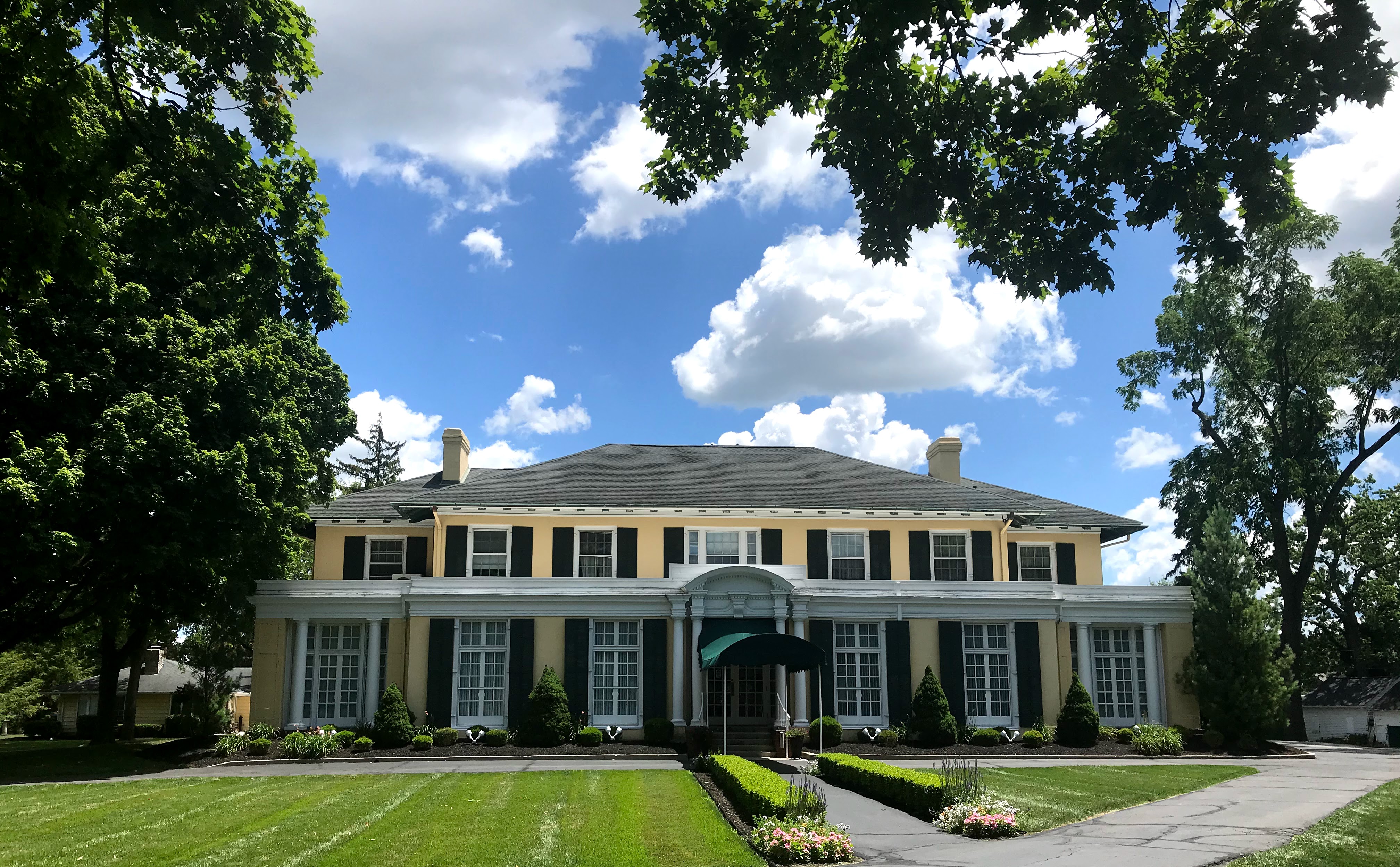
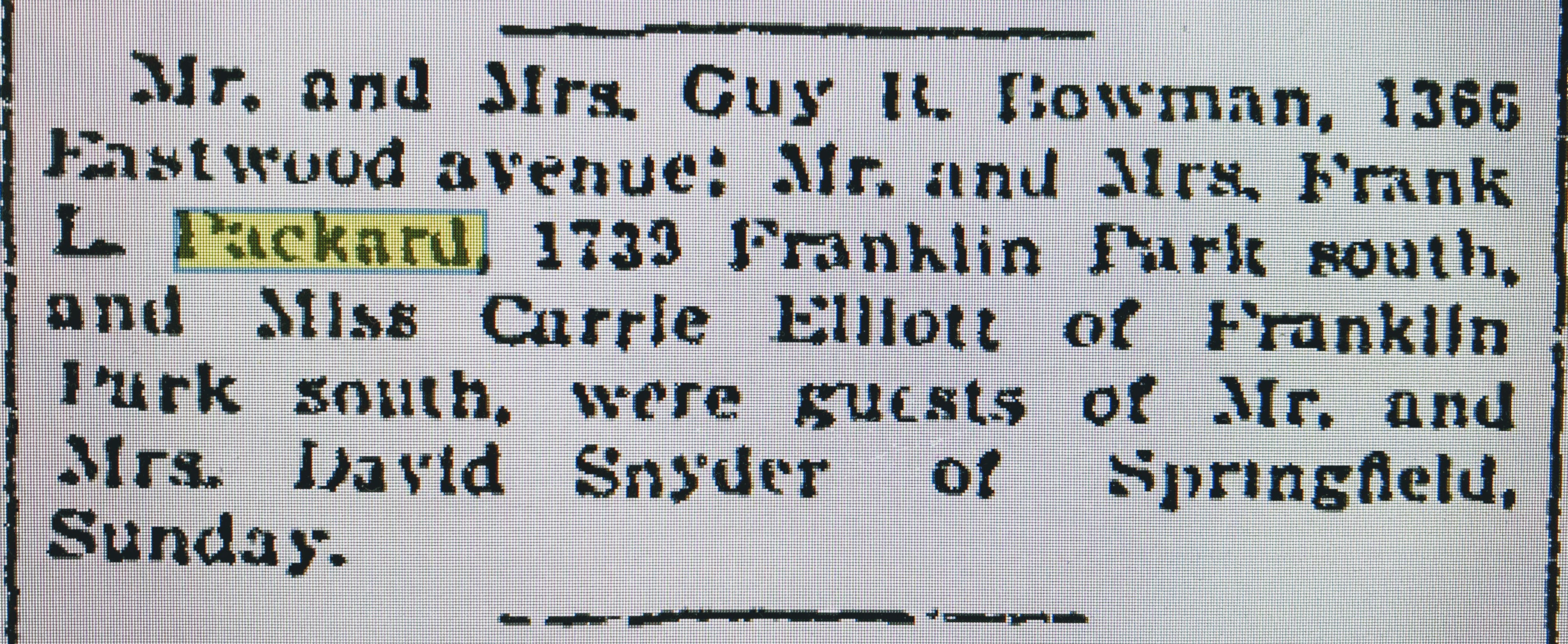
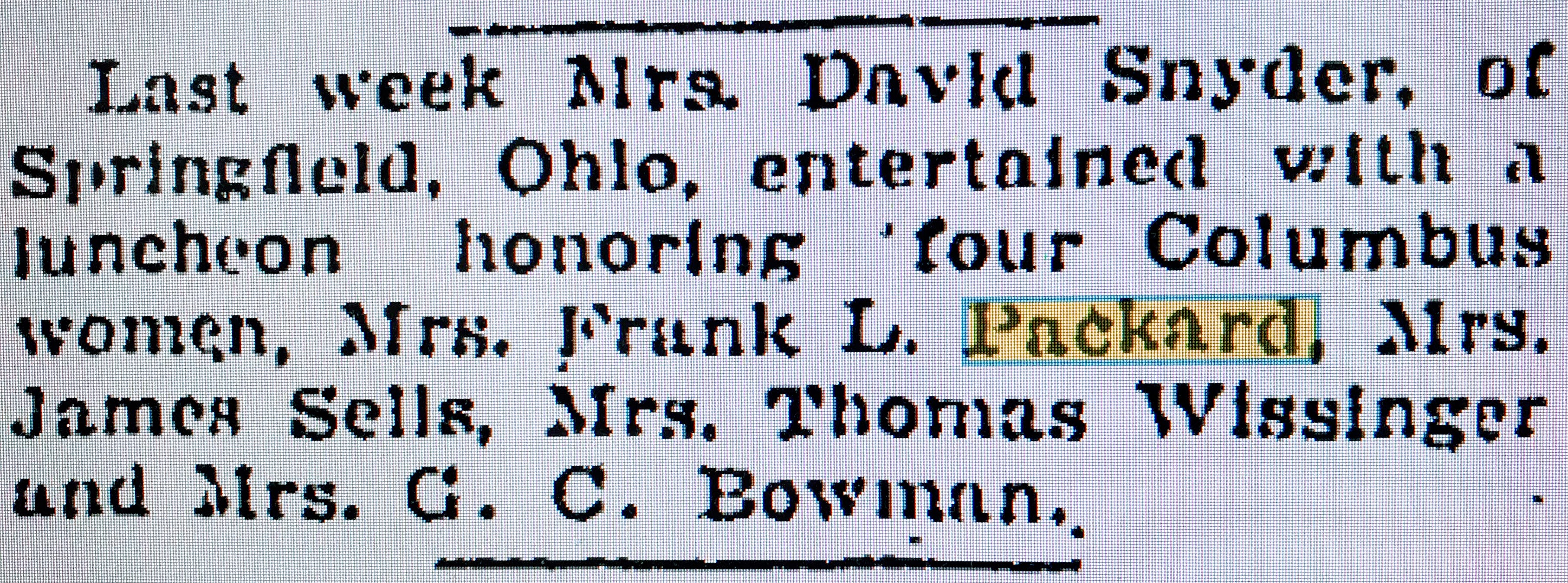
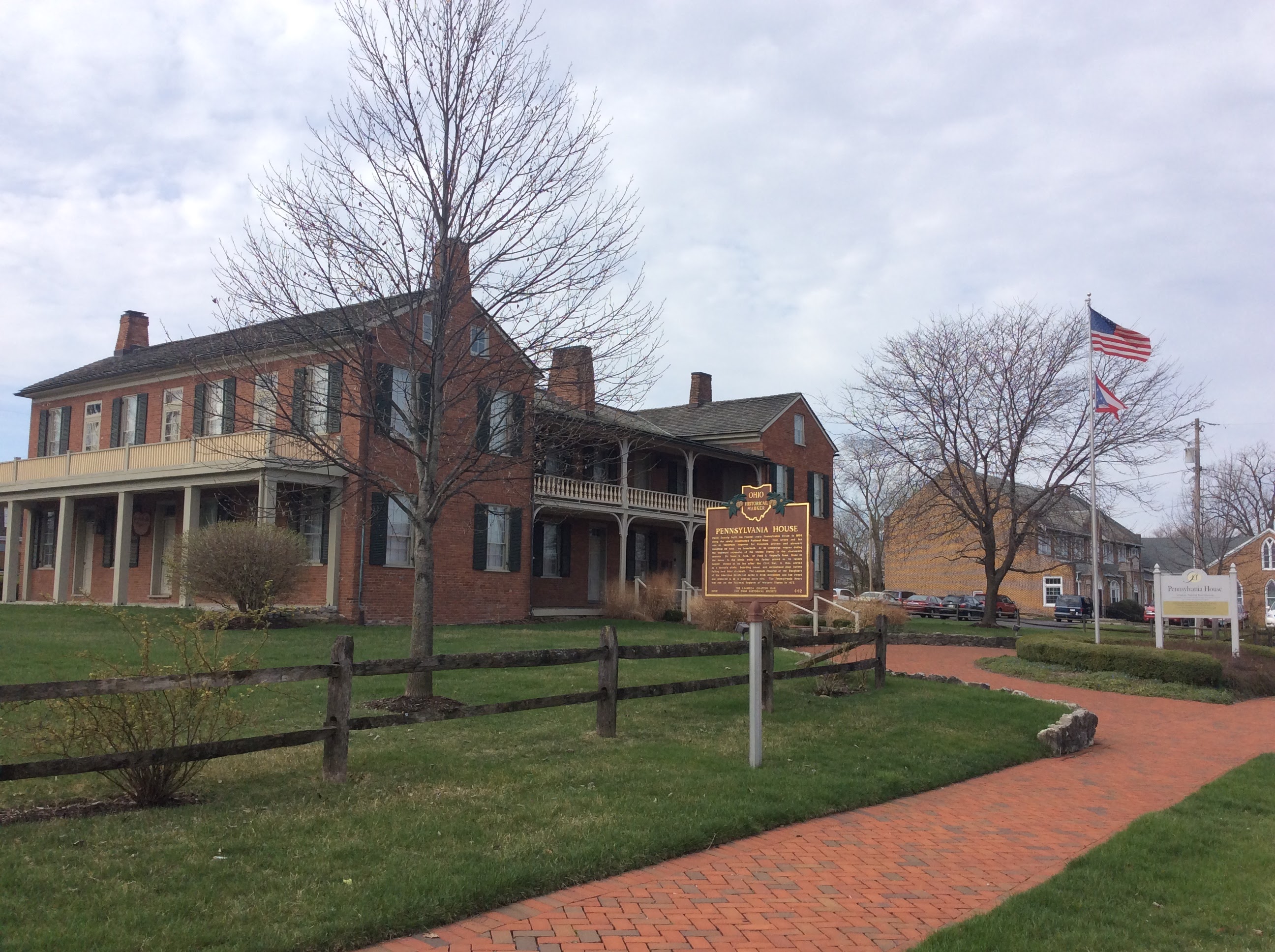
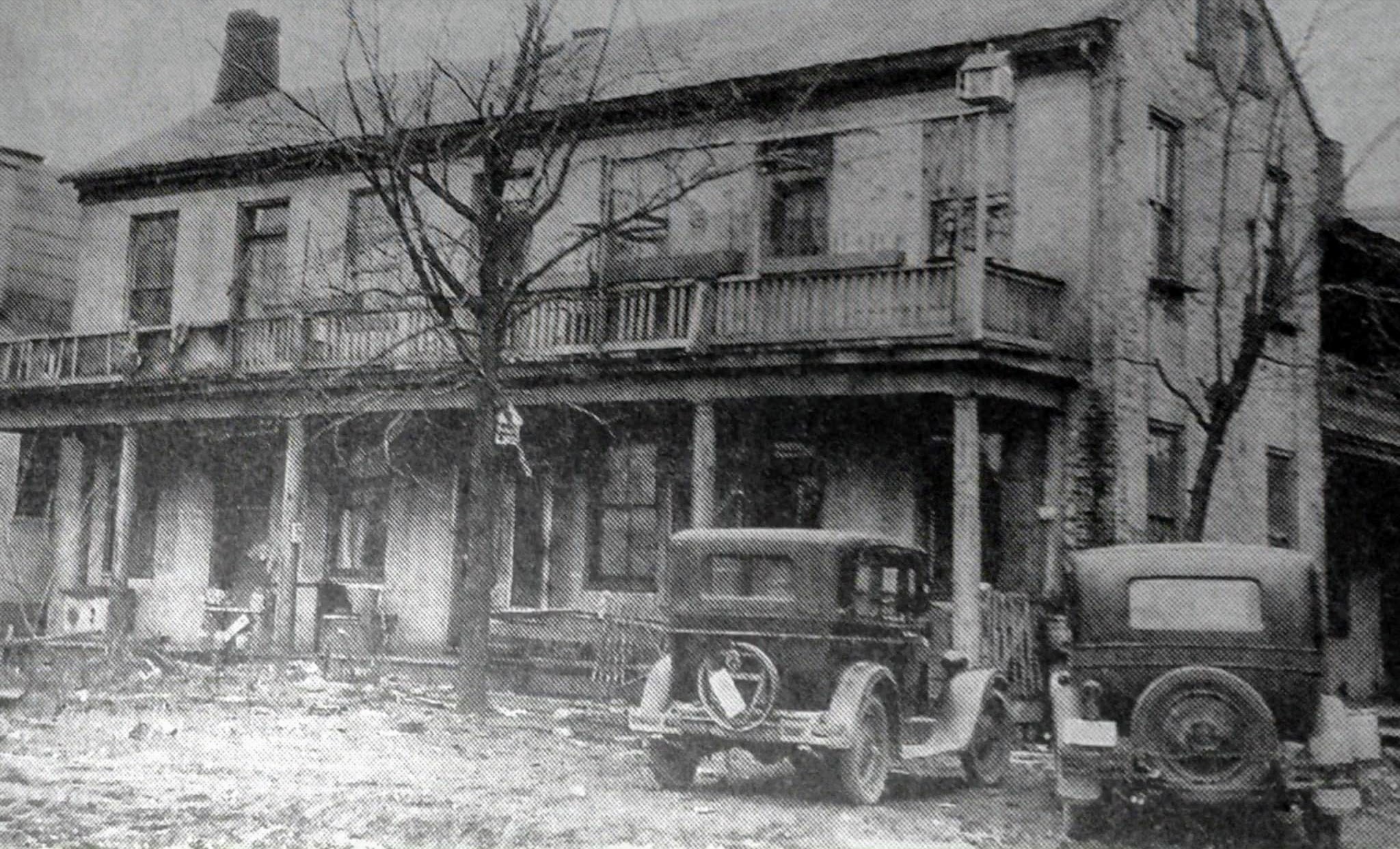
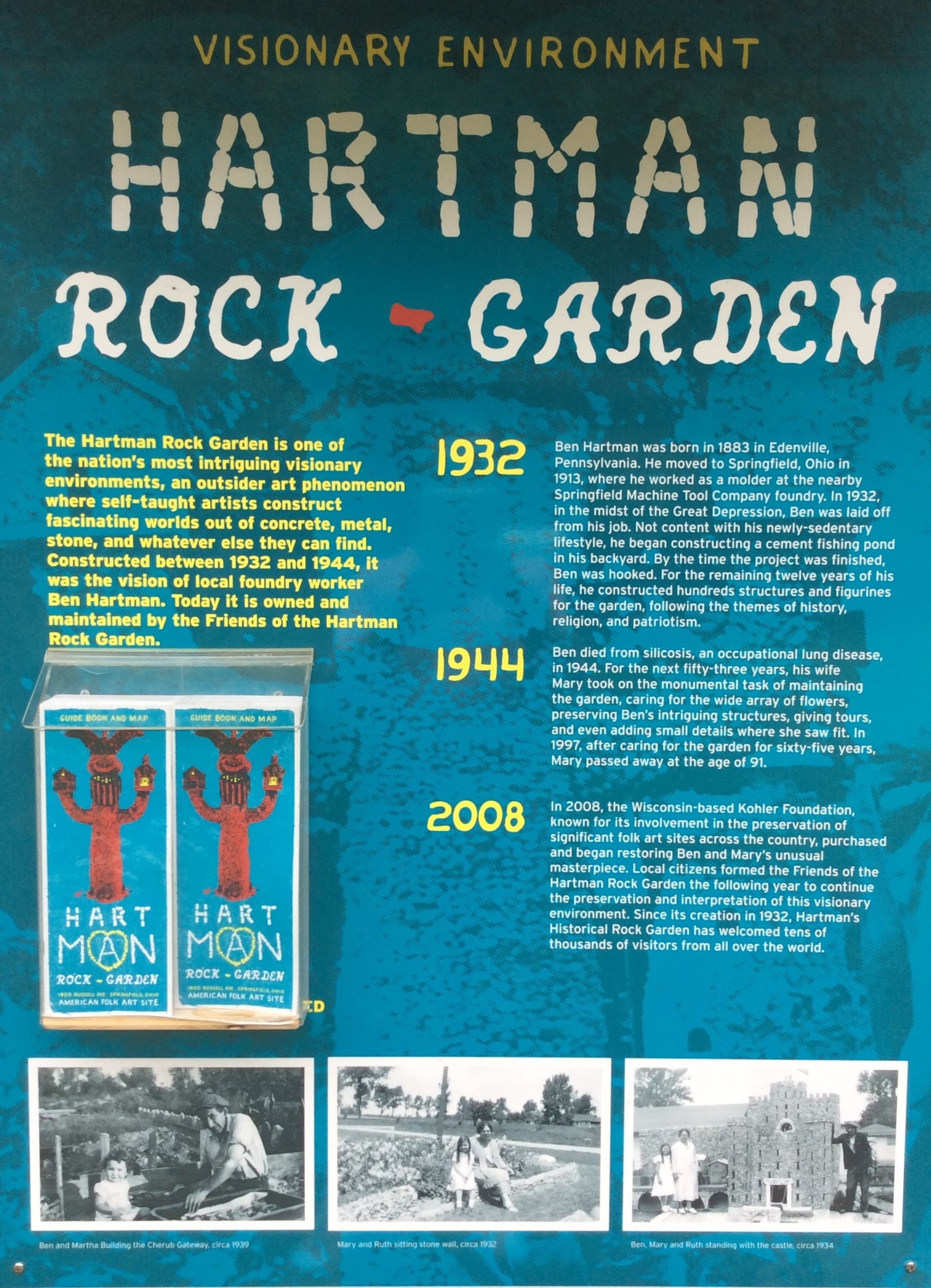
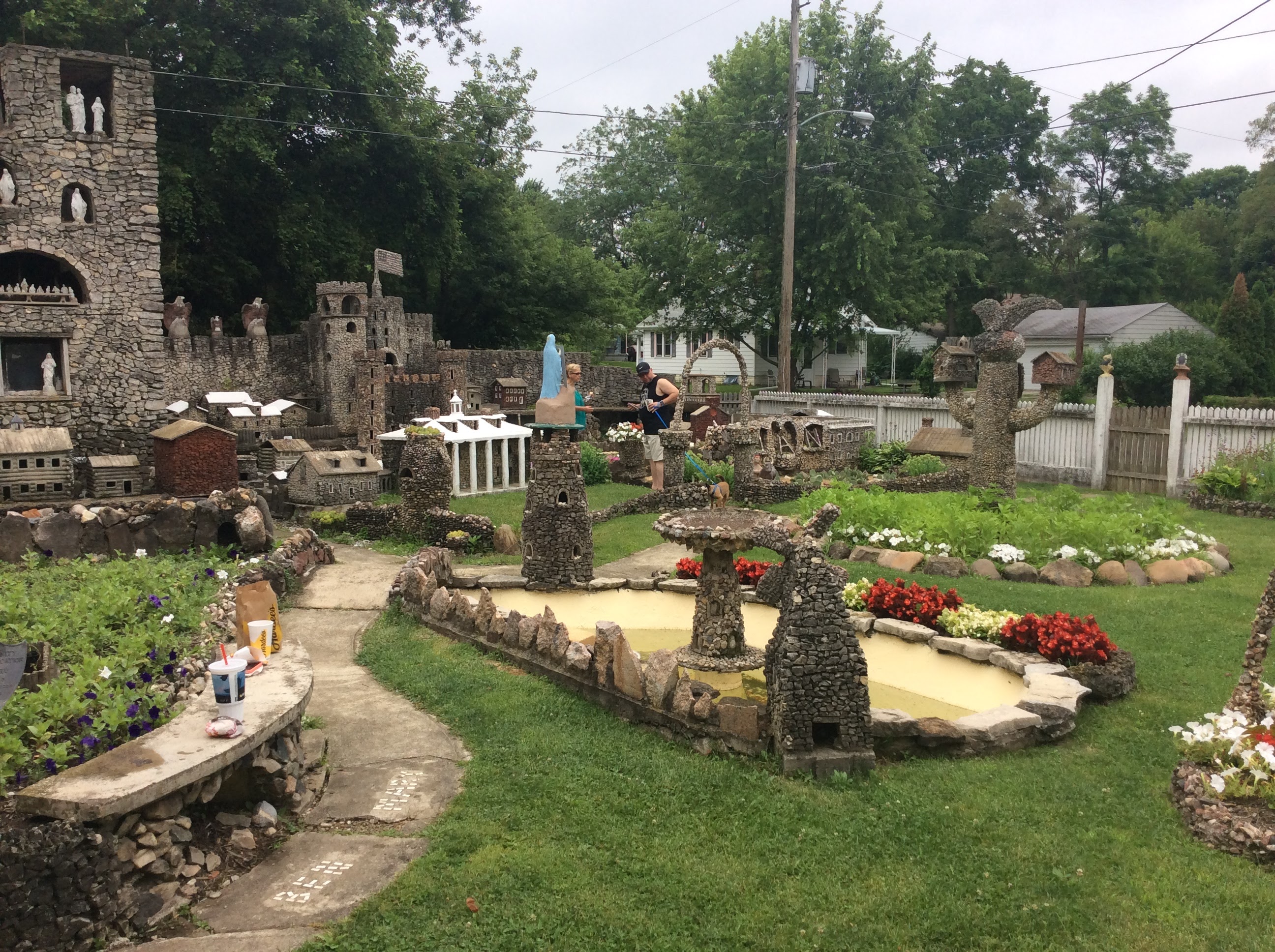
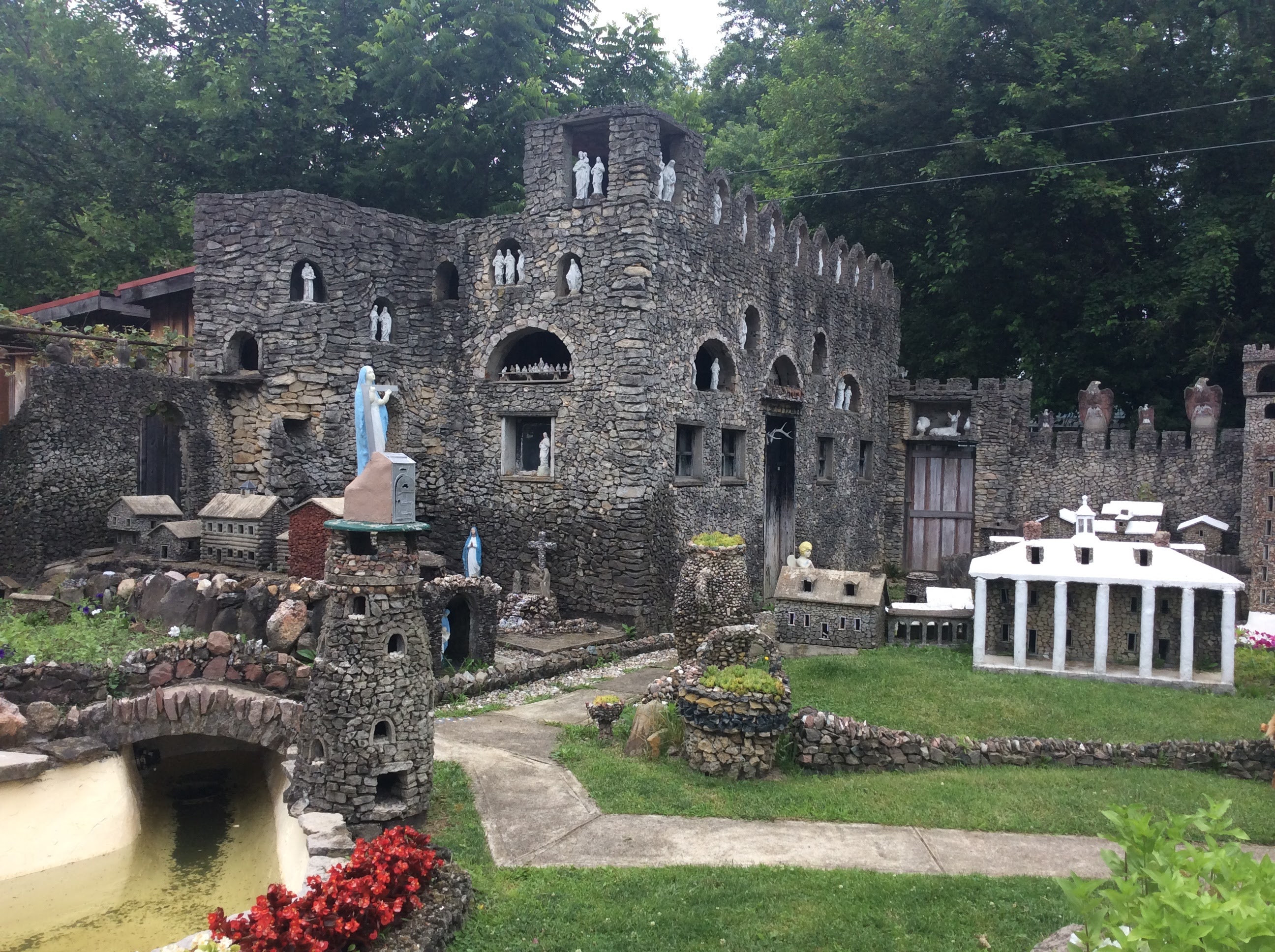
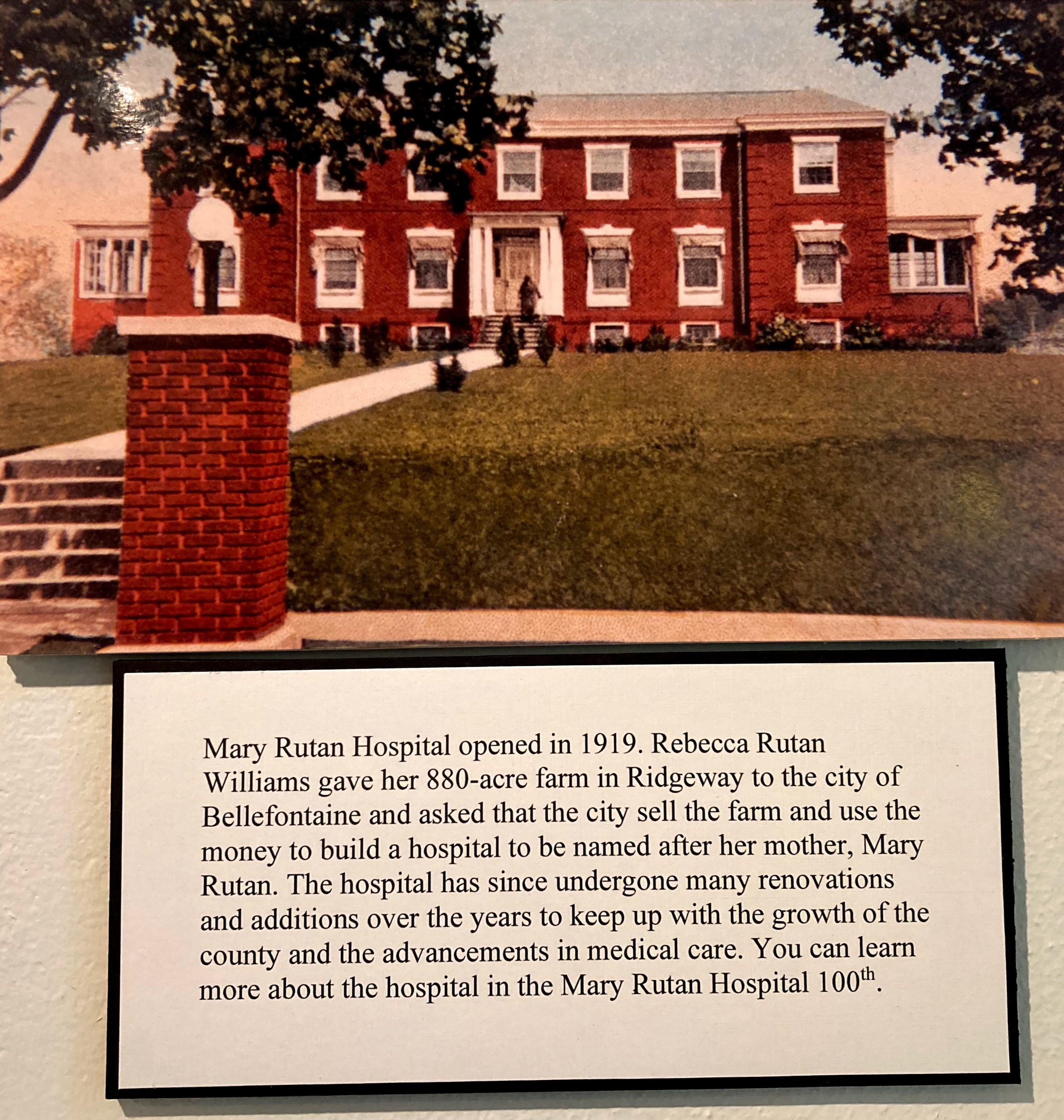
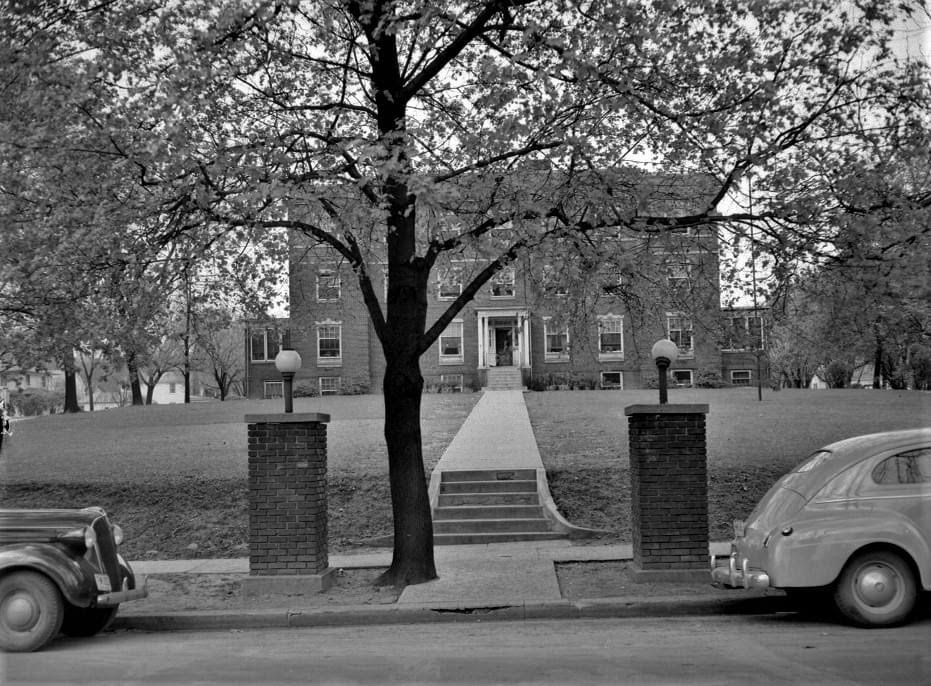
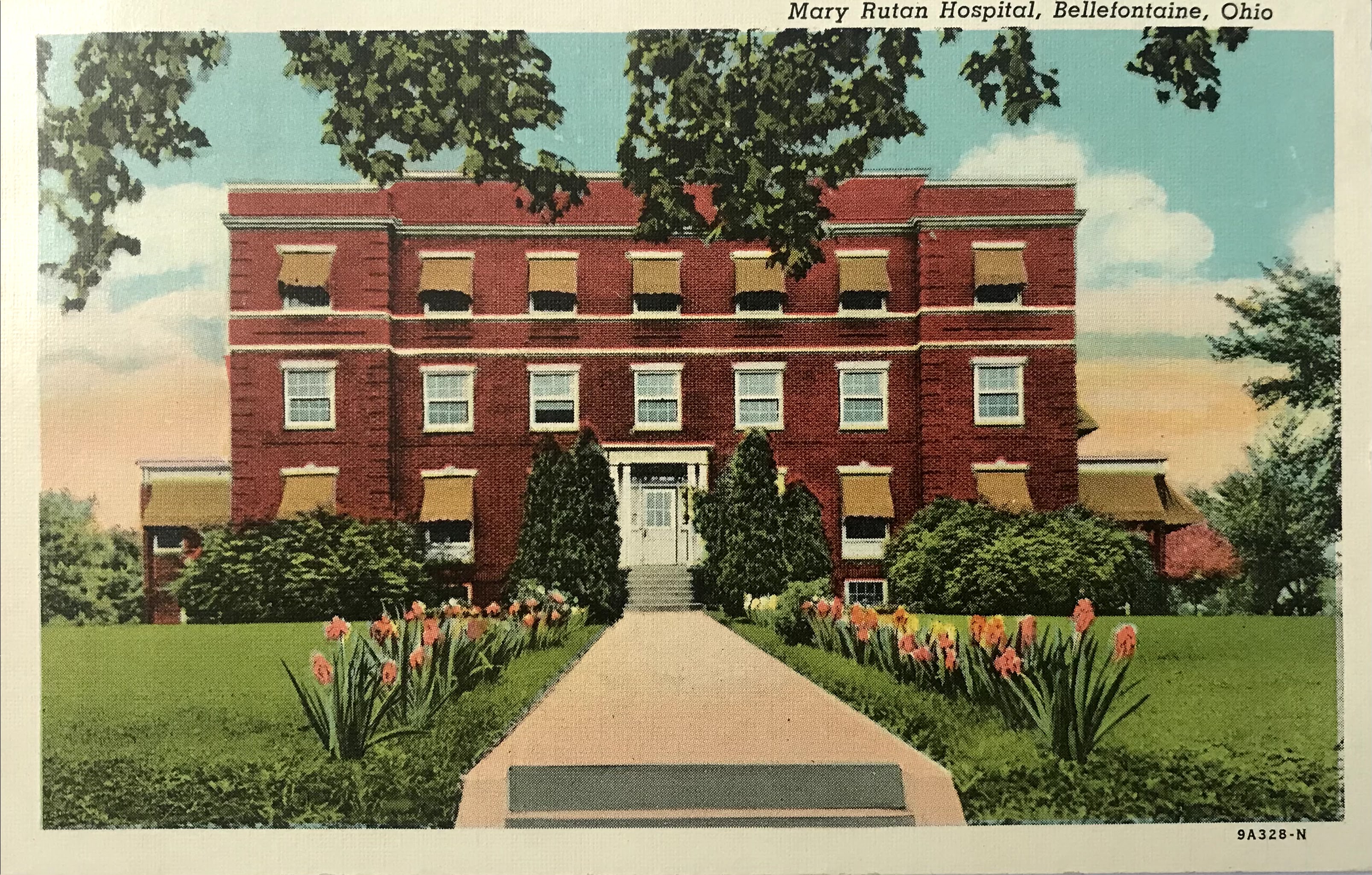
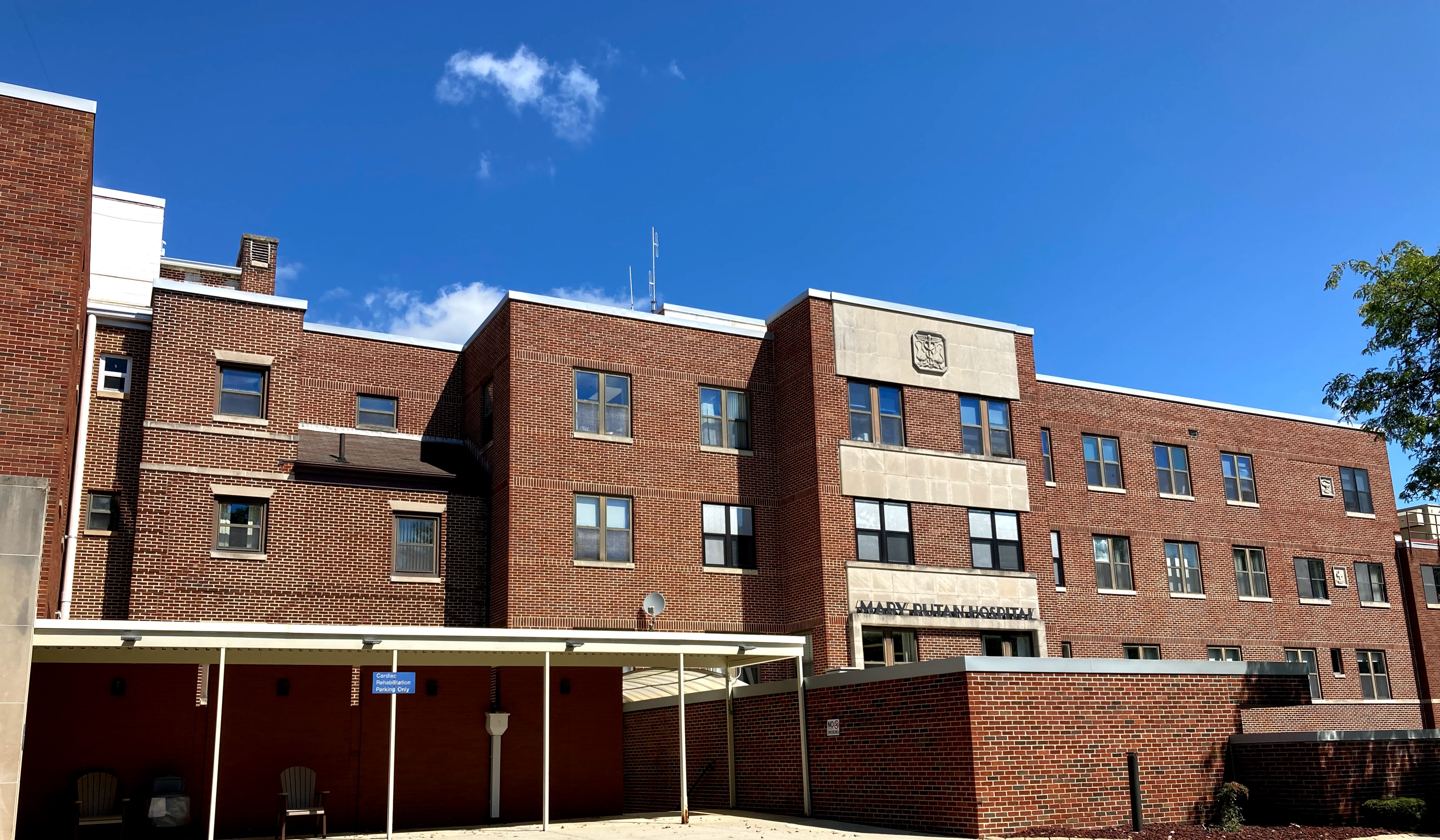
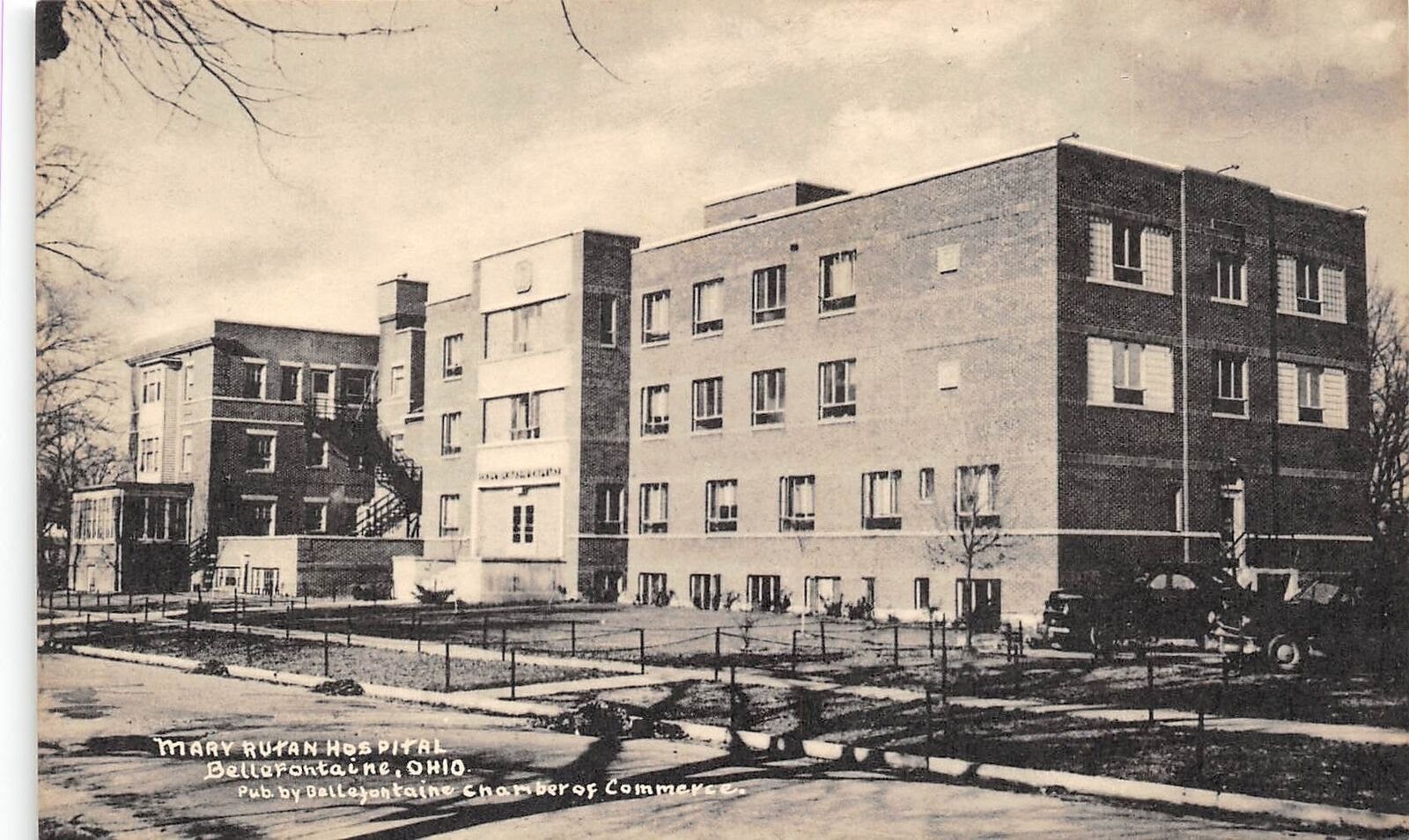
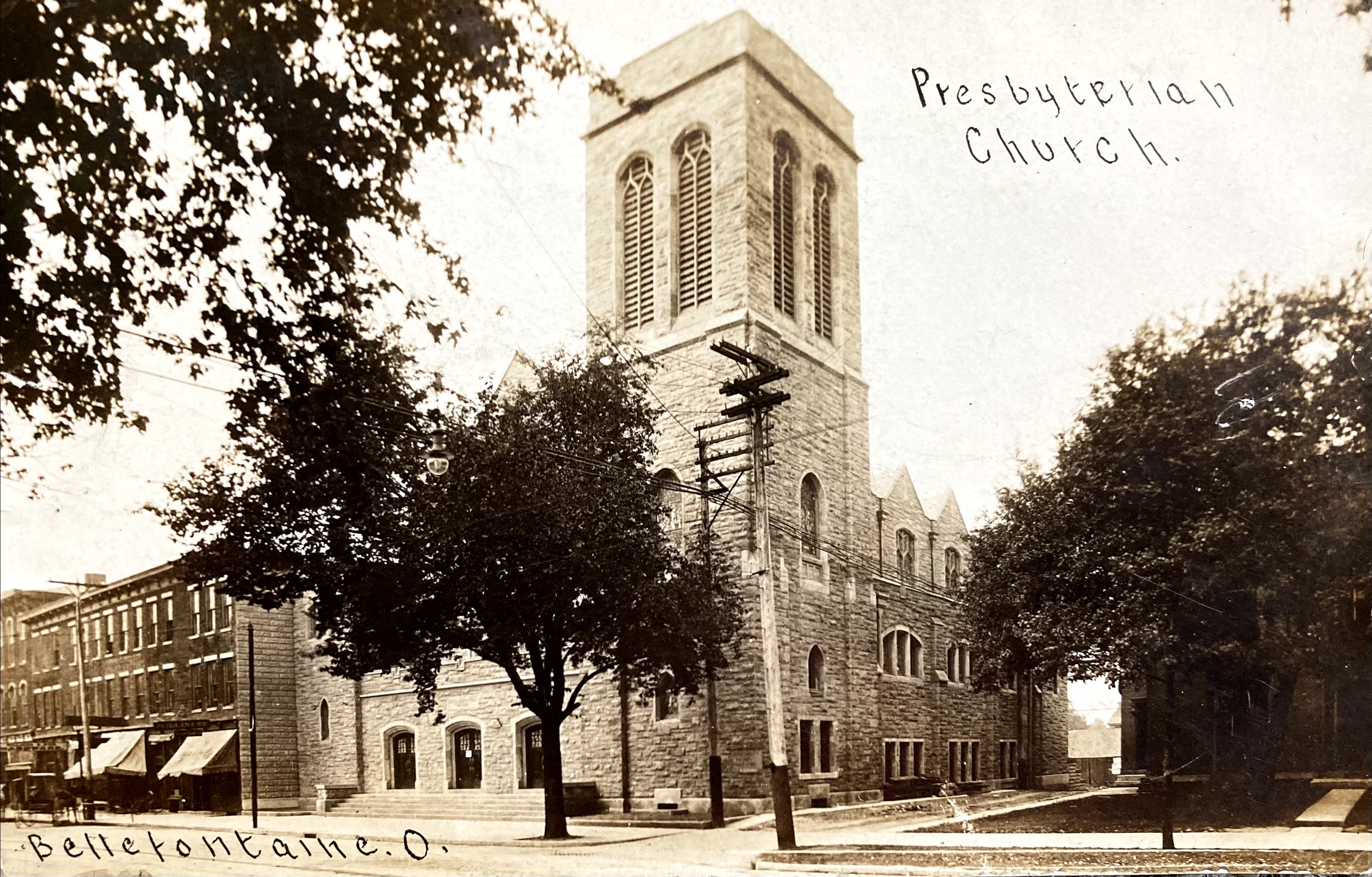
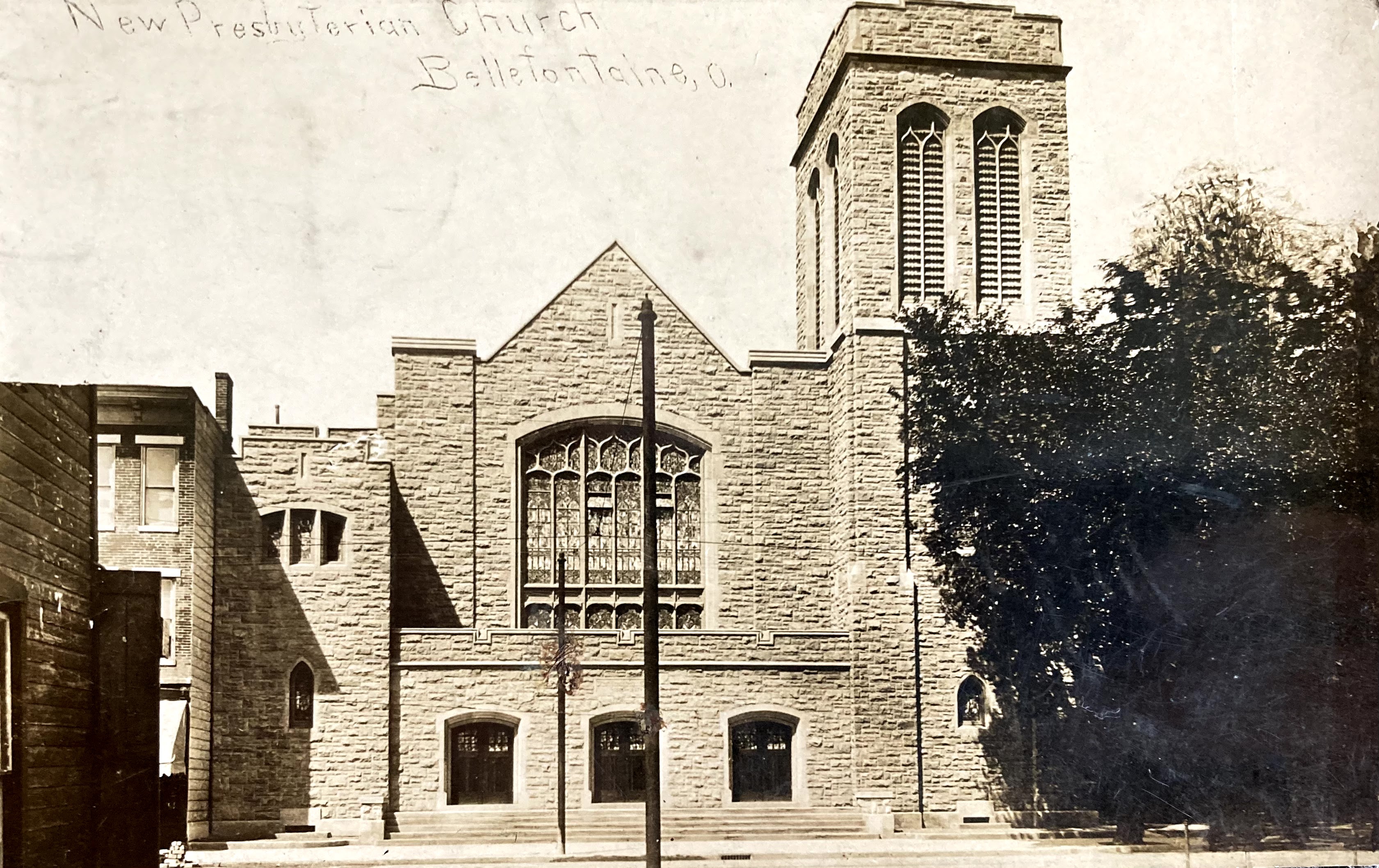
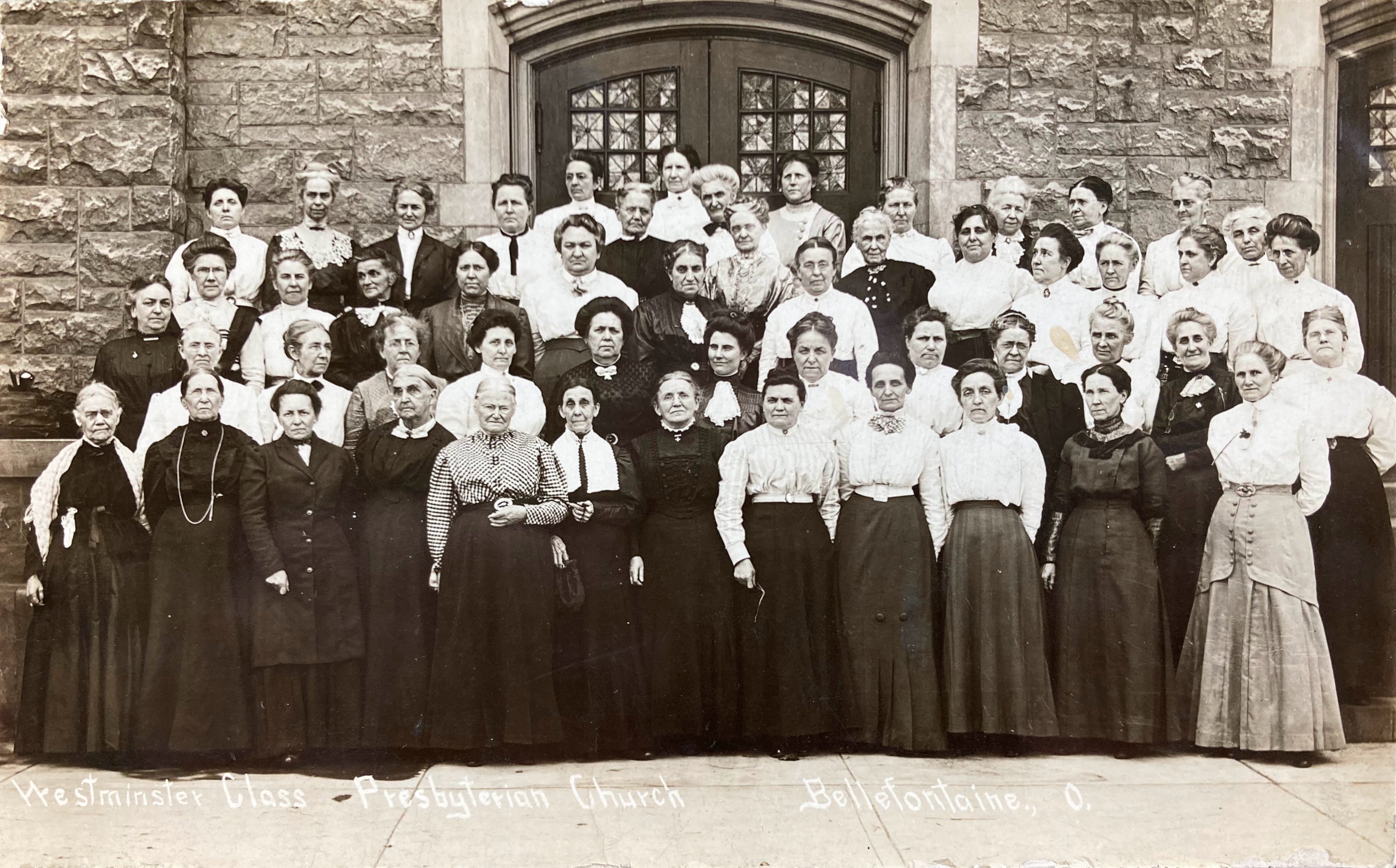
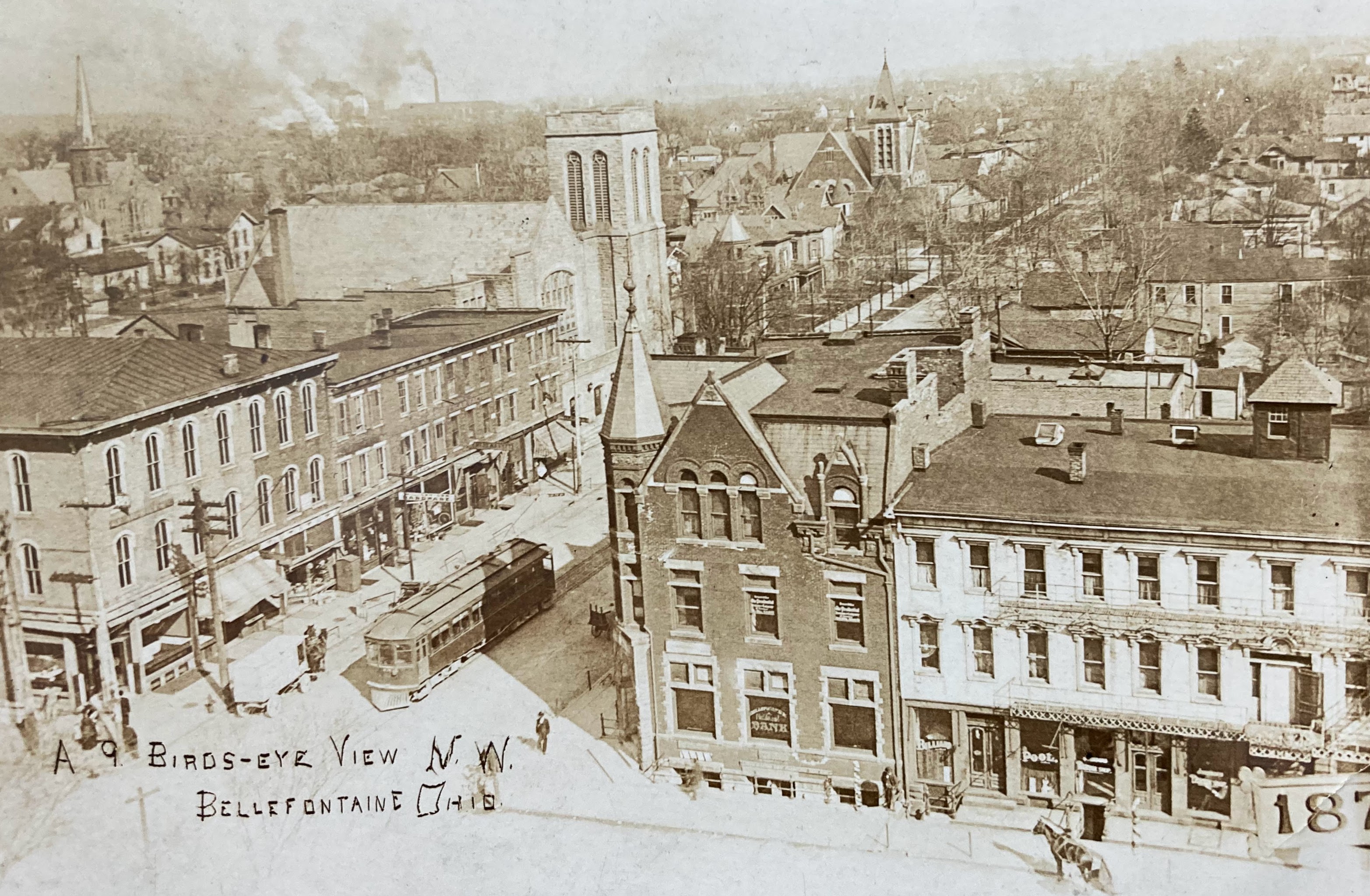

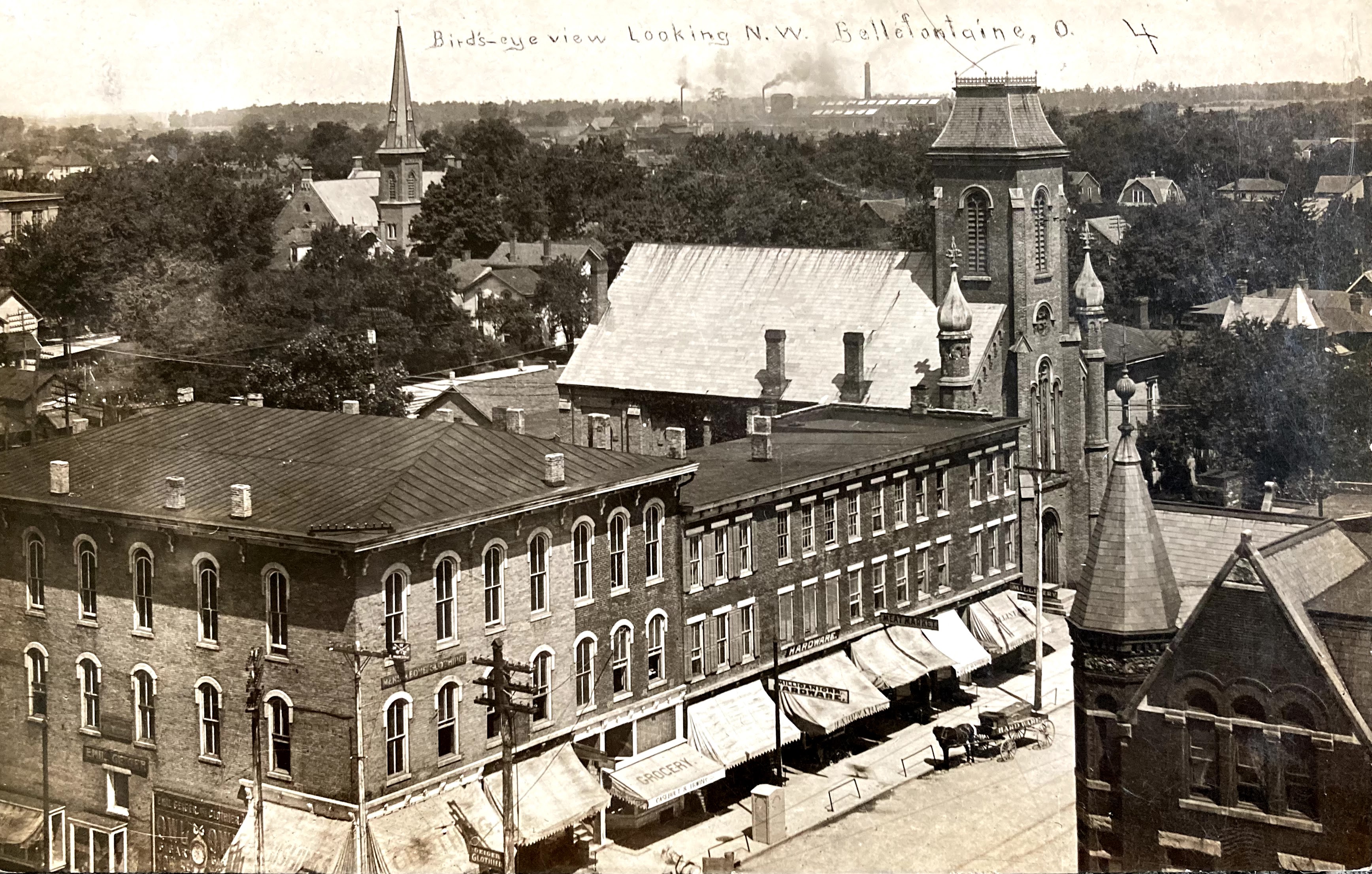
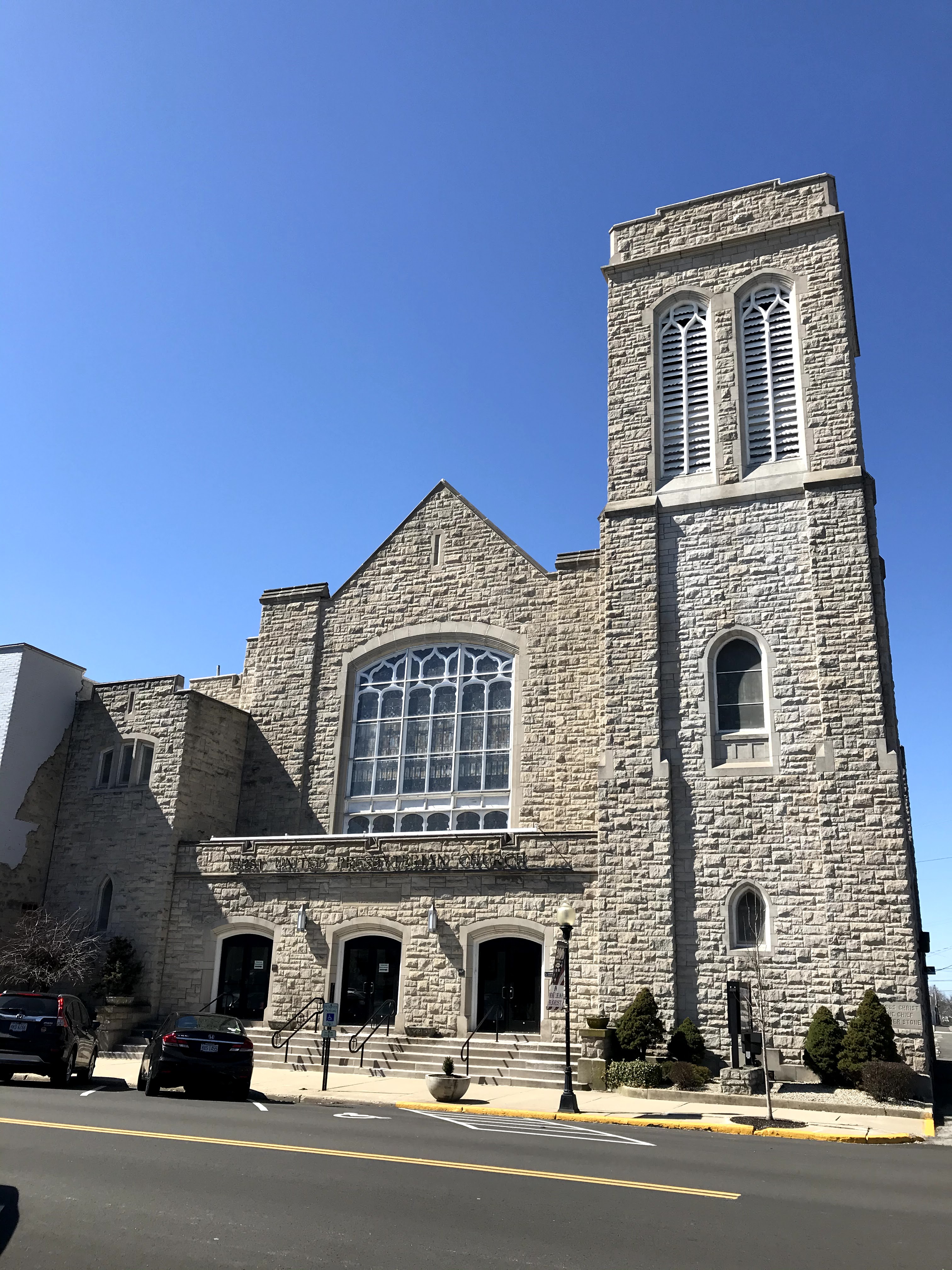
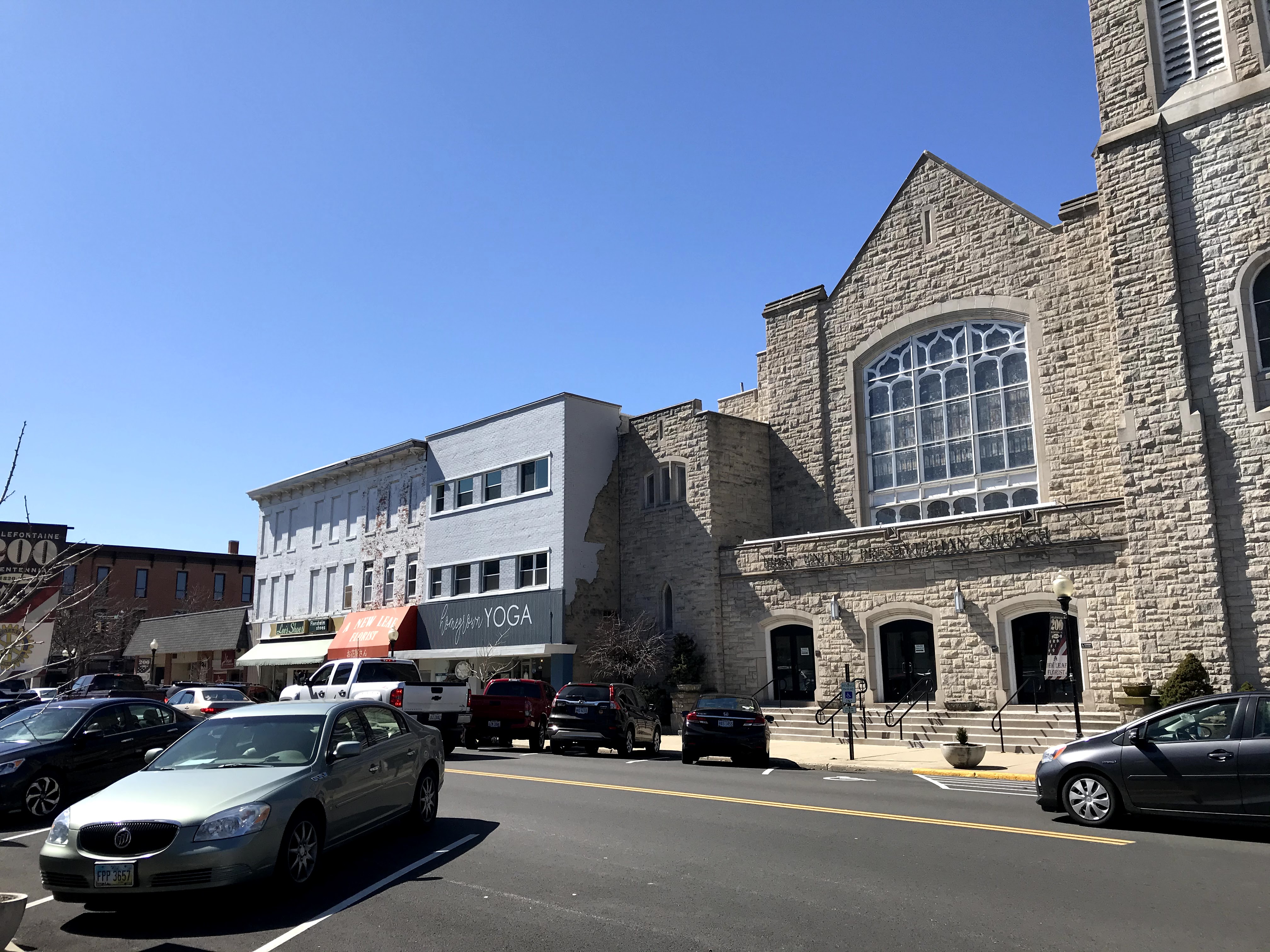
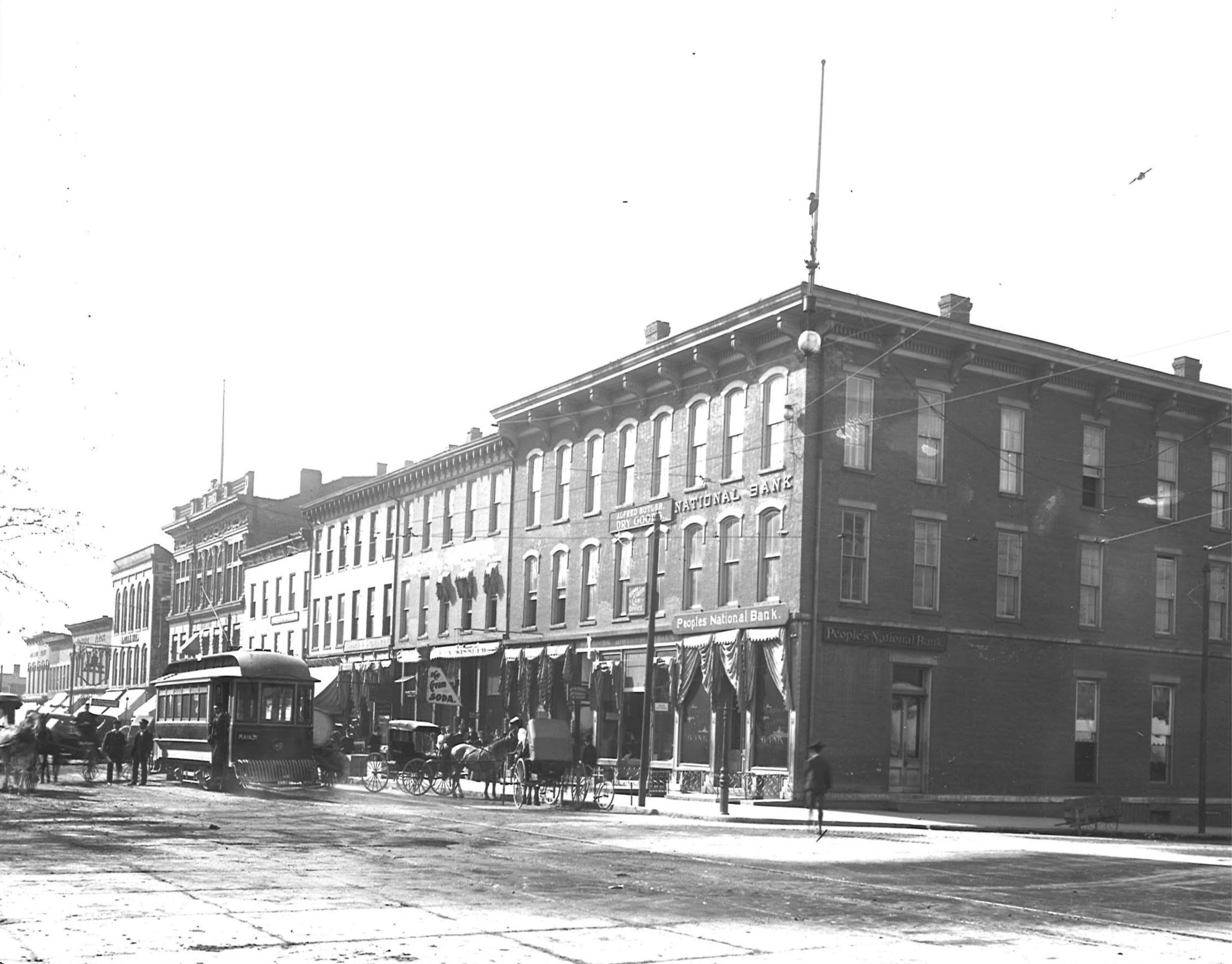

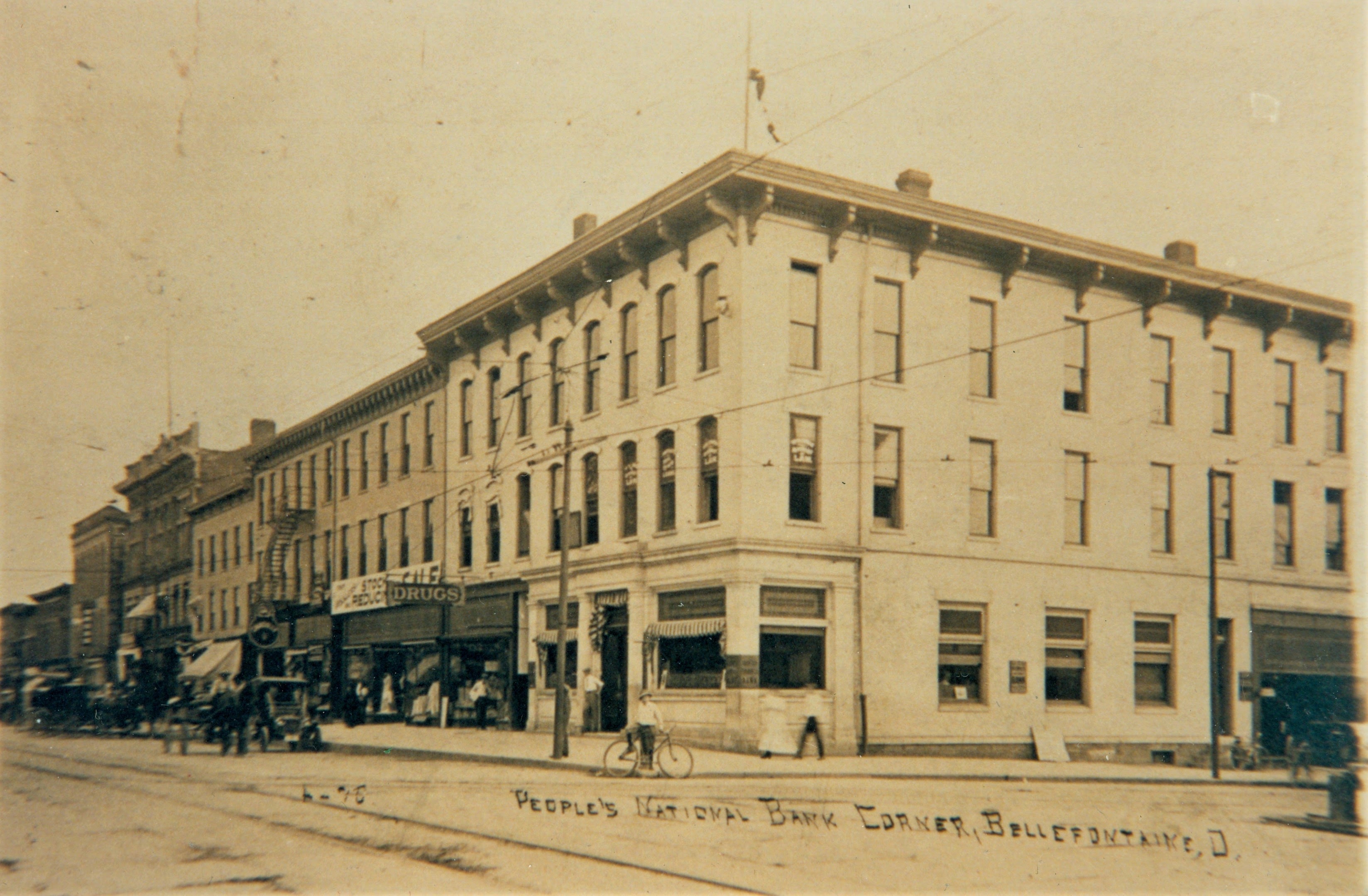
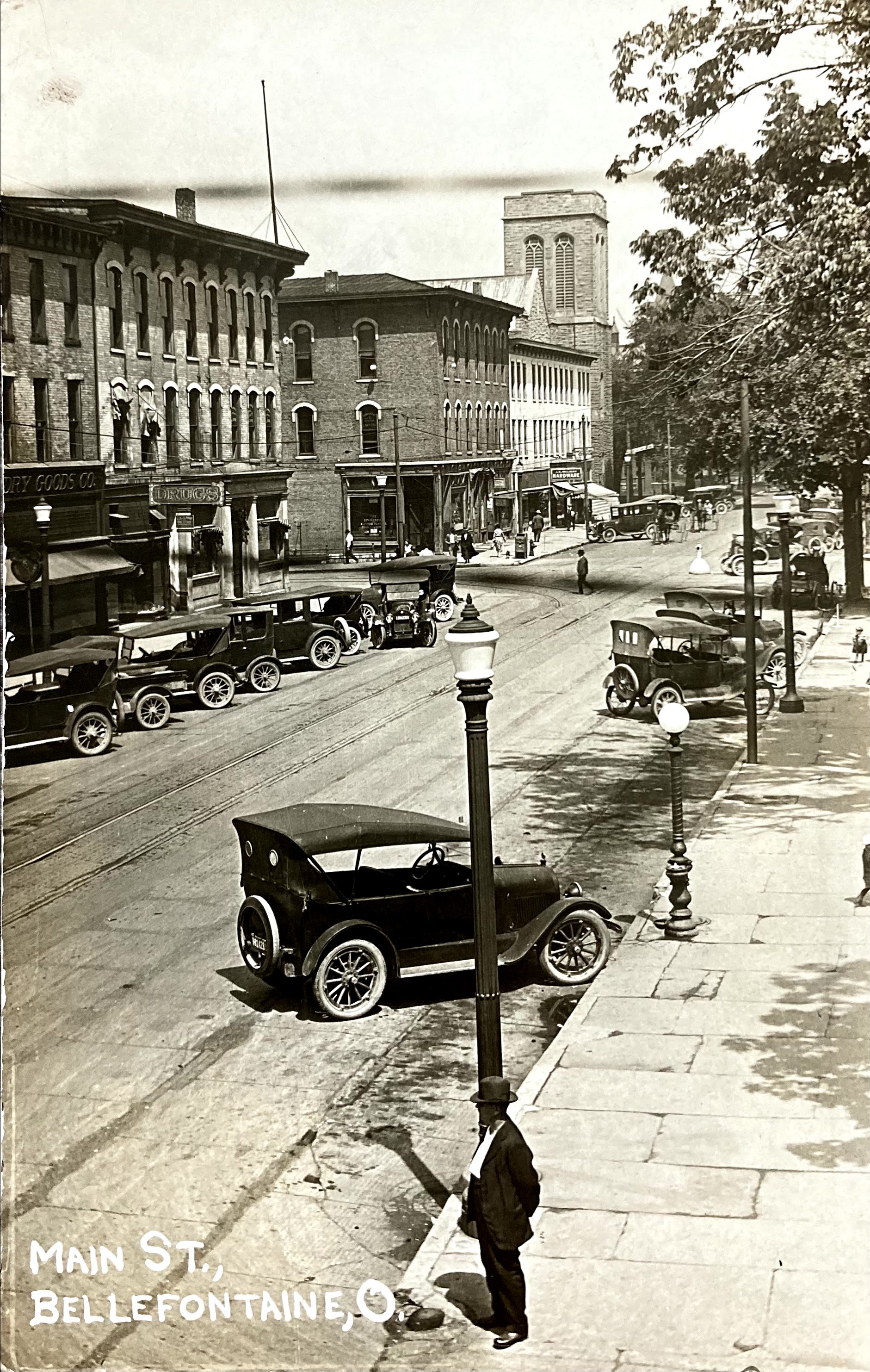

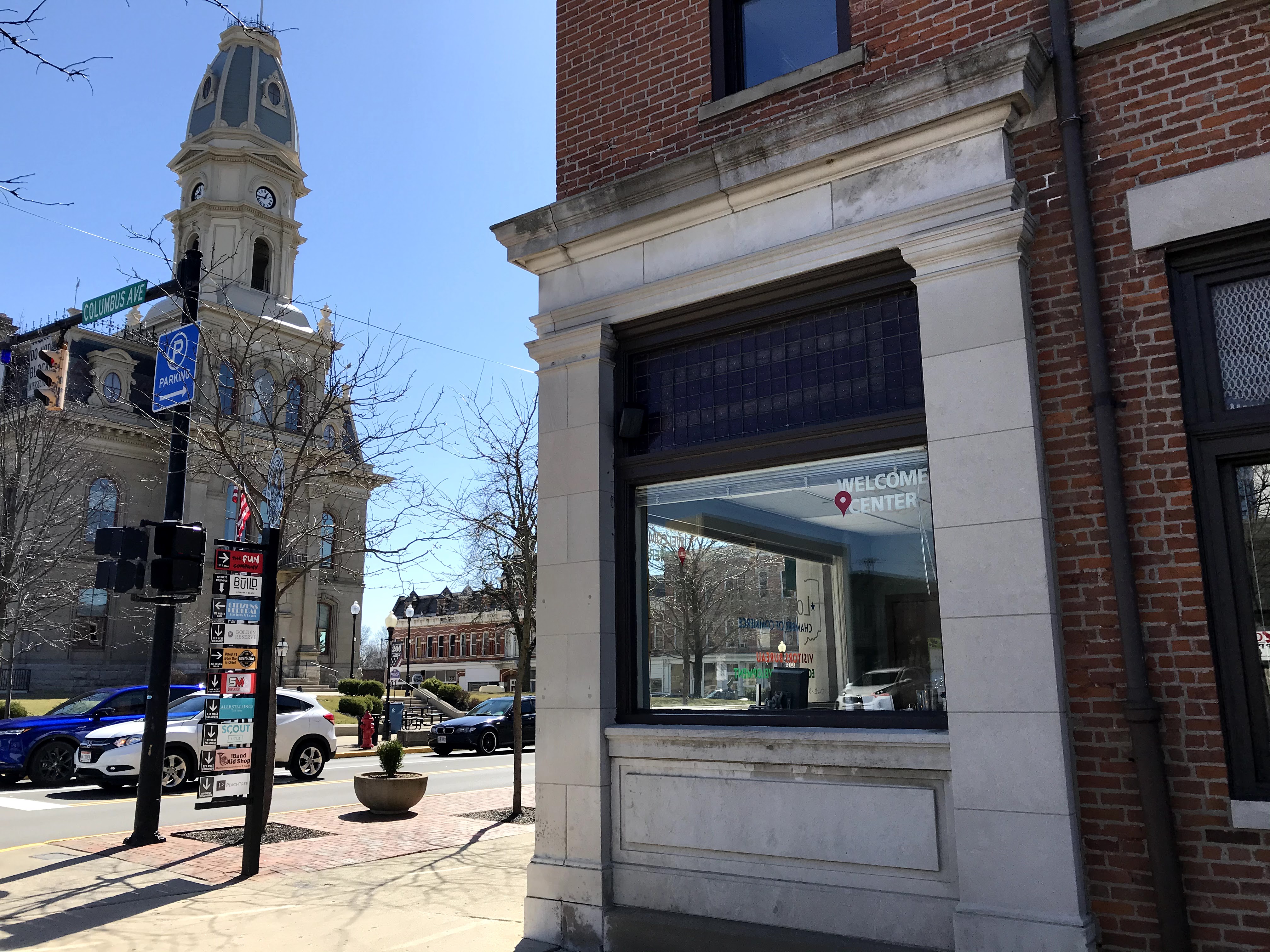
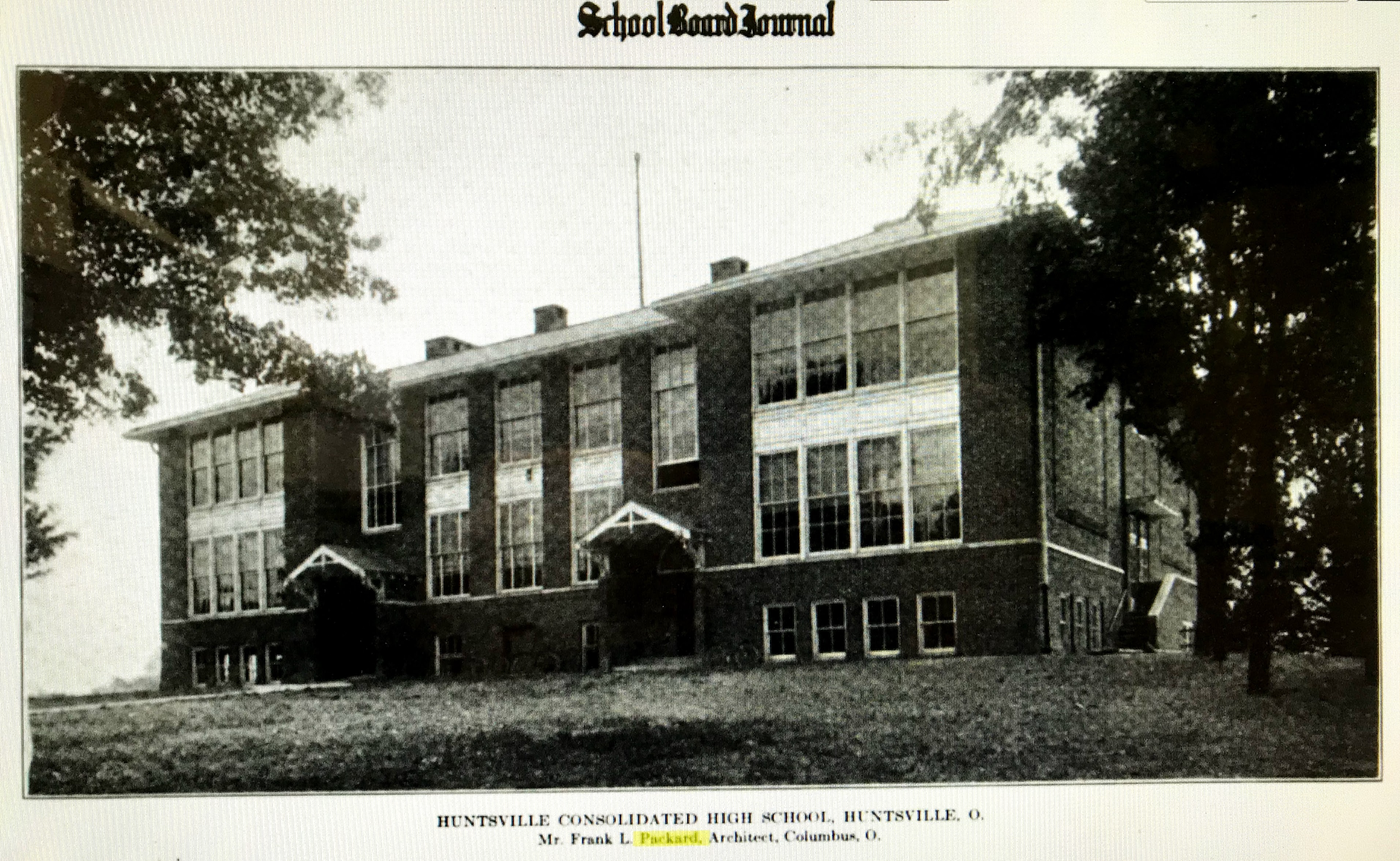
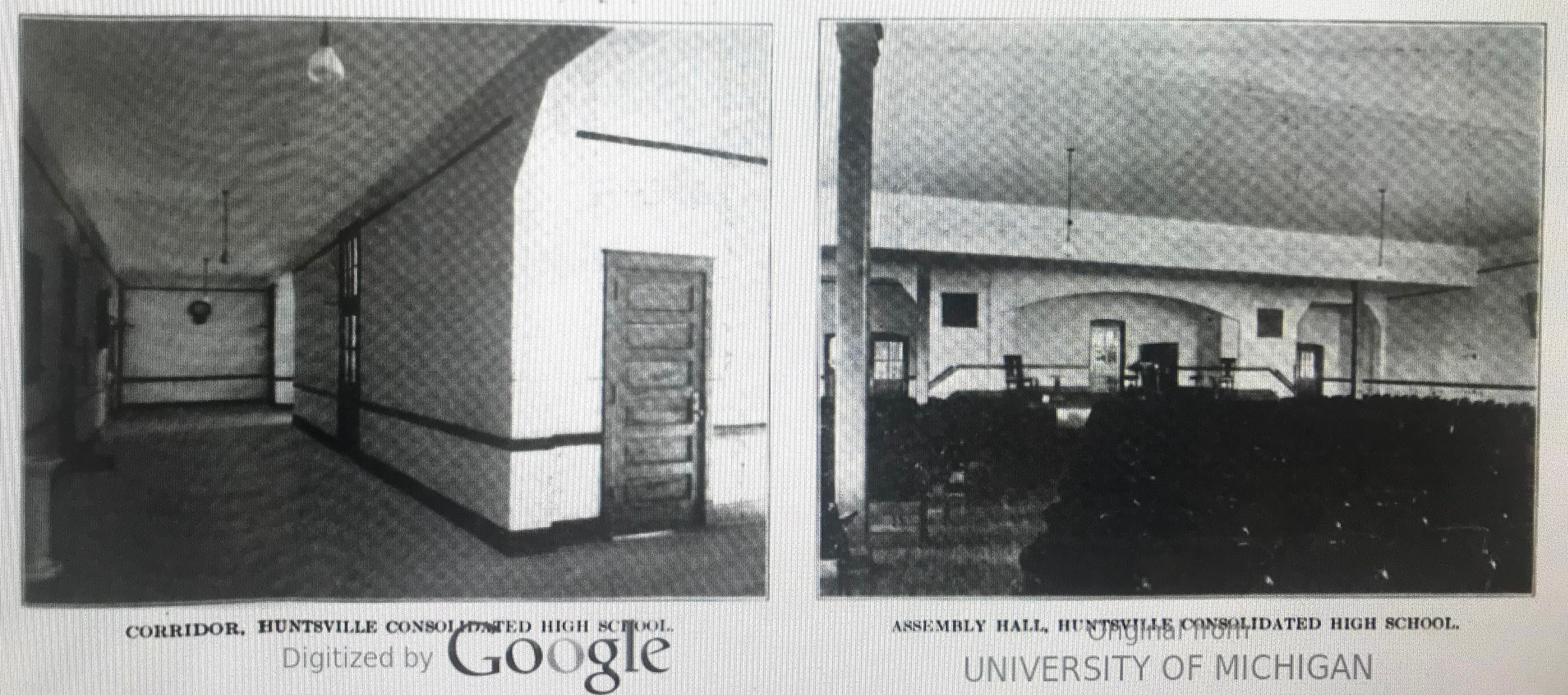
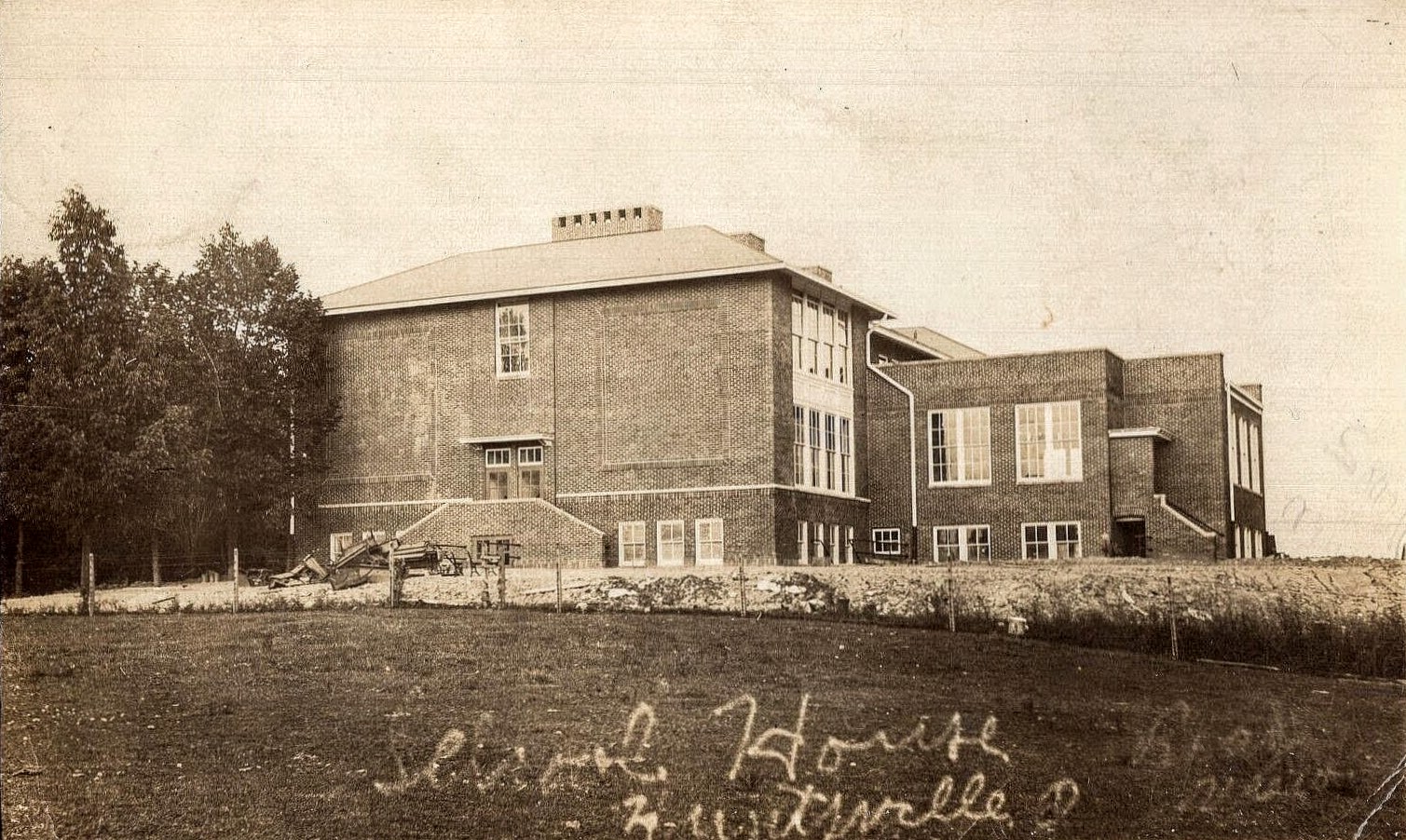
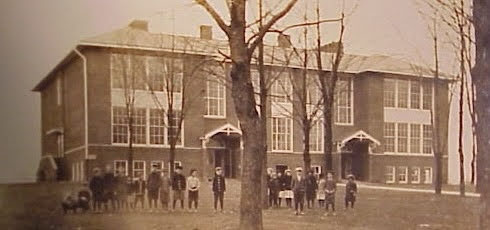
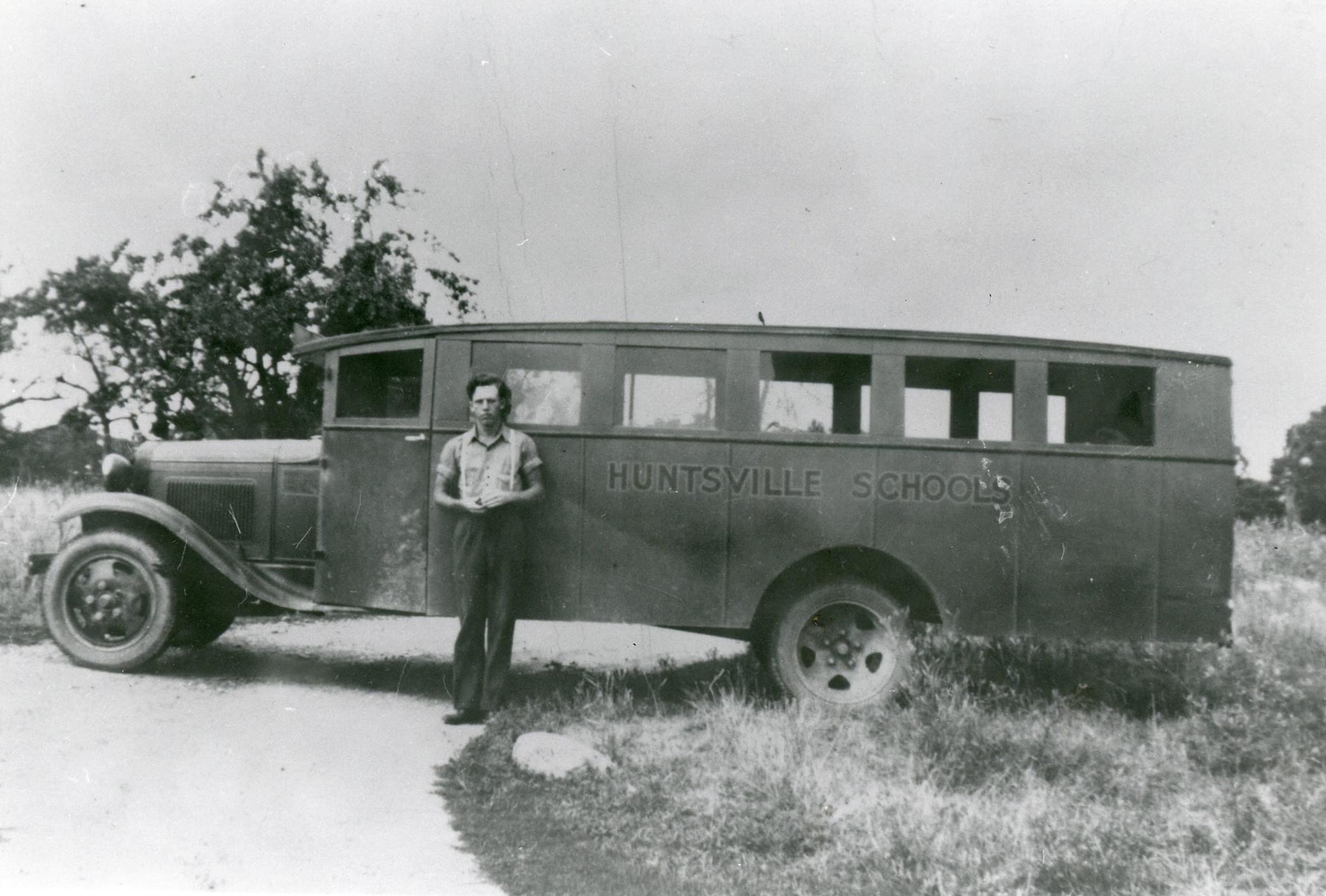
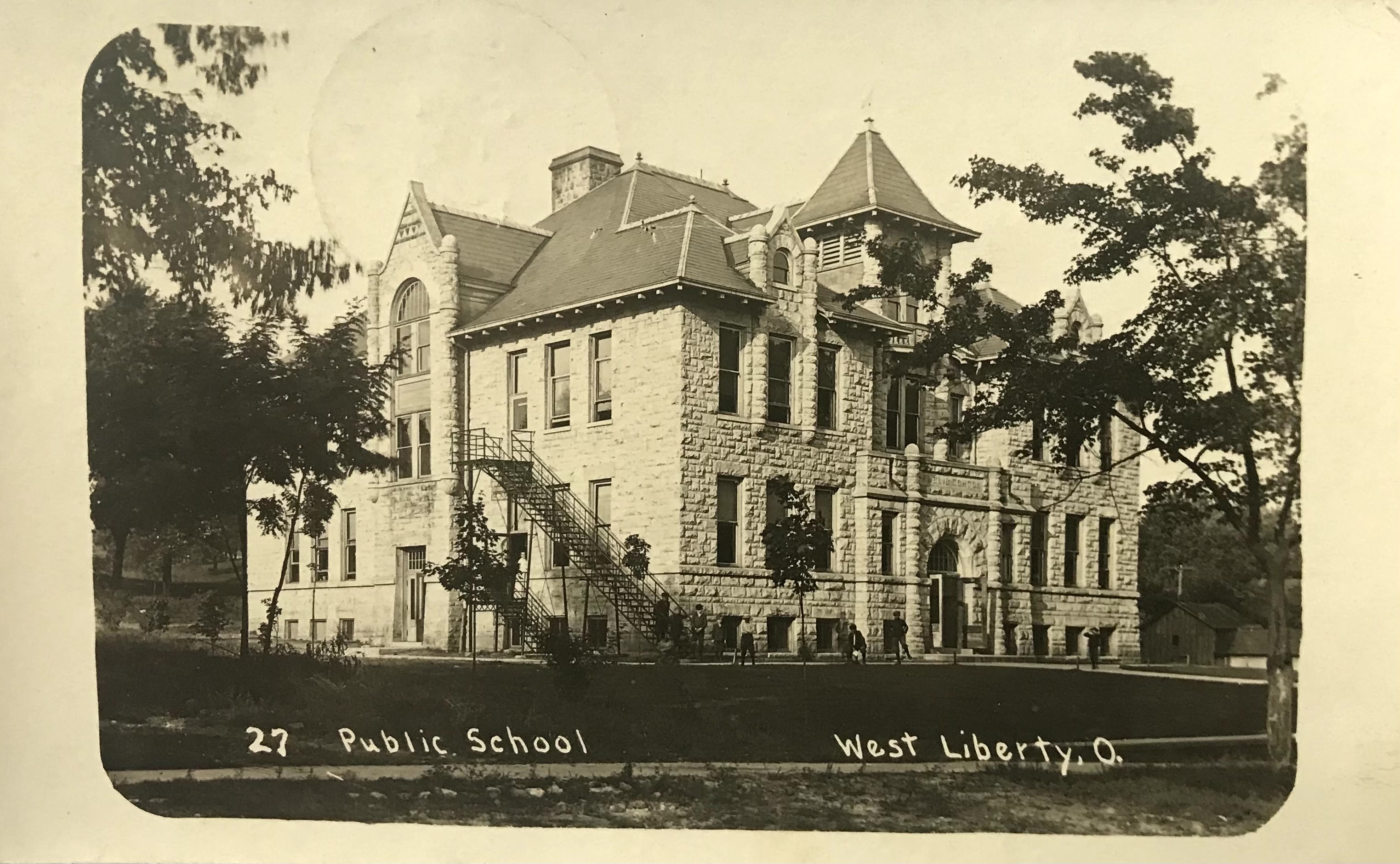
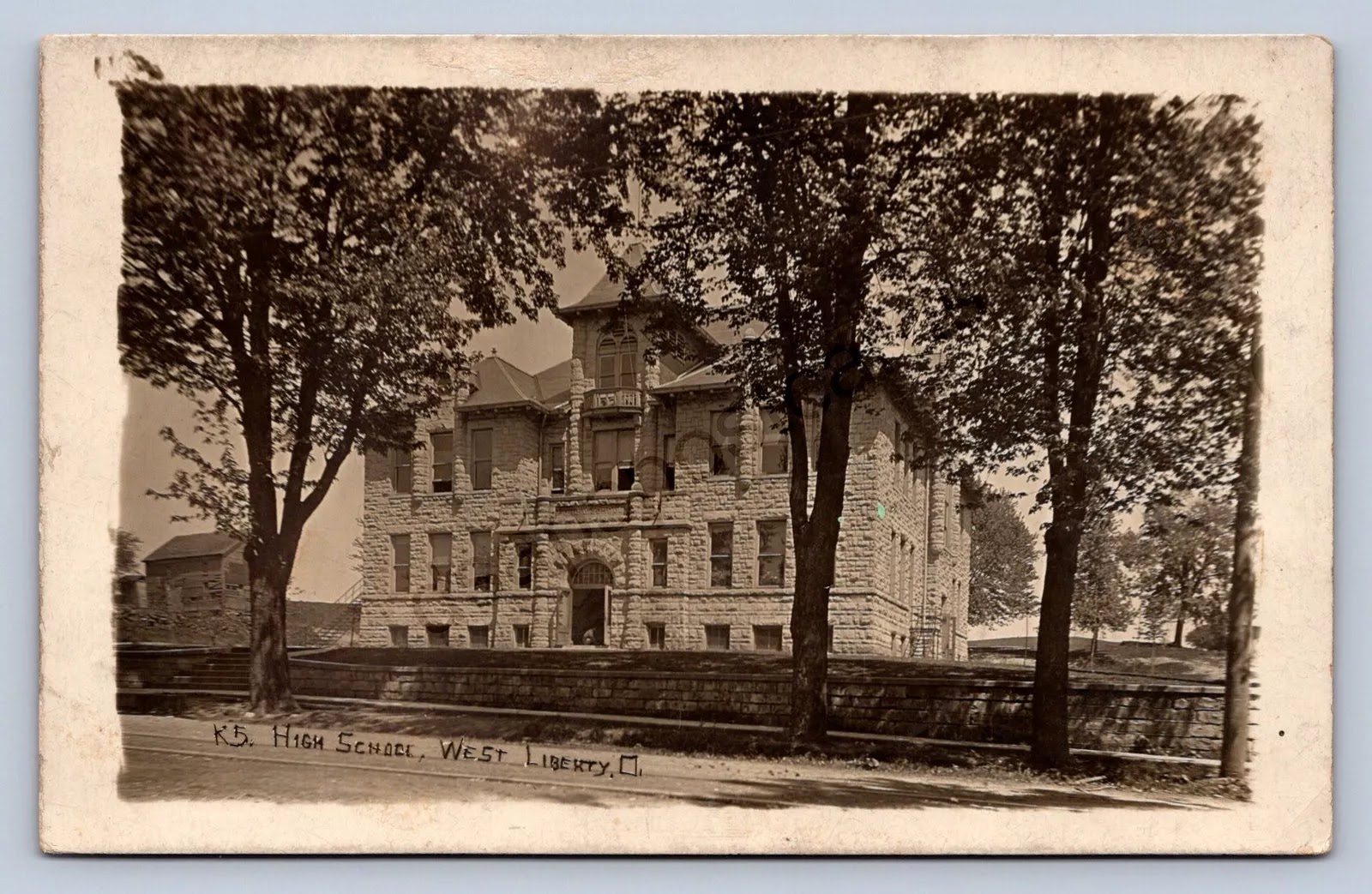
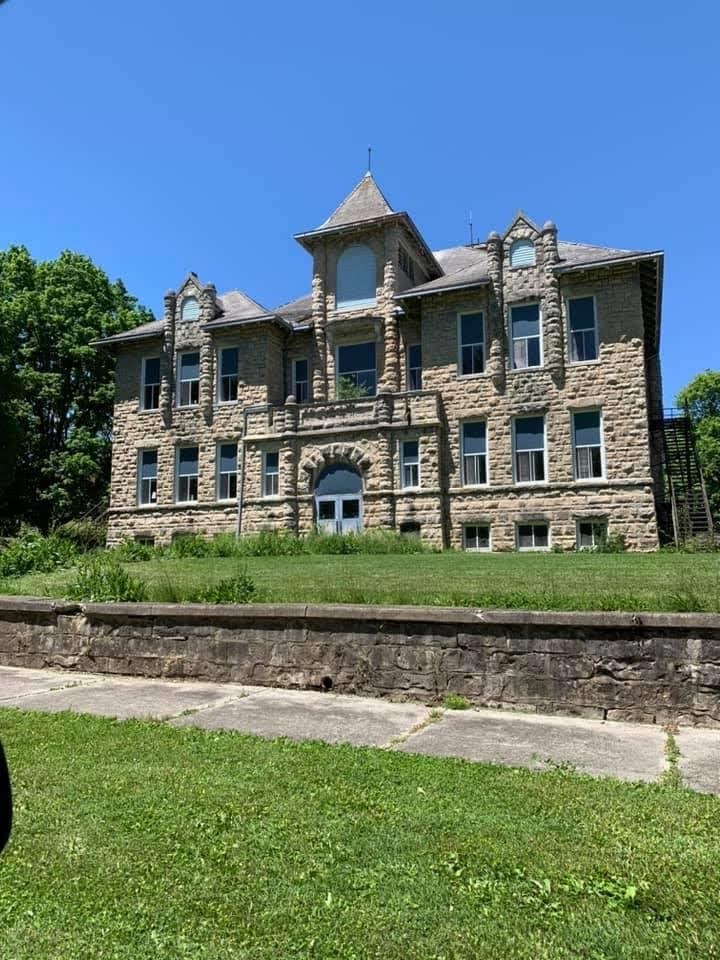

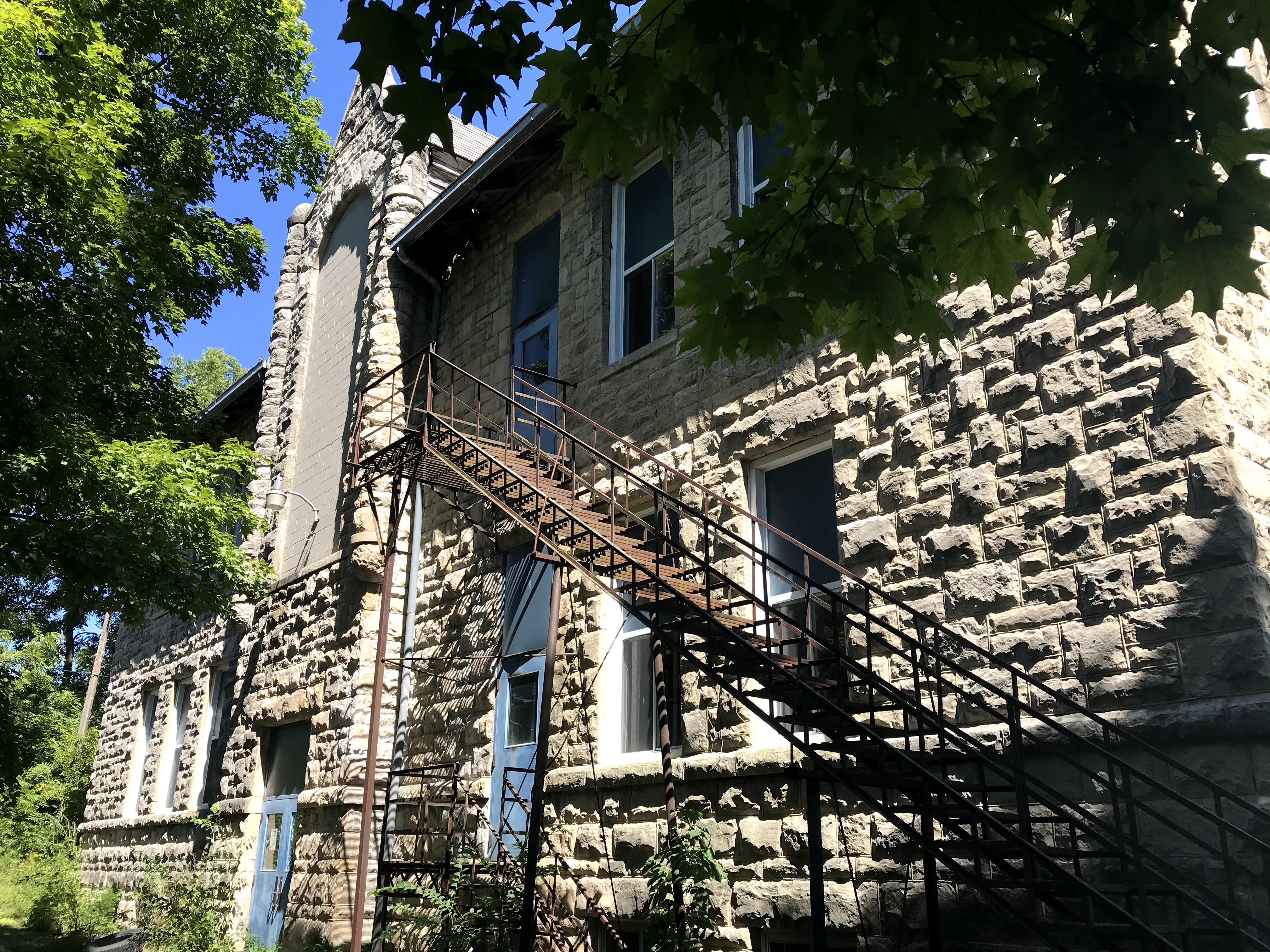
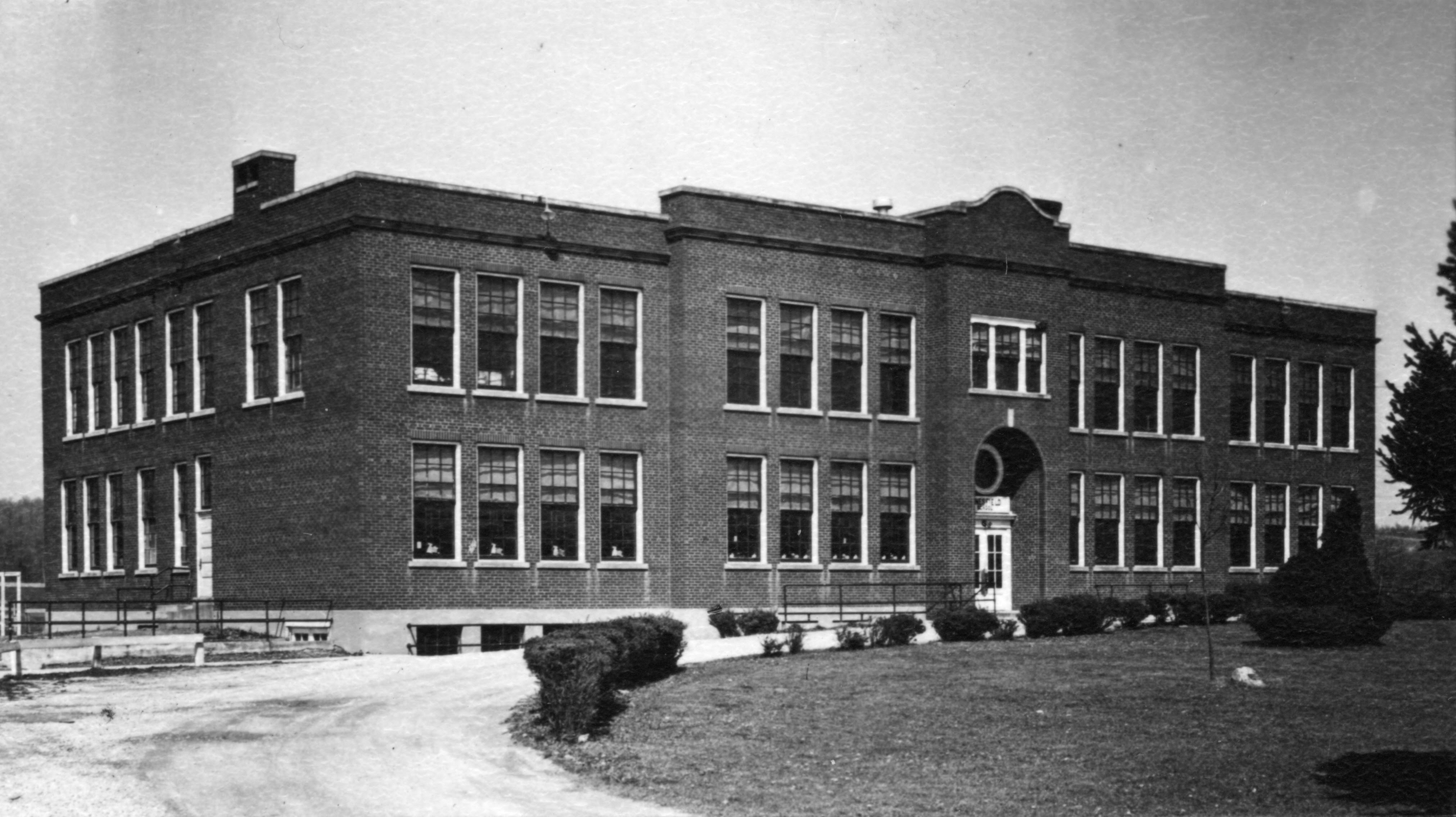

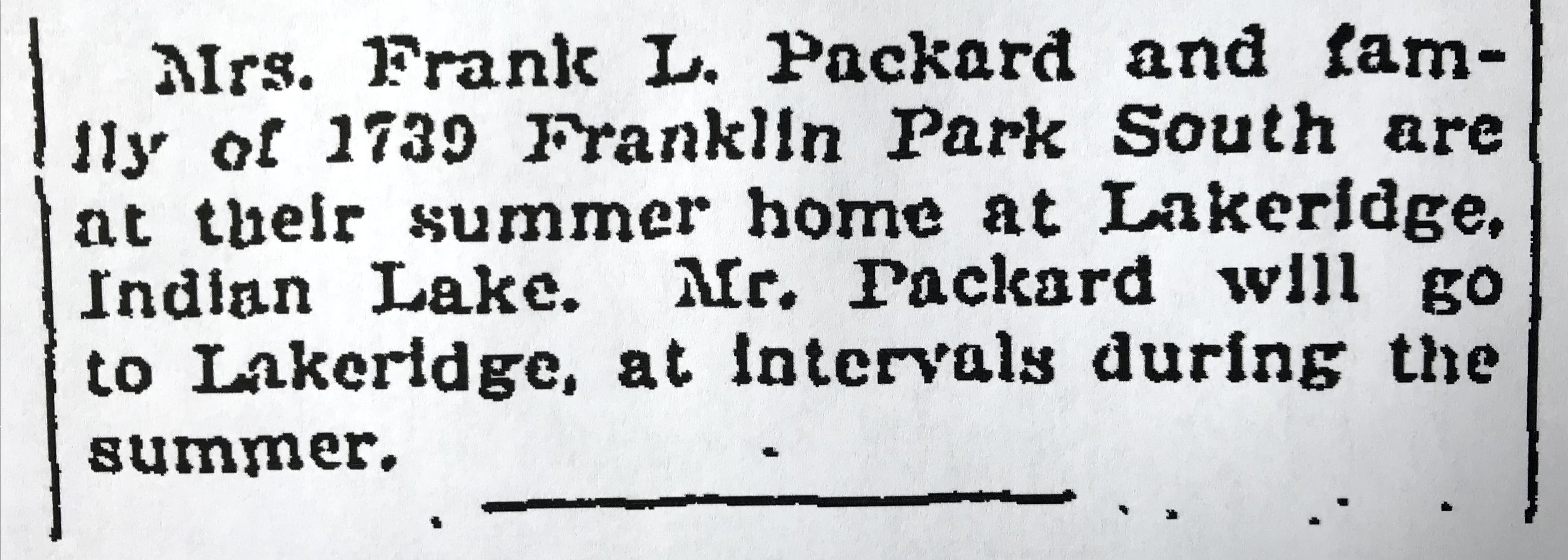
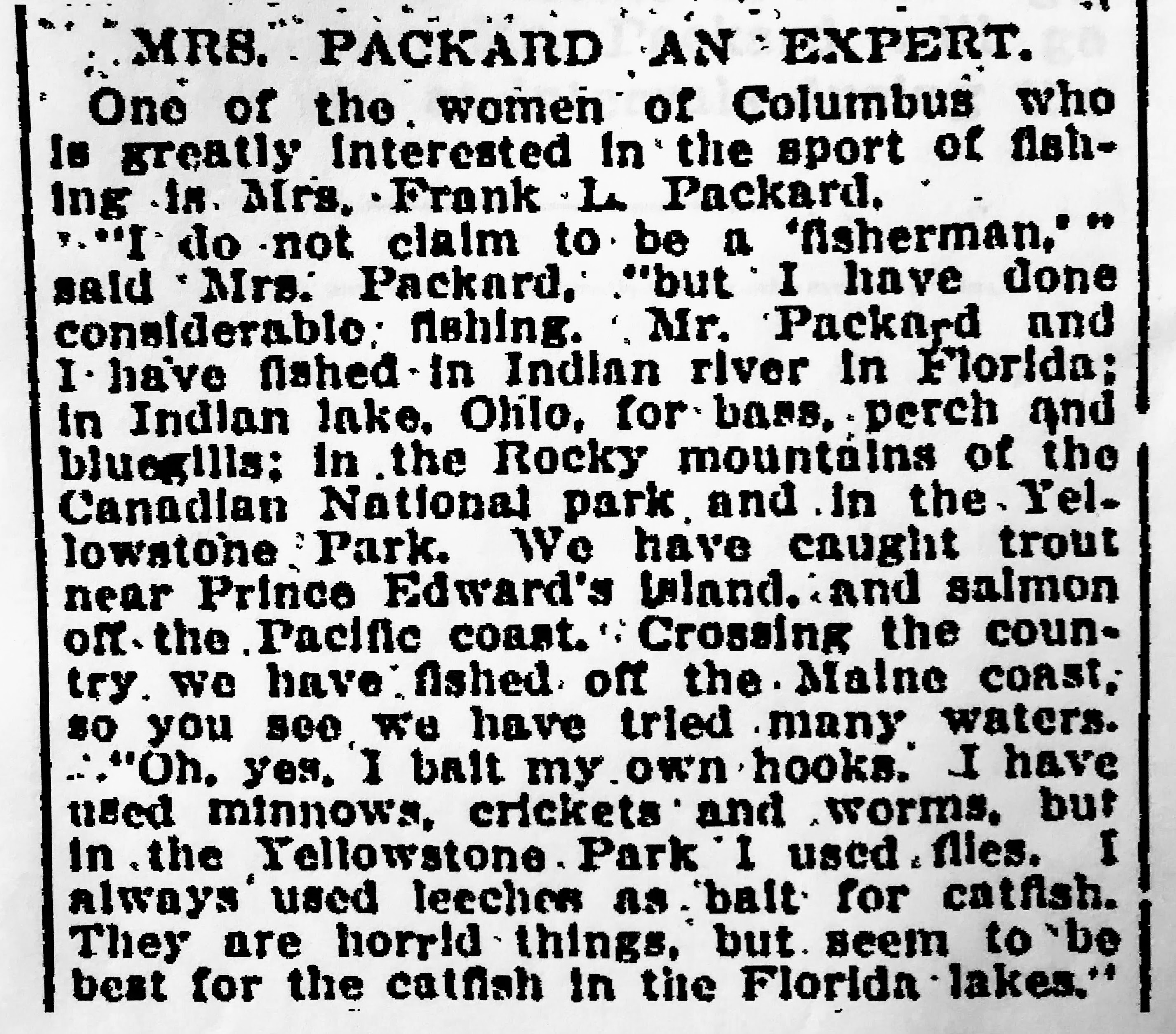
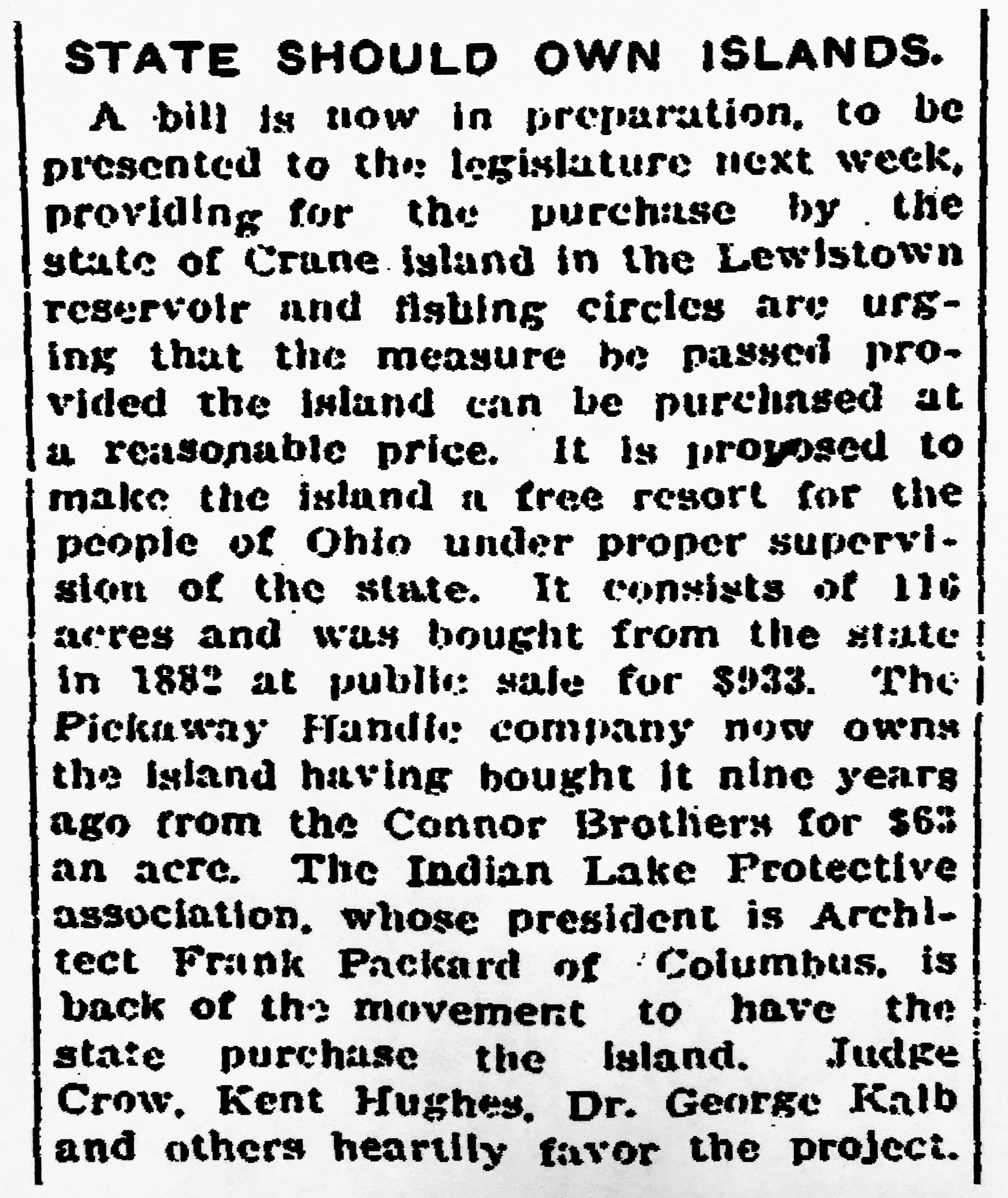
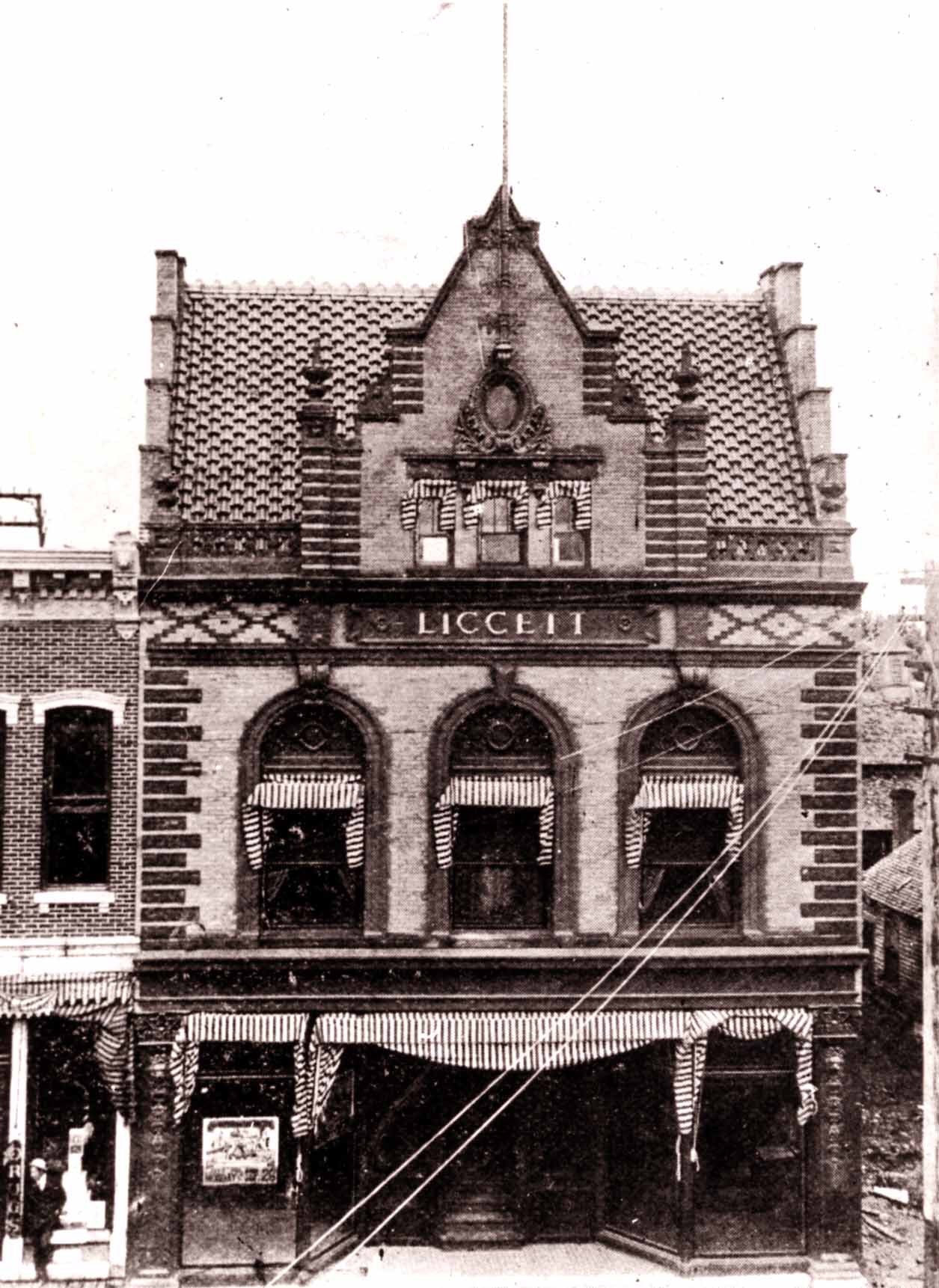
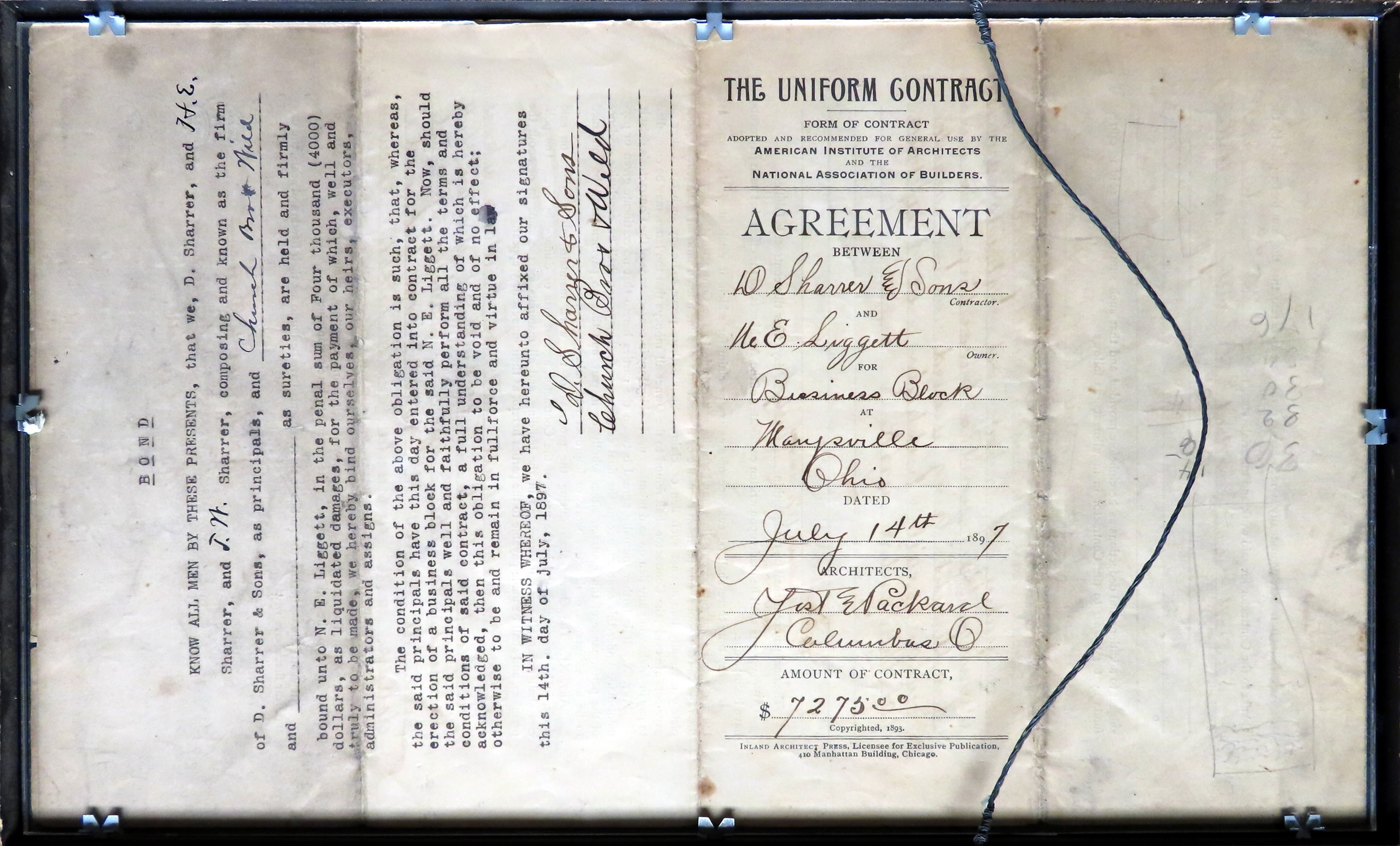
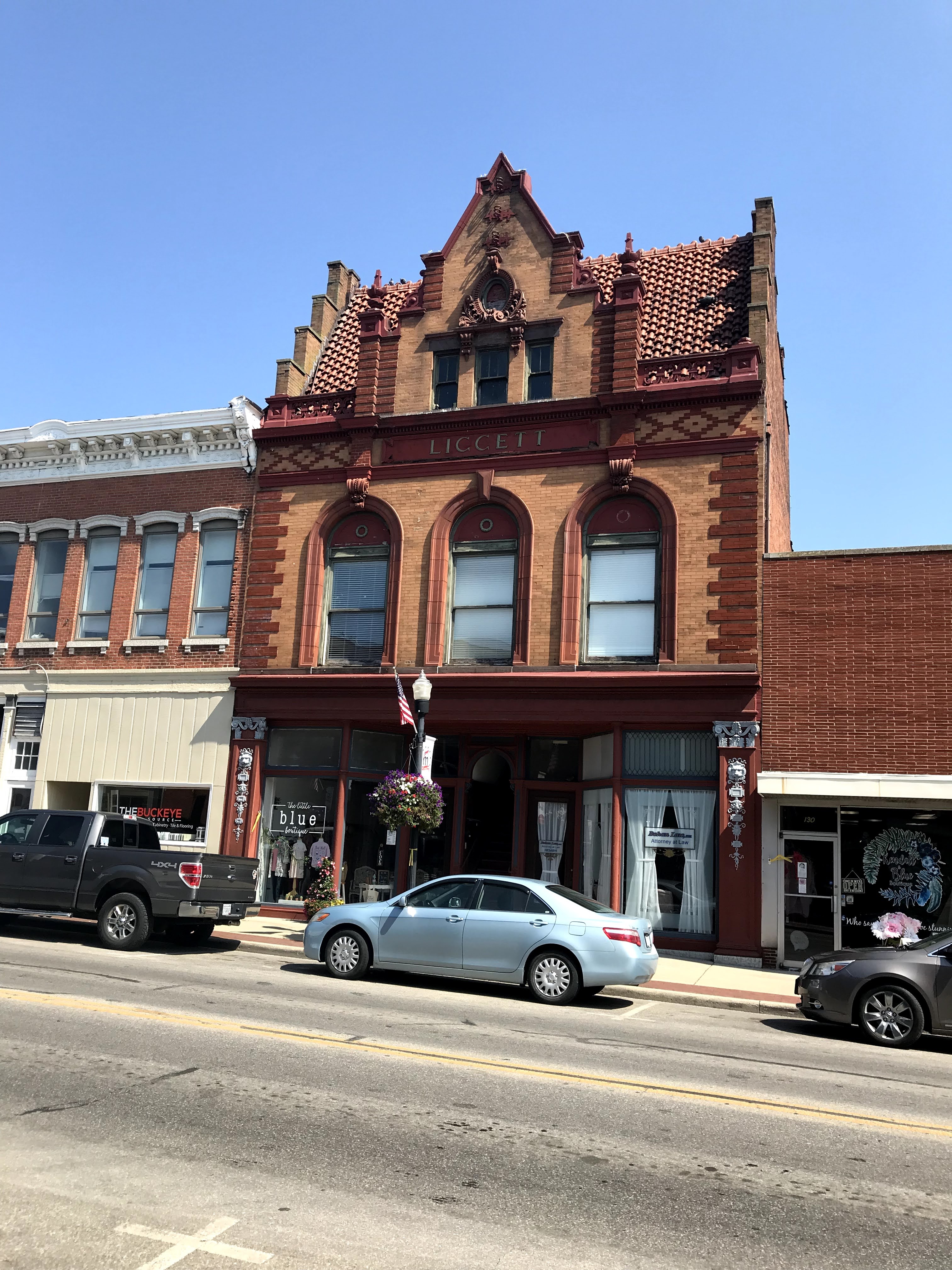
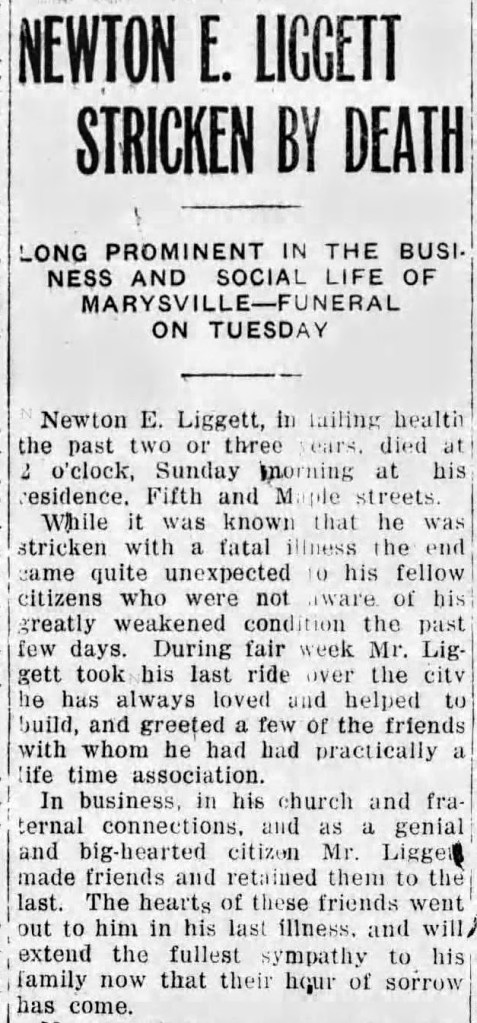
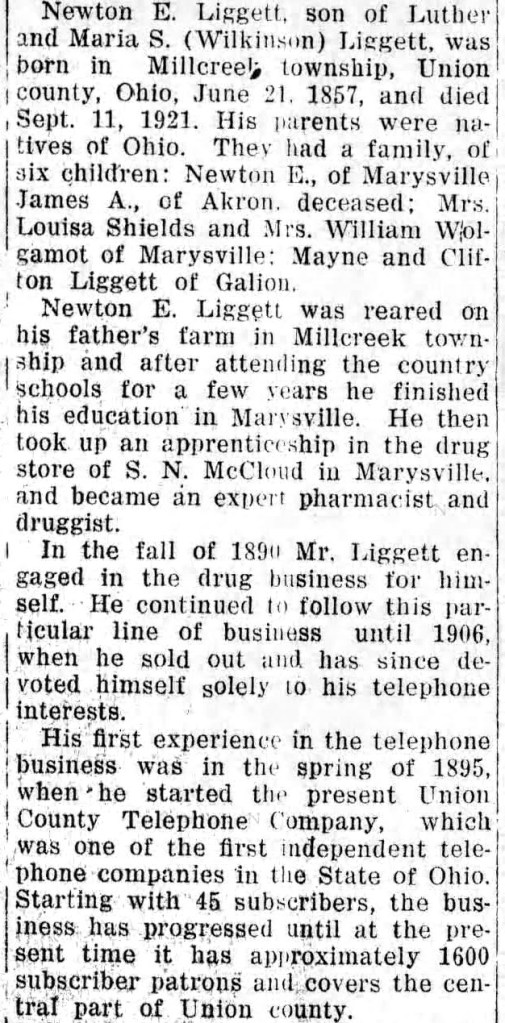
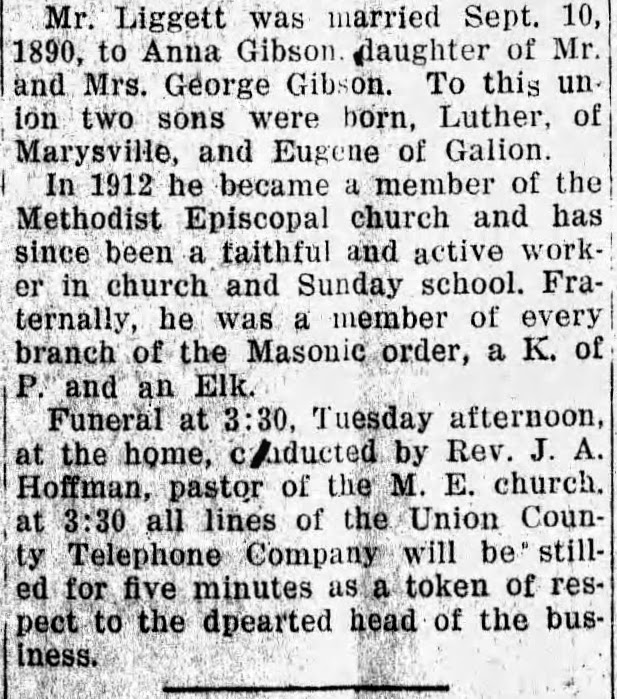
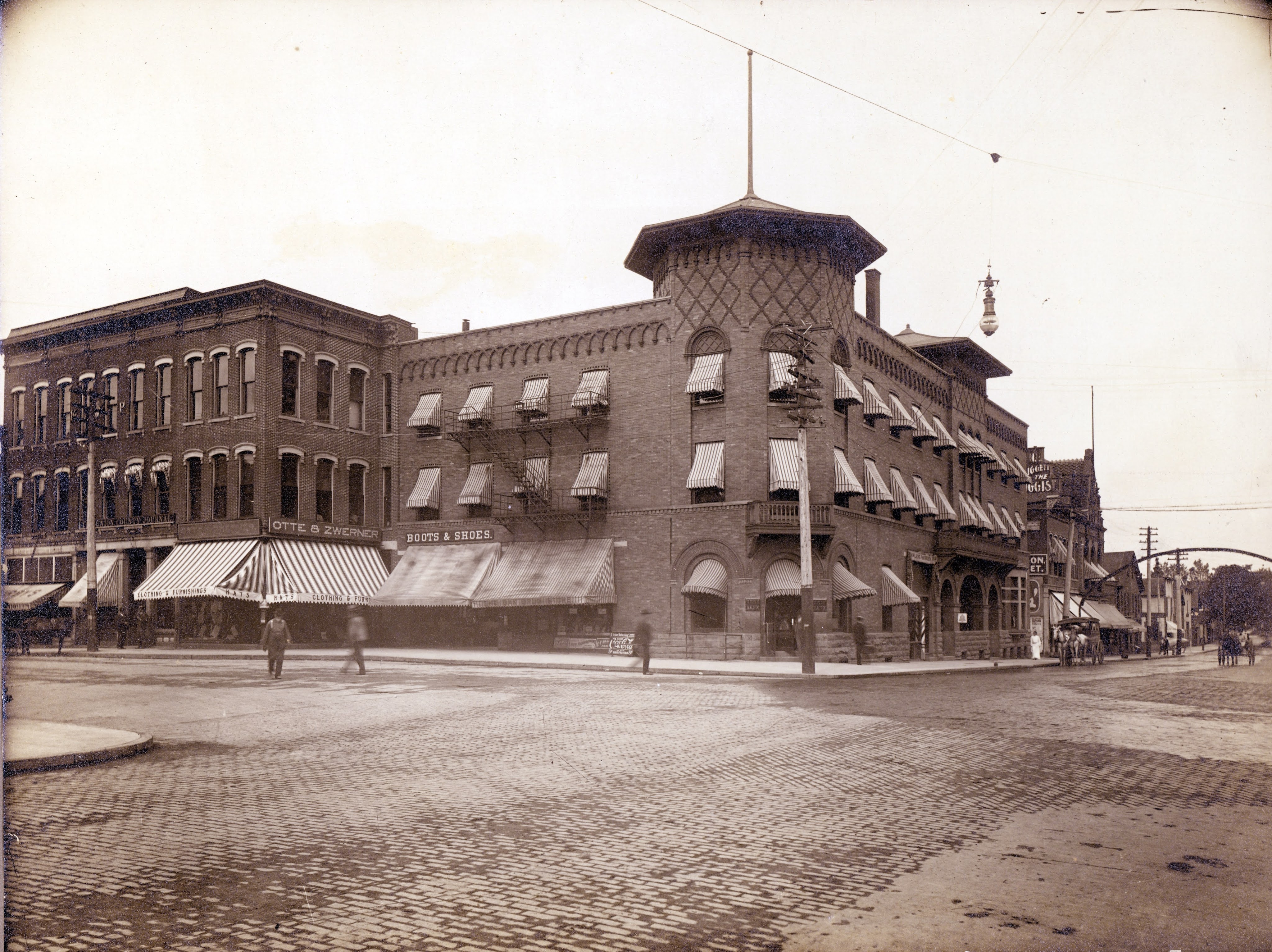
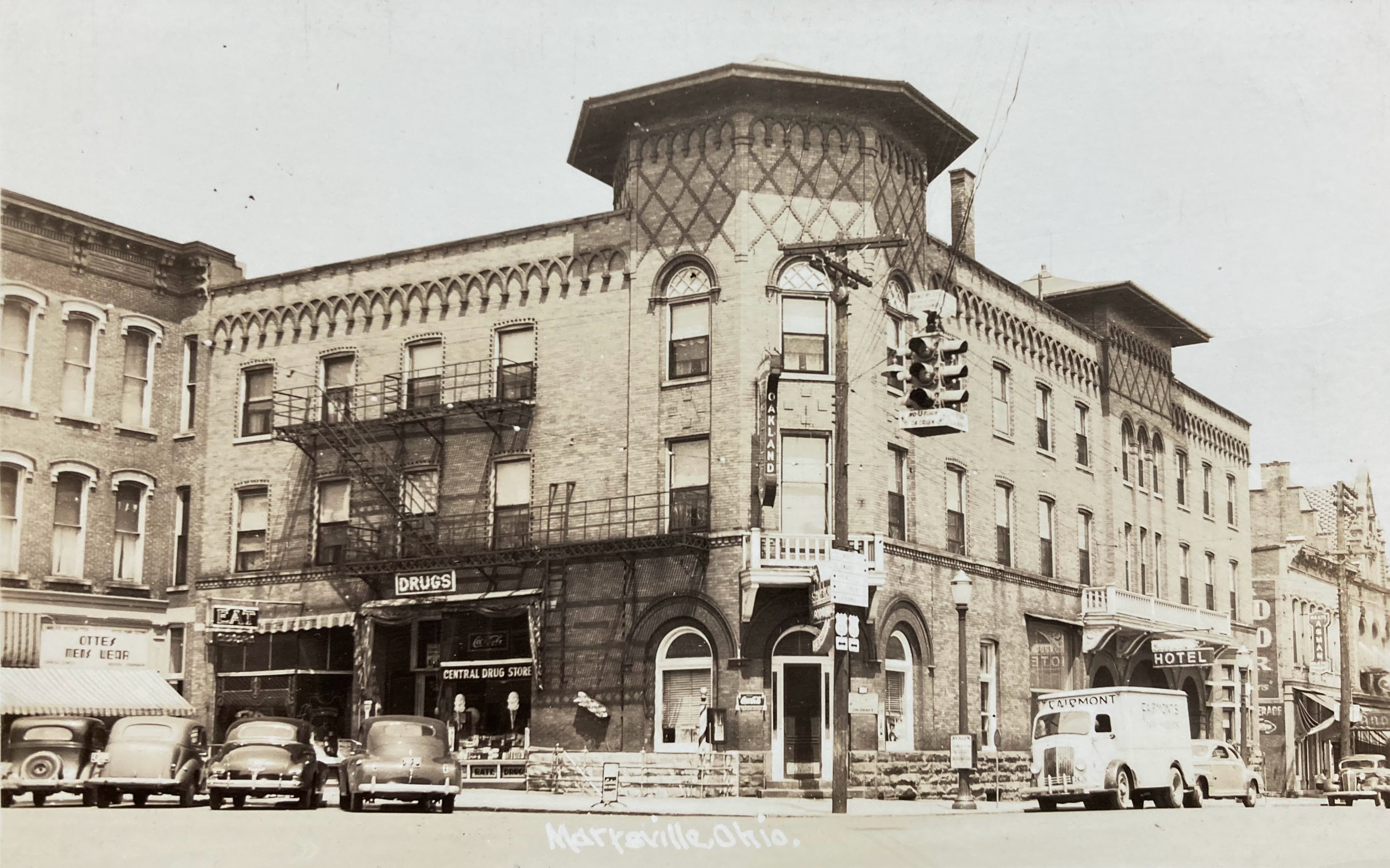
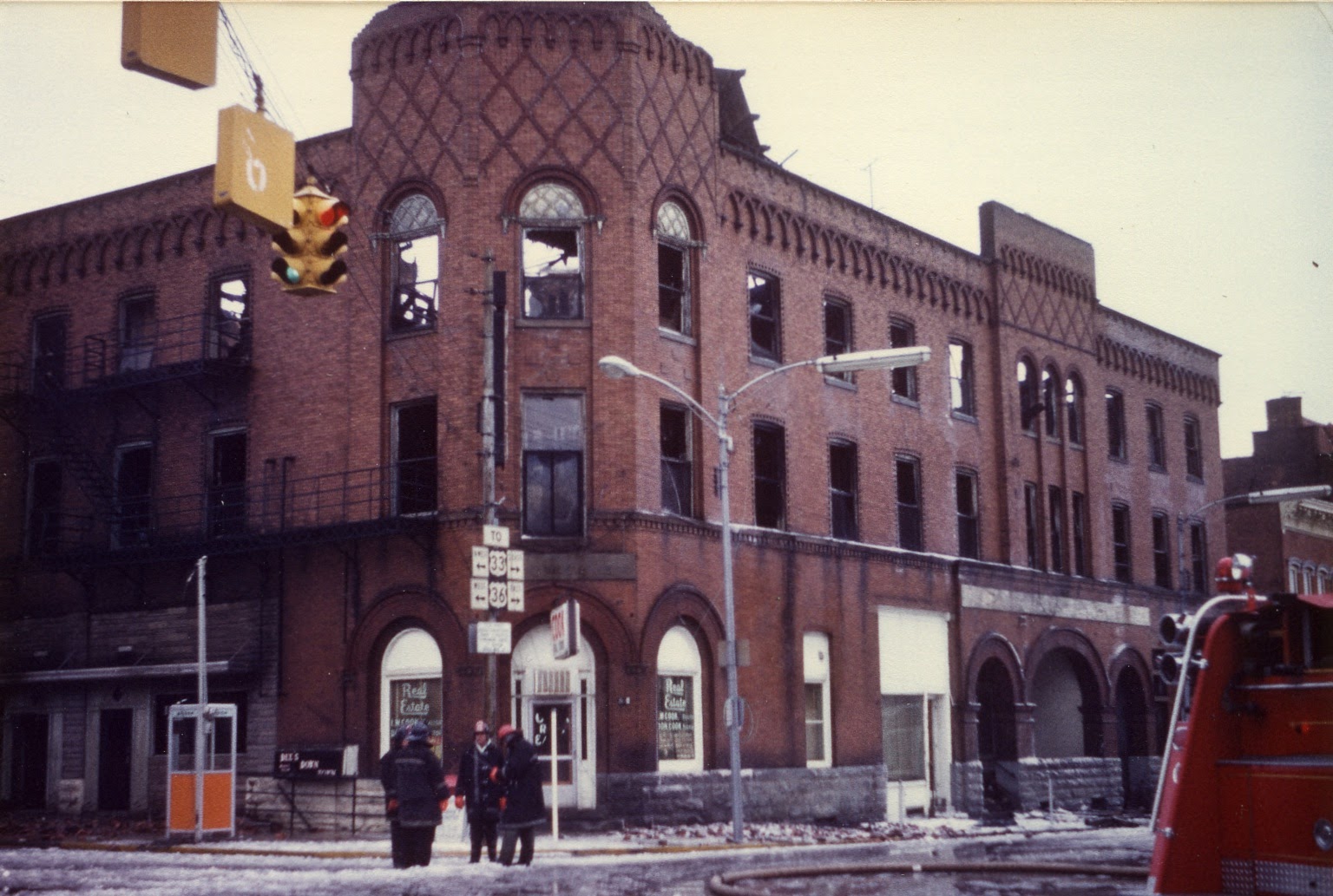
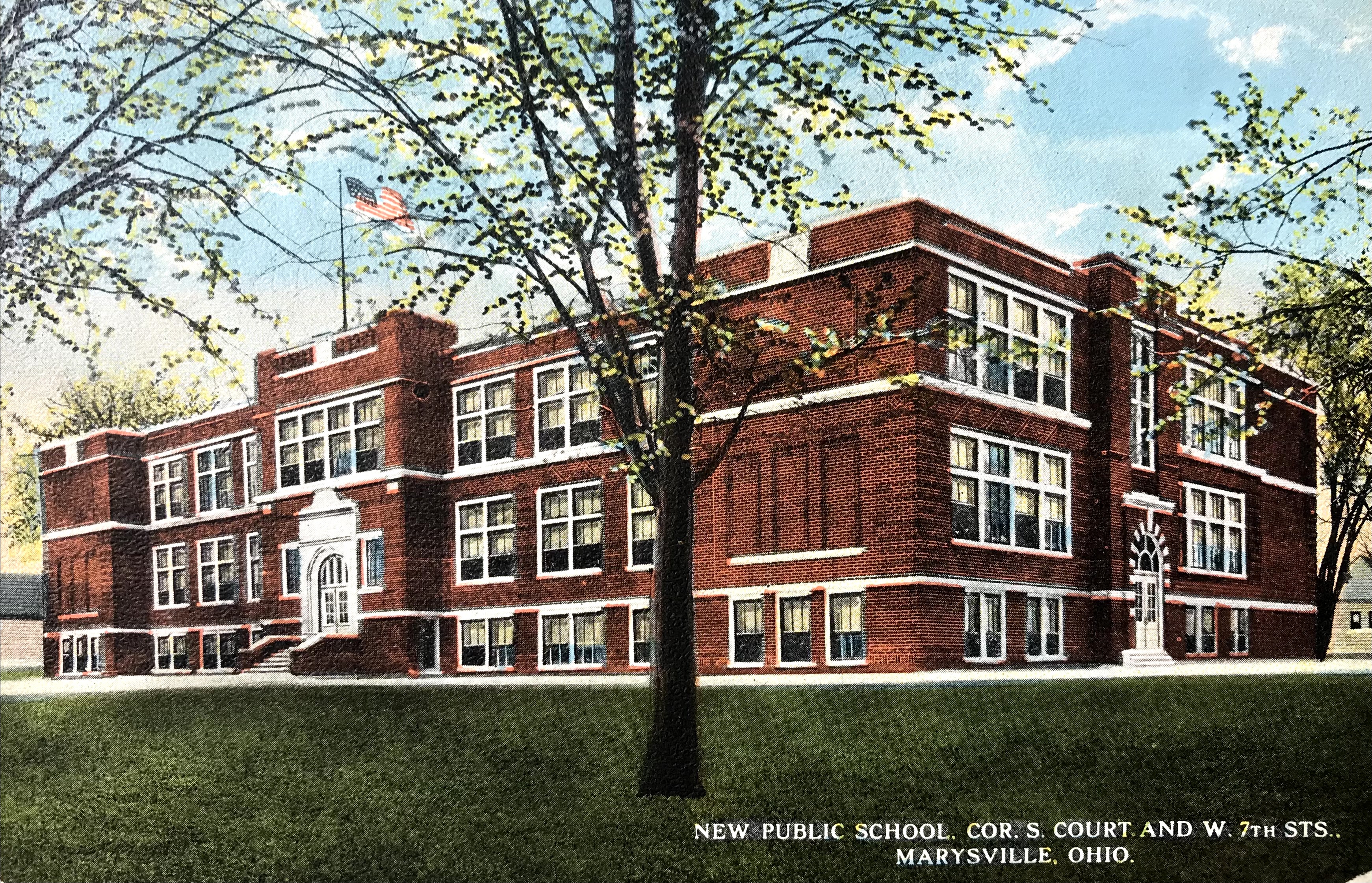
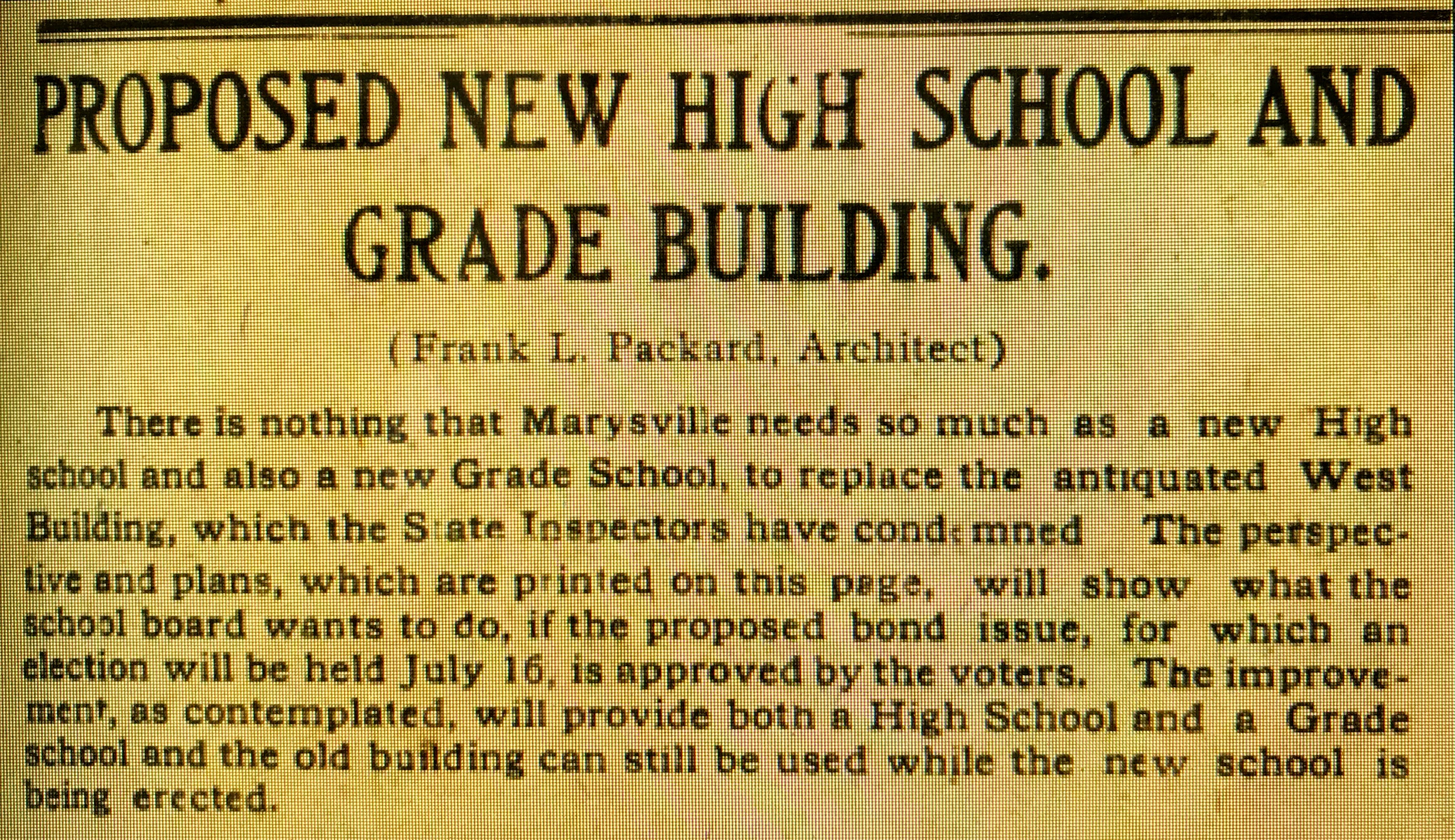
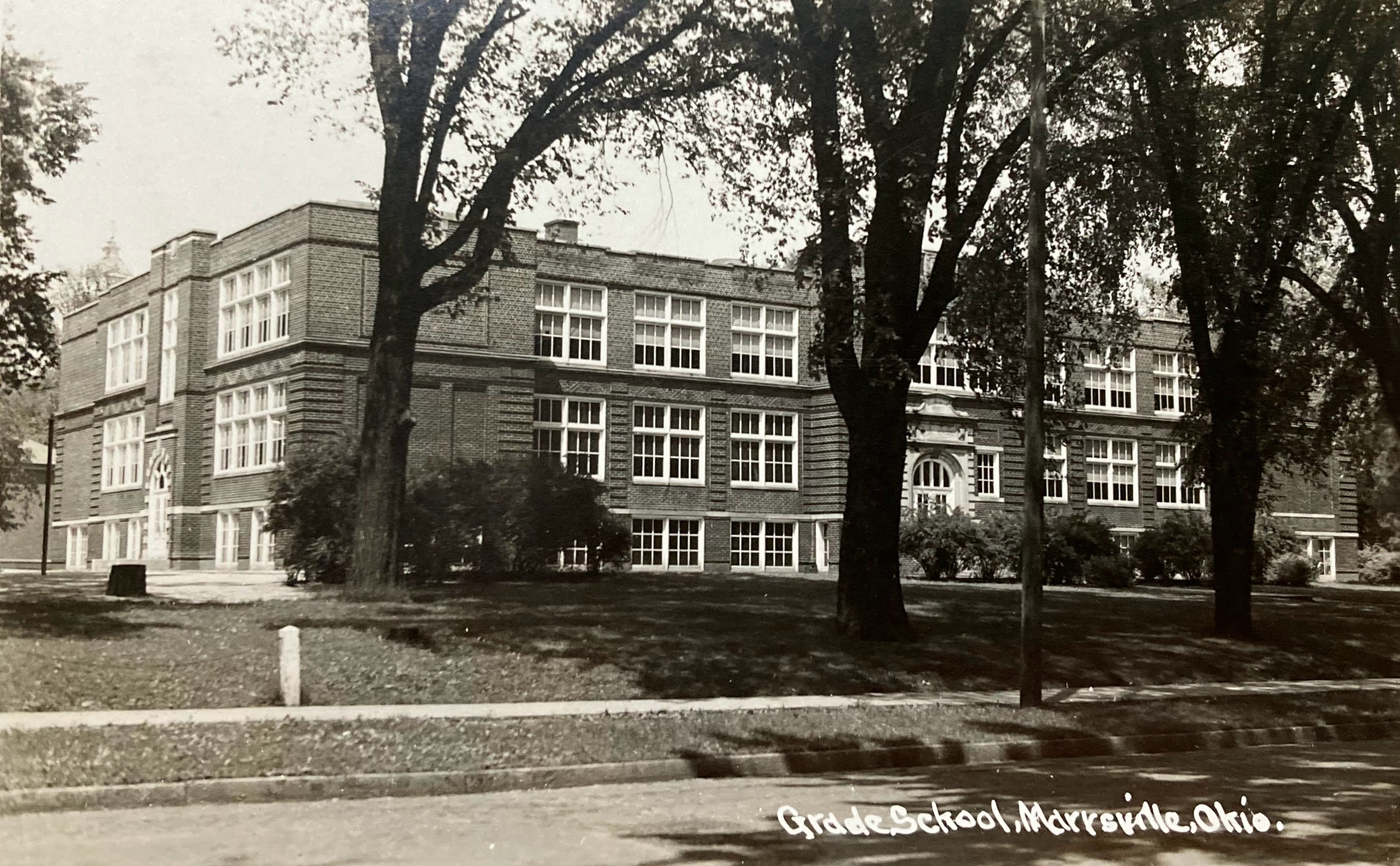

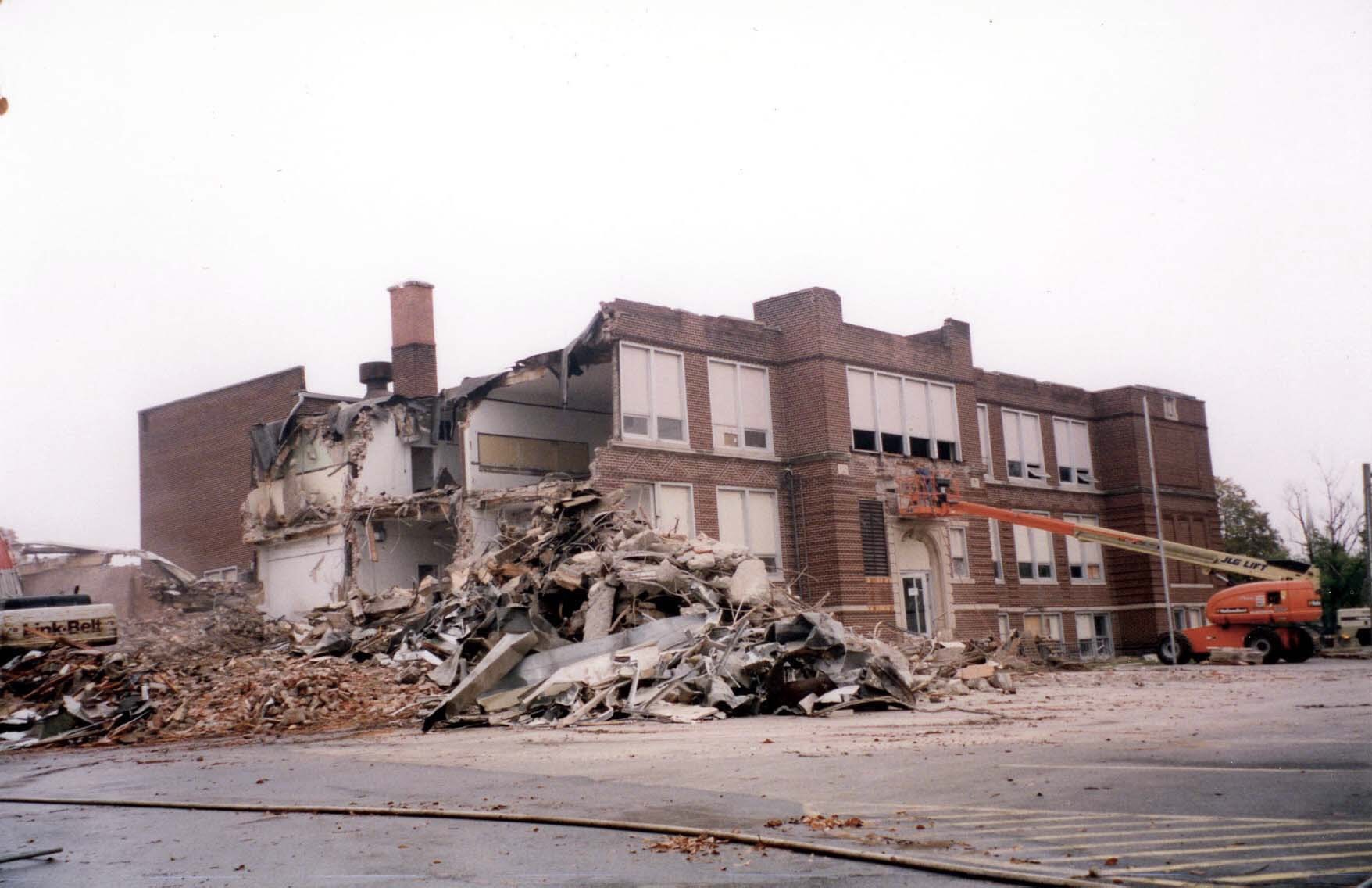
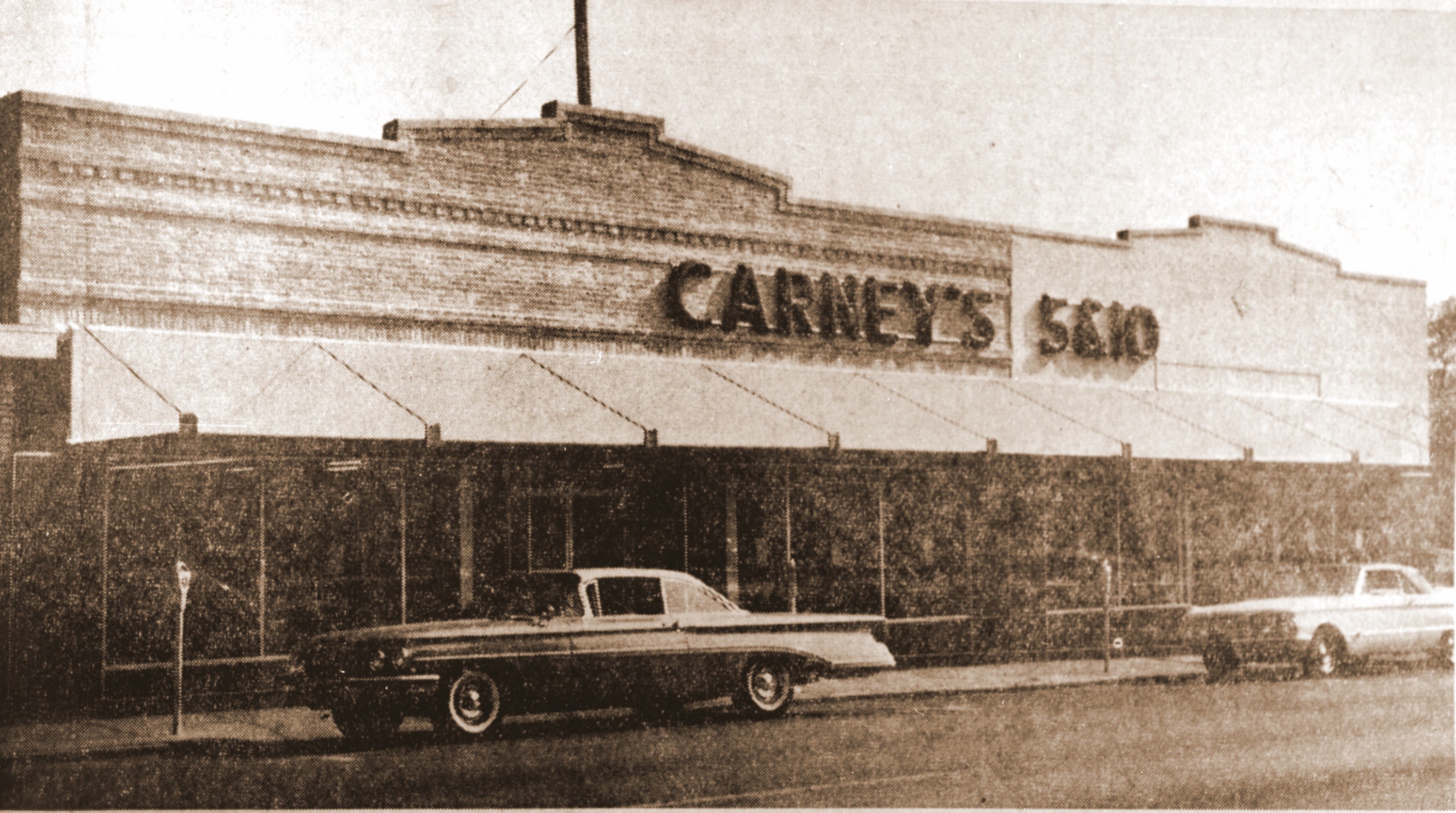
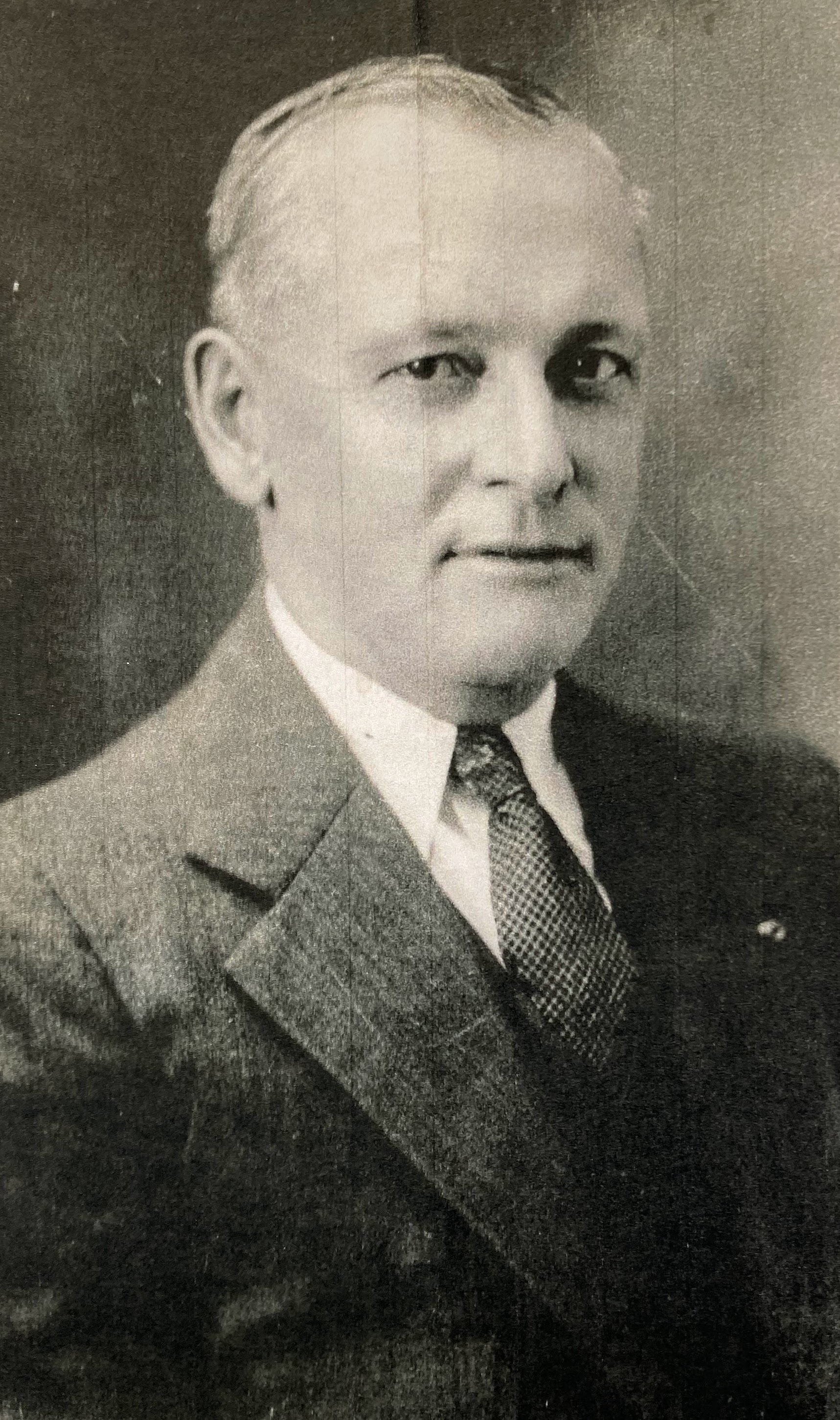
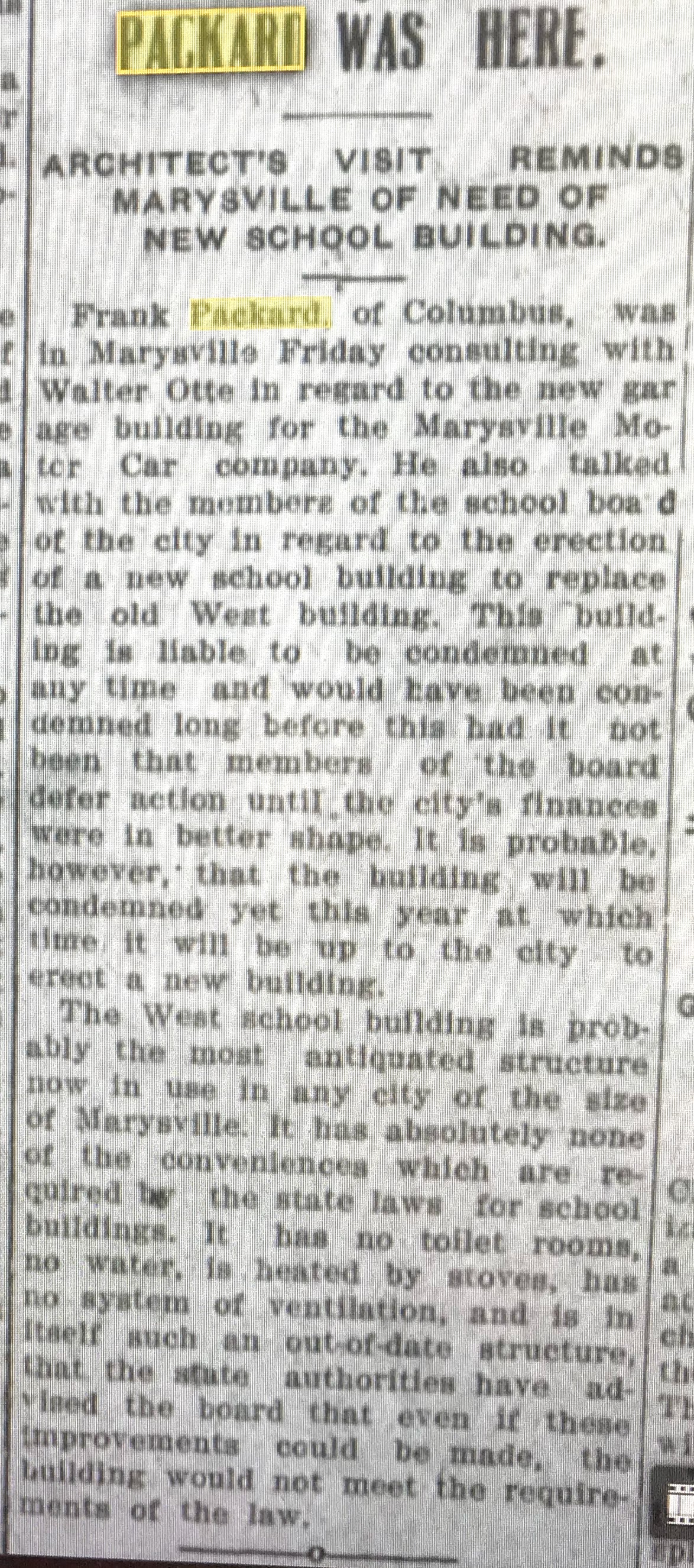
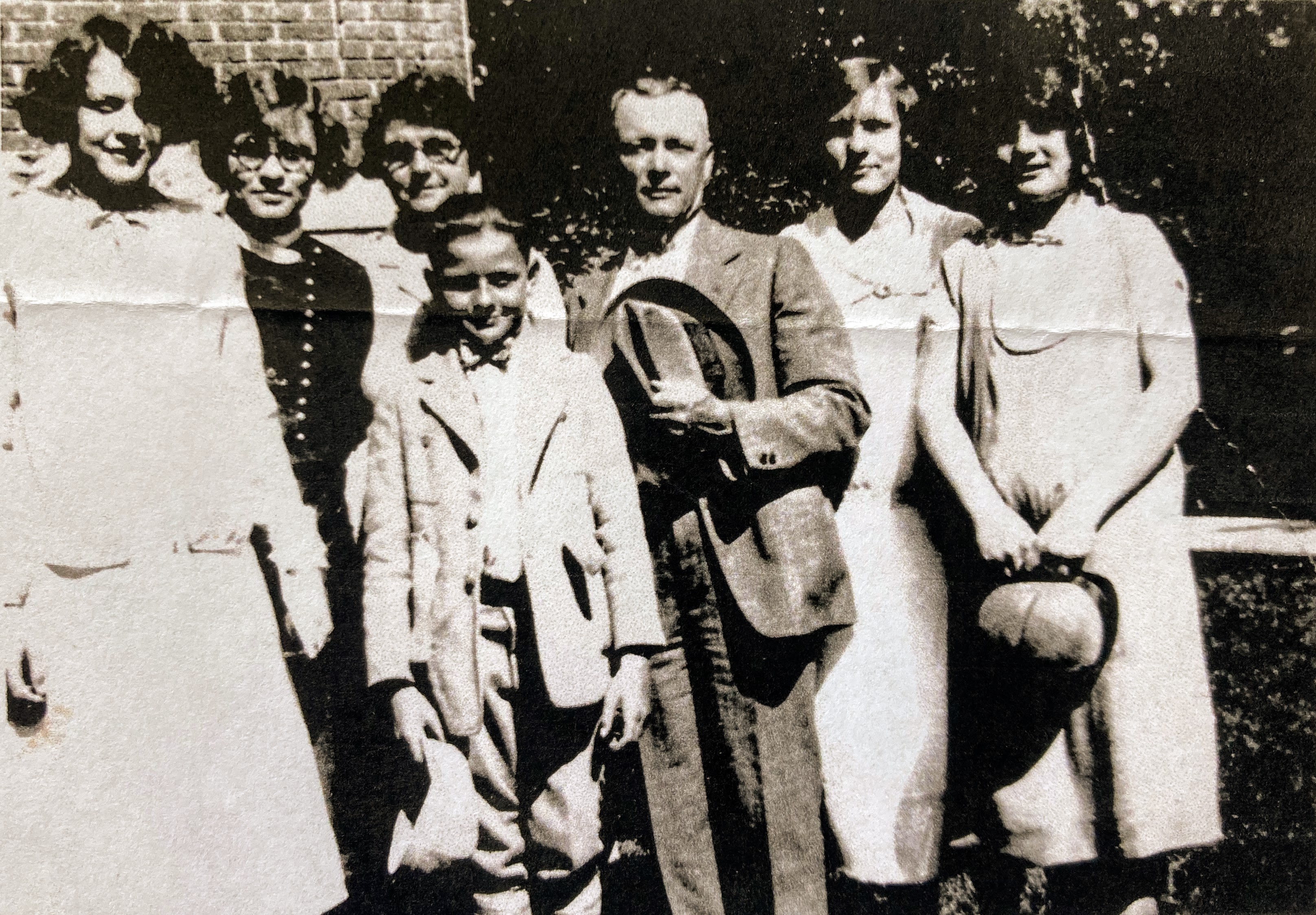
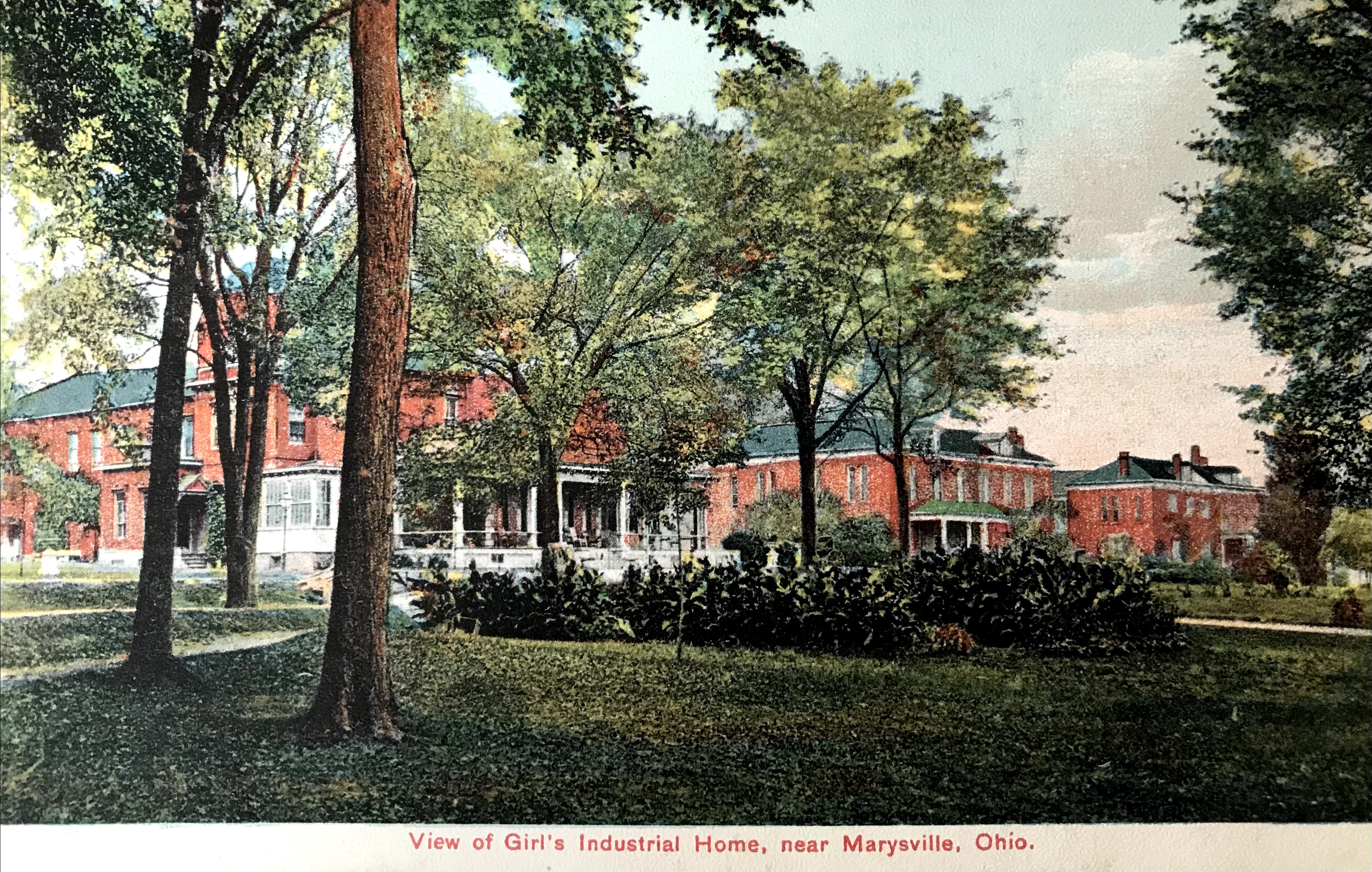

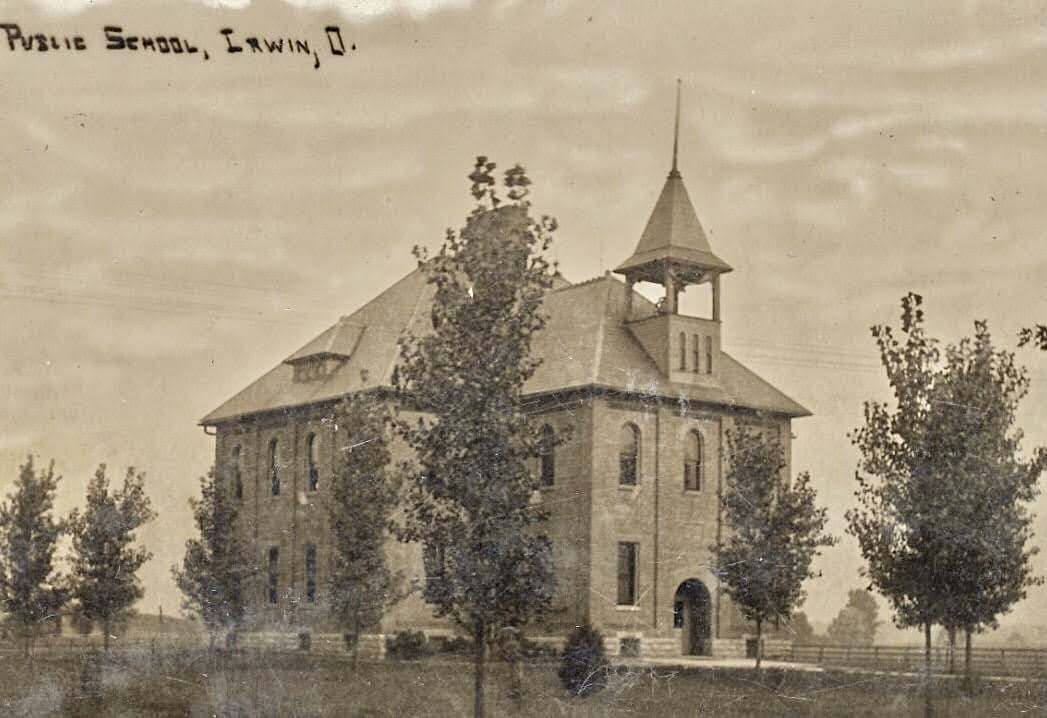
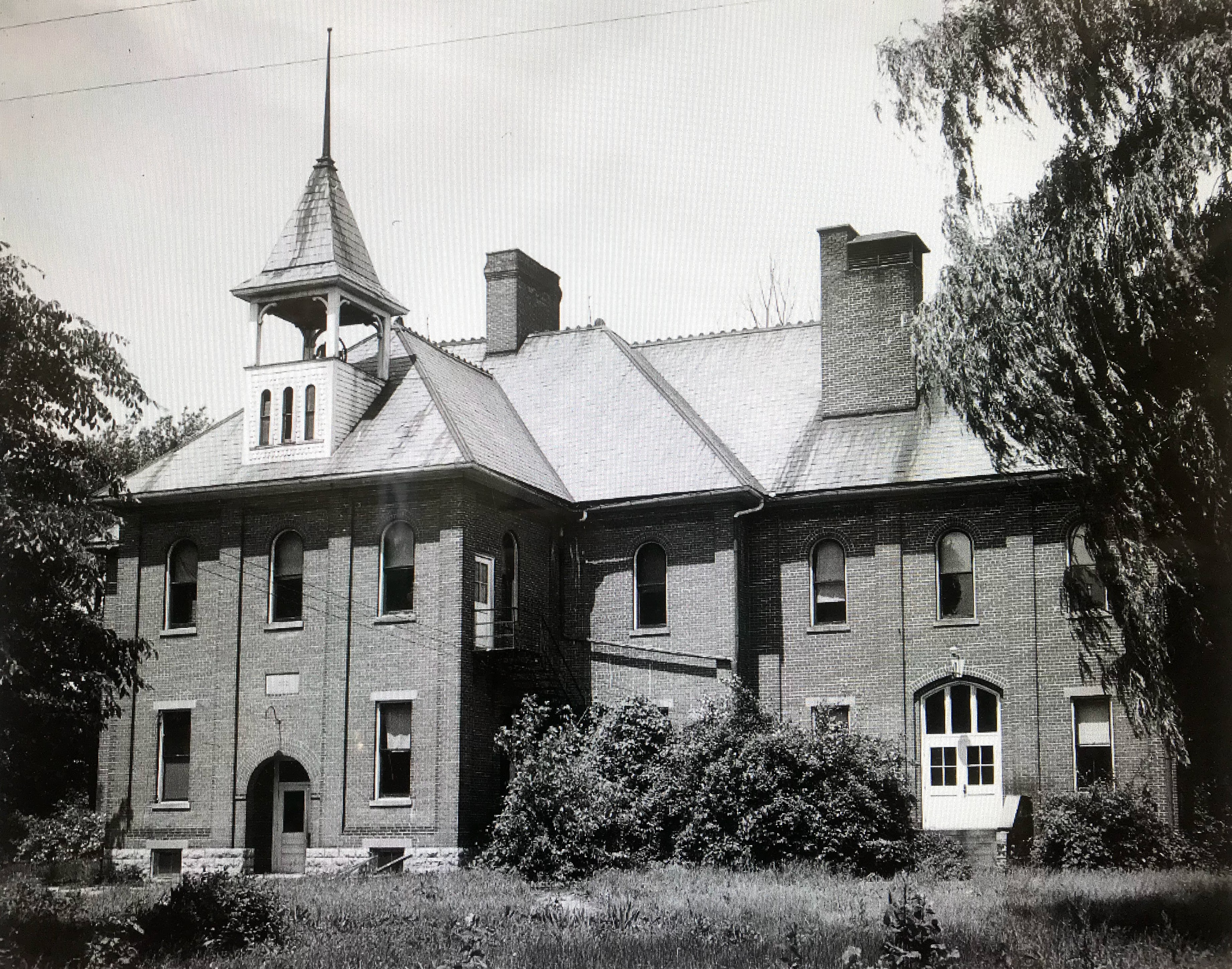
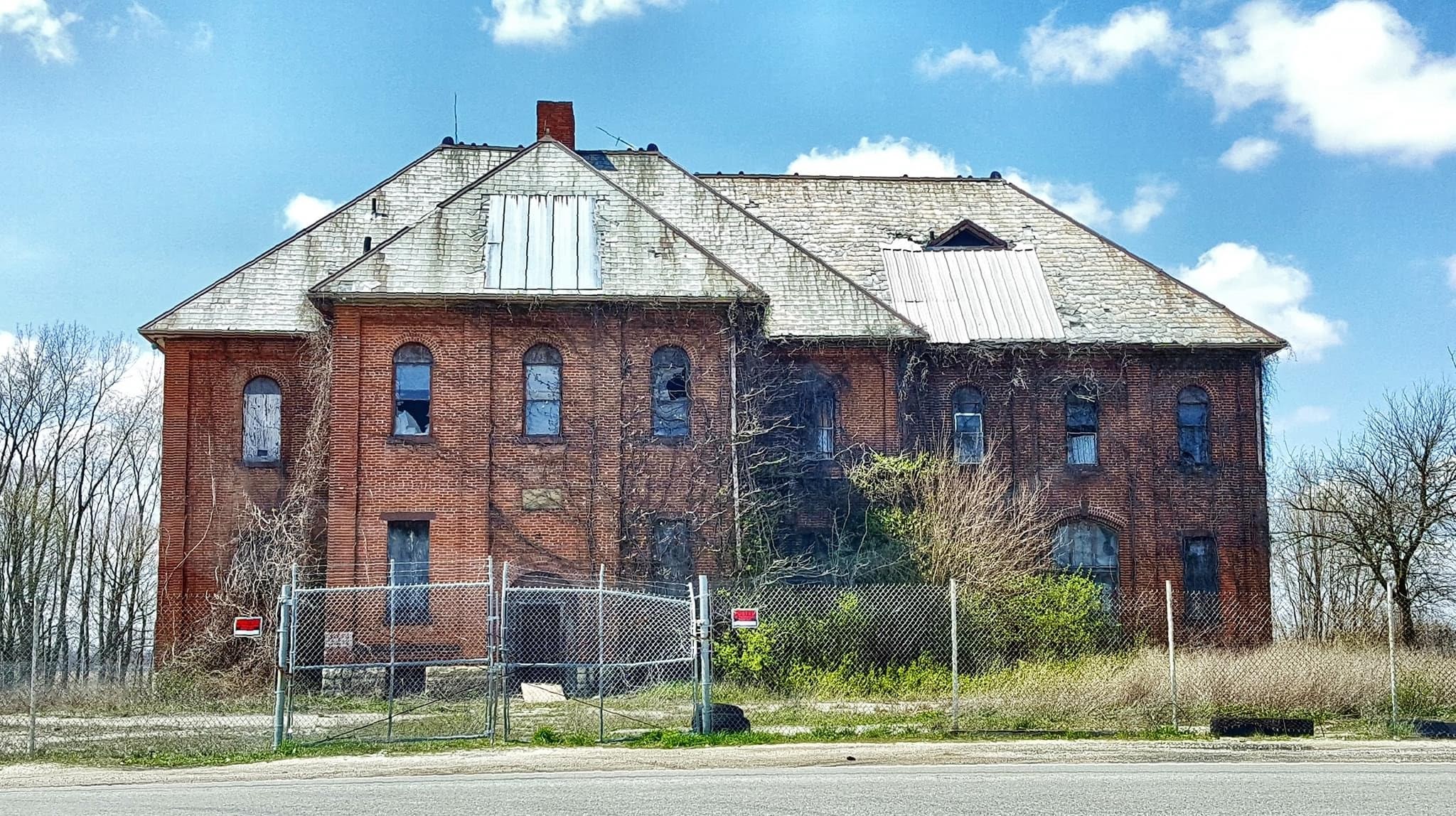
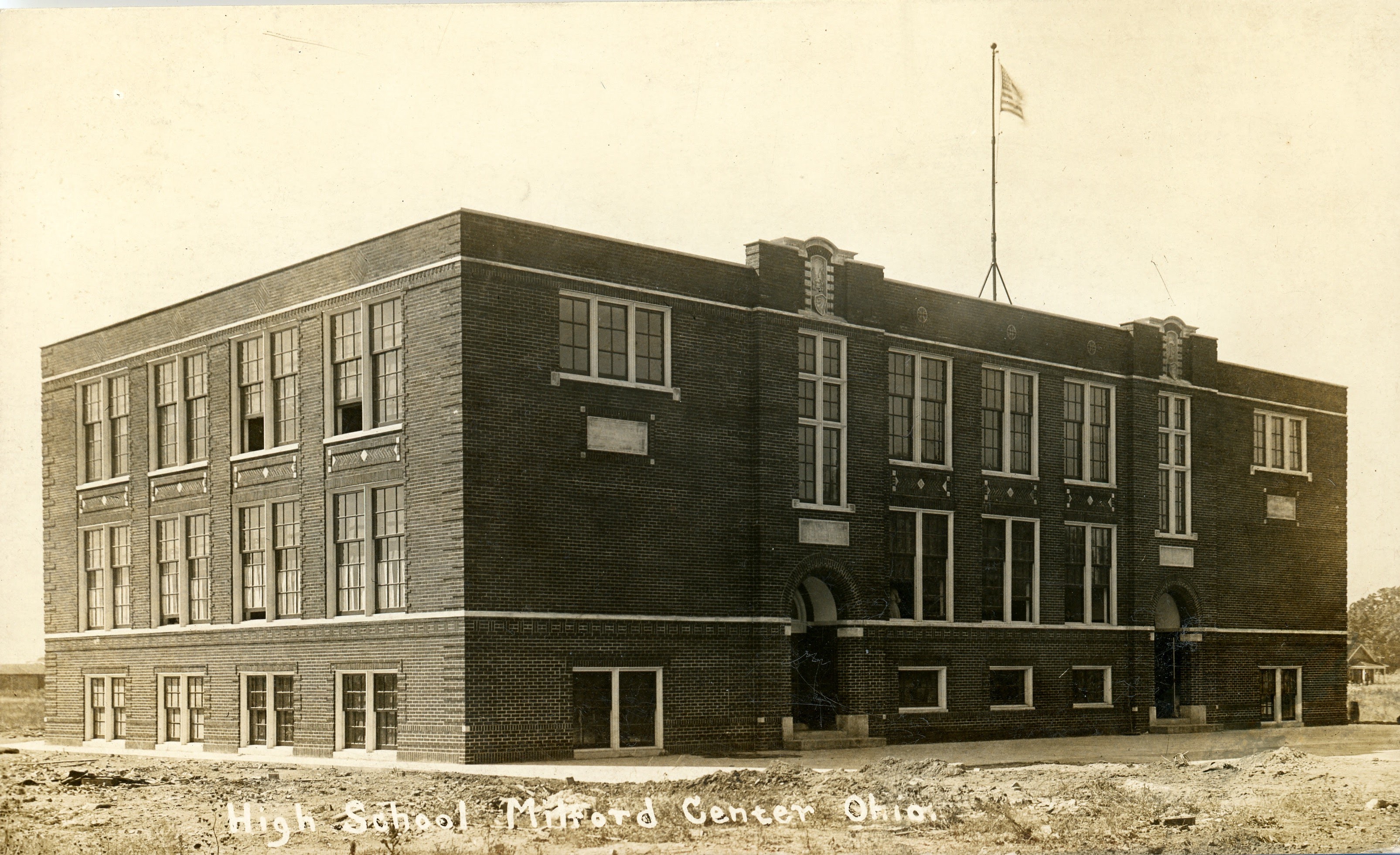
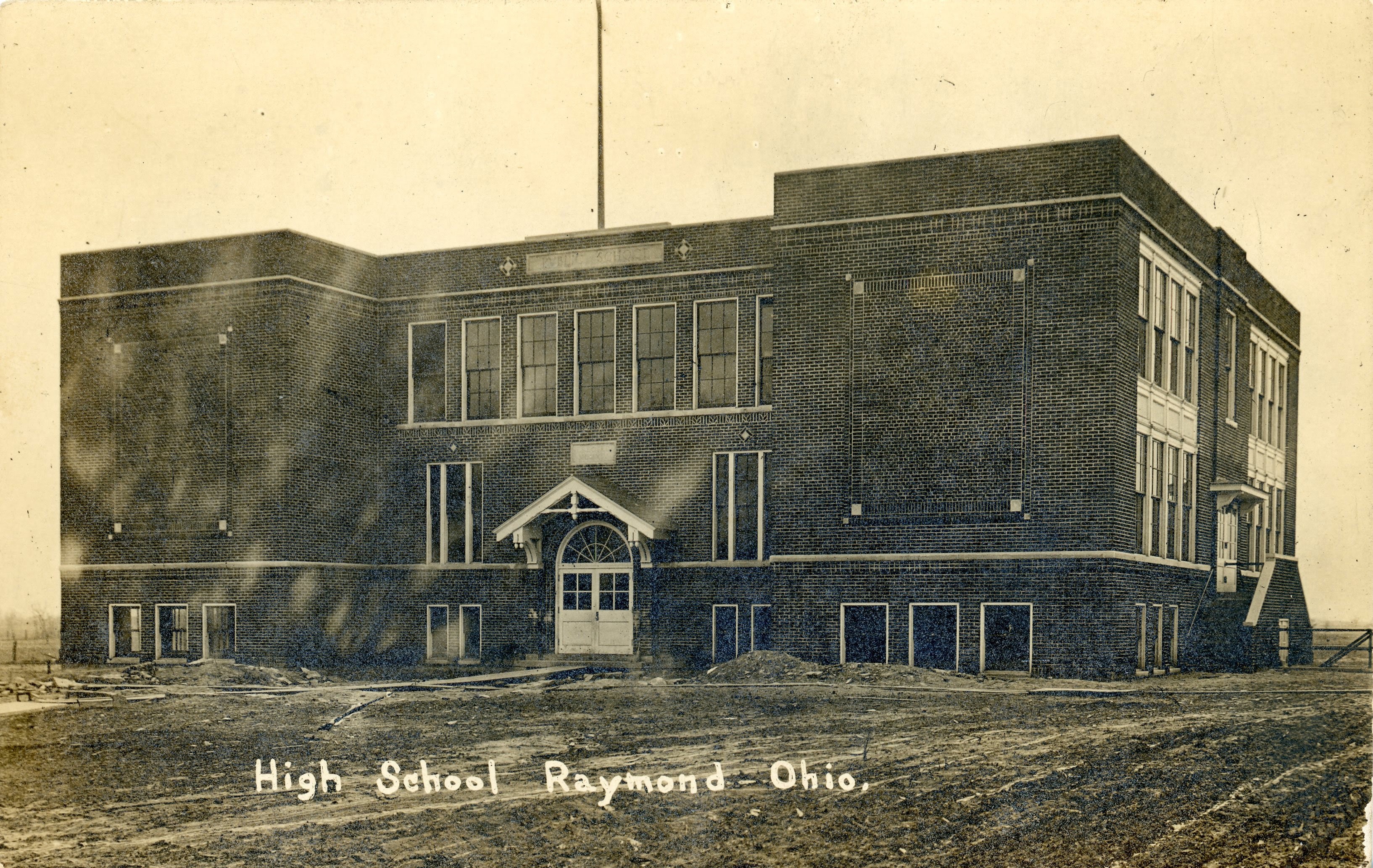
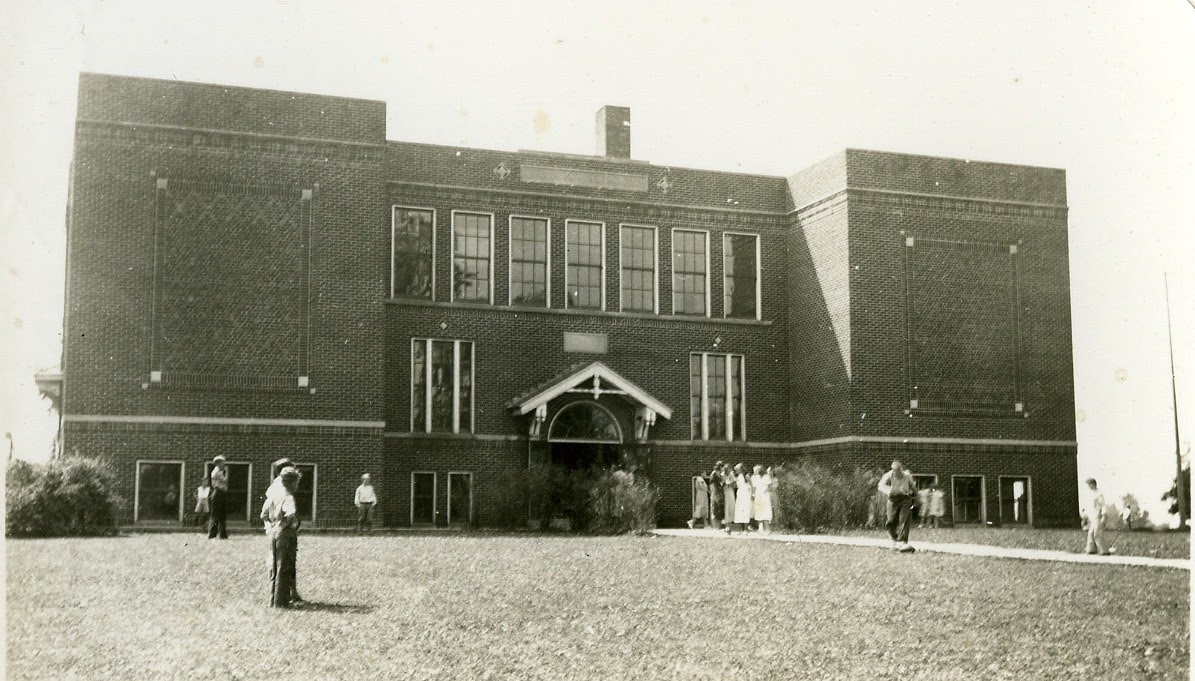
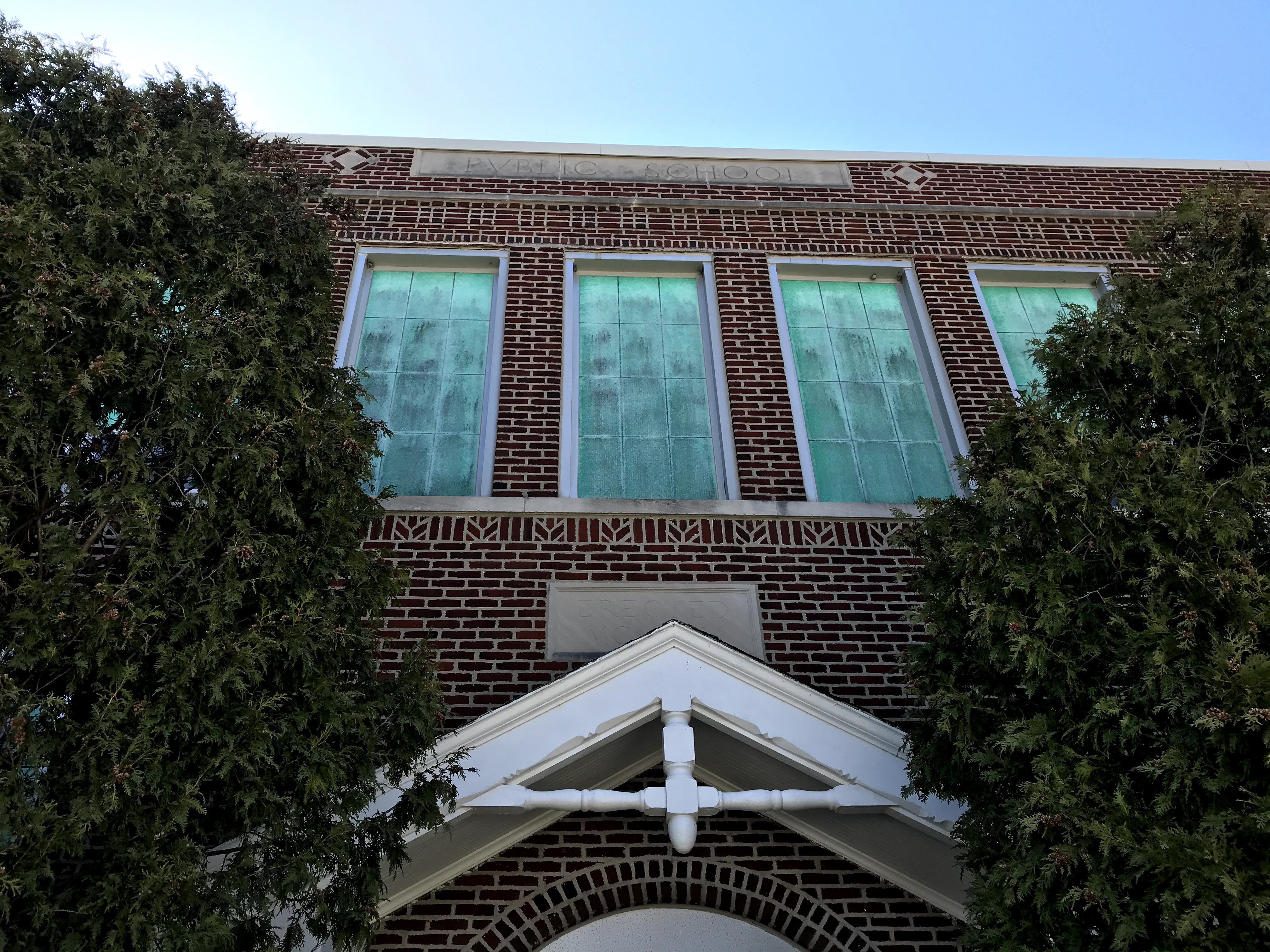



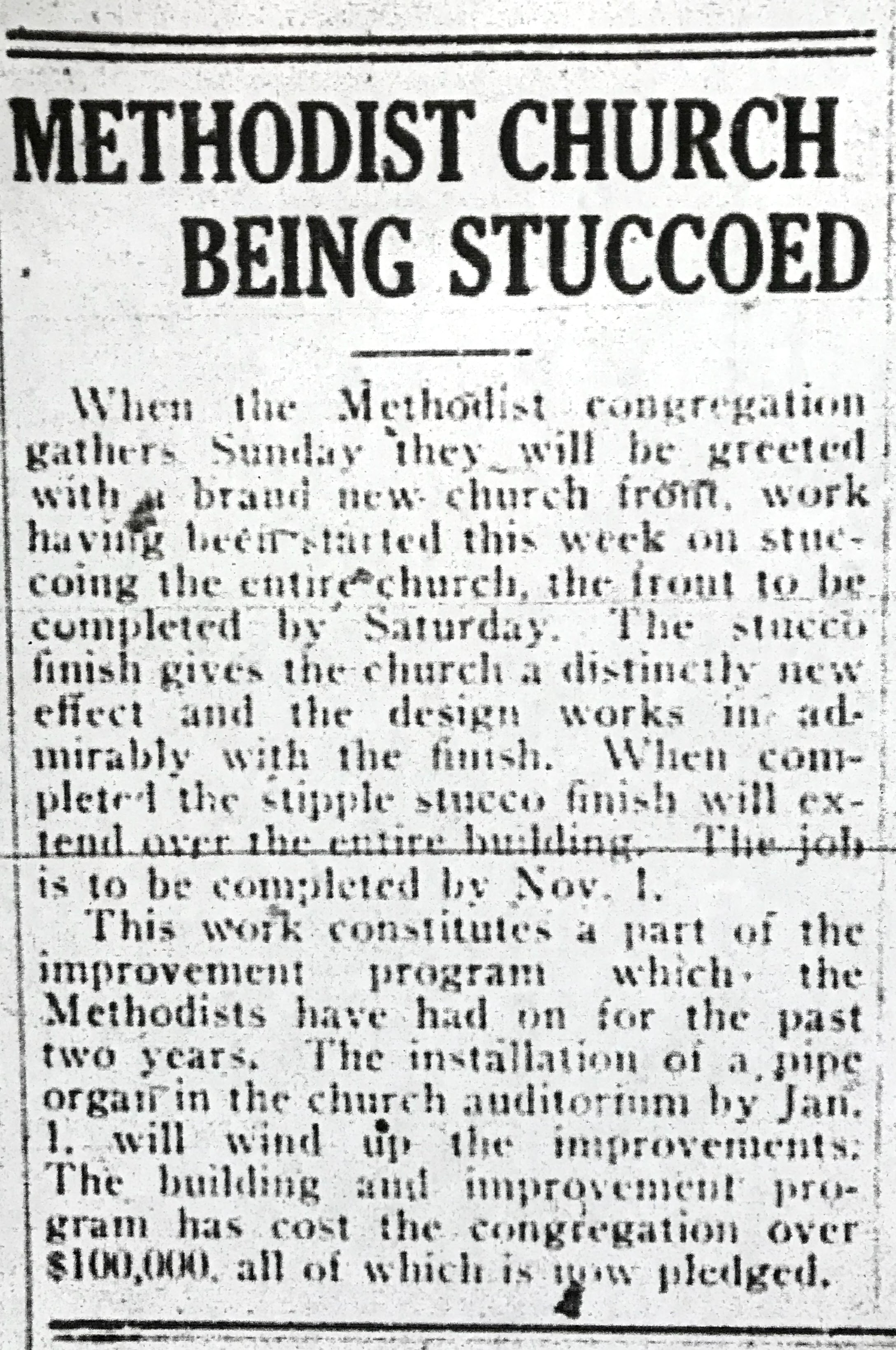
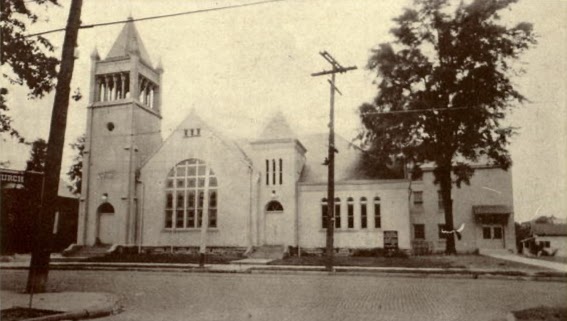
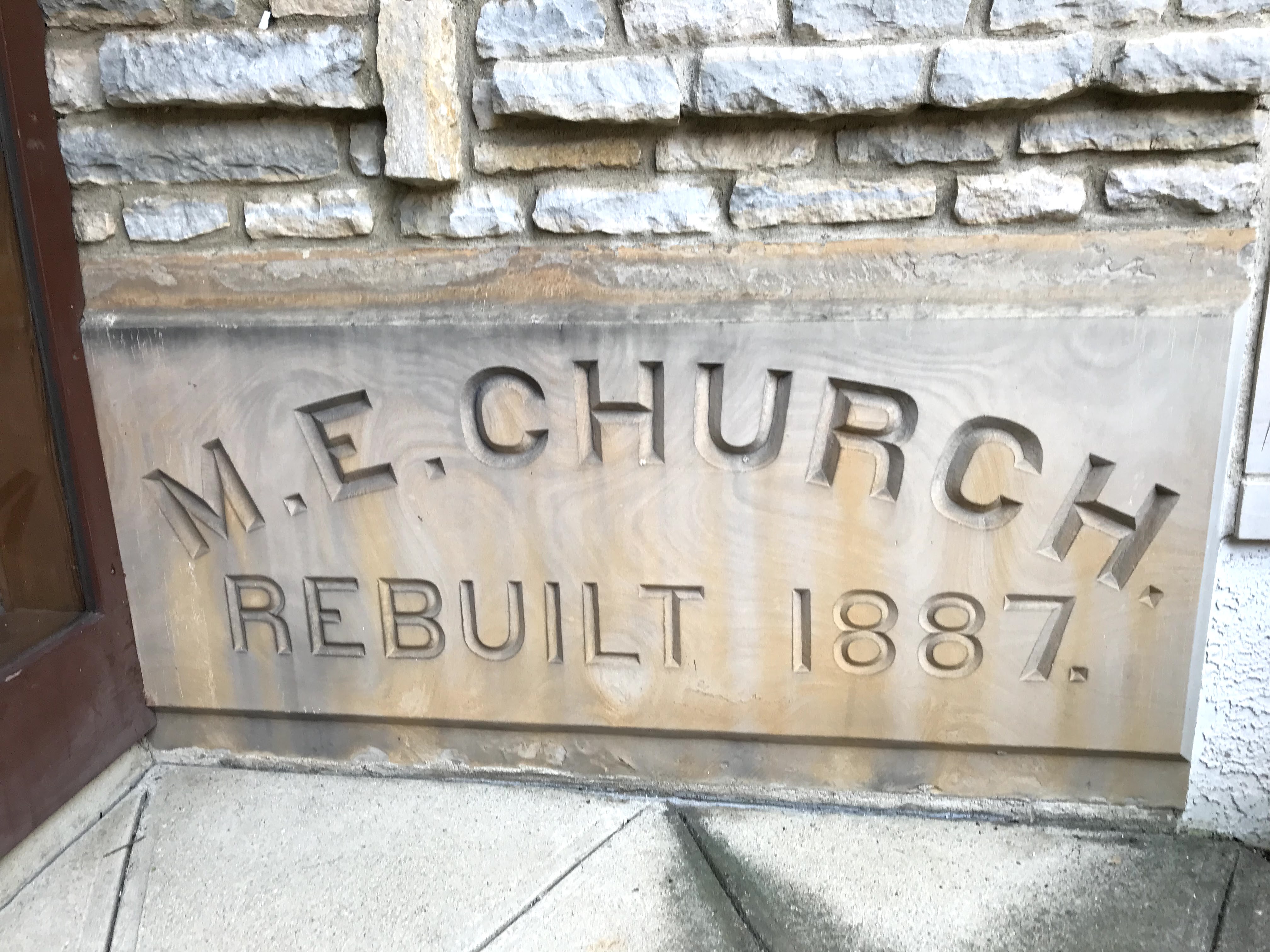
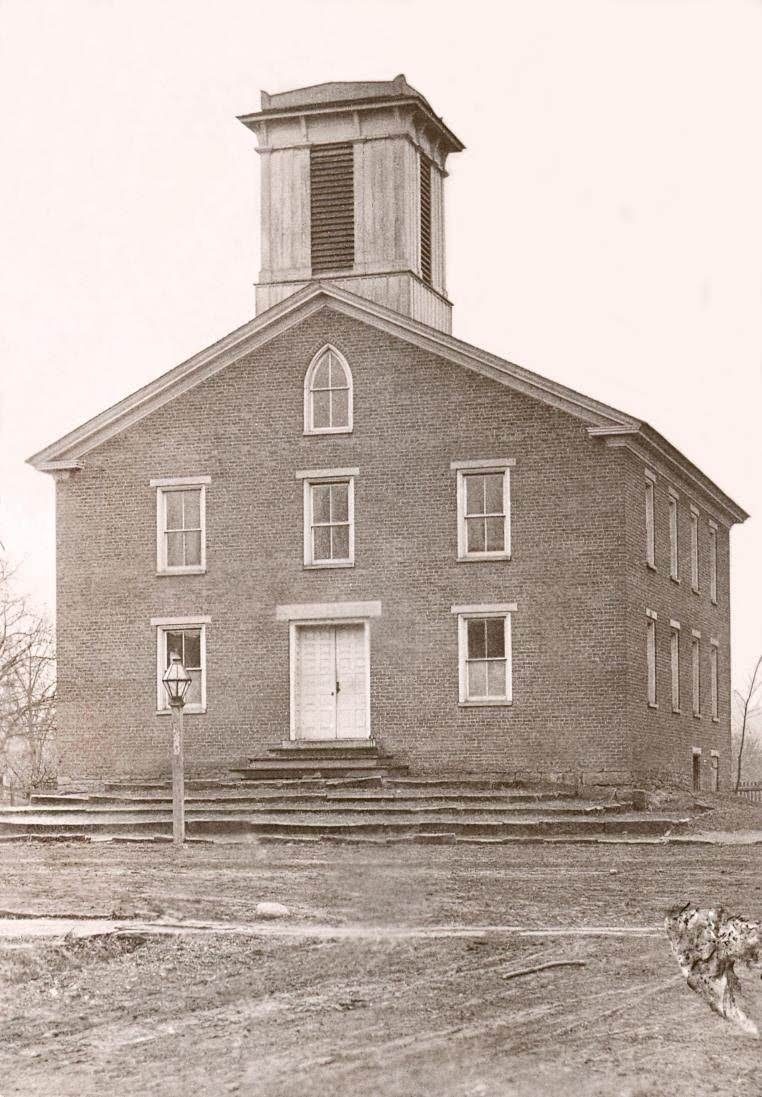


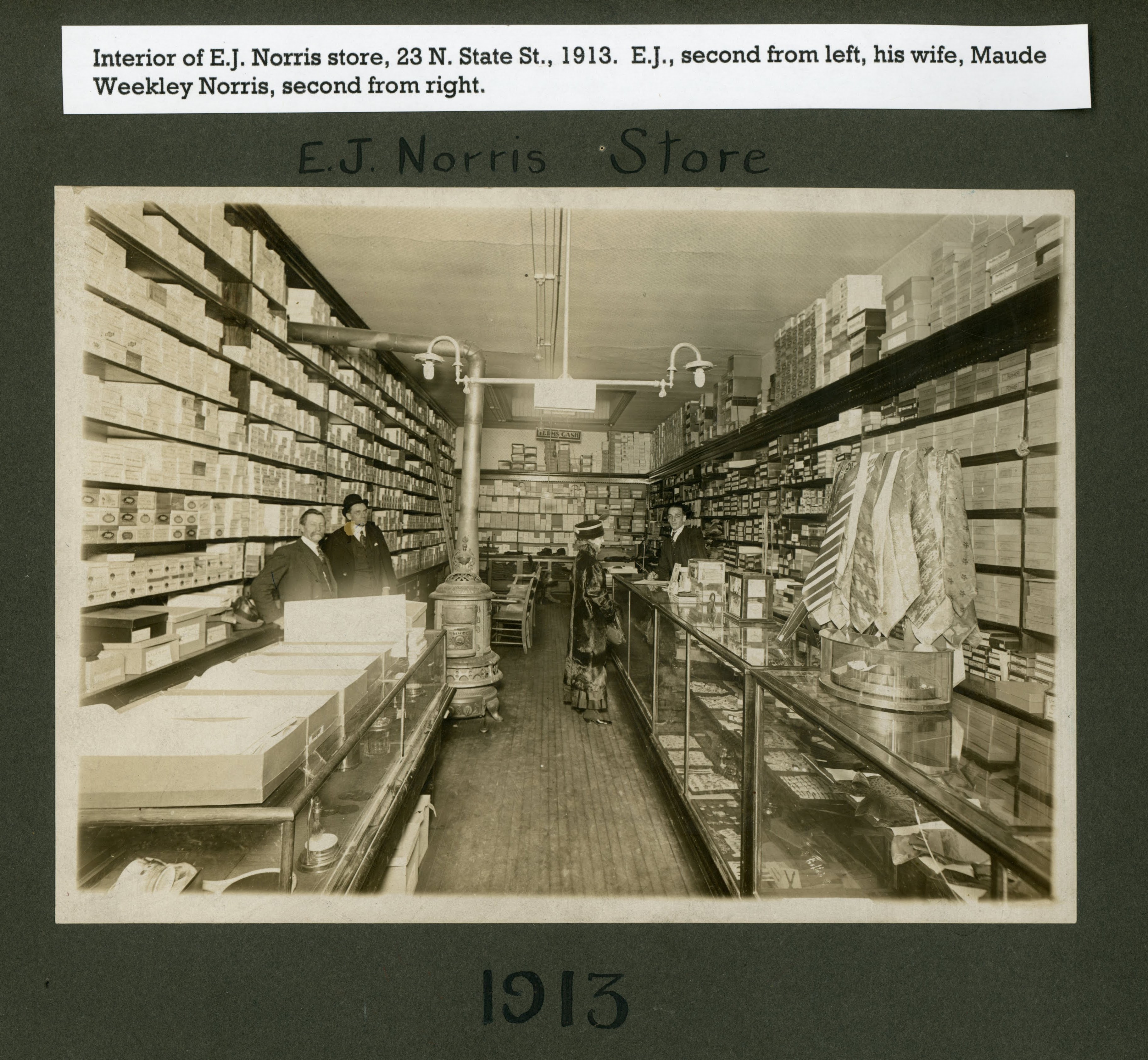

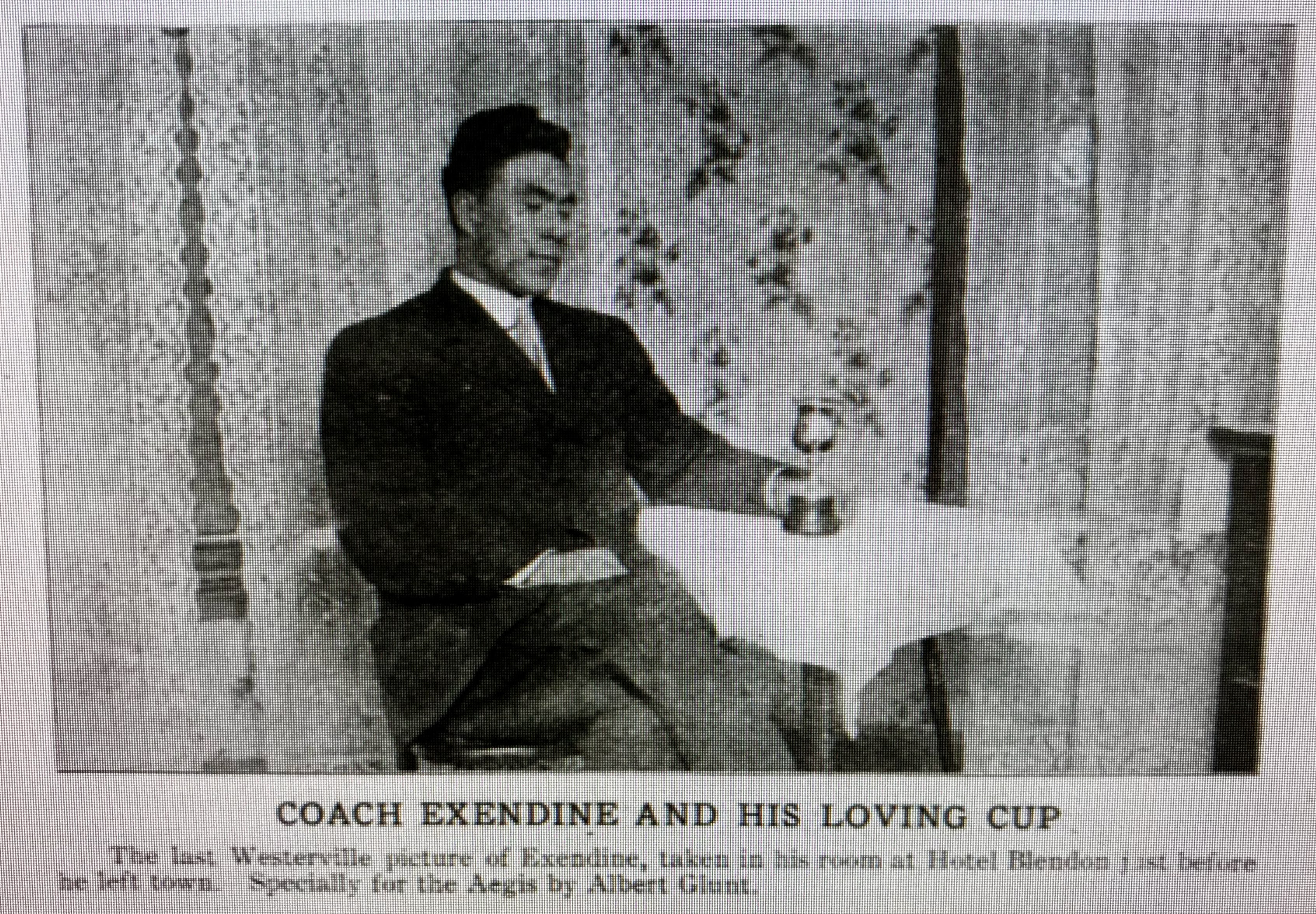
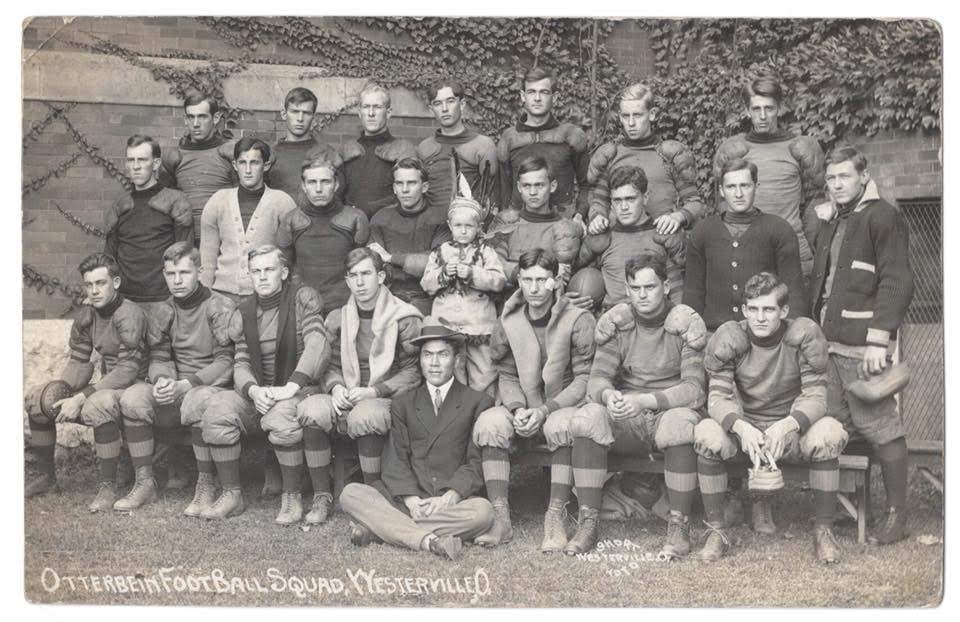
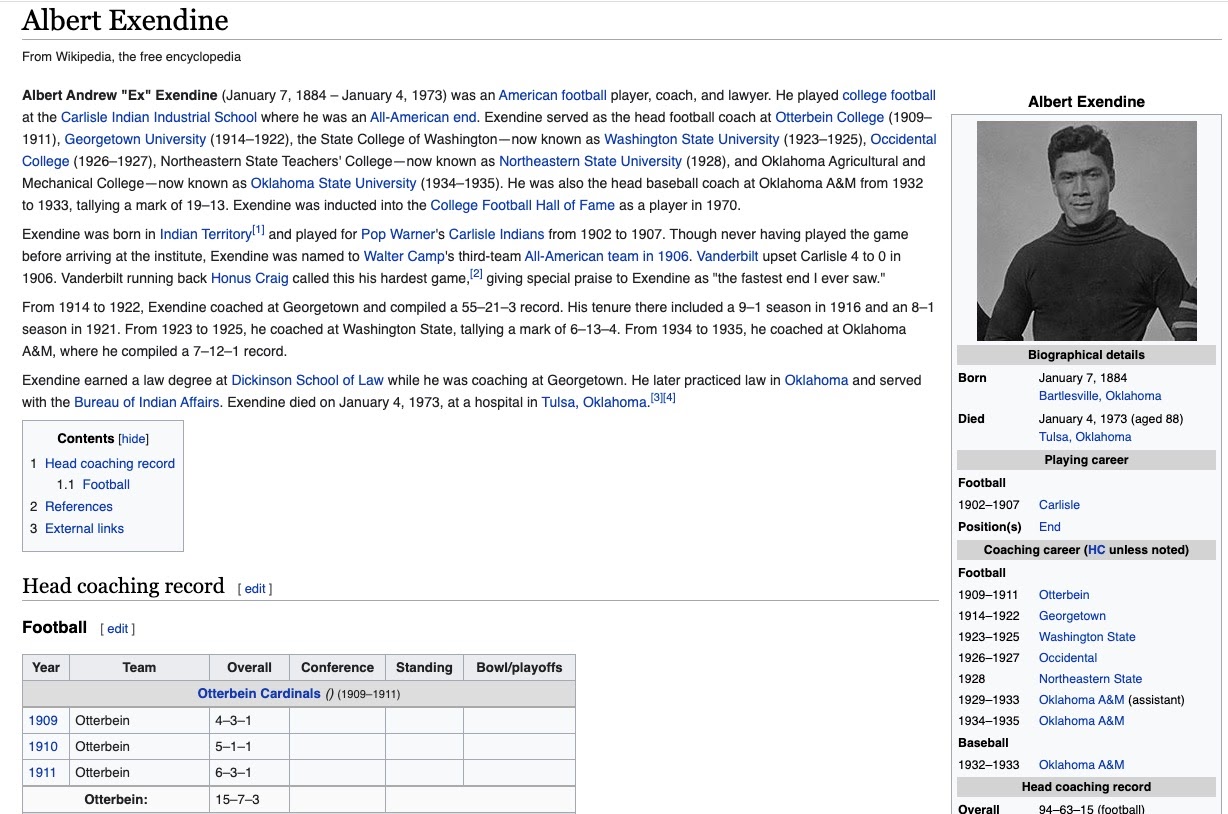

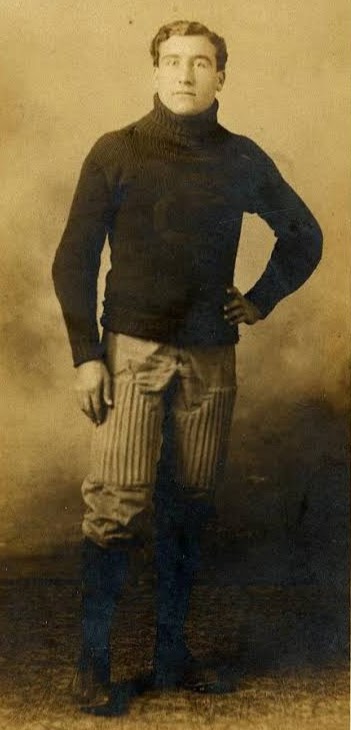


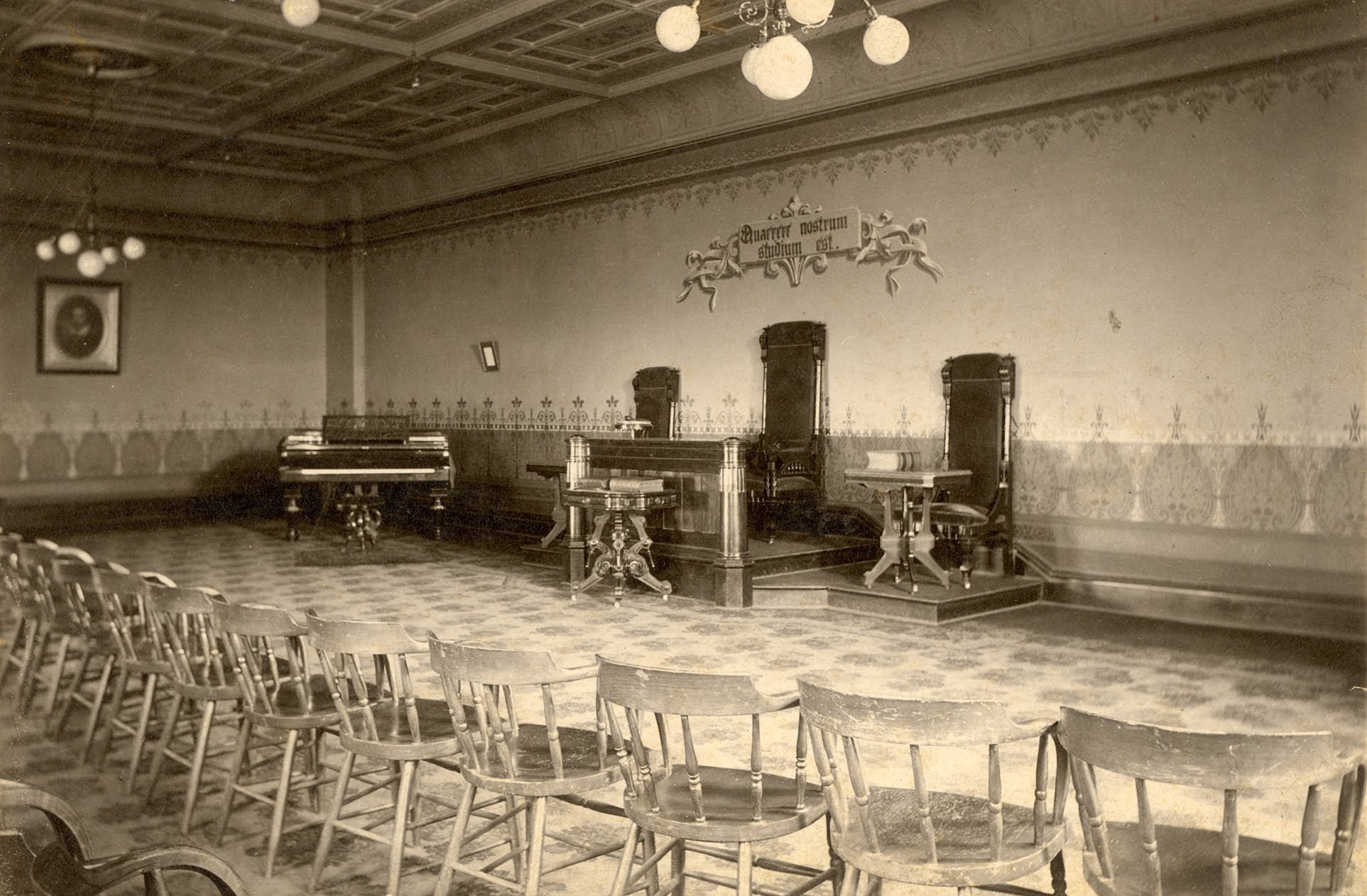
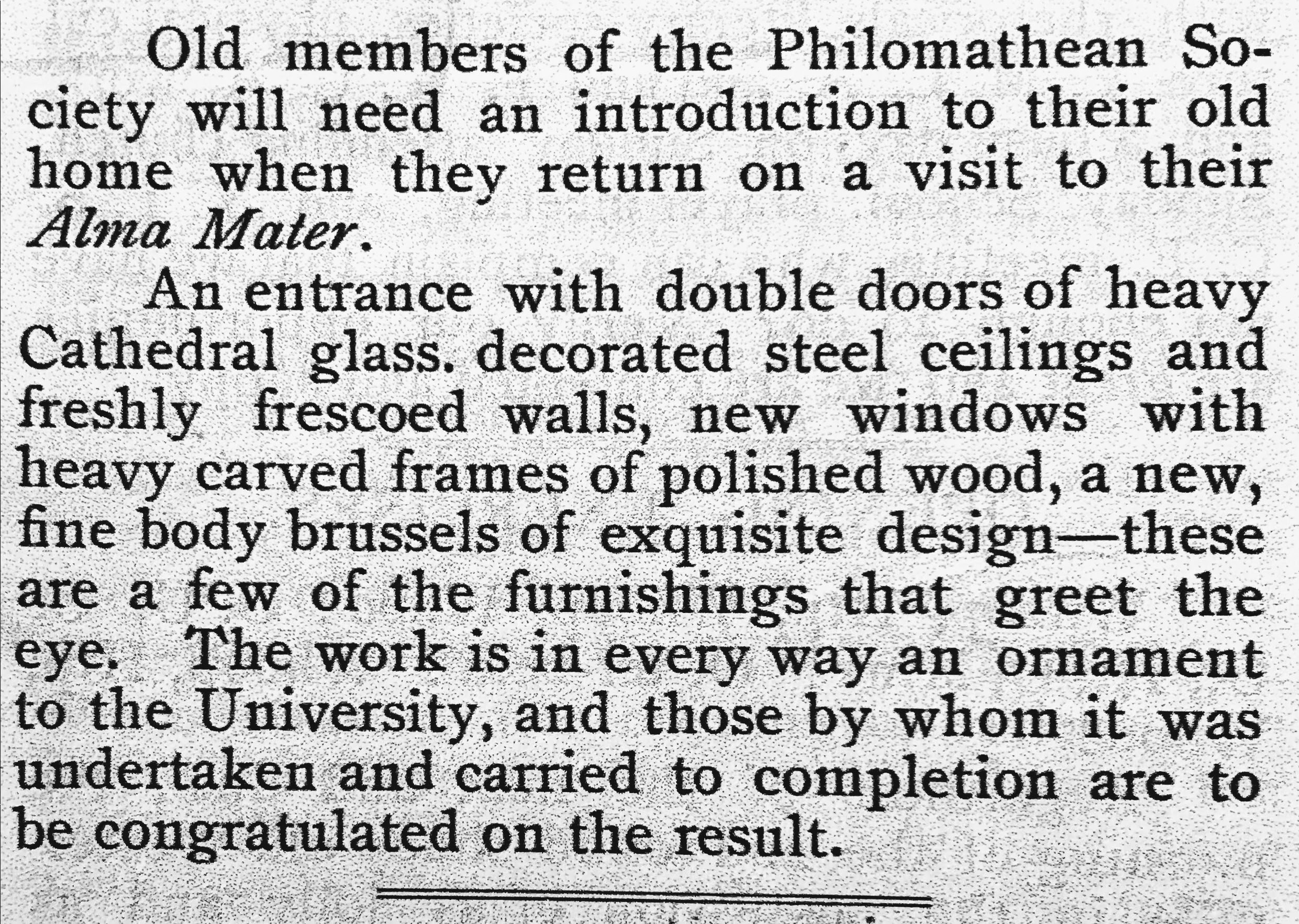

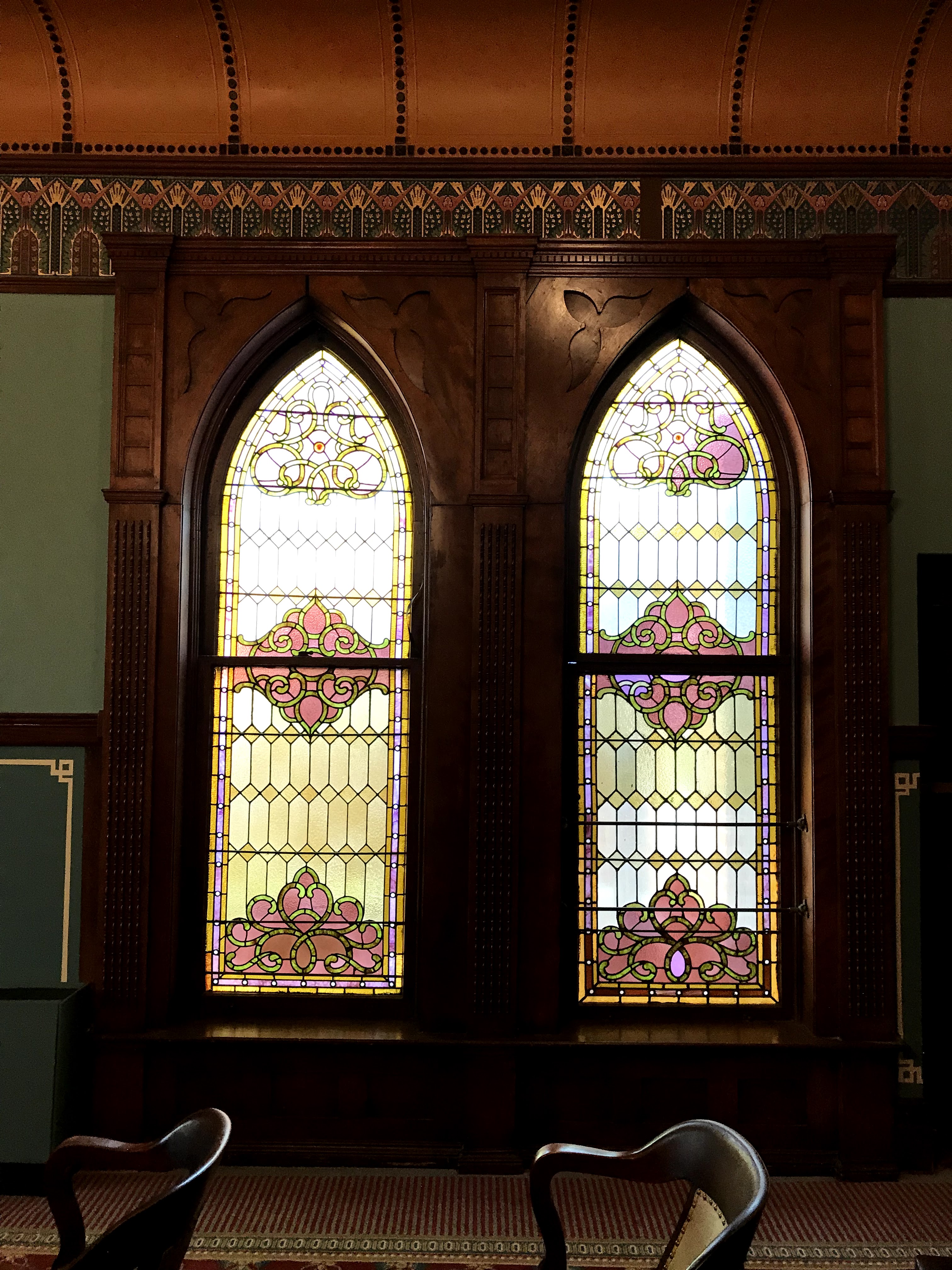
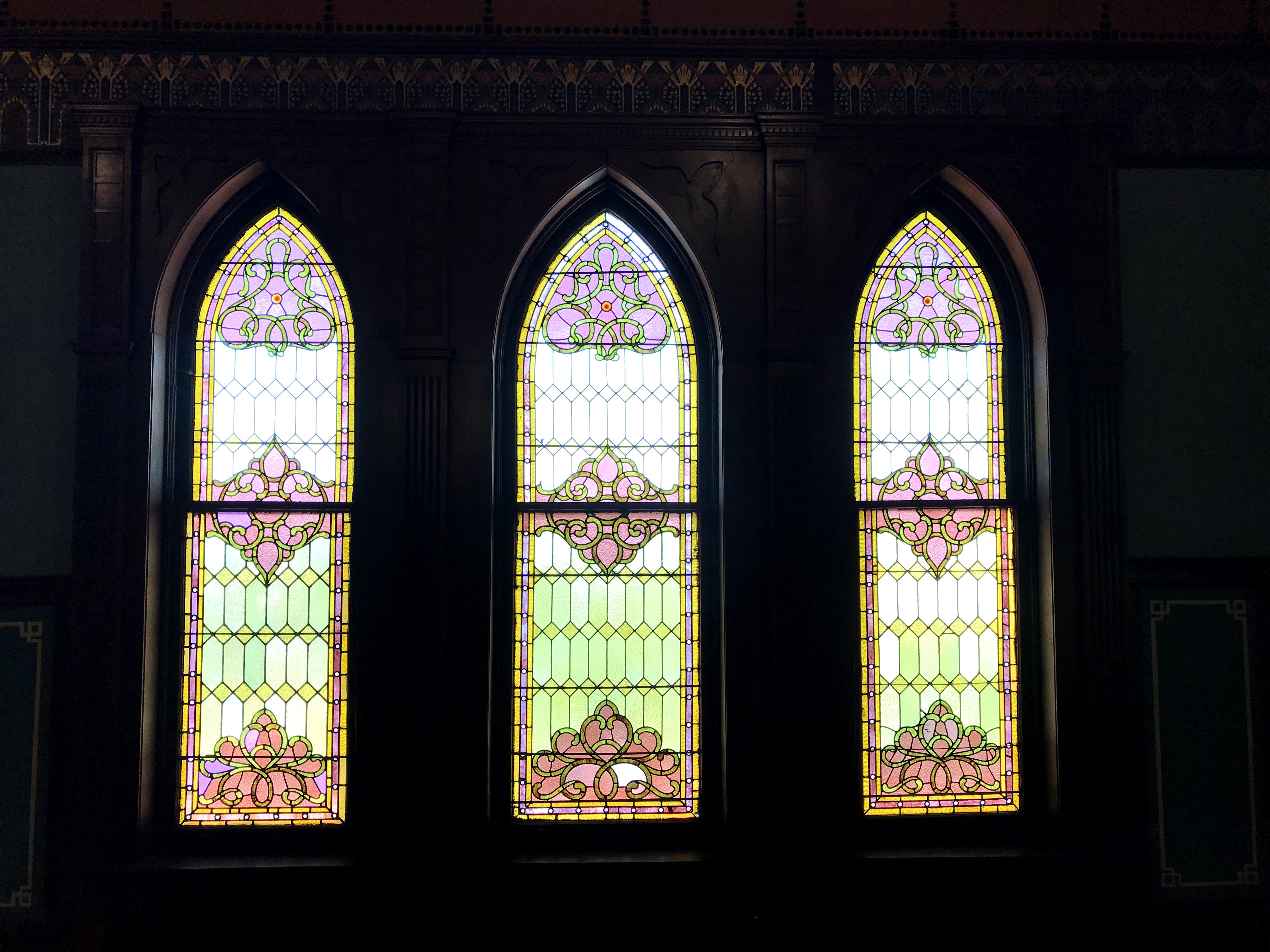

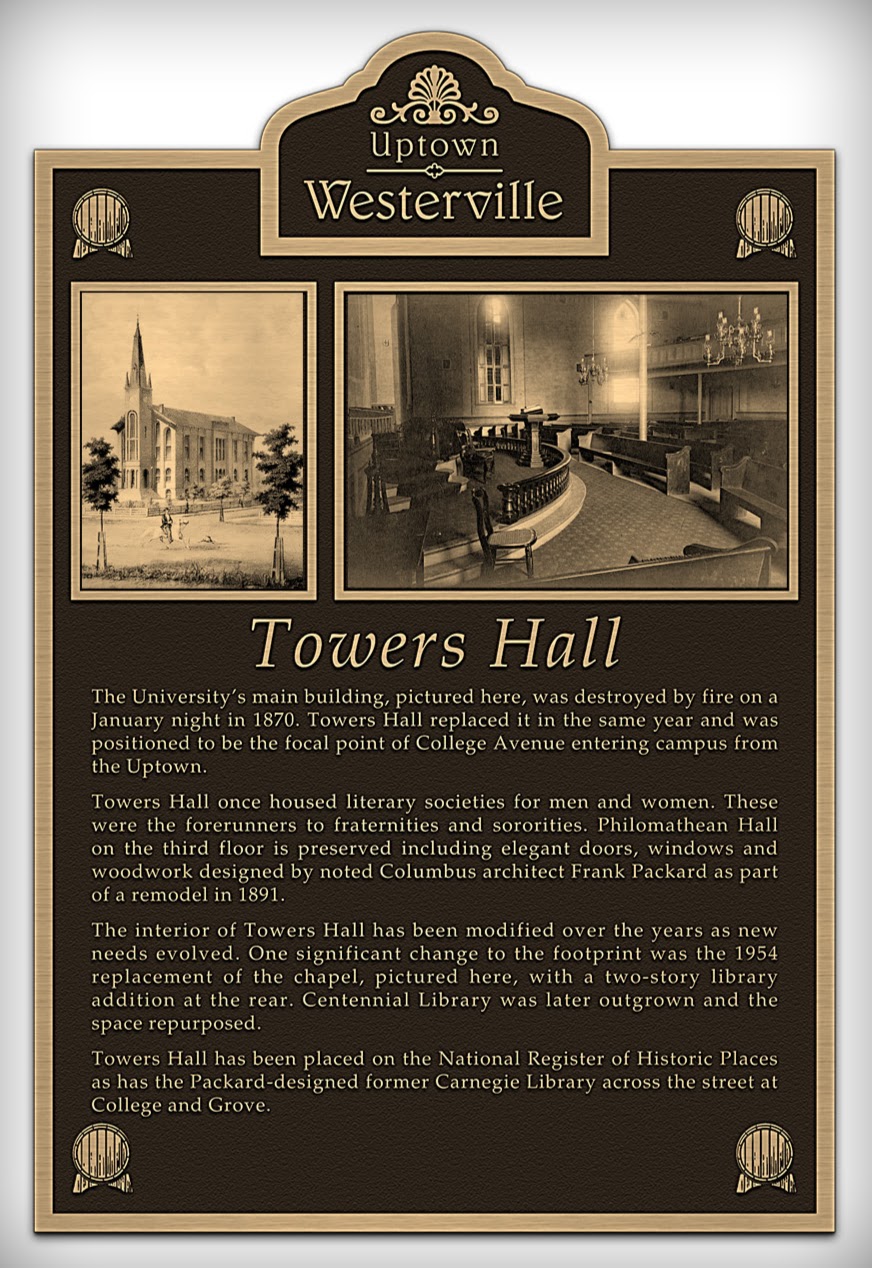

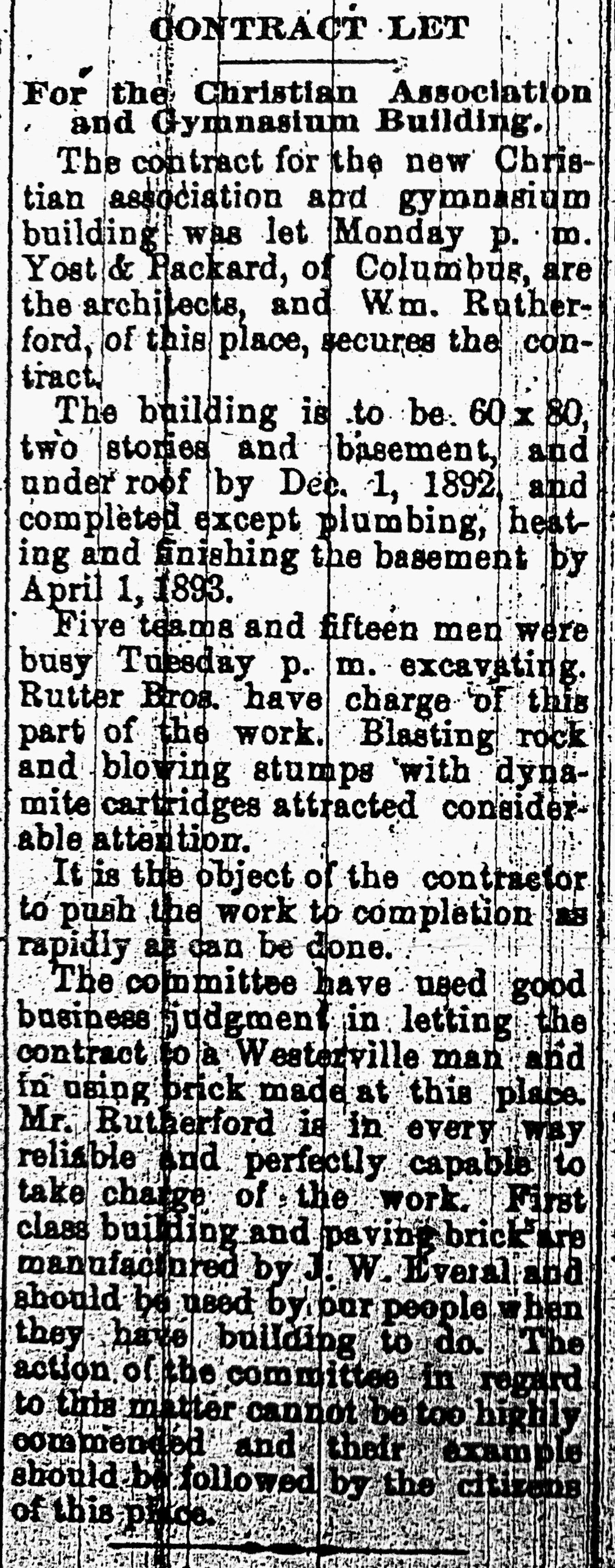

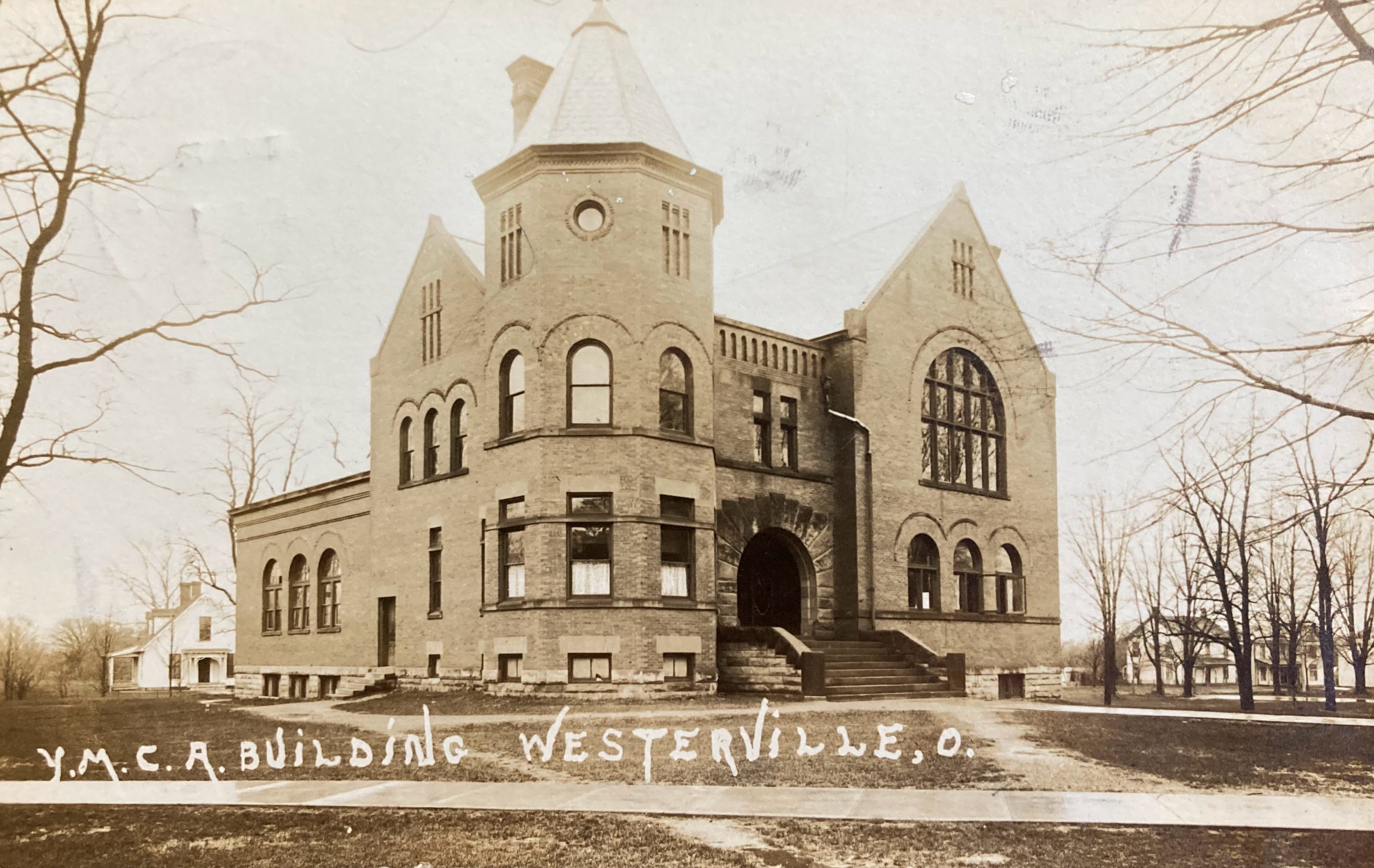

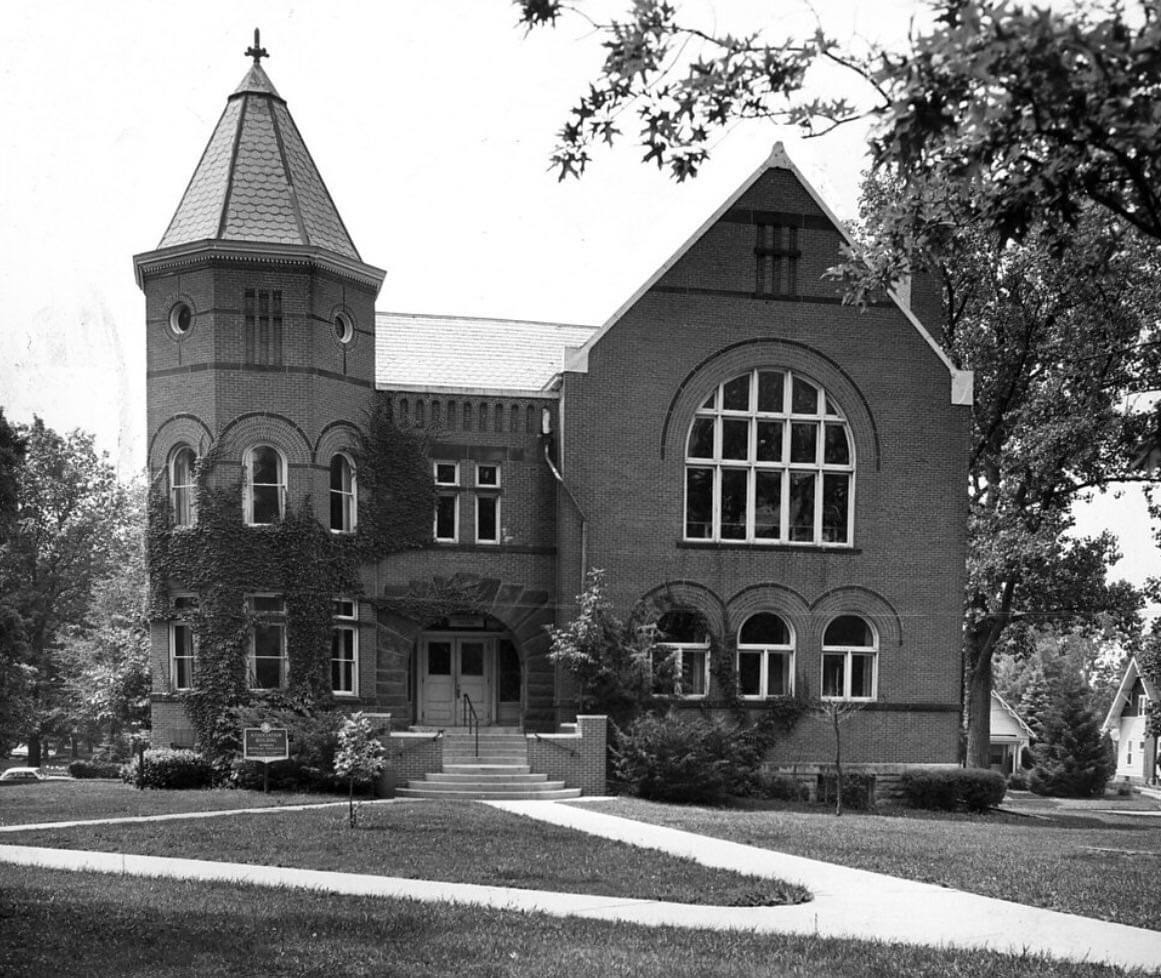

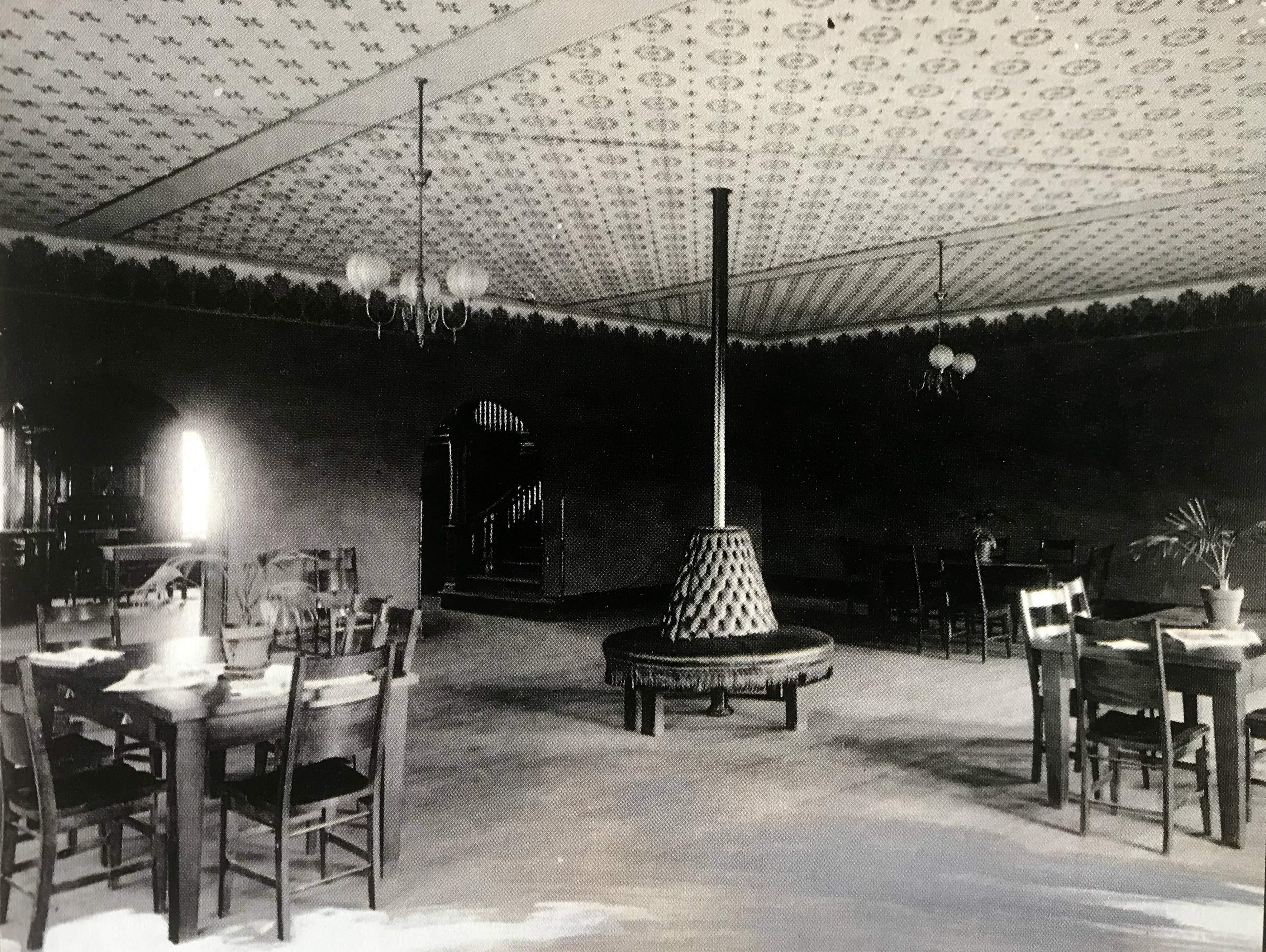

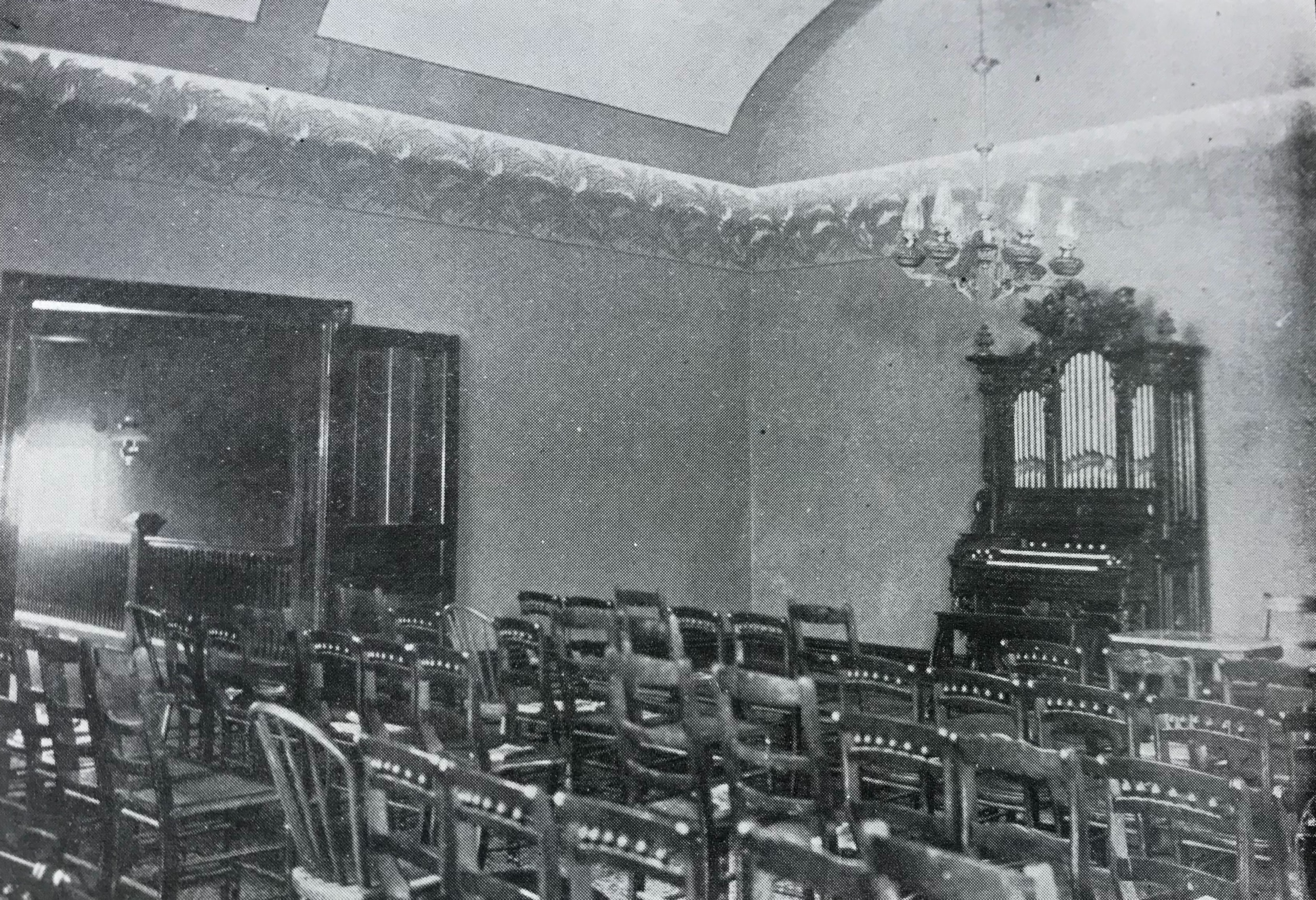

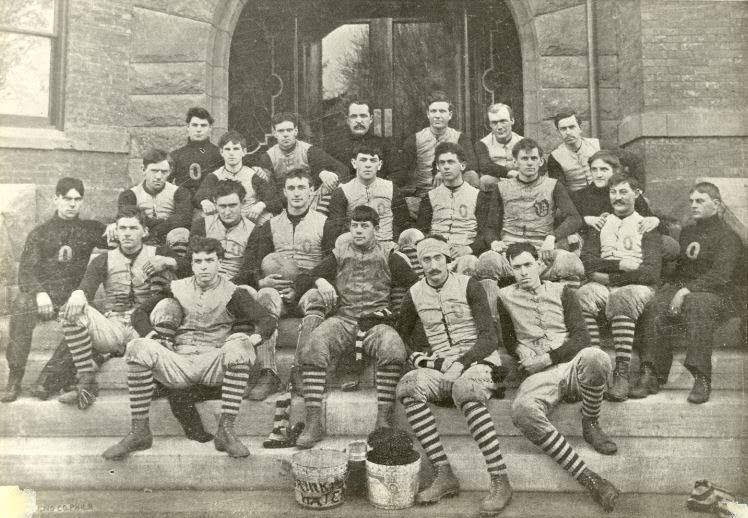


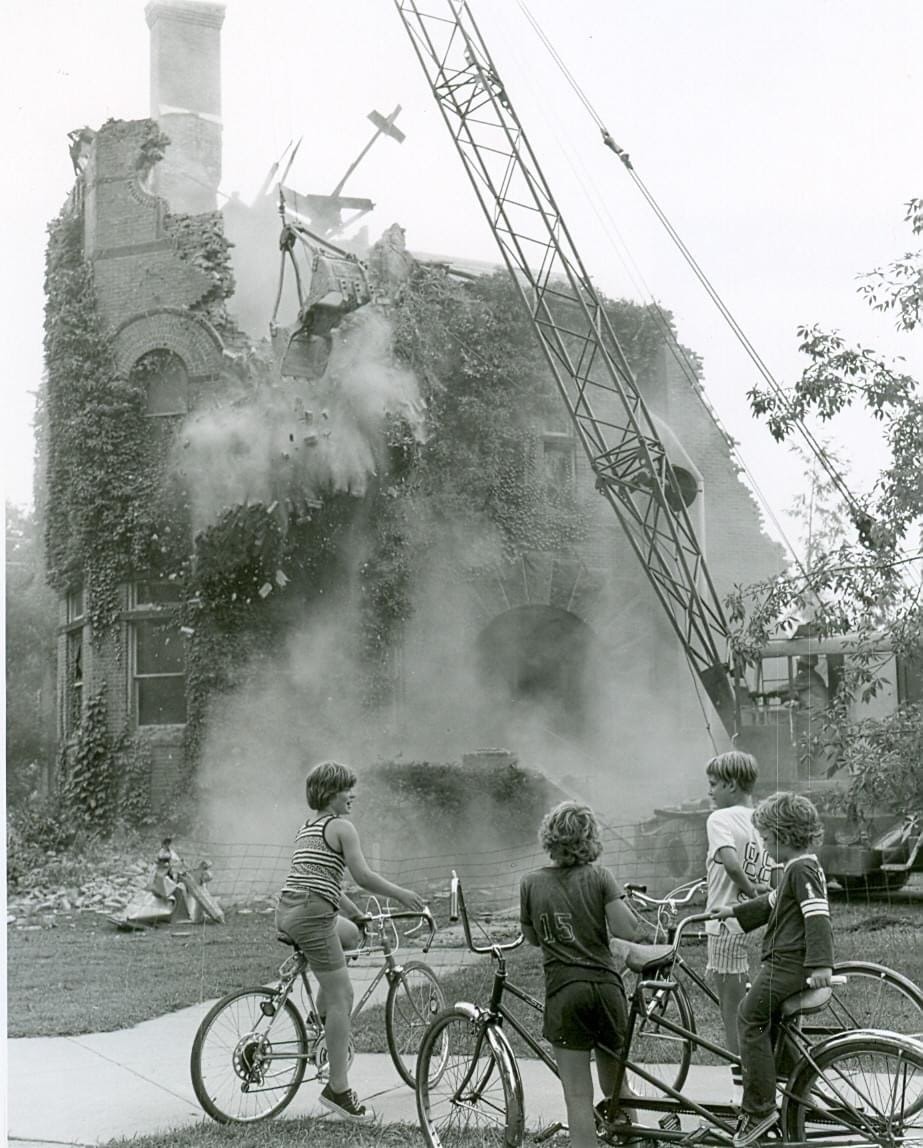

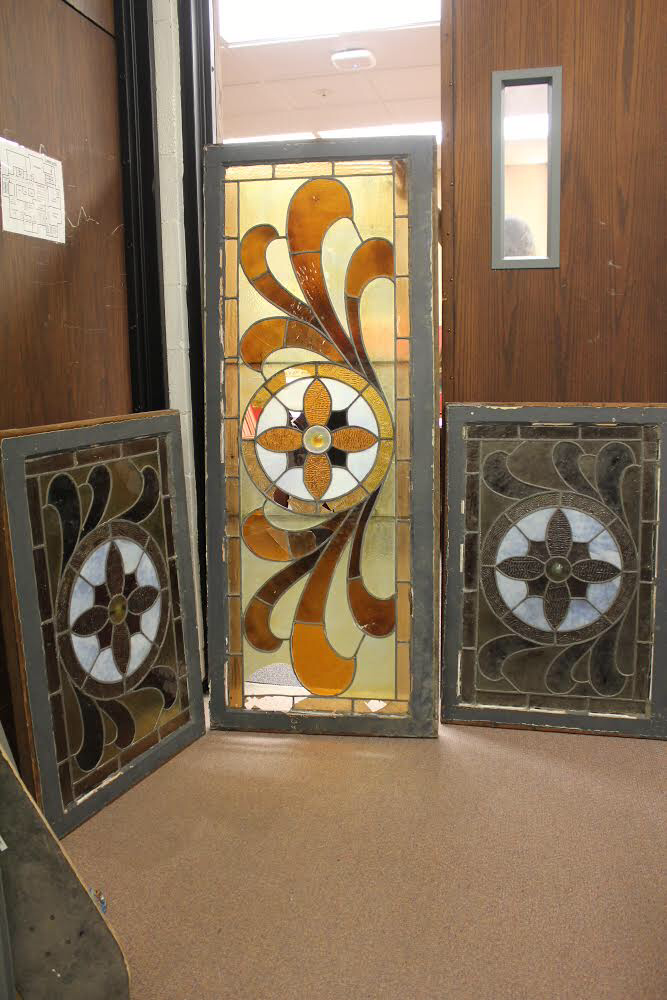

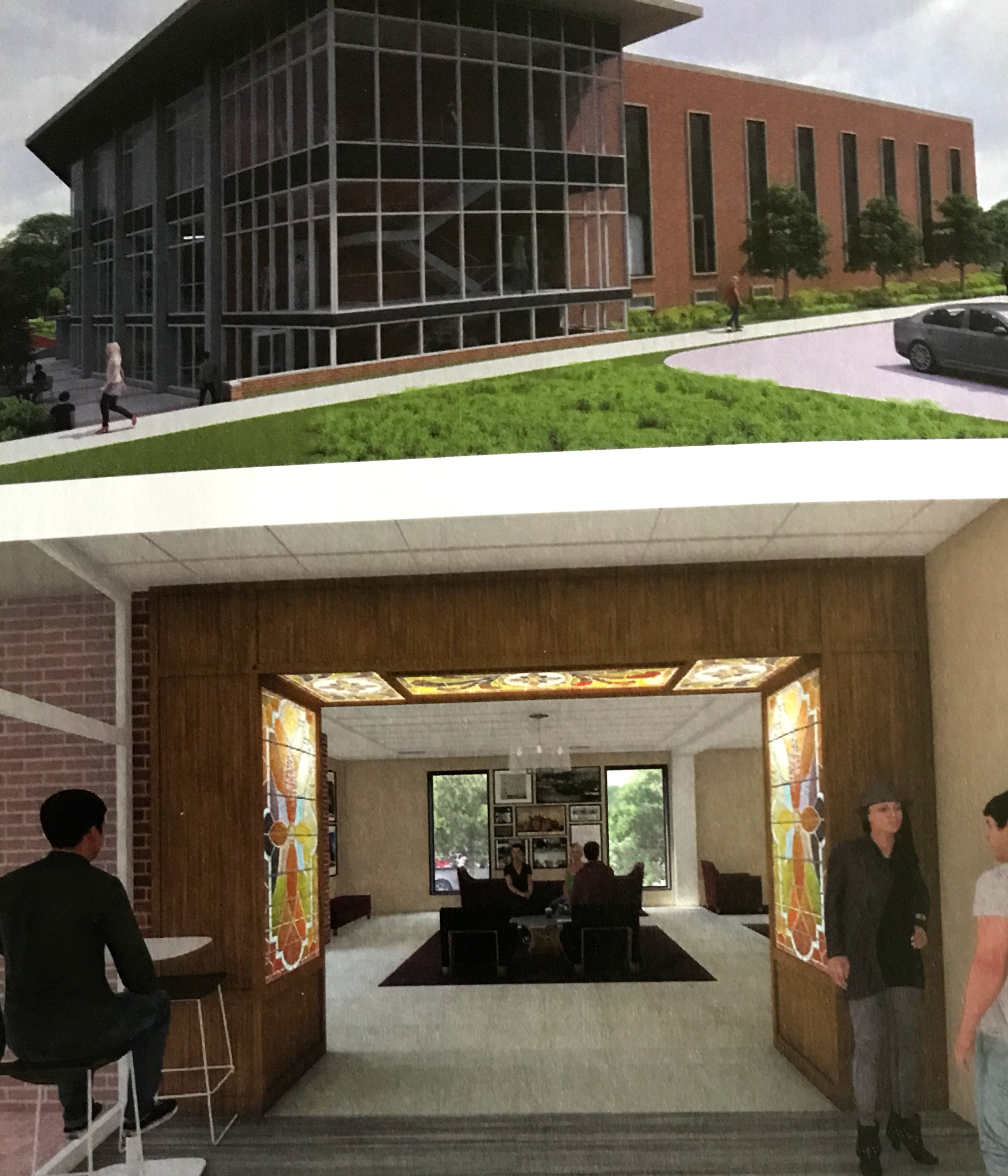


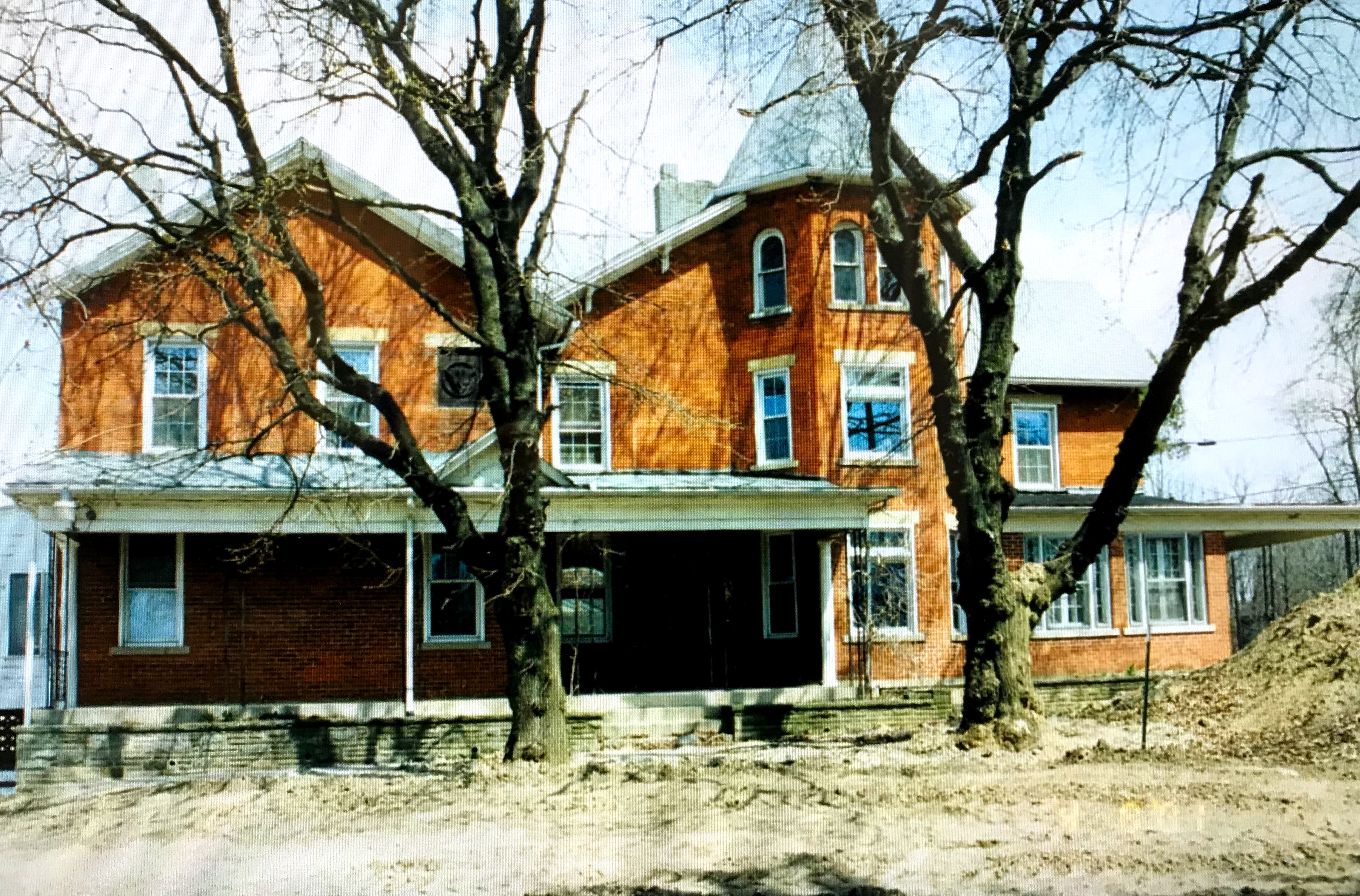
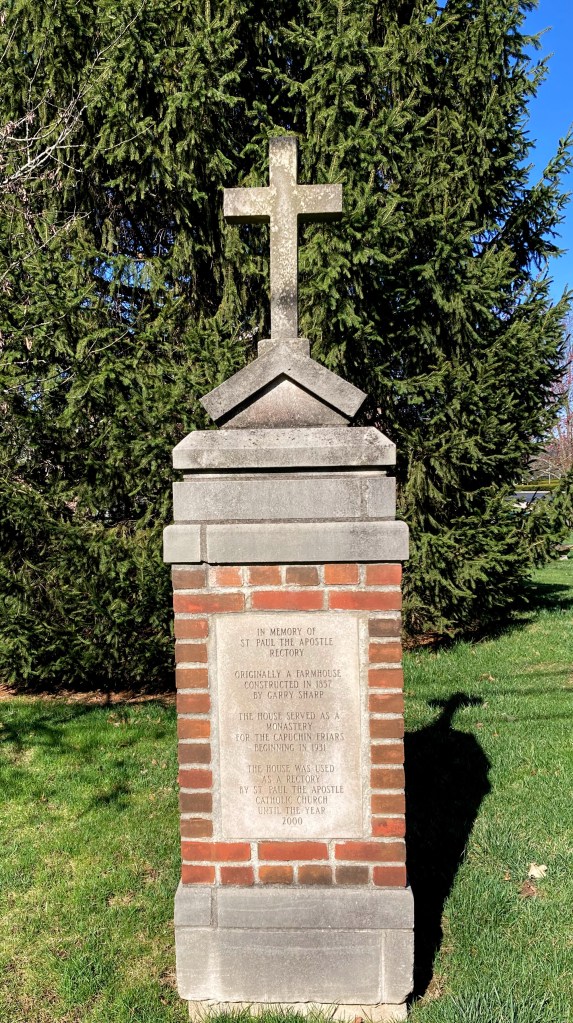
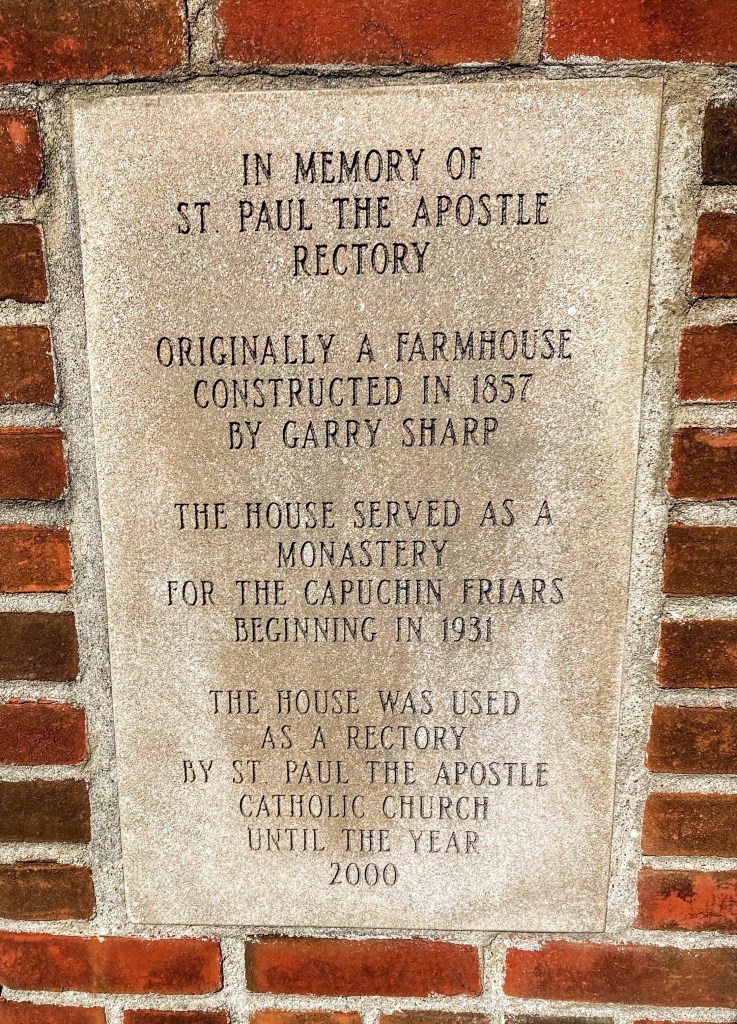

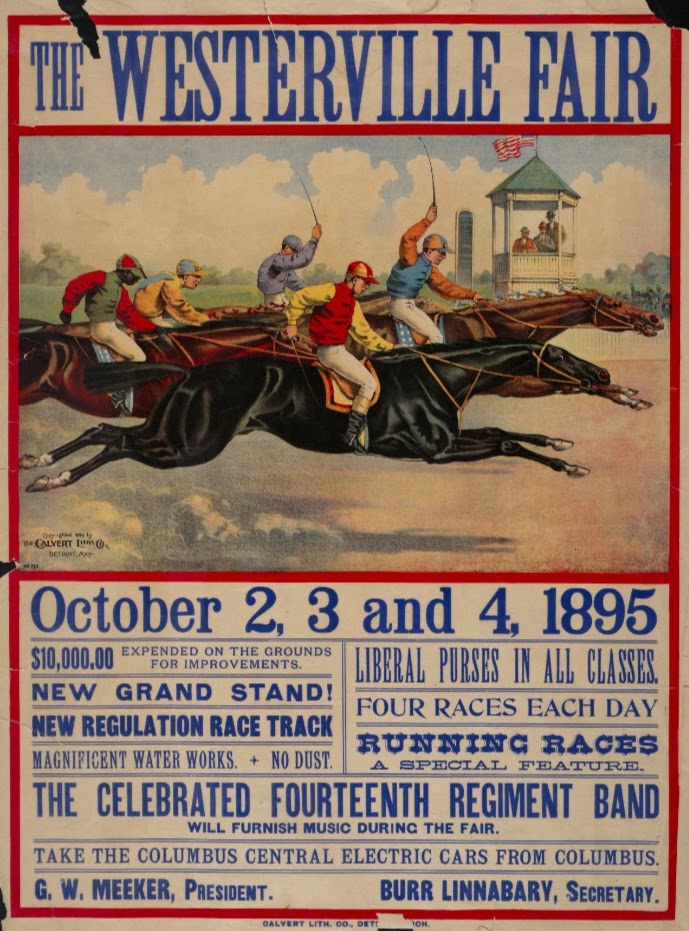
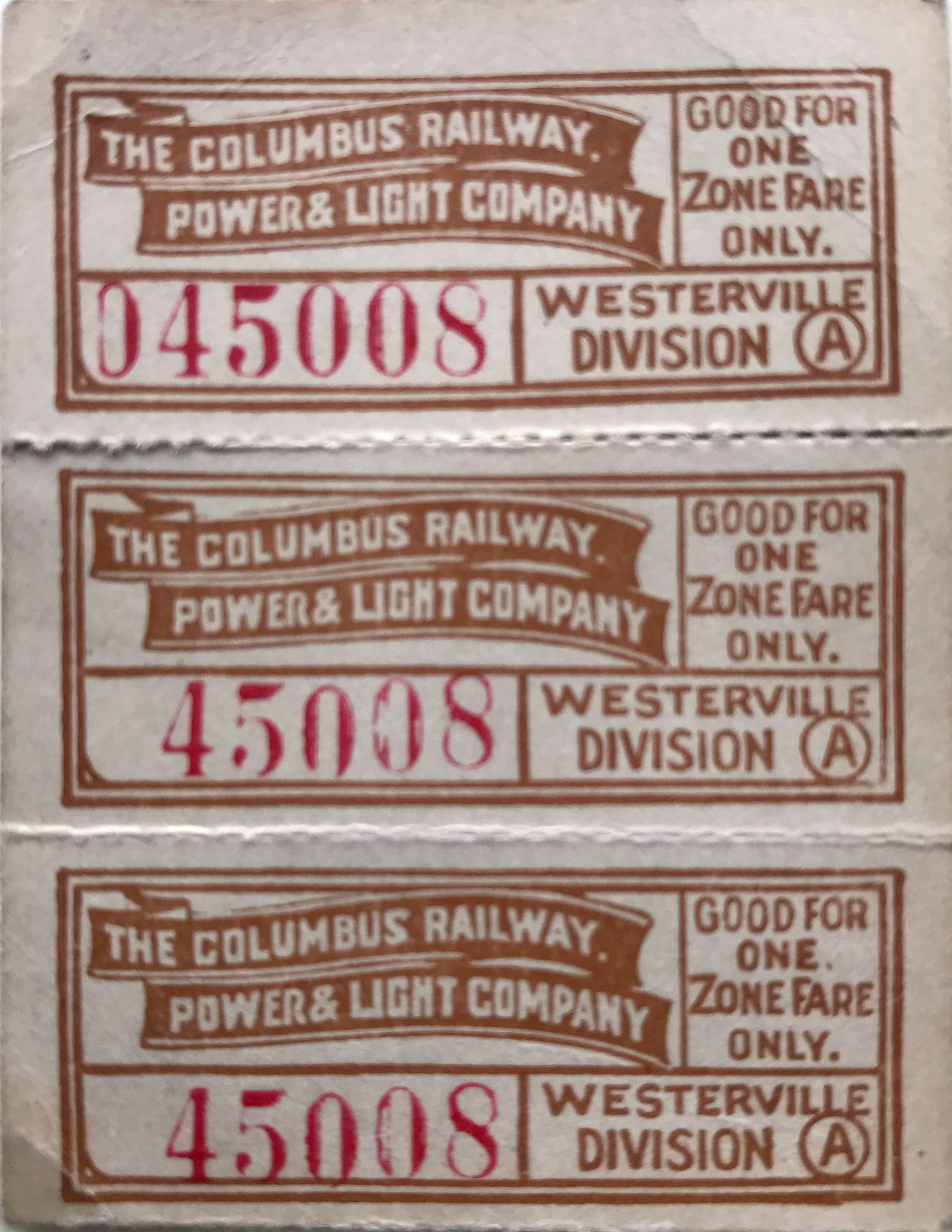


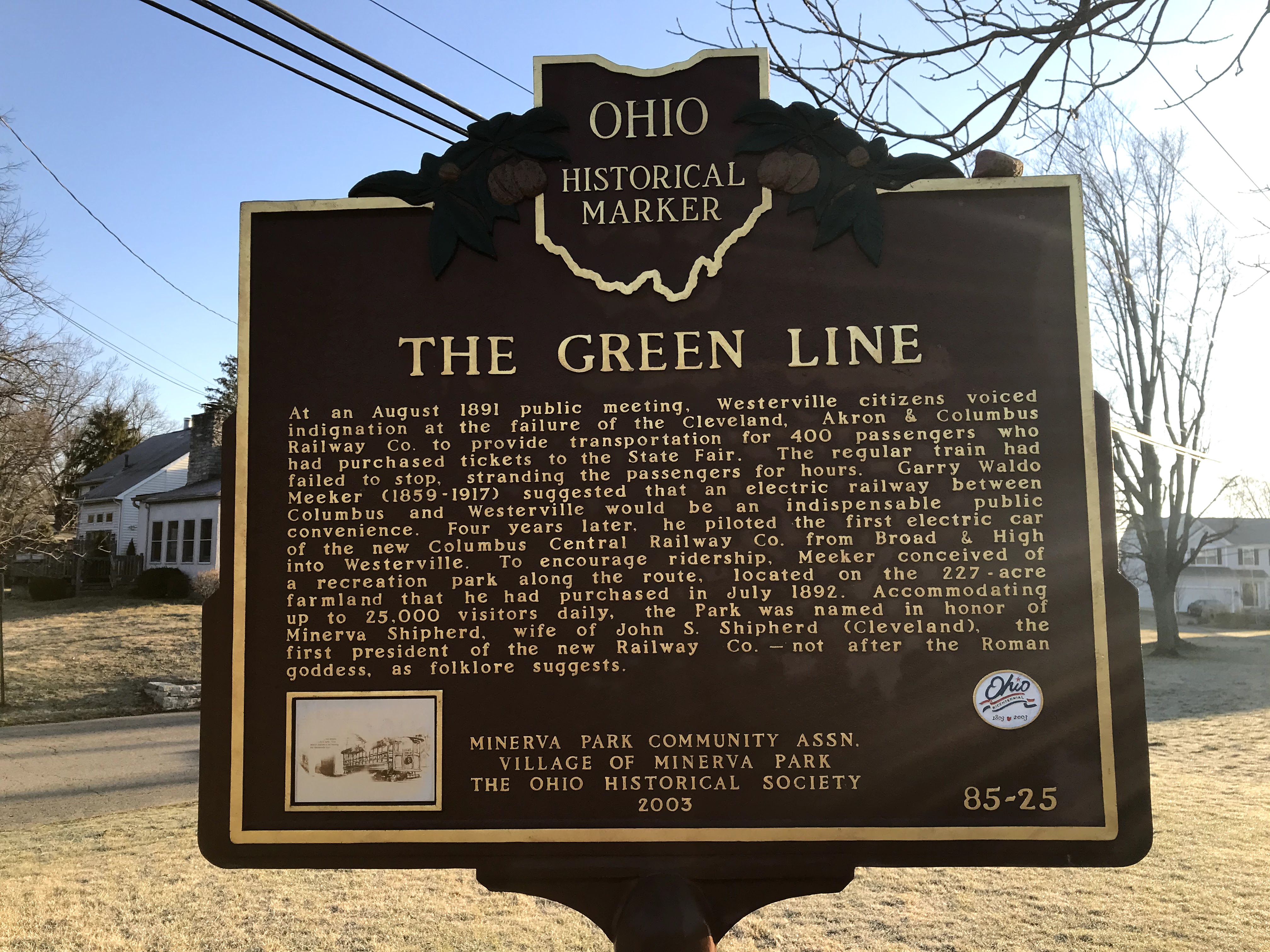


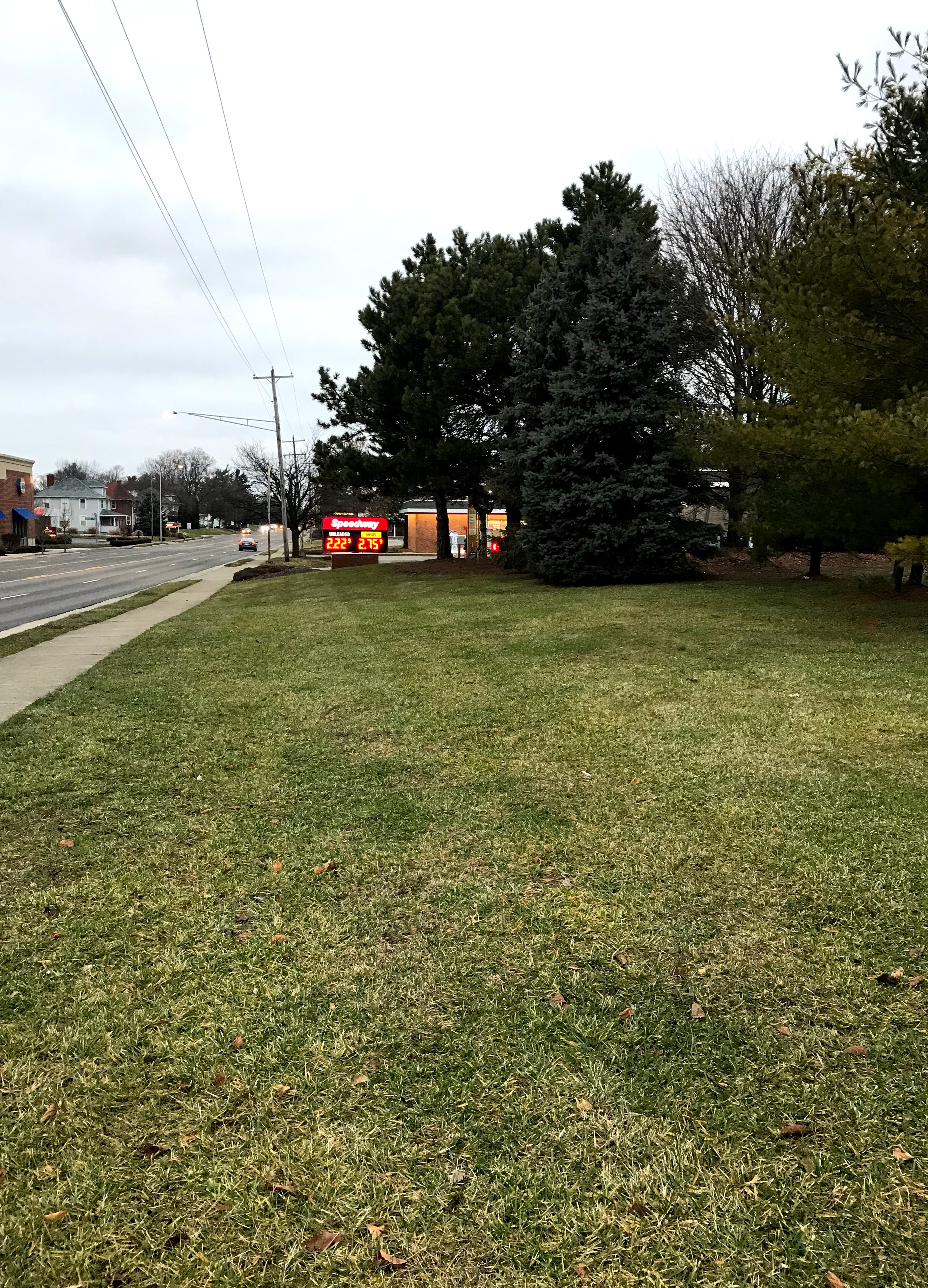
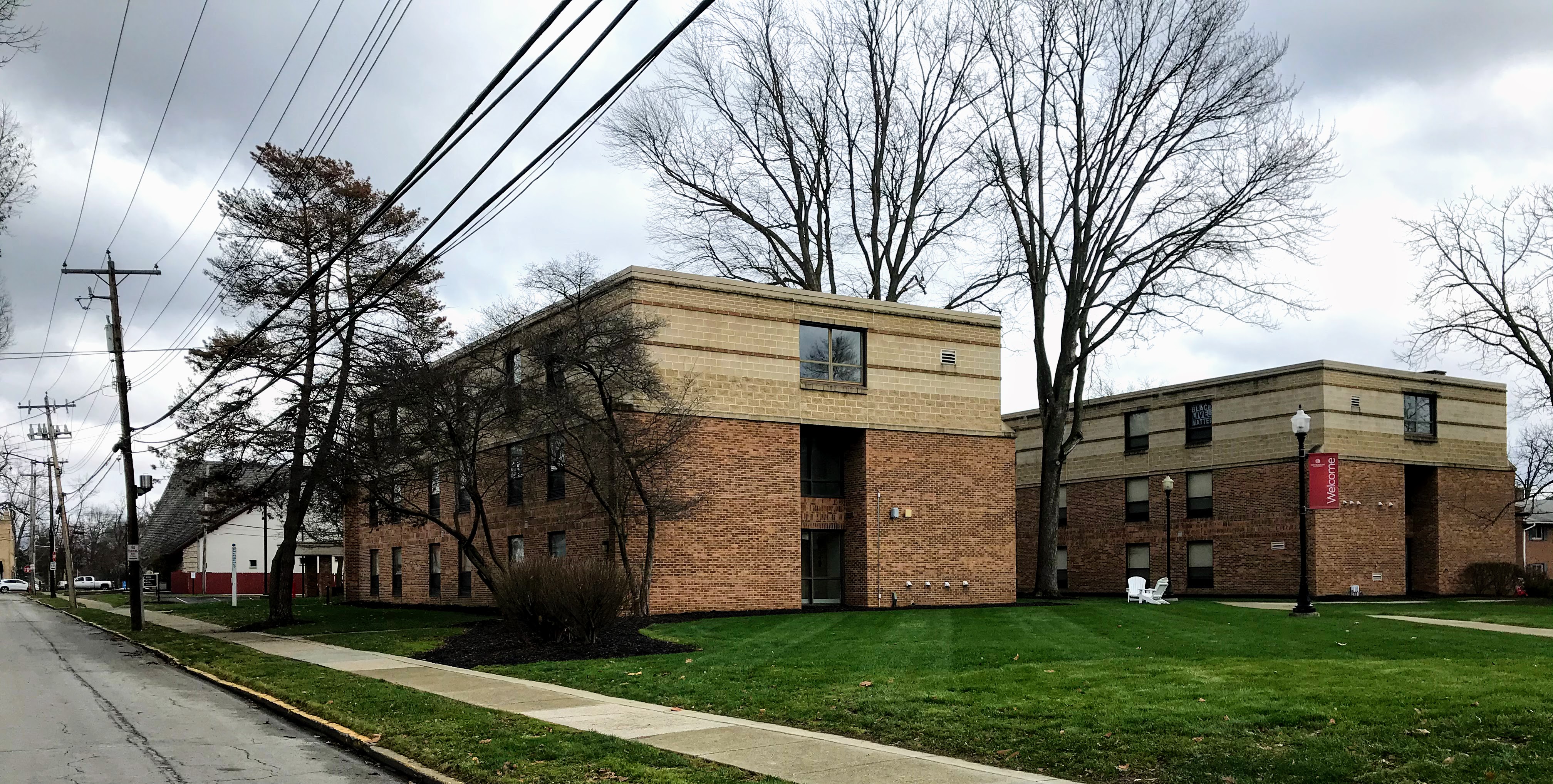
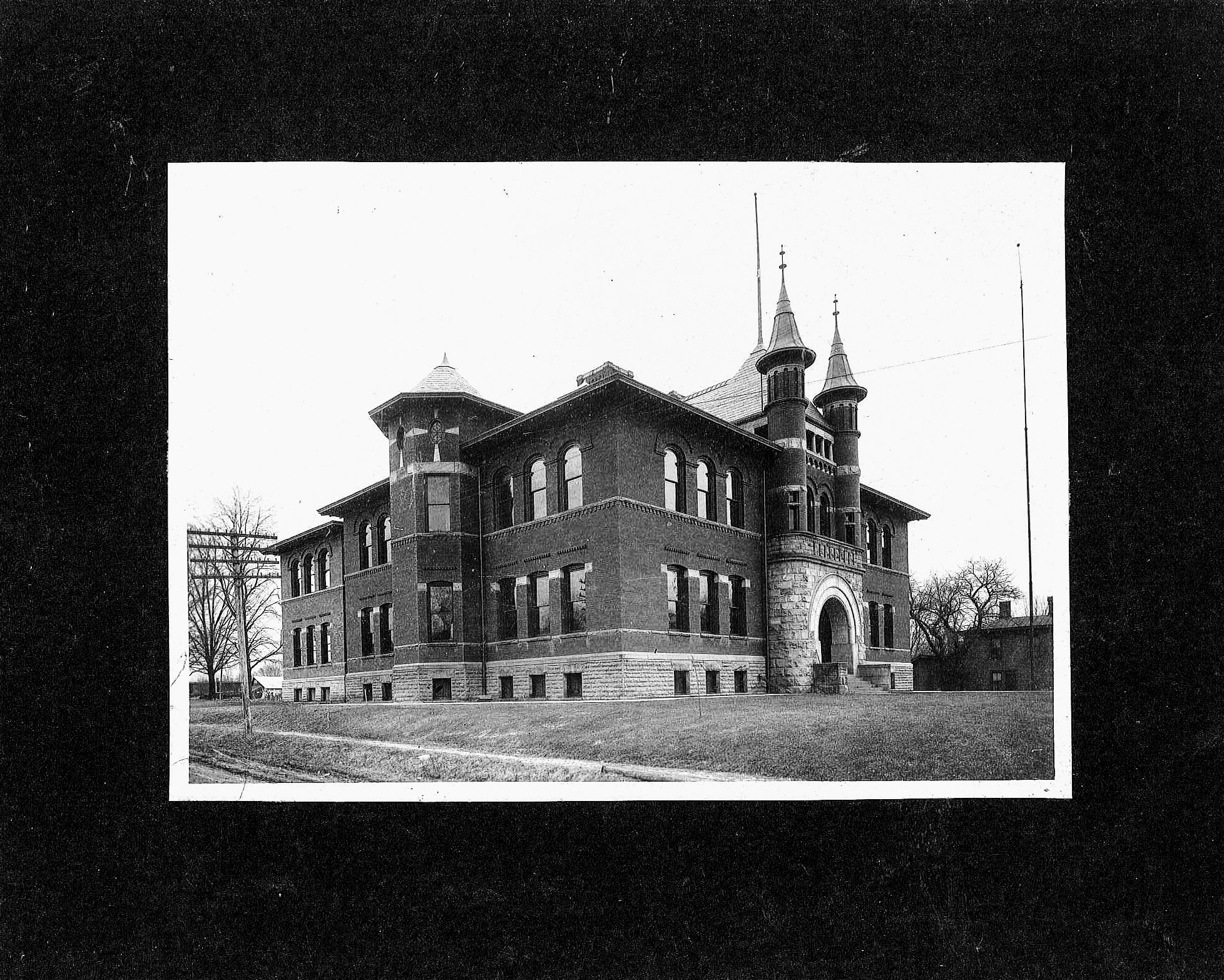

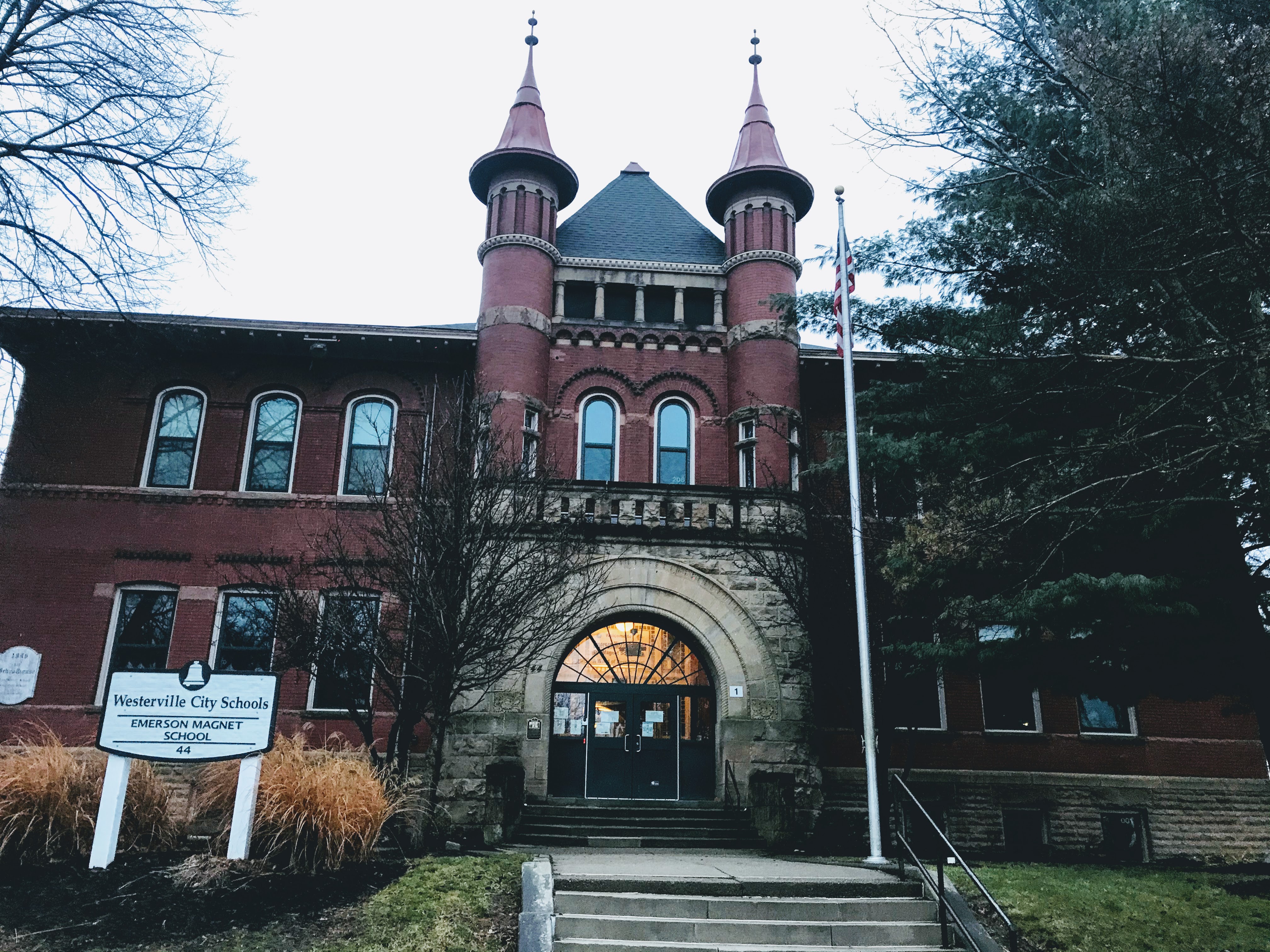
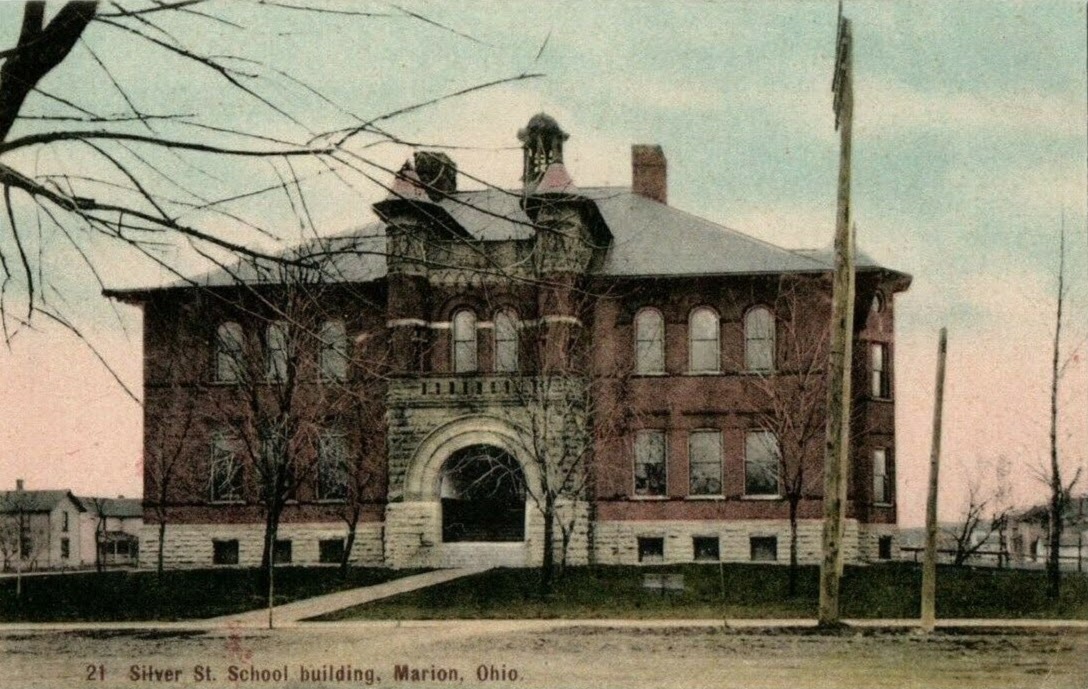


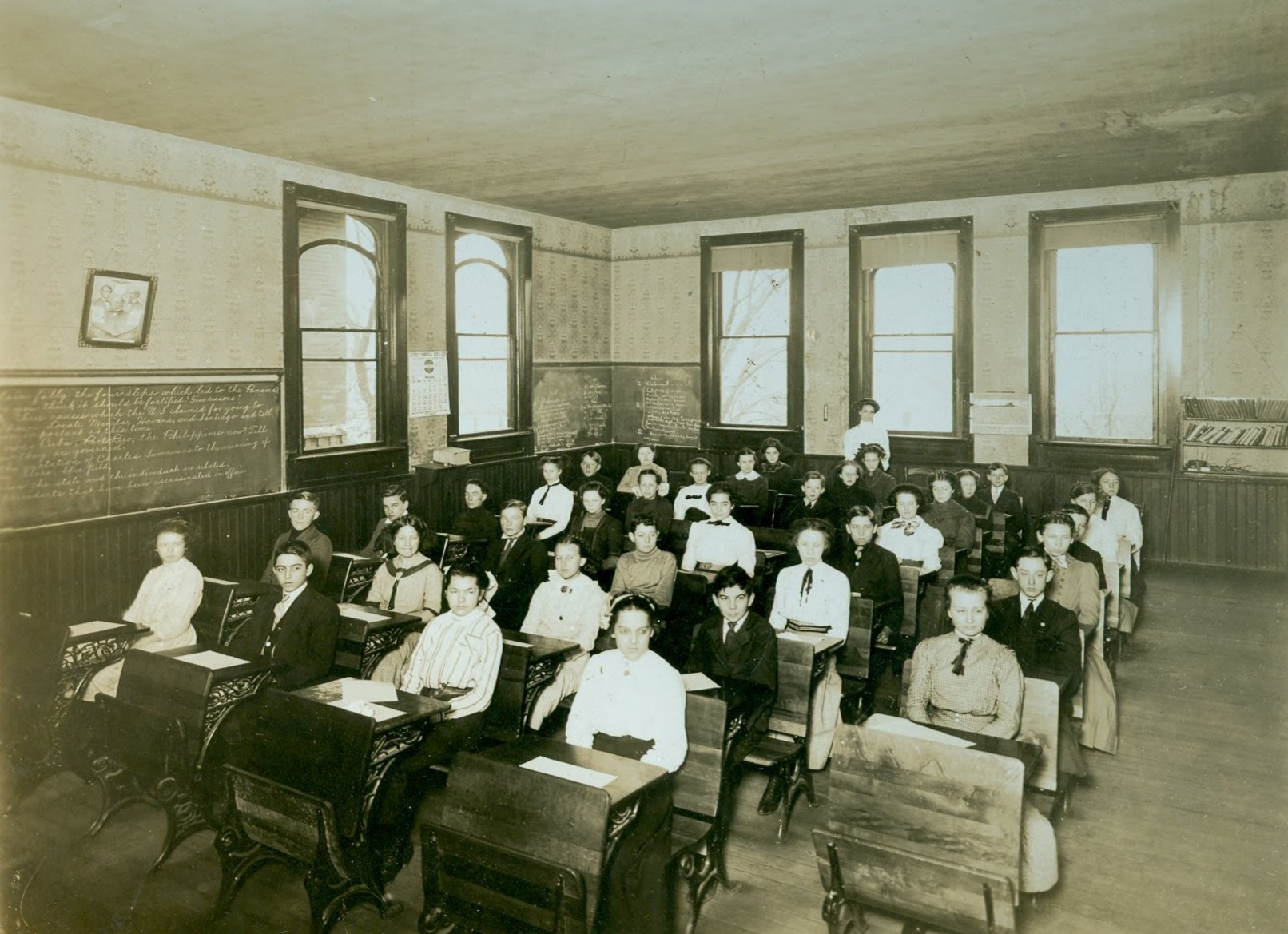


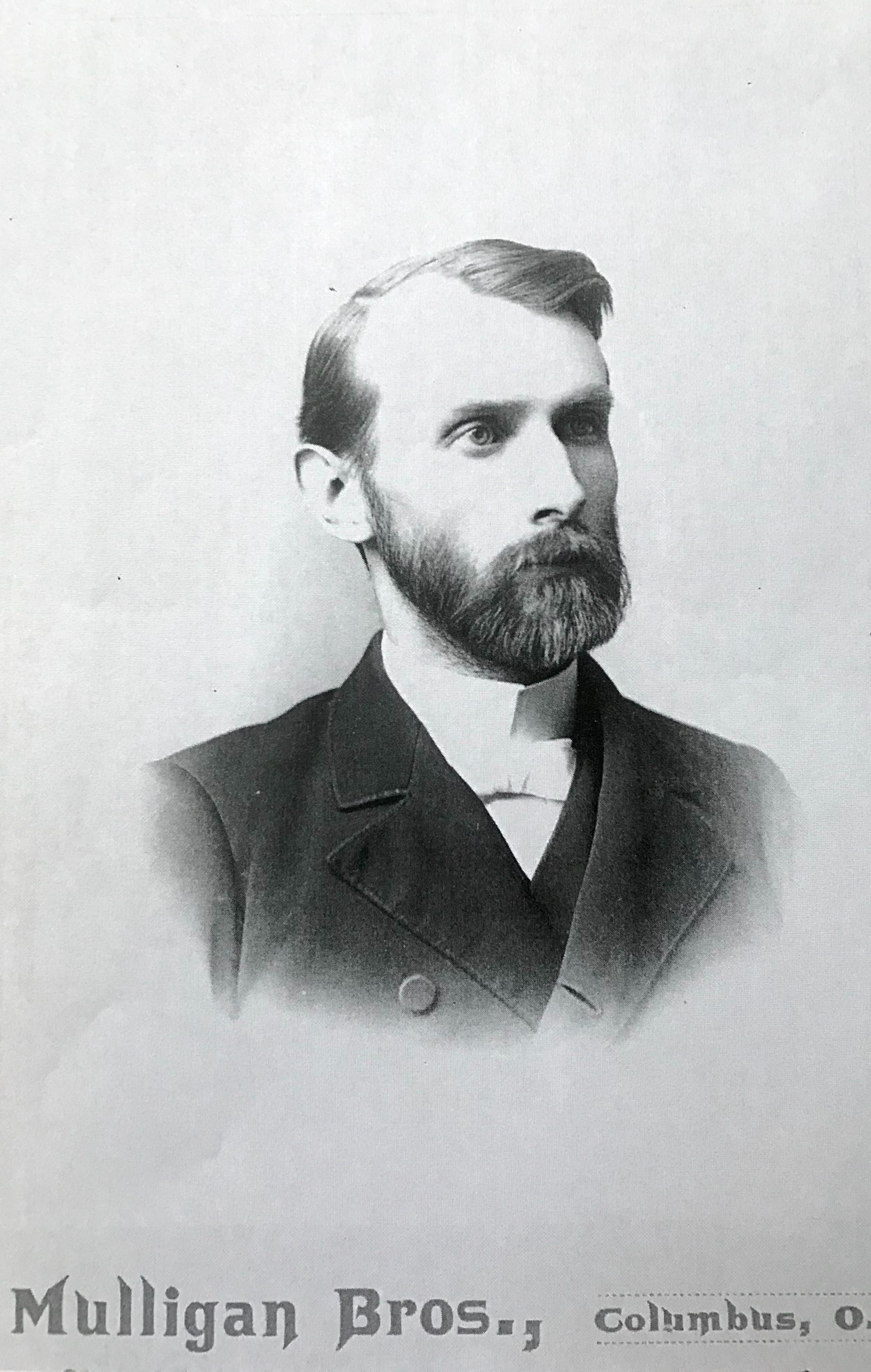


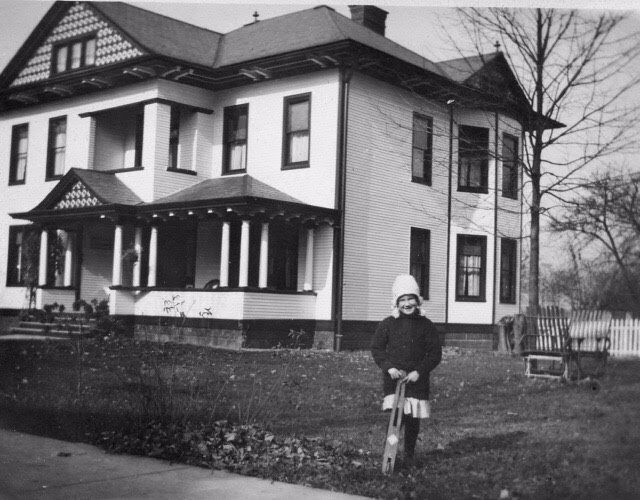
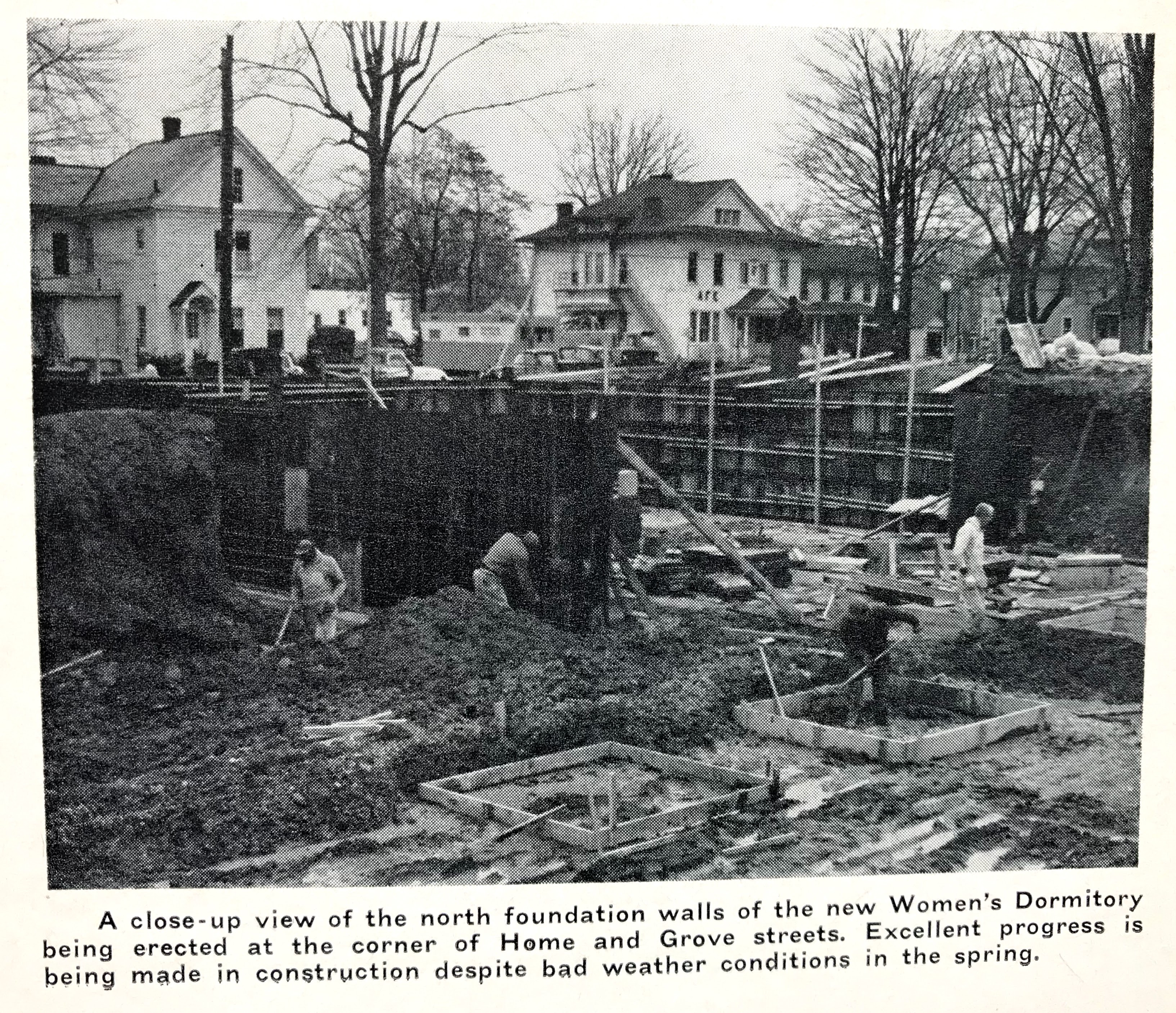

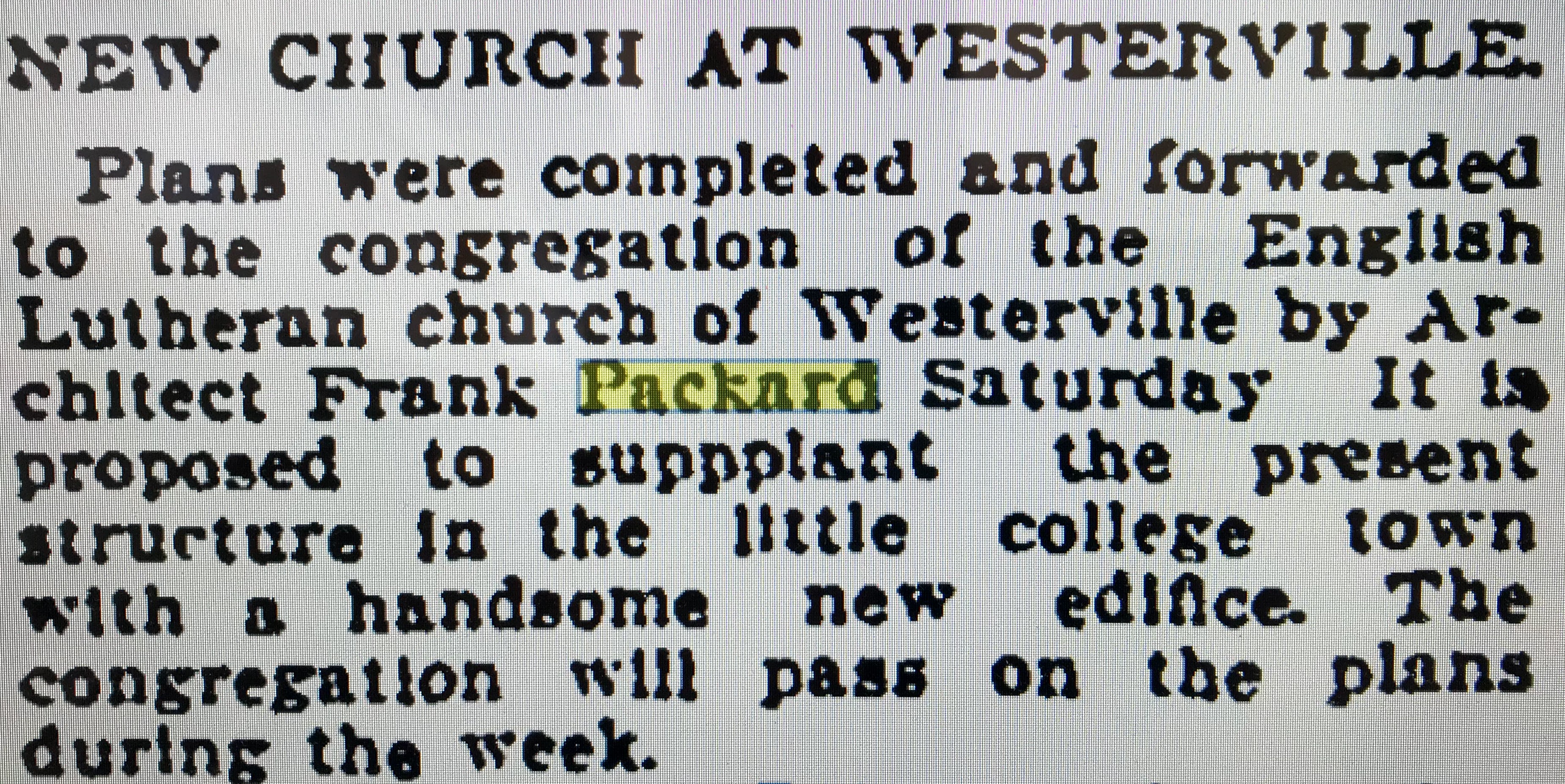


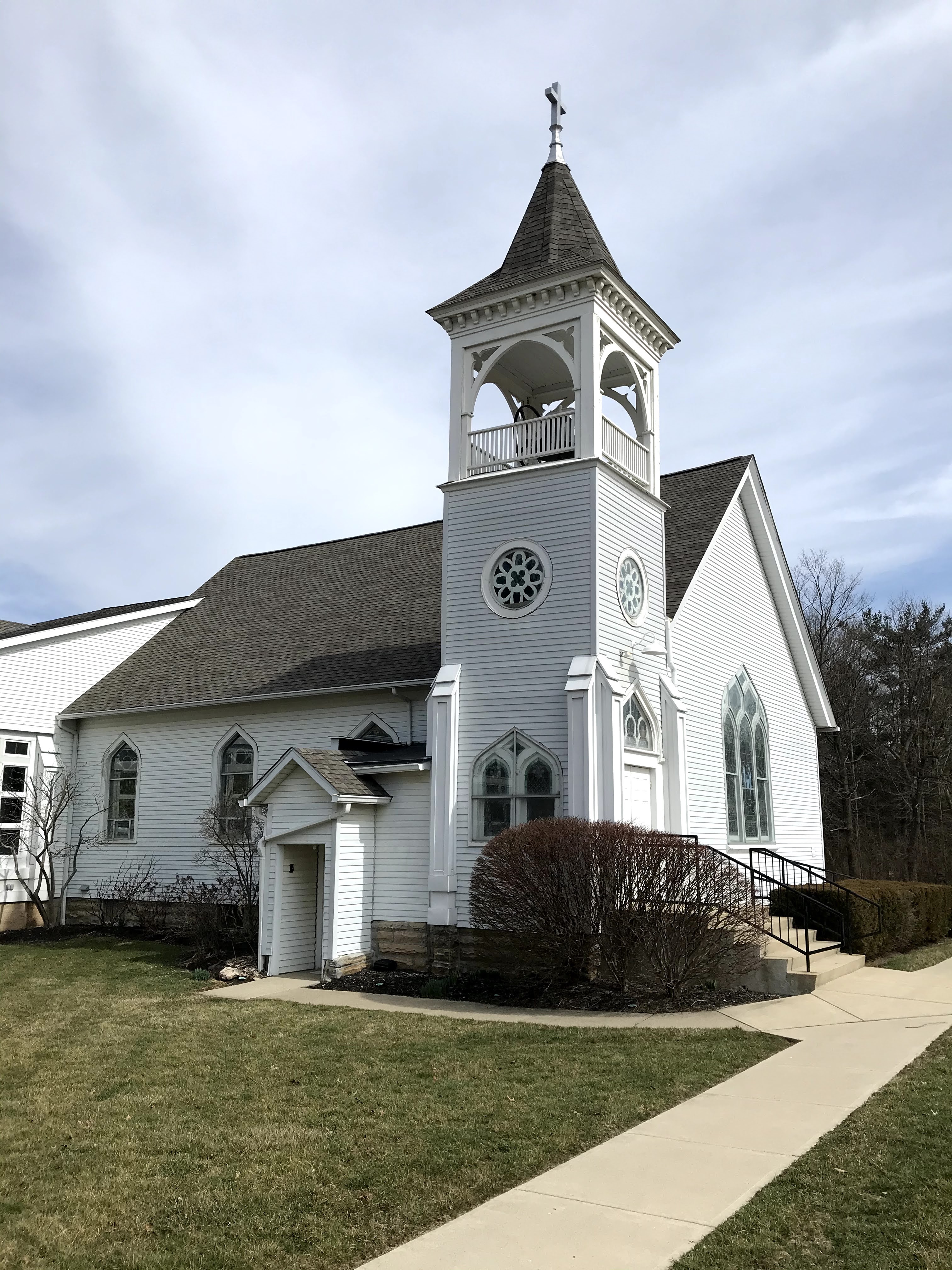

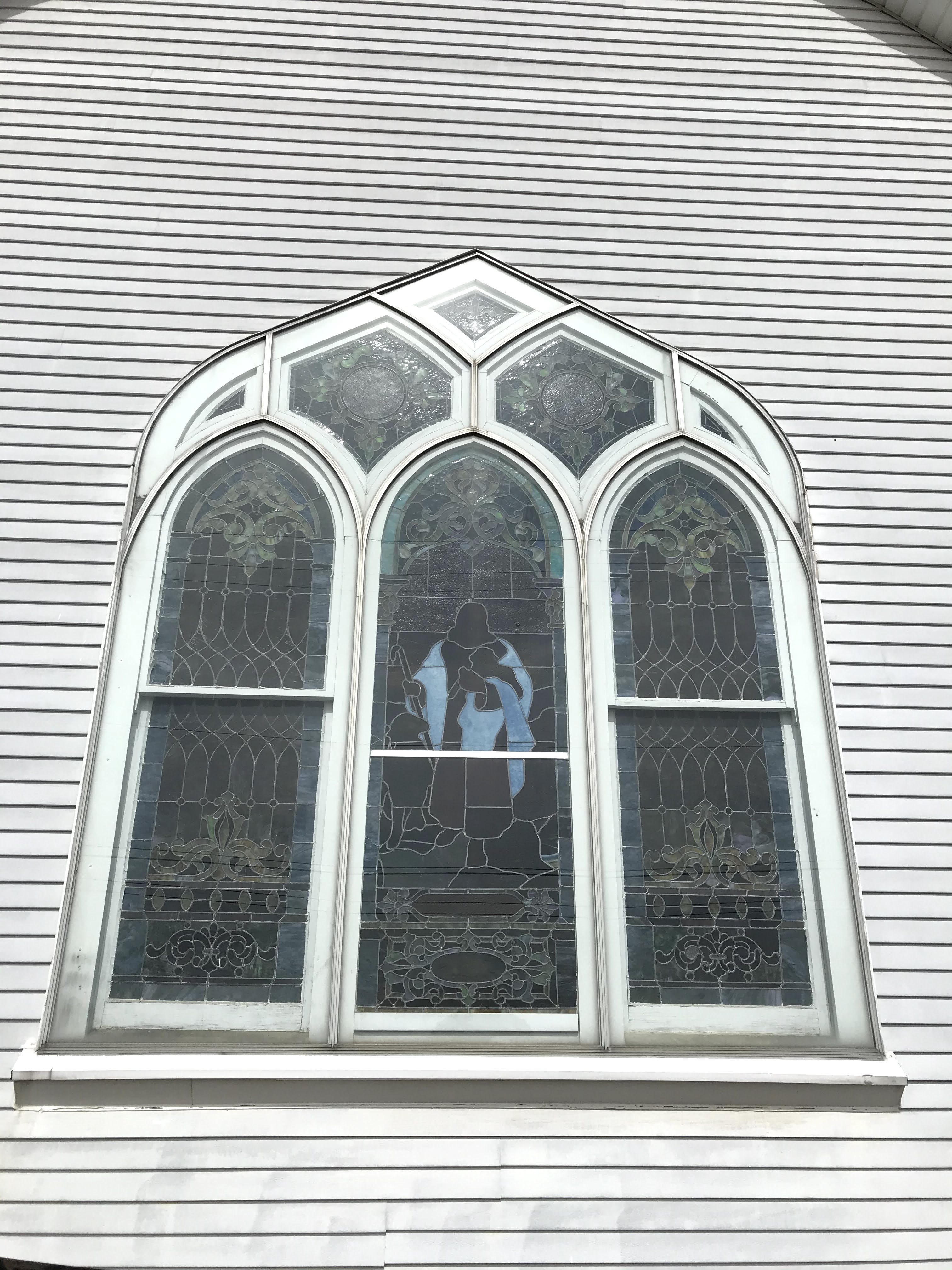


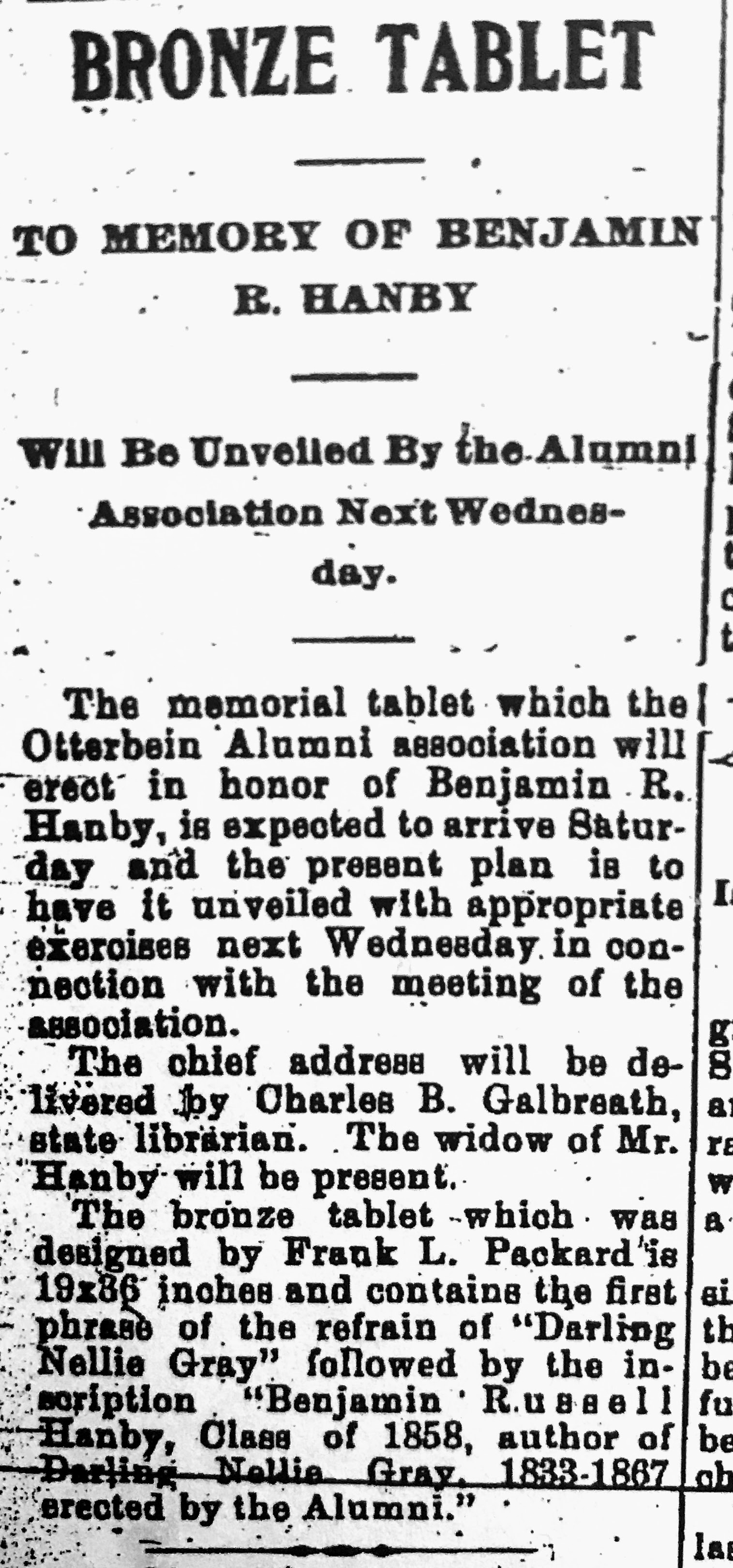


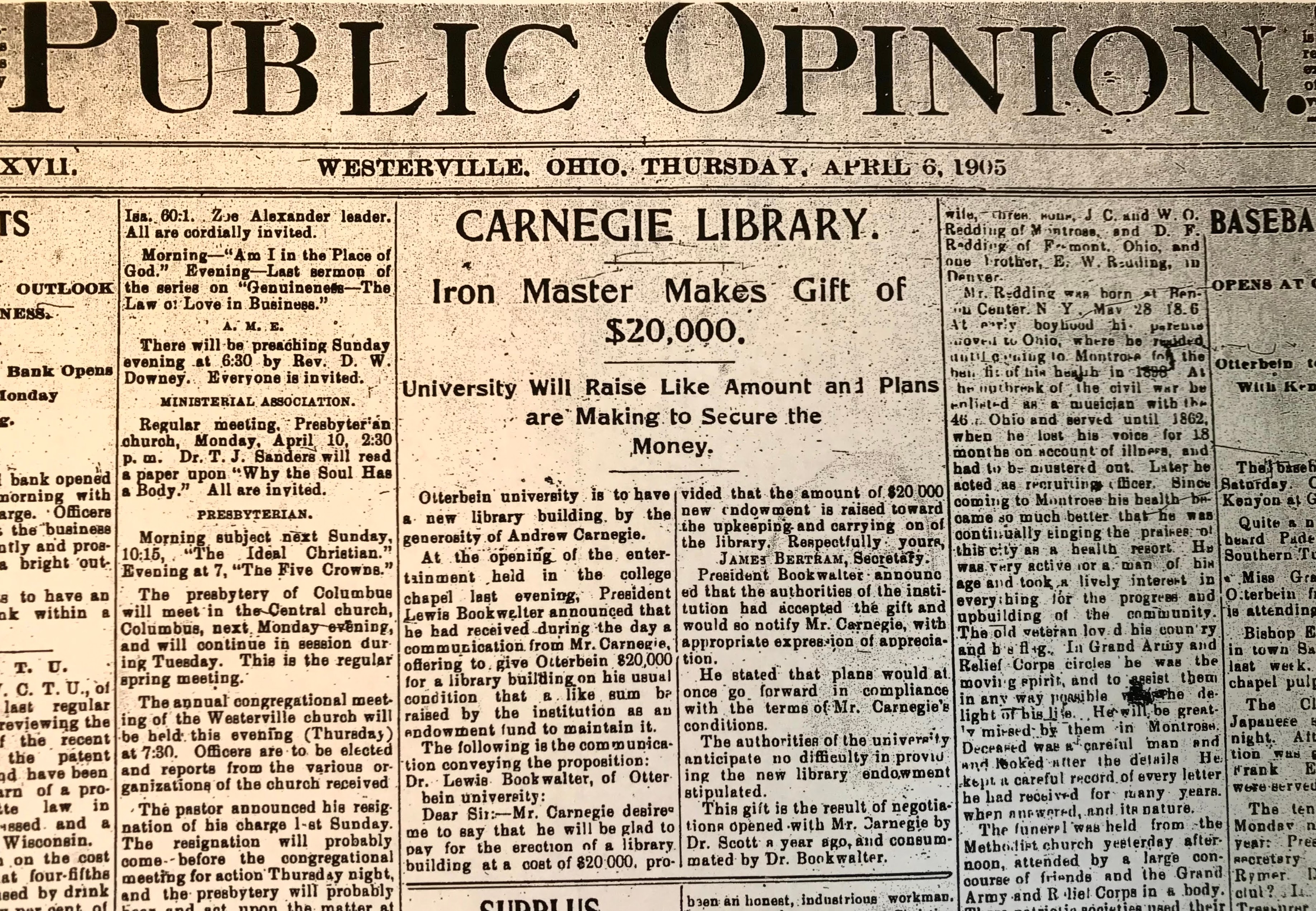
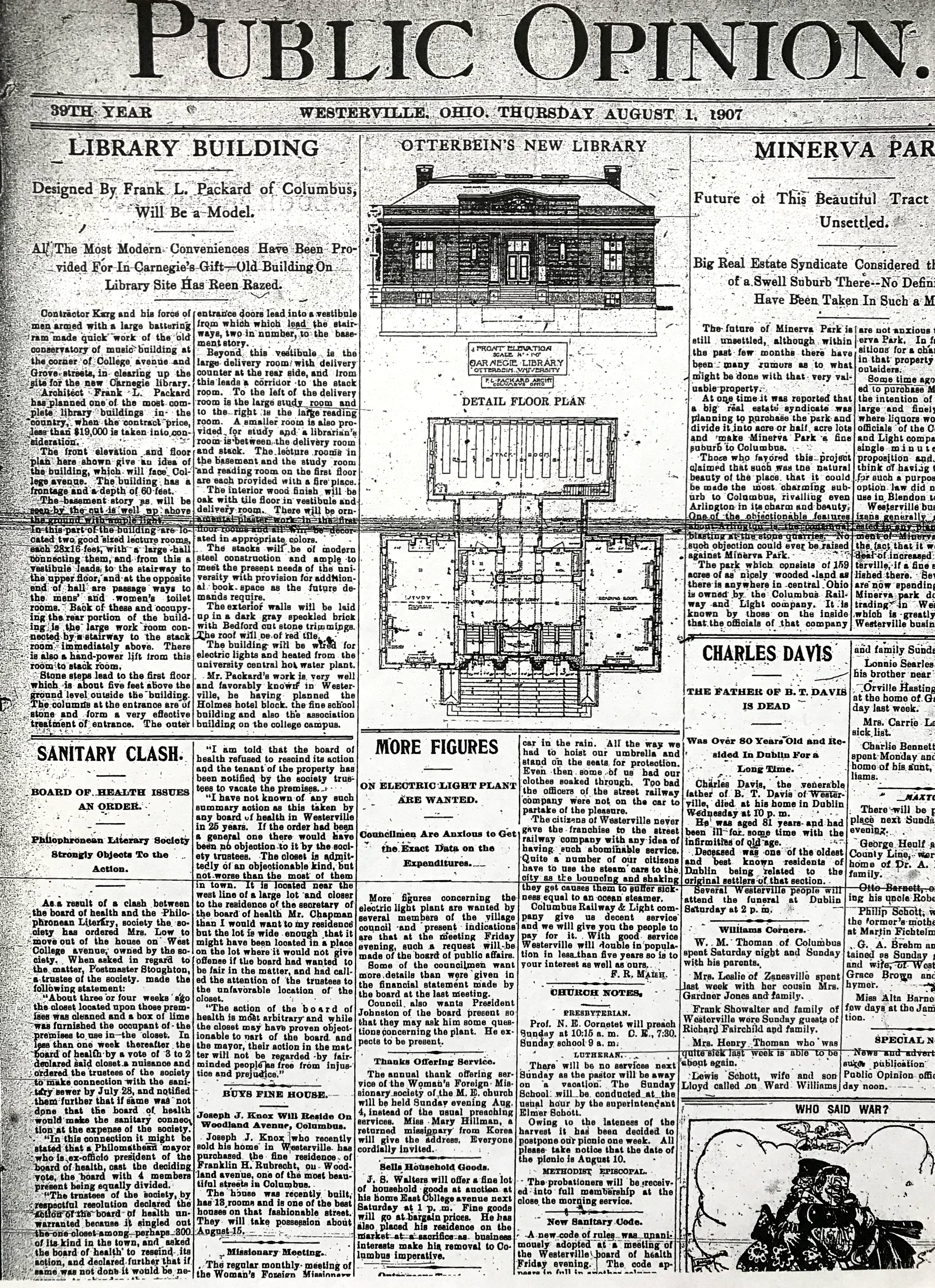
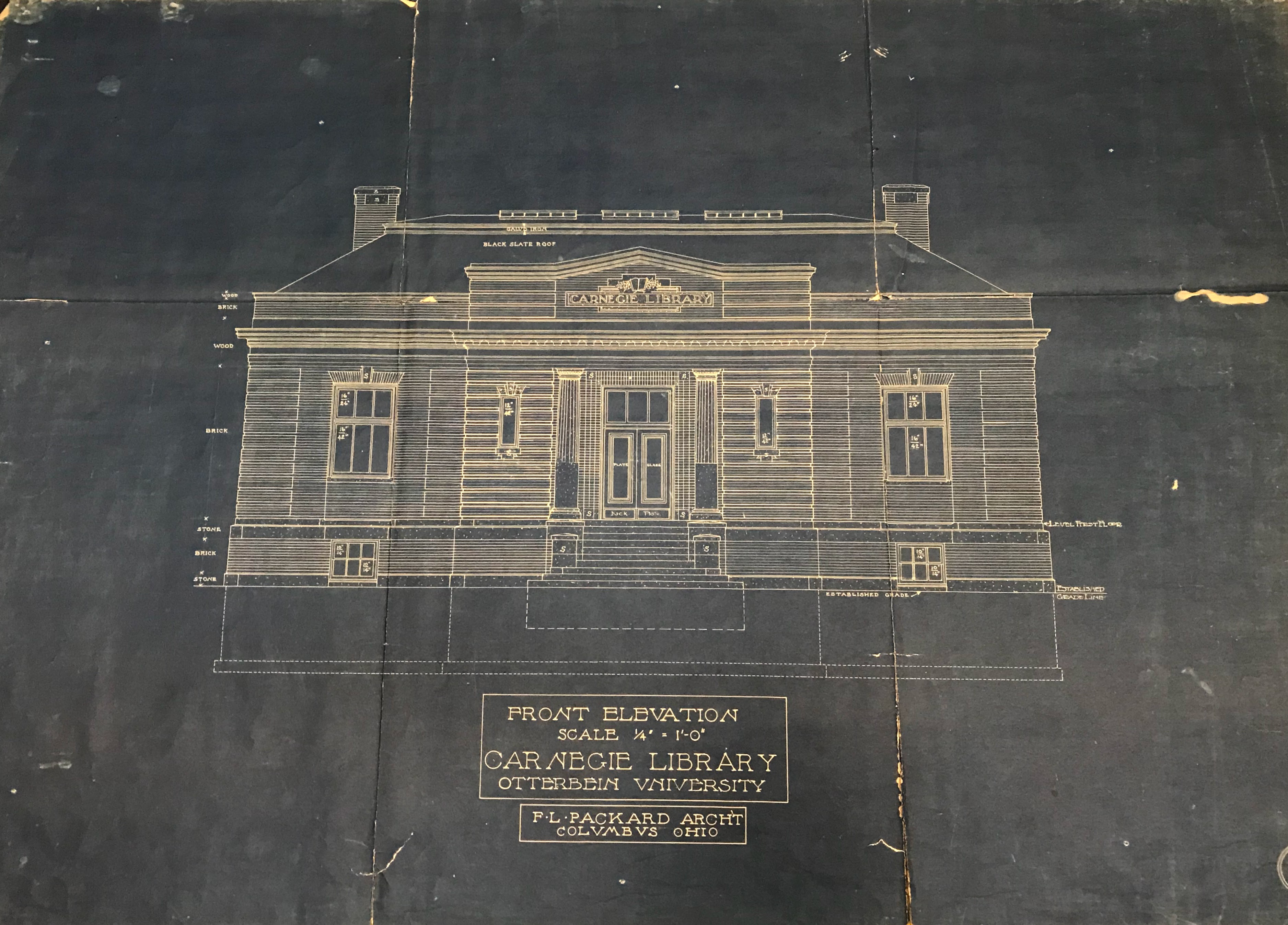

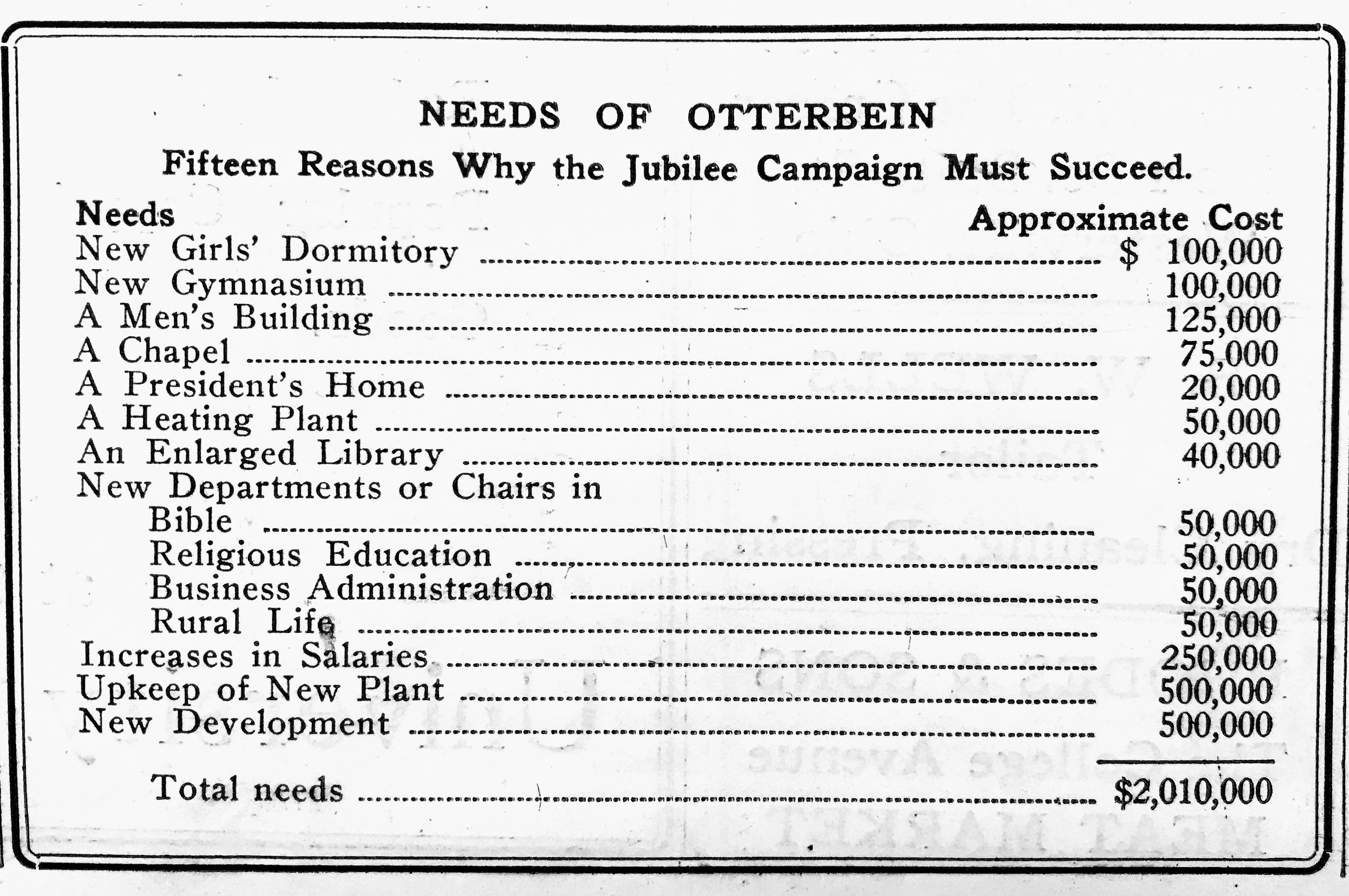

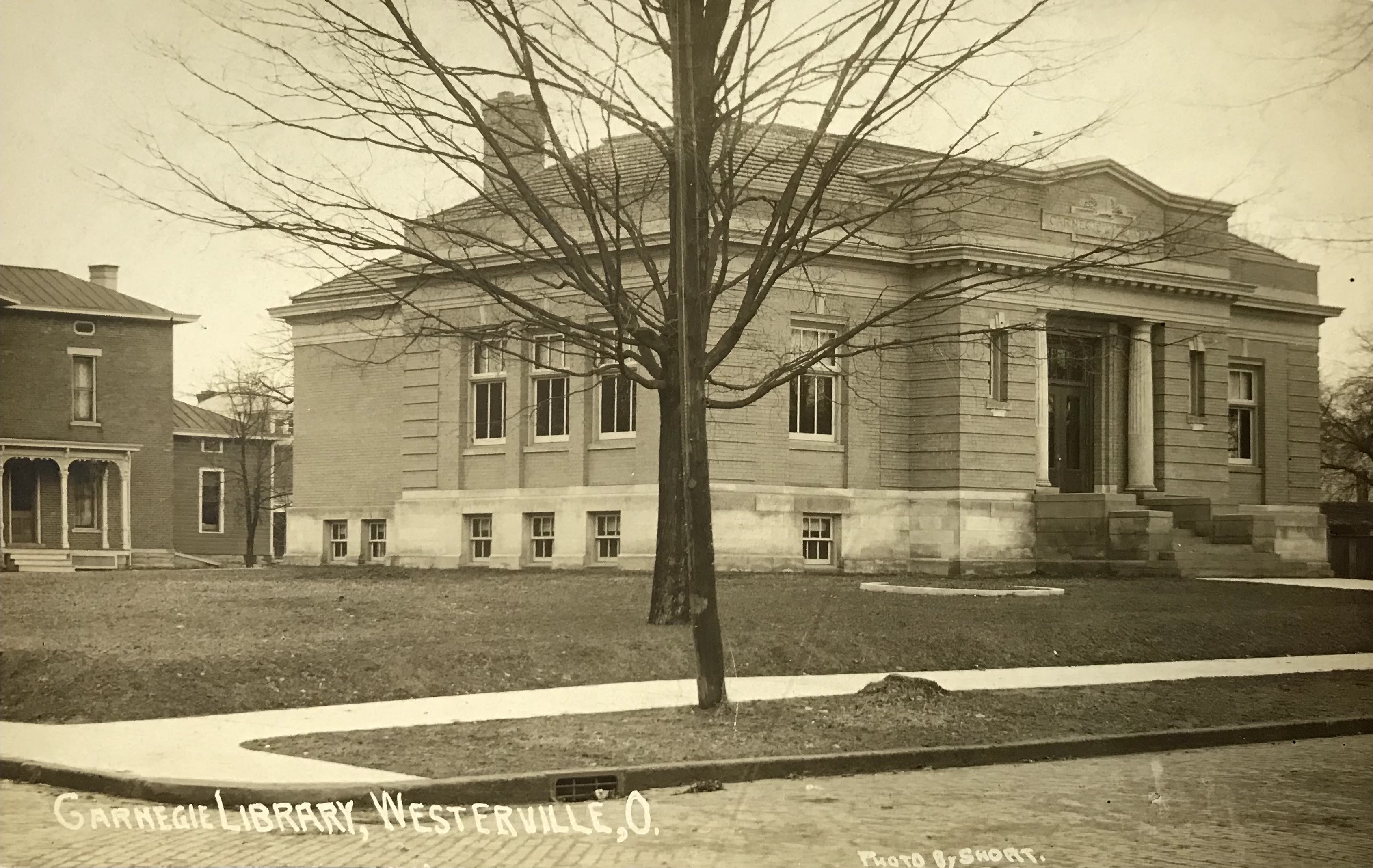
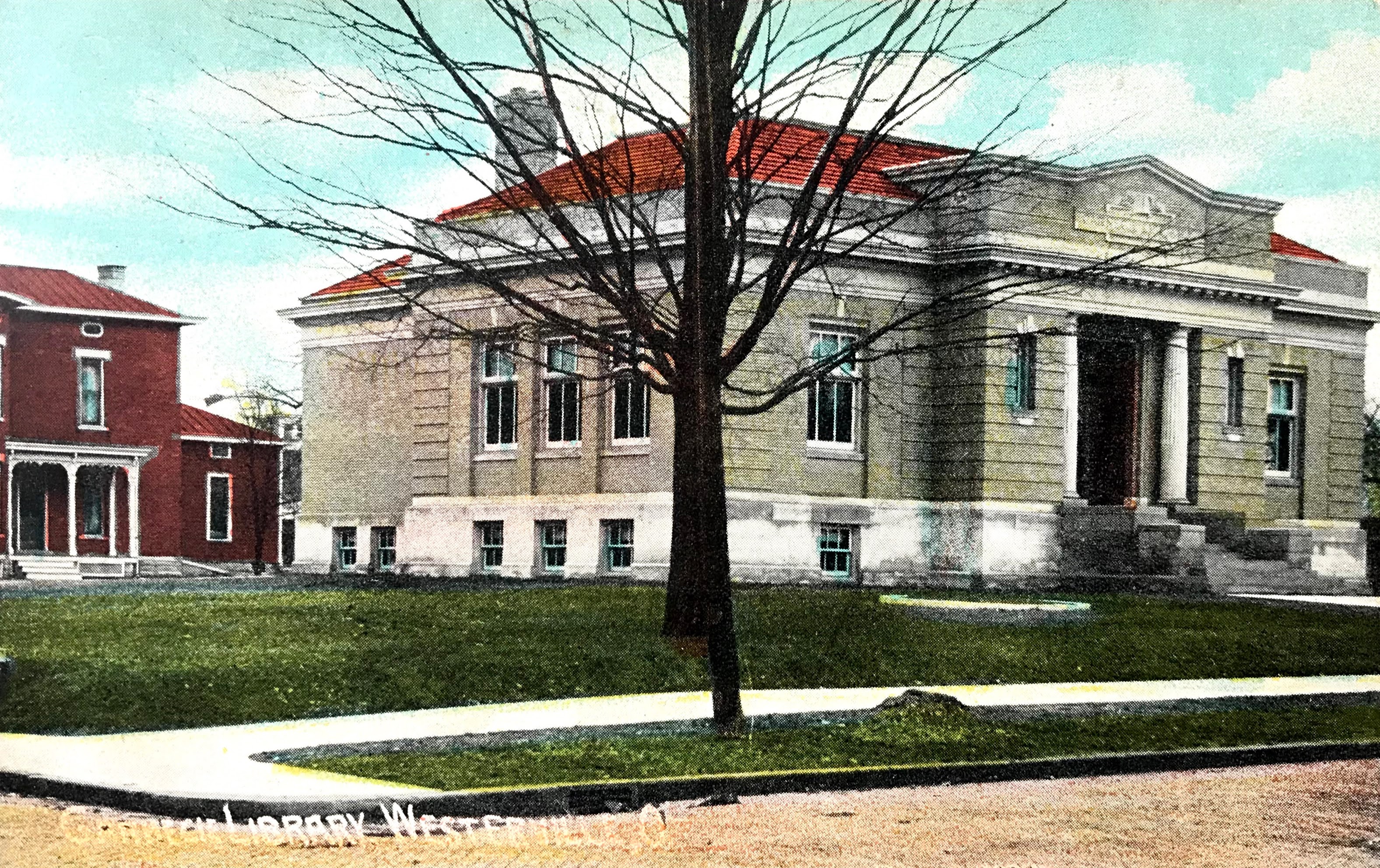
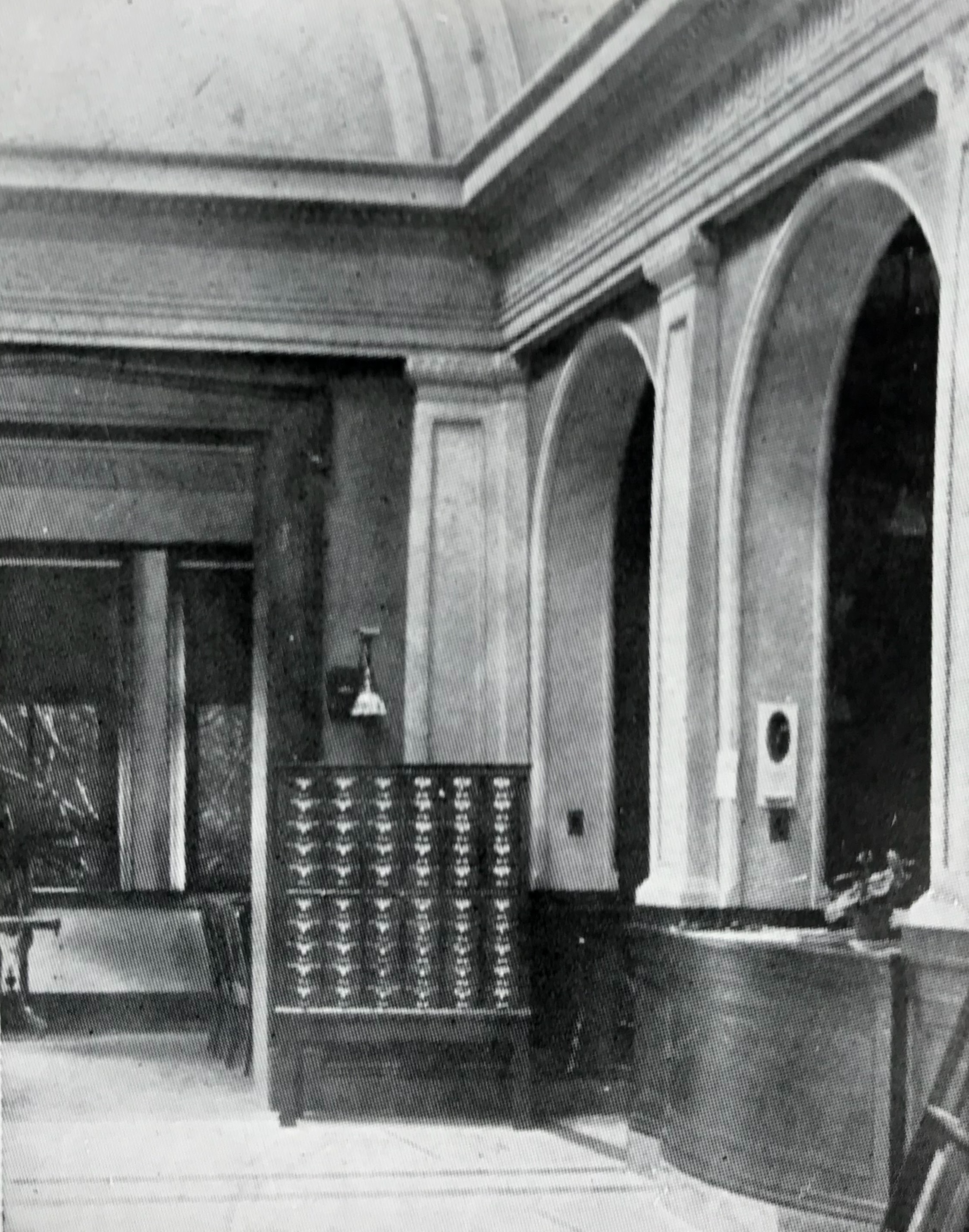
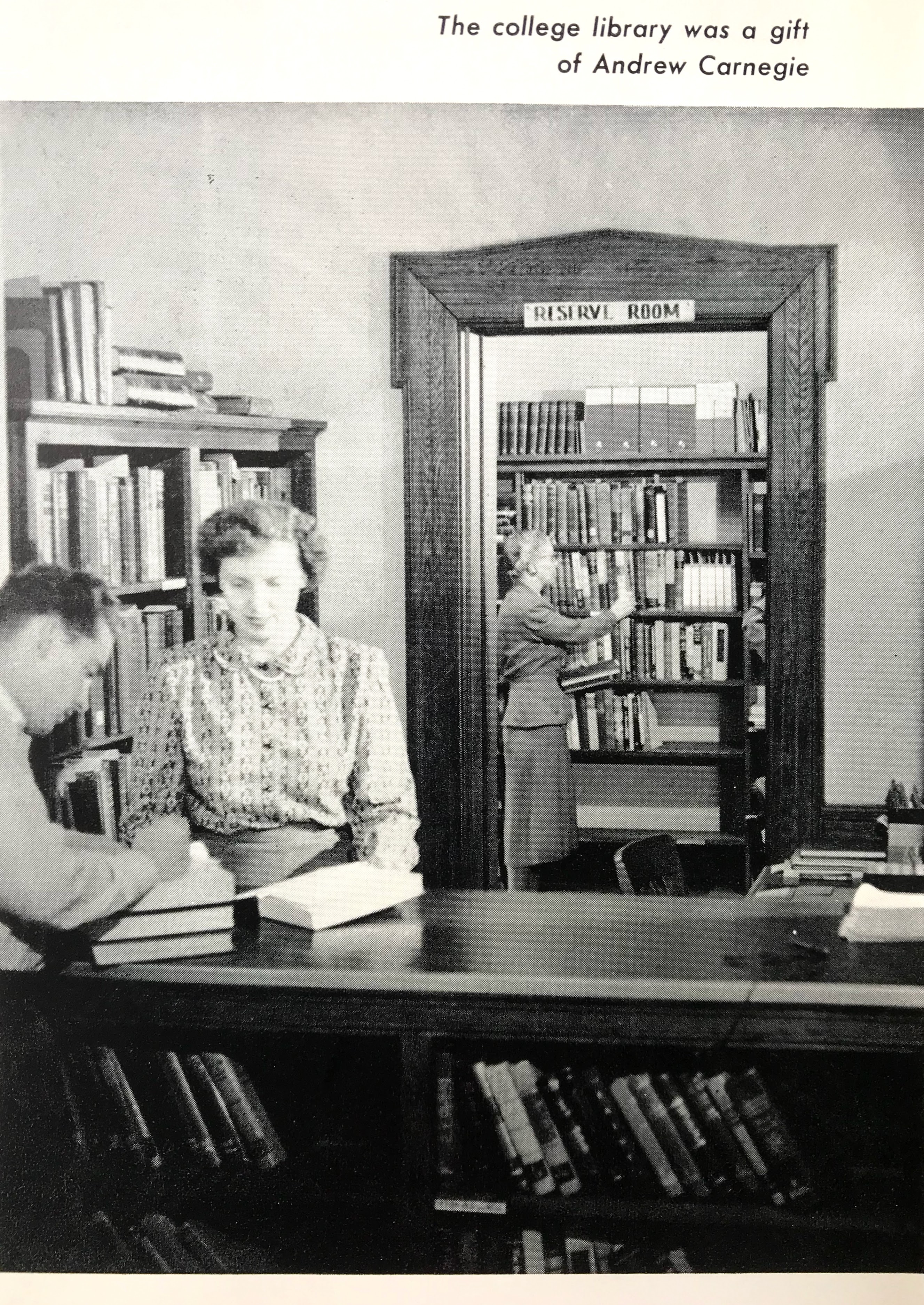

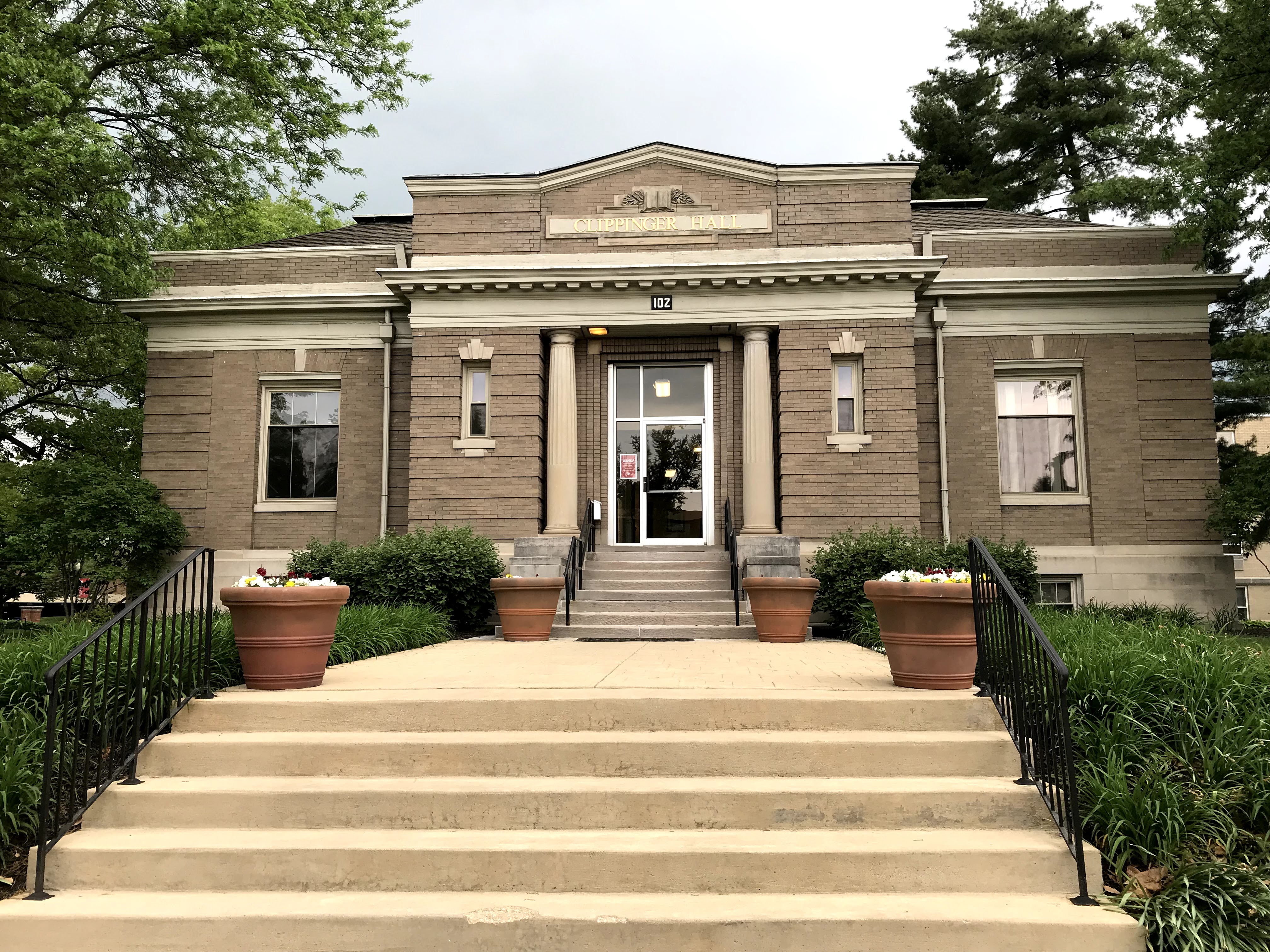
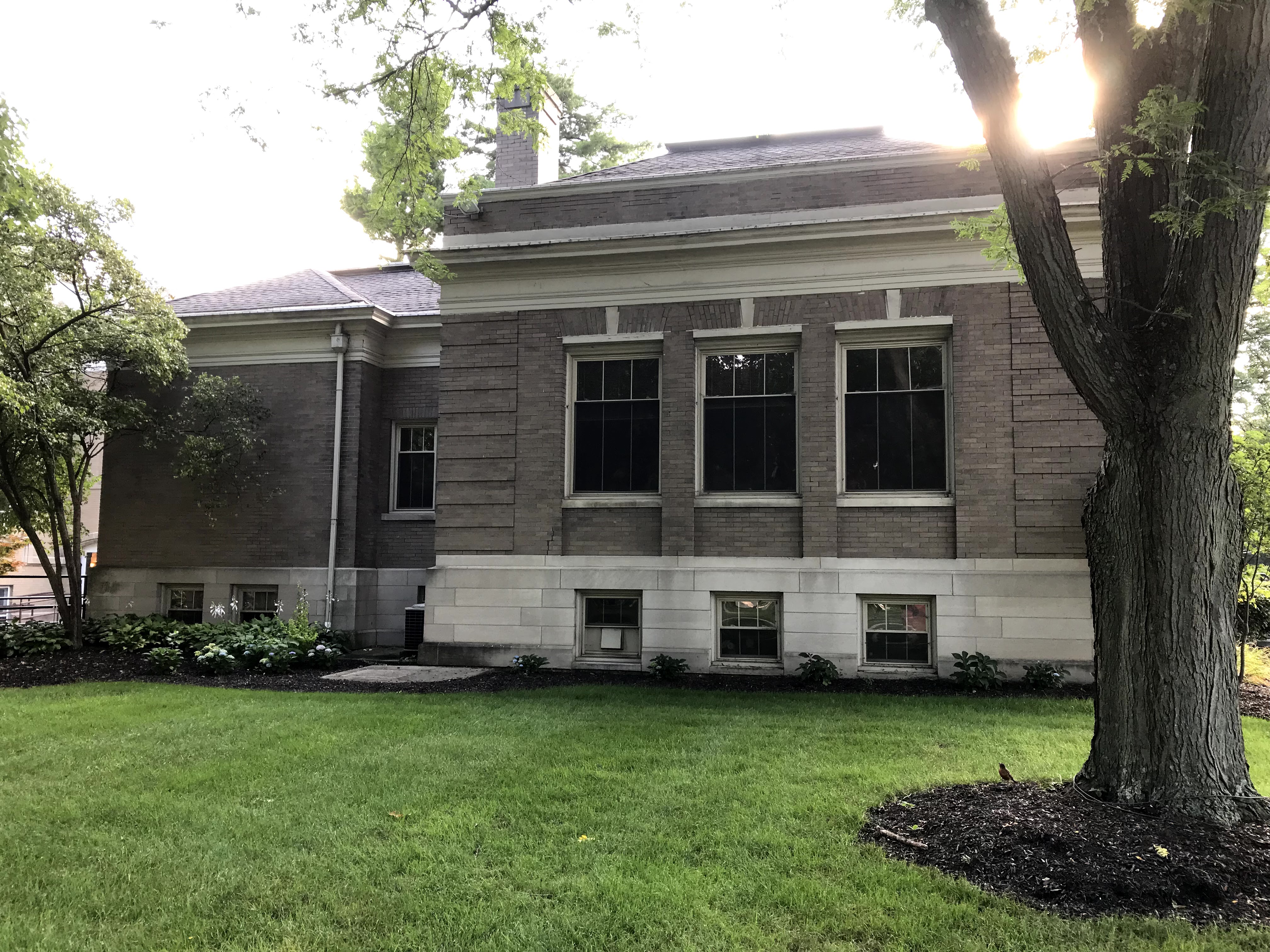
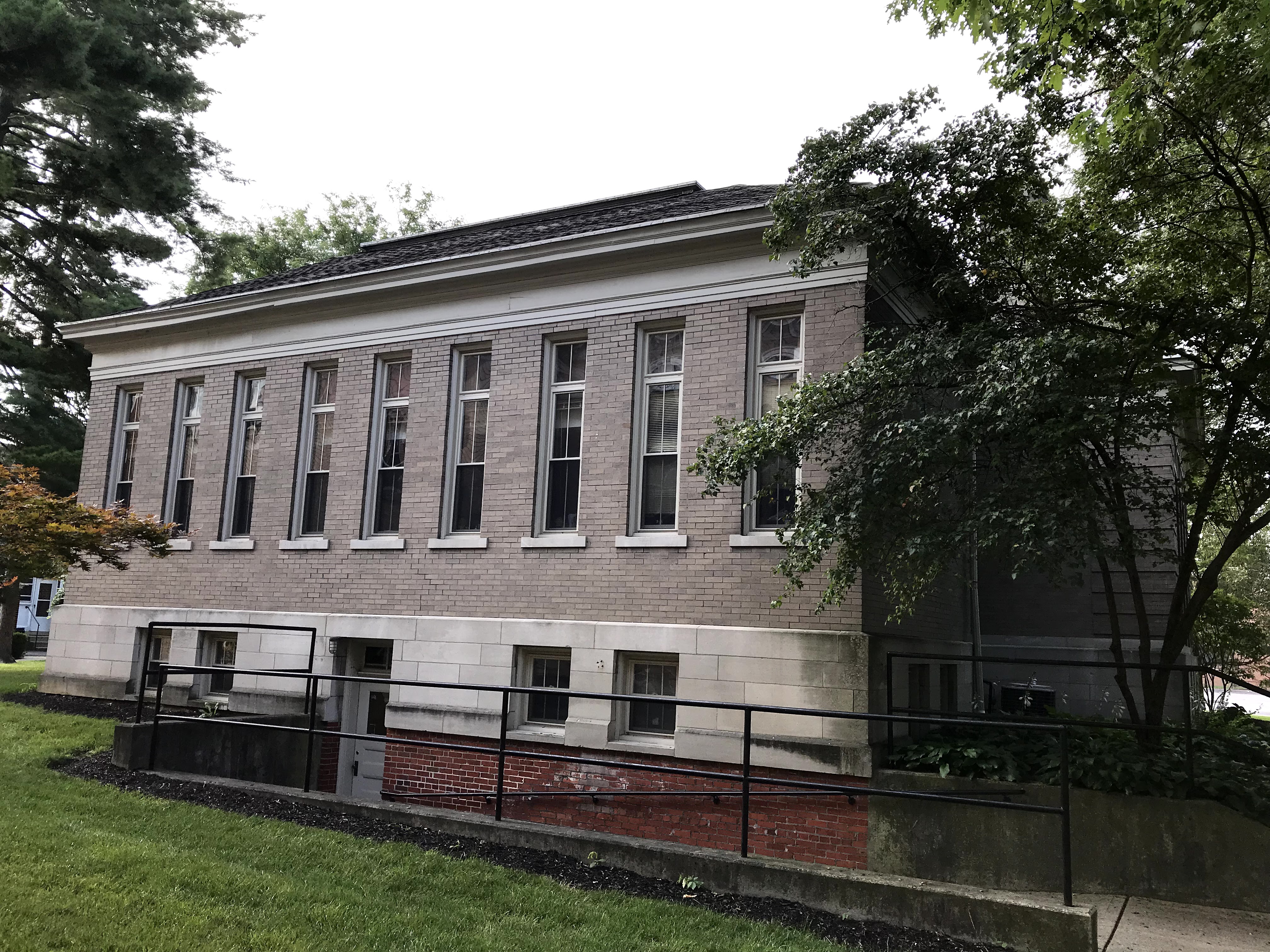
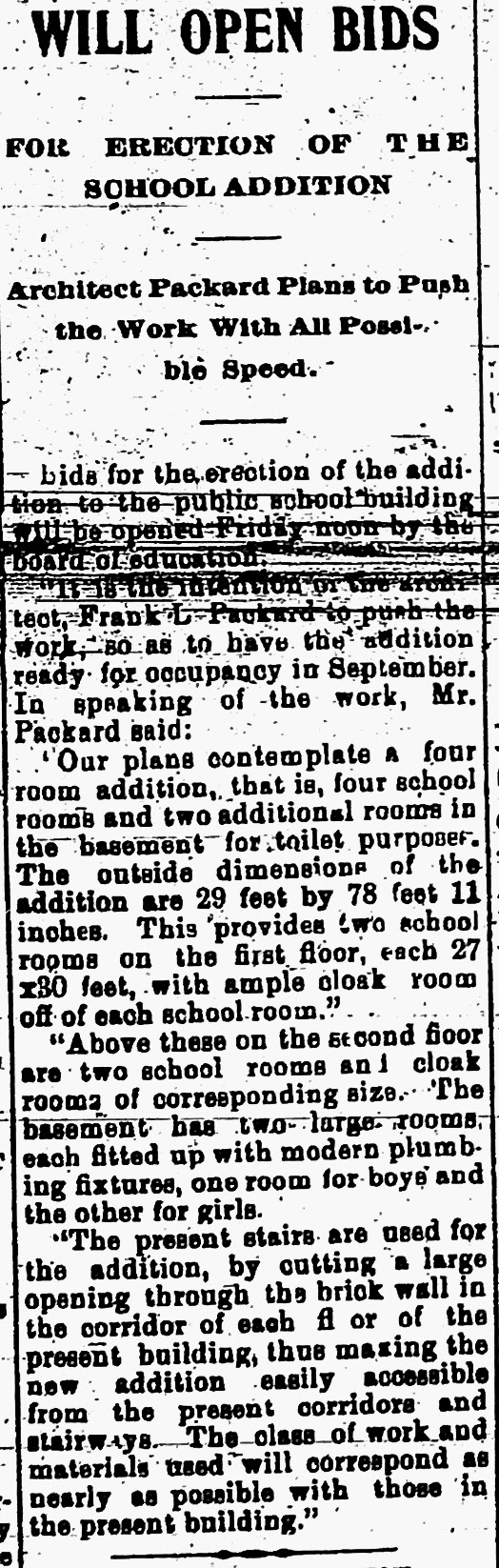
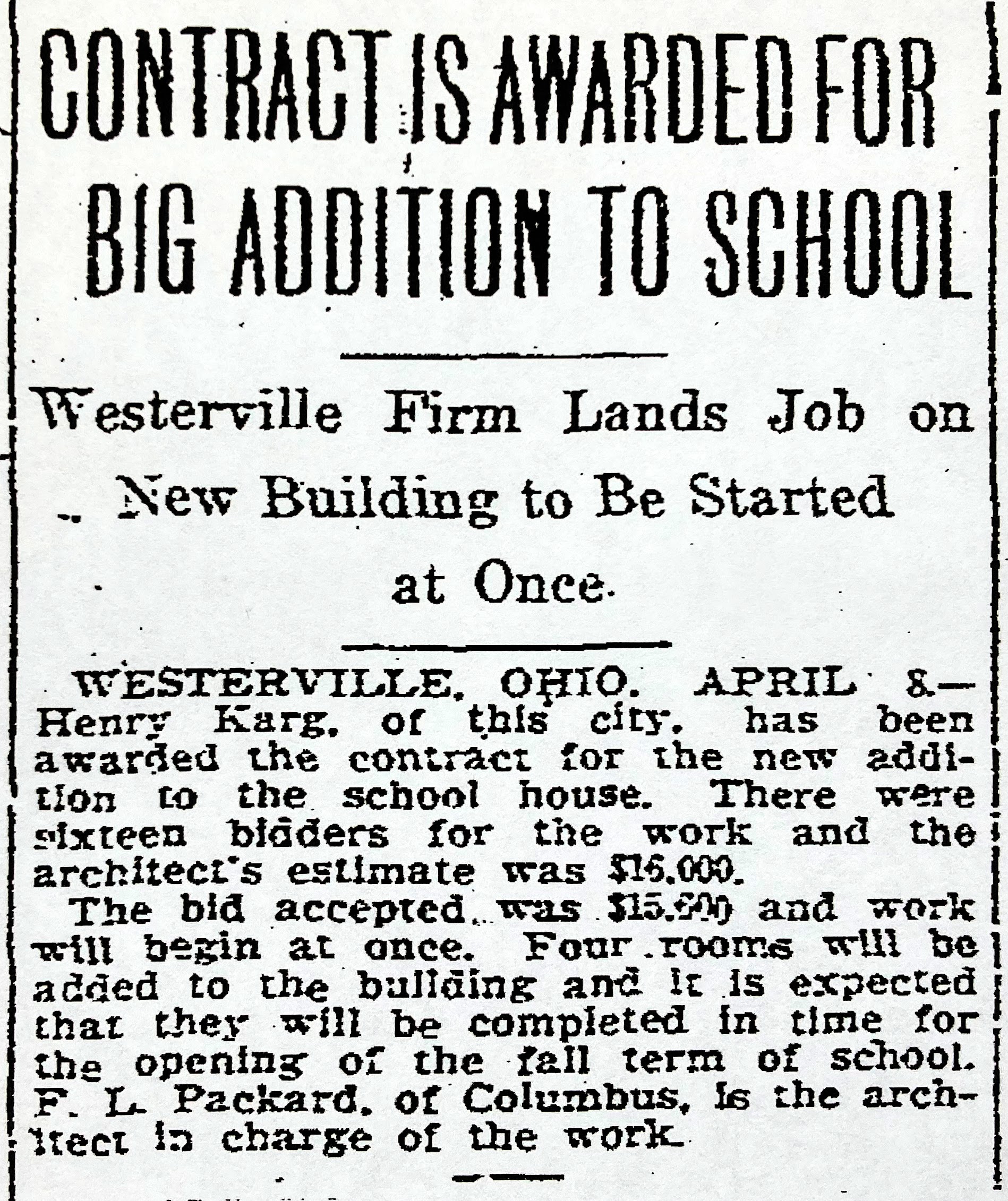

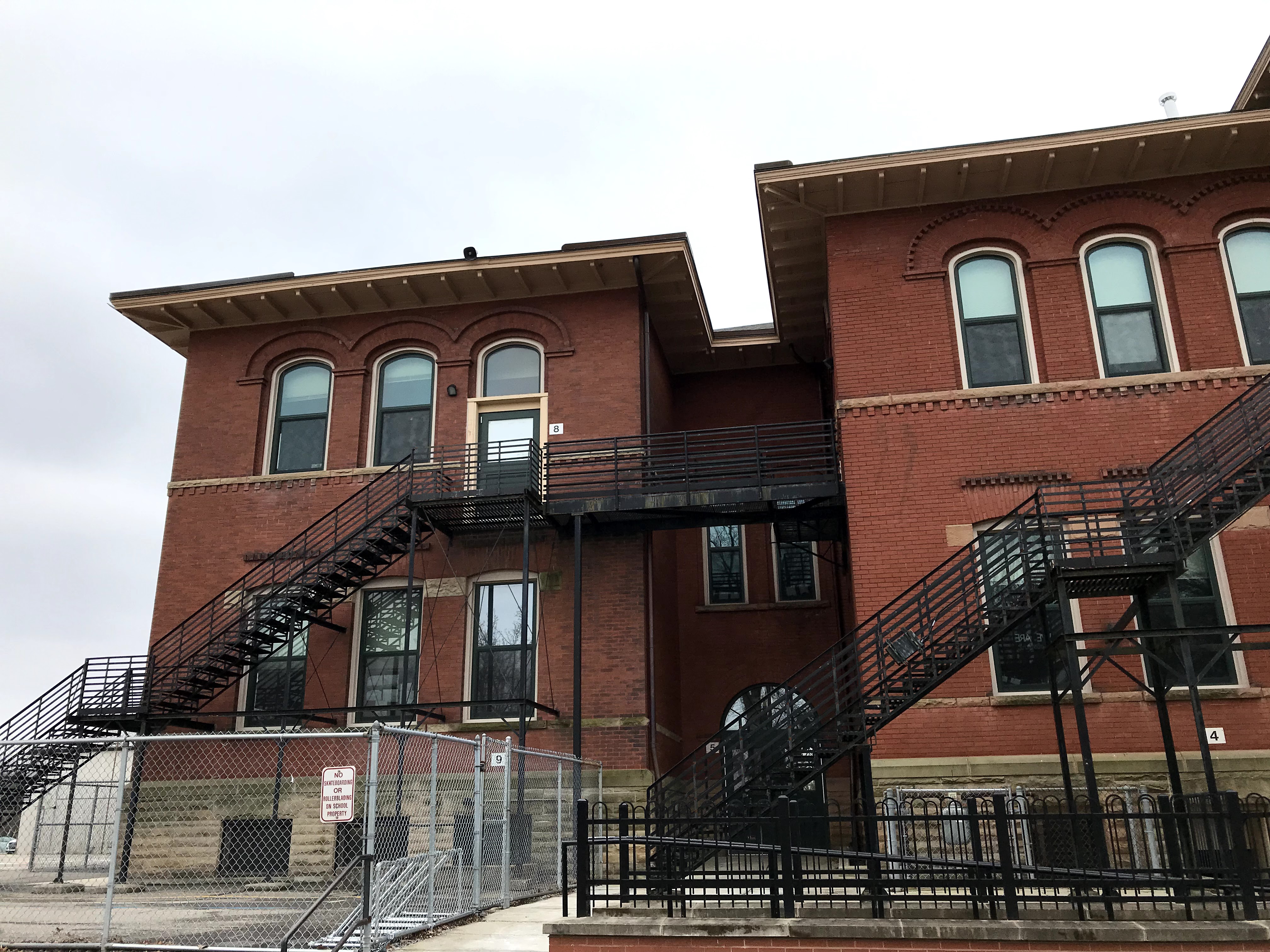

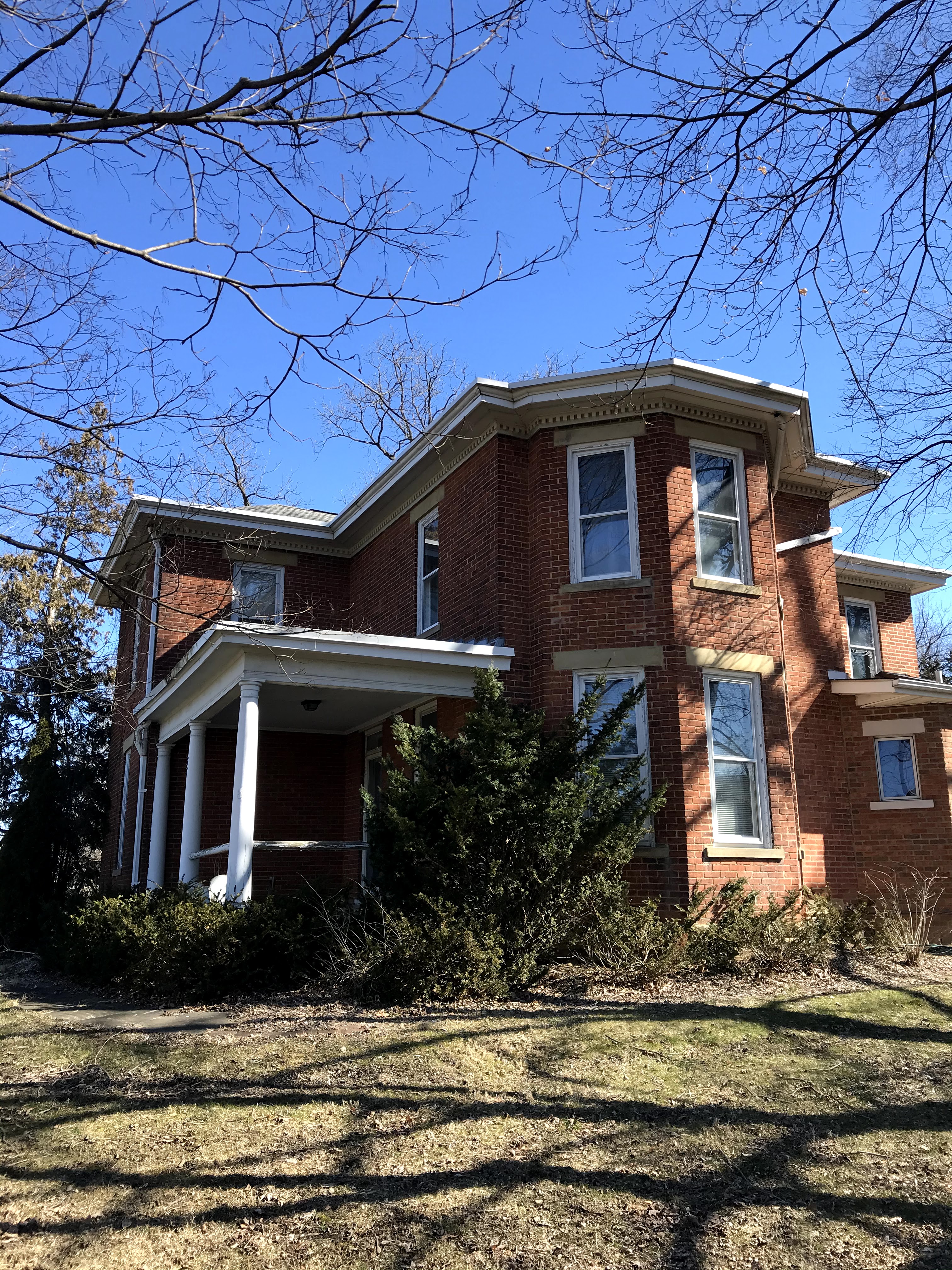
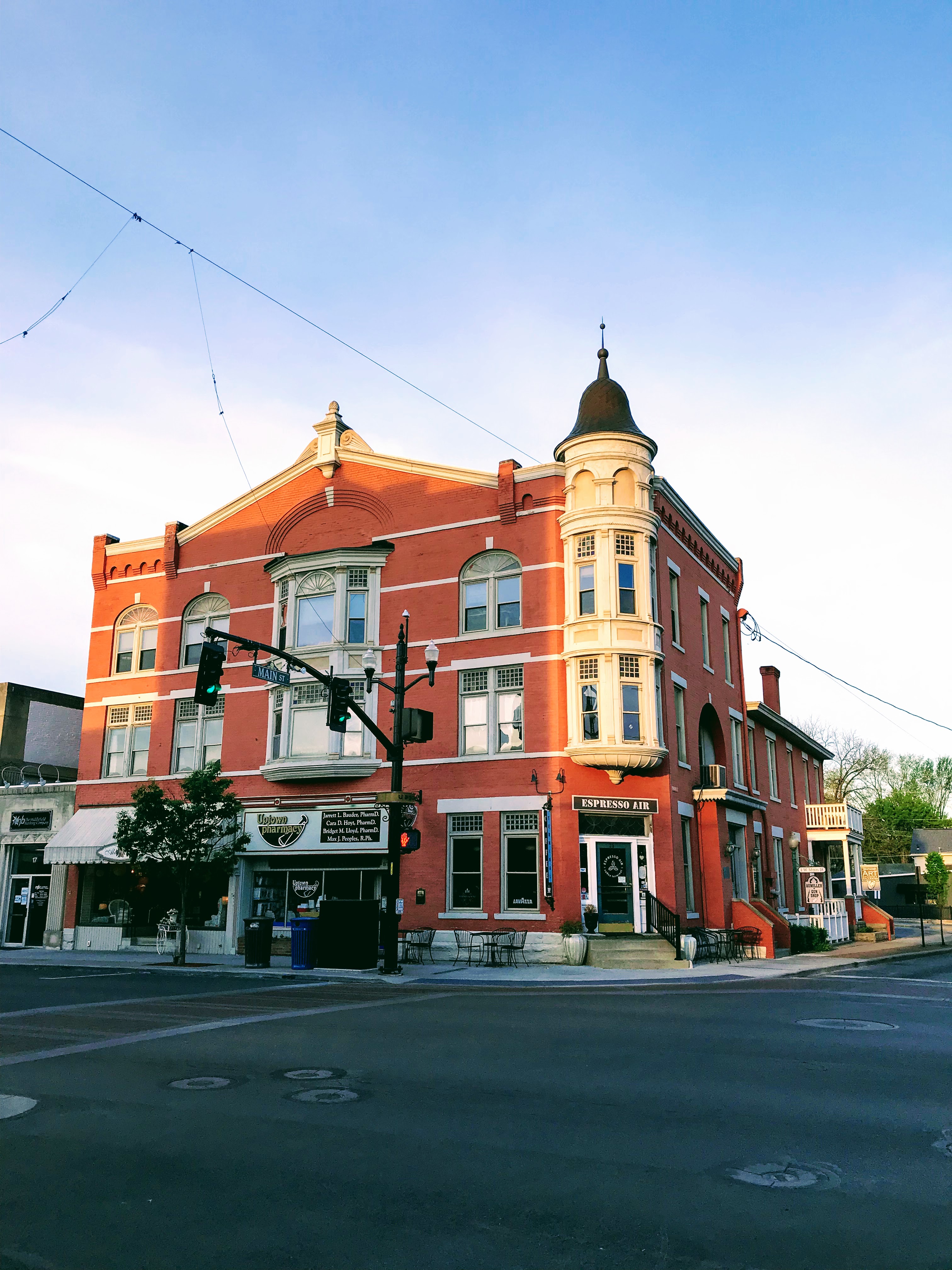


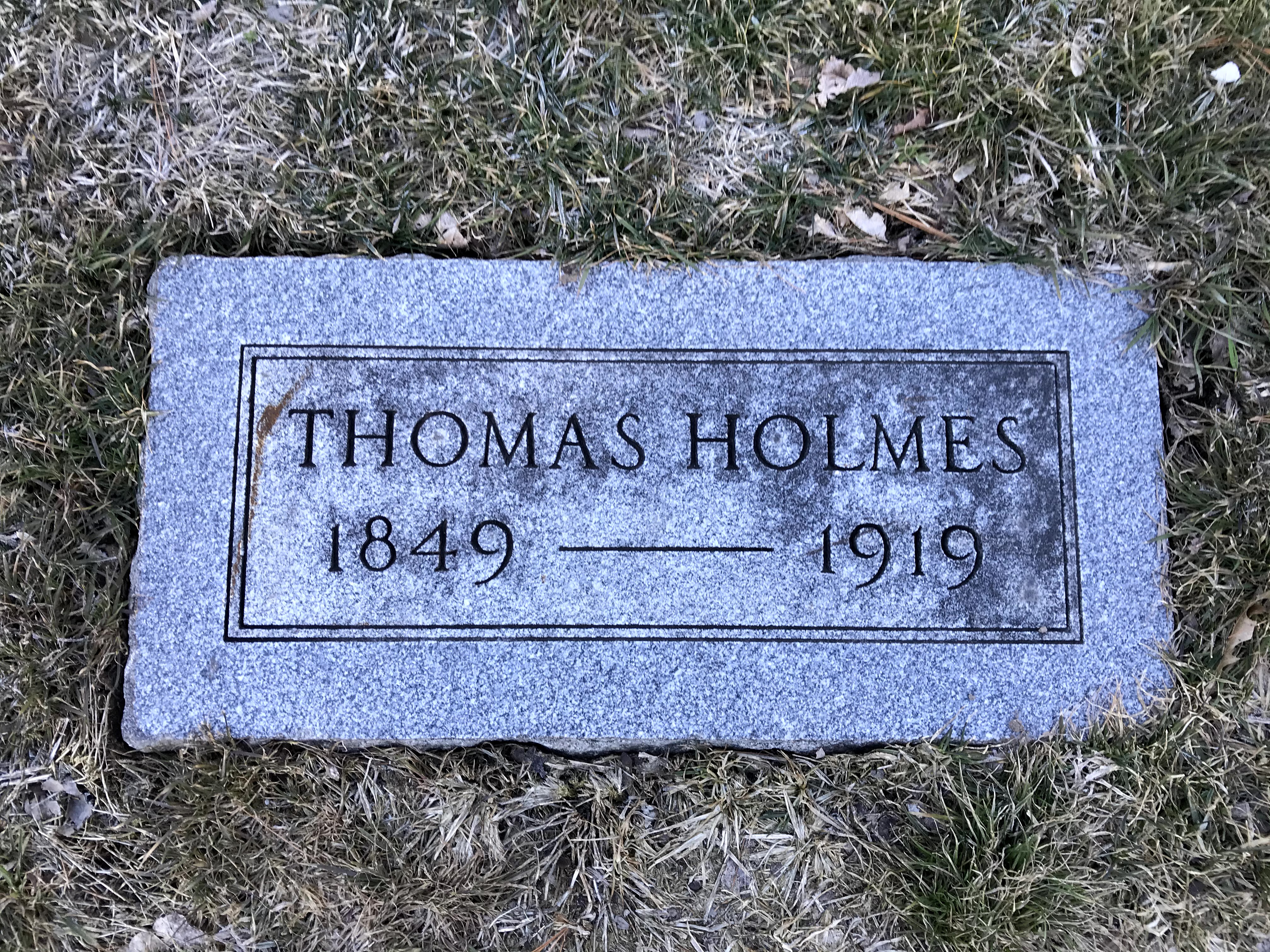
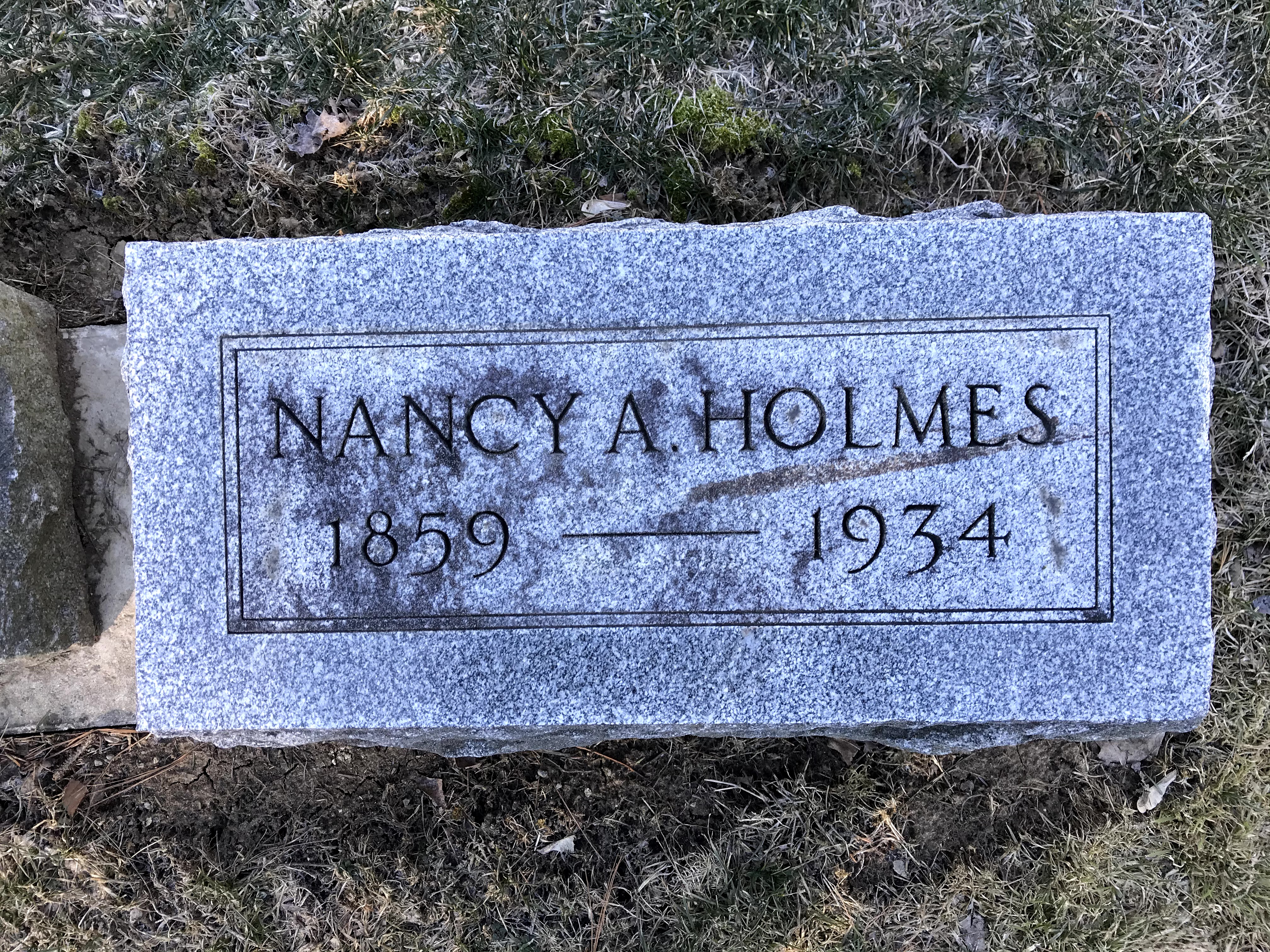
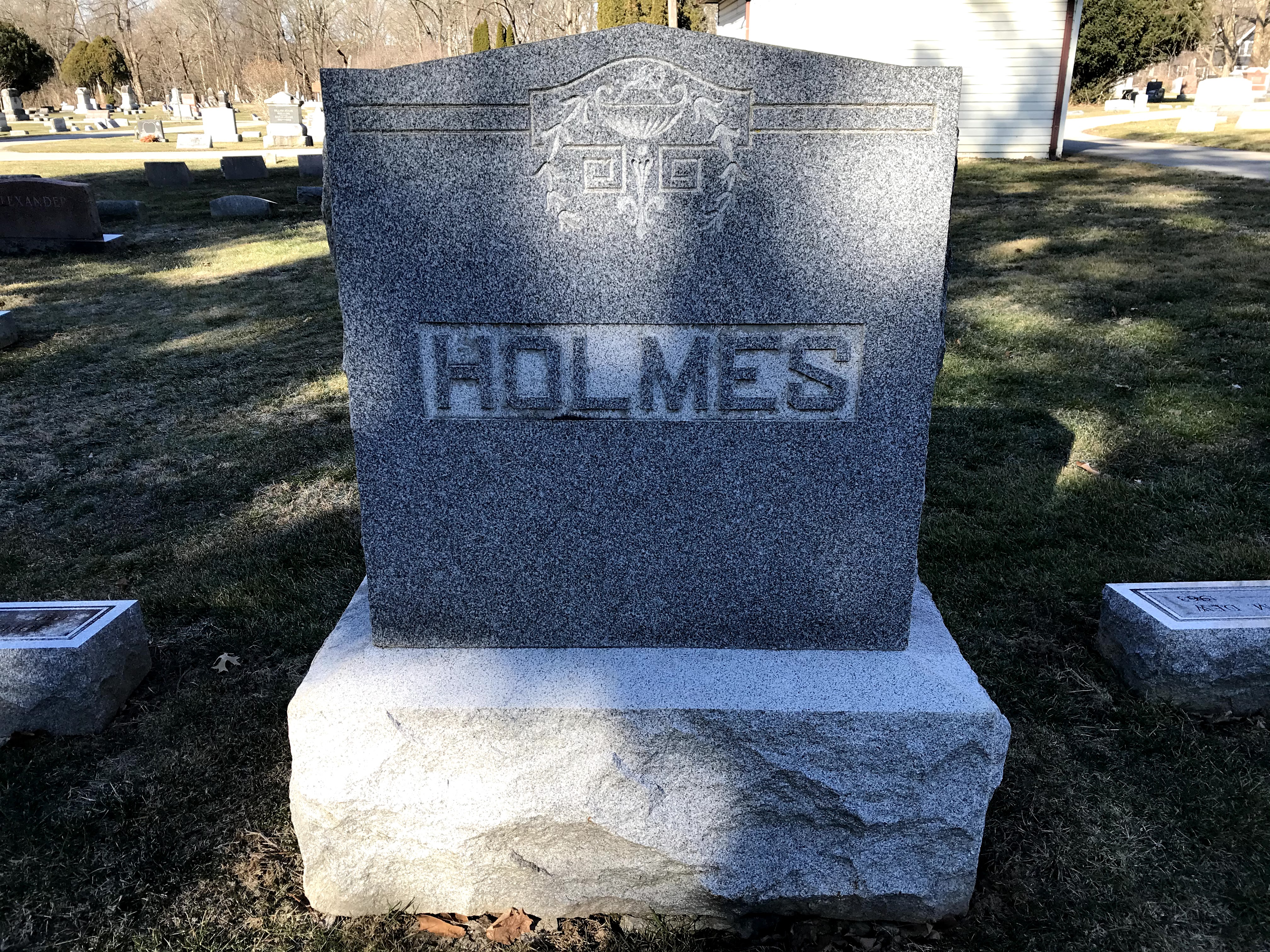

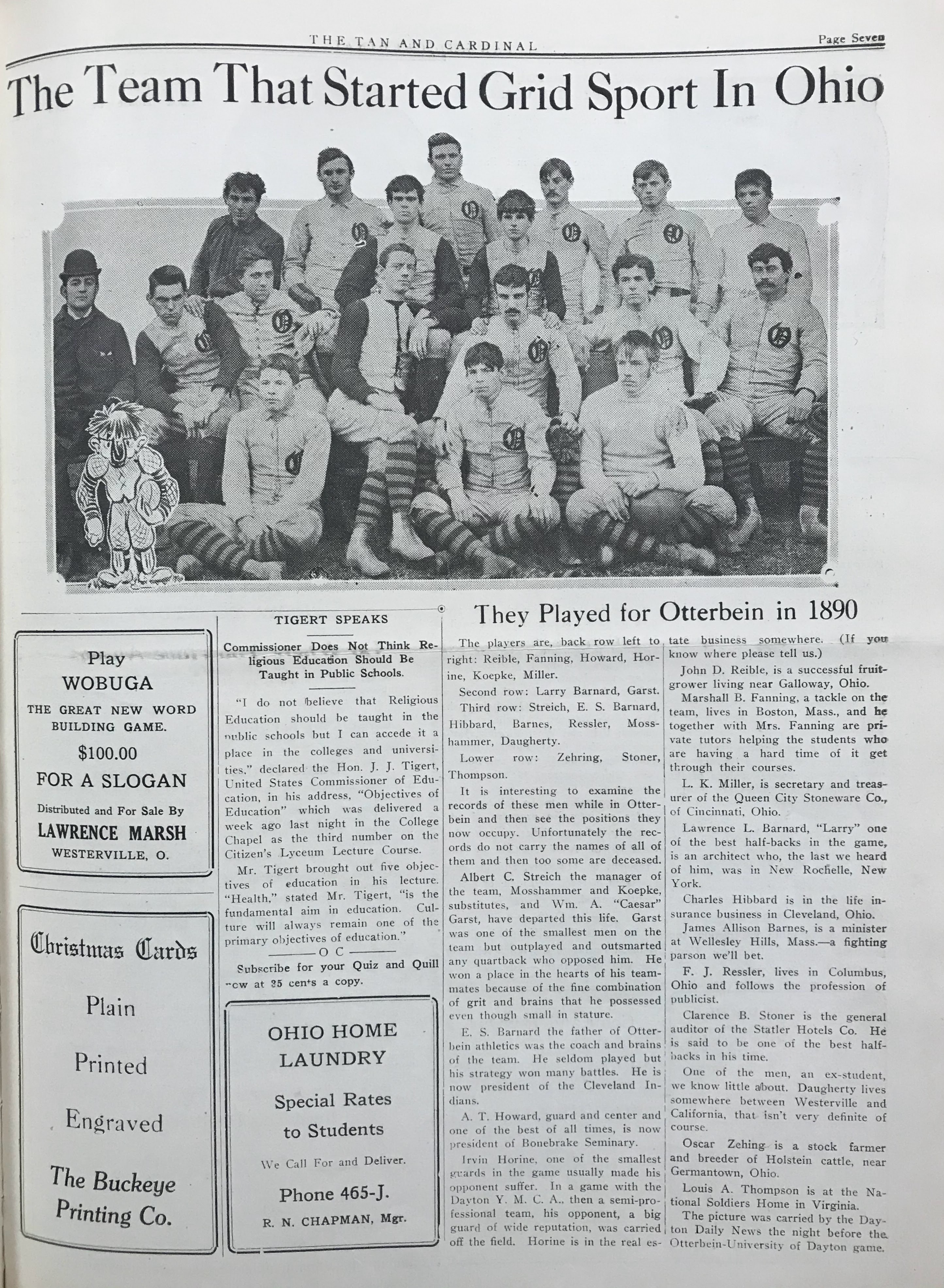
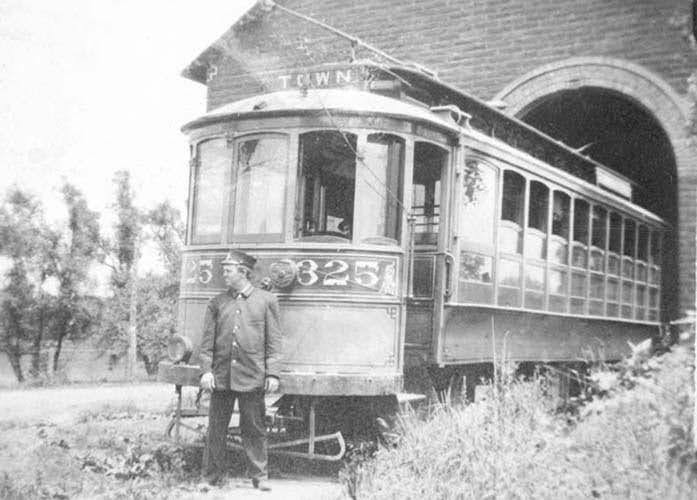
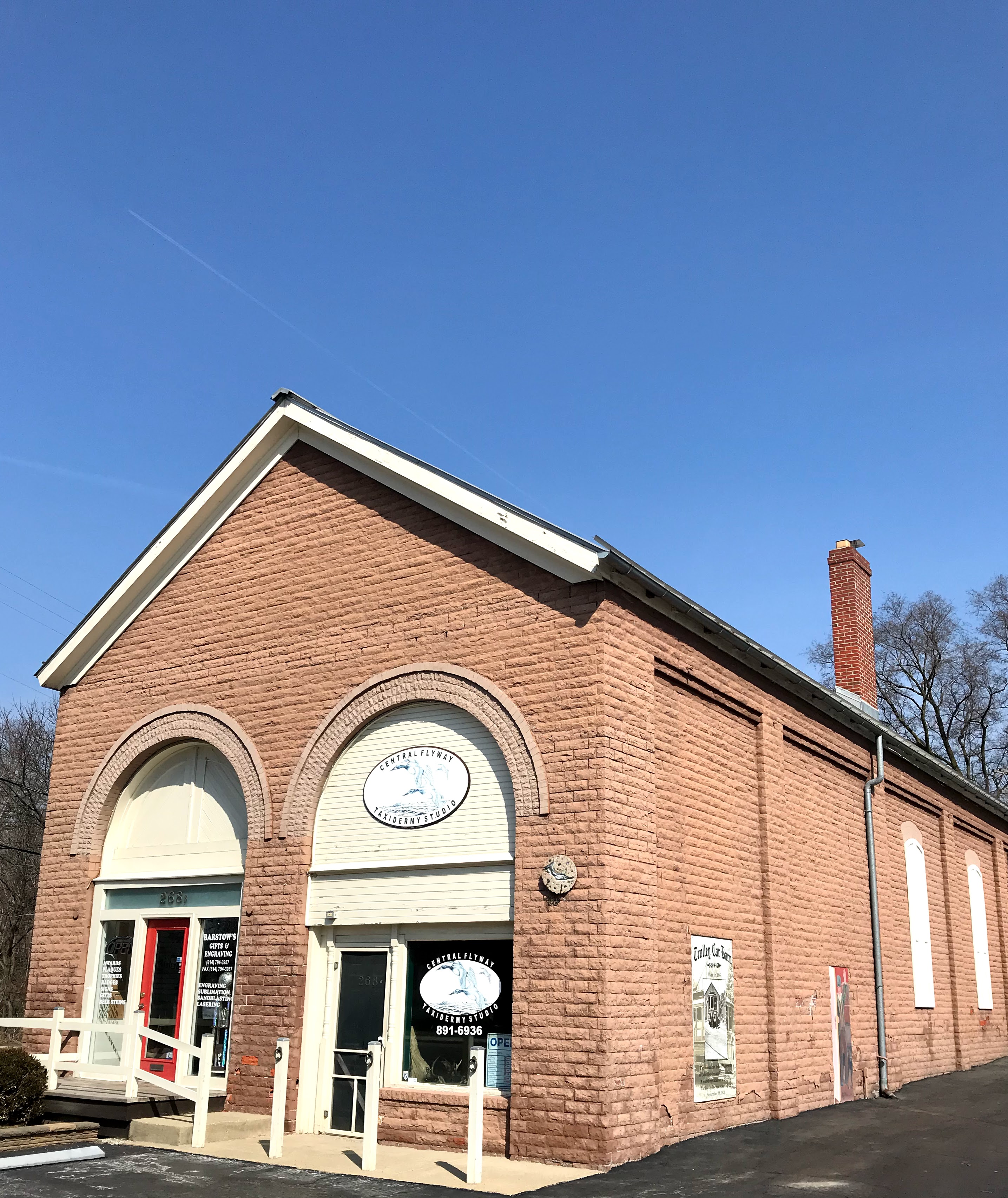
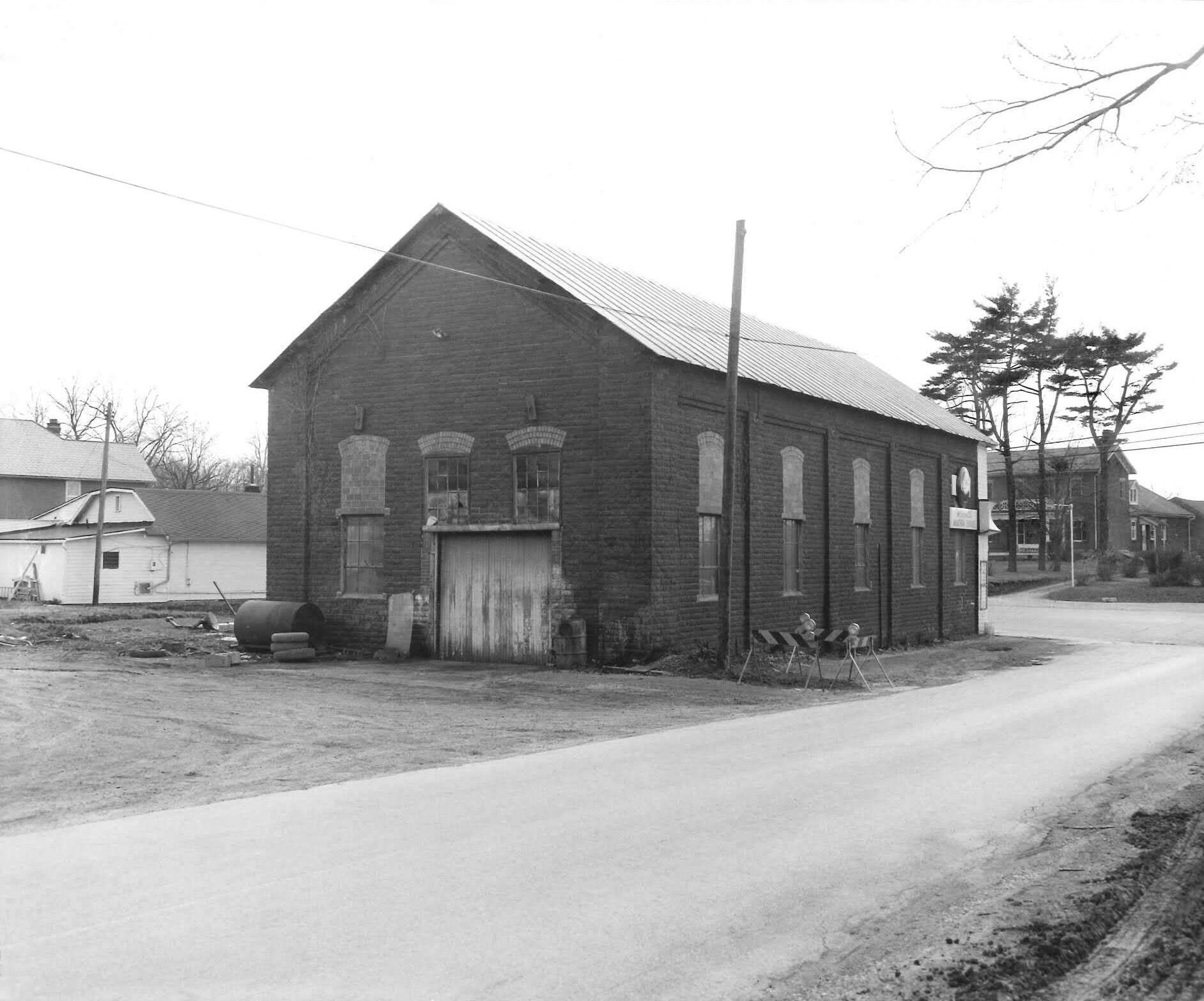
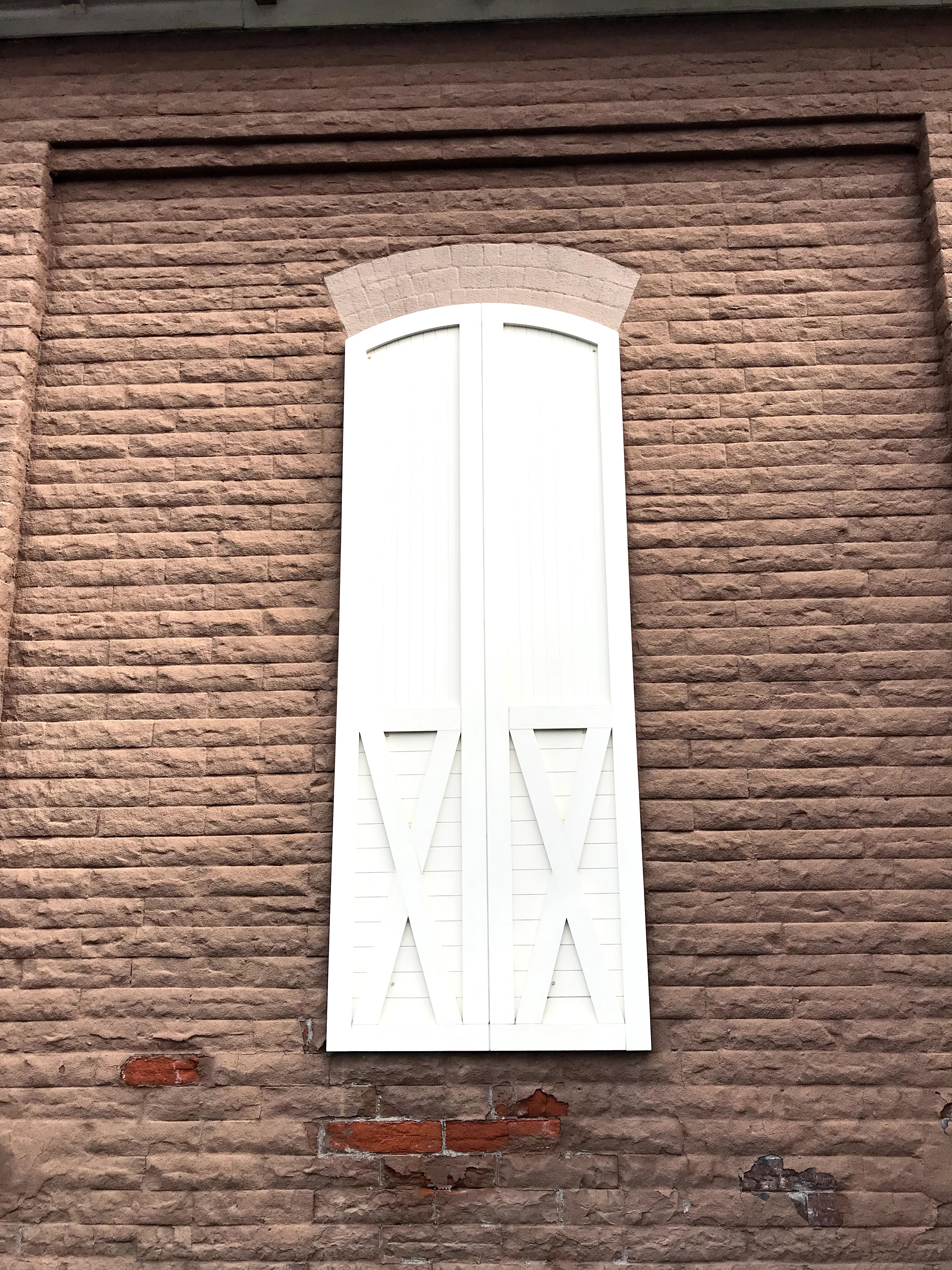
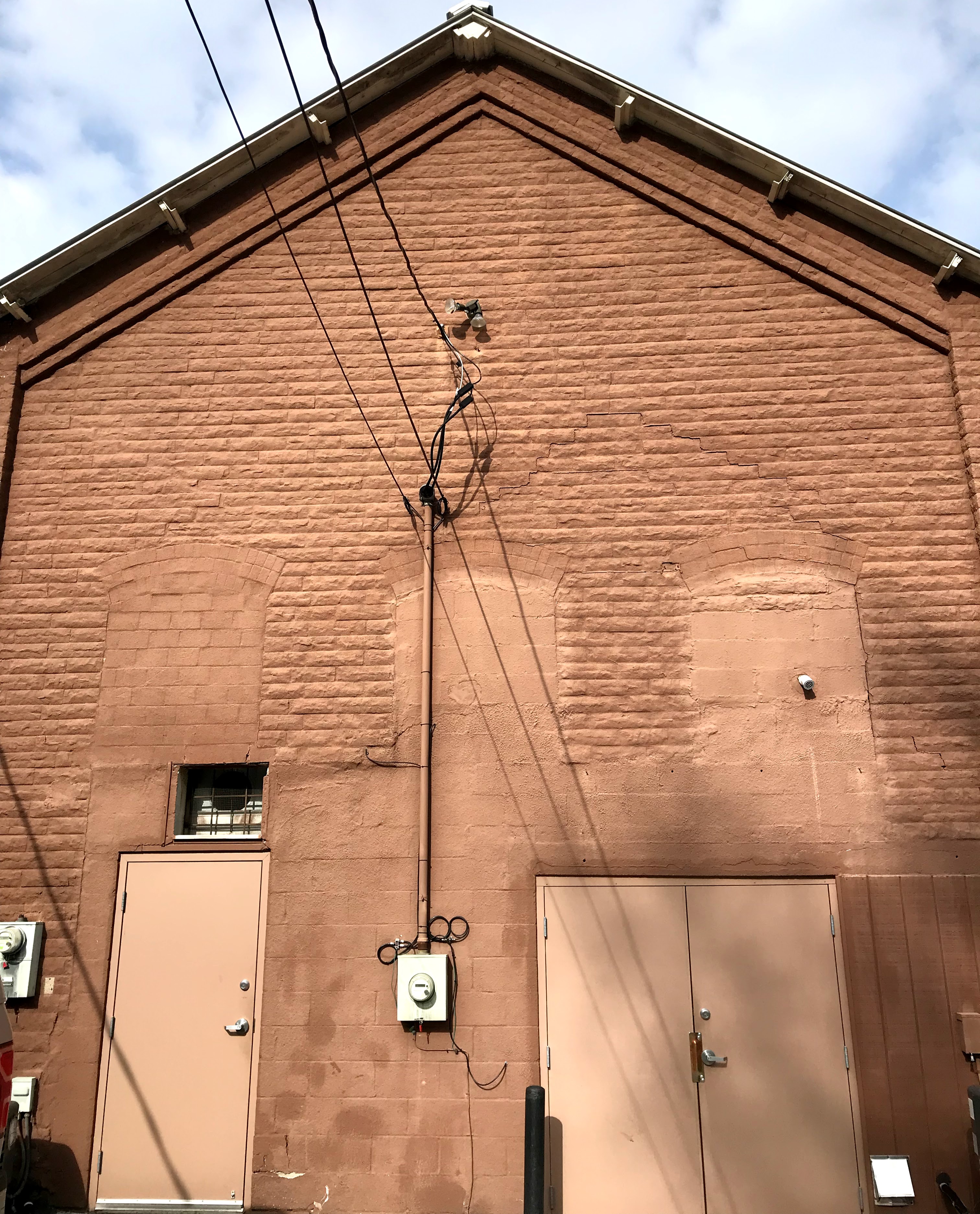
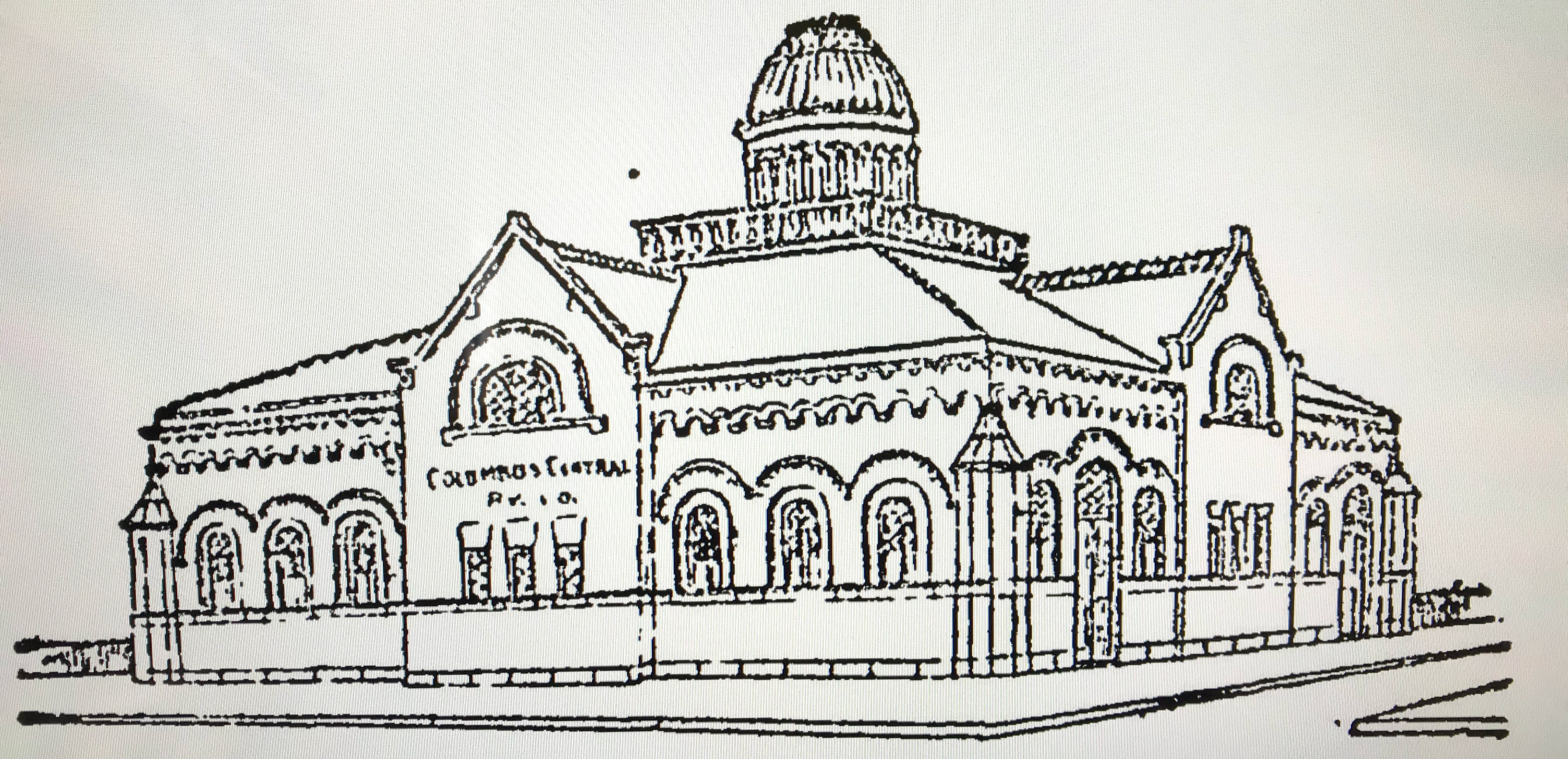


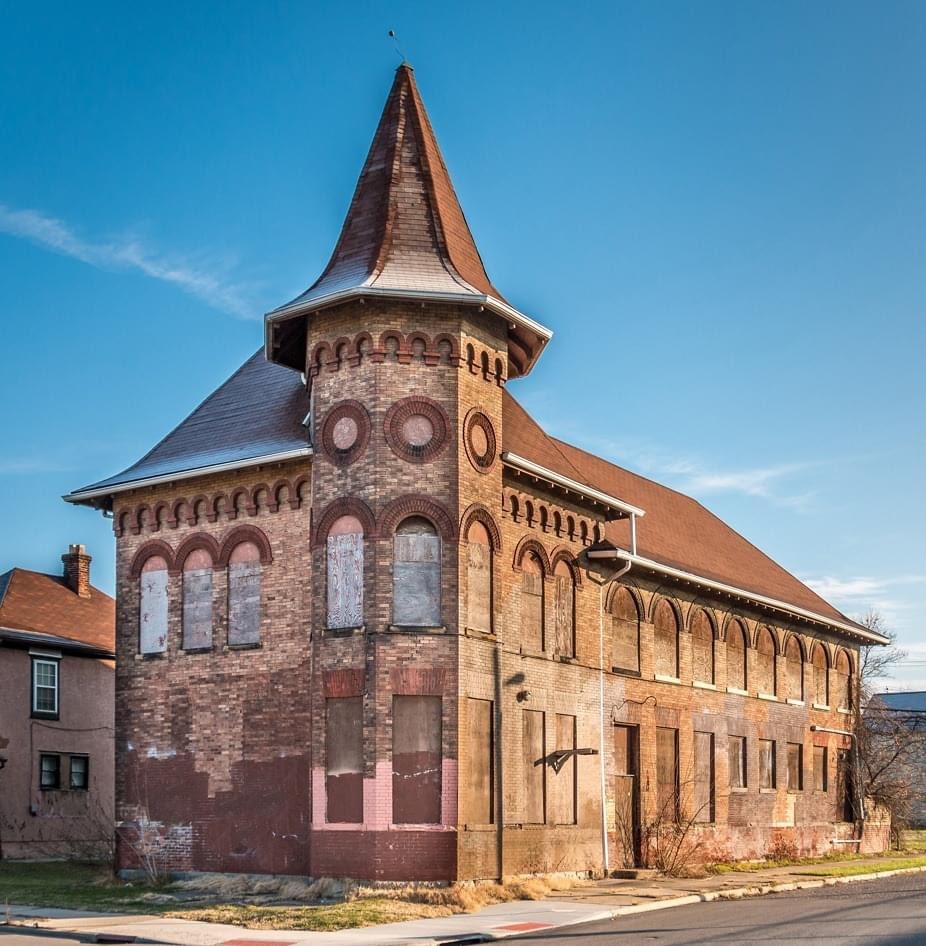


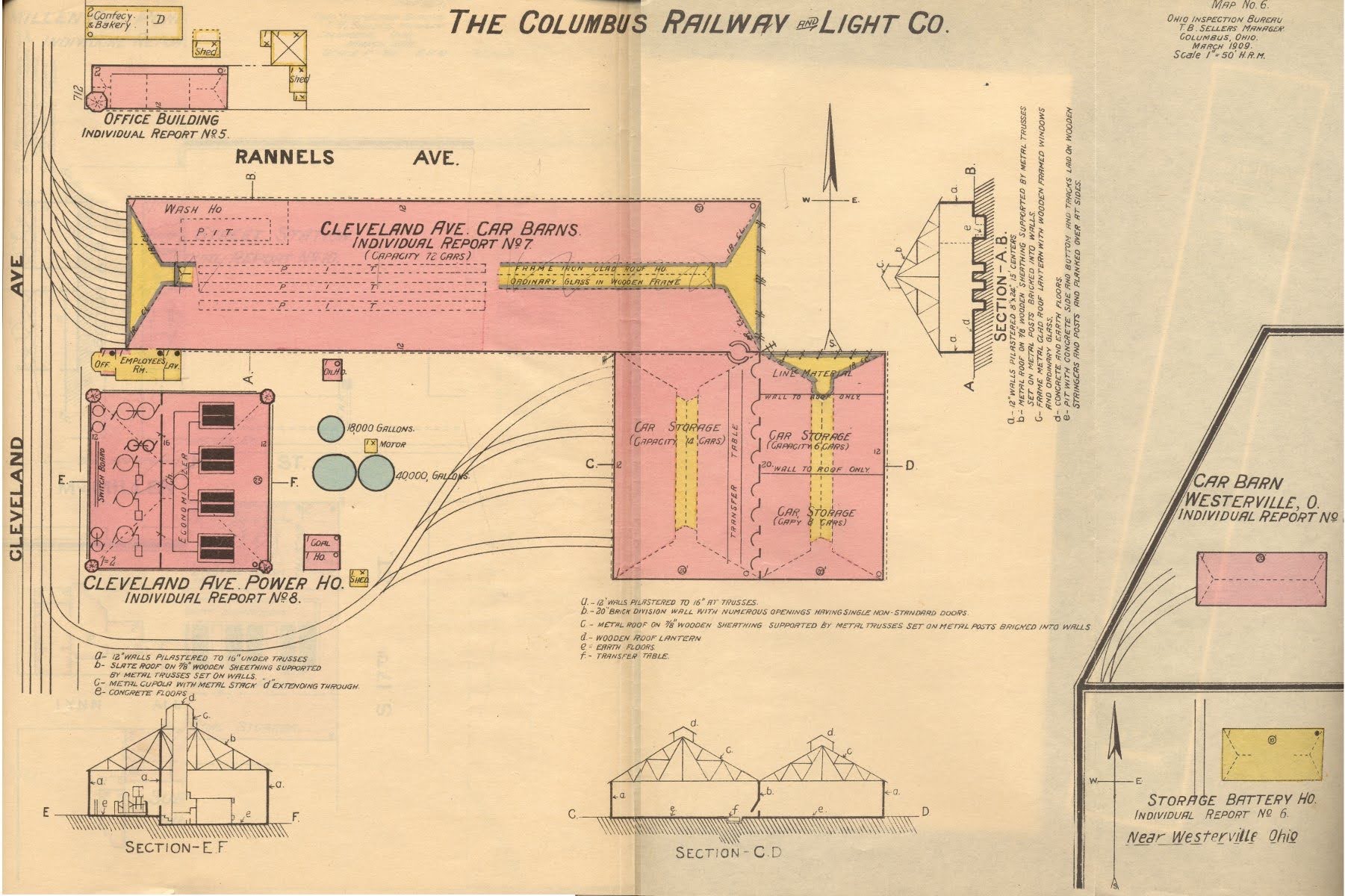

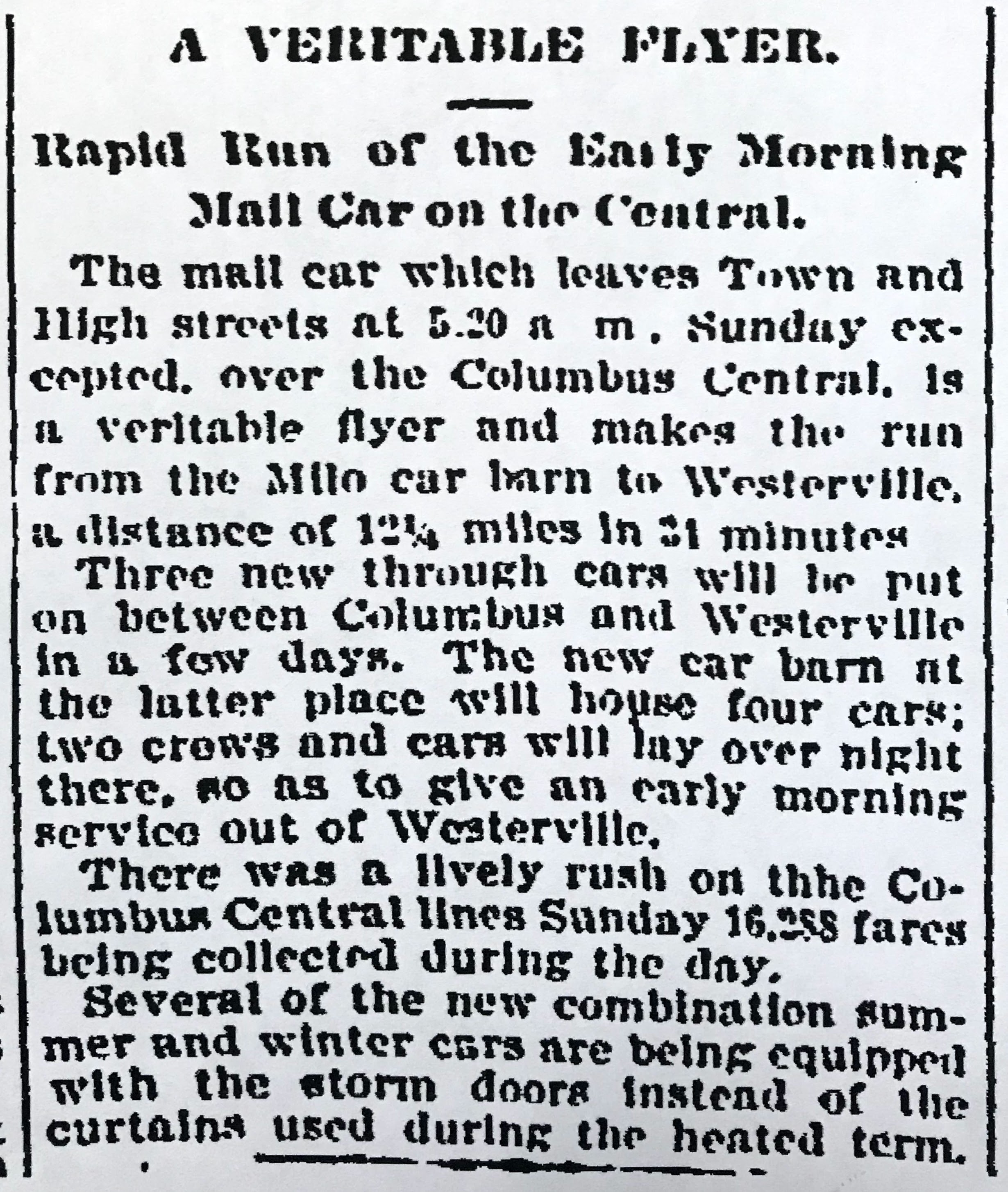
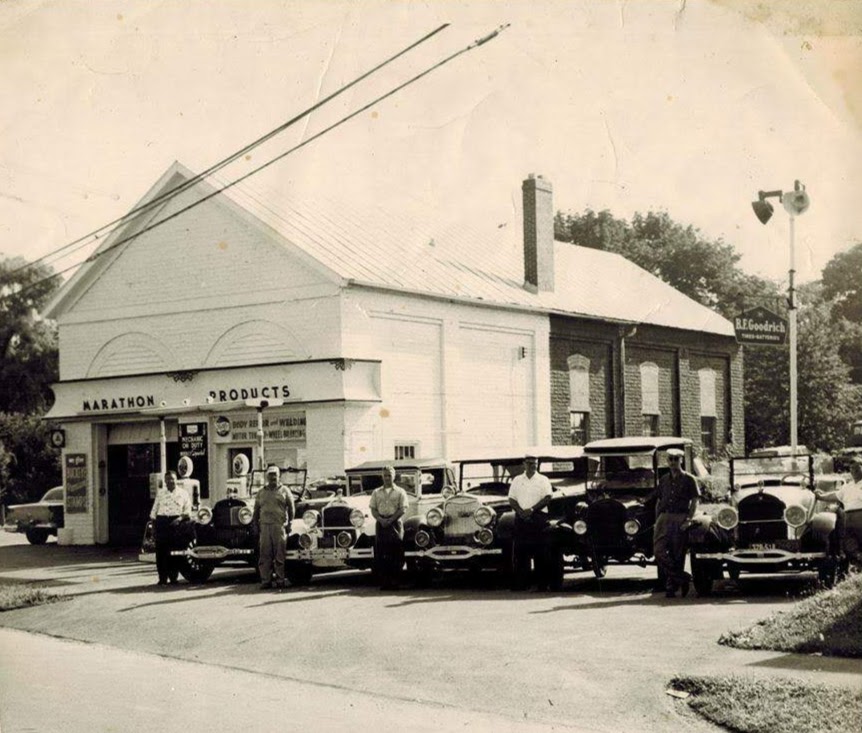
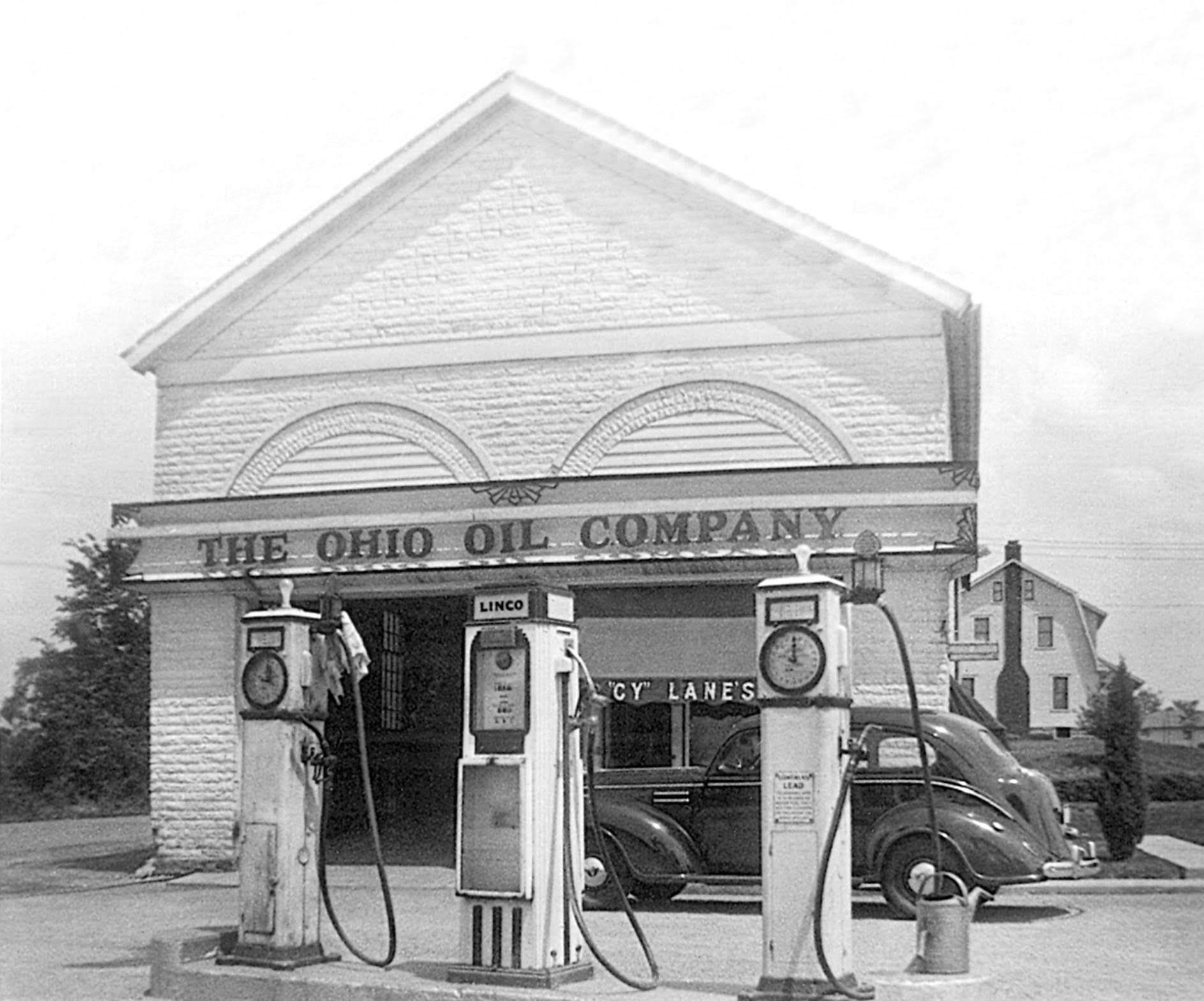

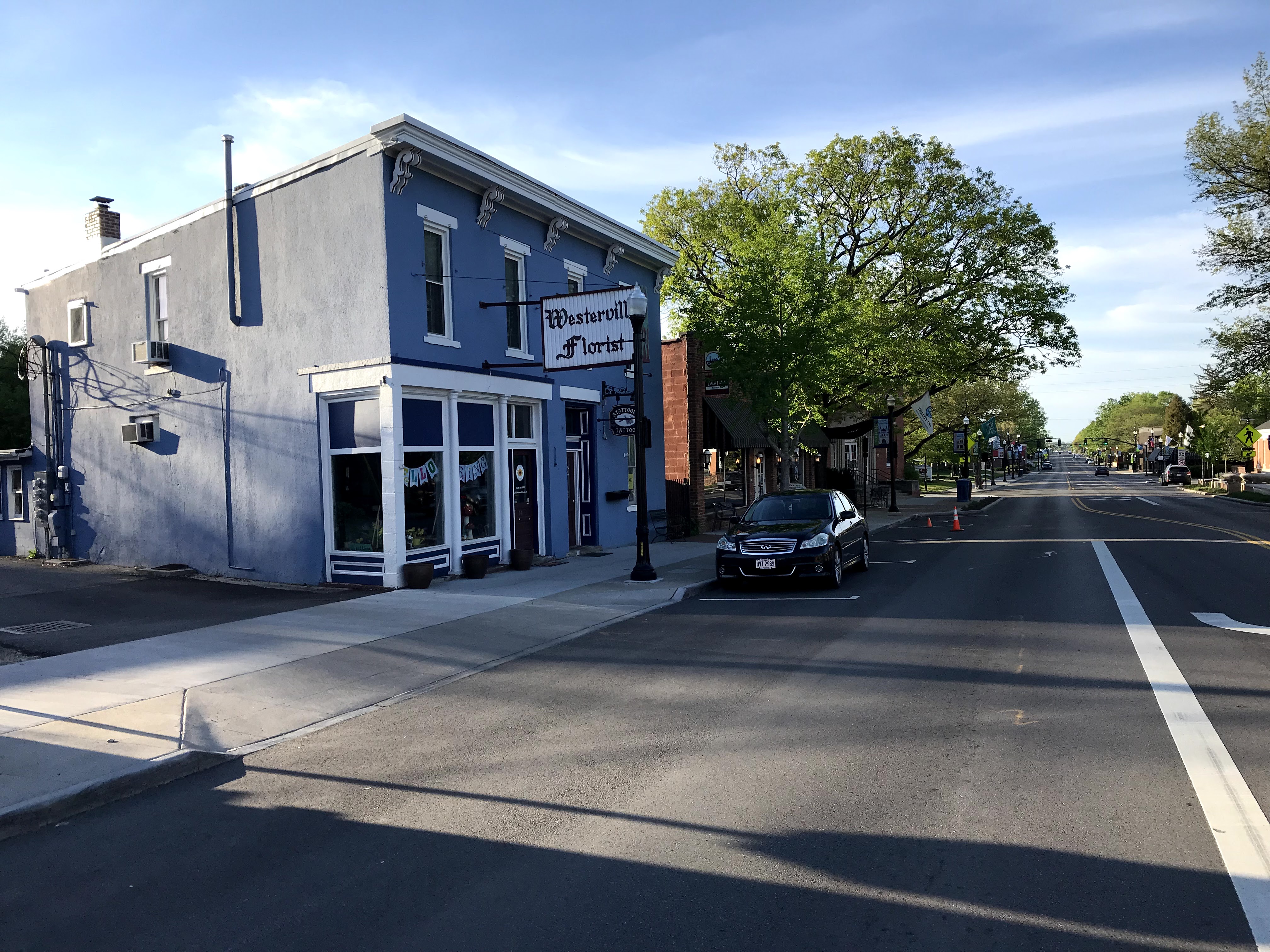
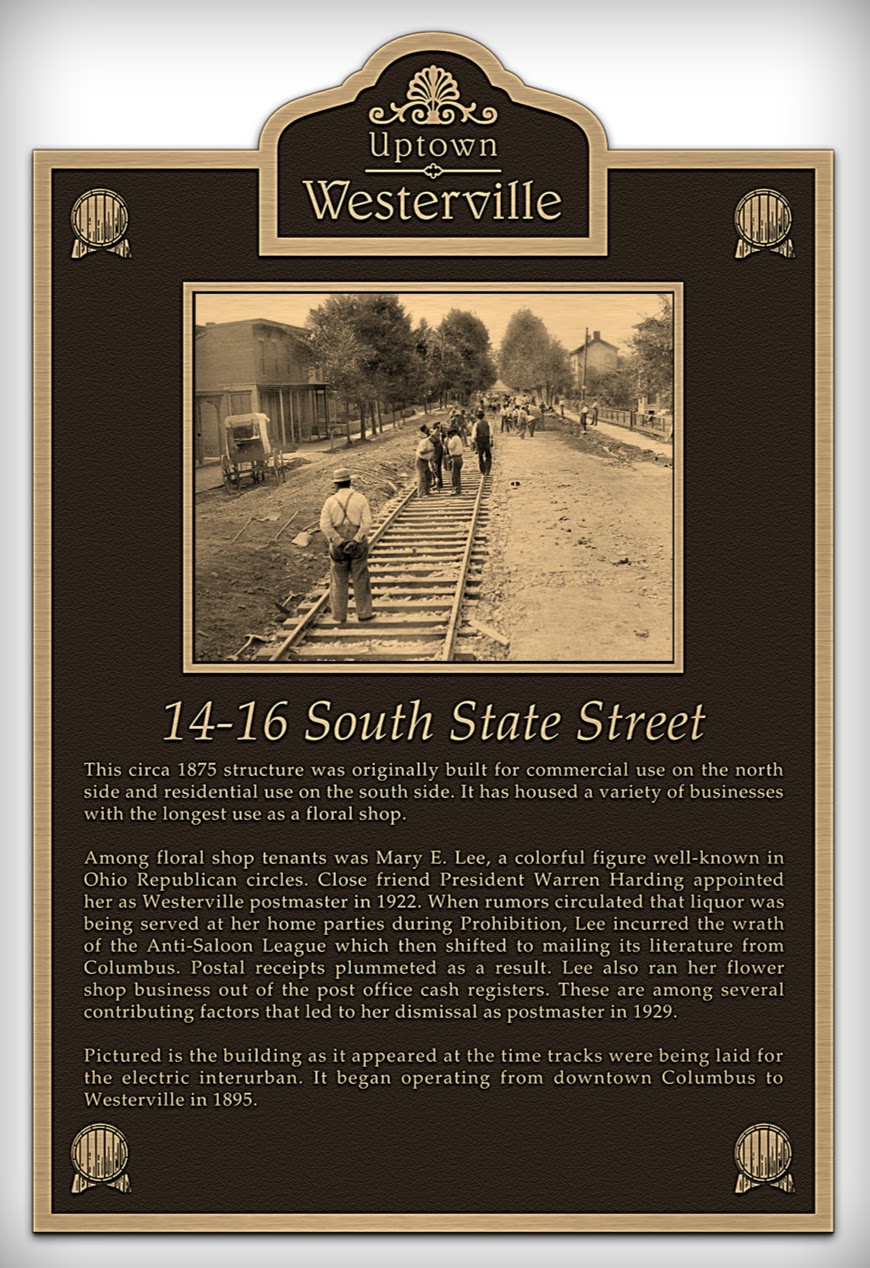

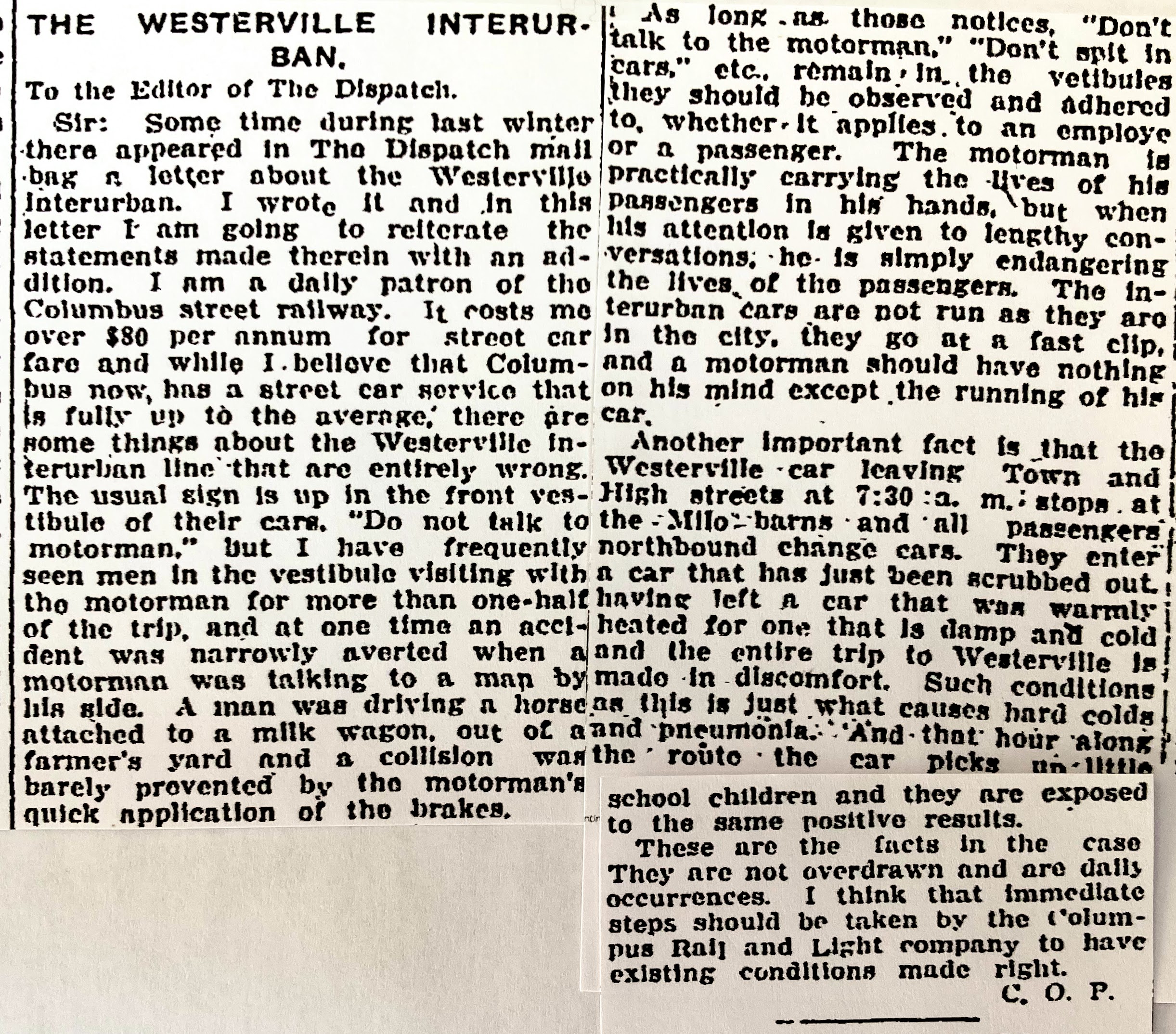

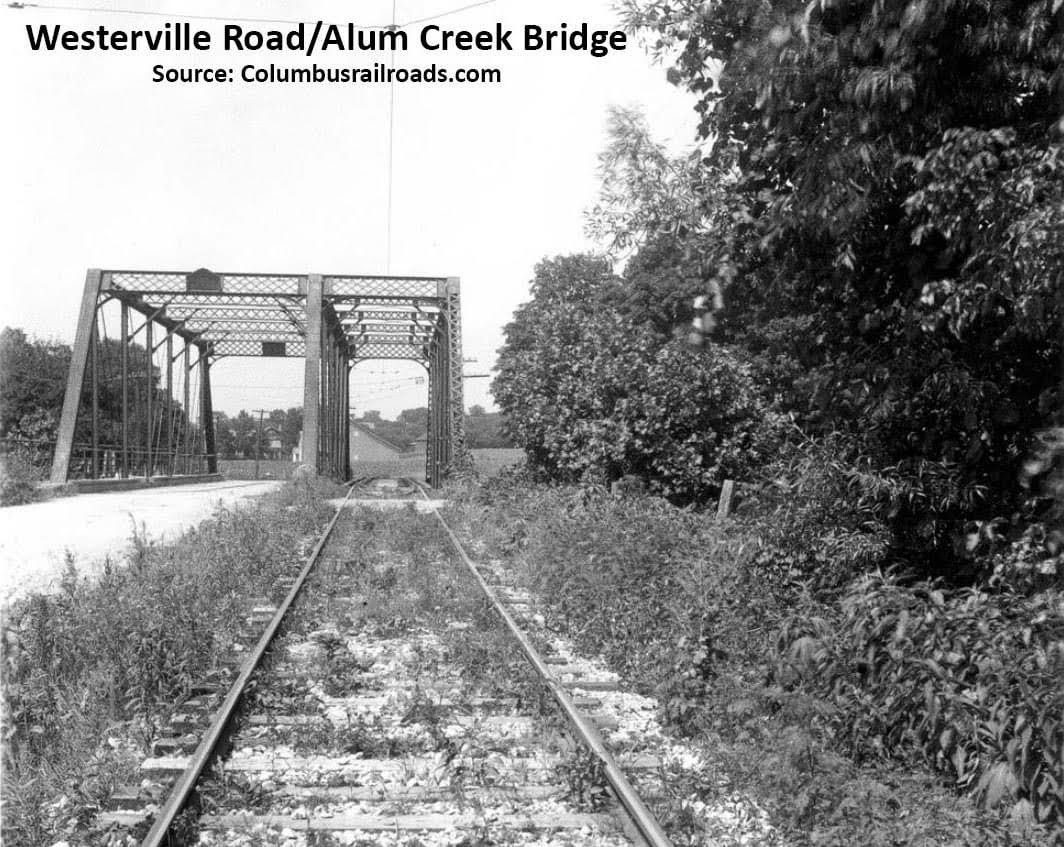


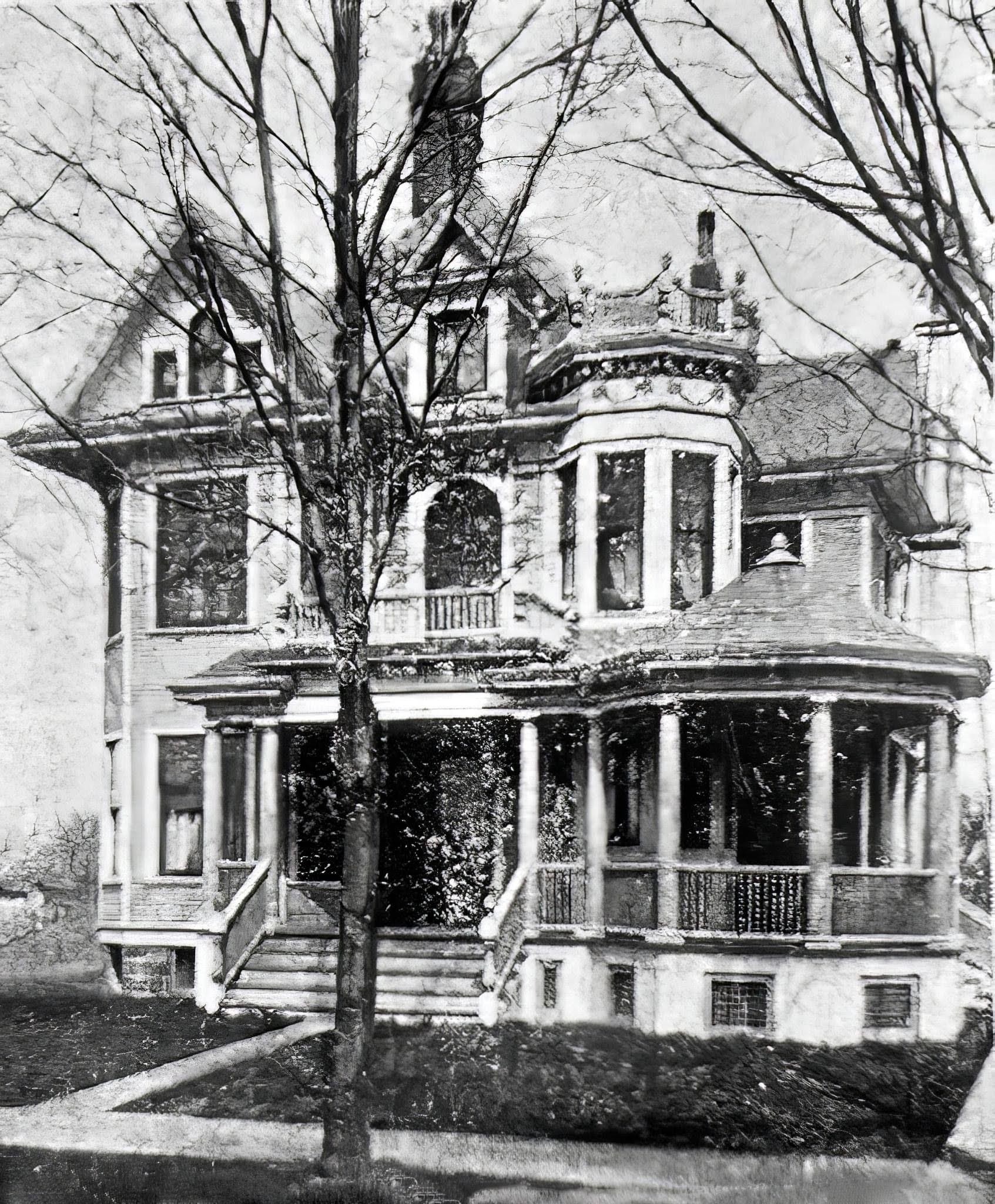


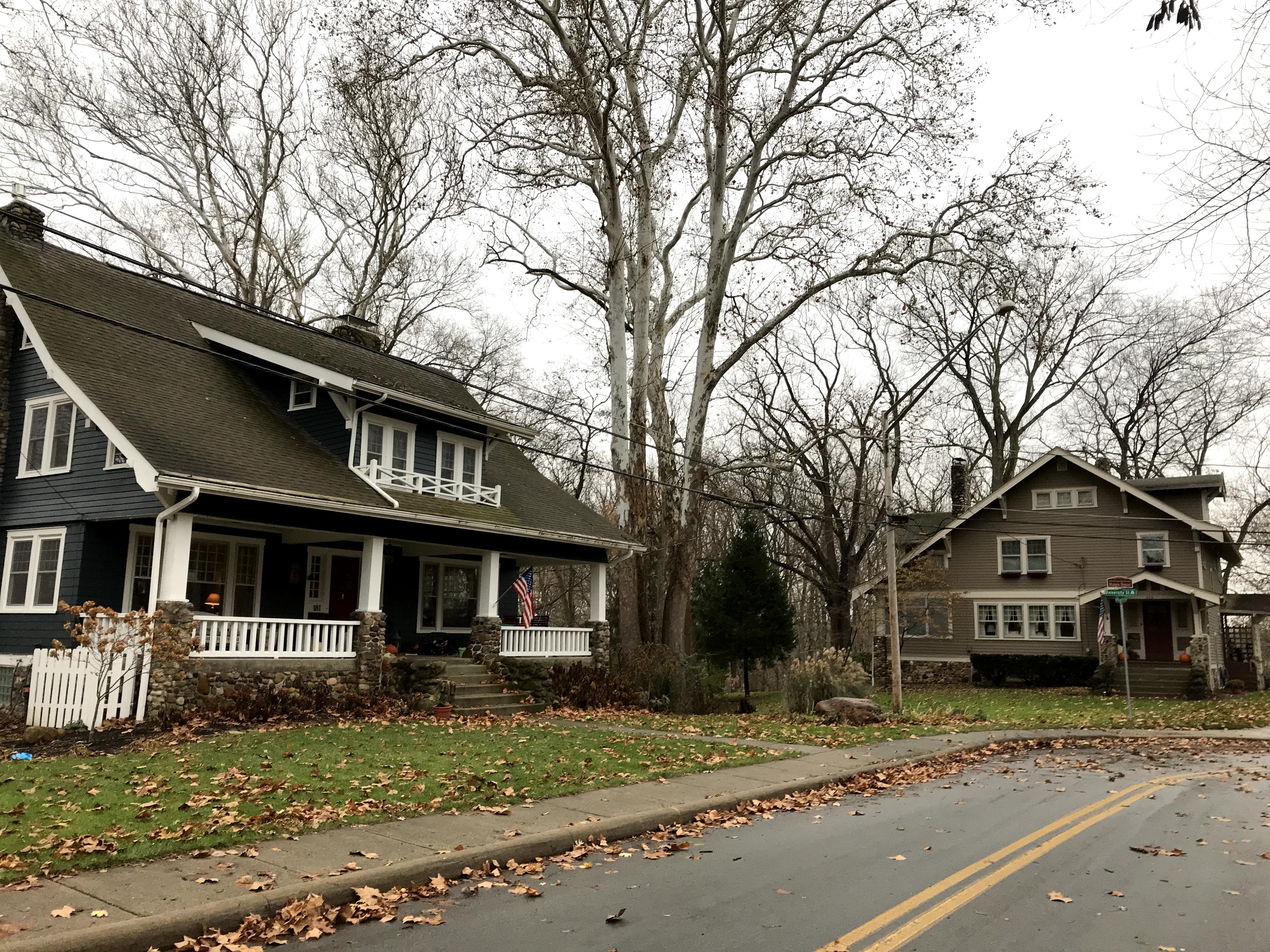


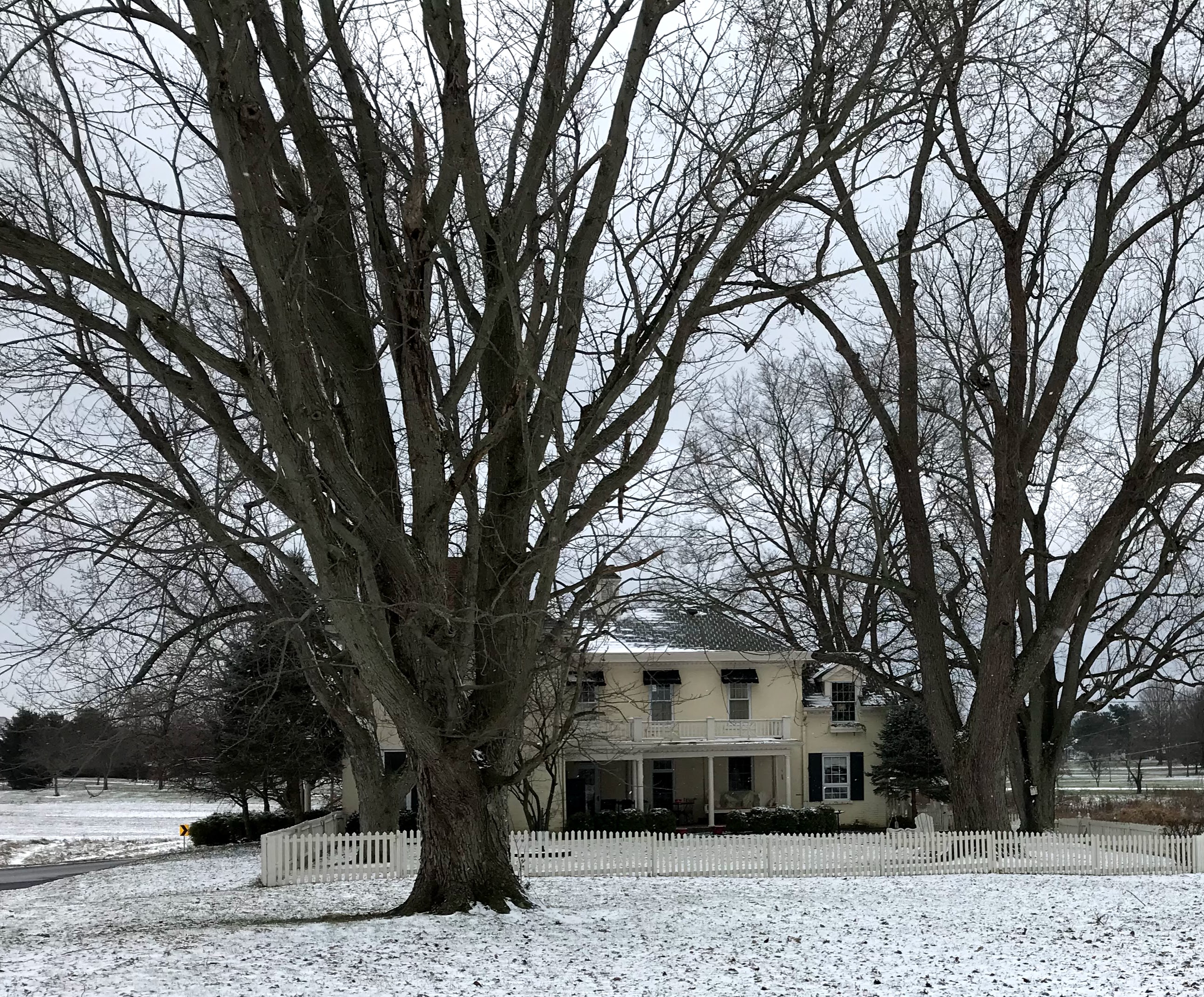






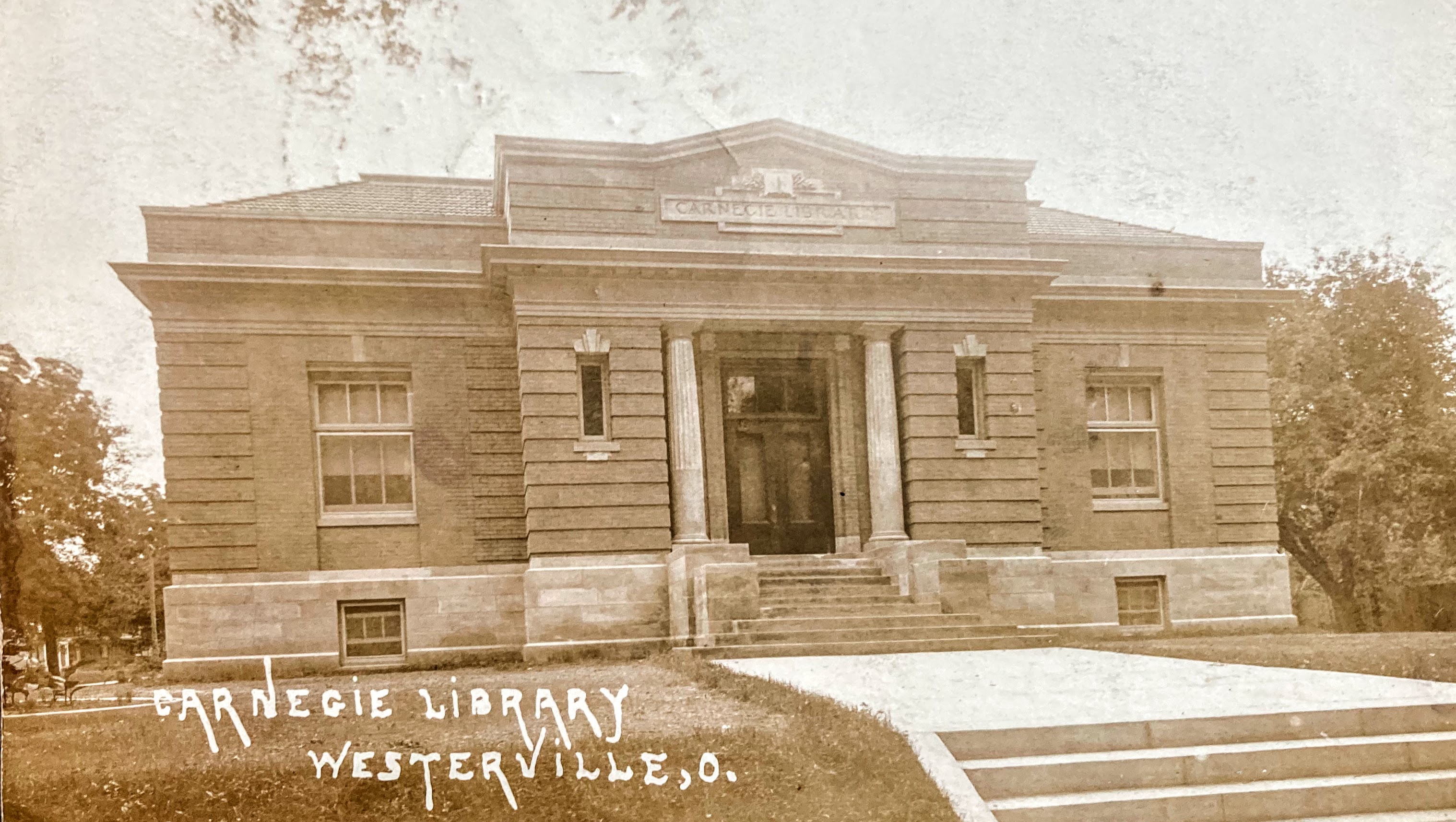
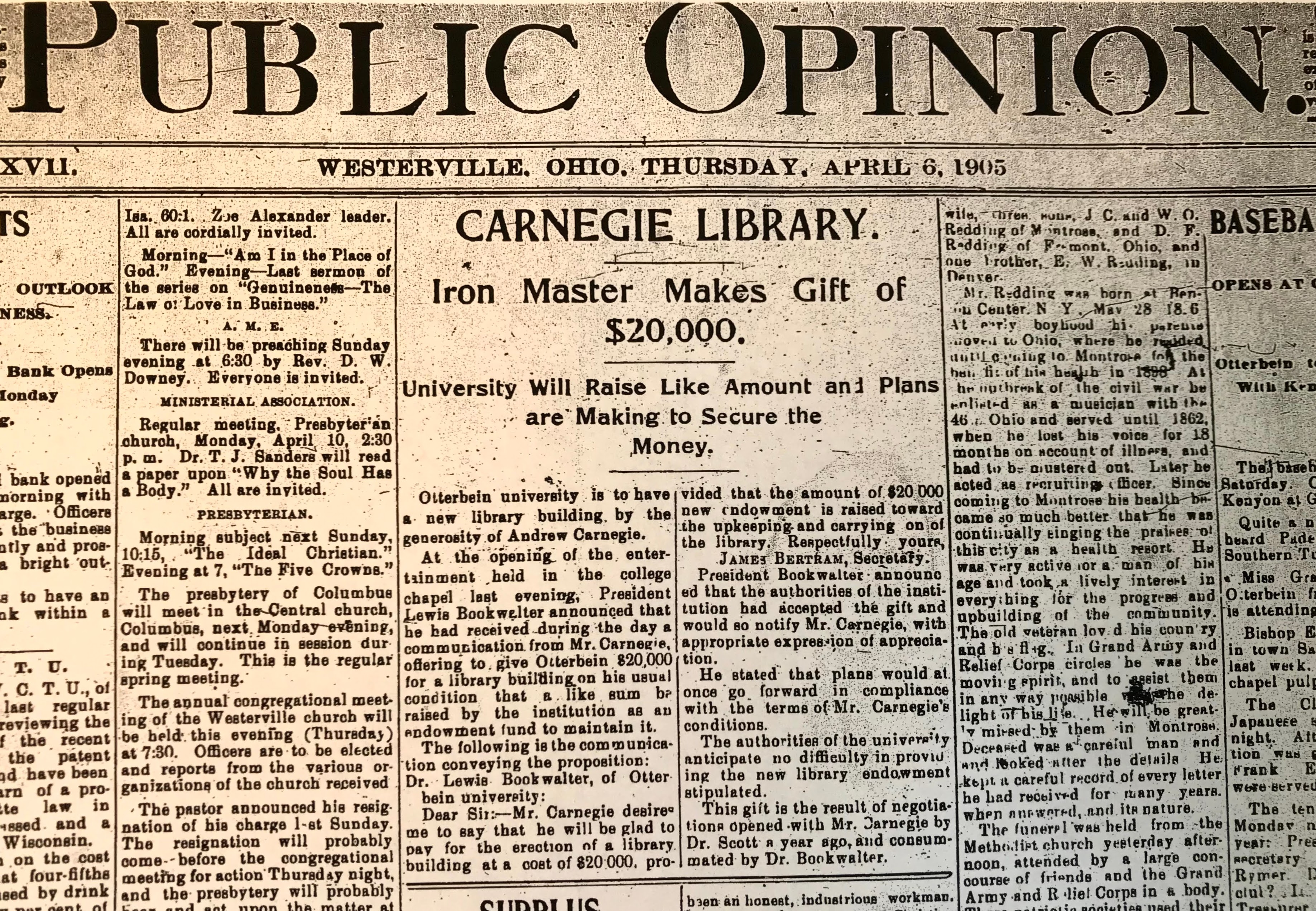
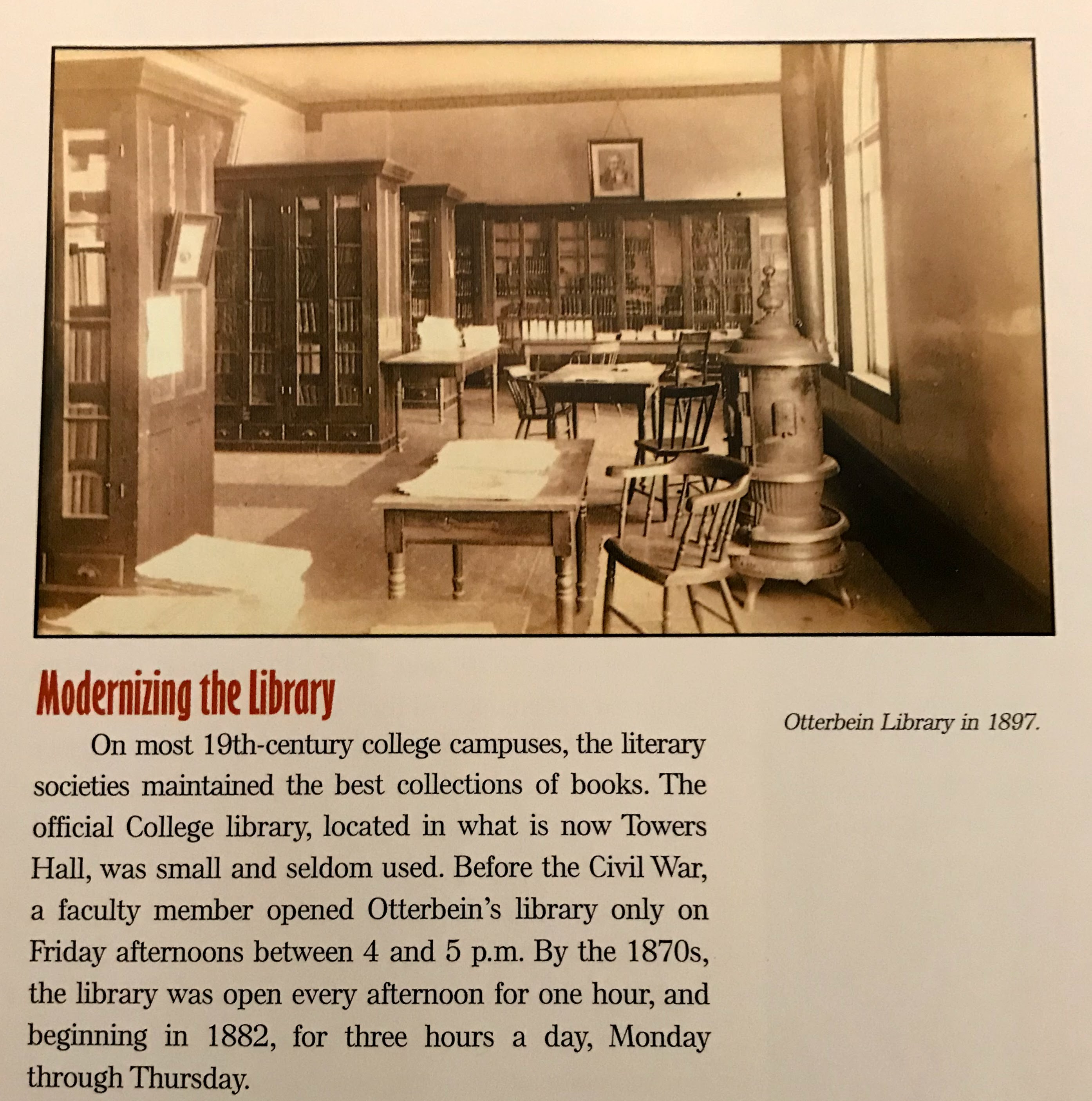
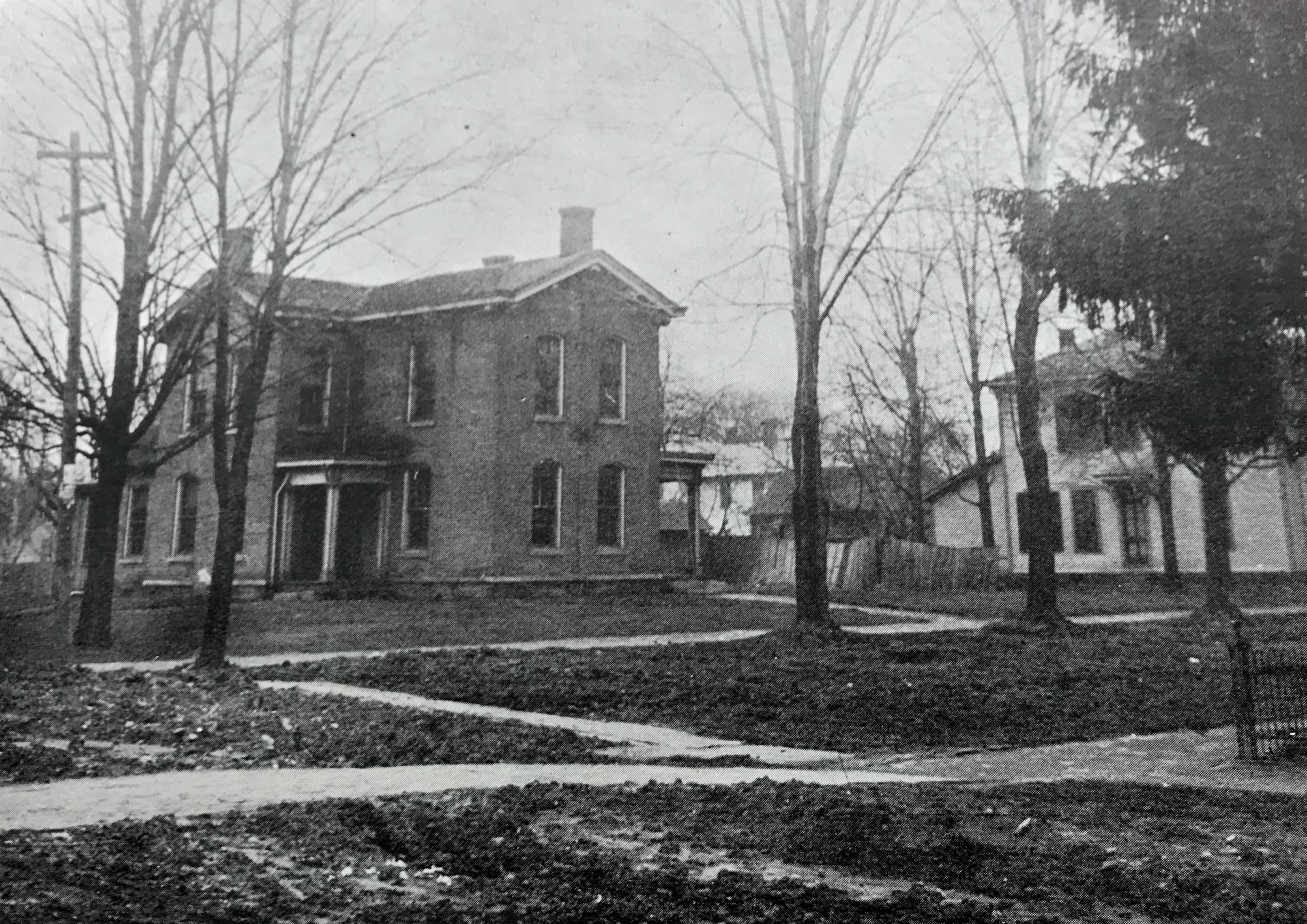
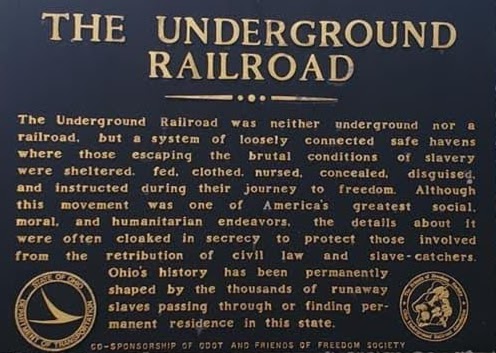


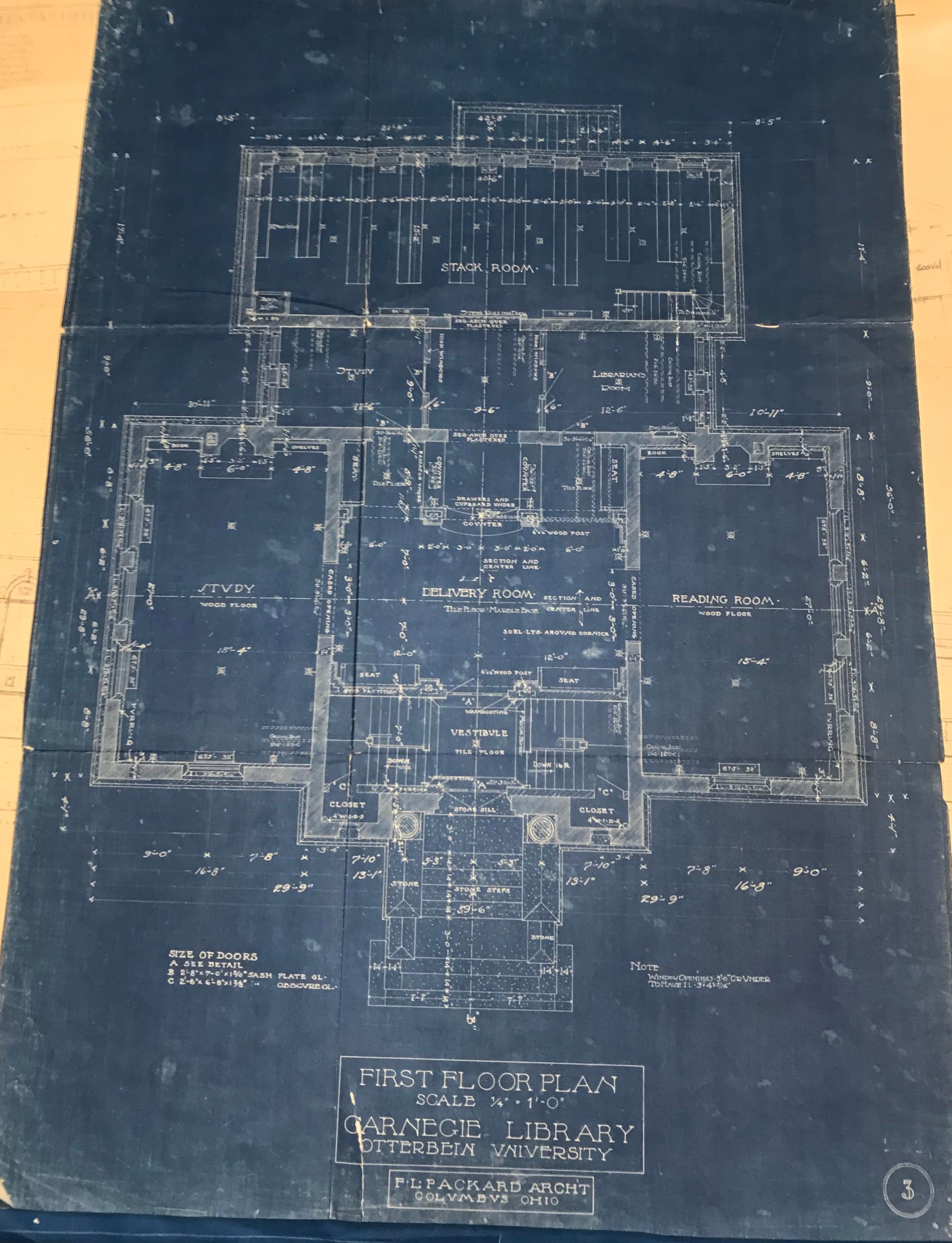

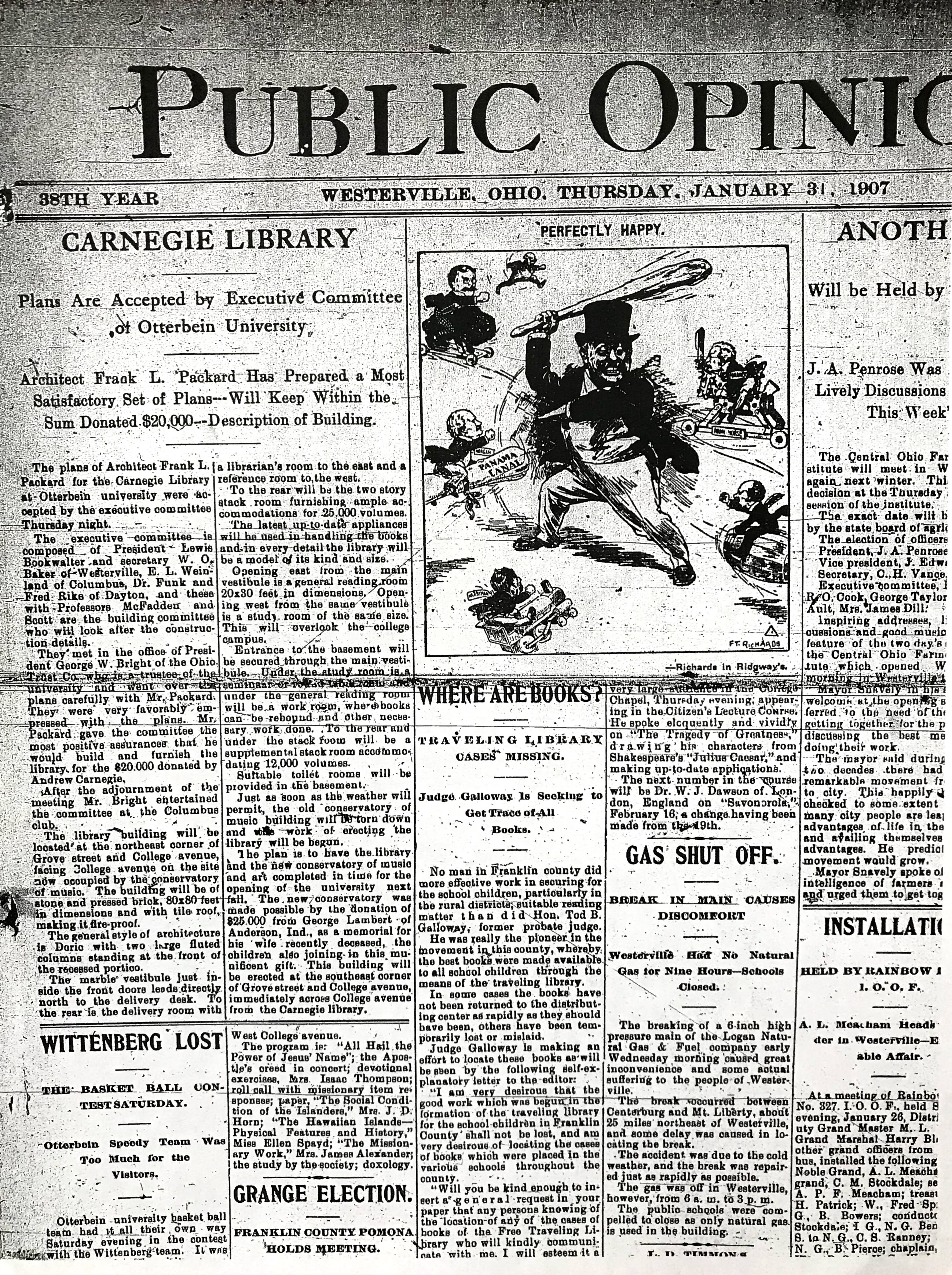
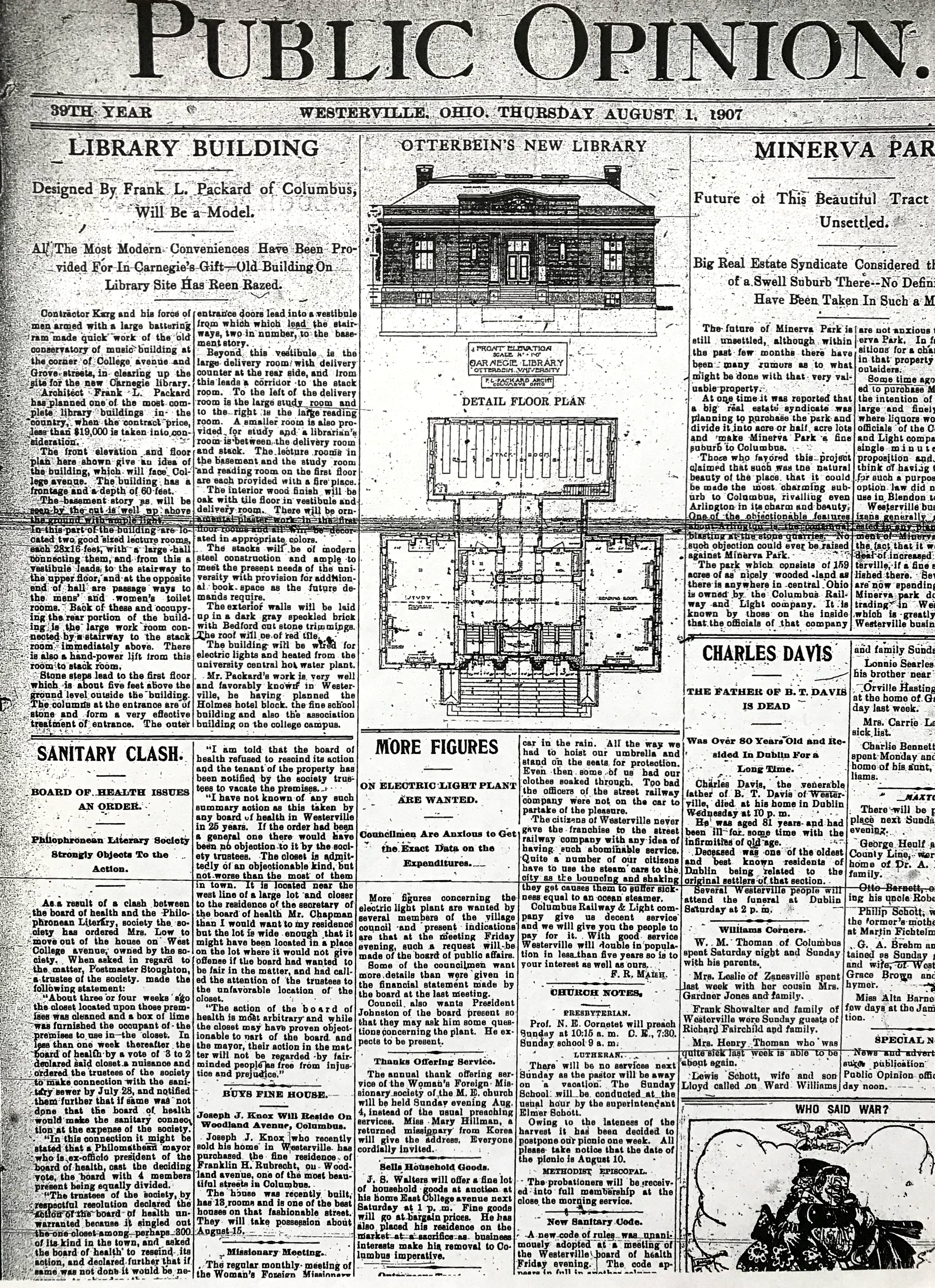
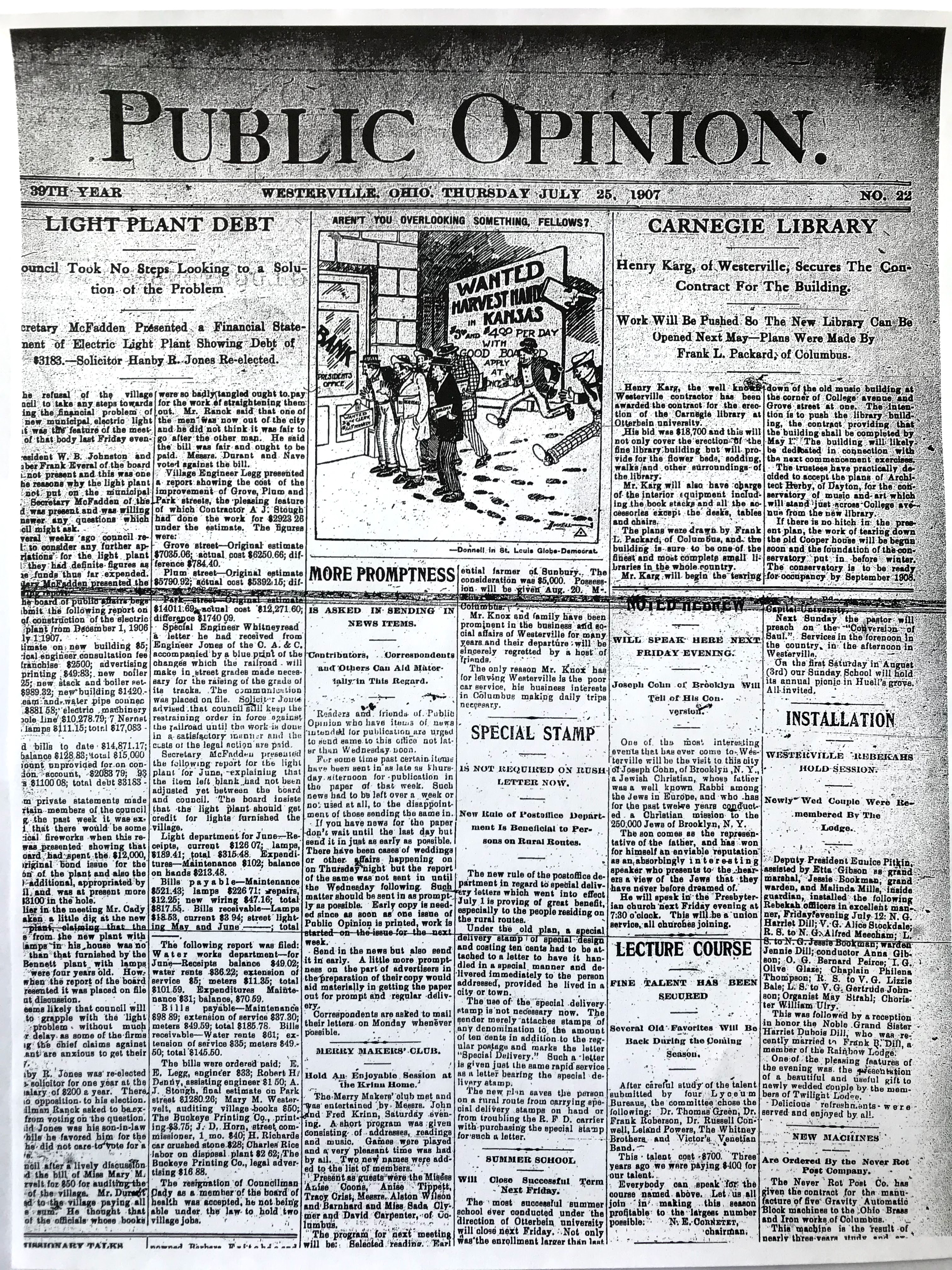

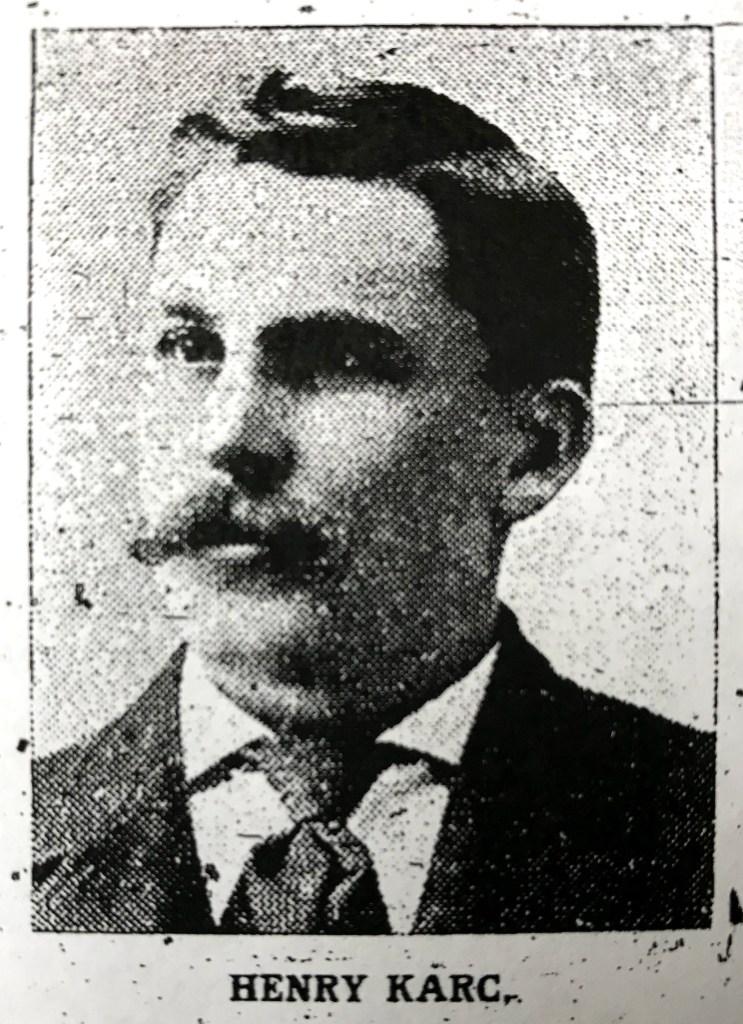


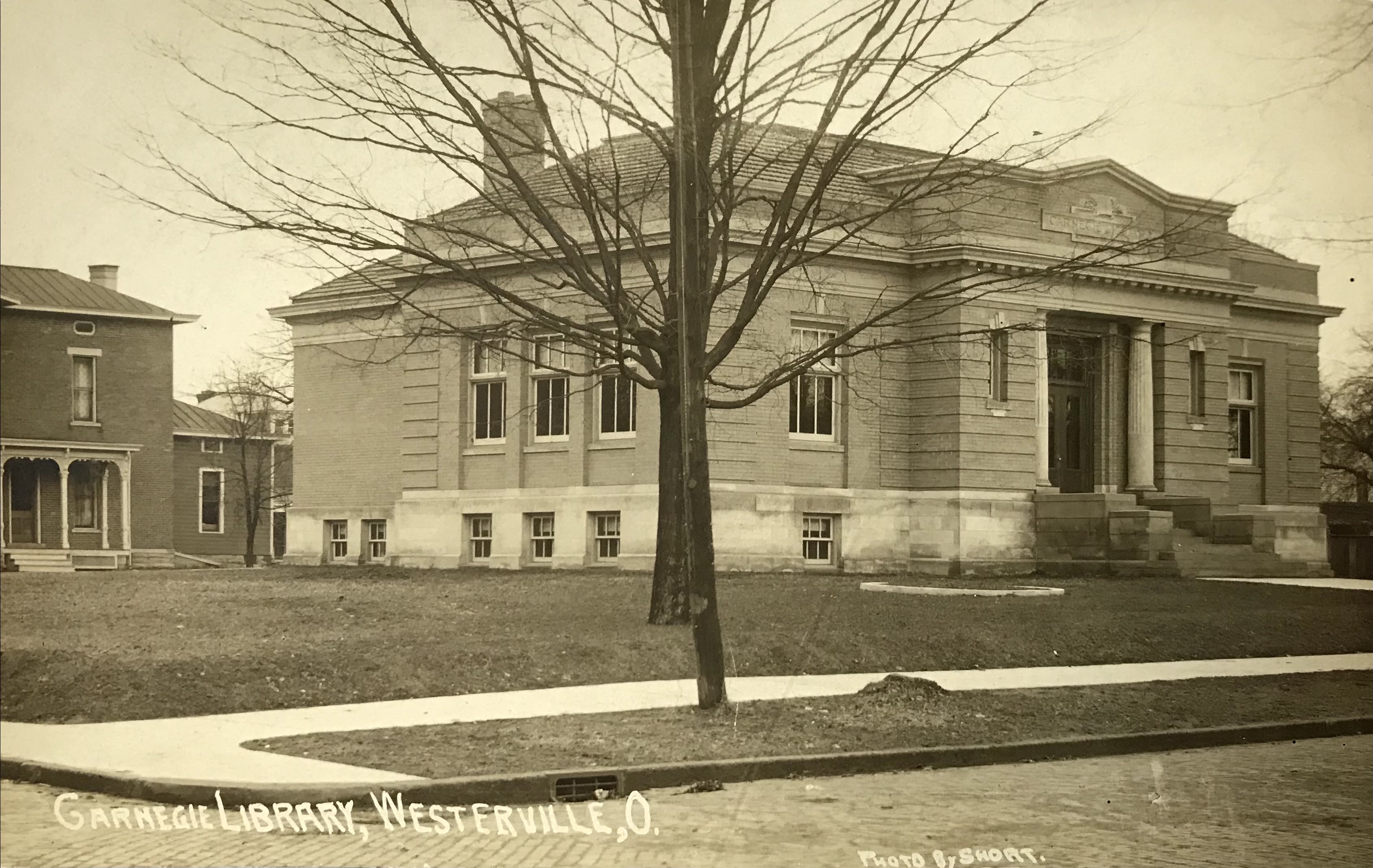


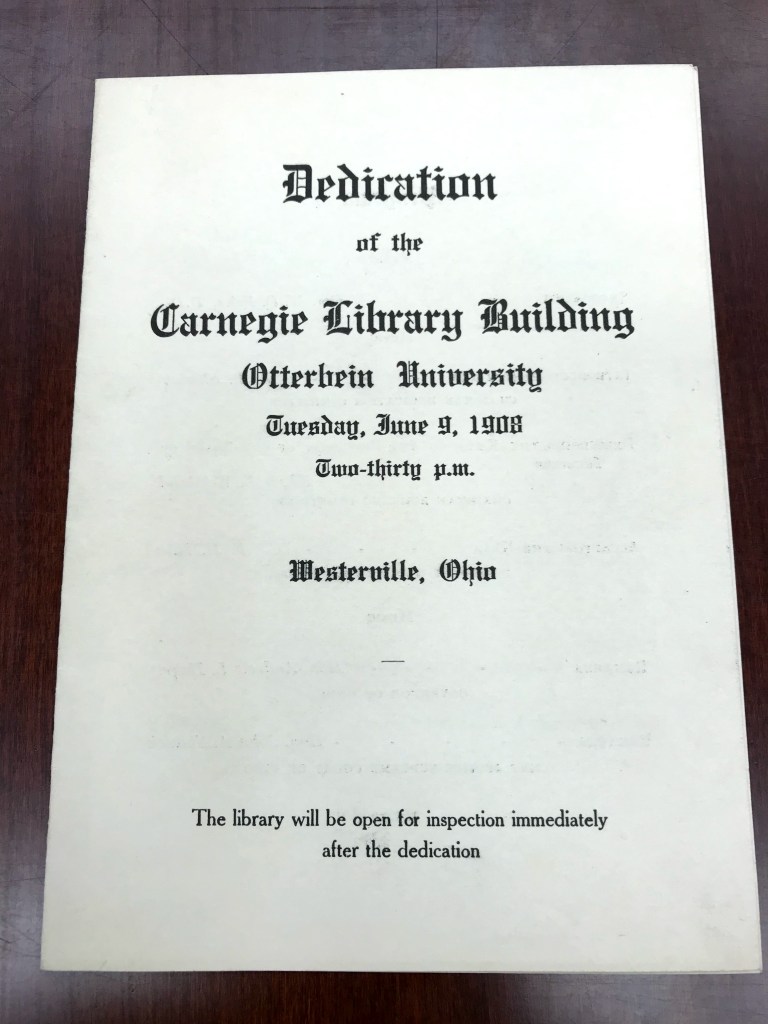
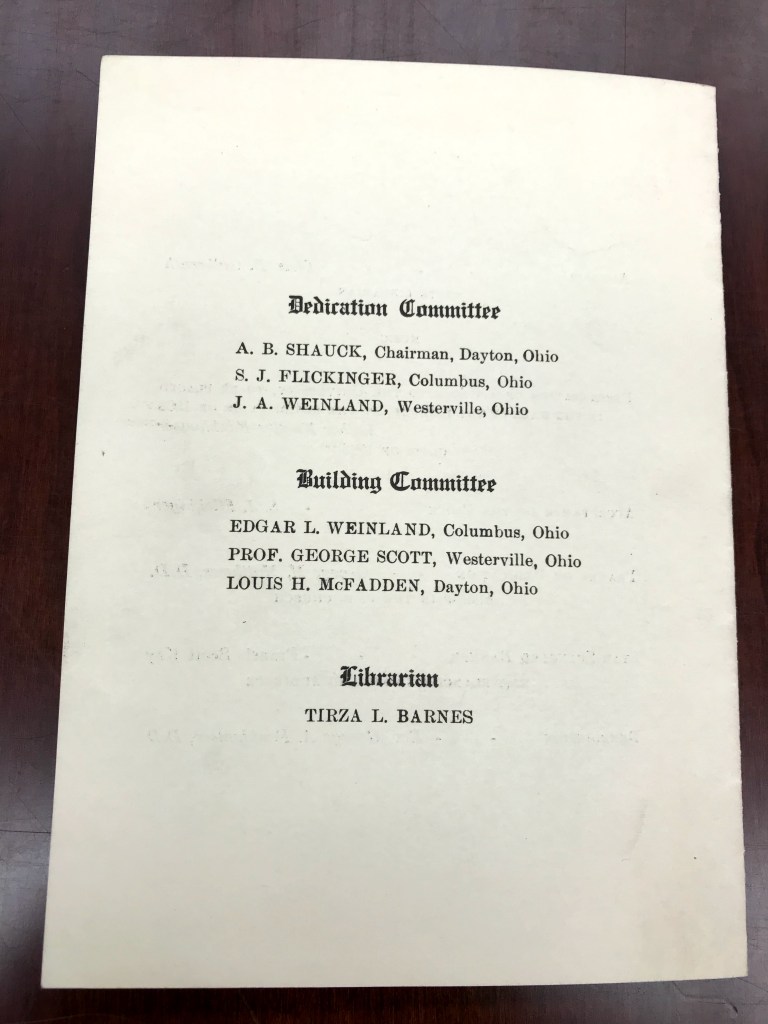

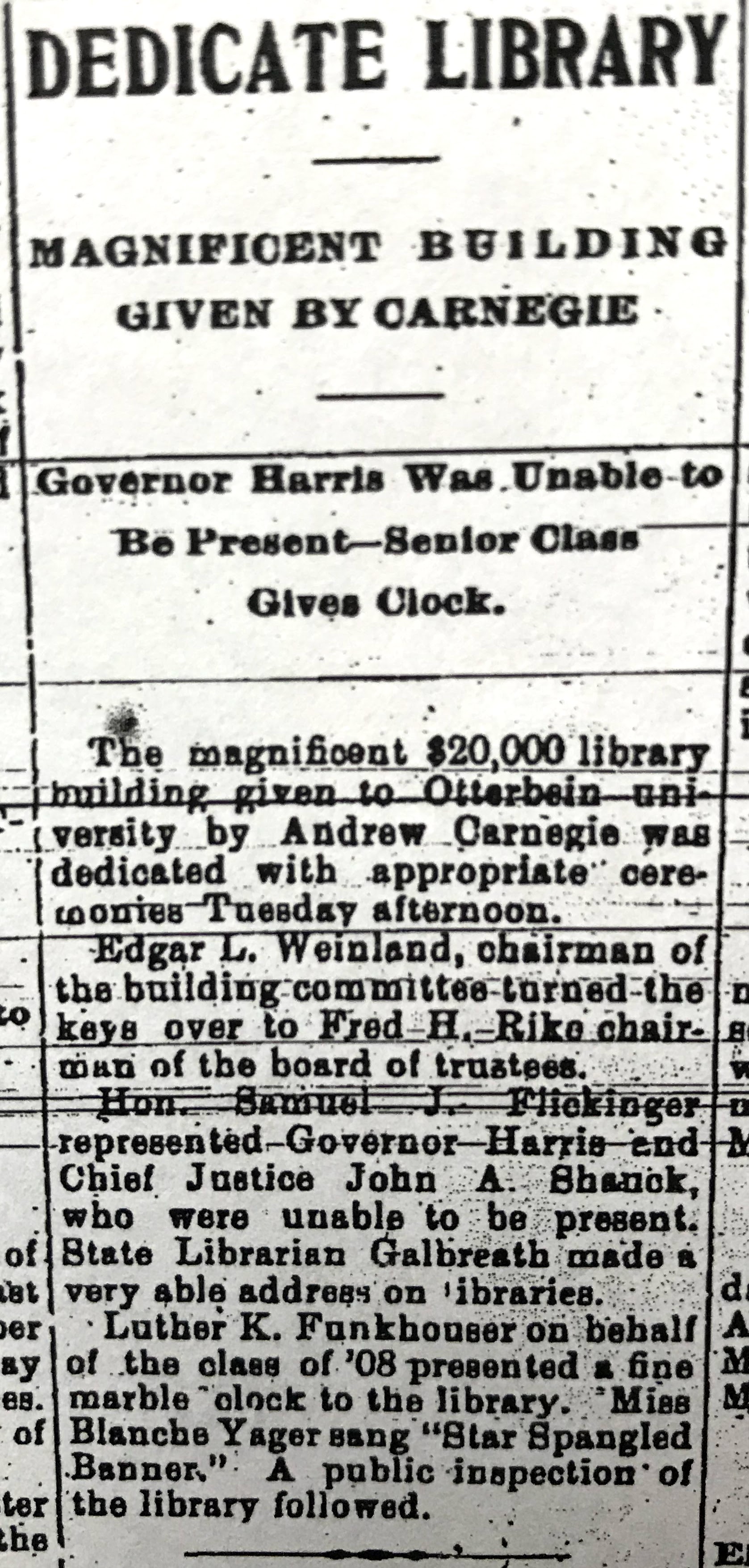
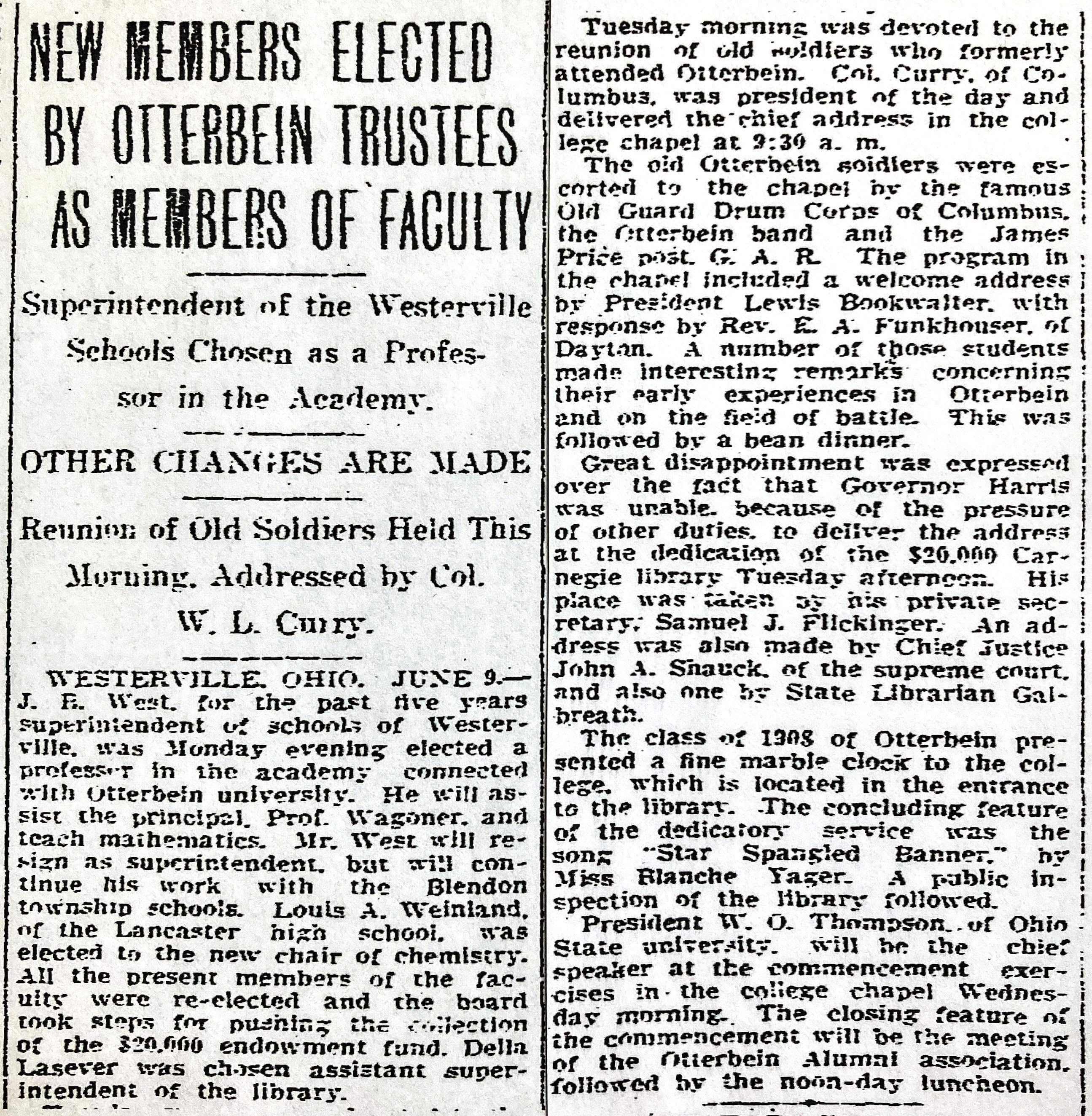
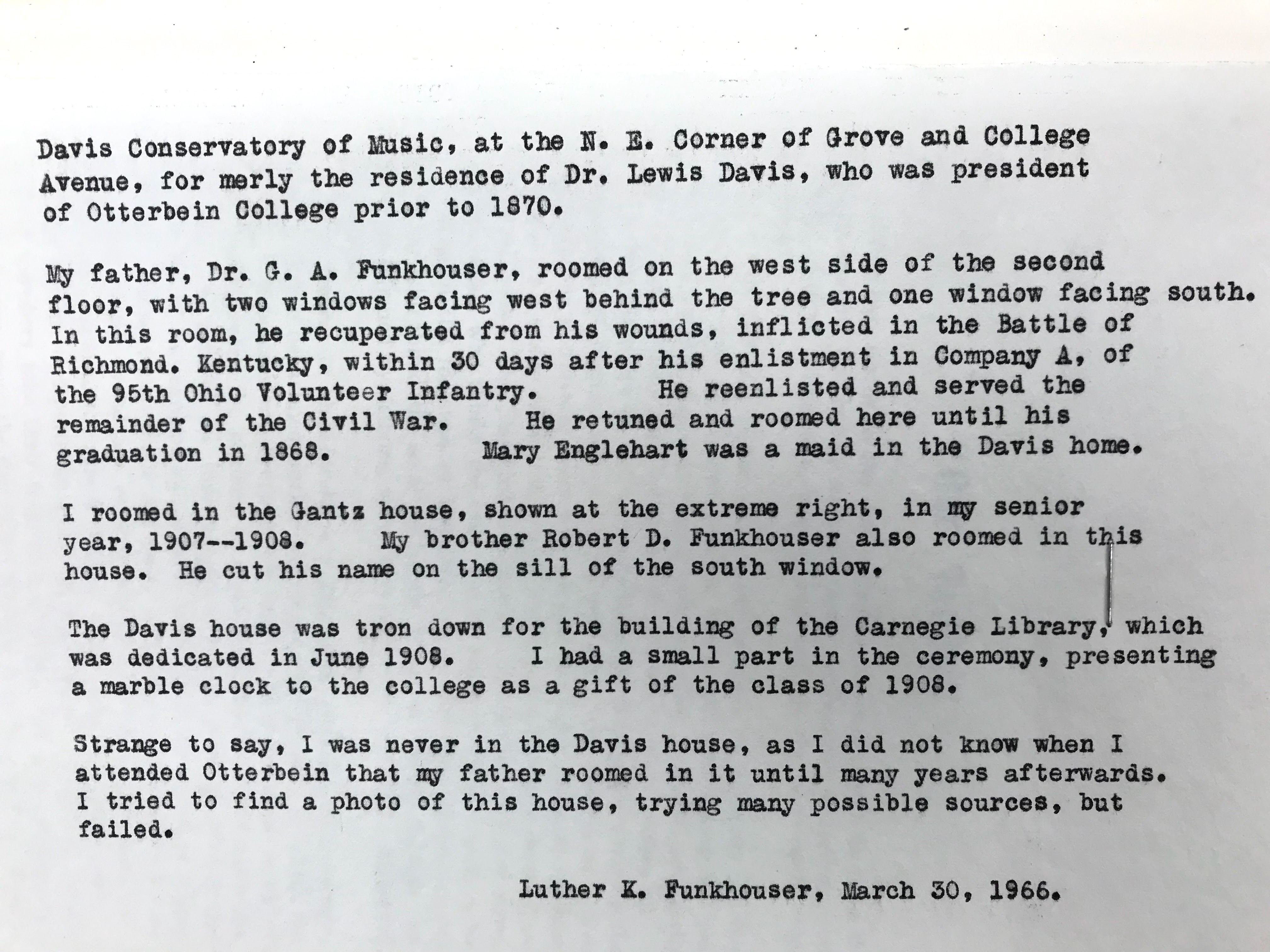
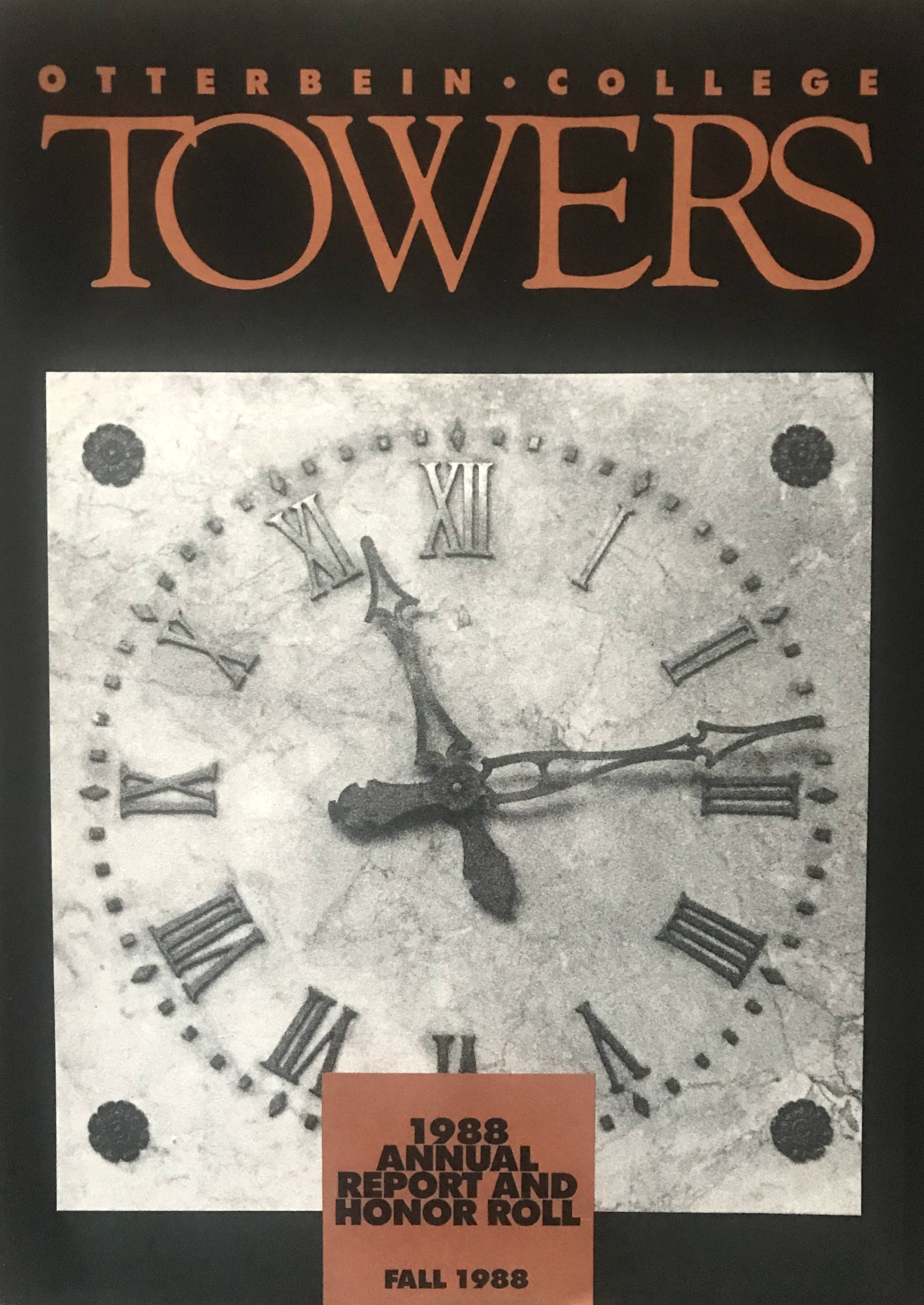
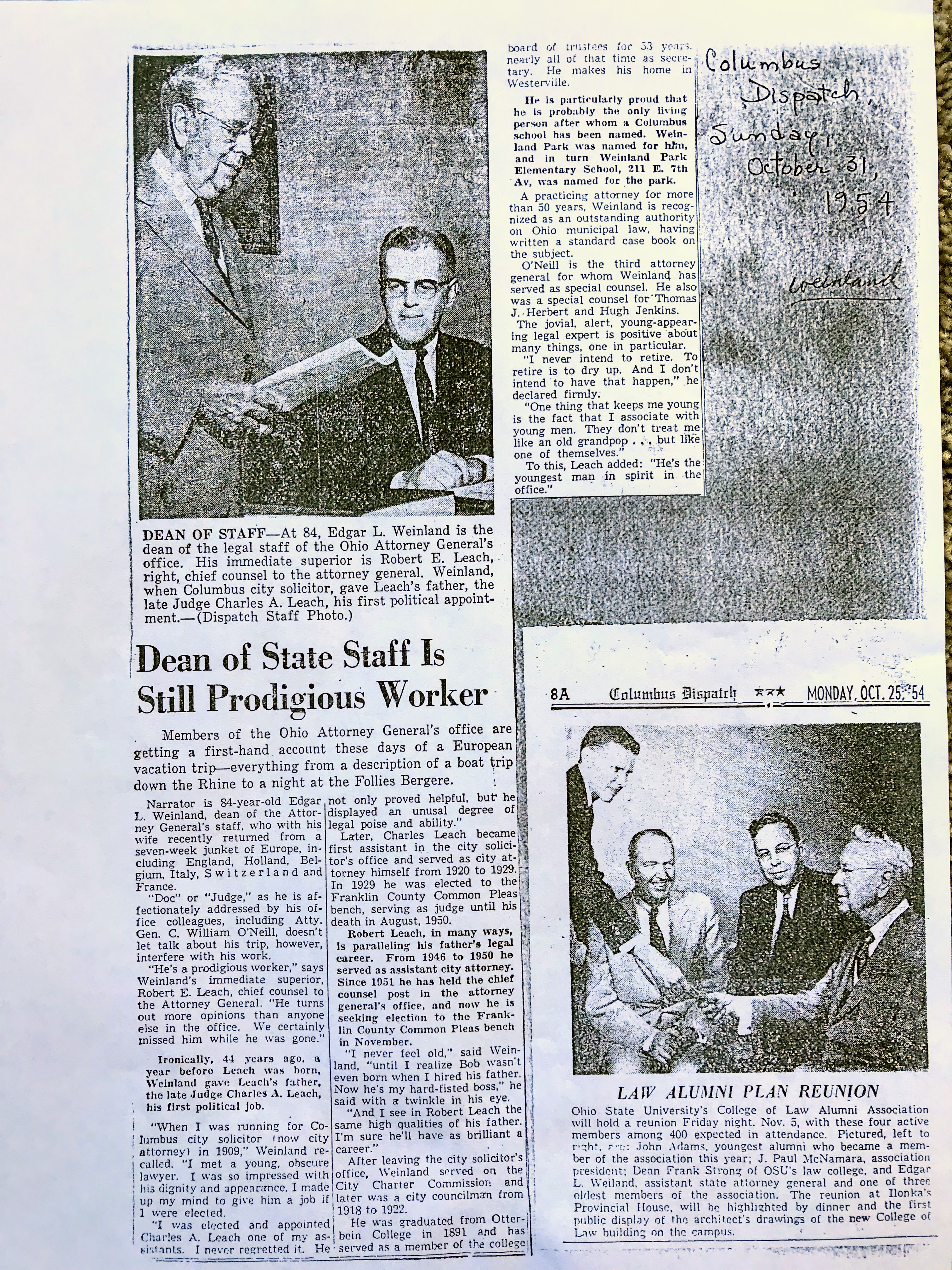

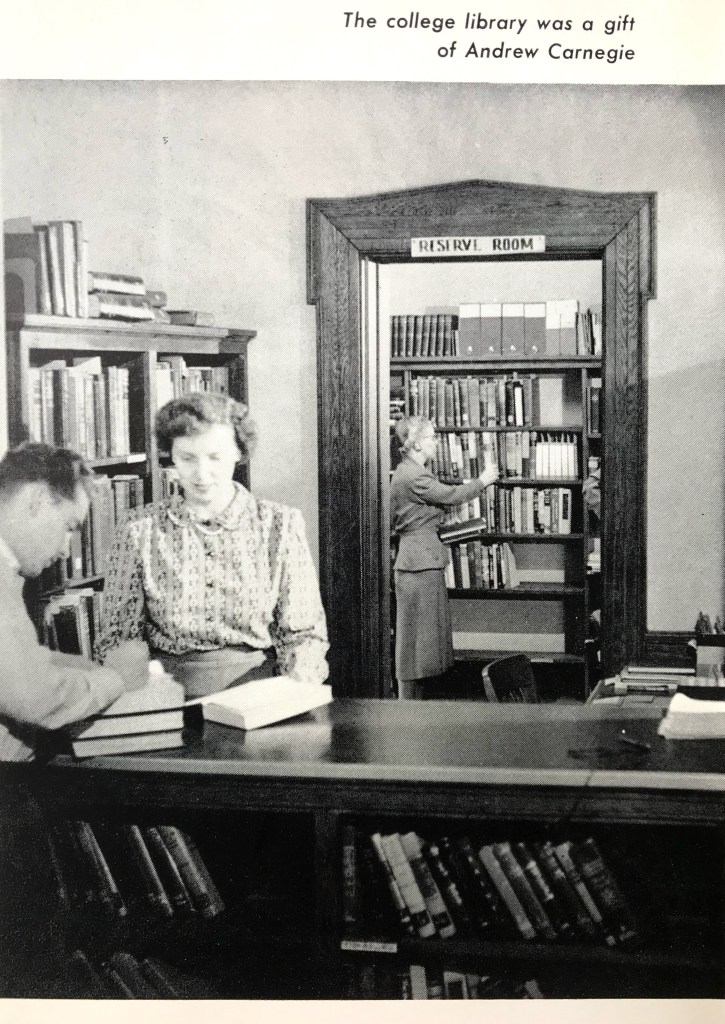
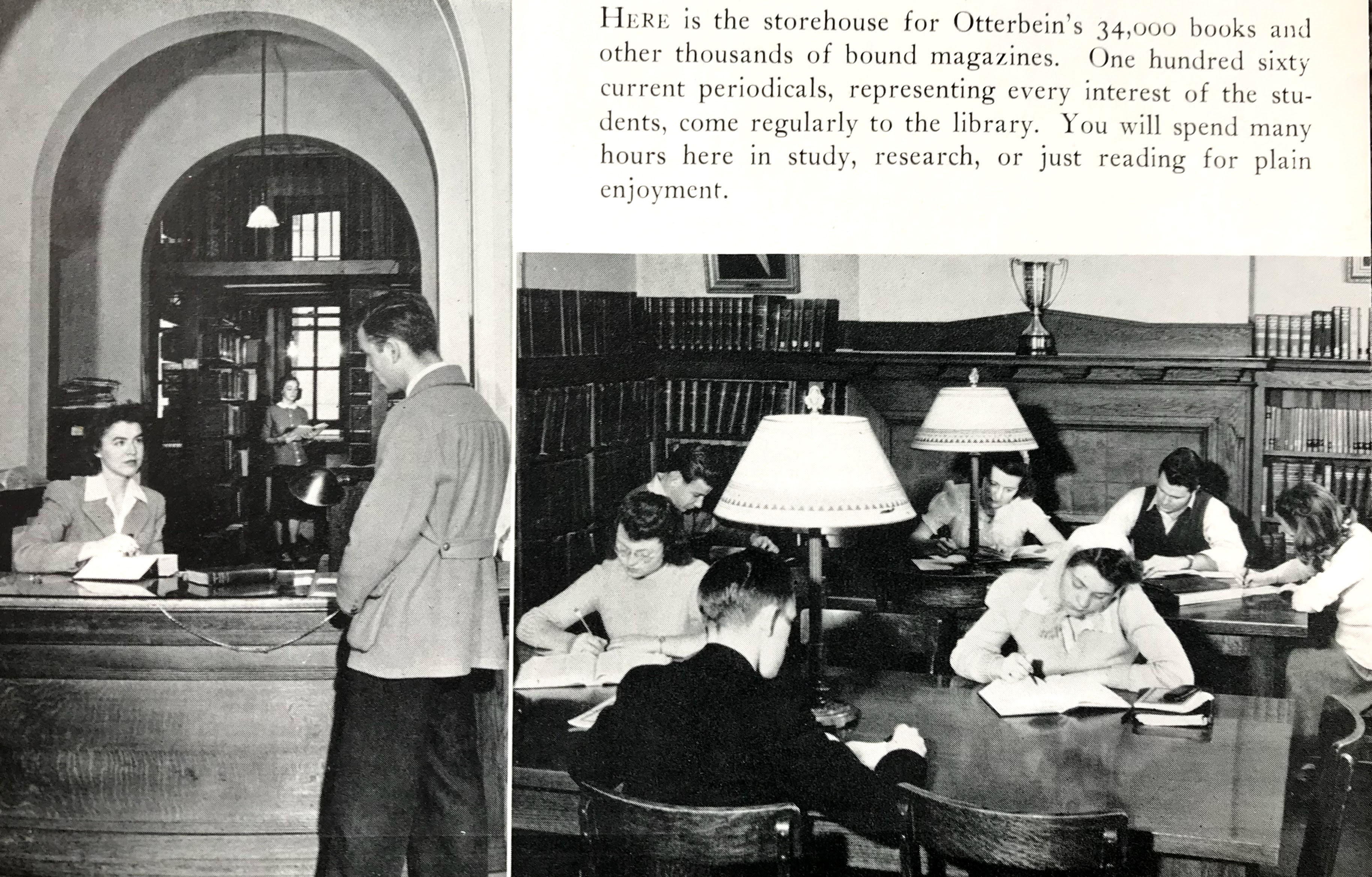

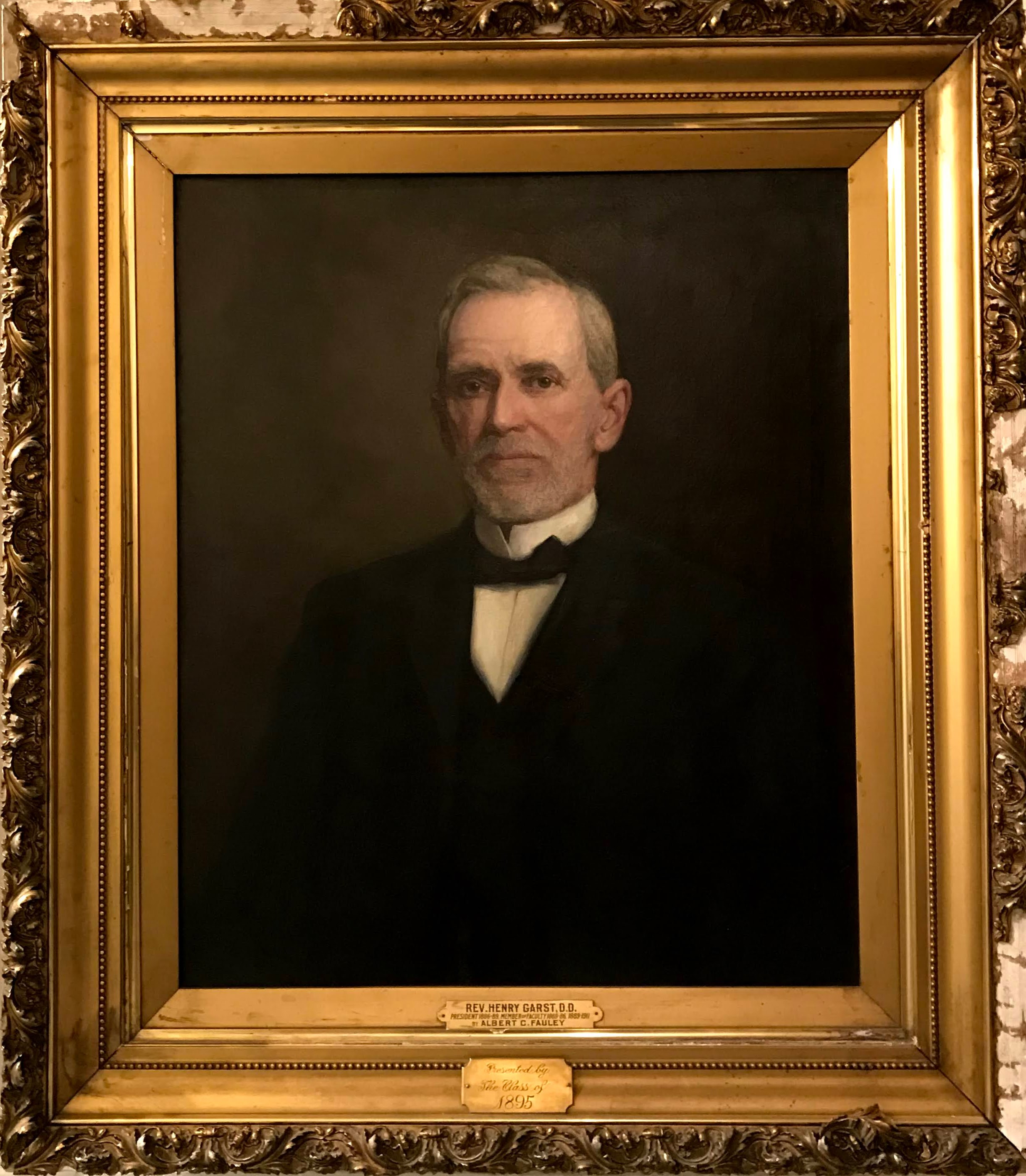

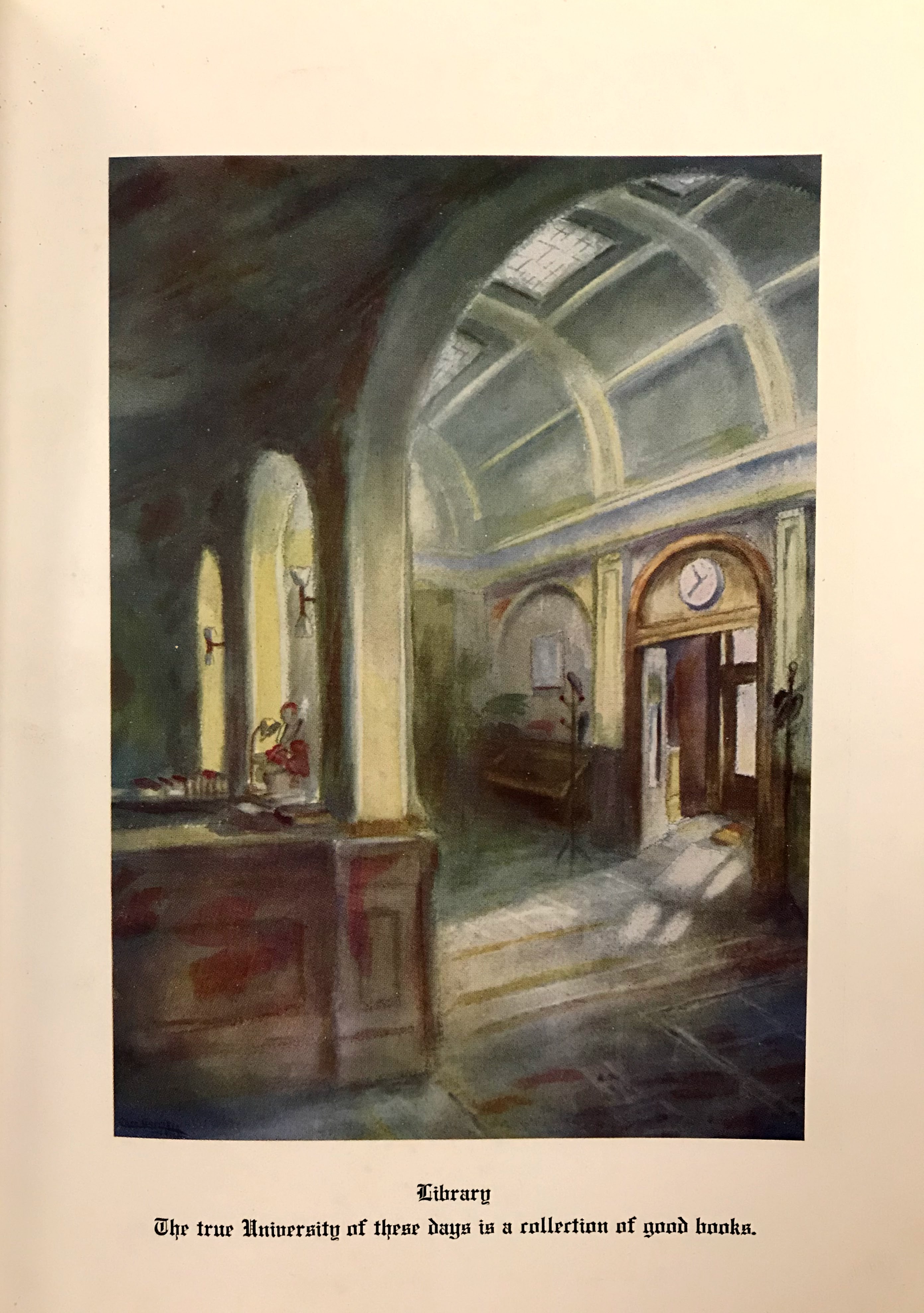


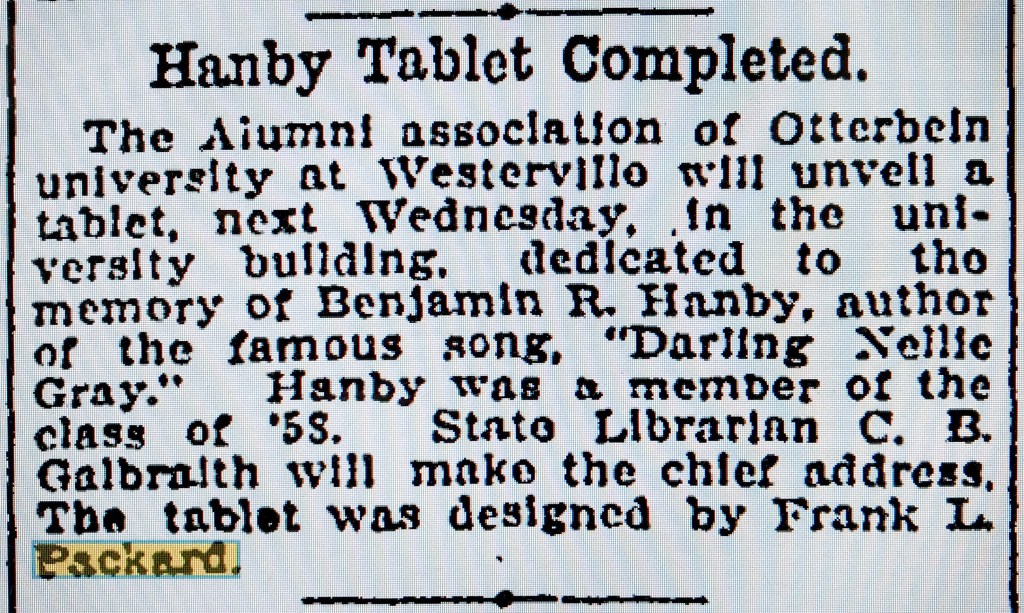
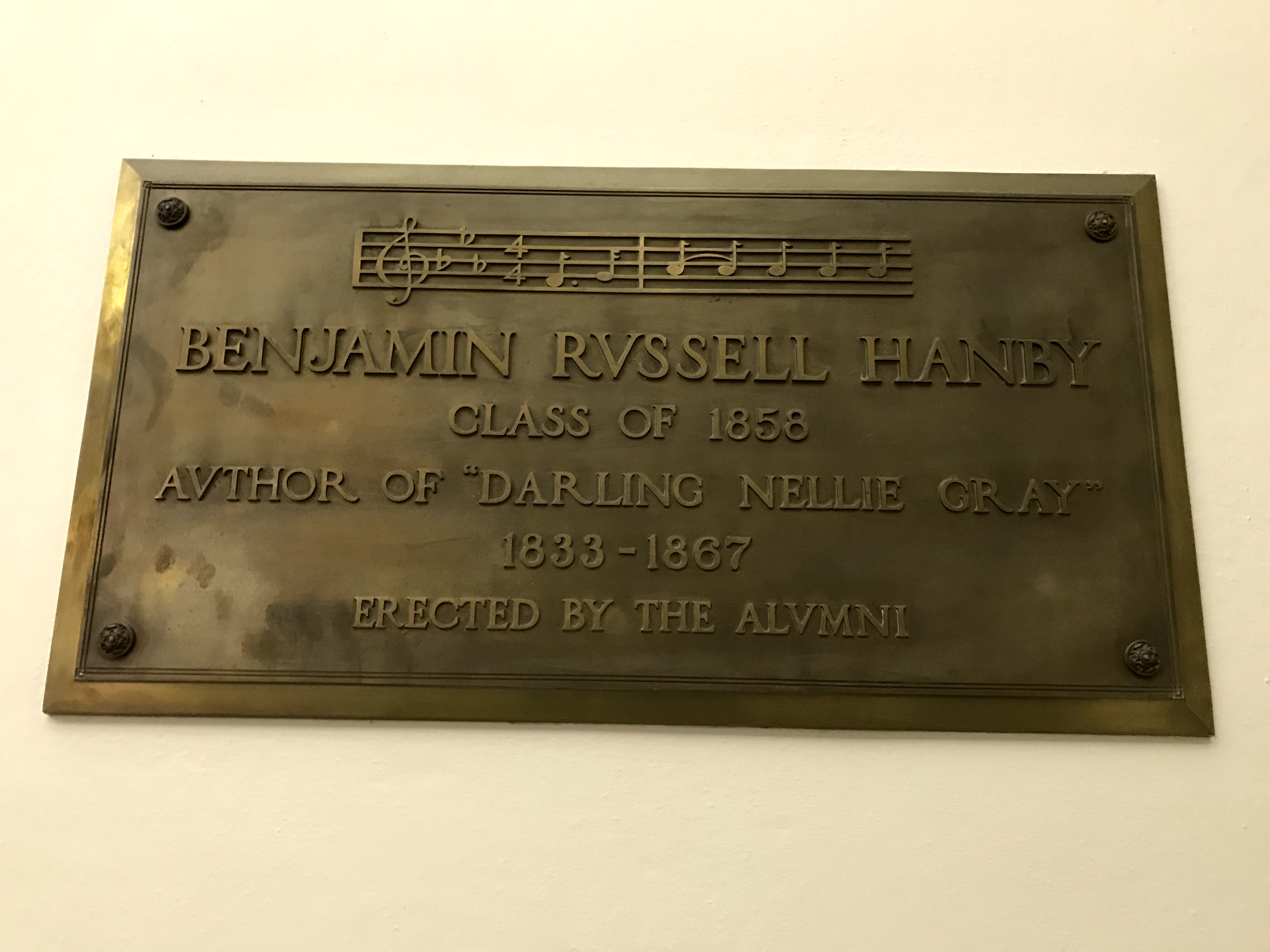
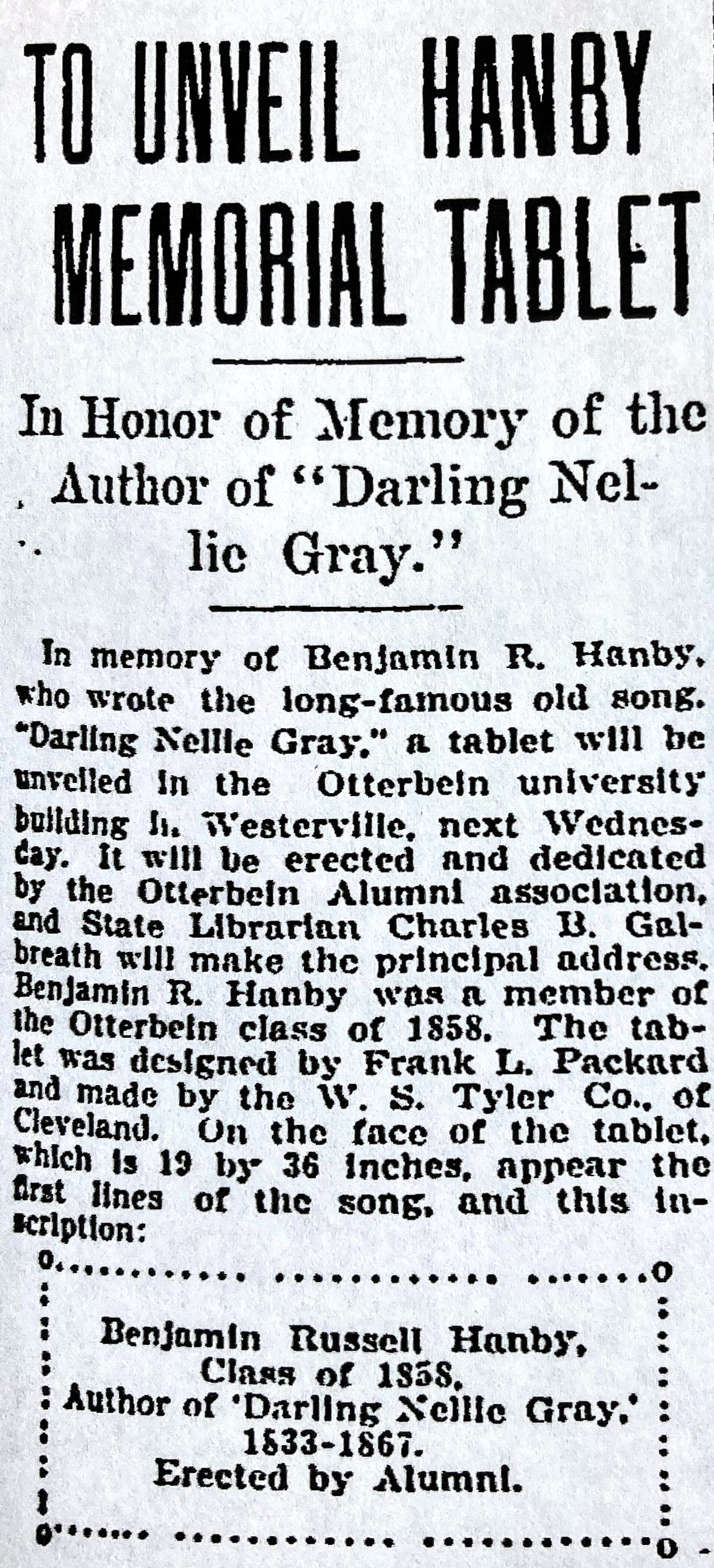


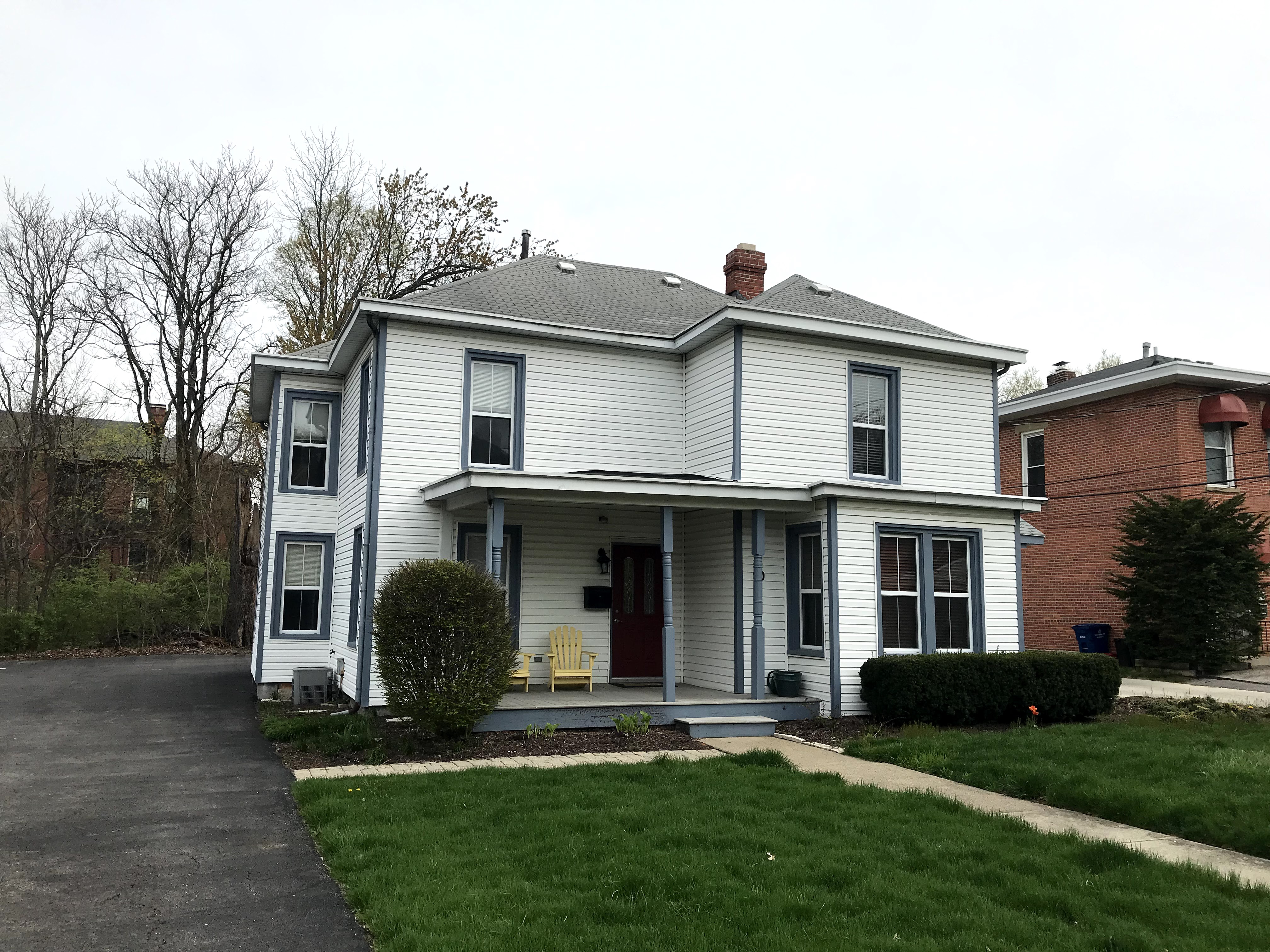
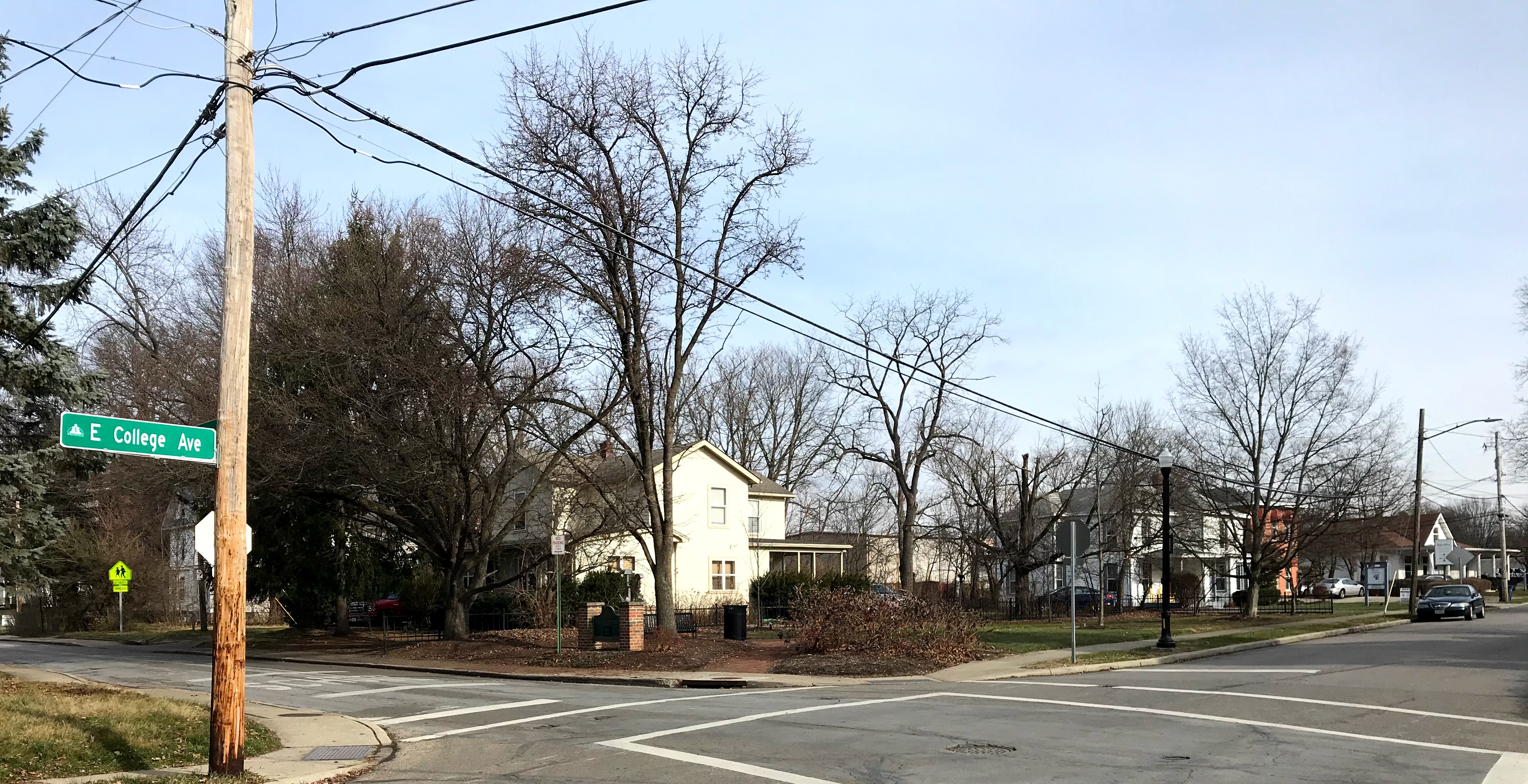
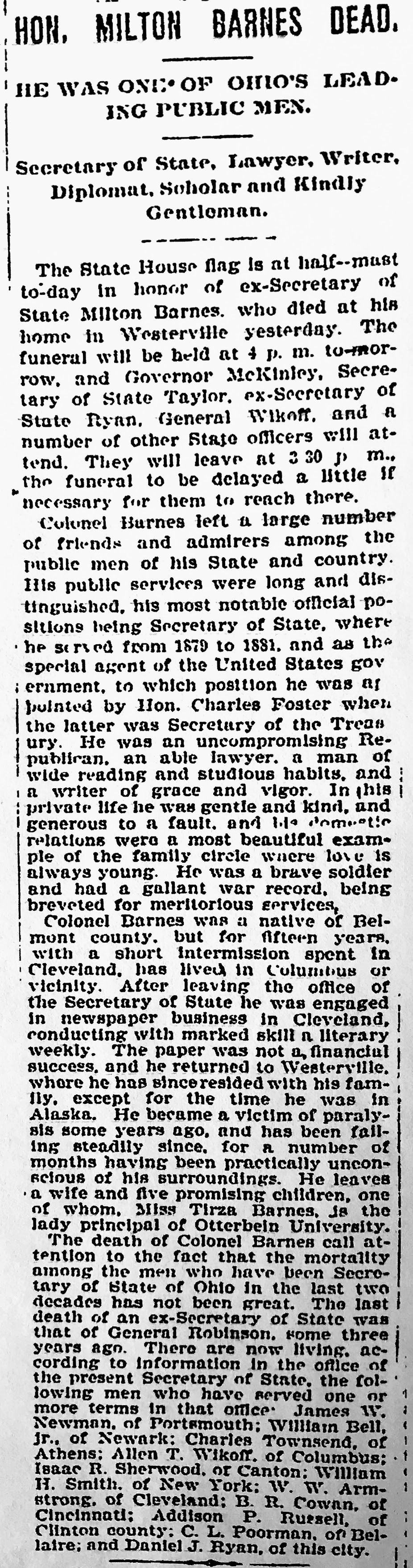
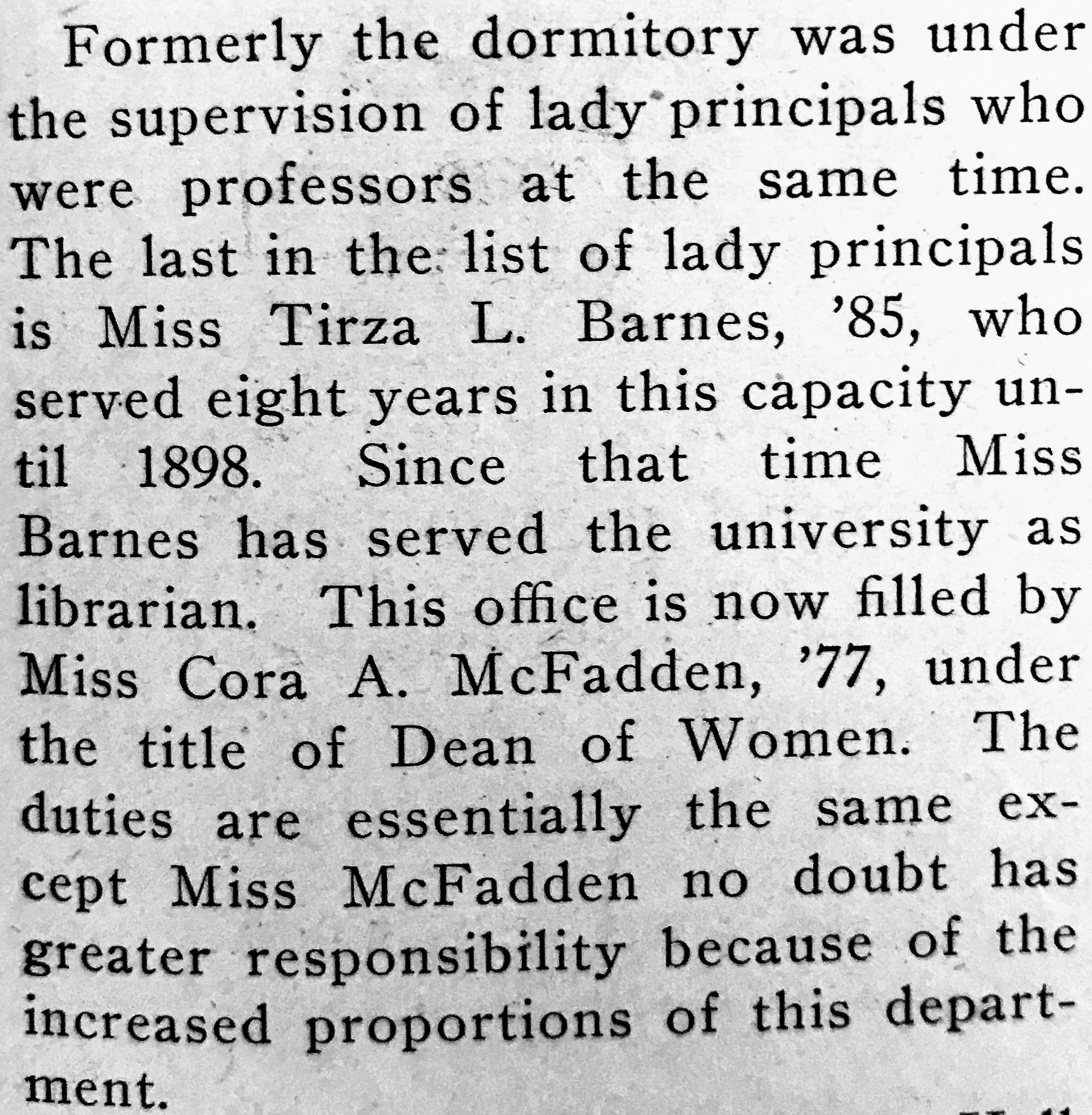

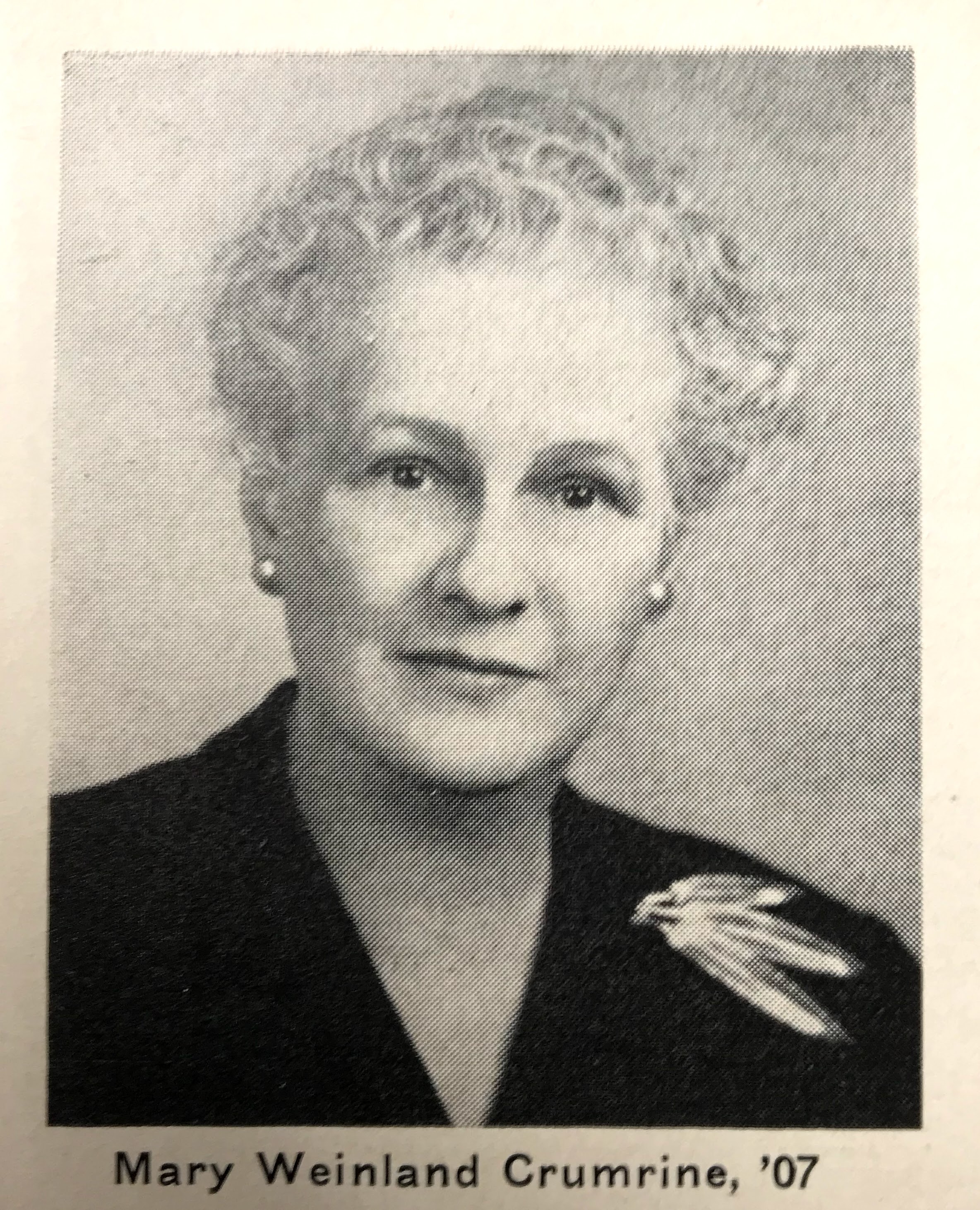
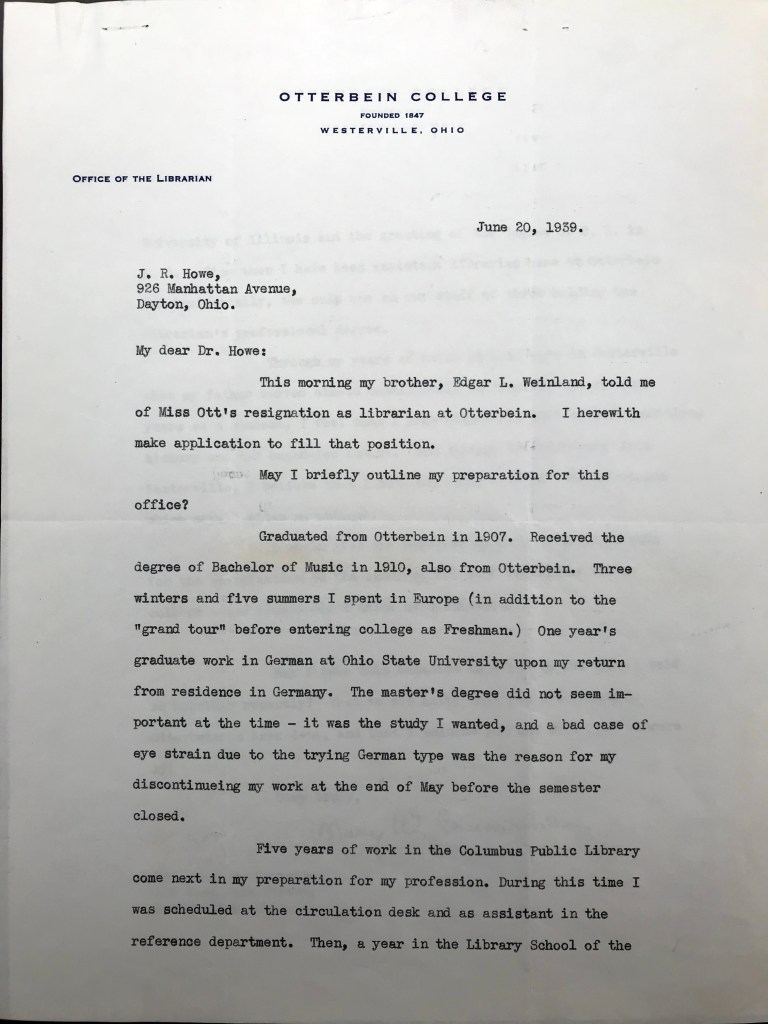
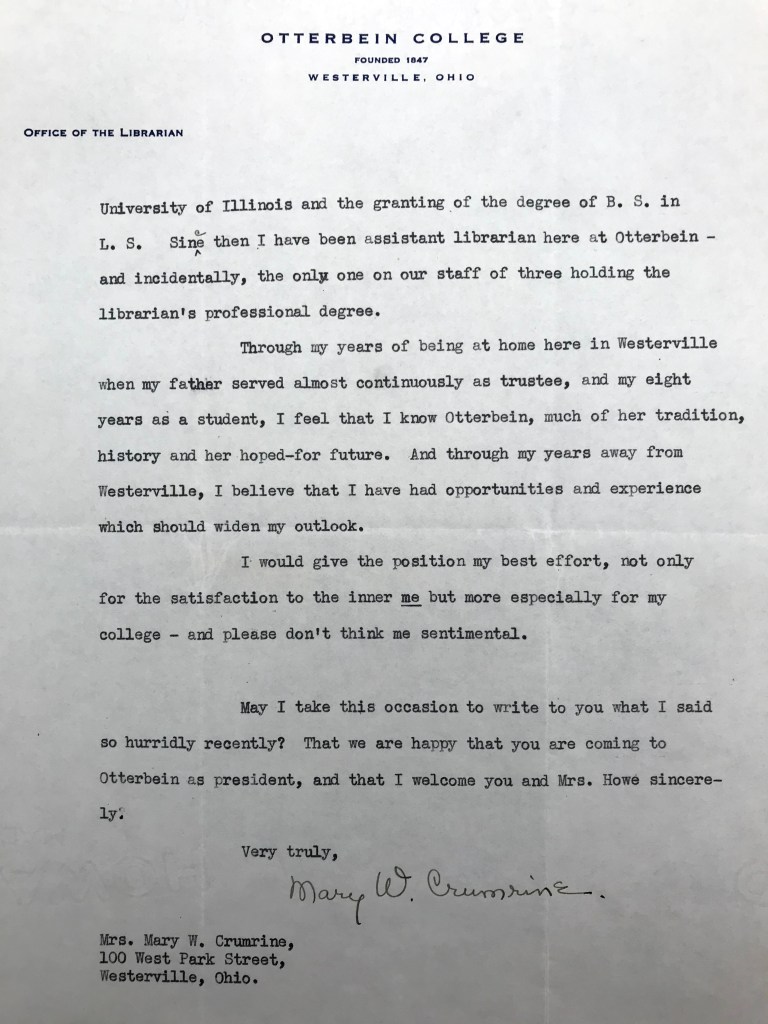


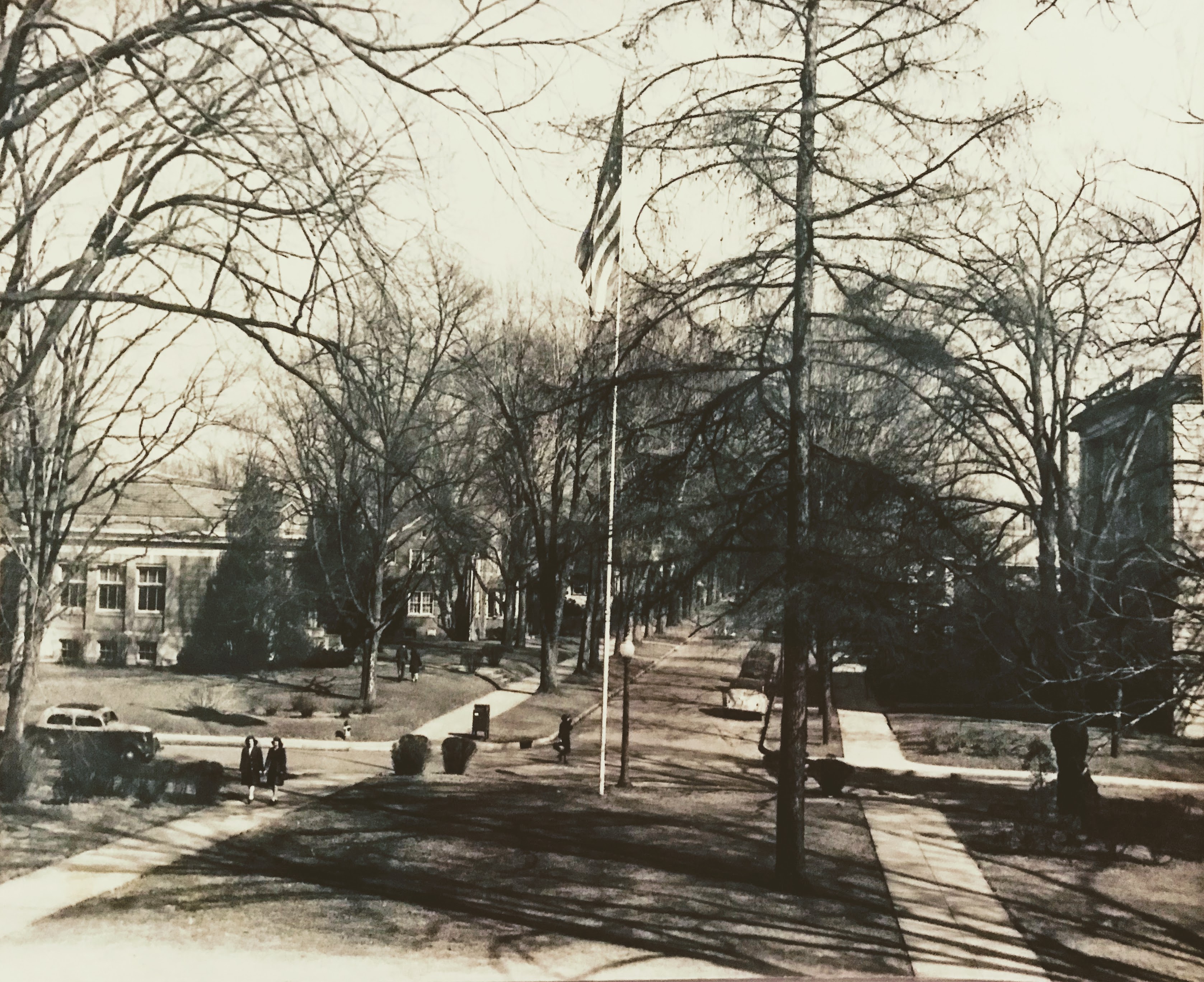

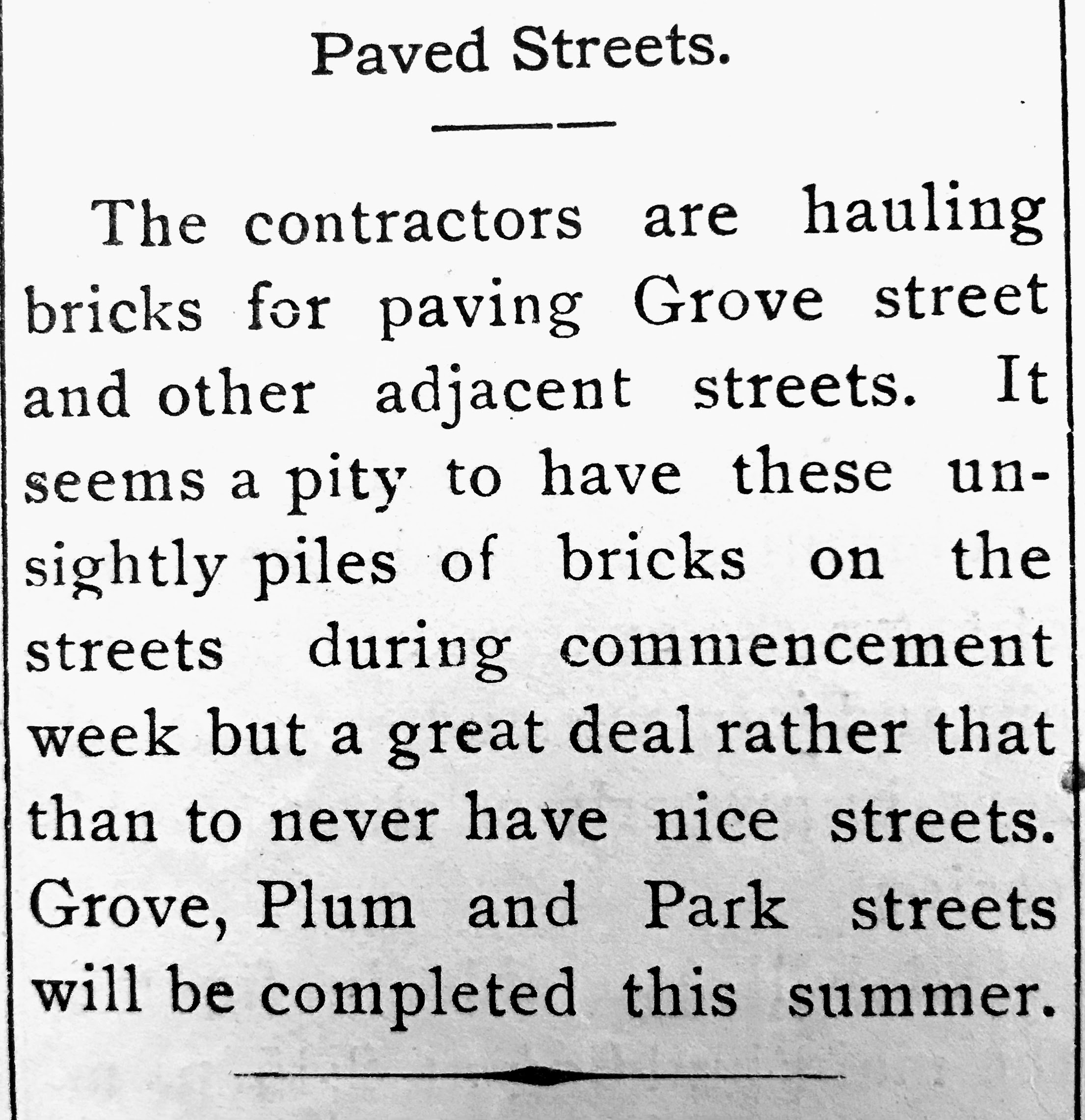
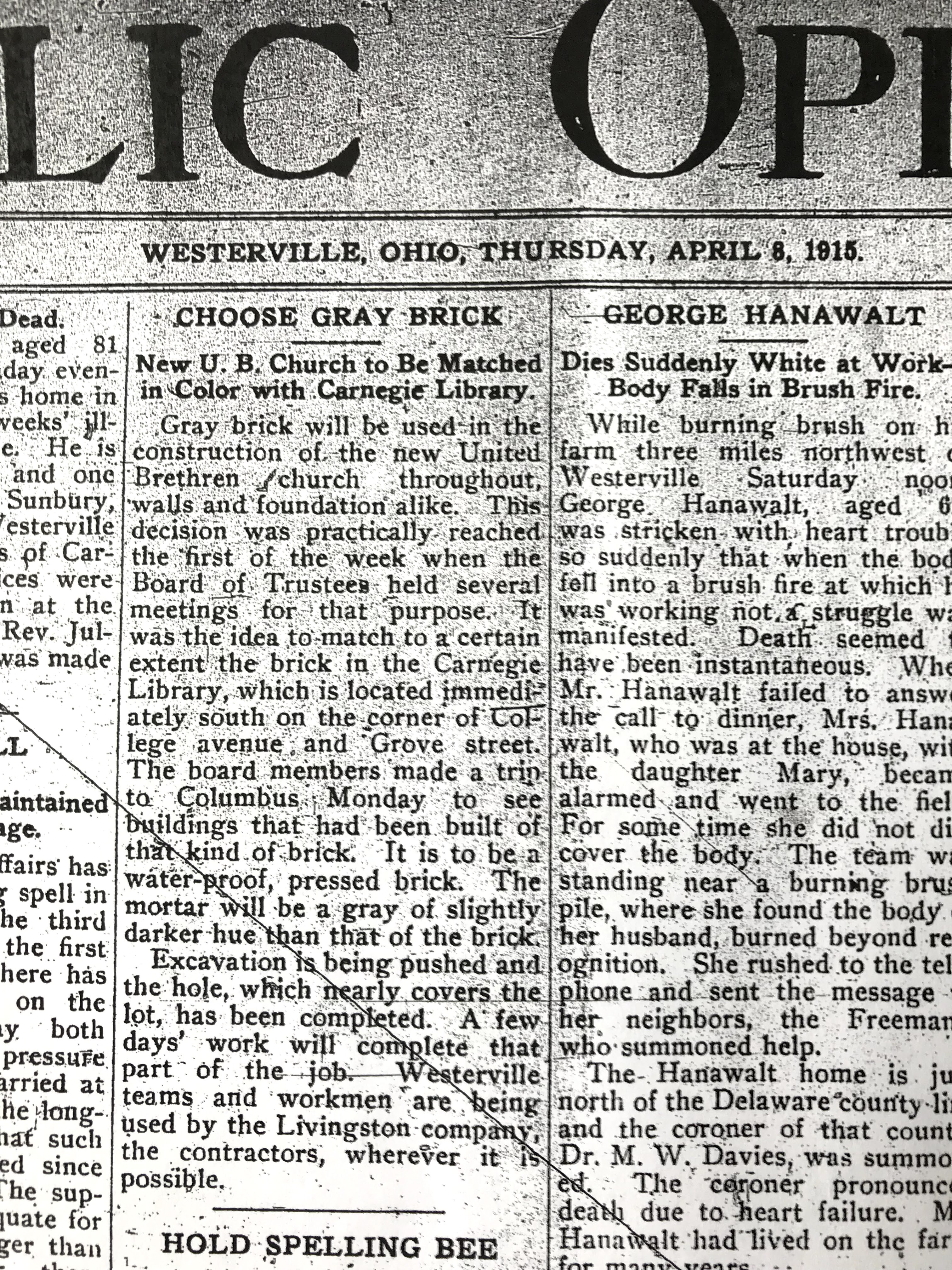

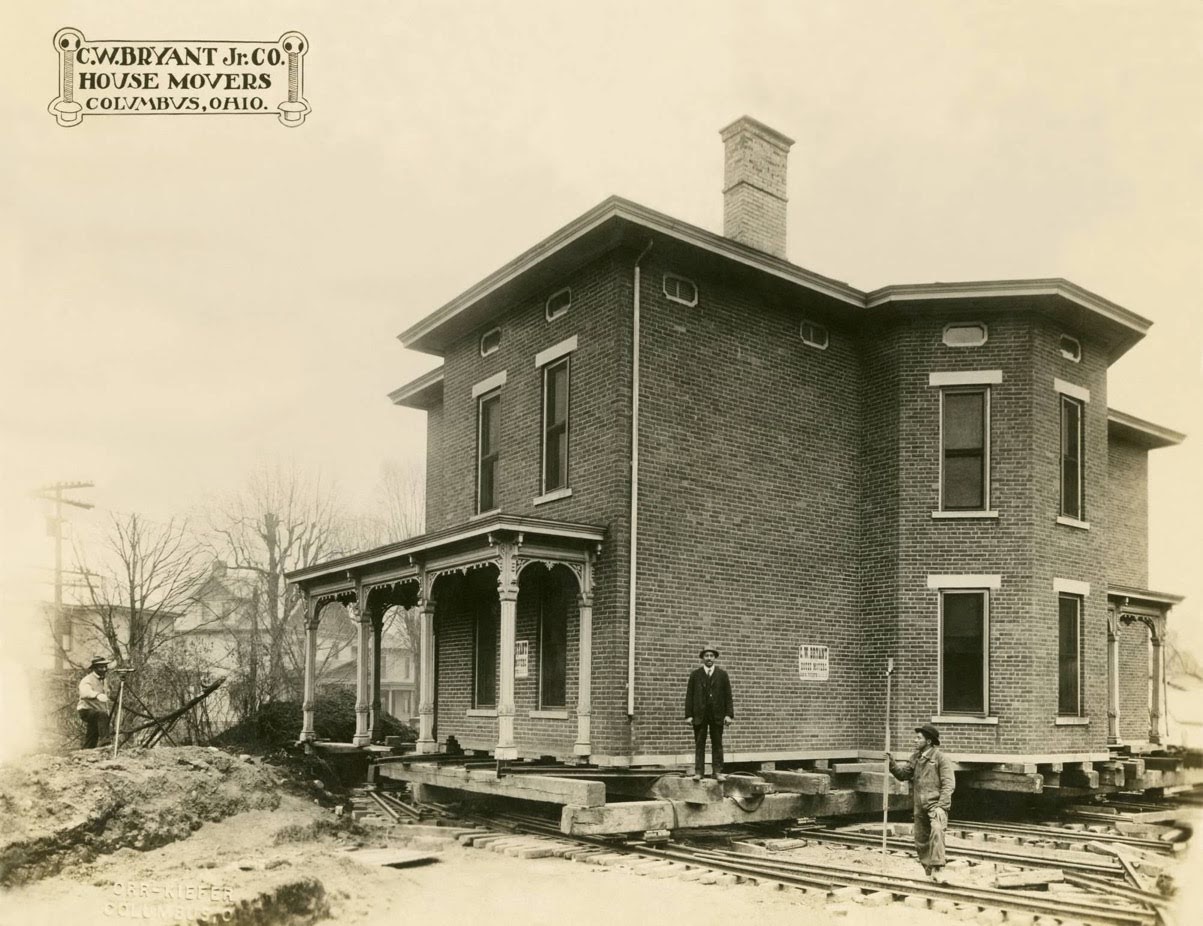
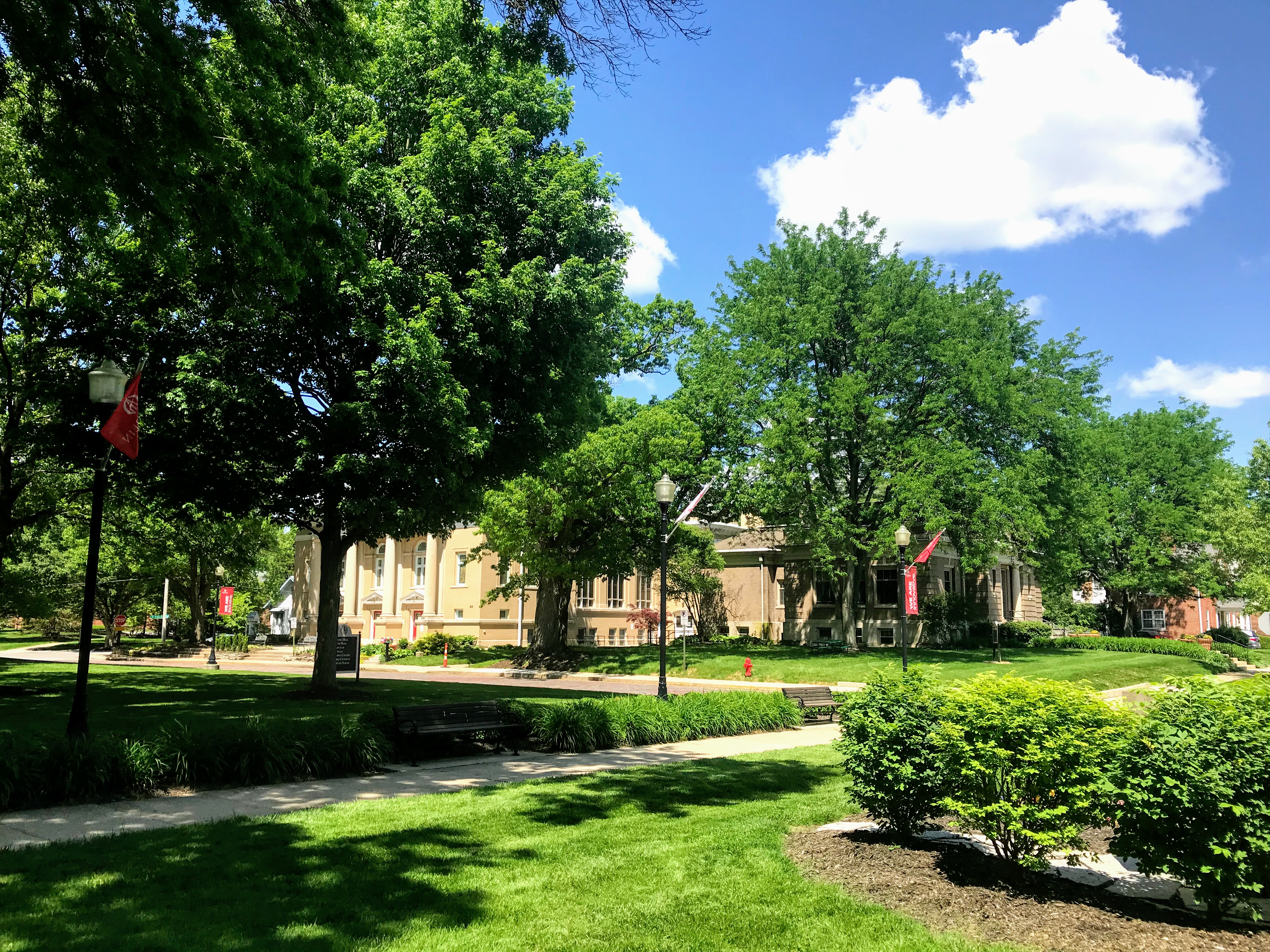
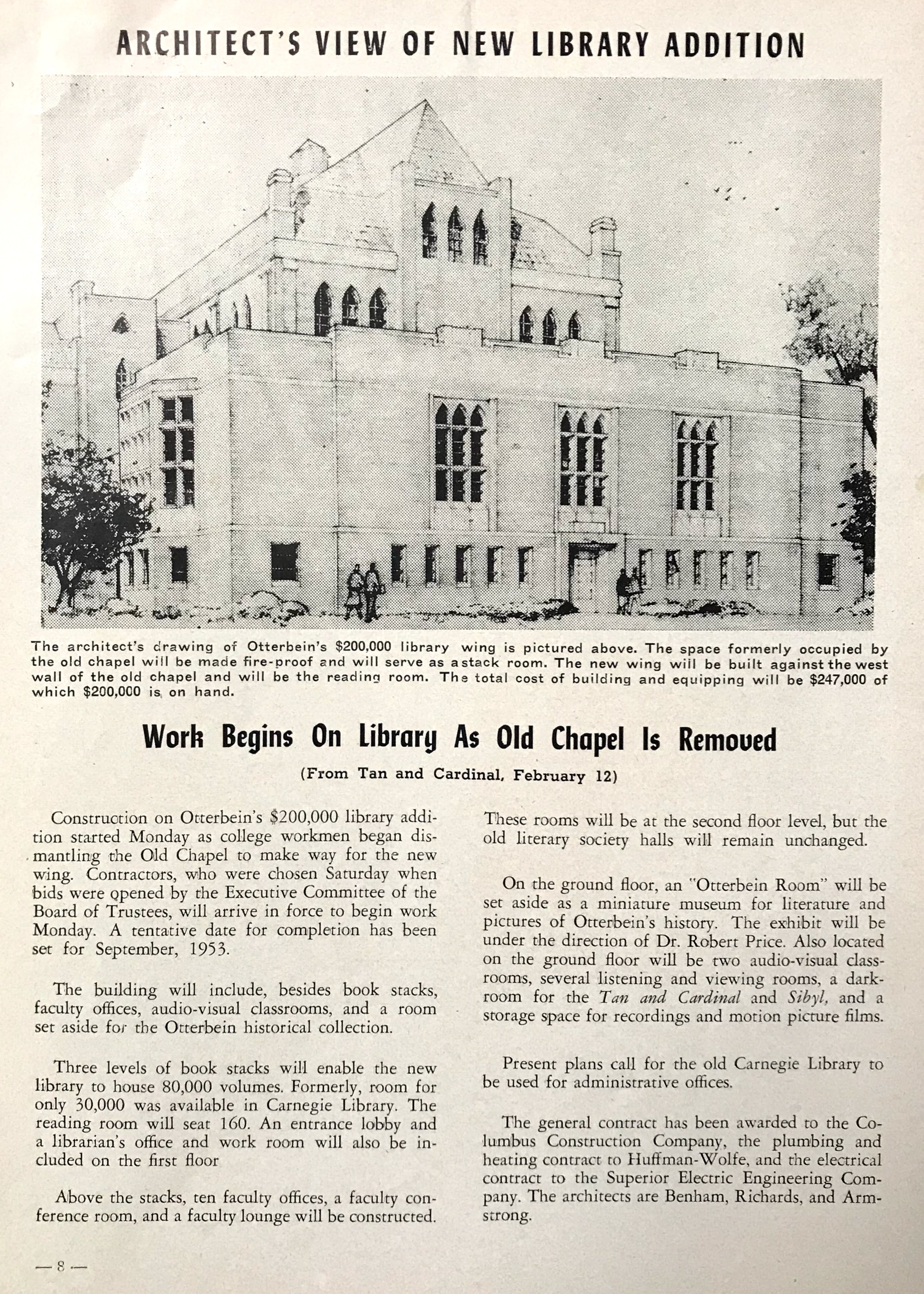
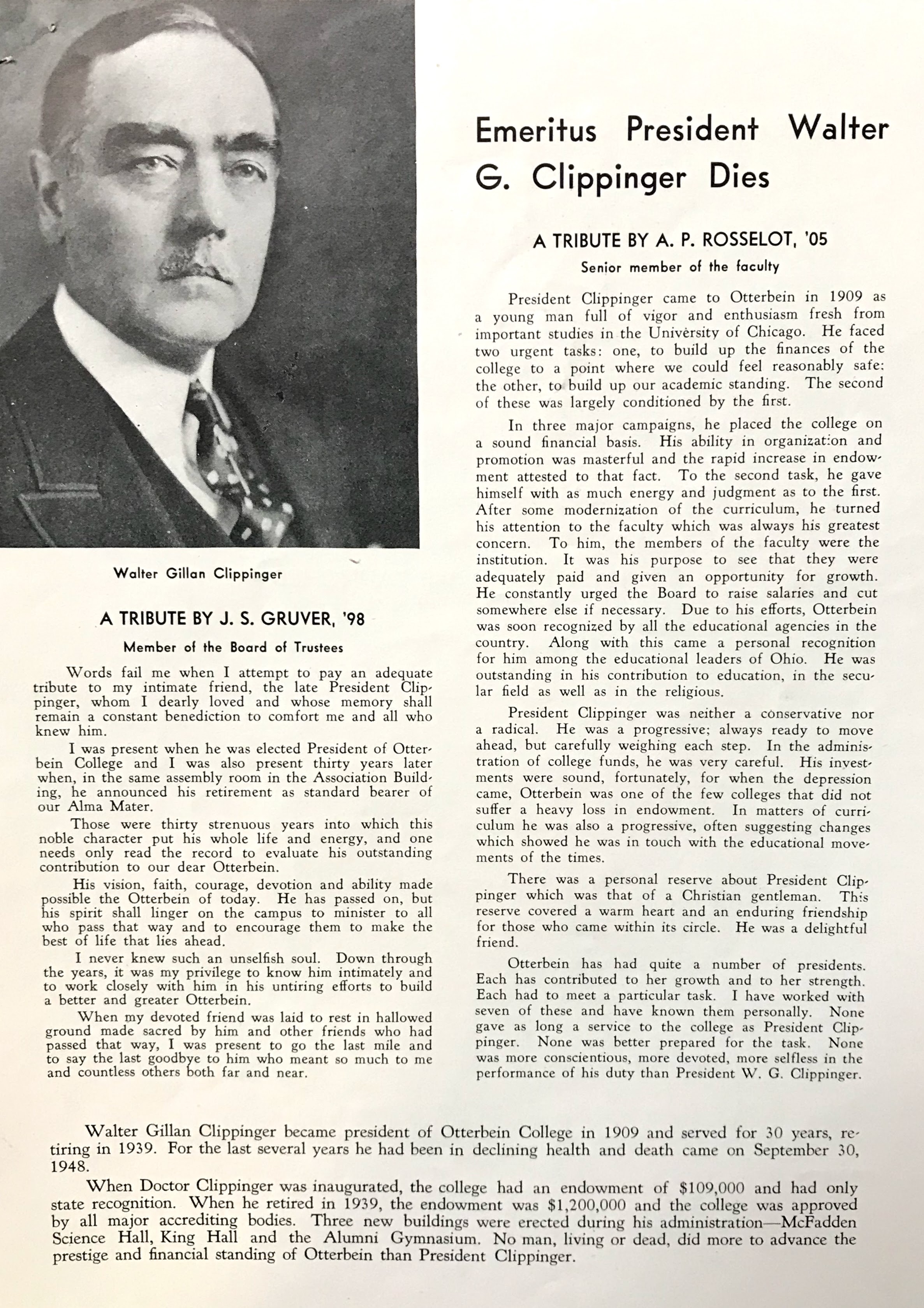


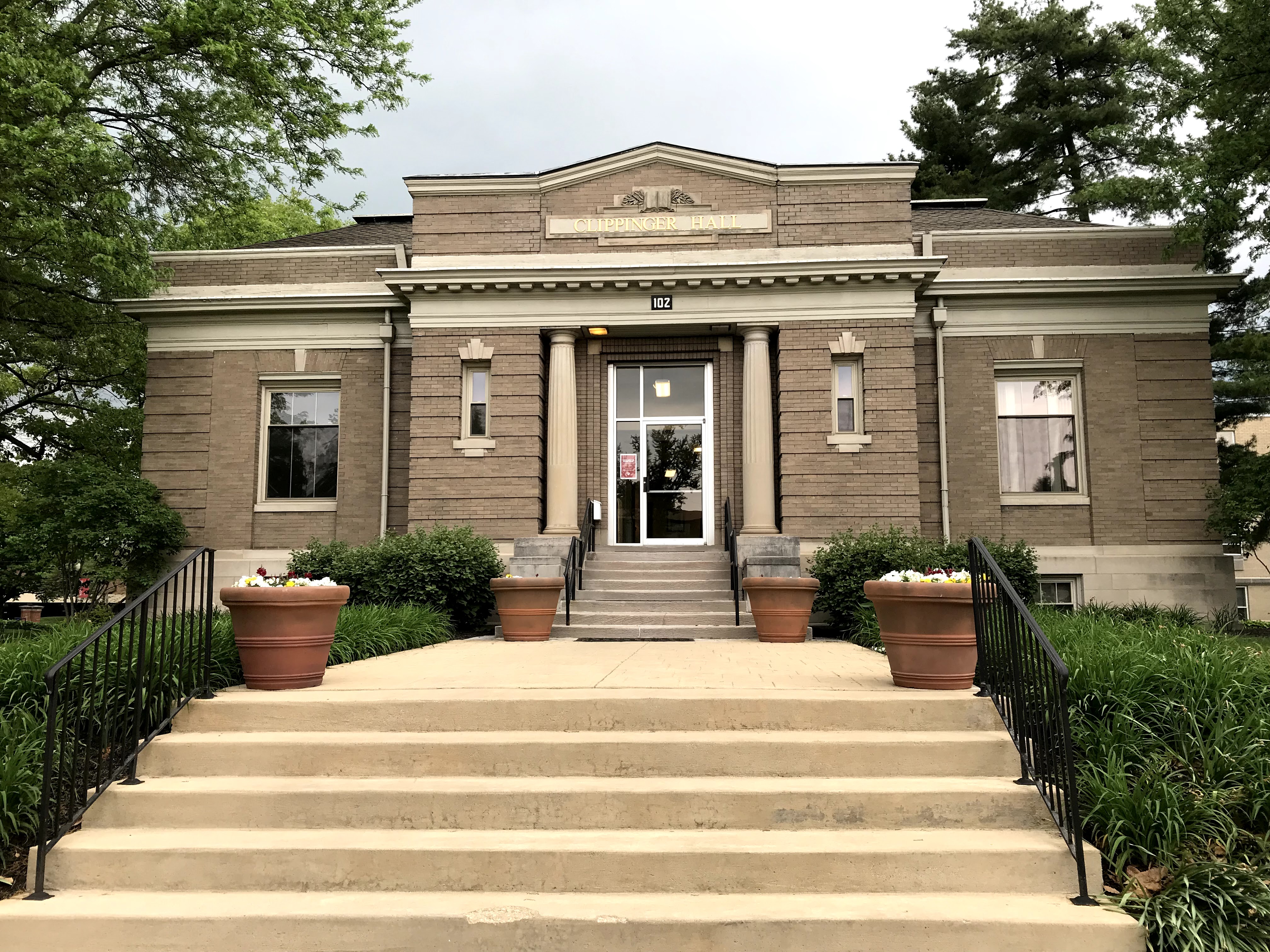

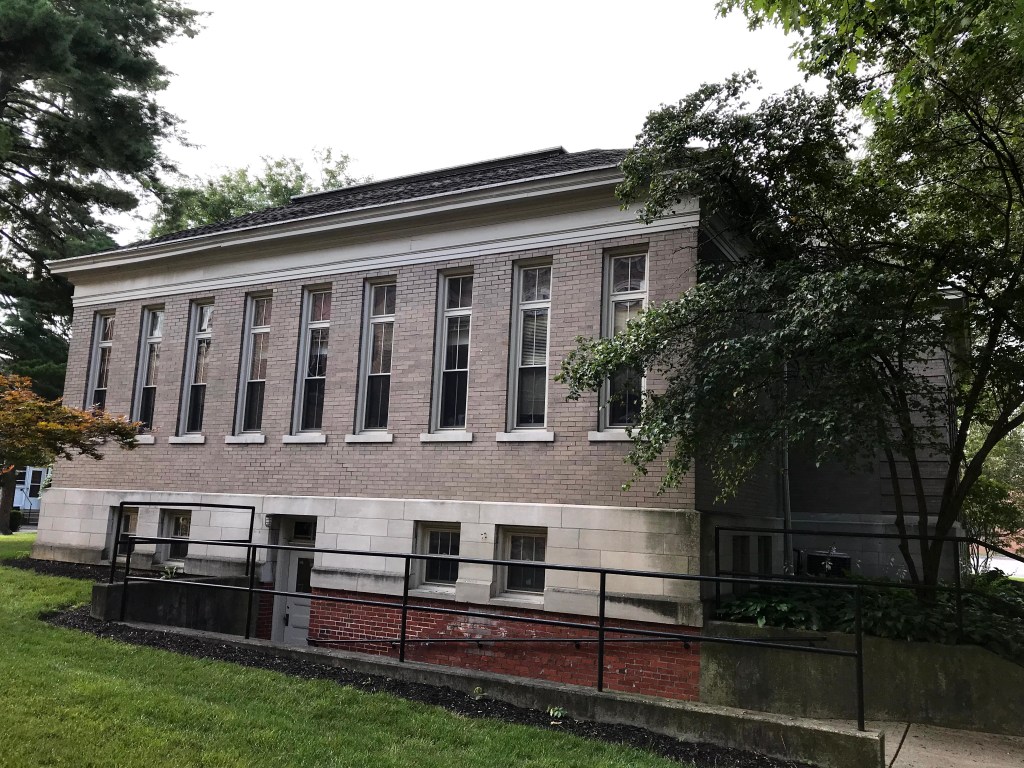






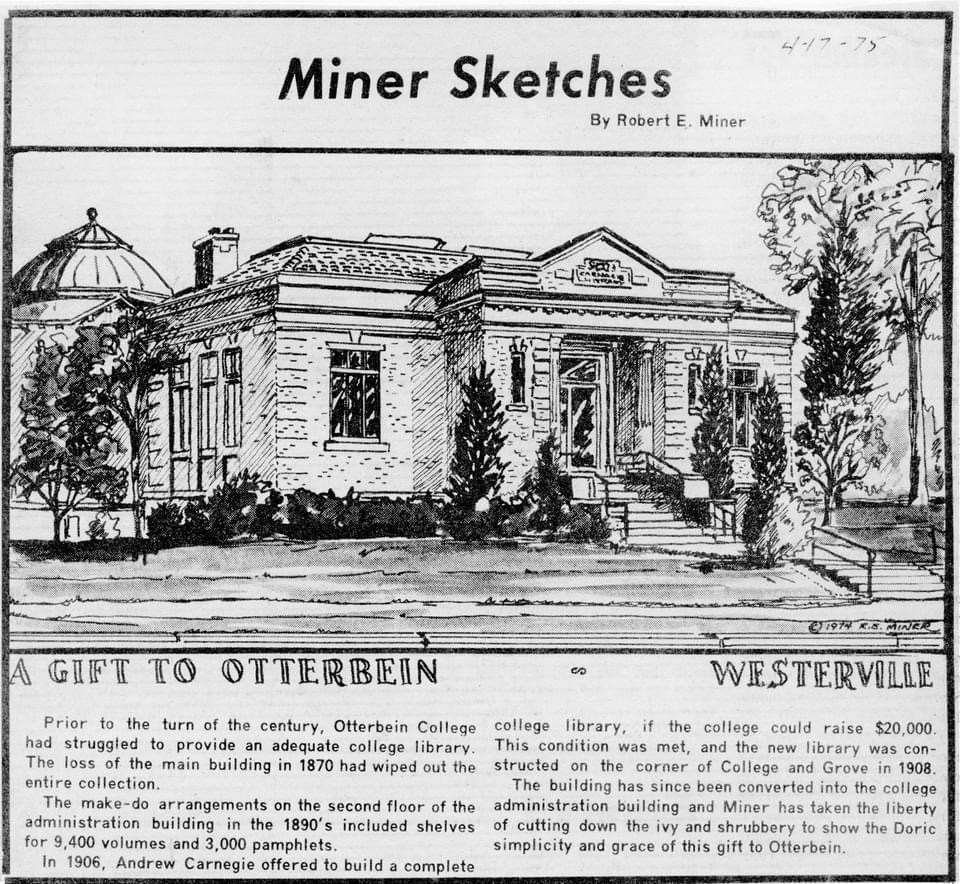
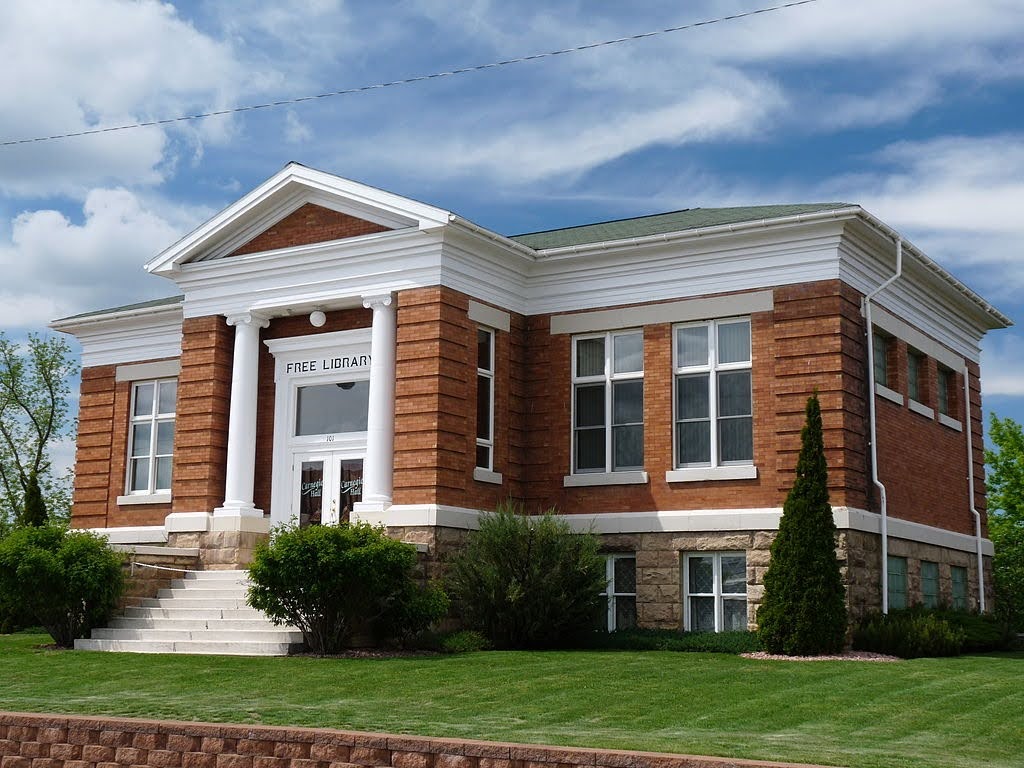
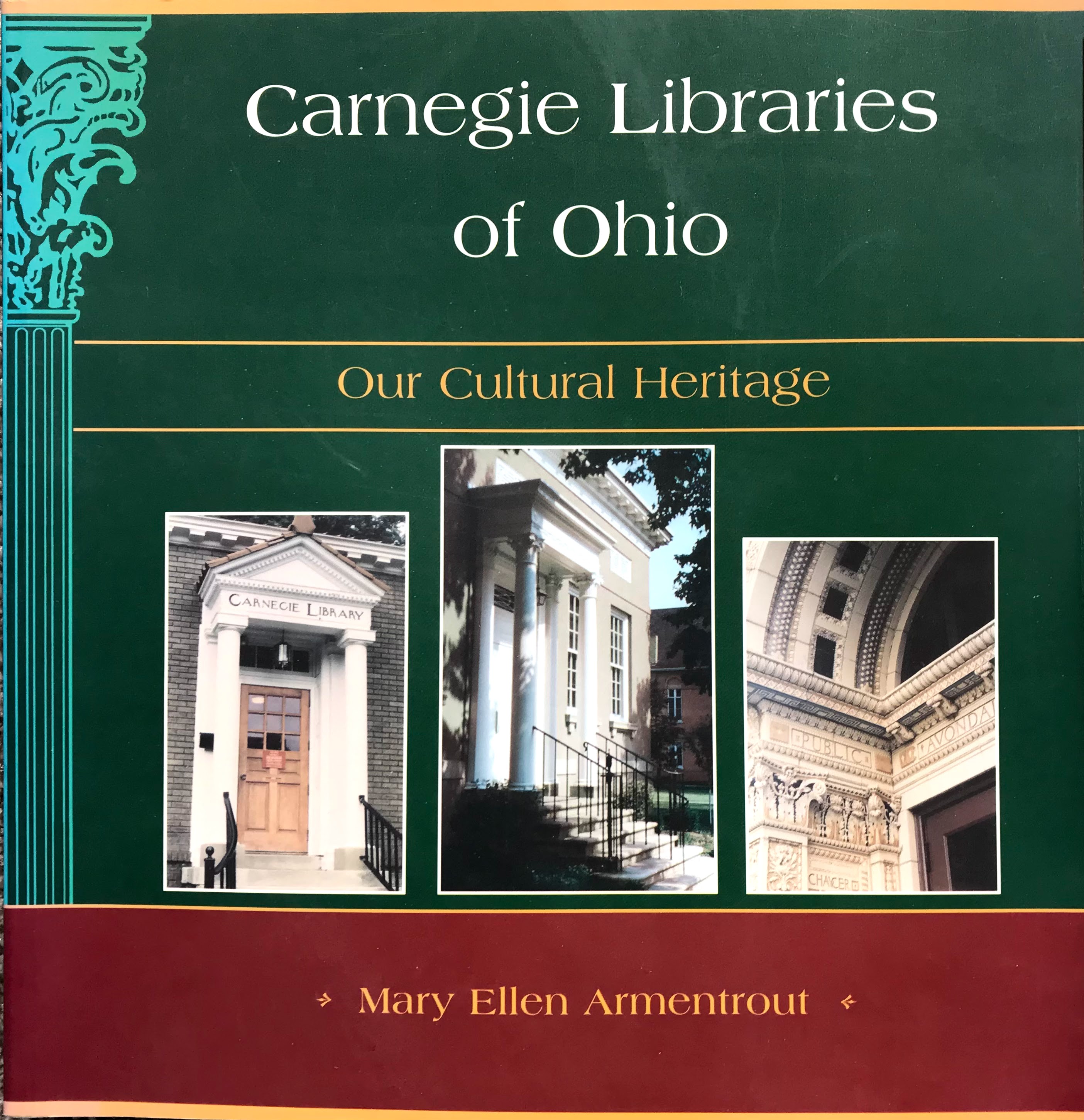
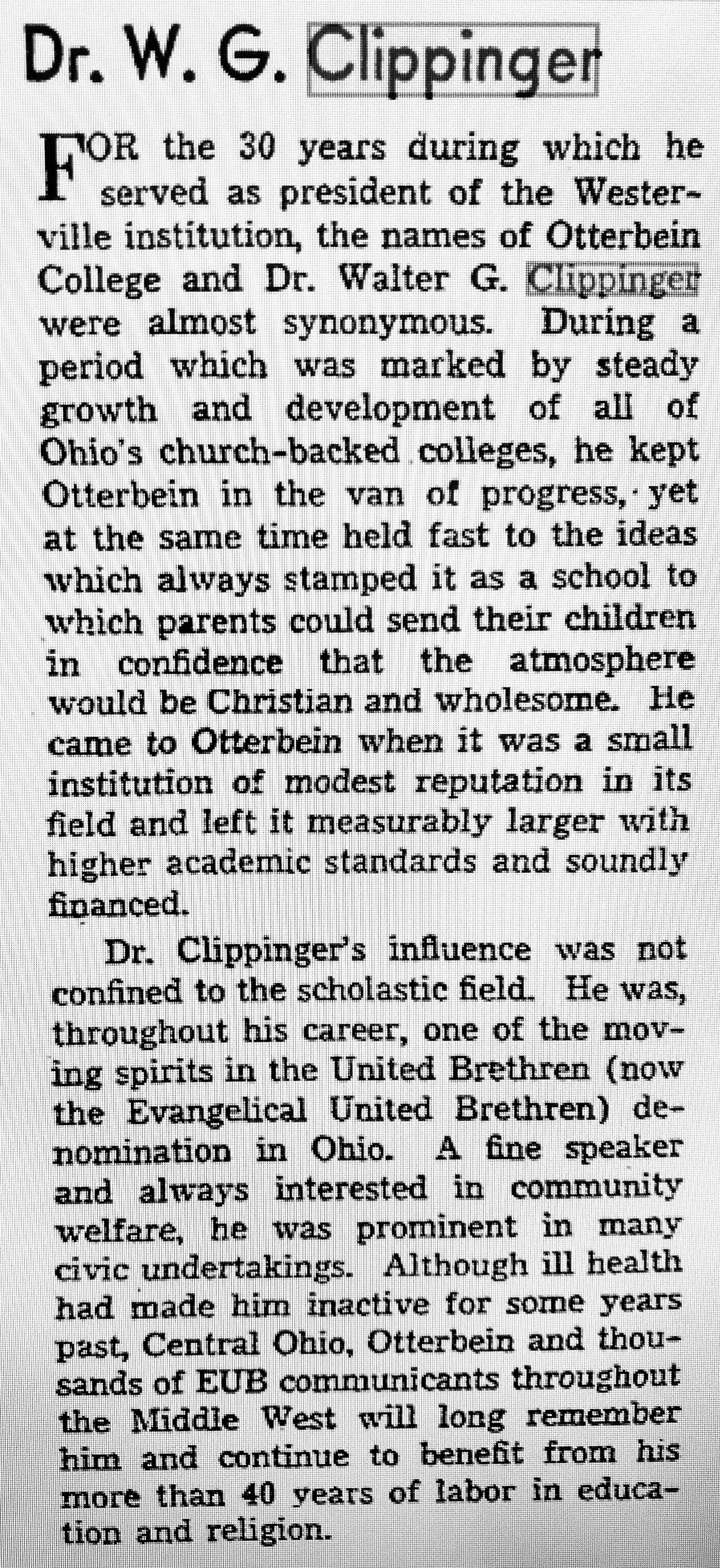
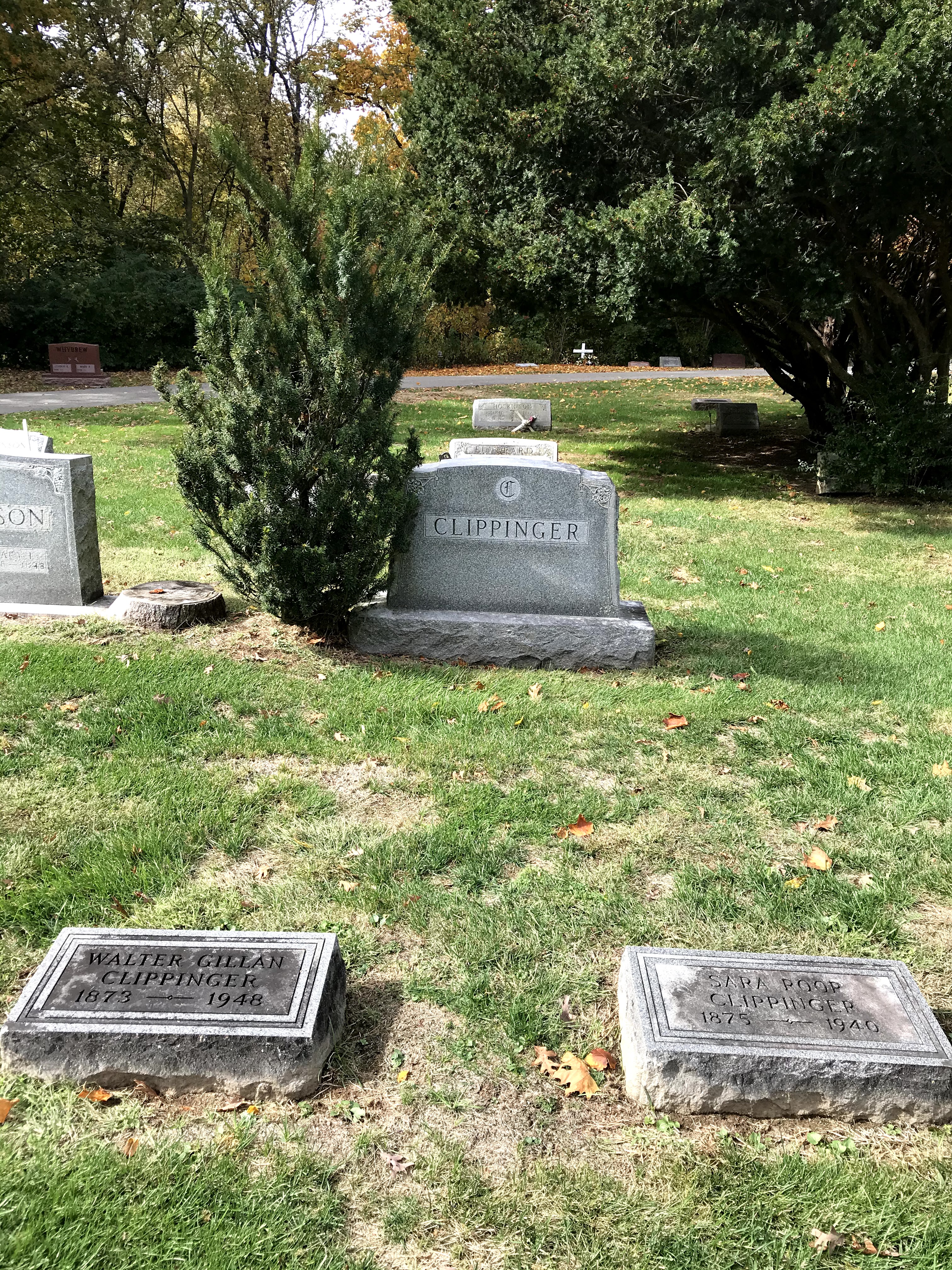
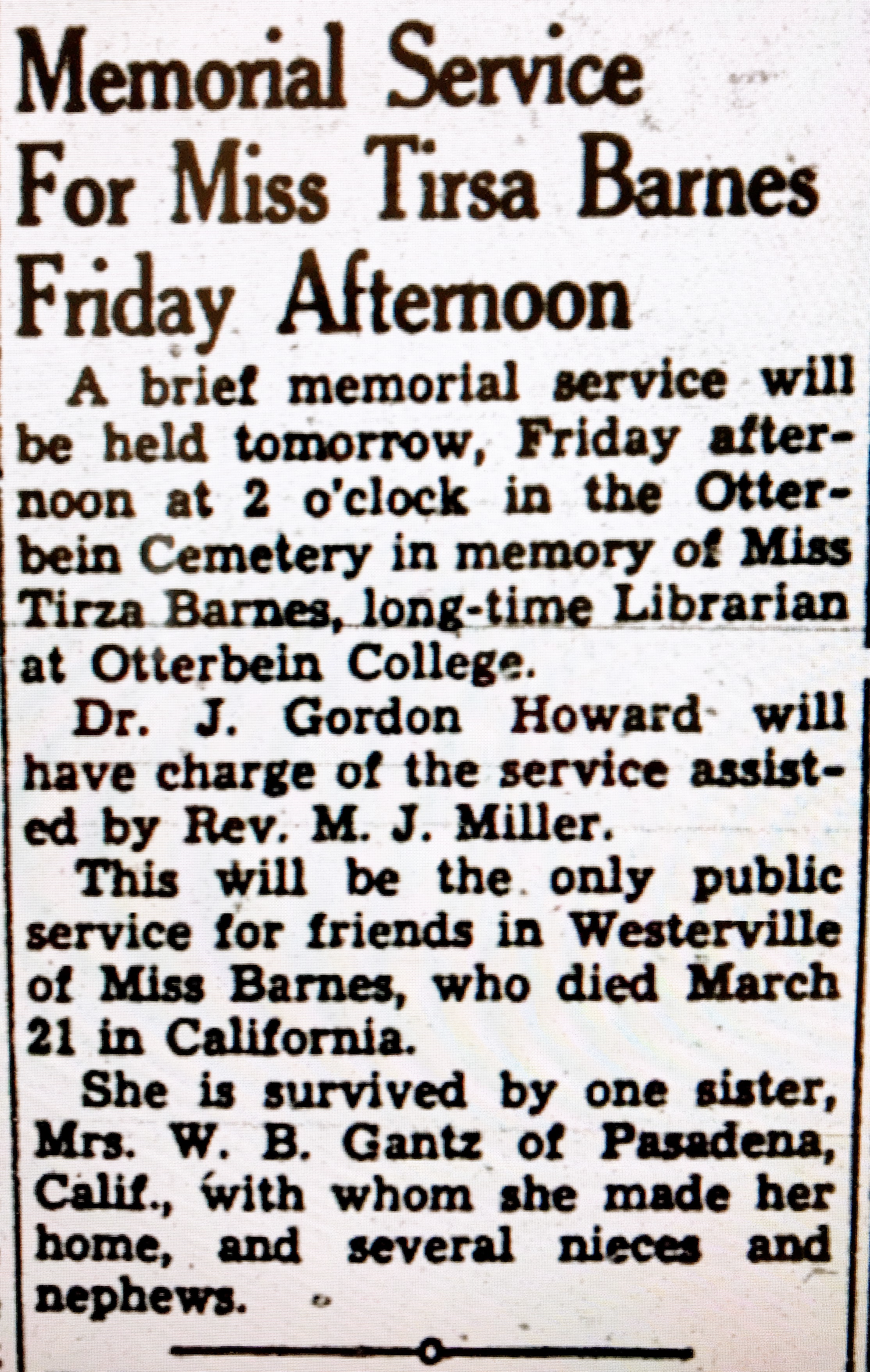
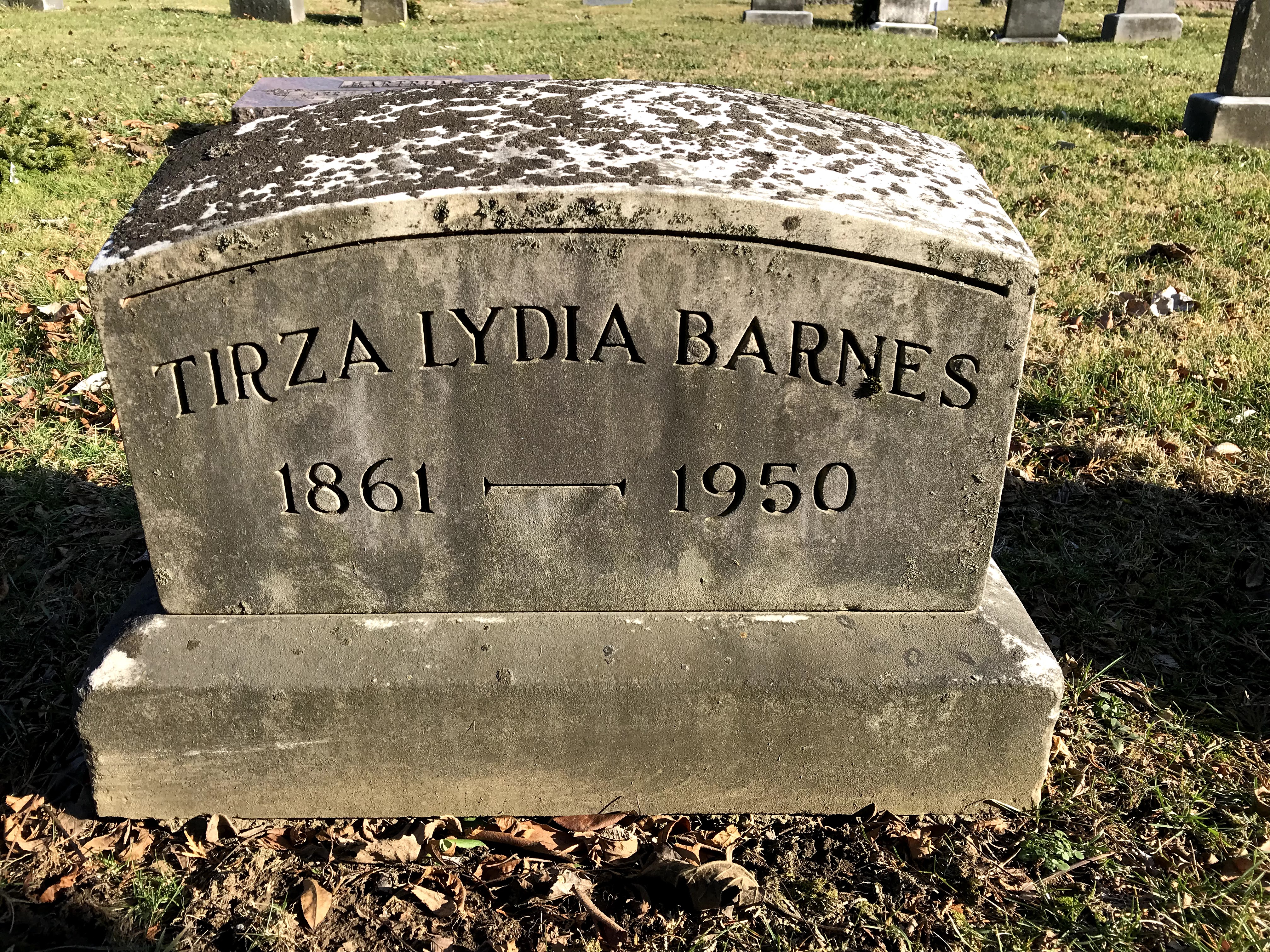

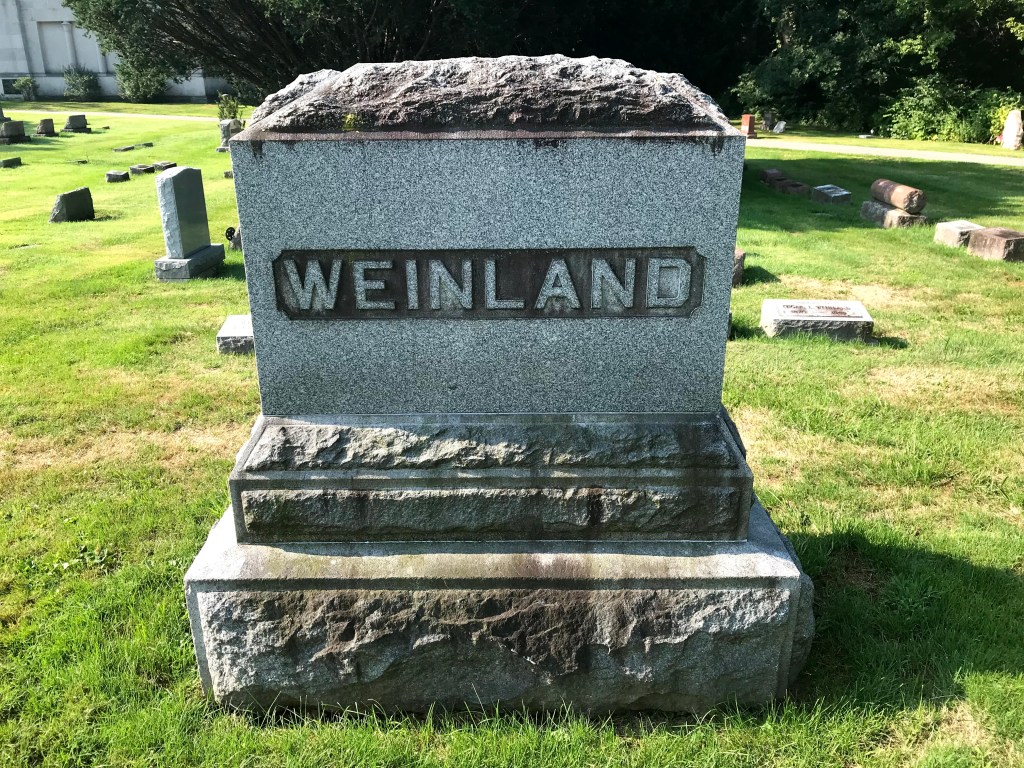
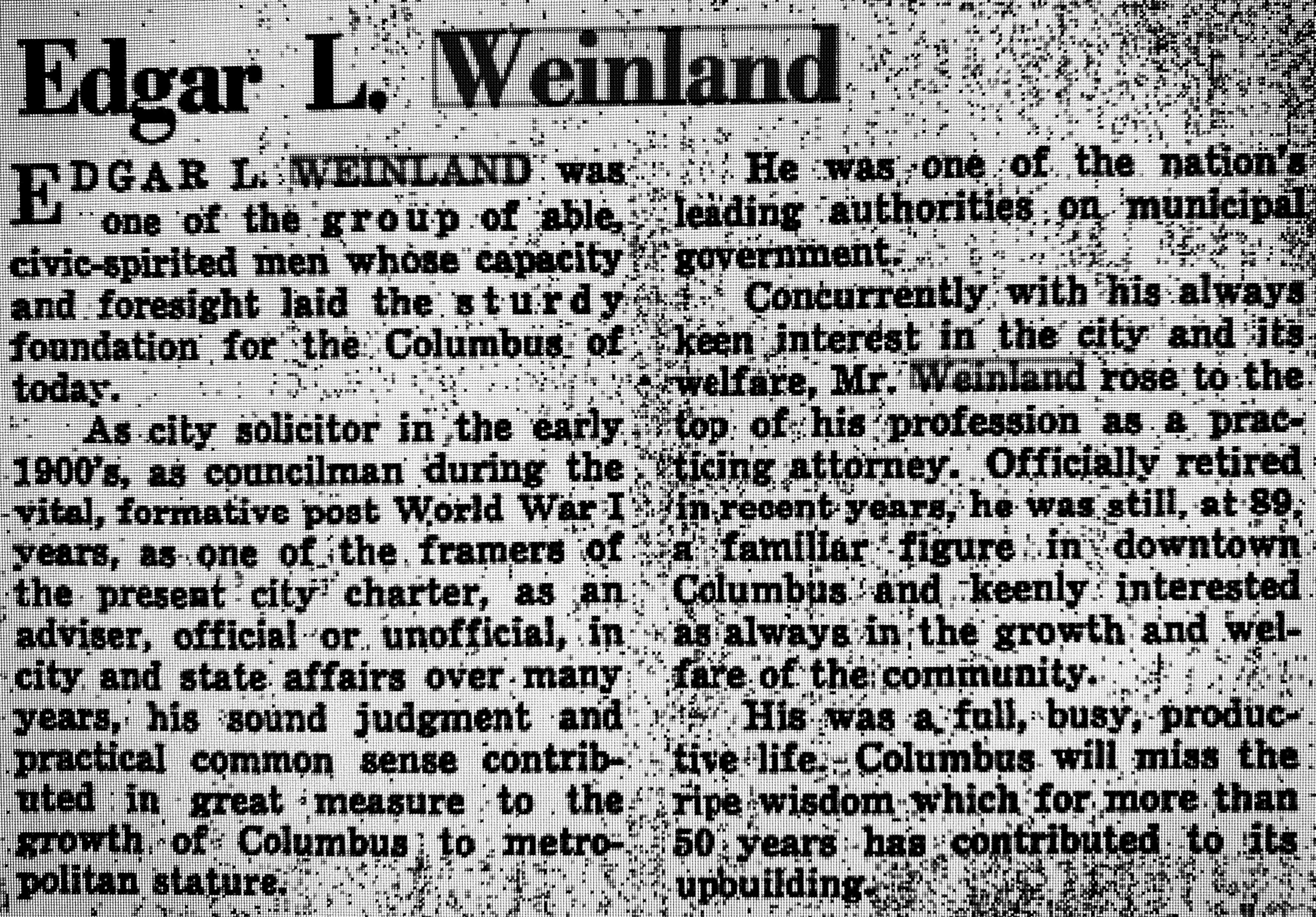
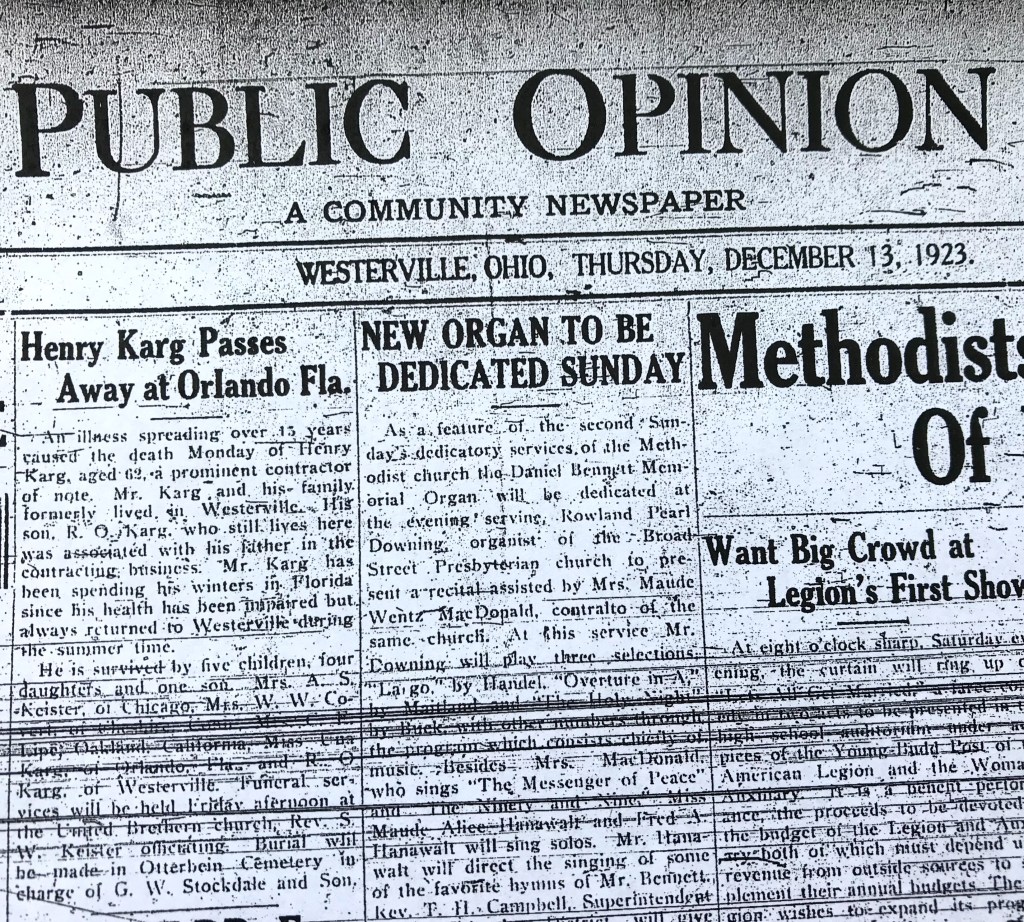

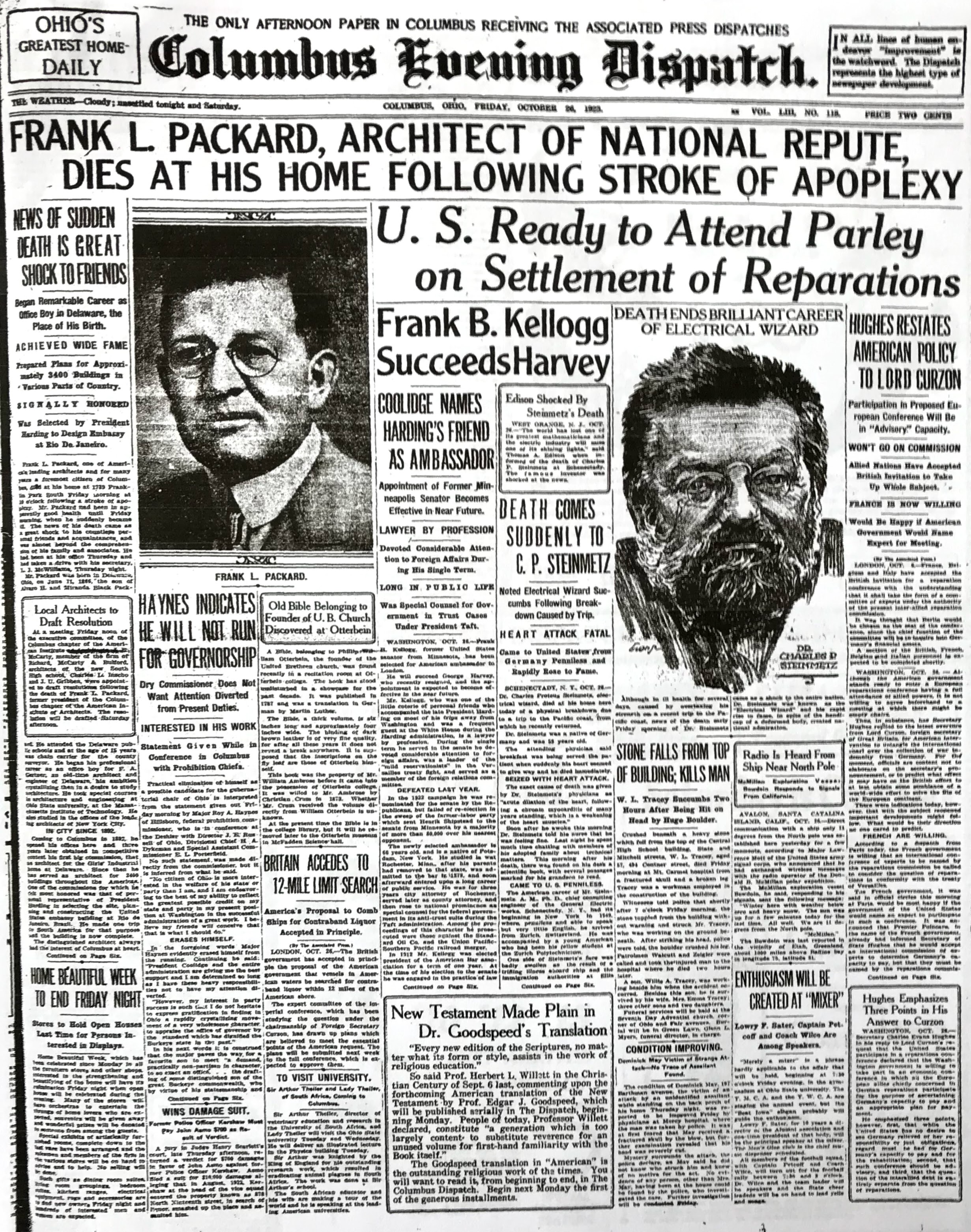
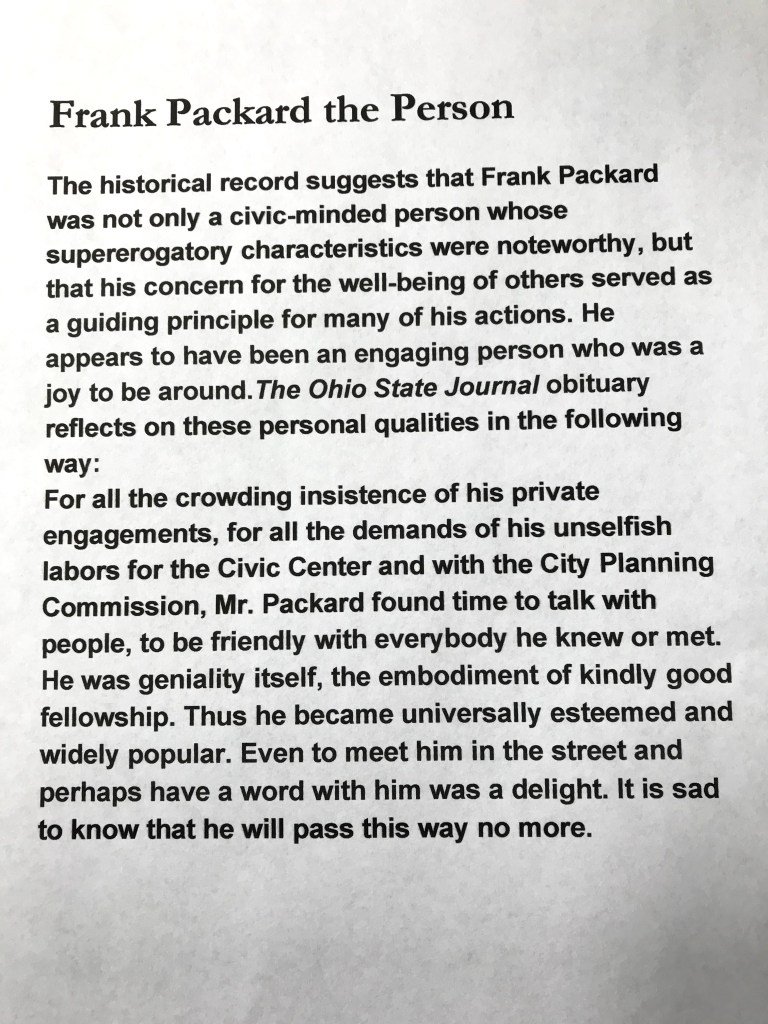
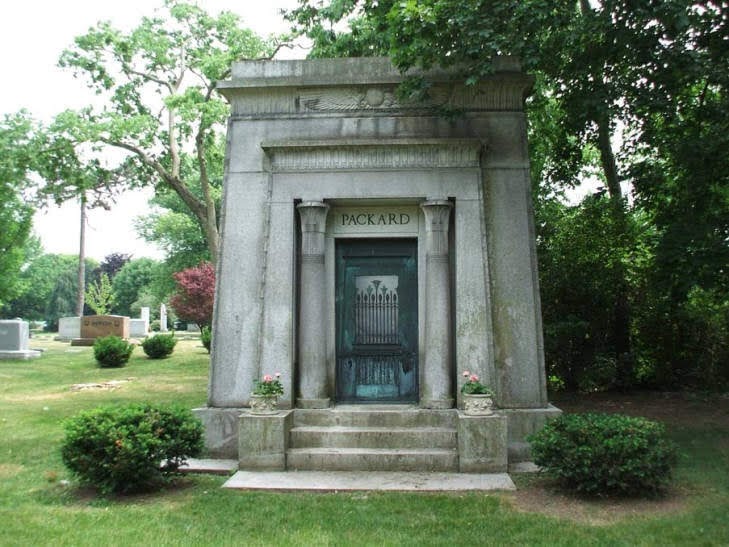




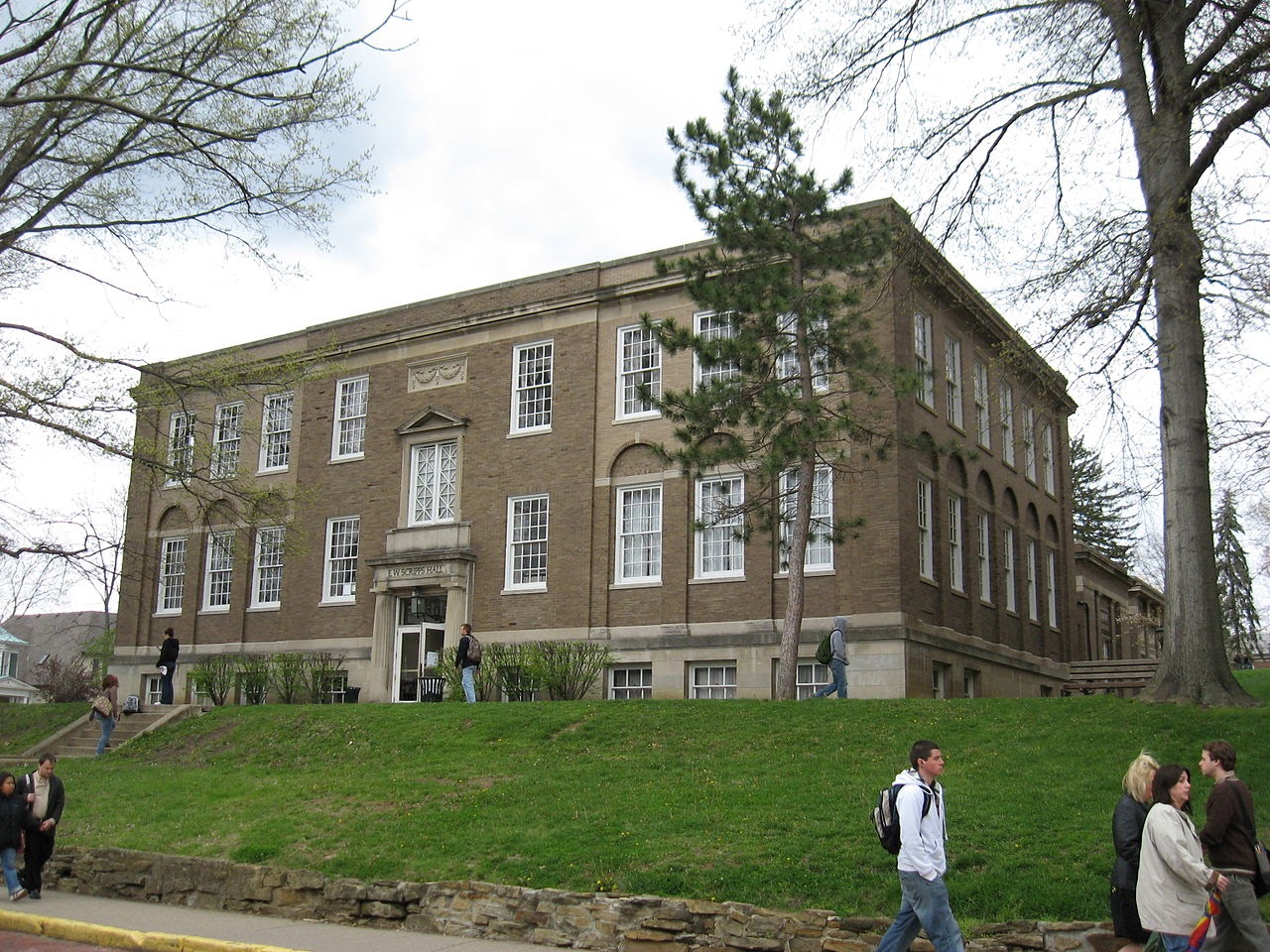


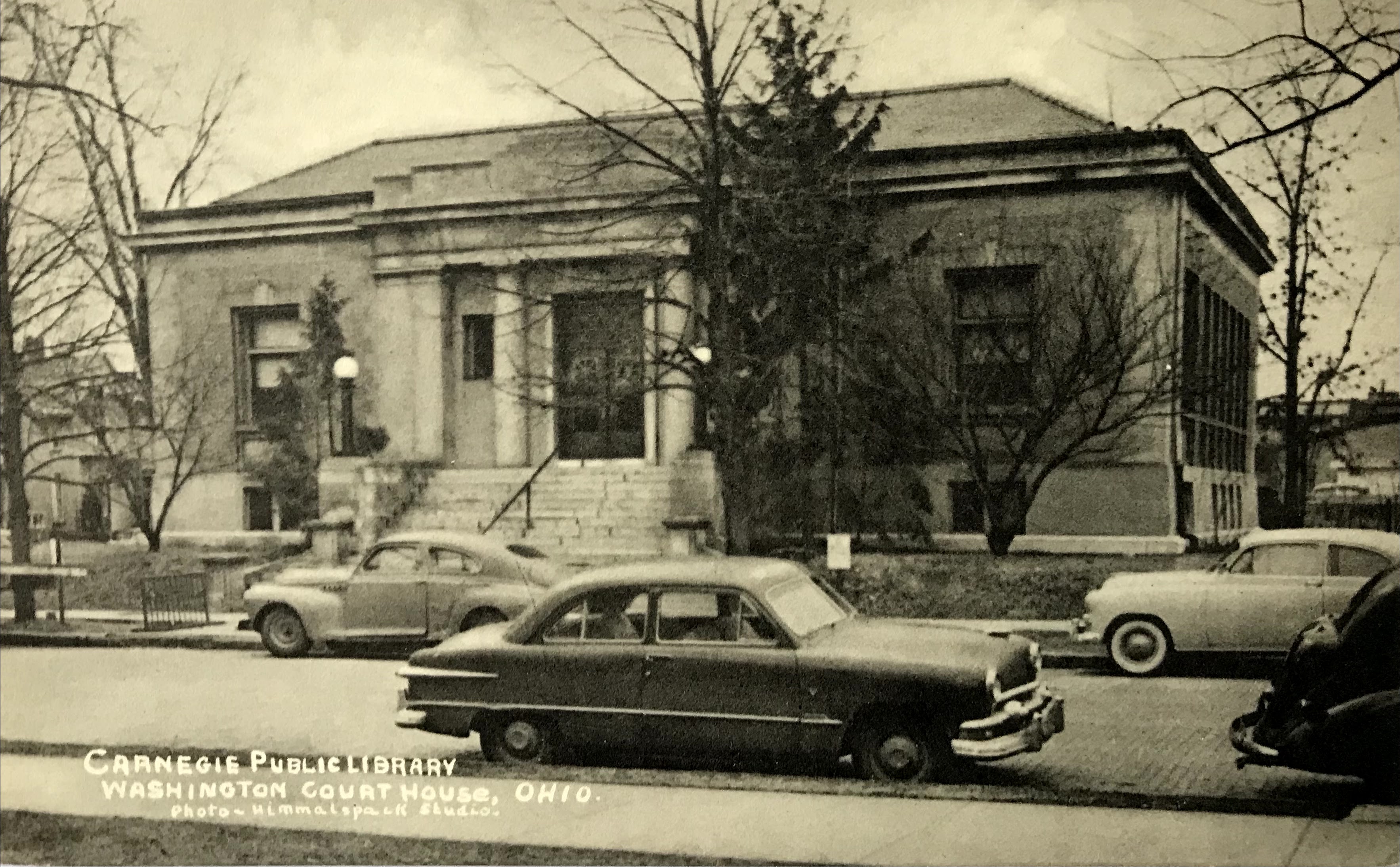
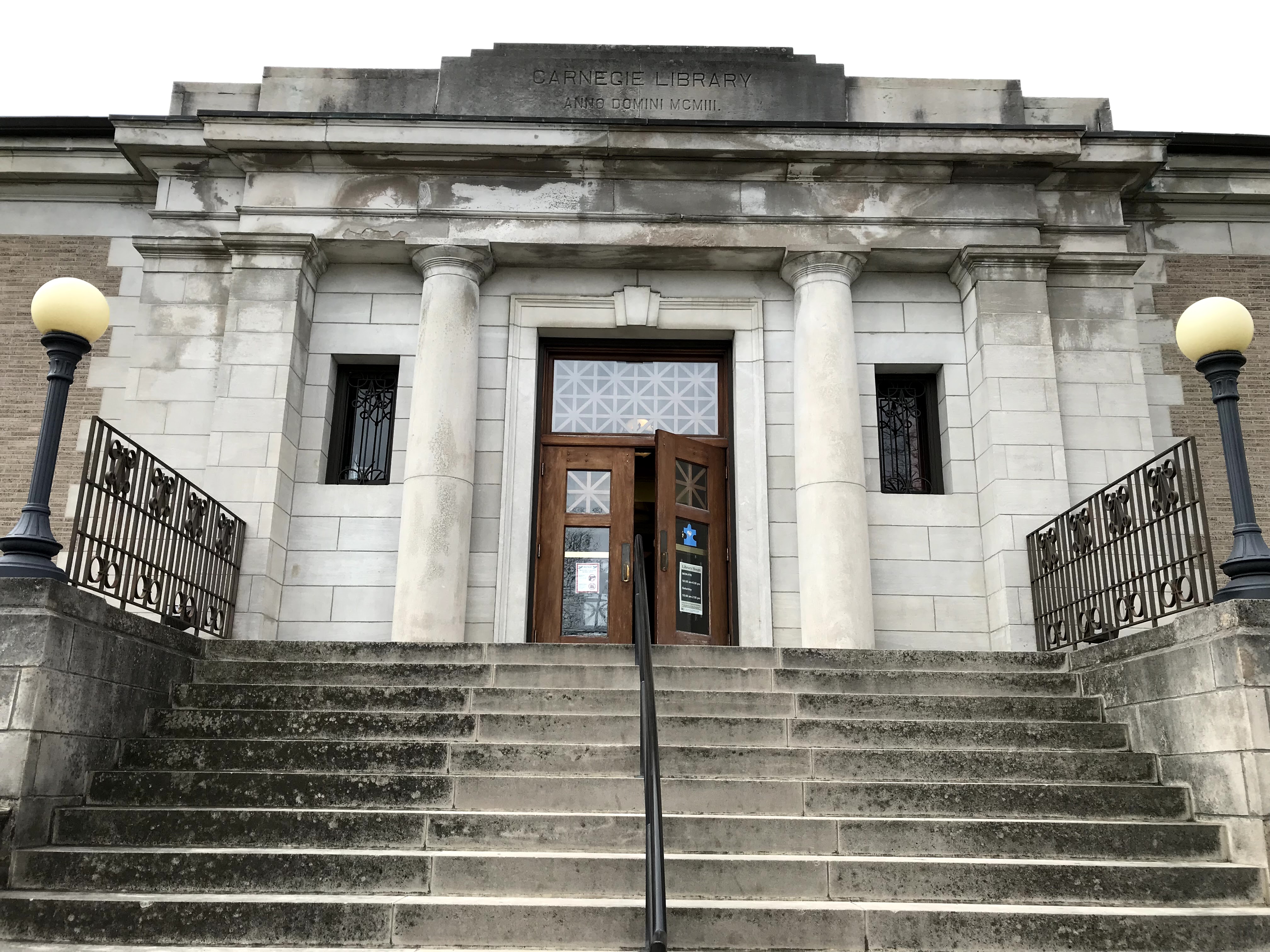
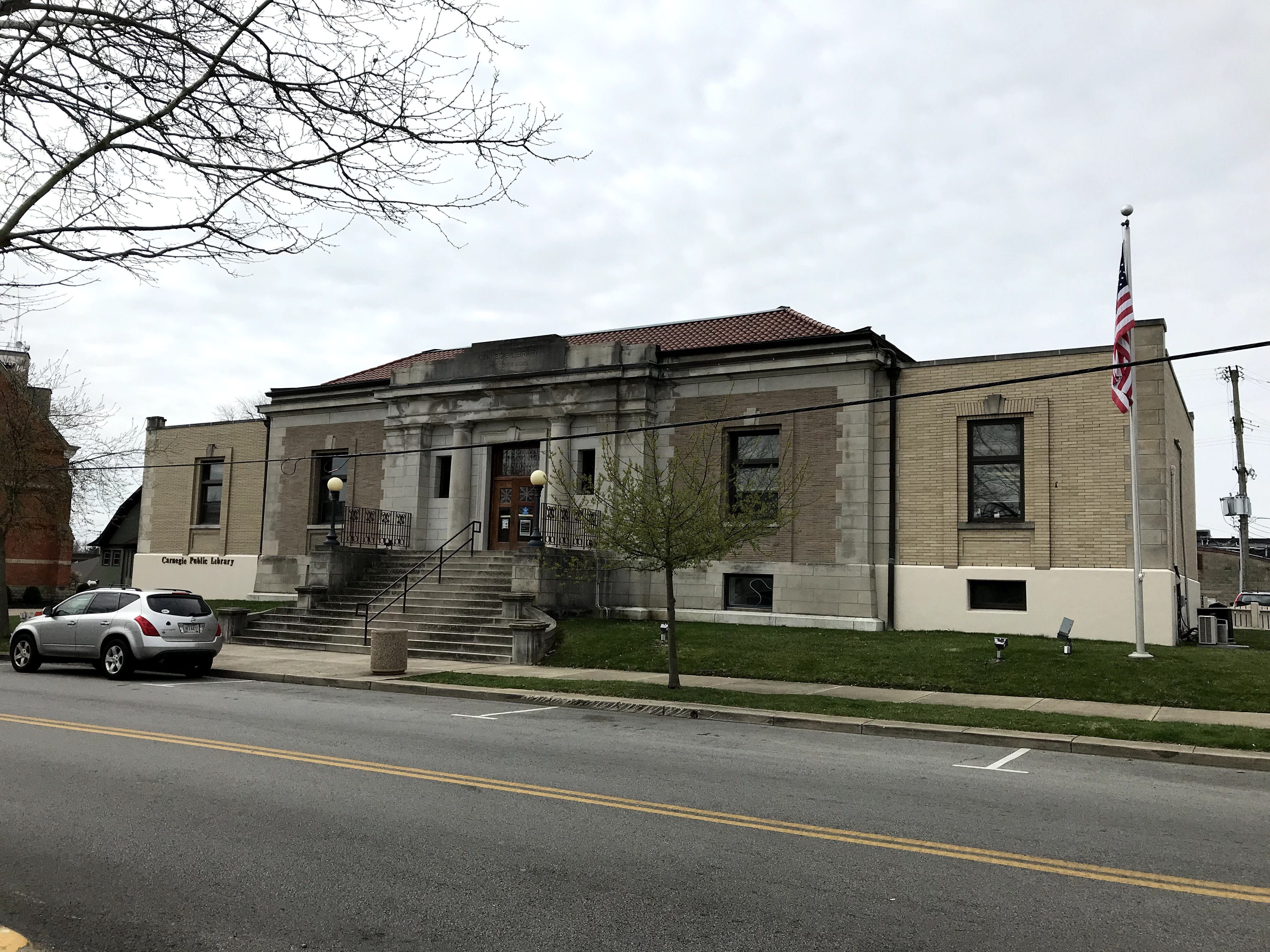
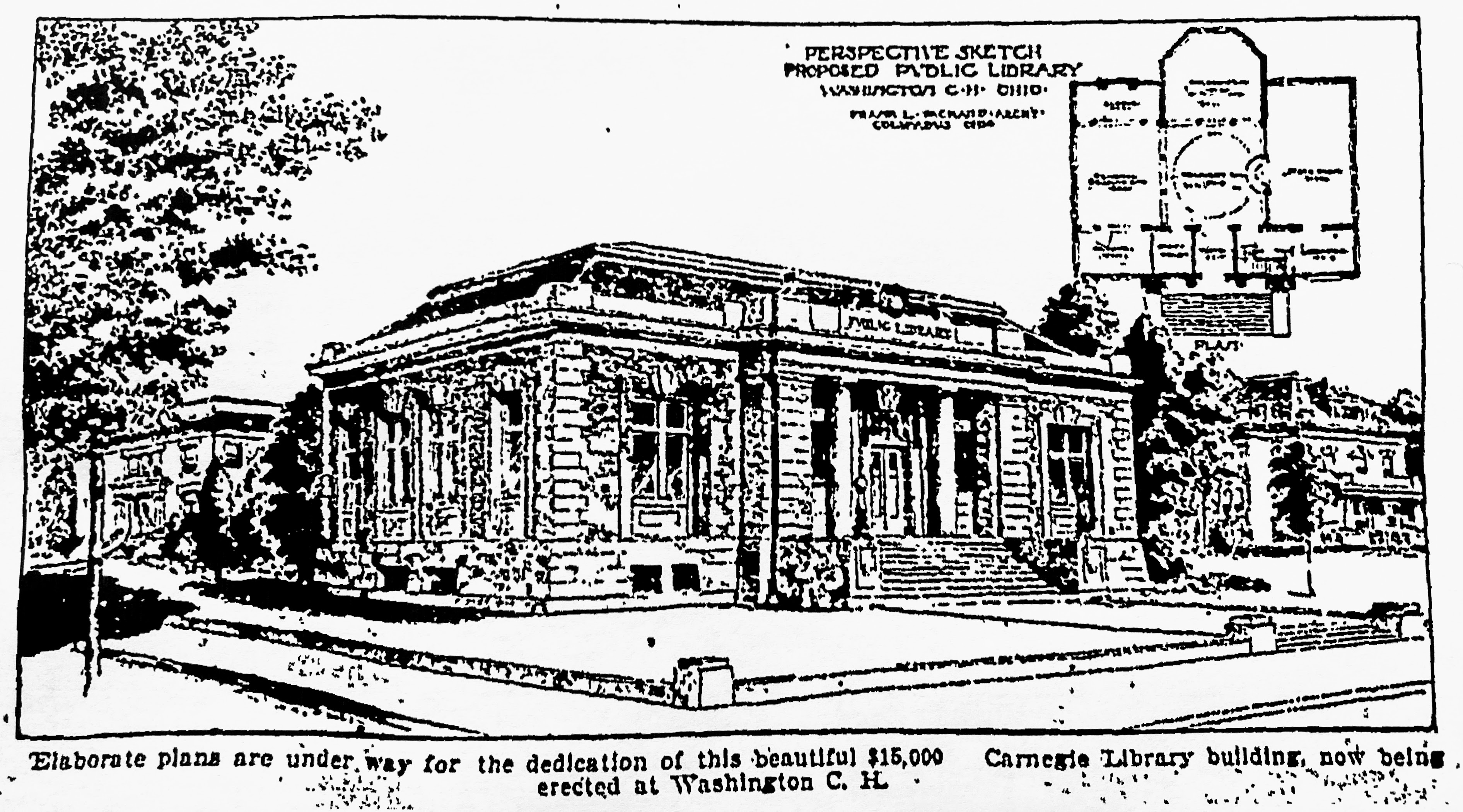


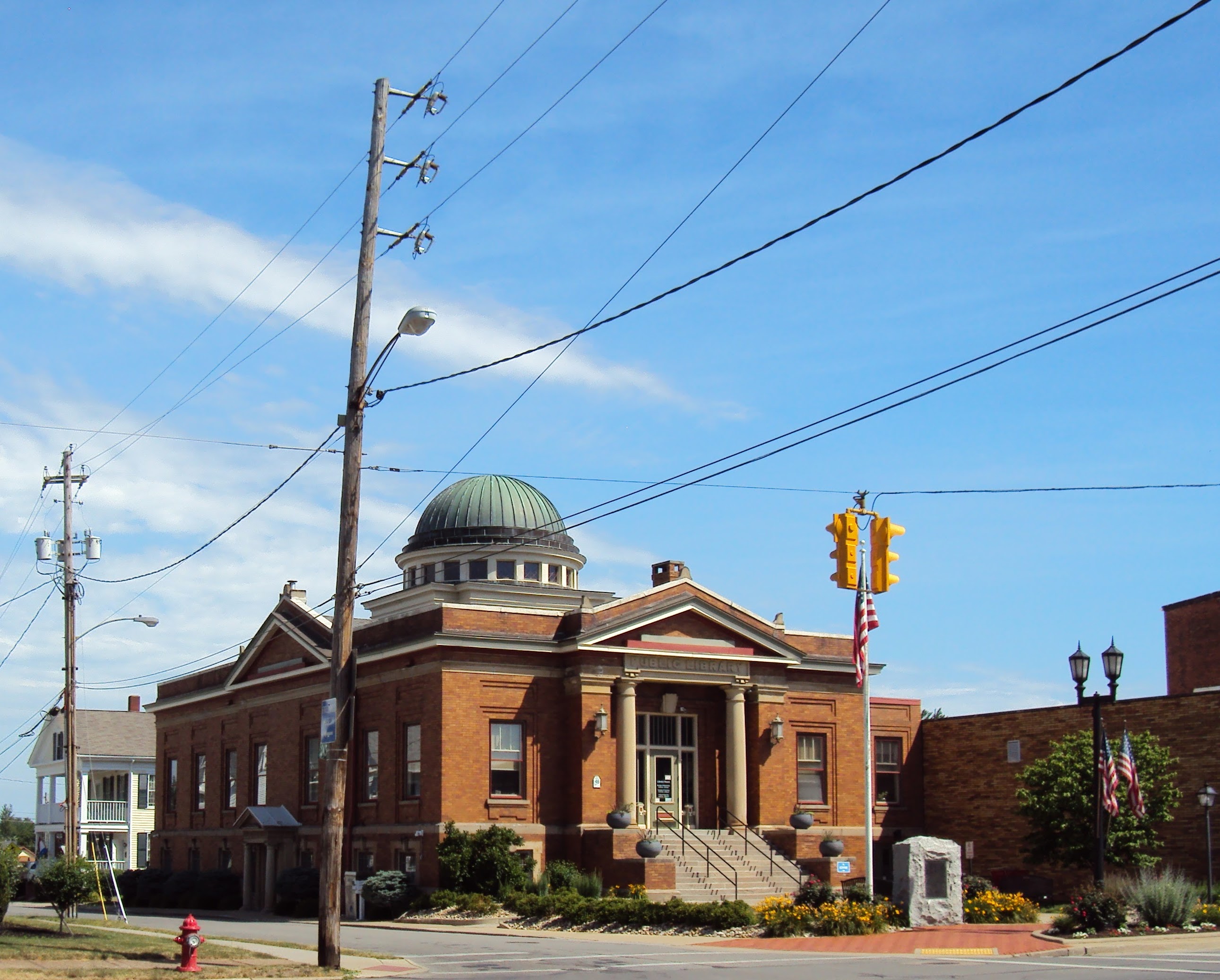
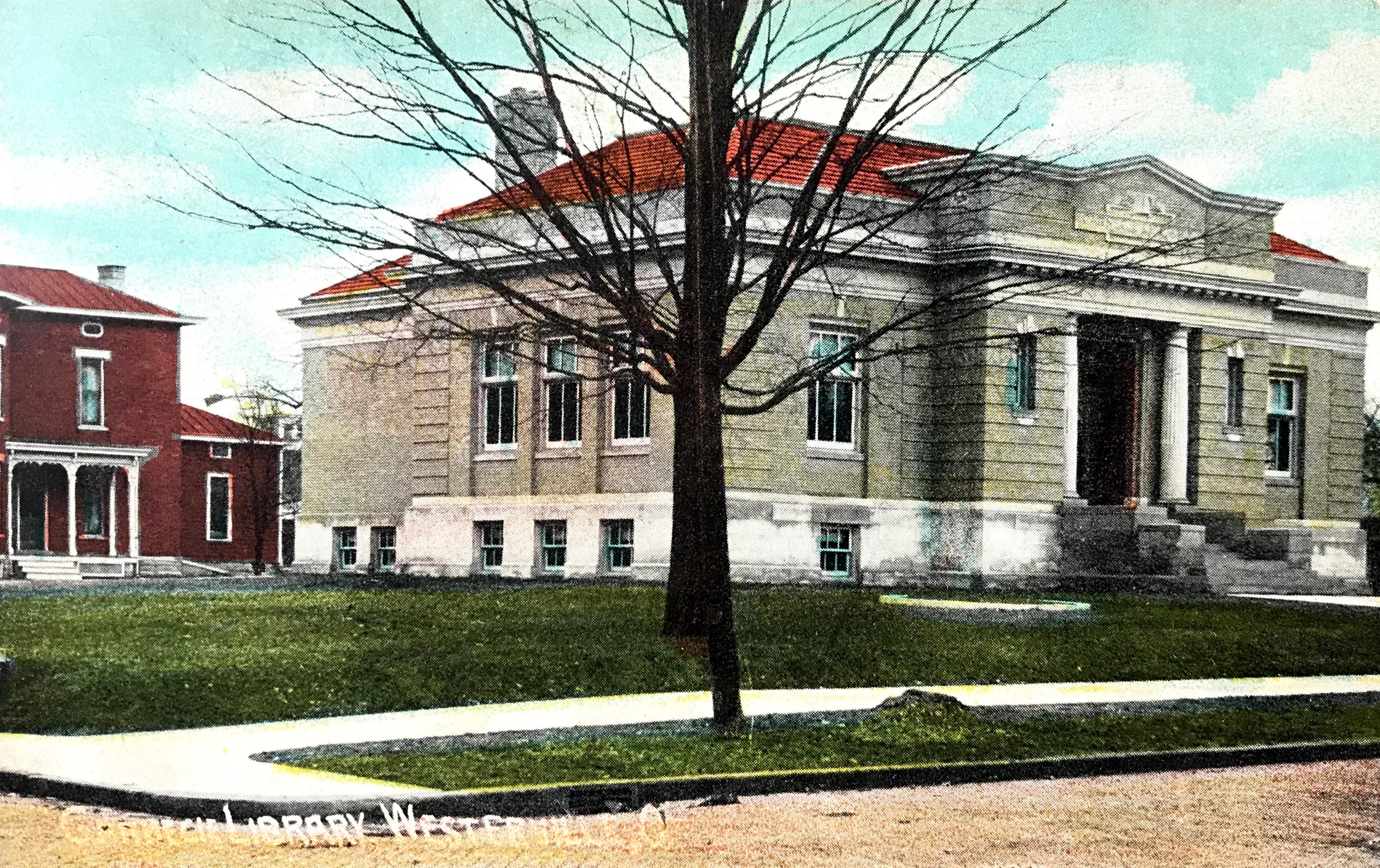

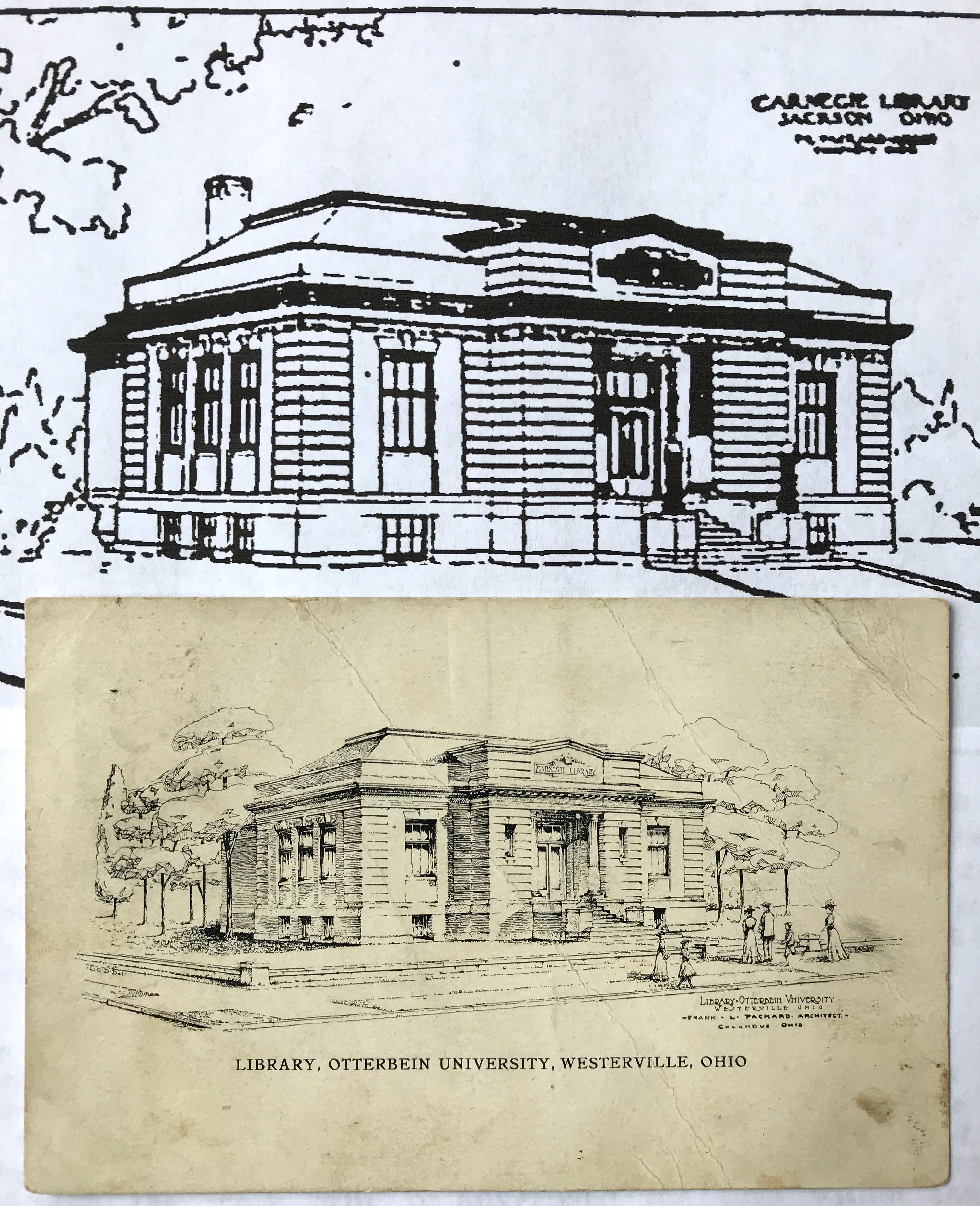
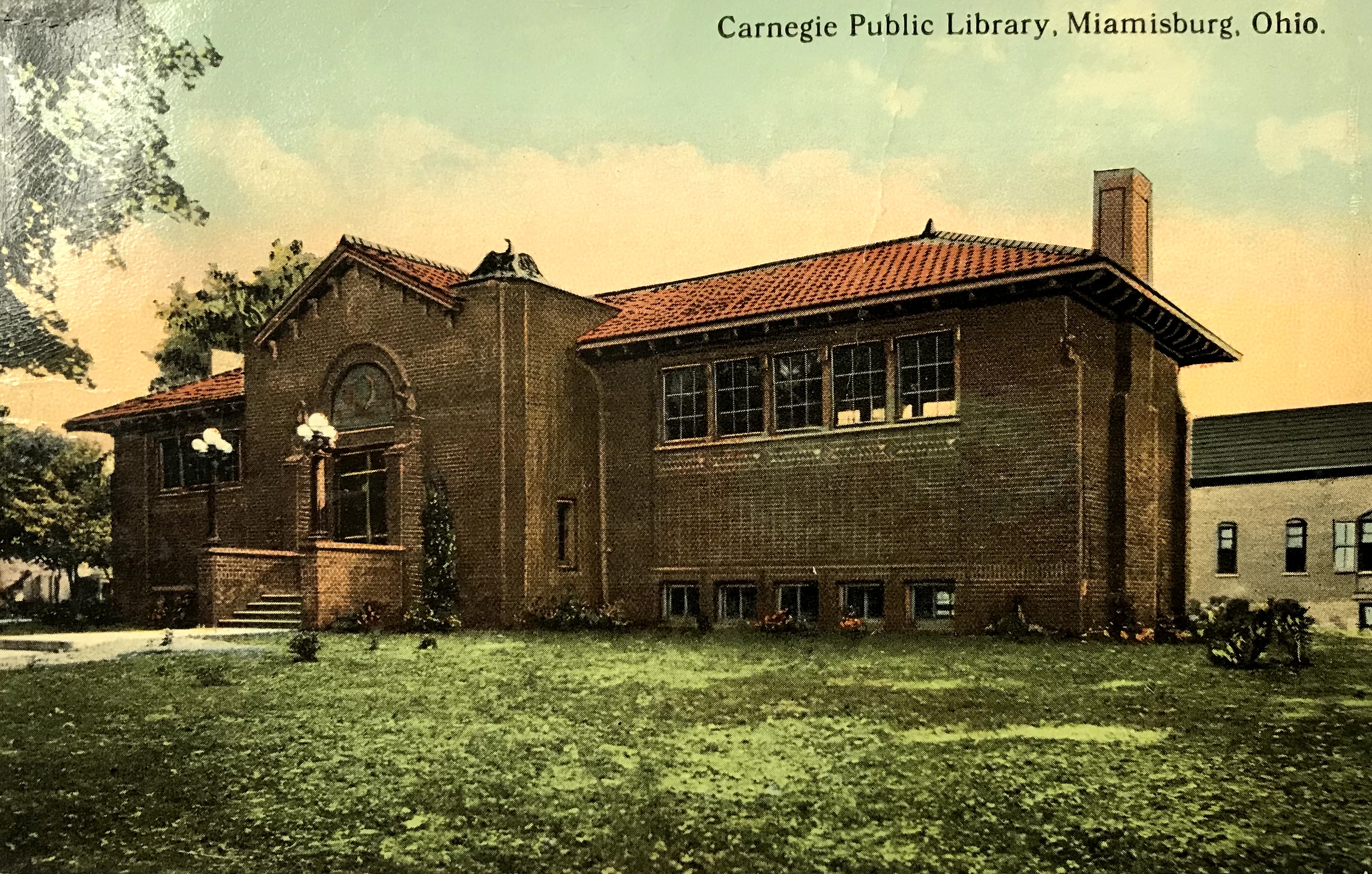


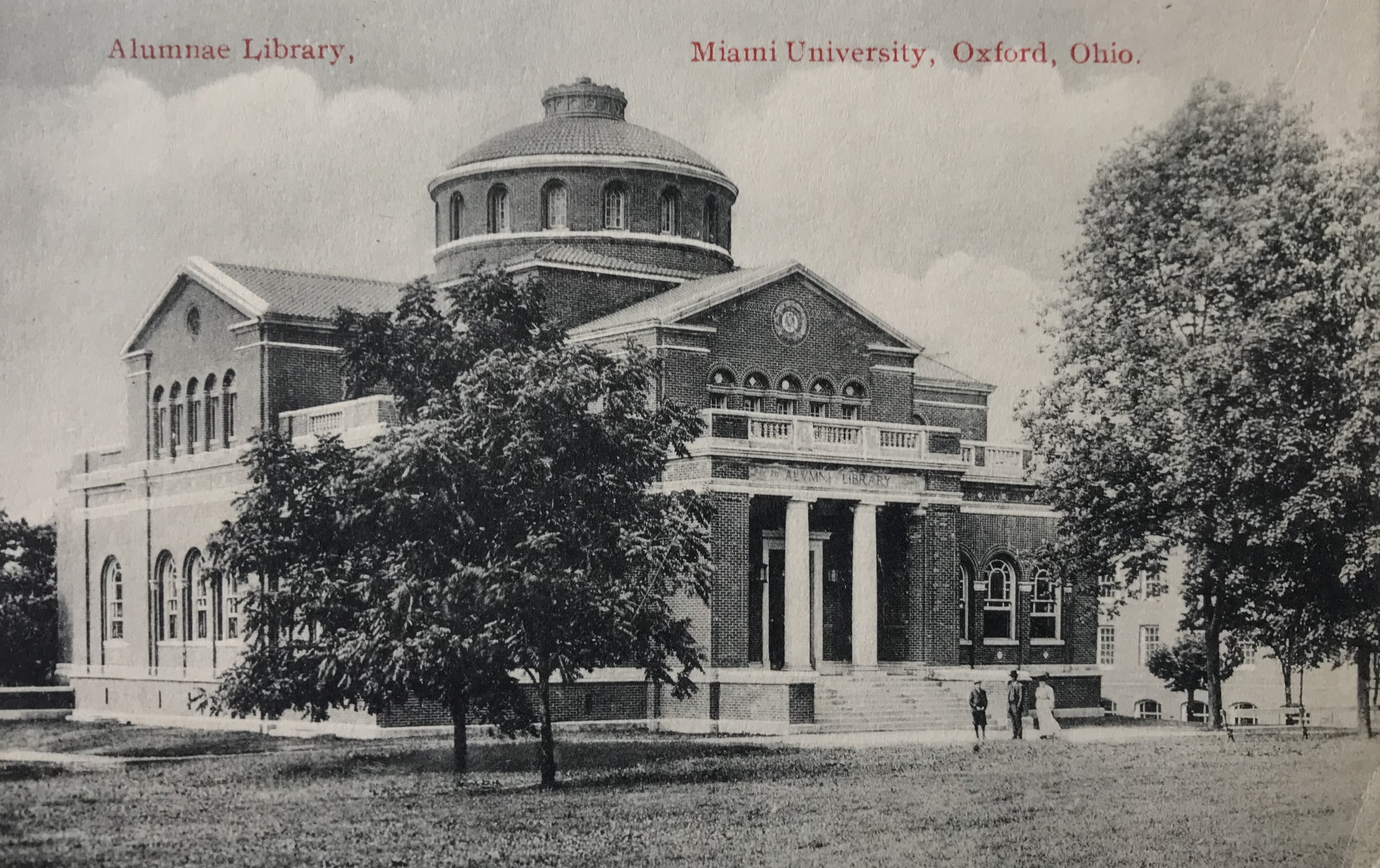
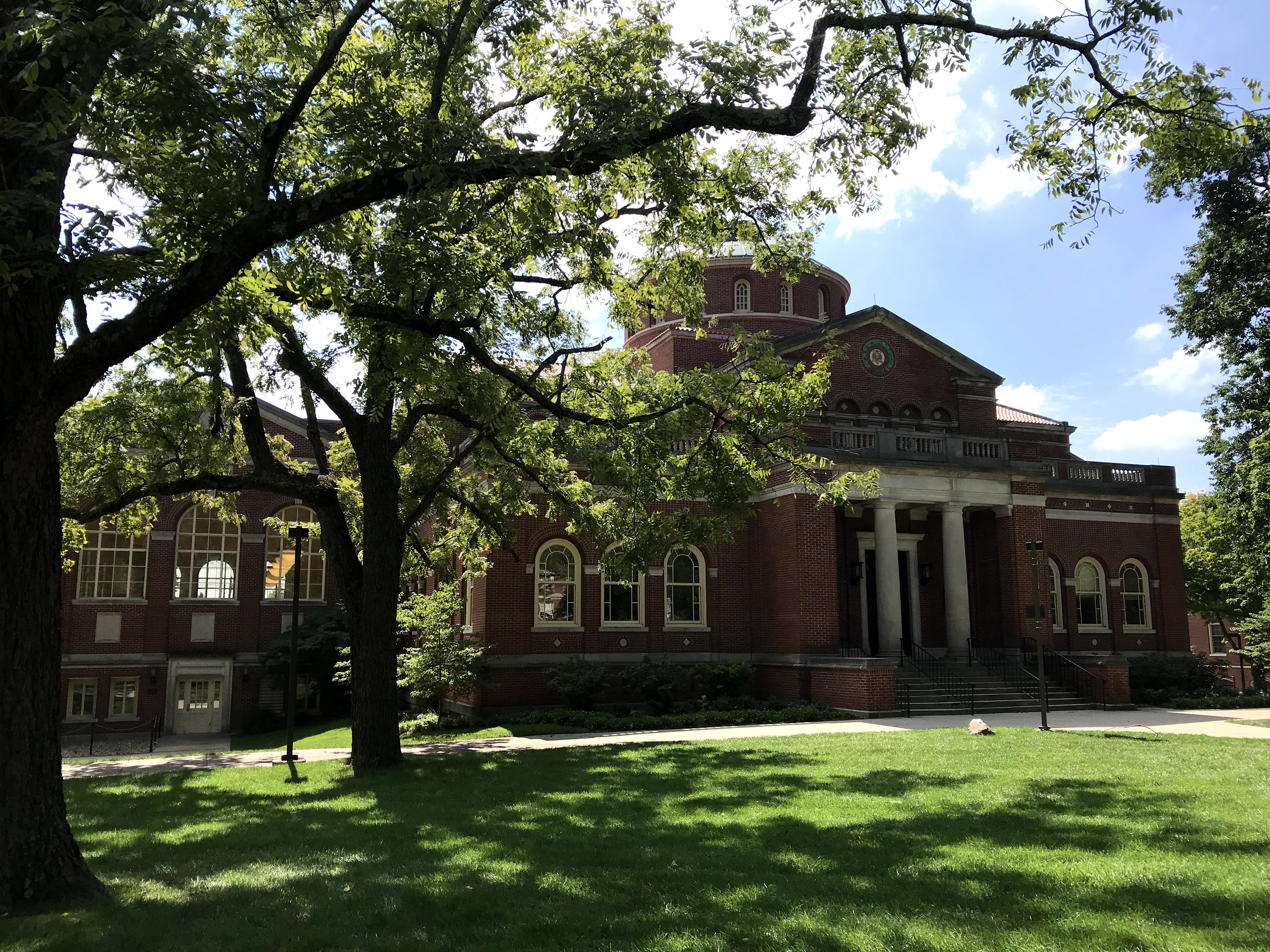

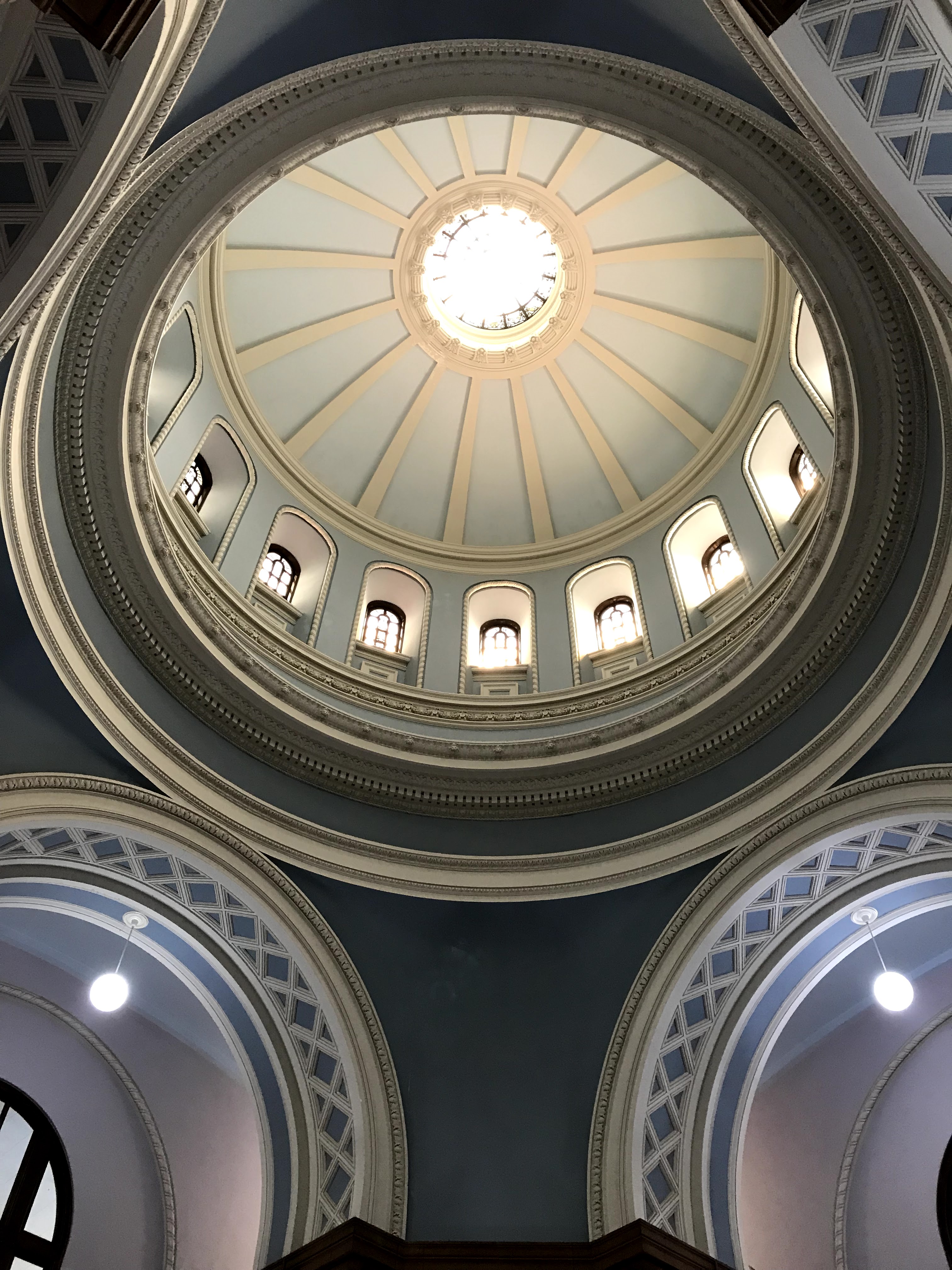
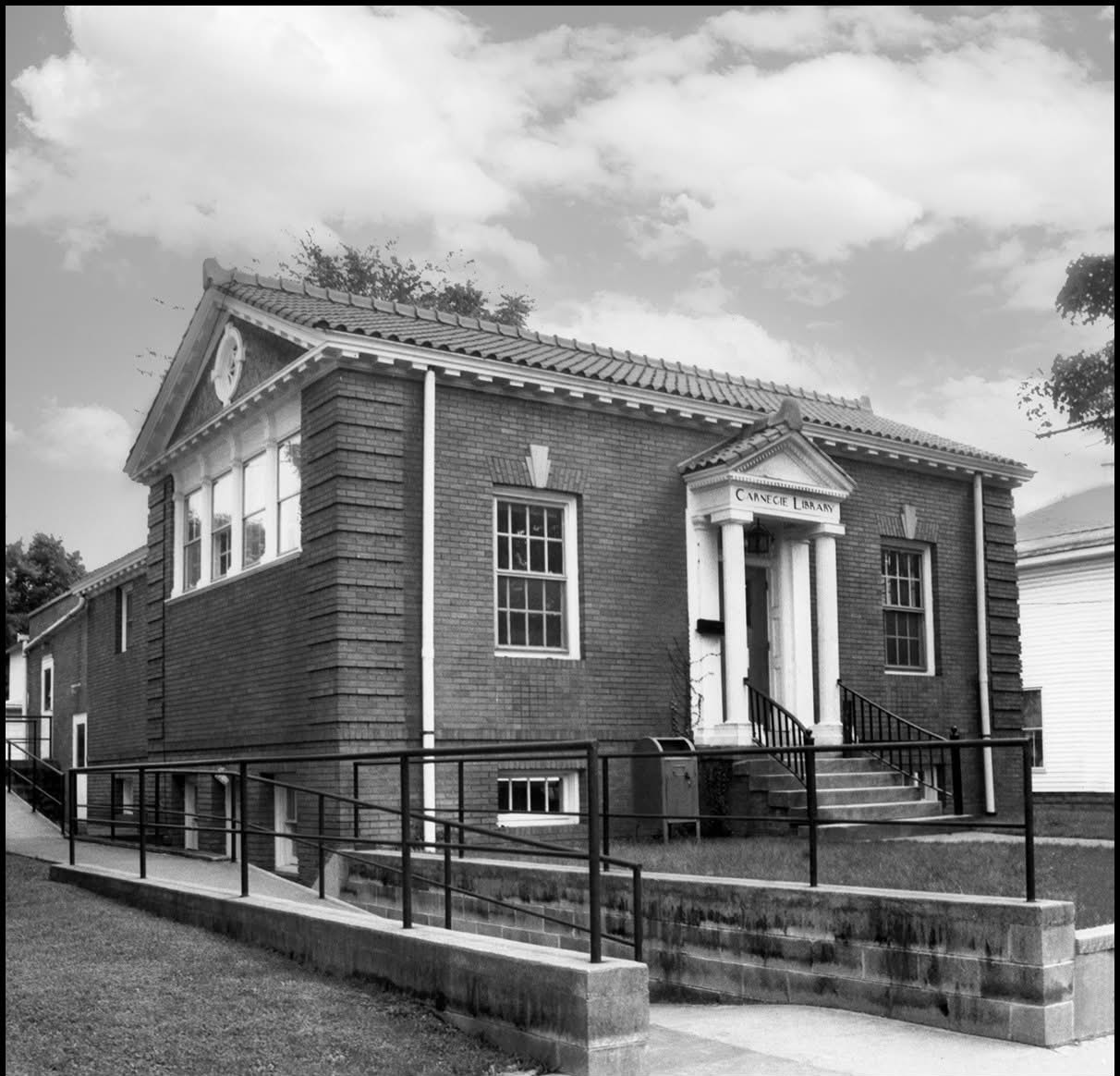
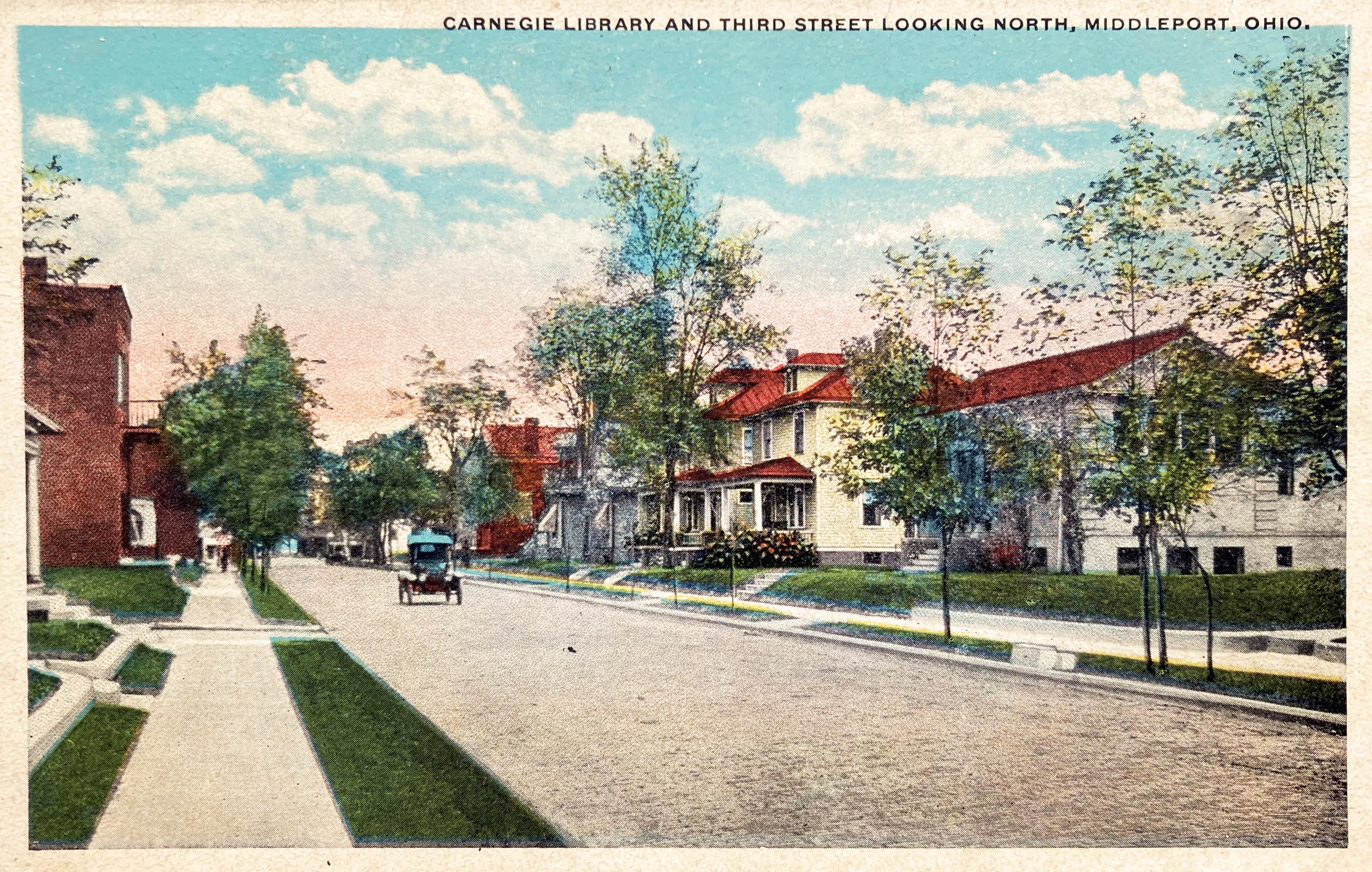


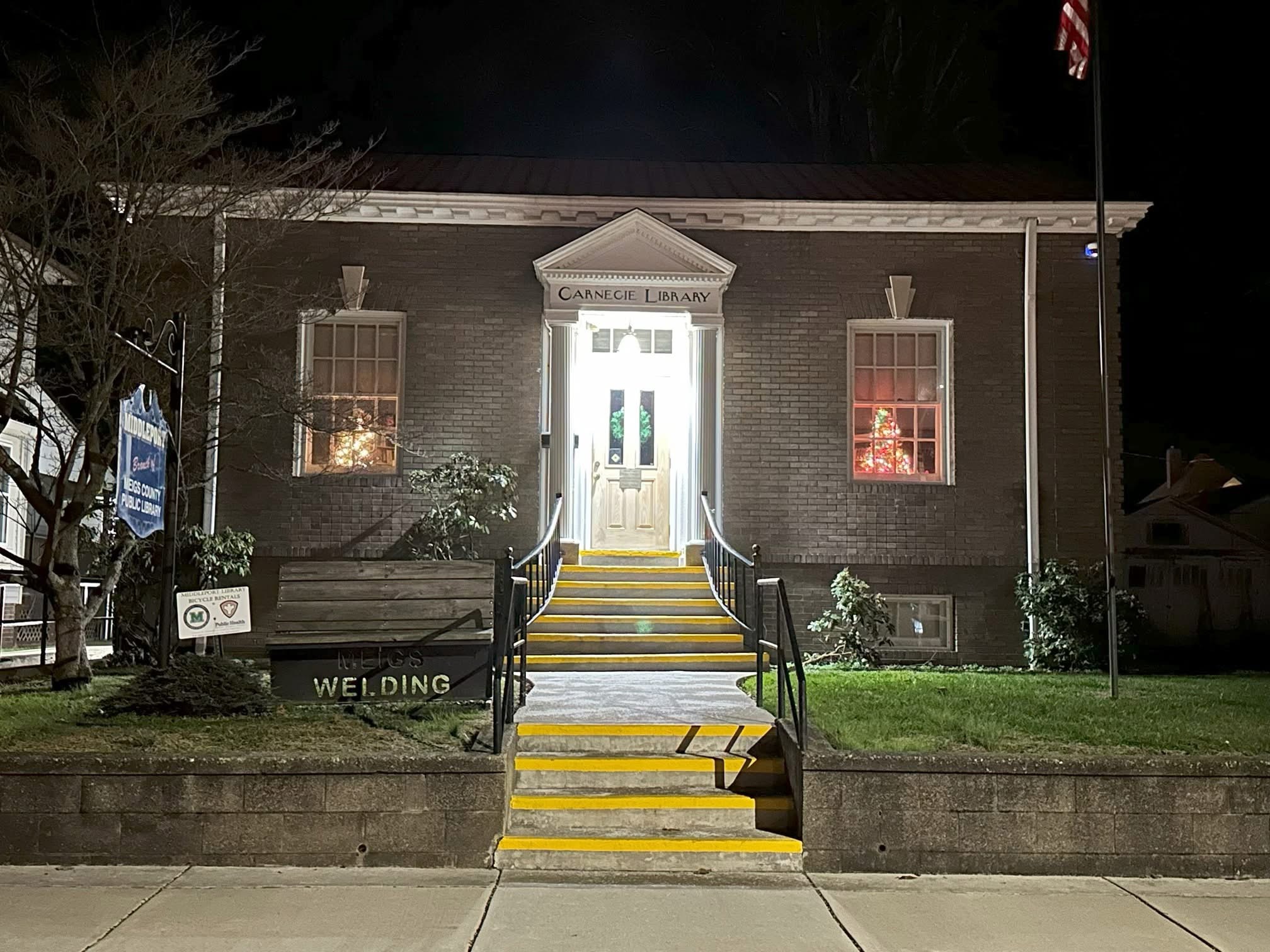
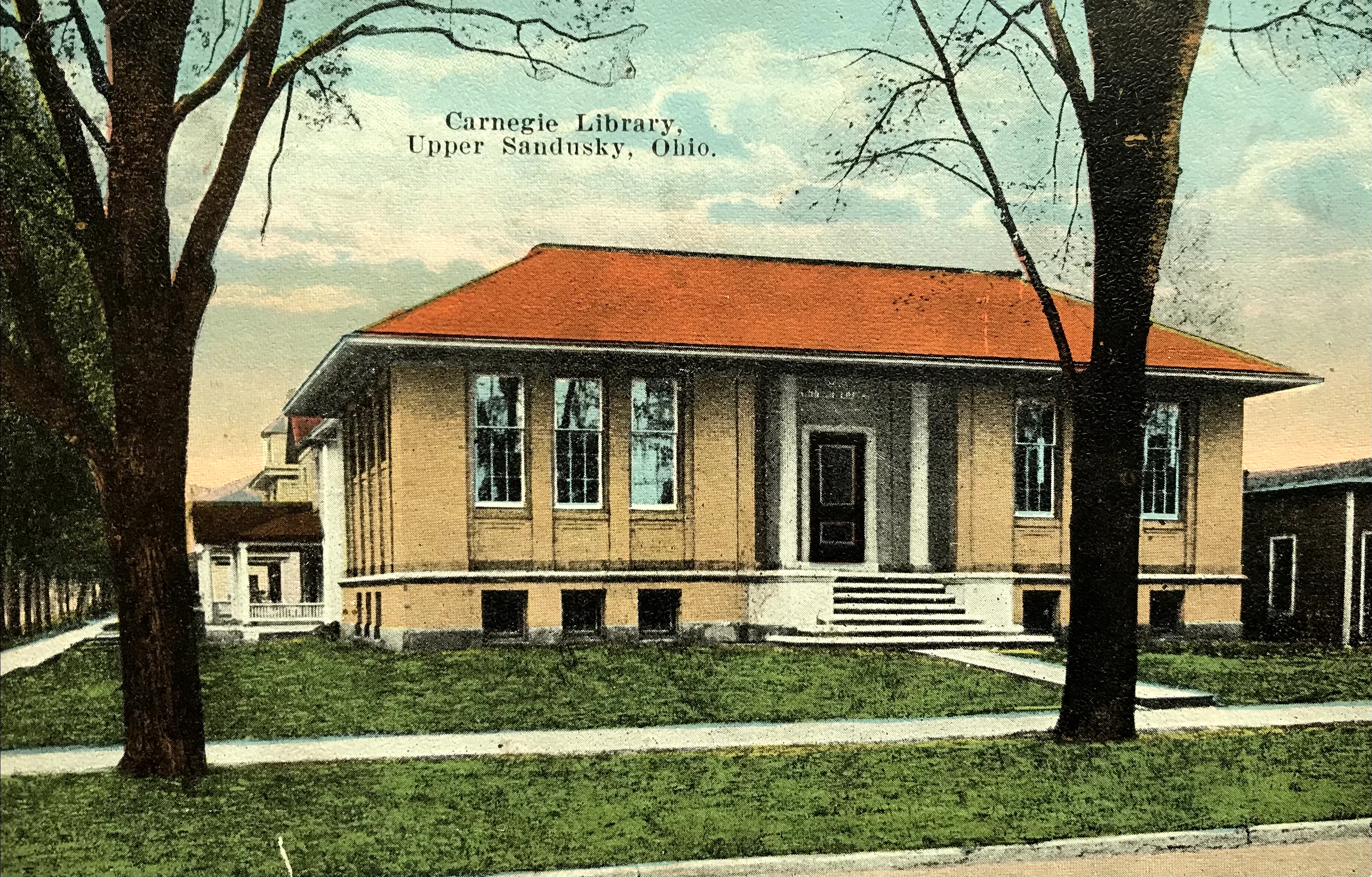
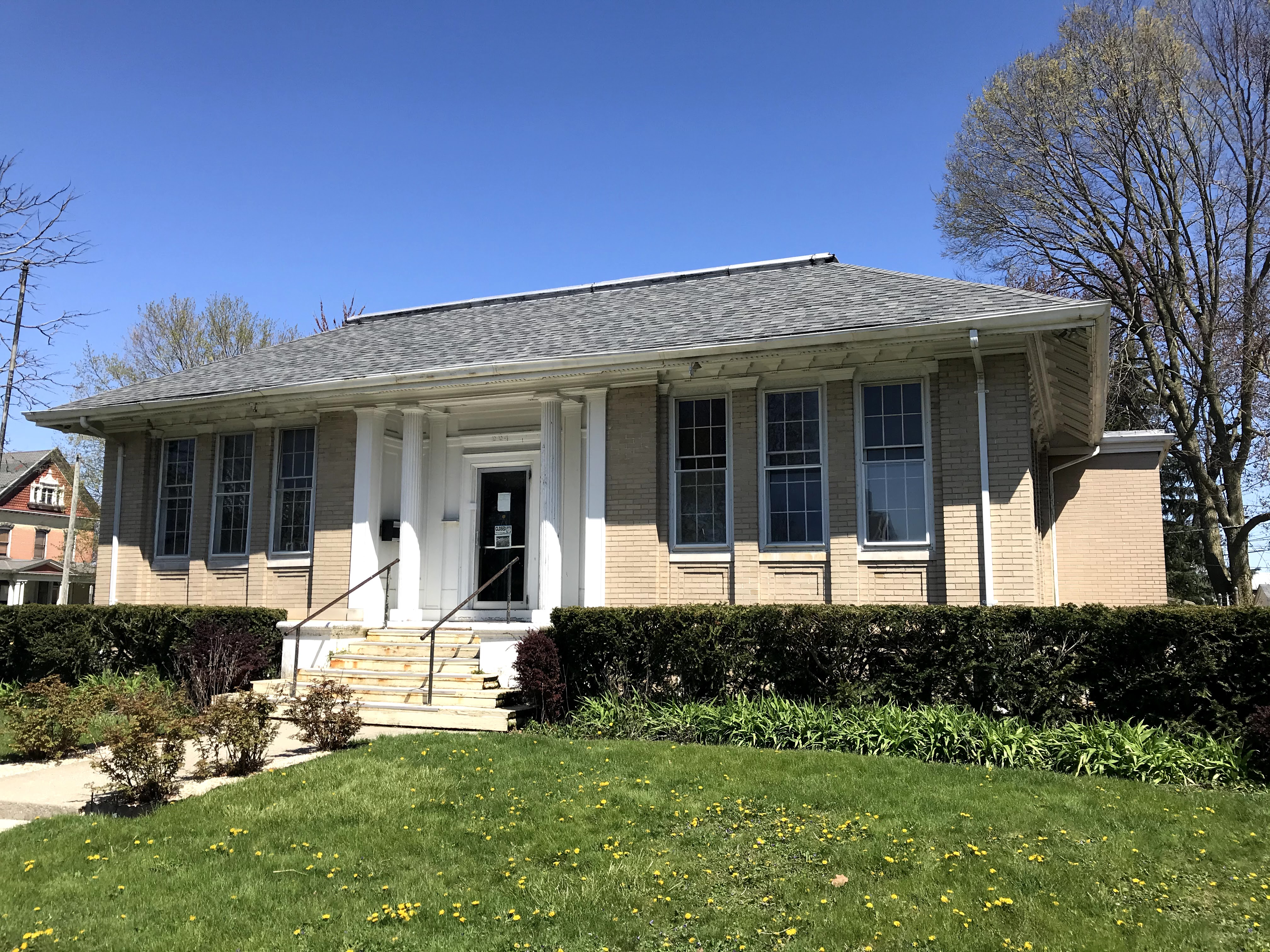

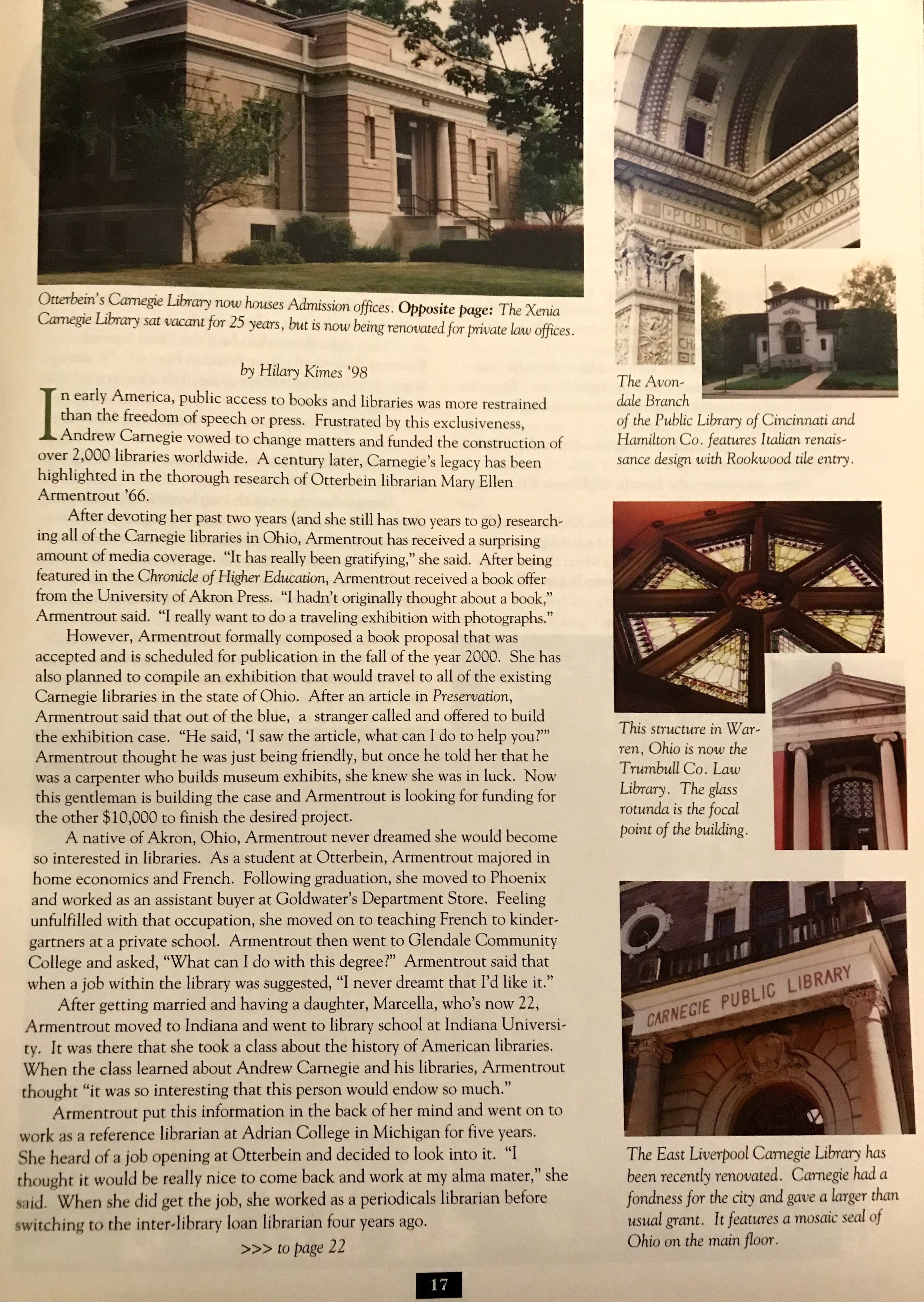

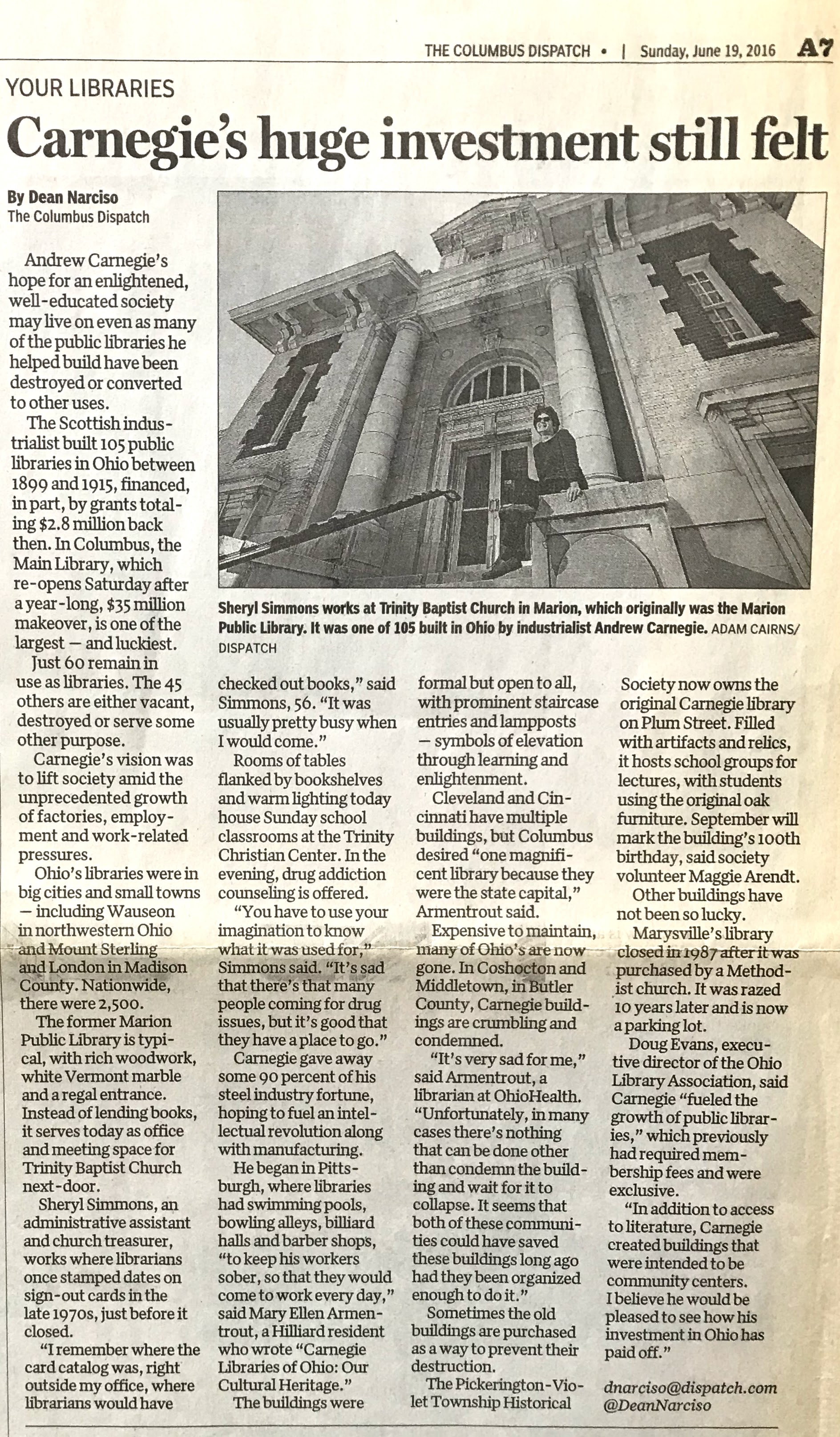
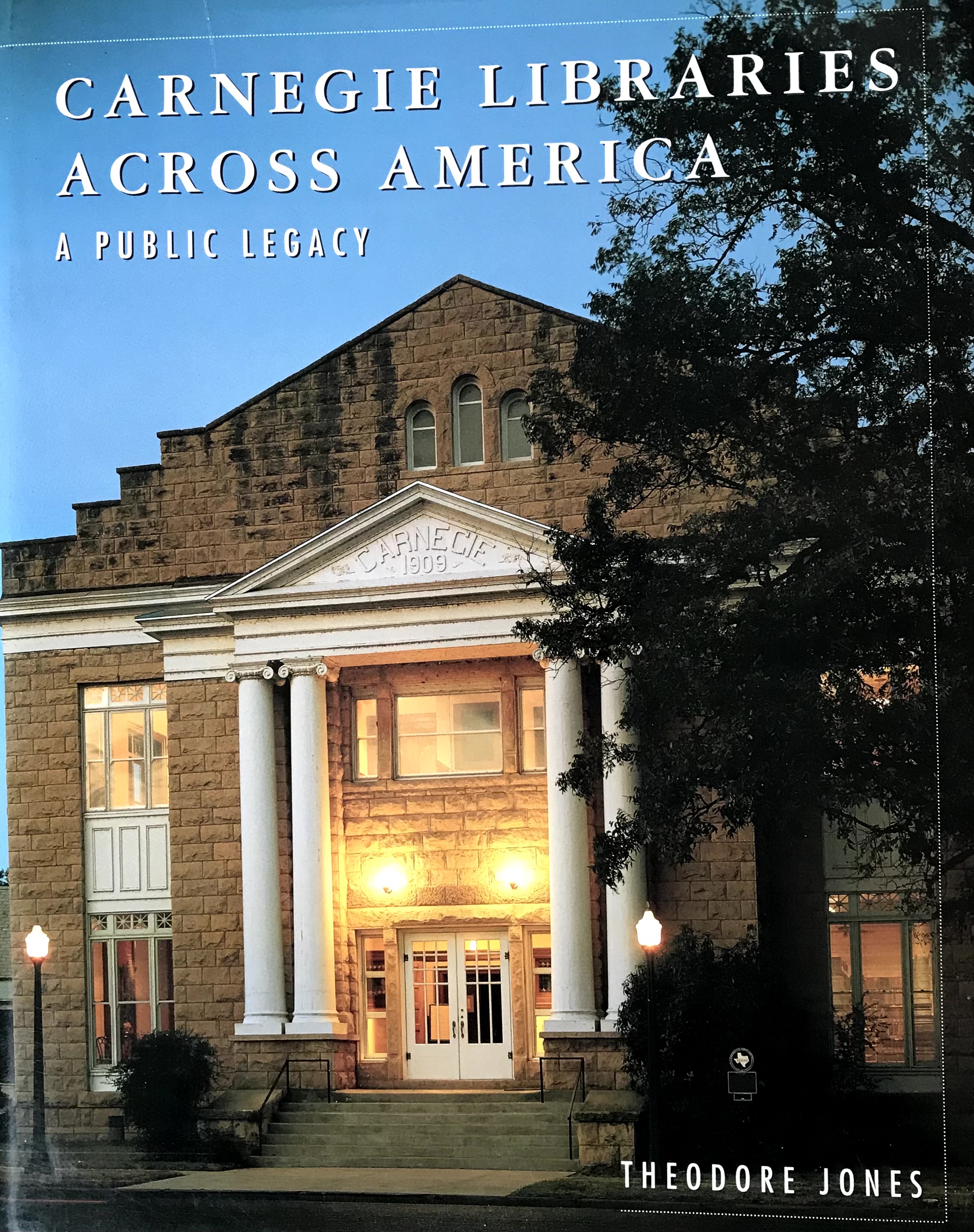
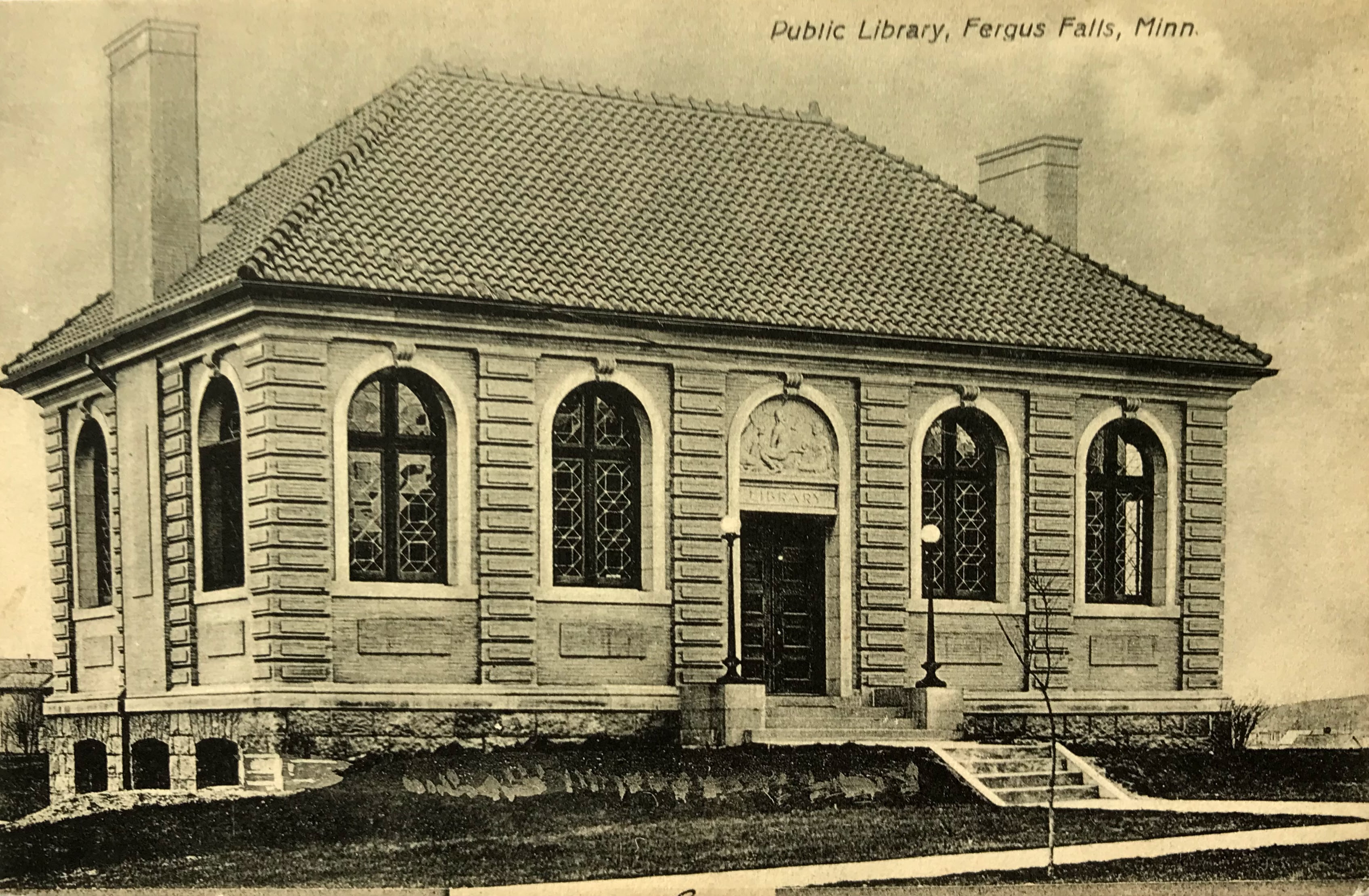
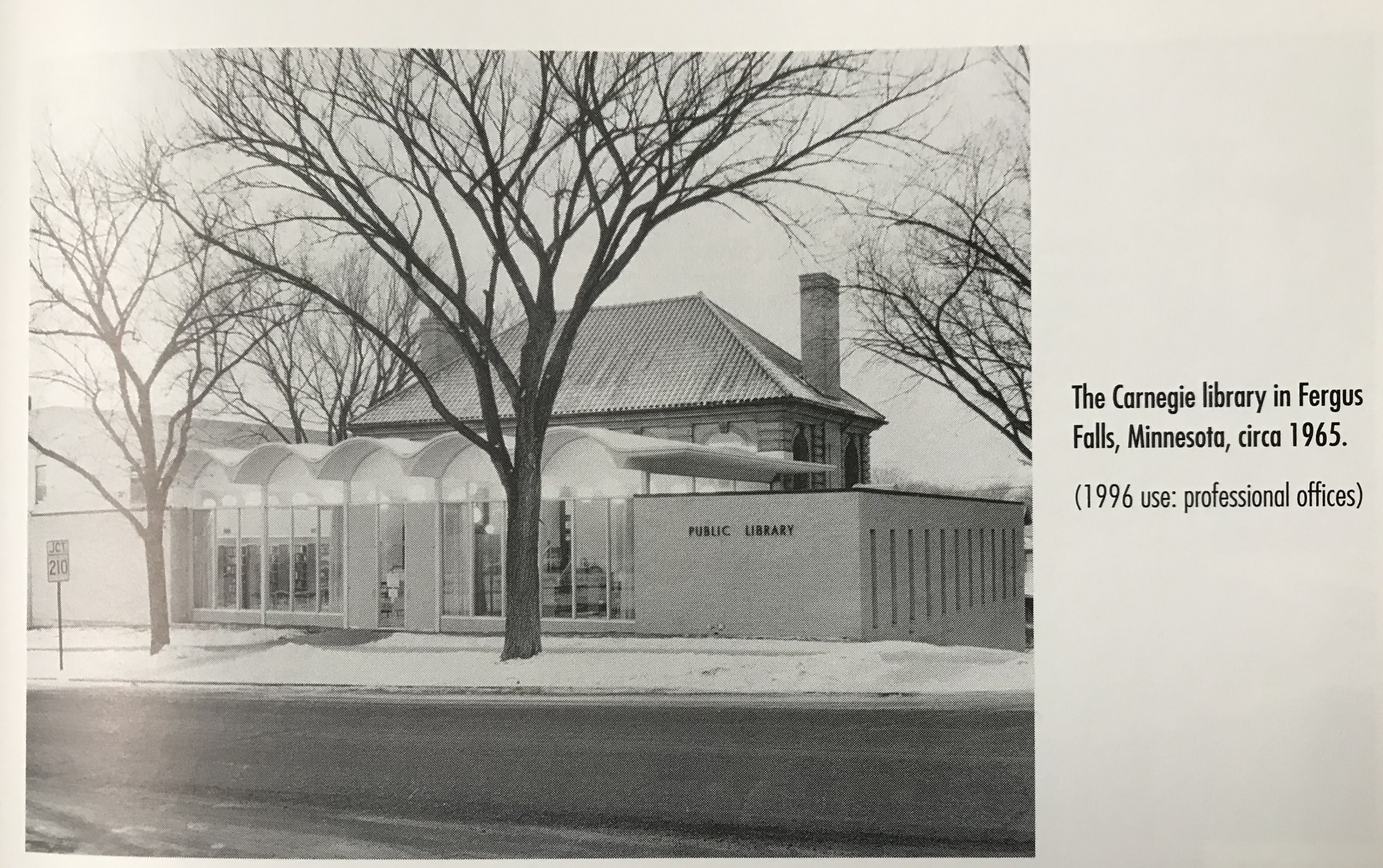

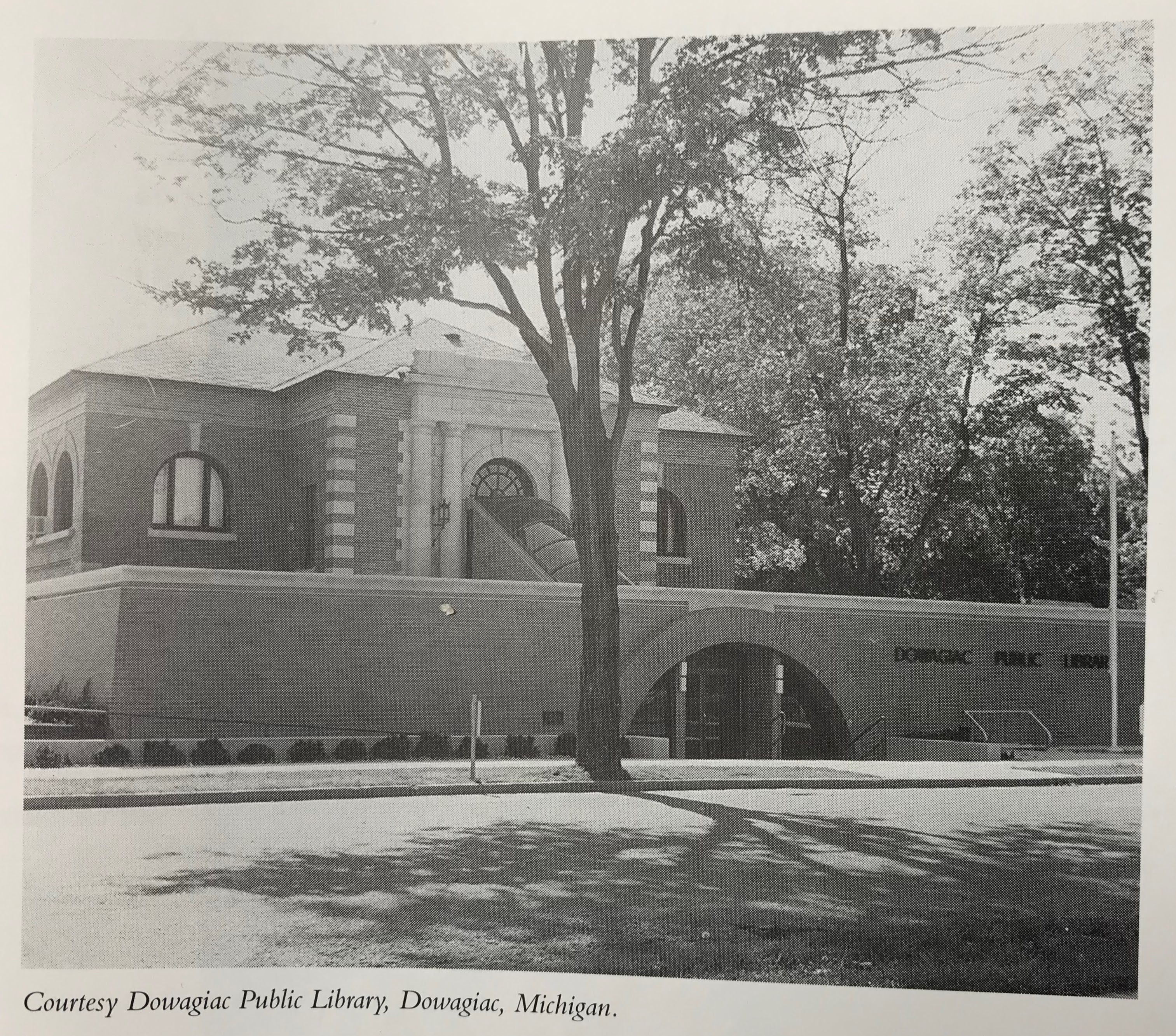
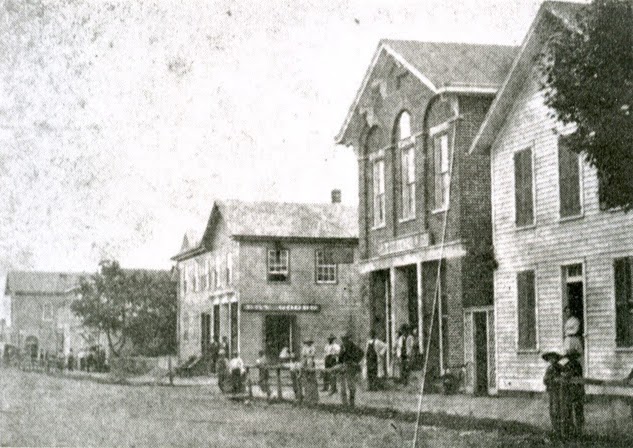
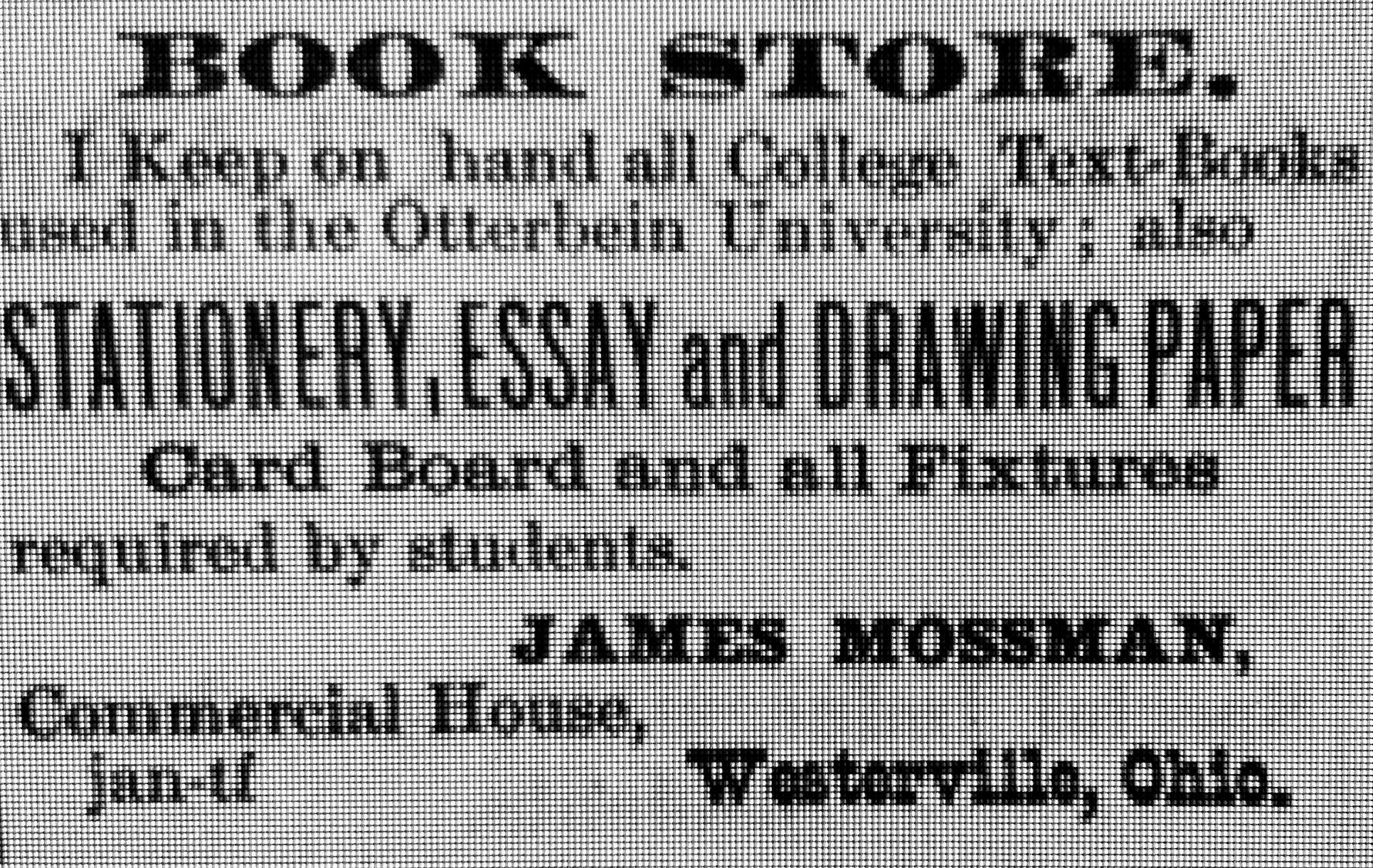
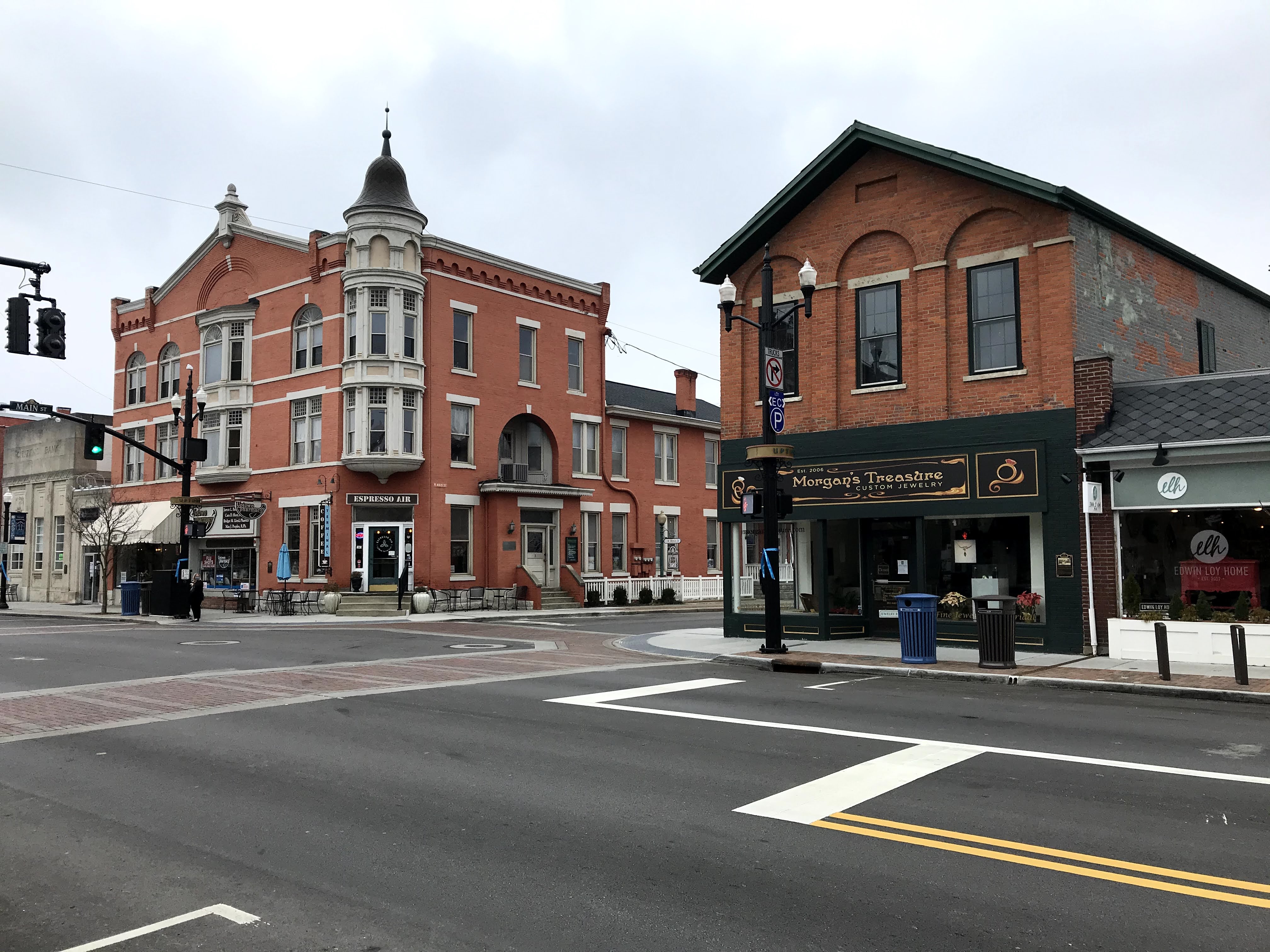
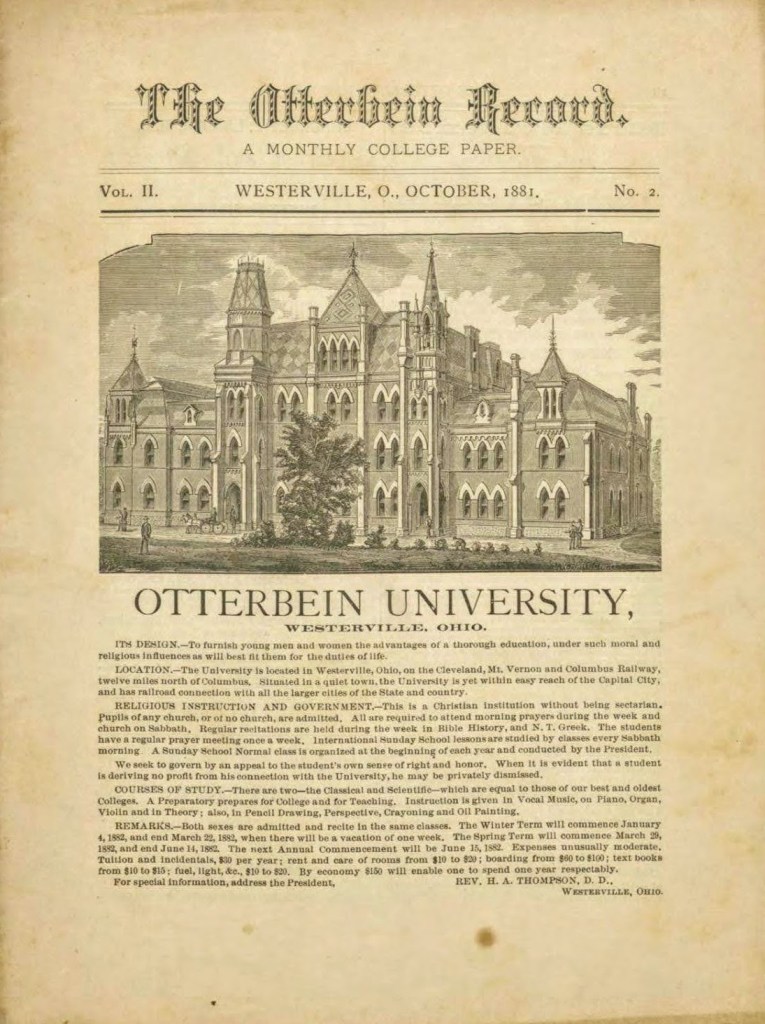
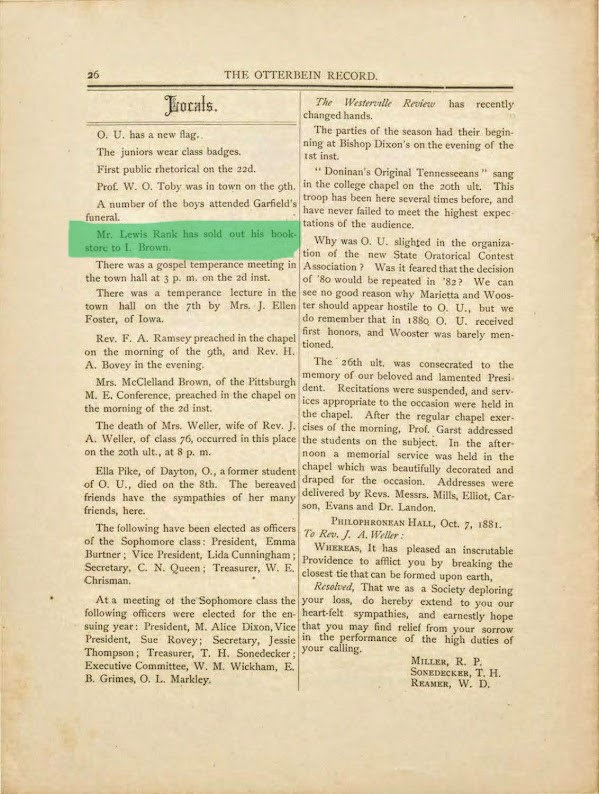
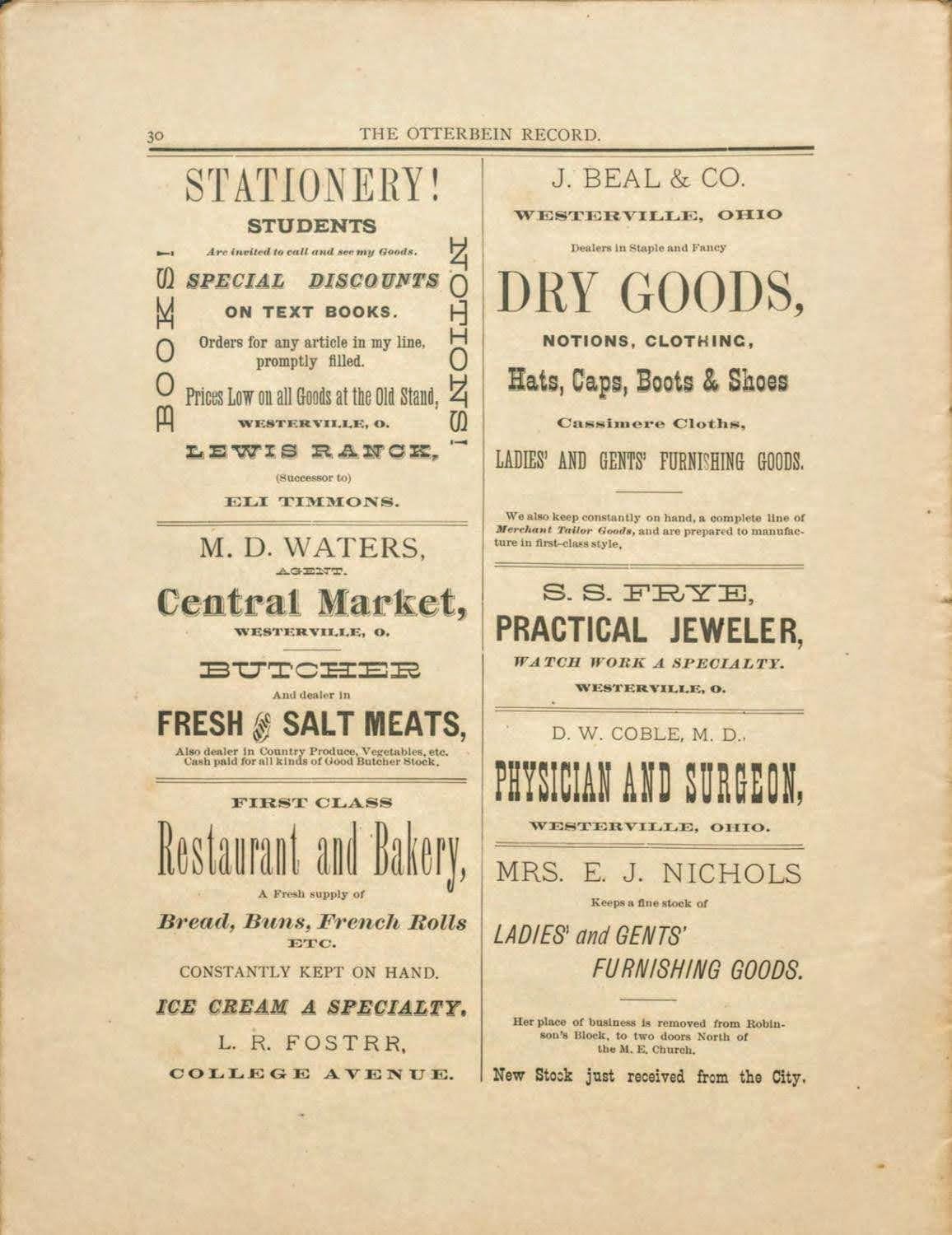
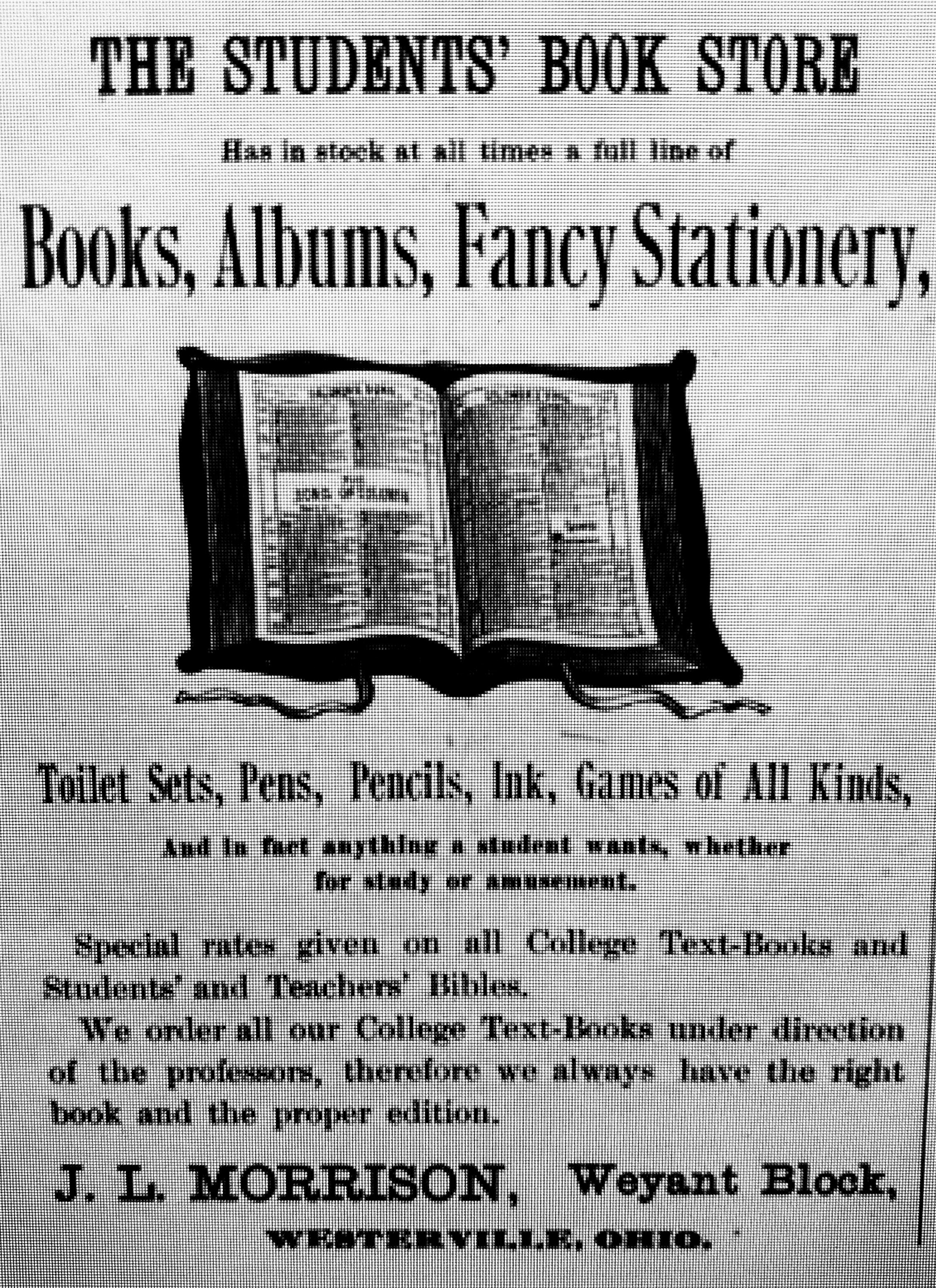
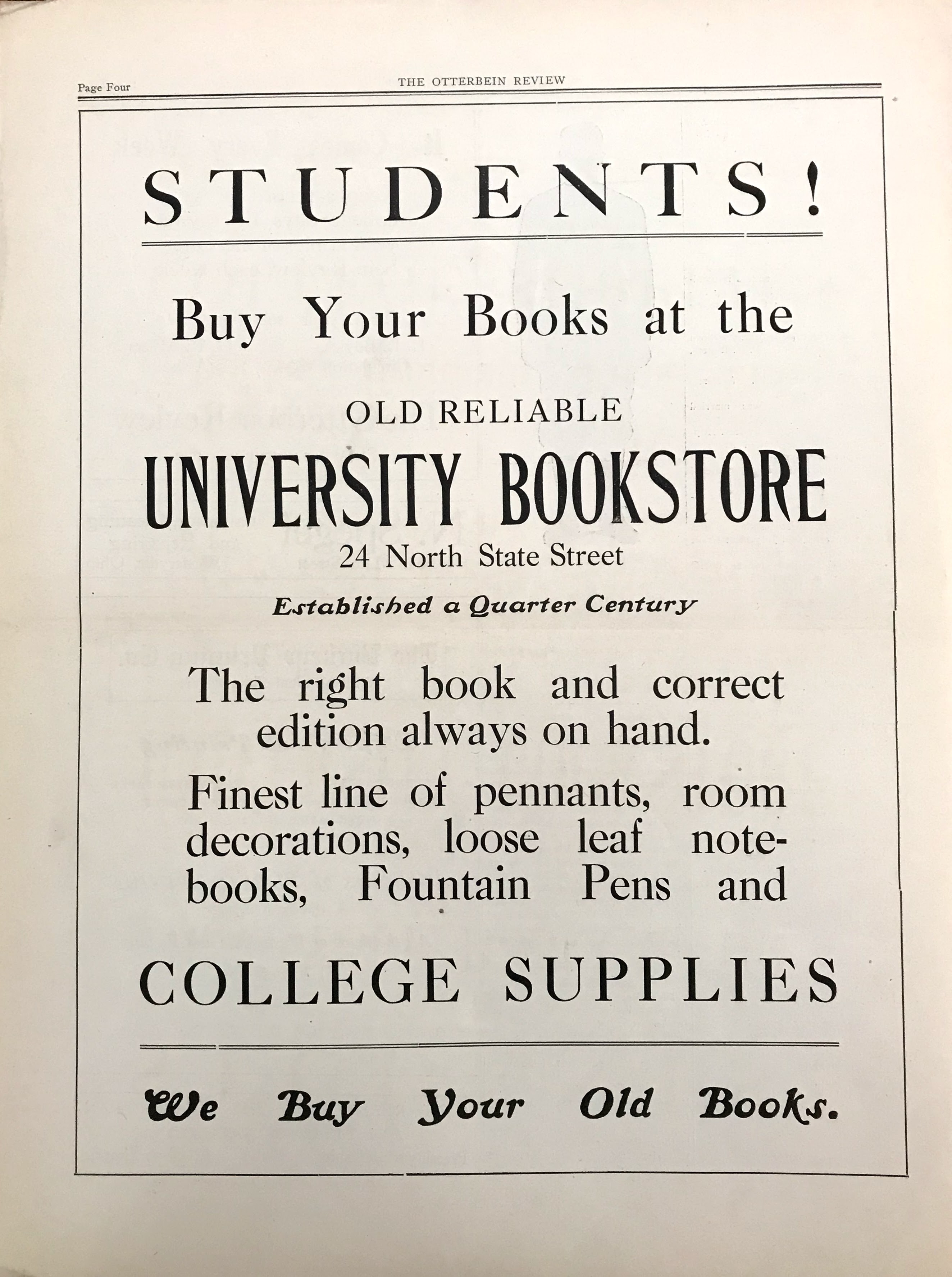
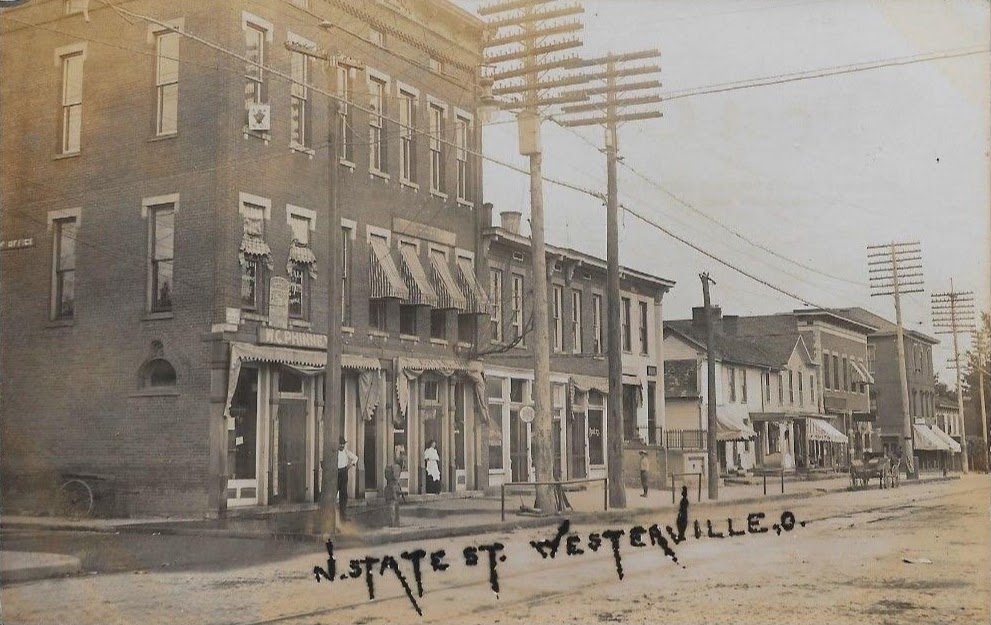
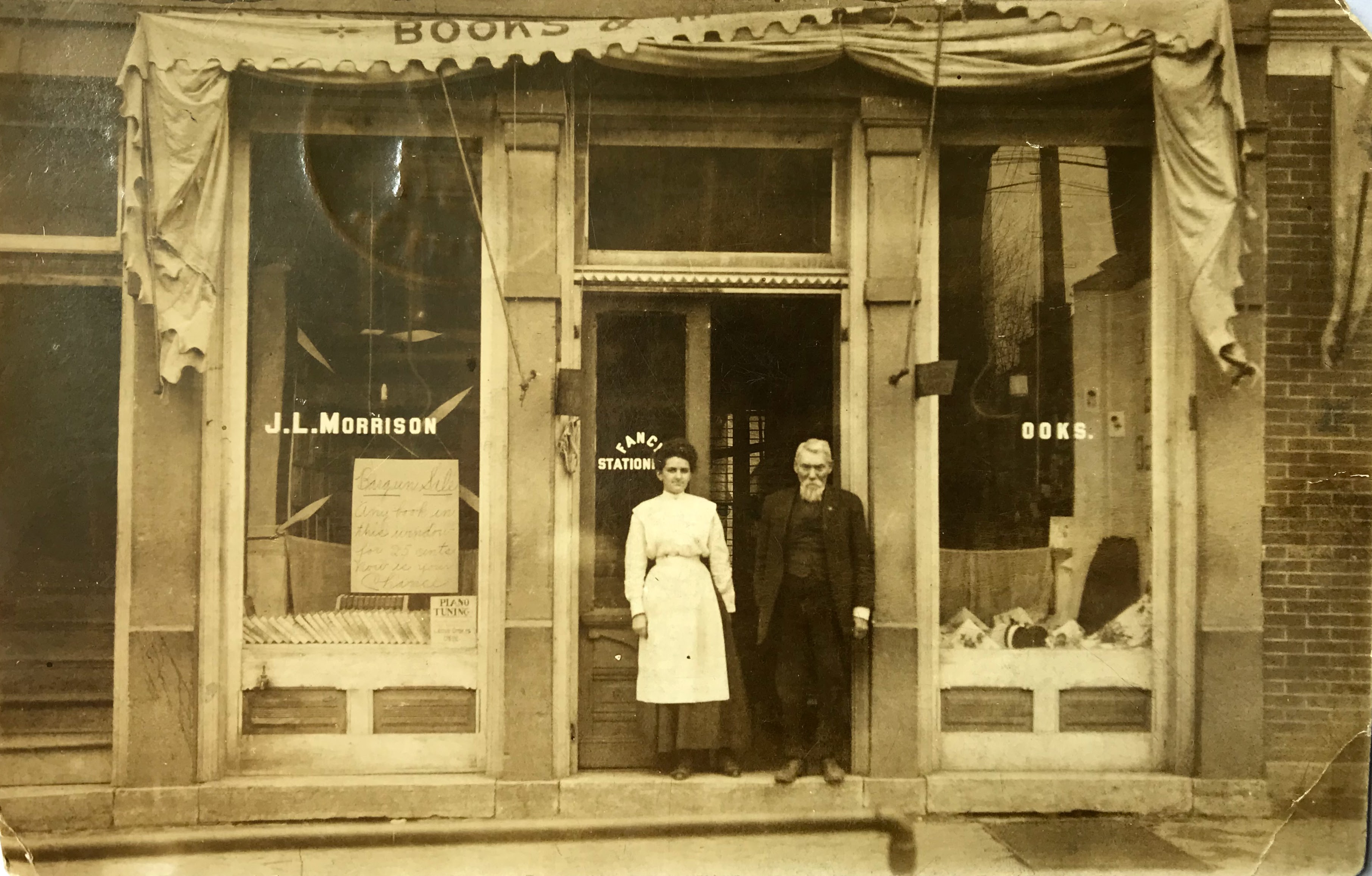

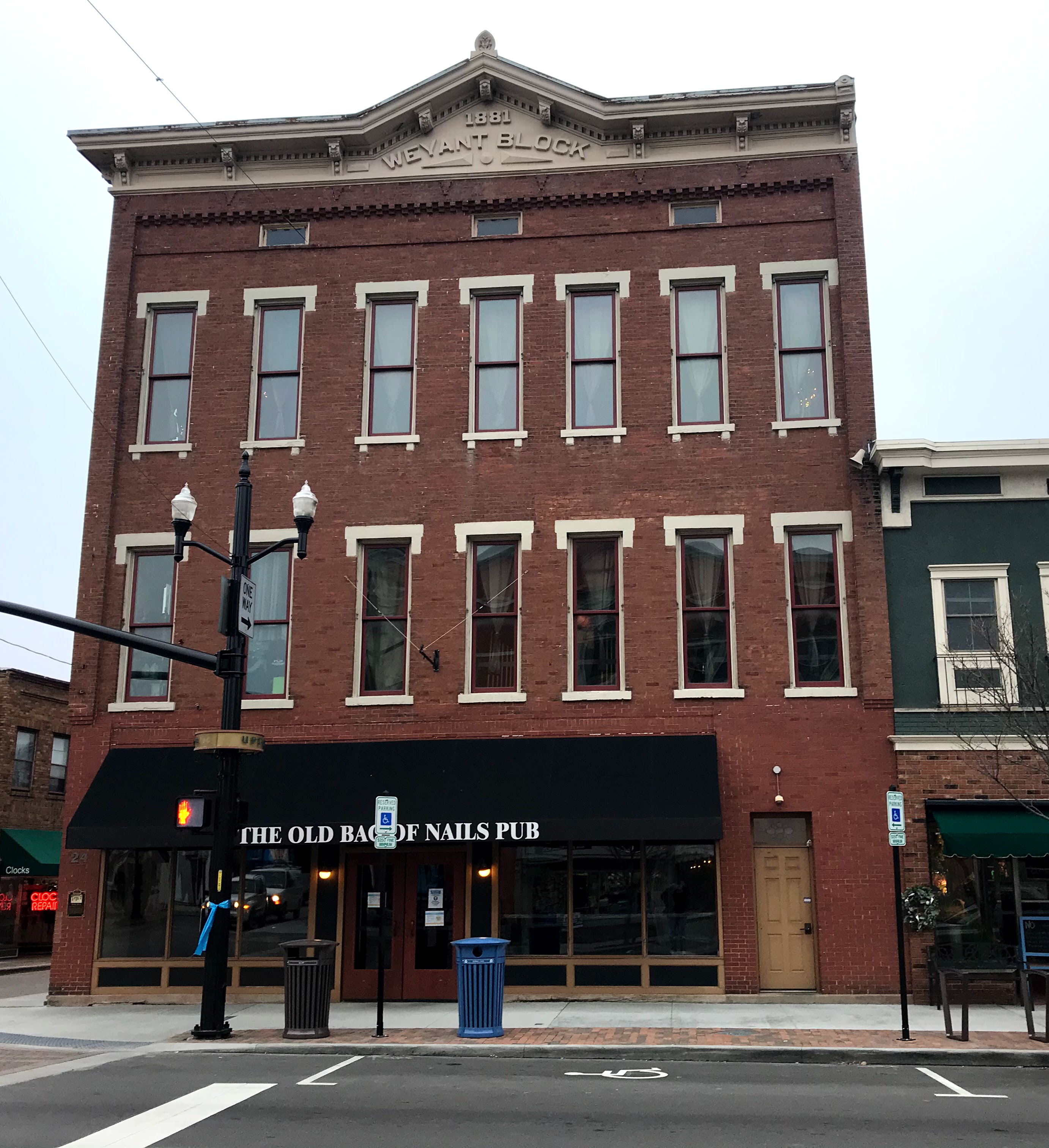

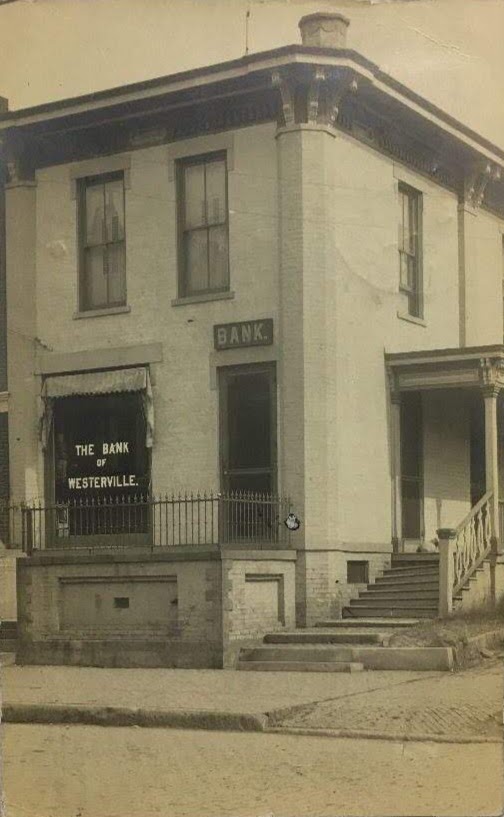
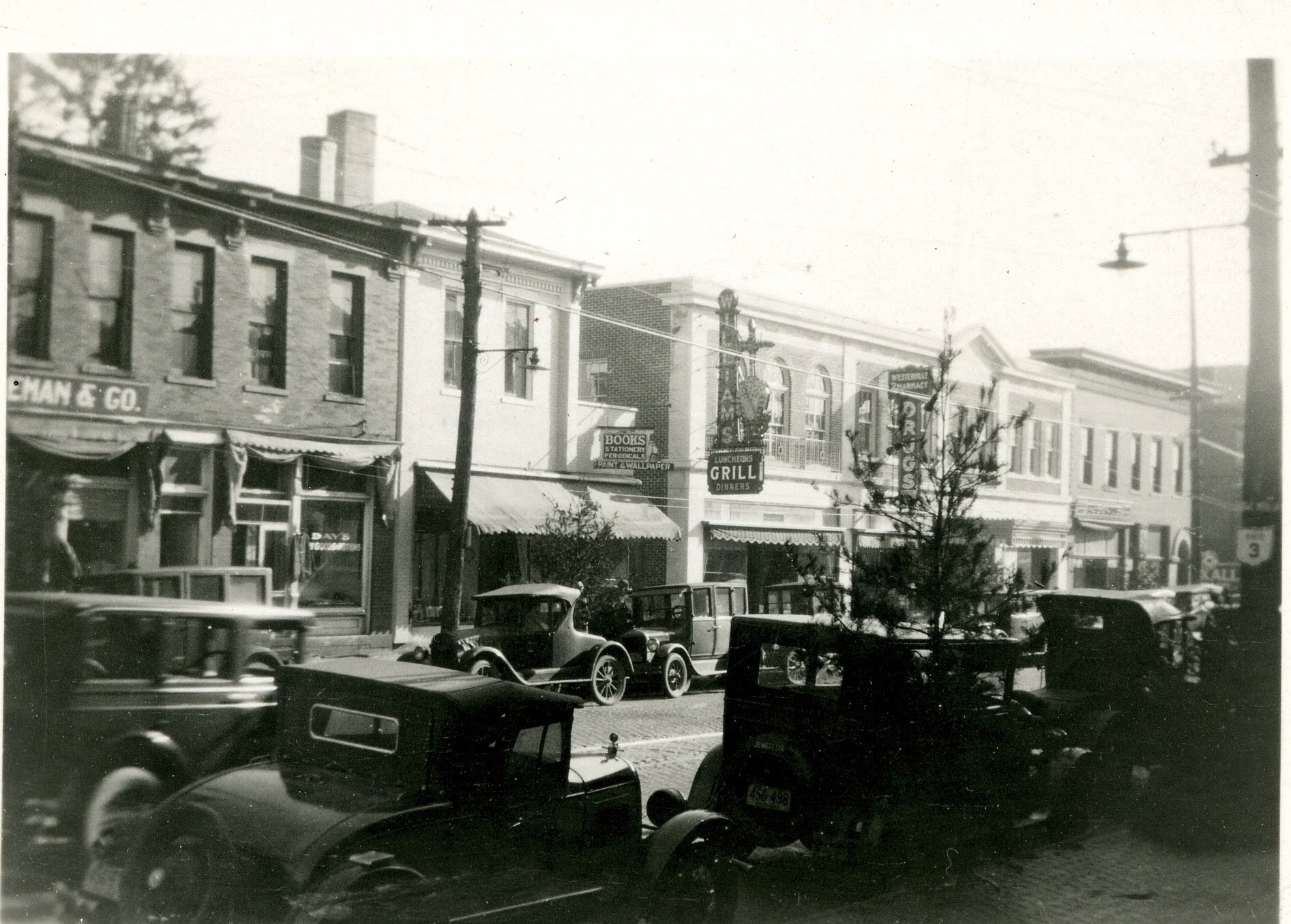
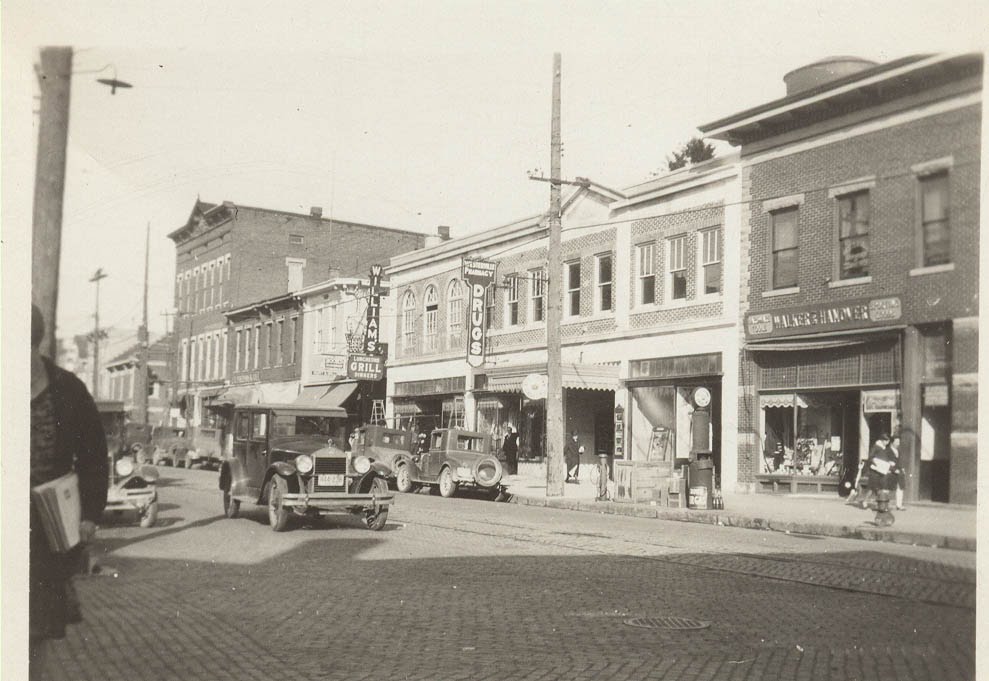

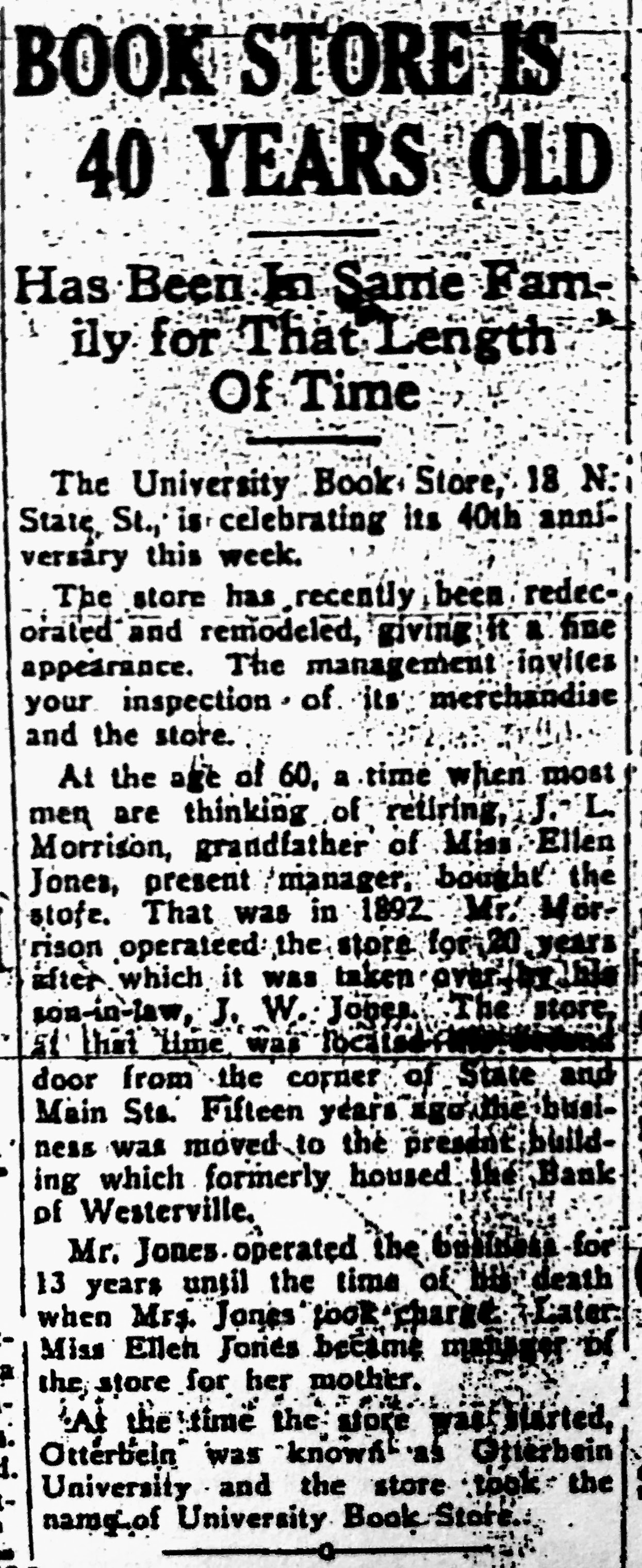
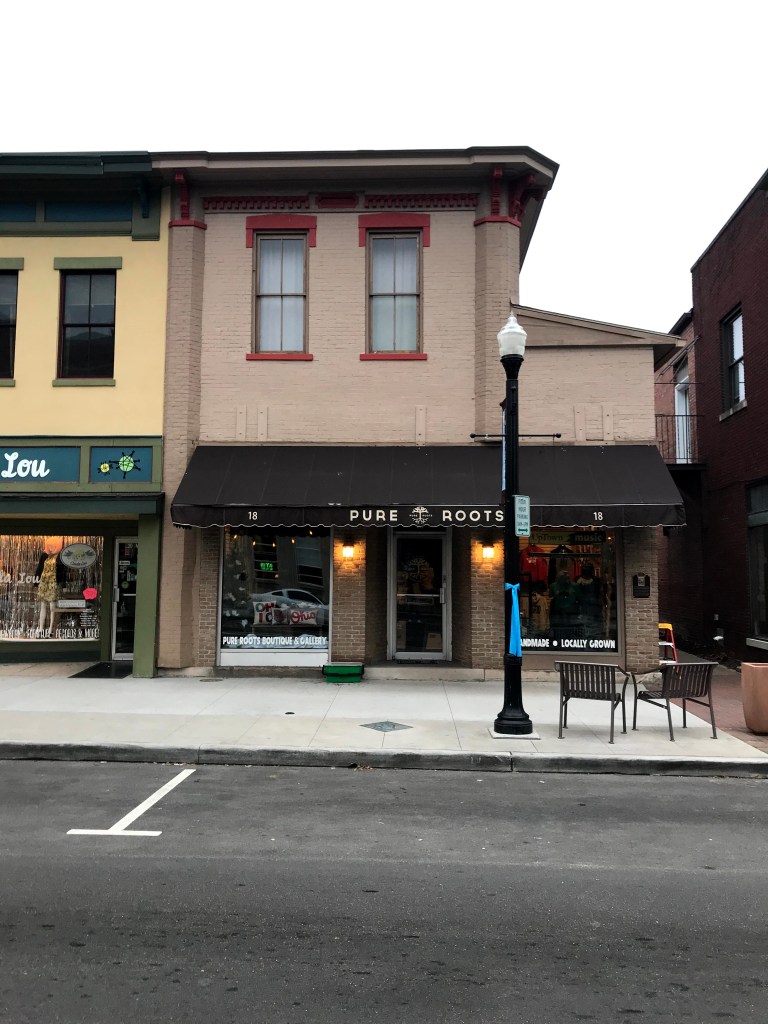

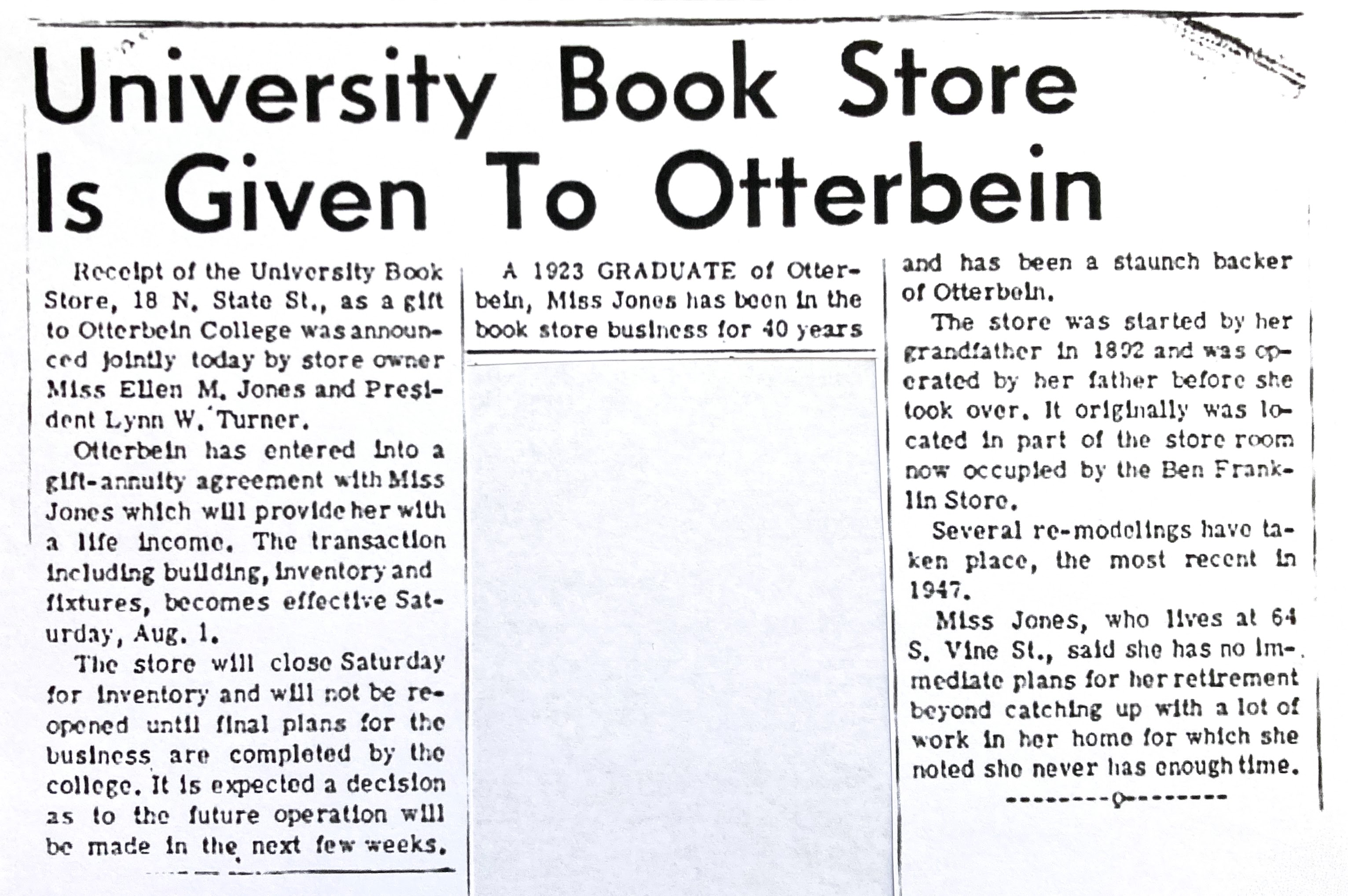
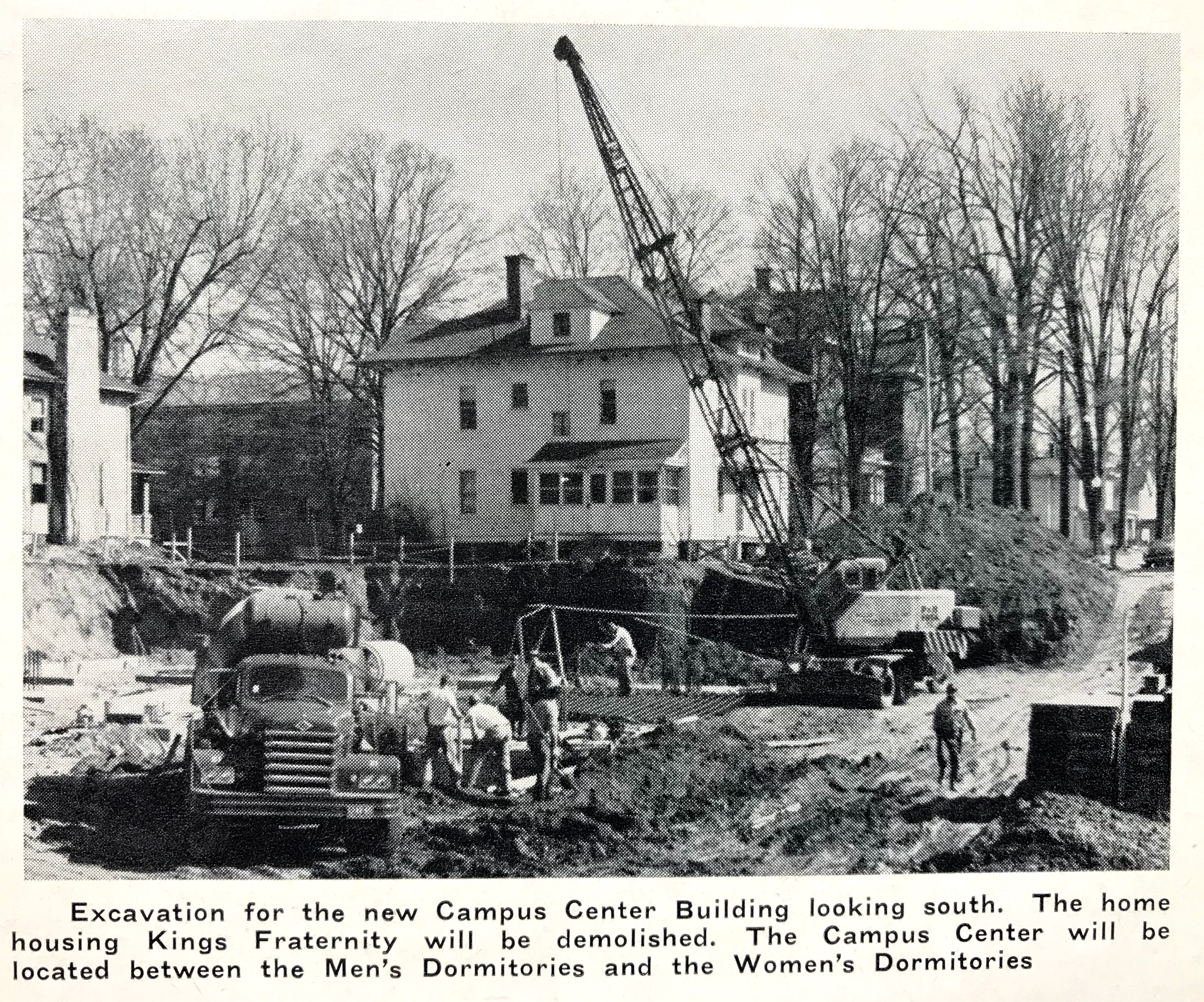
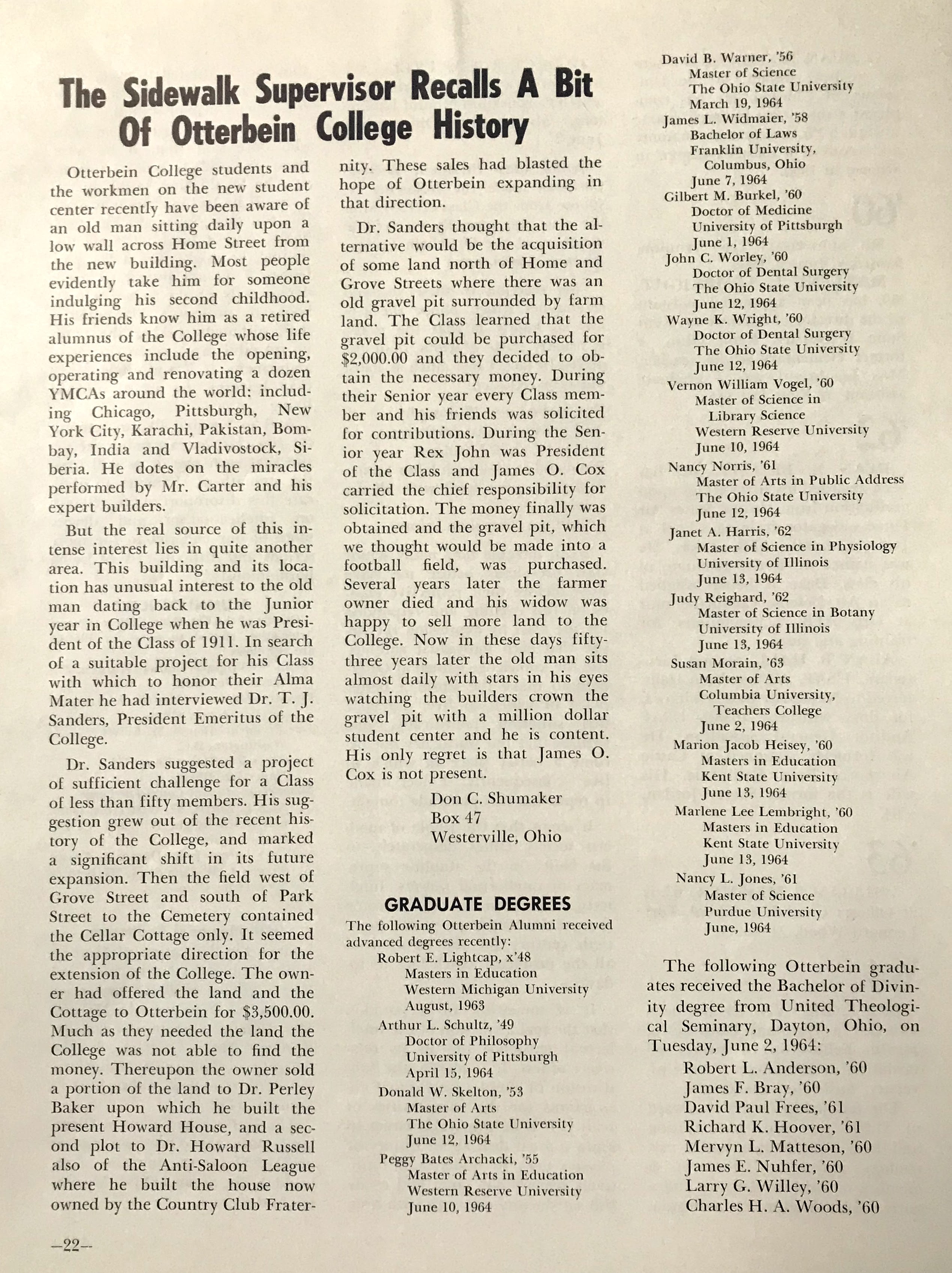
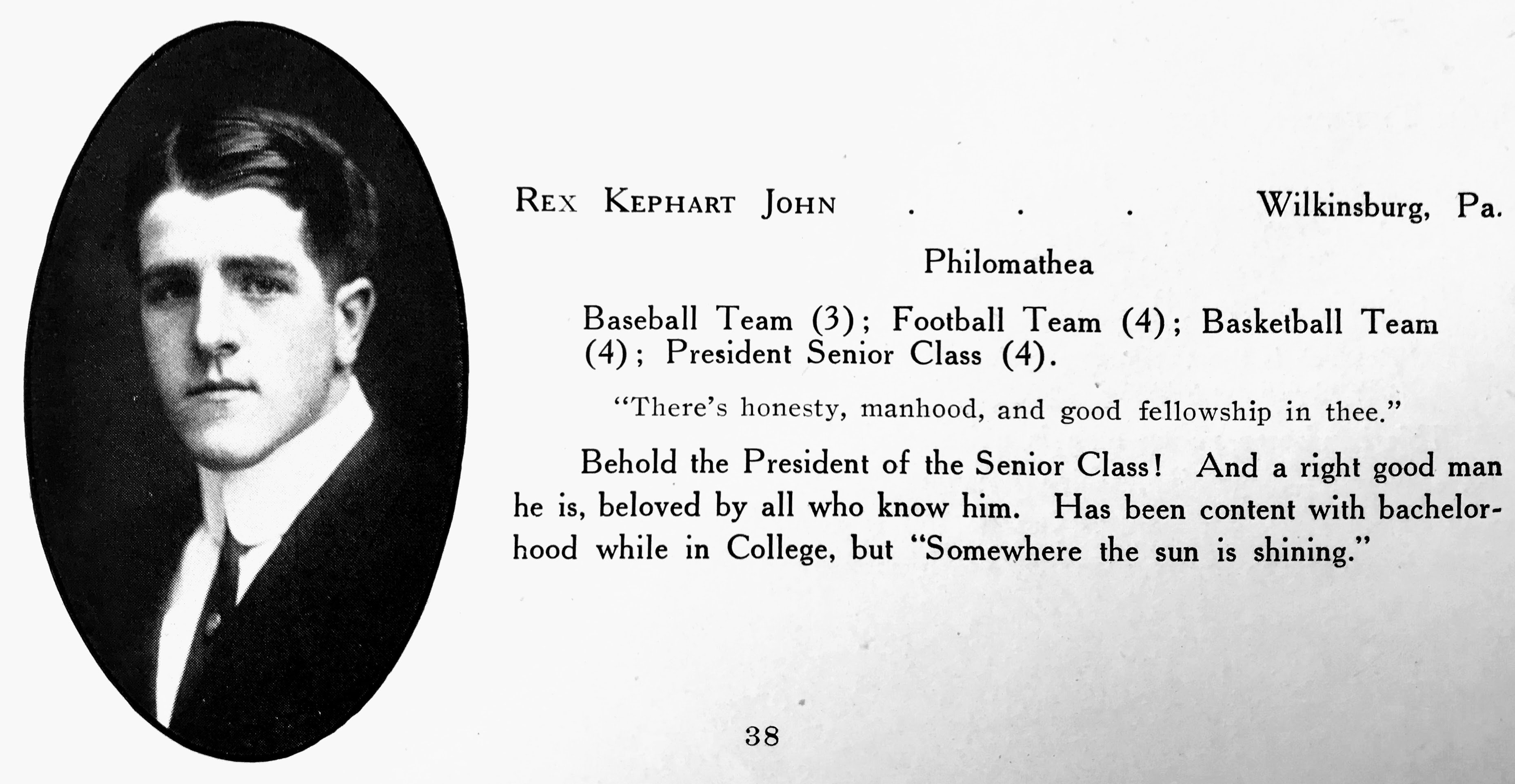
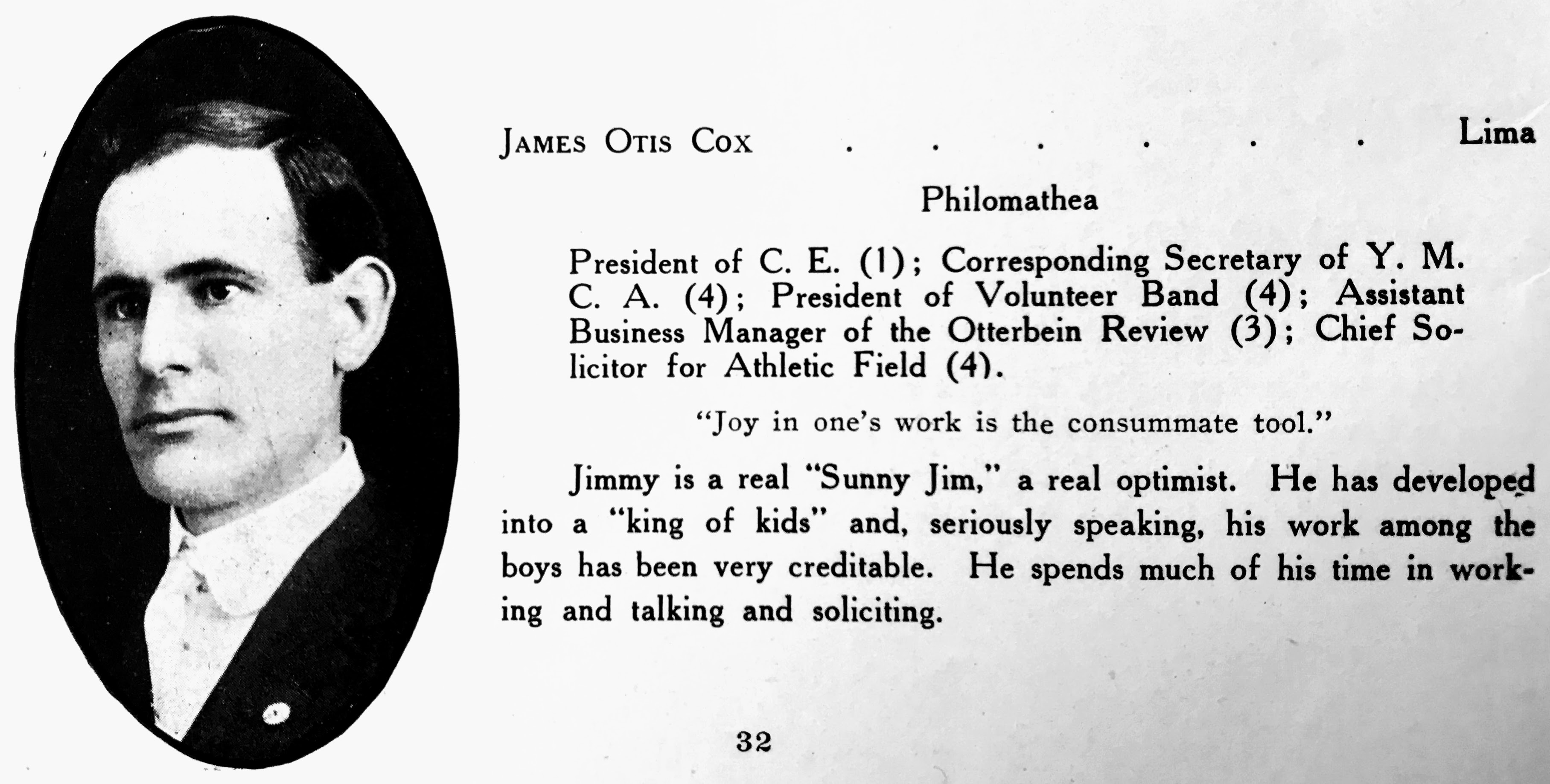
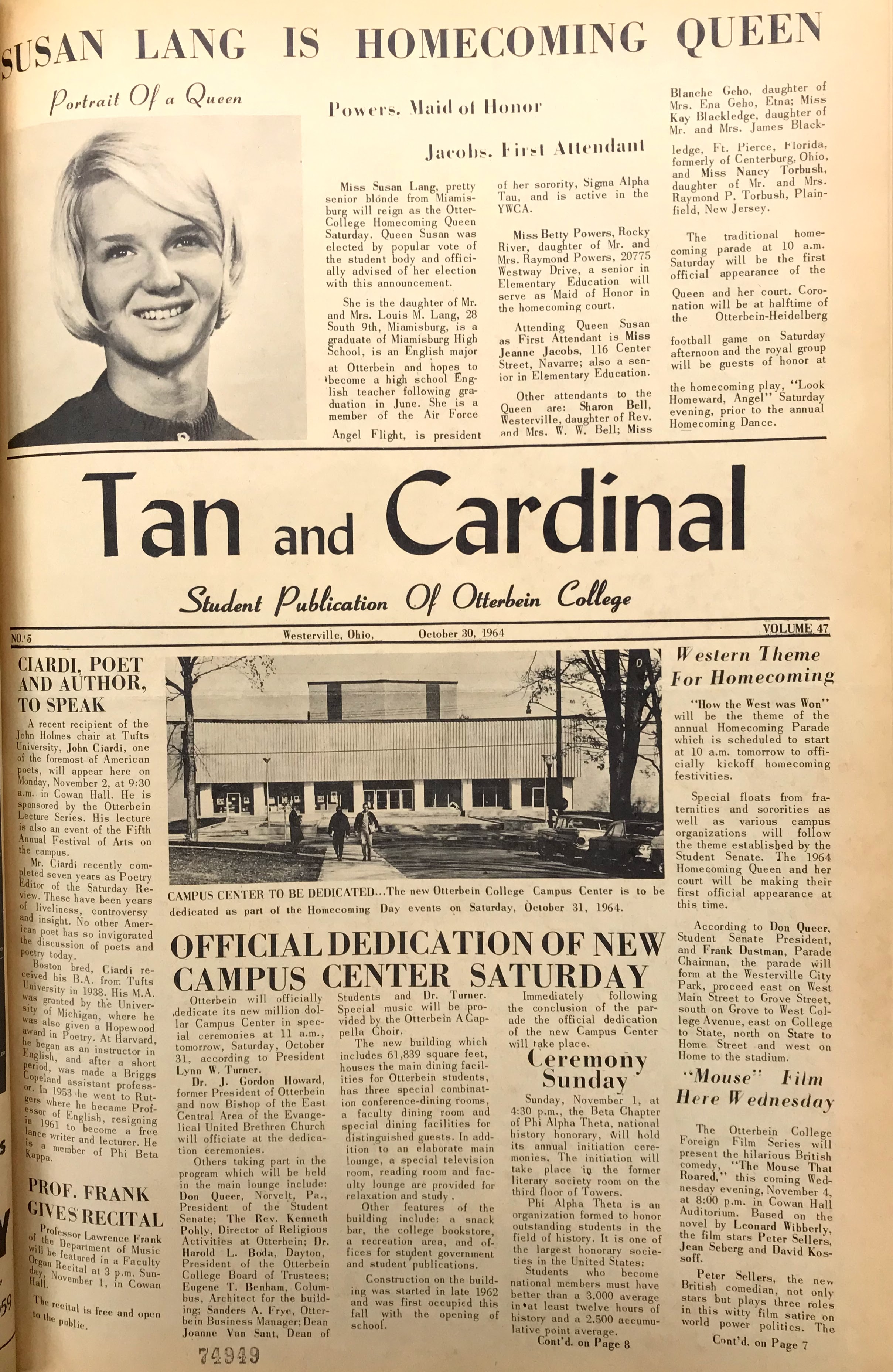

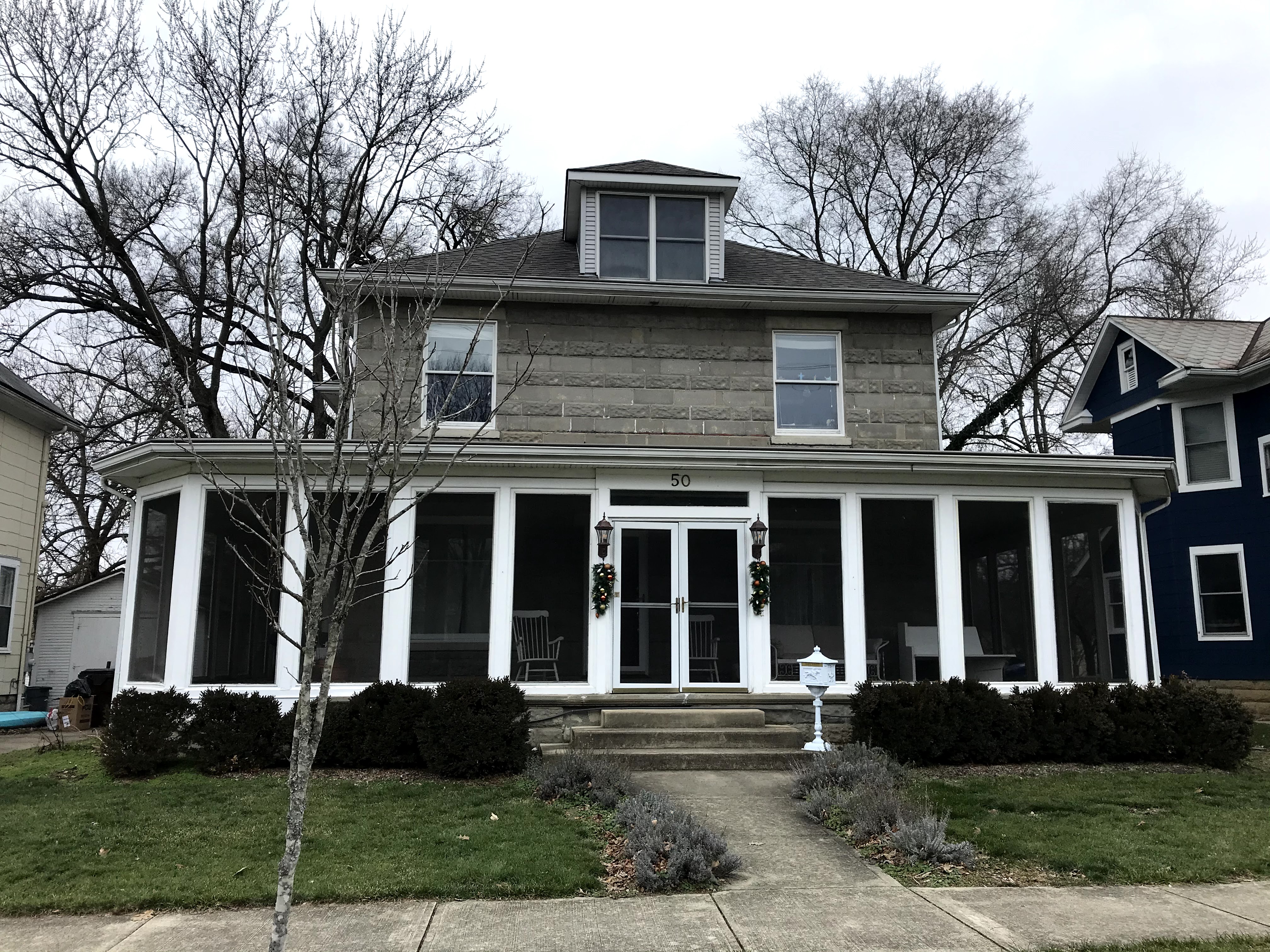
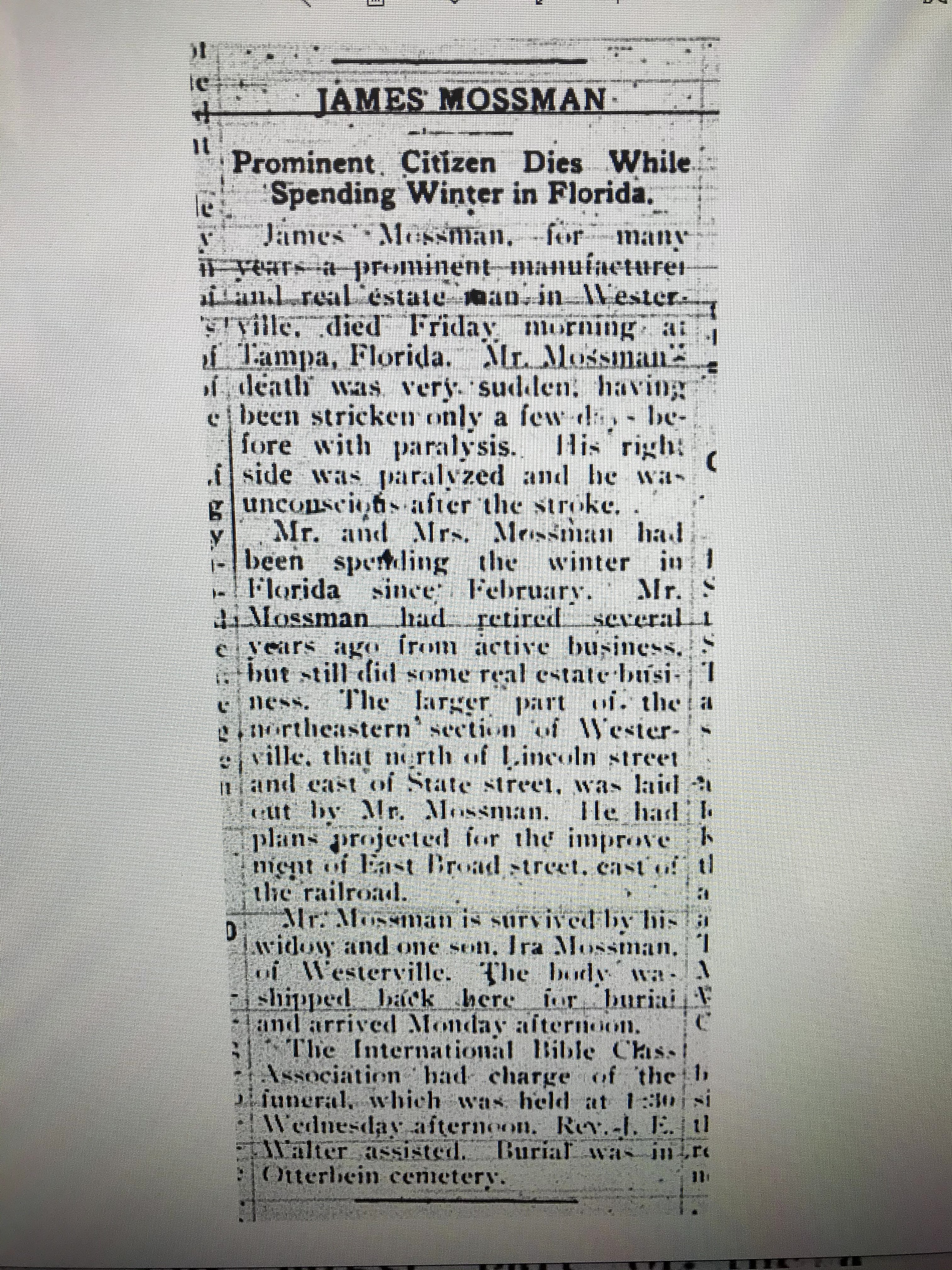
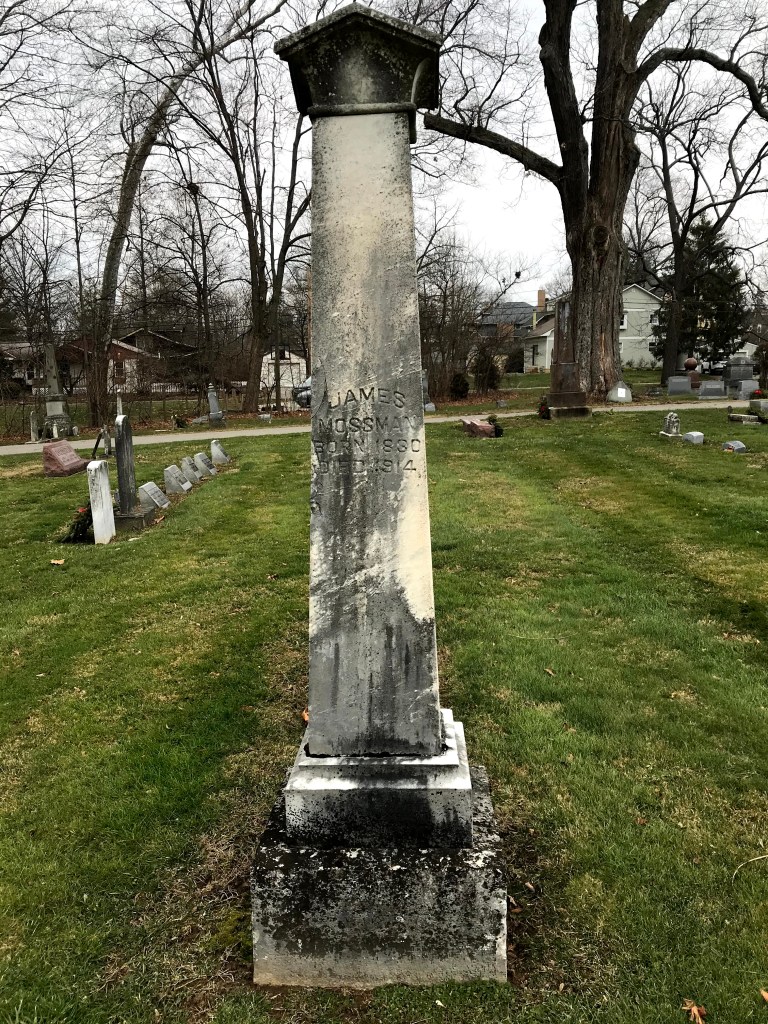
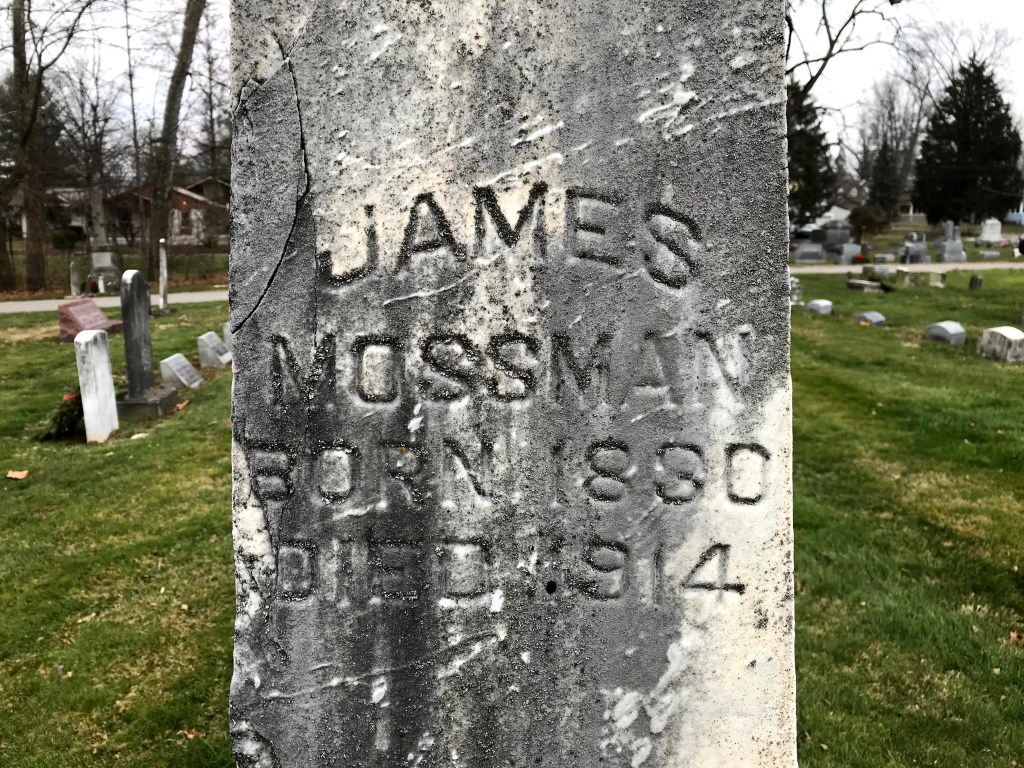
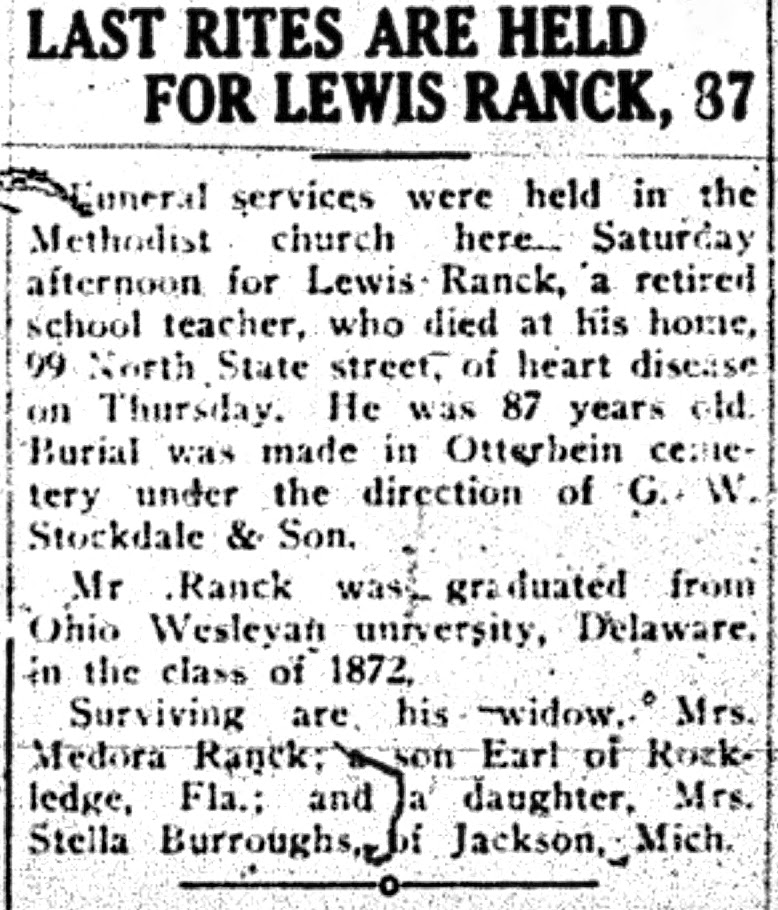
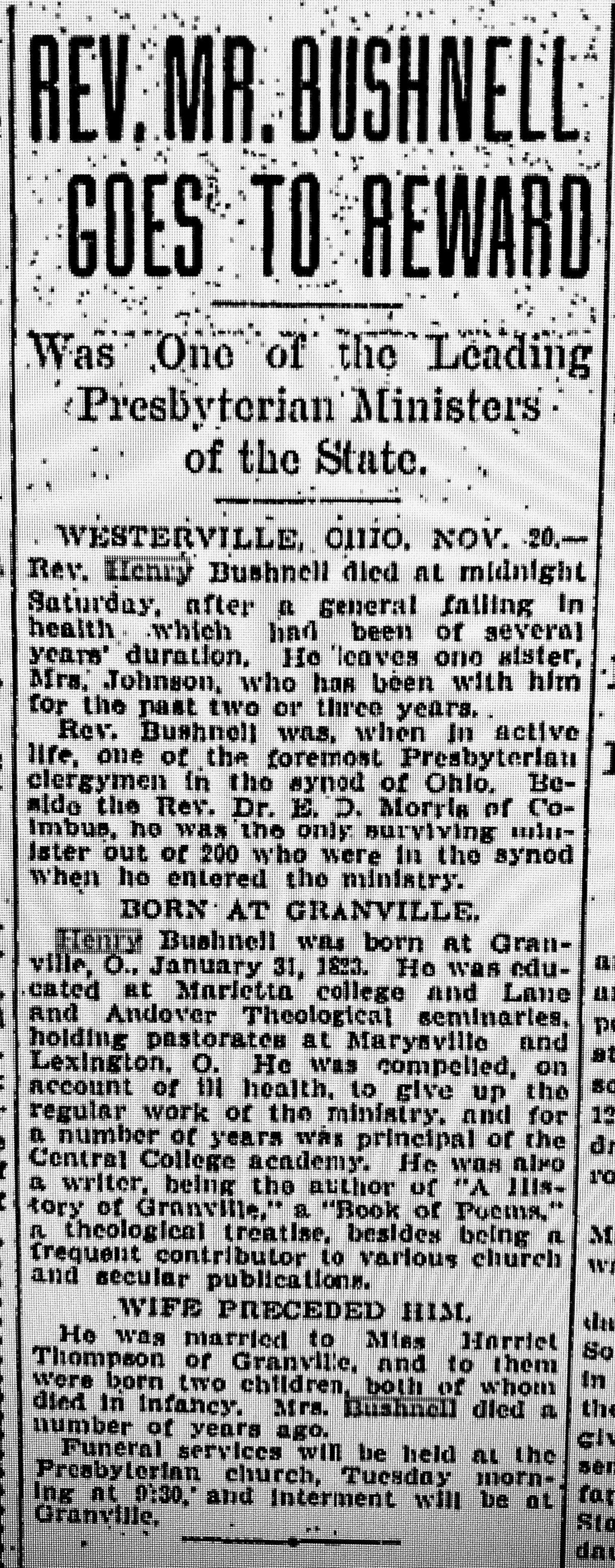
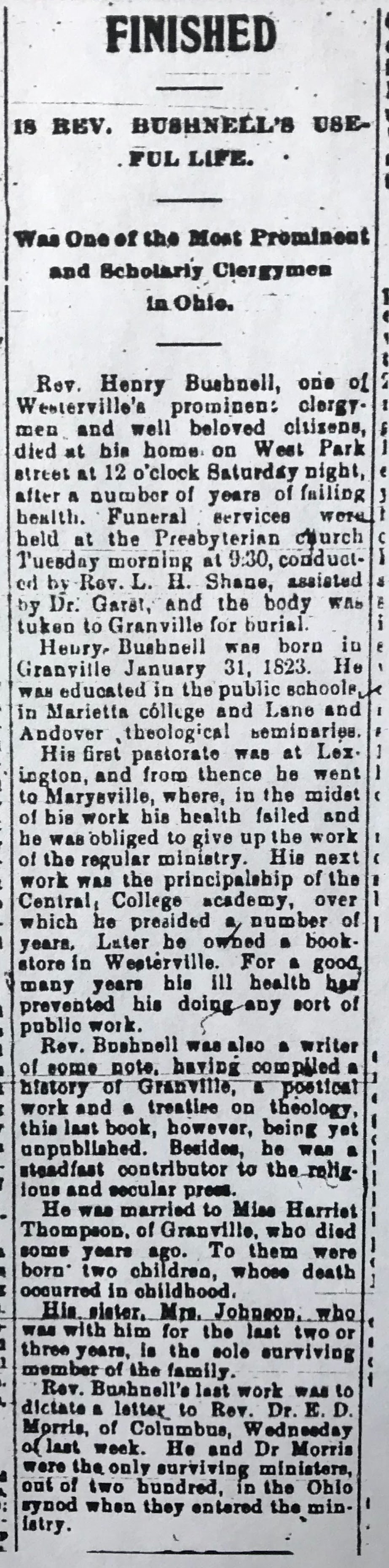
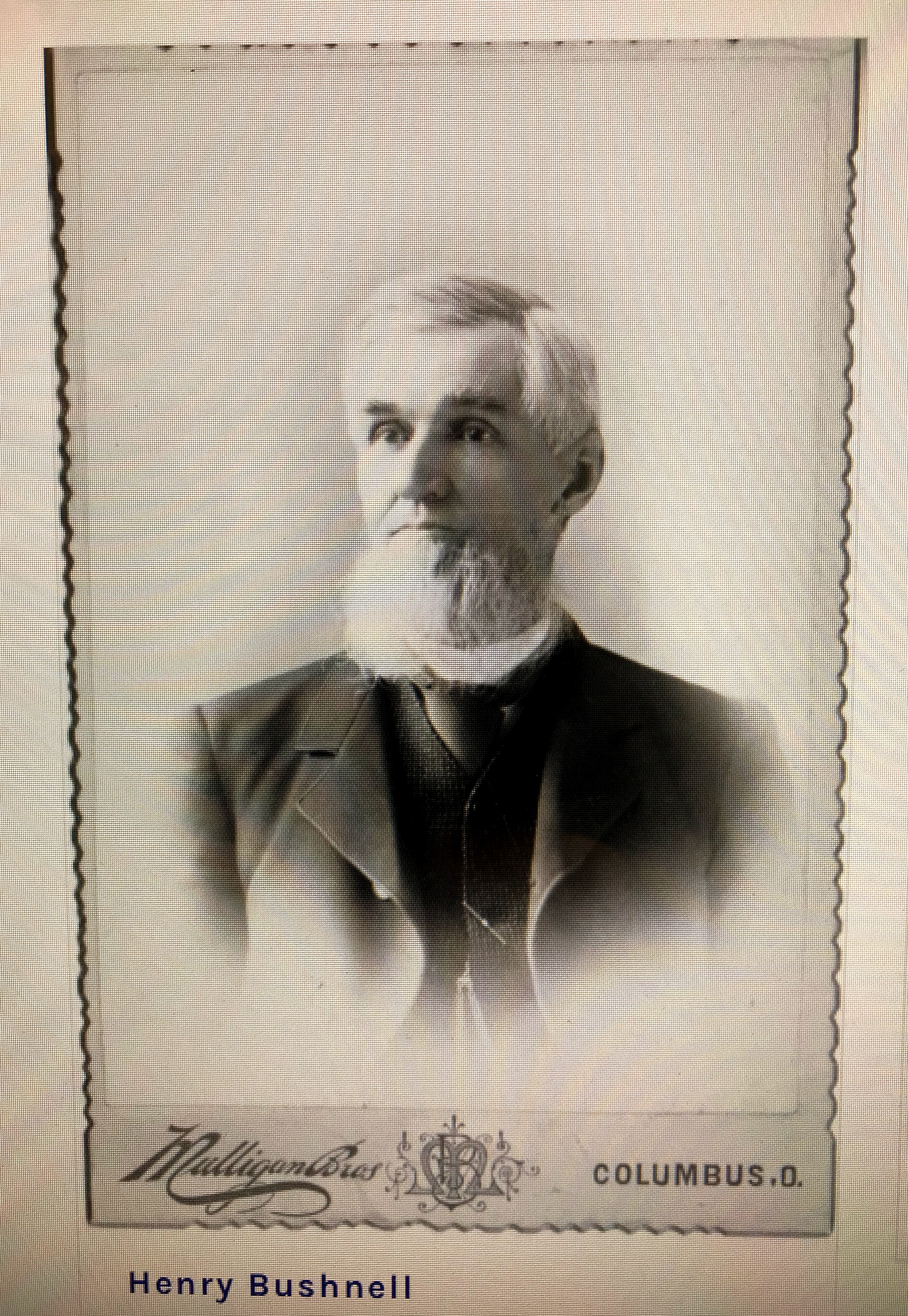
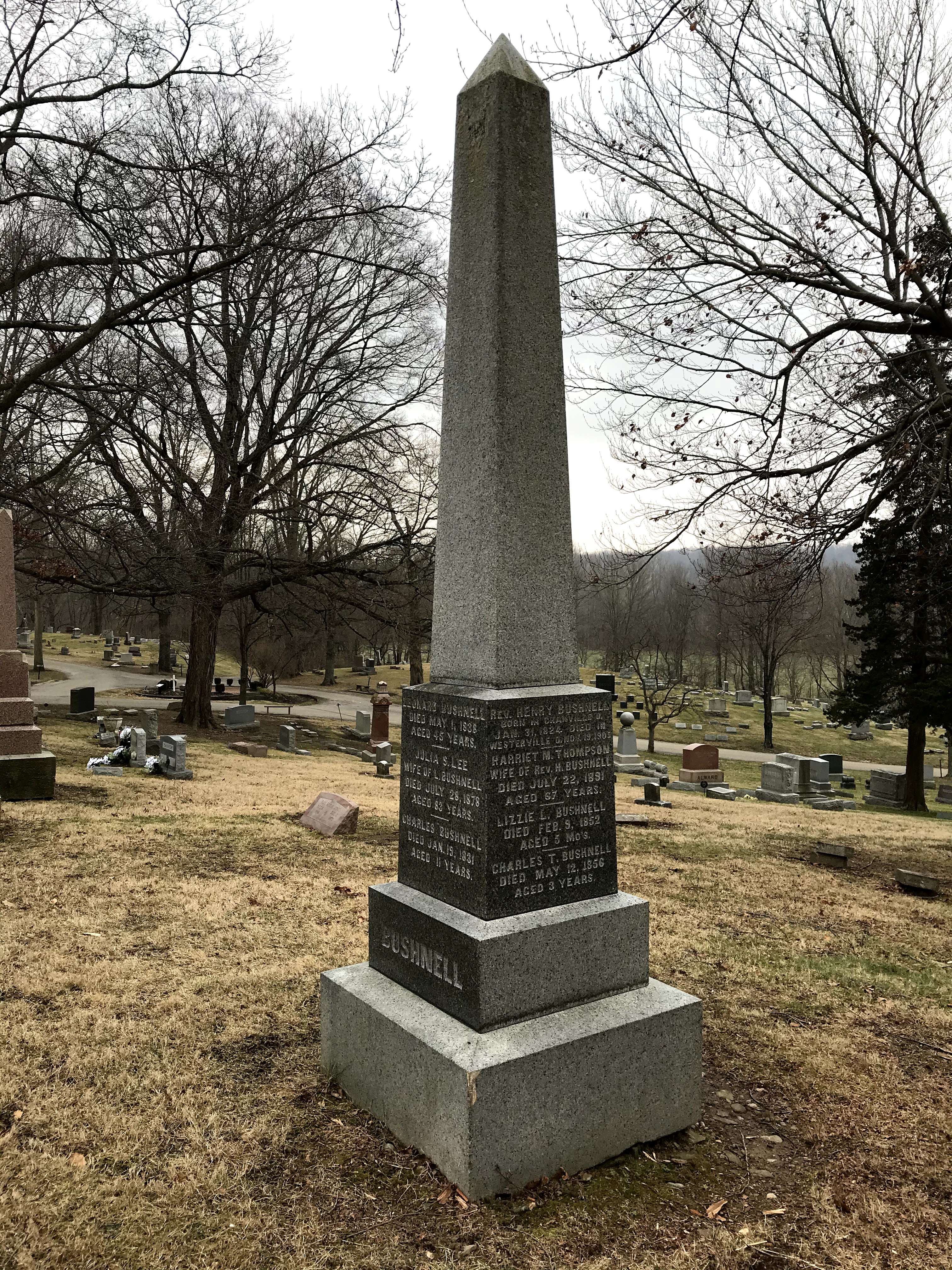
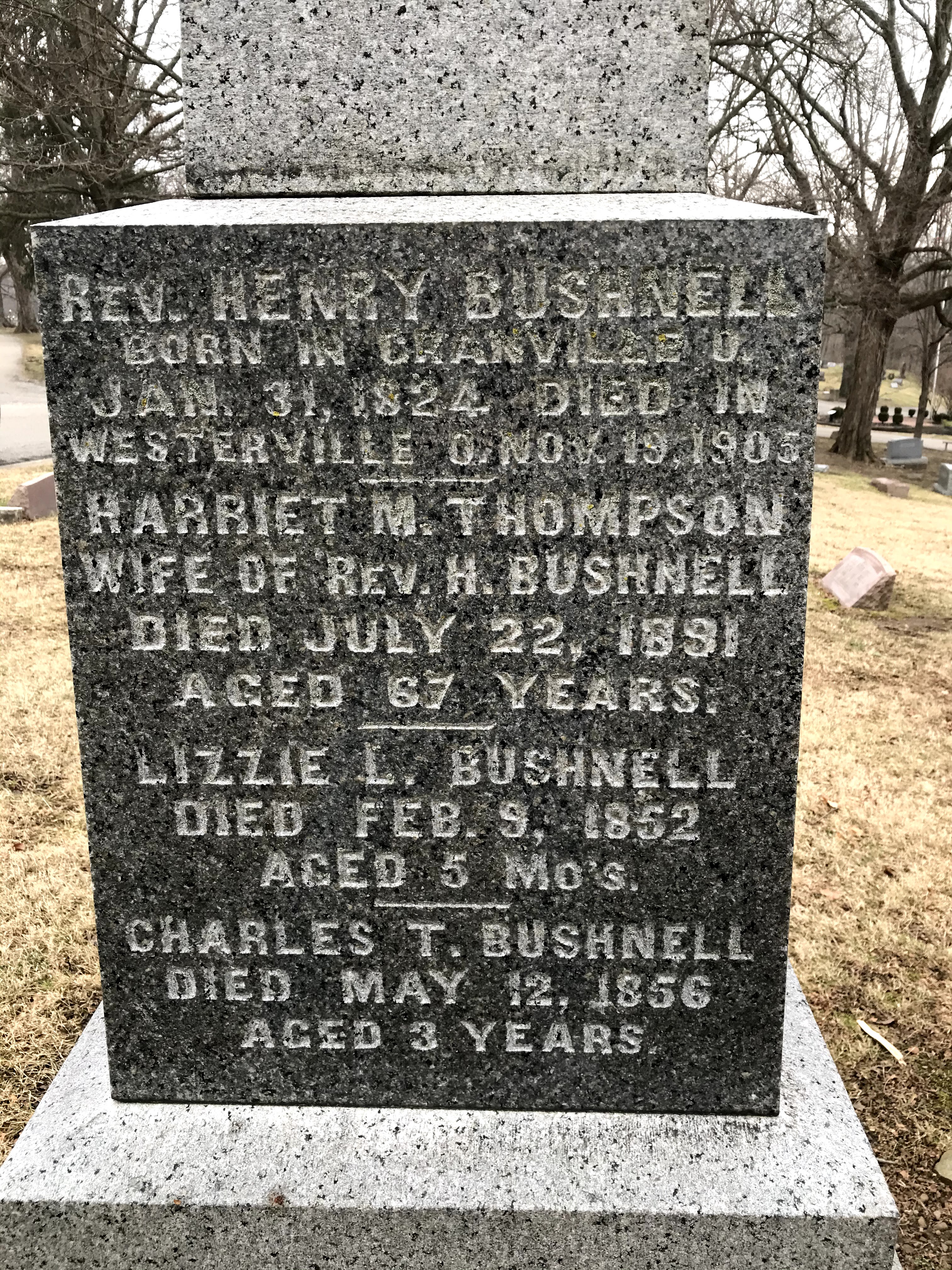
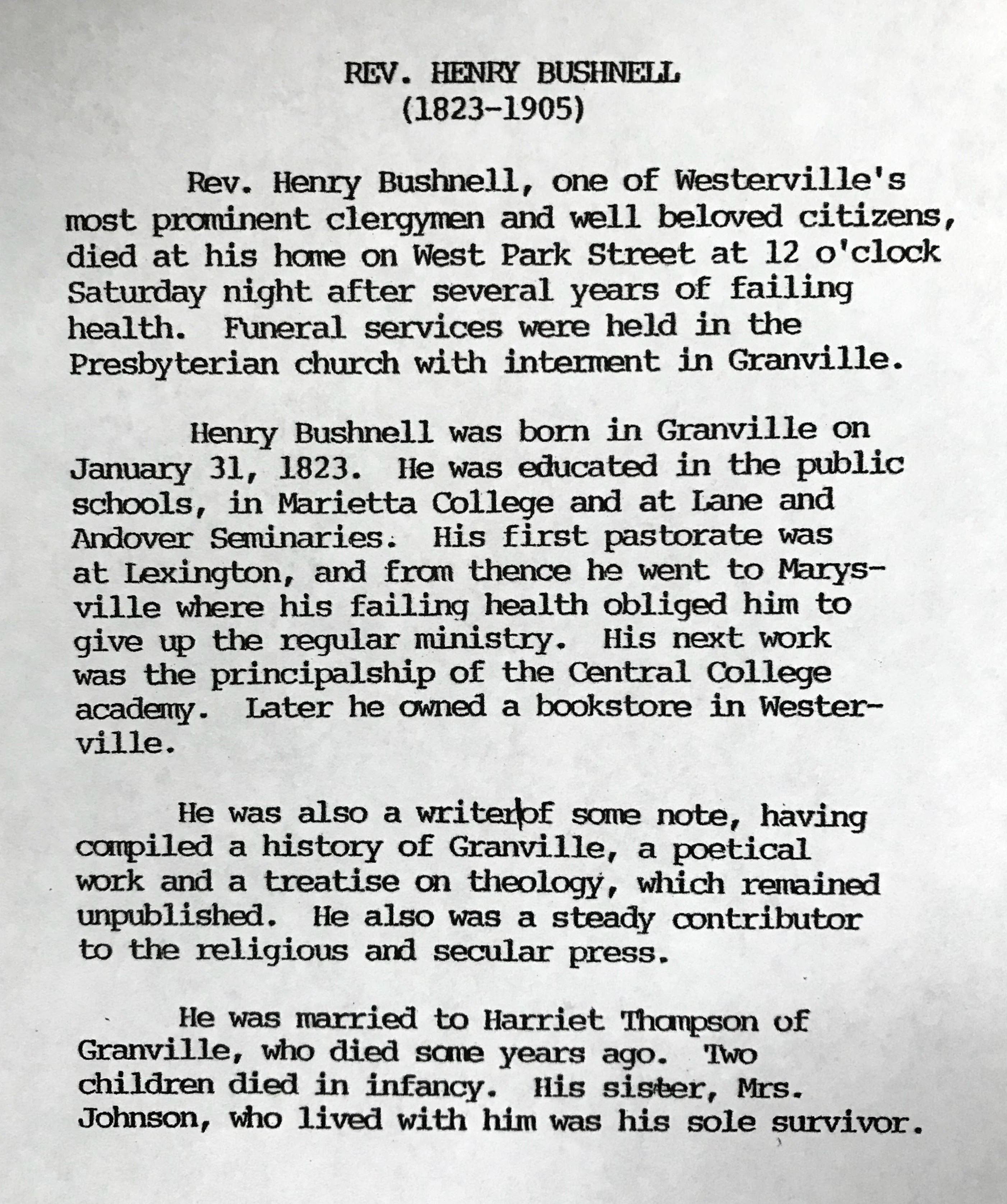

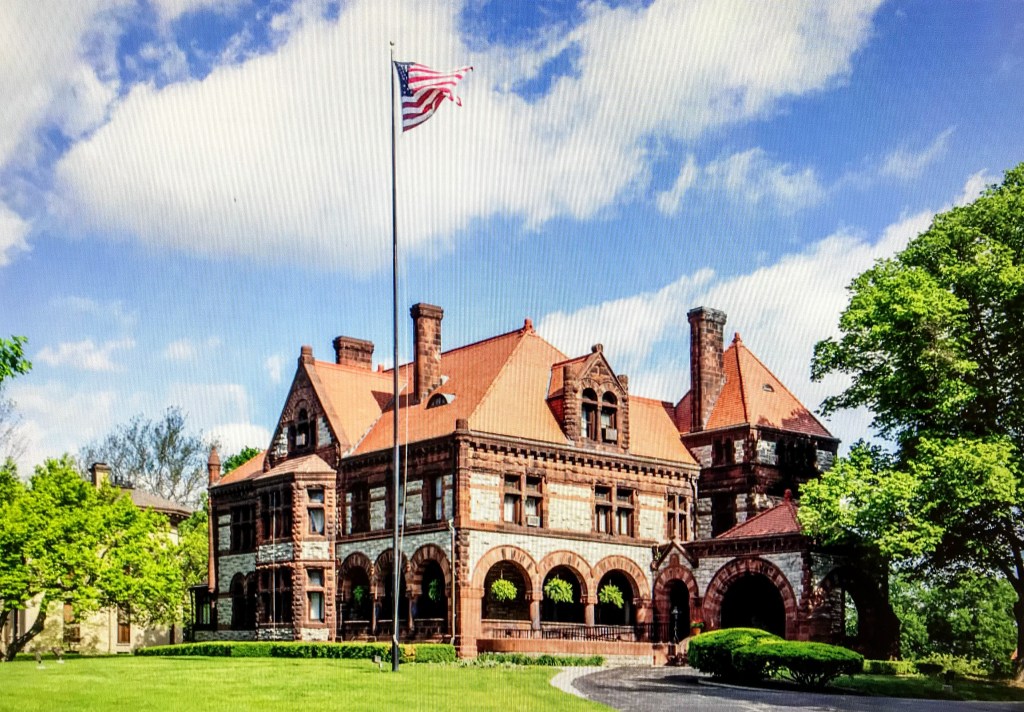
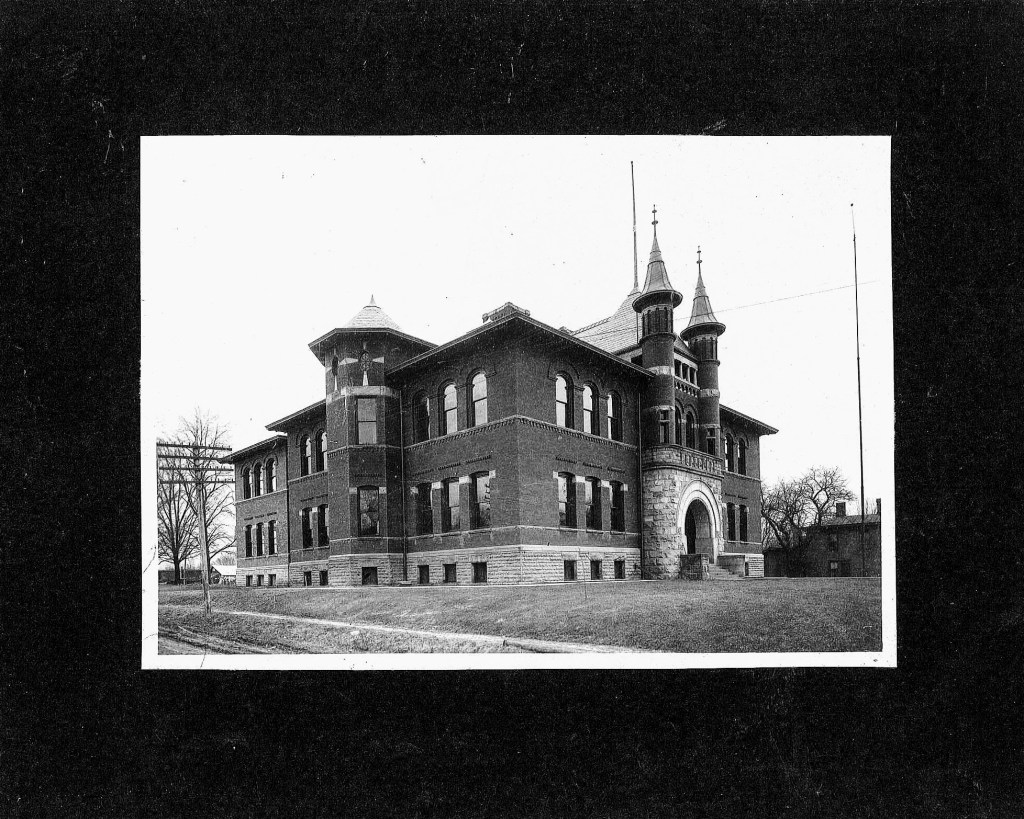
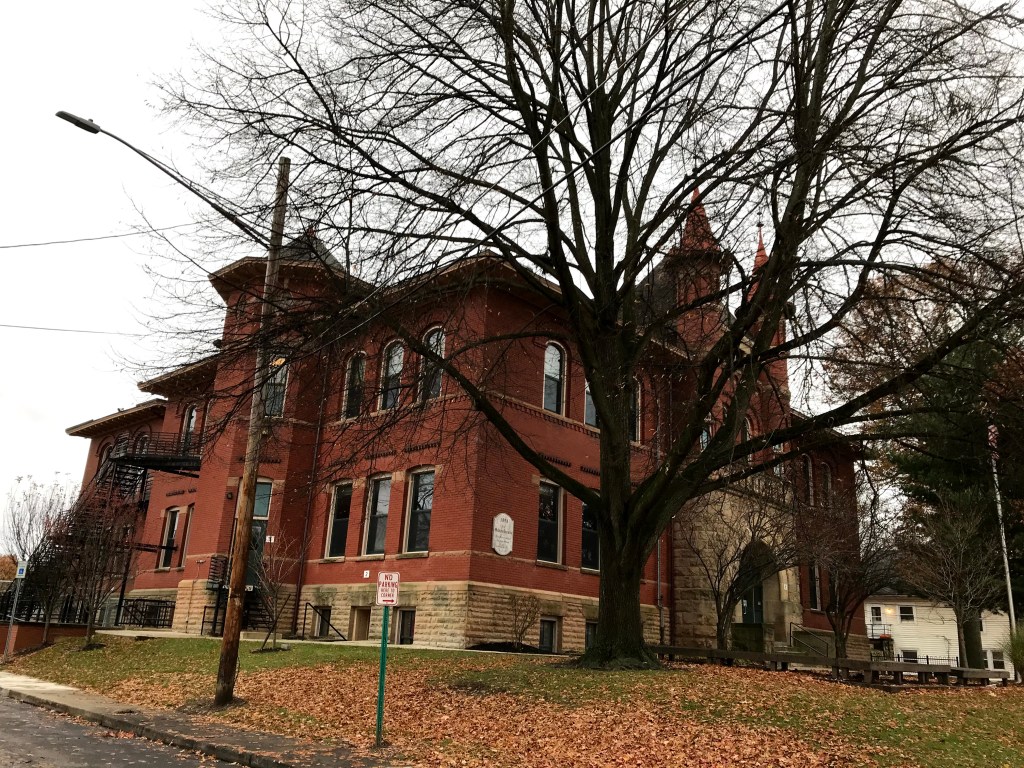
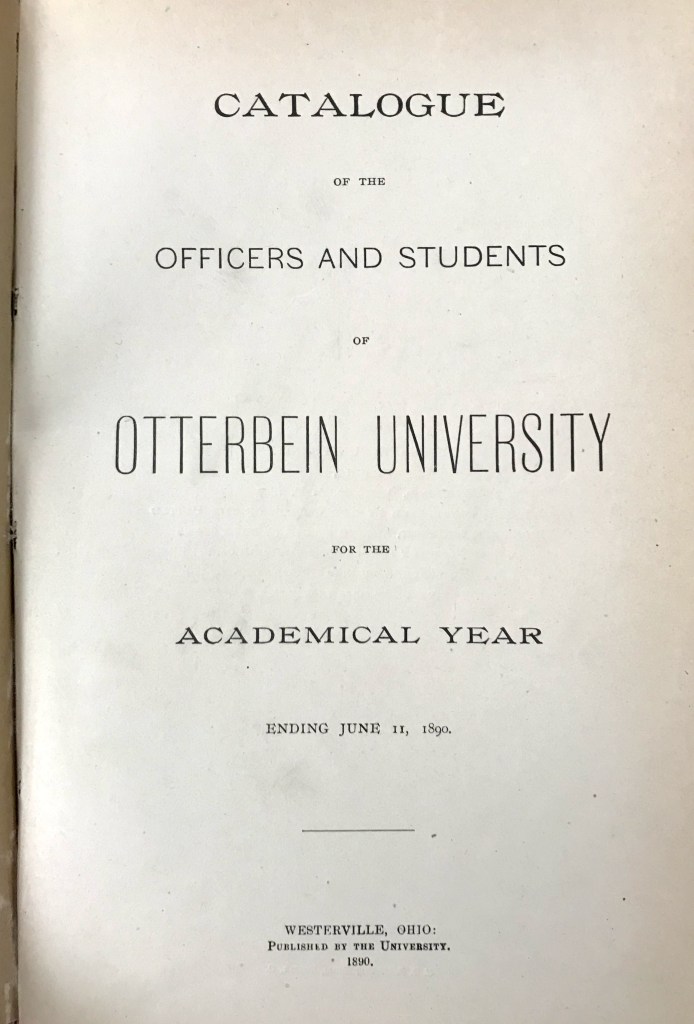

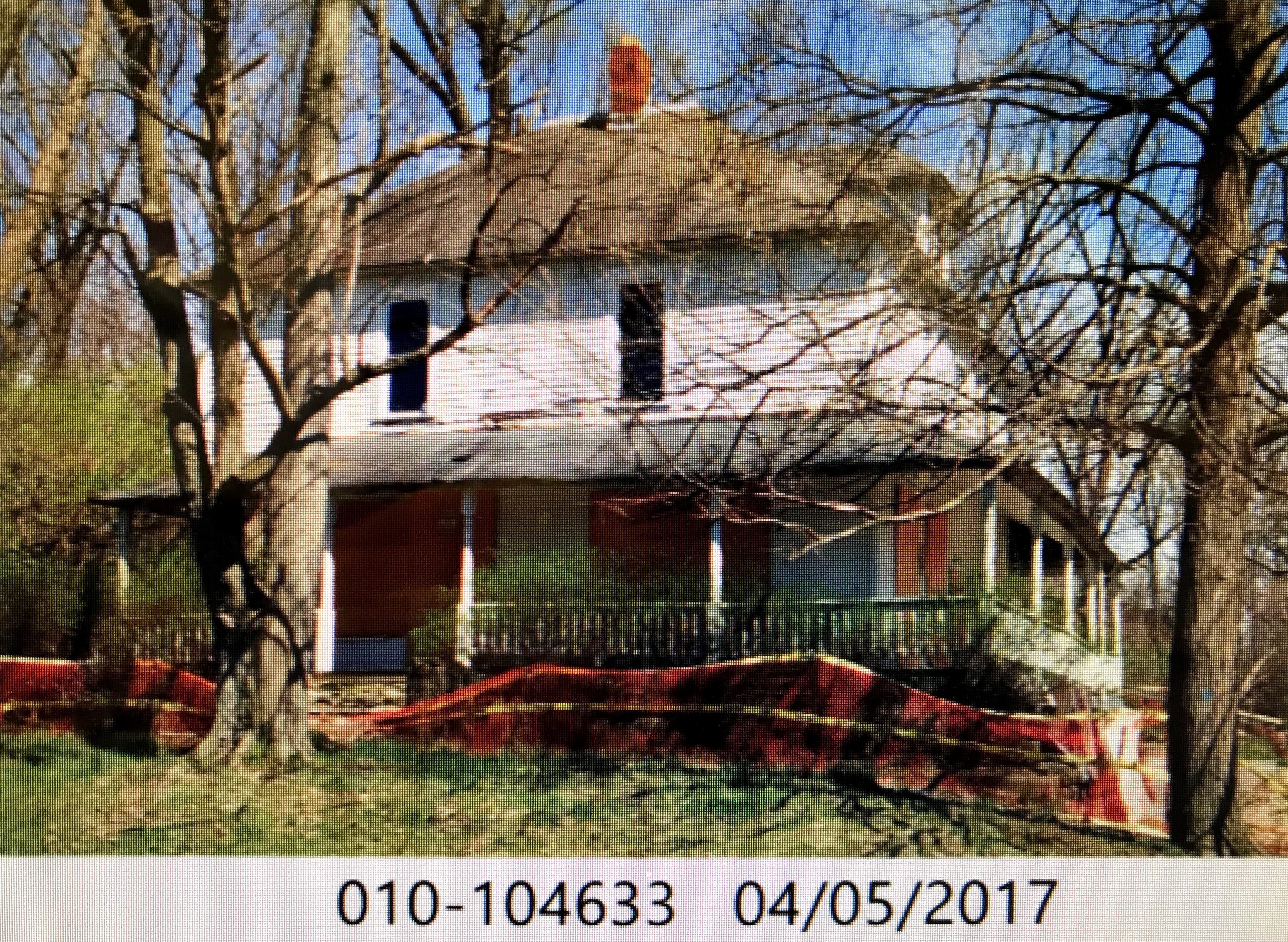
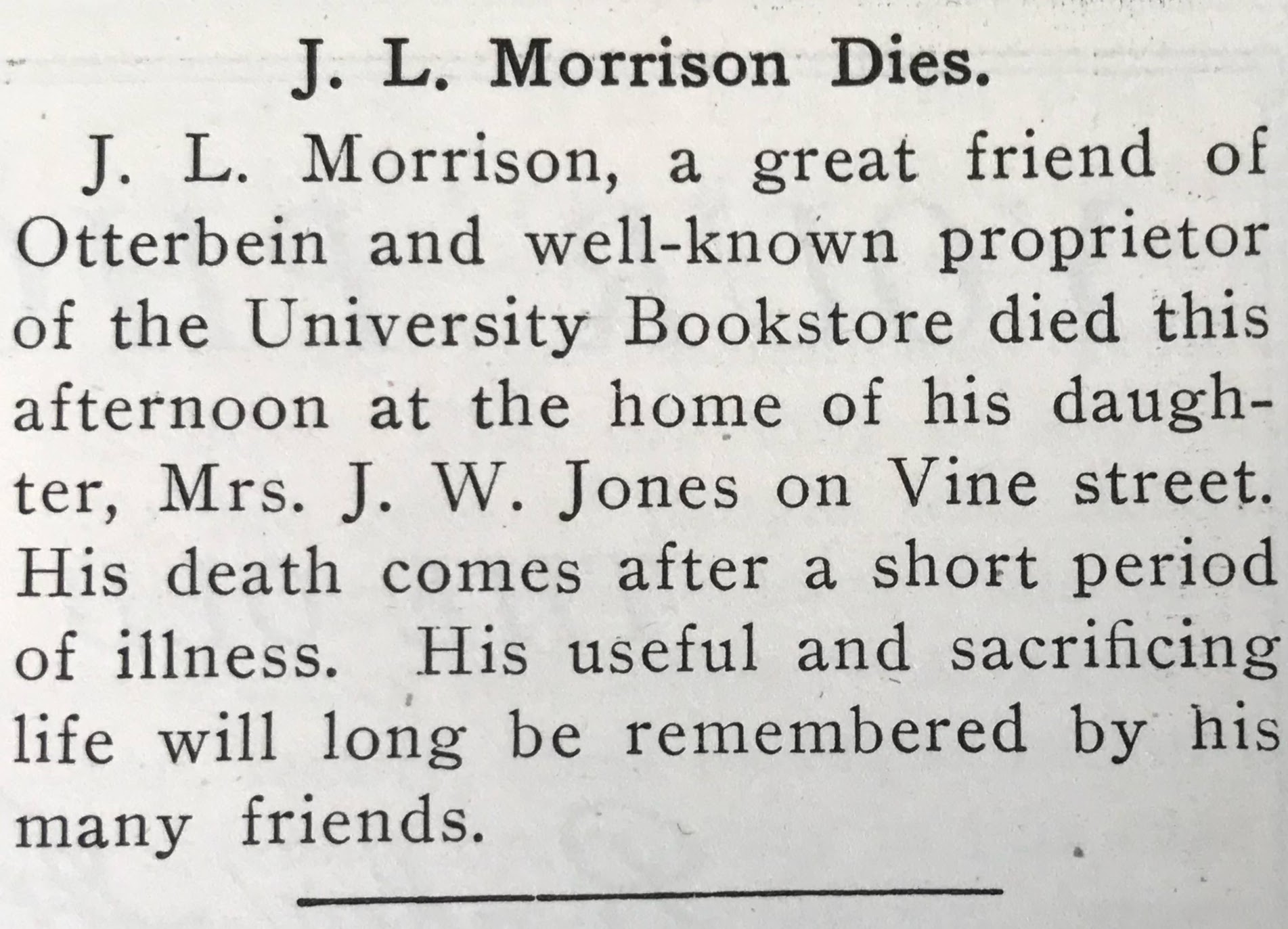
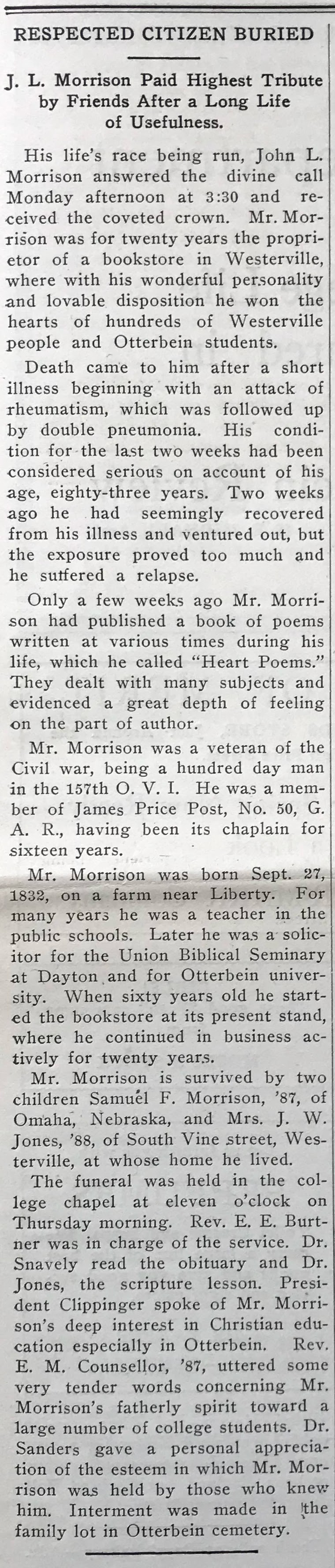
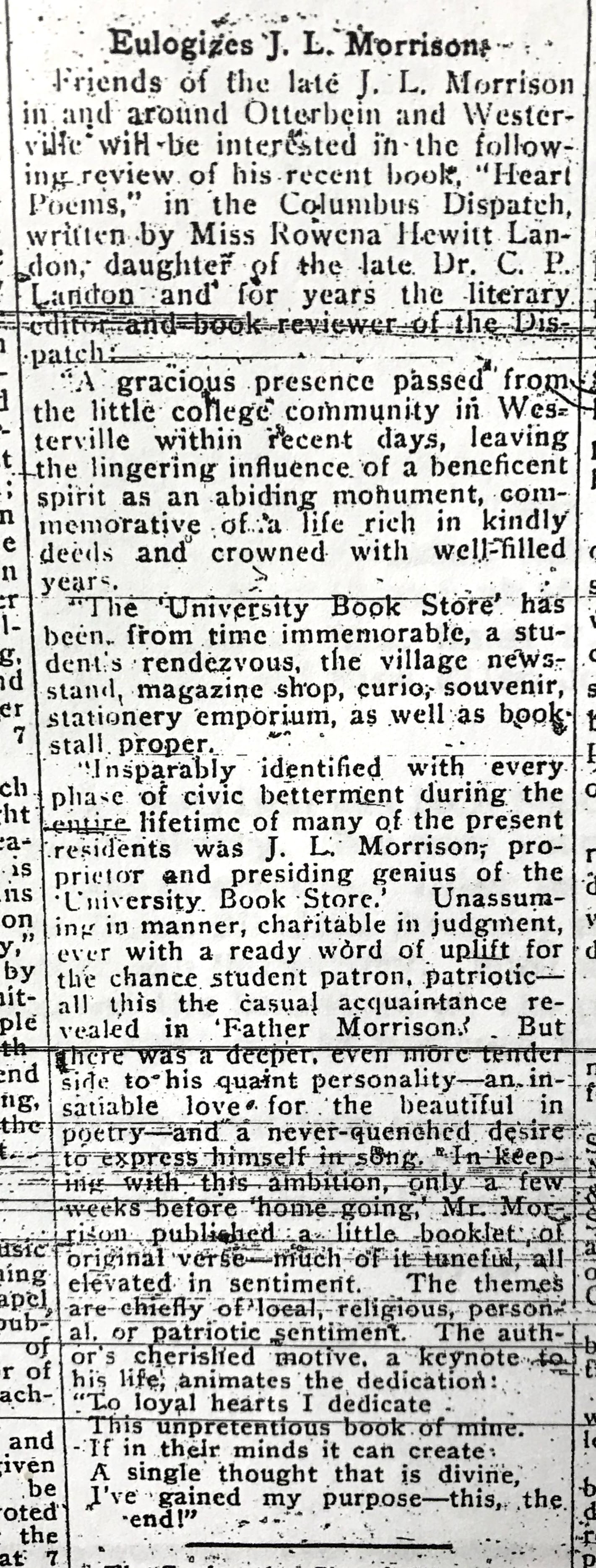
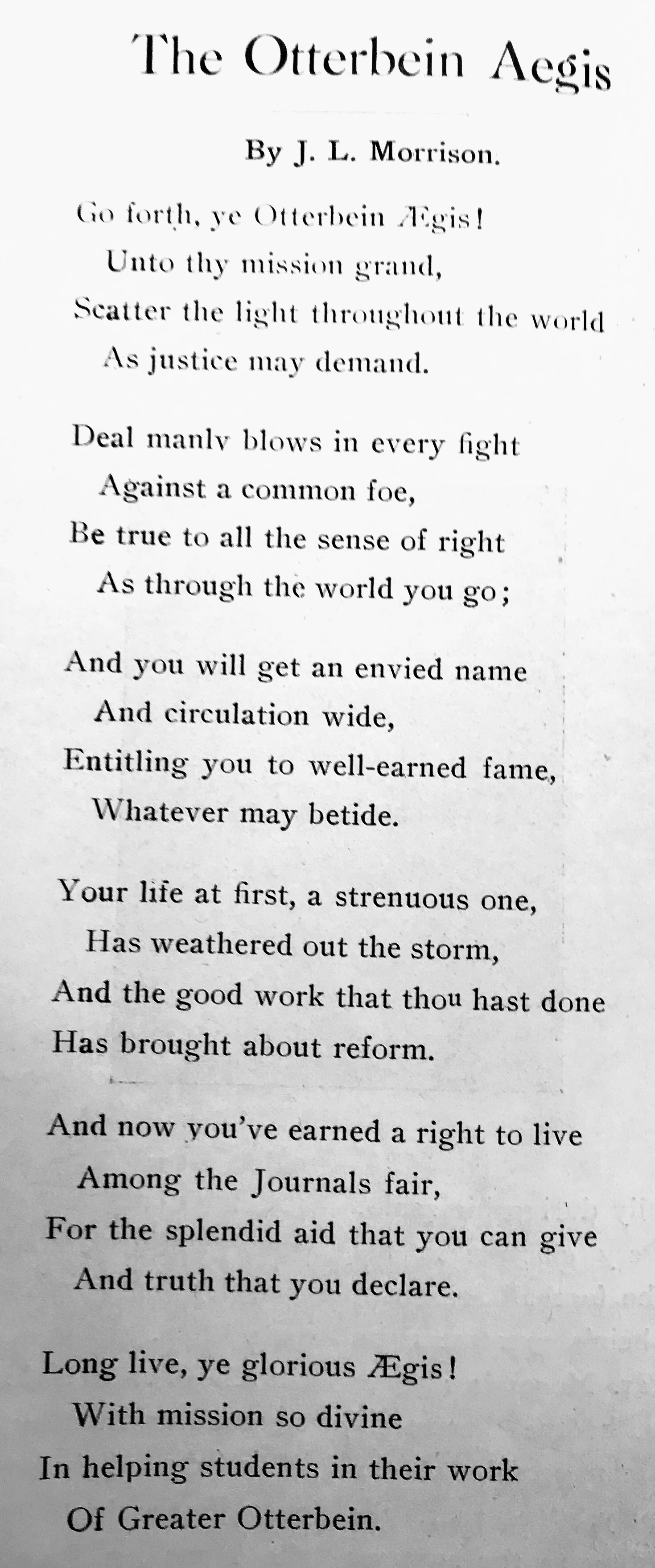
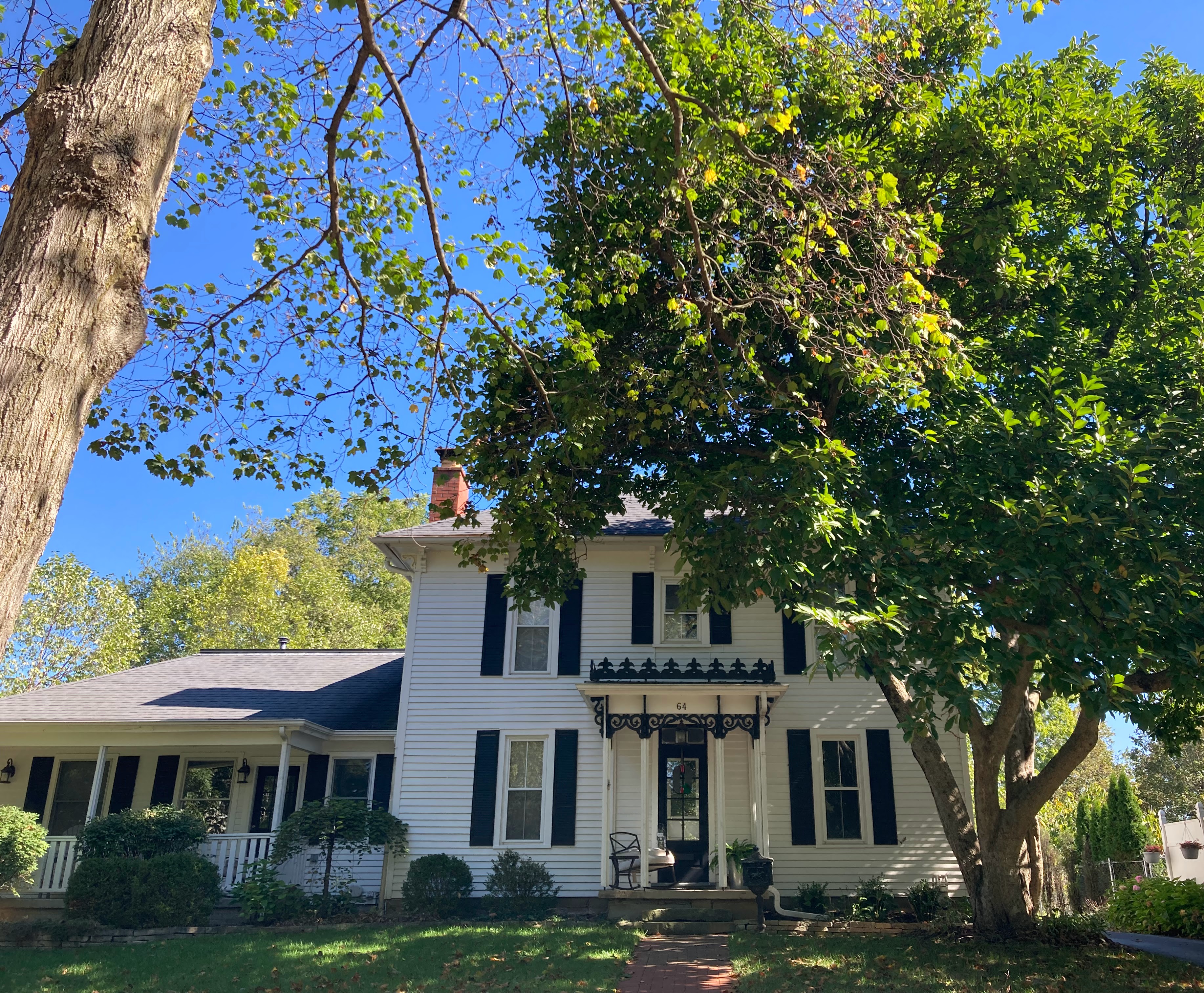
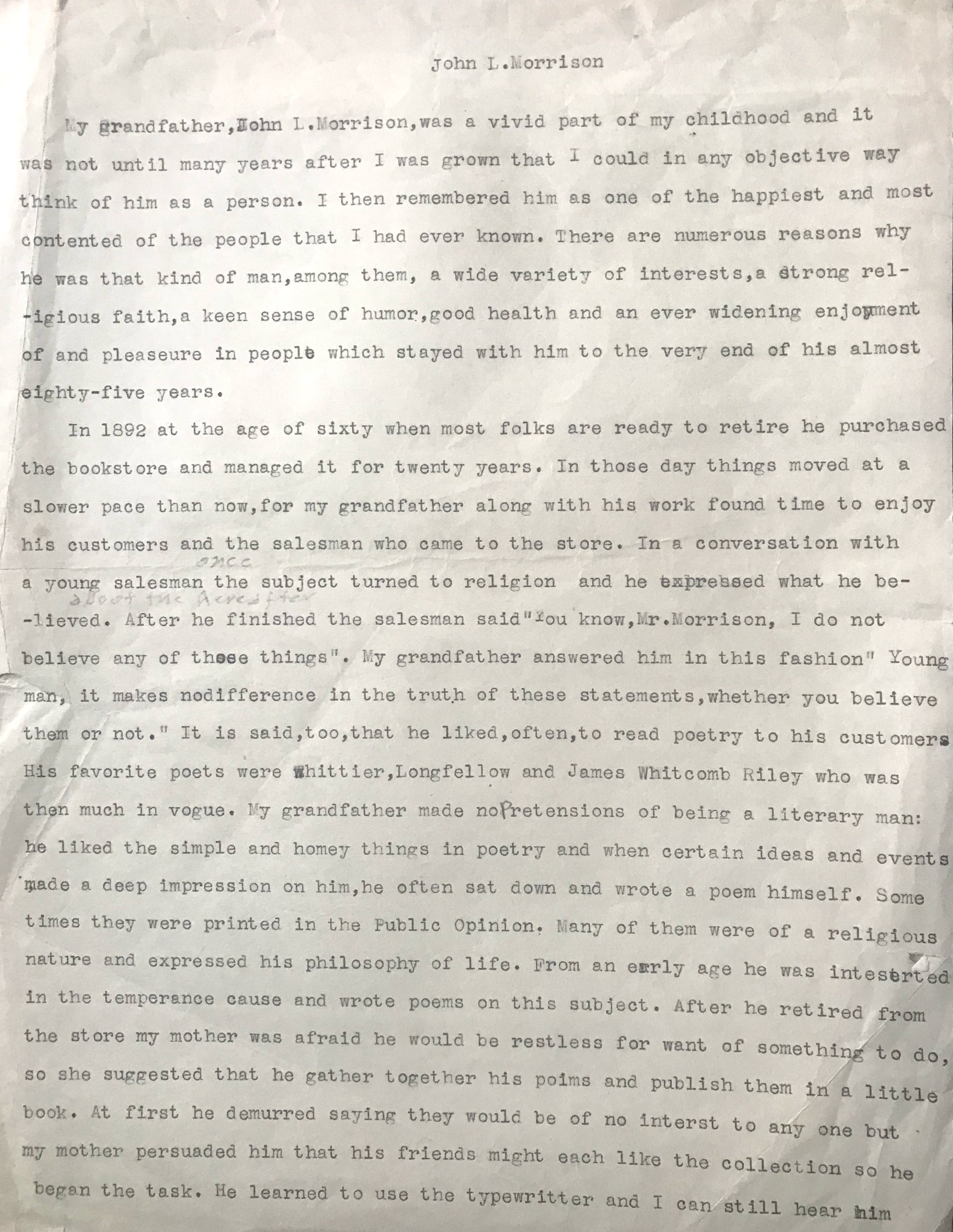

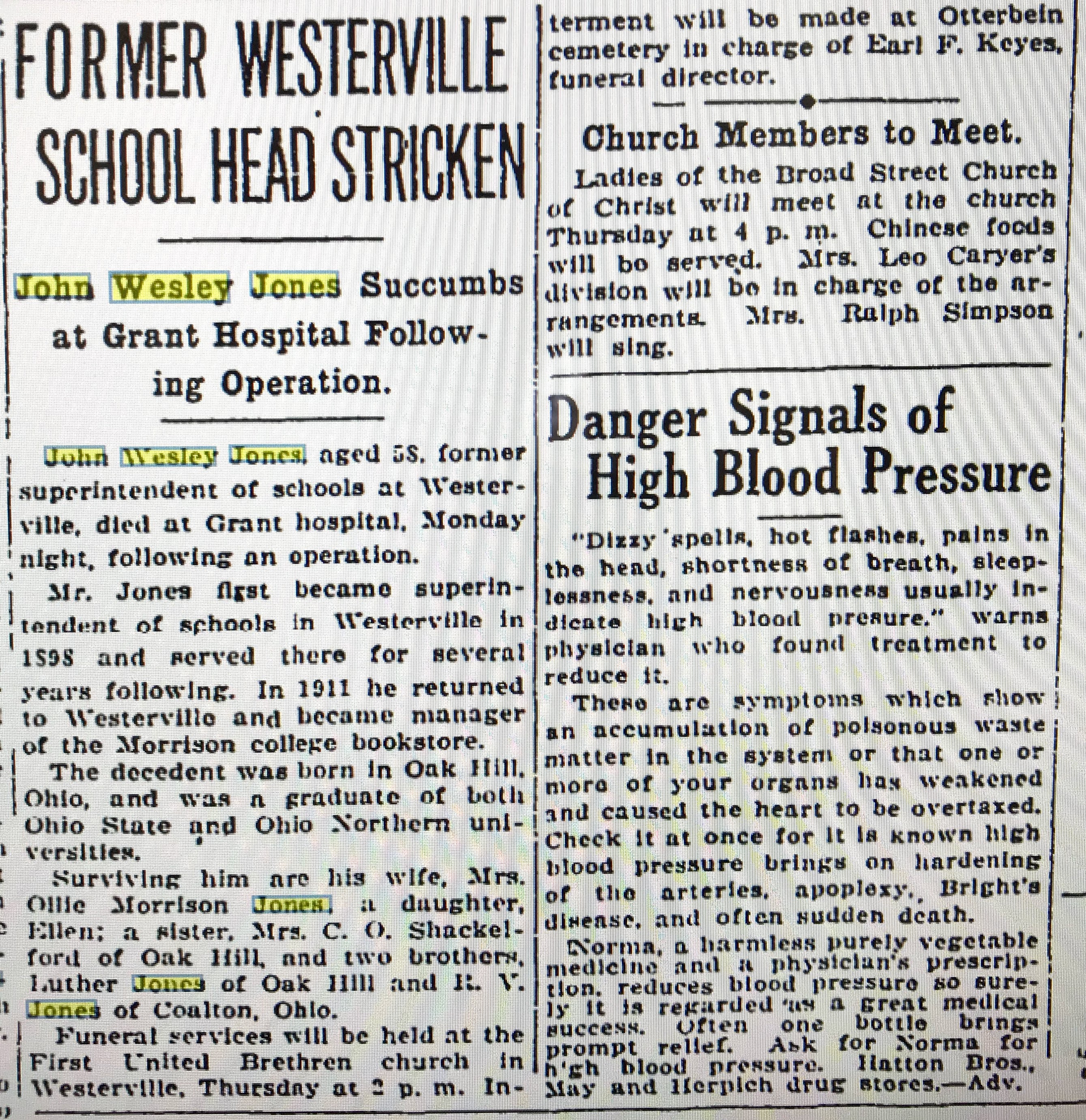
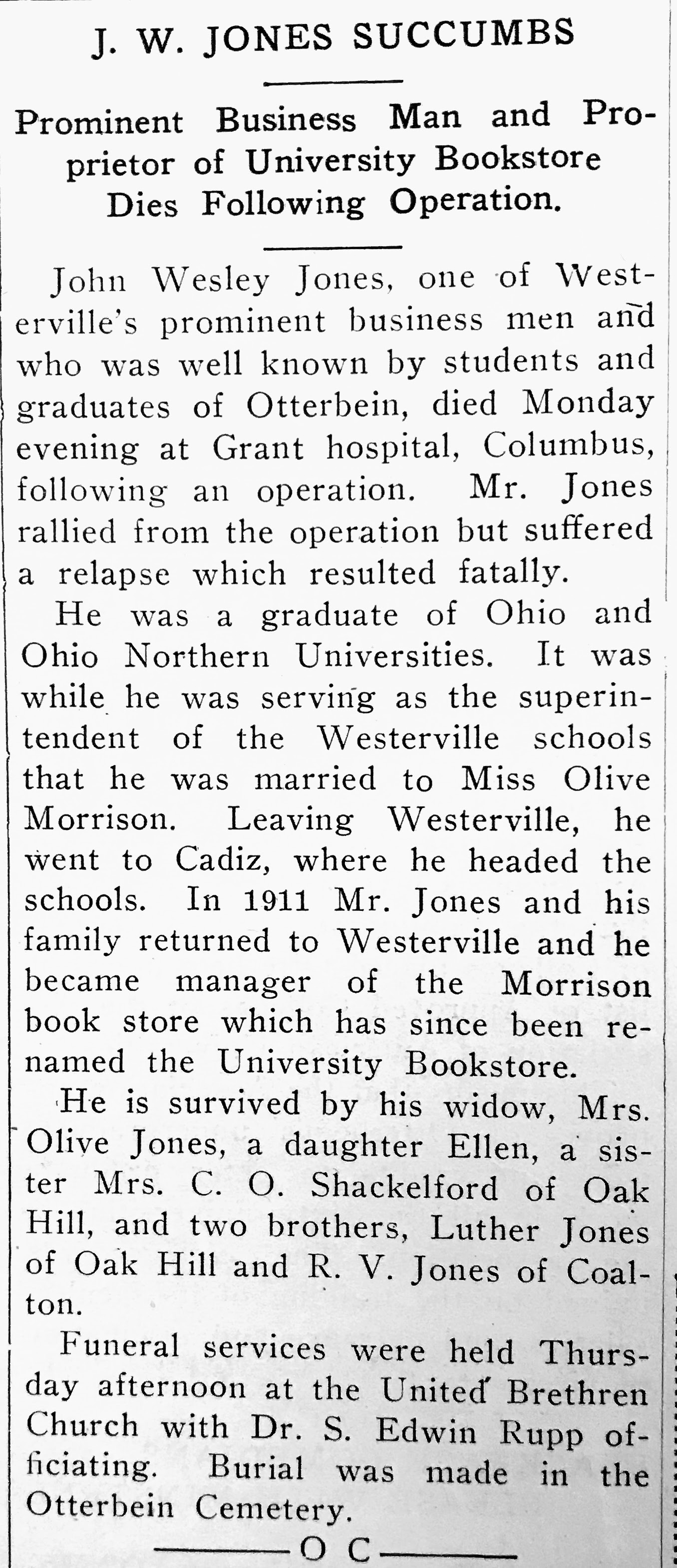
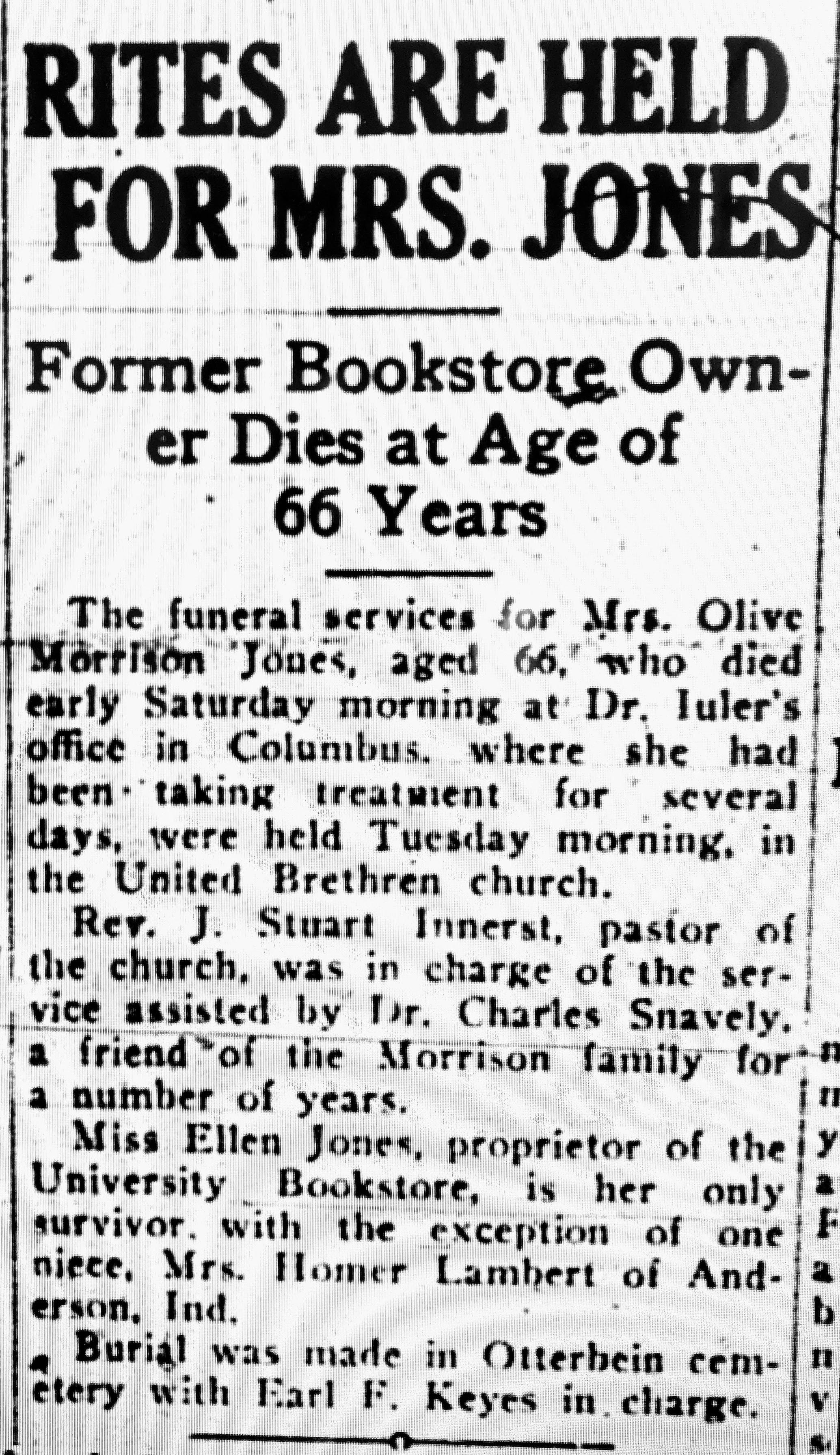
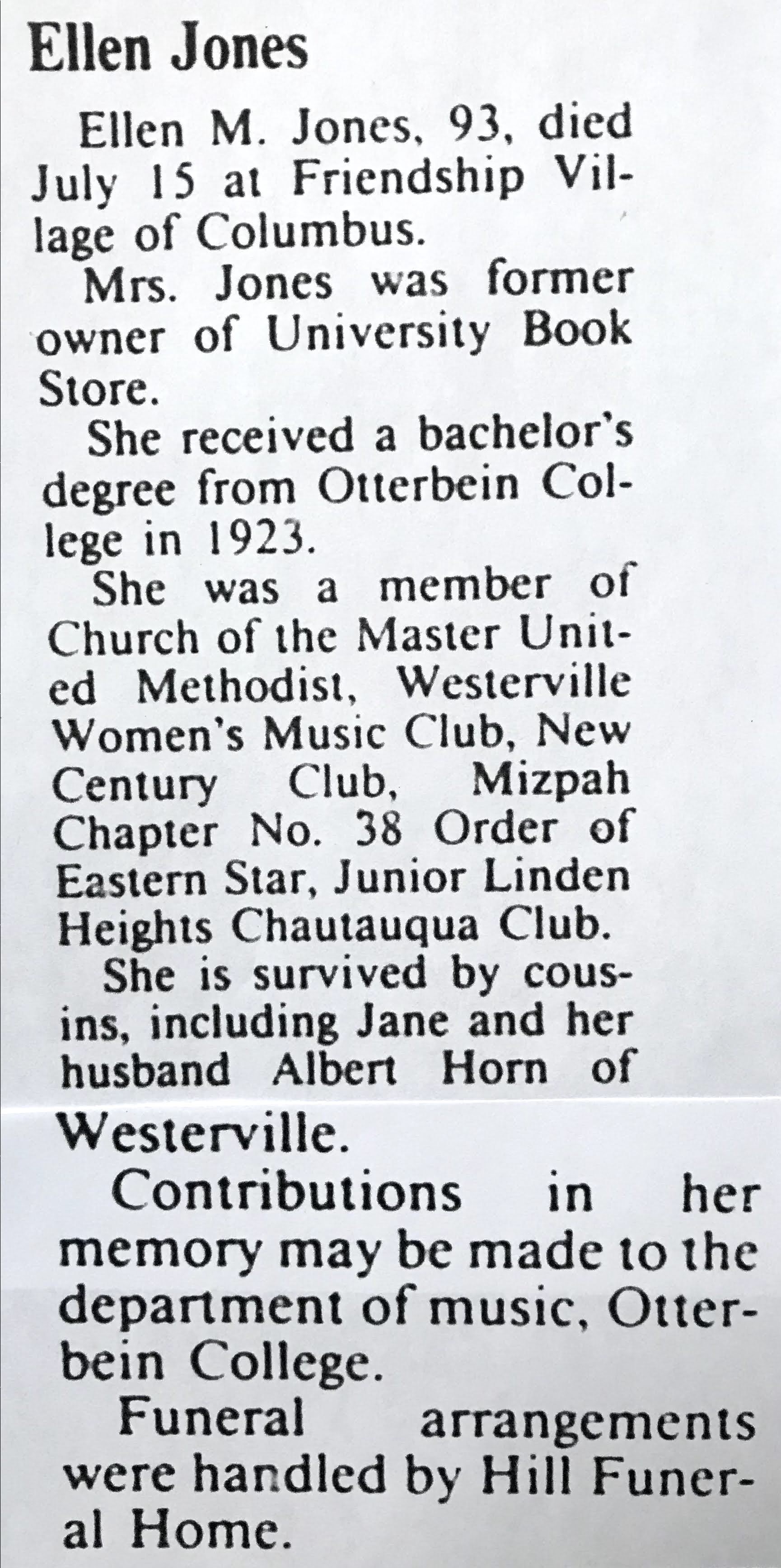

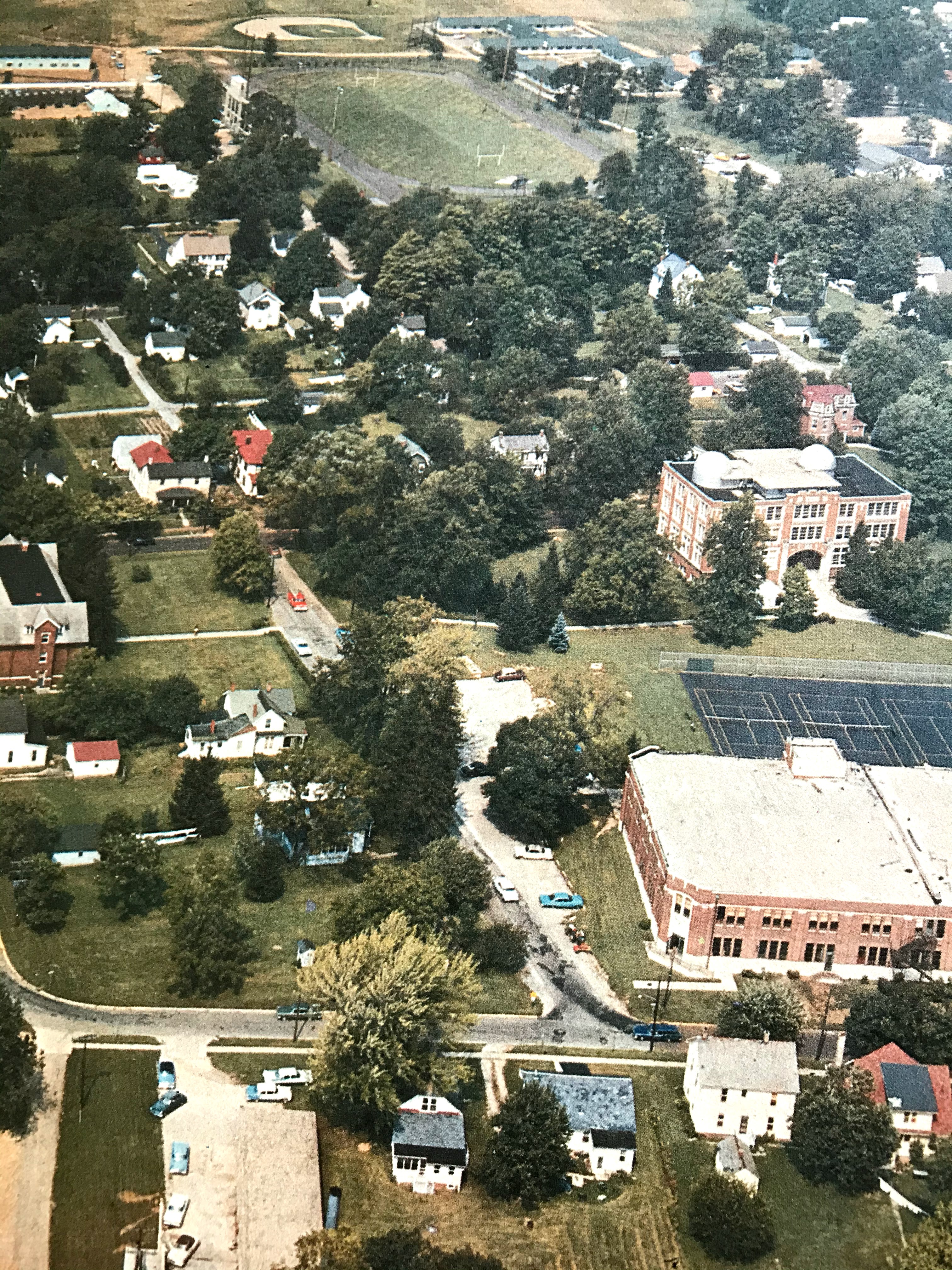
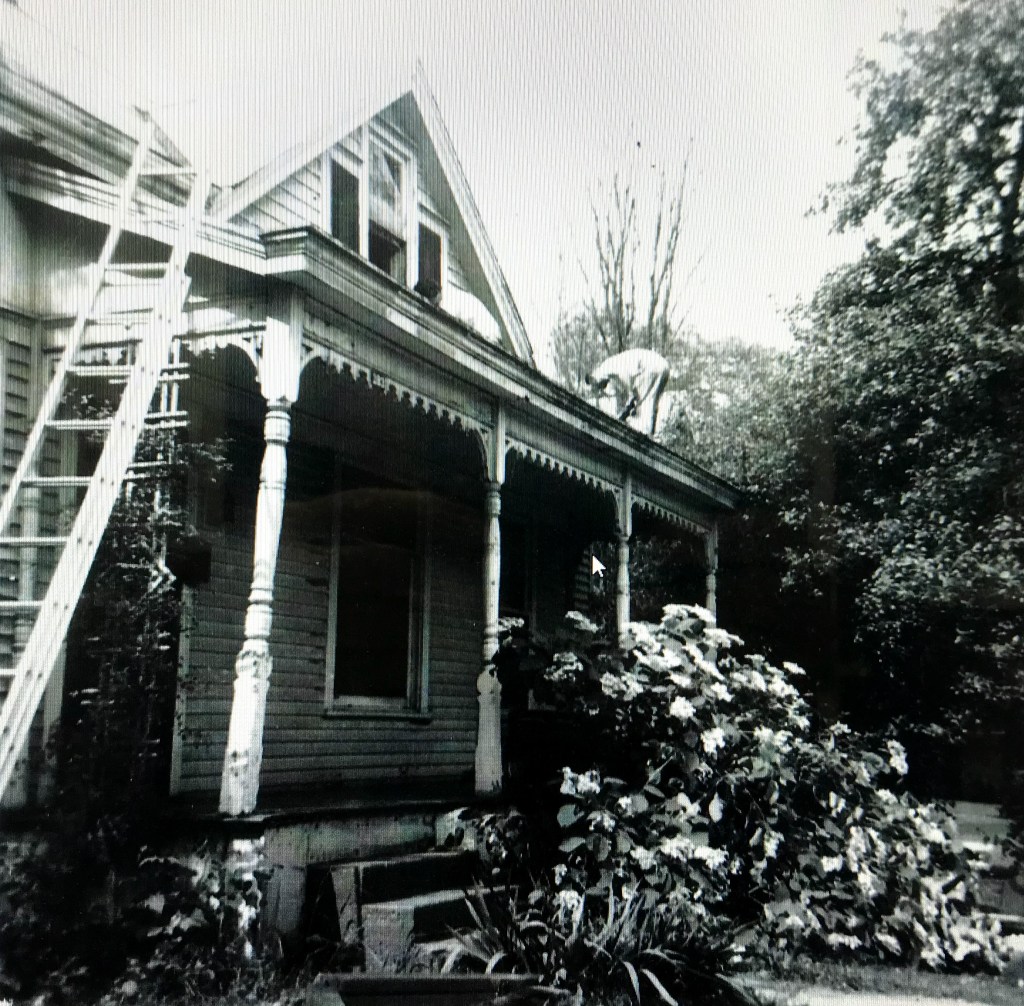
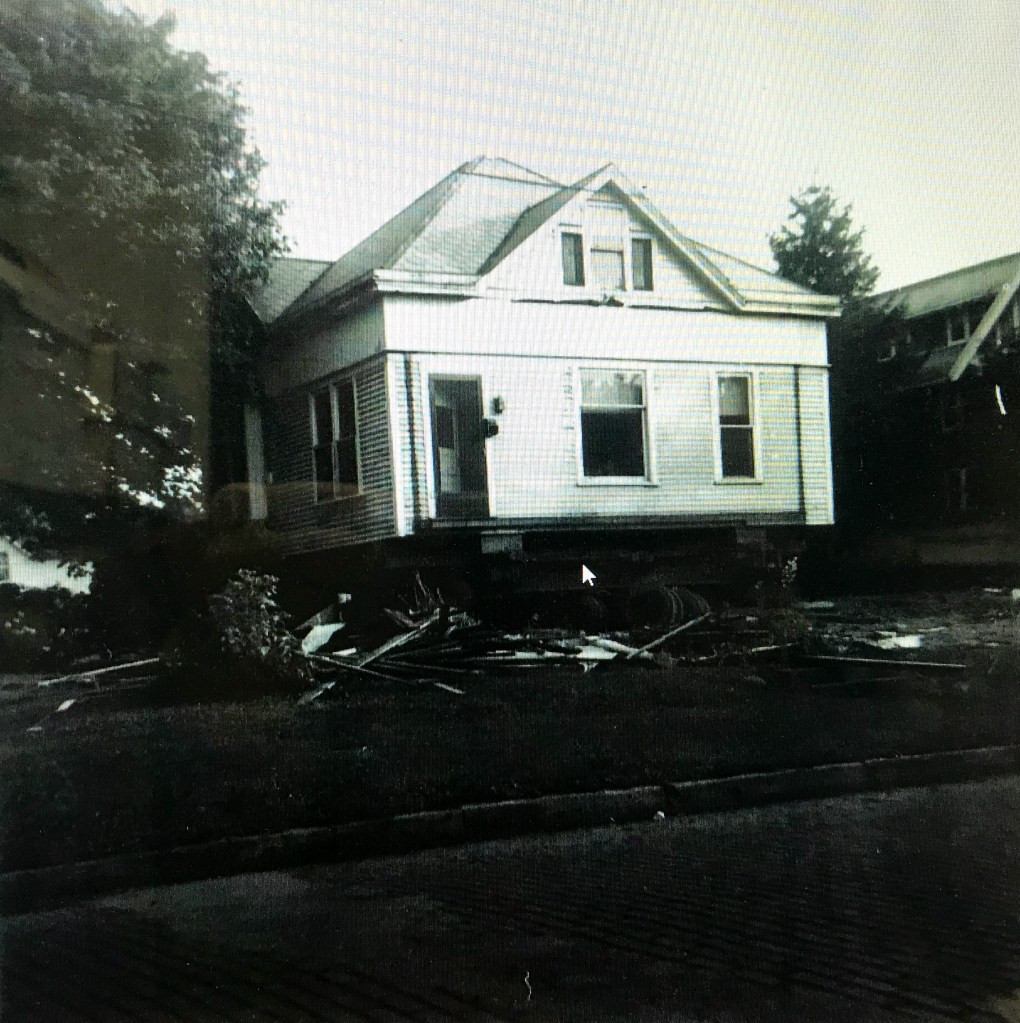
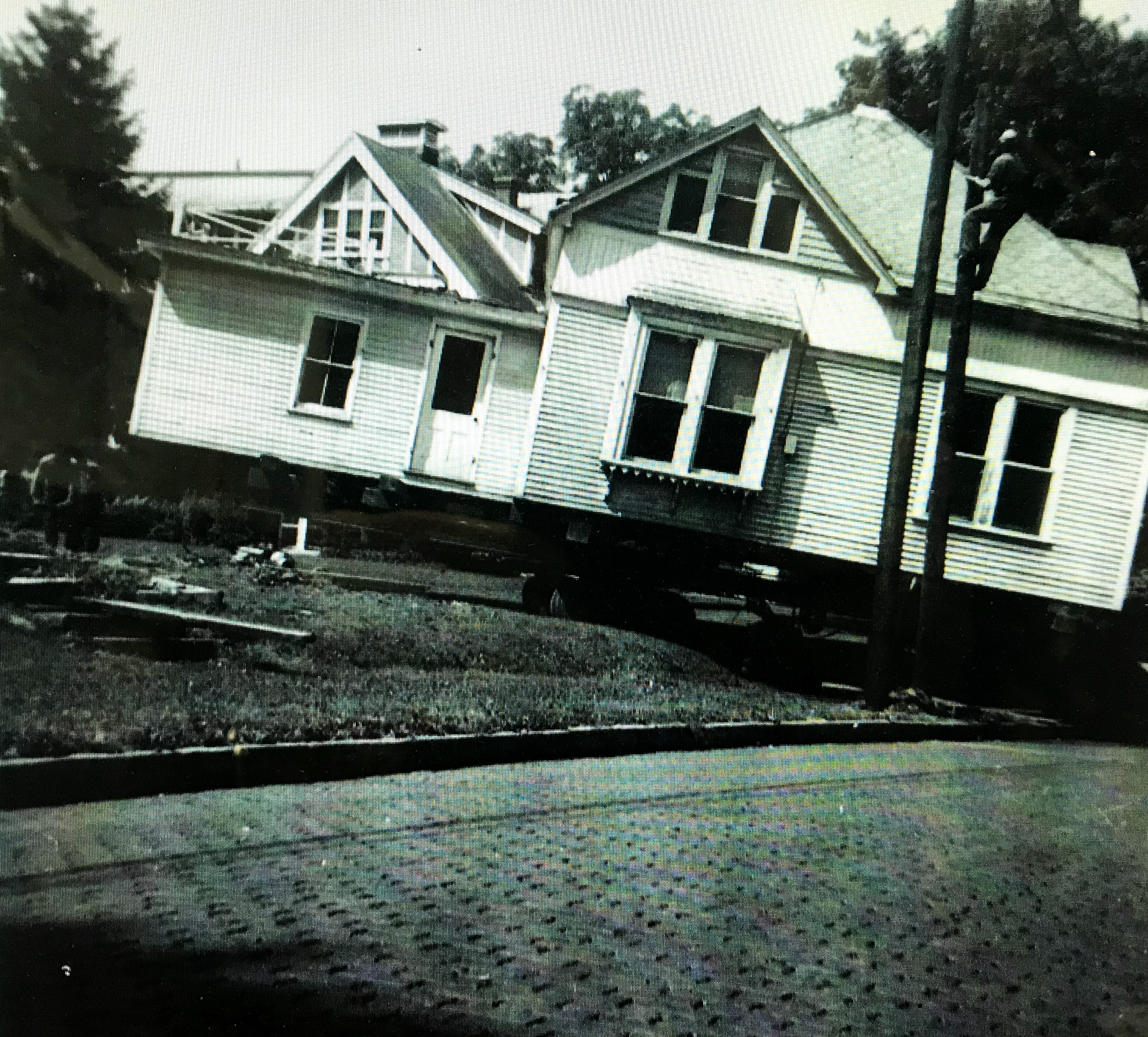

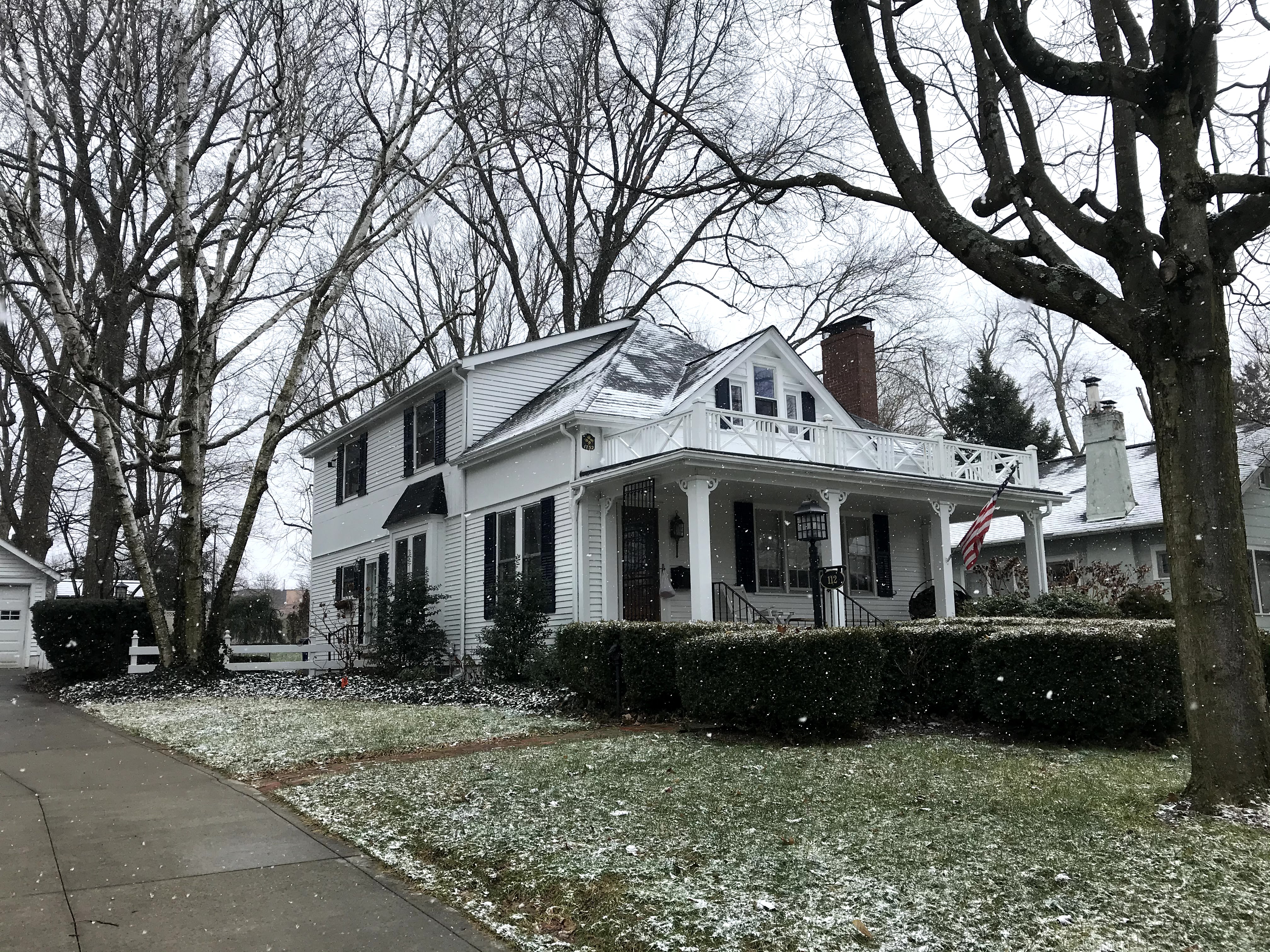
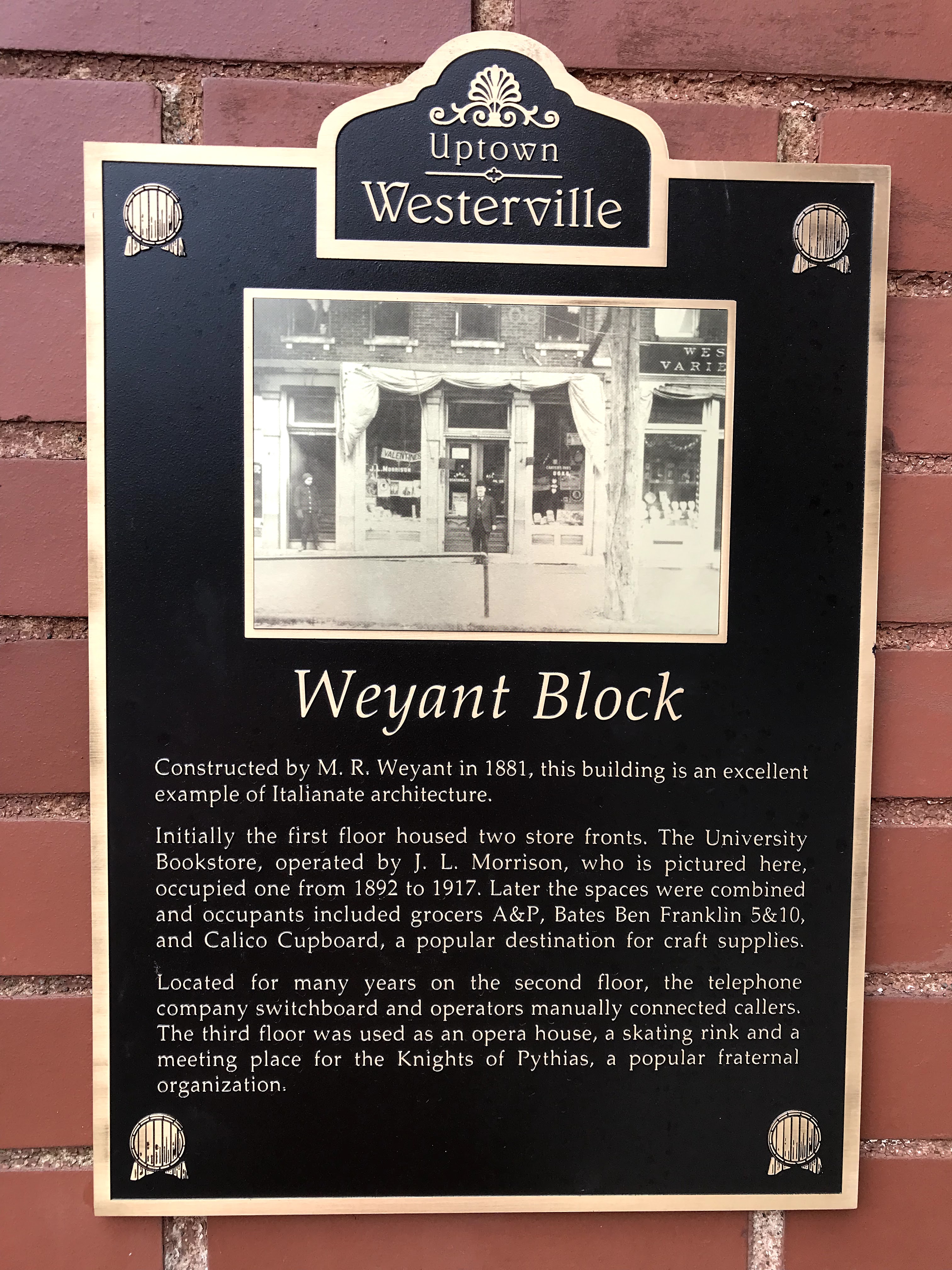
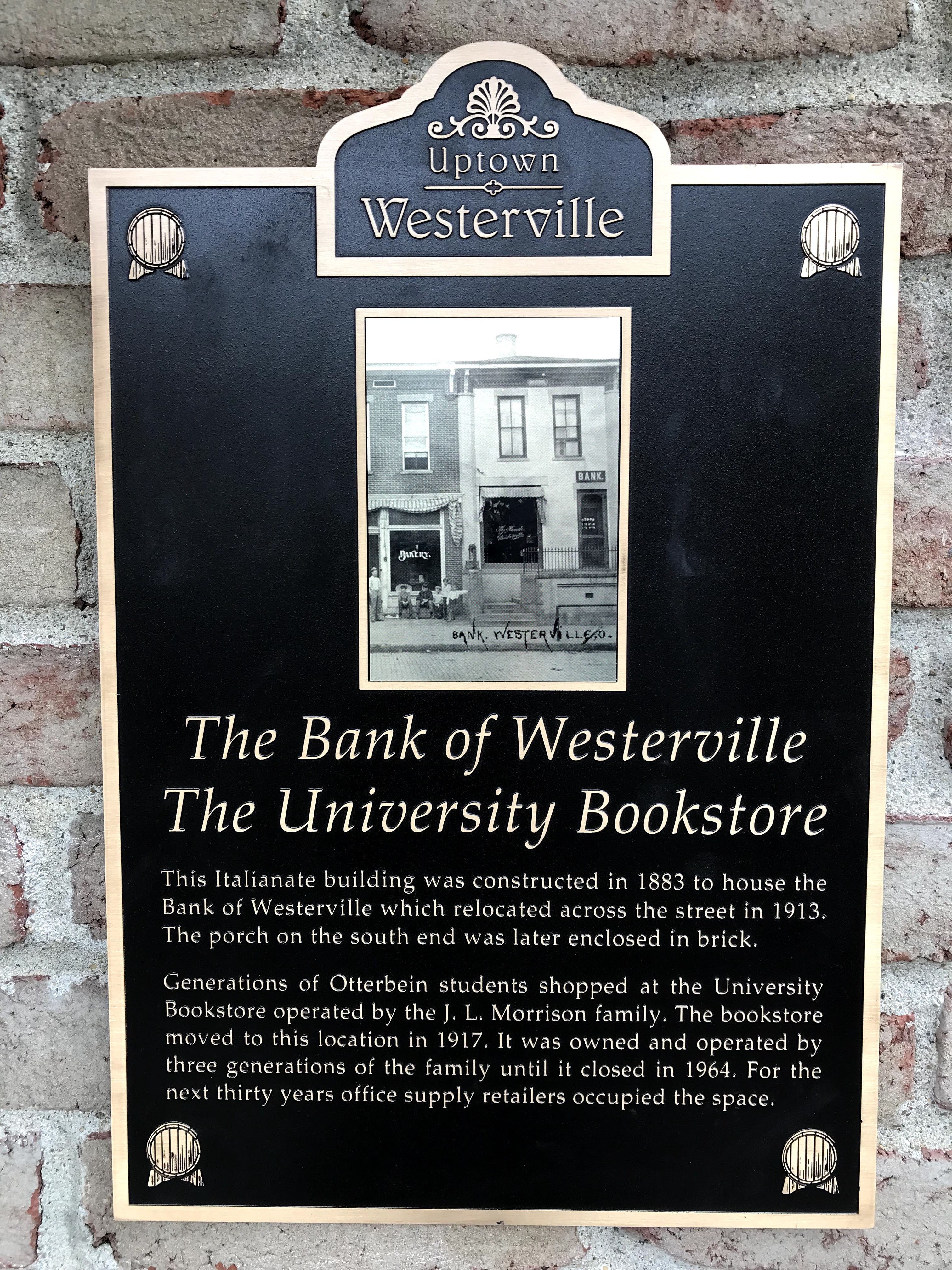
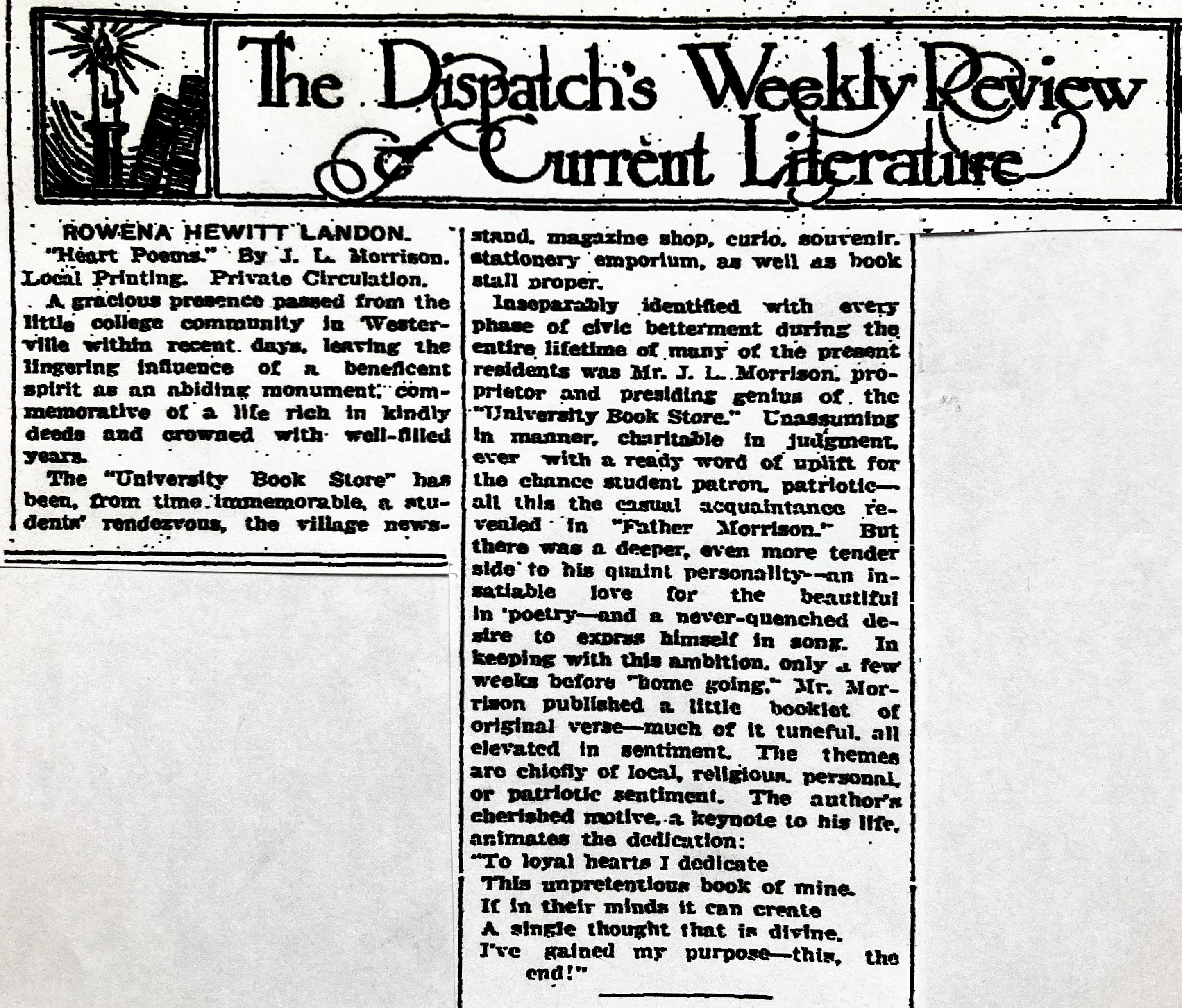

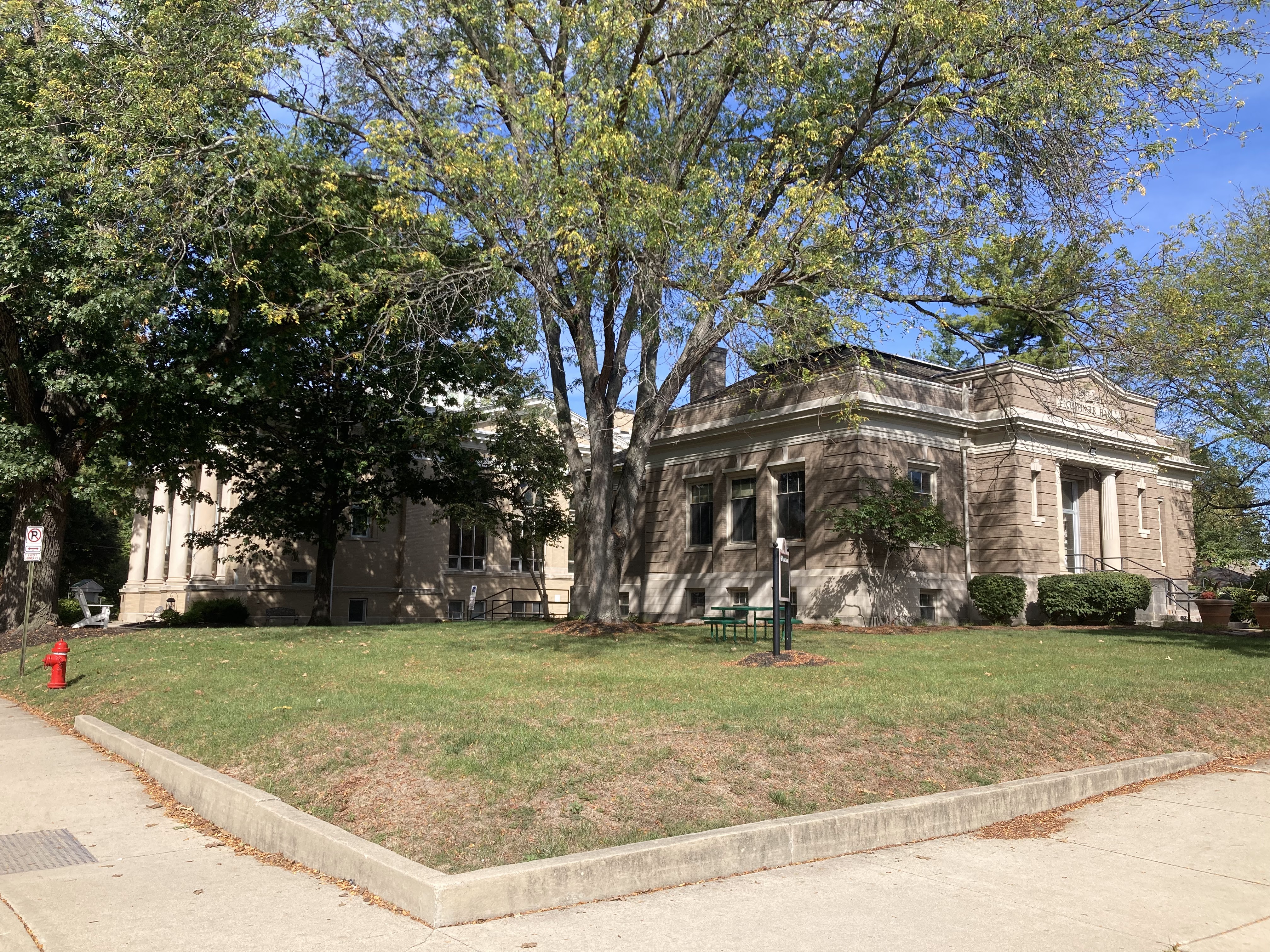


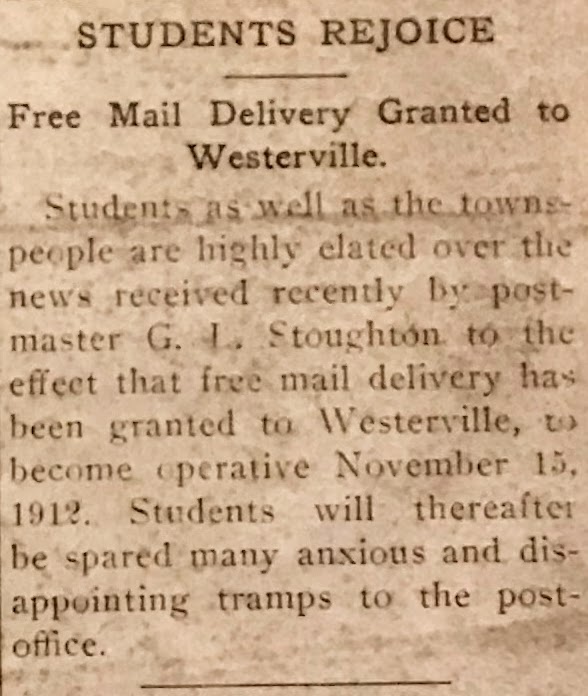

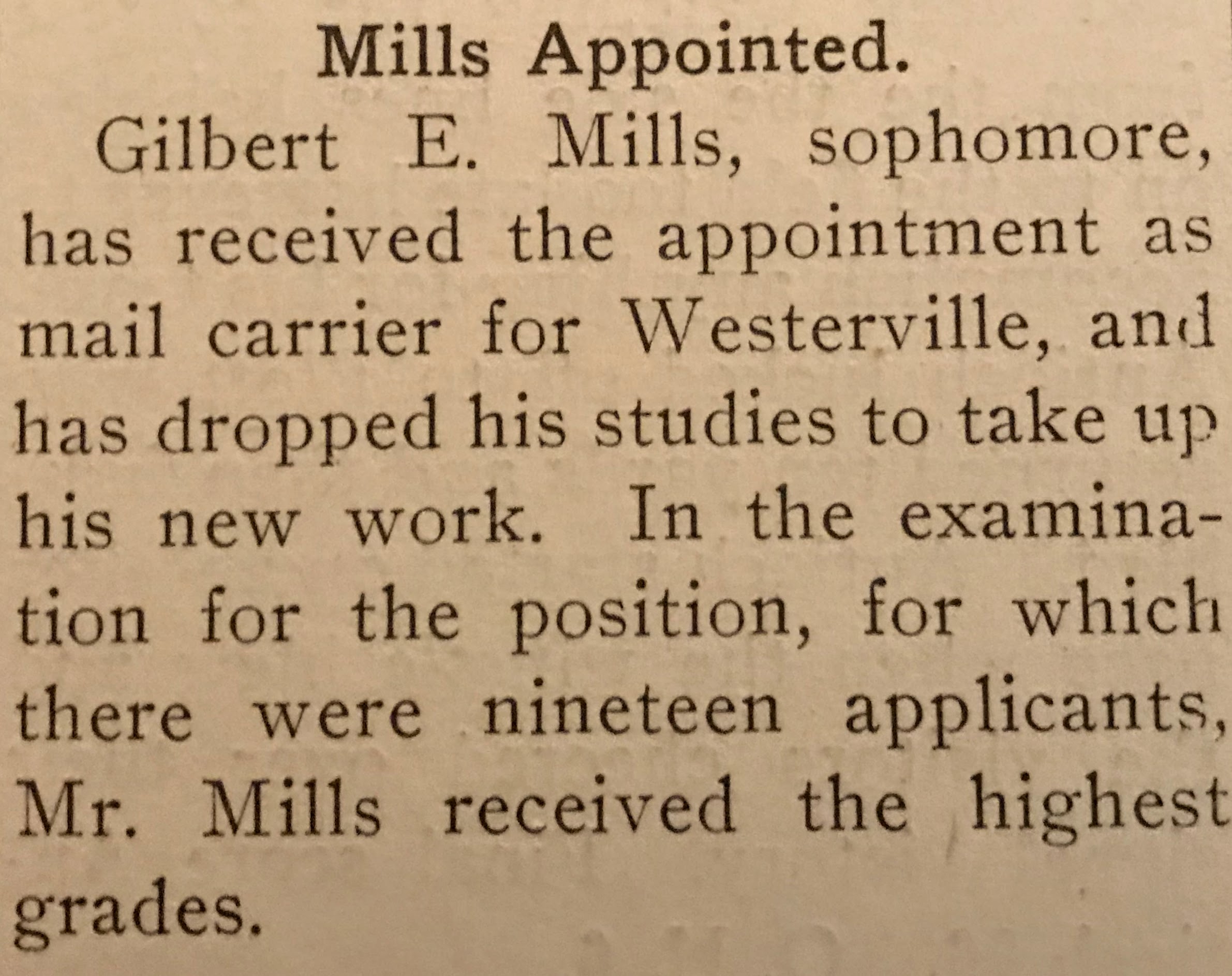

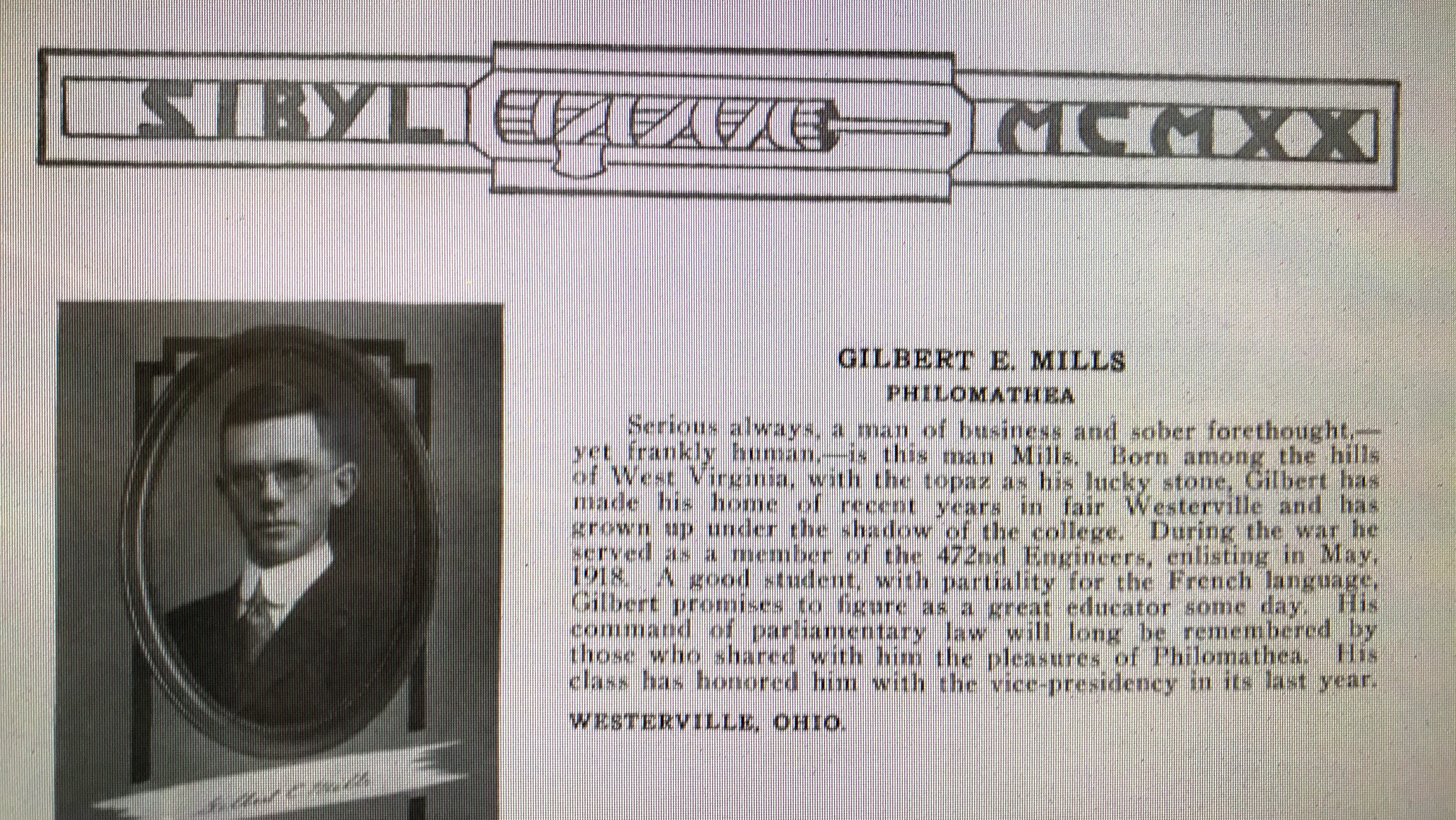


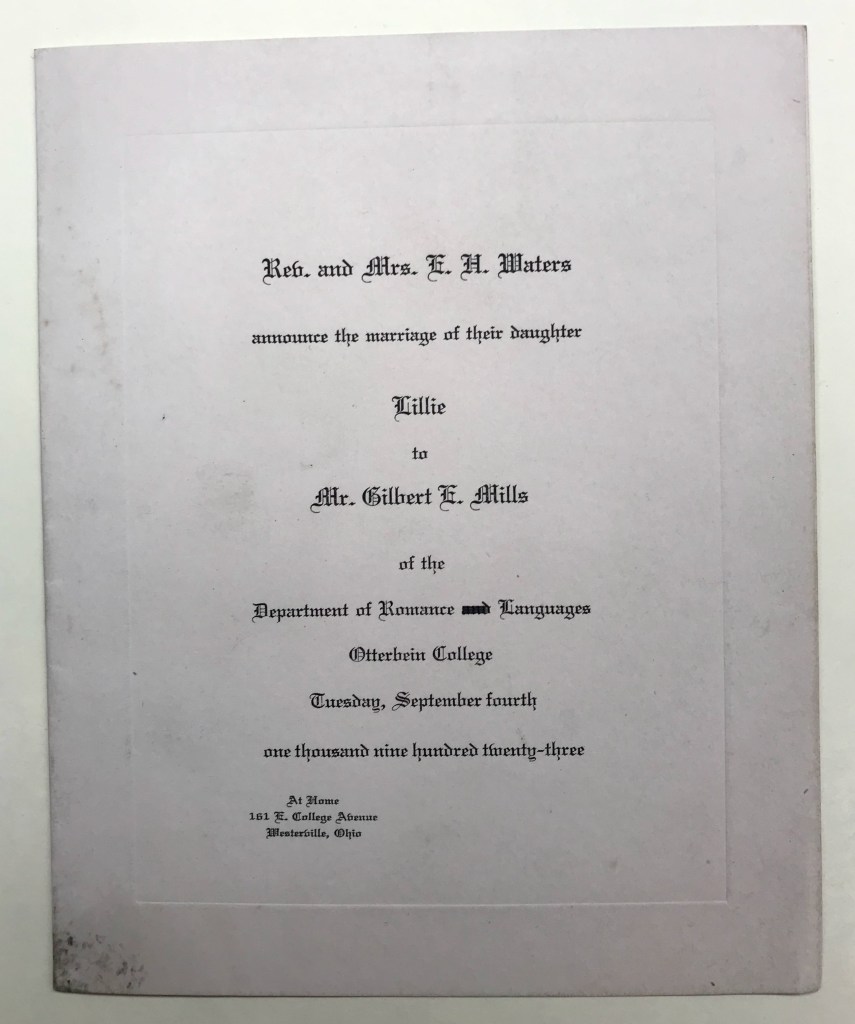

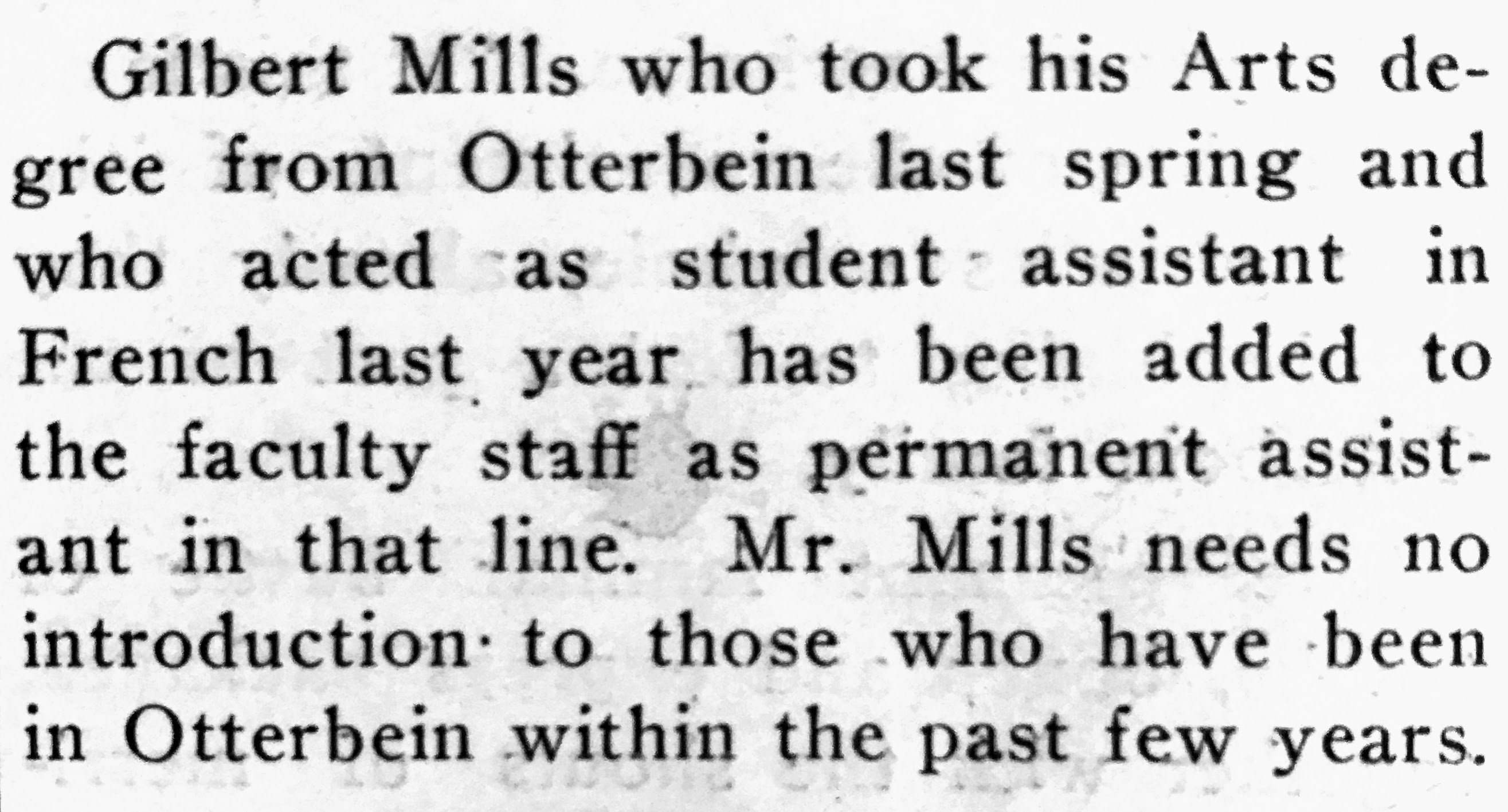


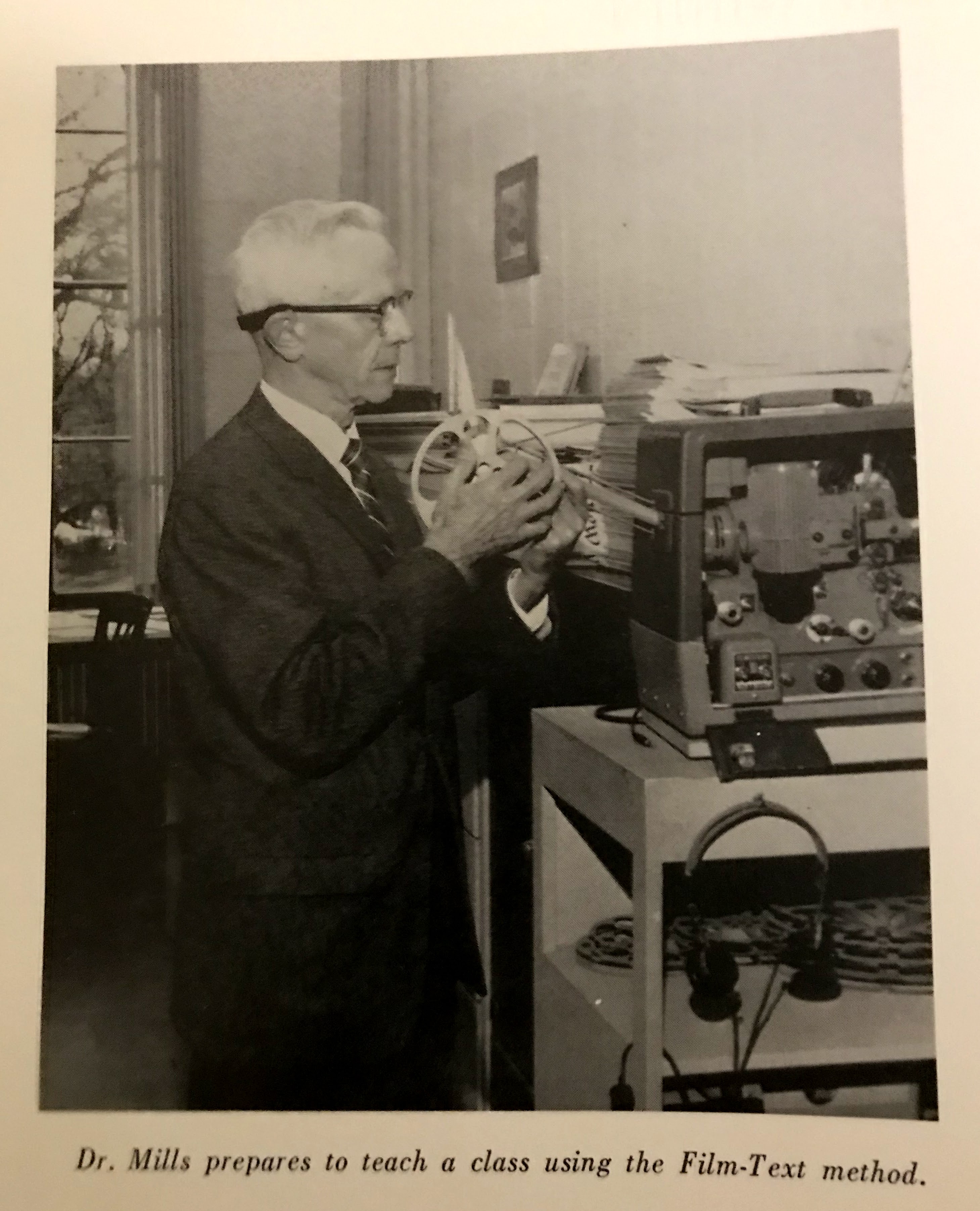
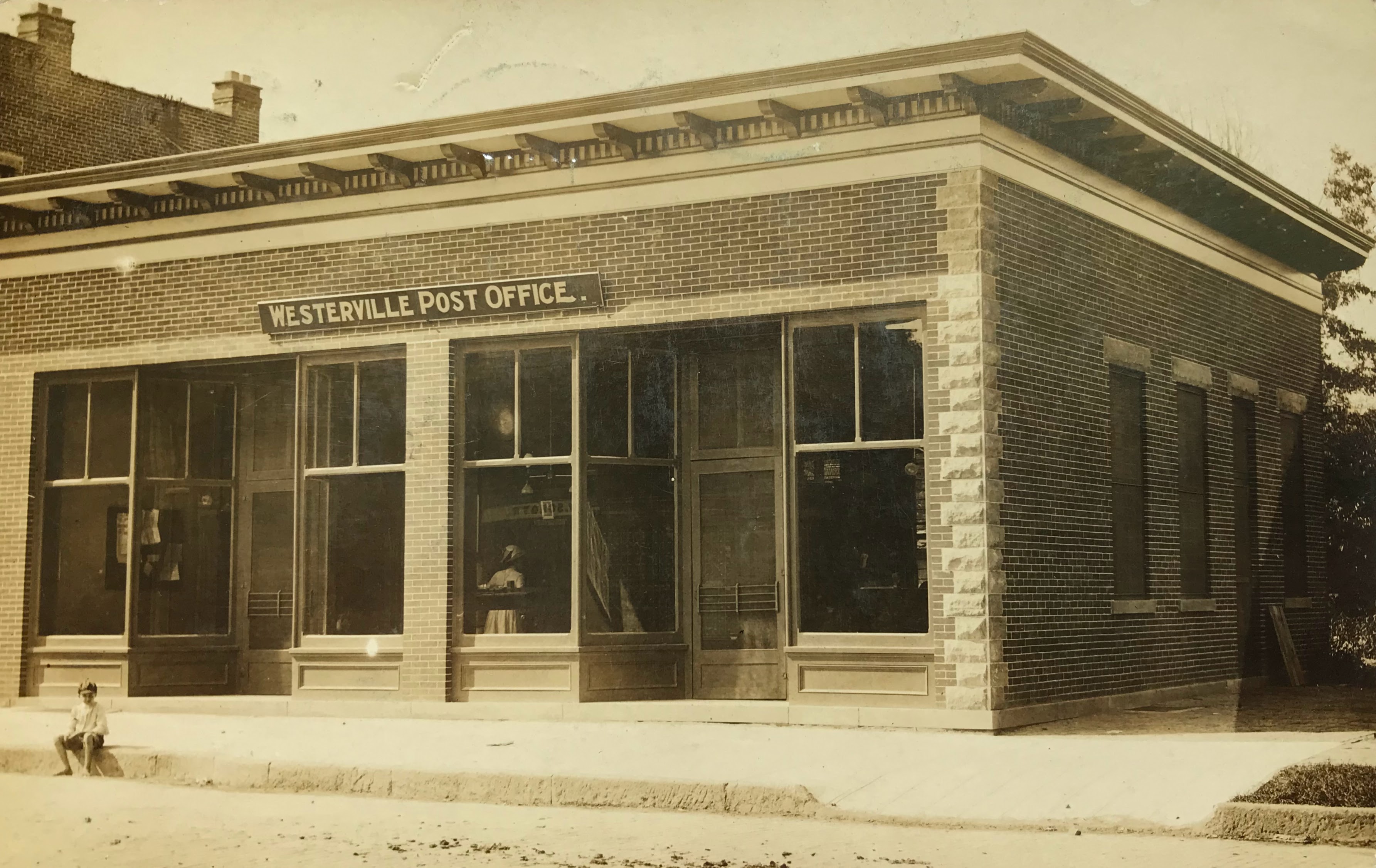
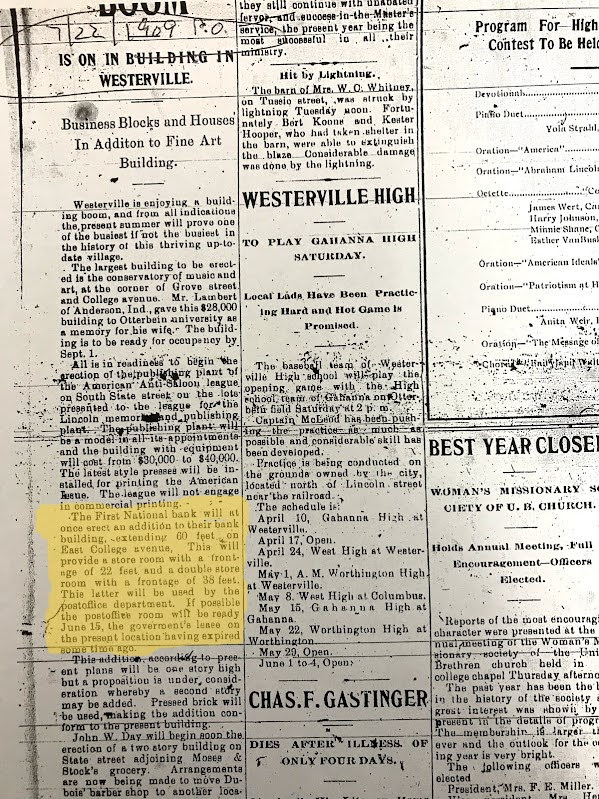


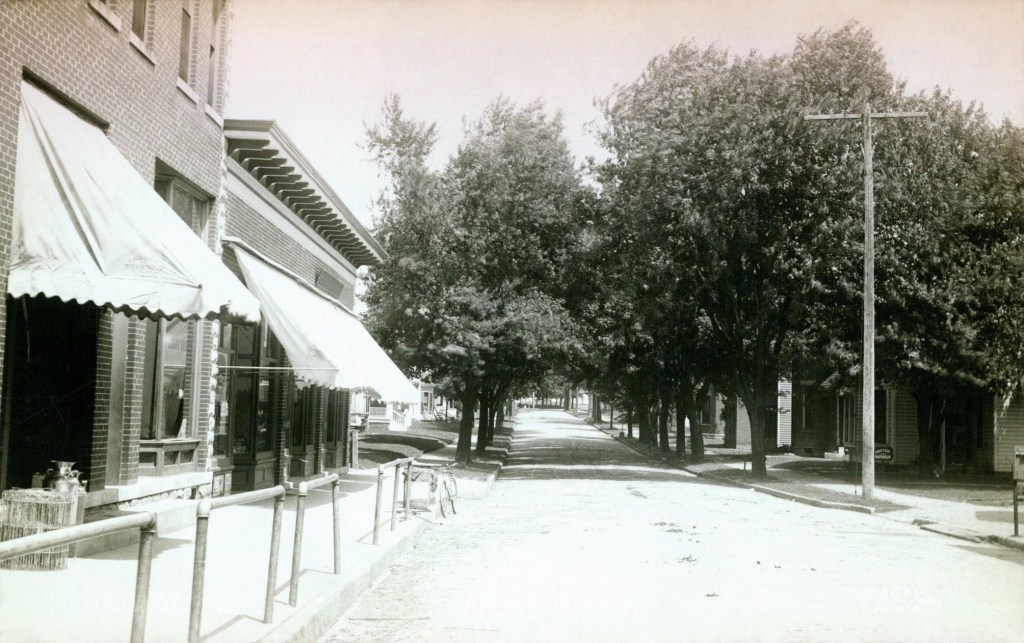


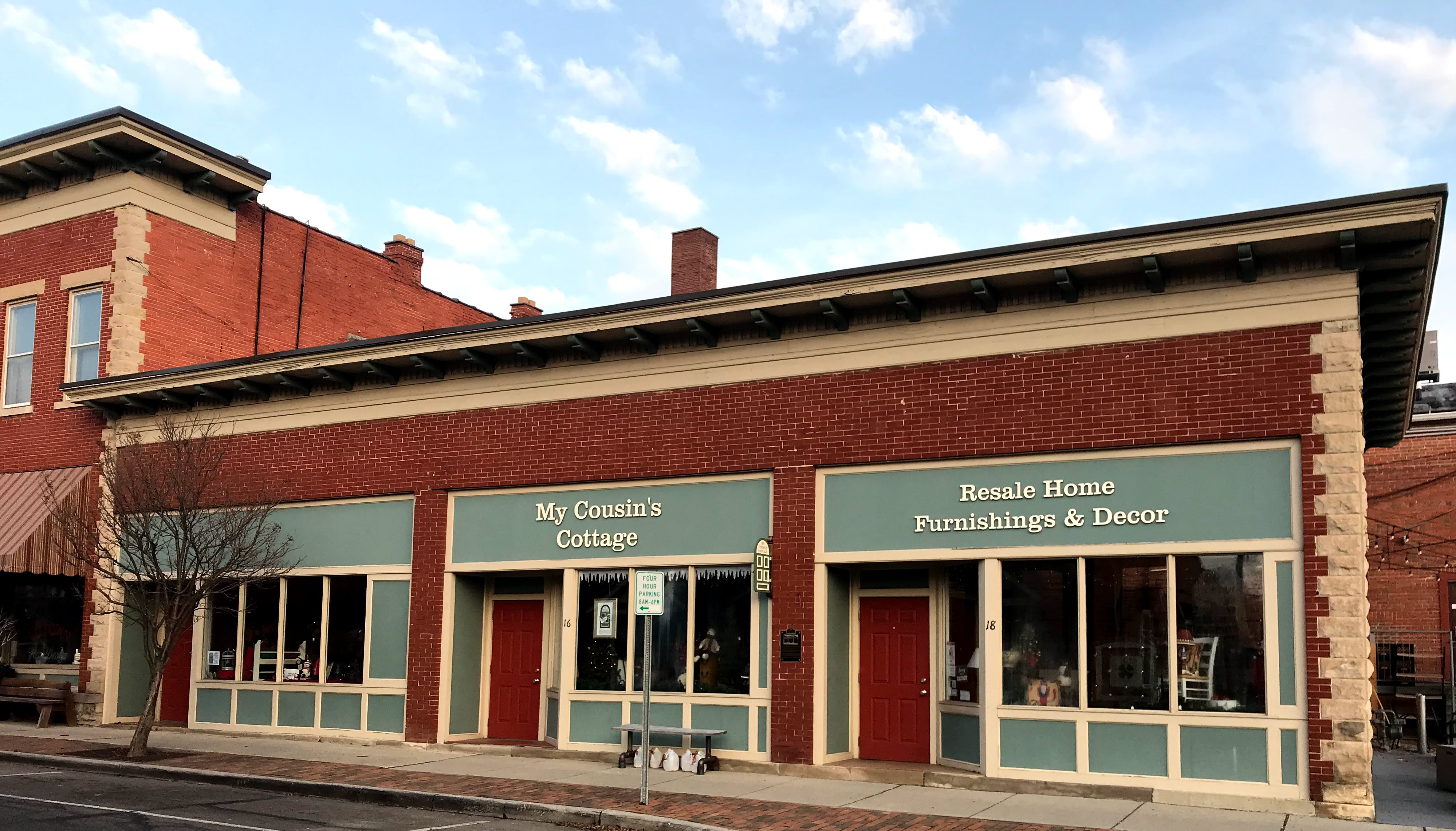


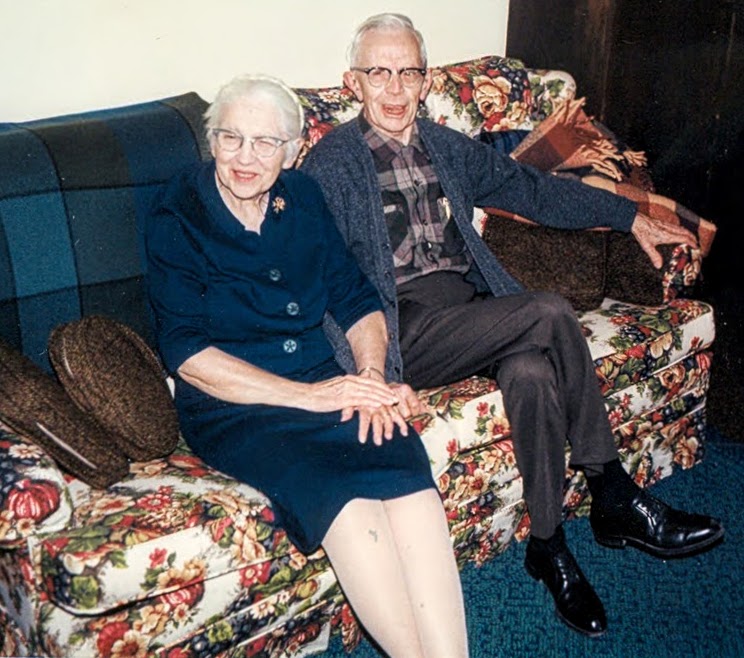

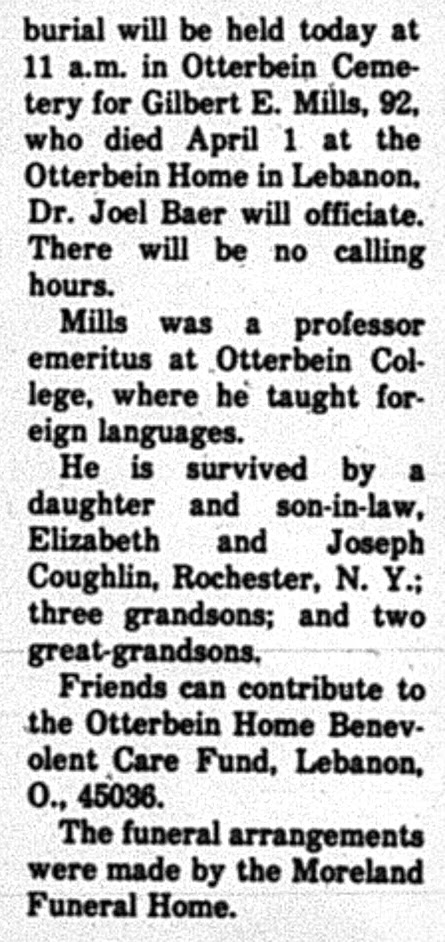
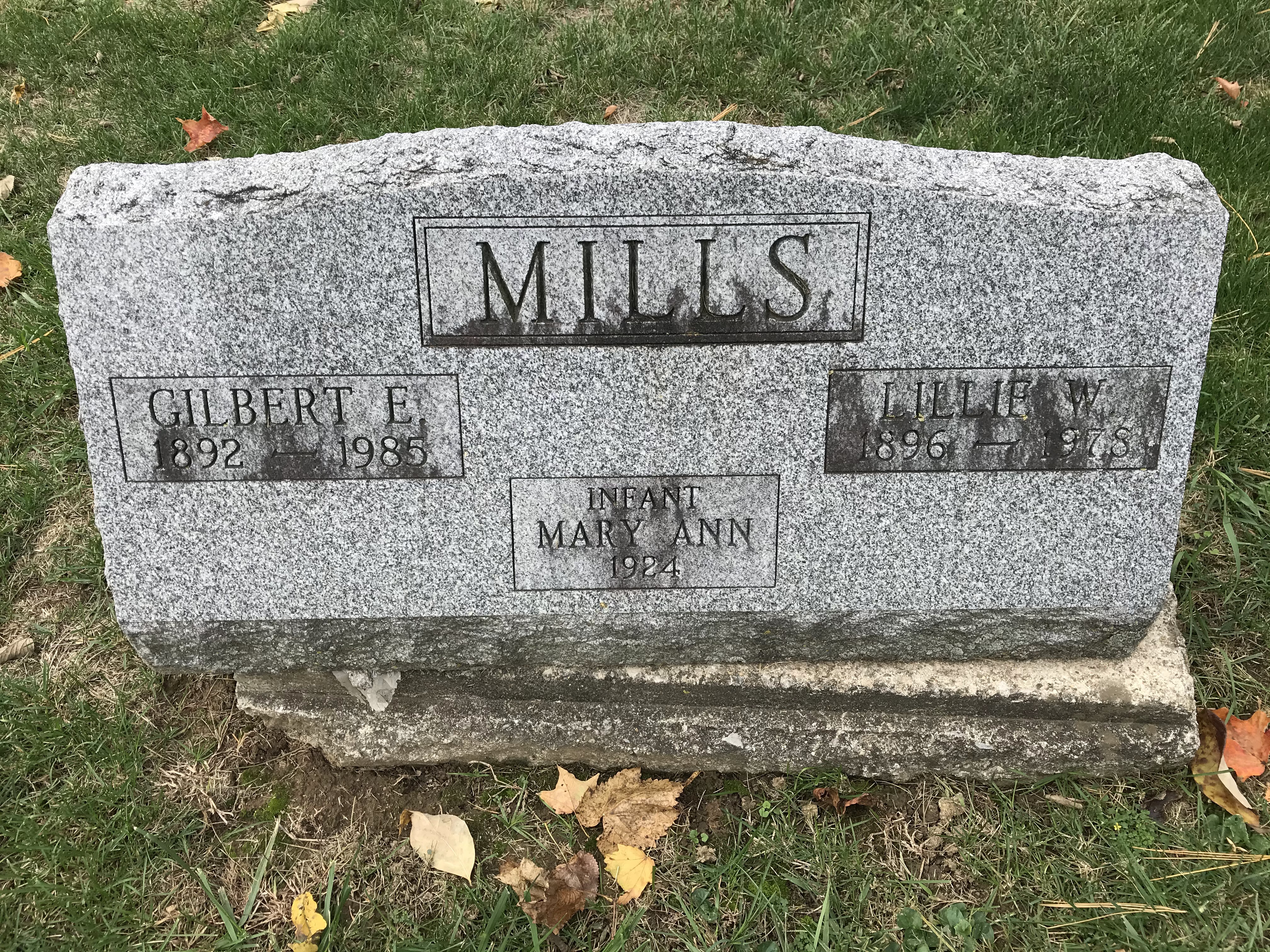
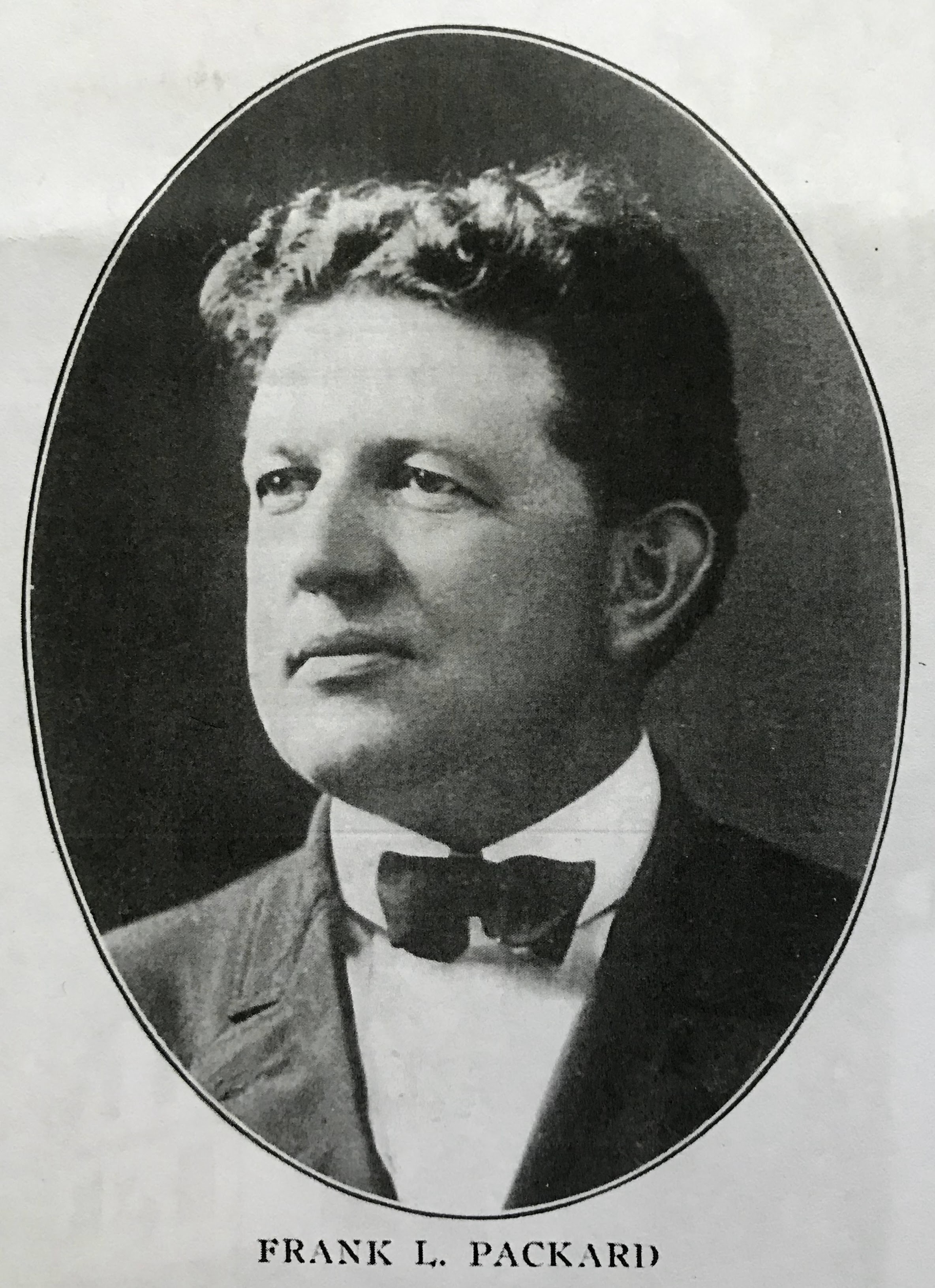


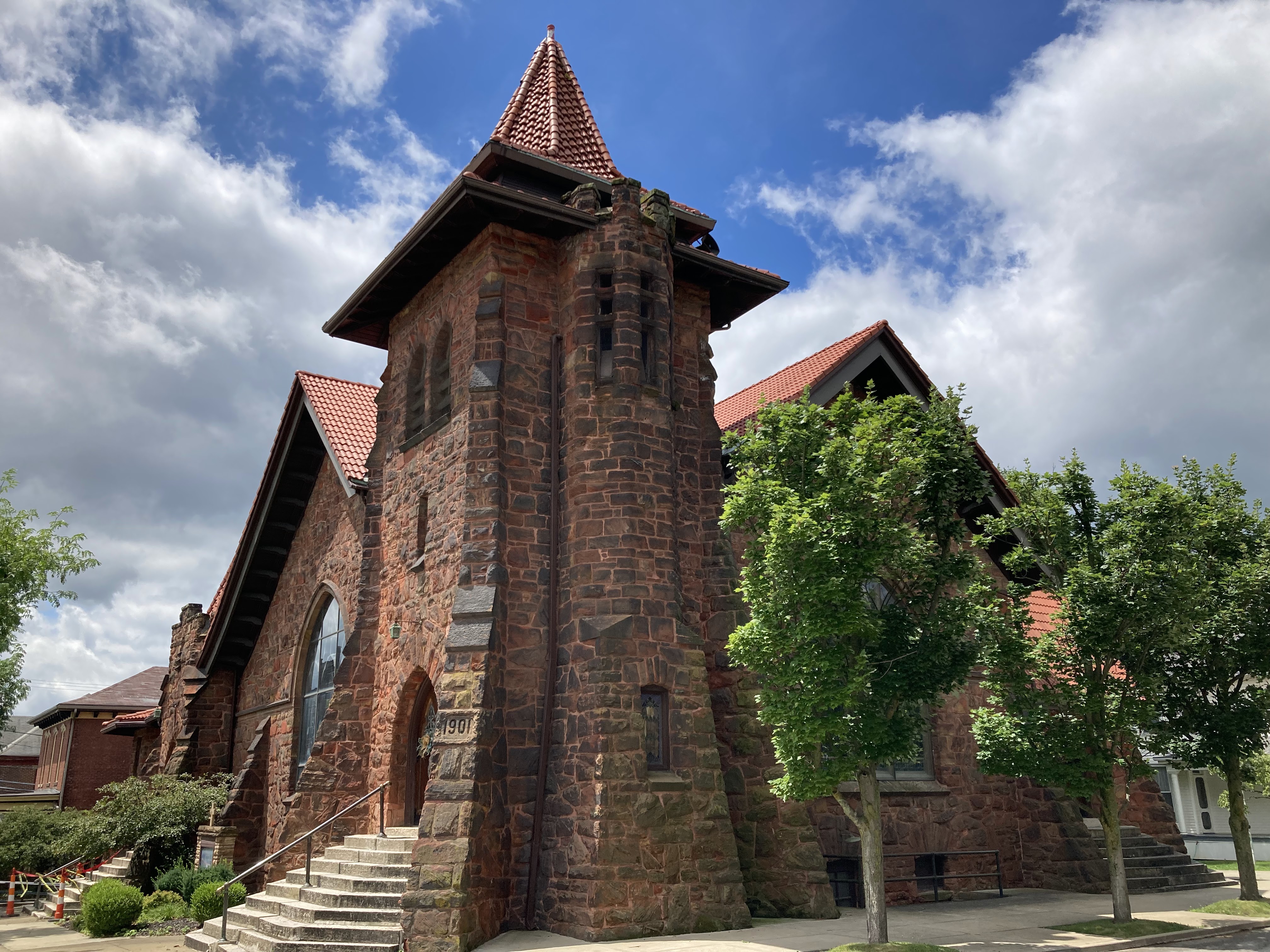
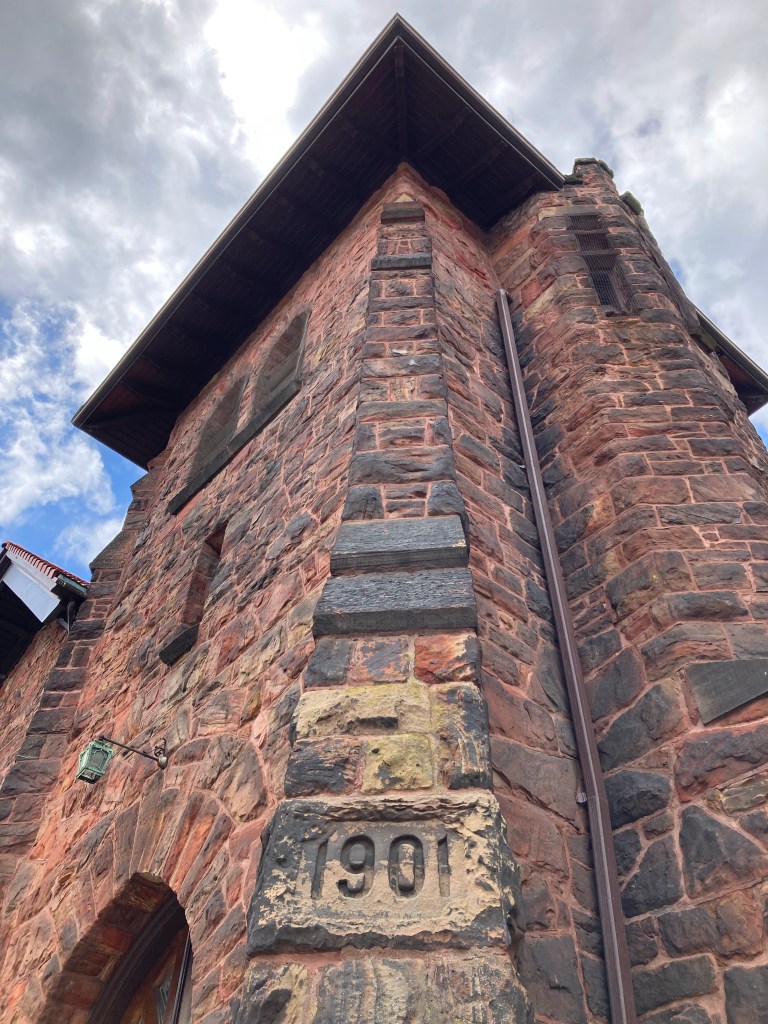
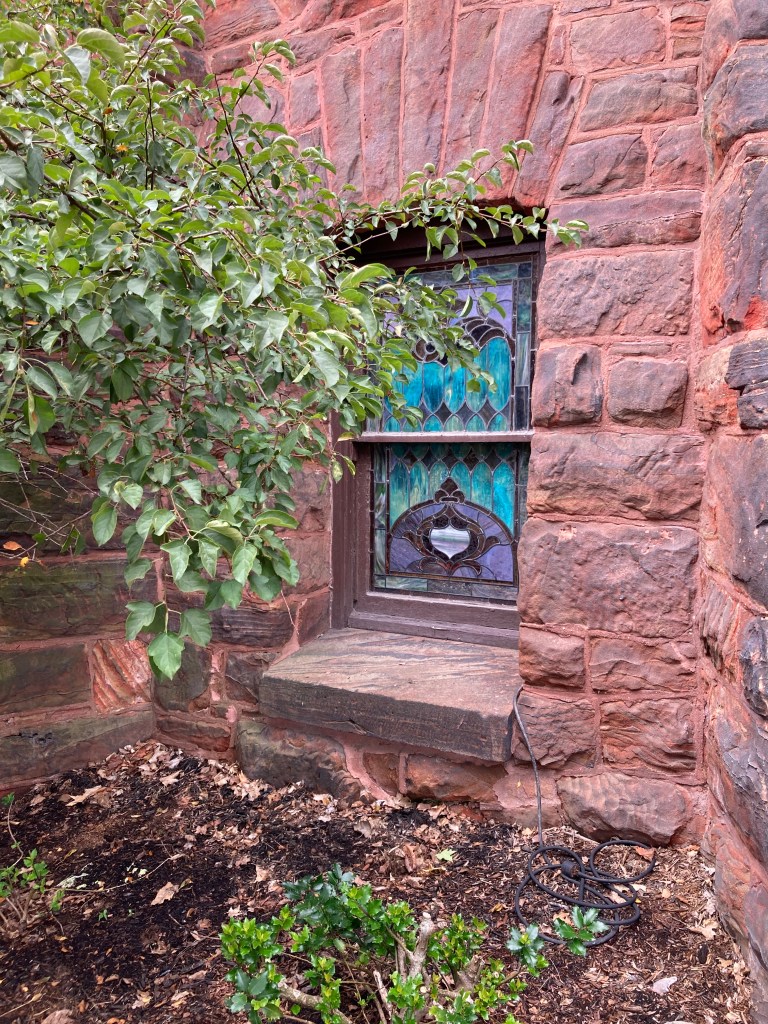
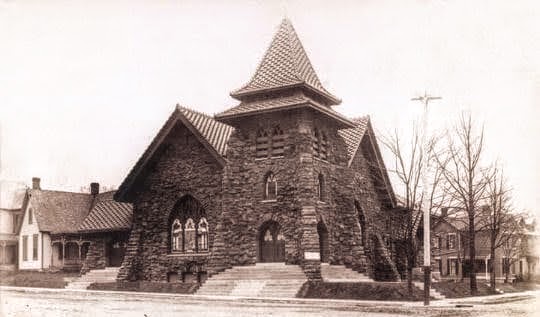
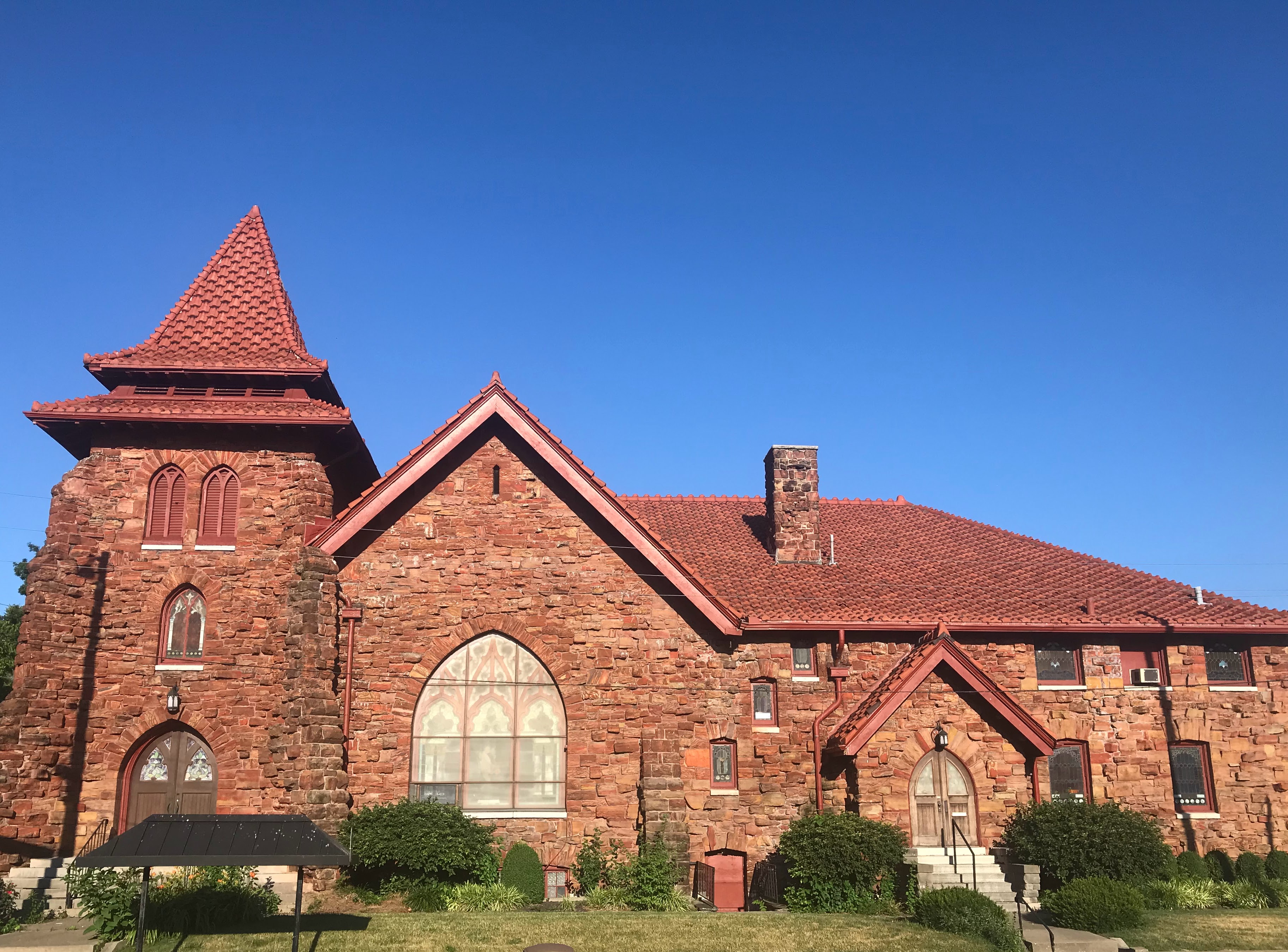

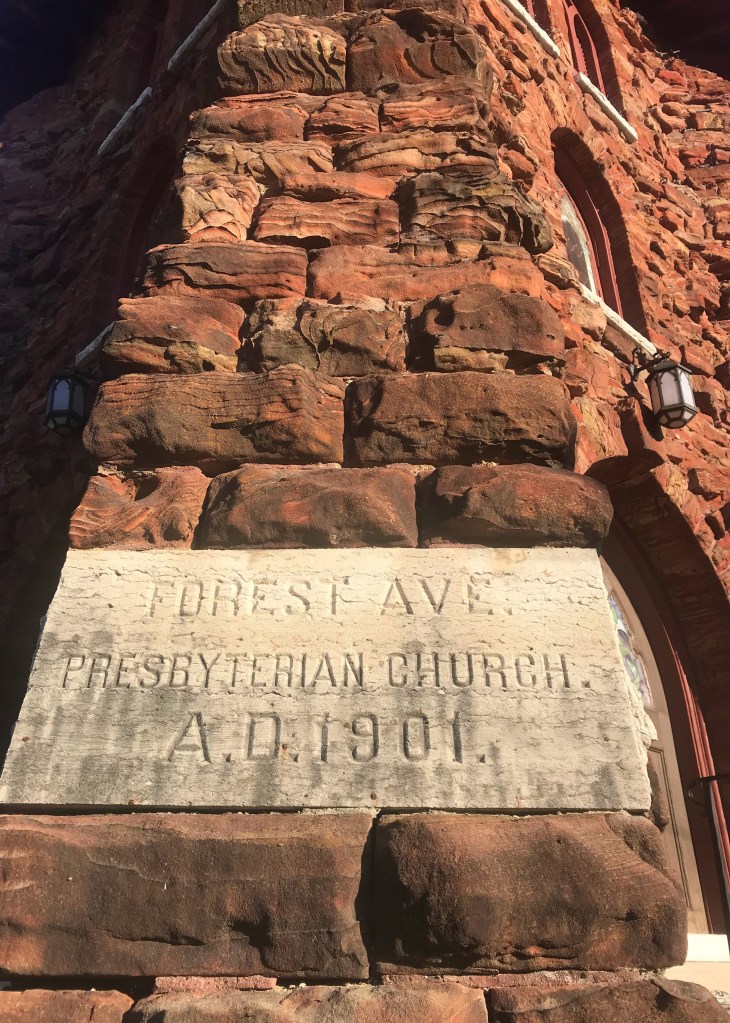
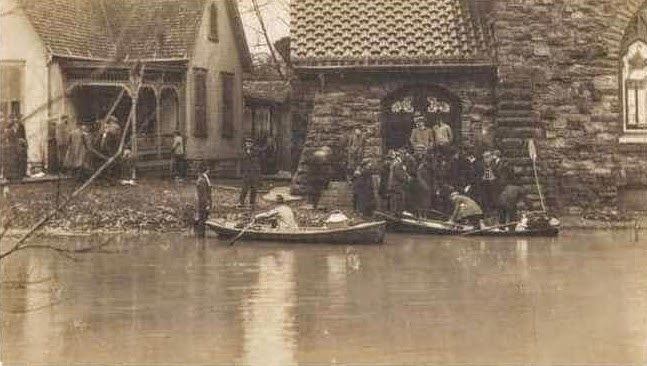

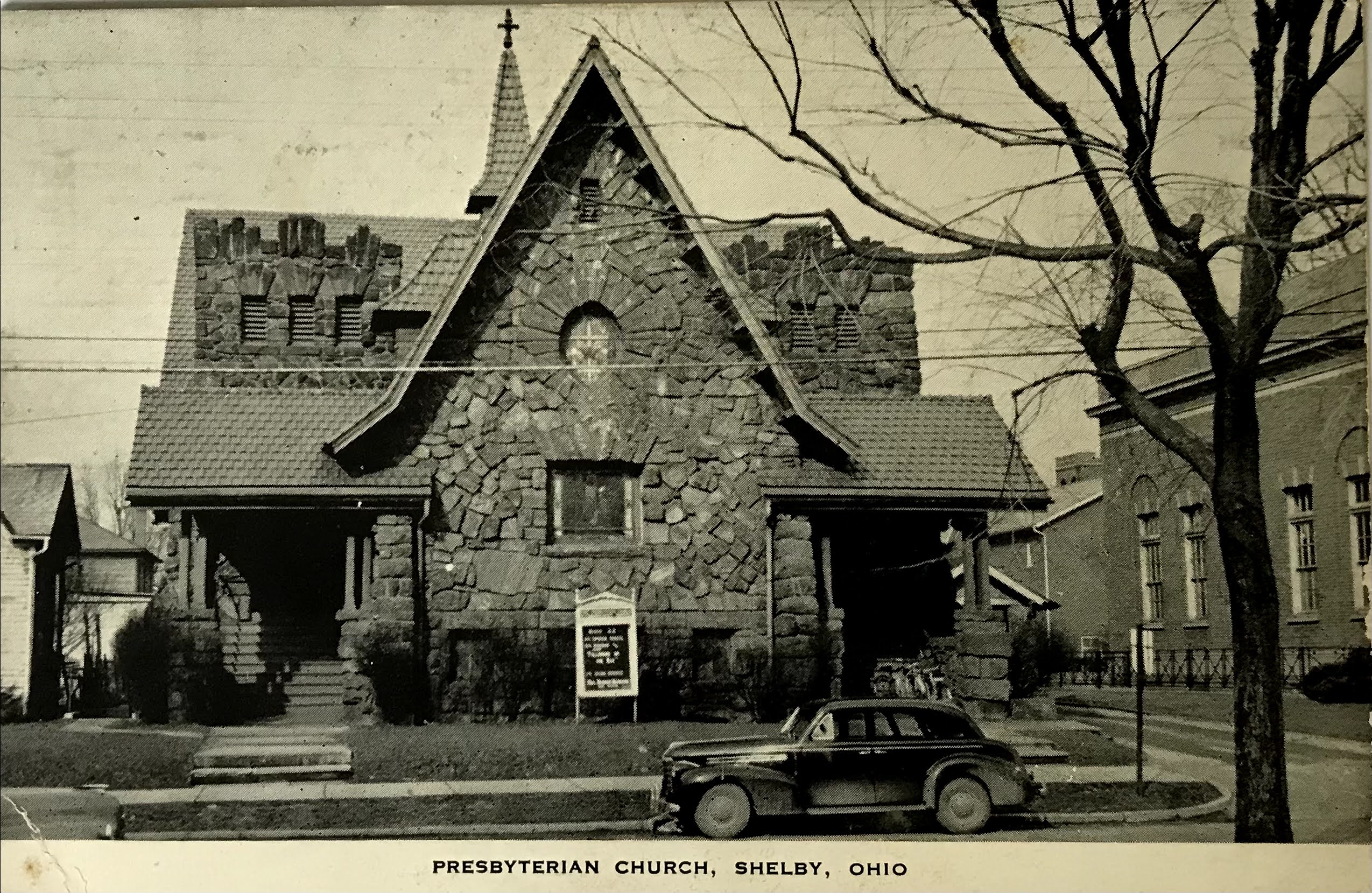
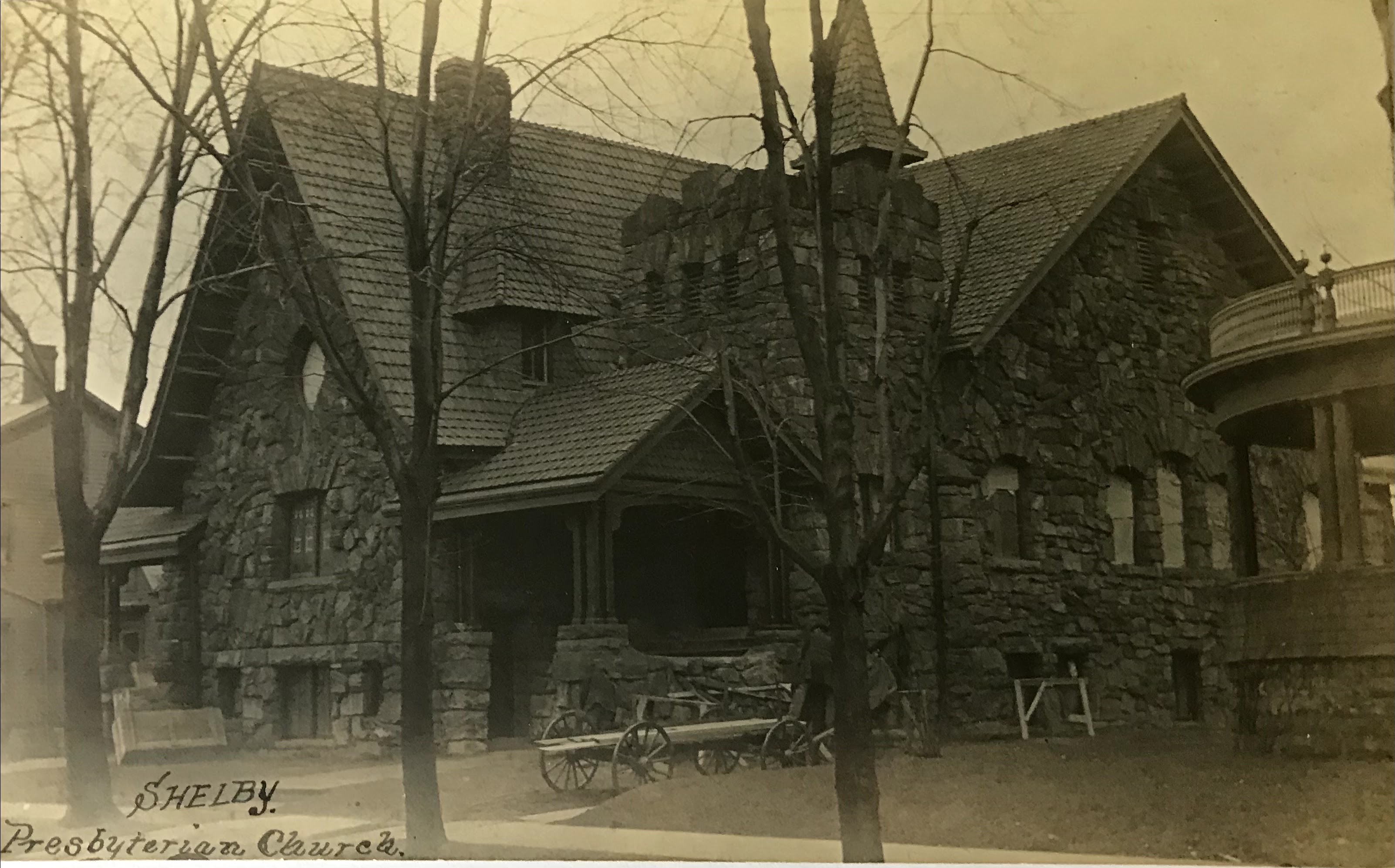
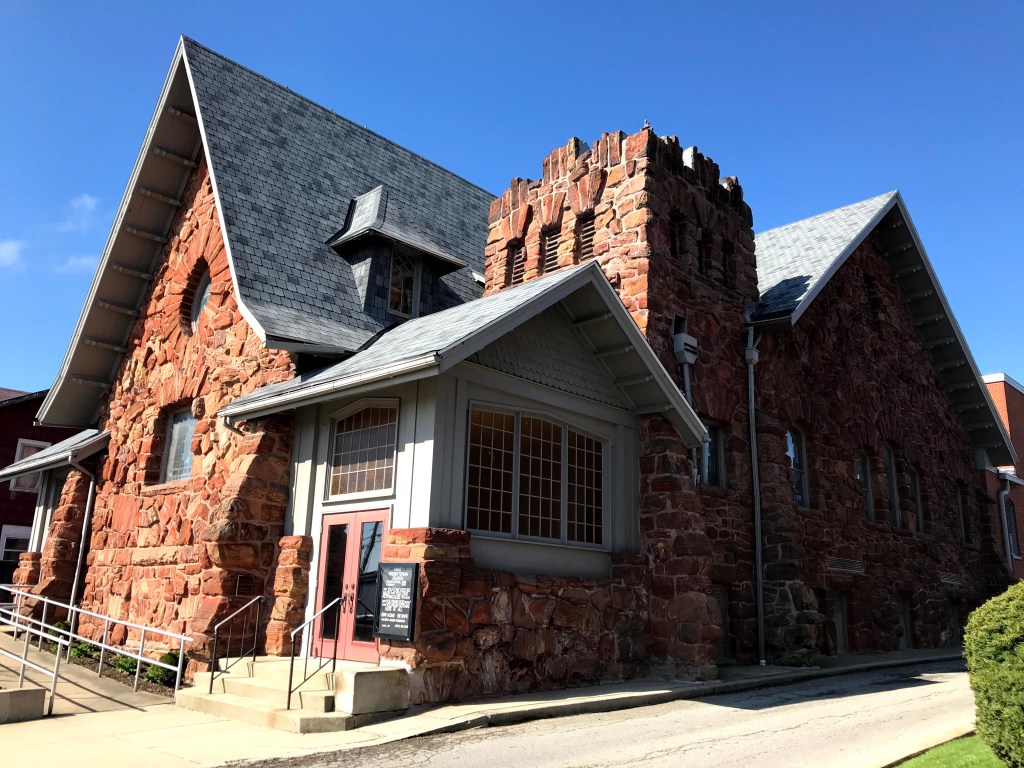


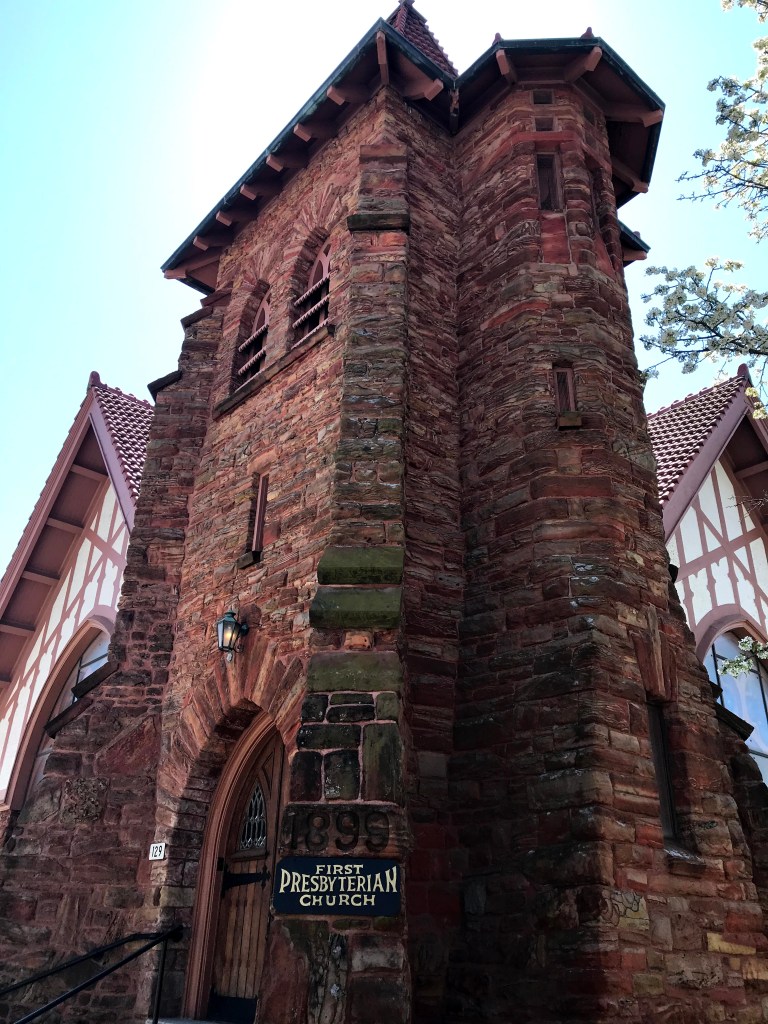
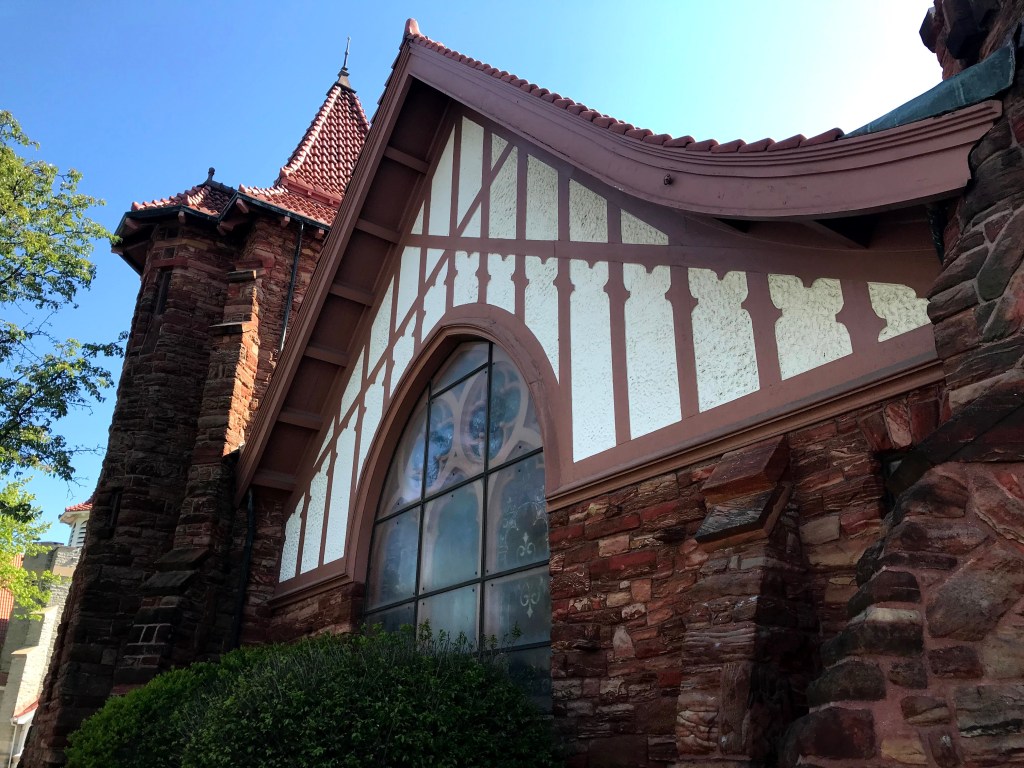
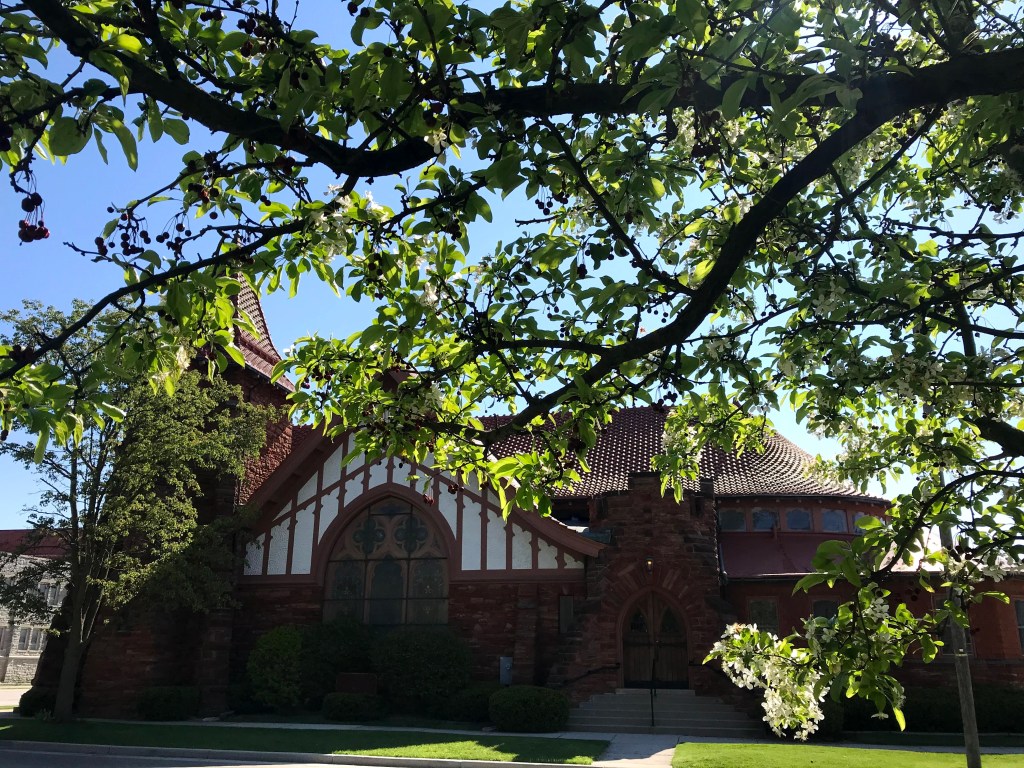

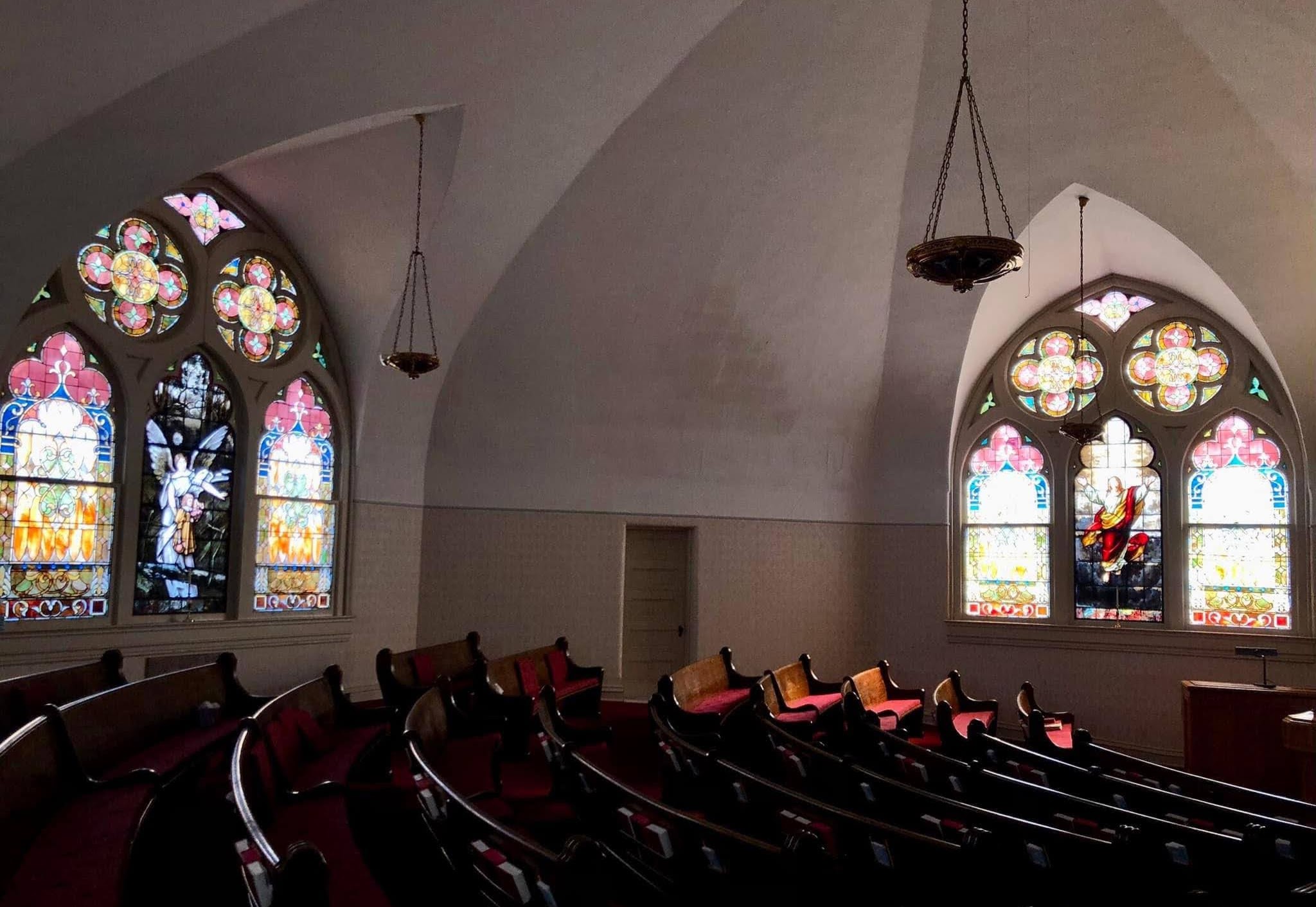
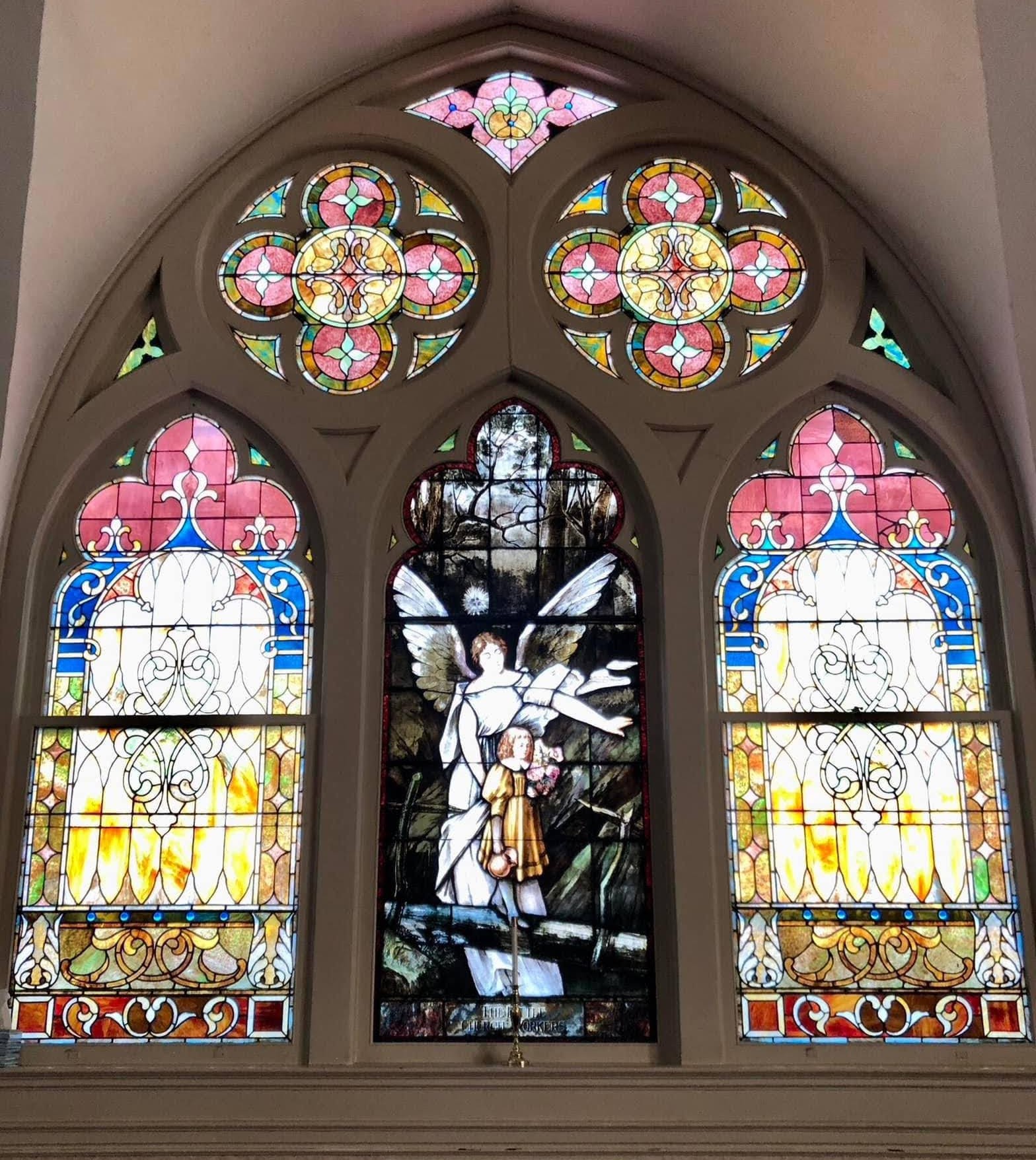


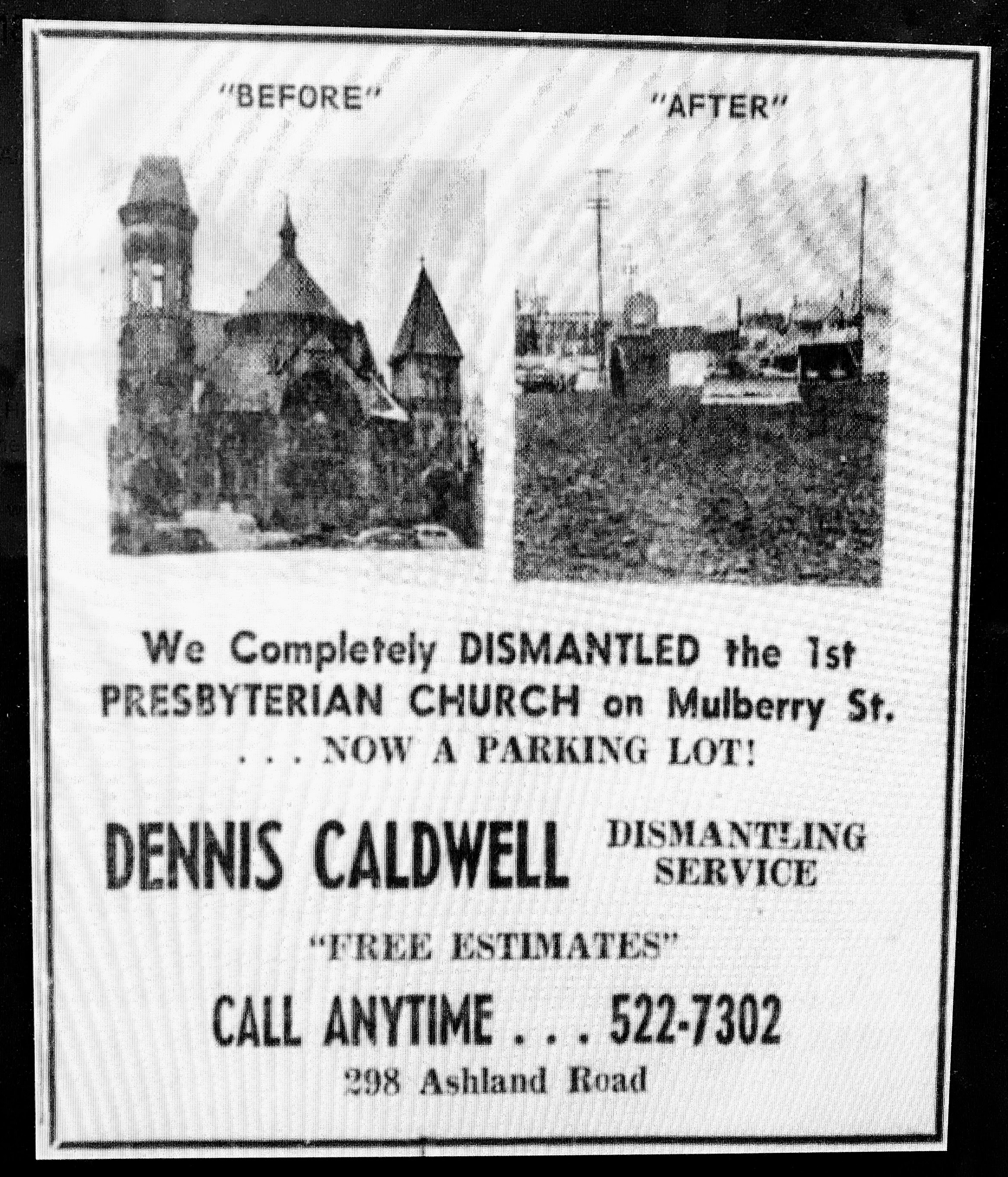


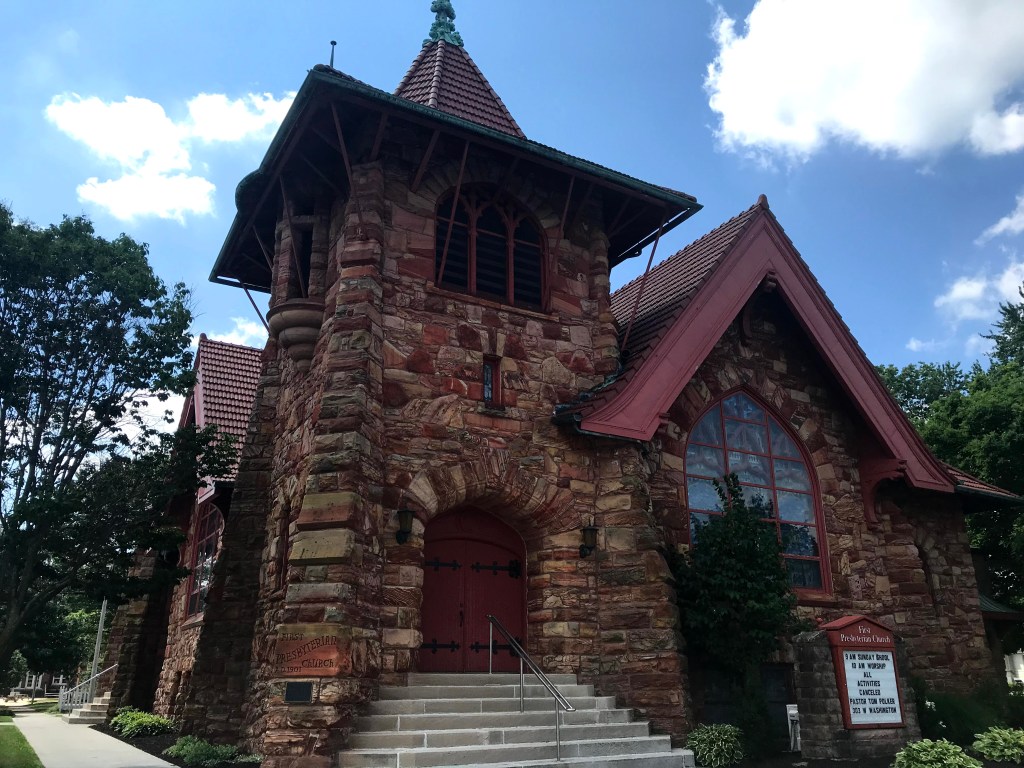


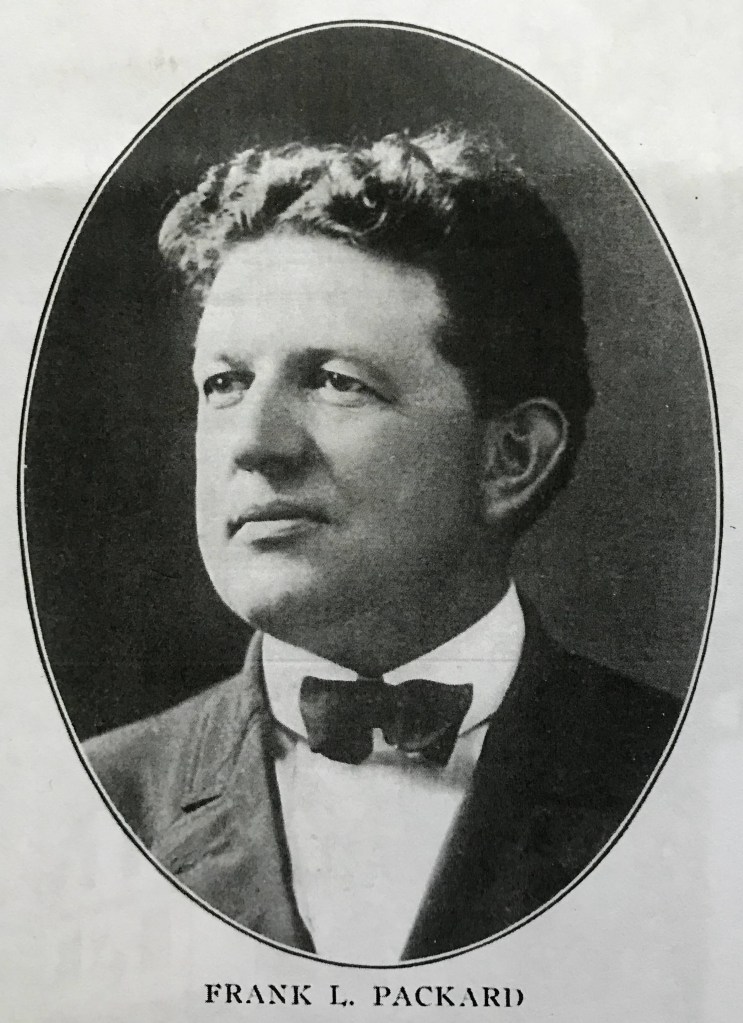
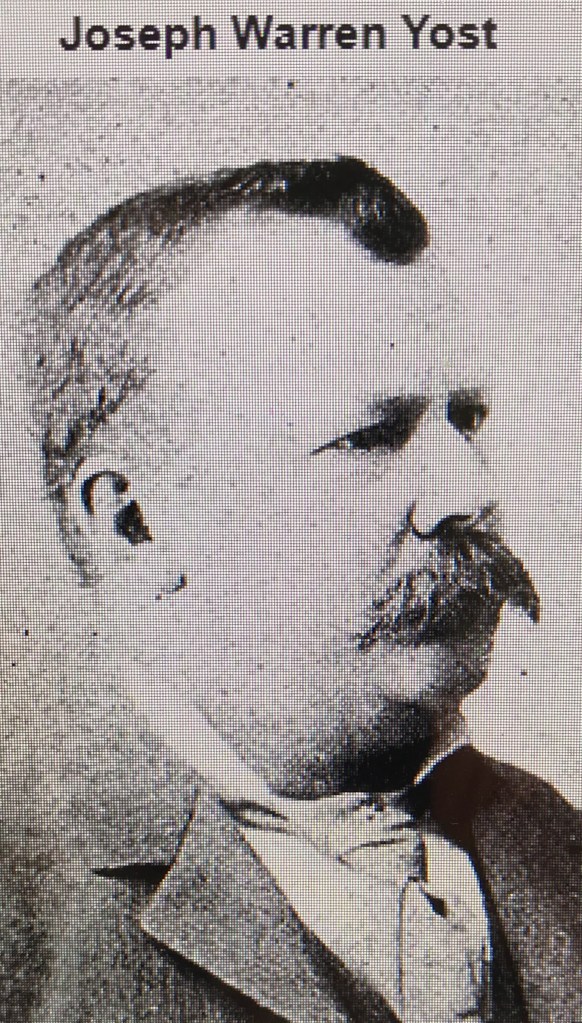


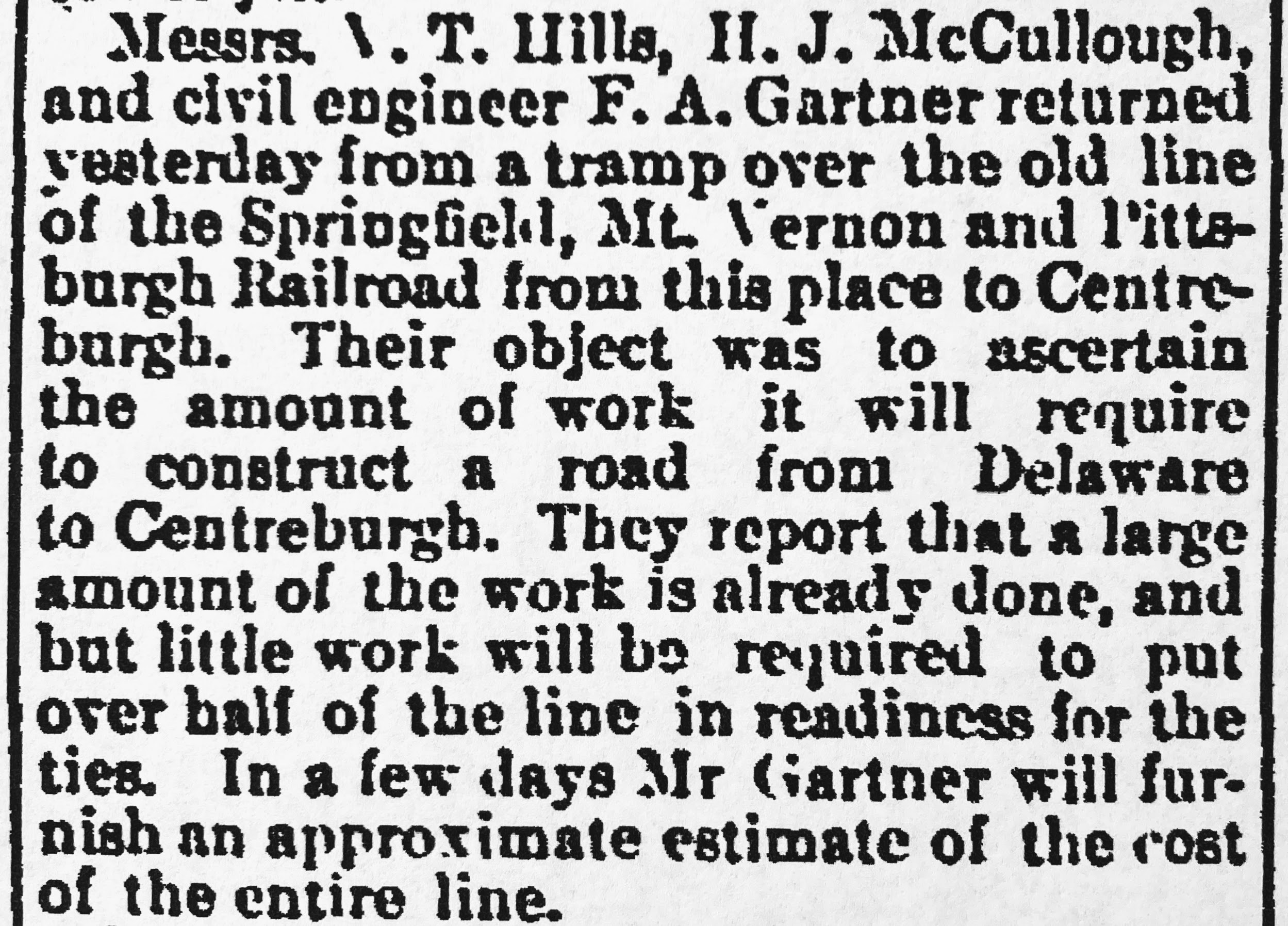
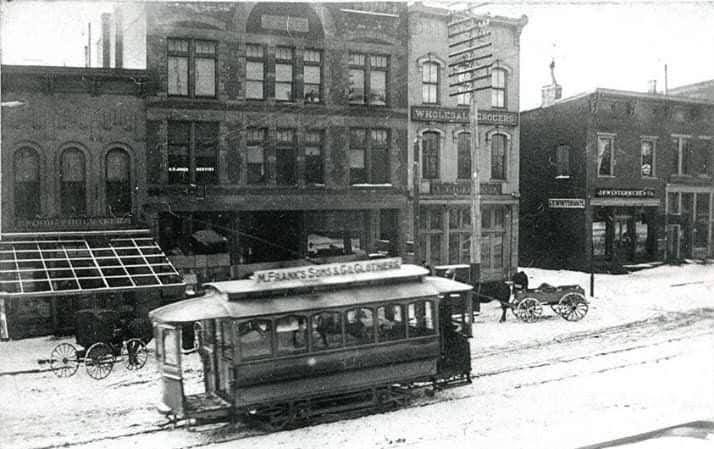


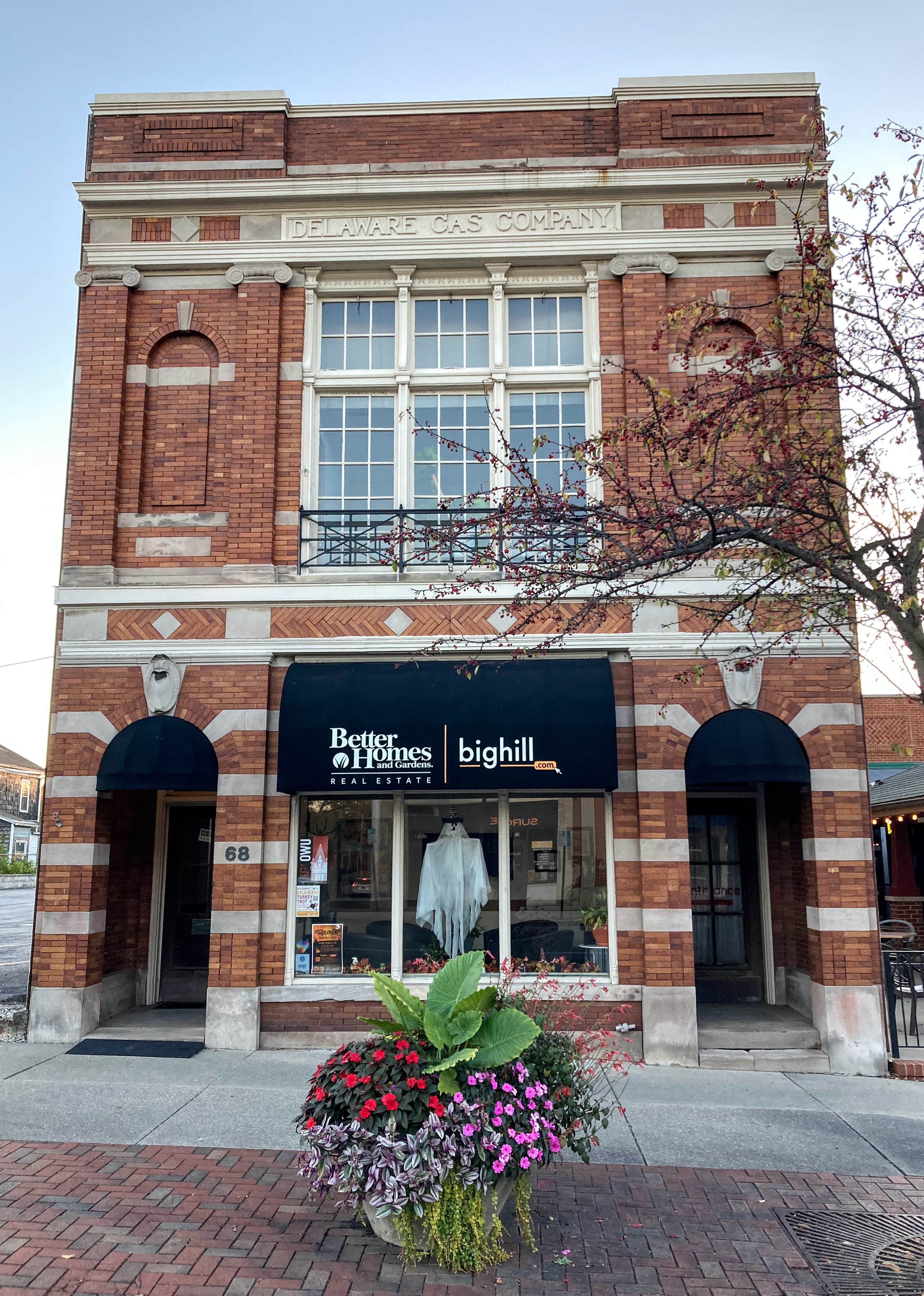

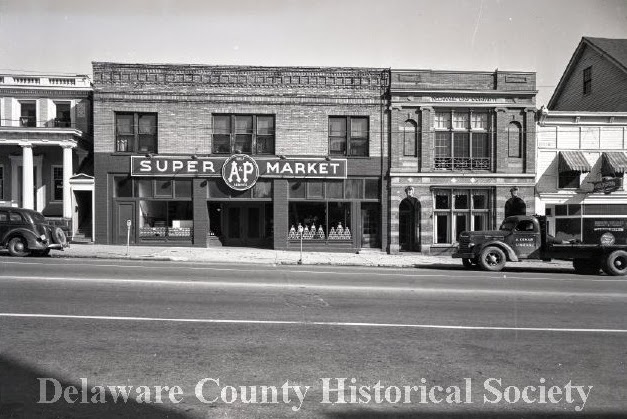


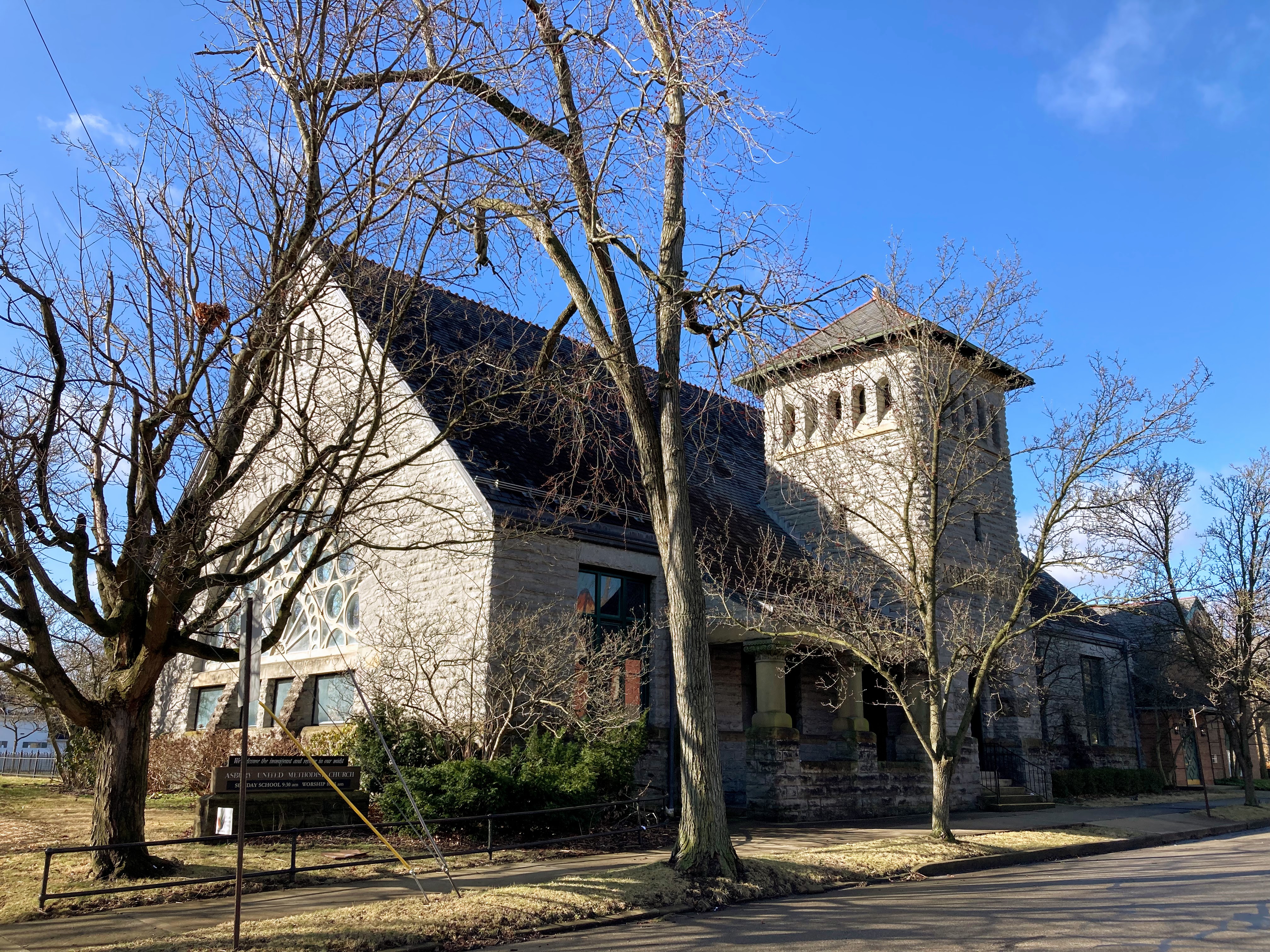
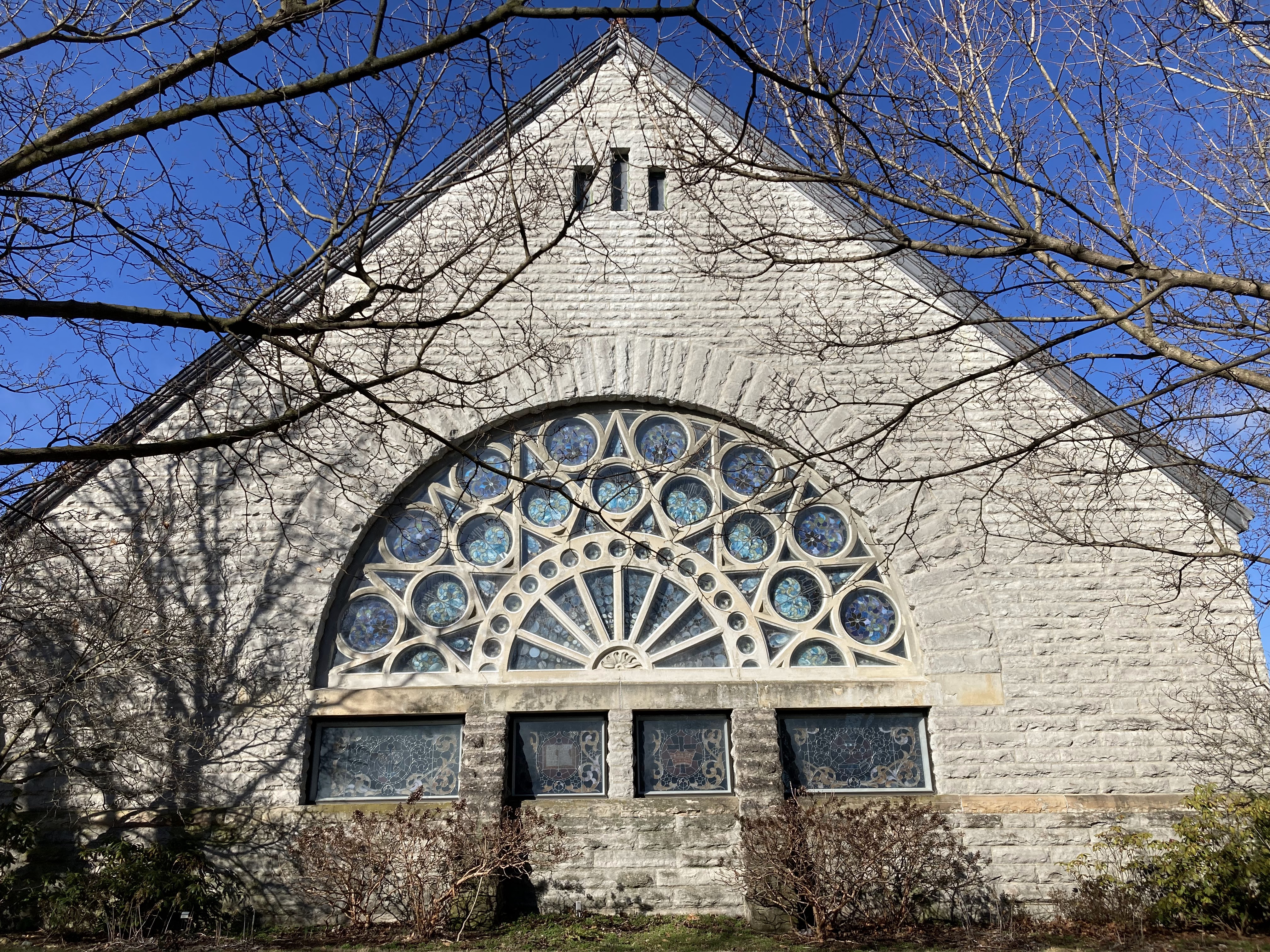

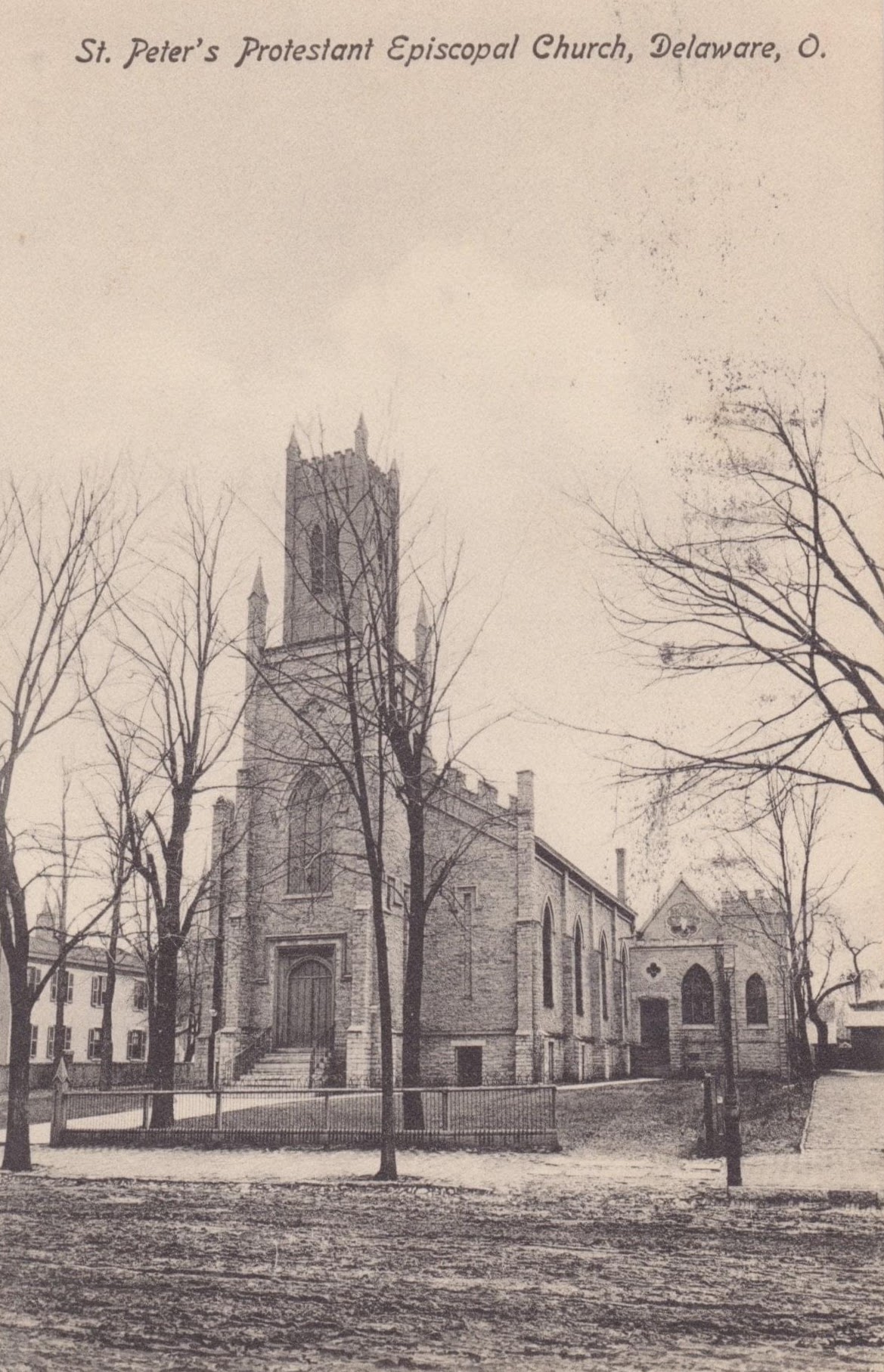

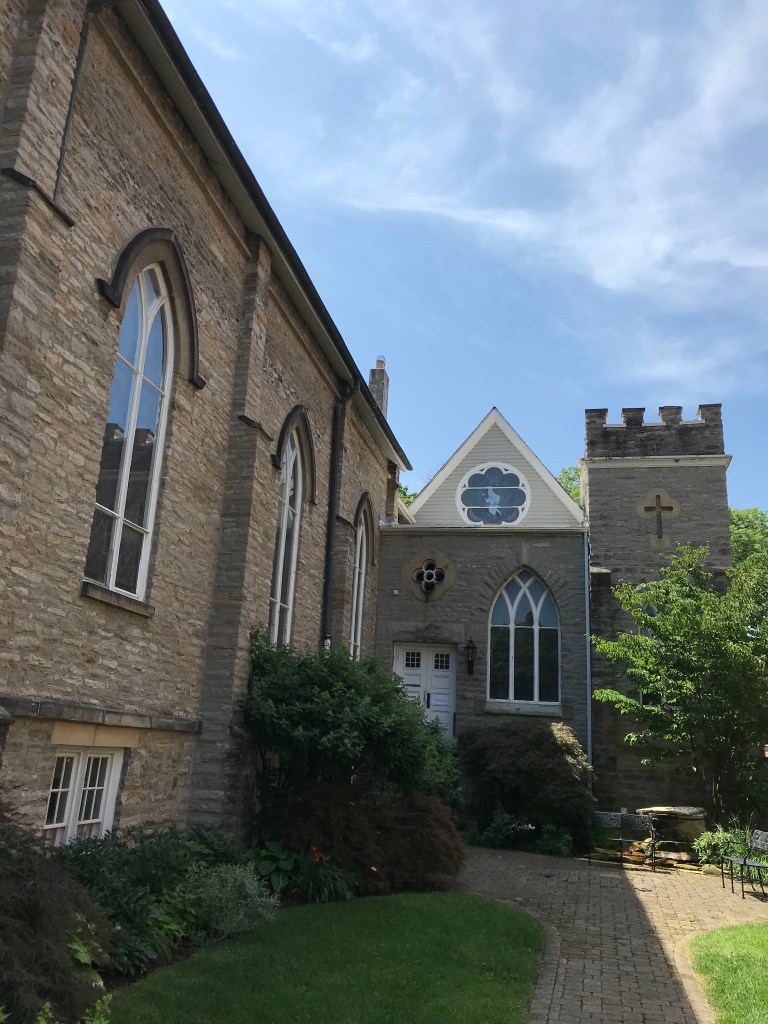



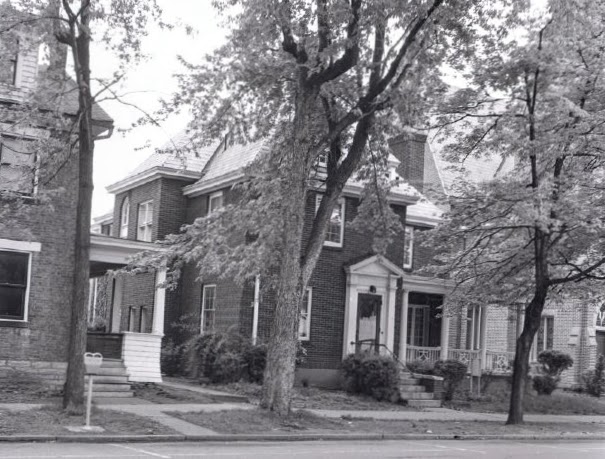

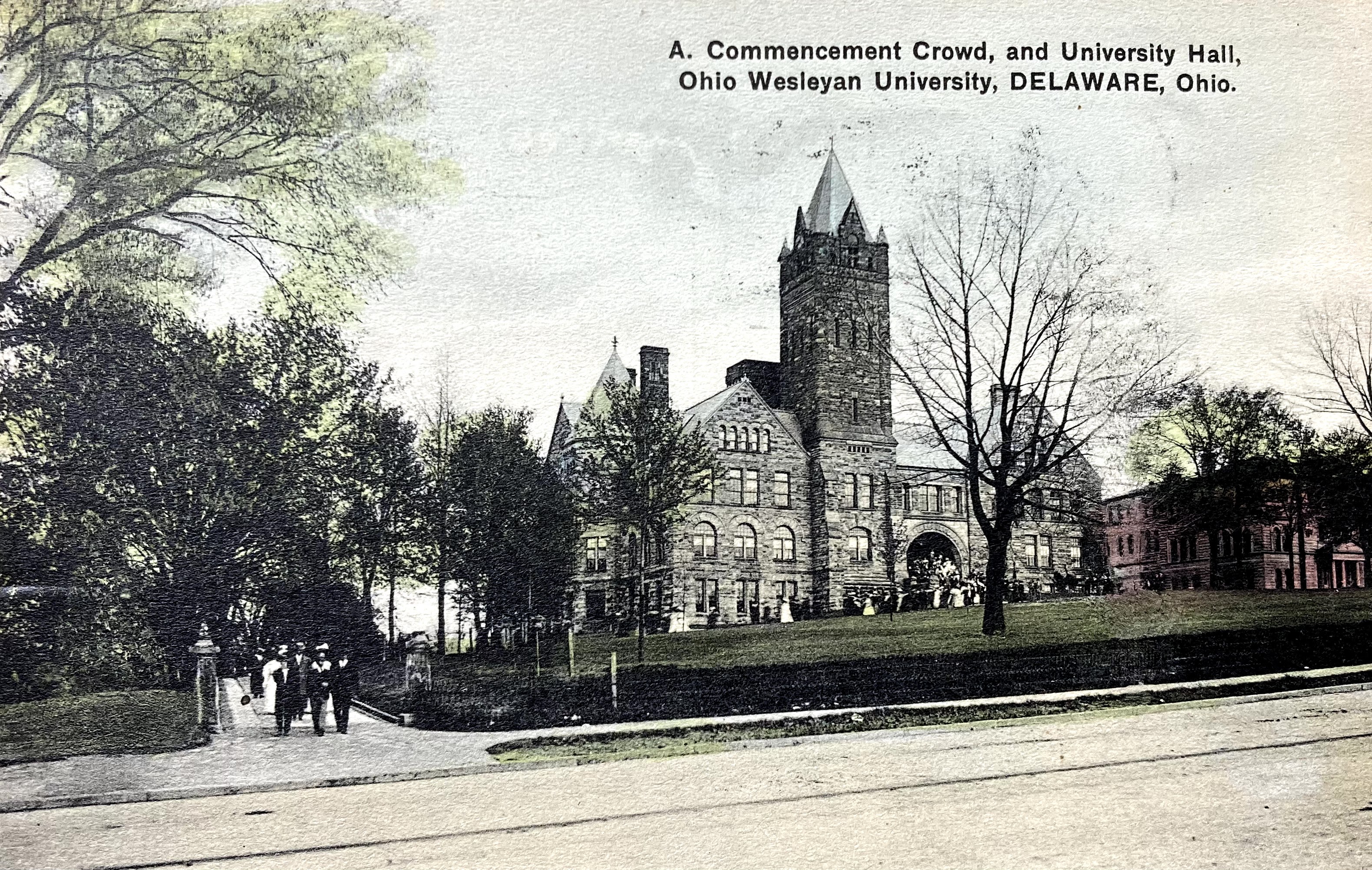
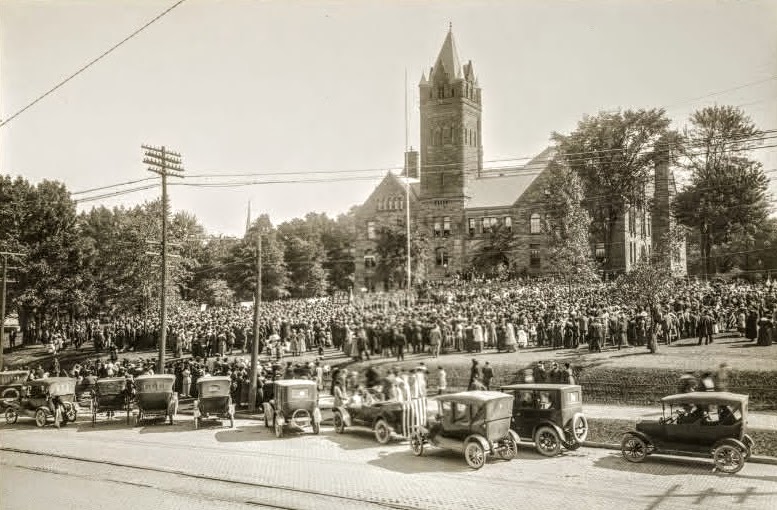




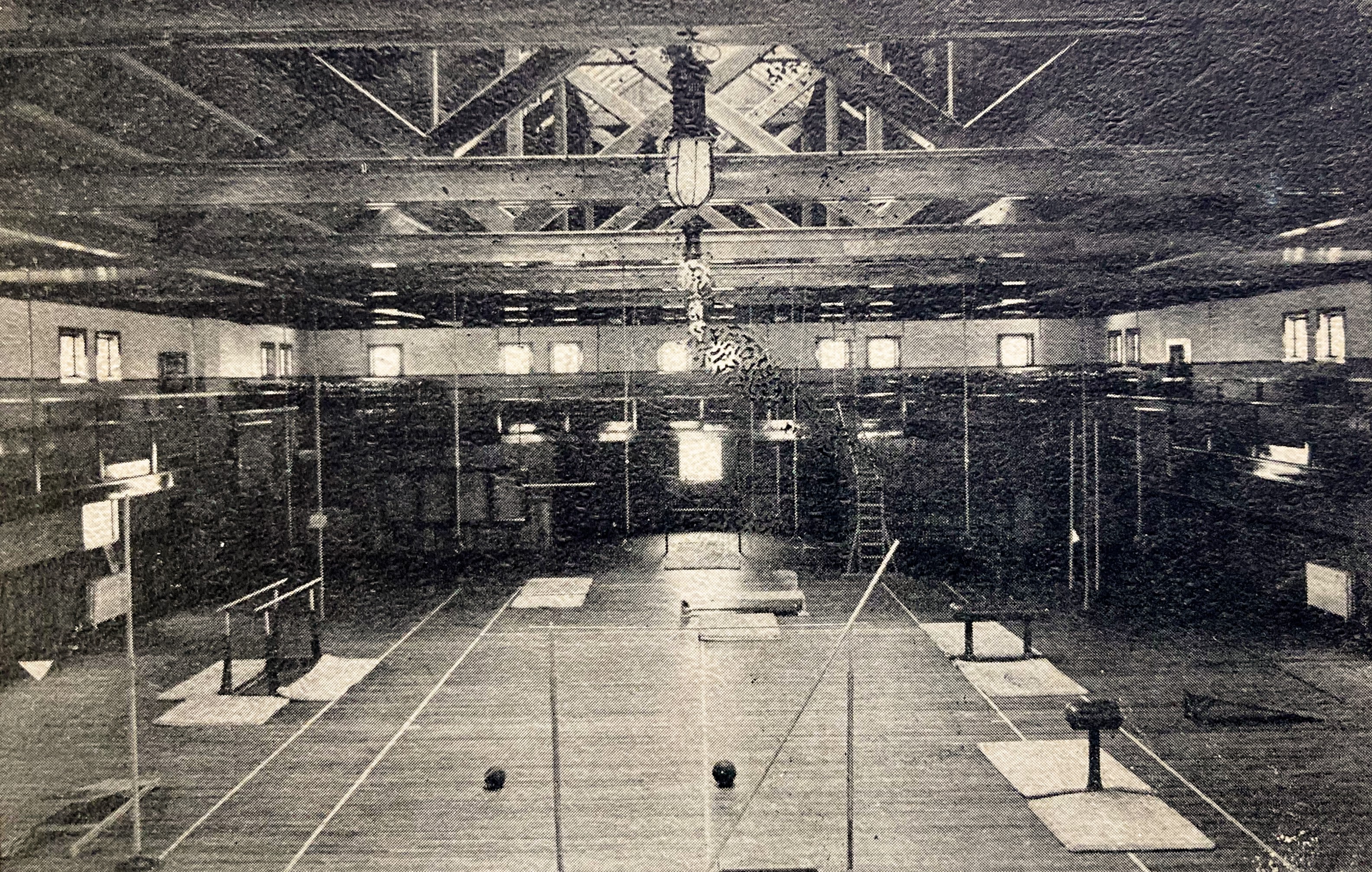


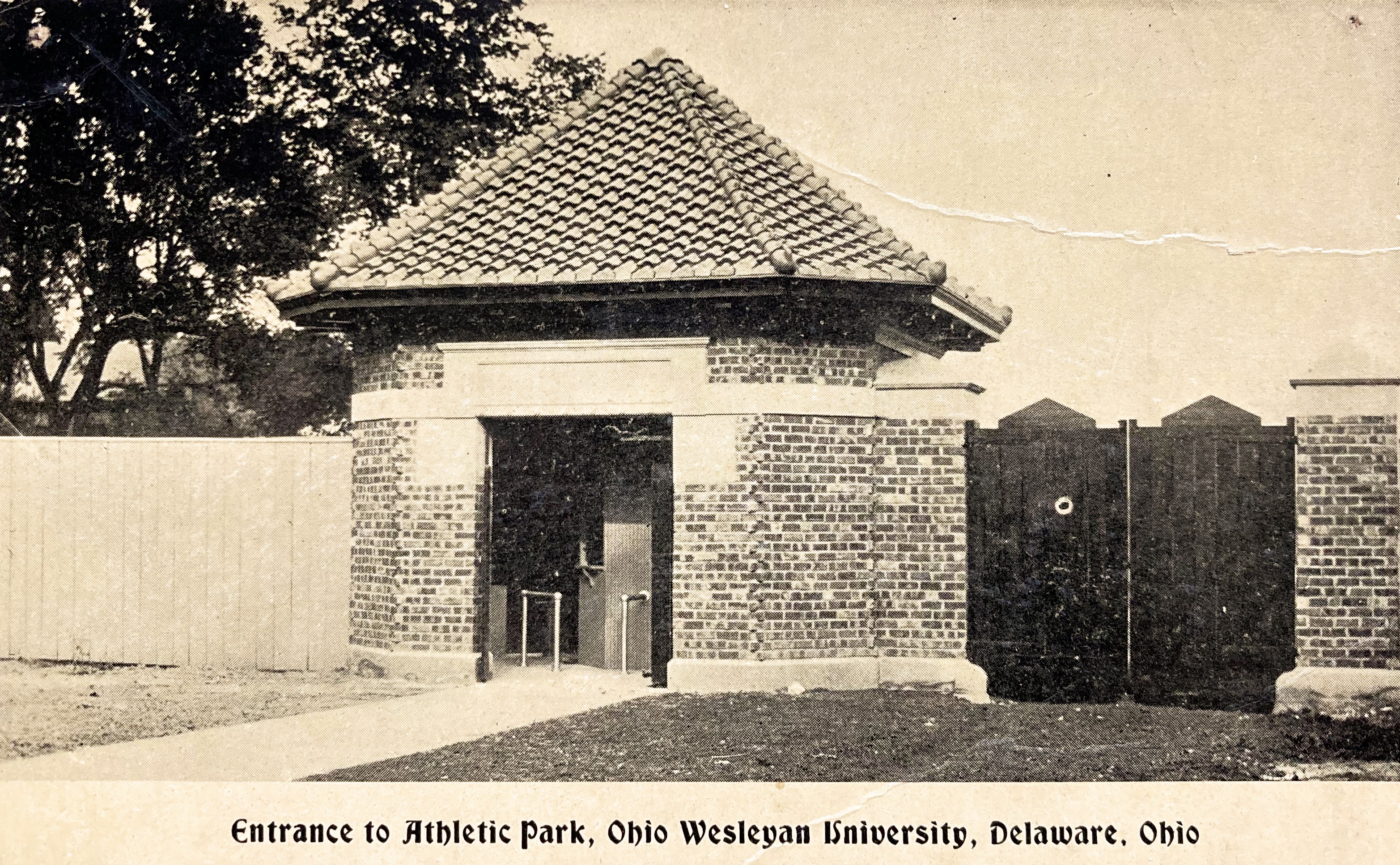

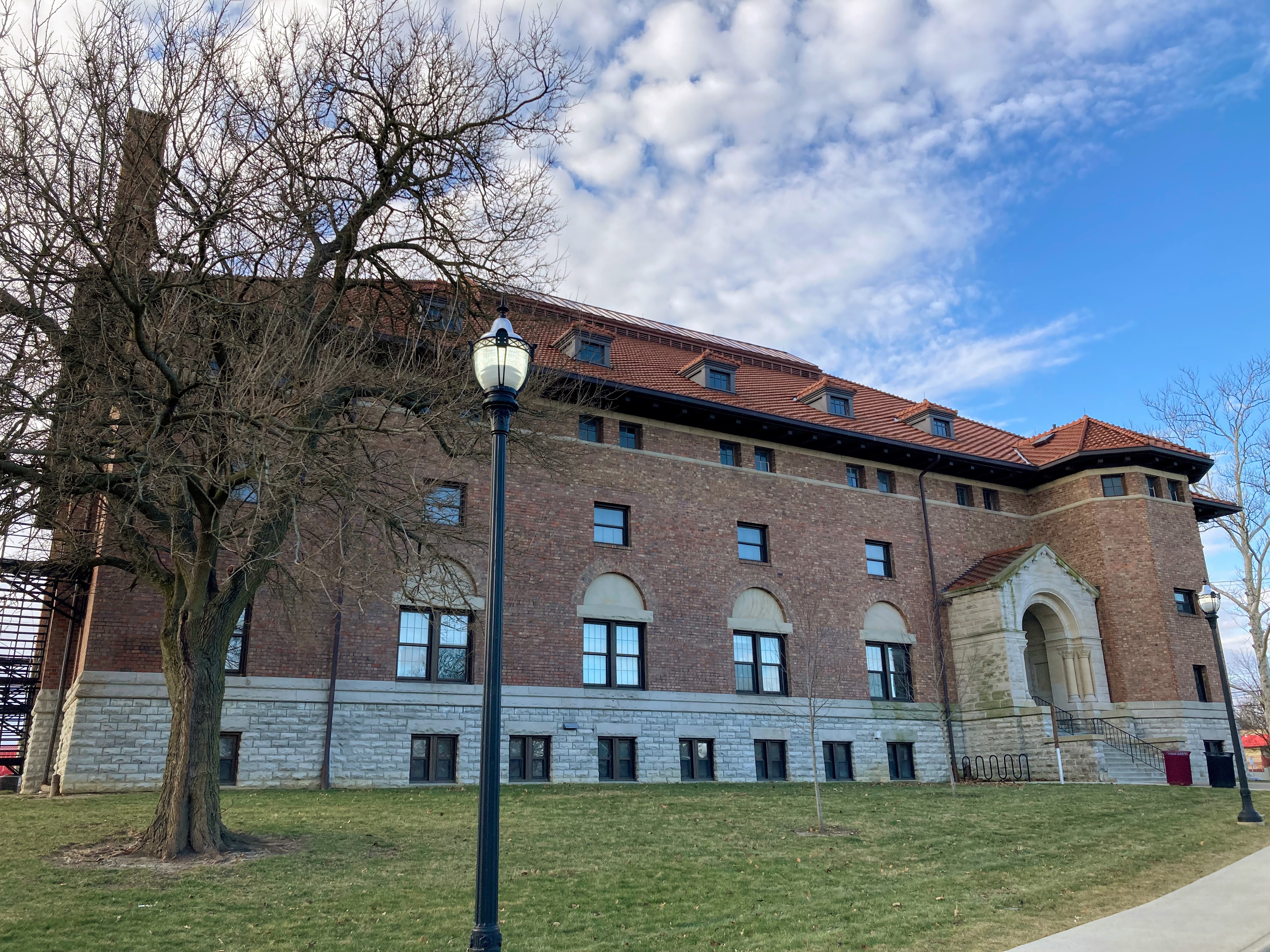


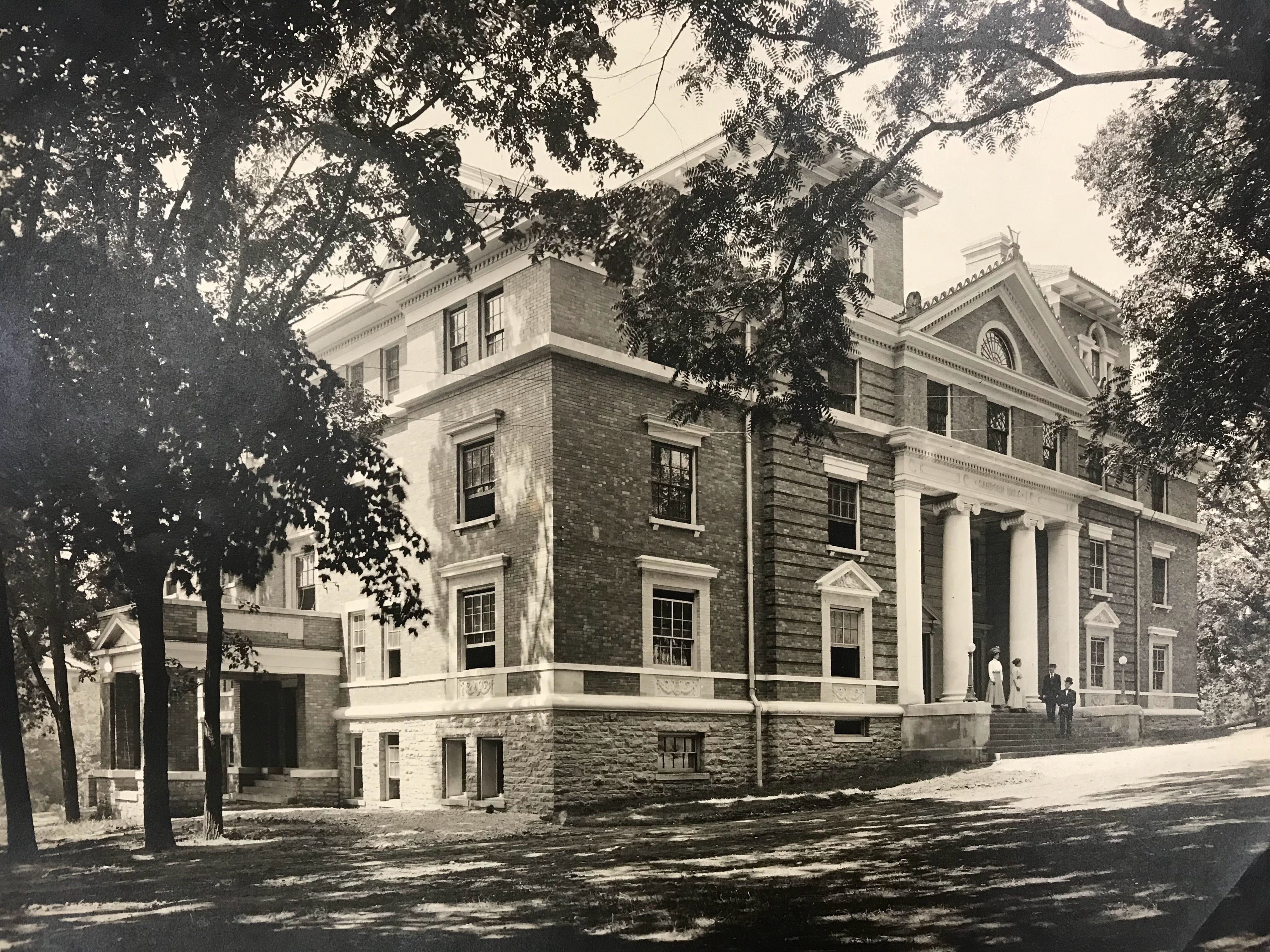


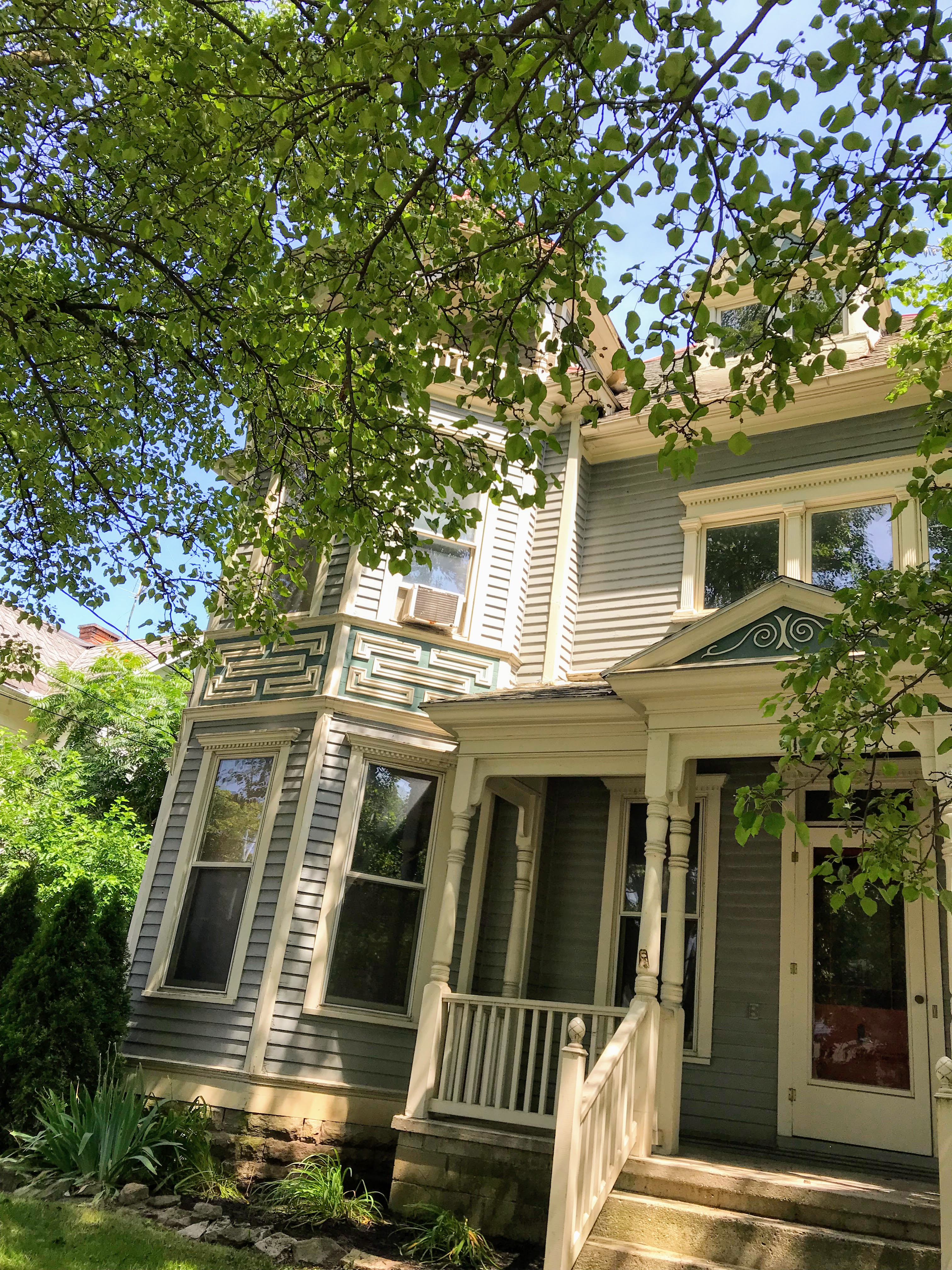
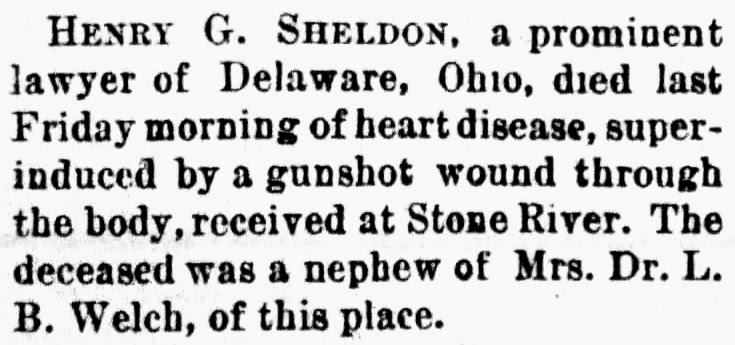

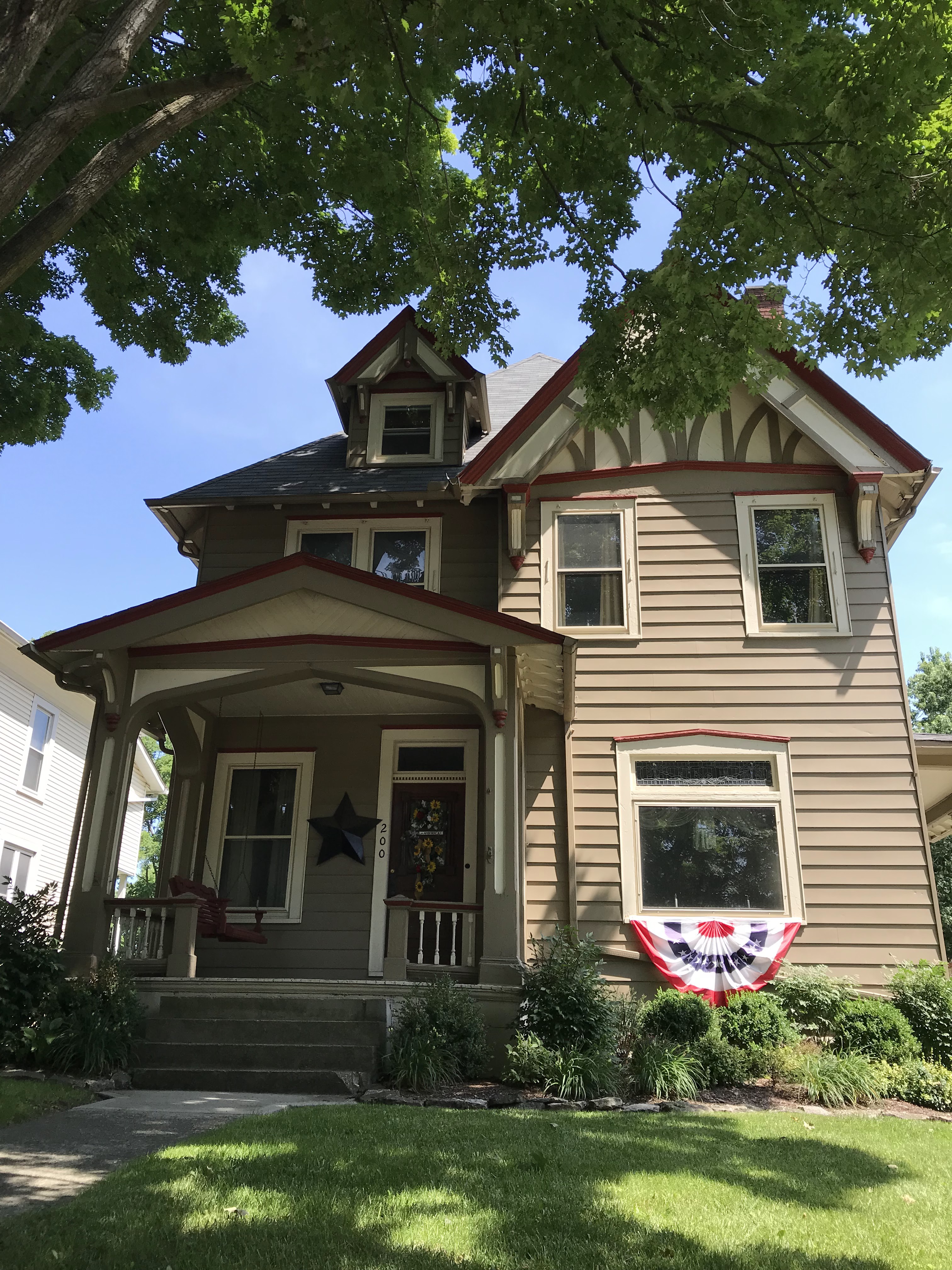

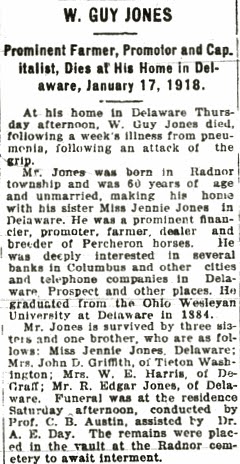


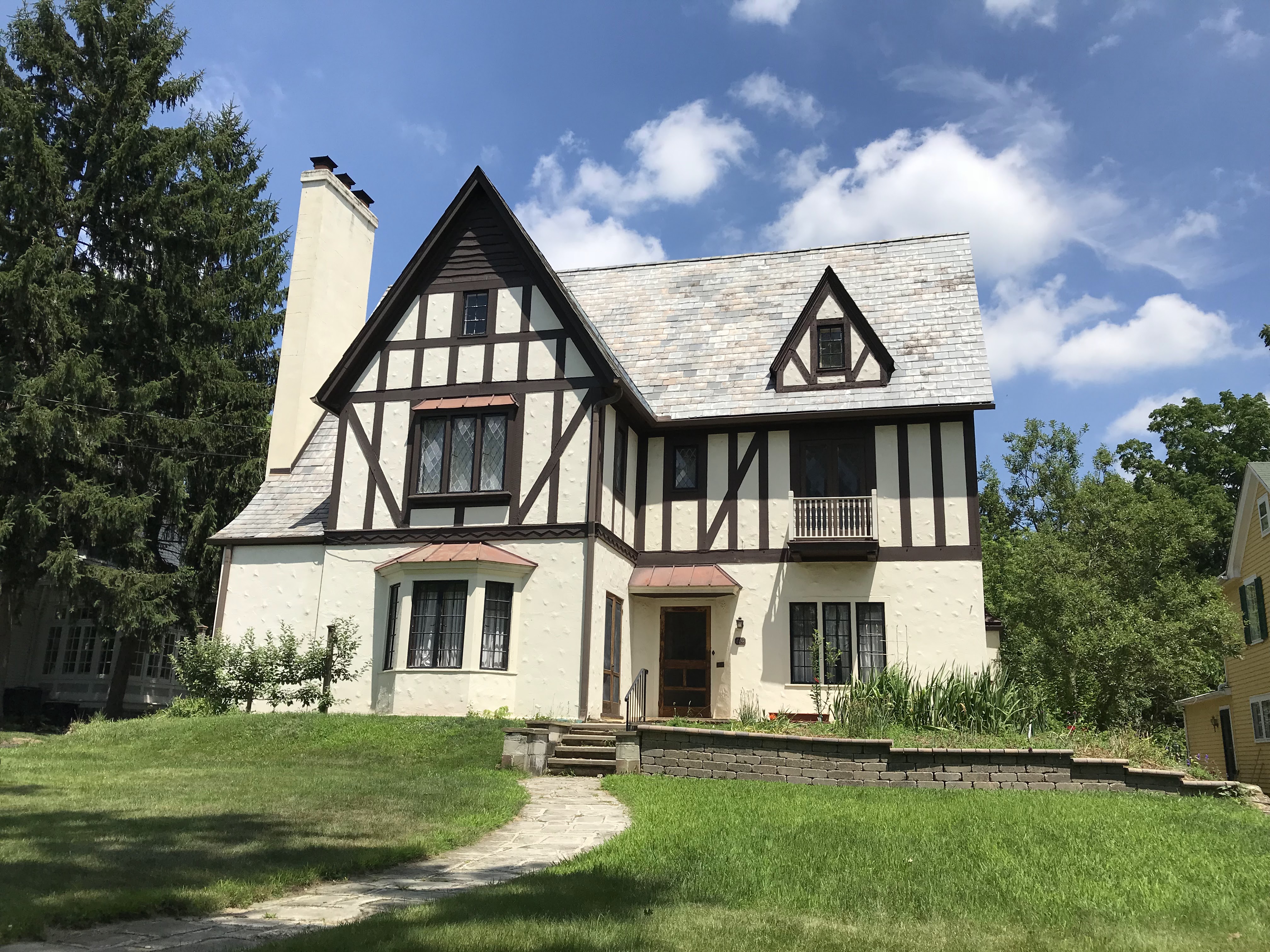

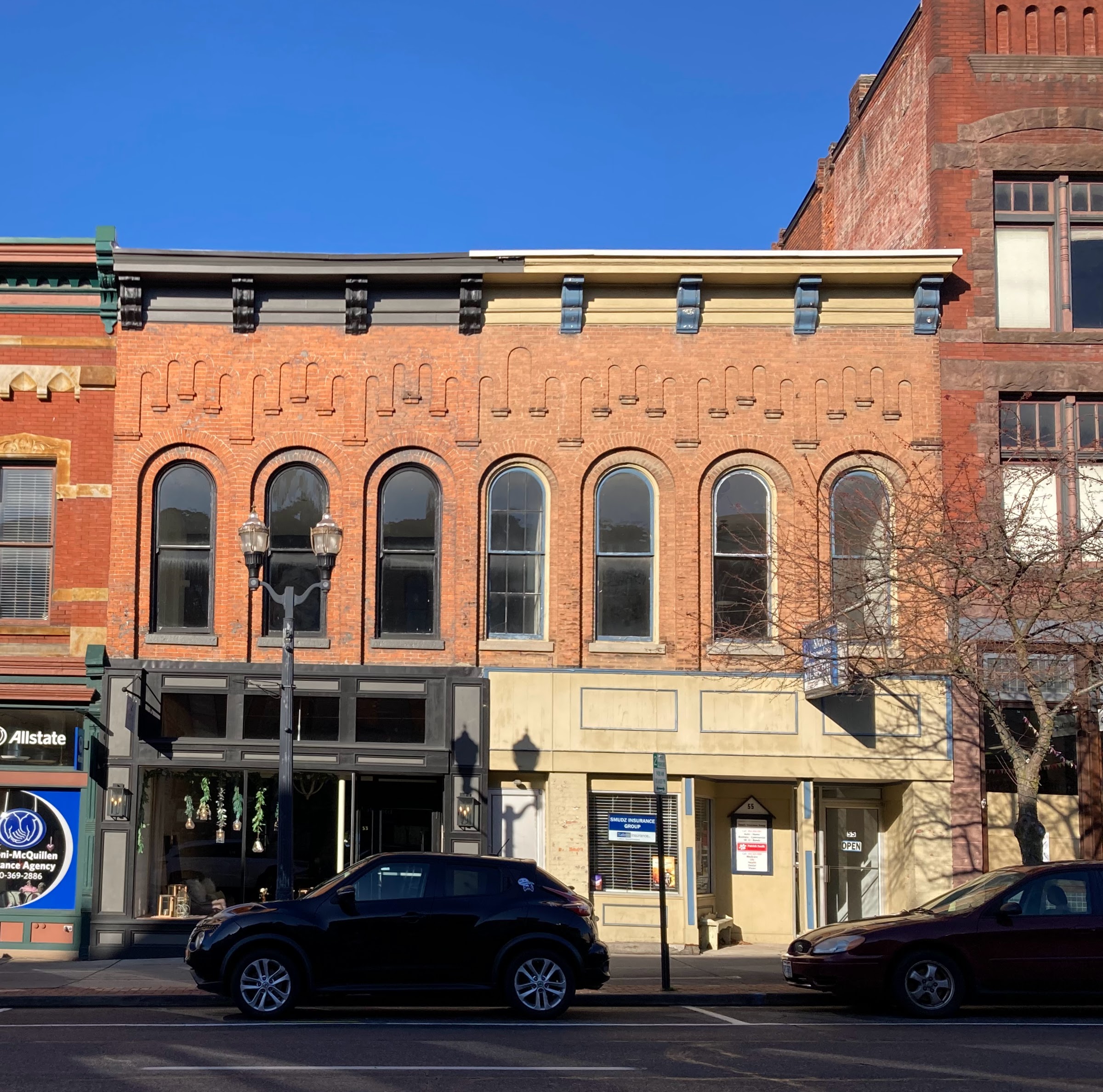
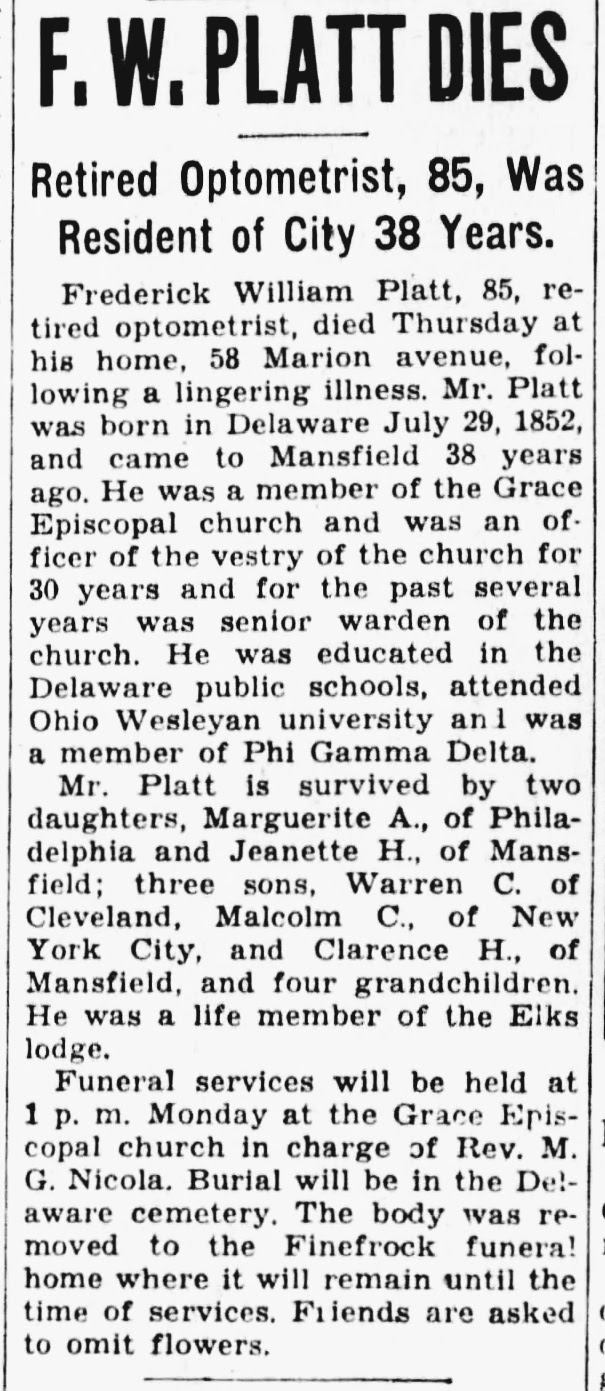

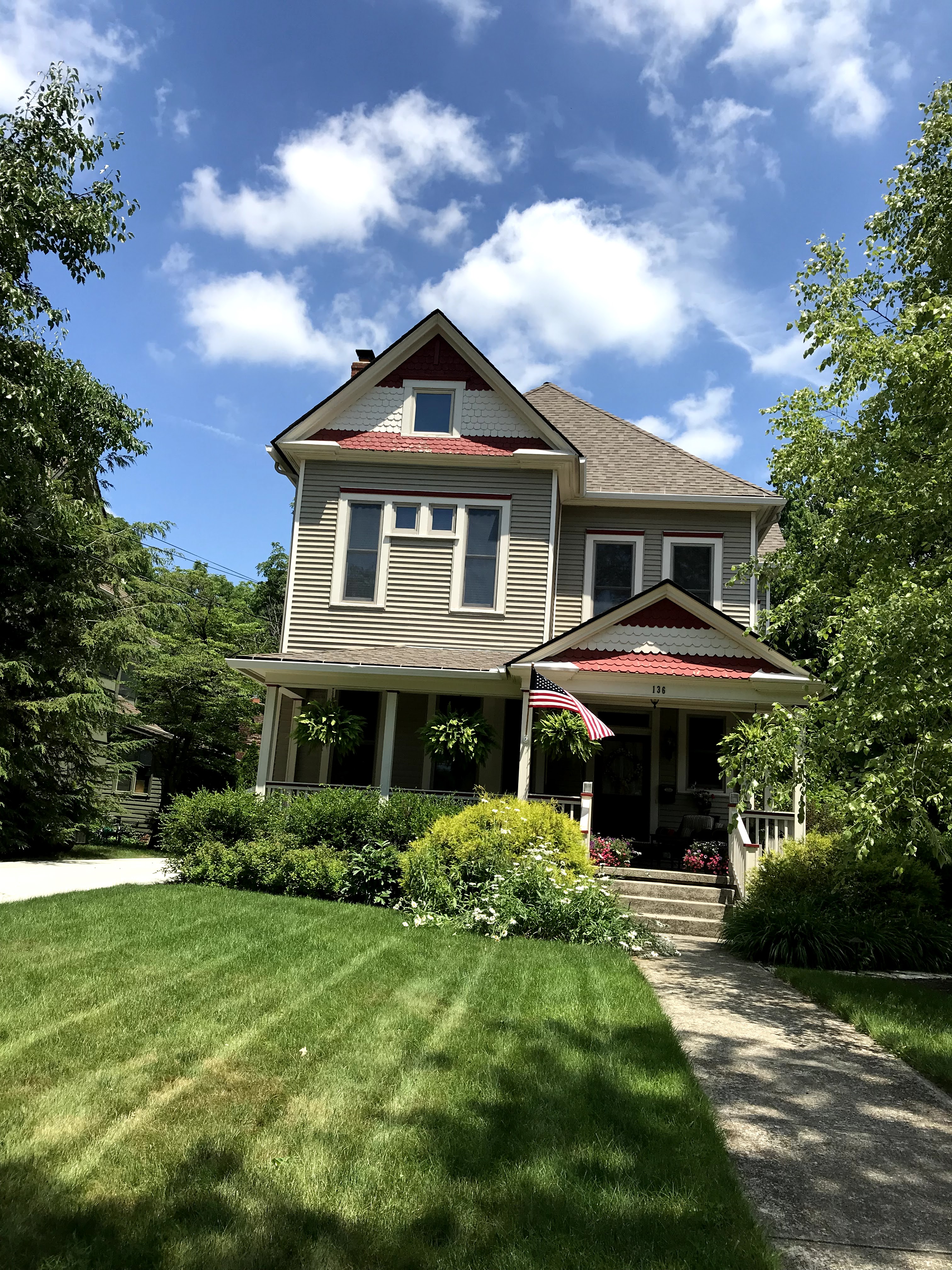
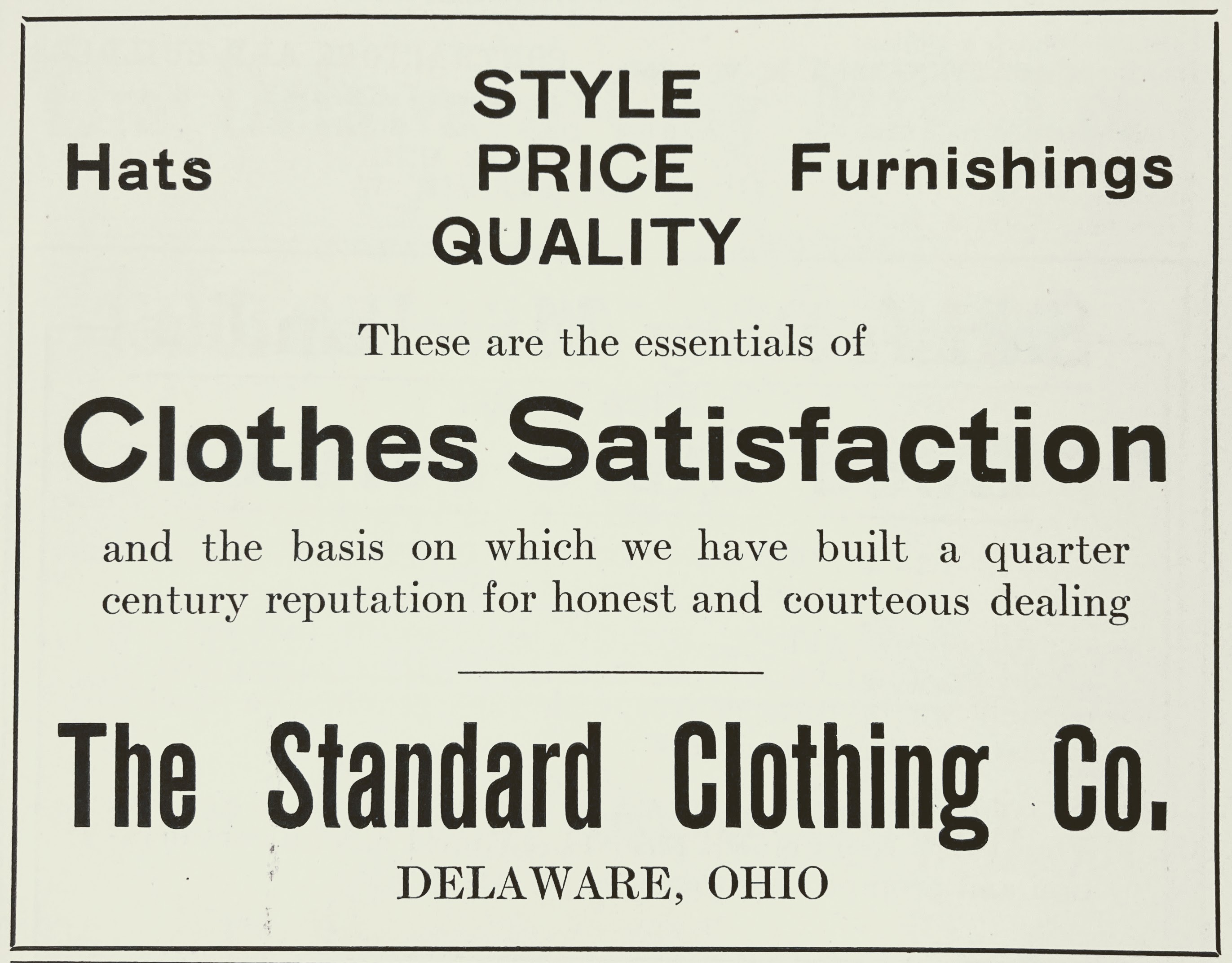
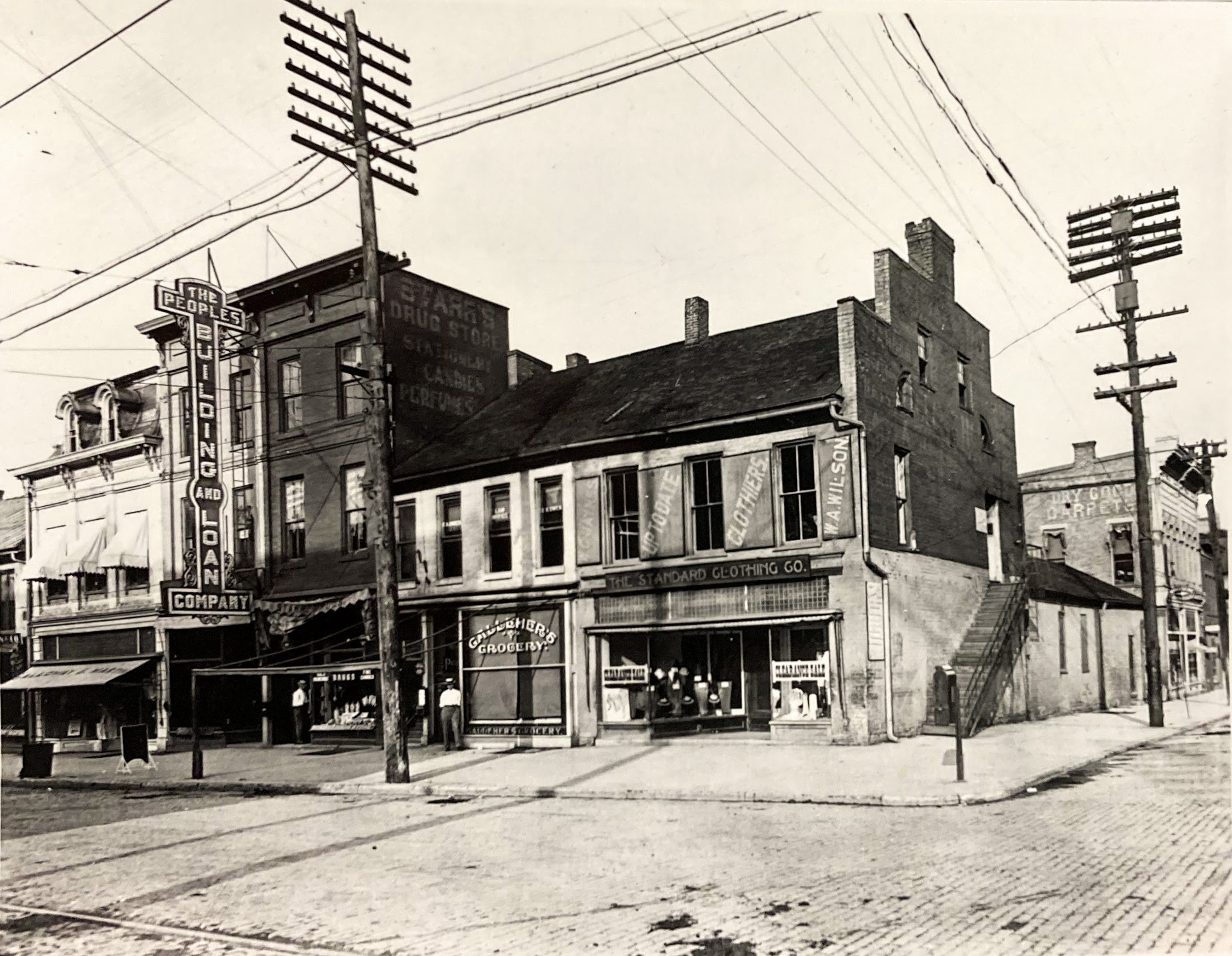
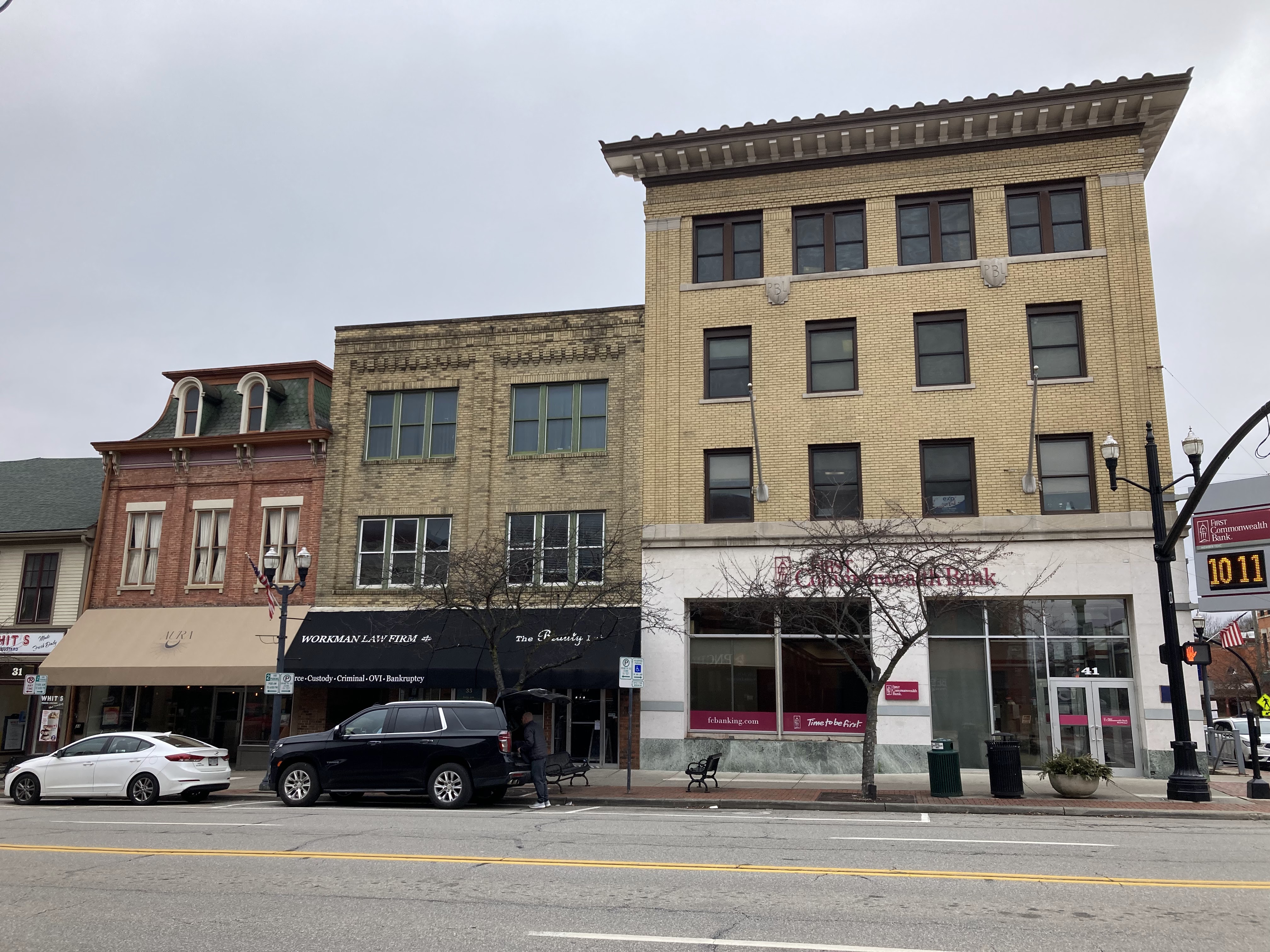


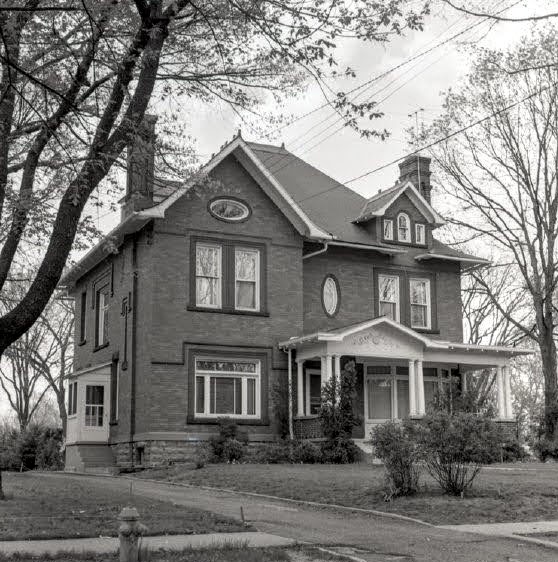
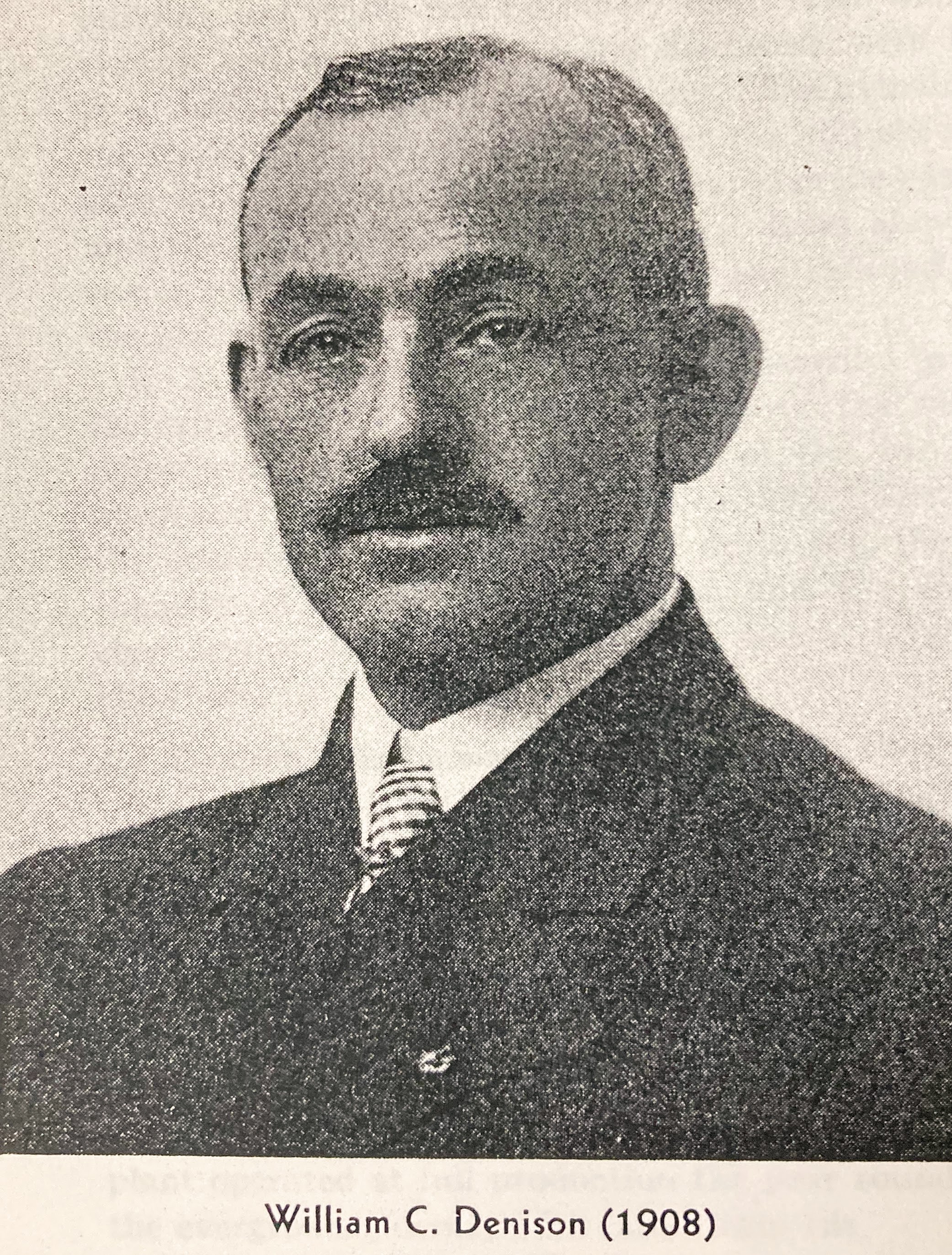
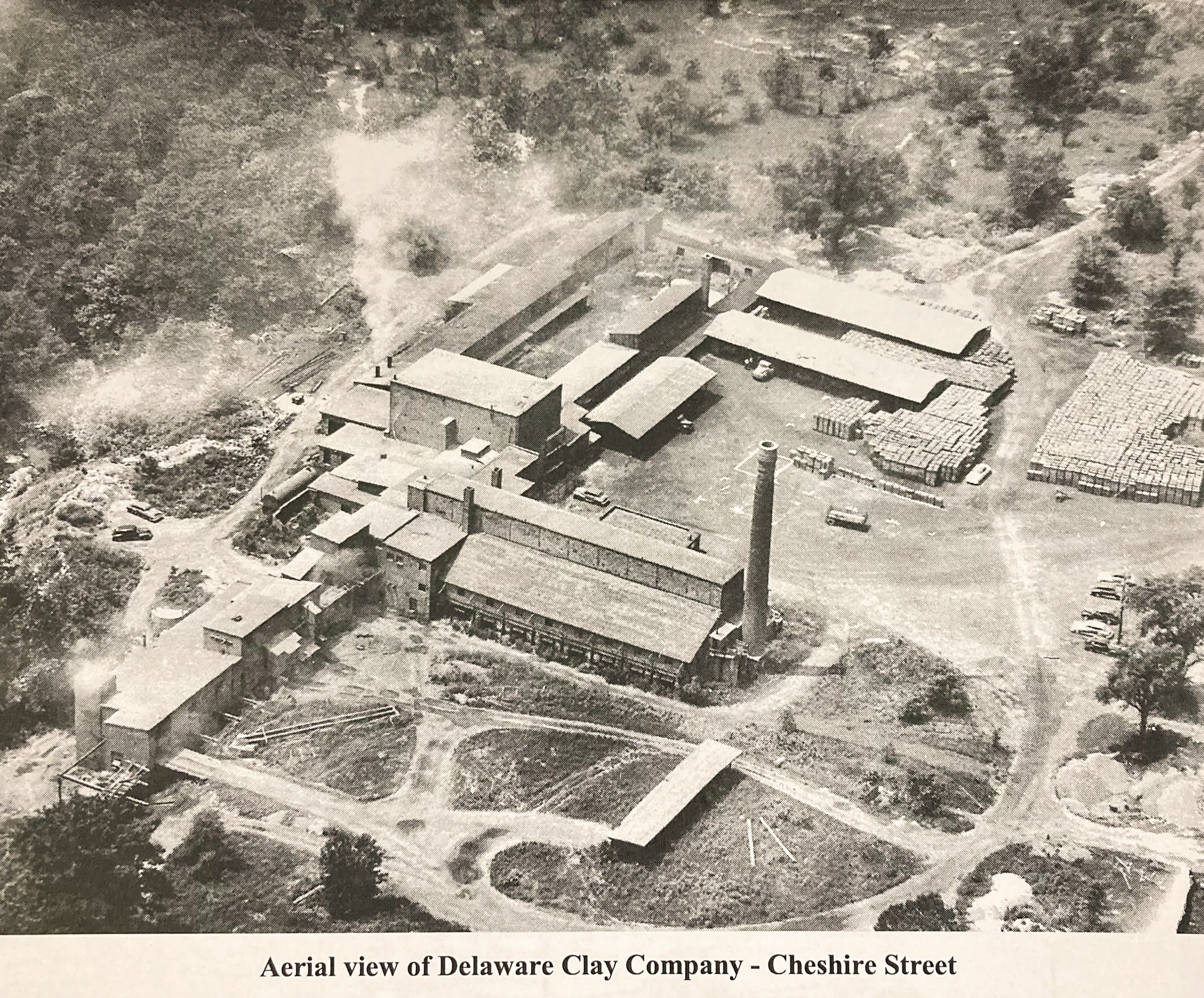




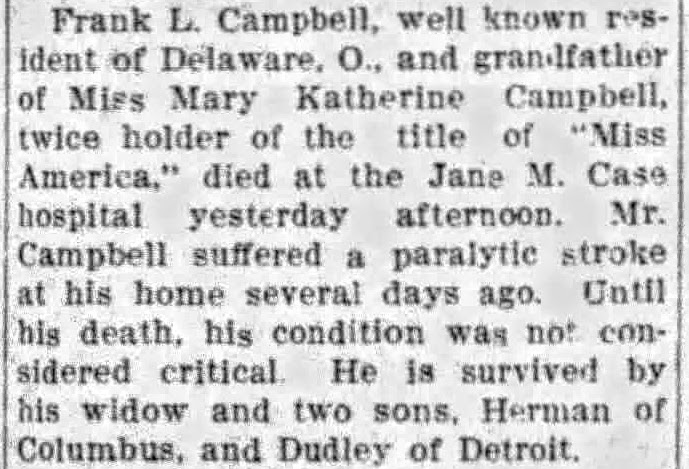
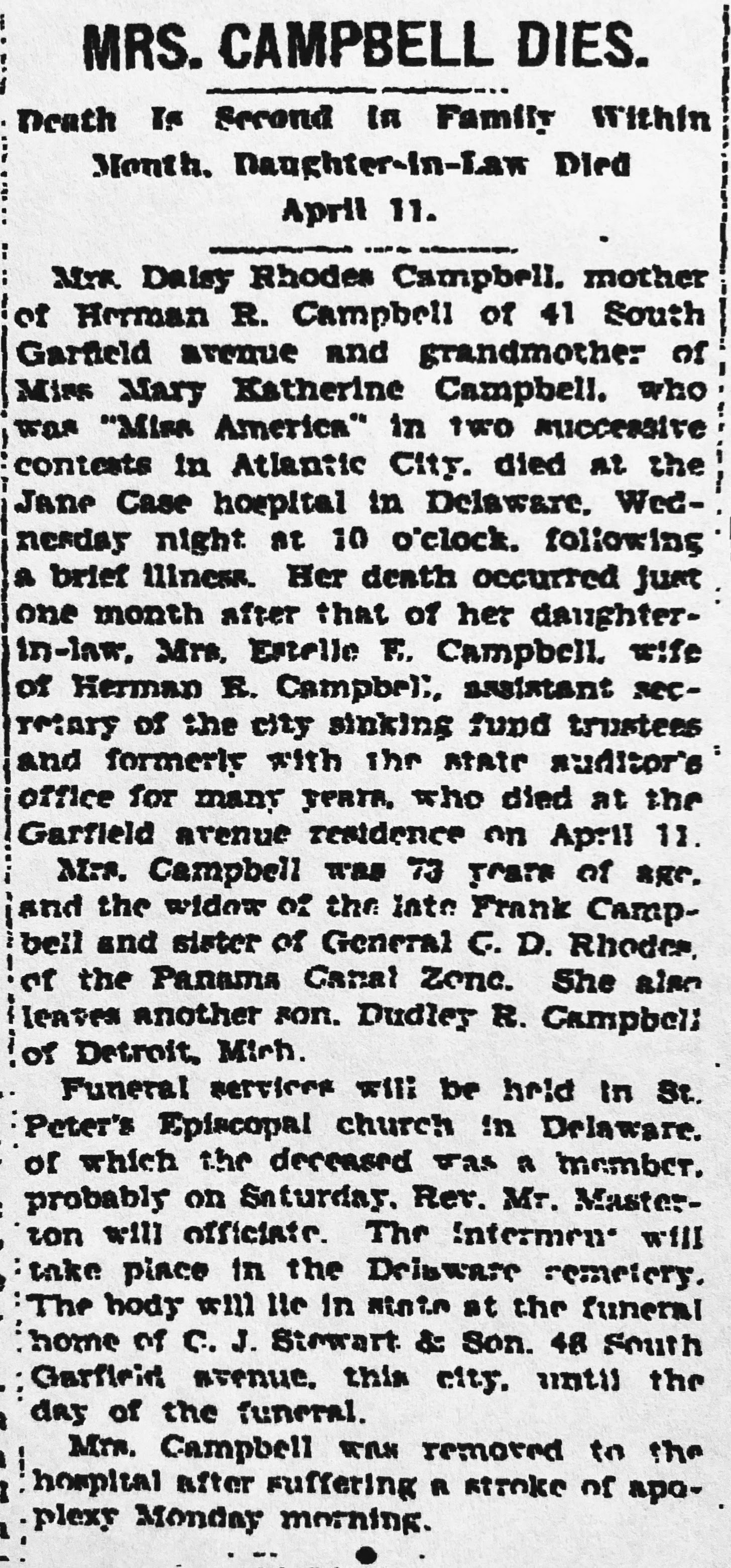
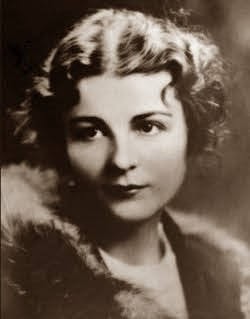

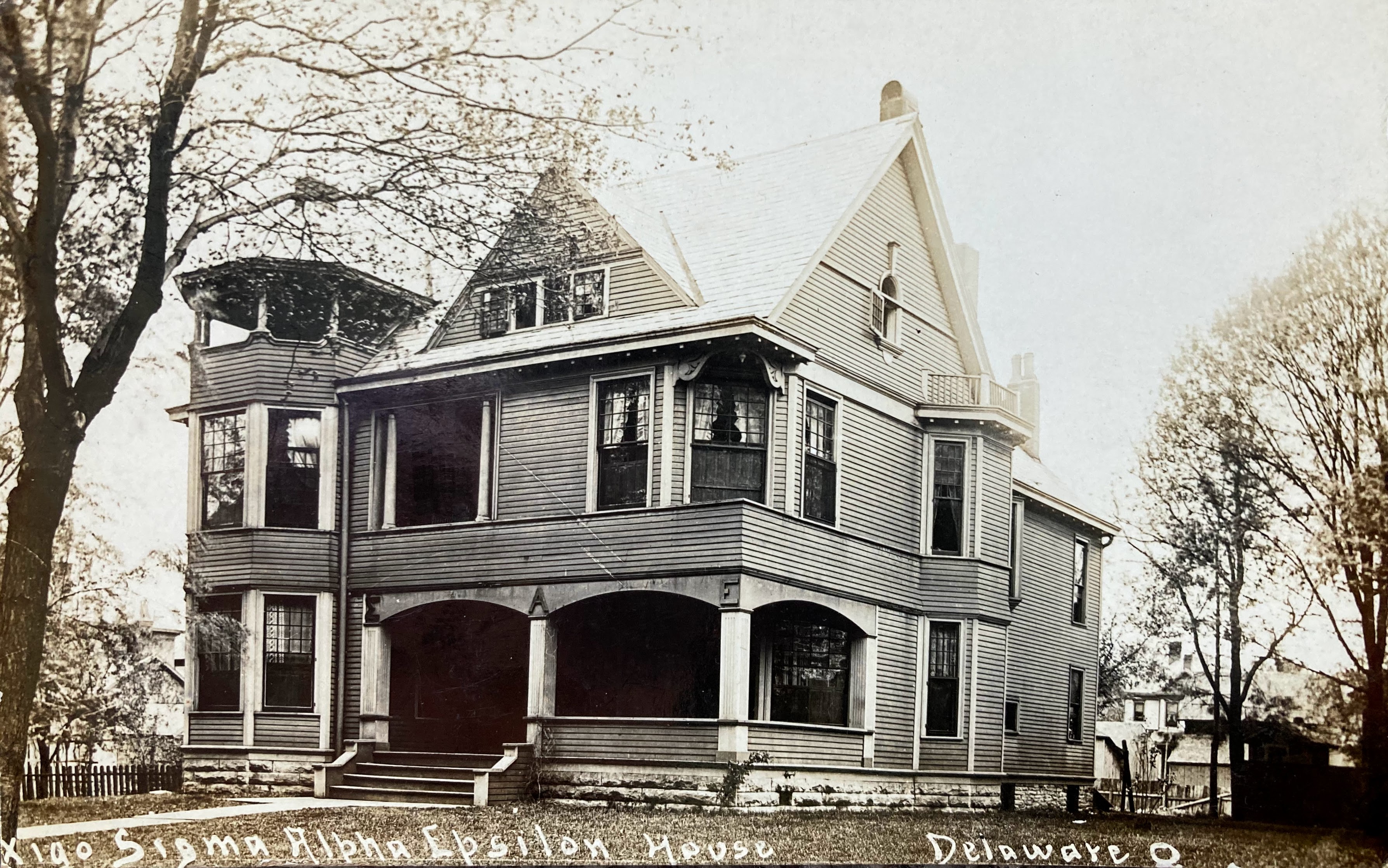




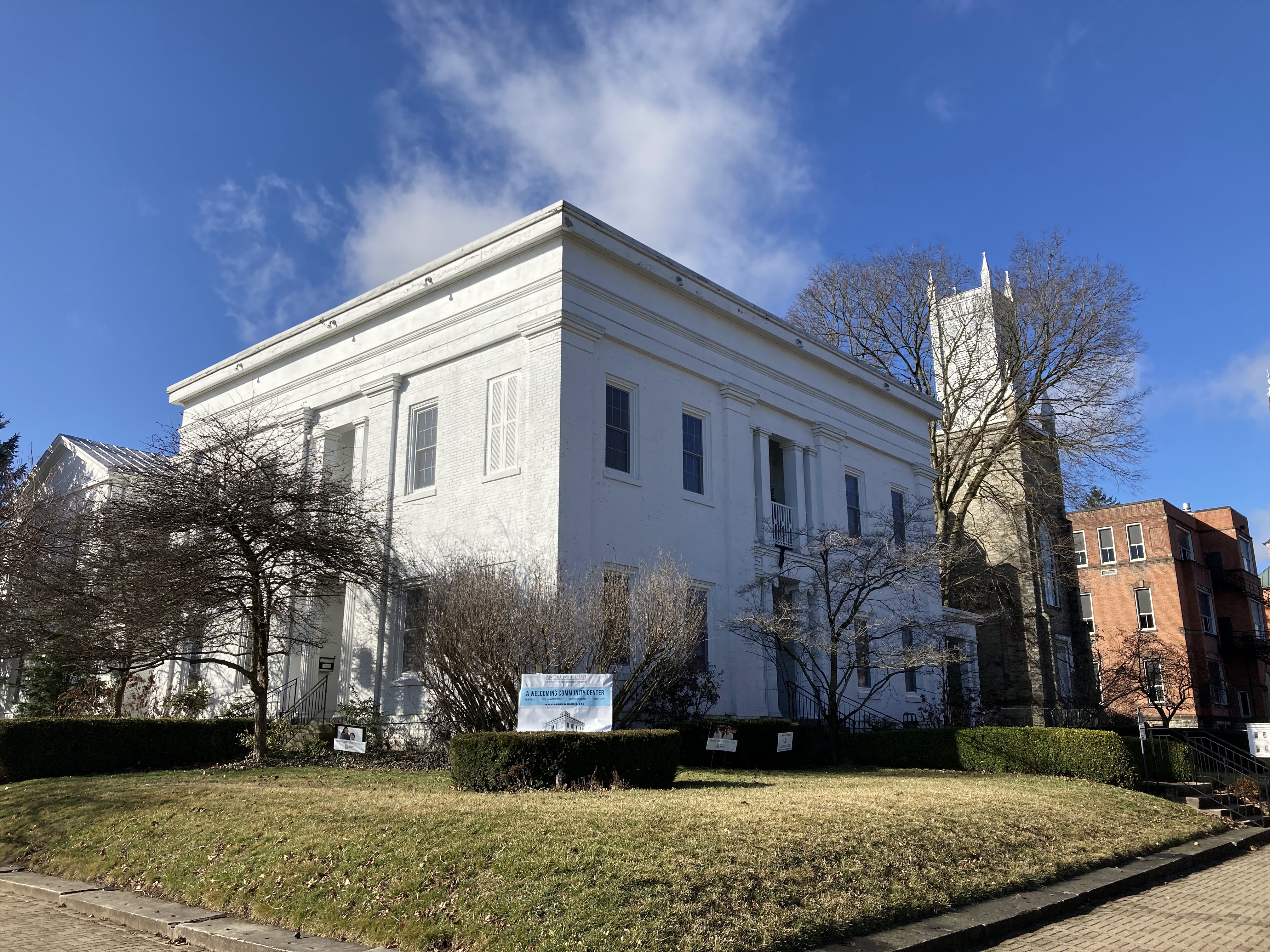

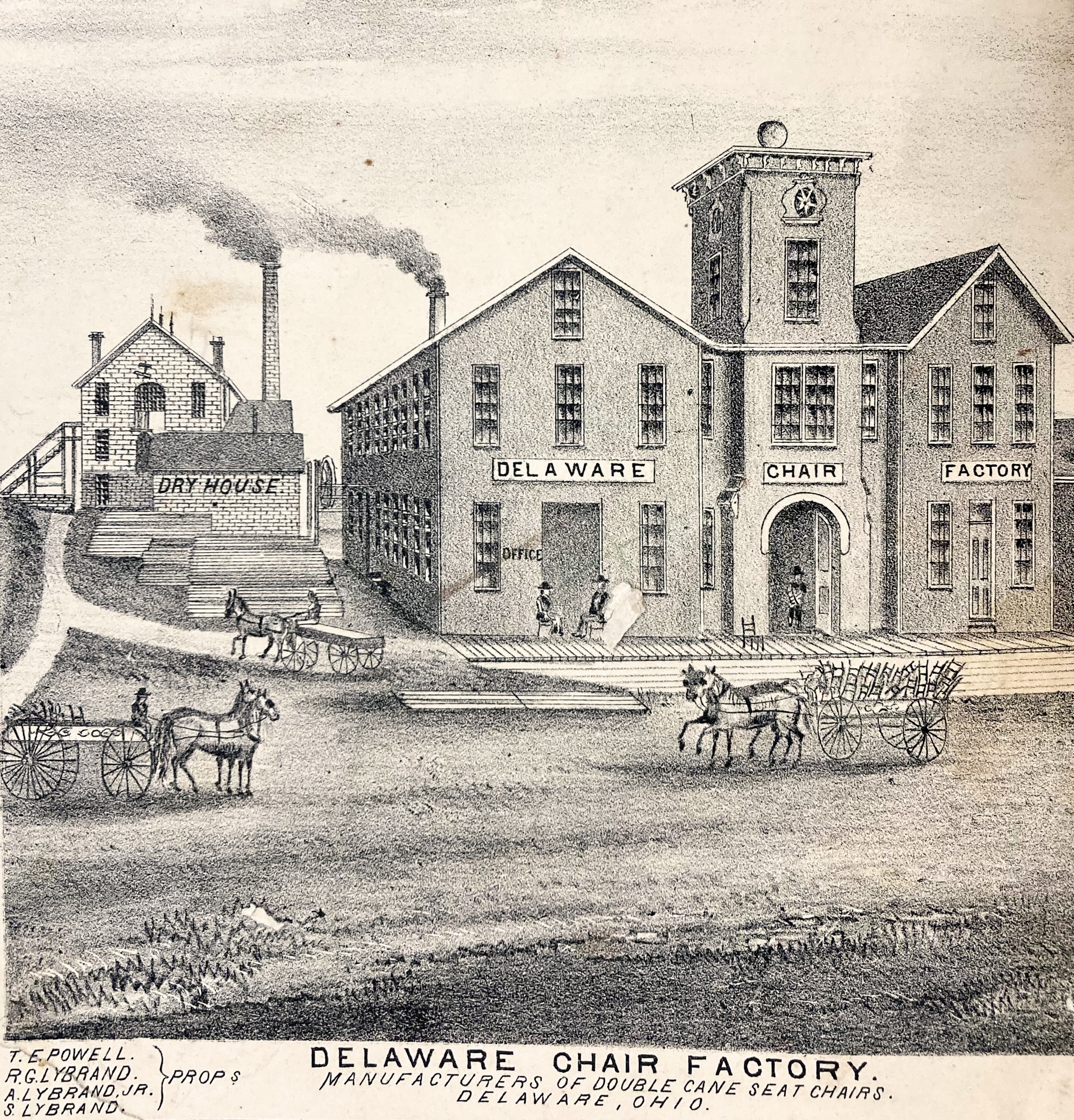
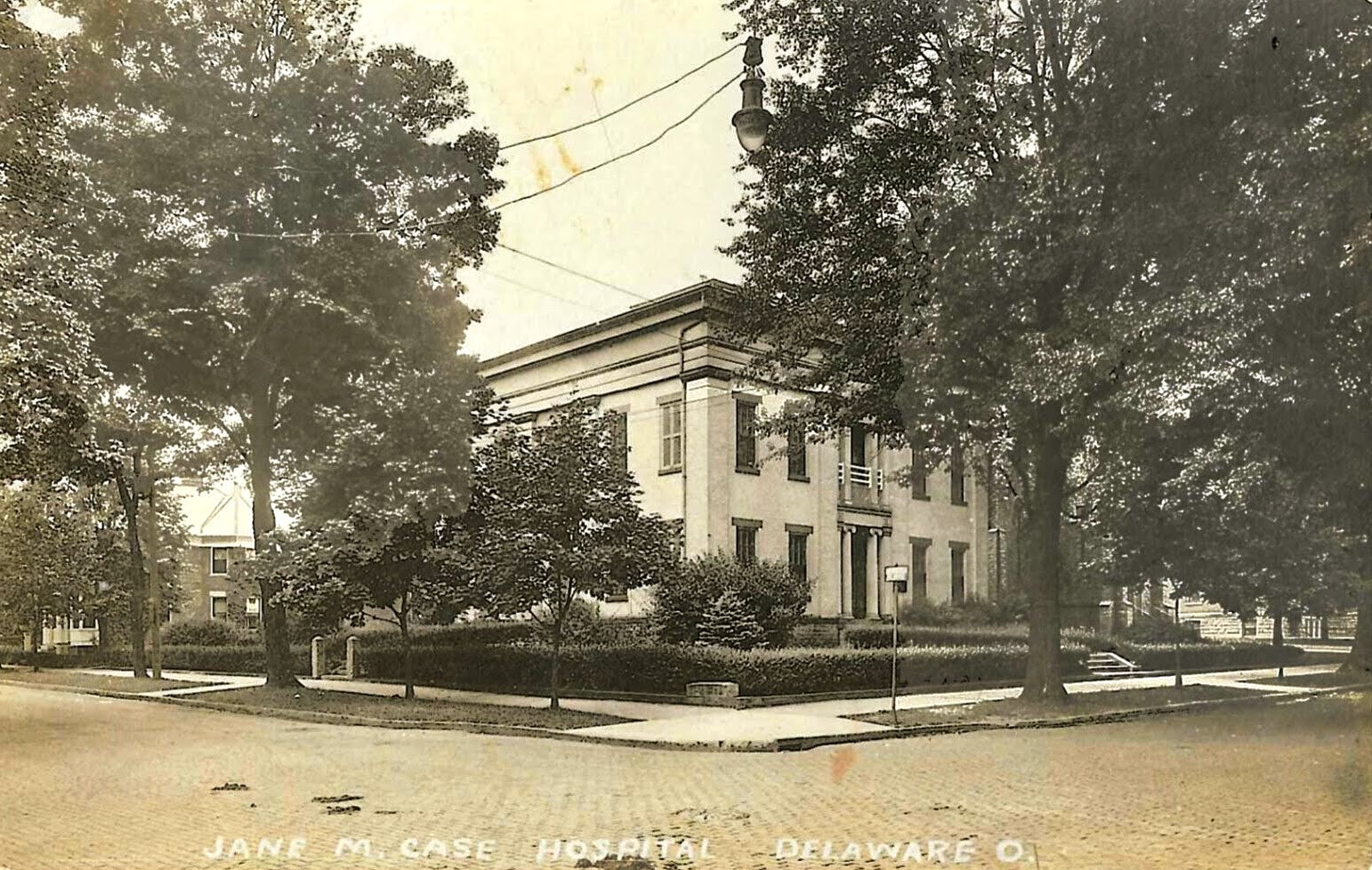

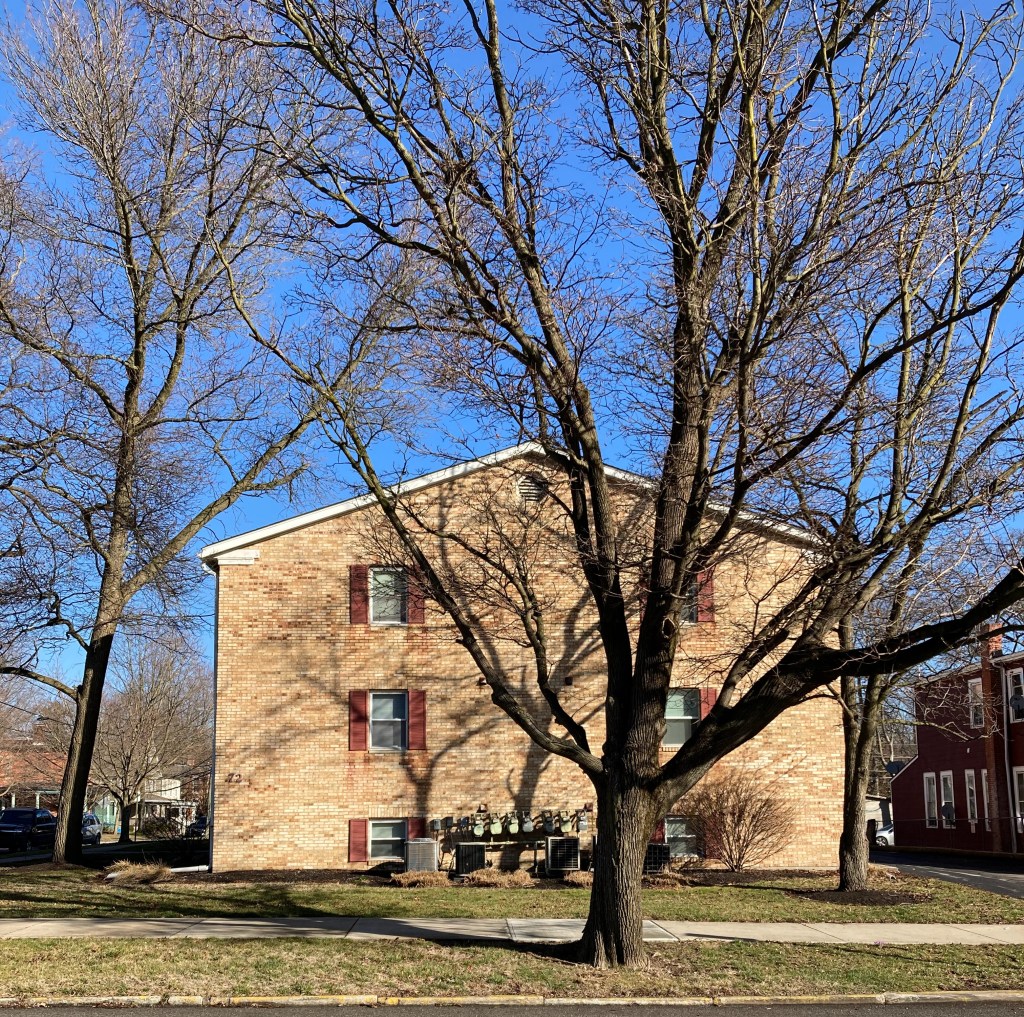
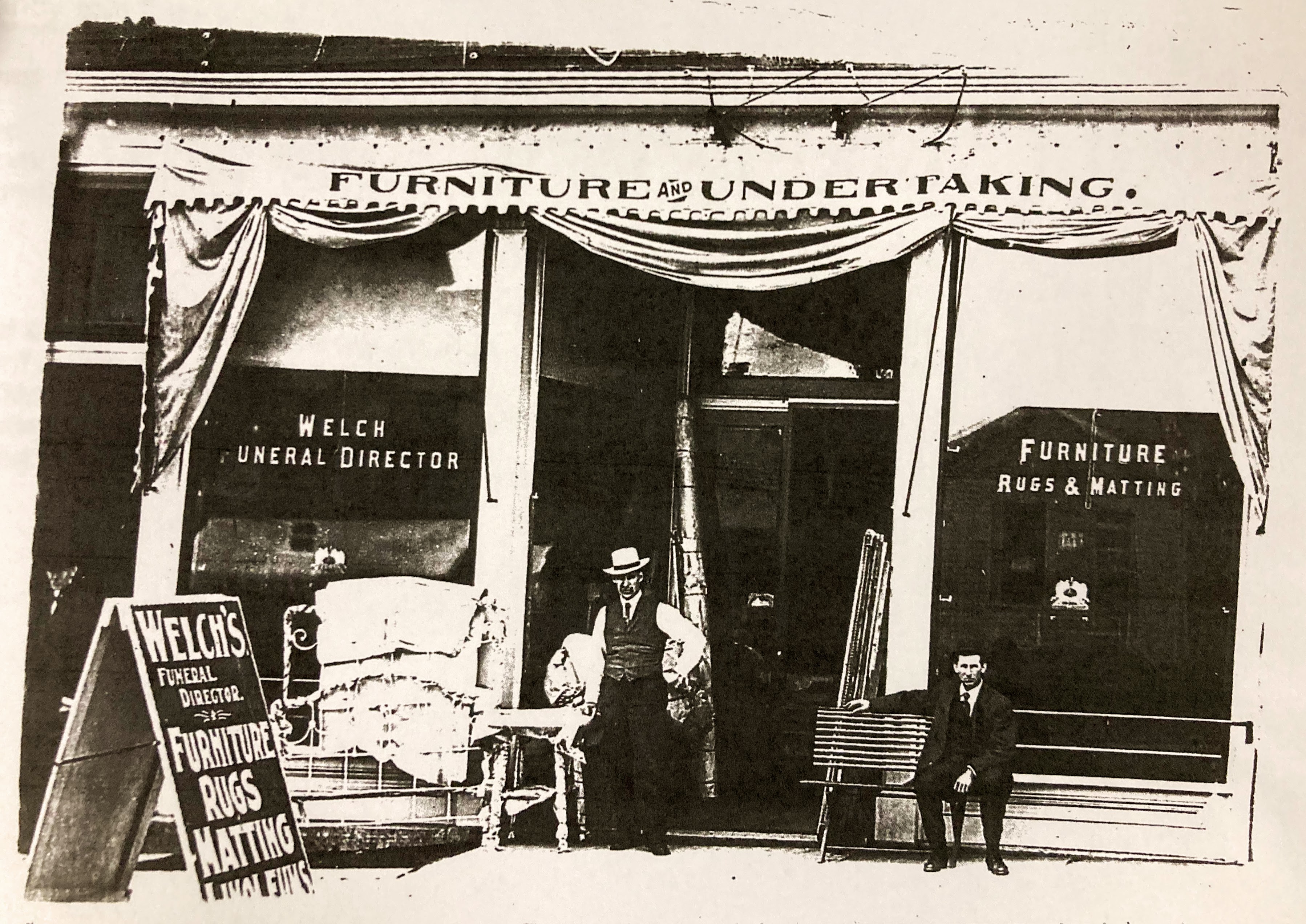
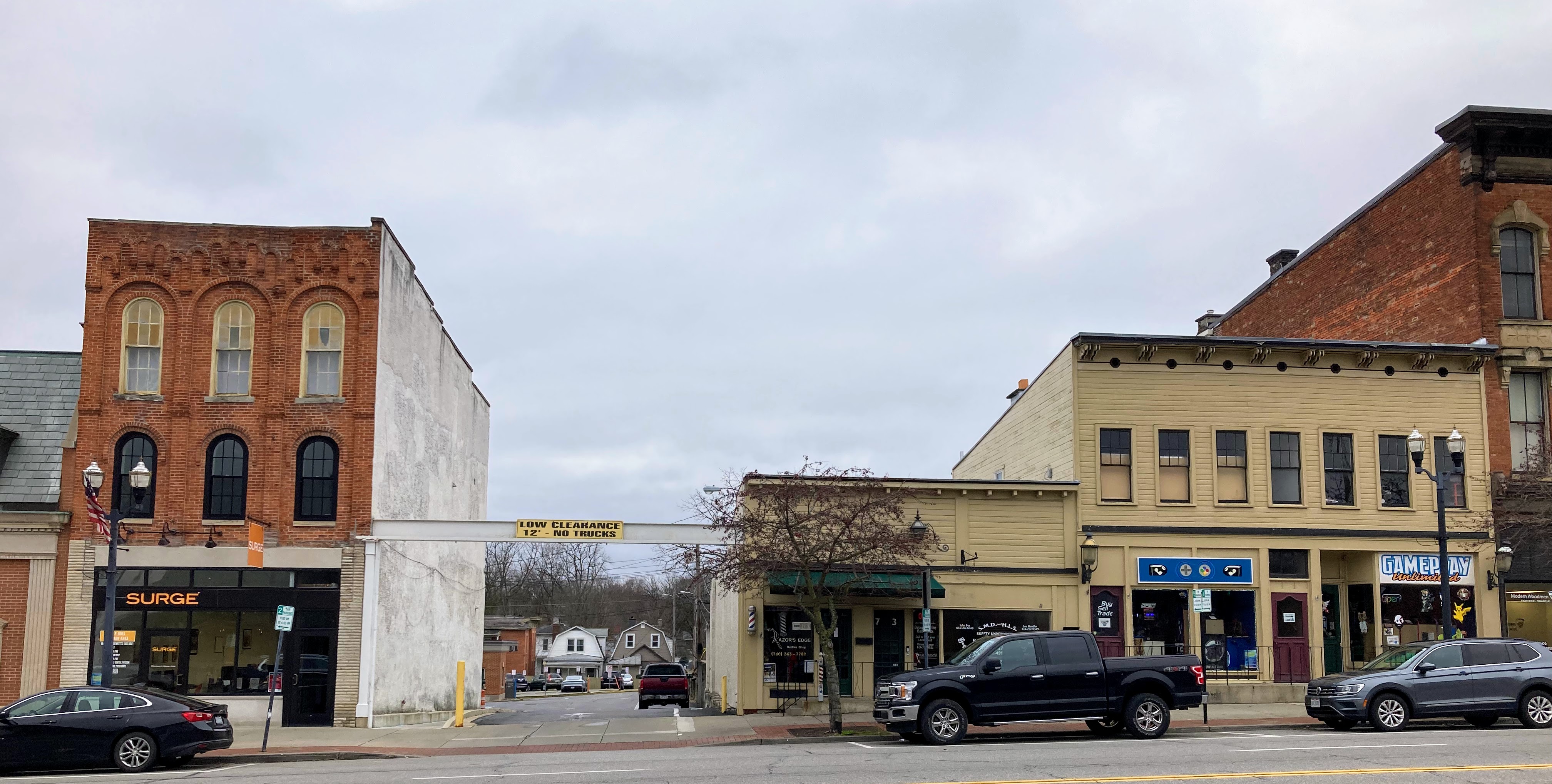
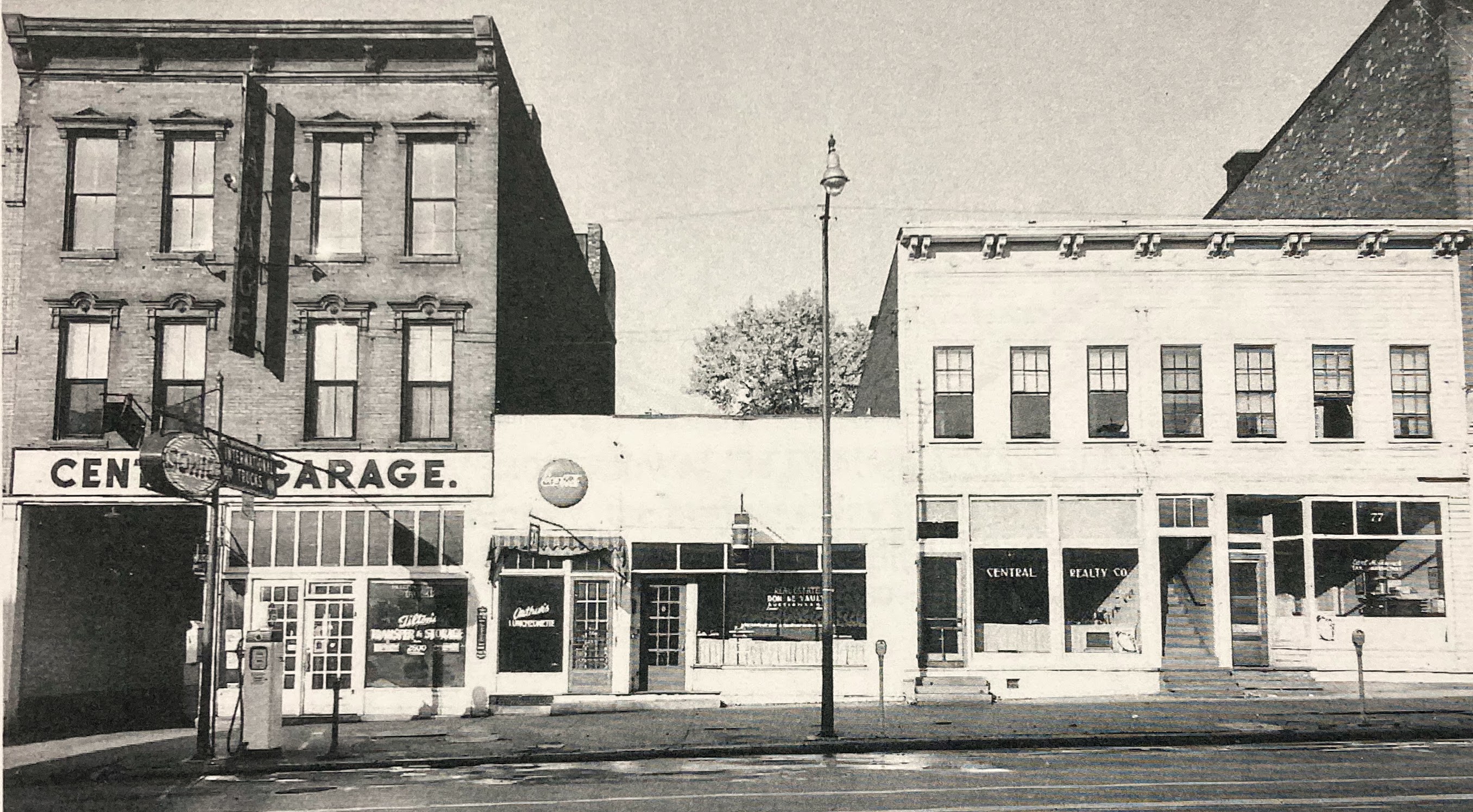


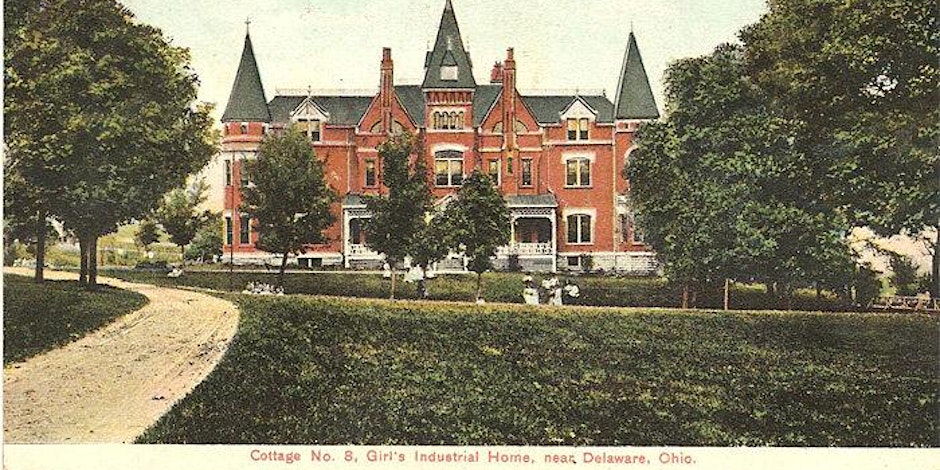
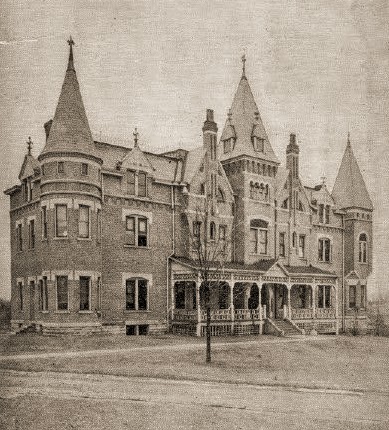


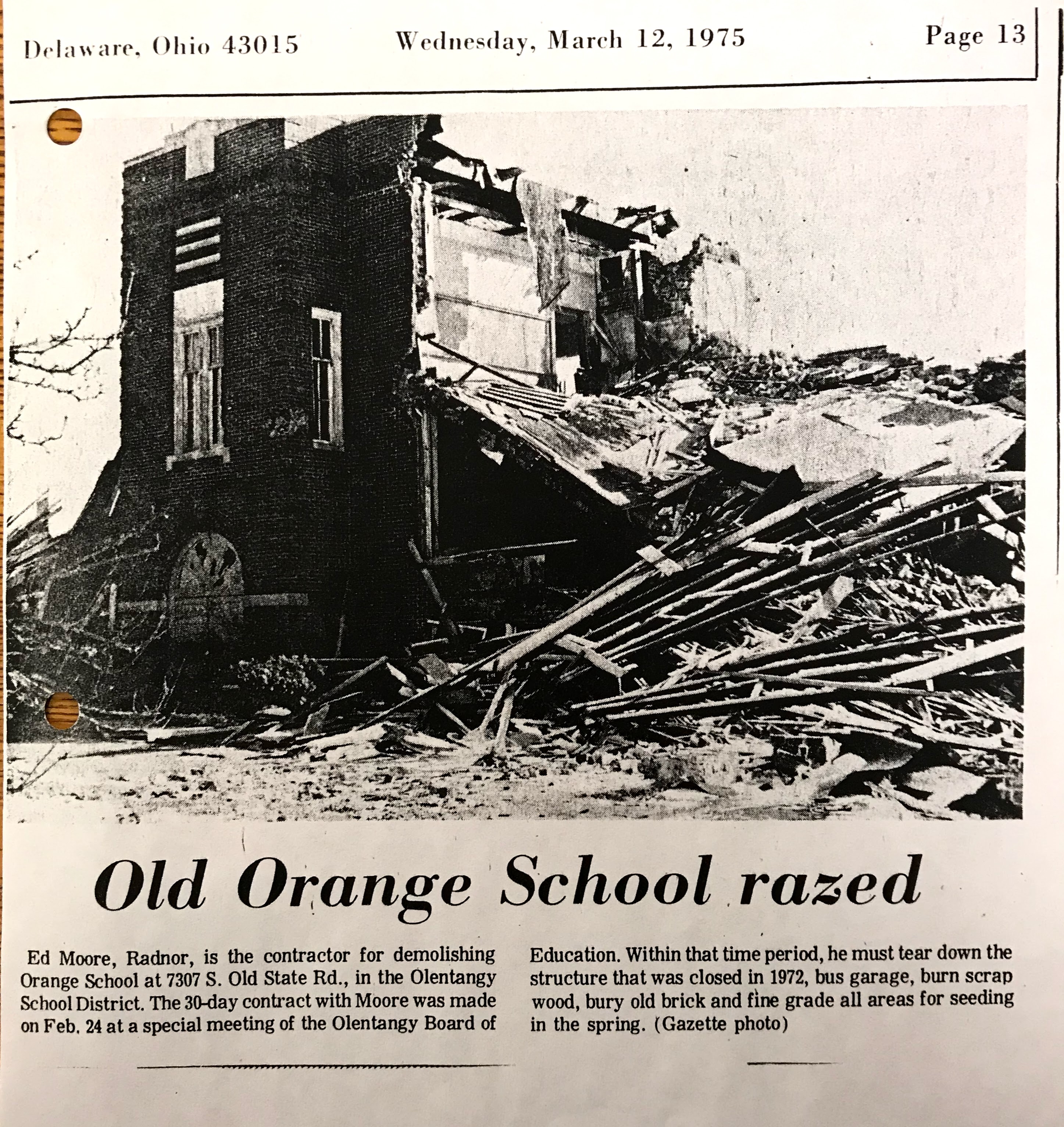
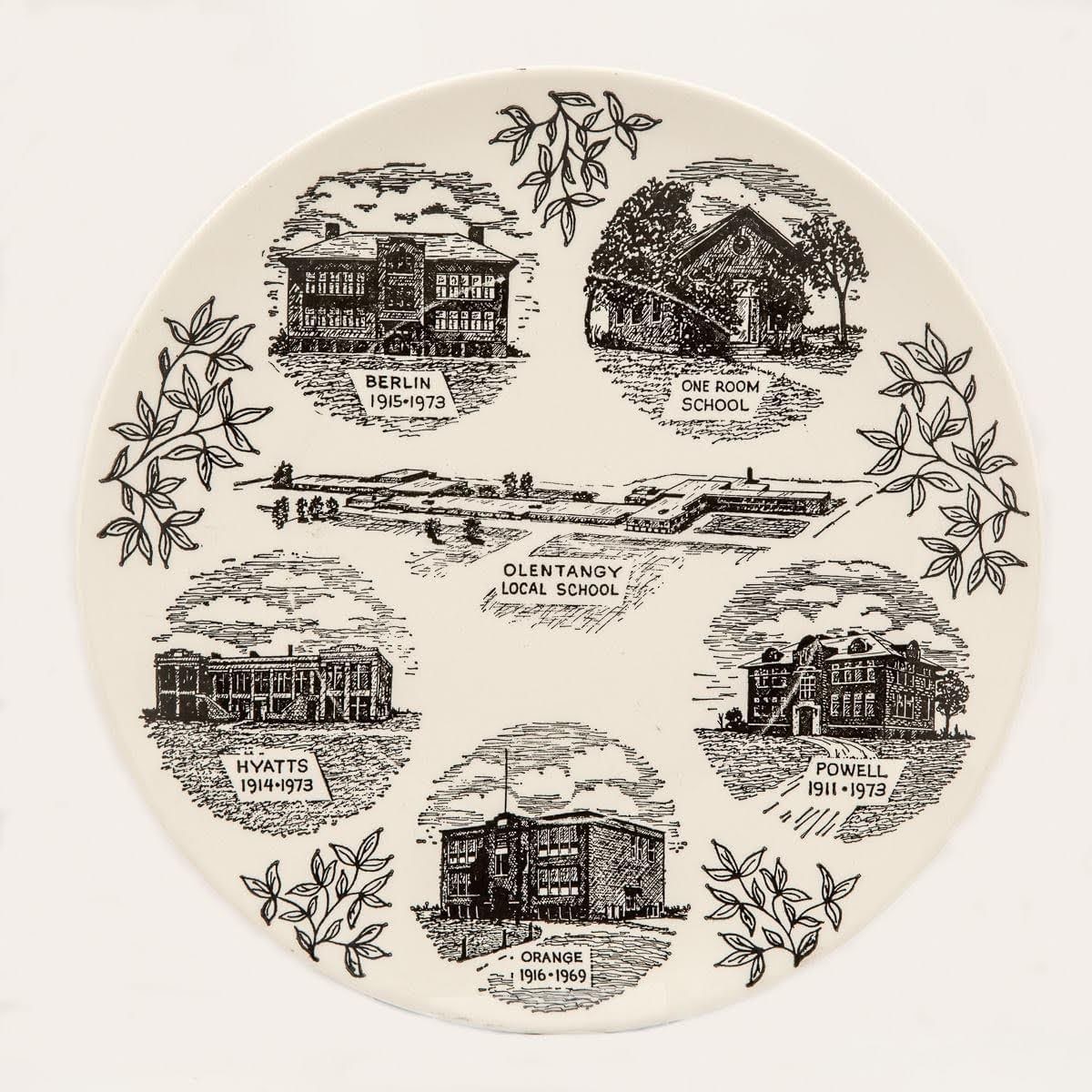
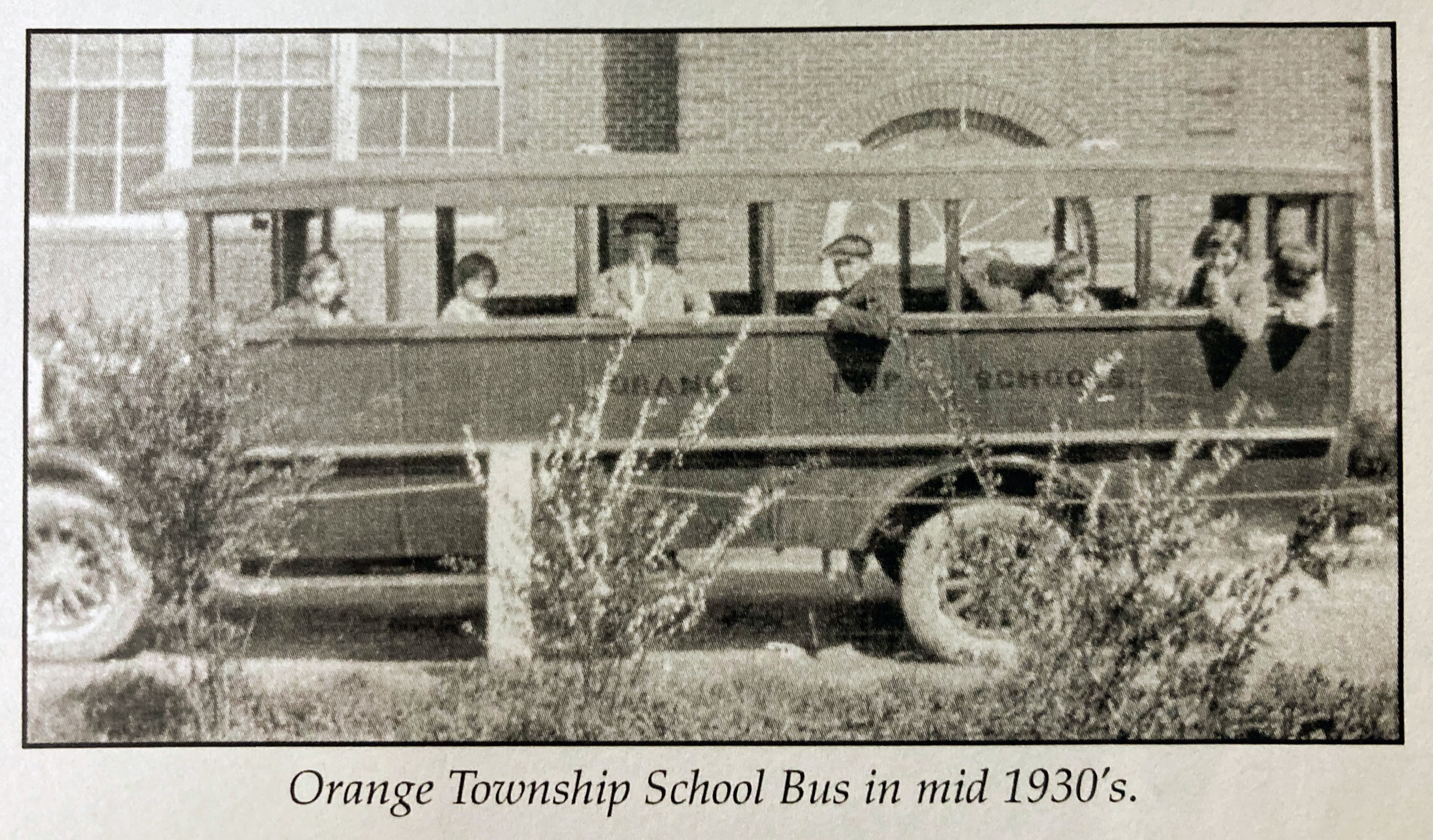



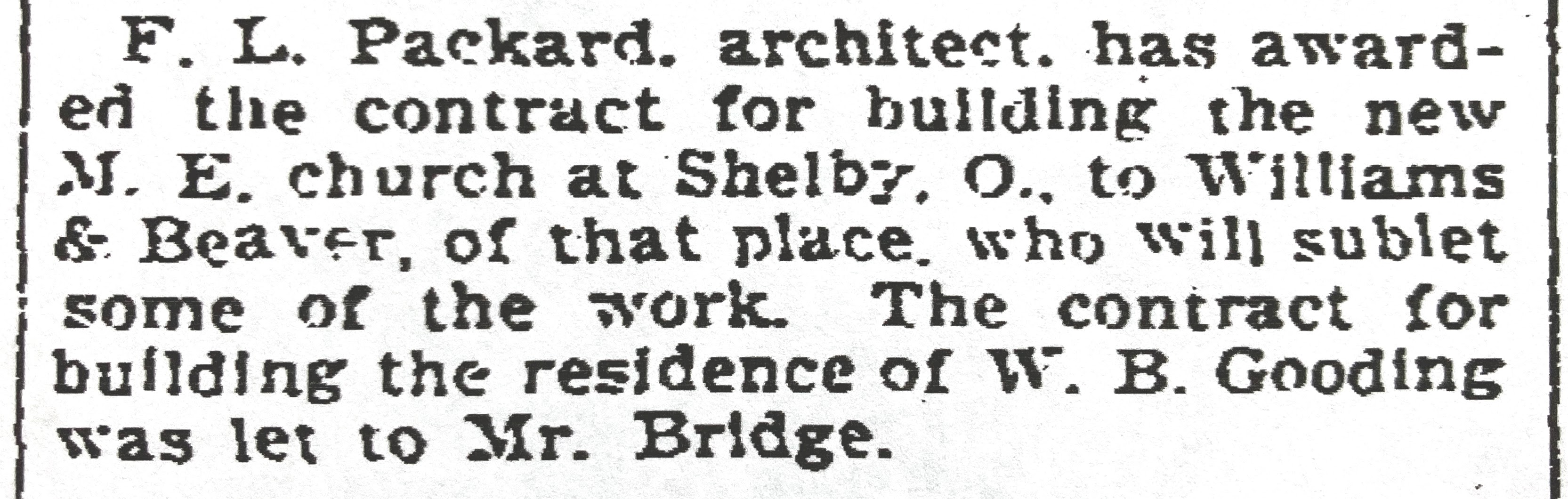


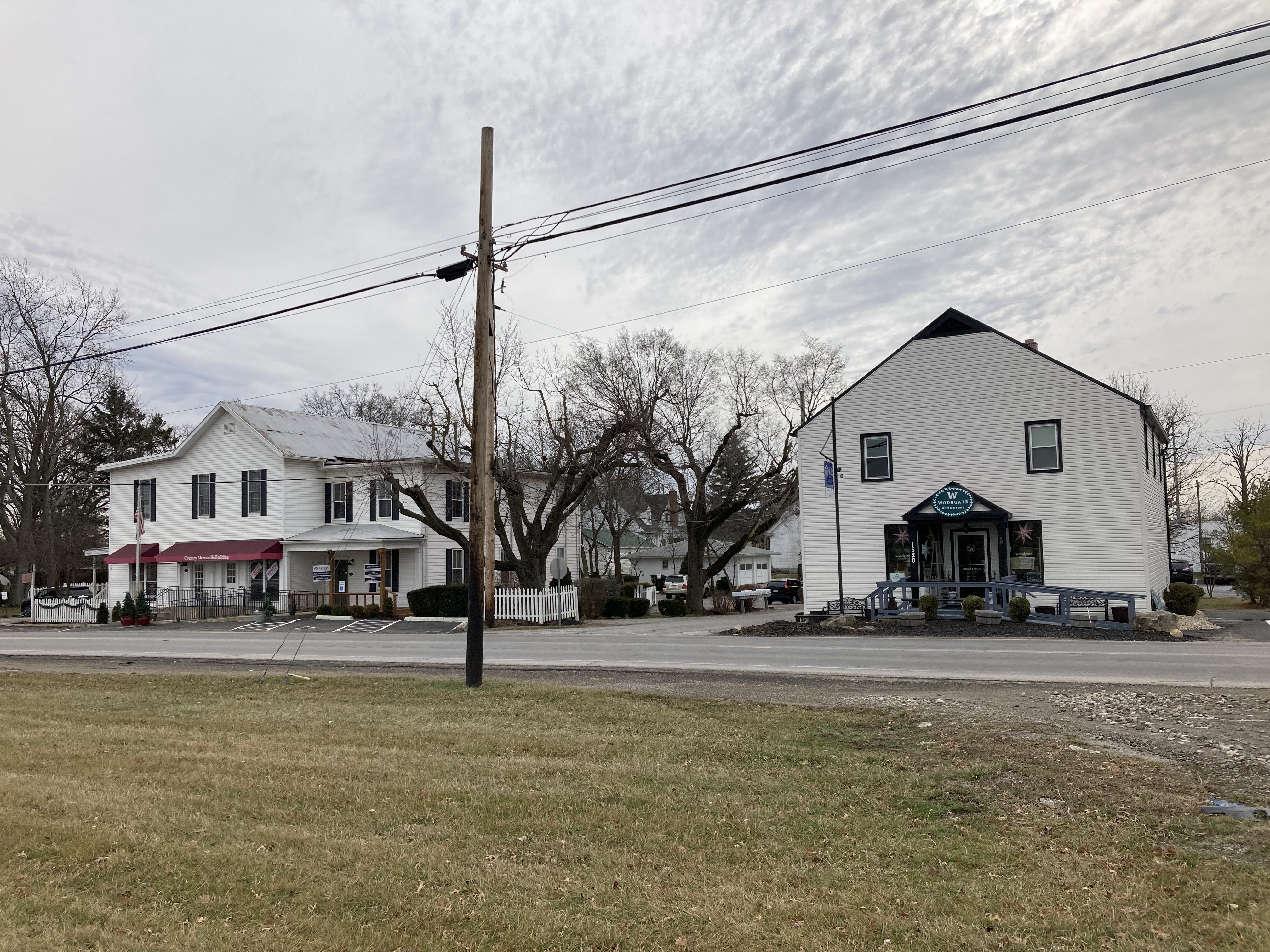

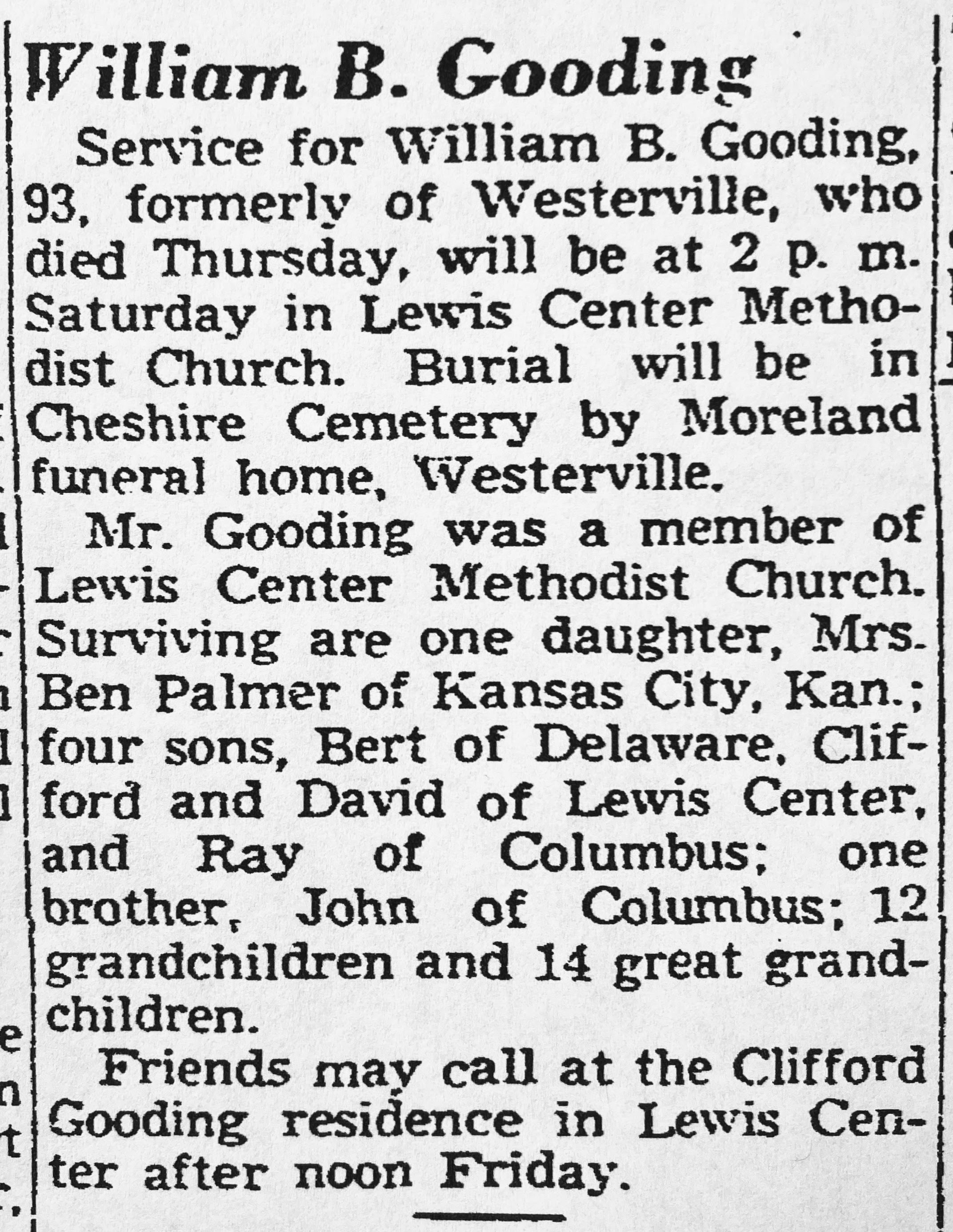


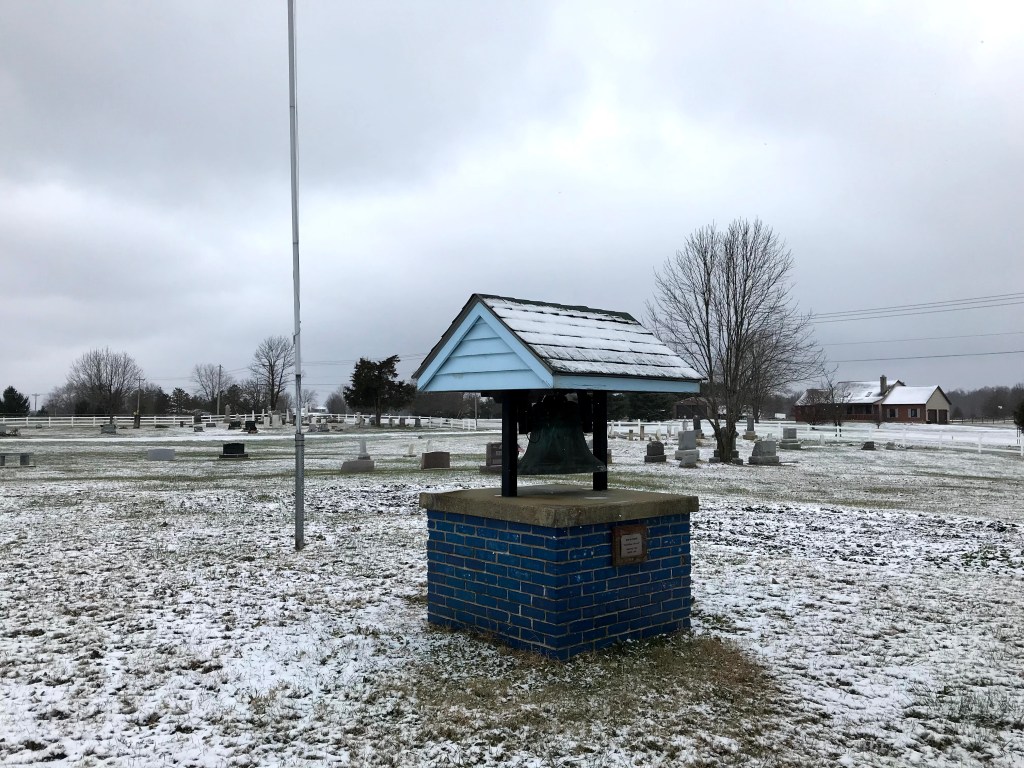
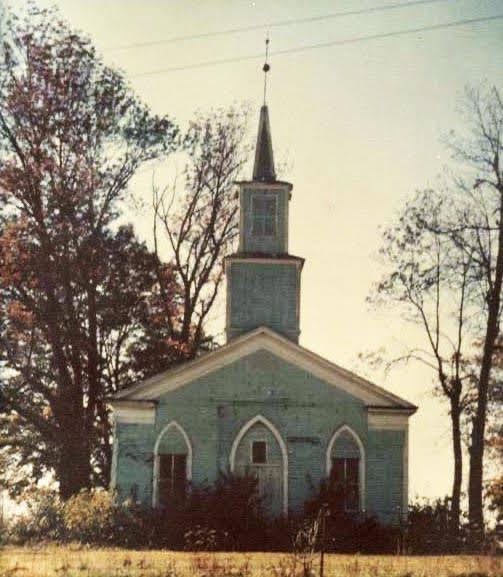
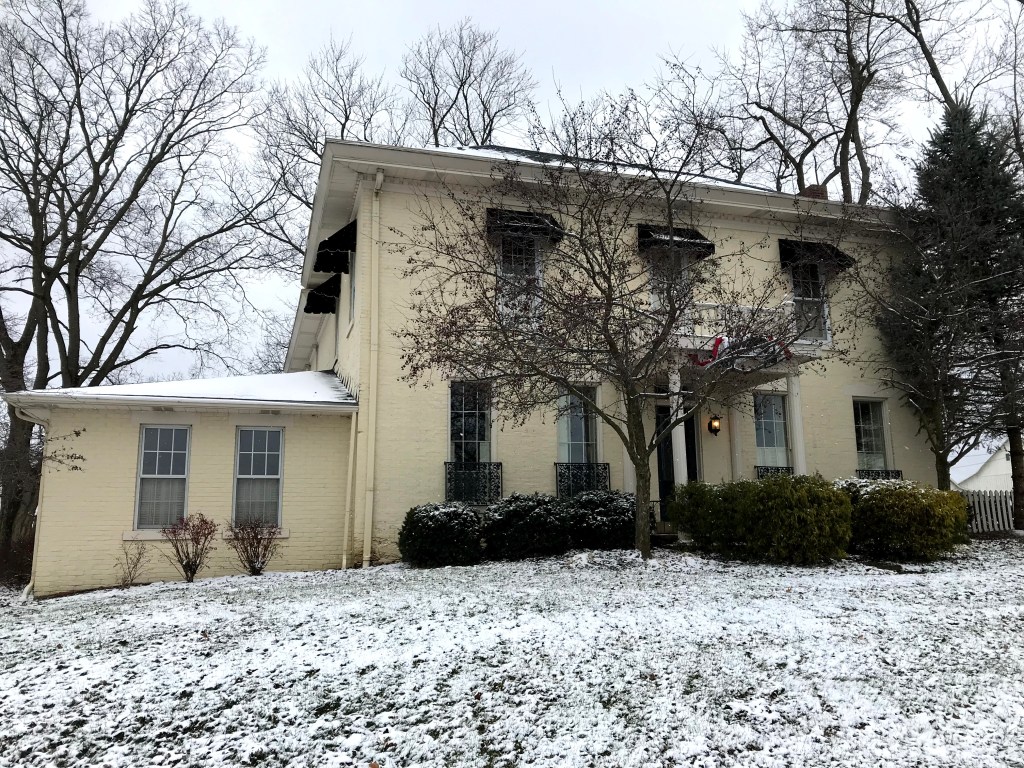
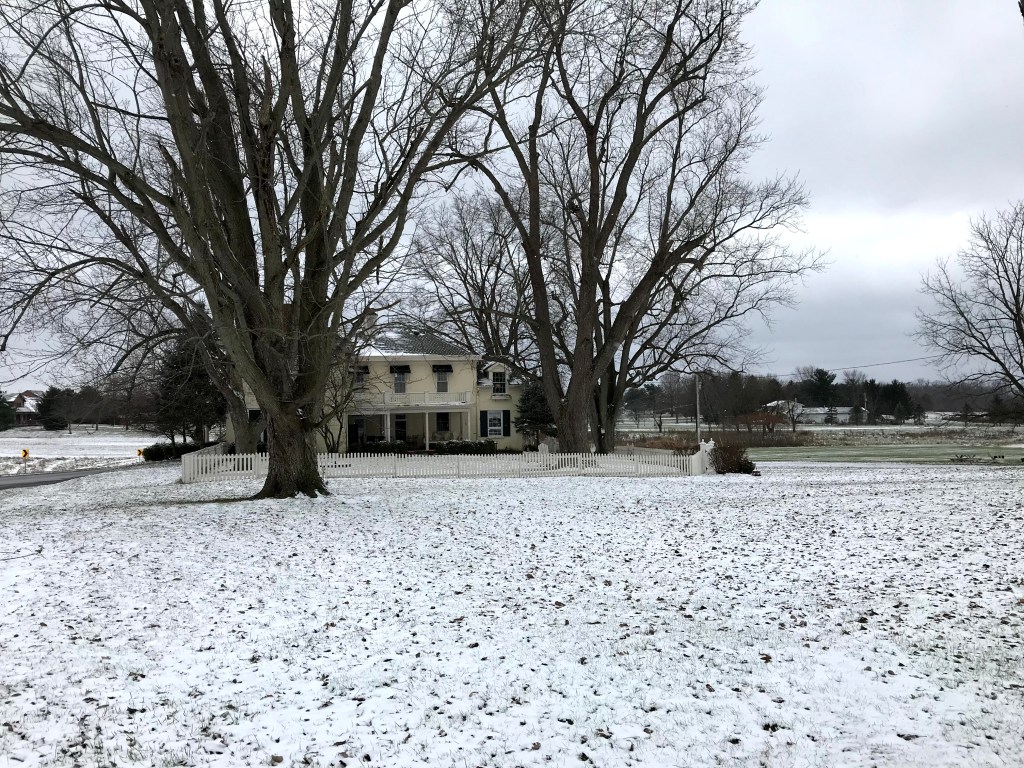
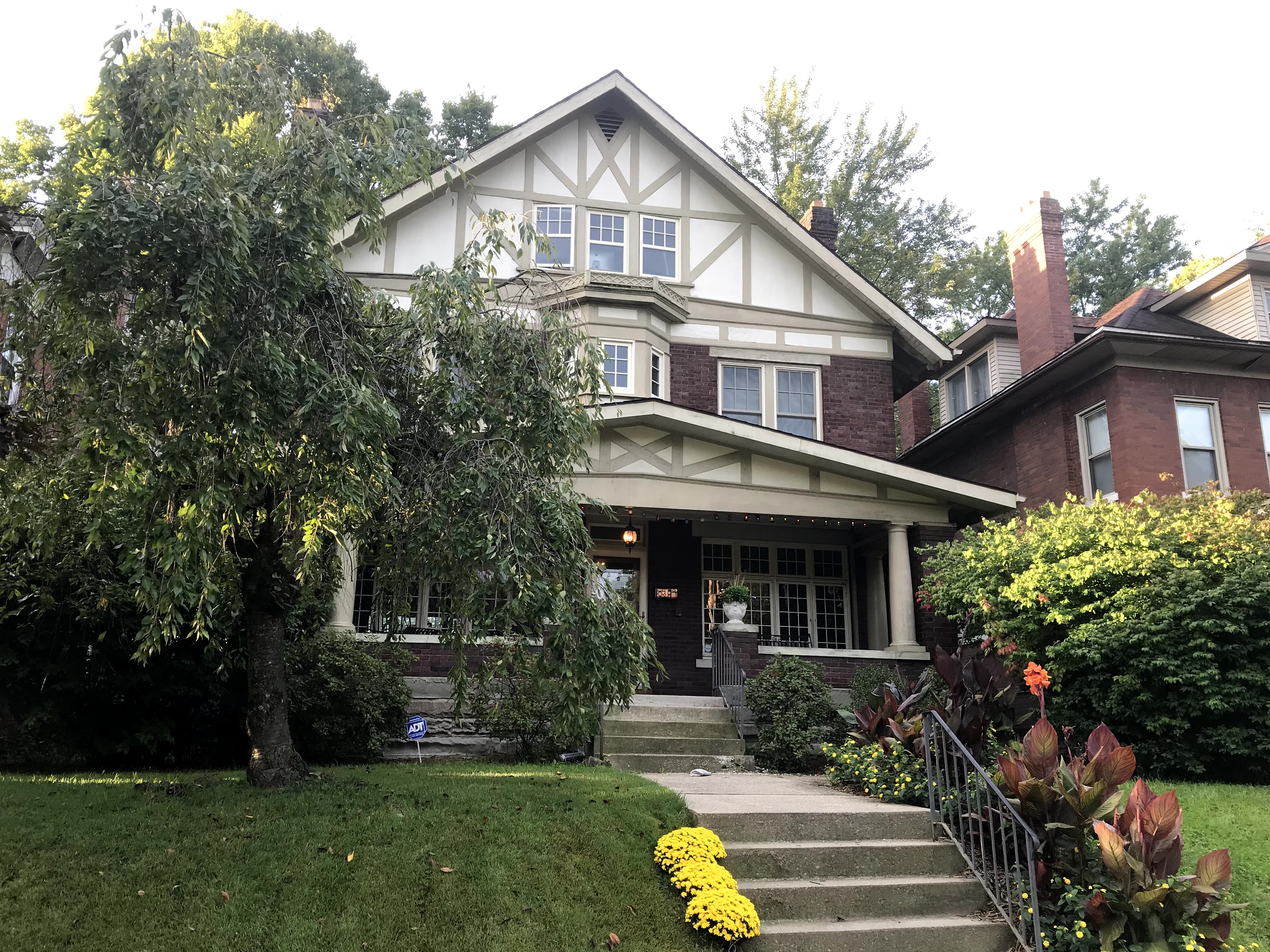
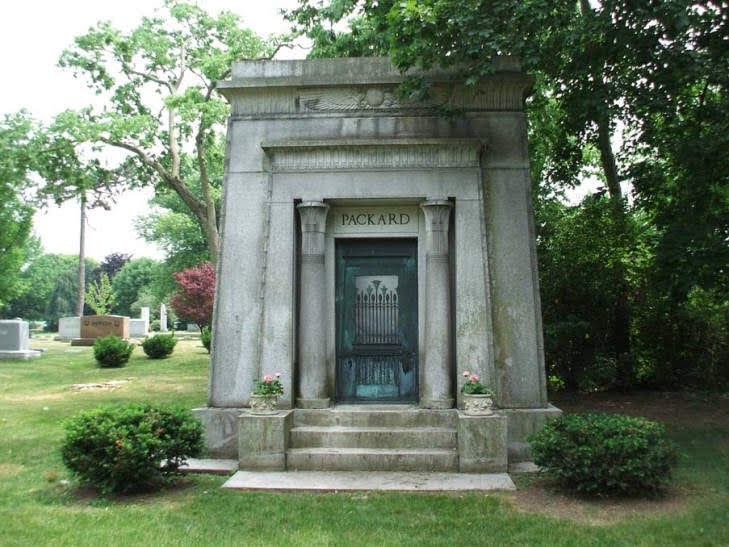
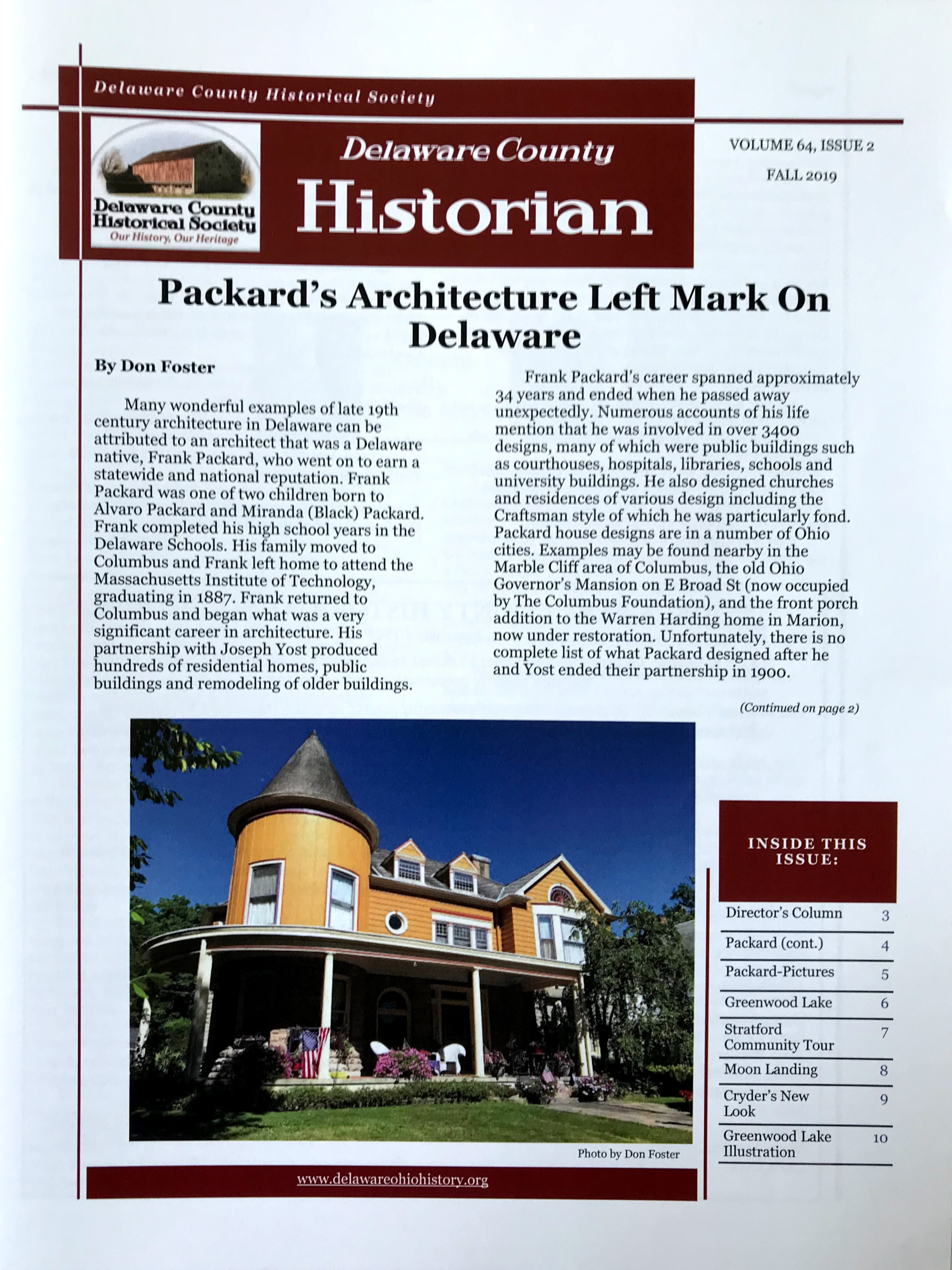
 Histories and Mysteries